
Puerto Madryn
From Buenos Aires, we took an overnight bus ride of 1300 km to Puerto Madryn in the province of Chubut in northern Patagonia. The bus journey could have been wonderful, with a...

Published: 13.01.2025
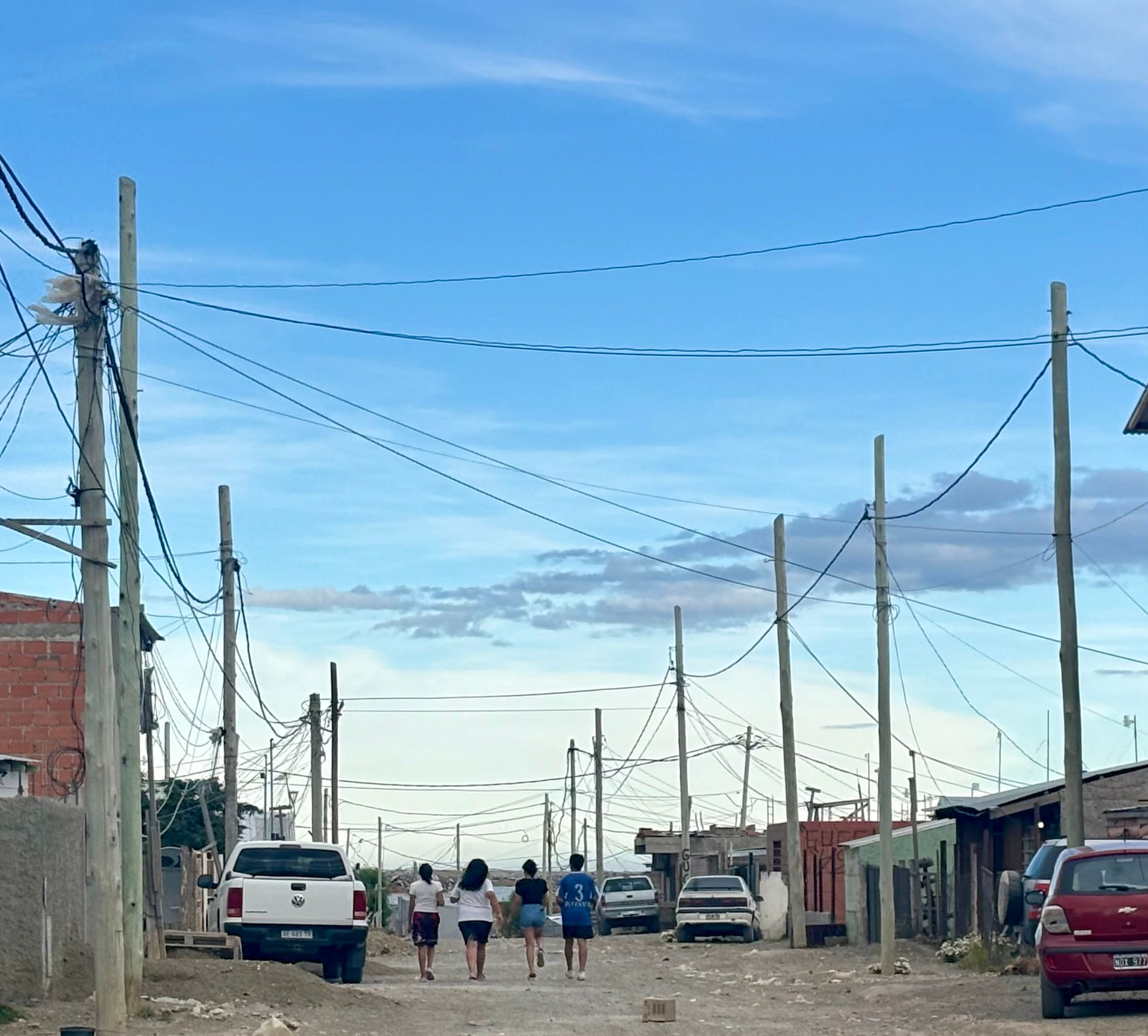
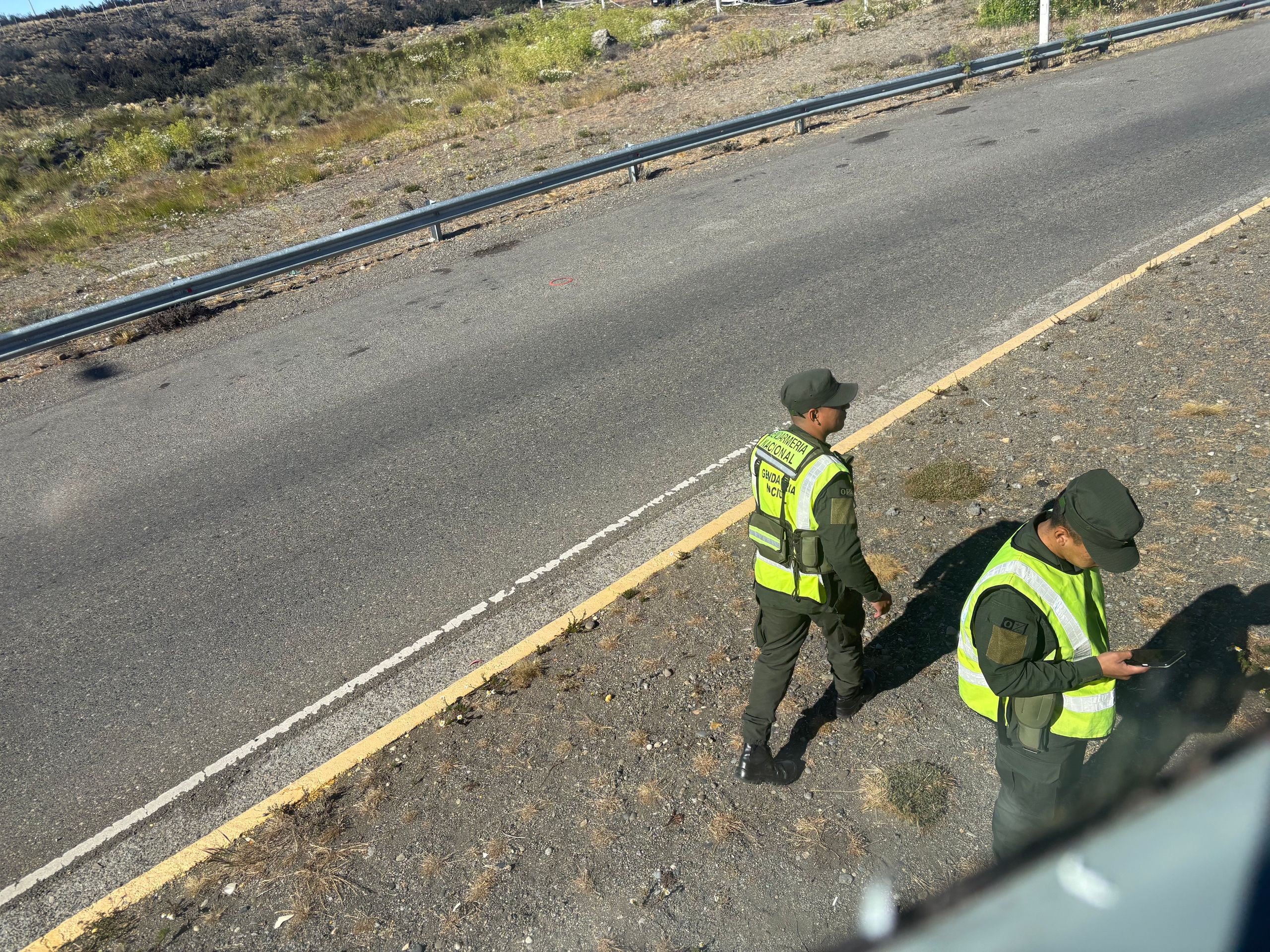
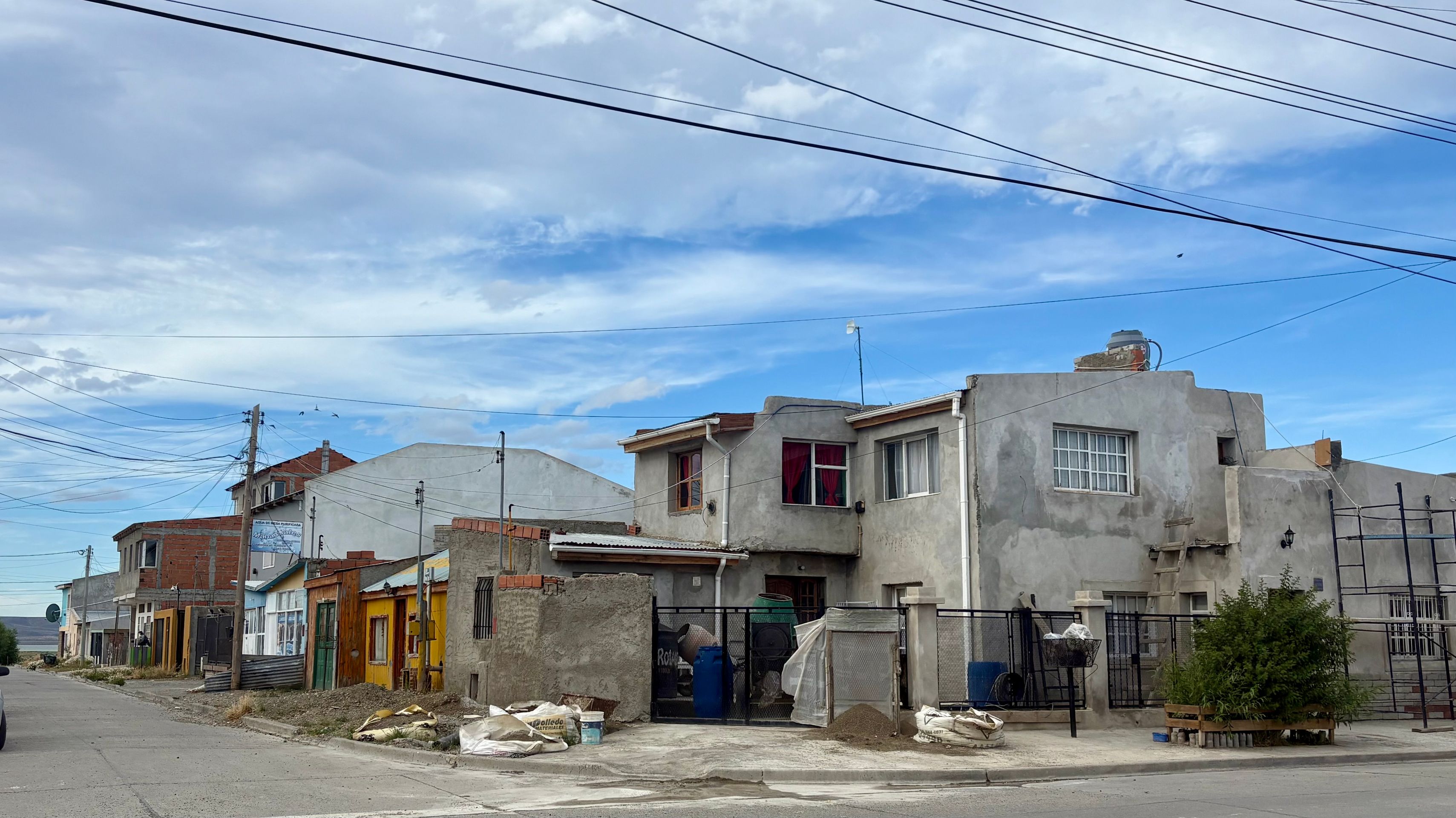
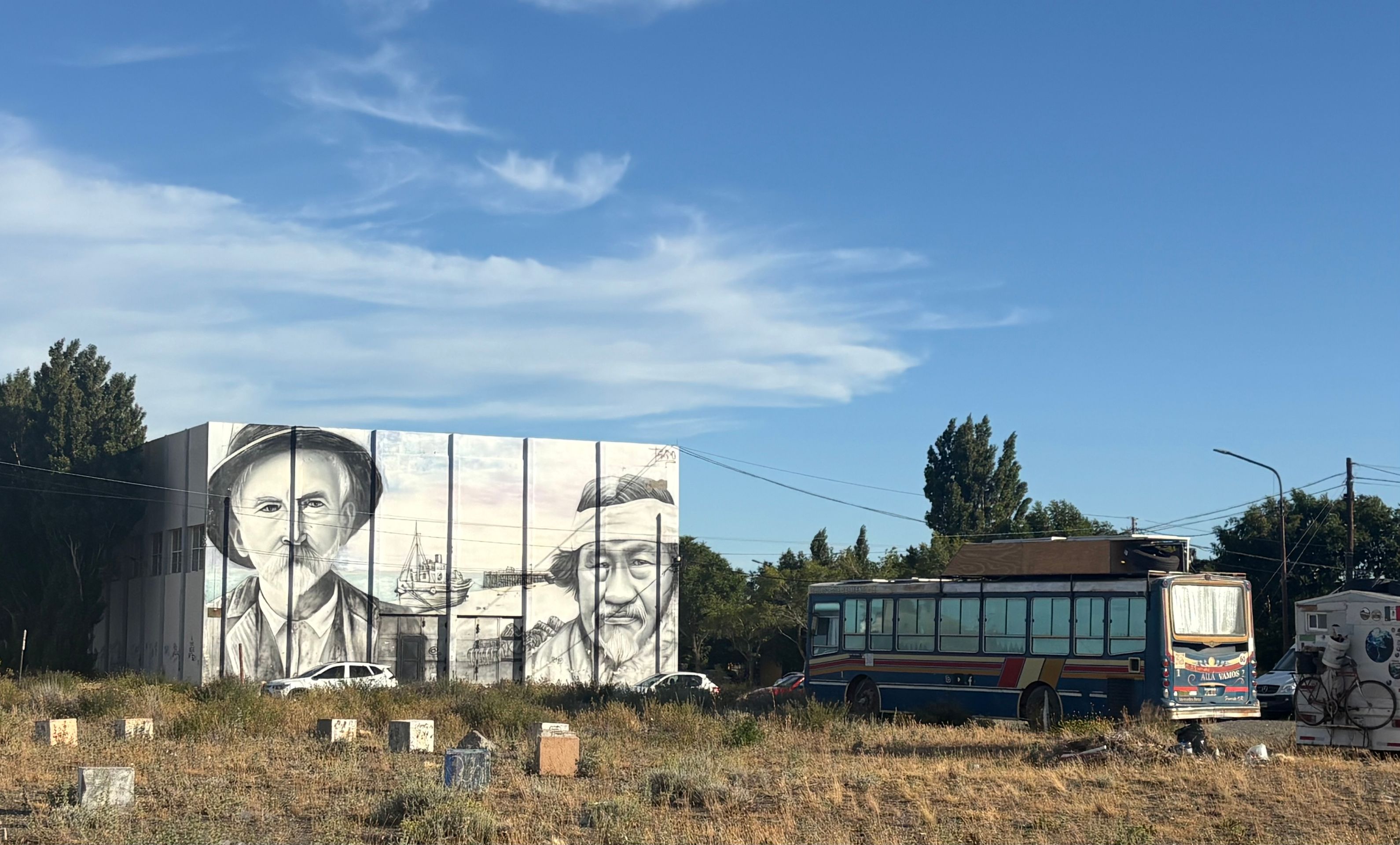
Continuing southwards and realizing that there isn't much to see along the way that interests us or resembles what we have already seen, we hopped back on the bus overnight to reach Rio Gallegos, 1200 km to the south as a stopping point. We already knew that there wasn't much to find here (the top attraction promoted by the city is 2.5 hours away by car), but we initially had to ponder how we would spend almost 2 full days here. Even though the city is not small and has all the necessary infrastructure, it feels quite desolate and truly has the vibe of the end of the world.
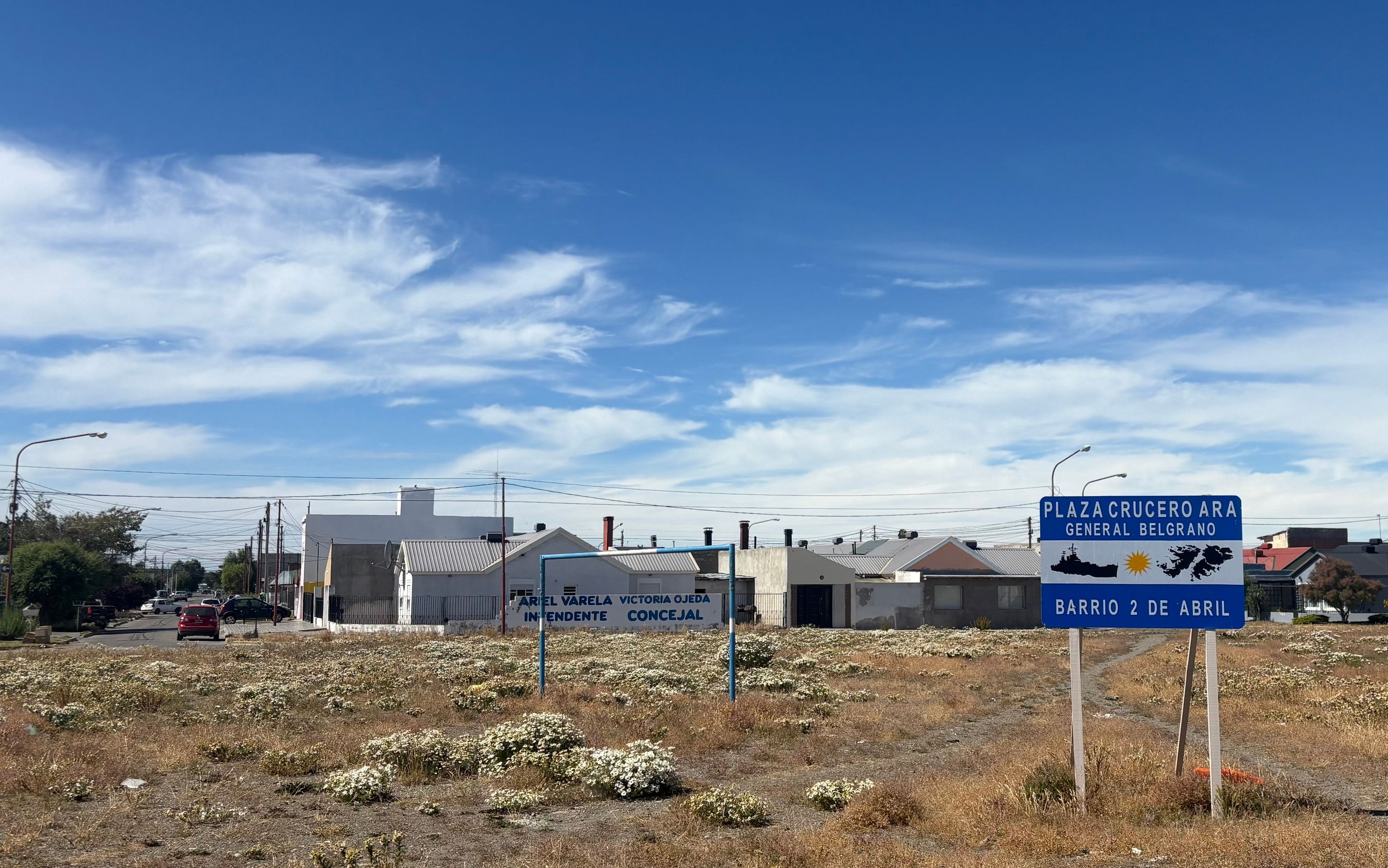
We visited the Falklands War Museum (which was of course open, but the subject is too important to Argentinians for them to cut back on it), and we were guided by an enthusiastic army wife. The propaganda that is present throughout the country (on signs, buses, house walls, t-shirts) reaches its dramatic peak here. One of the least understandable points for us about Argentina is how they are still so attached to a war that happened over 40 years ago and feel the need to continuously highlight it: Malvinas son Argentinas! The comparison is a bit off, but how strange would it be if “Silesia belongs to Germany” was printed on Flixbuses?
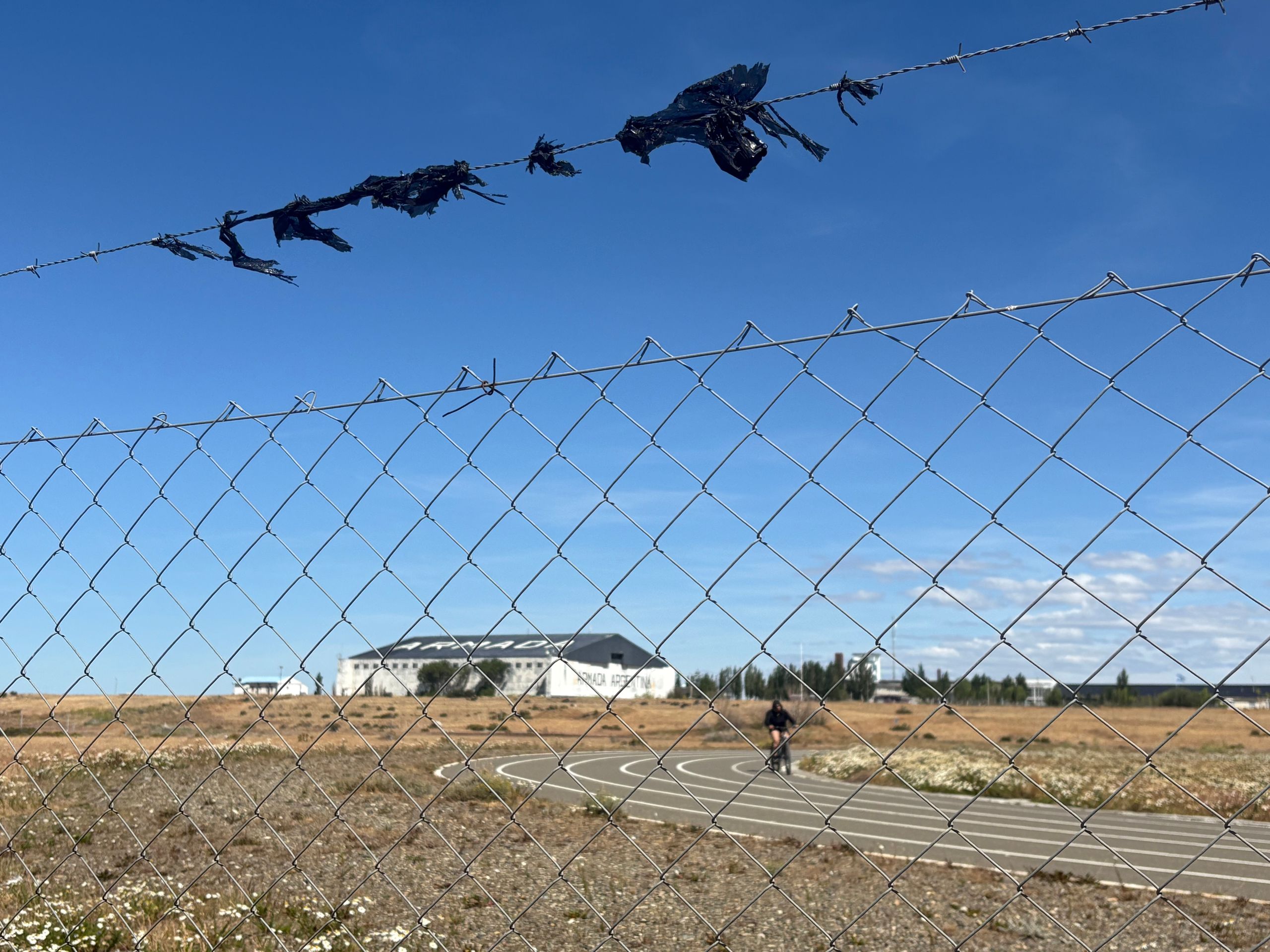
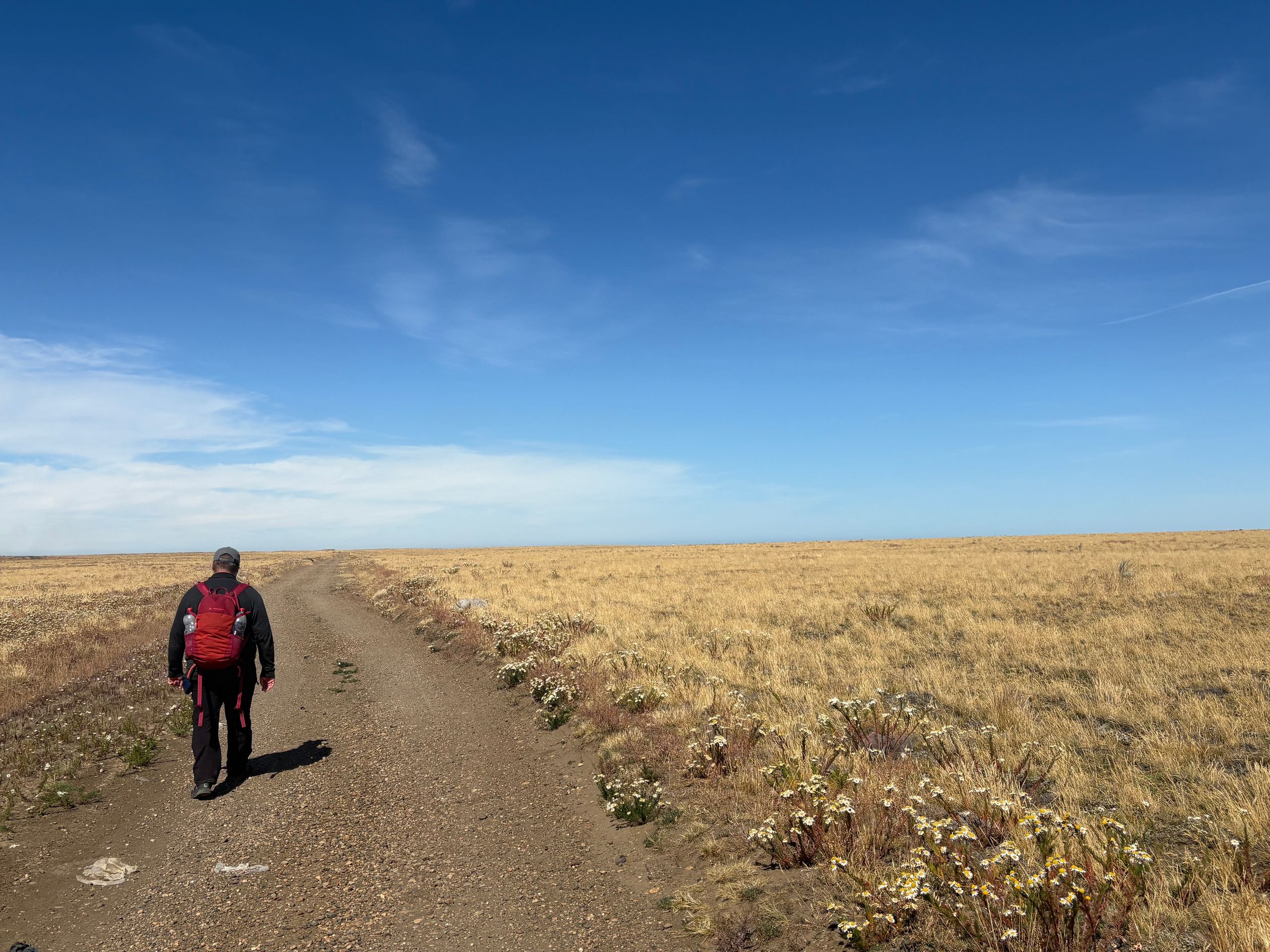
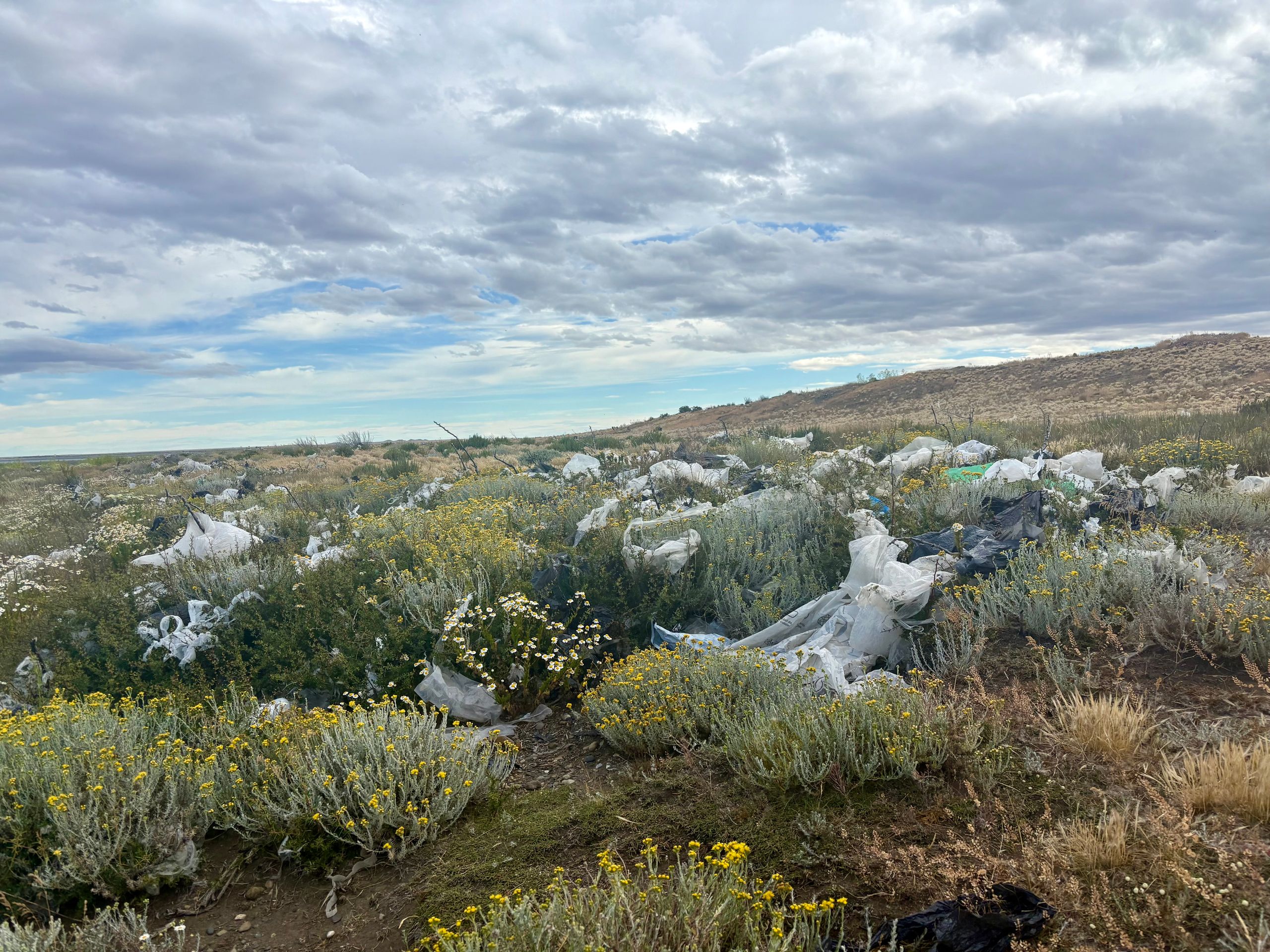
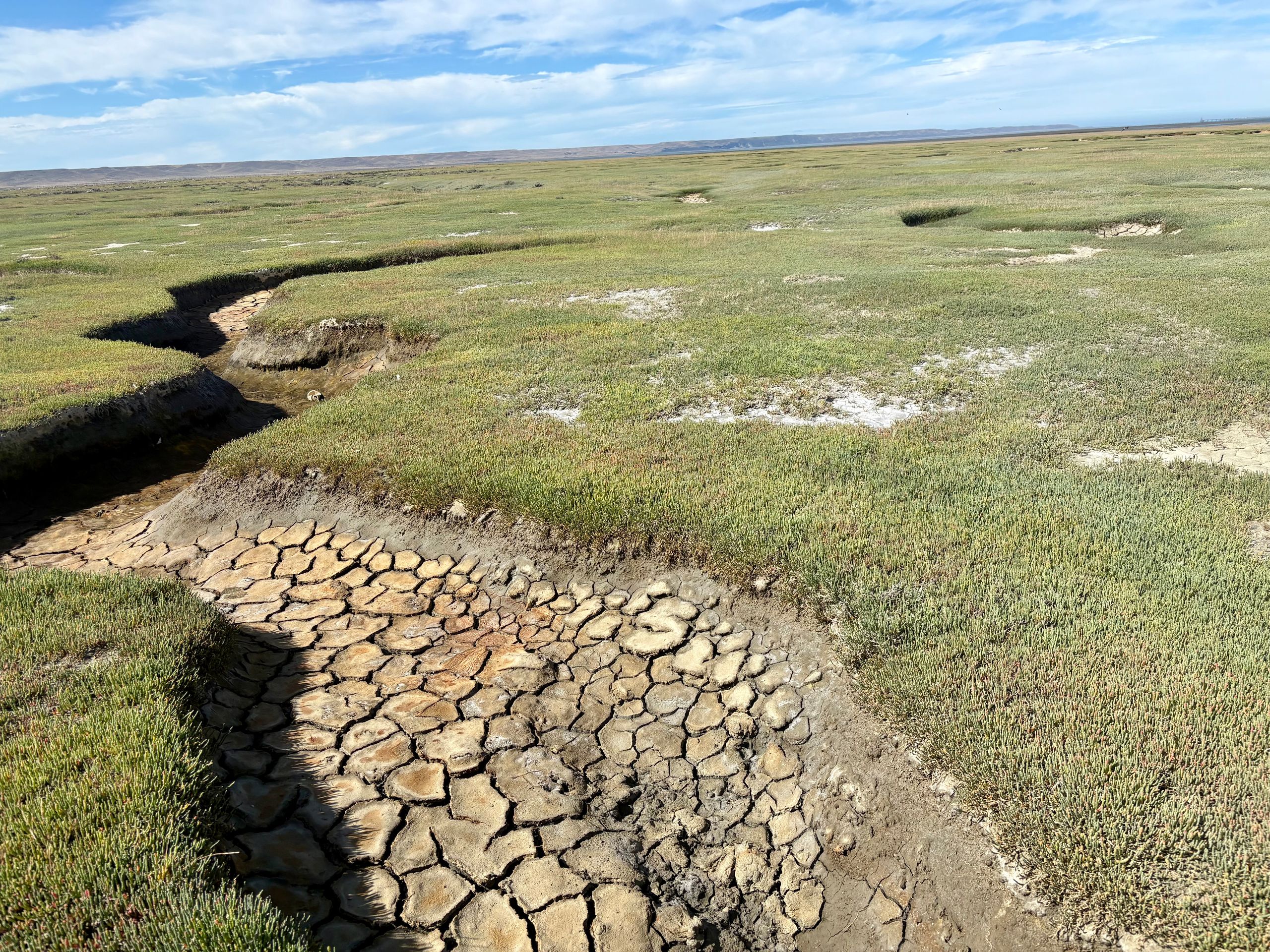
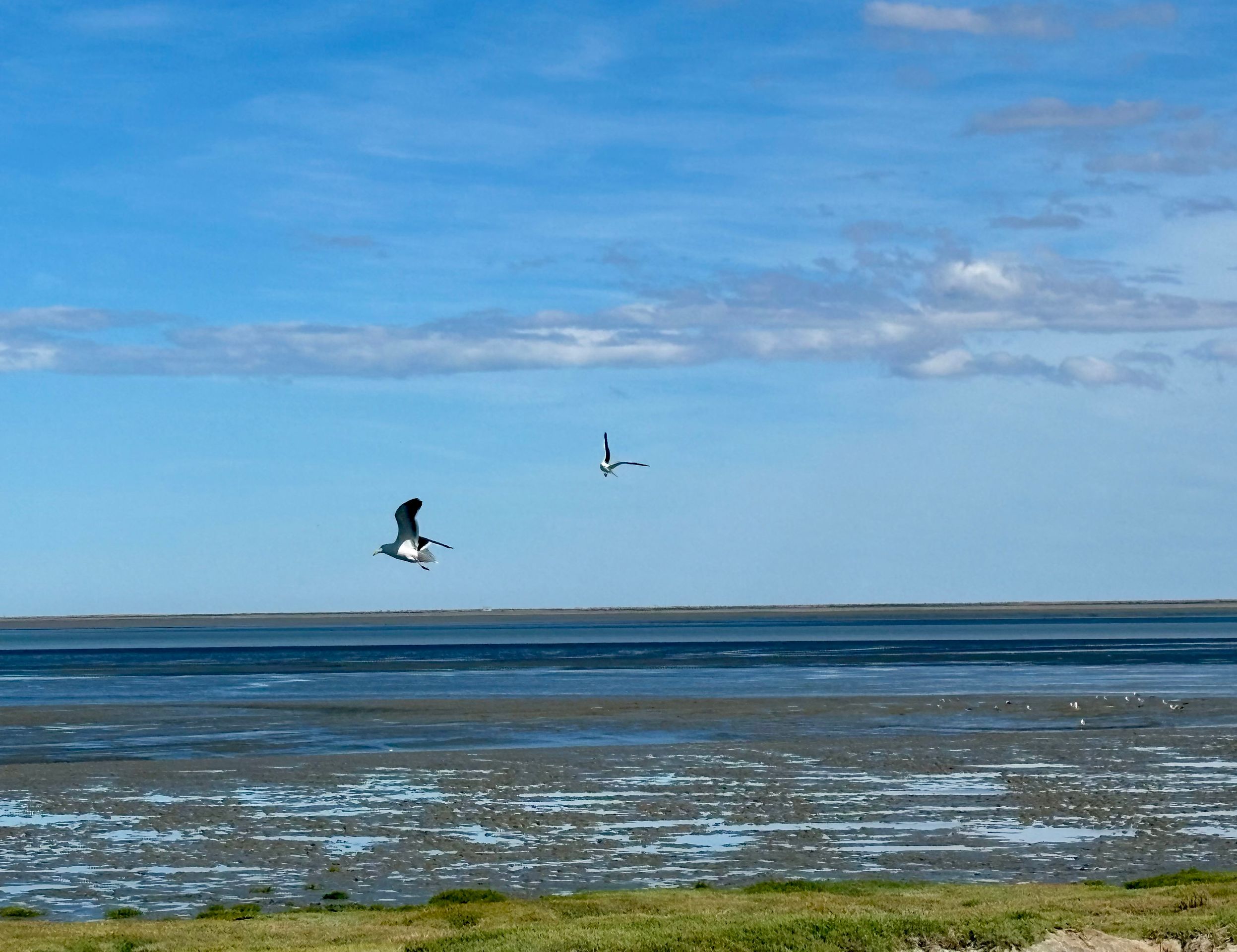
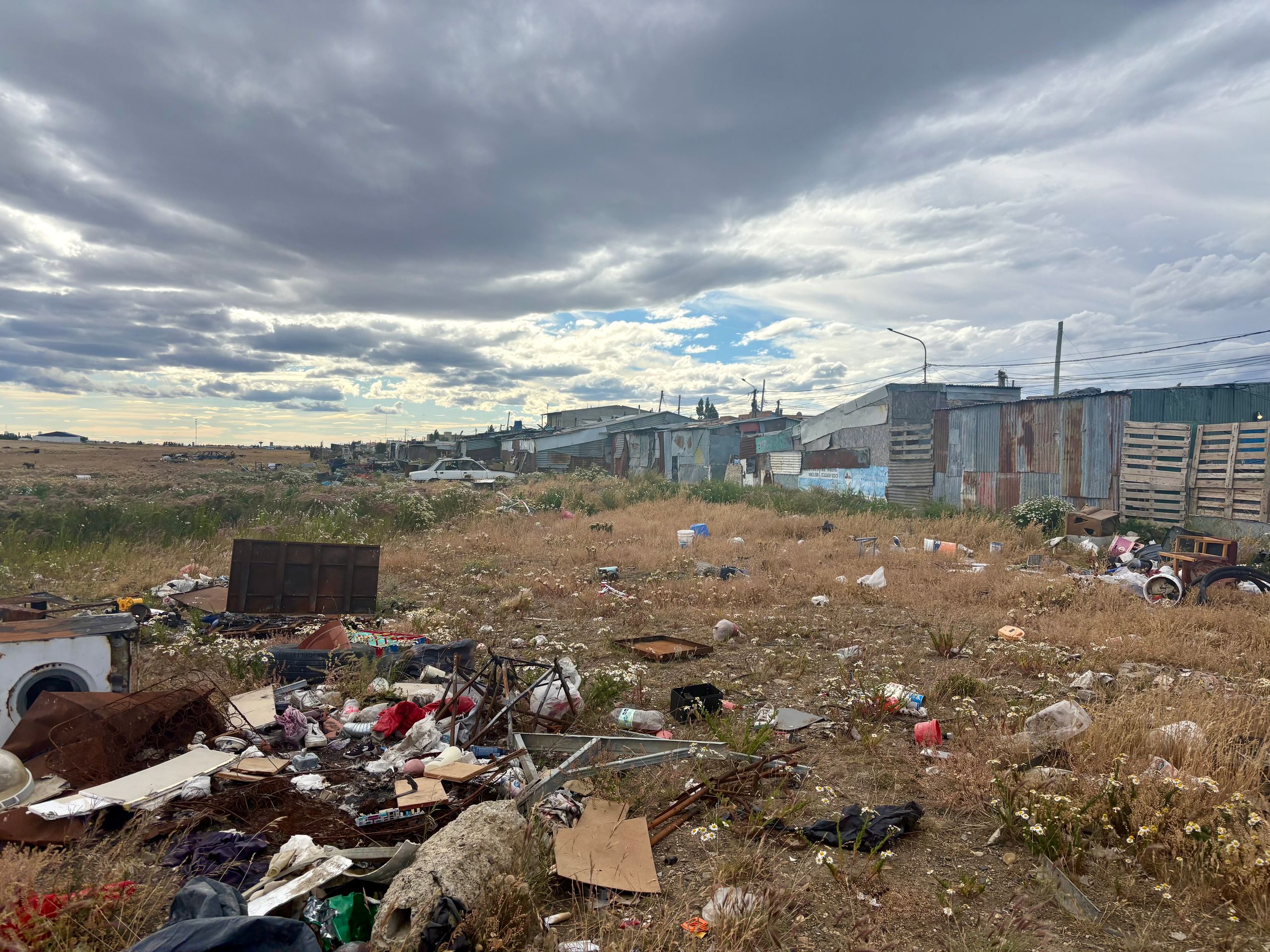
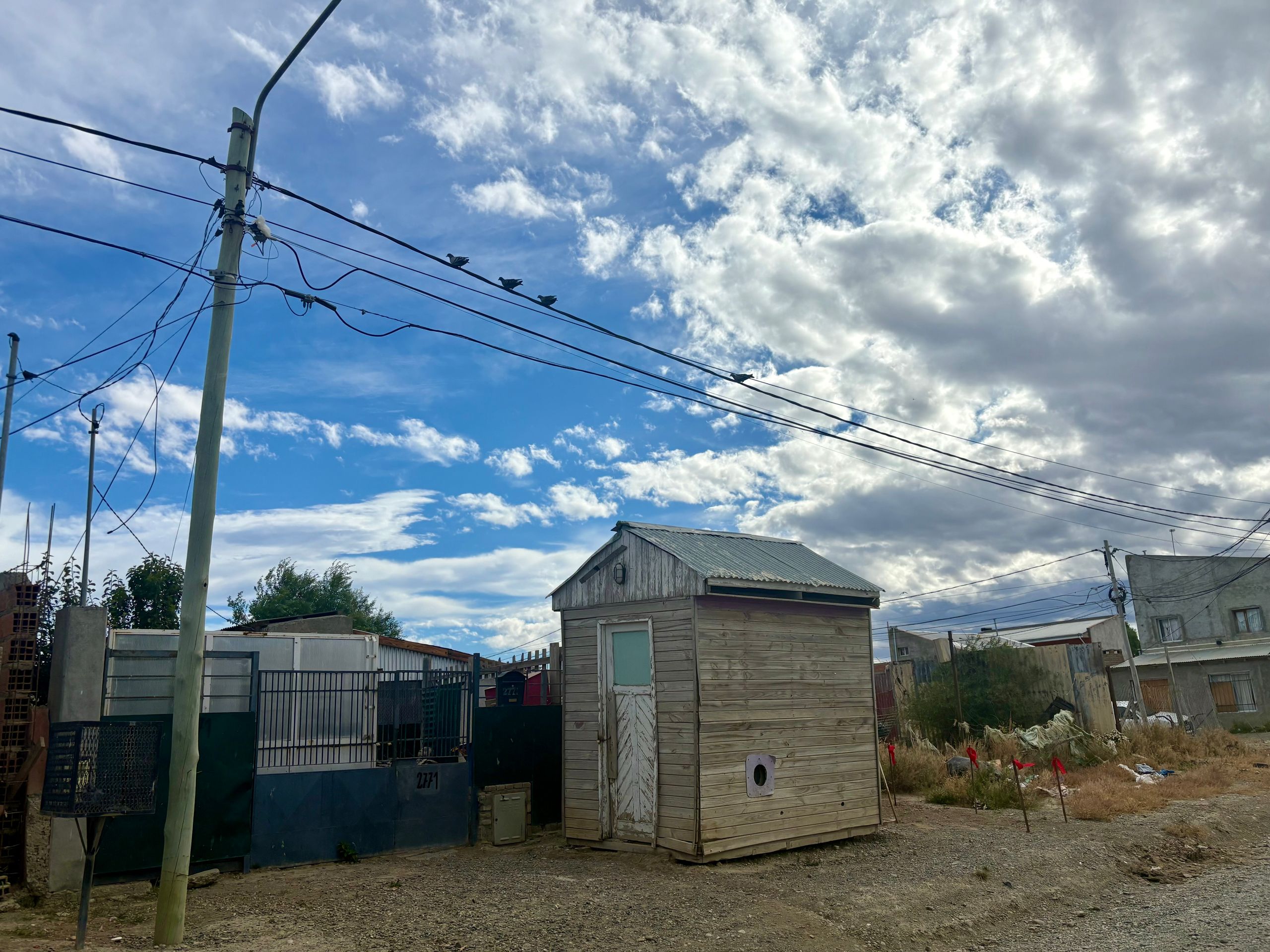
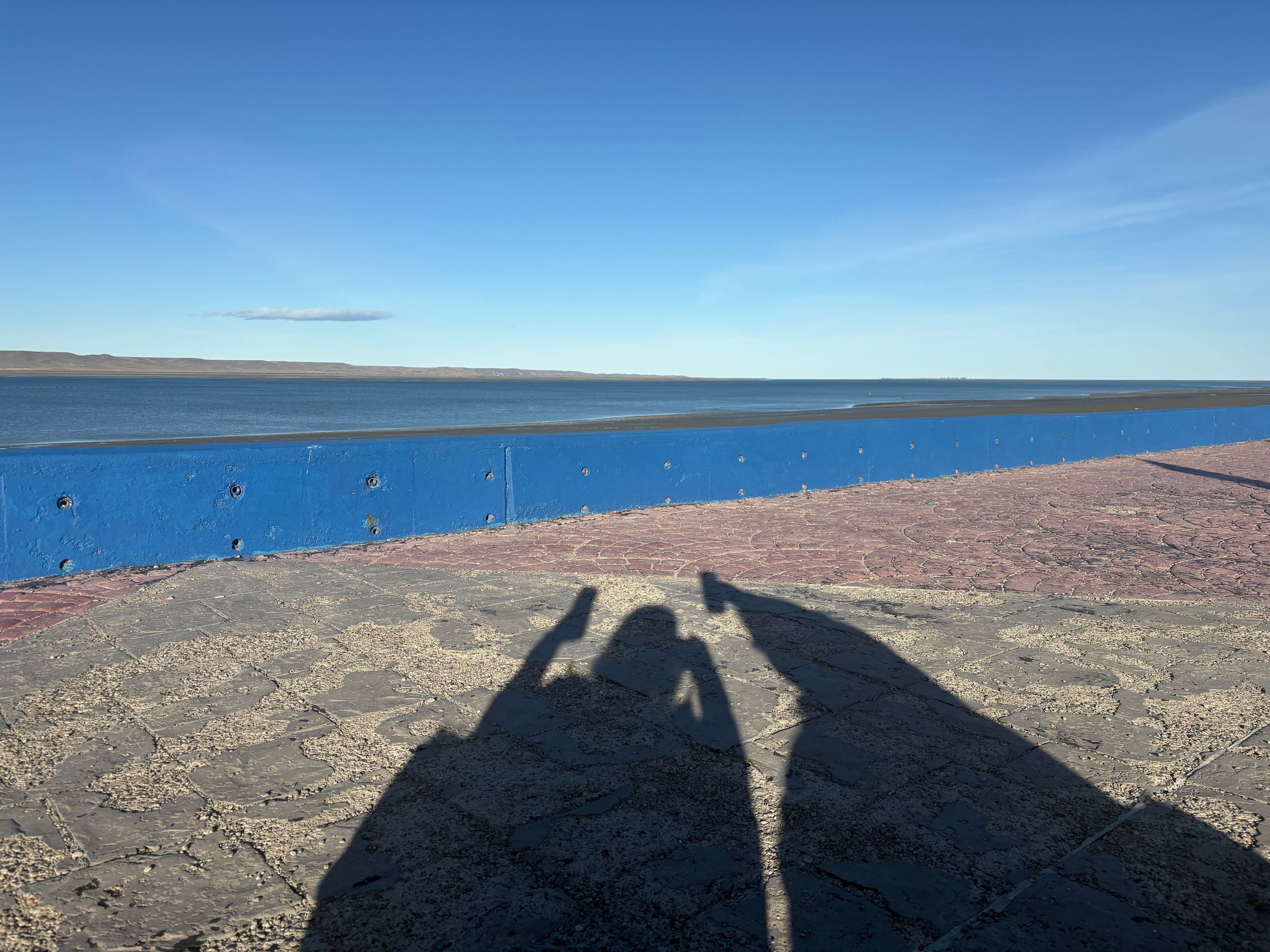
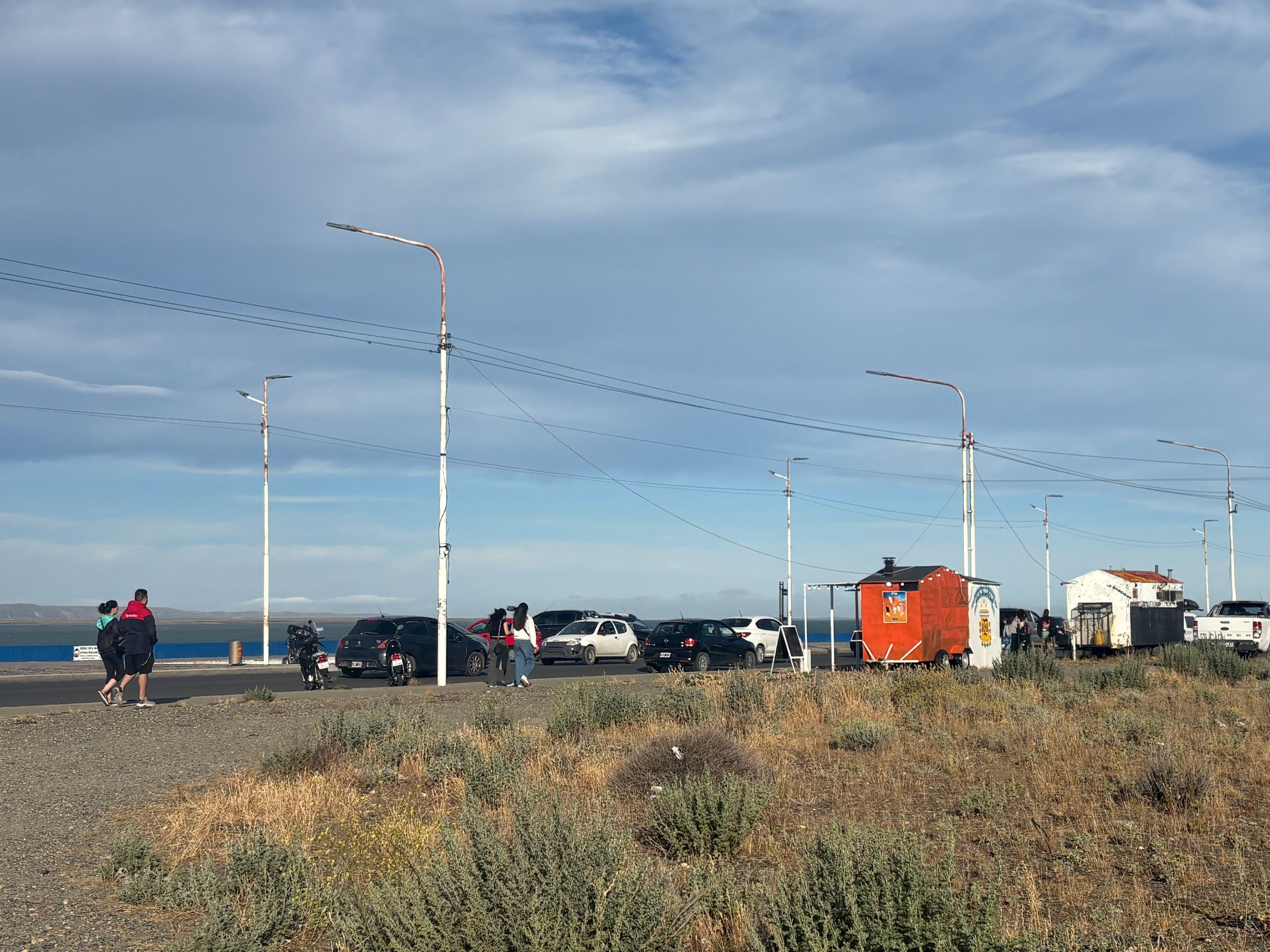
On the second day, we wanted to go to a nature reserve that was accessible on foot, where you could observe a lot of birds at the mouth of the Rio Platas. Although we trudged over 20 km, our path led us through dull outskirts of the city and old military aircraft runways, with garbage blowing around everywhere. When we finally reached what we hoped would be something green, the first thing we encountered was a burning garbage dump, where we actually saw most of the birds that day! After we fought our way to the water, it was quite nice! The trash-lined return path took us through a poorer neighborhood. The few people eyed us suspiciously, and there were dogs everywhere. They immediately started barking deafeningly in chorus, ensuring that you wouldn't stay in their little corner territory. We spent the evening at the seaside promenade, watching the locals pushing their carts (ranging from super fancy to walking junk heaps) while the air was incredibly polluted.
It wasn't really beautiful, but we still had a good time. Onwards!