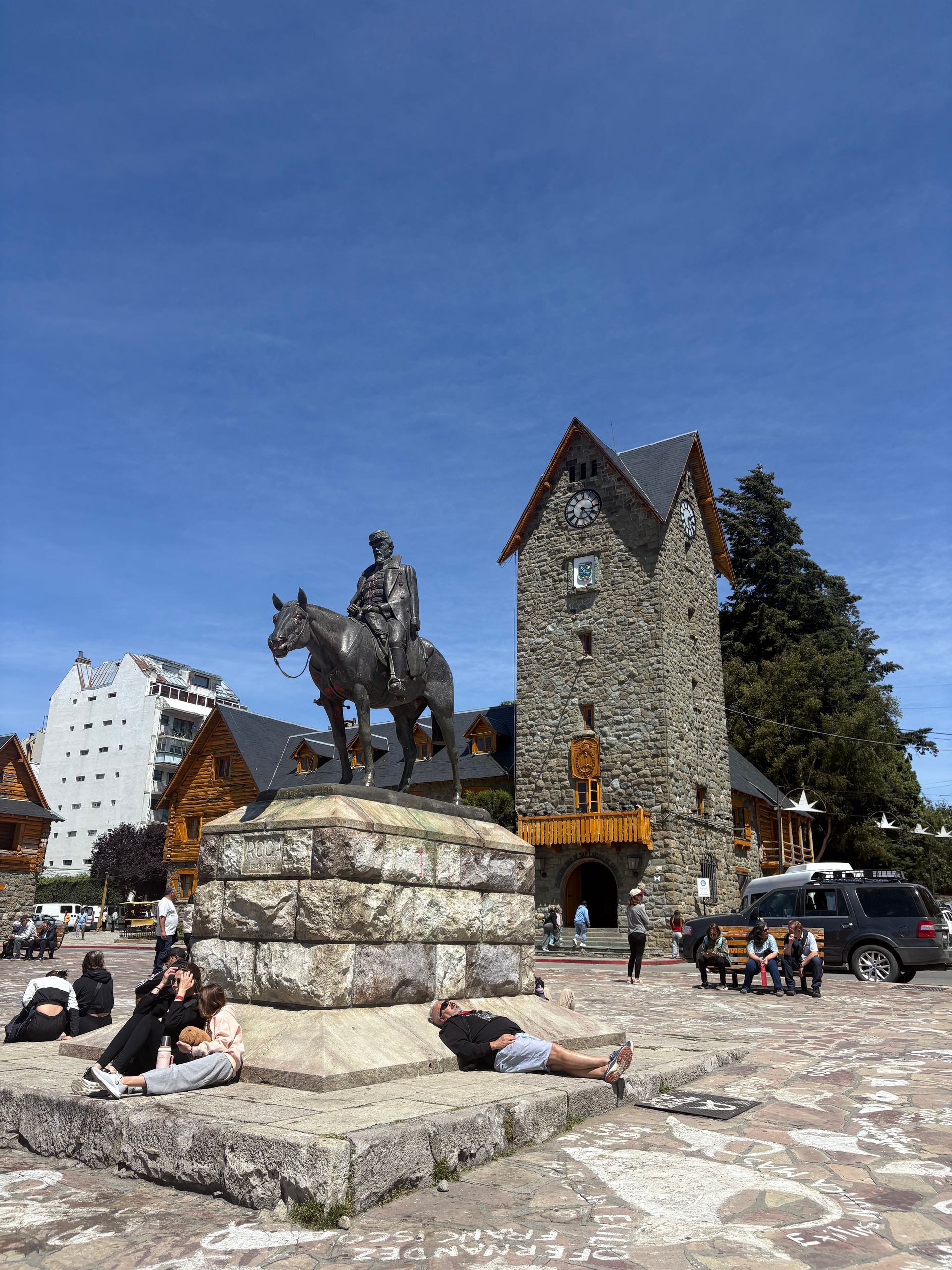
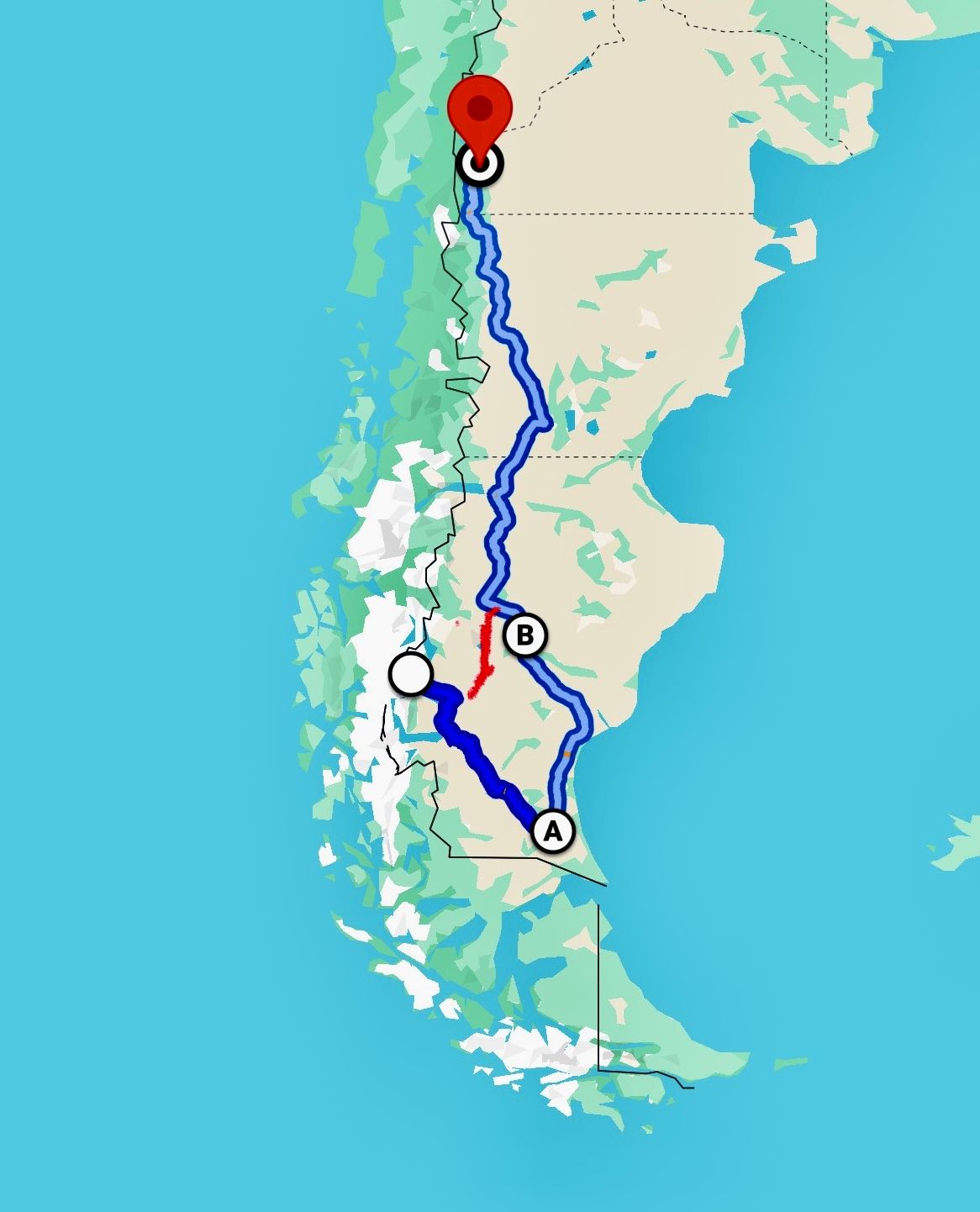
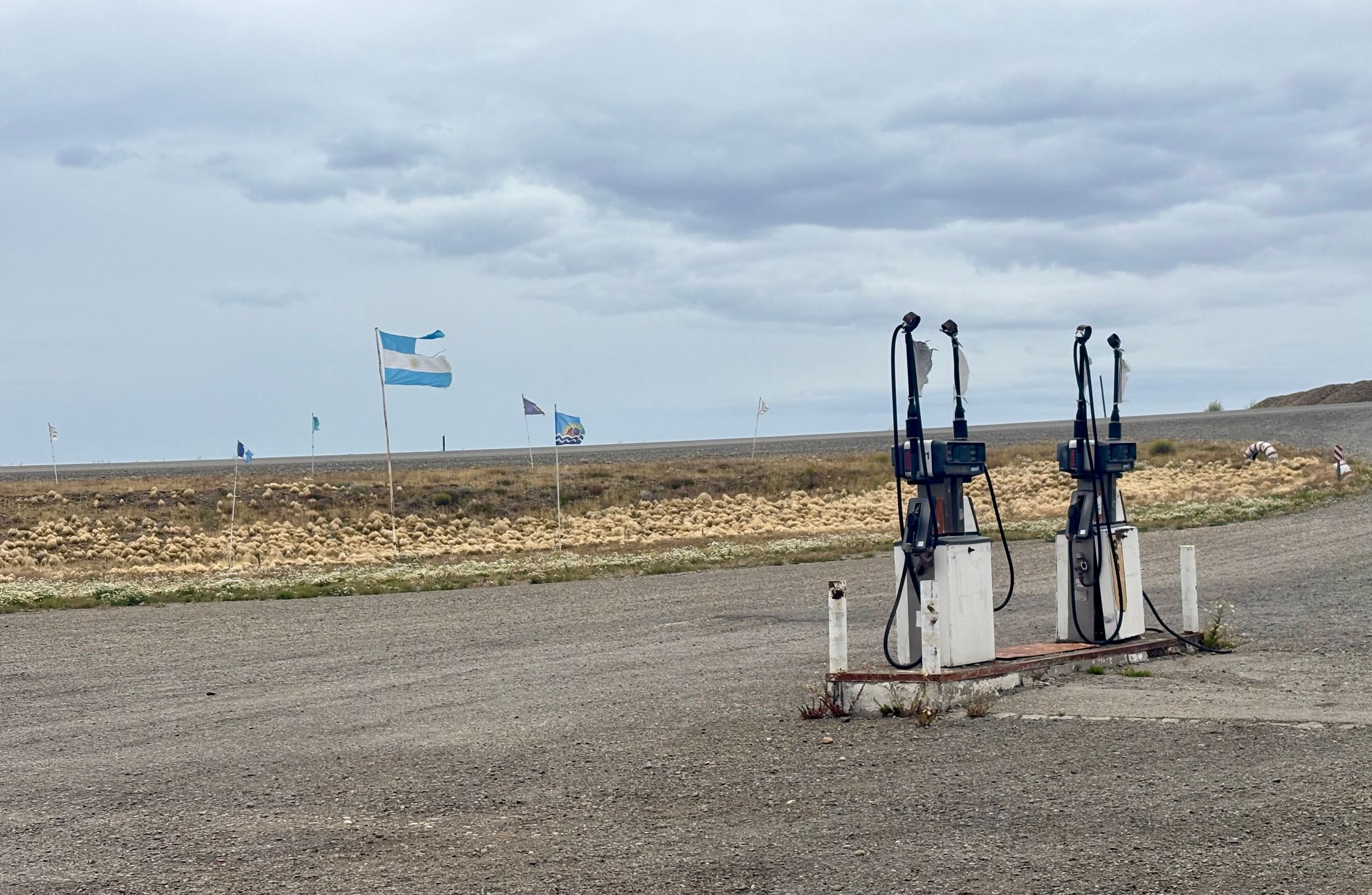
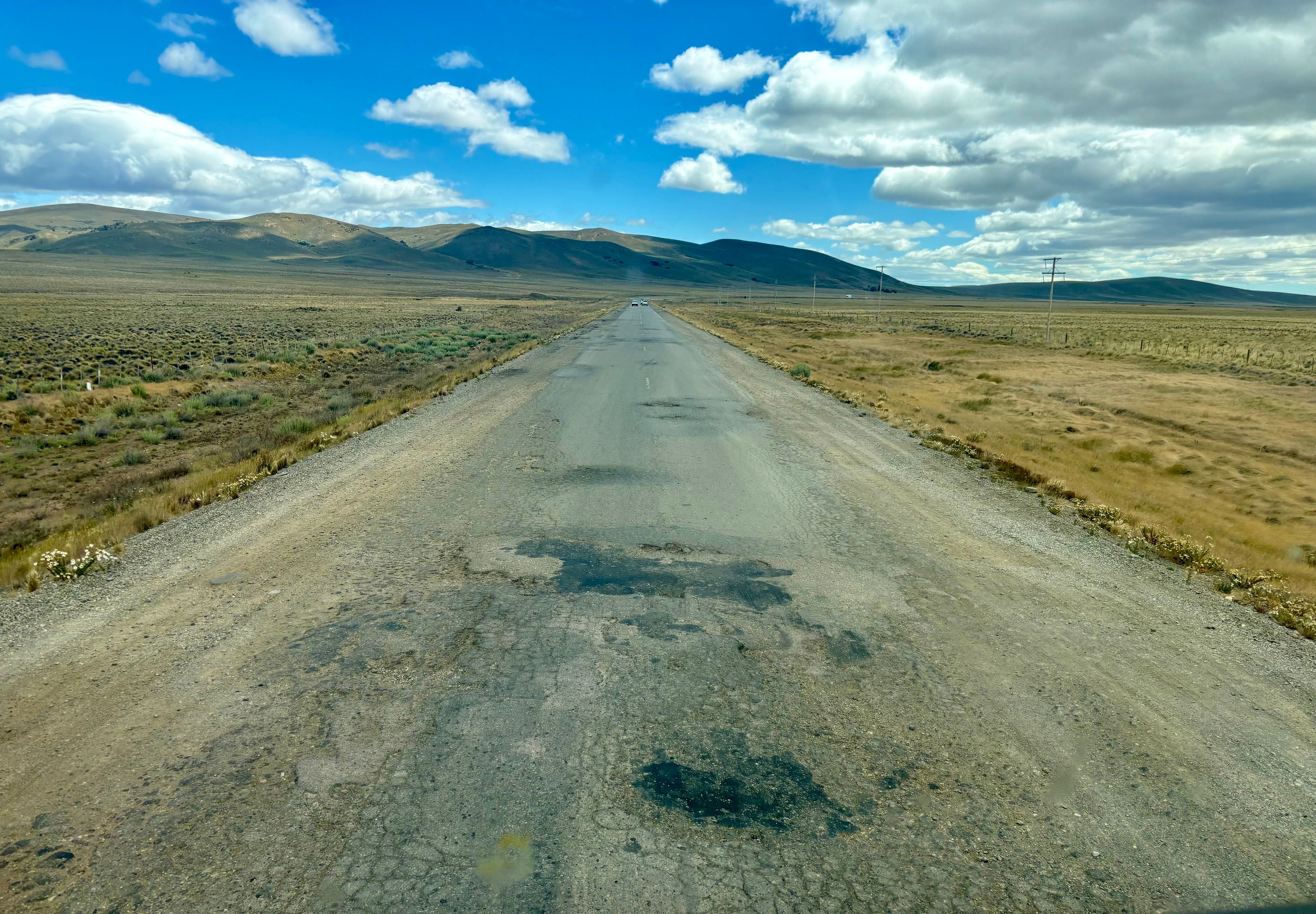
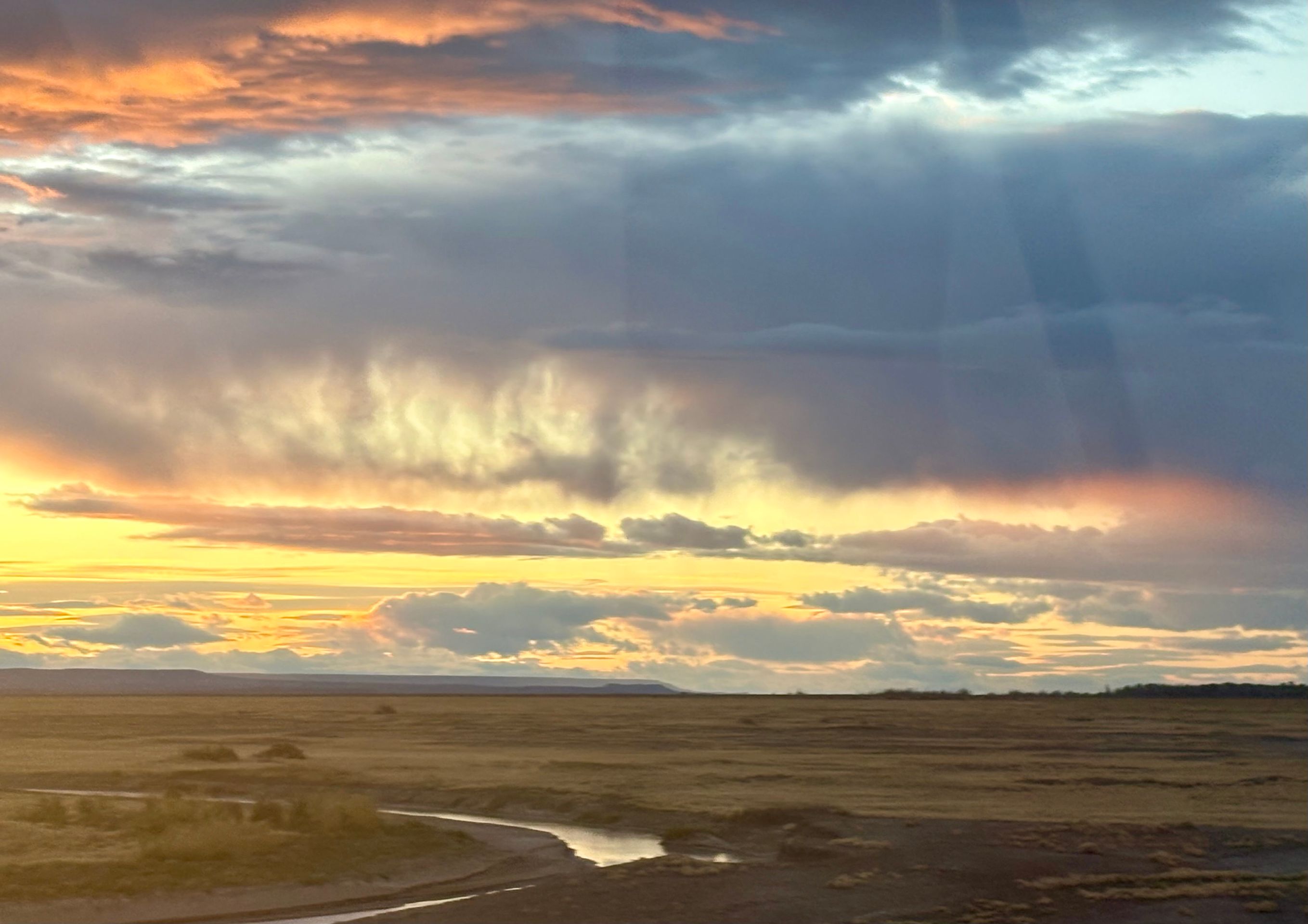
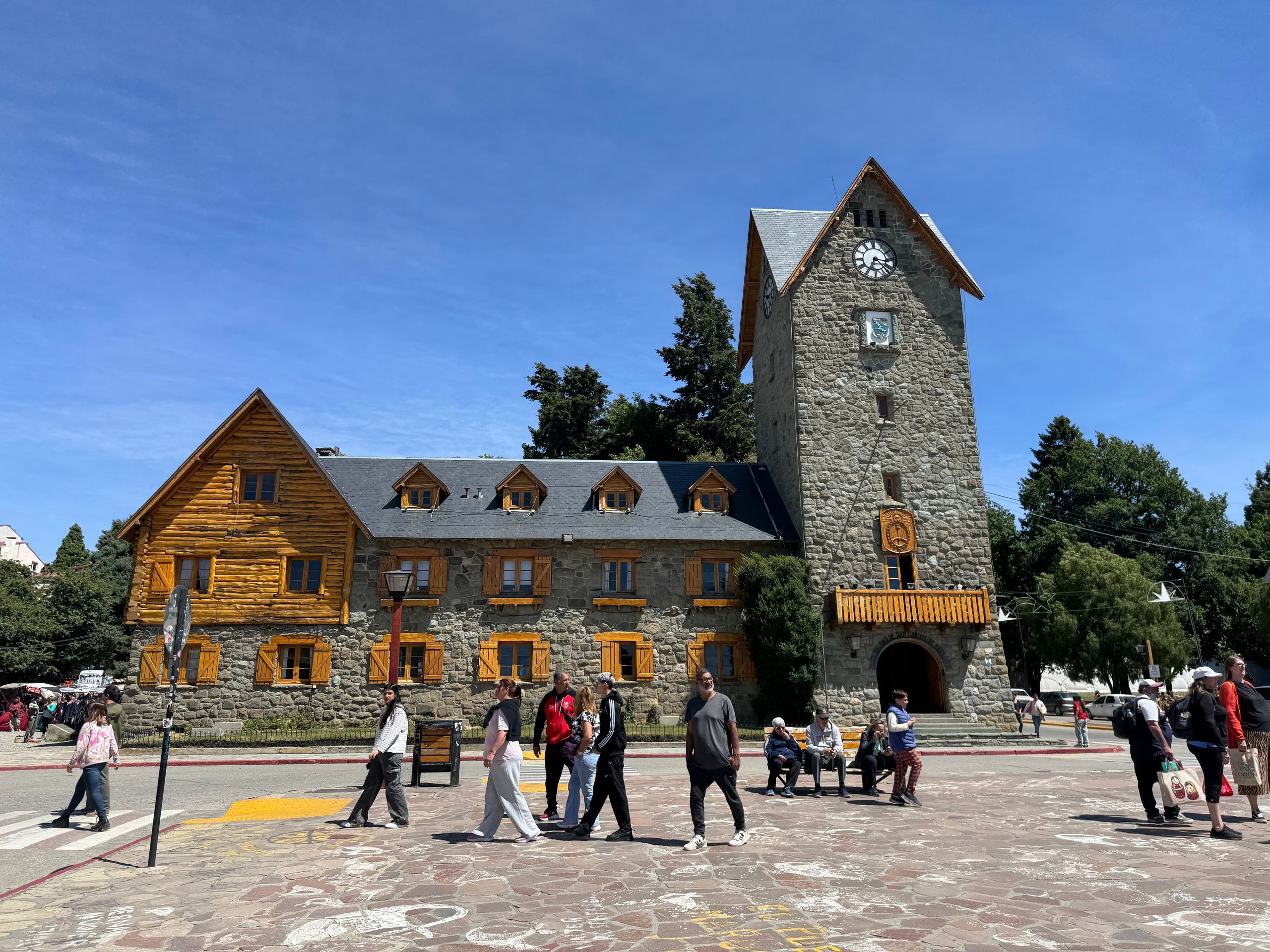
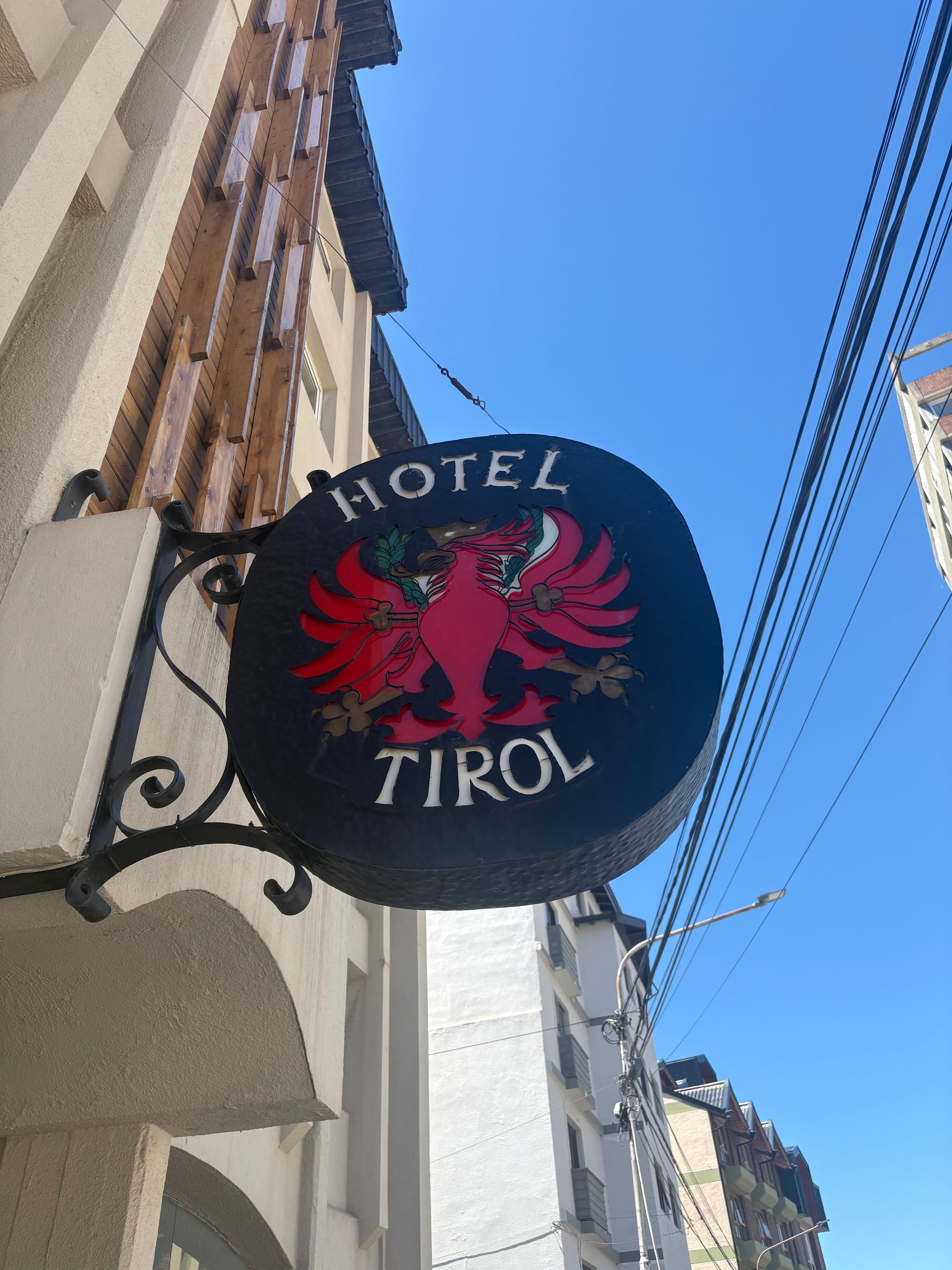
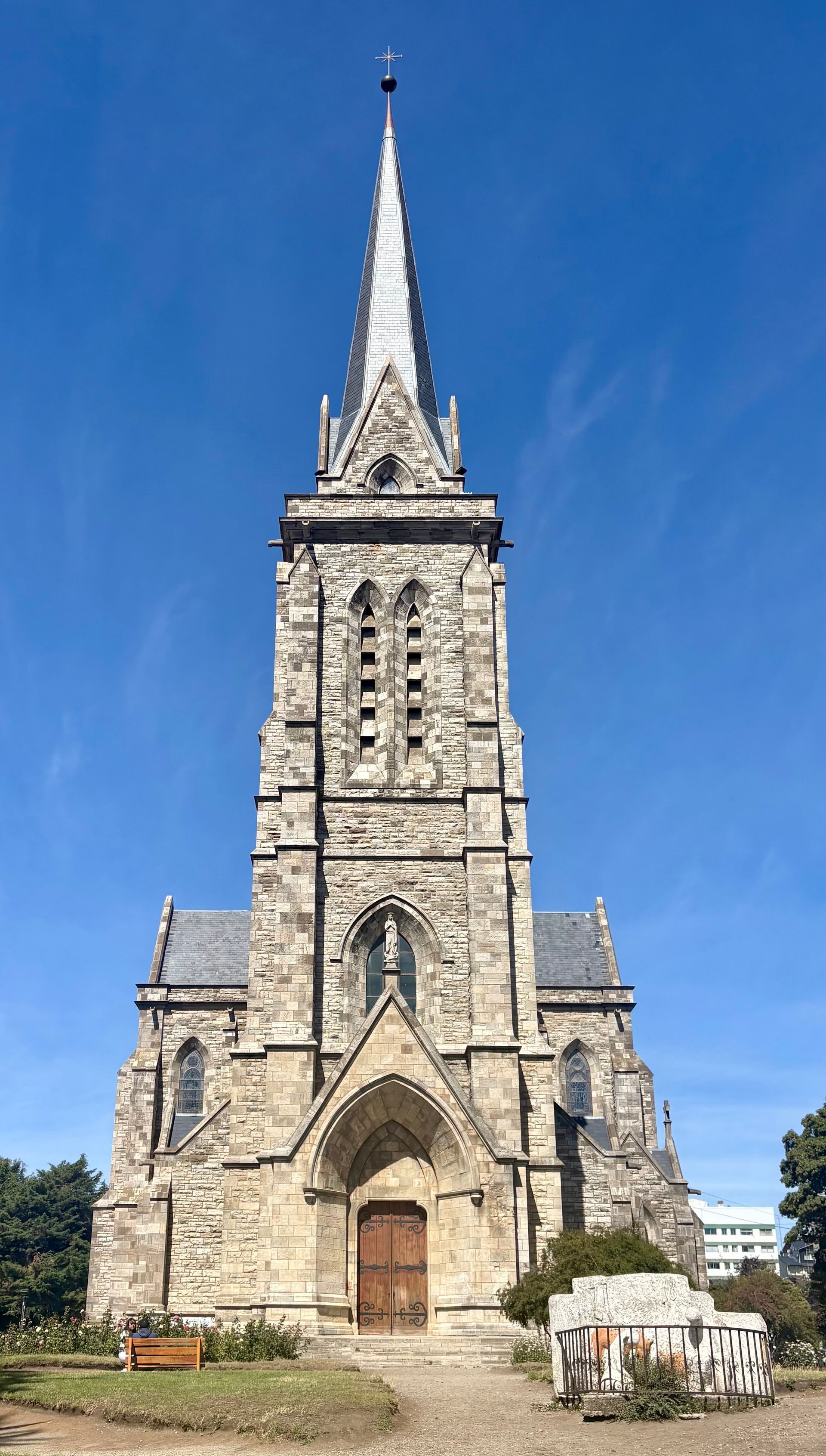
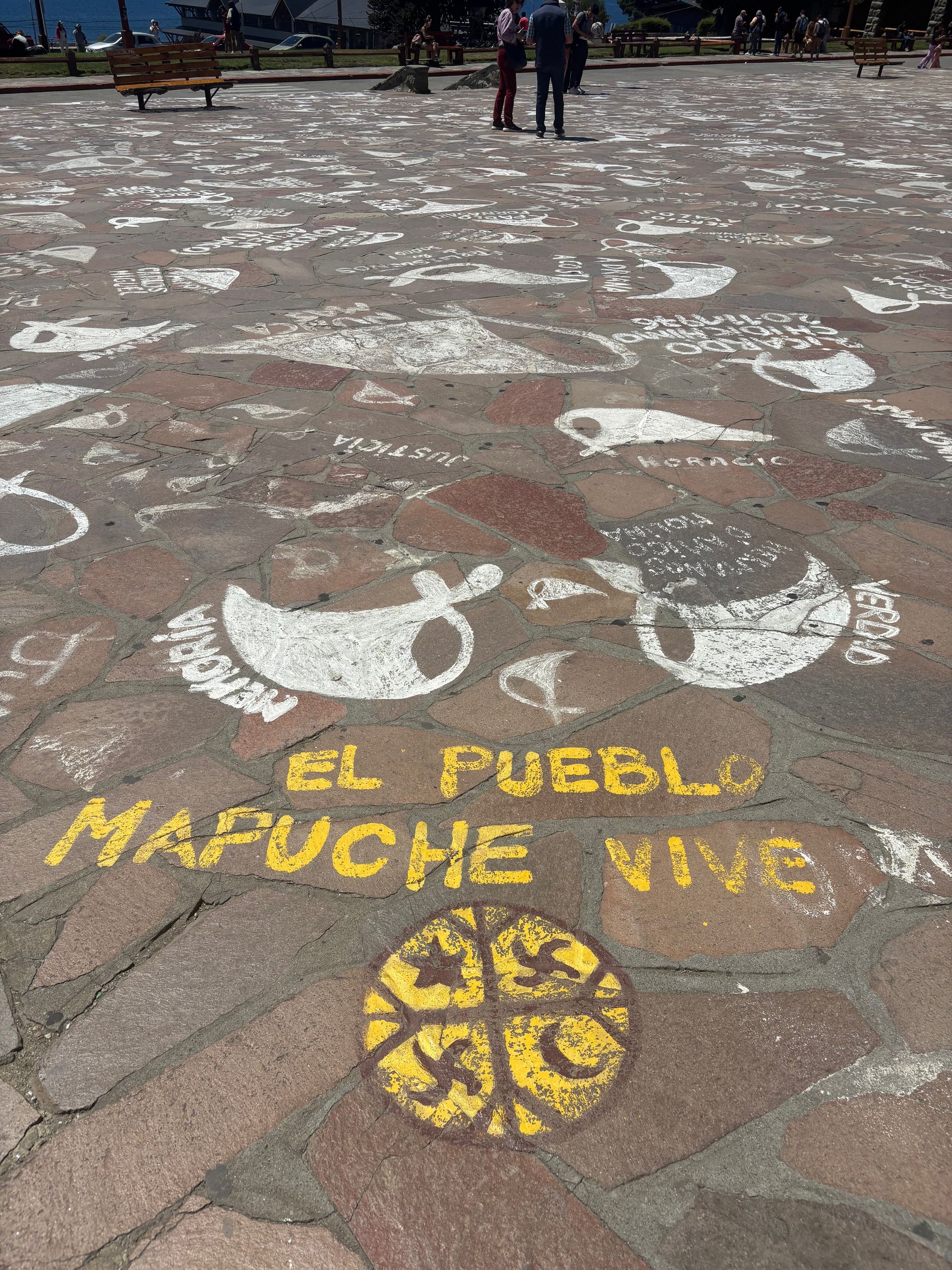
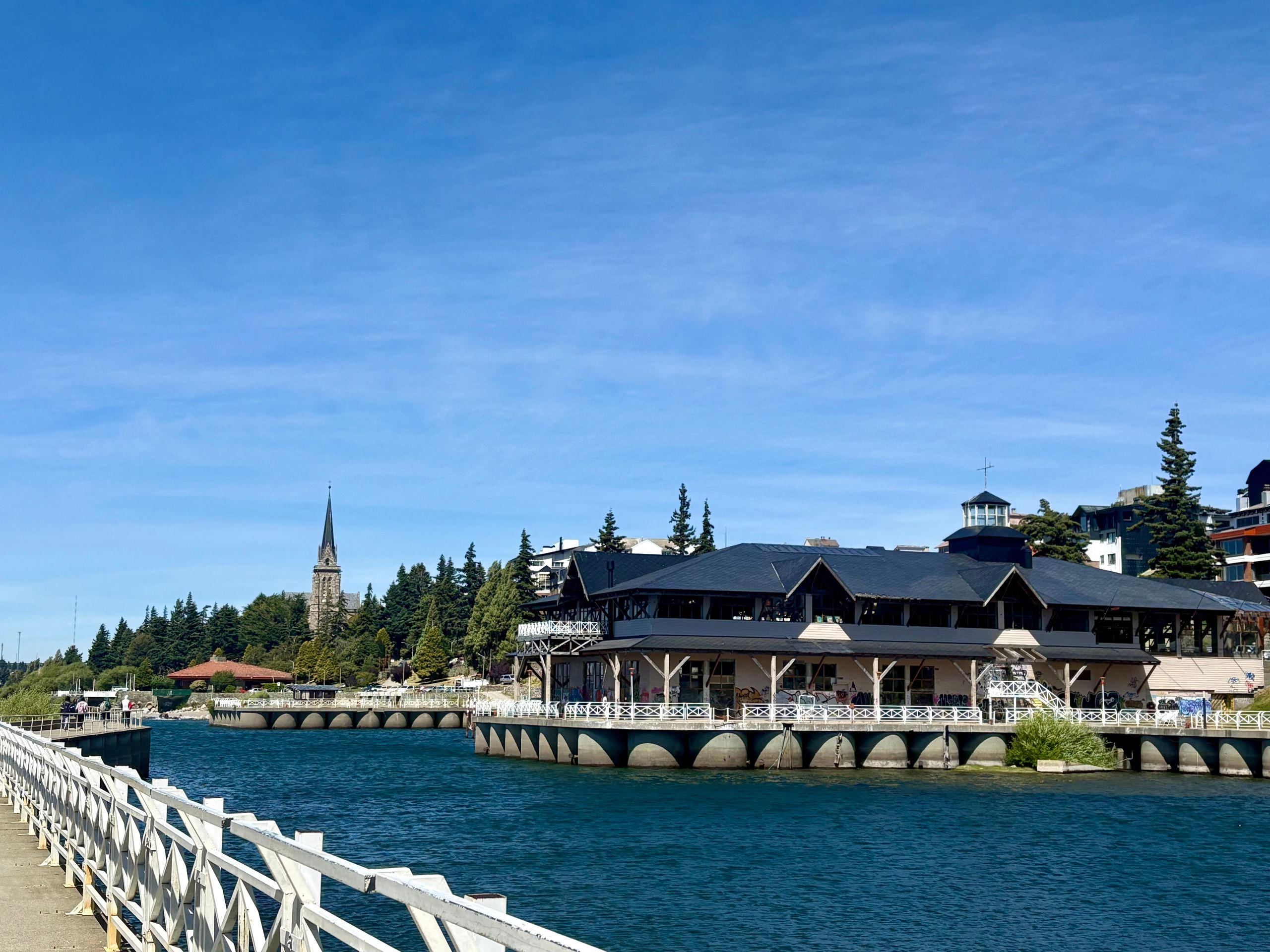
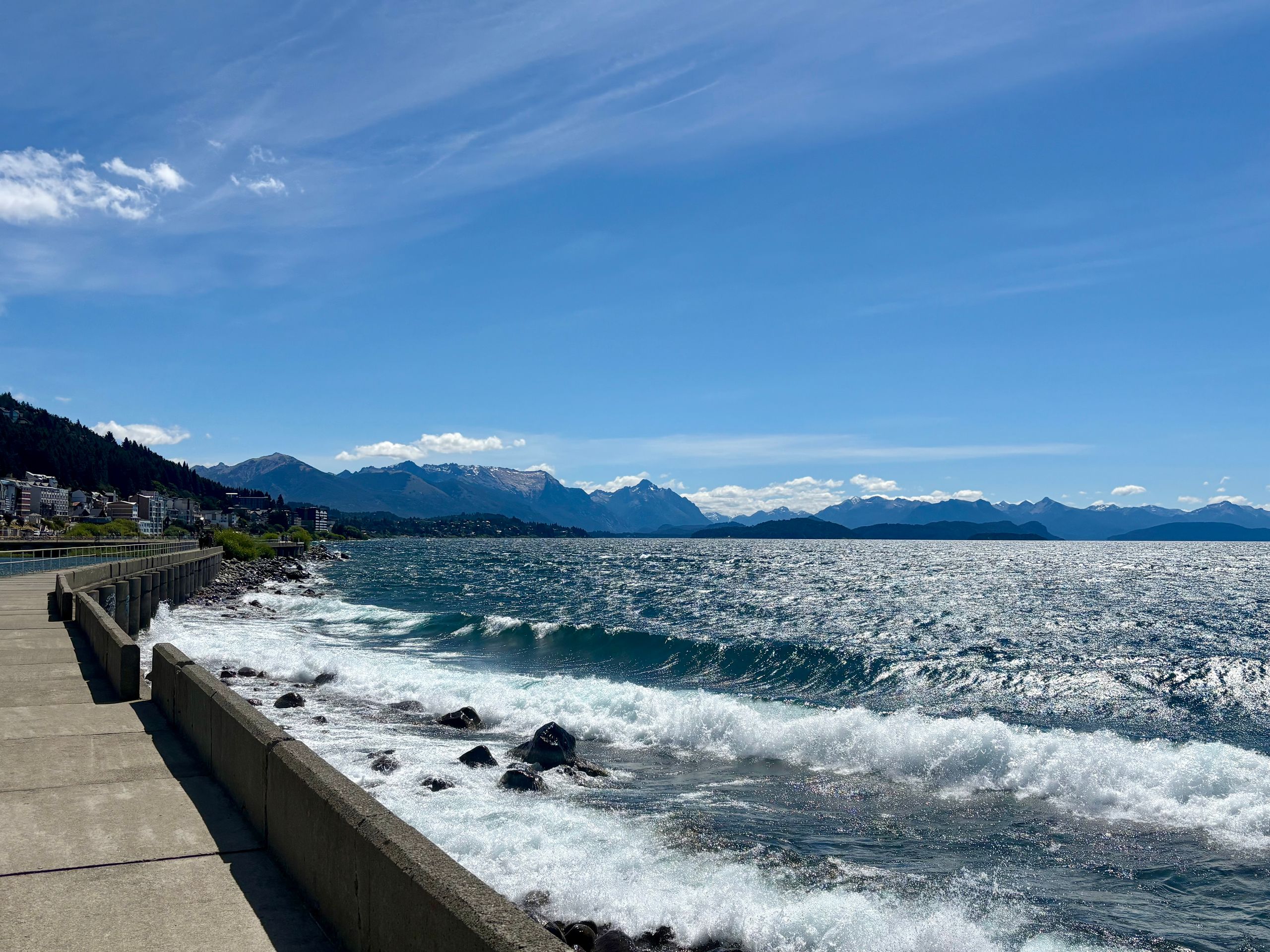
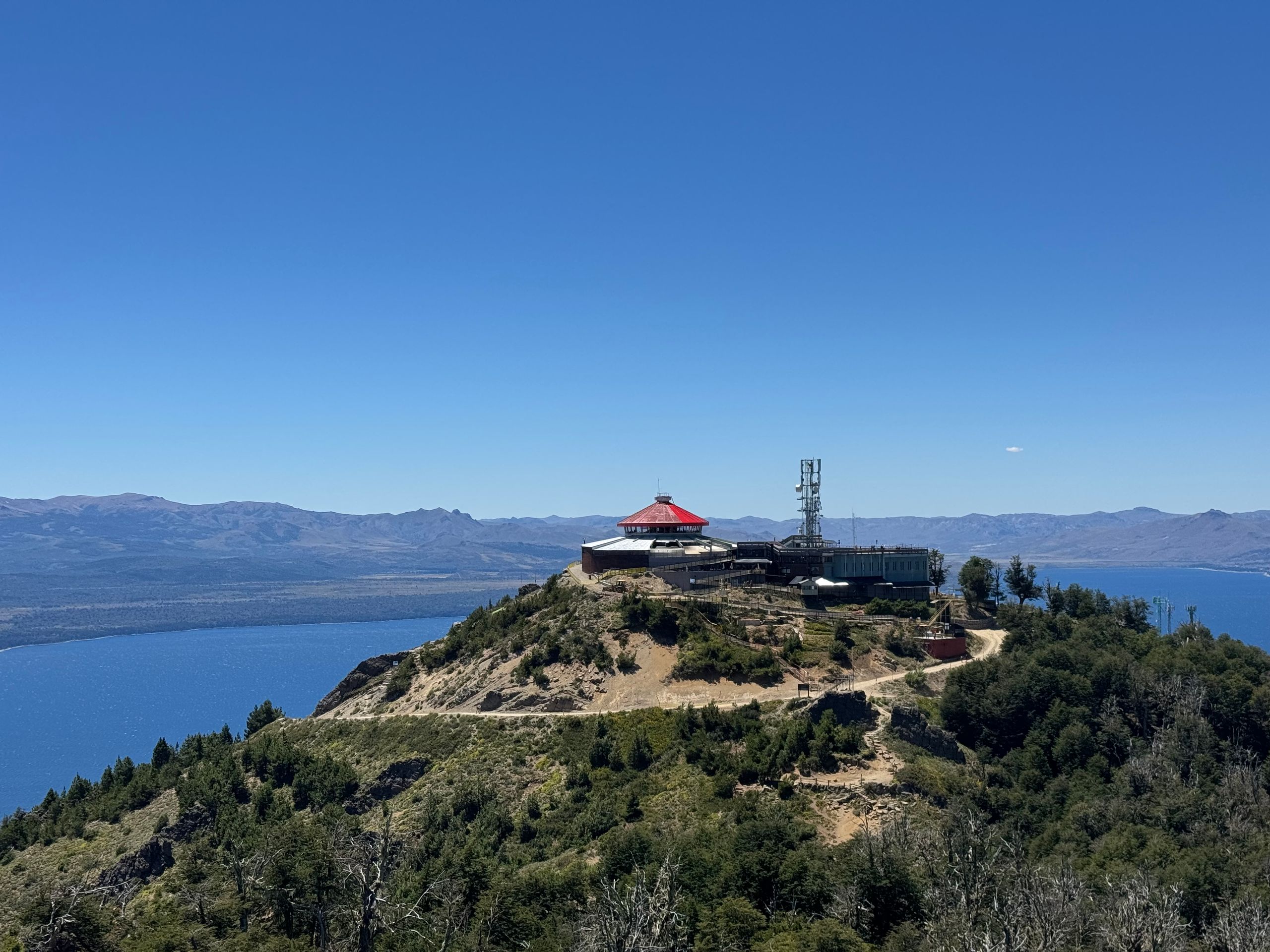
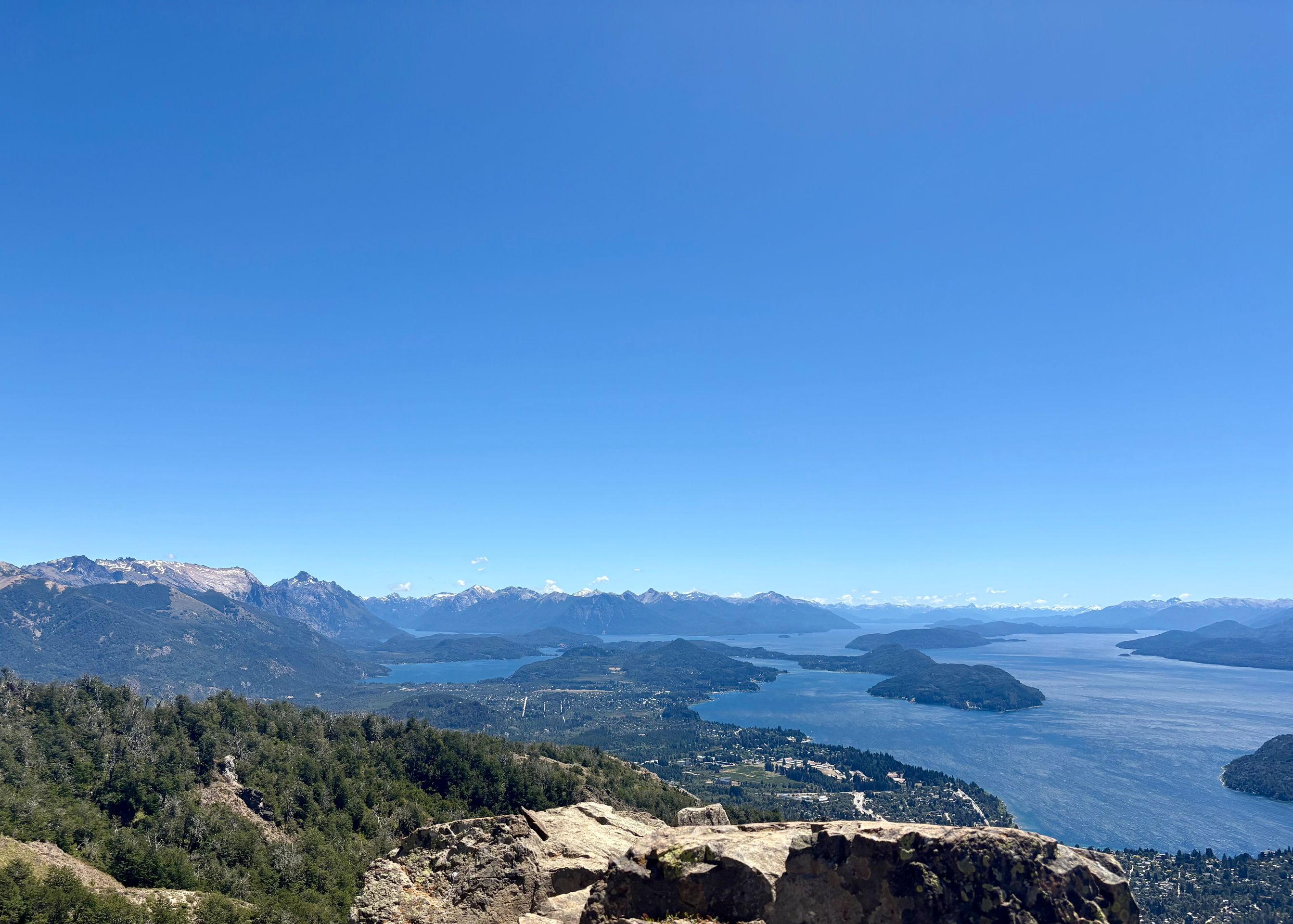
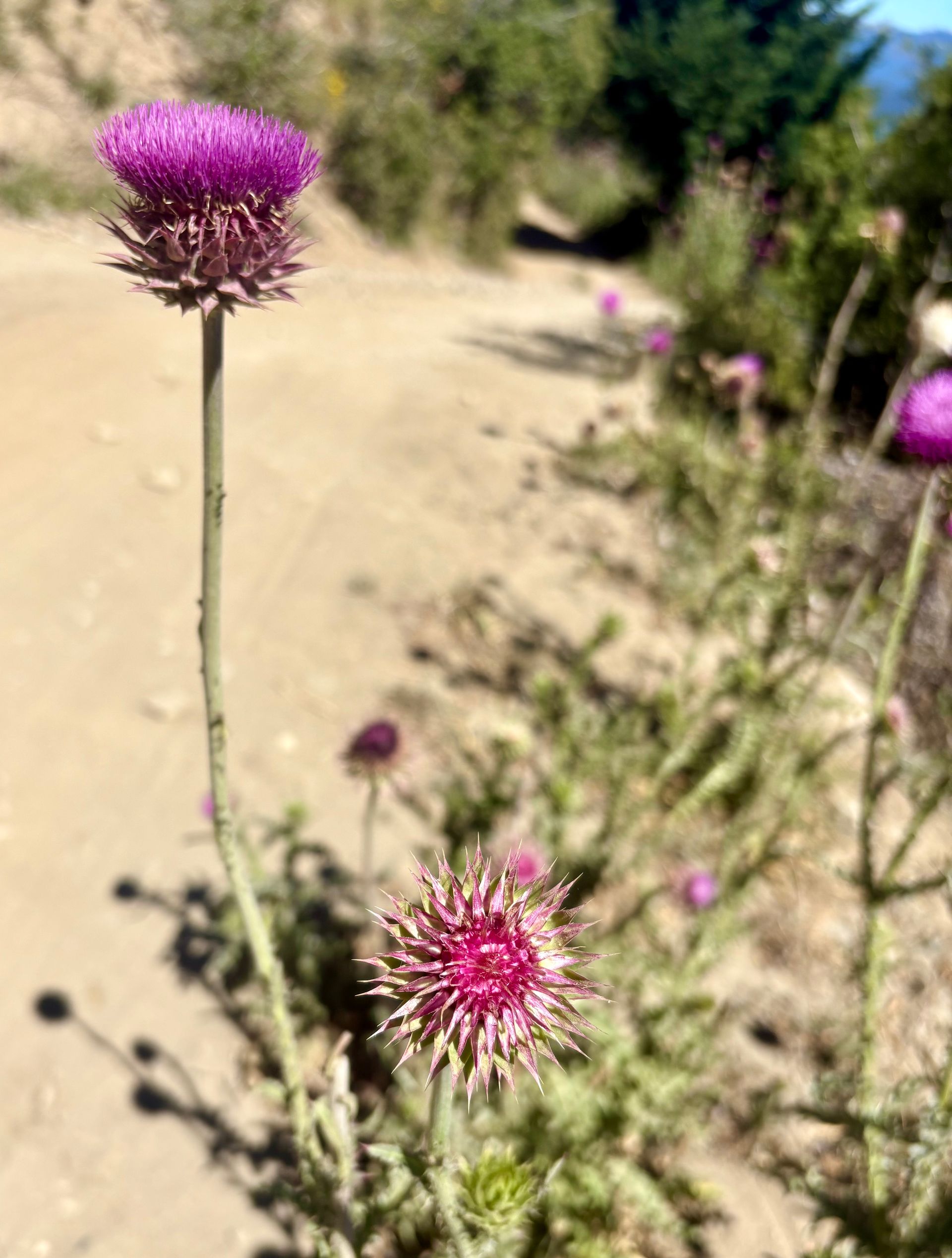
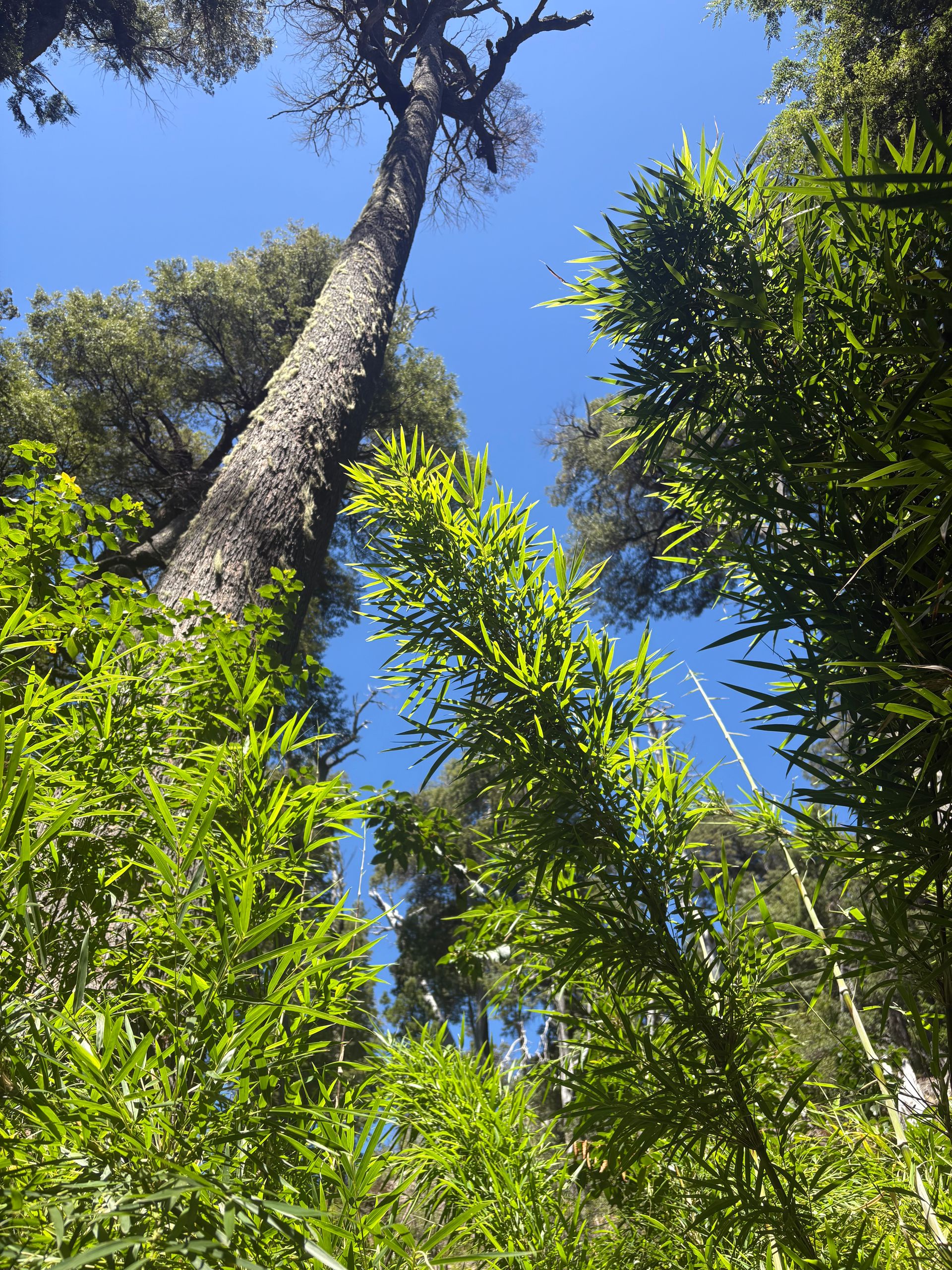
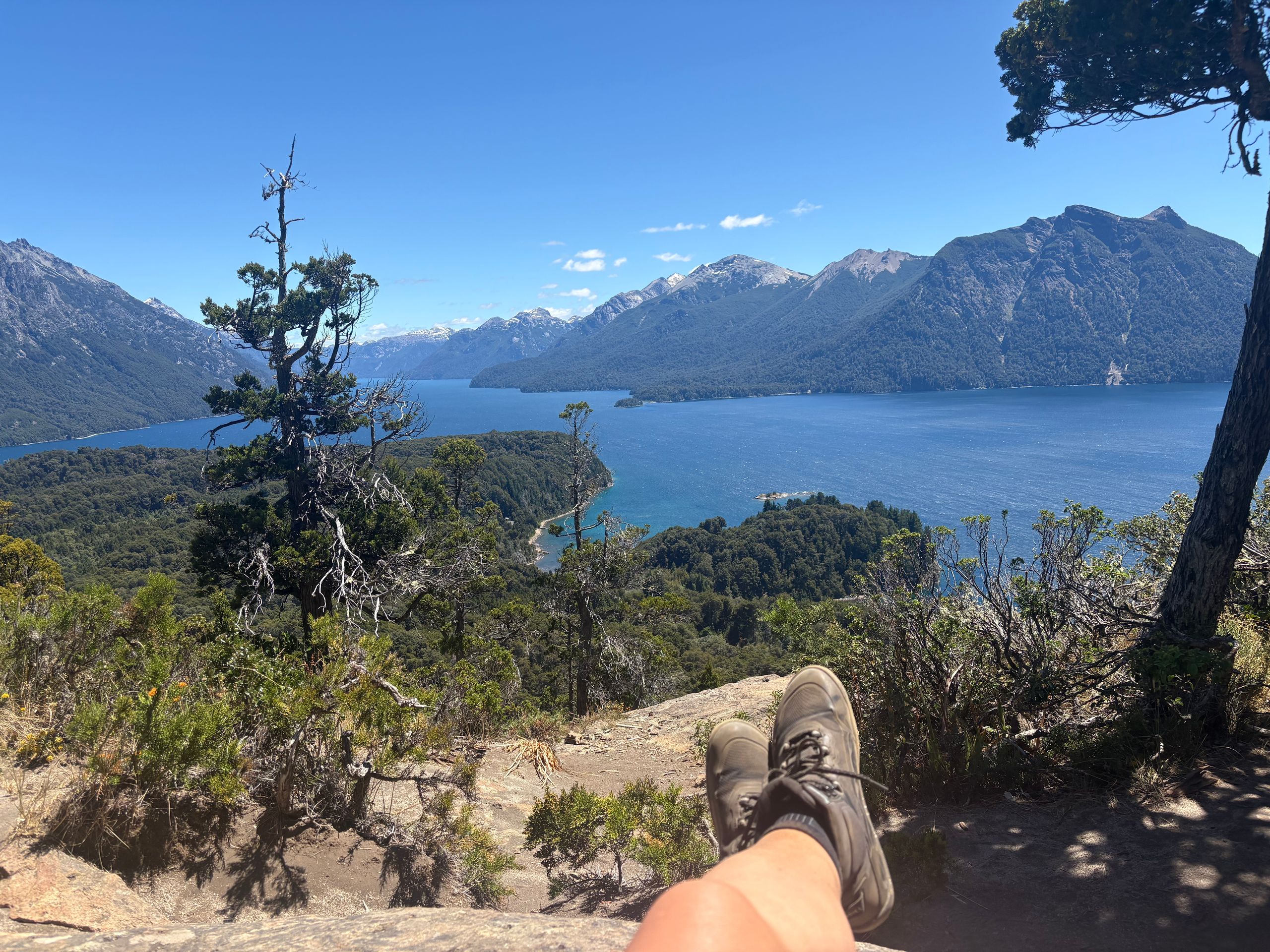
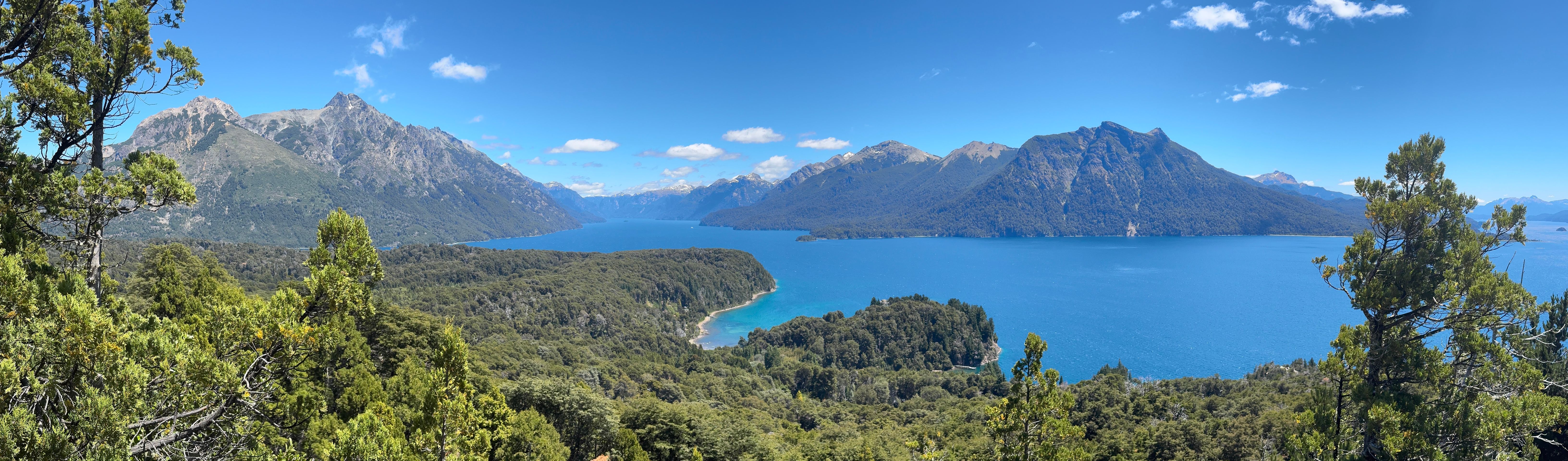
The beauty of Patagonia's landscape is stunning - however, the surrounding factors (prices, food quality, accommodations) did not quite align for us, so we decided to shorten our travels in this area and made a significant leap on the map to Bariloche in Northern Patagonia, which is about 1400 km away. The bus was astronomically expensive (the price was double what internet research suggested, and that was already a lot), but still much cheaper and easier than hopping back to the nearest airport to fly. Not necessarily faster, as it turned out. After a short drive, the bus suddenly turned south - apparently there was a landslide on a small section of the route. Unfortunately, this information was only communicated upon inquiry, as we have often experienced here. This led to a detour of 600 km, where we traveled at almost walking pace for long stretches due to the poor condition of the roads. We had no idea that sitting for so long could be so uncomfortable! But the scenery was very beautiful, and we mostly enjoyed the ride. So here we were in Bariloche, the Switzerland of Argentina. It’s a Disneyland-like atmosphere meets expensive chocolate and fondue, which already show lesser quality compared to the originals, combined with nesting dolls?! This, along with imitated Swiss or Tyrolean alpine architecture and a very German past (Nazis also felt quite at home here and celebrated Hitler's birthday well beyond World War II, and there are wild conspiracy theories suggesting that he may have settled here) gives a sour taste while one consumes raw untreated white cabbage (“Swiss specialty”??!!) with a pot of mayonnaise. All in all, everything here is highly commercialized, and it's shocking how people can be persuaded to part with their money. However, the landscape, by Lago Nahuel Huapi, truly resembles Switzerland and is quite enchanting. In honor of Freddy’s father, we ascended Cerro Otto. Upon reaching the top, however, they wanted to charge 25 euros per person to go a few meters with a short funicular ride to reach the viewing platform. Such a racket up there! We ignored that and walked to the neighboring peak - fantastic view and much quieter! Additionally, we set off for a hike in the Laolao Nature Park - here we wandered through enchanted bamboo forests, and the view was equally beautiful. This was to be the last place in Argentina before heading back to Chile. It was beautiful and strange; onward we go!
At a glance
Automatically extracted from the post
Accompaniment
For two
Mood
Off the beaten trackAdventurous
Highlights
Bariloche am Lago Nahuel Huapi
Aussicht vom Cerro Otto
Wanderung im Naturpark Laolao
lange und teure Busfahrt mit Umweg
Topics
NatureRoad tripTransitCultureAdventure
horsewithnonameLike a newsletter: every new post arrives via email.
Als Bambusbeauftragter stachen mir die “Bambuswälder” in die Augen, war ich doch bislang davon ausgegangen, dass Bambus chinesischen Ursprungs und so typisch asiatisch ist, dass ich ihn sicher nicht im südlichen Amerika verortete. Nun, dafür gibt es das Bambus-Lexikon [https://www.bambus-lexikon.de/guadua.html], wo man erfährt, dass südamerikanische “Guadua” eine Gattung Bambus mit ca. 34 Arten sind (Hain bildend, keine Ausläufer, nicht essbar) und “Tarro” oder “Otate” genannt werden. Verbreitungsgebiet: Süd-Mexiko, Guatemala, El Salvador, Honduras, Nikaragua, Panama, Kolumbien, Äquador, Peru, Venezuela und Guayana. Höhe: bis 30 m. Halmstärke bis 20 cm, Zweige mit kräftigen Dornen, dicke und stabile Halmwandung, starke Behaarung an der Außenseite, die Innenseite ist dekorativ perlmuttglänzend. Die Härchen an der Außenseite können bei Berührung zu Rötungen und starker Juckreizung führen. Verwendung vor allem als Baumaterial, weshalb die Chinesen (obwohl doch die Sprossen gar nicht eßbar sind!) ihrerseits die stabilsten Arten seit 1995 in Guandong und Fujian eingeführt und kultiviert haben. Tja, so kann man sich irren. Egal: 竹報平安!
Wir waren auch überrascht, aber wenn man an Musikinstrumente denkt (Panflöte oder die Trutuka, die von den Mapuche hergestellt wurde), ist es eigentlich logisch dass Bambus auch hier wächst. Ich glaube aber, dass wir Chusquea culeou gesehen haben, zumindest ist diese Art für den Nationalpark Nahuel Huapi beschrieben.