A Baltic tour, Helsinki, Tallinn, and Stockholm (2)
Upon arriving in Helsinki, we visit the Rock Church from 1969, which features a 22km long copper wire on the ceiling. The monument to the Finnish composer Sibelius (1865-1957) i


Published: 27.04.2026
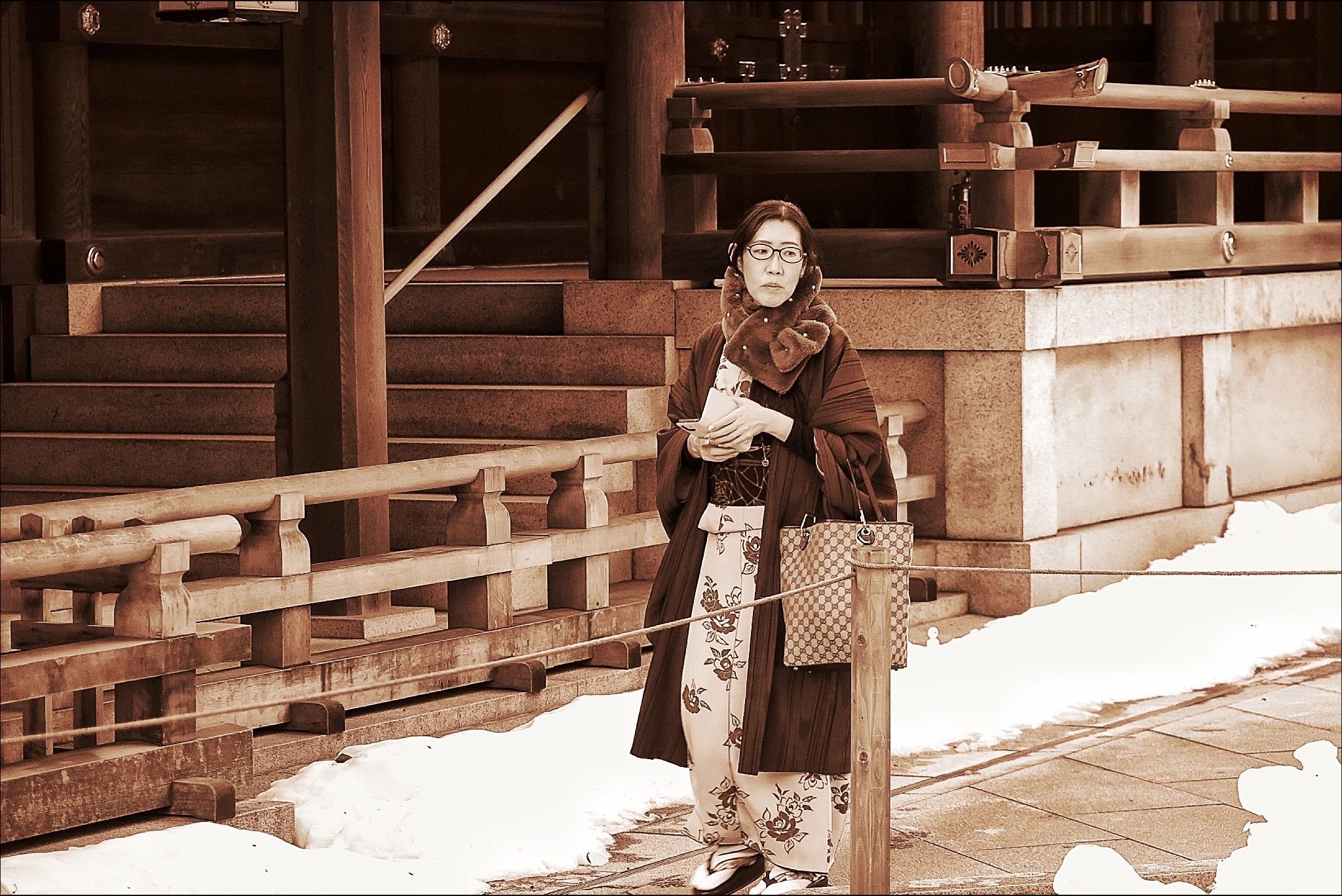
To get to Hokkaido, one must first travel to Tokyo/HND, which takes good 12 hours of flight time, followed by 1.5 hours to Kushiro.
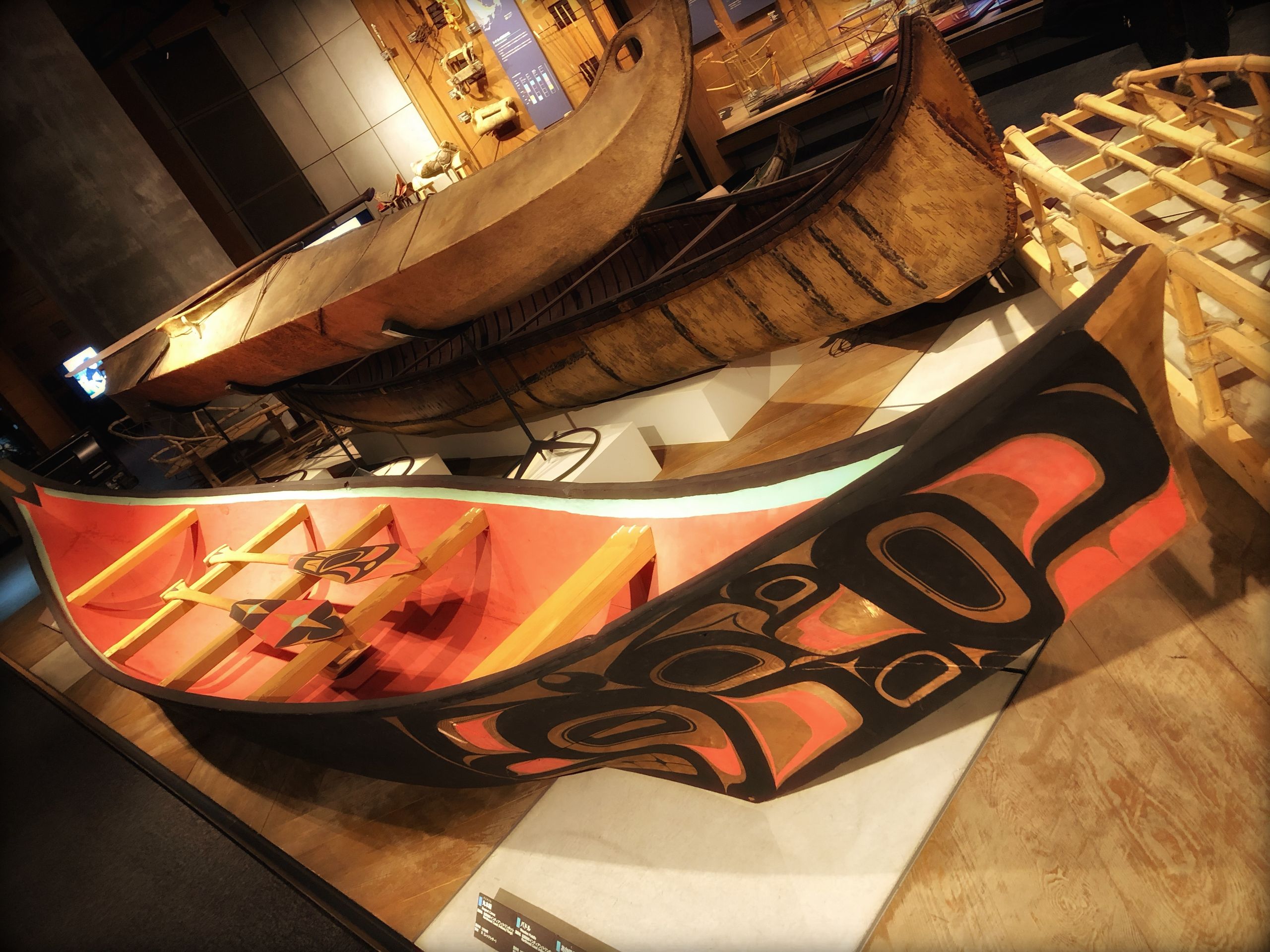
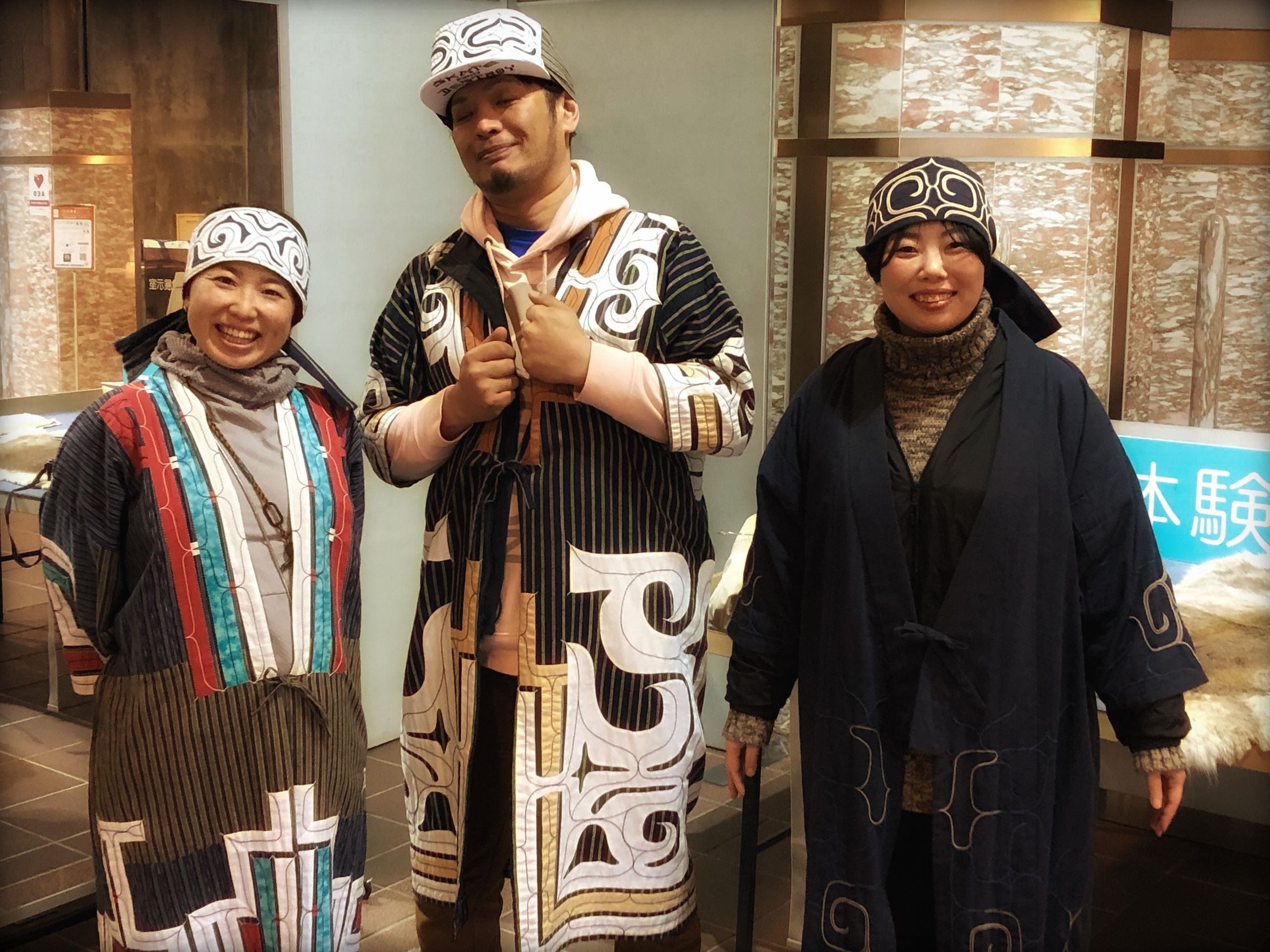
Hokkaido is the homeland of the AINU people. They migrated around 14,000 BC and are characterized by their strong body hair and absence of eyelid folds. Genetically, they share similarities with the Jōmon culture that migrated to Japan via southern Siberia.
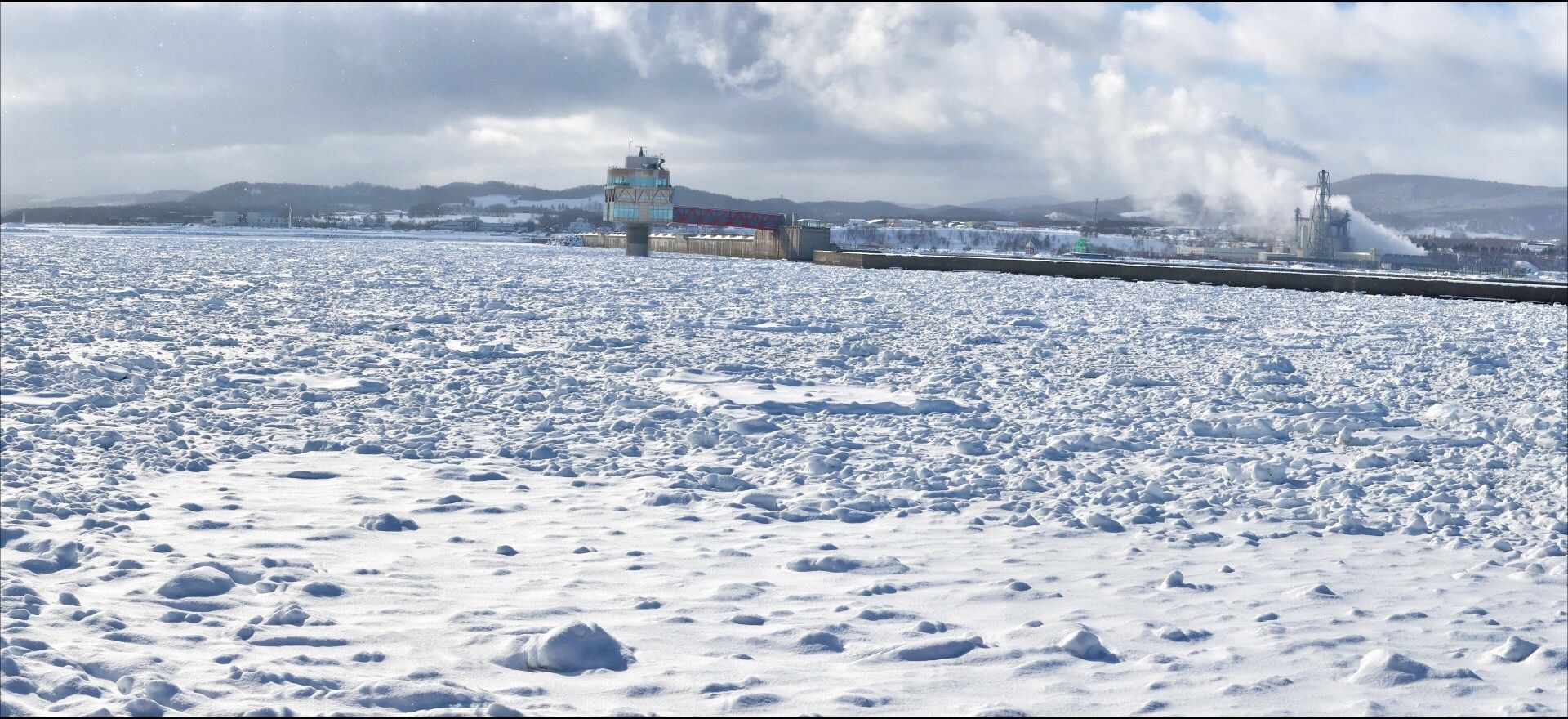
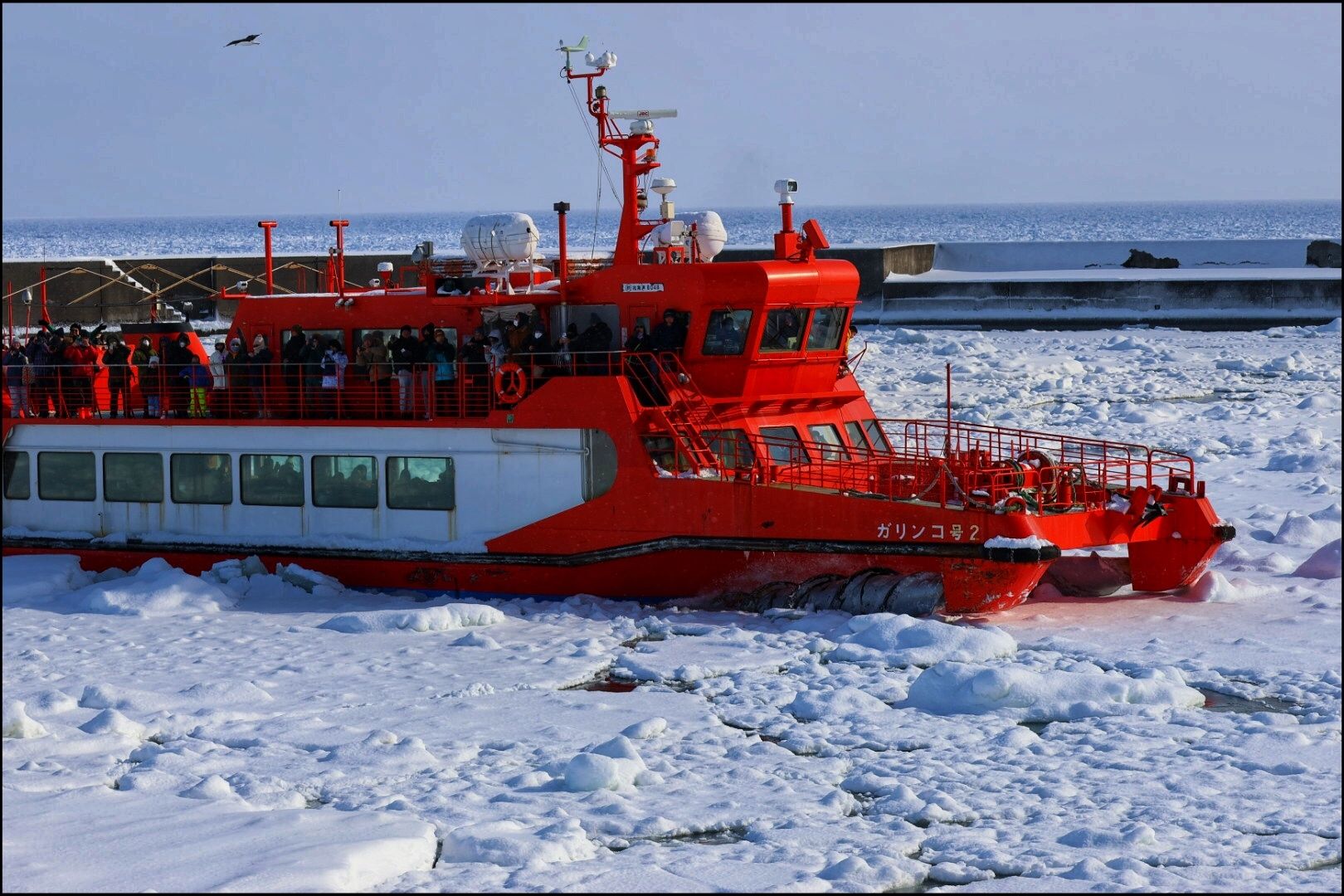
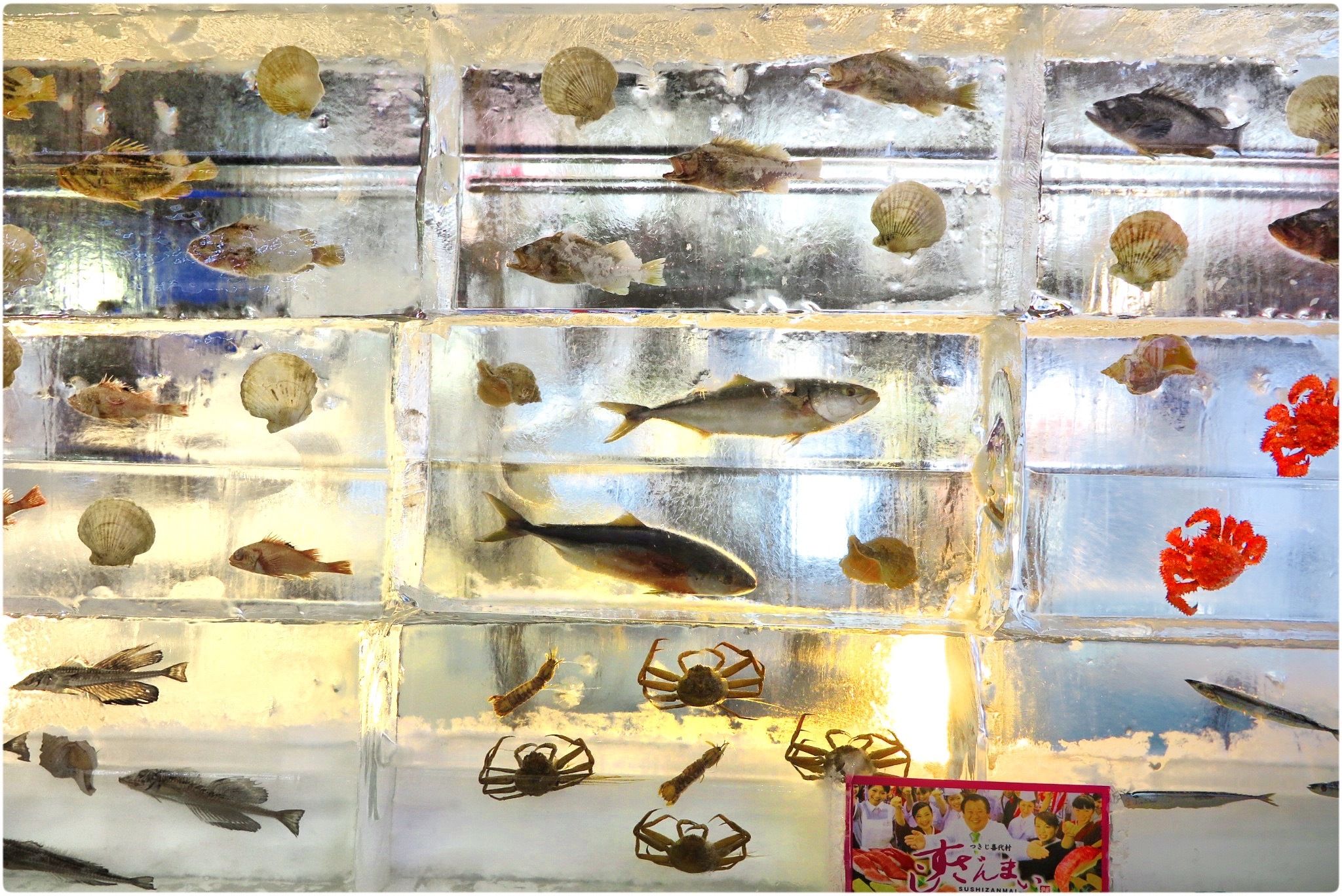
To the north, the Sea of Okhotsk borders Hokkaido, which is up to 2000m deep. It is rich in fish, and in winter, strong ice floes drift. This significantly hinders navigation.
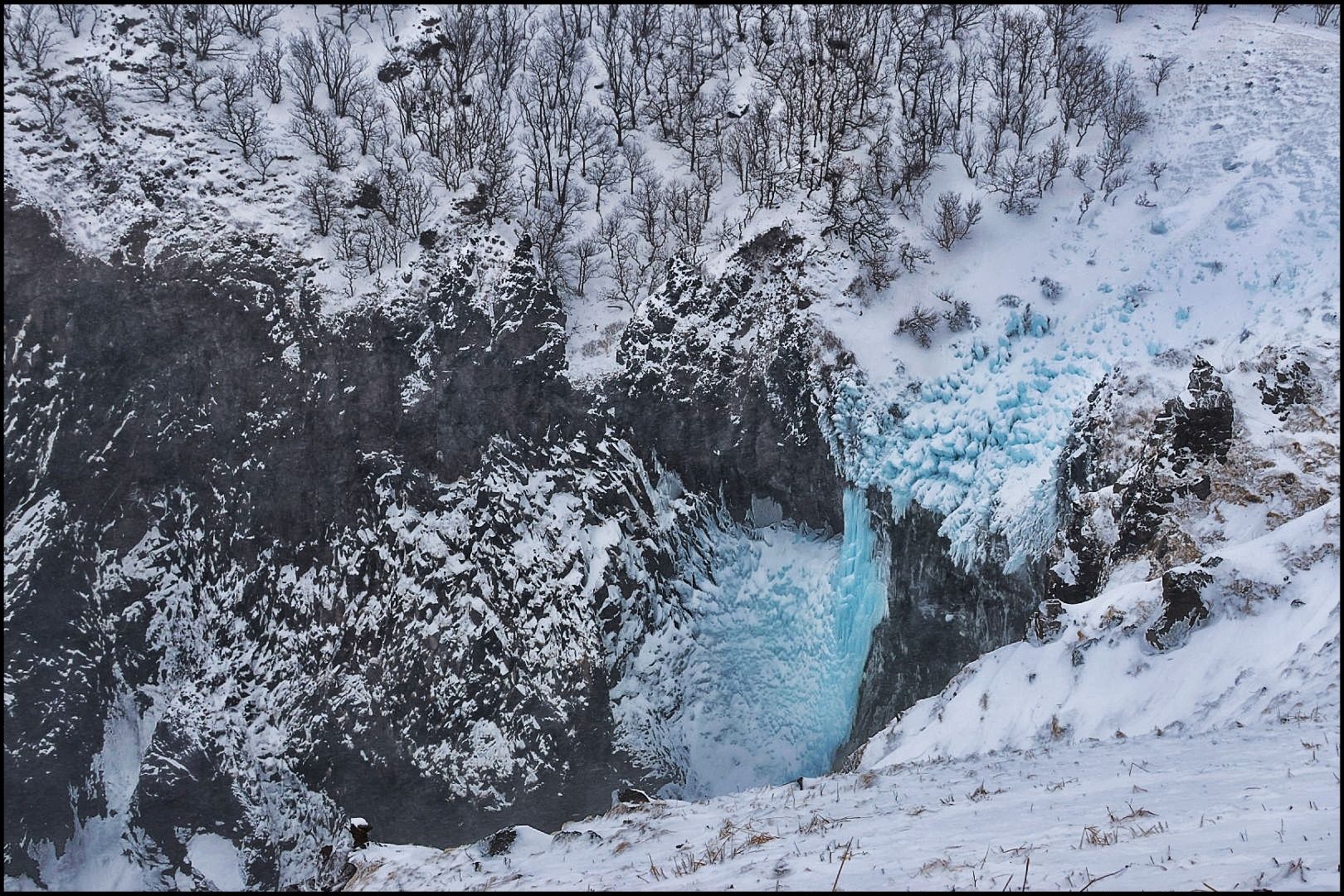
In Hokkaido, it is so cold that even waterfalls freeze.
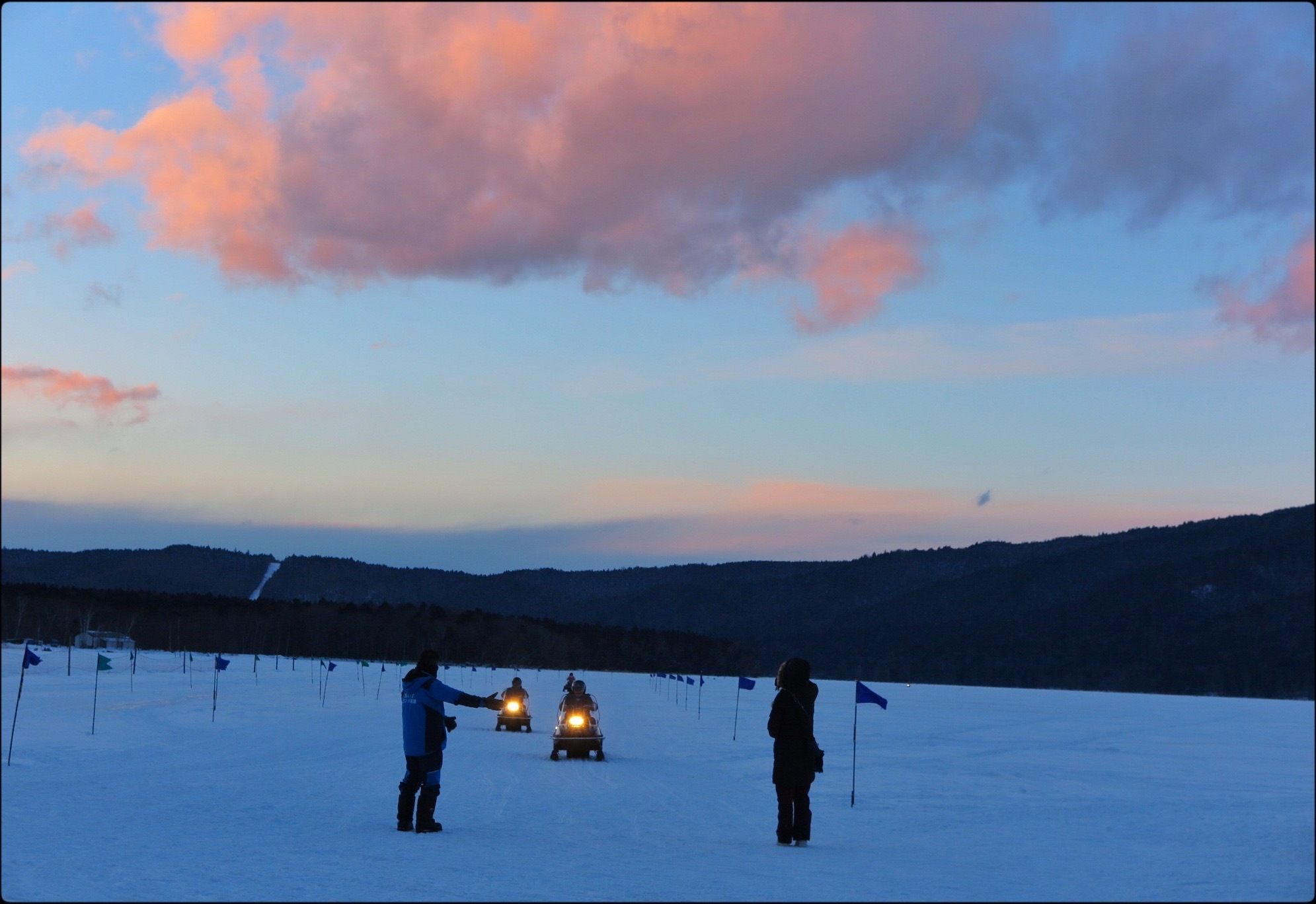
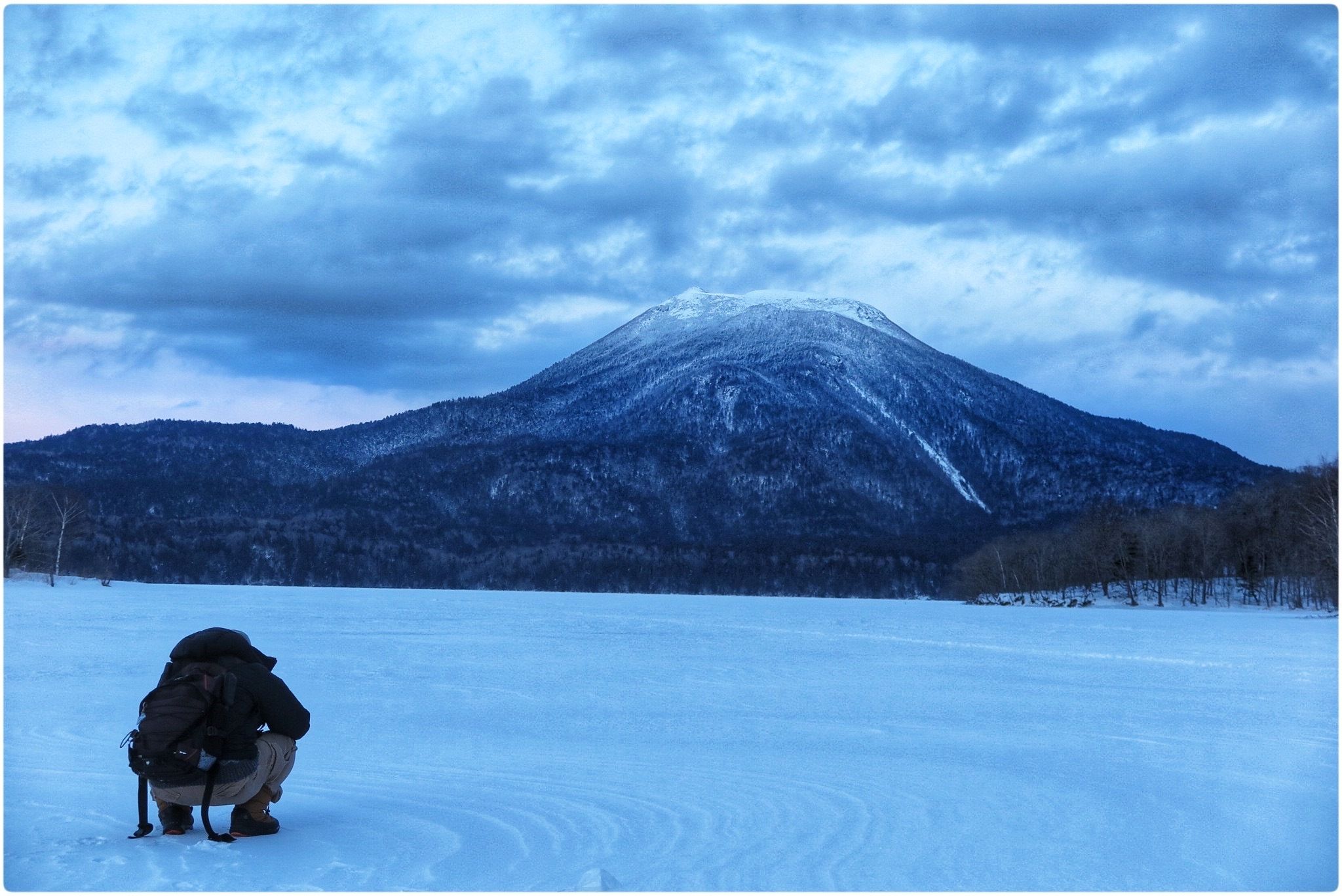
A popular sport is ice fishing and snowmobiling, as seen here at Lake Akan.
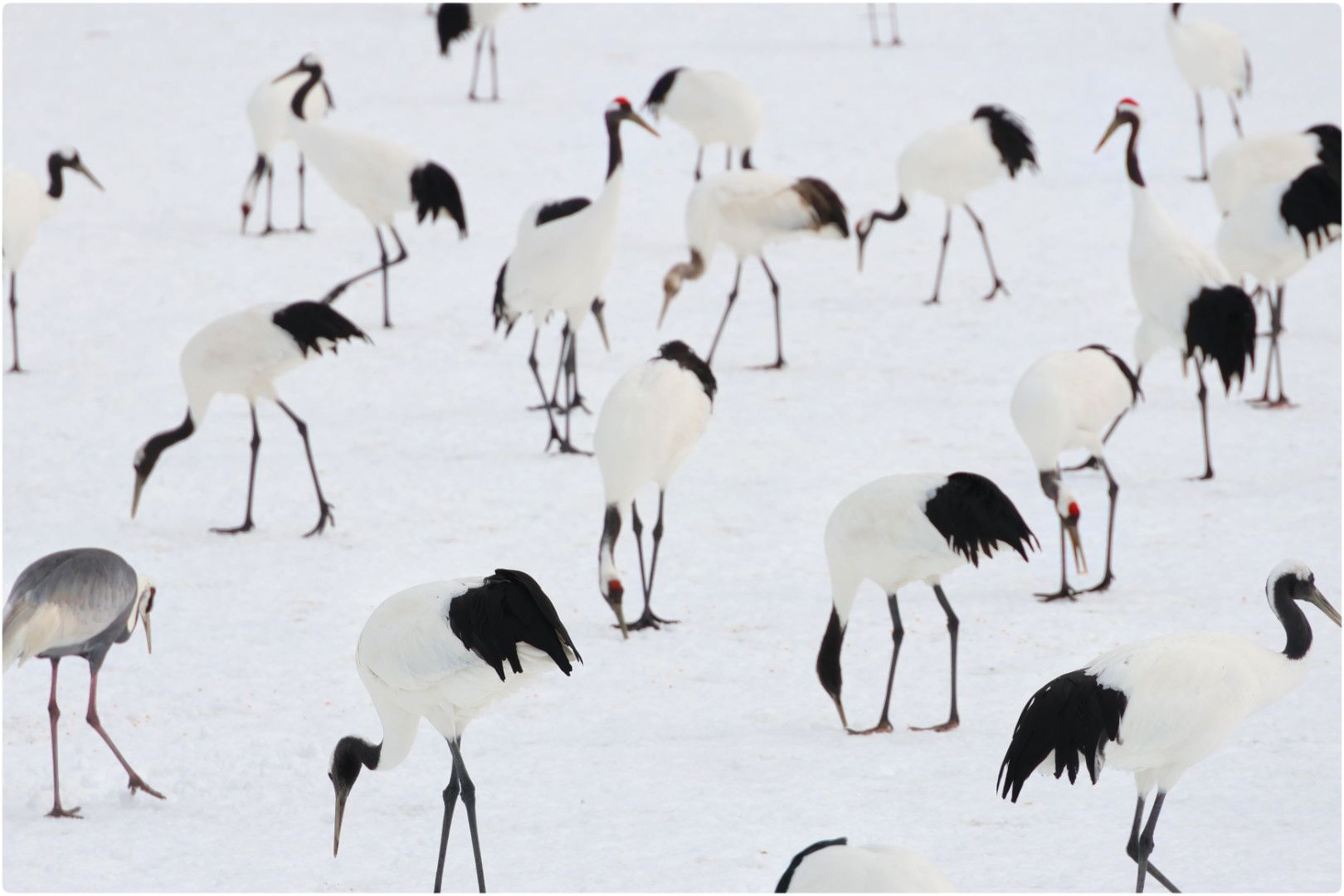
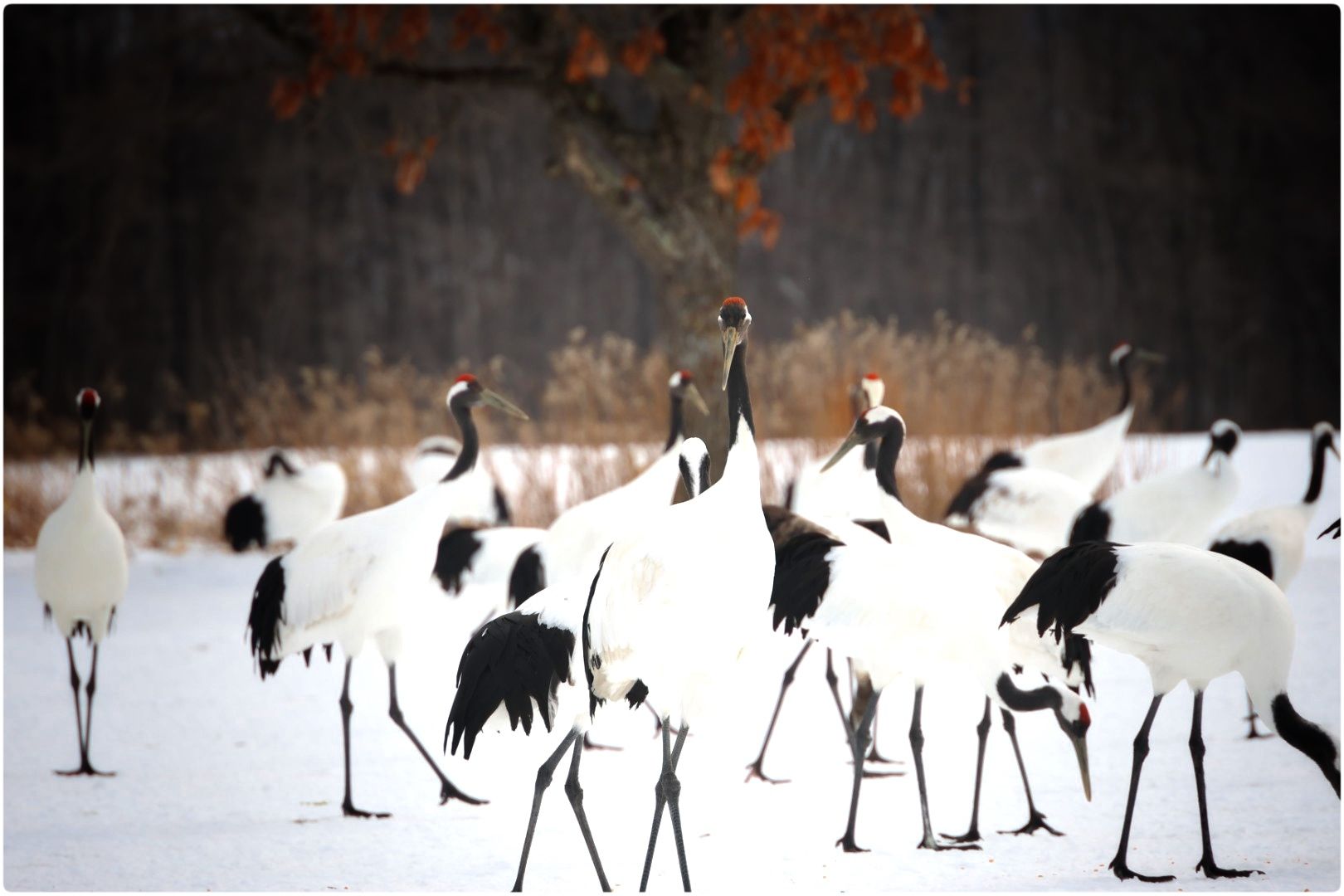
In the direction of Tsurui, one can observe Manchurian cranes at feeding sites. The birds can weigh up to 10kg, have a wingspan of 2.5m, can reach a height of up to 1.5m, and can live up to 30 years.
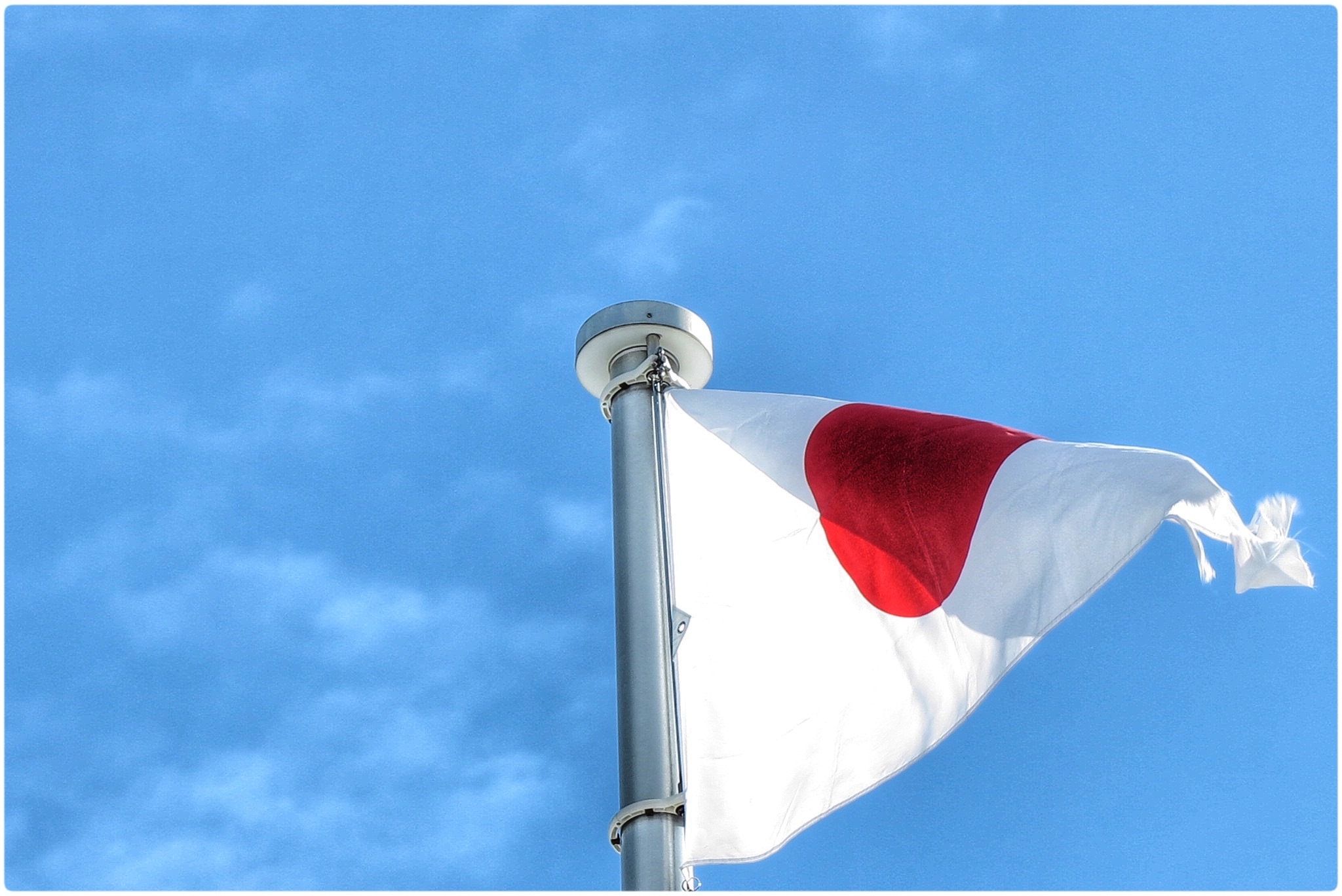
The spectacular courtship dance of these animals also serves to orient themselves within the group structure, and the red 'Kippa' resembles the Japanese flag.
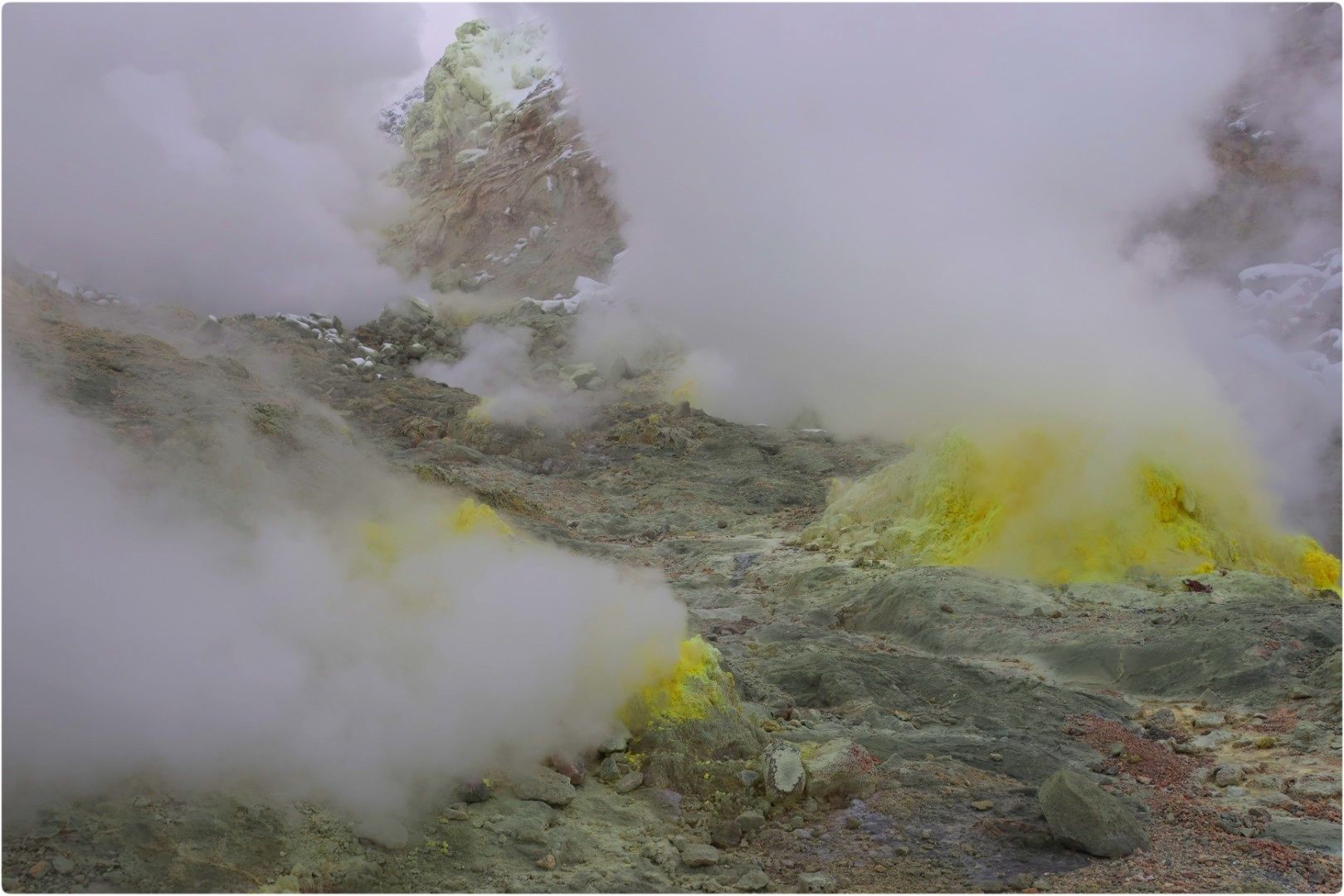
Hokkaido is home to 25 active volcanoes that arose due to the tectonic activity of three lithospheric plates.
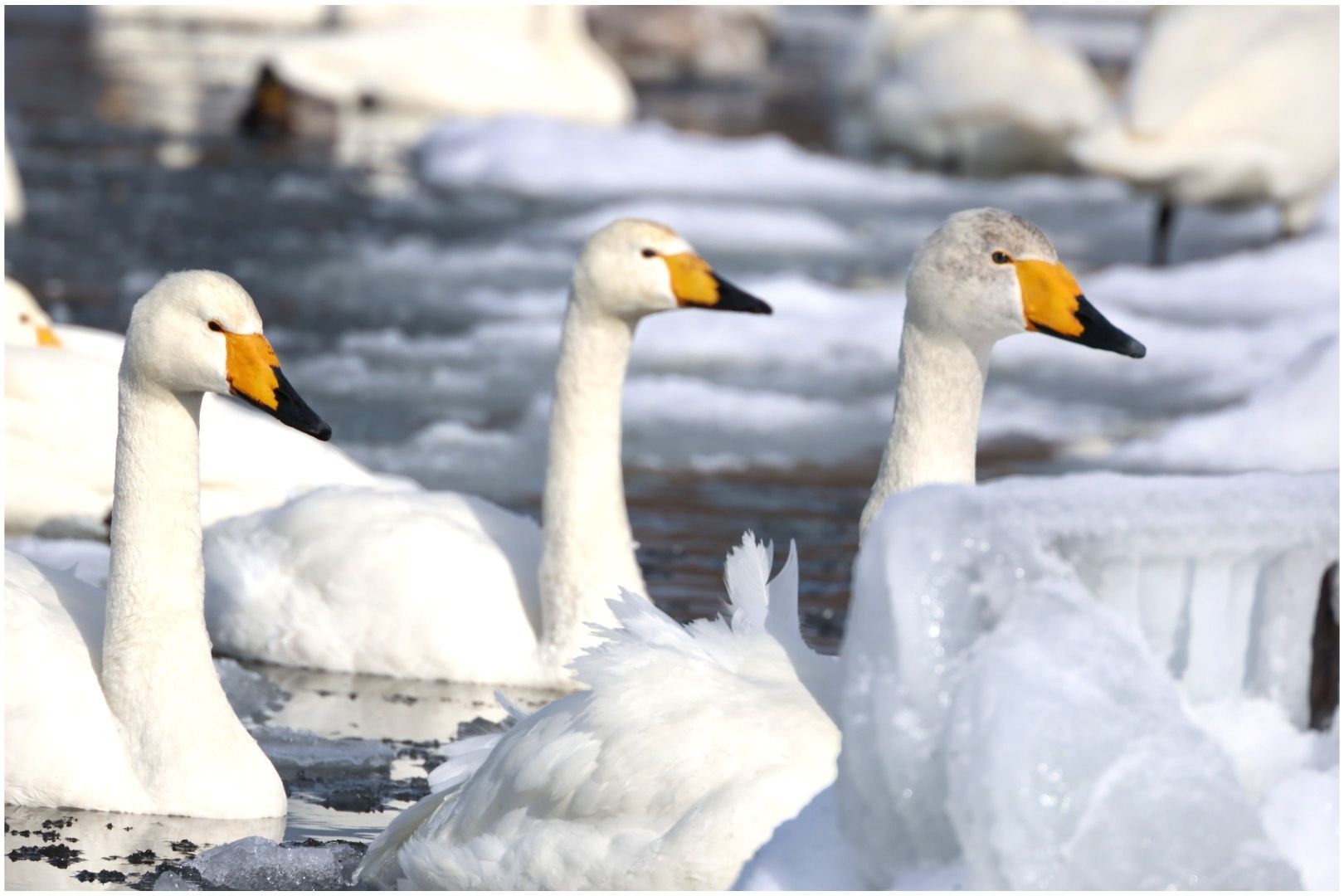
Here, we find bowl-shaped depressions (calderas) of volcanic origin. Lake Kussharo freezes in winter and is an ideal place to listen to whooper swans. These birds have a very straight neck, which stretches long when calling. Their vocal repertoire is relatively extensive.
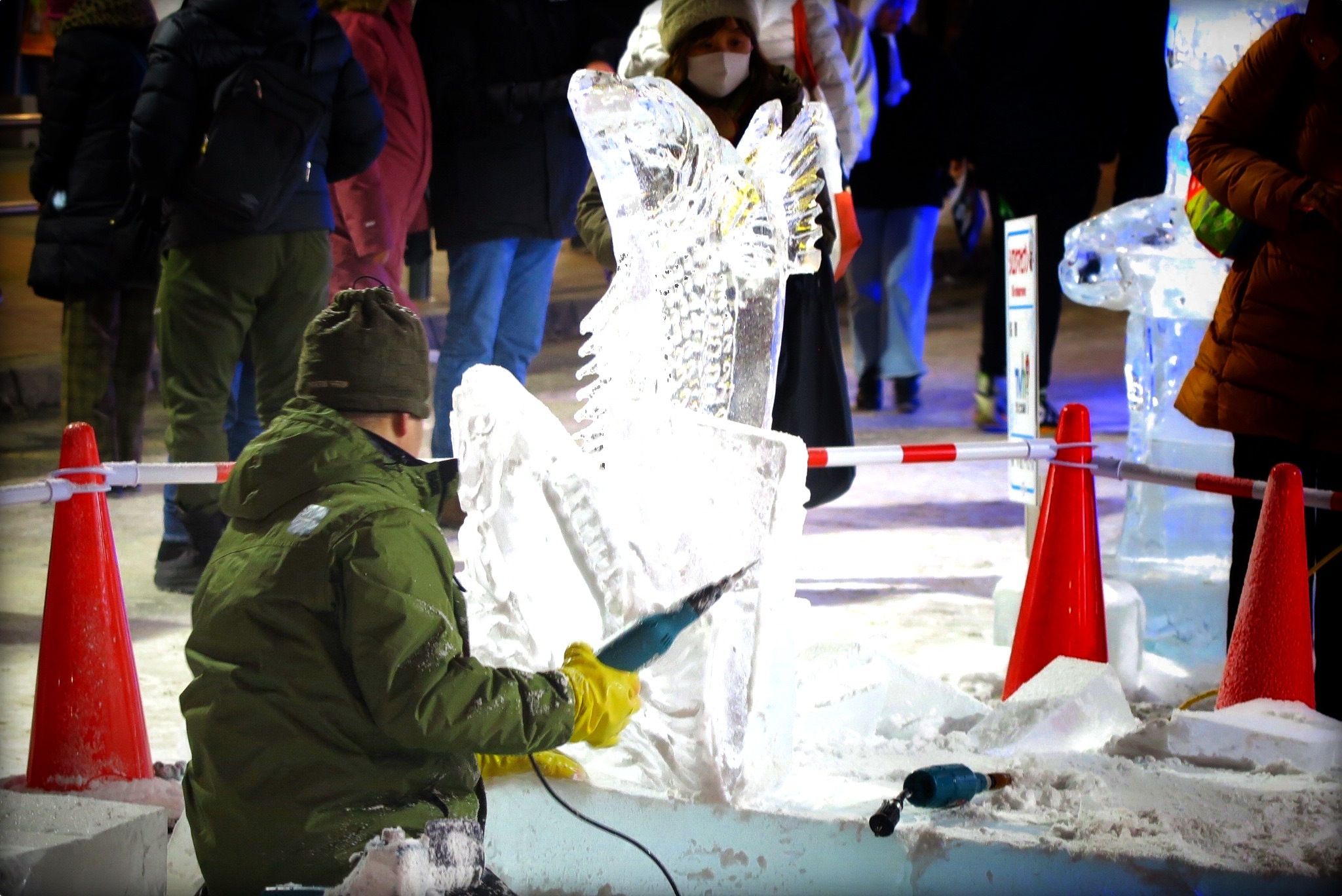
The Japanese view nature as perfect when it is presented and polished artfully by humans.
There are incredibly many snow festivals with fireworks to make nature shine even more.
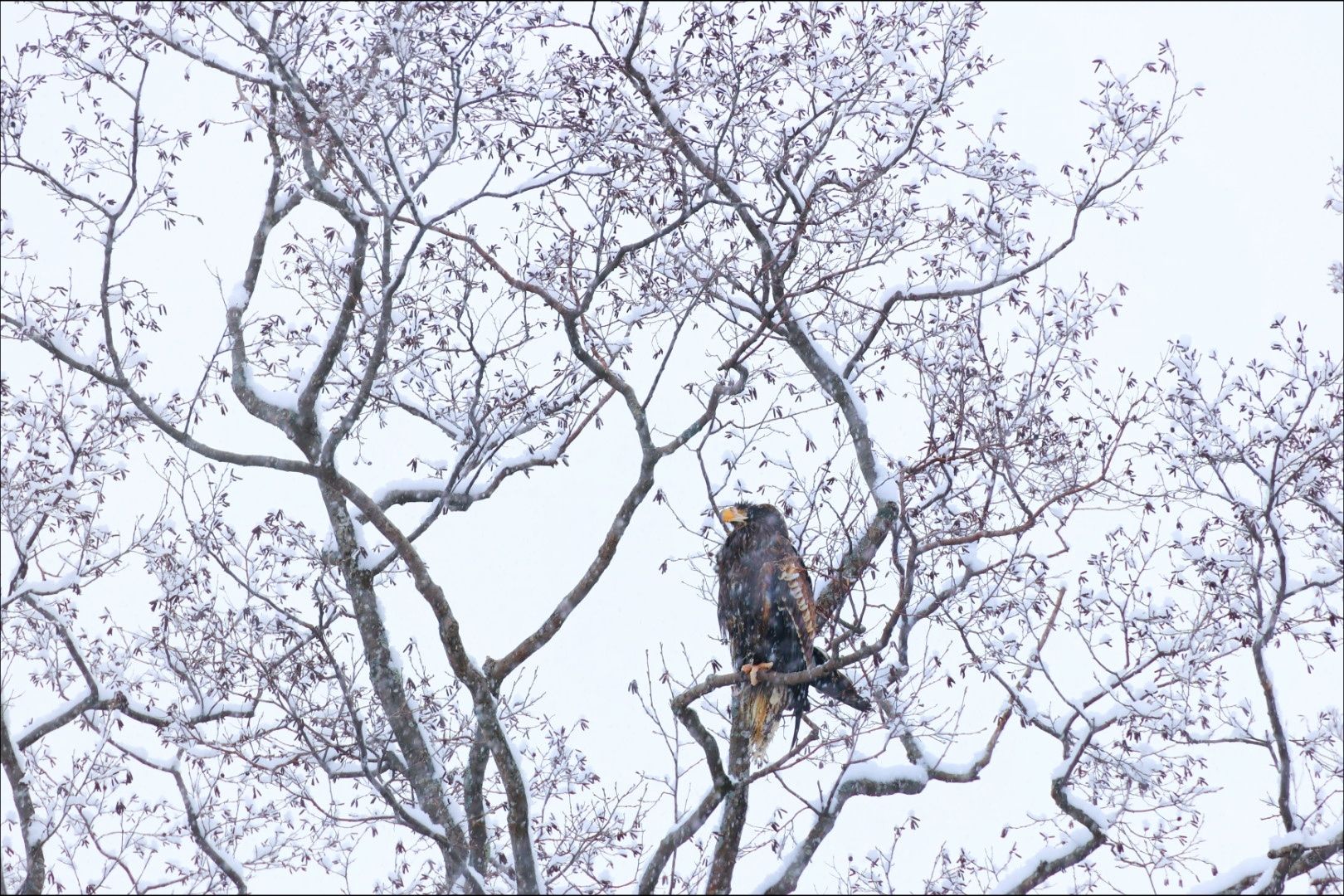
The white-tailed eagle is a migratory bird that spends the winter in Hokkaido. In addition to fish, it also enjoys eating waterfowl and carrion.
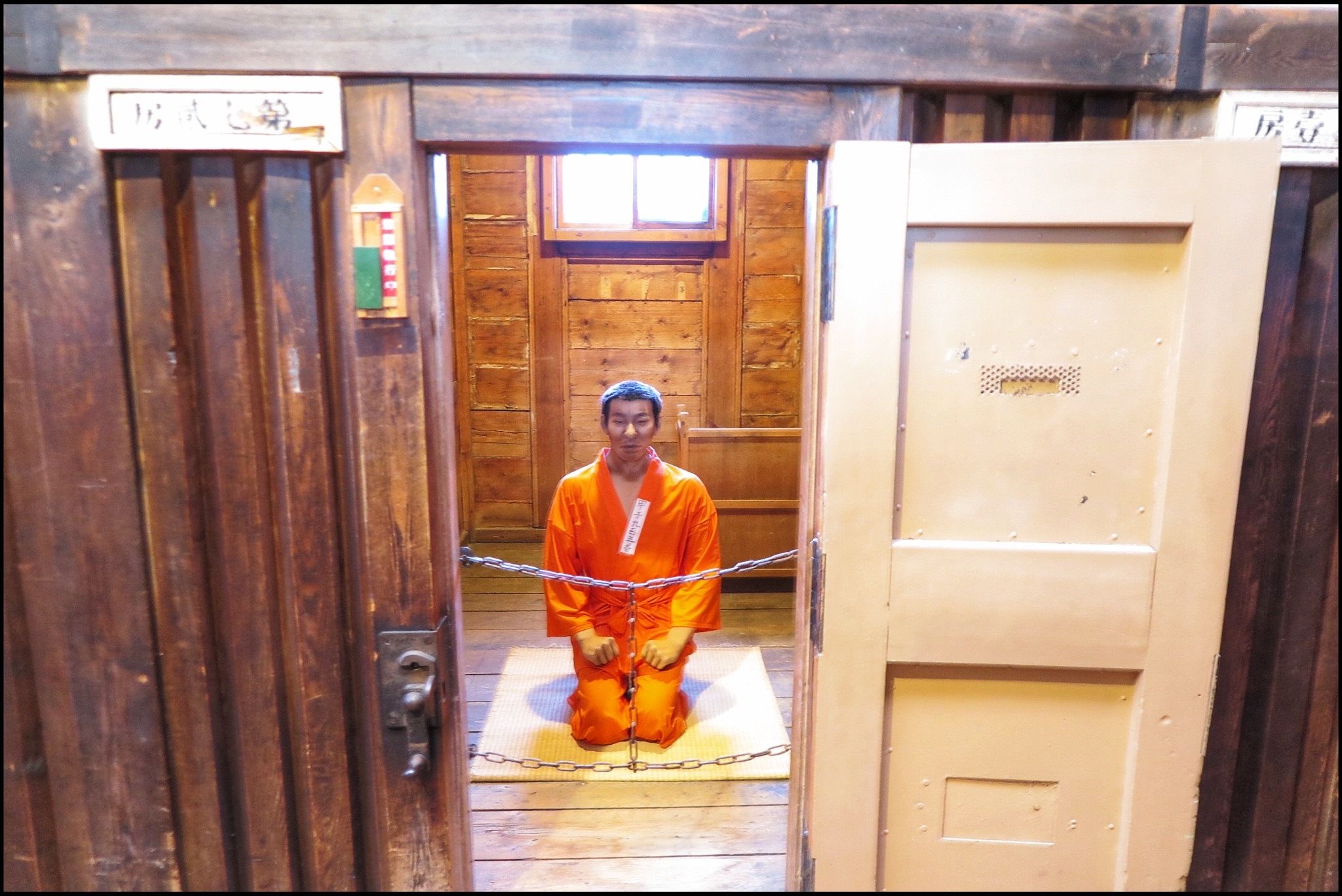
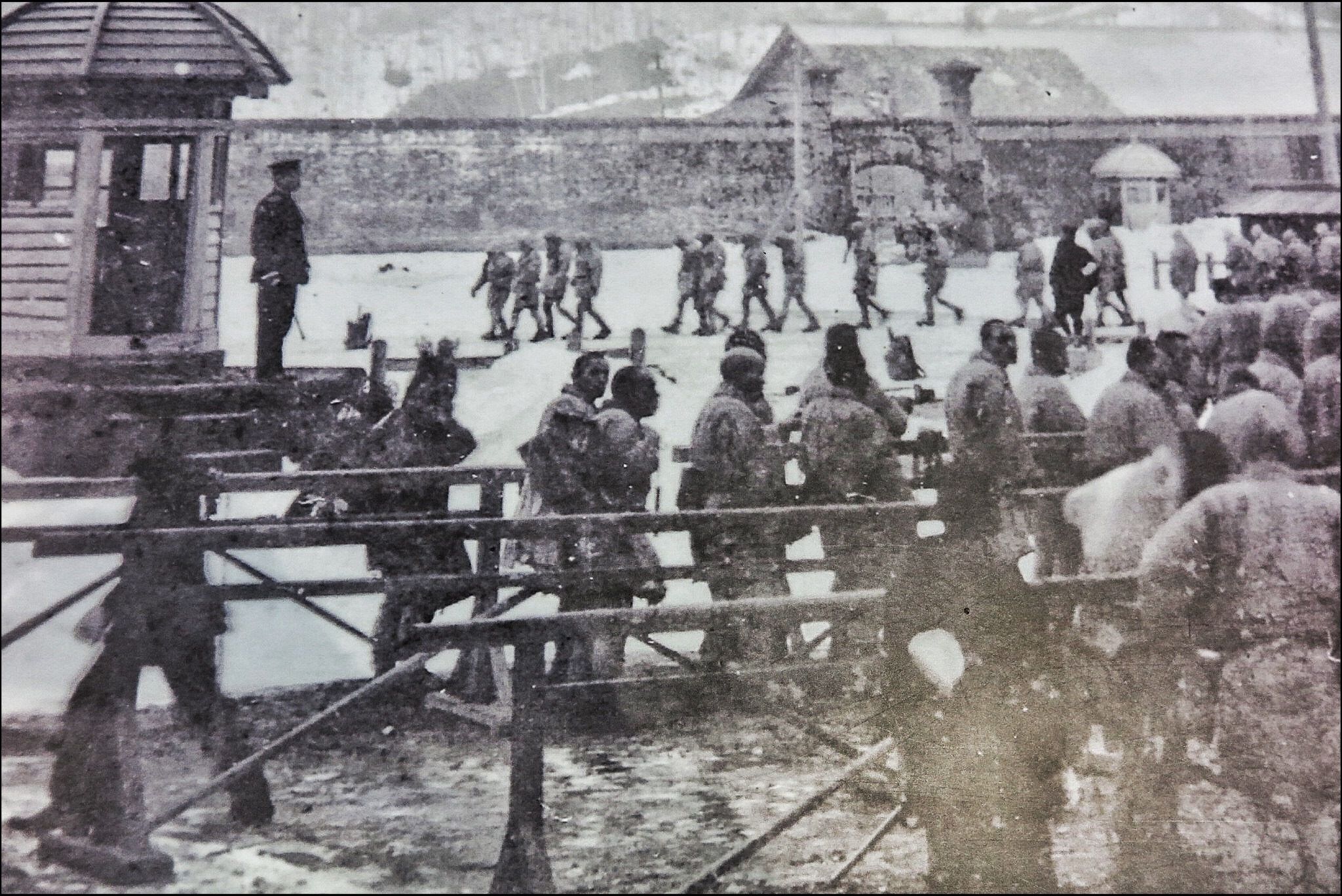
In Abashiri, the old prison tells the story of the end of the Edo period, a time from the 16th to 18th century when Japan isolated itself from the outside world, a time of peace and cultural refinement.
The successor was Emperor Meiji, a cosmopolitan Tennō who aimed for the industrialization of the country and found large areas in Hokkaido that could be cultivated; coal mining was also urgently needed, as Tokyo and Yokohama required fuel. The samurai uprising was suppressed in the subsequent Meiji Restoration, and the prisoners were sent to Hokkaido, to the village of Abashiri for road construction and agriculture, where many died from malnutrition.
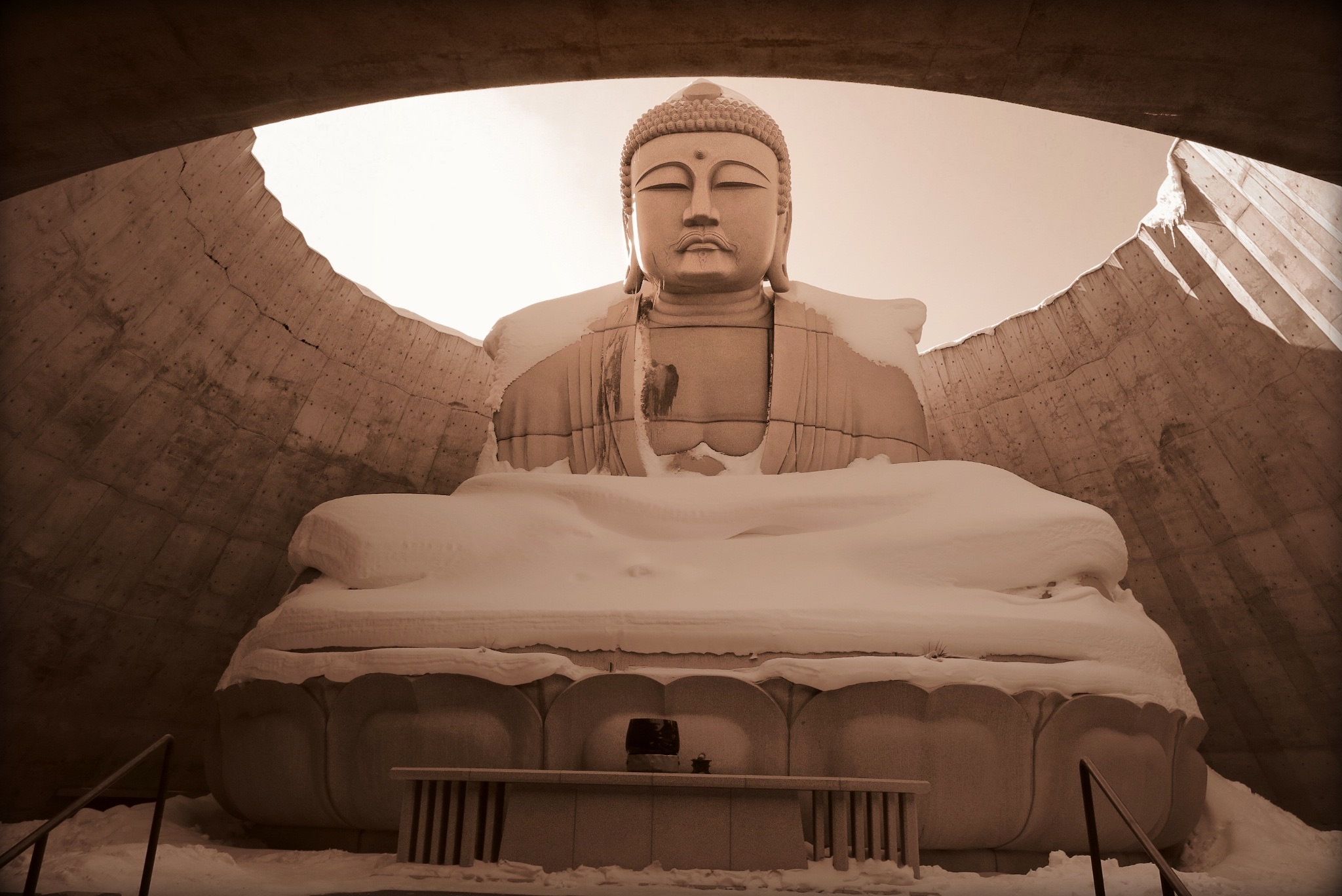
Buddhism has been known for millennia, with no prohibitions, only commandments. All life is suffering, and suffering is always present, because even beauty must come to an end at some point.
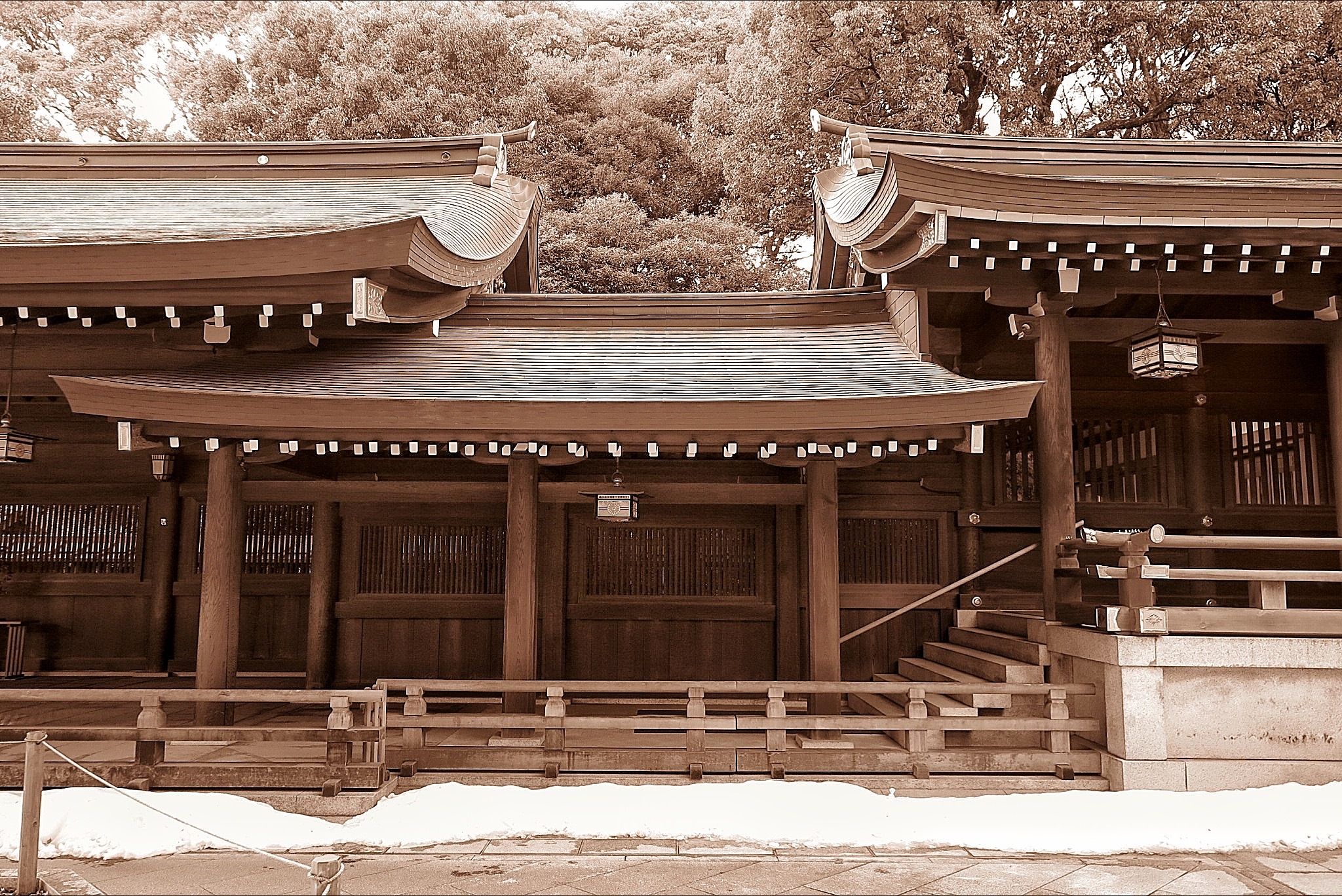
Shintoism joined the mix in the 16th century. Both religions harmonize since Shintoism is the religion of life, the way of the gods. Weddings and baptisms are ceremonially celebrated in Shinto shrines. This long shared history only exists in Japan.
My conclusion: Japan is so diverse, increasingly attractive for tourists, as much is translated into English.
For starters, I would recommend the main island of Honshu. In Hokkaido, one experiences natural forces, typical wildlife, and let me not forget the wonderful ryokan hotels with their unique onsen, hot mineral-rich spring water that is said to heal skin diseases, relax, and rejuvenate.