

The cathedrals, true masterpieces, wonders of the world made of stone, wood and glass
Most medieval cathedrals still amaze us today. Cathedrals fascinate believers and non-believers alike; even as an atheist, I am captivated by their power.

Published: 17.04.2026
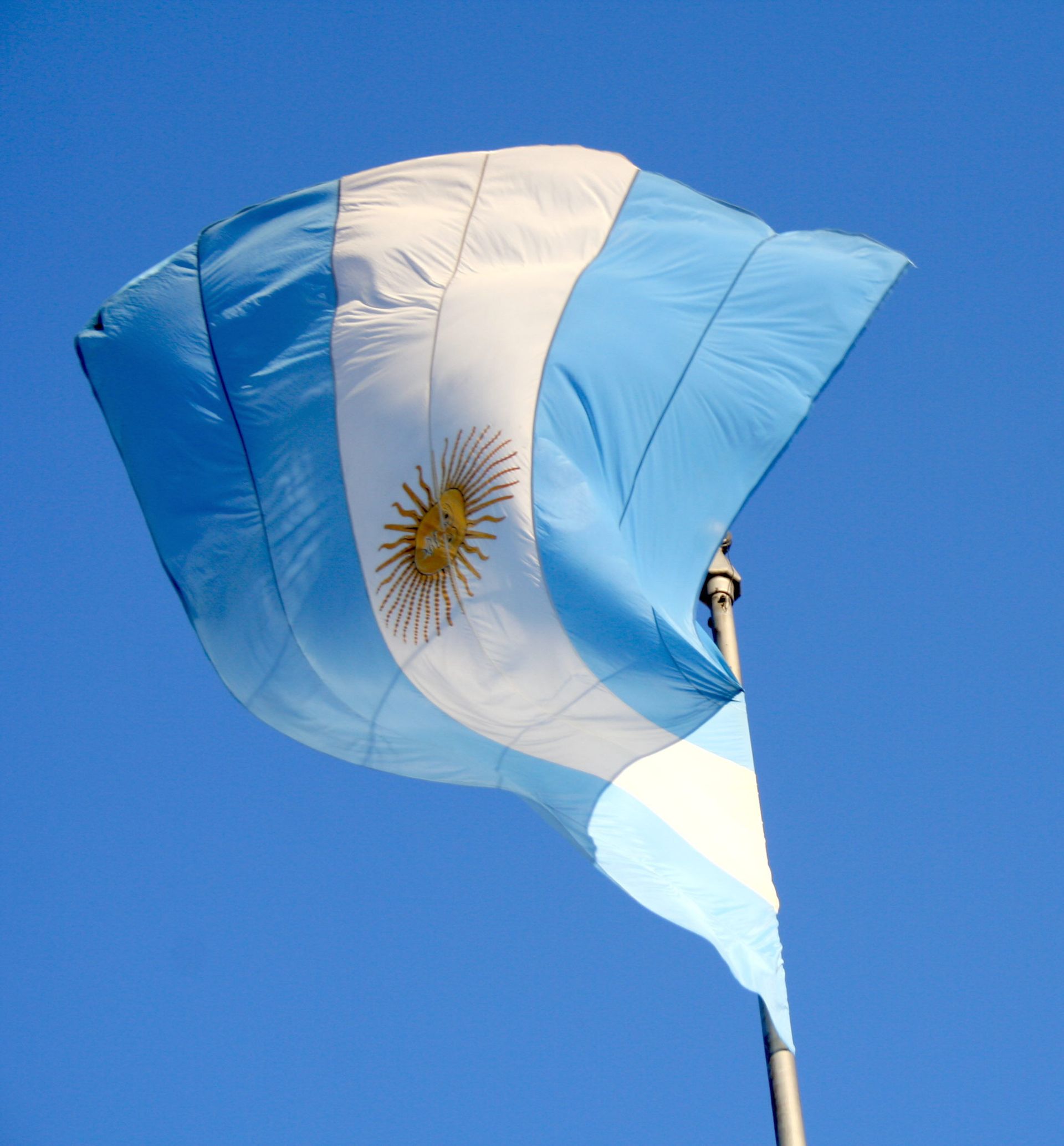

Buenos Aires means 'Good Winds'. The name was coined by the Spaniards because they could easily sail here. They also named the extremely sediment-rich river Río de la Plata in hopes of finding silver here. Up until 1930, Argentina was one of the five richest countries due to the economic boom with Europe (particularly in World War I, when a lot of wheat, cattle, wool, and leather were sold). In return, many architects came from Europe to shape Buenos Aires.
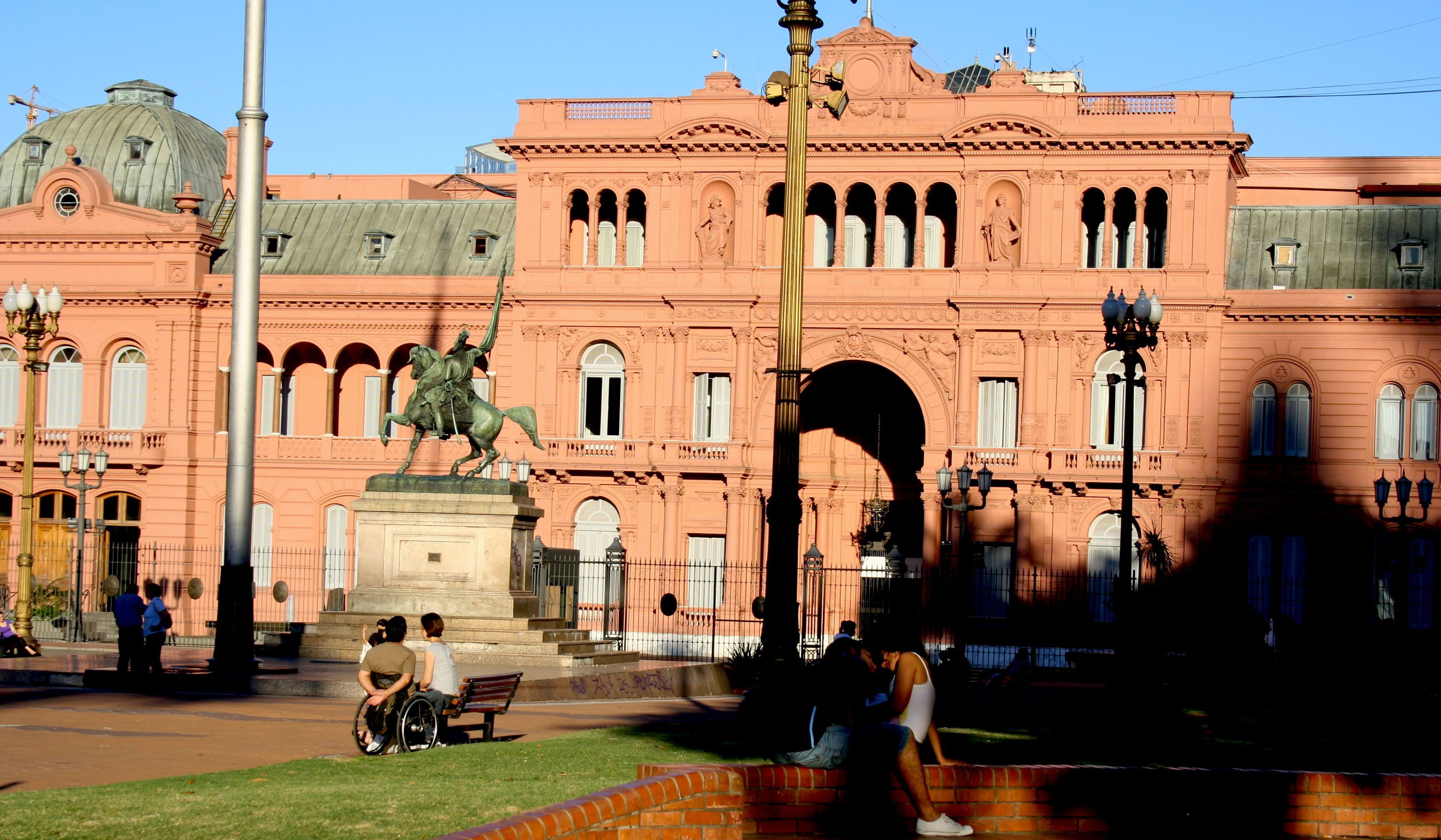
On Plaza de Mayo stands La Casa Rosada, the Argentine presidential palace. Here, Evita Perón delivered her passionate speeches to the people. She succeeded in elevating the working class to a middle class, introduced a new tax reform in 1949, and secured voting and divorce rights for women.
This journey took place in December 2009 during the tenure of Cristina Fernández de Kirchner. By then, the deterioration of the economic situation was already evident, and corruption allegations had emerged, which were confirmed in the first instance in 2022.
Many homeless people, known as Cartoneros, live in cardboard boxes and off garbage.
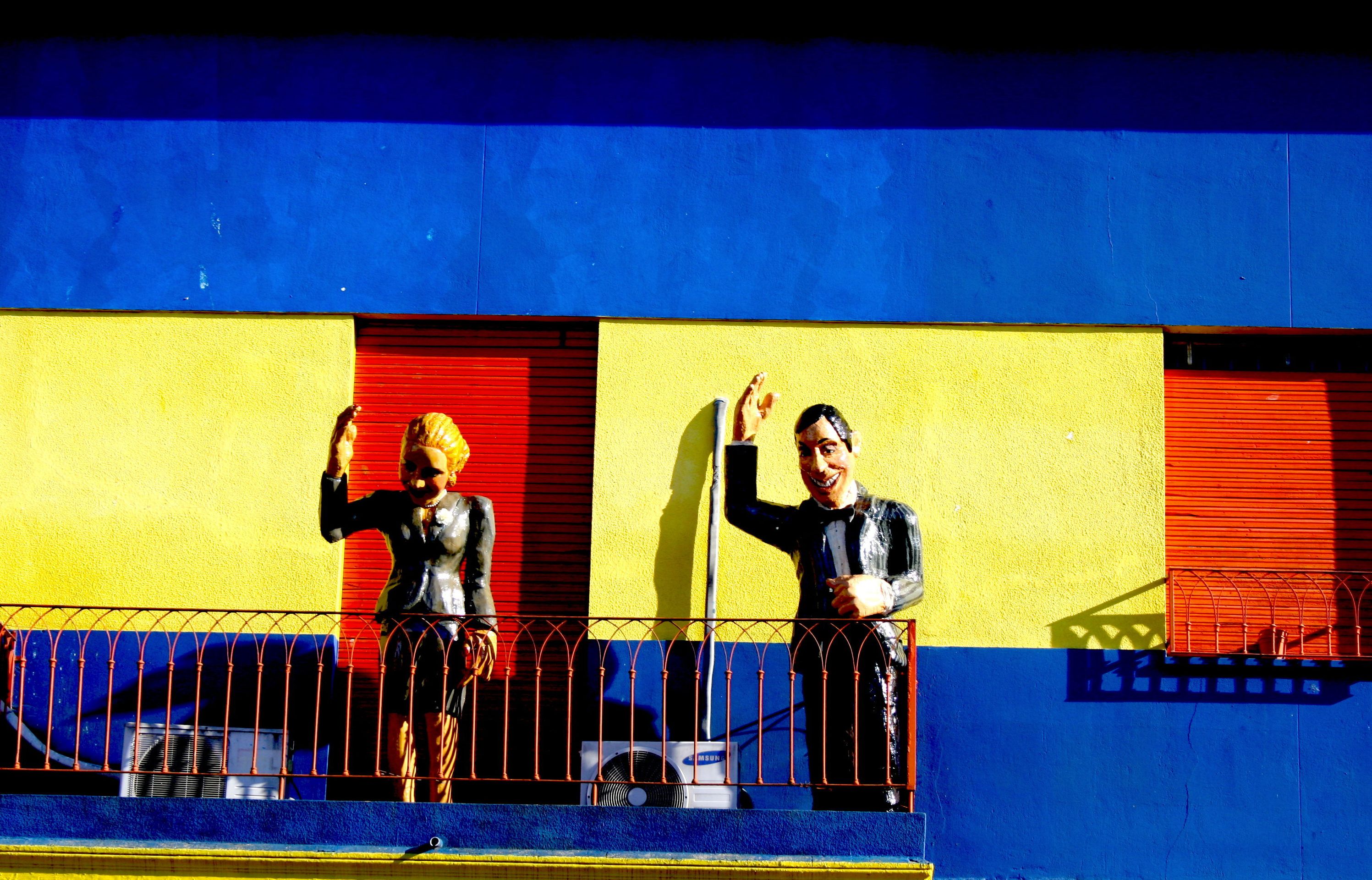
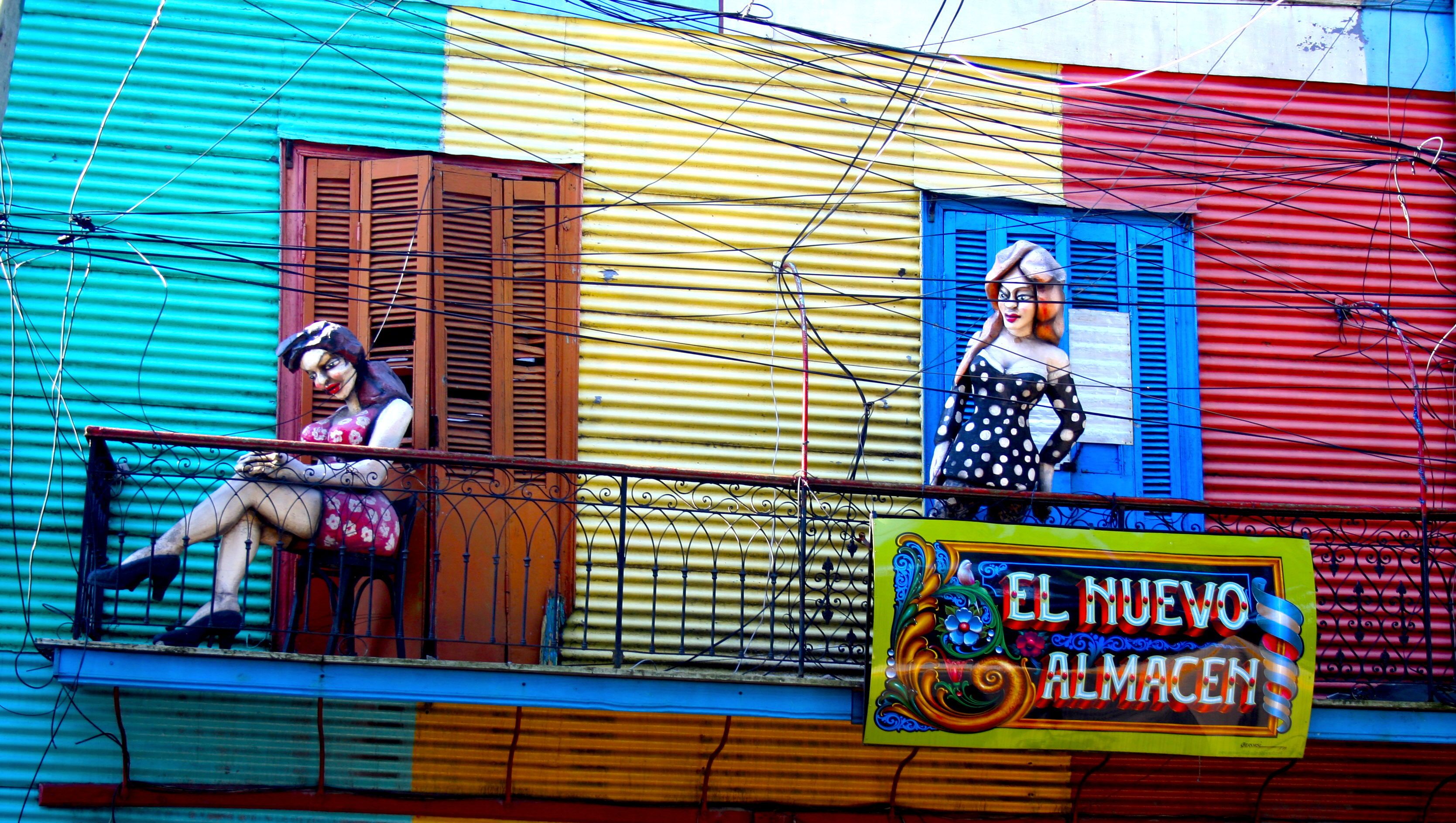
La Boca (the mouth), originally a poor district, is decorated with colorful corrugated-iron houses (made from the metal of shipwrecks). This is where Diego Maradona grew up.
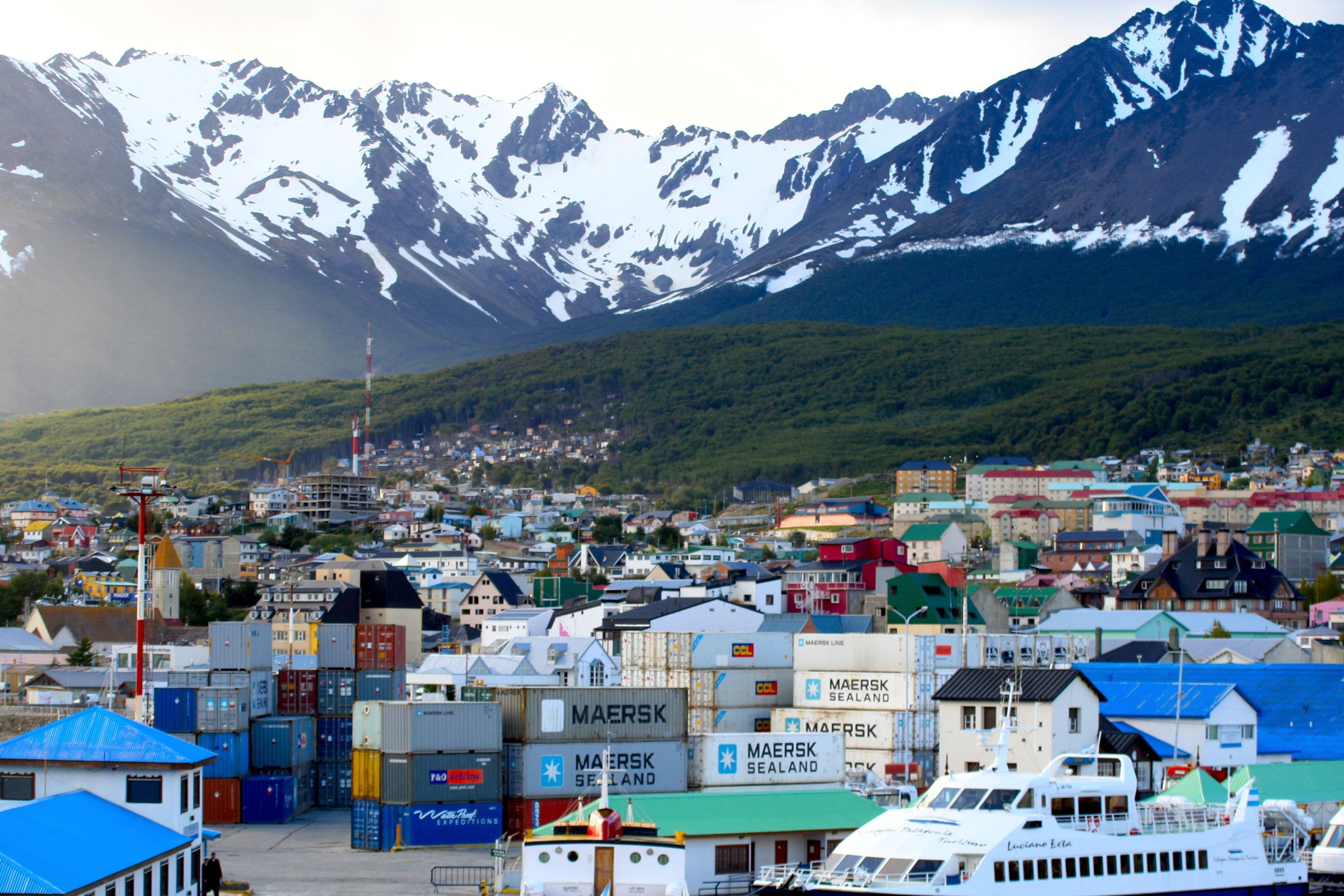
The indigenous people of Ushuaia, the southernmost city in the world (64,000 inhabitants), are the Yamanas. They would make fires on their canoes to keep warm because they had no clothing. When the Spaniards saw this, they named the archipelago Land of Fire.
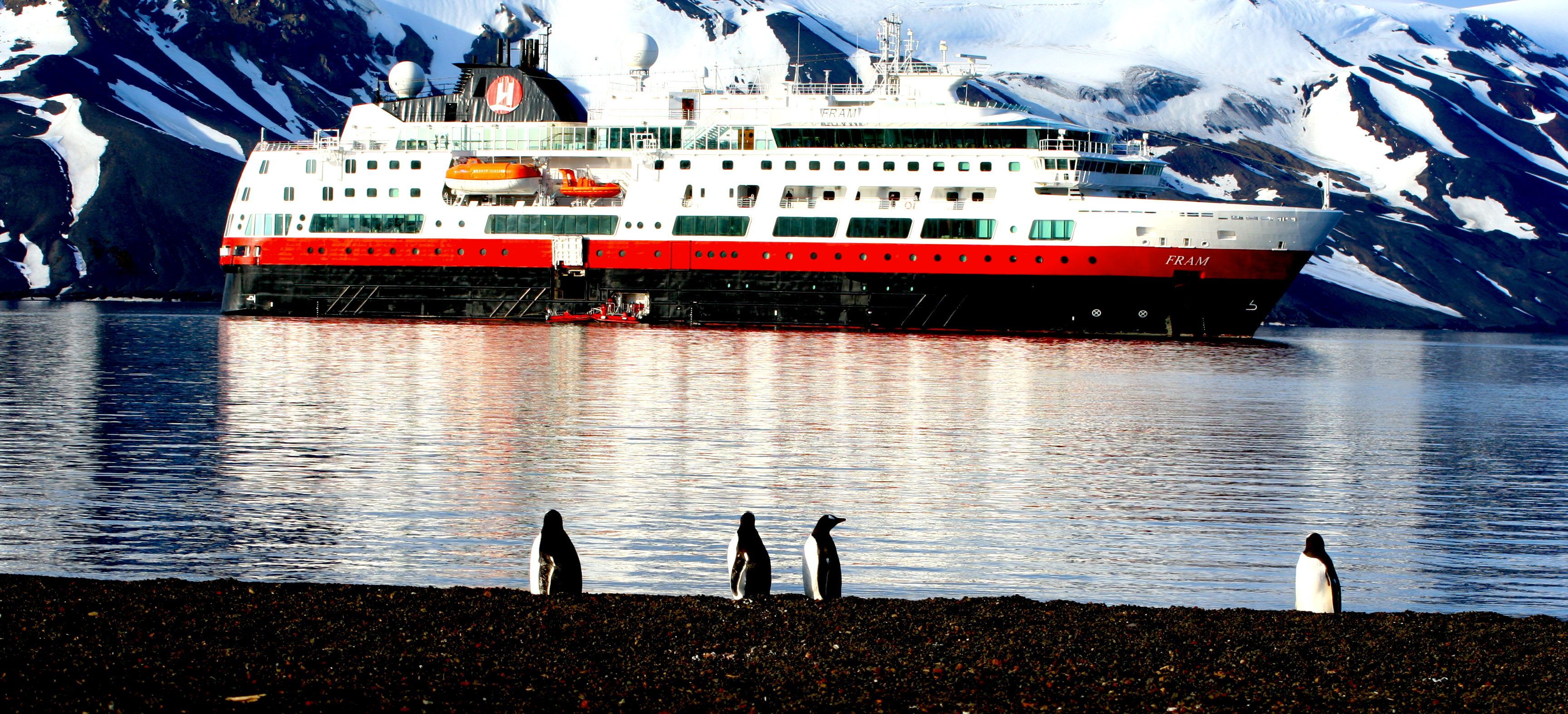
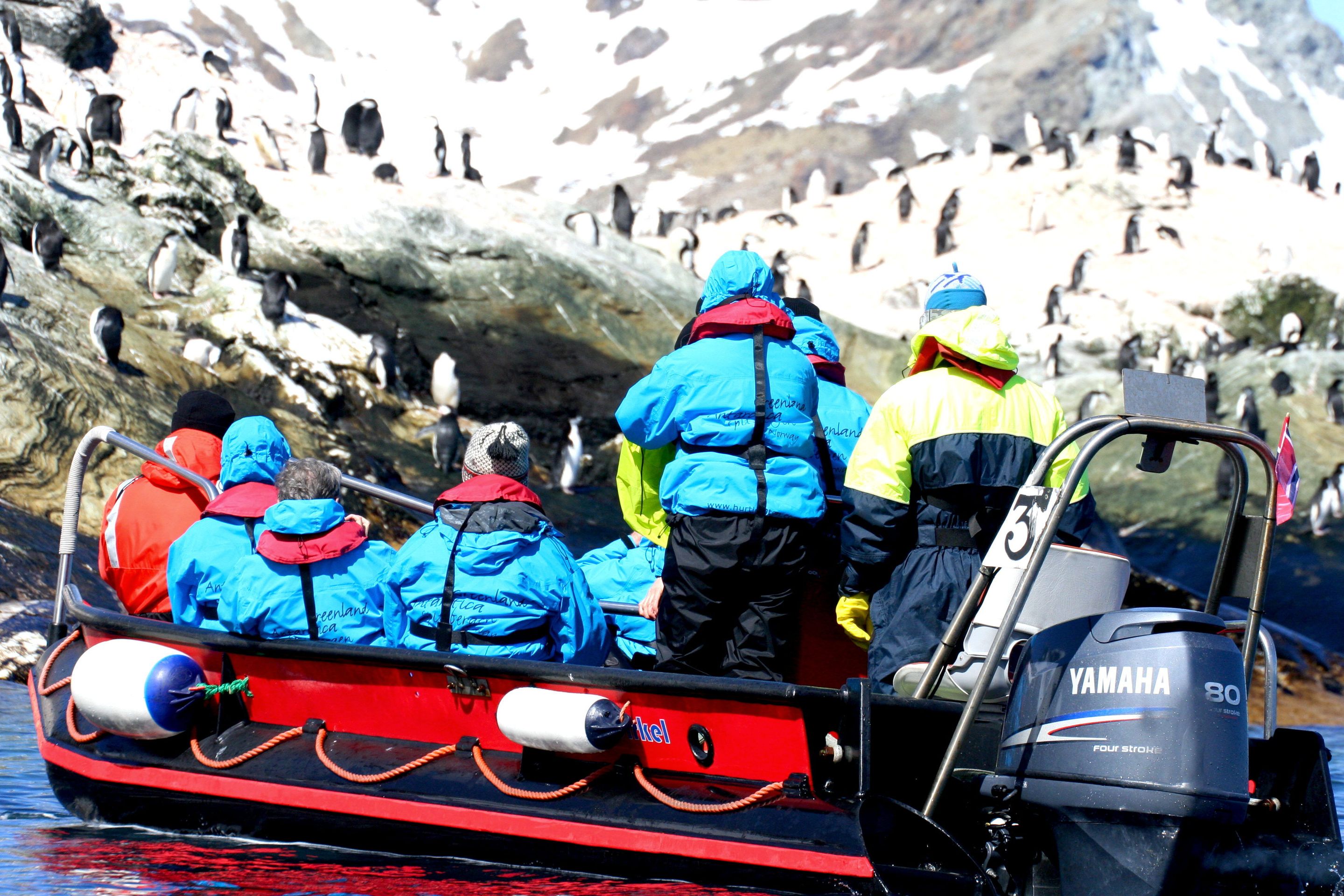
Our ship is the Fram, an expedition ship from the Hurtigruten fleet.
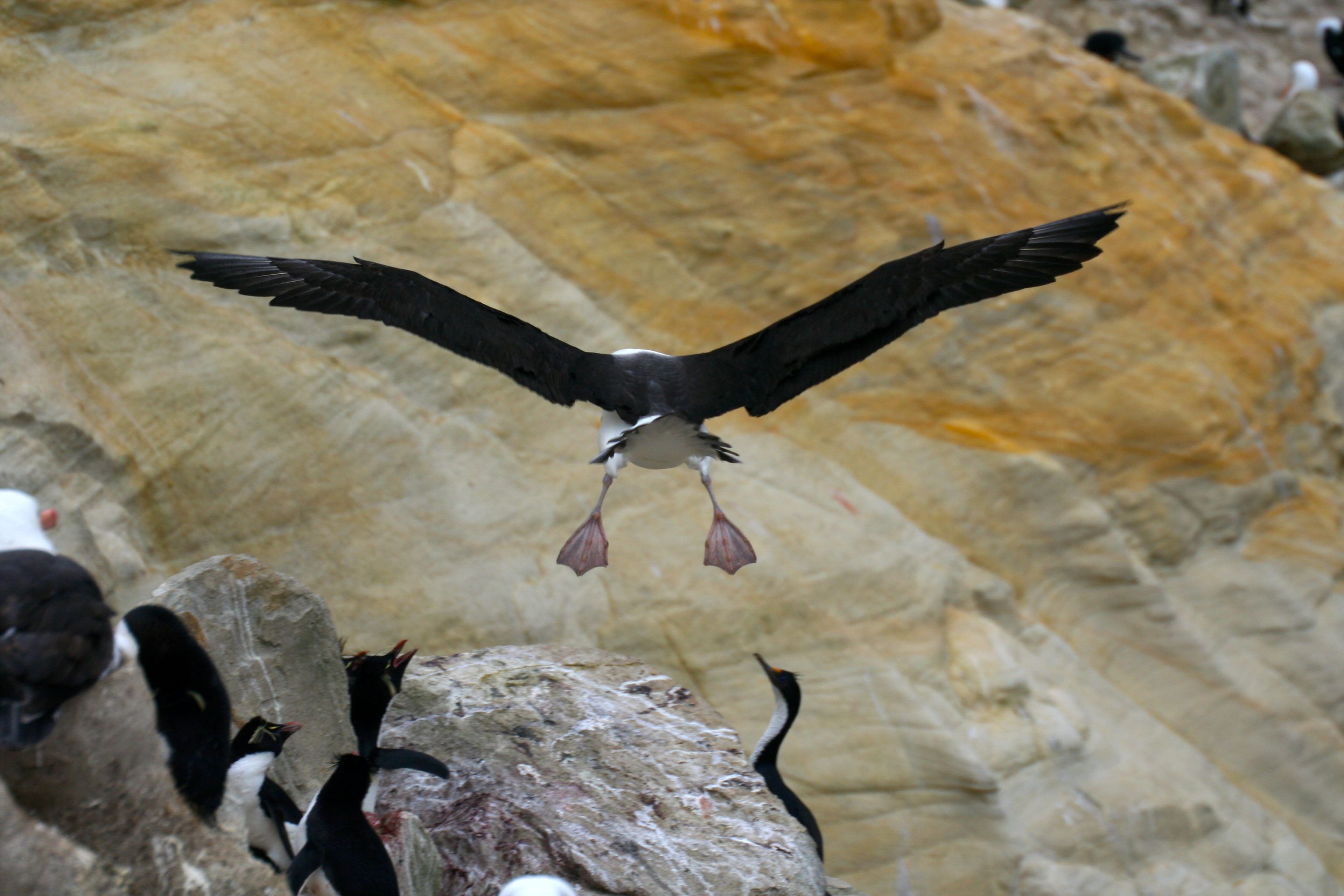
The albatrosses can live up to 50 years and have a wingspan of 3-5 m.
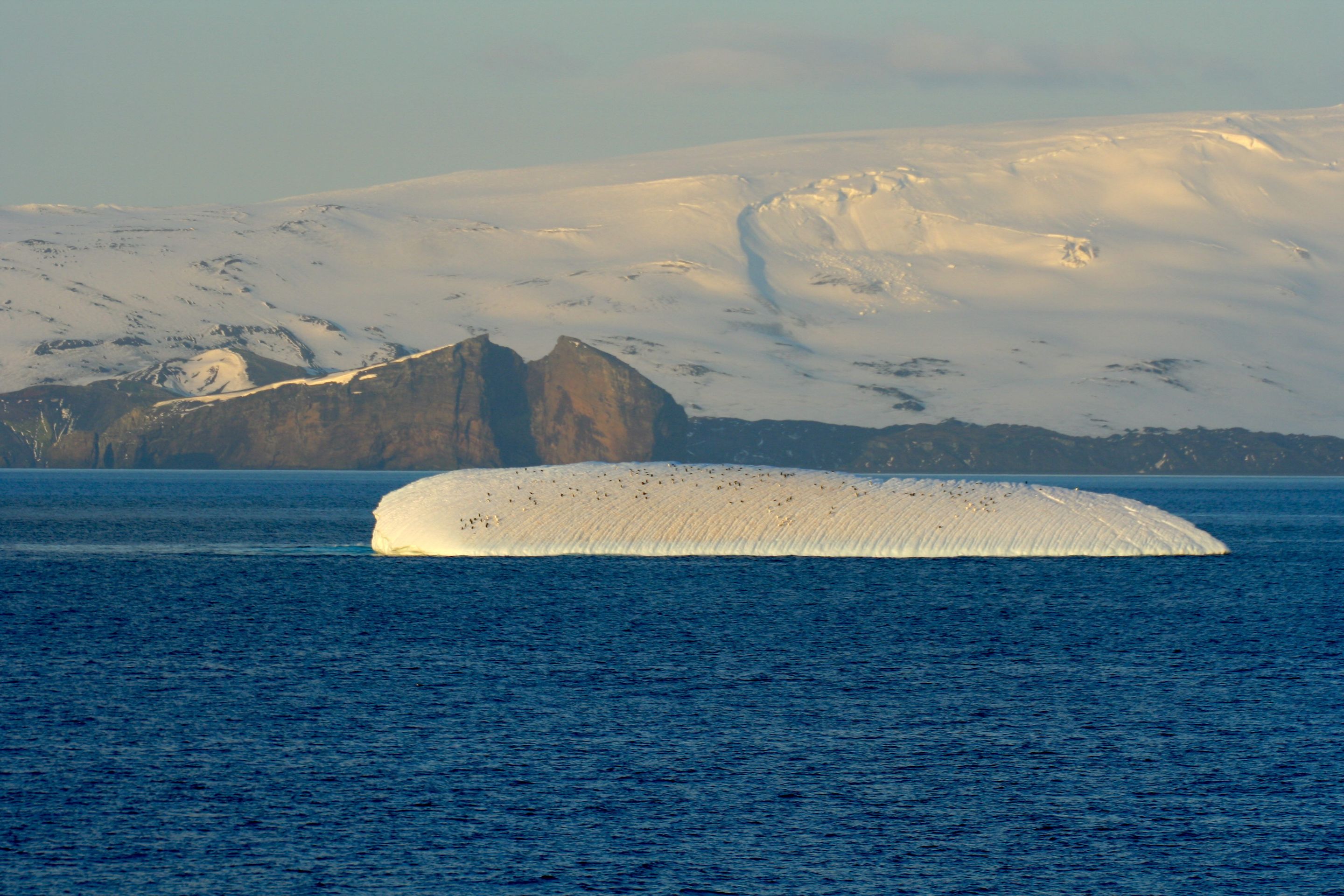
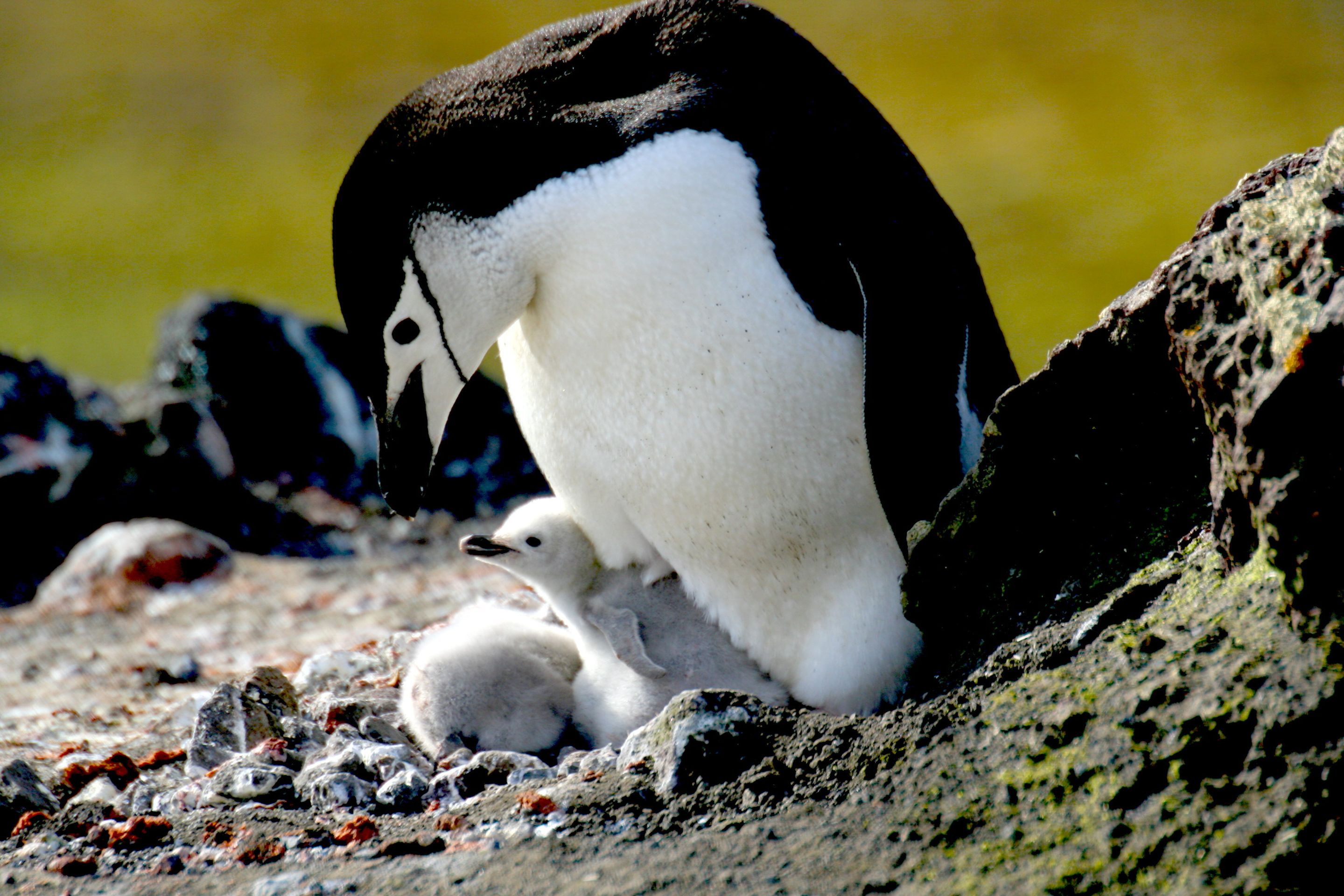
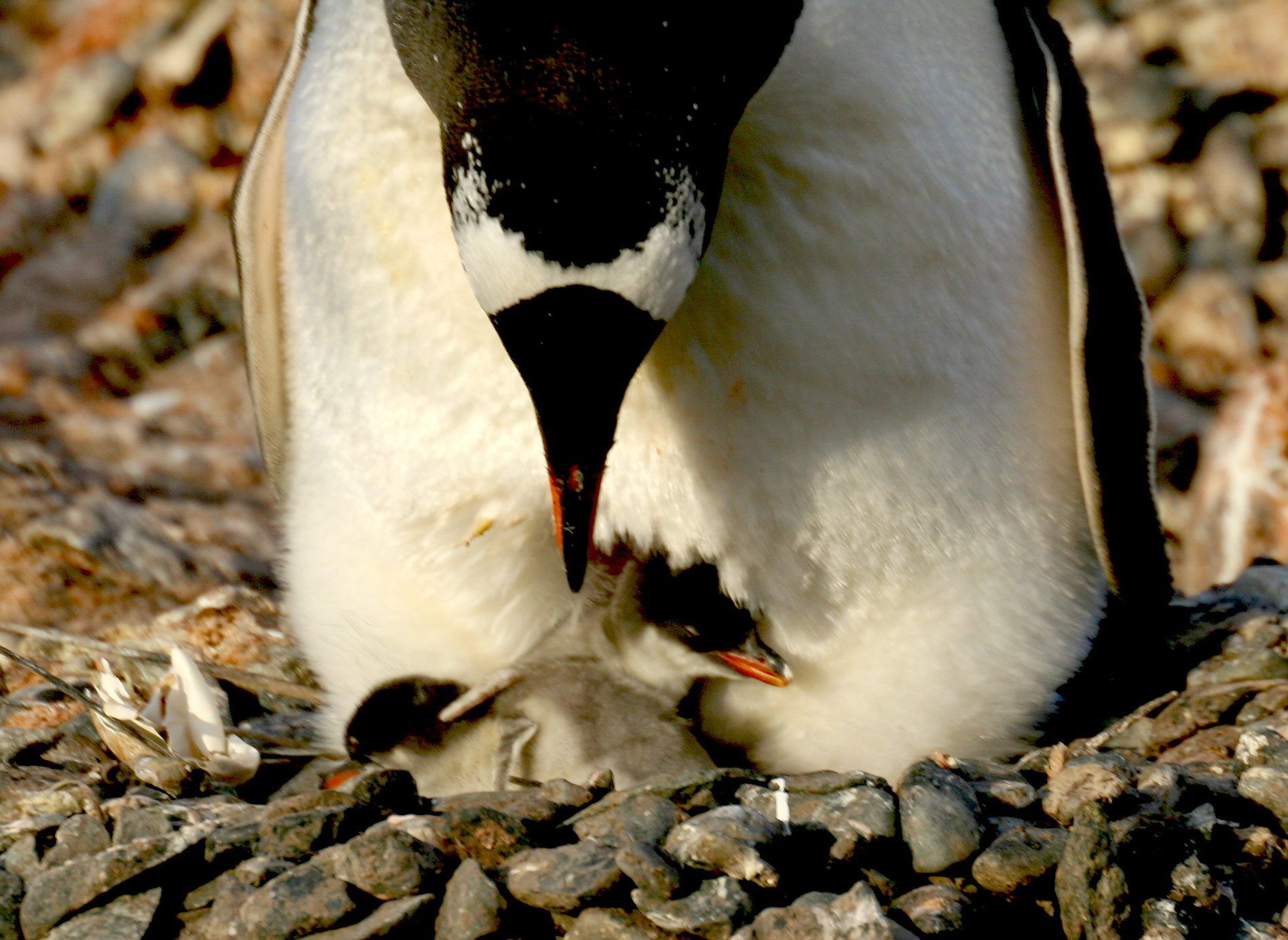
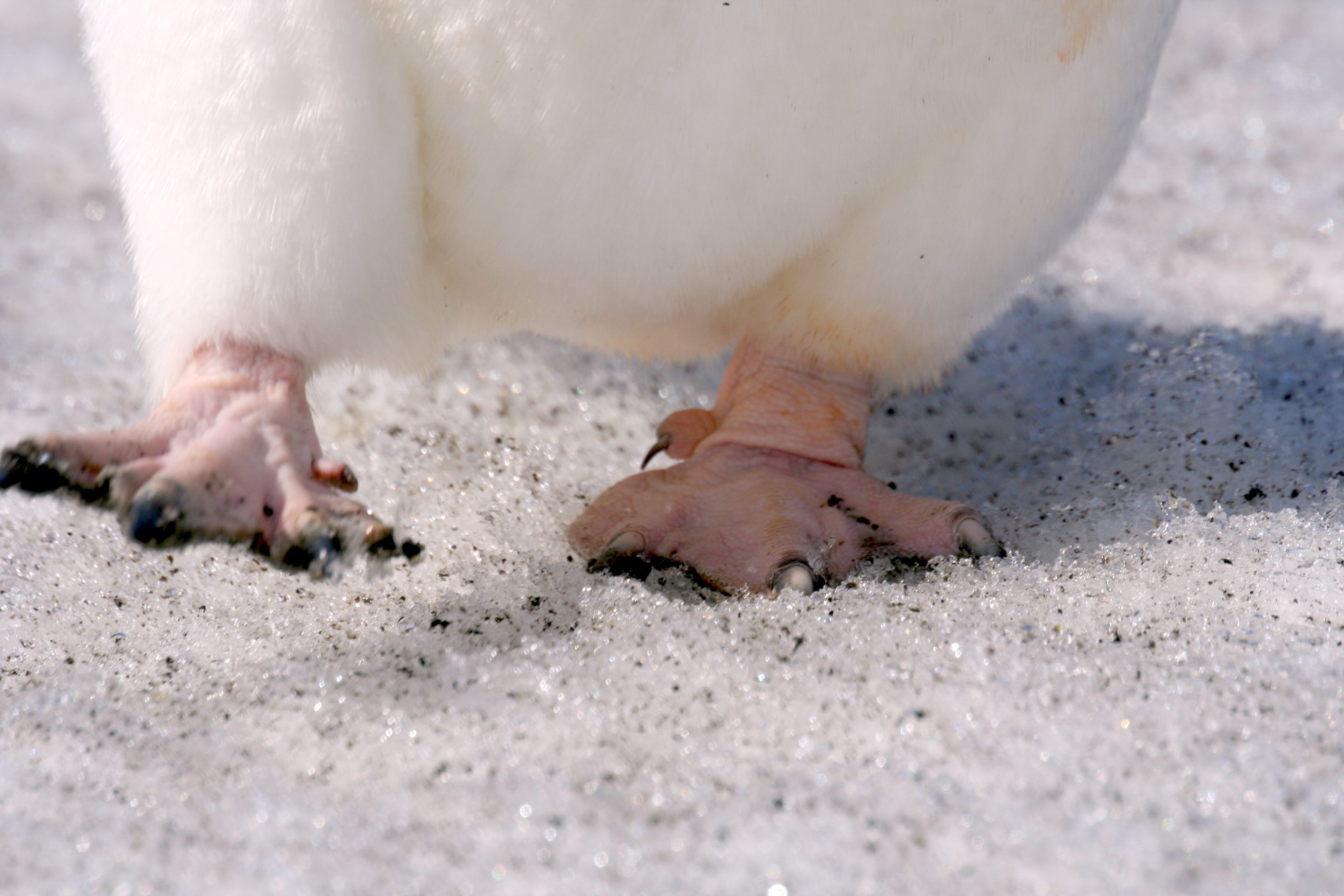
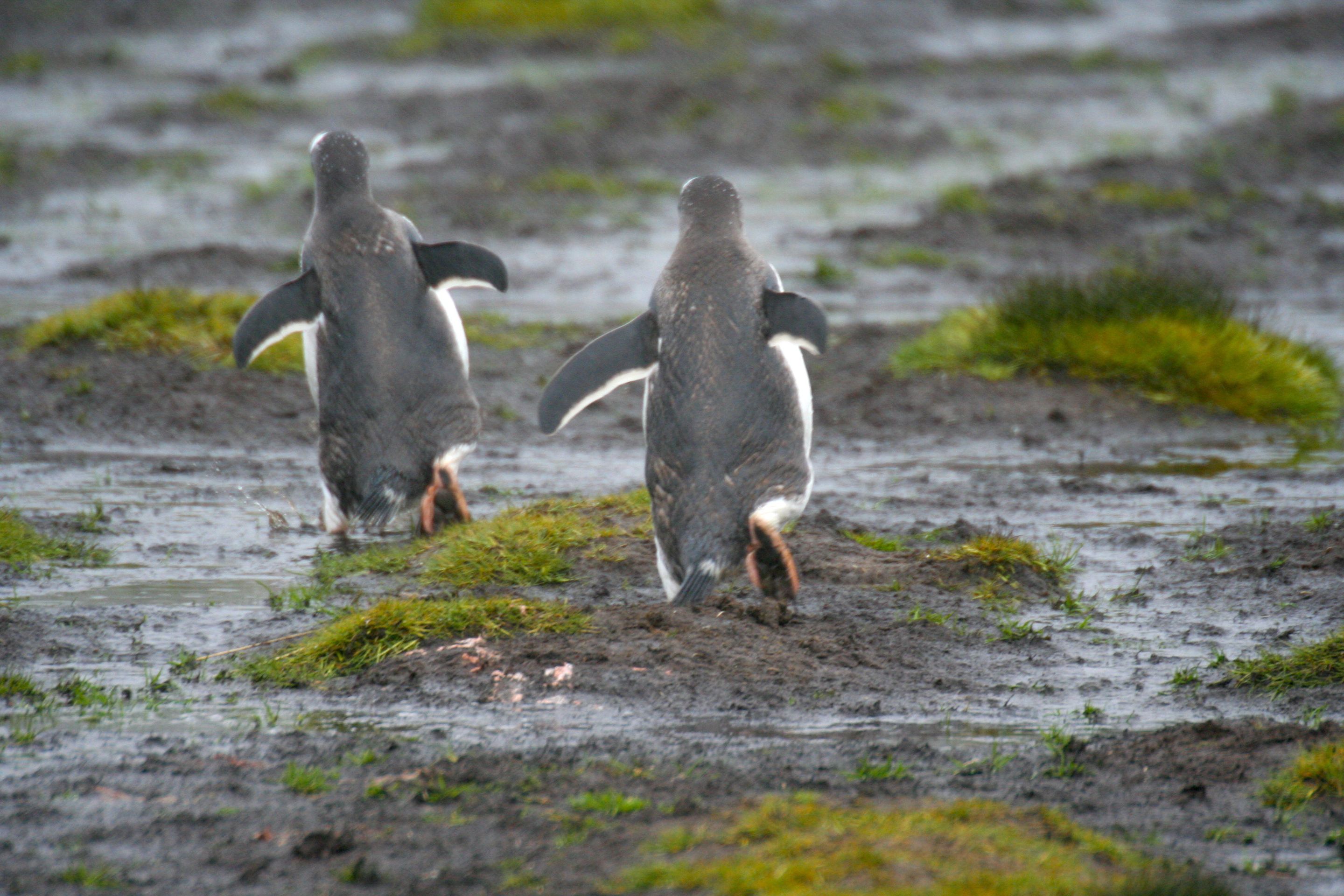
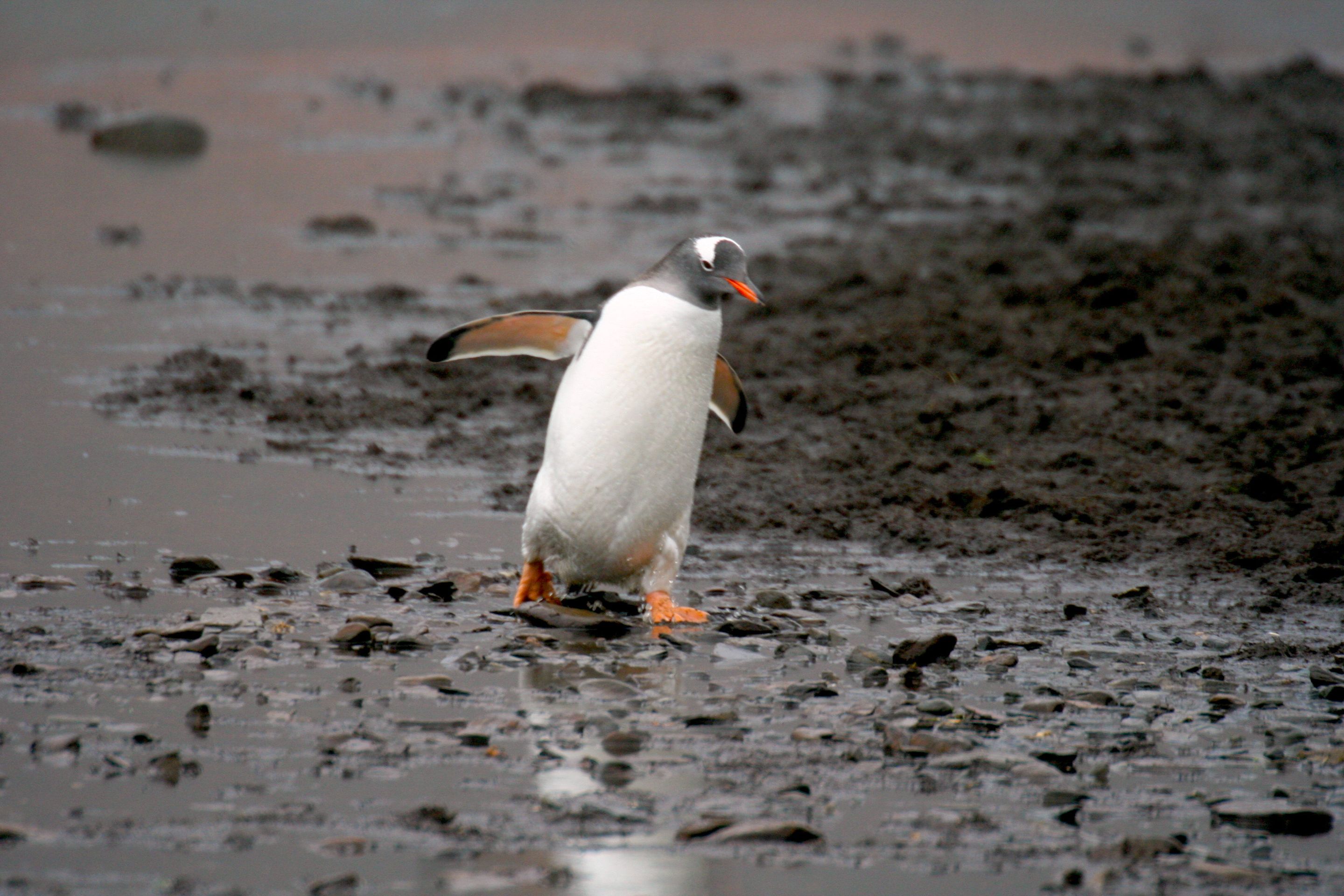
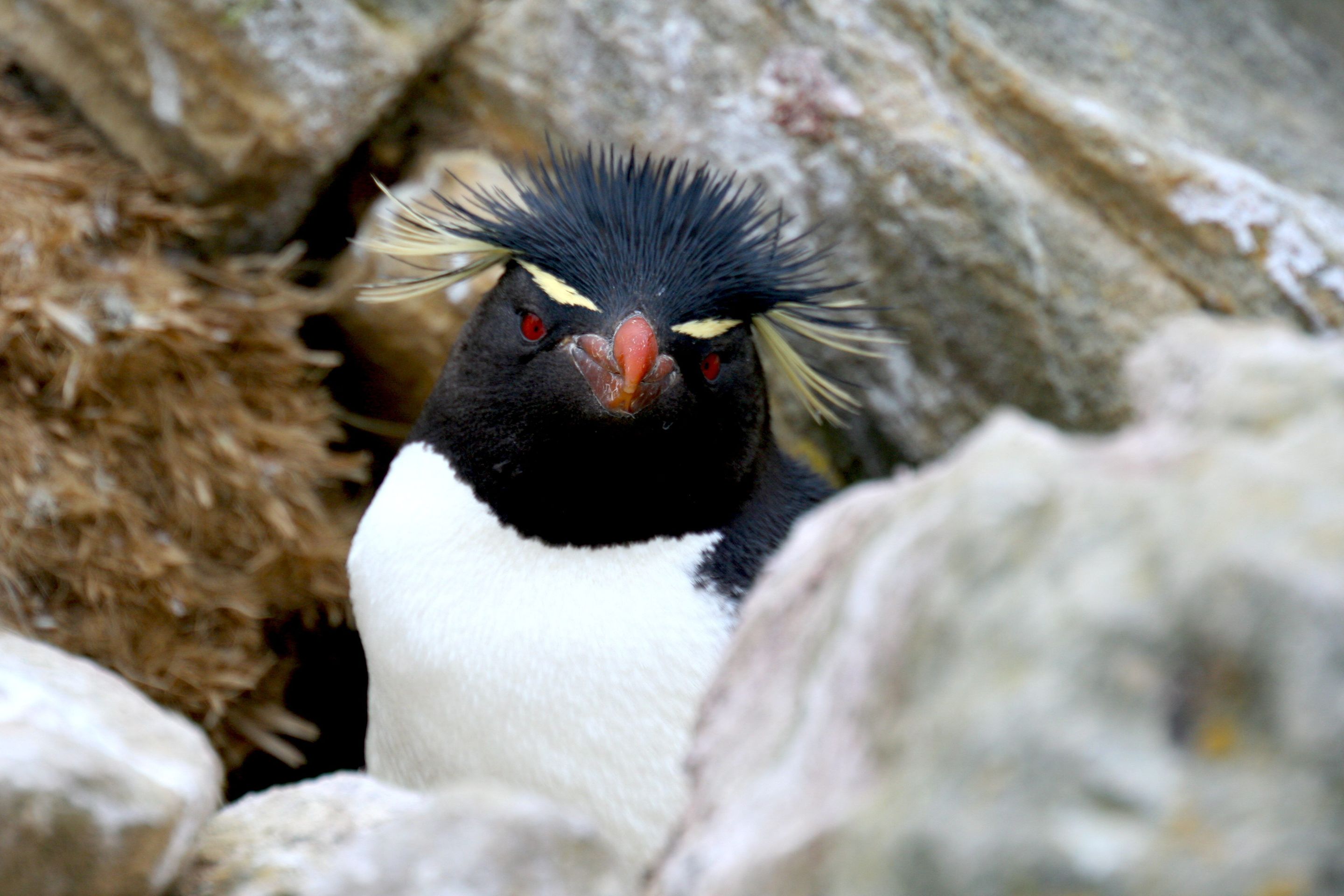
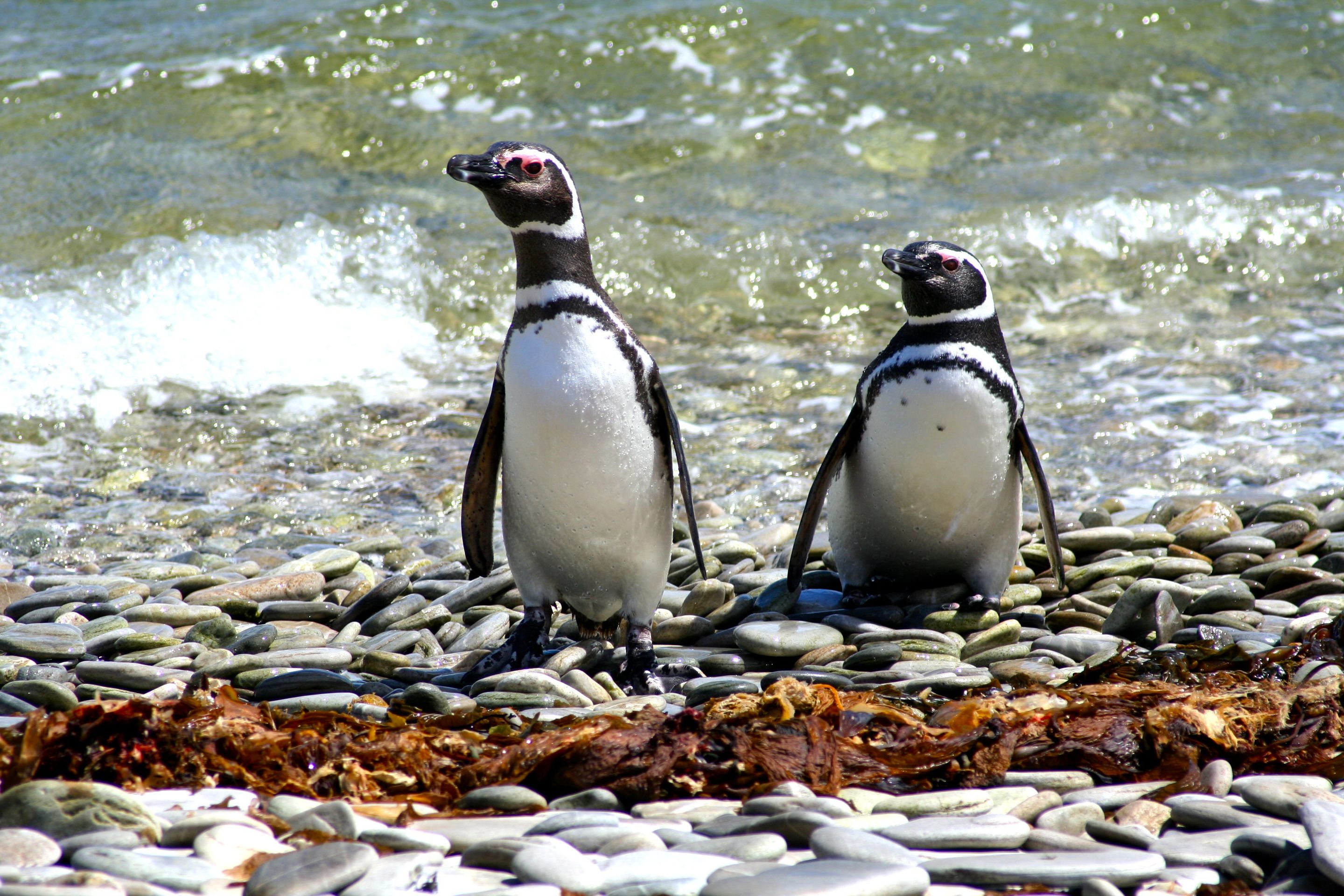
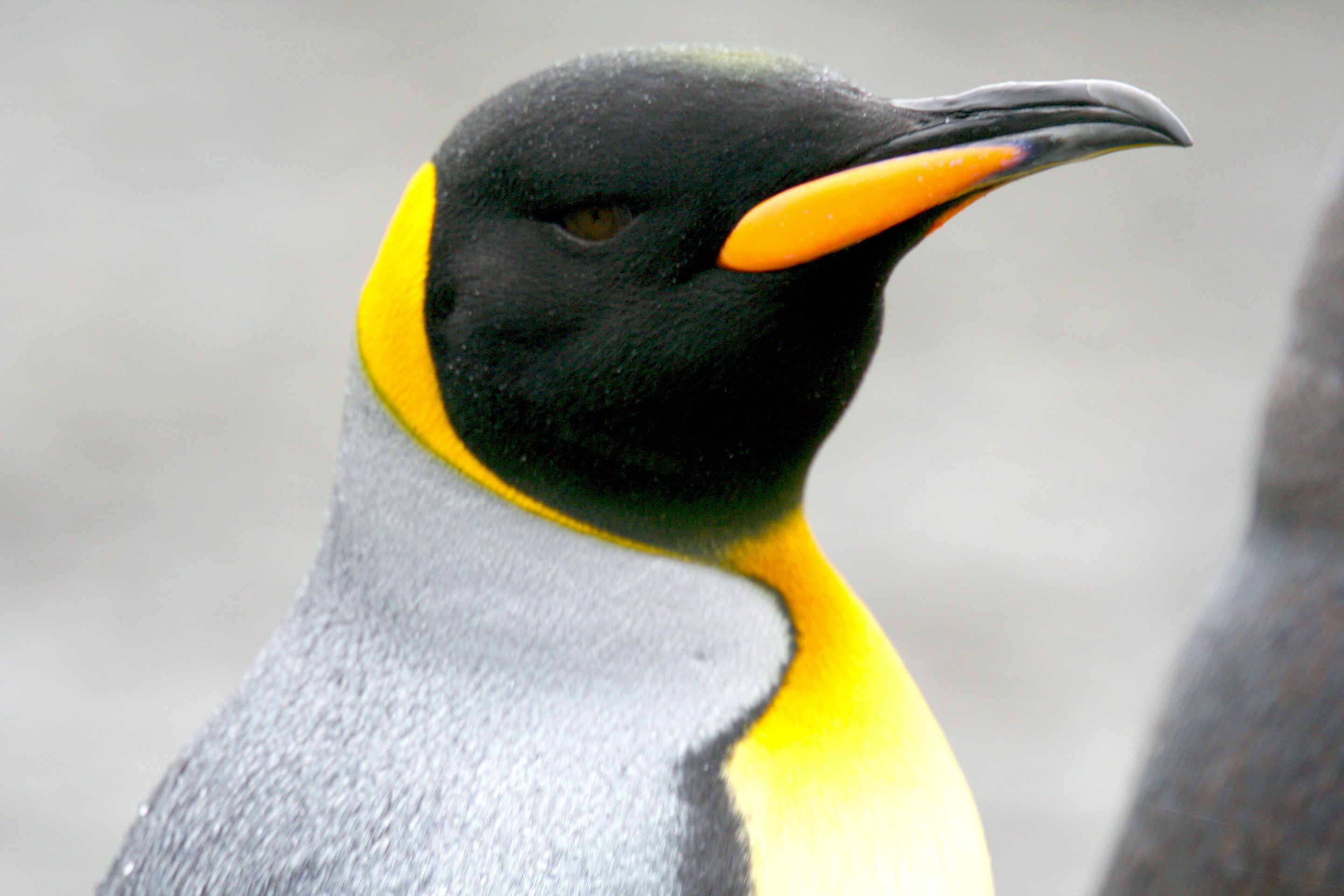
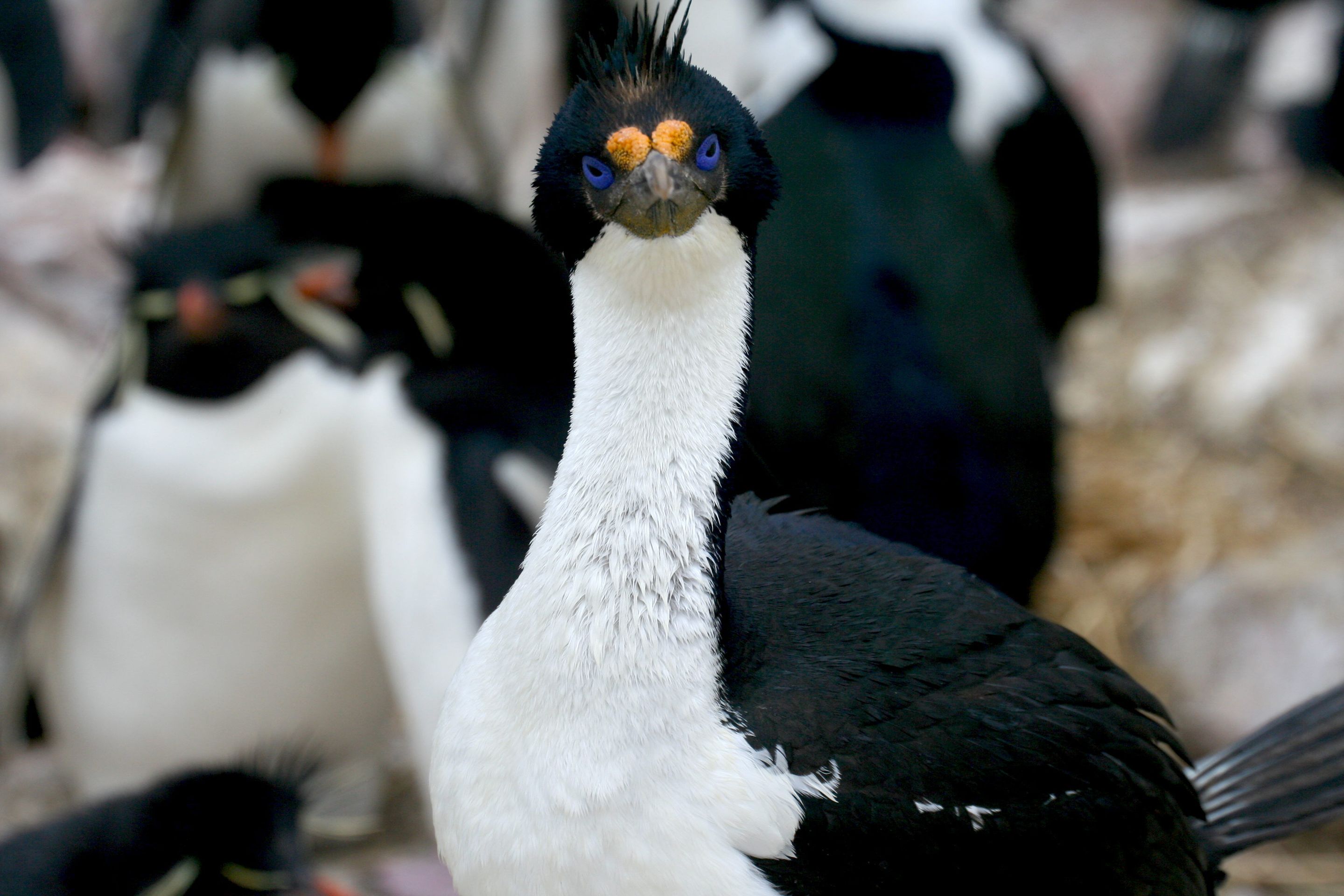
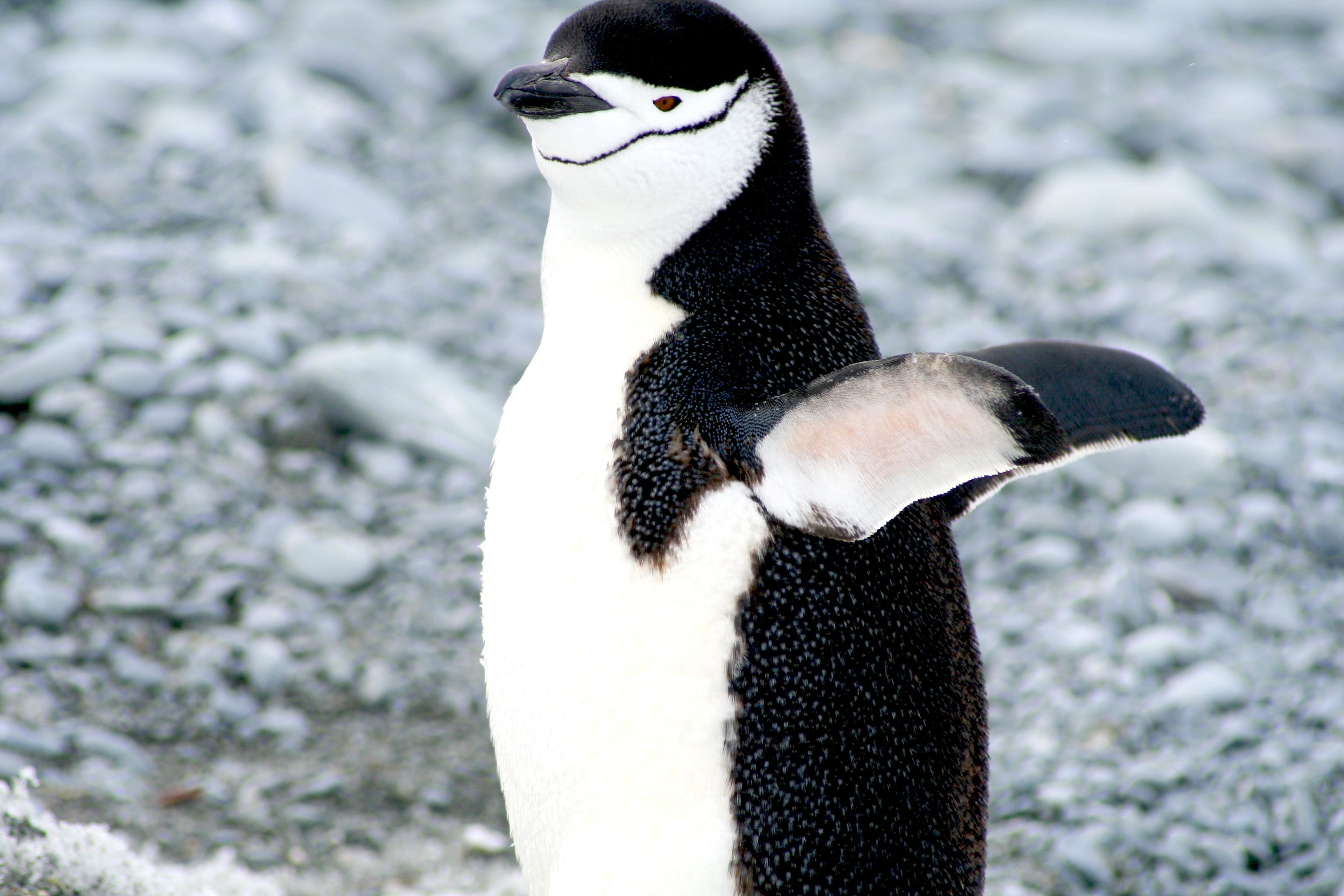
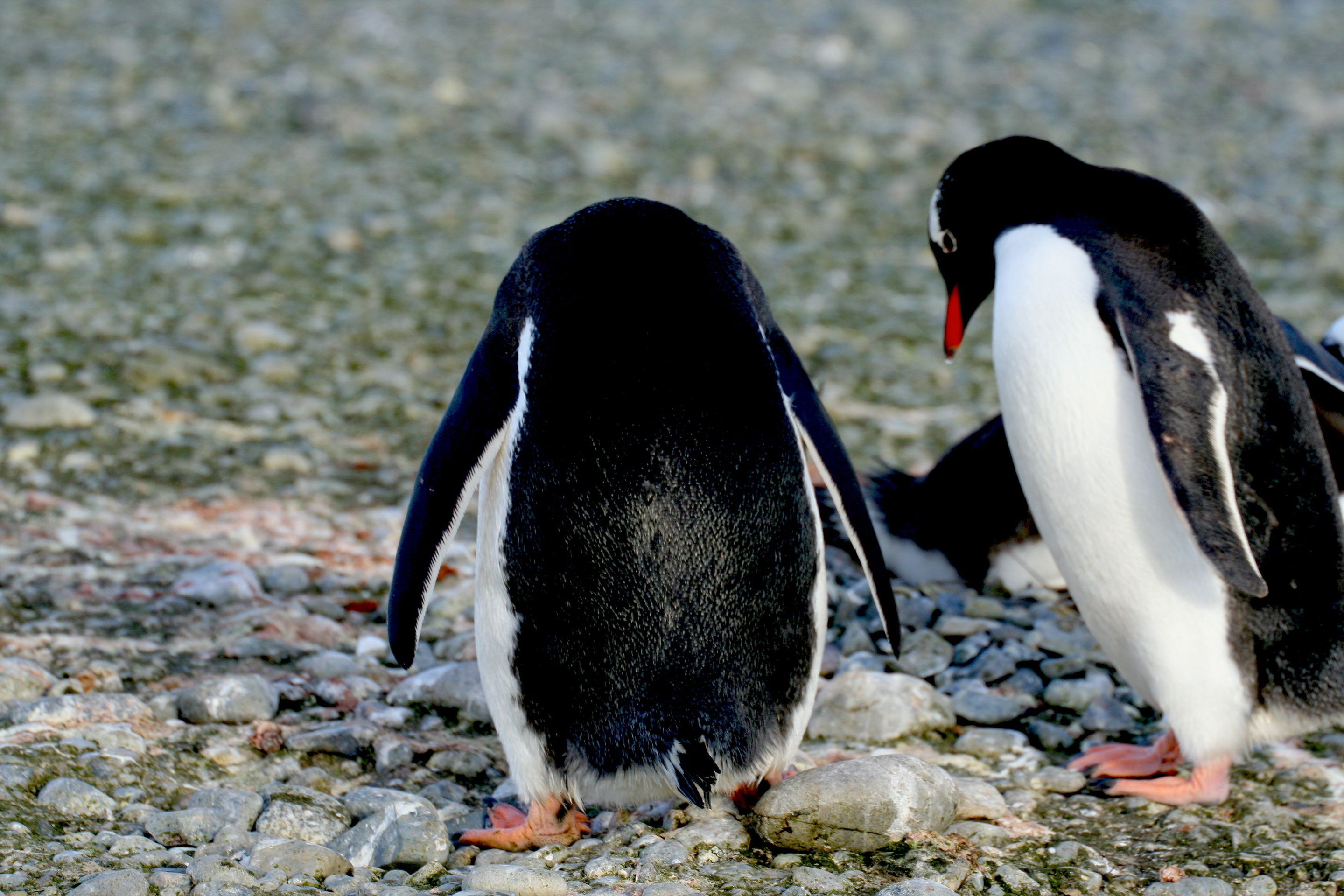
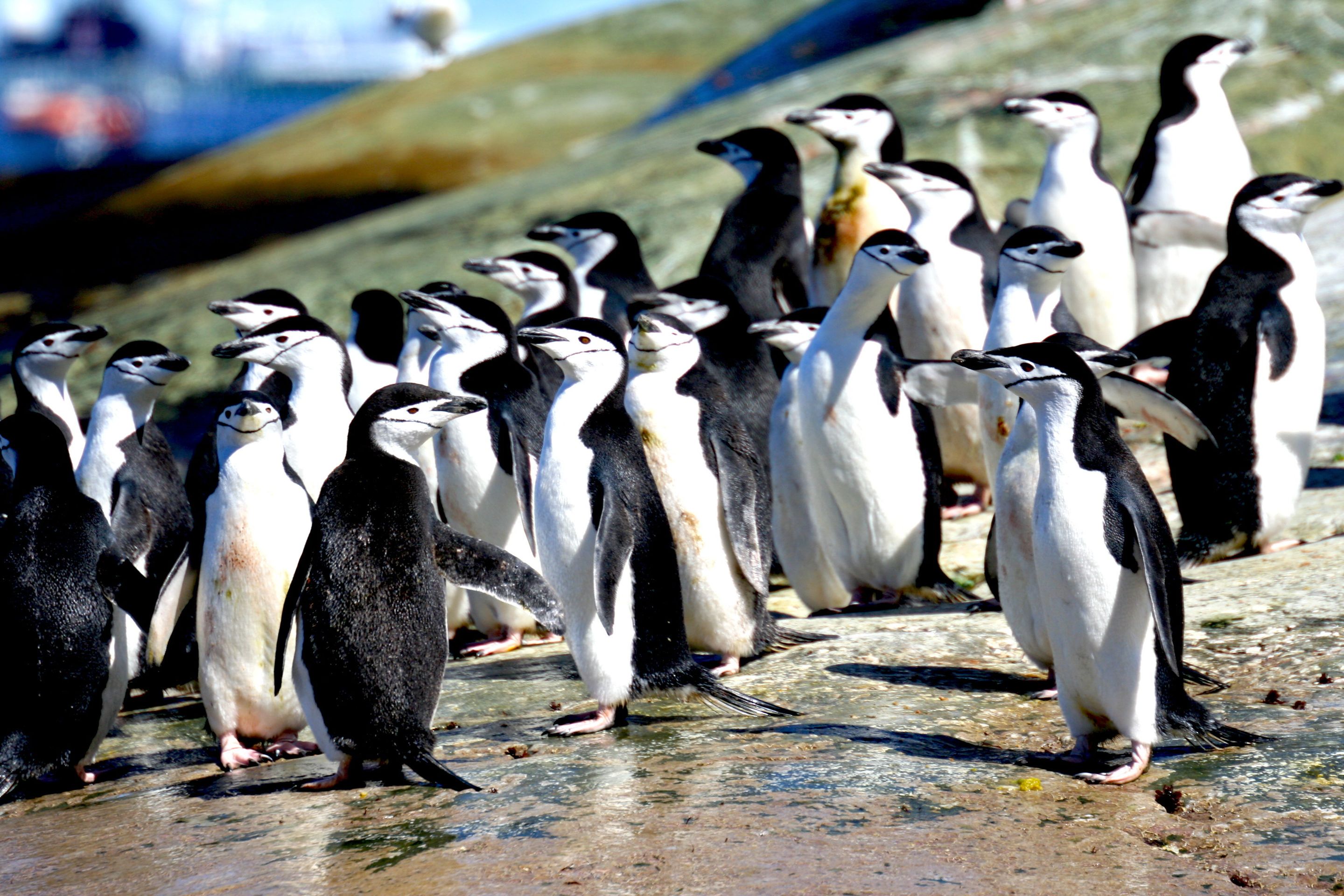
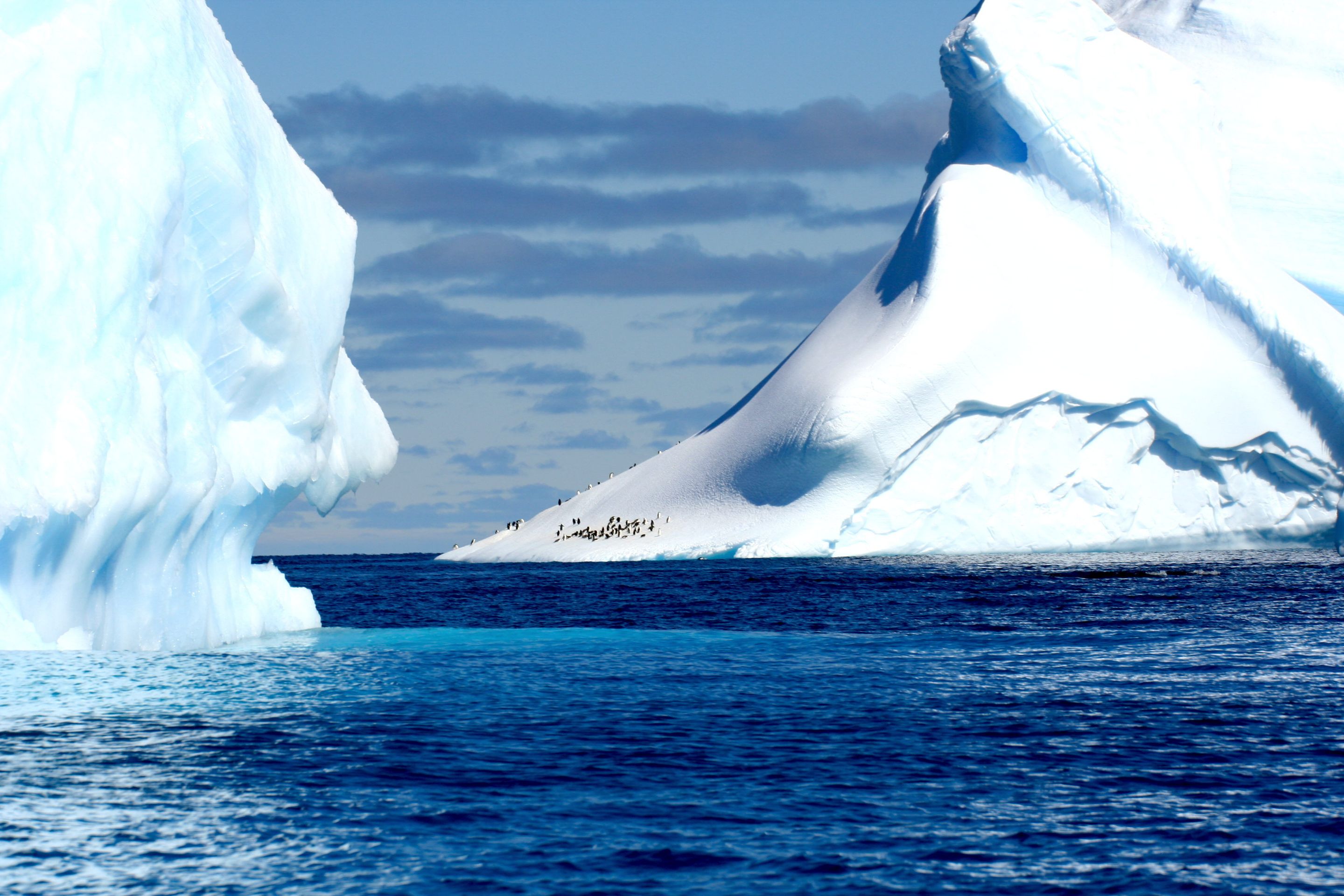
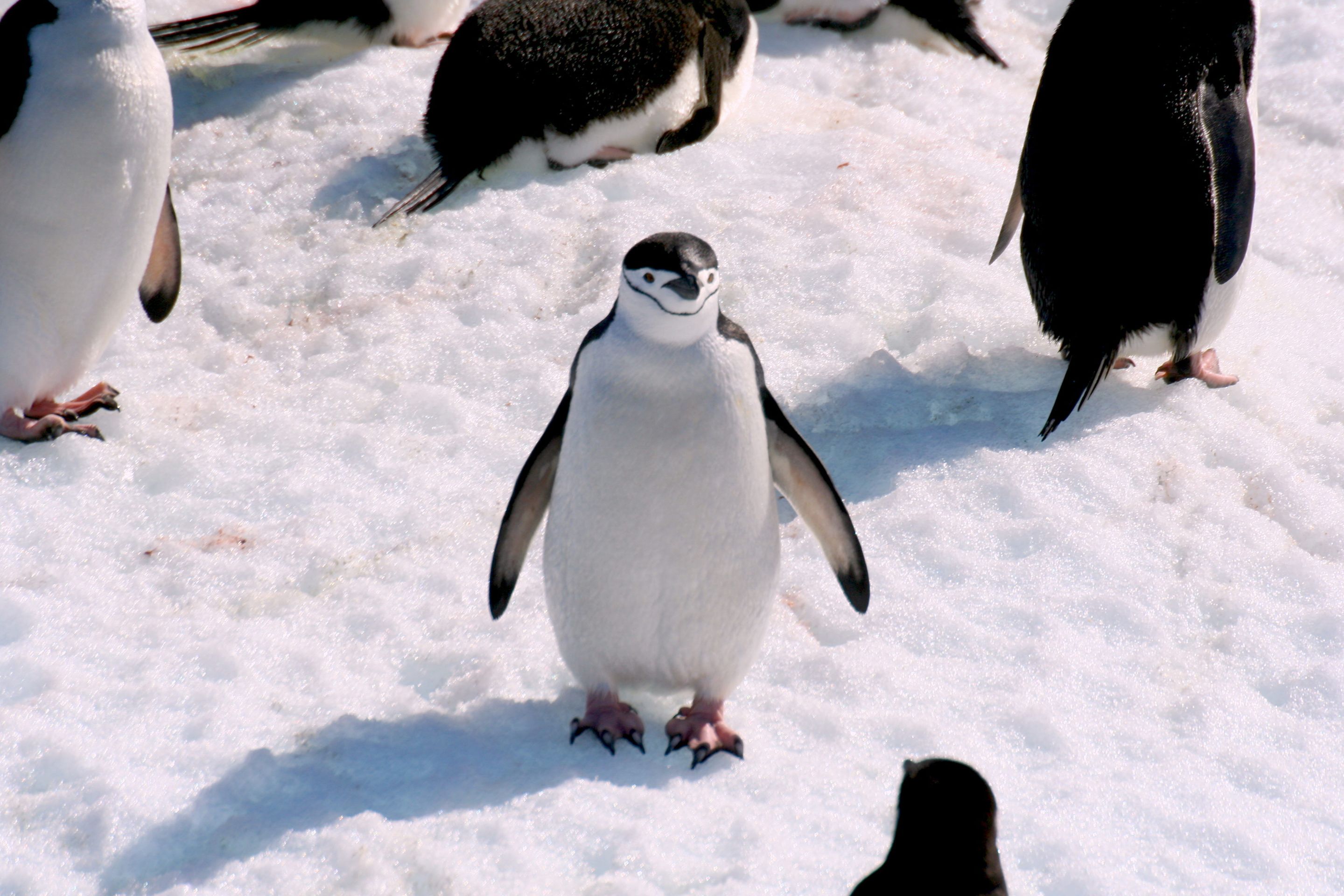
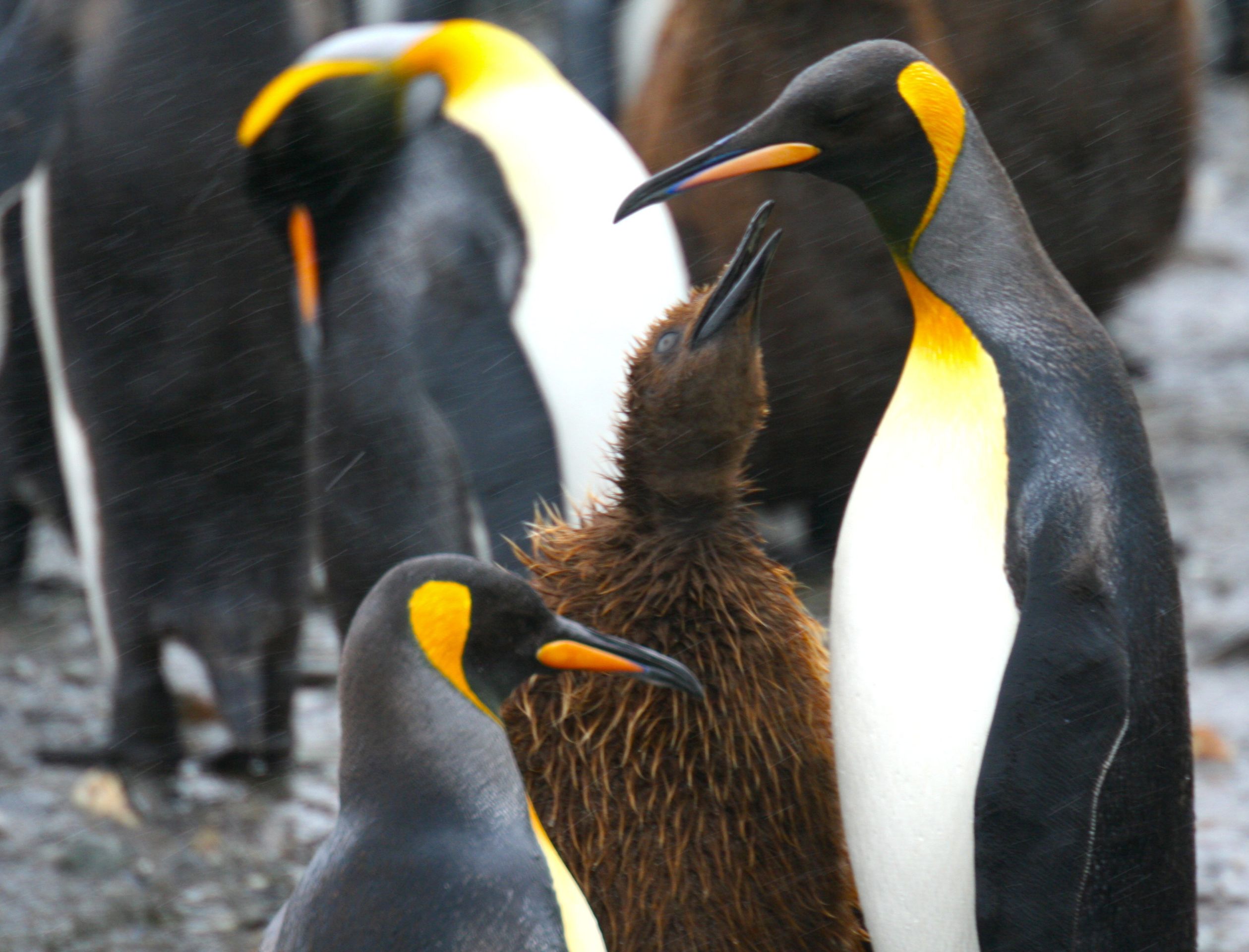
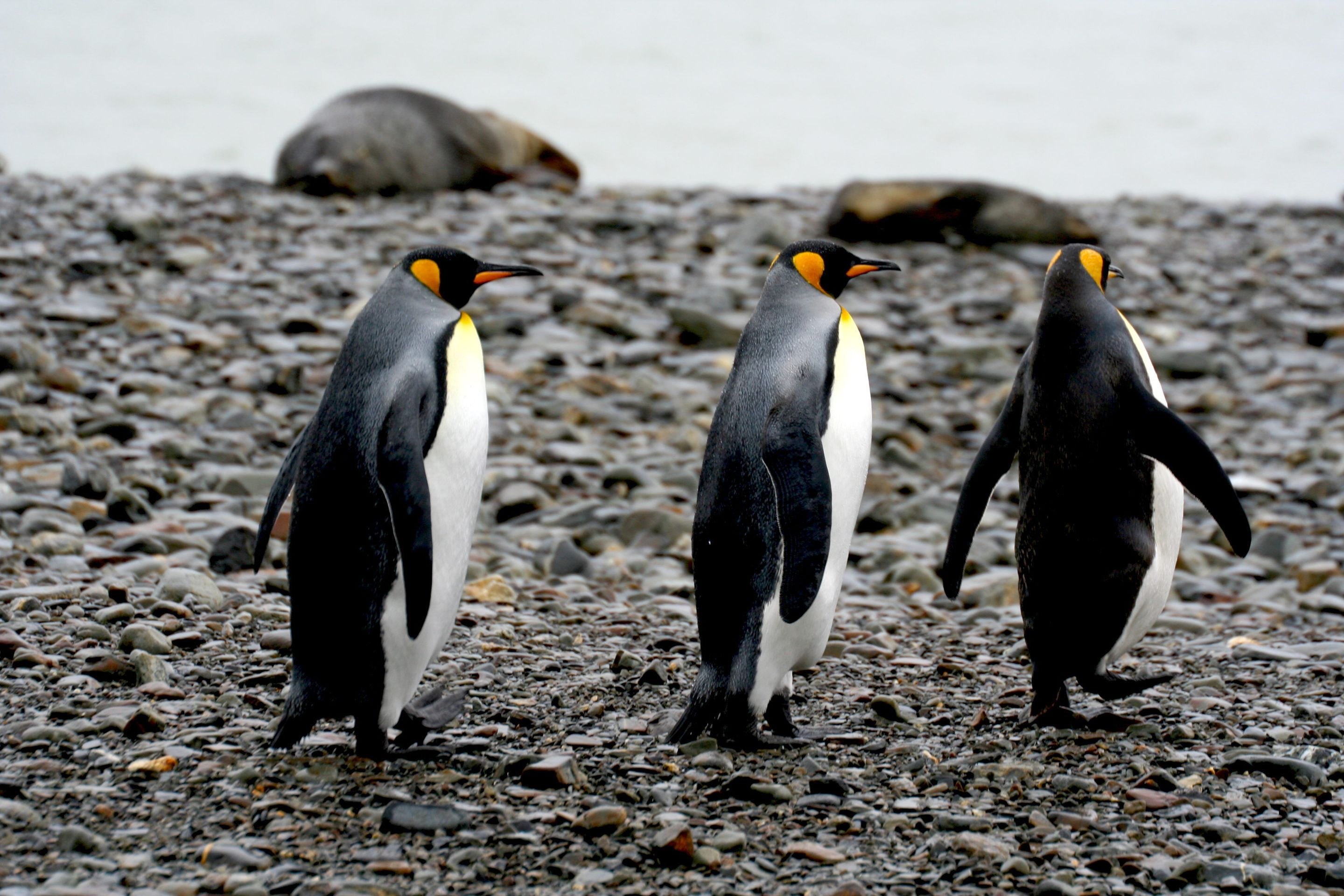
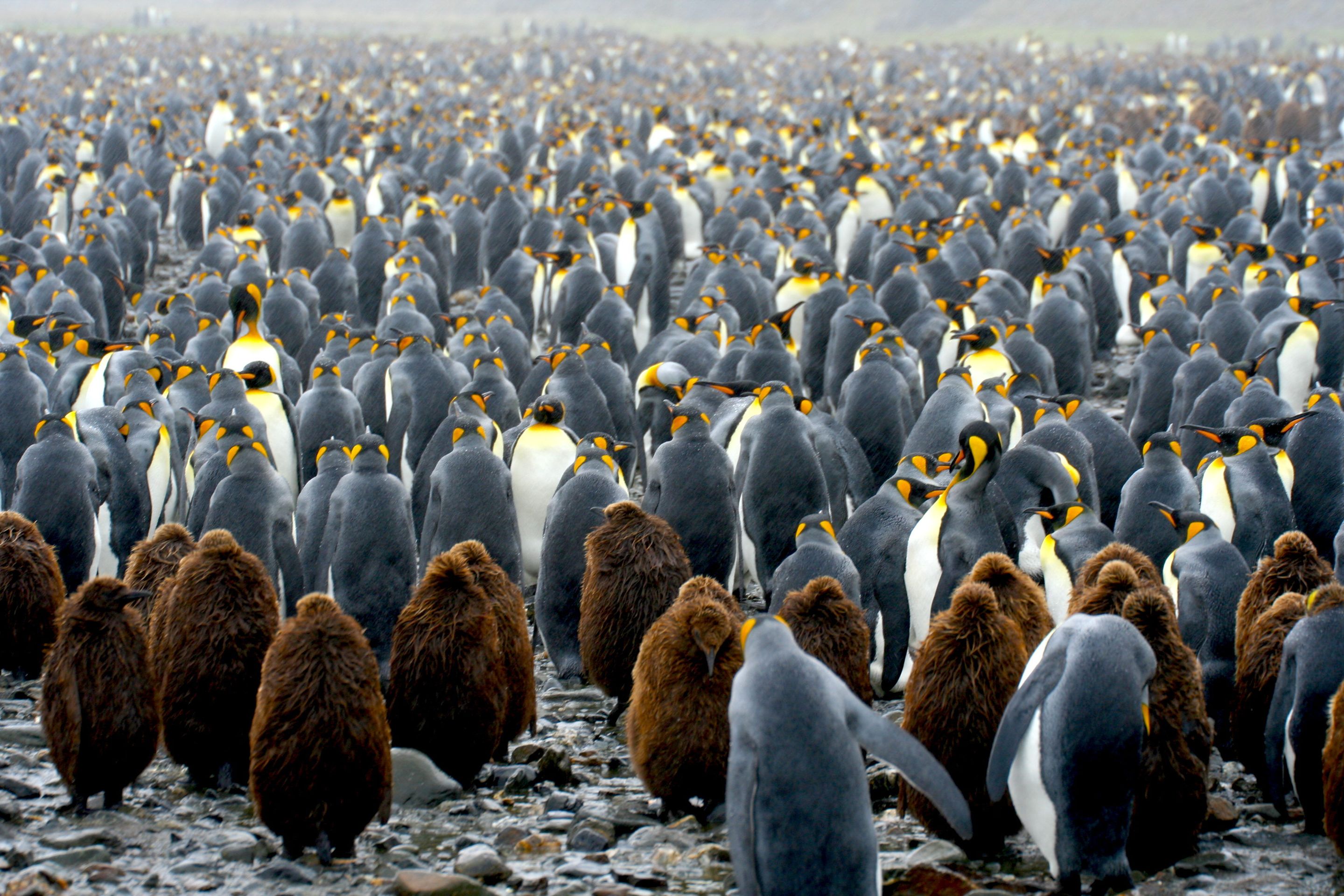
Penguins, there are about 18 different species, have solid bones unlike birds and are therefore unable to fly. They feed on small crustaceans (krill) and are very social, no wonder given the cold.Little penguin presentation: See photo gallery
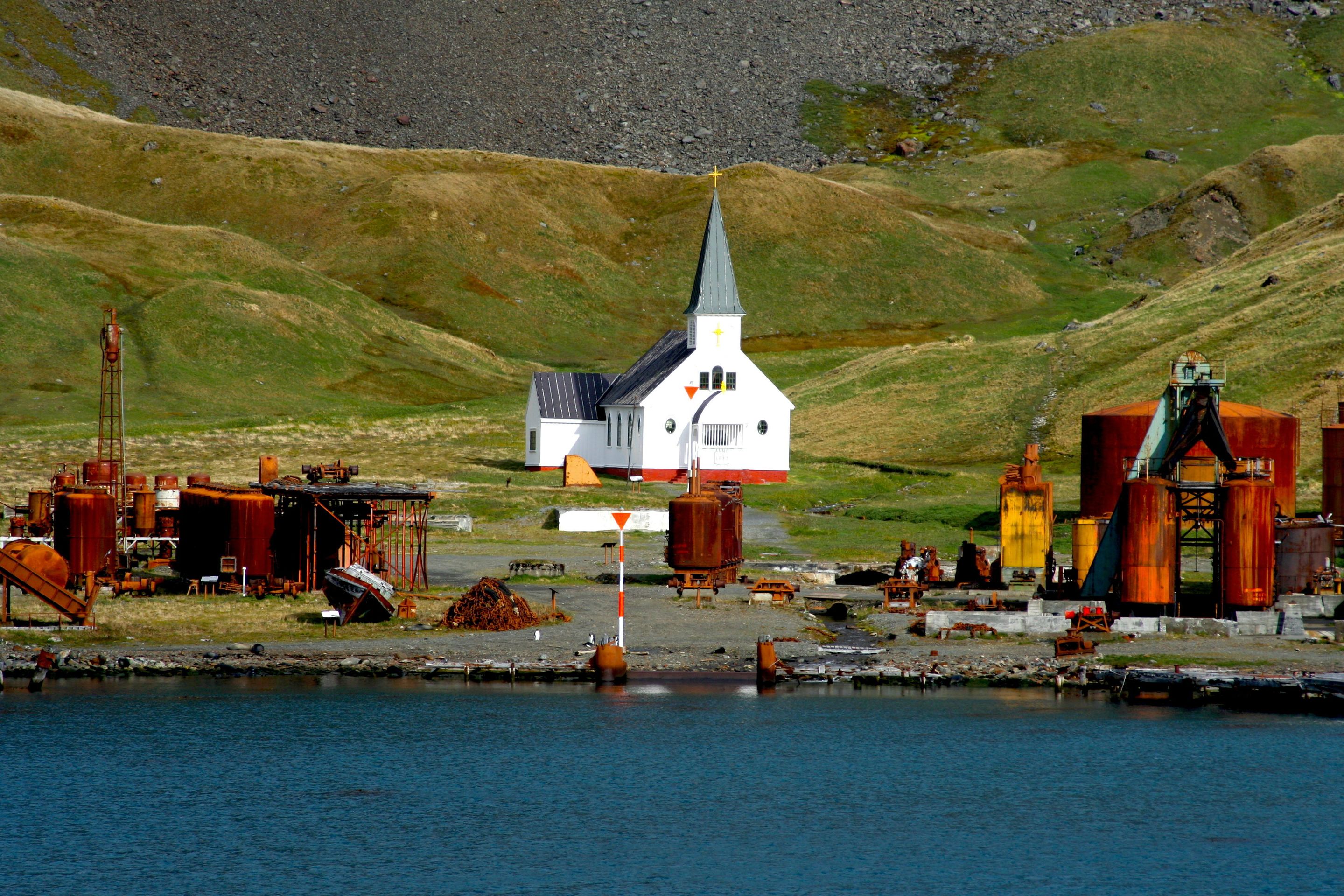
Captain Cook was the first polar researcher in 1773 on South Georgia. He was very astonished by the variety of whales, penguins, seals, and seabirds. In 1780, whalers, inspired by his tales, moved to South Georgia/Grytviken to catch whales. Man versus beast was still harmless to the whale population.
It was only with whaling on land, where they used penguins as fuel, followed by whaling at sea that whales stood no chance. Whales were spotted from airplanes and secured with balloons, preventing them from diving again. The Basques were the first to start boiling down whale oil on the ship. There were no laws on the vessels. Blue whales were nearly extinct by 1950, and Fin and Sperm whales followed in 1960.The Antarctic Treaty was sealed in 1959. It does not allow for territorial claims in Antarctica. The continent is available for science and peace. The vast freshwater supplies are also off-limits. Military actions are prohibited.
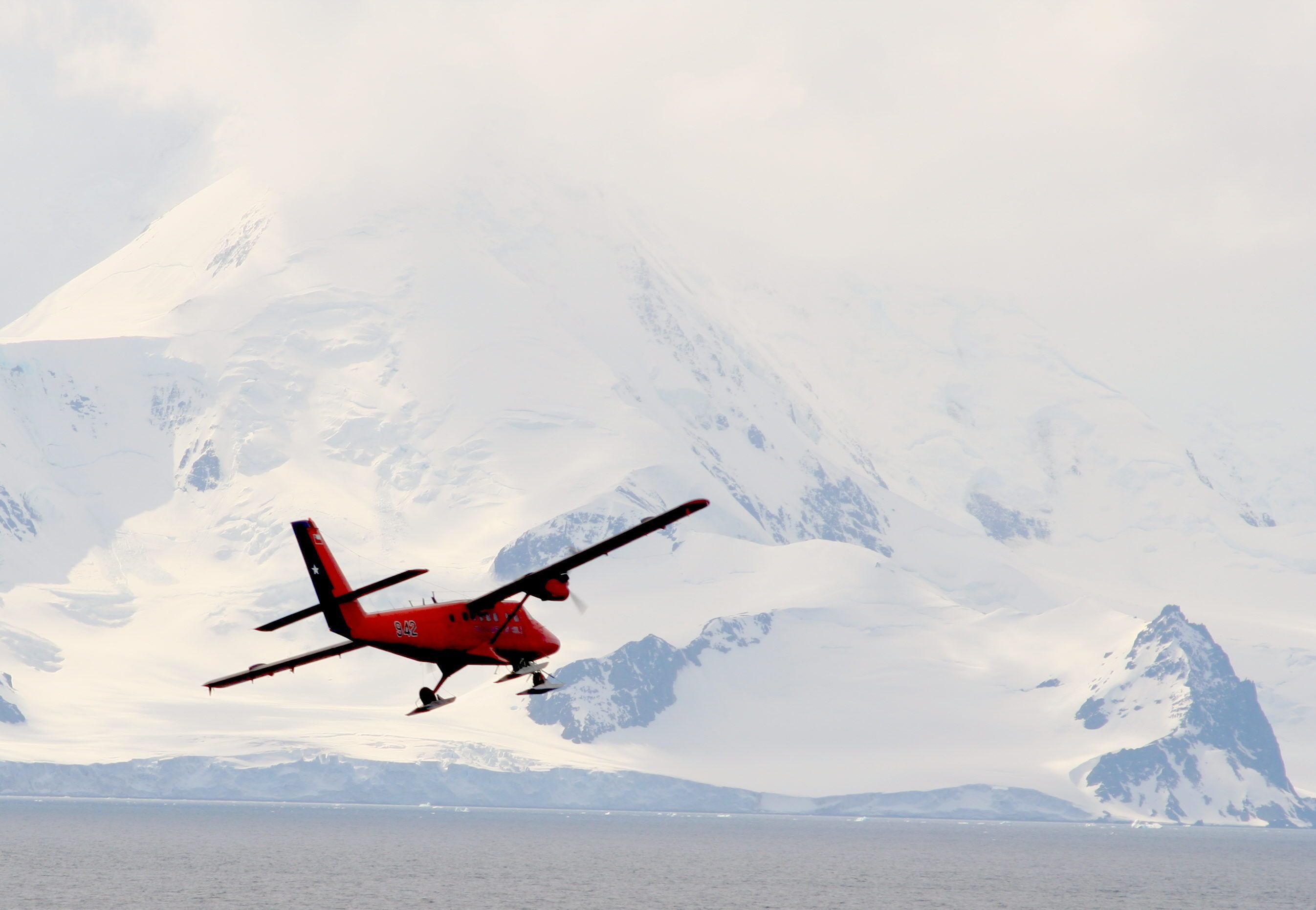
Antarctica is divided among the scientific interests of individual countries like a pie. Researchers analyze data such as animal populations, weather data, etc. They must be in good health; casually flying to the continent due to a toothache is challenging.
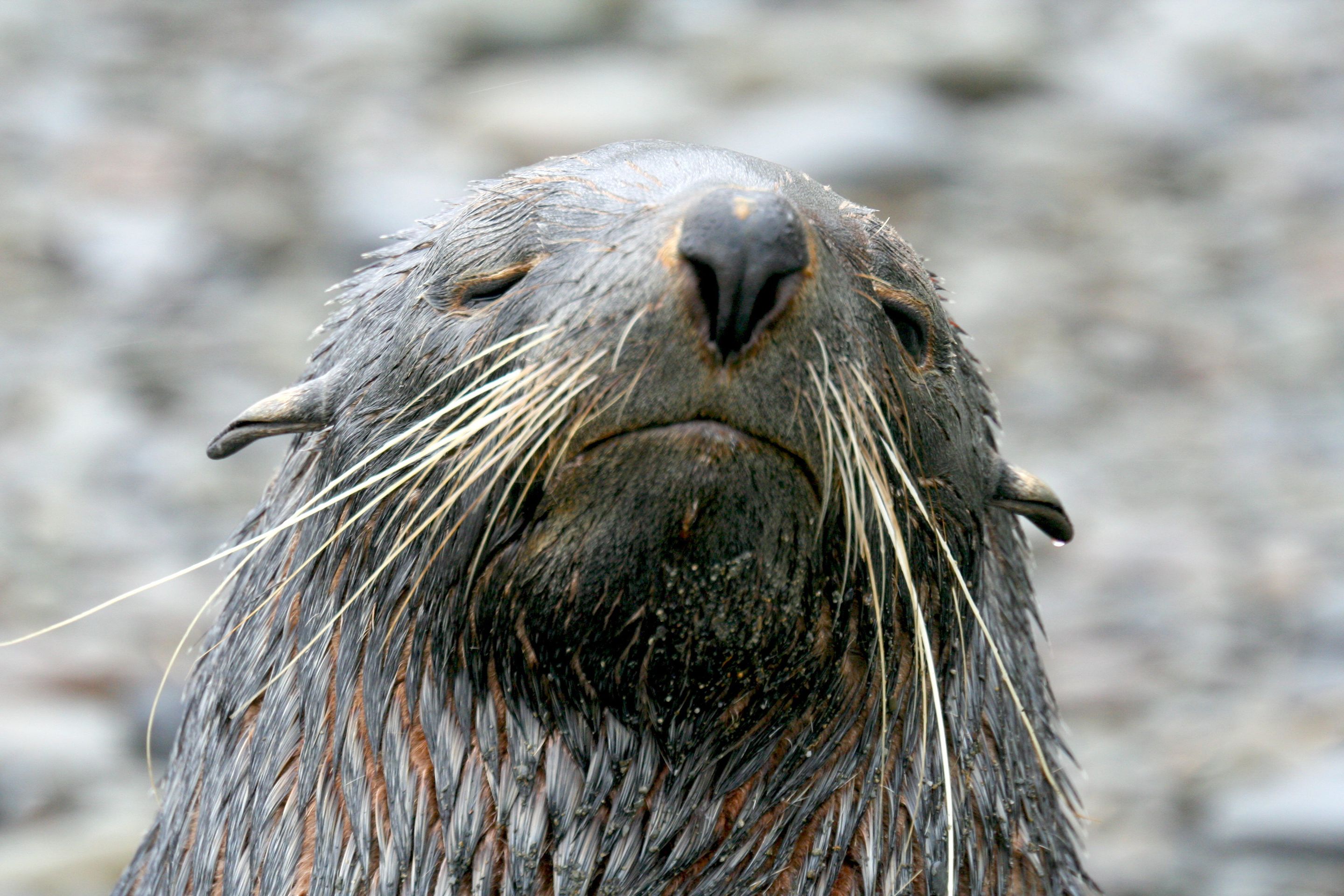
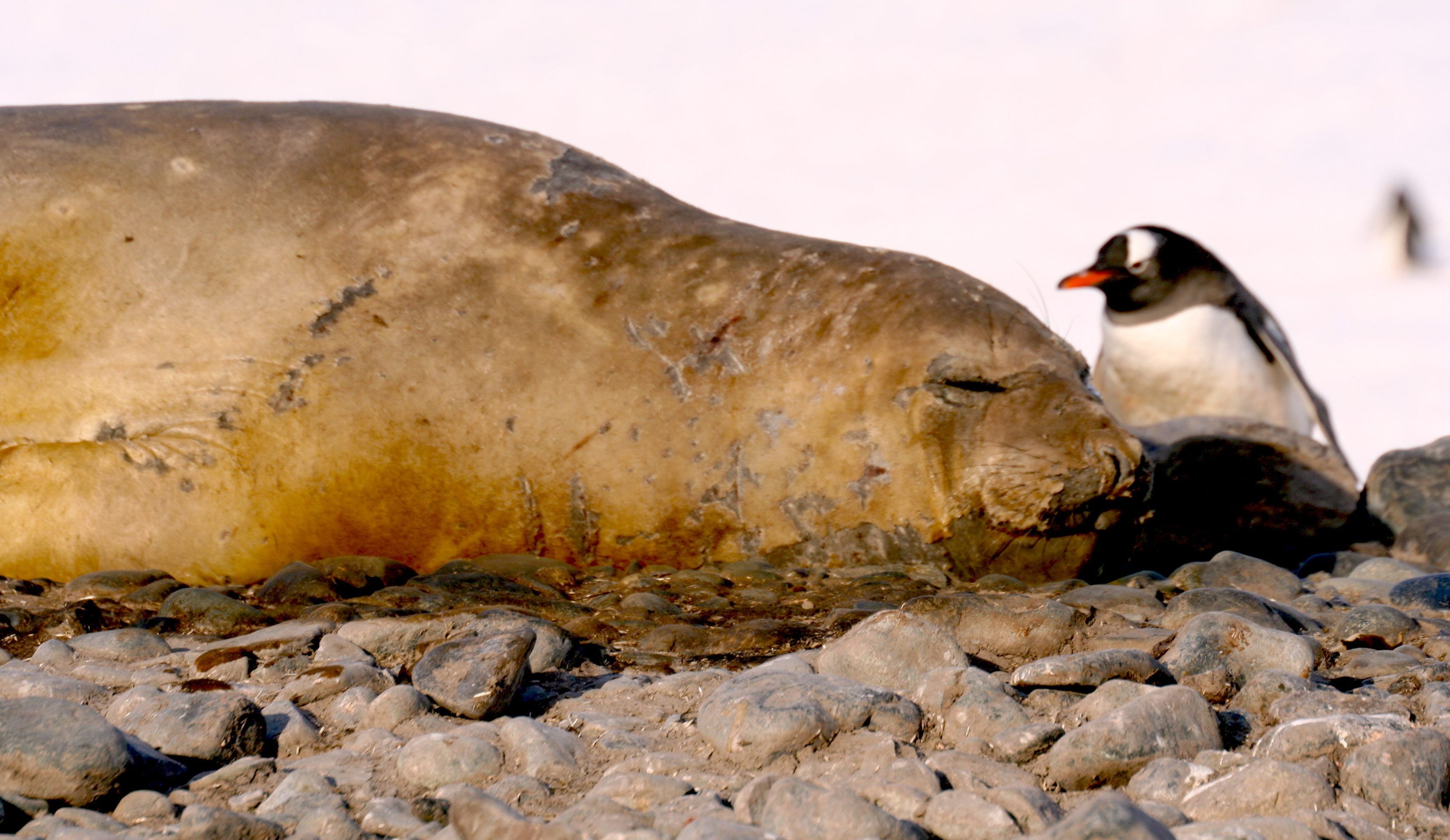
The sea elephants are probably the most powerful among seals. They are named for their prominent, elephant-like snout, which can sag a bit in adulthood. They have no external ears, classifying them as earless seals. It is an adaptation to their marine habitat. With a weight of up to 4 tons, for example, that of a male sea elephant, it is hard to move on land.