
The Sahara Business
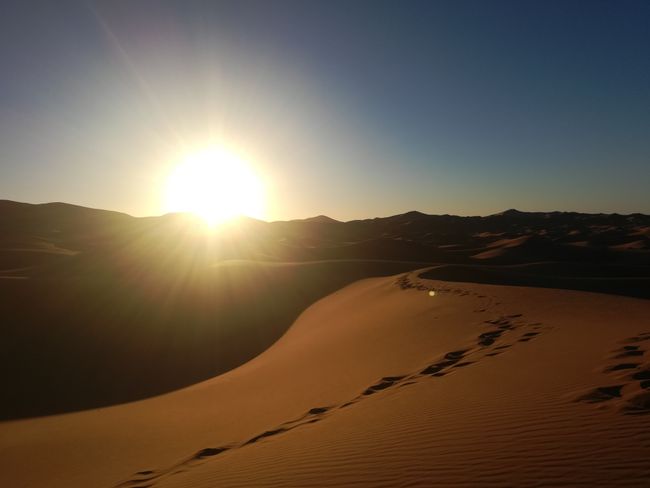
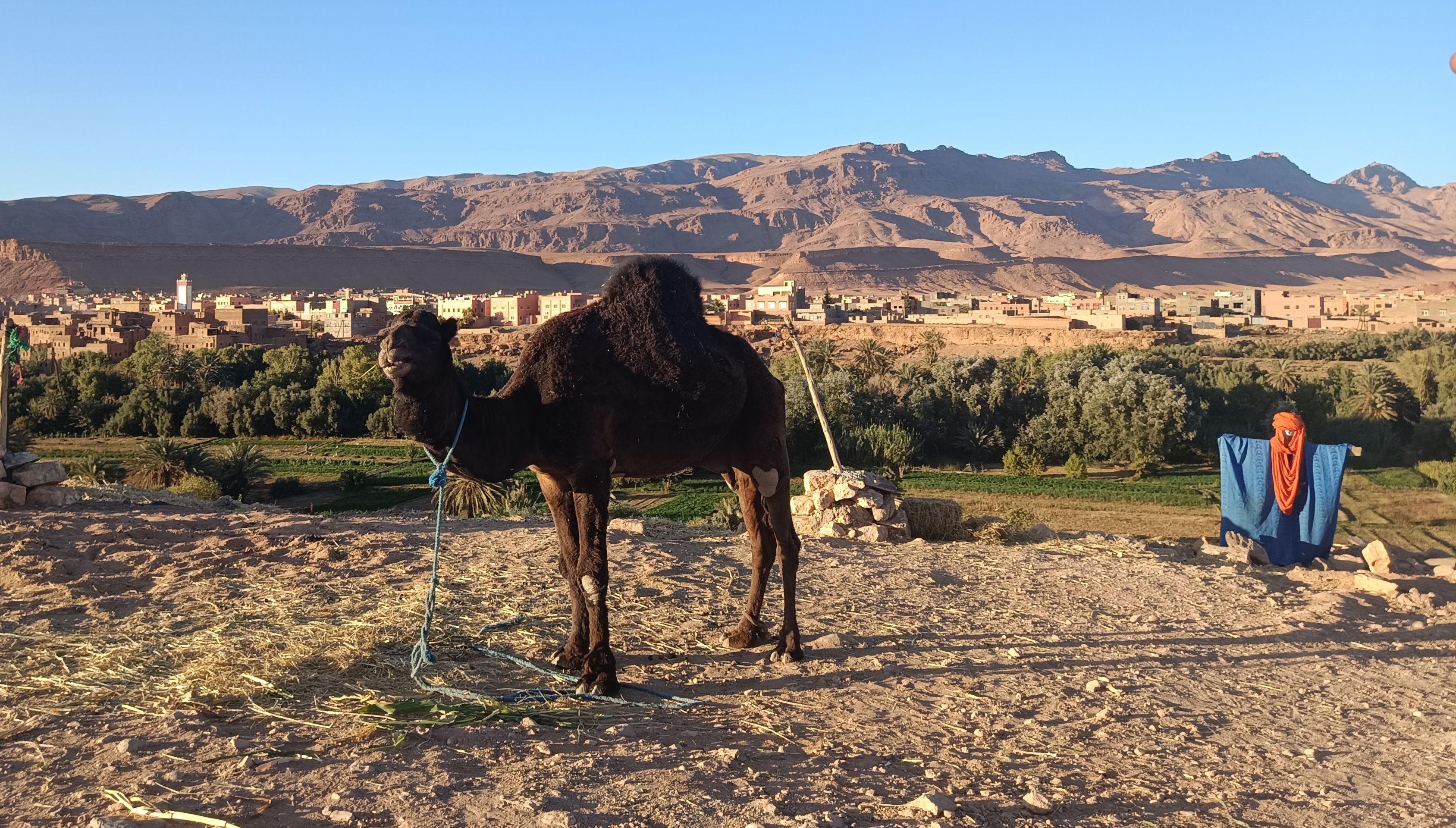
Camels and Engine Noise Hassan reaches me on his moped before I've taken five steps from the bus, ready to start my first Sahara exploration. "Ah, from Berlin! Do you want to...
Published: 25.10.2025
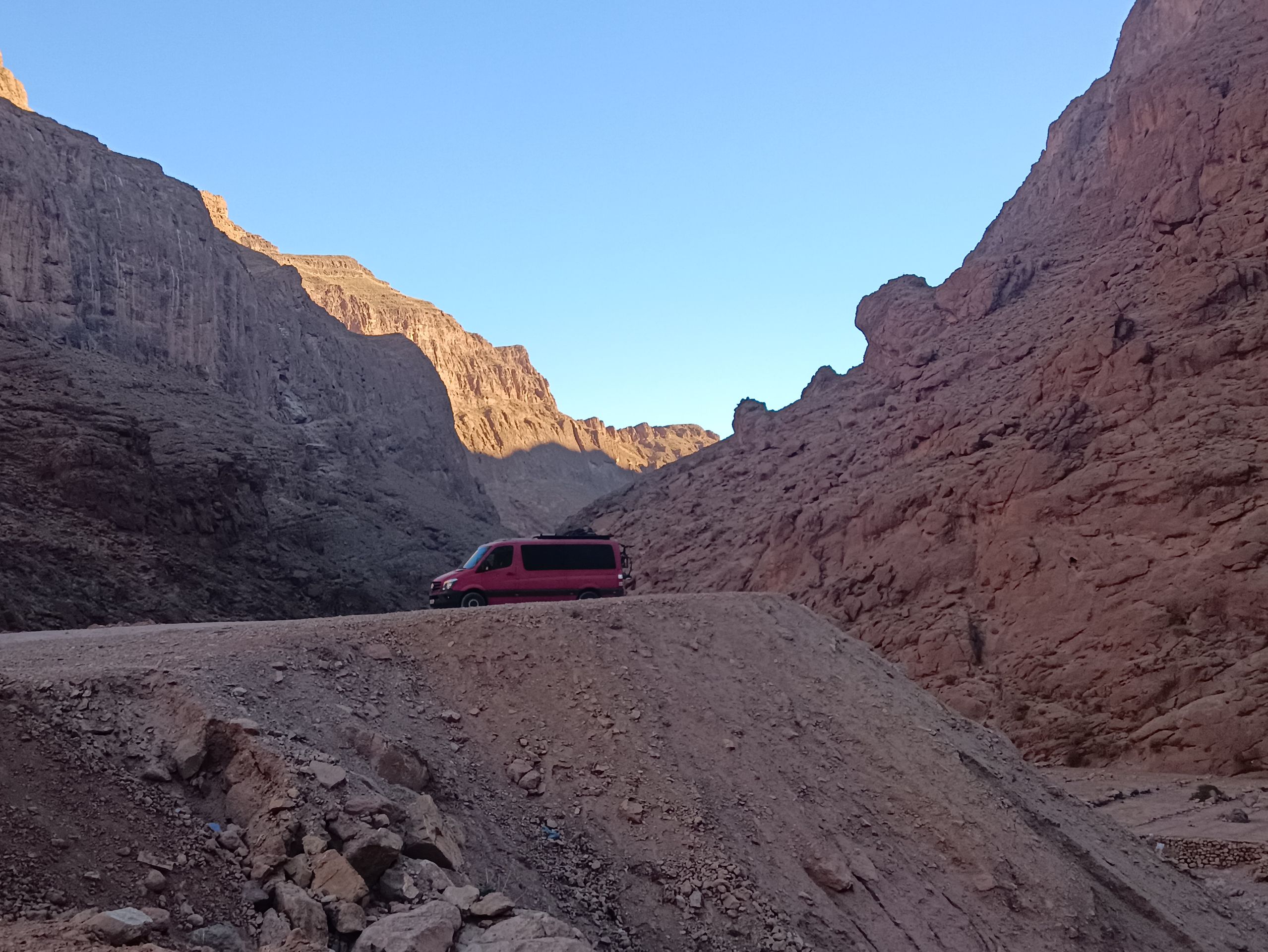
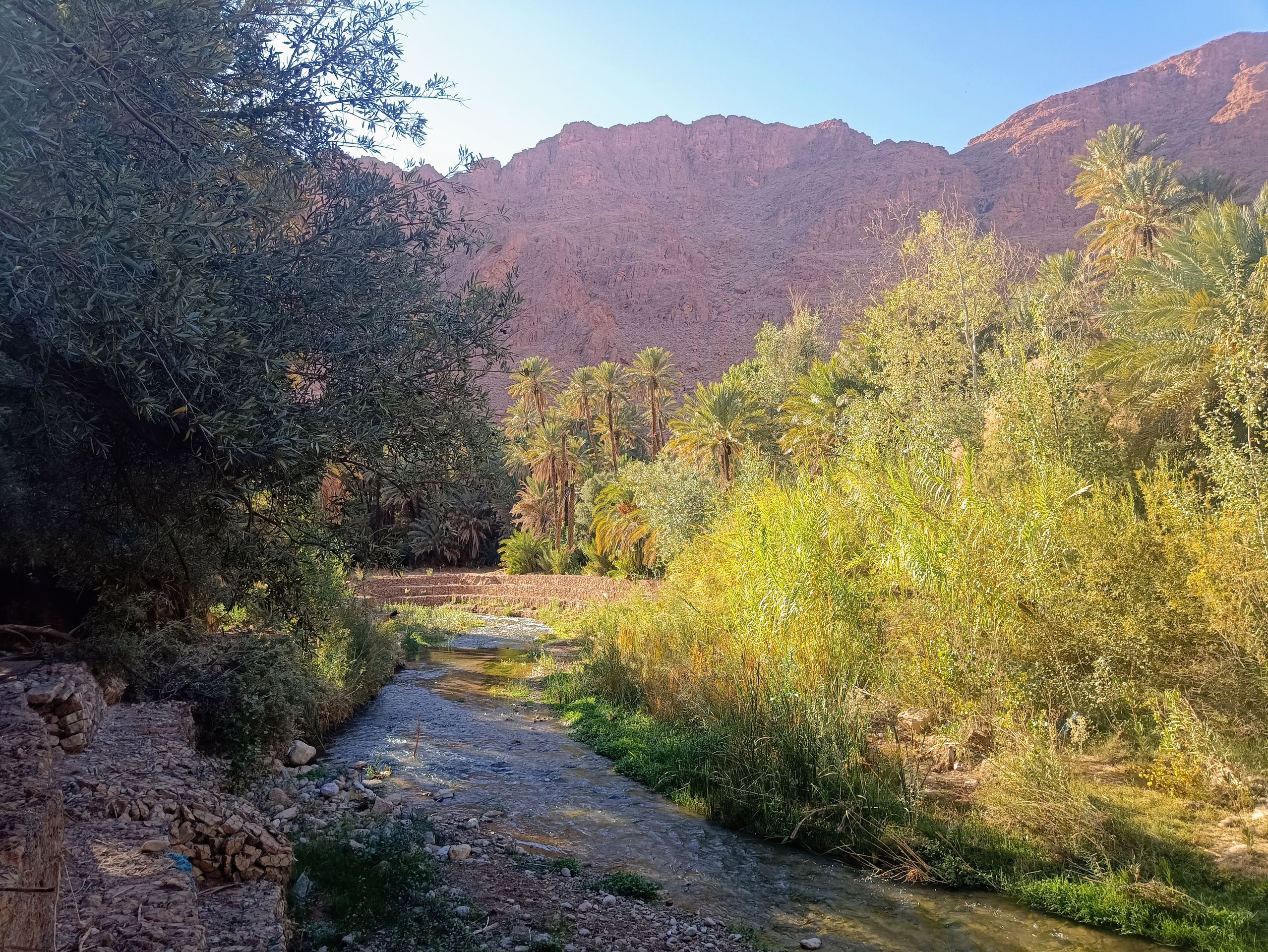
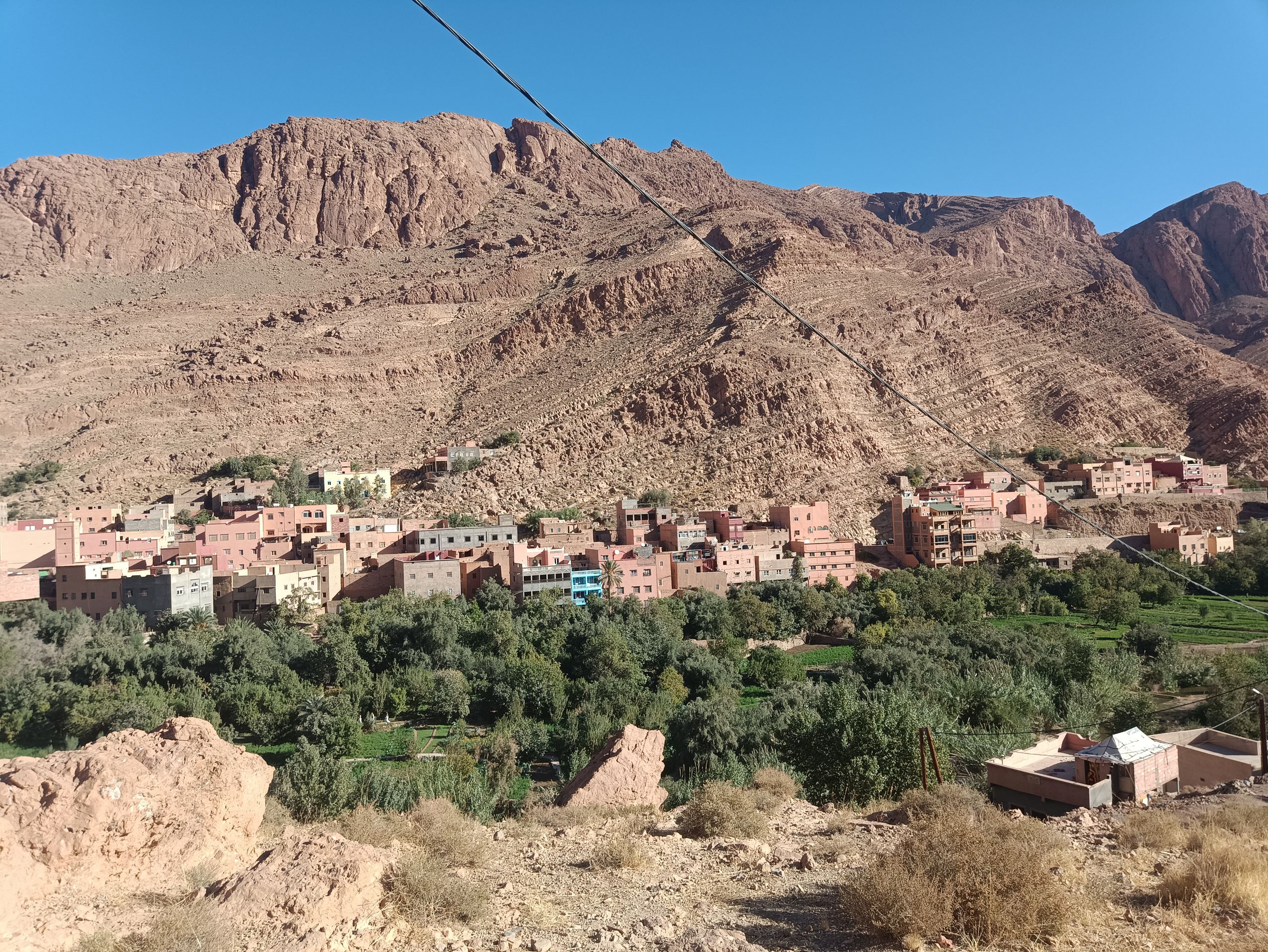
In Tinghir, I want to buy vegetables and spices, then hike in the Todra Gorge. I park. Apparently wrong. A man, presumably a self-appointed park ranger, is waving his arms frantically and shouting instructions. Before I can say anything, three men are beside me, knowing better how to maneuver my car than I do. Mentally, I'm still thinking about the truck driver who nearly forced me off the road in the serpentine turns, and the landscape that has changed so much since the Sahara: red rocks, green valleys, oases filled with date palms. I just want to take a quick breath. But that’s often not possible here. As soon as I stop, I become the center of attention. Everyone wants something, asks, looks, speaks to me. It takes some getting used to.
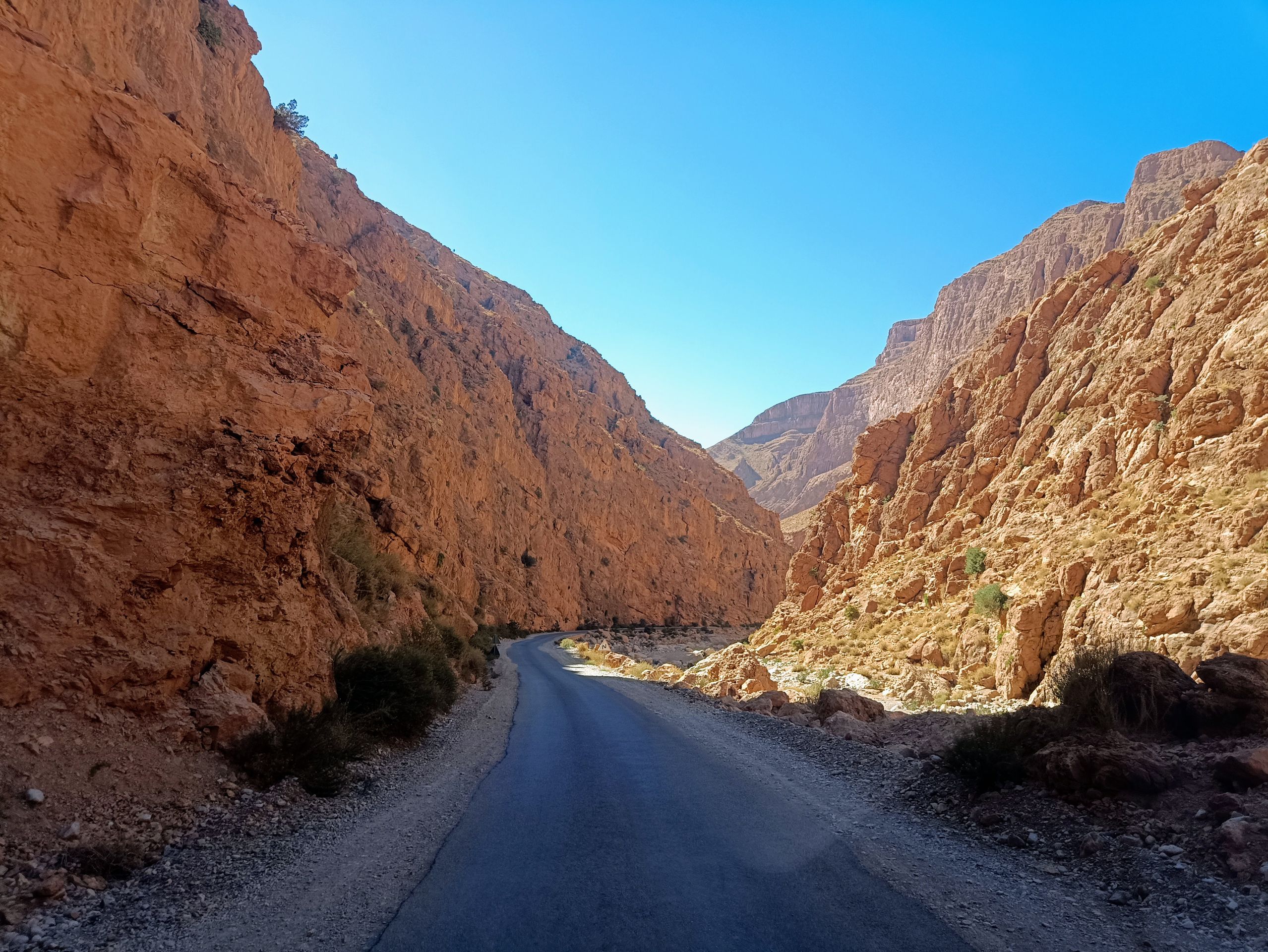
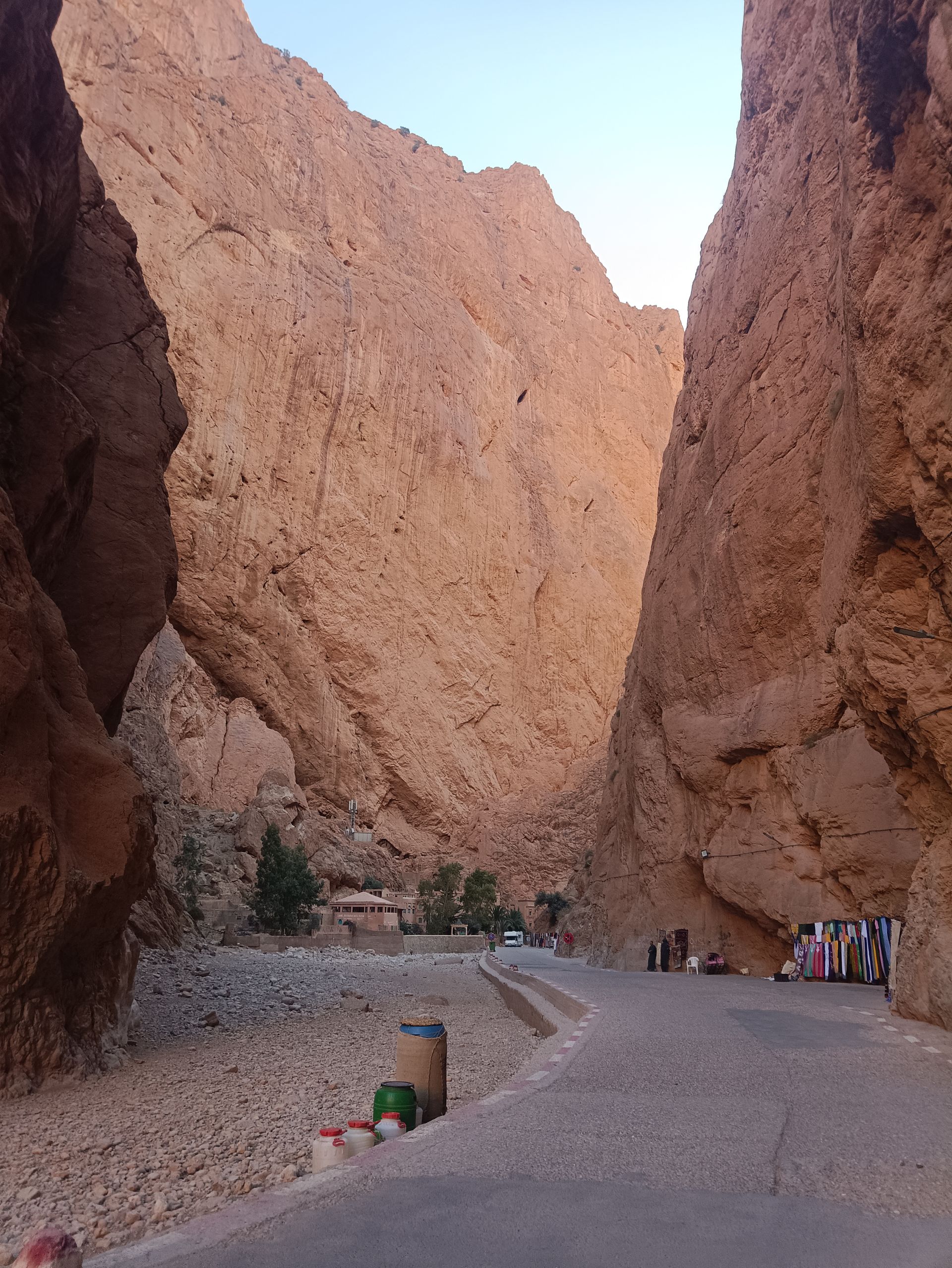
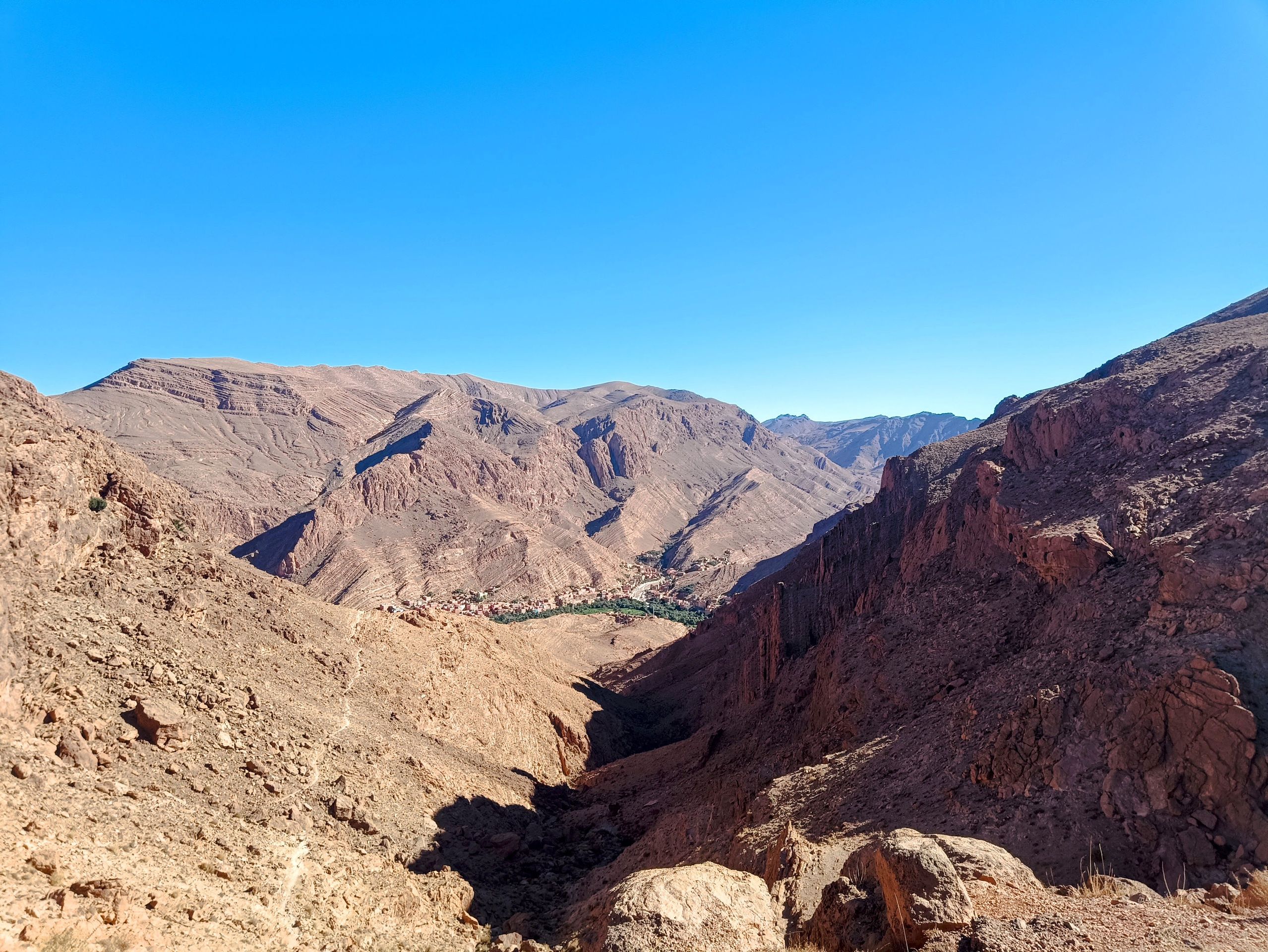
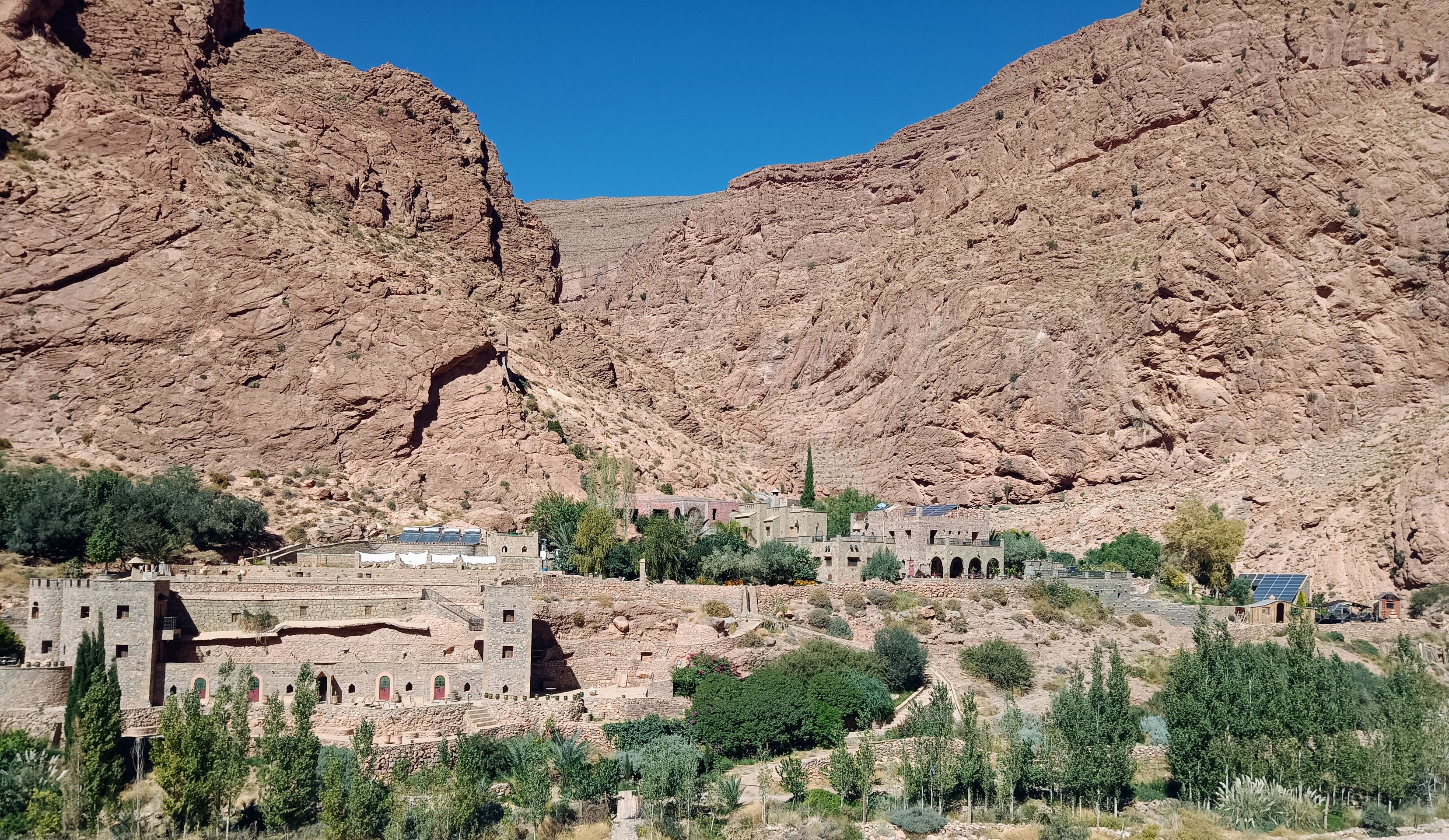
Strenuously, but with the most beautiful vegetables in tow, I continue through the Todra Gorge. Incredibly beautiful. 400-meter-high rock walls, a narrow stream, a tight road where tour buses, tourists, vendors, and now me squeeze through. Also here: Everyone wants to earn their money.
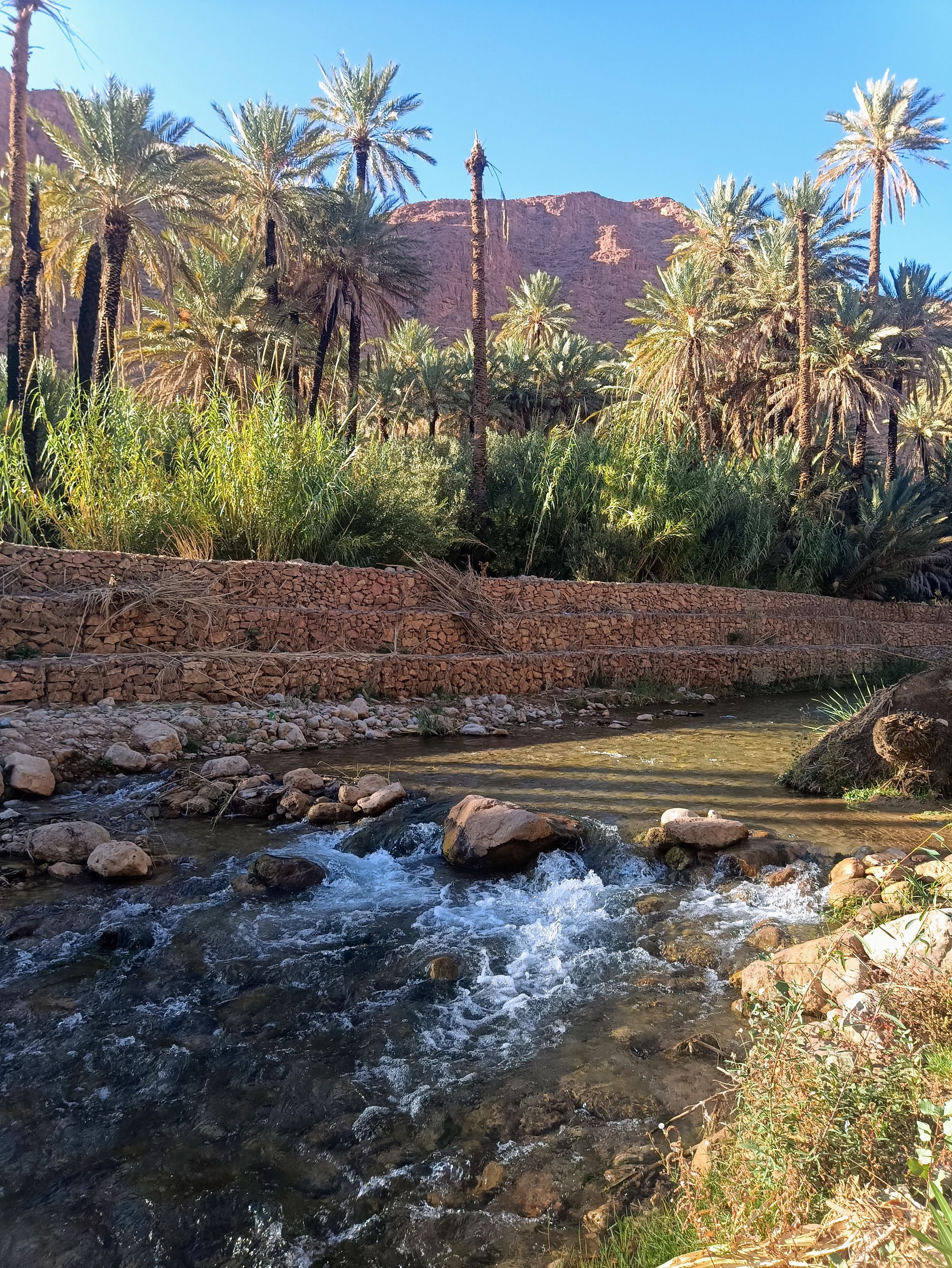
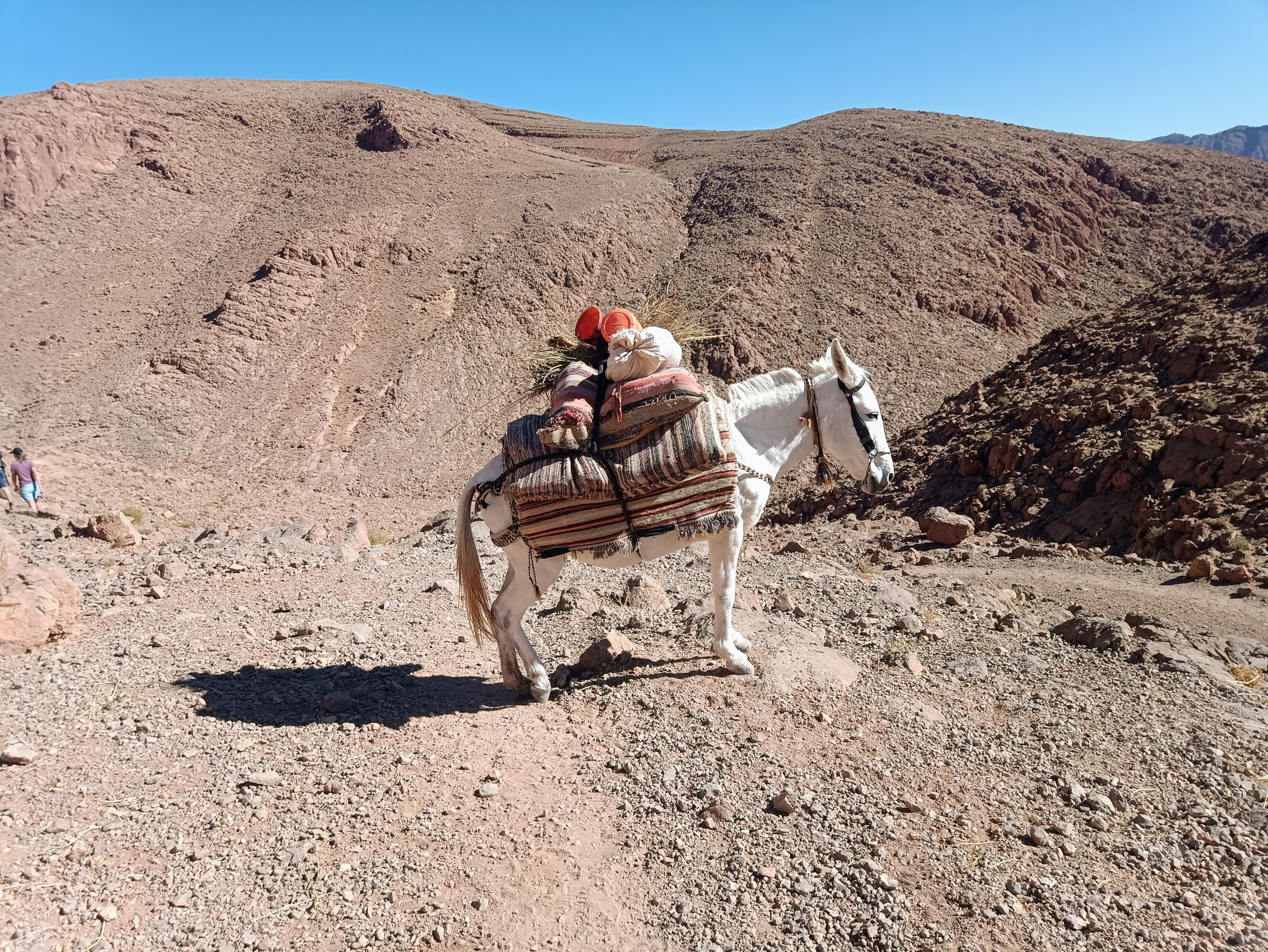
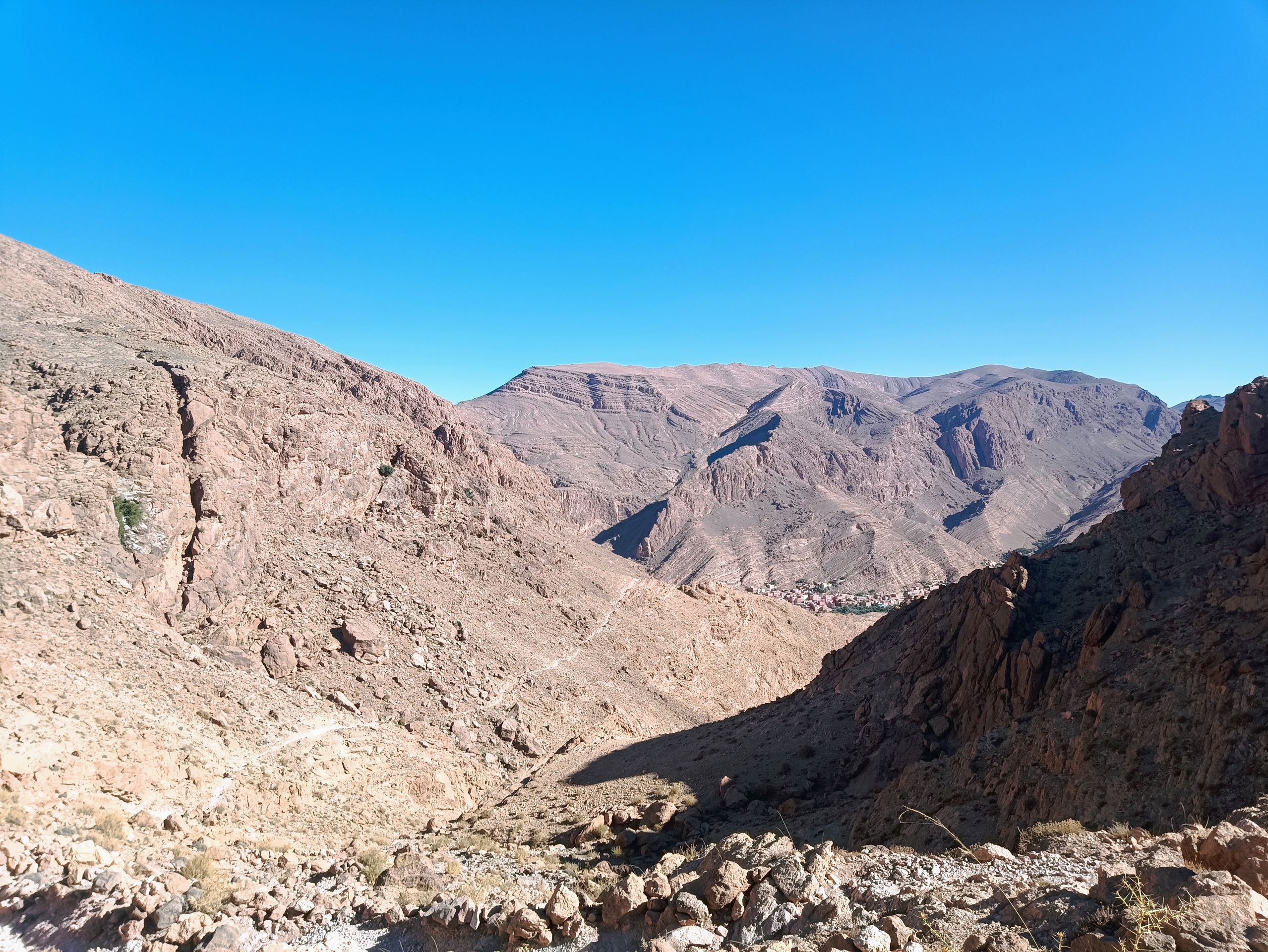
At night it becomes quiet. I wake up with the sun that bathes the rocks in golden light. I pack my things and set off before the others are awake. Now I have it – the peace I have been searching for. I hike for three hours, looking down at palms, river, oases. Dreamlike. And while I walk, I think about giving.
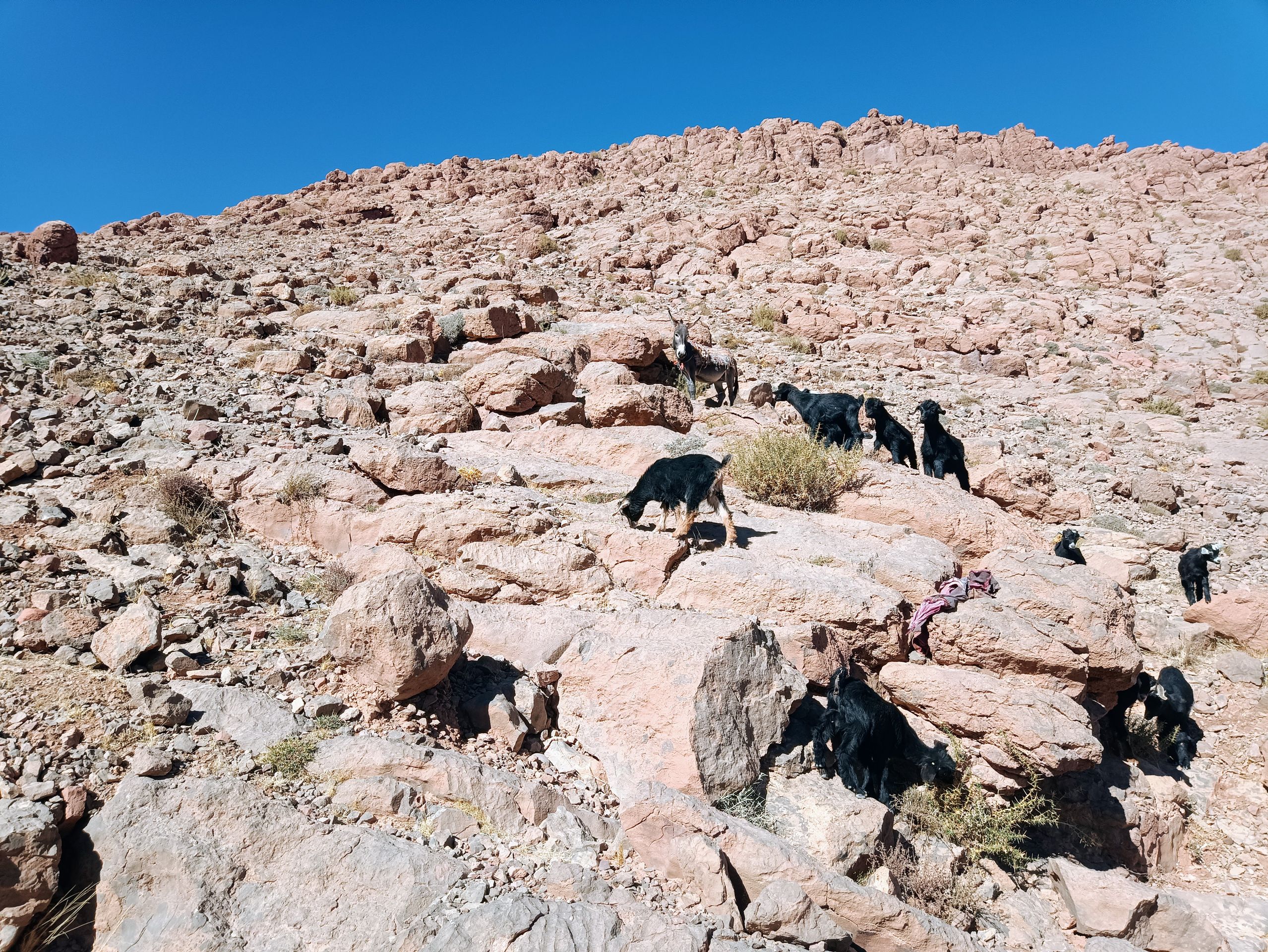
Up here, among the earthen villages of the nomads, much is still traditional. Two children are herding their goats over the mountain. I wave. I am happy about their wave in return – and then comes the hand gesture. Give, give. Give money. Something to eat. I hand over the cookies I have with me and think: down in the valley, it's no different. There, it’s adults asking for donations, here, it’s children. They have learned early that asking is rewarded. Is that wrong? Or simply human?
I think of the founders of technology startups in Kenya I once interviewed. They preferred to be supported by friends and family rather than European investors. They wanted to stay independent, free from what they could not control. These children here cannot rely on tourists passing by whenever they are hungry. Direct help seems intuitively good but often only has a short-term effect. It is more sustainable to strengthen structures, not to create dependencies.
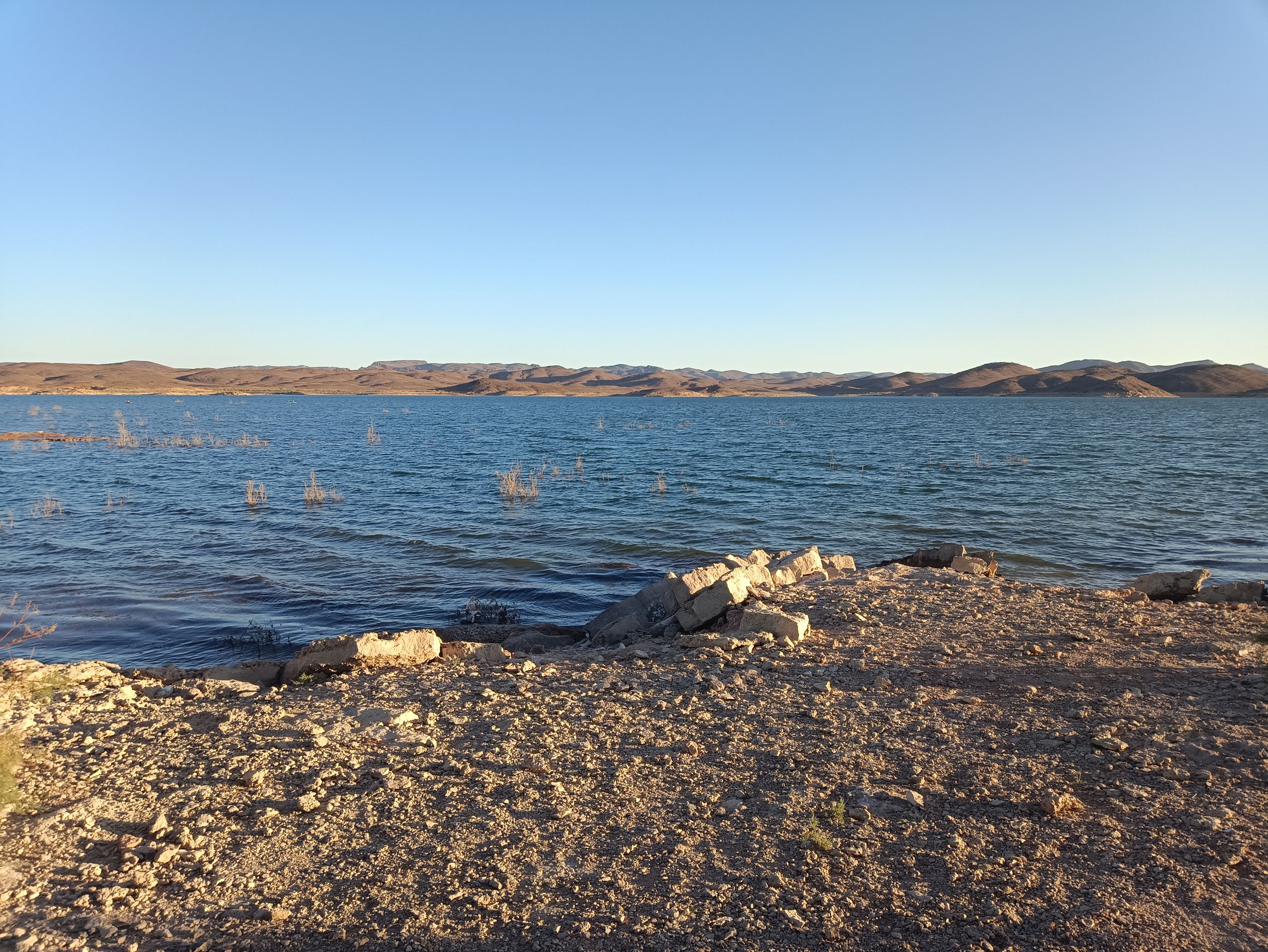
In the evening, I stop at a lake. It’s Saturday. Families are picnicking, fathers are fishing with their children. Two kids curiously climb into my bus. They discover my favorite spot on the couch and relax. They watch me cook, curiously inspecting every corner. We pick up some trash together. A principle of those living in the bus: Leave every place cleaner than you found it. The mother brings tea and cookies, inviting me to stay overnight with them. “So you’re not so alone,” she says. She doesn’t want anything more. I stay. And I smile at the transformation of the day: Giving has many forms. Sometimes it's money, sometimes cookies, sometimes simply time.