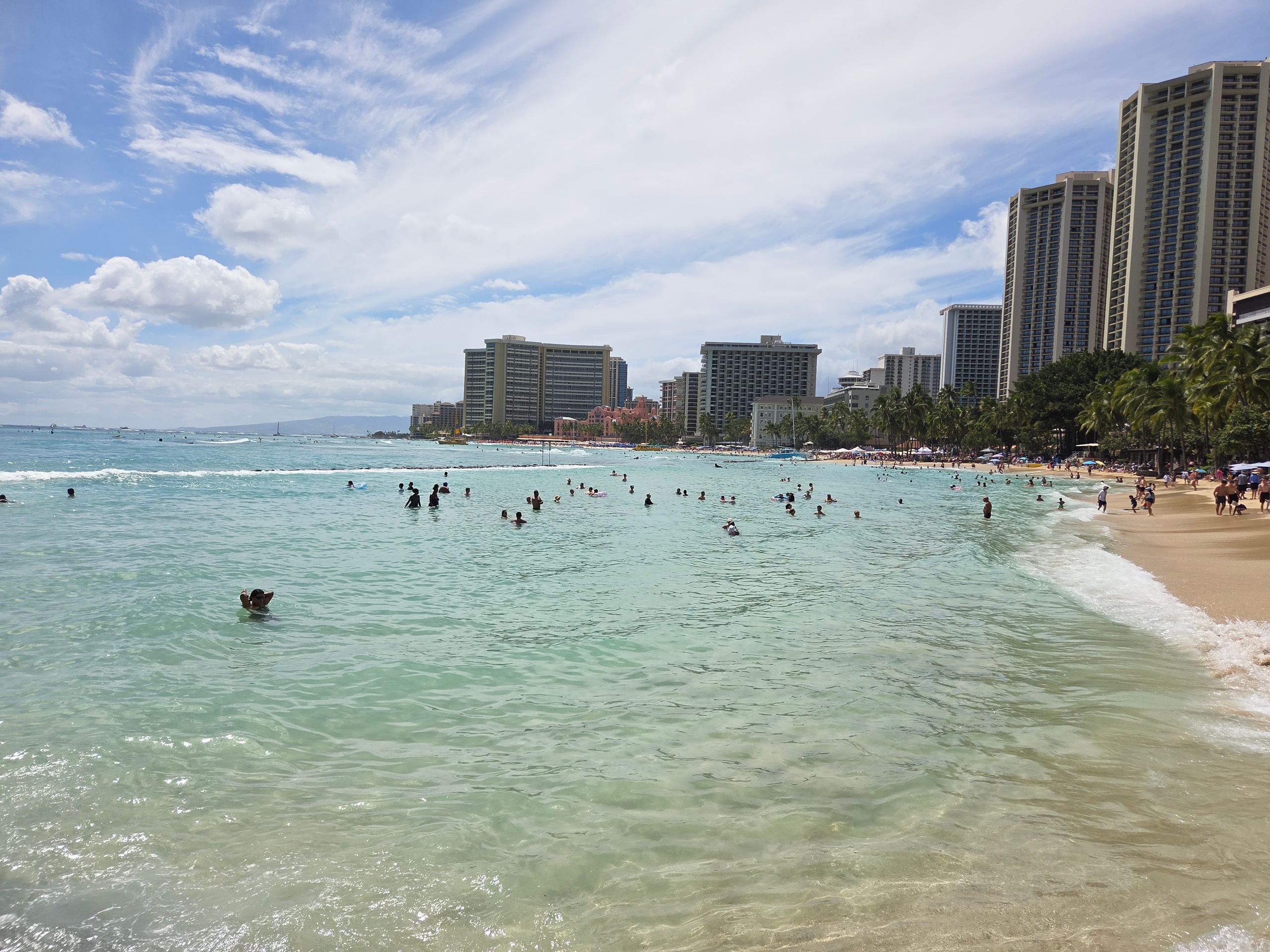
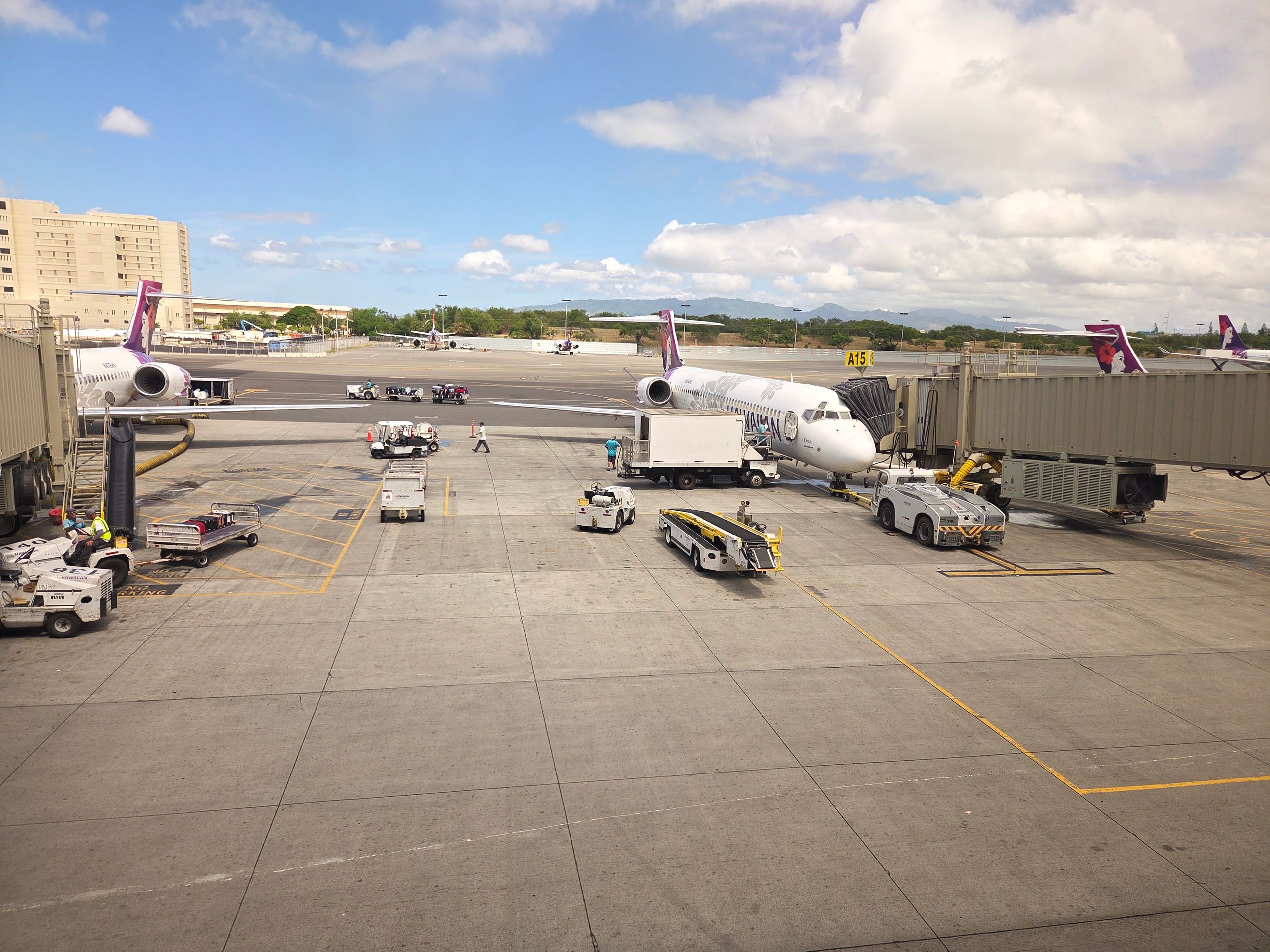
Once again our night ends at 6 AM, as we leave Oahu. So we stuff all our belongings into our two suitcases. Then we head to the airport. We quickly drop off our rental car. Next, we weigh our suitcases and need to distribute some weight. I had read beforehand that the airline is strict about excess weight on a suitcase.
Our flight departs at 11:26 AM. The plane takes off on time. We fly for 15 minutes and reach Kauaʻi. We actually spend more time on the runway and waiting than the flight itself lasts. We even get a drink. Crazy.
Yesterday, while reading the story about the Iolani Palace, I wondered how Hawaii became part of the USA. Here's what the internet says on the topic:
Hawaii is today the 50th state of the USA, but the journey there was shaped by economic interests and a dramatic shift of power. Until the end of the 19th century, Hawaii was an independent, internationally recognized kingdom.
Throughout the 18th and 19th centuries, however, American businessmen built massive sugarcane and pineapple plantations. This gave them massive economic and political influence over the islands. When the last Hawaiian queen, Liliʻuokalani, sought to strengthen the rights of the indigenous population, a conflict arose: In 1893, a group of white planters—backed by US Marines—staged an illegal coup and overthrew the queen.
Five years later, in 1898, the
USA officially annexed the islands, primarily due to their strategically advantageous location for the US military in the Pacific. At that time, there was no vote by the Hawaiian population. After decades of status as a US territory, the residents (following significant immigration) finally voted, and Hawaii was officially joined as the youngest state of the USA on August 21, 1959. It wasn't until 1993 that the US government formally apologized in an official resolution for the overthrow of the monarchy at that time.
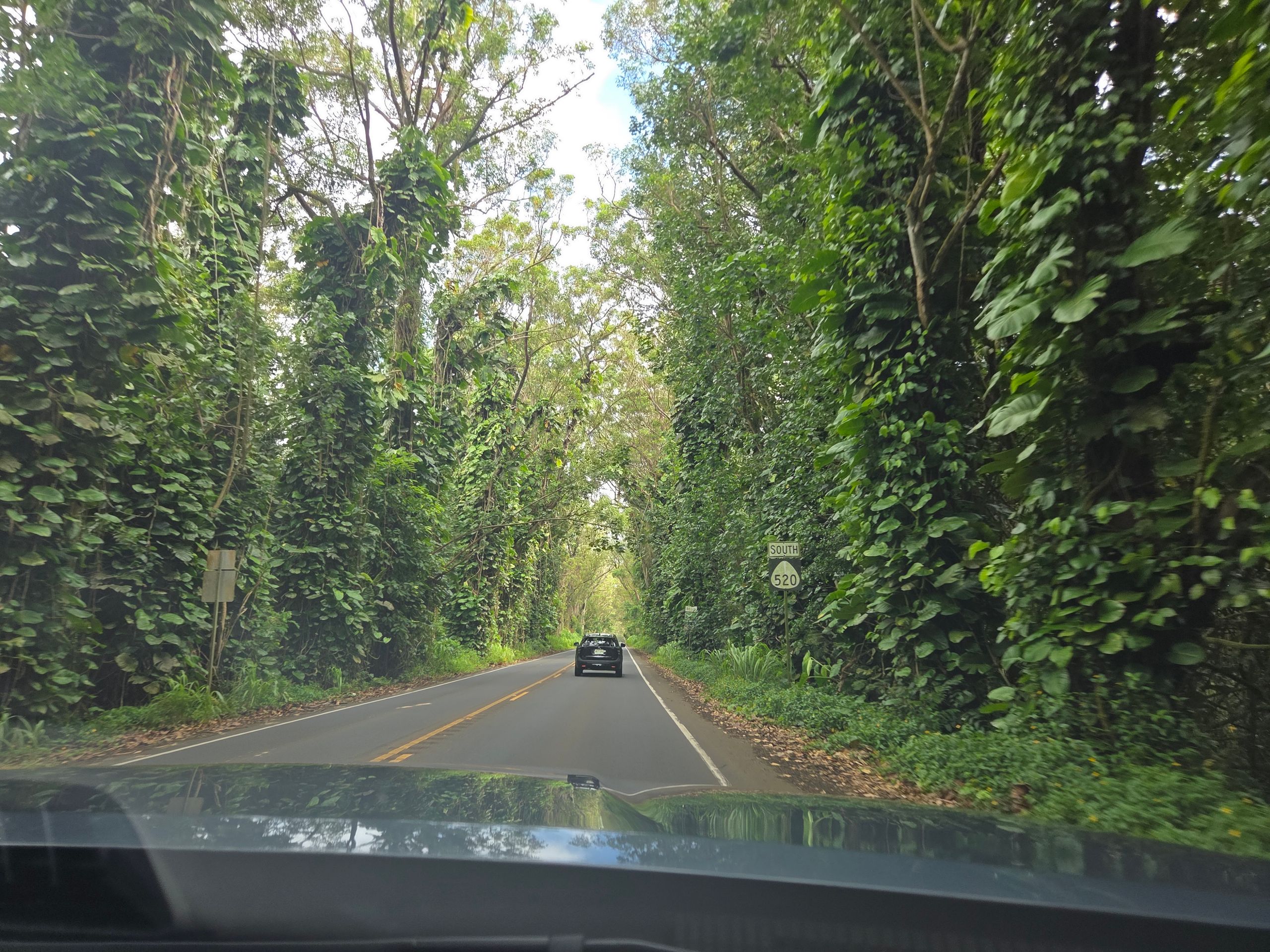
Welcome to Kaua'i
Kauaʻi, also known as the