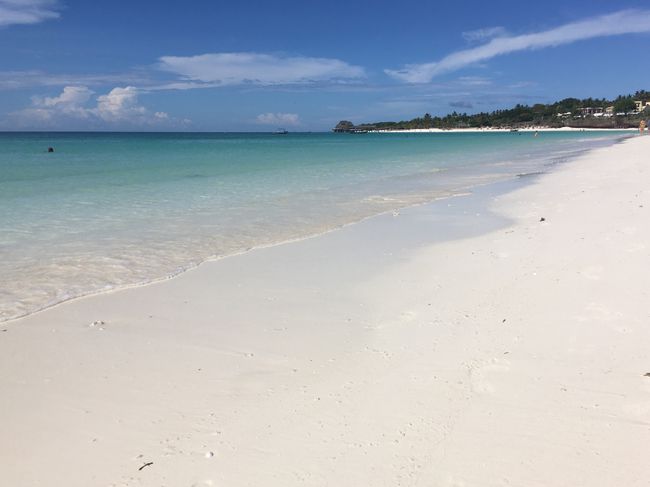
Island Paradise Nosy Be
The paradise island Nosy Be ("big island") is located far in the north of Madagascar. It is an absolute dream in the Indian Ocean: Charming beaches with mangroves and hilly...

Published: 23.06.2025
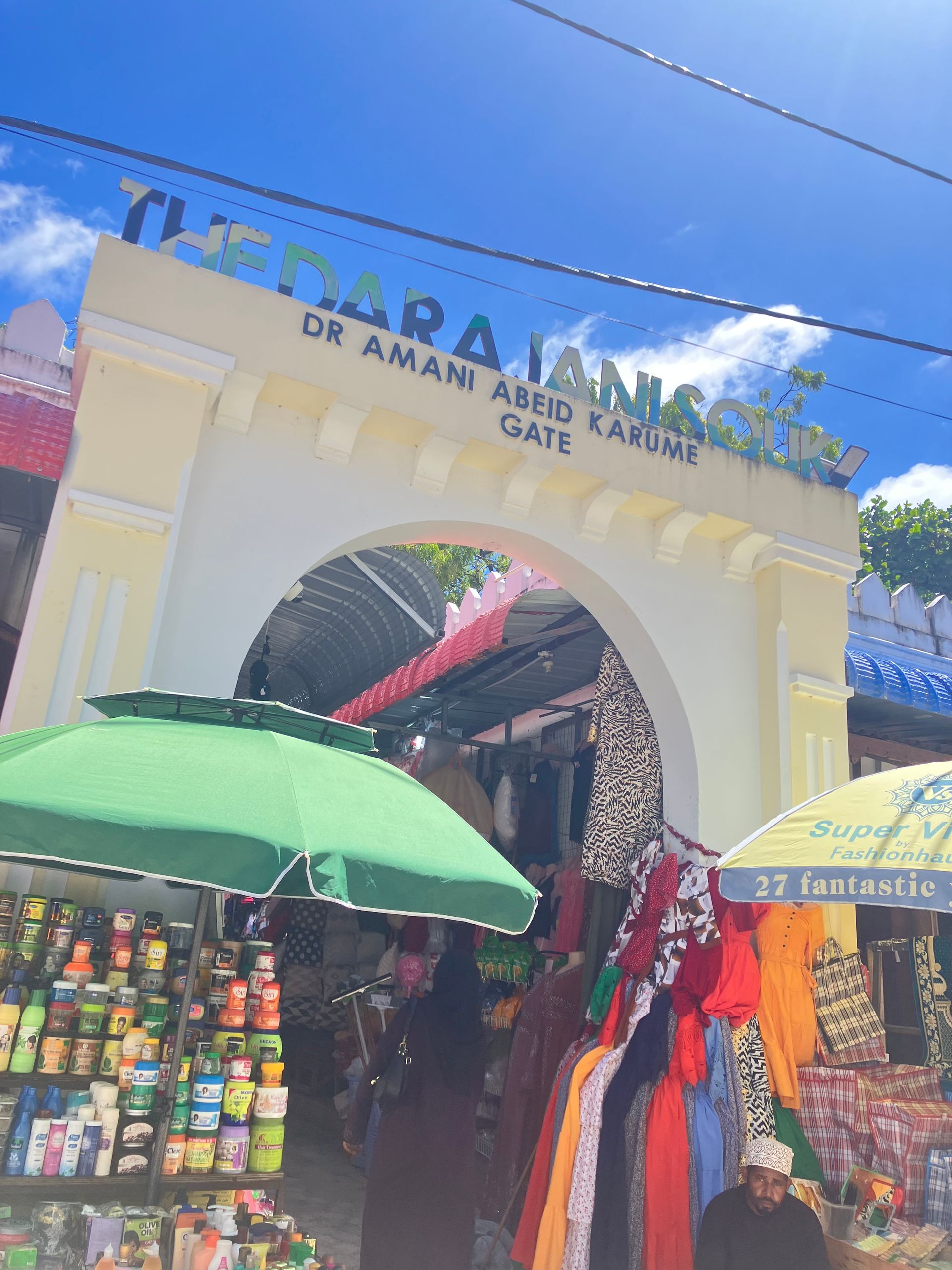
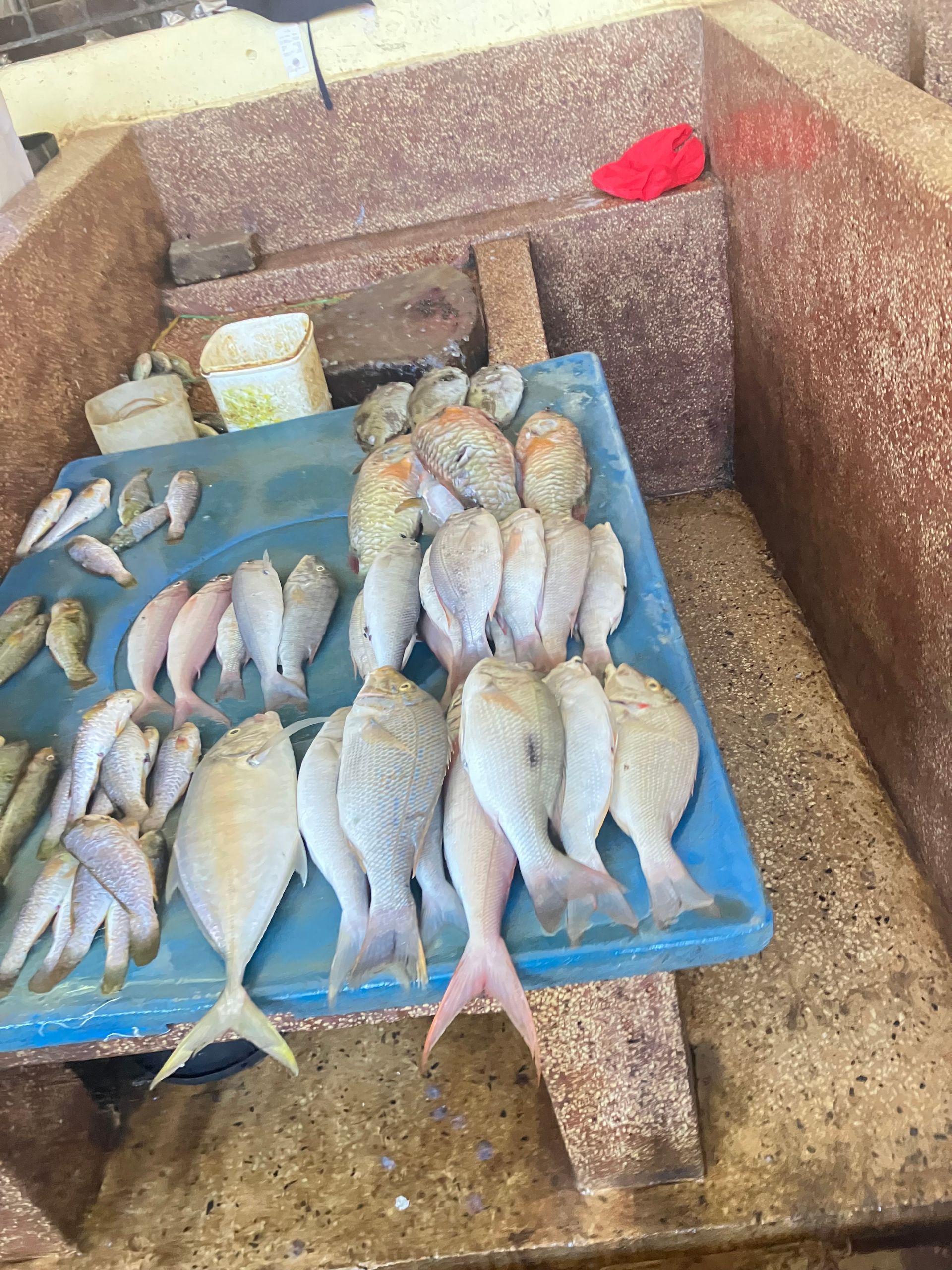
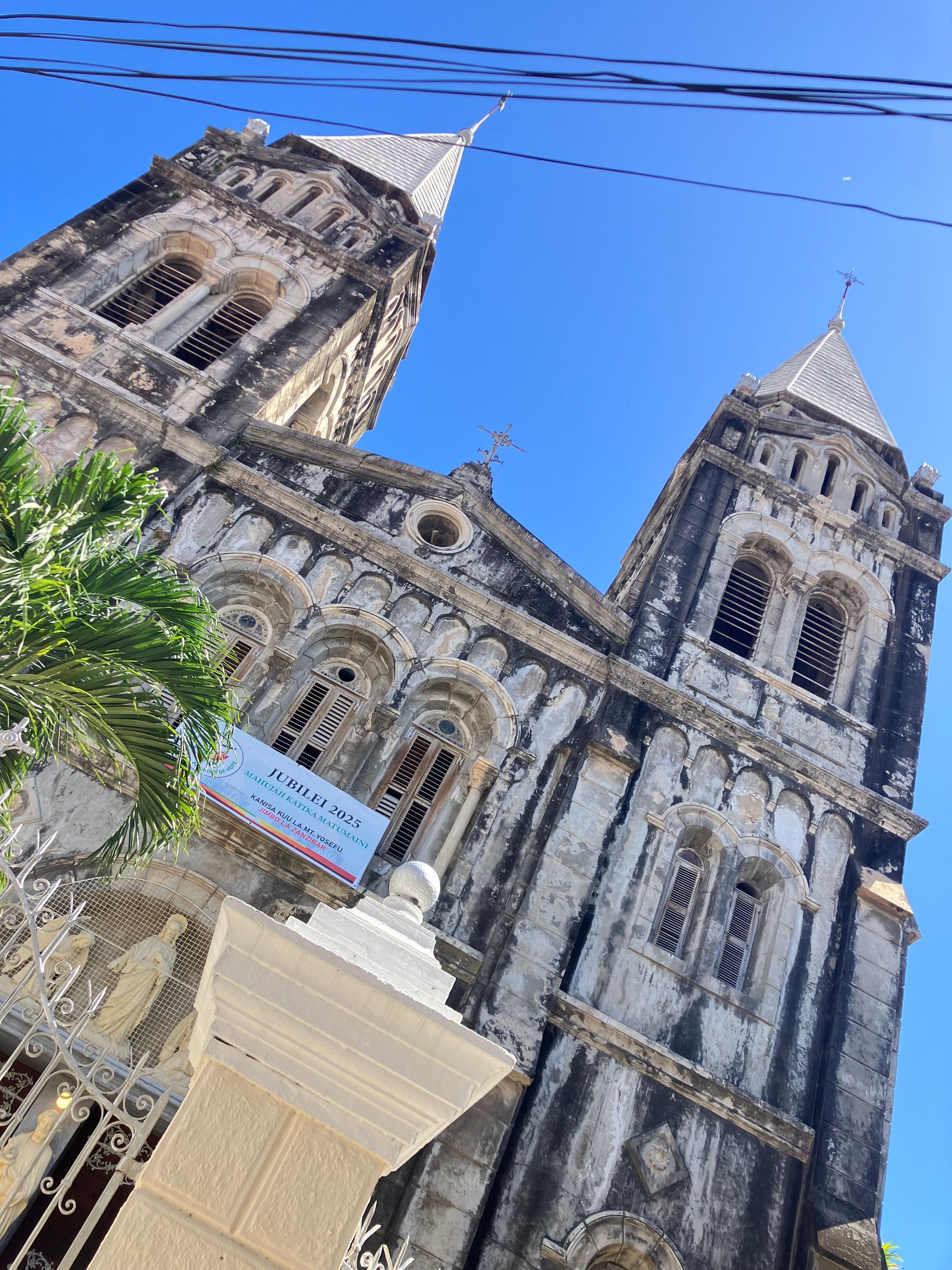
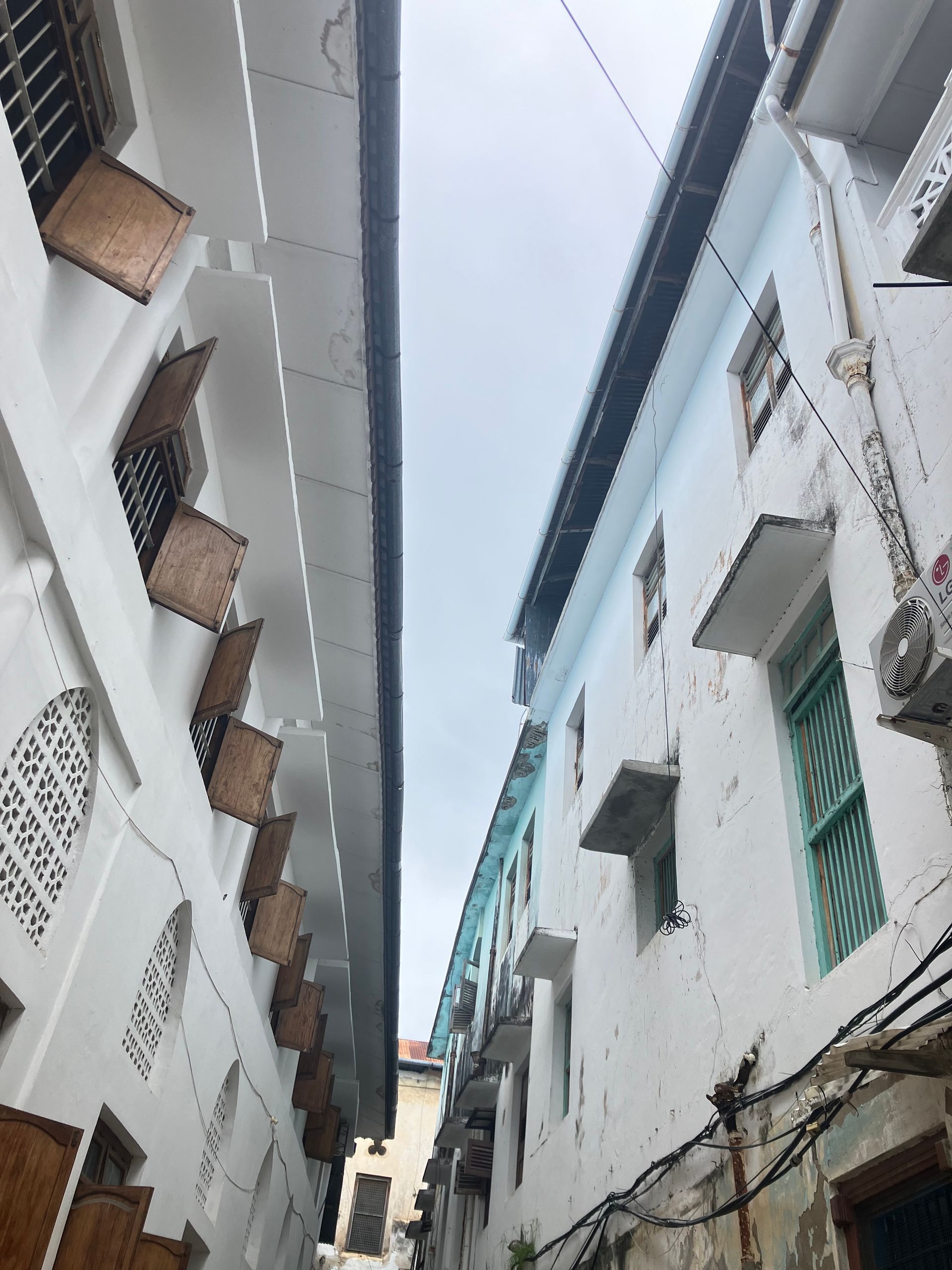
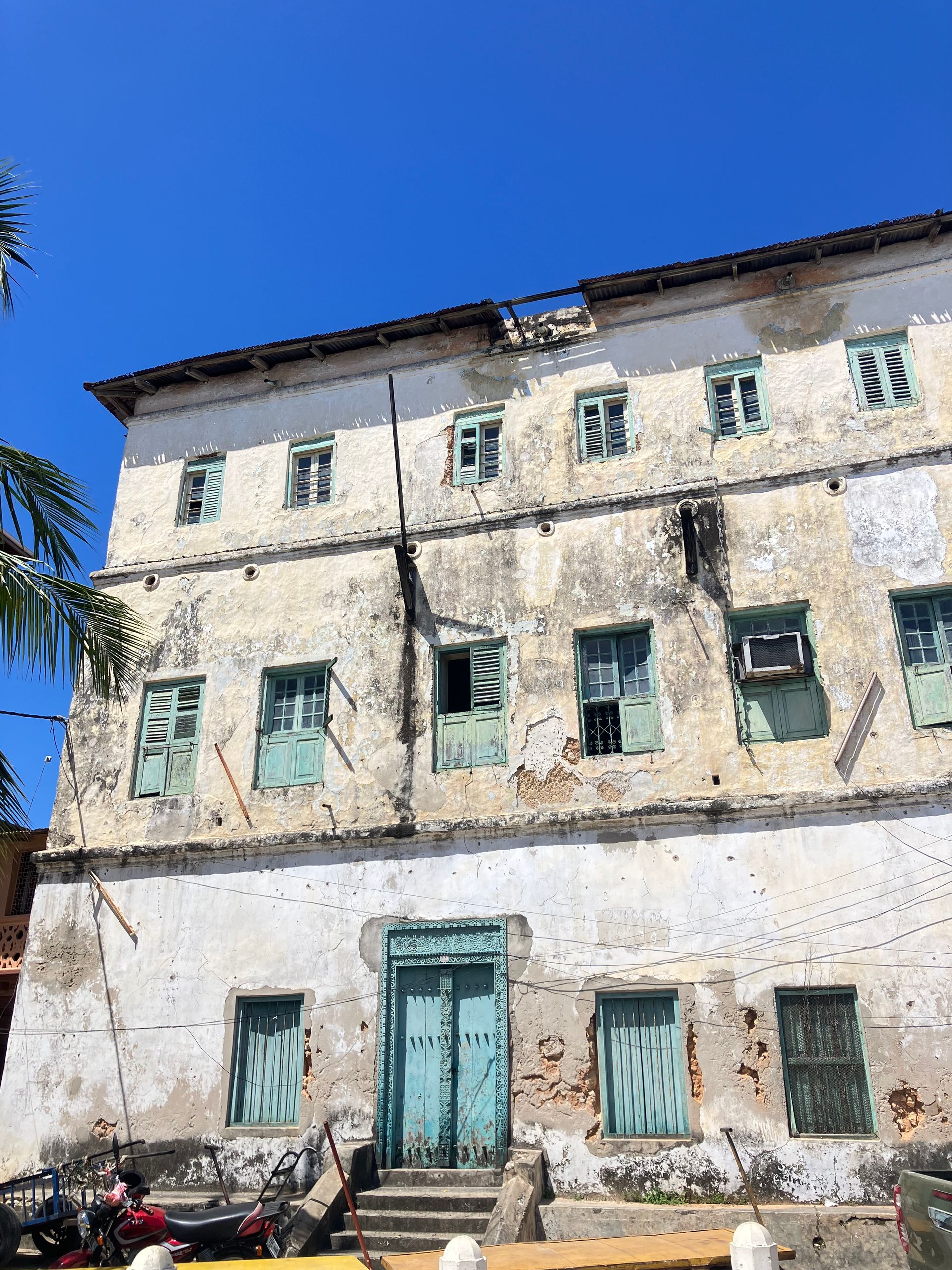
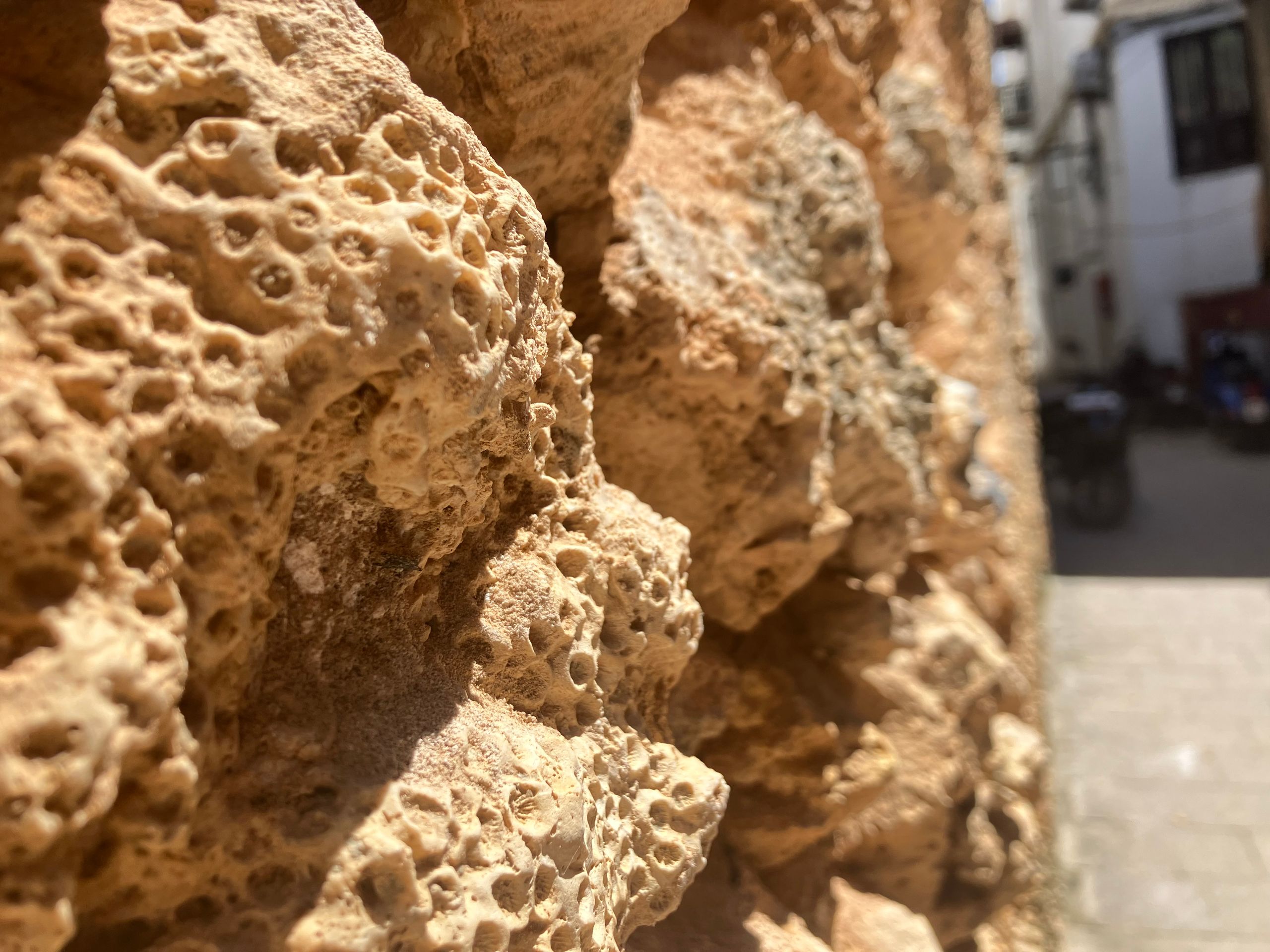
From Dar es Salaam, the largest city in Tanzania, we take the ferry to Zanzibar. After 1.5 hours, we have already arrived at the shores of the Tanzanian state!
By the way, Zanzibar consists of an entire archipelago! In addition to the two main islands of Unguja (commonly known as Zanzibar) and Pemba, there are several smaller islands.
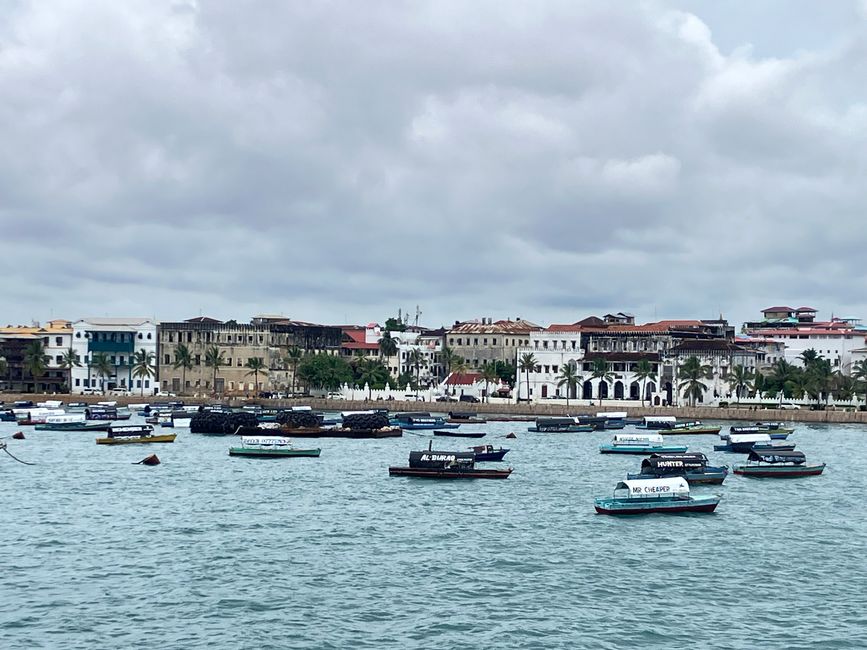
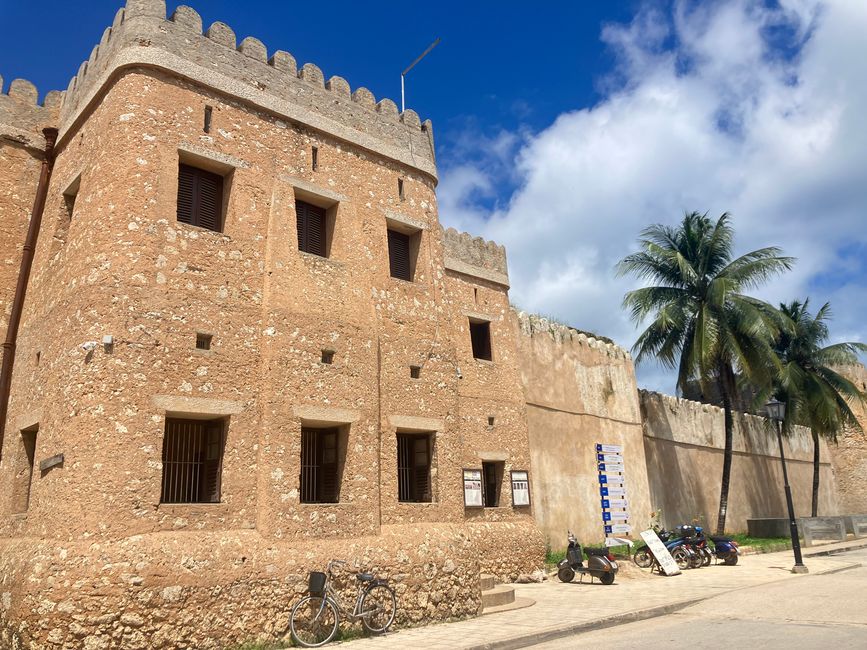
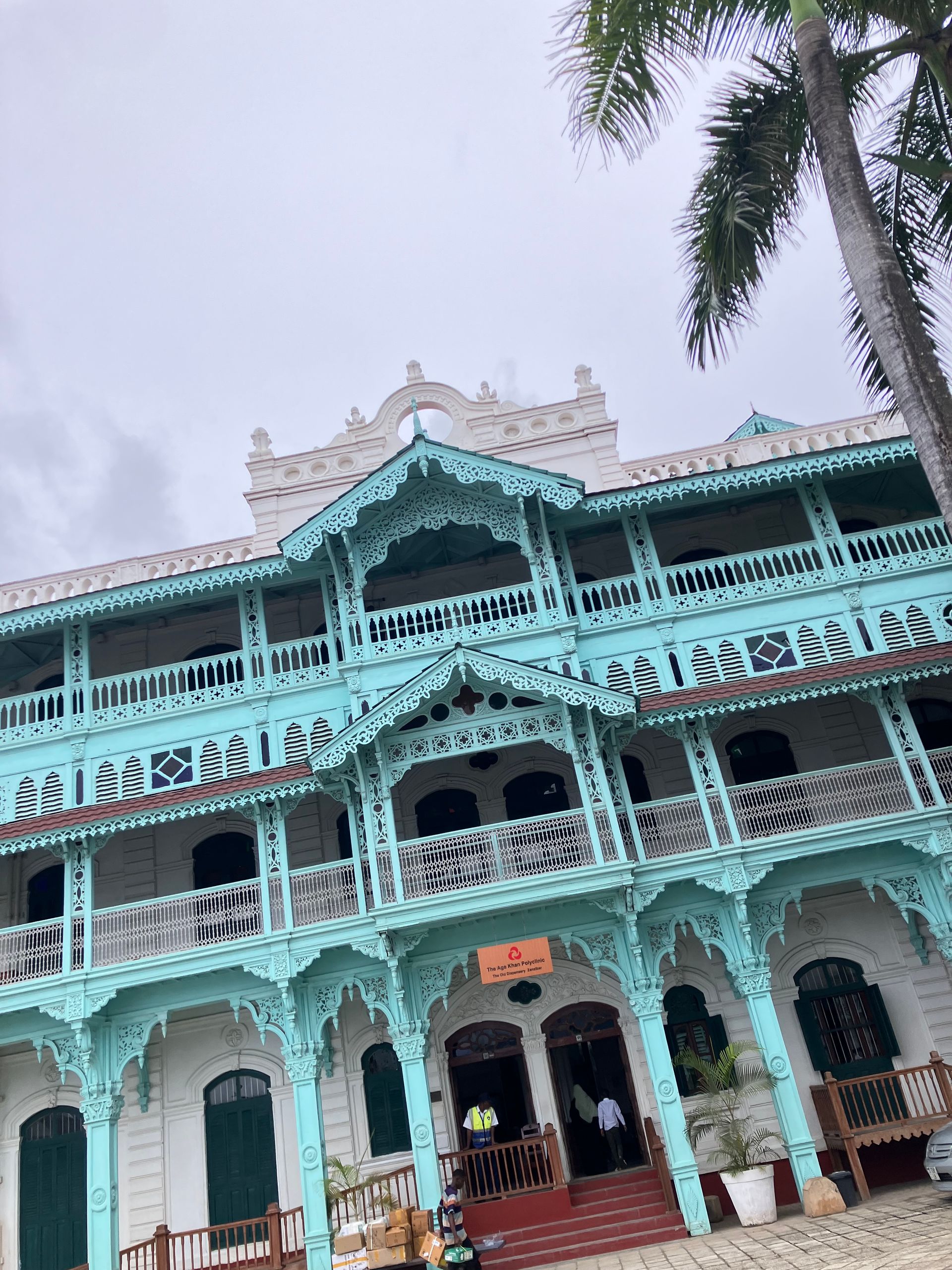
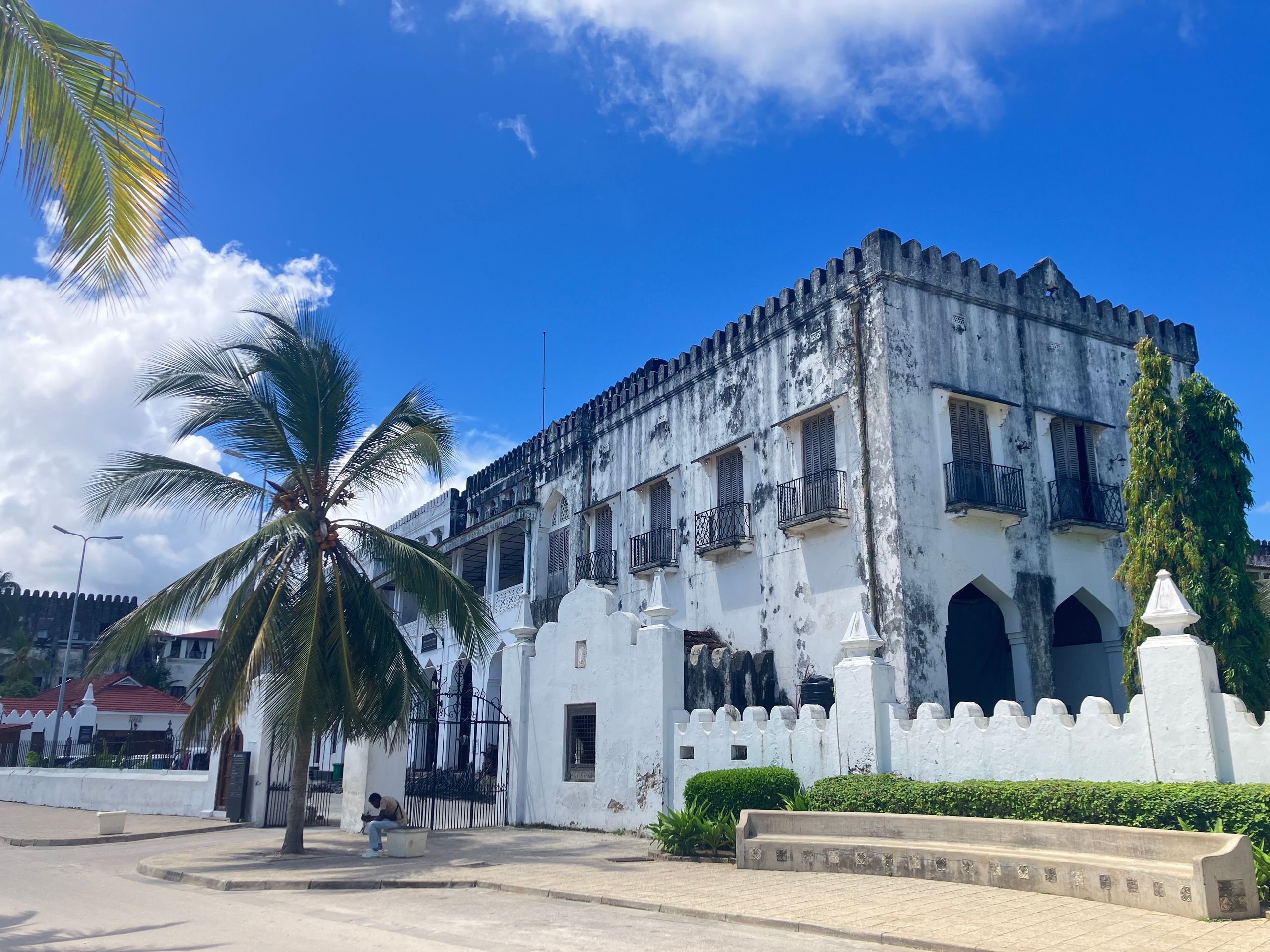
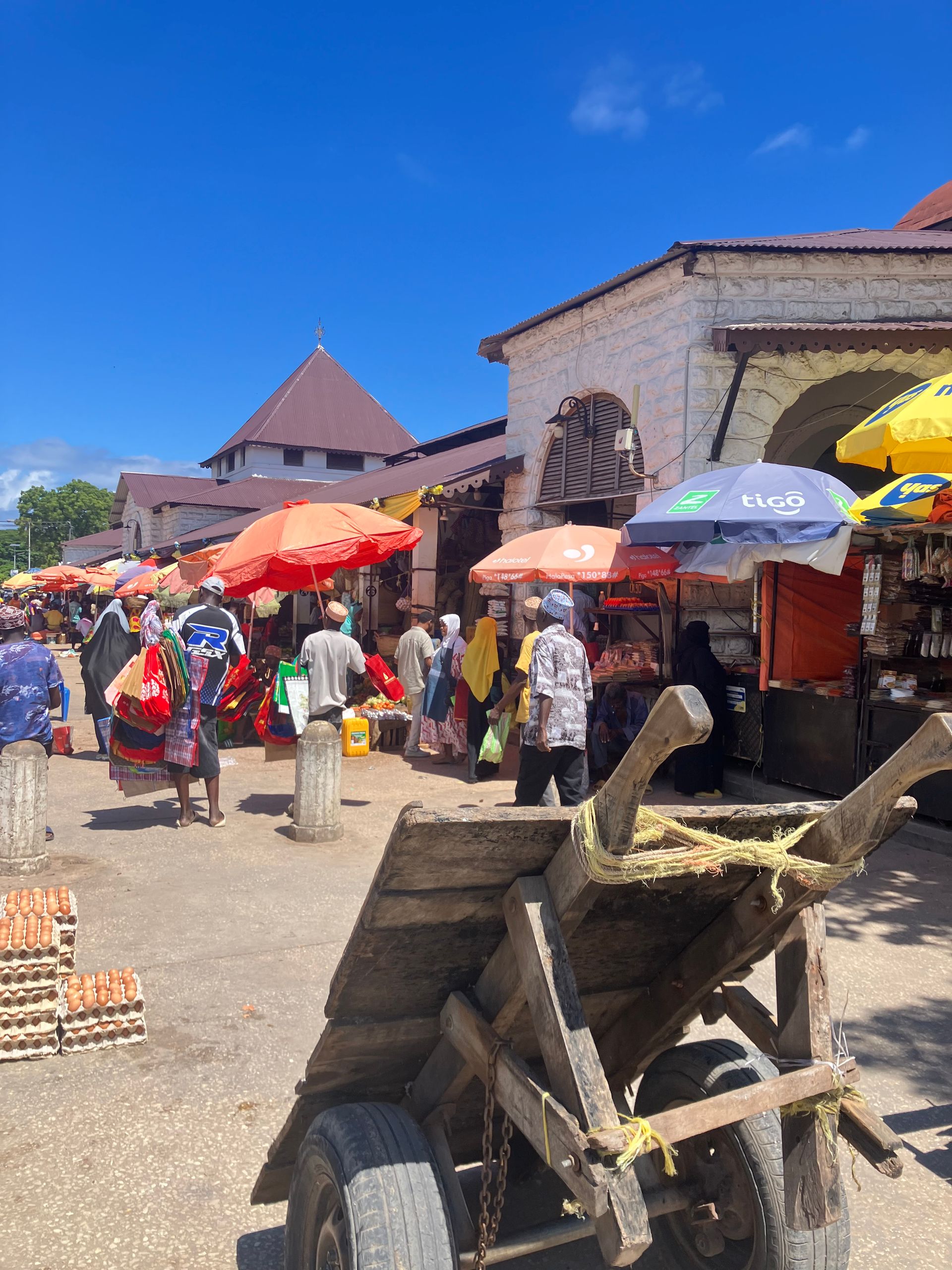
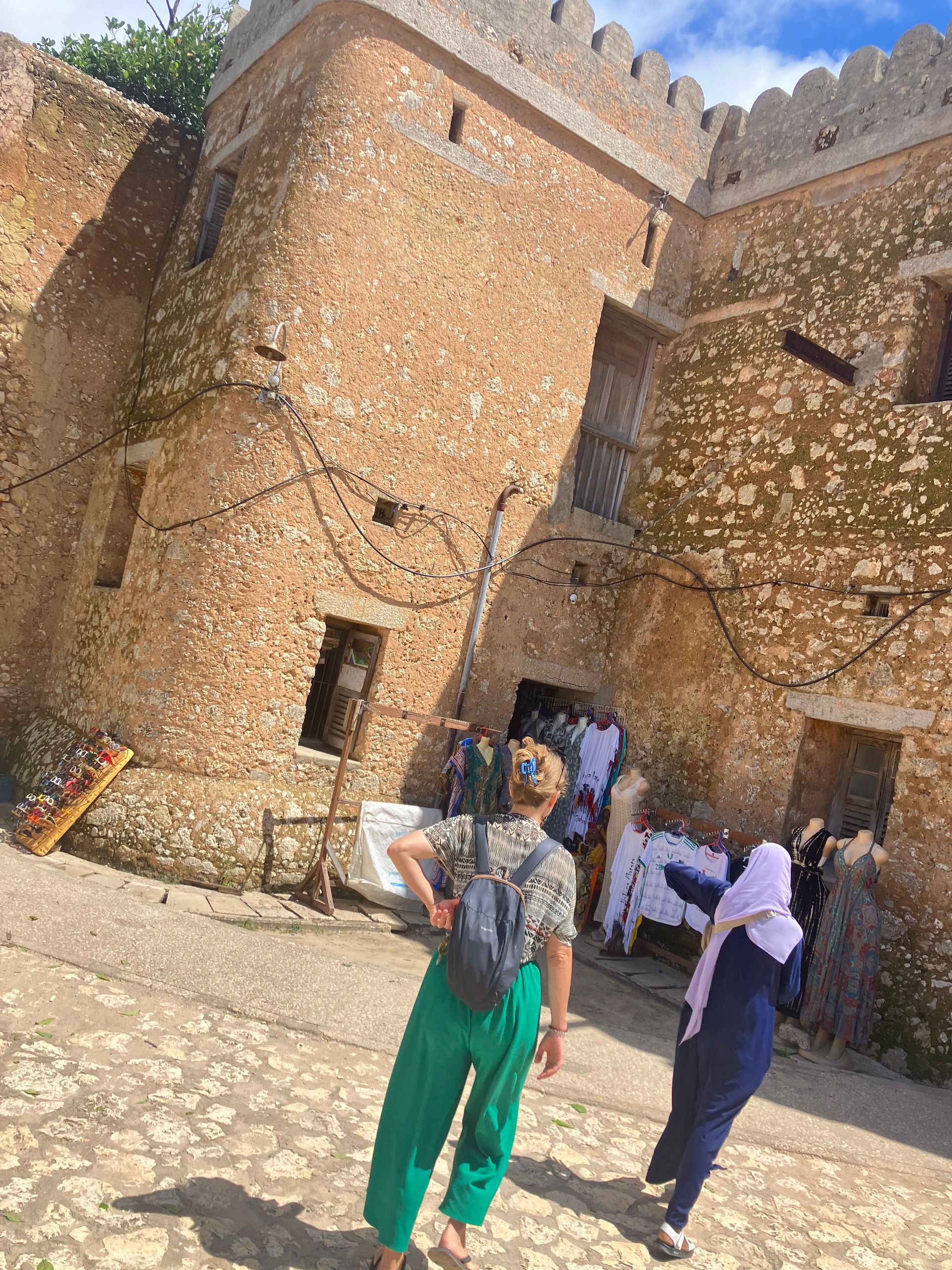
We are absolutely thrilled: In the capital Stone Town, there is an incredible amount to see 🤩 Many different cultural influences can be found and a wealth of history.
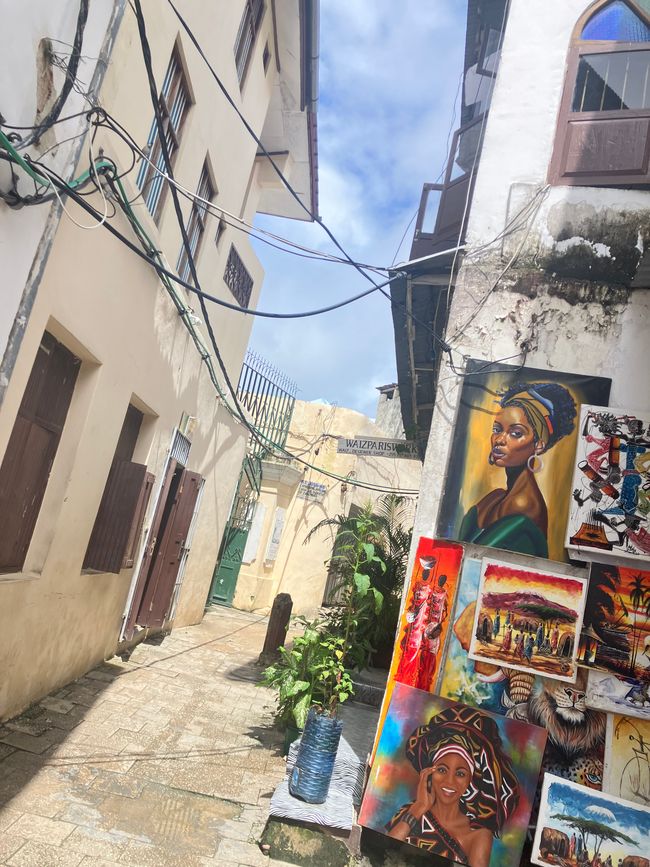
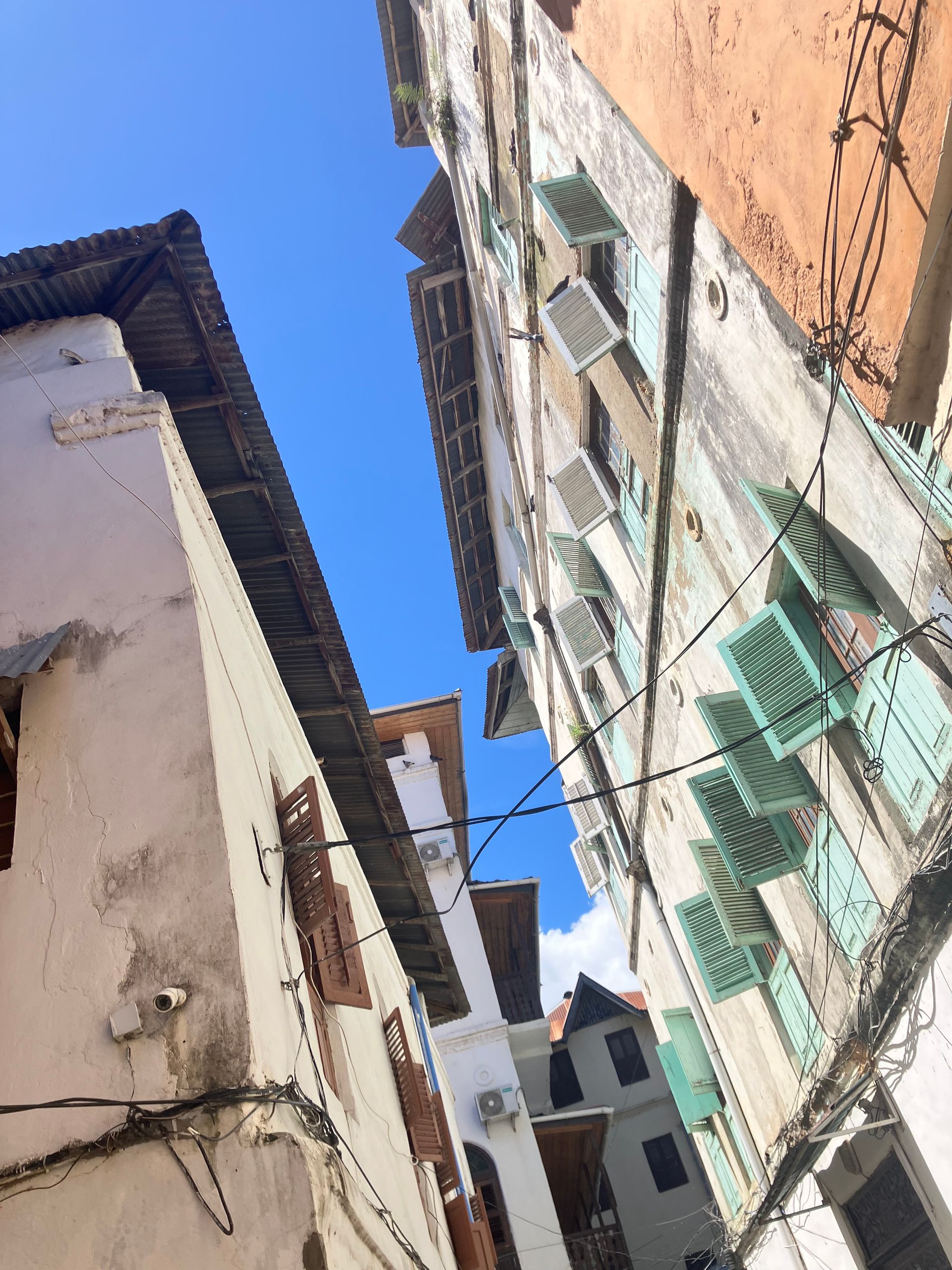
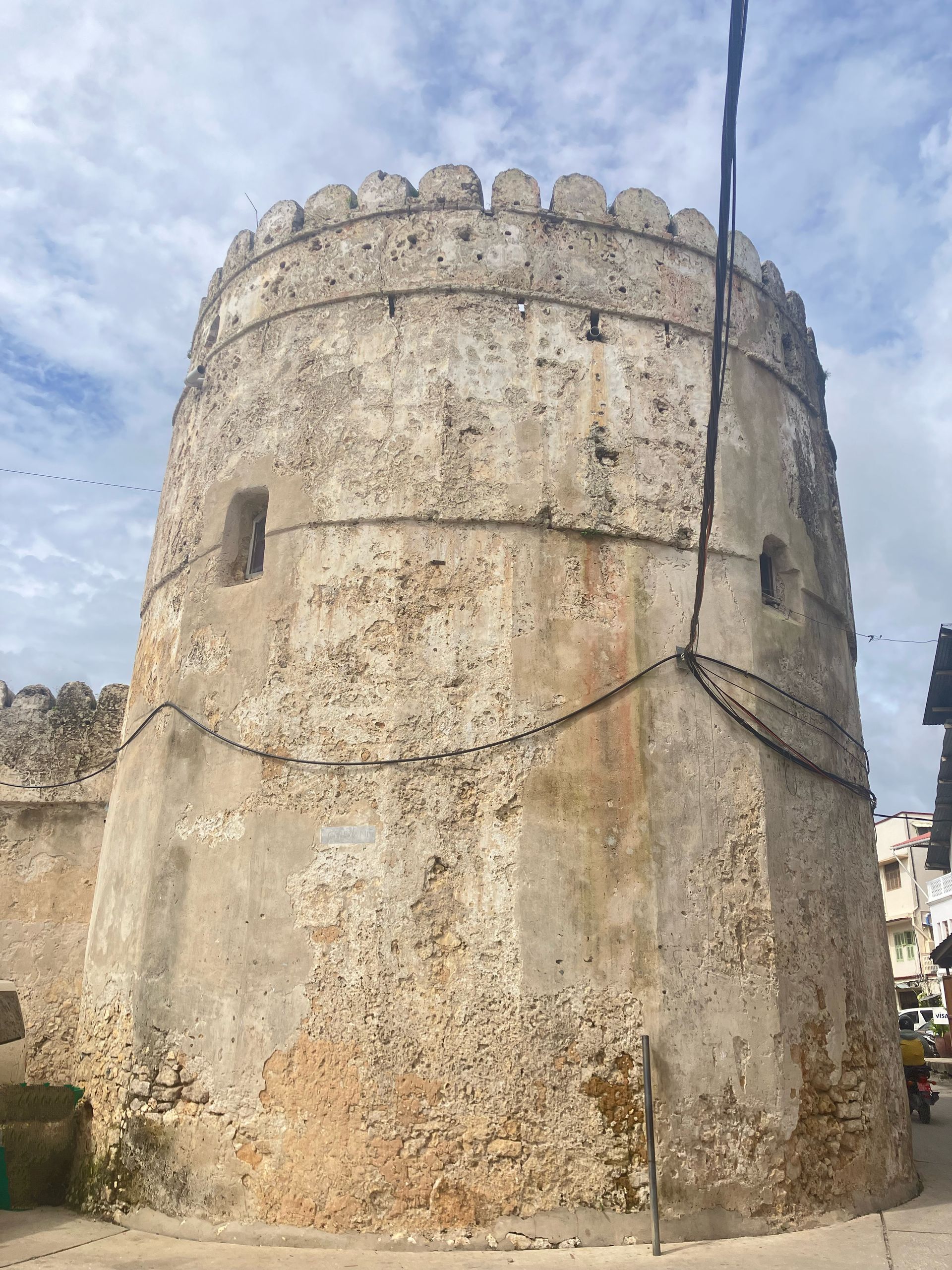
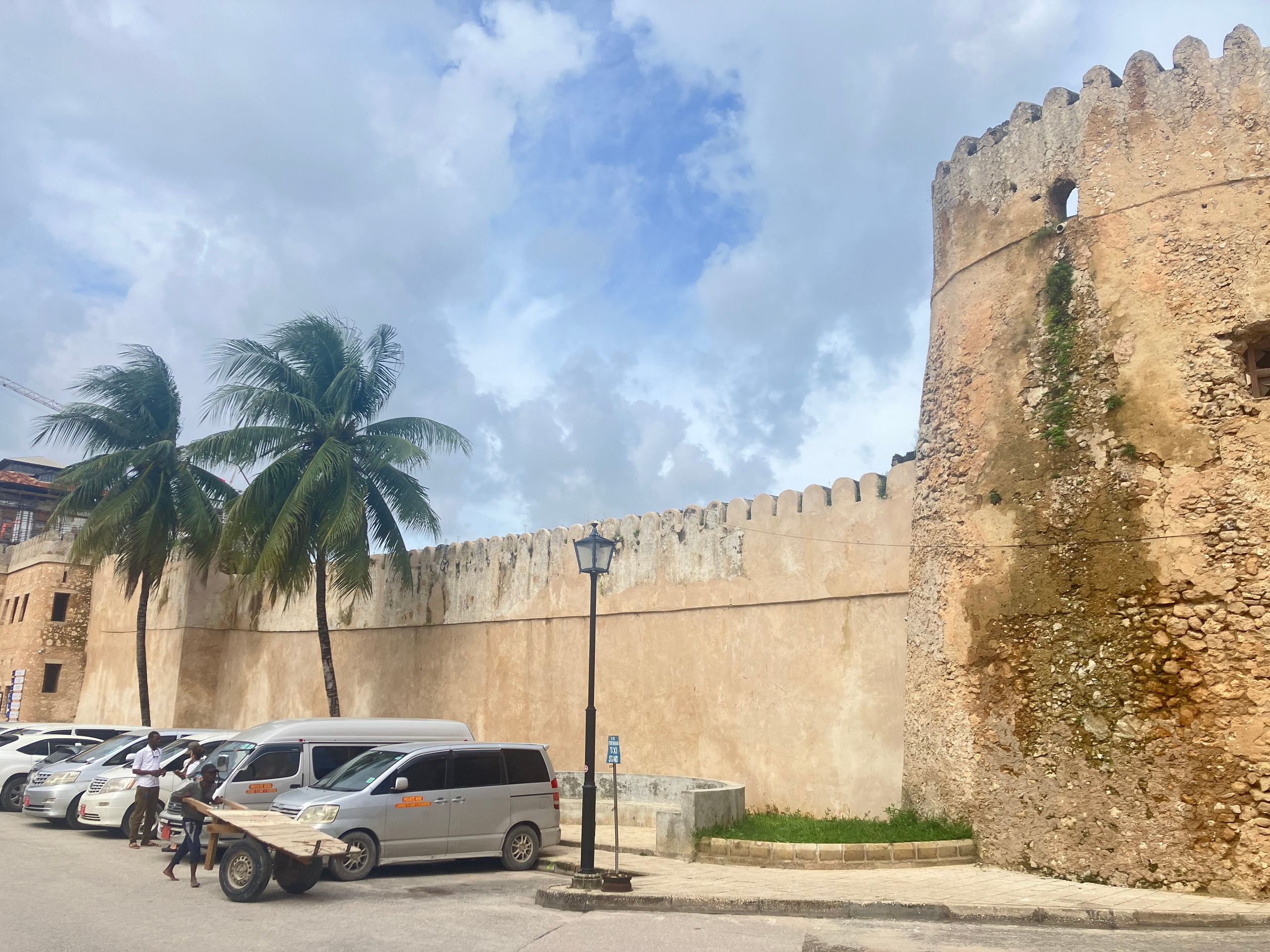
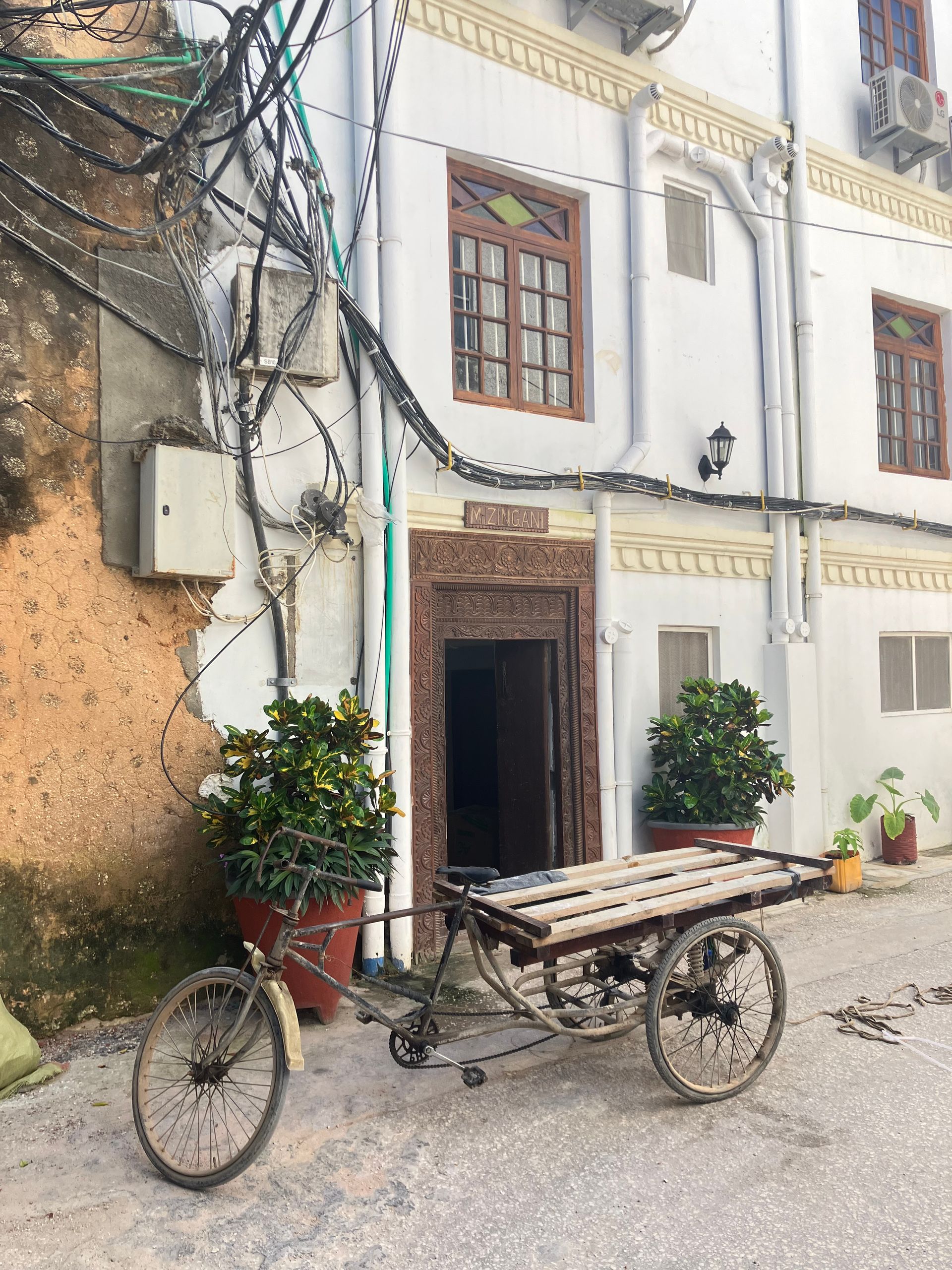
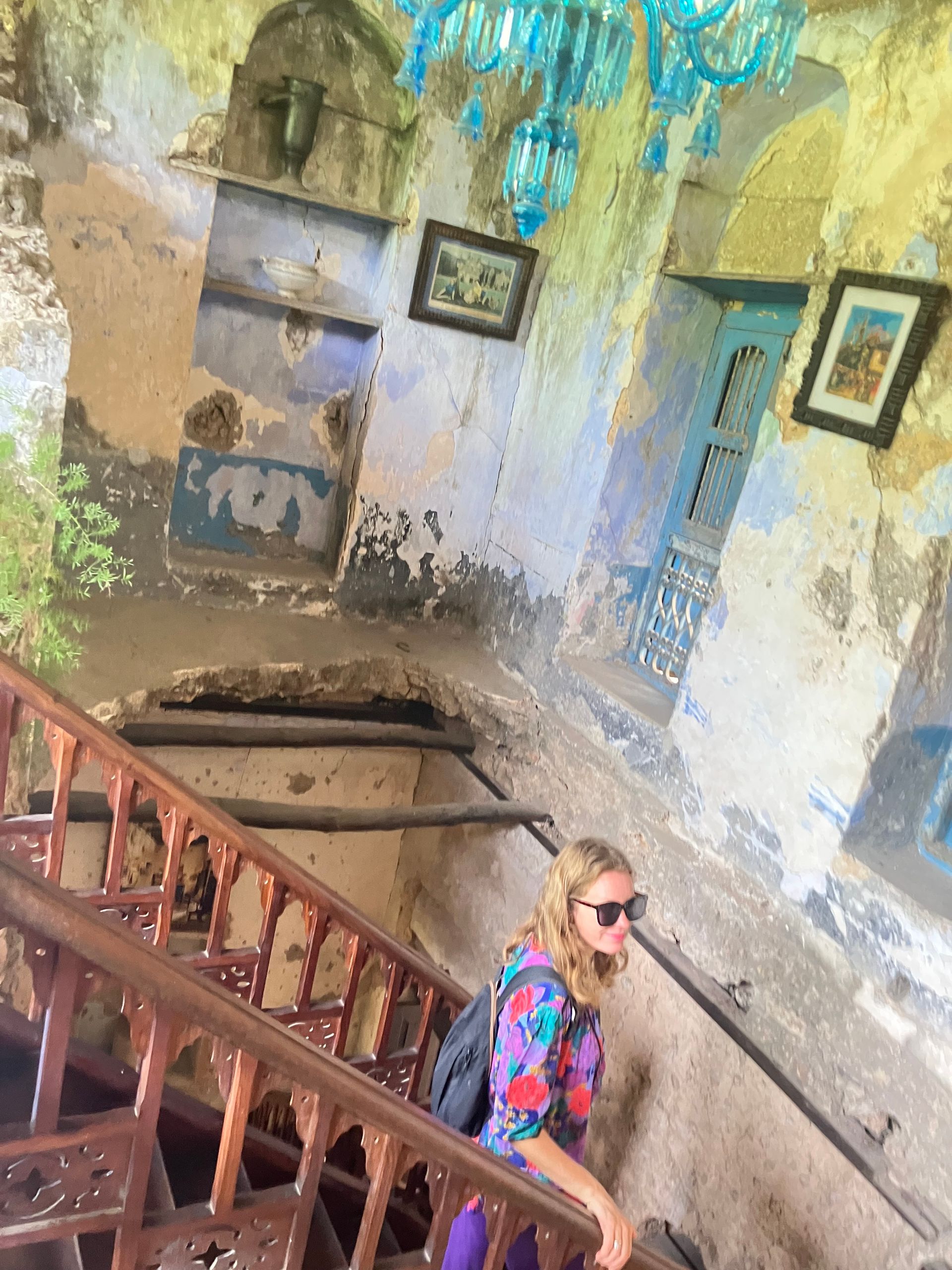
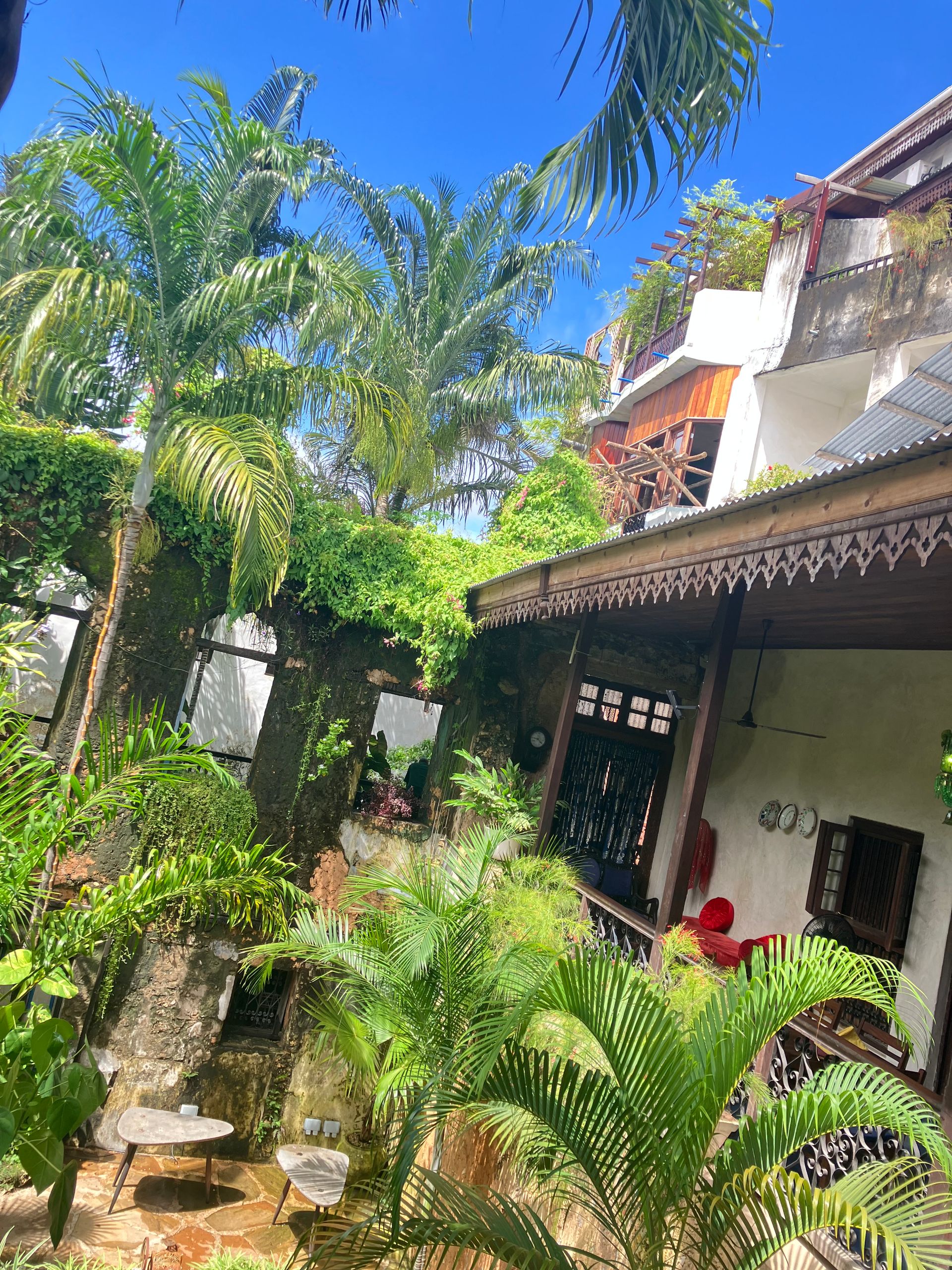
Stone Town has a very special atmosphere. We stroll through the narrow streets of the old town and admire the historical buildings.
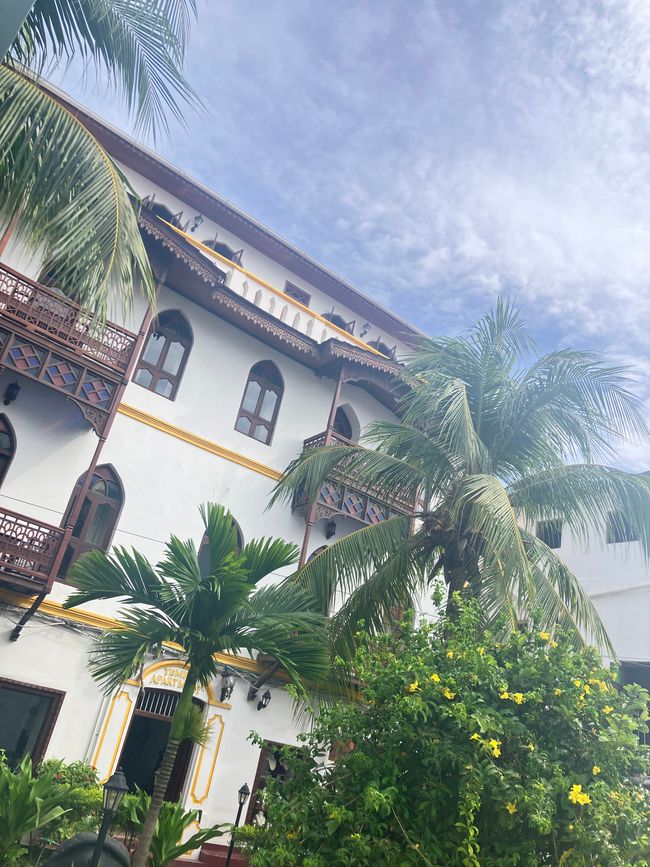
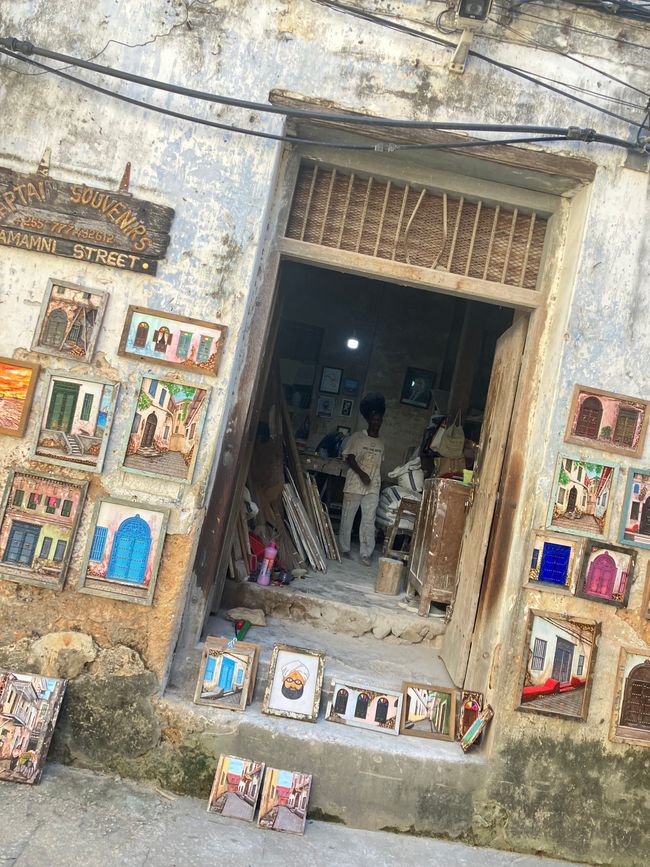
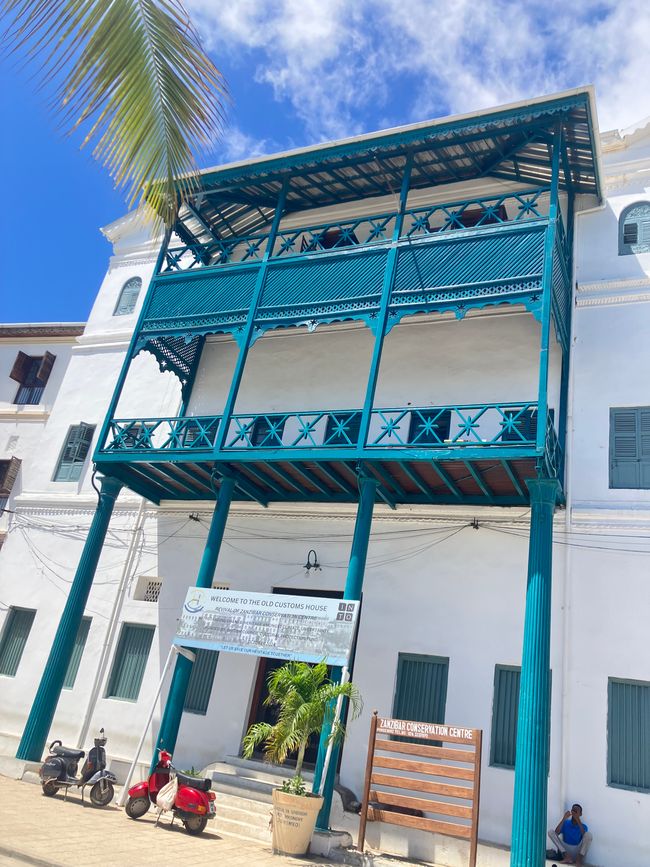
The people are very friendly and greet us warmly in Swahili: “Jambo” (Hello), “Karibu” (Welcome), and “Hakuna Matata” (No Problem) are the norm here.
Zanzibar and Stone Town are strongly influenced by Islam.
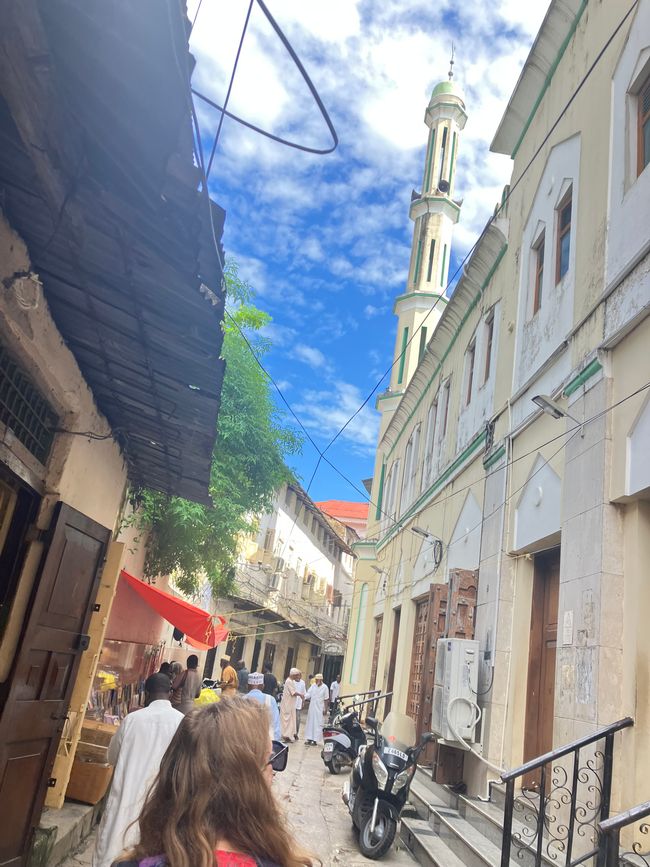
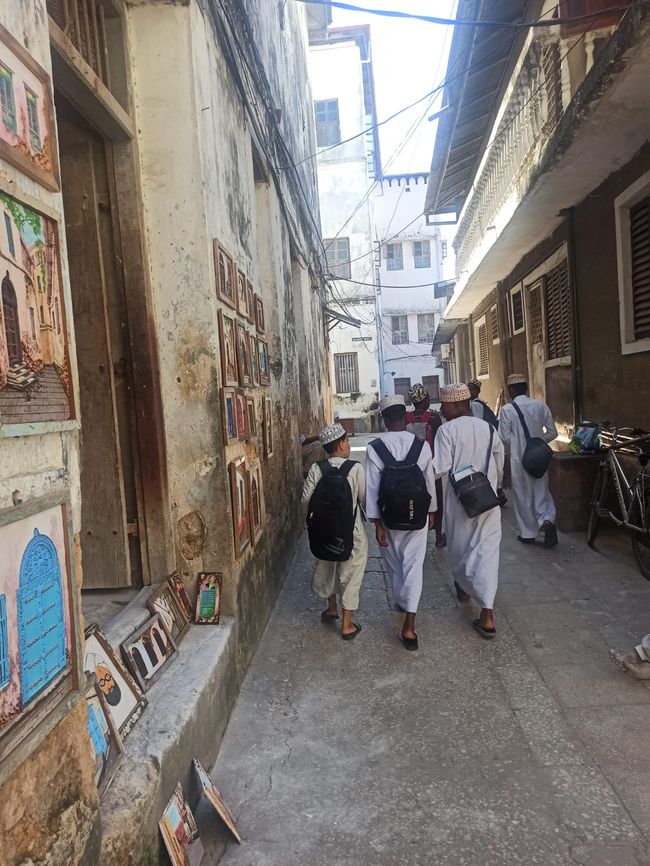
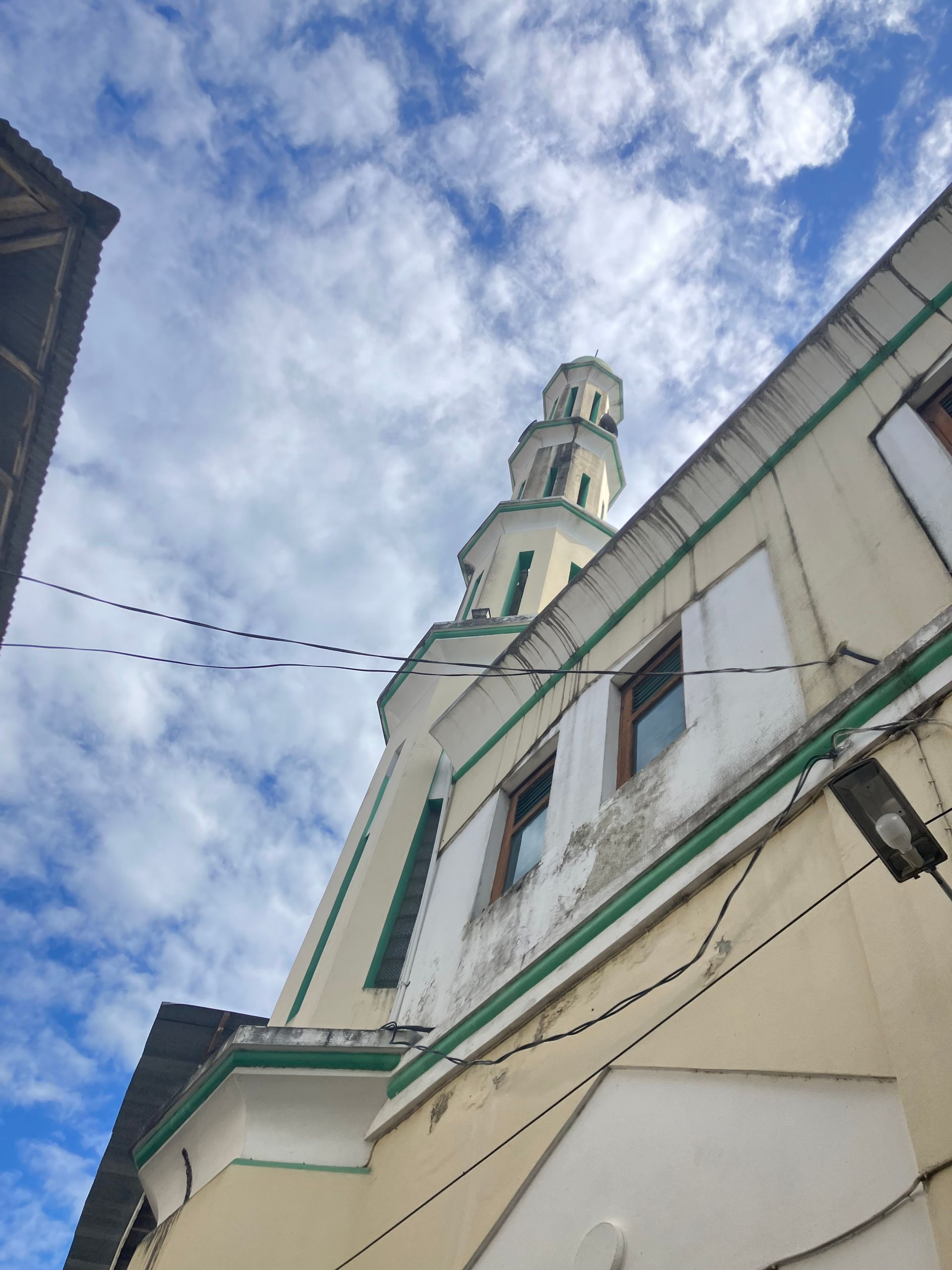
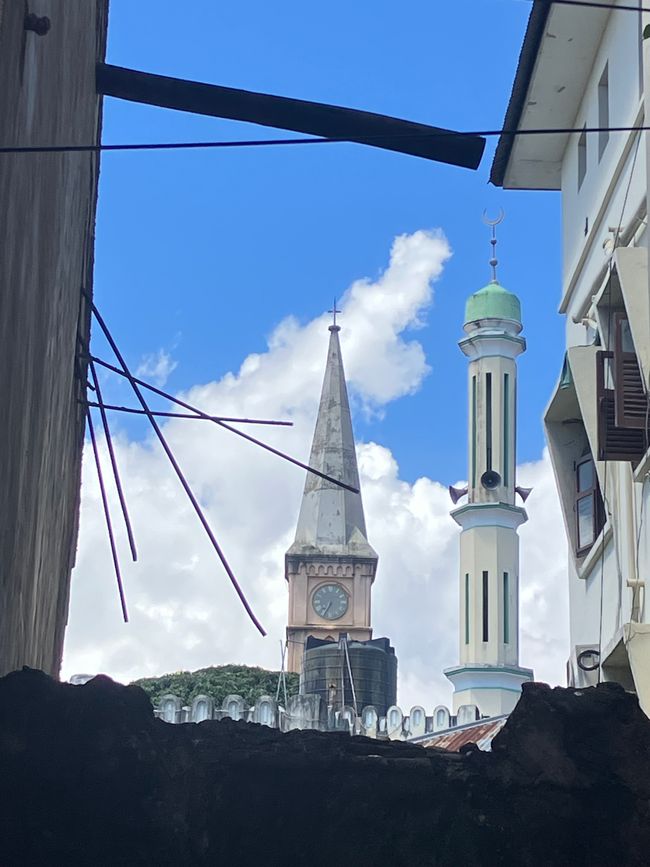
In the old town, mosques are everywhere. The call to prayer of the muezzin echoes repeatedly through the streets.
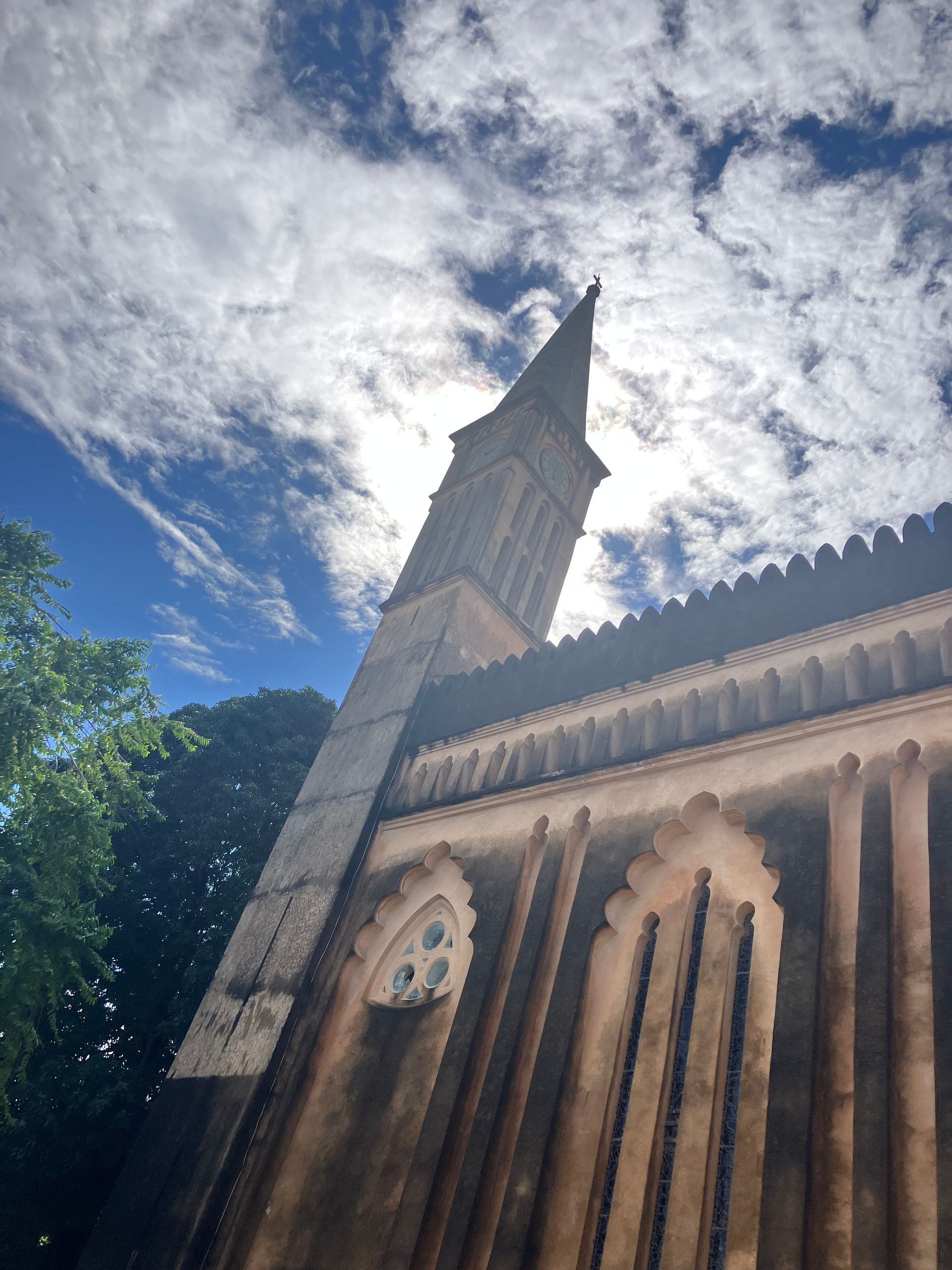
Alongside, we also occasionally find churches, for aside from a large Islamic majority, there is also a Christian segment of the population. Here peaceful coexistence prevails.
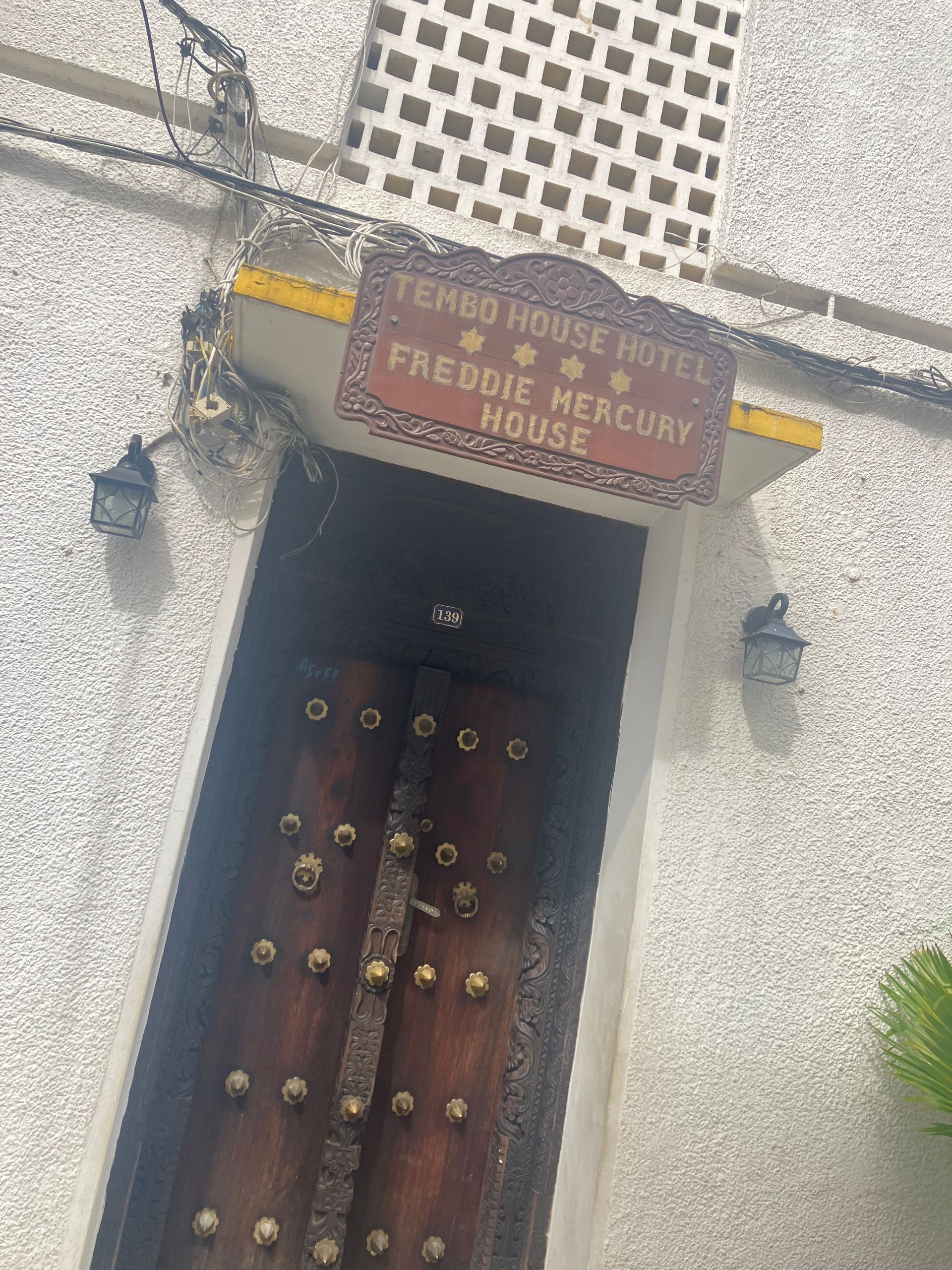
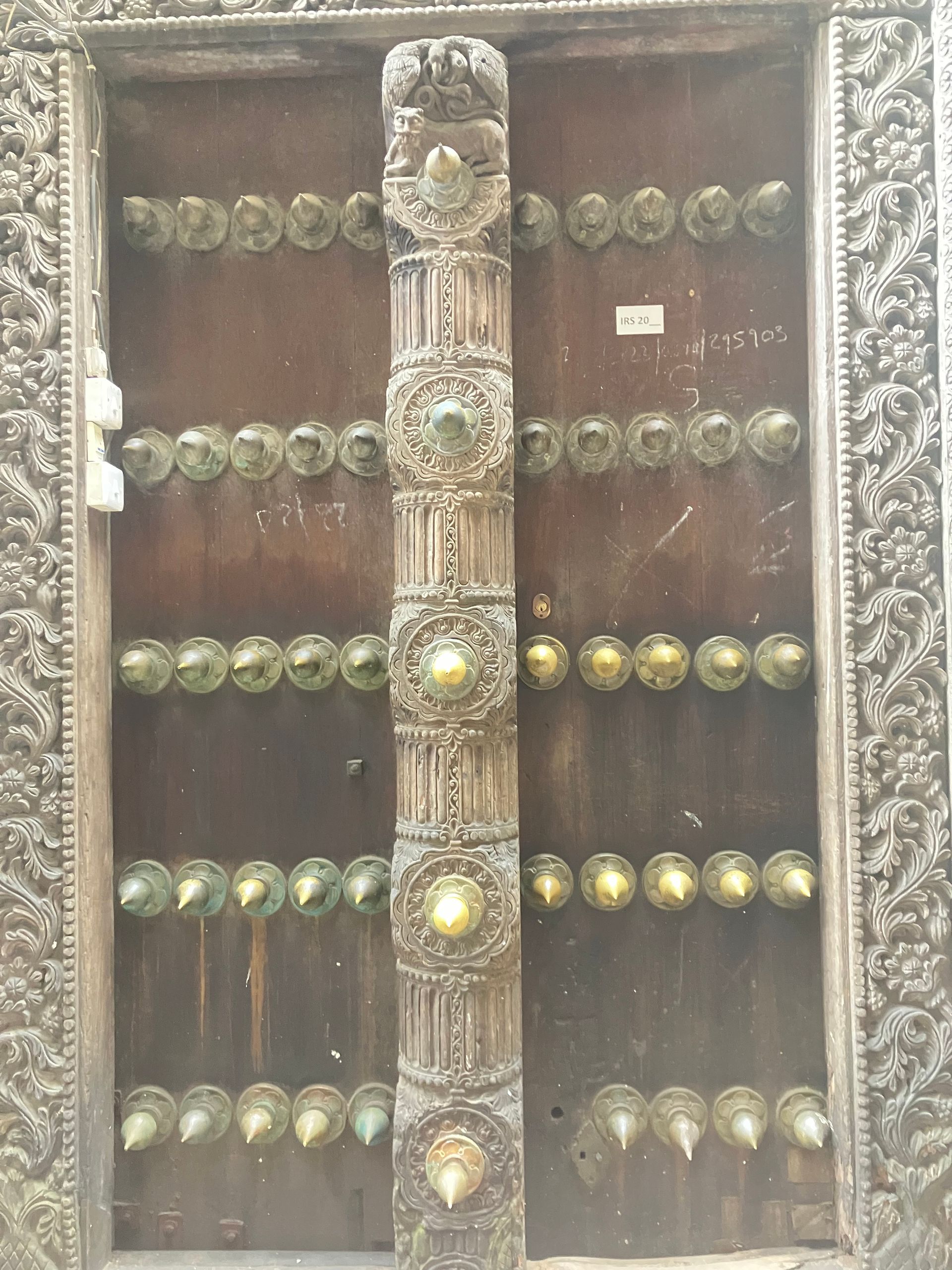
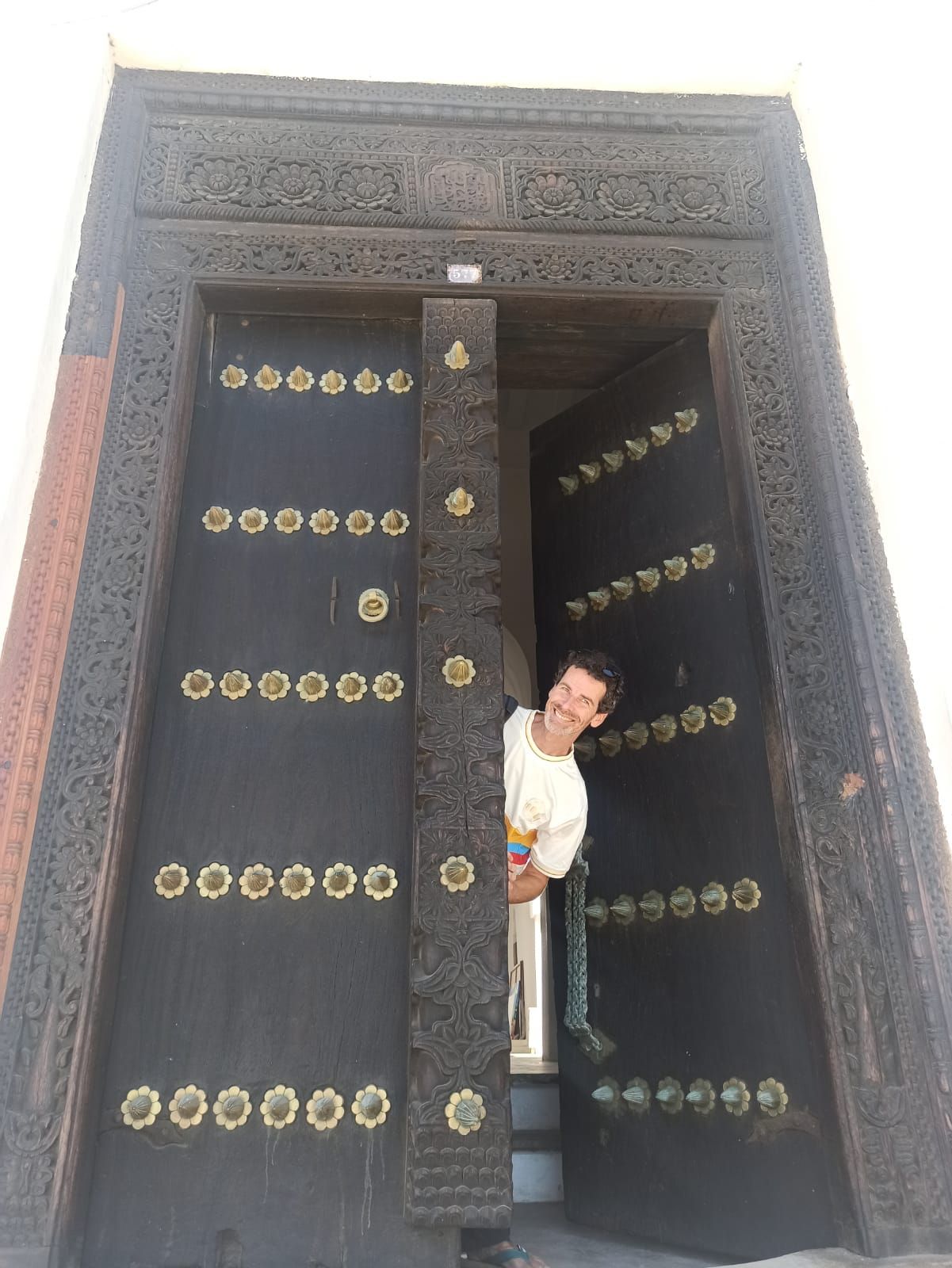
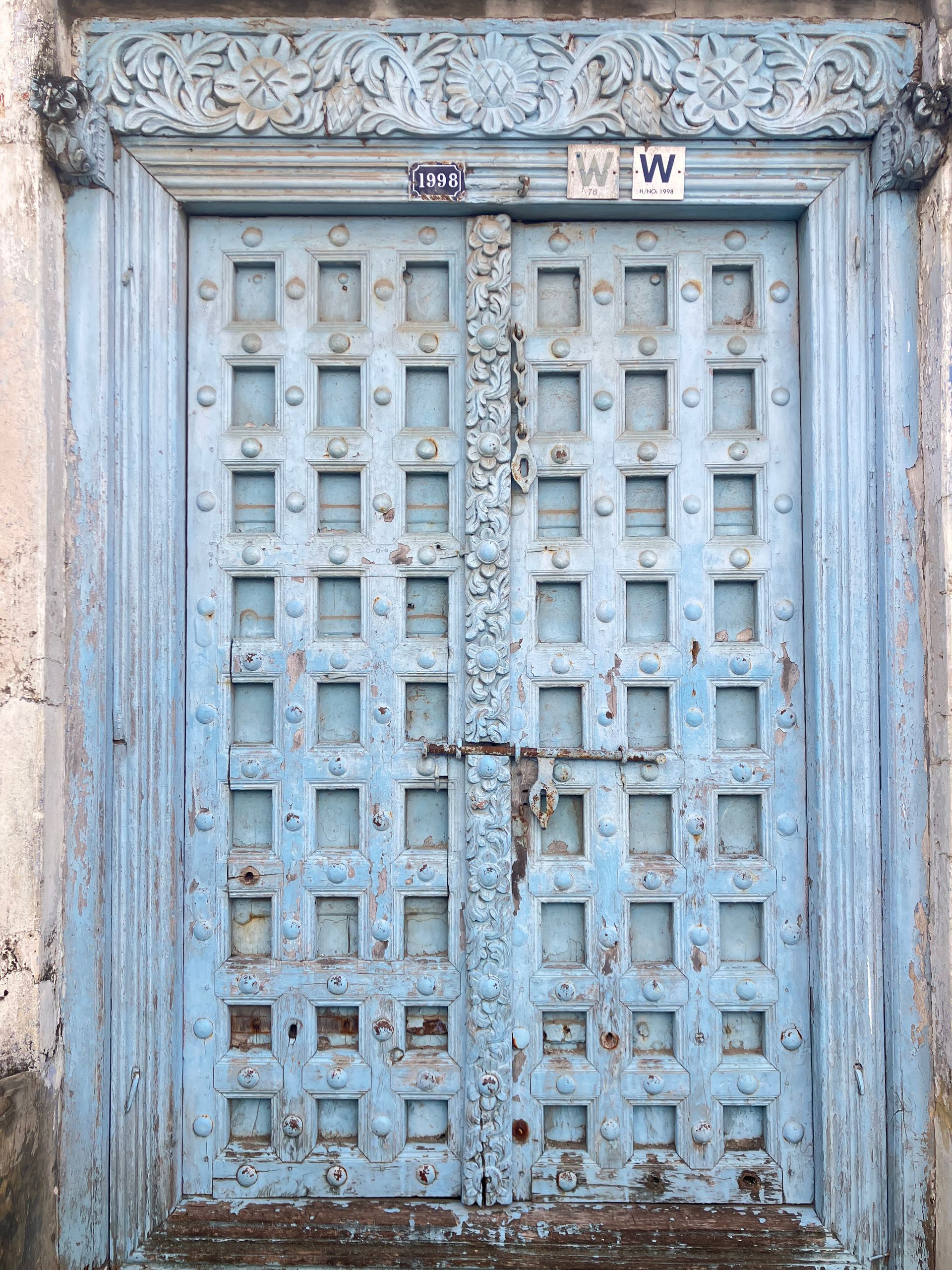
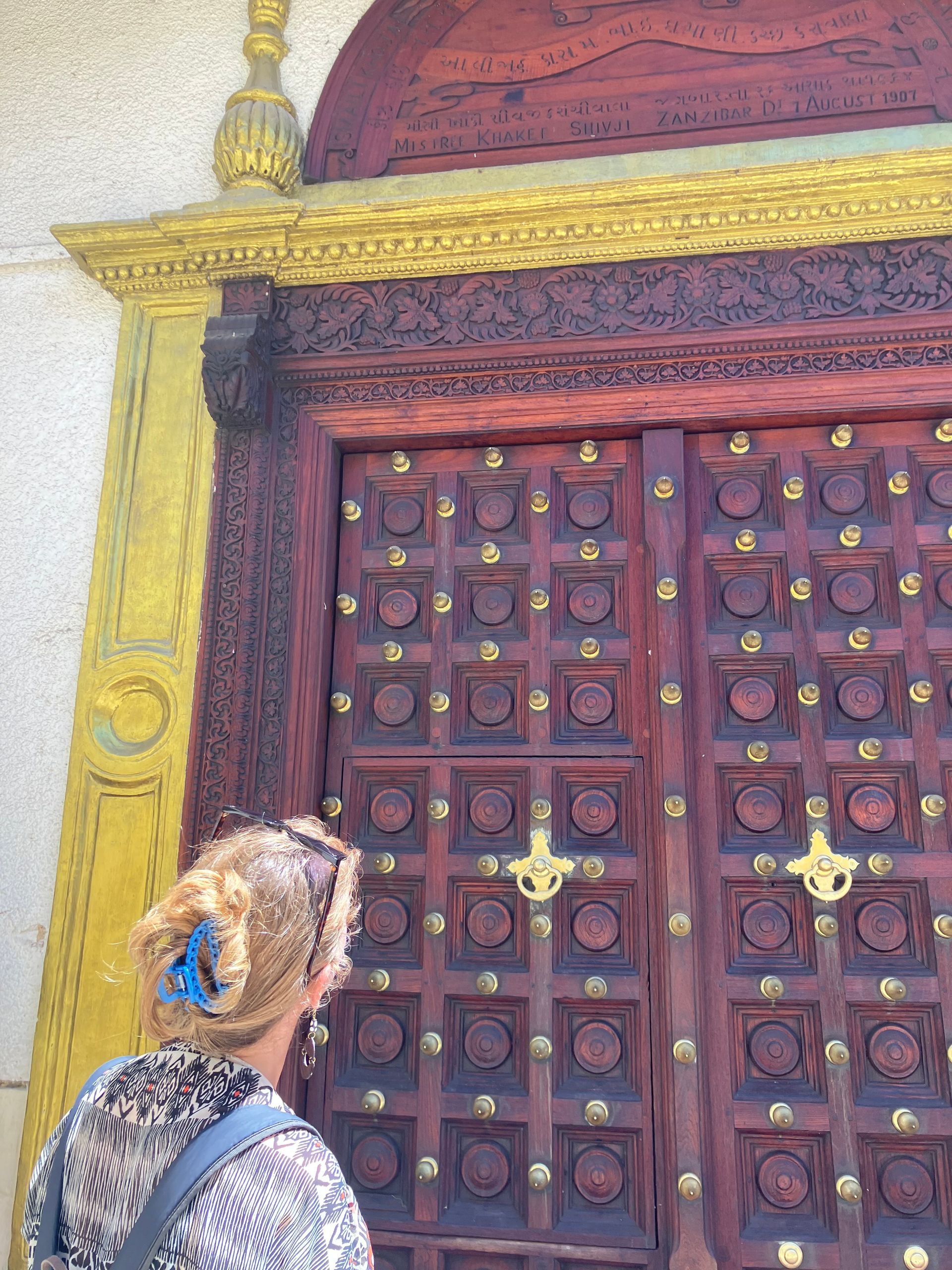
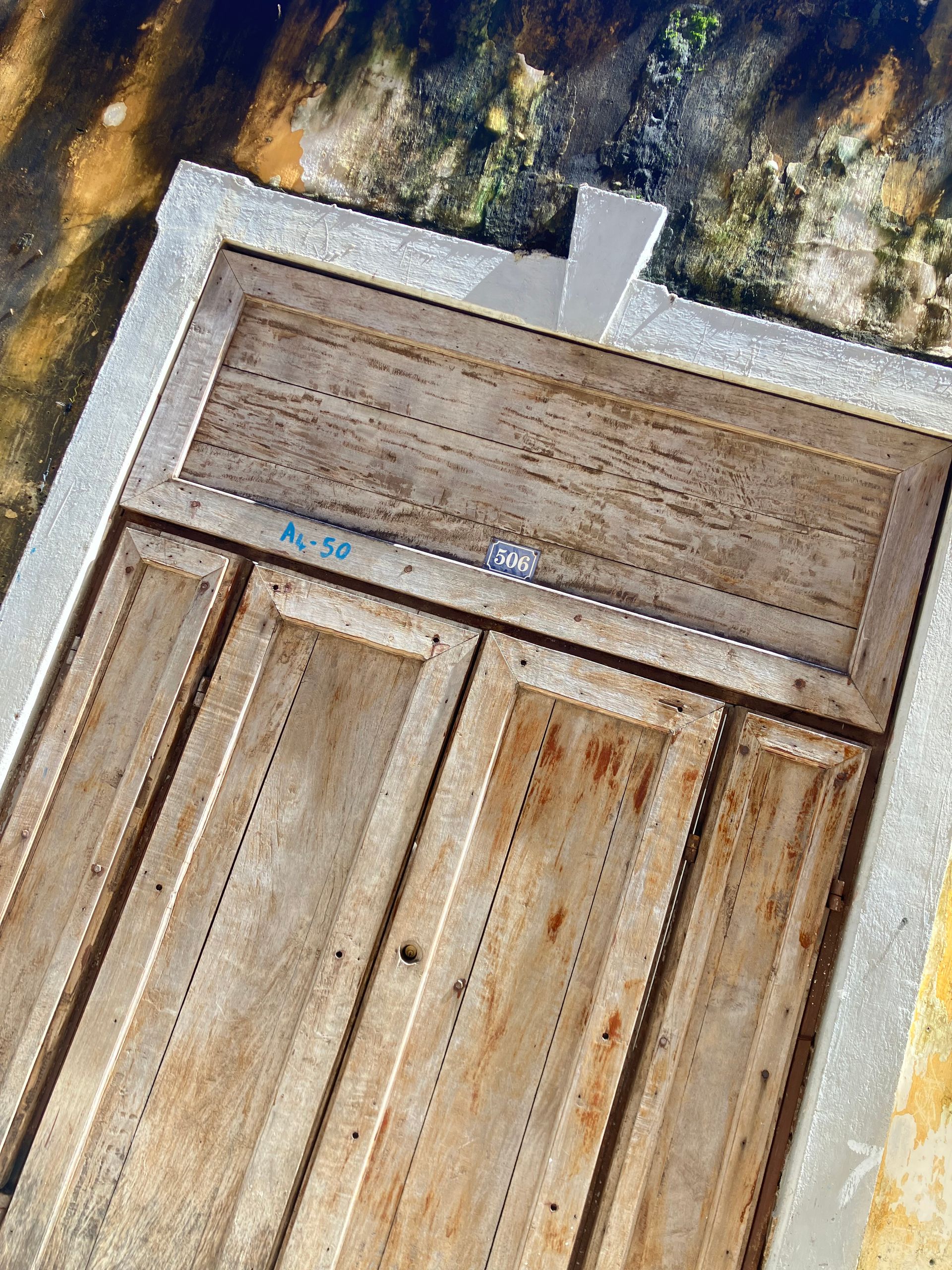
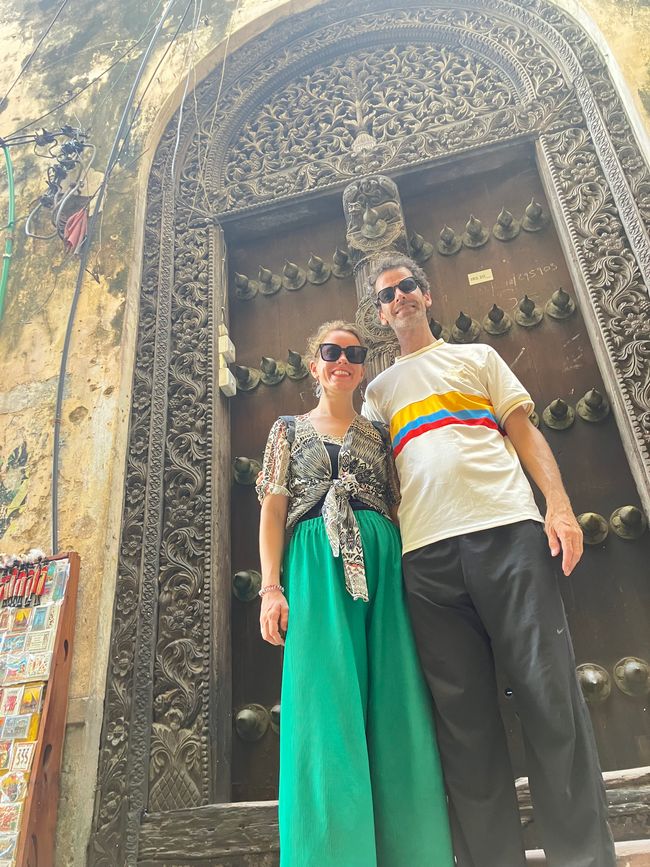
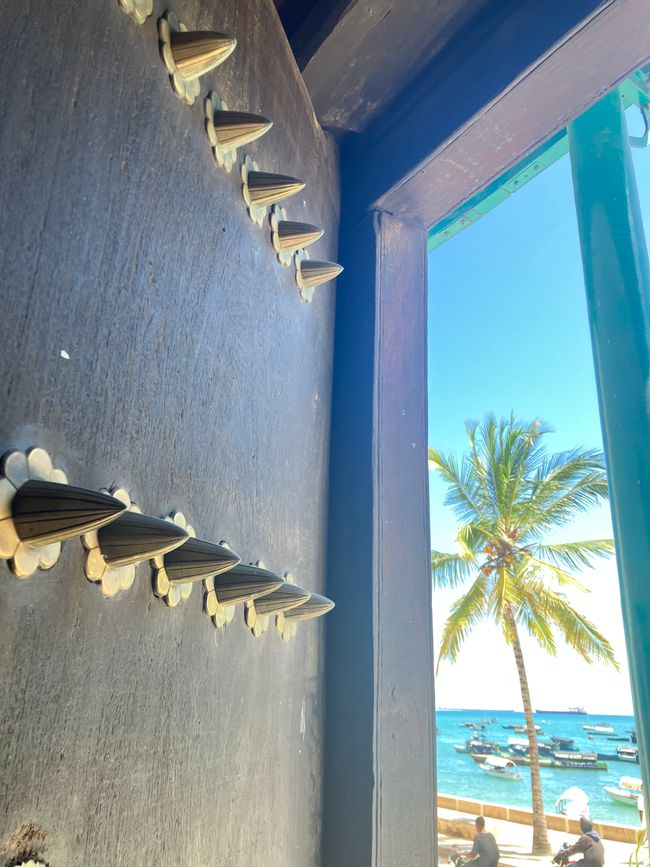
Especially fascinating are the intricately designed wooden doors.
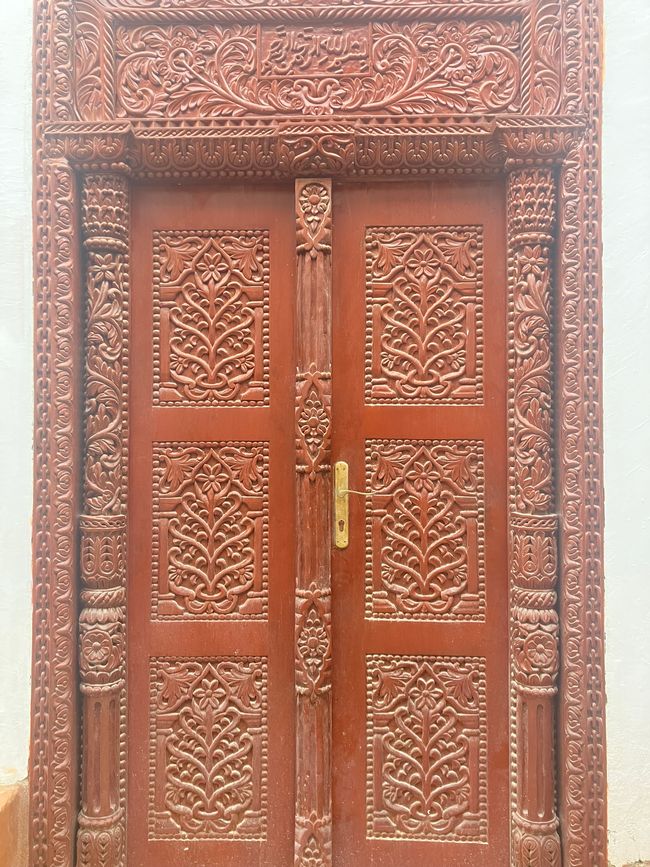
There are Arabic and Indian elements as well as features of Swahili culture. The symbolic representations refer to the original homeowners (chains at the edge signify, for example, slave owners, flowers indicate the number of wives).
During the period from the 17th to the 19th century Zanzibar was a very important hub for the spice trade and also ivory. Additionally, the largest slave market in East Africa was located in Stone Town. During this time Zanzibar was also part of the Sultanate of Oman.
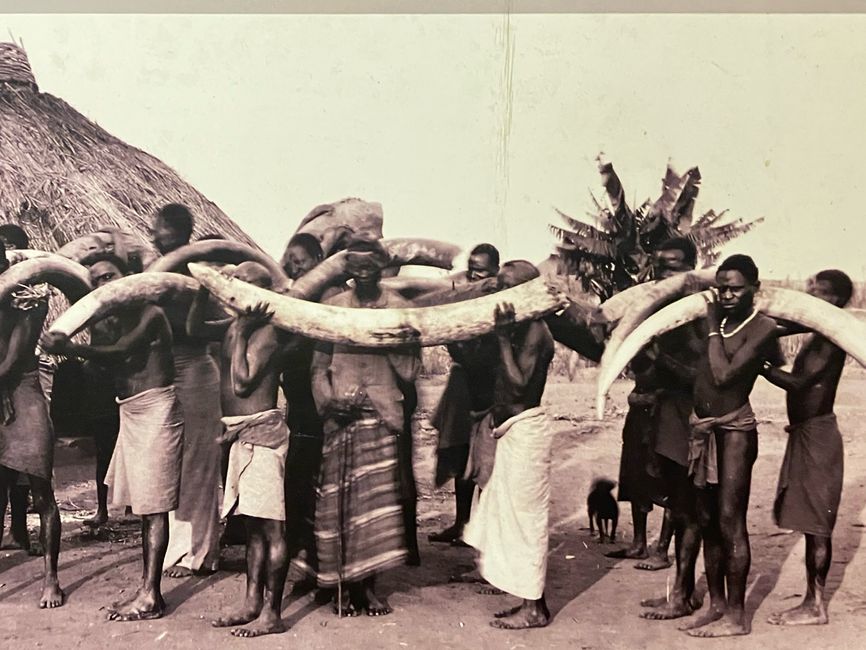
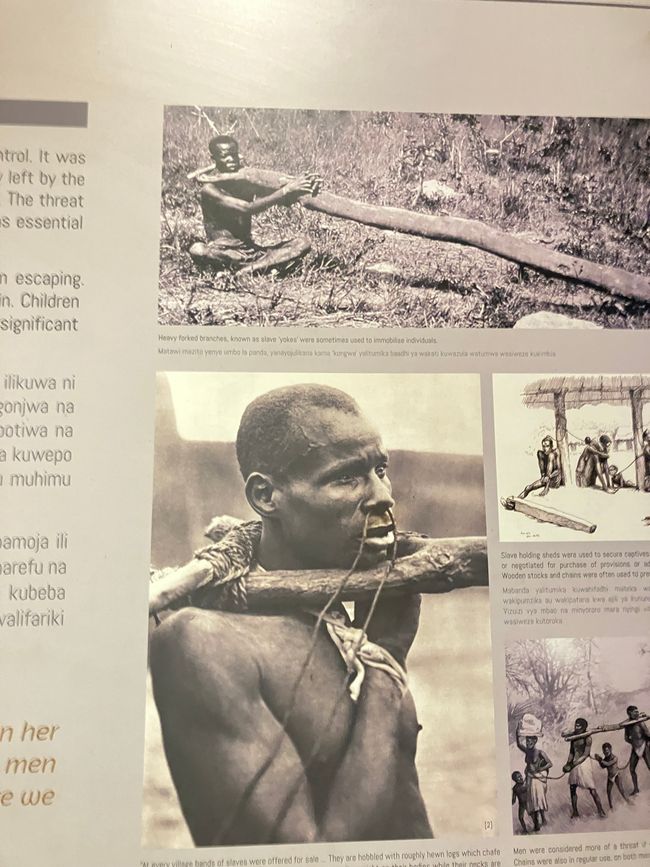
Countless people were captured from the African mainland, some even from distant regions like the Congo, and brought on horrific forced marches with caravans to the east coast and to Zanzibar. Many died along the way.
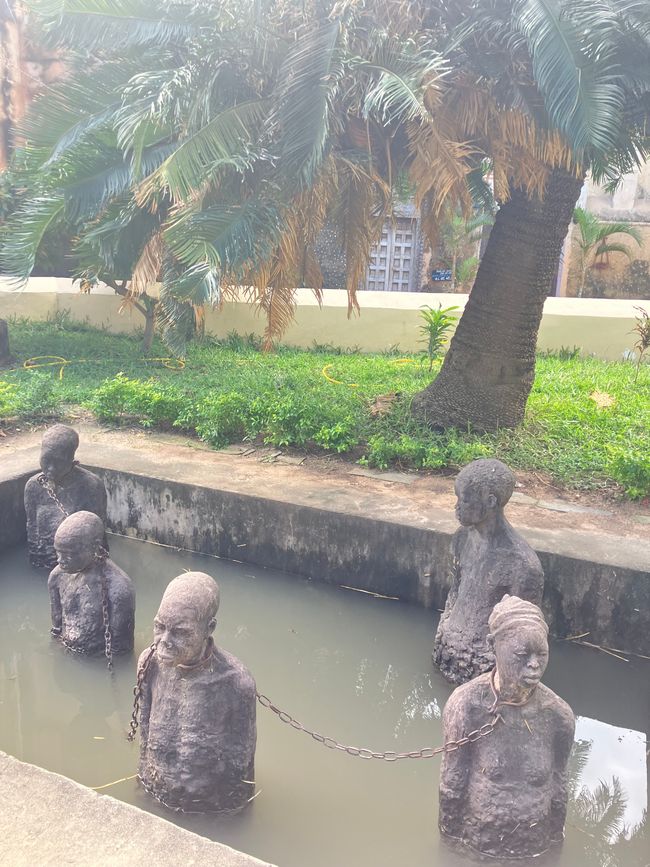
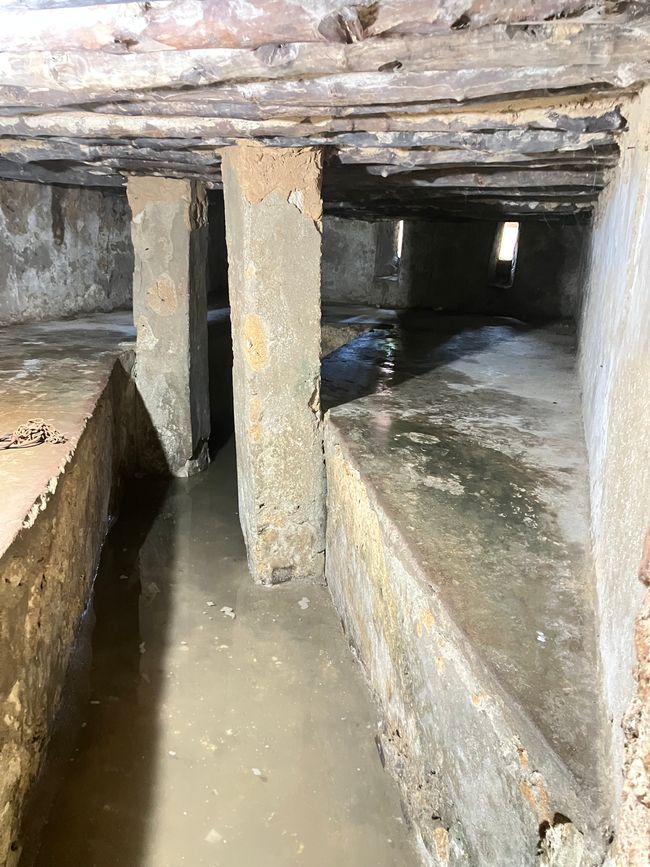
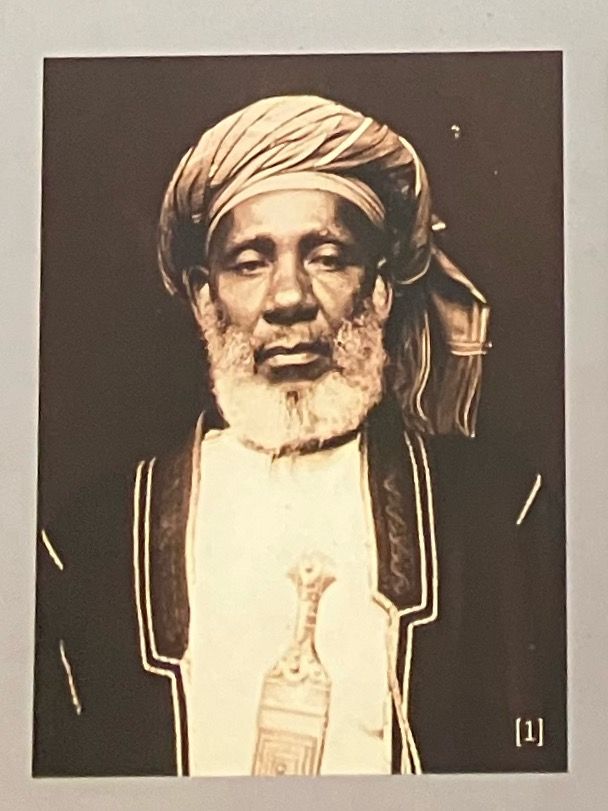
Many peoples and especially the Arabs in Zanzibar greatly benefited from the slave trade. Slave traders like Tippu-Tip became very rich because of this (his nickname reflects the sound made by his guns)…
Due to pressure from the British, the slave trade was banned in 1873, but it continued for a long time. Only in 1897 did the Sultan together with the British enforce the ban. However, it was a long process until the living conditions actually improved for all former slaves.
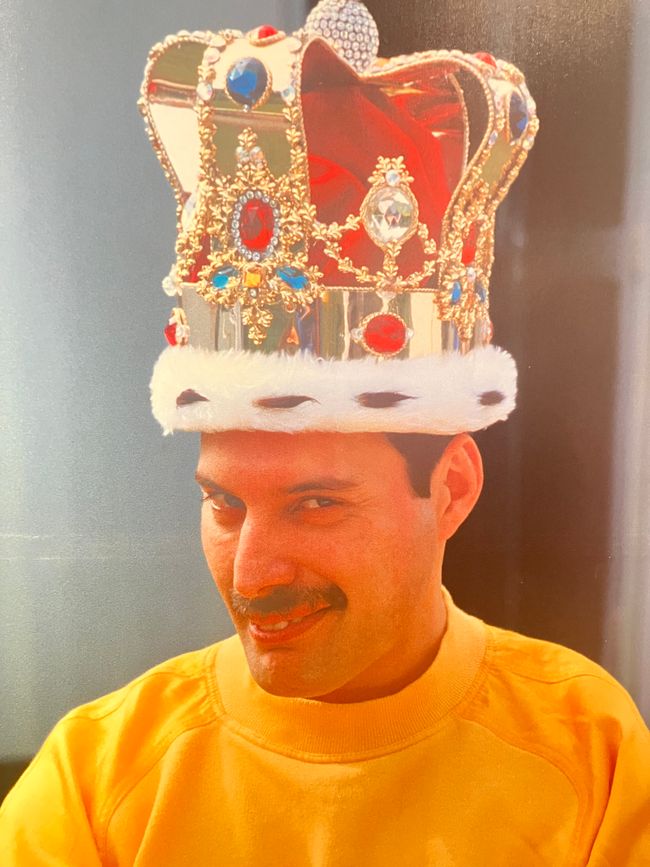
On another day, we also visit the house of perhaps the most famous son of Stone Town: Freddie Mercury! Today, there is a lovingly curated museum here.
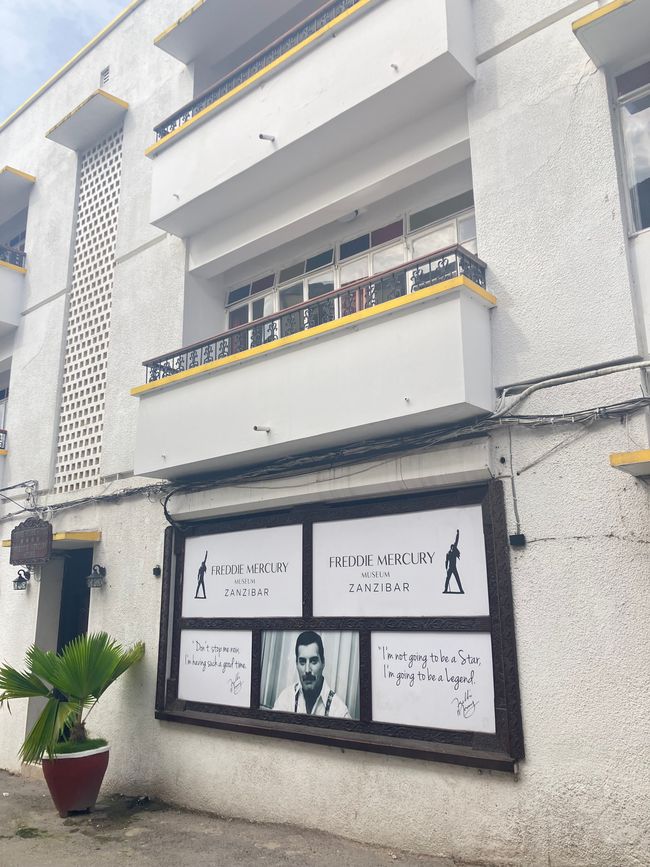
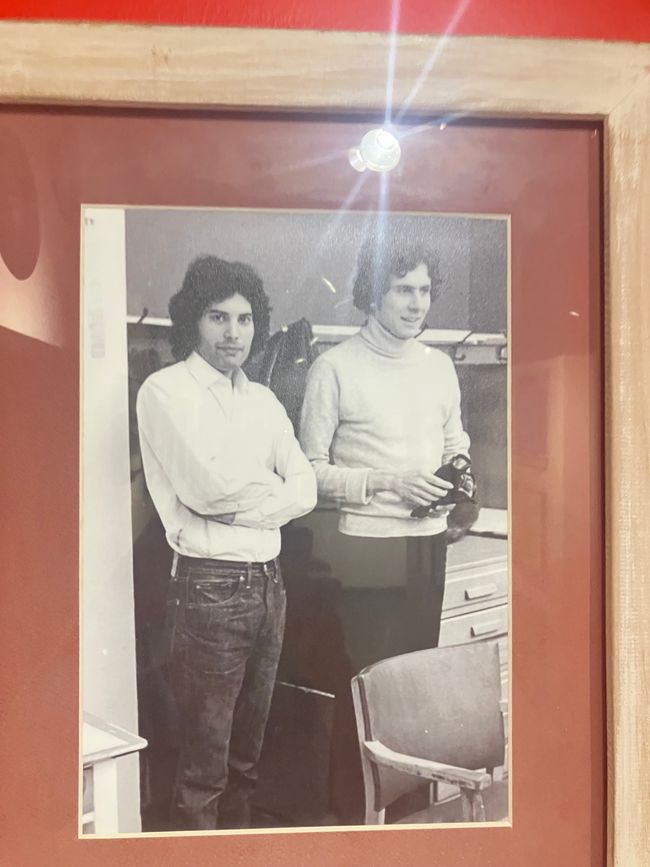
Freddie was born on 05.09.1946 as Farrokh Bulsara on the island. His parents originally emigrated from India. The family then moved to England in 1963.
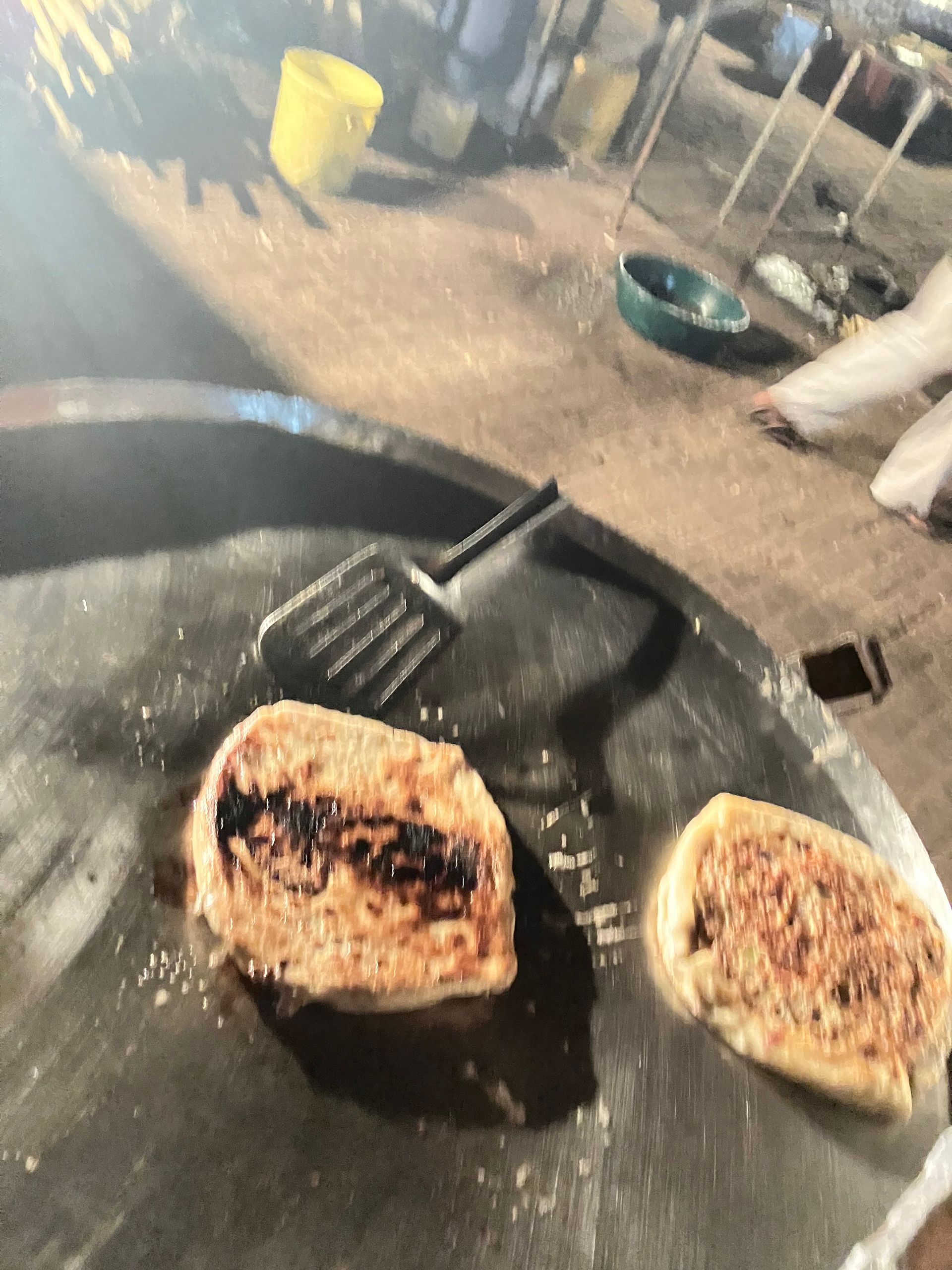
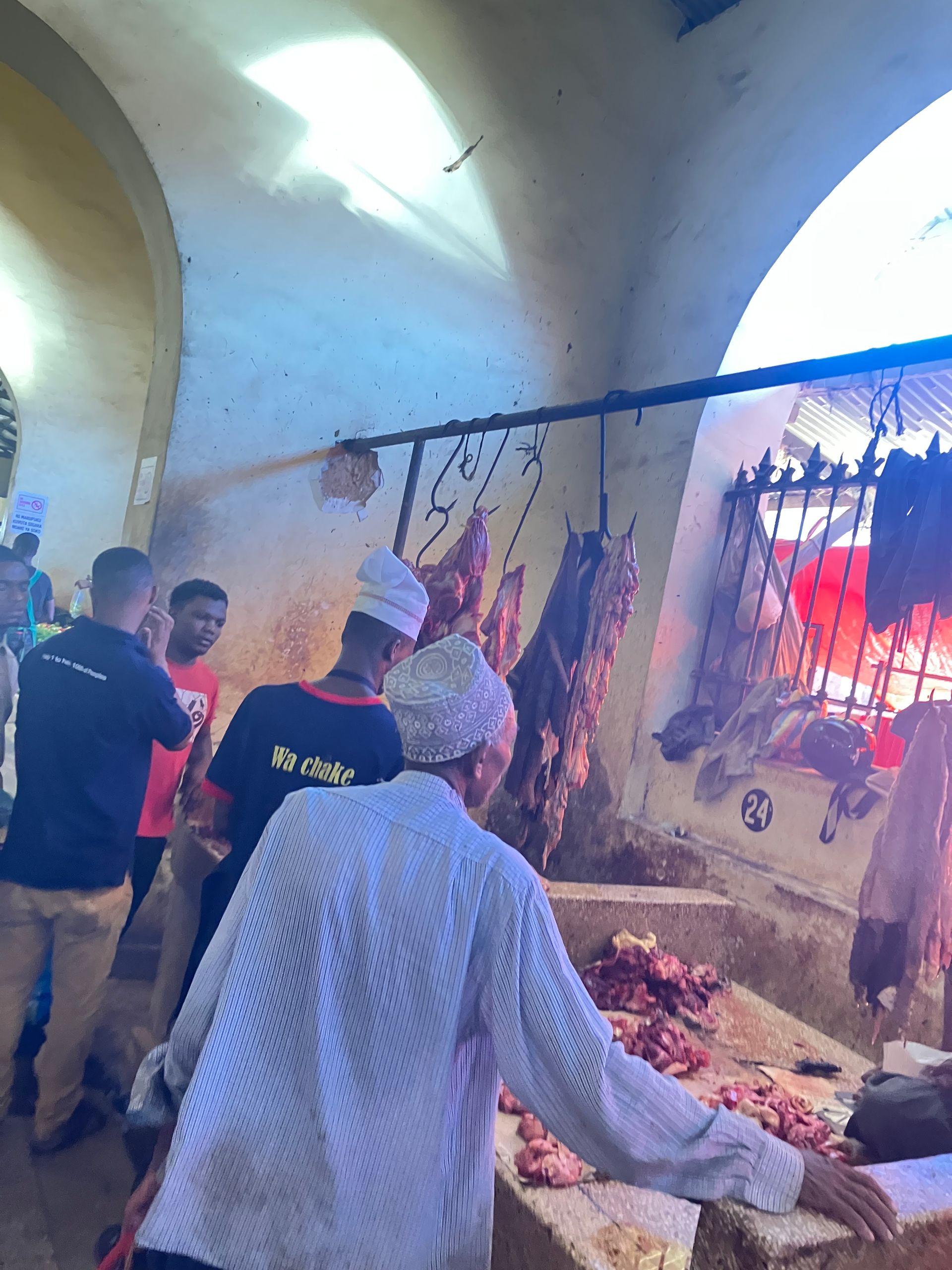
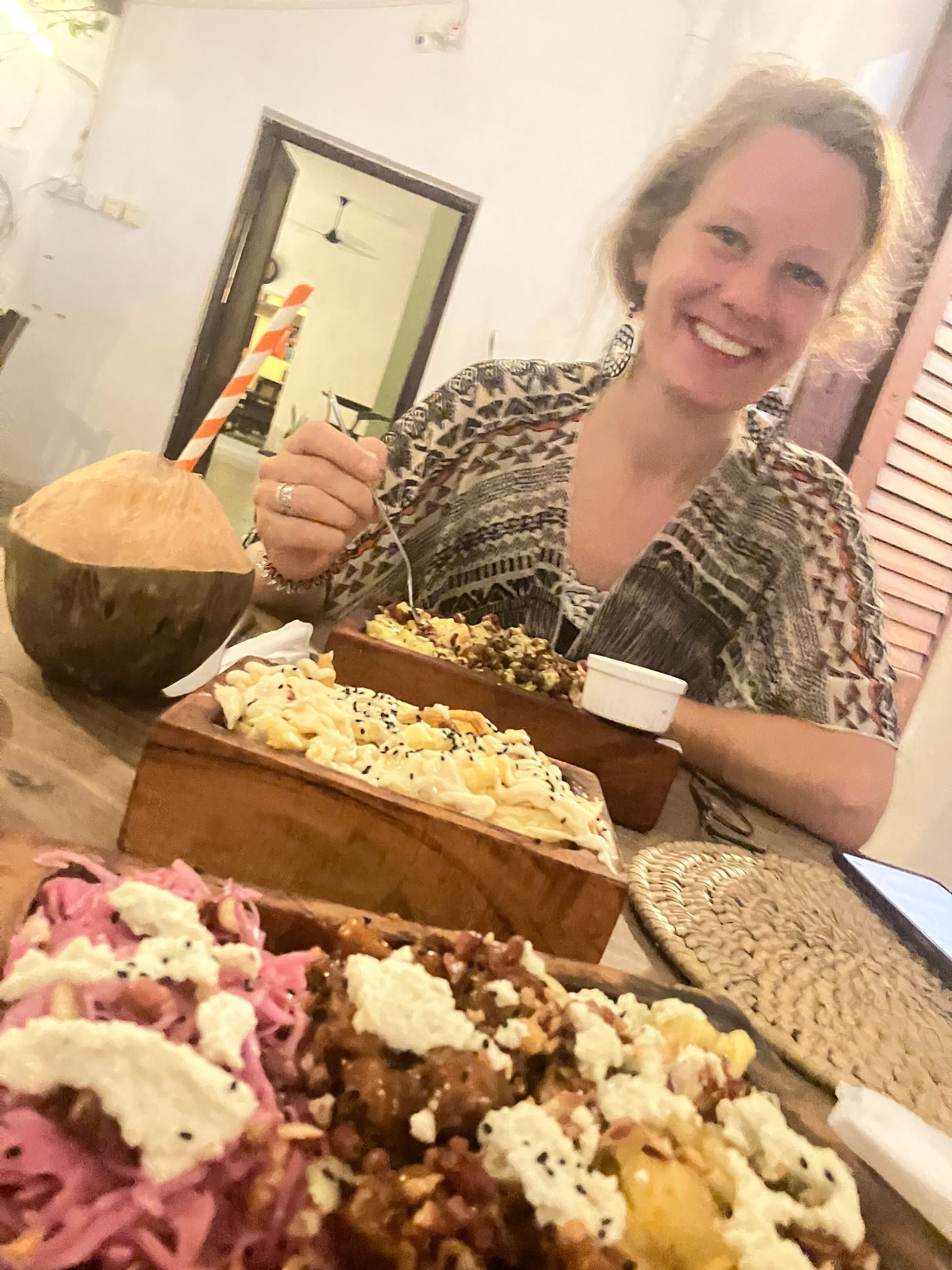
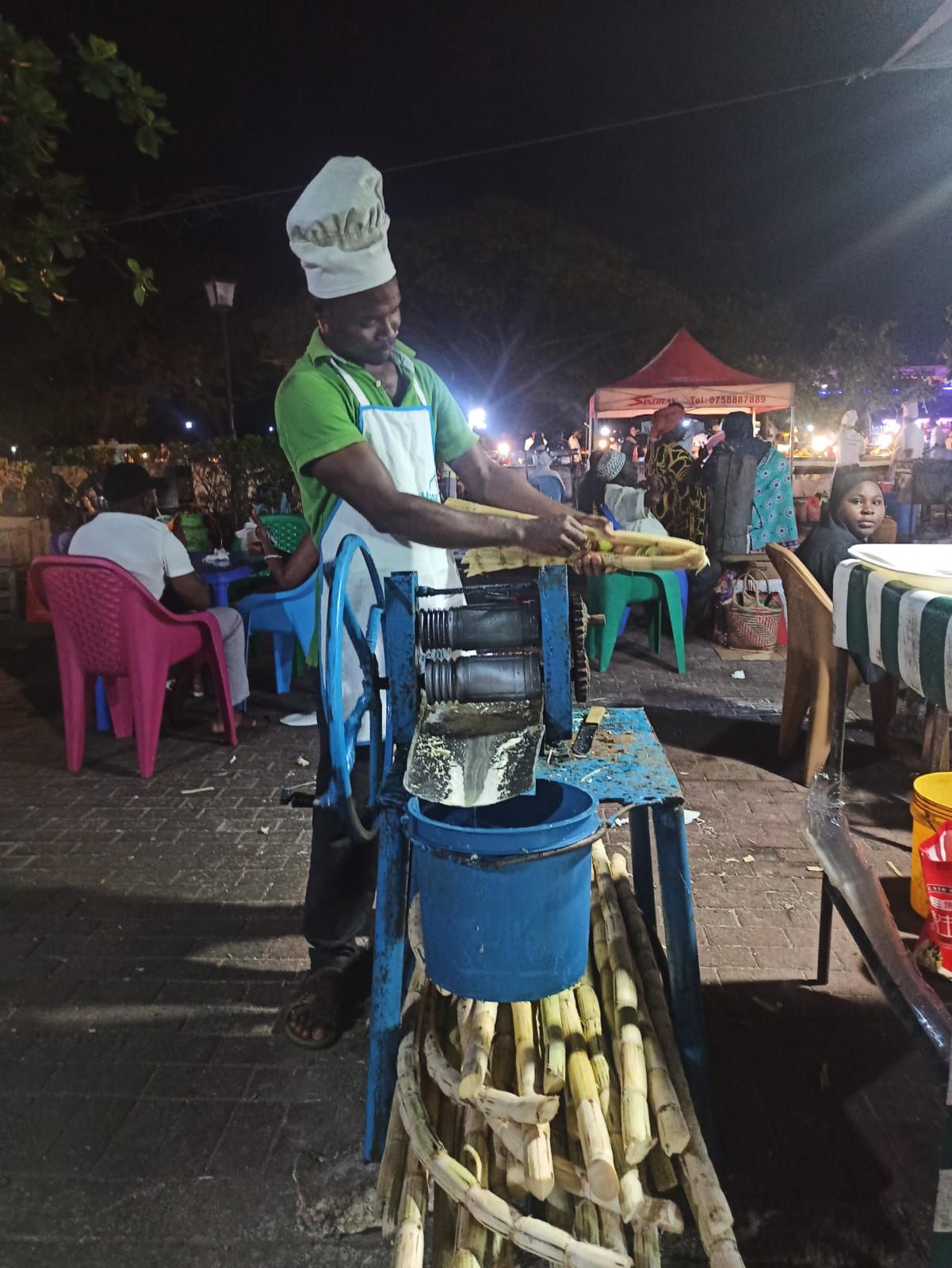
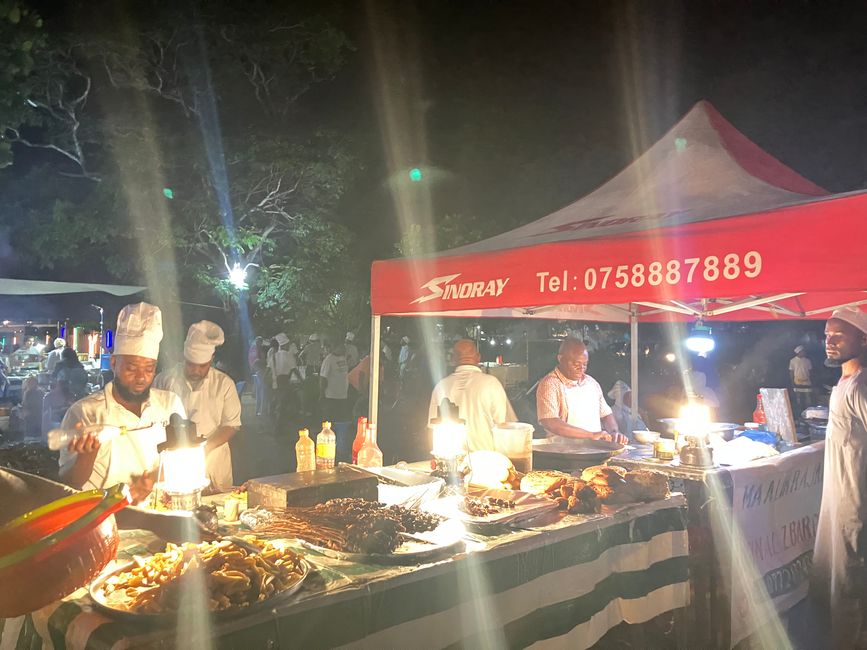
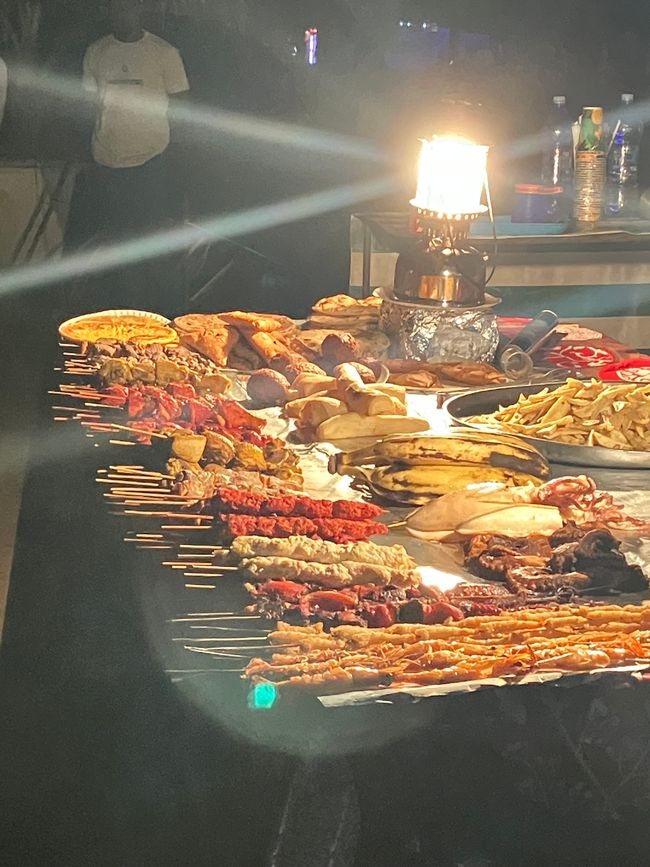
For dinner, we eat at the street food market near the harbor. Grill specialties are the absolute focus here.
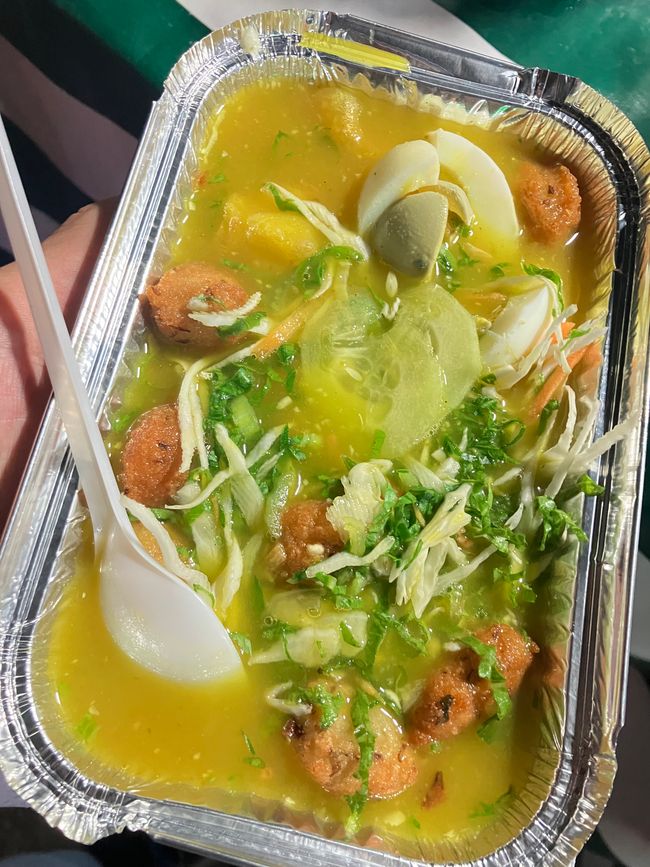
We try the vegetarian version of a local specialty: Zanzibar Mix or Urojo soup contains among other things potatoes, mango, and special spices. 😋
After a few days in Stone Town, we want to explore the beaches in the north of the island next.