
27.05.2026
After a good breakfast, we set off at 8 AM on the road to Broome, heading further north. This is our last stop here in Western Australia before we fly to Darwin. We have 630 km to...

Published: 27.05.2026
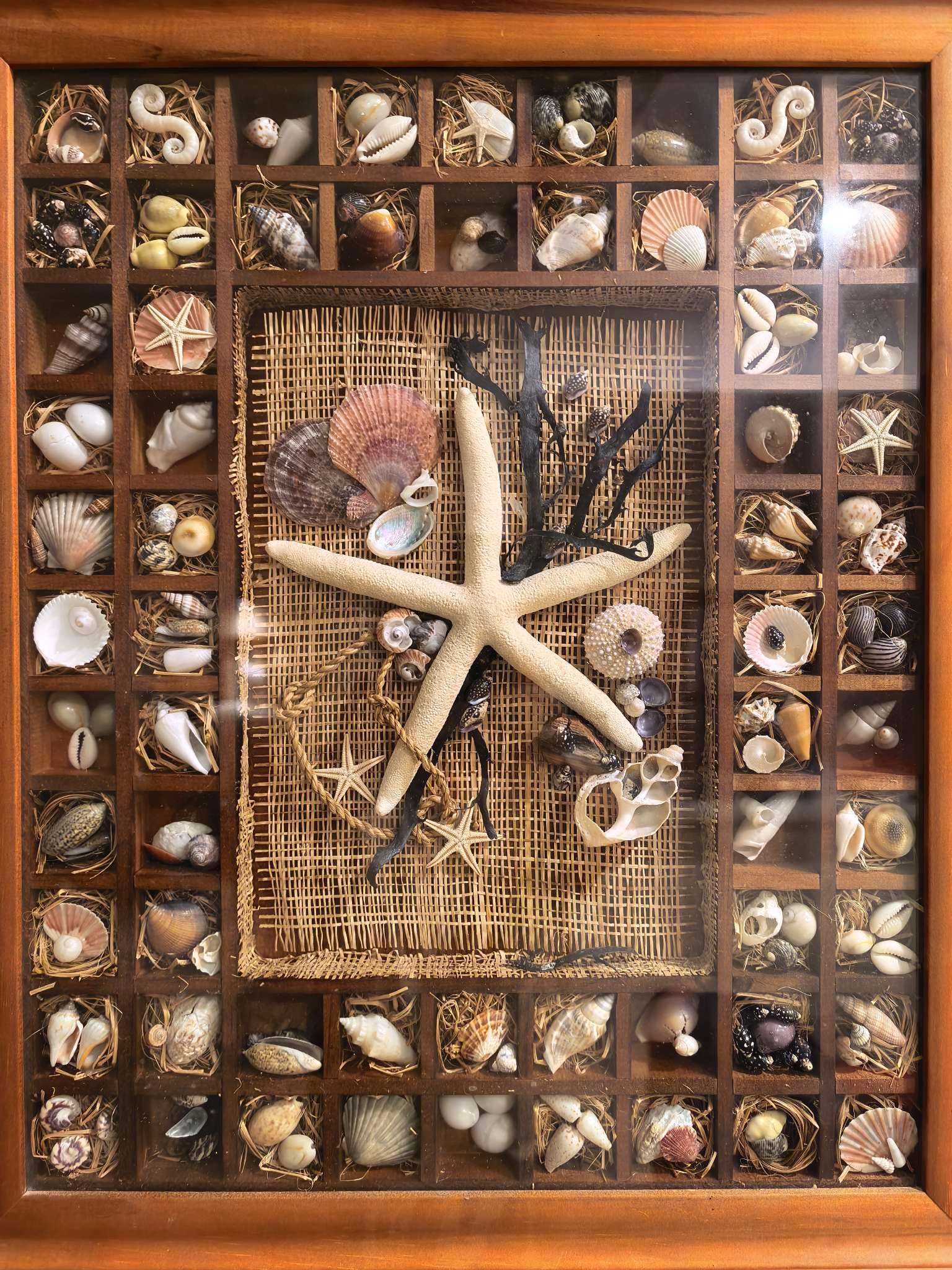
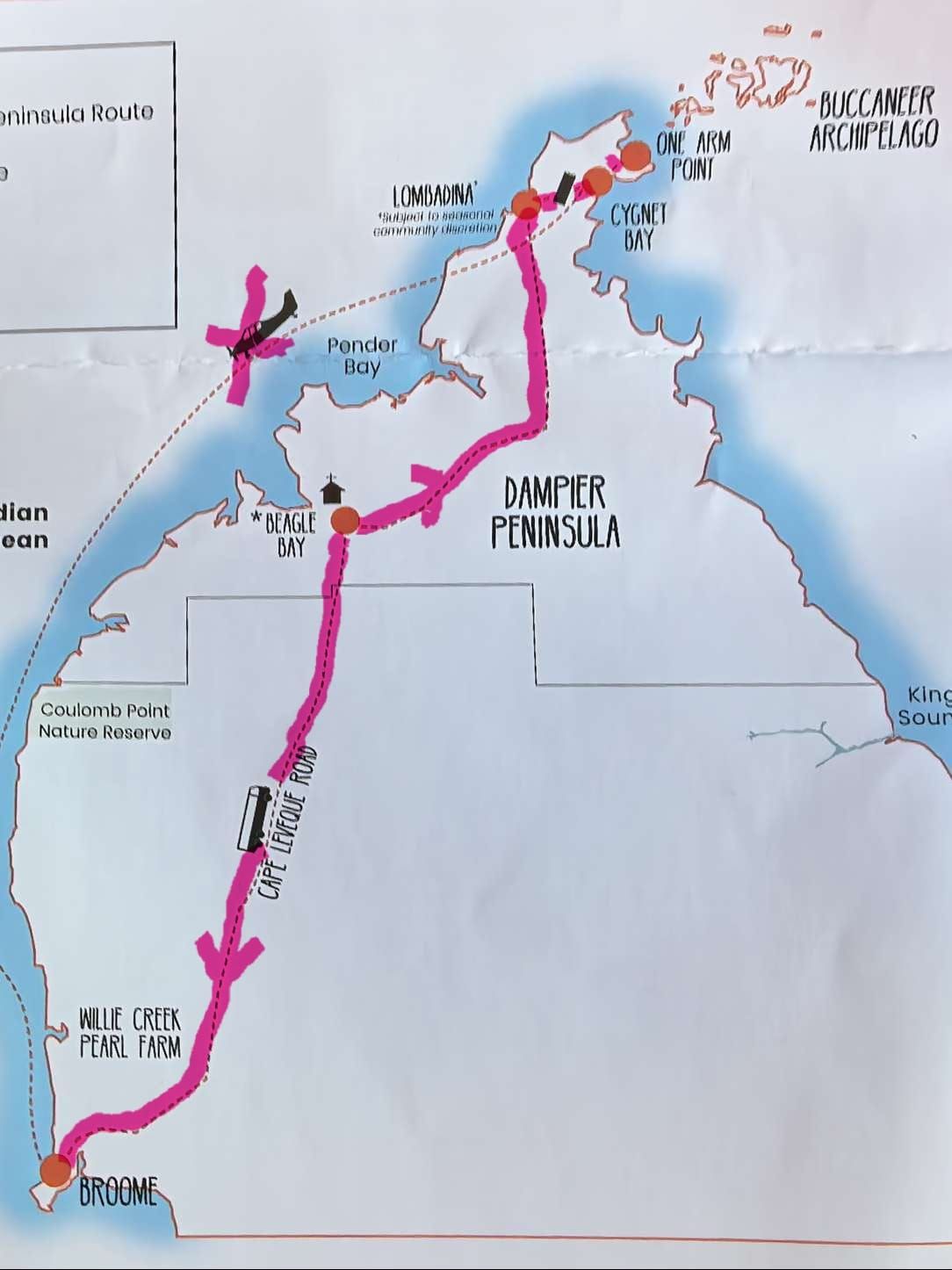
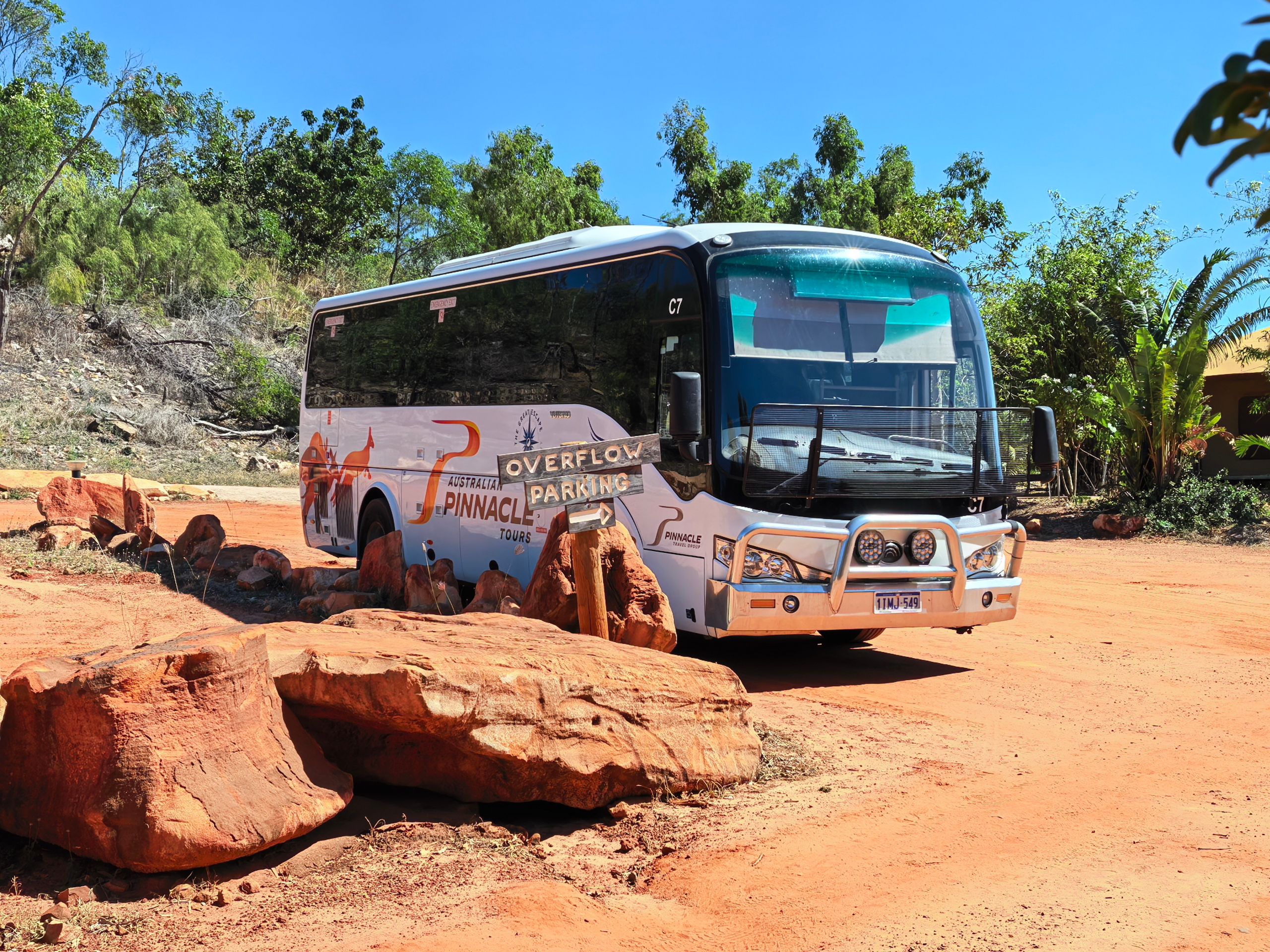
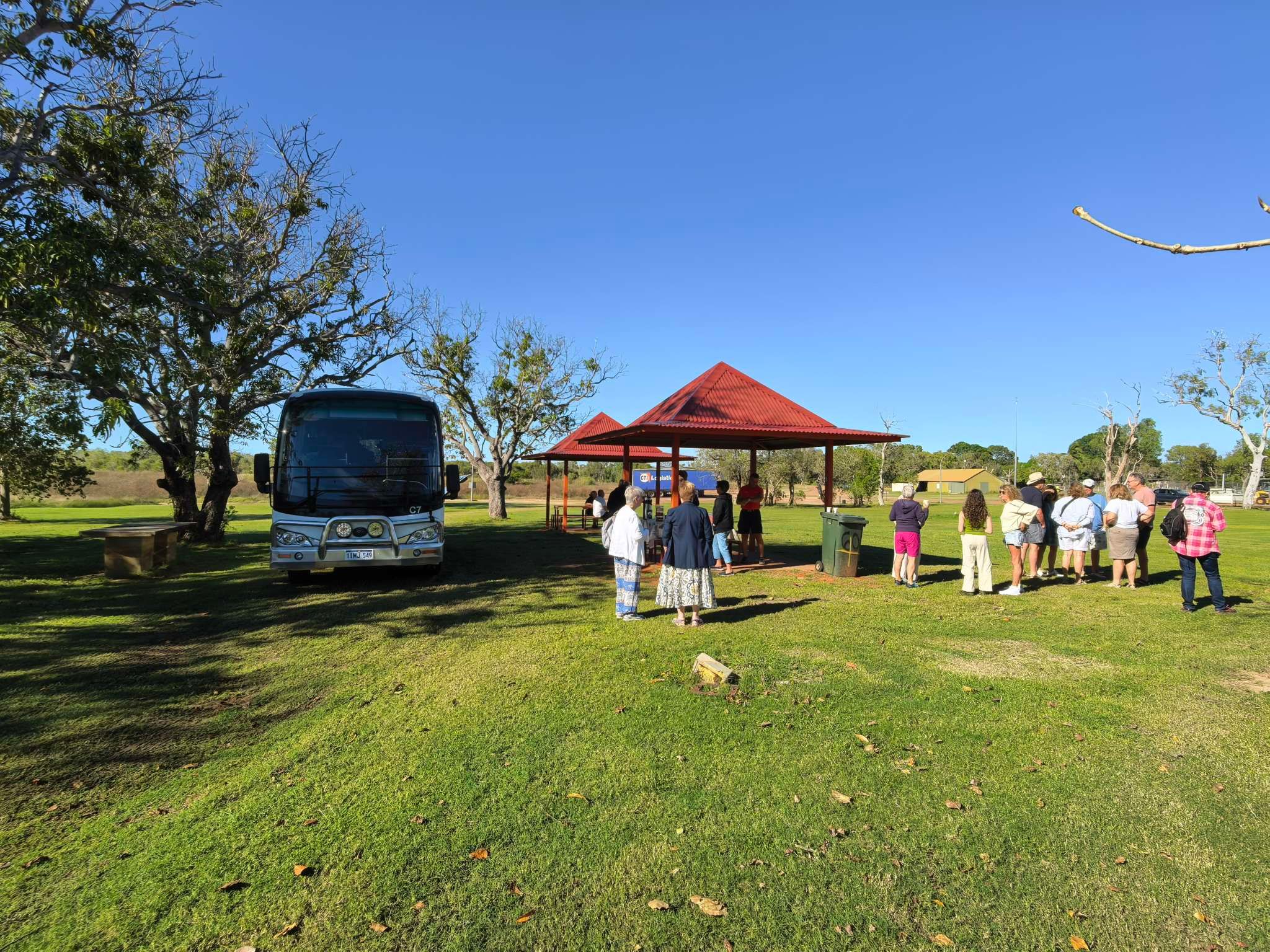
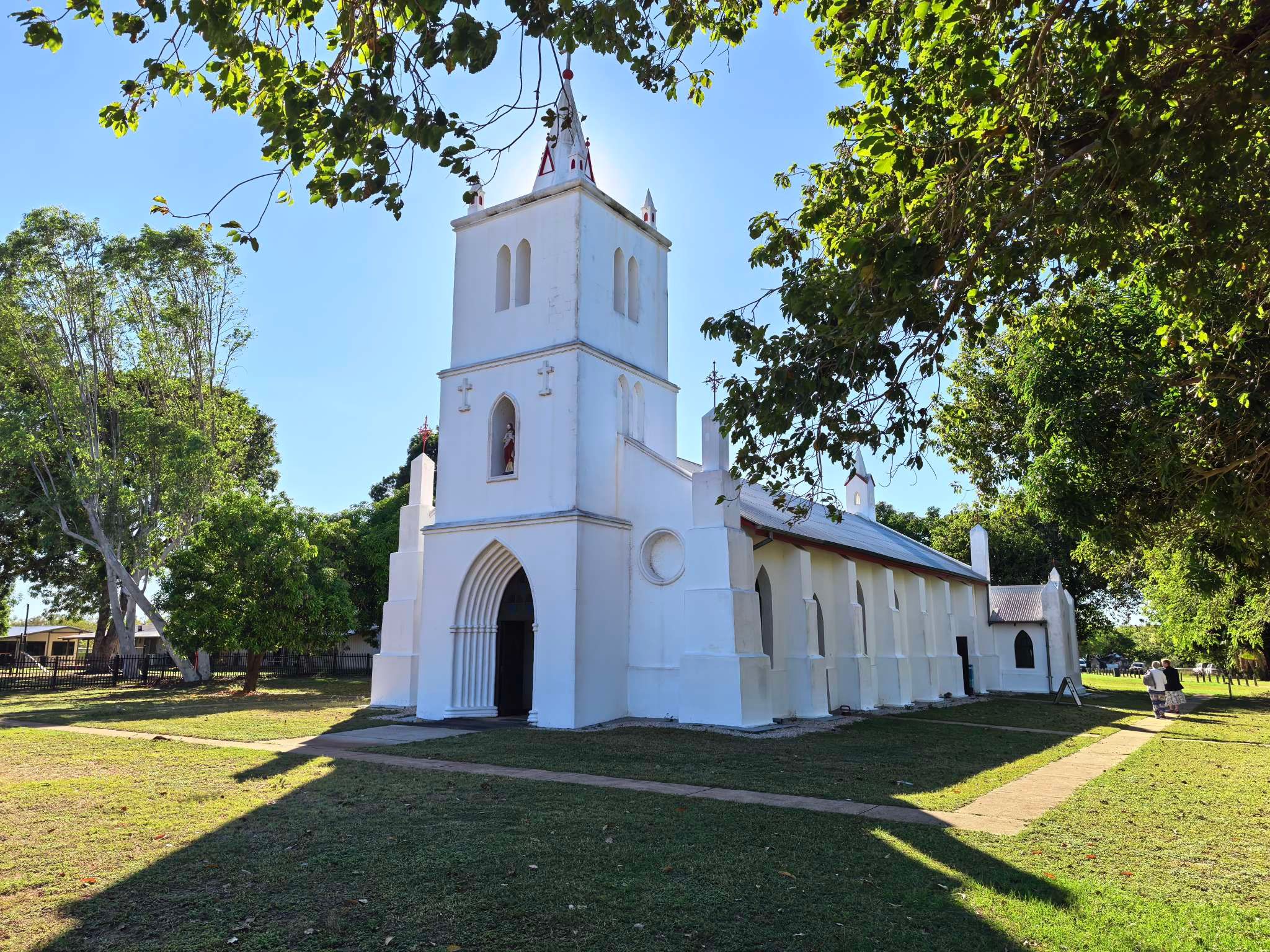
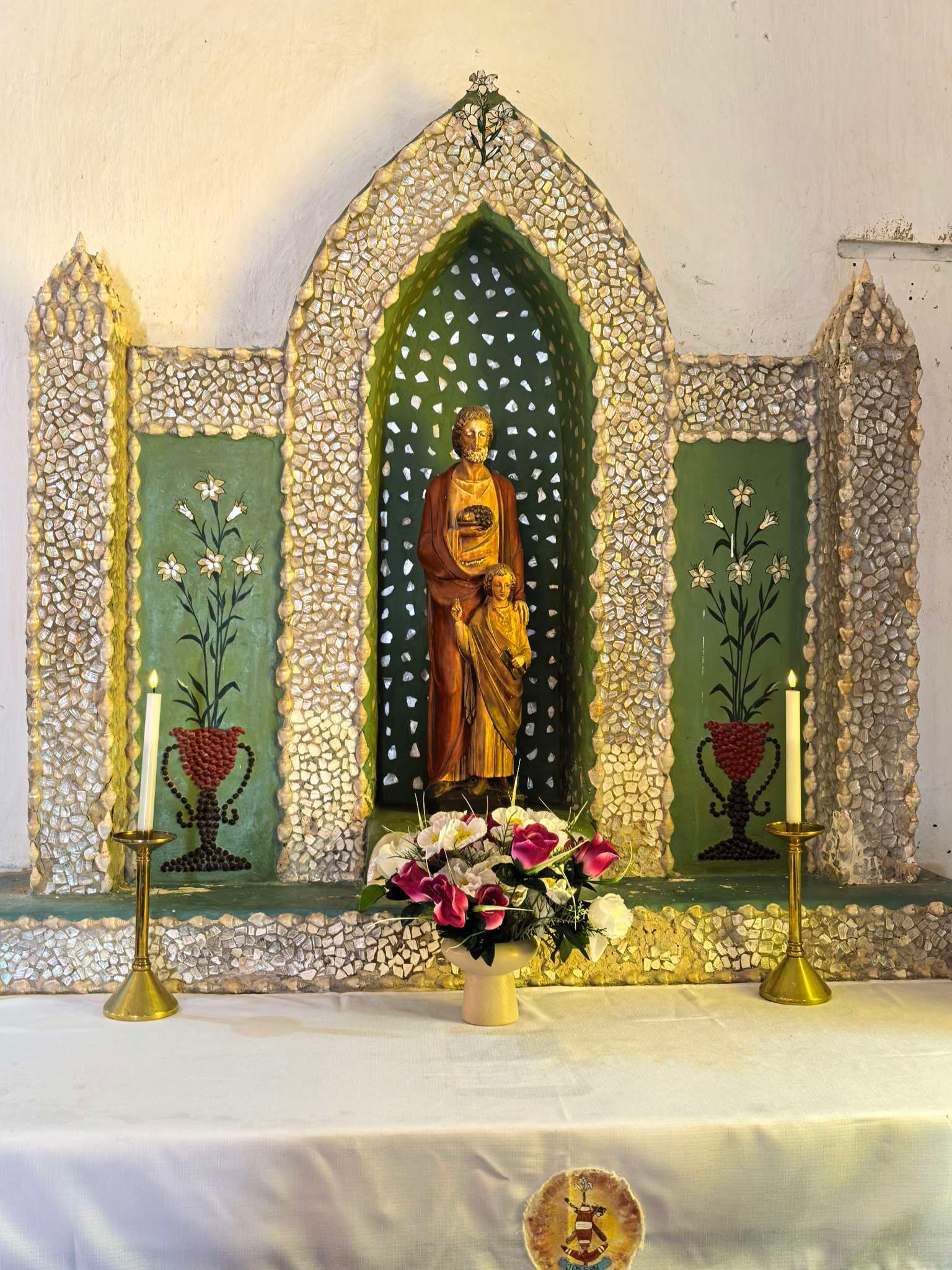
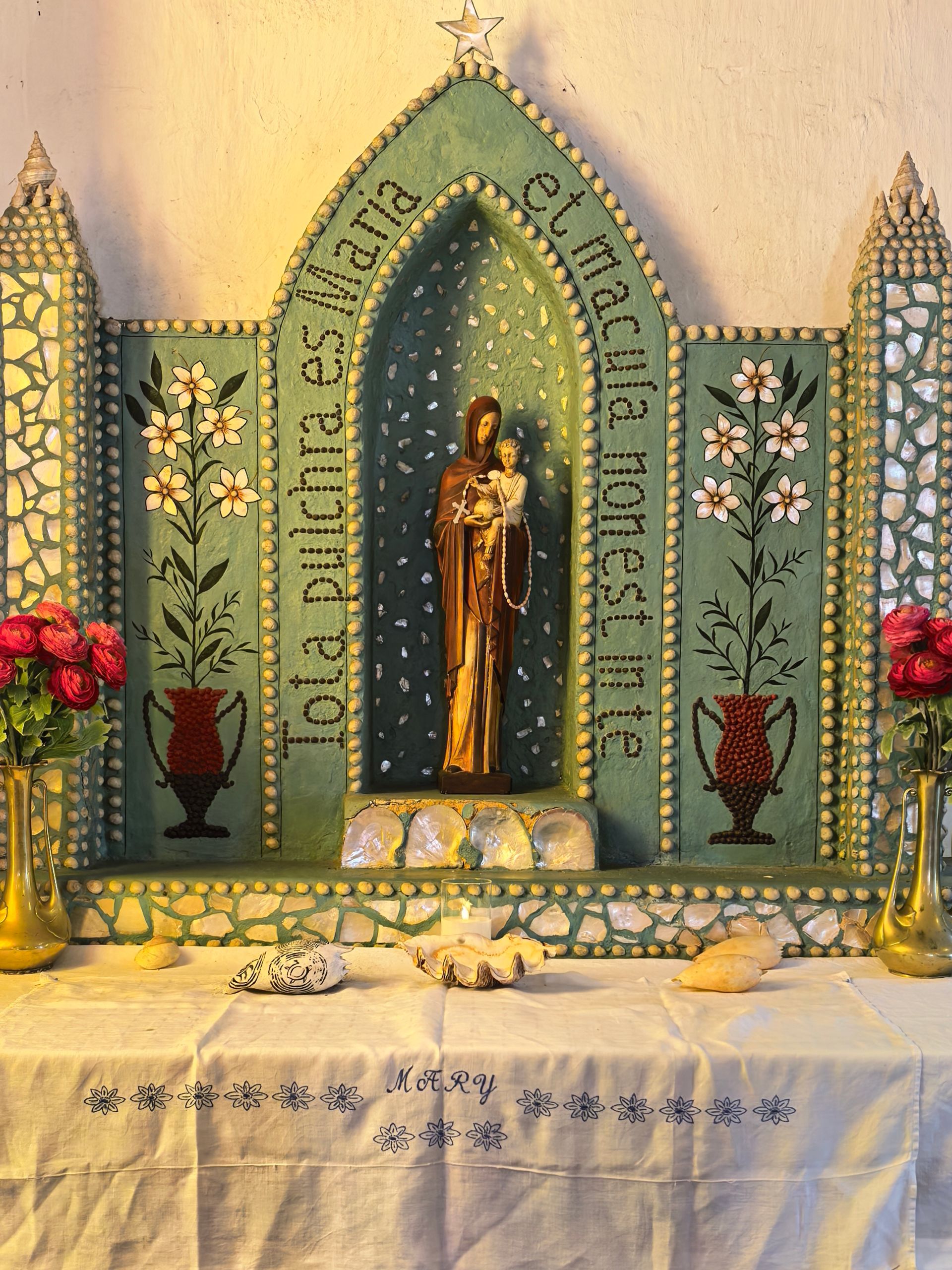
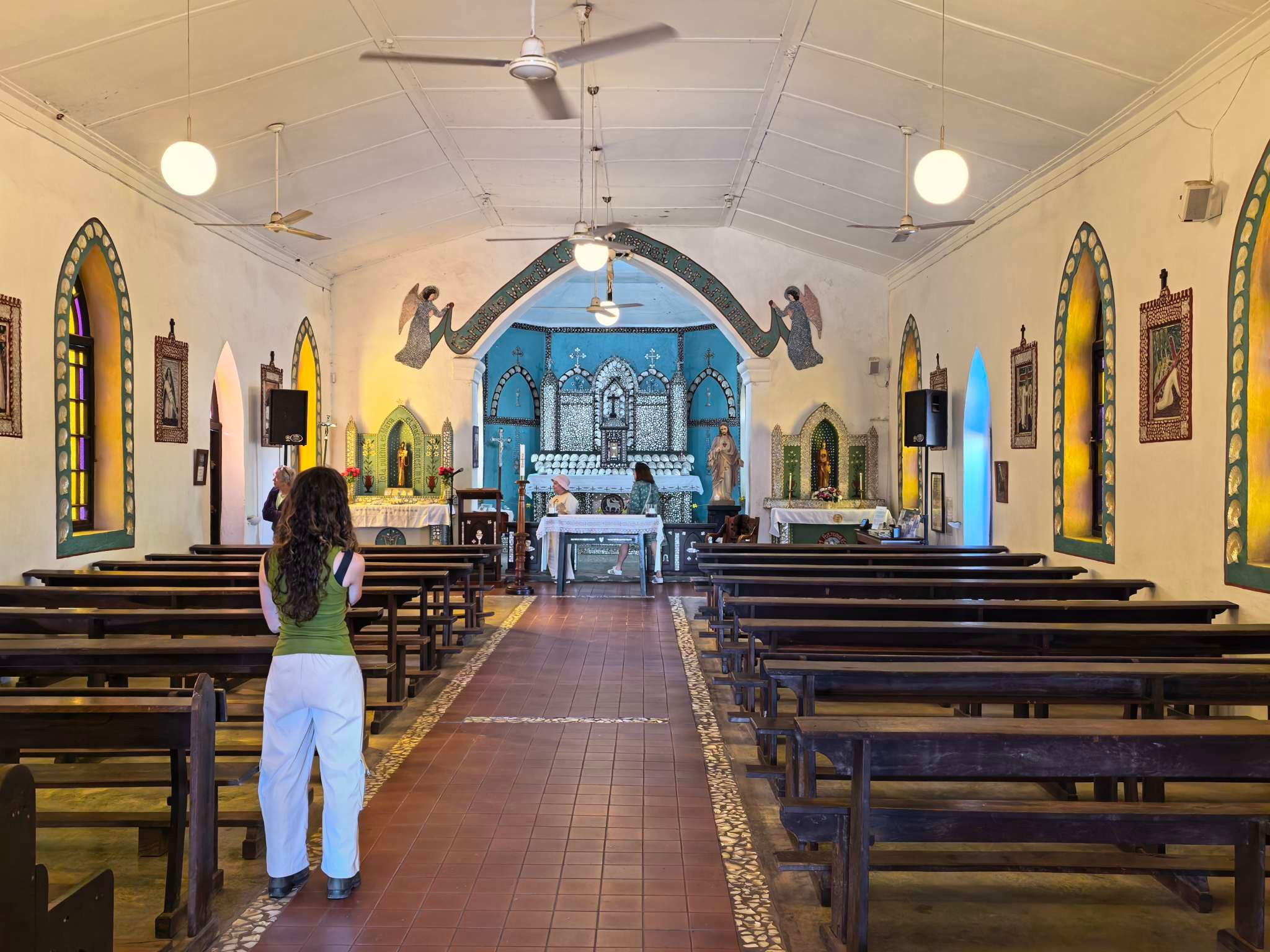
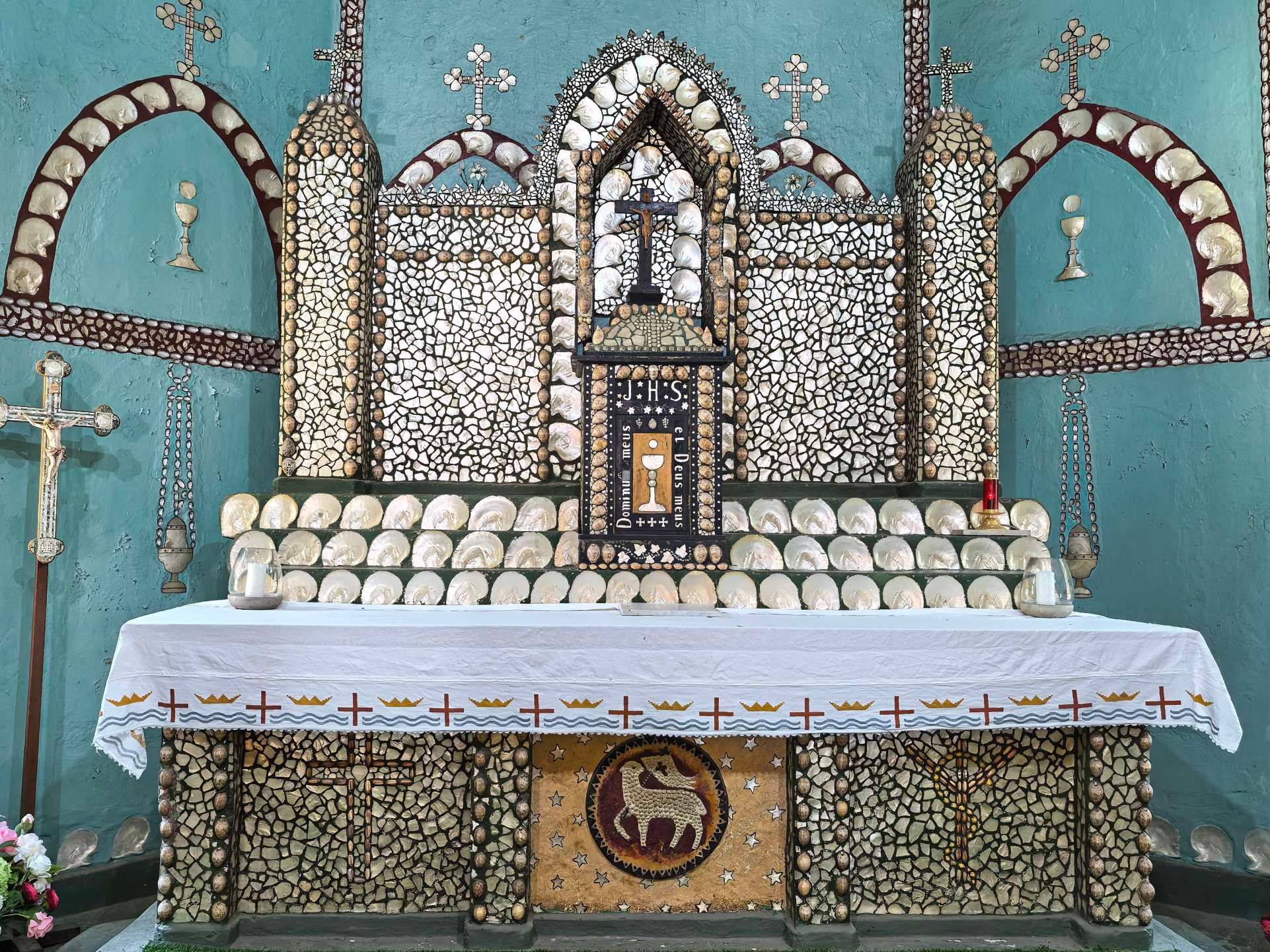
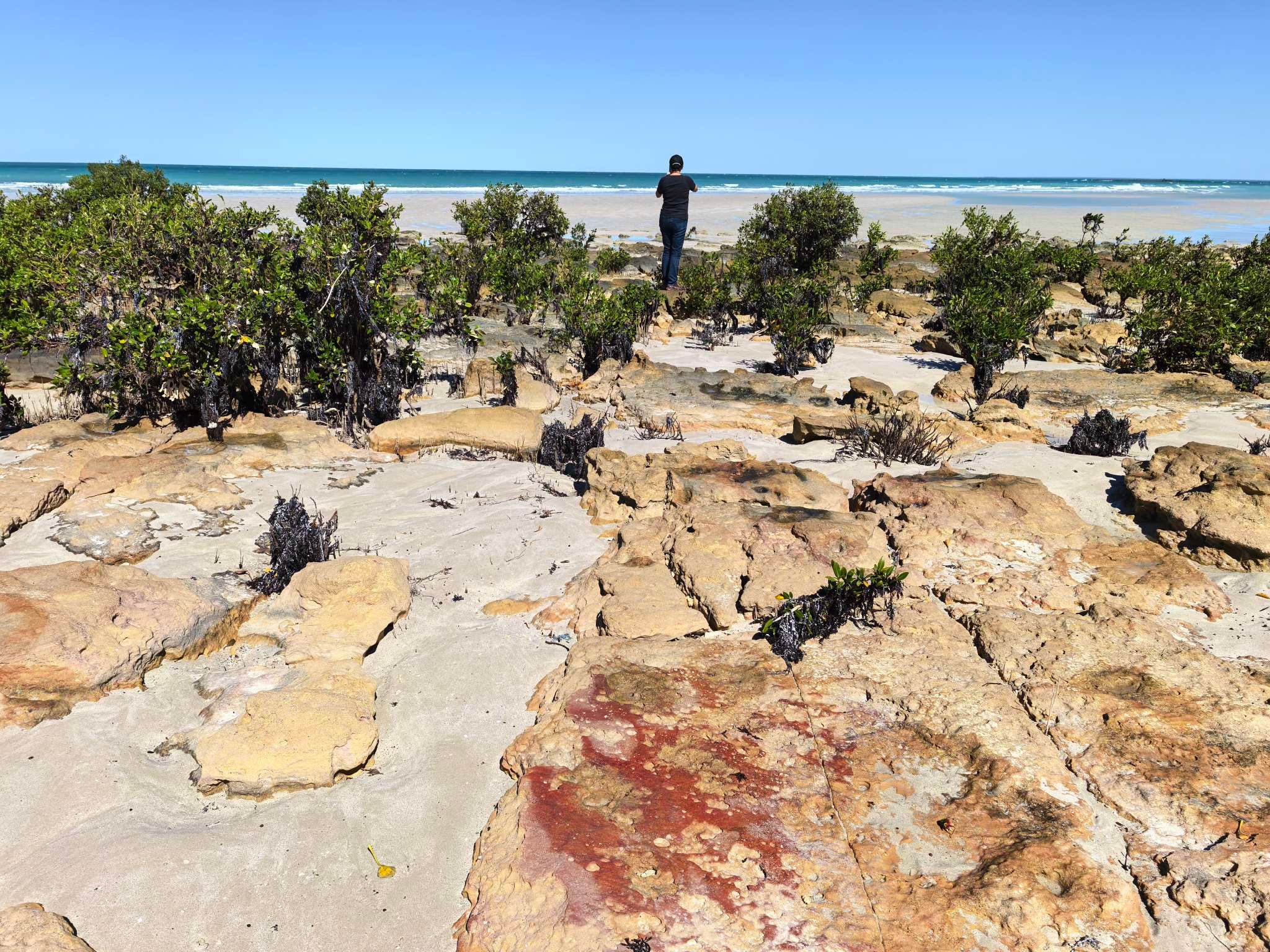
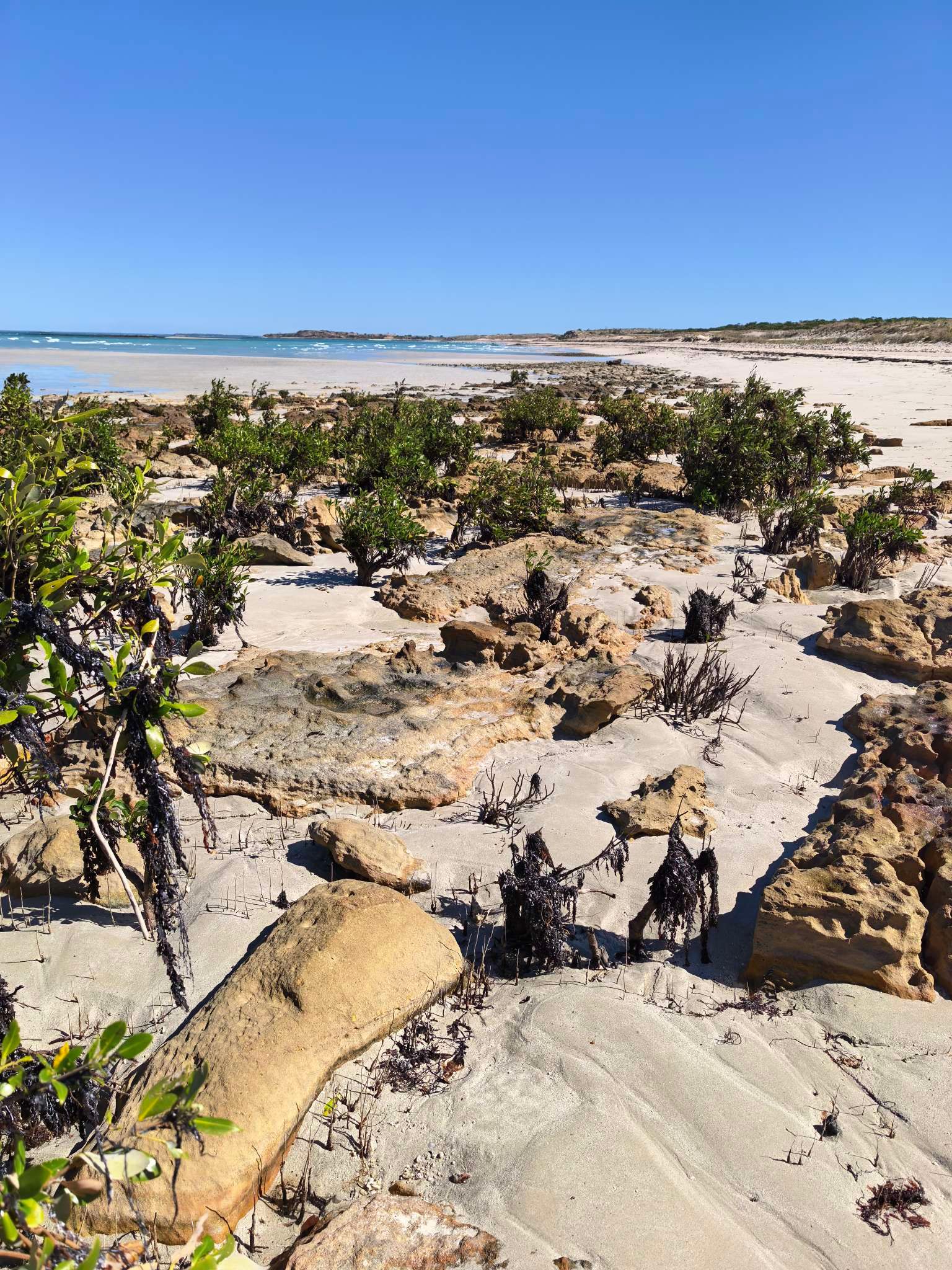
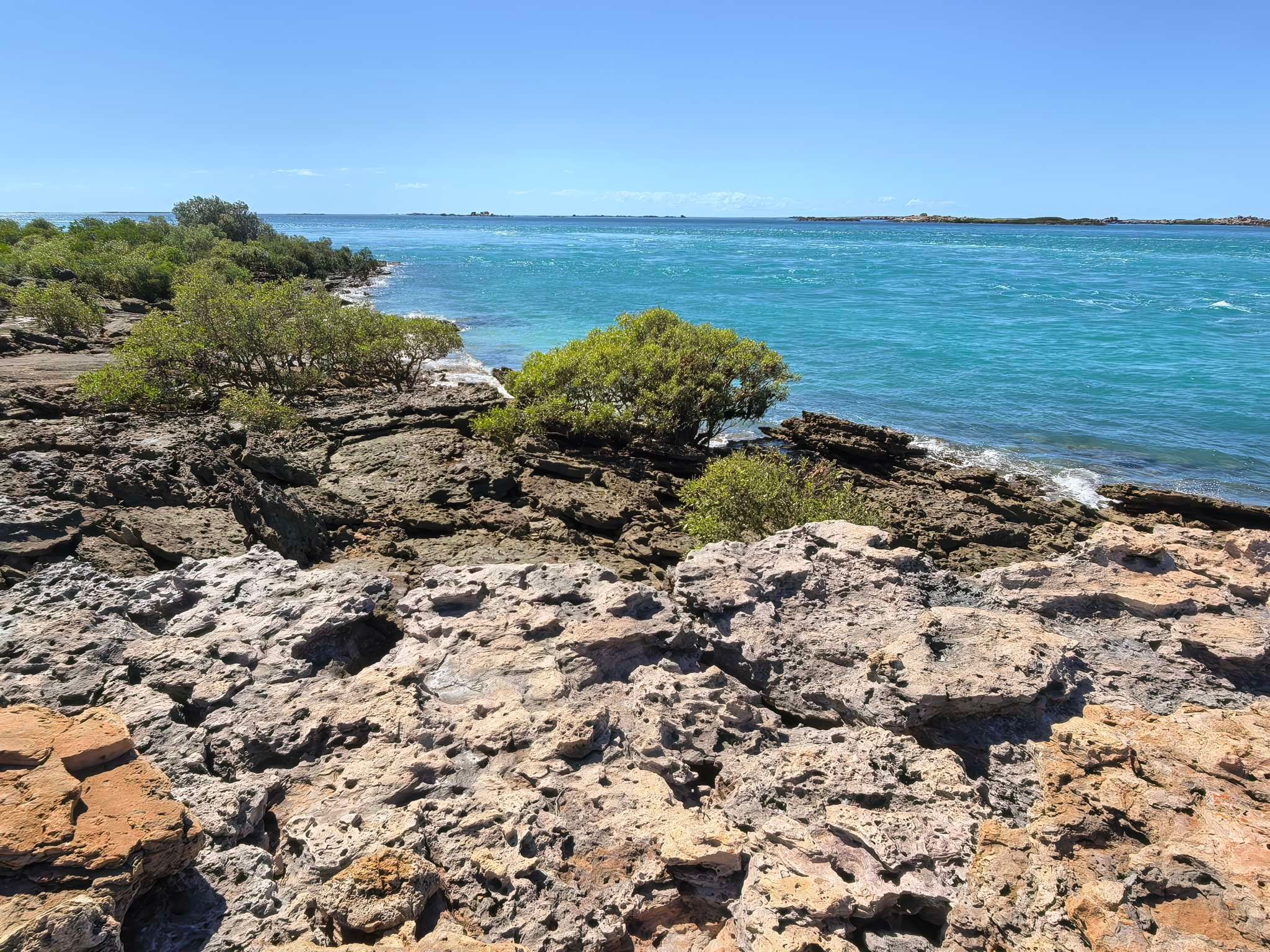
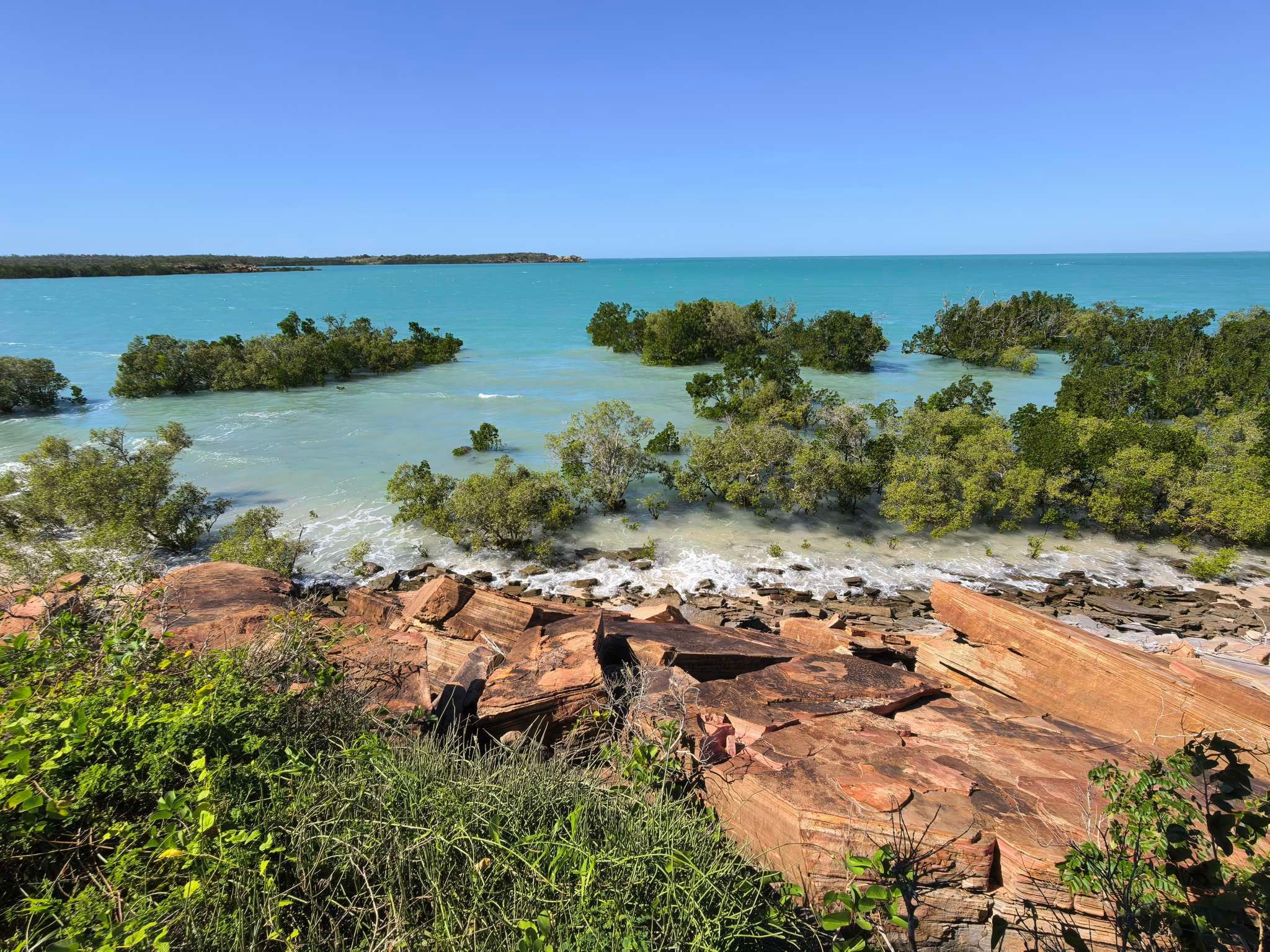
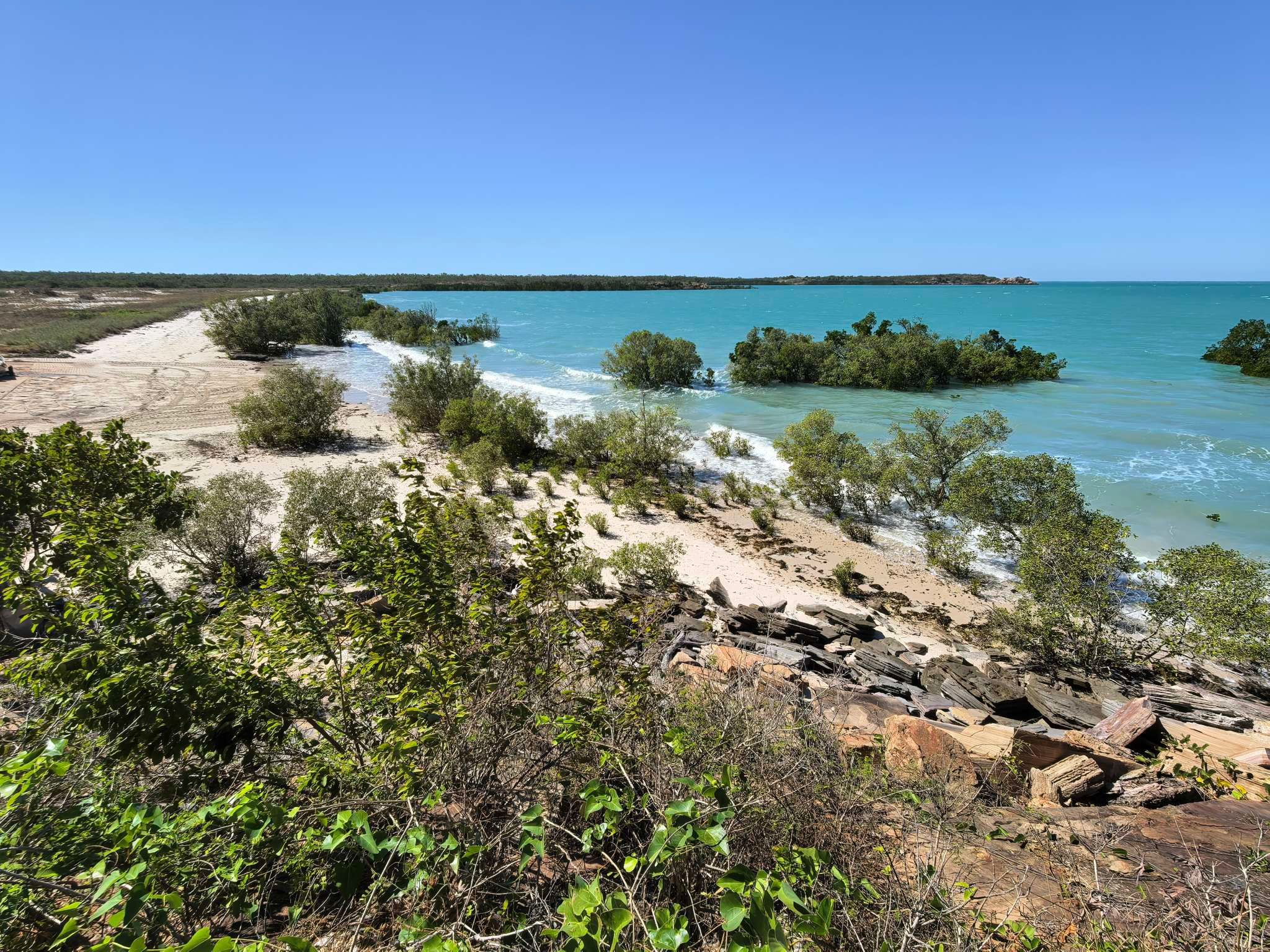
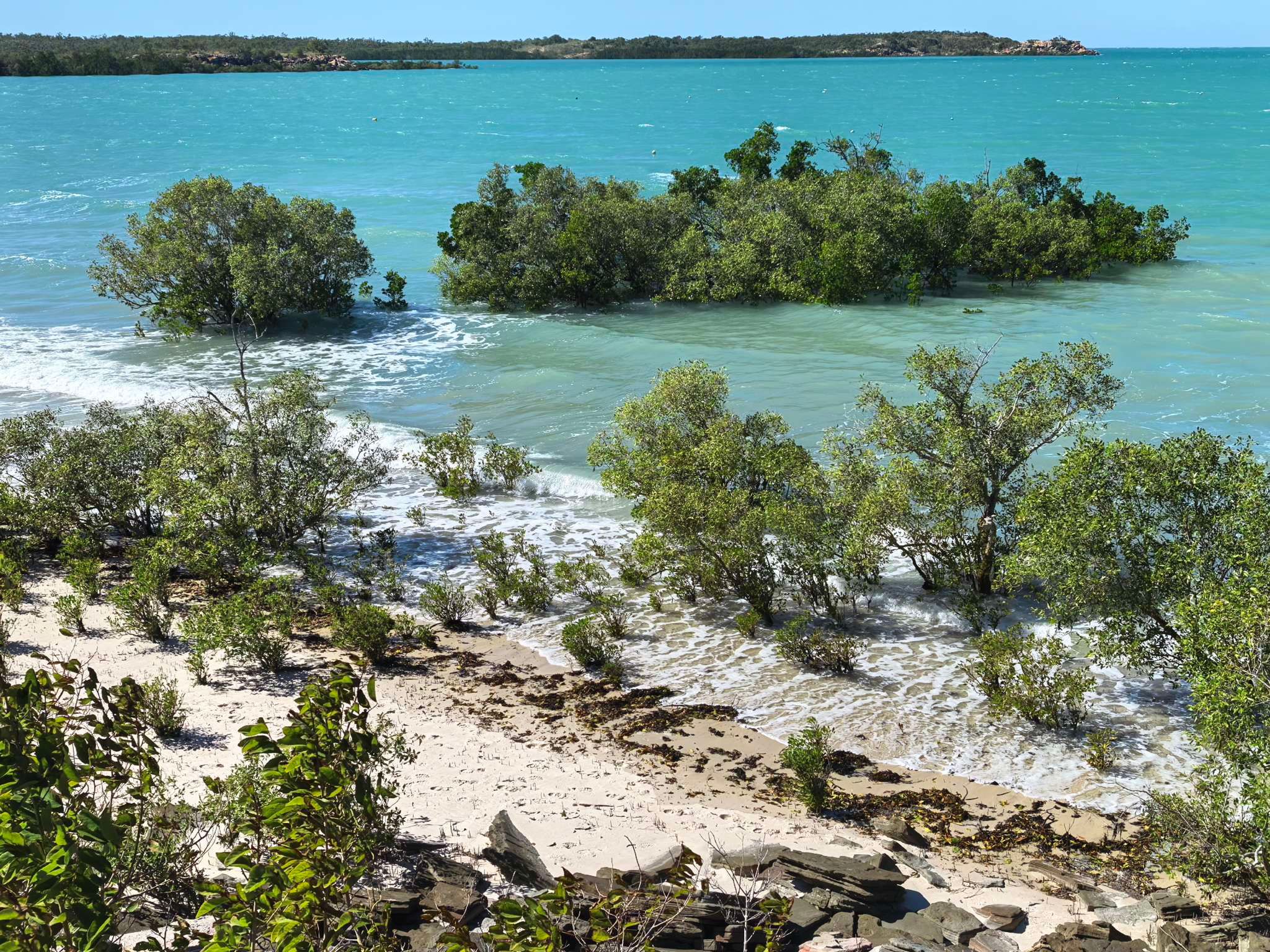
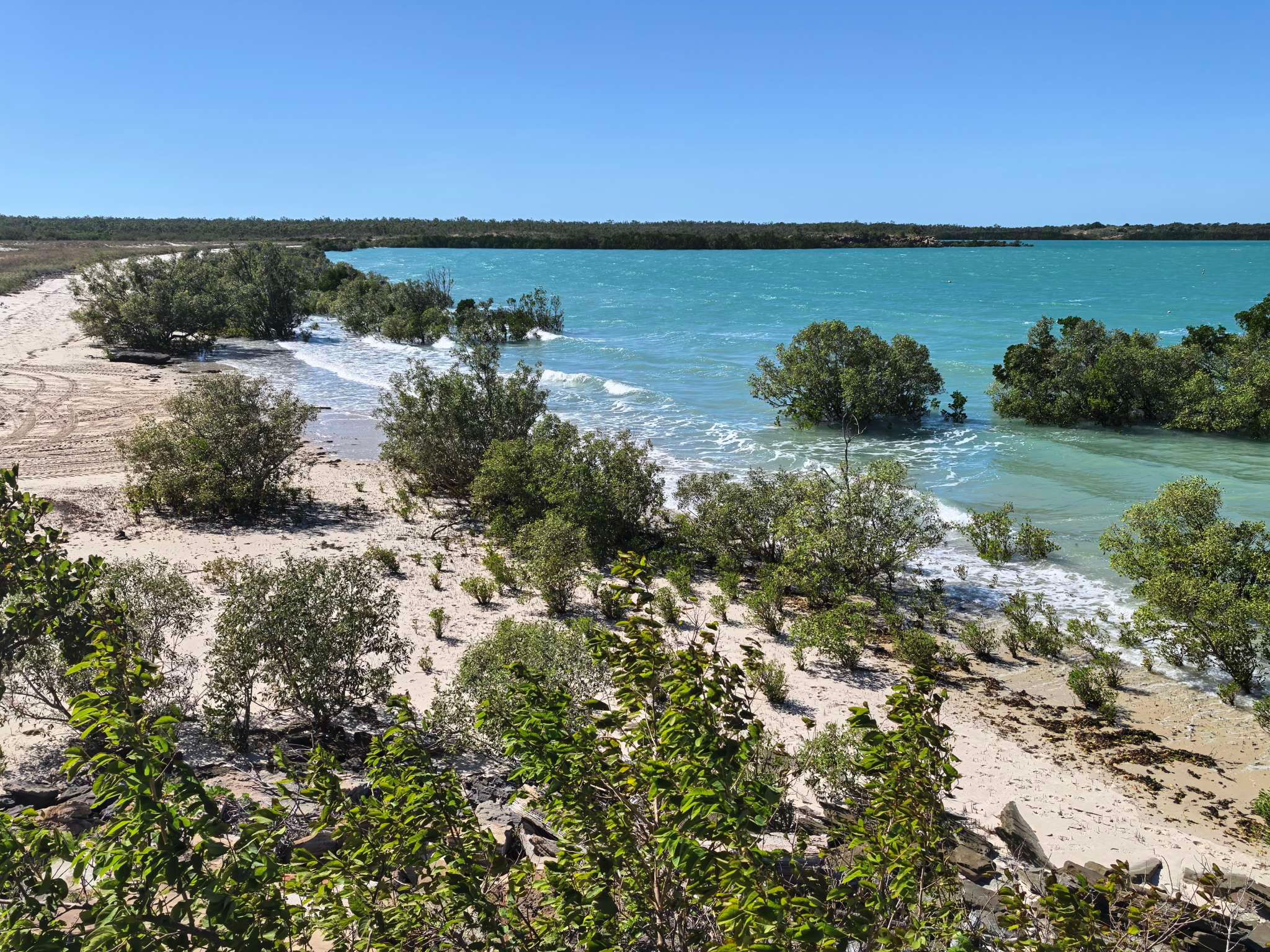
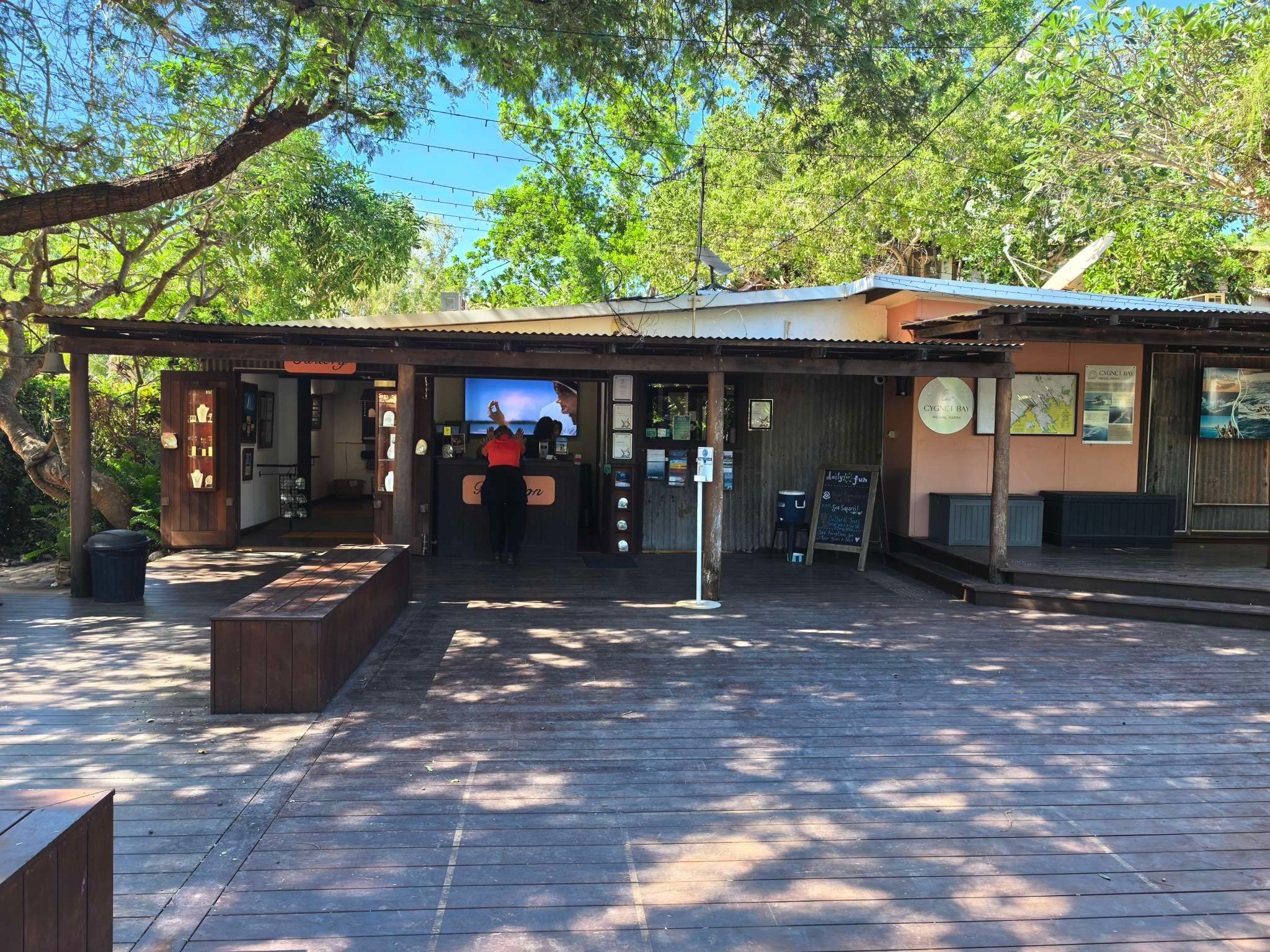
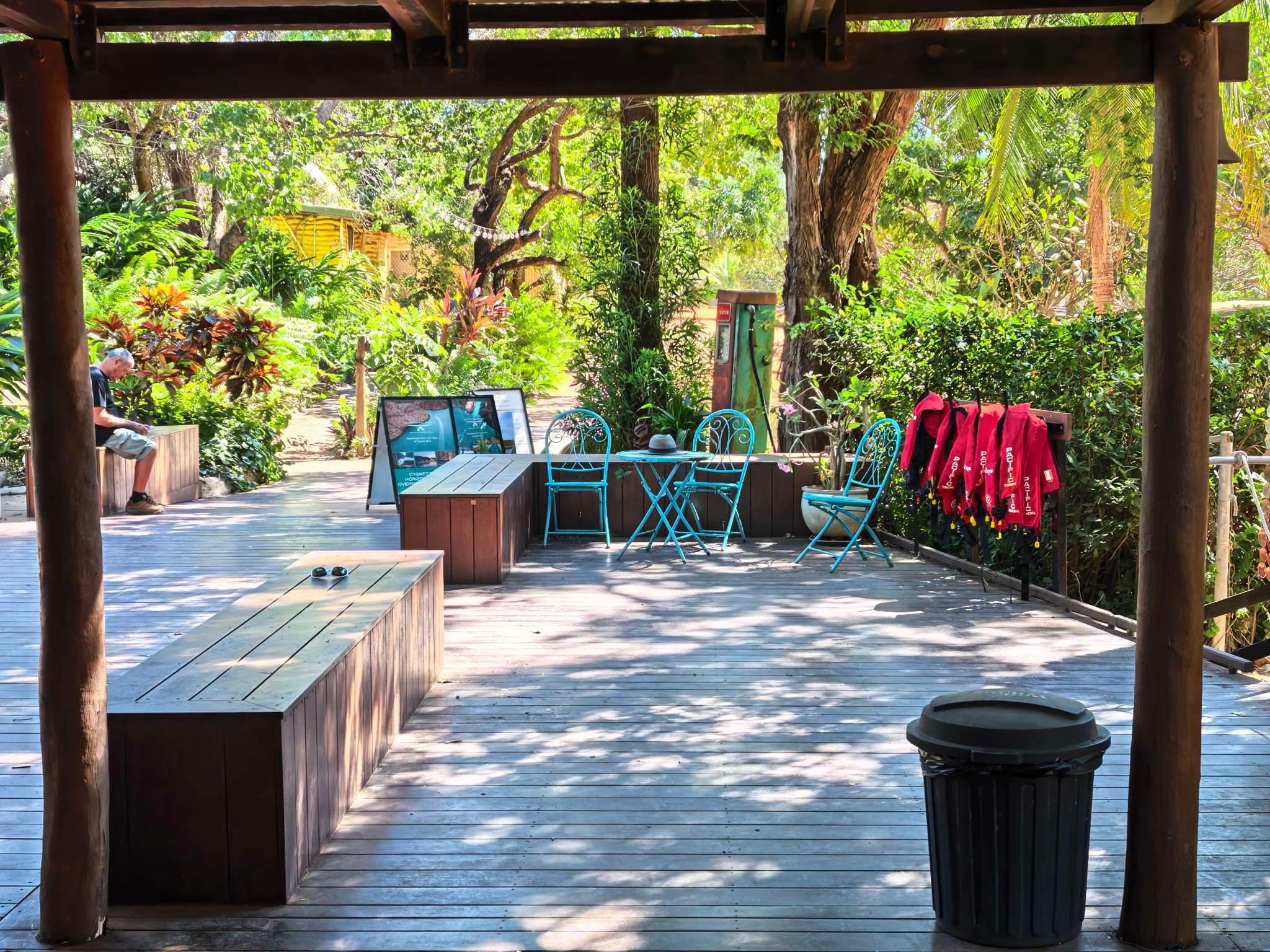
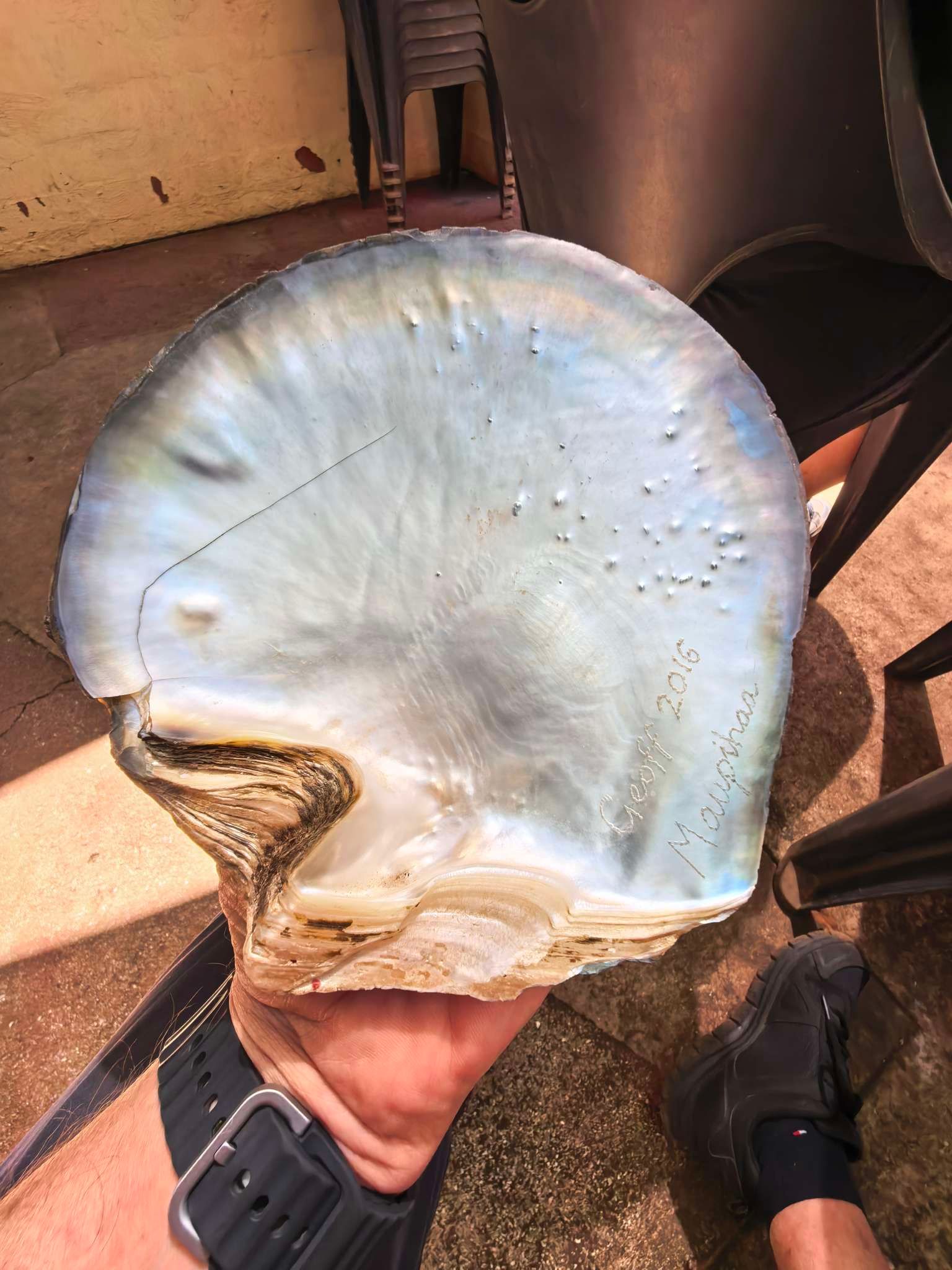
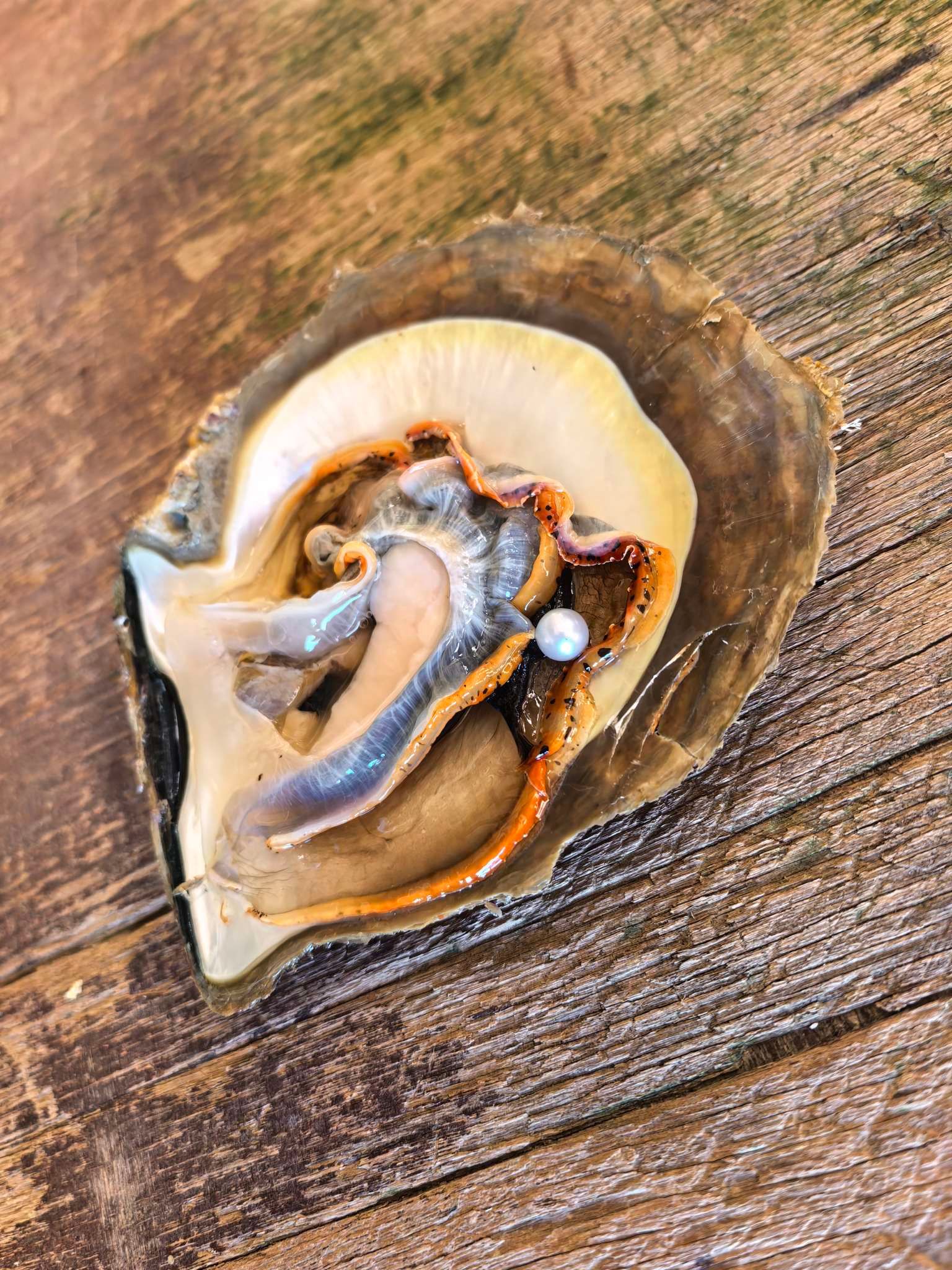
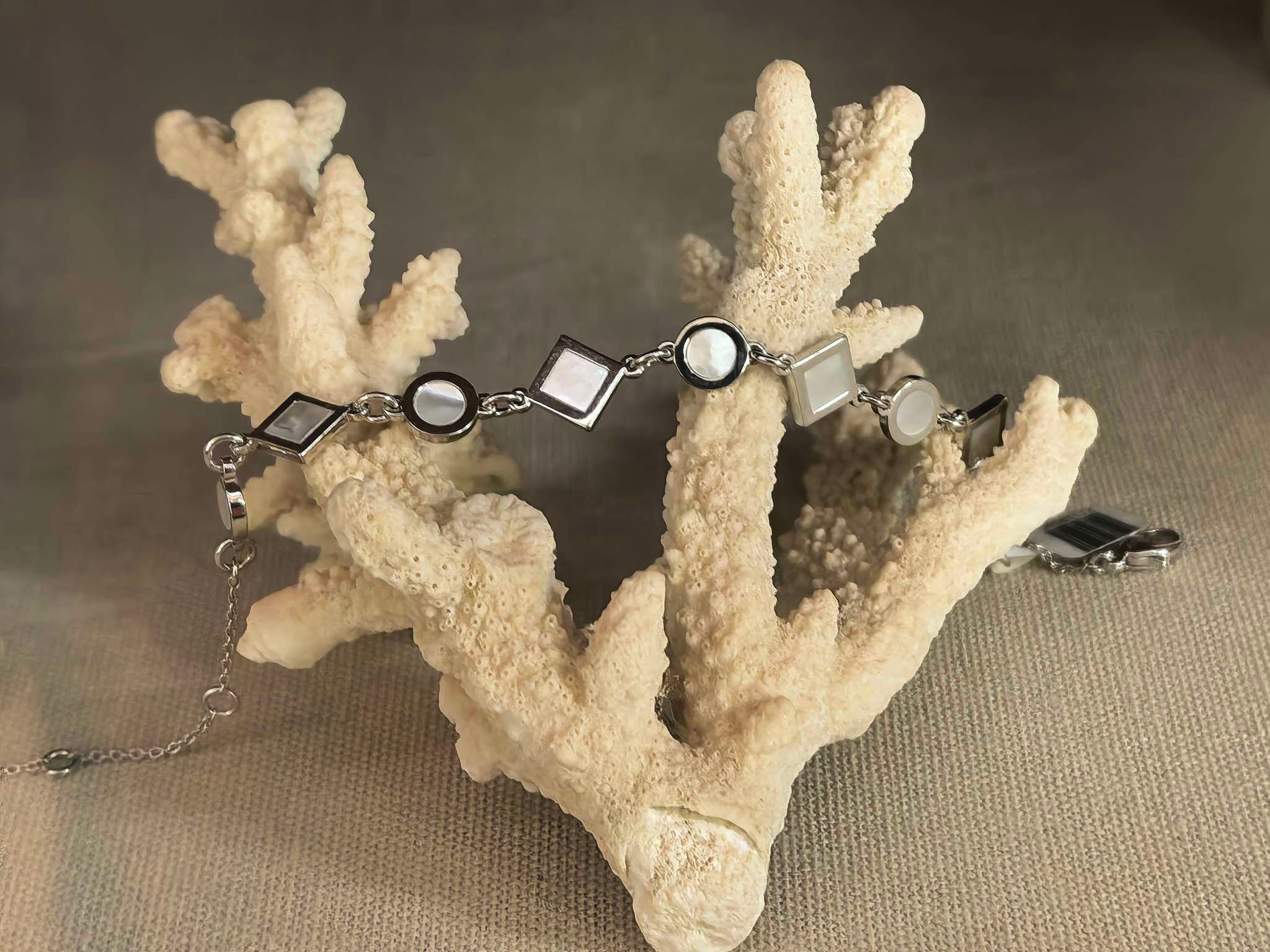
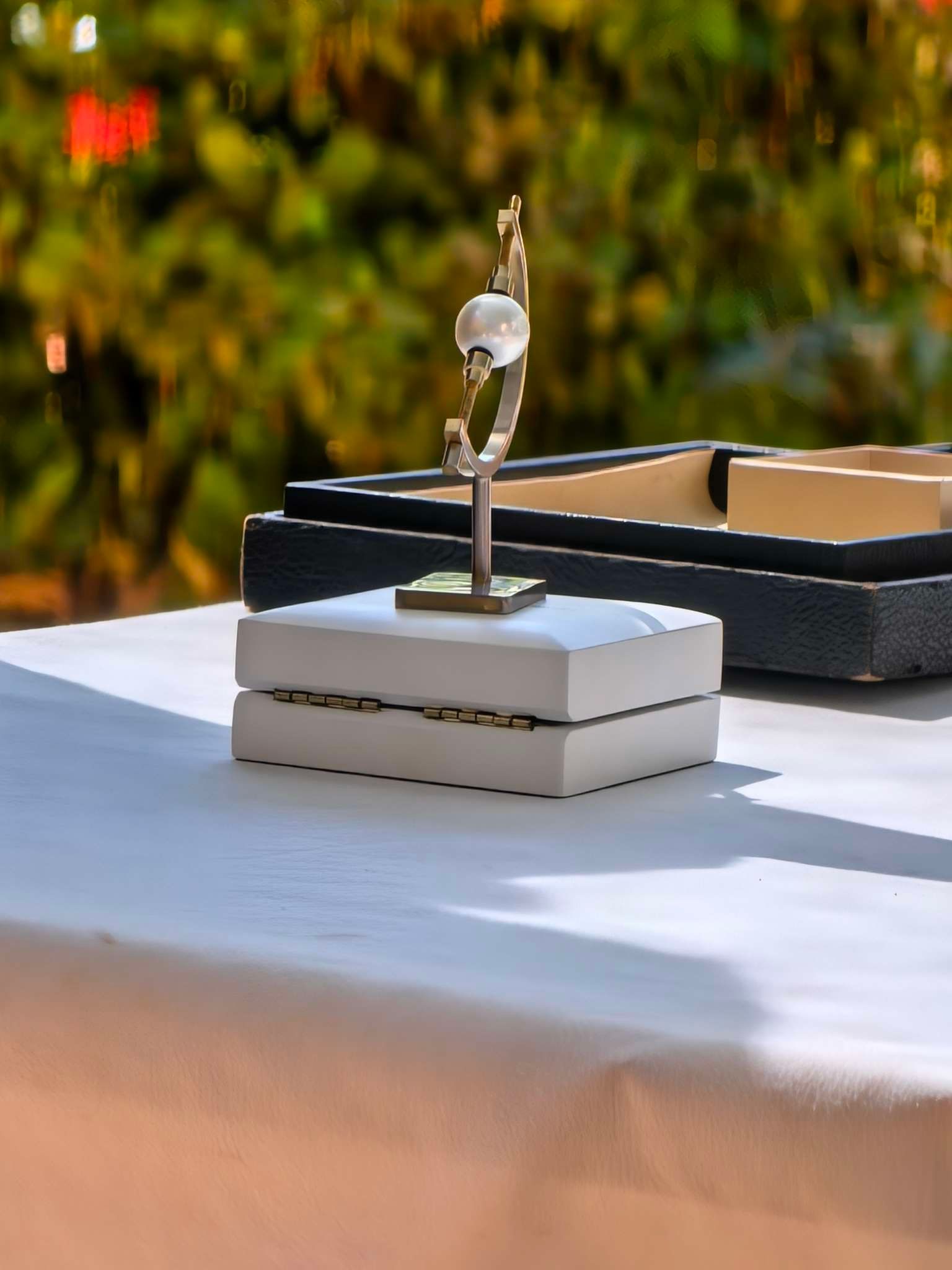
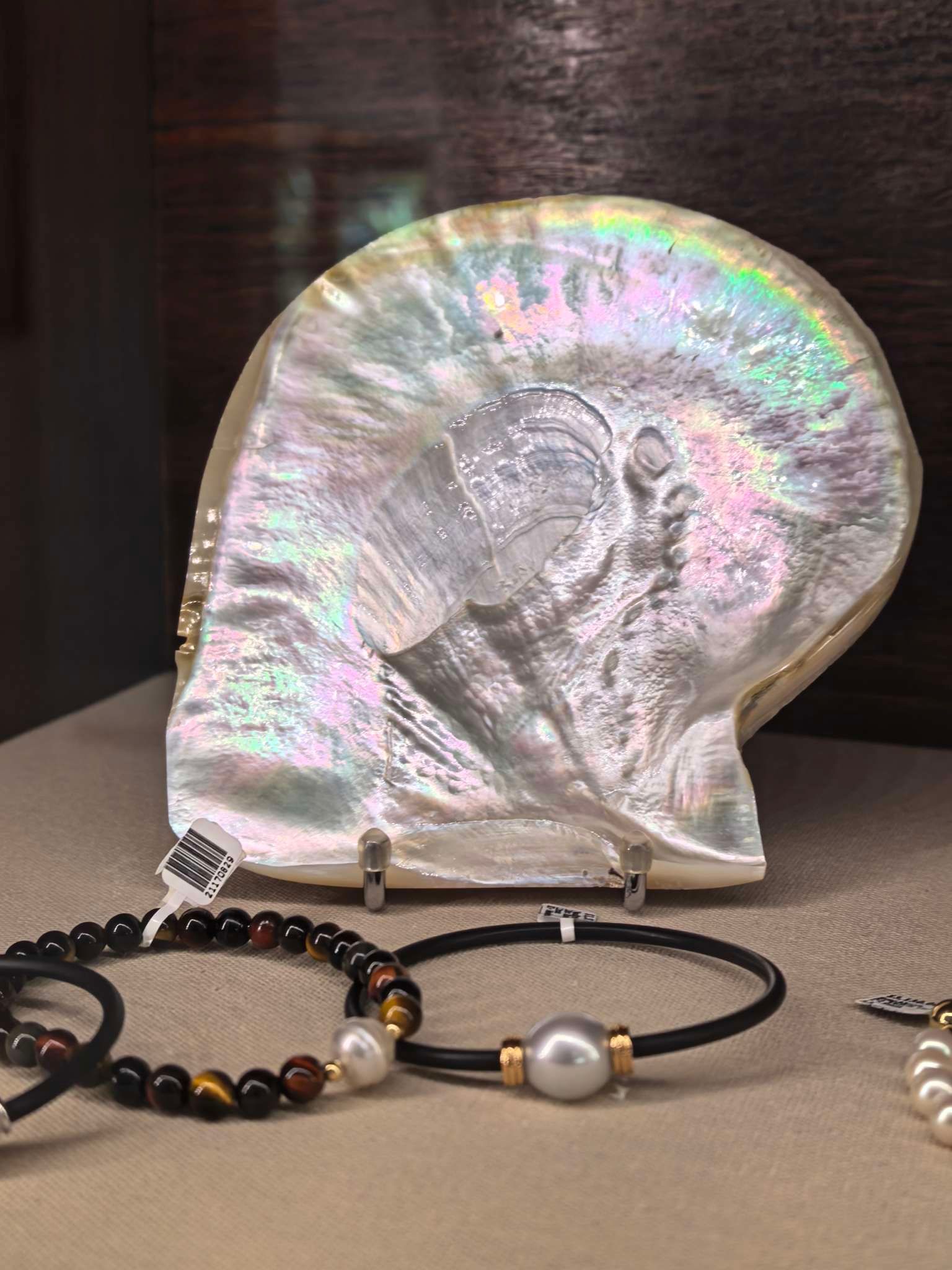
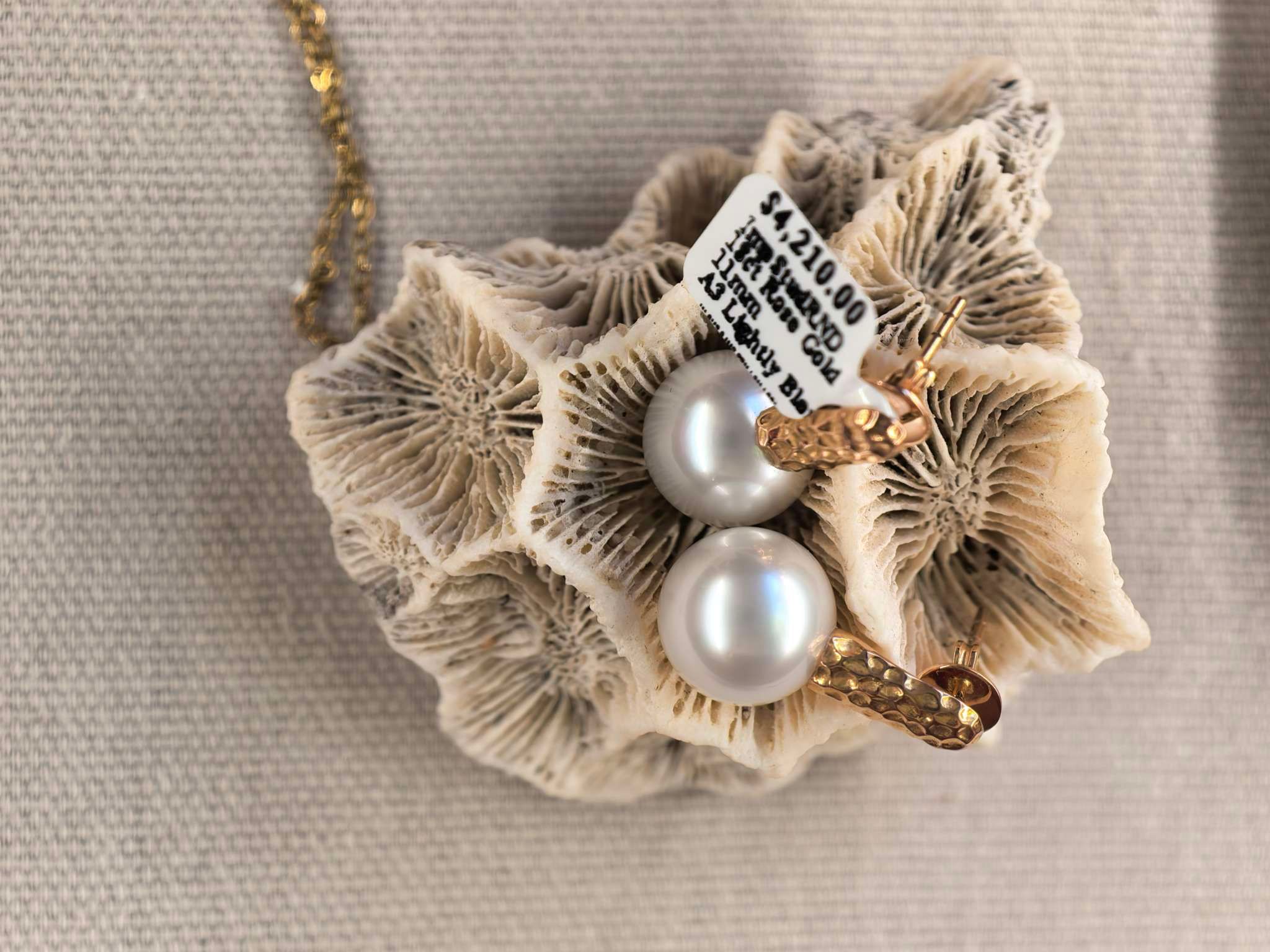
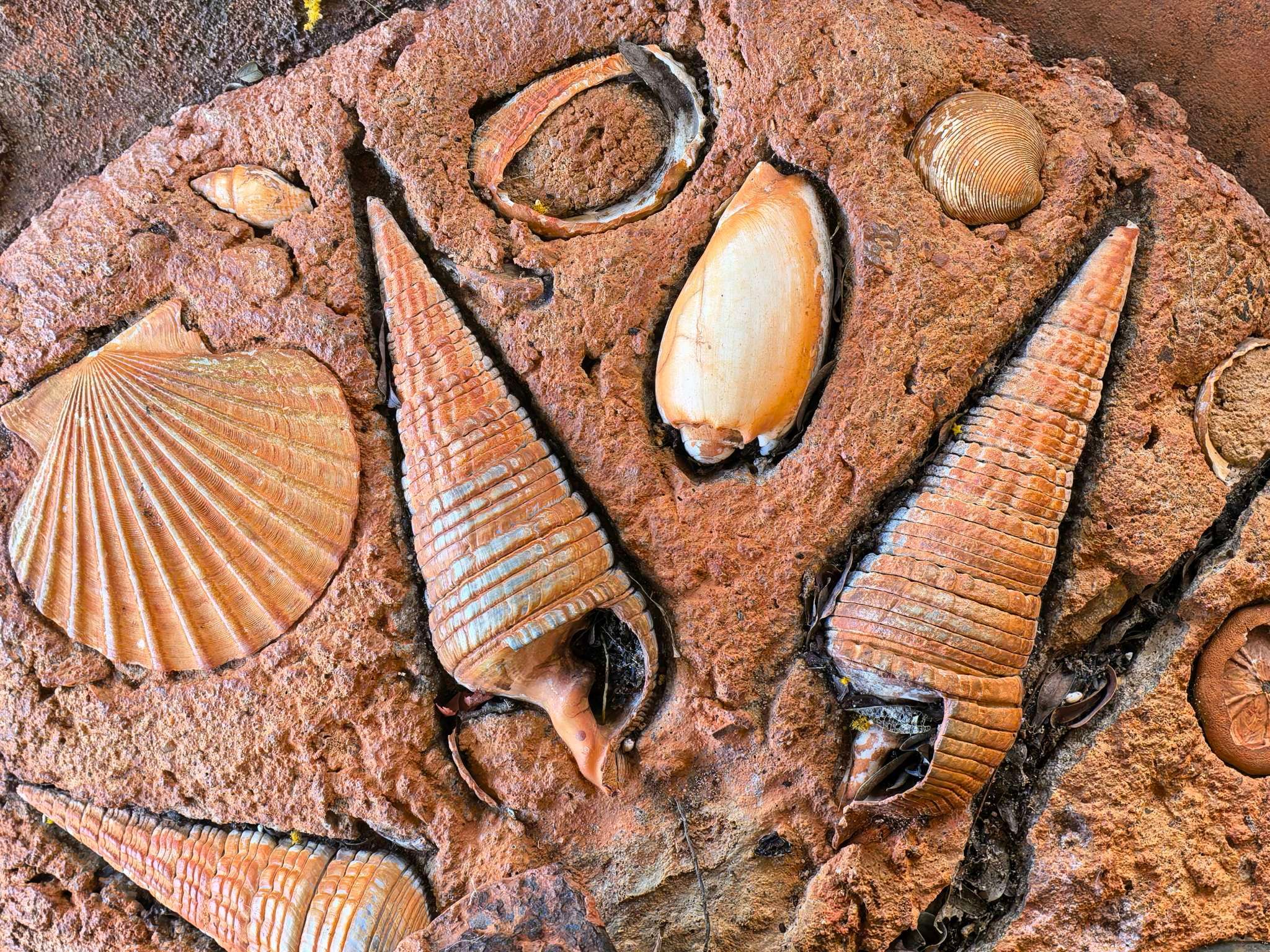
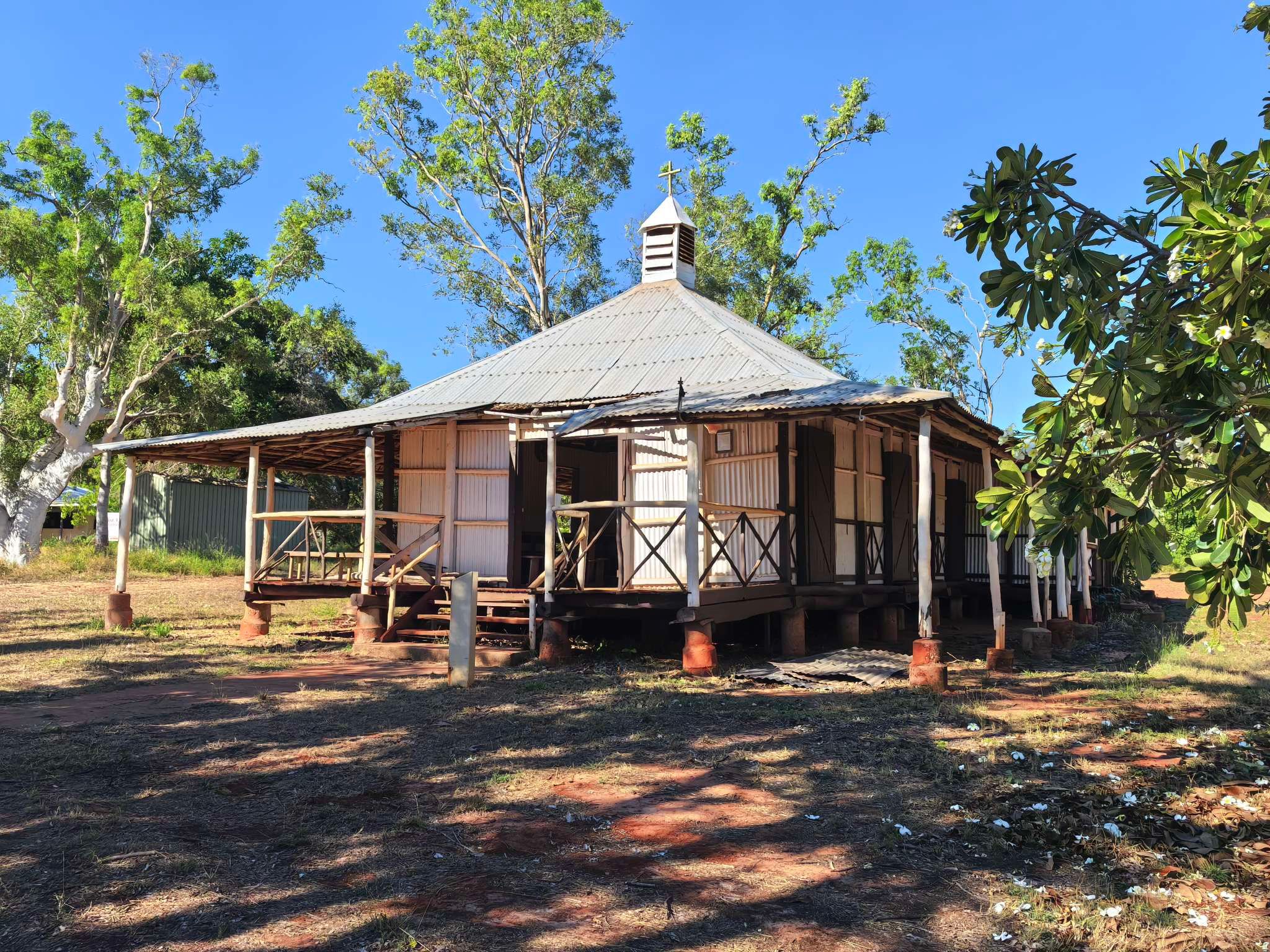
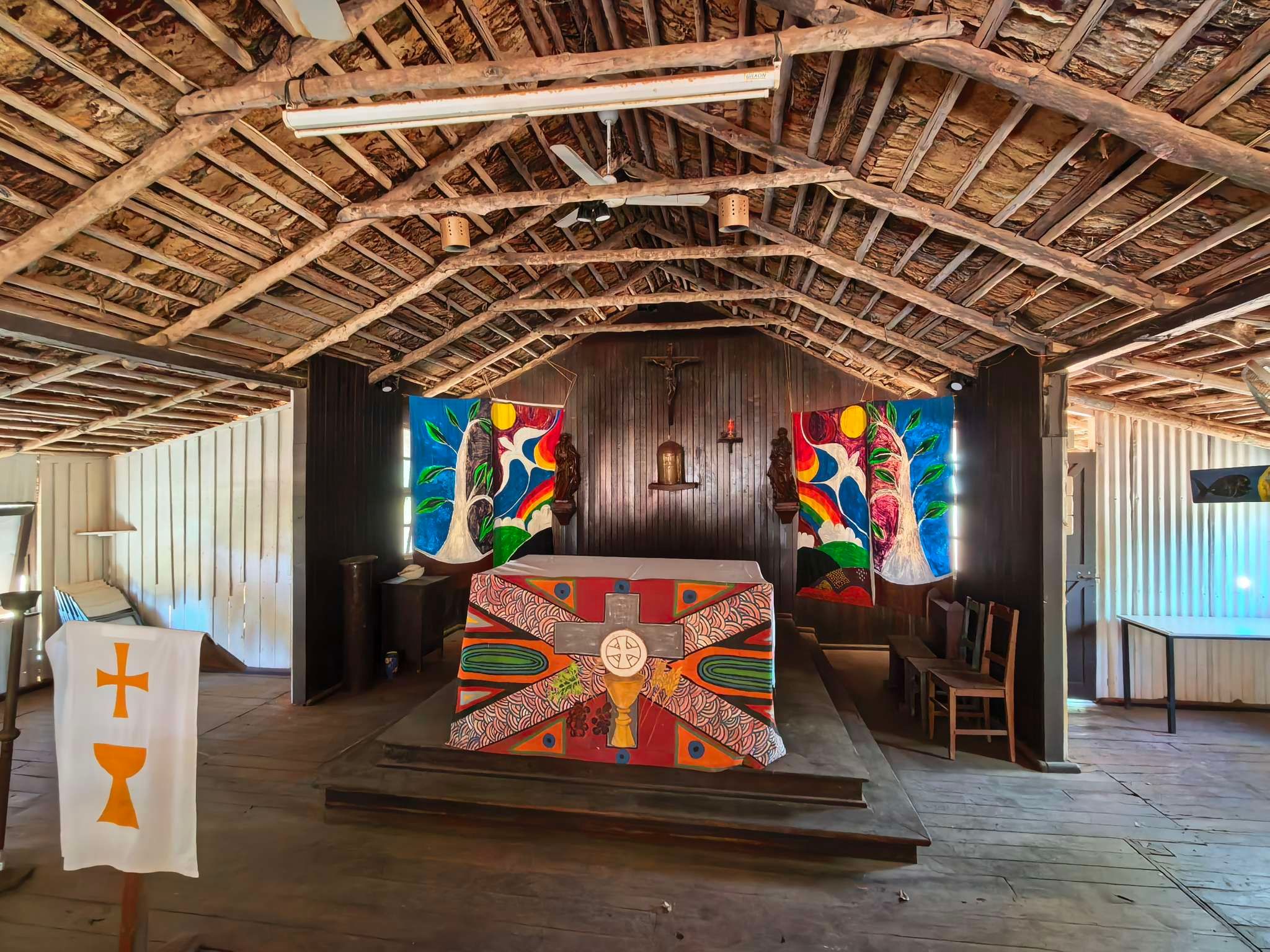
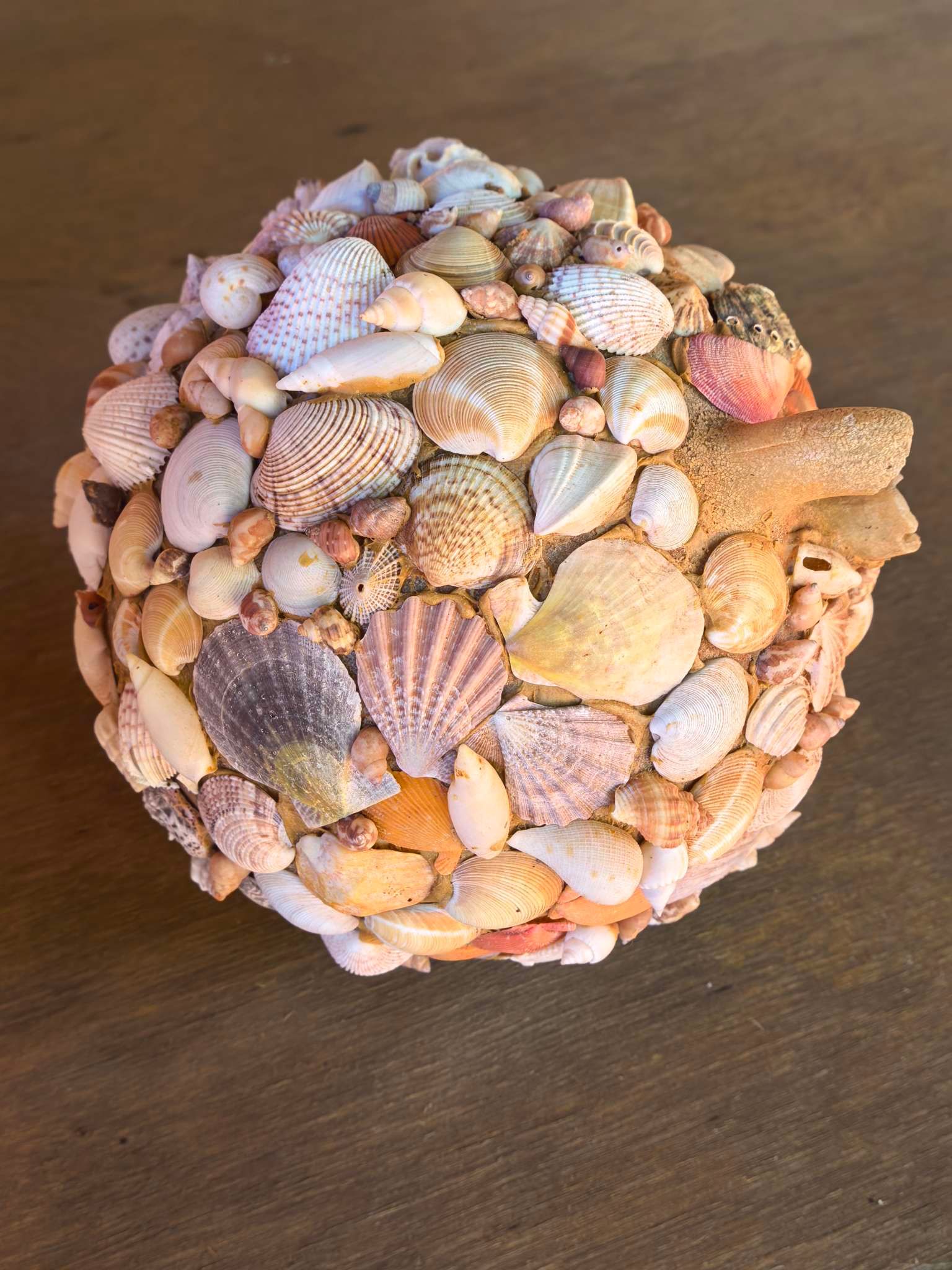
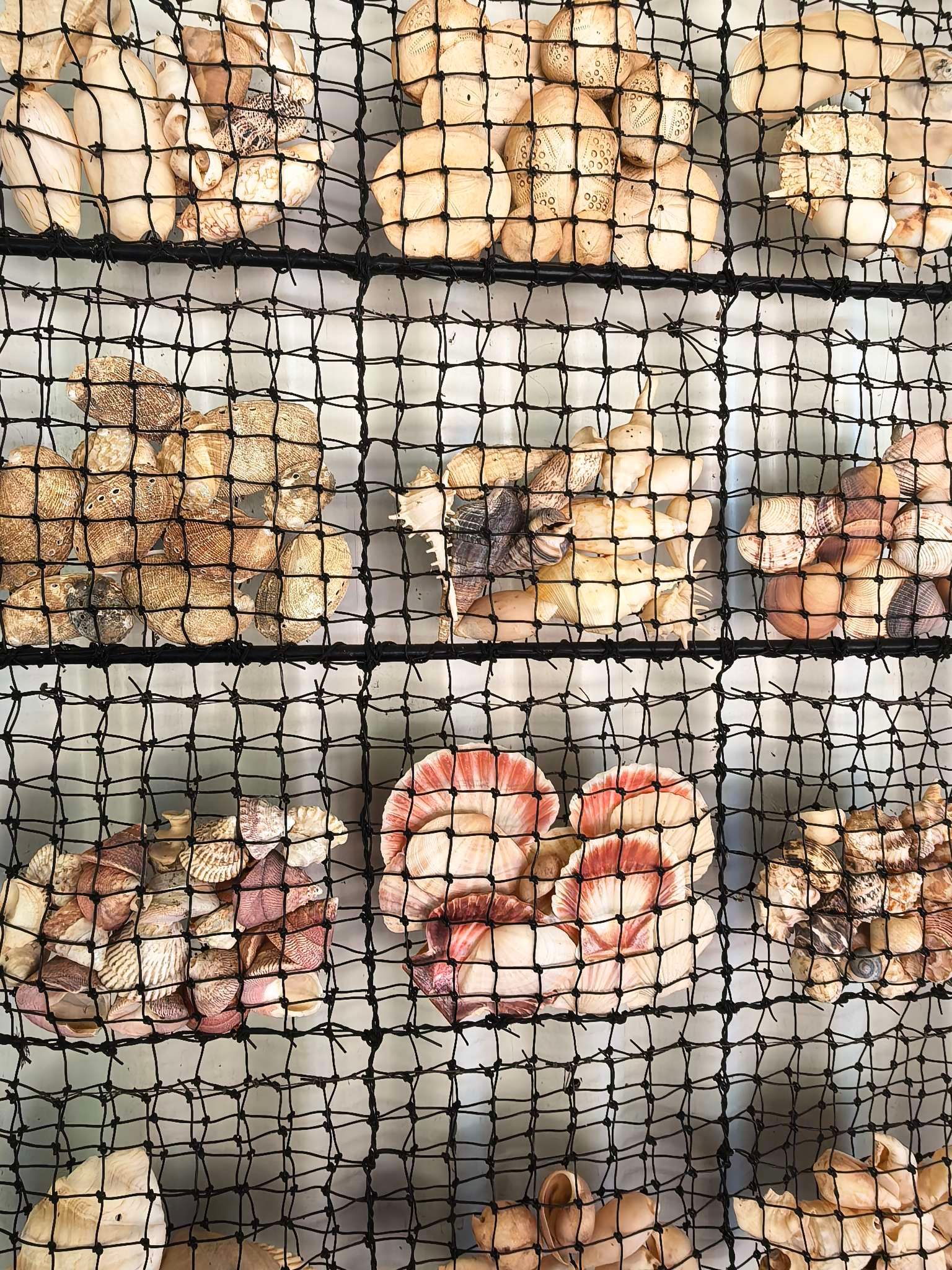
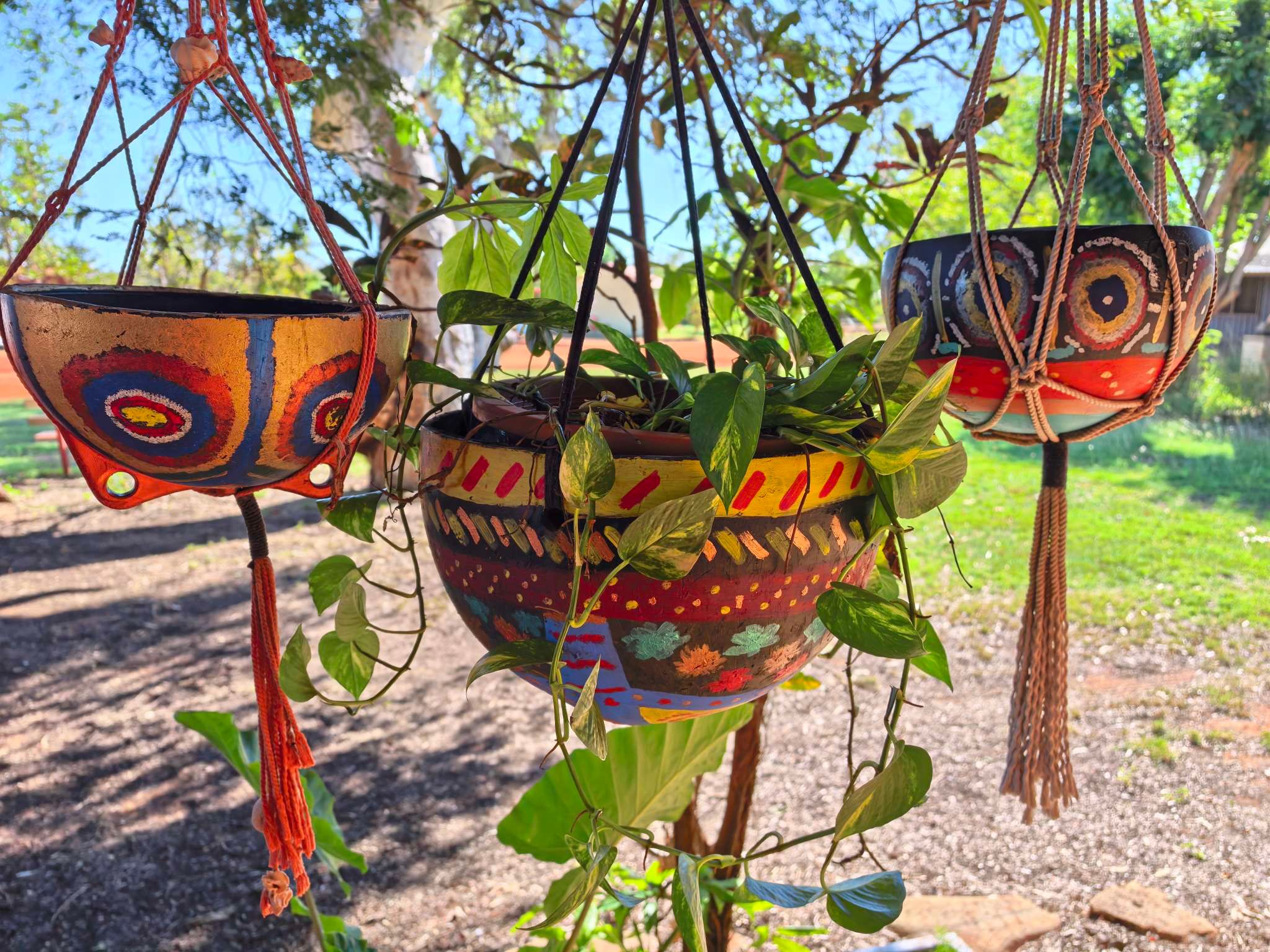
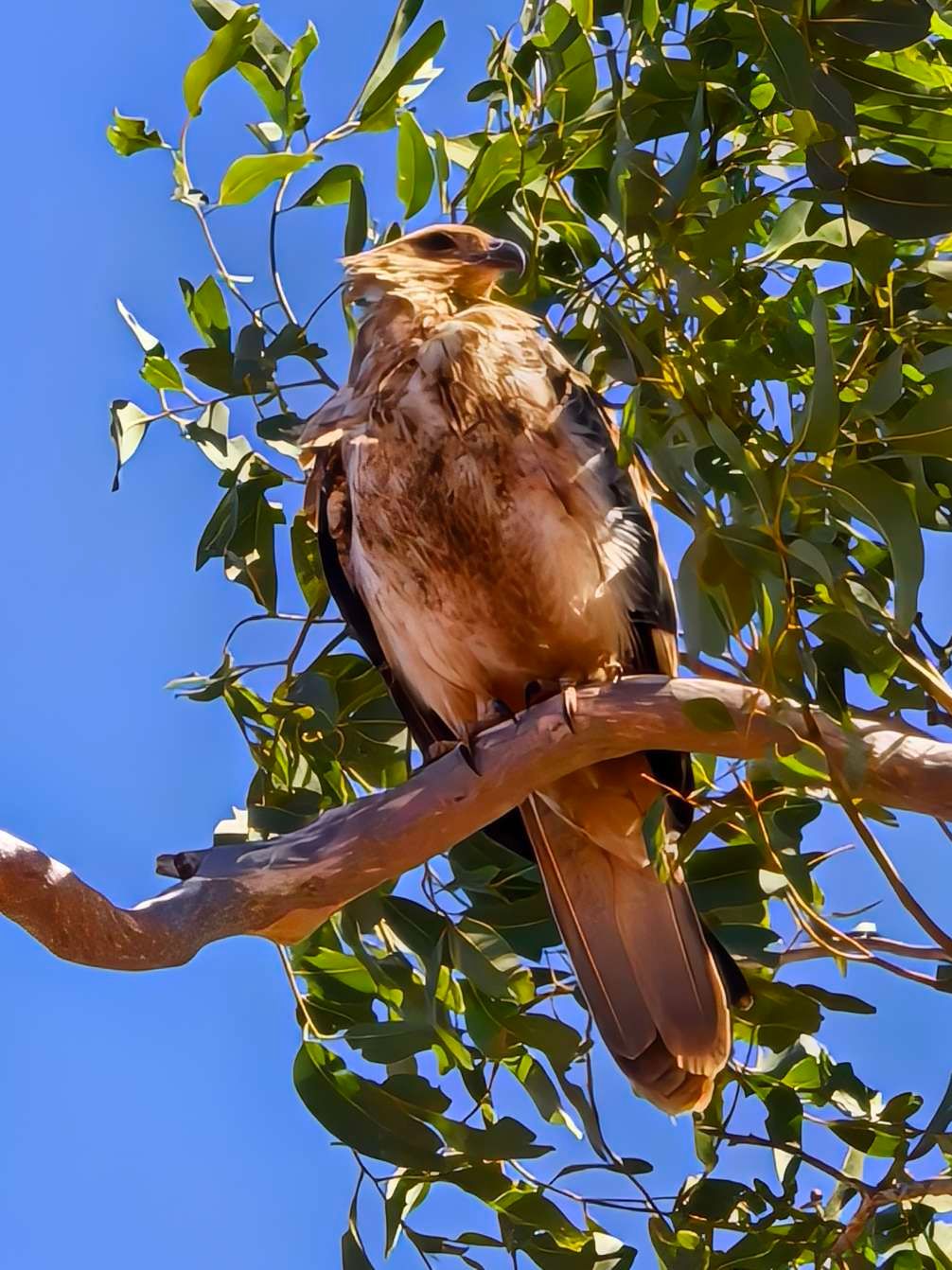
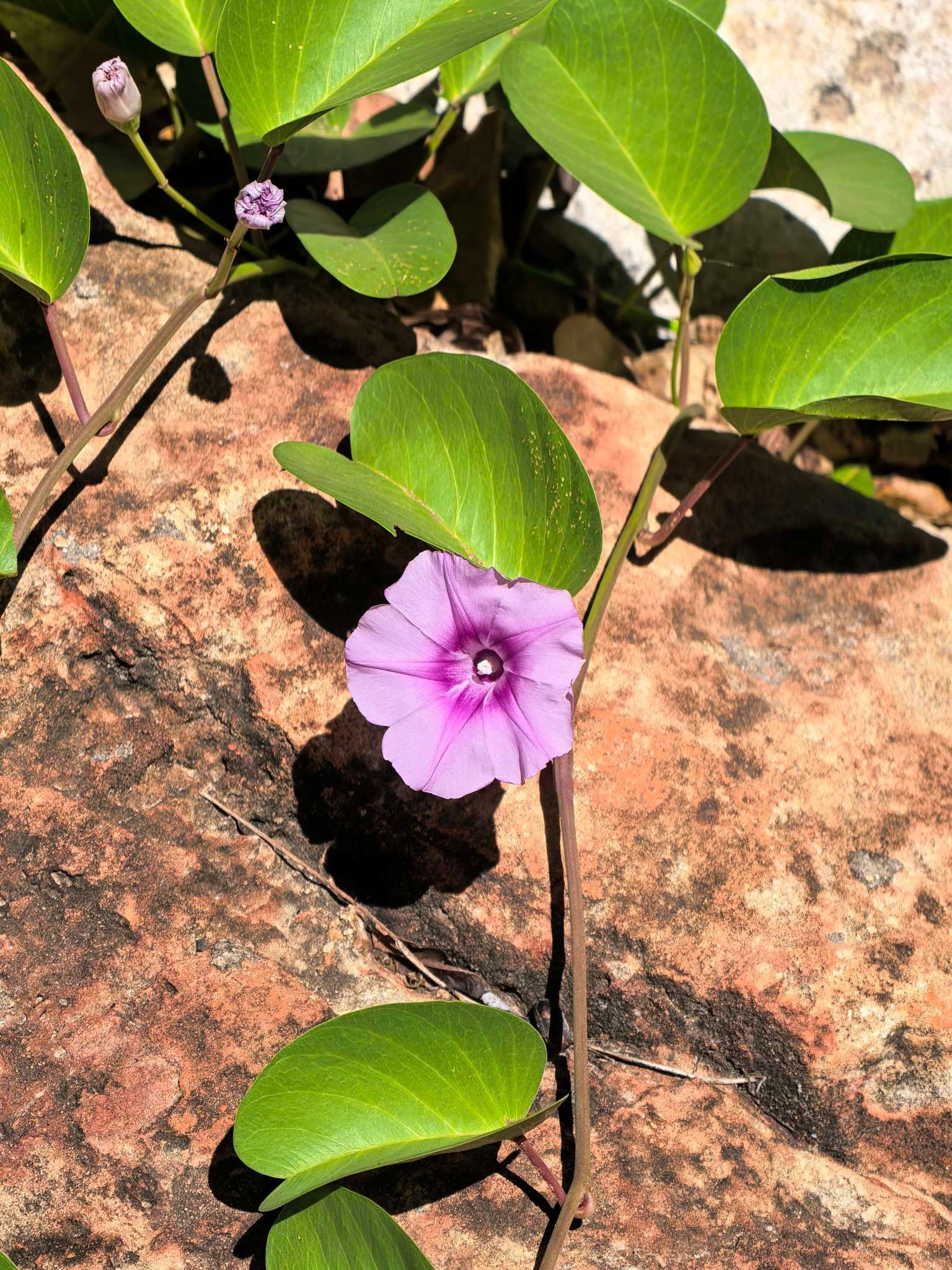
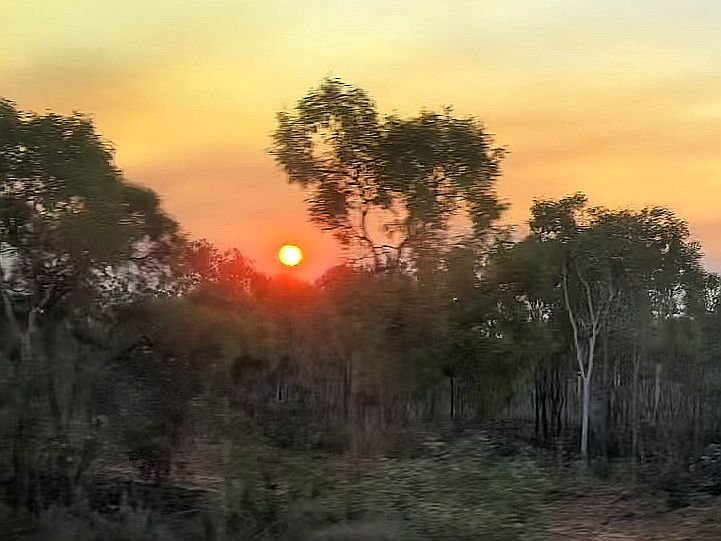
The first photo features the 'Setzkastenbild' from our hotel, which is also called 'Seashells'. It displays what is typically associated with the beaches in all their aspects - shells! Today, we went on a bus tour to very special places. There were several stops on the 'Dampier Peninsula' beforehand. The first stop was at the church in Beagle Bay, which shares the same name. This church was built by German missionaries during World War I. They mainly used shells for the interior decoration. As a result, when the sunlight hits, a gentle shimmer radiates from the altar, window niches, and images! The church is also well-utilized and is a real hotspot for all tourists! Afterwards, there were some stops at beaches, again with turquoise water and white sand! Mangroves often grow along the shores. Next stop: 'Cygnet Bay' - home to the oldest pearl farm in Australia. The Australian family here began in the 60s to 'plant' special living oysters with a foreign body. These are placed in cages in seawater, and after about two years, it is checked if a pearl has formed. It all started around 1880. Japanese pearl divers found oysters with pearls here; they had a success rate of about one in 10,000. A Japanese person then developed a breeding method. Now, the third generation is running the business. They still have a farm on the Pacific. However, those have a different color and they use different shells there. Nowadays, the value is determined by computer. Color, size, and shape are crucial. They are sold worldwide. We also visited the showroom, where there were various 'treatments'. Very impressive! For everyone, lunch was provided in their own restaurant - Barramundi, a fish that is raised on another farm. Highly recommended! We weren't the only lunchtime guests; tour groups often come here. Additionally, the family operates a campground with a pool and boat tours are also on offer. It is apparently a successful family business with numerous employees. Afterwards, we went to Lombadina, an Aboriginal village with about 400 residents. The tour guide explained some of the traditional paintings and living conditions with the support of an elderly lady in the souvenir shop. Our bus driver, a funny Italian, had prepared an afternoon snack under a large tree. The sun had now reached a good 30 degrees again, and the shady spot was very pleasant before we headed back to the bus and home. On the way, there was a film about this territory - the Kimberley - as there is still much beauty to discover. But we had already been on the road for 12 hours. We caught the sunset from the bus, through smoke clouds, as bushfires were again being set here. Just before our hotel, the camels were returning from 'Cable Beach'. The beach got its name because in 1899 the undersea cable, coming from Java, was brought ashore here through the sand.