
Bonnie and Clyde
Time has once again flown by far too quickly, and the journey home is still long. Finally, I don't want to hide from you the fact that I have a problem with the unscrupulous,...

Published: 19.12.2025
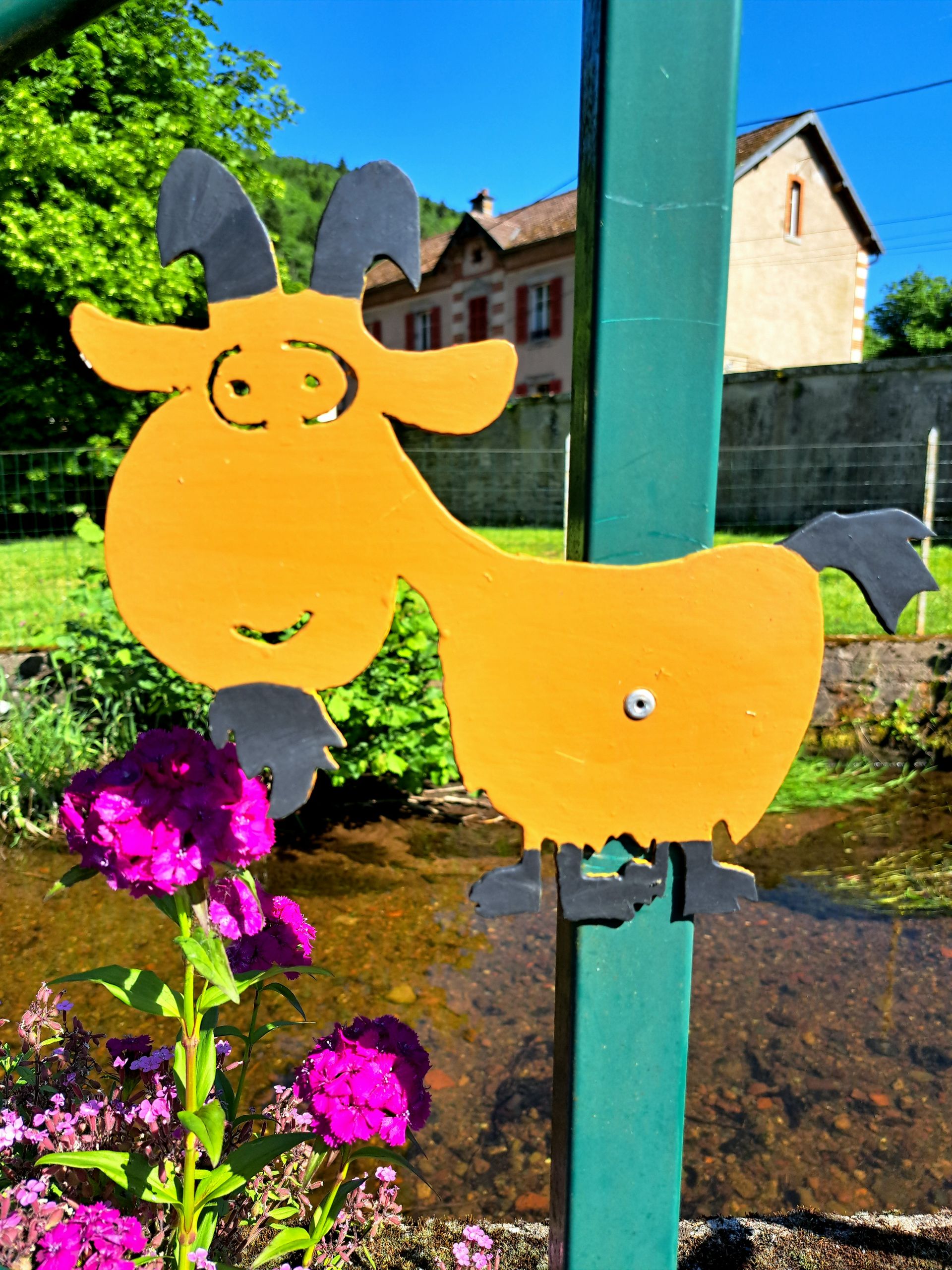
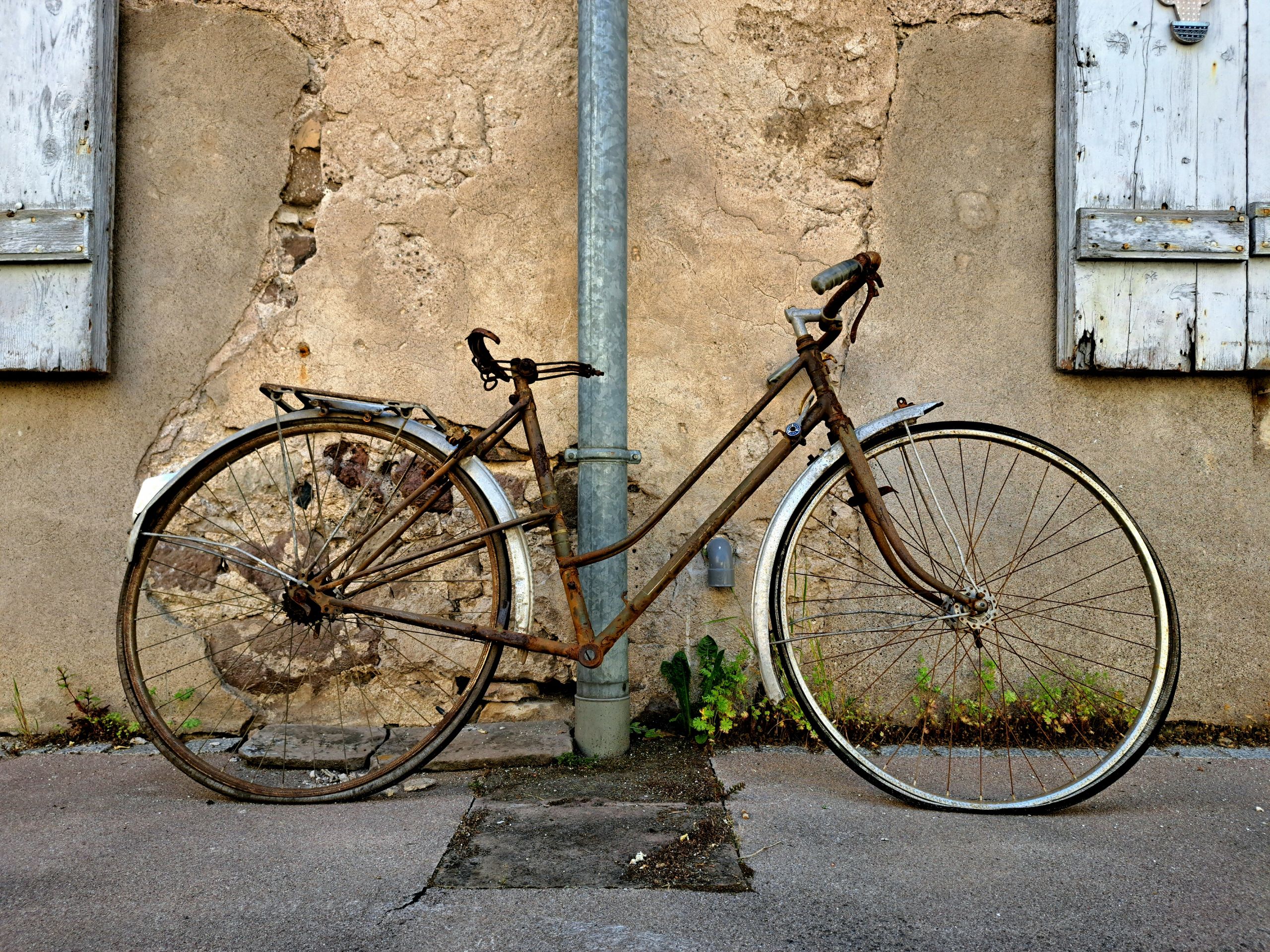
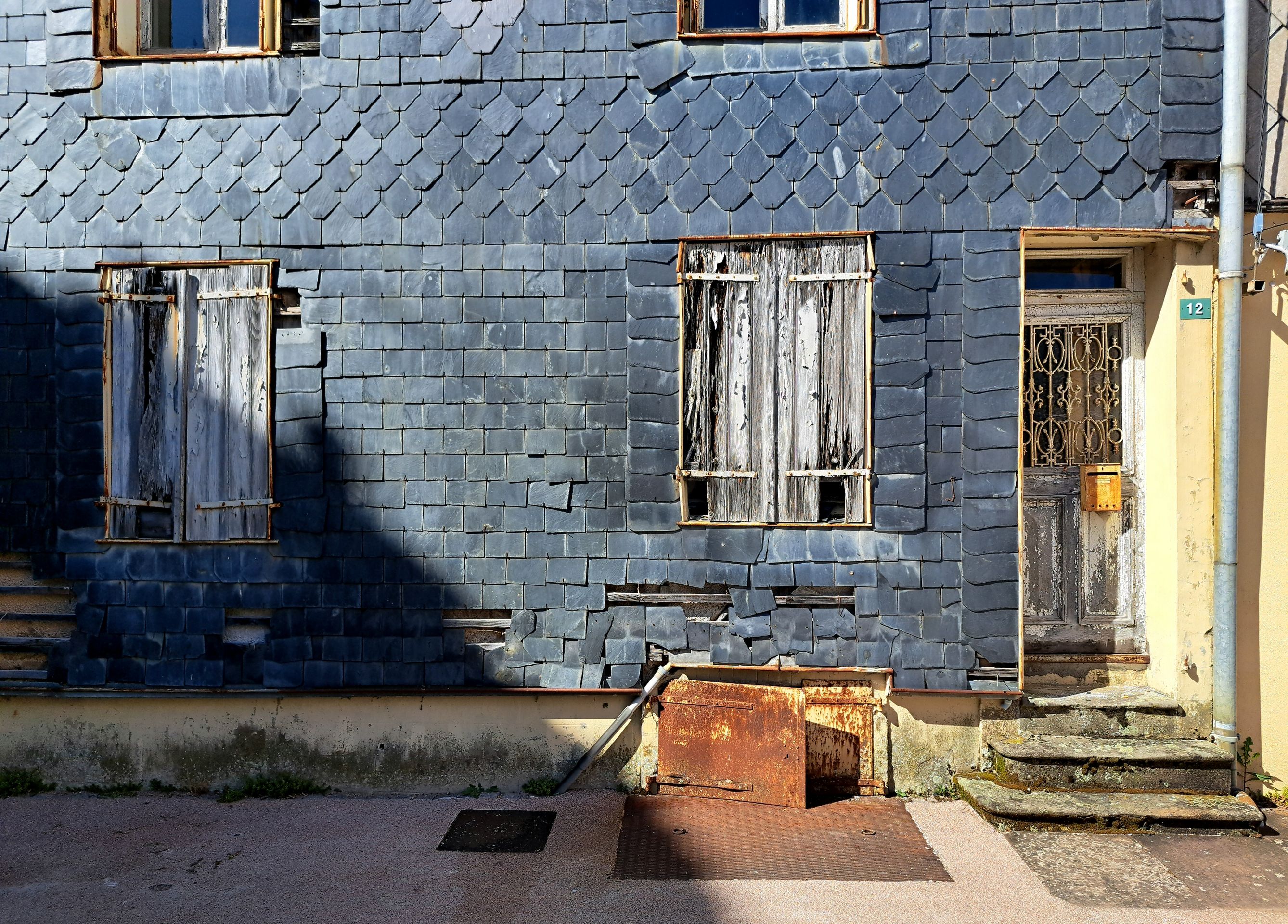
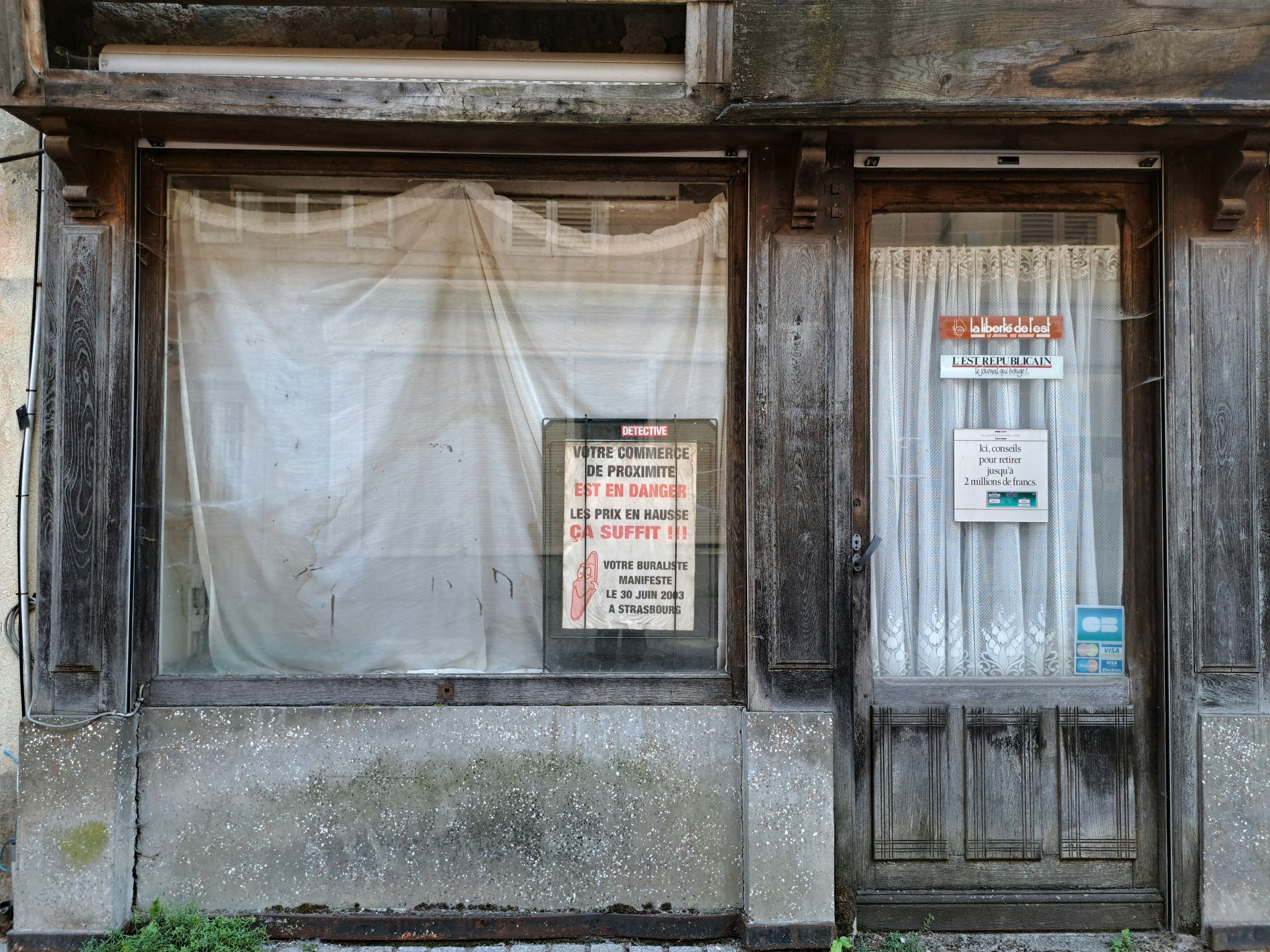
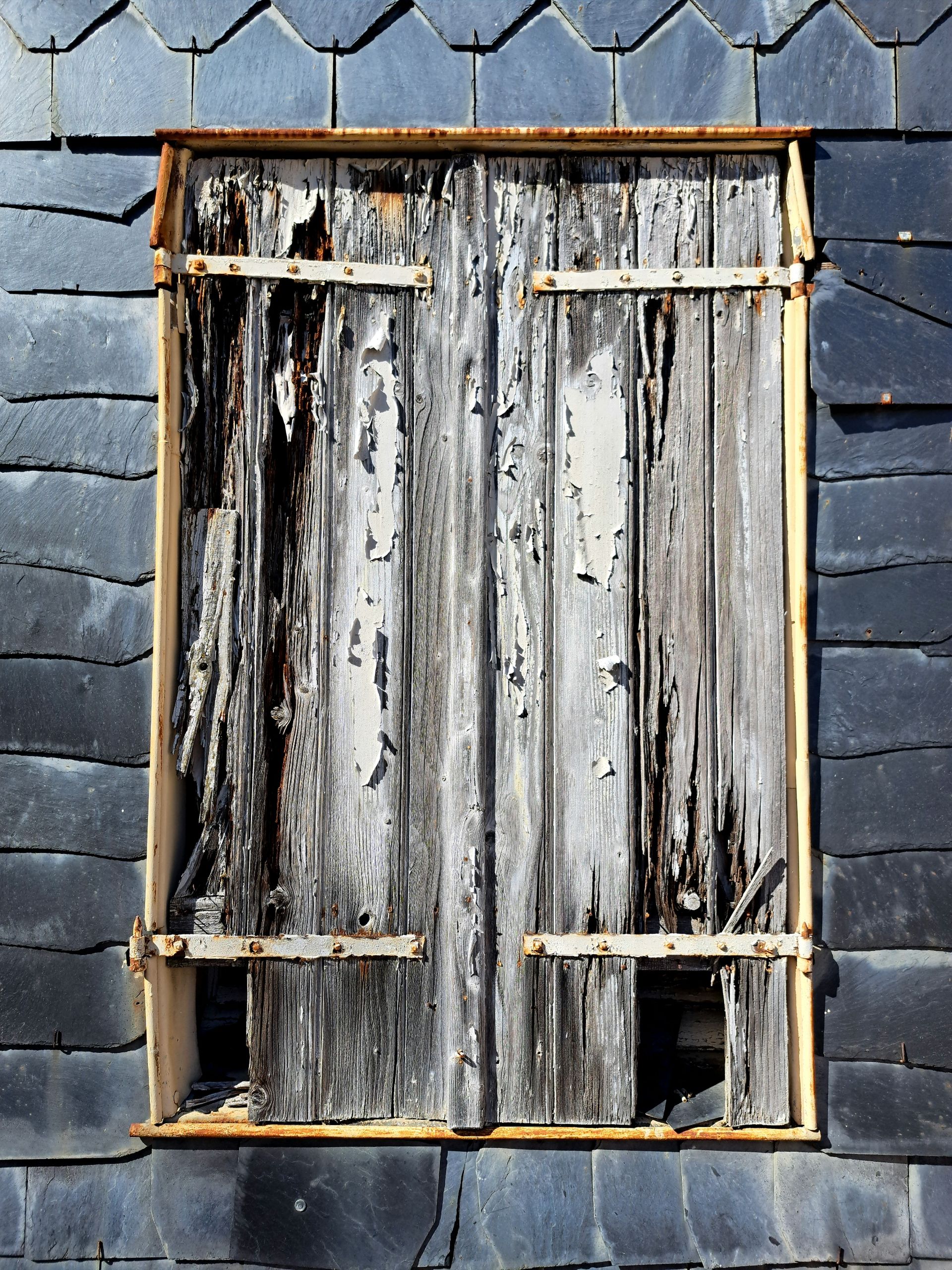
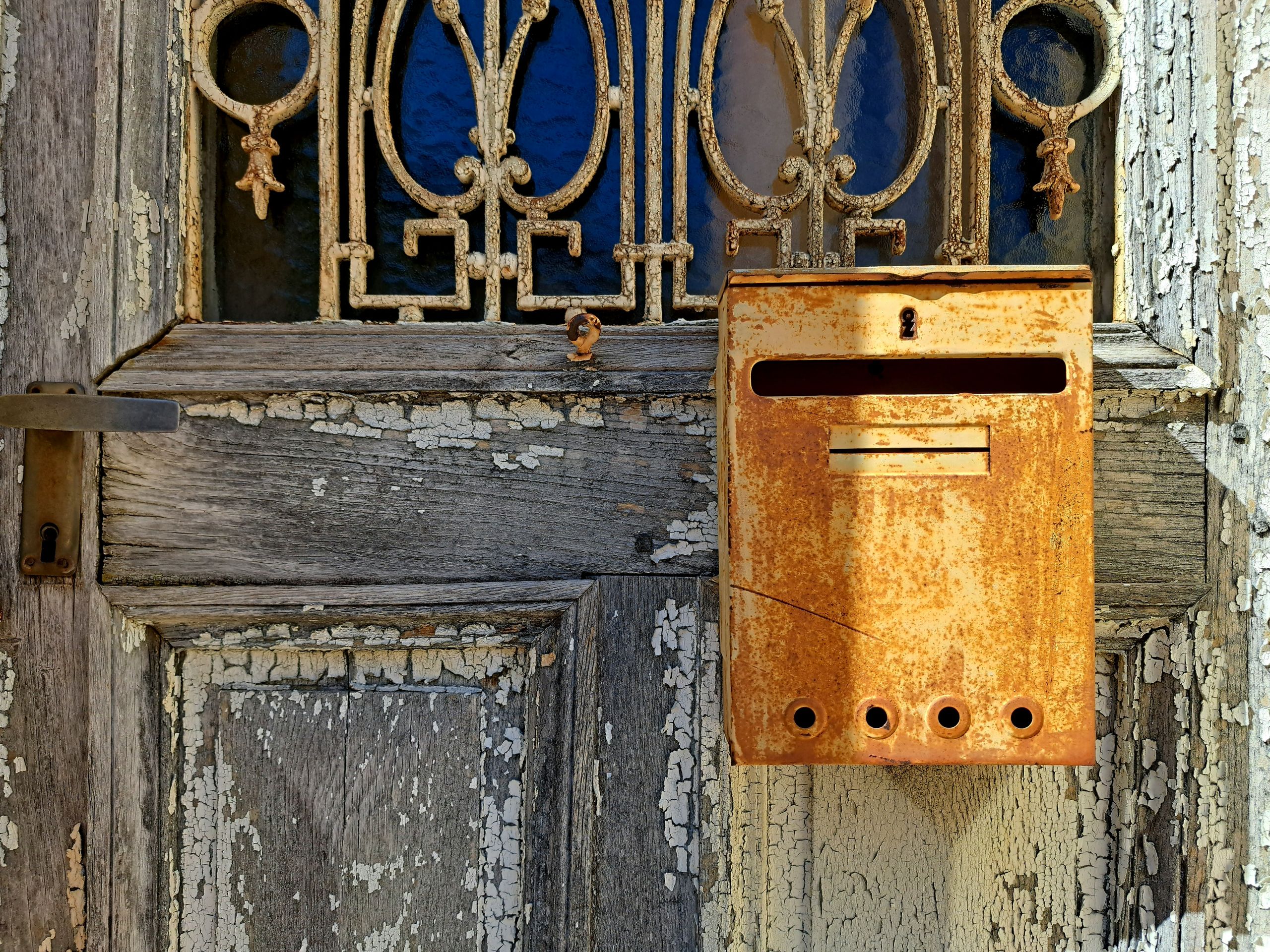
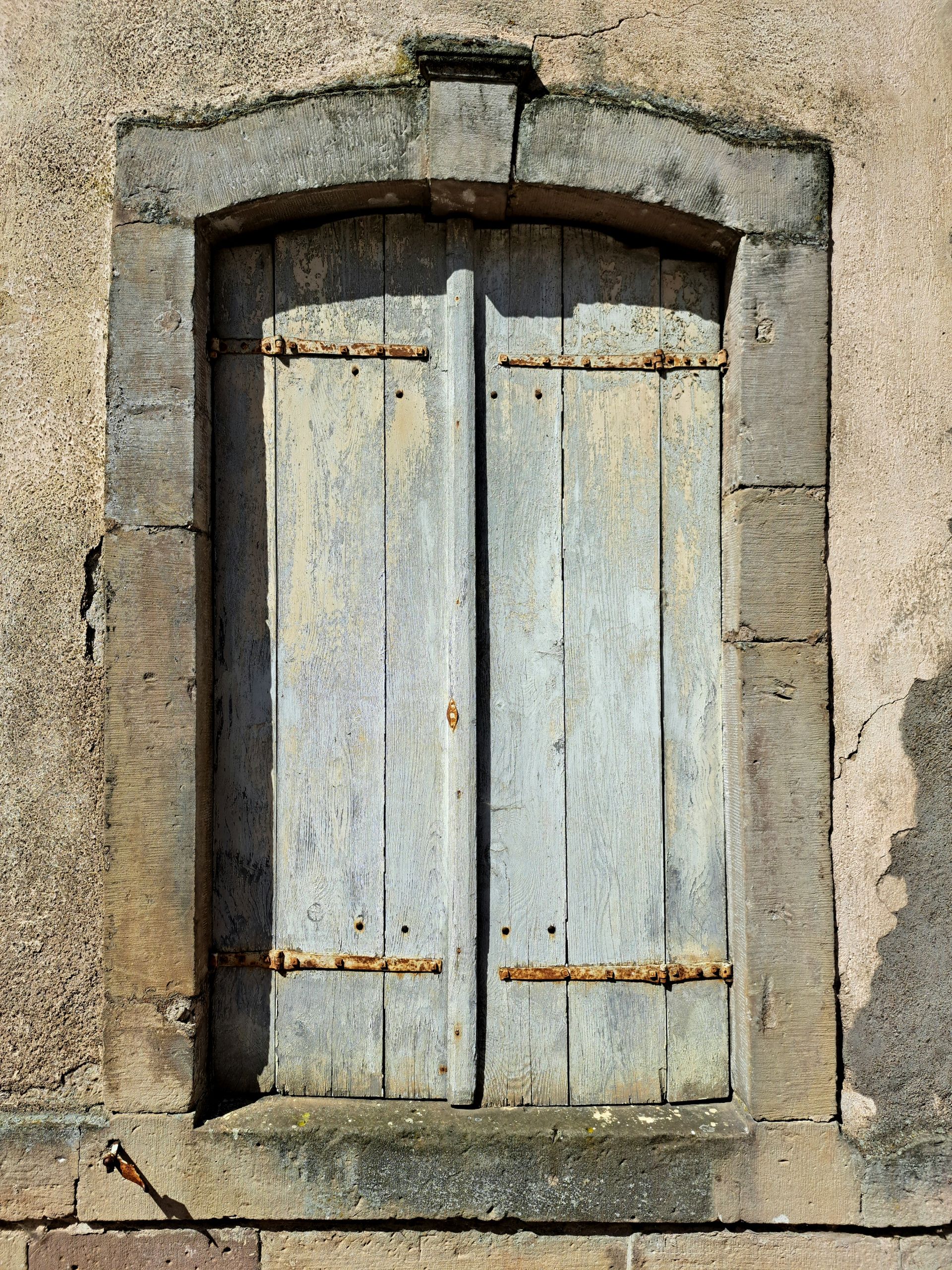
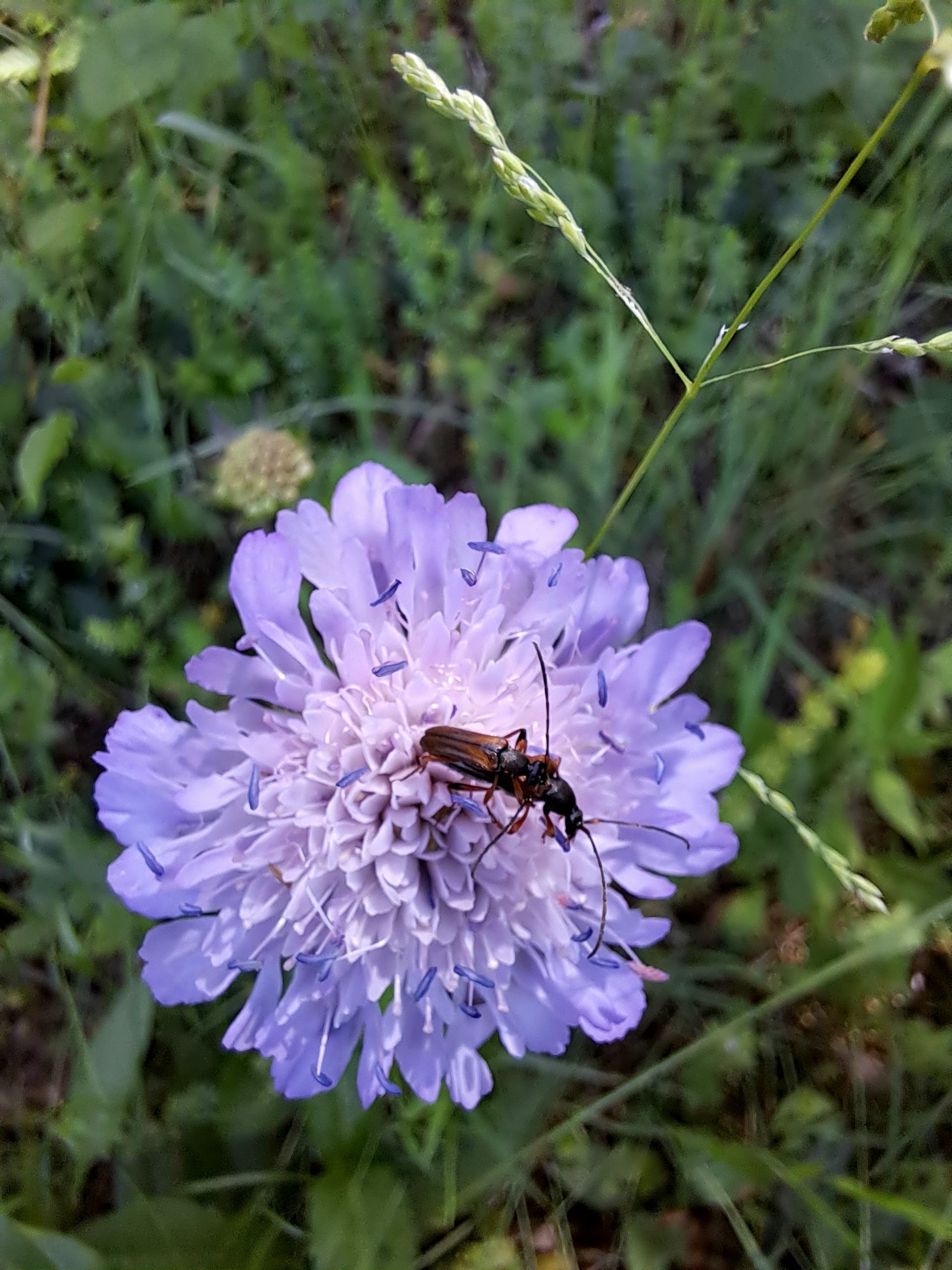
It's half past five in the morning in Alsace. An unbelievable racket tears me mercilessly from the sweetest dreams of streets where wine and honey flow.
I rub my sticky eyes. The hero sits next to me in bed, gazing sleepily at me with a questioning look. Together, we peek through the curtains of the caravan and are horrified to realize that the invasion of Martians is bringing a definitive end to earthly misery. Even the craziest despots in this world can do nothing against it.
On a dreadful hell machine, which could be larger for my taste, given its extraterrestrial technology, sits a little green man, wrapped head to toe in a full-body protective suit. A creepy mask conceals his ghastly, mud-colored face that is covered with thick warts. Giant gloves cover his massive digger hands. To protect against earthly radiation, bacteria, and viruses, the creature is enveloped in an impenetrable yellow cloud: stinking Martian gas that absorbs deadly substances threatening extraterrestrial life once and for all.
But before I can start my desperate lament again, the hero reassuringly takes me in his arms, gently strokes my hair, and tells me a marvelous story from the past. For we should know that around the time of Pentecost, work is carried out in many vineyards in the early morning hours. We can attest to this from our experiences at Lac de Salagou, where Monsieur wakes the tourists from their innocent camper slumber at 5:00 in the morning.
https://vakantio.de/chateaugeschichten/rendezvous-mit-loriot
On a caterpillar-tracked, extremely hill-climbing high-end mini-platform, incredible amounts of toxic chemicals are sprayed between the green vines with loudly whirring turbines, so that the Riesling will be a good vintage.
Now, as the saying goes, the early bird gets the worm, and we want to plunge into a typical French market scene today.
https://vakantio.de/chateaugeschichten/tour-de-noel-oder-wo-der-weihnachtsbaum-erfunden-wurde
The nearest one is in Riquewihr, and I think warningly of the not-so-distant Christmas impressions from this picturesque village. But the hero doesn't shrink back from any crowd, for where there is a market, there is bustling activity.
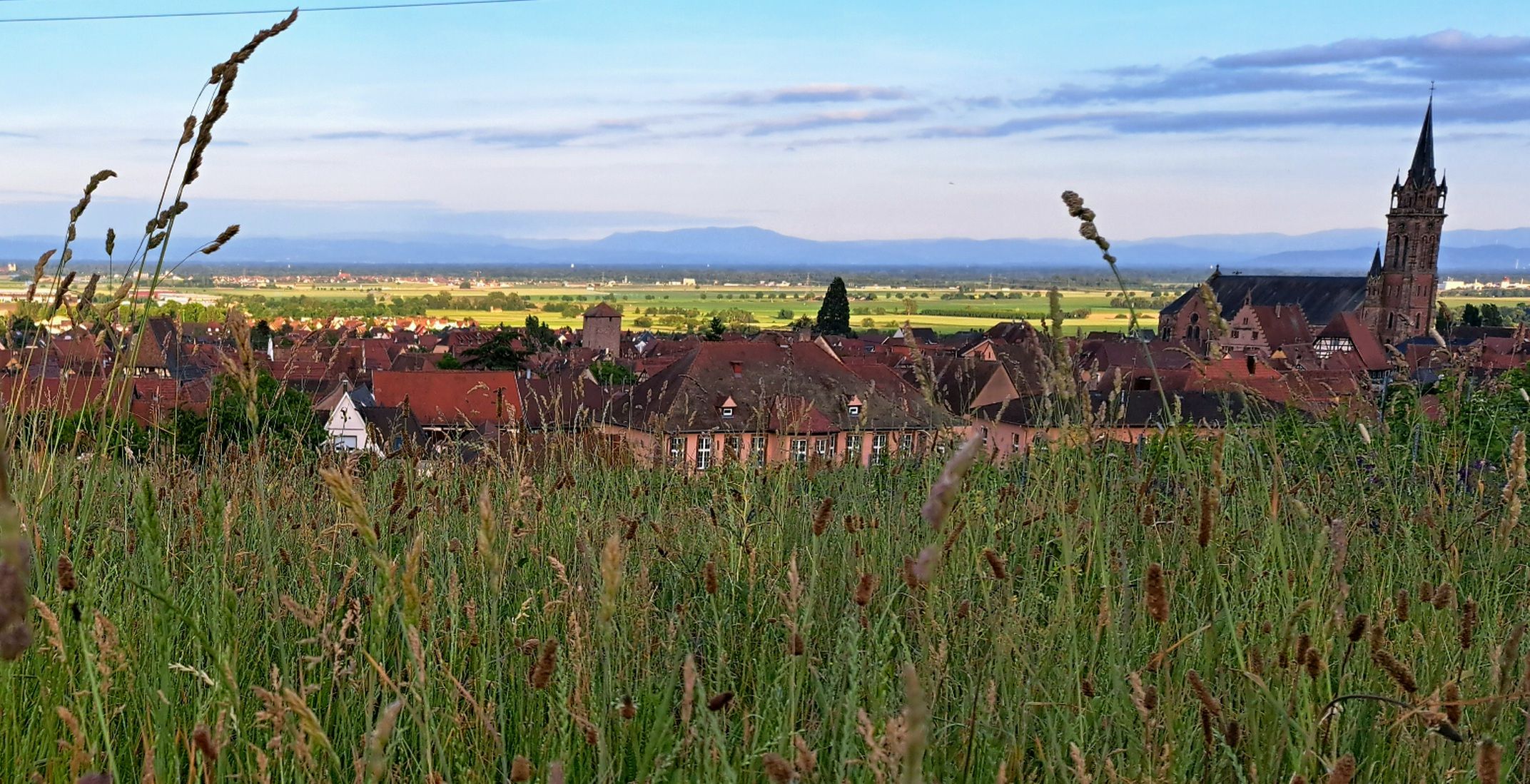
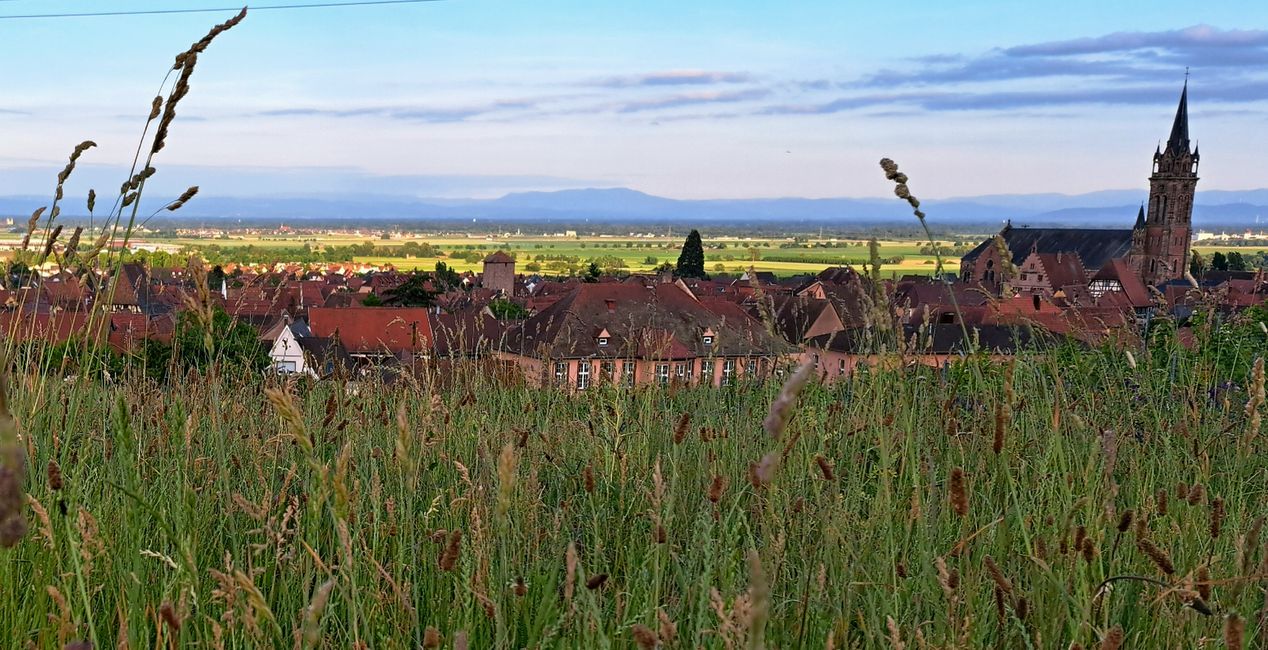
We make our way along the Alsace Wine Route, noting that the traffic today is a bit heavier than it was six months ago. Of course, the snow and hoarfrost have disappeared, the vineyards are showing a lush spring green, and colorful flowers adorn the vibrant timber-framed facades.
Everywhere, little vineyard tractors with hydraulic spider arms and comb-like leaf cutters buzz through the landscape, operated by green-clad aliens, trimming the grapevines according to the latest Parisian fashion.
The Mistral rumbles through the camper stream, and soon we reach Riquewihr.
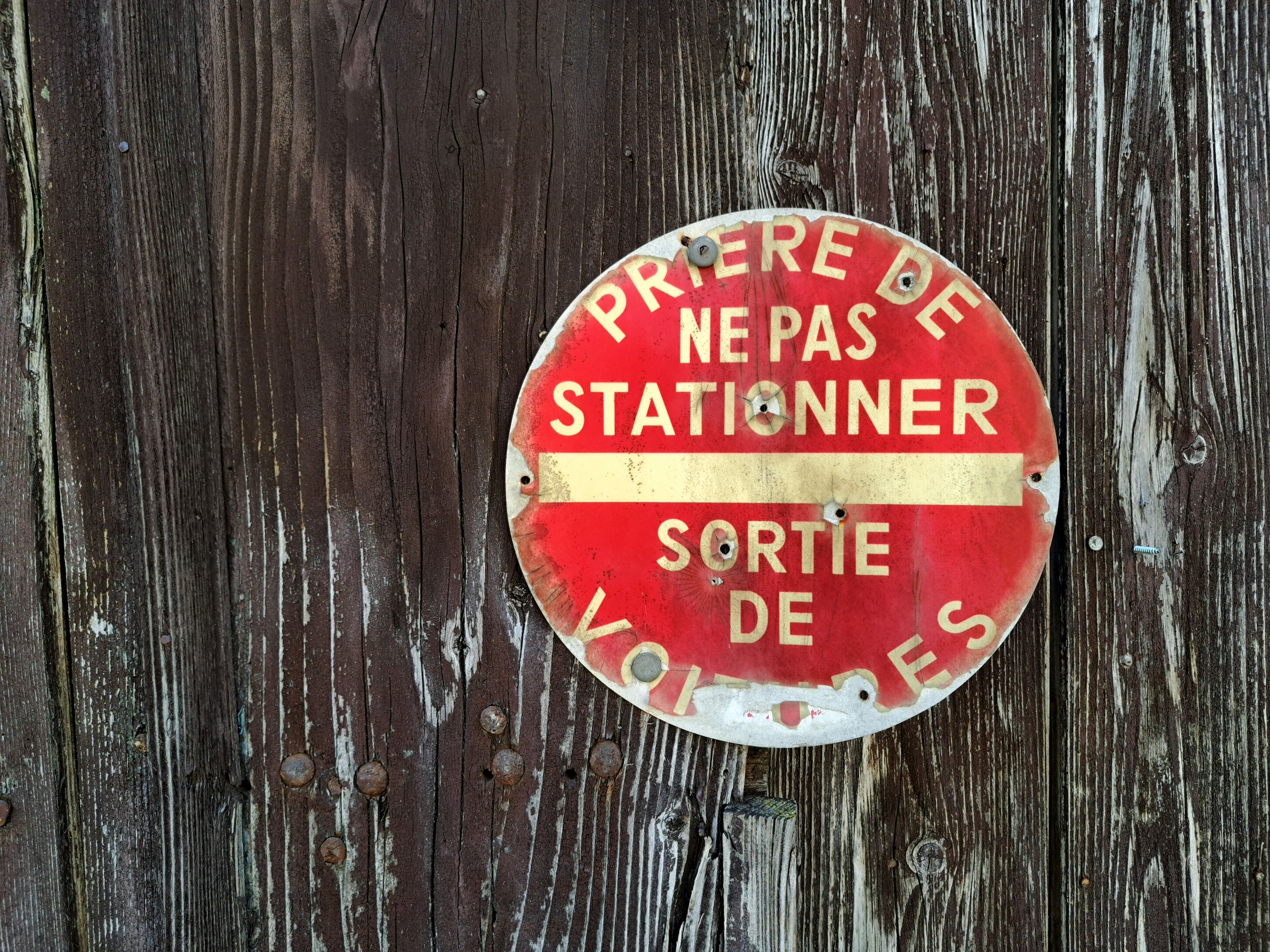
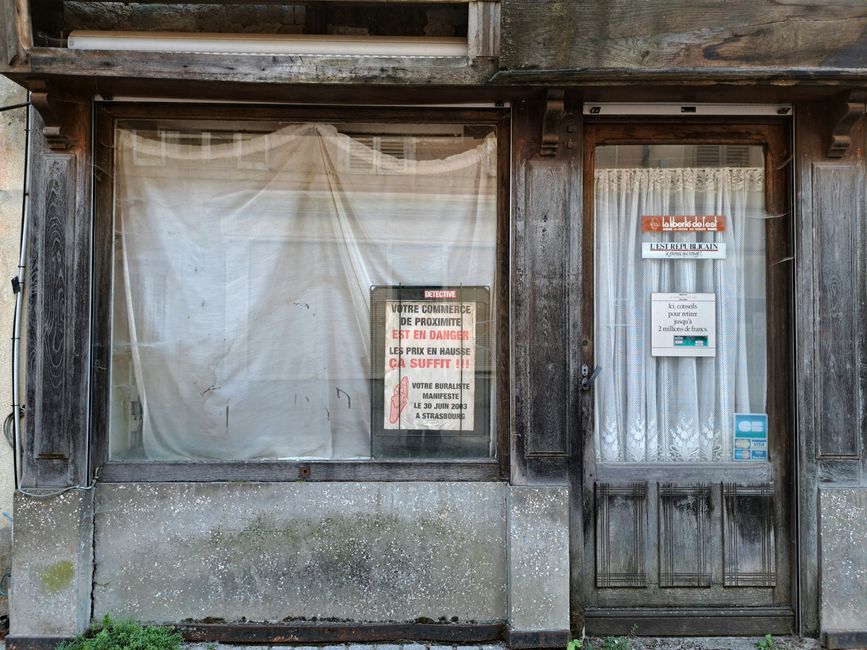
In front of the village gates, we find a legal parking spot today; the Christmas prohibition signs have been taken down by now. In summer-like temperatures and high spirits, we walk together with the Italian travel community toward the village center. Unfortunately, there were no specific details online about the local weekly market, which leaves us very disappointed.
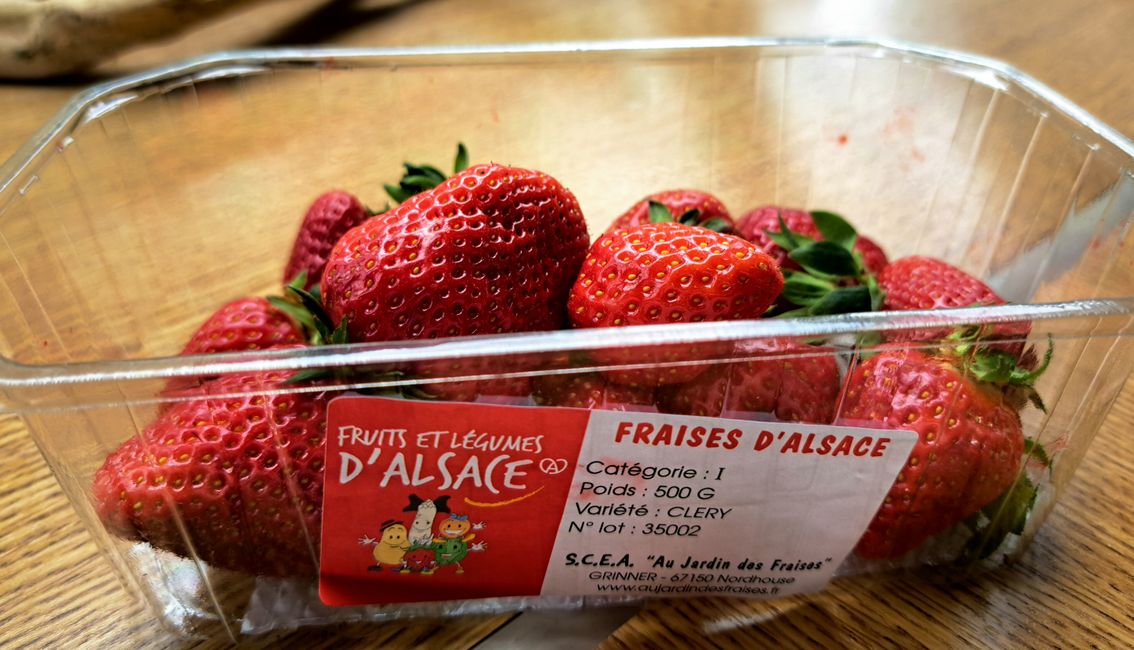
We find a mere three stalls next to the old city wall, and not even a vegetable seller is present. Without accomplishing anything and still lacking leeks for a delicious tart, we continue on our way.
Riquewihr has now officially disqualified itself from our travel plans.
We turn our backs on the wine route as the weekend traffic grows too dense for us. However, the winding mountain roads of the Vosges are also heavily trafficked. Especially for the countless motorcyclists, we are a thorn in their side and an obstacle on the way to the loud rumbling freedom.
Everyone wants to go to the Col de la Schlucht, where there isn't a single spot available for a well-deserved siesta. Only several kilometers later does the sun smile at us at a winter sports parking lot. Here, together with campers of all types, we take a break. Travelers of all sorts rumble, bellow, thunder, rush, noise, race, storm, crash past us in vehicles of all kinds.
Only the lack of sleep caused by the early Martian bird sends us into a comatose noon nap.
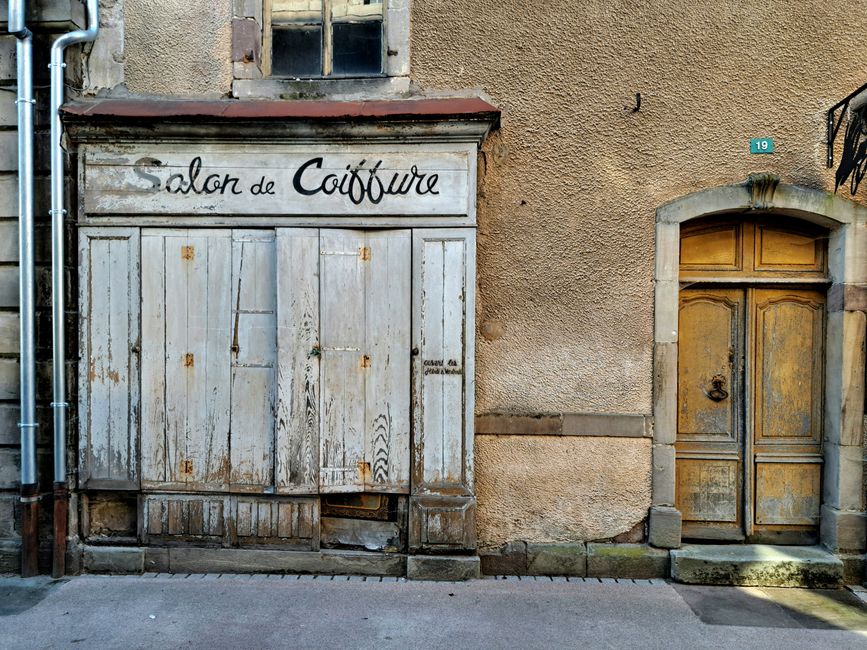
In the late afternoon, we finally find peace in Faucogney-et-la-Mer.
The village lies on a southern foothill of the Vosges, the Plateau des Mille Étangs. The name can be taken literally: the high plateau hides countless small ponds, unfortunately often inaccessible or privately owned and designated as cow watering holes or fishing ponds.
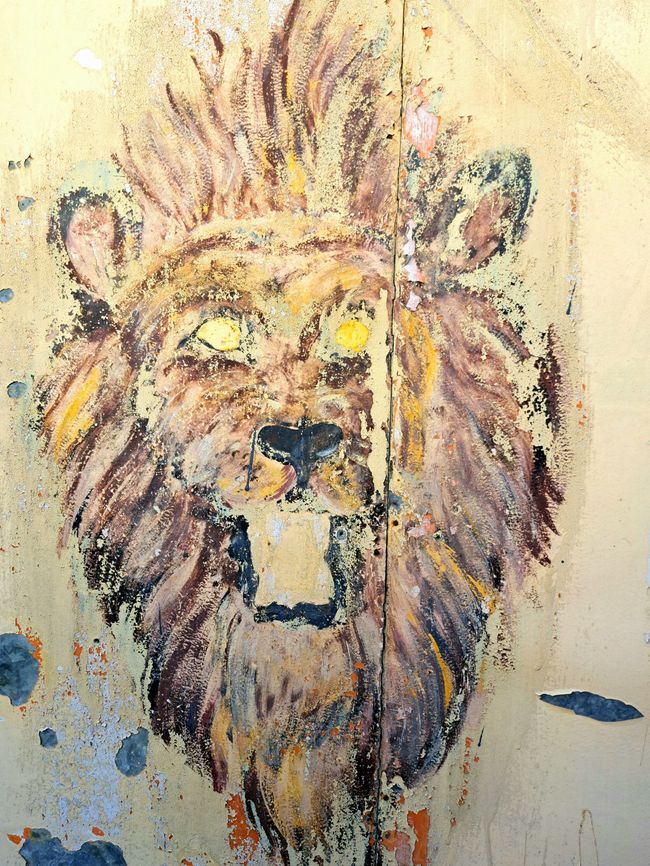
In Faucogney, efforts are made to attract gentle tourism. After all, there is a bakery, a pastry shop, a bar tabac, and a postcard museum. Moreover, it can call itself Cité caractére de Franche-Comté and offers a motorhome parking space. Unfortunately, the last of the four parking boxes is currently occupied upon our arrival. We're not really welcome there: for caravans, it's IN-TER-DIT!
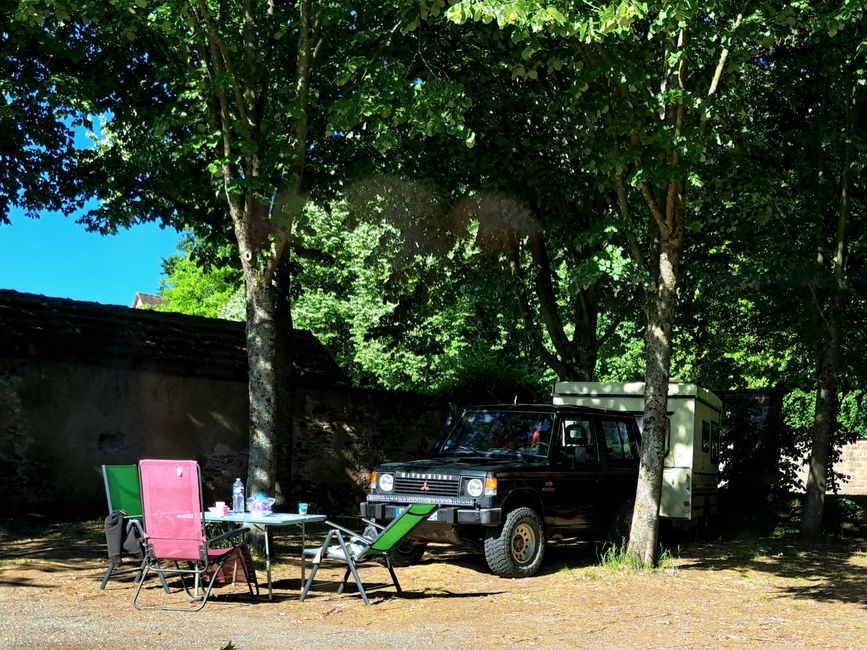
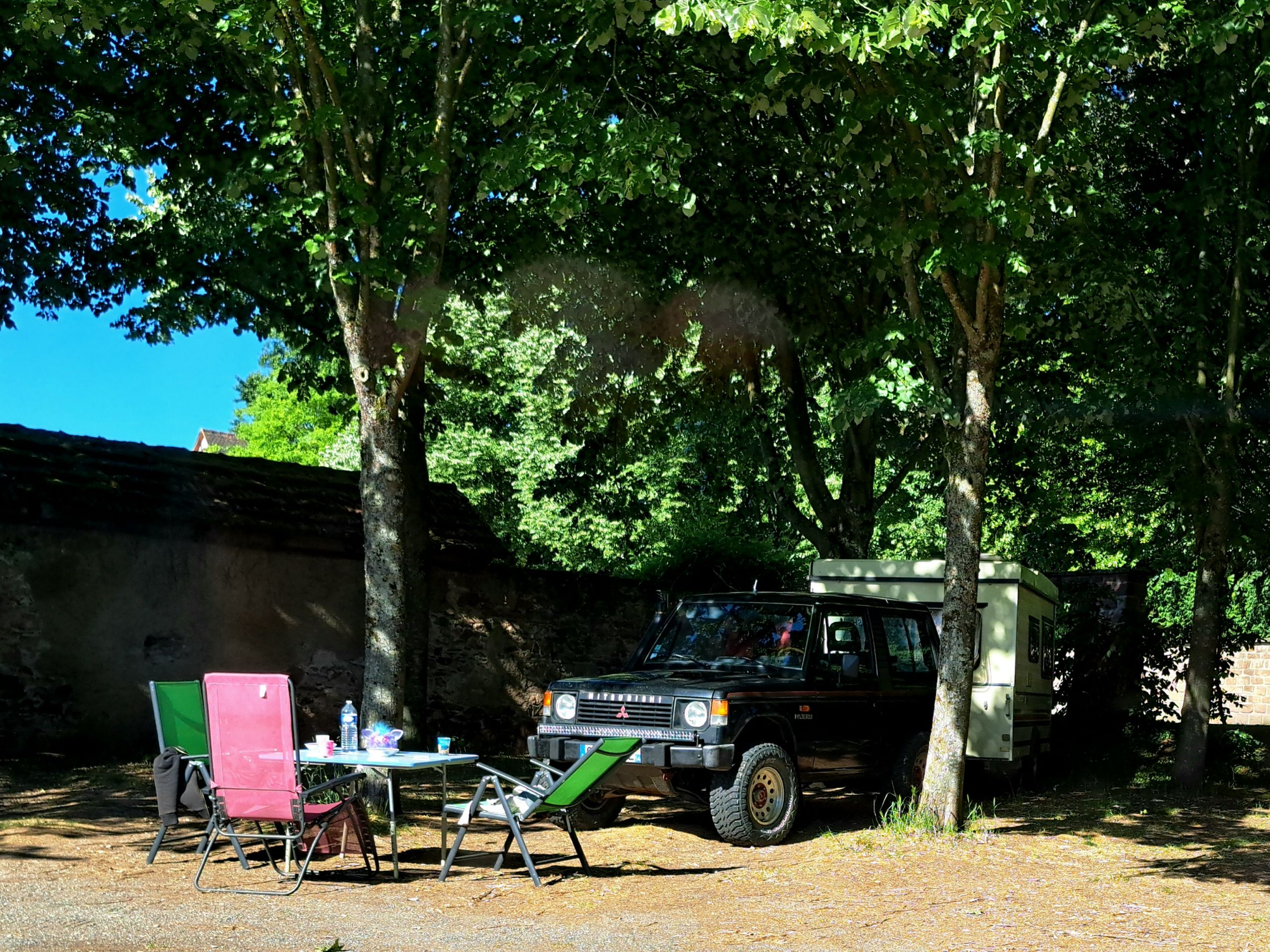
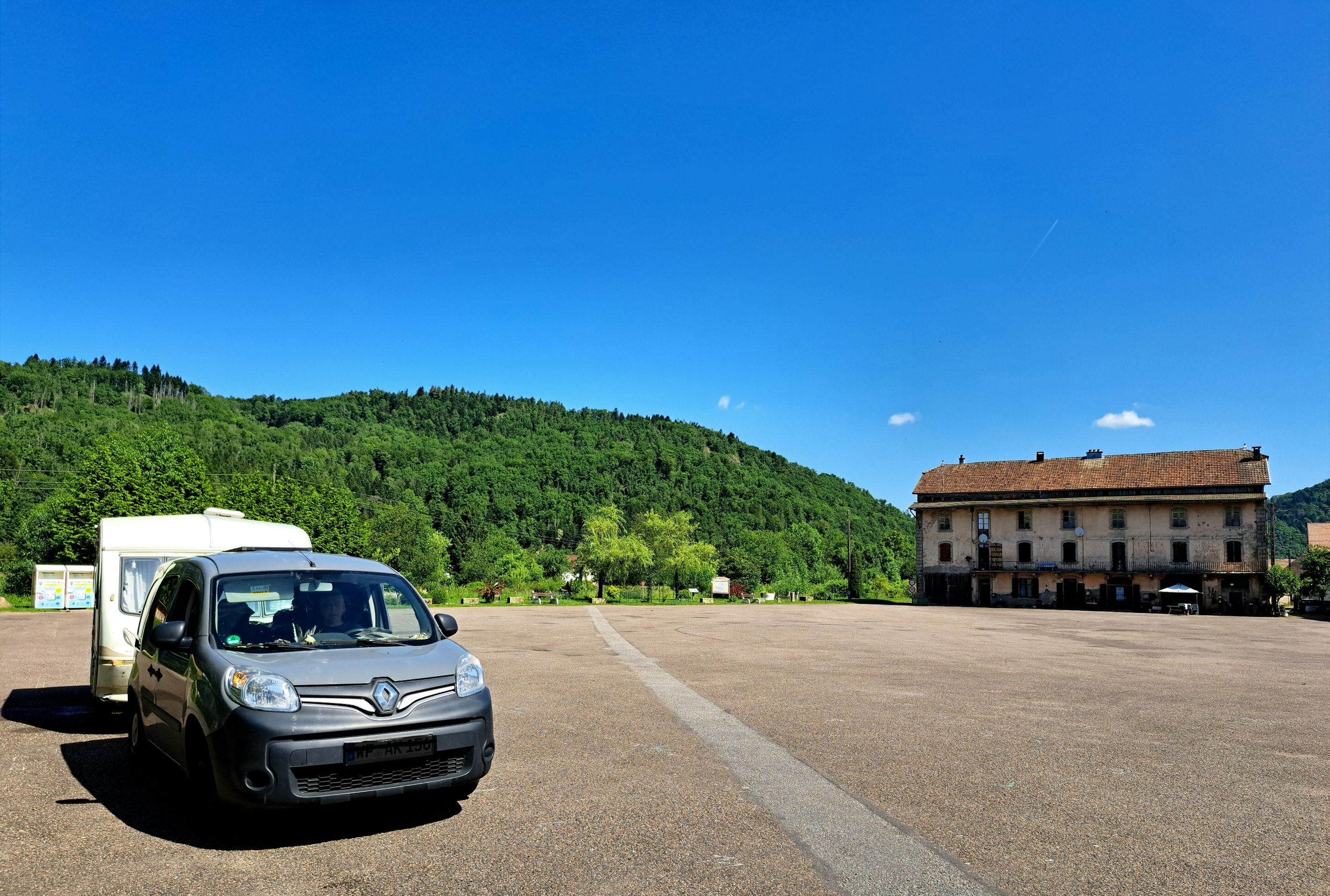
We relocate to the central festival square with a public toilet, drinking water, a power outlet, and myriads of swifts and participate actively in village life. The nearby glass container is well-frequented and provides an excellent opportunity for exchanging news.
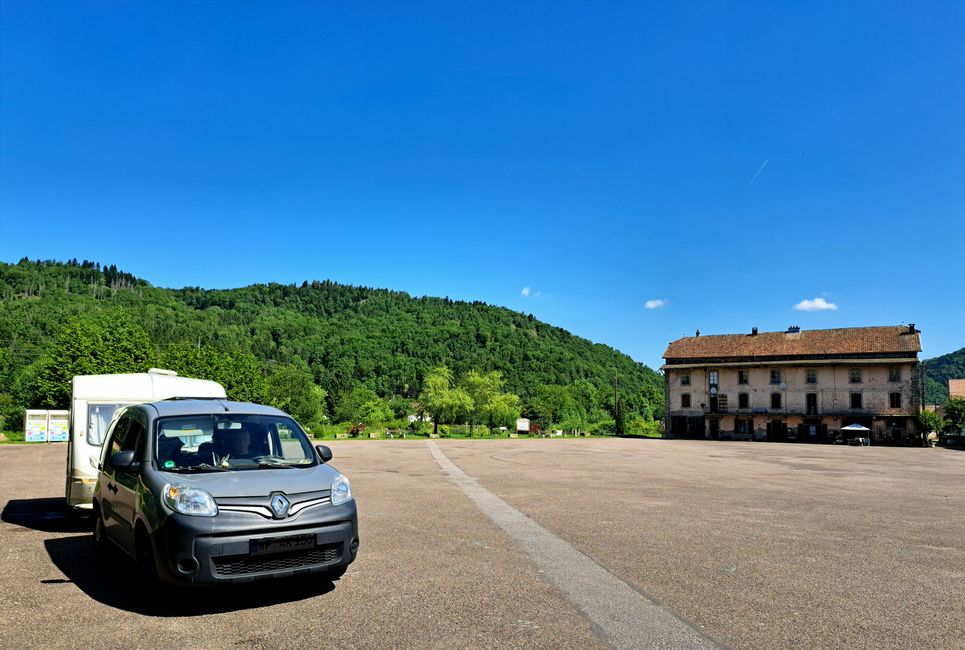
In the former, very impressive office building on the edge of the square, Madame and Monsieur inhabit two large apartments. We suspect a secret wild marriage.
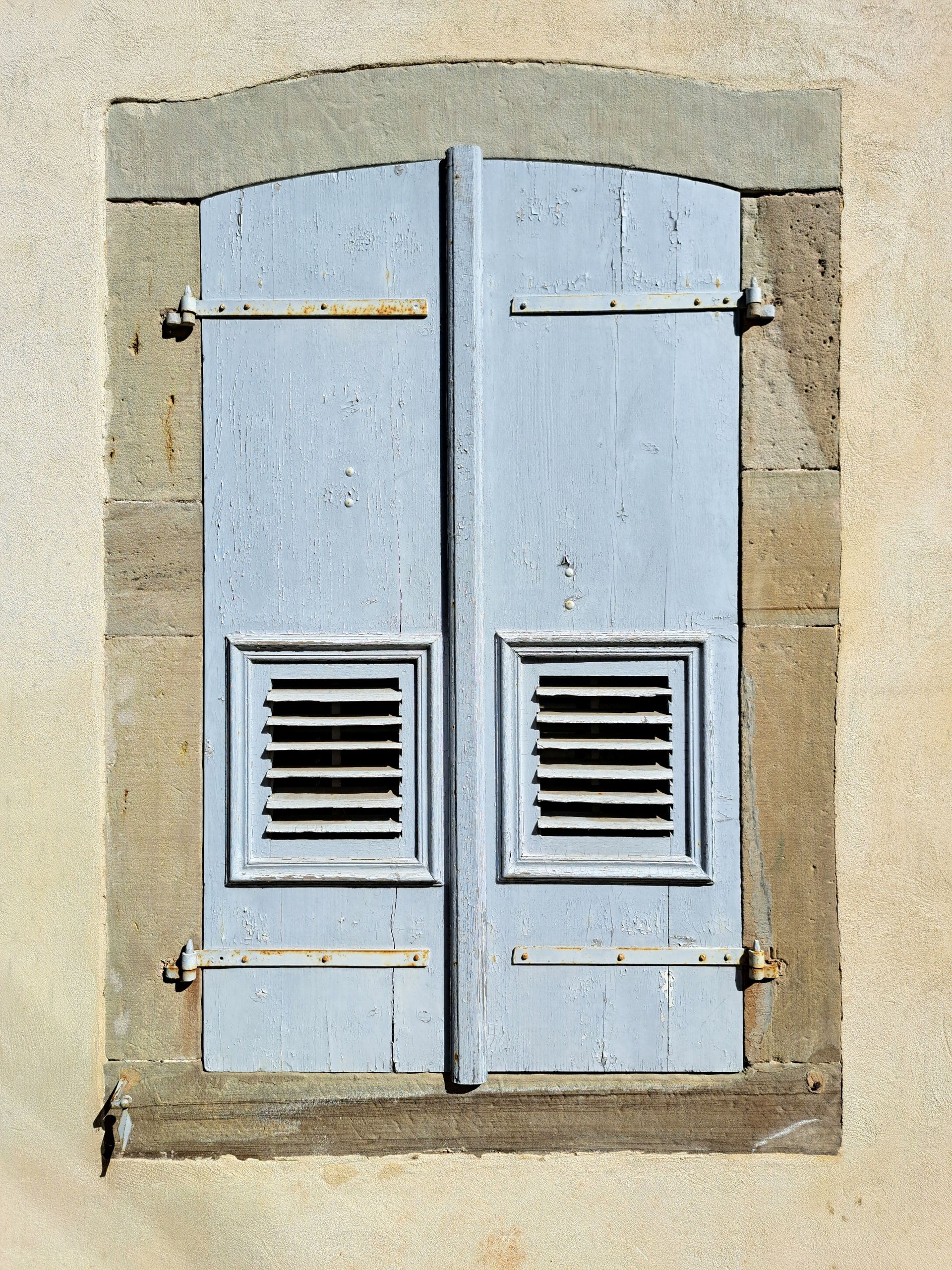
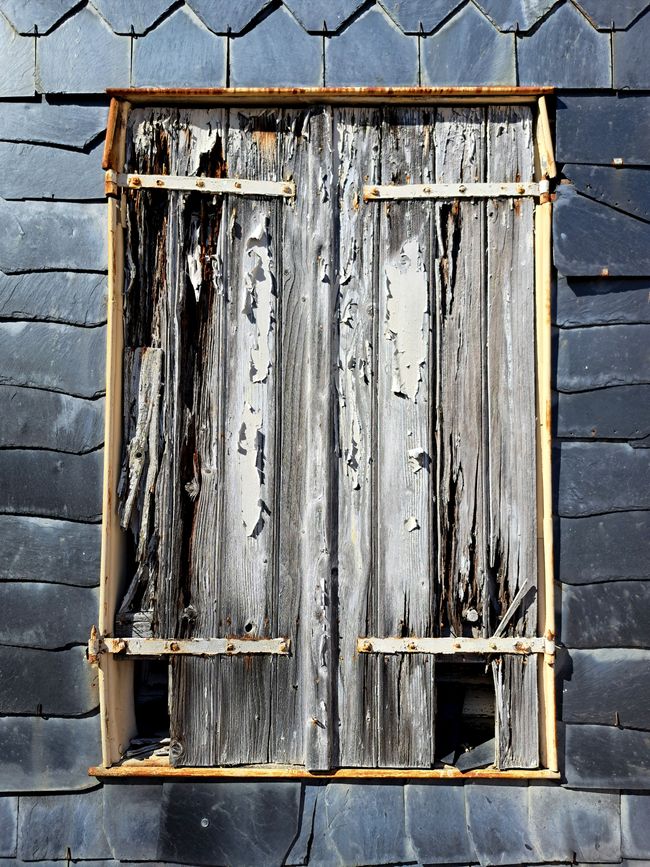
In the morning, the door and window shutters open, he sits with coffee and newspaper under the sun umbrella, she hangs up the laundry. Before 10:00, one doesn't have to talk to each other. But then she asks him if he still has any dirty shirts to wash and also mentions she is cooking bean stew today. To balance it out, he chops five logs of wood for her every day for winter.
During our walk to the sights, Monsieur Bonhomme, a man with a long white beard and few teeth, chats with us about tourists, motorcyclists, and caravans. He visibly enjoys our extraordinary praise of the beauty of the area and the village.
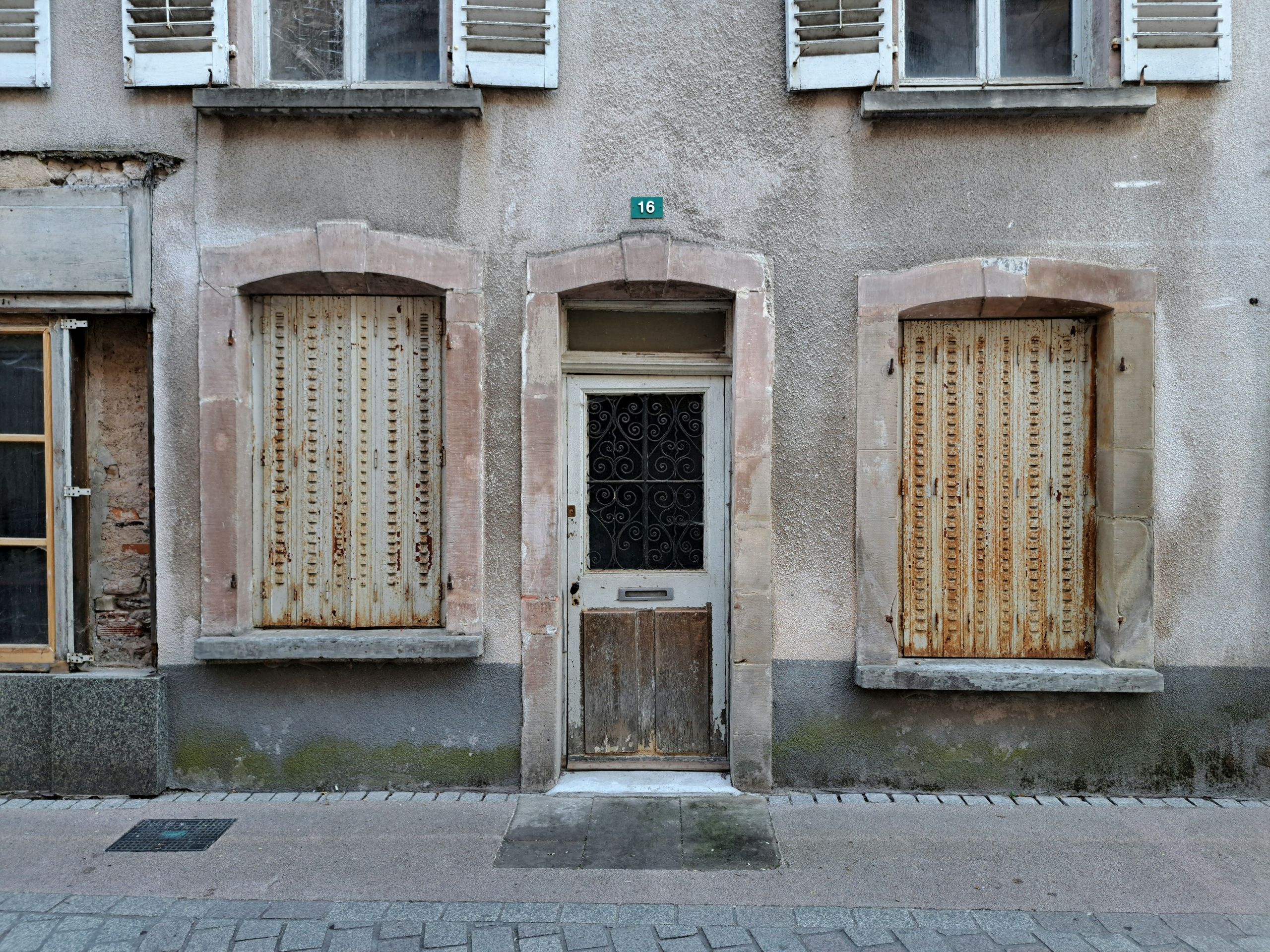
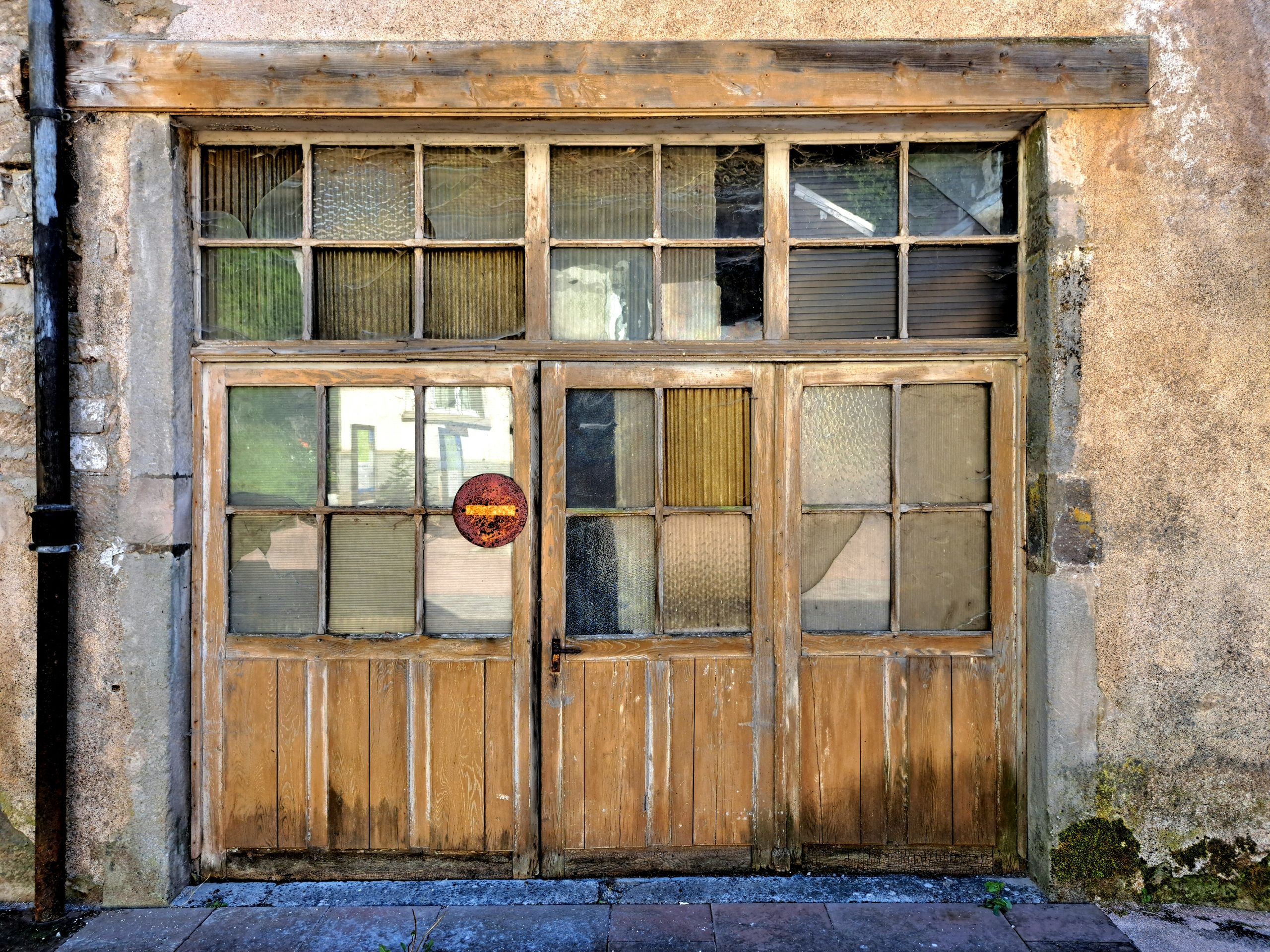
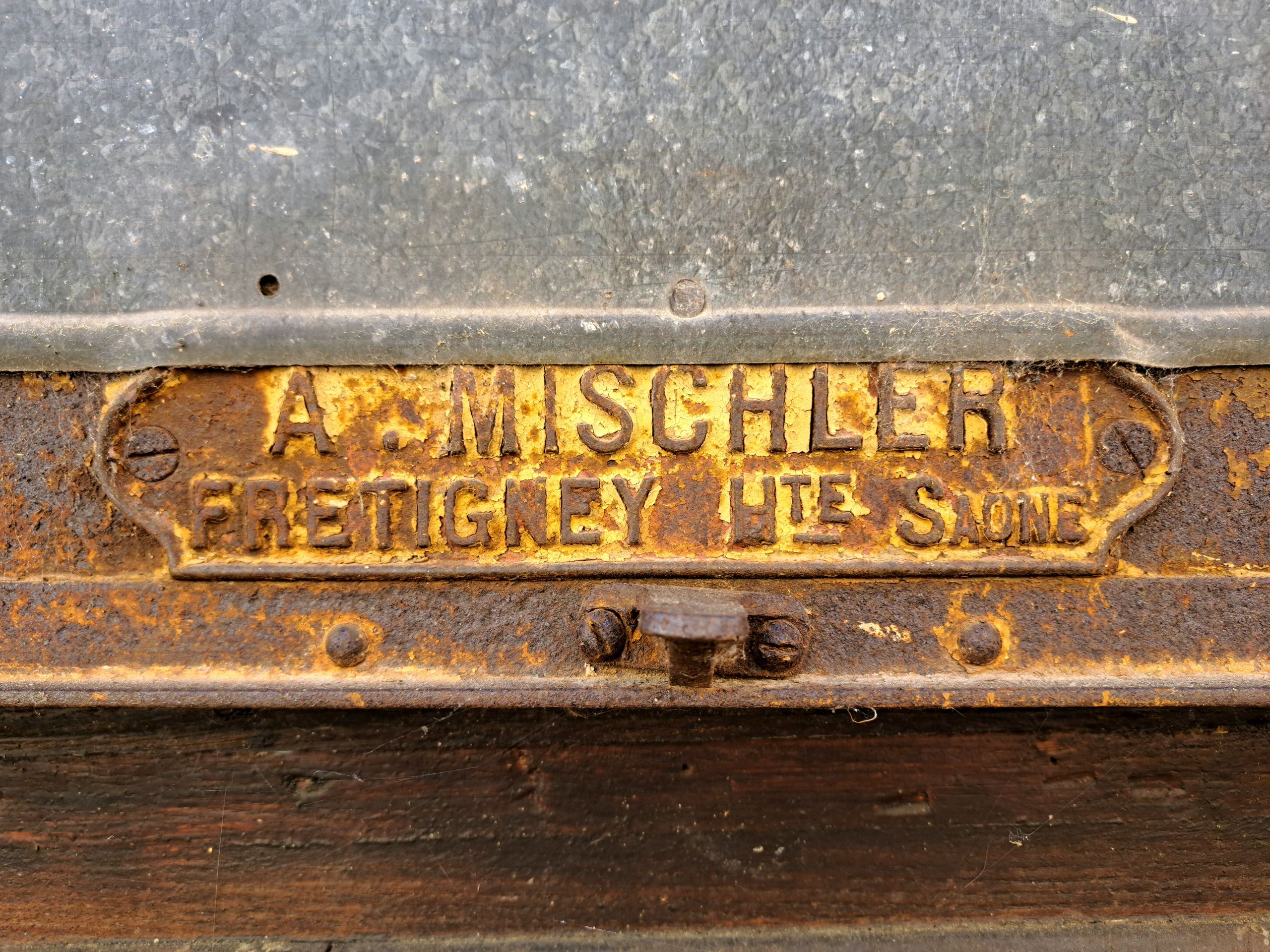
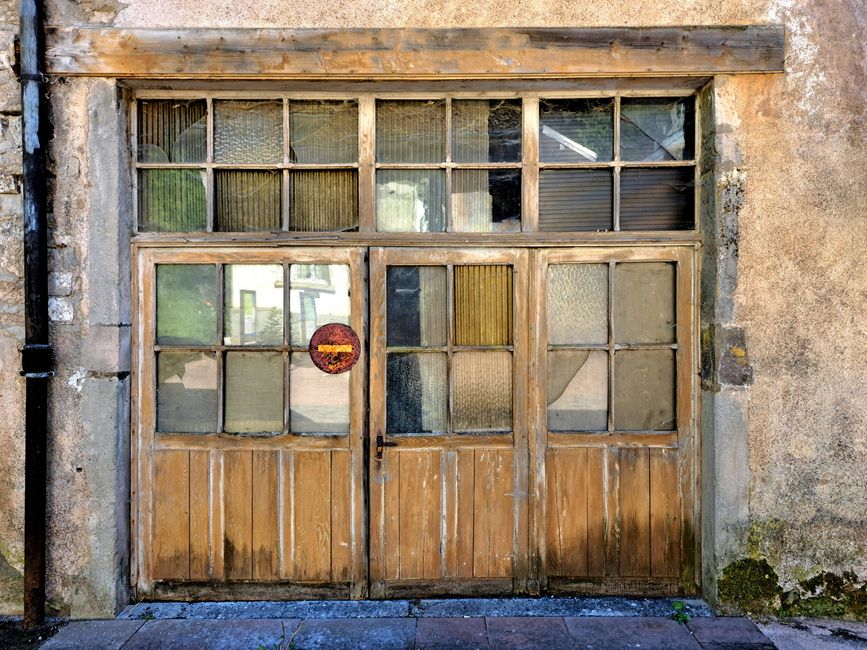
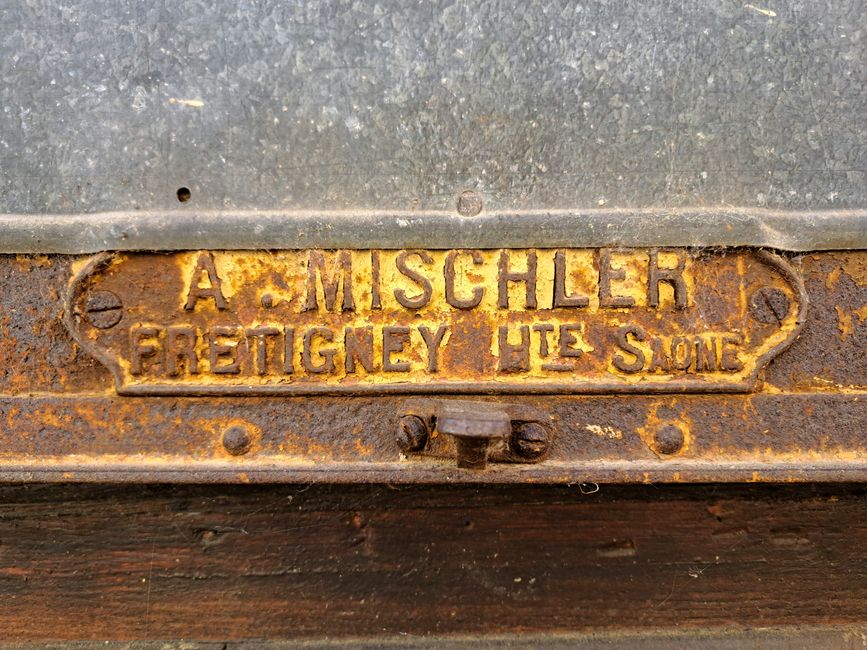
At the end of a street, the hero discovers an old workshop building made of rubble stone with a wooden door and cast-iron window frames. Of course, he must press his long nose against the already blind windows and joyfully inspects the contents of these deserted rooms.
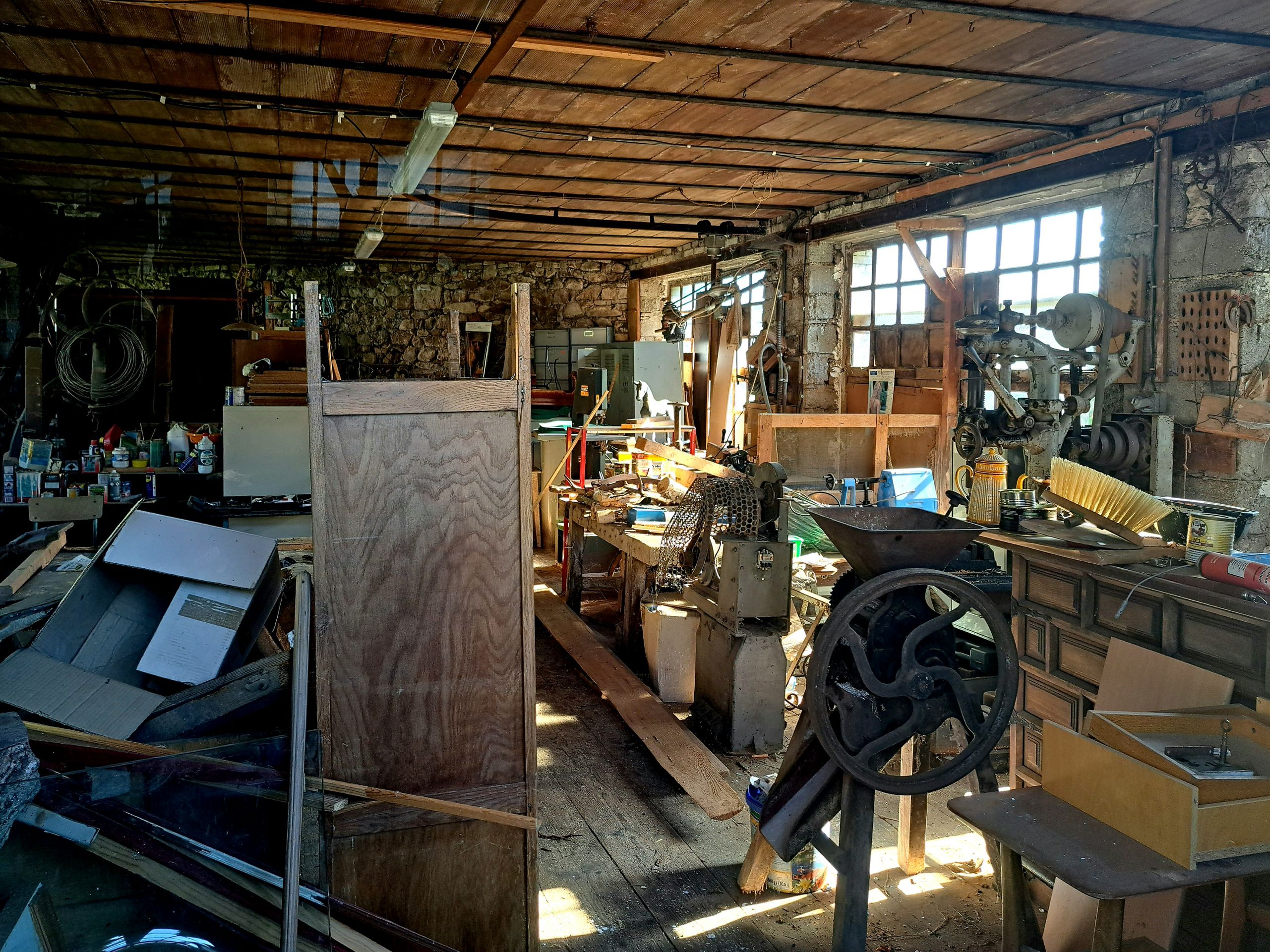
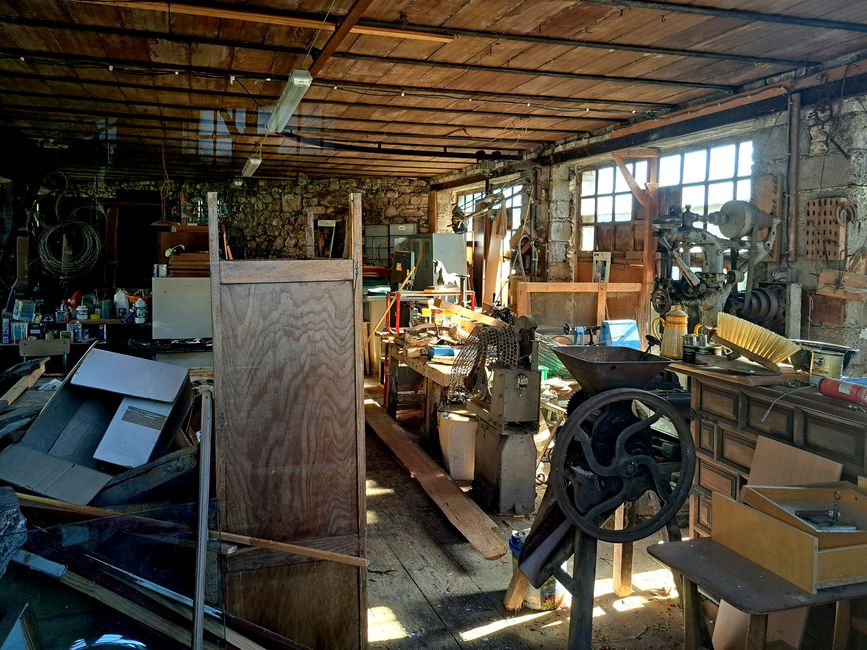
Inside, there are planing benches, vices, a lathe, and a historical universal milling machine for wood and metal processing, operated with leather belts and transmission - as he explains to me.
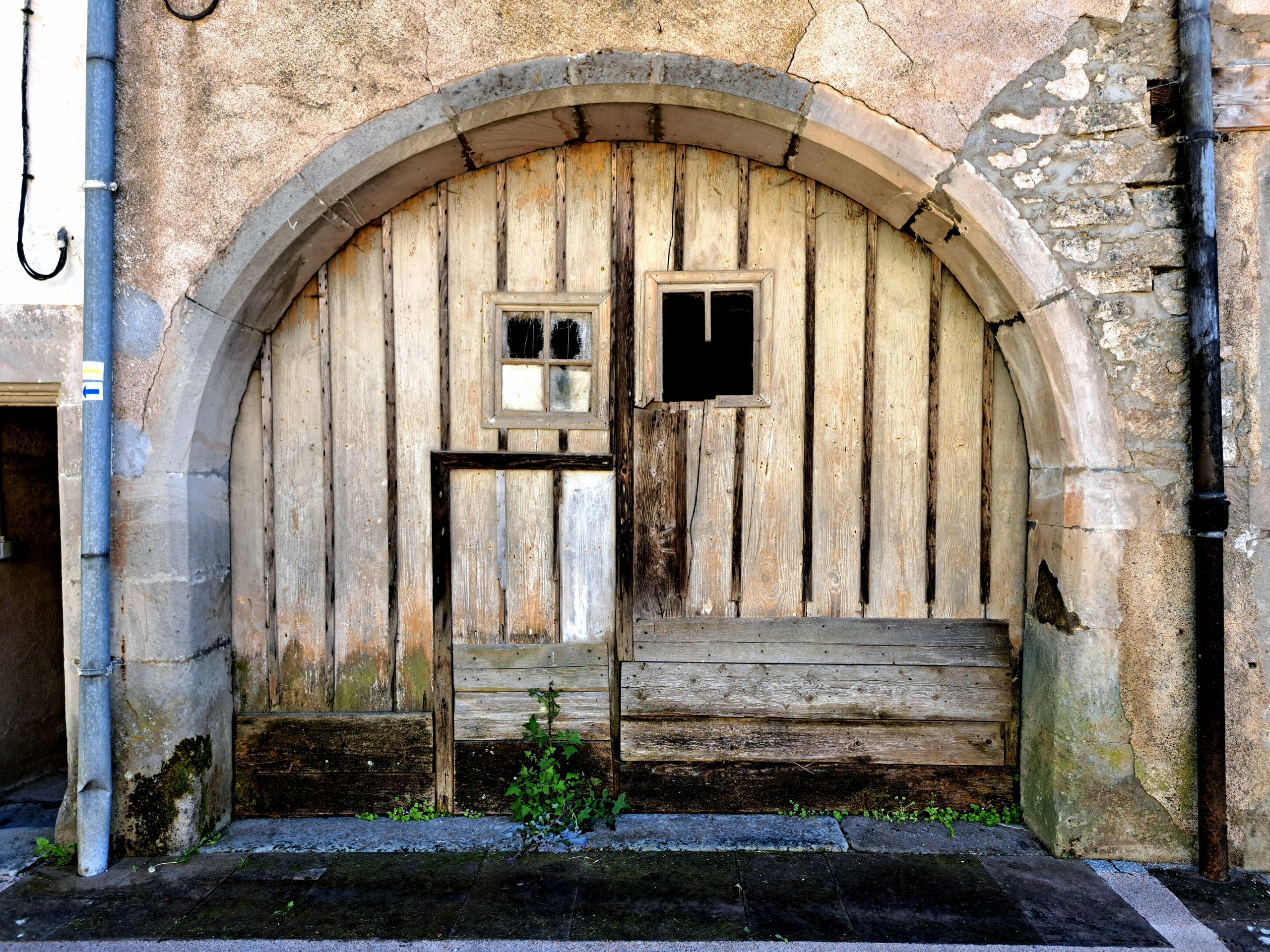
Monsieur points to an old wheelwright's shop, and I can see from his sparkling eyes and eager gaze that he would love to load the interior along with the building into the Kangoo.
In the Office de Tourisme, the young man on duty is just about to close up for the day but gladly hands us some brochures, which flusters him so much that he has to check three times to ensure that he really locked the door after our visit.
This morning, Madame Bouteille saunters by our overnight spot. She asks about our well-being, and we chat a bit about the weather. Today it will be hot again, and thunderstorms are forecasted. On n'a pas le choix. No, when it comes to the weather, there's no choice.
Then she disposes of her empty wine bottle; after all, the daily trip to the glass container must be completed.
We leave the village well-rested and very relaxed. The postcard museum opens only in the afternoon, and our journey continues to Ognon. After all, we want to explore the countless curves, loops, and bends by paddleboat. On y va!