
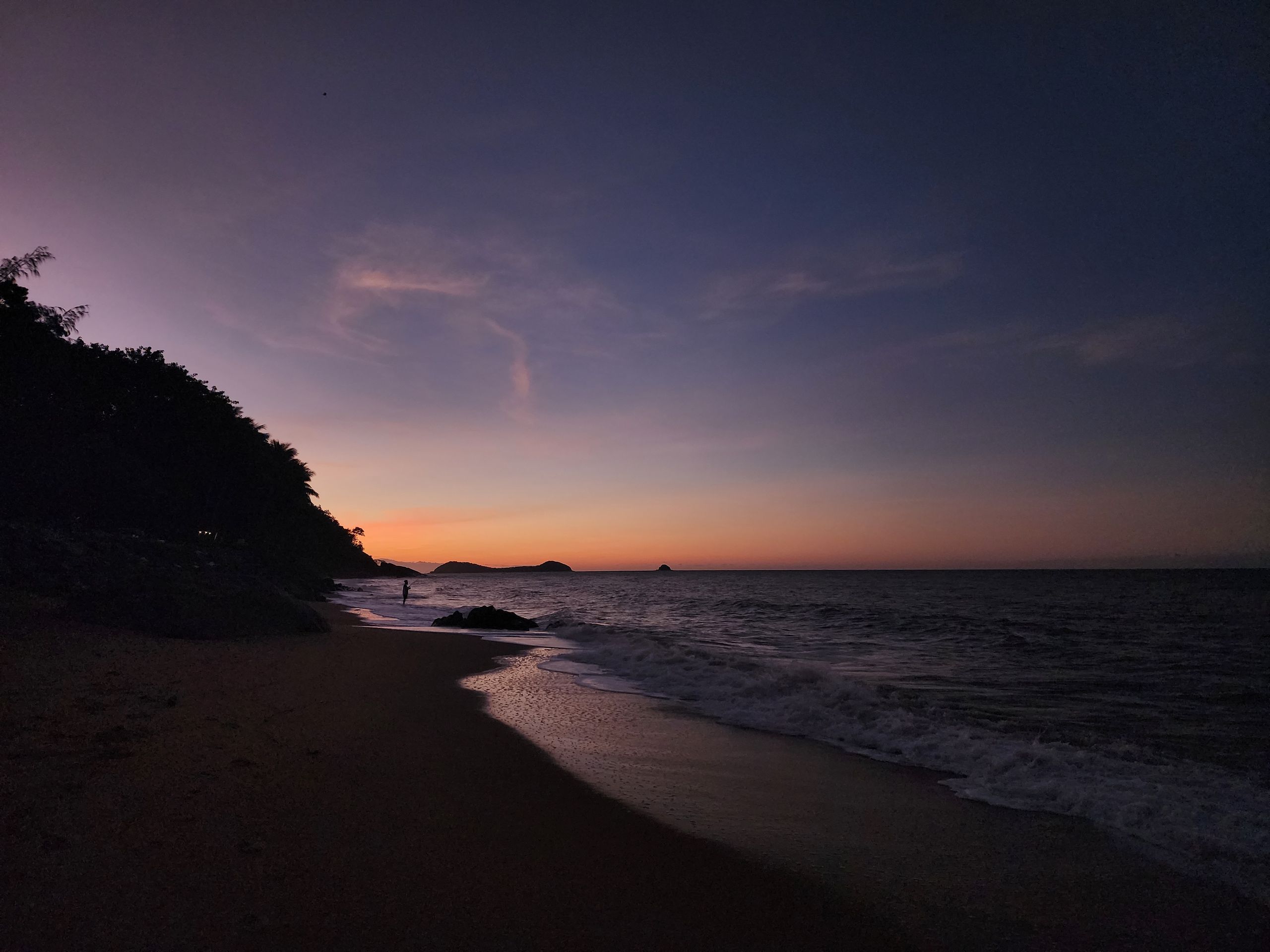
Day 25, May 19, Rock wallabies and ring-tailed possums
In the morning we hiked all the trails around Malanda Falls, about 3kg, but without seeing any tree kangaroos. After a 40-minute drive, we arrived at Granite Gorge at 9:00, just...

Published: 21.05.2026
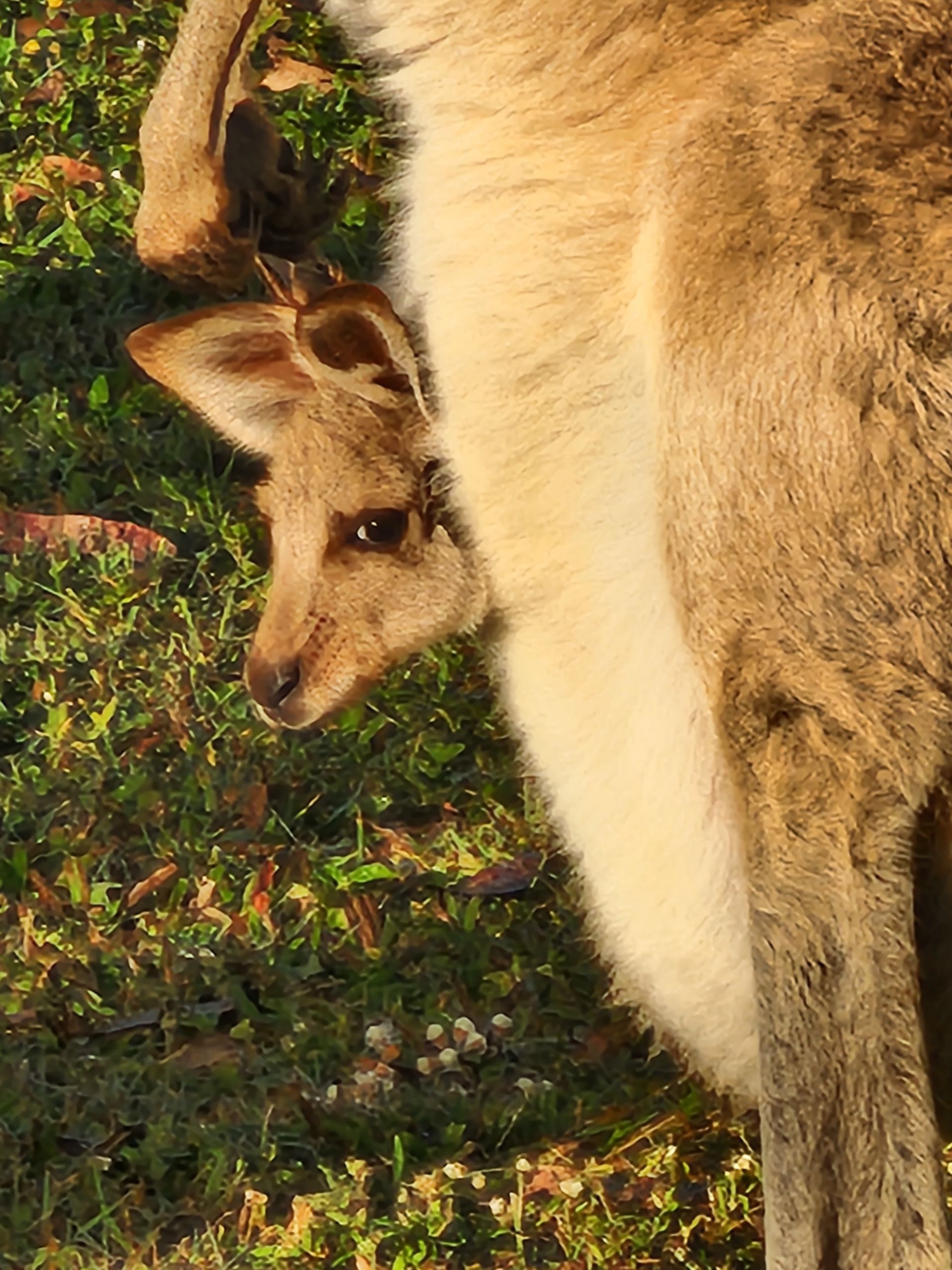
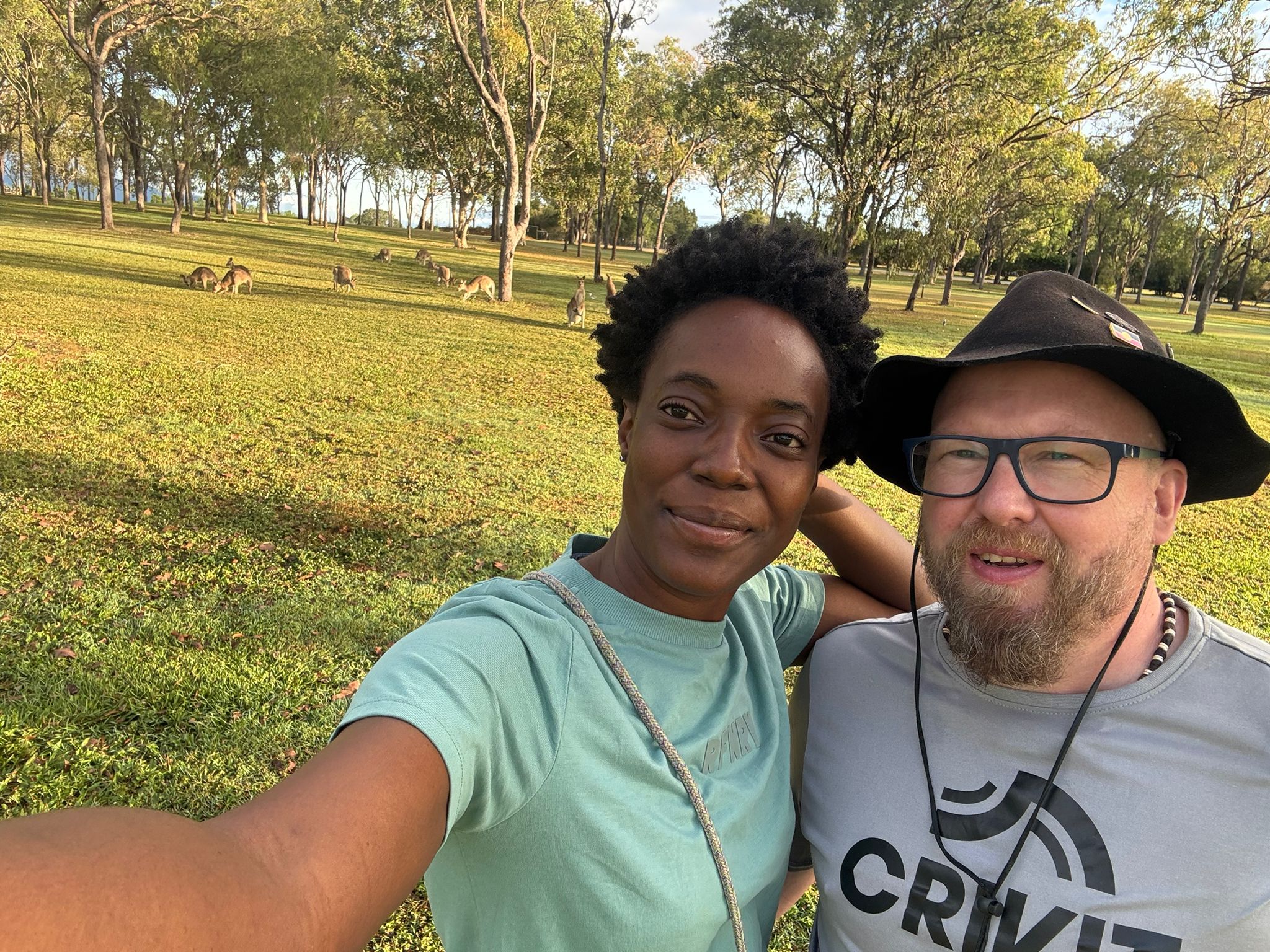
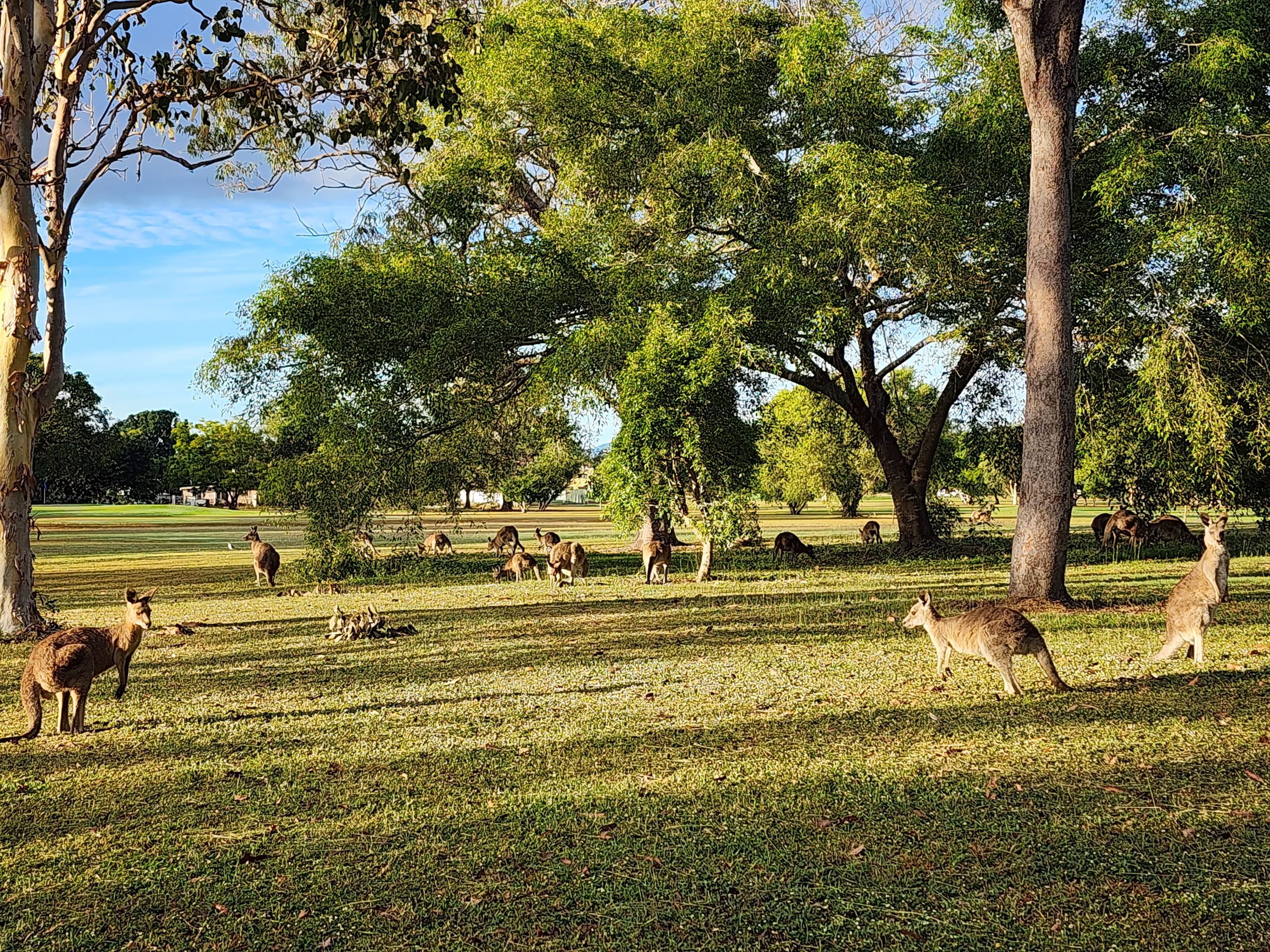
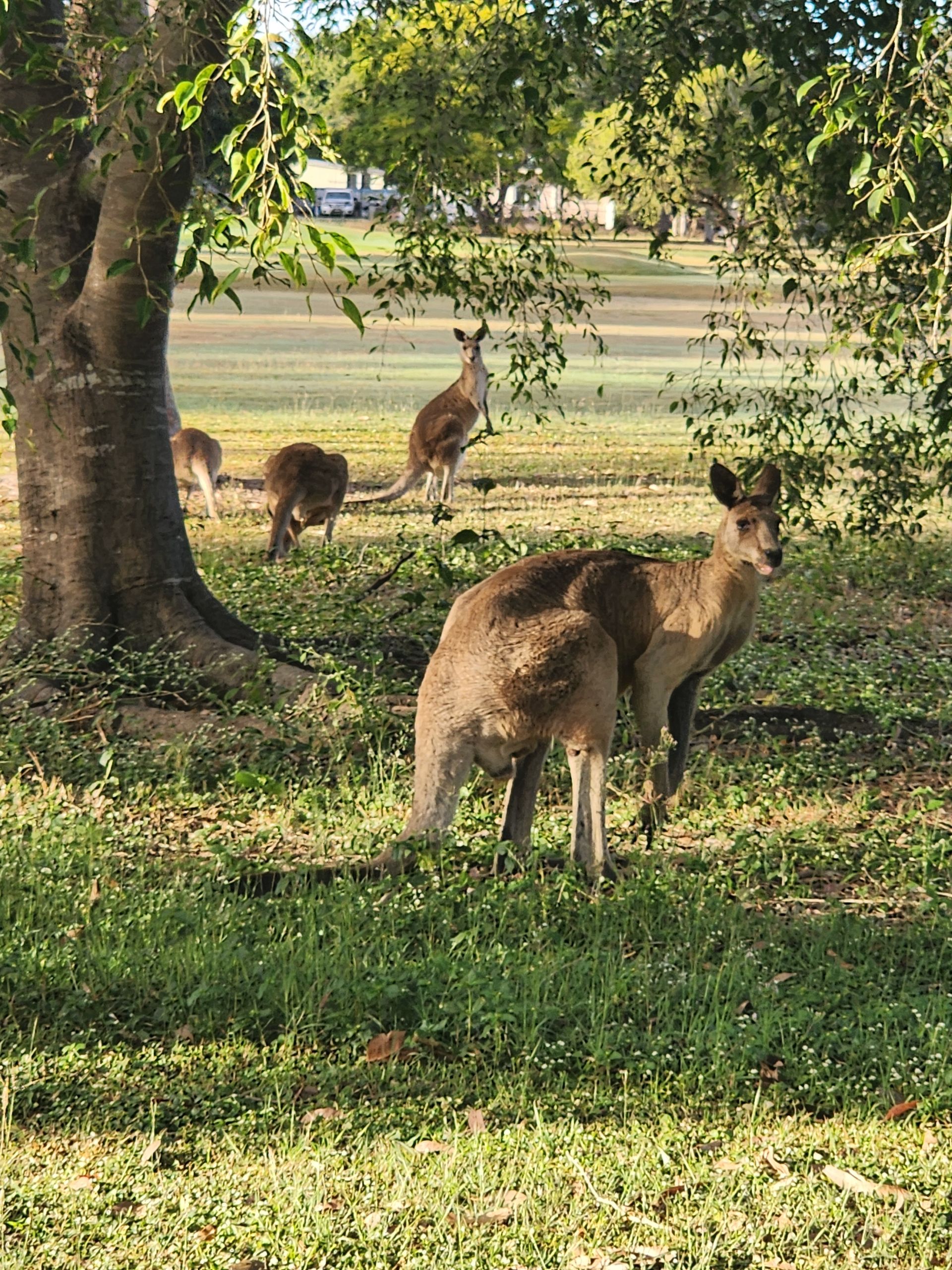
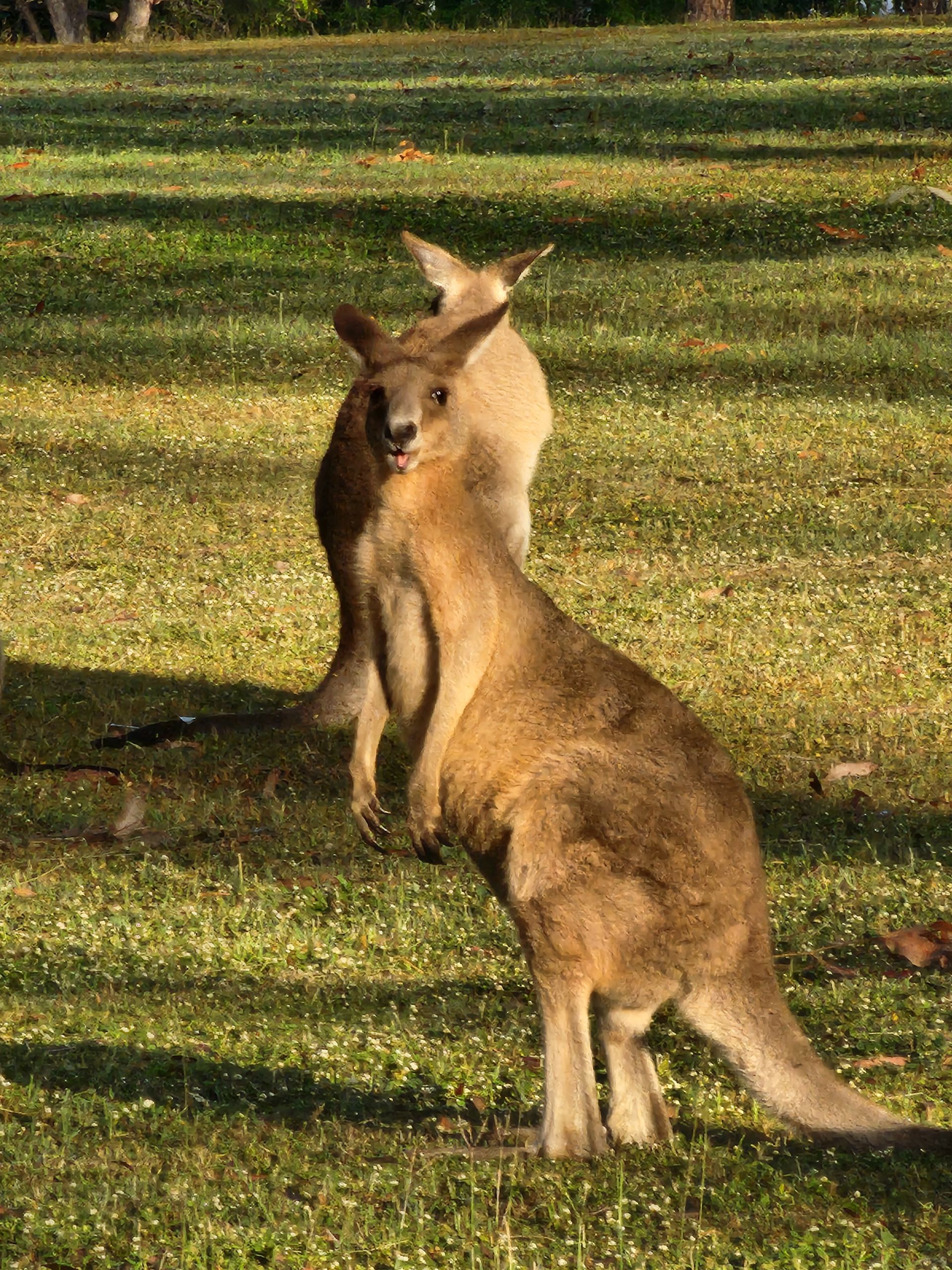
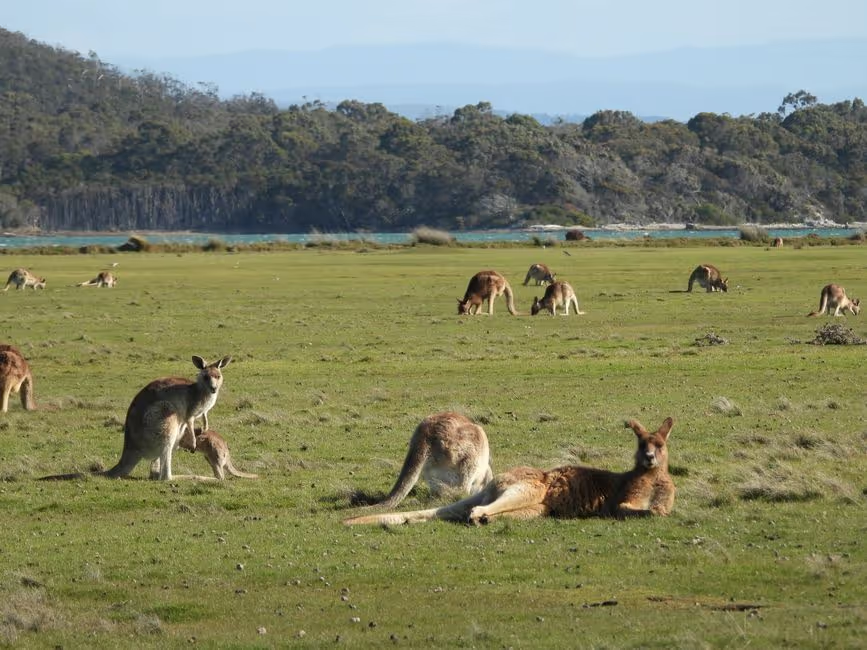
Following Patrick's tip, we first headed to the Marabee Golf Course in the morning, where a large group of Eastern Grey Kangaroos resides. In fact, we were able to observe and photograph the animals superbly as they stood and hopped around in the beautiful morning sunlight on the lush green. They are used to people and you can get within a few meters of them. Many females were there with already large joeys, who nevertheless disappeared into their mother's pouch when we got too close. At first, only their long hind legs were visible, until the joey turned around in the pouch after a while and peeked out to graze from inside the pouch when the mother bent down to graze herself or soon left the pouch again.
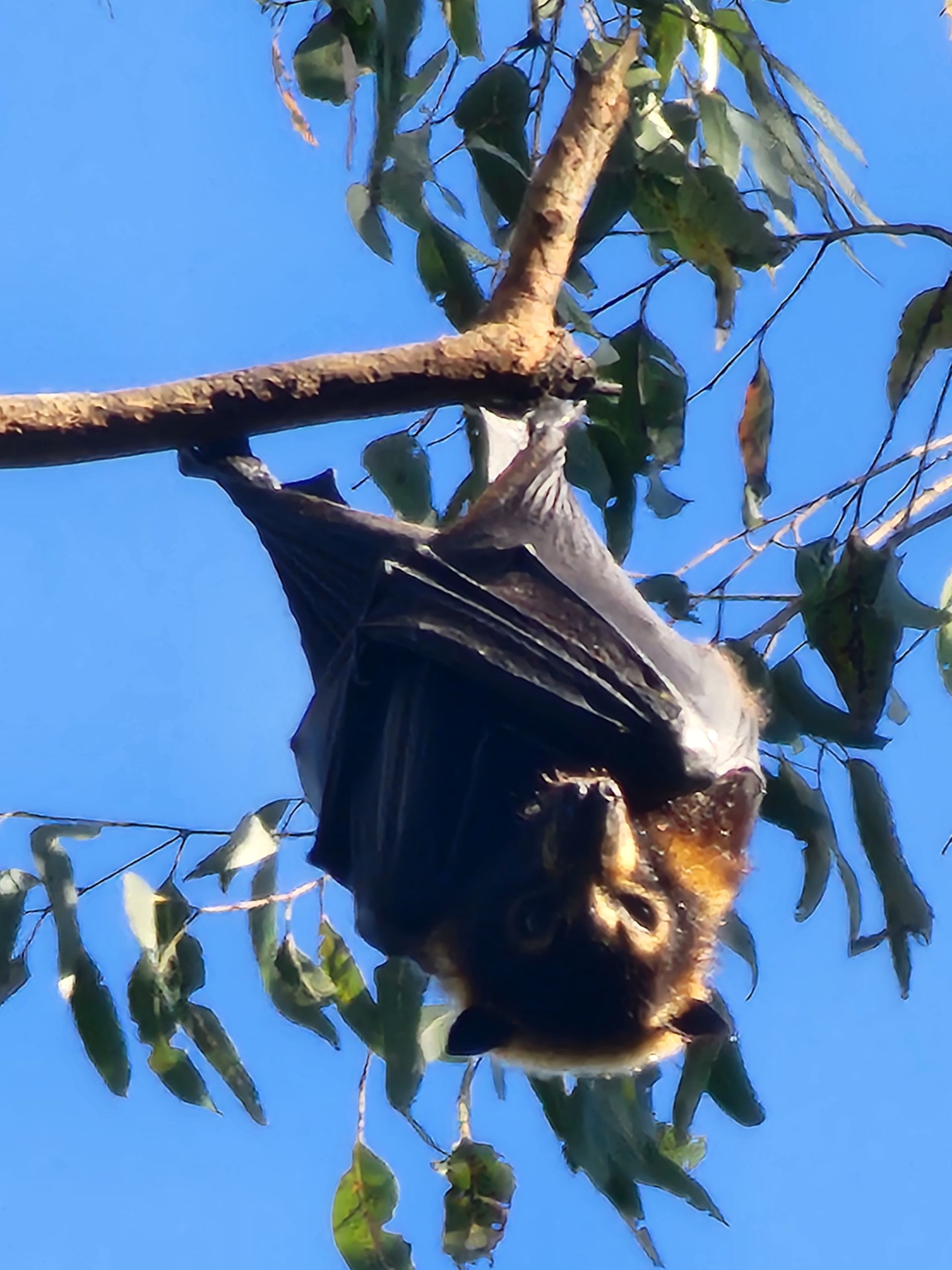
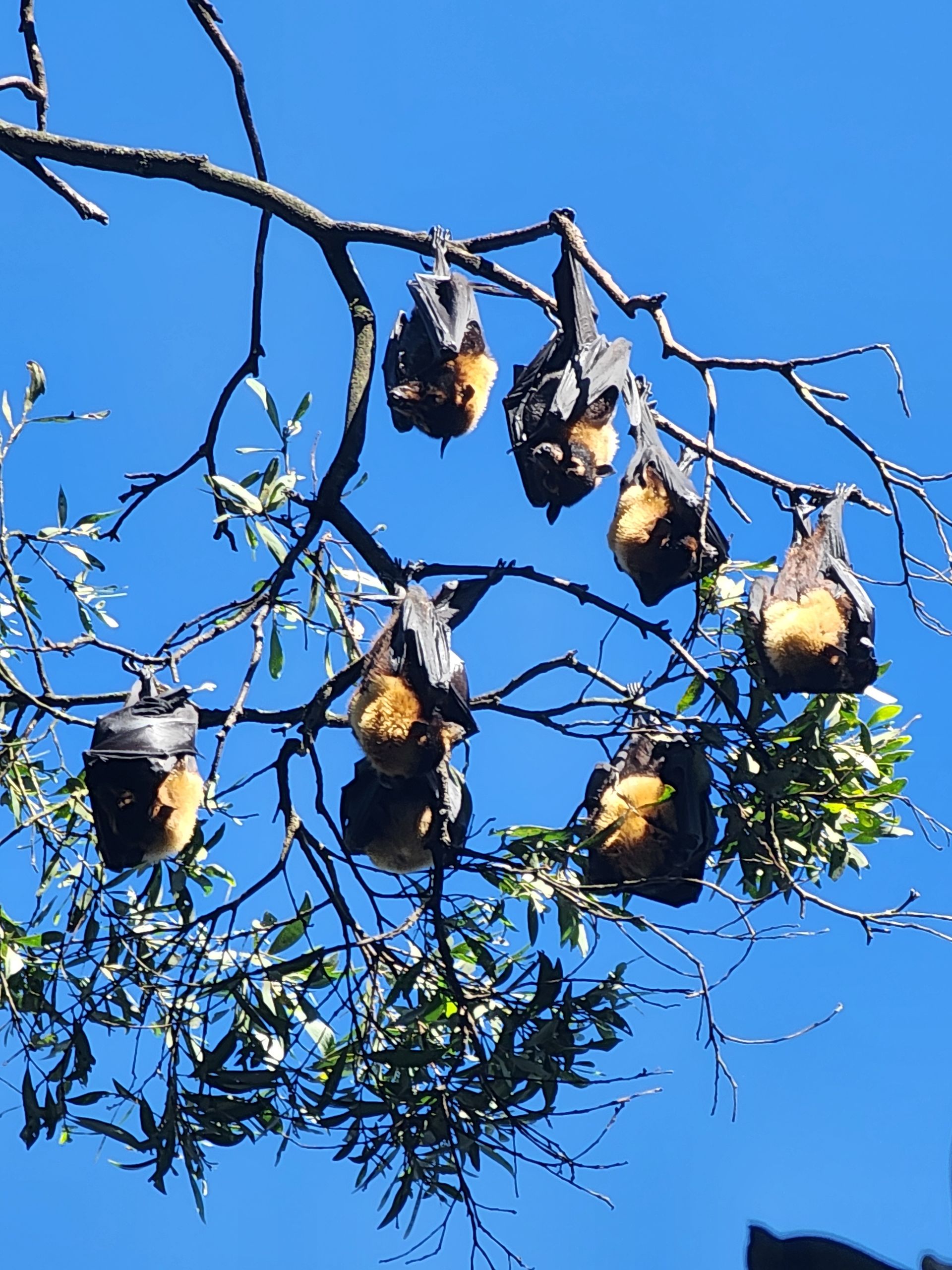
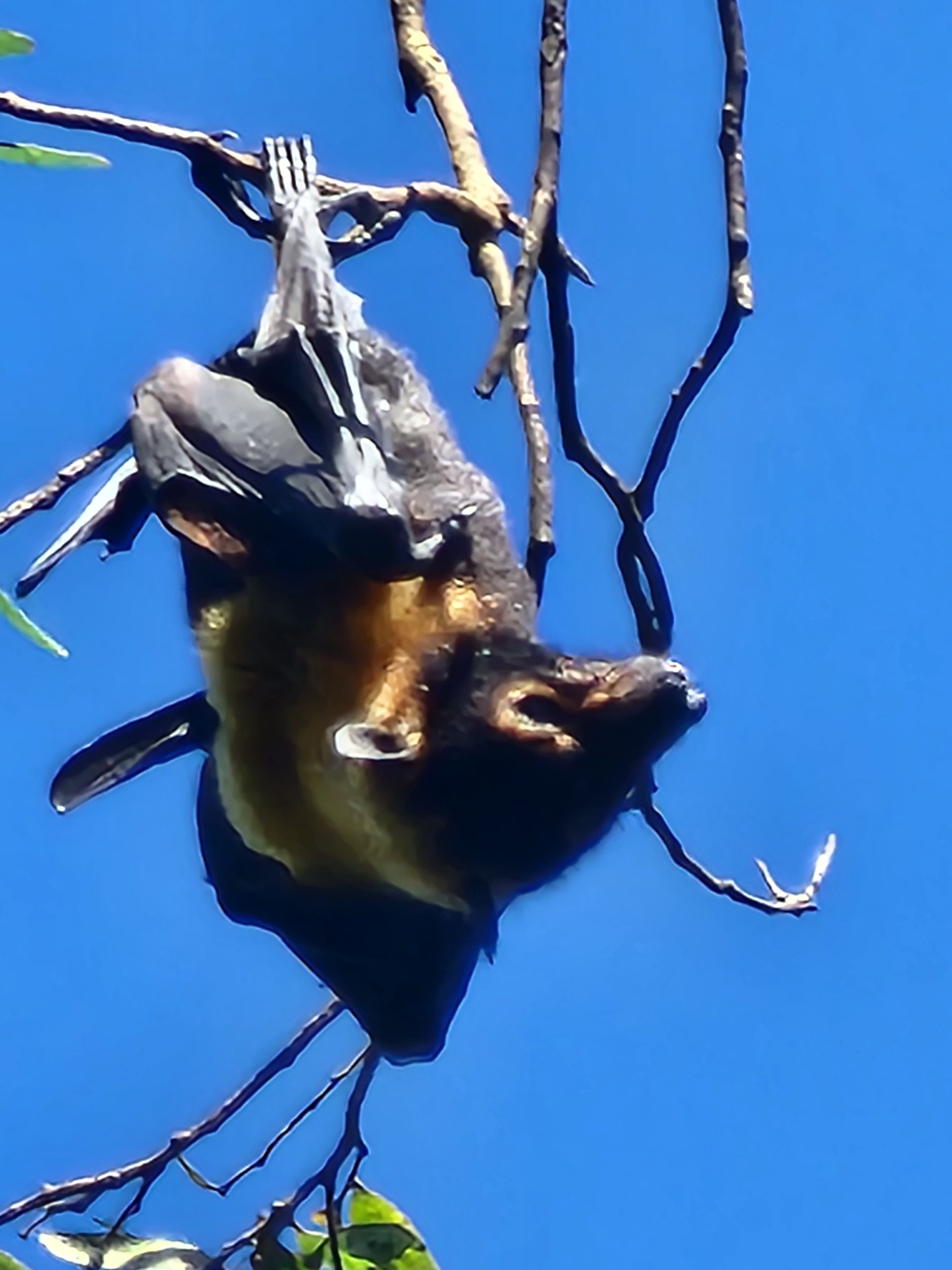
After a wonderful 45 minutes, we headed back towards Atherton, but before that, we turned left to Peterson Creek, which is famous for its platypuses. However, we were looking for the colony of the Spectacled Flying Fox, which is the third largest species of flying fox in Australia. We soon found them, smaller than the colonies of the Black Flying Fox, but still a few hundred individuals, and they were in less dense trees than their larger relatives, making them easier to photograph. Their eyes are surrounded by blonde fur, and their heads are otherwise brown to black, giving the appearance that they are wearing glasses. Hence the name Spectacled Flying Fox.
This species is threatened in an unusual way by an invasive plant, a wild tobacco that grows a few meters high but has very popular flowers with good nectar for the flying foxes. This nectar is also healthy for the animals, but on the low-growing plant, there are ticks that transmit a deadly virus to them. The ticks do not occur on their natural, much taller food plants.
At 11:00 AM, we were then in Cairns, a city very popular with tourists in tropical Queensland, known for its sand and the Great Barrier Reef but otherwise not particularly special. We freshened up and then met at 2:00 PM at James Cook University with our colleague Tasmin Rymer, who was doing her doctorate at the University of the Witwatersrand in Johannesburg when I was there as a postdoc. That was already over 20 years ago! Now she is a lecturer here.
The university is beautiful, small, and clean, well-equipped. We met Tasmin's four international doctoral students who are working on freshwater snails, birds, social spiders, and platypuses. Cairns, with only 220,000 inhabitants in the humid-hot tropics, is not popular among Australian students; most prefer Sydney or Melbourne. However, it has a very good reputation among international students.
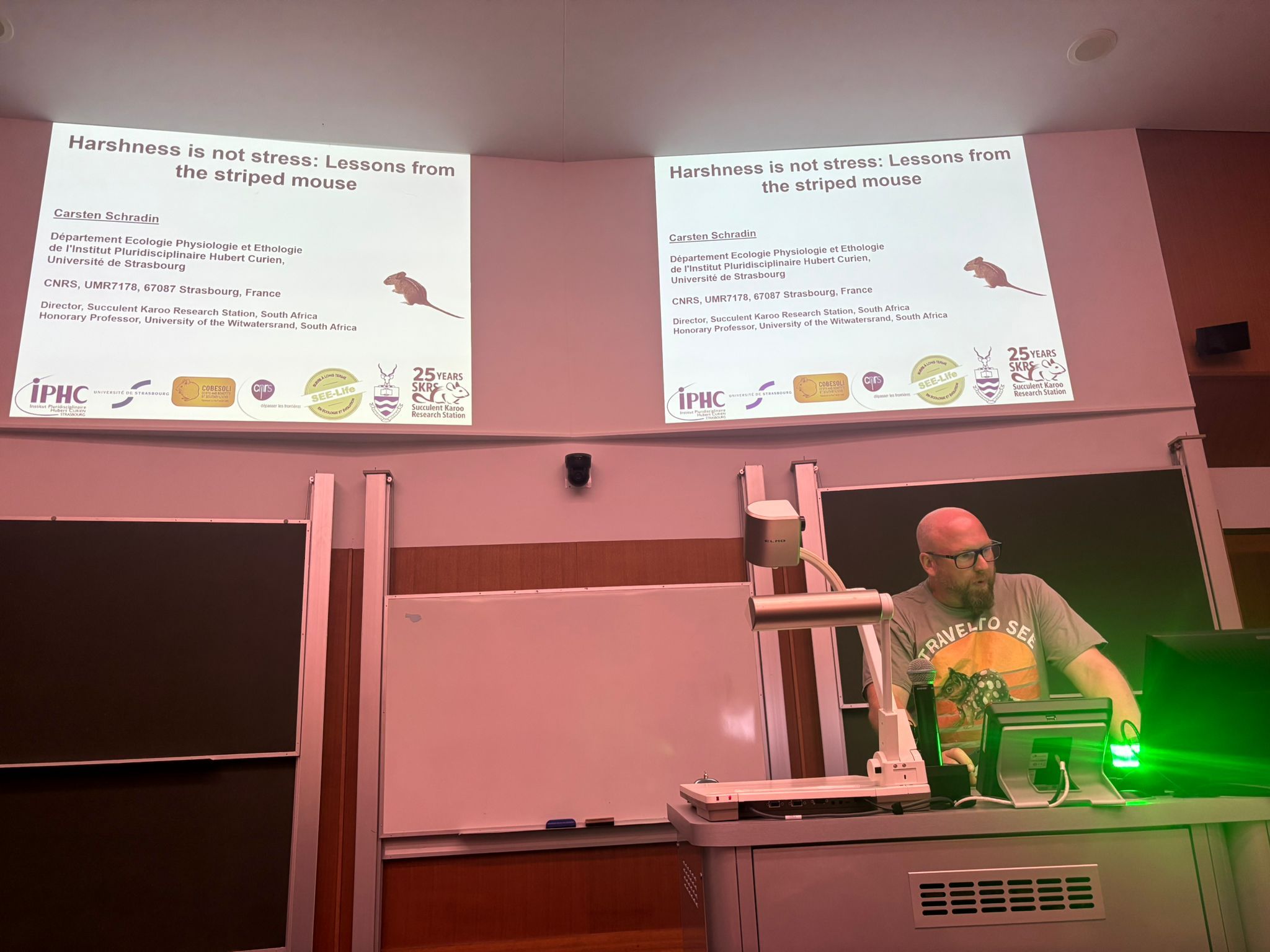
At 4:00 PM, both of us gave a talk, each lasting about 20 minutes, to an interested audience of about 30 people. Great contacts were also made here, with a conservation organization in Daintree that we plan to visit on Friday, and with John Endler, a famous behavioral researcher who has studied bowerbirds. After that, we went out to dinner with Tasmin. All in all, it was a very successful day today.