Day 24, May 18: The Tree Kangaroos of Malanda!
Day 24, May 18: The Tree Kangaroos of Malanda! Morning exercise at 5:30, finally possible again, then leaving at 6:20 in the dawn, back to the highway, and then about 100km...

Published: 20.05.2026
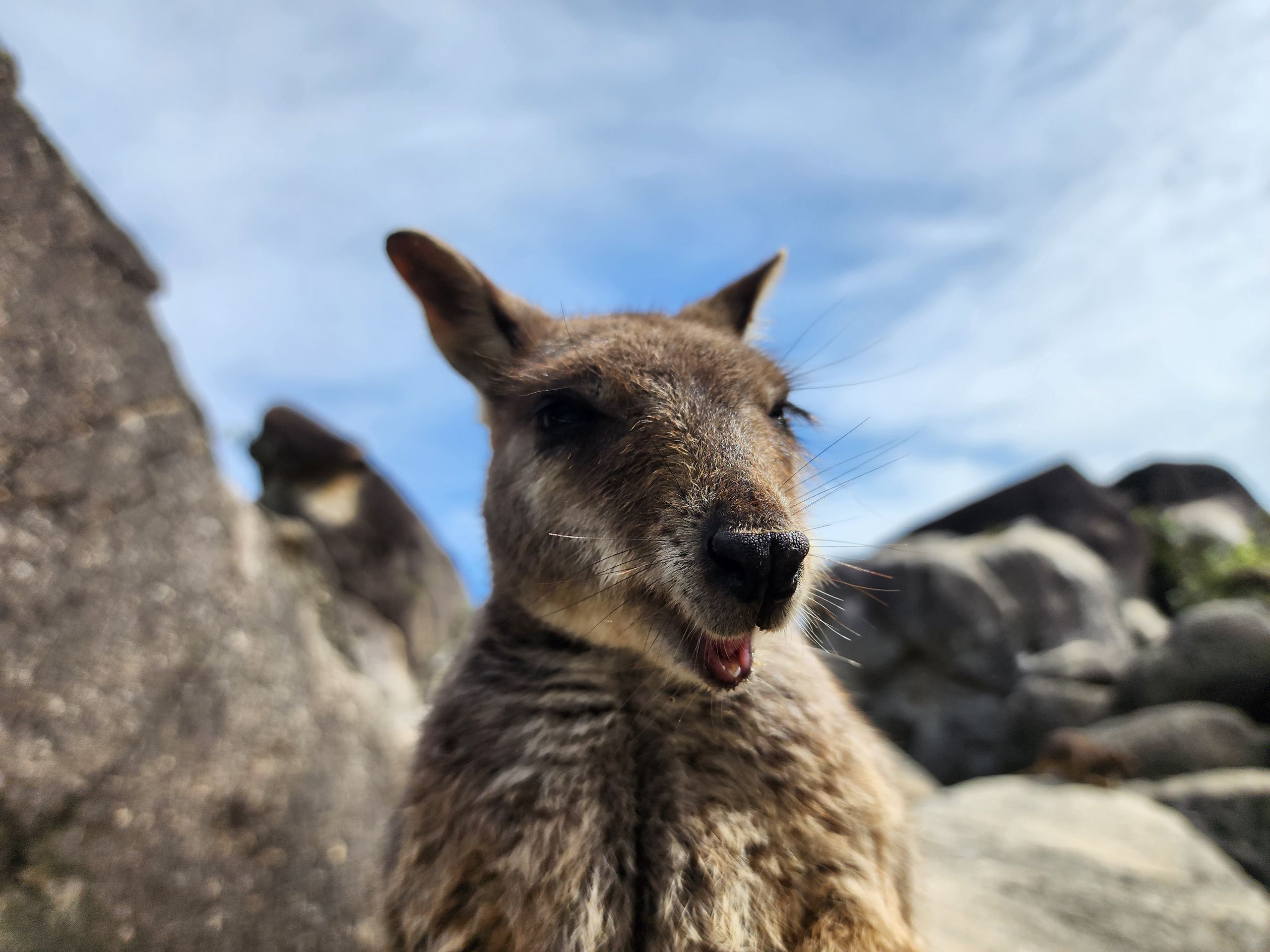
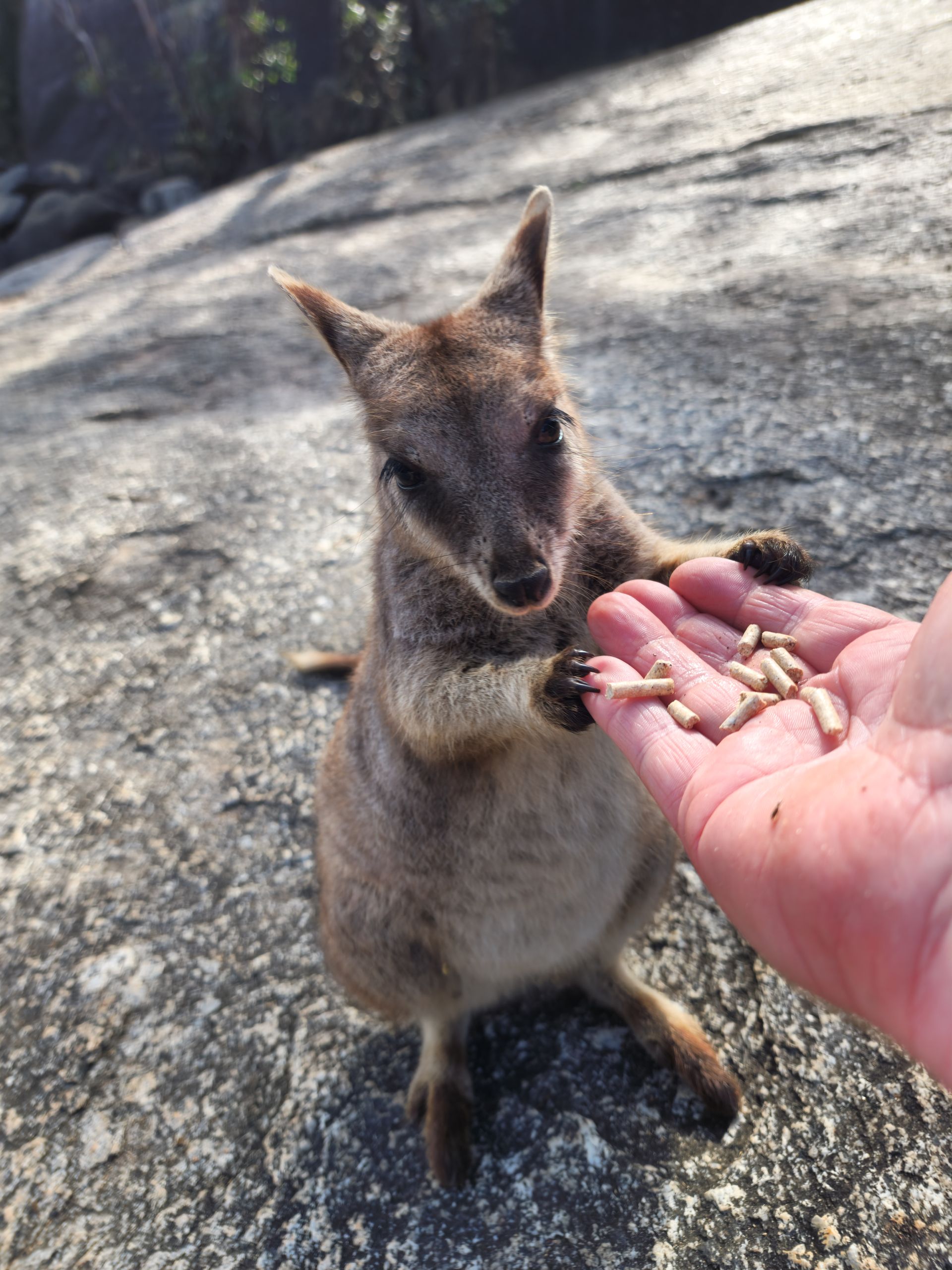
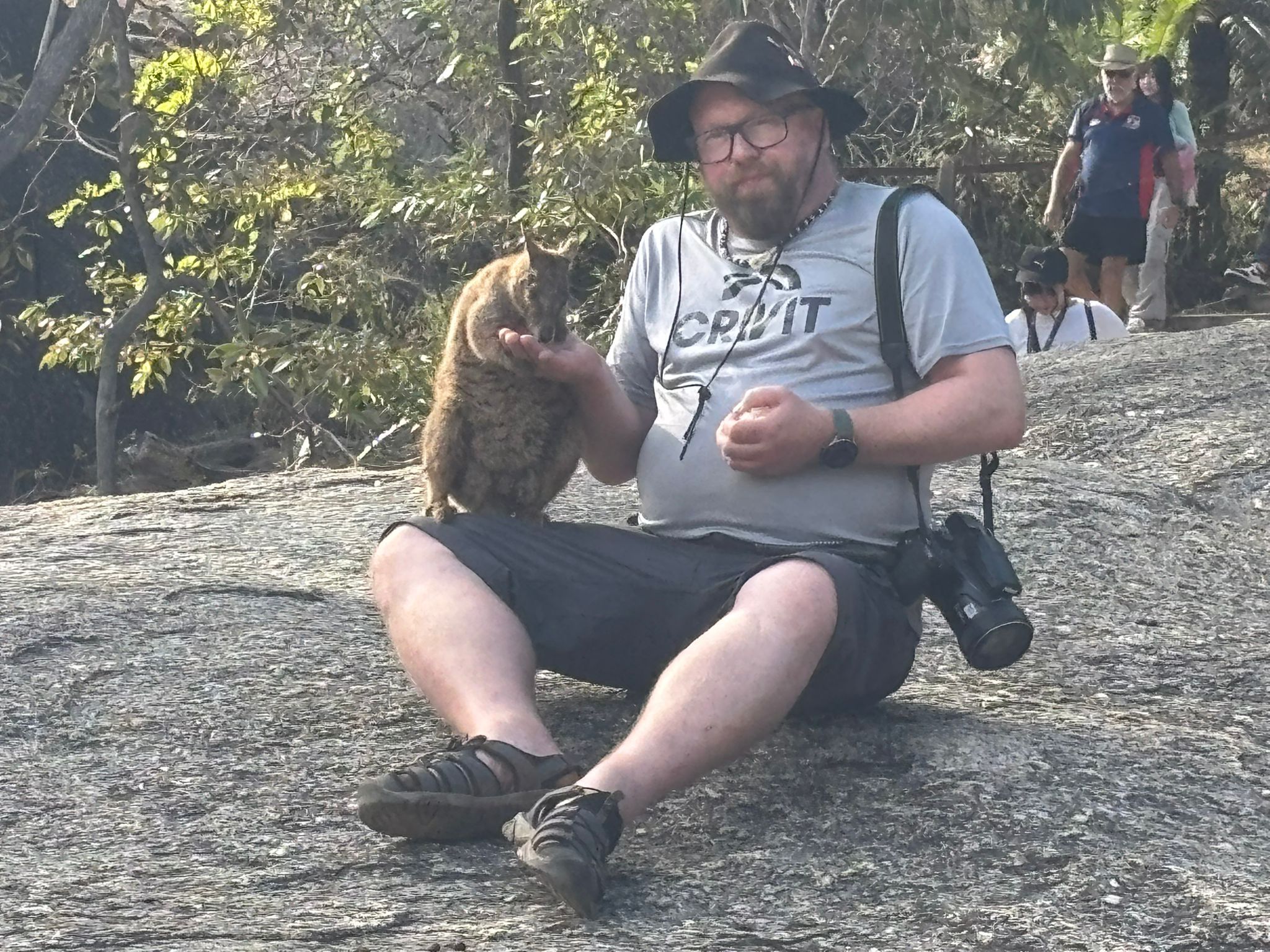
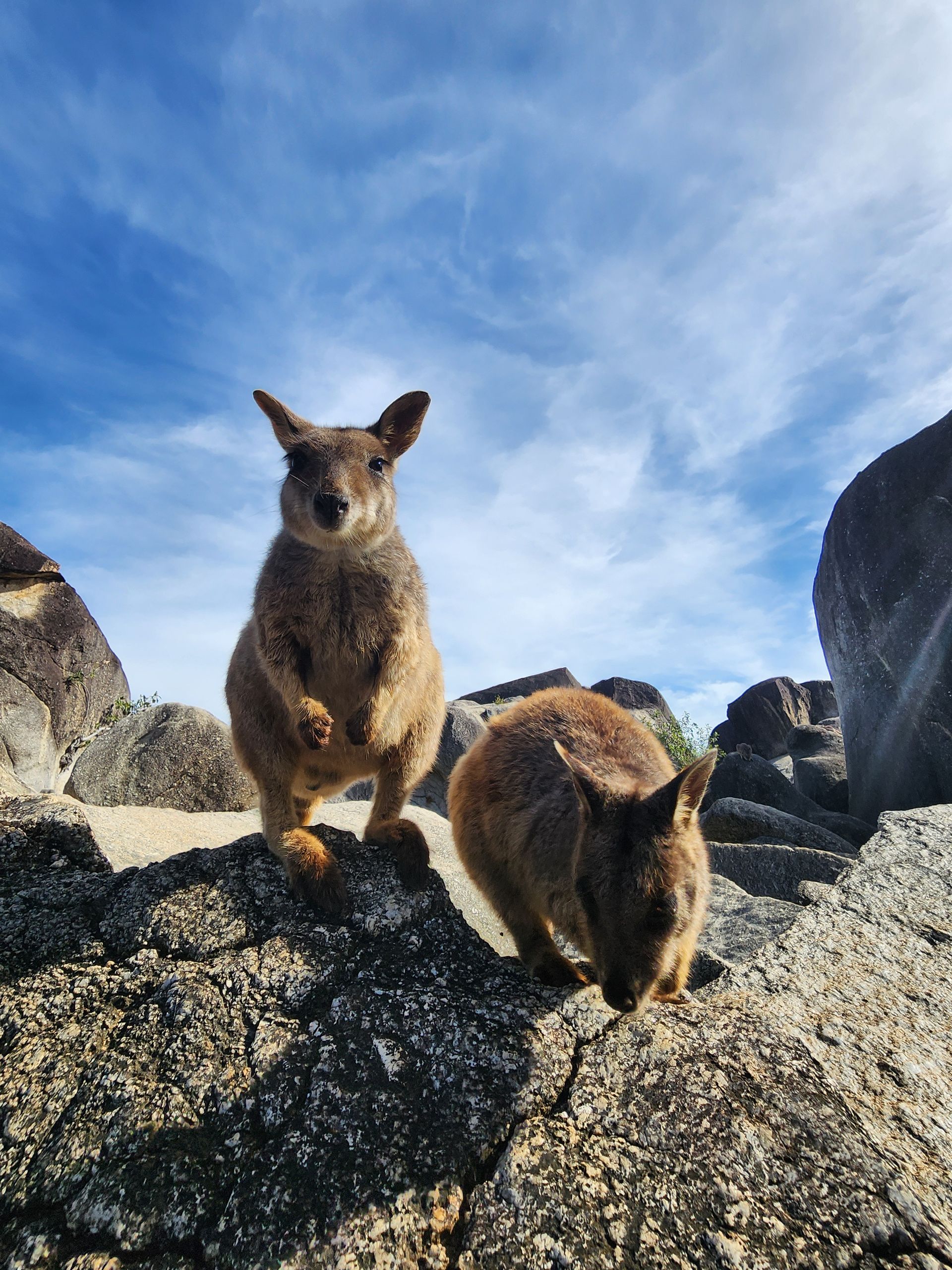
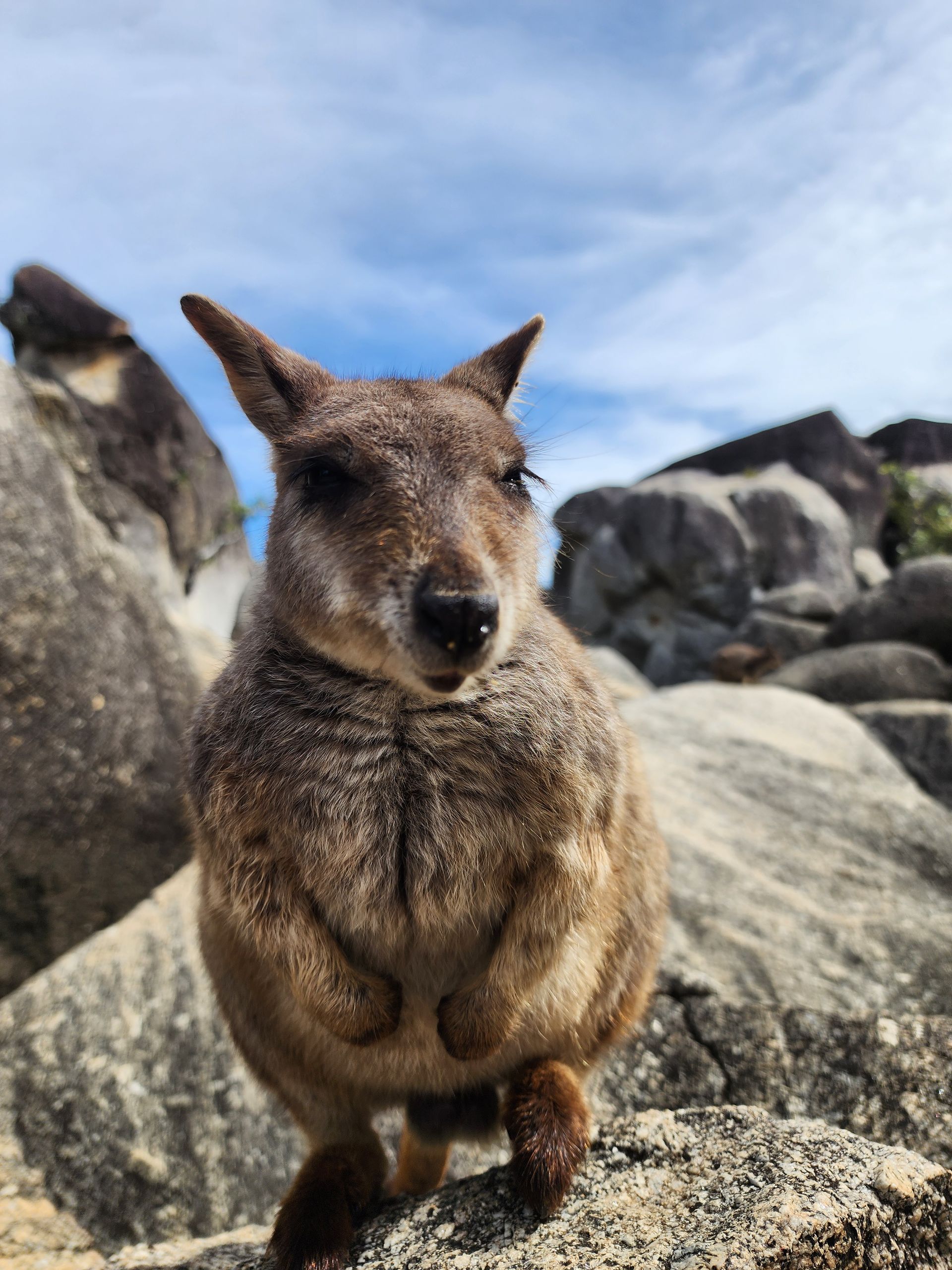
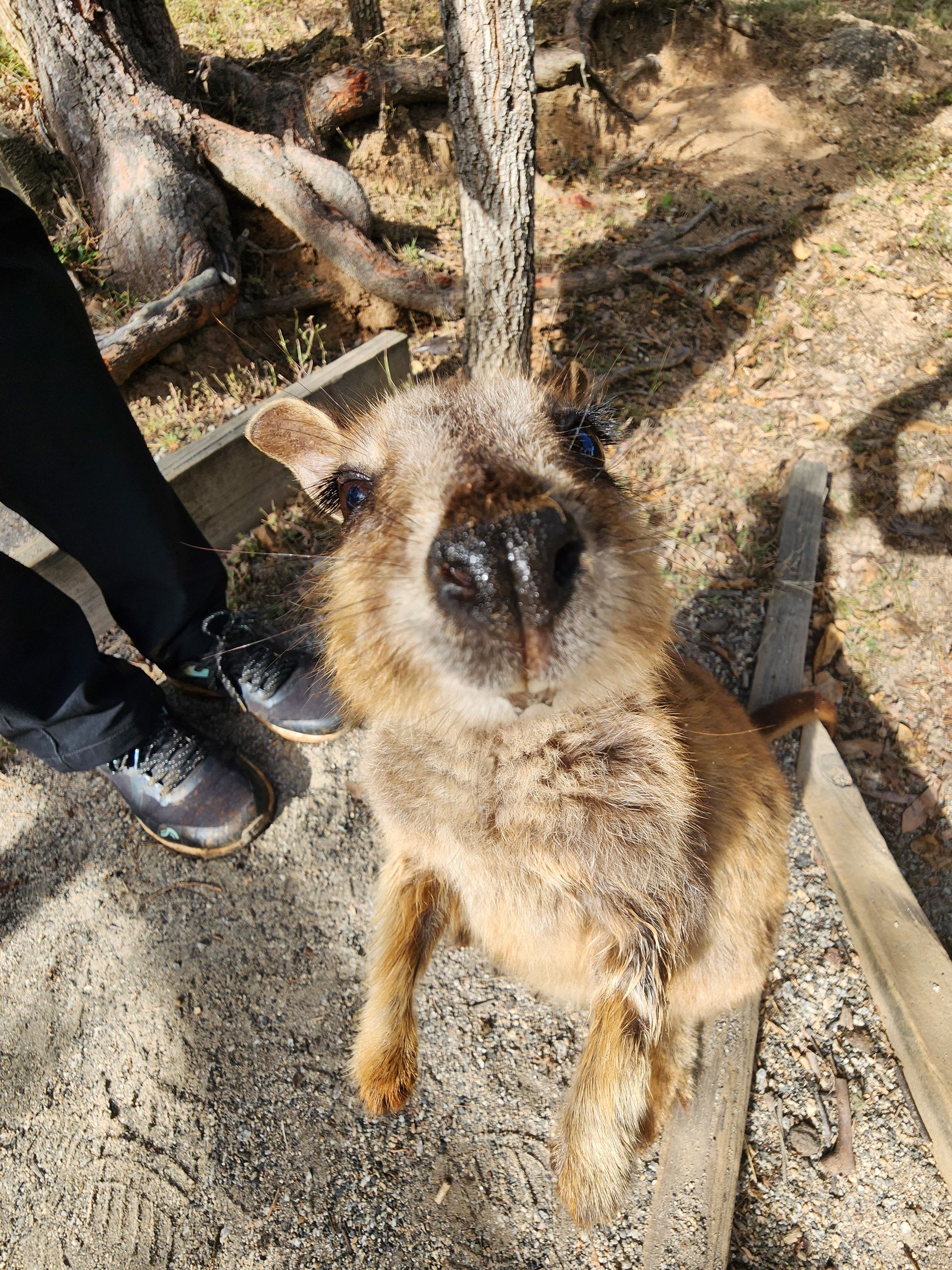
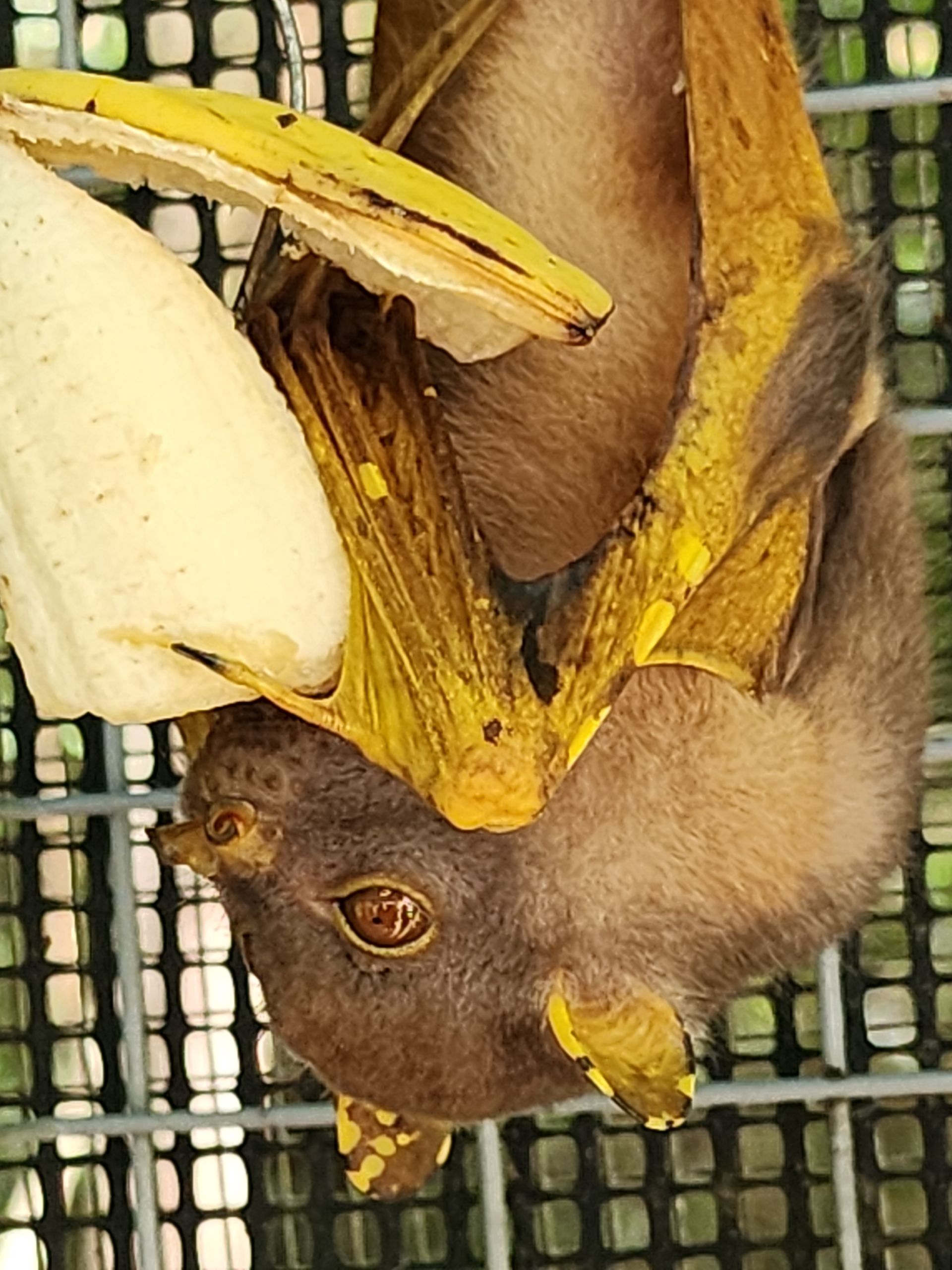
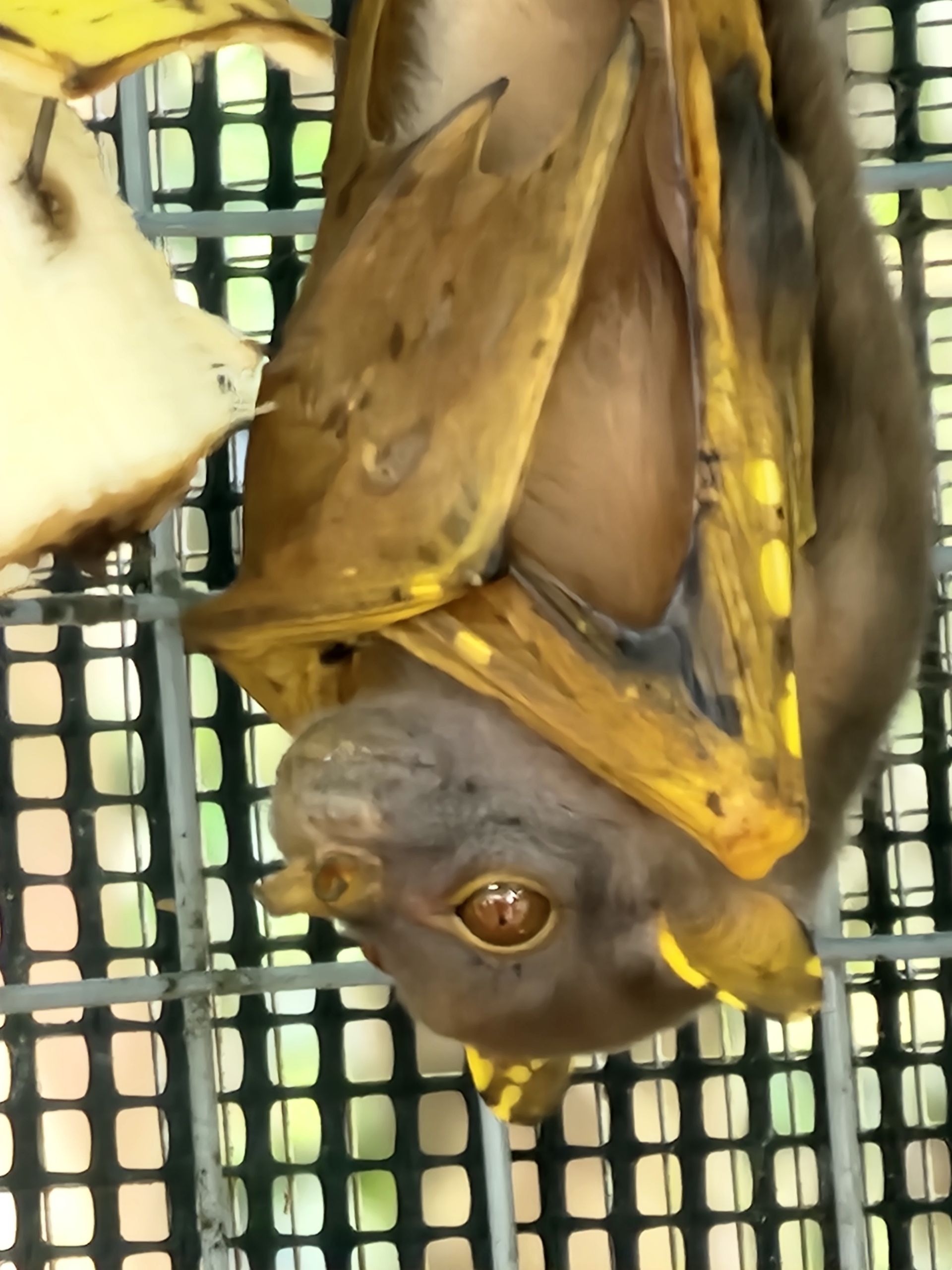
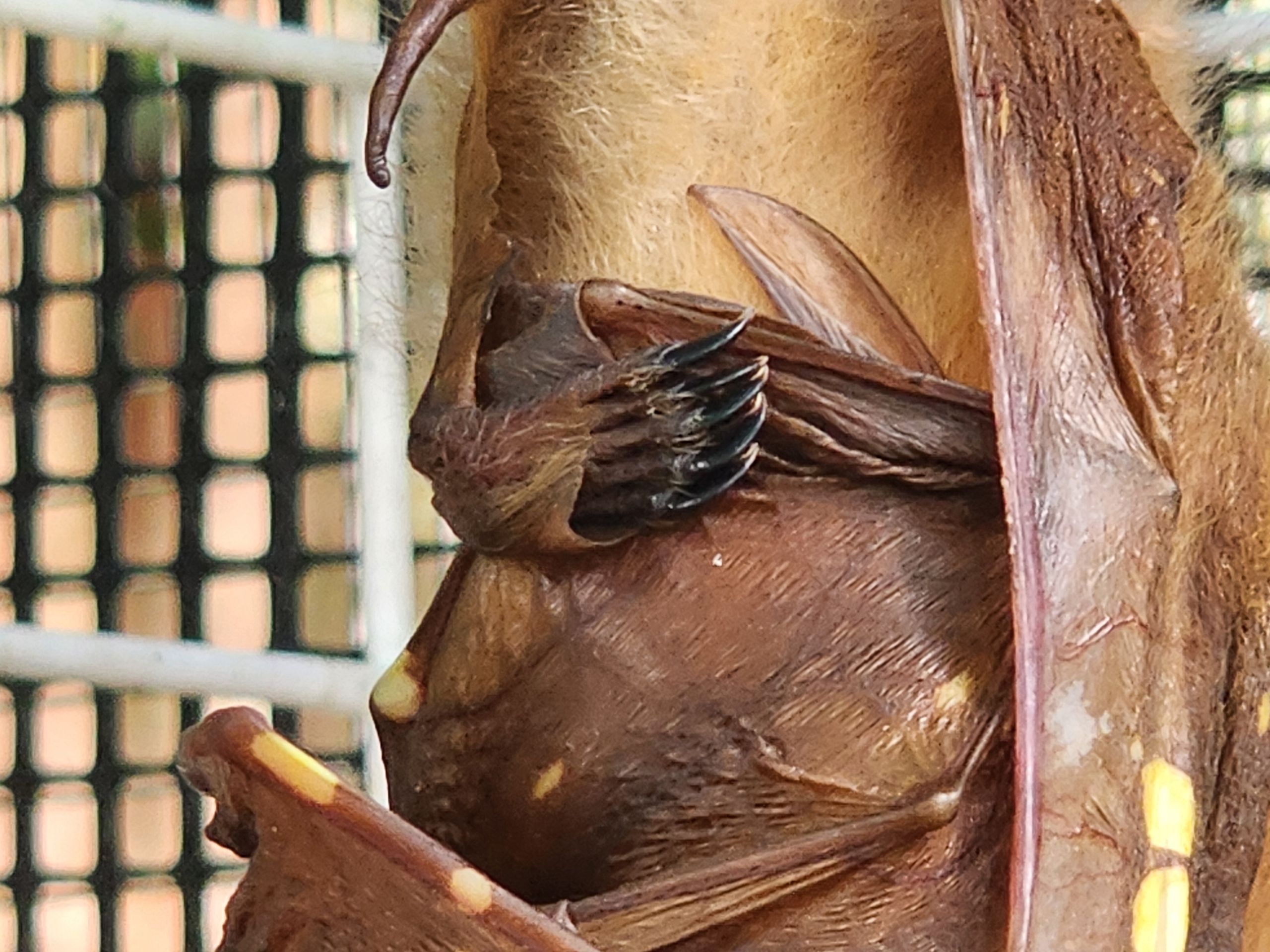
In the morning, we walked all the paths at the Malanda Falls, about 3kg, but without tree kangaroos. After a 40-minute drive, we arrived at Granite Gorge at 9:00, just as they opened there. Their highlight here: Mareeba rock wallabies that can be fed pellets, even though they are wild. A few meters from the office, there were about 15 of them. Since we were the first, the first cute little rock wallabies were already waiting for us and the food. However, they were not as unruly as we had experienced with the grey kangaroos; instead, they were very gentle, almost reserved. Well, and some of them were indeed very drooly!
The rock wallabies looked quite different in nature than in the Field Guide, much better, in fact. I am usually very reserved with the word “cute” when it comes to animals, but no better description comes to mind for these little creatures. They are only about 50cm tall, like a Pademelon, with grey fur for the females, and reddish-brown for the males. With the claws of their front paws, they held onto my open hand to get to the food. They moved slowly and gracefully on all fours but could also dash across the rocks in quick hops when they had disputes with one another. Two others, however, were sitting together on a rock and were sweetly grooming each other's fur.
In Western Australia, the little quokka kangaroos are famous for always smiling in every photo. Well, at Wilhelma, I saw that this is absolutely not the case. The mystery could be solved here with the rock wallabies: When they sit down, they look like normal kangaroos, but when they beg for food with their mouths open, it seems as if they are smiling.
There were still a few kilometers of hiking trail through the gorge and a menagerie of colorful birds and reptiles to admire, but the highlight was the rock wallabies. Shortly after us, two minibuses with around 20 Japanese students arrived, and we were lucky to be the first to be there. By 10:30, the rock wallabies were completely full of food pellets and disappeared into the gorge to have their peace.
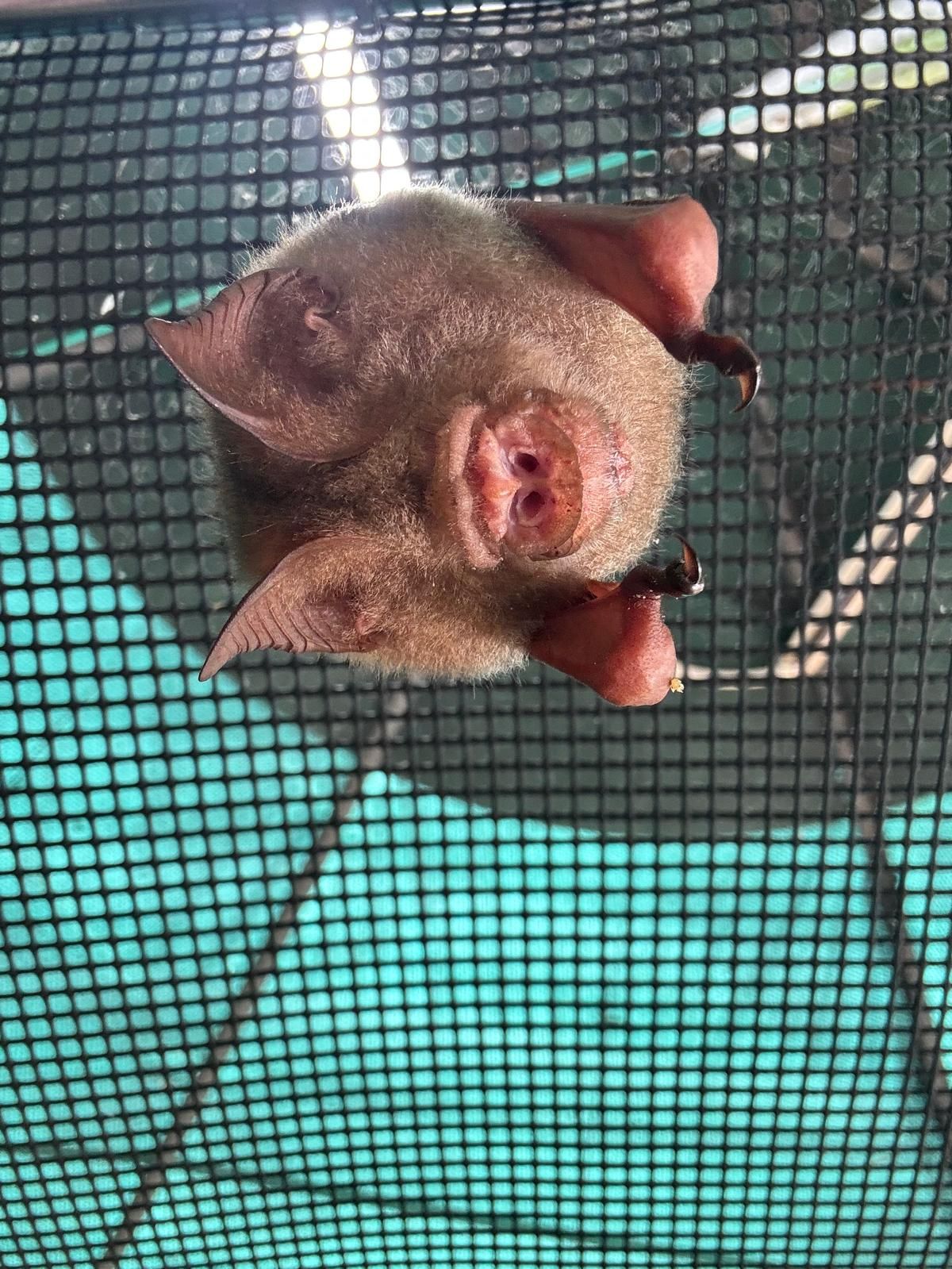
After that, we drove to Atherton, the main town of the Tablelands, for shopping, and then 30 minutes to Camp Barrabadeen in the dry forest by Lake Tinaroo, beautifully located and secluded. But the break was short, as we returned to Atherton at 14:15 and a little further to the Bat Hospital, where injured bats are cared for. The one-hour tour was interesting, though not particularly impressive. Back to camp, rest a bit, and then at 17:30 back to Atherton, where we had an appointment at 18:30. The drive only takes 30 minutes, but since we hoped to see kangaroos on the way there, we left early.
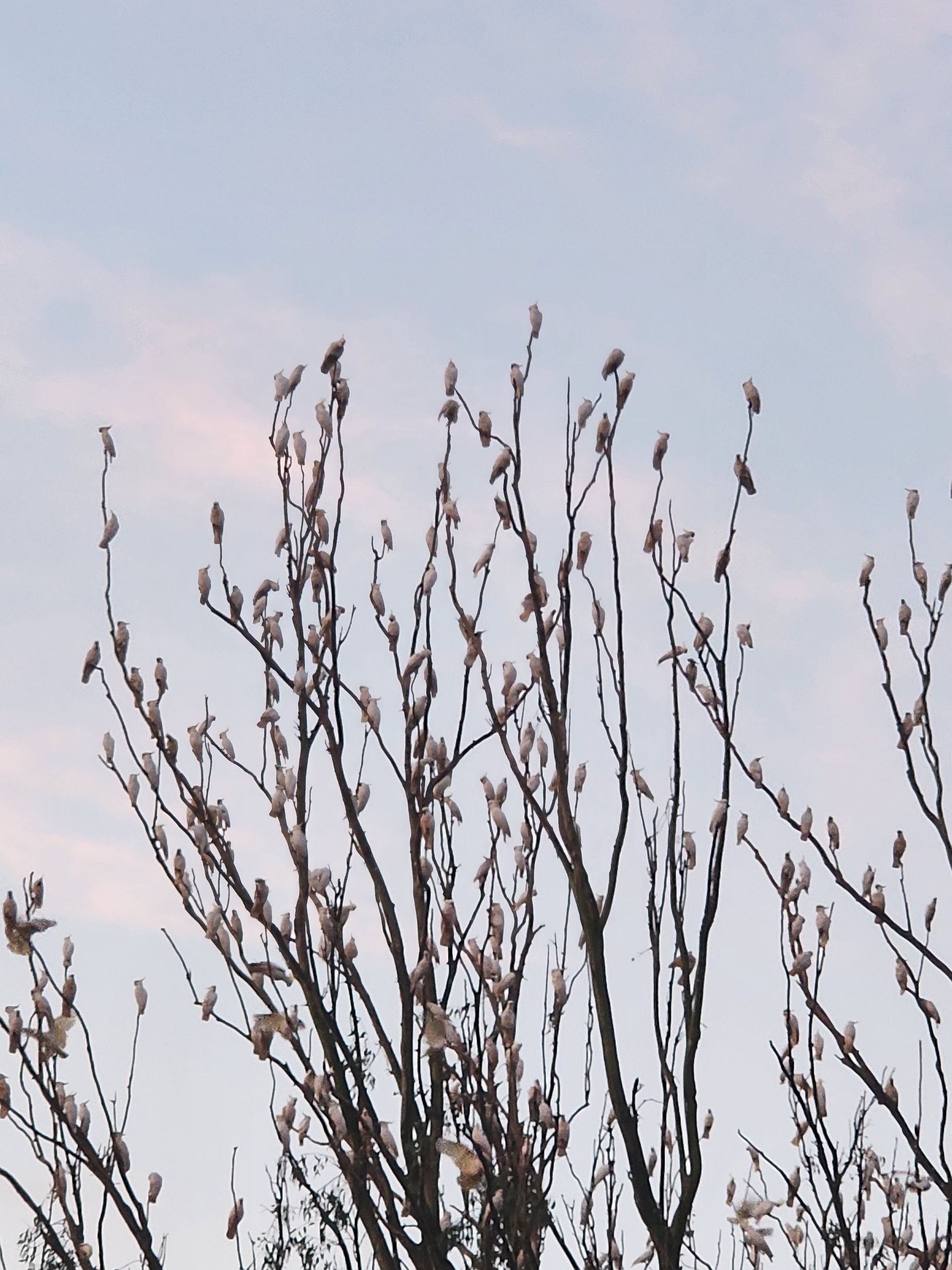
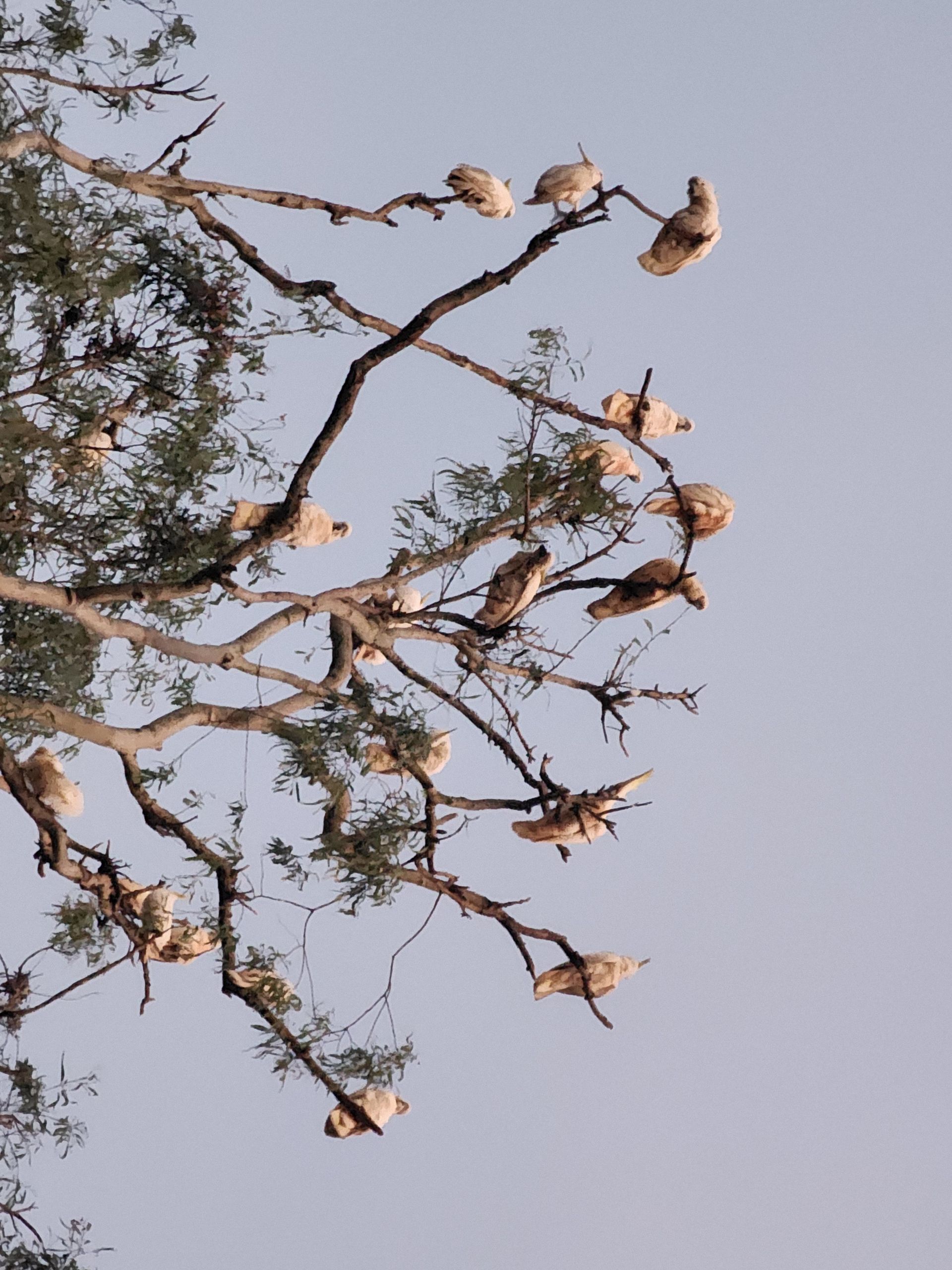
Well, we didn’t see any kangaroos, only agile wallabies, but as we drove into Atherton, we saw thousands of yellow-tailed black cockatoos gathering for the night on some bare trees in the evening light. A cacophony and flapping, all full of cockatoos, an incredible and unexpected spectacle for us.
At 18:30, we then met our guide Patrick de Geest from Eyes on Wildlife, our guide for a 2.5-hour night tour in the tropical part of the Tablelands. In his car, we drove out into the tropical rainforest, and with a red spotlight, he searched for wildlife. This was in the Day Visit Areas of the national parks and along the roads where you could easily look into the trees.
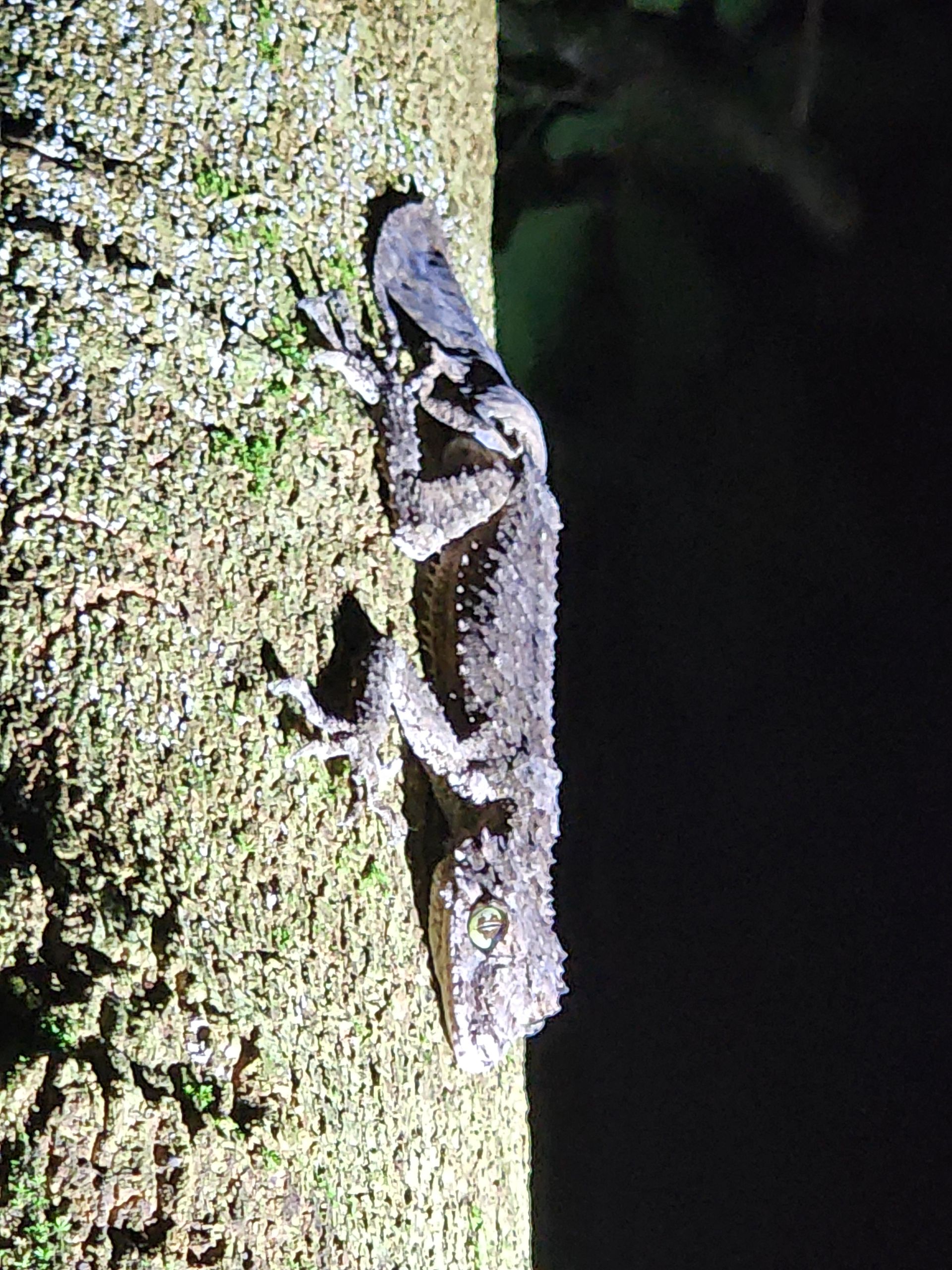
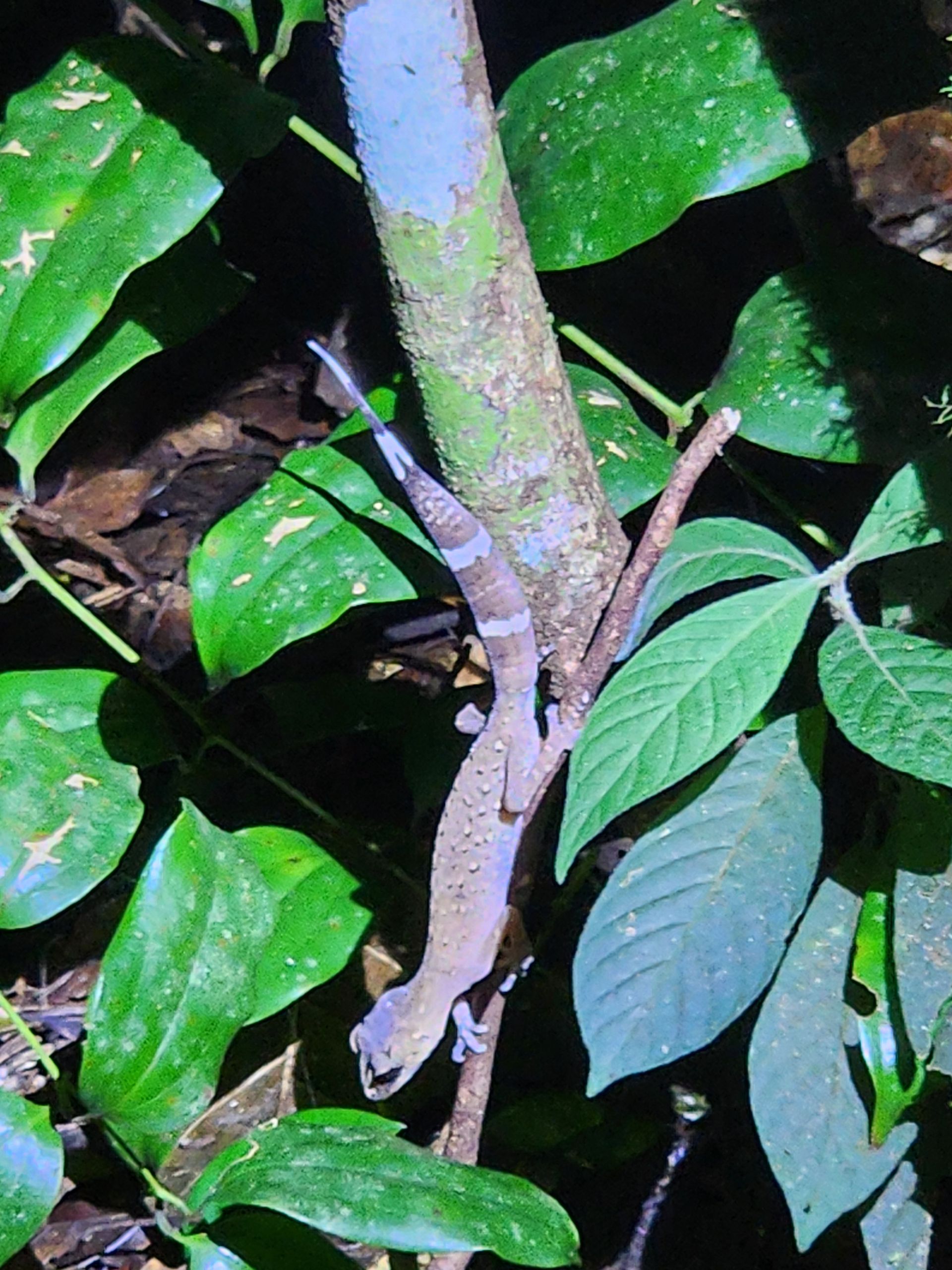
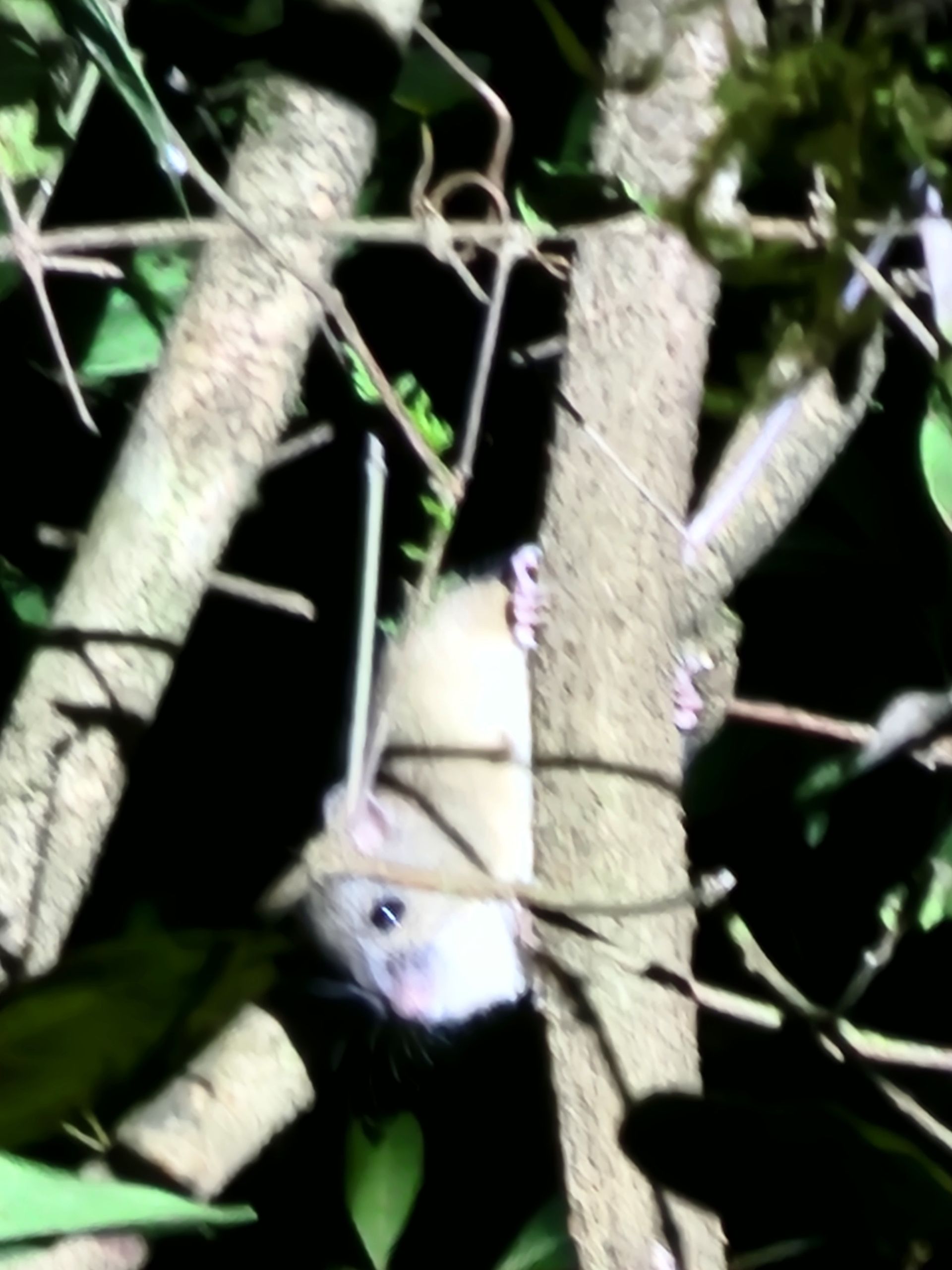
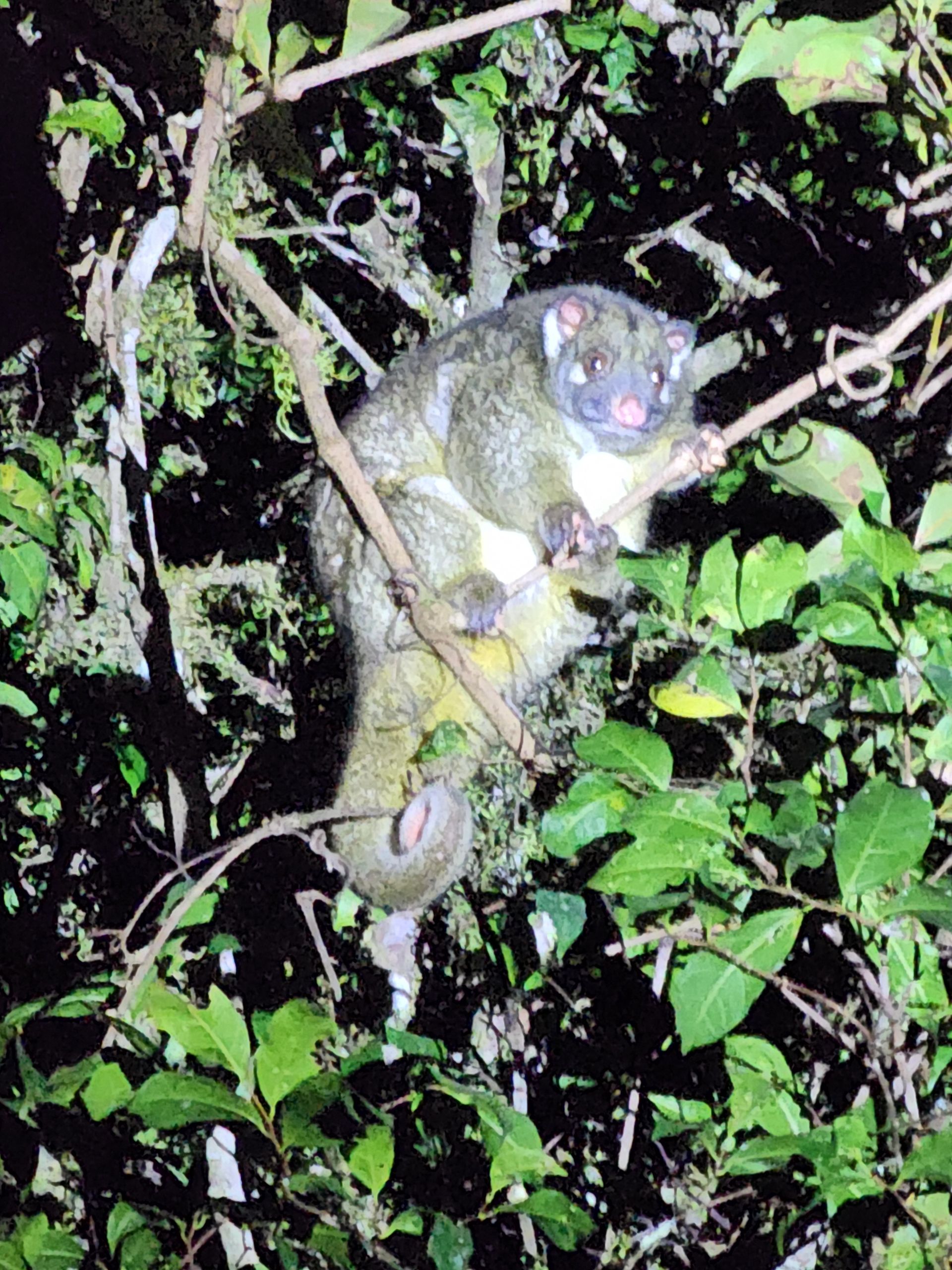
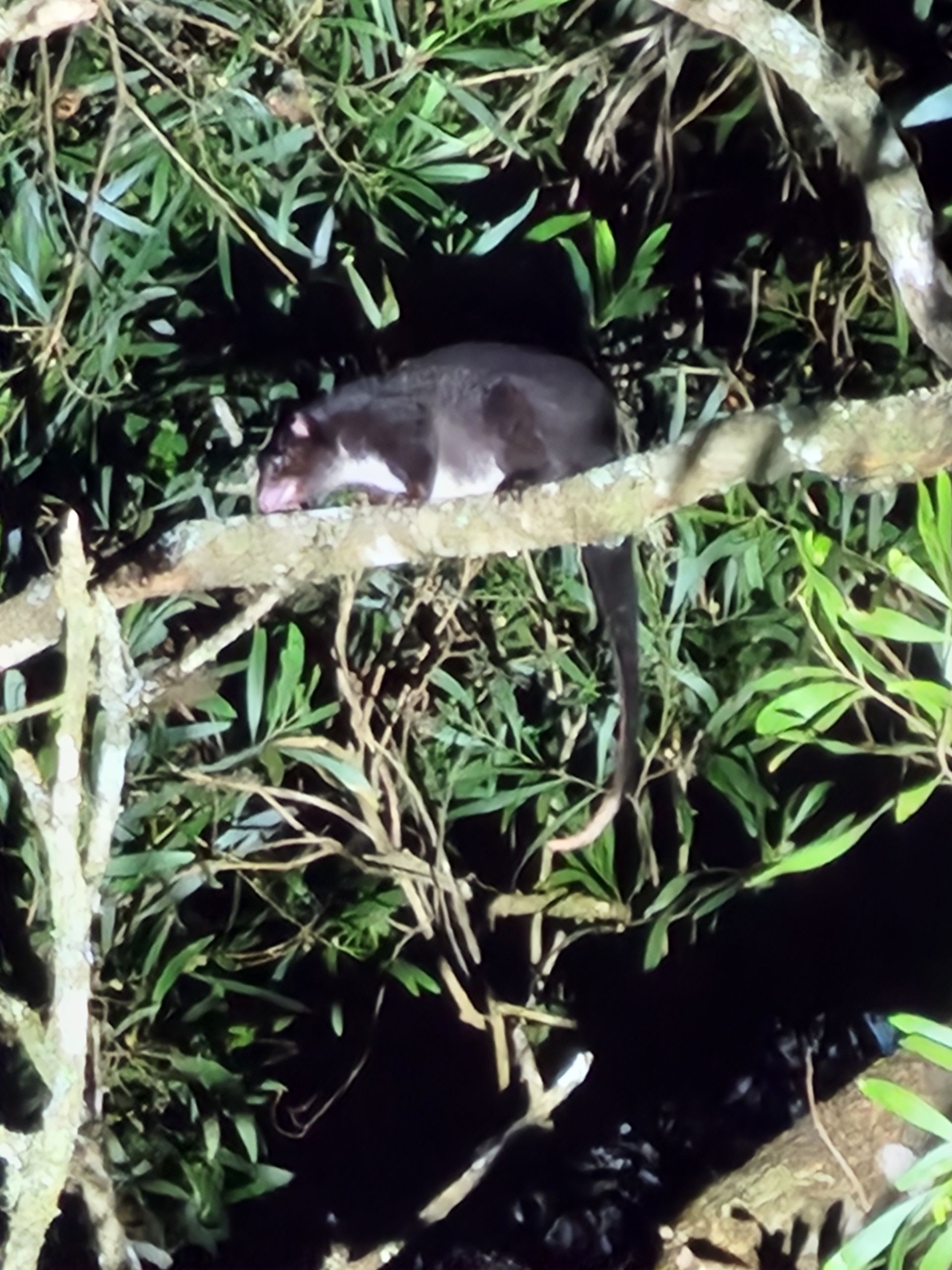
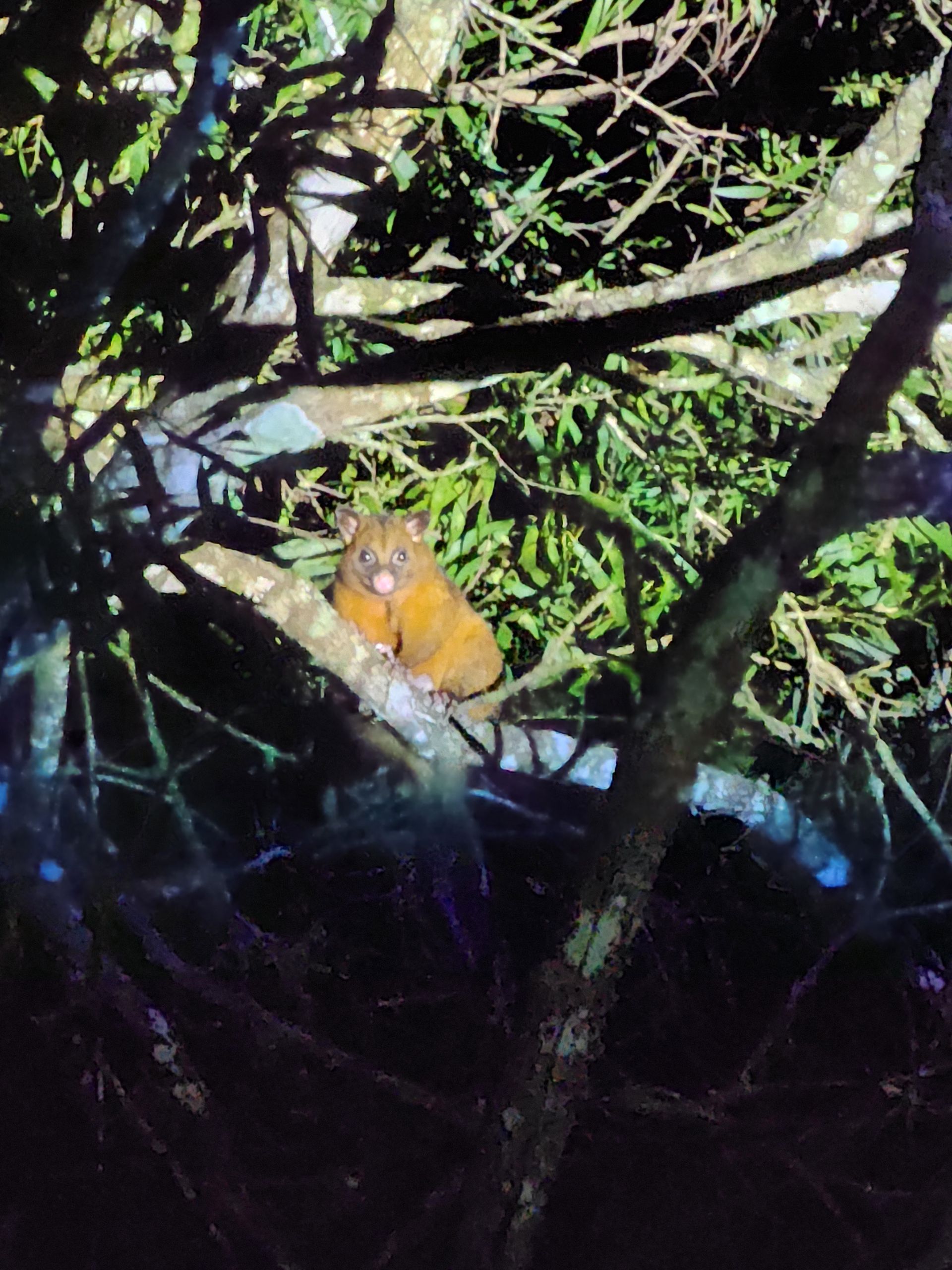
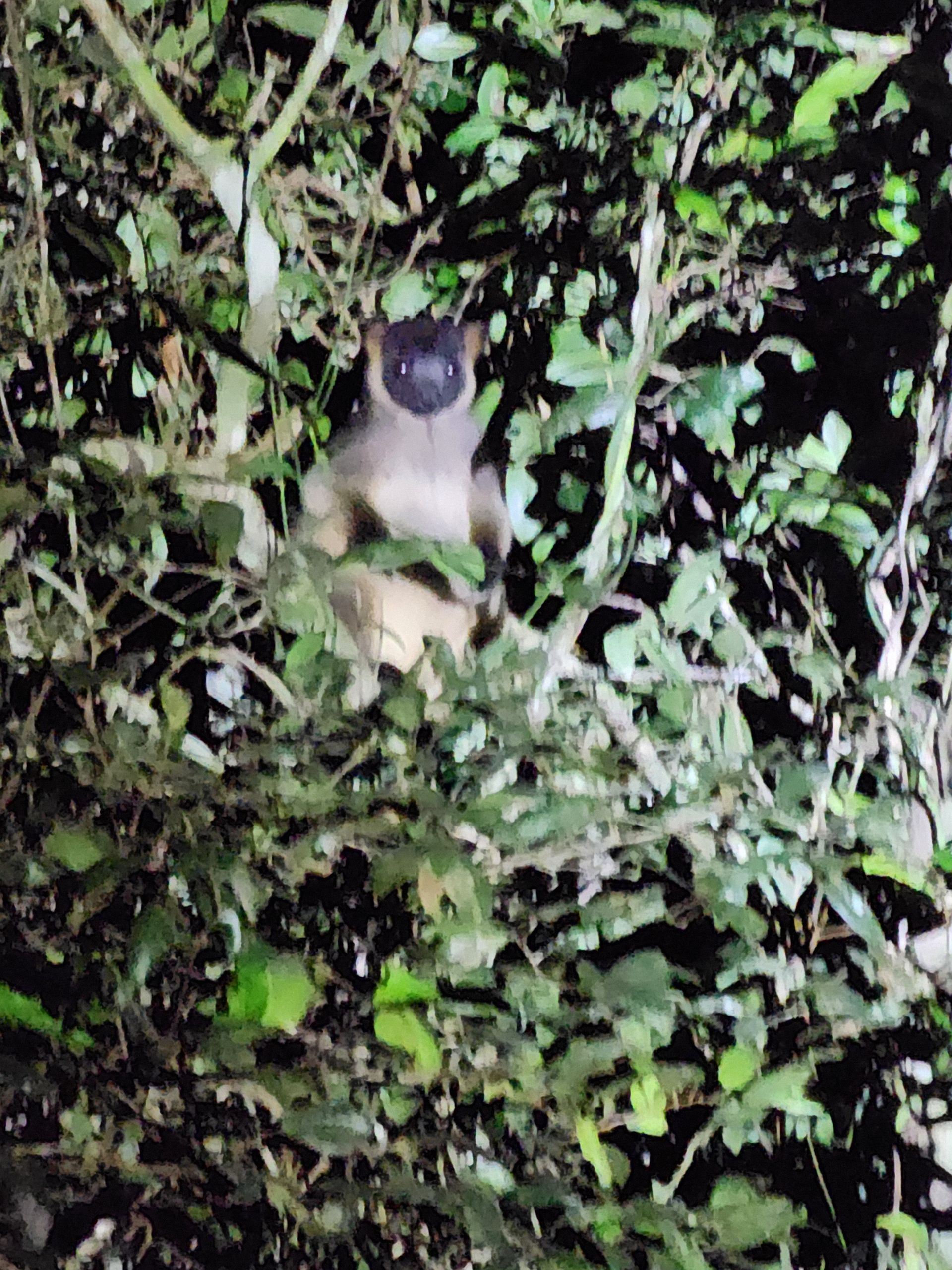
Patrick is very experienced and was very good at spotting the animals and showing them to us. He switched from the red light to white light so we could see the animals well and partly photograph them. We saw two tropical geckos, including a leaf-tailed gecko, and also two tree kangaroos. The highlight for us was the bandicoots, which we hadn’t seen so far, close relatives of the cuscus, of which we also saw some. Particularly impressive was the leaf-eating and solitary green ringtail possum, which is actually green and sleeps rolled up in the trees during the day, well camouflaged. Then there were two pairs of lemur ringtail possums, the only monogamous species here in the tropics. They resemble the cuscus a bit. And finally, the Herbert River ringtail possum, a nearly black animal with some white spots. On the way back, we were lucky enough to see a long-nosed bandicoot on the road, an animal similar to a large elephant shrew. The Cam Barrabadeen was actually designed for finding these animals at night, but I was not successful there. However, the night hike with Patrick was an absolute success for us.