
Road Traffic and Electric Cars in China
I previously wrote a few lines about Chinese road traffic last year (Blog link: Road Traffic in China), and now I can probably continue this story every year. However, I'm...
Published: 02.12.2024
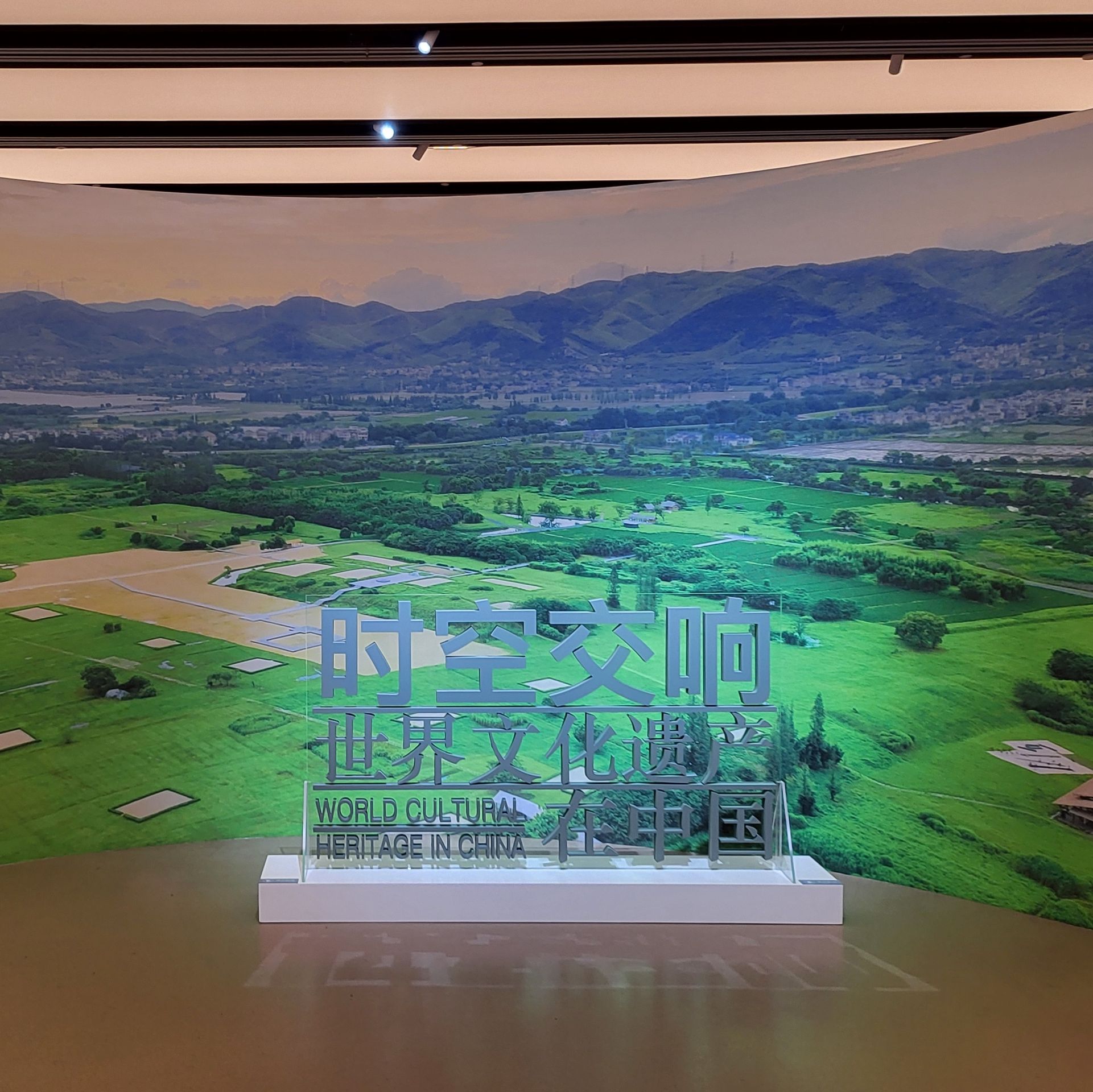
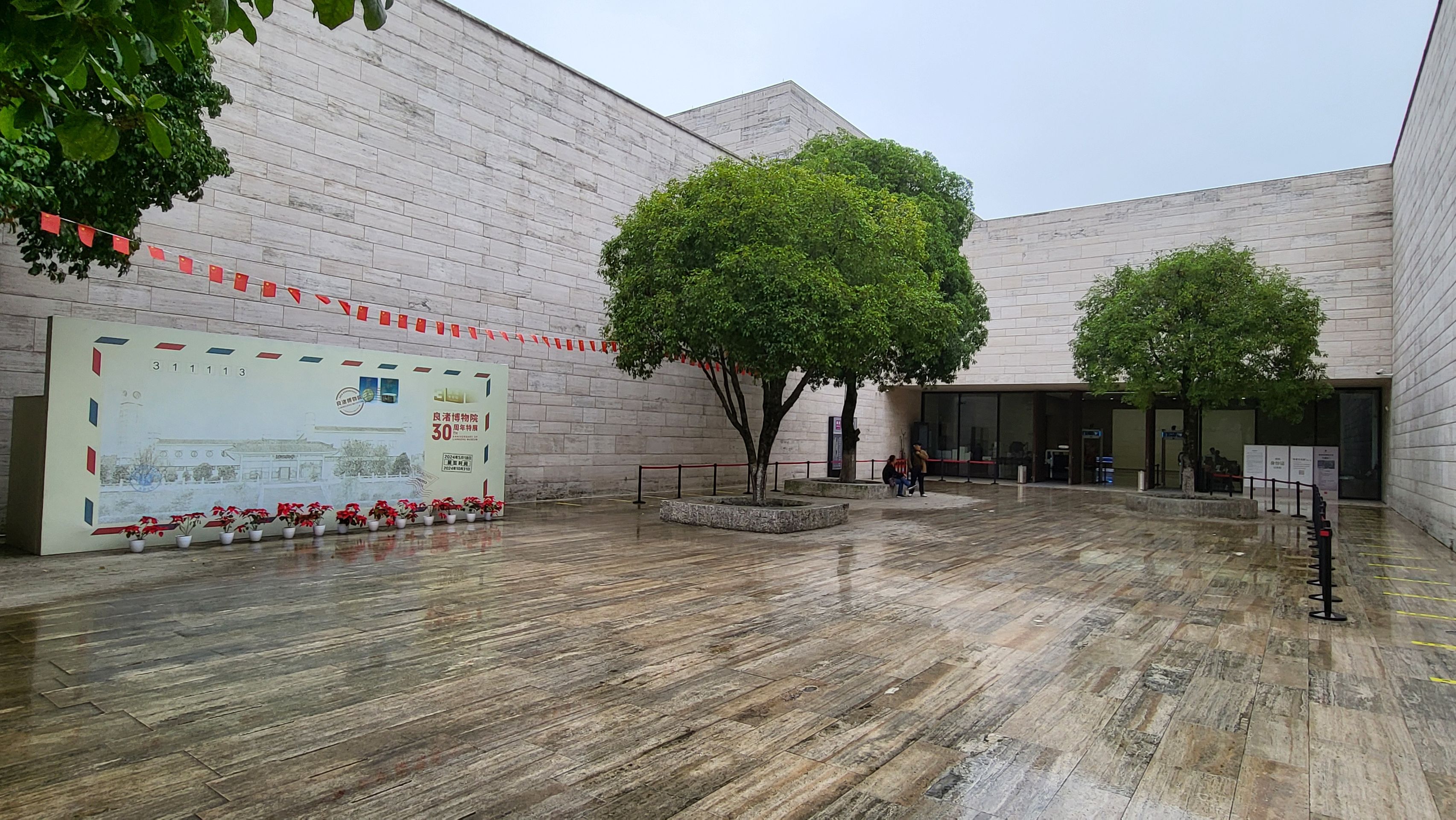
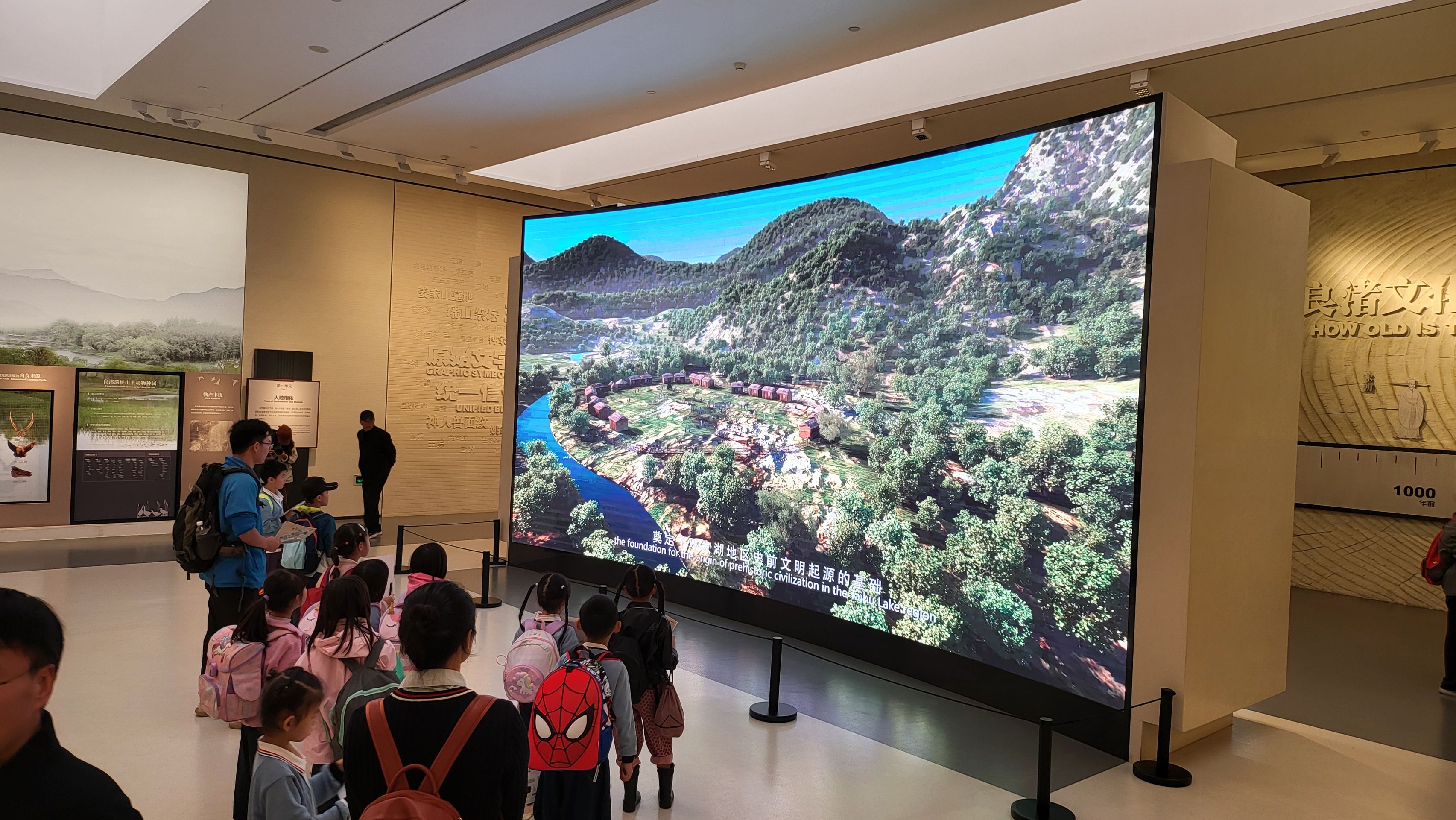
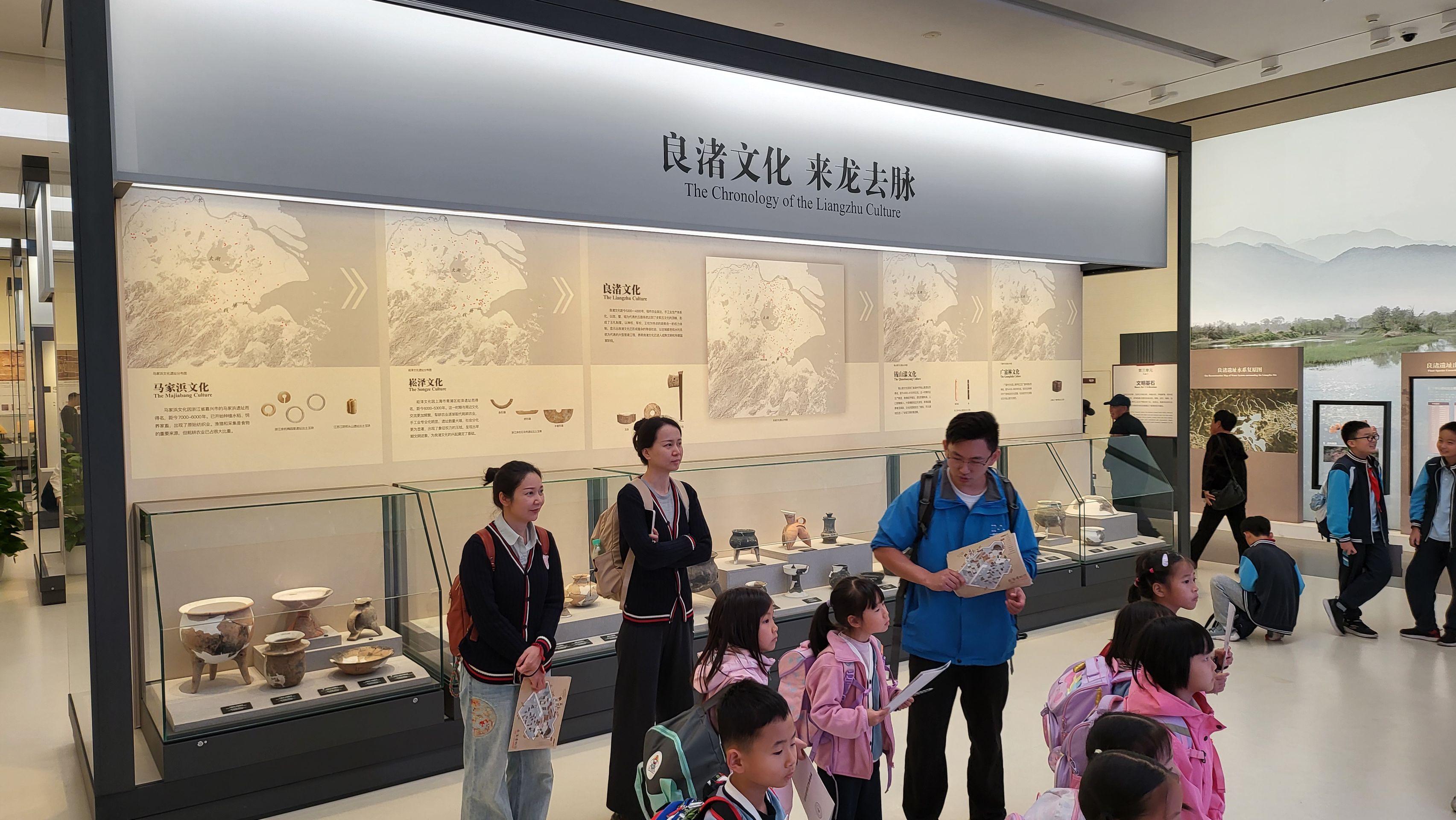
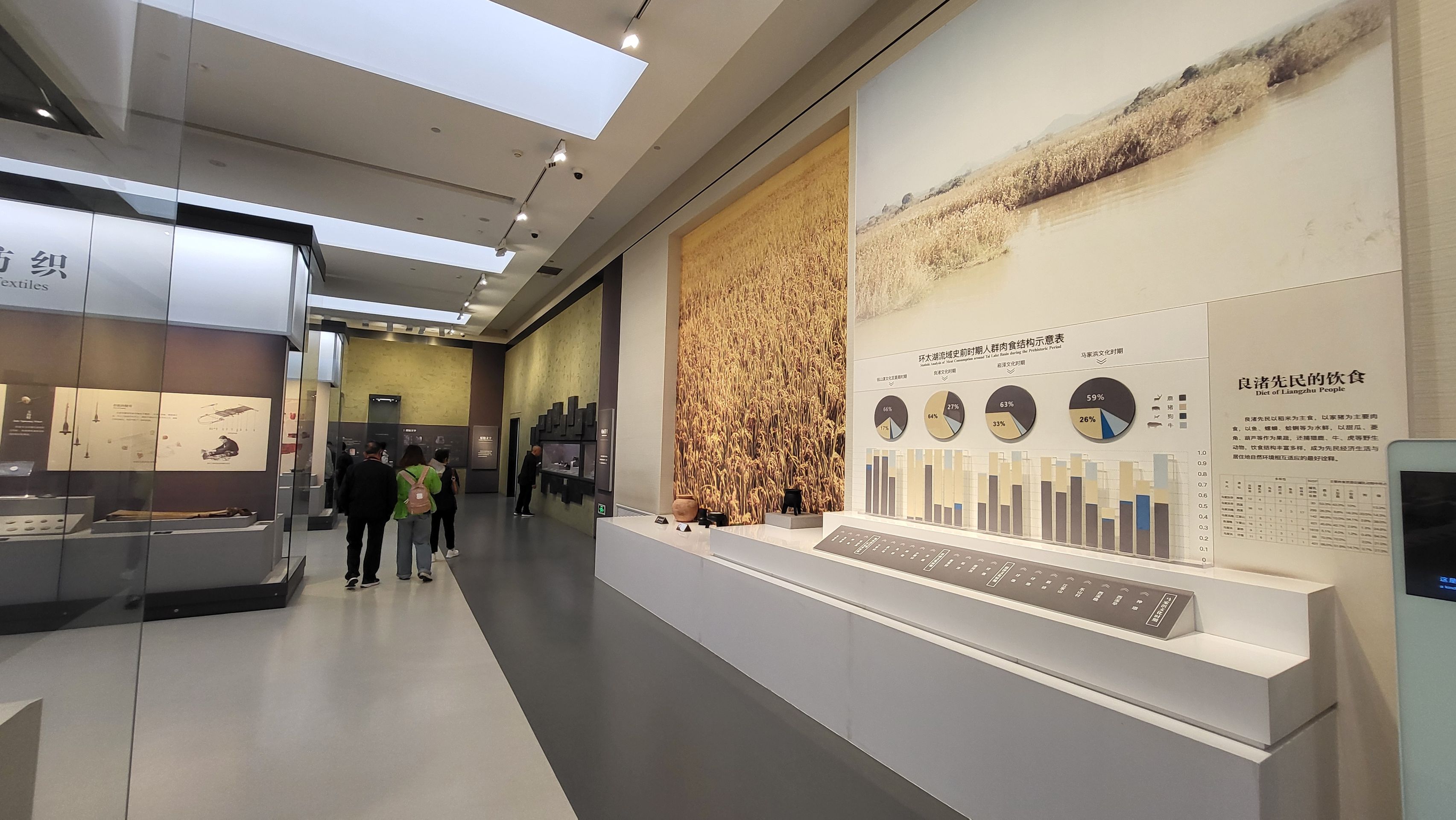
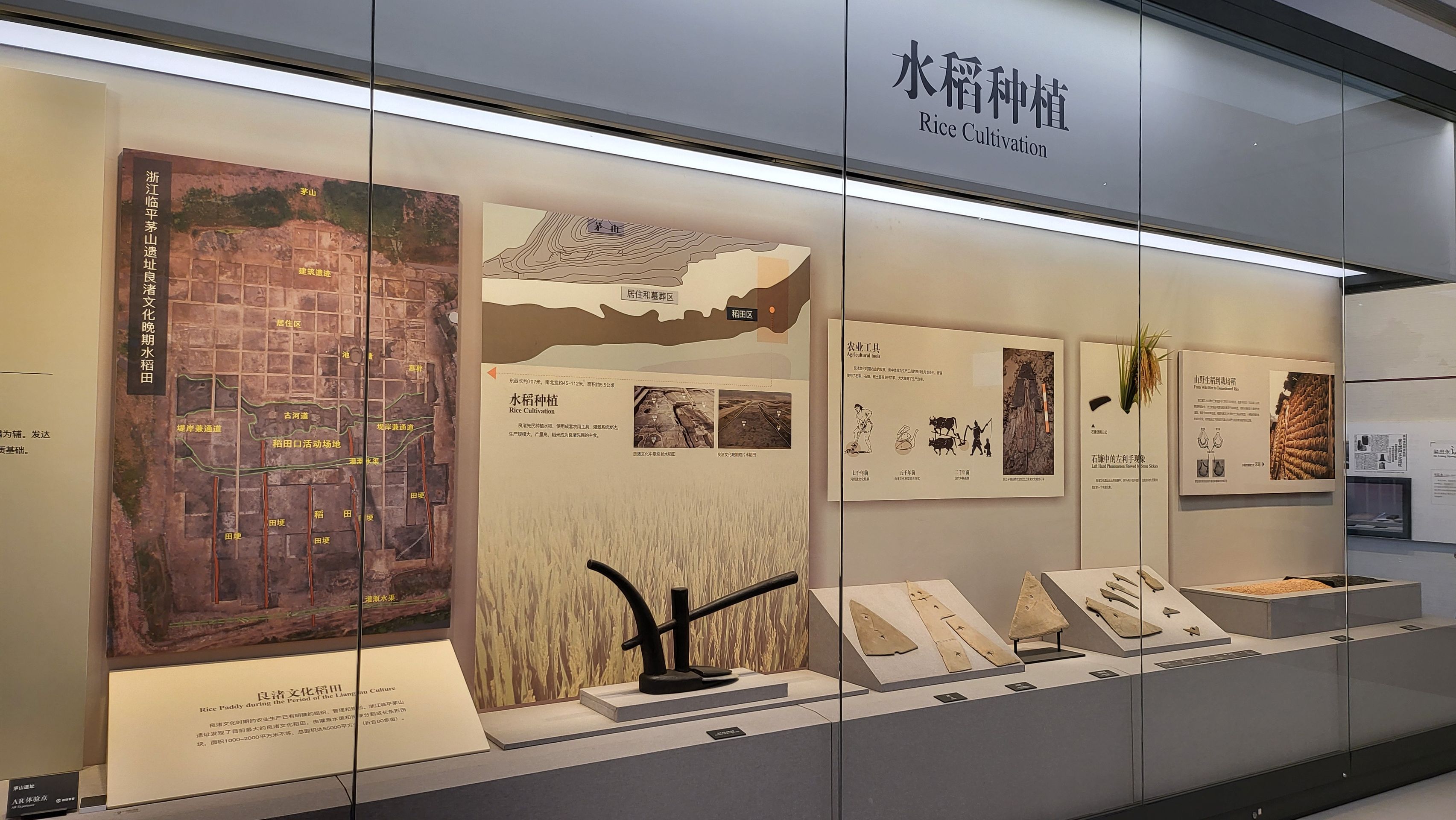
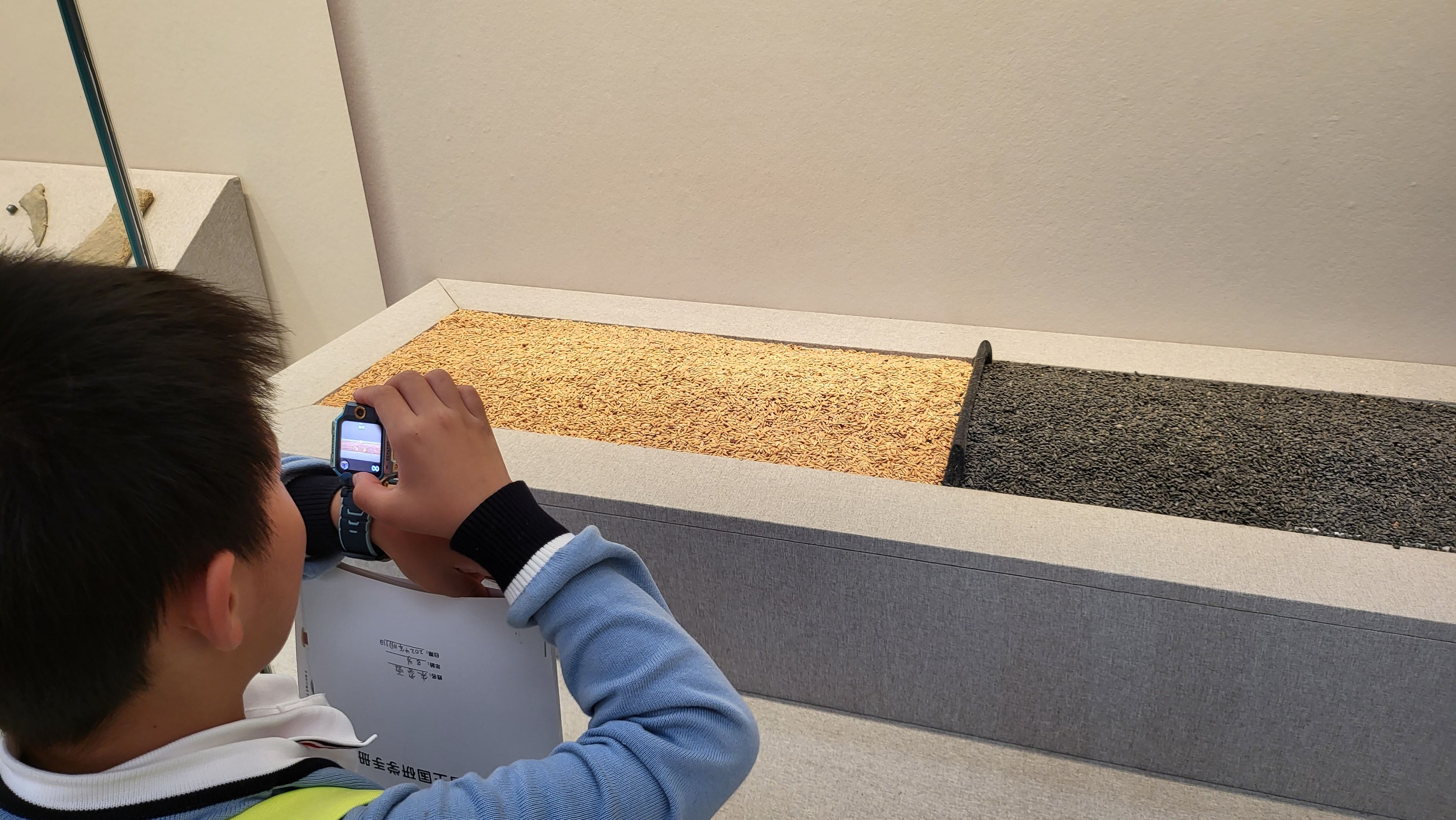
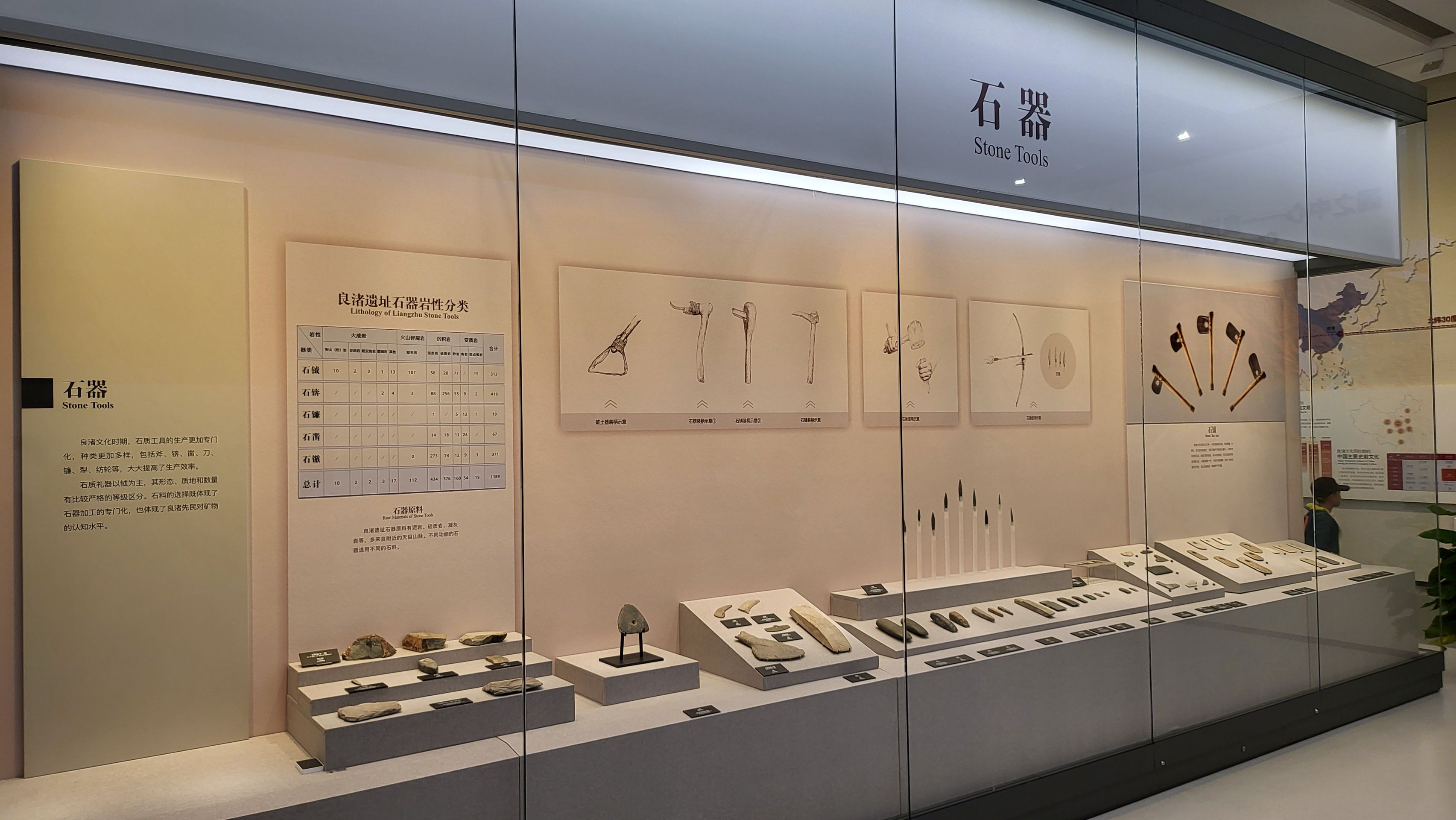
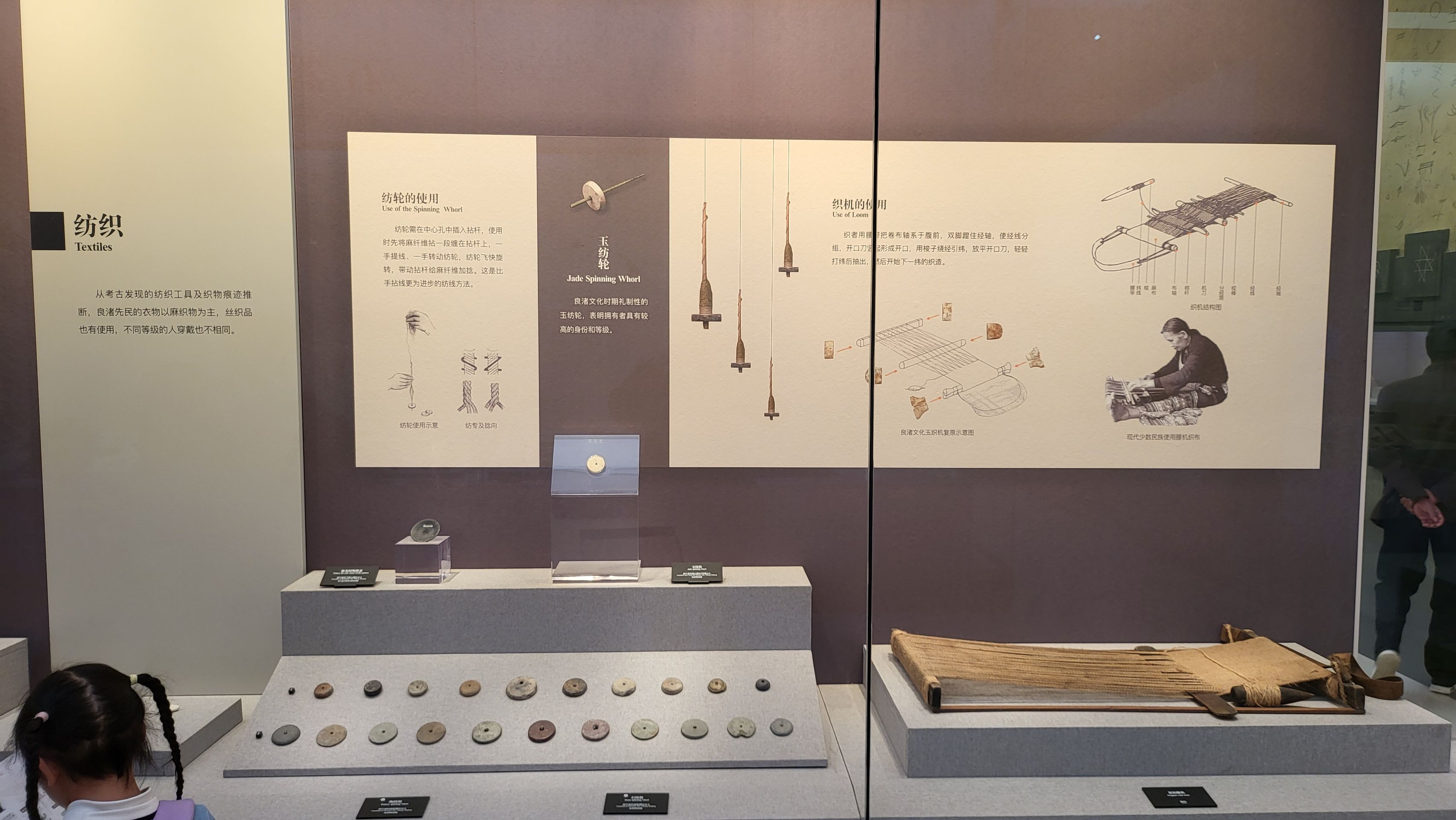
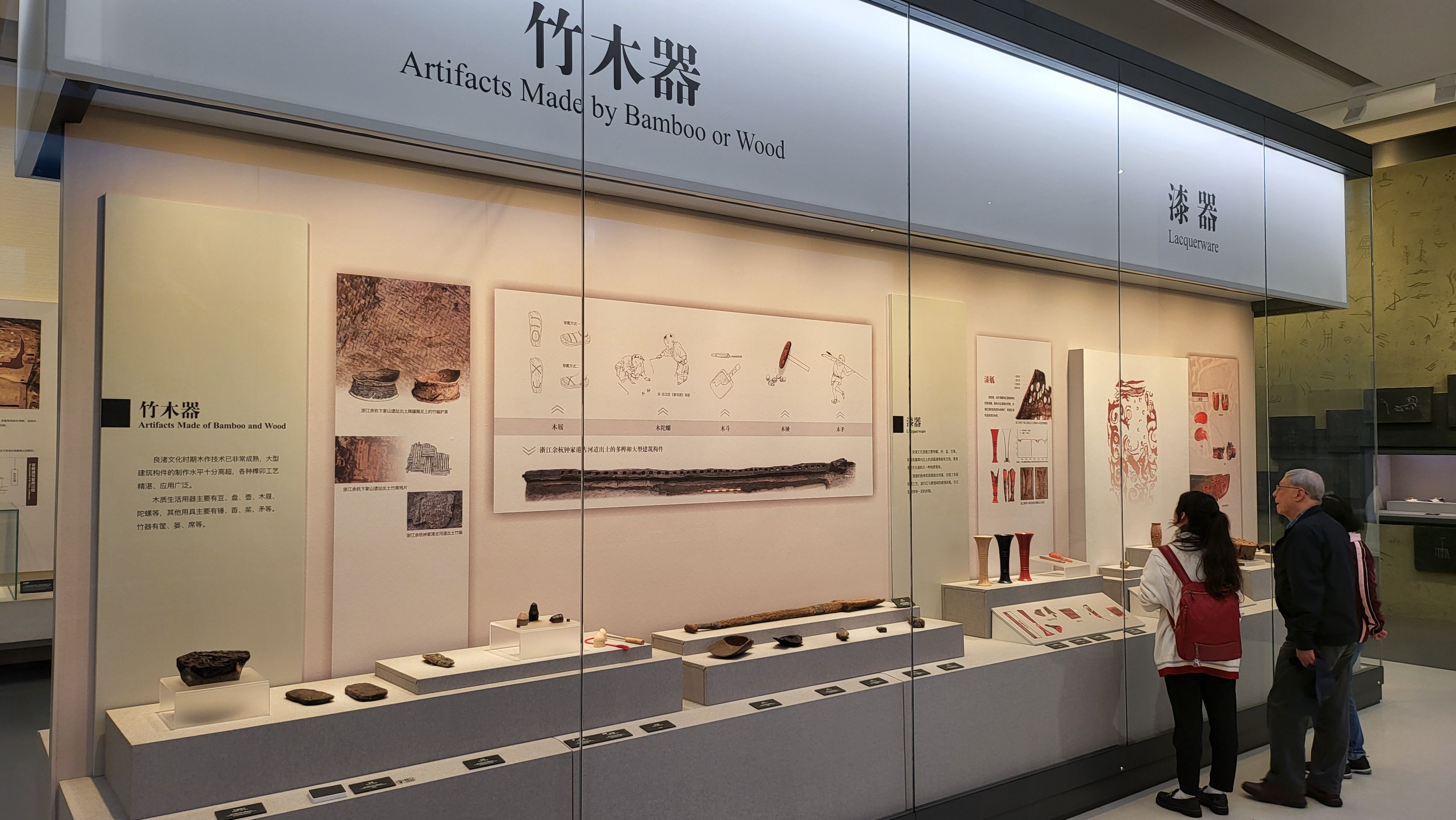
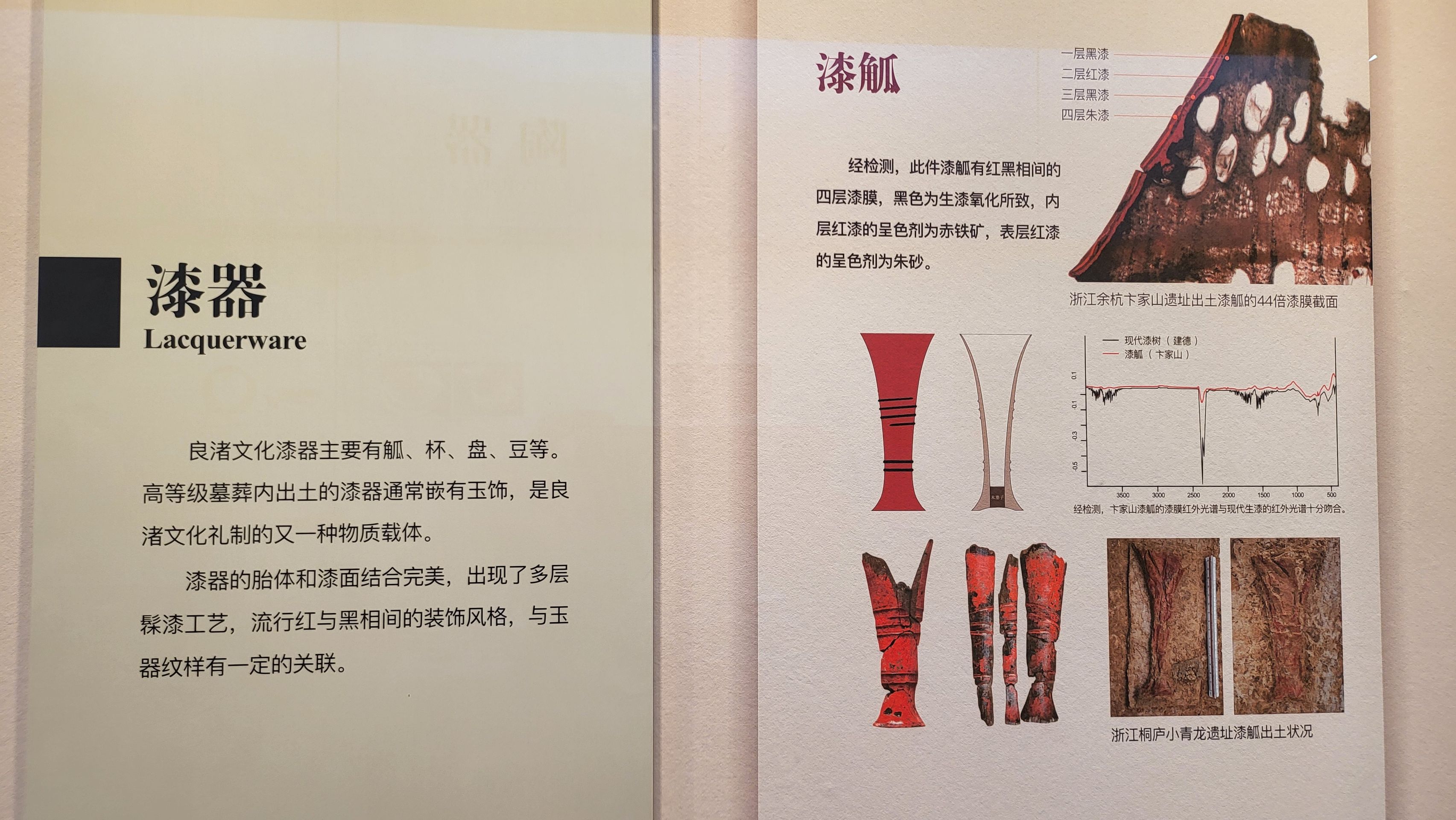
I still owe the description of our visit to the Liangzhu Museum in Hangzhou, which I divide into several blog posts due to the size of the museum and the length of my stay. It's a highlight of my trip to China in 2024 and was a significant reason why I chose Hangzhou for my domestic travel this year. The Liangzhu culture is one of the oldest researched Chinese settlement civilizations, over 5000 years old. We take a taxi to the museum, which is only 10 kilometers away from our hotel as the crow flies. The museum is huge, with 4,000 square meters of exhibition space, plus courtyards and parkland. We hurry into the exhibition halls due to the continuous rain and, to my surprise, do not have to pay an entrance fee. The dissemination of knowledge about this culture is so important to the Chinese government that no admission is charged. Initially, we visit a temporary general exhibition on World Heritage Sites in China, through which I quickly pass in anticipation of the Liangzhu culture exhibition. Since 2019, the archaeological Liangzhu site has been part of the UNESCO World Heritage, and right in the first exhibition hall, many aspects of settlement culture are addressed. In contrast to the agricultural predecessor cultures of the Majiabang (5000-4000 B.C.) and Songze cultures (4000-3300 B.C.), the Liangzhu culture (3300-2300 B.C.) already had a hierarchical social system and was characterized by higher technological skills. Interestingly, after the Liangzhu culture, the following cultures (Qianshanyang 2300-2100 B.C. and Guangfulin 2100-1800 B.C.) do not exhibit the developed settlement history and, combined with the population decline, could not follow a path of cultural high development, making the Liangzhu culture a beacon of civilizational development in China. It also proves that civilizational high cultures do not have a consistently progressive development but can also regress or even decline. During the time of the Liangzhu culture, rice was the most important food source, and archaeological investigations reveal a highly developed cultivation system with irrigation channels, field ridges, and agricultural tools. Interestingly, 90% of the excavated stone sickles are designed for left-handed people. The lithology of the stone tools also shows a high degree of specialization in the materials used for the tools in relation to their purpose. In the exhibition hall, a school class is currently learning about the secrets of the Liangzhu culture, and the children attentively follow the explanations of the teaching staff. A little boy takes a photo of the rice varieties with his smartwatch. I continue to the textile tools and fabric remnants, which indicate the use of linen and silk fabrics. Wood processing was highly developed, as shown by the joinery and tenon connections. Bamboo was processed into baskets and mats. Surprisingly, there were already lacquer goods at this time, which even exhibit multilayer techniques. I have already admired lacquer goods in the Zhejiang Regional Museum; see my blog post: A Very Special Library. Inlay techniques with jade were also discovered, which allows tracing the combination of lacquer goods with jade back to this time. A separate exhibition room is dedicated to the archaeological finds related to jade craftsmanship, which I will discuss in one of the upcoming blog posts.