Mallorca
Mallorca - Day 4 Port de Sóller and Sóller After a refreshing breakfast, we set off for Port de Sóller. The harbor in Port de Sóller is historically significant a

Published: 23.03.2026
Majorca - Day 5
Fornalutx and Valldemossa
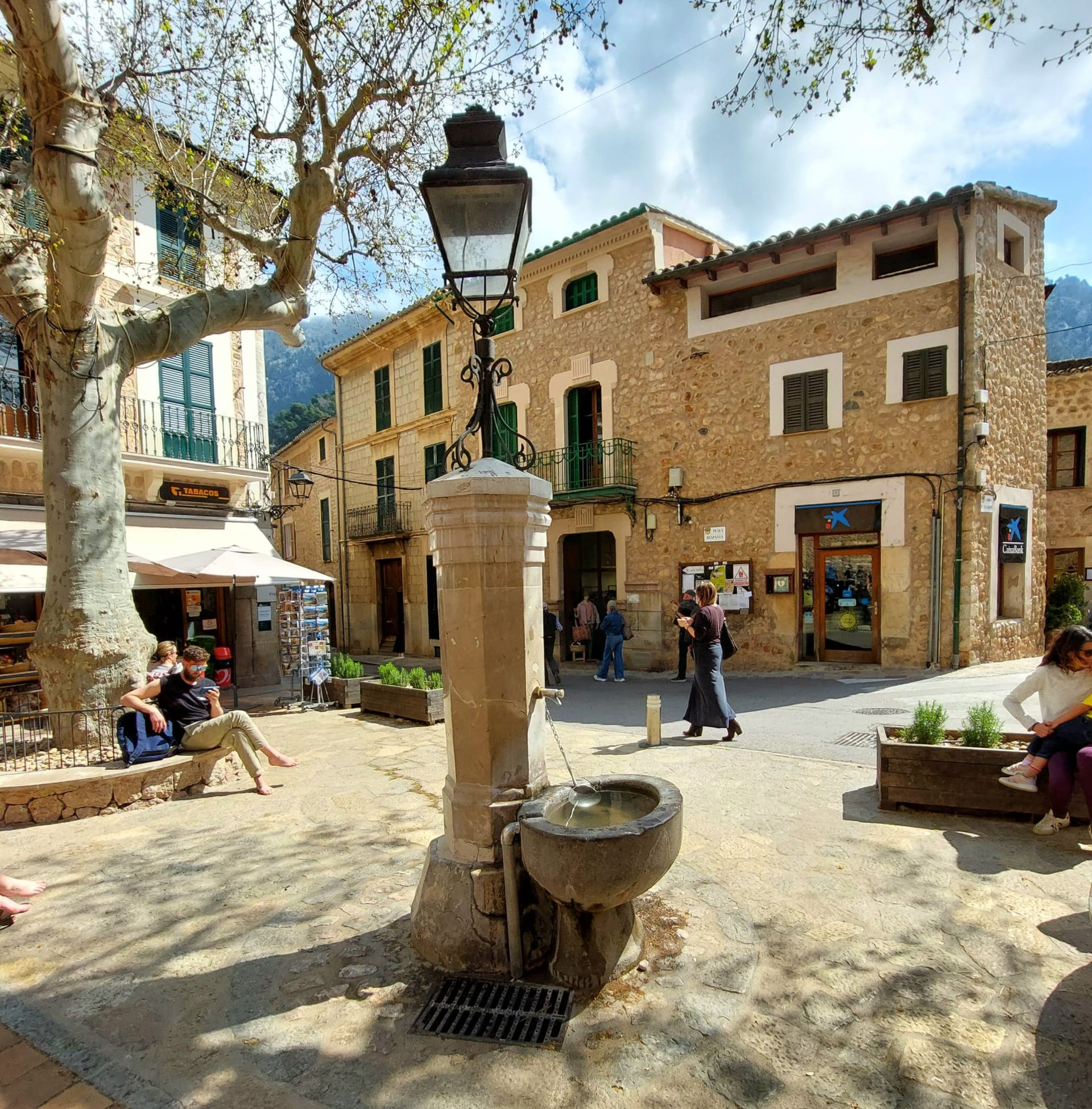
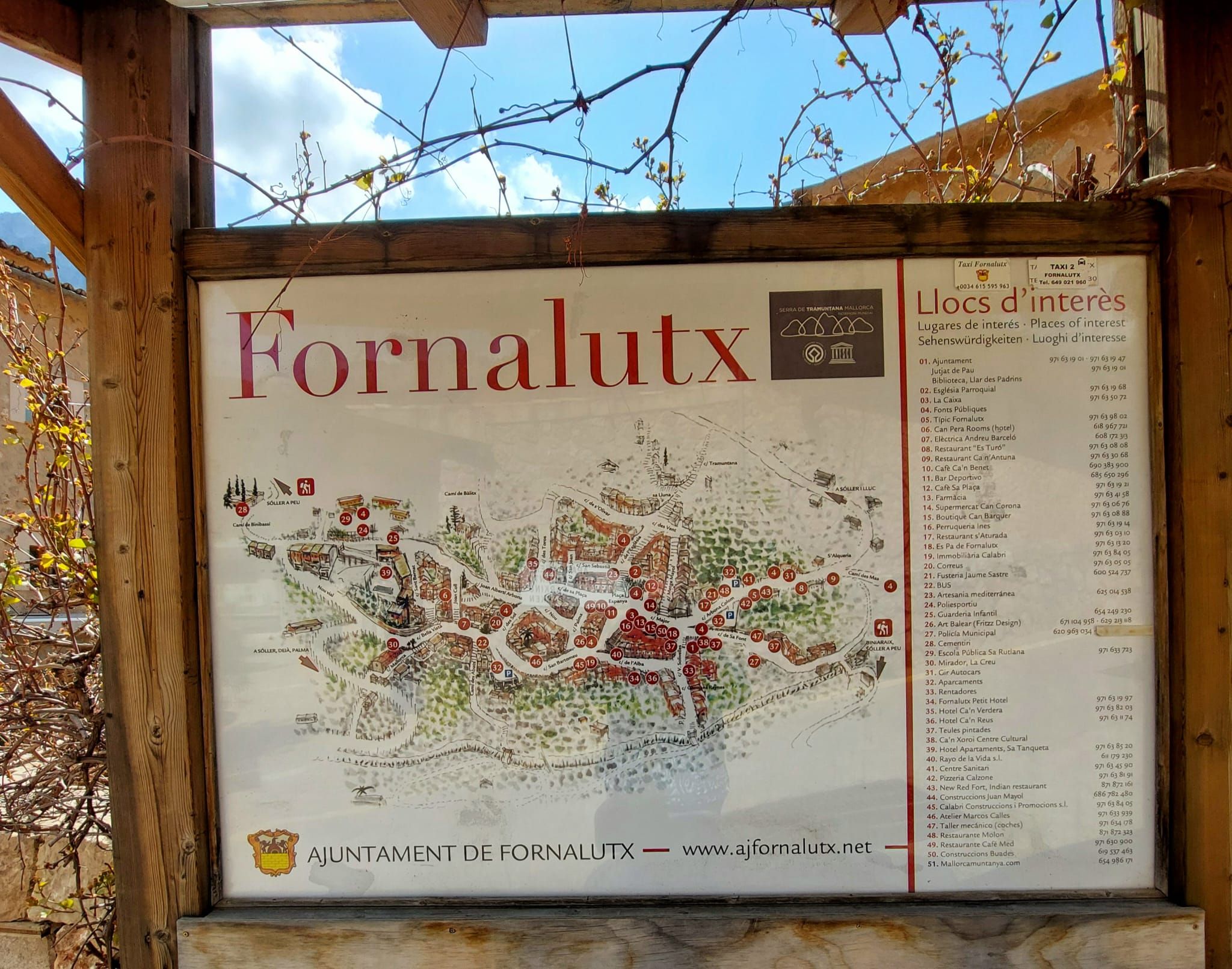
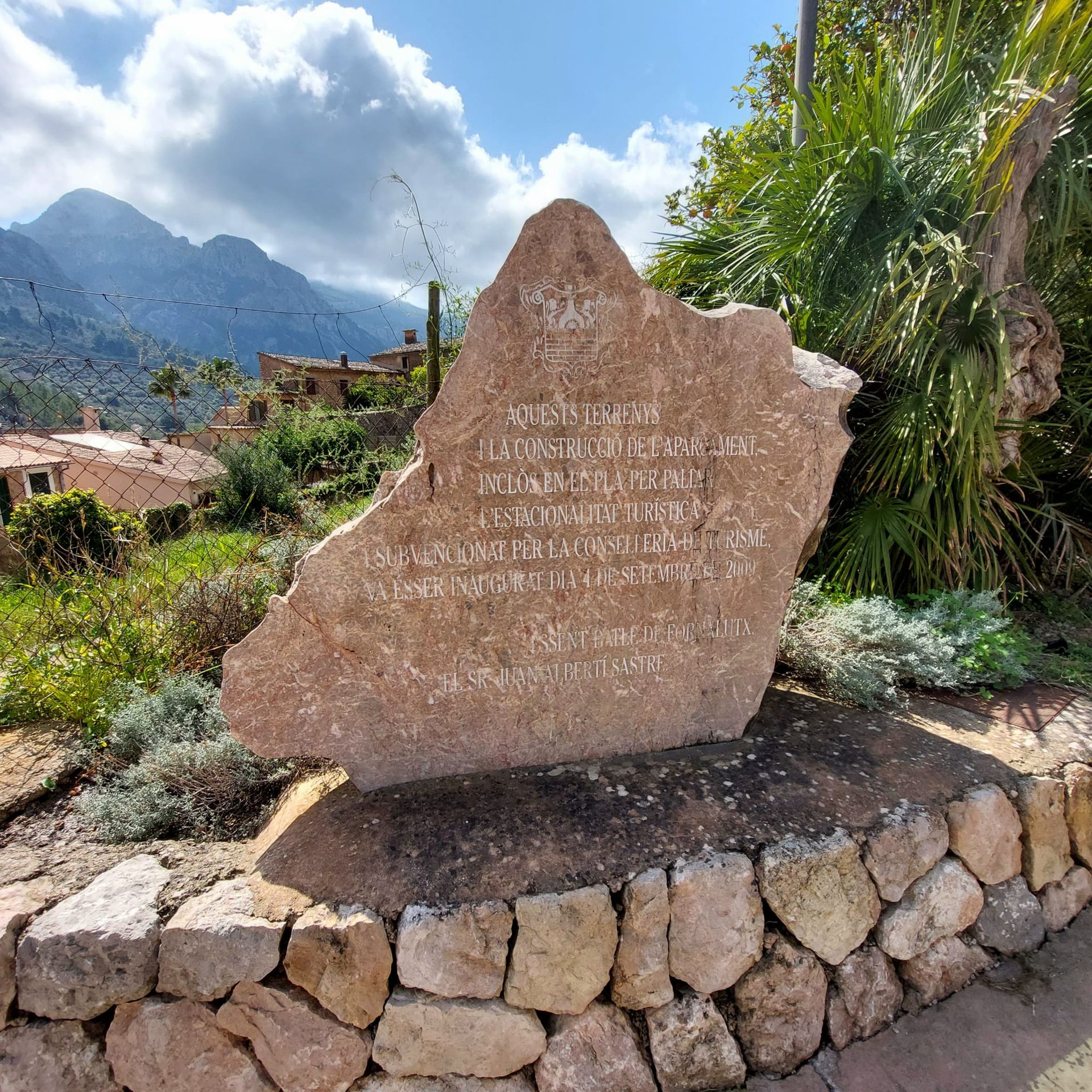
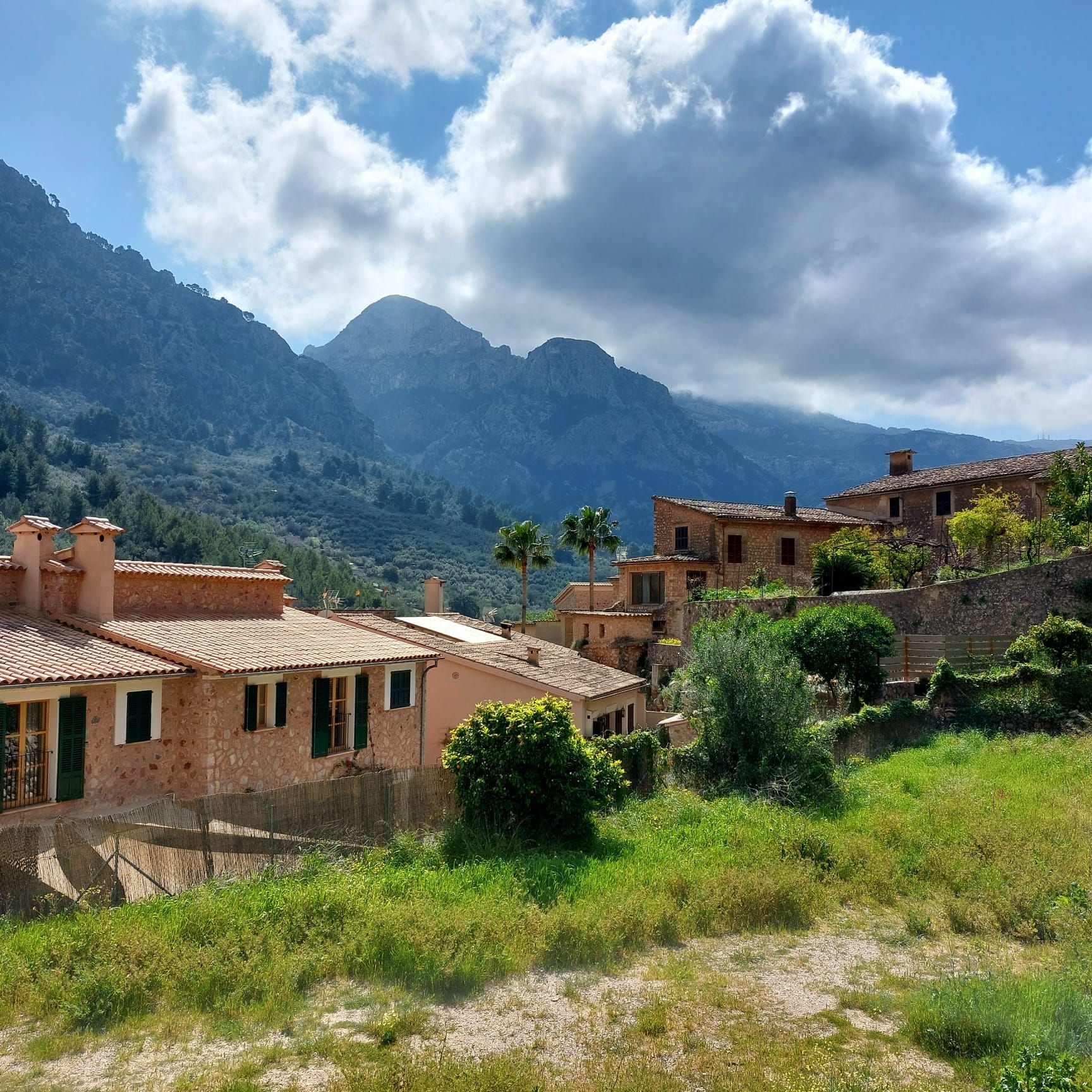
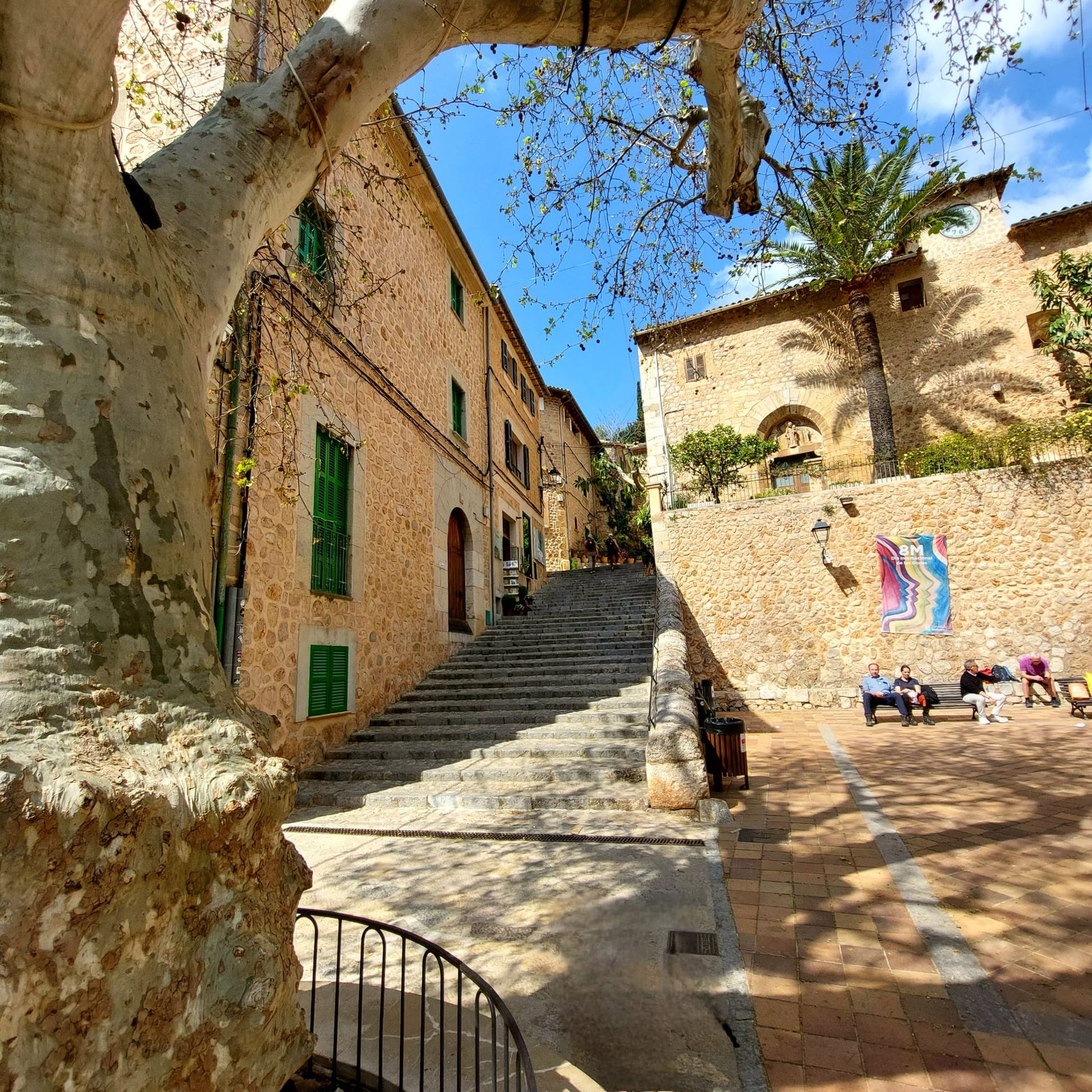
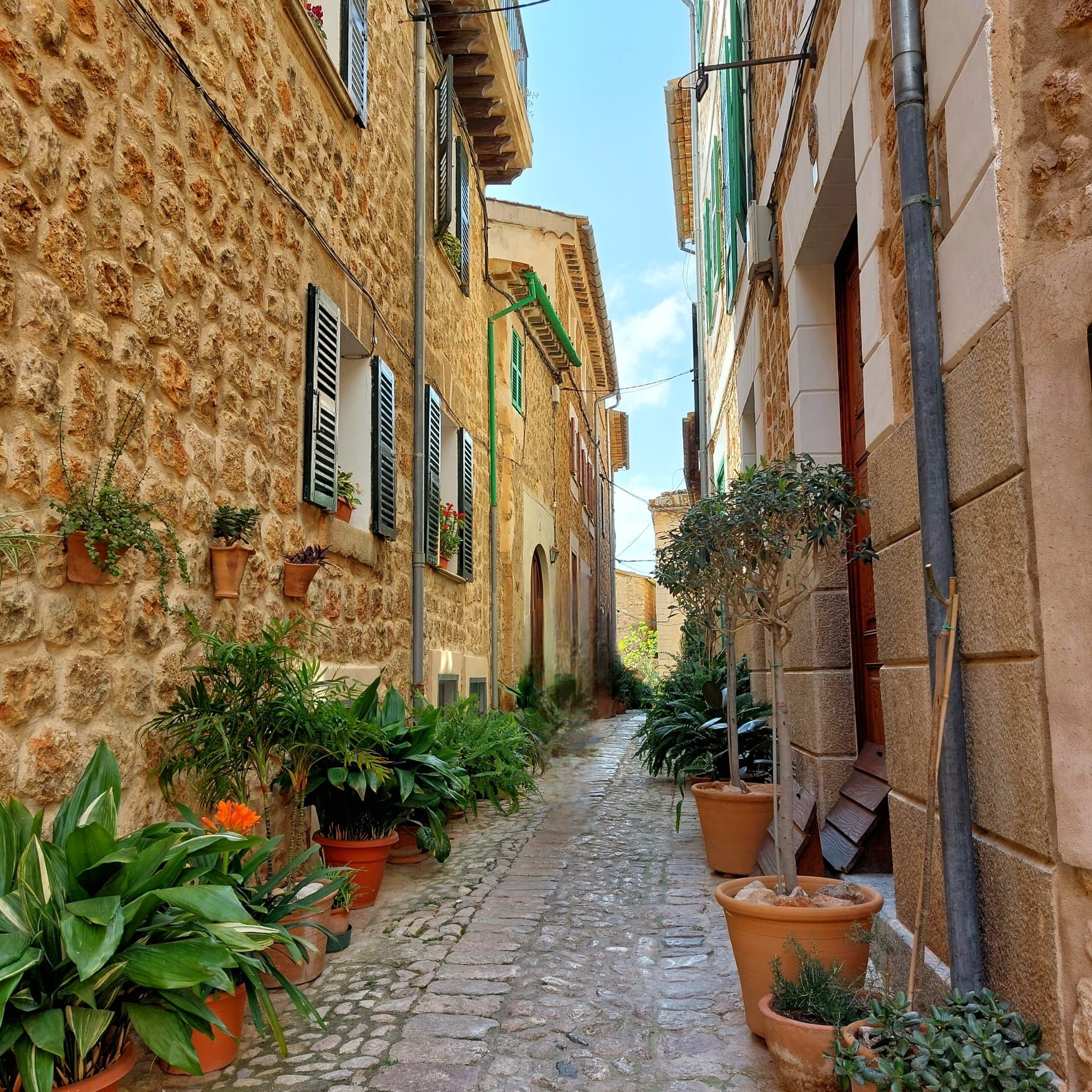
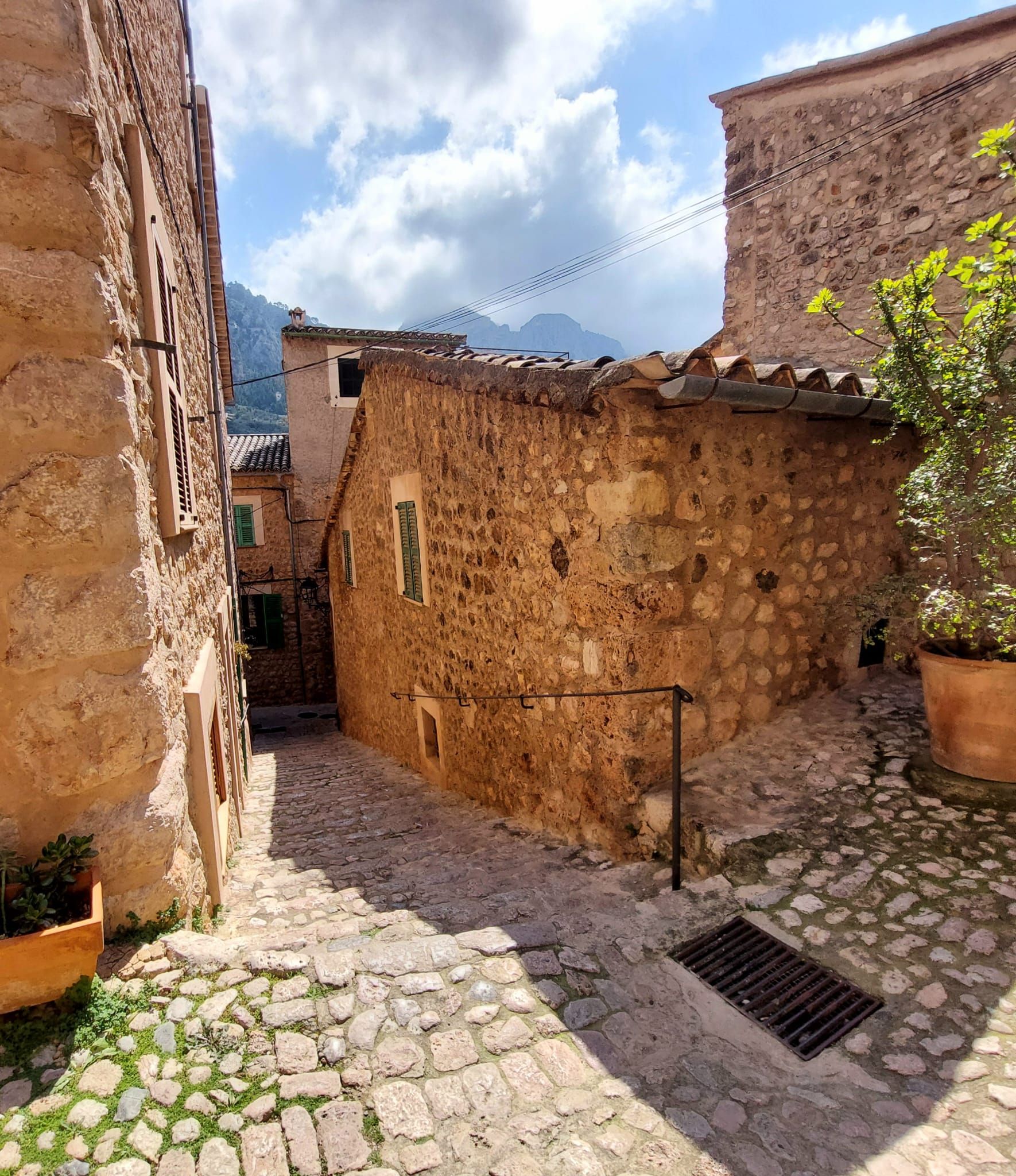
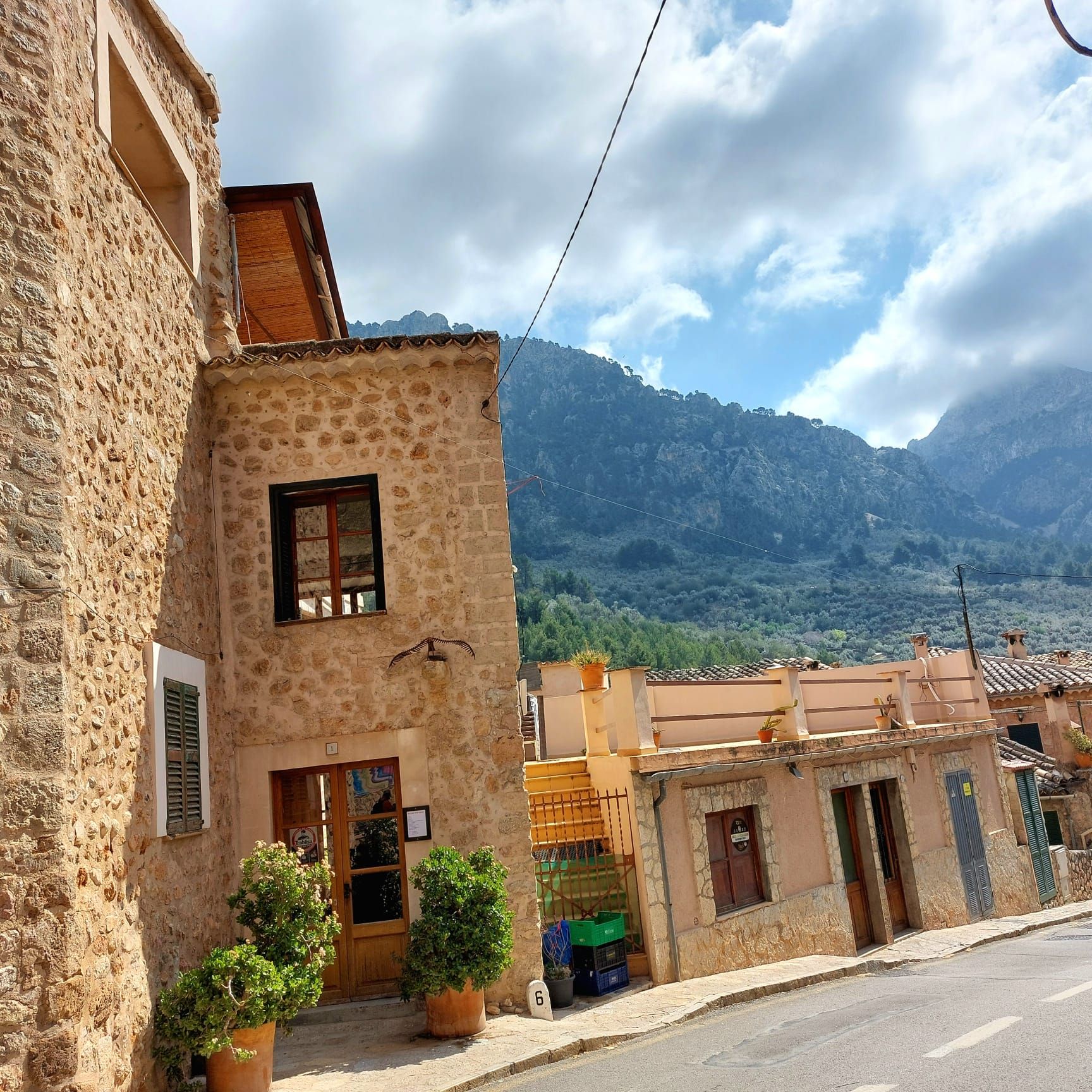
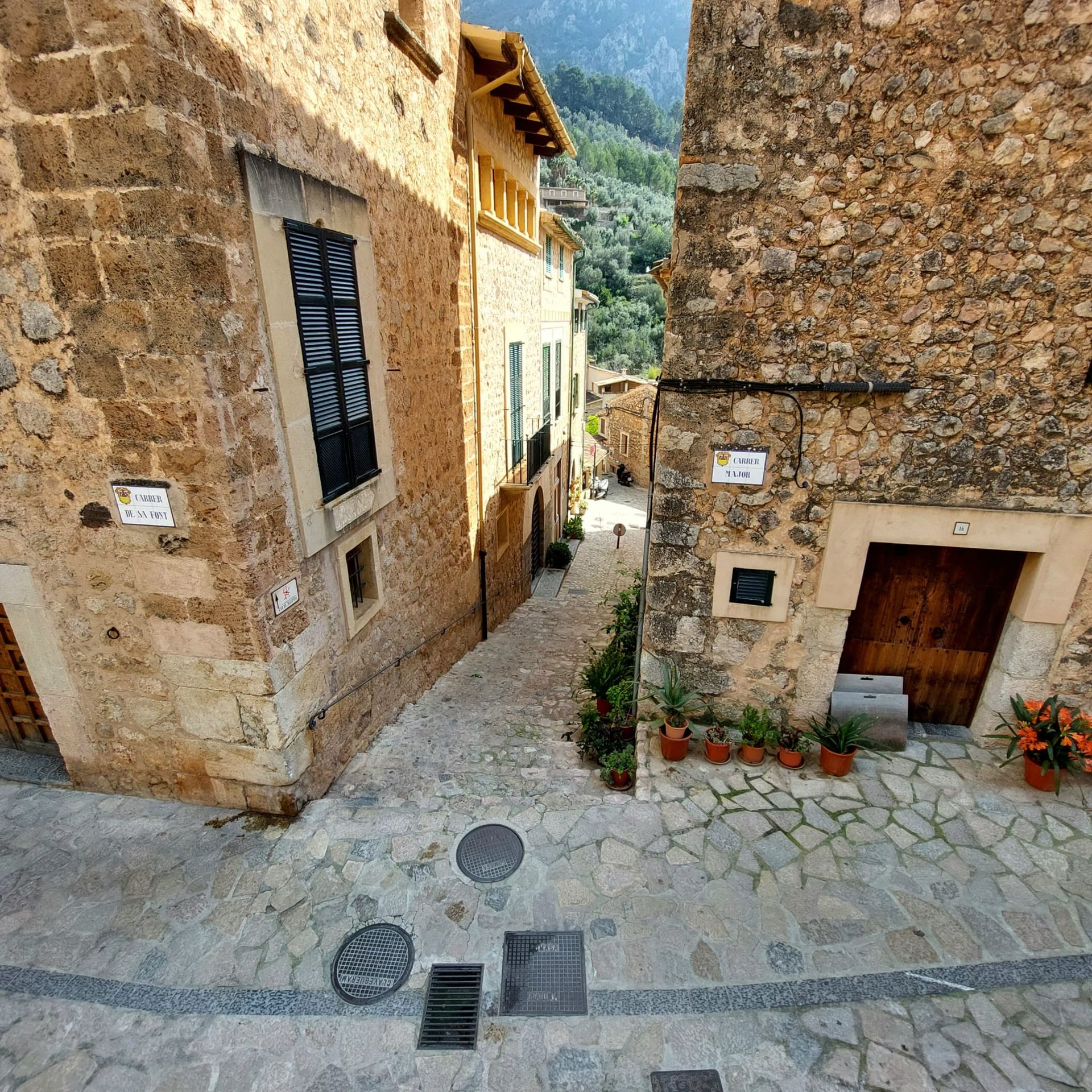
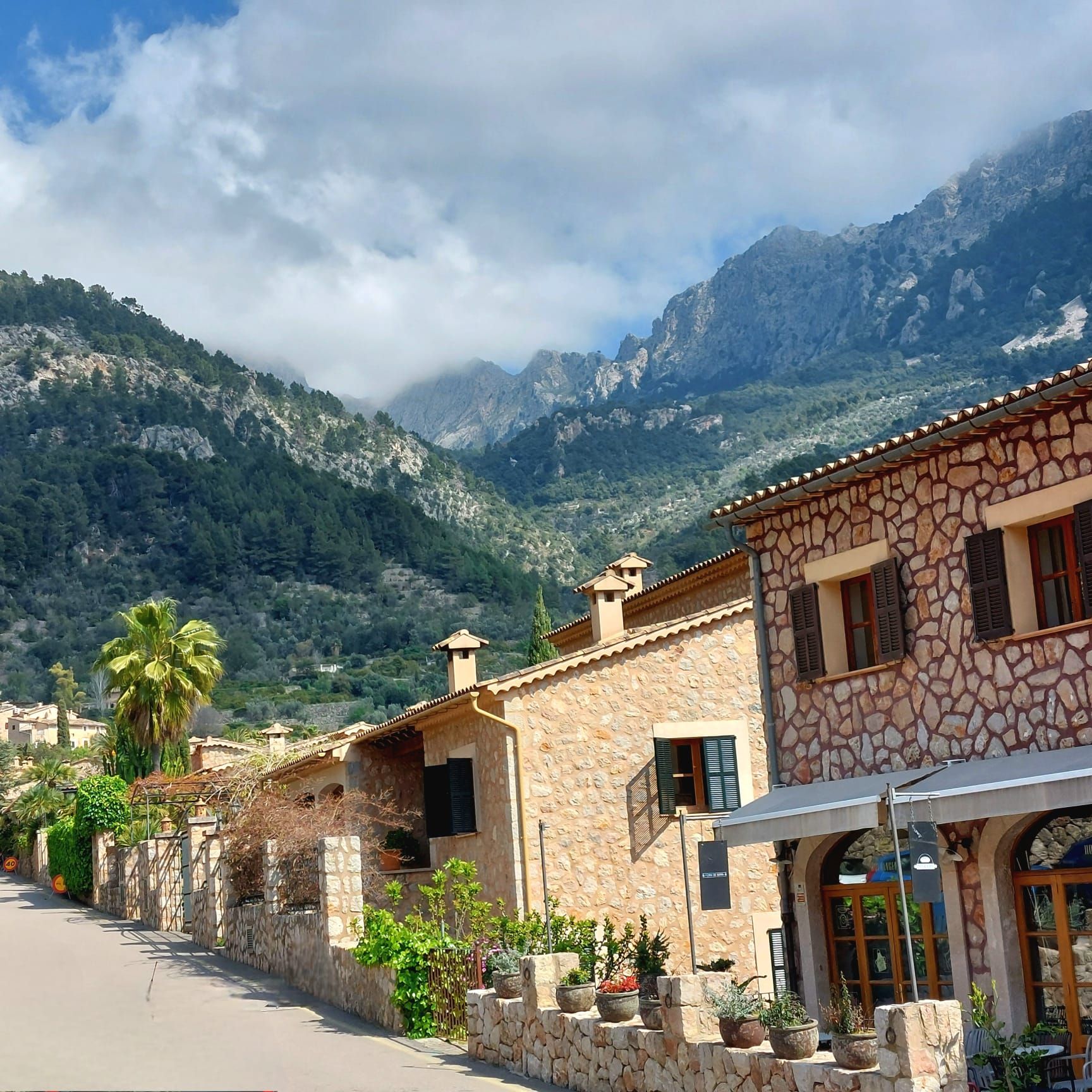
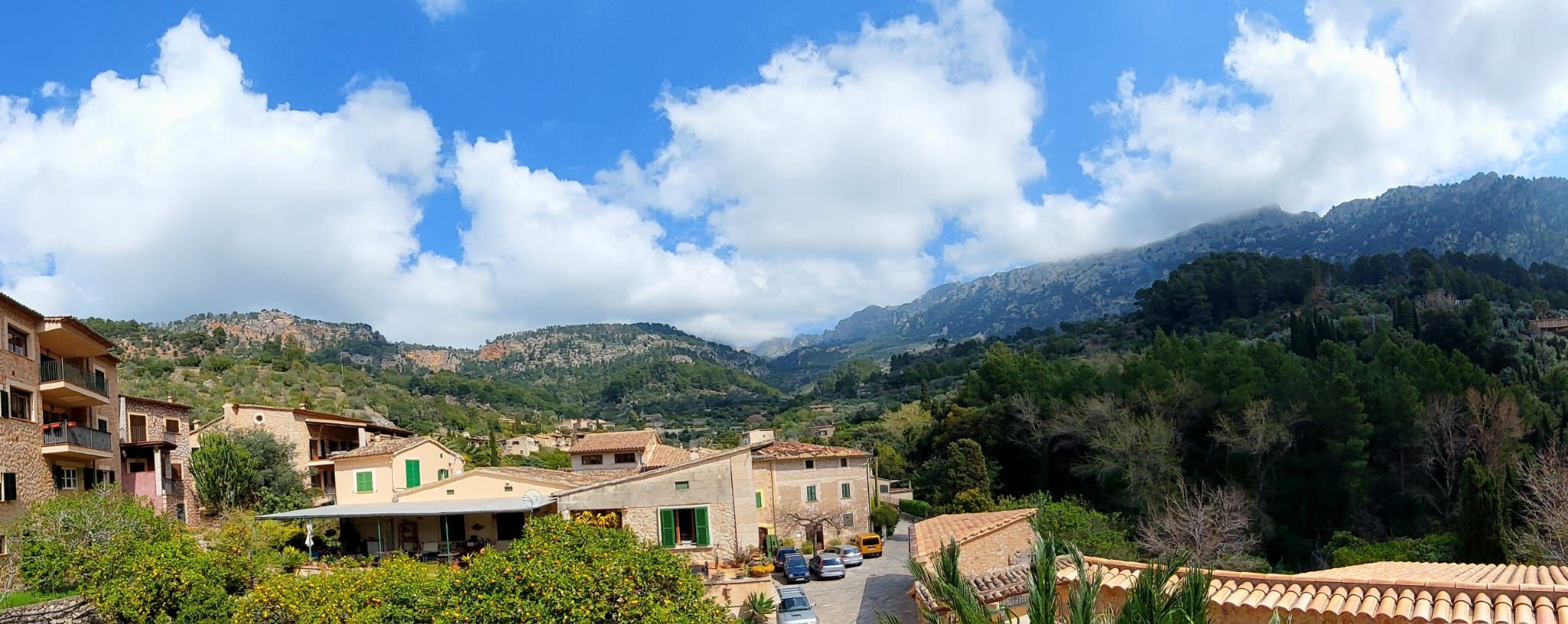
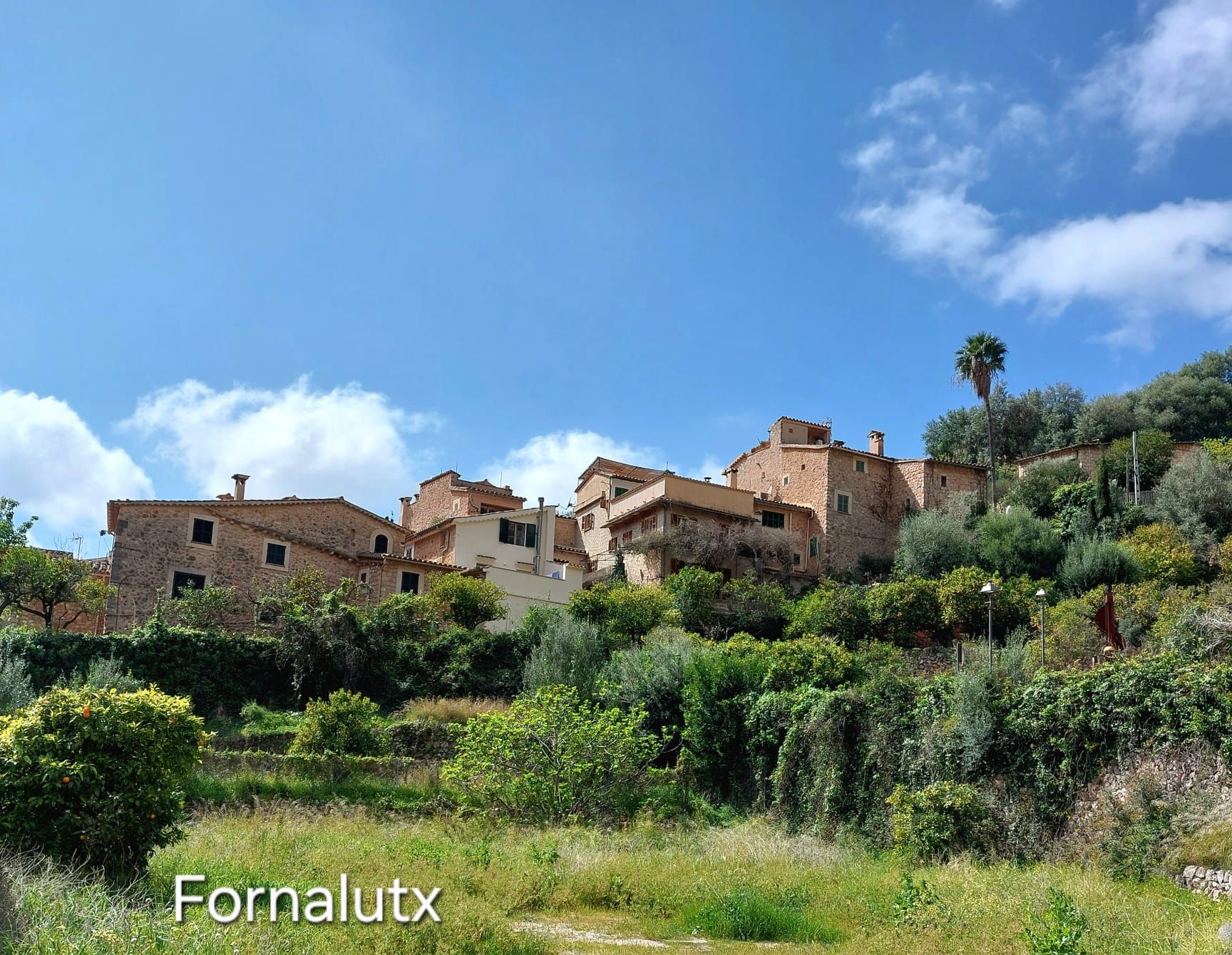
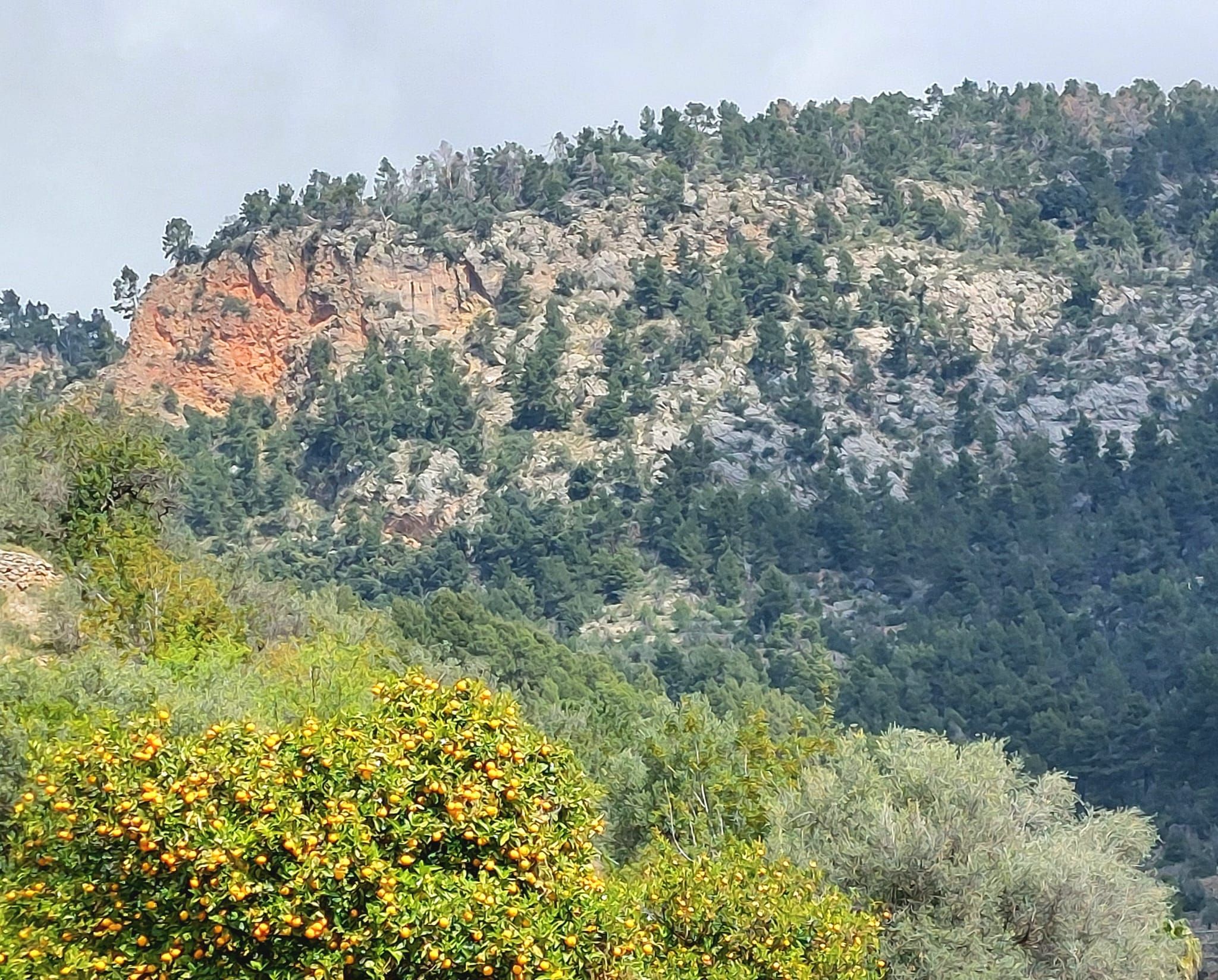
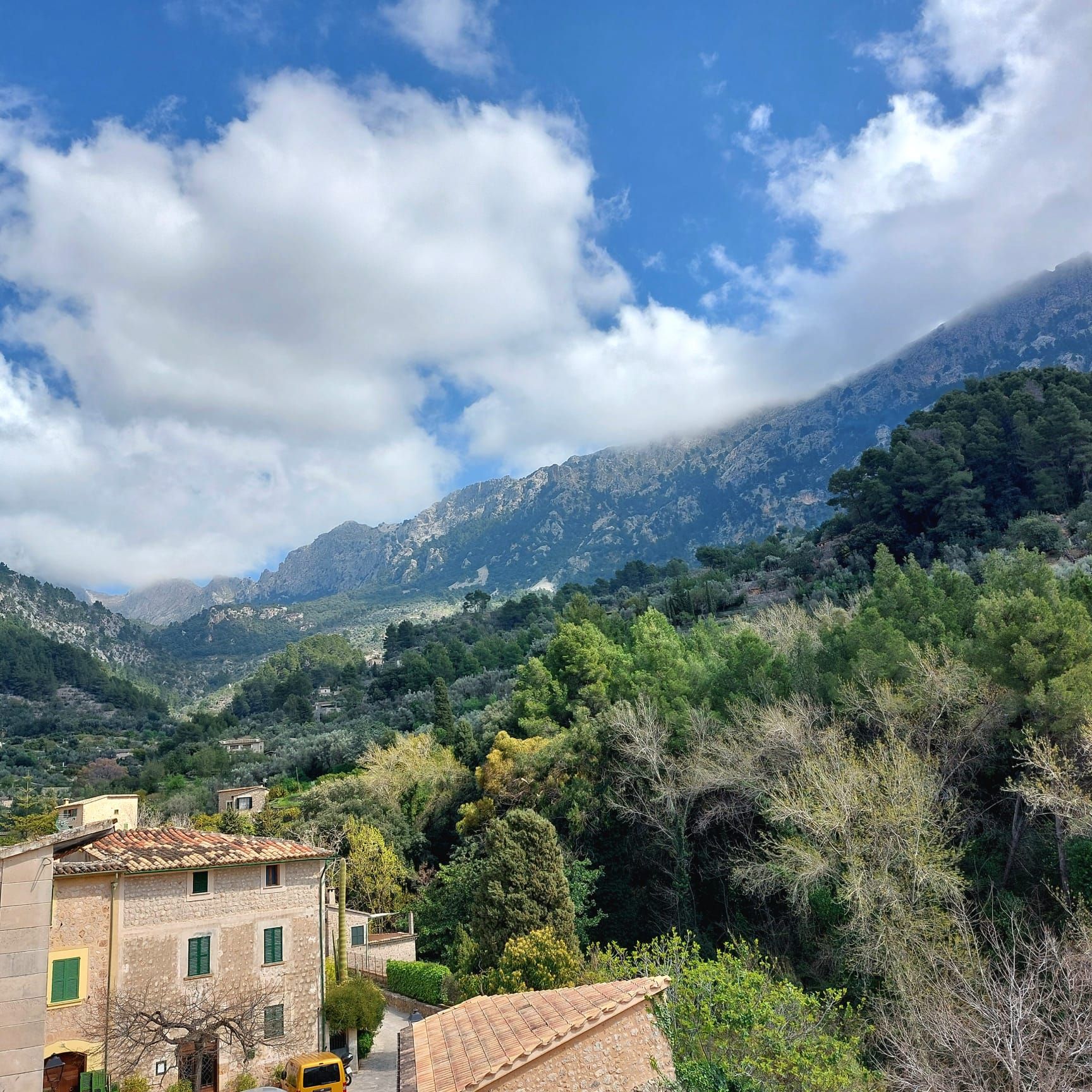
This morning, our journey took us to Fornalutx, a picturesque mountain village in the Tramuntana mountain range of Majorca.
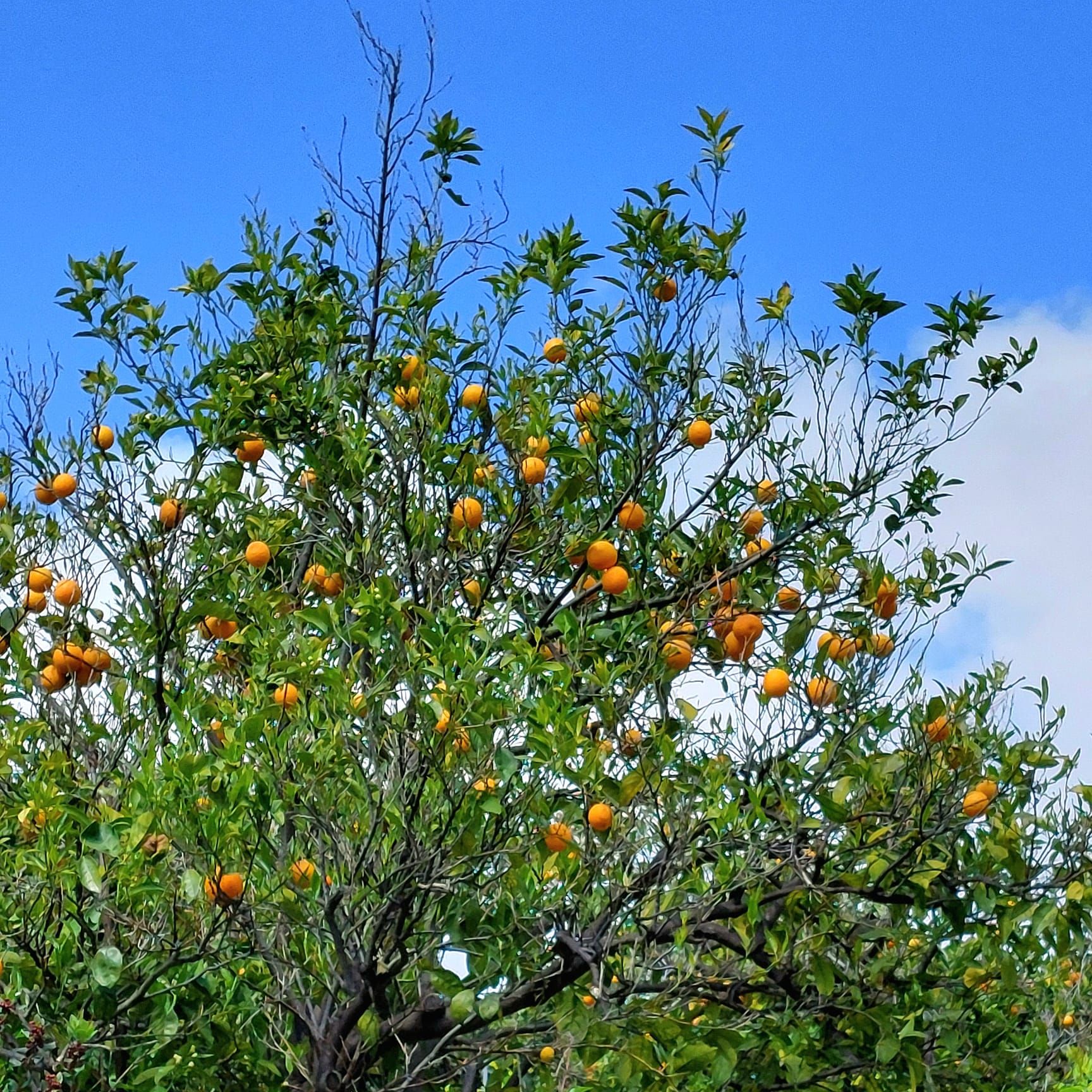
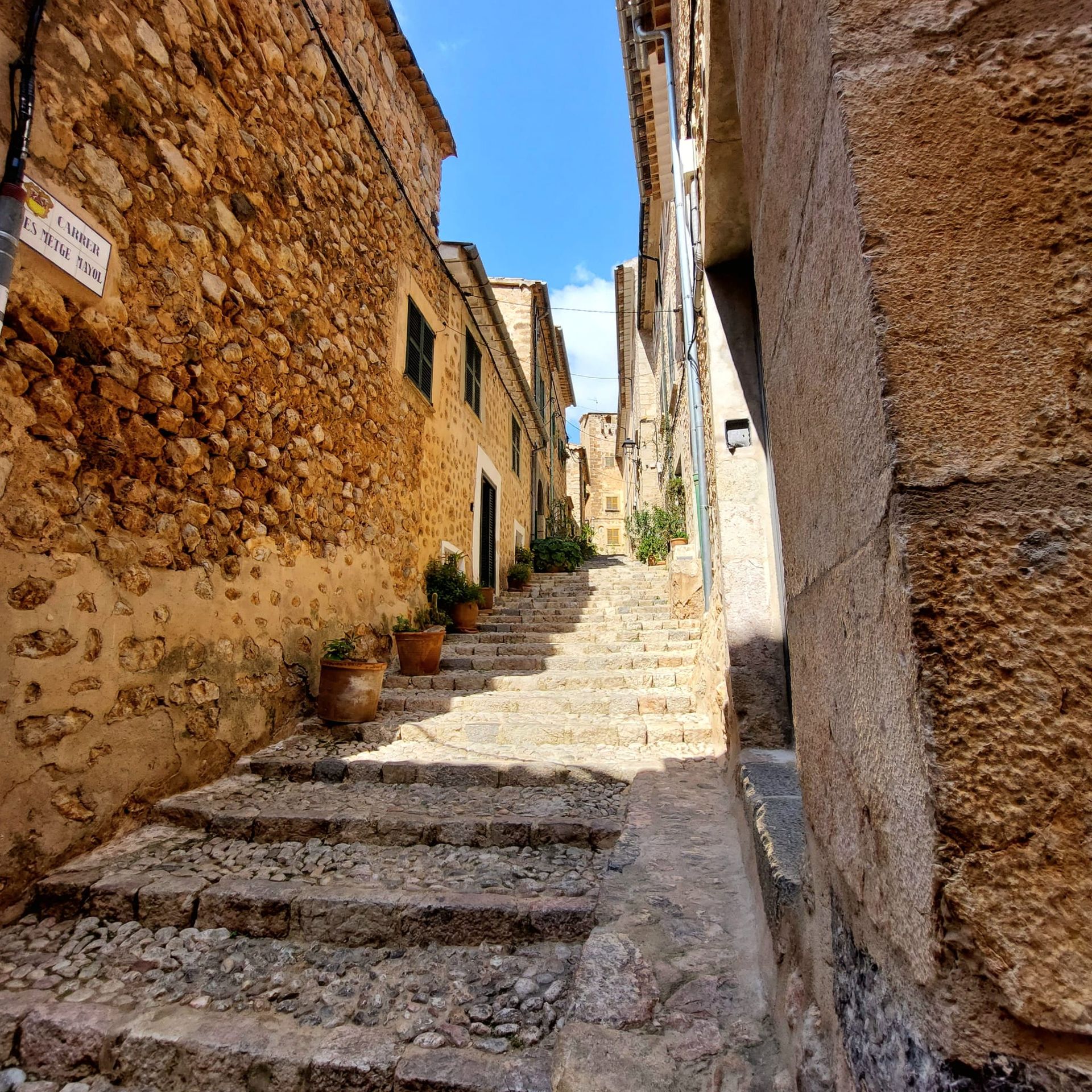
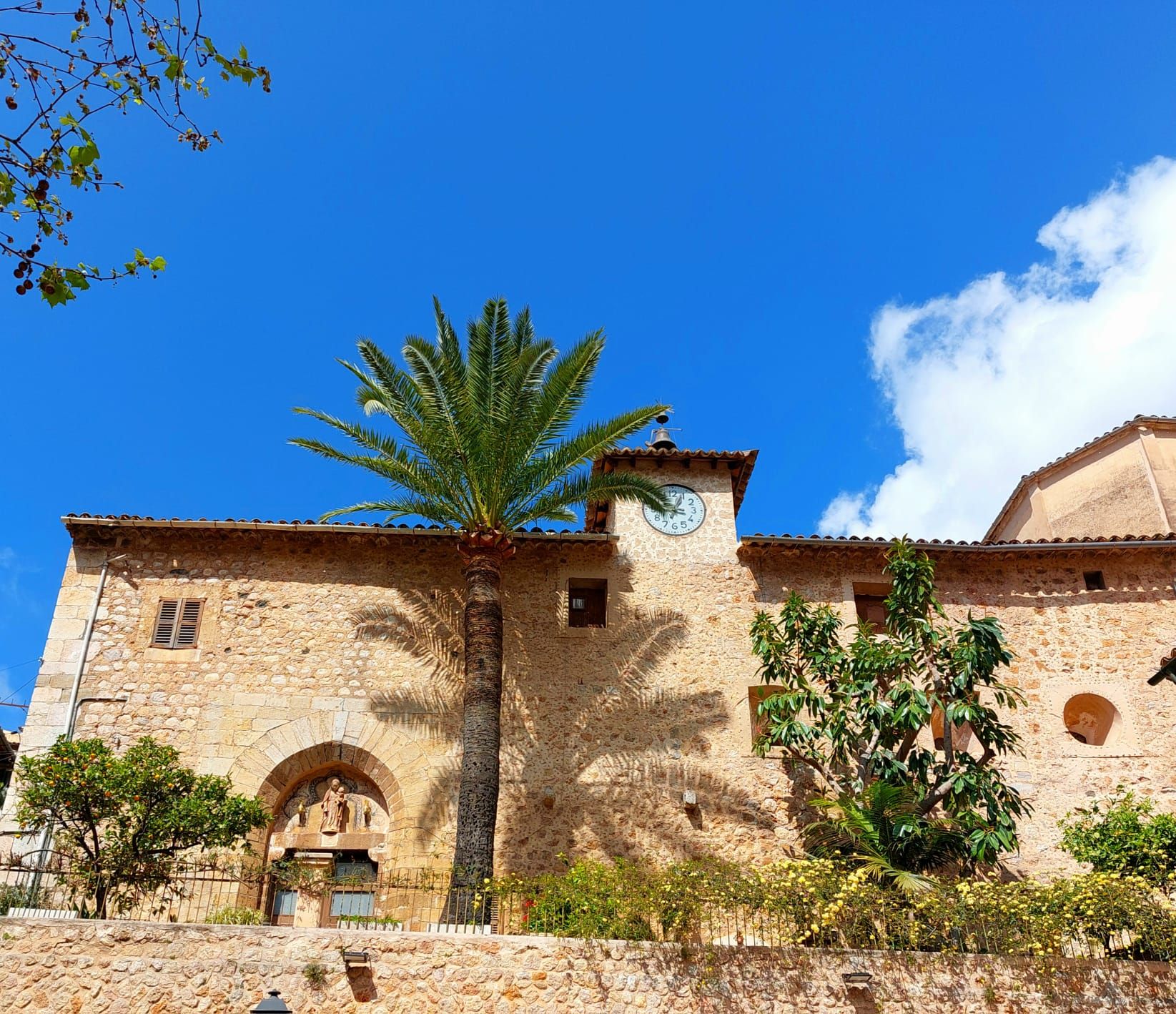
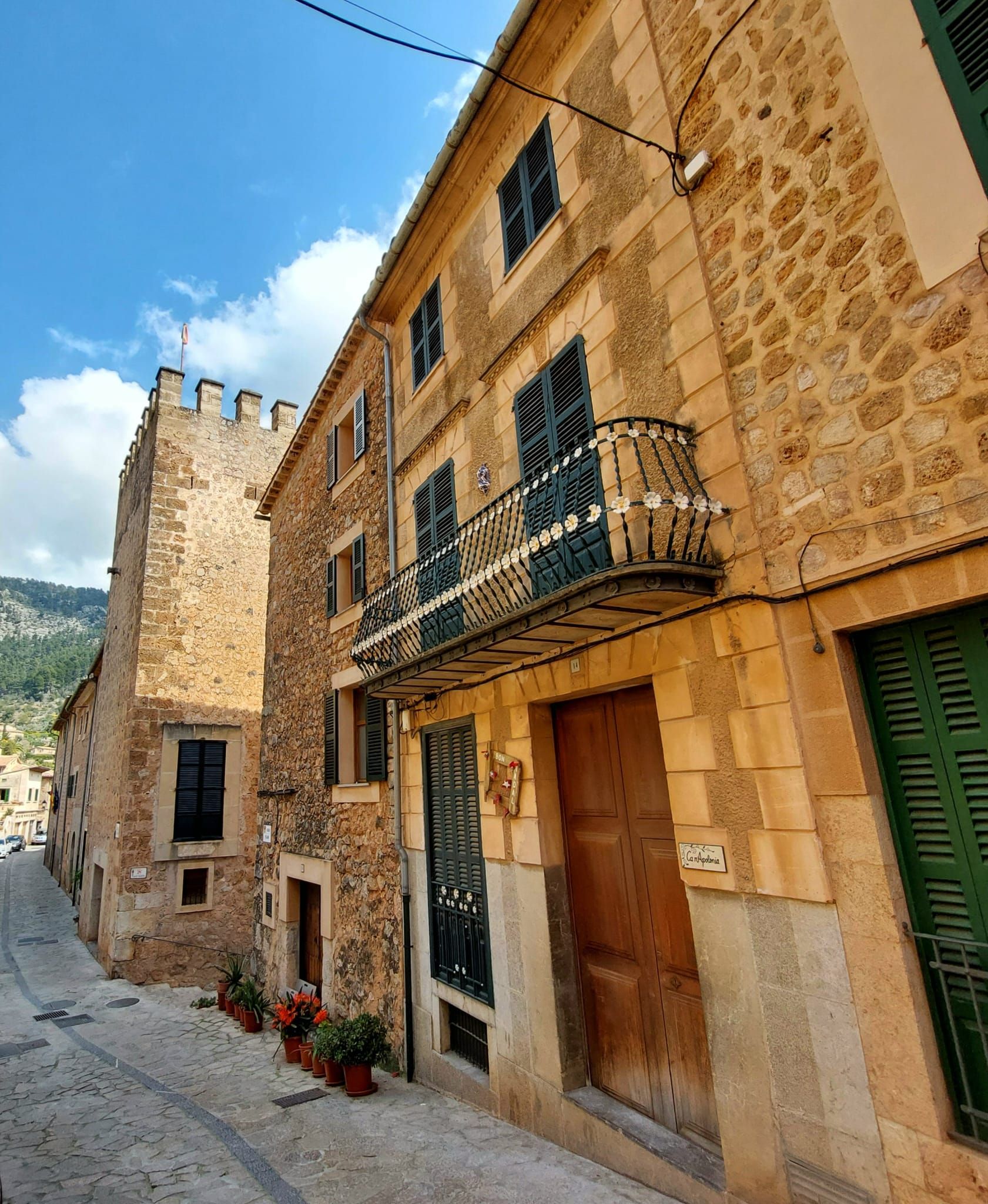
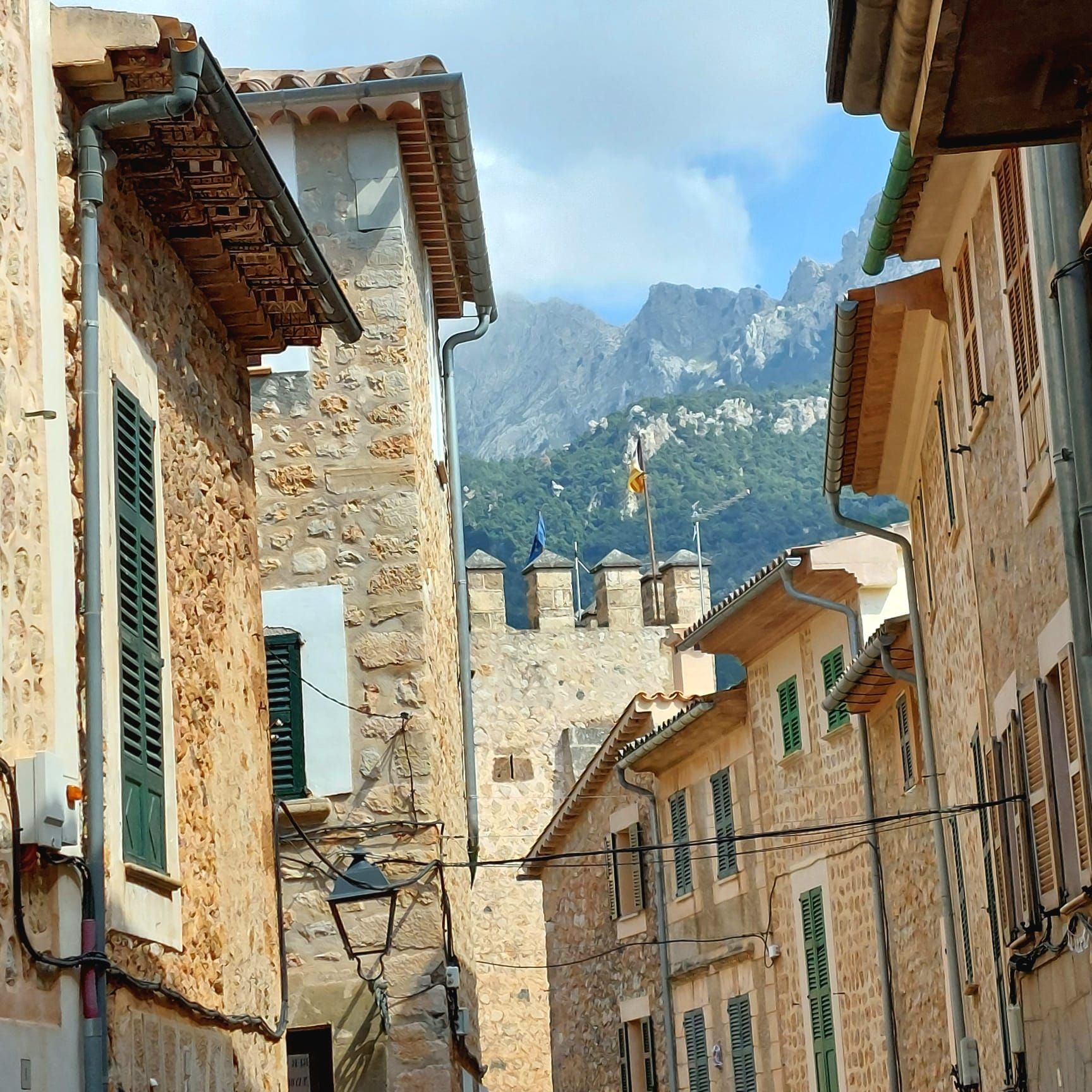
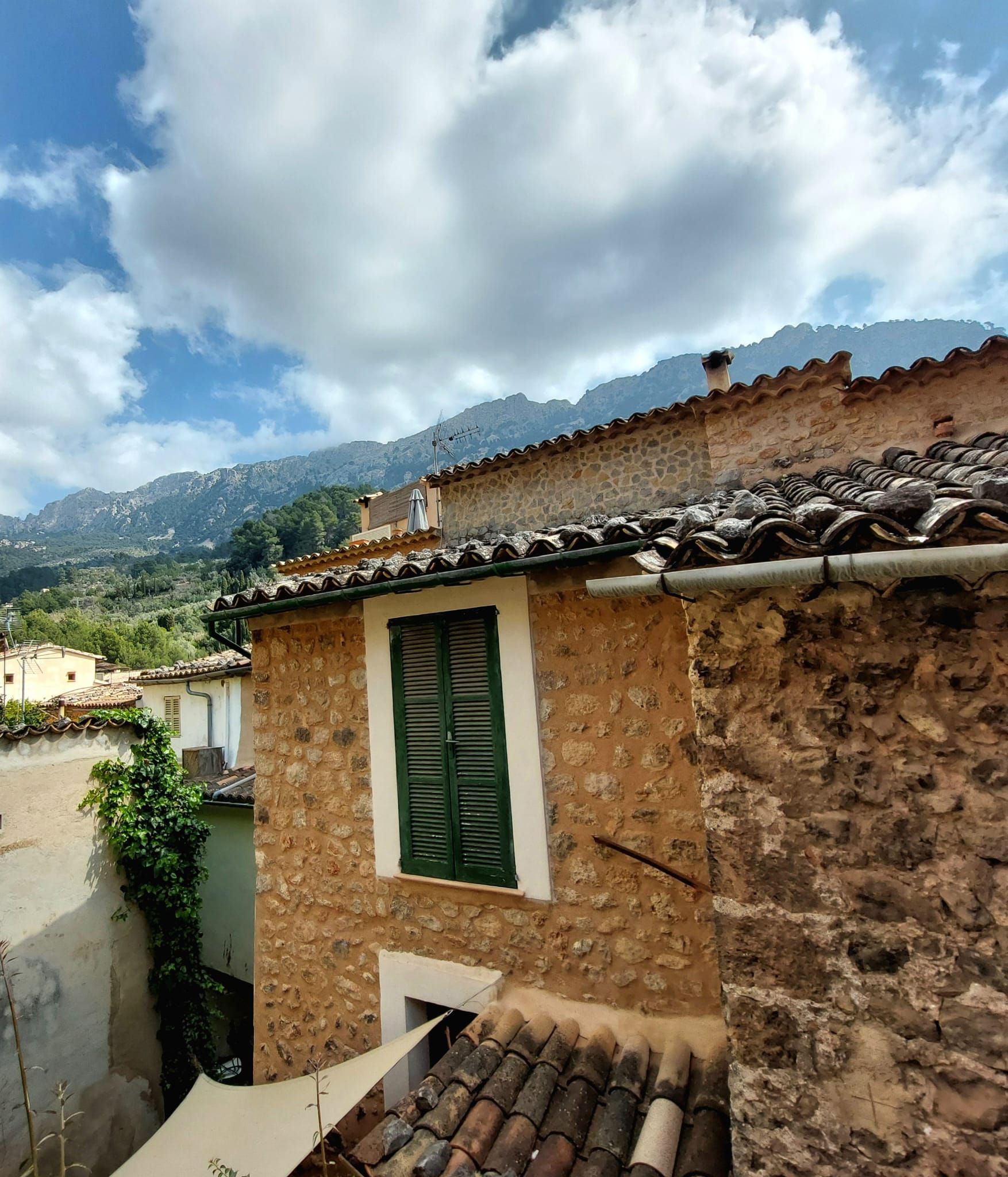
With its narrow stone streets and location amid orange and lemon groves, it offers traditional charm with authentic stone houses featuring red tile roofs that are under heritage protection.
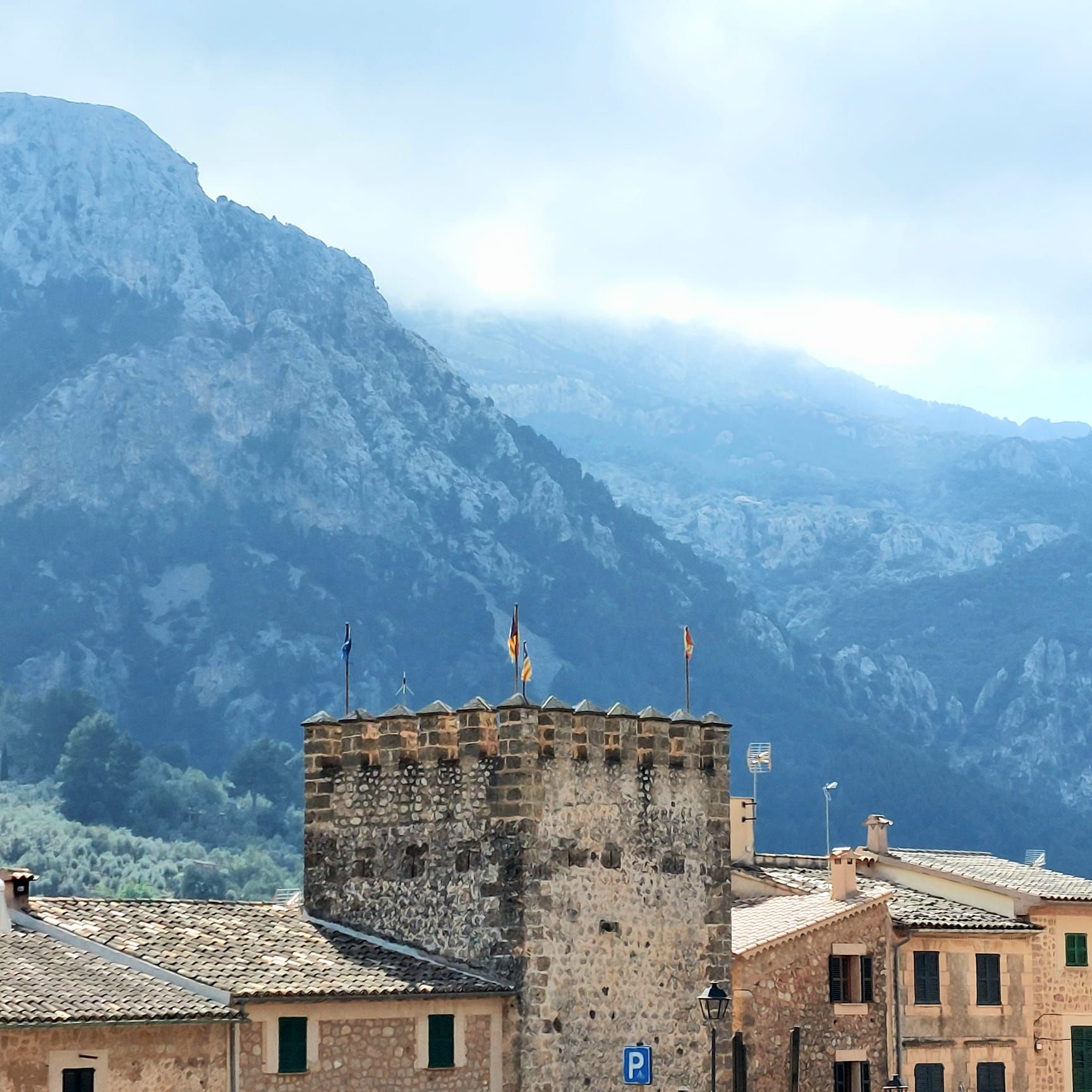
The village is situated on the slope of Puig Major, the highest mountain on the island, with views over the Sóller Valley.
Fornalutx is characterized by steep alleys and stairs (not necessarily suitable for those with mobility issues, as I painfully realized).
From Fornalutx, we traveled to Valldemossa.
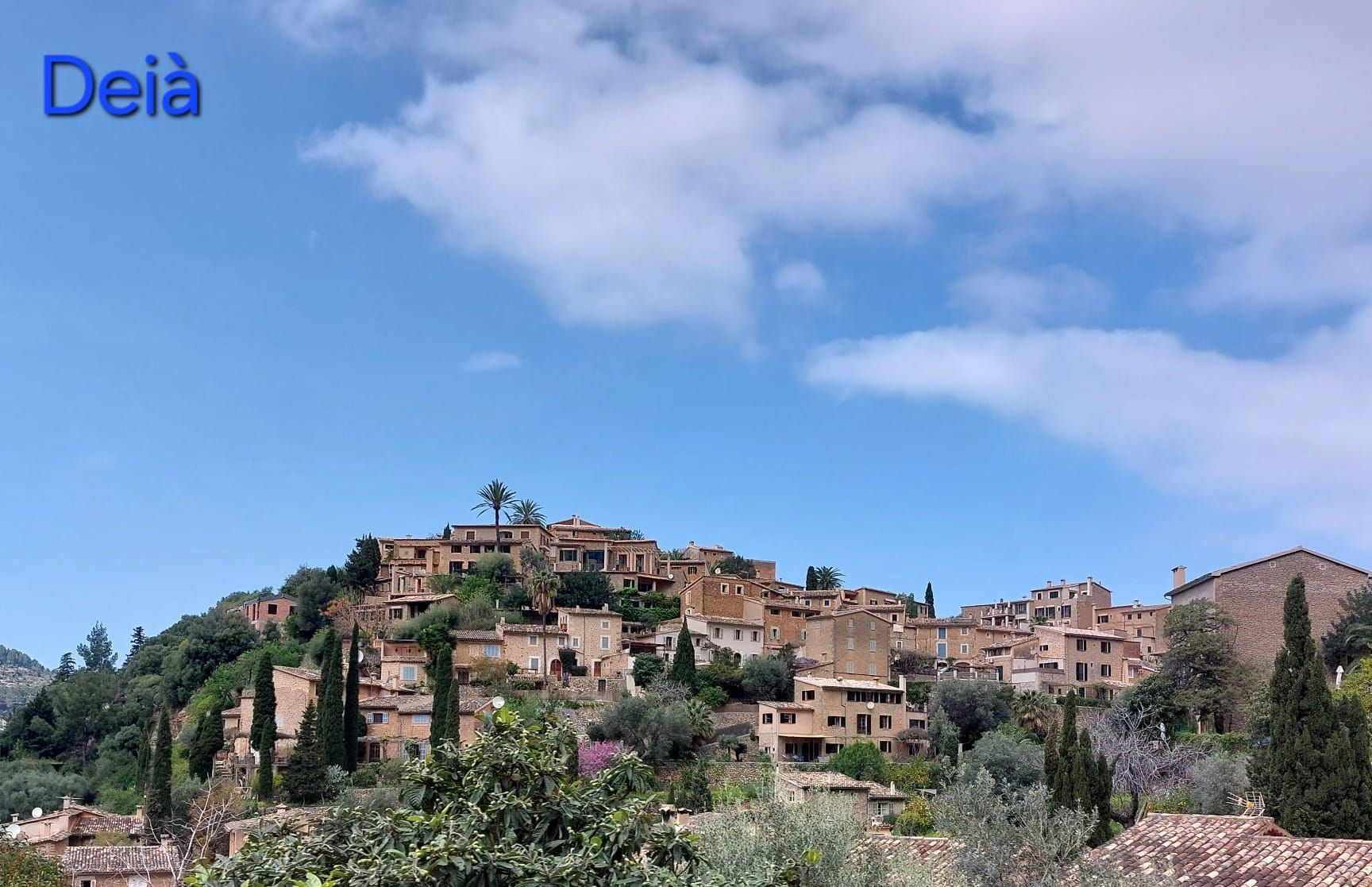
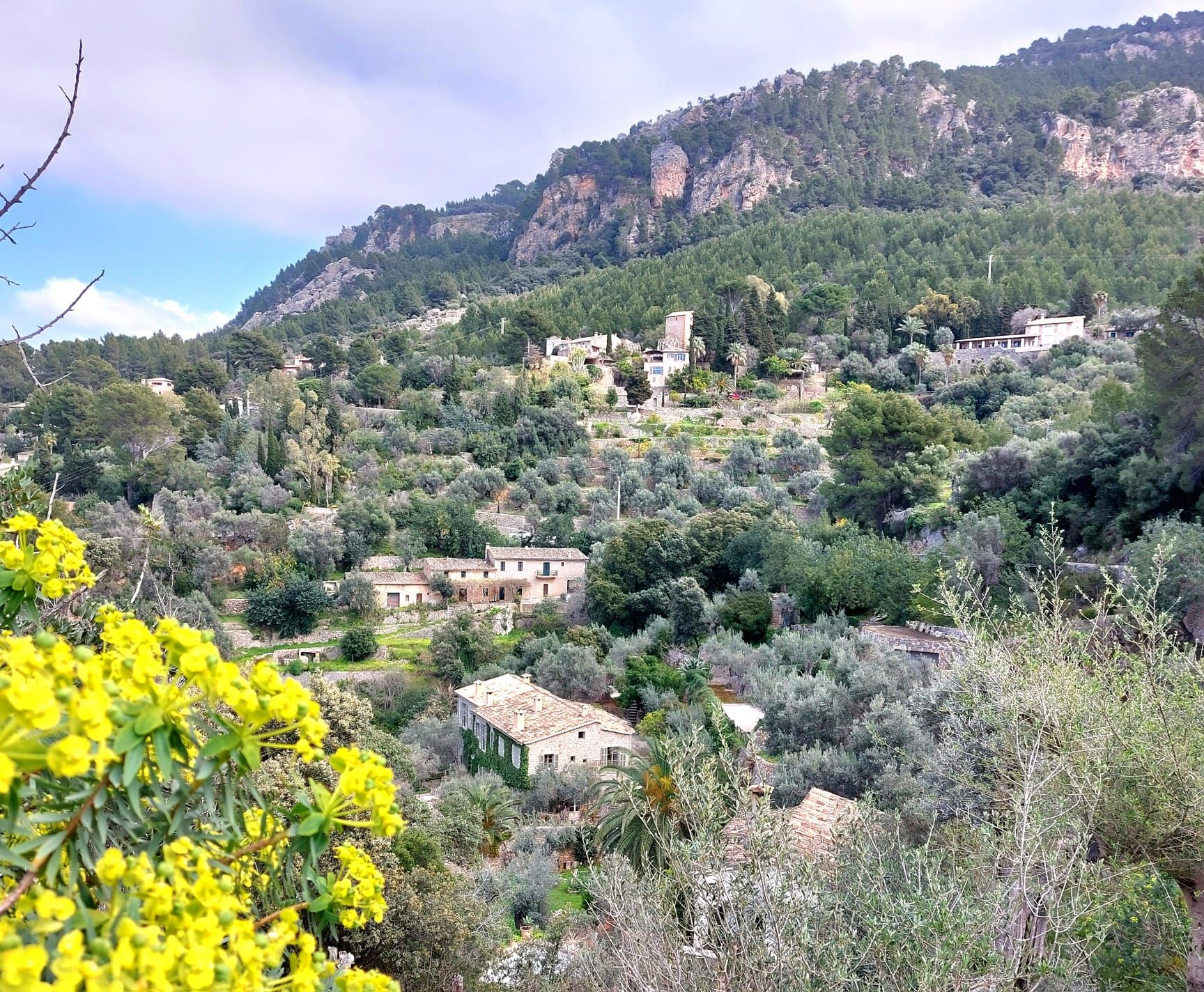
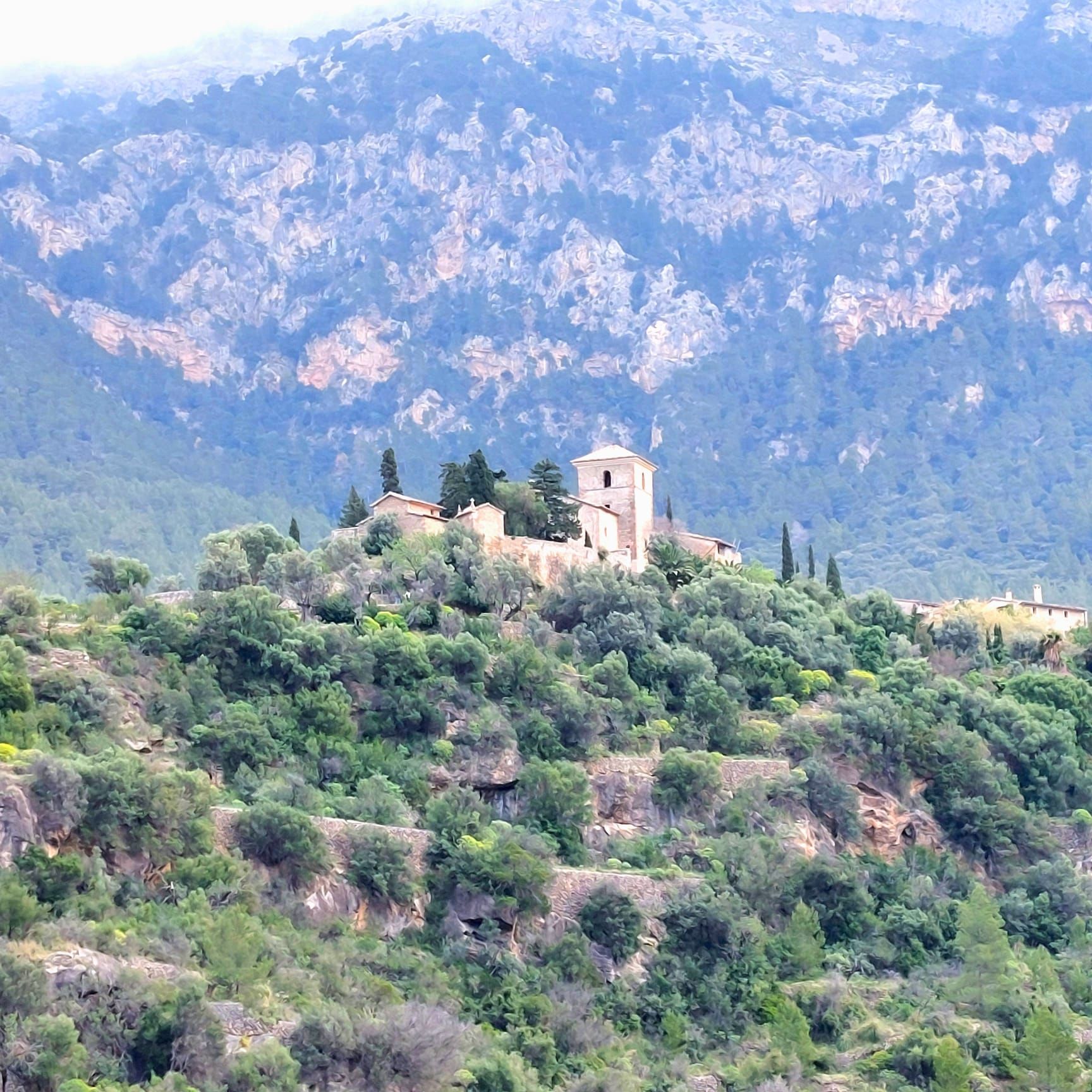
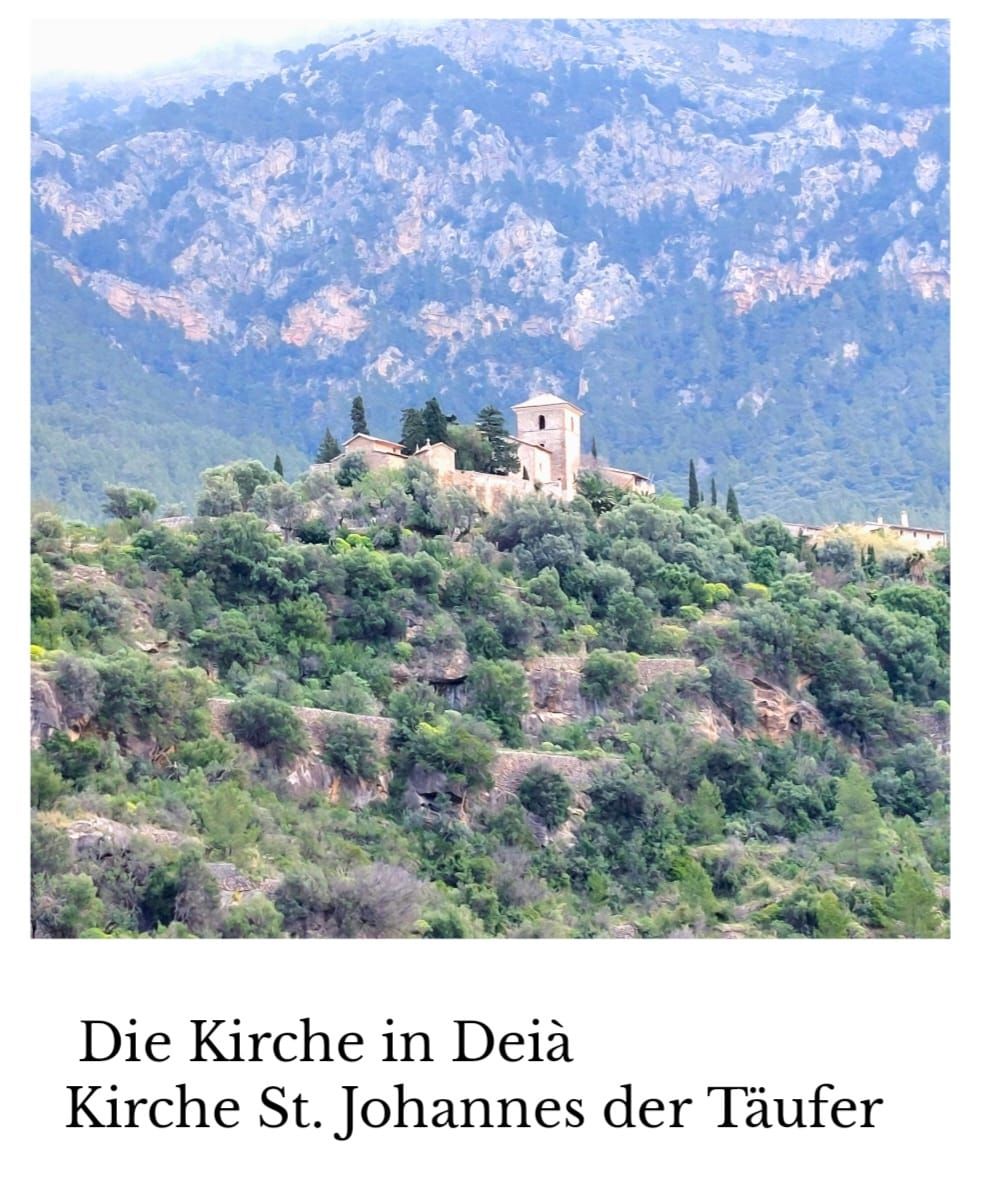
On the way to Valldemossa, we also passed the picturesque village of Deià, which is located in the northwest of Majorca, nestled in the Tramuntana mountains. It is part of the UNESCO World Heritage Site. The village is known for its traditional stone houses and the characteristic ochre church San Juan Bautista, which perches on the hill.
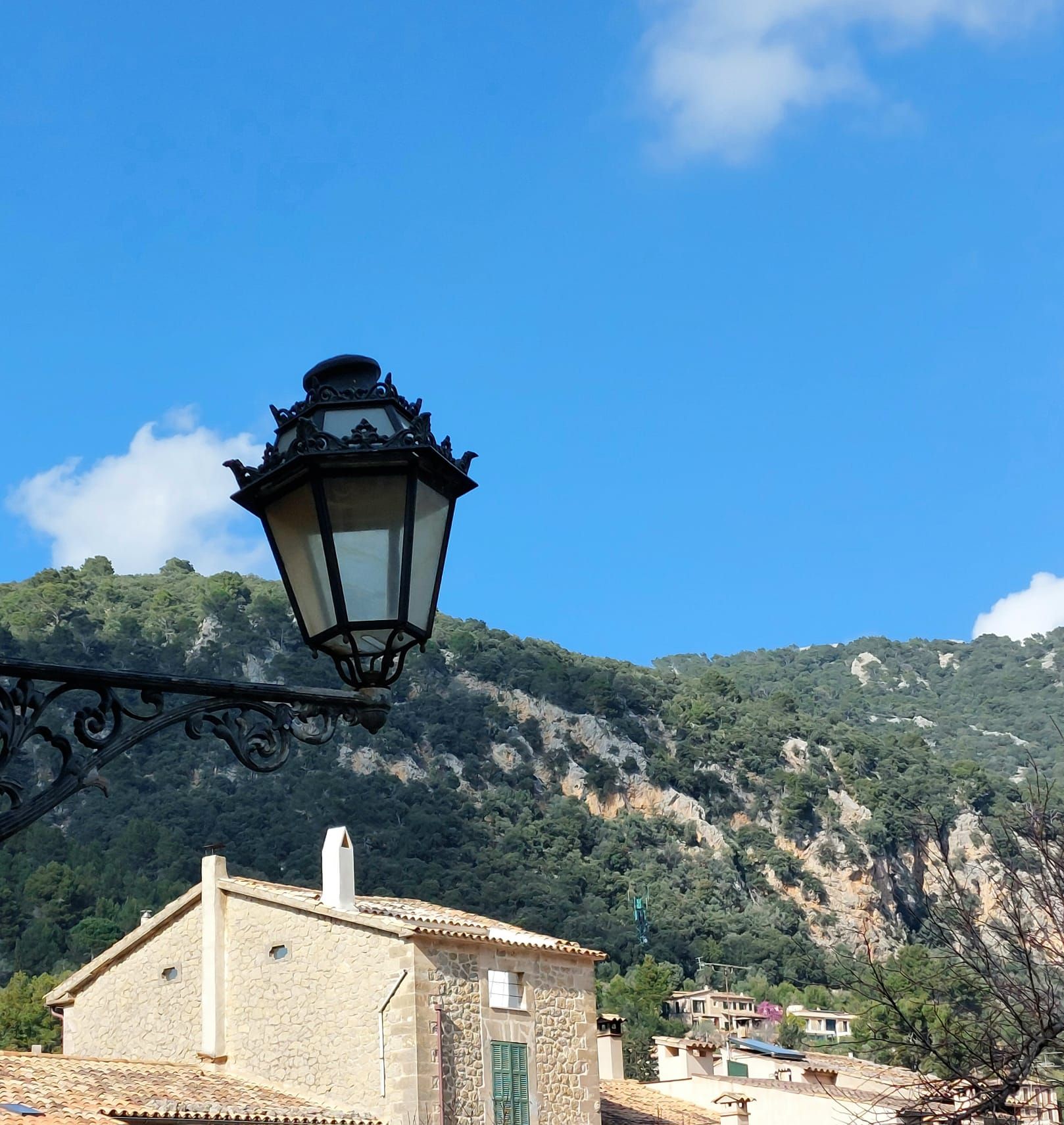
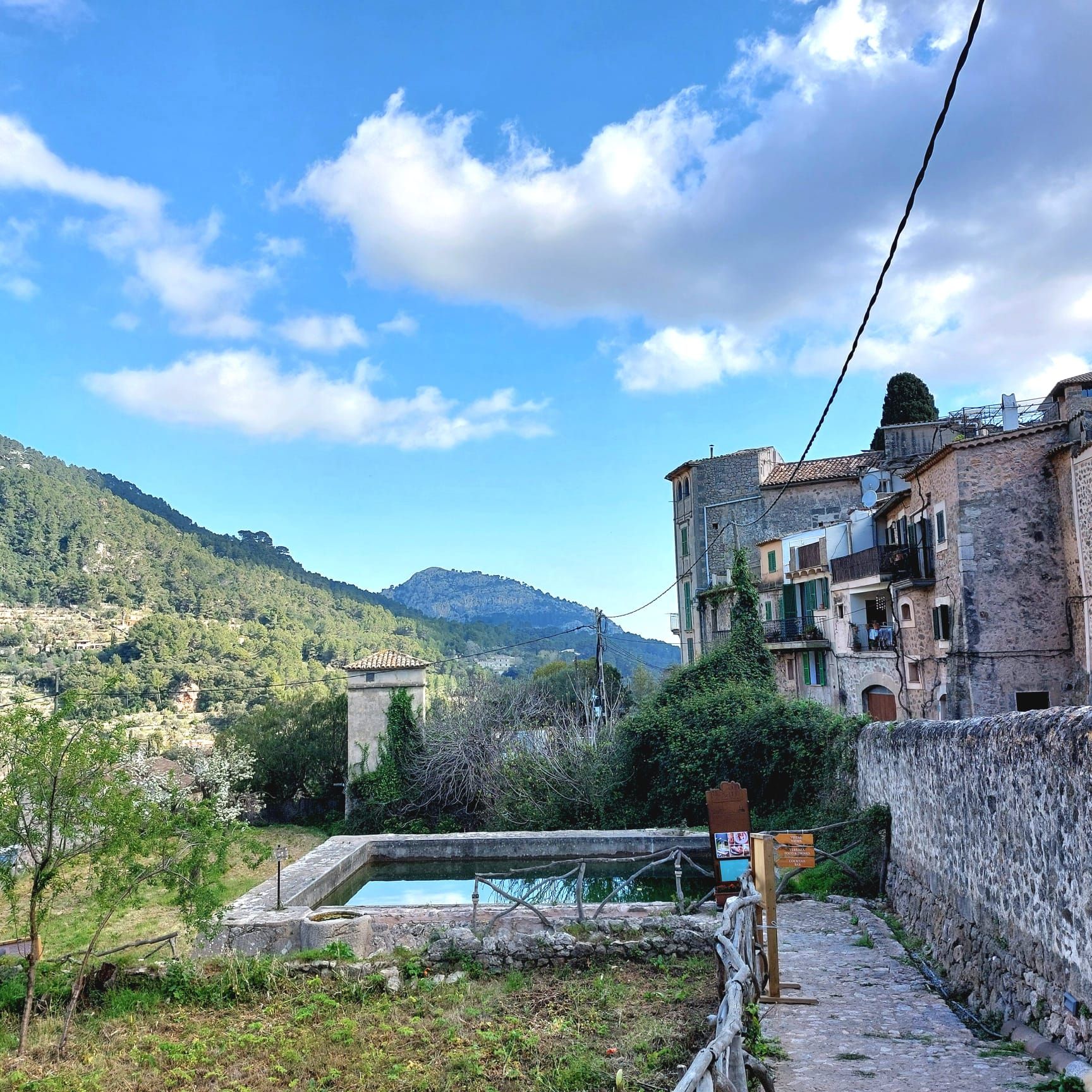
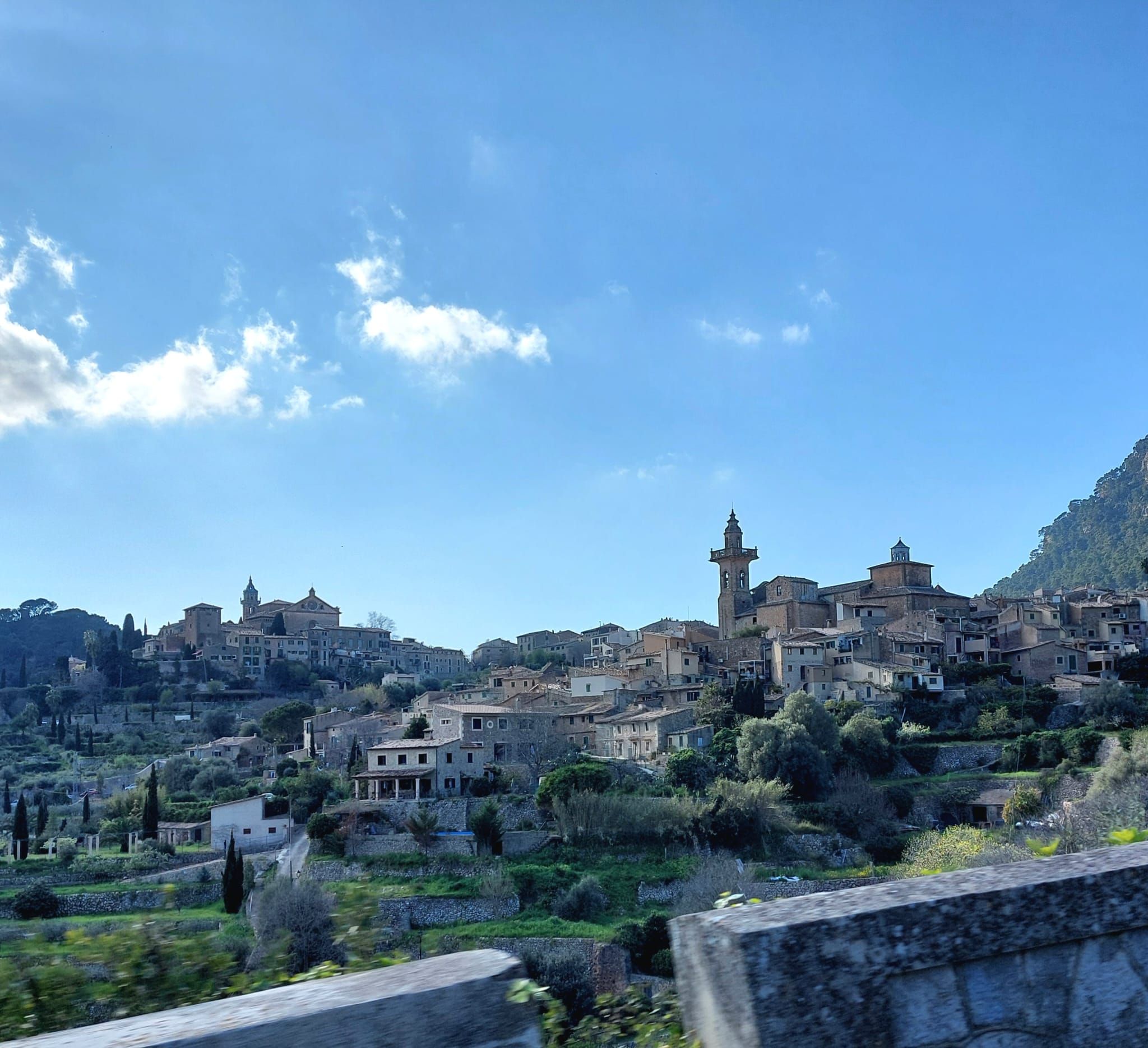
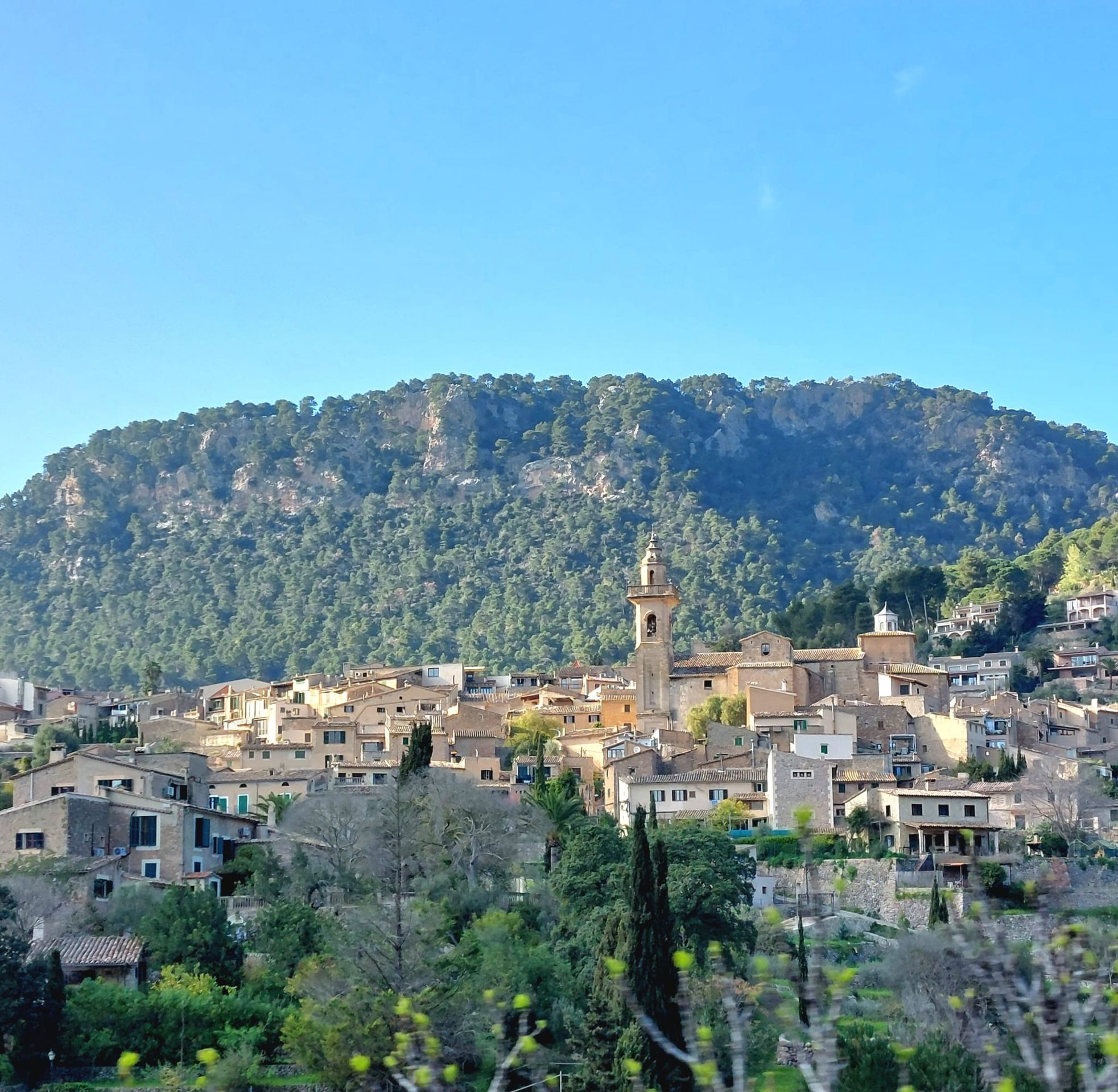
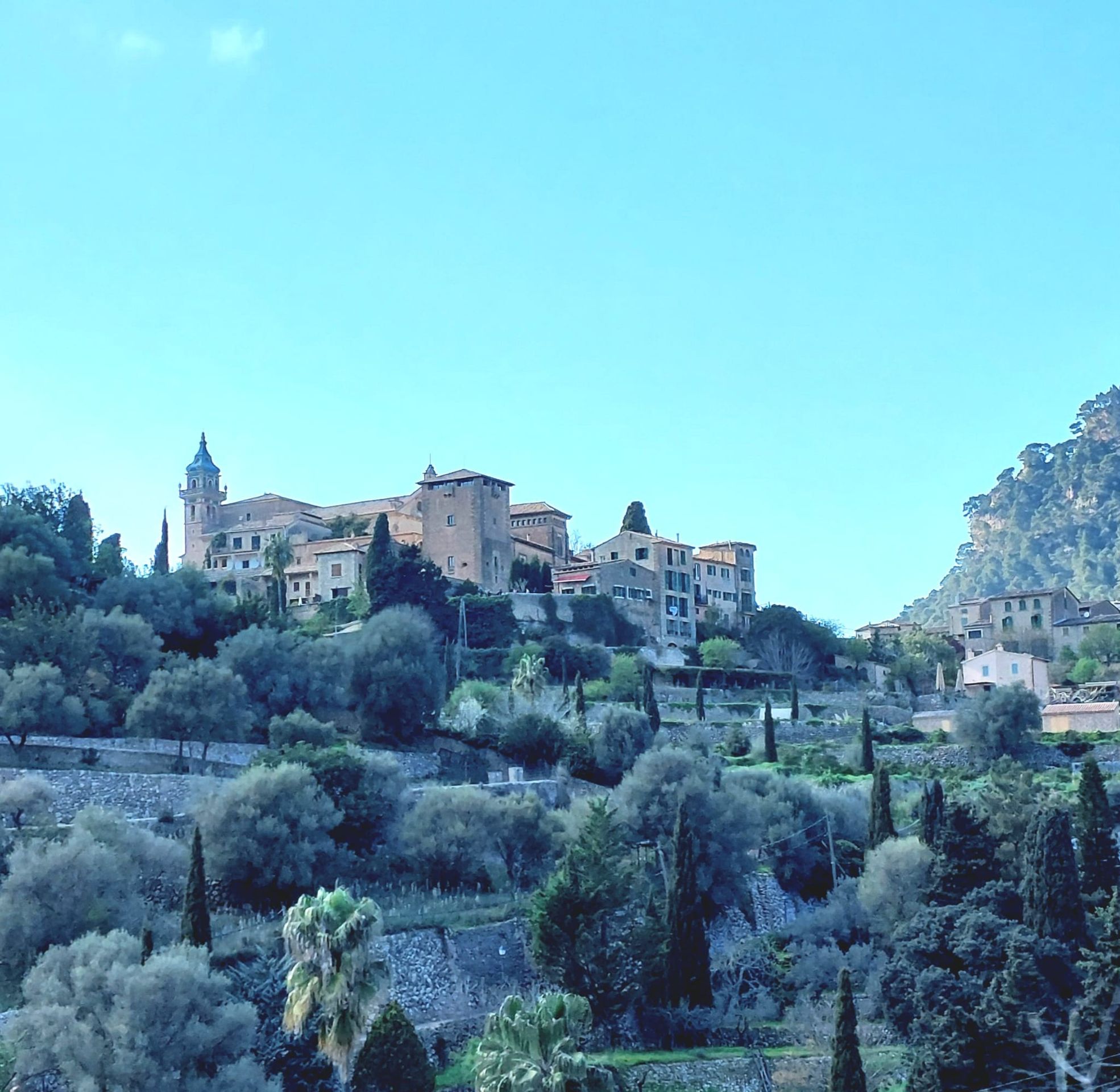
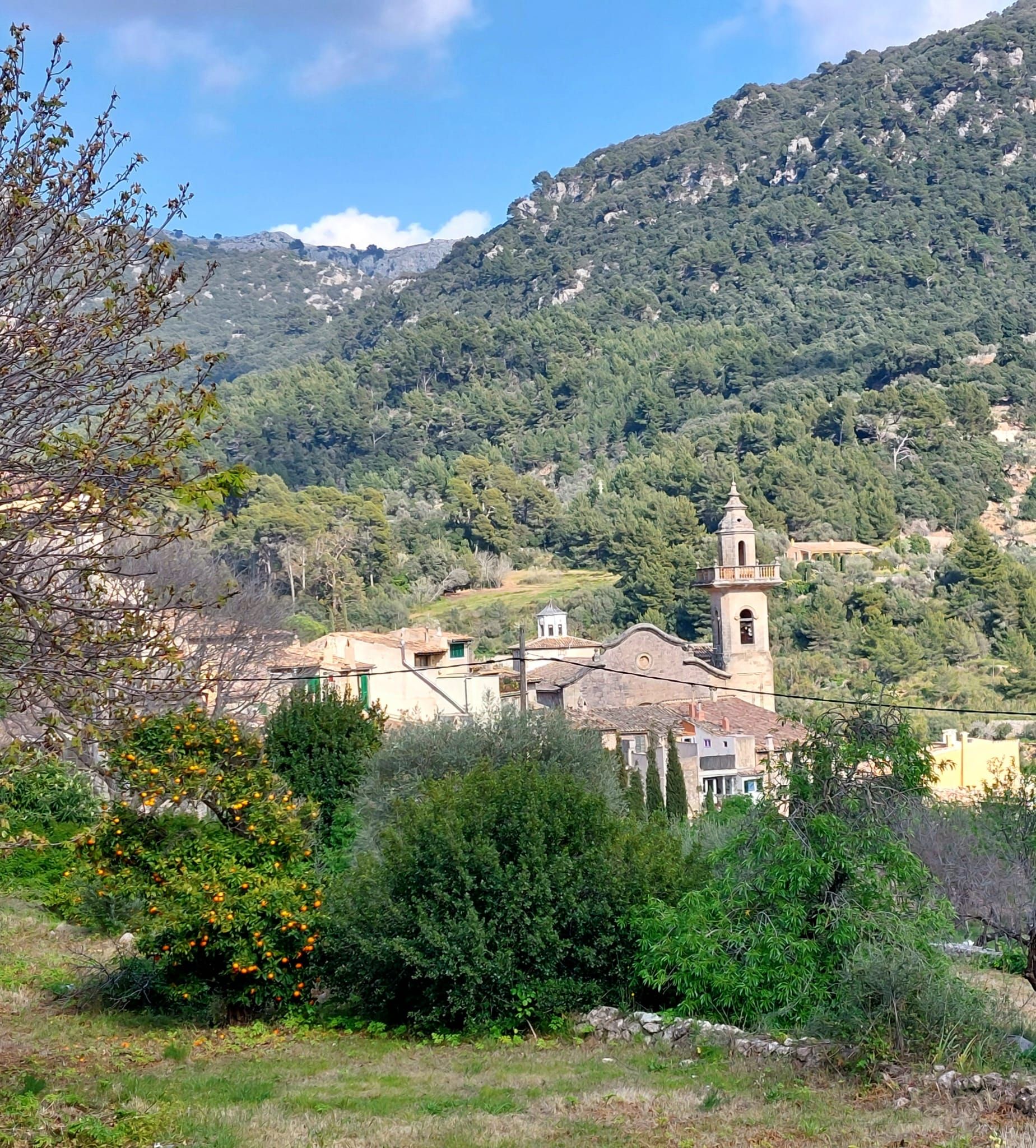
Shortly thereafter, we reached Valldemossa, which is also located in the Tramuntana range.
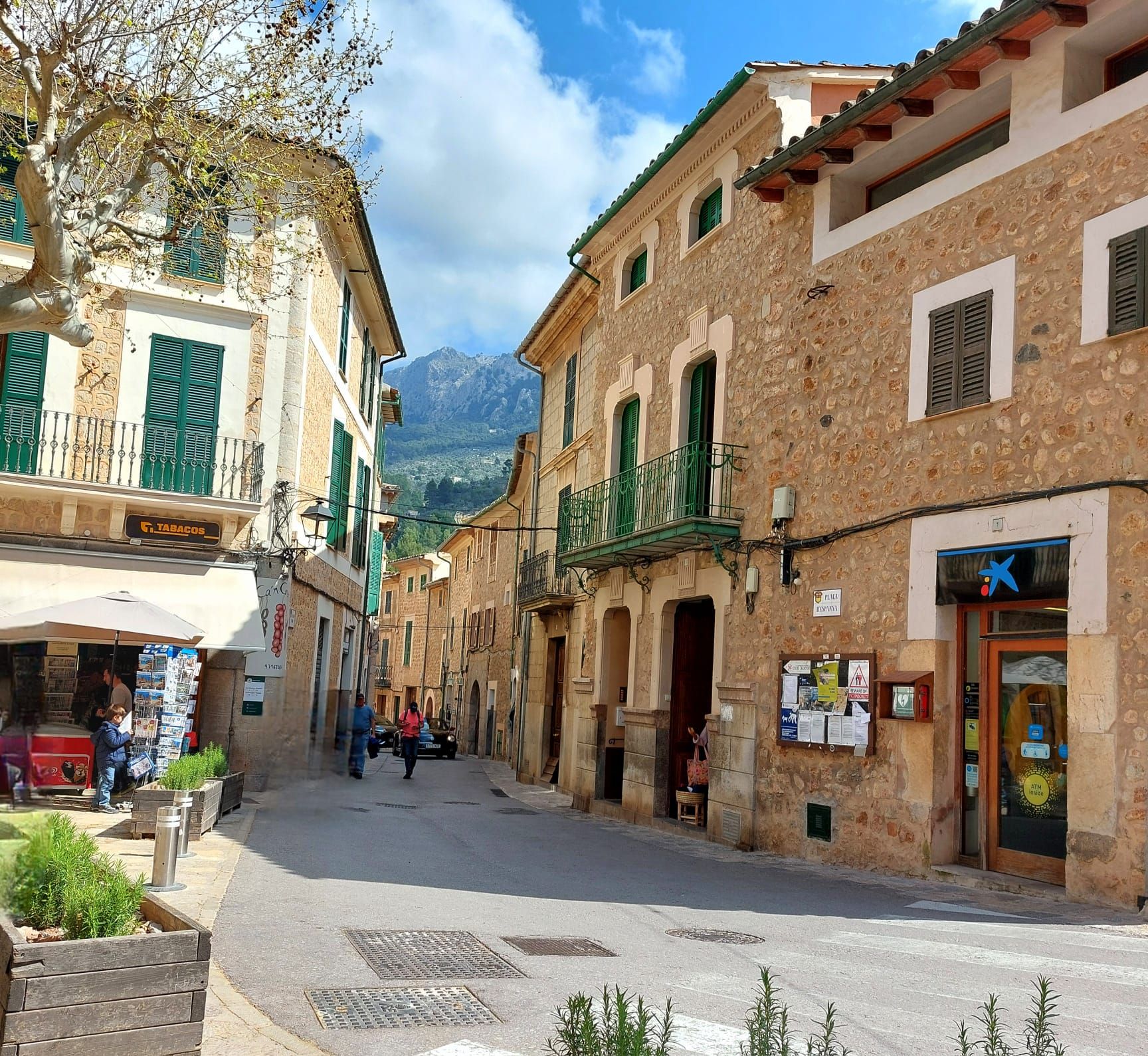
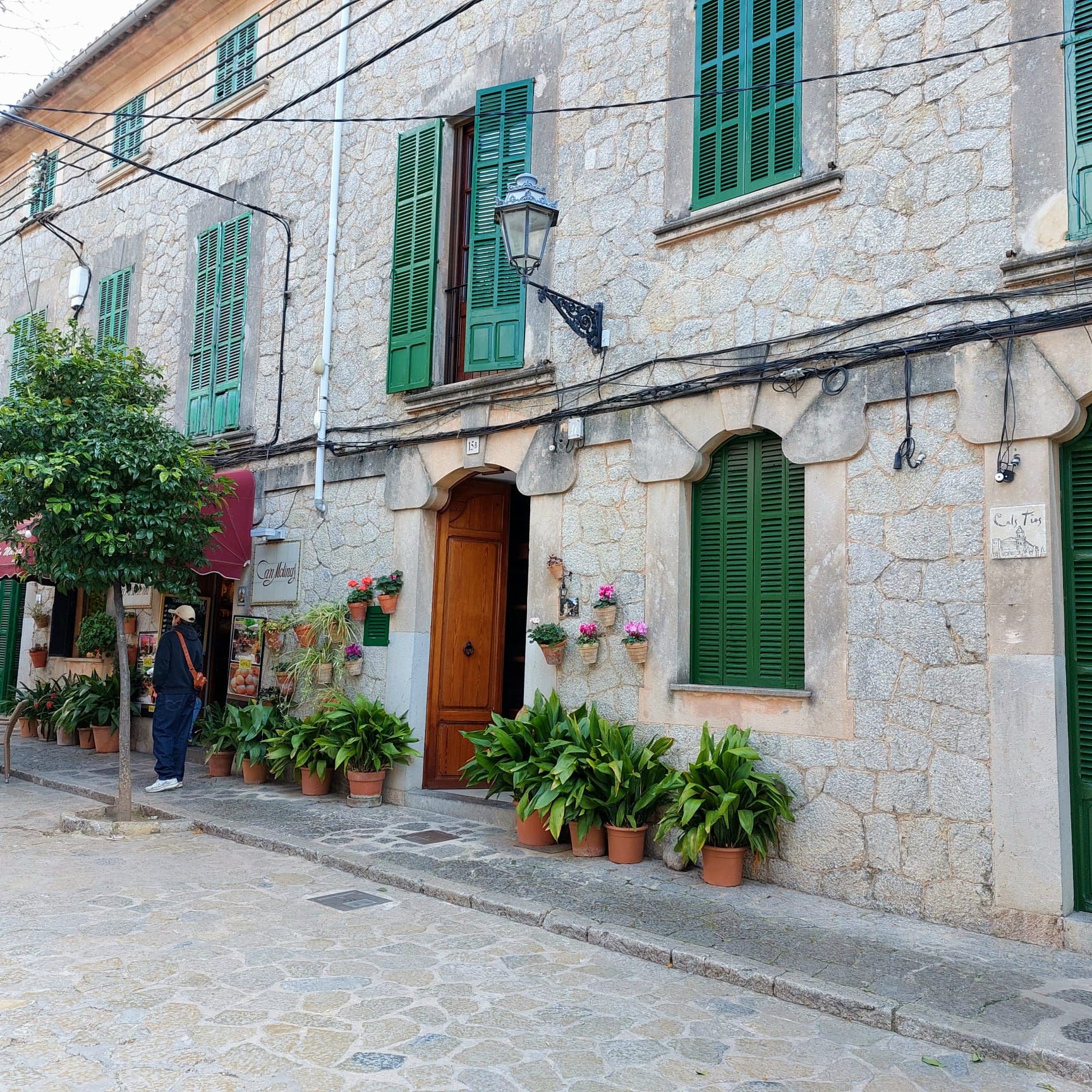
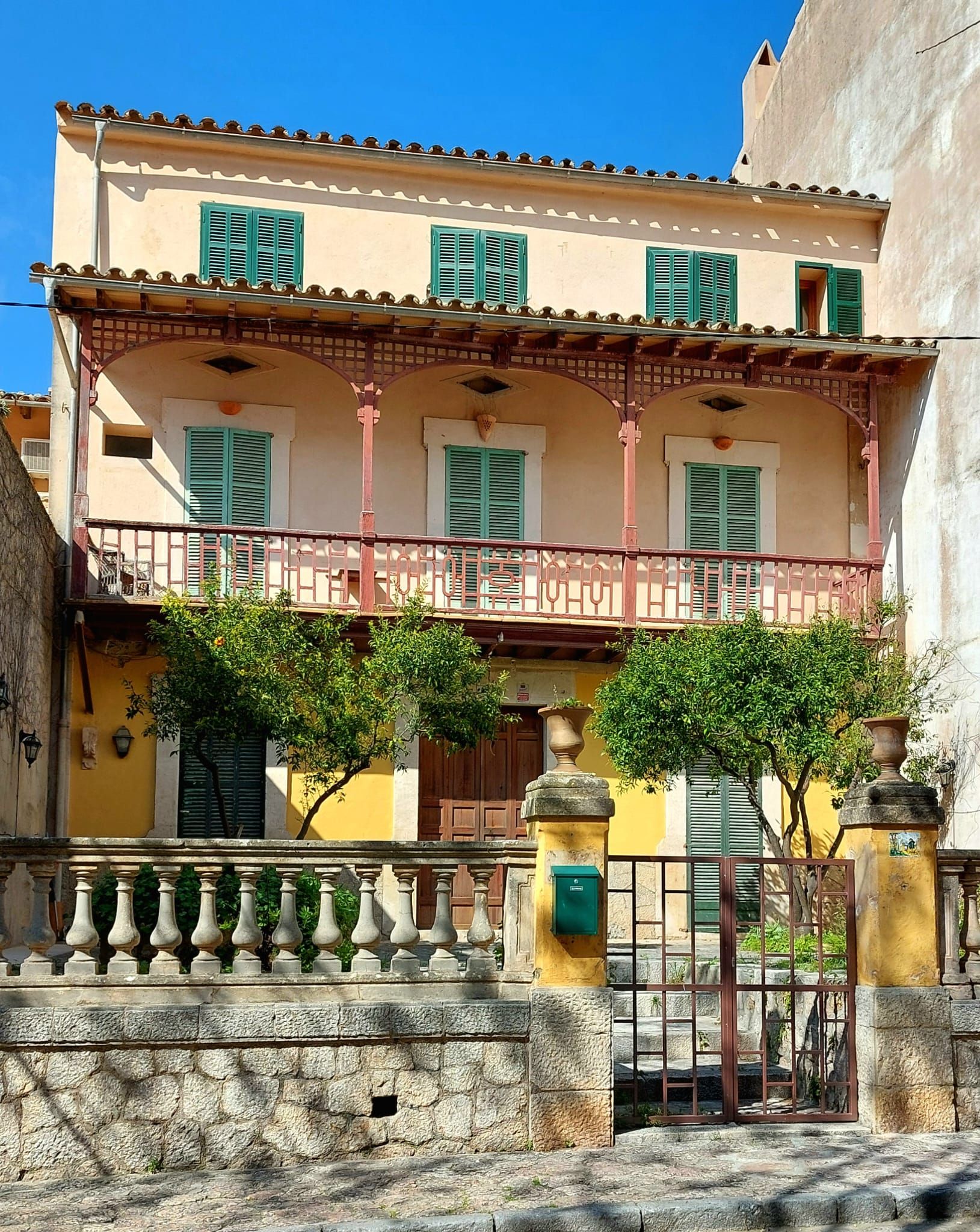
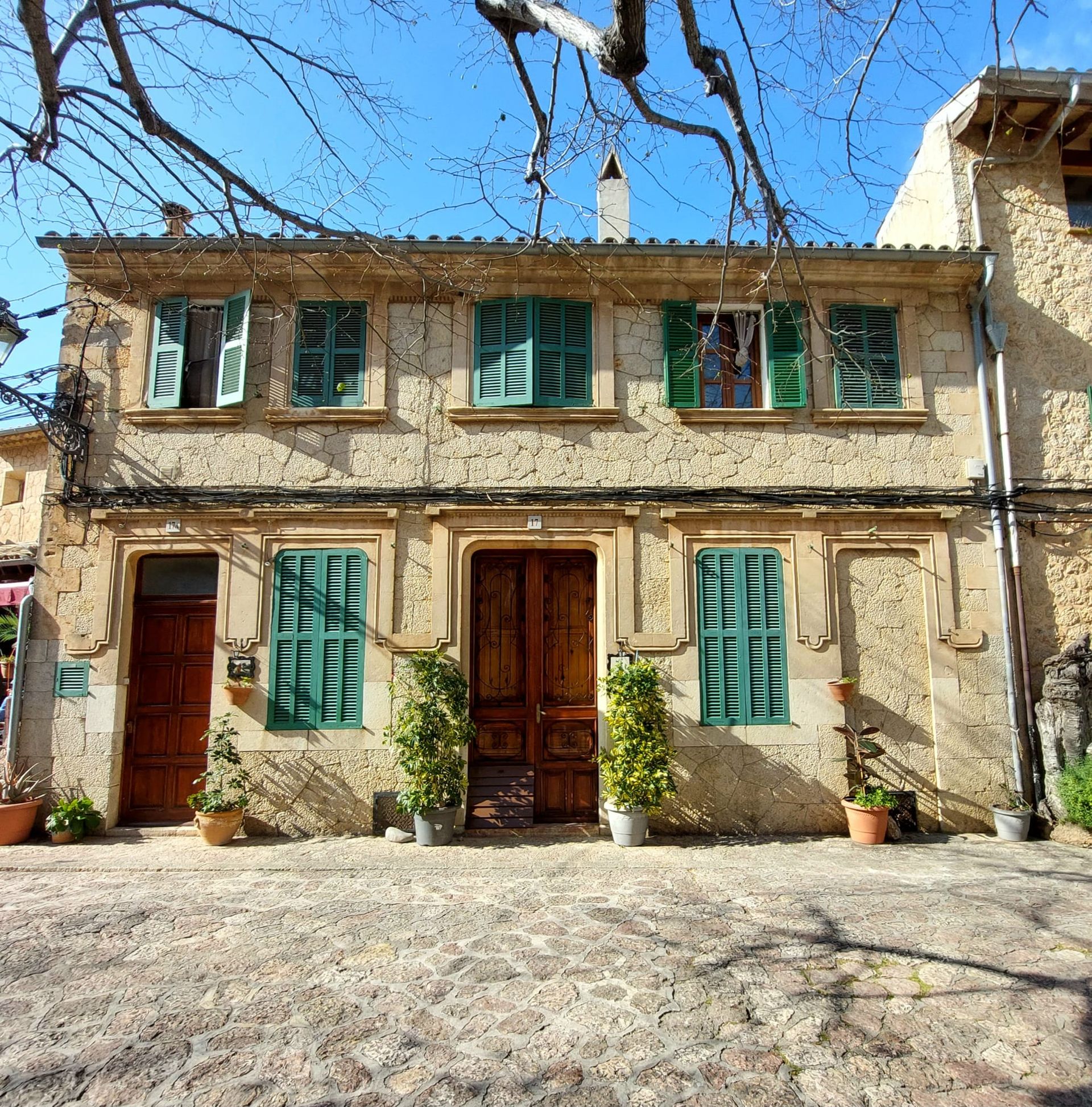
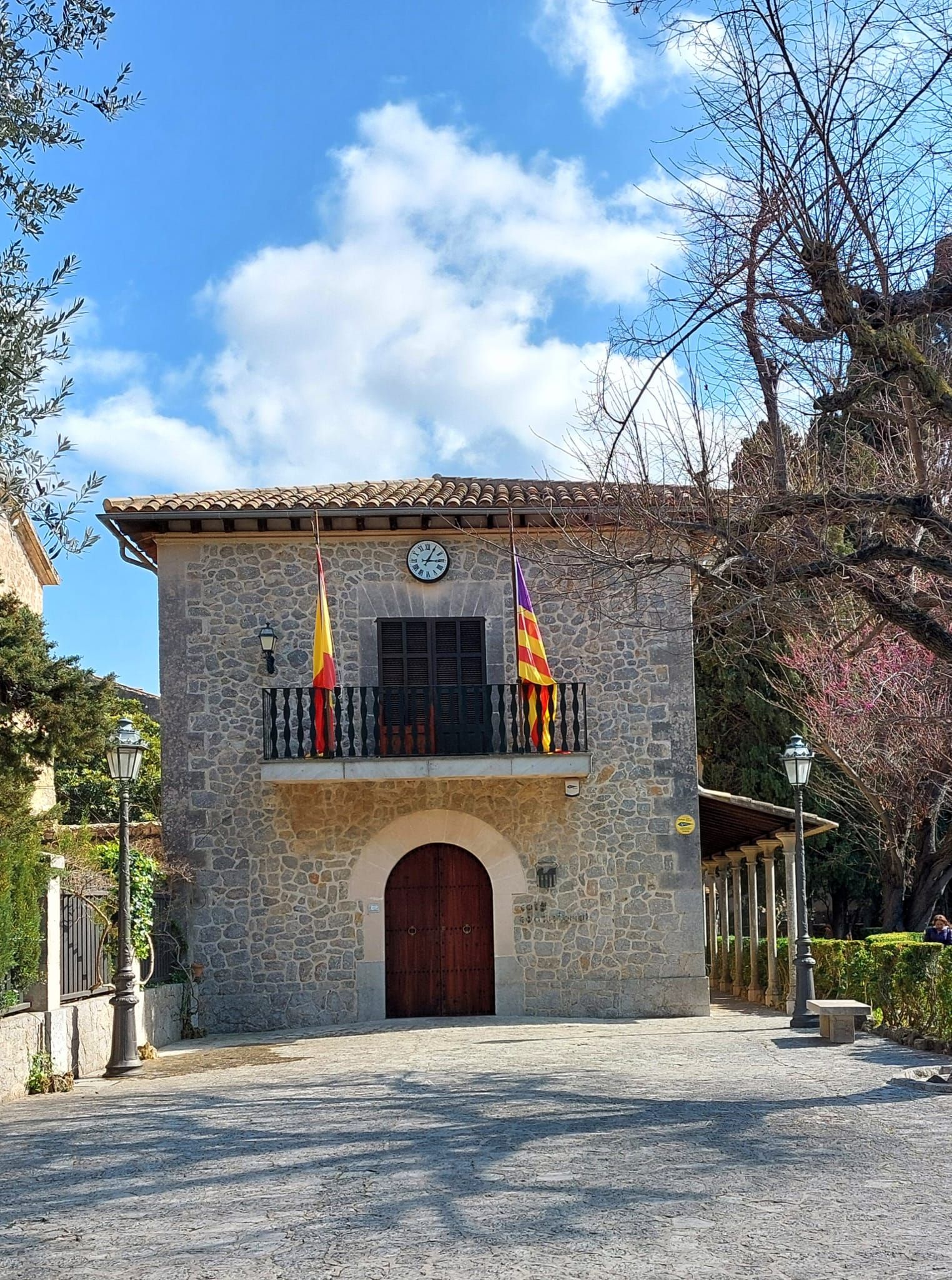
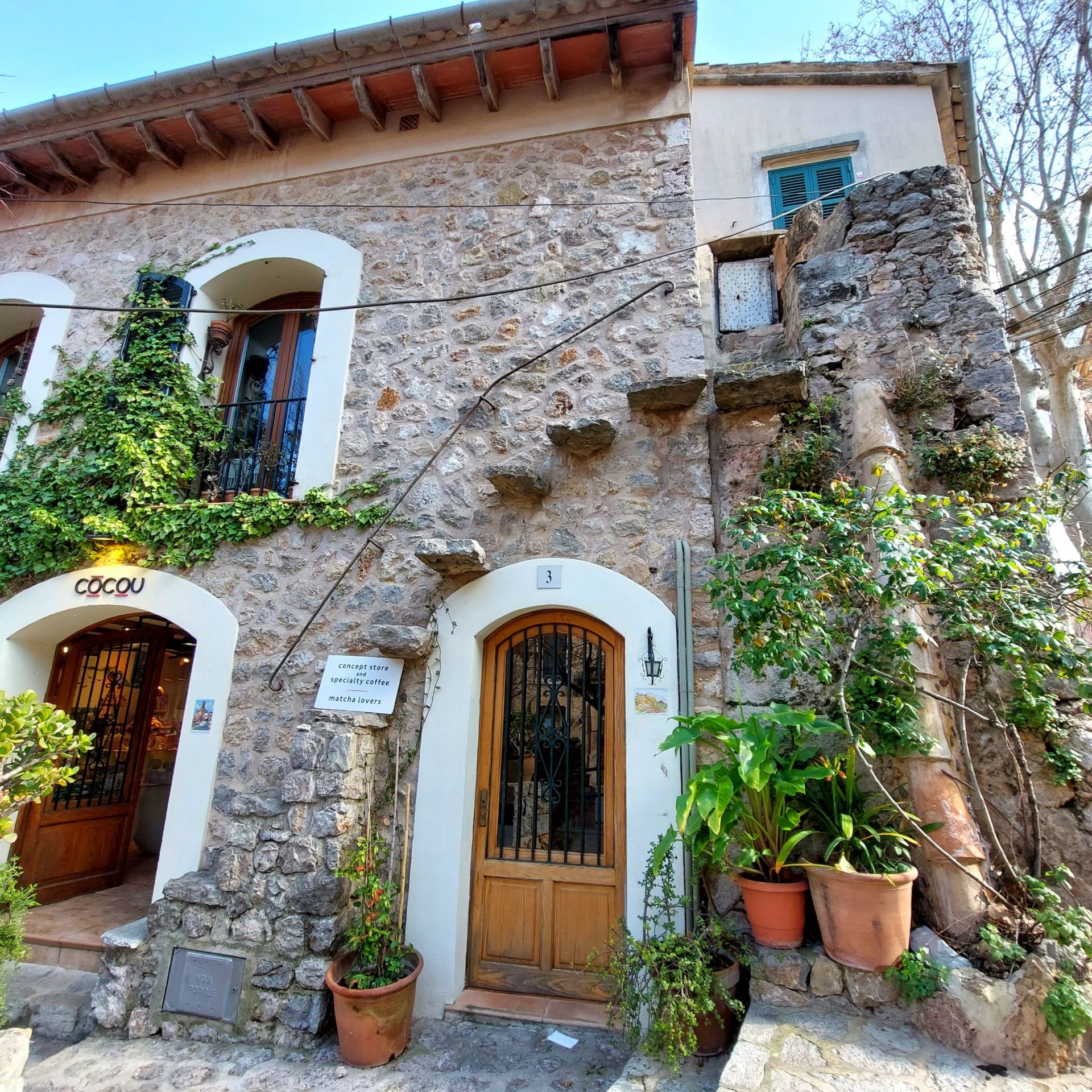
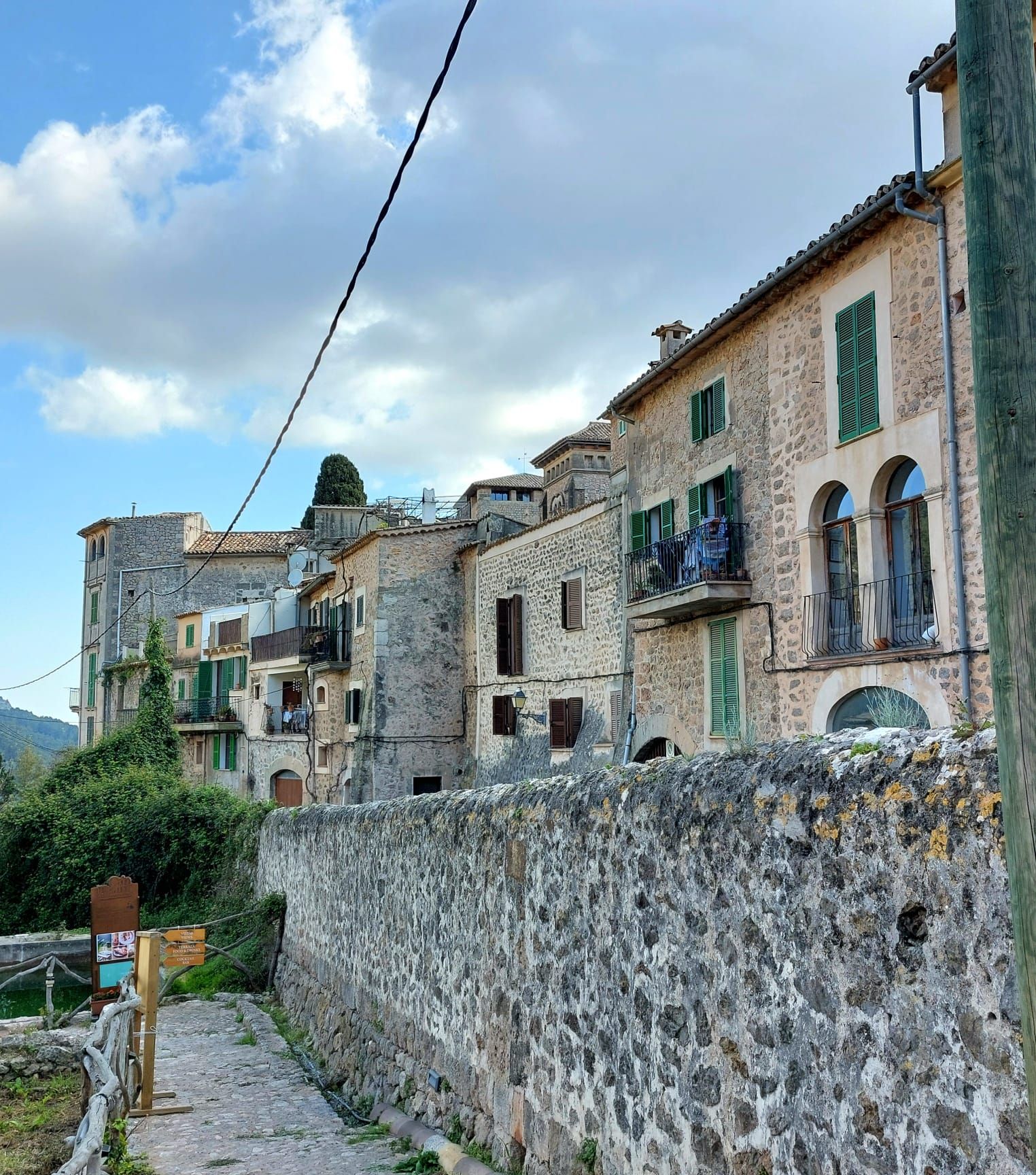
Valldemossa sits atop a hill and is surrounded by terraced land. With its cobbled streets and traditionally Majorcan houses, this town is definitely worth a visit.
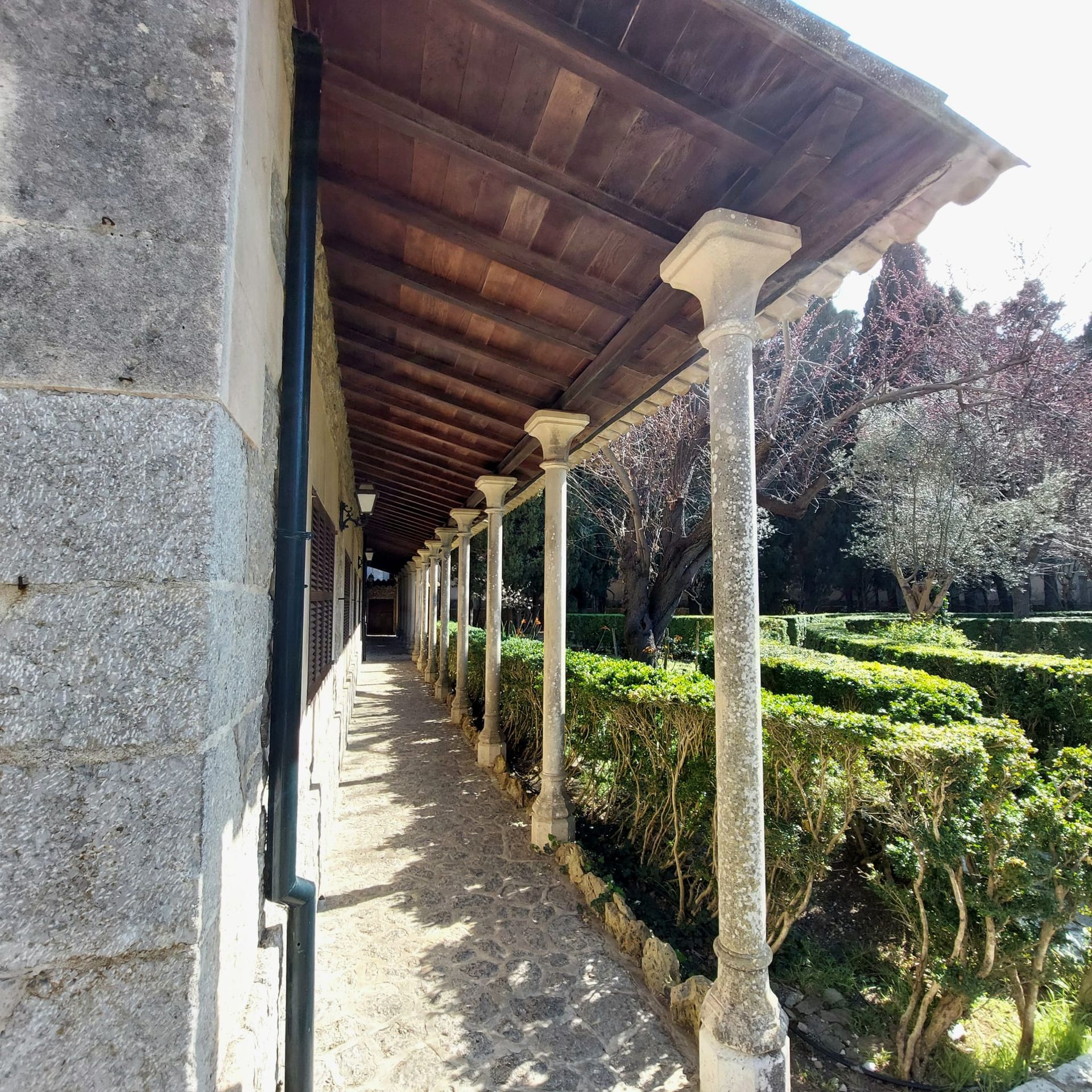
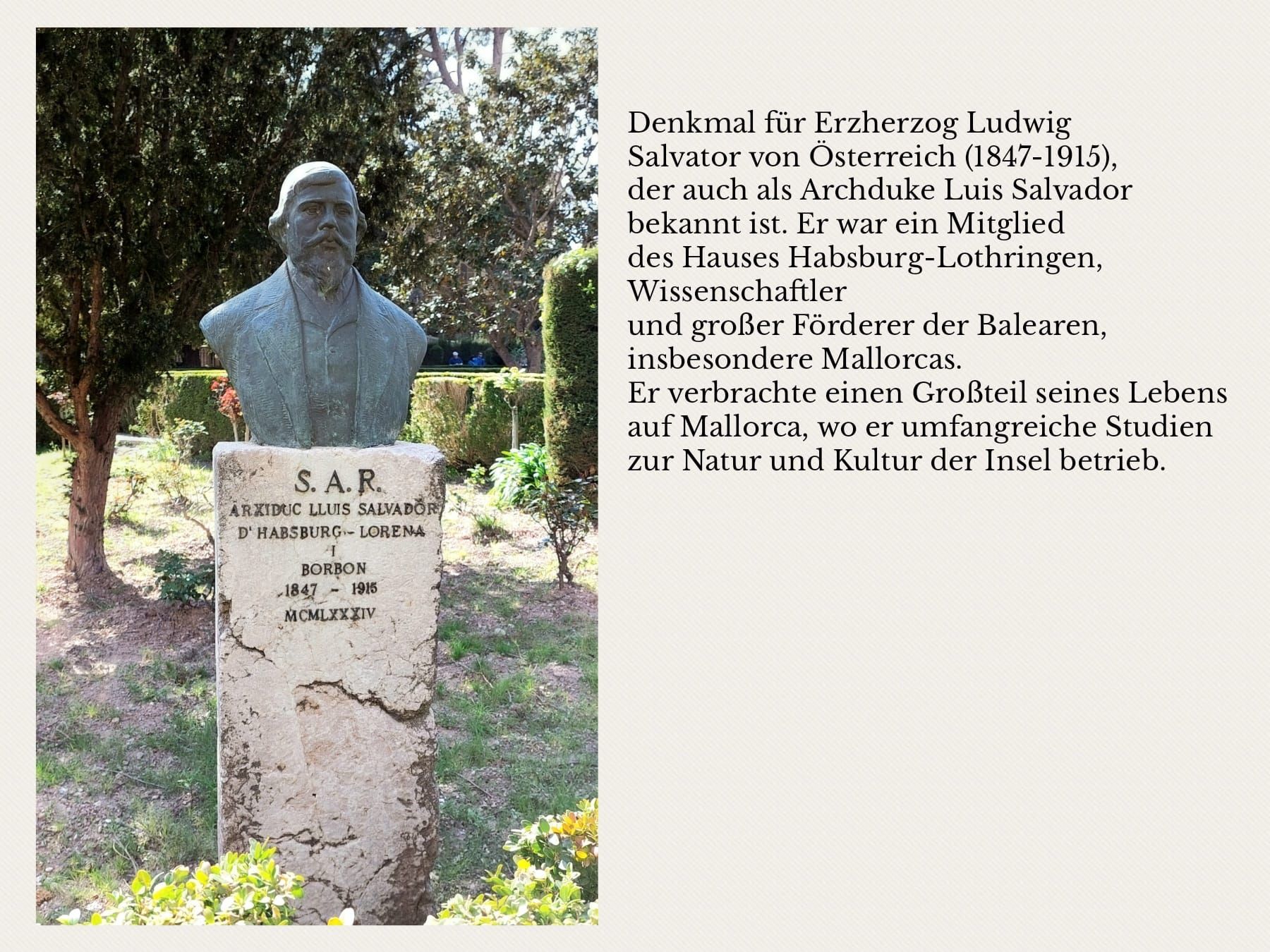
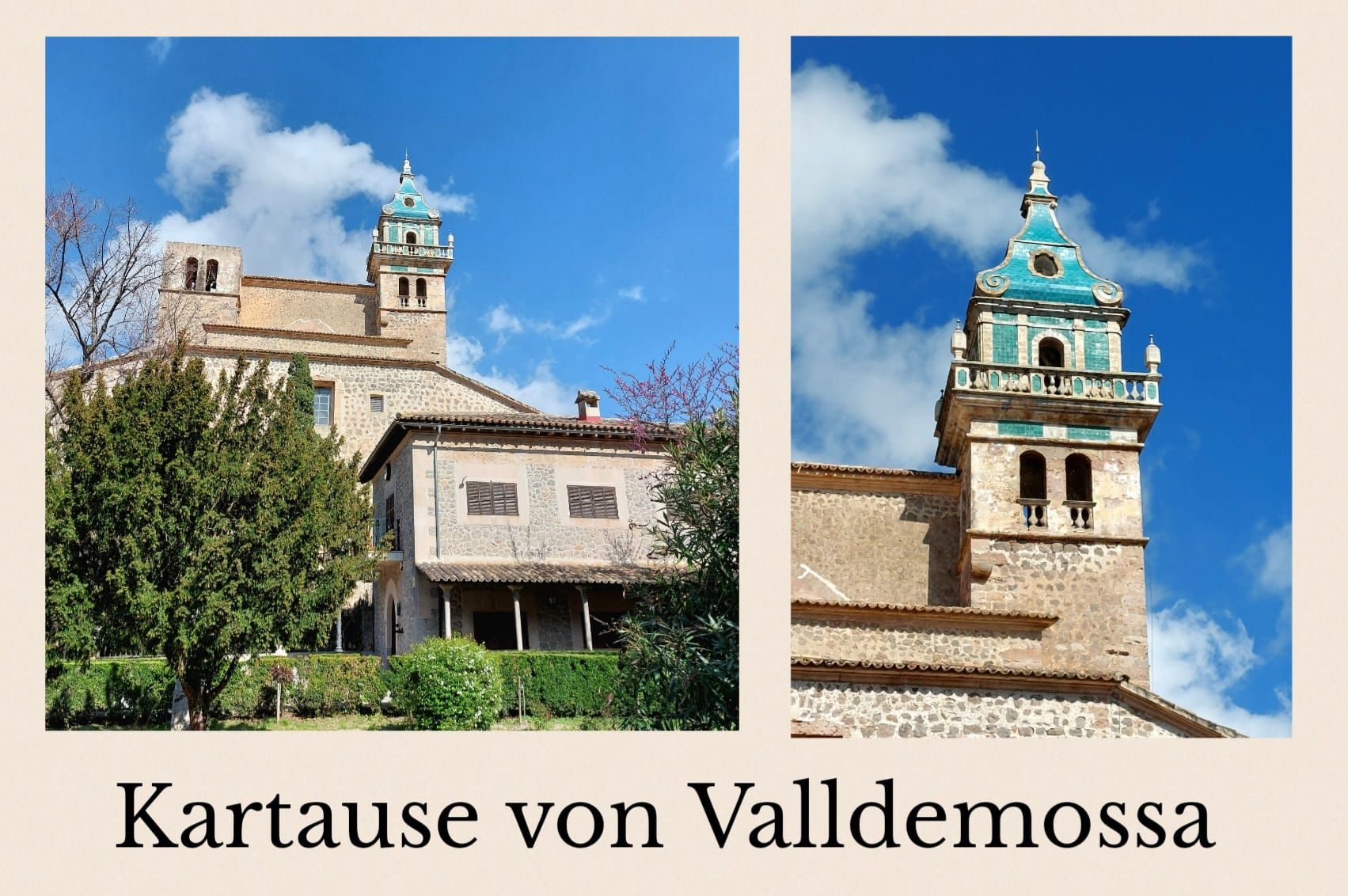
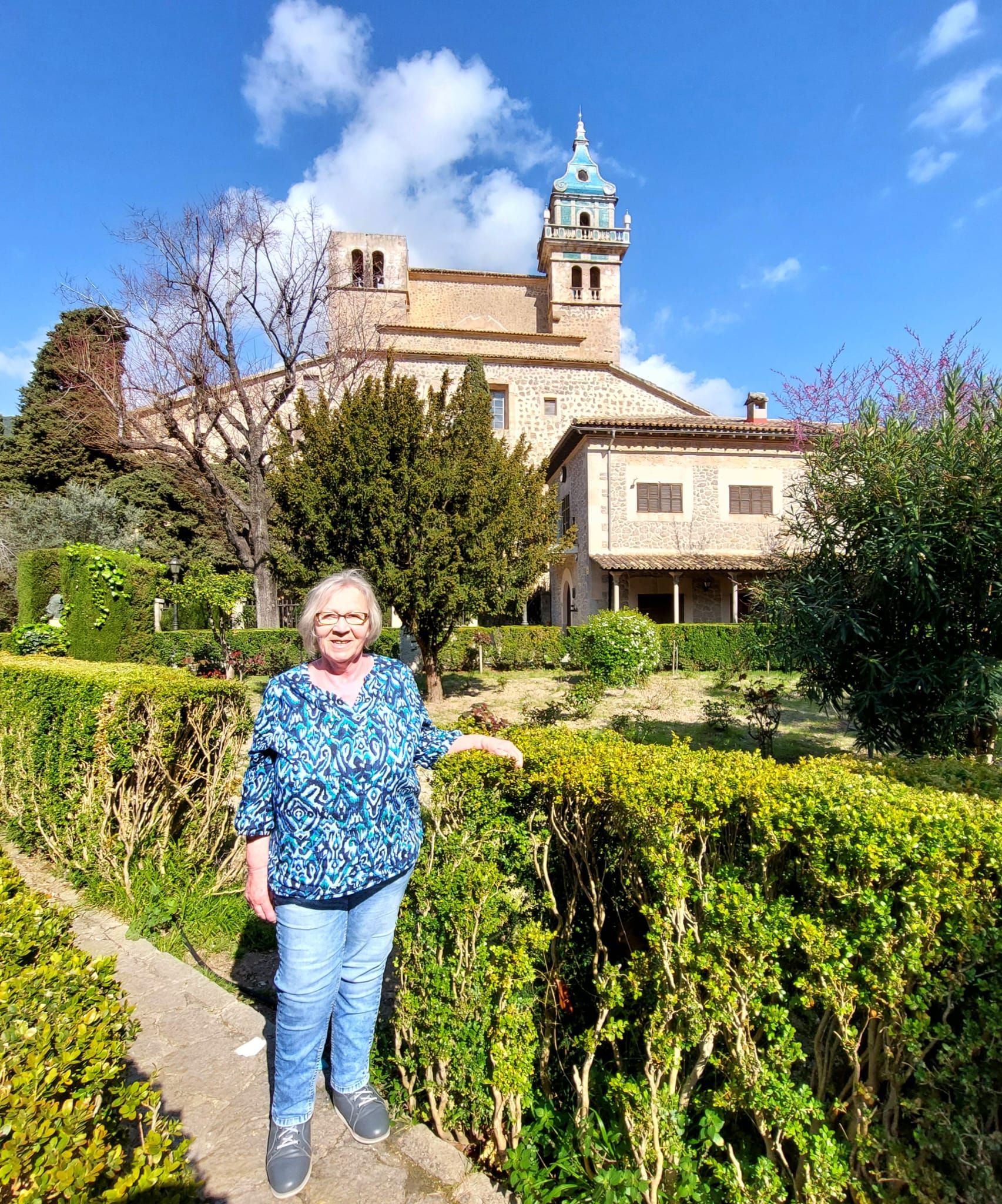
One significant attraction is the Real Cartuja de Valldemossa (Charterhouse), which once served as a Carthusian monastery but was originally built in the 14th century as a royal residence.
The Charterhouse is world-famous for being the winter residence of the composer Frédéric Chopin and the writer George Sand during 1838/1839.
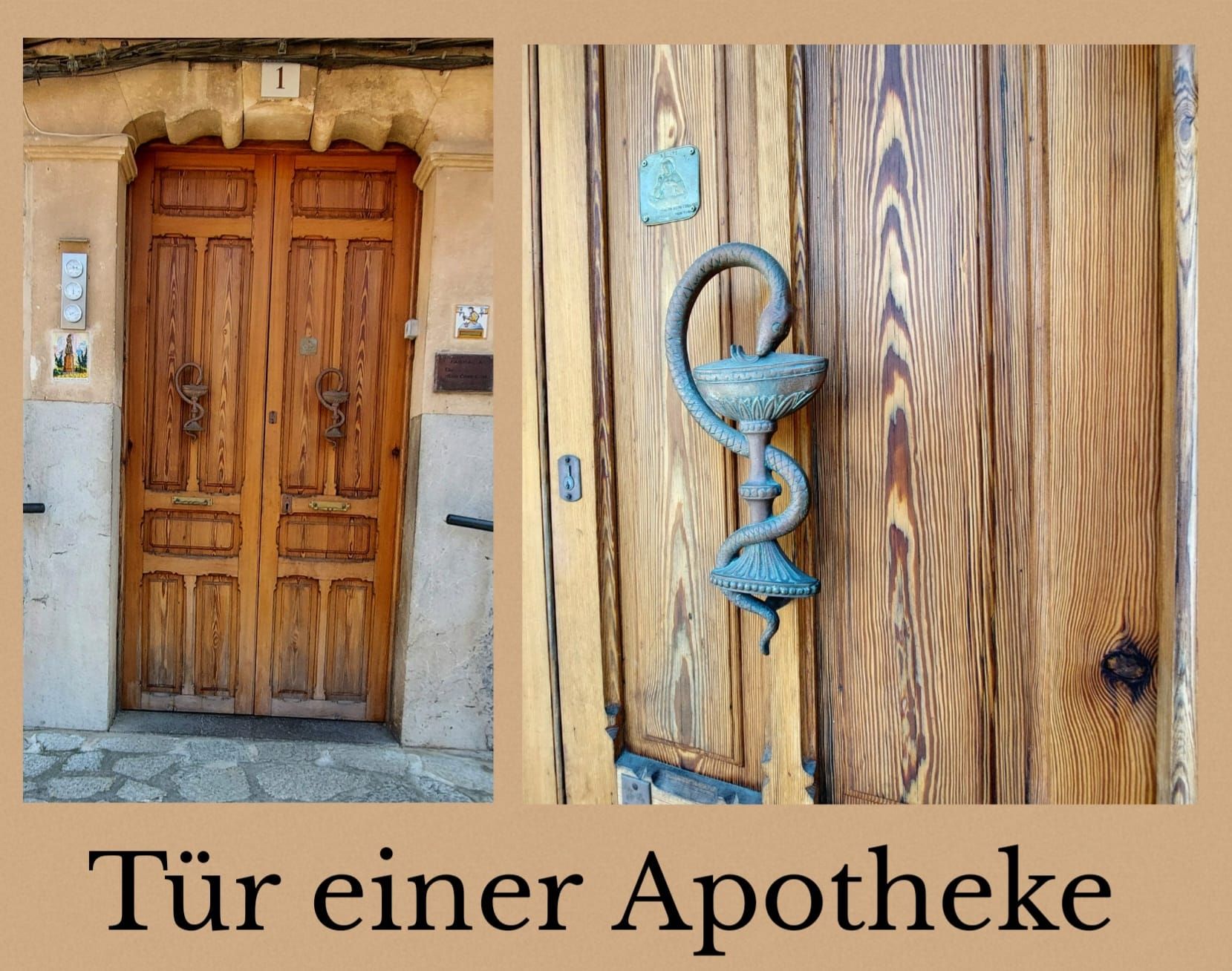
Today, the complex houses a museum that showcases, among other things, the historical cells, the old pharmacy, the library, and Chopin's original piano.
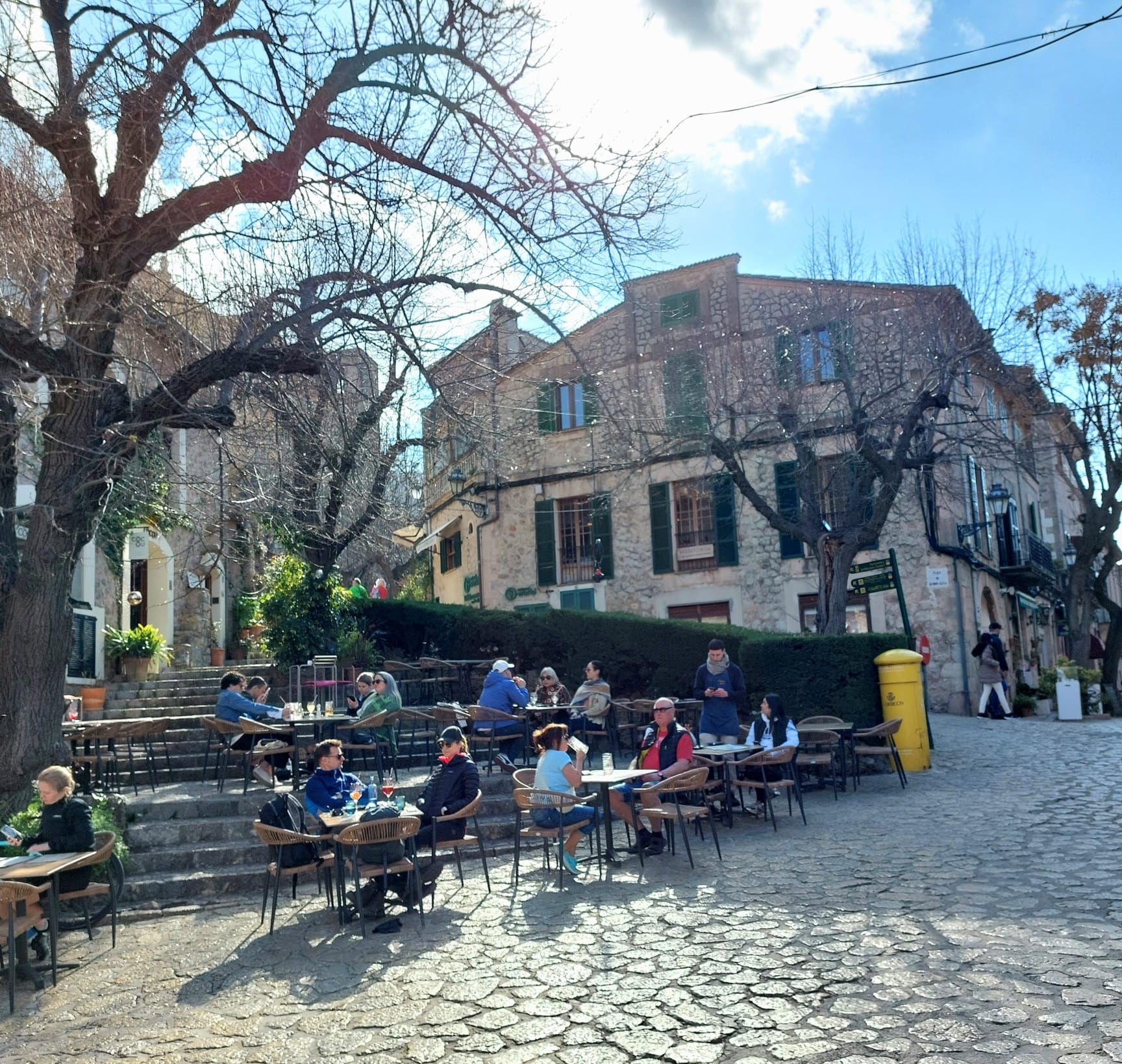
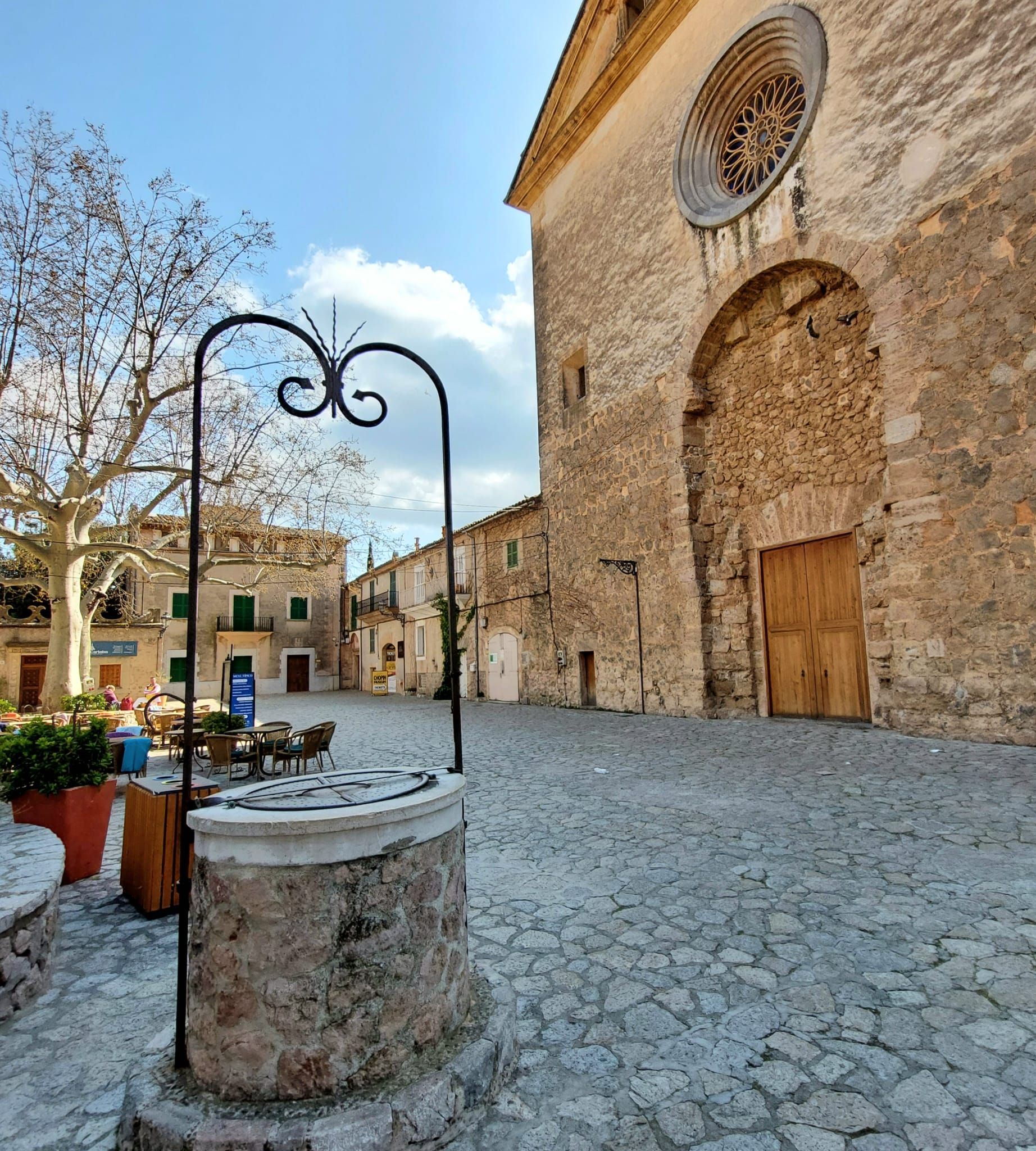
However, the center of Valldemossa itself is also a sight to behold.
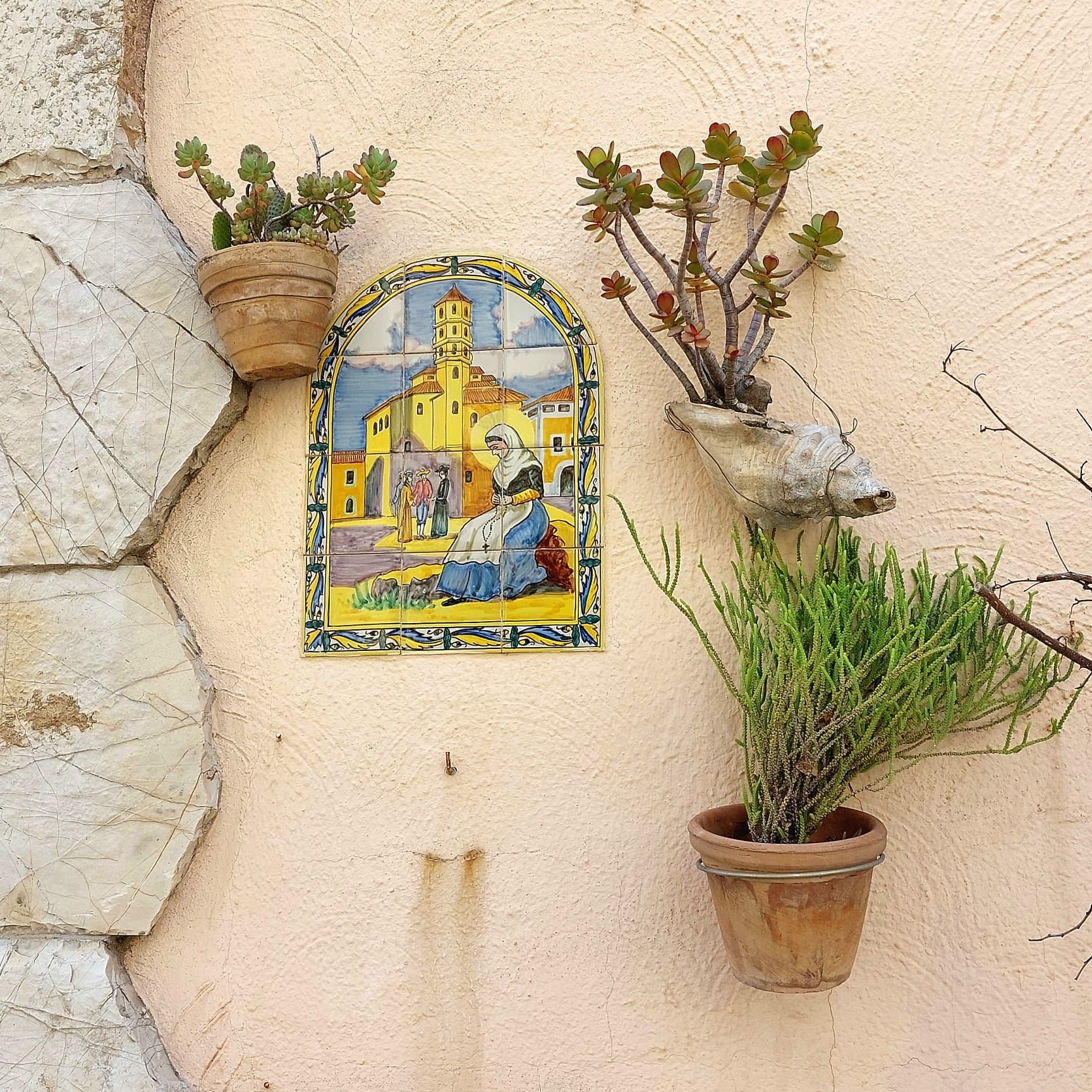
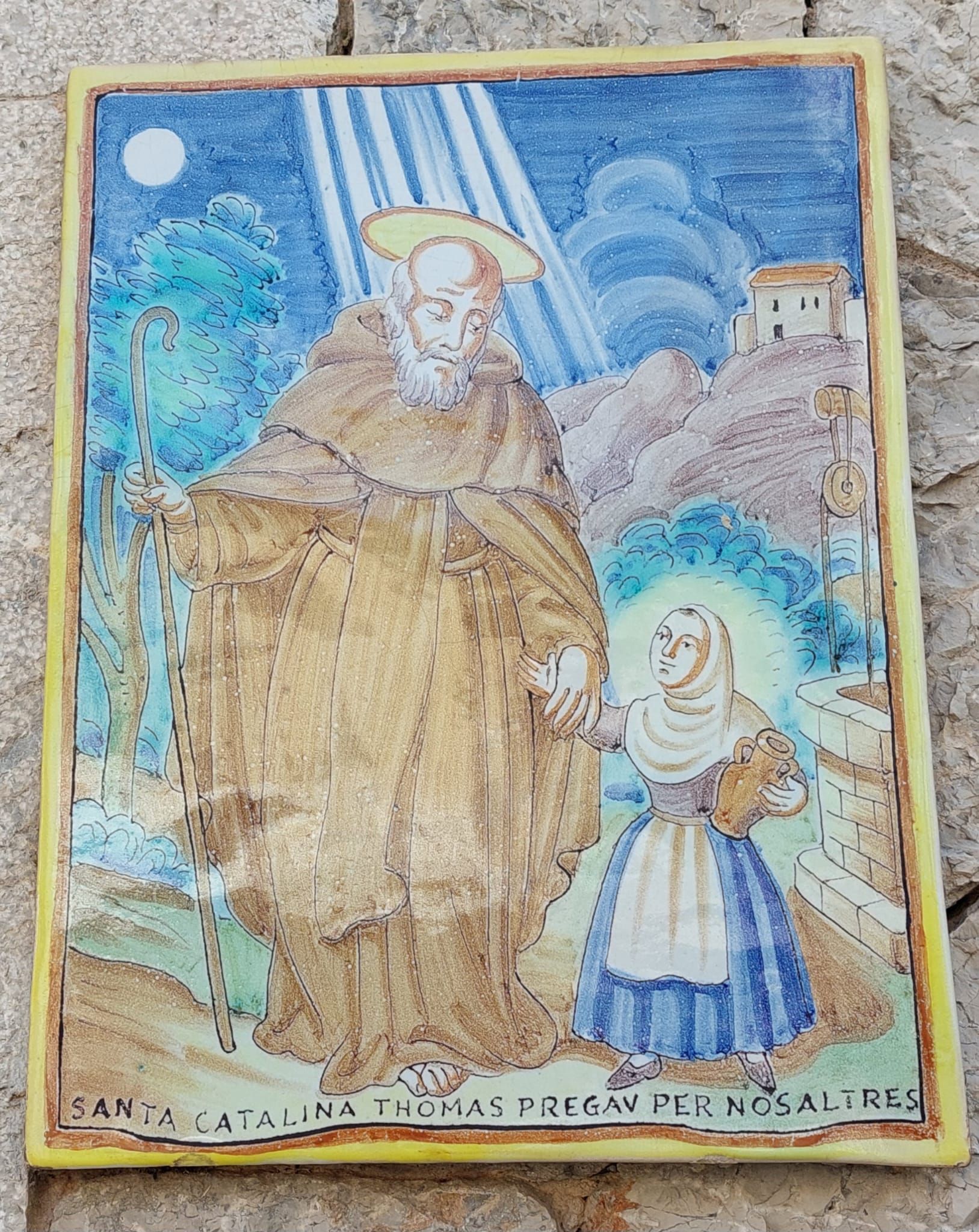
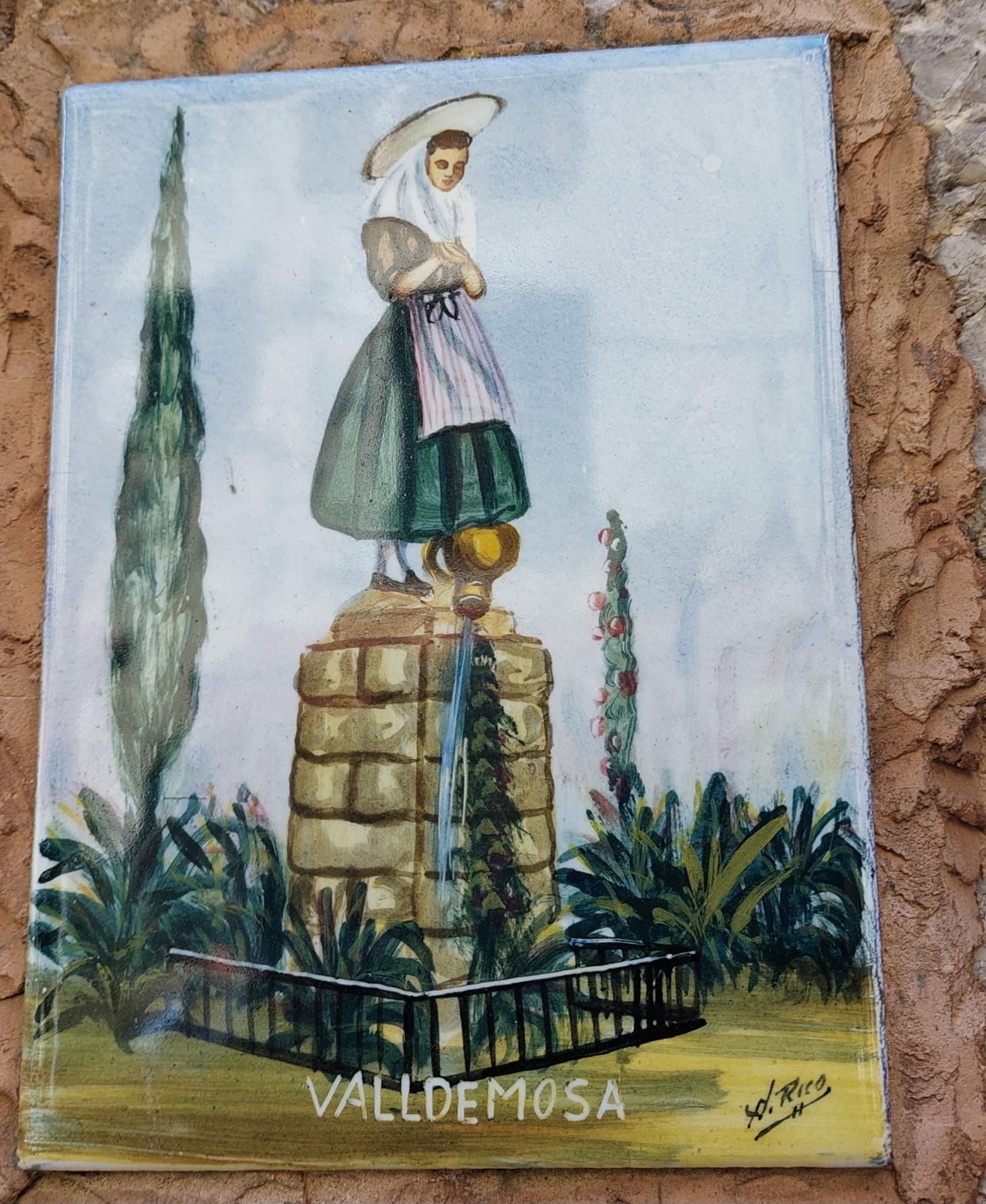
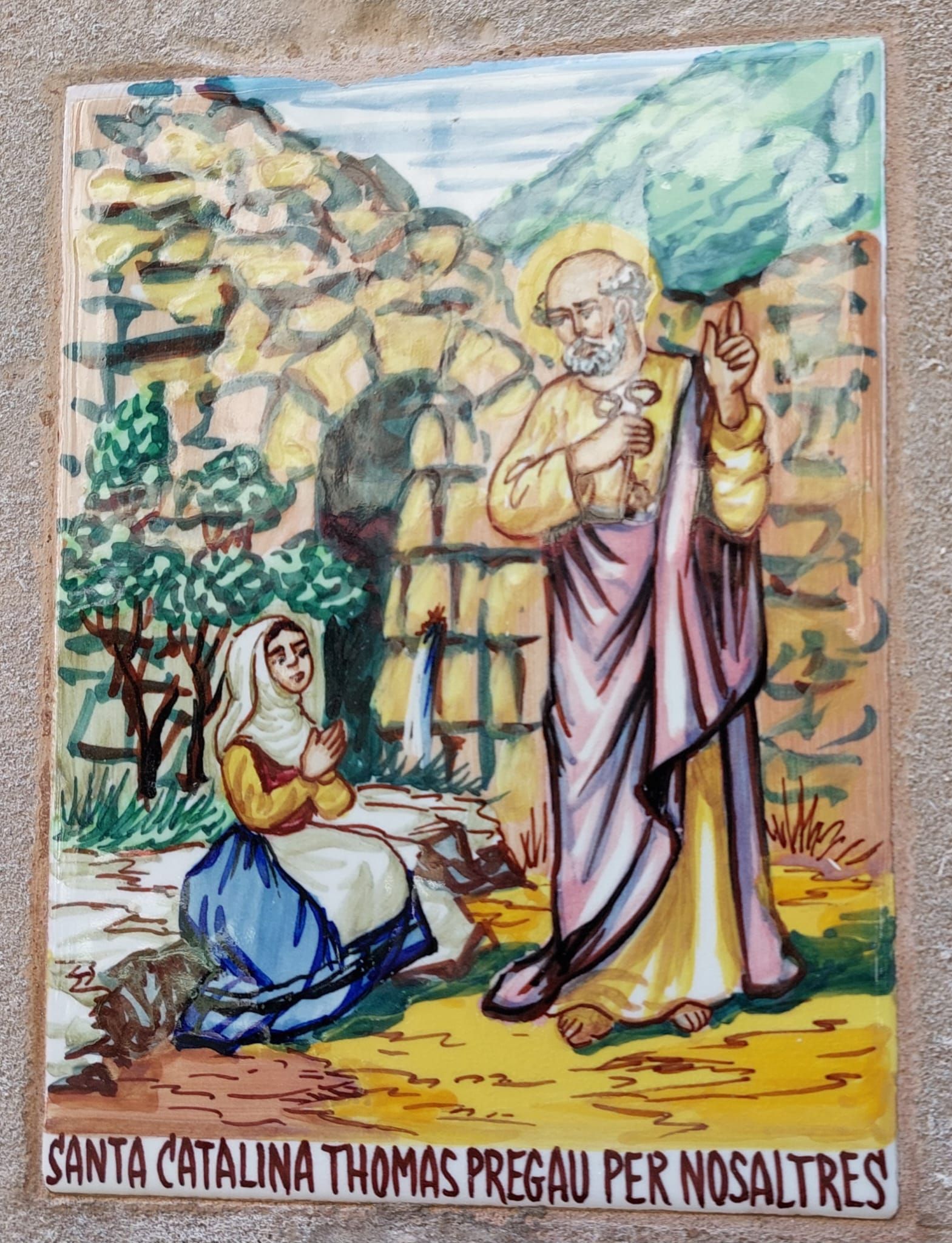
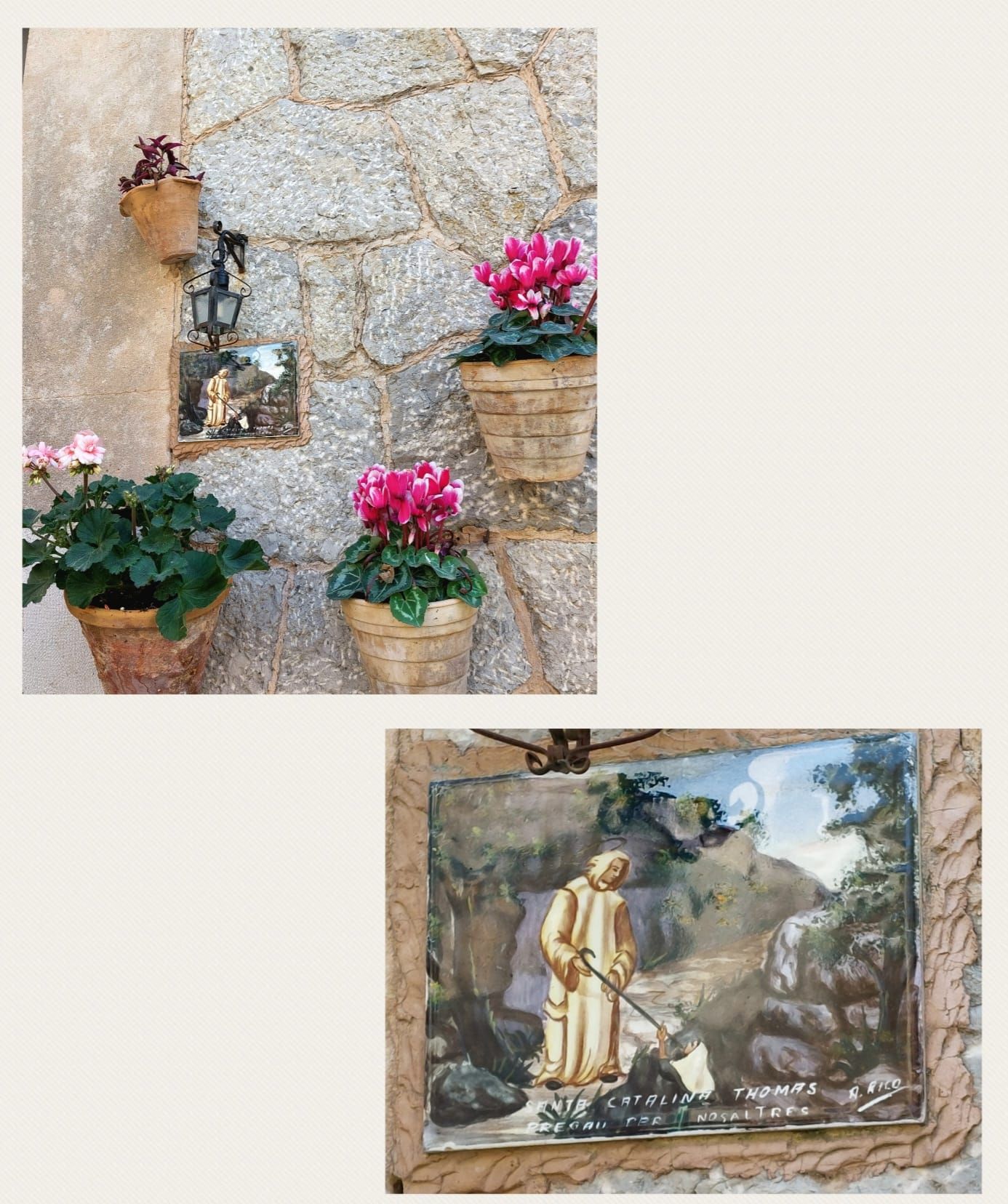
The historic streets stretch around the Iglesia católica de San Bartolomé and are adorned with traditional houses from the 16th century. Flowers, colorful tiles, terracotta, and other decorations transform the streets into picturesque backdrops.
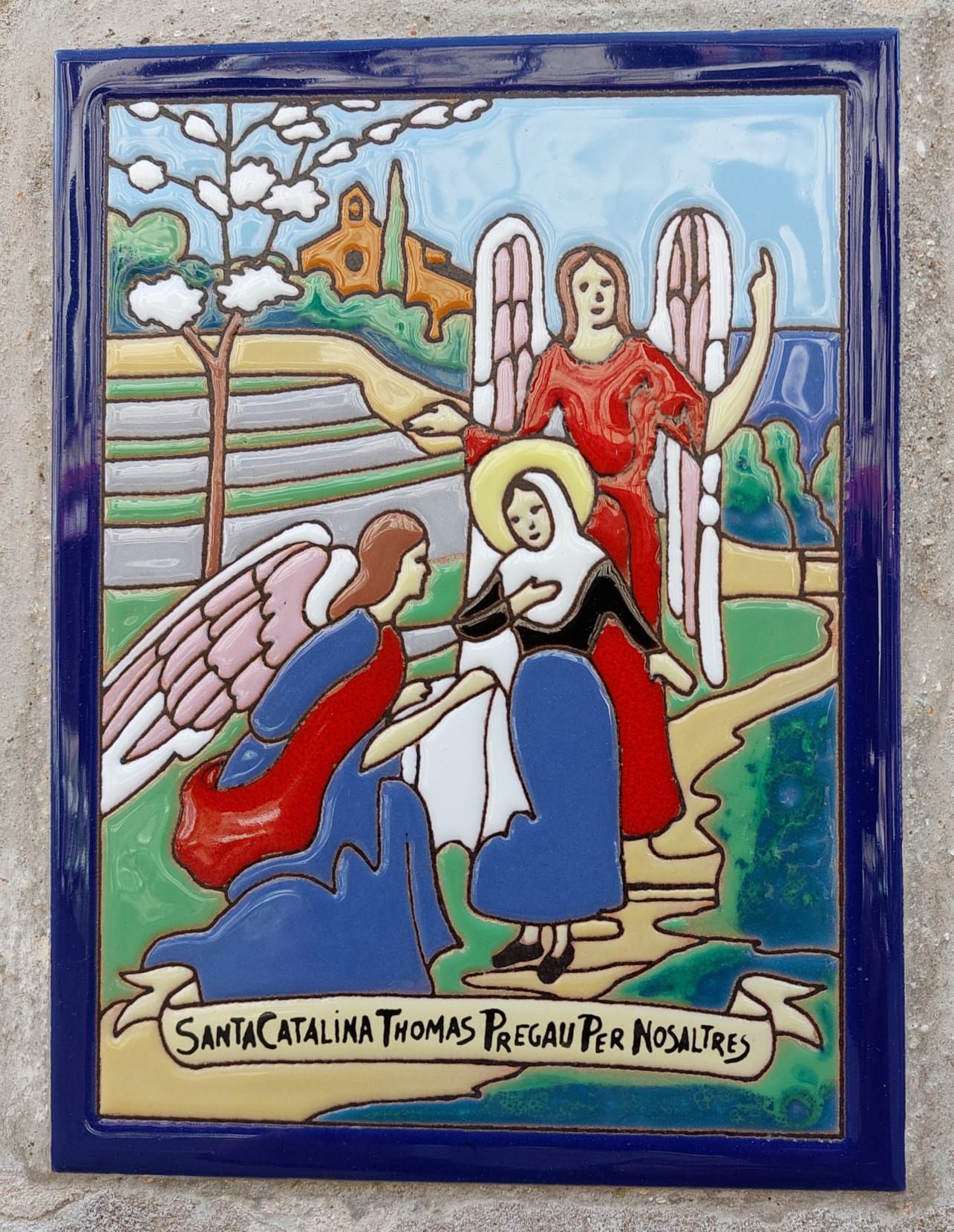
The many tiles on the houses tell the story of Saint Catalina.
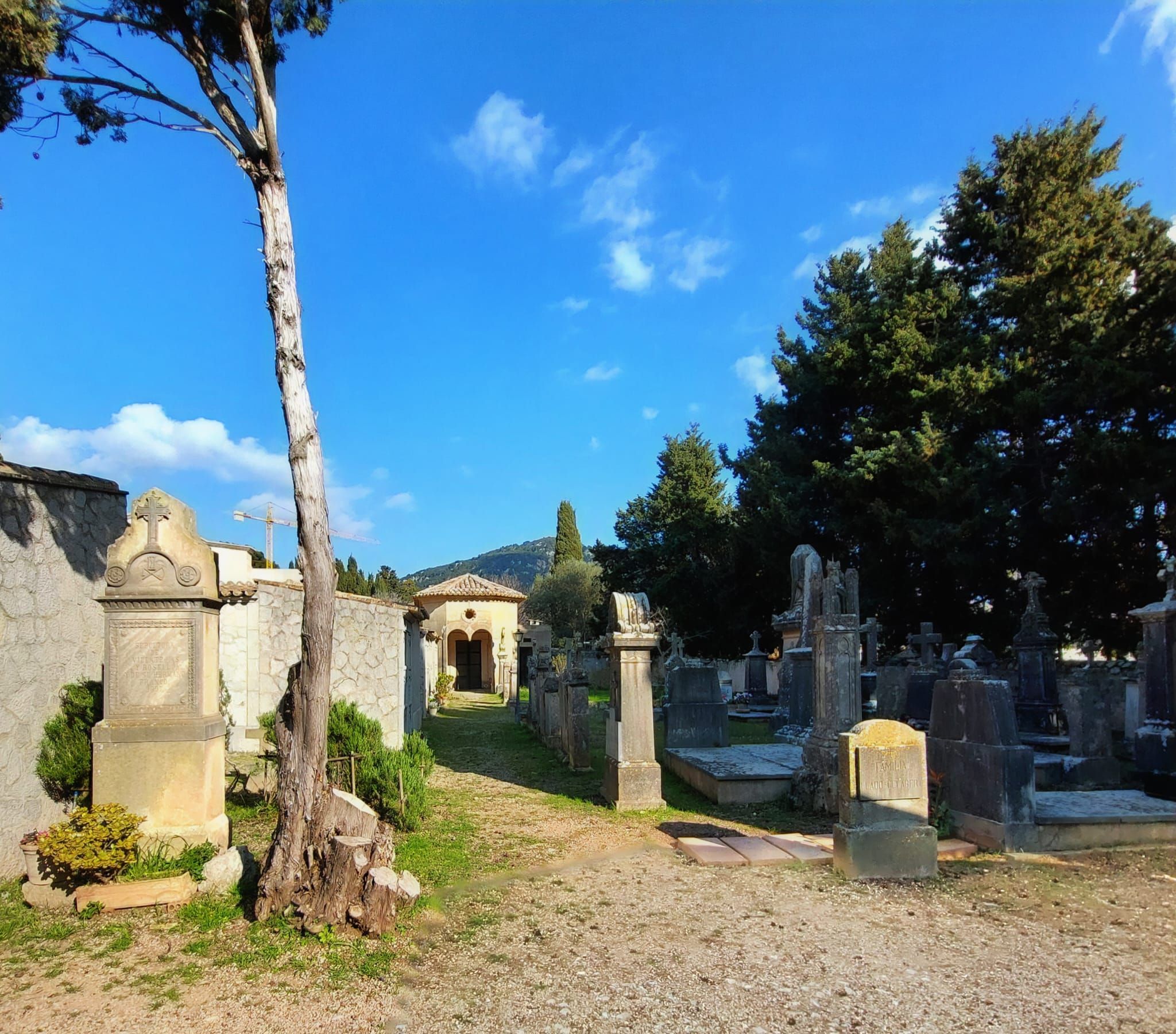
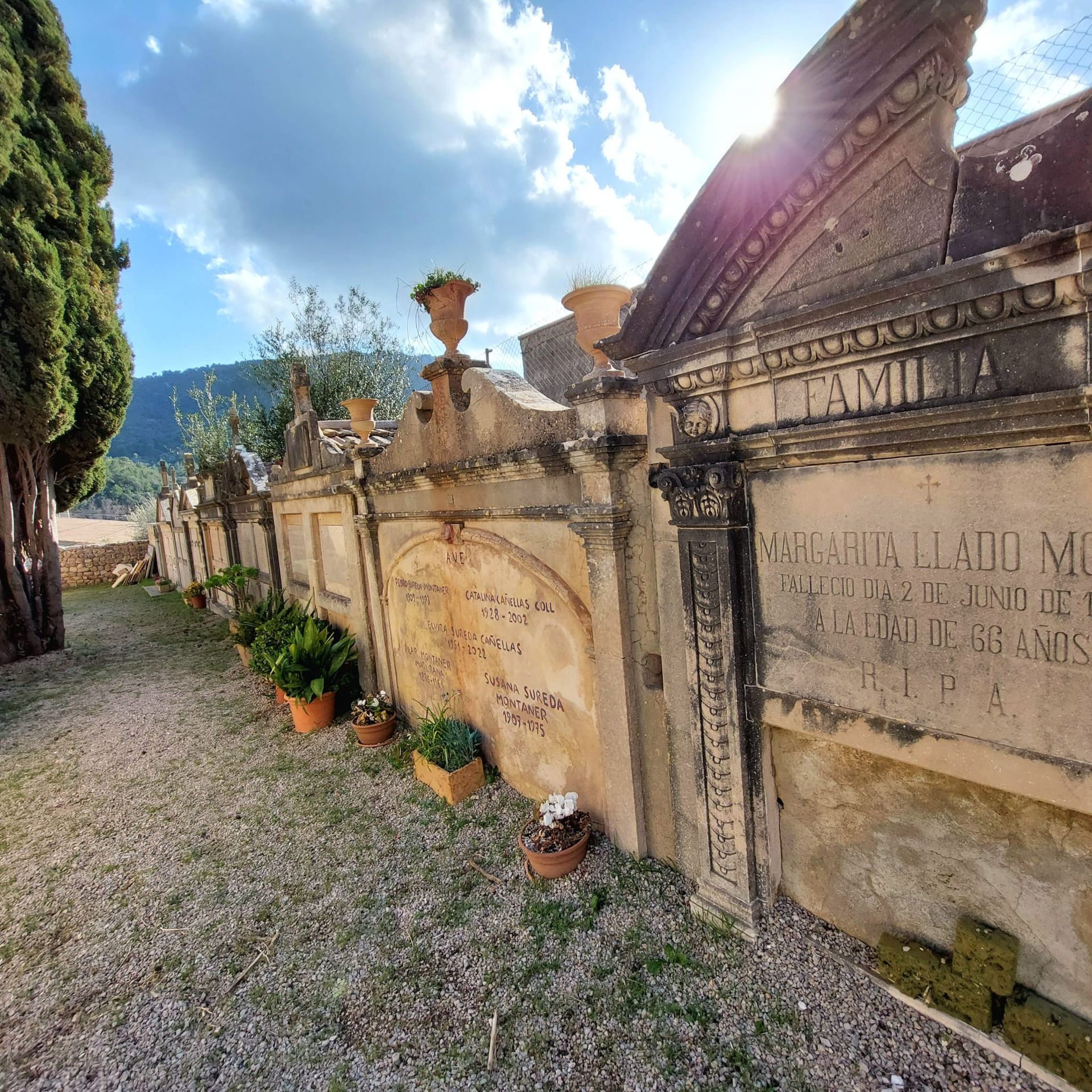
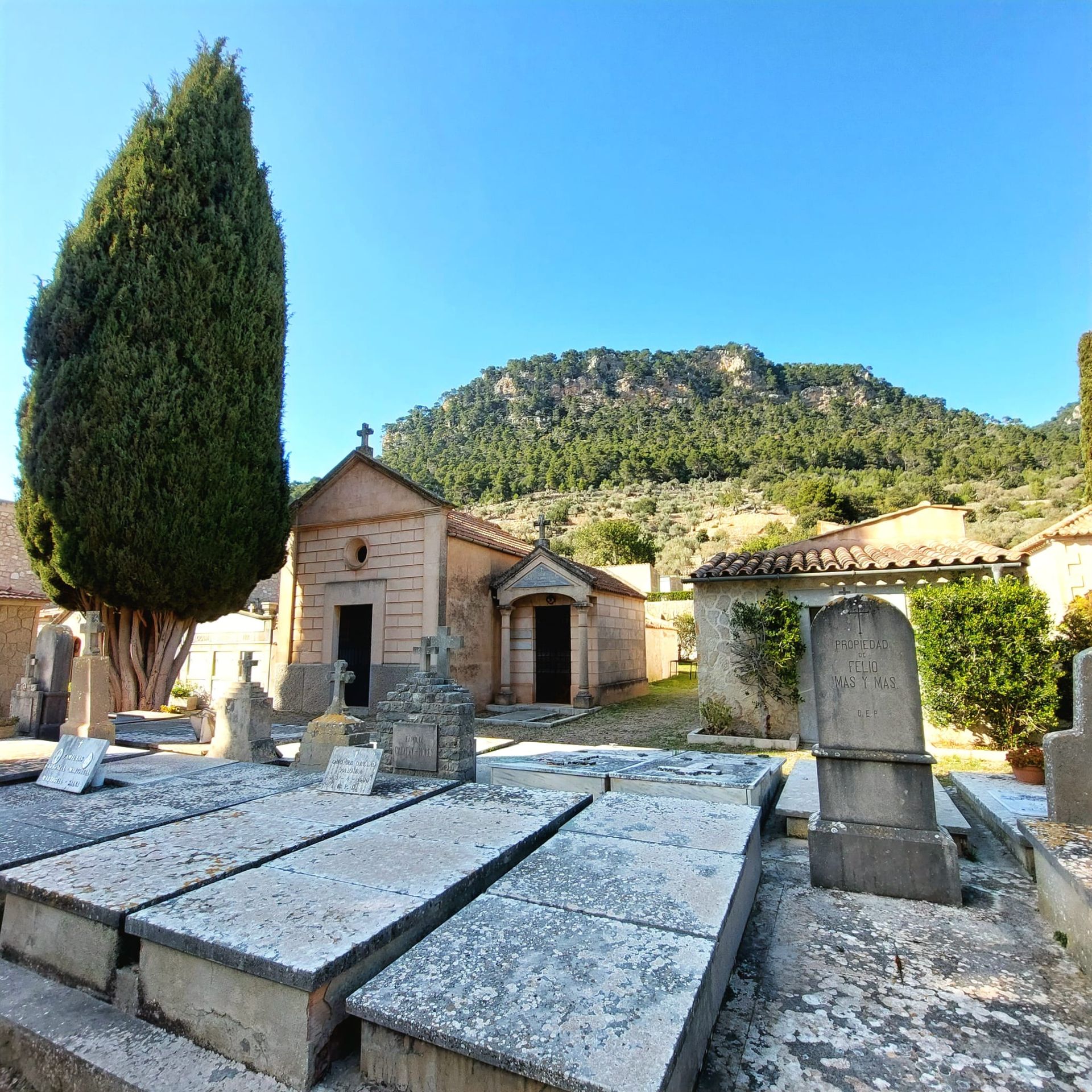
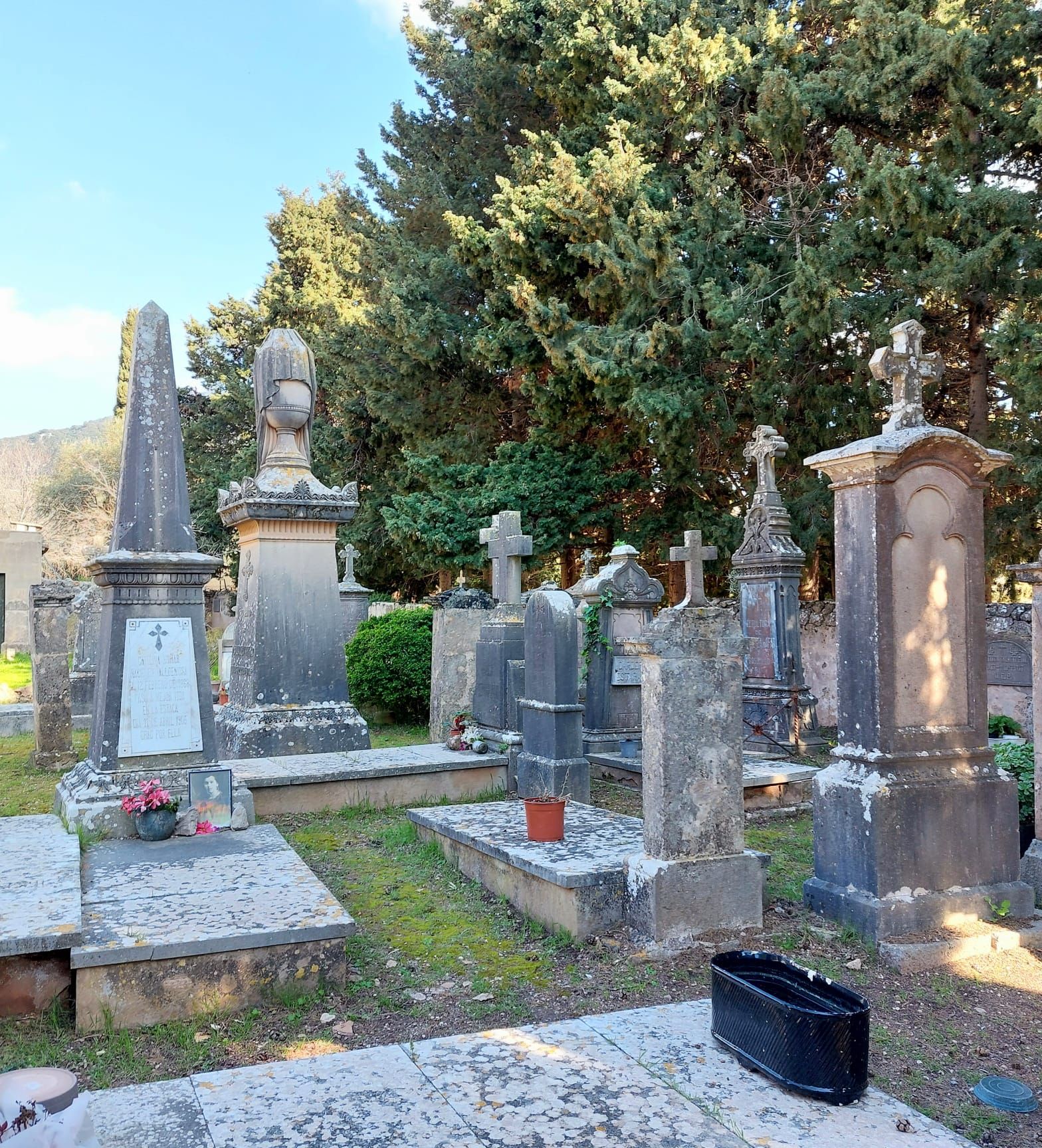
Finally, we visited the cemetery of Valldemossa, which is also a site of historical significance.
The cemetery is distinguished by its tranquil atmosphere and typical grave niches and is located near the town center. In addition to traditional burial forms, the cemetery offers views of the surrounding Tramuntana landscape.
It is an integral part of the cultural heritage of the village.
In the early evening, we headed back, where we were again treated to a delicious meal.