
Crossing to Robinson Crusoe Island to Easter Island - Day 4 at Sea
This morning, the sky was already red before sunrise. This is usually a sign of bad weather, but it was beautiful all day, calm, and quite warm at over 25°C. We have since...

Published: 27.03.2025
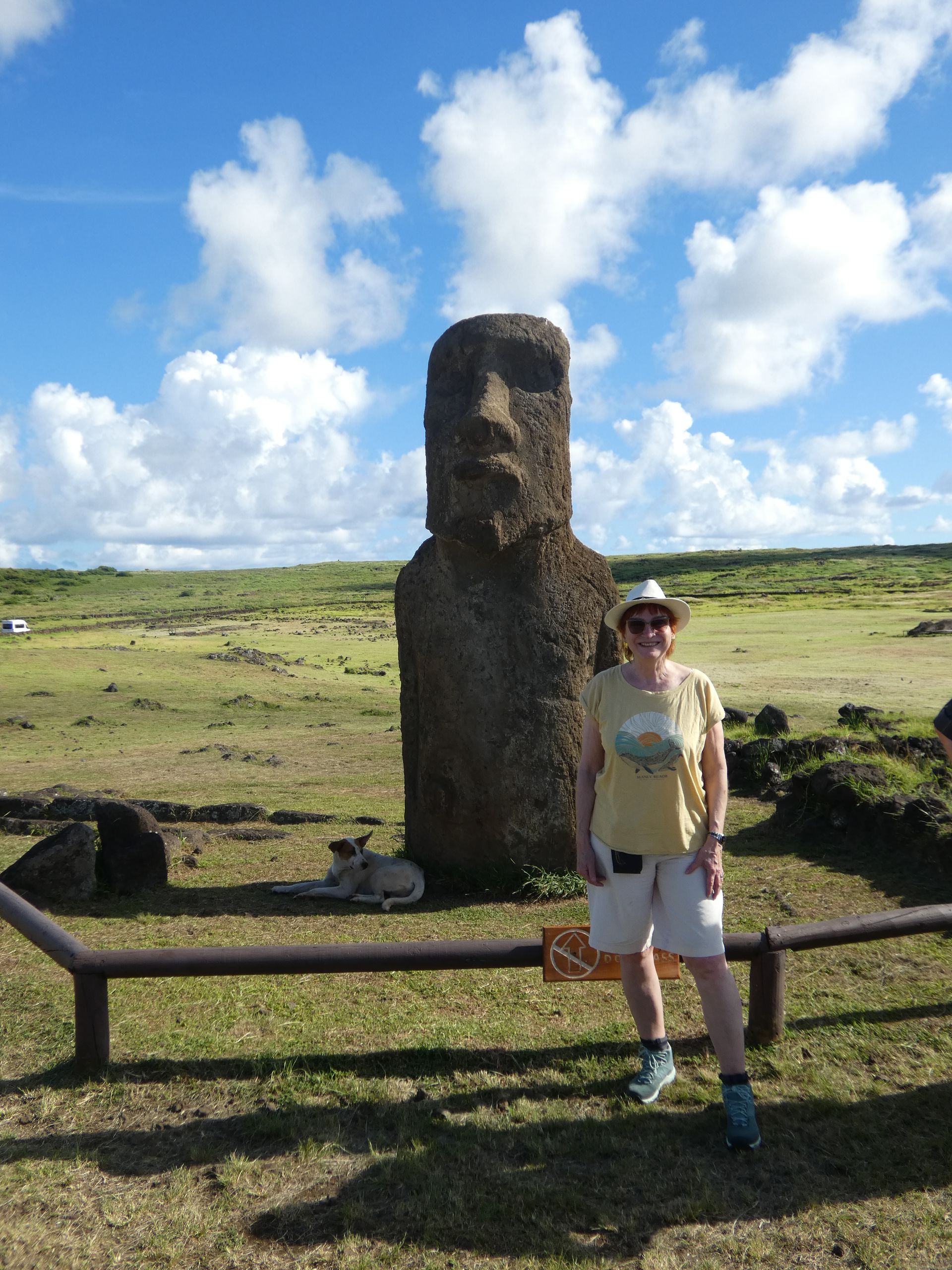
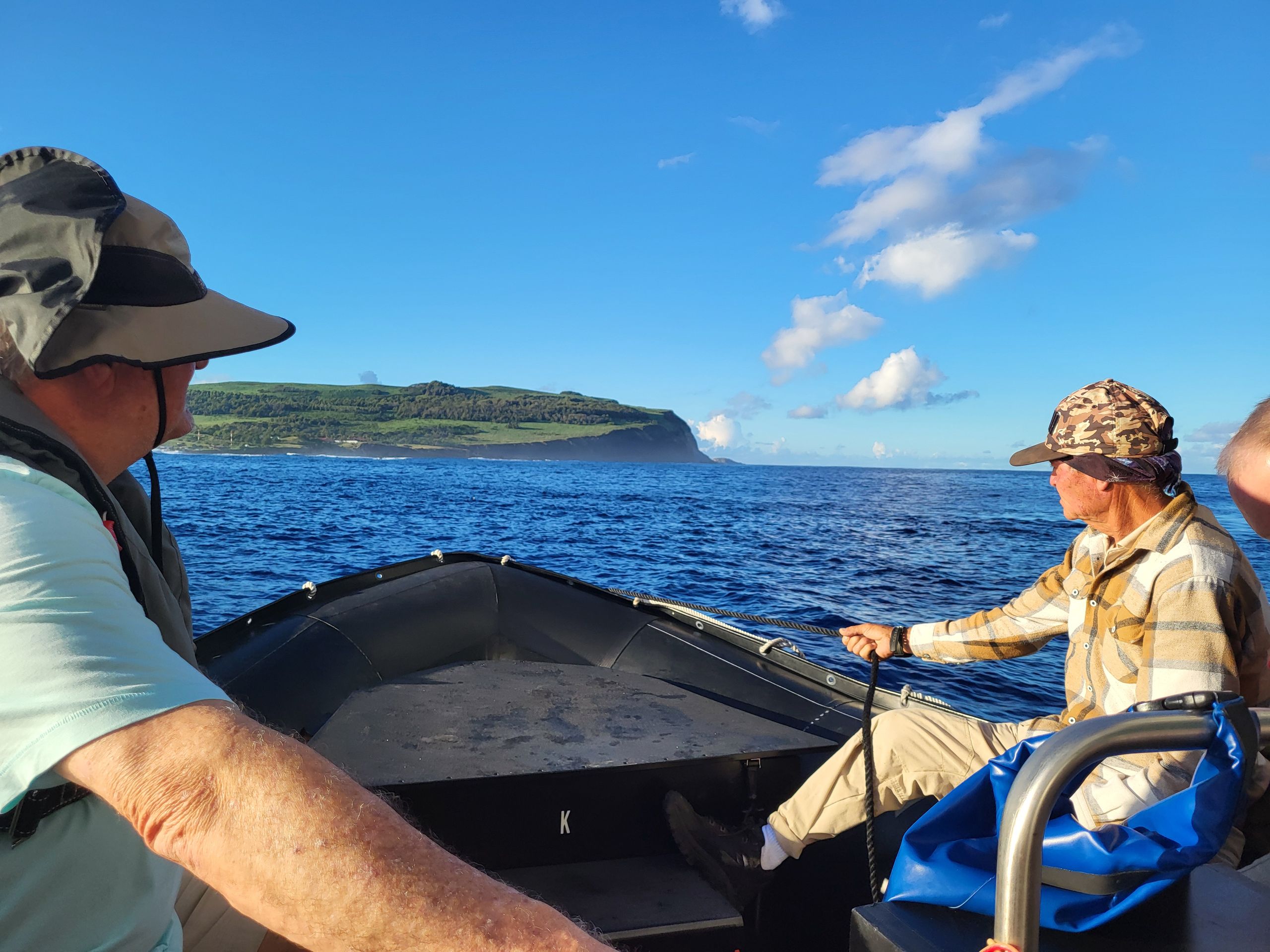
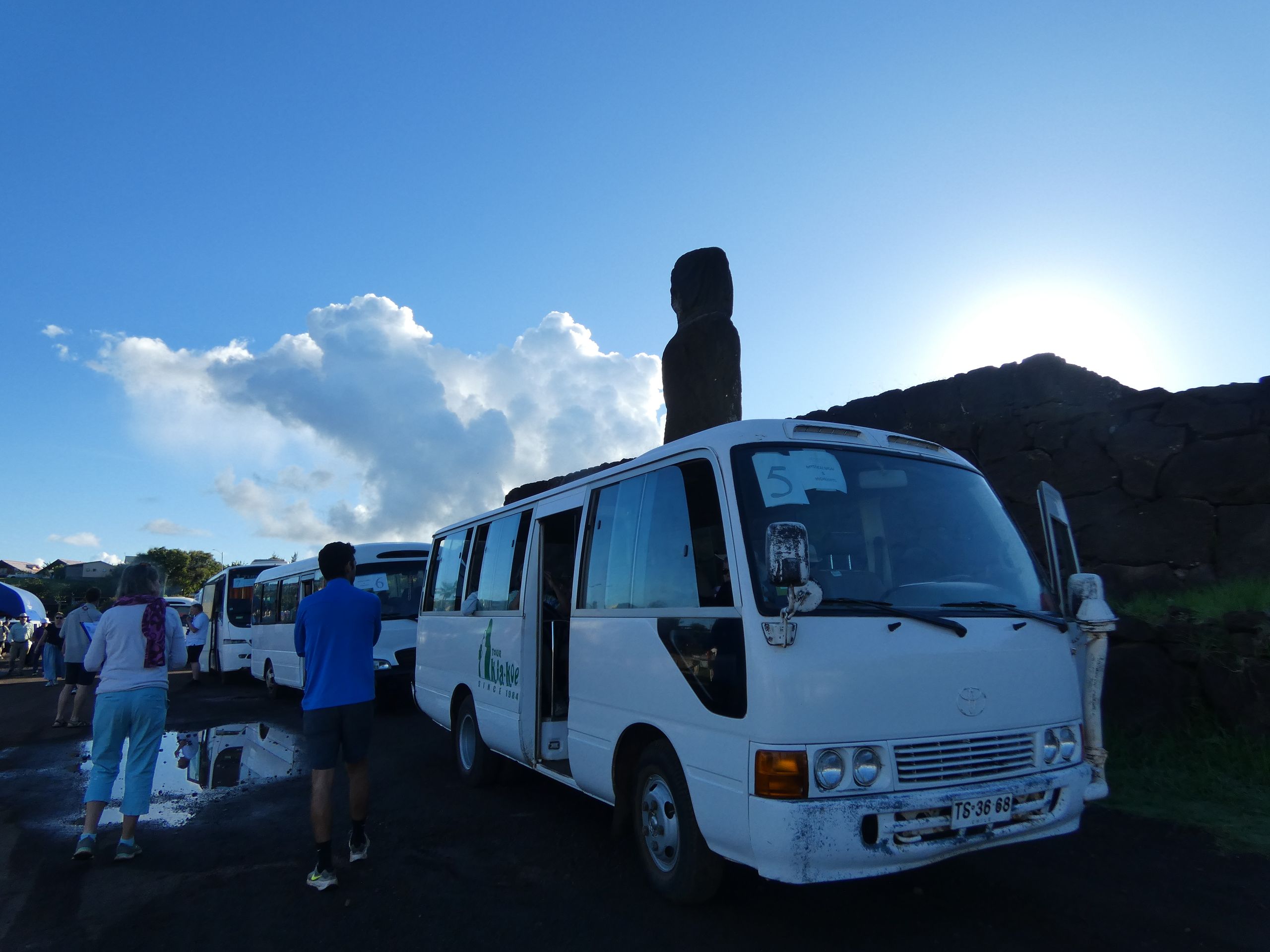
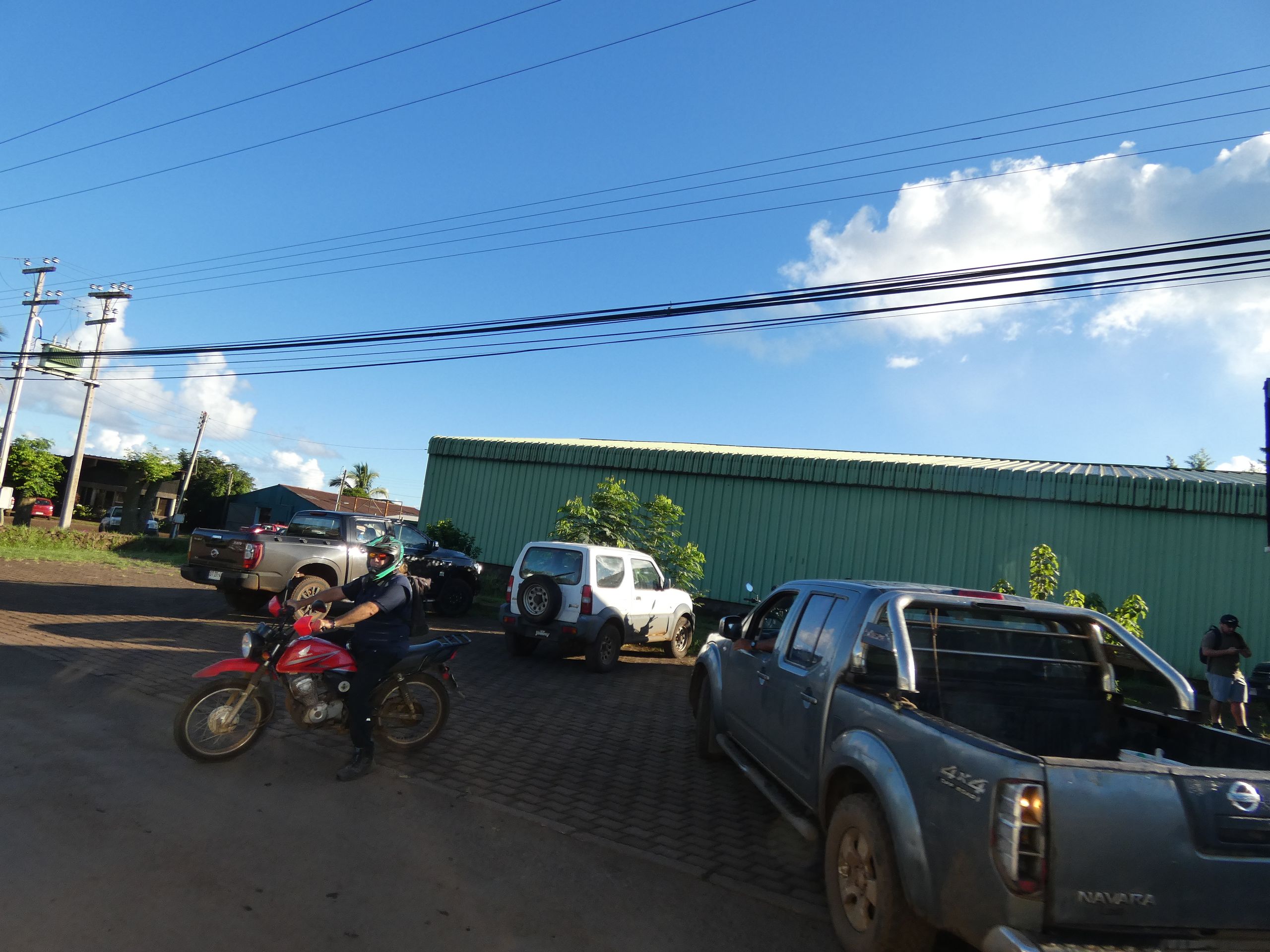
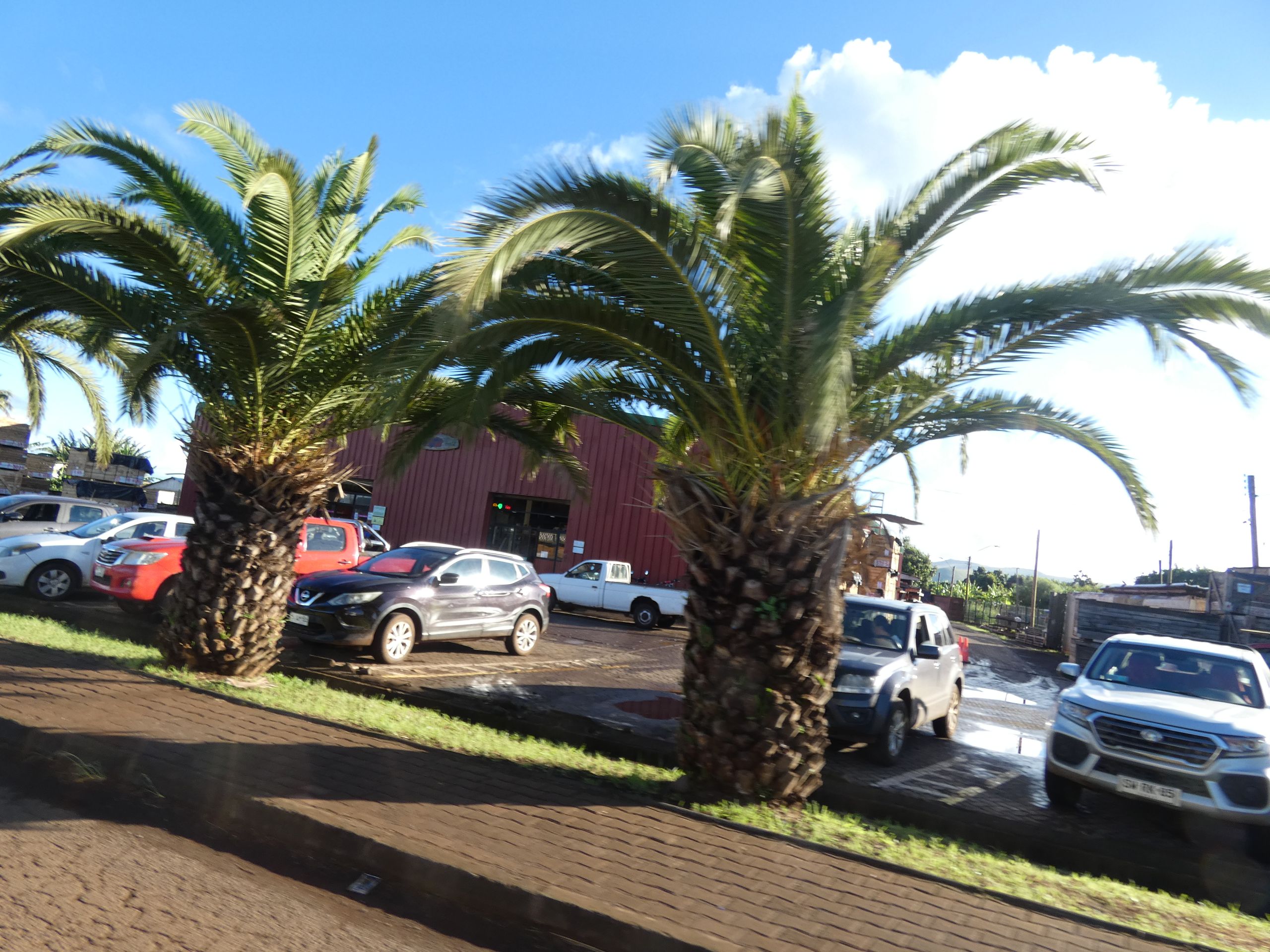
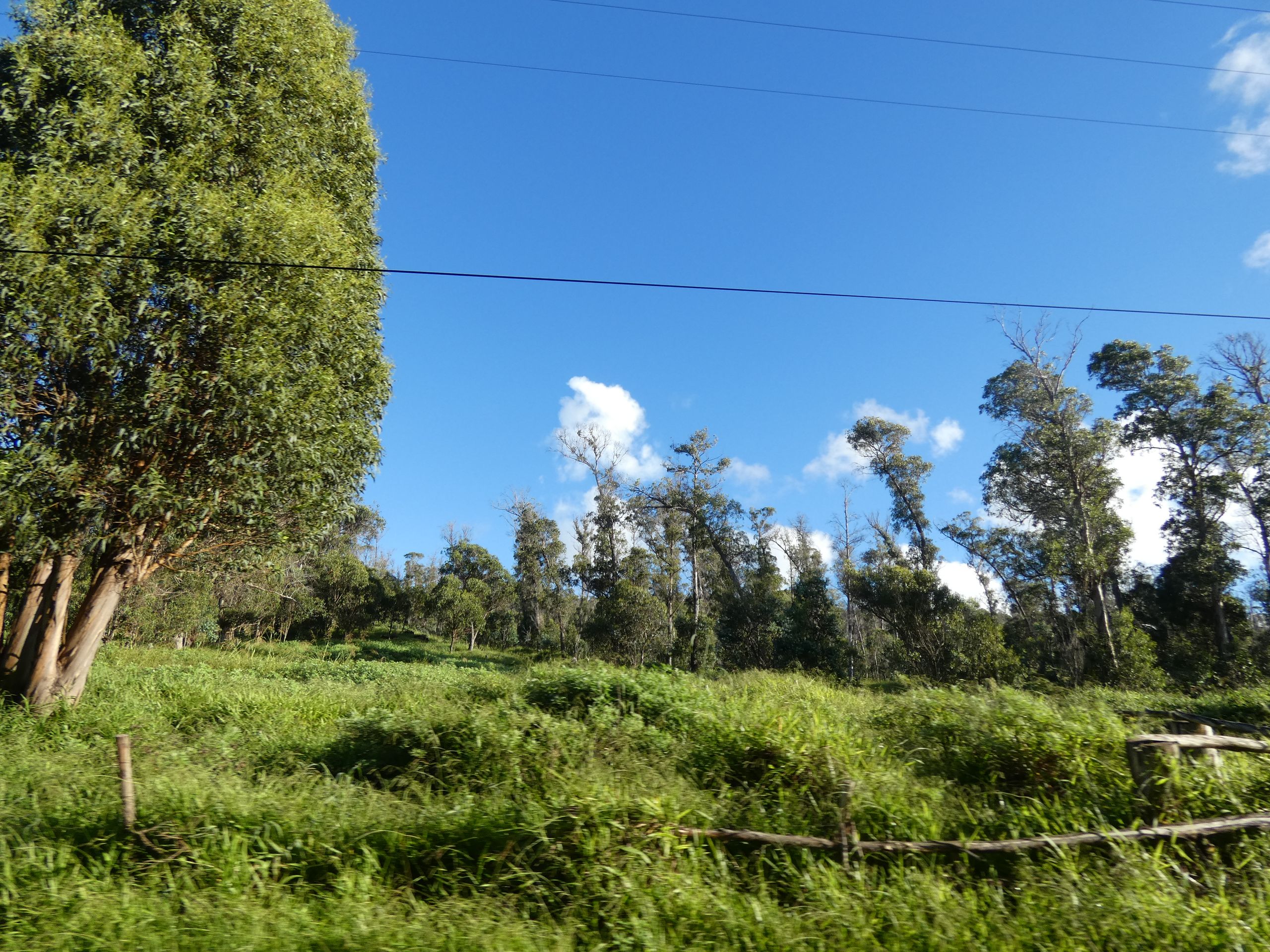
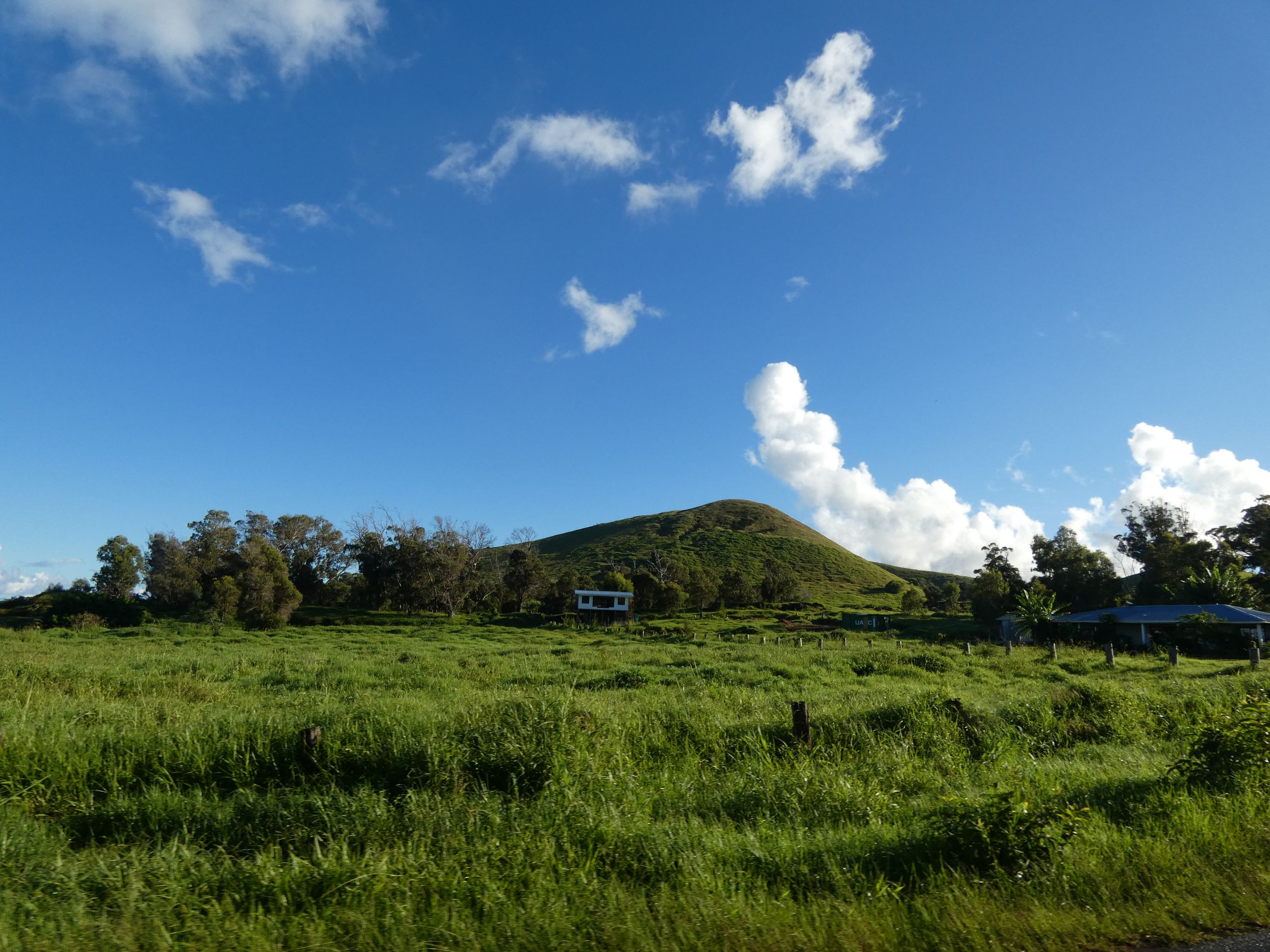
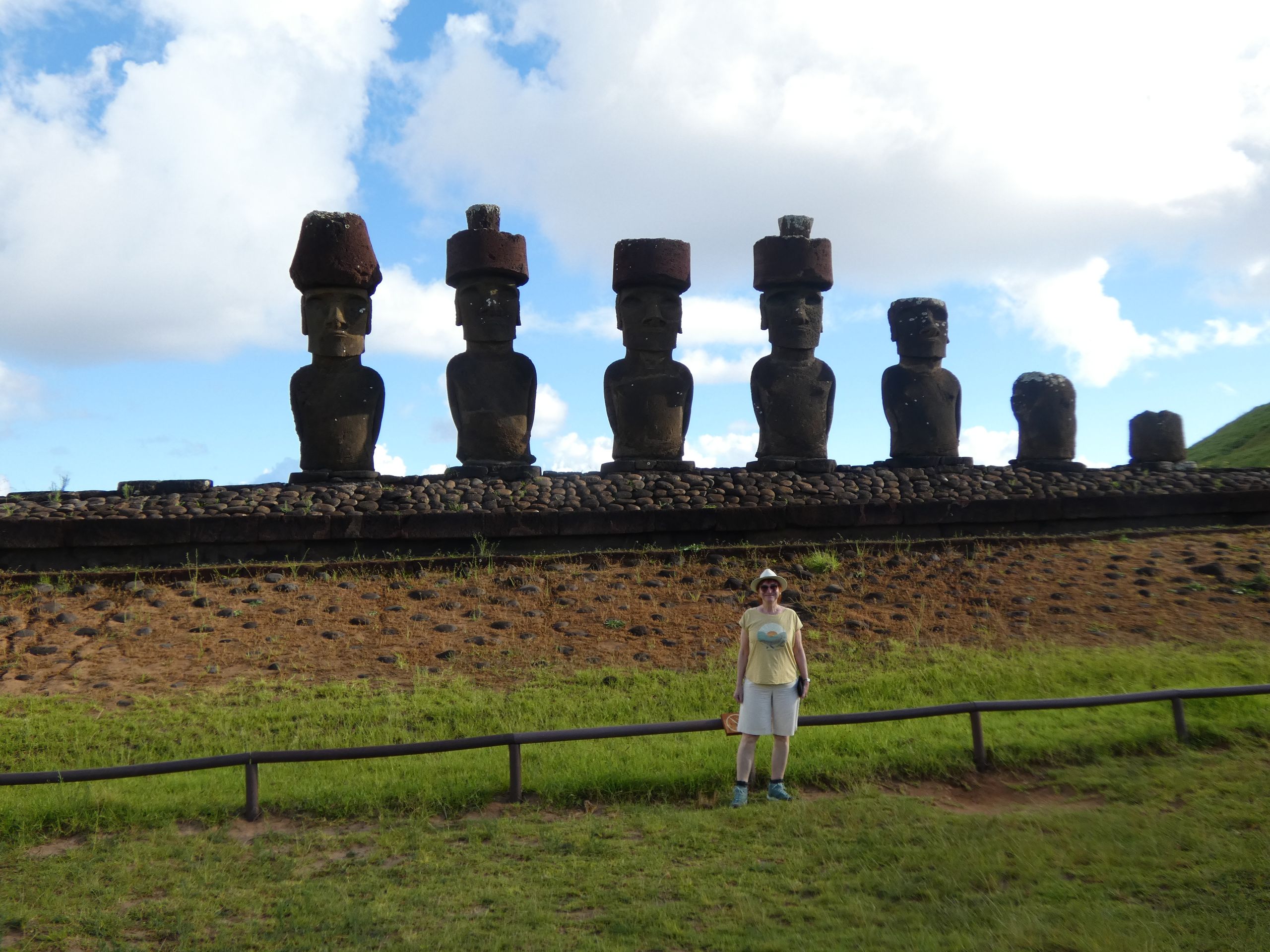
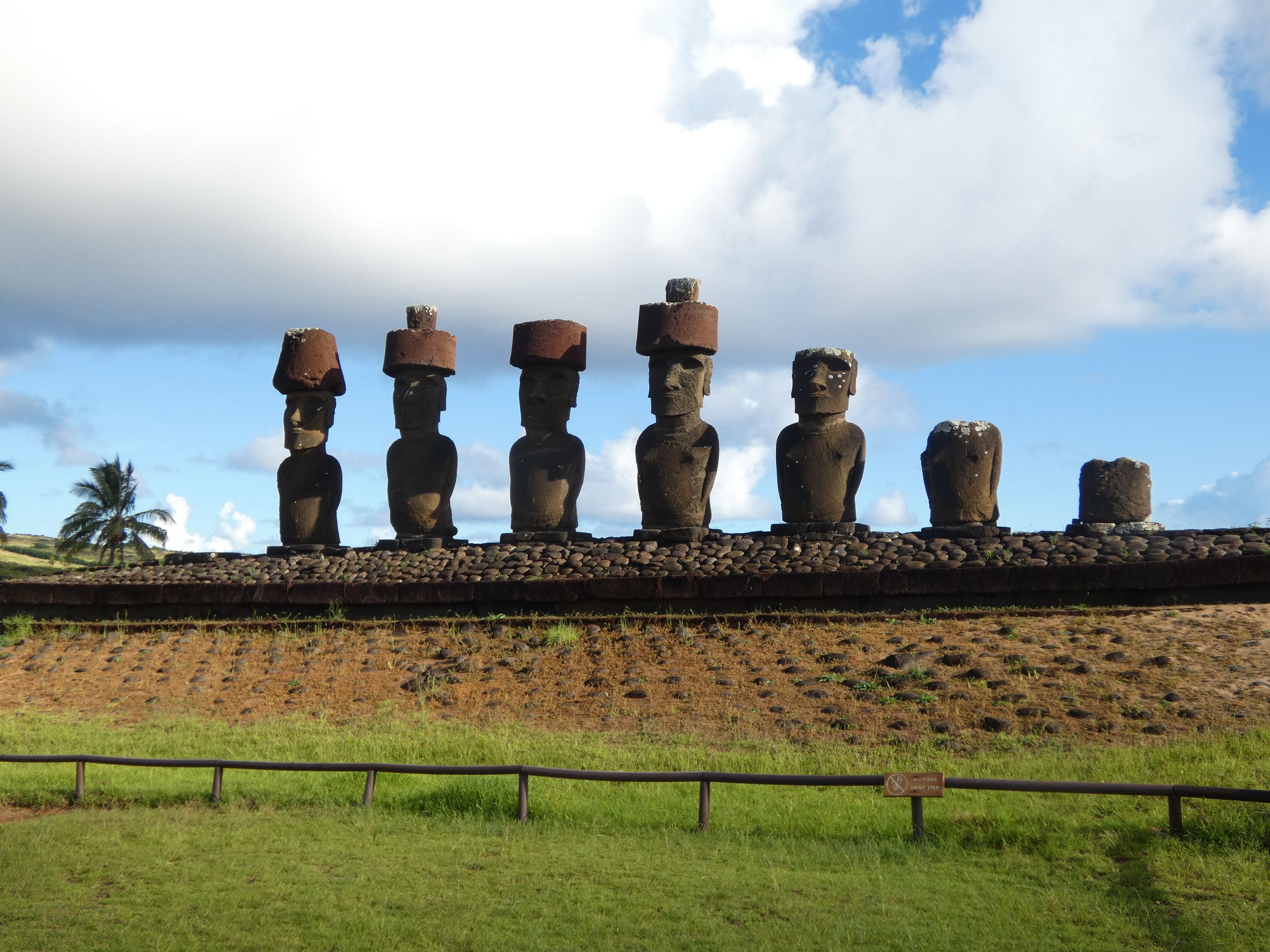
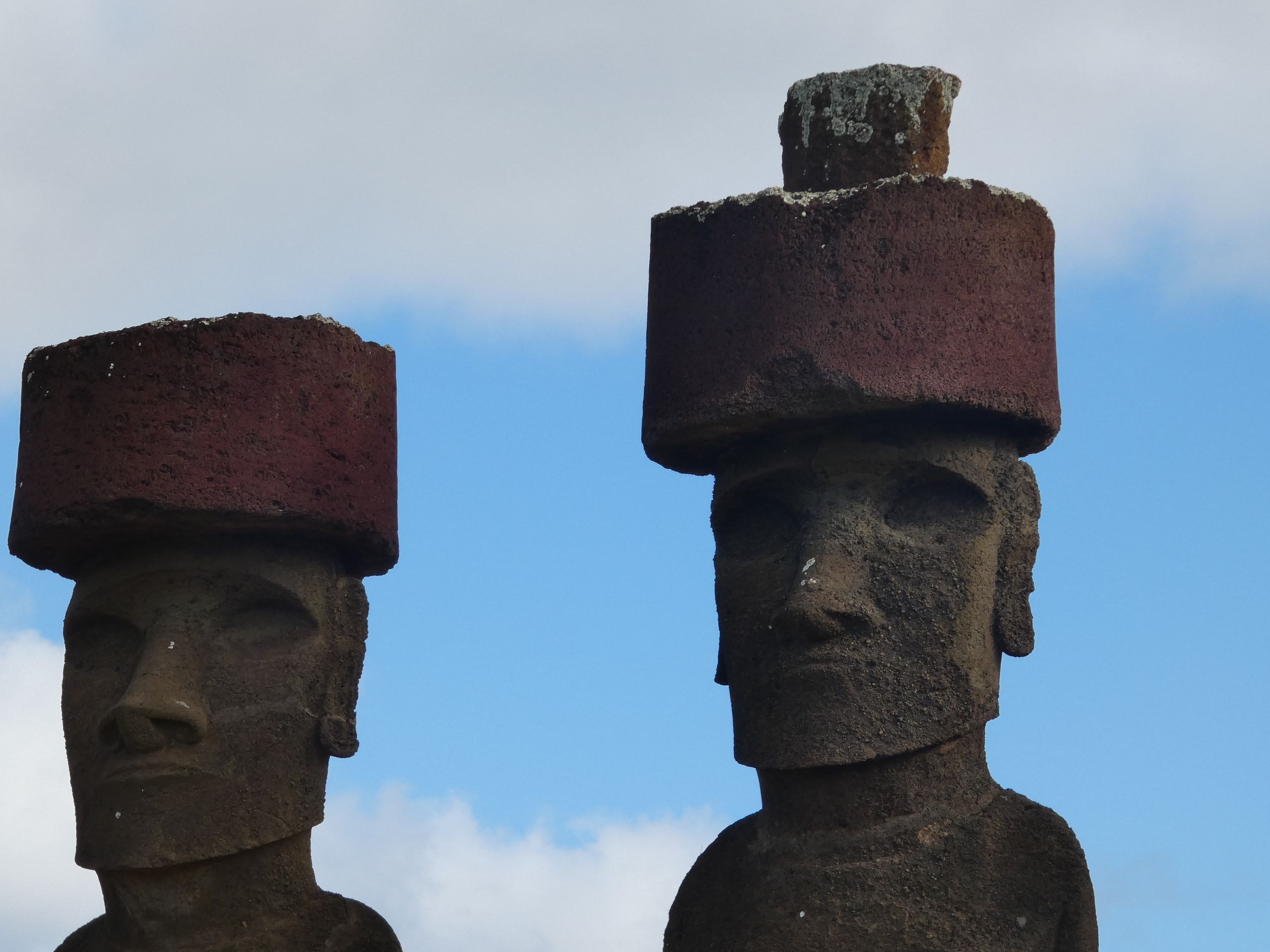
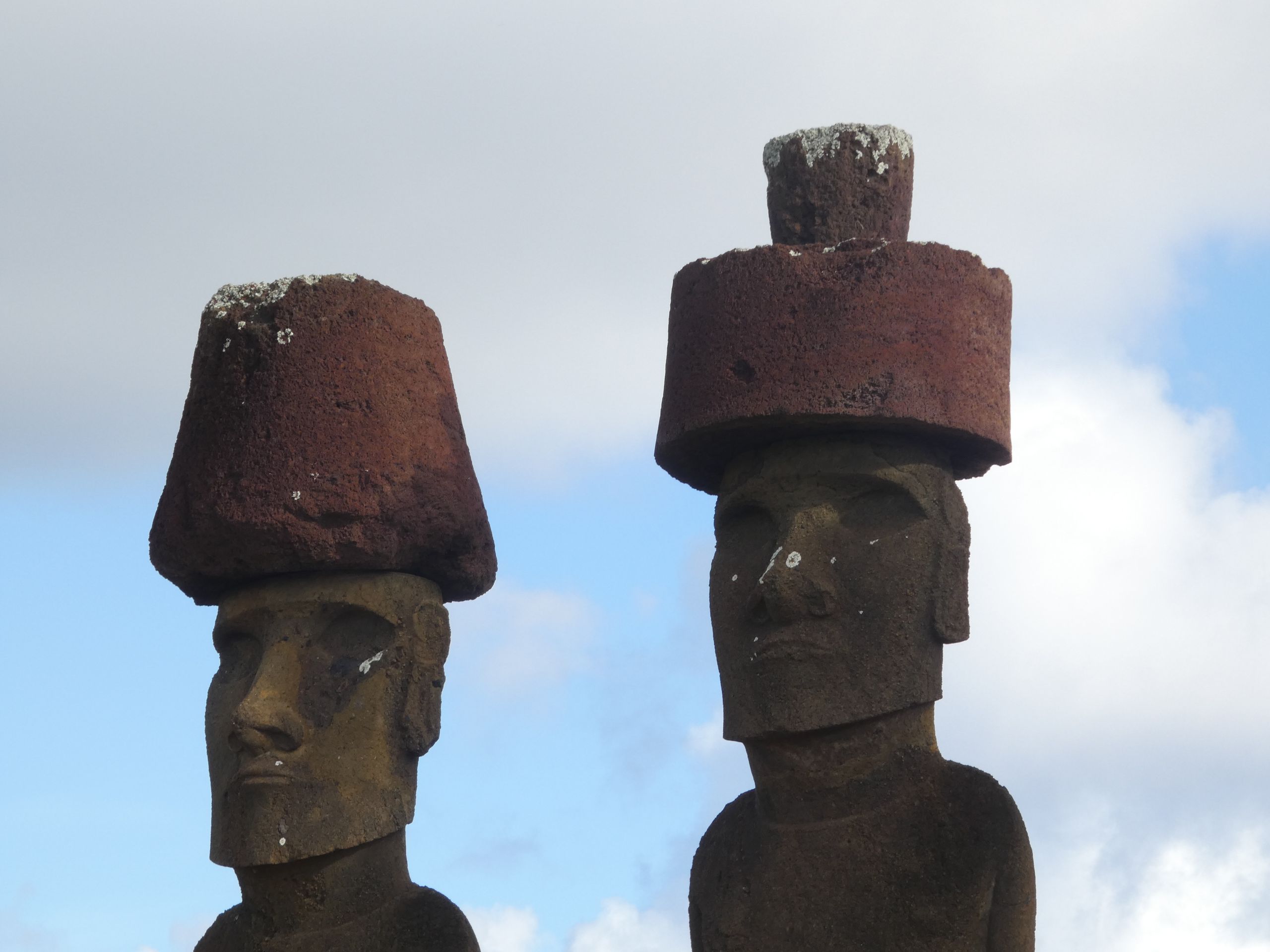
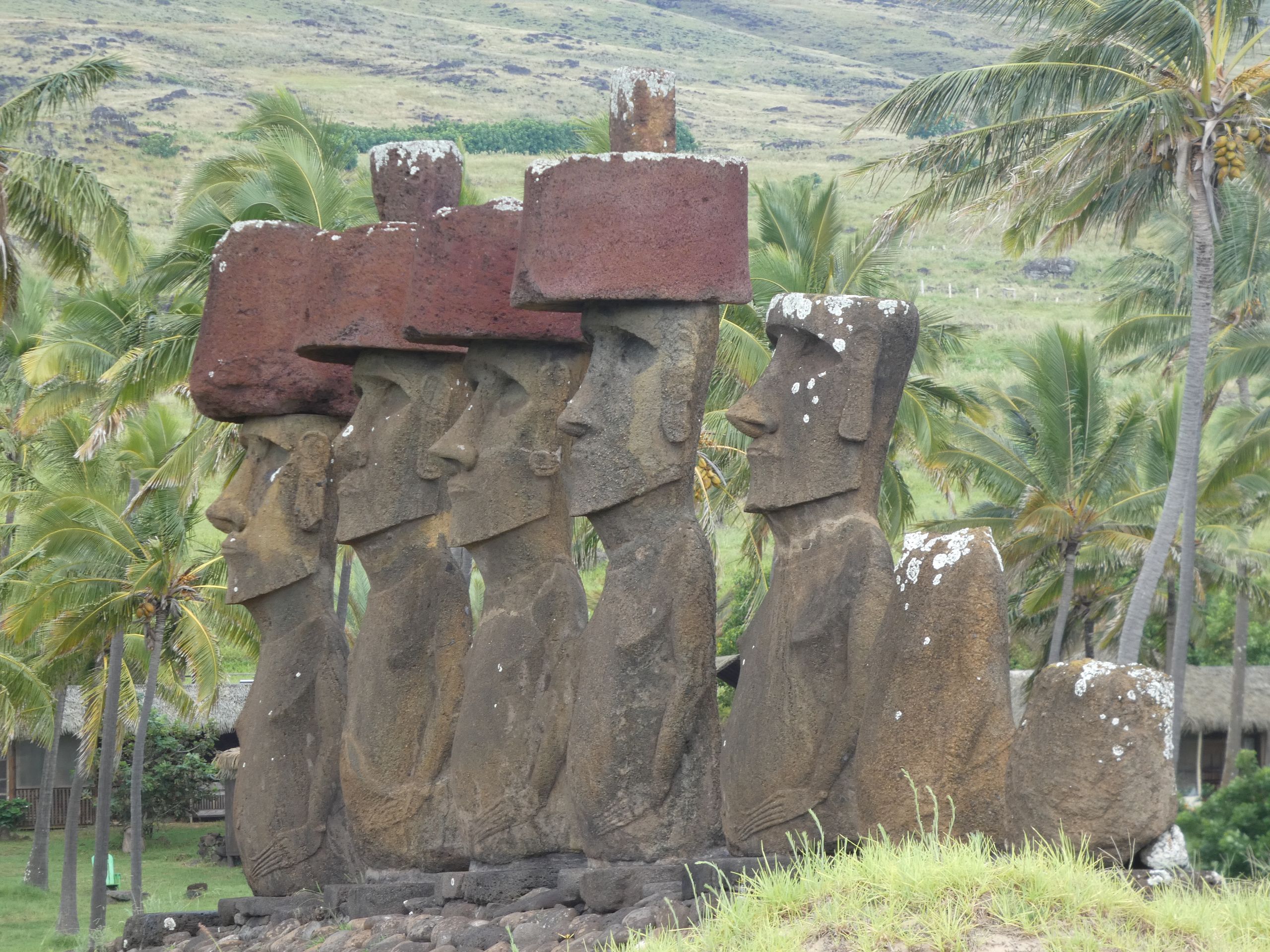
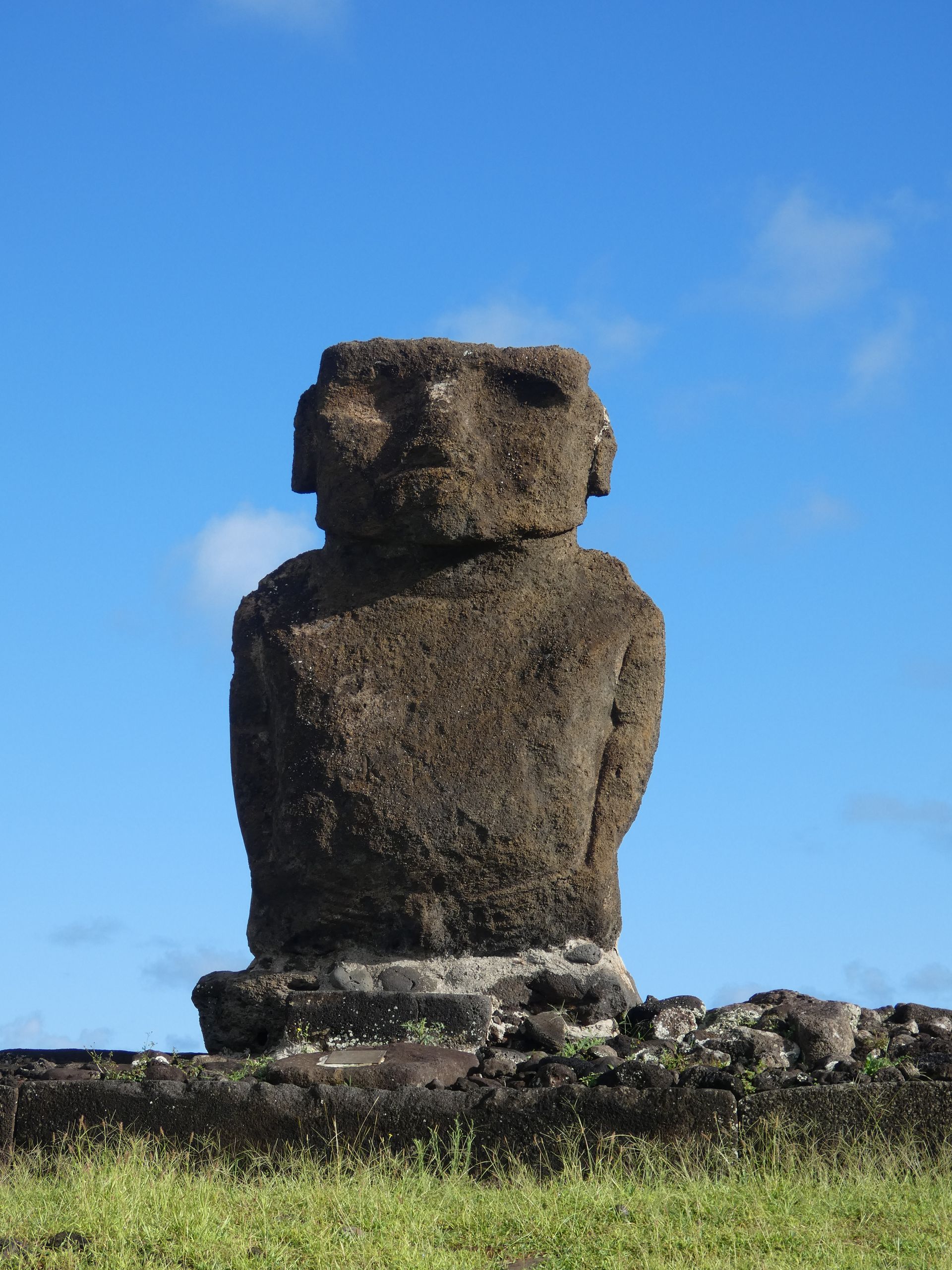
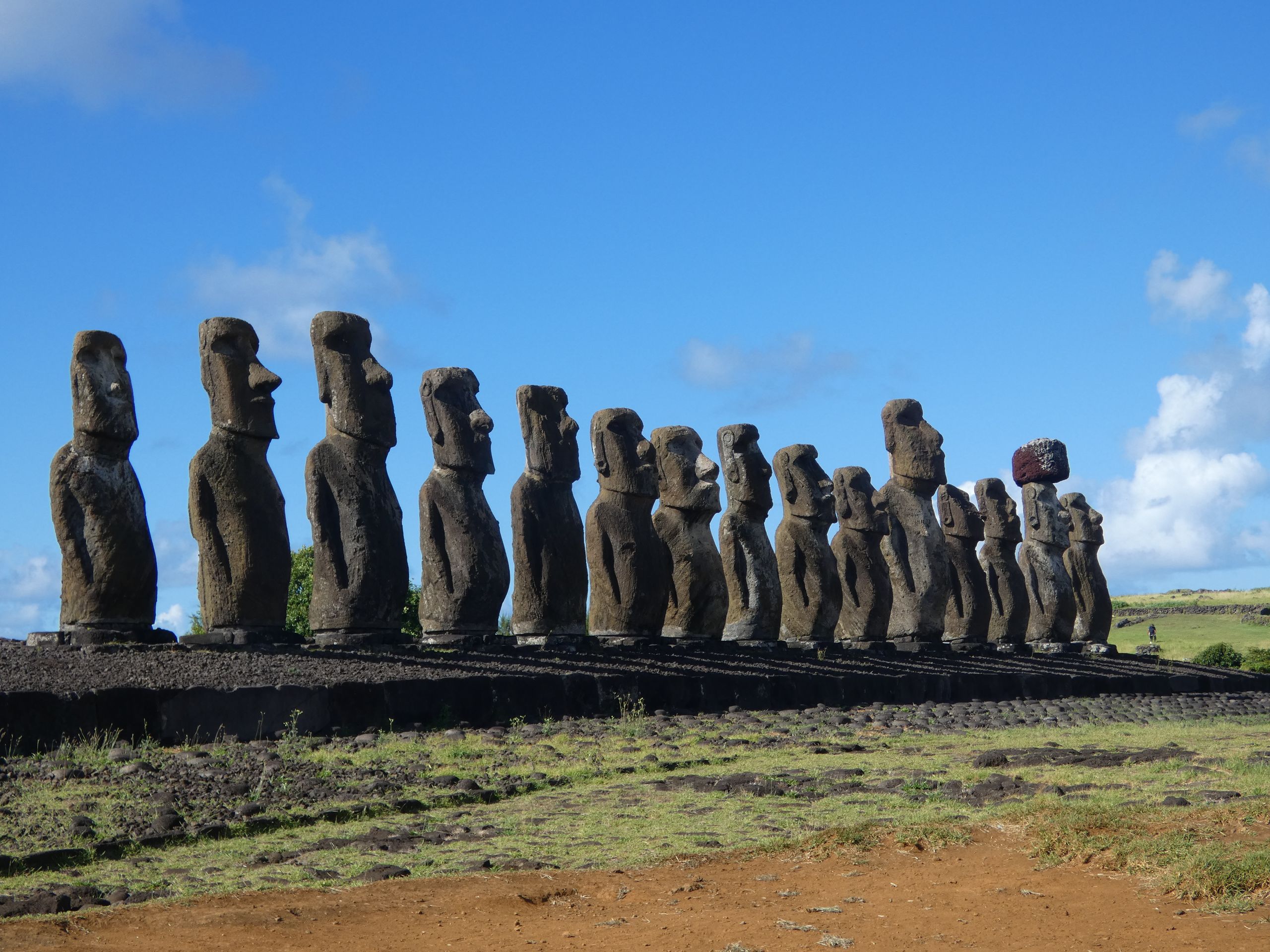
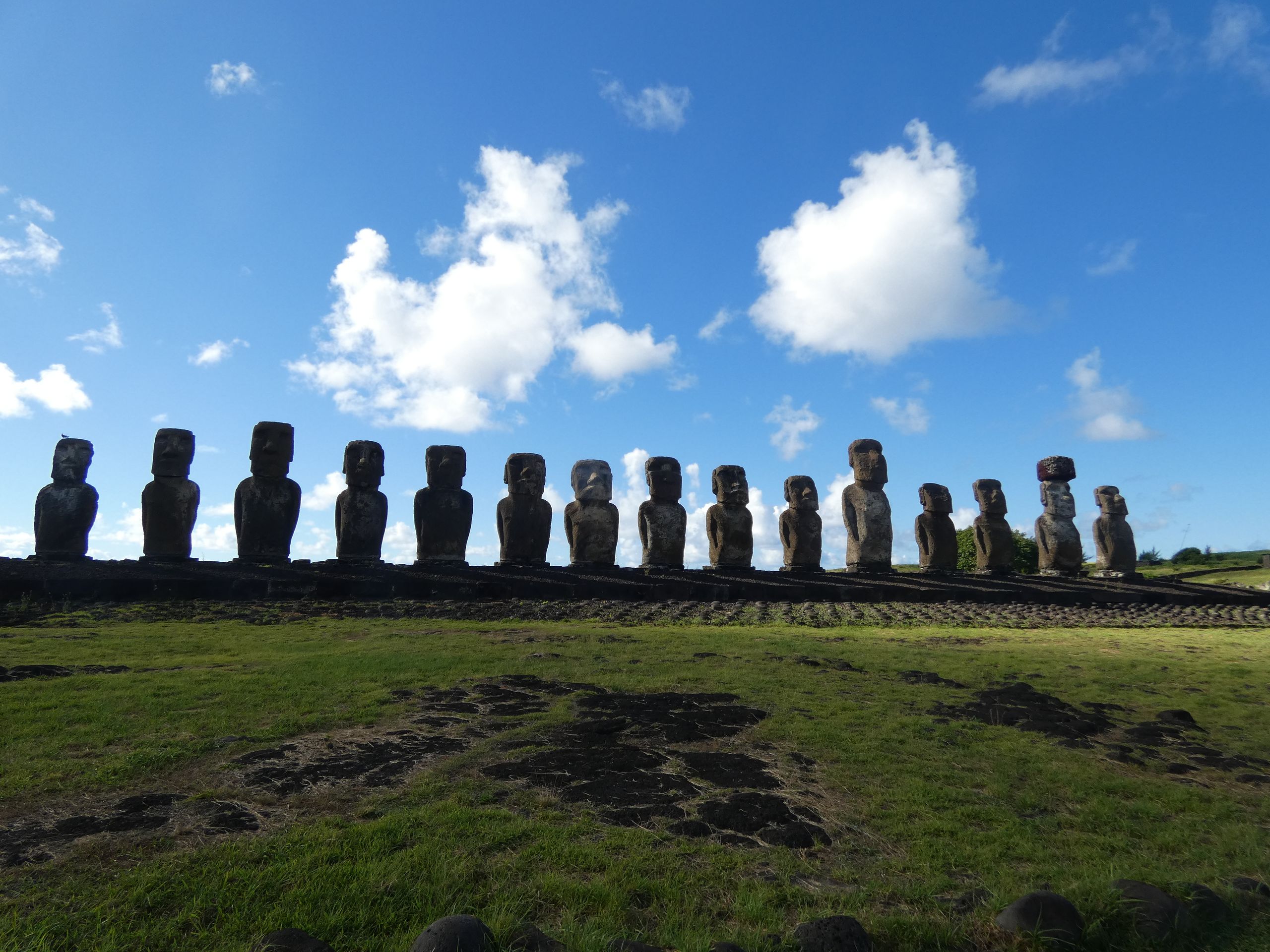
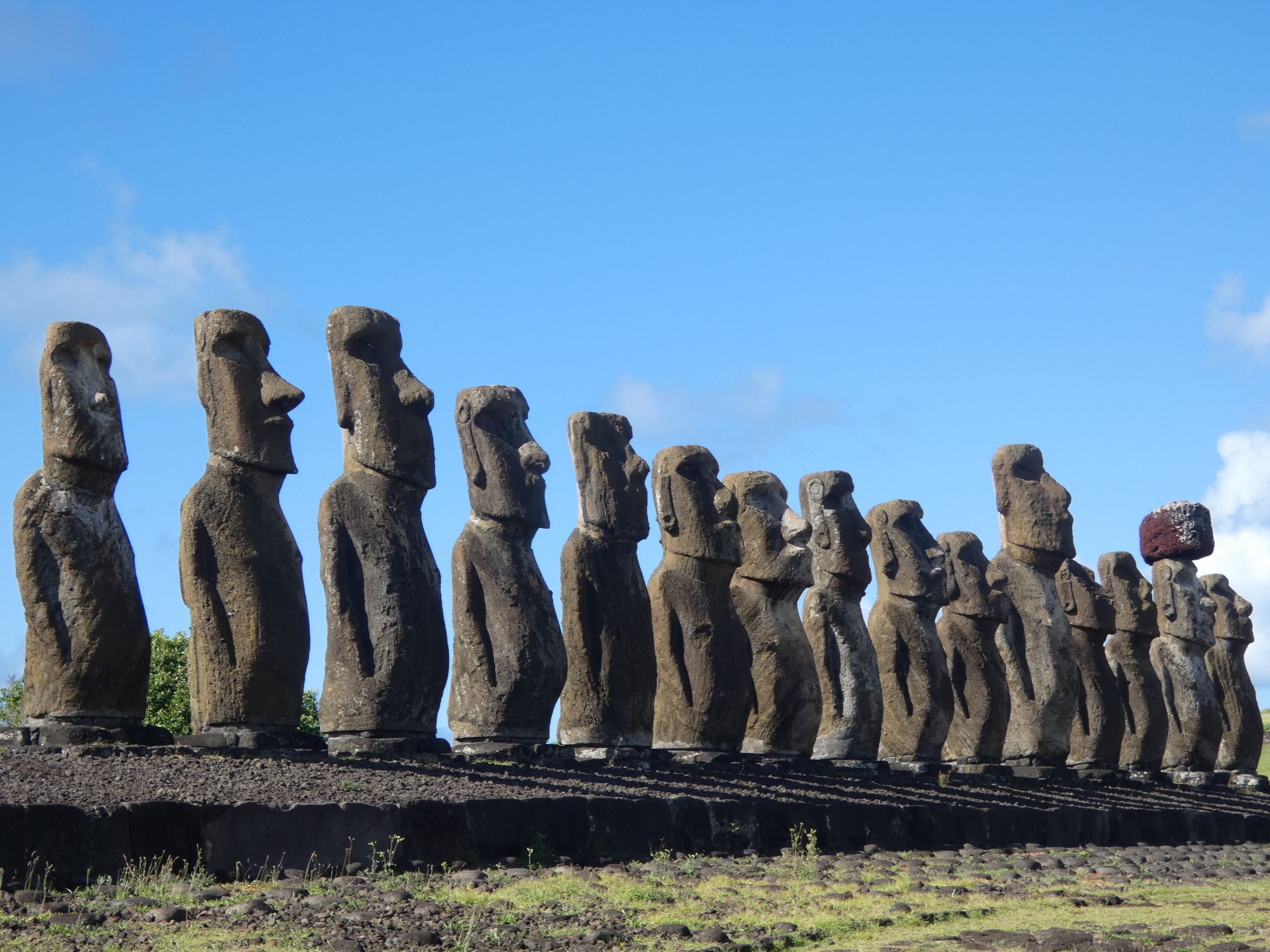
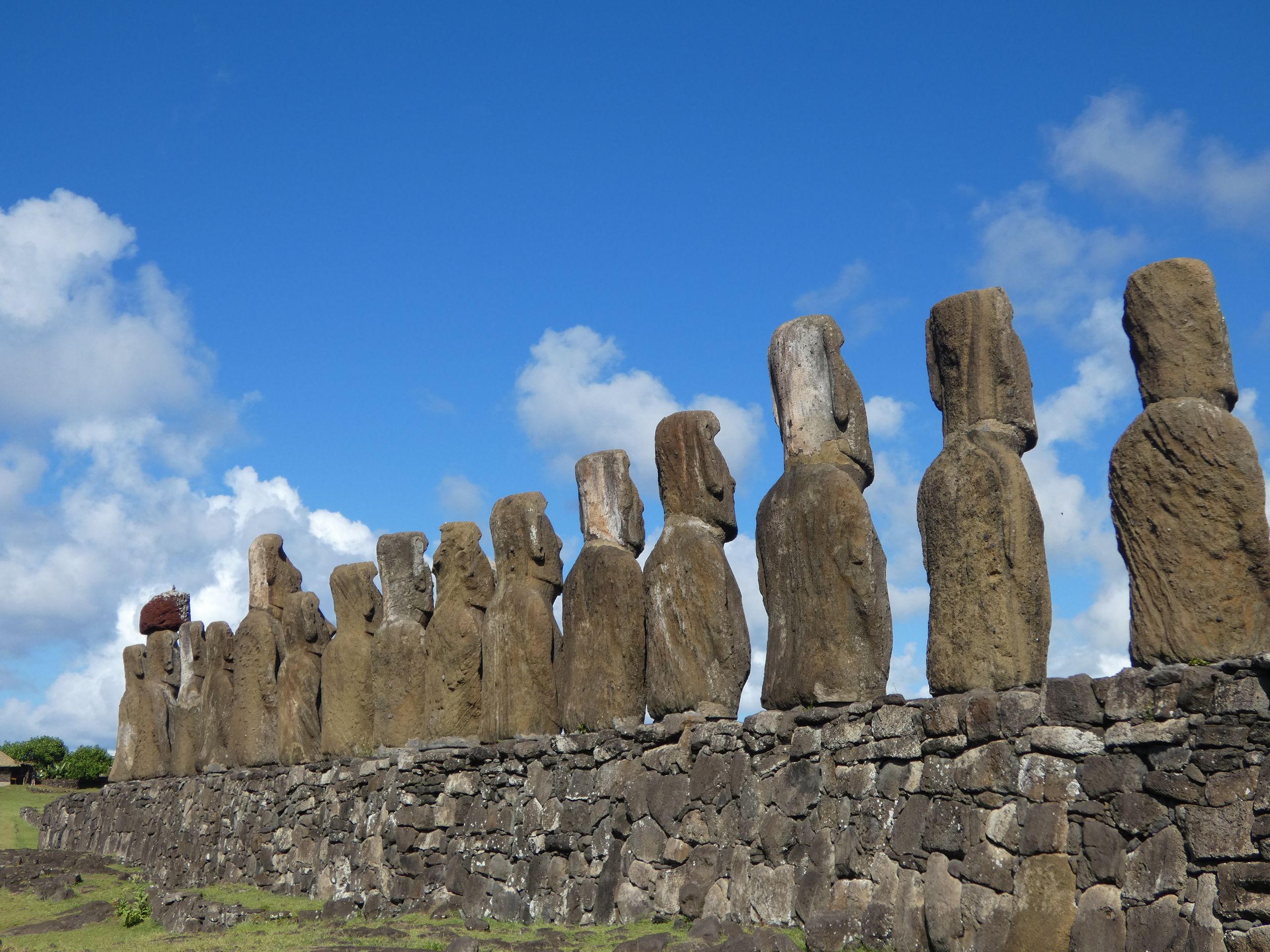
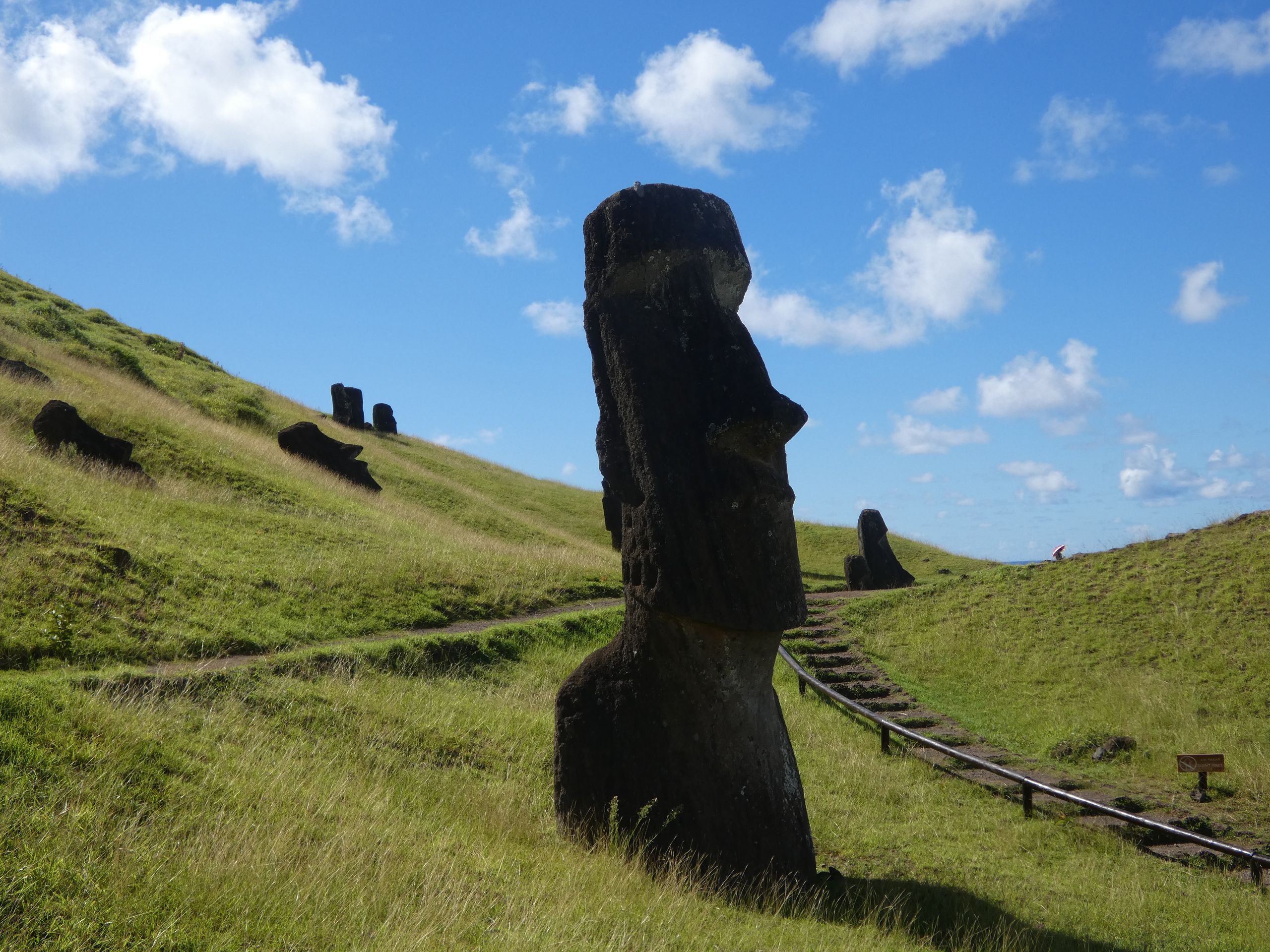
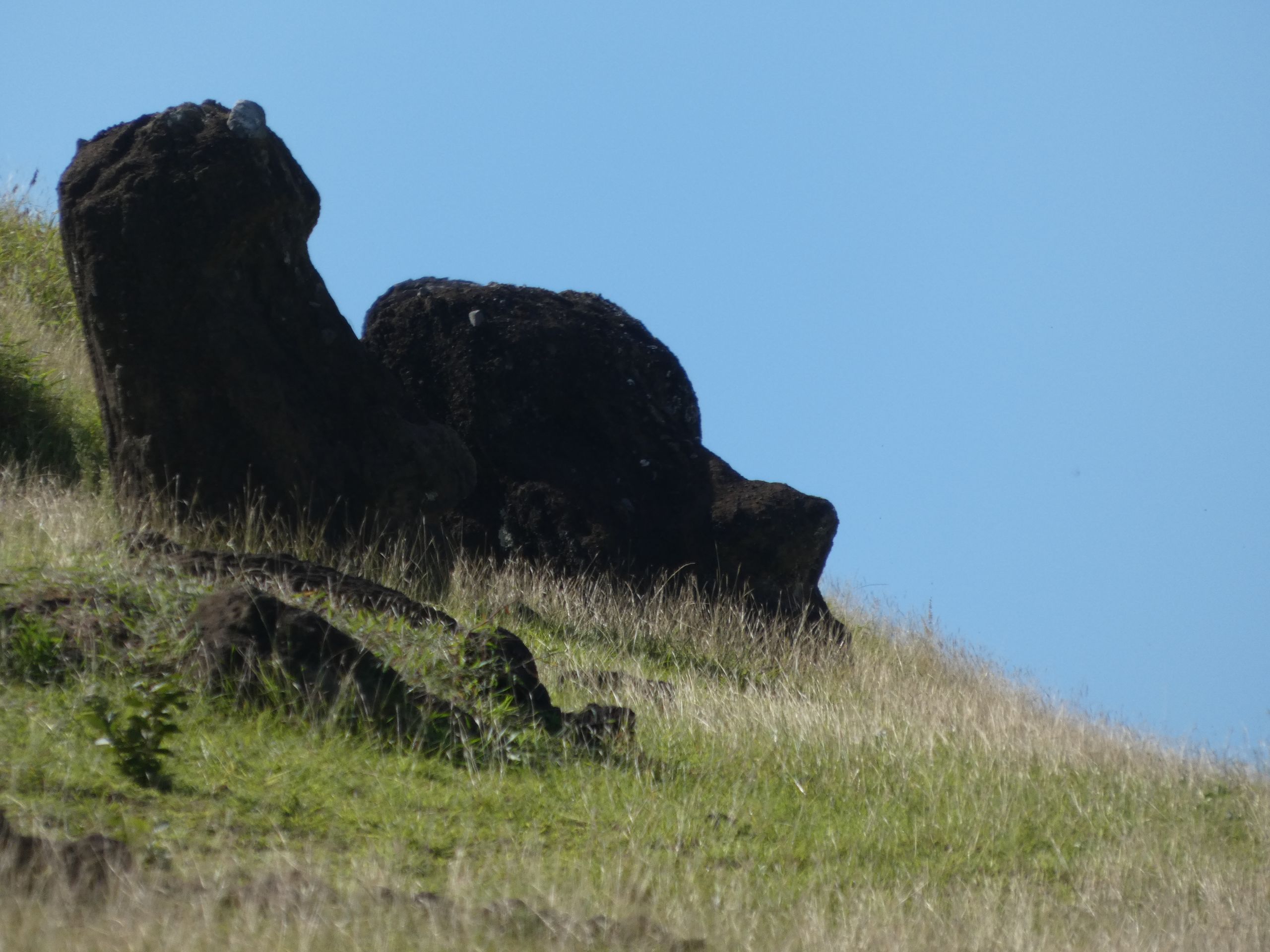
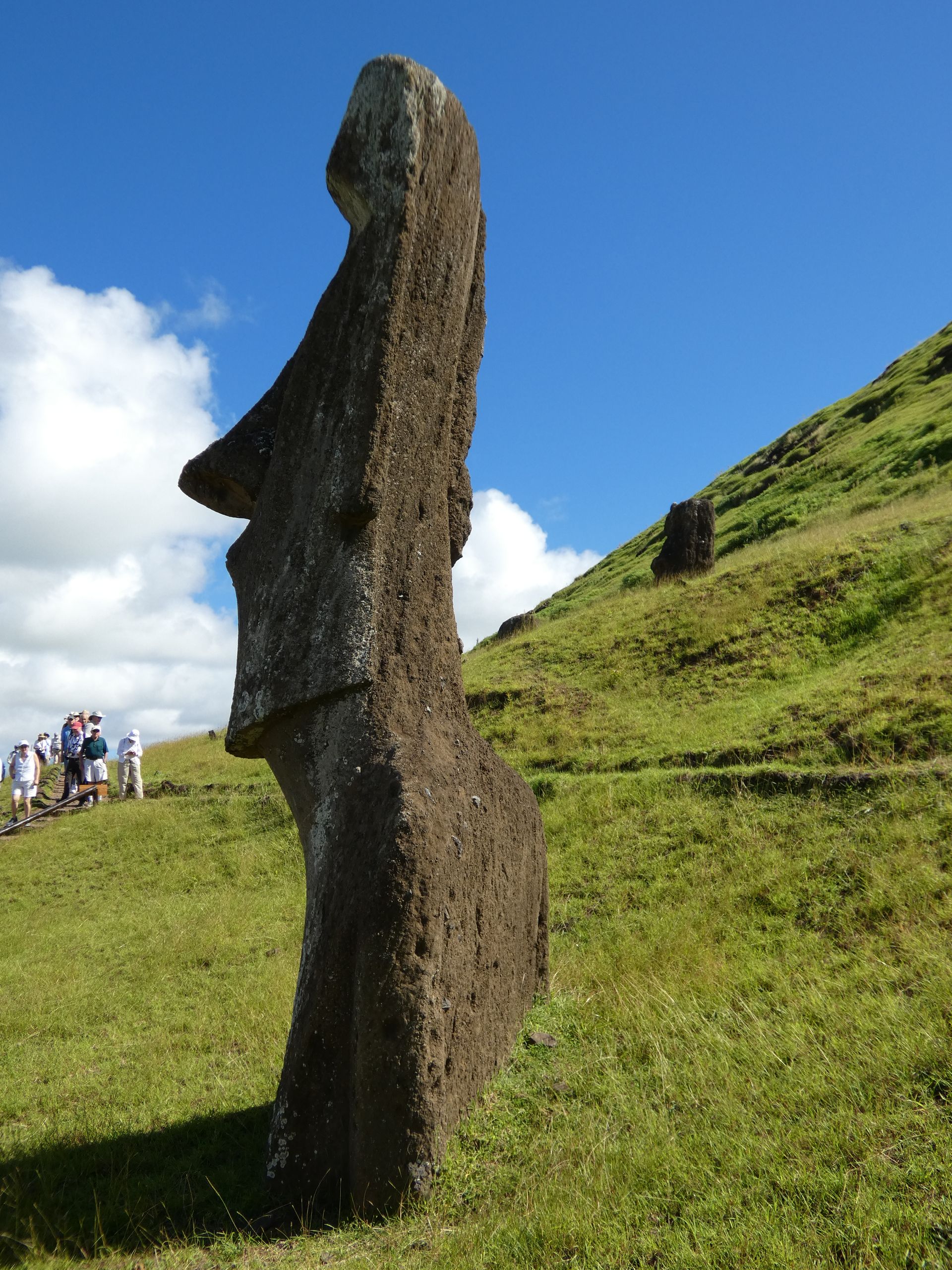
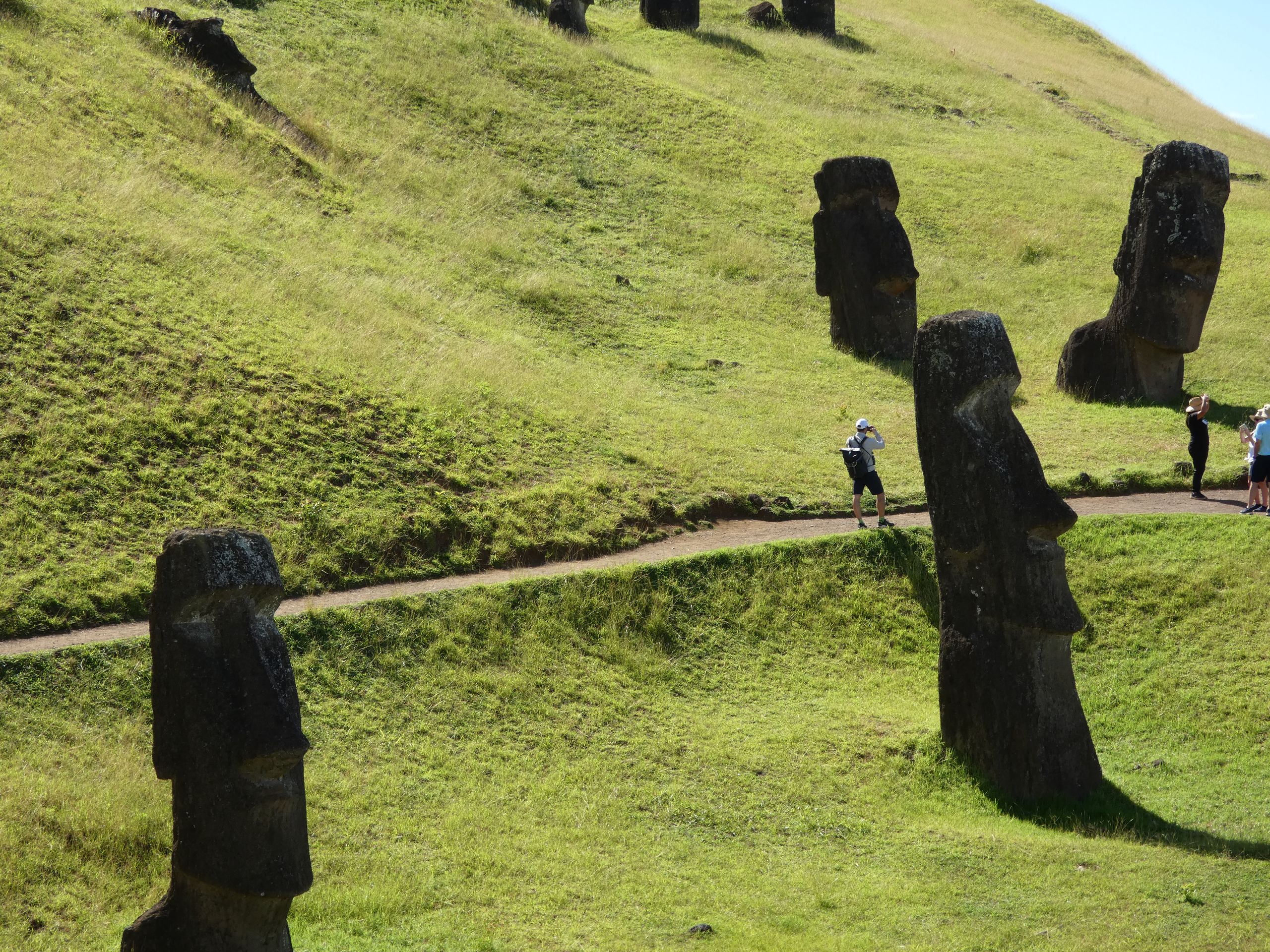
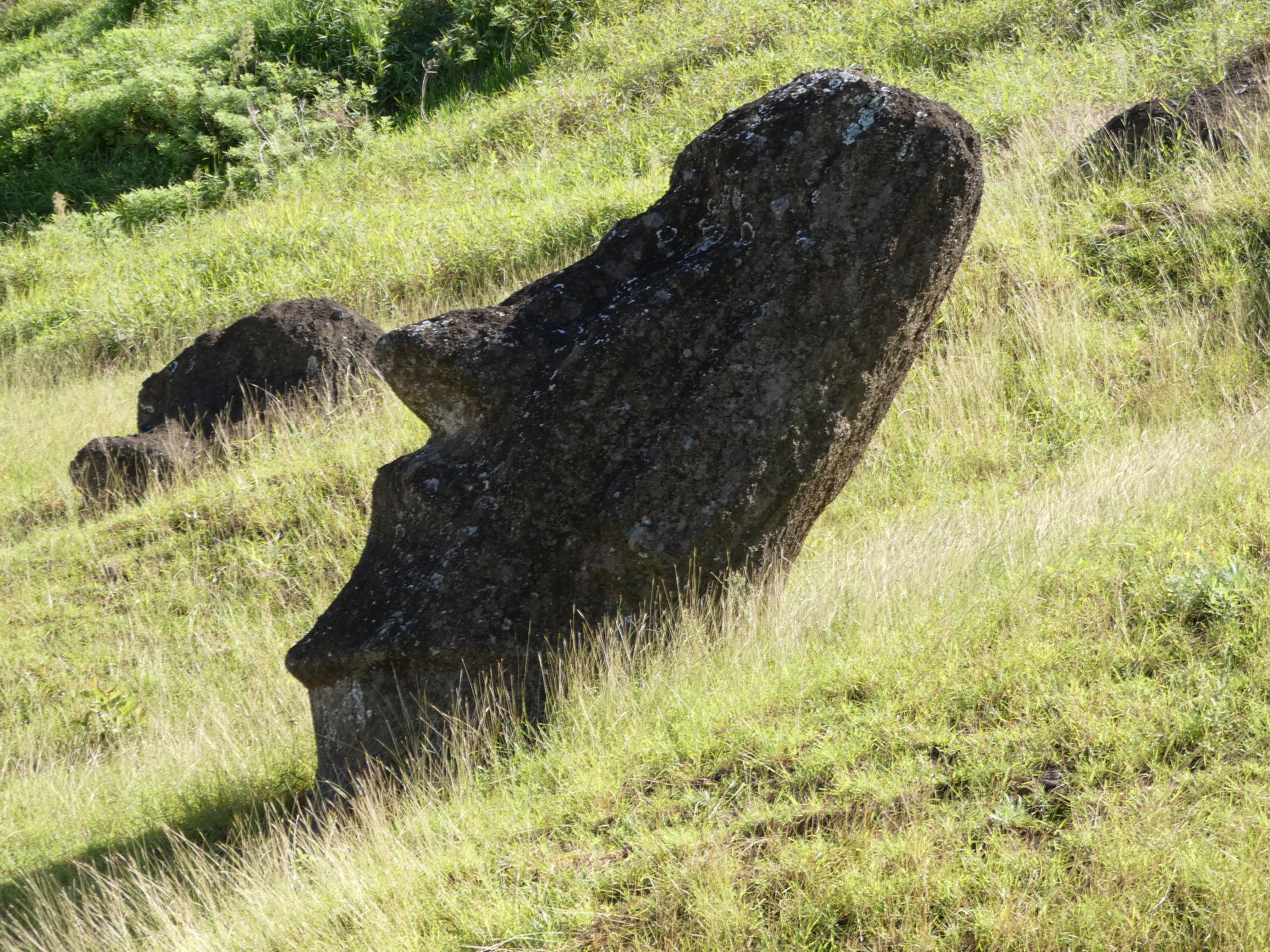
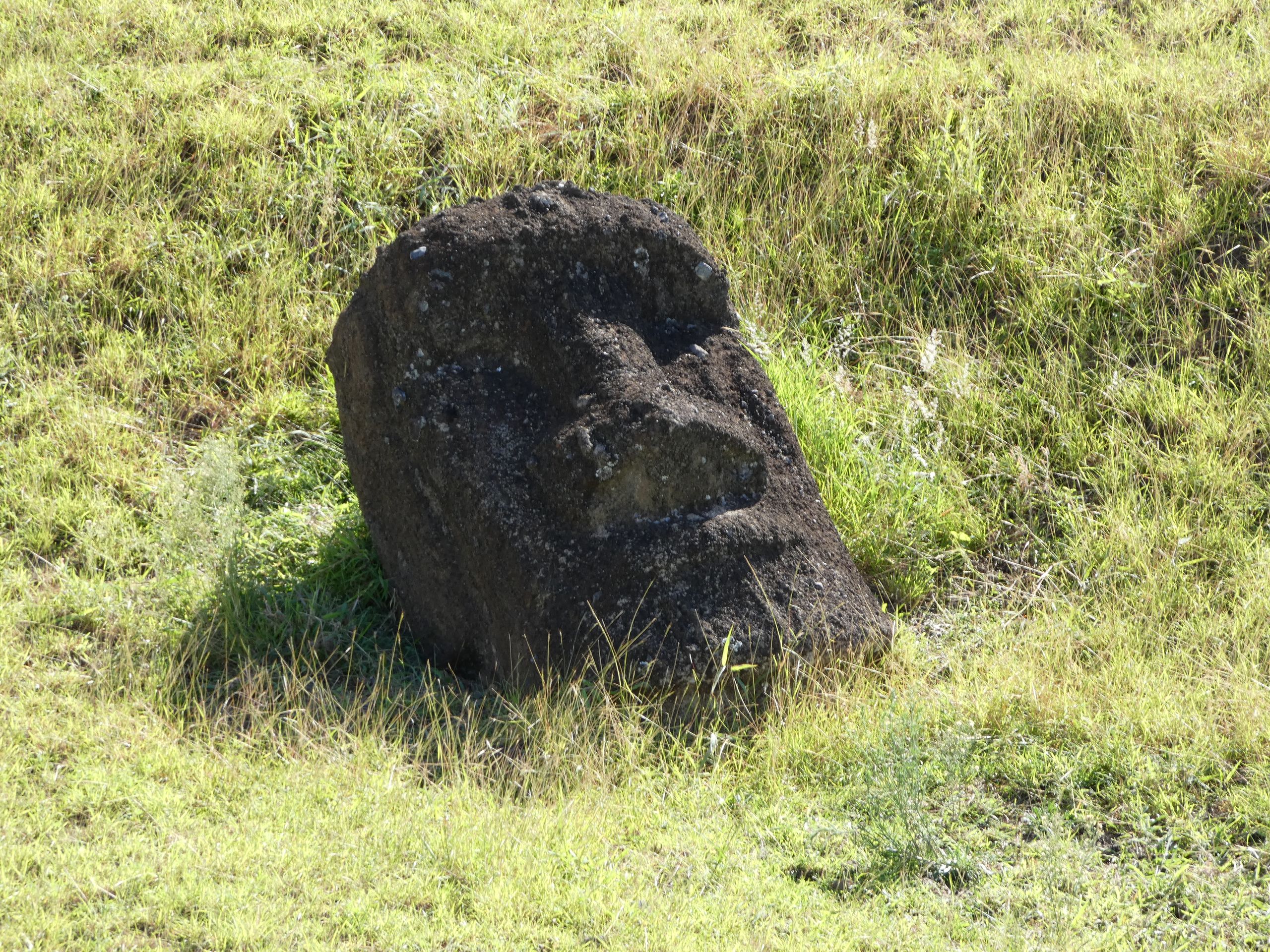
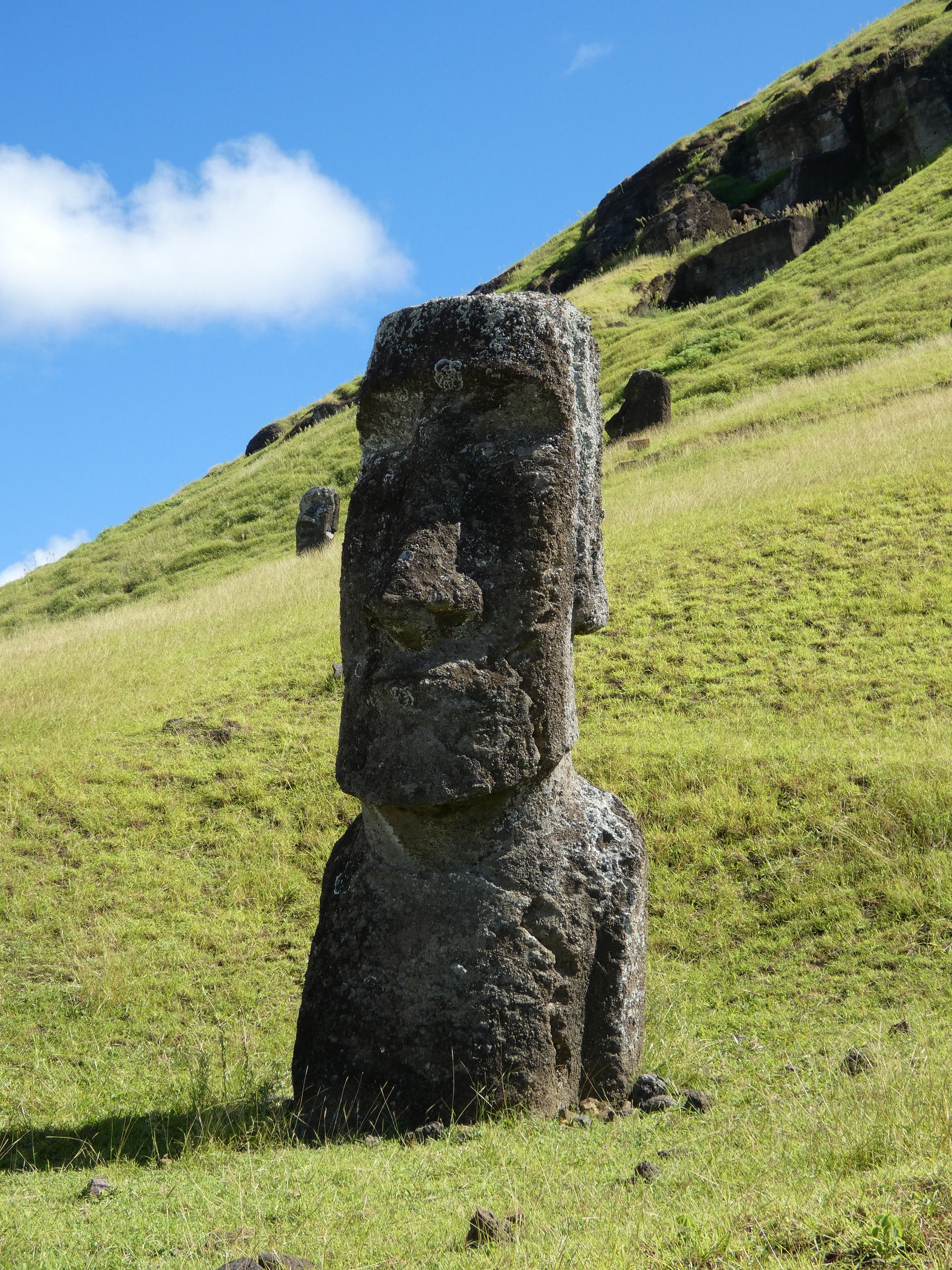
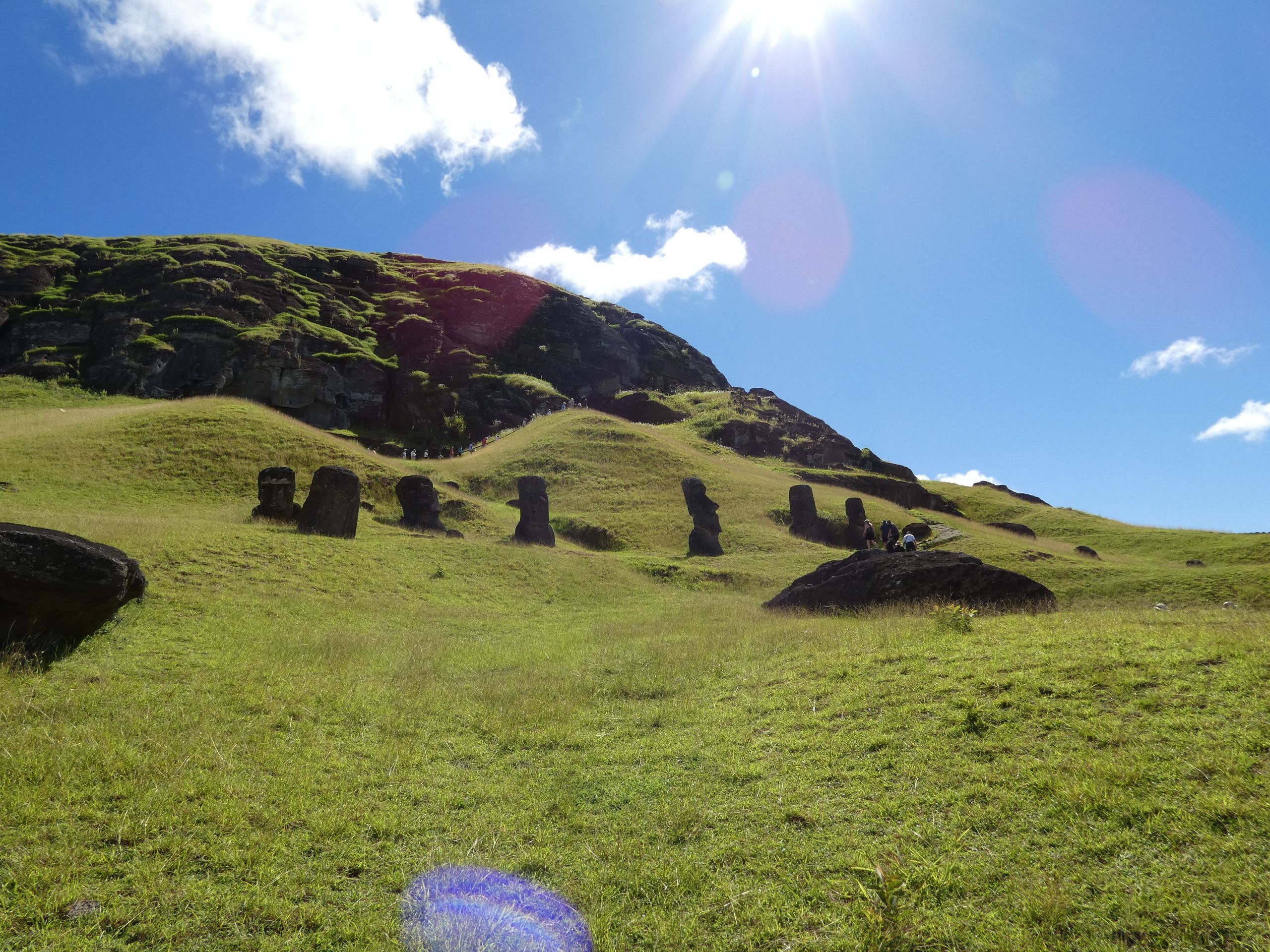
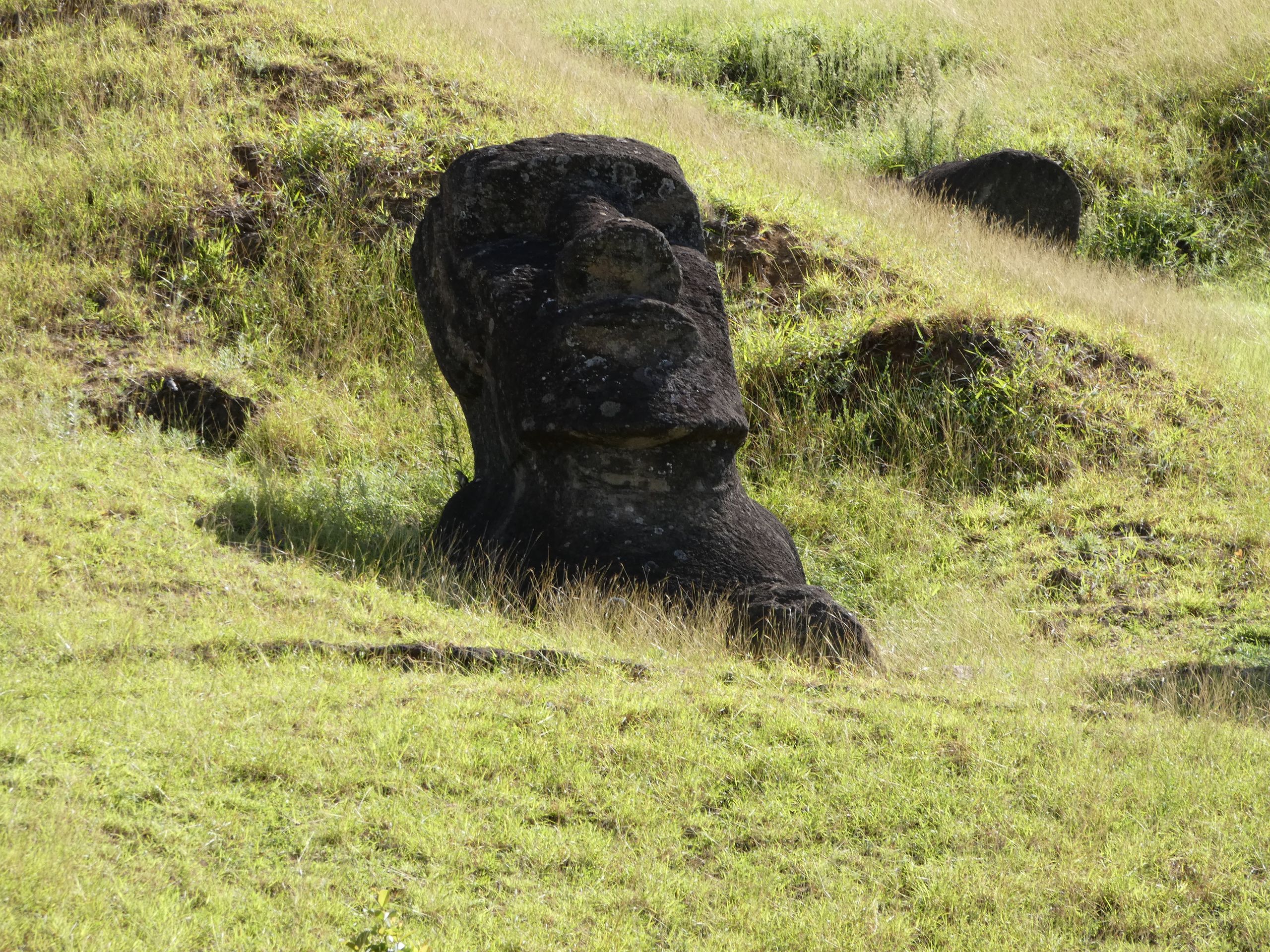
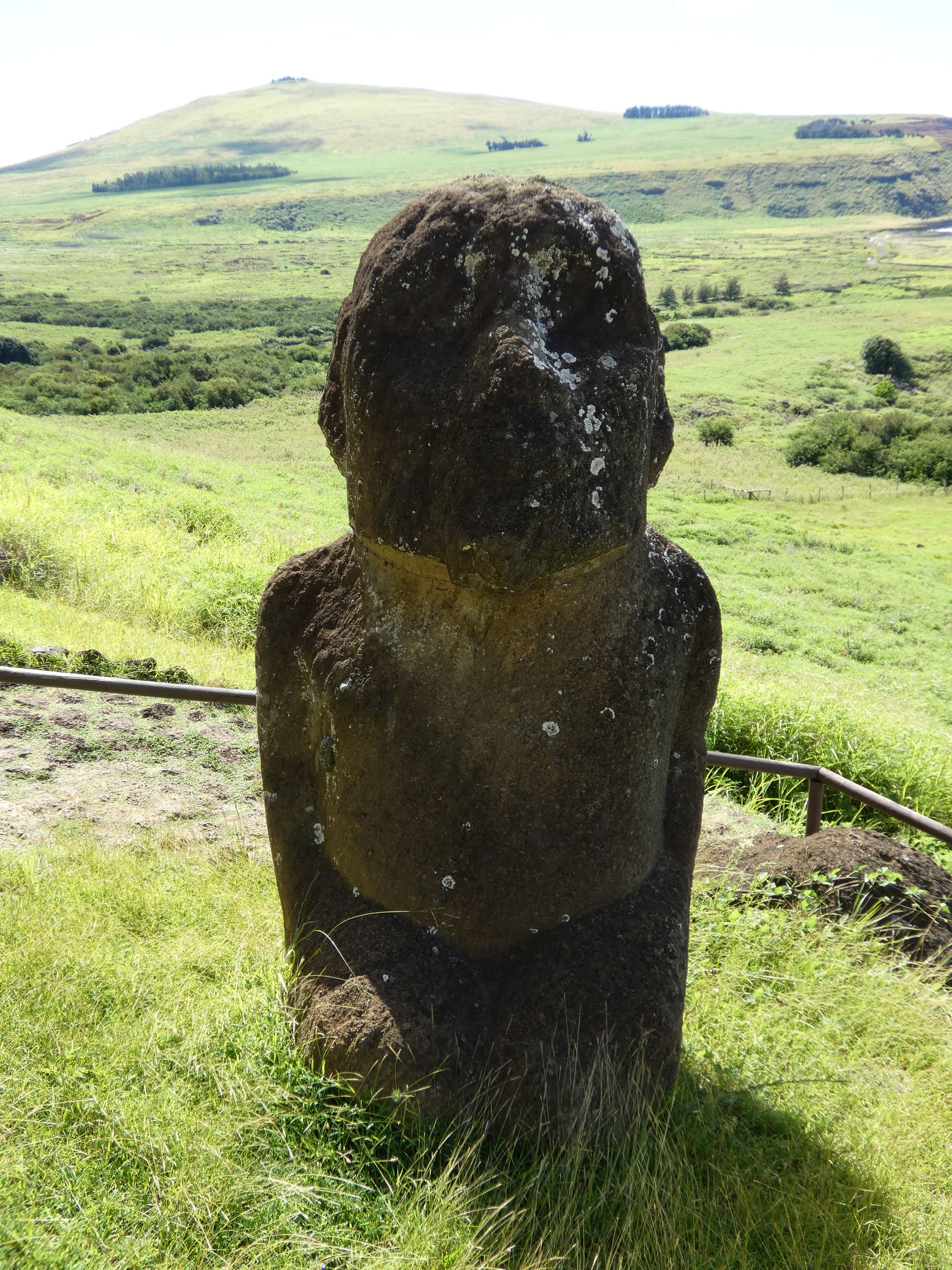
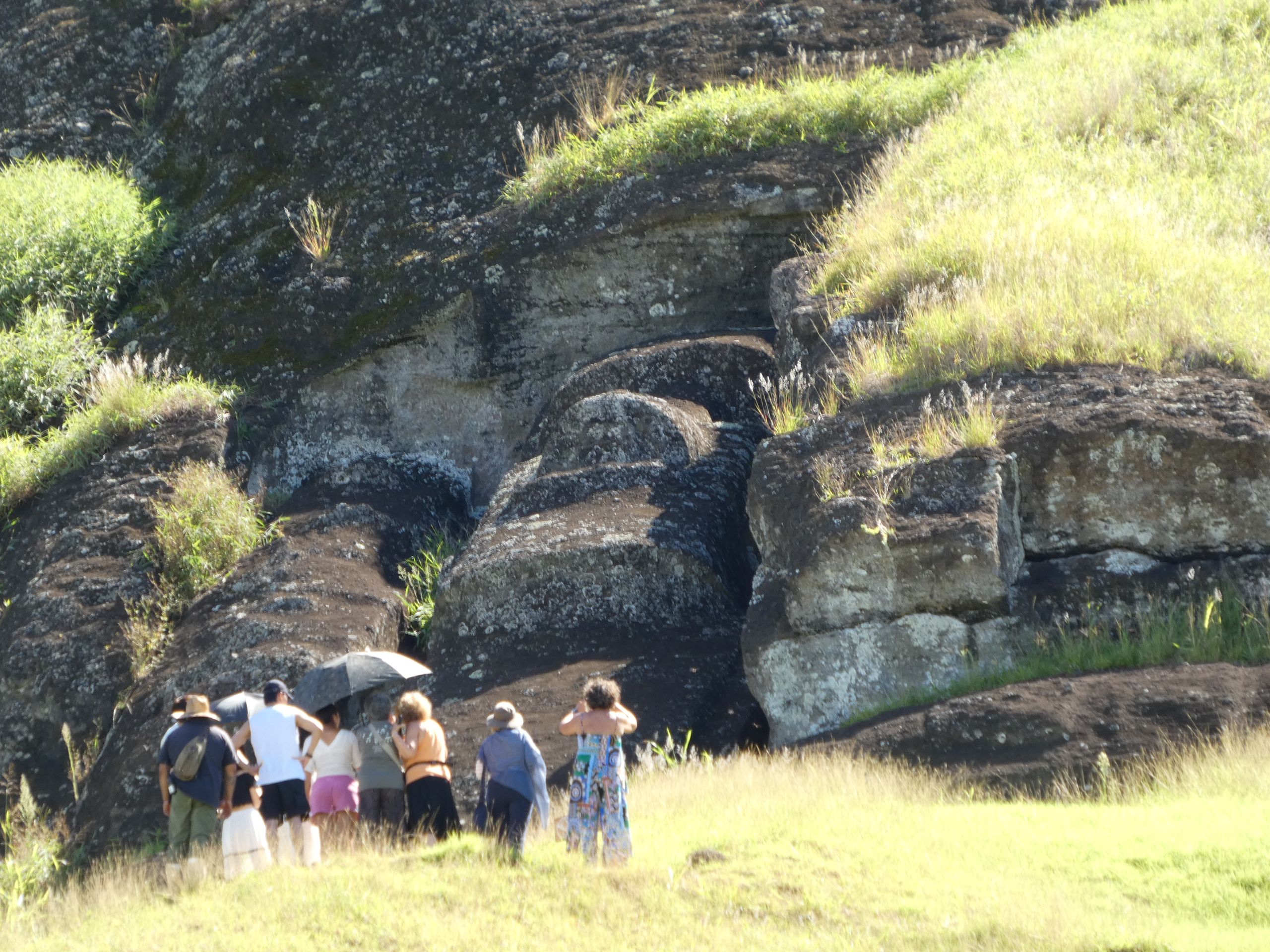
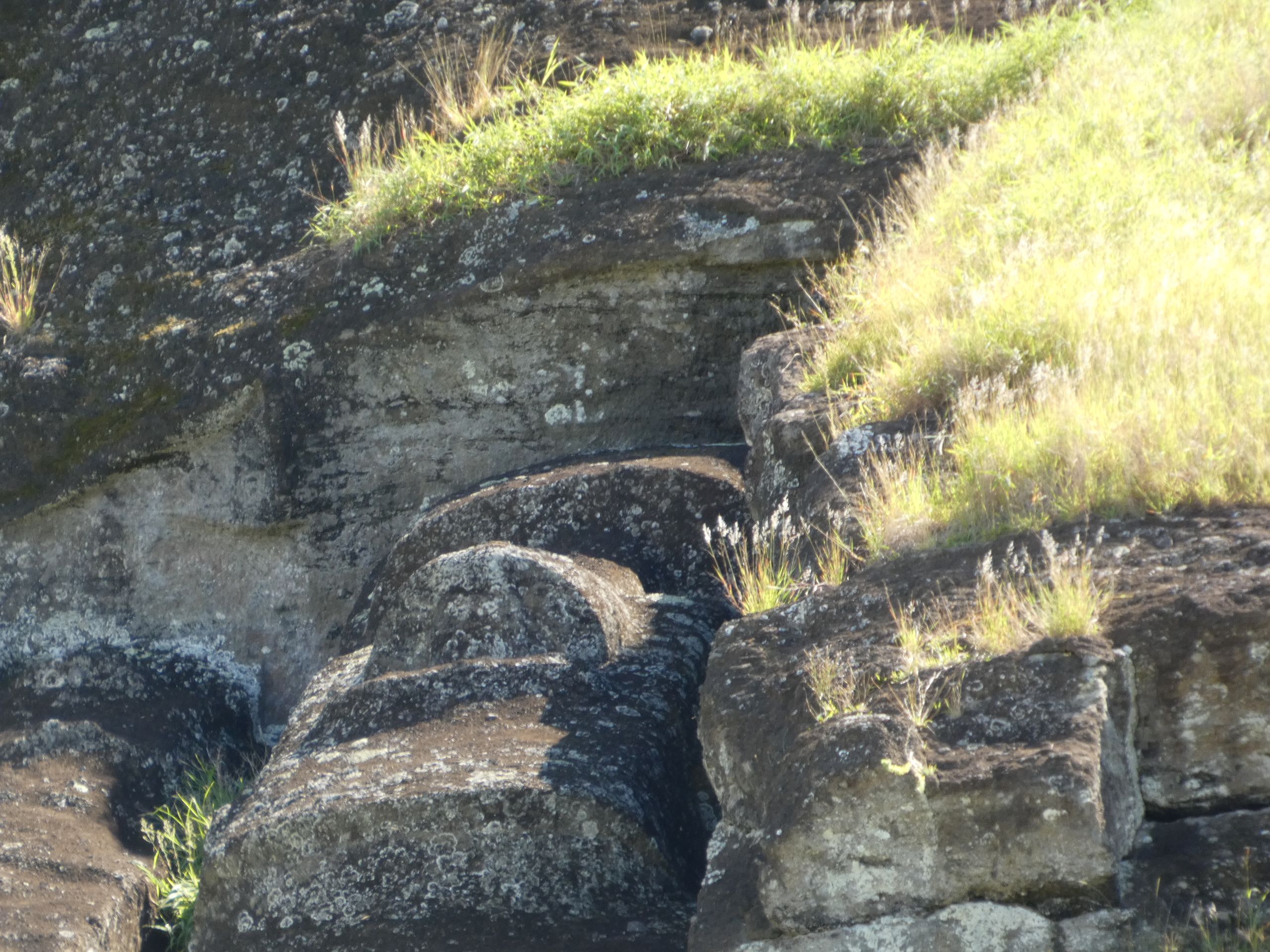
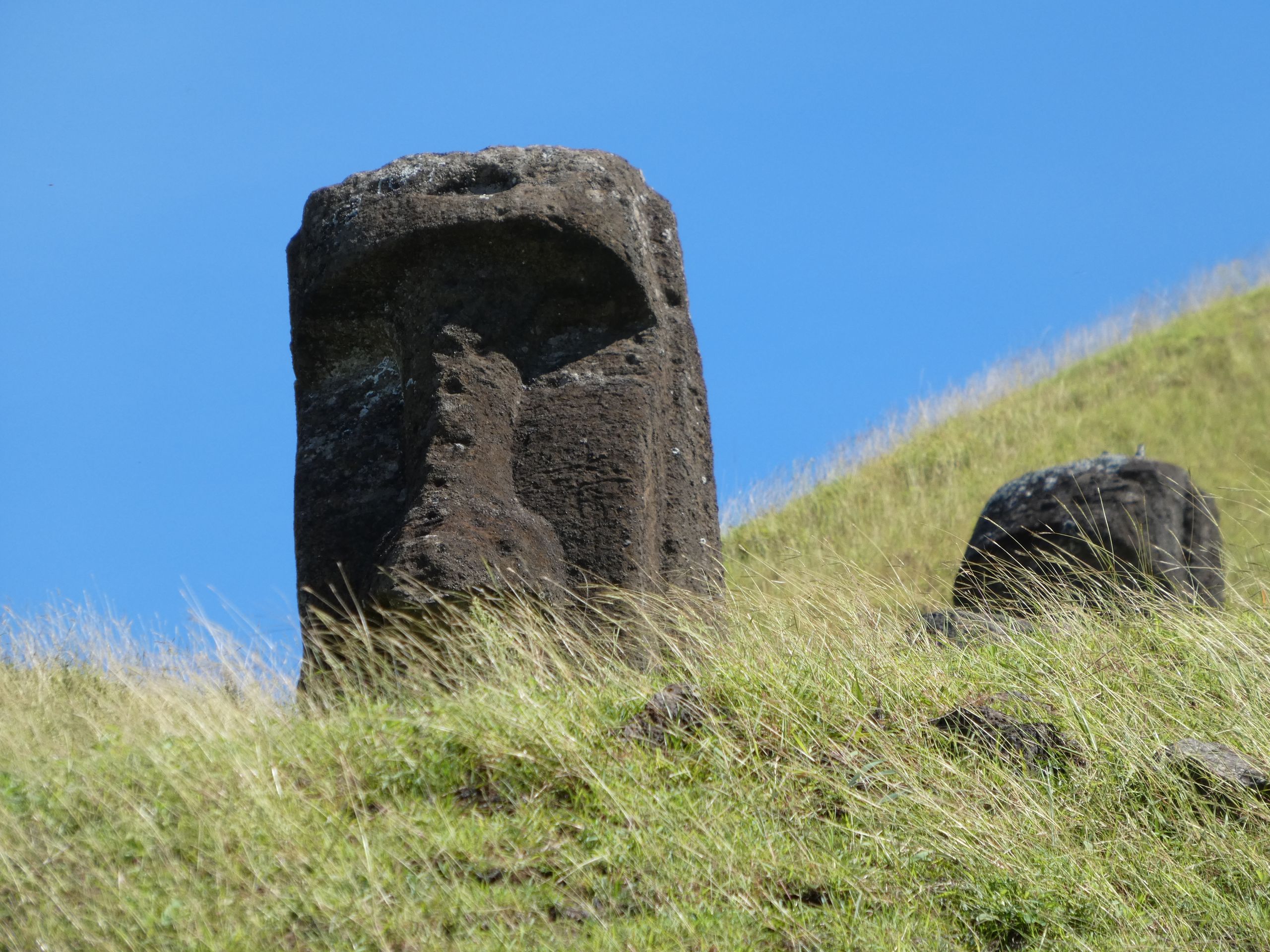
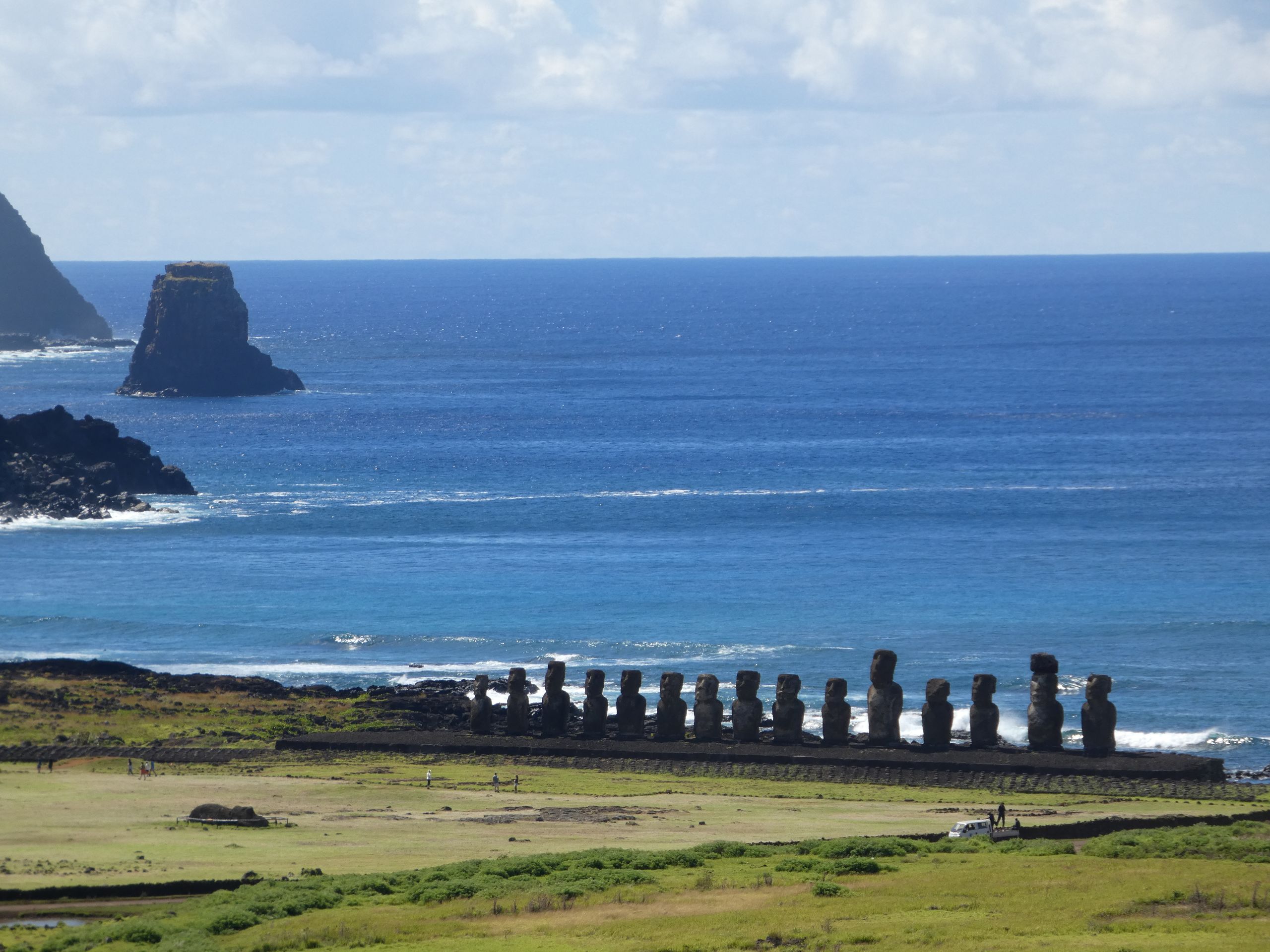
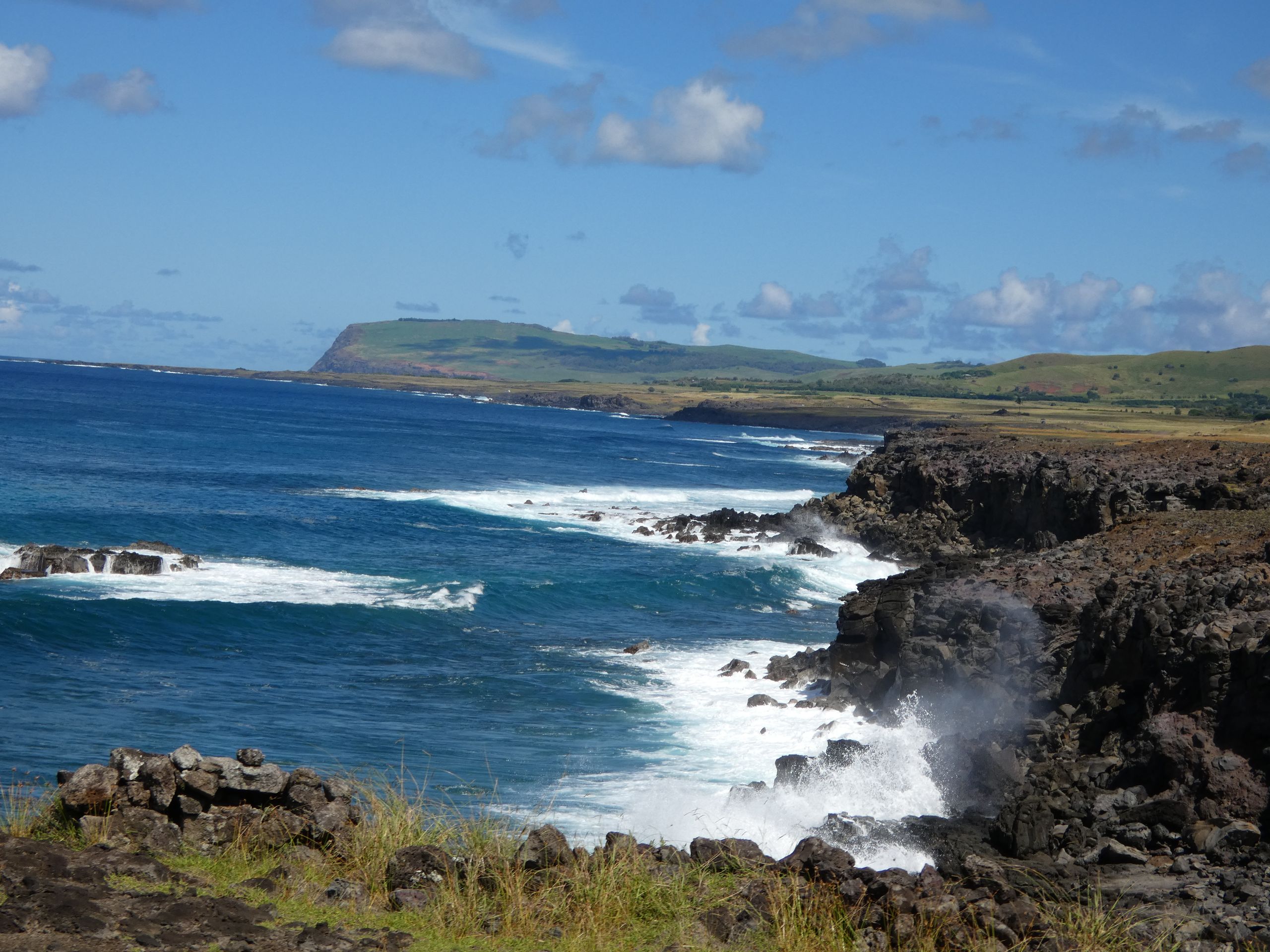
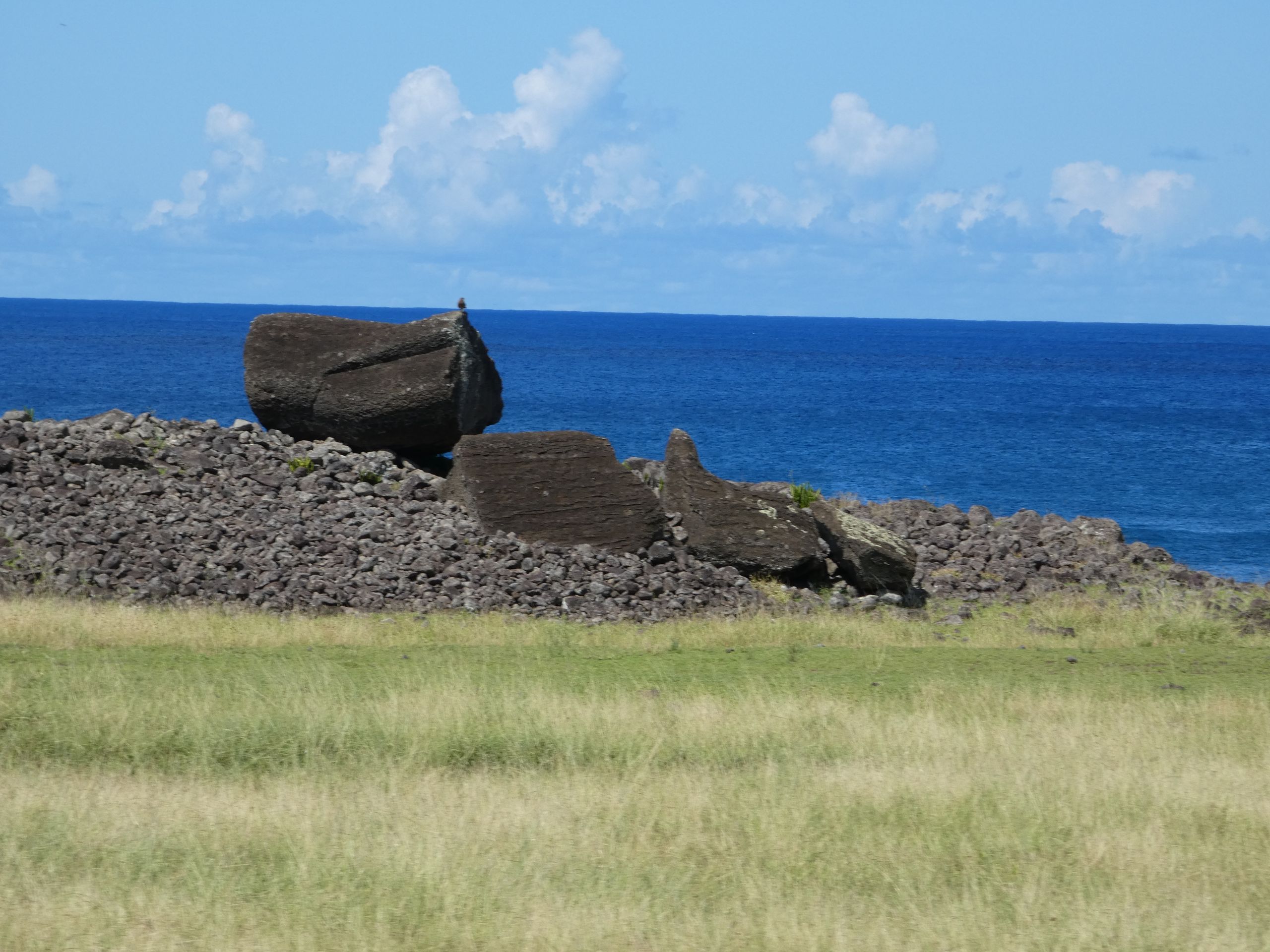
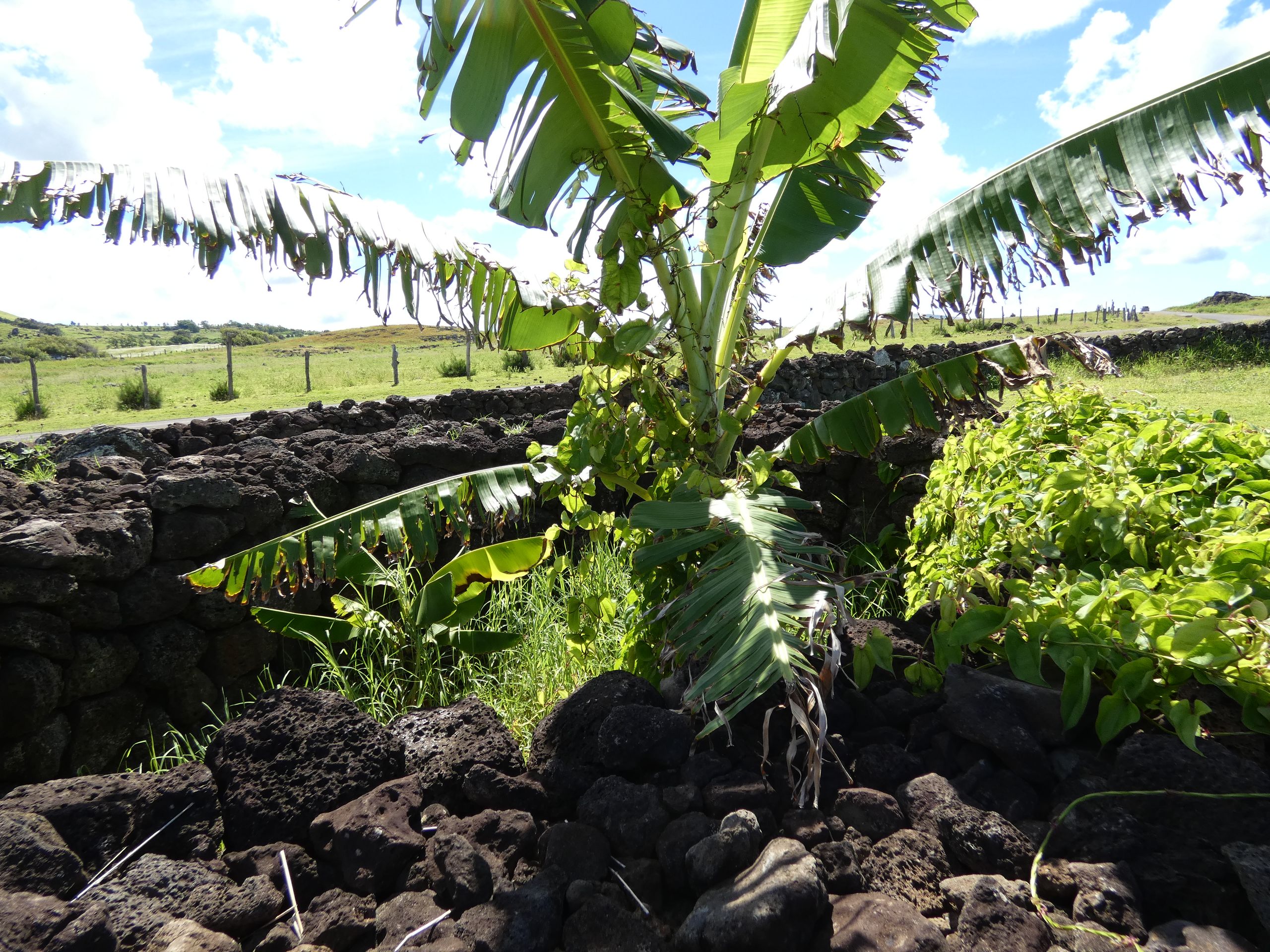
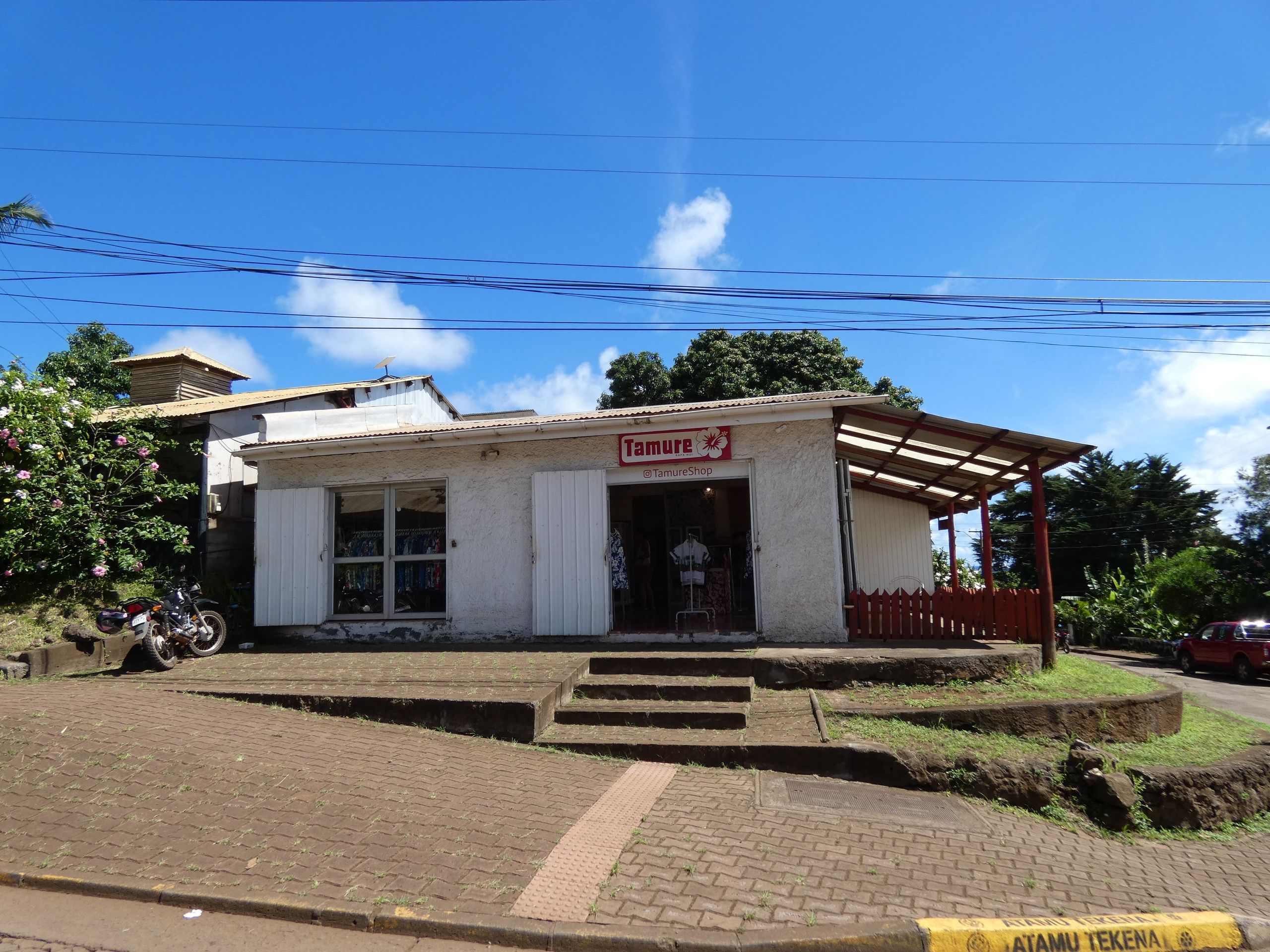
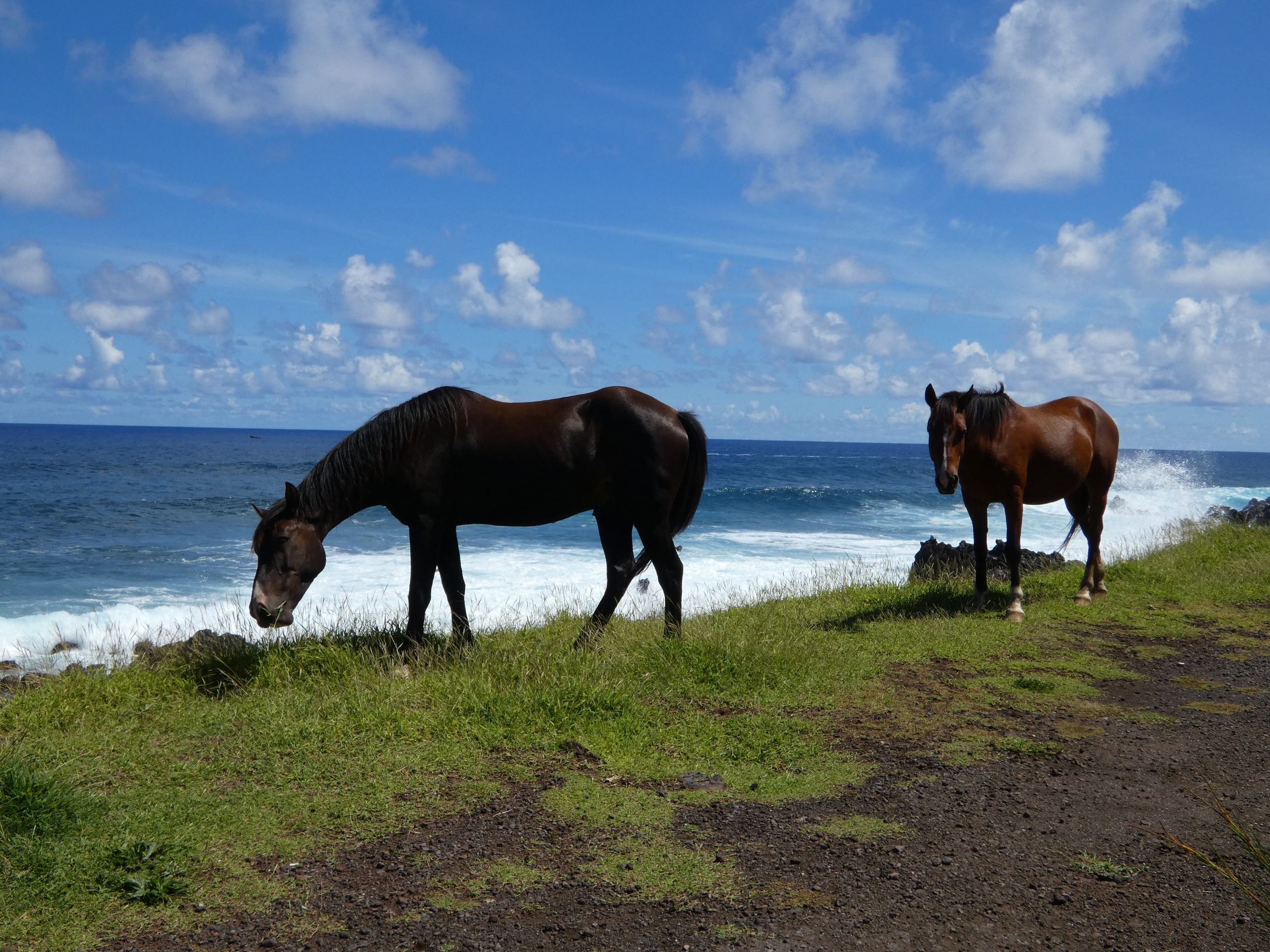
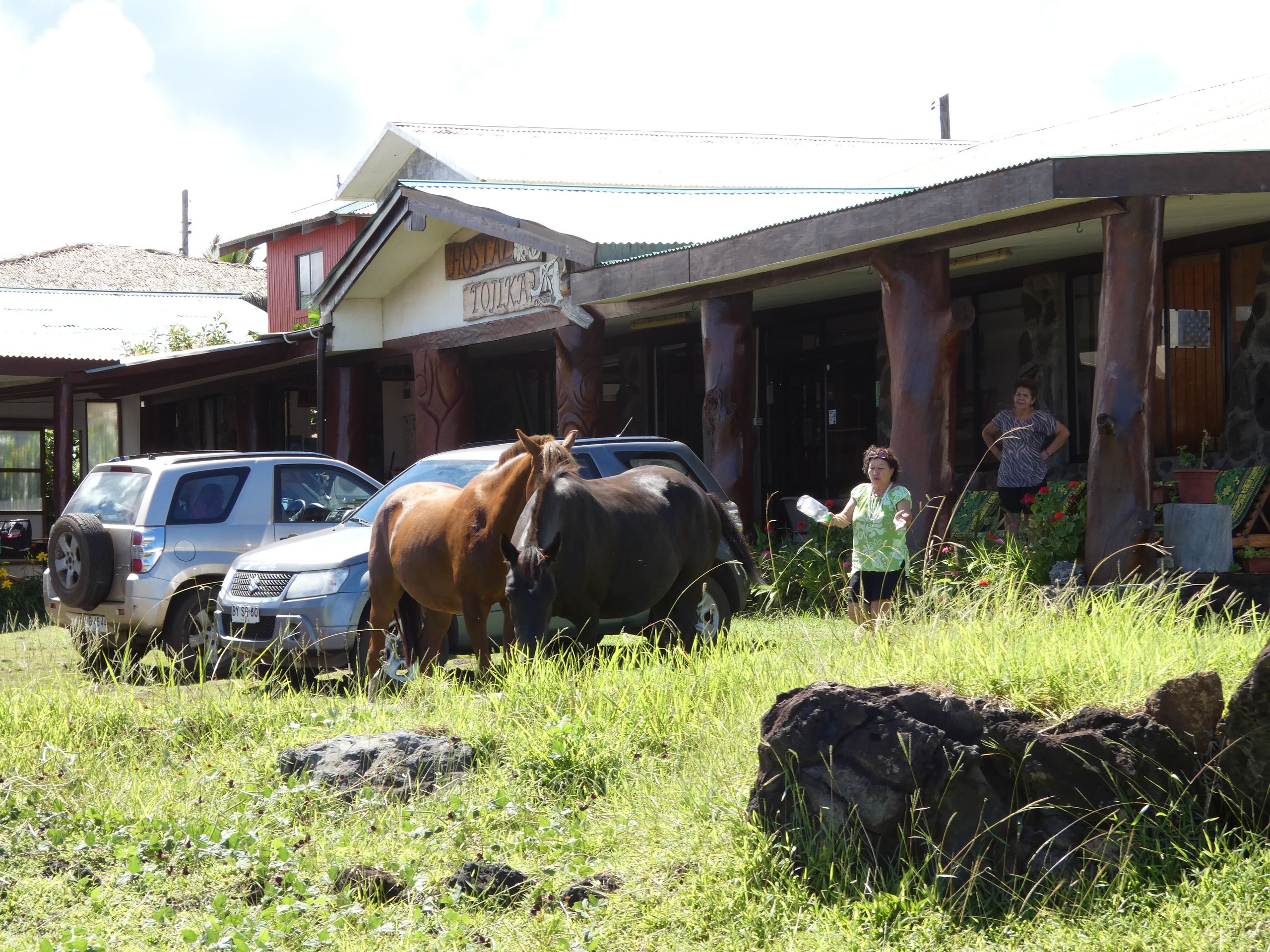
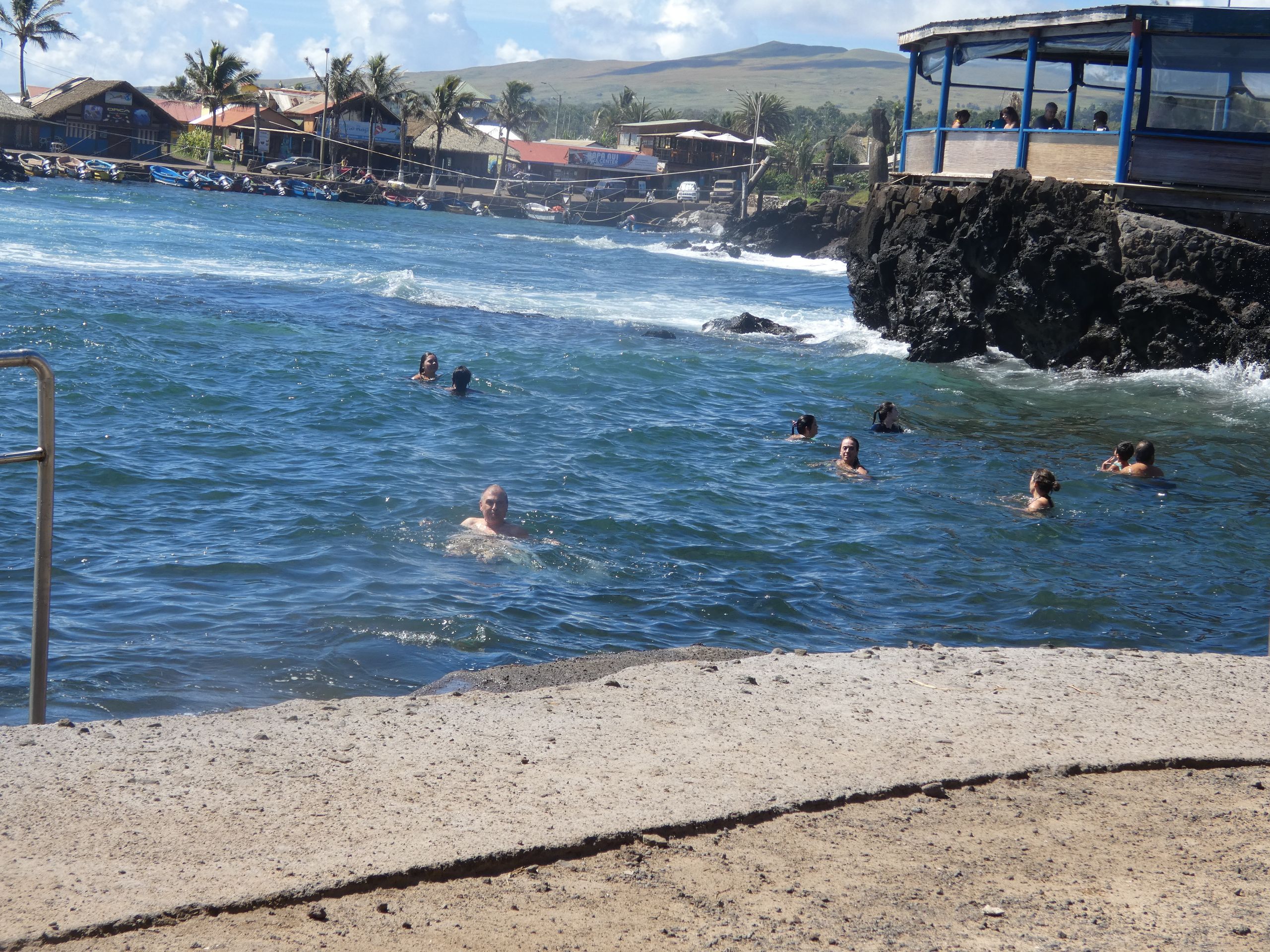
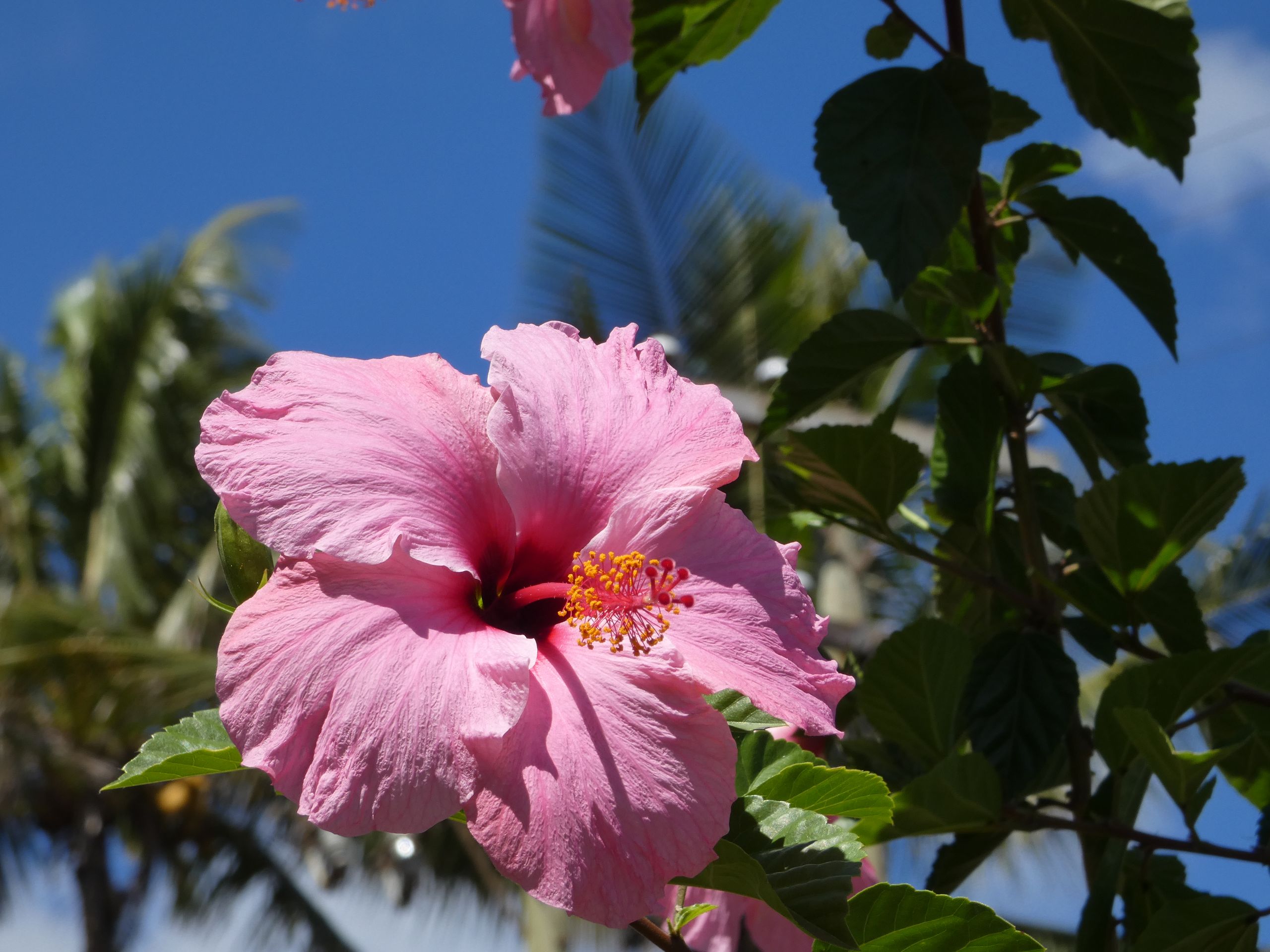
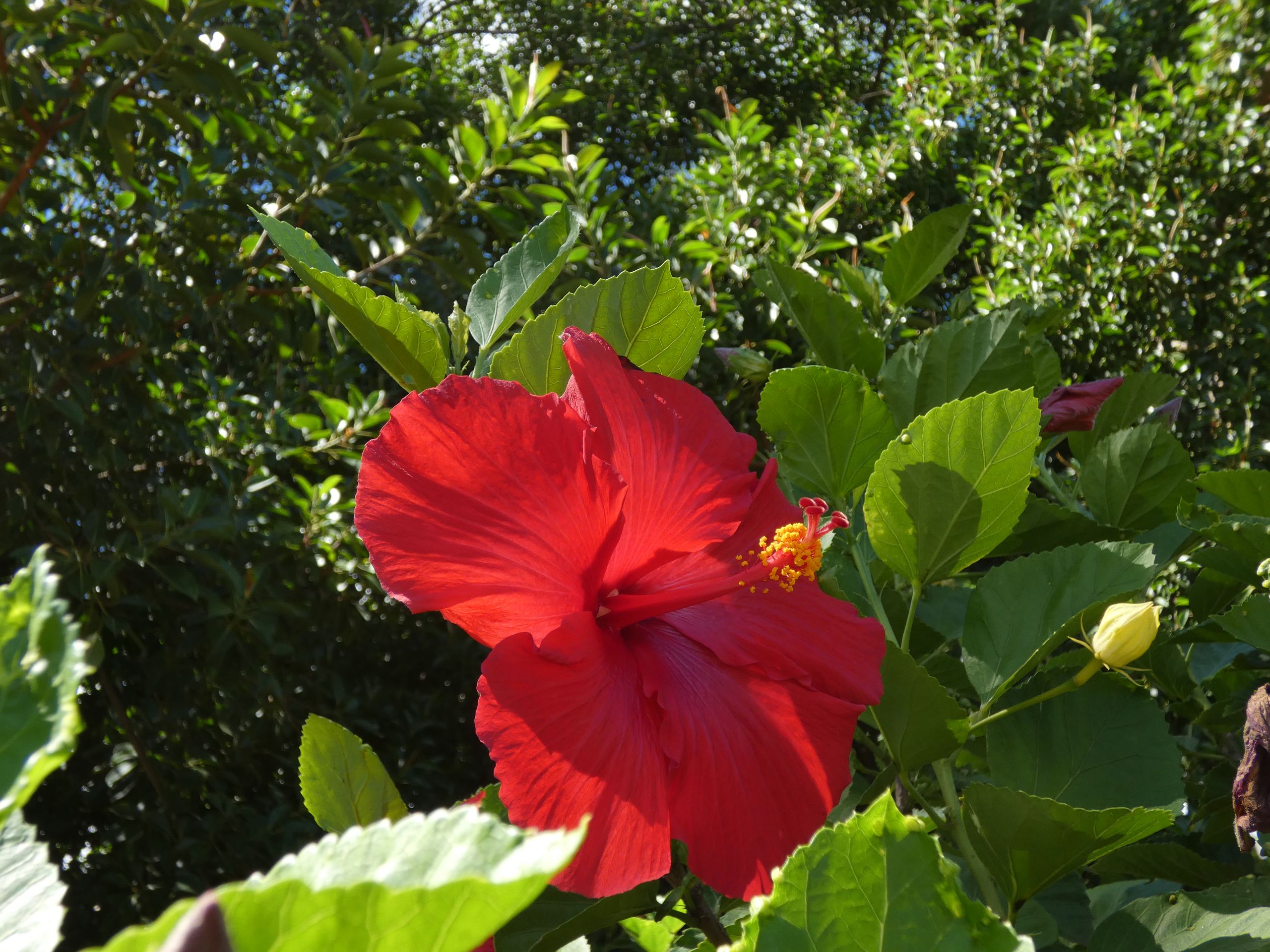
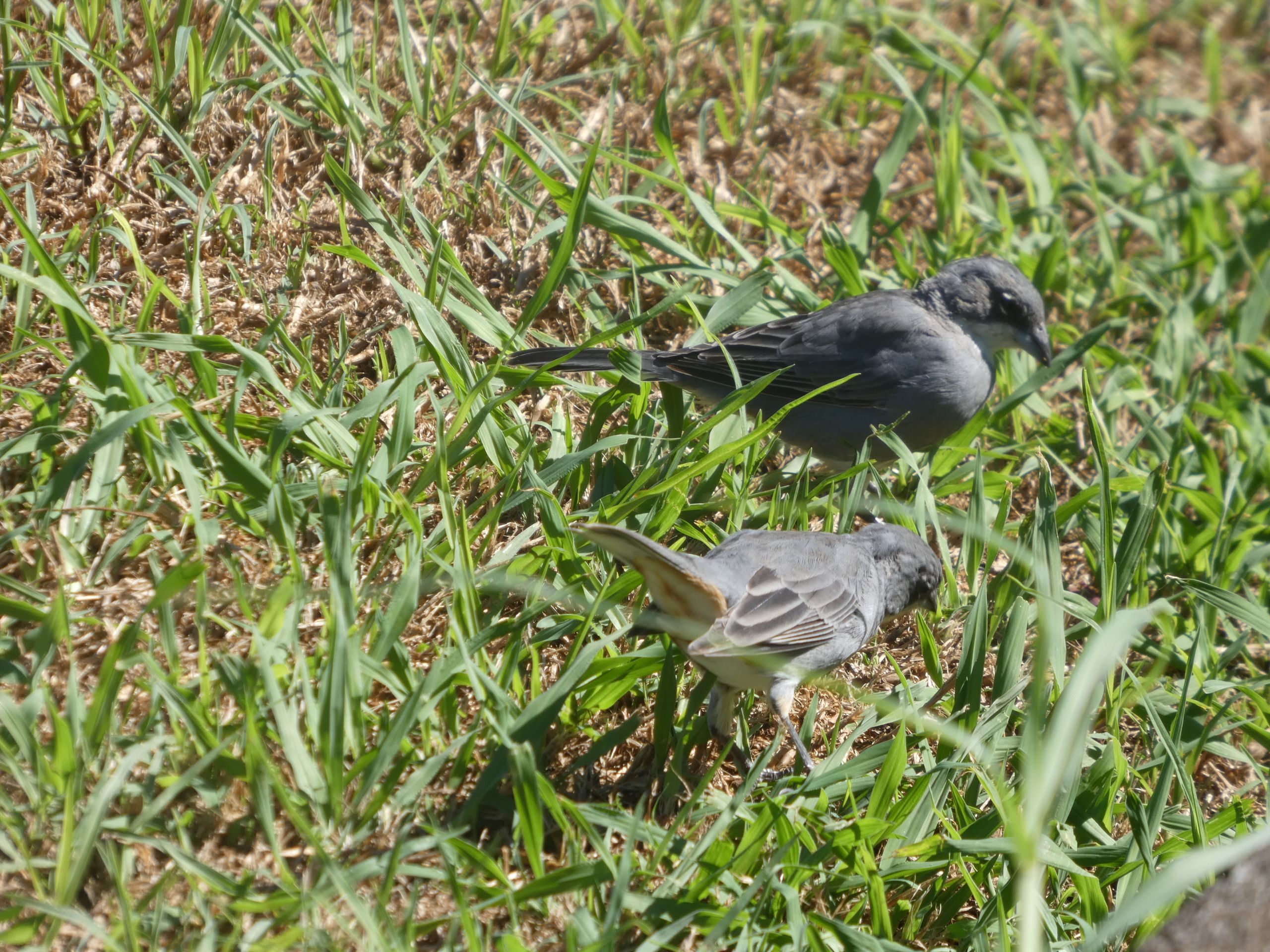
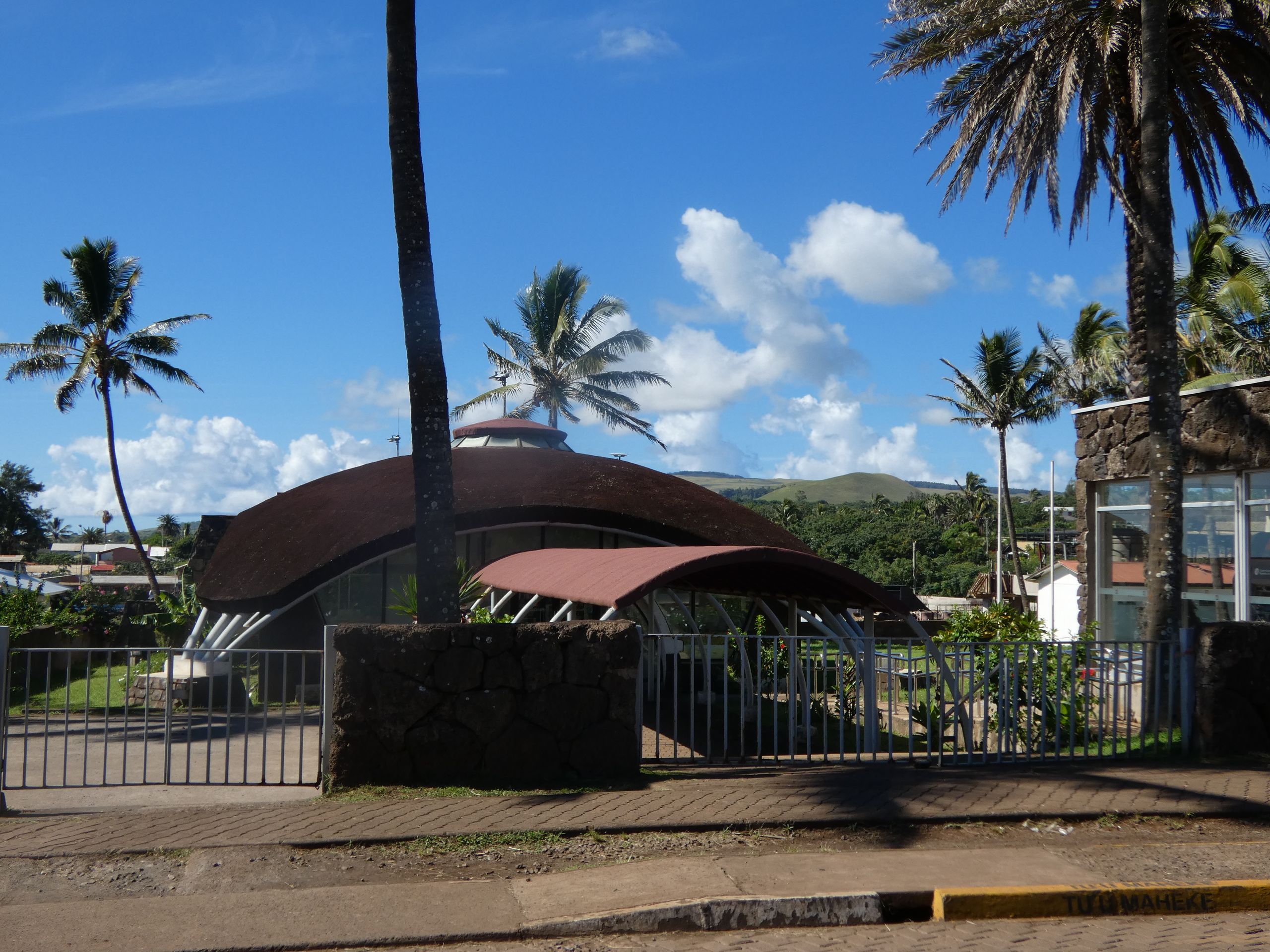
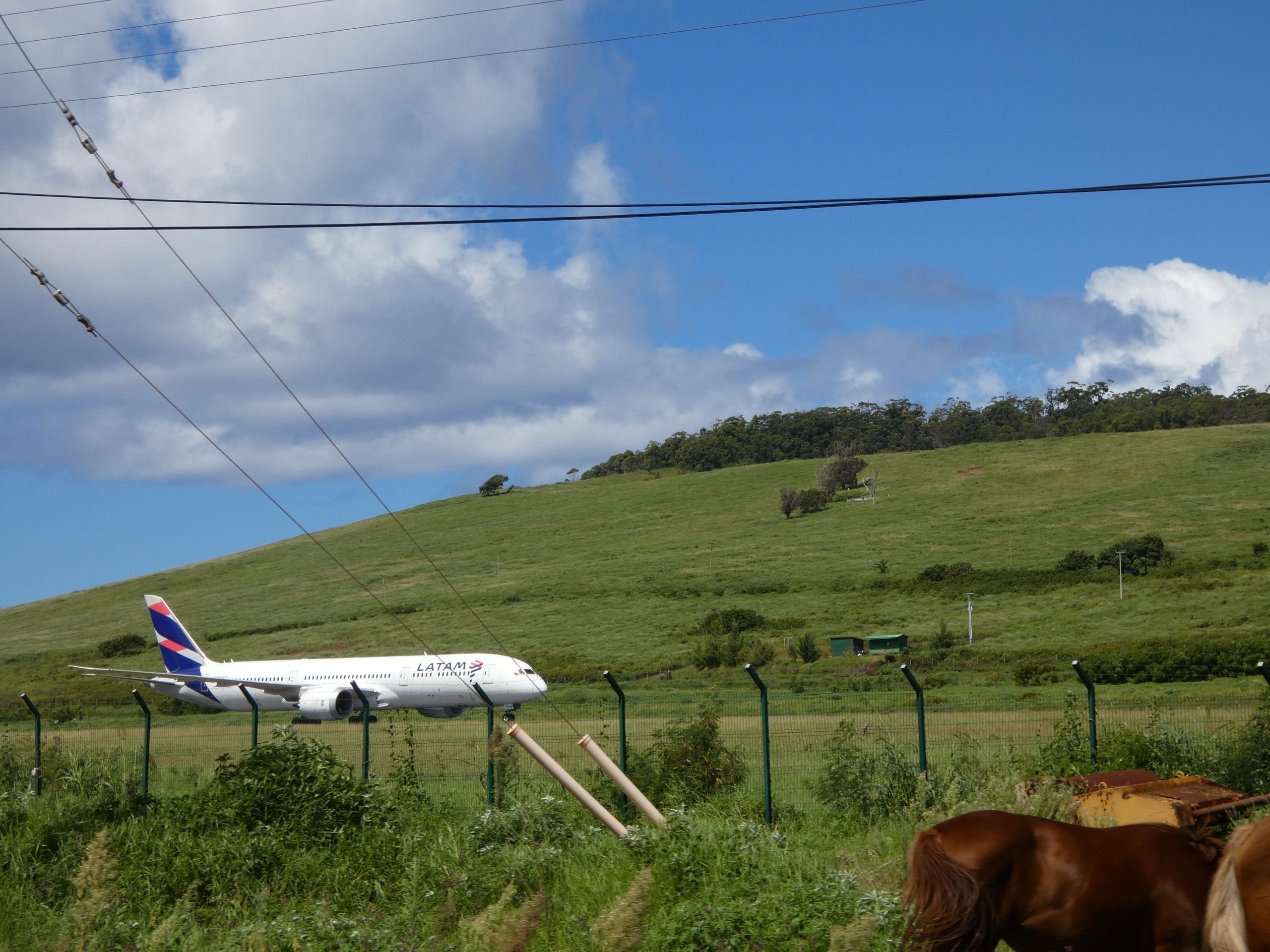
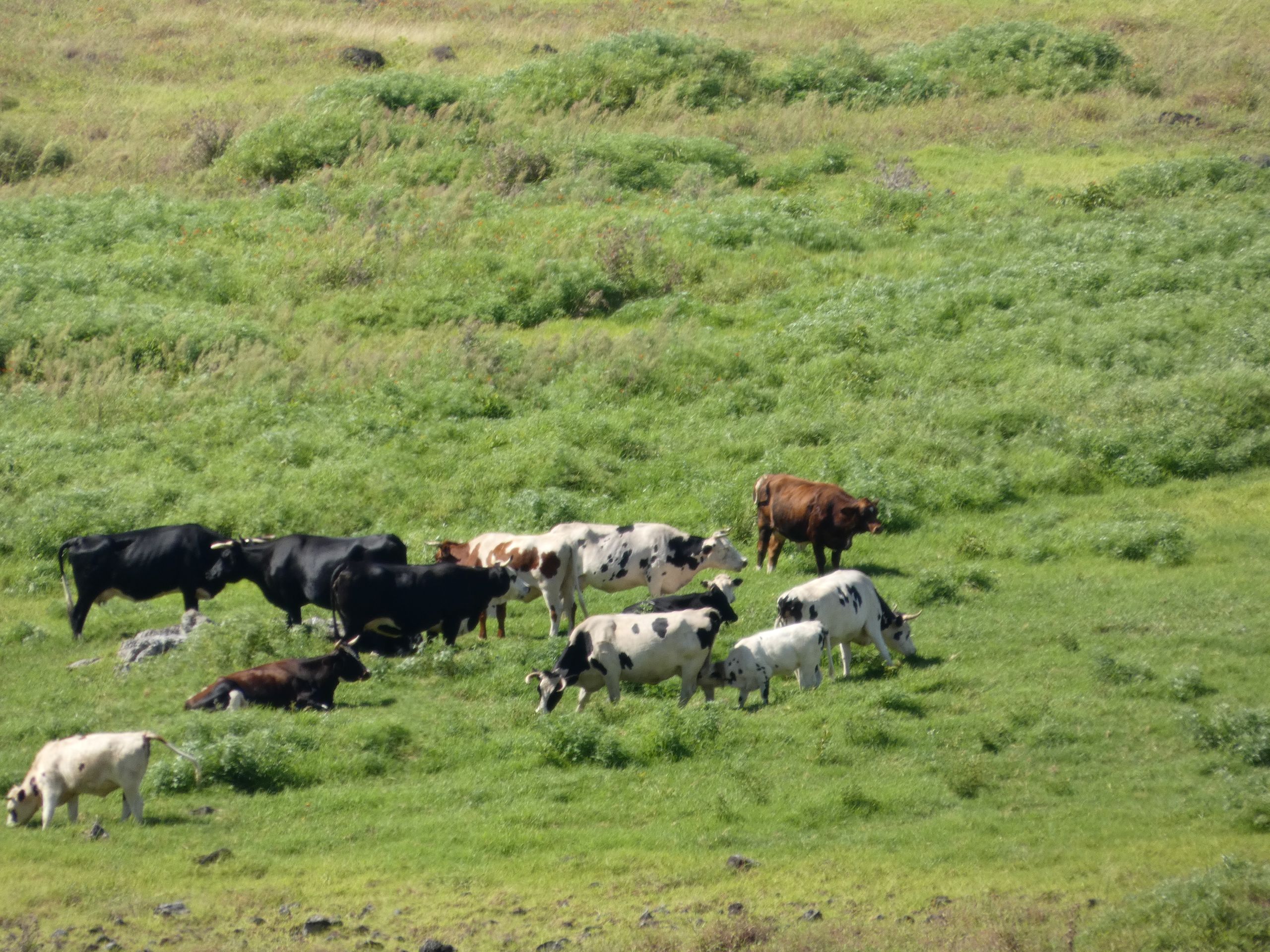
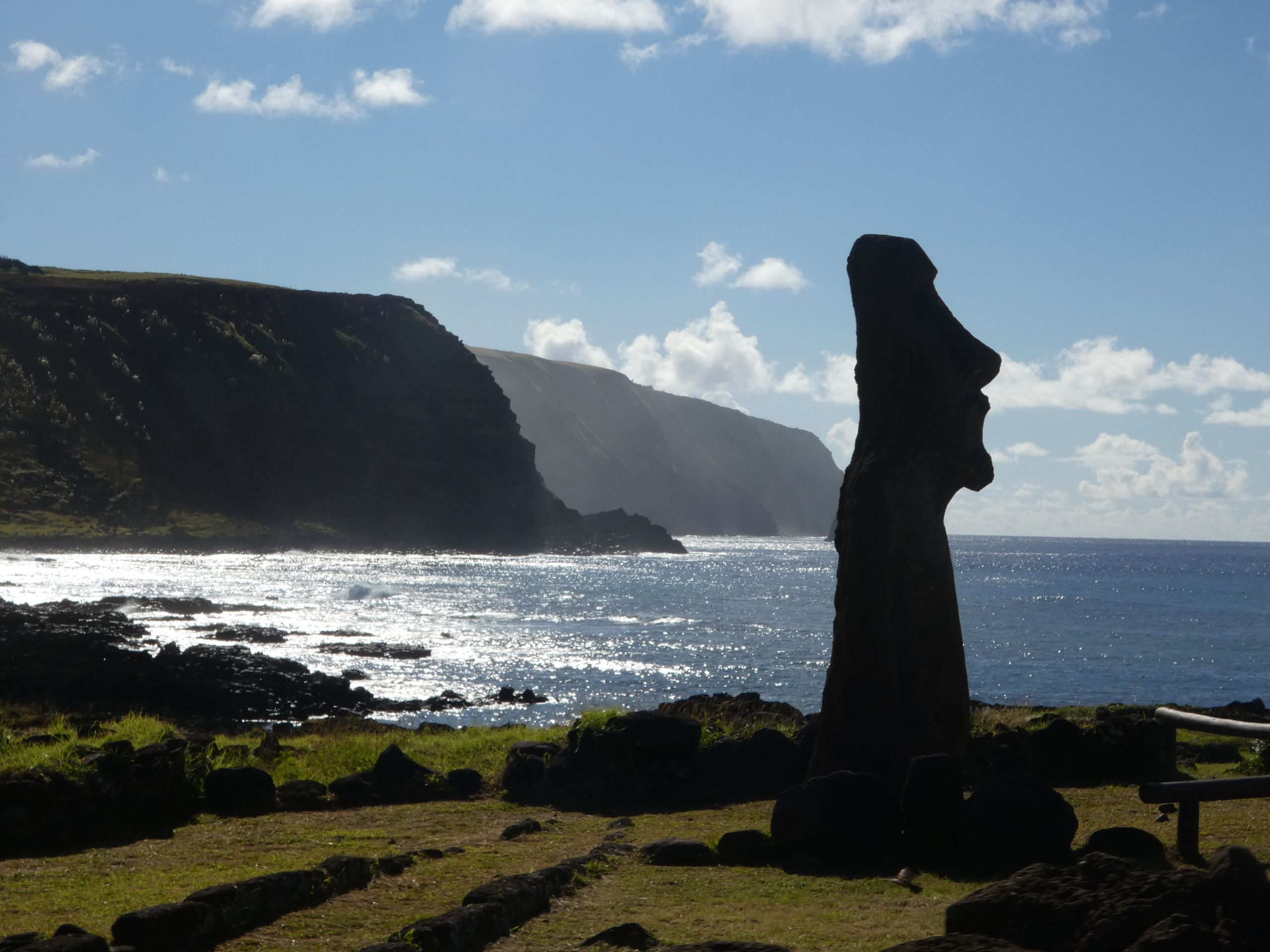
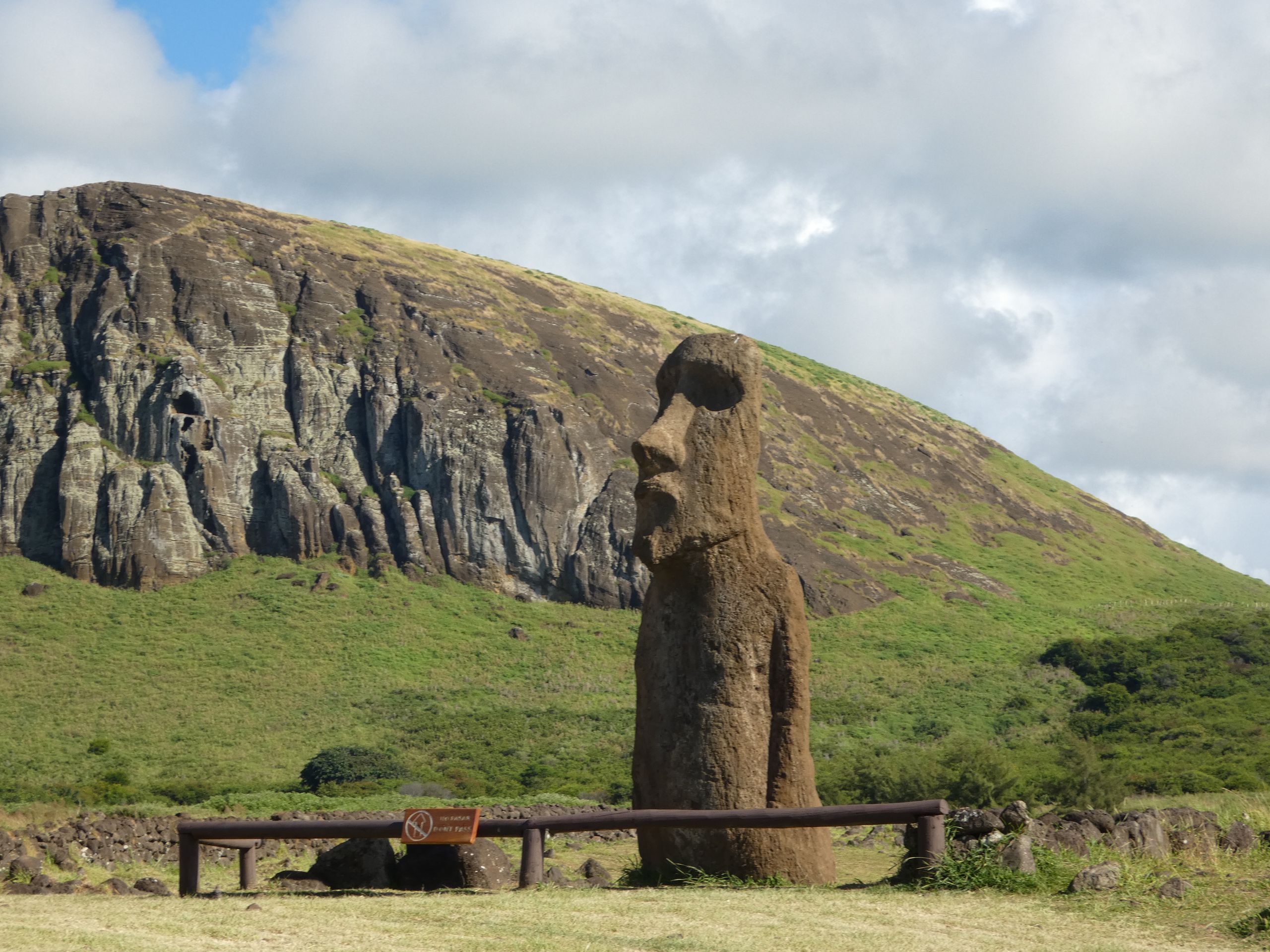
Everyone knows about Easter Island. There are so many photos one has seen. However, it is different than expected. The Moai (the large stone figures) truly are impressive and experienced in a way that pictures cannot convey. But the island itself is quite different as well. We had expected a dry, rocky island. Instead, the island is tropical and lush green, with a great variety of flowers and other plants.
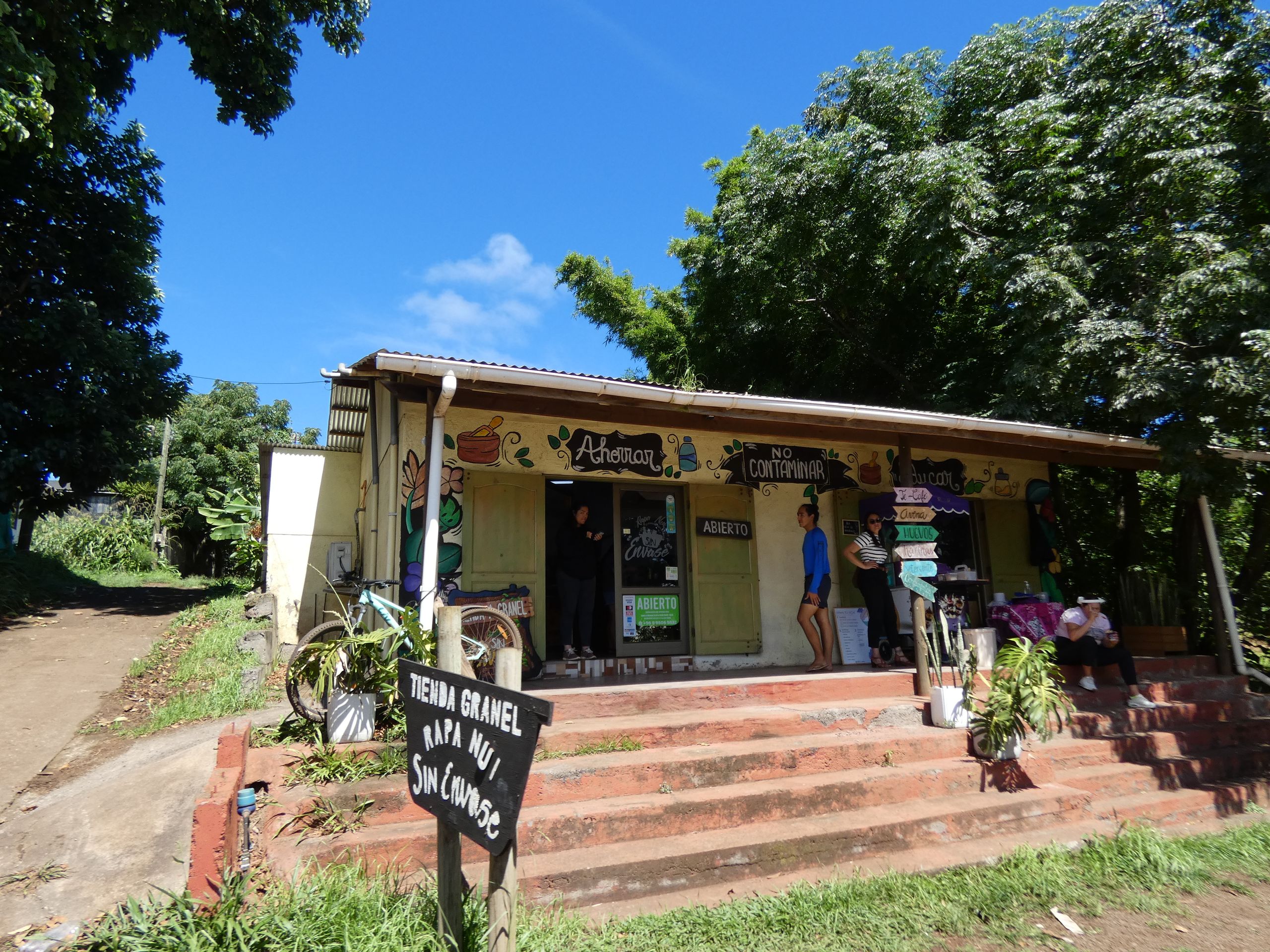
On the first day on the island, we visited several large sites with Moai. After that tour, we walked through the main town, bought souvenirs, went for a meal, and swam in the sea.
As mentioned yesterday, all Moais were likely toppled during the tribal conflicts, and the major tsunami in 1960 further flooded and displaced everything. The Moais that stand today were all re-erected in the 20th century. Nowadays, Moais can be seen everywhere again. Even at the first glance at the island, one can practically see stone sculptures in every direction.
The Moais went through various phases, from more archaic-looking human sculptures to almost abstract forms, with clear, simple lines. The sculptures also grew larger over time. Typically, they are 4-5 meters tall, but the latest ones exceed 20 meters in height. Interestingly, they sometimes even modeled new Moai in older styles, similar to our Neo-Gothic, for example. Normally, however, the old sculptures were used as base stones for new constructions. This had two advantages: the power of the old figures was preserved, and they served as foundations. Interestingly, the Moai never look out to the sea. Instead, they gaze at their village and guard it. The bases and the area in front are always built similarly. The bases are made of larger stones joined together, and in front, there is a larger area with large regularly placed volcanic stones that have been smoothed like pebbles. Ceremonies took place in the field in front of the Moai. The higher the rank of a person or family, the closer they lived to the Moai. The stones for the Moai were all quarried from a mountain. Today, one can still see the traces of extraction, unfinished or broken sculptures, sculptures that have simply been left lying, and so forth.
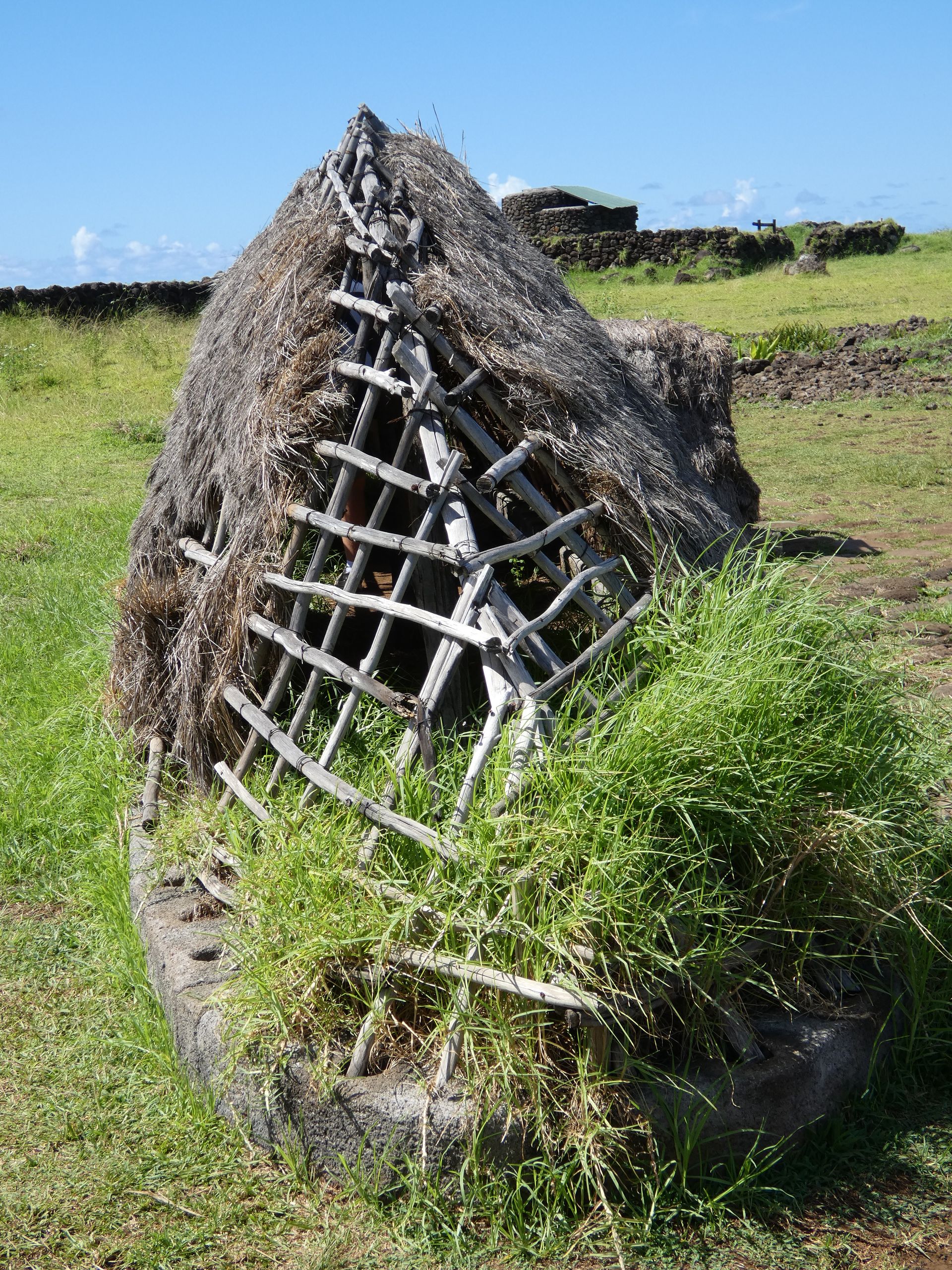
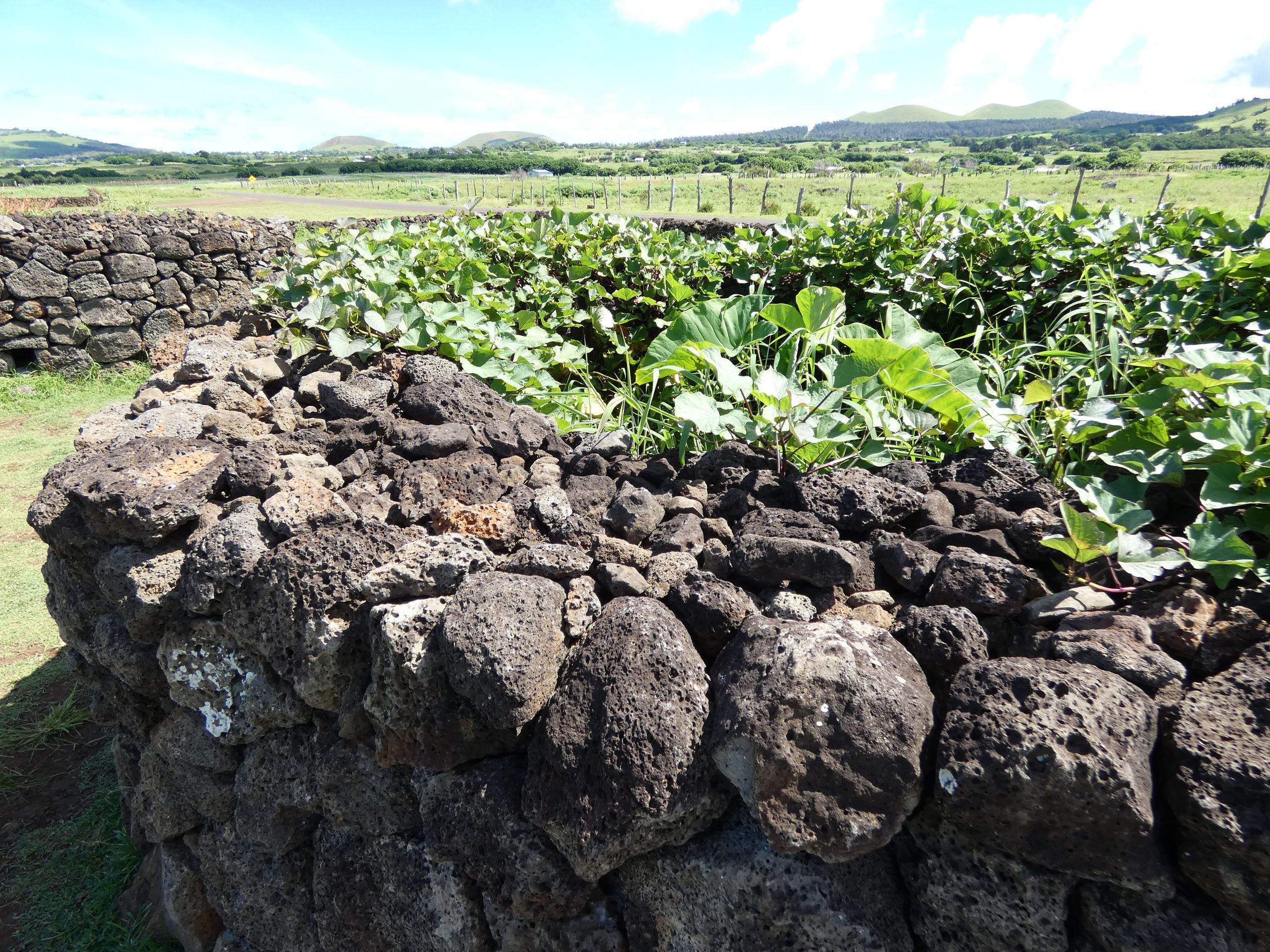
Additionally, we could visit a modern settlement with partially reconstructed houses from the 18th century. At that time, the island had been deforested, there was too little water and other resources. The Moai were no longer so important back then, and instead, agriculture was conducted in stone circles to require as little water as possible for the plants. Moreover, the houses were built like inverted ships, and secure stone houses were constructed for the chickens, ensuring their safety at night.
The island is actually small. At its longest stretch, it measures 24 km and has about 8,000 inhabitants. Nevertheless, there is incredible traffic; cars and motorcycles are everywhere, whether parked or driving. Yesterday, I mentioned that a 737 arrives on the island each day. However, when we passed by the airport, there were two 737s and a smaller Embraer present. Thus, it is no wonder that over the course of the year, more tourists visit the island than there are inhabitants.
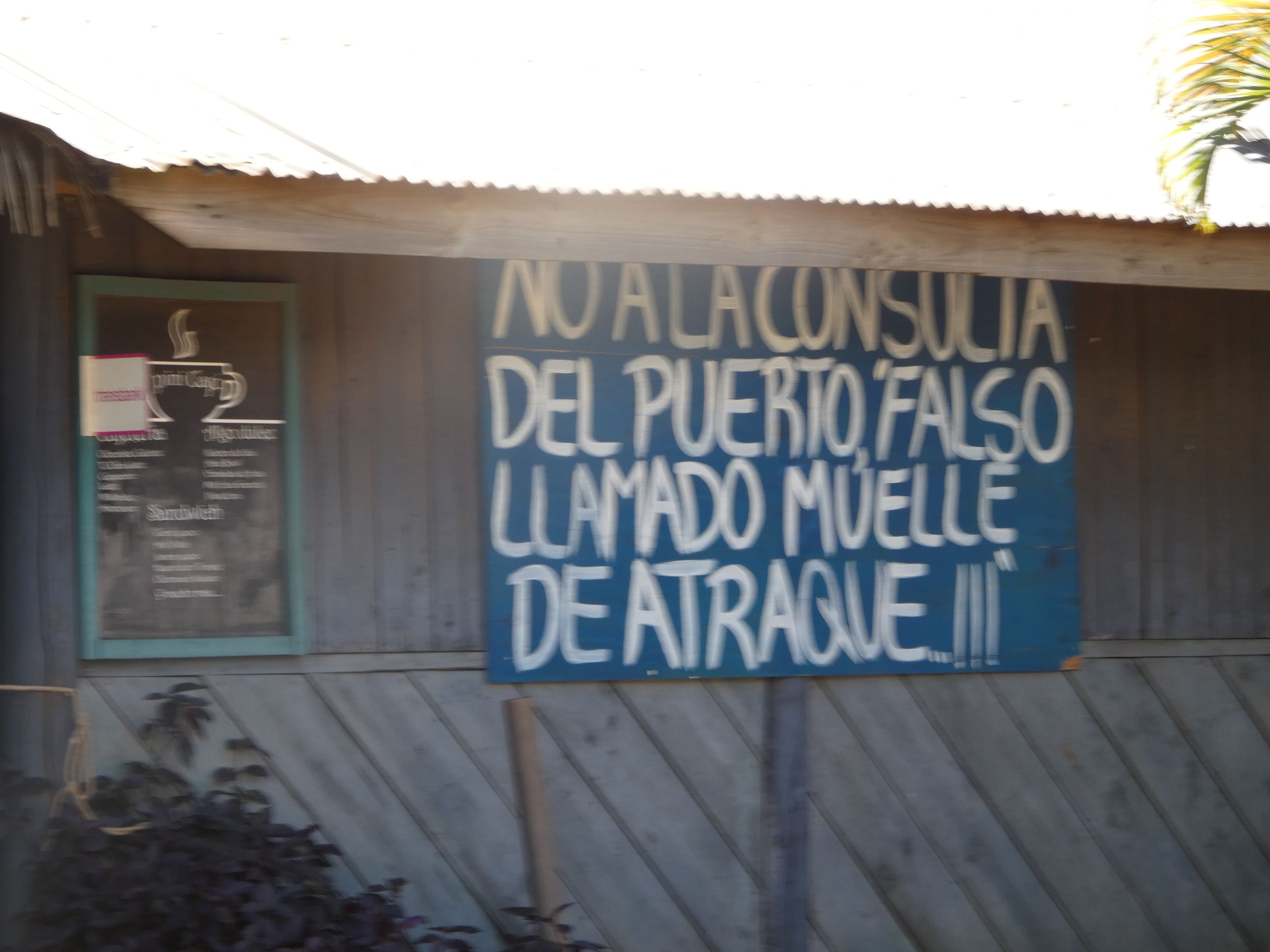
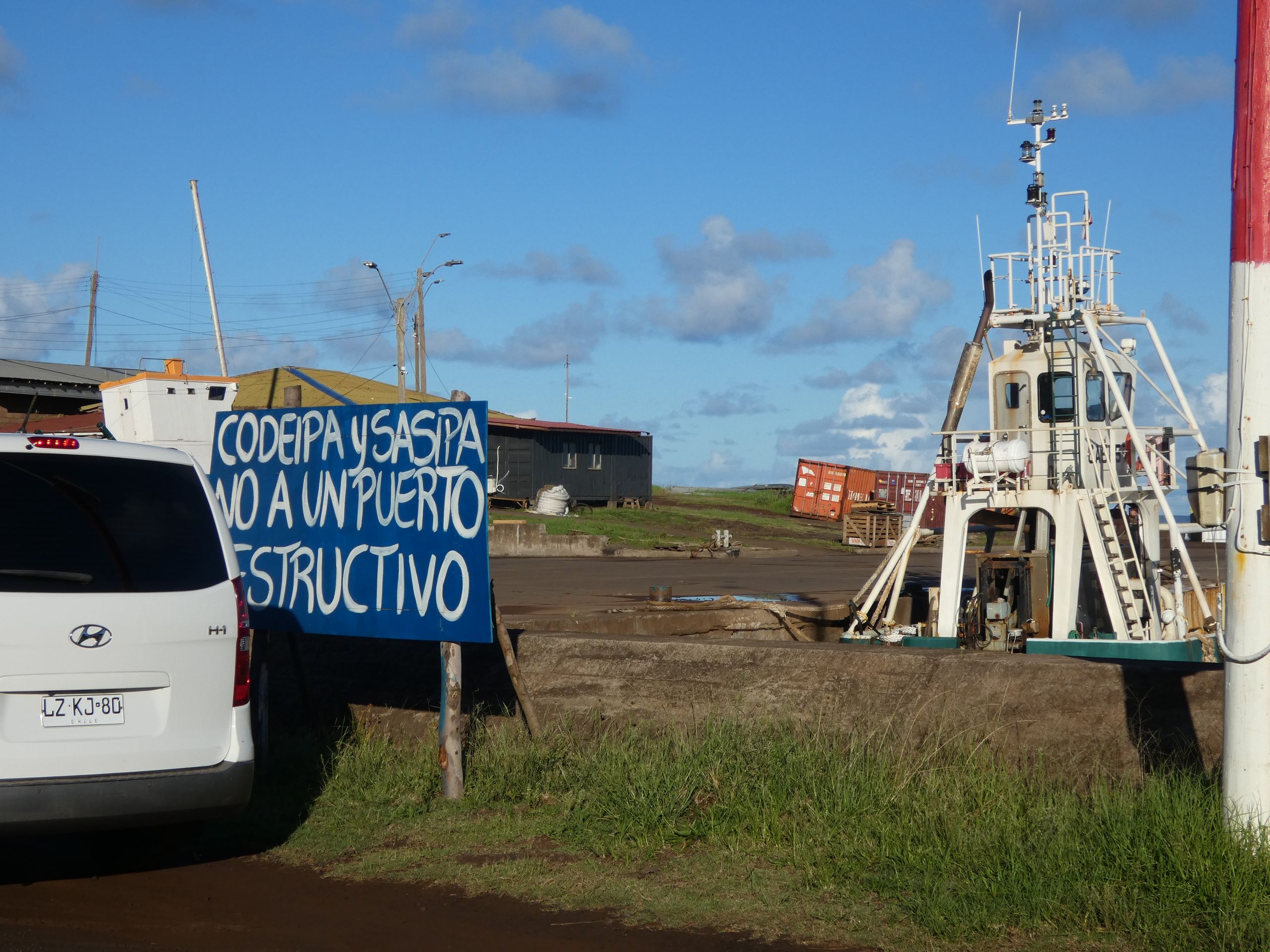
Apparently, there is a port project that the islanders wish to prevent. Chile bought and annexed the island in 1888, as they wanted to provide ships traveling from Asia to the East Coast of the USA via the new Panama Canal with the opportunity to dock there. So far, however, these projects have never been concretized.