
Südostasien und Japan mit Kirschblüte
vakantio.de/suedostasien-und-japan-mit-kirschbluete
Zuletzt in Basel
Busan, March 23, 2026
Published: 23.03.2026
Worth seeing
Busan
Busan, Südkorea
Drive
Busan → … → Busan
3h
Attraction
Daereungwon
Gyeongju, Südkorea
Attraction
Cheonmachong
Gyeongju, Südkorea
Museum
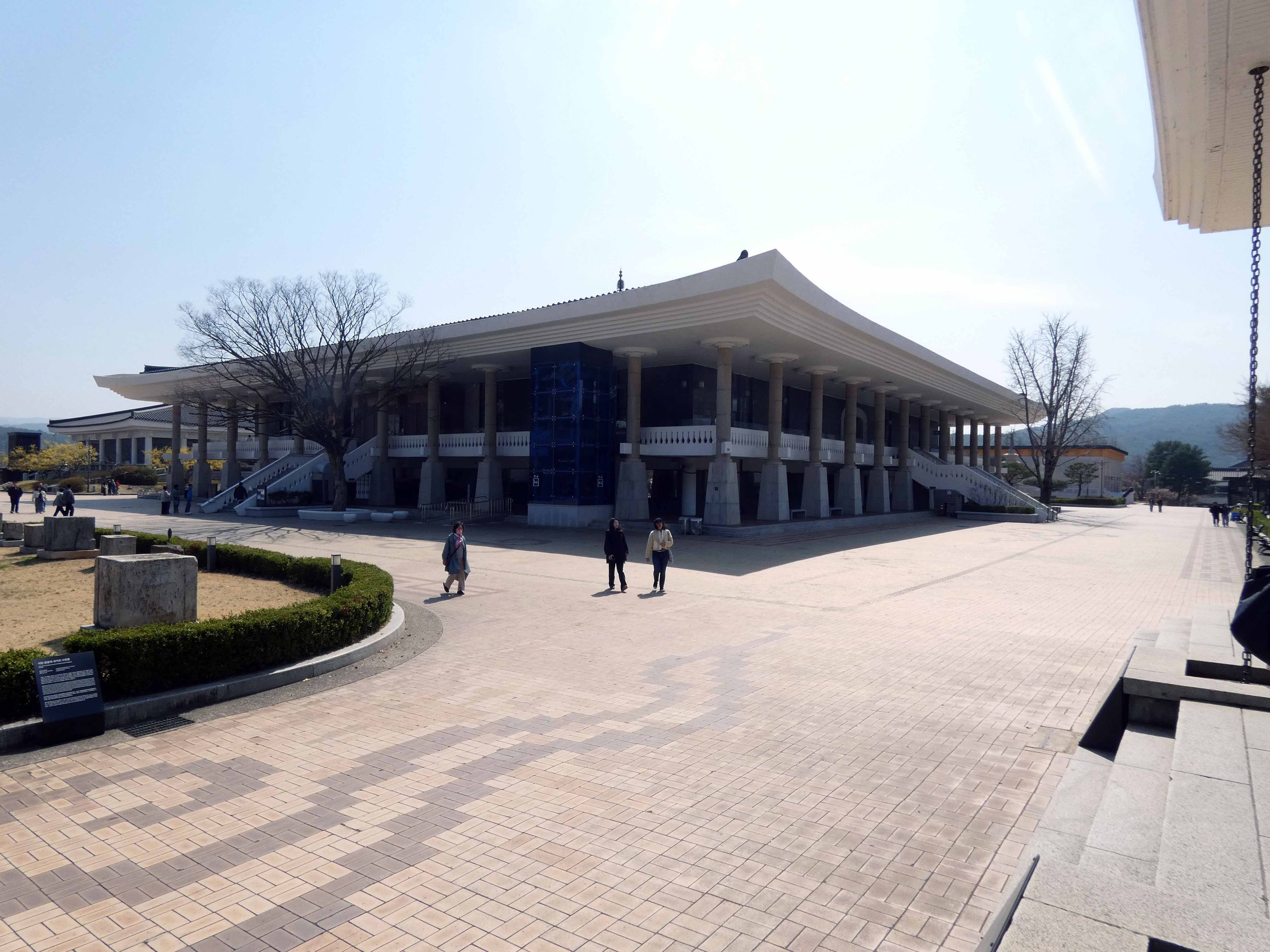
Gyeongju National Museum
Gyeongju, Südkorea
Eat
lokales Restaurant
Korean · $ · Dinner
Worth seeing
Bulguksa
Gyeongju, Südkorea
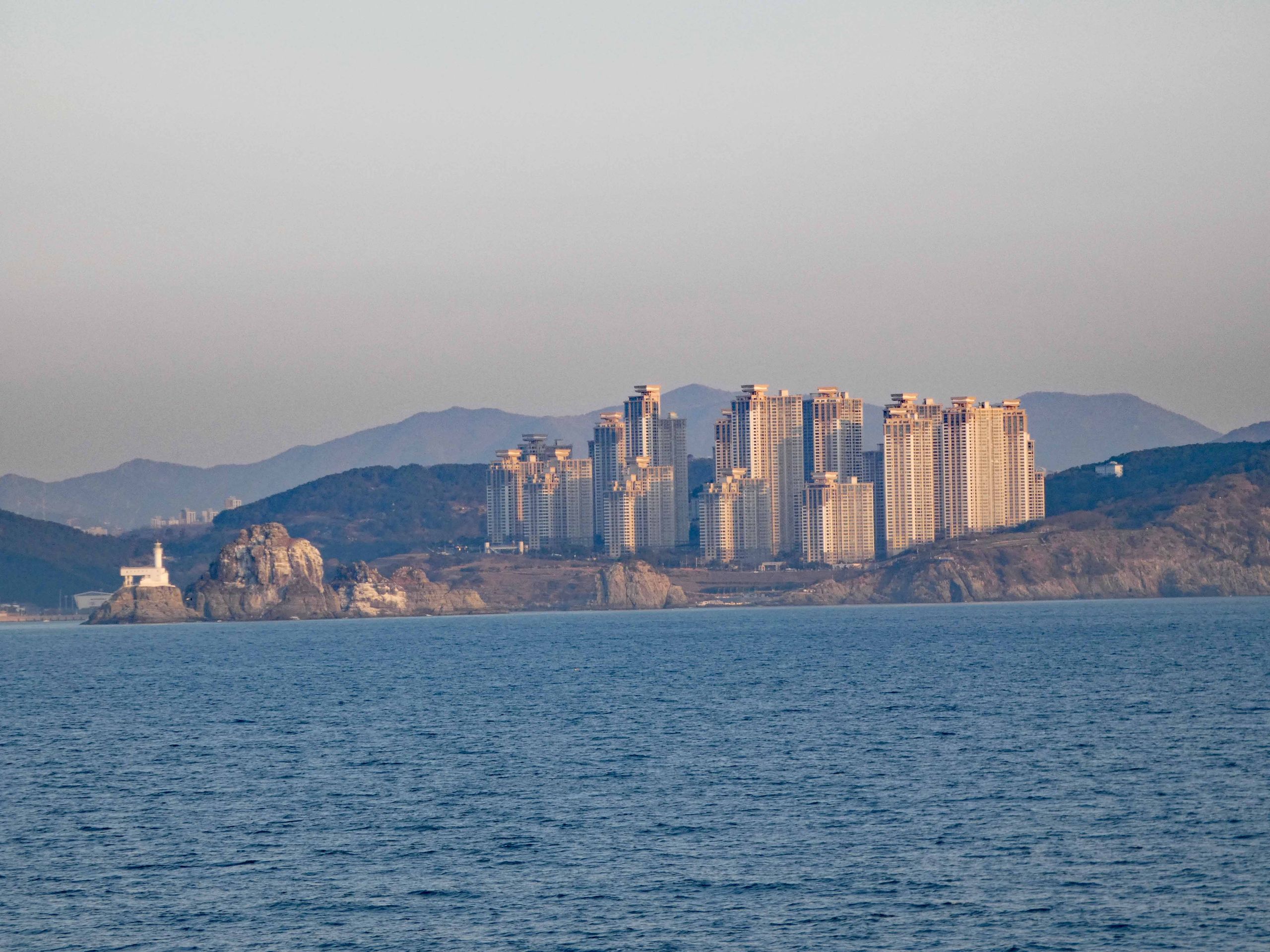
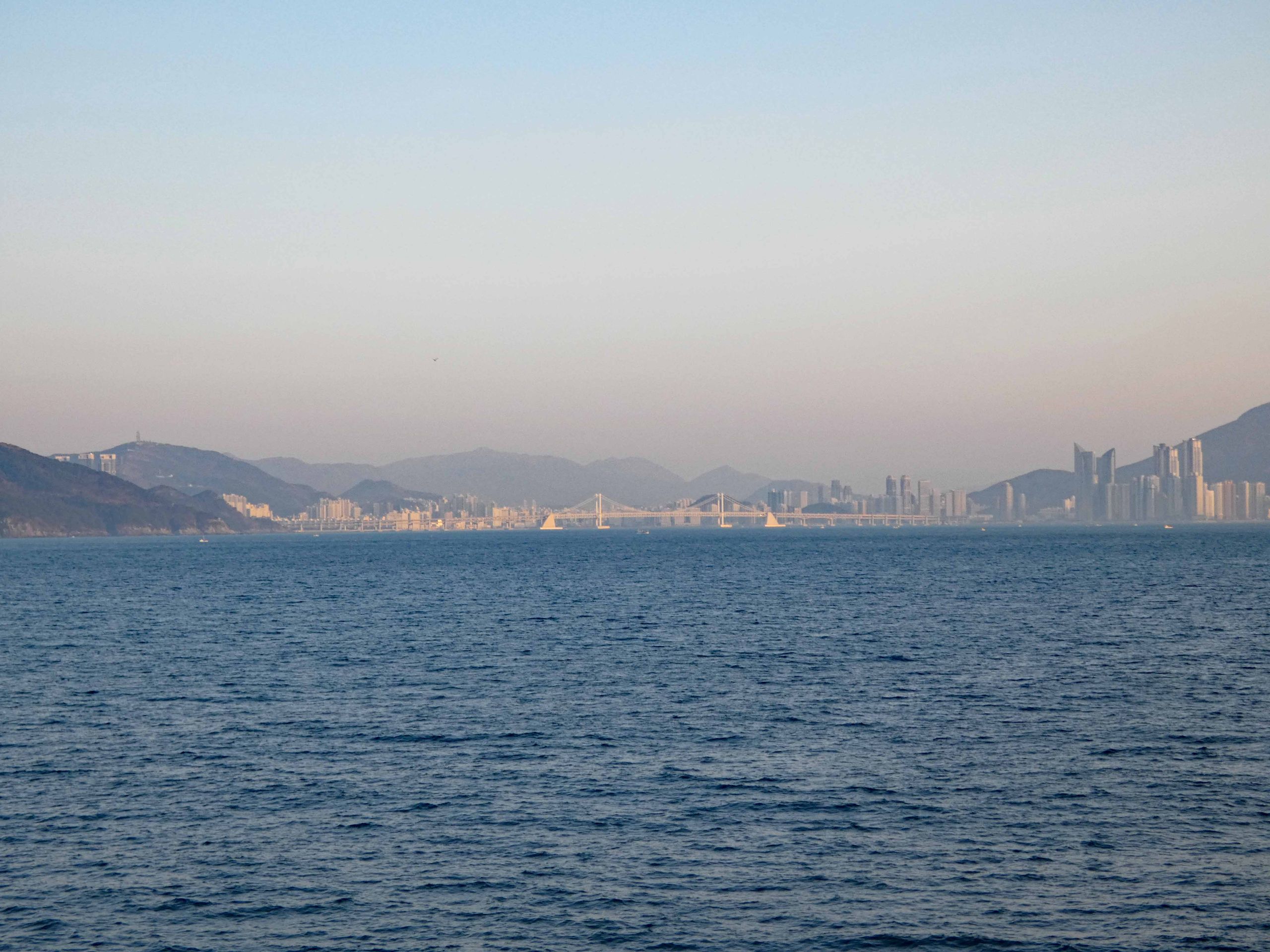
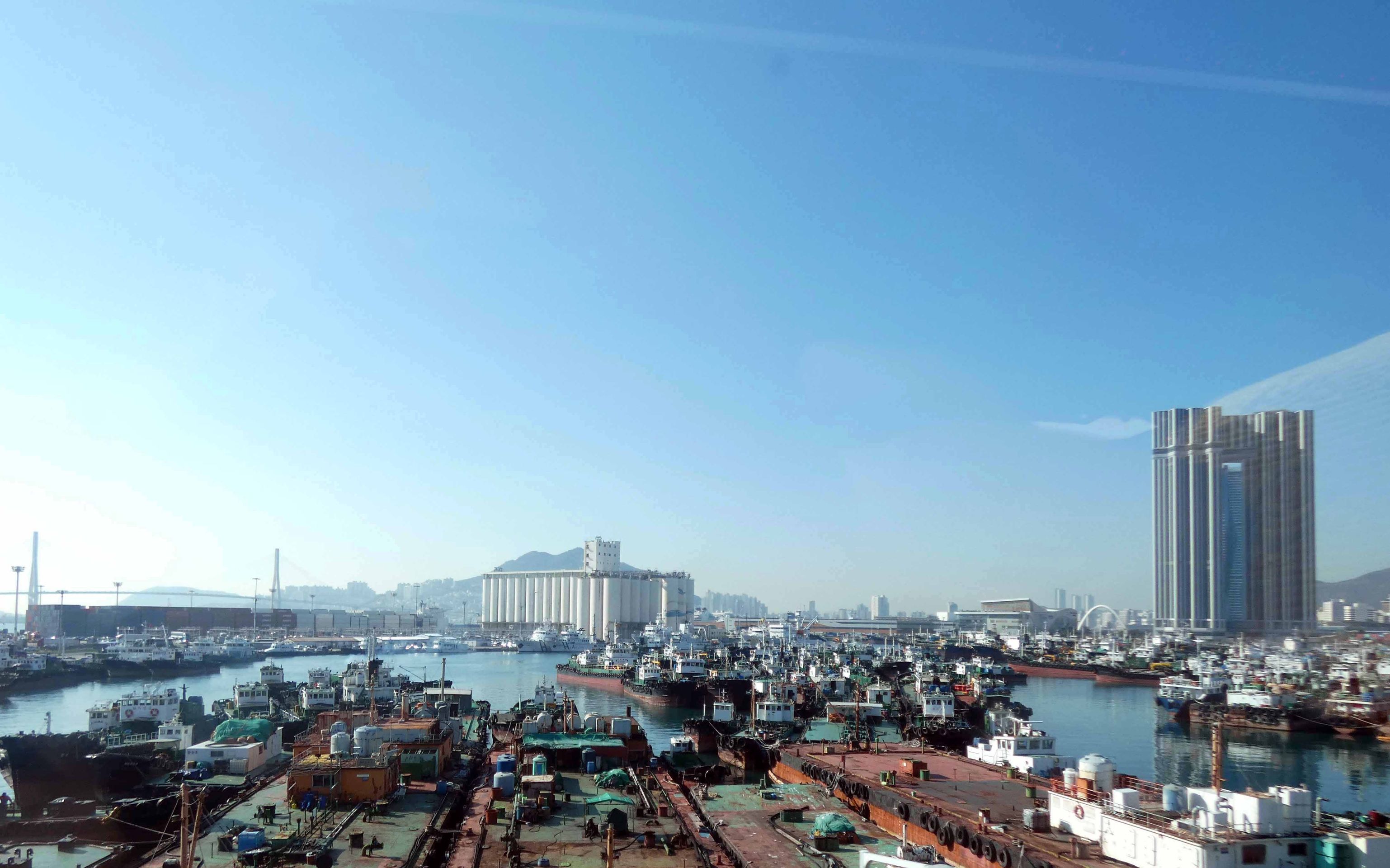
Today we arrived in Korea in the city of Busan. Busan is a port city with the seventh largest container port in the world. Rotterdam, the largest port in Europe, is one-third smaller and only ranks 10th.
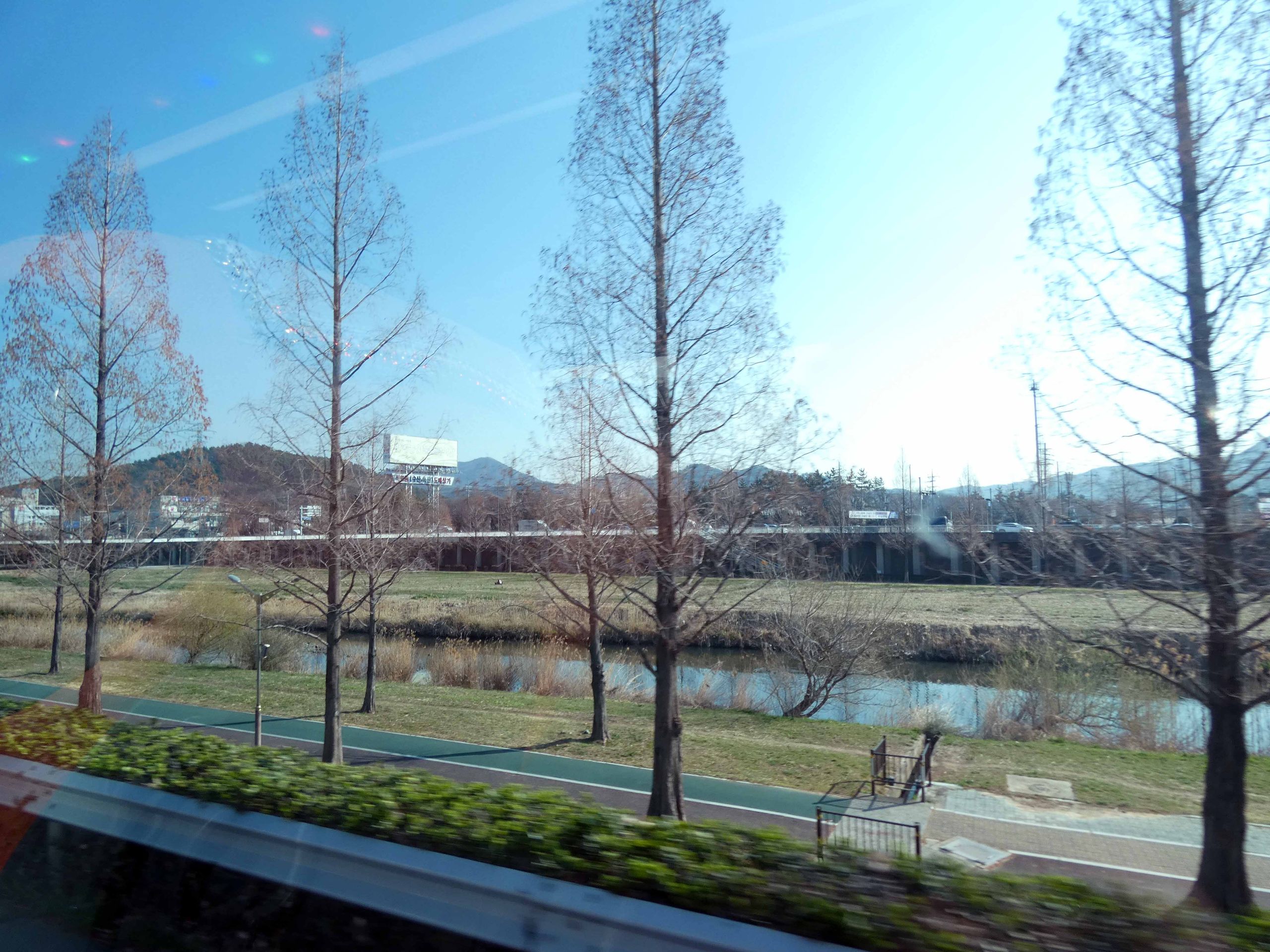
We booked a tour that took us to the 'old stones' we appreciate. For that, a 1.5-hour bus ride was initially needed. Along the way, we could already get an impression of the landscape, the people, and of course the traffic. Korea is also a clean and safe country. Compared to Japan and Singapore, there is occasionally some litter, but compared to Indonesia, Malaysia, etc., it is very little. The people here are also very friendly and helpful.
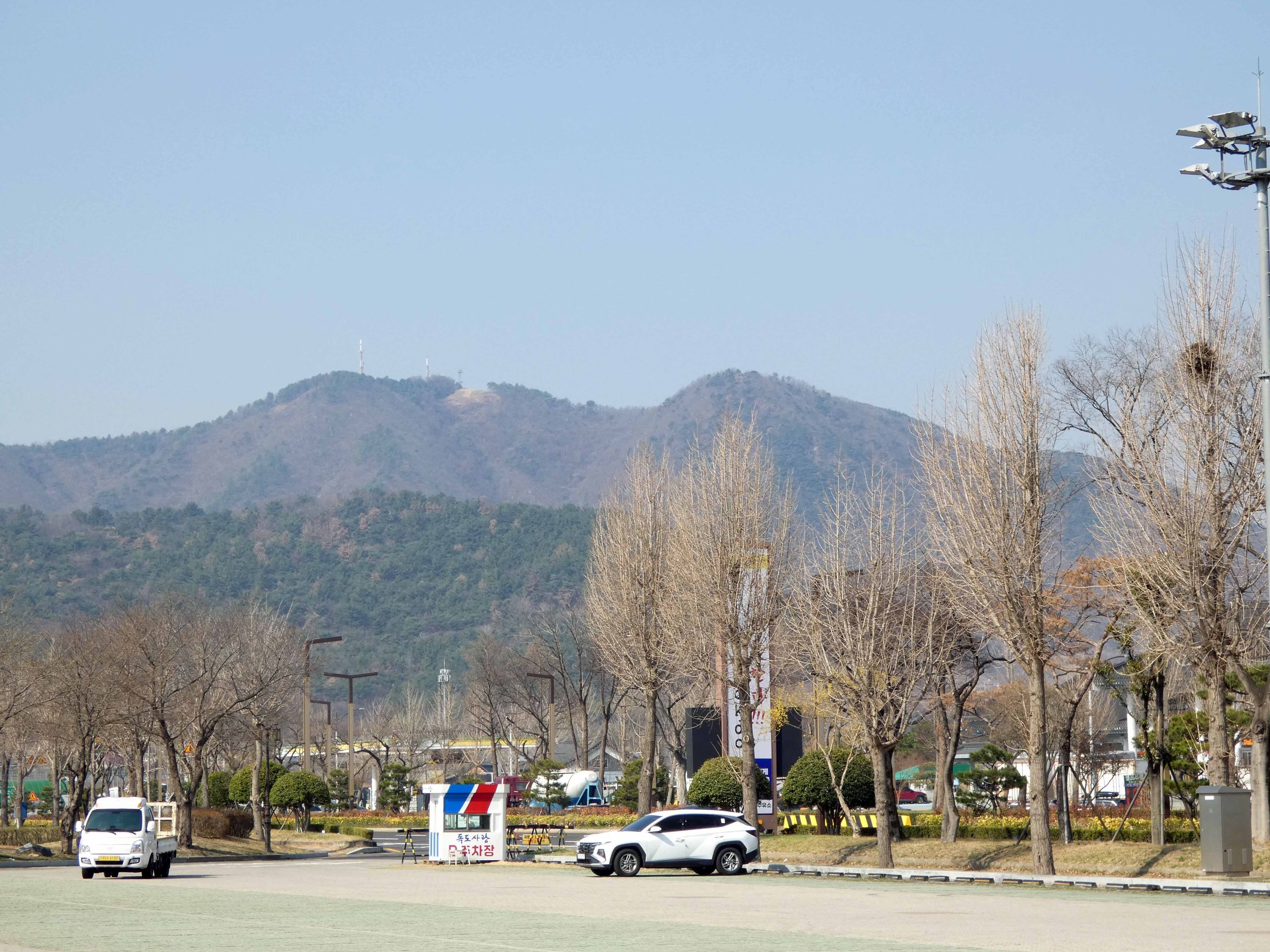
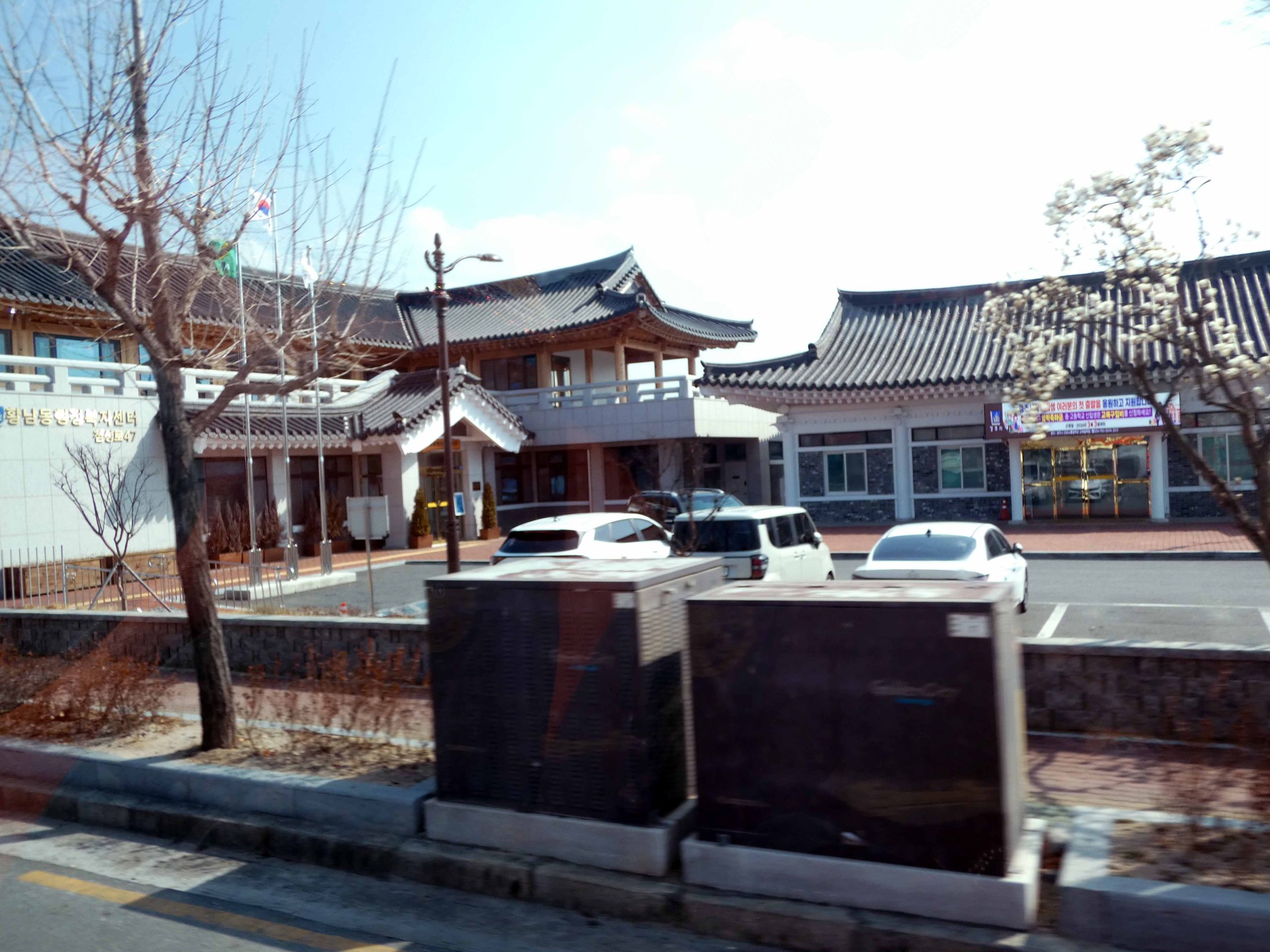
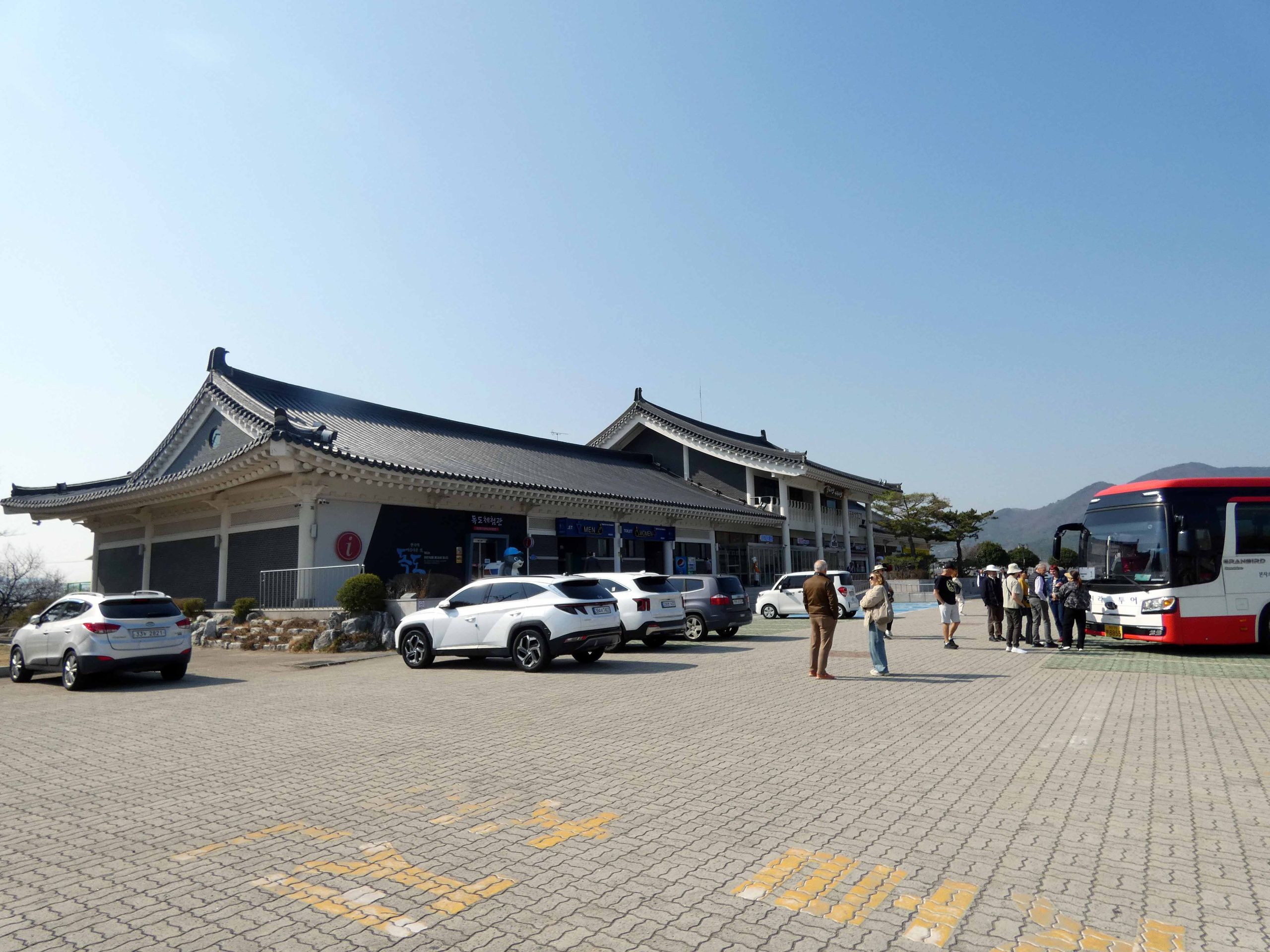
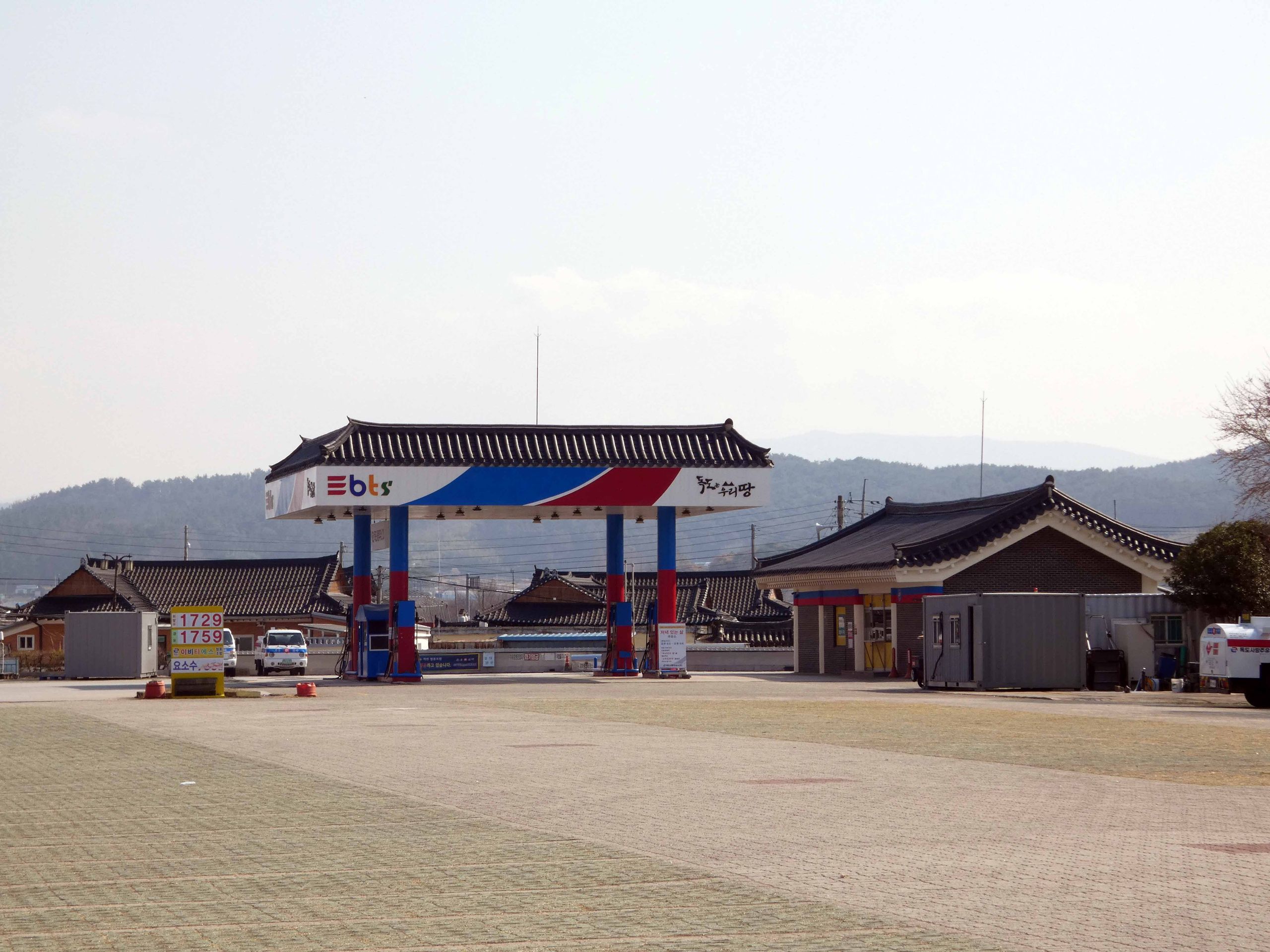
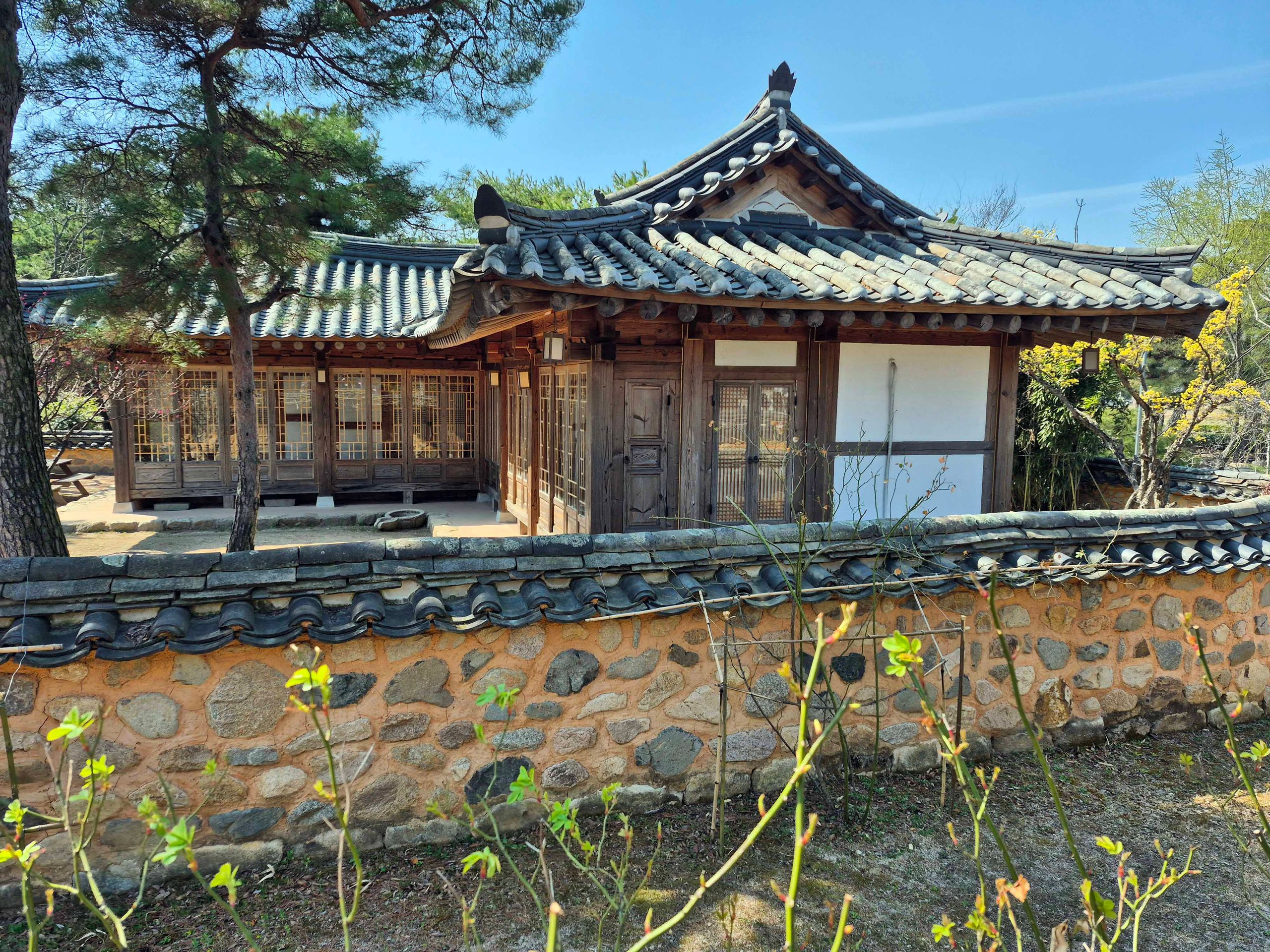
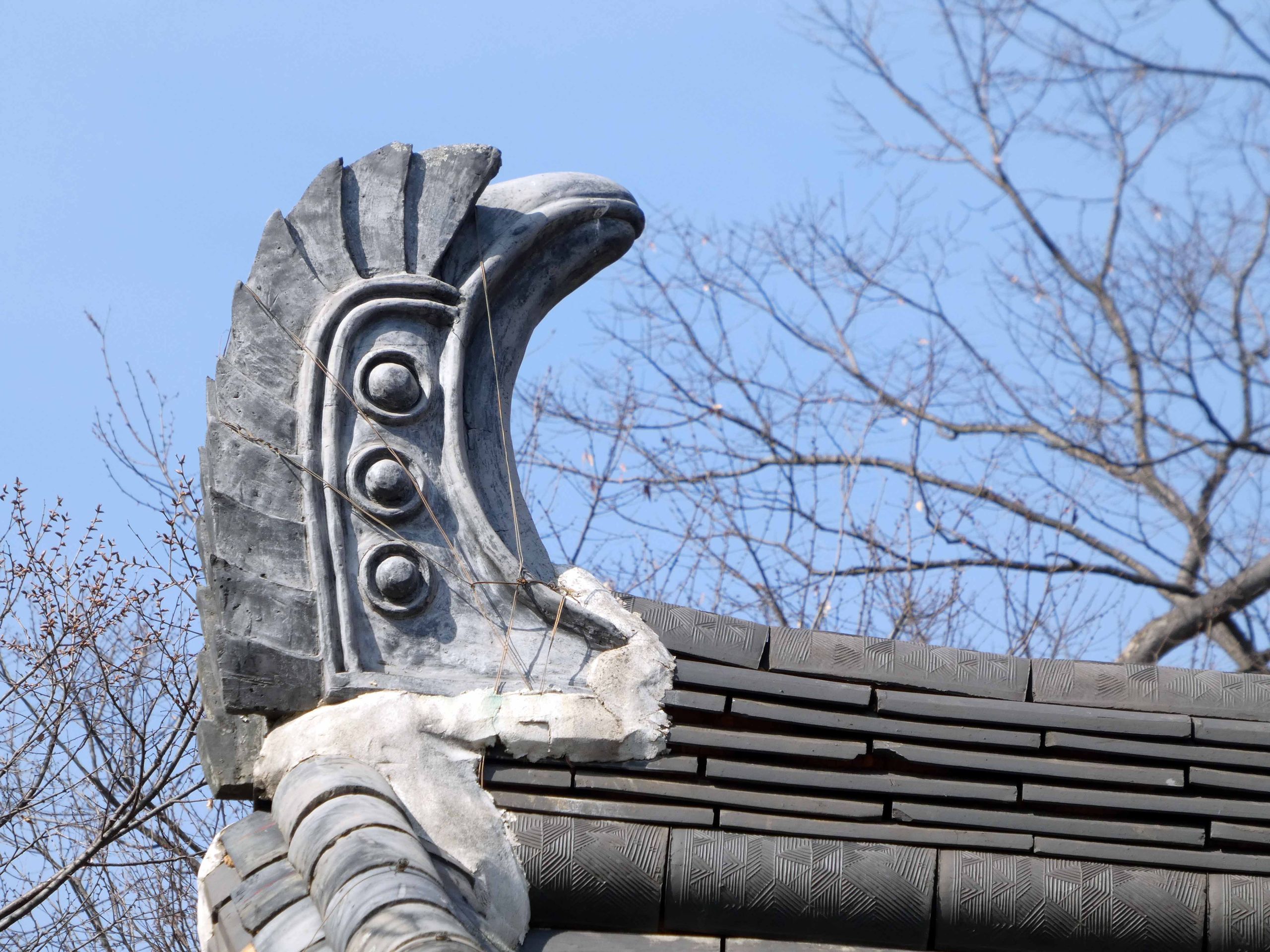
The landscape around Busan is hilly and quite populated even outside of the cities. In the cities, there are many, very closely spaced high-rise buildings. In the countryside, many houses are built in the old style. This means they have roofs reminiscent of Buddhist temples. But even gas stations and highway rest areas have such roofs.
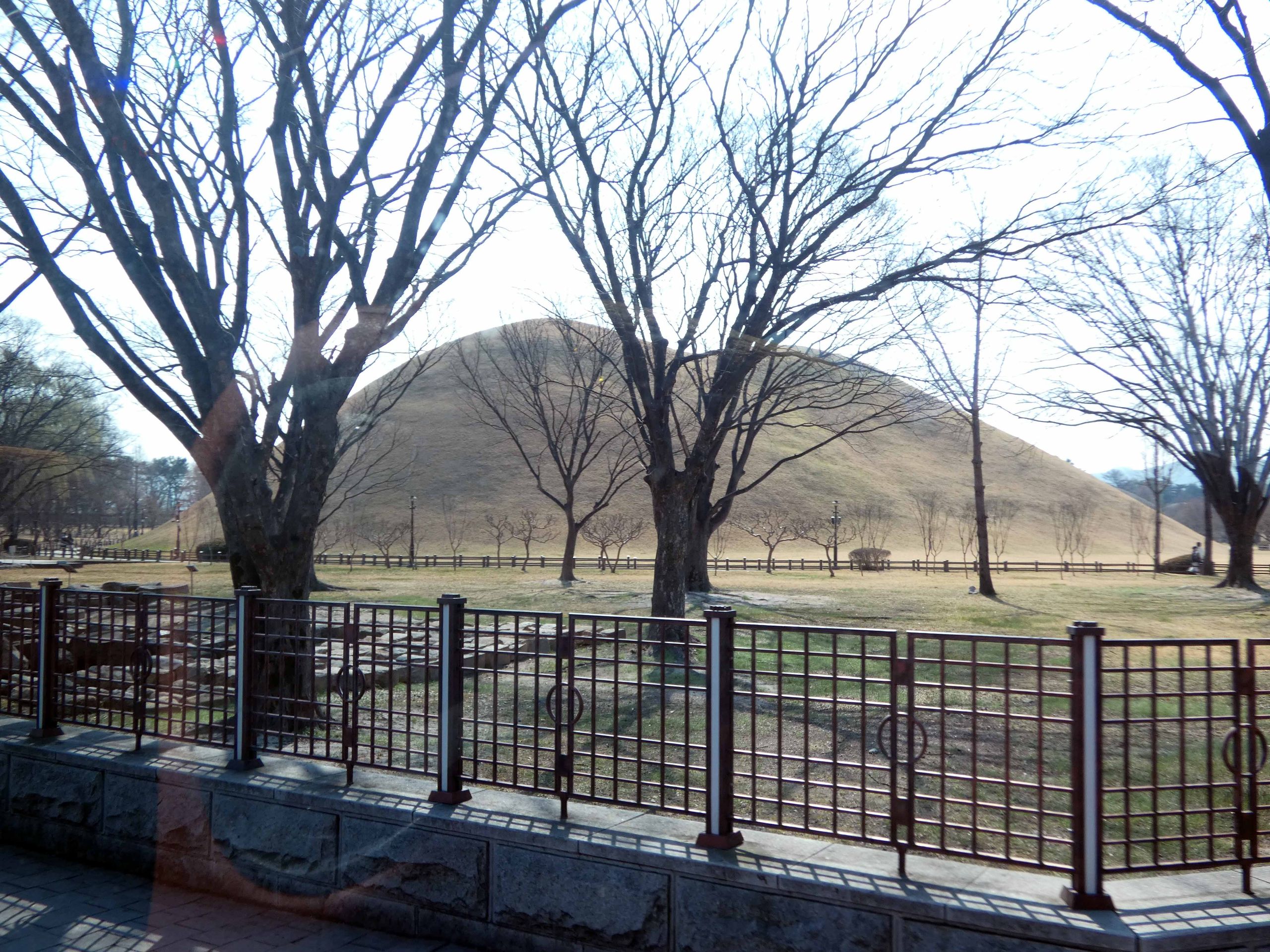
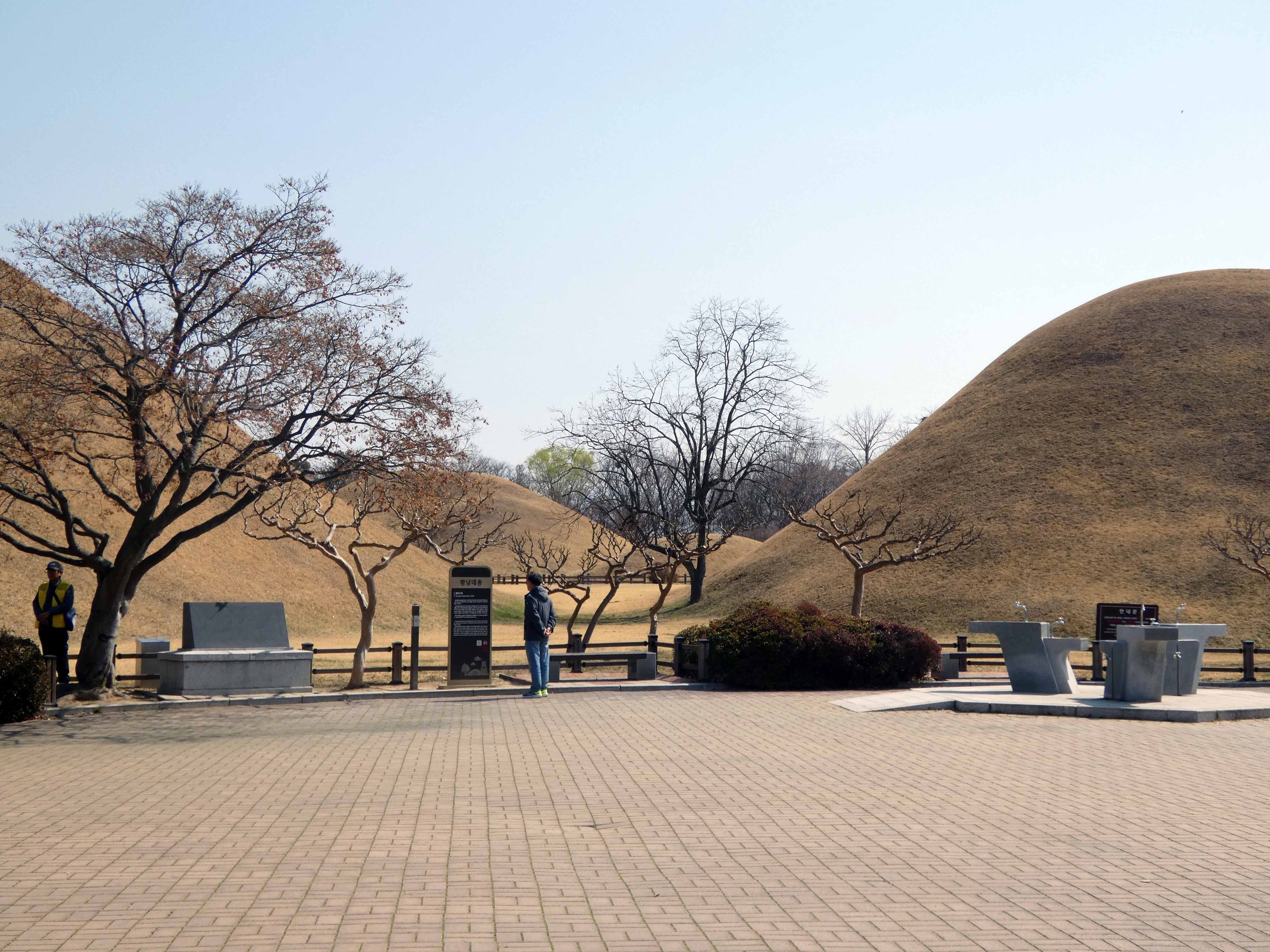
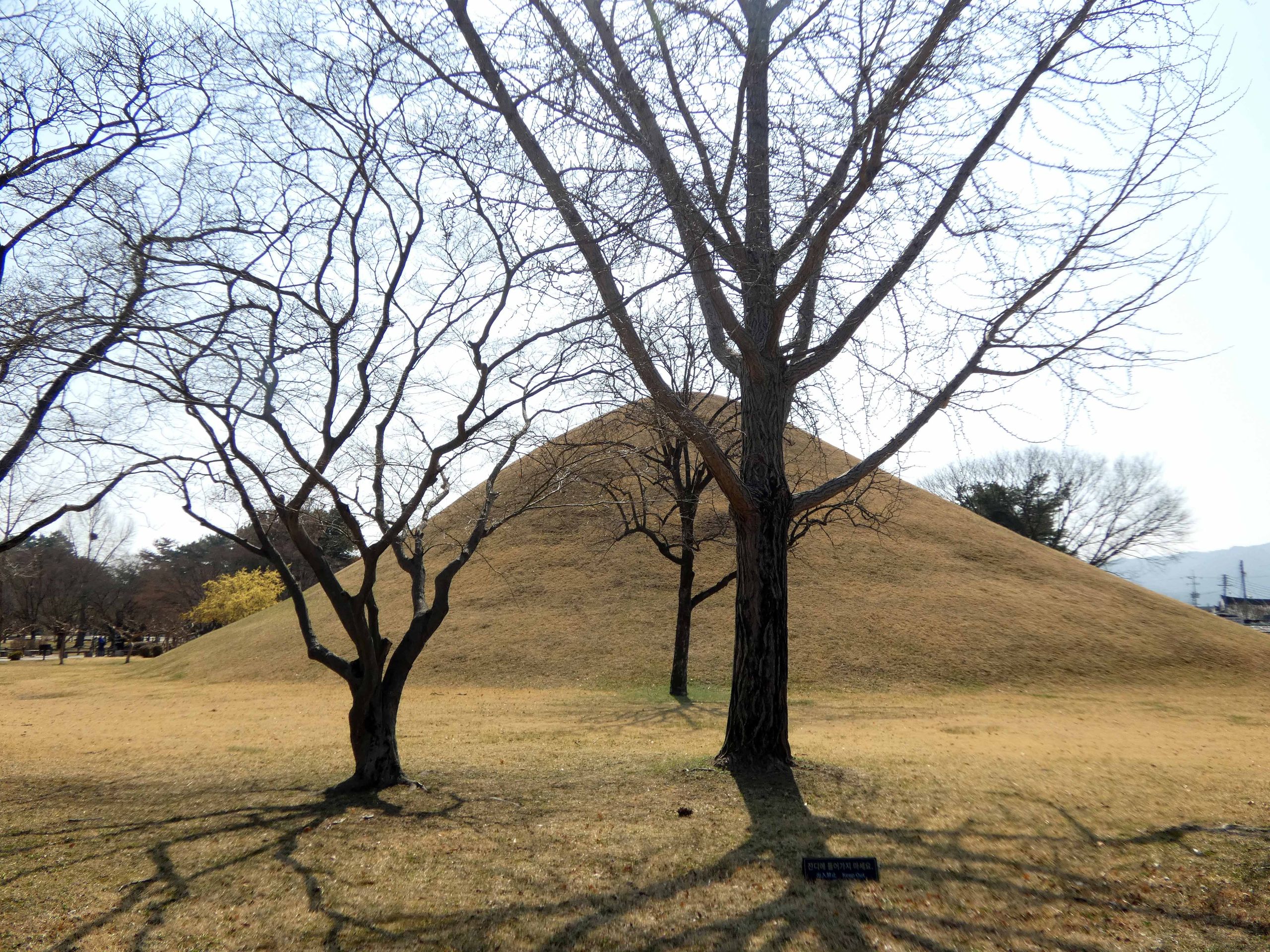
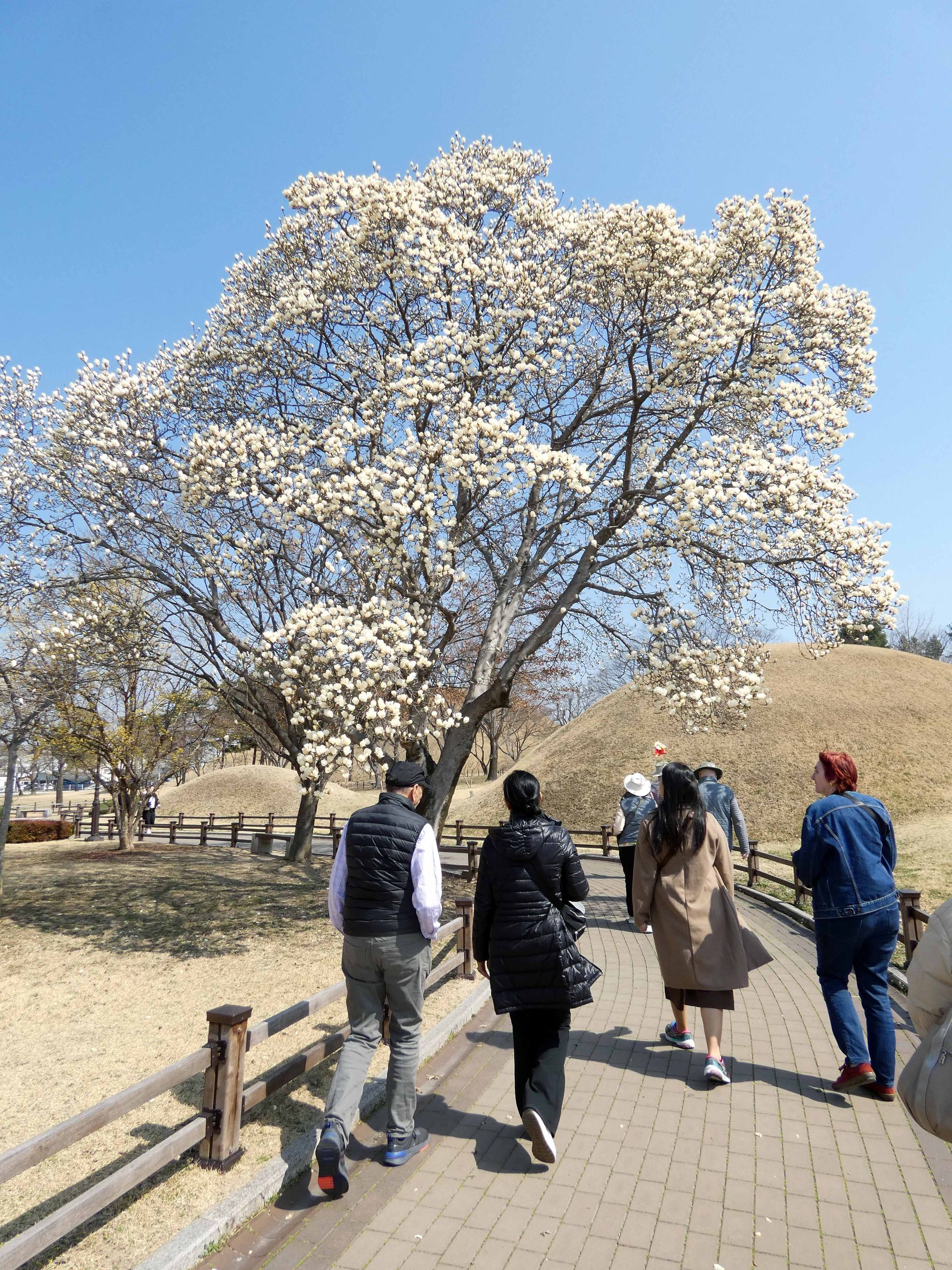
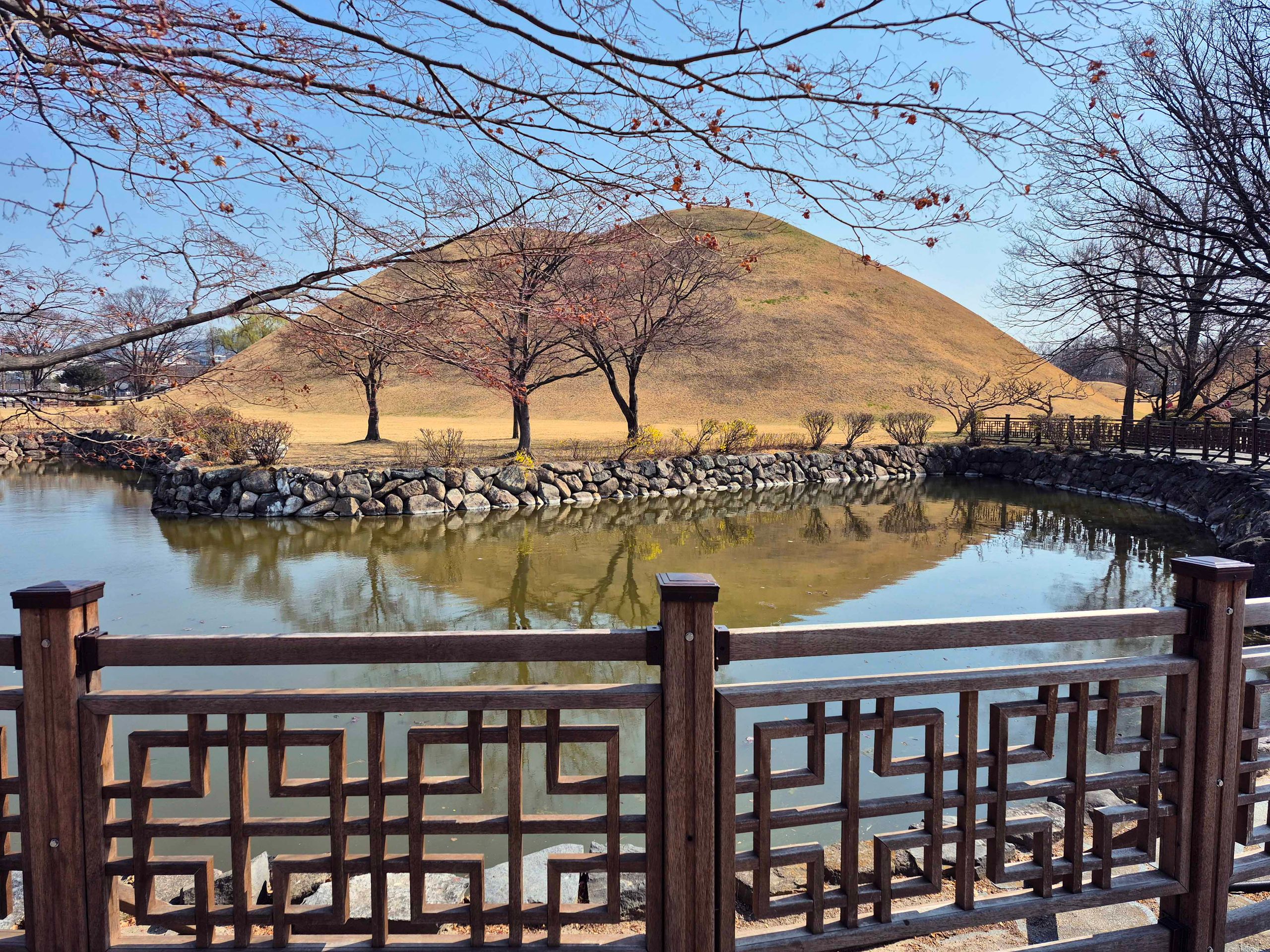
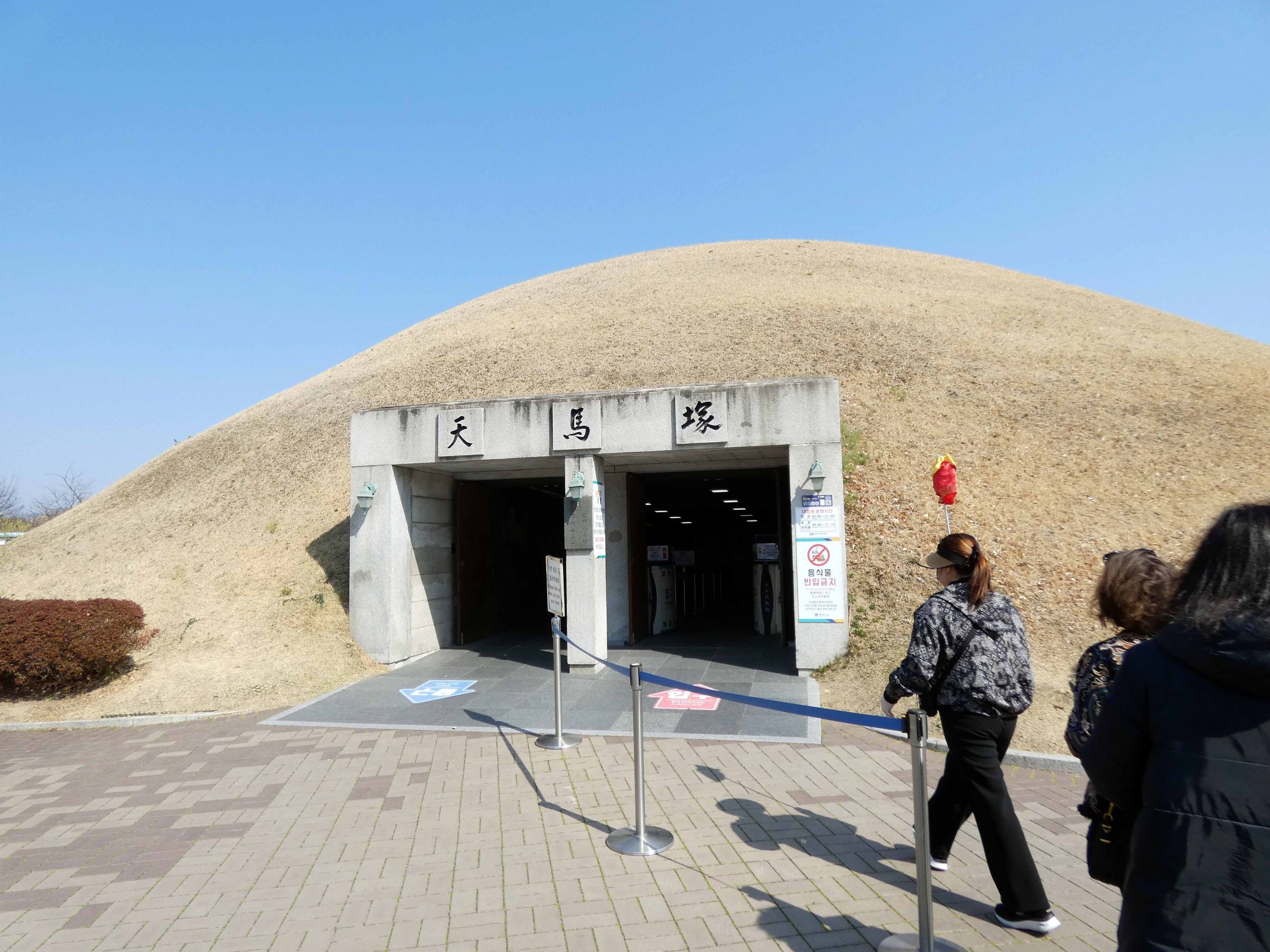
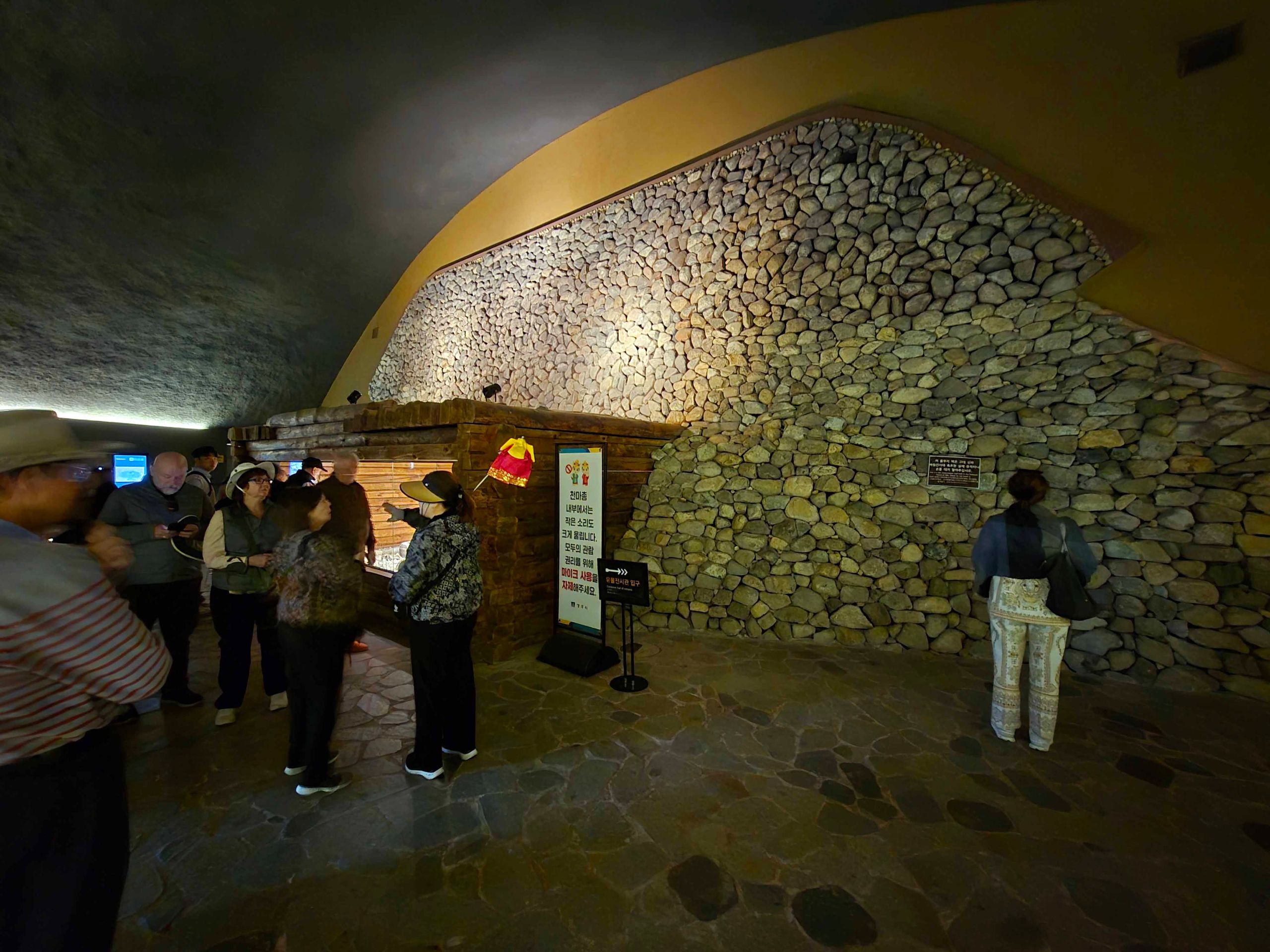
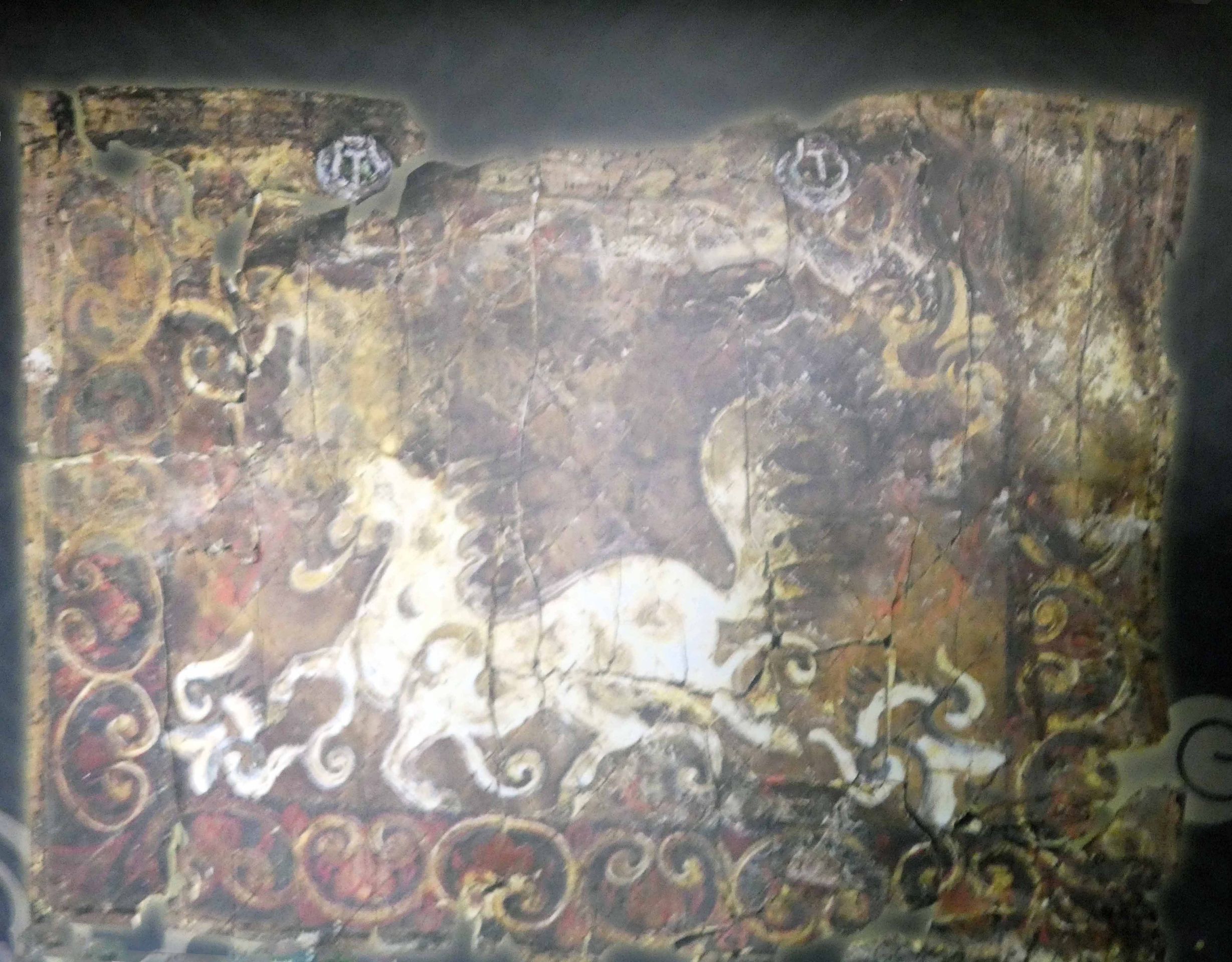
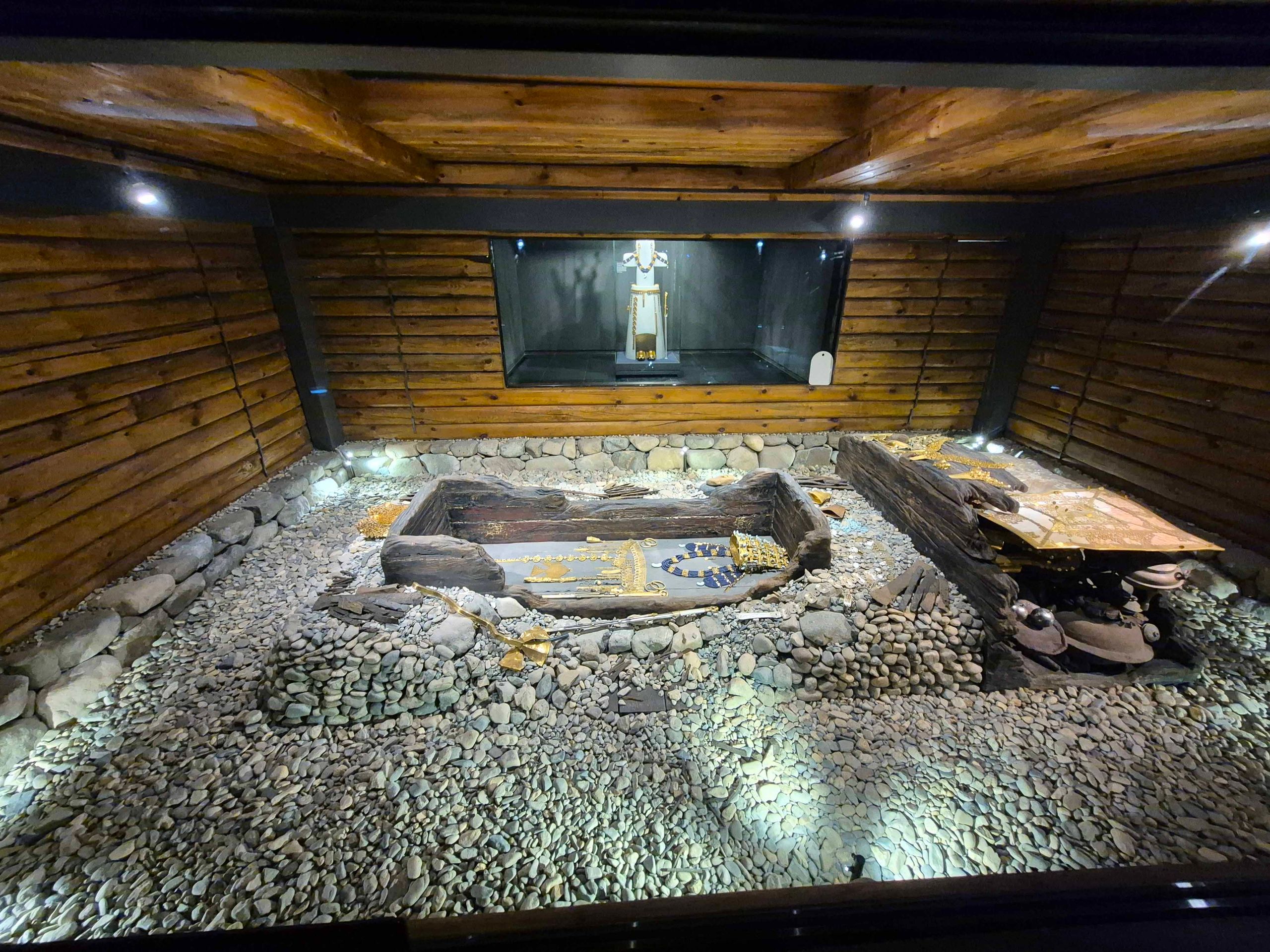
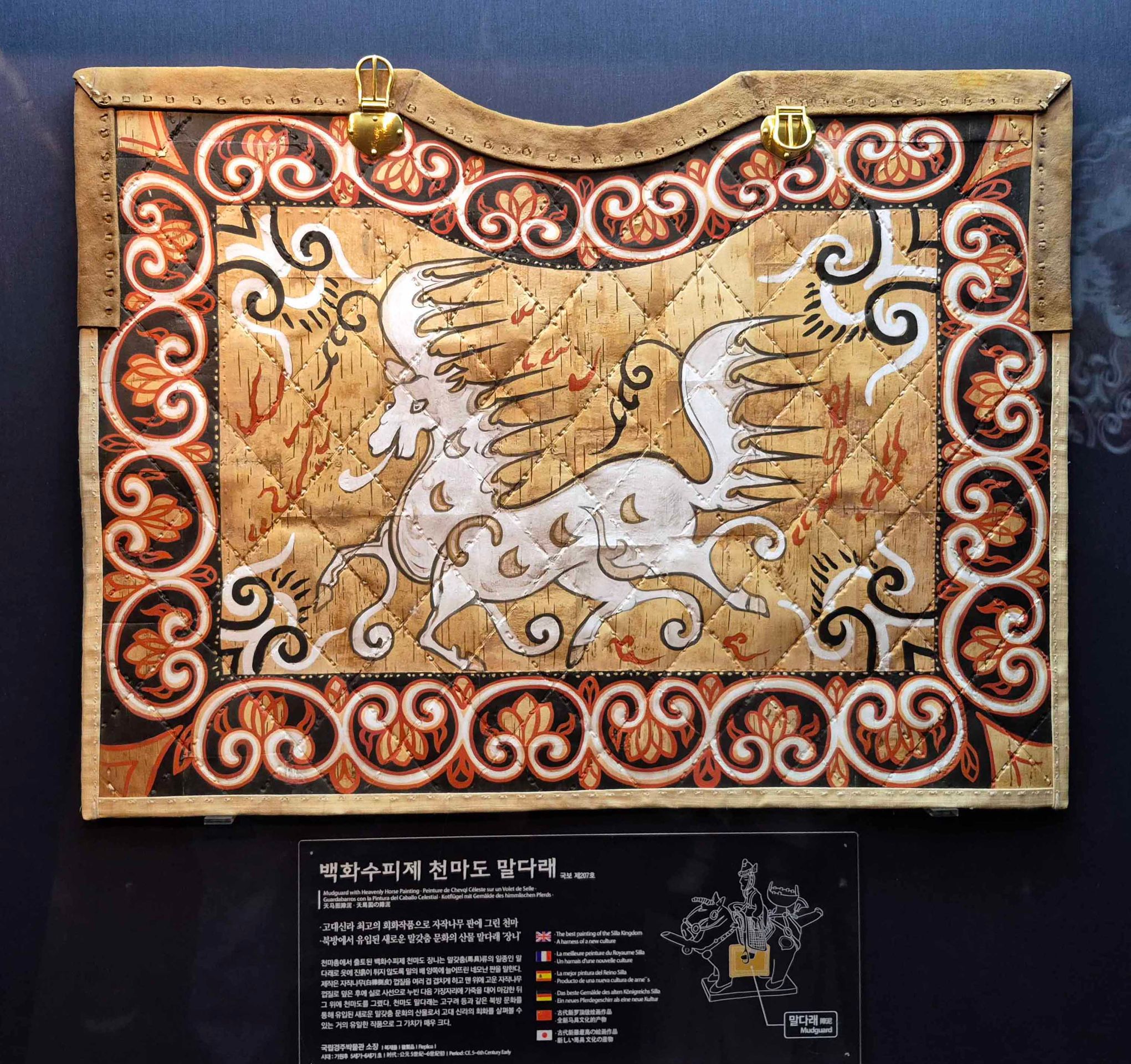
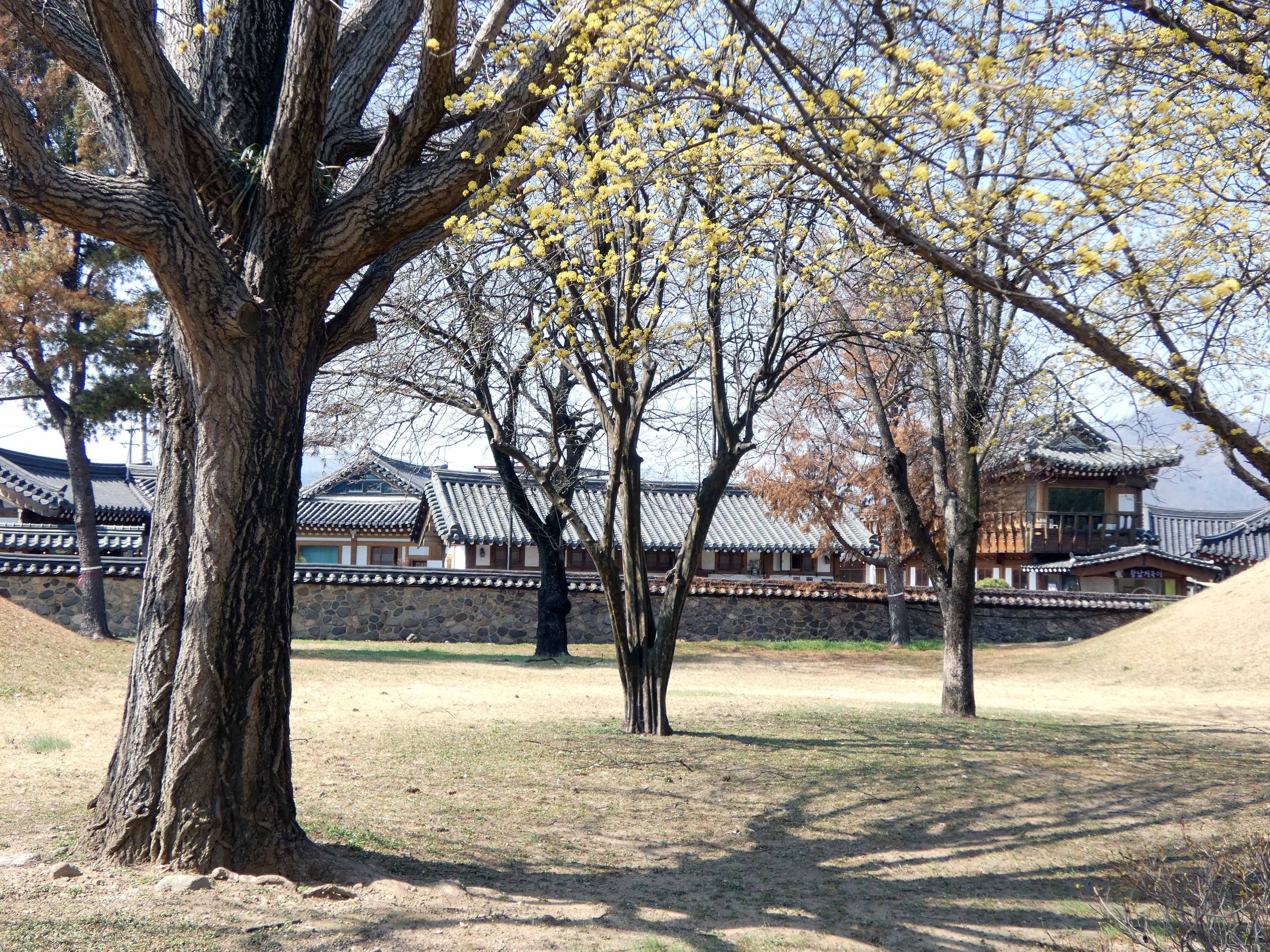
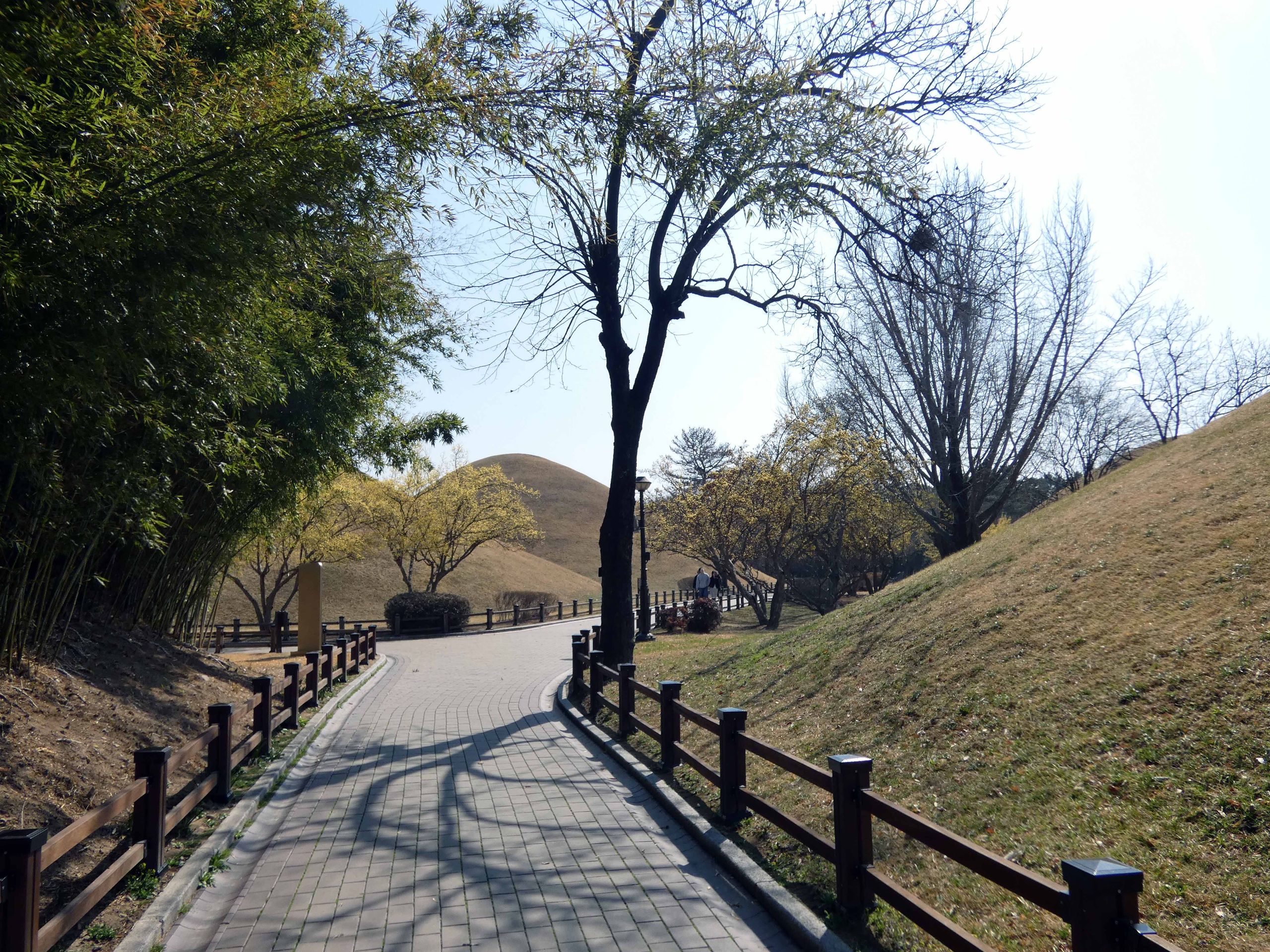
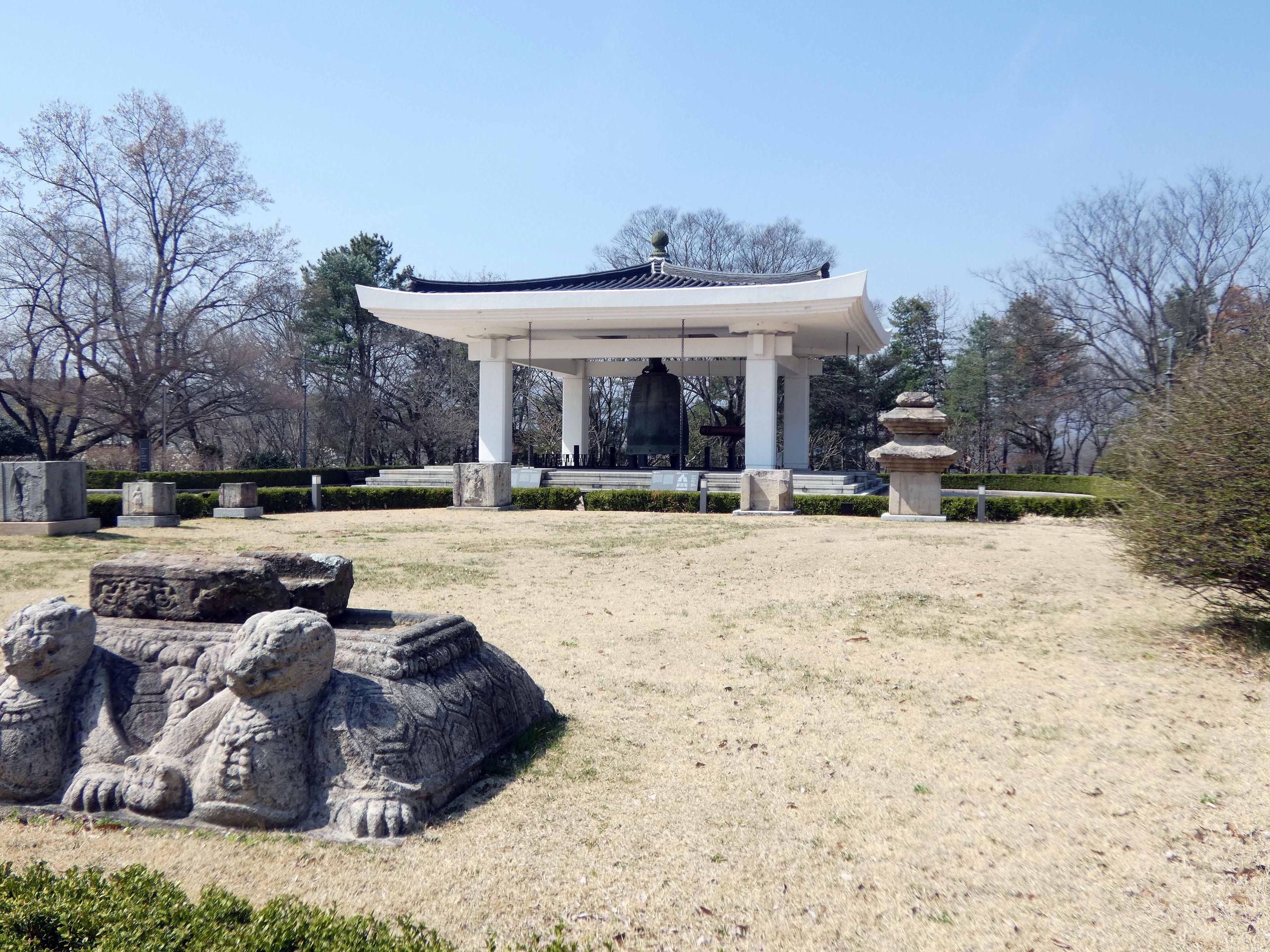
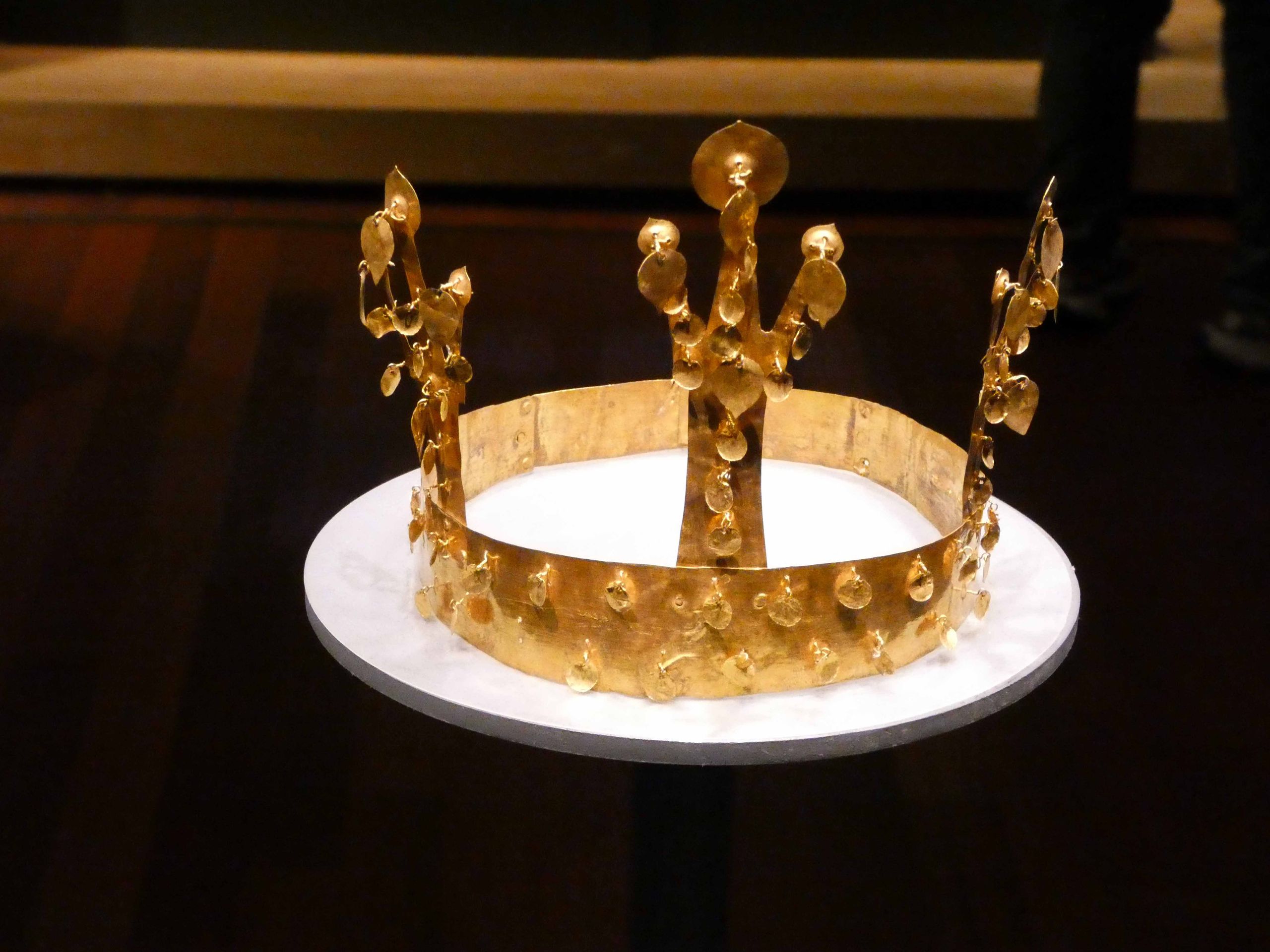
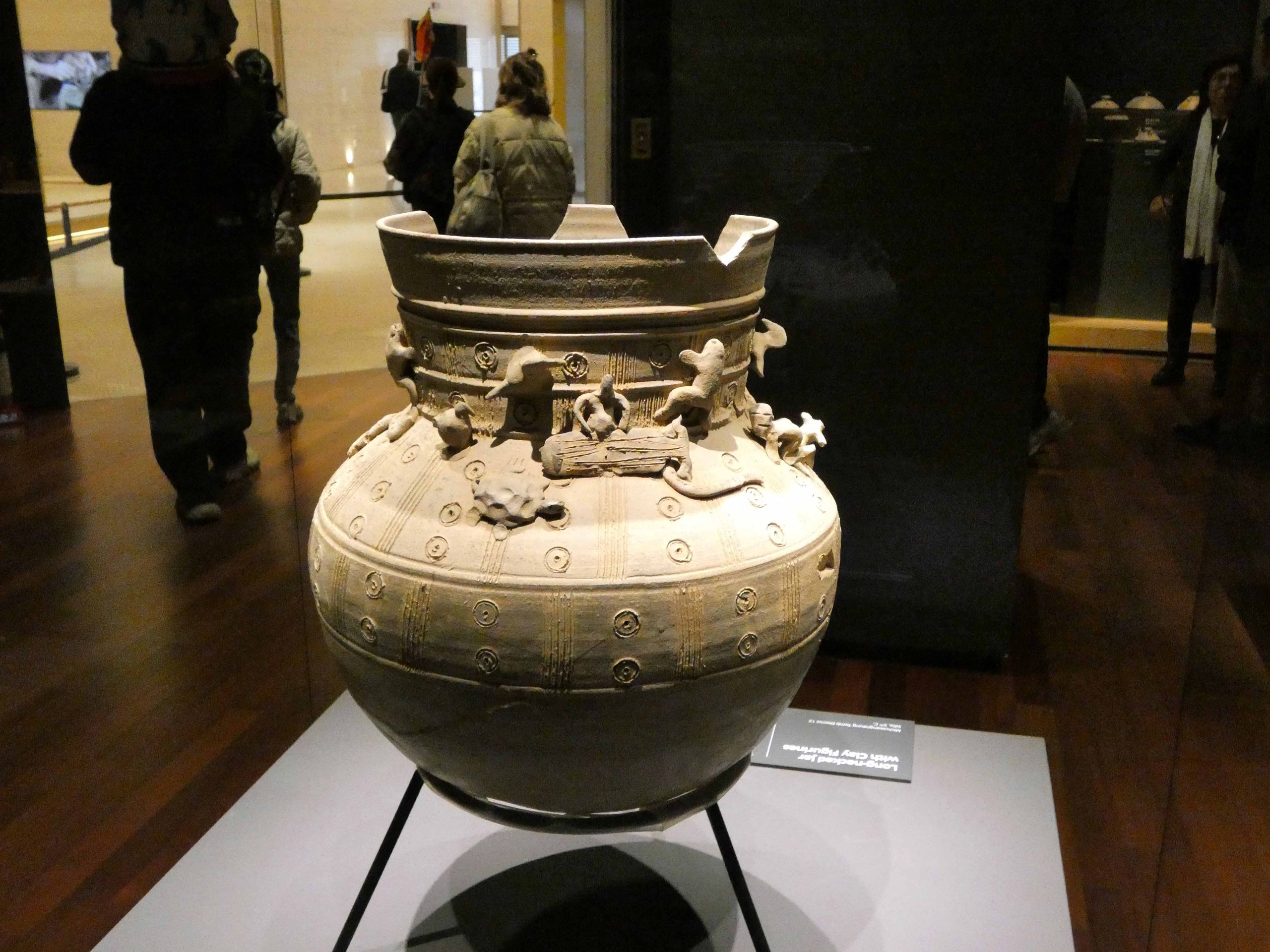
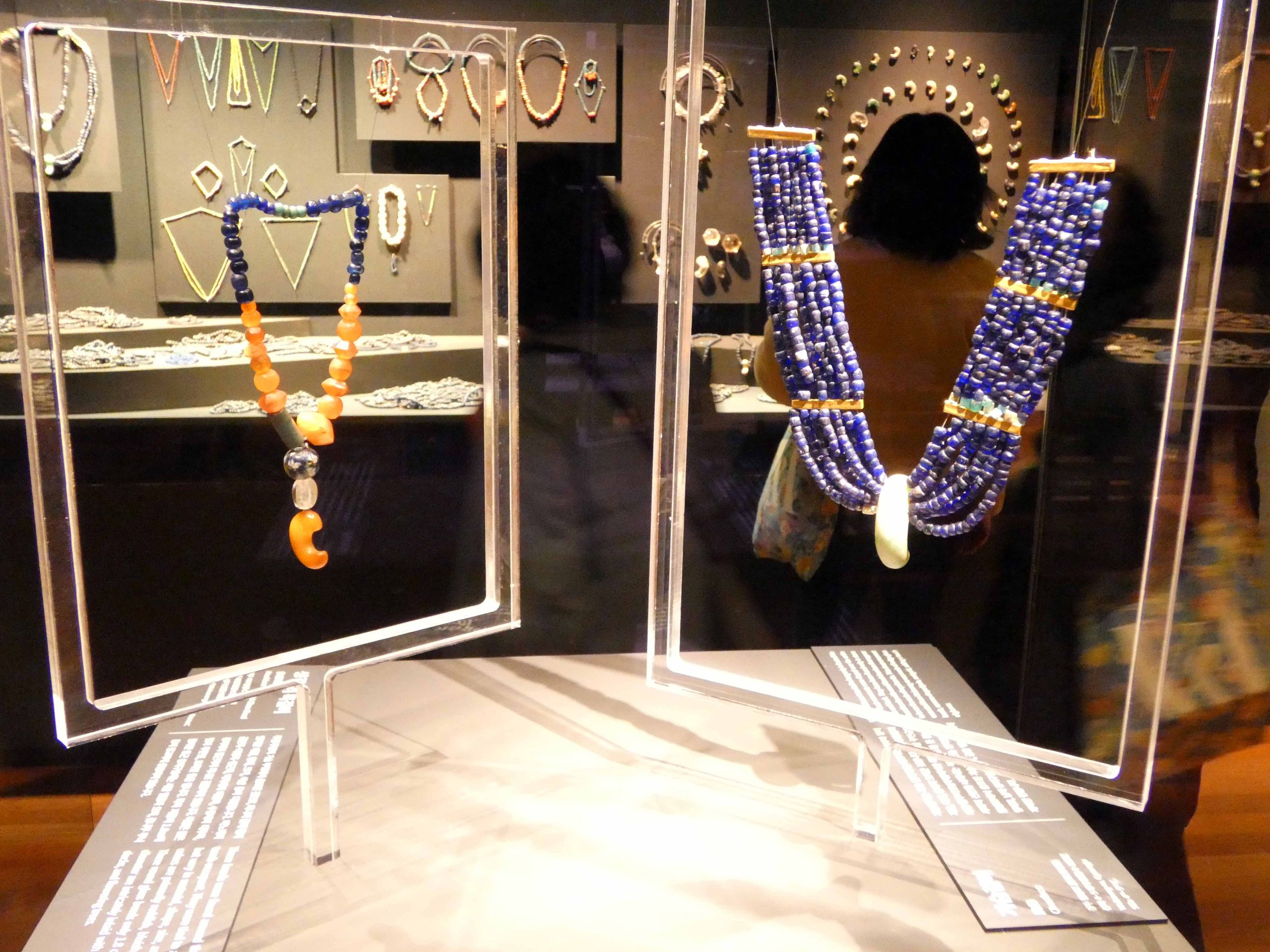
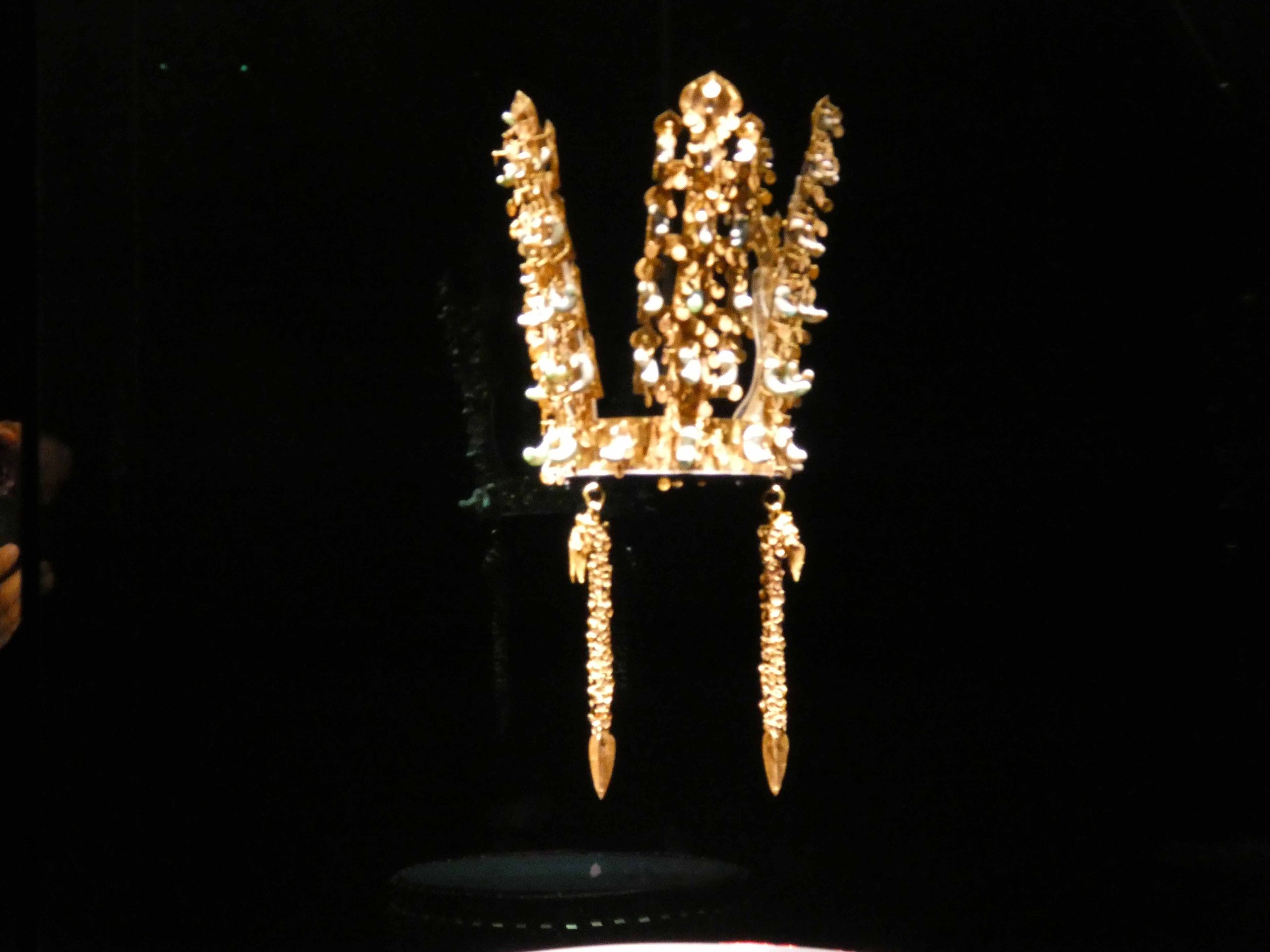
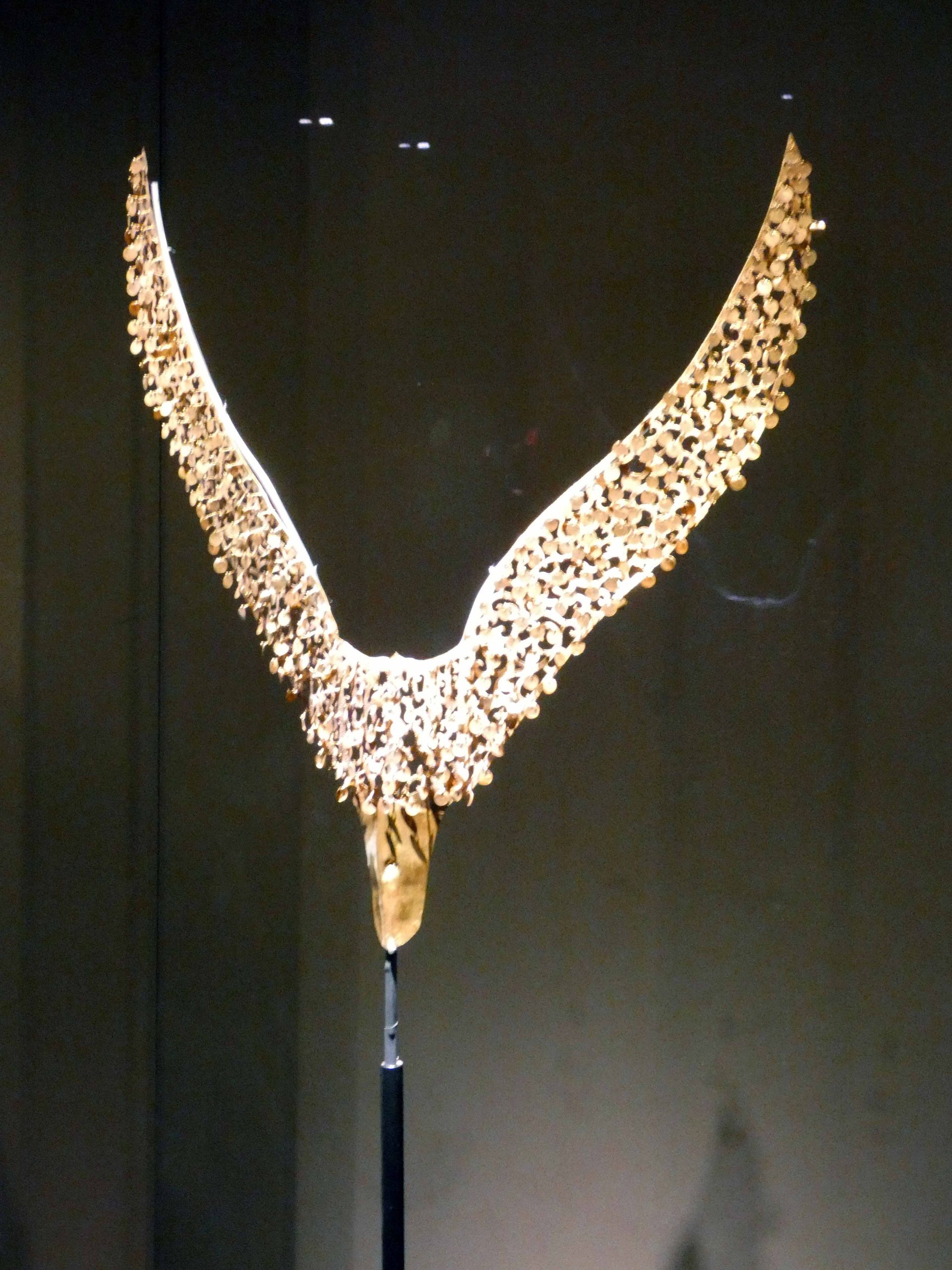
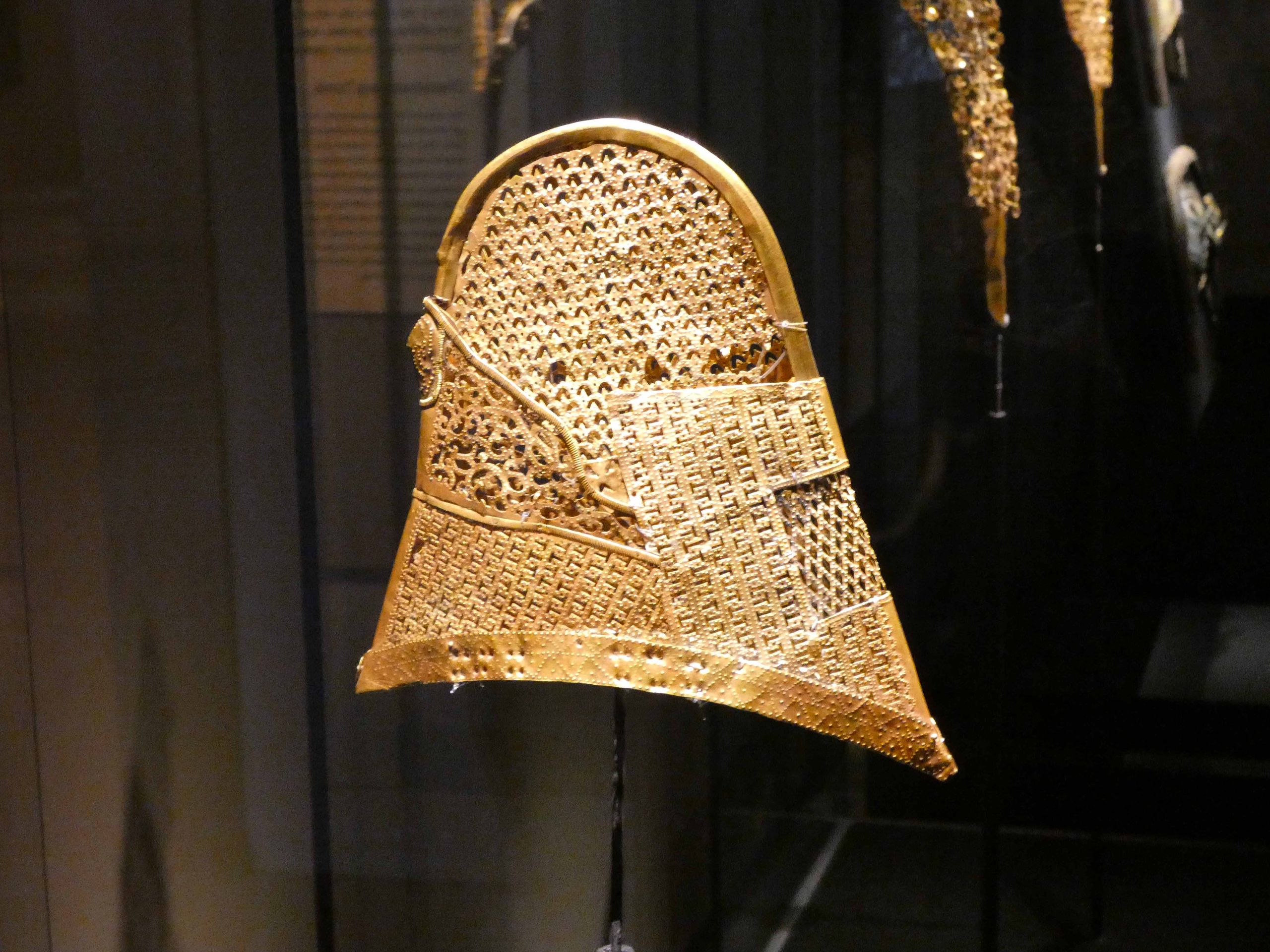
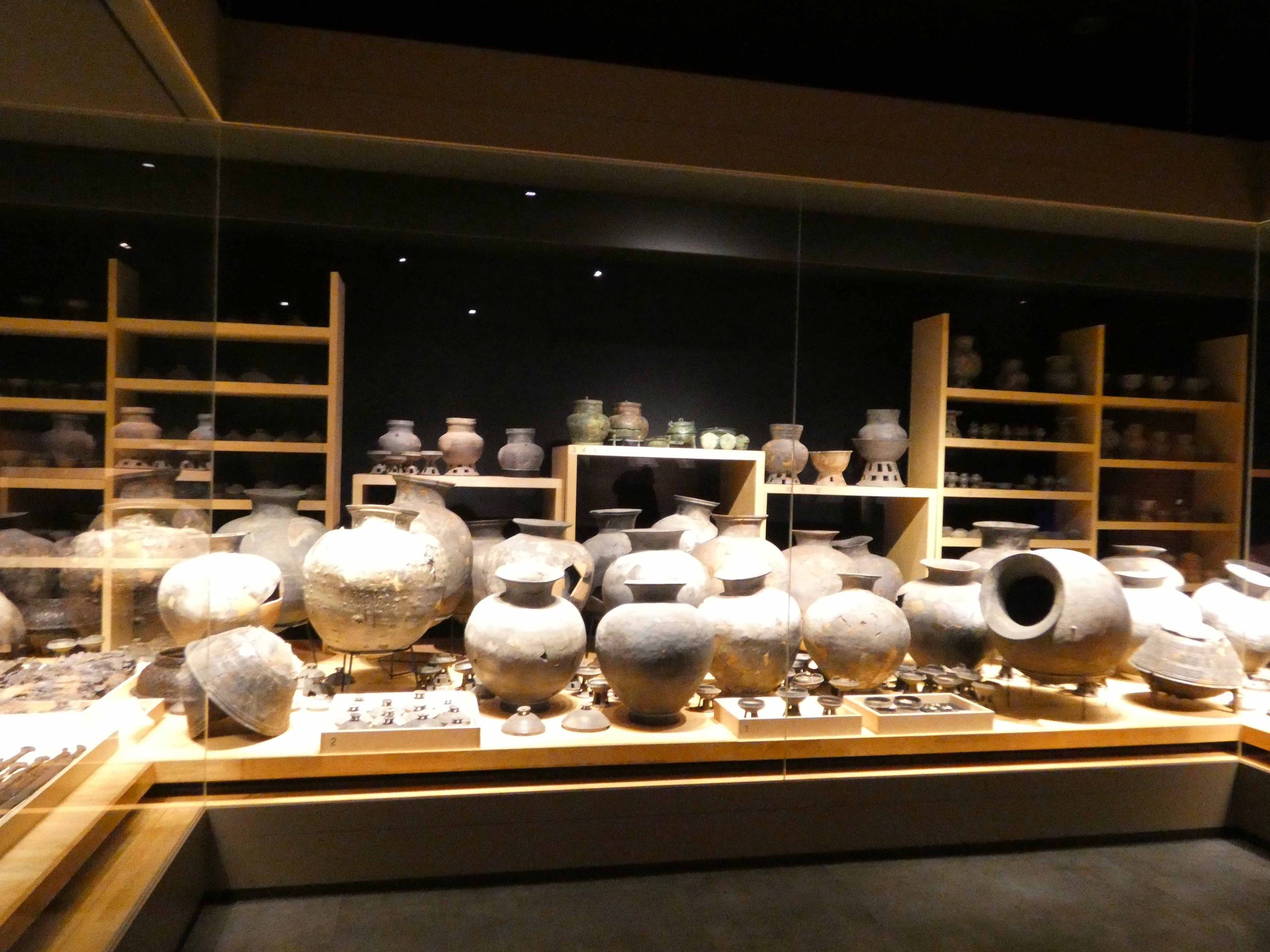
Our first stop was at the very large burial mounds of Daereungwon in the city of Gyeongju. In a park, there are already 23 burial mounds, but there are many more of such graves in the vicinity. The graves were built during the time of the Silla kingdom. There are practically no records of this kingdom. One source states that it existed from 57 BC to 935 AD. The graves are very complex in structure, making investigations enormously time-consuming. The examined graves have been dated to the 3rd to 5th centuries. A total of around 30,000 artifacts have been found, including clothing, jewelry, weapons, pottery, and what dead kings and queens need. In one of the burial mounds (grave Cheonmachong, 'grave of the heavenly horse'), one can enter and get a 1:1 impression of how such a grave was constructed. Strangely enough, there are no bone findings here, just as there are none in Vietnam, for example. The lack of records, drawings, etc., is mainly attributed to the Korean War, just as in Vietnam it is due to the Vietnam War, as well as in Hiroshima and Nagasaki to the atomic bombings.
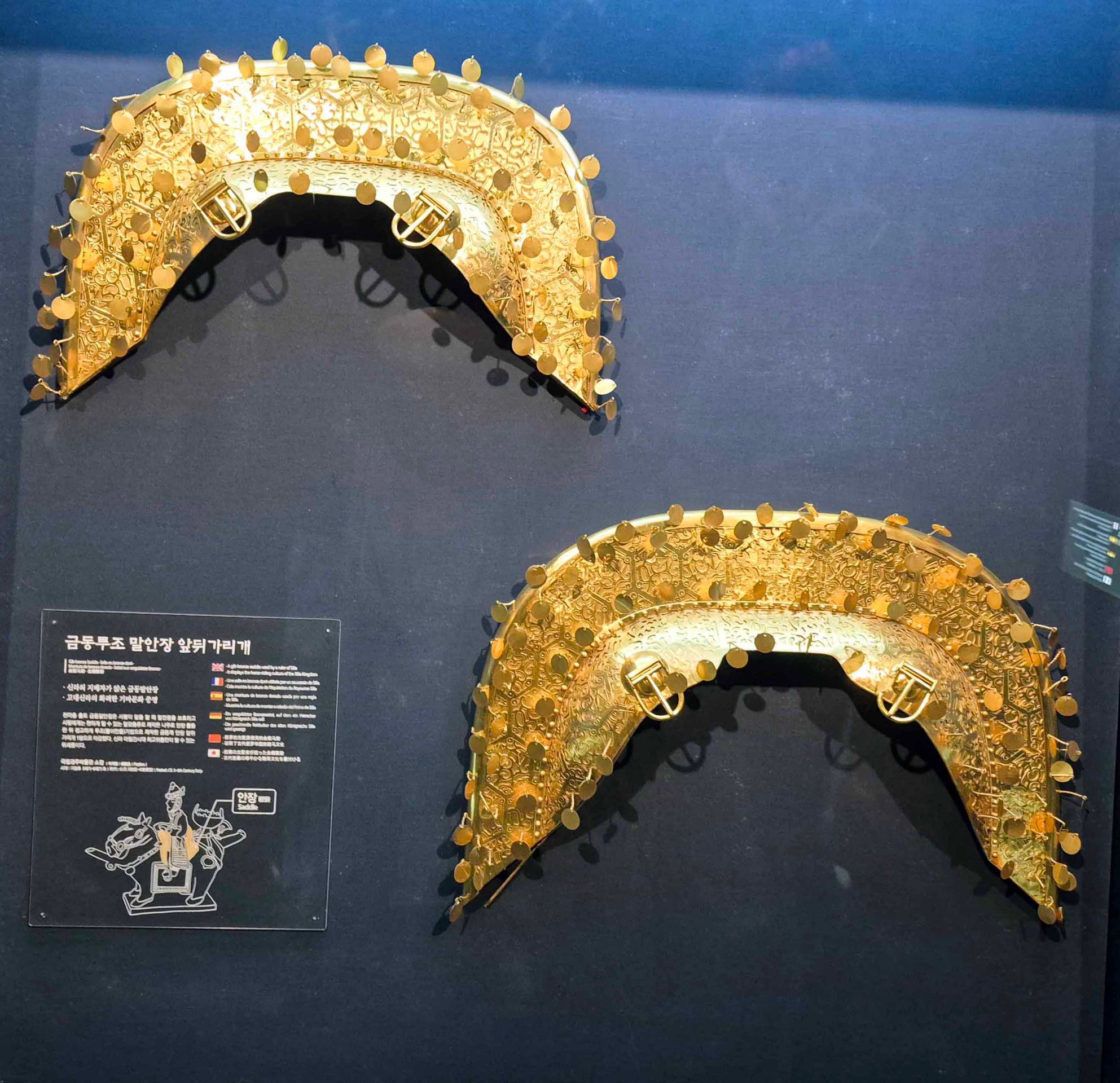
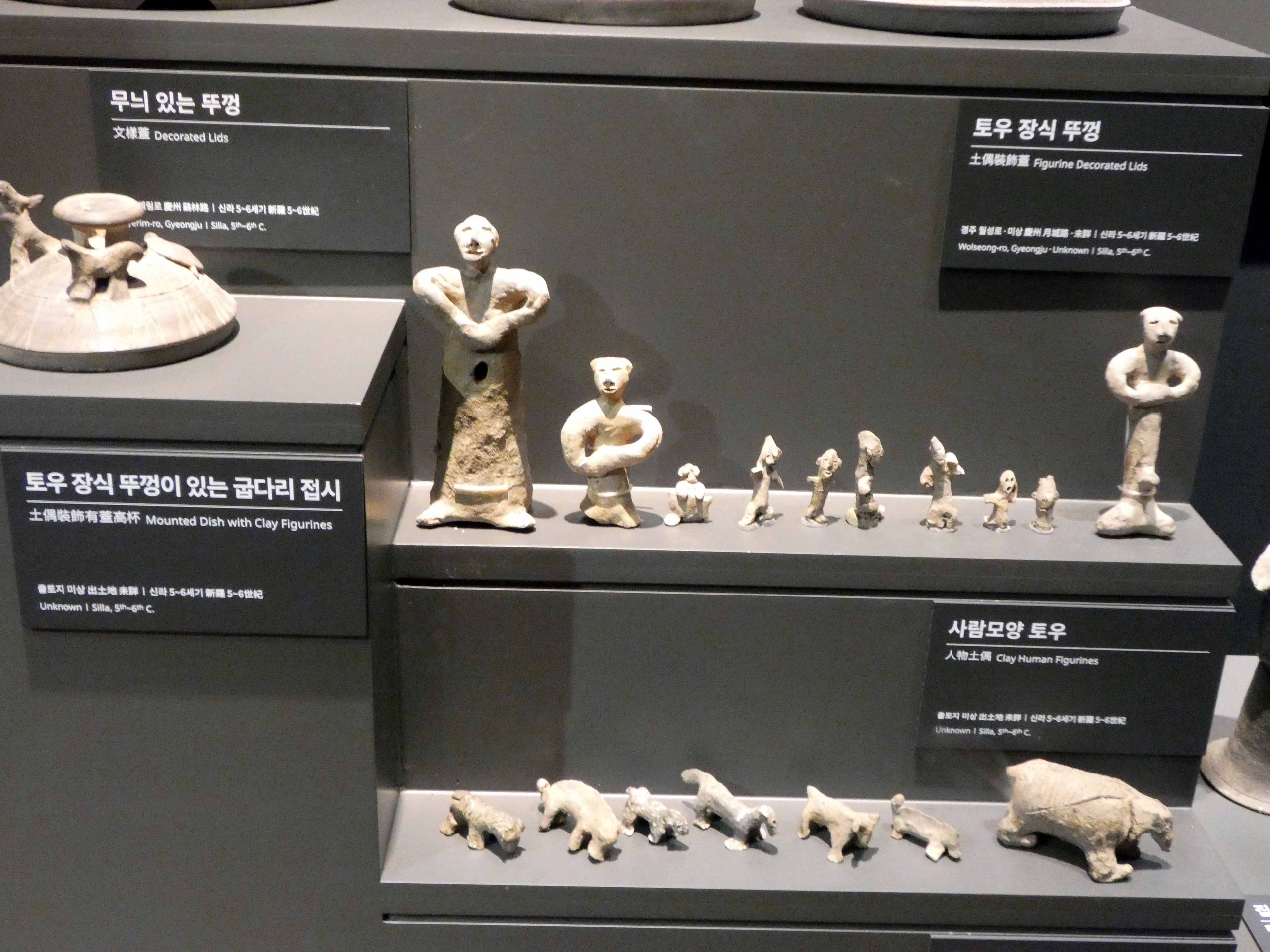
In the nearby museum, we could then view some of the artifacts. It was also shown in the museum that people have settled here since the Neolithic. However, they have no finds from the period between the Neolithic and the Bronze Age, which occurred here significantly later than in Europe. But there are really very beautiful finds, and due to the complexity of the mound construction, no grave robbers have been able to take anything out of here.
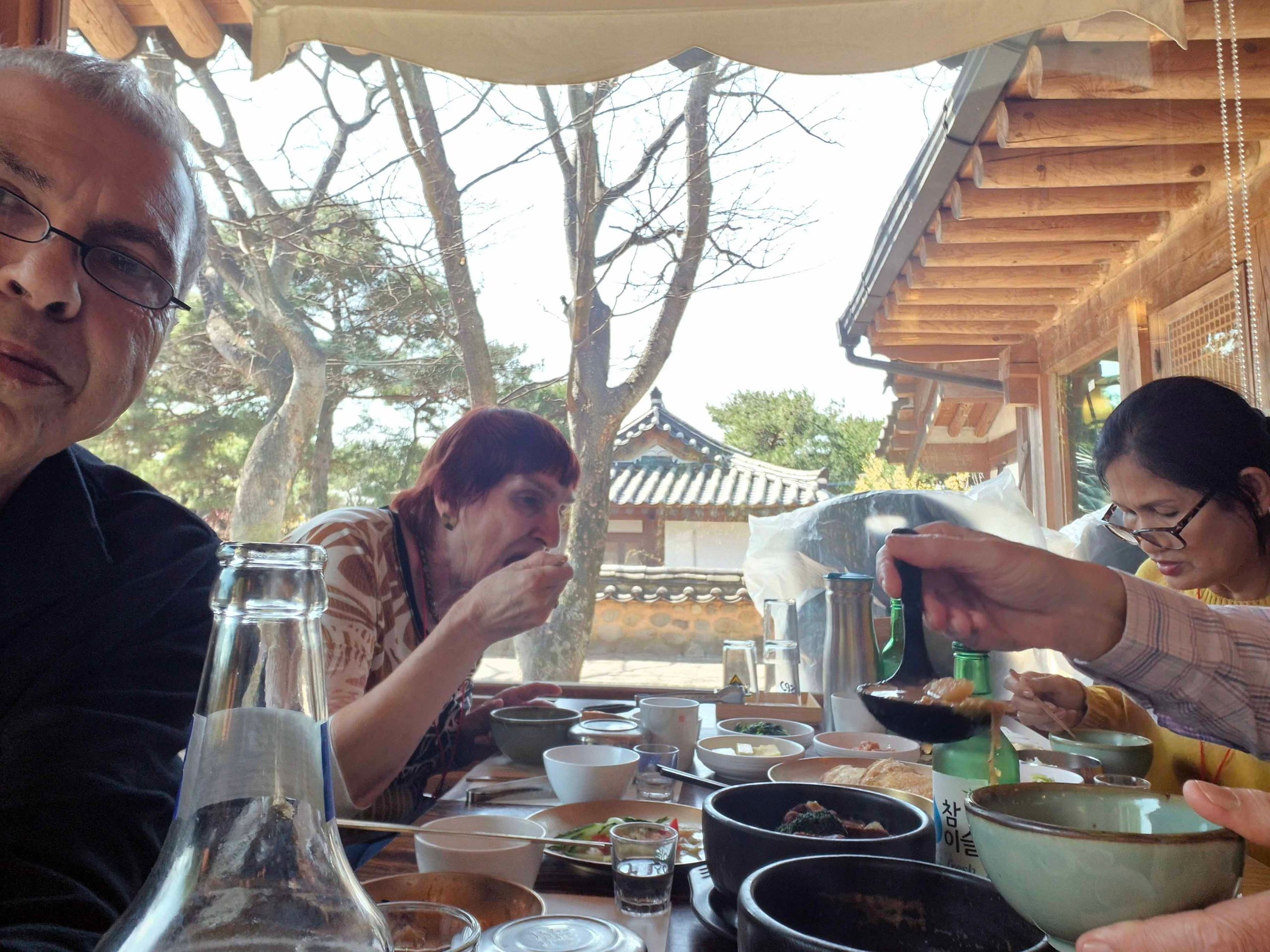
Afterward, we had a Korean feast in a local restaurant. 25 different dishes and various local drinks were served. We could have immediately sunk into a deep digestion sleep.
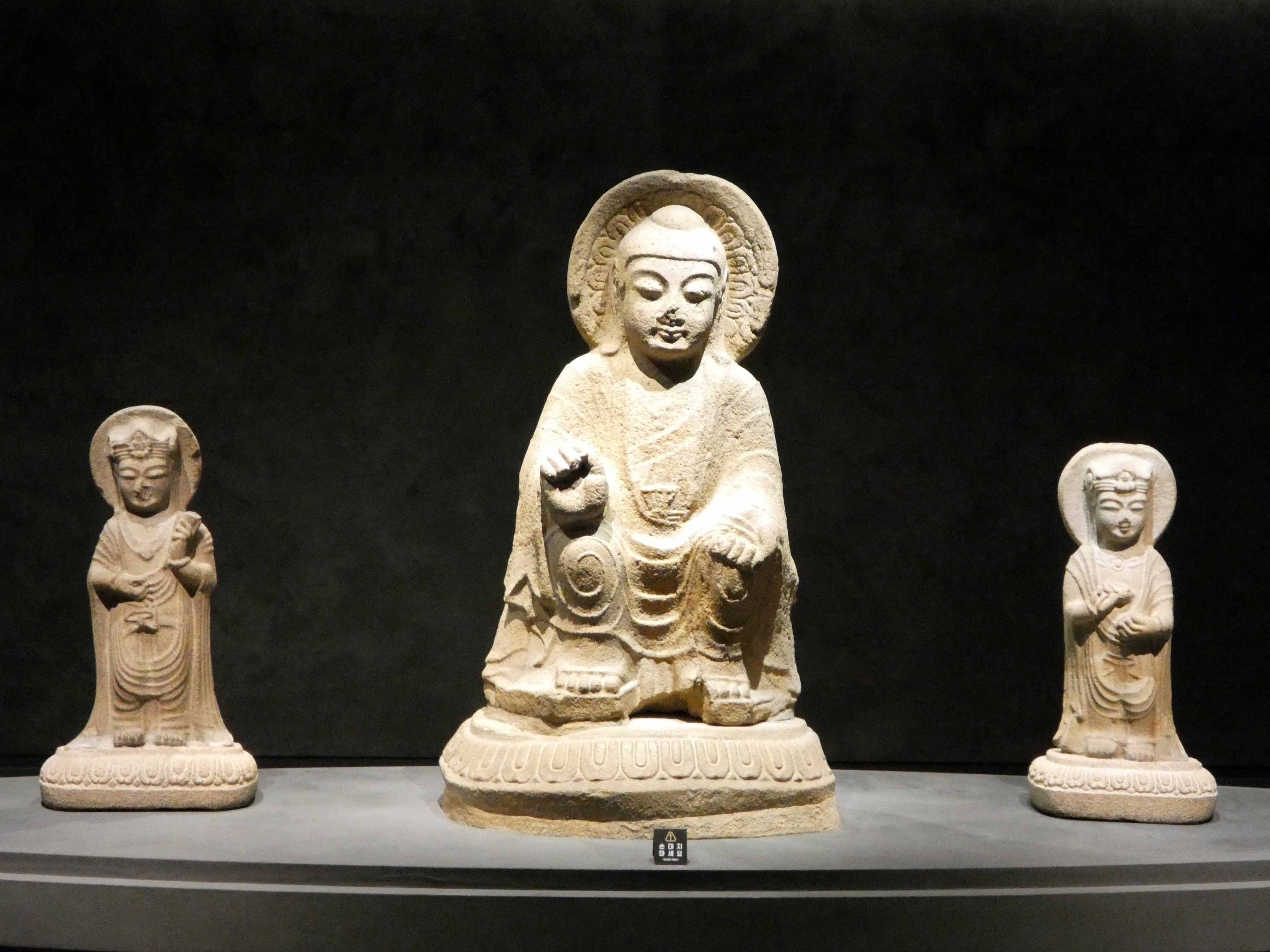
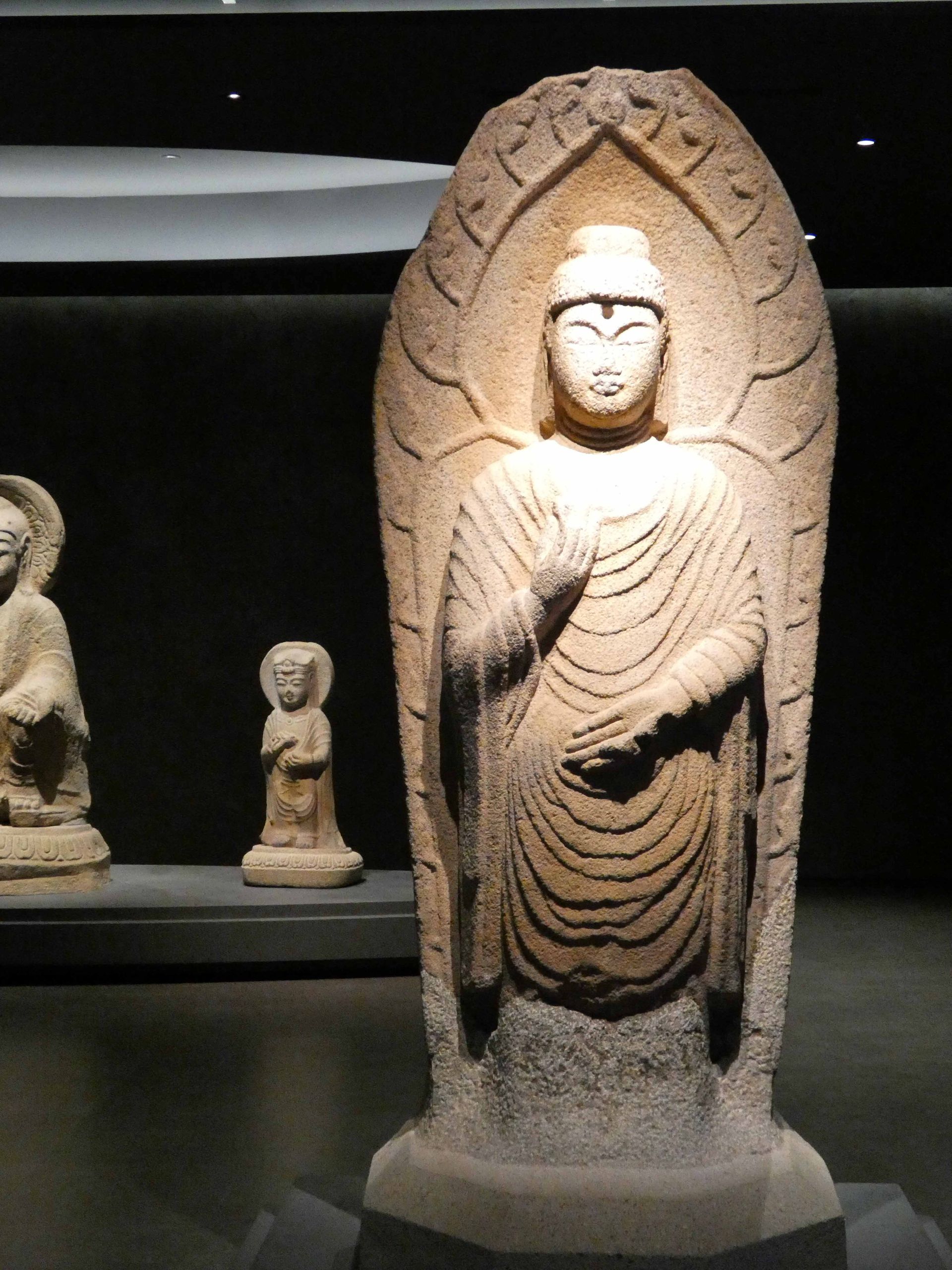
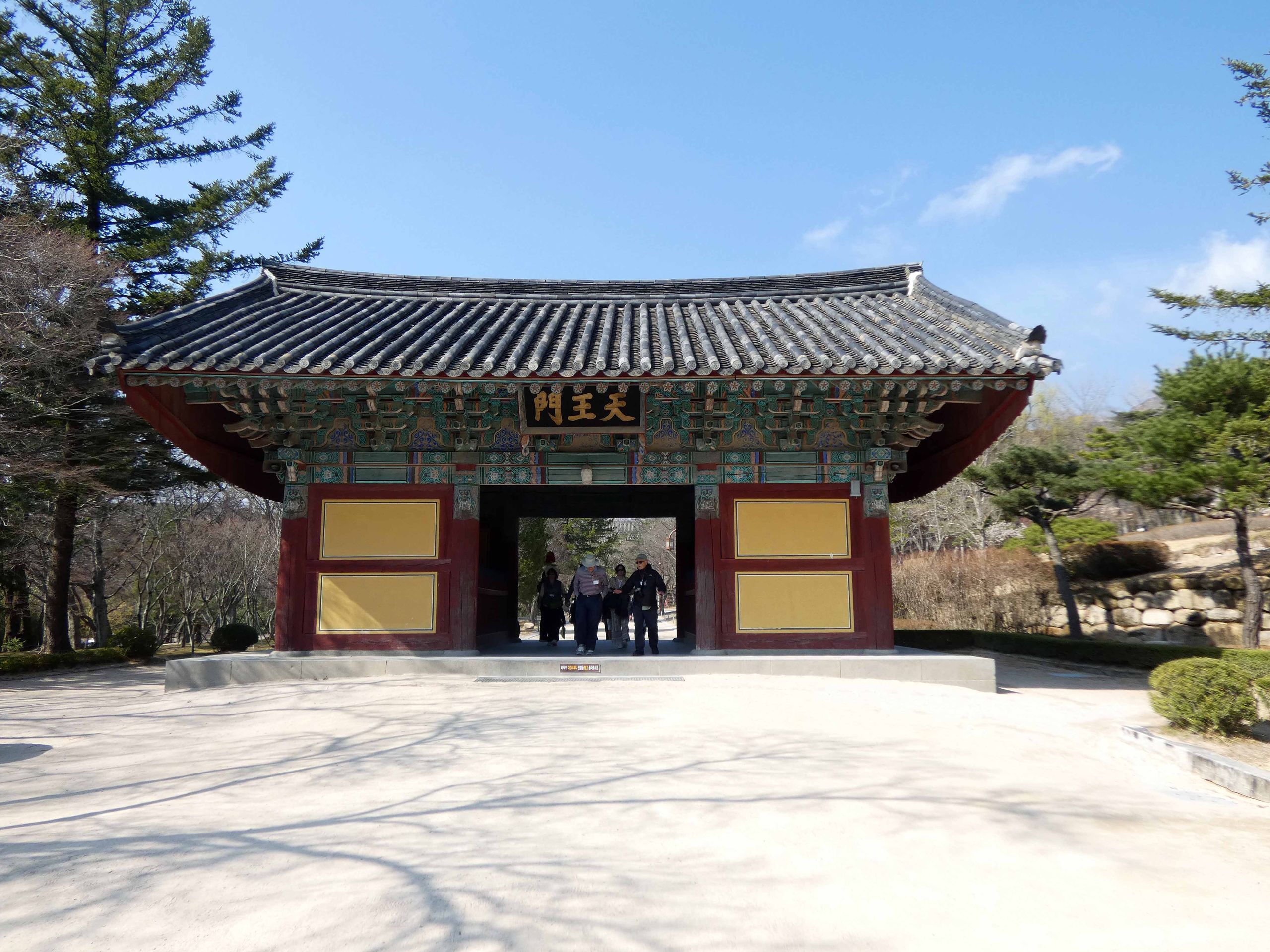
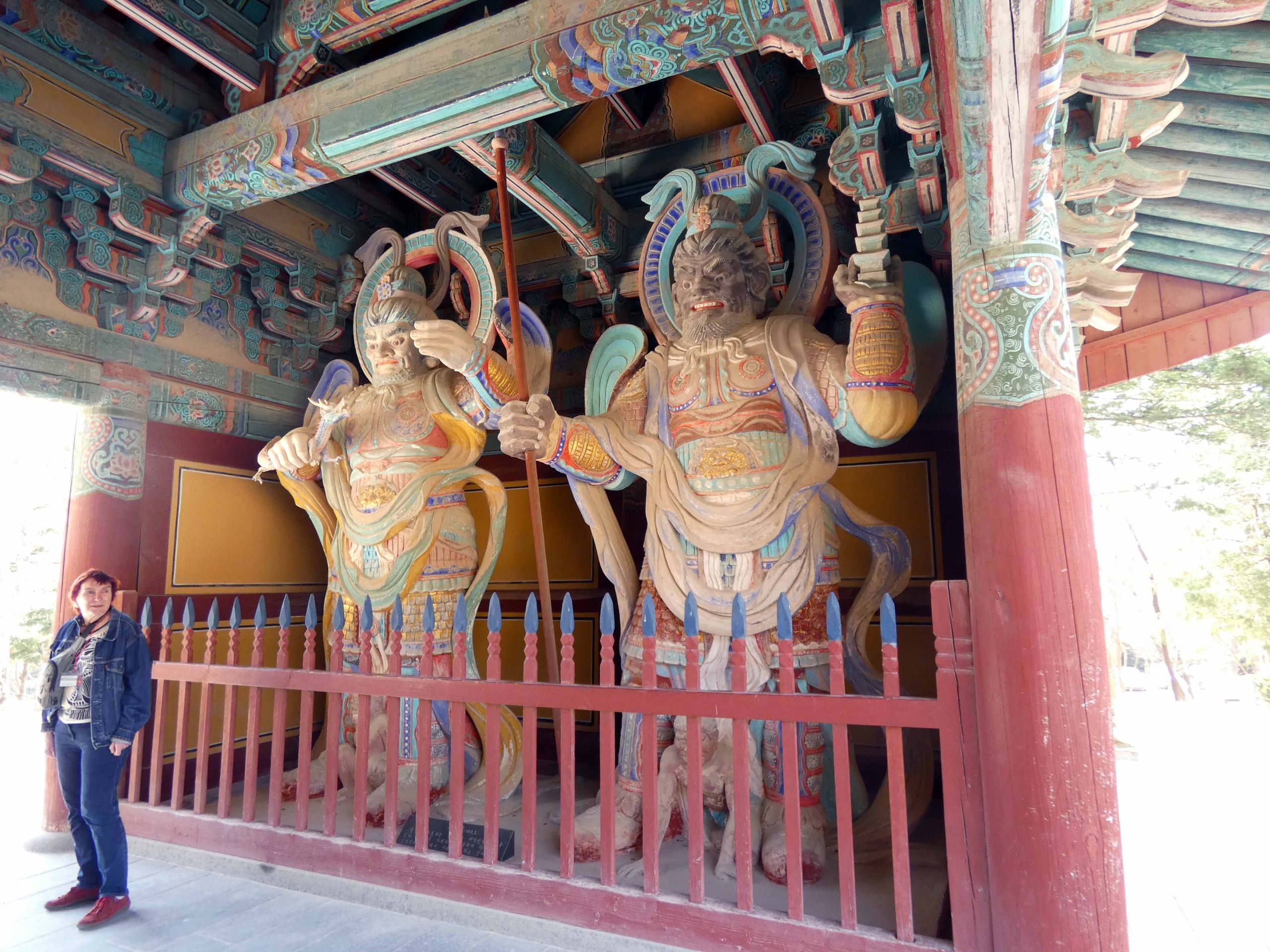
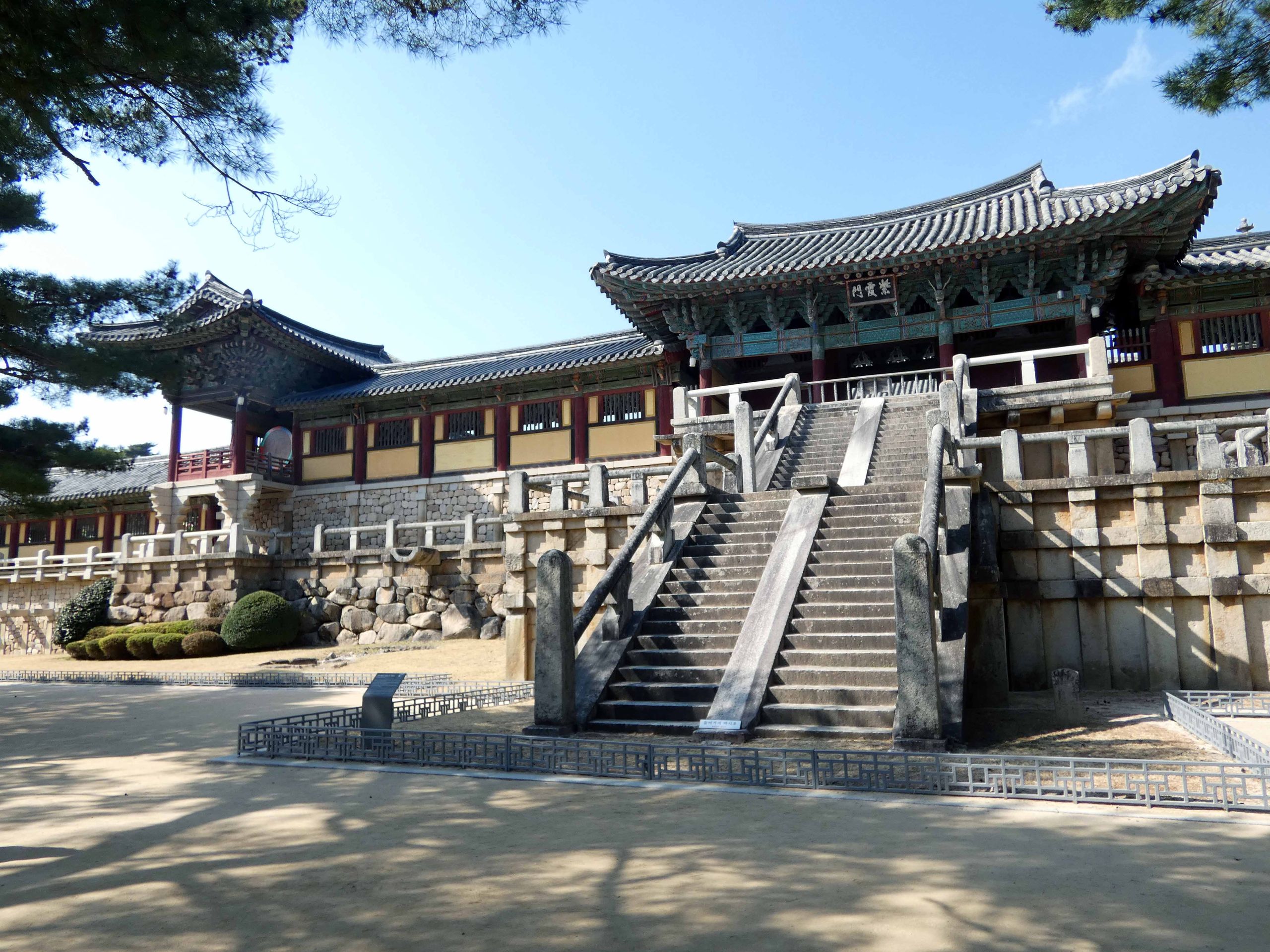
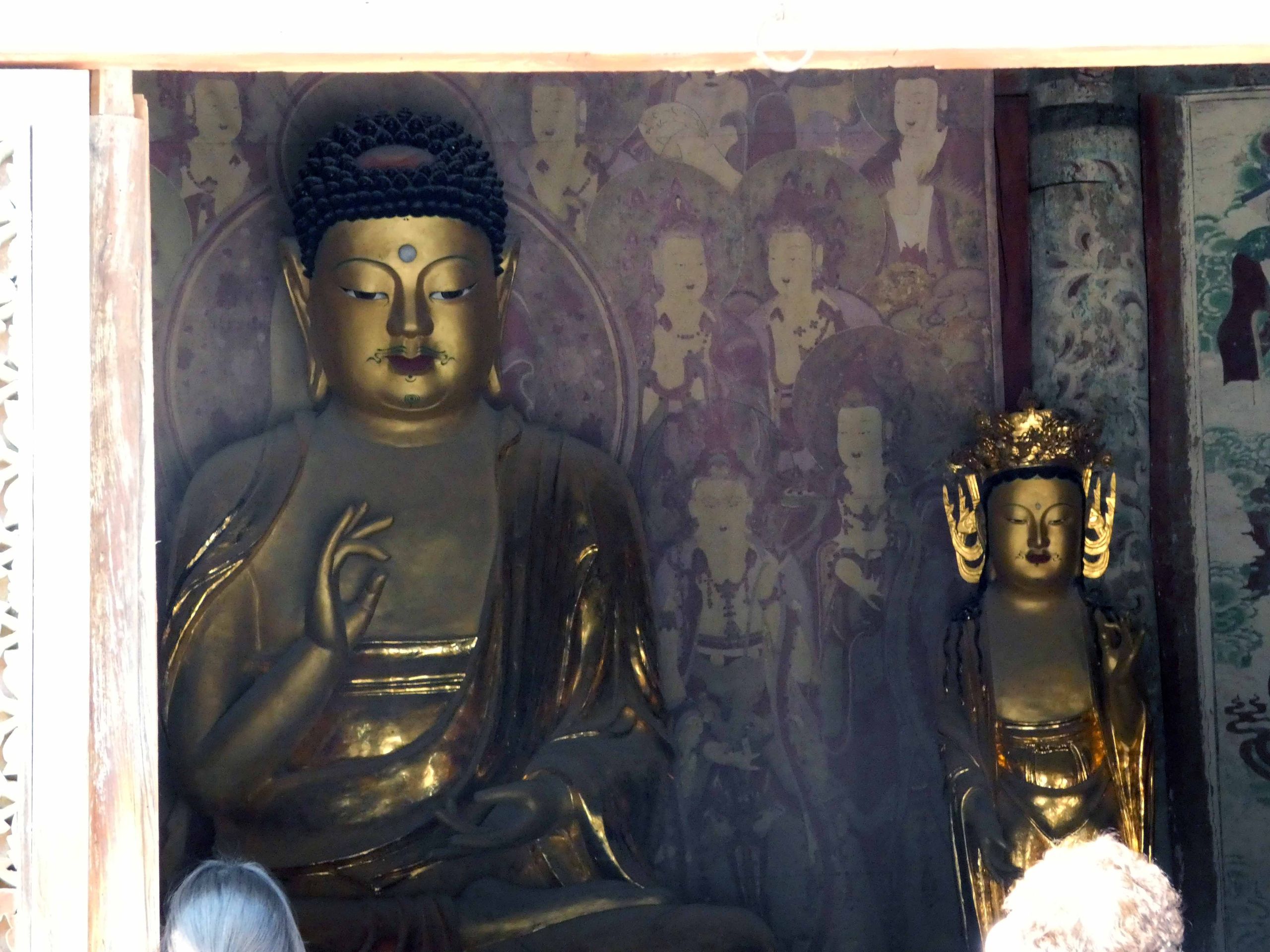
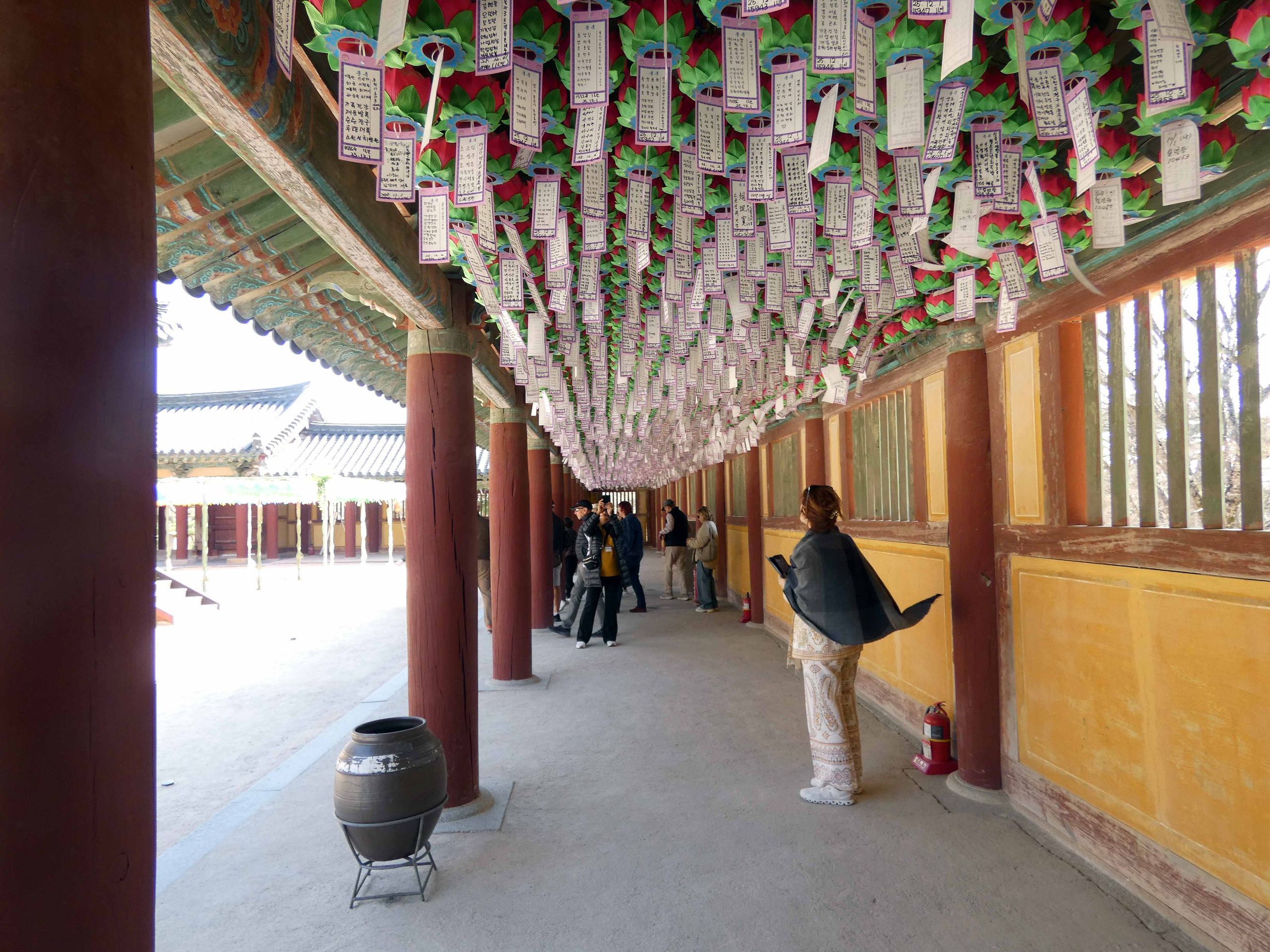
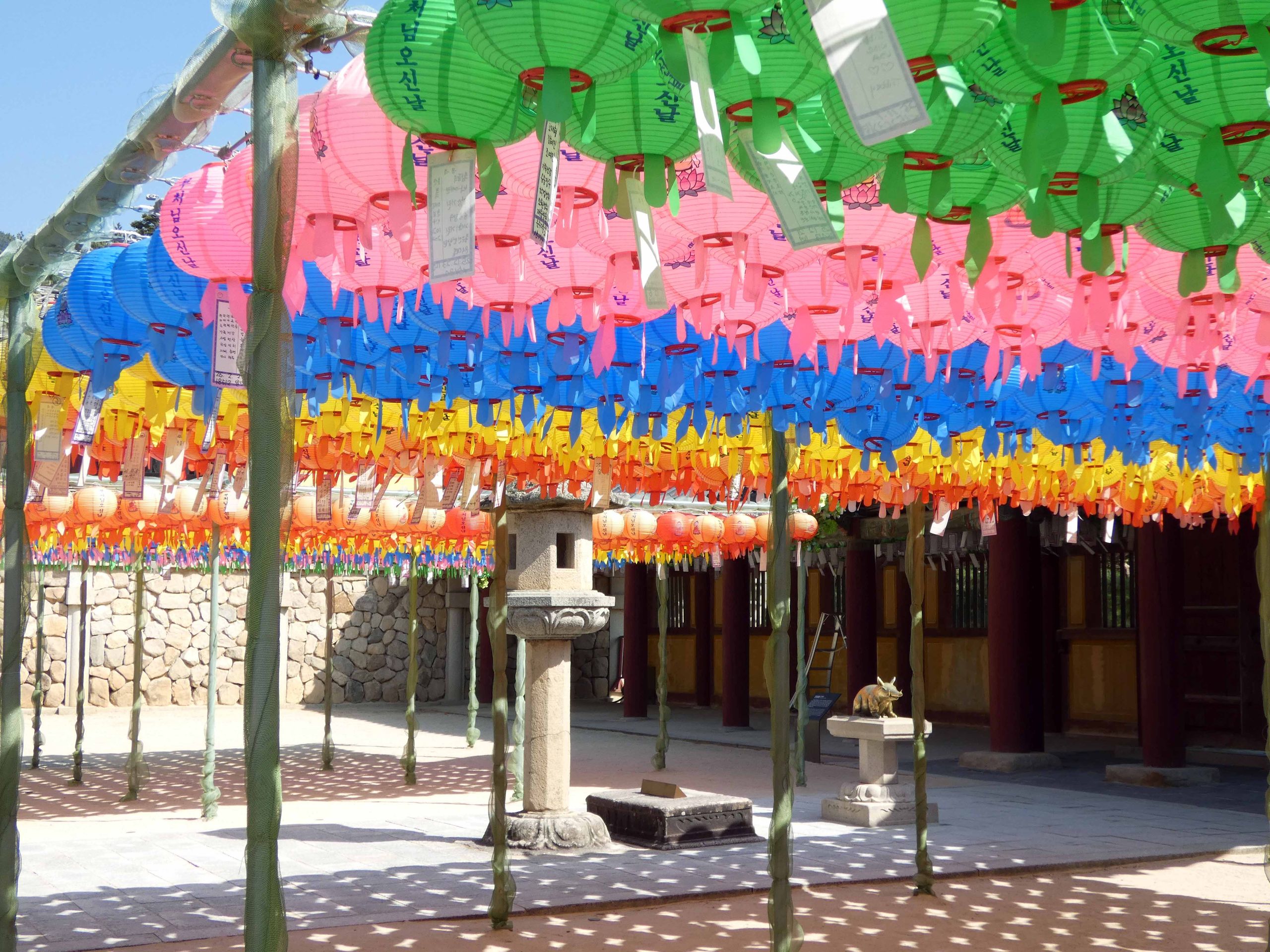
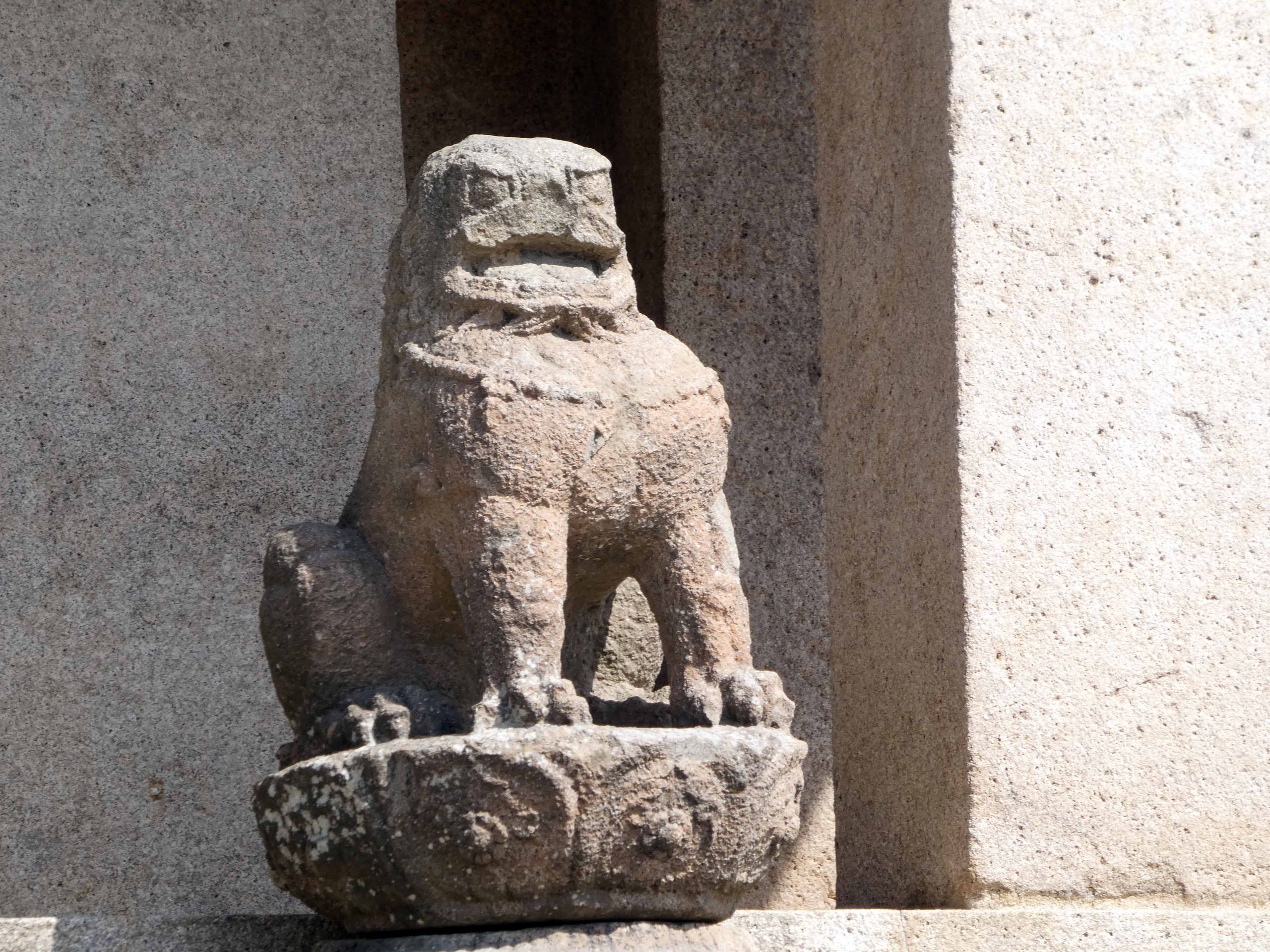
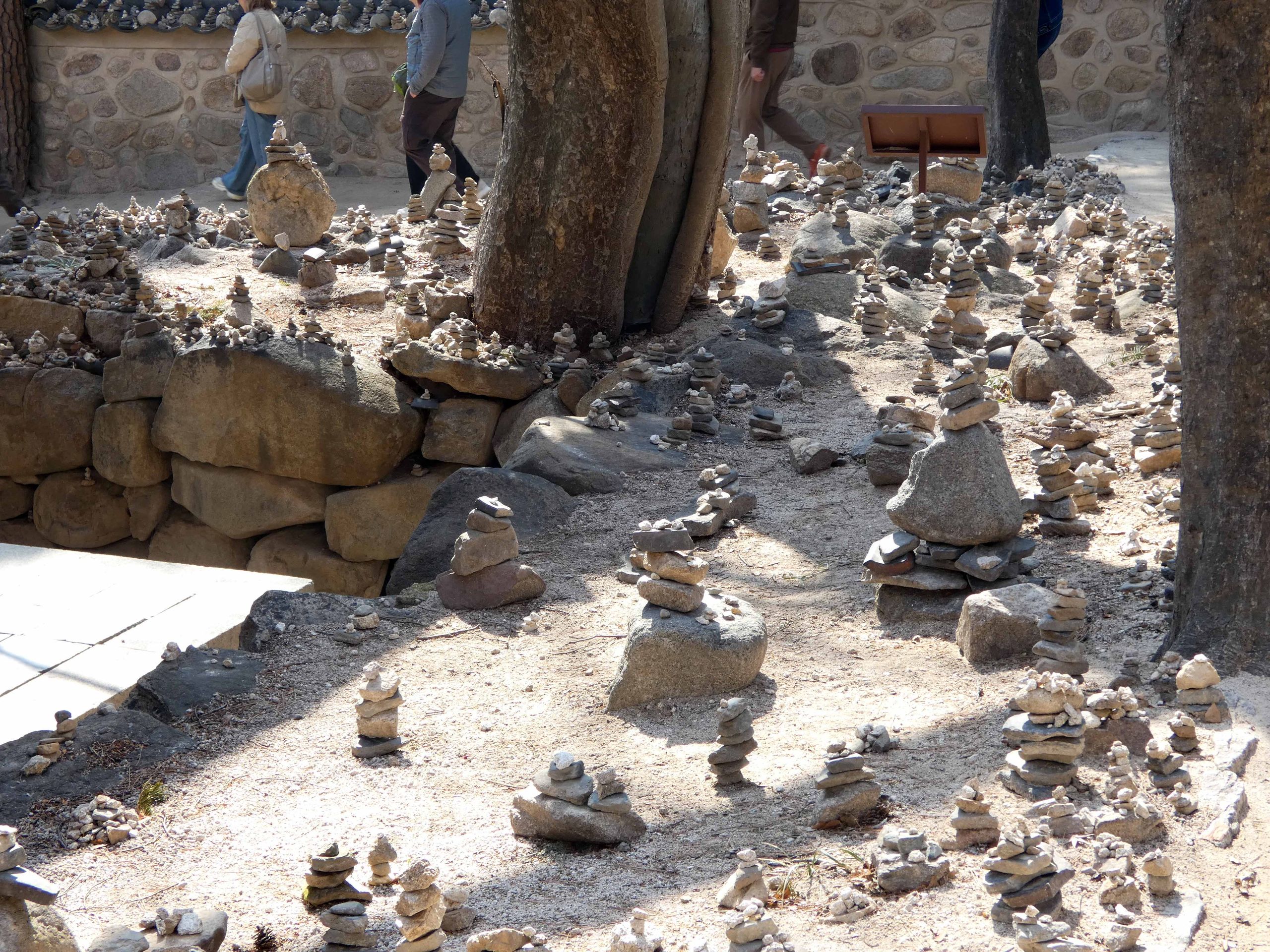
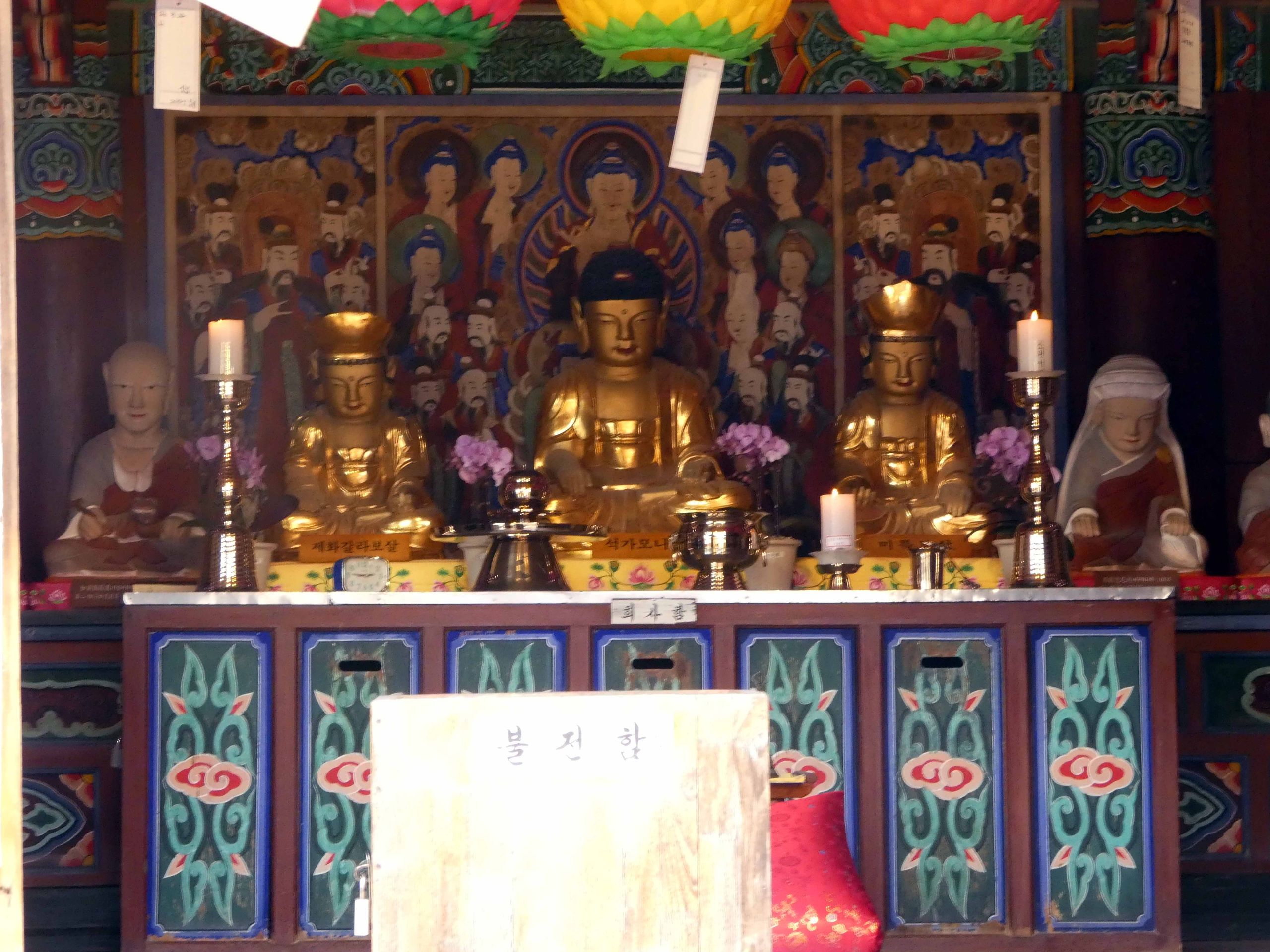
But it continued to the Bulguksa temple, which is also located in the city of Gyeongju. It is one of the most significant Buddhist buildings in Korea and was built in 528, during the time of the already mentioned Silla kingdom. Over the long time, the temple complex has repeatedly burned down (like, for example, the golden temple in Japan) and was then rebuilt and partially altered. However, the current site largely corresponds to the original form identified through archaeological excavations. Overall, it is a large, beautiful, lively, and still-used temple complex.
After all the impressions and the longer walking distances, it was time to take the 1.5-hour bus ride back to the ship. Along the way, our guide talked about the consequences of the Korean War and how South Koreans deal with the regime in North Korea.
Back on the ship, we looked at the presentation of the next ports and only had a small dinner.
Tomorrow we will go through the immigration procedure in Japan after the detour to Korea.
Südostasien und Japan mit KirschblüteLike a newsletter: every new post arrives via email.
Answer