

Lake Naivasha
Tag 5-6 Meanwhile, the last tension from everyday life has fallen away, and my mind is fully accl
Published: 25.03.2026
Day 7-8
After Lake Naivasha, we continued towards Amboseli National Park. About 300 km, although one should always plan a bit more time for Kenyan roads.
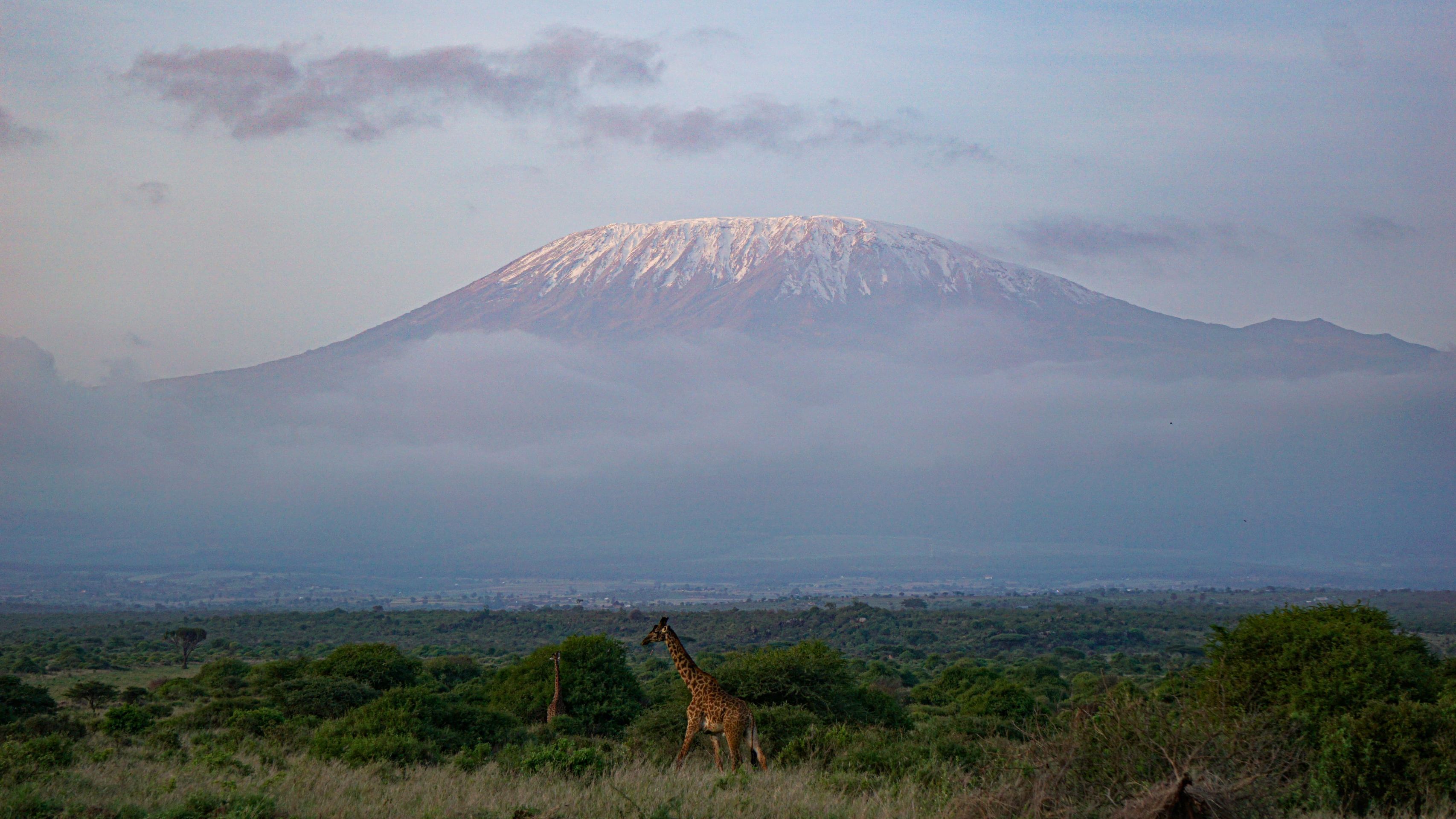
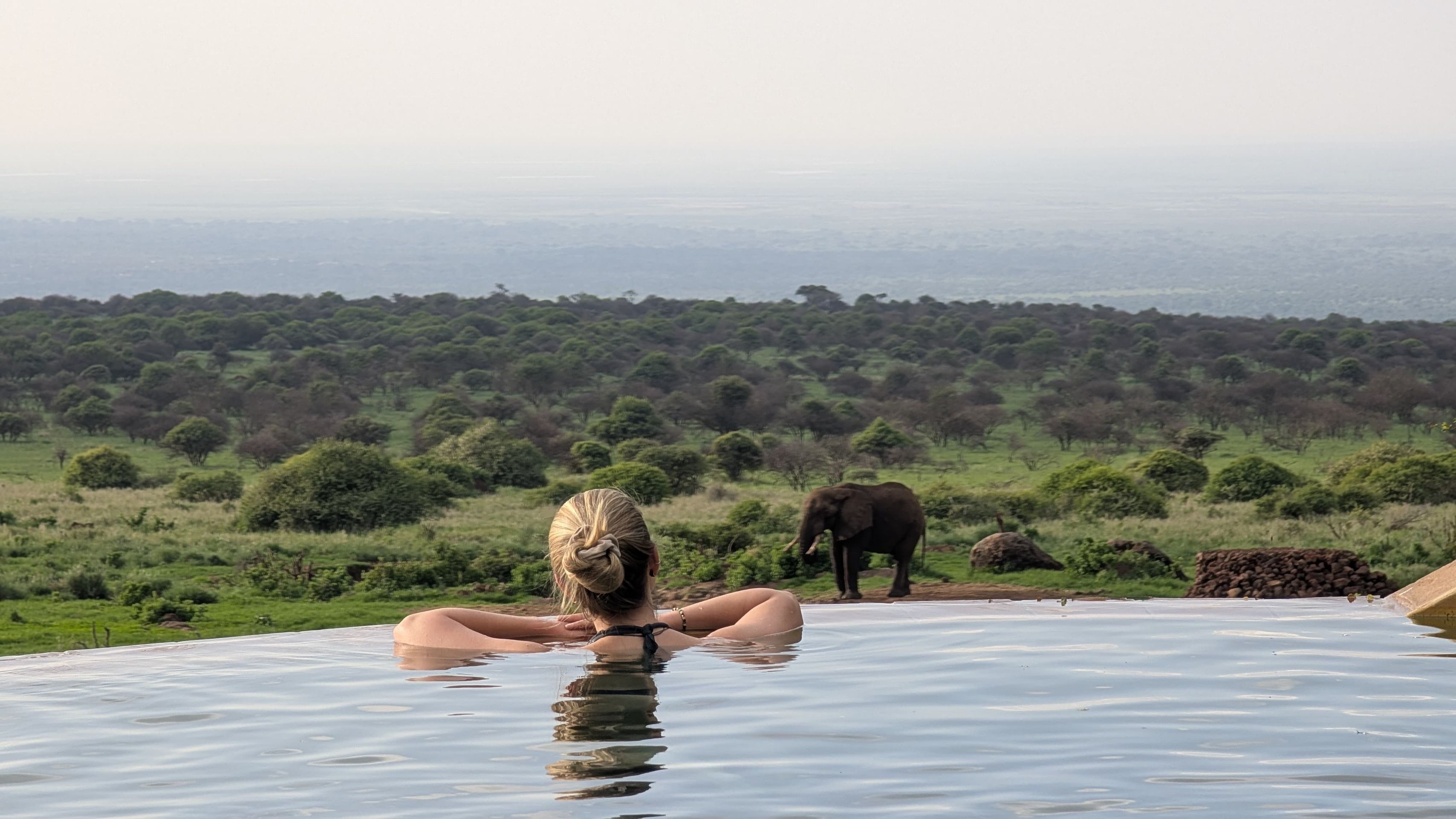
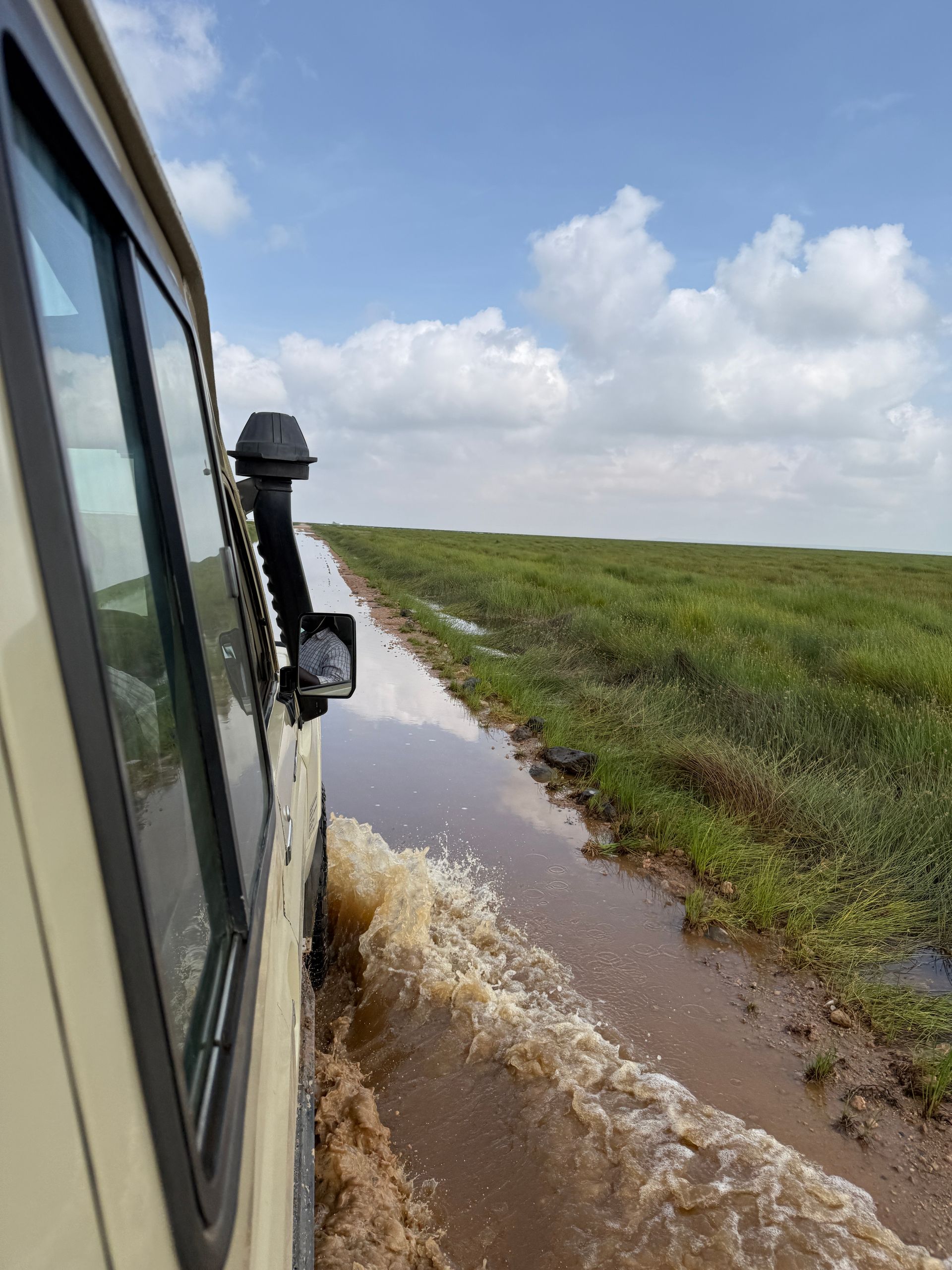
Our lodge was on the edge of the park with a view of Mount Kilimanjaro. But where is it? Only by evening did its snow-covered peak reveal itself. Mount Kilimanjaro is almost 6000m high, making it the tallest mountain in all of Africa. It plays an important role for the environment, as its melted snow flows down into the valley, serving as a critical water source for the locals. Unfortunately, it is also not spared from global warming, and by 2030 there may be no snow left up there. Kenyans often mention climate change and are keenly aware that nature is changing. They are probably so aware of this because they see it right before their eyes every day. The climate is changing, with rainy seasons sometimes skipping entirely or the downpours being so intense that the land is flooded. Kenya introduced a plastic ban in 2017. For example, plastic bags are completely banned across the country and carry a fine if used.
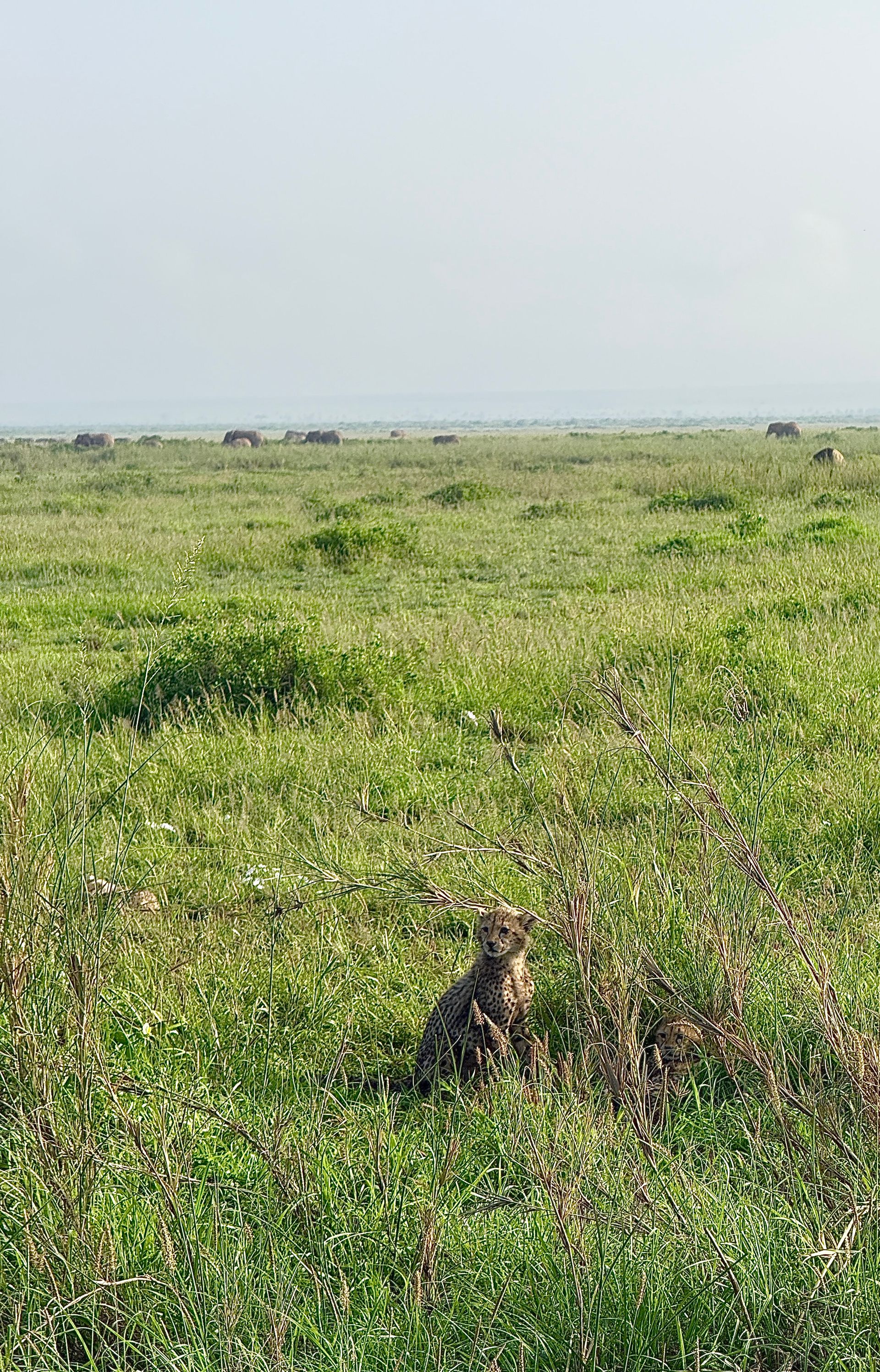
The next day, we went on a safari again, this time in Amboseli National Park. The park covers about 390 km2. Countless elephants live there. It was truly fantastic to observe how the many elephant herds crossed the land to reach their drinking and bathing spots. Sometimes there were well over 100 elephants marching in a line, with the matriarch leading the way. Sometimes it was an opportunity to take a small mud bath, and everyone got their turn. The young elephants particularly seemed to have fun, and at times it appeared they hadn't quite mastered their trunks yet. The baby elephants are very well protected by the entire herd, often walking in the middle surrounded by other elephants, especially when danger is near.
Elephants are very social and will take in orphaned calves into their herd.
They are the largest land mammals, known for their high intelligence, social family structures, and versatile trunks. With a gestation period of about 22 months, they have the longest pregnancy of all mammals. They are strict herbivores, needing up to 200 kg of food daily, and are severely endangered due to poaching.
African elephant bulls can grow up to 4 meters tall and weigh 10 tons.
Often, bull elephants are loners, especially those over 70 years old.
Oh, I just love them. Elephants are just wonderful. Although they can also behave quite differently. Once, a bull became quite aggressive while we observed him for a while. Another one resolved it differently and let out a loud fart when he seemed tired of us.
Overall, I found the way to explore the park acceptable. Our driver respected the animals and, in my opinion, came close to them only rarely. Often, the animals stand right next to the road, and if they are not interested in us, they can simply flee into the bushes. Some animals seemed to almost enjoy being admired.
Overall, there was little happening in the parks, and we rarely found ourselves at a spot with other jeeps. Except when wild cats were spotted; then Justus would step on the gas, and you knew something wild was coming.
There were often many other cars around. Well, it is indeed a highlight. Still, I found that somewhat borderline.
Amboseli National Park also had some highlights to offer. The cheetah cubs were a dream, and the large elephant herds were simply impressive.
Overall, however, the park was less impressive than Masai Mara. Of course, it is also significantly smaller, as already mentioned.
Back at our lodge, we enjoyed the clear view of Kilimanjaro, took a swim in the pool, and had dinner together again.
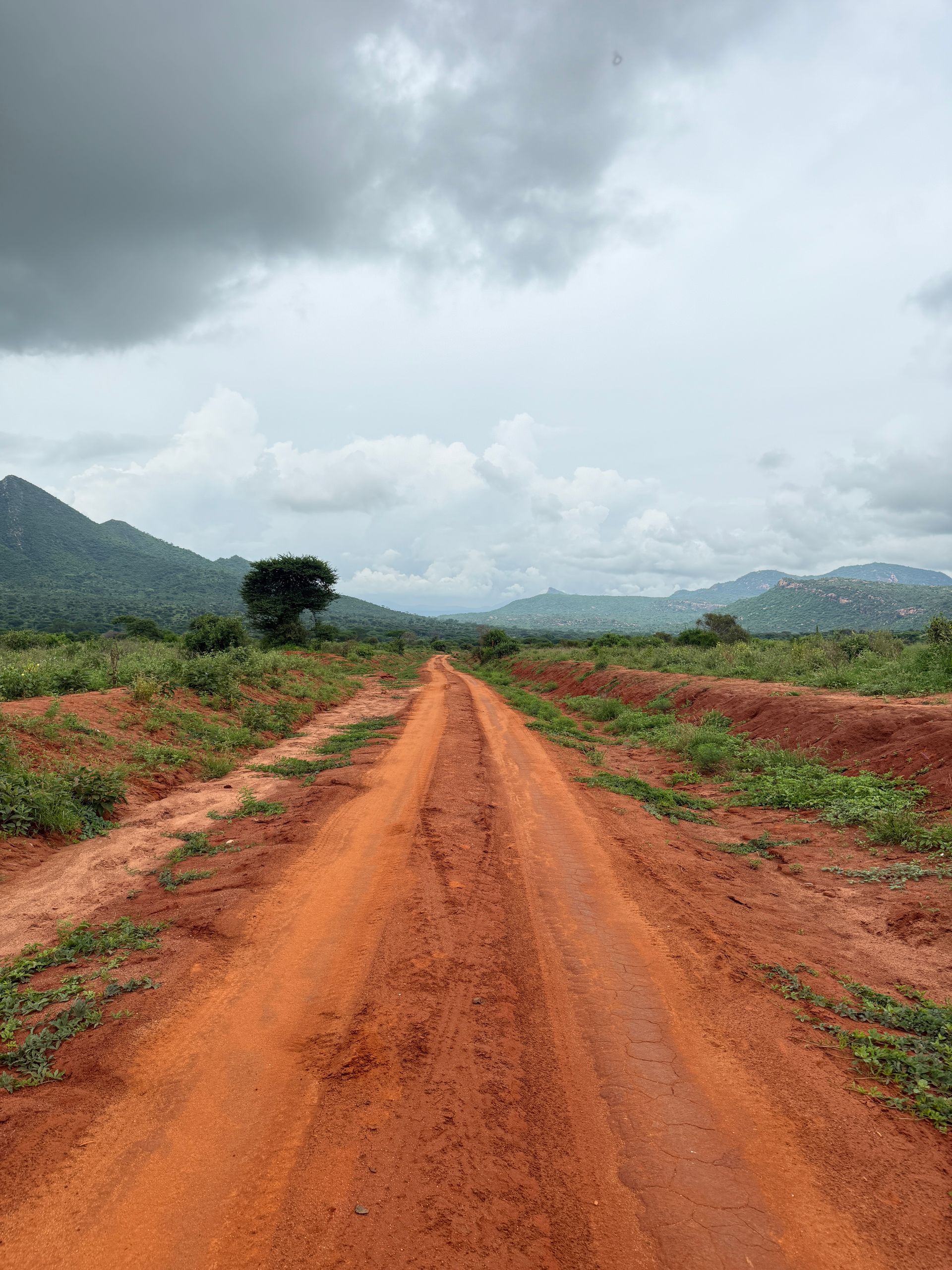
For us, it was on to Tsavo West, our last national park on our safari in Kenya. Yay, only 80 km. Or maybe not yay, because it was 80 km of dirt road. Well, the route was beautiful, as it went through Kenyan fields, with Mount Kilimanjaro always in the background. Everything was green, people working in their fields with donkeys, and everything was pure physical labor. Crazy to think how things are done nowadays back home.
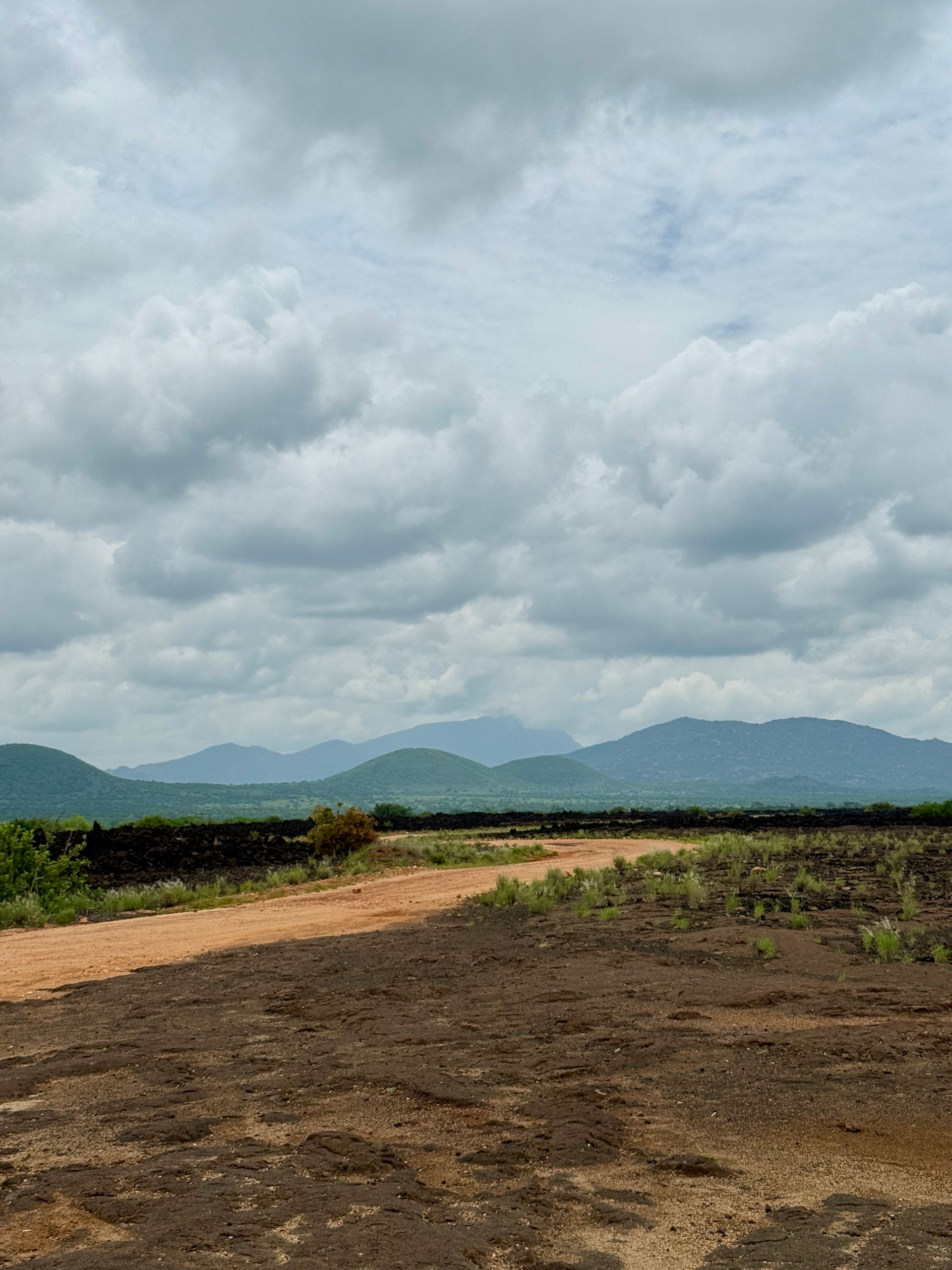
Tsavo West, together with Tsavo East, is the largest national park in Kenya, covering 21000 km2. The landscape of Tsavo West is very diverse and noticeably hillier, more mountainous, and wetter than that of the larger Tsavo East.
Numerous volcanic cones rise from the plain. In the northern part of the park, Acacia–Commiphora savannas dominate with individual trees, including the giant baobab trees.
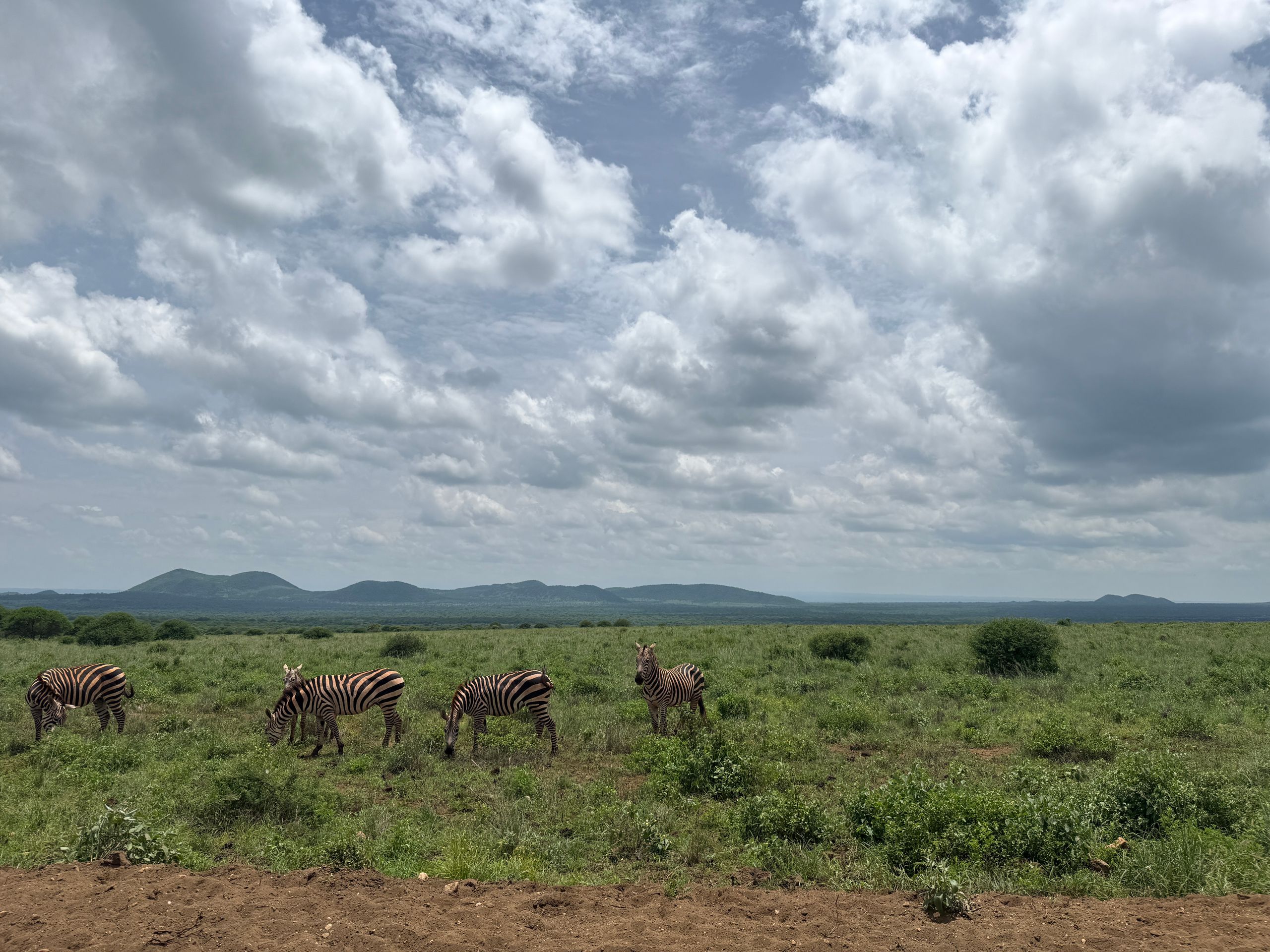
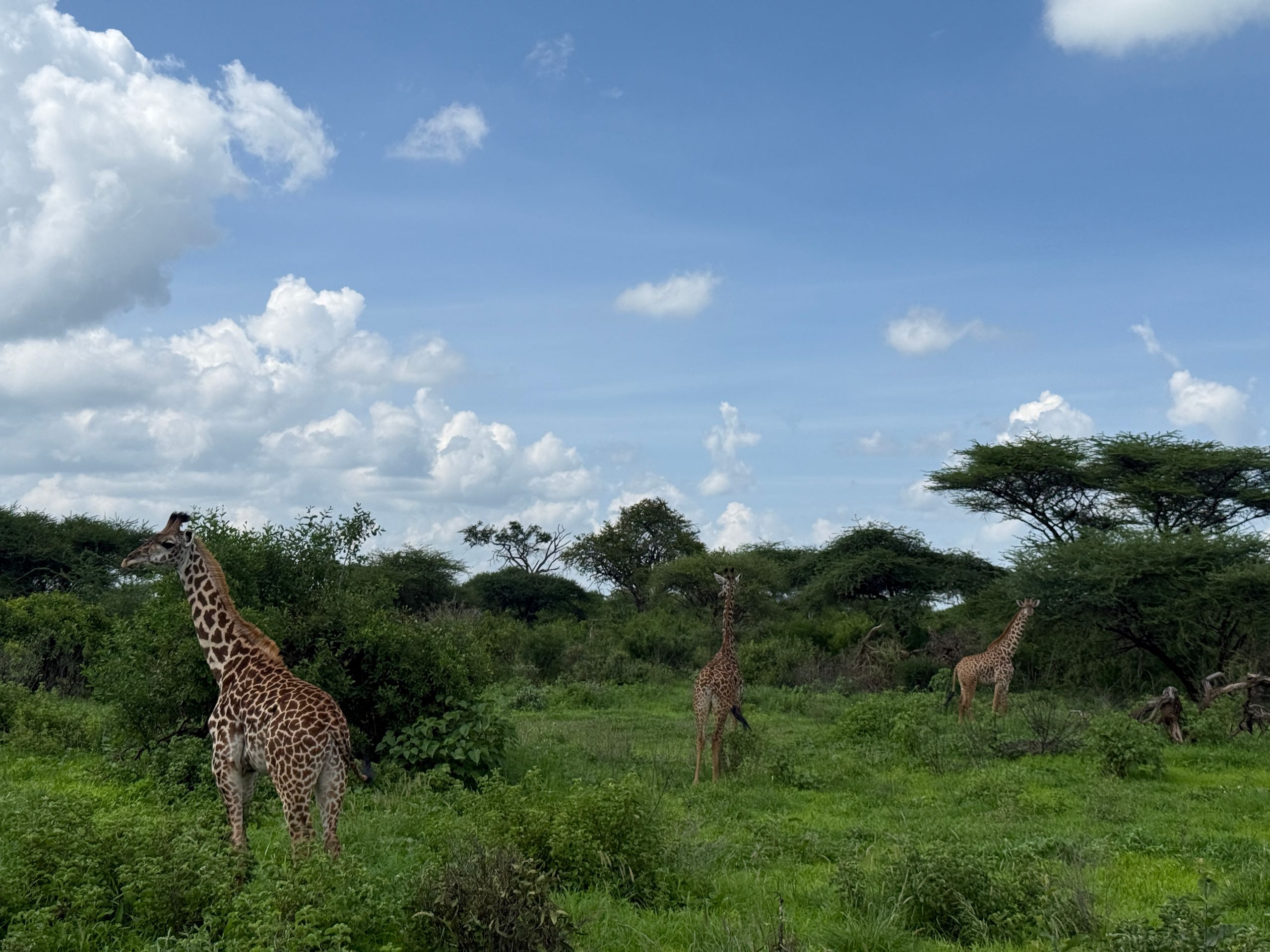
The park was very scenic. Animal watching was rather challenging since the park was very densely vegetated at that time. Nonetheless, it was lovely to drive through the park, enjoy the scenery and the good weather, and occasionally spot some animals.
In total, we were more than satisfied with what we were able to see in terms of wildlife. We even saw rhinos, but only from a distance. The only thing missing was the leopard. That leopard is pretty shy. We didn’t see him in Sri Lanka either. Well, one should always leave something for future trips that hopefully will come.
Our safari adventure is coming to an end. A sad eye, a happy one, as more days await us on the coast of Kenya.
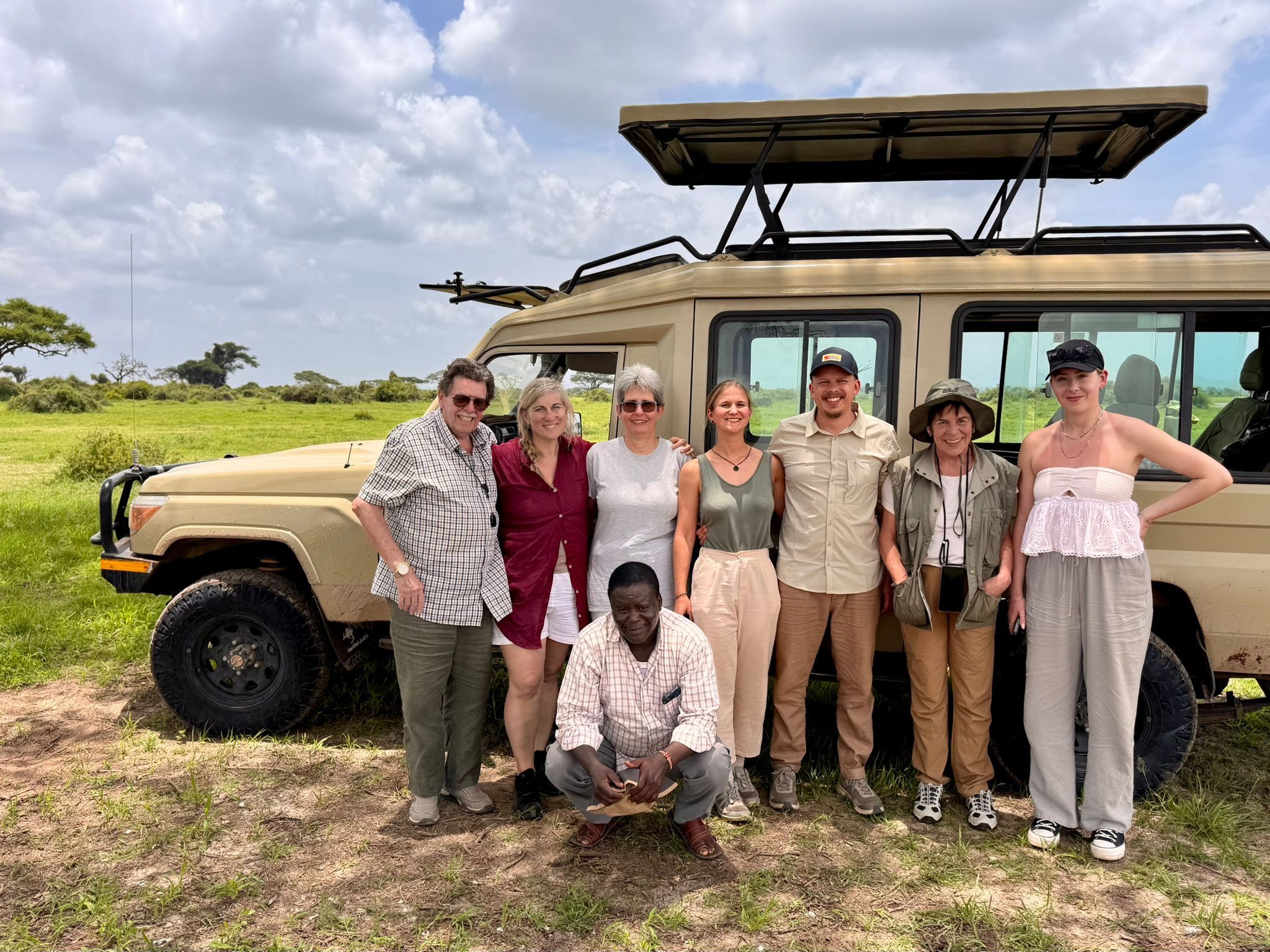
It is also a bit sad that our group is now splitting up. Some are traveling home, while others are staying at different hotels on the beach.
One last shared breakfast in Tsavo West, and then it’s time to say goodbye. Well, as the saying goes, you should always leave when it’s the most beautiful.