

Lübeck: The old town of the Hanseatic city on an island
After getting a good night's sleep, I set off for the city without any rush. However, my legs were a bit sore from cycling too much in the past few days, so I decided to take the...

Published: 27.07.2026
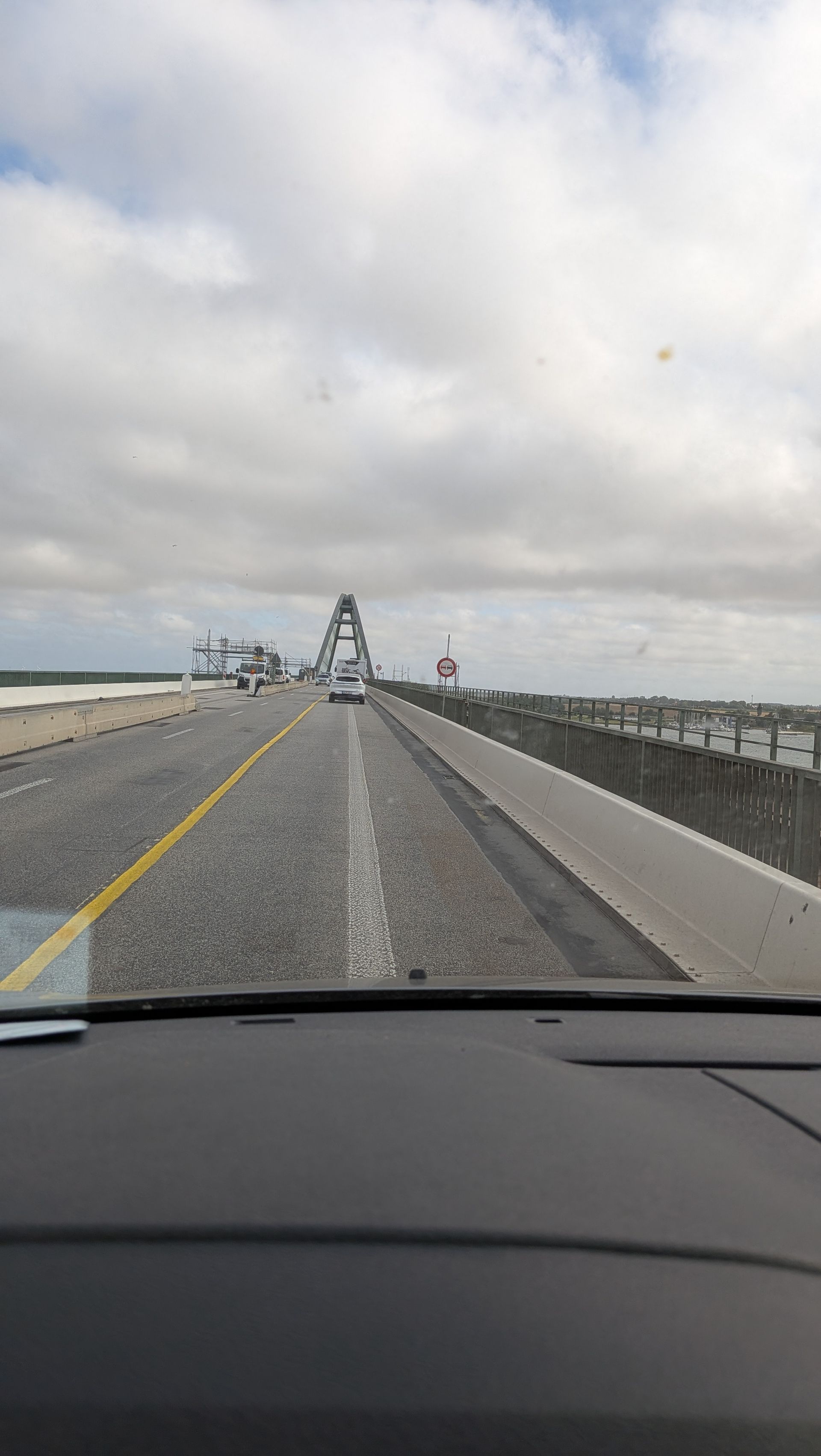
The day started quite early after I had slept poorly and woke up at 5 a.m. and couldn’t get back to sleep. Just after 8 a.m., I drove towards Puttgarden on the island of Fehmarn to take the ferry to Rodby in Denmark. On the way, I crossed a bridge from the German mainland to the island of Fehmarn (Image 1). Near the bridge, the landscape became very attractive, especially the wetlands looked great.
I had booked a ferry for 12:15. Since I arrived at 10 a.m., I drove around a bit on Fehmarn. The island is very flat and didn’t look very attractive while driving around. This also explains why I didn’t take a picture. Additionally, there was a strong wind, which made the presence of wind turbines seem logical. I thought the wait might be quite long, so I checked how I could reschedule my ticket. And... oh surprise, the ticket was valid all day, so I could take any ferry that departed.
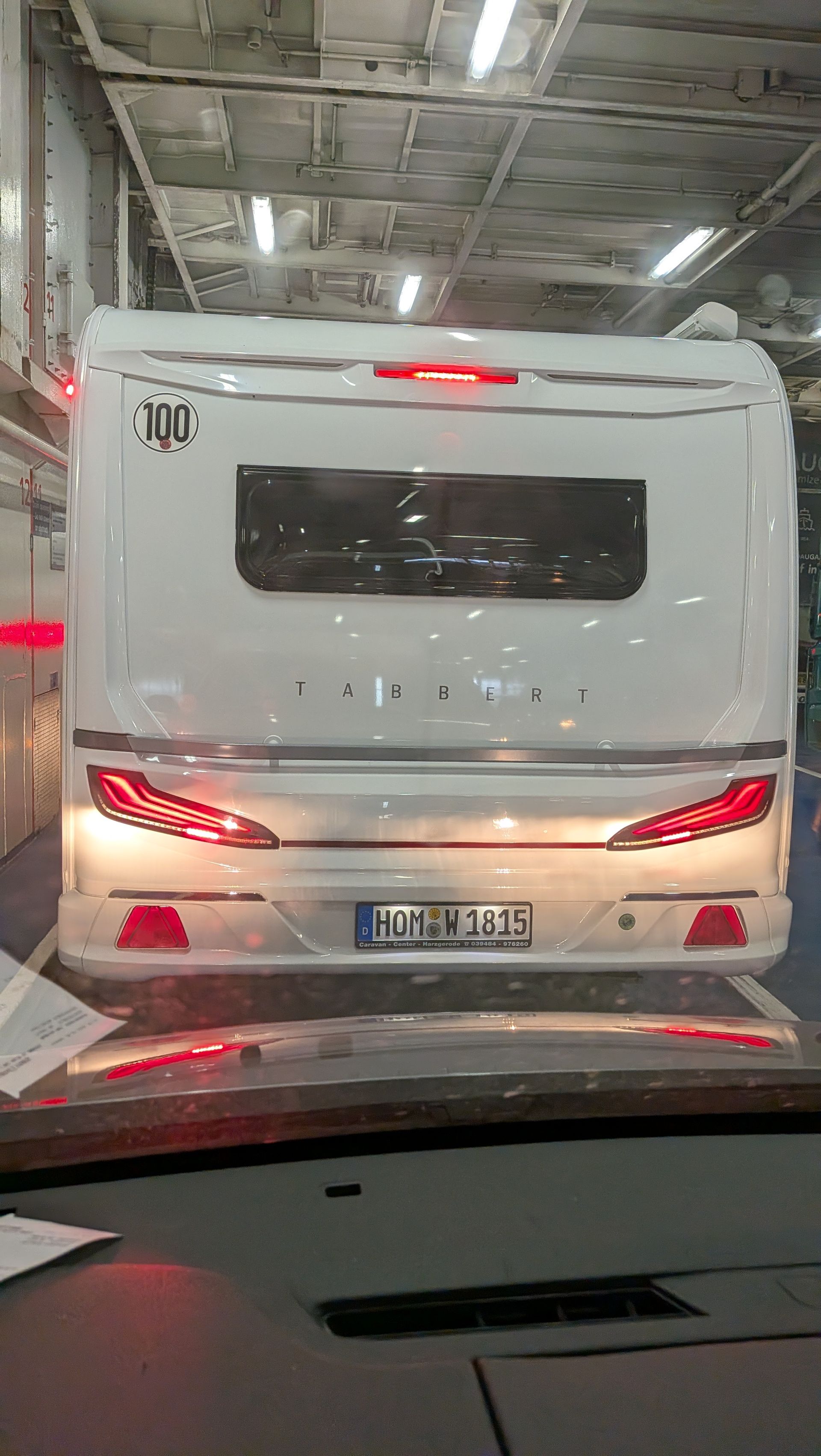
And who was in front of me on the ferry... a person from Saarland, Homburg, with his family (Image 2). Of course, we chatted in Saarland dialect before we had to leave the car deck on the ferry. The ferries are part of the so-called Bird Flight Route, which connects Germany with Scandinavia. If you want to know more about the Bird Flight Route and/or the costs and the ferries: https://puttgardenrodby.de/ or https://www.scandlines.de/tickets/puttgarden-rodby/
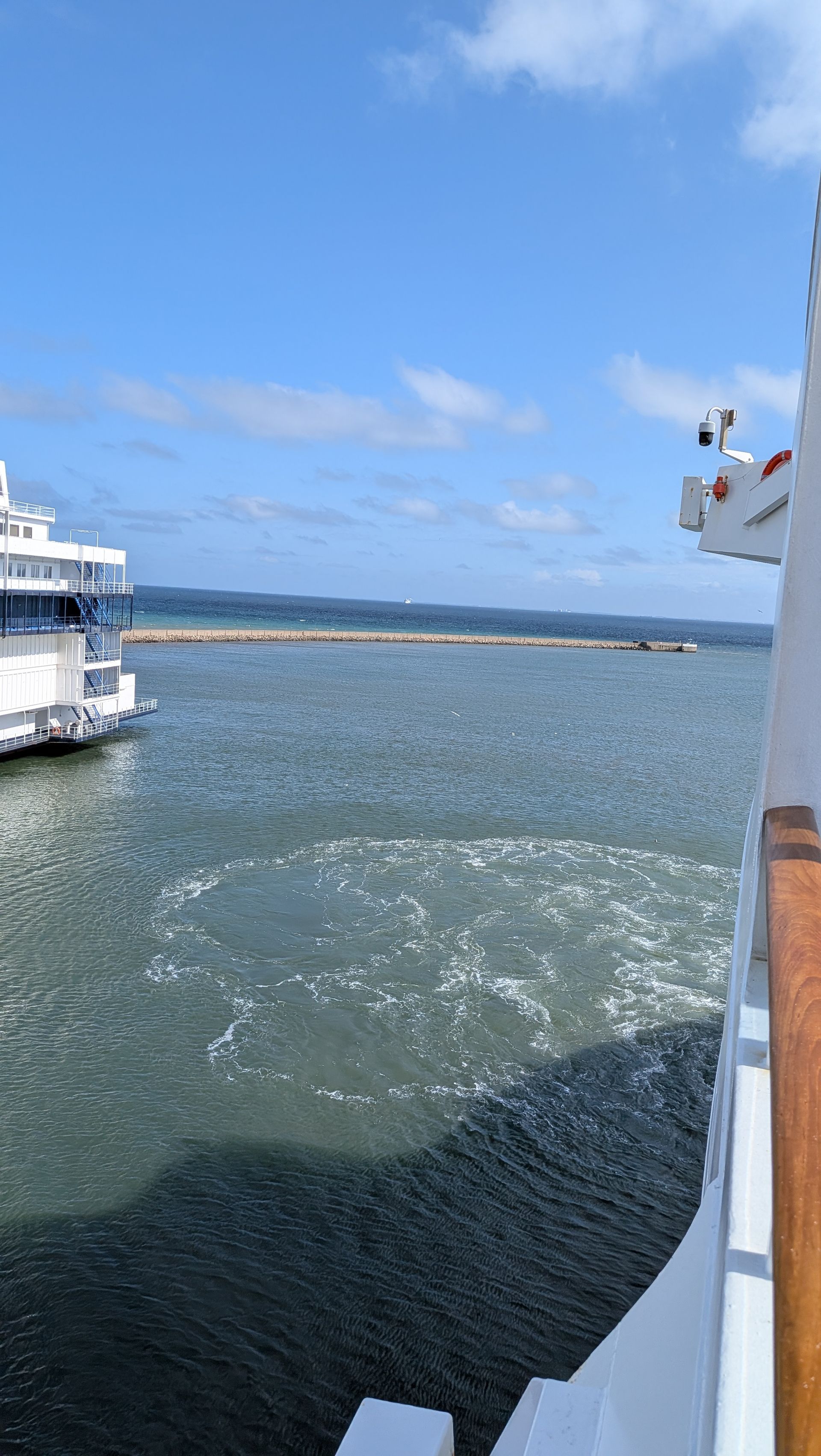
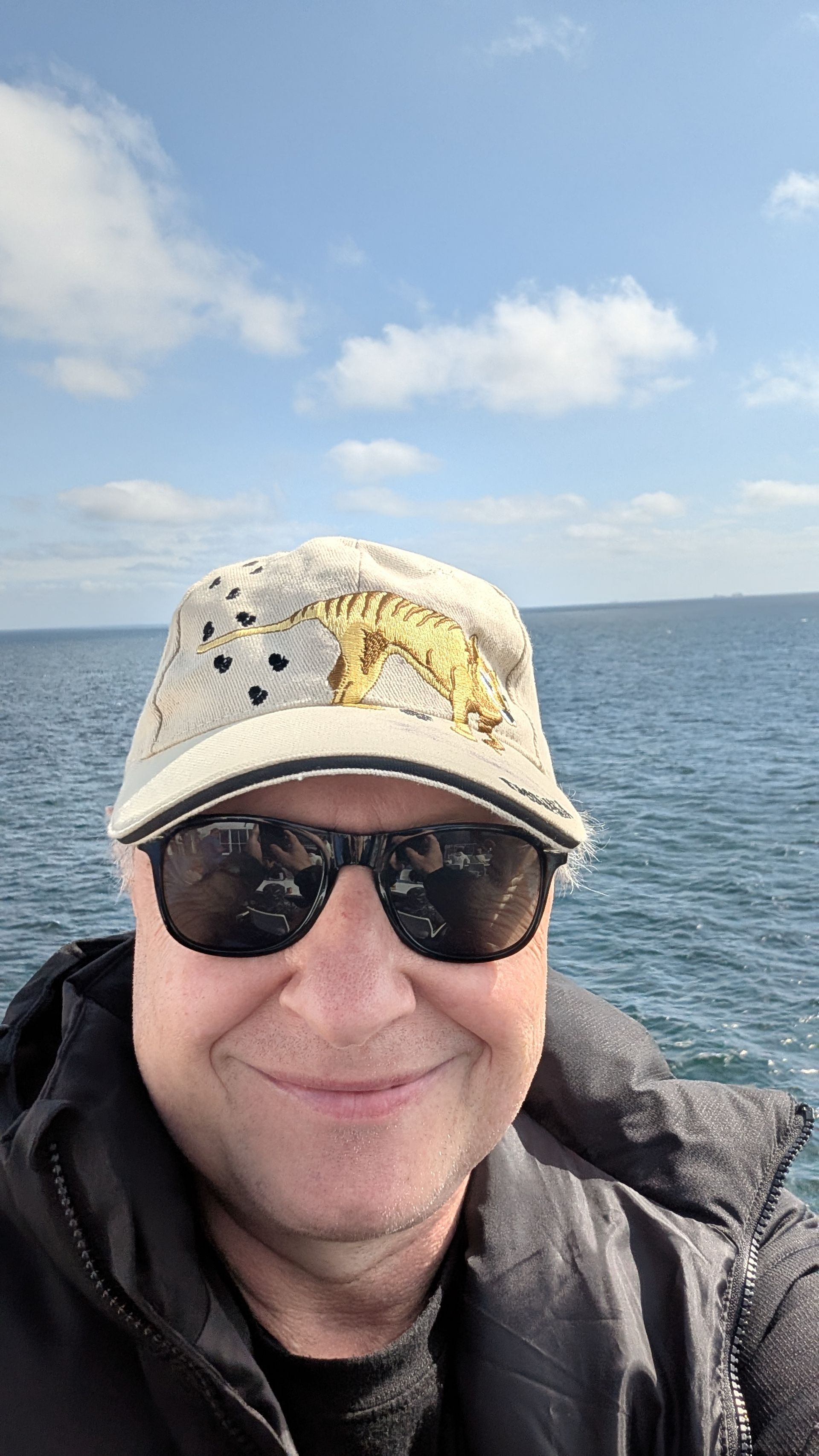
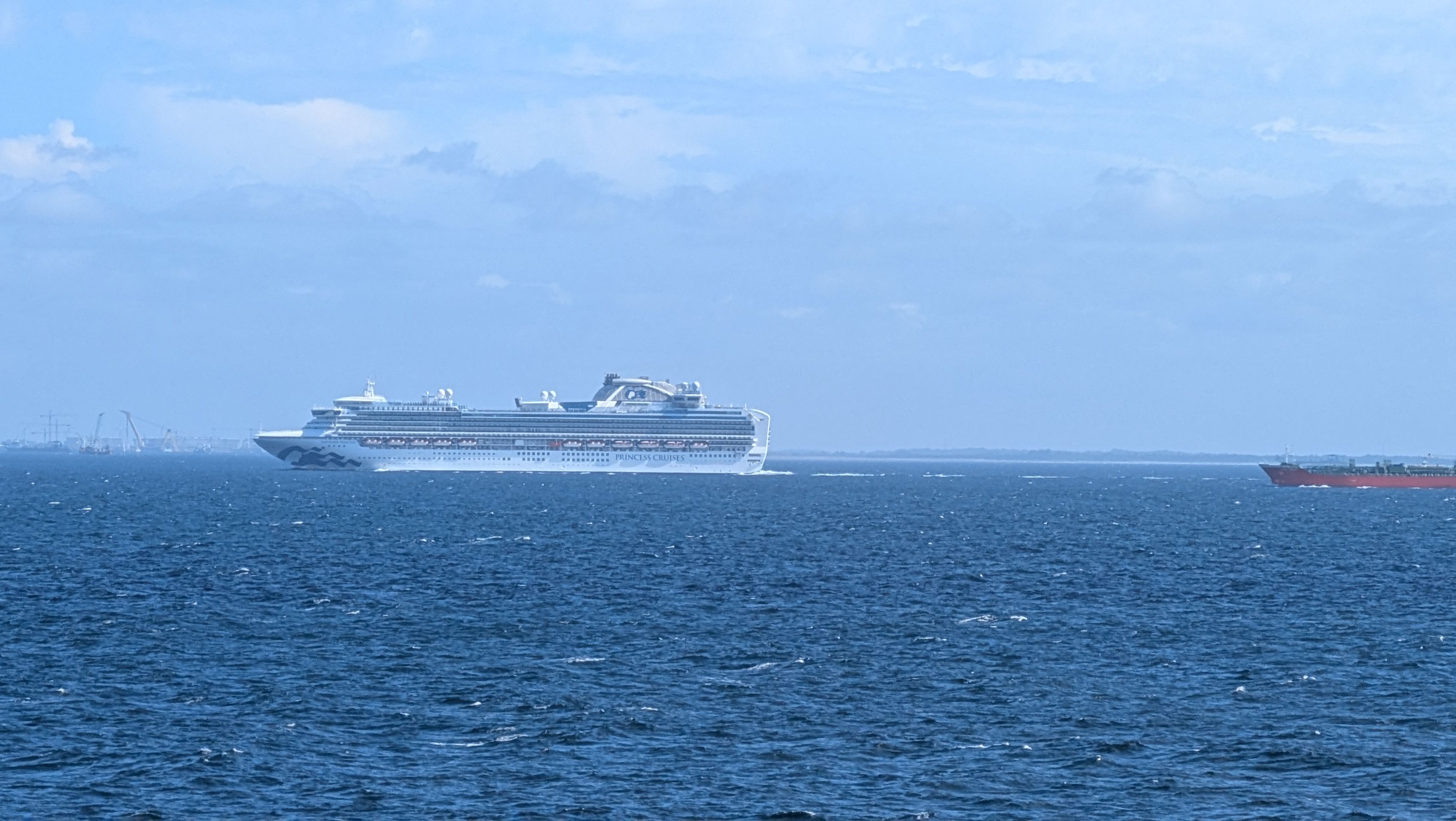
The ferries are equipped with roll-on/roll-off ramps, which unfortunately are not known to be completely safe ships. They operate on a similar principle to the Estonia, which sank en route from Talin in Estonia to Stockholm in Sweden. However, these types of ferries are used all over the world, such as between Melbourne and Devonport in Tasmania. They are like a small supermarket with duty-free shopping and a restaurant, and since we were crossing the border between Germany and Denmark, you can also shop tax-free there. The crossing took 45 minutes and costs between 50 and 170 euros by car. I found this very expensive. (Images 3-5 are from the crossing, leaving the port in Puttgarden, a selfie on the ferry, and a cruise ship that crossed our path).
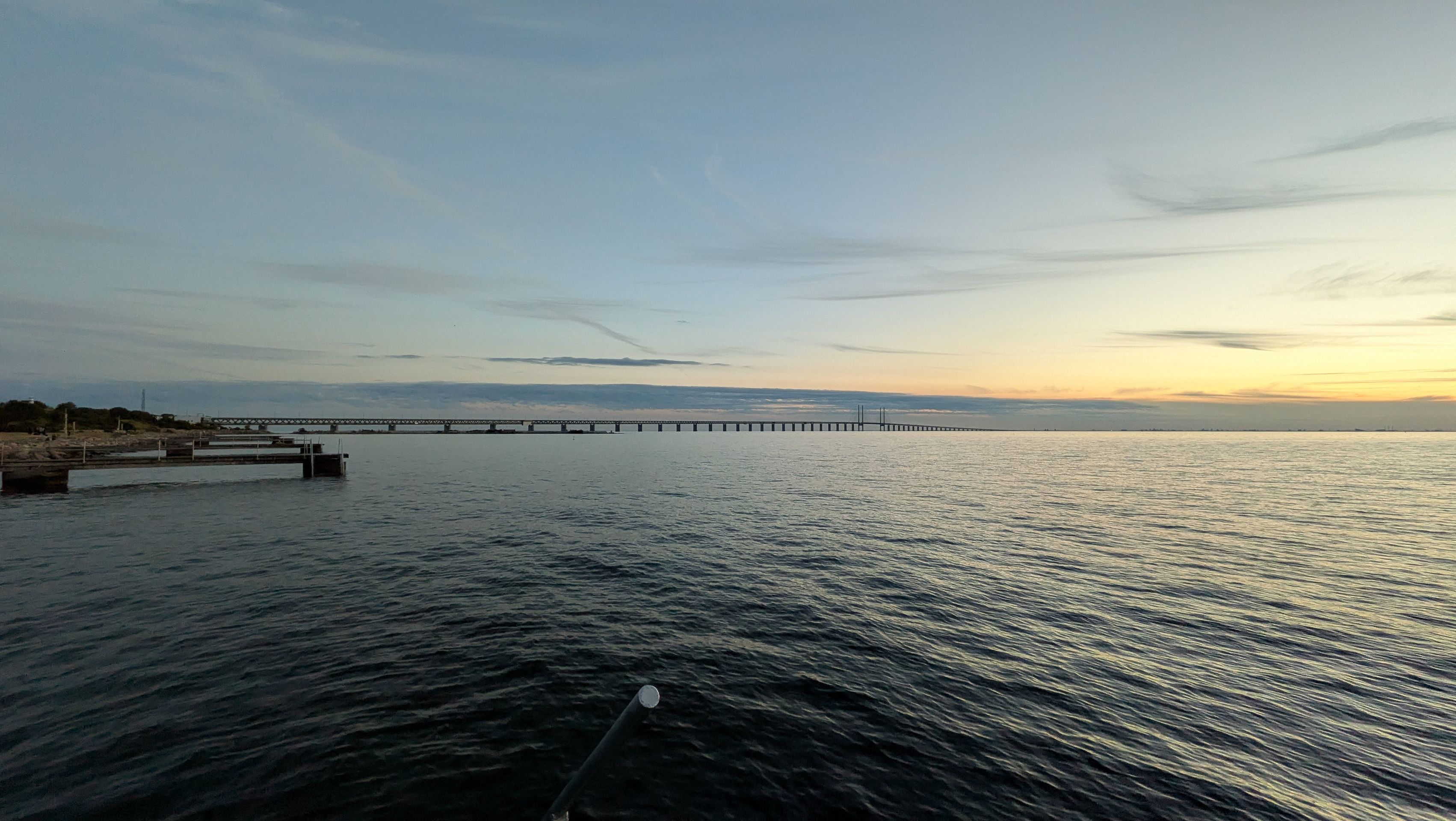
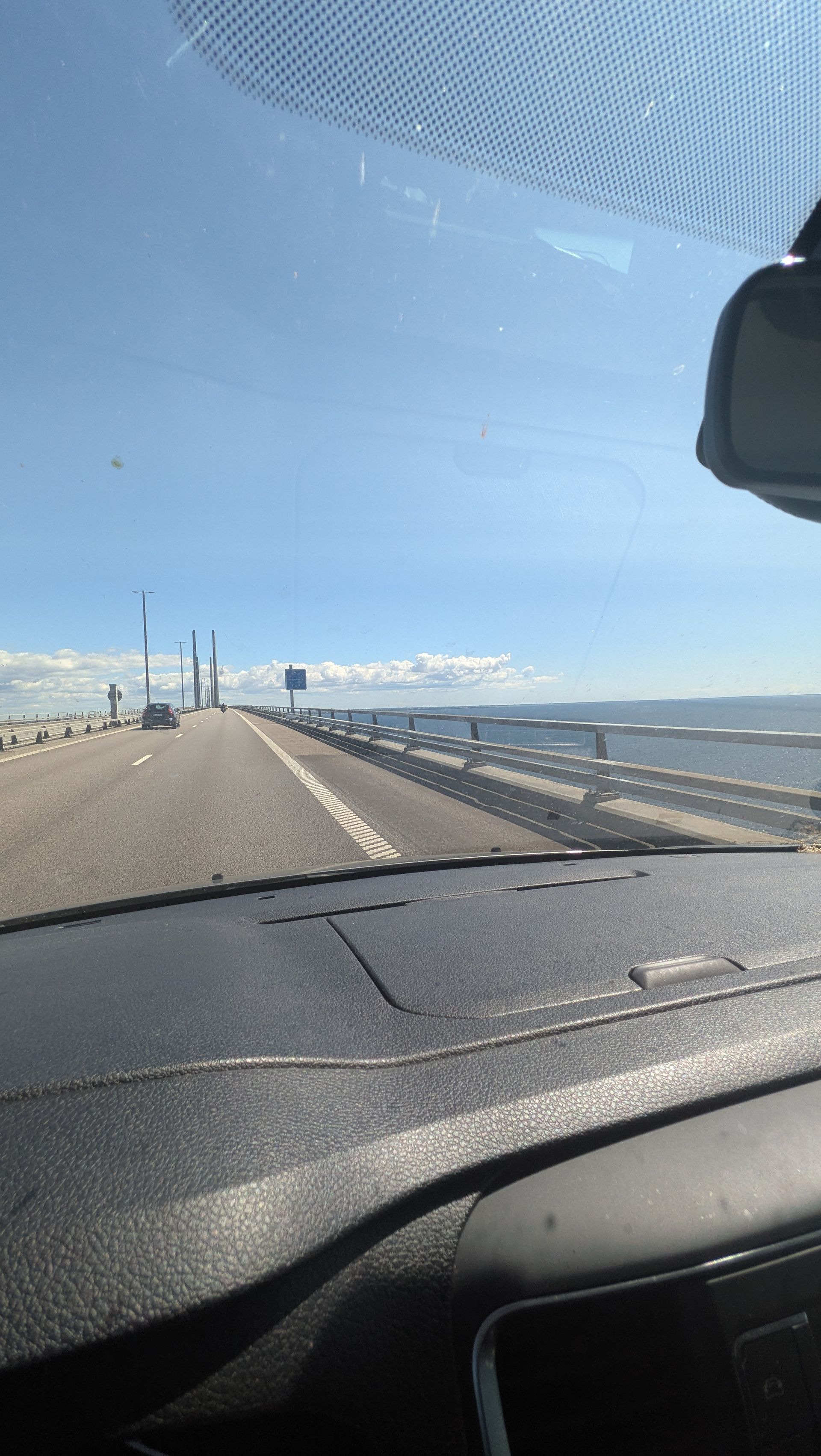
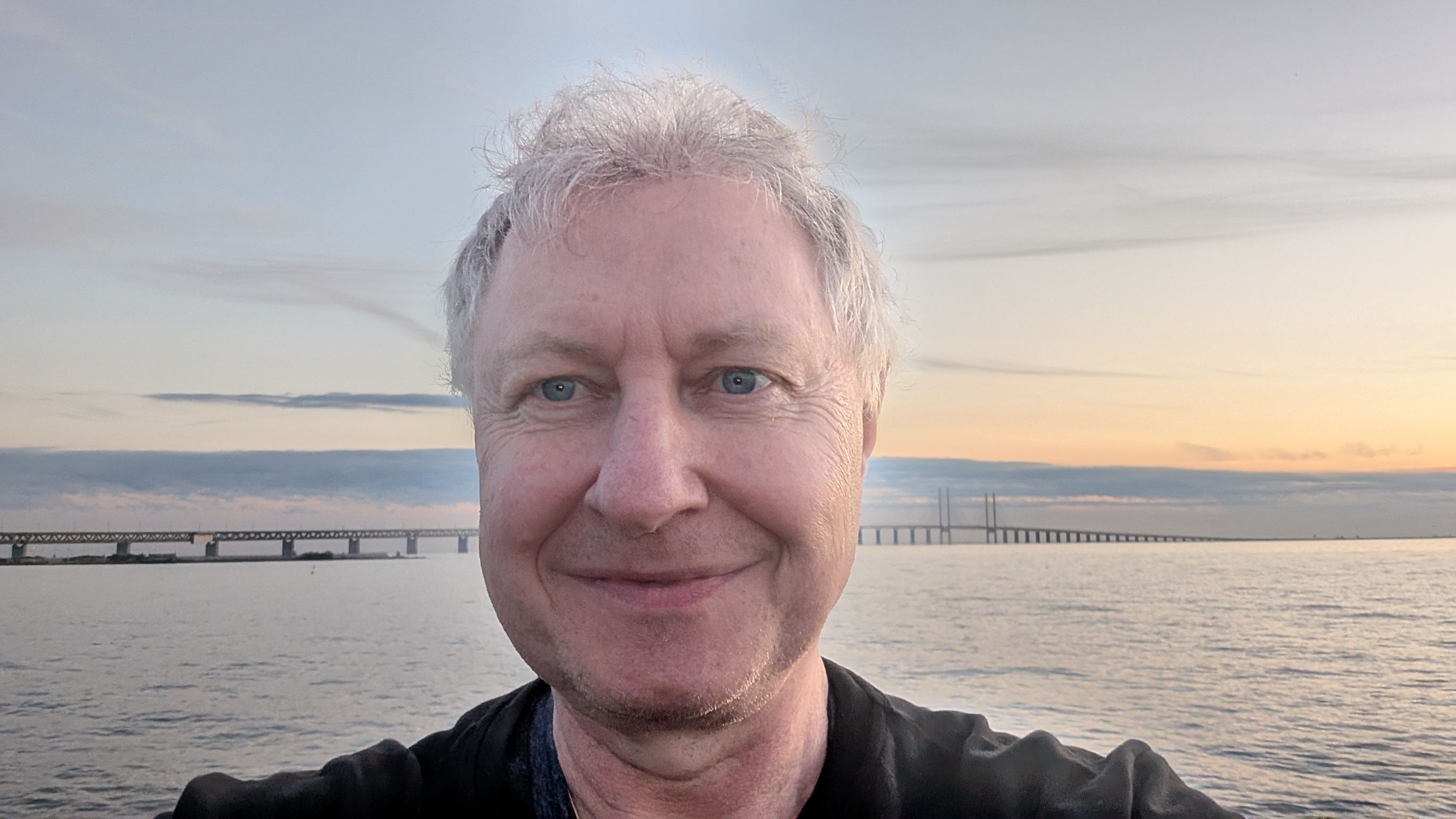
After leaving the ferry, I drove on the highway towards Copenhagen. After about two and a half hours, I reached the Danish capital, Copenhagen. However, I didn’t stop but drove past the city’s international airport onto the Øresund Bridge (Image 6: the bridge photographed from the bay at the campsite and my entrance onto the bridge) (https://www.oresundsbron.com/de/about-oresundsbron/about-us/fakten-ueber-die-oresundsbron), which connects the cities of Copenhagen and the Swedish Malmö over the bay of the same name. It is the longest cable-stayed bridge in the world (just under 8 km long) (https://de.wikipedia.org/wiki/%C3%96resundbr%C3%BCcke). And since its construction was very costly- about 1 billion- you have to pay around 60 euros for the crossing.
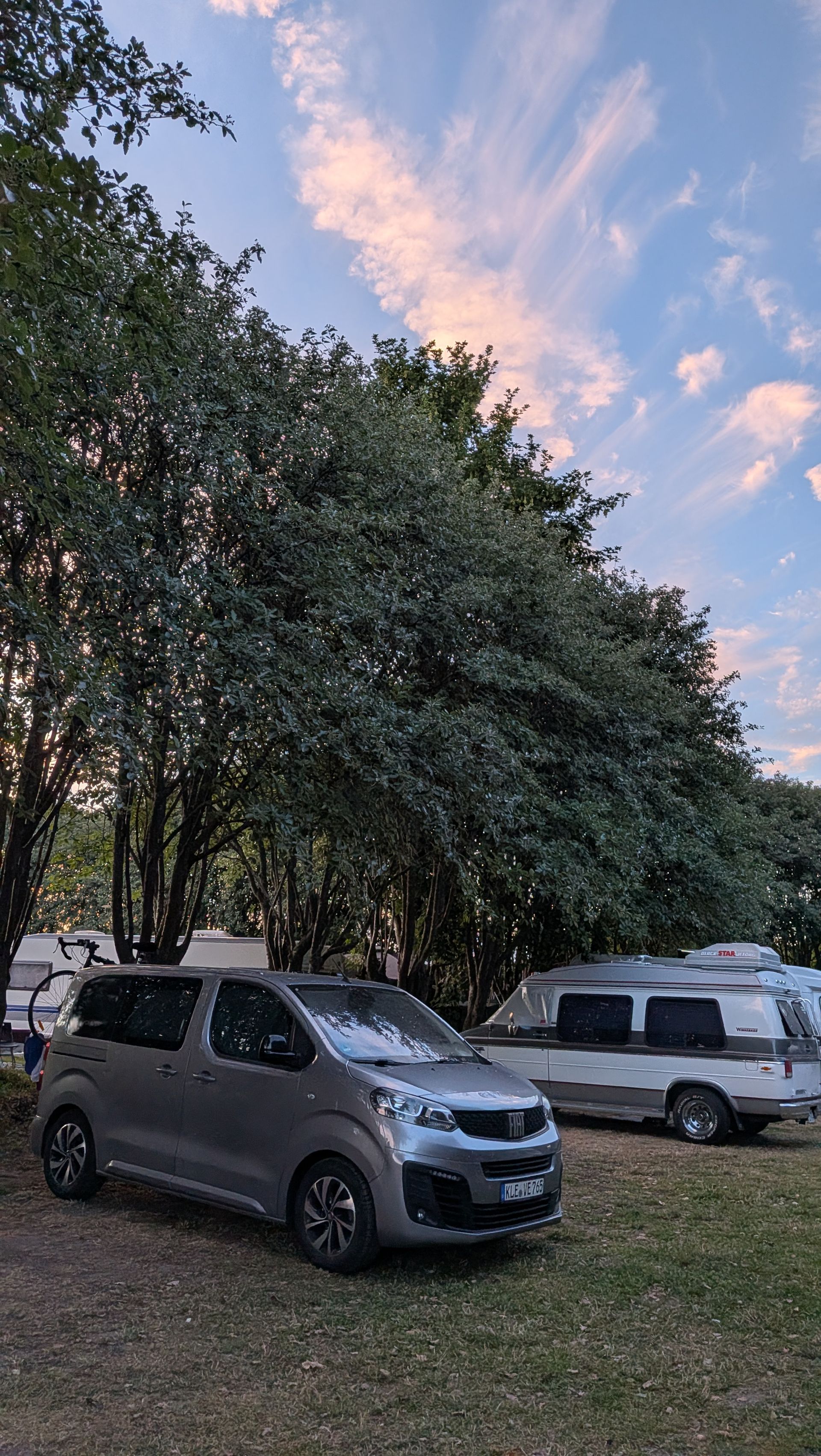
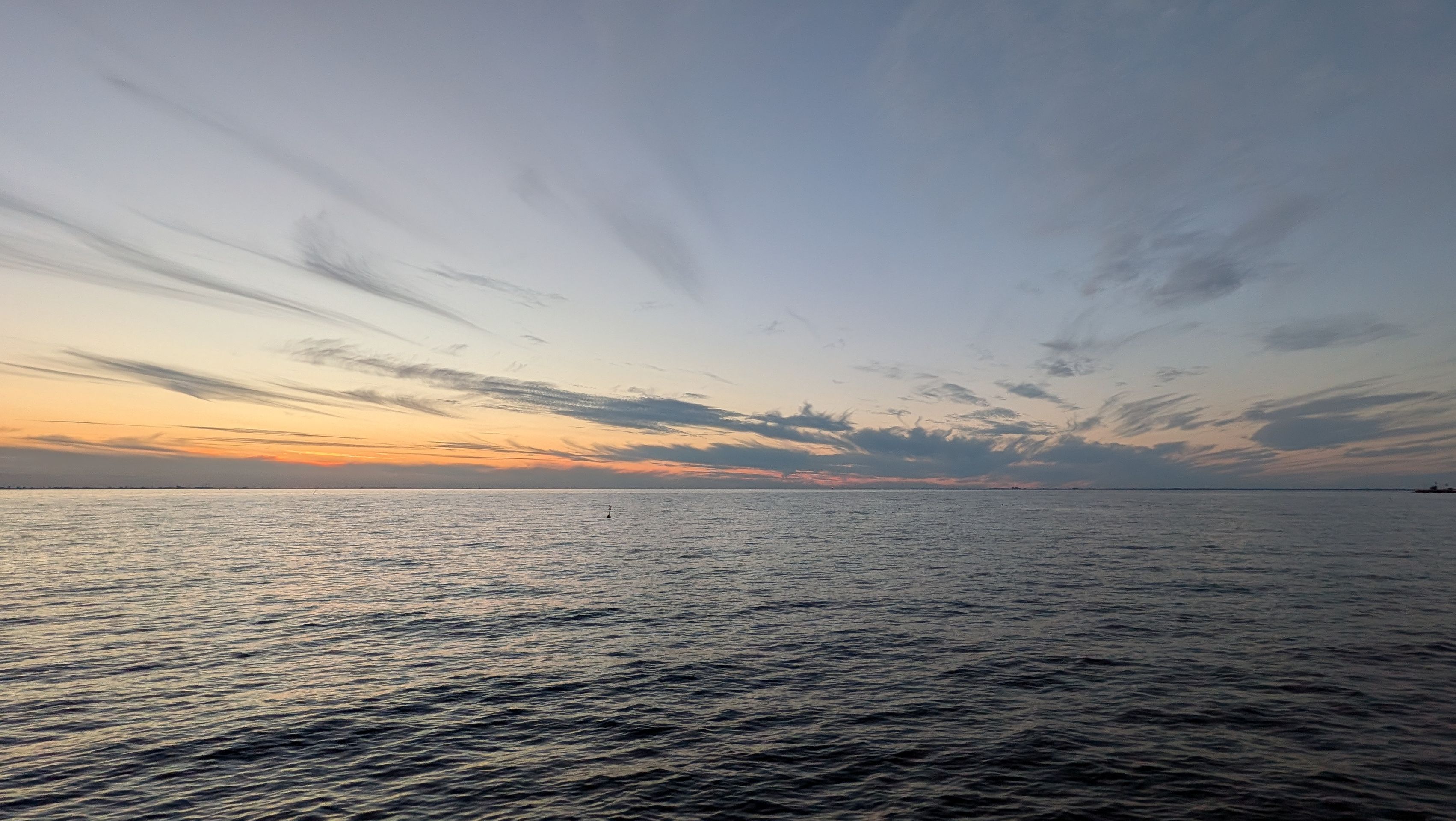
On the other side, I took the first exit to my campsite, First Camp Sibbarp (https://firstcamp.se/destinationer/sibbarp-malmo) - pitch number 80 - and this time I parked correctly!!! (Image 7) There, I took a short nap. After a rest period, I rode my bike to the supermarket, bought some granola bars and something to drink. After arriving at the car, I went briefly to the bay (Images 8 and 9- the sky was great, but the biting flies were annoying), laid down, and slept.