
From the Pacific Coast to the Mountains to the Poás Volcano
11/18/2026 Drive from the Osa Peninsula to the San José Region to Poás Today, it's time to say goodbye to Drake Bay, and one last time I enjoy the dreamlike view from our terrace...

Published: 21.11.2026
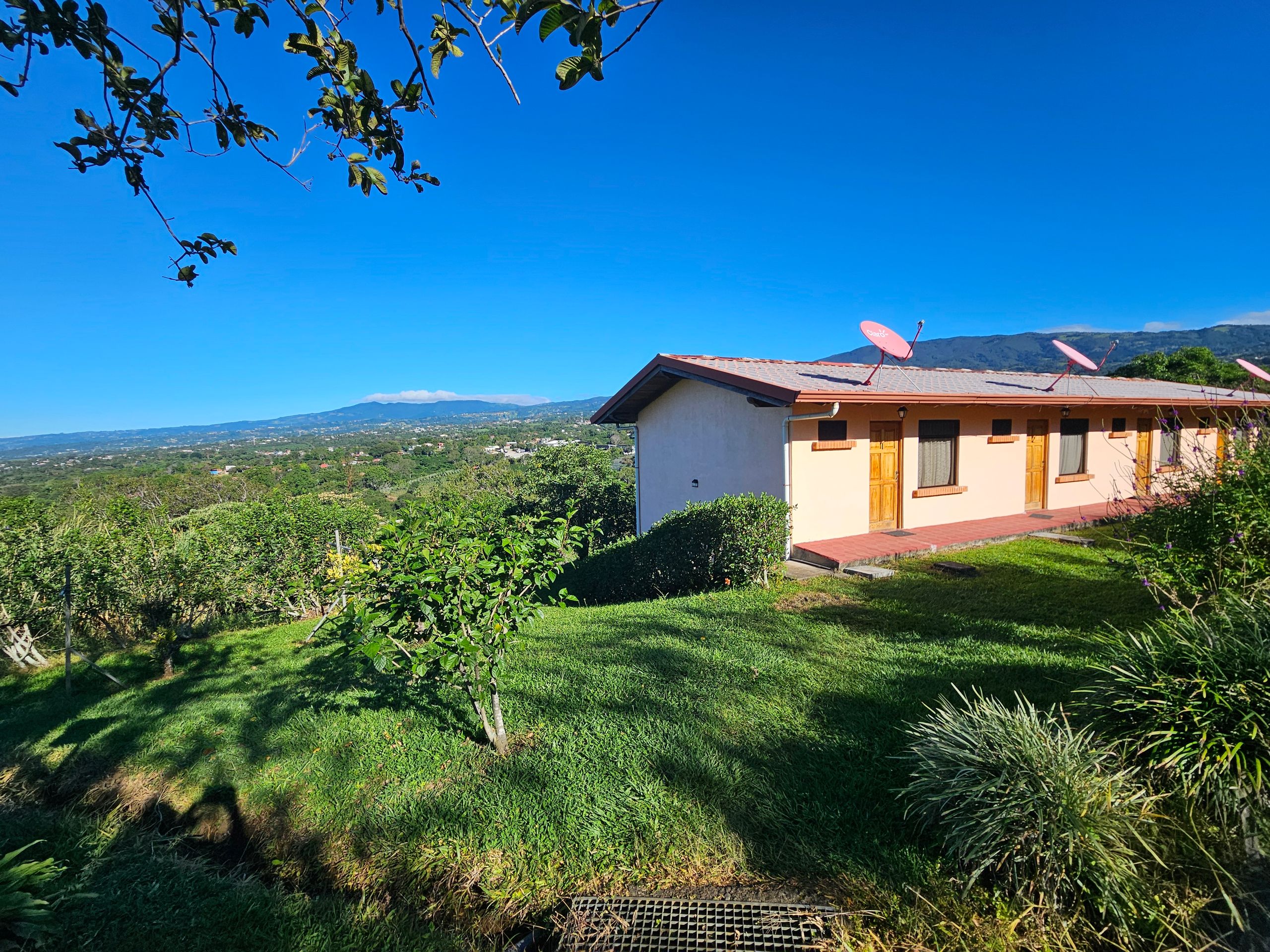
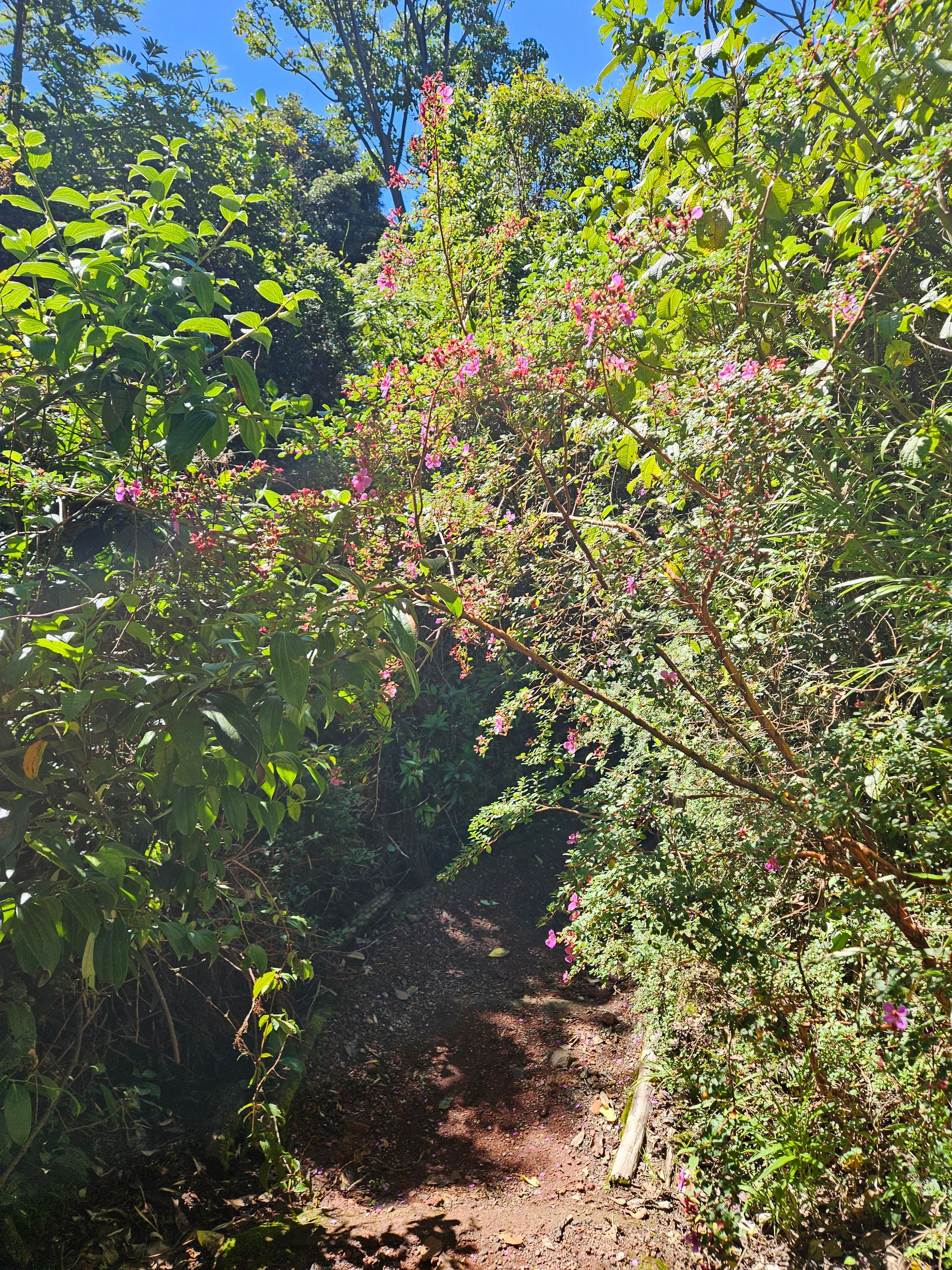
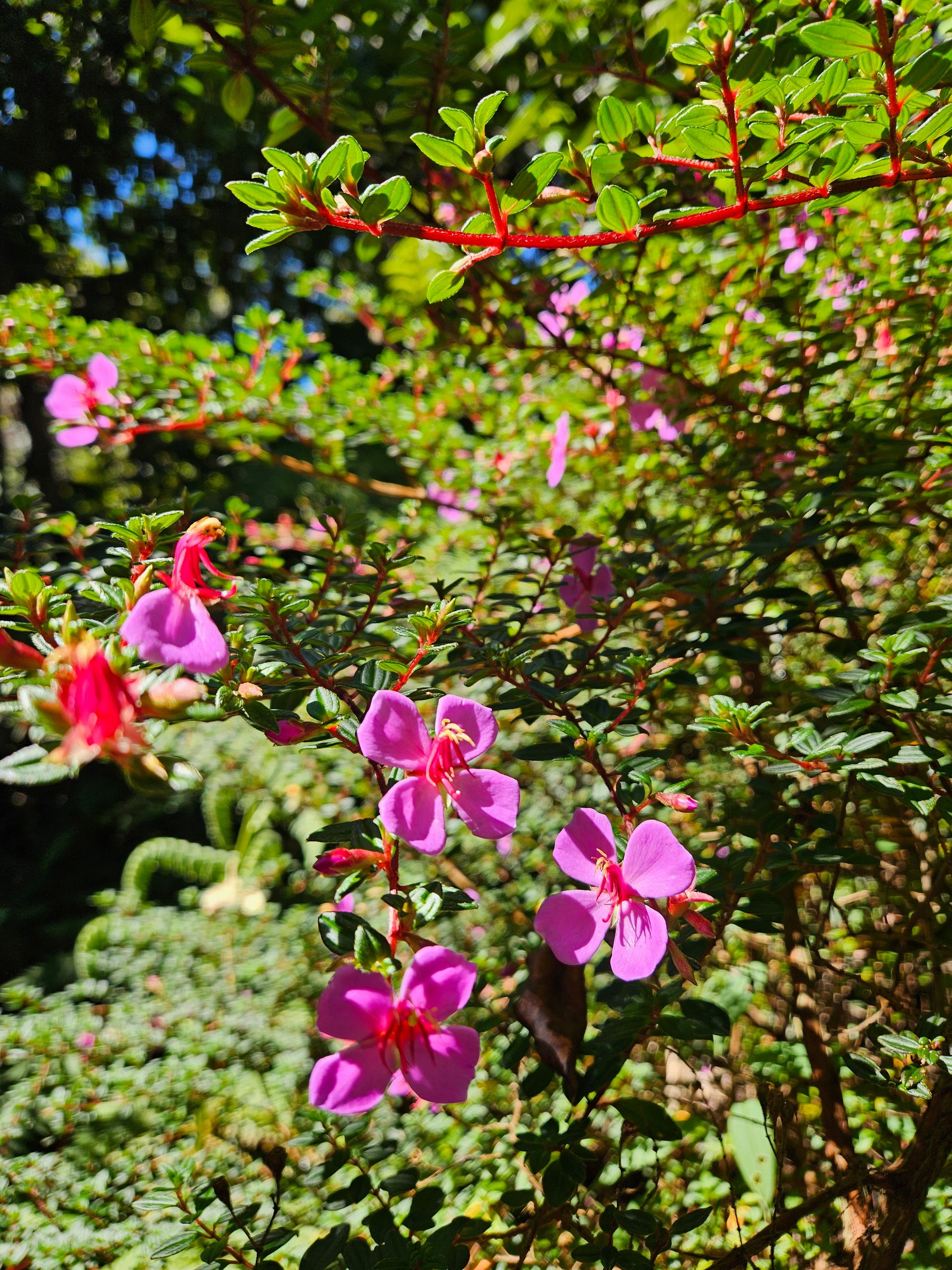
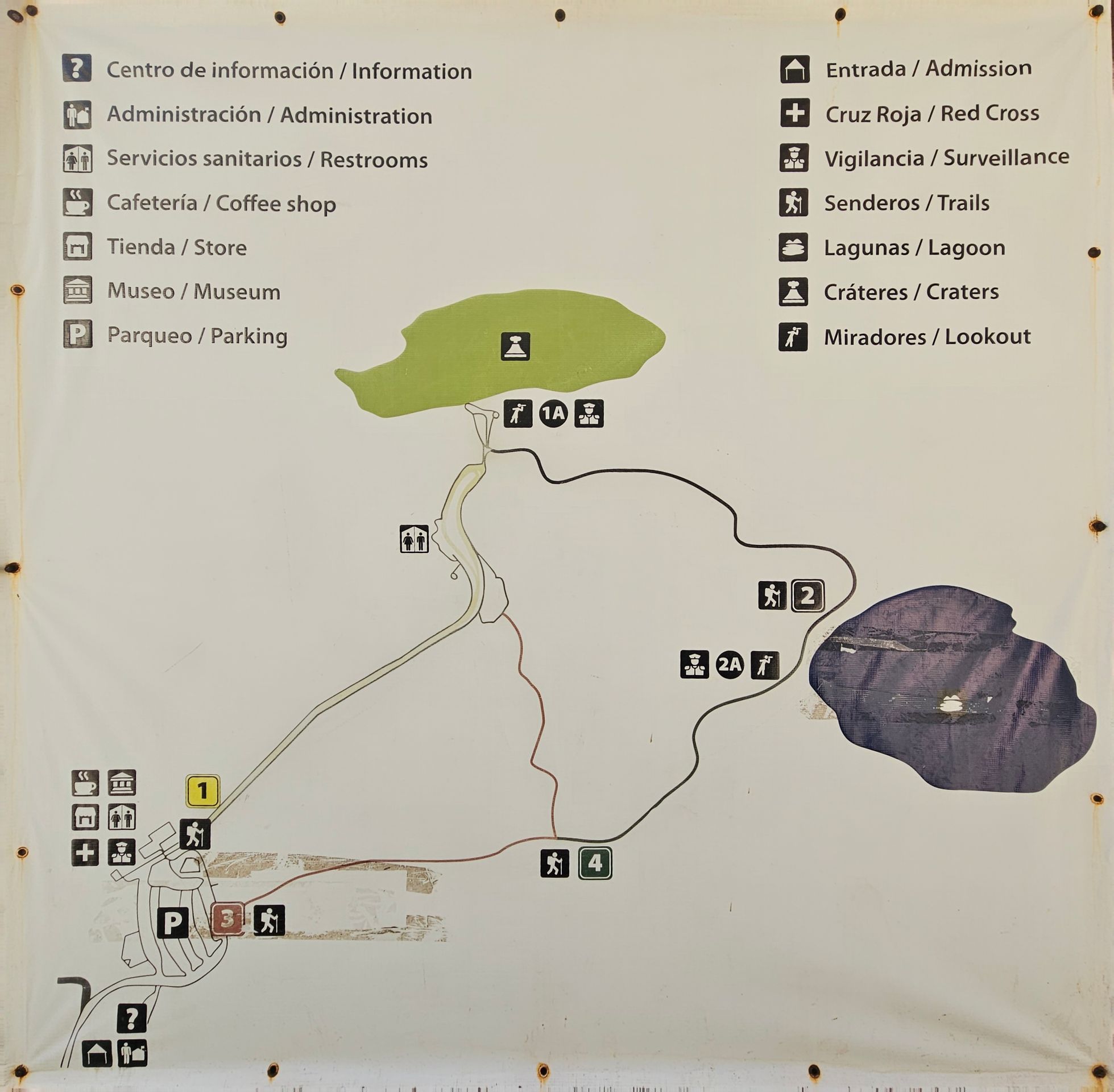
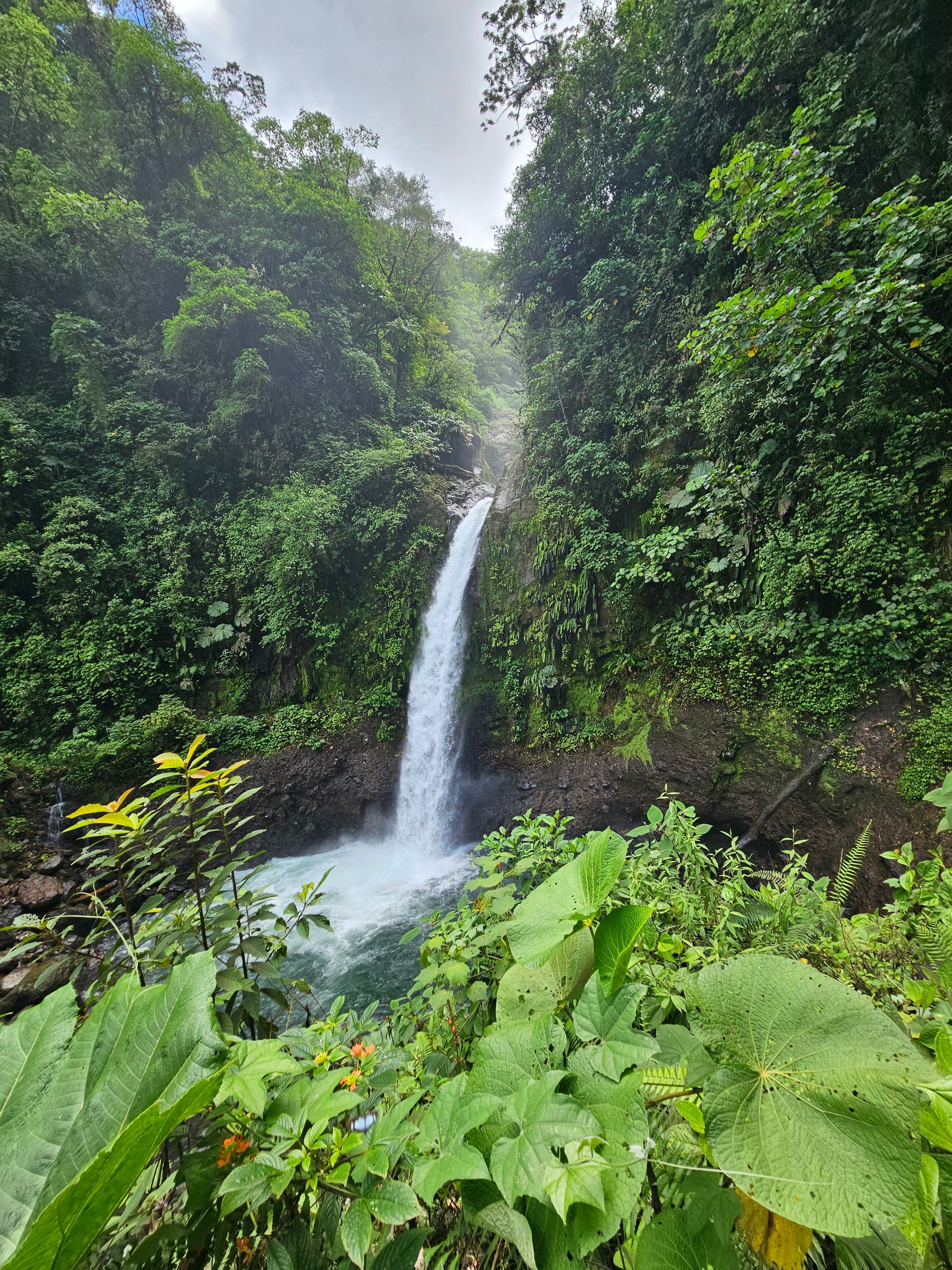

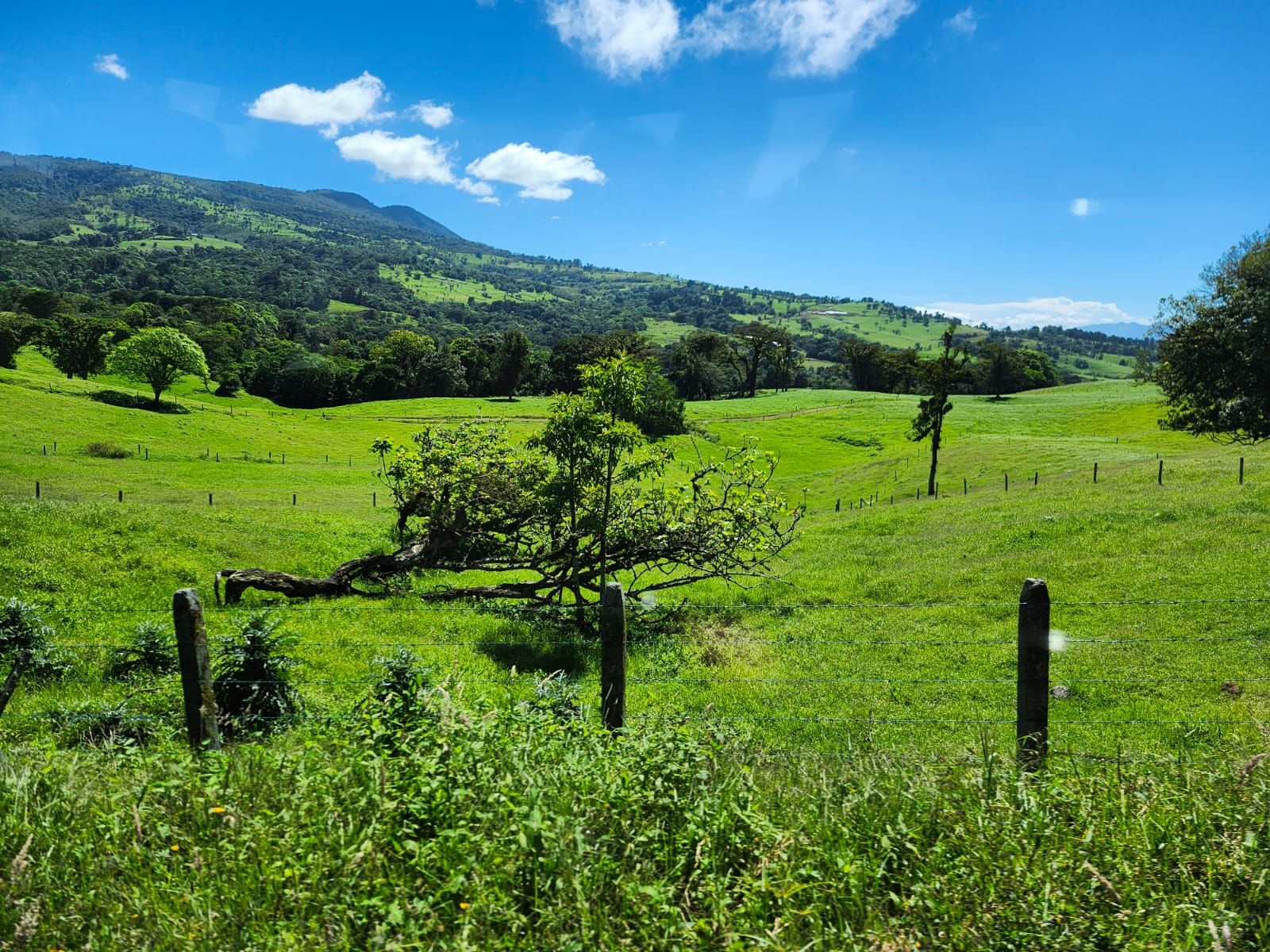
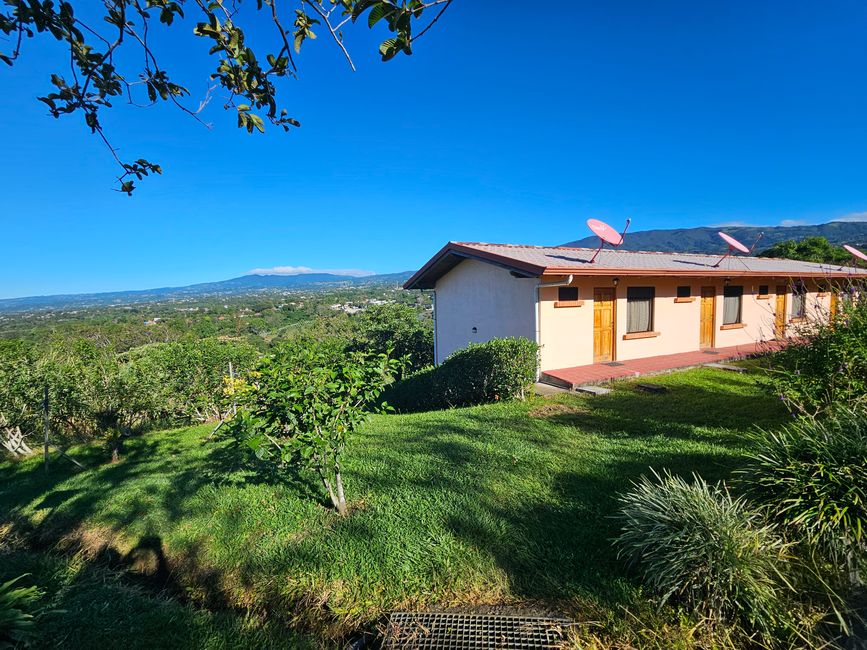
We wake up early and enjoy a cozy breakfast on our balcony with this fantastic panoramic view over the Central Valley. Since there is no dedicated breakfast room in the Villas Lindo Horizonte, the friendly owner brings the breakfast, consisting of scrambled eggs, toast, jam, butter, fruits, and fresh coffee directly to our cabinas.
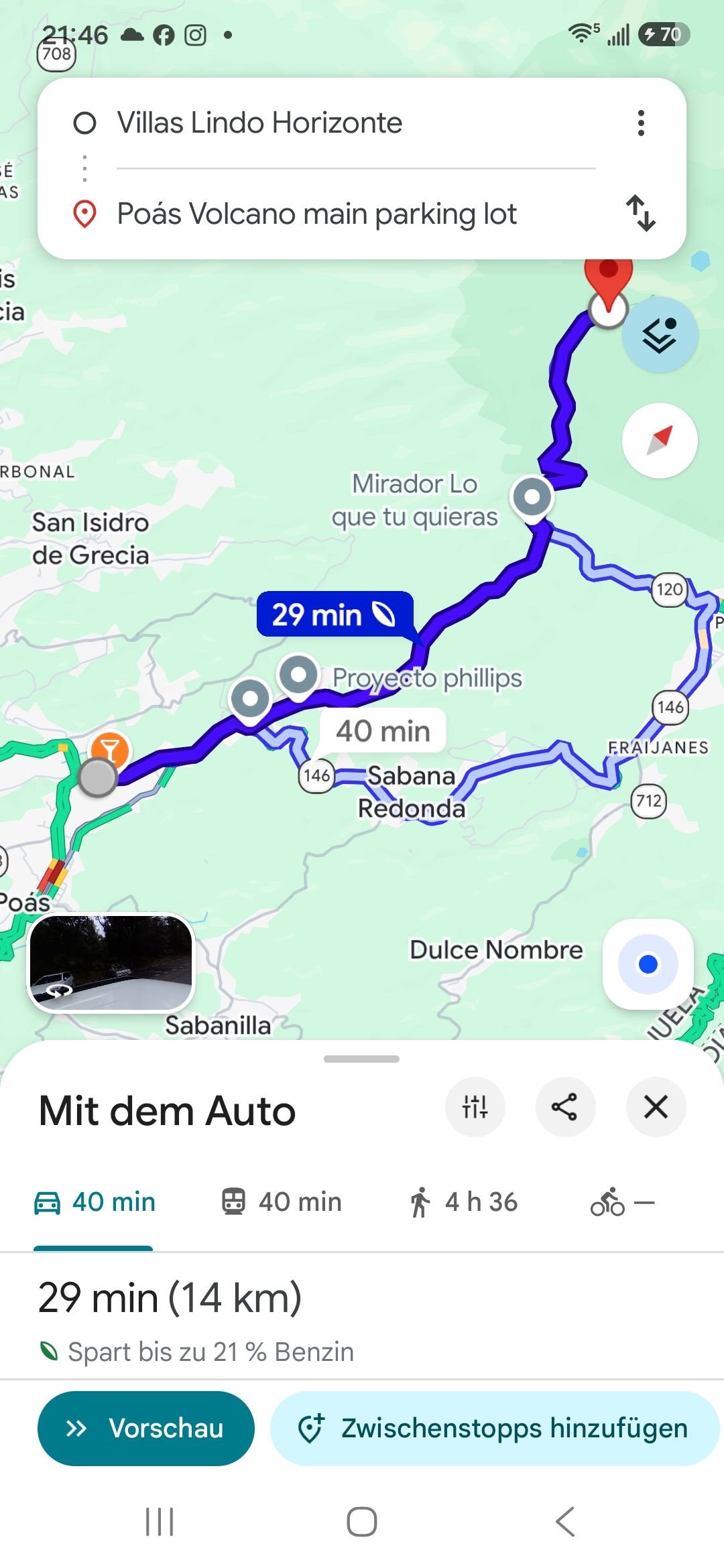
Replenished, we set off directly and decide to take the shorter detour via narrow side roads instead of the regular, significantly longer main road through Sabana Redonda and Fraijanes on our way up to Vulkan Poás. This detour shows a travel time of only twenty-nine minutes for fourteen kilometers, as we do not have much time left and definitely want to arrive on time for our time slot at the entrance.
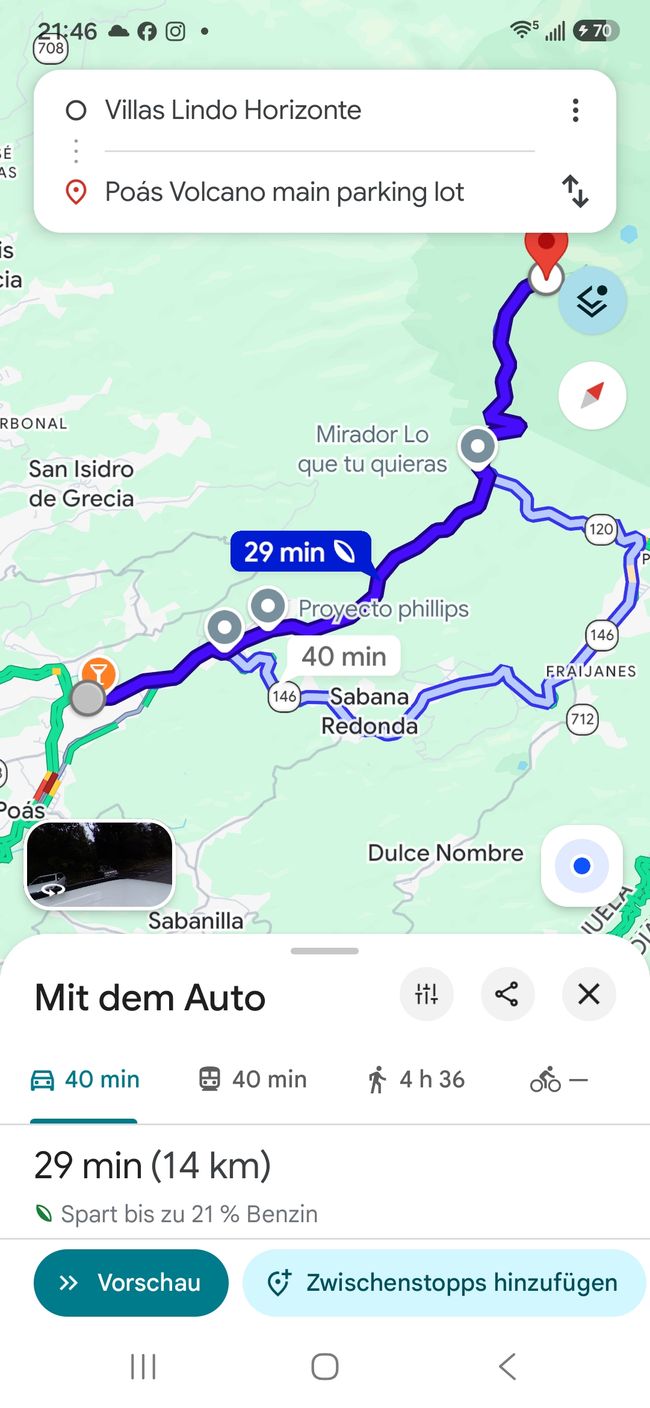
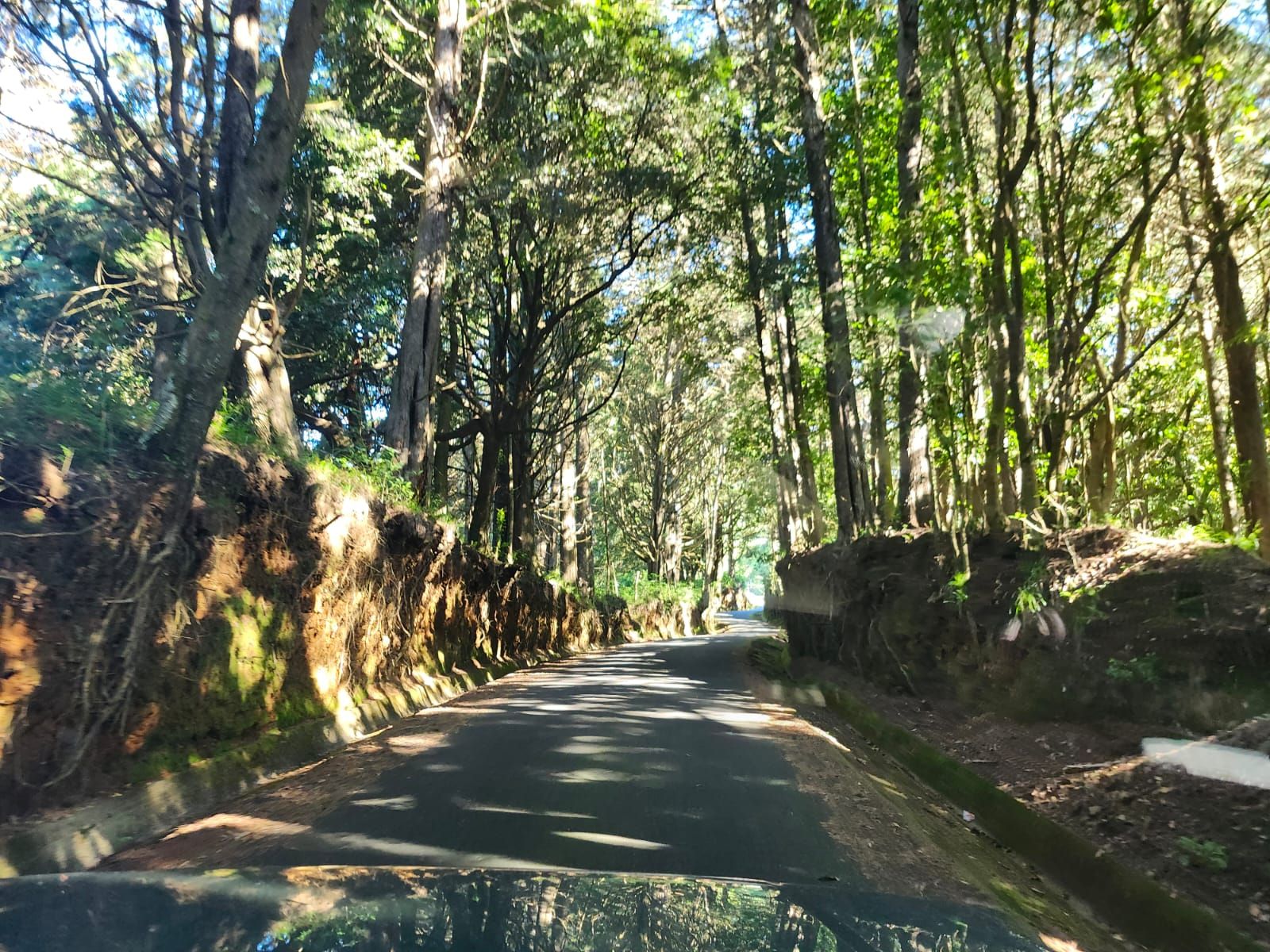
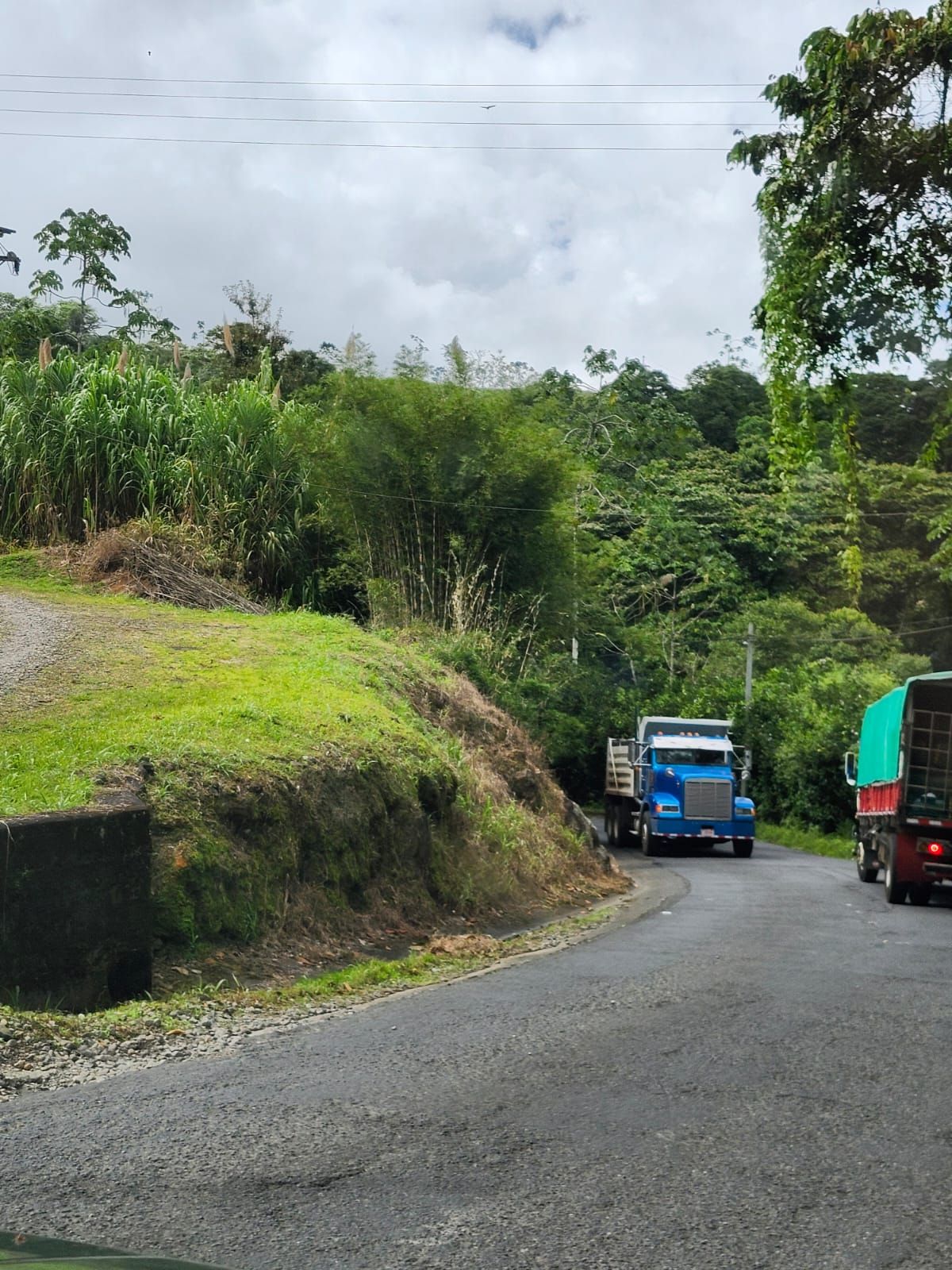
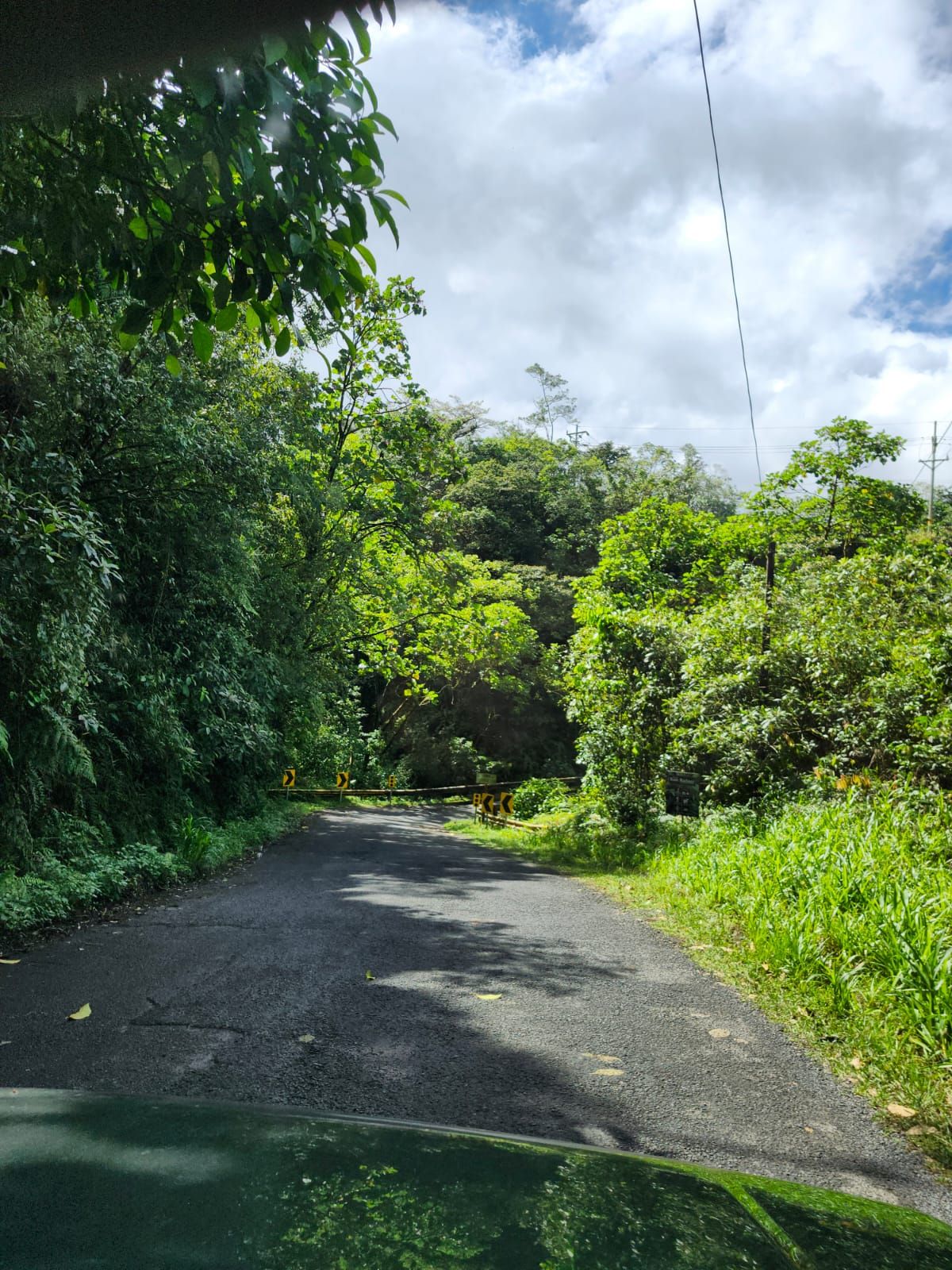
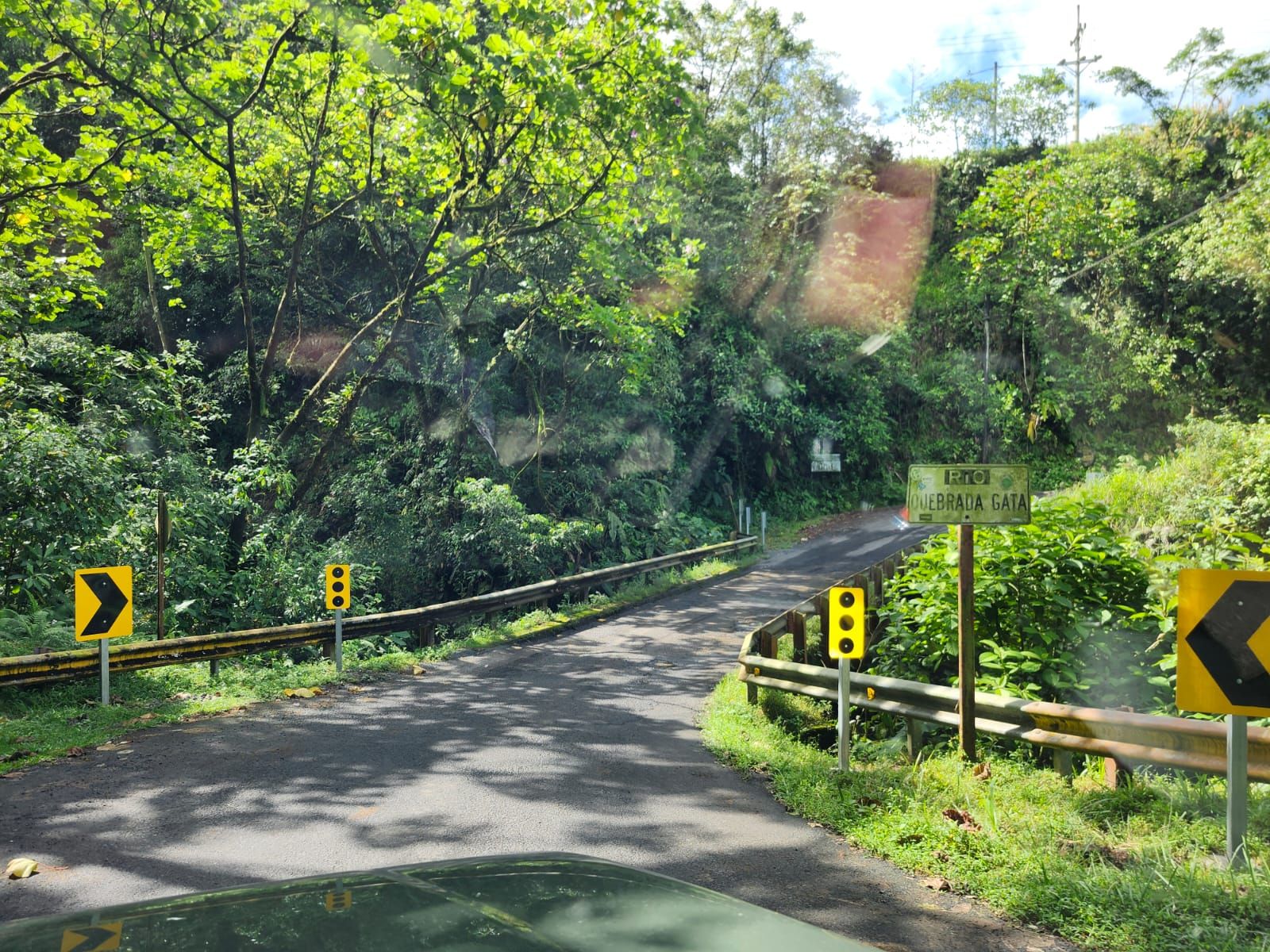
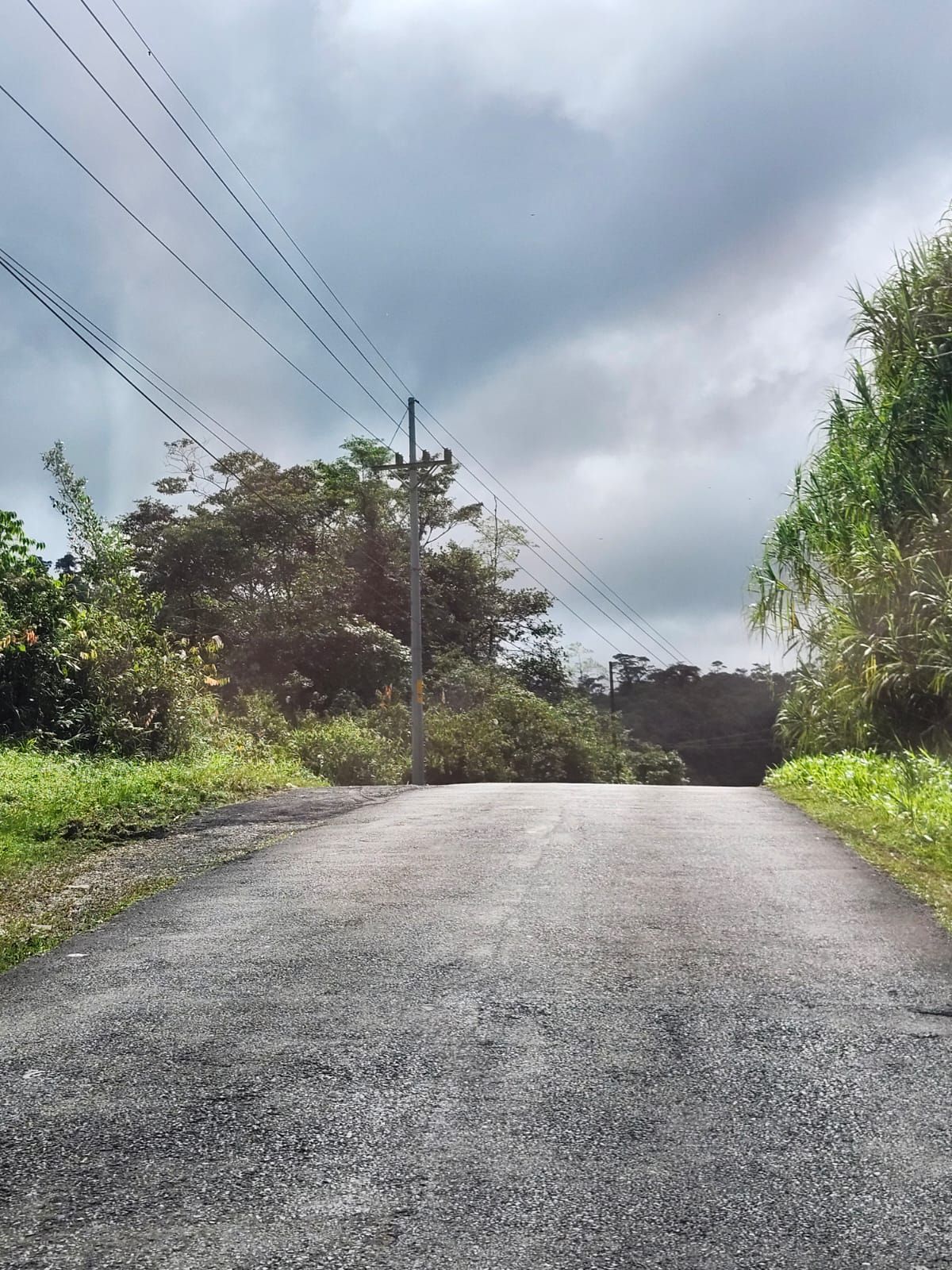
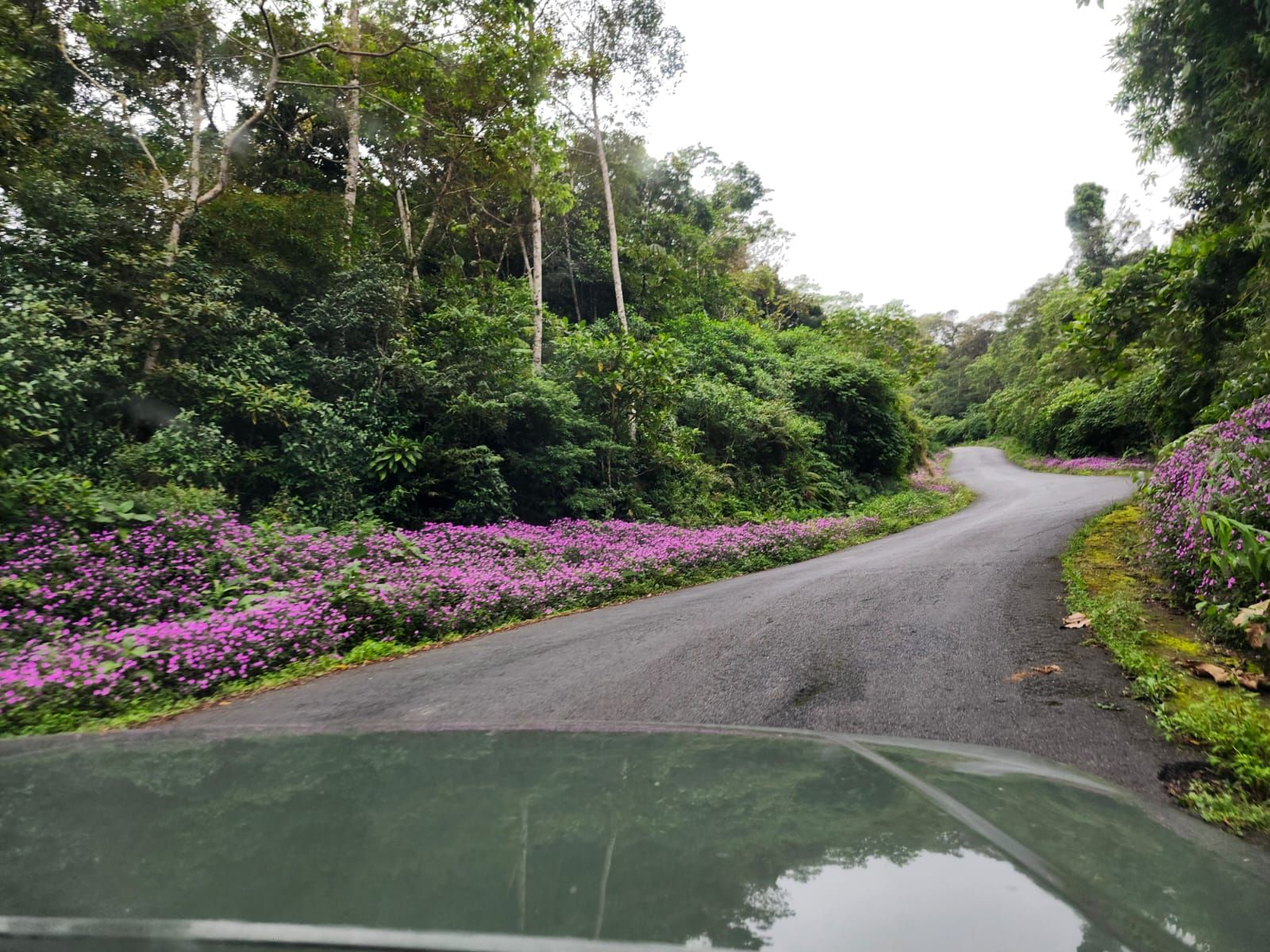
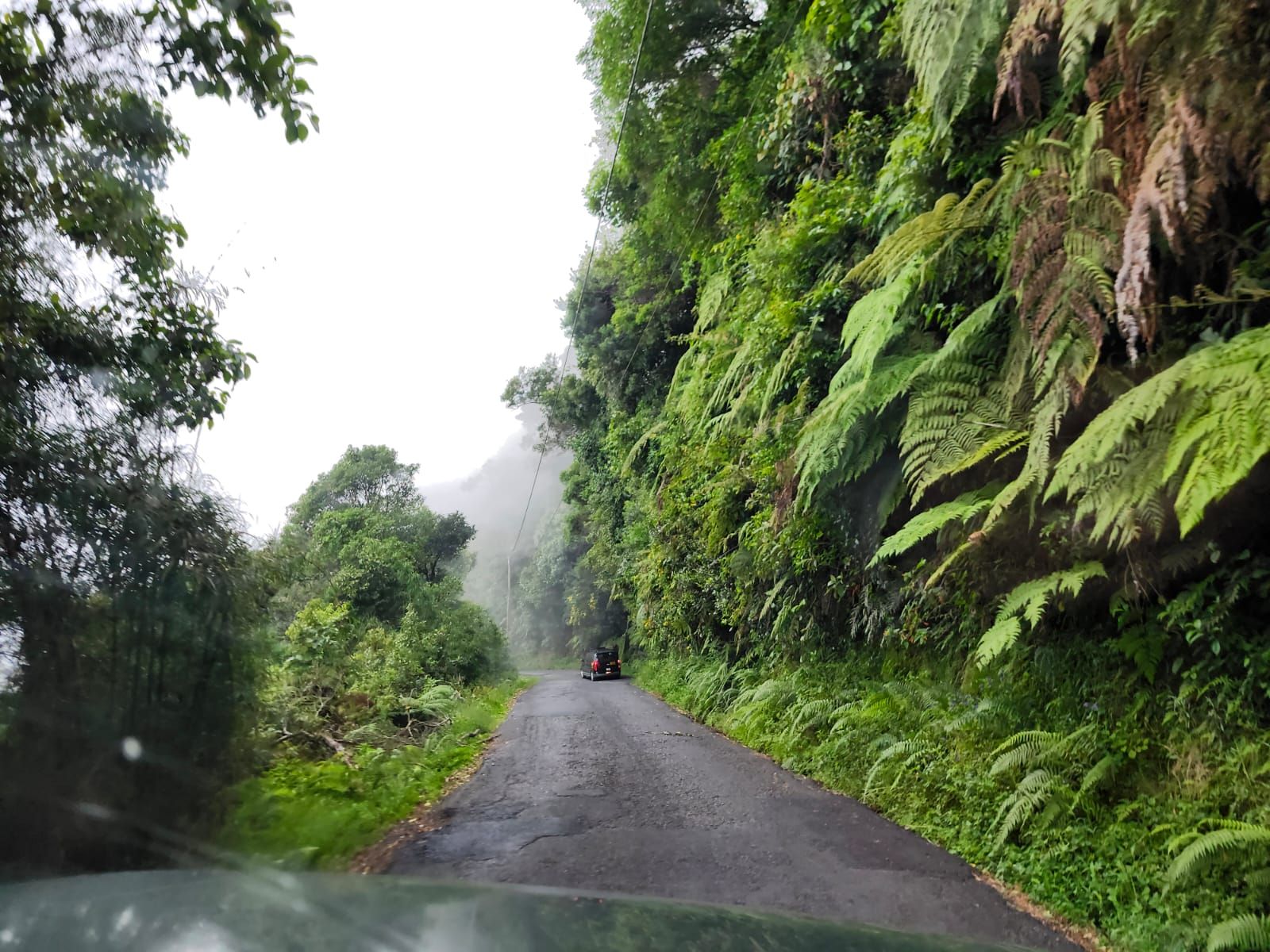
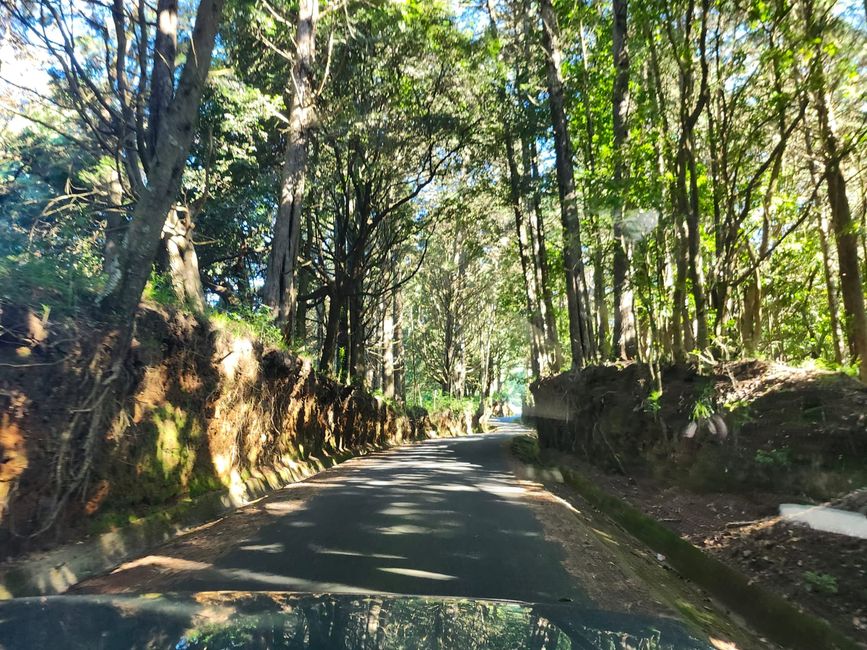
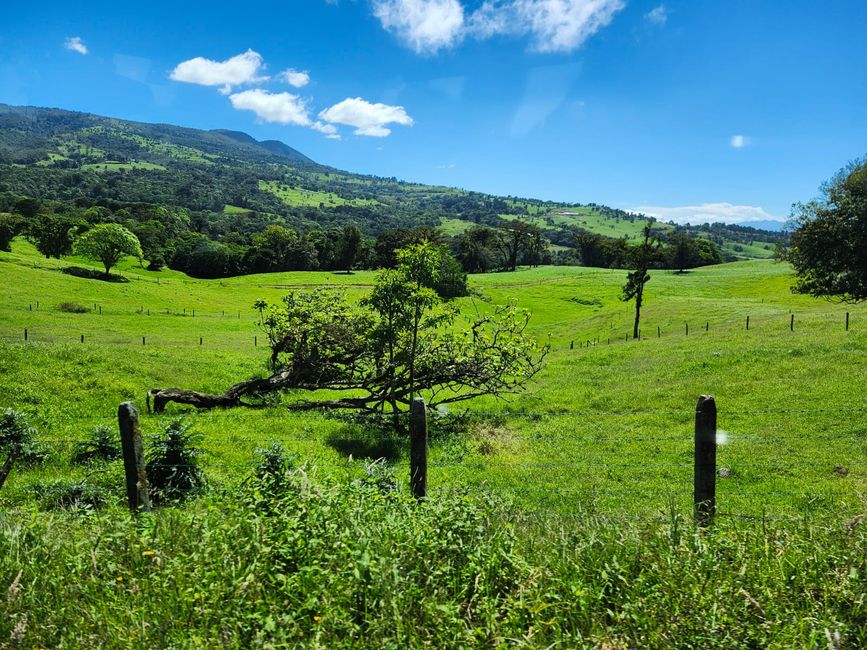
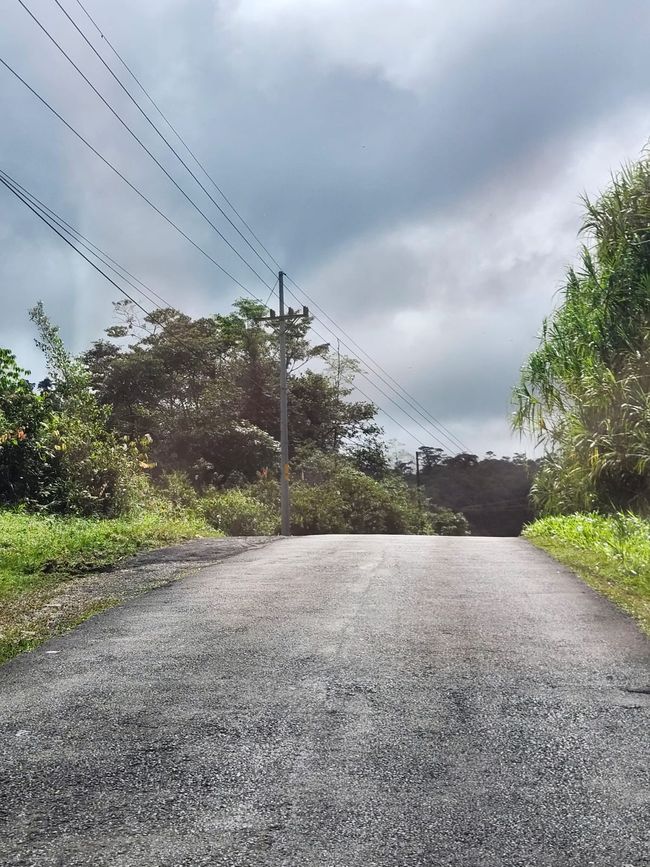
What looks like a relaxing time-saving shortcut on the map actually turns out to be a rather hair-raising route through rural coffee and strawberry plantations. On these mere 14 kilometers, we directly climb around 1,300 meters in elevation to reach 2,500 m altitude, which means extremely steep ascents and narrow, sometimes obscured passages where our little Jimny has to give its all in first gear once again before we merge back onto the main road just before the national park parking lot.
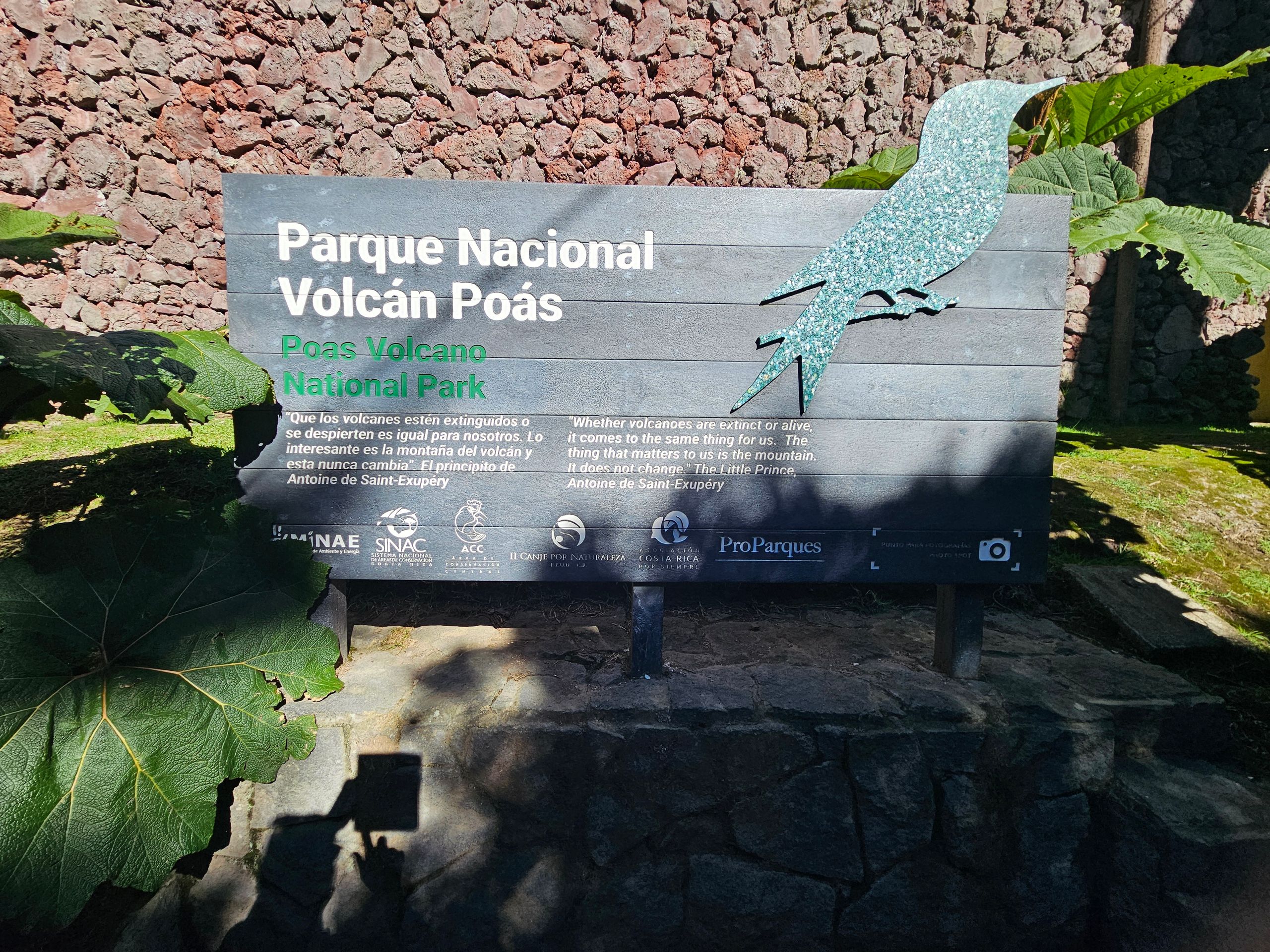
I had previously researched online and prepared for strict rules because due to a mandatory safety briefing, one is supposed to arrive early before their scheduled time slot, and you may only stay a maximum of twenty minutes directly at the crater rim due to toxic sulfur dioxide gases. However, in reality, everything goes quite relaxed and uneventful upon our arrival at the national park. We join the small lineup of cars in front of the ticket booth, where a sign indicates a parking fee of 2,750 Colones; but after we show our tickets, which we had booked online through the SINAC portal, we are waved through immediately without any further payments and are allowed to continue.
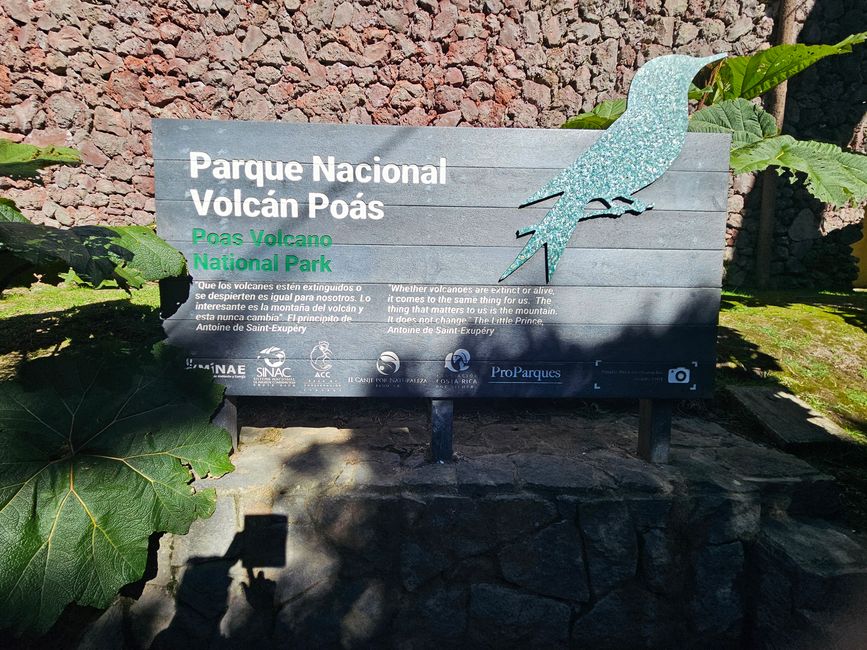
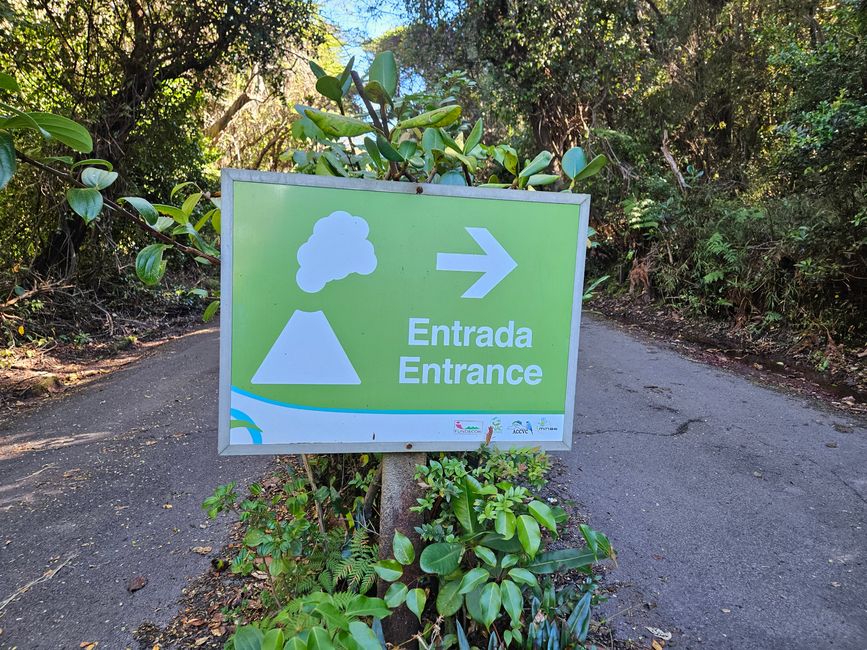
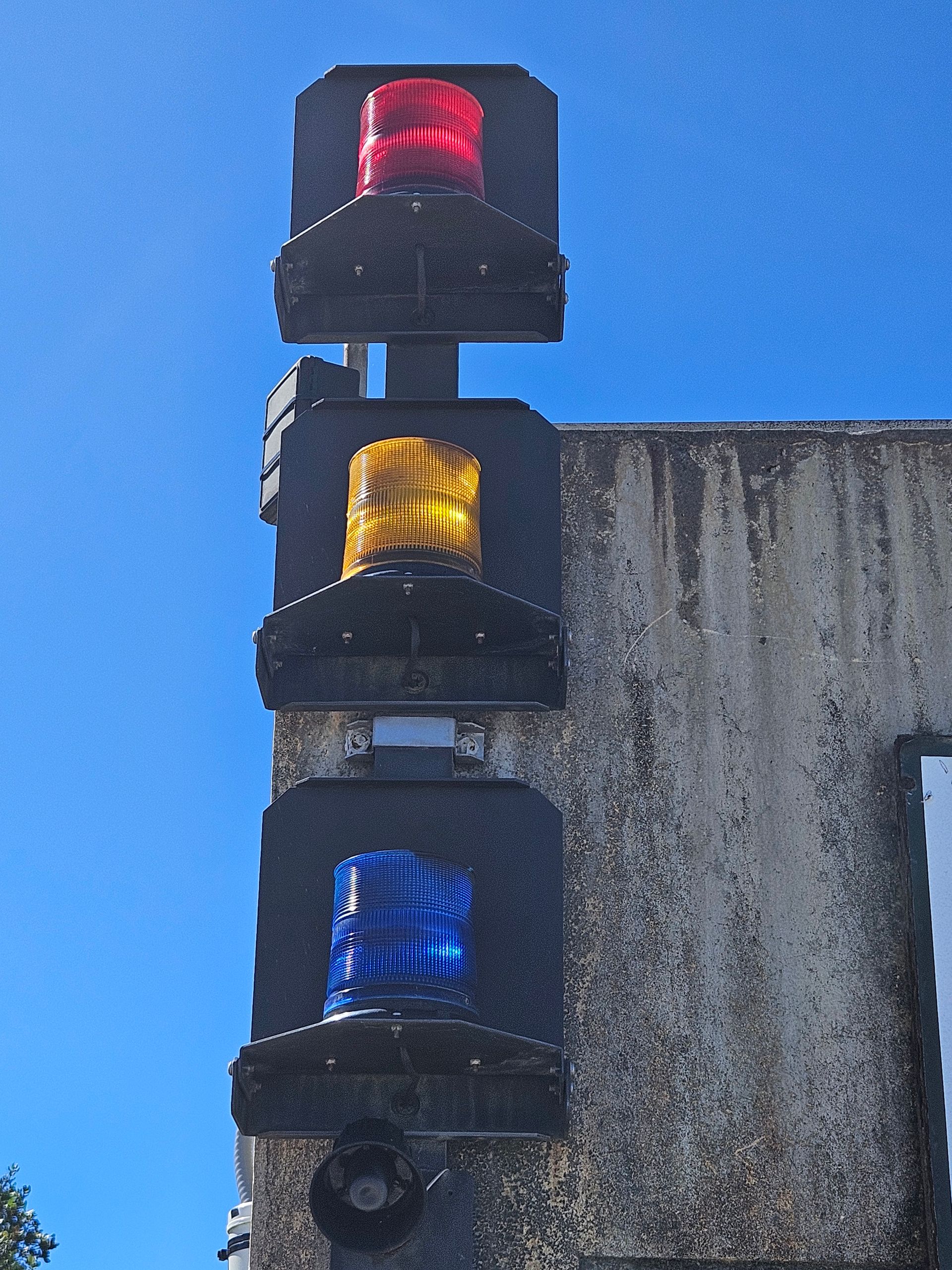
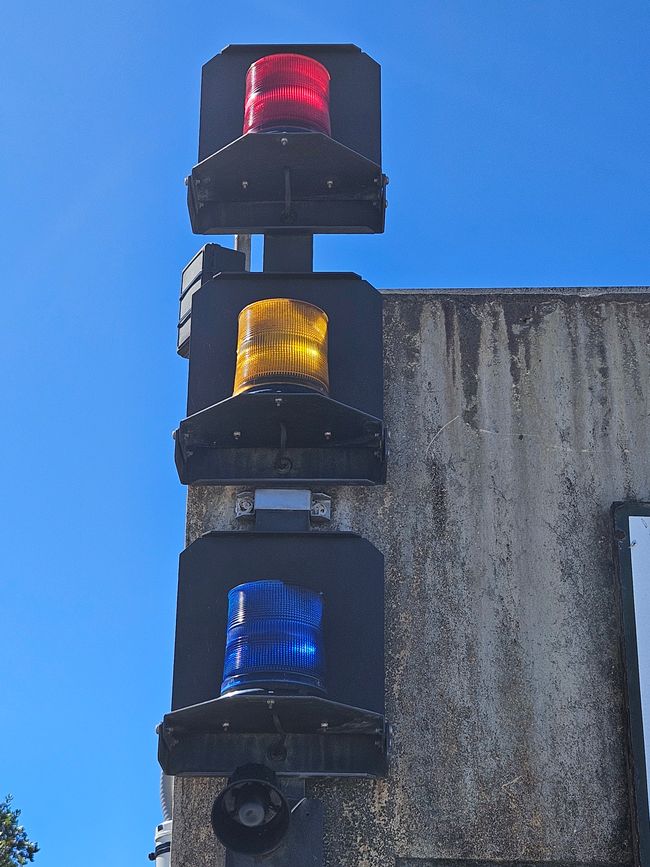
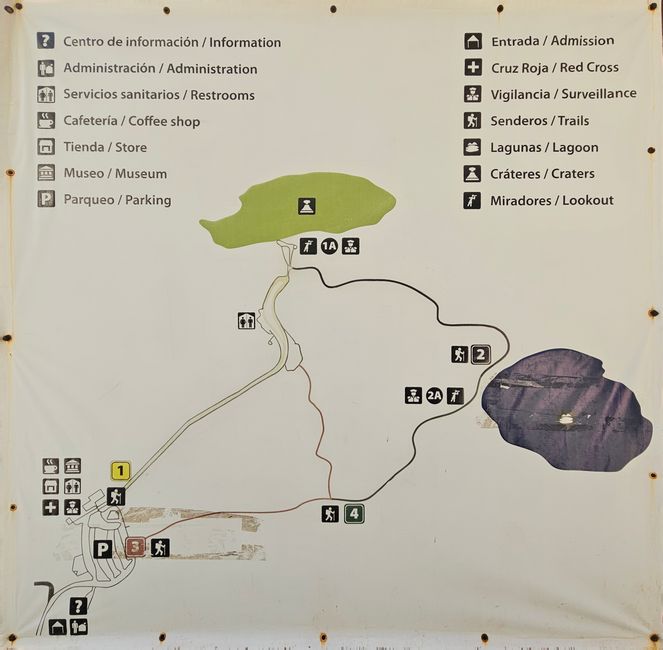
After parking and a quick bathroom stop at the deserted visitor center, we stroll up the approximately 700 m long paved path to the crater just like all the other visitors, without any briefing or control. To our joy, the special gas warning signal at the viewpoint is also showing blue, which means the gas concentration is absolutely harmless, and we have the green light for a view into the volcano.
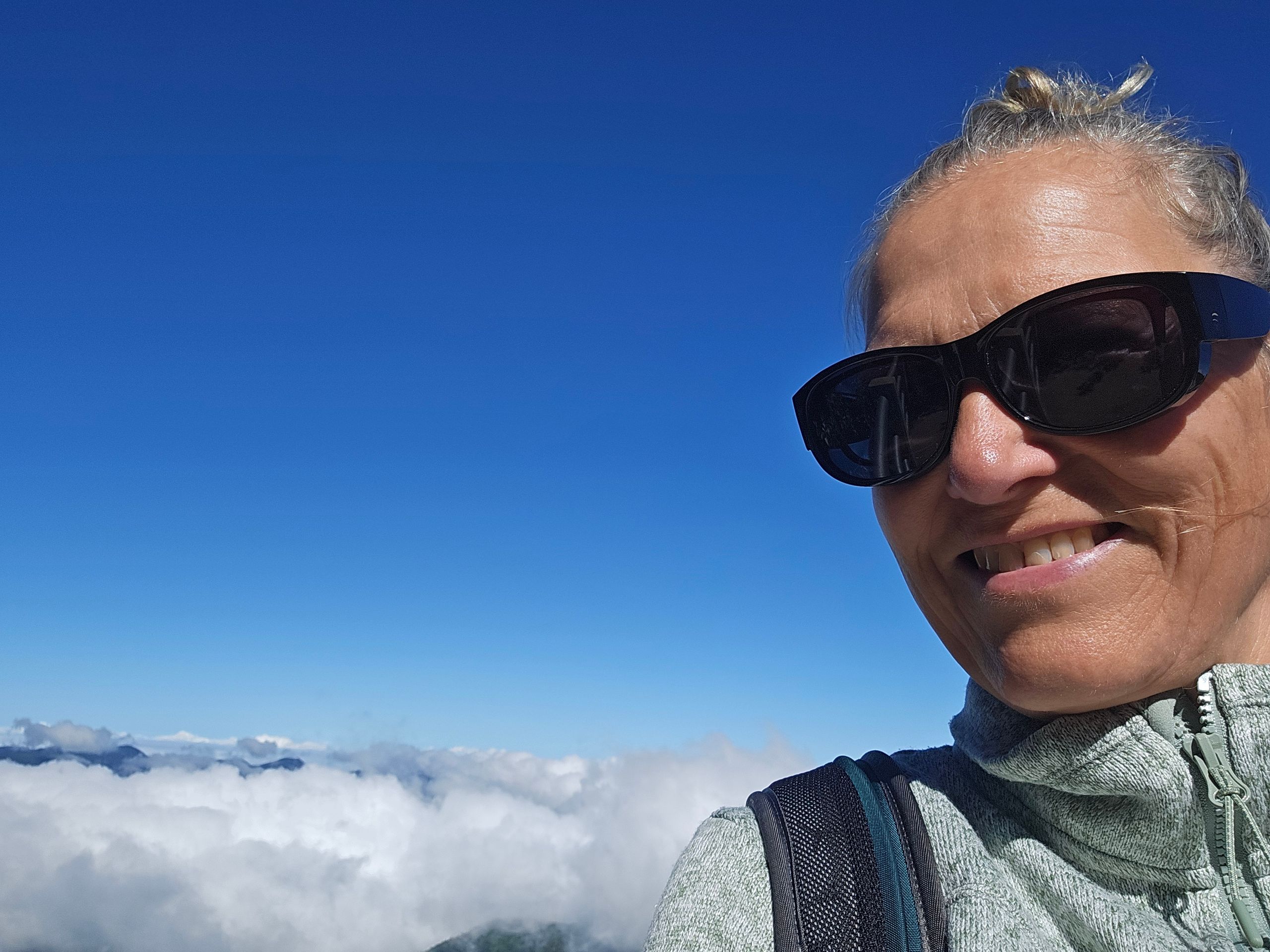
It's wonderfully empty up here, with no larger groups of visitors or tourist crowds in sight, allowing us to fully immerse ourselves in the impressive atmosphere peacefully. The weather is also absolutely perfect, as a bright blue sky stretches above us, and the volcano is not surrounded by the usually thick wall of clouds. Exactly for this reason, we consciously chose the early time slot at 8:40 in the morning, as visibility at this time of day is typically still crystal clear, while the summit of Poás often envelops itself in thick clouds in the afternoon.
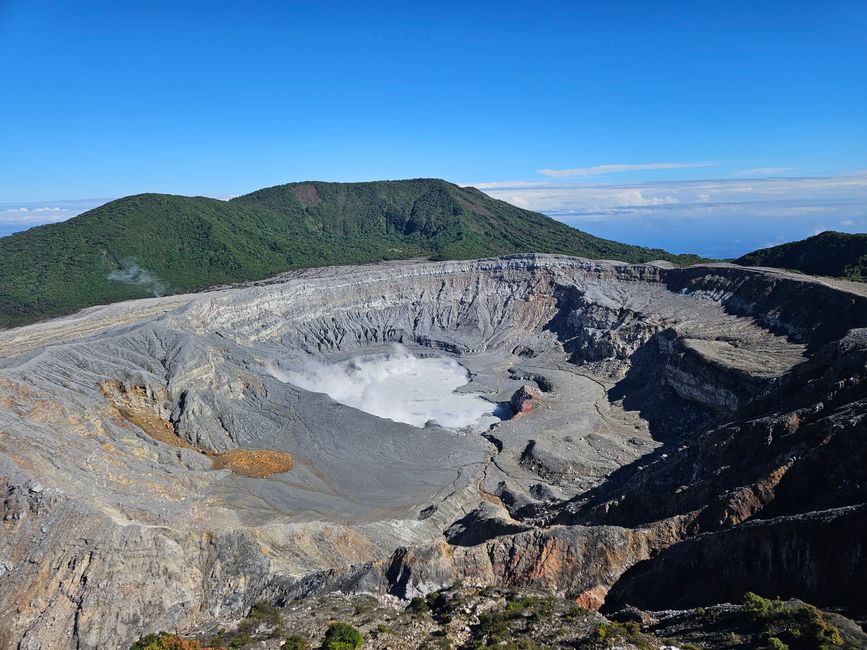
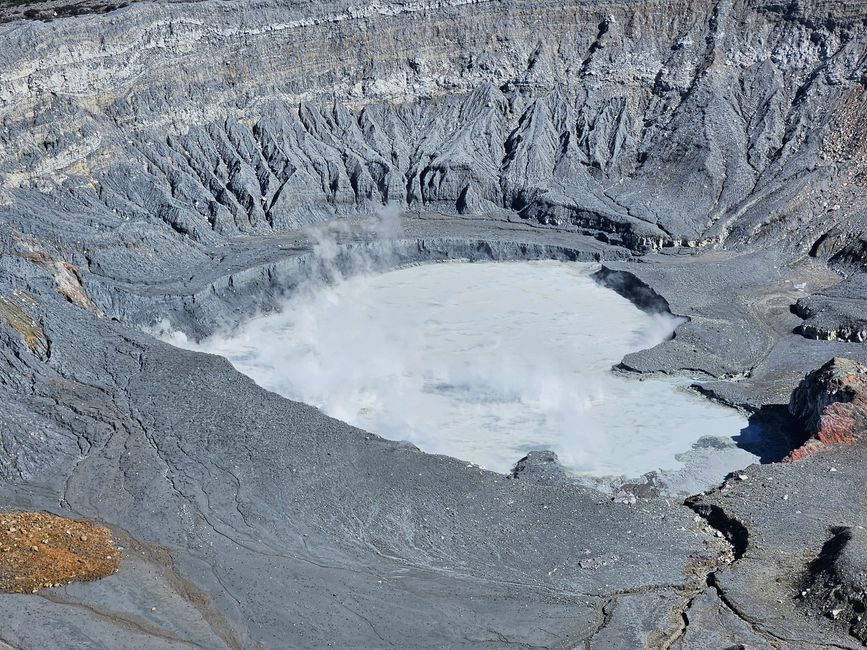
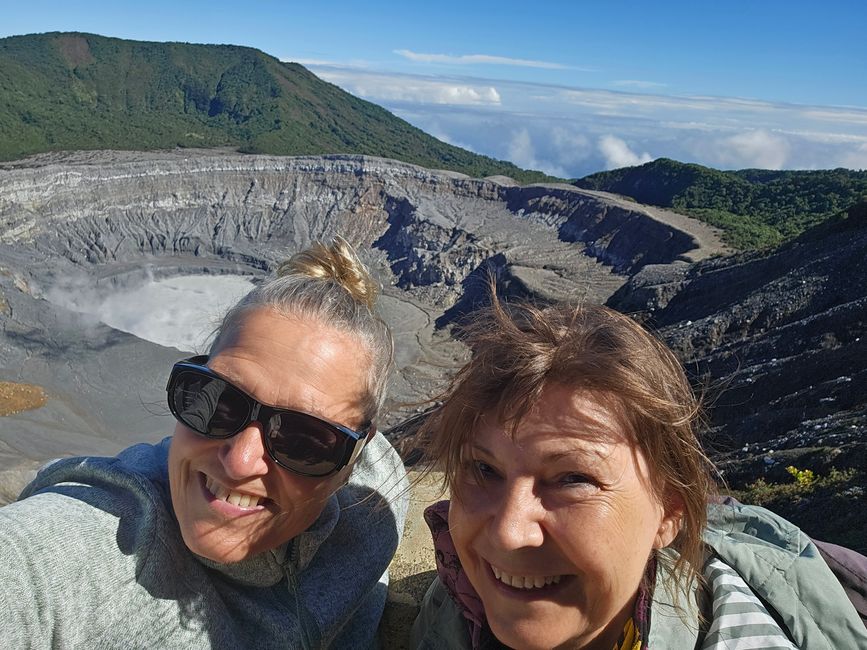
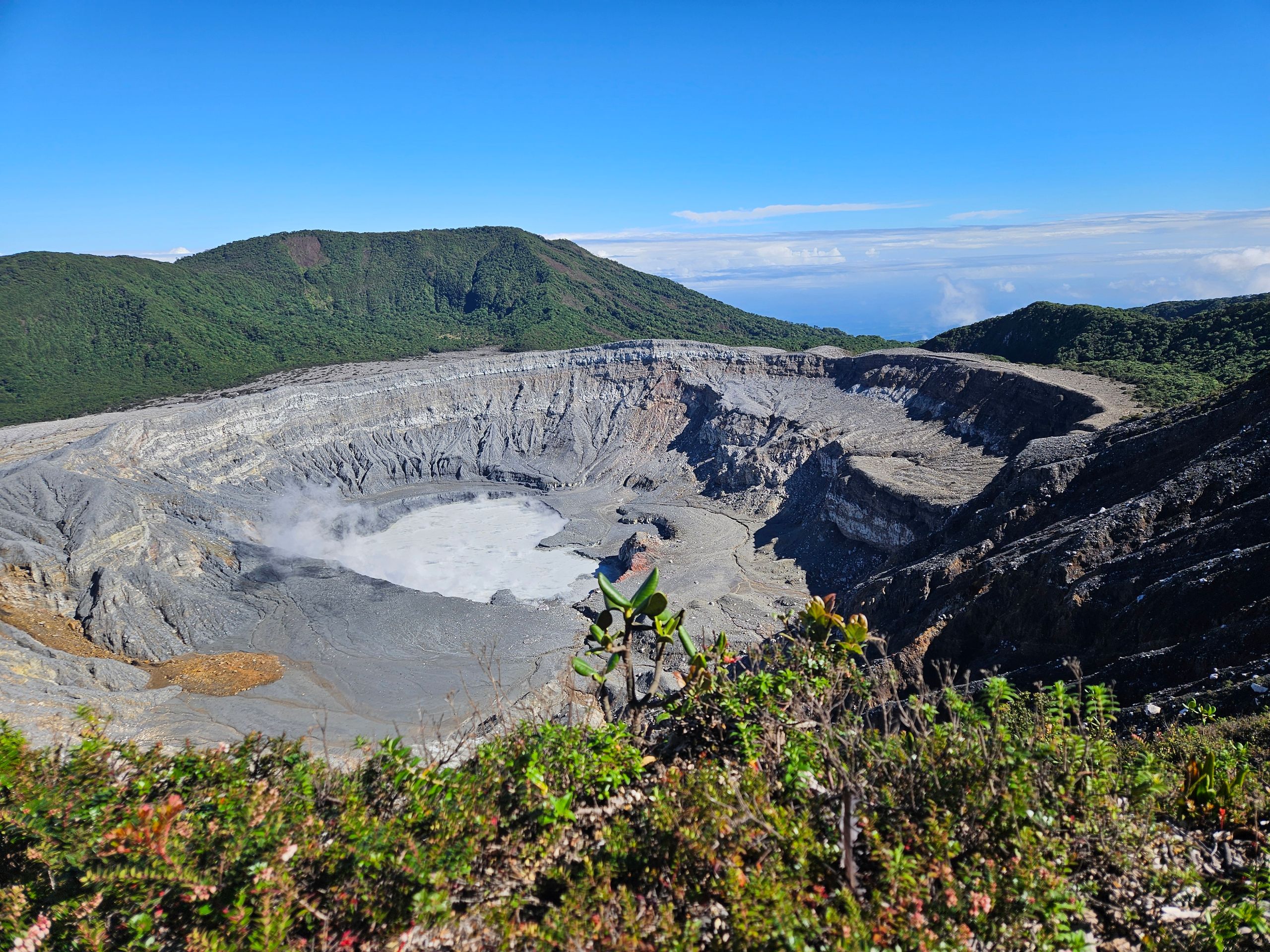
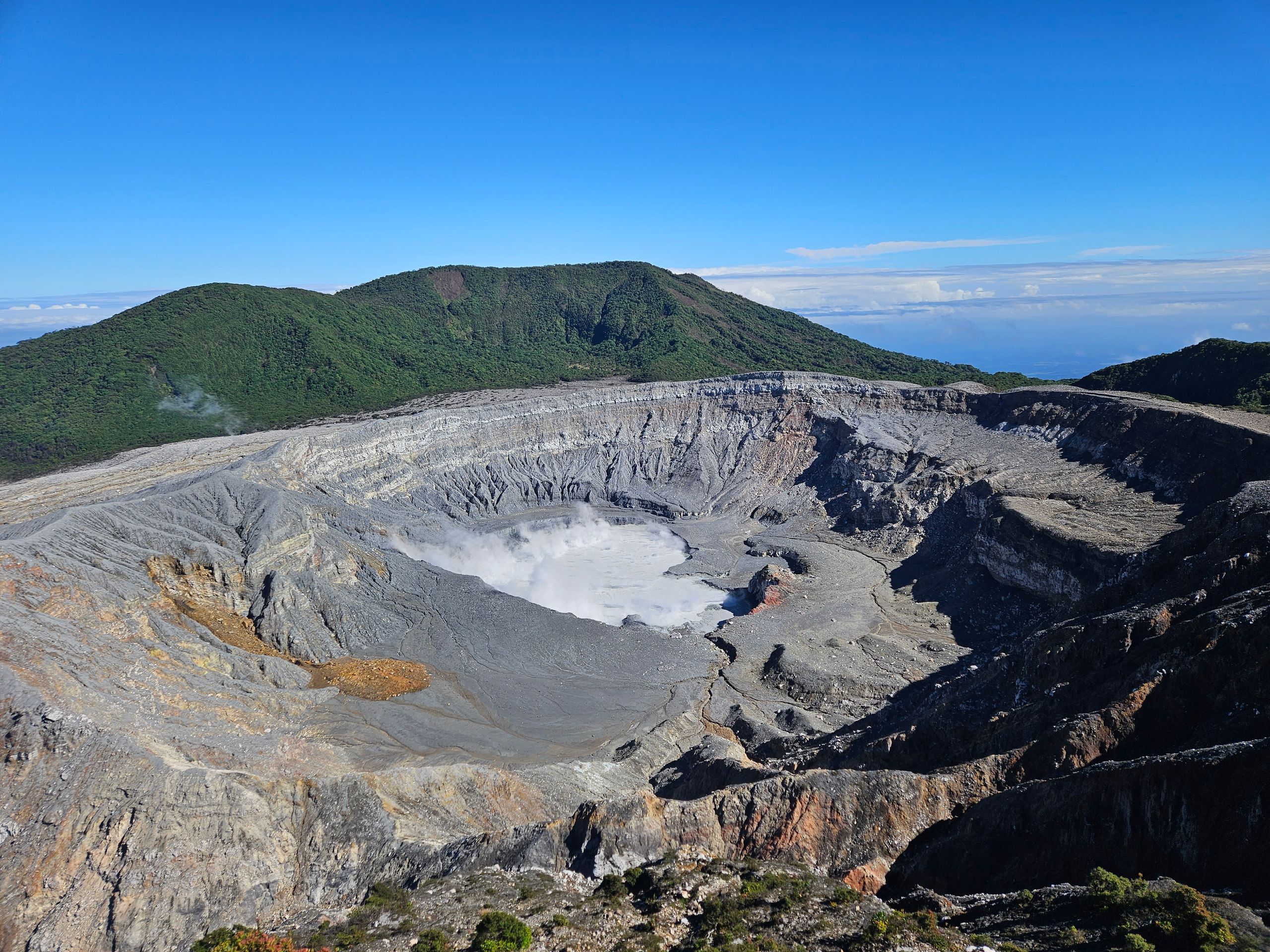
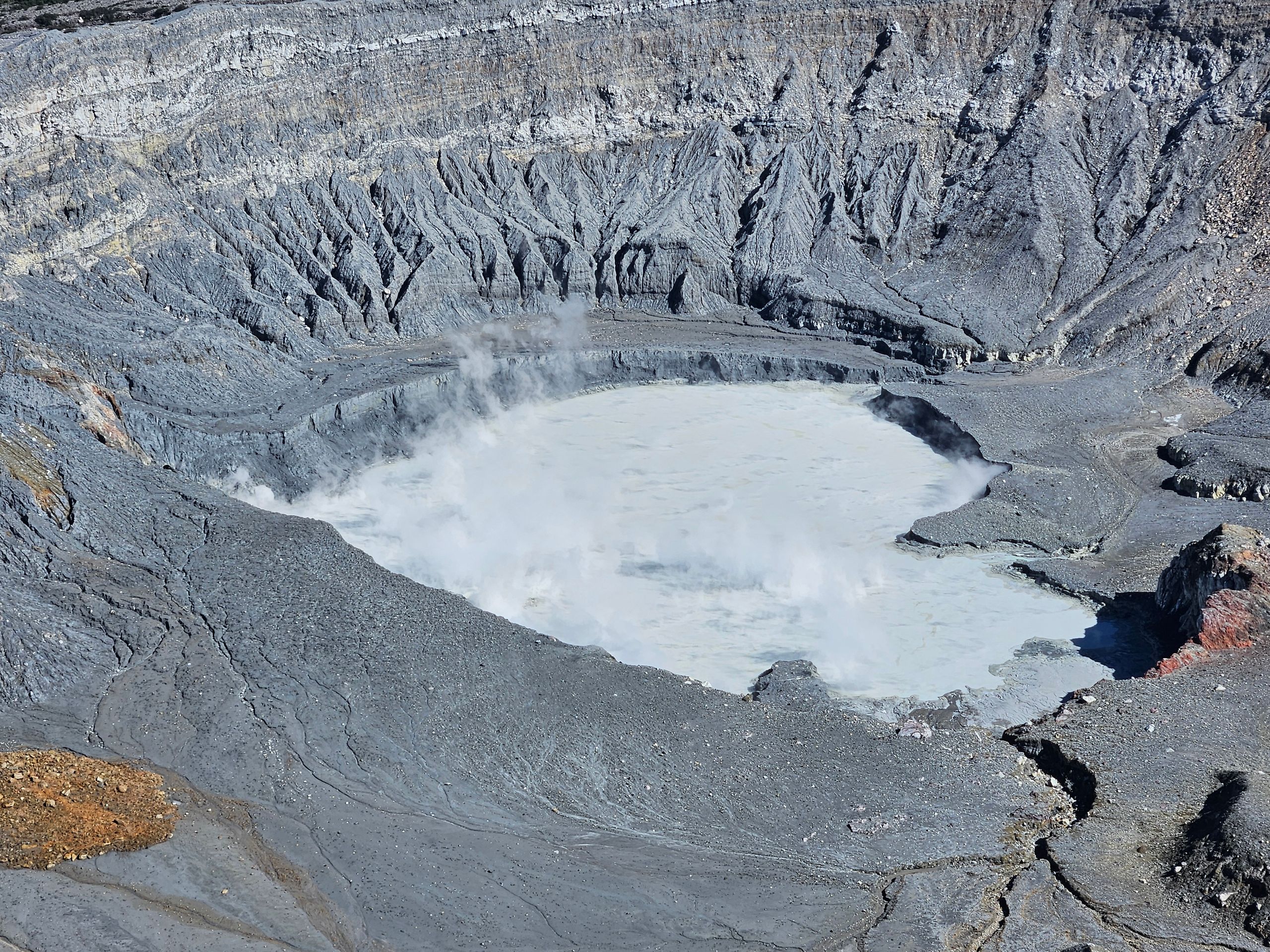
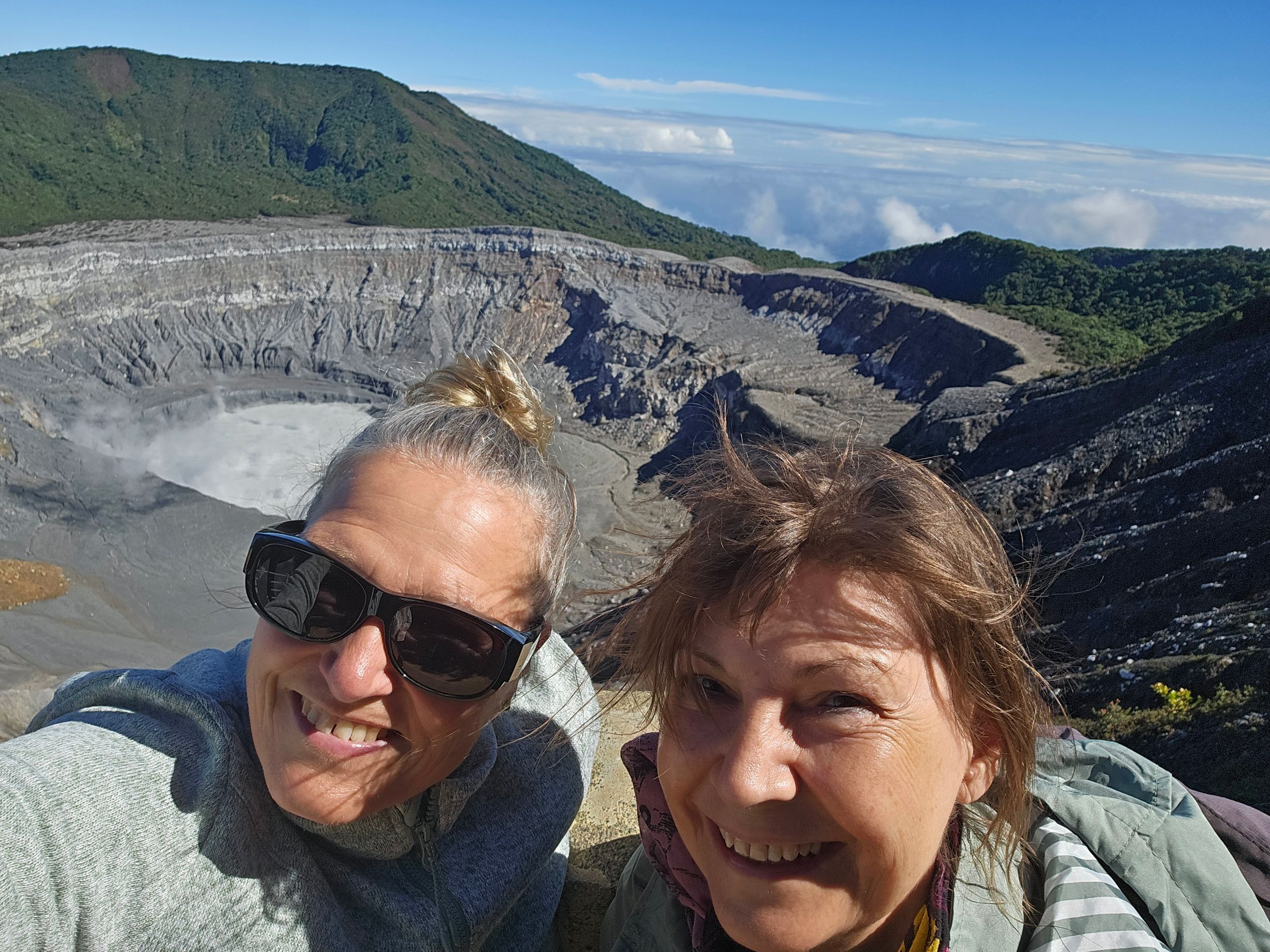
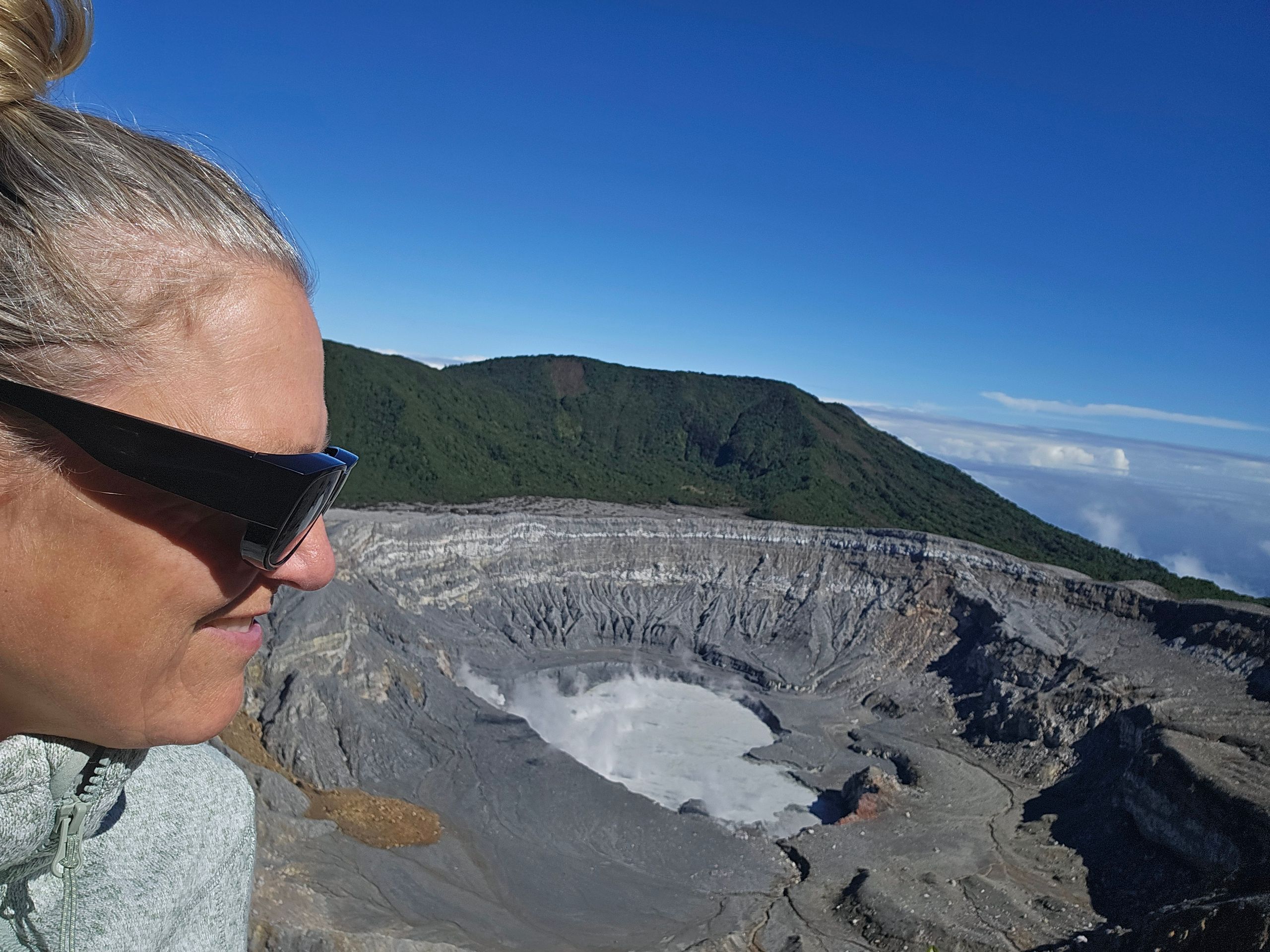
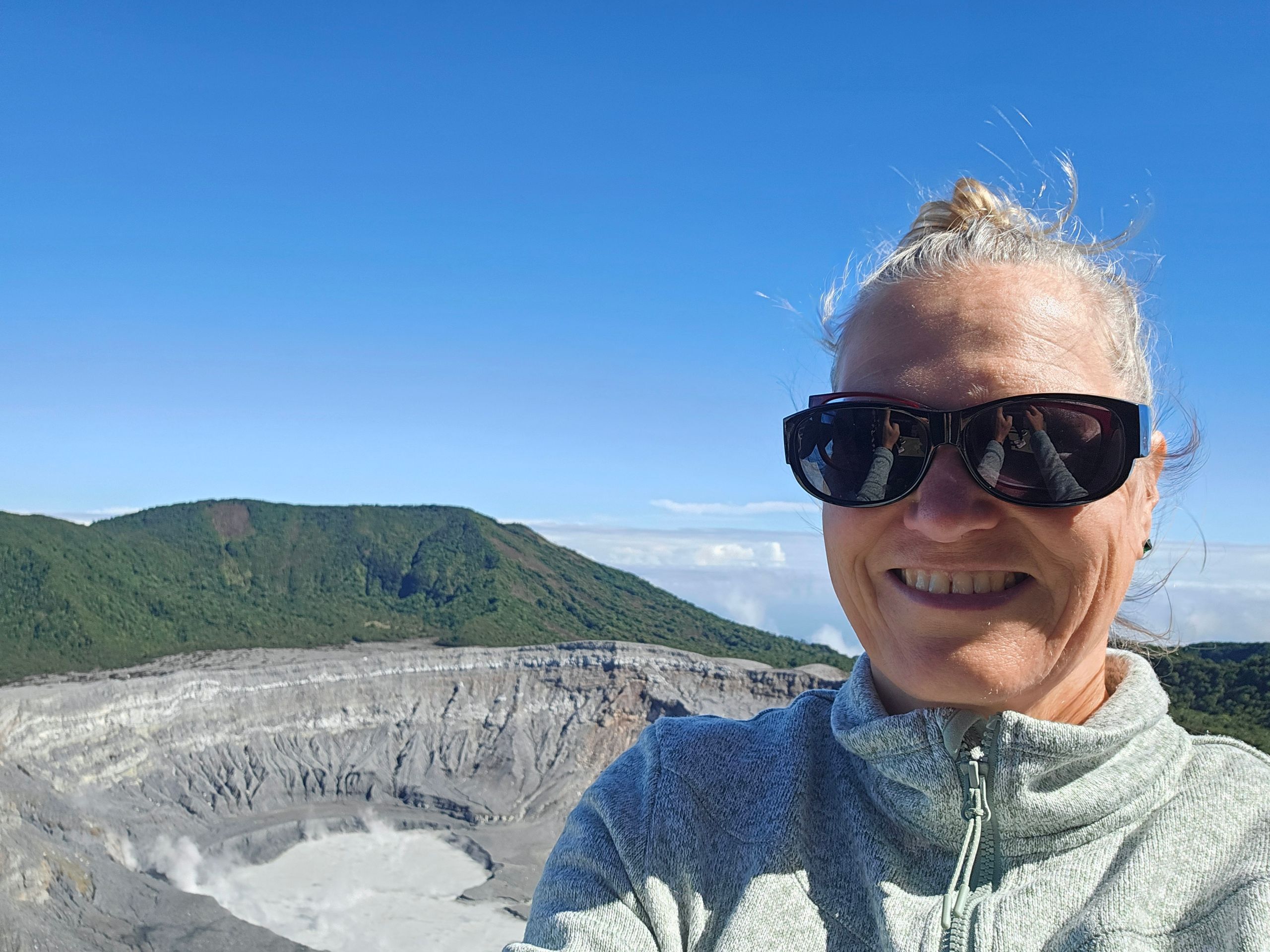
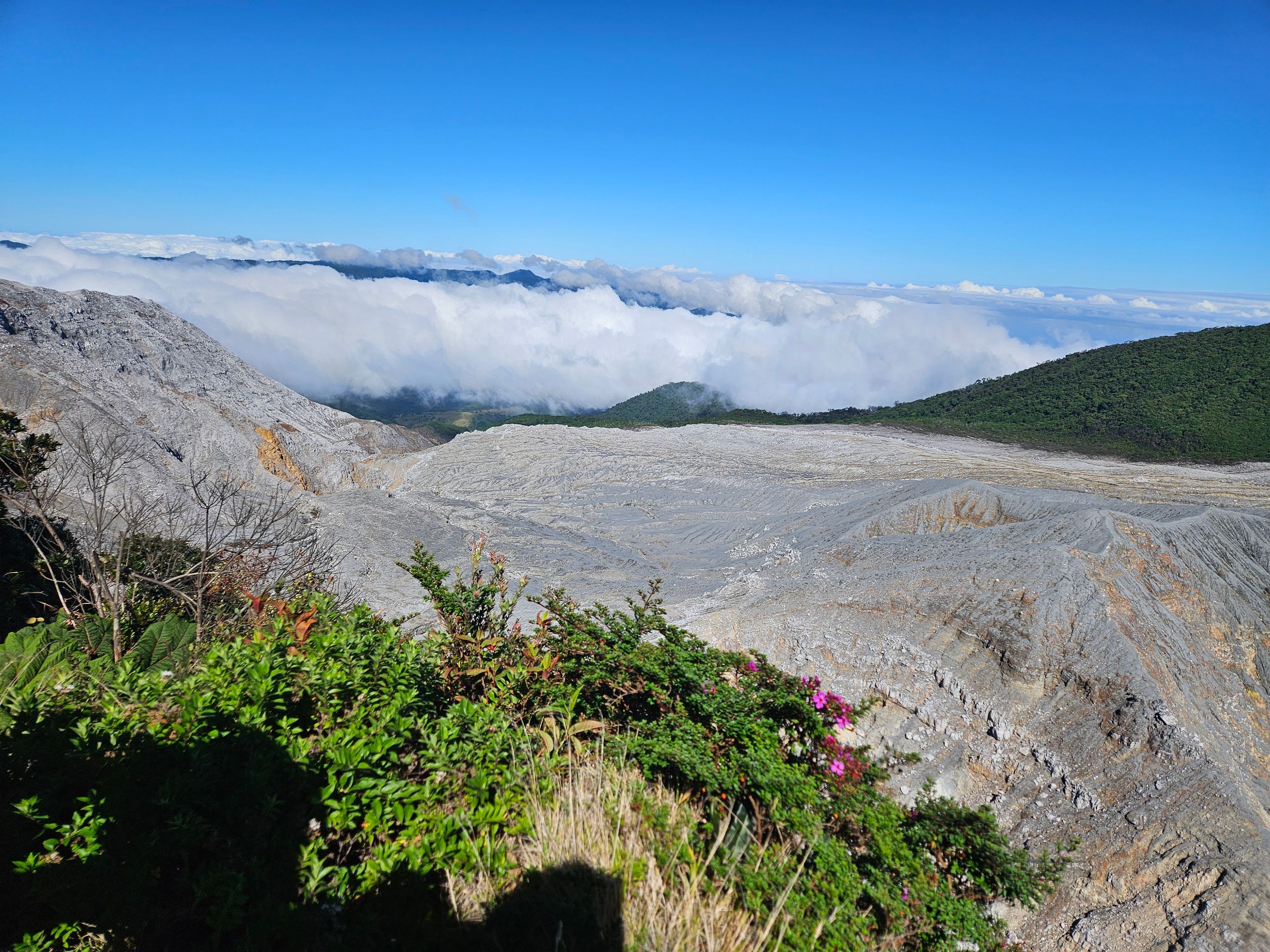
We stand here at an altitude of just under 2,708 meters directly at the edge of one of the most active and accessible stratovolcanoes in all of Costa Rica. The gigantic main crater beneath us, with a diameter of about 1.5 kilometers and a depth of over 300 meters, is among the largest active craters in the world. Inside lies the Laguna Caliente, an extremely acidic crater lake that constantly emits sulfur fumes, and during our visit, it shows a mystical, murky gray instead of its famous bright turquoise. This gray coloration is a direct sign of how alive the mountain is working beneath the surface, as rising gases and steam stir up fine sediments and ash from the bottom of the lake, causing the water to change color immediately. In fact, the last active phase was not long ago, as there were small steam and ash eruptions here repeatedly in 2025 and in spring and summer 2026, which is why the volcano is monitored around the clock by volcanologists, while we can approach the edge of an active crater as close as almost nowhere else thanks to the well-developed observation platform.
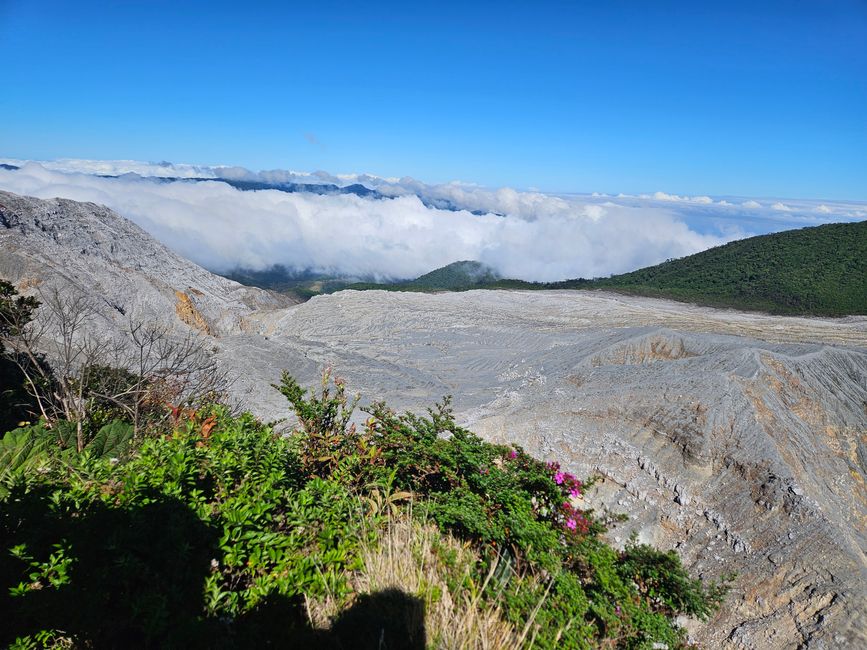
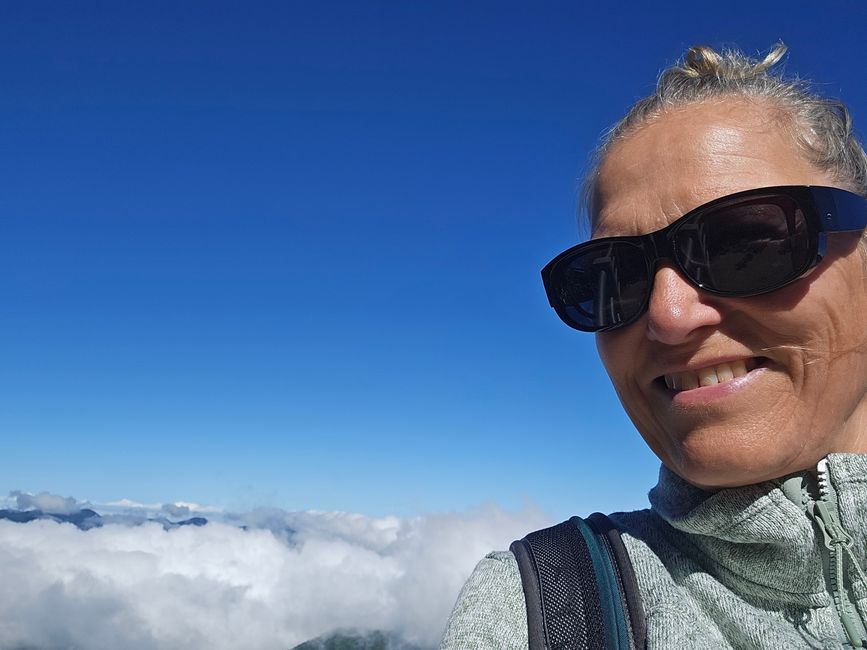
While we still stand at the crater rim, white clouds slowly rise from the valley, but they remain low beneath us and do not obscure the crater. Before us, this huge, gray, and almost moon-like volcanic landscape unfolds, while a deep blue sky continues to shine overhead. At this moment, we truly feel as if we are above the clouds, creating an incredibly fascinating and almost magical atmosphere.
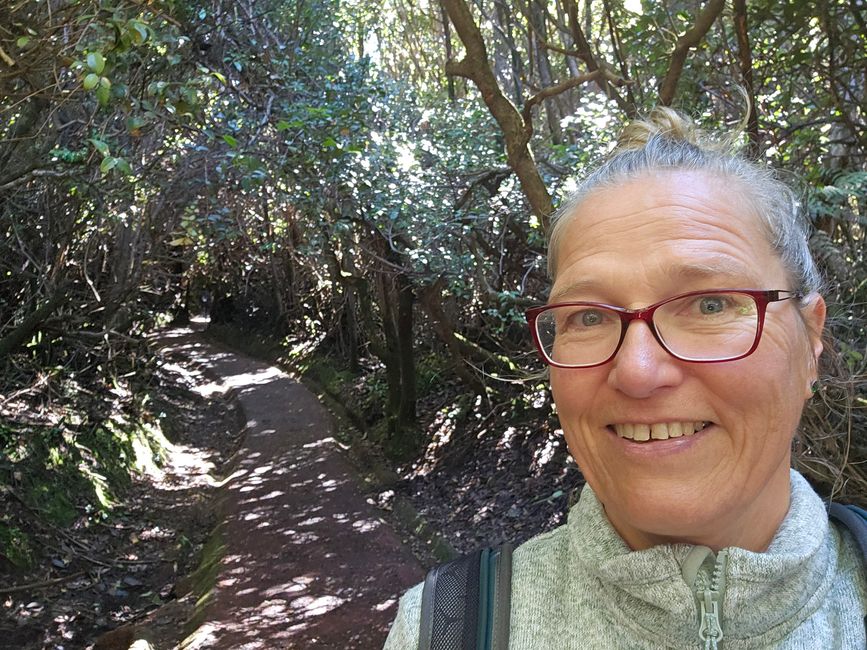
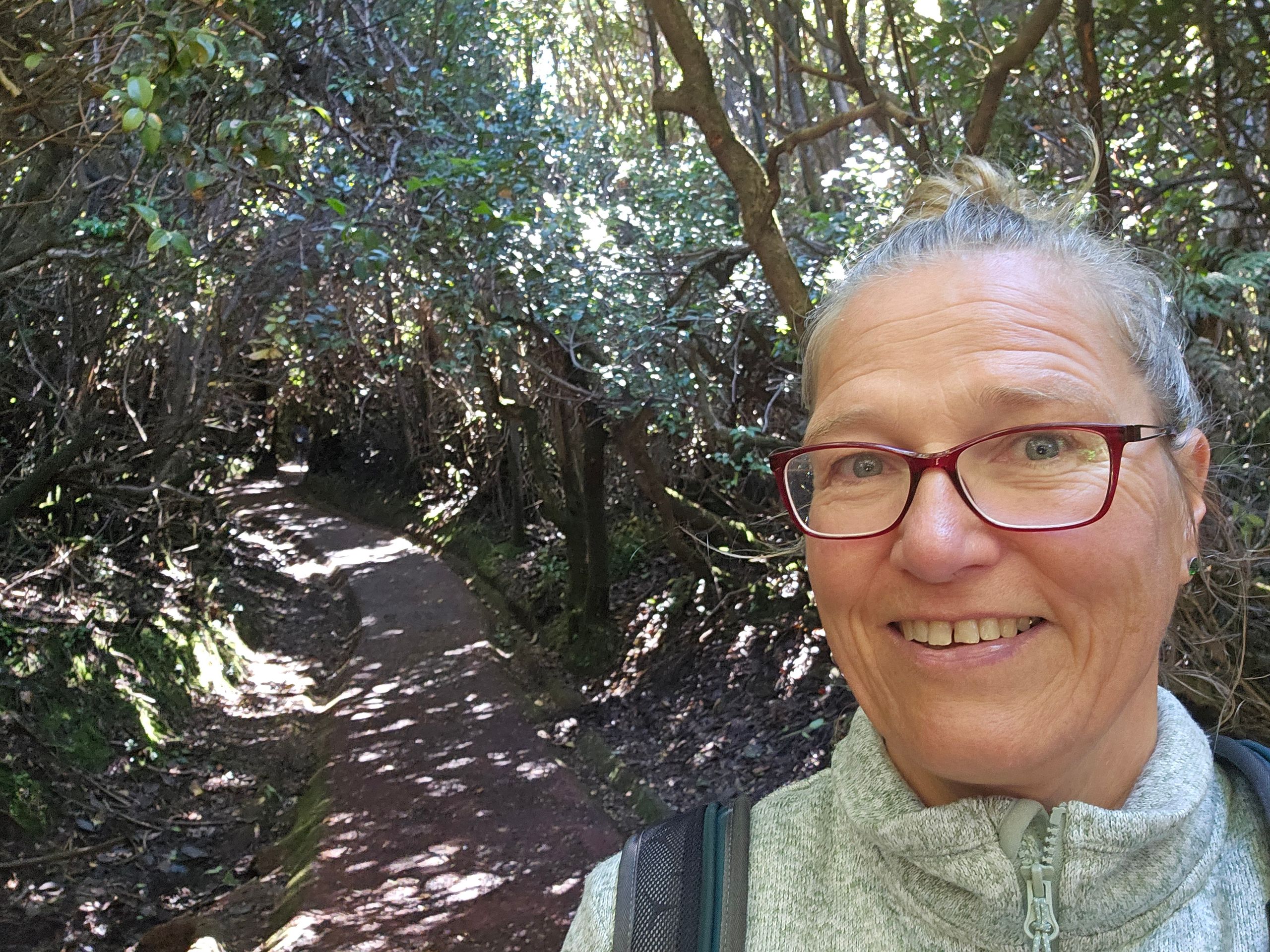
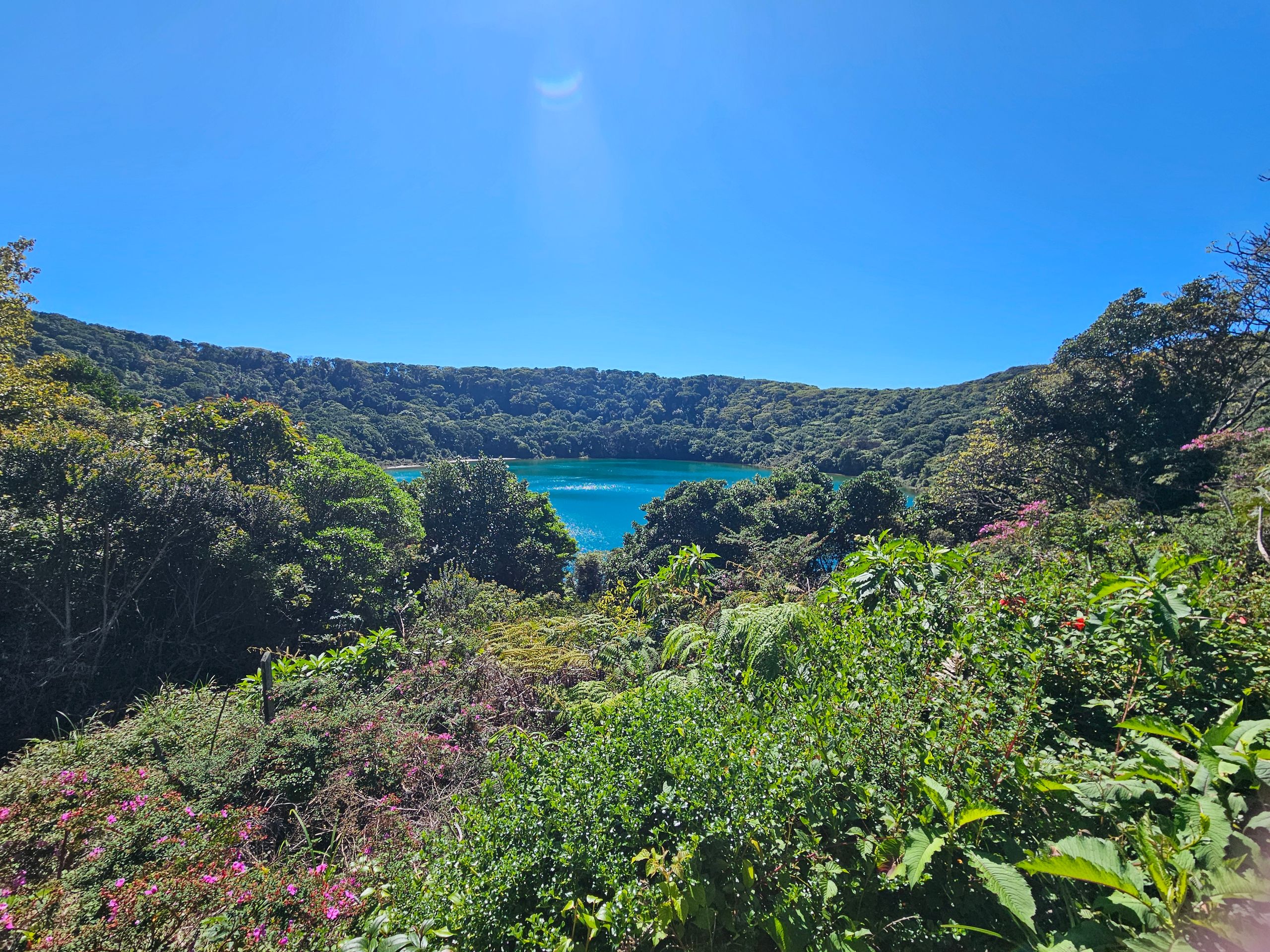
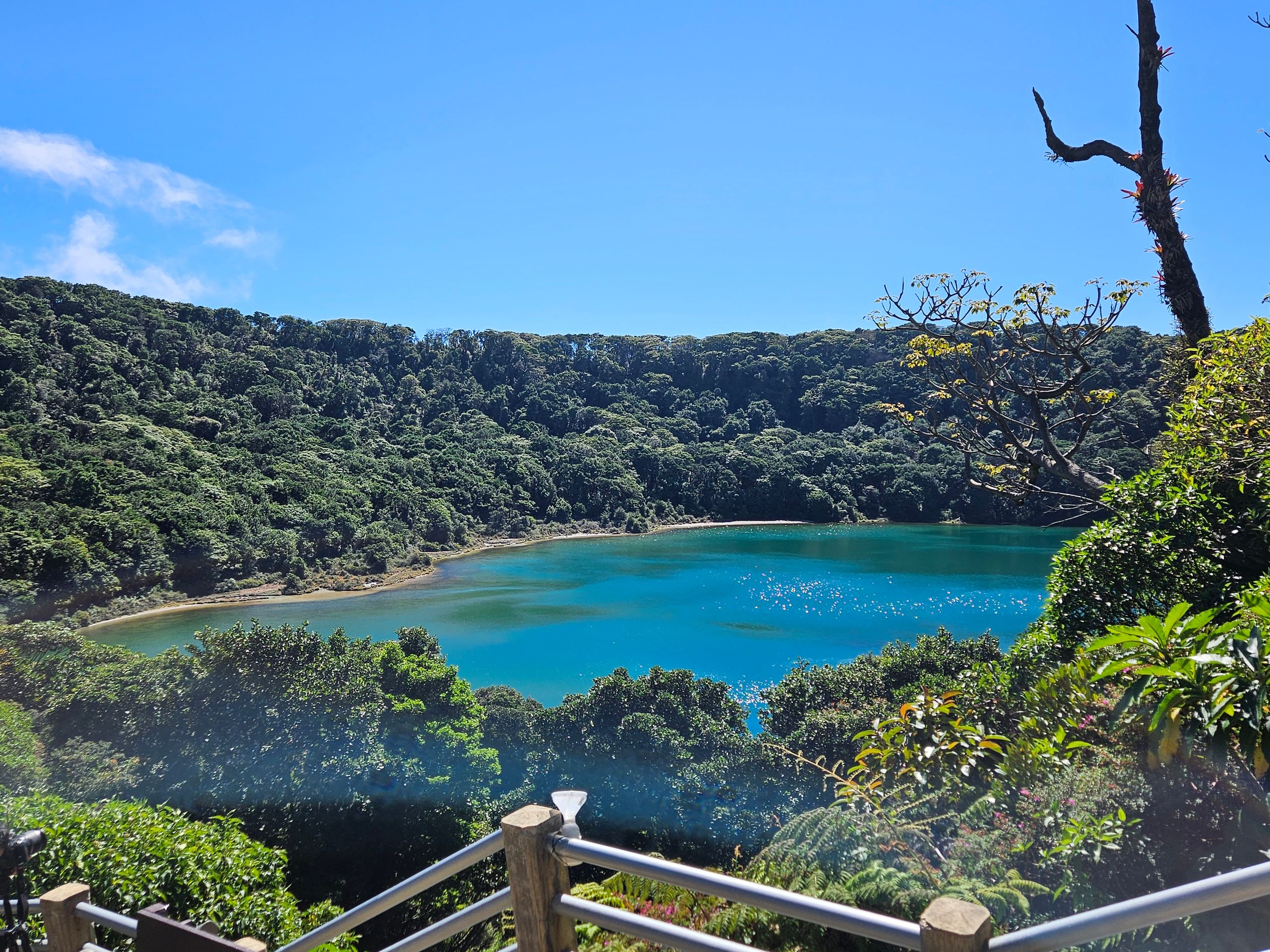
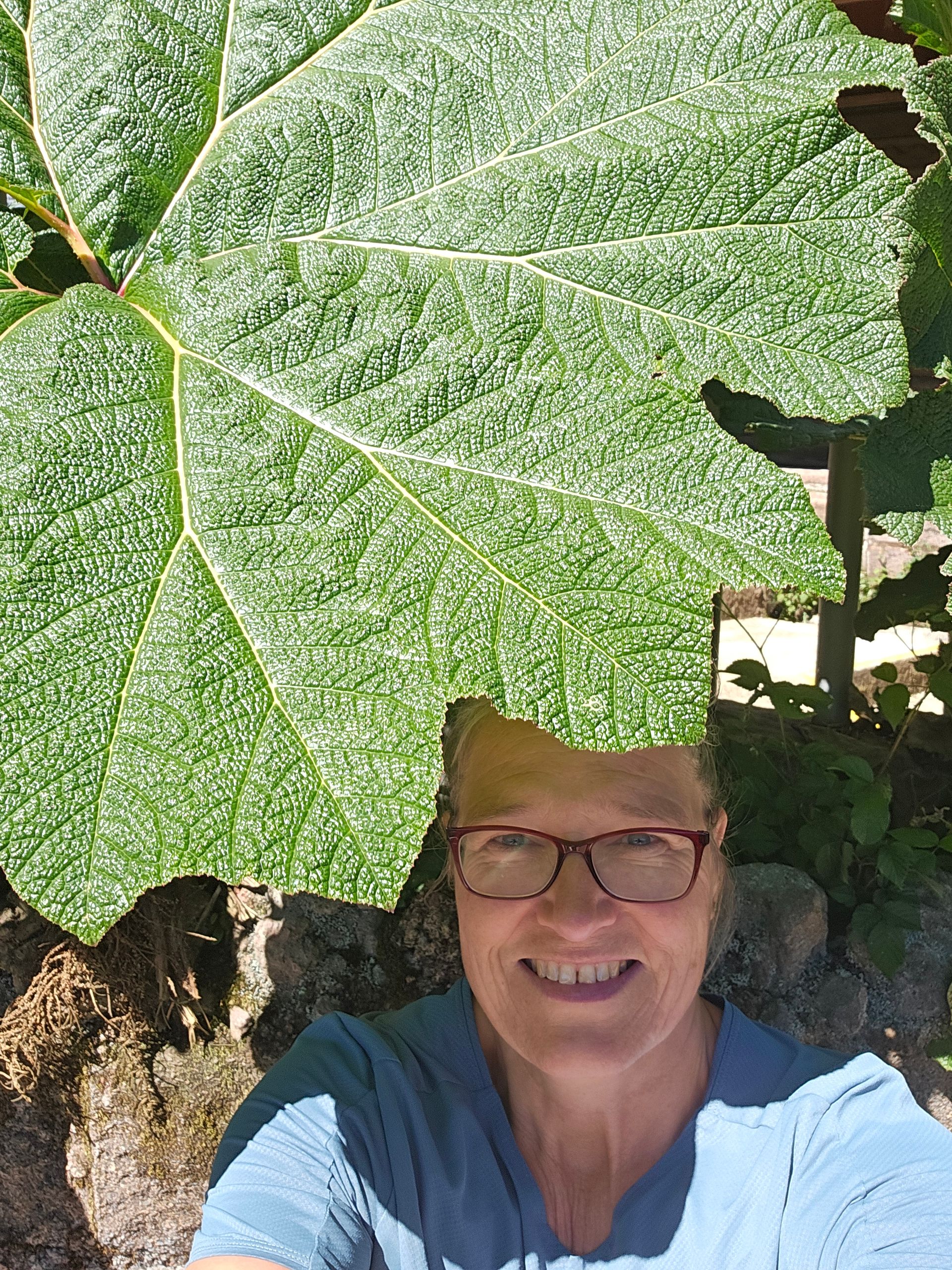
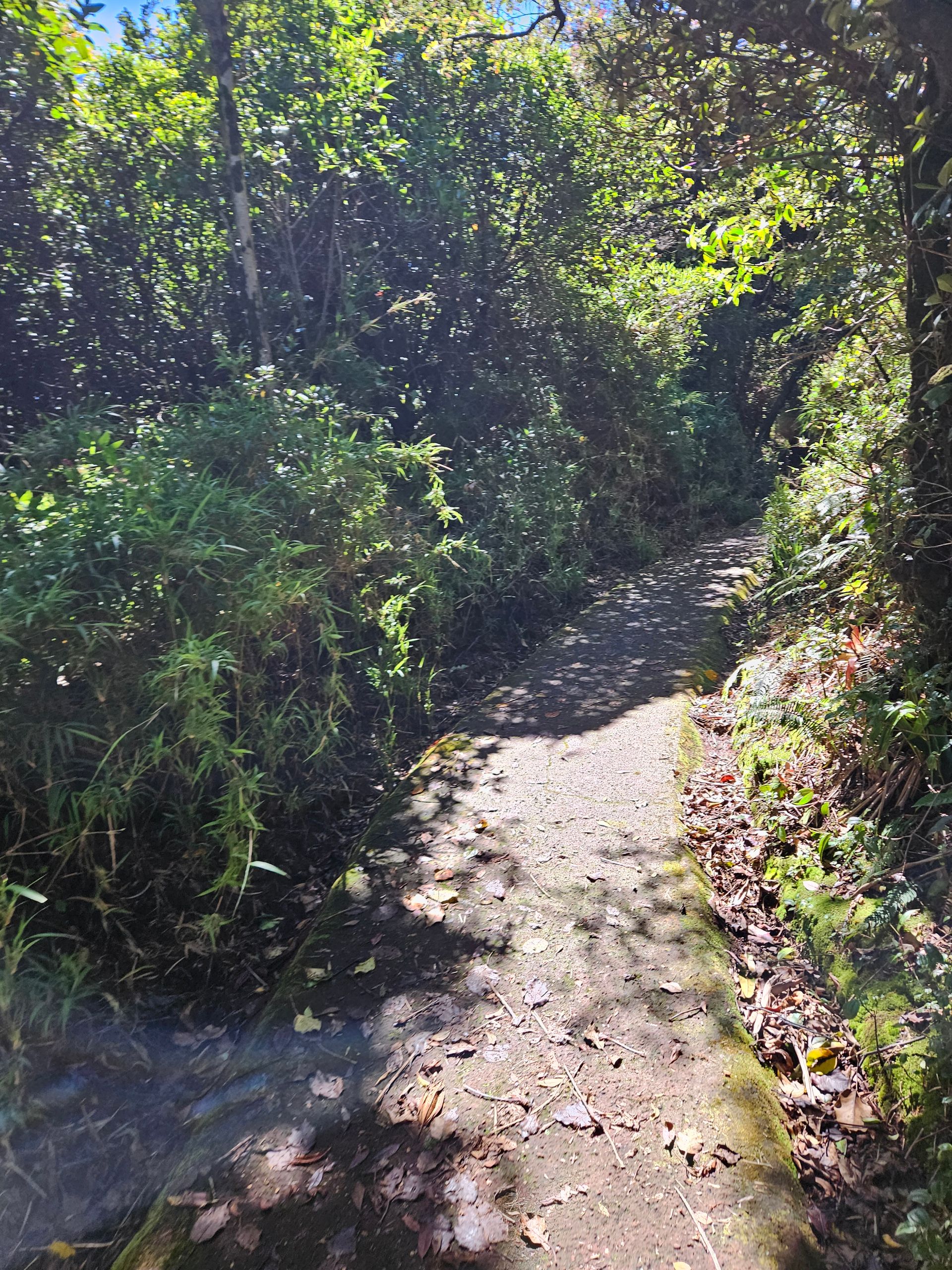
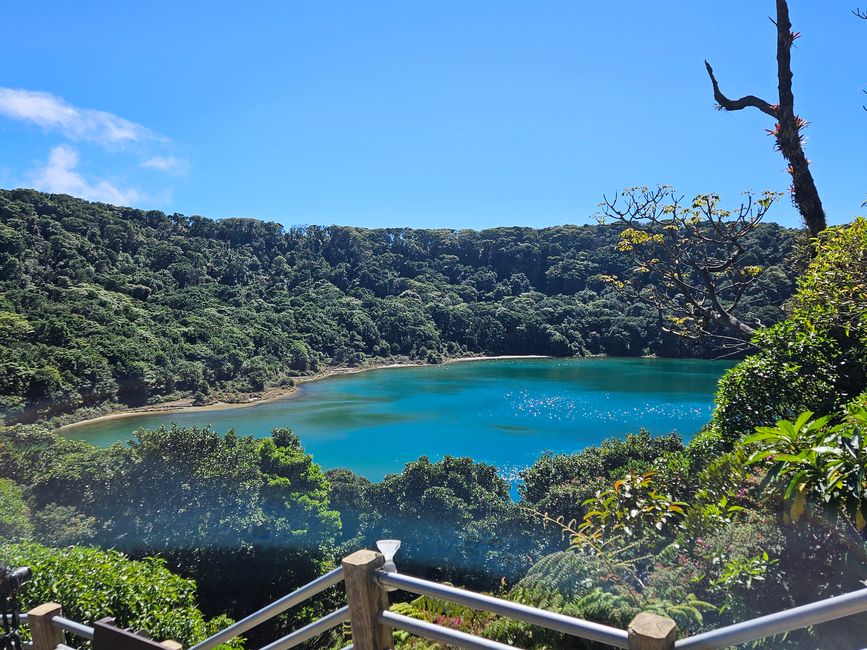
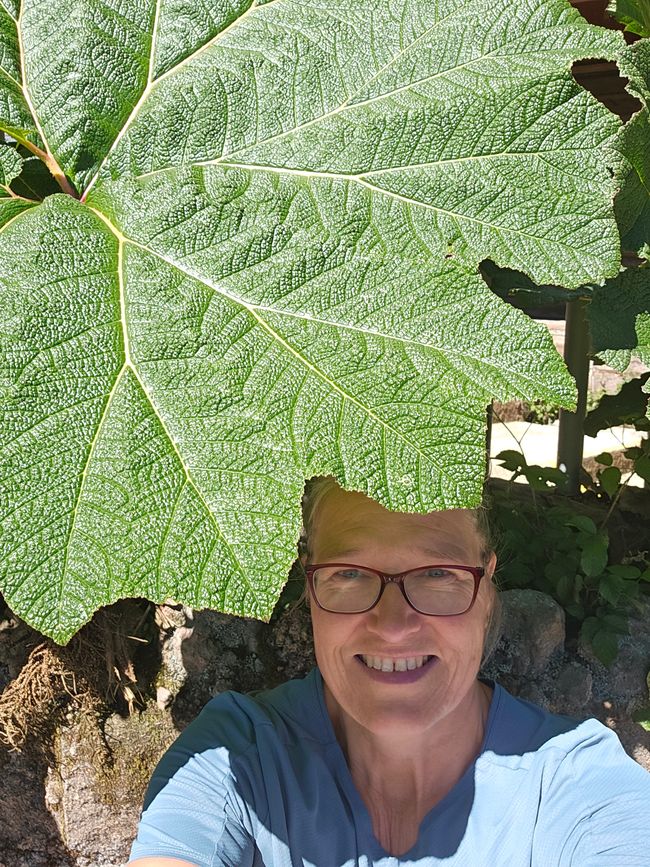
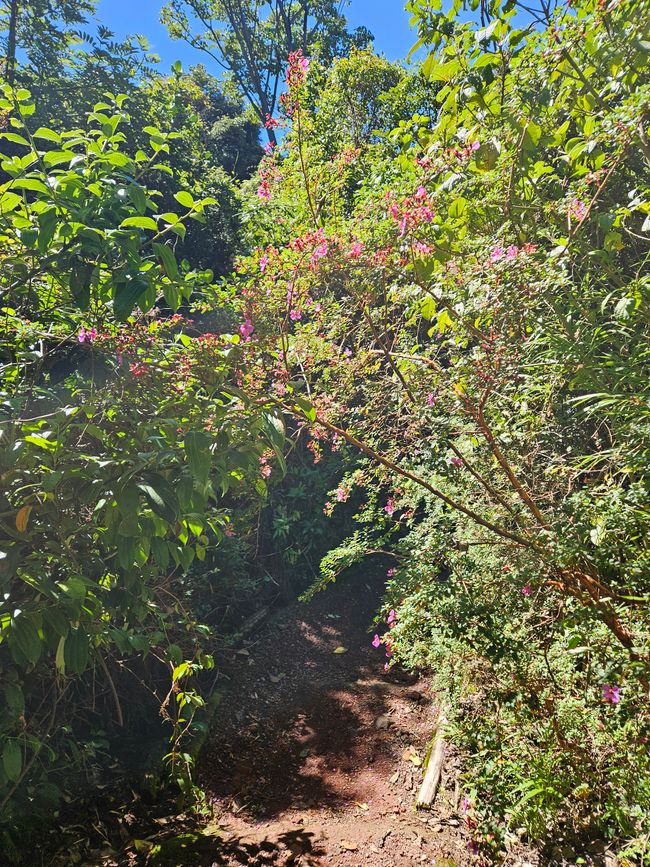
Afterwards, we take the round trip to the second crater lake, Laguna Botos, and are quite surprised. Although one naturally thinks that a lake in a crater means a comfortable downhill, the 800-meter-long path actually leads uphill again over numerous steps and steeper inclines through an enchanted misty forest. This dense, evergreen forest is officially referred to as Elfenwald, or in Spanish Bosque Enano, and after just a few meters, we immediately understand why. Due to the extreme altitude at around 2,700 meters, the consistently cool temperatures, and the high humidity, the trees grow here stunted, gnarled, and intertwined, covered from top to bottom with thick cushions of moss, lichens, colorful bromeliads, and ferns, while at the edge of the path, the enormous leaves of the so-called Sombrilla de Pobre stand like gigantic green umbrellas. Upon reaching the top, we are rewarded for this unexpected climbing adventure in the elves' forest with a view of the deep green shimmering, around 400 meters wide Laguna Botos, which lies in a long-extinct secondary crater and forms a wonderfully peaceful contrast to the smoking main crater.
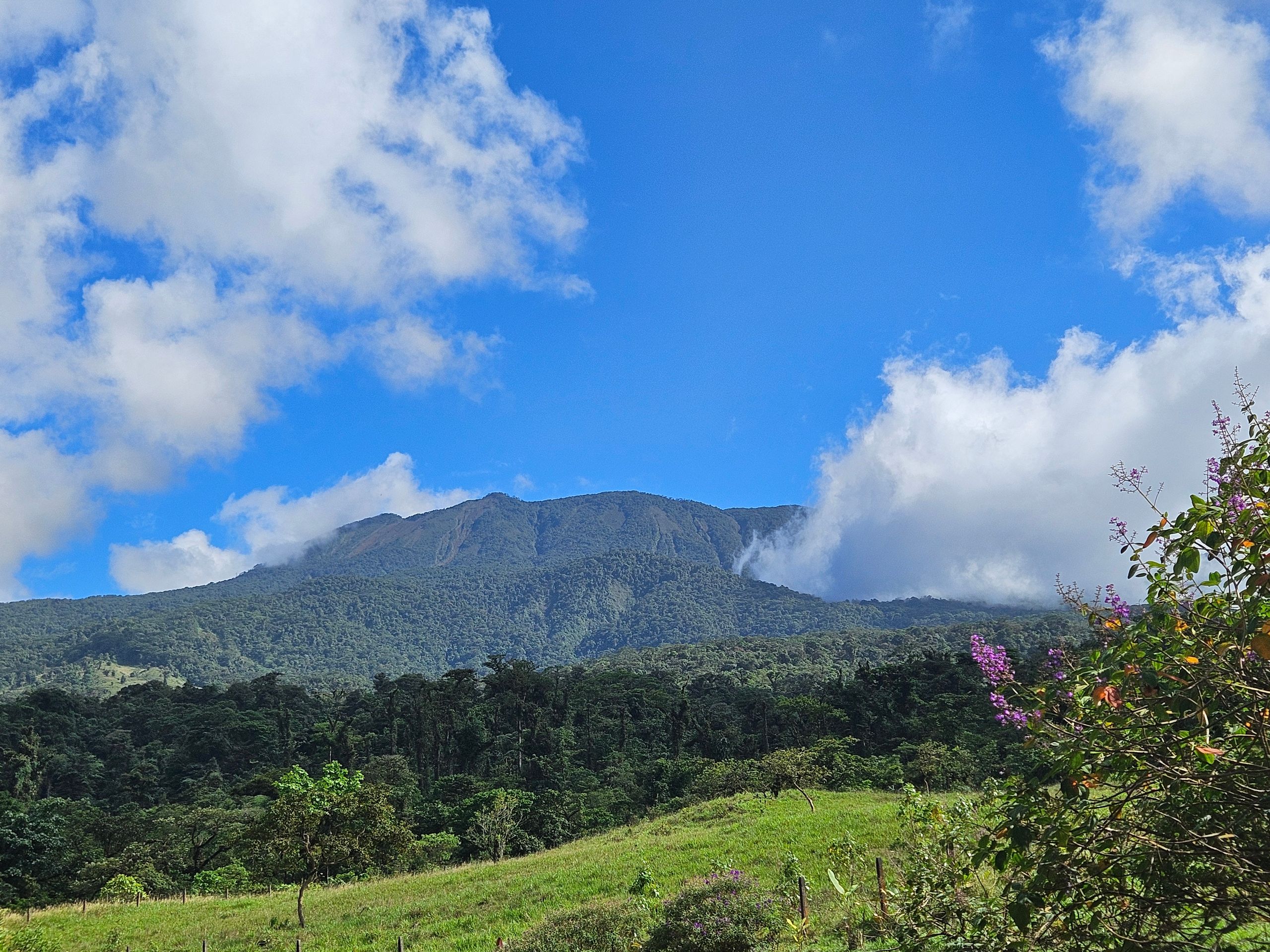
From the National Park Vulkan Poás, we drive down winding on the Ruta 120 and continue on Ruta 126 towards Cinchona. On this approximately 25-kilometer route, we switch from the Pacific volcanic region to the significantly wetter Caribbean mountainside, while the road snakes through dense cloud forests and alongside deep gorges.
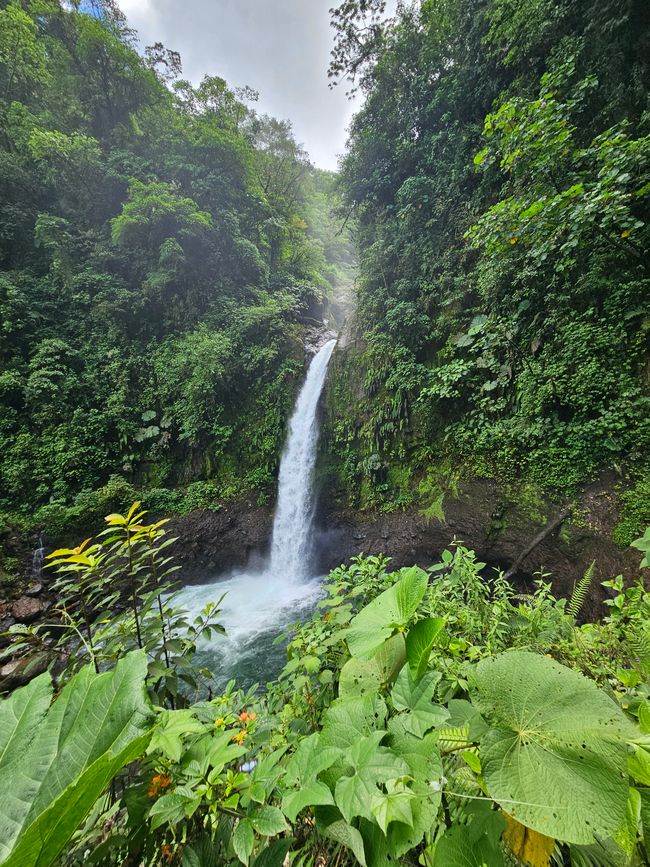
Along the way, we pass the famous La Paz Waterfall Gardens, a private nature park and animal rescue center with five waterfalls, a butterfly house, and rescued wildlife, but the admission fee of about $56, plus taxes per person is quite steep. Instead, we just drive a short distance further to the narrow road bridge right at the curve, where you can admire the powerful La Paz waterfall, approximately 34 meters high, completely for free up close.
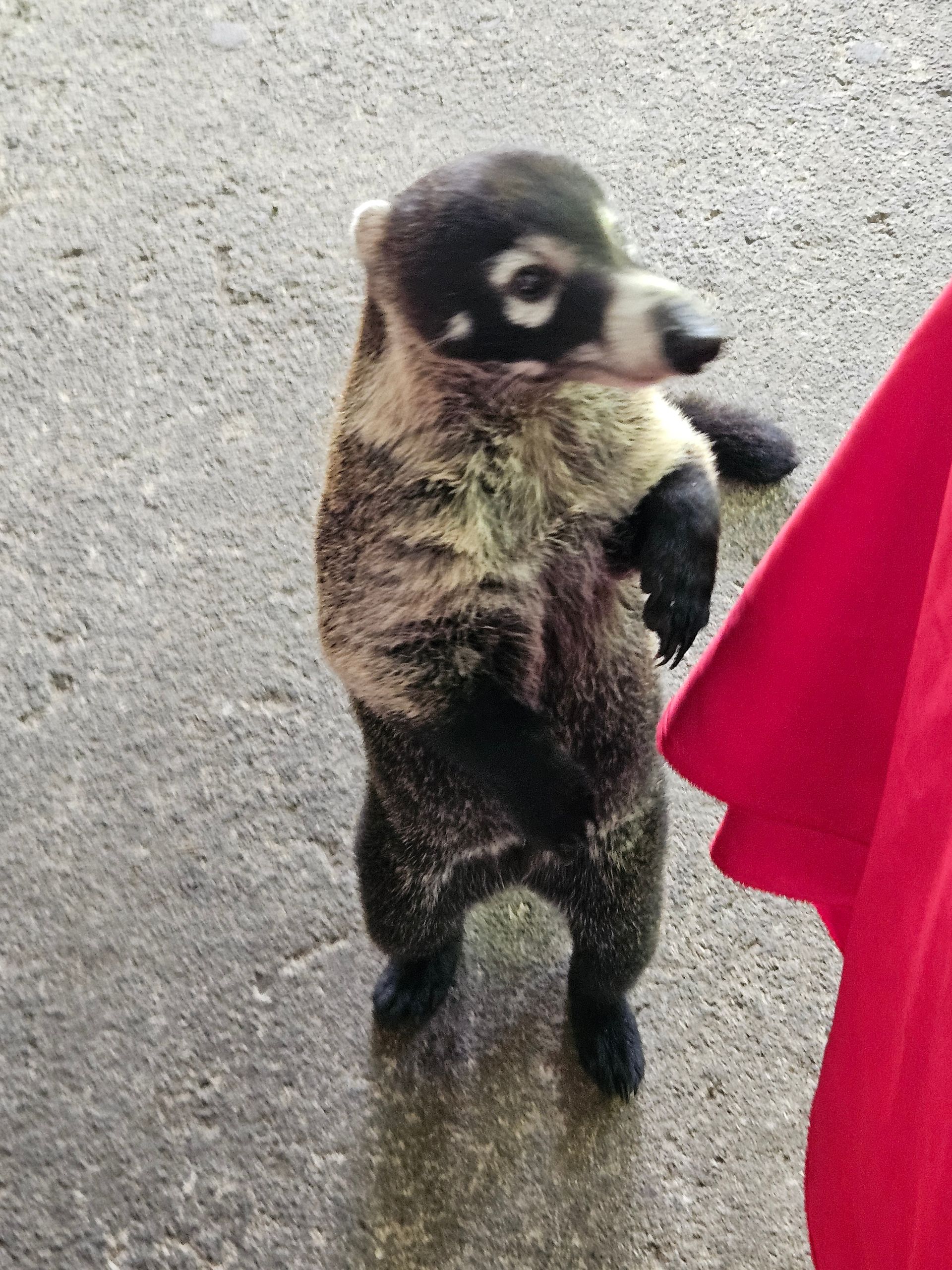
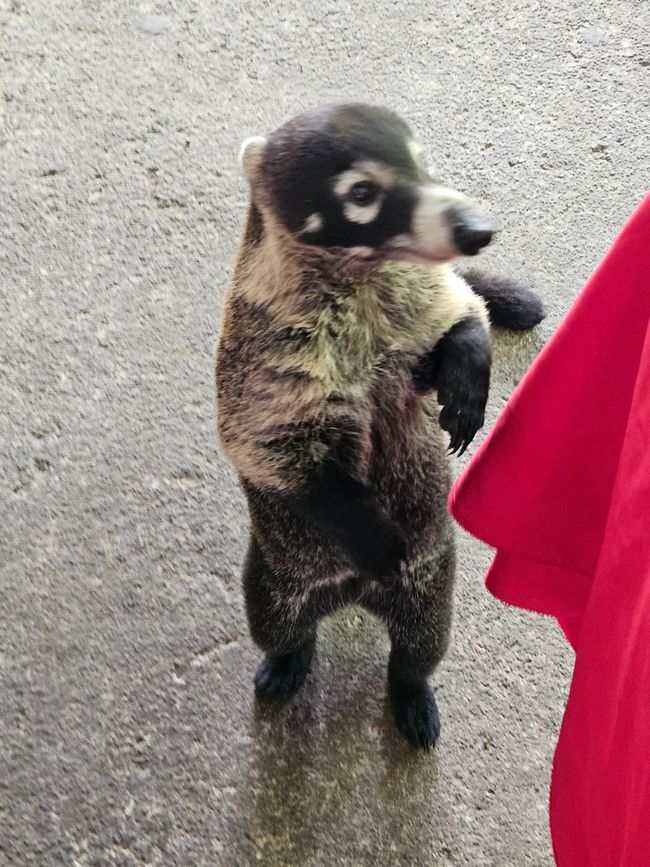
At the small souvenir shop right next door, the owner seems to have a lot of fun feeding a curious coati, which appears quite tame and knows exactly where to score some tasty treats regularly.
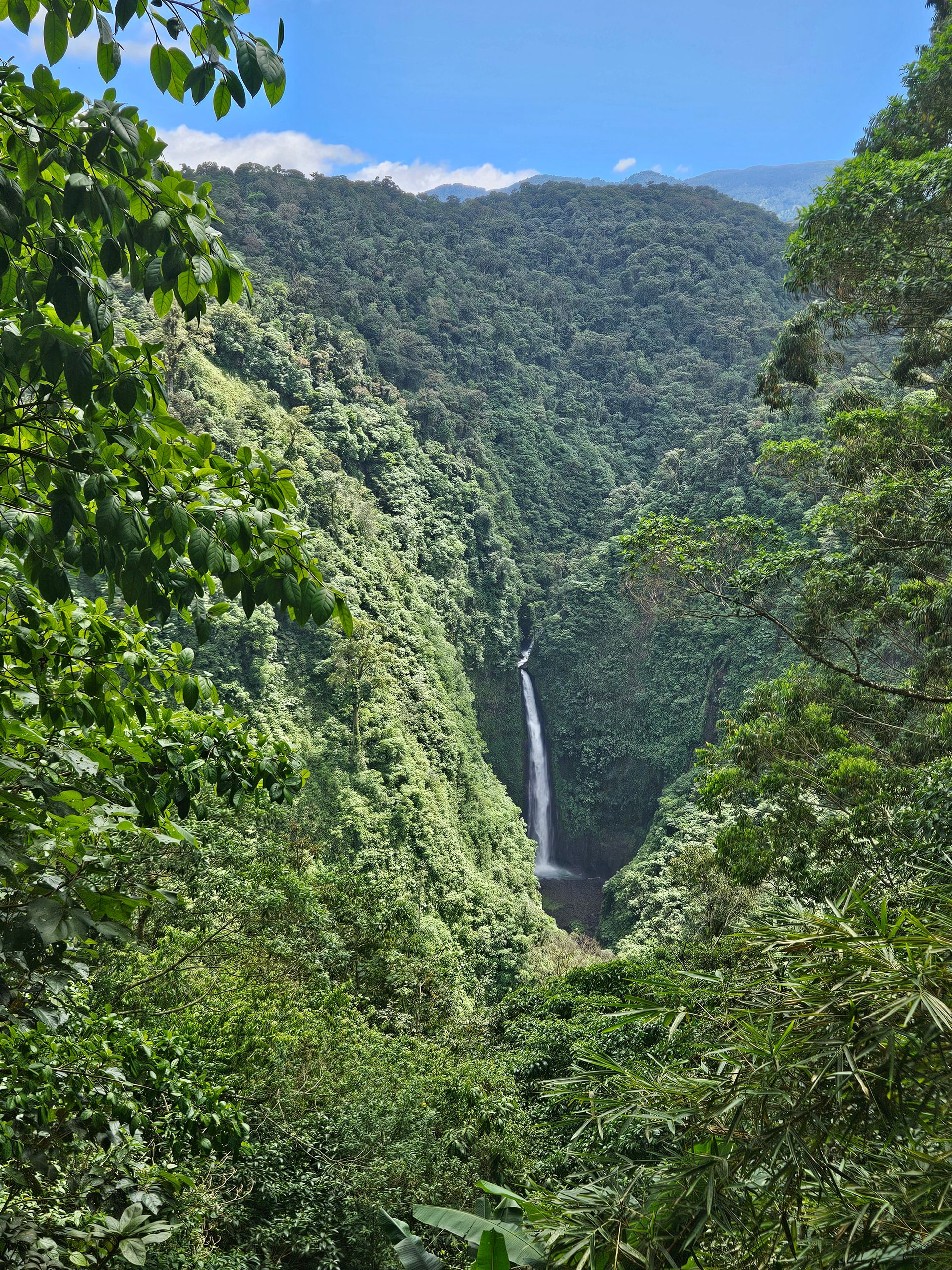
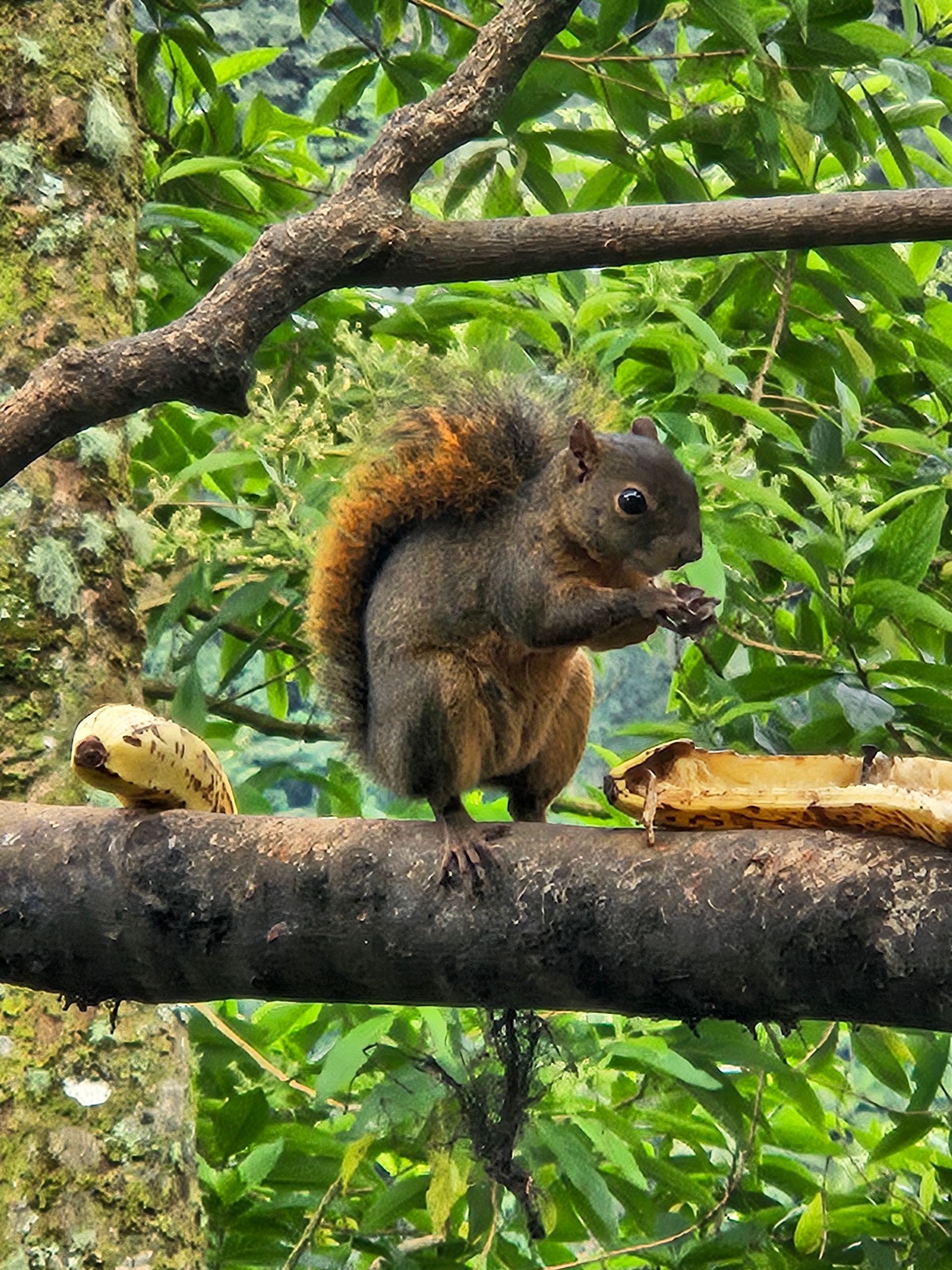
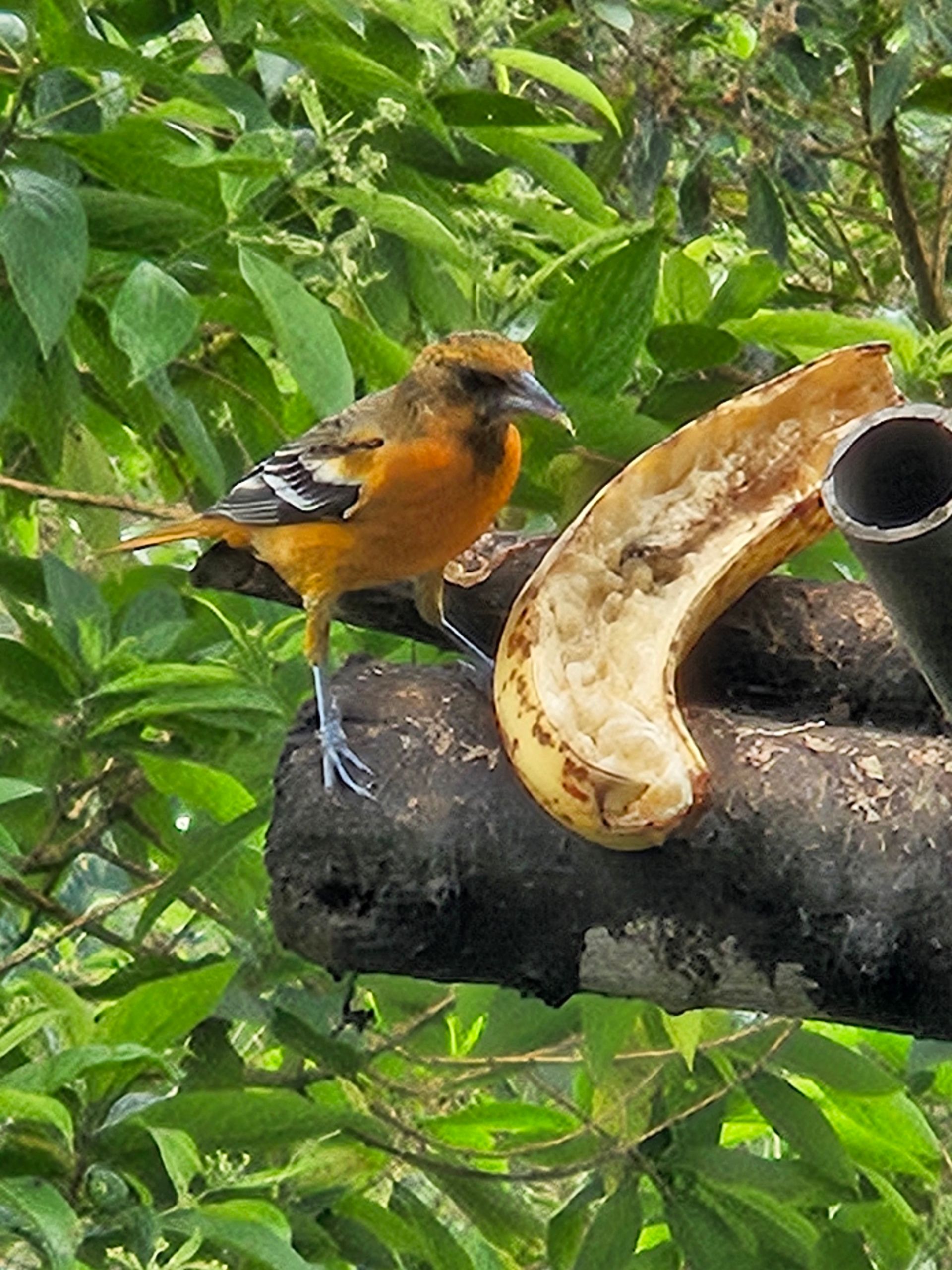
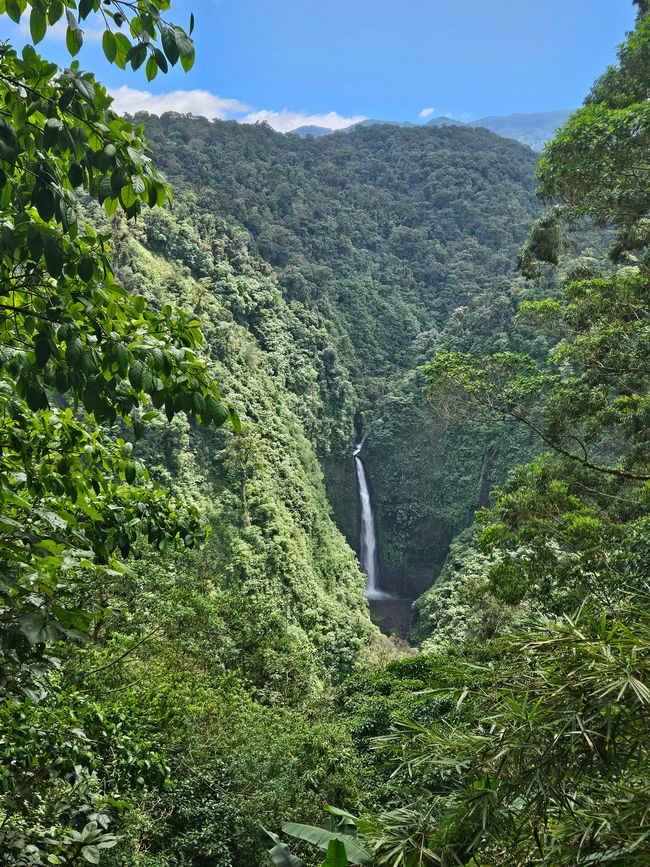
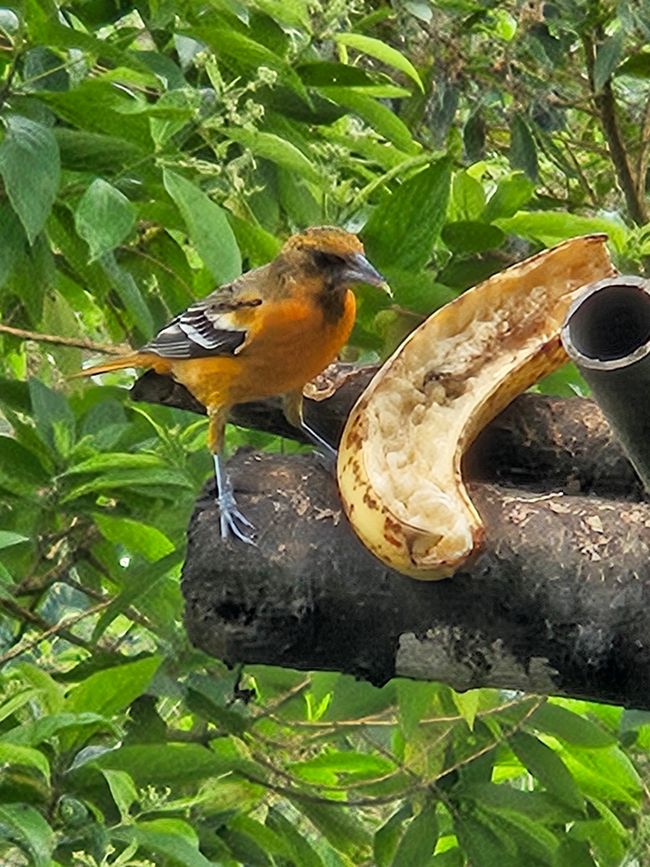
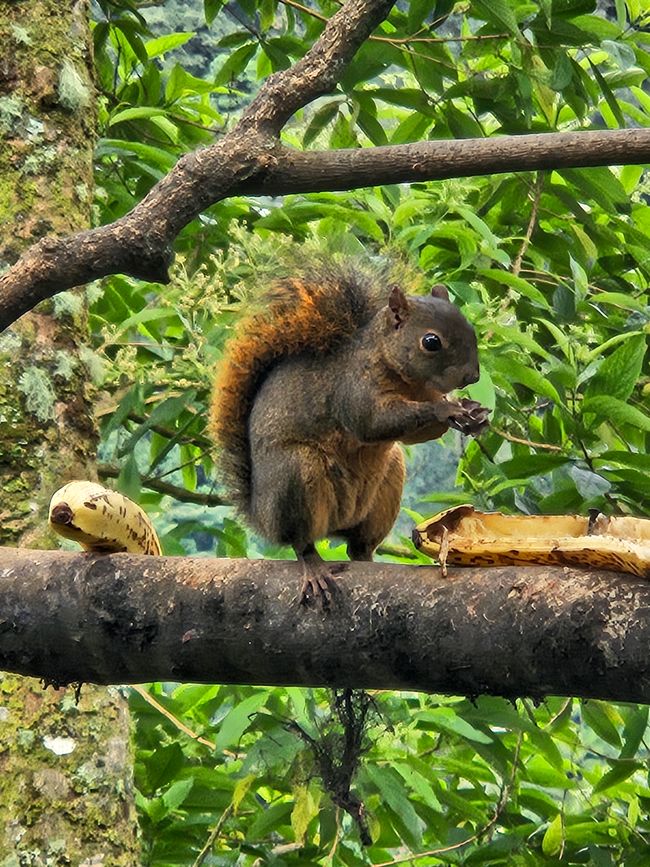
Only after this unexpected stop do we continue to our actual destination, the well-known Soda y Mirador Cinchona, a small, rustic place right at the edge of a steep gorge, rebuilt after a severe earthquake in 2009. From the terrace, we have an absolutely spectacular panoramic view across to the opposite rock wall, where the over 70-meter high San Fernando waterfall plunges vertically from the deep green jungle. While we enjoy this natural wonder, a huge hustle and bustle unfolds right before our eyes at the numerous feeding stations on the terrace, as countless hummingbirds and colorful birds hover just inches from us. There are also squirrels here.
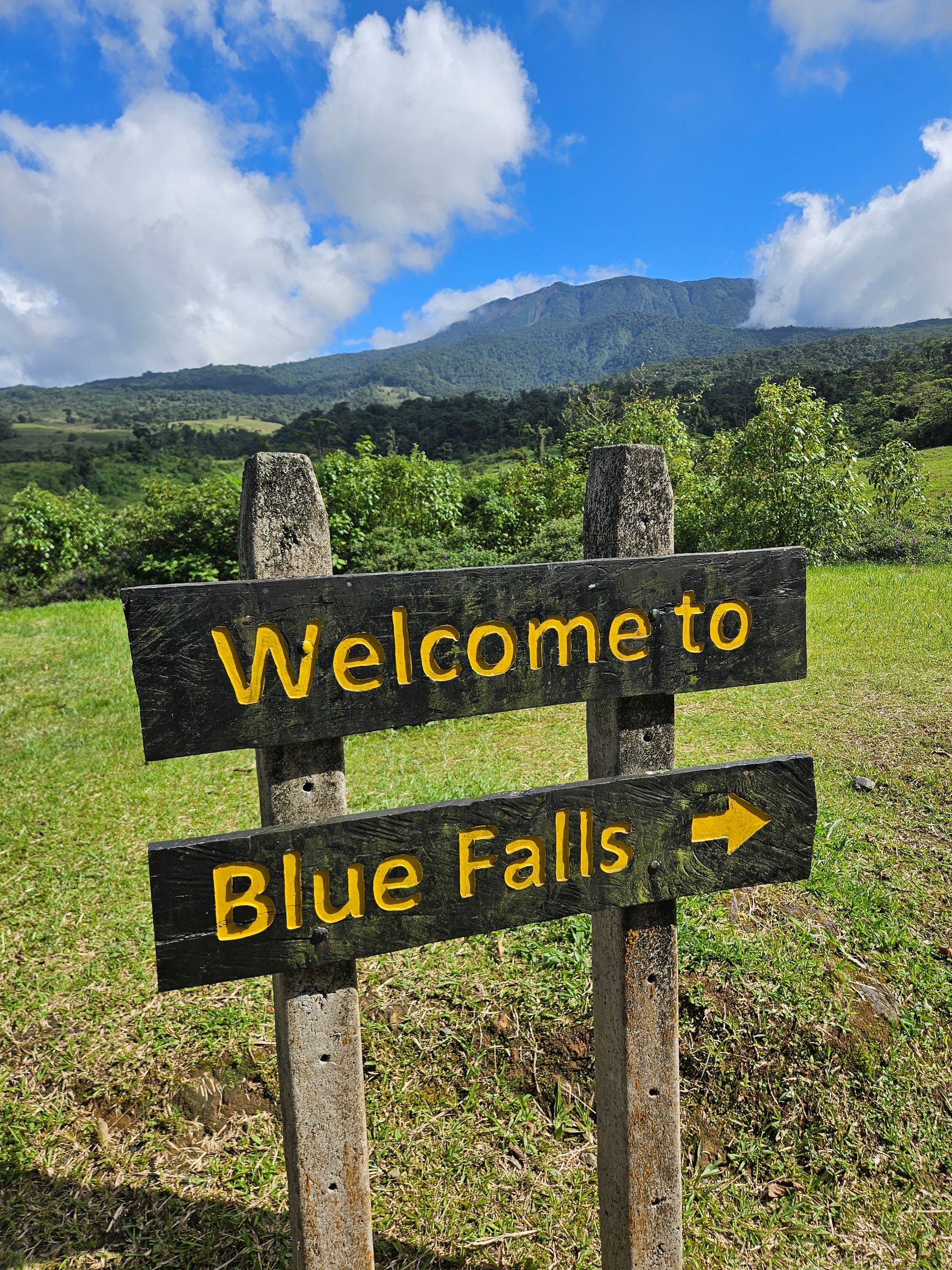
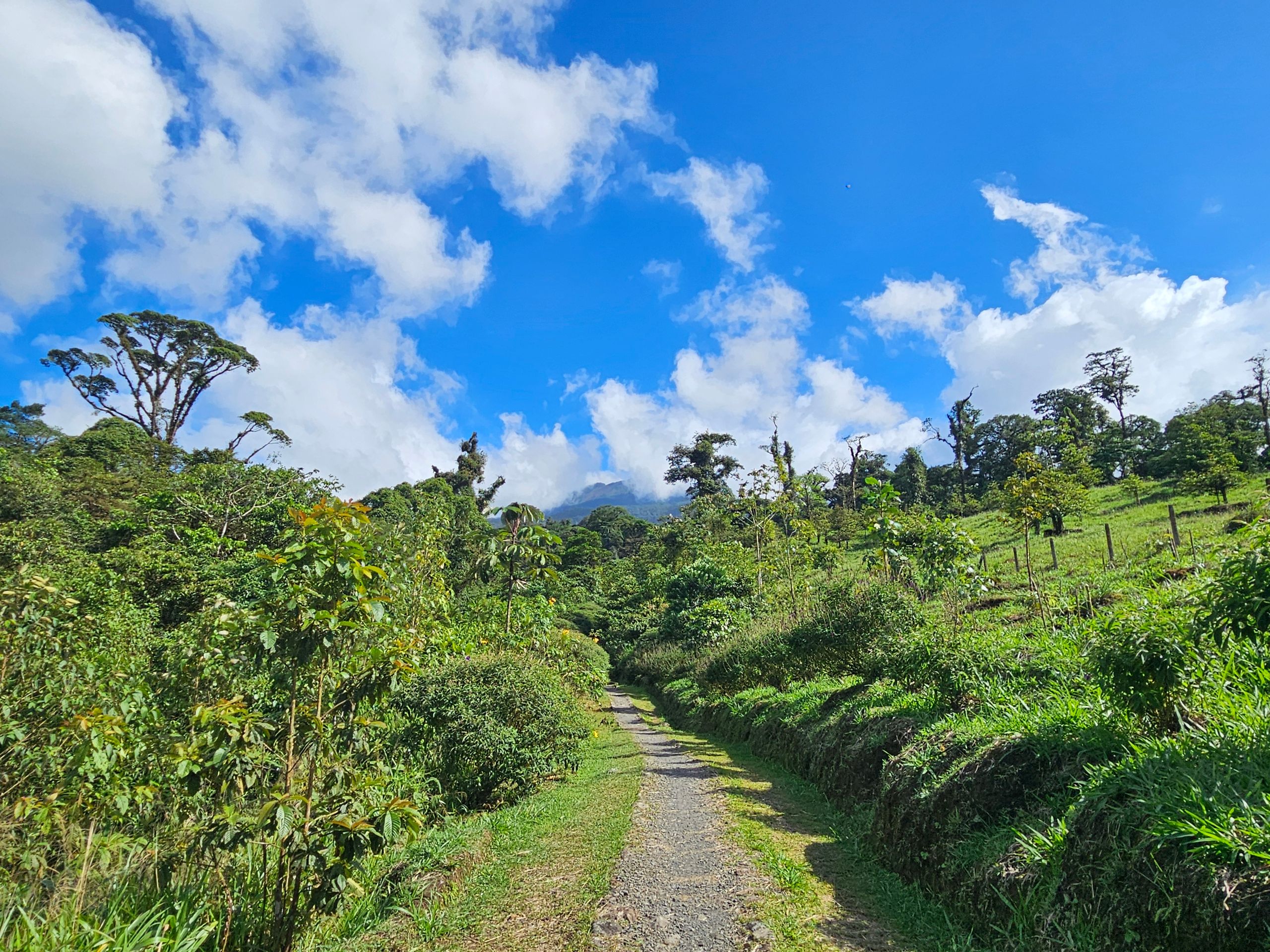
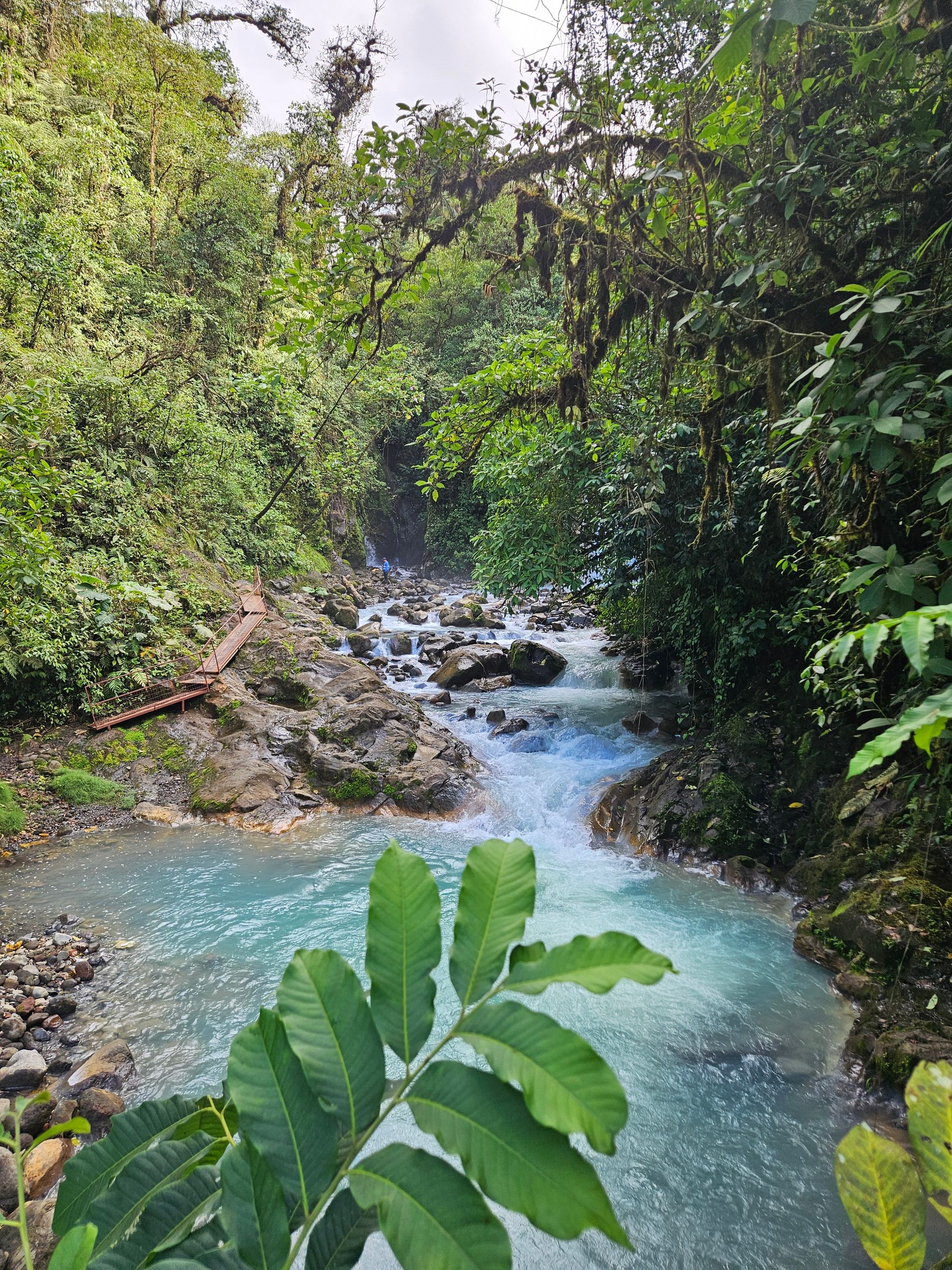
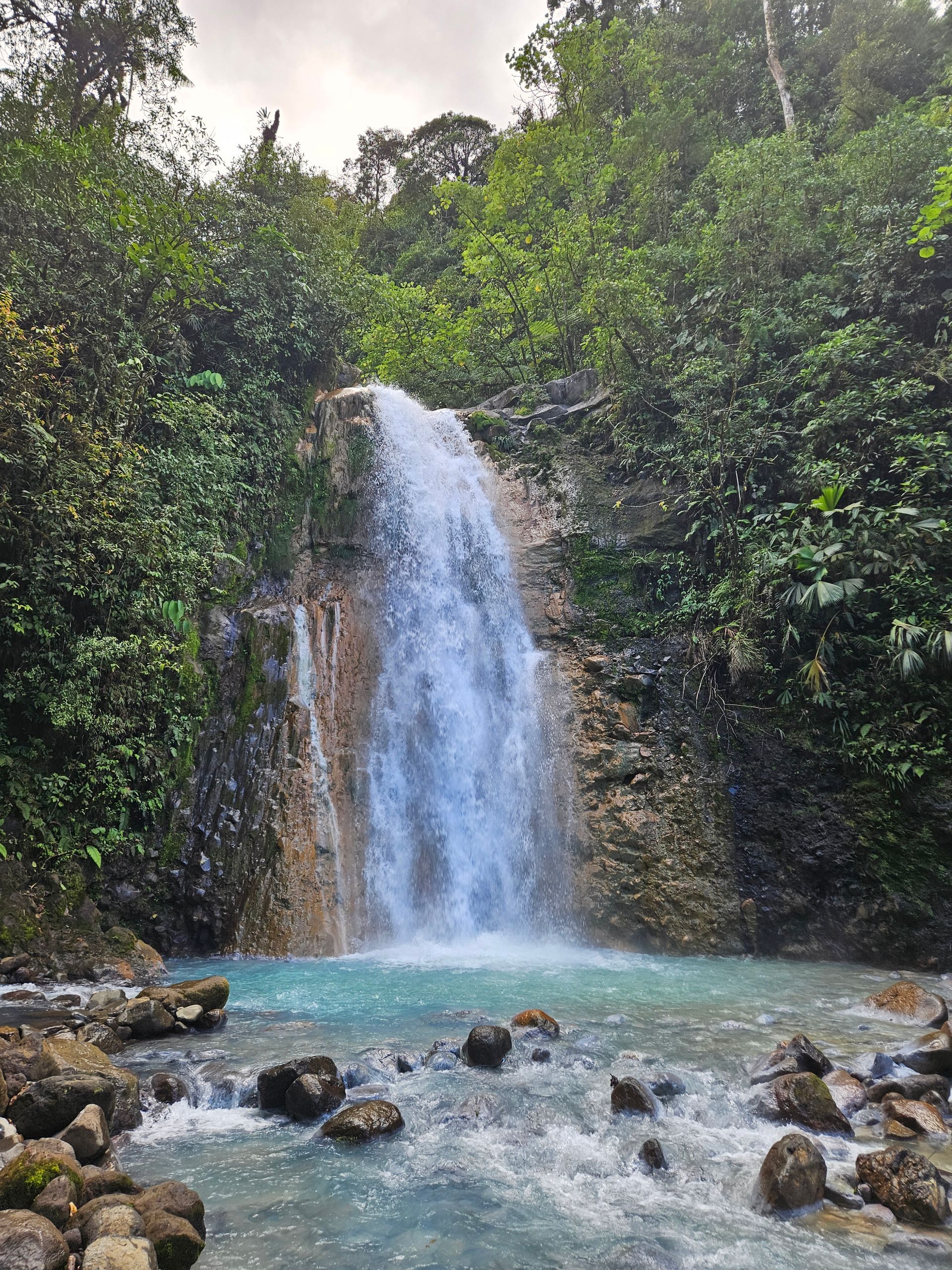
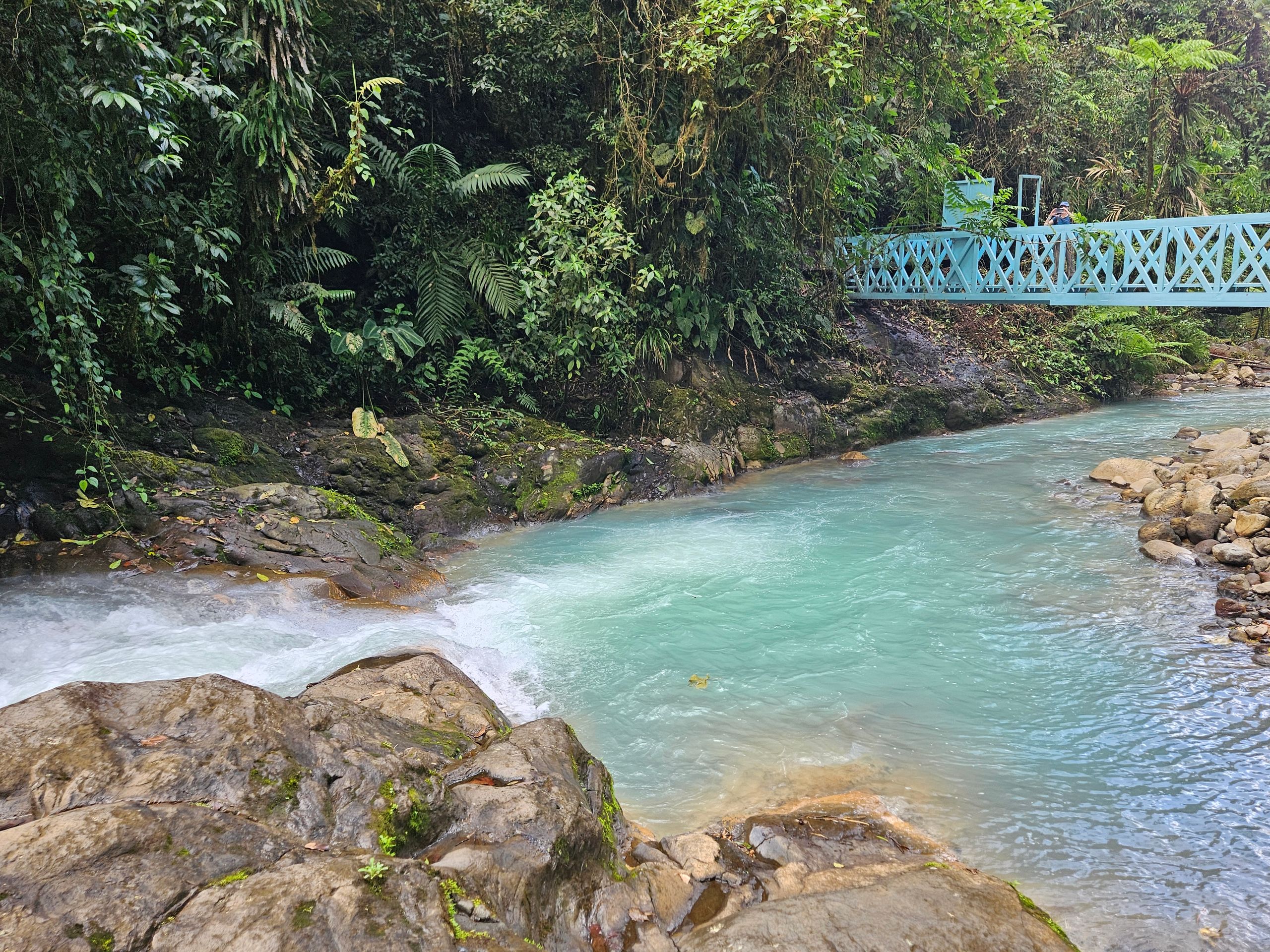
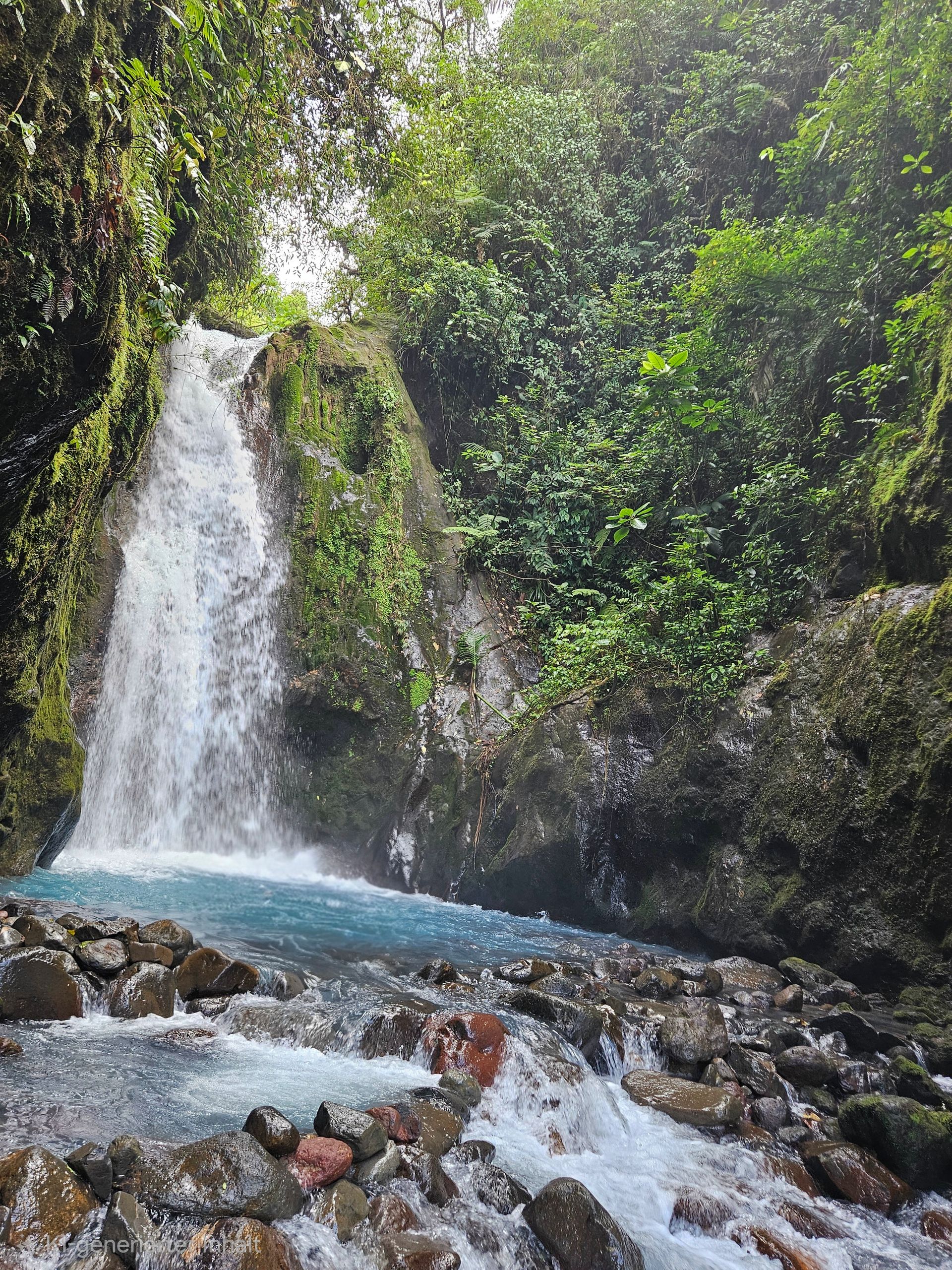
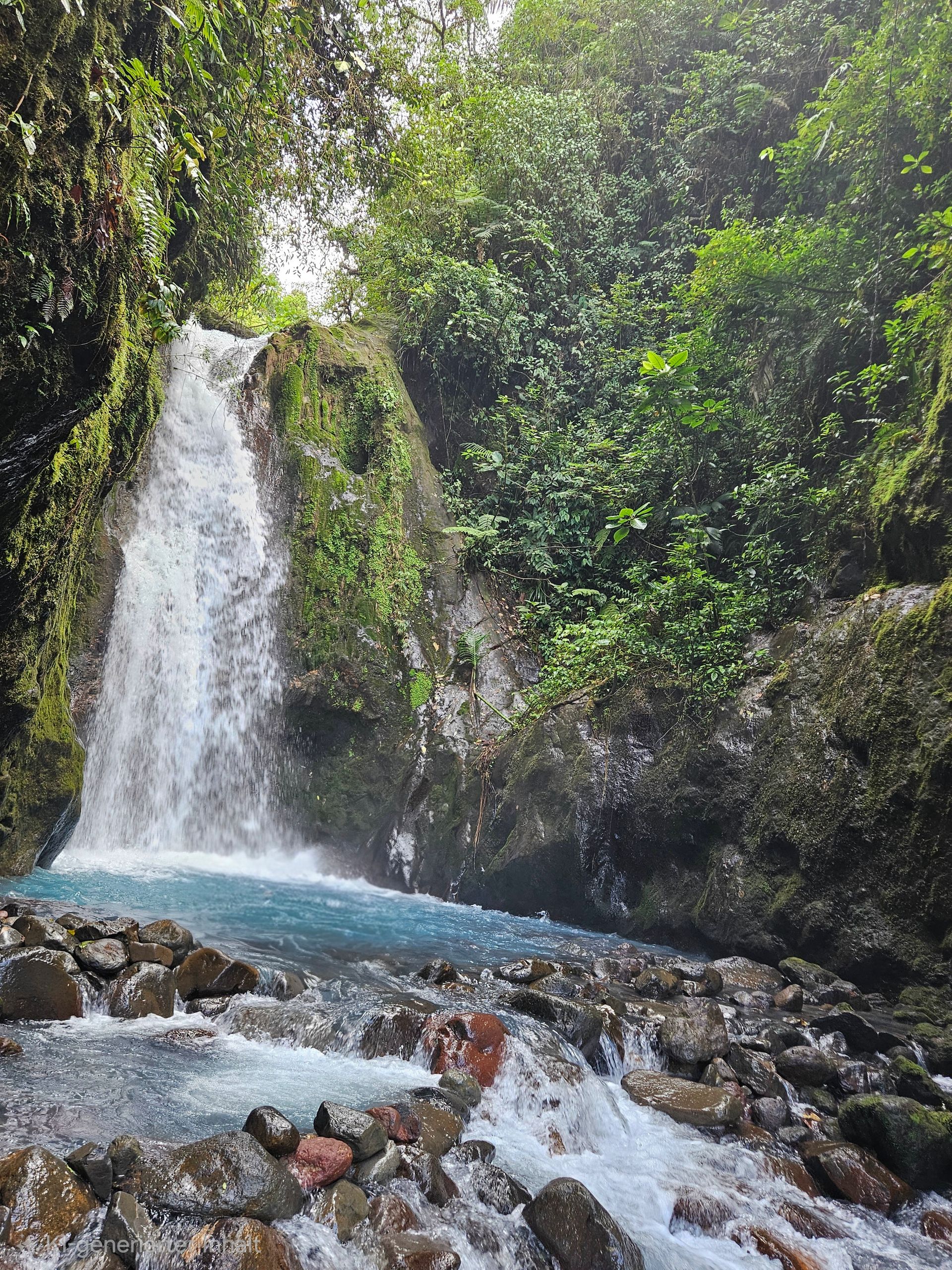
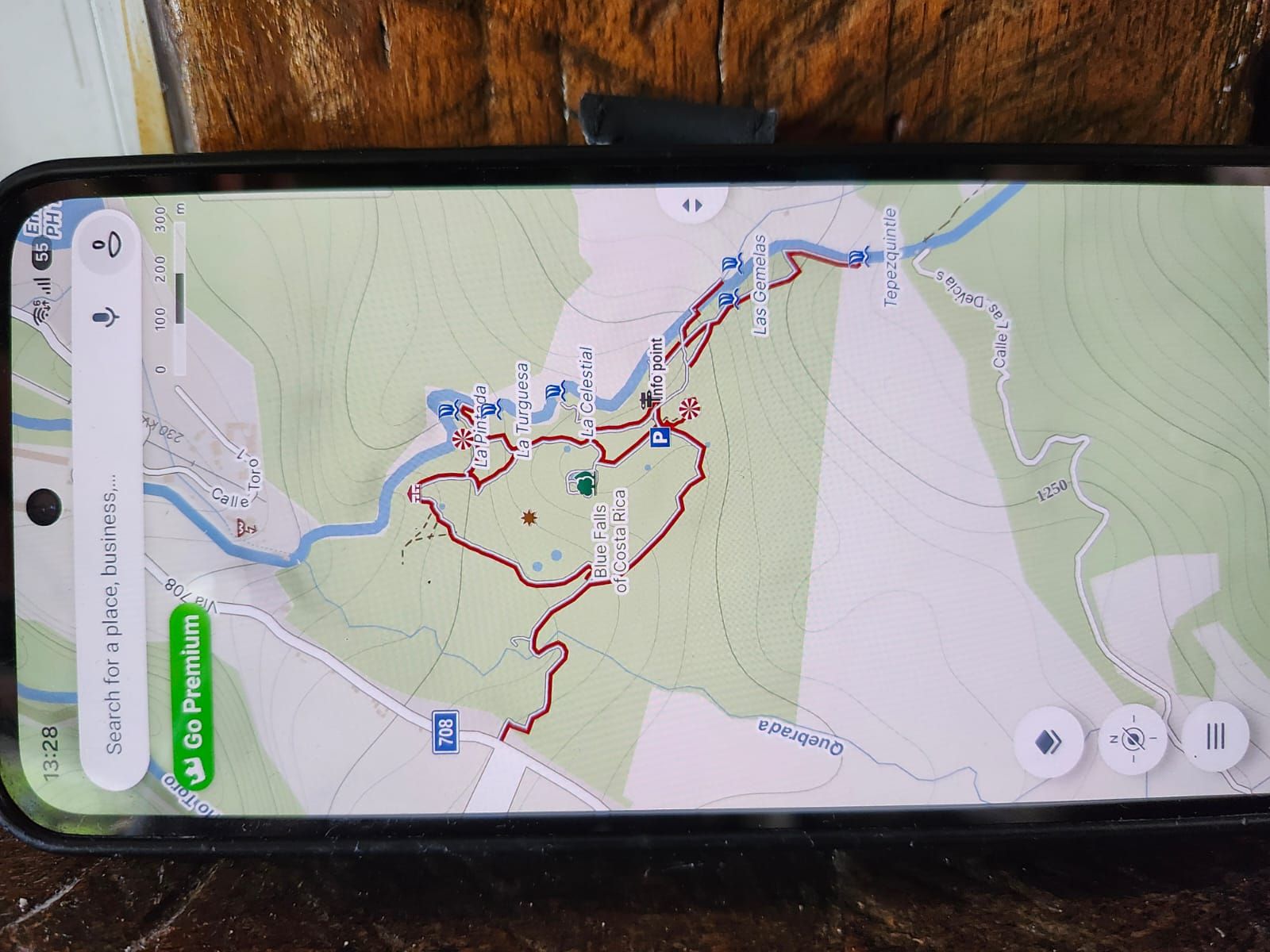
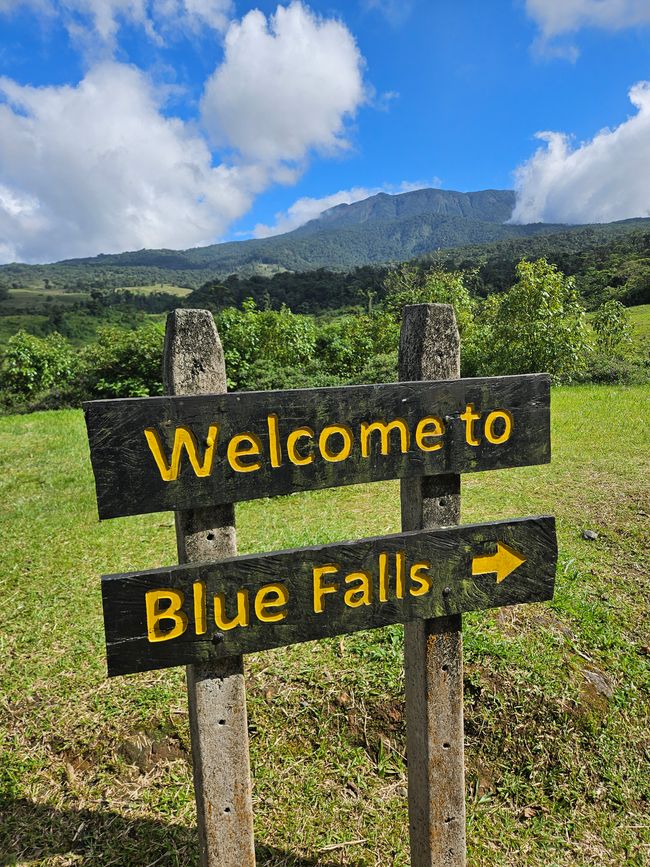
Continuing our drive along the Ruta 126, the Ruta 140, and finally the Ruta 708 in a long but relaxed paved northern loop towards Bajos del Toro to the Blue Falls of Costa Rica. This huge private nature reserve is home to a total of 7 impressive waterfalls and is organizationally connected to the neighboring Catarata del Toro Park. Since the area is divided into two separate park areas with their own entrances, we have to buy our tickets first at the main house of Catarata del Toro, which is approximately 1 km away. While one part of the park is known for the gigantic crater waterfall, the Blue Falls hide 6 different bright turquoise waterfalls in the midst of the dense cloud forest. This almost surreal blue color occurs, just like at the famous Río Celeste, due to volcanic minerals and sulfur in the river water, which refract sunlight in a special way, and unlike in strictly protected national parks, one is even allowed to swim directly in the refreshing blue pools here. The entrance fee for both waterfall areas is $20 each.
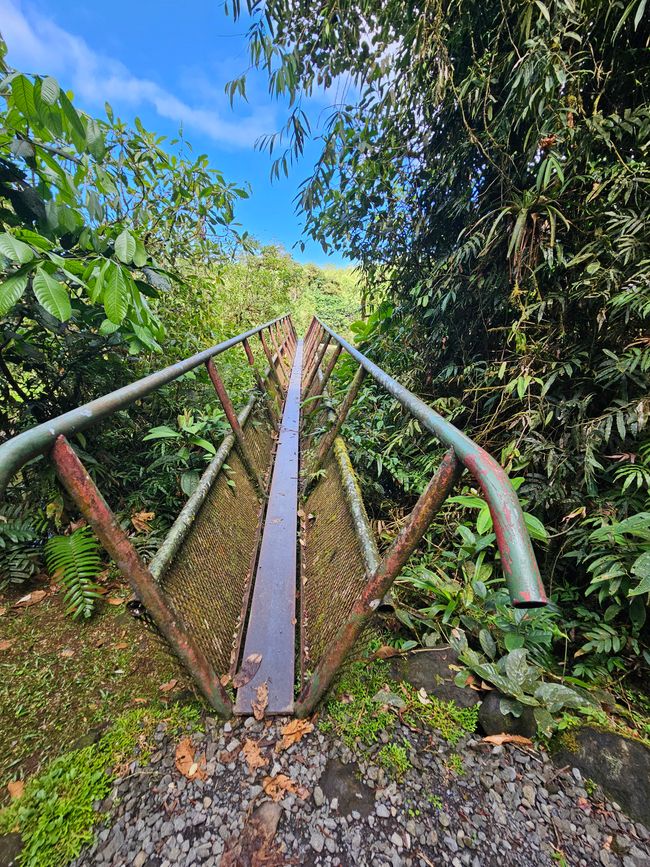
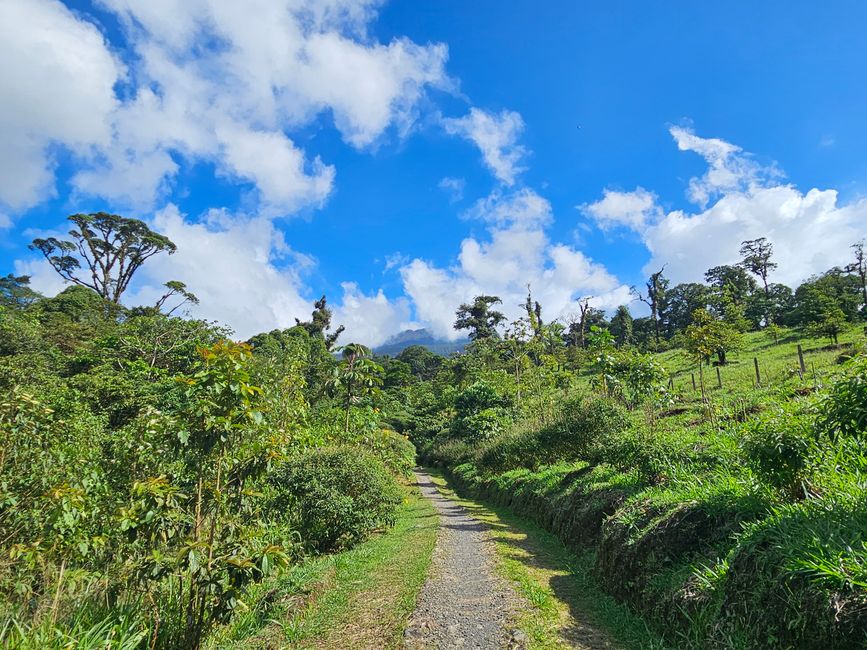
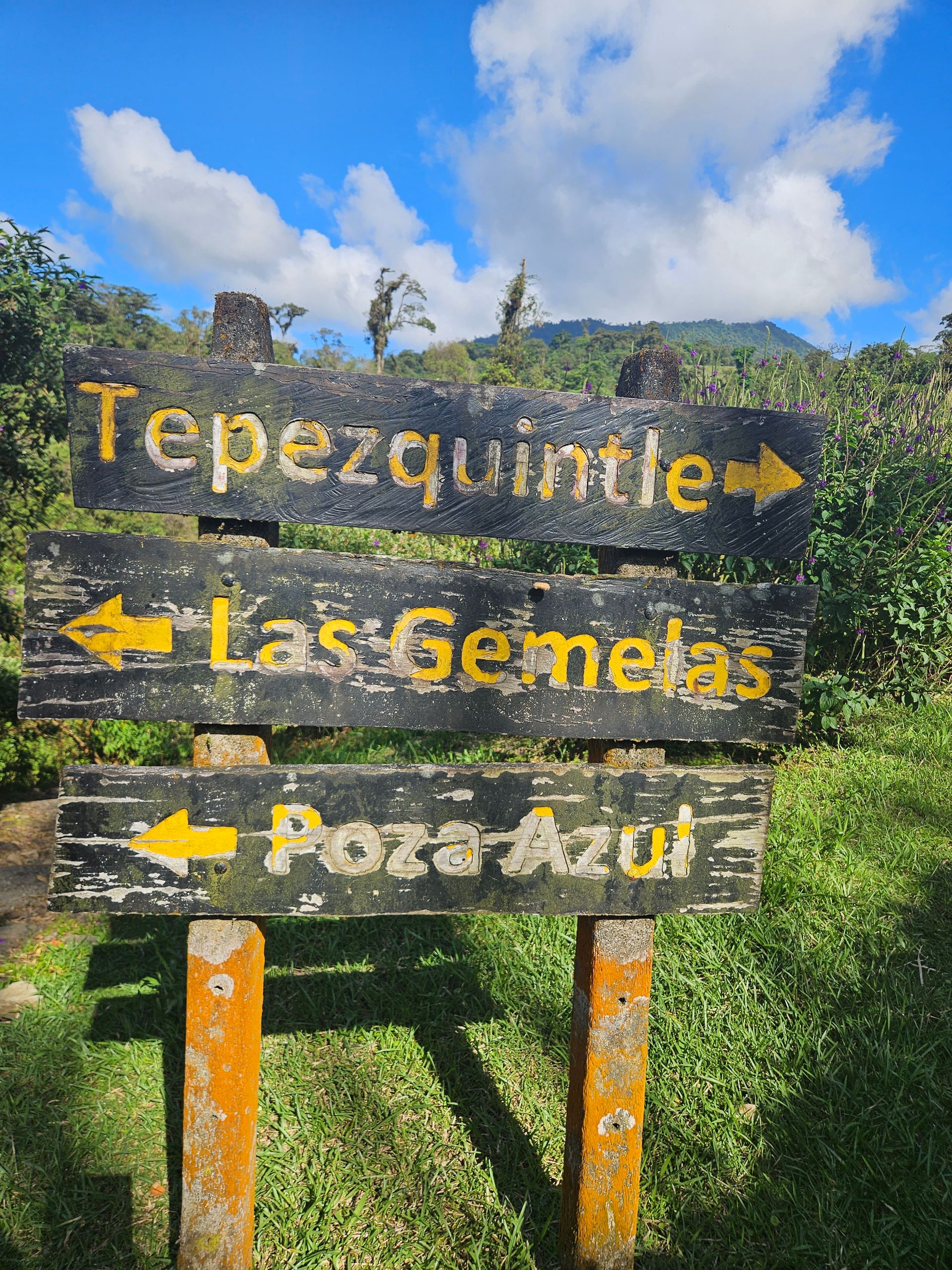
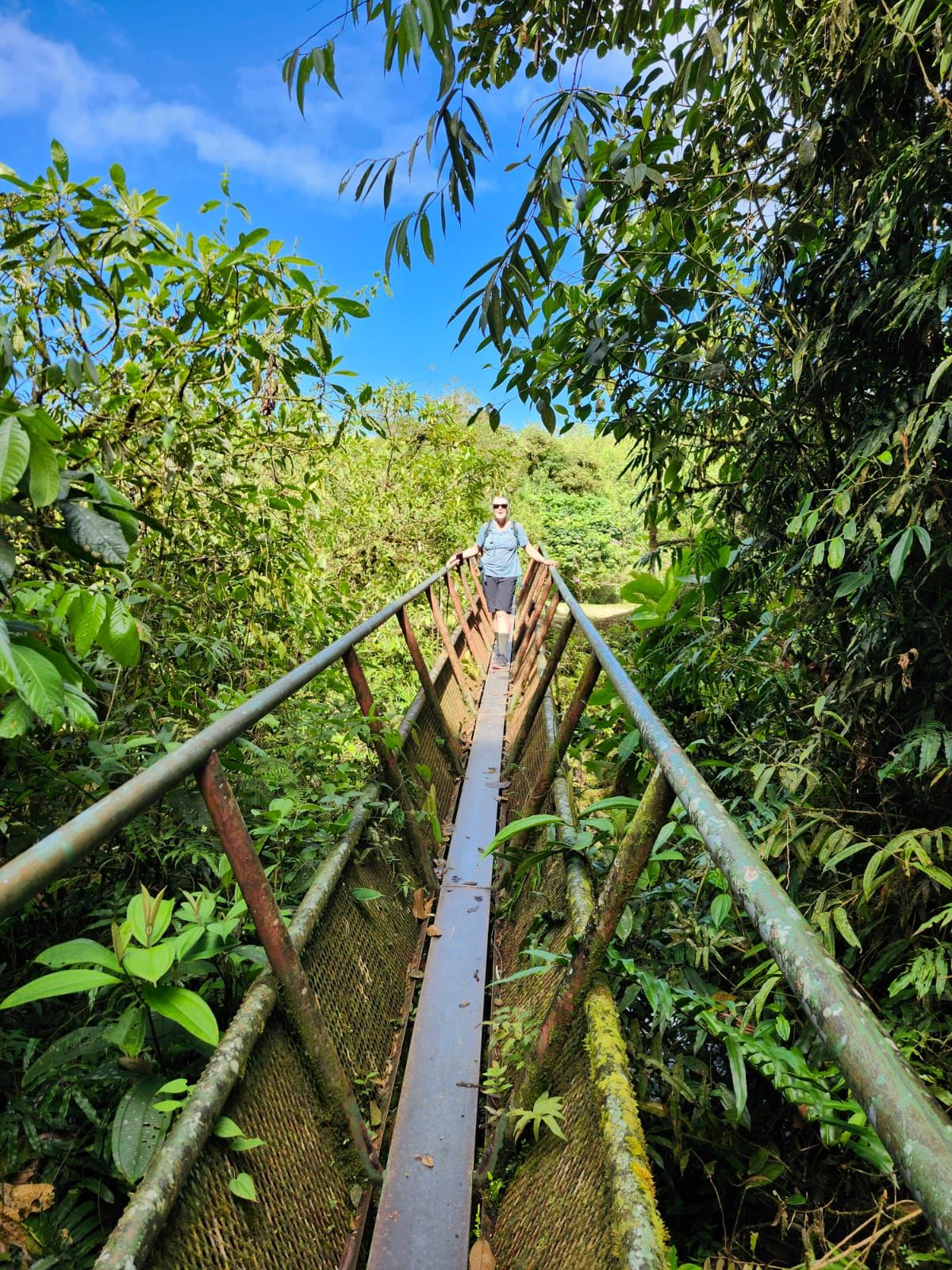
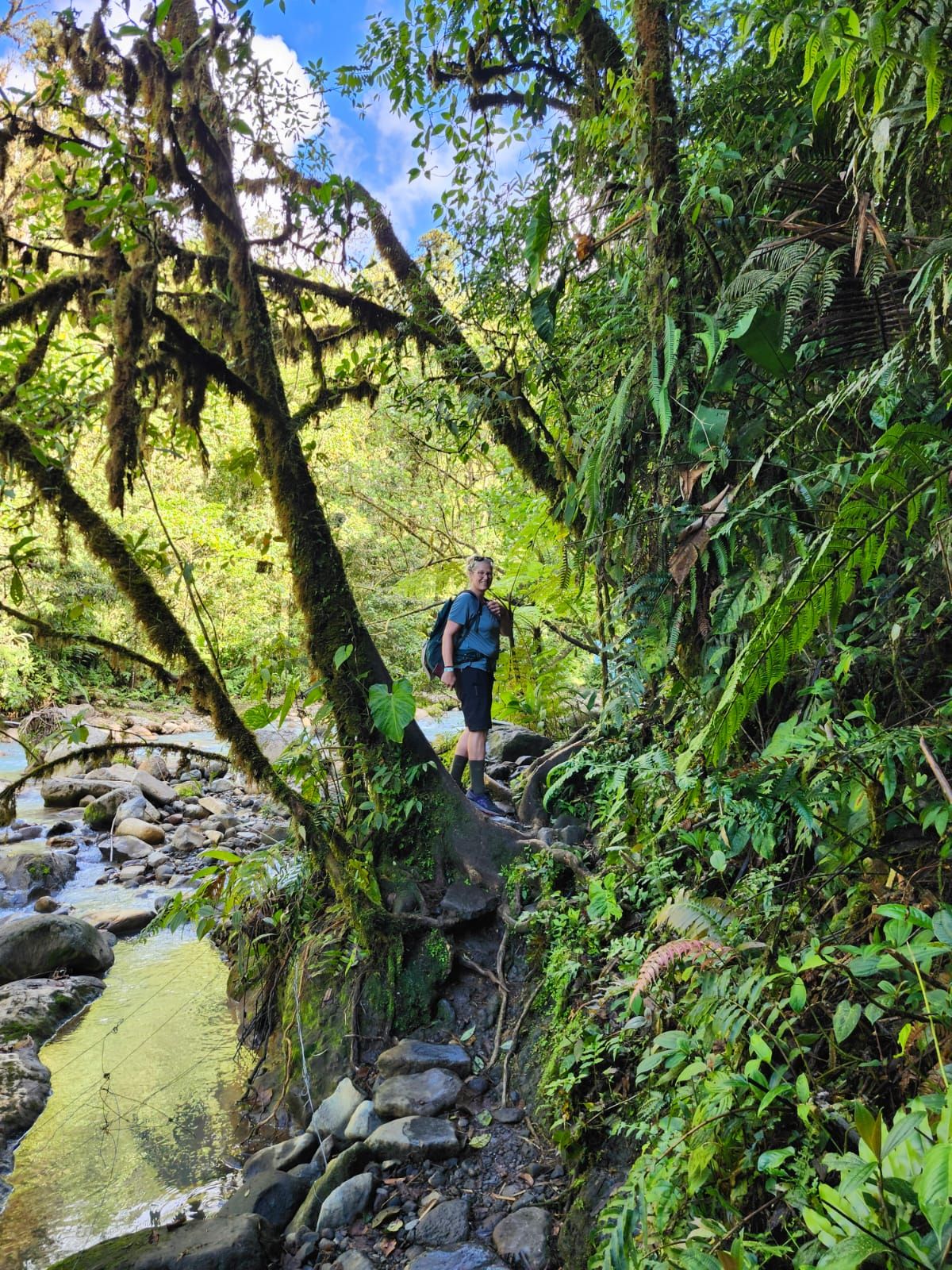
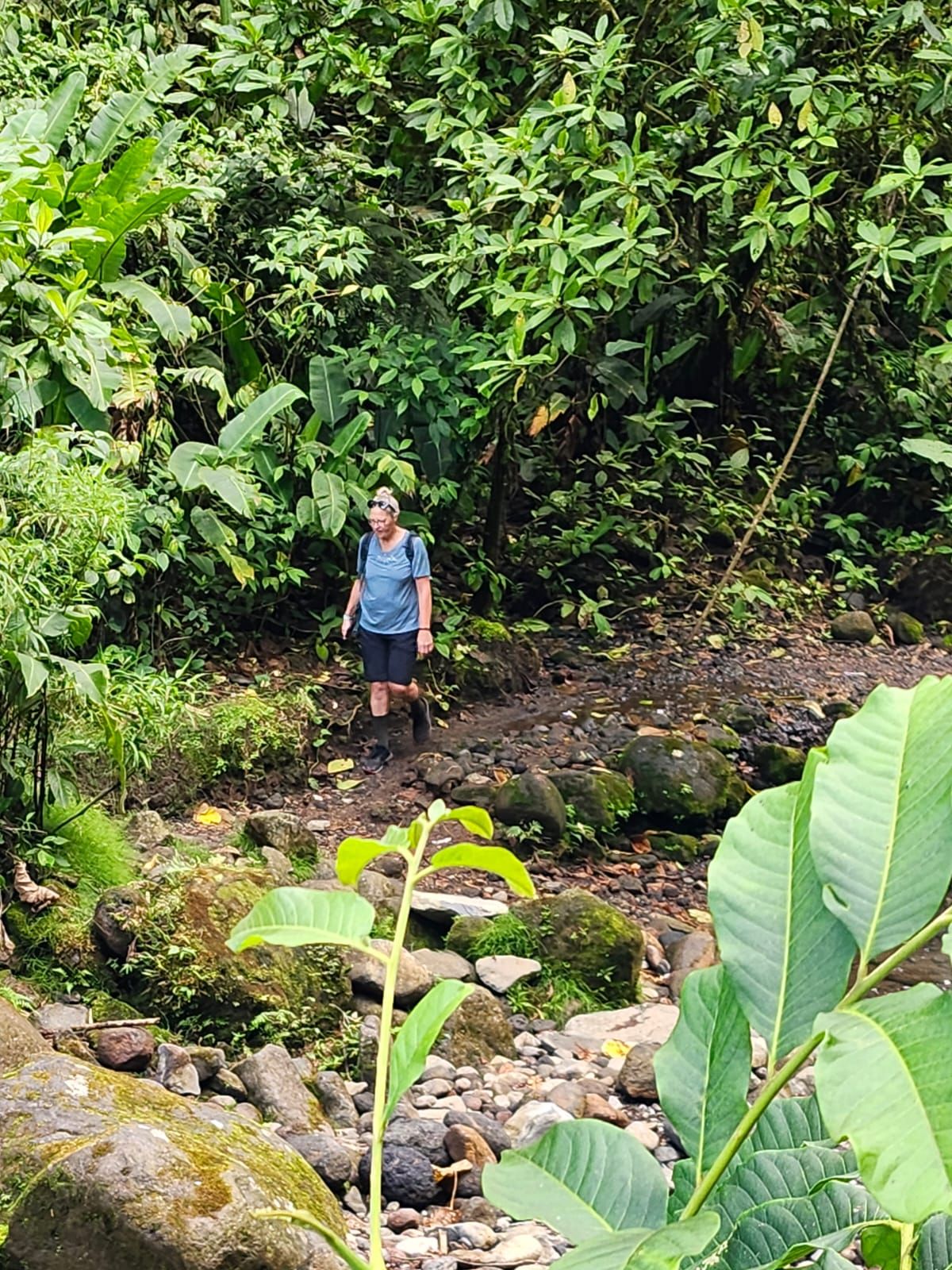
We hike together down through the dense rainforest to the beautiful twin waterfalls, the Cataratas Las Gemelas, where two waterfalls cascade side by side over a lush green cliff directly into a bright turquoise natural pool. In the back pool, reachable by a slippery climb over rocks along the river, one can swim. However, it is currently quite crowded there with not much space for spontaneous changing.
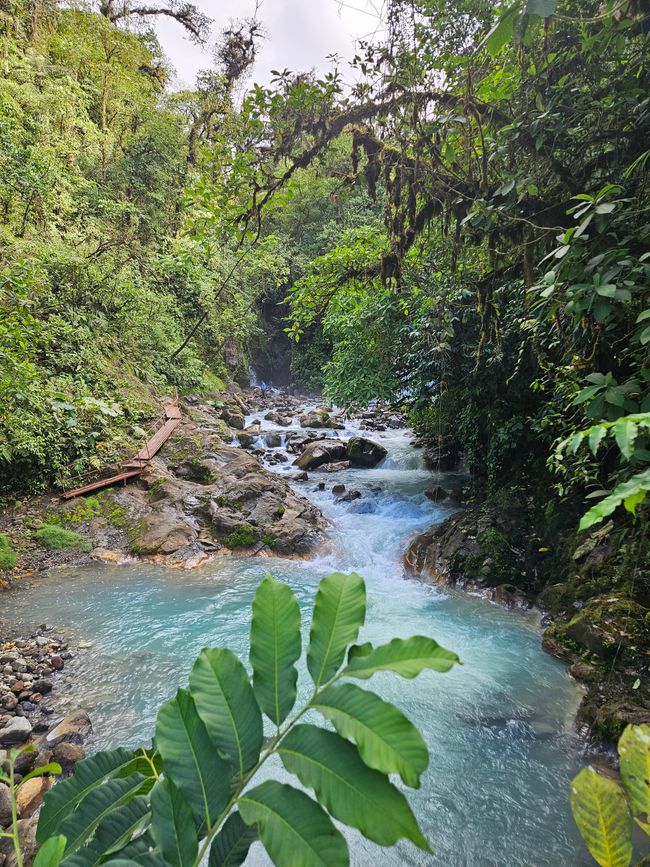
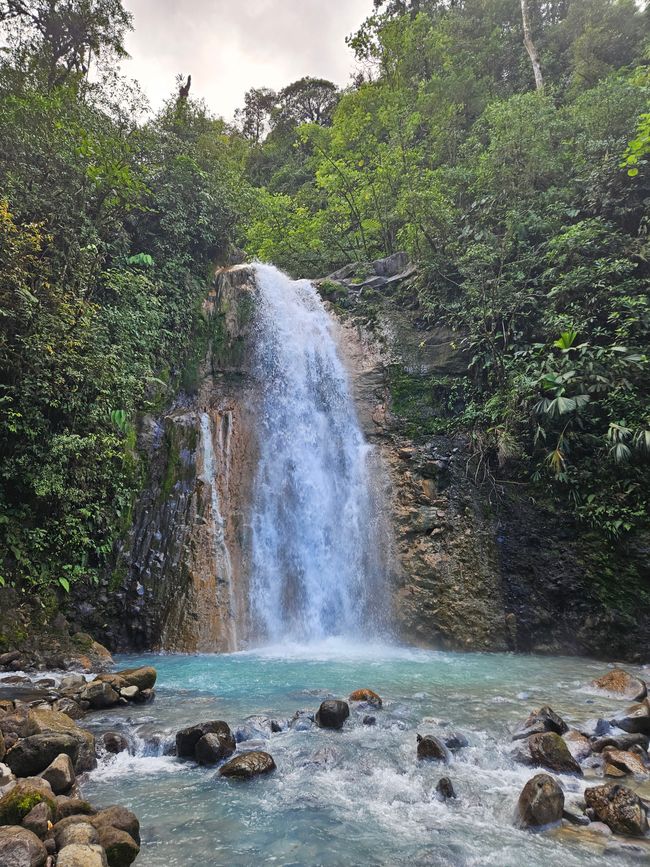
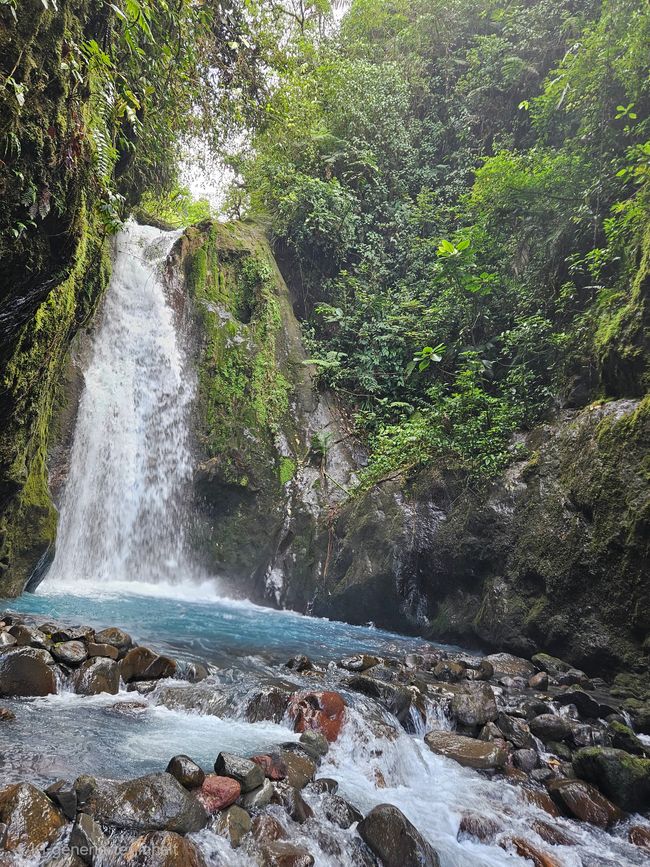
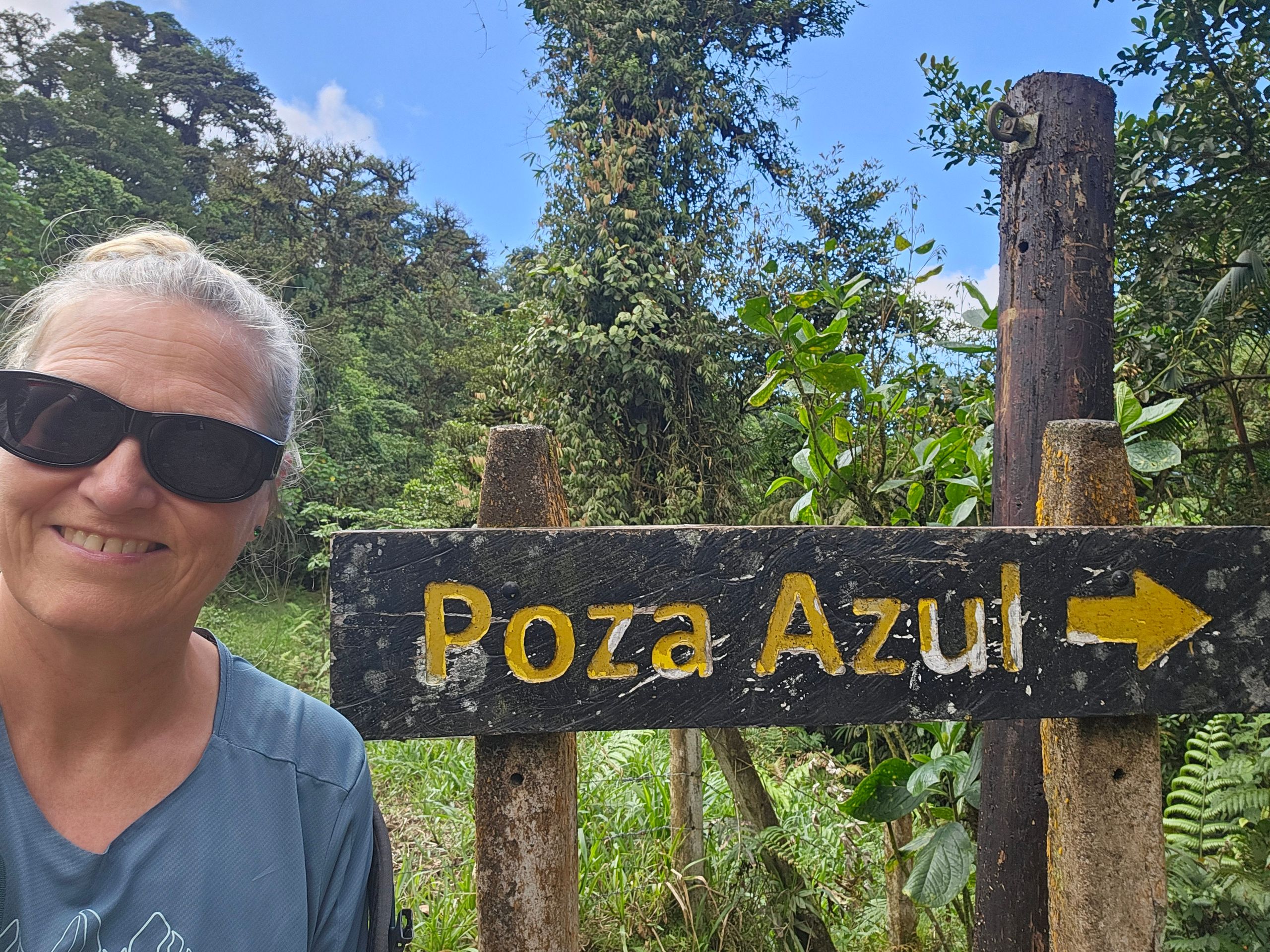
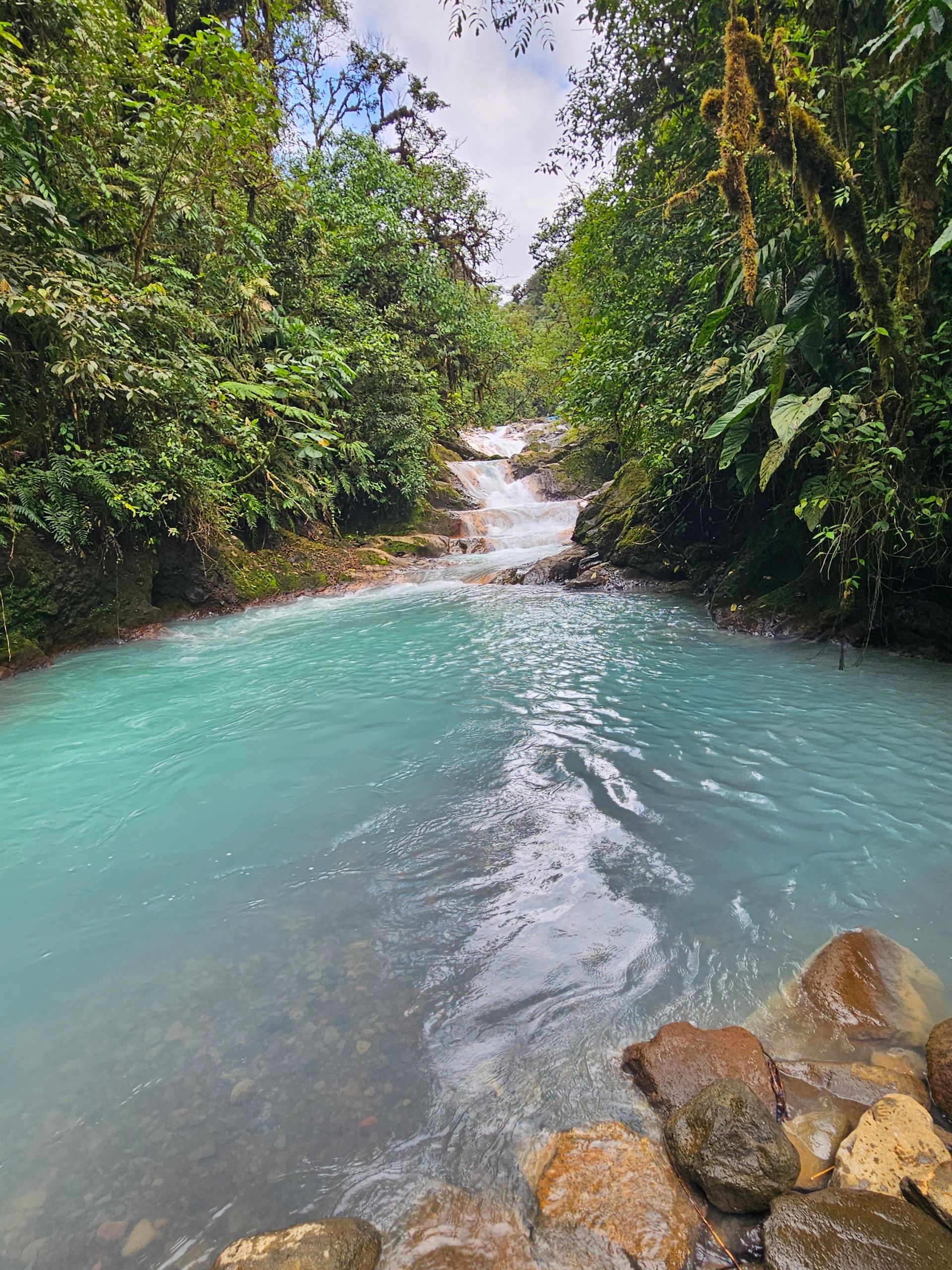
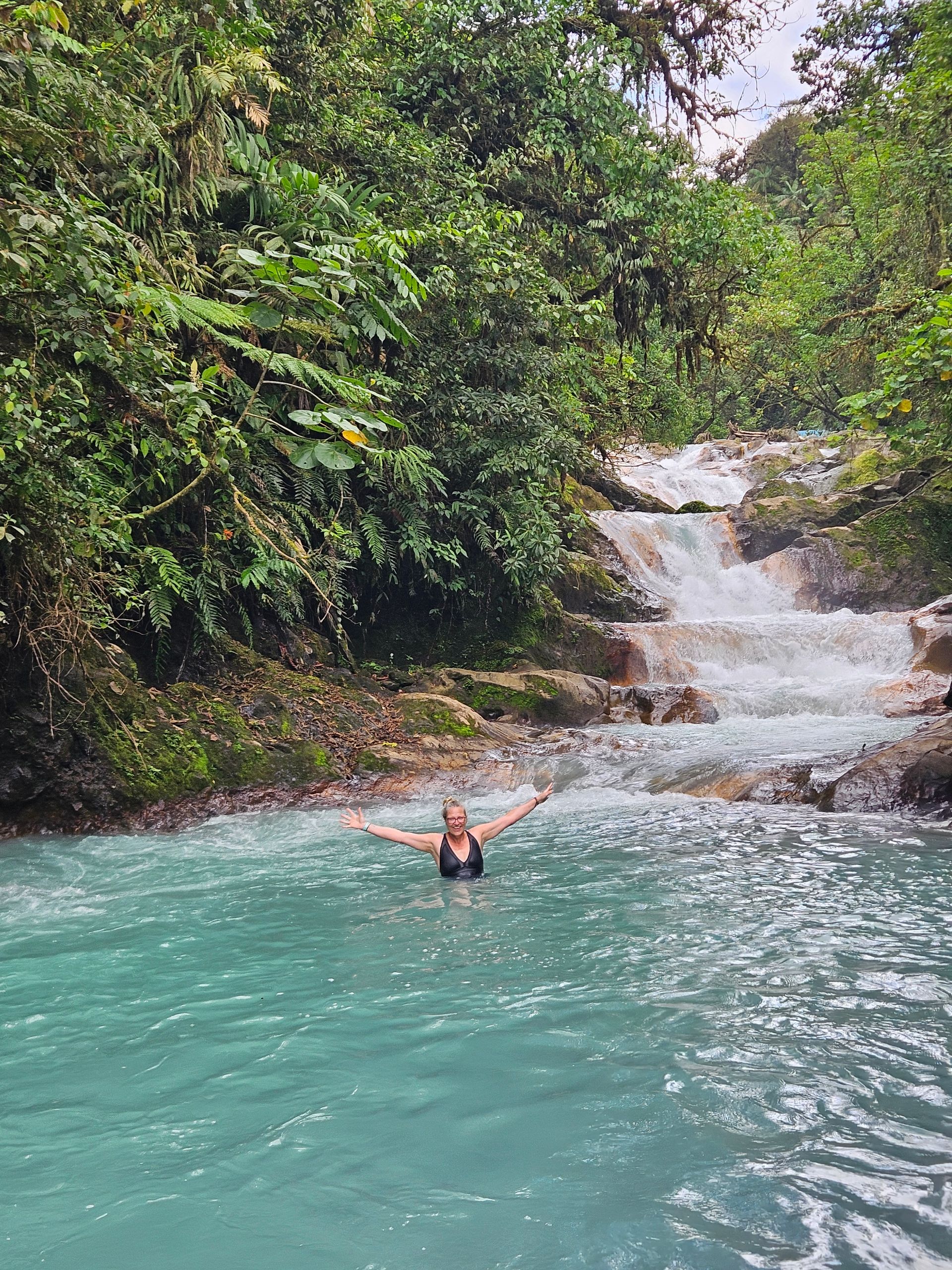
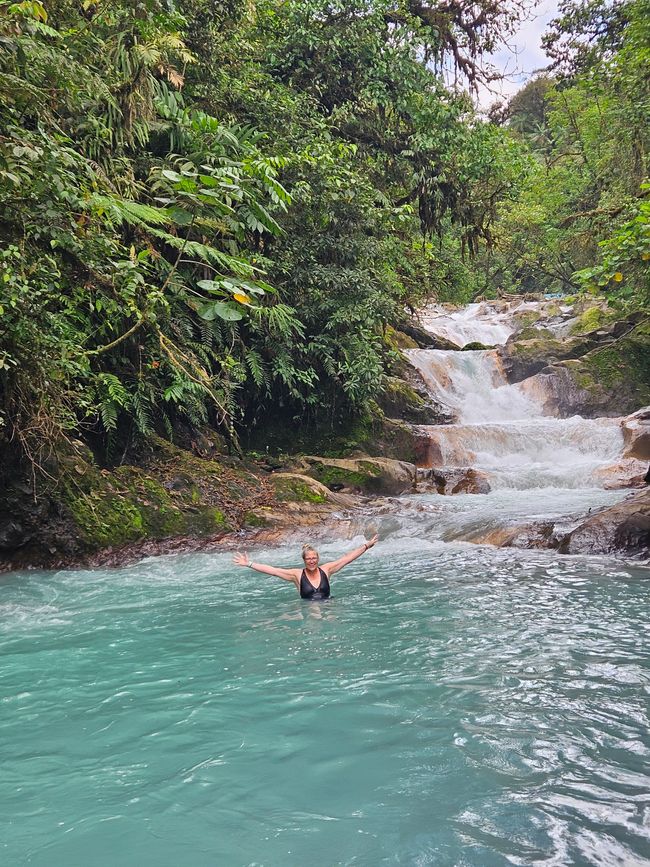
While my girlfriend makes her way back to the car, I hike alone a bit further in this direction to the Poza Azul. There, I experience a special moment of happiness because apart from a friendly park ranger, there is not a soul in sight, allowing me to have this incredibly beautiful place entirely to myself. I seize the opportunity for a refreshing swim in the crystal-clear azul blue water pool while the guide kindly takes a few souvenir photos of me. As if this magical backdrop isn't perfect enough, a little hummingbird flits right overhead of the pool, before I also head back feeling completely happy.
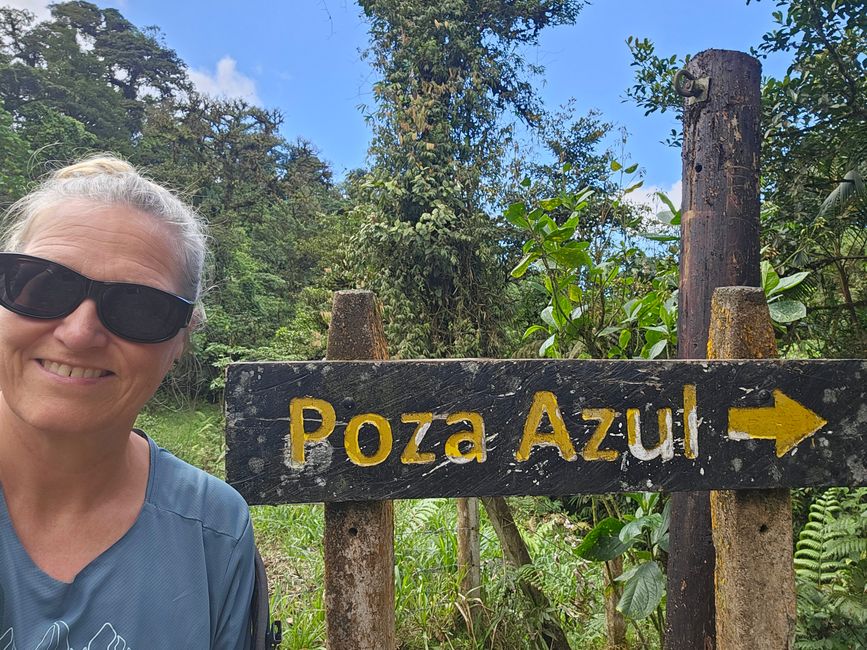
Due to time constraints, we do not visit the other three waterfalls in the opposite direction, namely La Celestial, La Turquesa, and La Pintada. As our guide explained at the beginning, the park splits in two directions: First, one visits the twin waterfalls Las Gemelas, Poza Azul, and Tepezquintle before switching to the other side to see the other three waterfalls, from where a loop trail leads back to the parking lot. However, this complete round of approximately 7 kilometers would probably take about 4 hours, which unfortunately does not fit into our schedule today.
On the way back to the Cabinas Lindo Horizonte in Poás, we finally decide against the long diversion and instead take the direct mountain road through Sarchí, the southern section of Ruta 708. On the internet, this route is indeed classified almost everywhere as not recommended because Google Maps and Waze suggest it as the shortest route, but it is notorious for its extreme gradients, deep potholes, and narrow passages. However, somehow the allure of adventure turns out to be greater than reason, and just as adventurous the drive becomes. The road winds extremely steeply and curvily up the mountains and in places is indeed hardly wider than a single car, so one has to sweat quite a bit in case of oncoming traffic, while the engine brake works hard on the descent towards Sarchí.
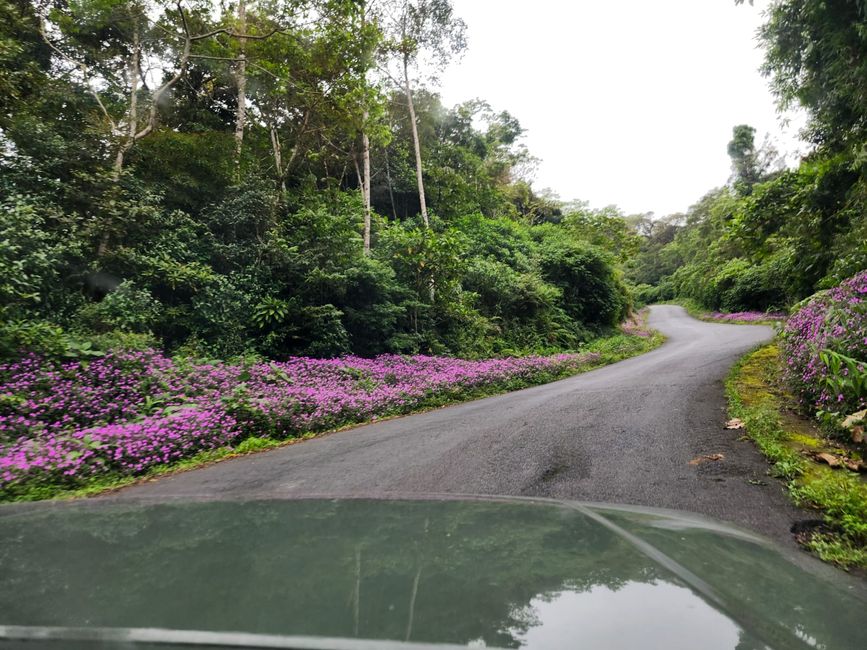
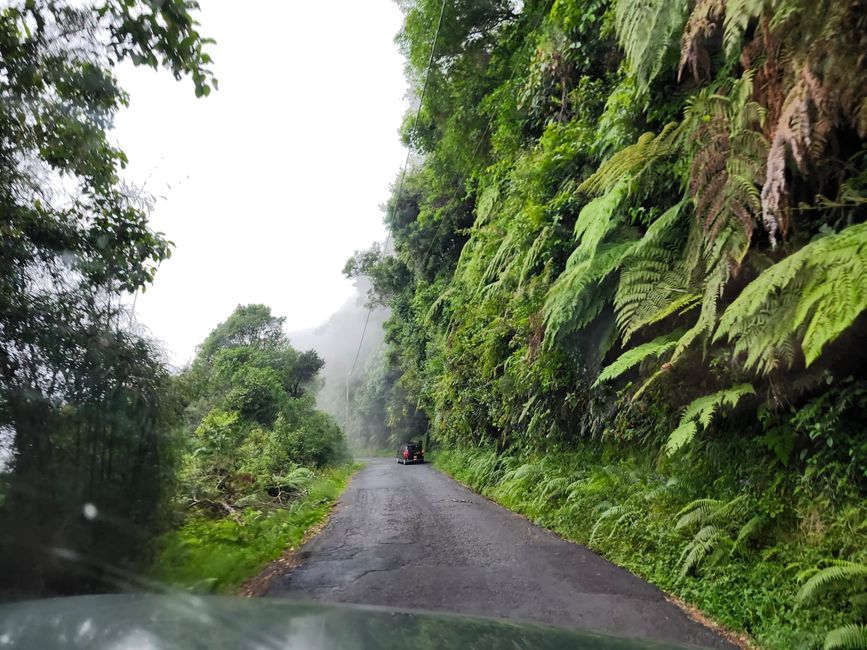
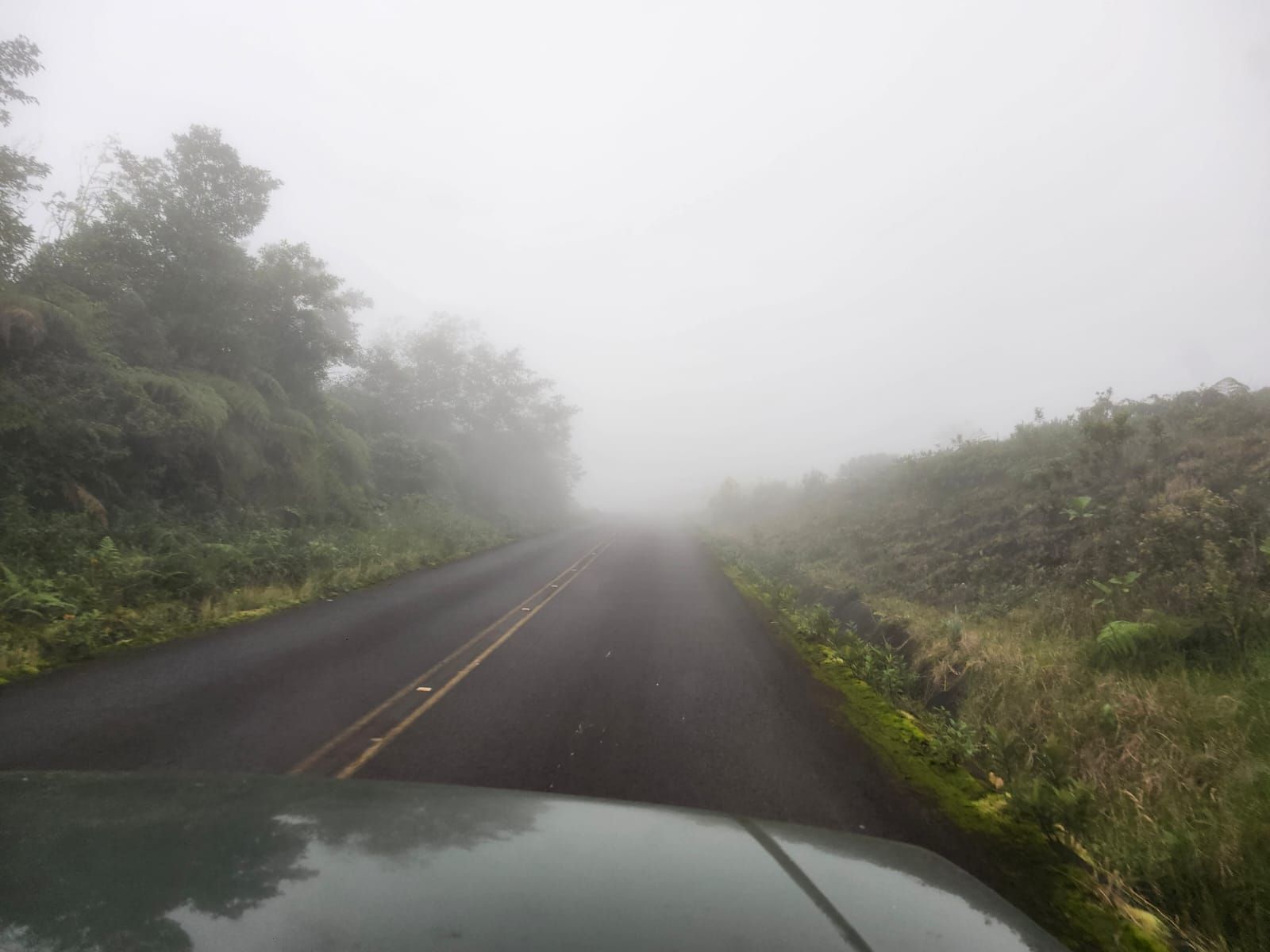
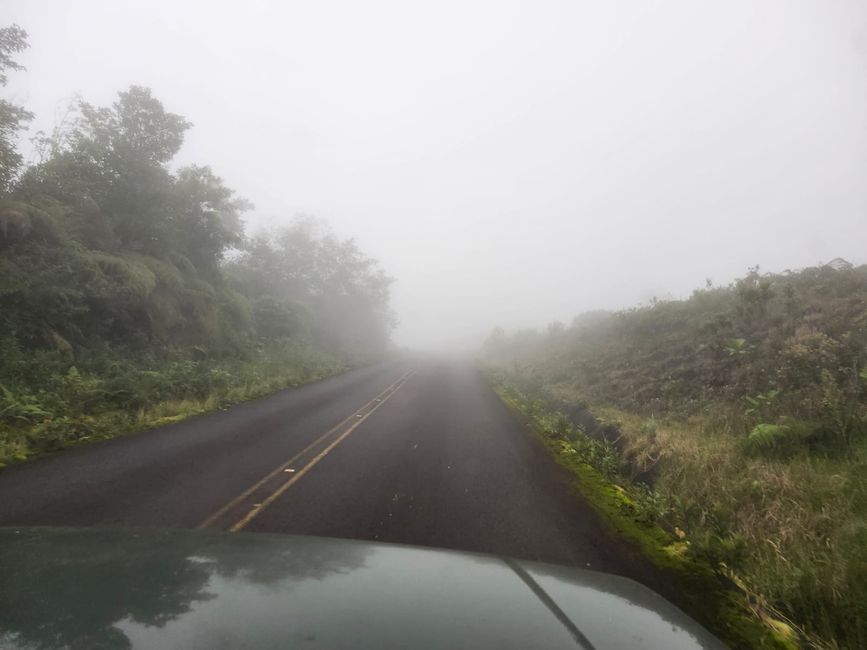
Then suddenly as we reach the mountain pass, dense fog rolls in and visibility drops to almost zero, raising the pulse rate again. Thank goodness there are almost continuously other cars in front or behind us on this stretch, so we do not feel entirely alone in this eerie fog, as I would have been quite fearful had I been completely alone on this narrow track.
As if this mountain road were not already exciting enough, a stowaway causes quiet panic for me at the wheel on the steep section down to Sarchí. Out of the corner of my eye, I suddenly notice a finger-length, pitch-black caterpillar or millipede that has made itself comfortable in the middle of my girlfriend's green hiking pants. Since I can't possibly stop on this narrow and steep mountain road immediately, I first have to look for a suitable place to pull over inconspicuously. Once the Jimny is finally safely on the side of the road, I quickly jump out of the car and reveal to her only at that moment what is doing a little parade on her leg, before we safely return our uninvited passenger back to nature. What a fright!
We will definitely talk about this adventurous ride and the scare from the caterpillar for quite a while. Afterwards, however, we want to unwind with a nice dinner at the Denis House Coffee and Restaurant just before our accommodation, where I enjoy a really good bowl with salmon, before finally heading back to our cabinas.