
Vulkan Poas and Blue Falls of Costa Rica
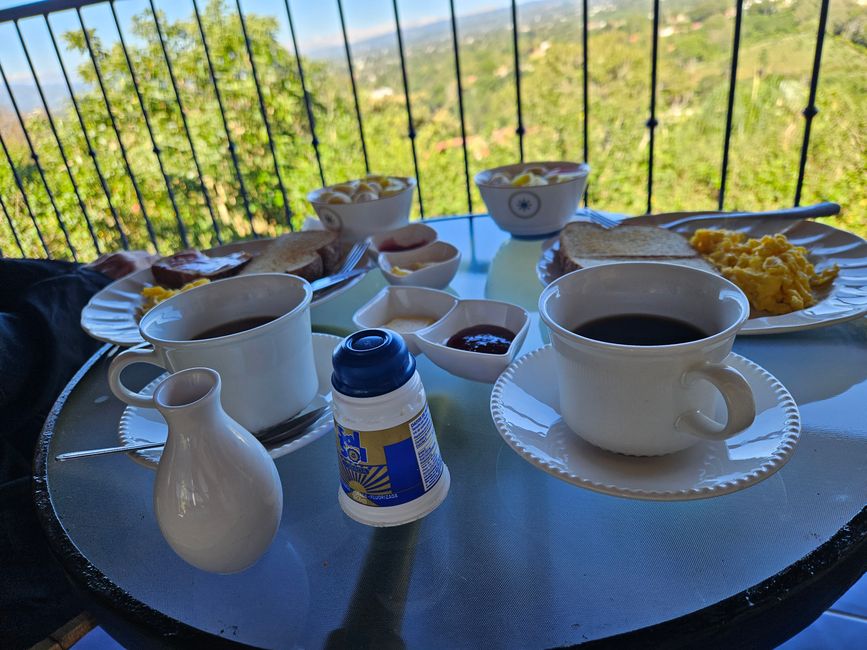
11/19/2026 National Park Vulkan Poas and Blue Falls of Costa Rica We wake up early and enjoy a cozy breakfast on our balcony with this fantastic panoramic view over the Centra

Published: 22.11.2026
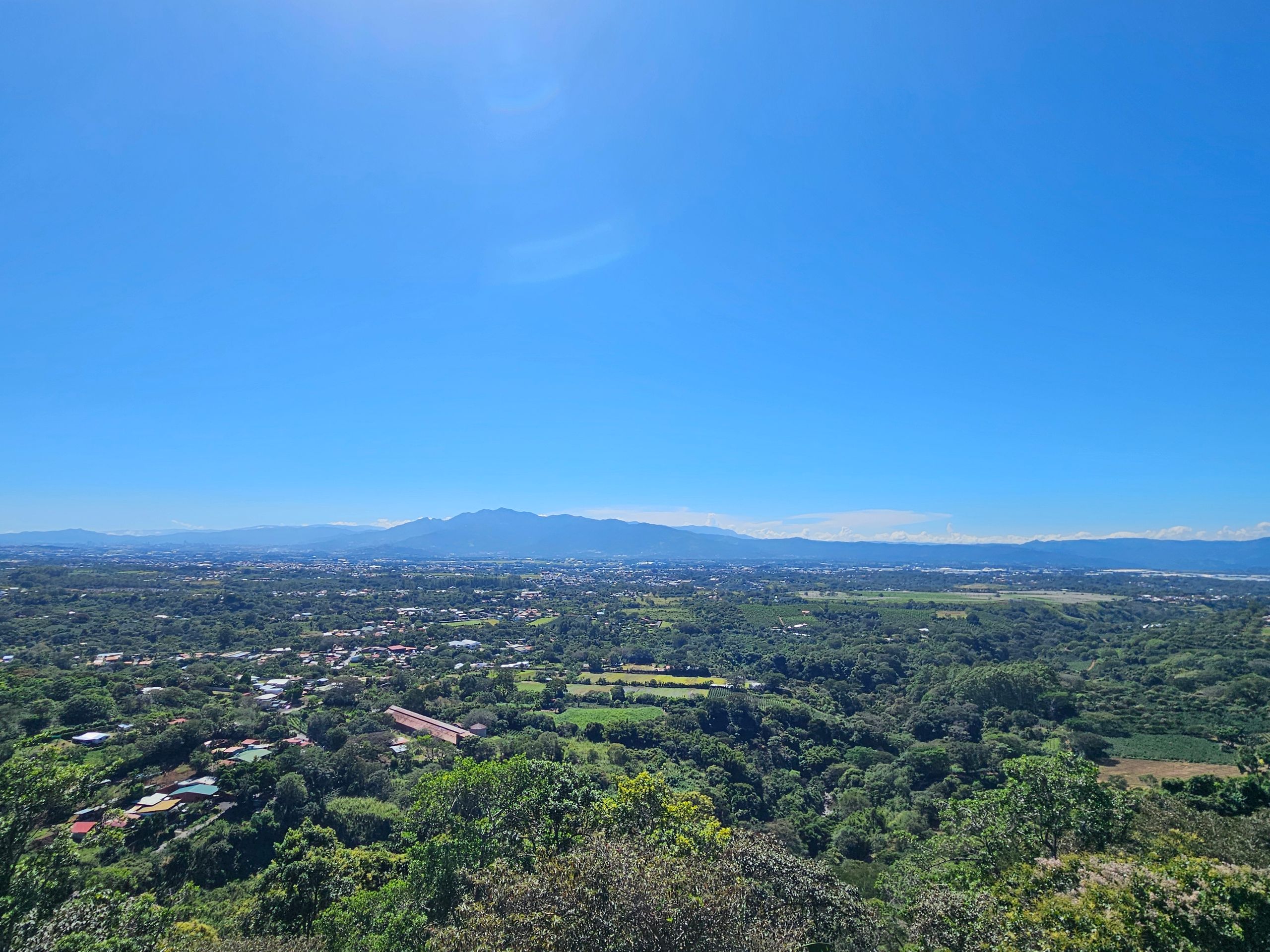
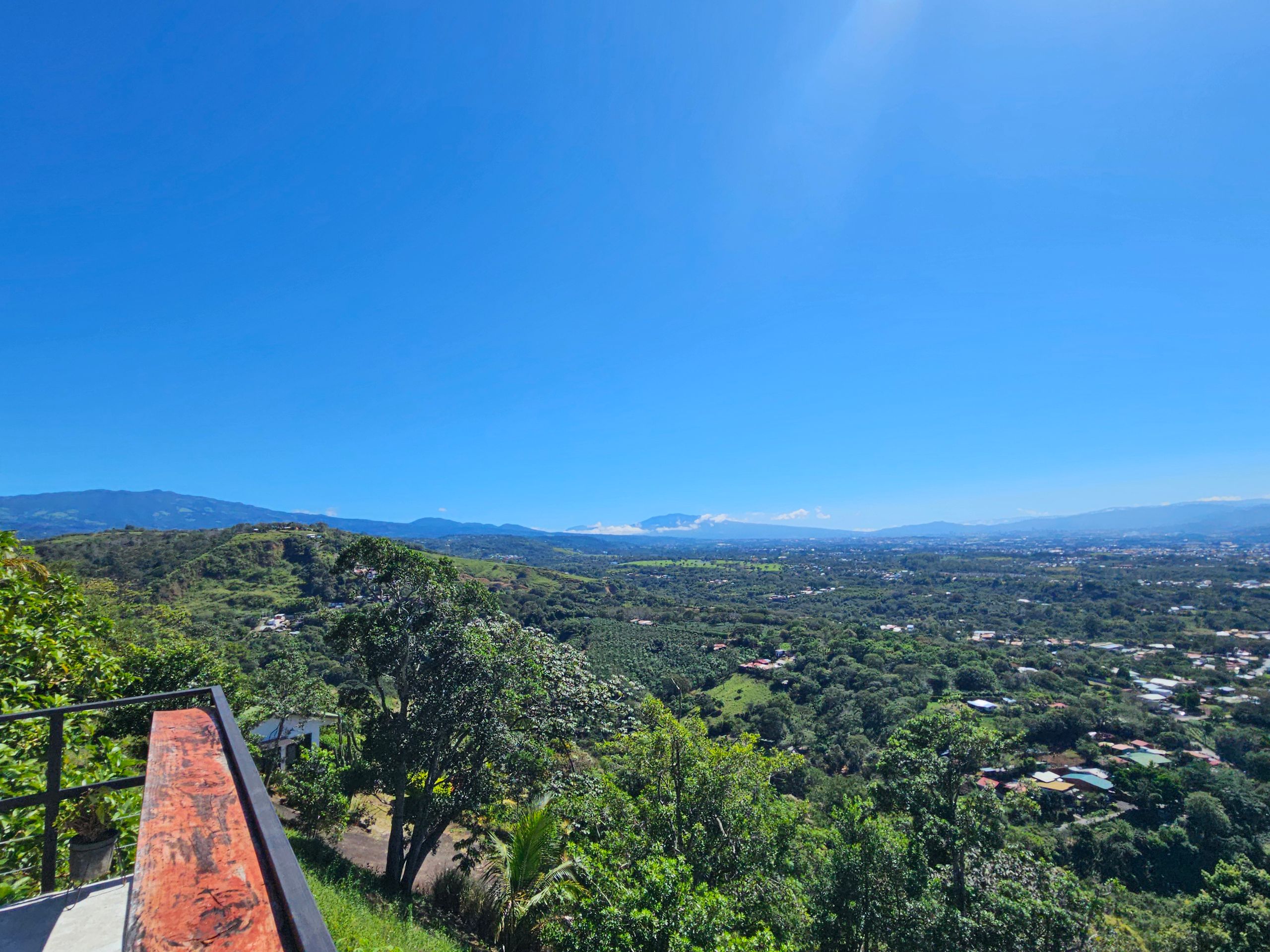
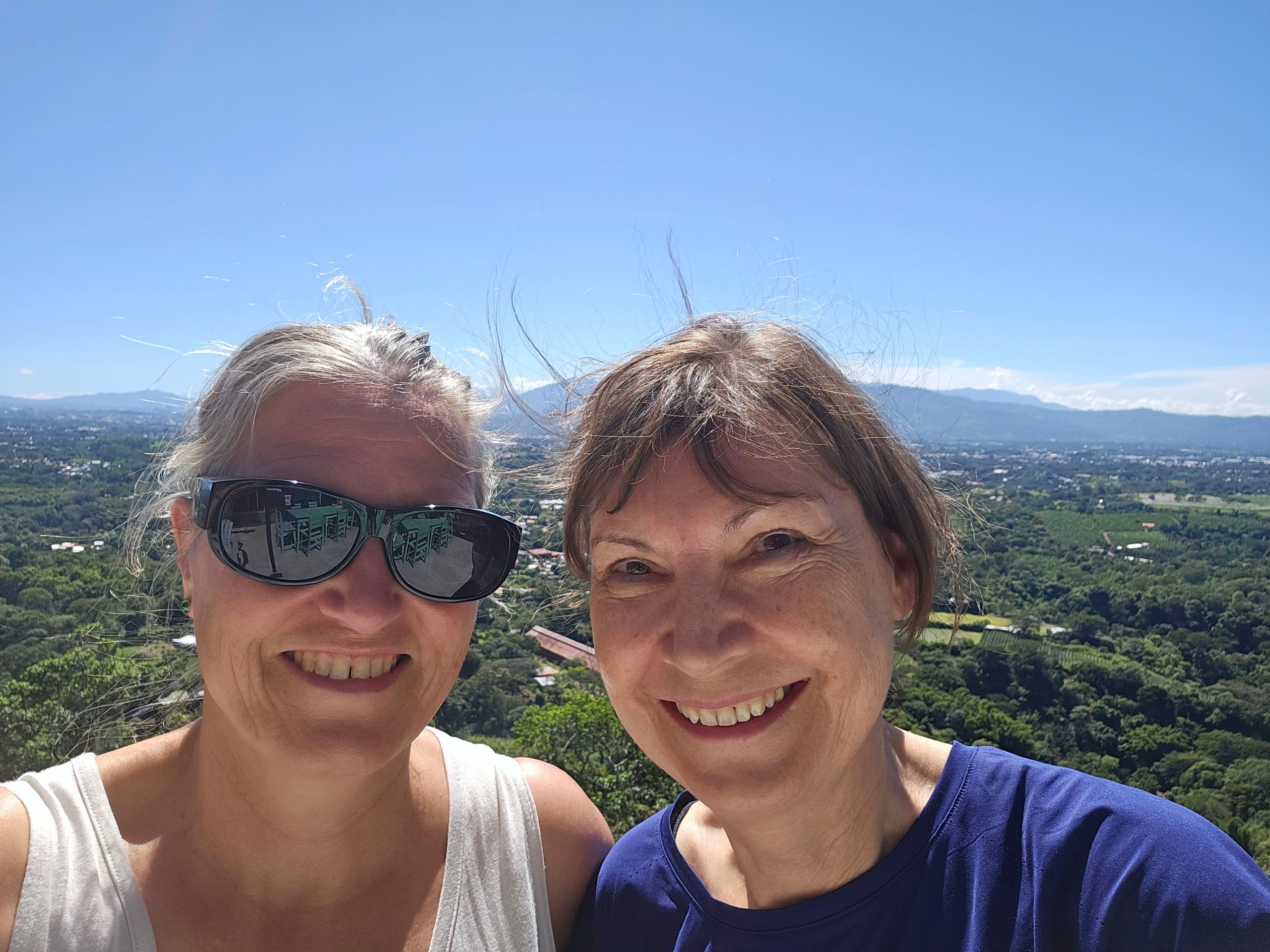
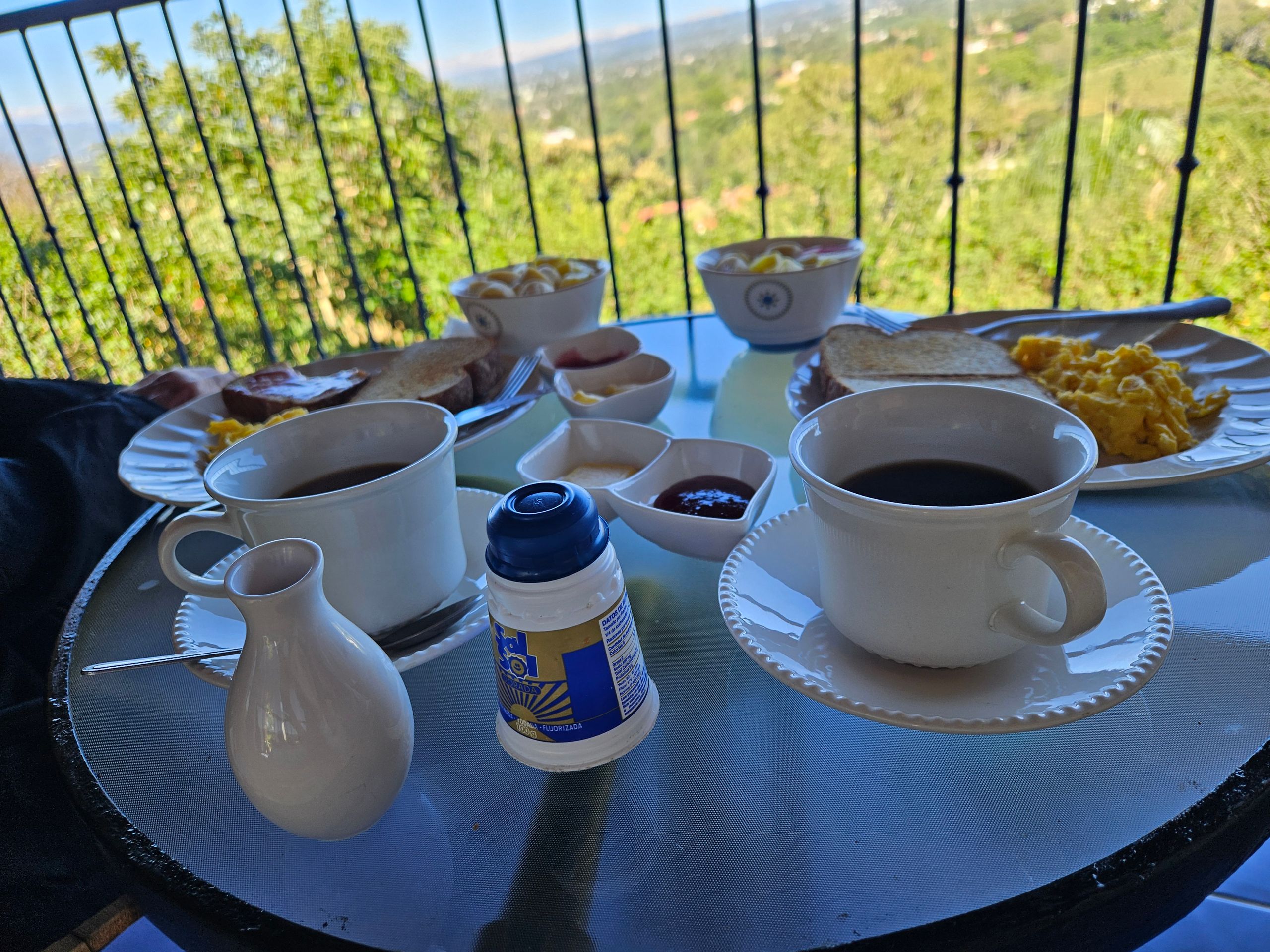
Unfortunately, today marks our last day in Costa Rica, and any idea of sleeping in comfortably is completely out of the question. At precisely six in the morning, someone directly in front of our accommodation decides that now is the perfect time for some extensive yard work with an extremely loud hedge trimmer, abruptly waking us from our sleep. However, we are later reconciled with a cozy breakfast on our balcony, where we get to enjoy that fantastic panoramic view over the Central Valley one last time.
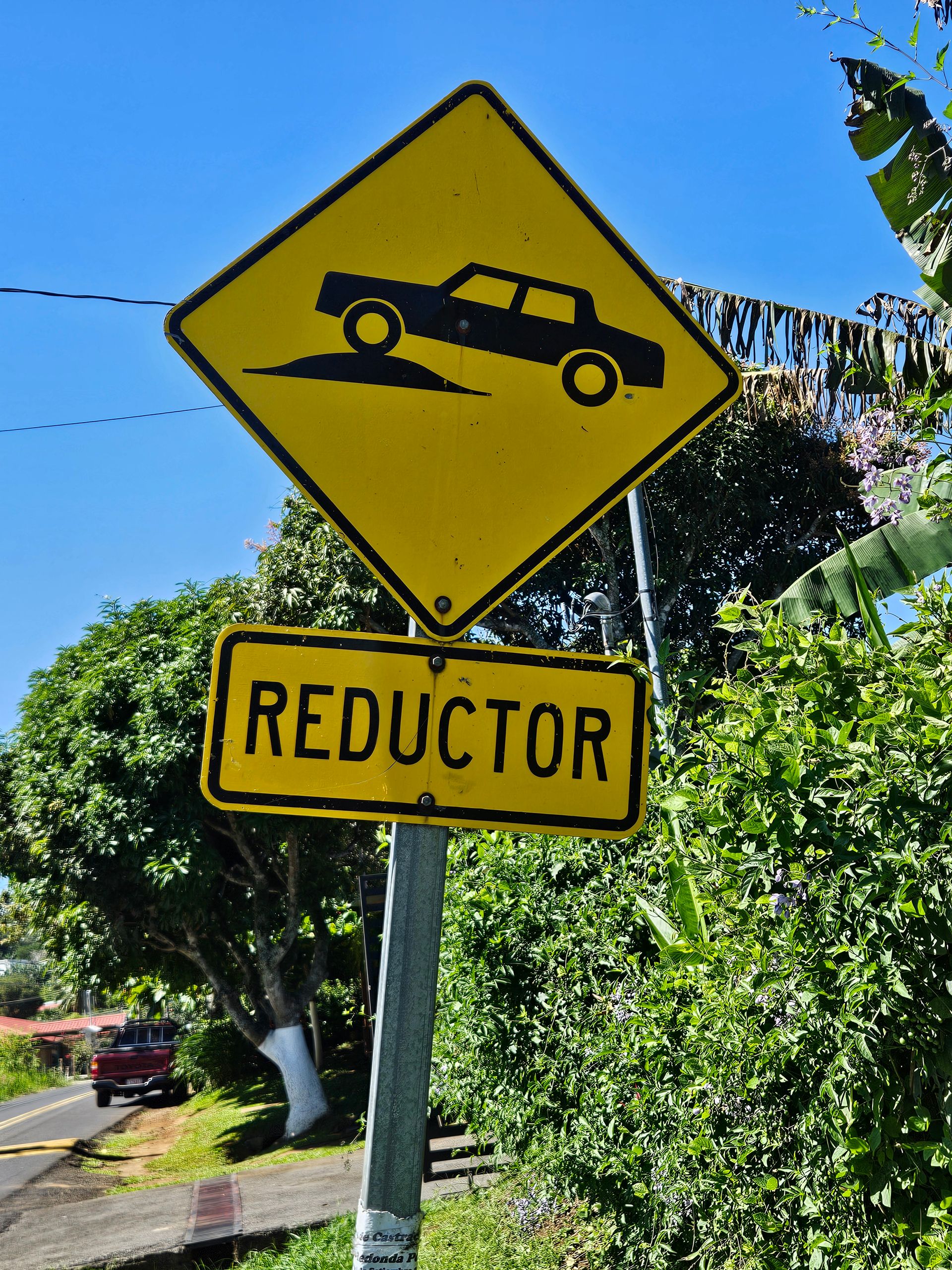
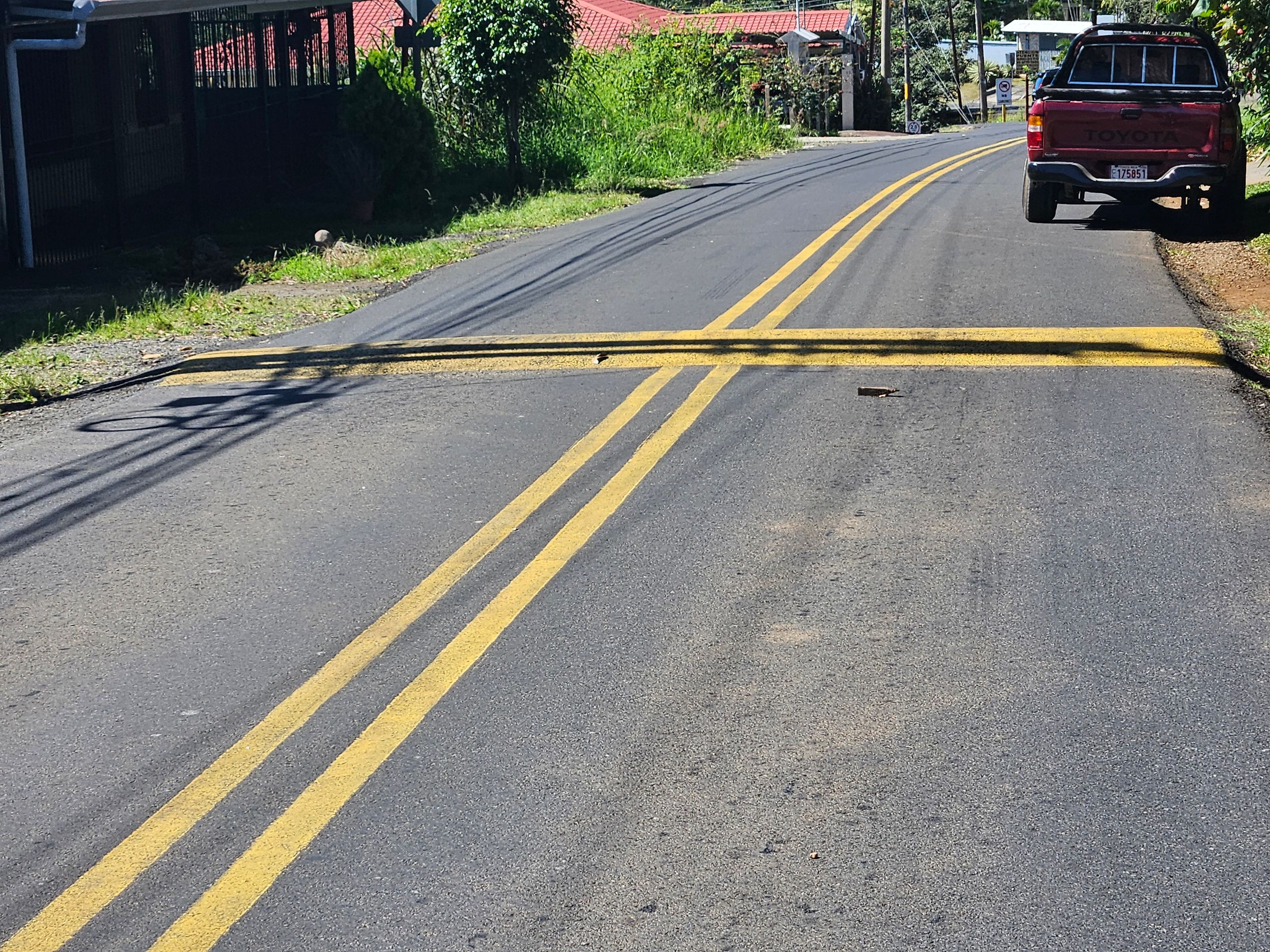
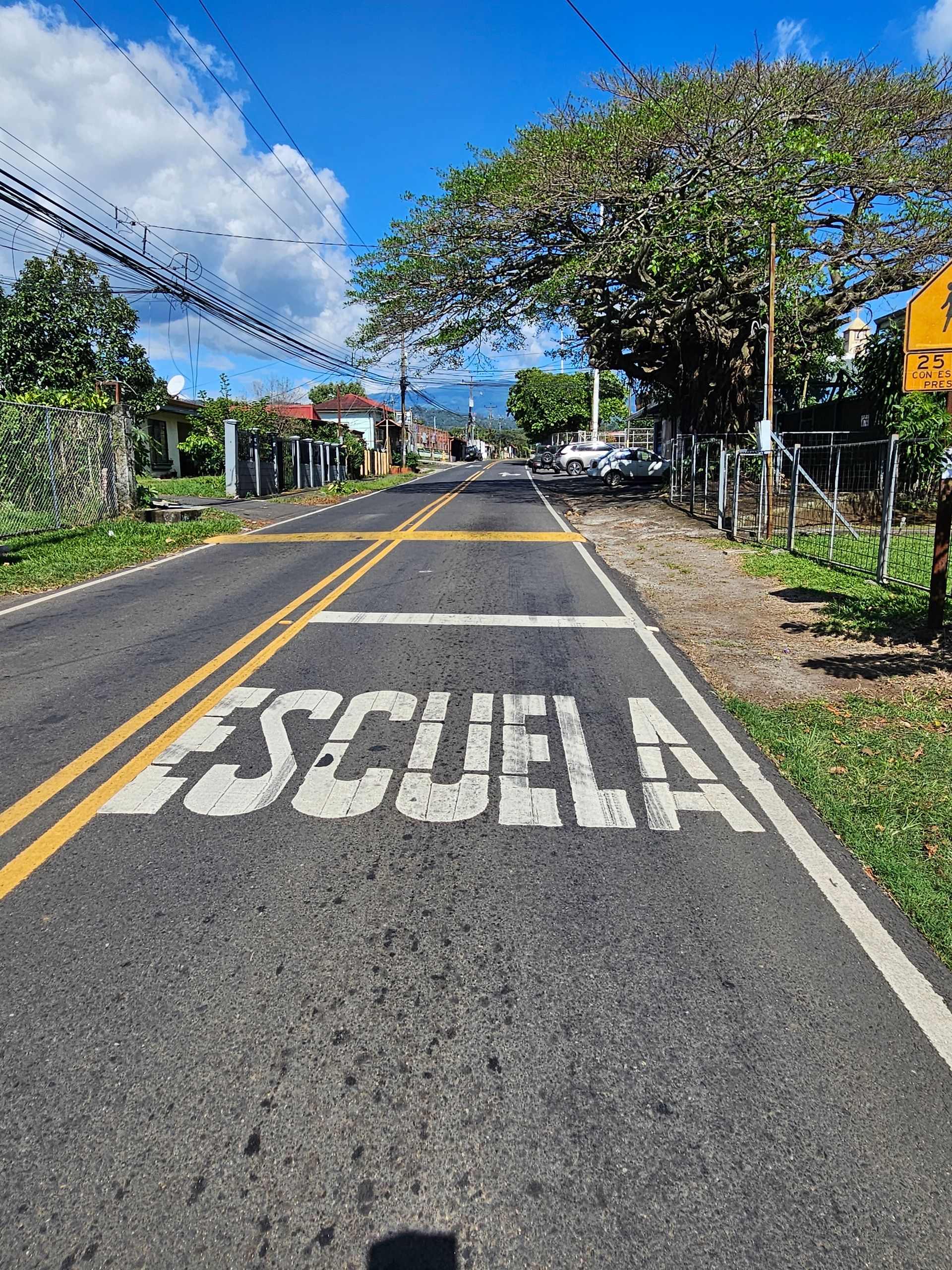
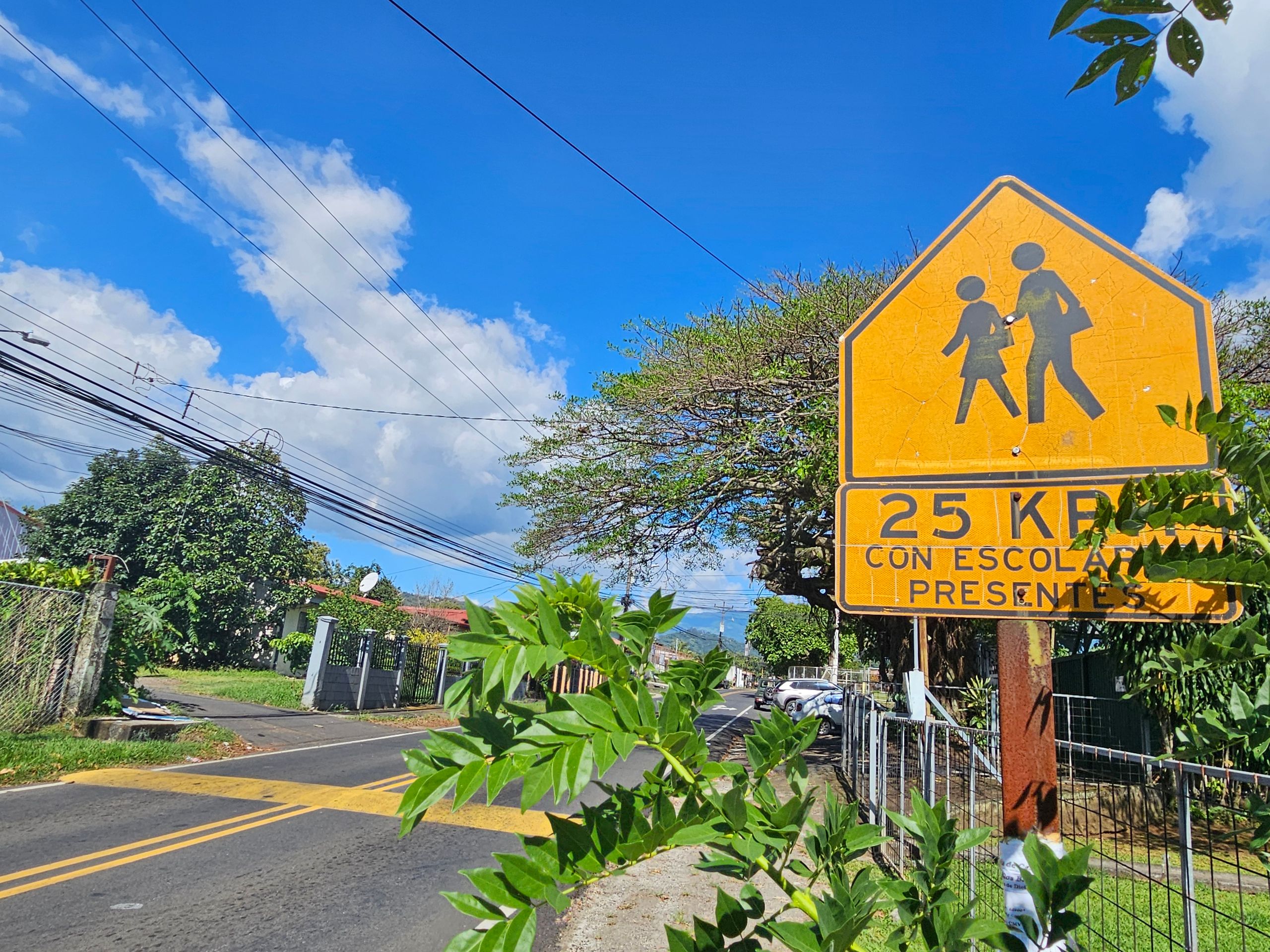
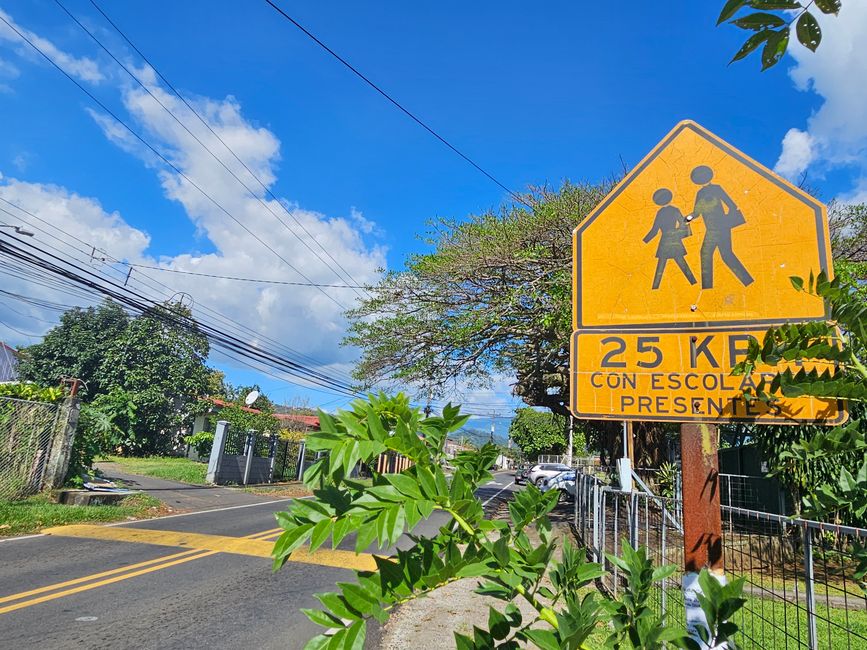
Afterwards, we drive about 10 minutes over to our Bitzü Coffee Tour and encounter, for the last time on this short journey, my personal nemeses of Costa Rican road traffic: the notorious speed bumps, known as Reductores de Velocidad. These massive asphalt or concrete hills have truly annoyed me throughout my entire trip across the country, especially appearing before every single school, and there are quite a few of those in Costa Rica.
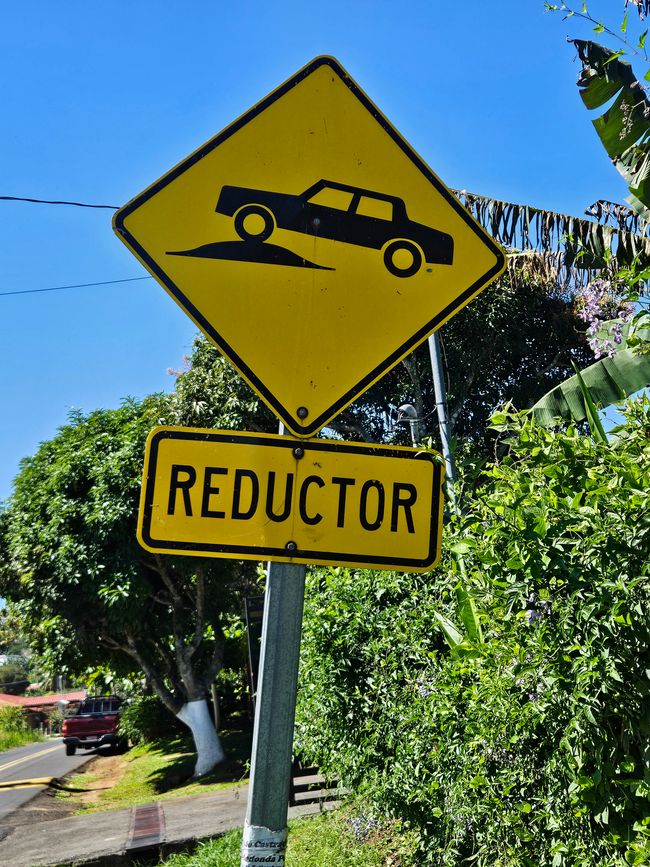
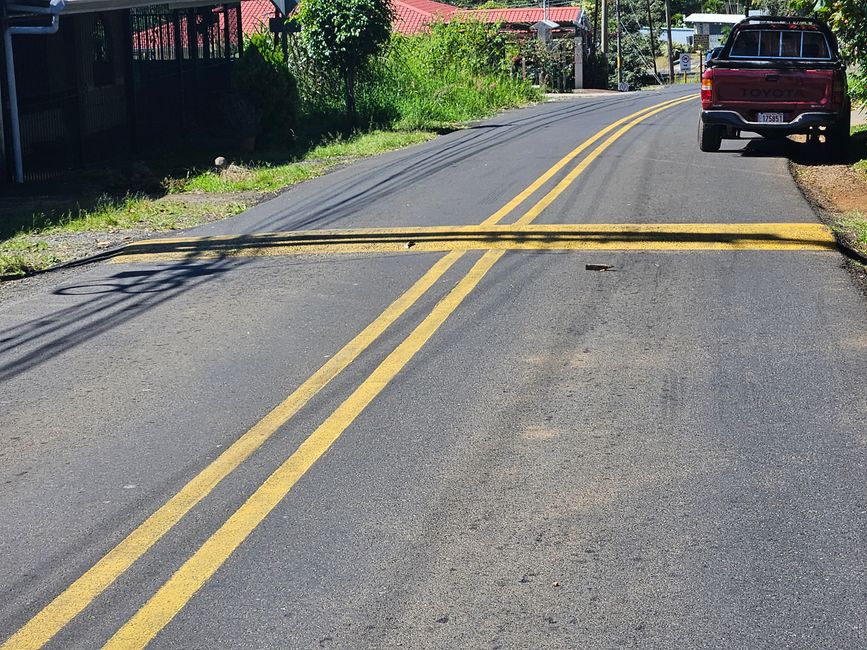
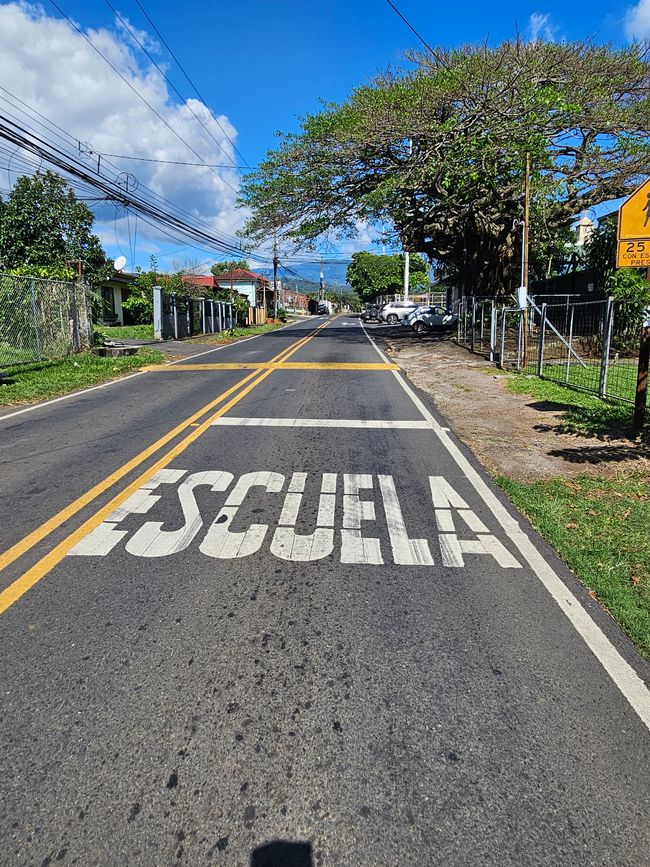
The reason we feel like we are rolling through a school zone every few hundred meters is that Costa Rica has made significant investments in education after abolishing its army in 1948 and currently maintains over four thousand public schools so that every child can walk to school even in the smallest villages. However, for drivers, this impressive density of schools presents a real test of patience, requiring a slow pace of 25 km/h and those gigantic speed bumps which make our little Jimny groan every time we miss seeing them in time. Fortunately, throughout the journey, I had my very own co-pilot by my side. My girlfriend always kept a vigilant eye out for those bumps and warned me just in time before we ruined the suspension because I was absent-mindedly admiring the scenery instead of focusing on the road surface.
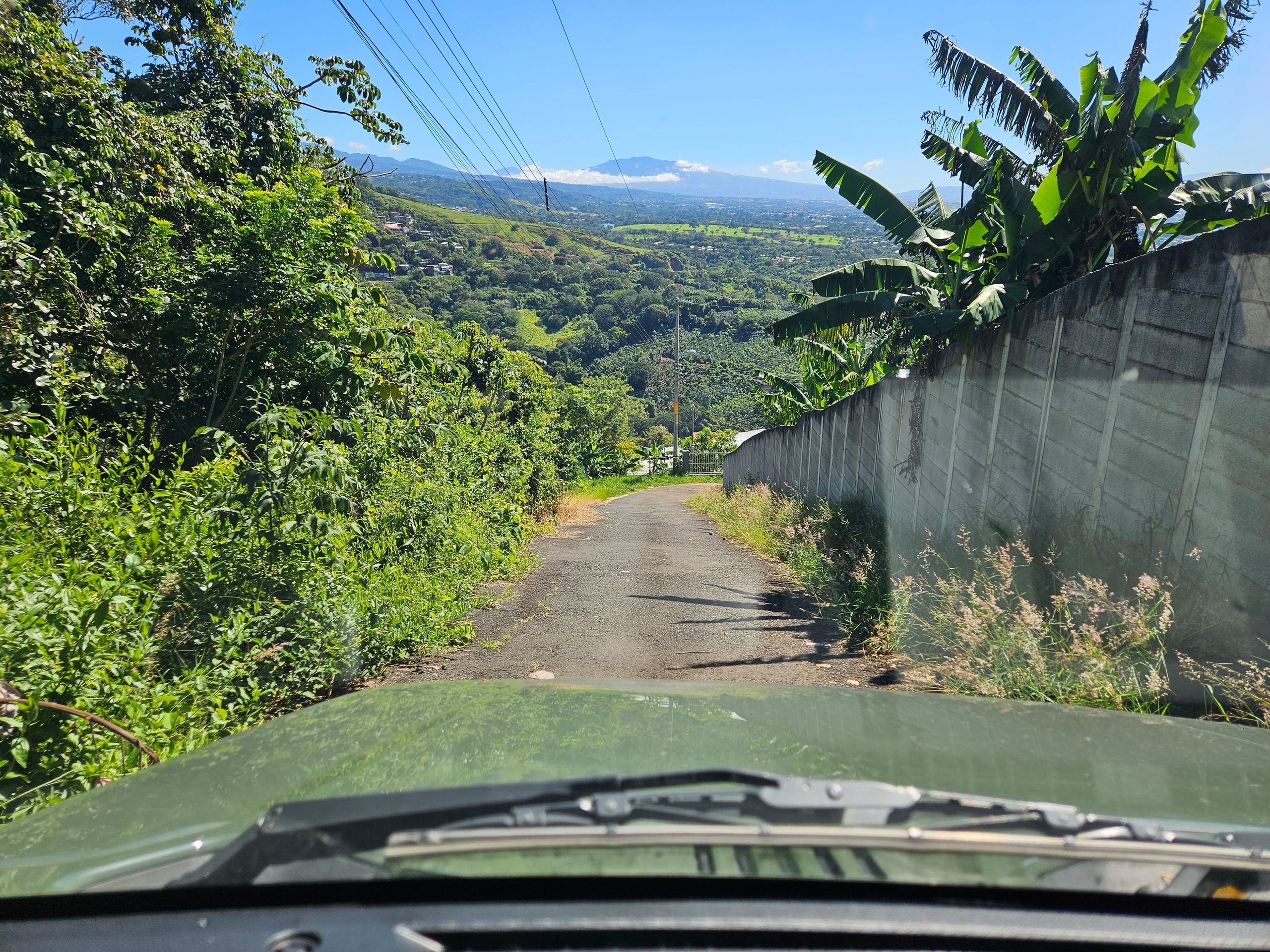
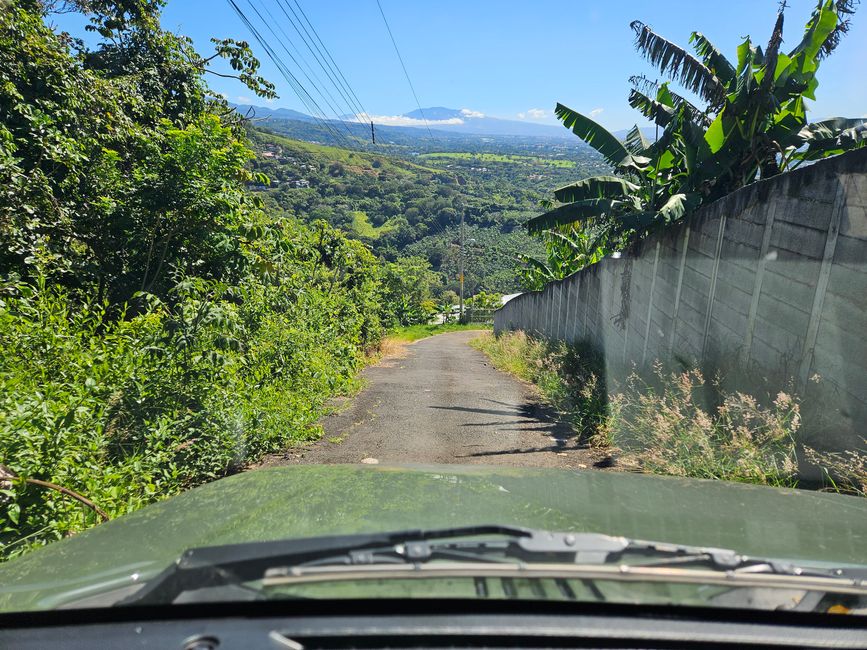
However, getting to the Bitzü Coffee Farm turns out to be a small challenge as the turn-off is hardly marked, and we initially pass it by. When we finally find the right entrance, it leads us down an extremely steep ramp to a house that at first glance looks like a residence.
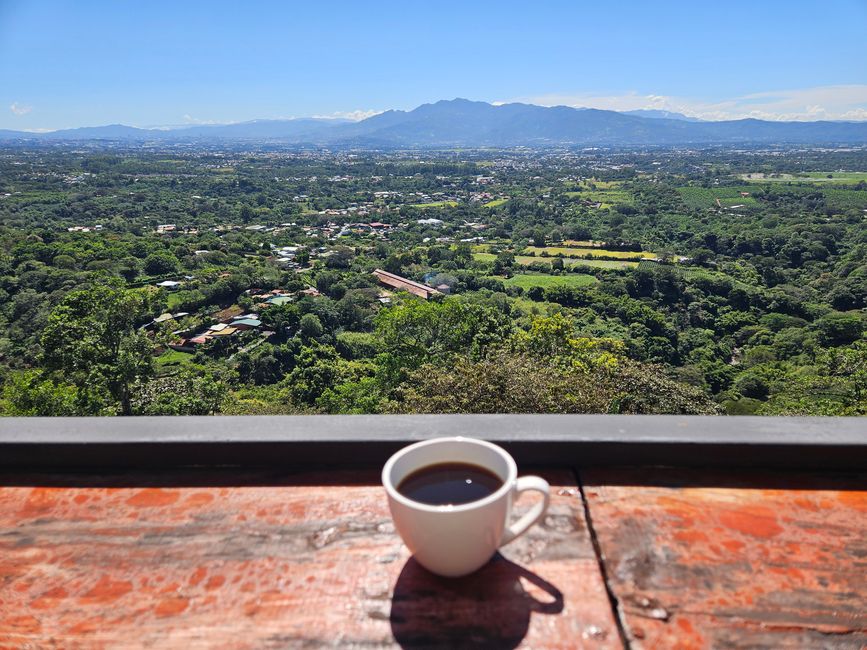
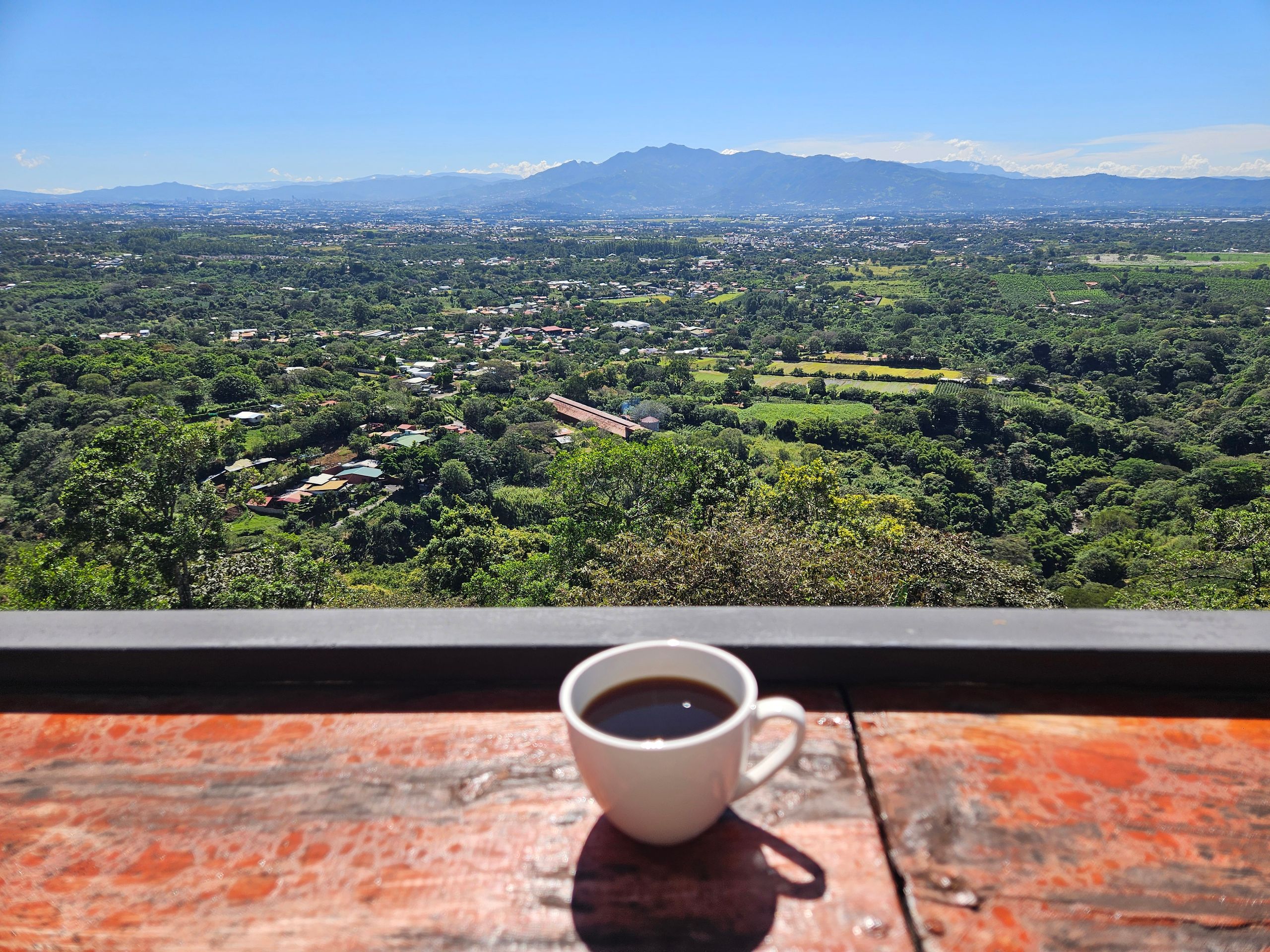
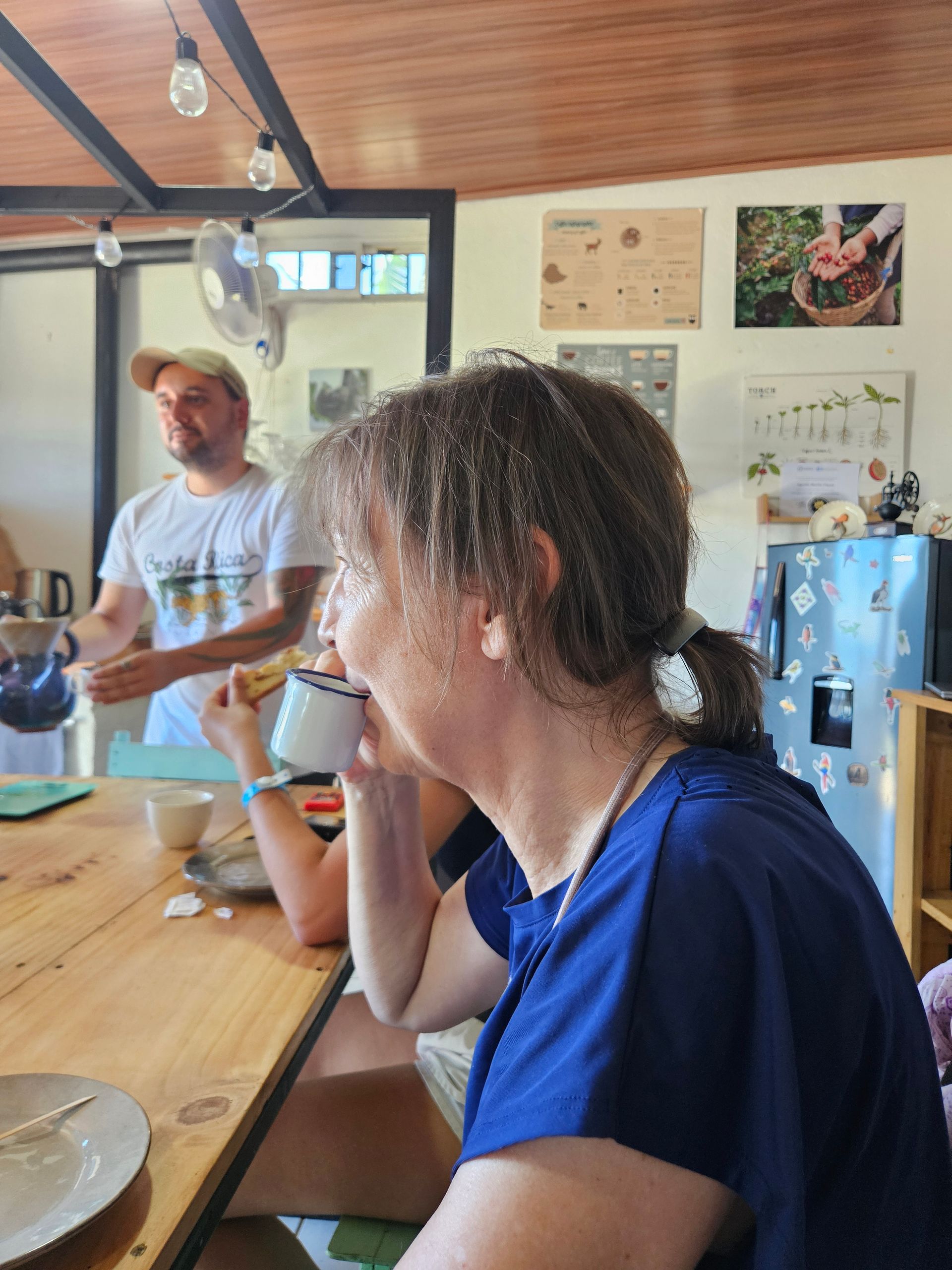
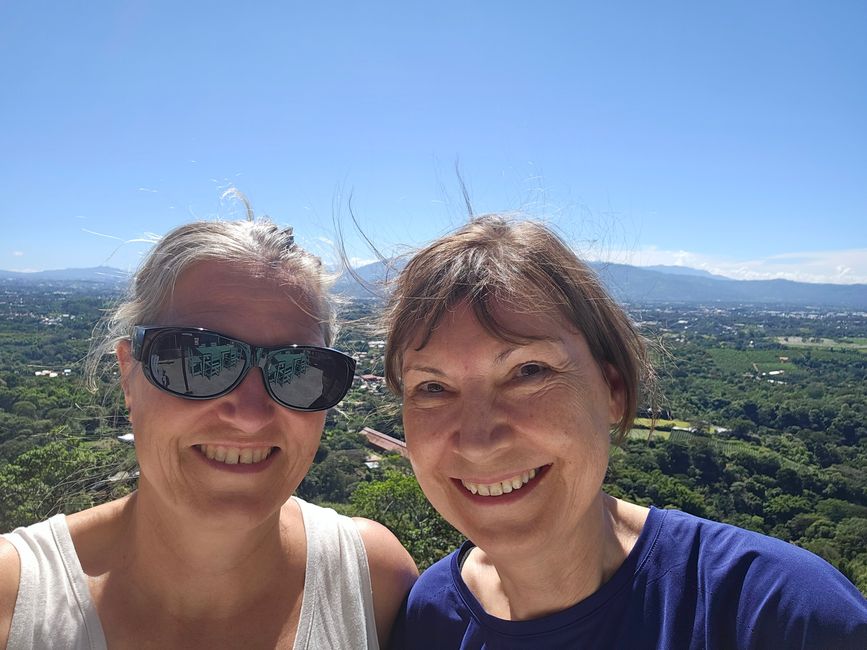
We briefly wonder if we are indeed in the right place, but after a few minutes, Agustín, the owner, comes around the corner, finds us, and warmly welcomes us. To greet us, he immediately offers a freshly brewed coffee with a wonderful panoramic view over the entire Valle Central, while we wait relaxed for the other participants of the tour.
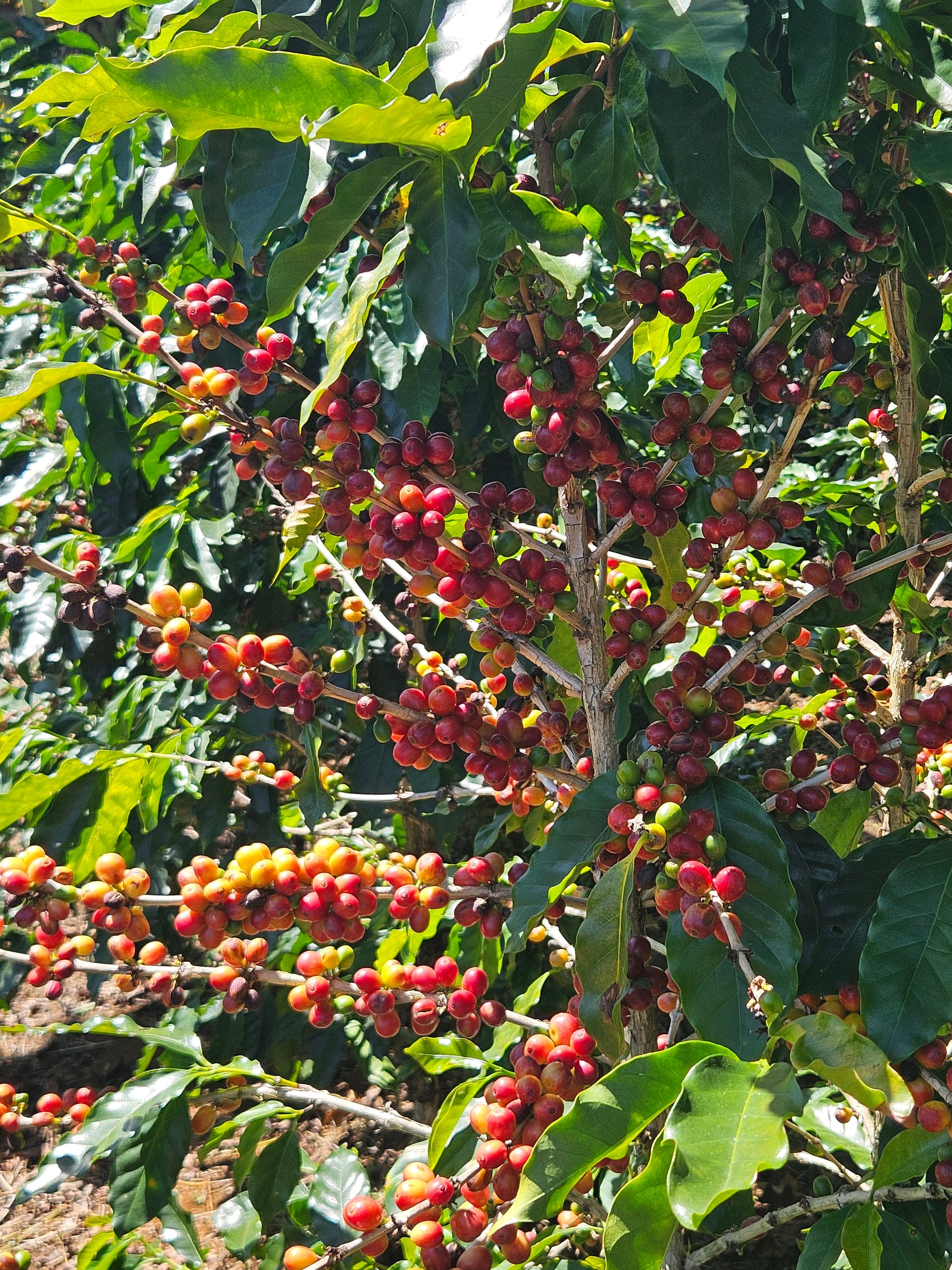
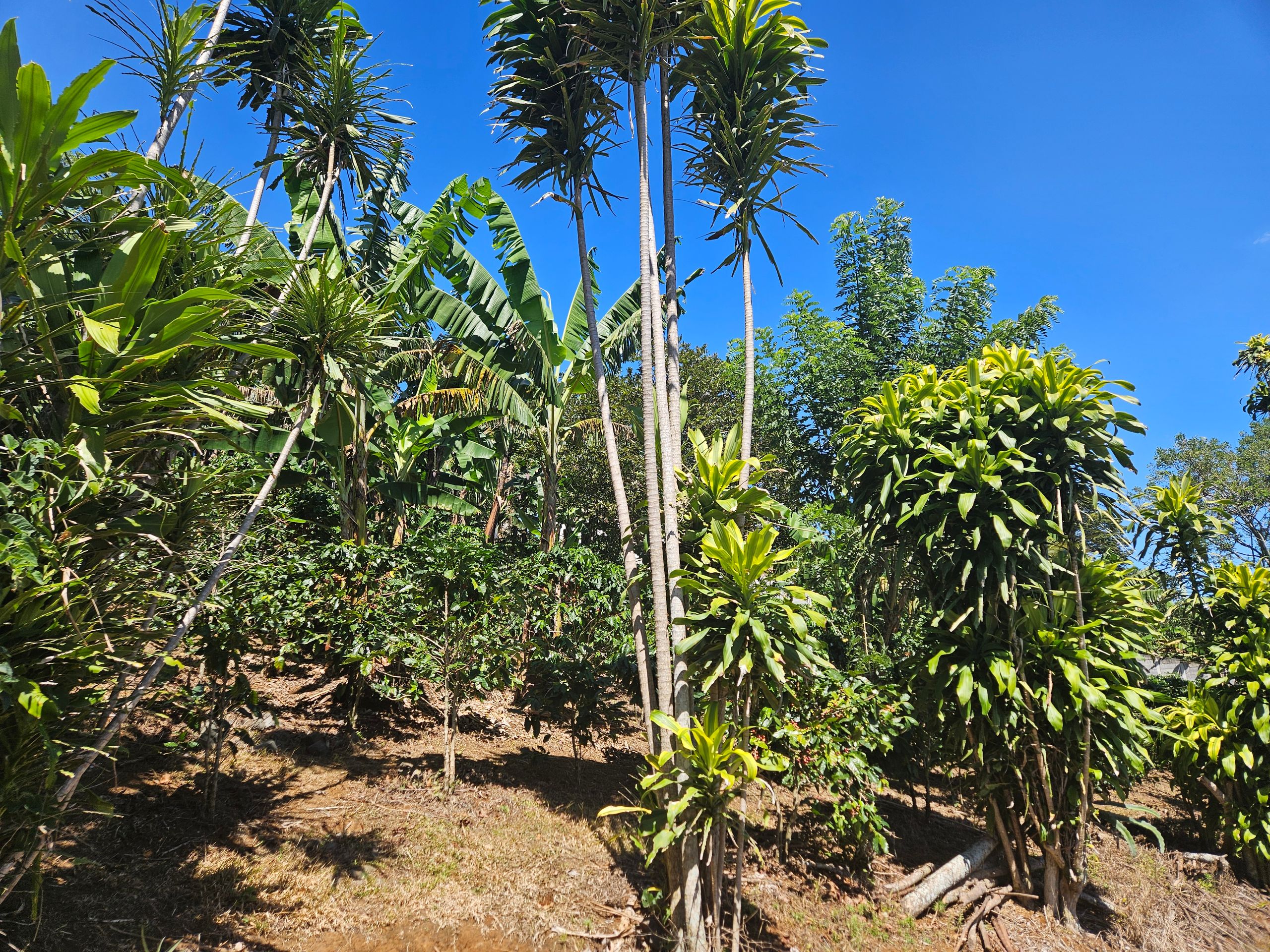
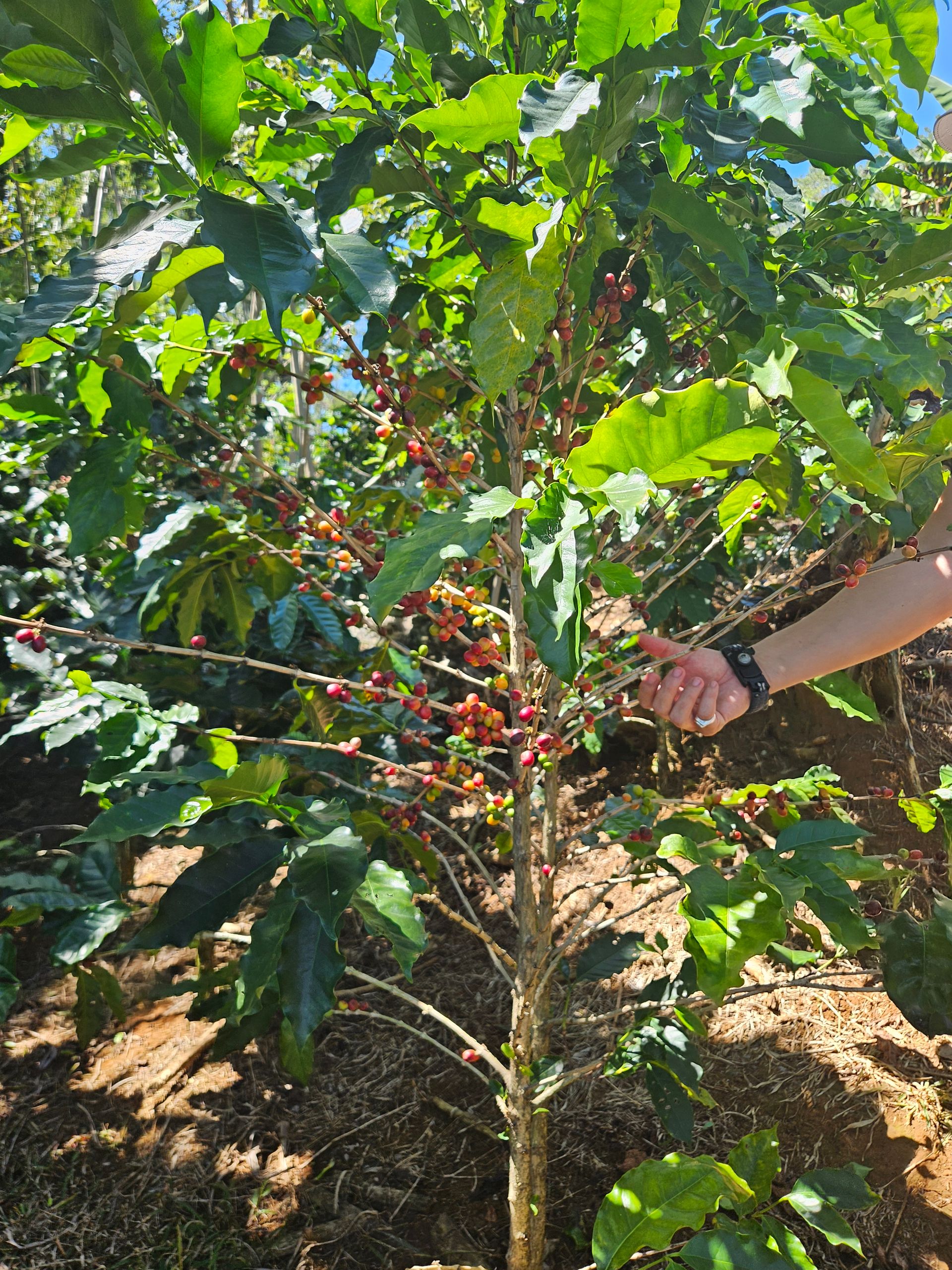
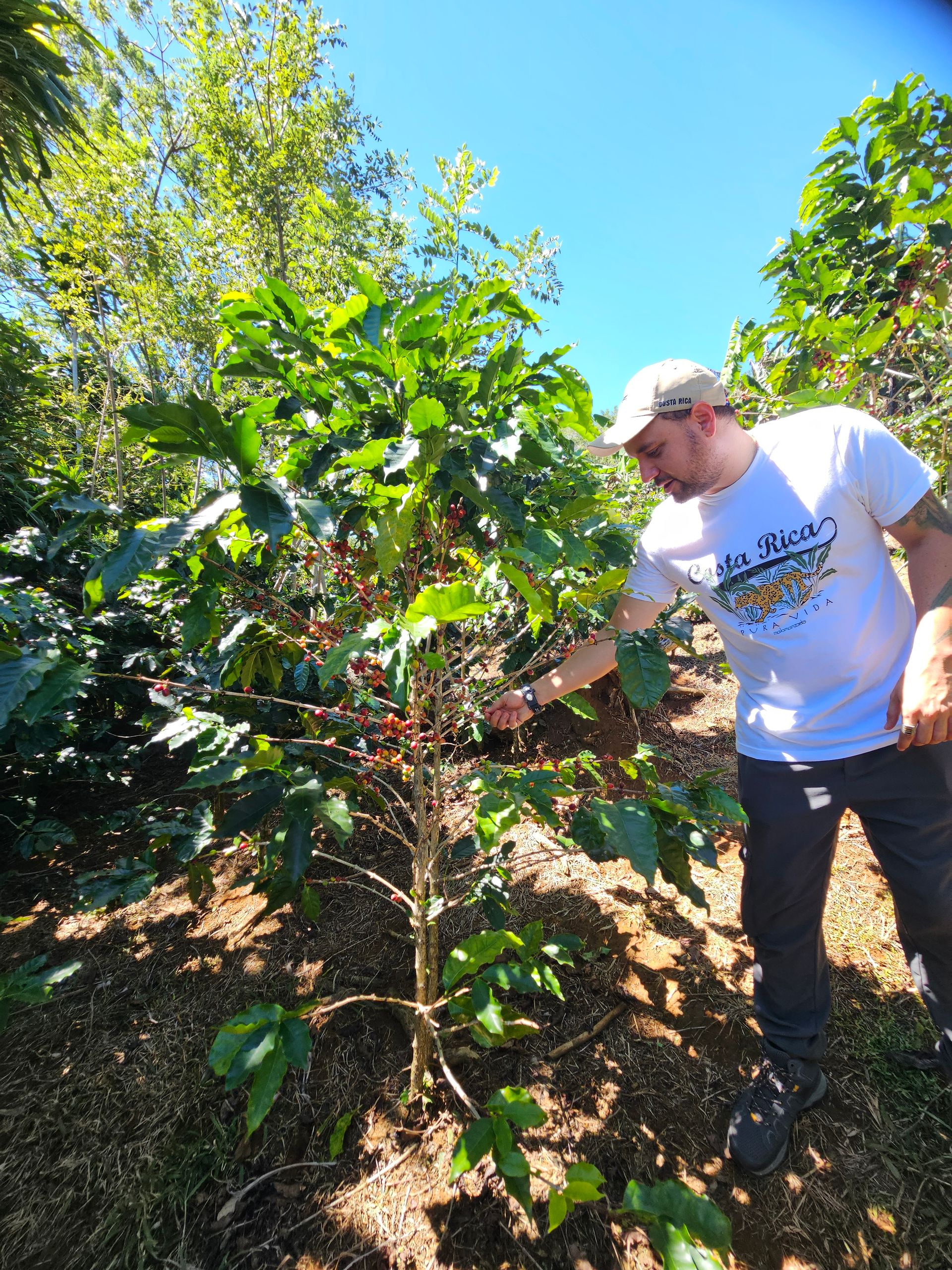
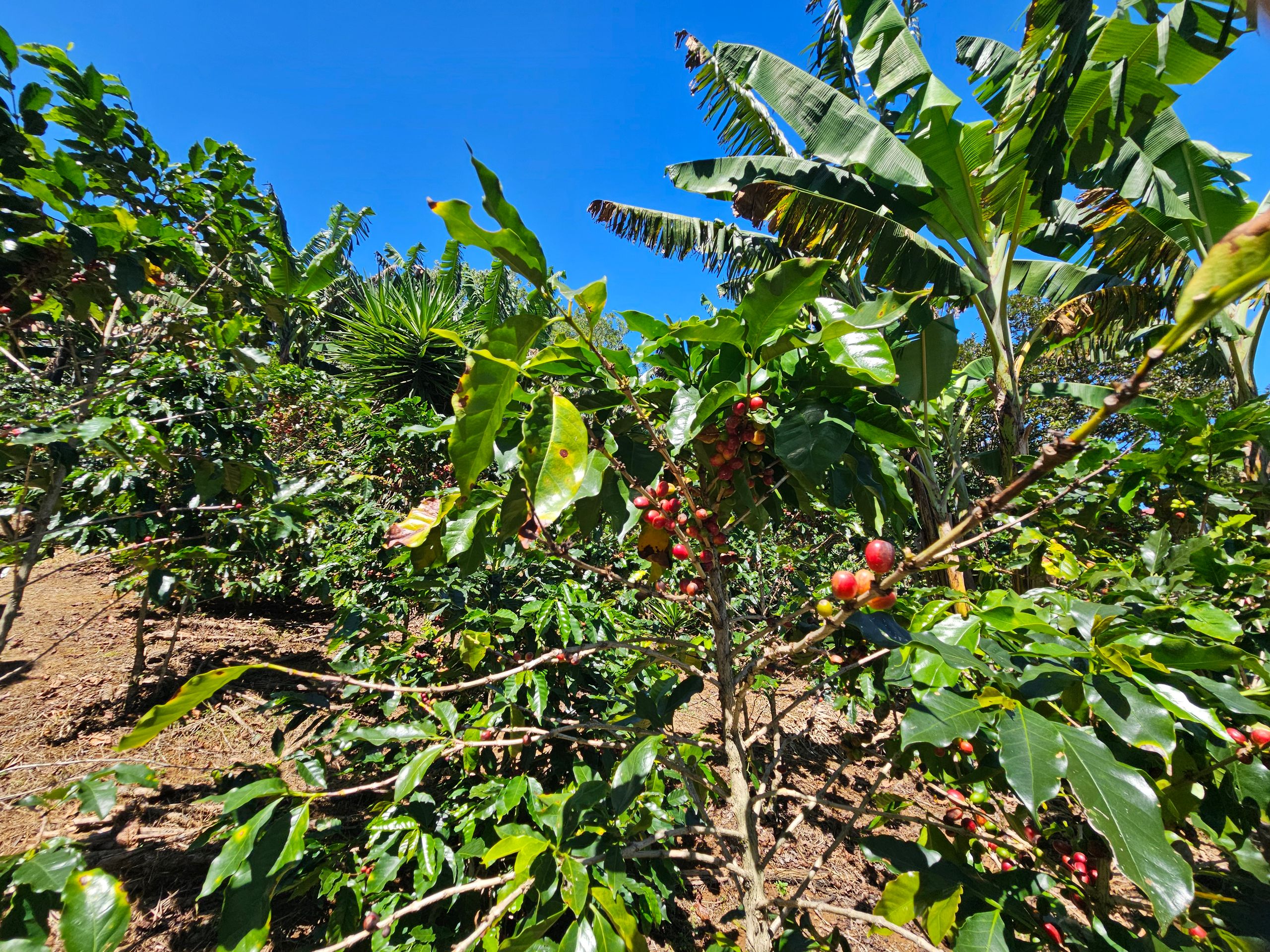
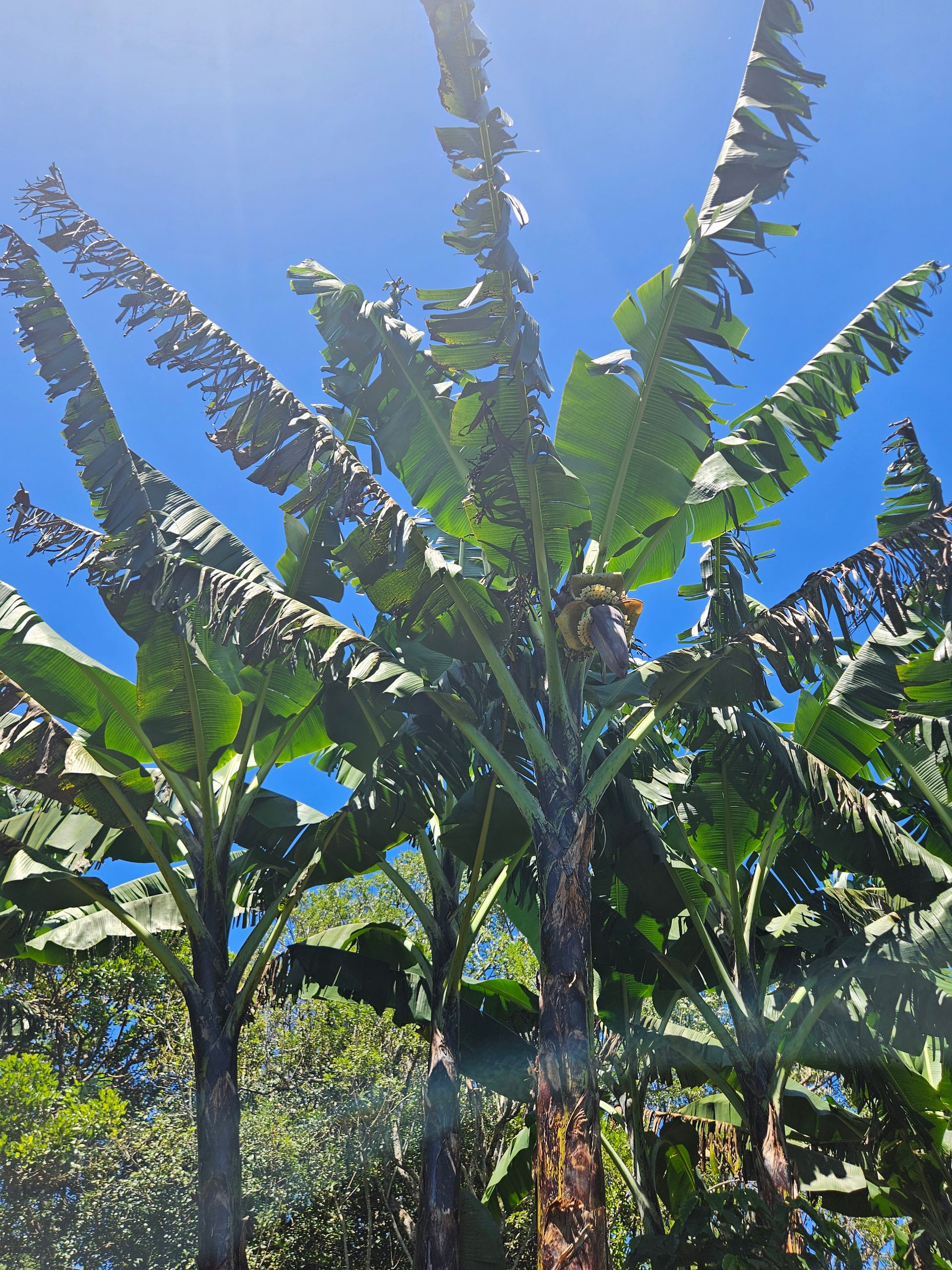
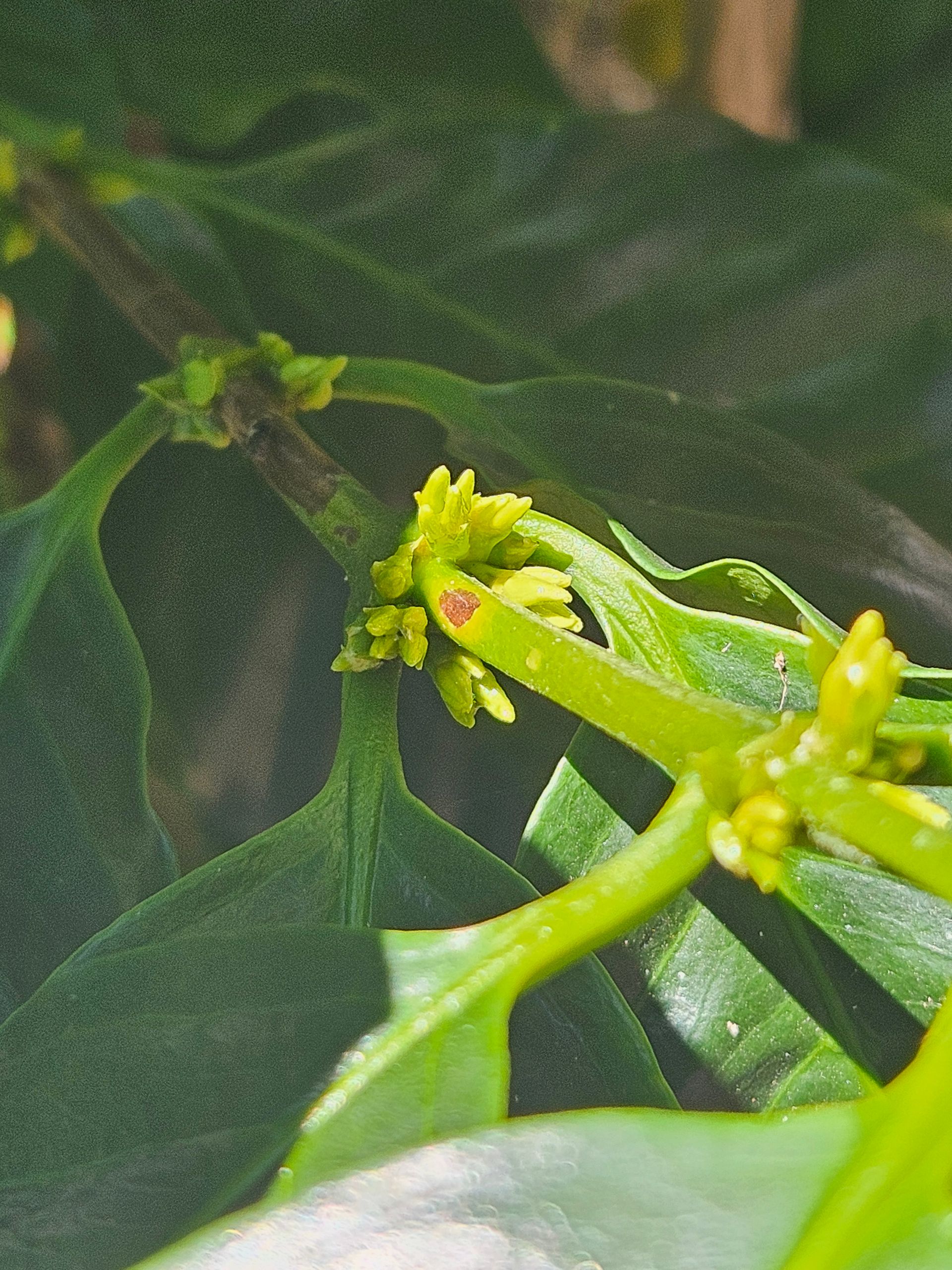
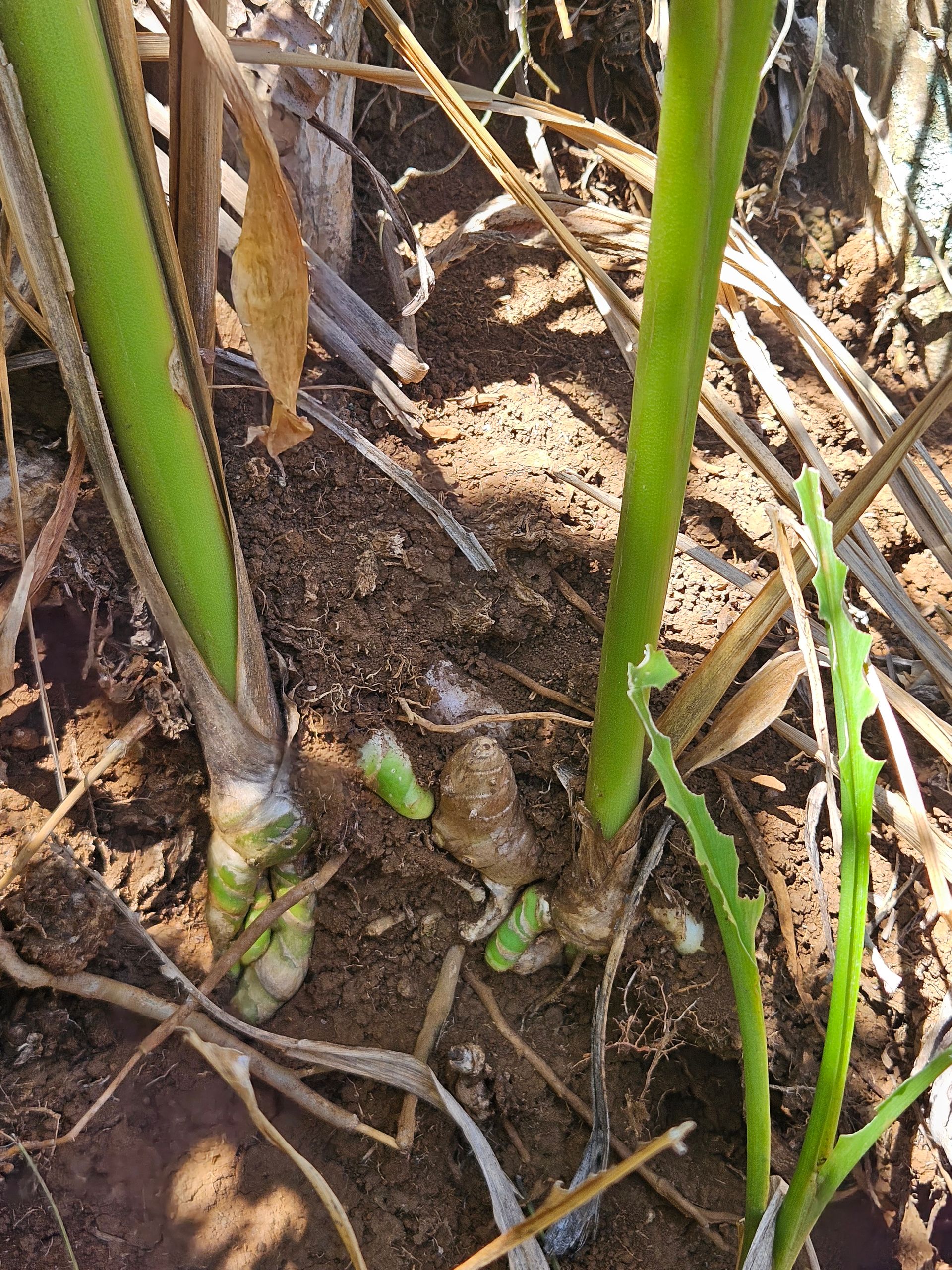
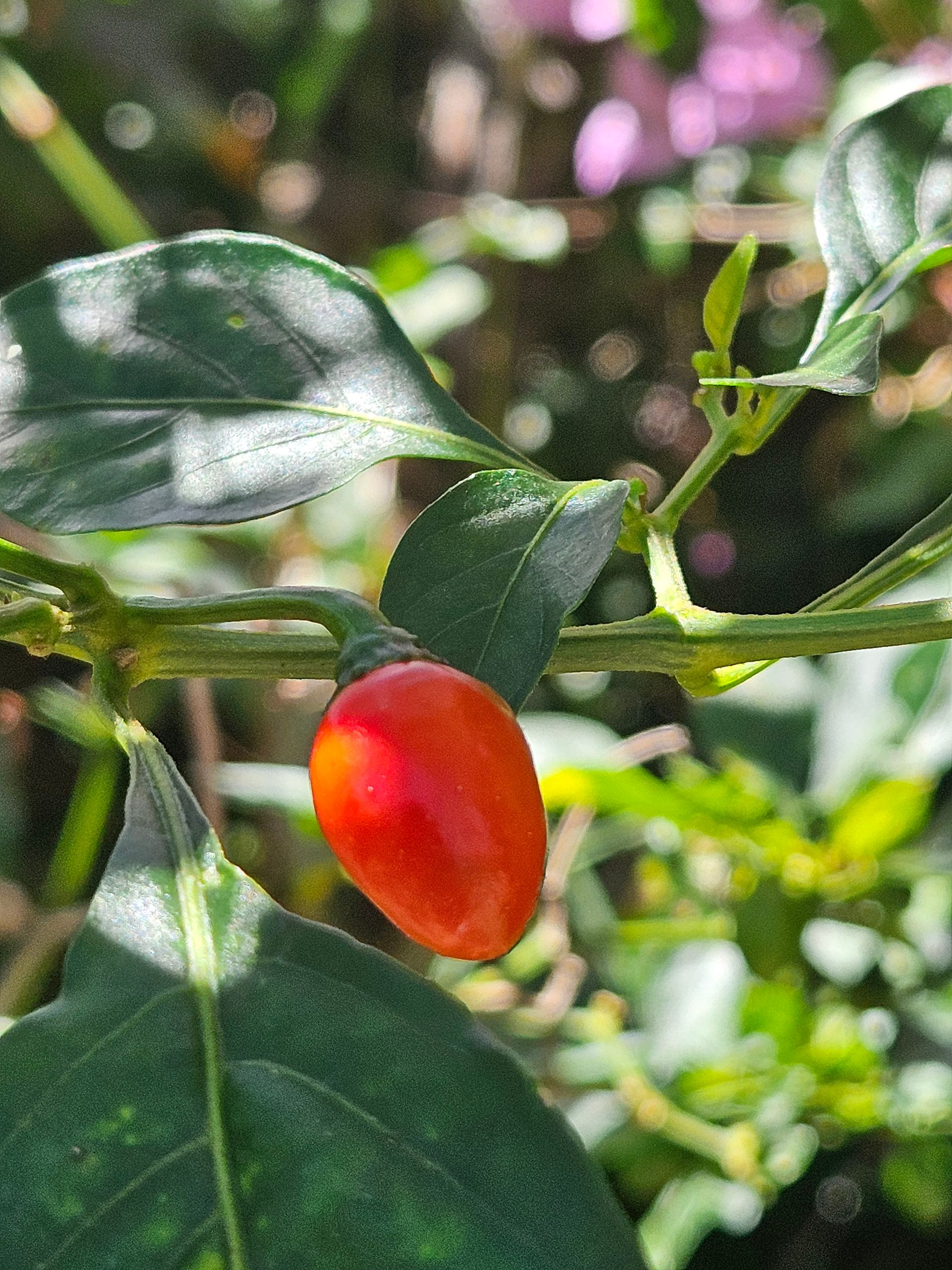
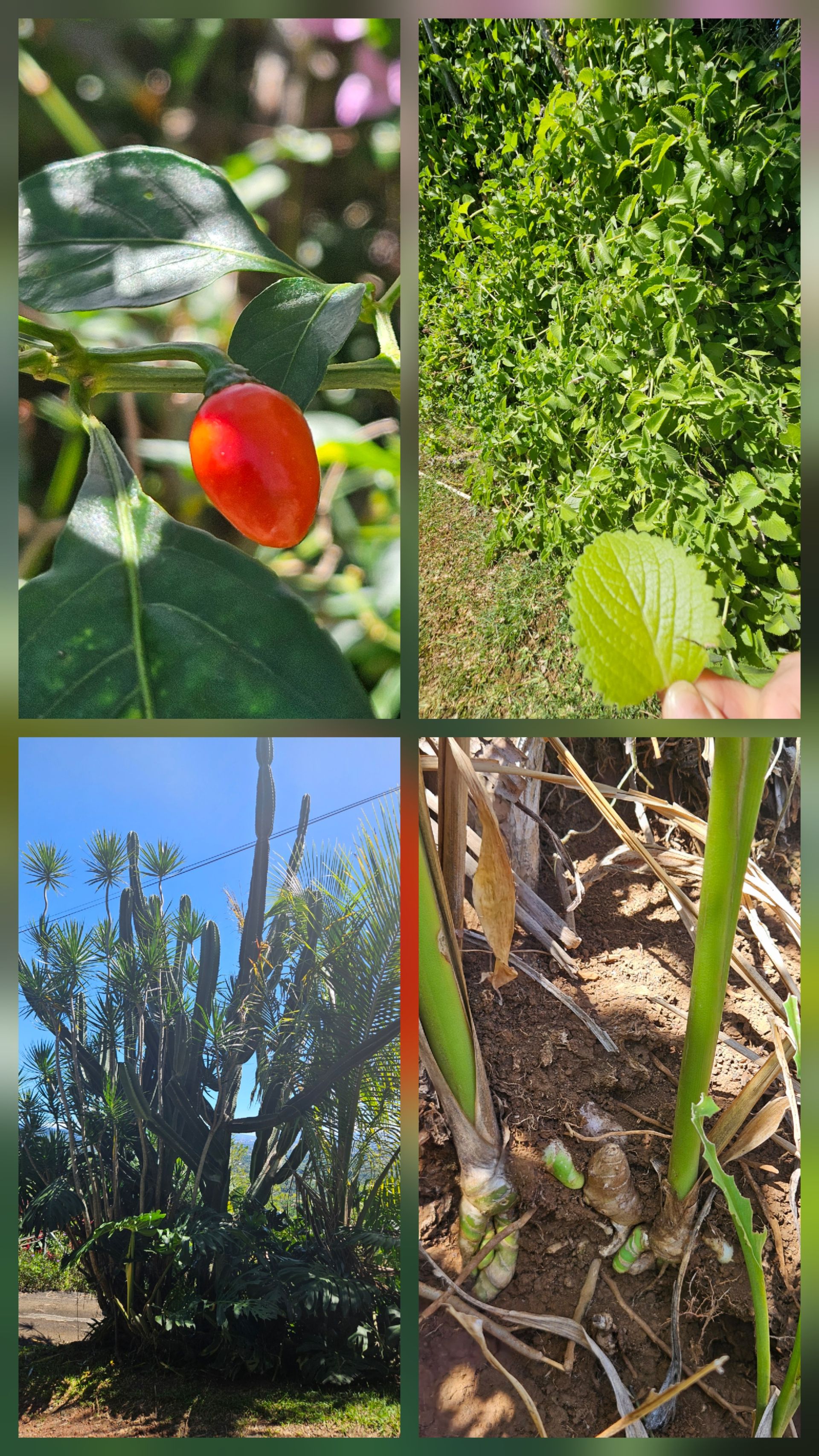
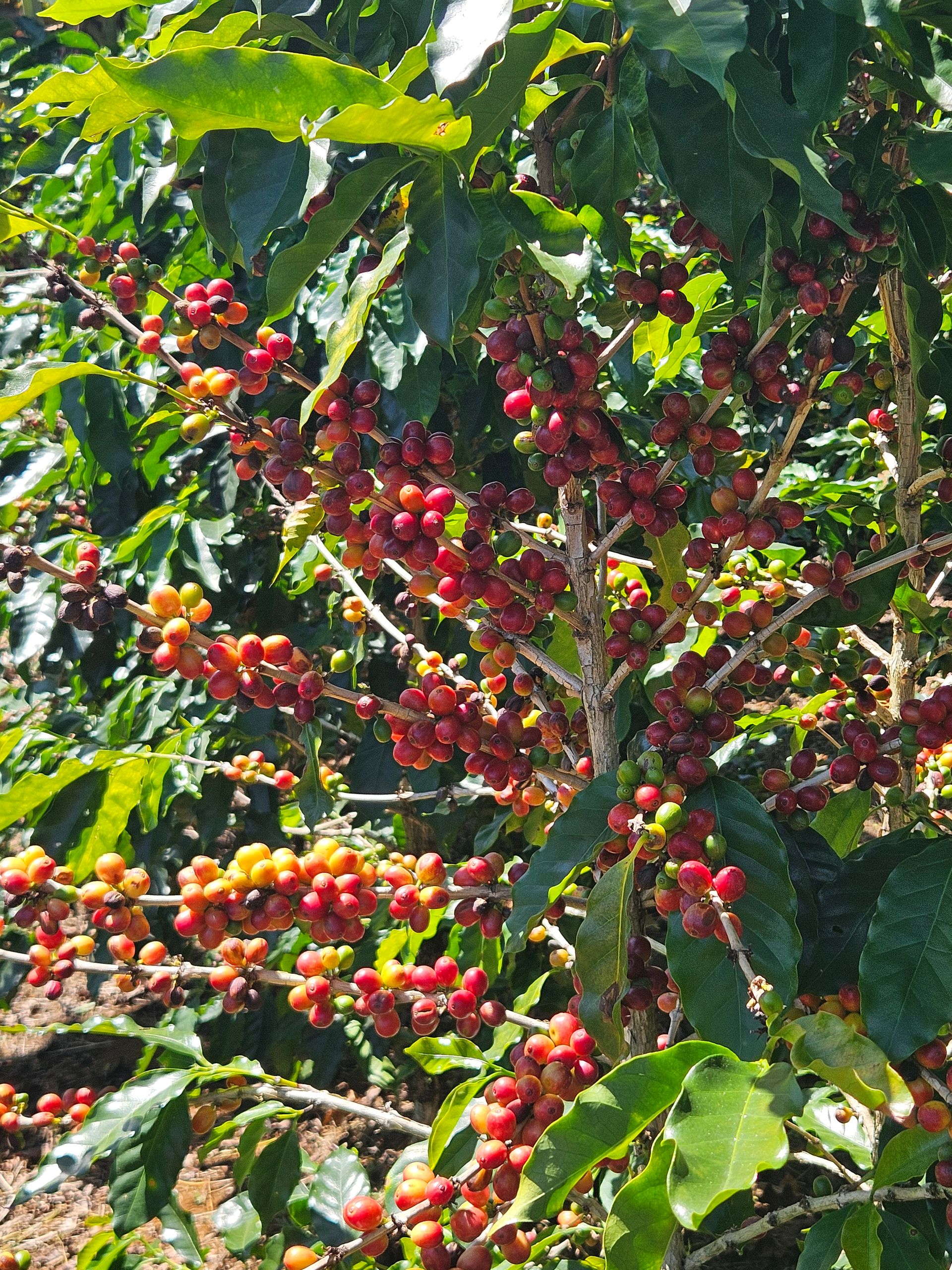
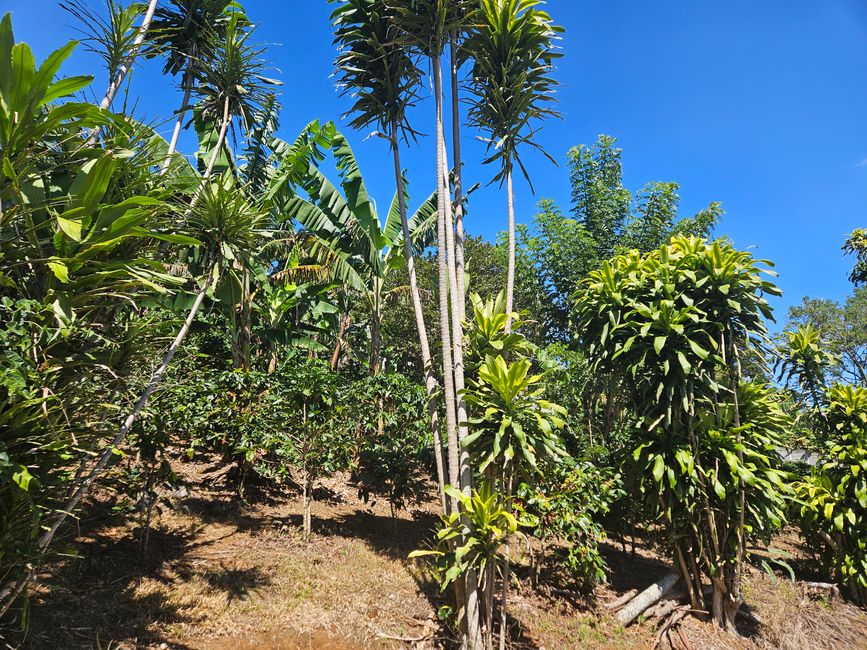
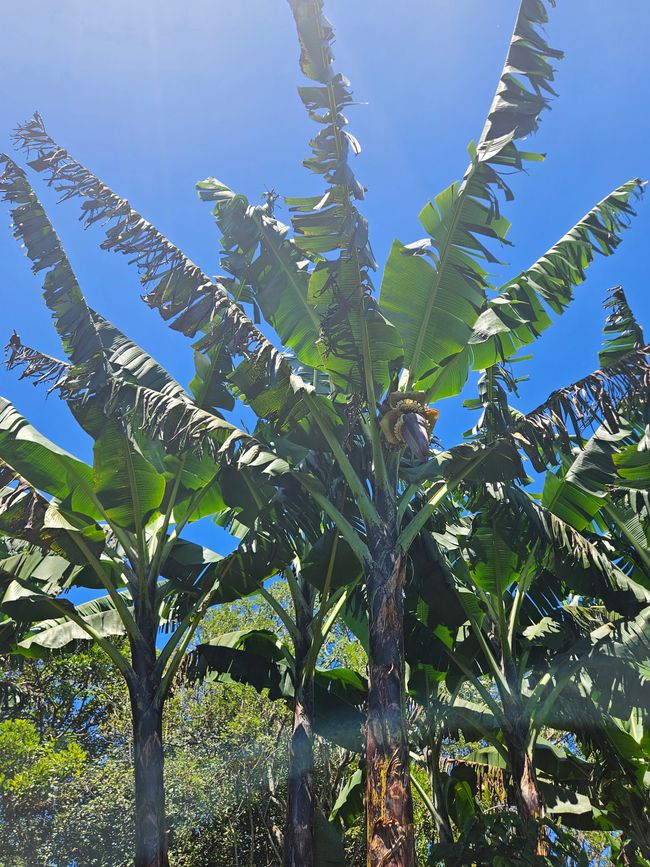
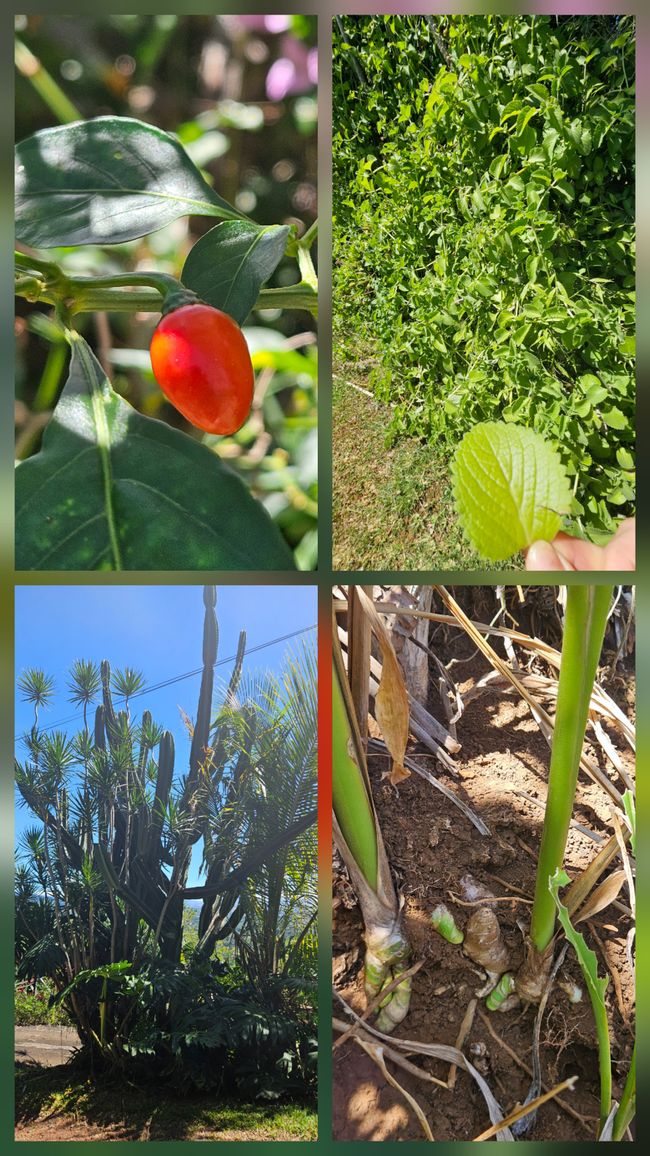
Once everyone has arrived, we stroll with Agustín through the small plantation, diving deep into the world of sustainable agroforestry. Amidst the countless coffee bushes, with their red cherries just ready to be harvested, large banana plants grow everywhere, and we quickly understand how cleverly everything works together here. Instead of relying on monocultures, nature benefits as a whole: The banana plants not only provide the delicate Arabica plants with the ideal partial shade from the blazing sun but also retain moisture in the soil and provide valuable natural compost through their decaying leaves. At the same time, the nectar-rich banana flowers attract countless wasps, flies, ants, and butterflies to the plantation, which in turn ensure significantly better pollination and higher quality of the coffee beans. Directly between the rows, spice plants like pepper and ginger grow, which confuse pests with their strong essential oils and act as a completely natural pesticide. It is incredibly fascinating to see how every single plant and insect has its own role here, growing in perfect harmony with each other without any chemicals.
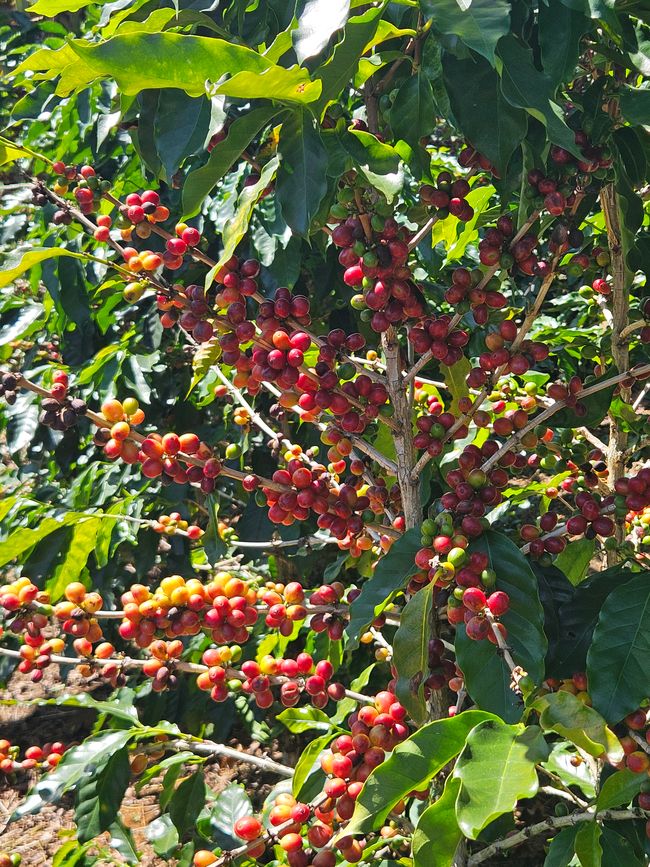
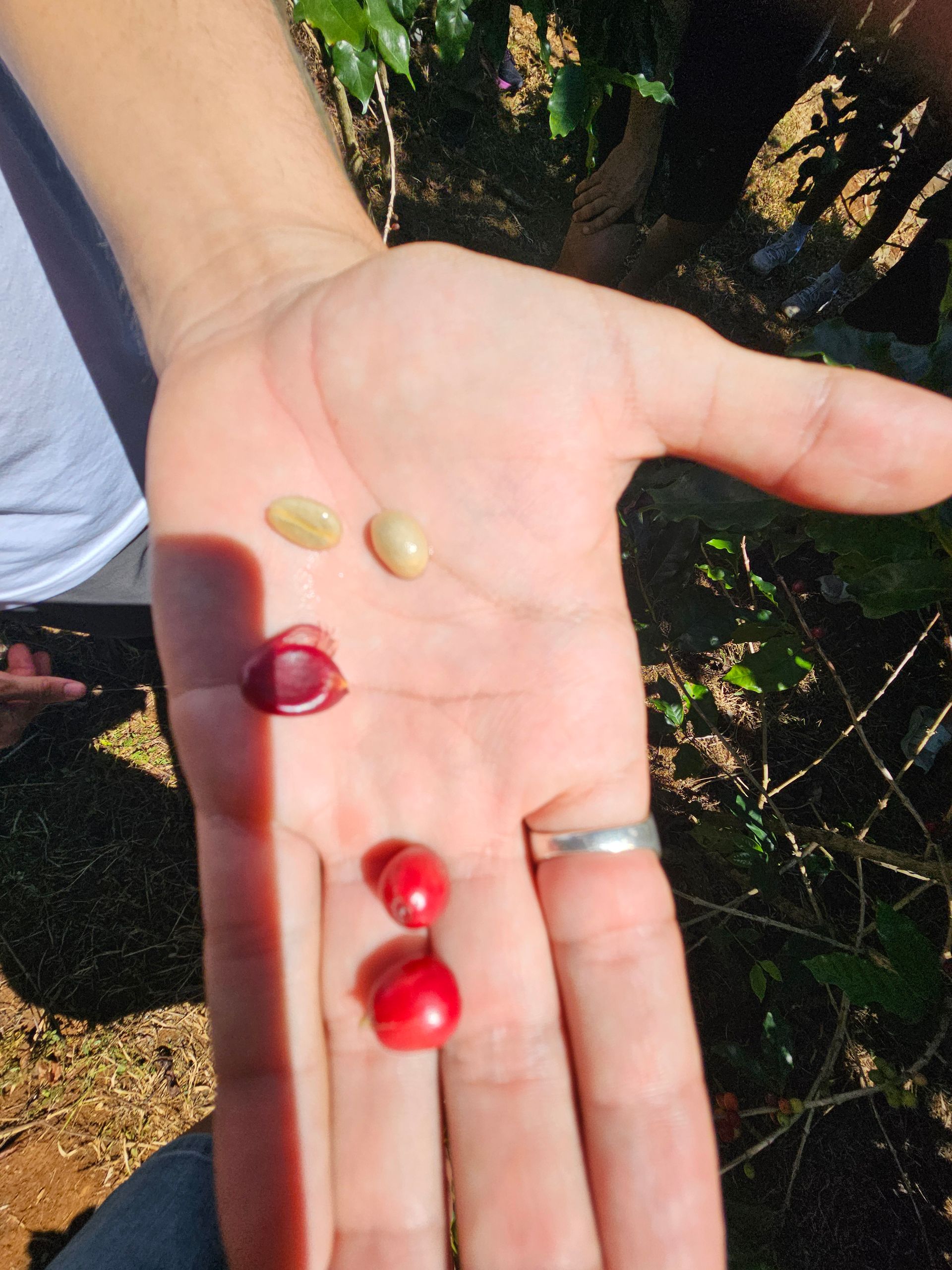
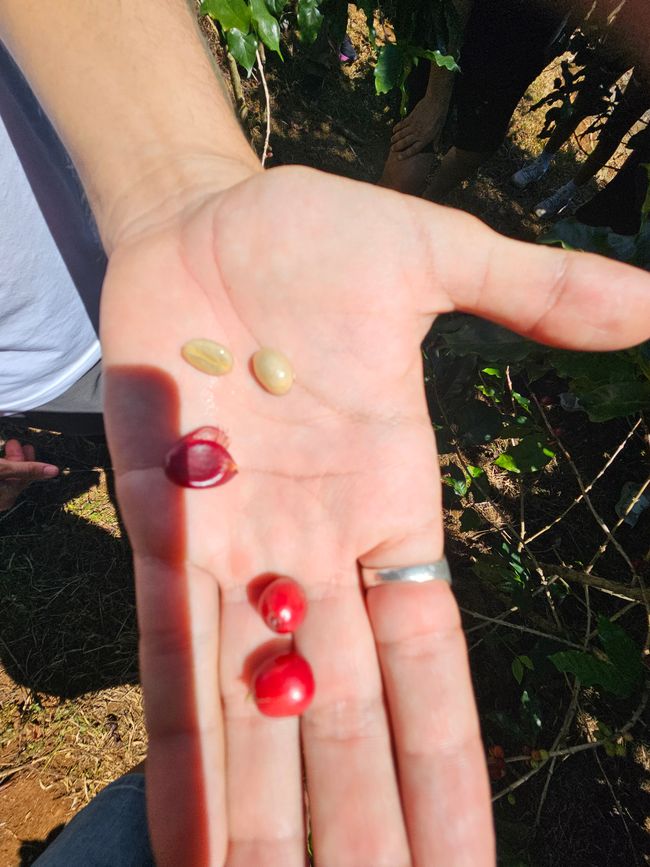
Amidst the coffee bushes, Agustín finally picks a few of the bright red coffee cherries and explains to us right on the living object how a coffee bean is structured. When you press the red shell with your fingers, typically two flattened seeds appear inside, surrounded by a sweet, slightly sticky fruit layer. Only after removing this slippery layer do you hold the actual raw beans, still pale and covered with a fine parchment skin, which will later be dried and roasted. Particularly interesting is a rare quirk of nature, as in about five percent of all cherries, only one round seed develops instead of the usual two halves. These so-called peaberries are considered a true delicacy among coffee lovers because all the flavors and nutrients of the cherry concentrate in that one single bean, allowing it to roast particularly evenly.
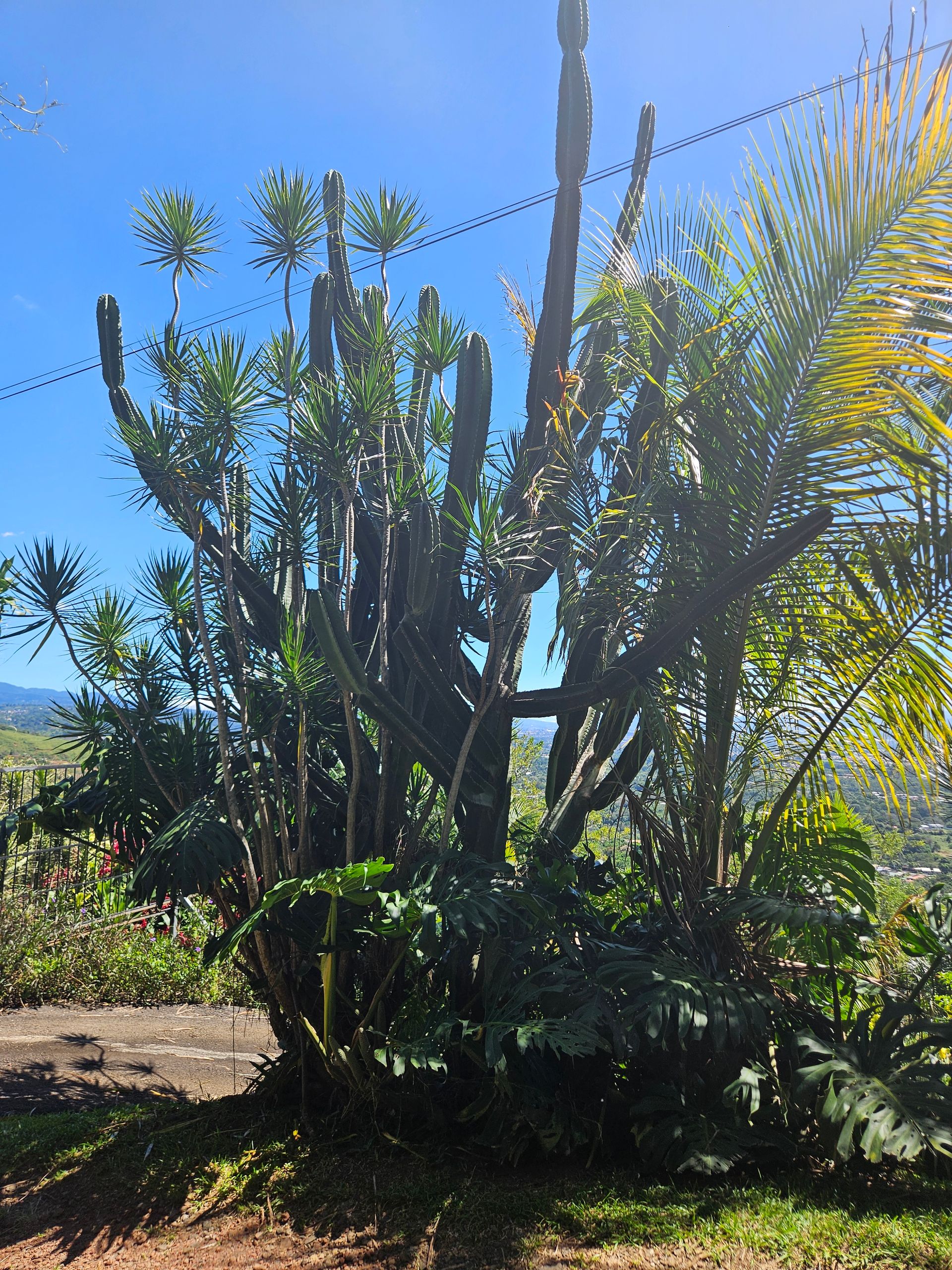
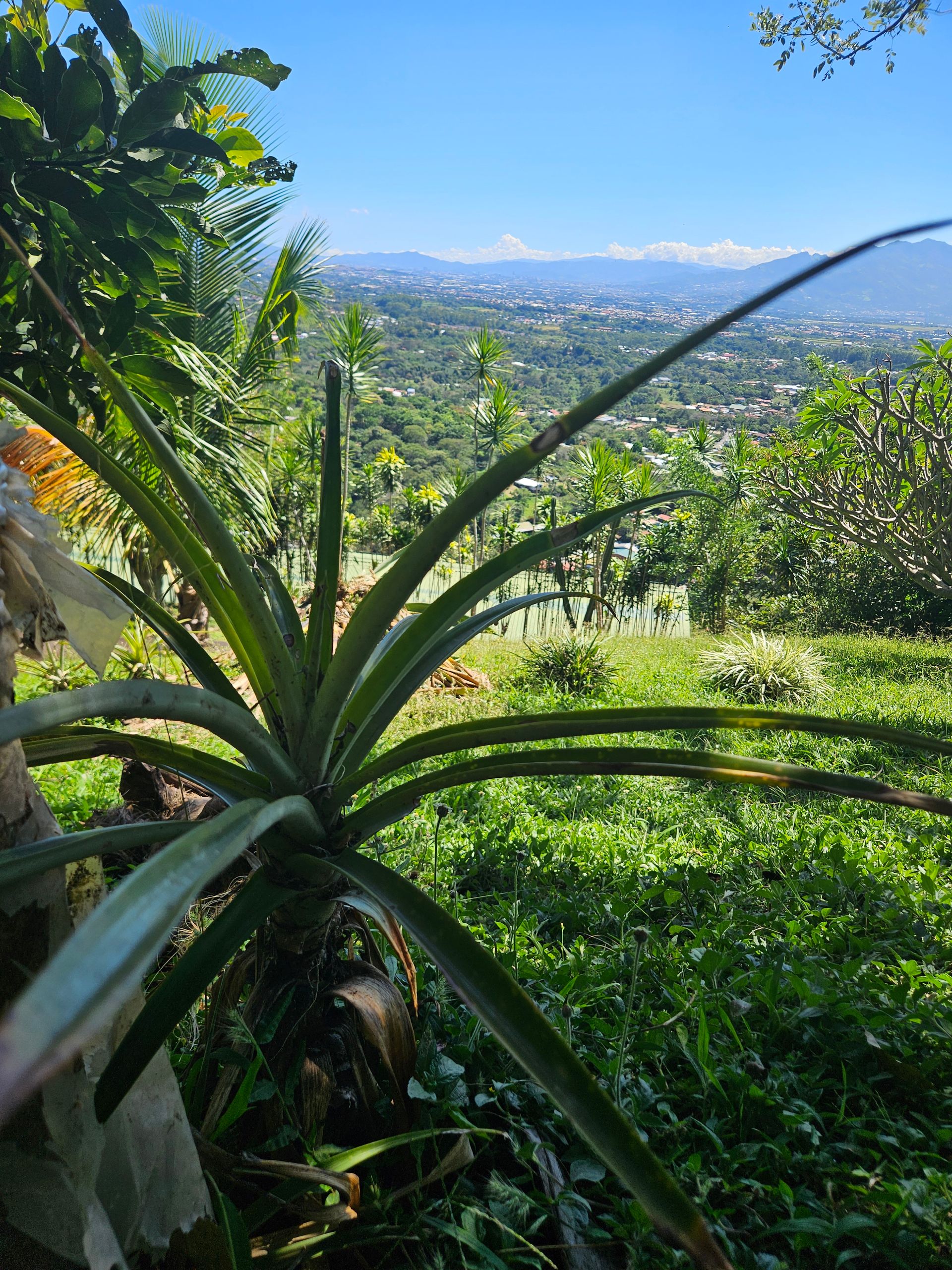
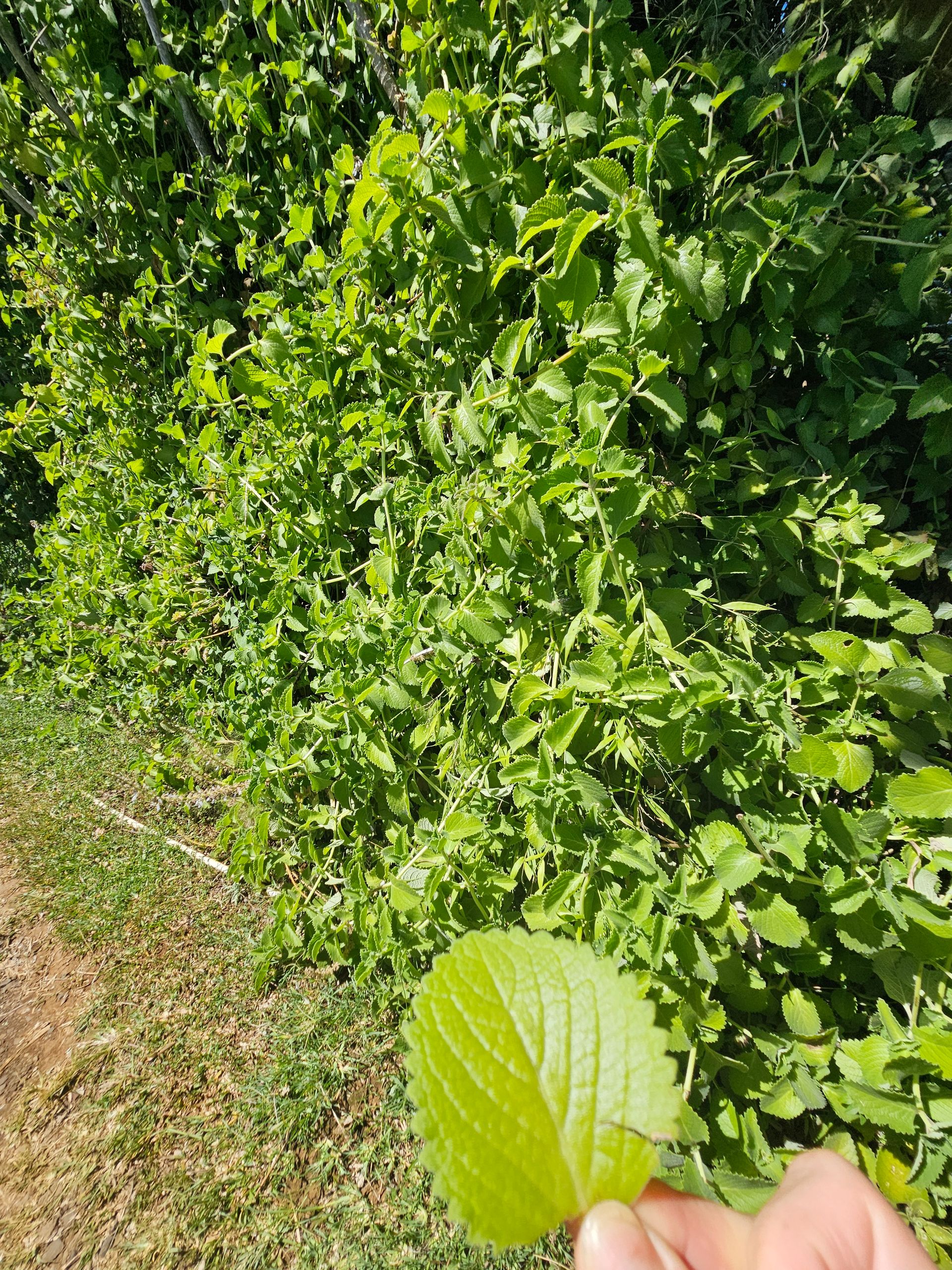
On the way back to the house, Agustín shows us many more fascinating useful plants that thrive right in the greenery. Besides fragrant oregano, pepper, ginger and small pineapple plants, a gigantic cactus impresses us, which typically bears the bright pink dragon fruit. It's quite stunning to see where and how all these fruits and spices grow that we usually only know from the supermarket shelves.
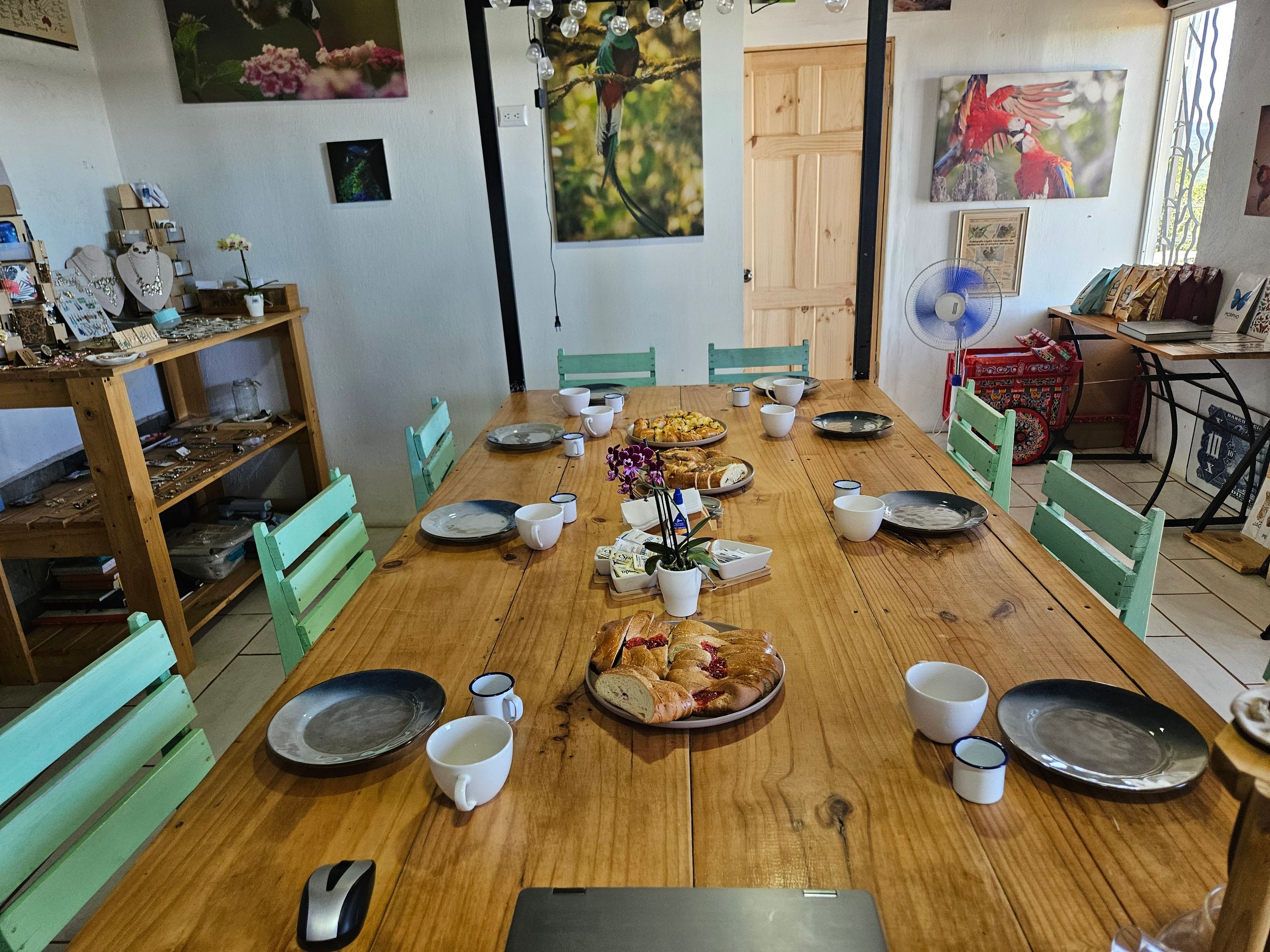
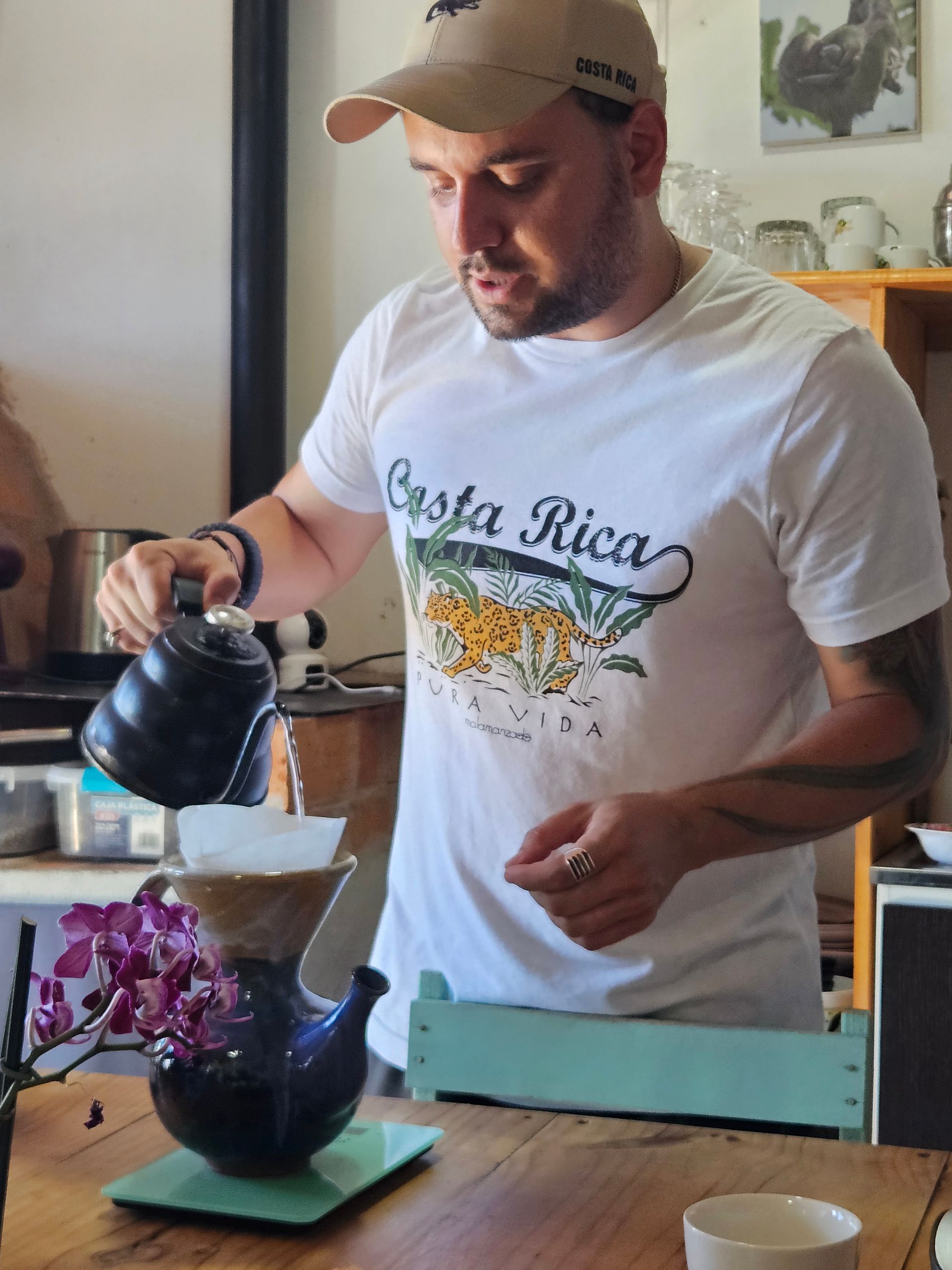
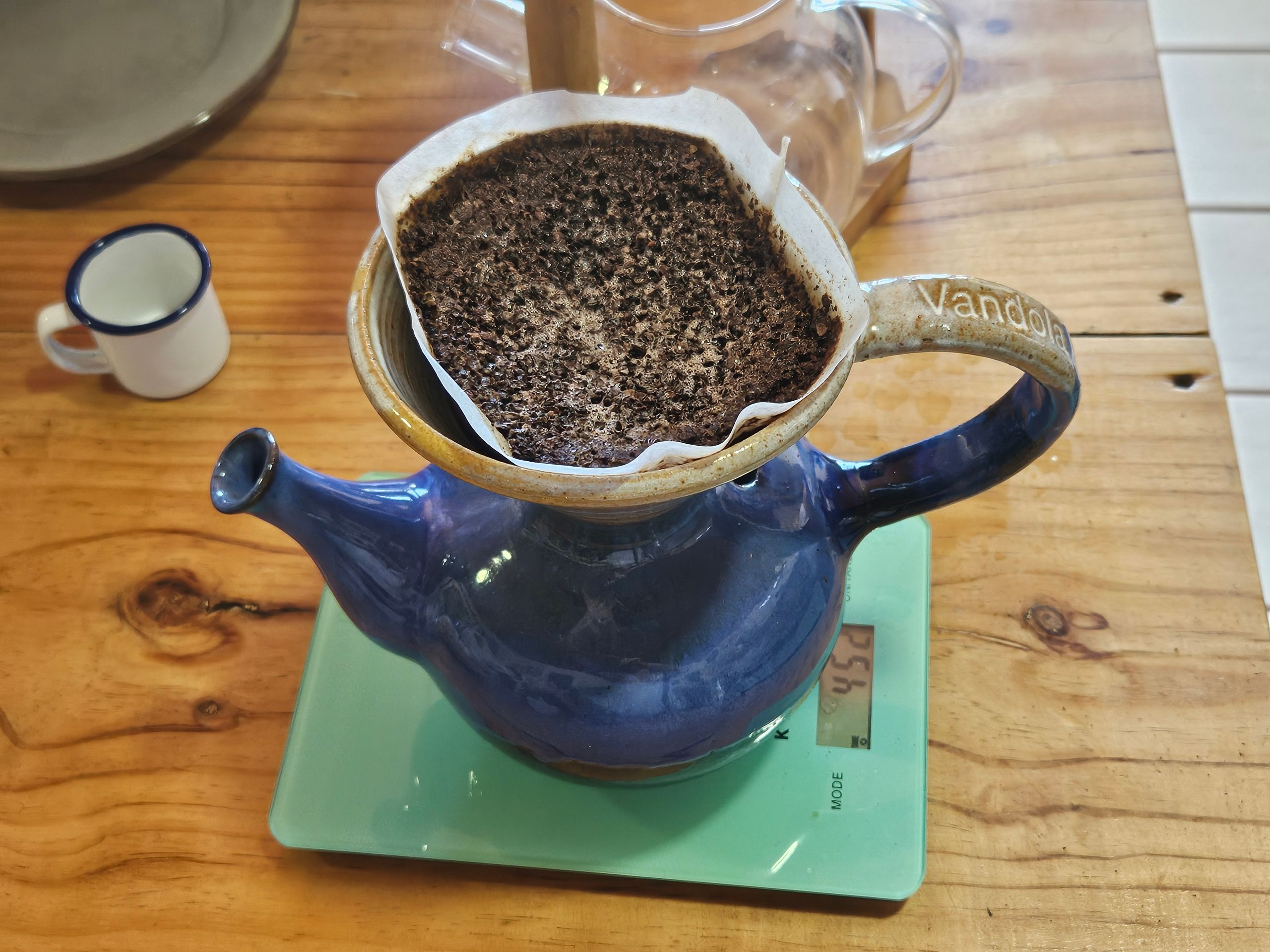
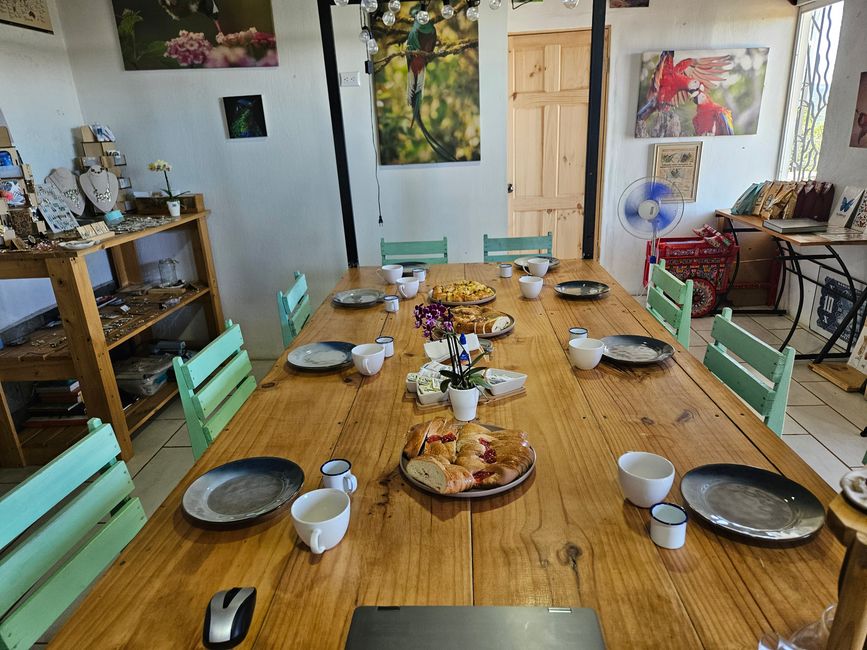
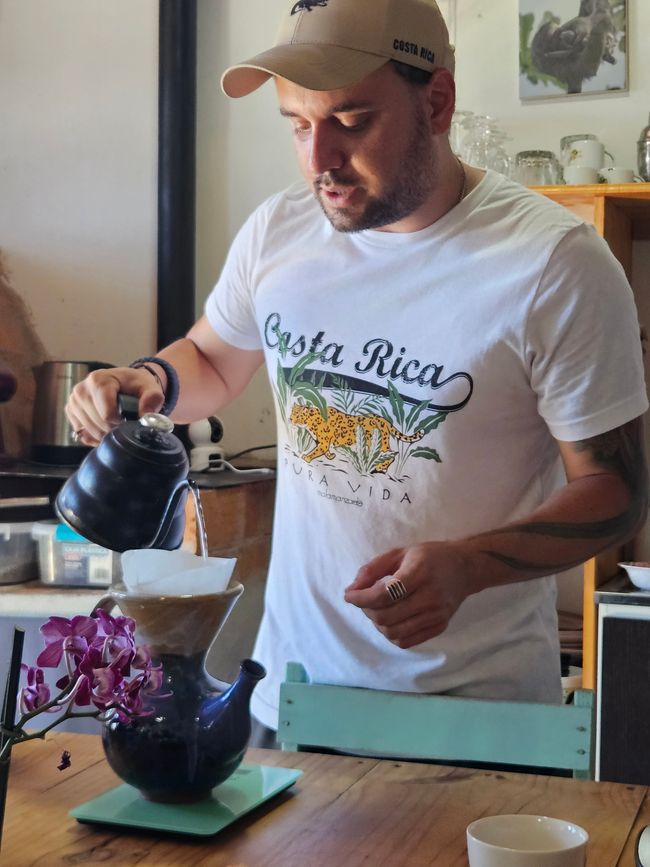
Back at the house, we take a seat at the lovingly set table, where sweet pastries are already prepared for us. Here, Agustín introduces us to the traditional Costa Rican art of coffee brewing and shows us both the classic Chorreador and the artistically shaped Vandola. The Chorreador is a simple wooden frame holding a small reusable cotton filter that allows hot water to drip slowly directly into the cup or pot. This brewing method has been a staple in Costa Rican households for generations because the fabric filter gently extracts the natural coffee oils and fine aromas while avoiding paper waste. Right next to it, the Vandola comes into play, a hand-crafted, rounded clay pitcher from the Guanacaste region, resembling a large coffee filter with an integrated spout, and it retains heat particularly well. We've already come across it in Cafeoteca in San José. As the fresh coffee brews slowly, spreading its wonderful aroma throughout the room, we enjoy this relaxed ritual together with the sweet pastries at the table.
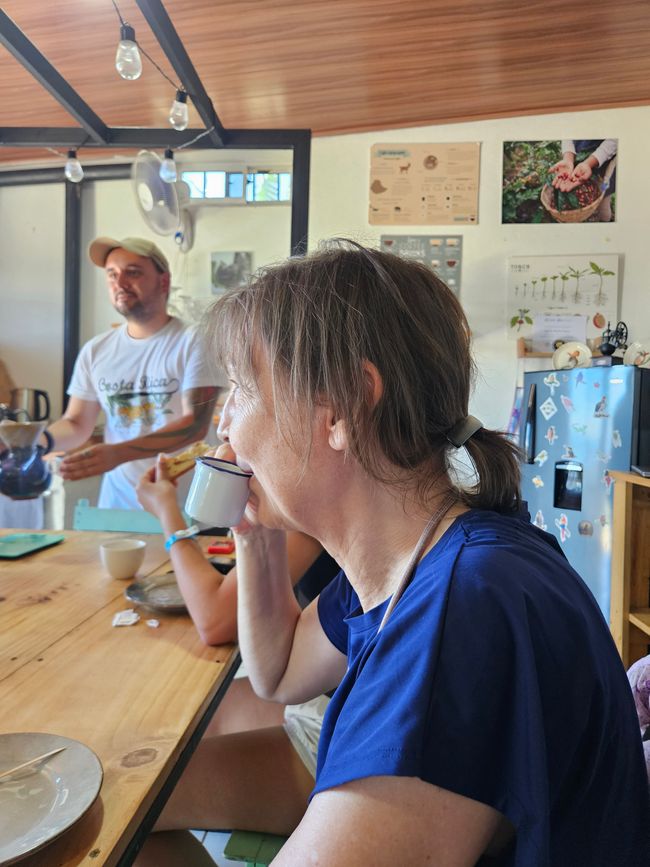
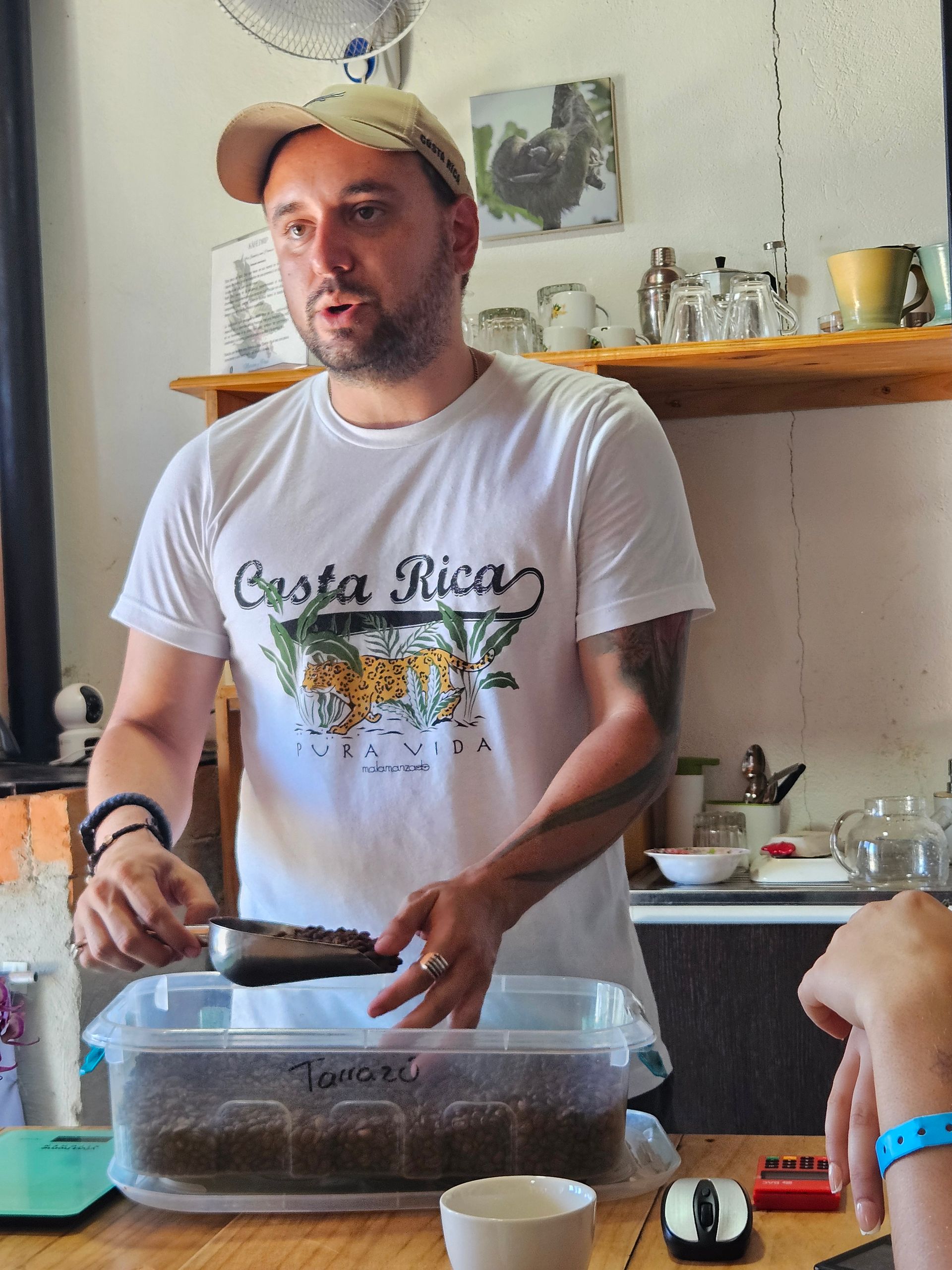
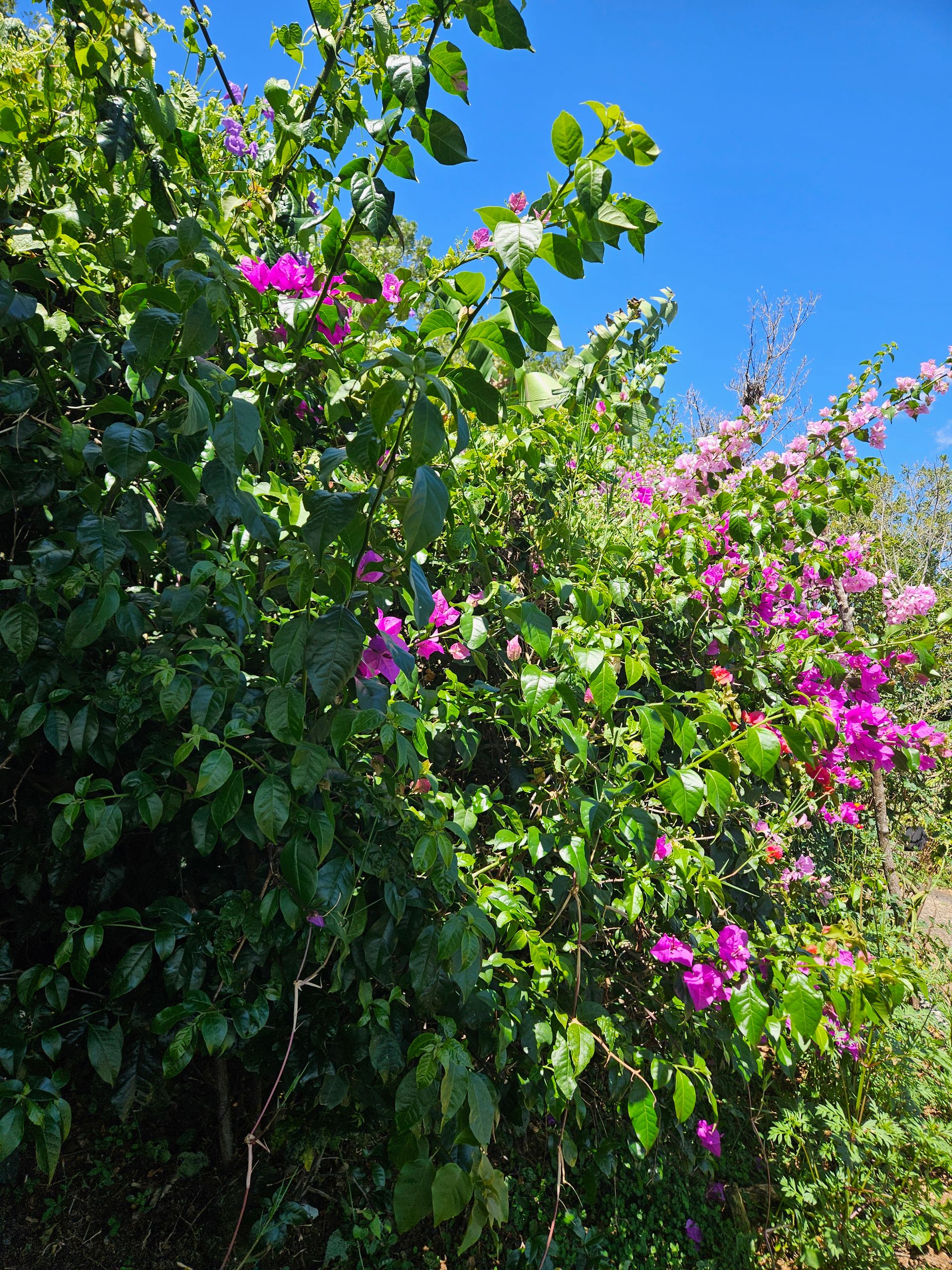
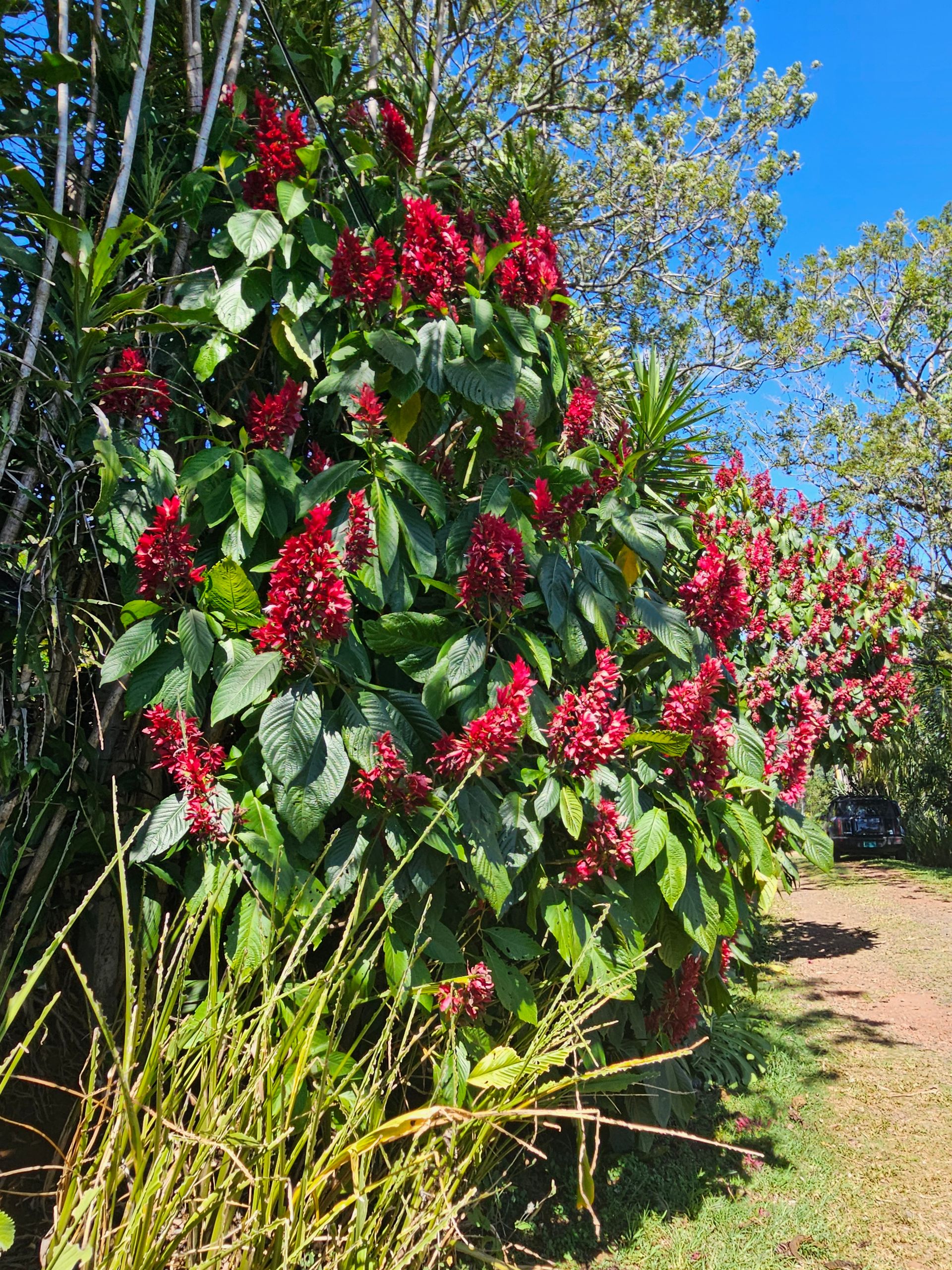
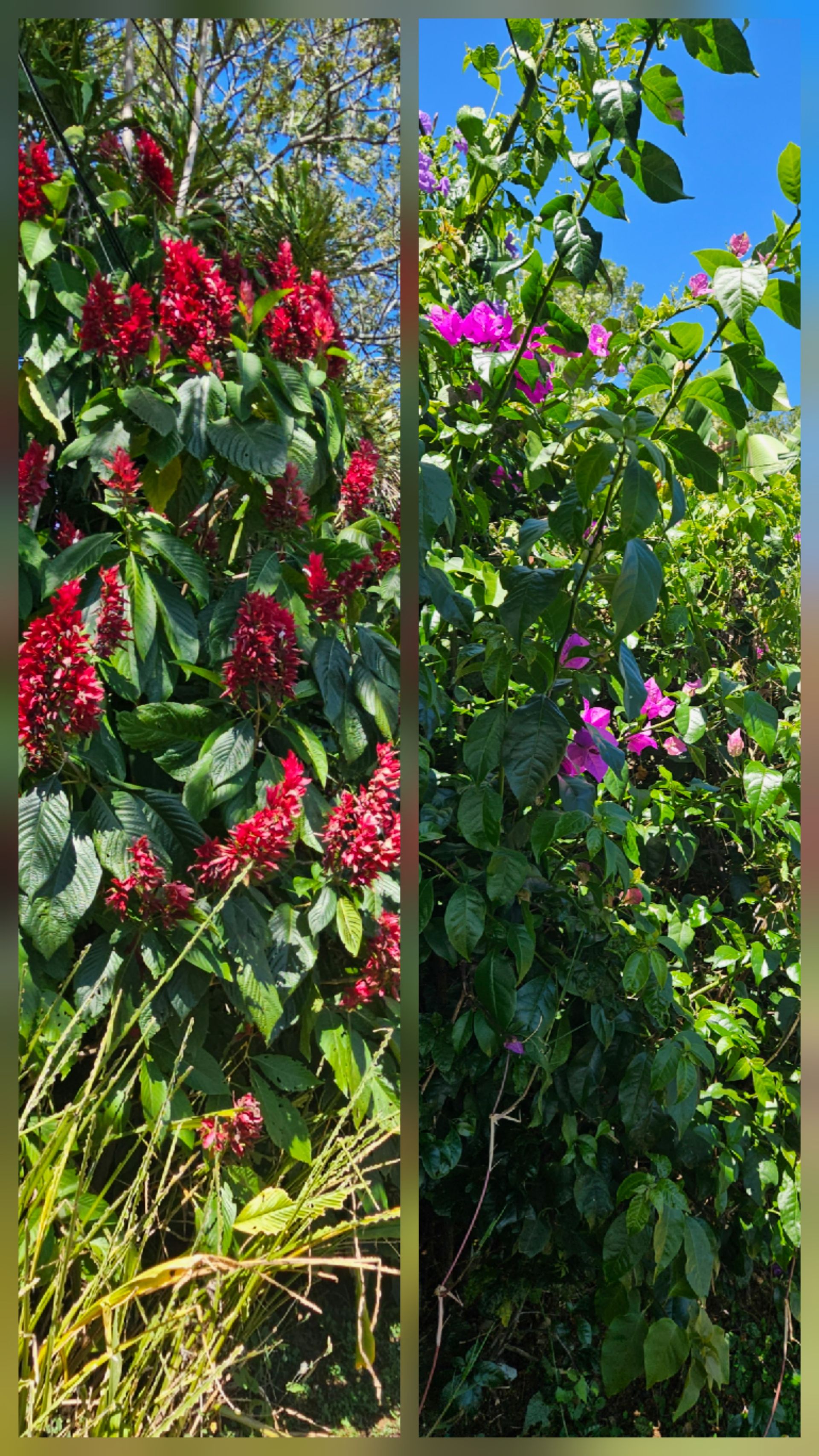
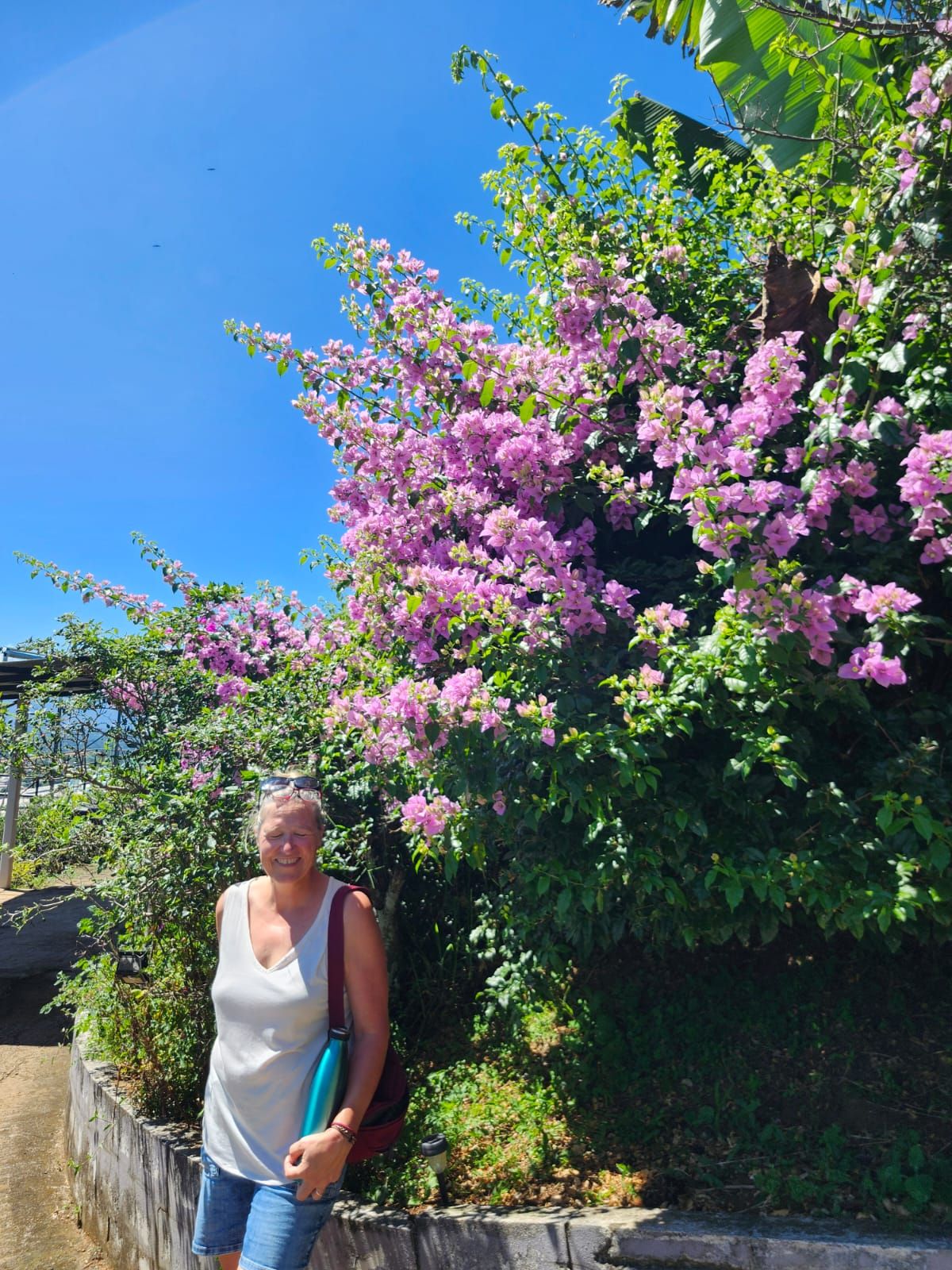
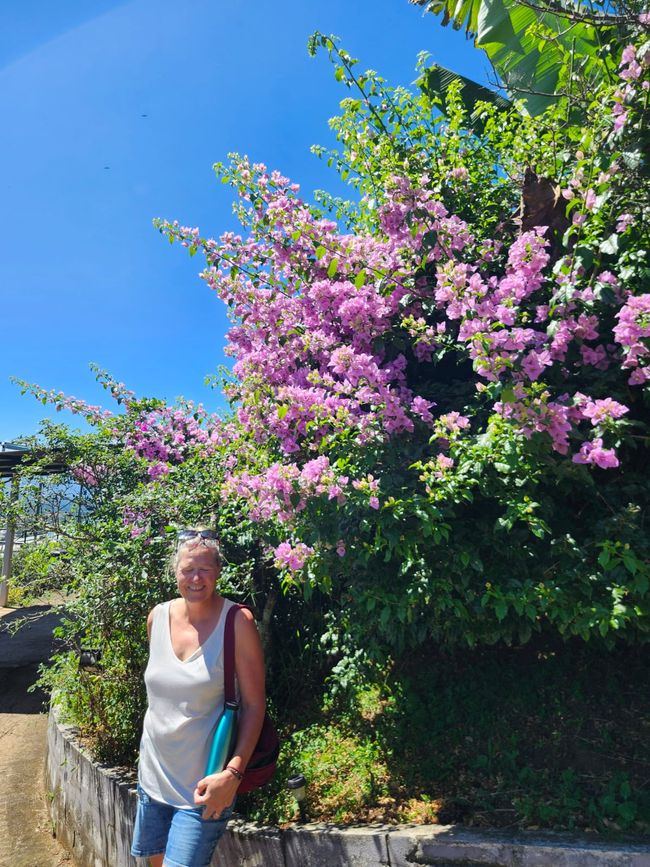
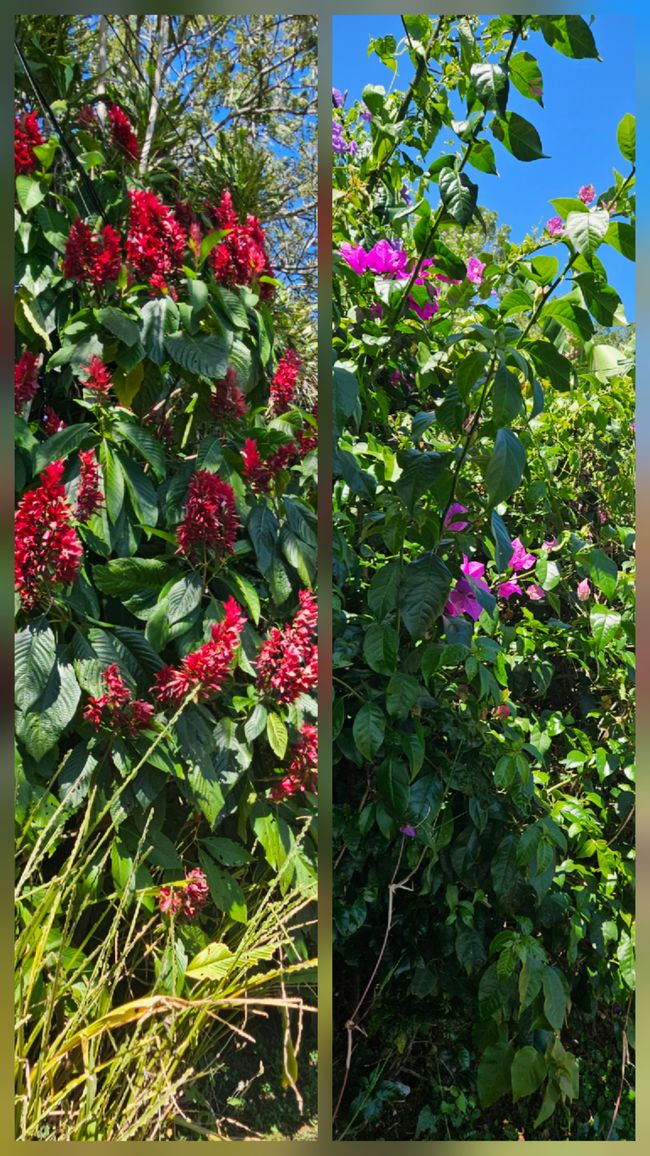
After this, Agustín provides us with countless details about coffee harvesting, processing, and roasting, which is extremely exciting and informative, even if I don't understand each specific term because everything is explained in English. Overall, we find the entire tour at Bitzü Coffee absolutely fantastic, incredibly informative, and definitely recommendable, especially because Agustín conveys everything with so much passion and noticeable enthusiasm. To finish off, we naturally stock up with a pack of freshly roasted coffee as a delicious souvenir for home before taking a small tour around the grounds to admire the many colorful blooming bushes. Then we set our little Jimny to four-wheel drive and climb back up the extremely steep ramp.
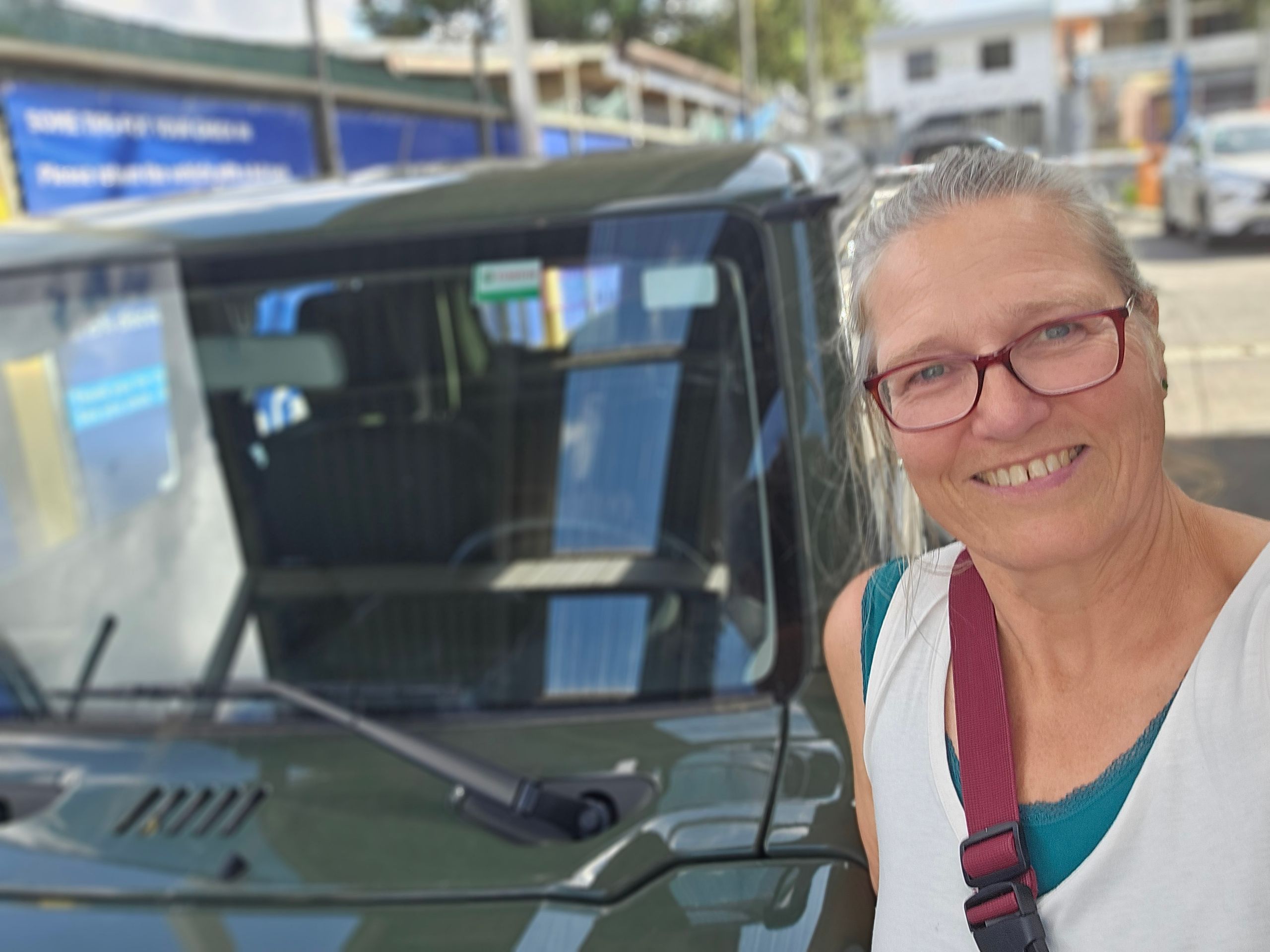
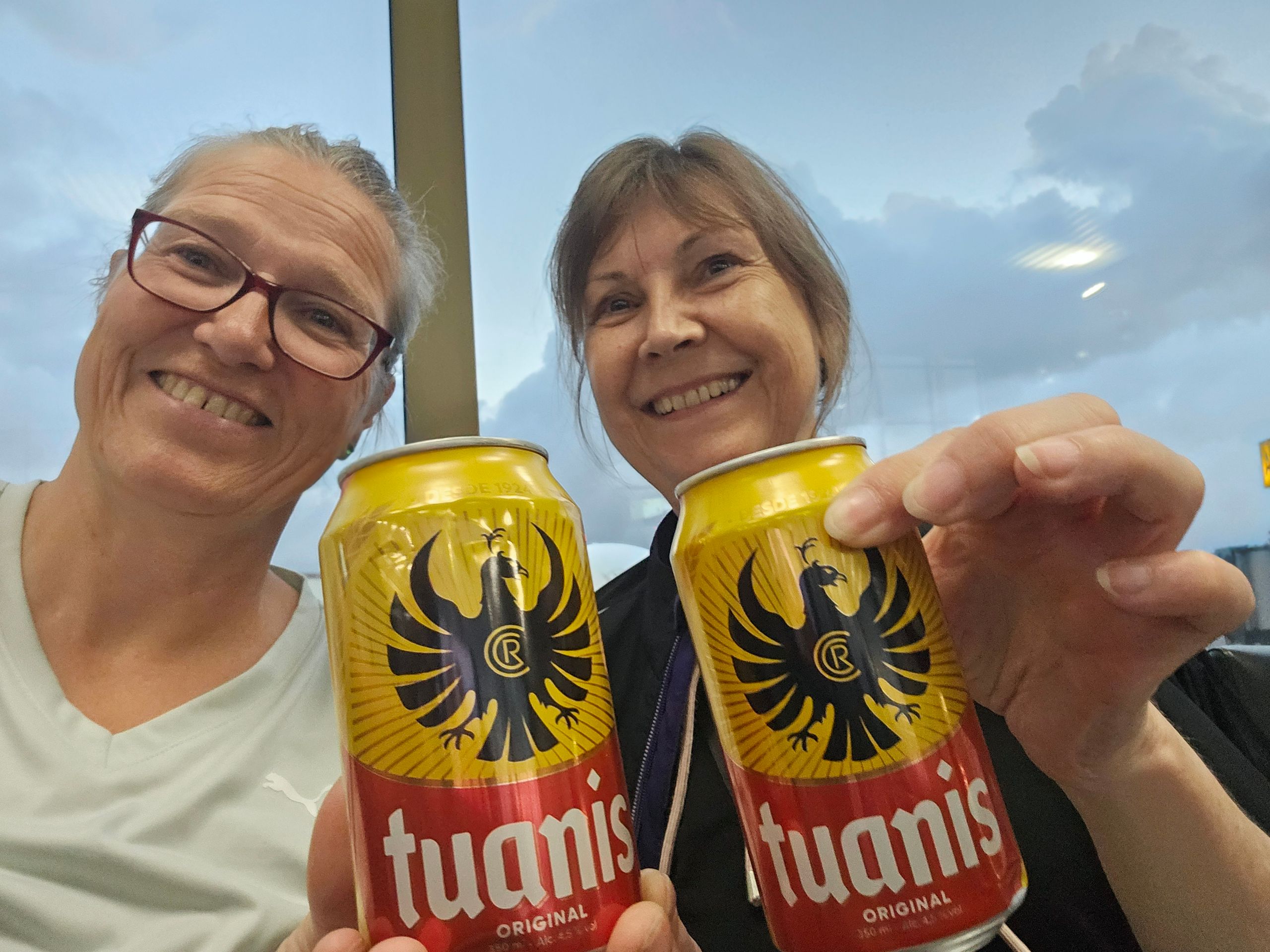
Back at the Cabinas Lindo Horizonte, we freshen up one last time, pack up the last of our things, and finally face the last significant traffic challenge of this trip: the drive down to the Jumbo Car rental. In the bustling city traffic around Alajuela, I am once again greeted by the full array of dense traffic, countless traffic lights, confusing intersections, sudden one-way streets, and buzzing motorcycles passing on both sides. When we finally arrive safely in the yard, I find it a bit hard to say goodbye to our Jimny because the little guy has been an absolutely loyal and reliable companion on every adventure we’ve had. With a touch of nostalgia, we step into the shuttle bus to the airport, where our unforgettable Costa Rica adventure finally comes to an end.
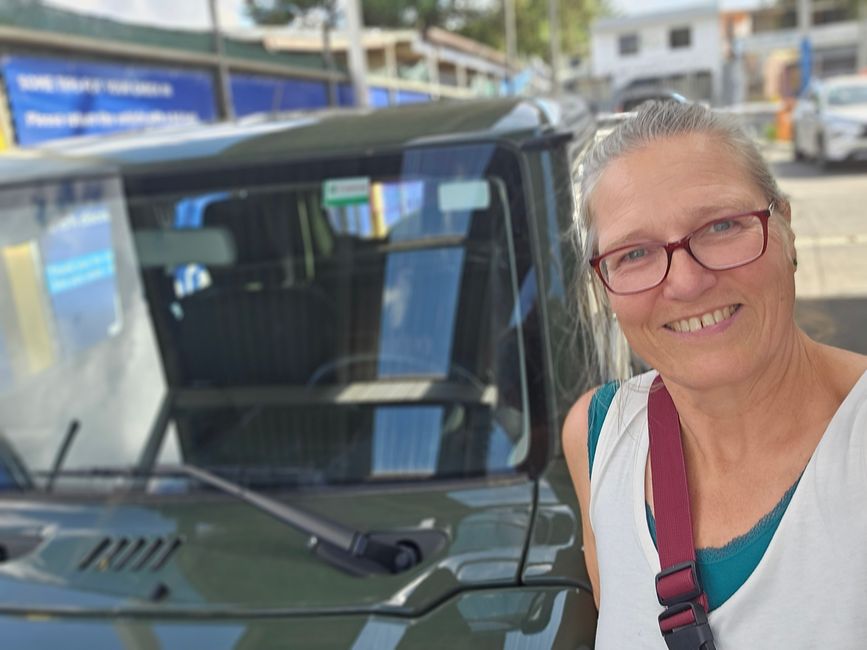
It was an incredibly intense, fantastic, adventurous, and varied trip with almost perfect weather and so many highlights that I couldn't possibly say what I liked the most: wild adventurous mountain roads with our loyal Jimny, impressive volcanoes, roaring waterfalls, the relaxed Caribbean coast, lonely Pacific bays, fascinating underwater worlds, magical animal encounters in the depths of the rainforest or right on the balcony - each single day has its own unforgettable stories. After 1,571 km across Costa Rica, we are now heading home with countless impressions in our luggage and a deep sense of Pura Vida in our hearts, knowing already that this little paradise of nature will accompany us for a long time to come. PURA VIDA.