
Drottningholm Palace and ABBA Museum - Stockholm by motorhome
On our way to Stockholm, we visited the royal palace and then the museum of the world-famous music group.
Published: 16.08.2025
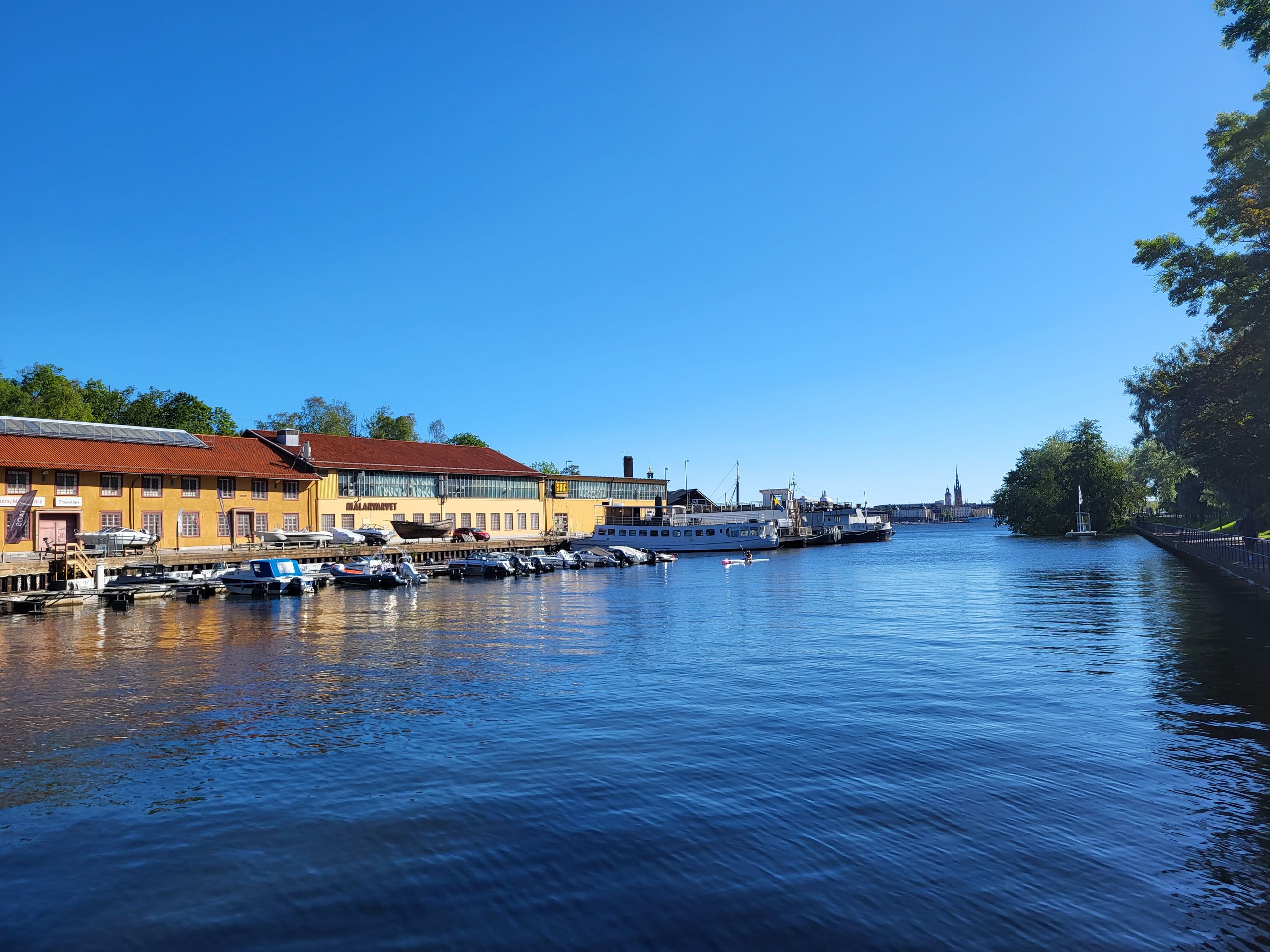
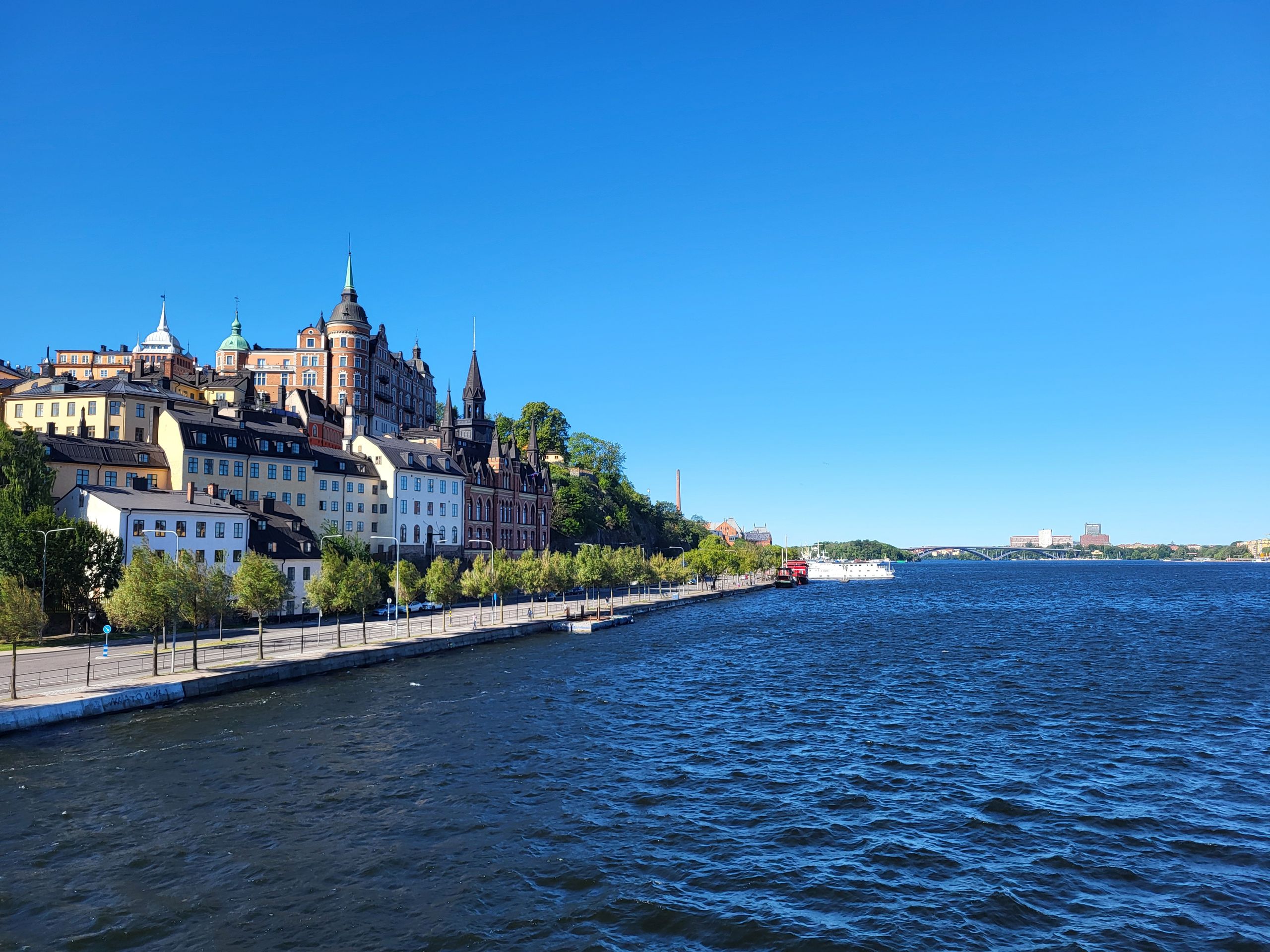
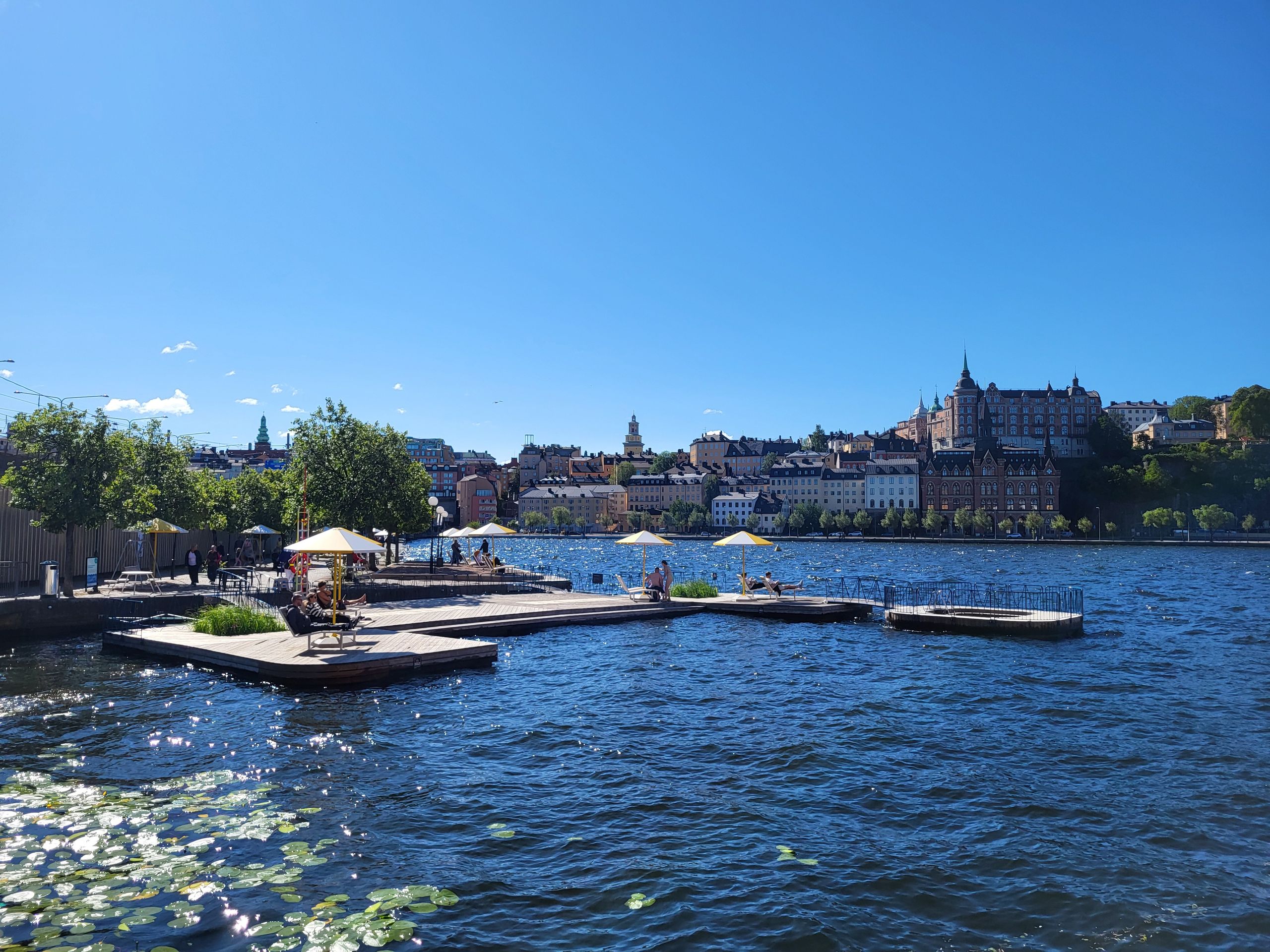
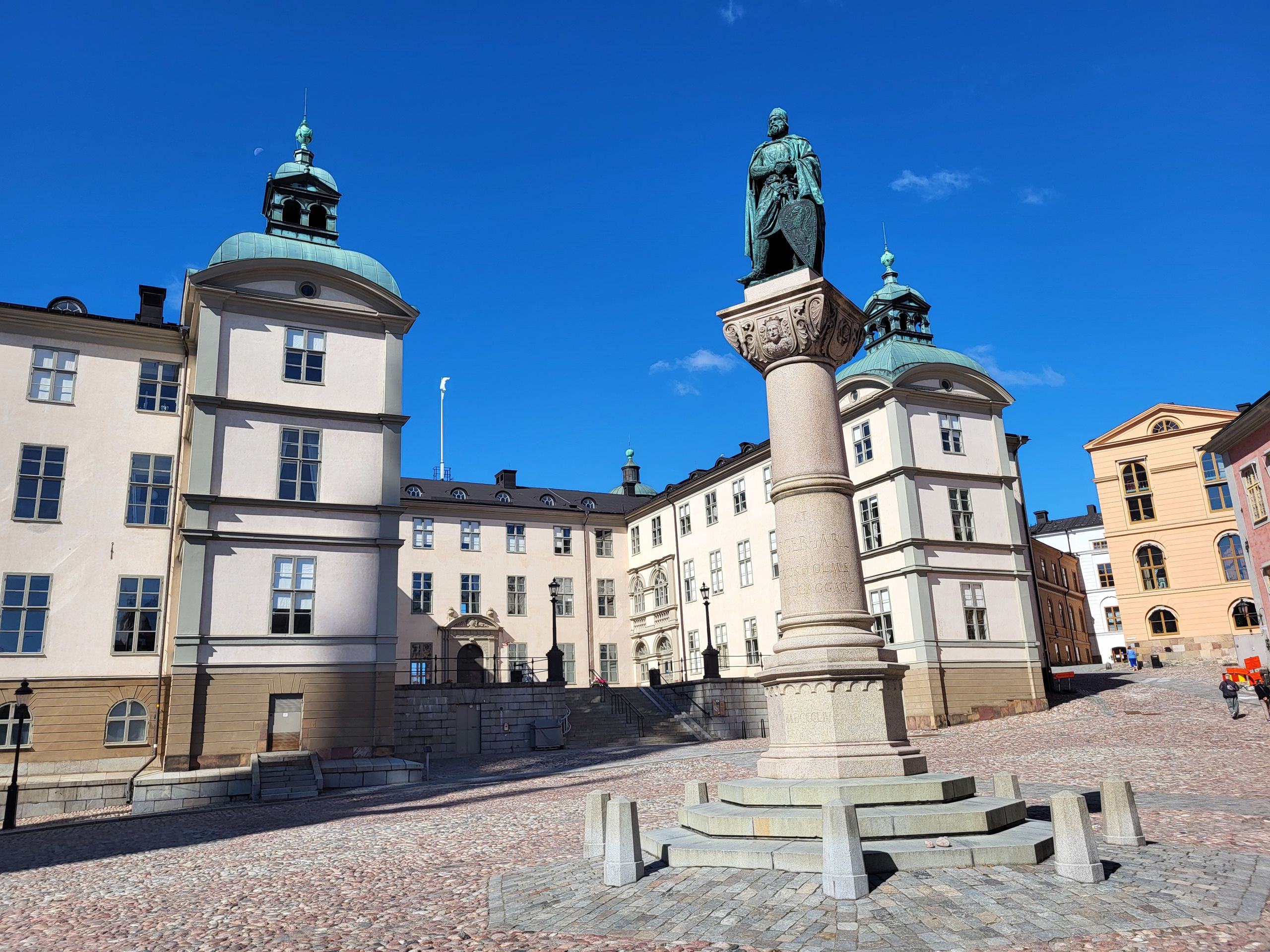
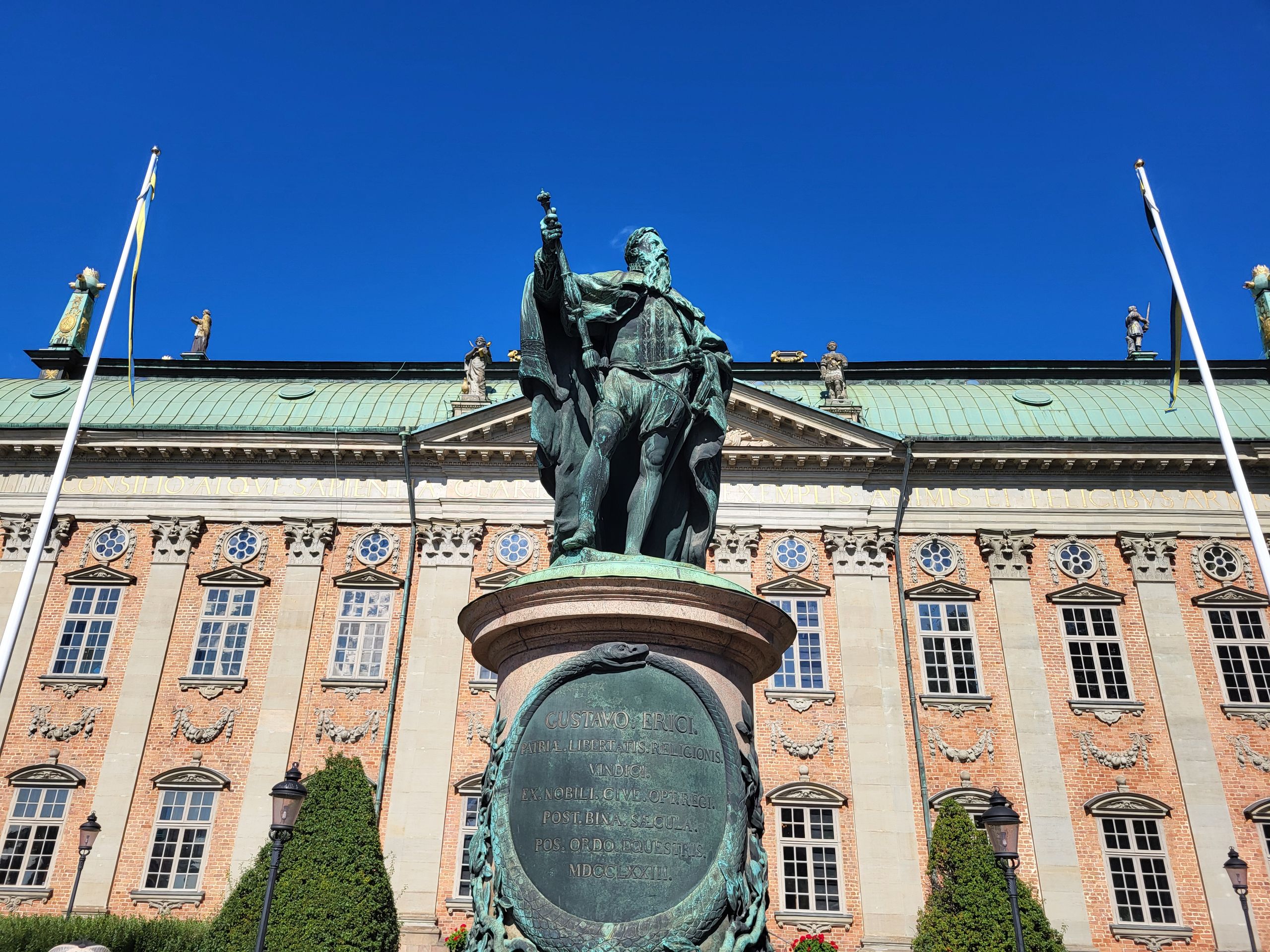
In the morning, we signed up for a free city tour in German, walking along the waterfront from our motorhome campsite on Långholm (we slept under the big bridge).
We met our German tour guide outside the Tunelbana at a beach-like section of the bridge.
Swings and lounge chairs invite you to linger here.
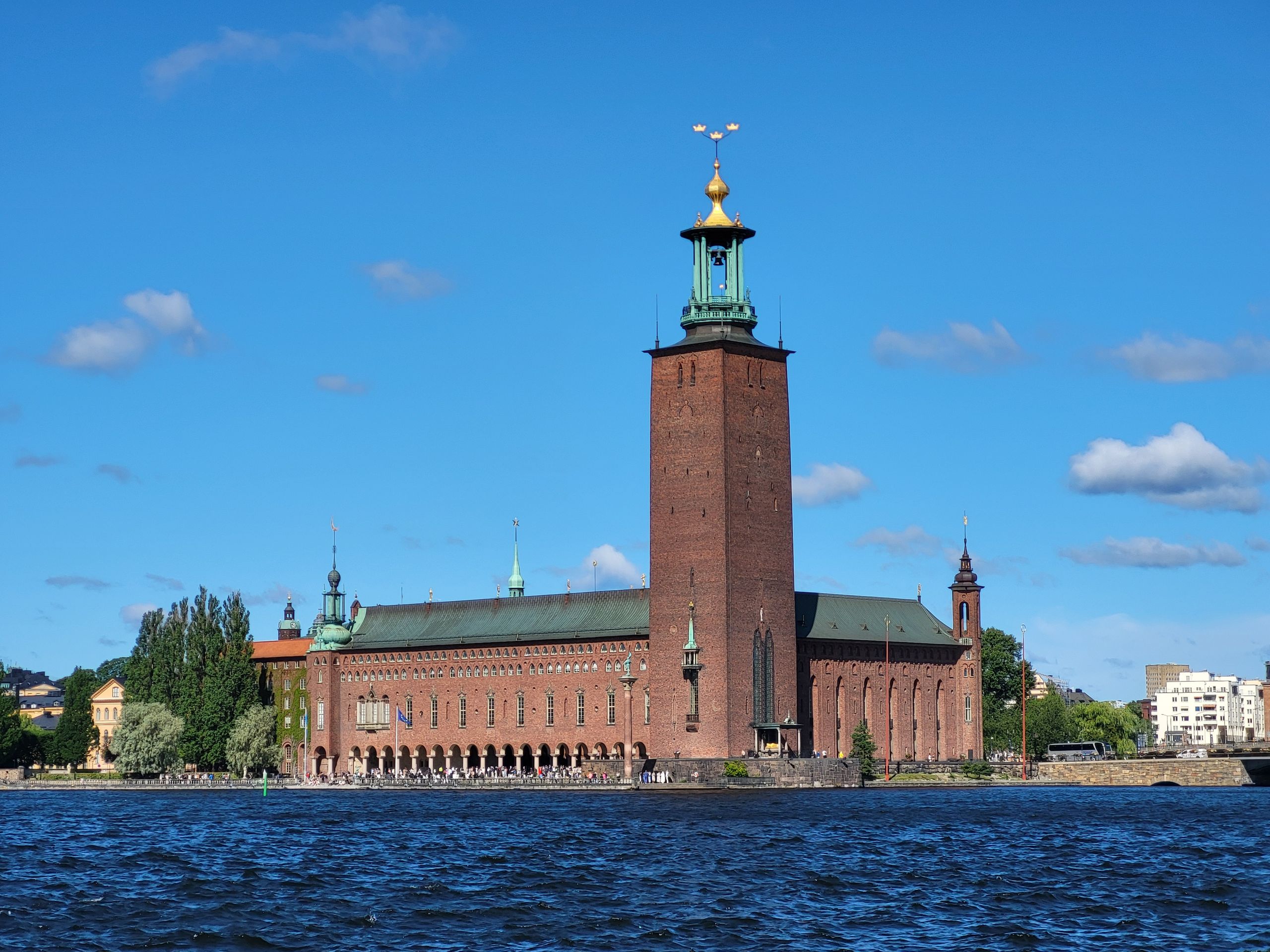
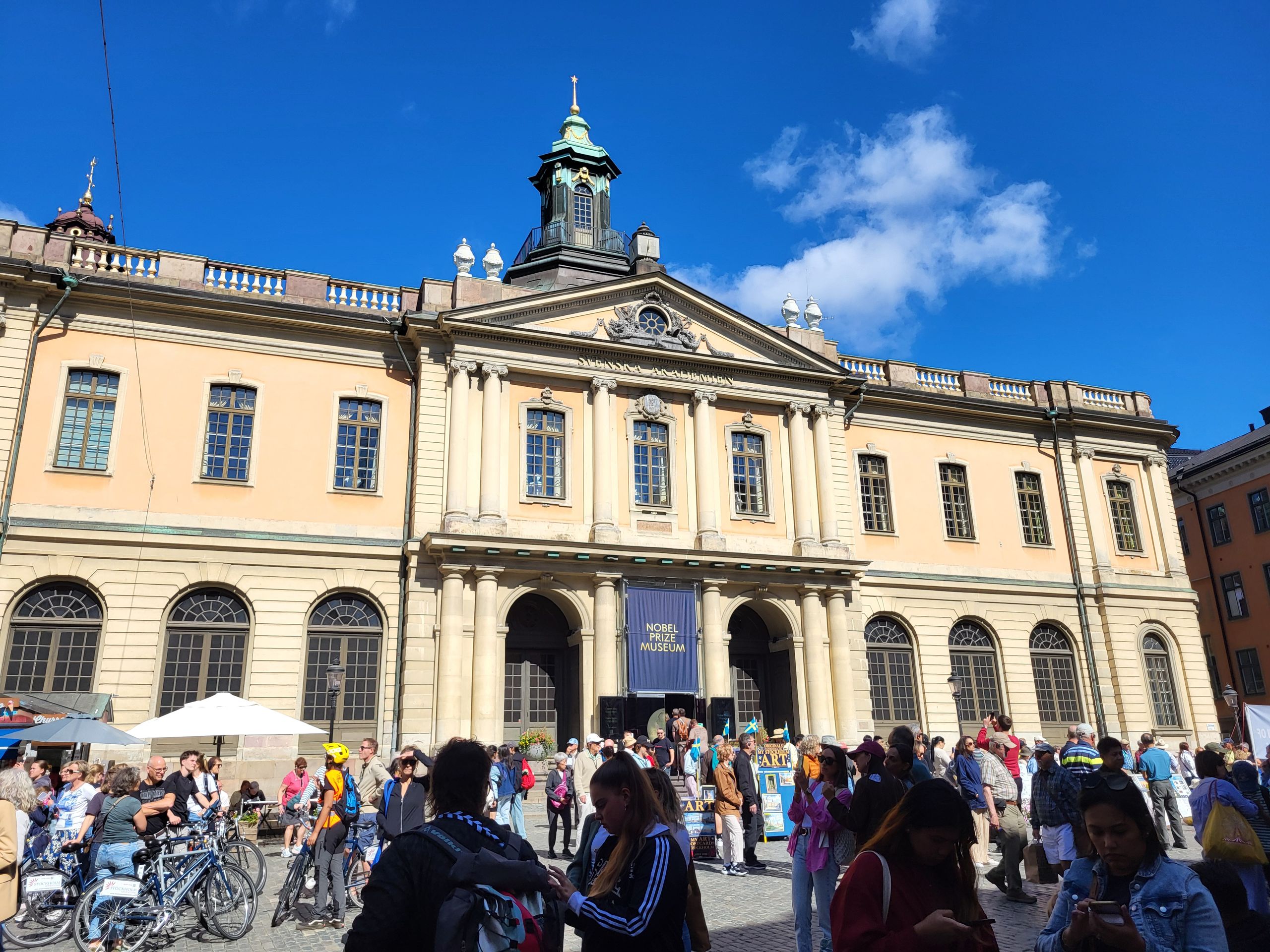
On our way, we took a look at the former Stockholm City Hall, where the banquet for the Nobel Prize award ceremony takes place today.
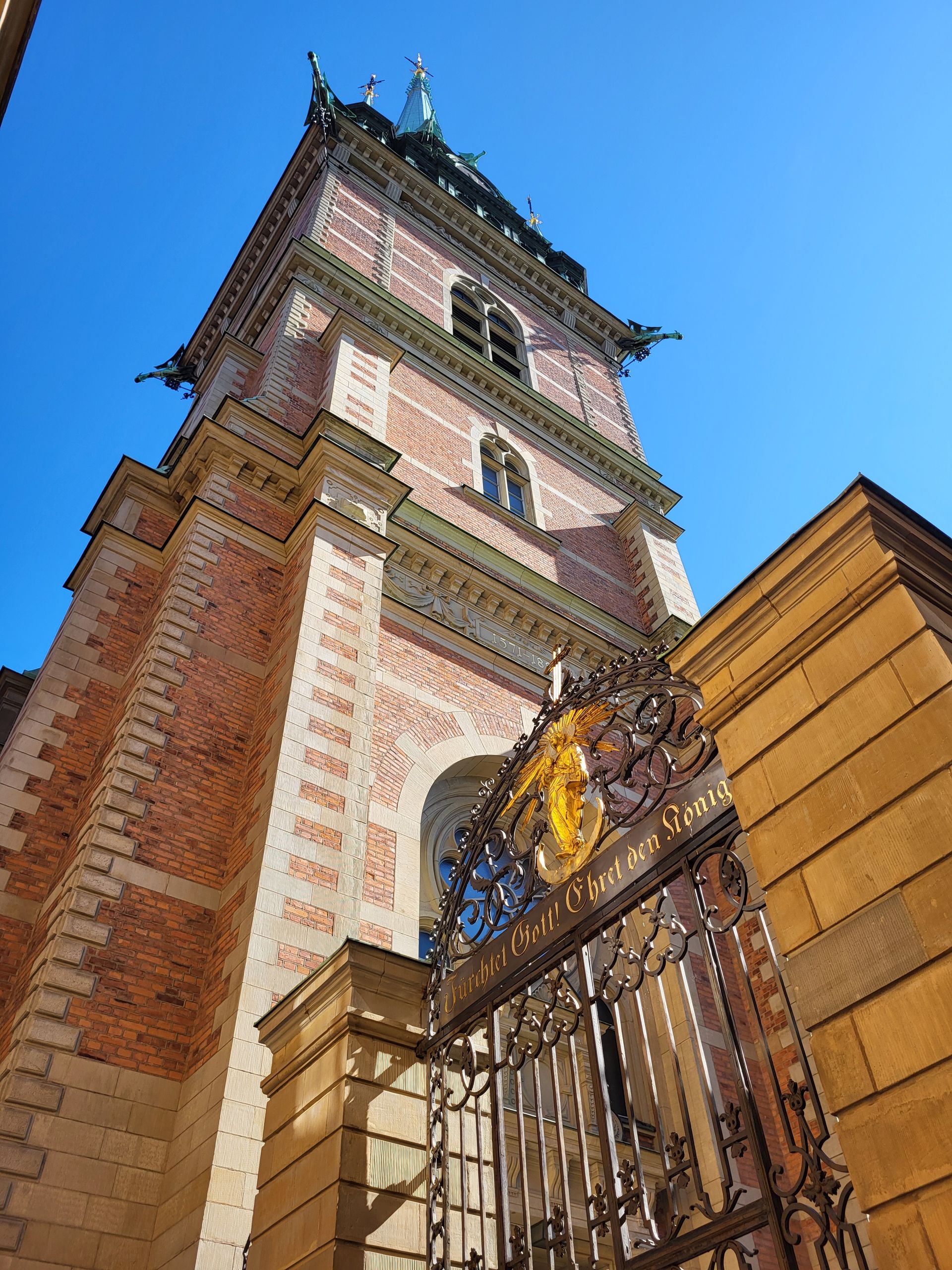
Then we soon headed into the Old Town, Gamla Stan, where we went to the German quarter.
In Stockholm, several groups from other countries were settled in the past to bring their expertise to the country.
The German community was one of the largest and also one of the wealthiest.
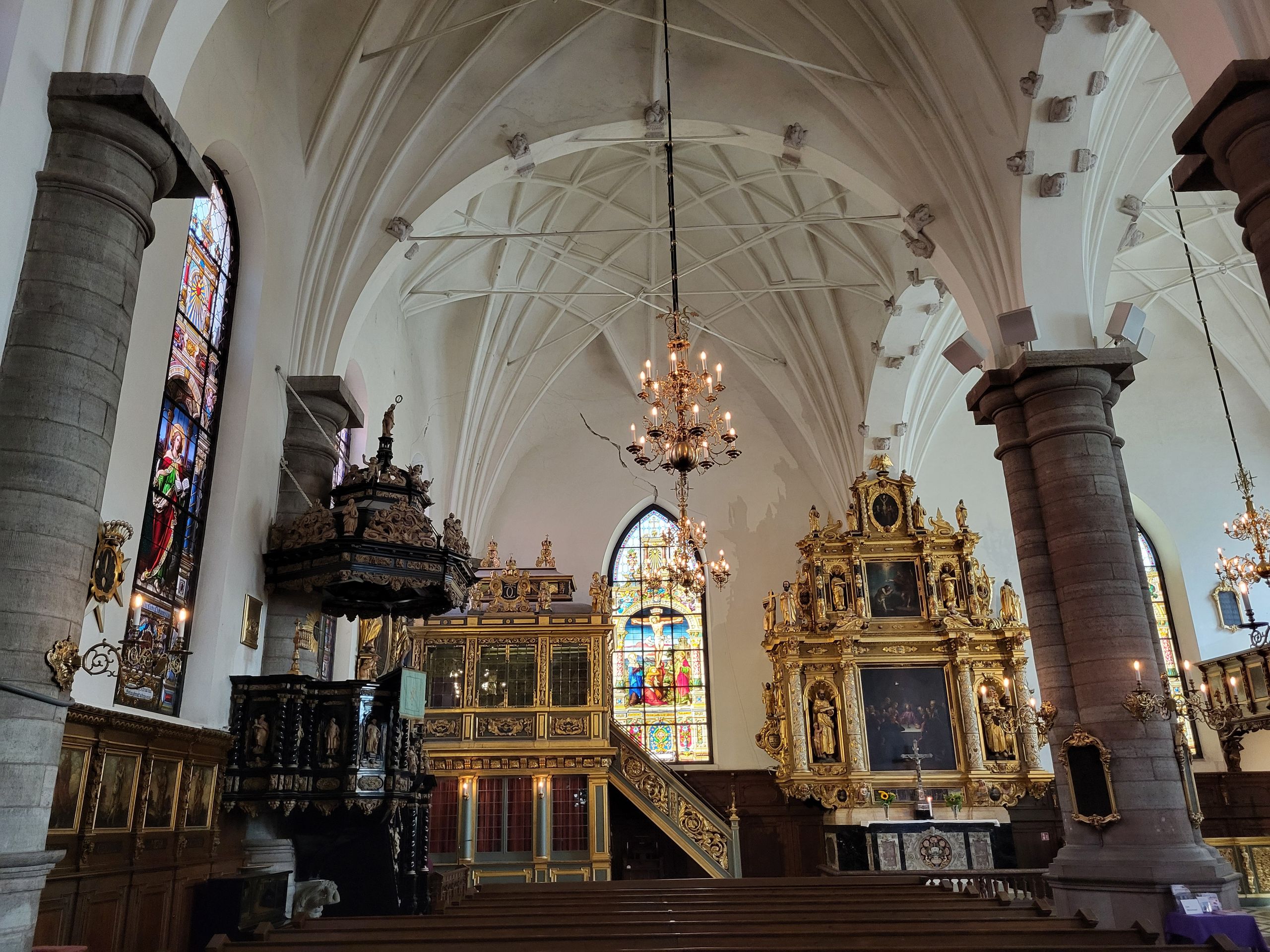
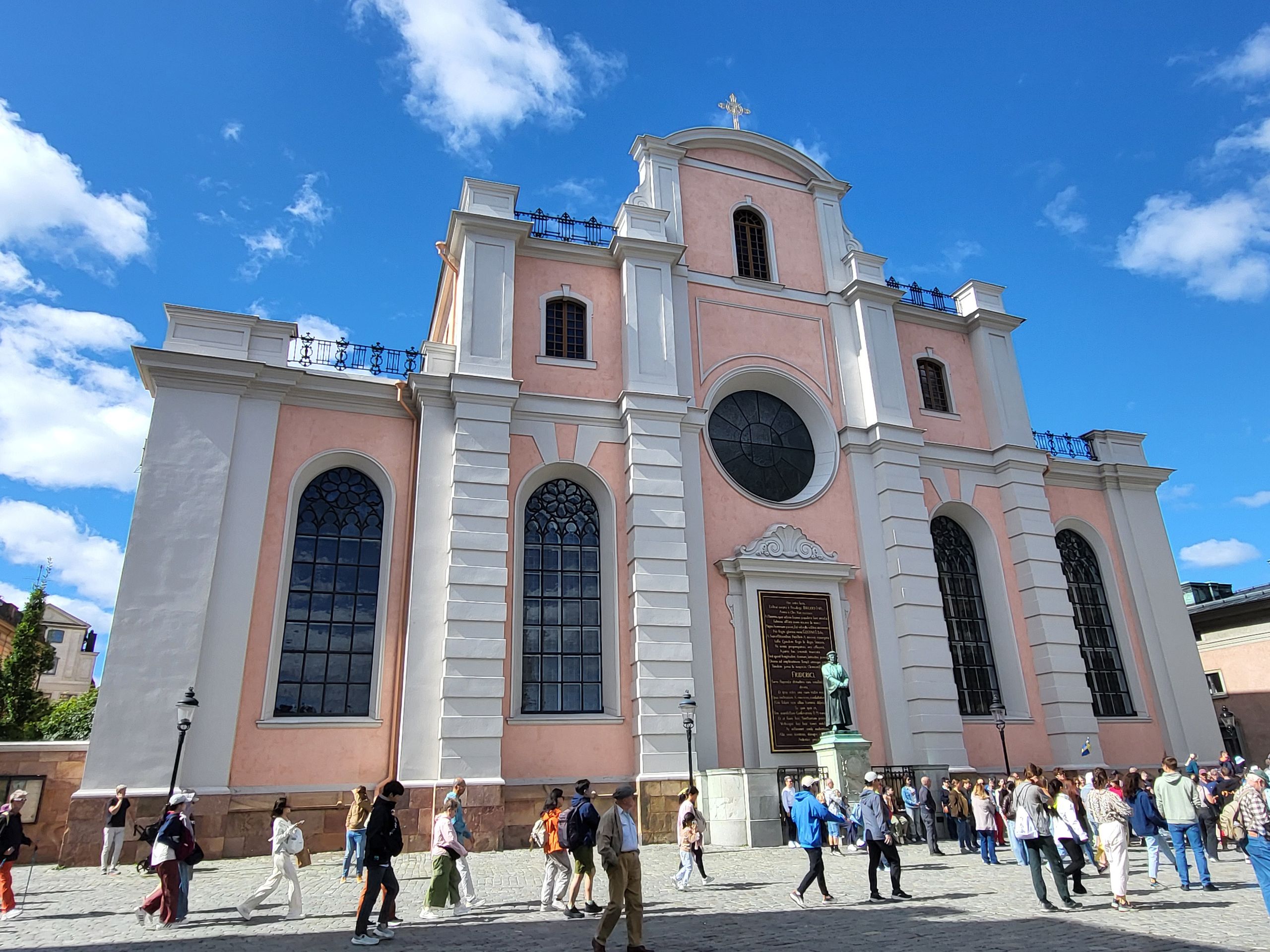
Thus, they were able to finance the construction of a large church that is also magnificently decorated with gold inside.
This met with rejection from the Swedish residents of Stockholm and made the builders unpopular among them. However, nowadays the Swedes - according to our tour guide - like the Germans because they enjoy going on vacation to Germany...
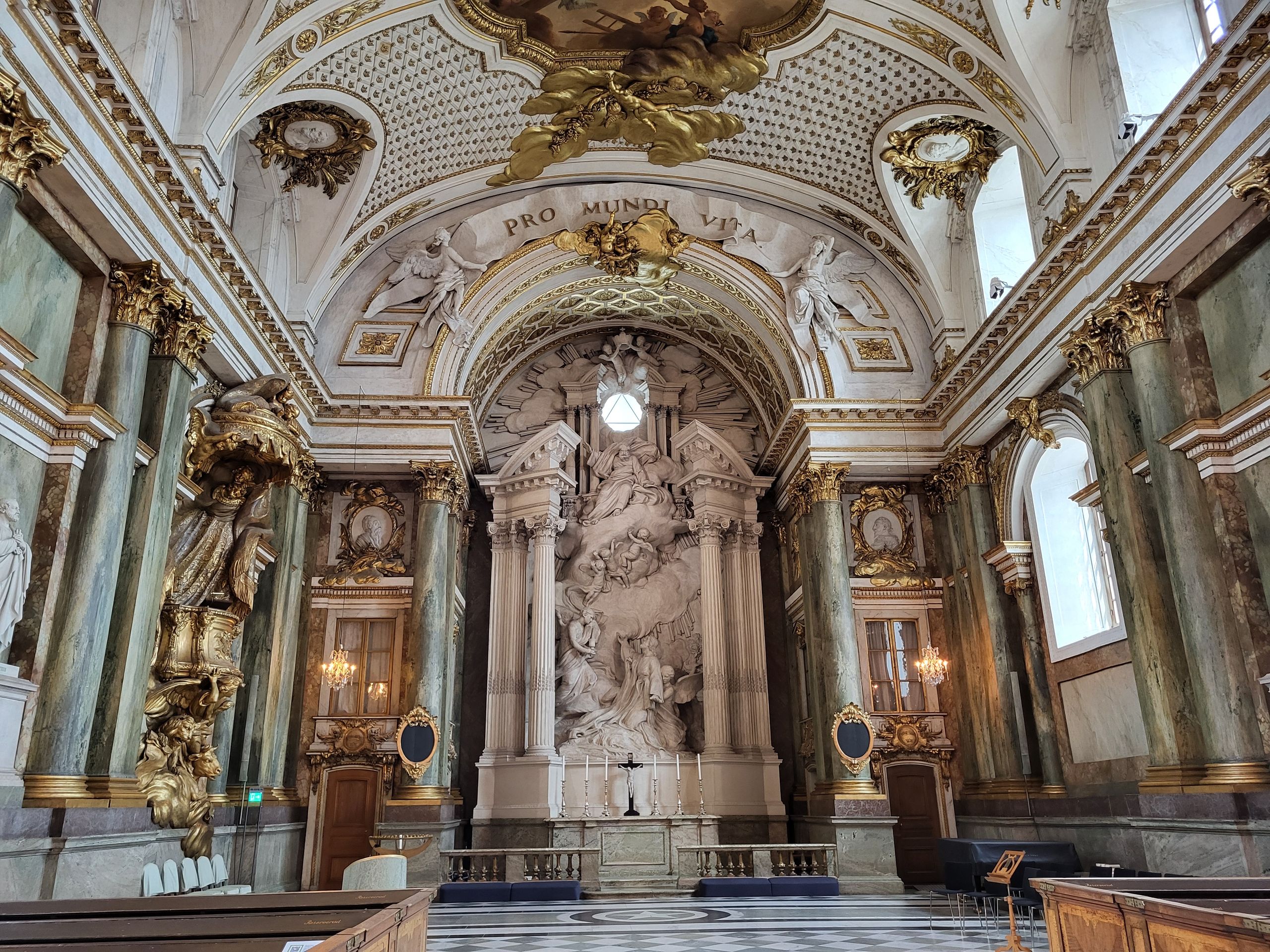
At the time of the changing of the guard, we passed by the royal palace and briefly saw the chapel with the changeover marching past us, right next to the Nikolaj Church, where the coronations and weddings of the monarchs also take place.
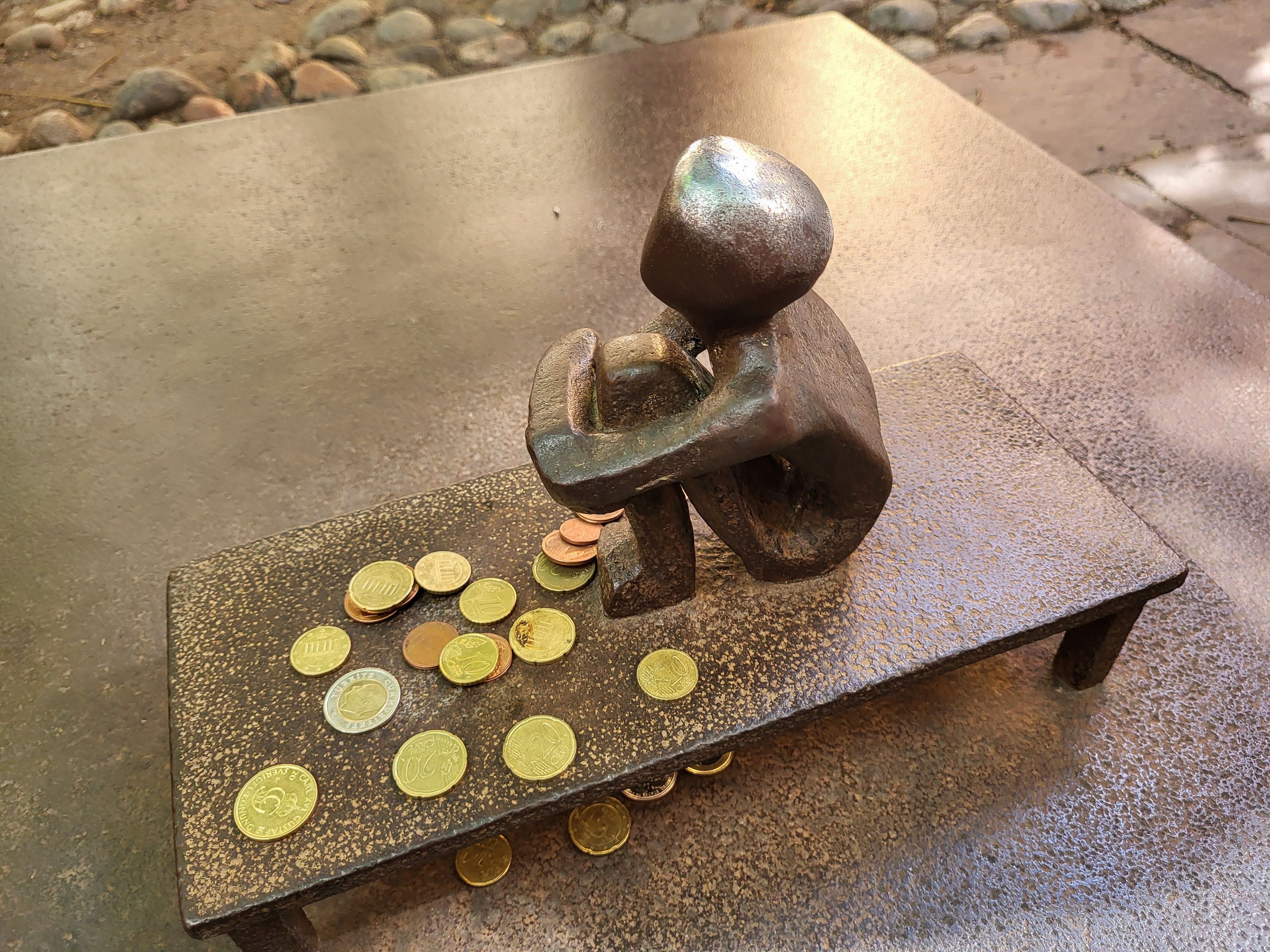
At the end, the tour guide showed us the smallest statue in the city, located in a courtyard behind the Finnish church across from the palace: a small boy sitting on a plate with some coins on it. He is said to grant a wish every day if one strokes his head three times and places a coin on him. The money is then collected by the Finnish community and used for those in need.
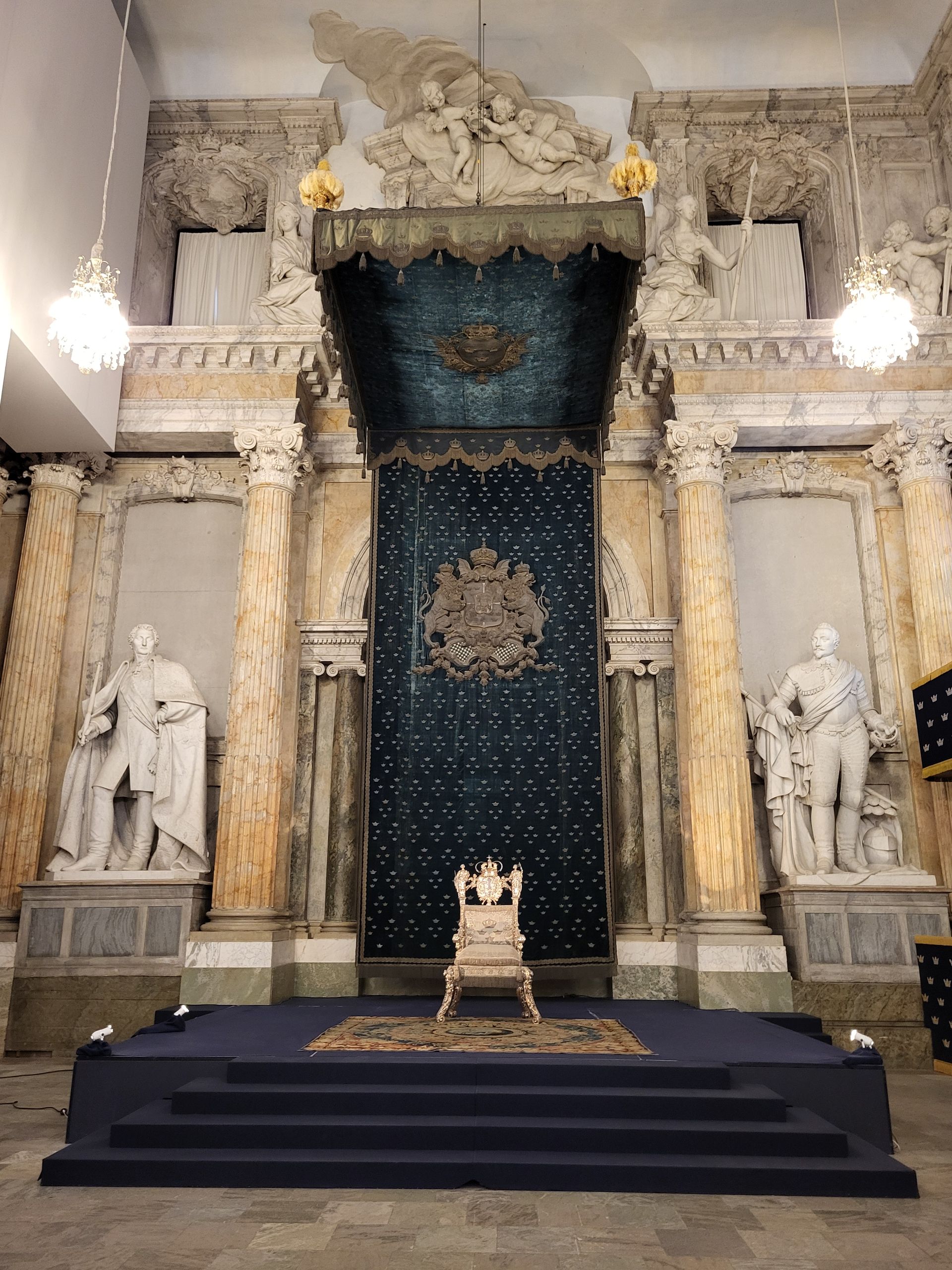
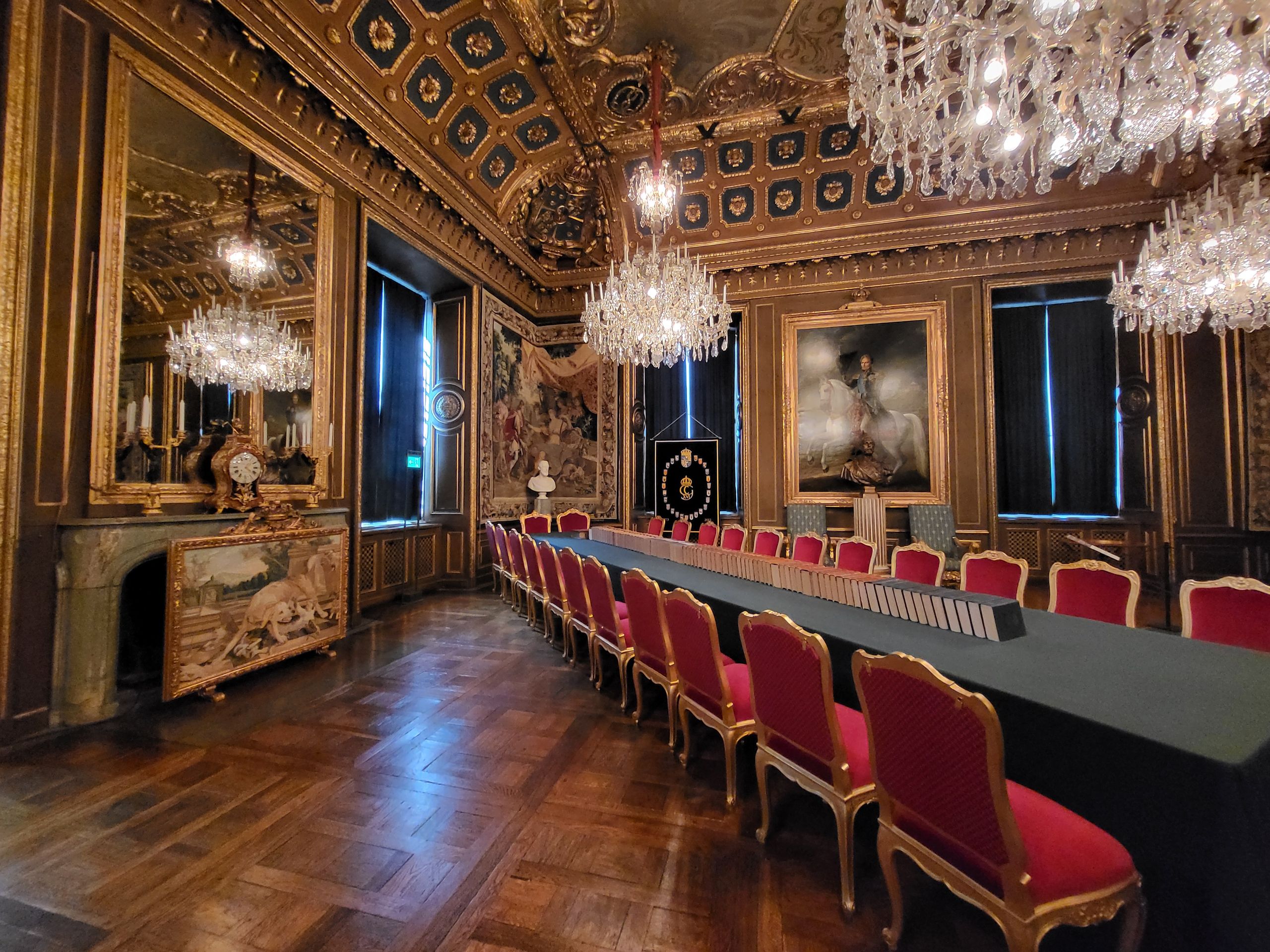
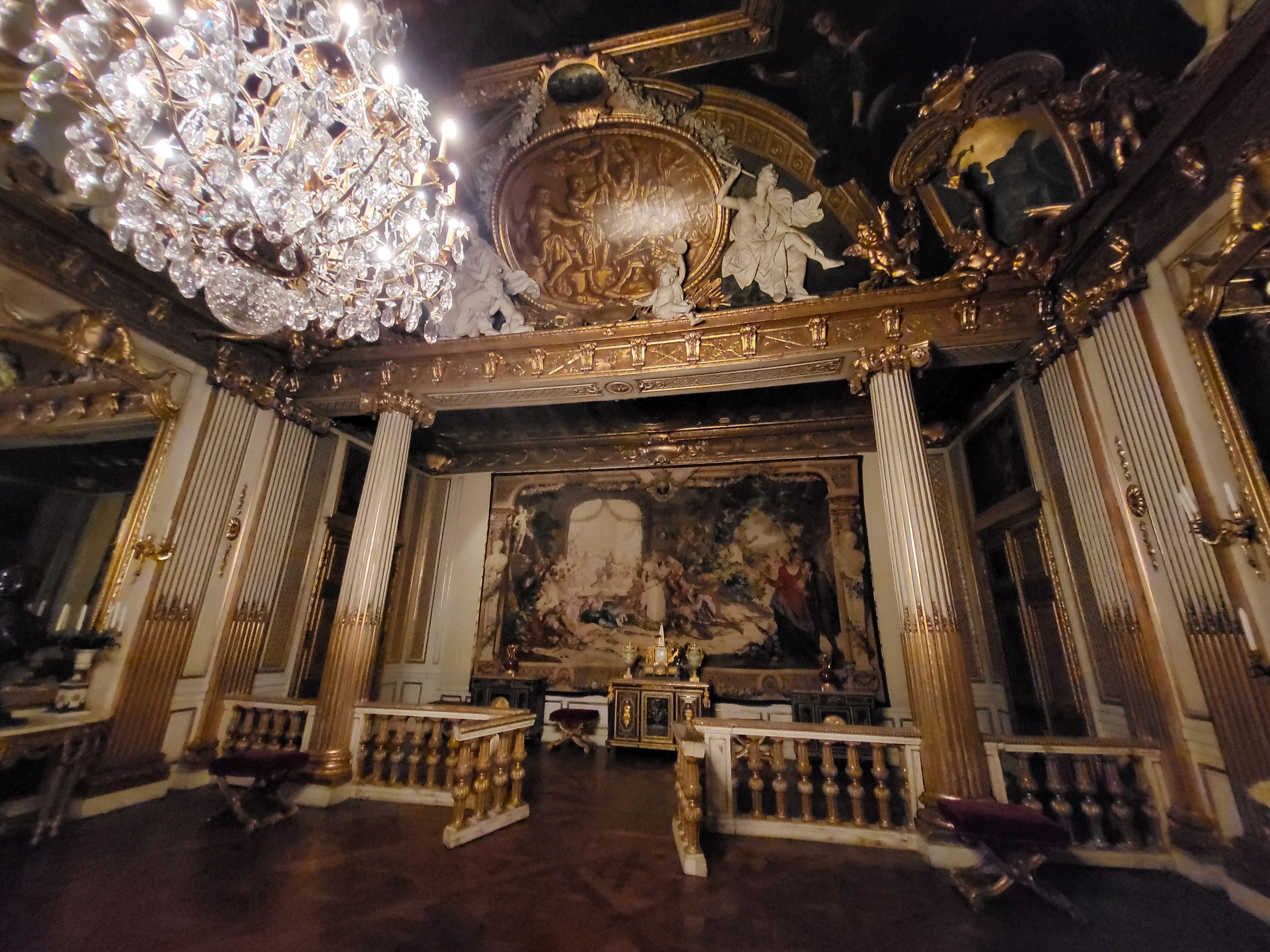
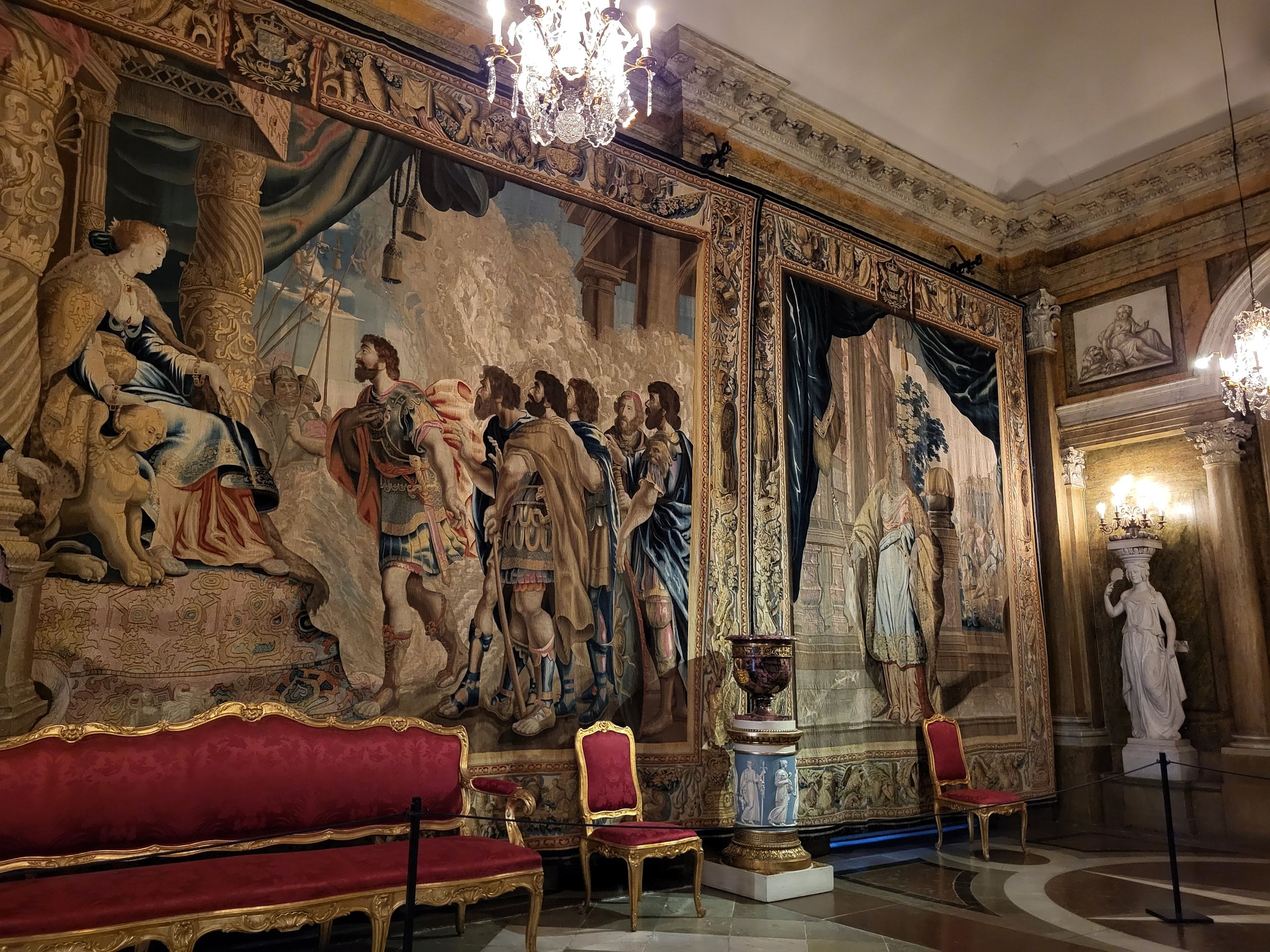
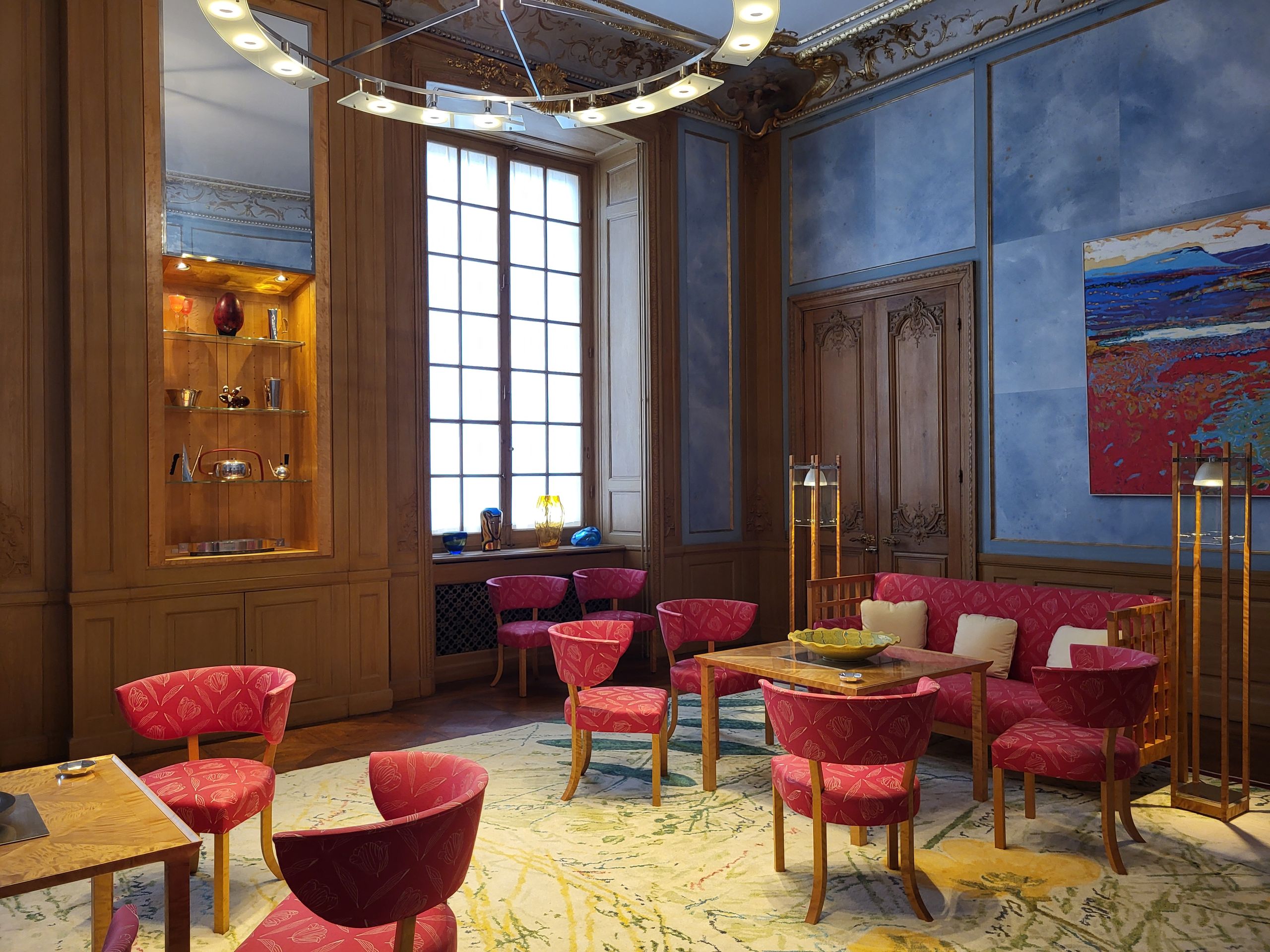
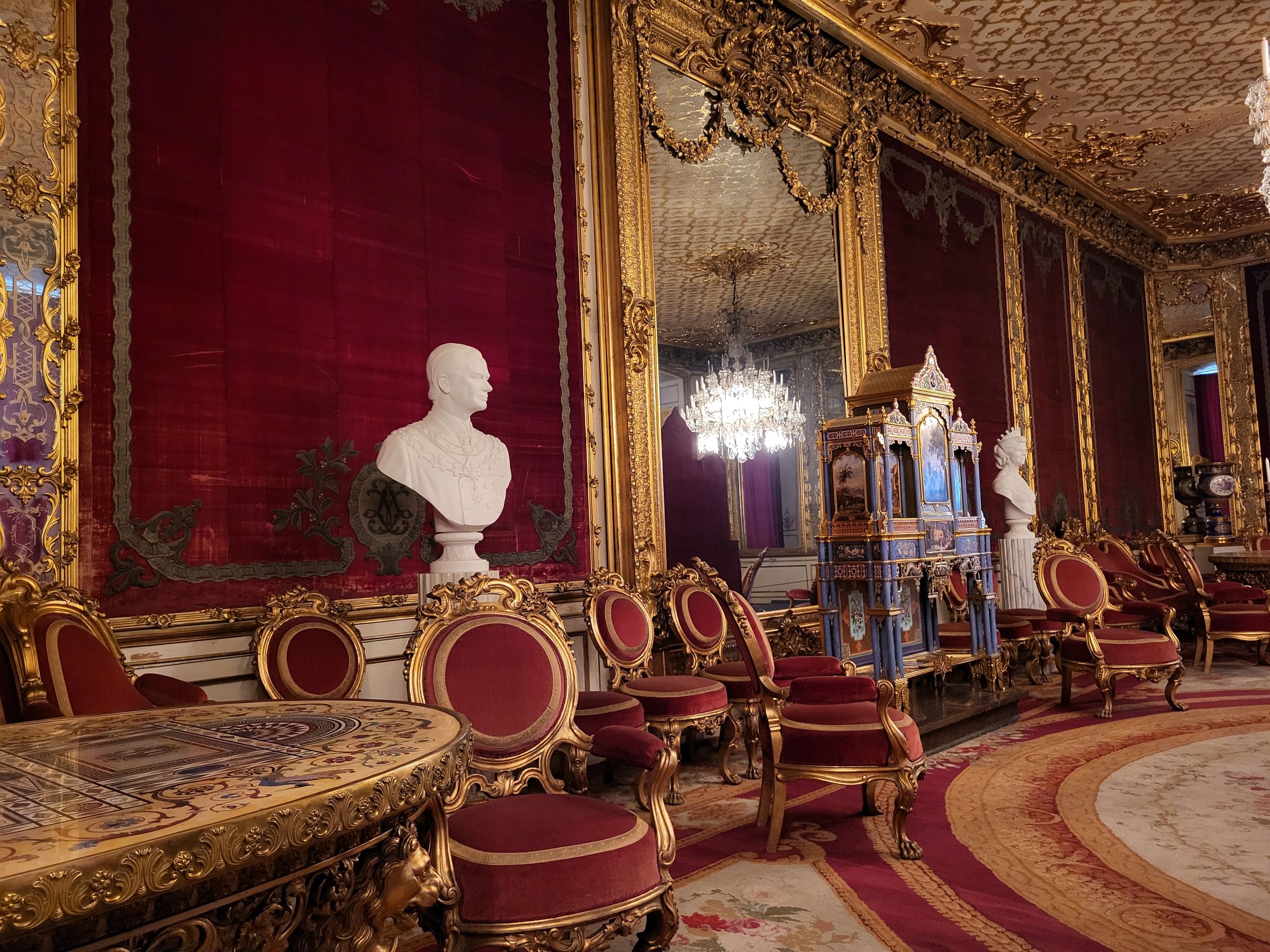
After the tour, we also took a look inside the royal palace.
The original palace was largely destroyed in a fire, so it was rebuilt in the 18th century.
When there are no state visits taking place, the grand rooms are open to the public.
During this time, the old, magnificently furnished halls could be admired.
However, there was also a room that showcased the modern furnishings of a royal living space, which is also something special.
In the basement, the museum Tre Kronor could also be seen, which documents the history of the palace.
We also went into the treasury, where the crowns and insignia of Swedish rulers can be seen.
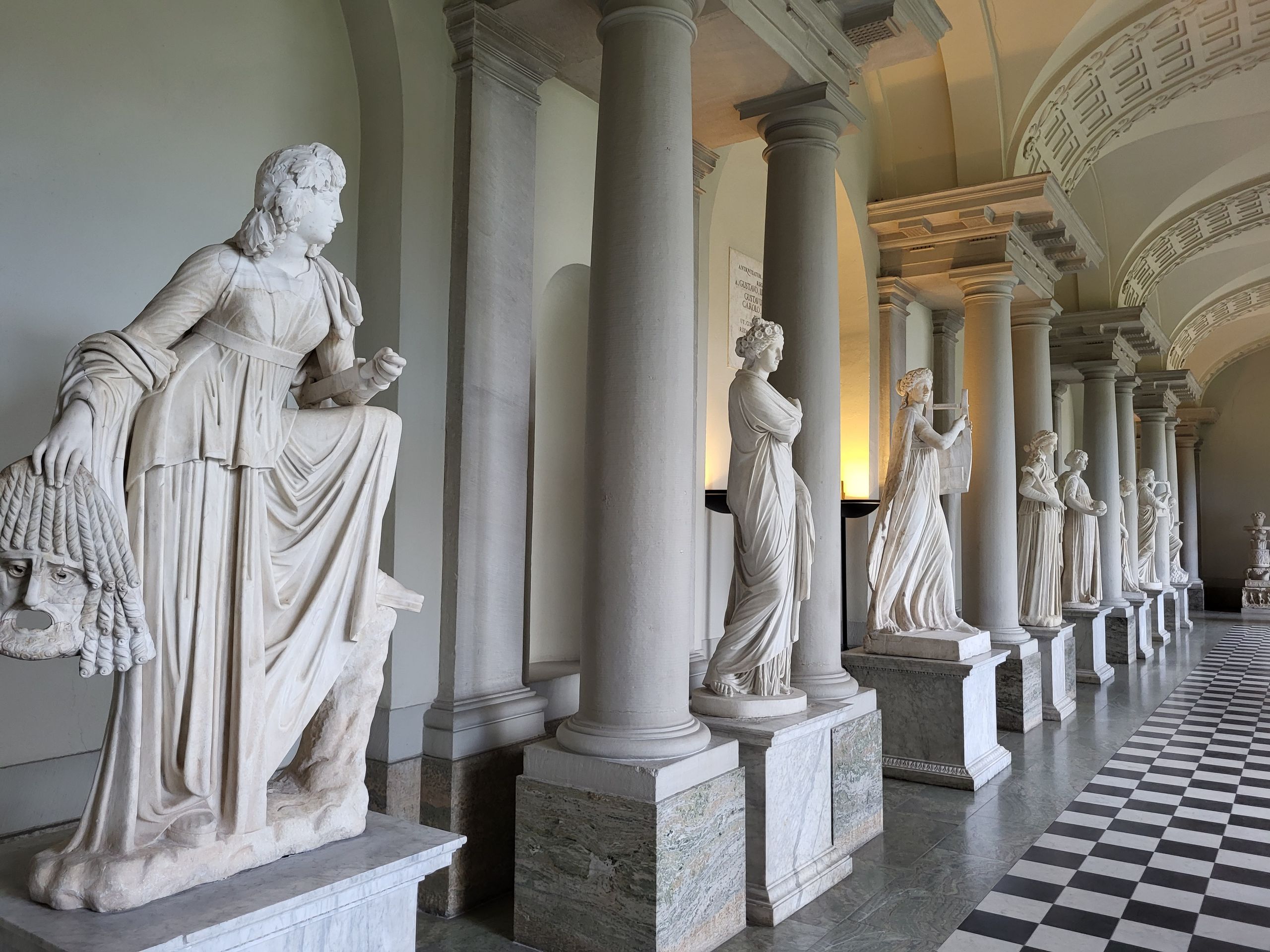
At the end of the palace visit, we also took a look at the antiquities collection of Gustav III.
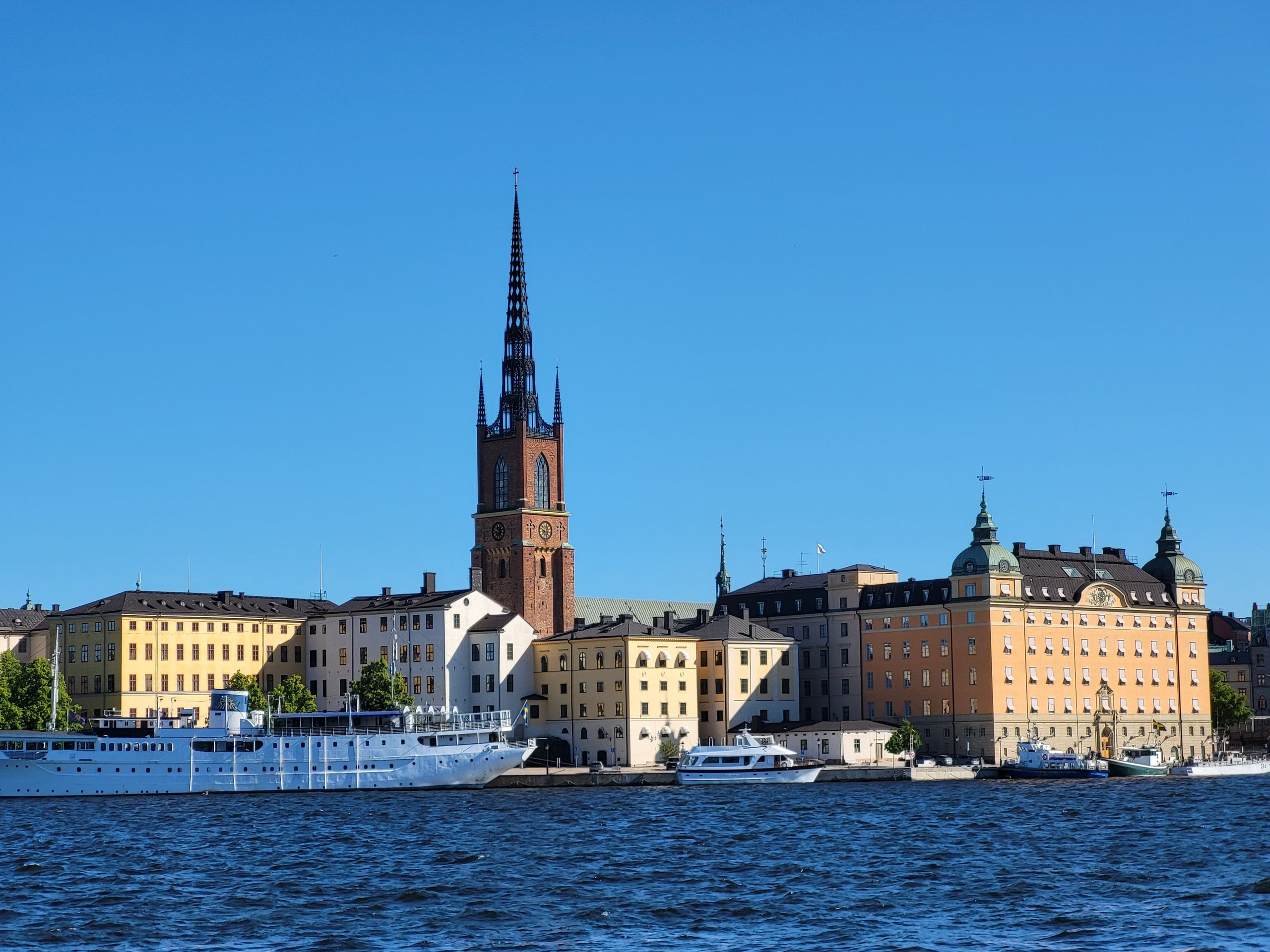
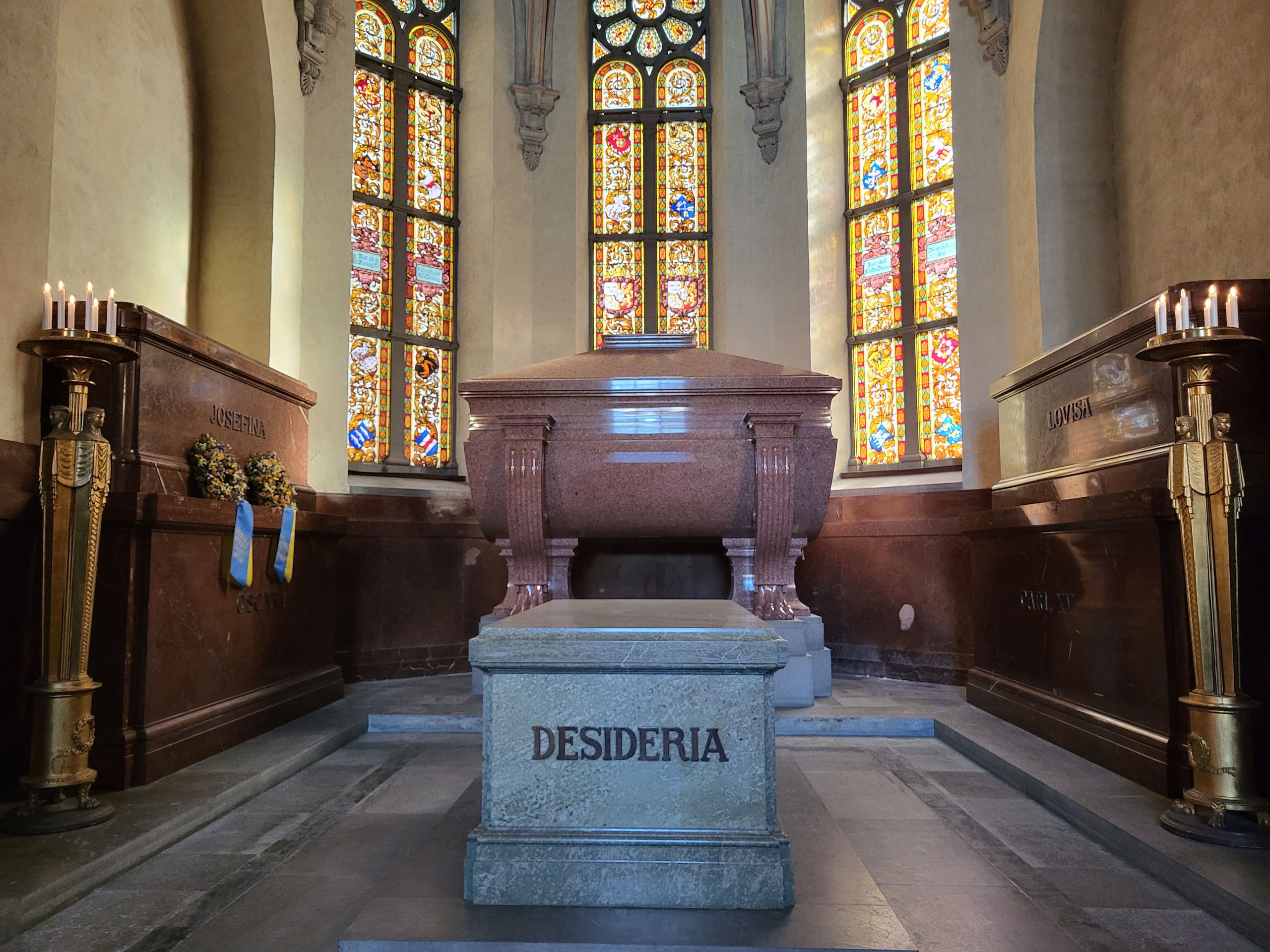
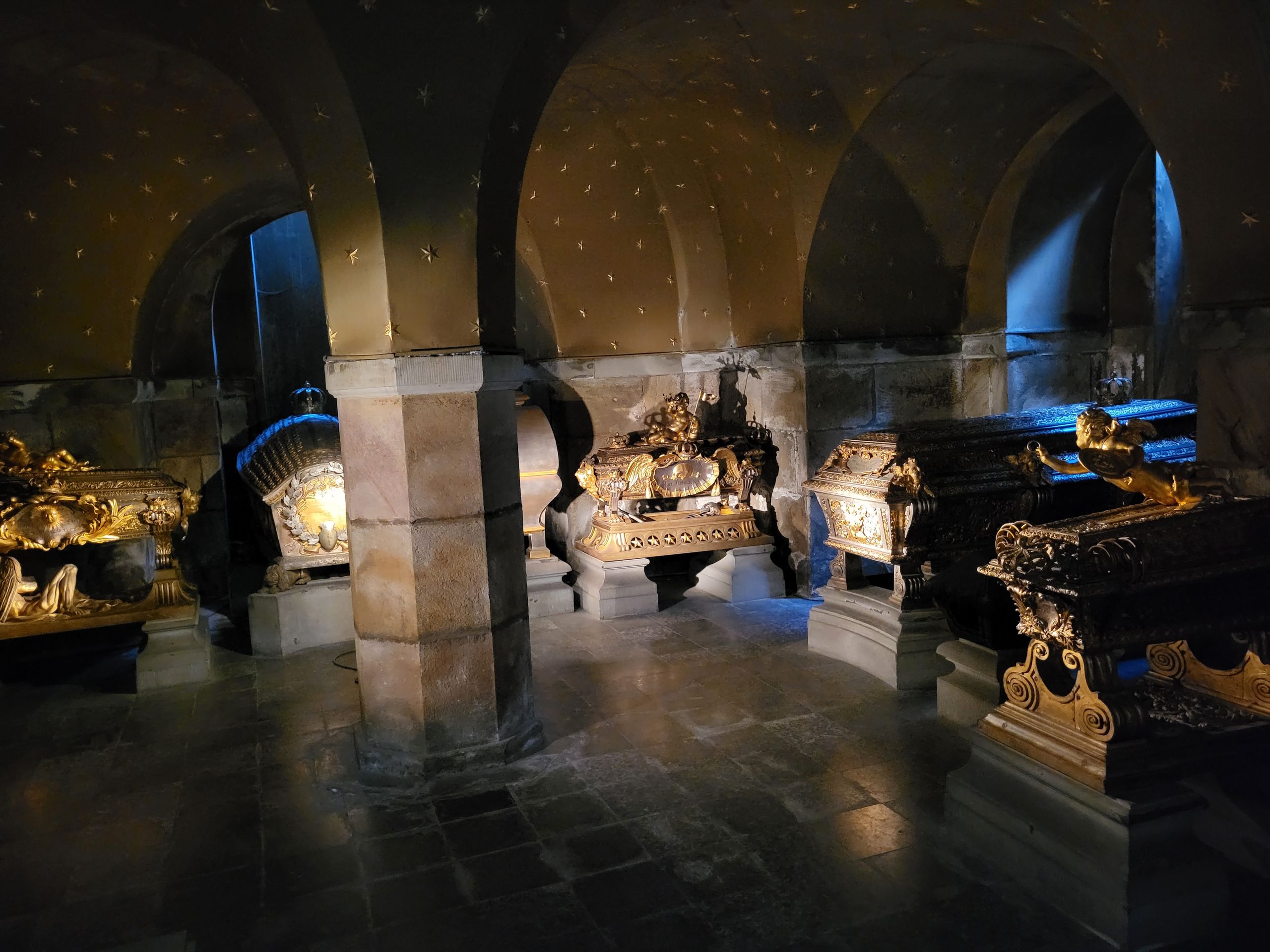
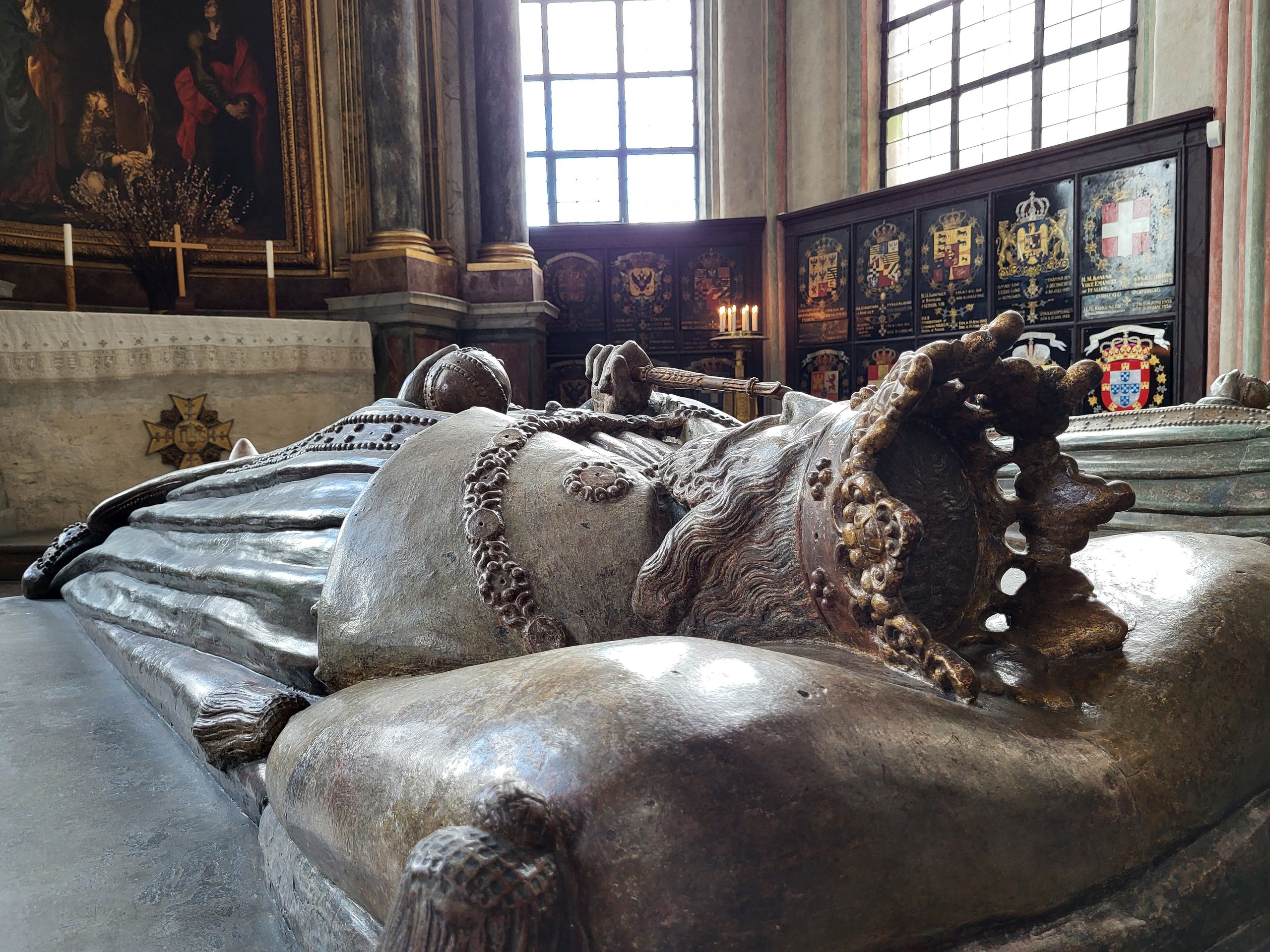
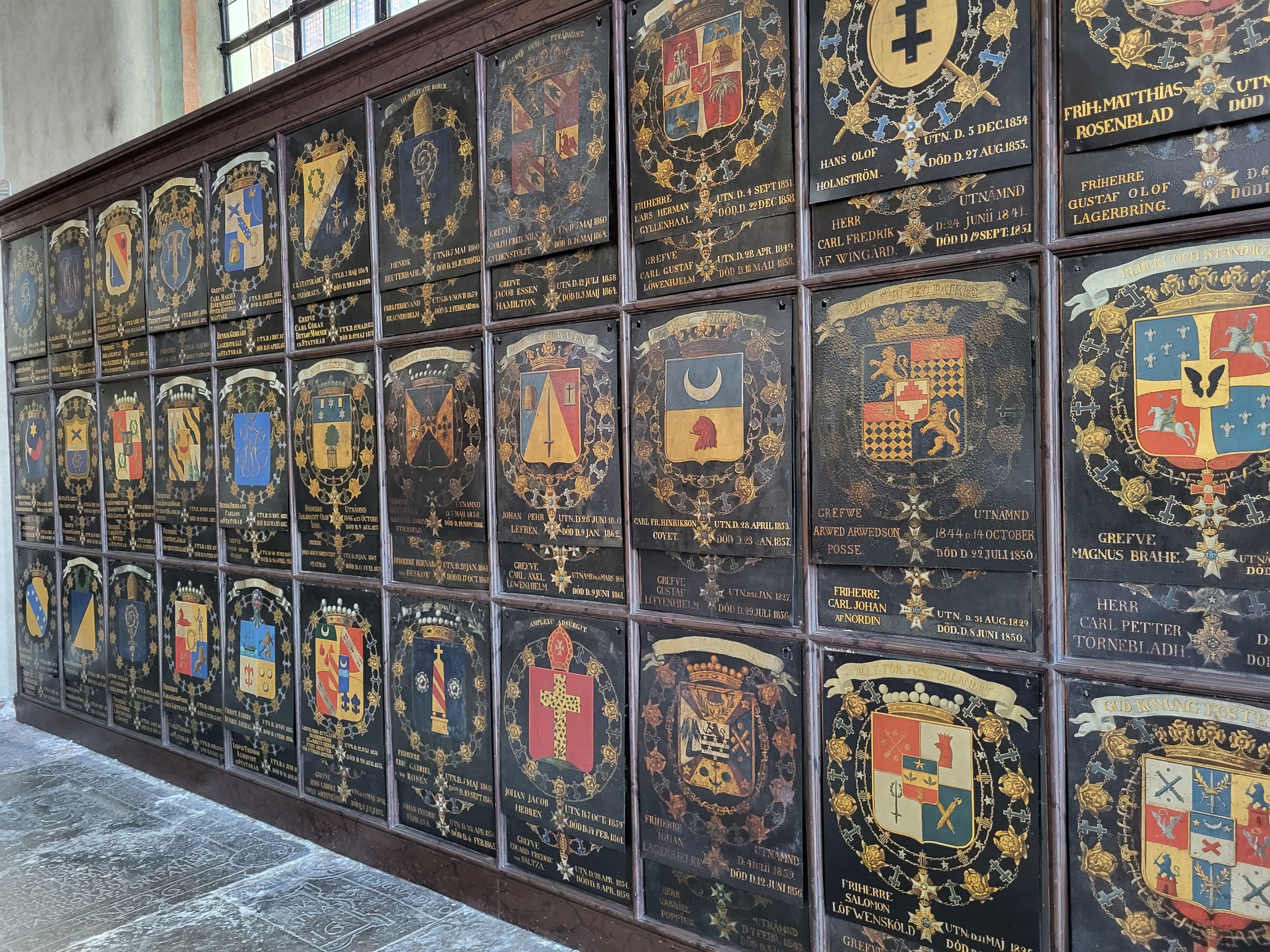
We had also purchased a combination ticket and therefore went to Riddarholmskyrkan.
Gradually, burial chapels were added to the church, serving as burial sites for various Swedish dynasties.
The last to be created was the Bernadotte burial choir in 1860. (The current royal family descends from the Frenchman Jean-Baptiste Bernadotte, who ascended the Swedish throne as Karl XIV Johan in 1818.)
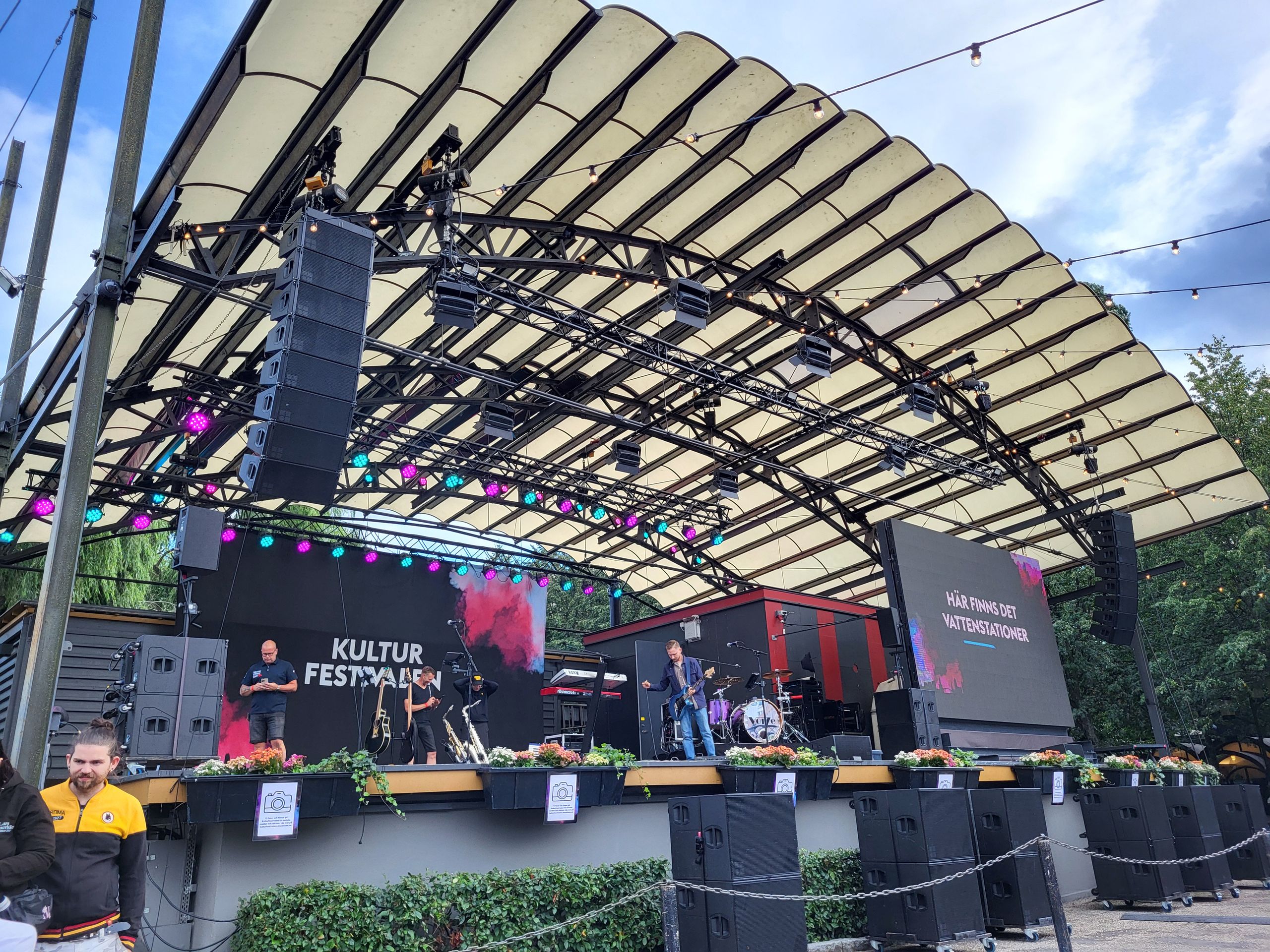
After so much Old Town, we then went to the modern district of Norrmalm to grab a bite before visiting the culture festival at Kungsträdgården.
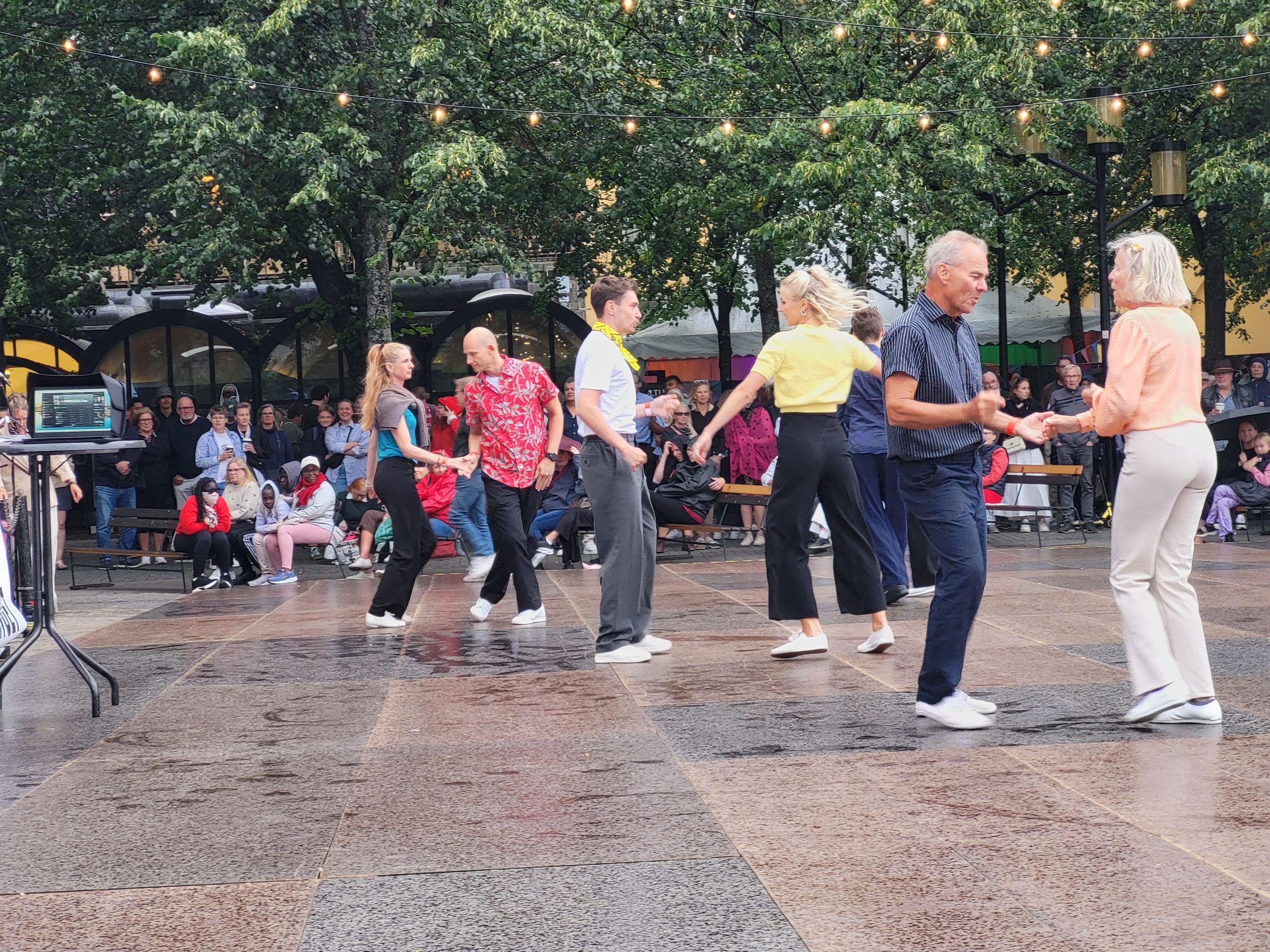
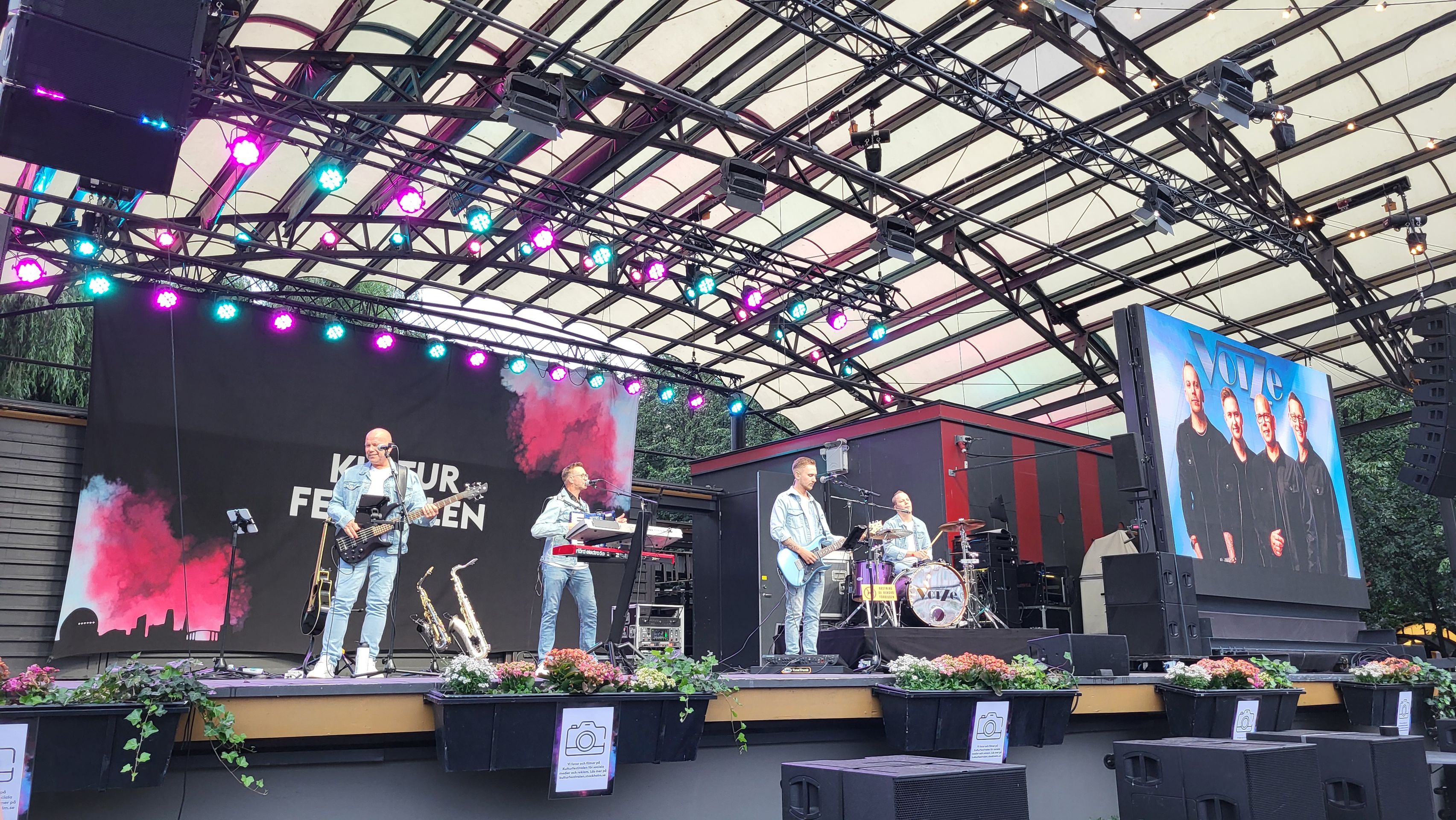
On the stage here, there was initially a dance performance with boogie and then a performance by the Swedish band “Voize.”
We listened for a while and then joined the many other couples on the specially built dance floor in front of the stage for a few dances before heading back to our motorhome.