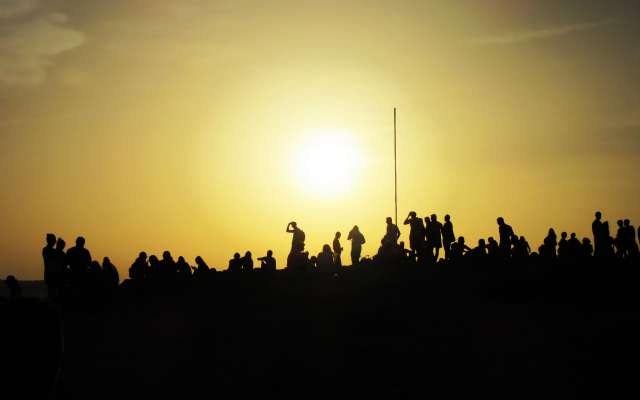

Route from Ávila to Piedrahíta via the N-110 road (July 2023)
Photos of the route along the N-110 from Ávila to Villatoro, near Piedrahíta.
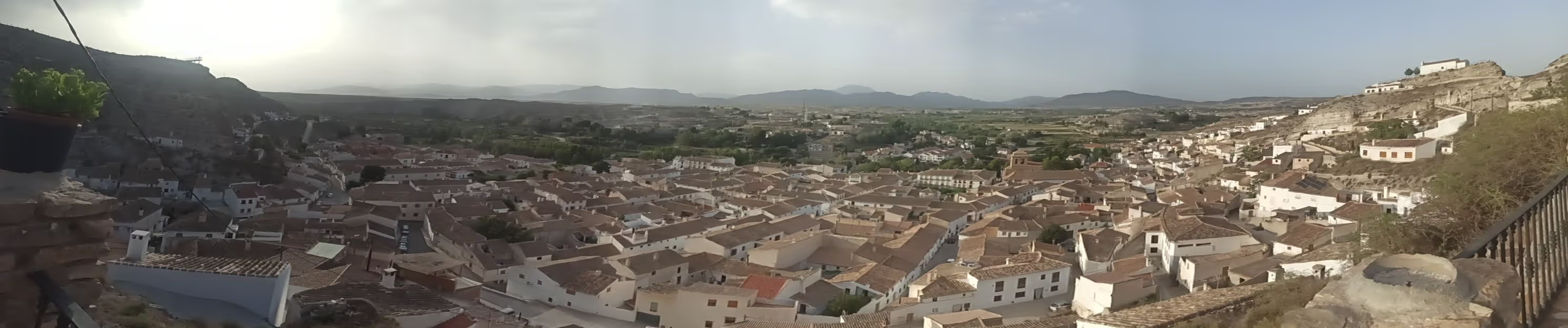

Published: 26.11.2024
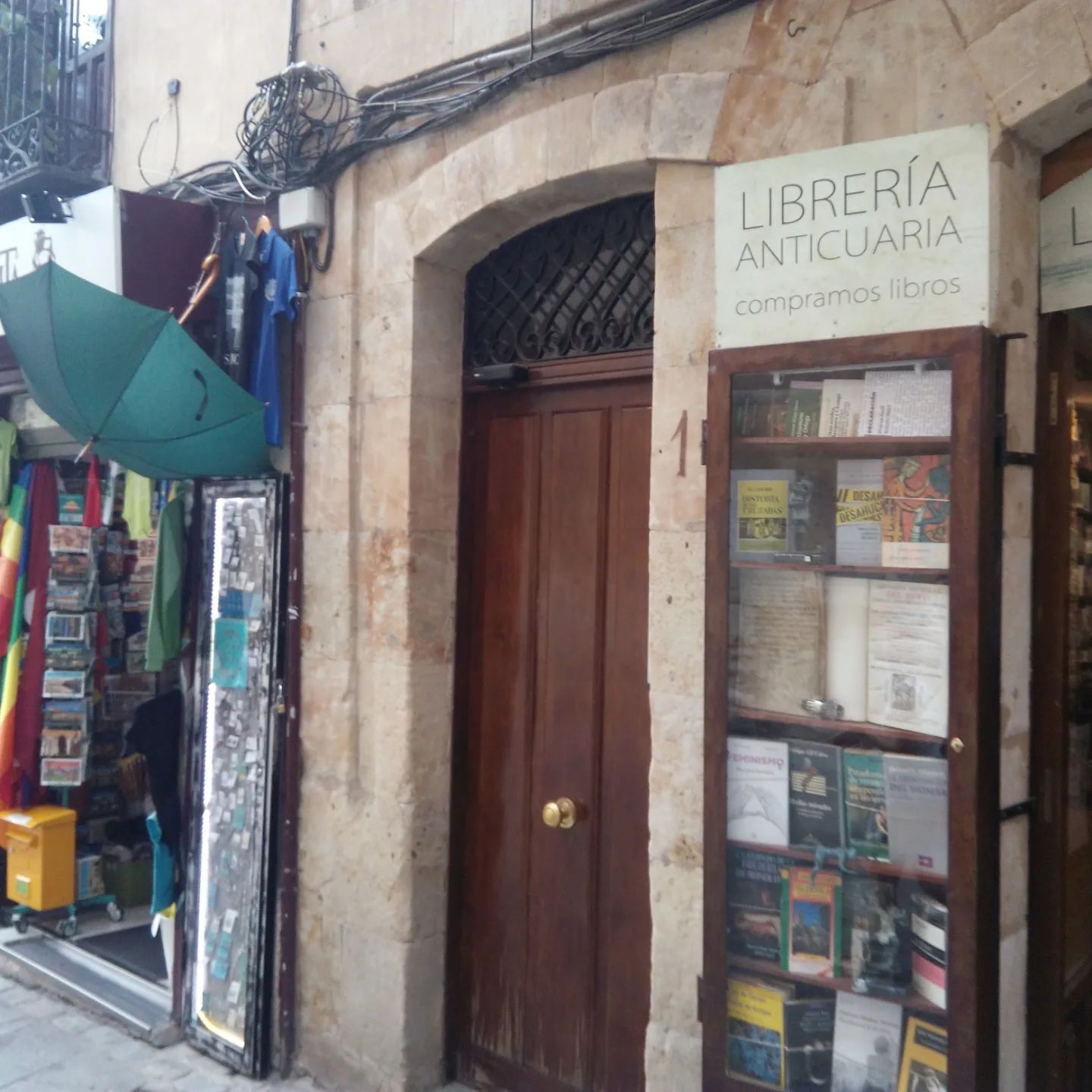
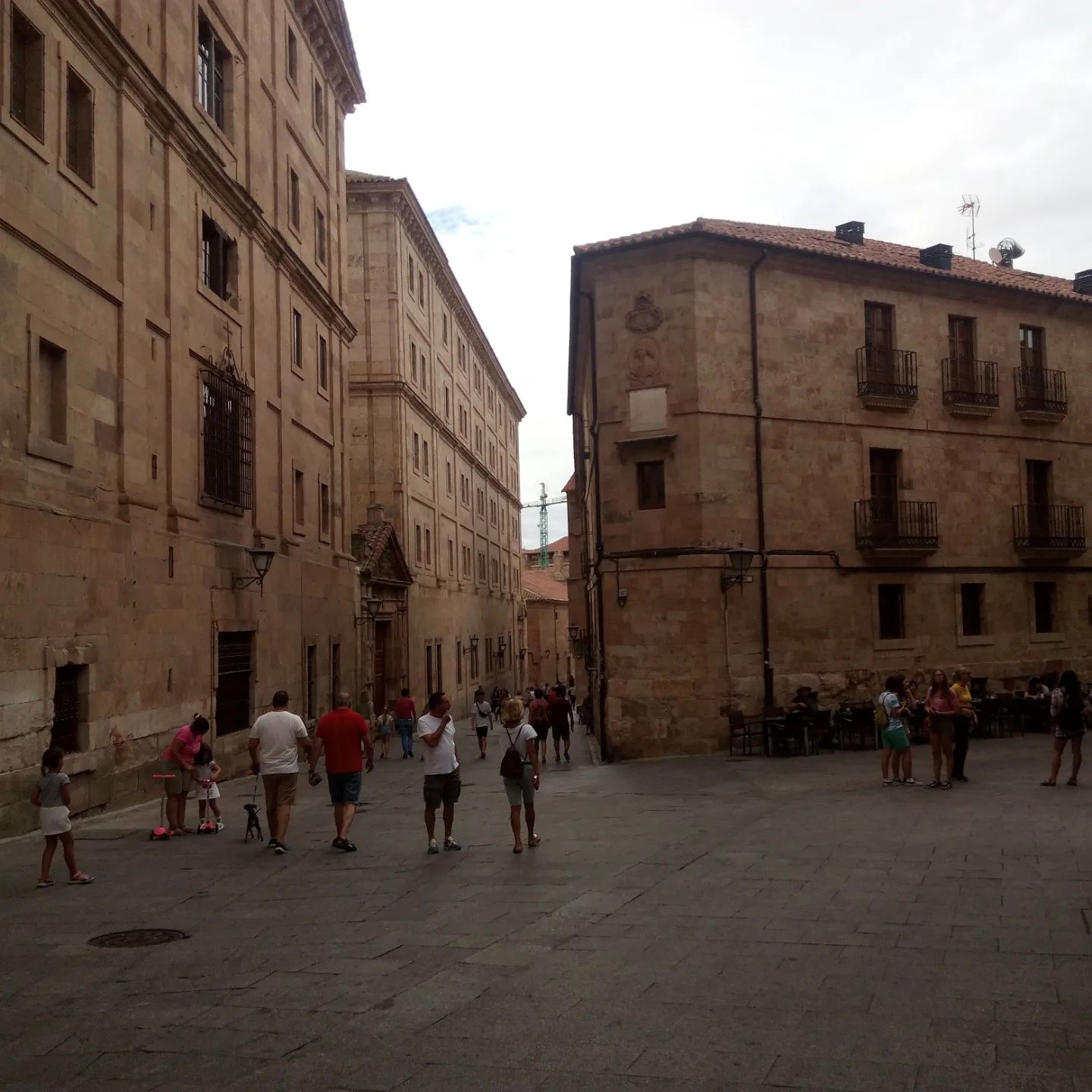
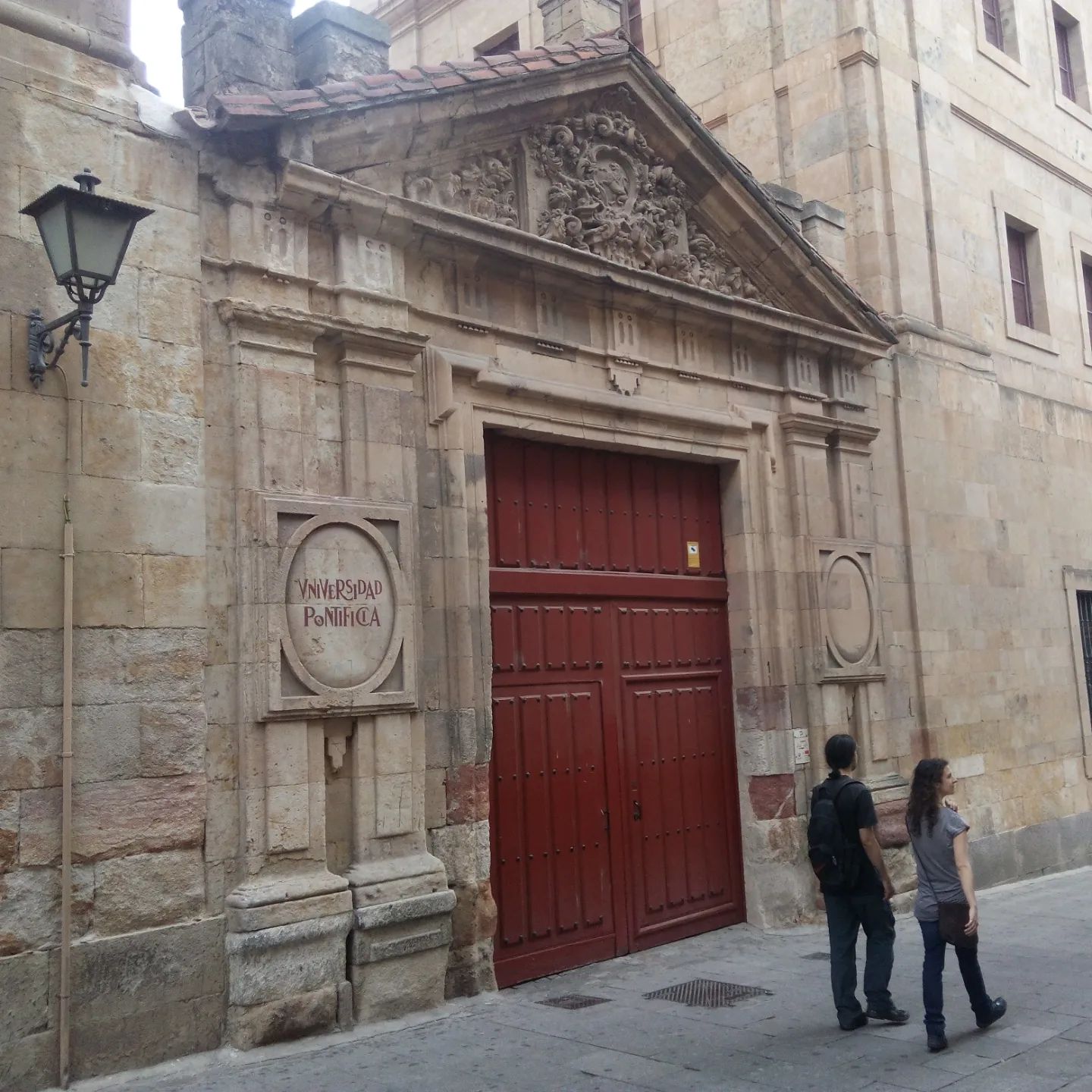
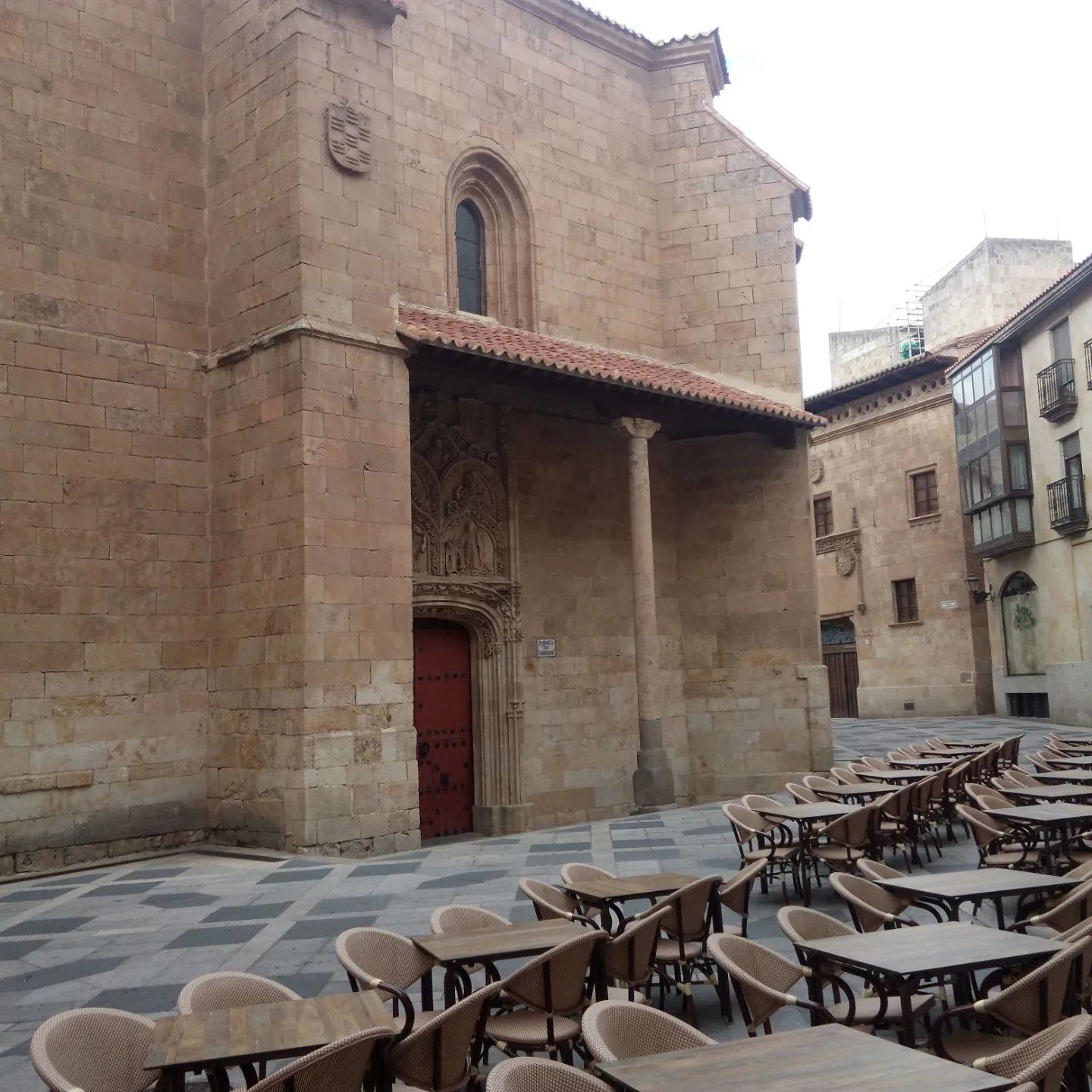
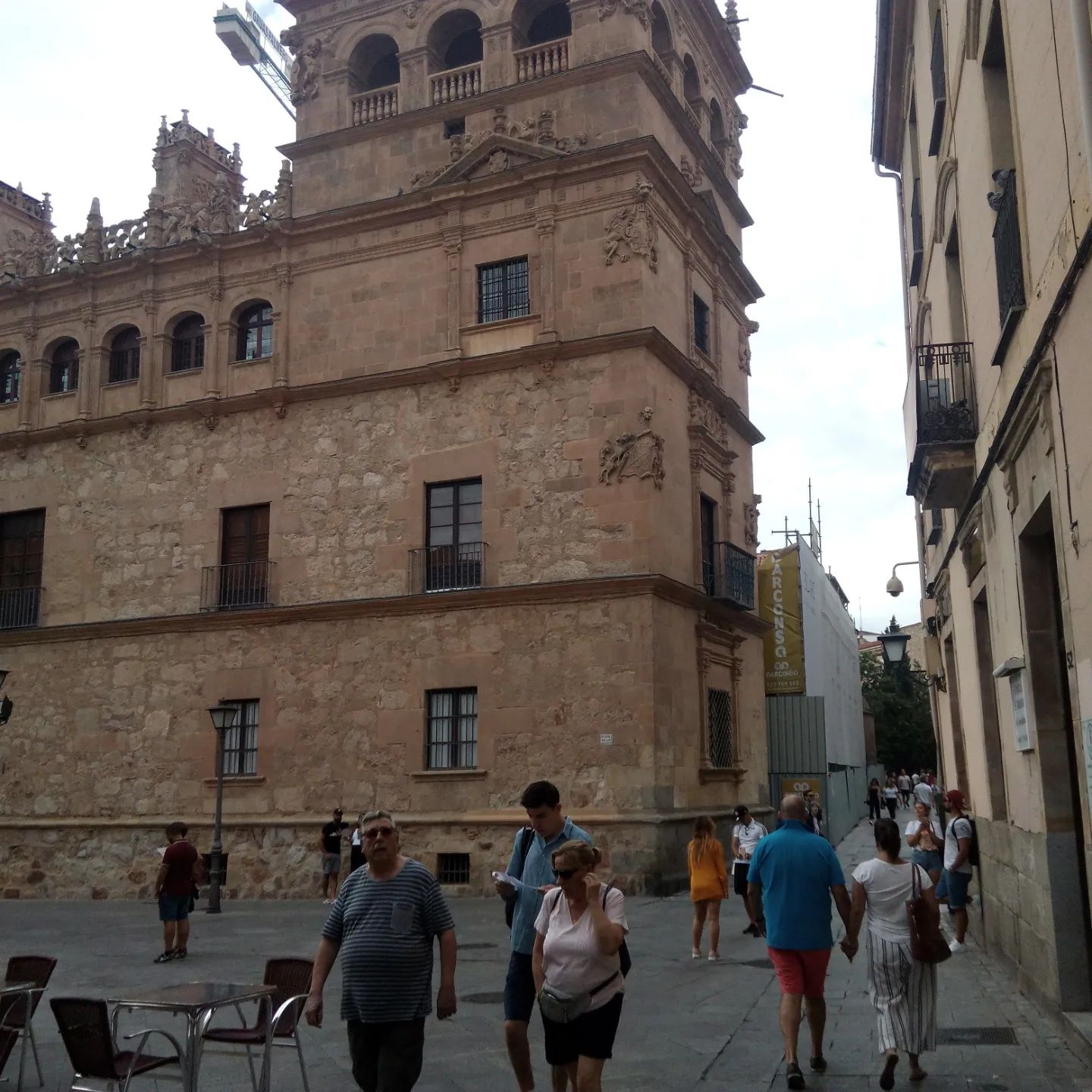
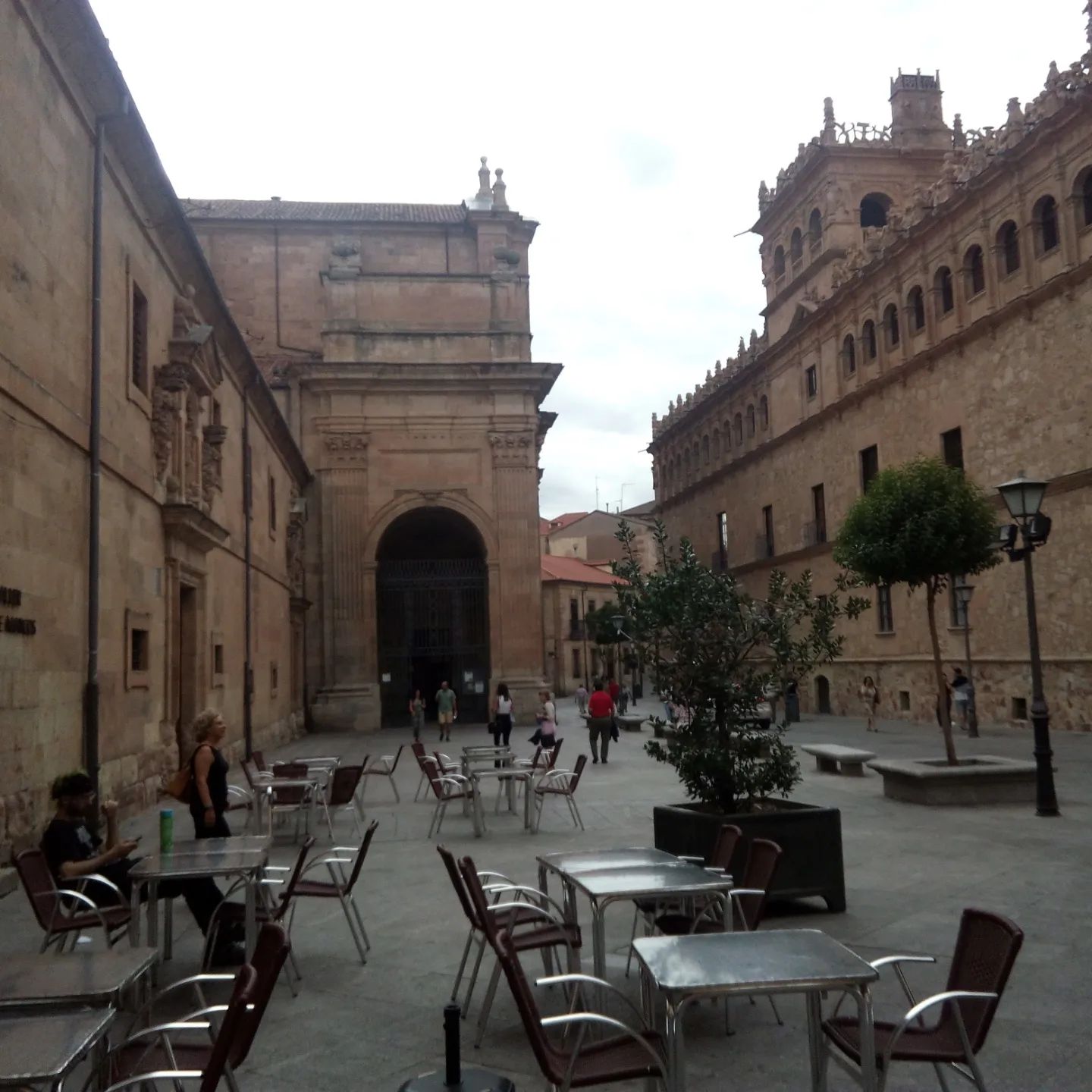
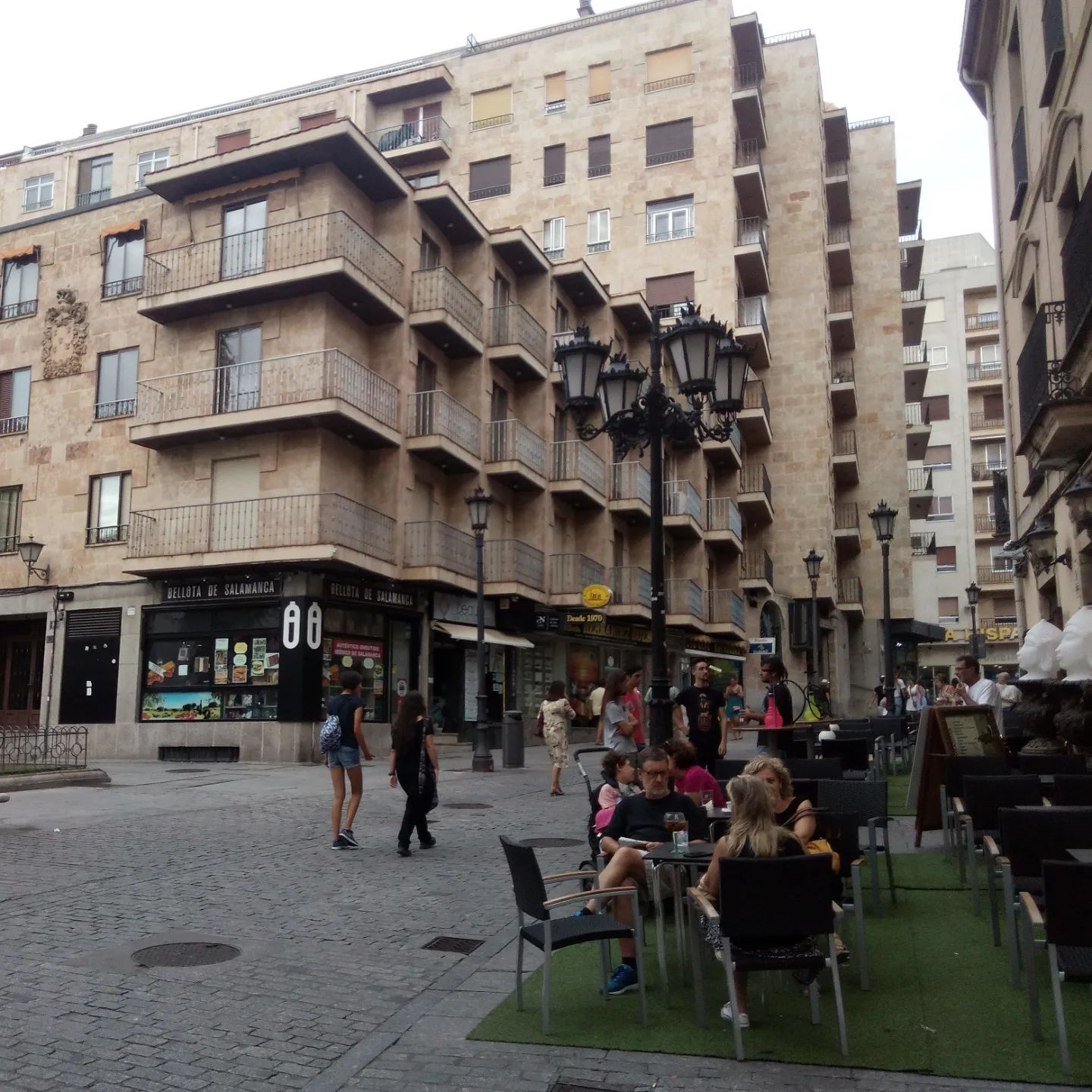
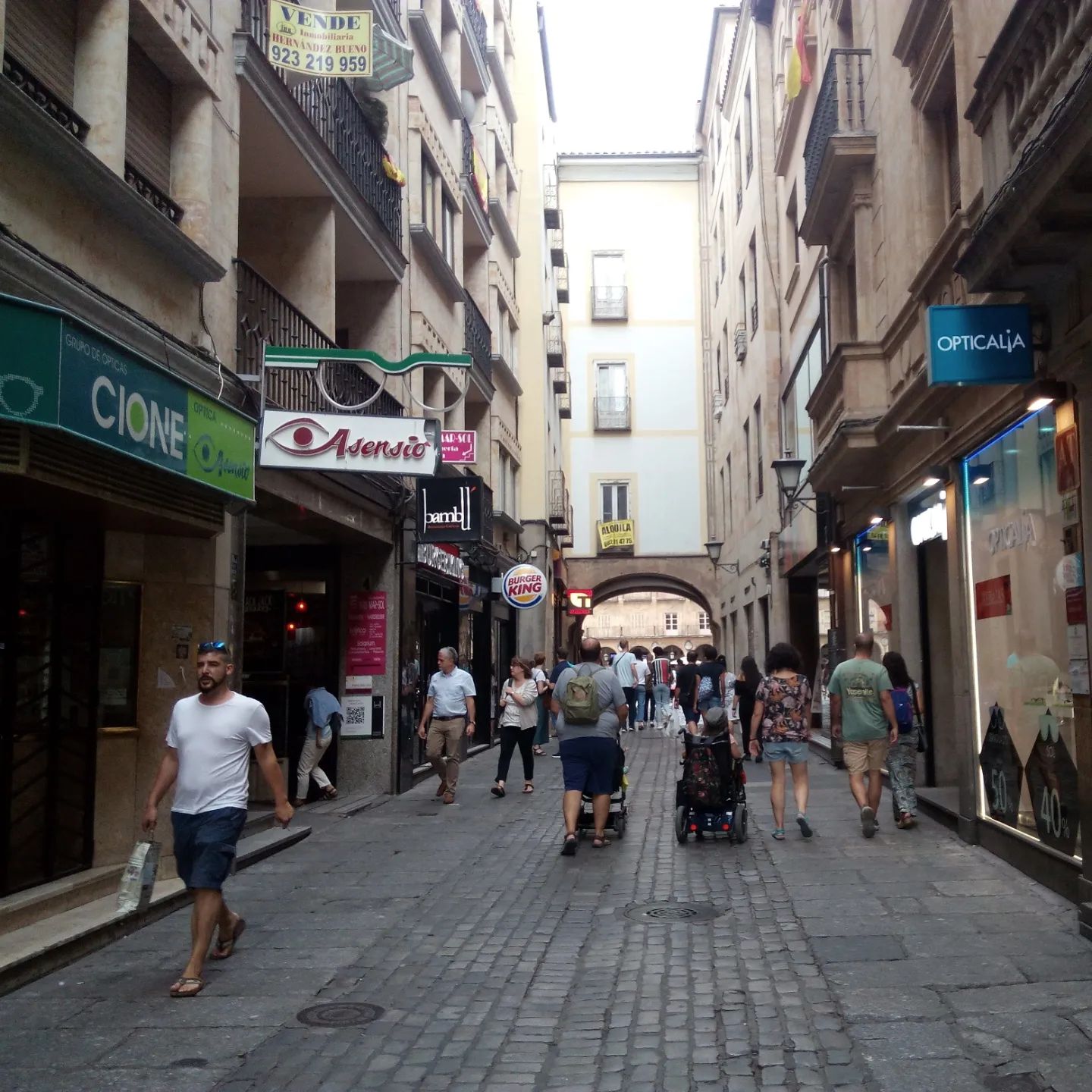
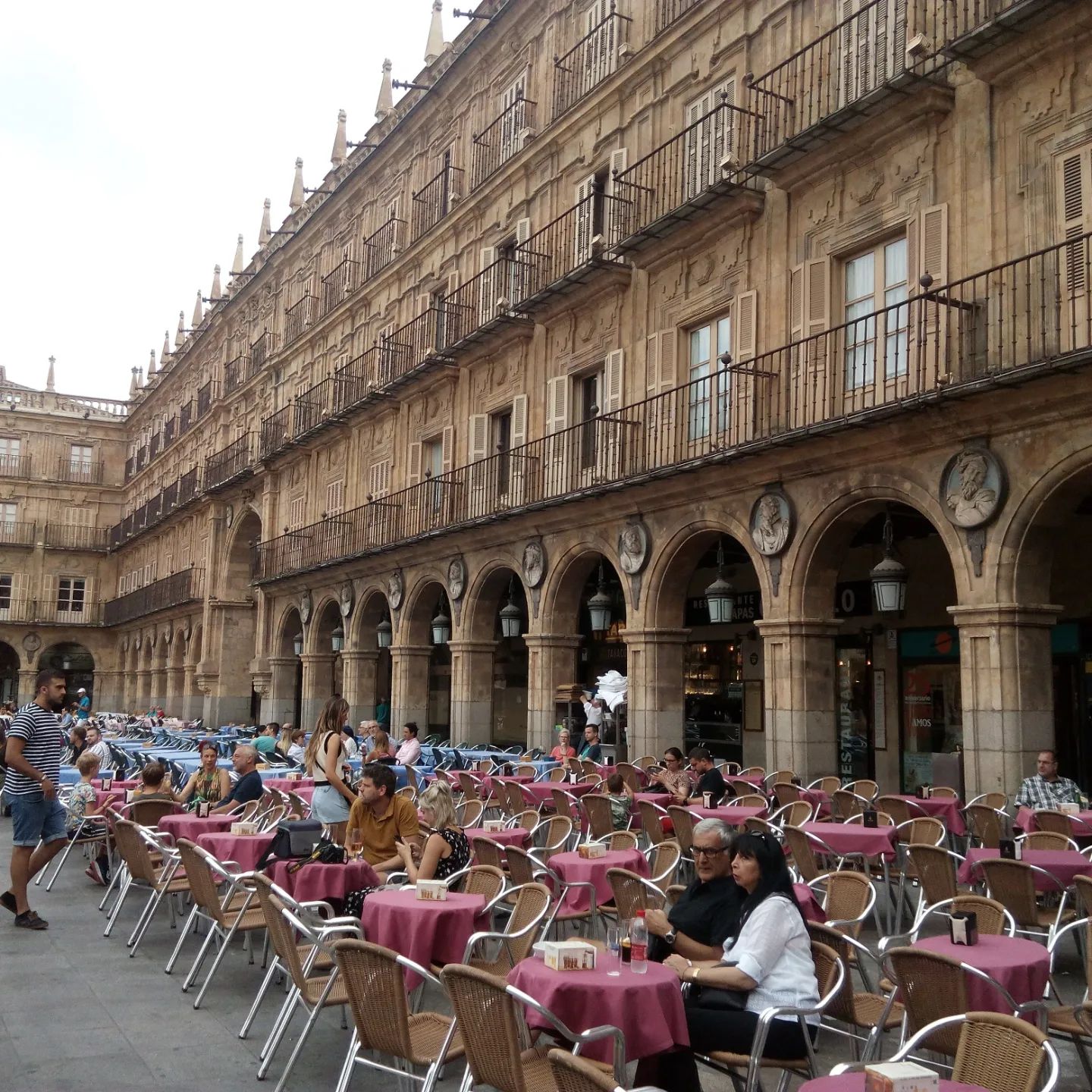
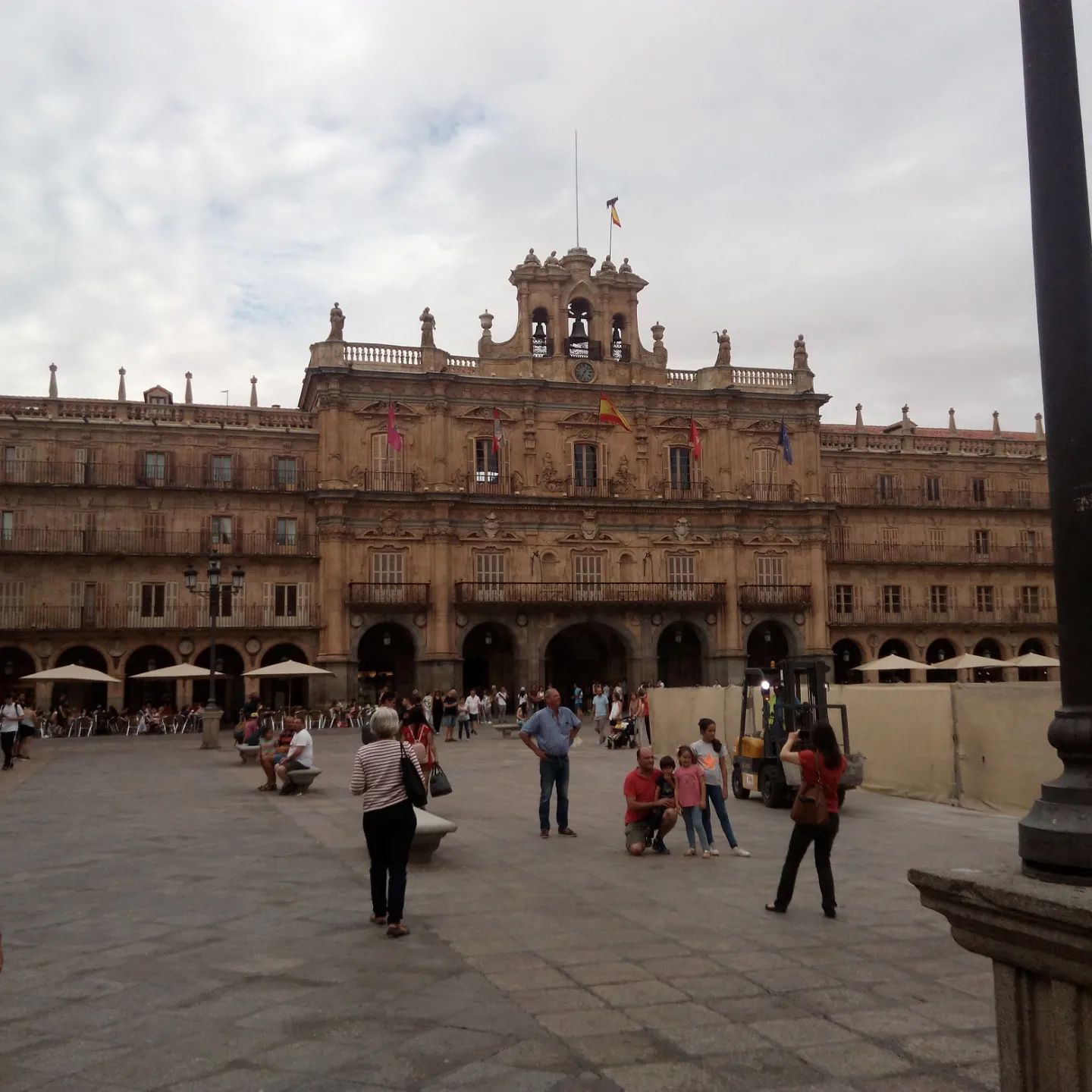
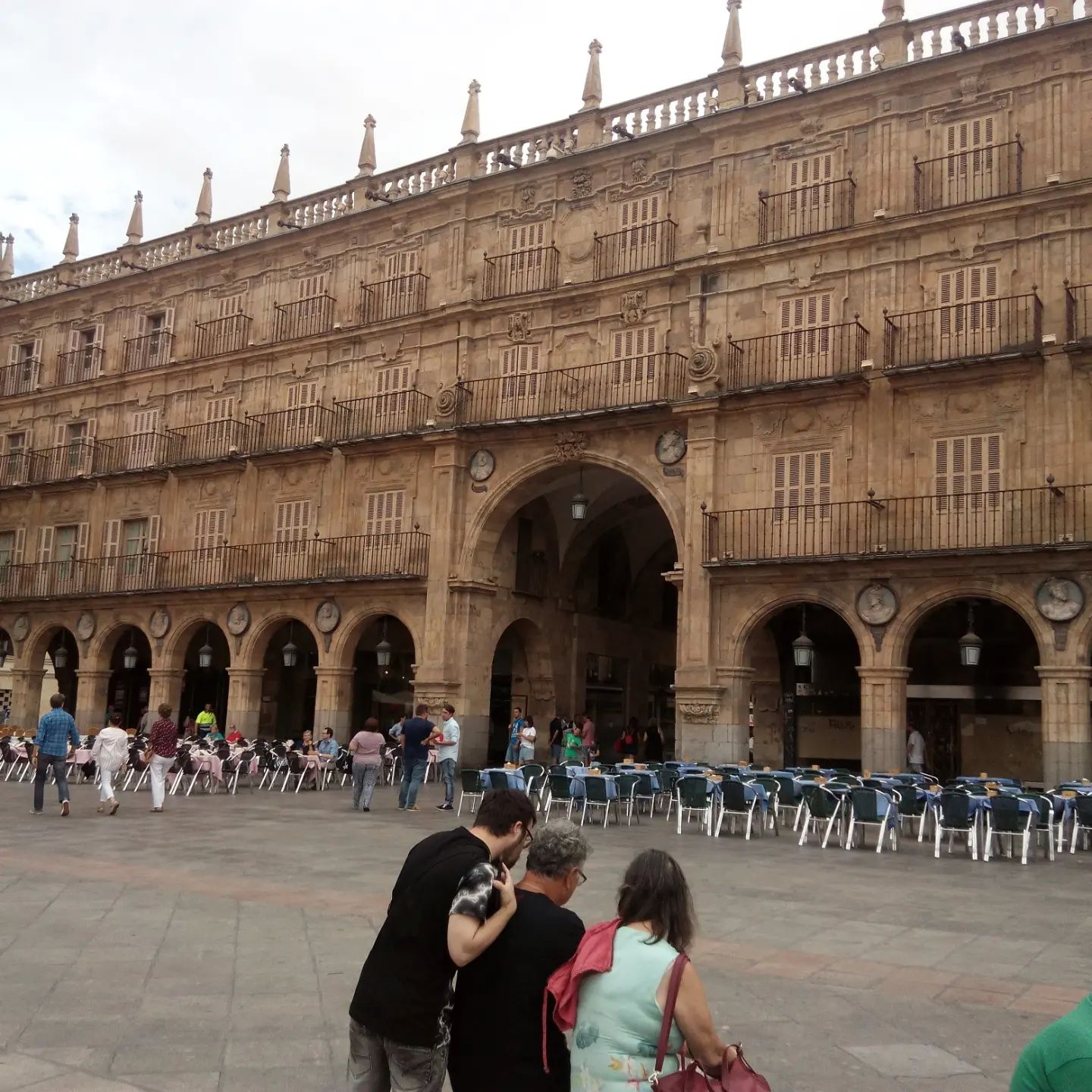
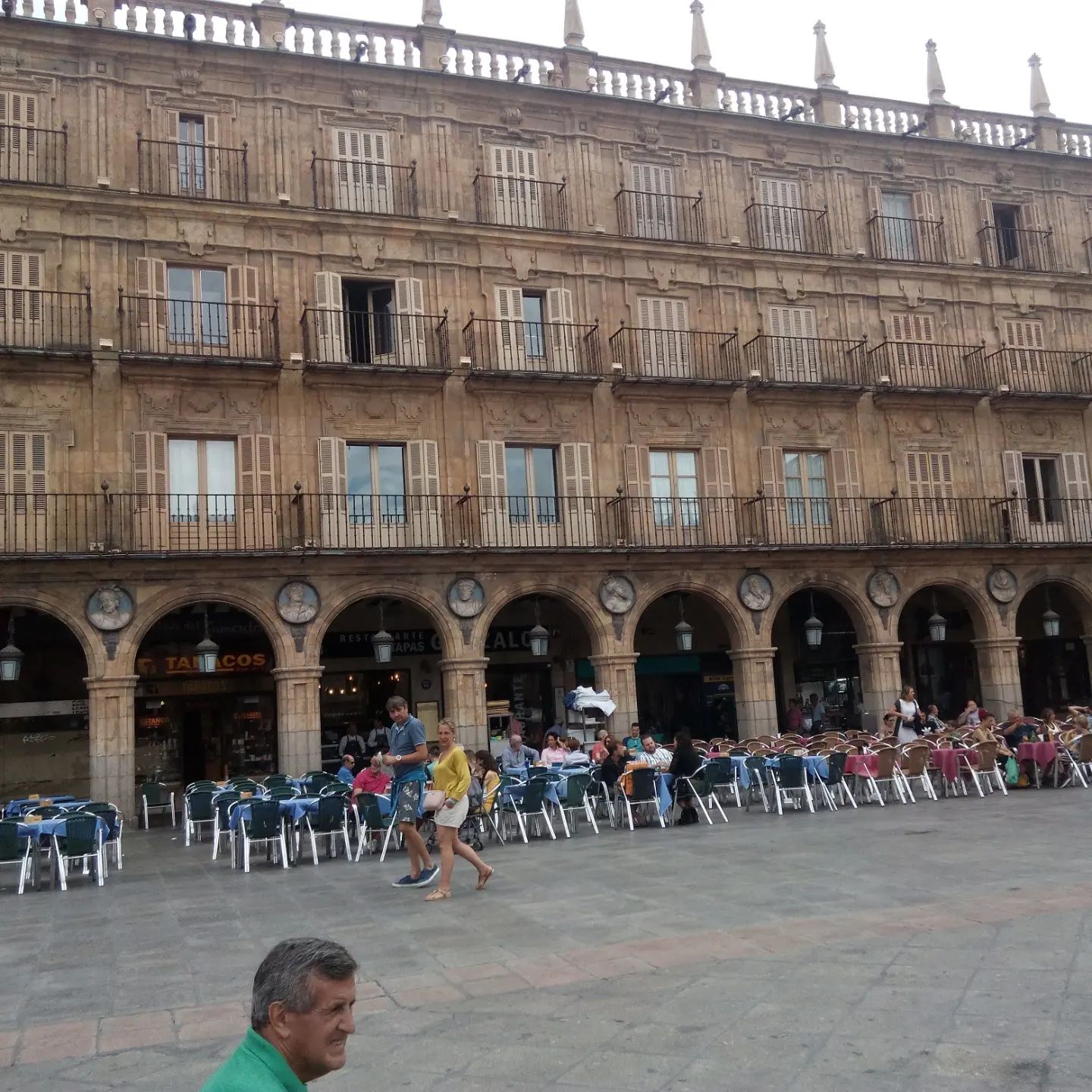
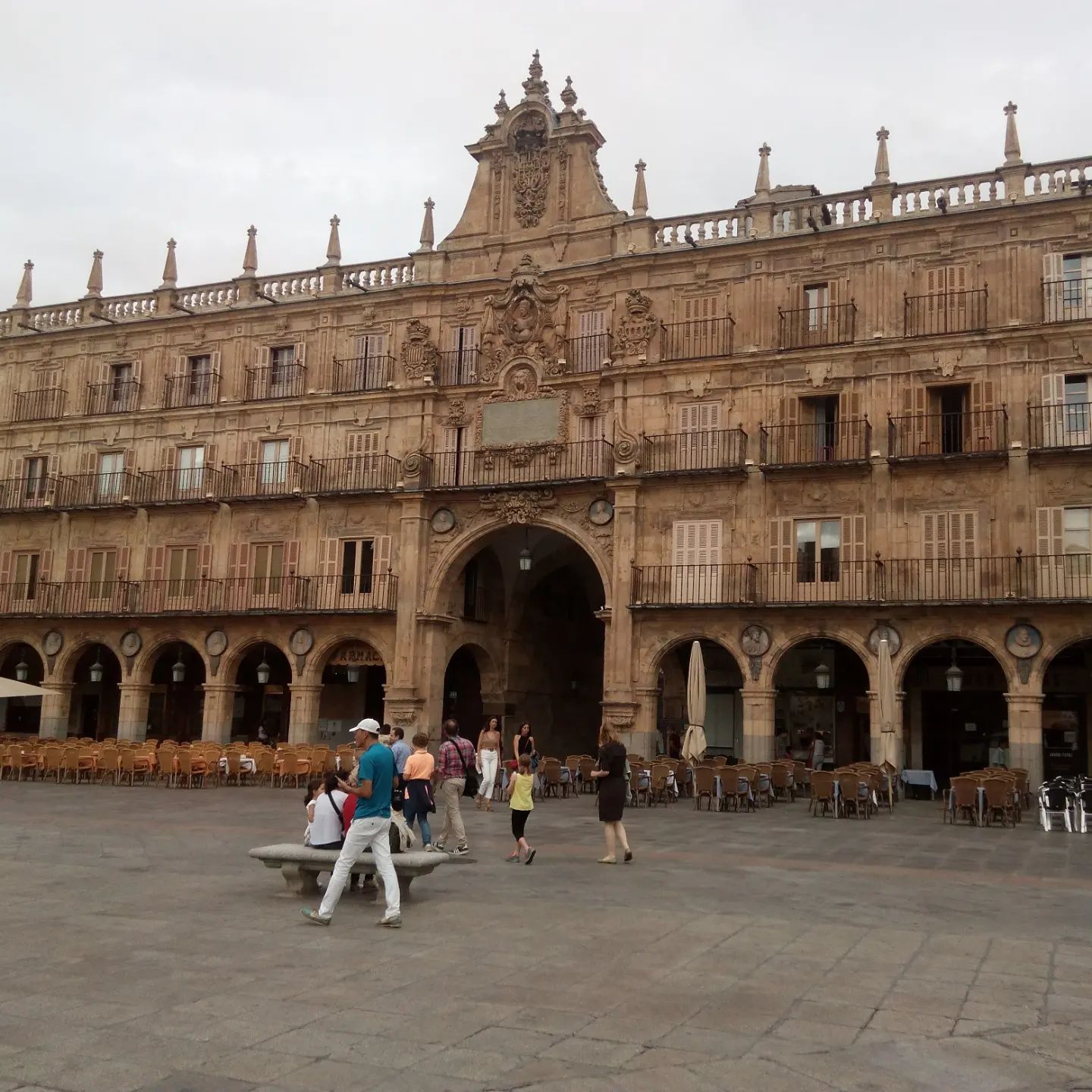
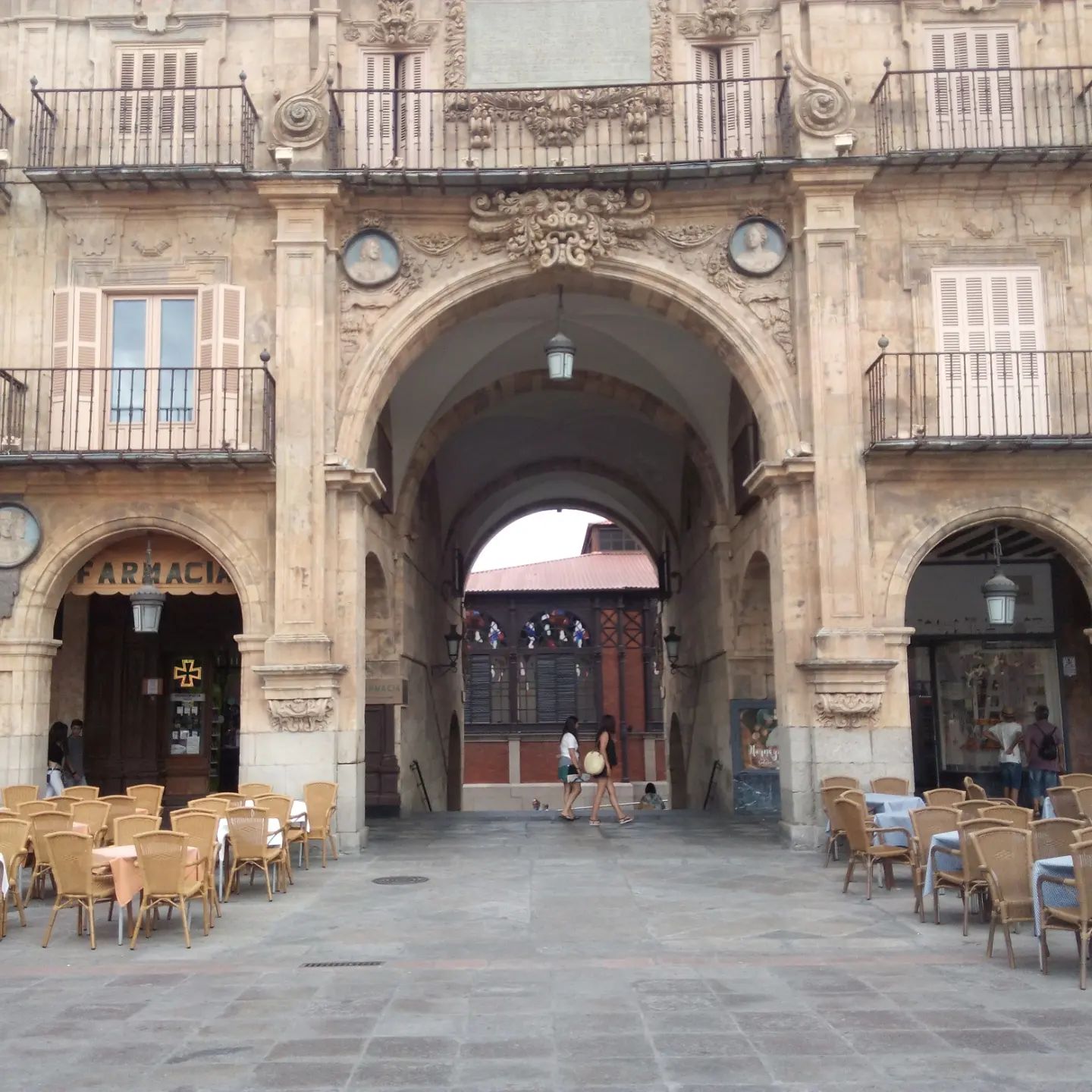
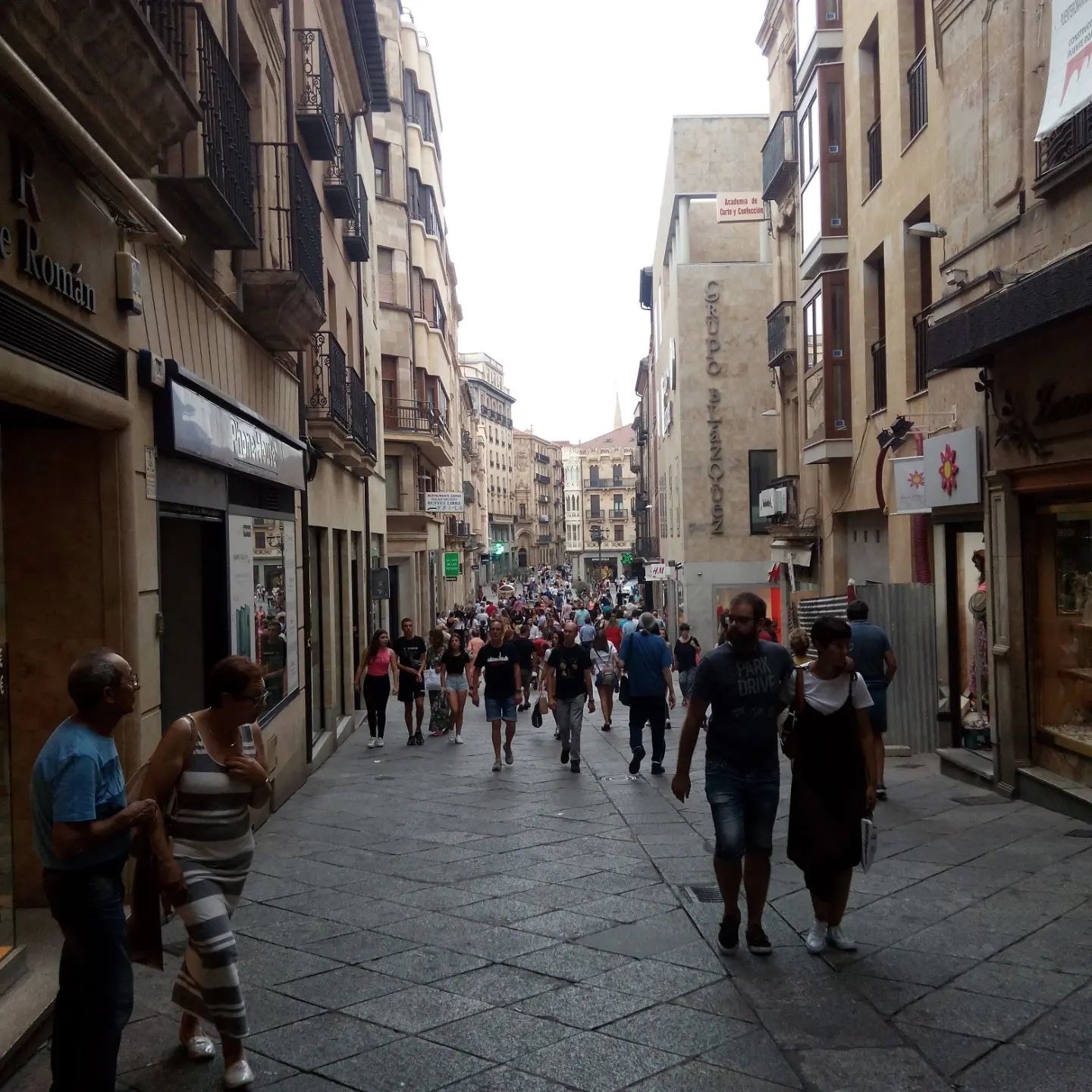
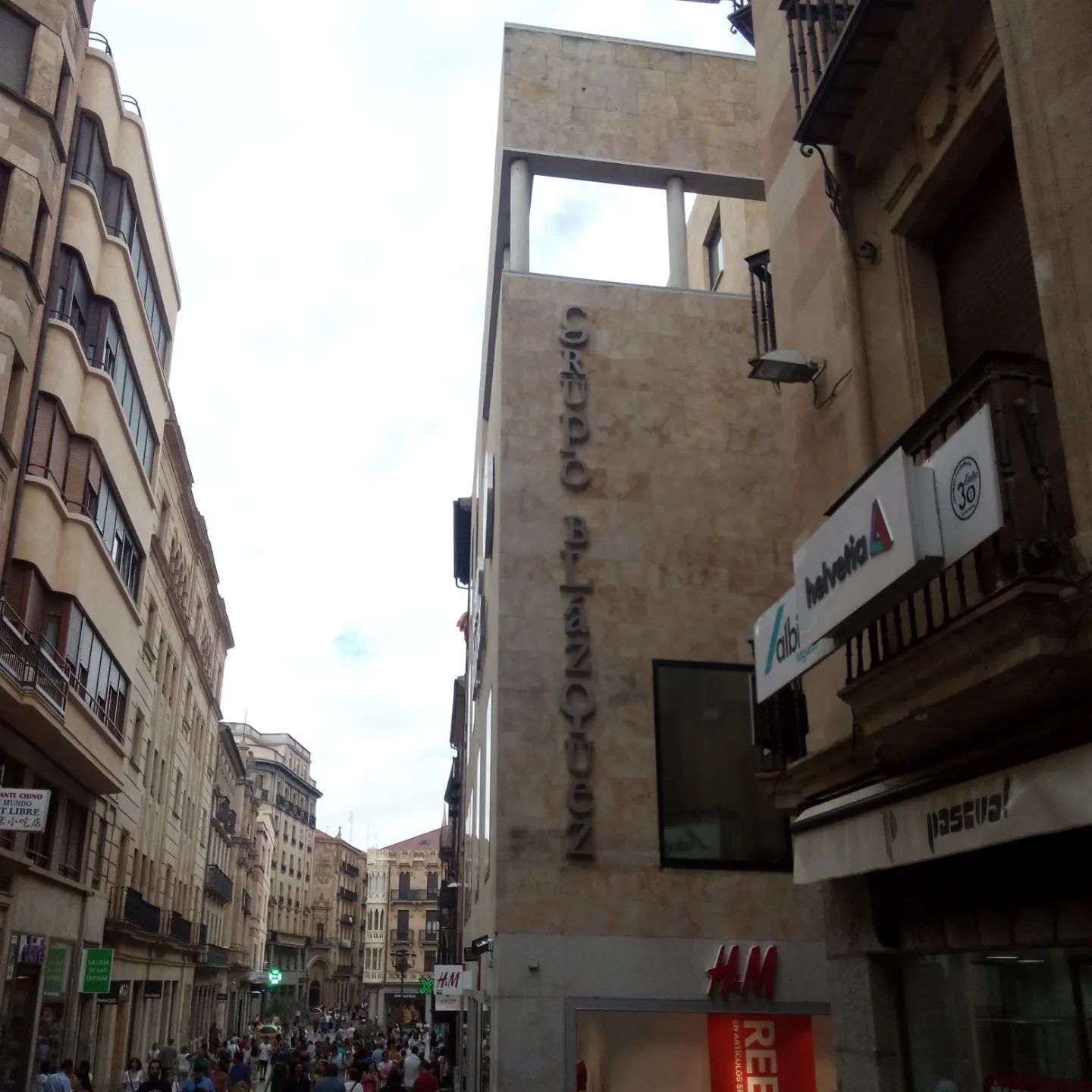
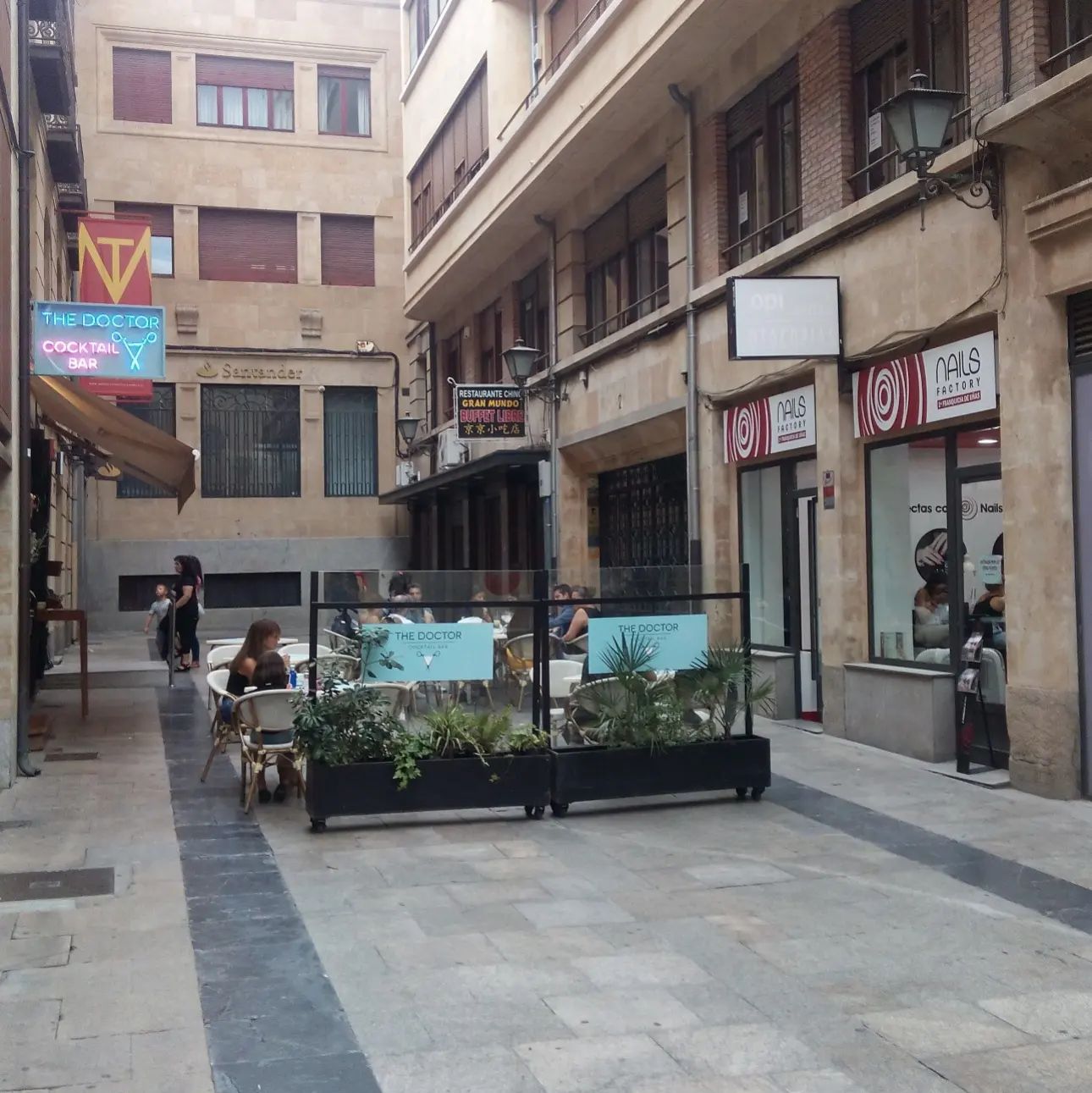
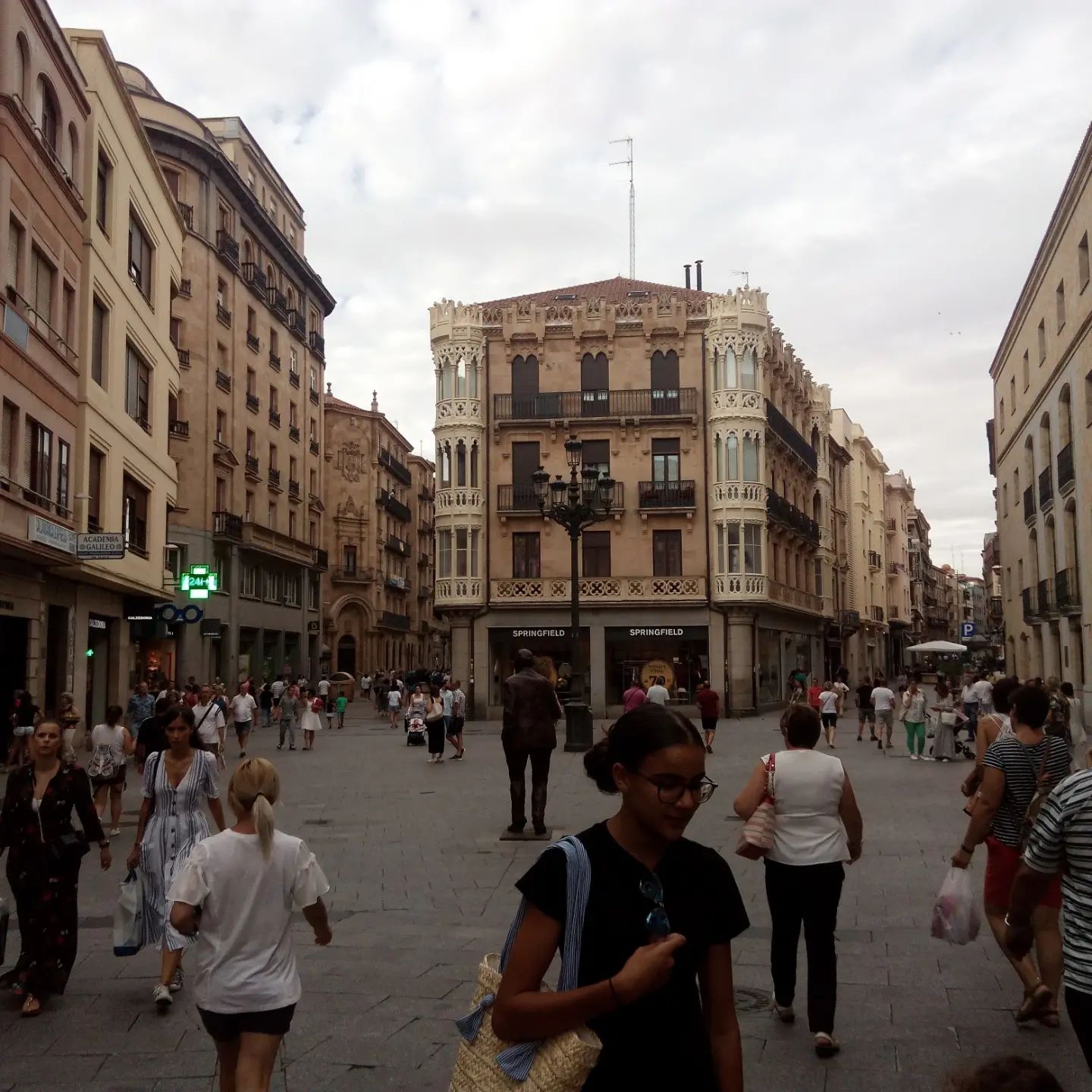
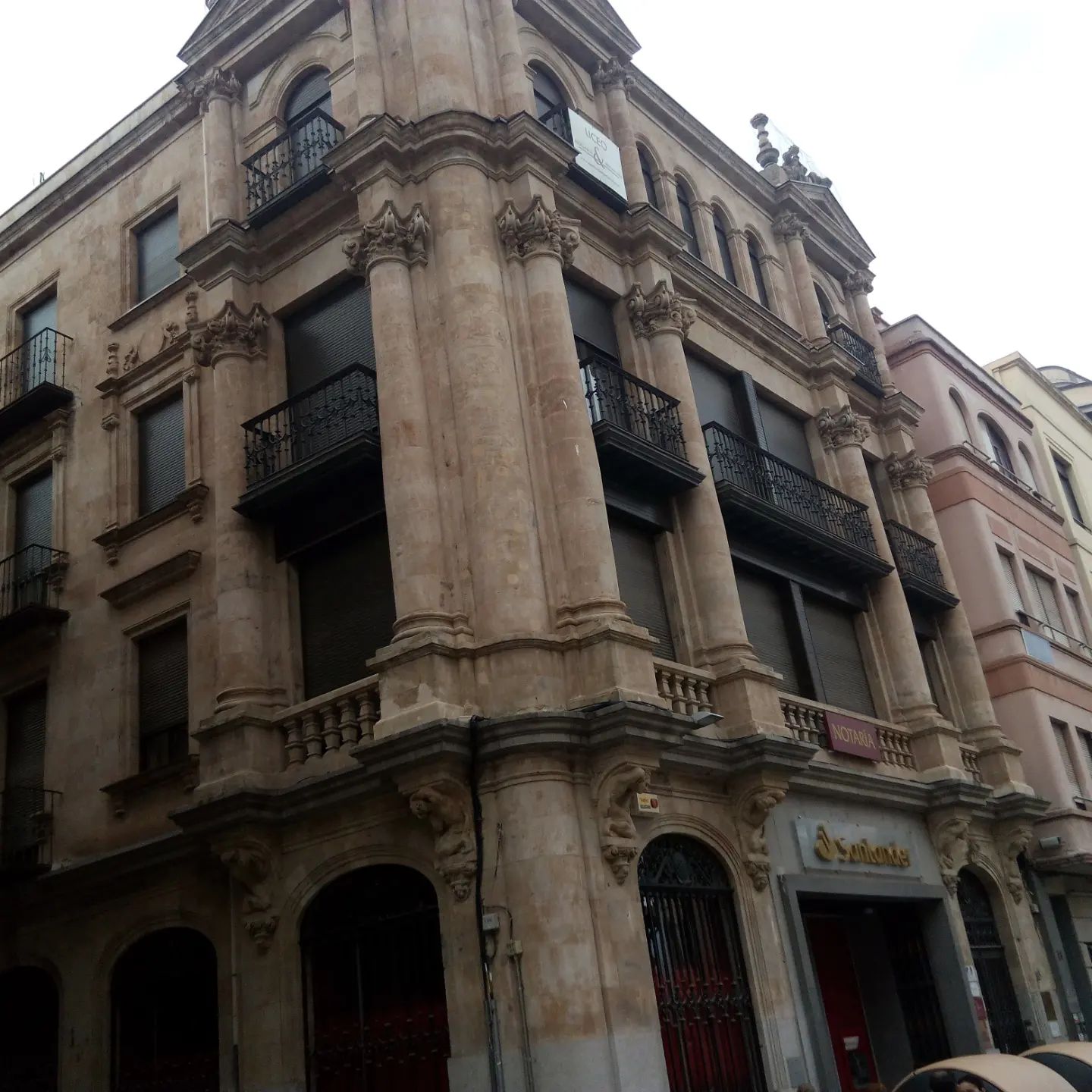
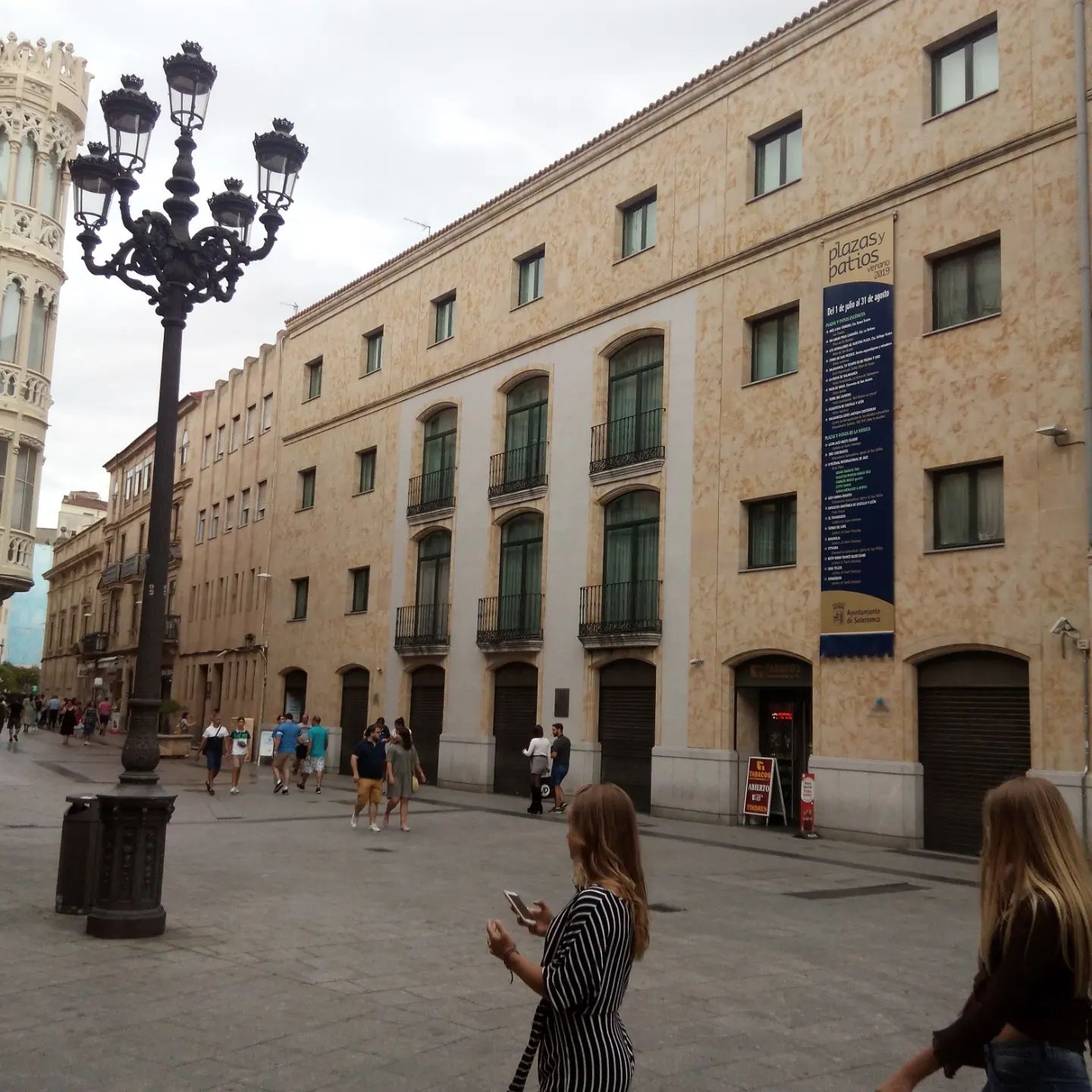
=> Photos from August 2022 (since I don't remember the exact date, I have provided an approximate date for when the photos were taken)
Salamanca (in Roman times it was called Helmántica and later Salmantica) is a city and municipality in the province of Salamanca, in Castilla y León (Spain, Europe). It is the capital of the province of Salamanca and the comarca of Campo de Salamanca (also known as Campo Charro) (and it also forms part of the Metropolitan Area of Salamanca, more commonly known as Alfoz de Salamanca). Moreover, it is also the head of the judicial party, being the judicial party number 1 of the province of Salamanca.
Salamanca is a city designed for students, being a true global university reference. However, the renowned University of Salamanca, the oldest in Spain and among all existing Hispanic universities, is also the fourth oldest university in all of Europe, behind Bologna (the oldest), Oxford, and Cambridge, and older than the University of Padua (Italy).
Additionally, setting aside its university perspective, Salamanca also boasts a rich artistic, architectural, cultural, religious, gastronomic, and festive heritage. Among its varied monuments and points of interest stand out: the Two Cathedrals of Salamanca (the Old Cathedral and the New Cathedral), the emblematic Plaza Mayor of Salamanca (one of the most beautiful in the world), the famous Casa de las Conchas (free entry), the spectacular Clerecía and Pontifical University of Salamanca, the aforementioned University of Salamanca (it is a tradition to find a frog depicted on the main facade), the beautiful Roman Bridge of Salamanca along the Tormes River, the lovely Sky of Salamanca (museum with free entry), the Central Market of Salamanca, the Palace of Anaya, the Minor Schools, the beautiful Convent of San Esteban, the charming Garden of Calixto and Melibea, the Clavero Tower, the lovely Church of the Purísima, Calle Toro (the most glamorous commercial and pedestrian axis in all of Salamanca), the beautiful Alamedilla Park, the streets Rúa Mayor and Rúa Antigua (two other very important commercial and pedestrian axes), etc.
All this enormous and well-preserved local heritage earned Salamanca UNESCO recognition as a World Heritage City in 1988, making it the third city with such distinction in all of Castilla y León after Ávila and Segovia.
It has a population (according to INE data from 2023) of 143,954 inhabitants and an area of 39.34 km². Salamanca has a Renfe railway station (which also houses the Vialia Commercial and Leisure Center inside) and its own airport, the latter located on the outskirts of the city, in the area of Matacán (an area shared between the municipalities of Machacón, Calvarrasa de Abajo, and Villagonzalo de Tormes); hence it is called Salamanca - Matacán Airport.
The Two Cathedrals of Salamanca, the Old Cathedral and the New Cathedral, were built between the 12th and 13th centuries (Old Cathedral), and in the 16th century (New Cathedral). The Old Cathedral is dedicated to Santa María de la Sede, and the New Cathedral is dedicated to the Assumption of the Virgin.