Solidarity!
After learning about the history of the prosperous and self-assured city of Gdansk during a tour today, we headed to the Centrum Solidarnosc in the afternoon, a massive metal...
Published: 19.07.2026
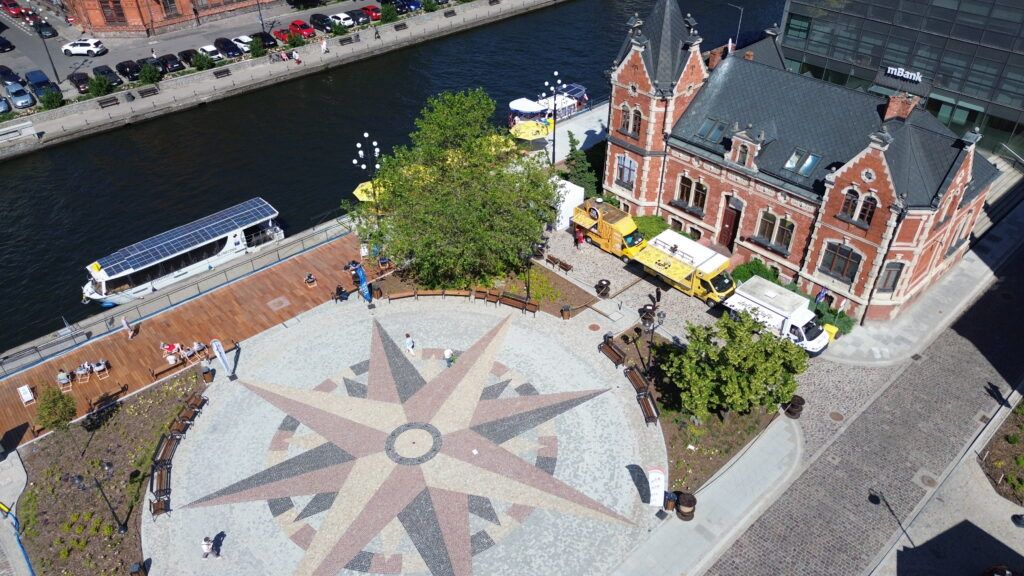
Bydgoszcz (Bromberg) is a city in northern Poland on the Brda River. While it may not be among the most famous travel destinations, a single visit is enough to realize that it is completely underestimated. The city is perfect for a short vacation (City Break) and also has good flight connections with the United Kingdom.
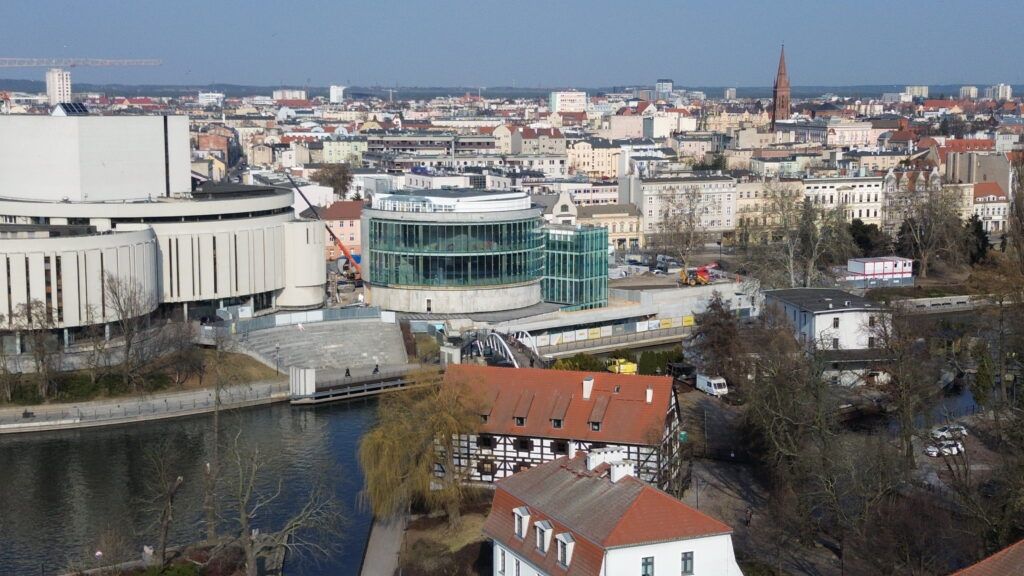
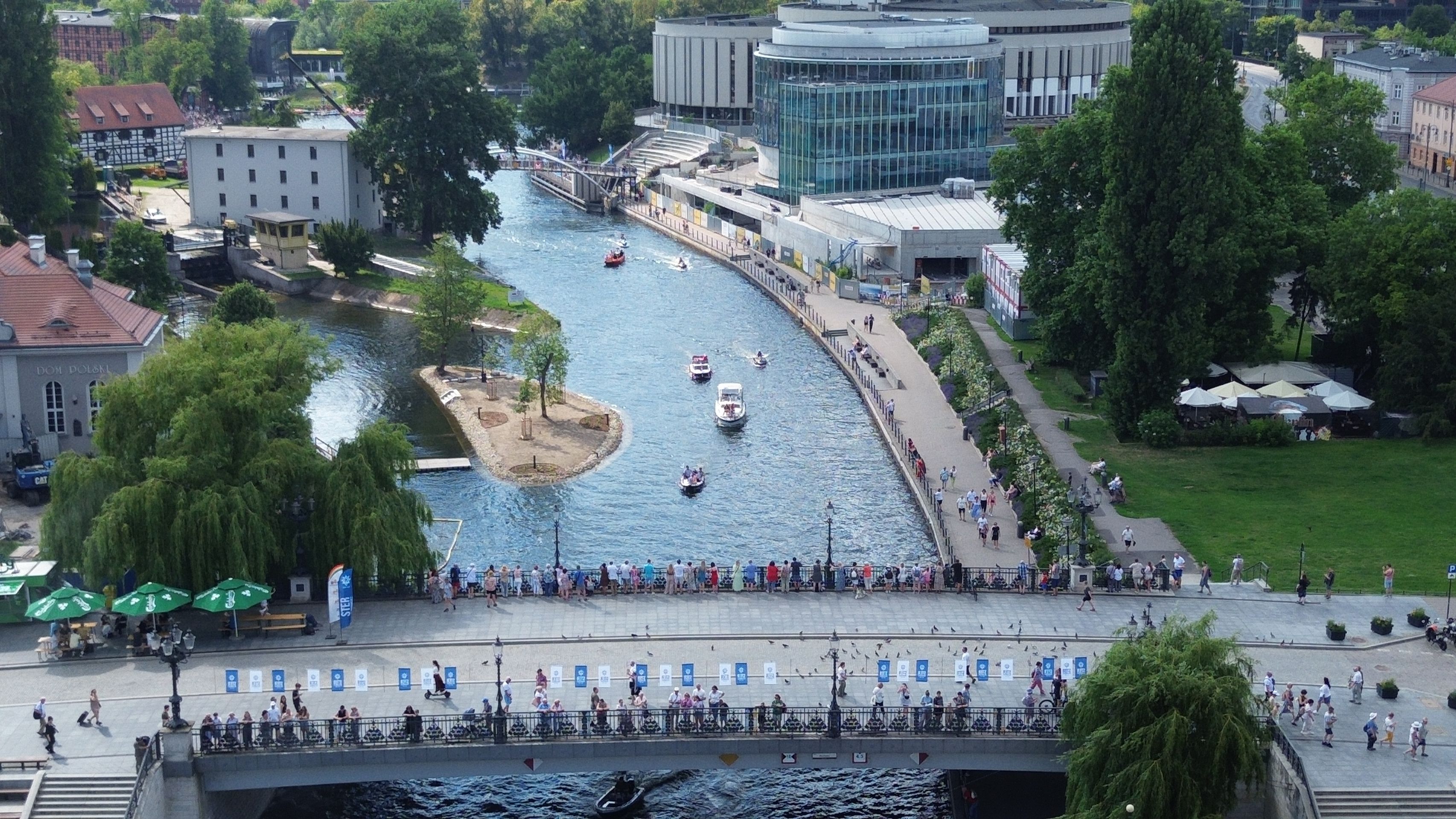
A view like this – just about 1.5 km from the city center.
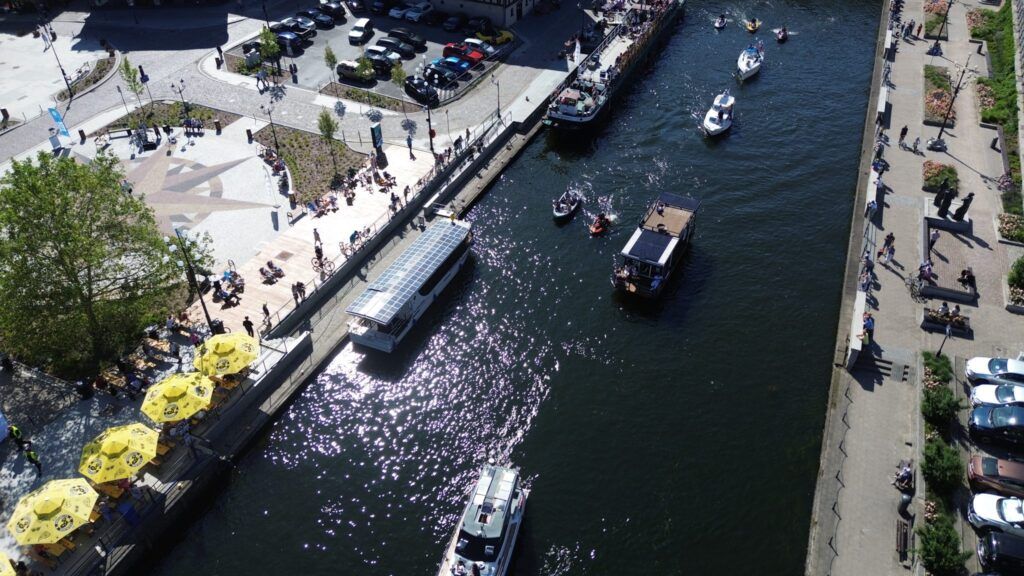
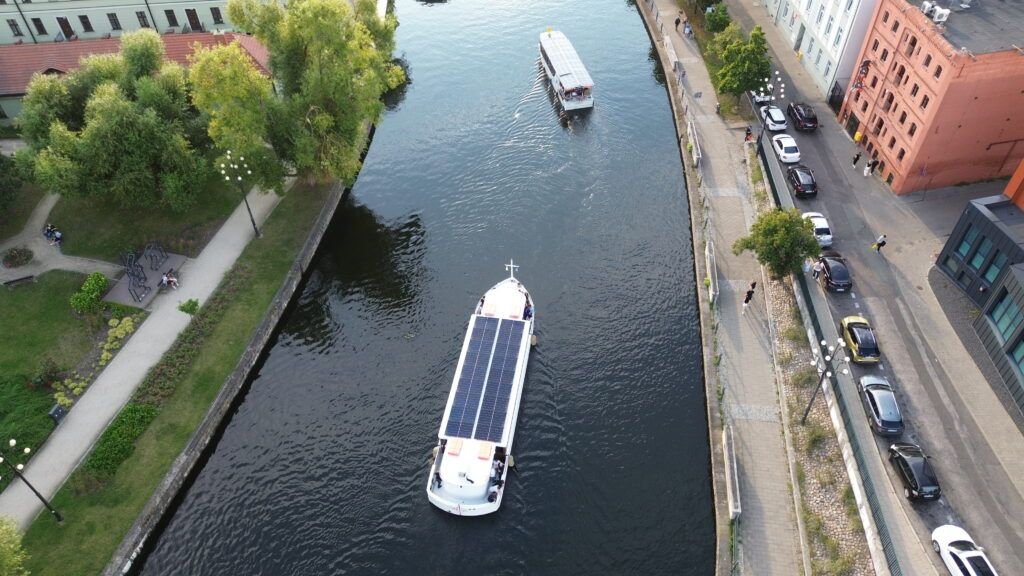
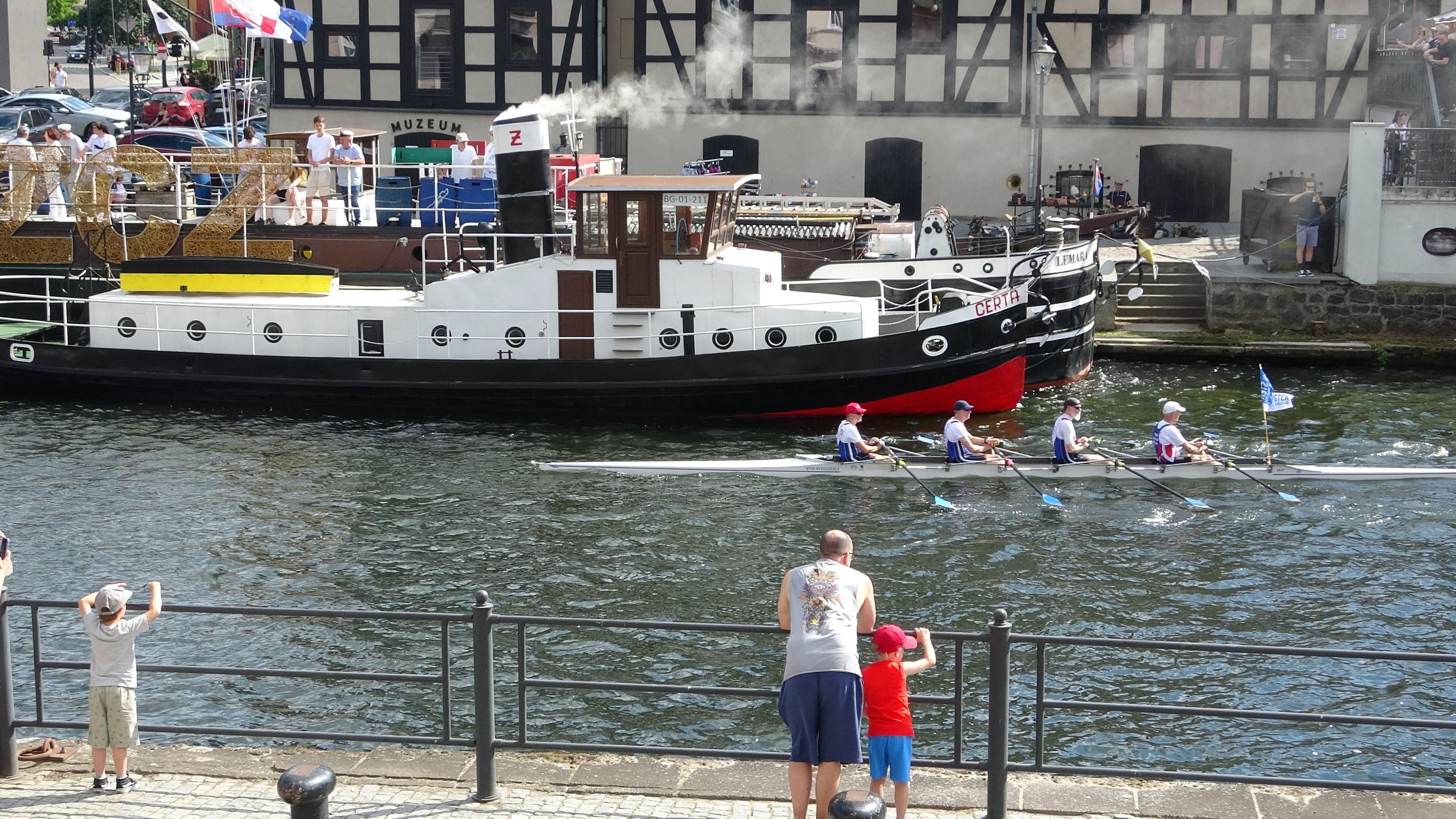
Visiting Bydgoszcz and not experiencing the city from the water is like visiting Paris without seeing the Eiffel Tower. The city thrives along the Brda and is continuously developing its waterfront promenades, allowing visitors to enjoy unique impressions.
There are numerous options available – from rowboats and small excursion boats to floating restaurants and houseboats. Kayaks can also be rented.
The revitalized Islands of Mills is now the heart of Bydgoszcz. When no major events are taking place, it is the ideal spot for relaxing, sunbathing on the lawns, or reading a book. A minting house existed here as early as the 16th century, powered by the Młynówka canal. Since the island is surrounded on one side by the Brda and on the other by the Młynówka, it rightfully carries its name.
Smaller boats dock here next to the Rother Mills. The island also houses several buildings from the district museum and a nearby marina.
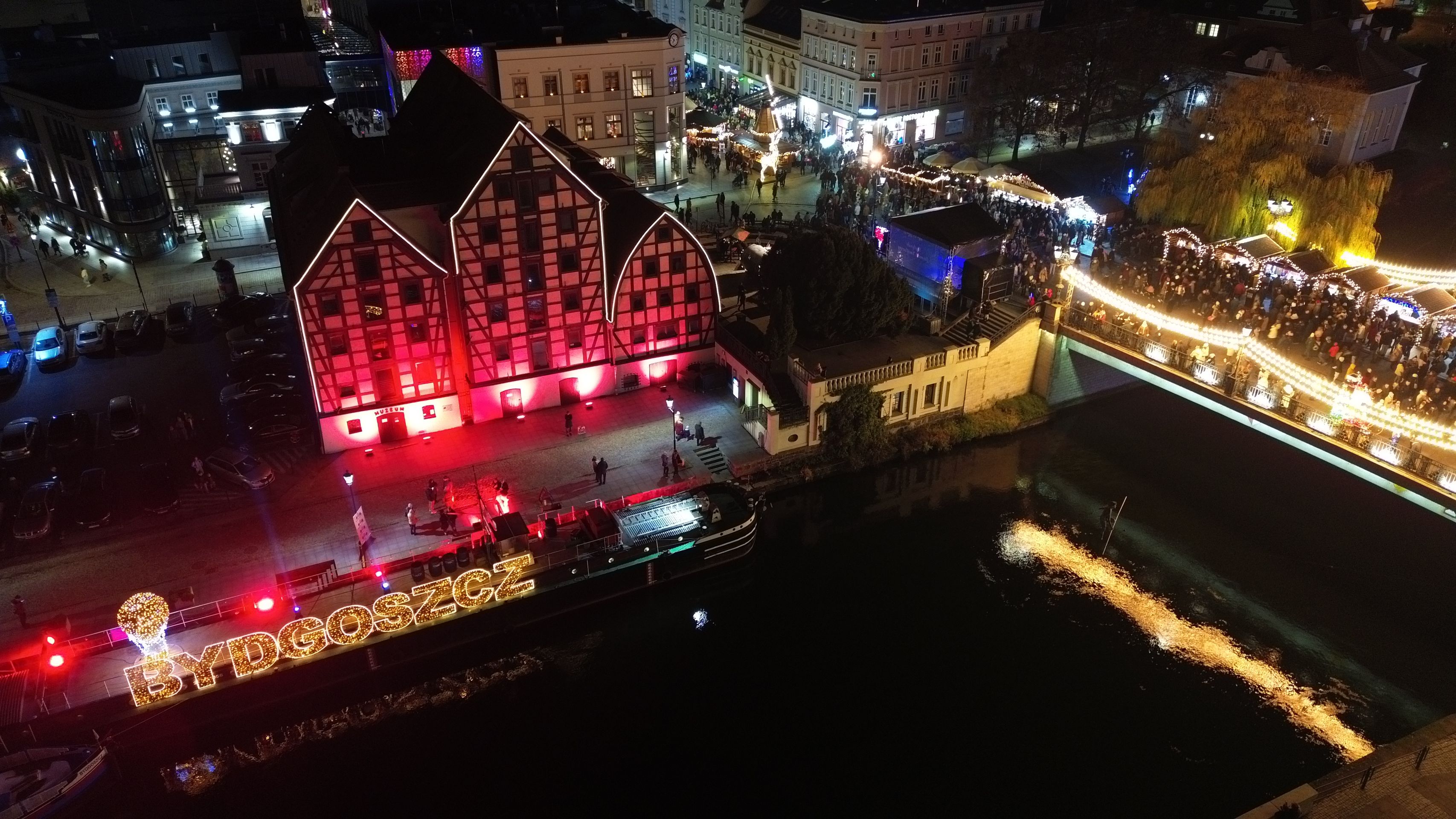
The Museum of the History of Bydgoszcz is a young initiative of the city's largest museum institution – the Leon Wyczółkowski District Museum. In the historic granaries, which are considered city landmarks and can be found on numerous logos and souvenirs, exhibitions about the city's history and ethnography are being developed.
The grain mills on the Islands of Mills were built in the mid-19th century. Recently, the entire complex underwent extensive modernization and was transformed into a modern meeting and exhibition center.
Today, visitors can explore, among other things, the permanent exhibition “Węzły” (“Nodes”) about the history of the Bydgoszcz water network and the exhibition “Młyńska Maszyna” (“The Mill Machine”), an interactive science center explaining how the historical grain mills worked. A viewing terrace is also freely accessible.
In the city center, there are several centuries-old churches with extraordinary histories.
The oldest is the Cathedral of Bydgoszcz, originally founded in 1346. The current building dates back to the 15th century. Although it is relatively small for a cathedral, it possesses a unique atmosphere and harmoniously fits into the riverscape of the Brda. In the bell tower hang bells from Kamjanez-Podilskyj. One of them, according to the novel Pan Wołodyjowski by Henryk Sienkiewicz, is said to have sounded the alarm during the Turkish siege in 1672.
The greatest treasure of the cathedral is the painting of the Virgin Mary of Beautiful Love, also known as the Madonna of Bydgoszcz. It was created in 1466 at the behest of the starost Jan Kościelecki and is known for numerous reports of miracles. Until 1922, the image remained largely hidden before being rediscovered by Father Tadeusz Skarbek-Malczewski. During World War II, it was hidden in Mąkowarsk. In 1966, it was crowned by Blessed Cardinal Stefan Wyszyński, accompanied by Cardinal Karol Wojtyła, later Pope John Paul II, who repeated the coronation in 1999.
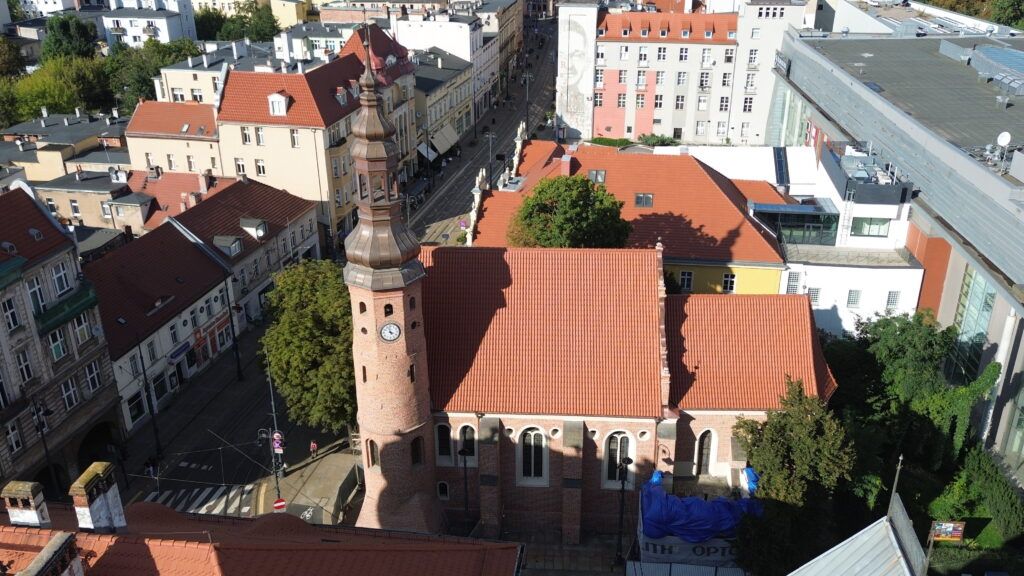
The second oldest surviving church in the city is the Assumption of Mary Church, better known as the Clarissine Church. A wooden church of the Holy Spirit stood on this site as early as the 15th century. The current brick building was constructed in the 16th century and received its historical name with the settlement of the Clarissan order. In the 19th century, the distinctive clock tower was added. Since 1946, the Bydgoszcz tower signal sounds daily at noon. Today, the parish is overseen by the Capuchin Franciscans.
Many other churches have shaped the history of Bydgoszcz, even though not all have survived to this day.
During the tourism season, numerous open-air concerts are held in Bydgoszcz. They evoke earlier times when artists regularly performed along the Bromberg Canal.
Some of the most popular event series include:
Admission to all events is free.
The Planty gardens form a historic promenade with plenty of greenery and picturesque walking paths. It used to be one of the city's most popular recreation areas.
The Bromberg Canal Museum informs about the history of the canal and its significance for the development of Bydgoszcz. Additionally, it organizes exhibitions and educational programs.
Until 1973, Fordon was an independent town. Its market square, with the St. Nicholas Church dating back to the 15th century, represents a unique cultural heritage. The square was extensively revitalized a few years ago and equipped with impressive fountains.
Nearby is the former Jewish synagogue, now used as a cultural and community cinema. In recent years, a marina on the Vistula has also been developed nearby, from which more and more boat trips are offered. Future plans for the area include the addition of an indoor swimming pool.
The monumental sculpture of the biblical flood was originally created in 1897 by sculptor Ferdinand Lepcke. Three versions were made in total: in Bydgoszcz, Coburg (his hometown), and Eisleben. The sculpture in Eisleben was melted down during World War II, while the fountain structure in Bydgoszcz was destroyed in 1943.
Thanks to the dedication of the residents, the fountain was faithfully reconstructed in 2014.
On Dąbrowski Hill, which played an important role during the Kościuszko Uprising, stands the 45-meter-high Water Tower. It is about a ten-minute walk from the historic city center.
The tower was built at the turn of the 19th to the 20th century and was operational until 1990. Today, it belongs to the Water Museum of Bydgoszcz. In addition to exhibitions on the history of the urban water supply, regular art exhibitions are held here.
However, the biggest highlight is the observation deck, from which an impressive panoramic view of the entire city can be enjoyed. A bit of fitness is required for the climb, though.
For more information: