
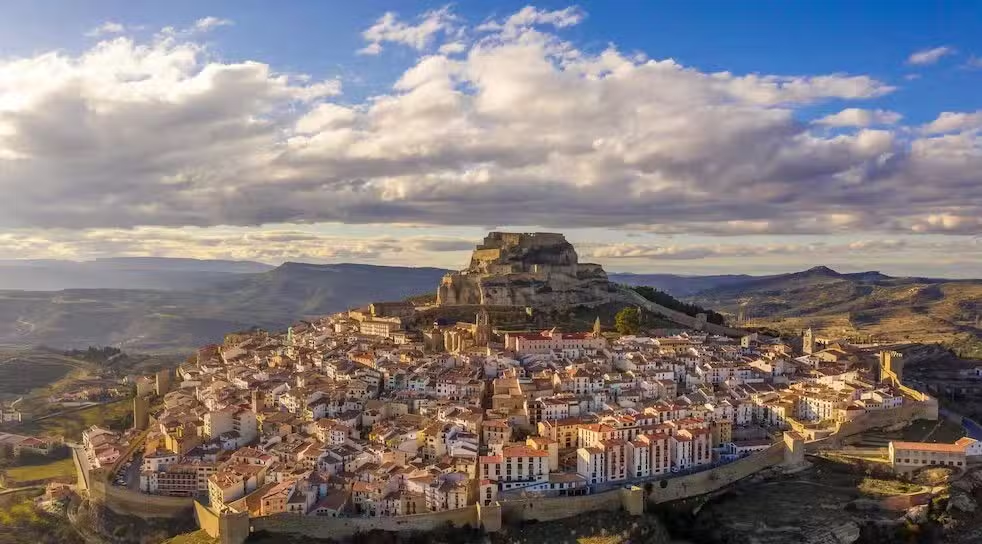
When rock and fortress are one
Today was a highlight of our tour for Icke and me. While Icke shopped undisturbed for three hours, I conquered the Castillo de Morella, one of the most impressive buildin

Published: 22.10.2026
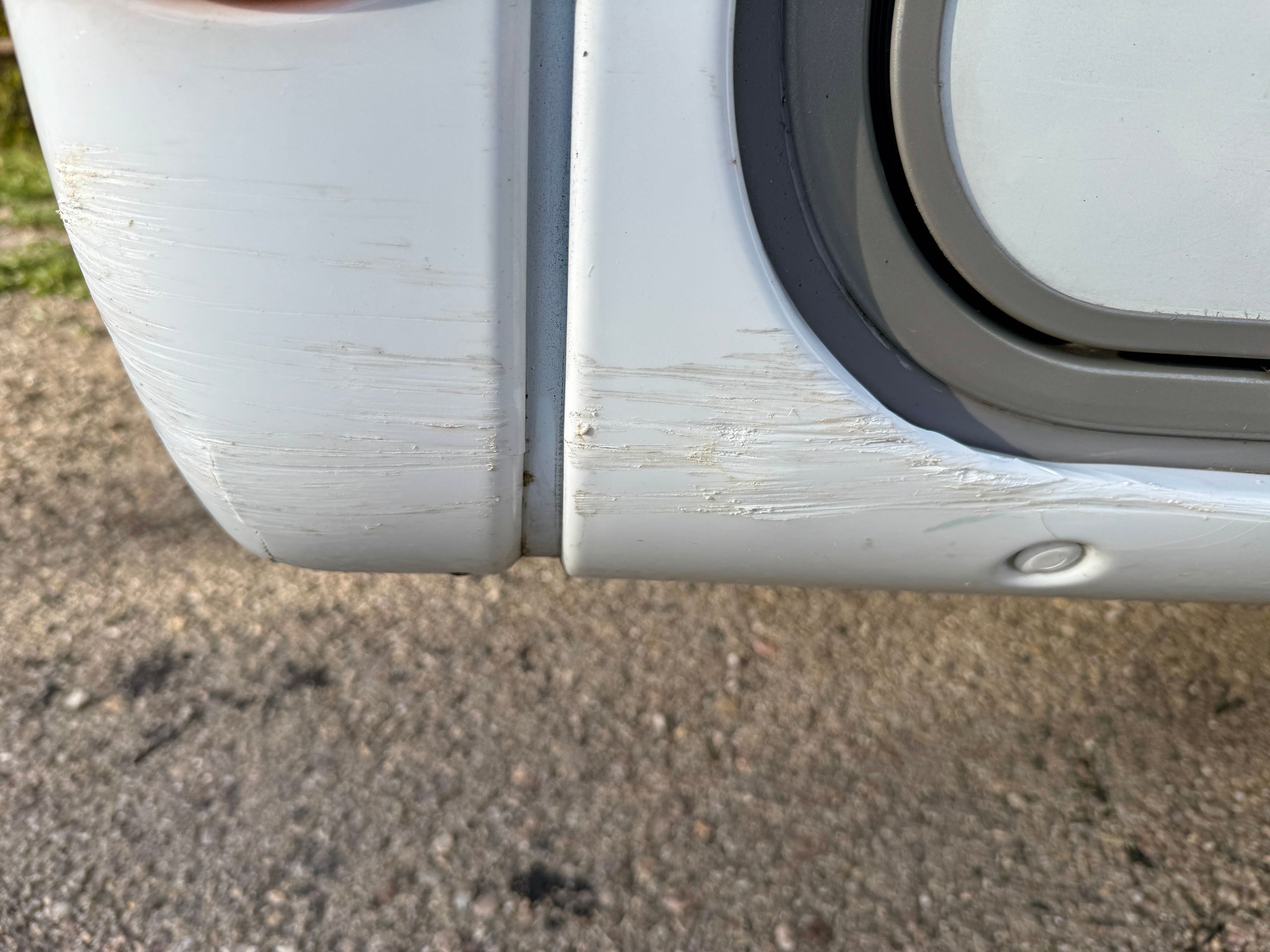
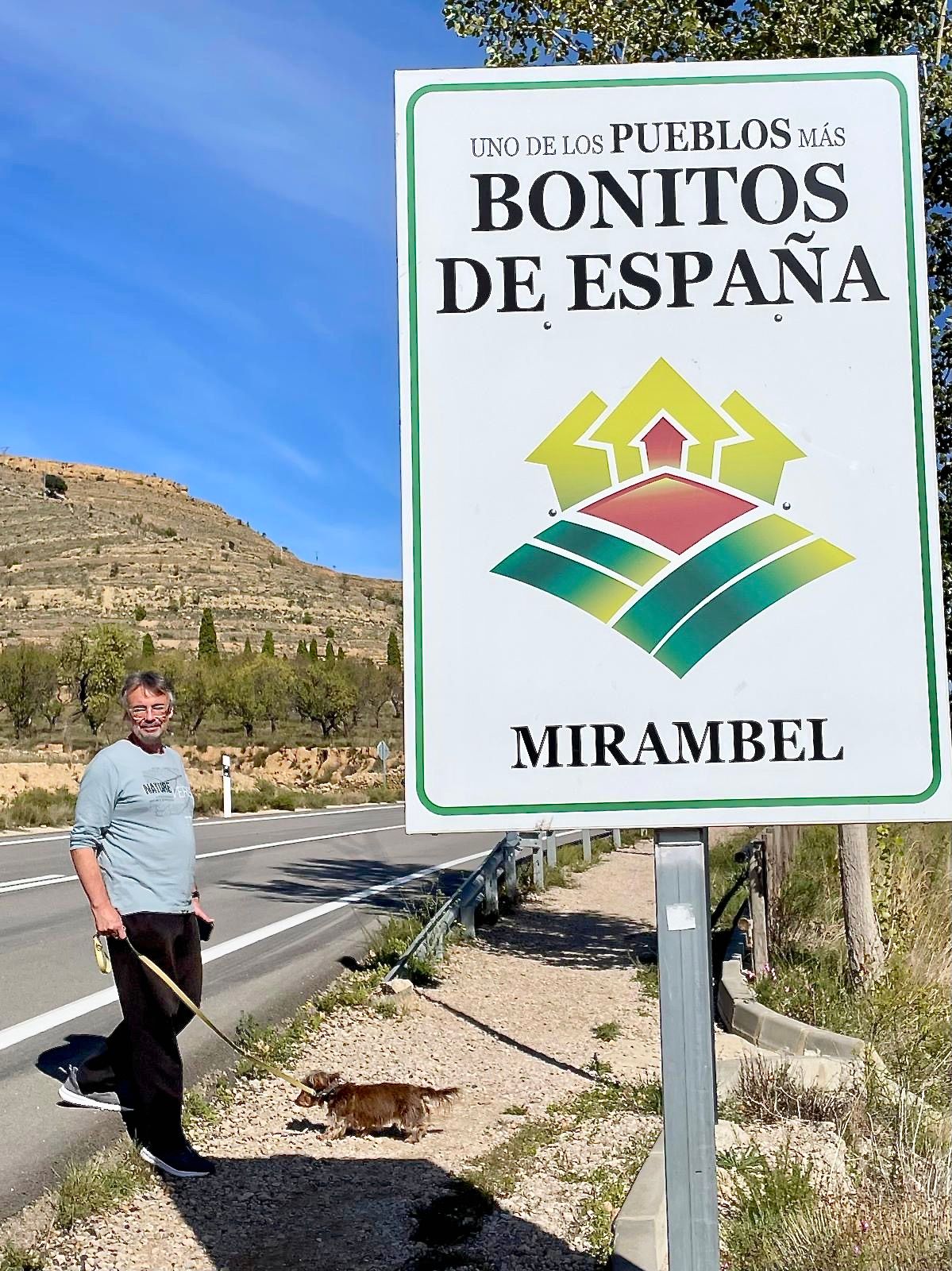
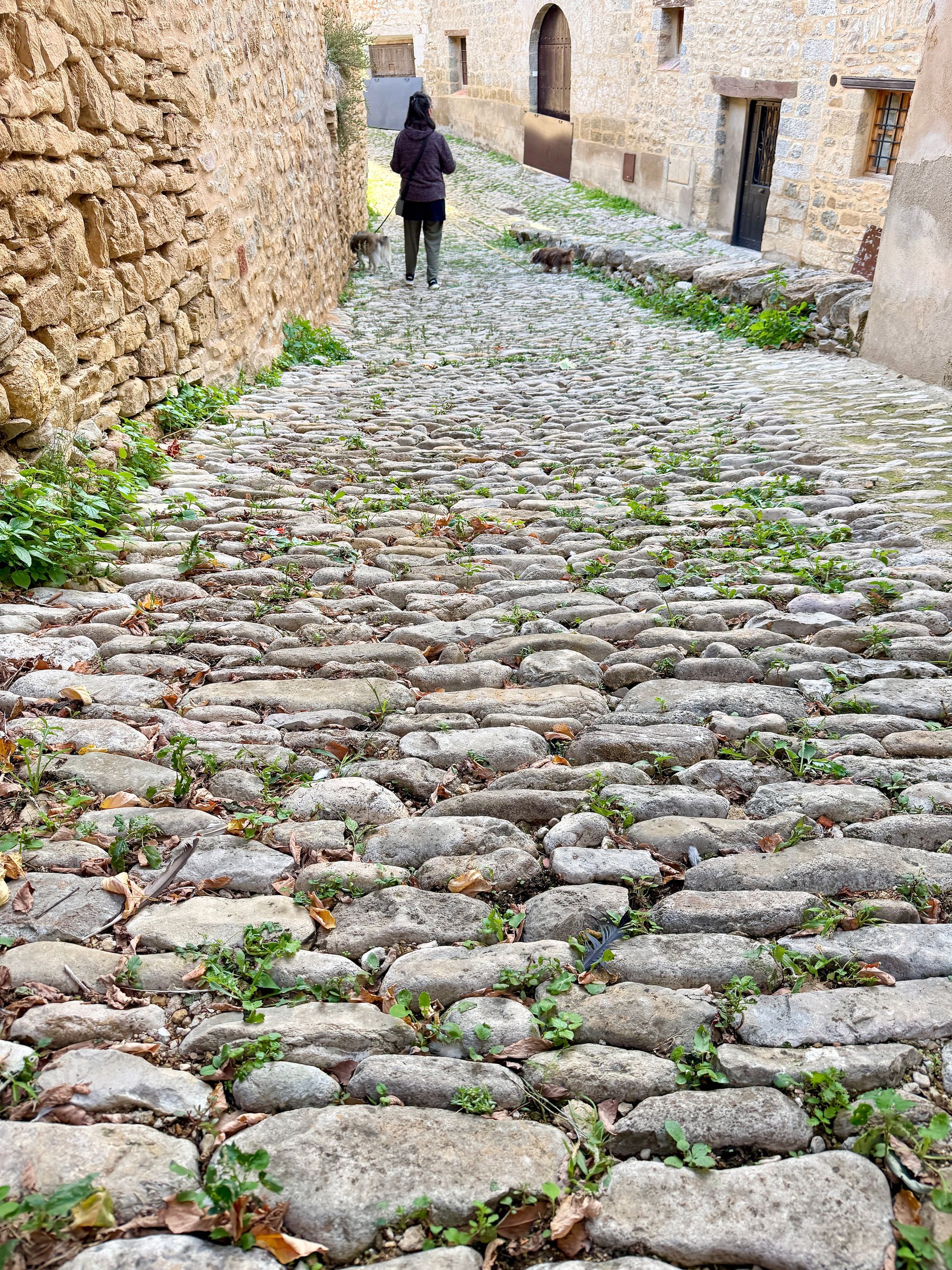
Today was not my day. It actually started out quite well. We restocked our supplies in Morella, exchanged a gas bottle, and reached Mirambel without any major issues. However, we took an exit a bit too early and ended up in the center of the 100-inhabitant village. Small cobblestone paths, tight curves with steep slopes – and that’s how it happened: I got my rear bumper caught on a corner. Nothing dramatic, but the scratches are still quite annoying.
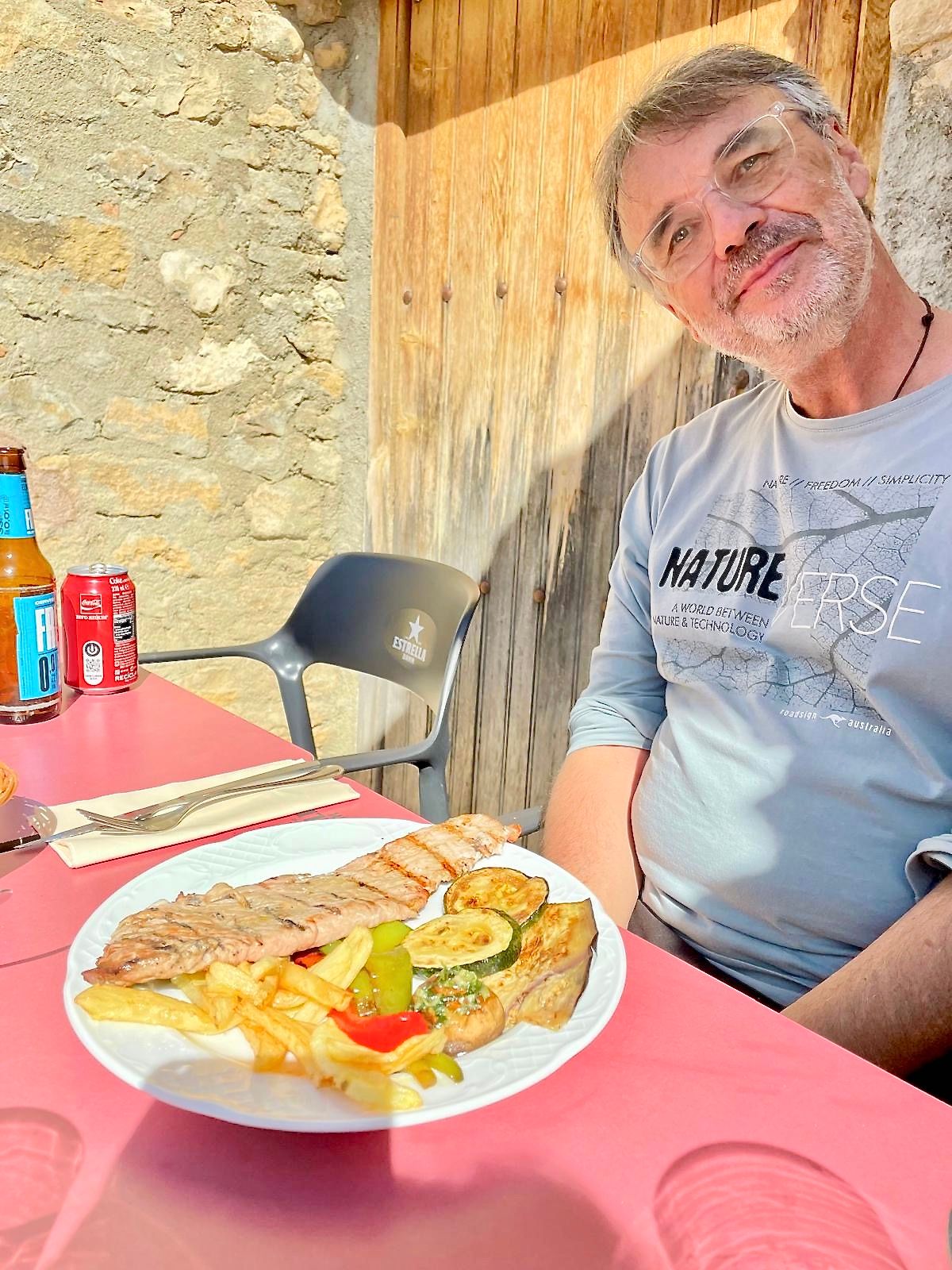
We had to digest that first, and since we were already processing it, we went straight to the next and only restaurant in the village for a meal. The innkeeper had witnessed my mishap, and he probably felt sorry for us because we were served our menu on the terrace, which is not usual. The food was excellent, and when we finished, I took the dishes to the kitchen. I wanted to show the innkeeper that we appreciated his kindness. As I went in, I saw the stairs, but not as I came out. I crashed down flat on the stone floor. As quickly as I had fallen, I stood back up. Scrapes on my arm and knee were the appropriate reminder for my inattention …
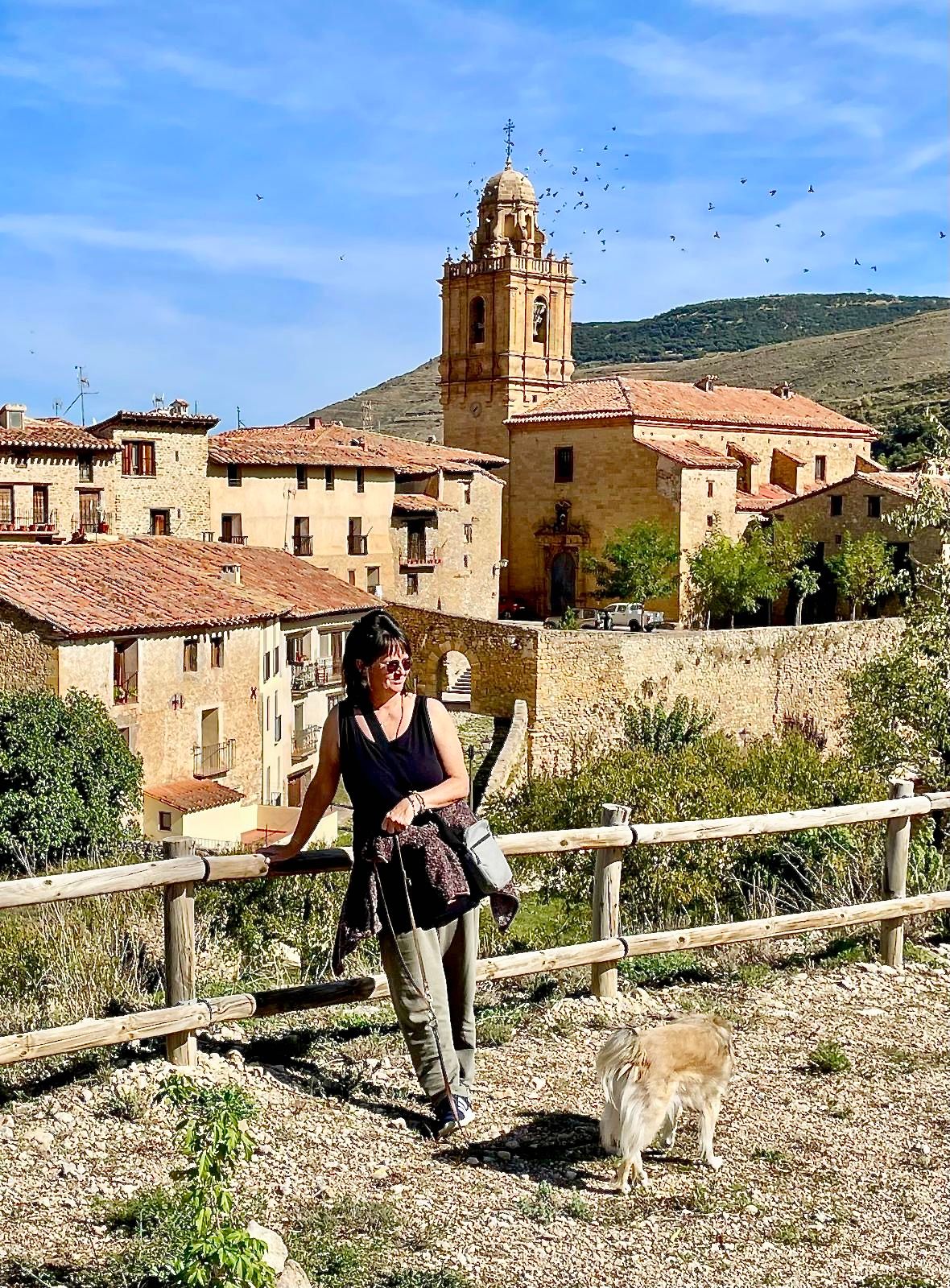
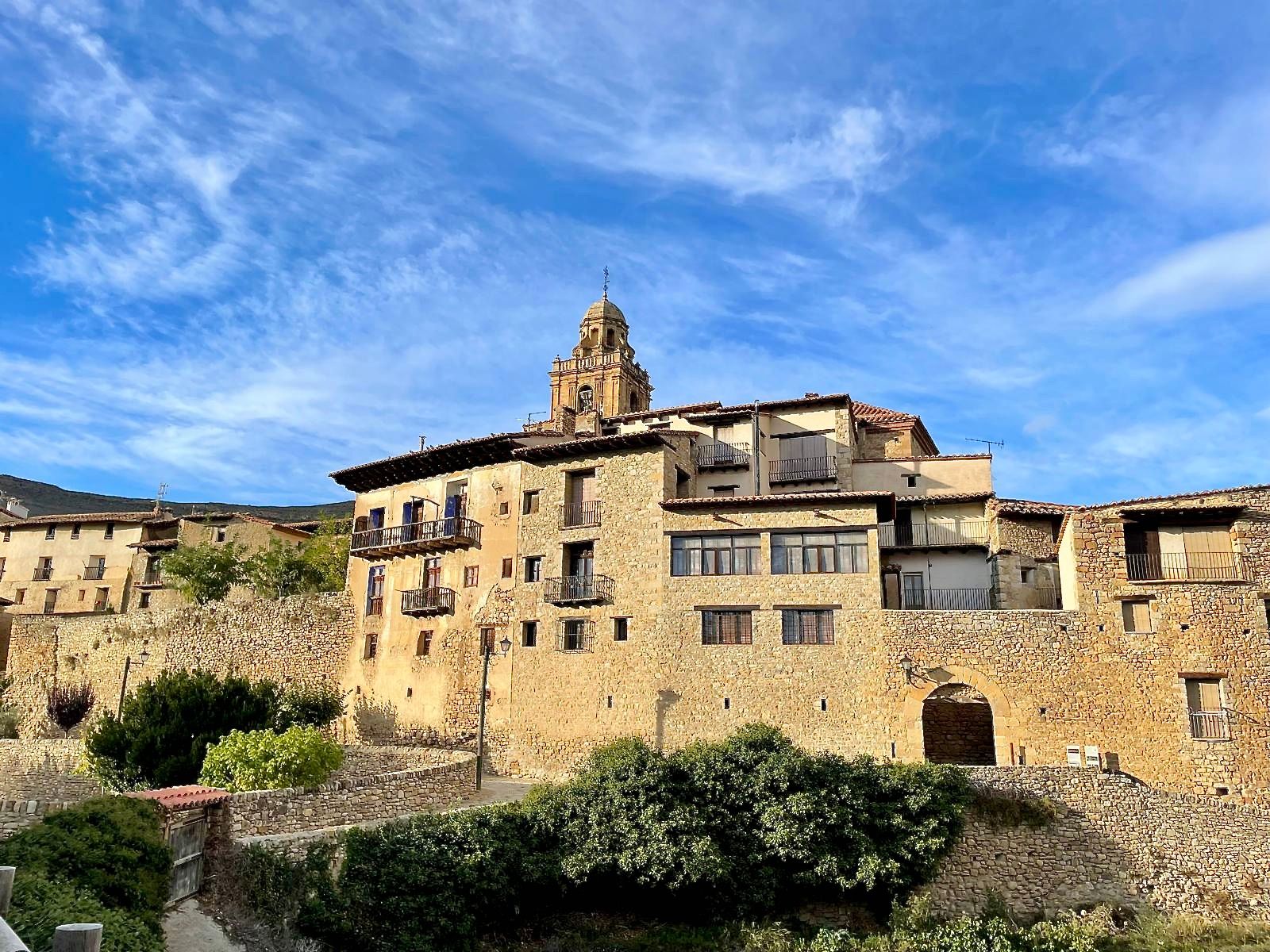
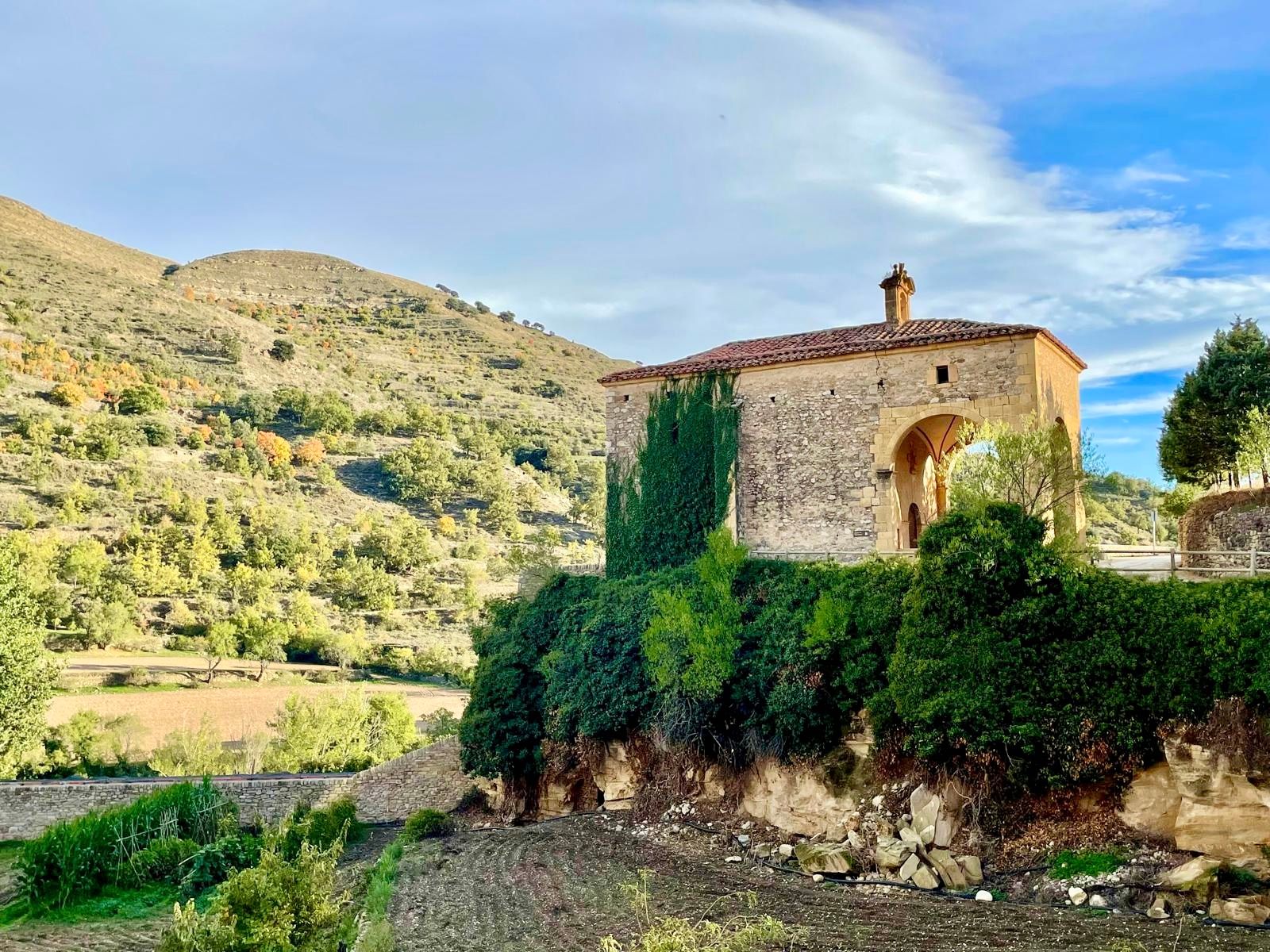
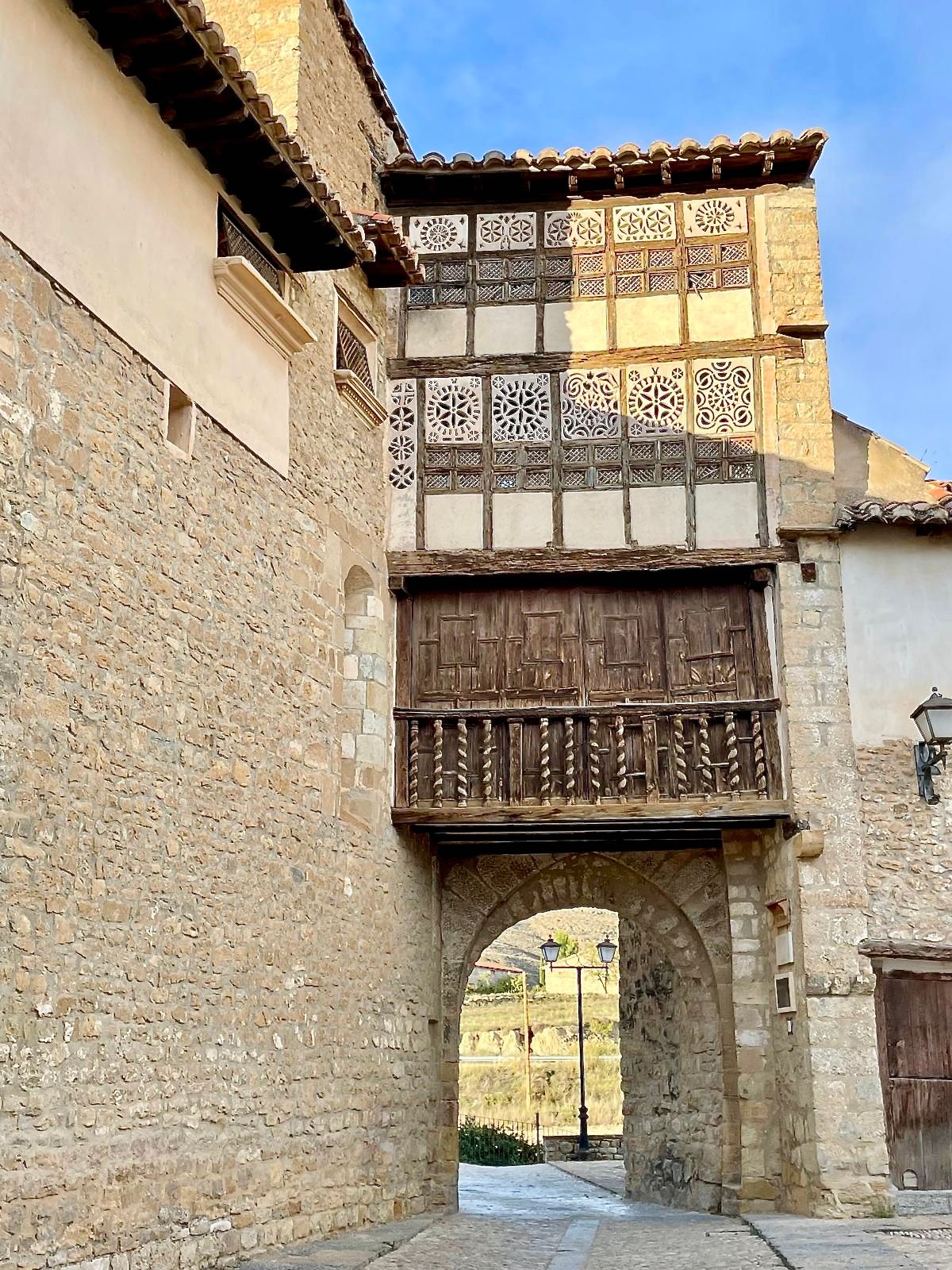
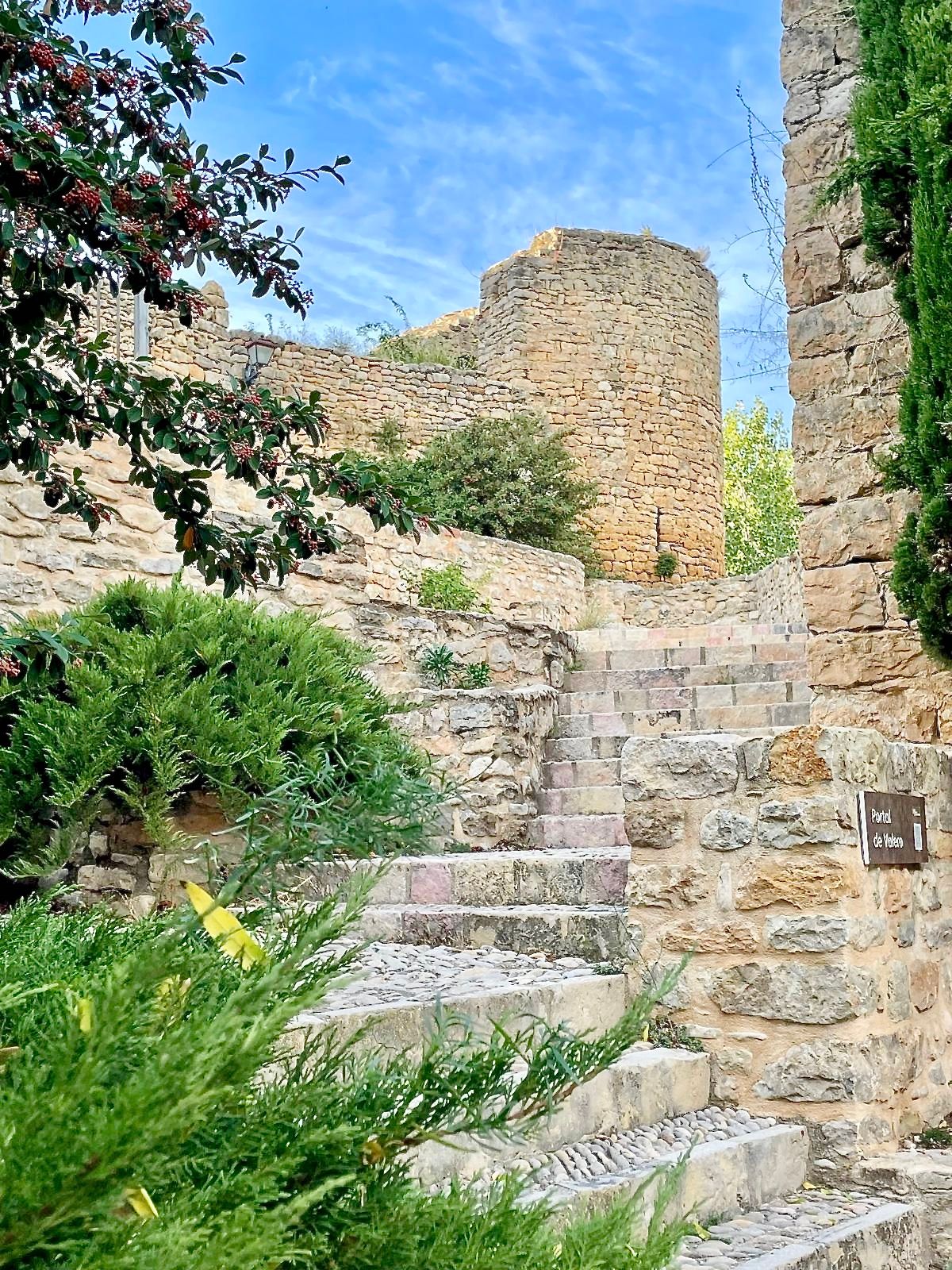
The subsequent stroll through the streets of Mirambel made up for everything. Icke and I agree that it is the most extraordinary place of our journey so far. Everything here is made of stone. Truly everything. It is also one of the few villages in Spain that is still completely surrounded by a stone wall. Here, one feels transported back centuries with every step.
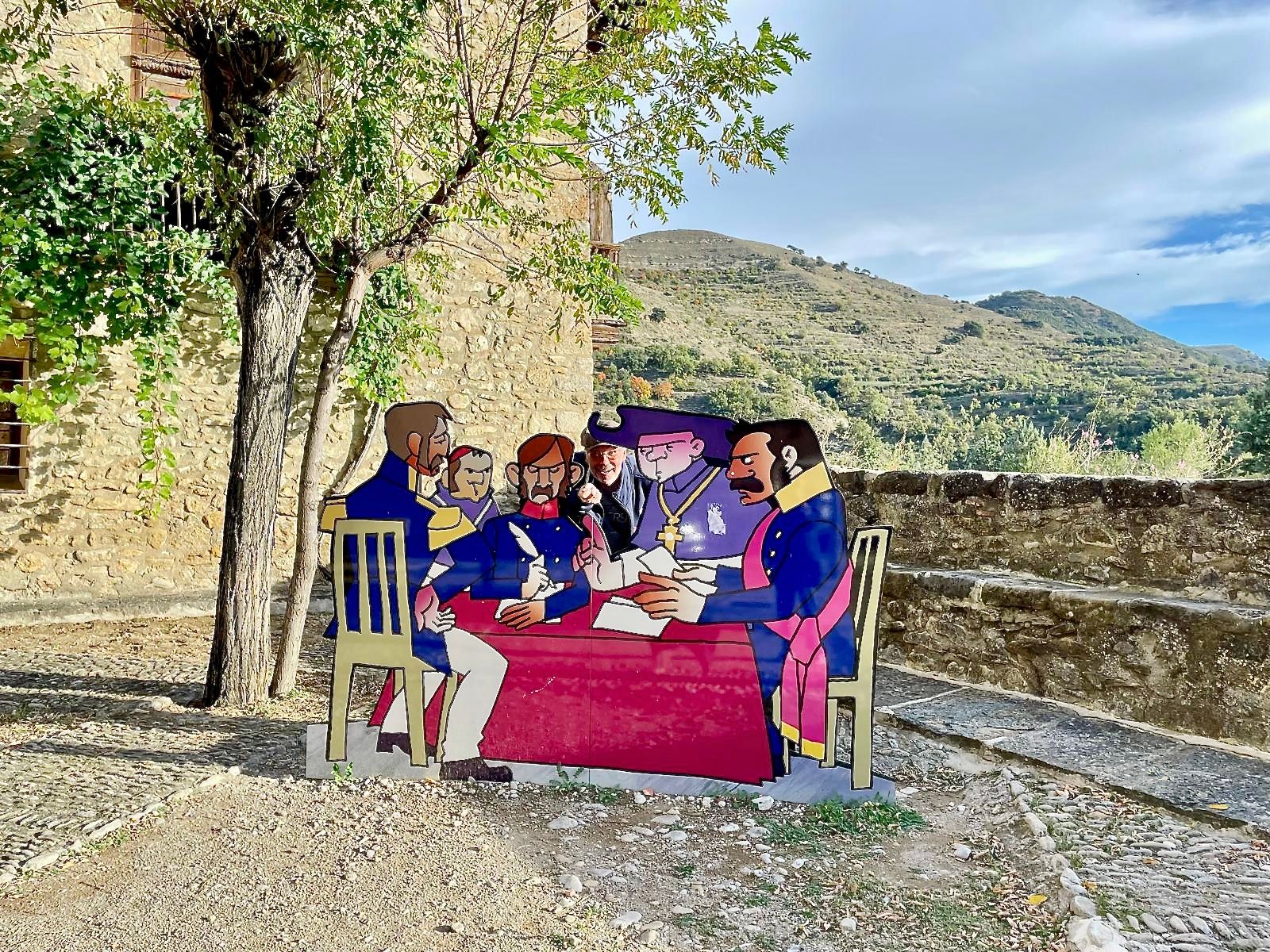
Of course, Mirambel has a castle, like every Spanish place that takes itself seriously. The fortress dates back to the time of the Knights Templar and holds a special significance in the country’s history. Sorry, but a little bit of history is necessary now: In this castle, Ramón Cabrera used to reside during his frequent stays in Mirambel. He was one of the most important military leaders of the Carlists. They fought from 1833 to 1840 as supporters of Don Carlos against those backing the young Queen Isabella II. It was about the Spanish succession, but also about the contrast between traditionally monarchist and liberal ideas.
Good Cabrera kept fighting. In the end, however, it was in vain. After another defeat in 1849, he had to go into exile for good. He died in 1877 in England, far from his Spanish homeland.