
10.06.2022 Freitag 6. Urlaubstag
Strand,- und Gammeltag Heute morgen war das Wetter wieder grau, aber nach einem späten Frühstück kam die Sonne hervor und wir machten uns strandfertig. Vom Parkplatz an der...

Published: 11.06.2022
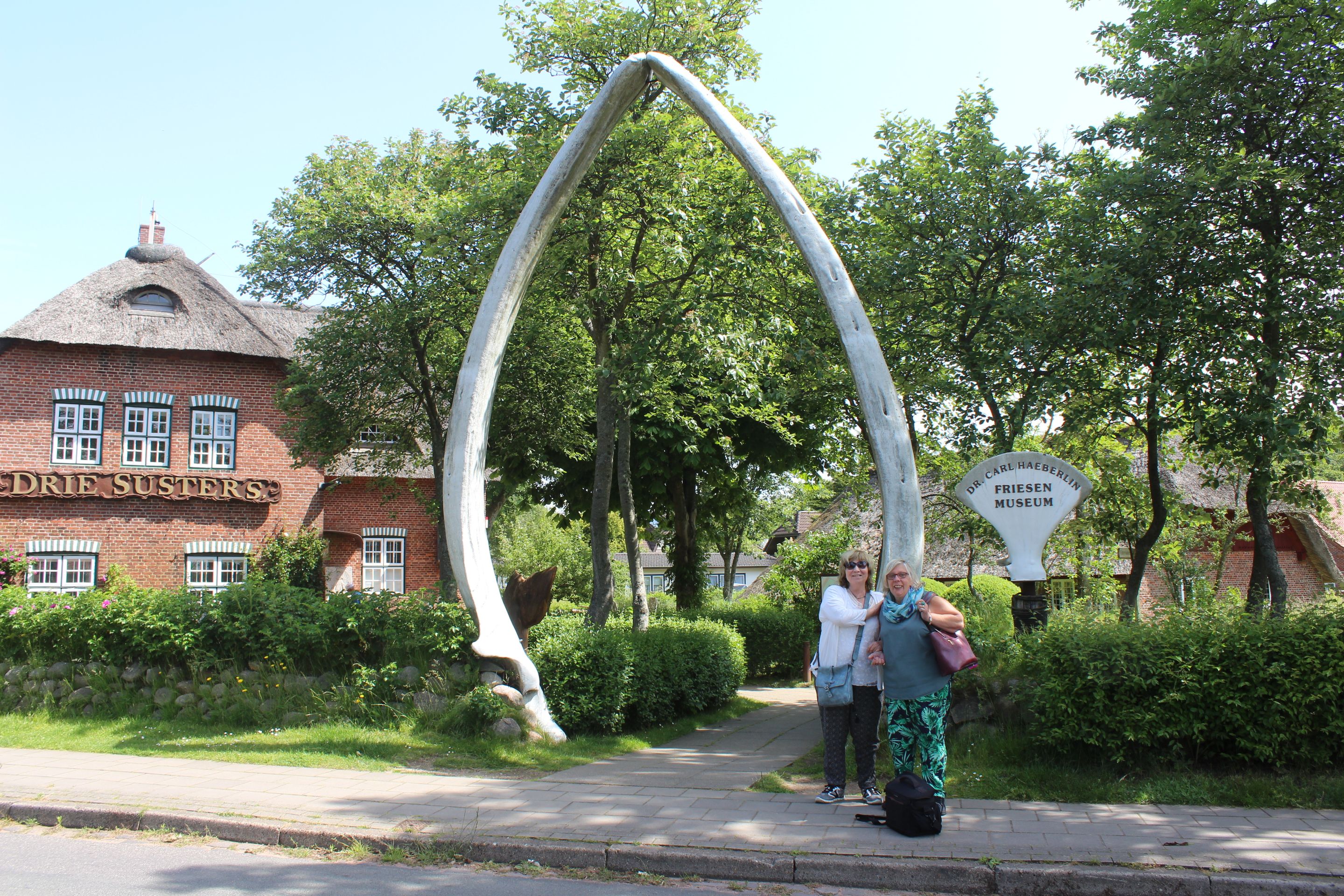
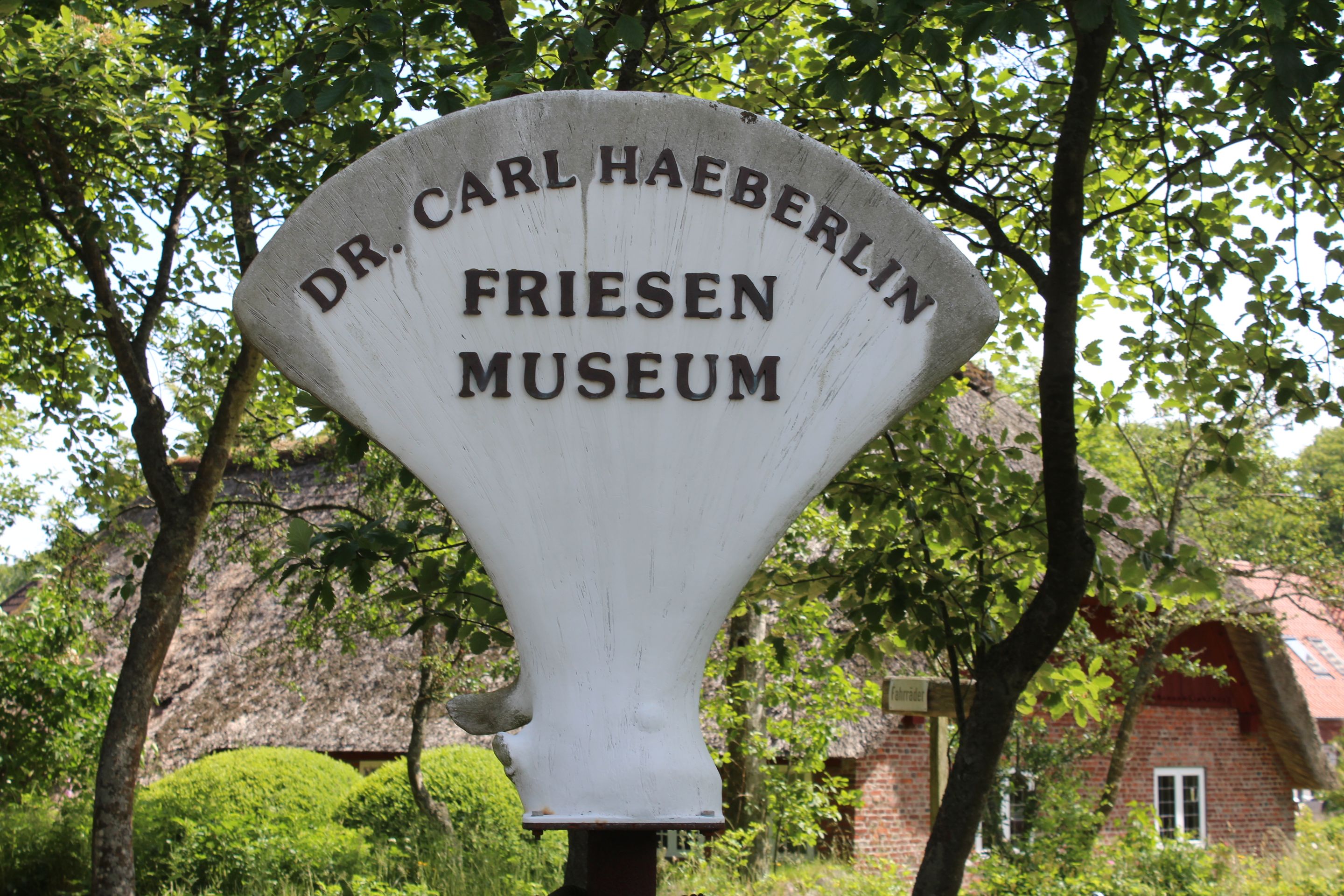
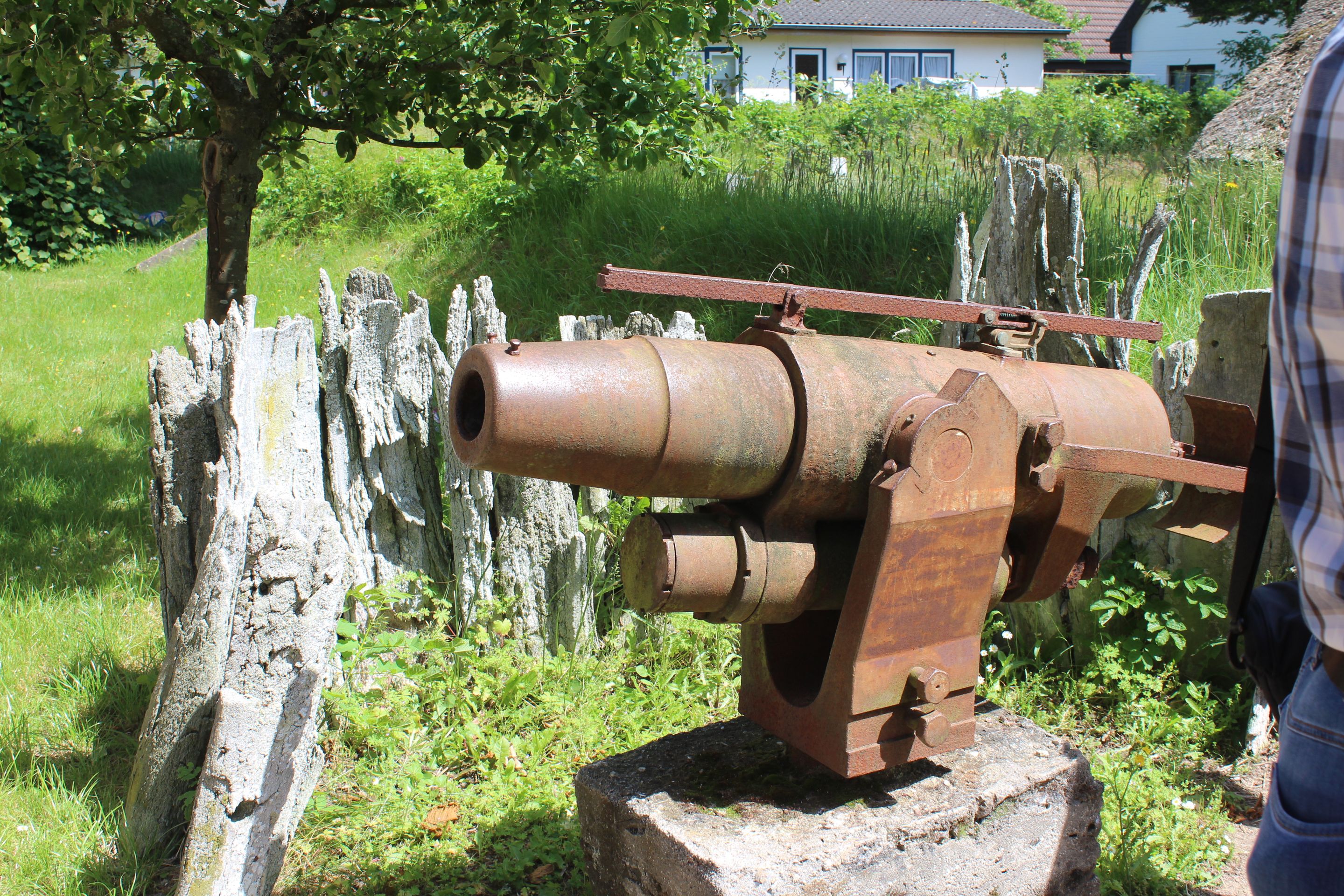
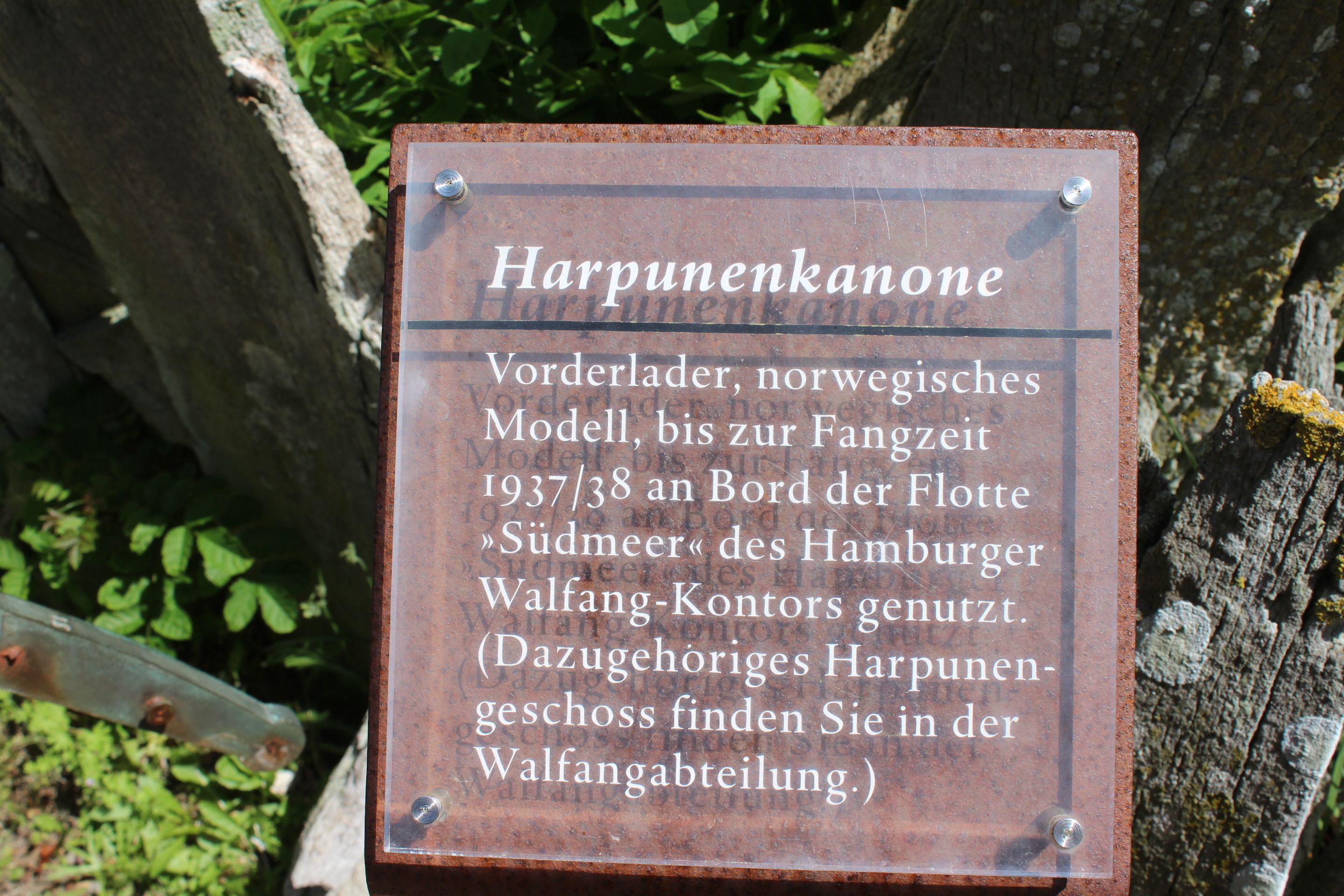
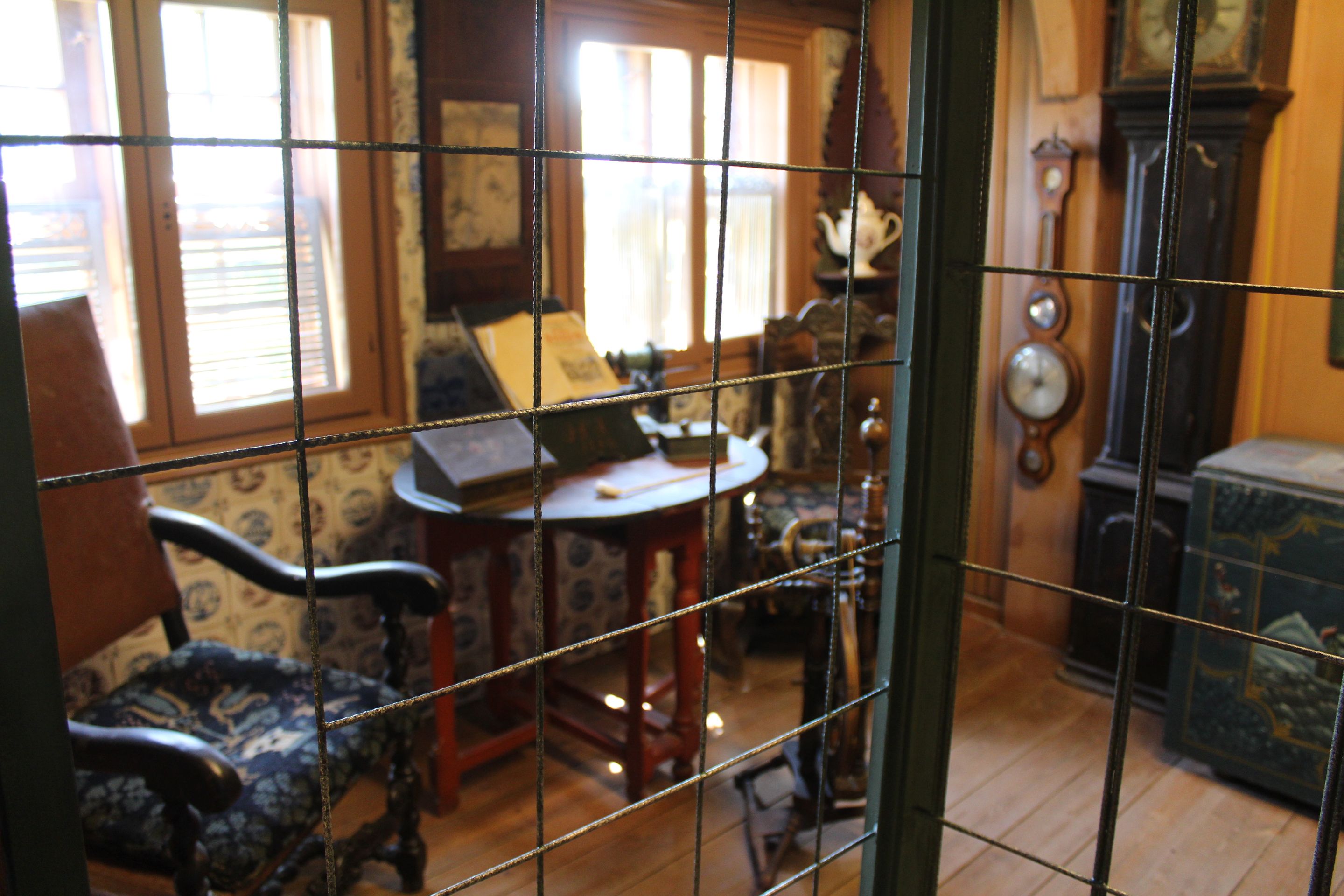
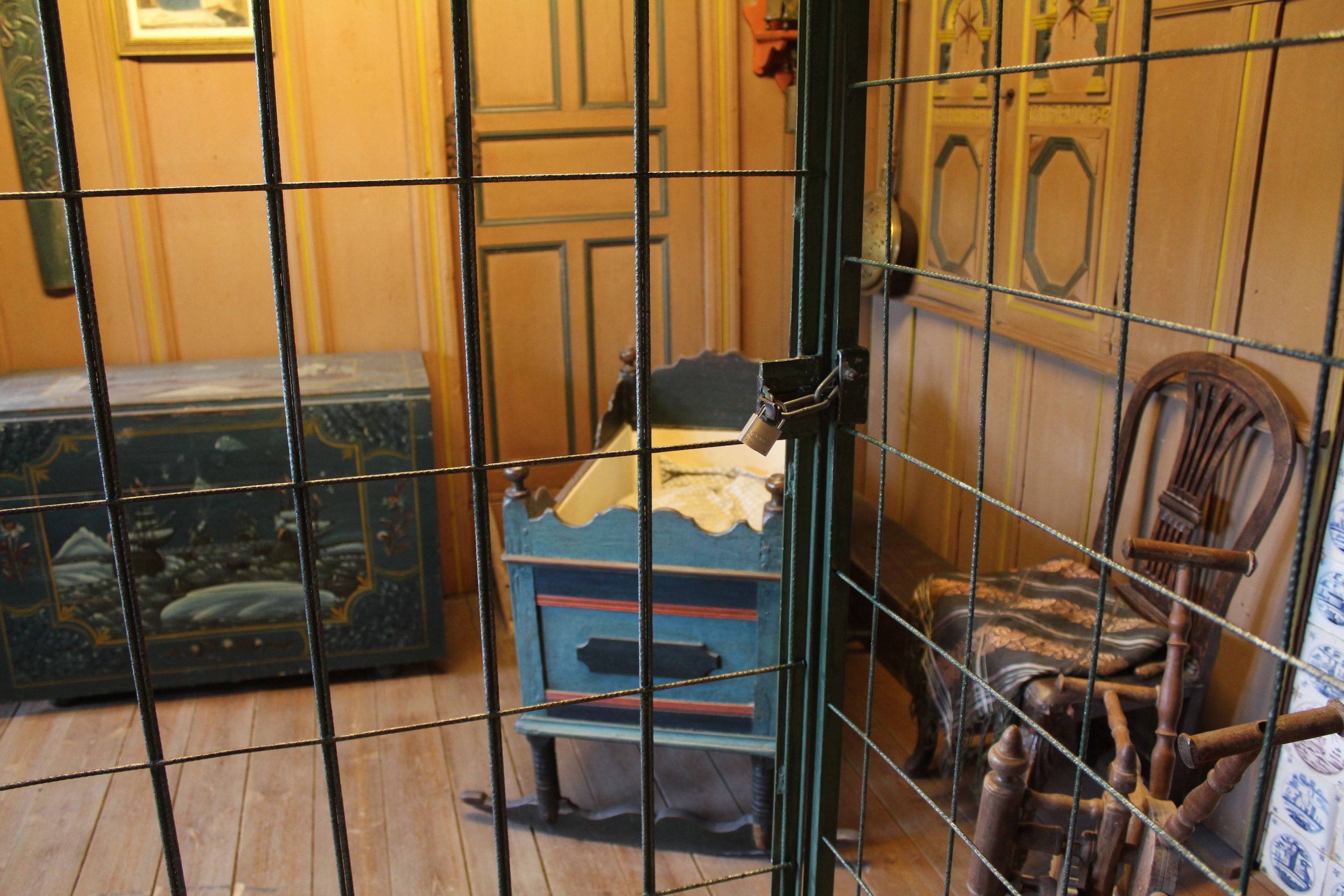
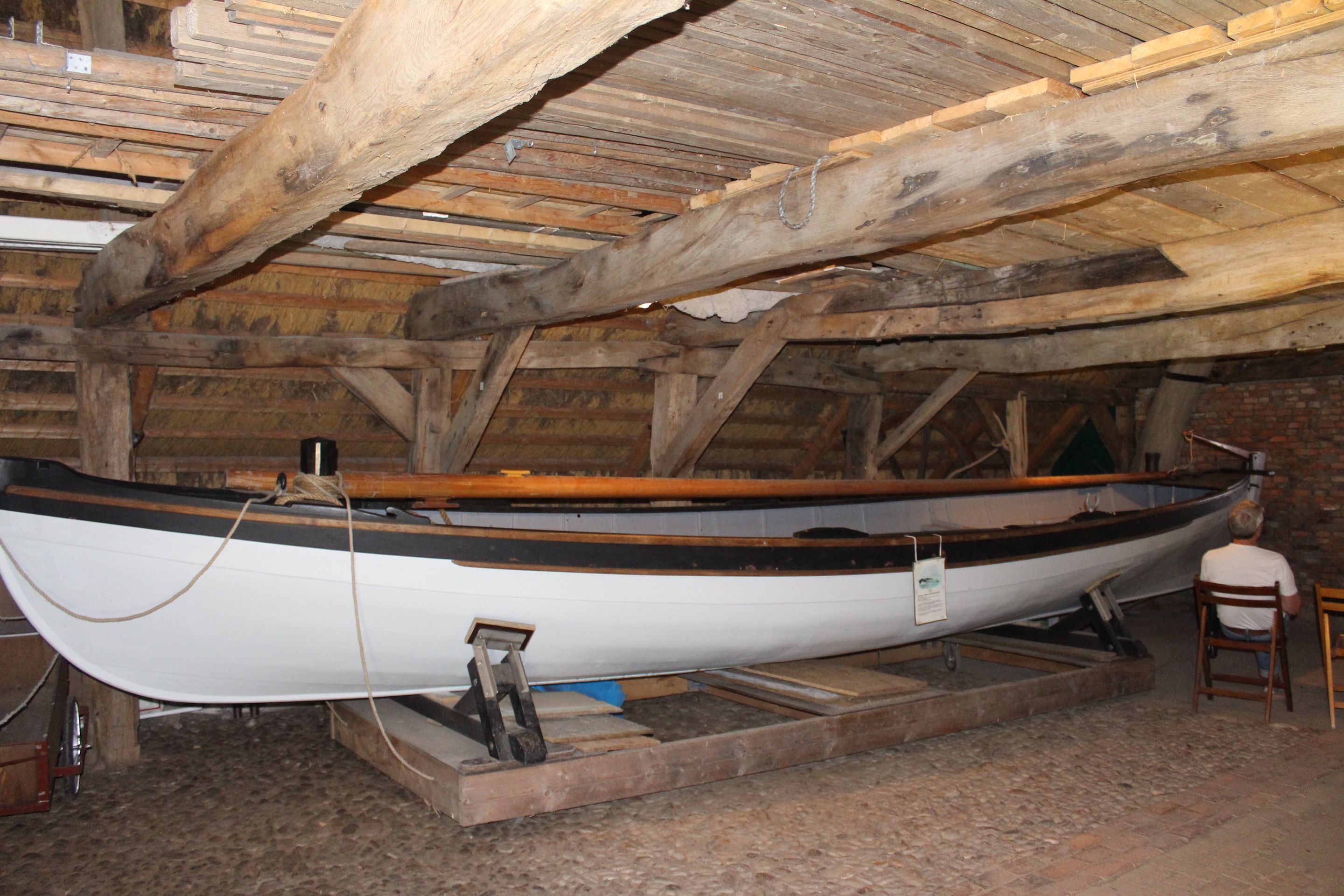
After a hearty breakfast, we drove to the Dr. Carl Haeberlin Friesen Museum today in radiant sunshine and sang loudly together with Schlager by Lale Andersen and Zarah Leander, because my two friends are very knowledgeable about Schlager music. It's not uncommon for me to say something and both of them respond with a hit song. It's funny what the two of them can do. At the entrance of the museum, we walked under the 6.30 m high jawbone of a blue whale. The museum we visited was built in 1908 and is called 'Drie Süsters'. In front of the entrance, we were greeted by a harpoon cannon that was used for hunting blue whales.
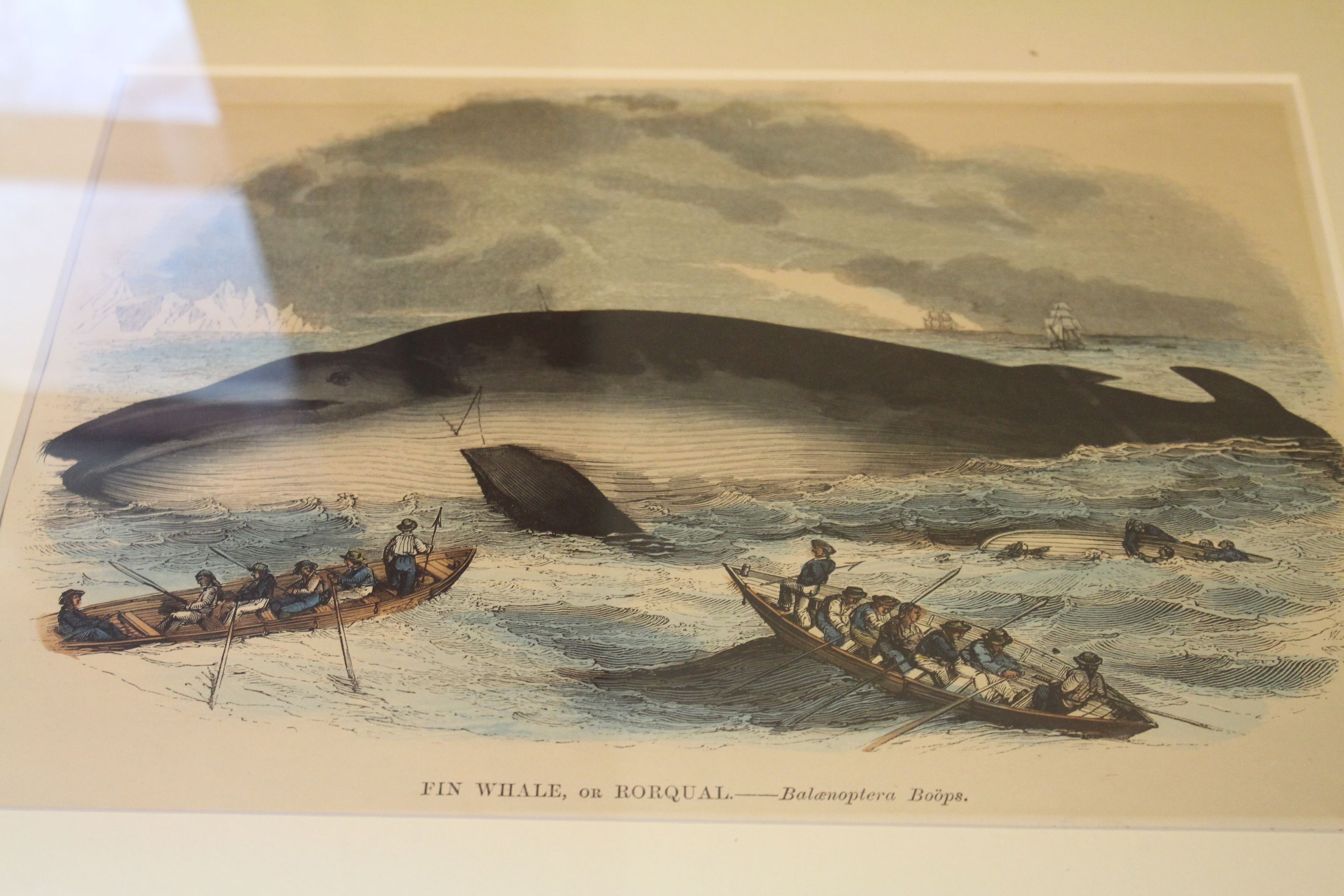
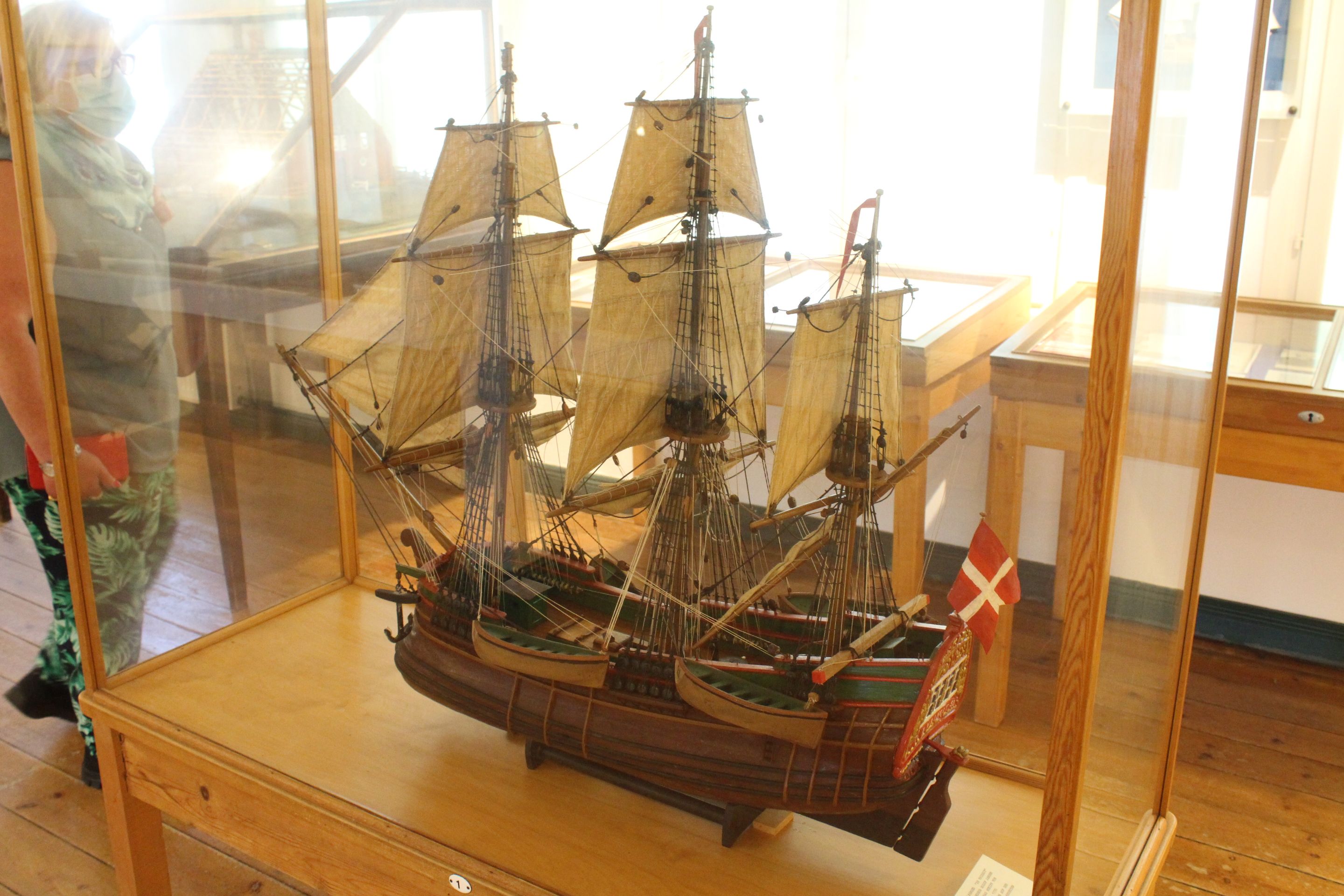
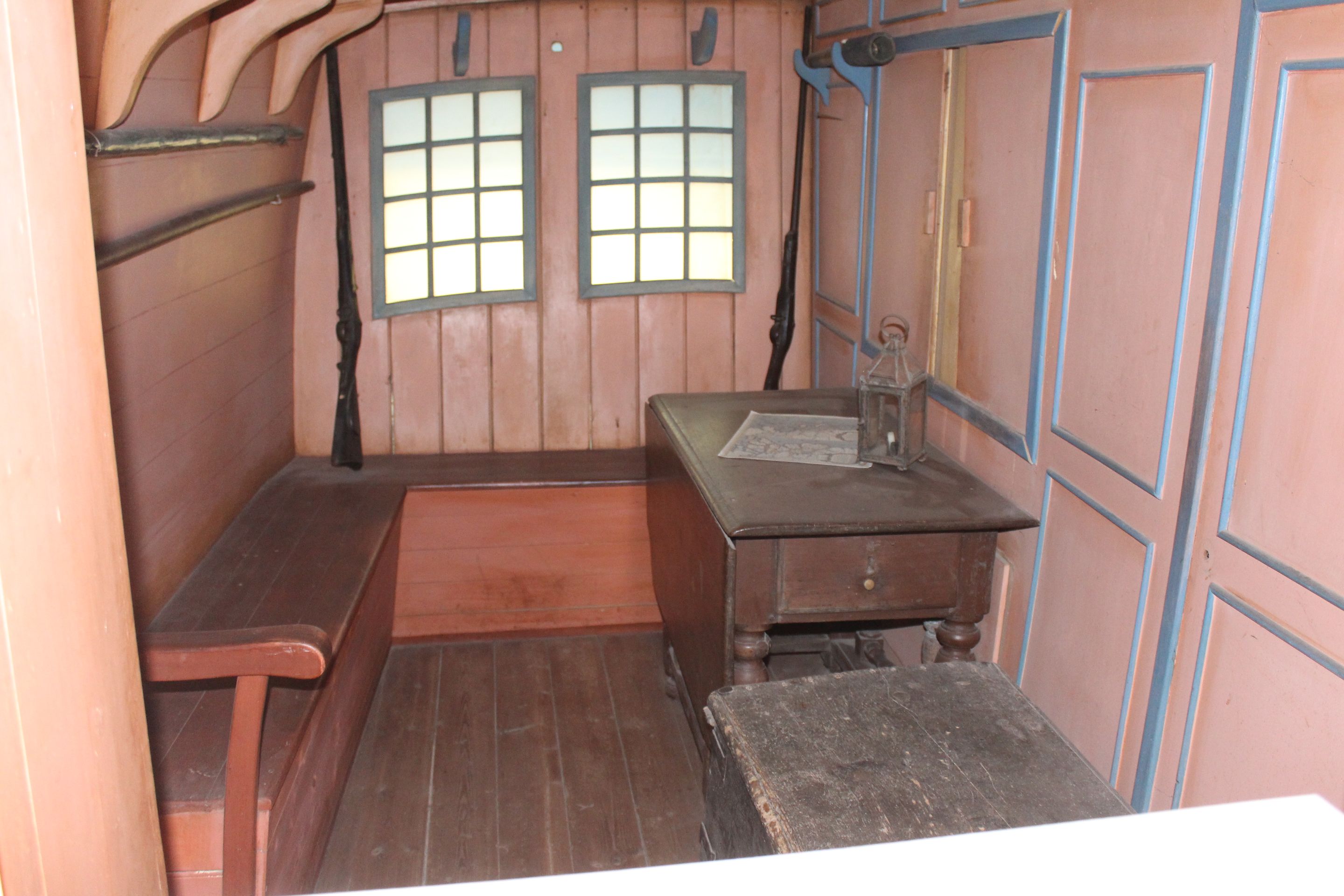
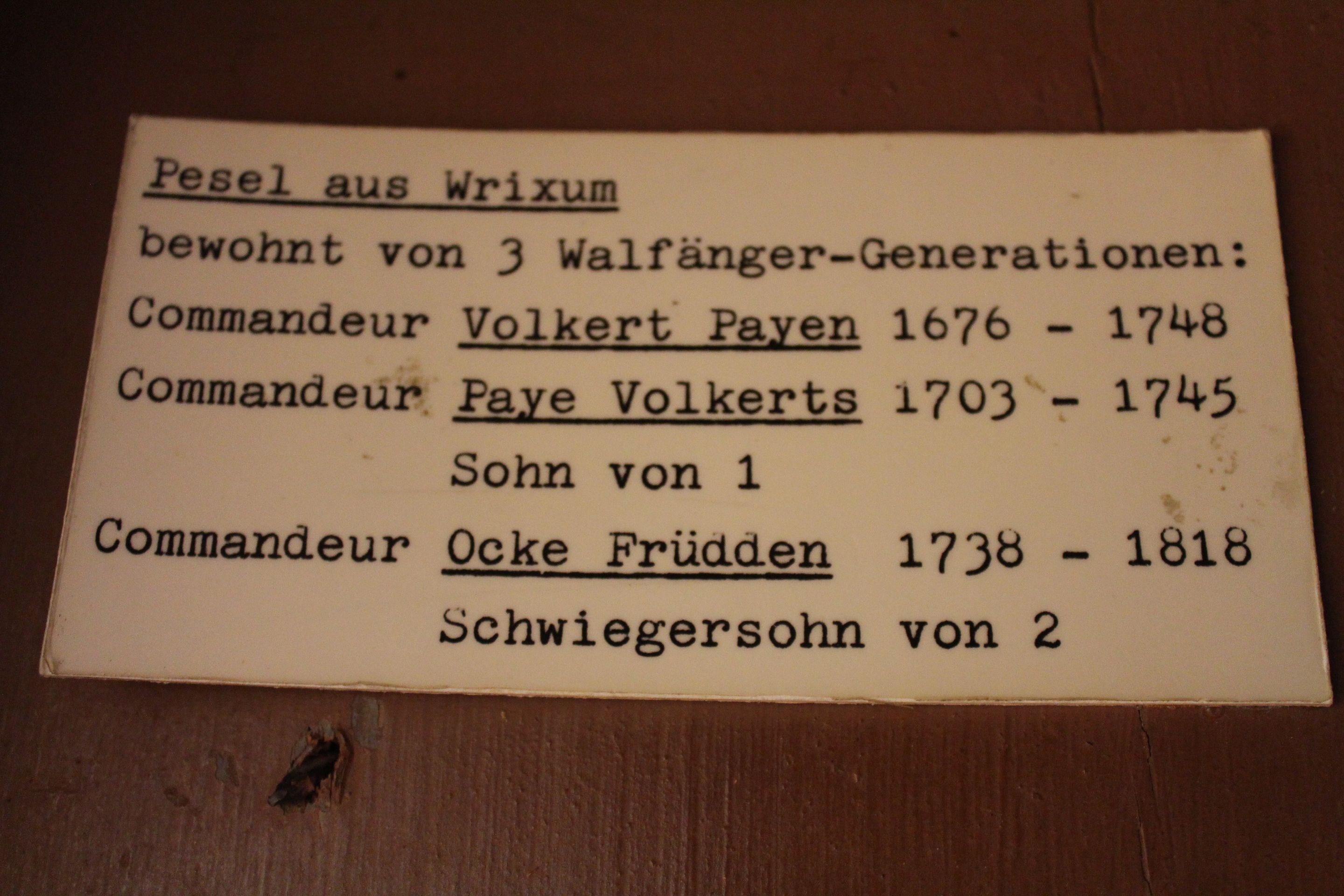
Paintings of whale hunts showed the impressive size of these animals. The sailing ship 'De Vriheit' (1733 - 1770) was such a whaling ship and the model replica could be admired by us. A reconstructed cabin shows the living conditions of the captain. Luxury is something else. The cabin of the 'Persel' from Wrixum was better. It was inhabited by three generations and sailed from 1676 - 1818.
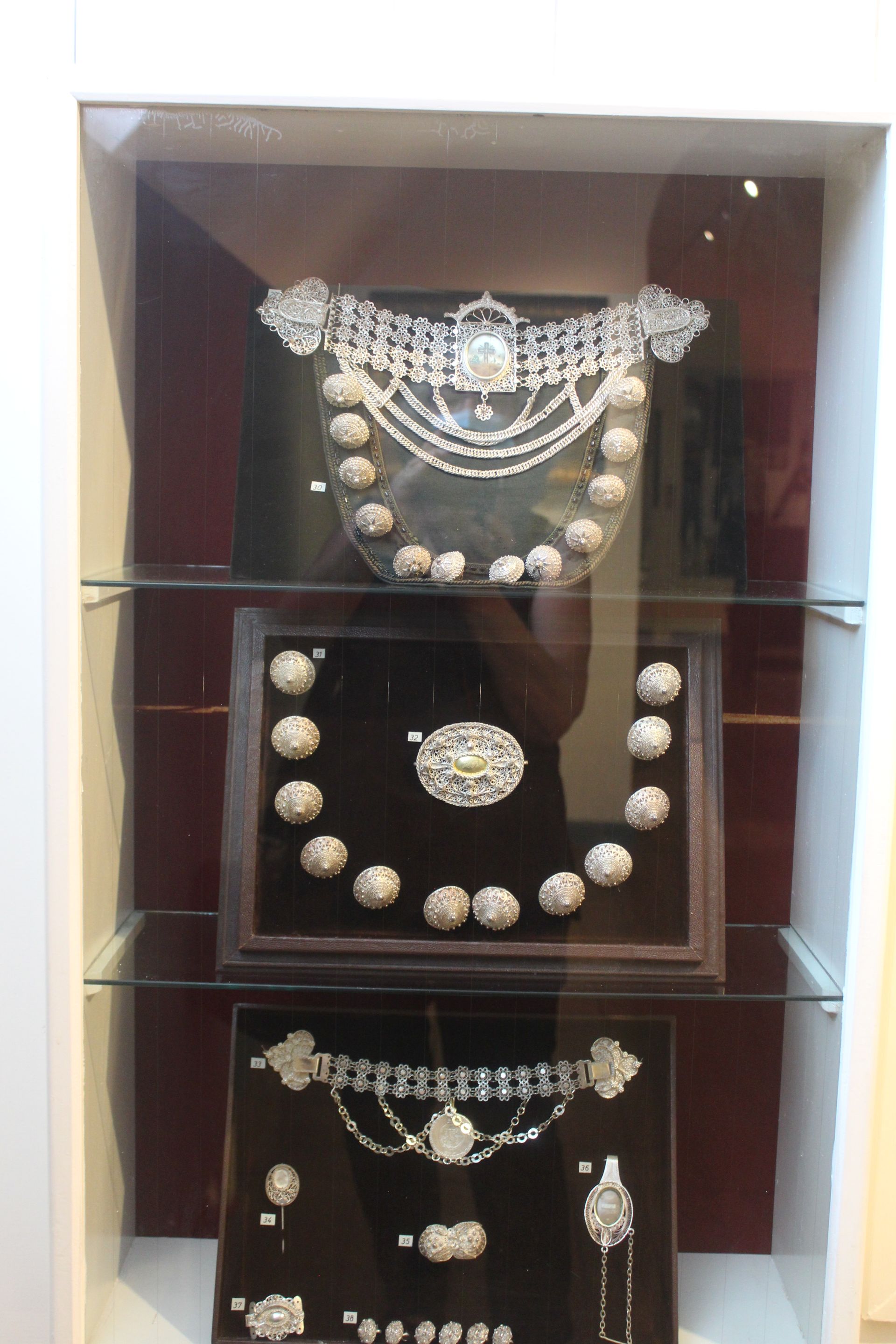
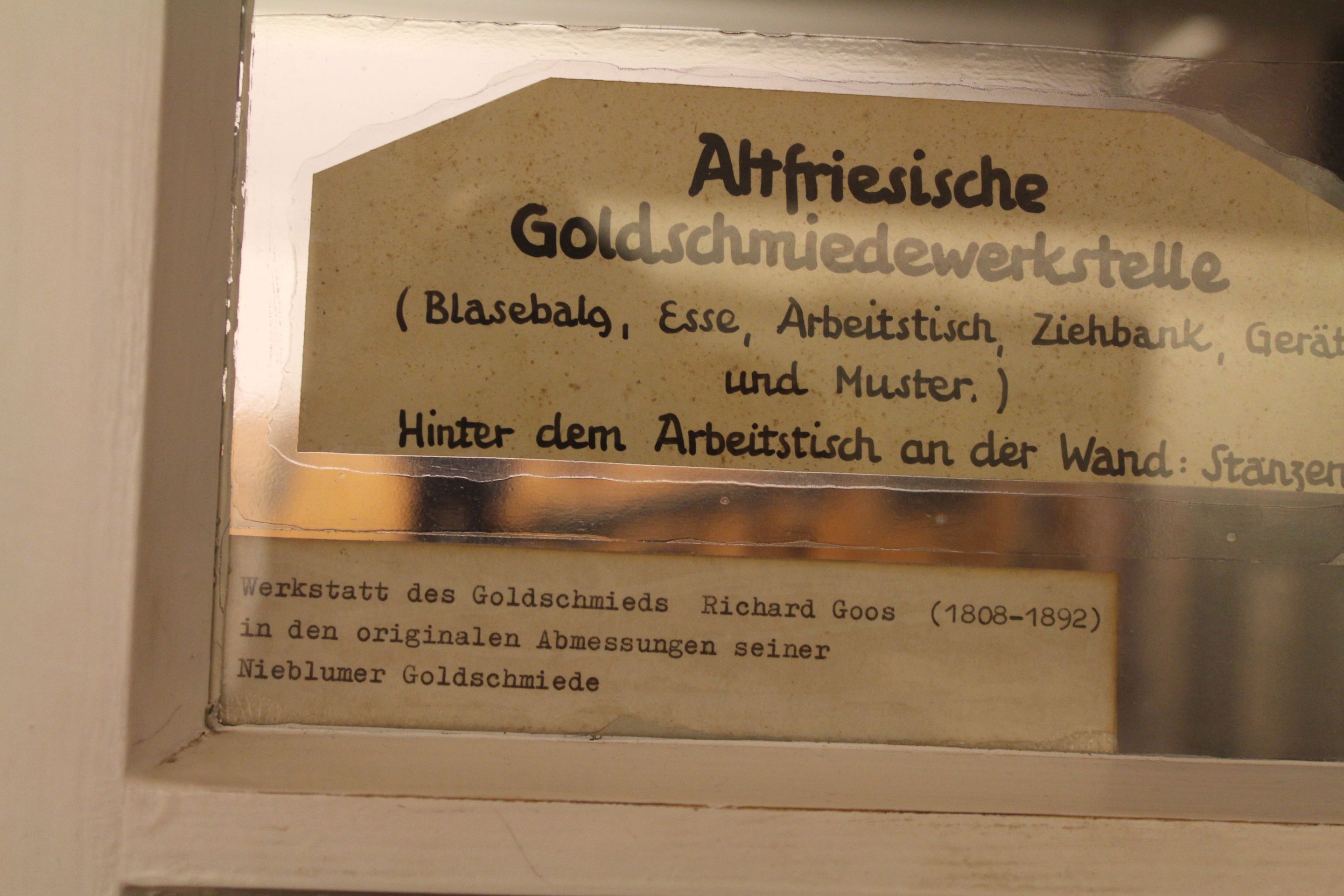
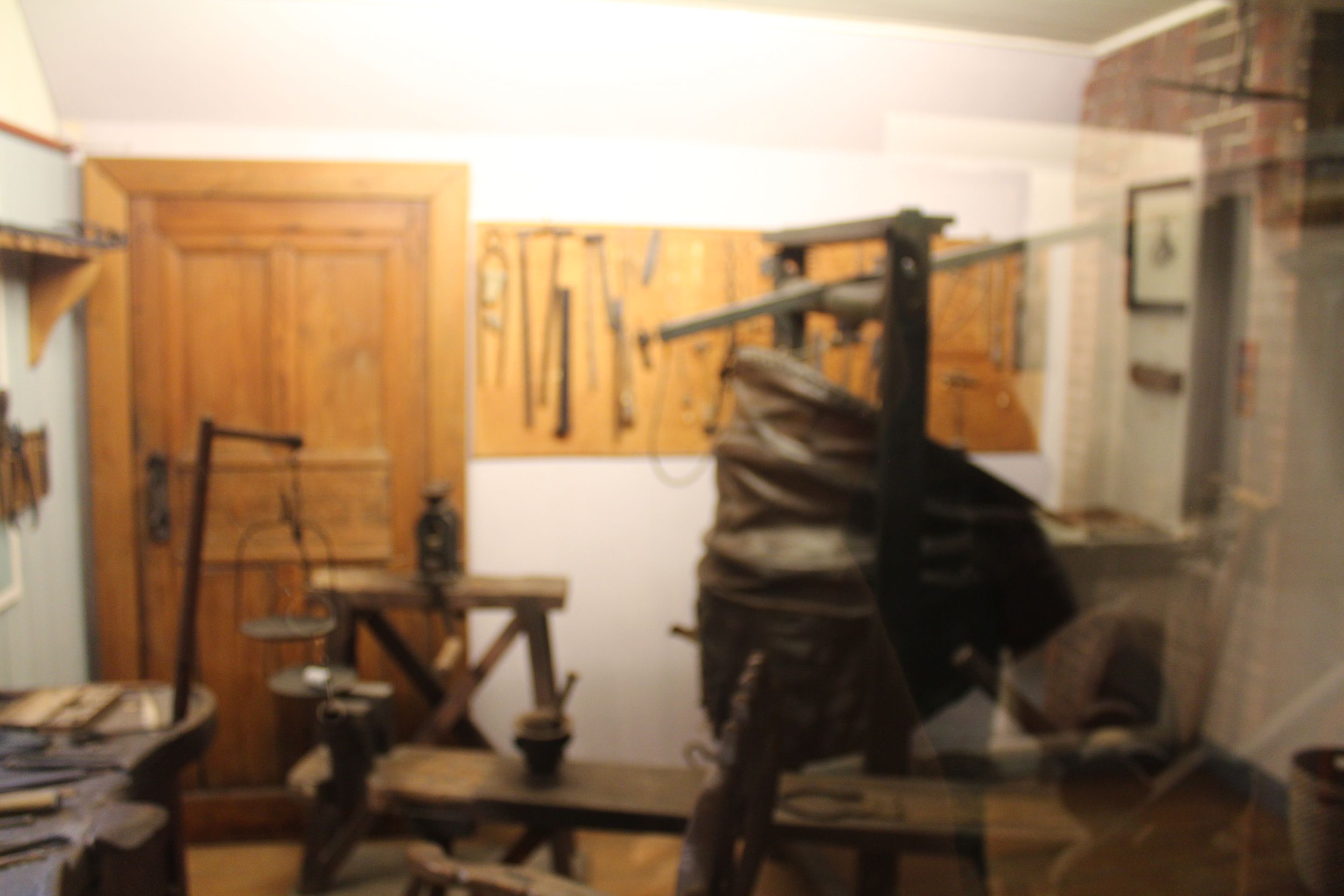
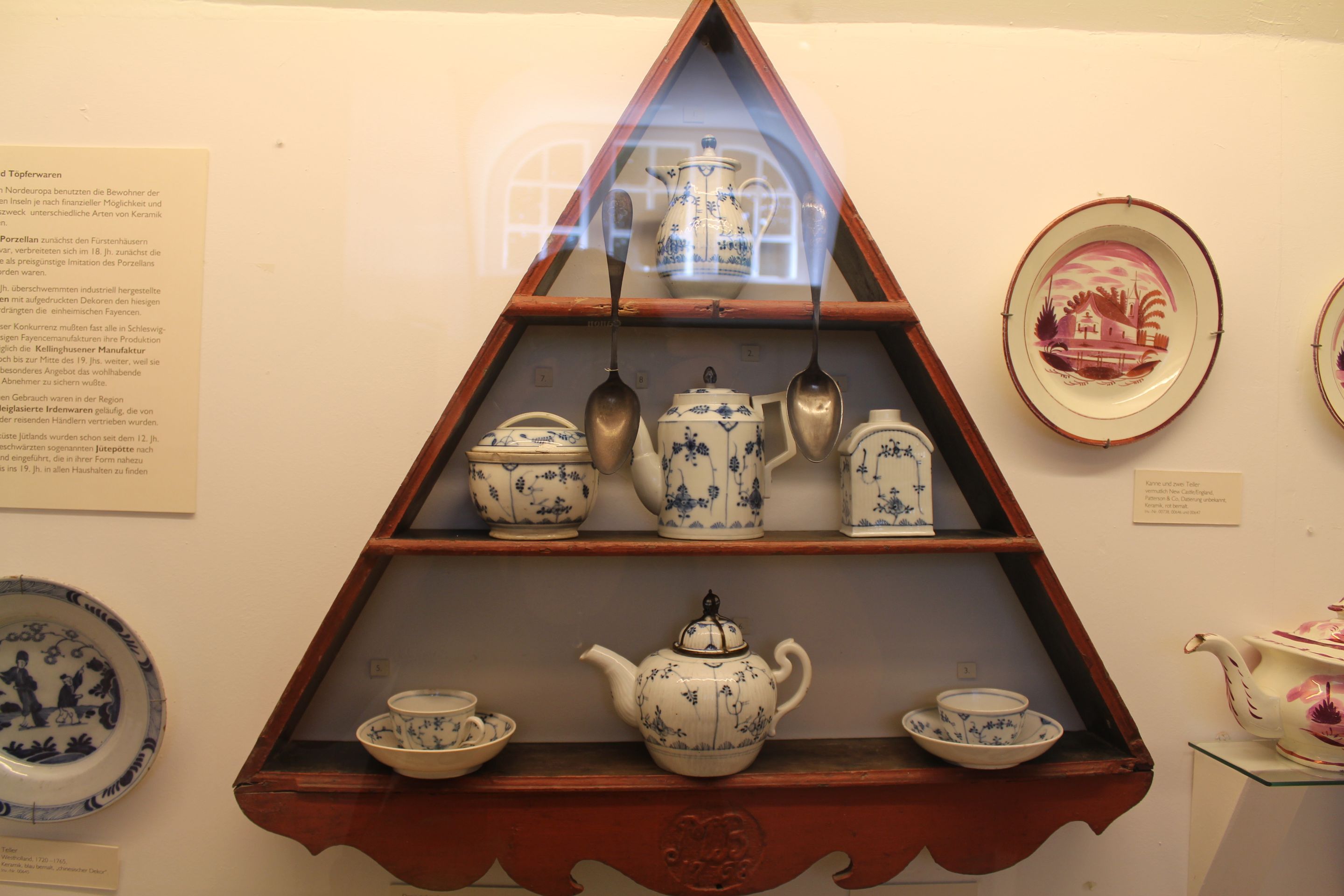
There was also an old goldsmith's workshop to admire and the exhibited jewelry no longer corresponds to today's fashion, but the fine craftsmanship is very impressive. Of course, there was also plenty of ceramics and pottery. The expensive porcelain was initially reserved only for the princely houses. The common people acquired 'Jütepötte' from traveling merchants. In the 19th century, industrially produced earthenware with printed decorations flooded the market and made it possible for the common people to purchase them, which led to the closure of the Fayence factories in Schleswig Holstein.
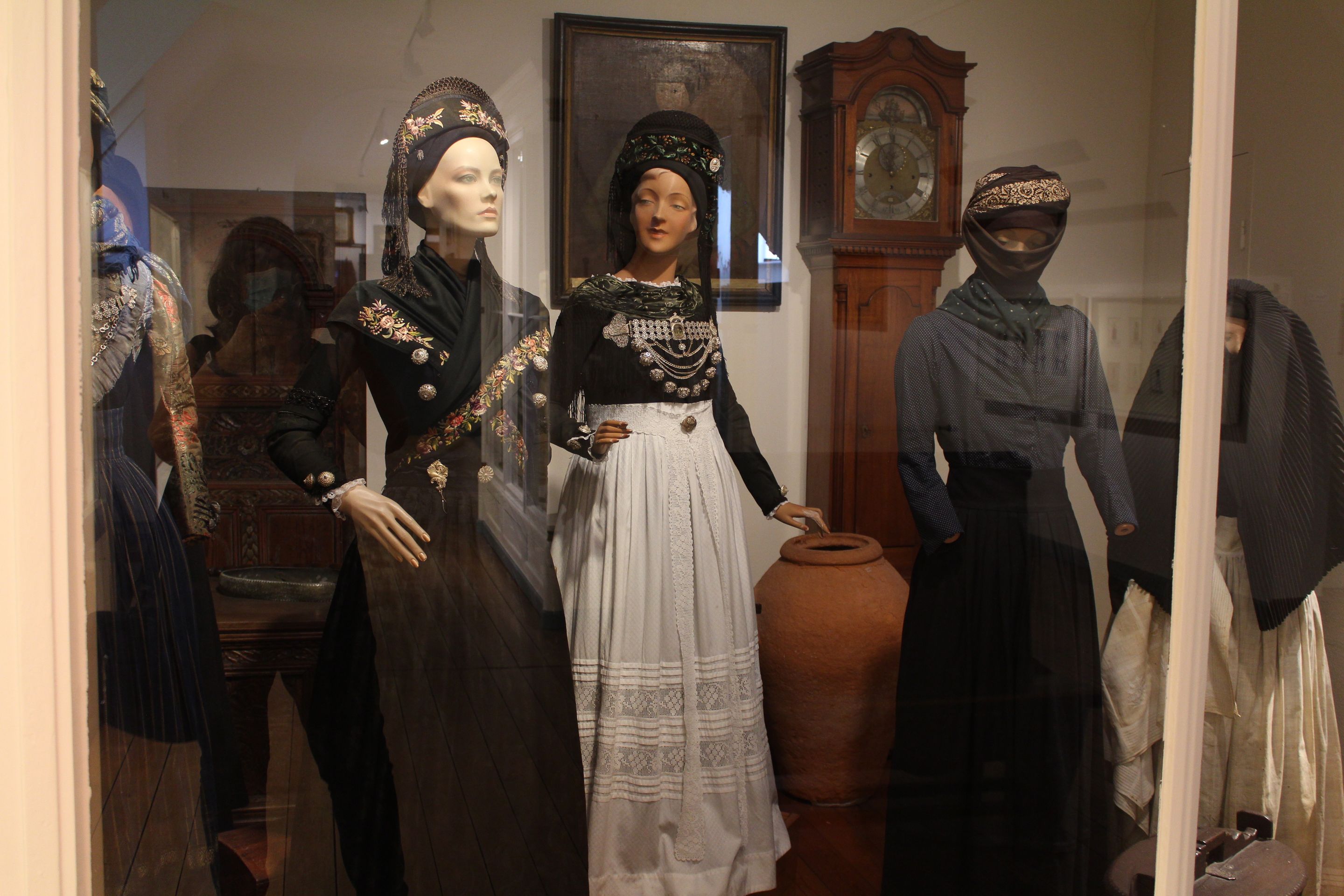
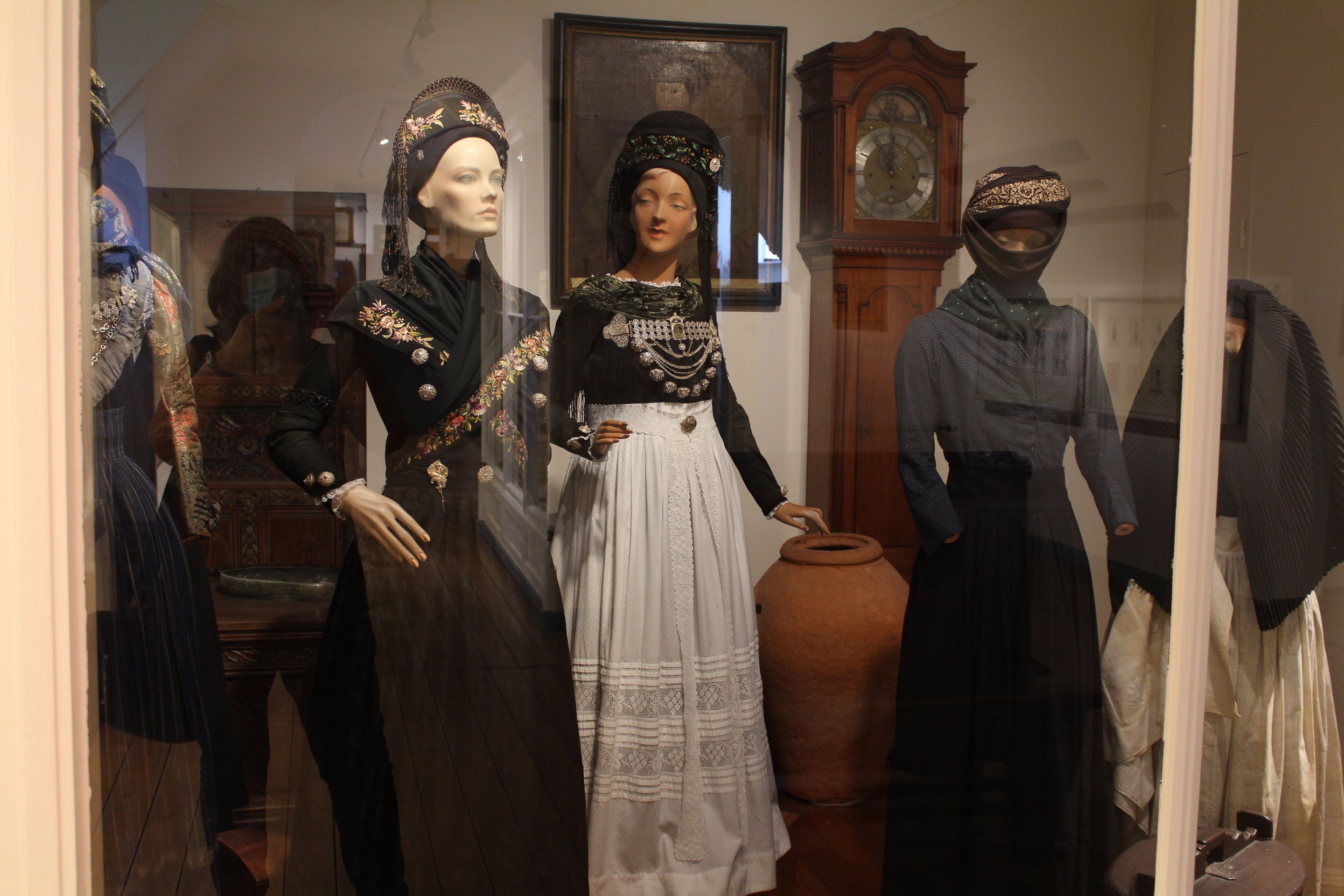
The traditional costumes are already different from region to region. Here, a festive costume, a fieldwork costume, a 'Bollfanger' (bad weather cape), and a mourning costume were exhibited.
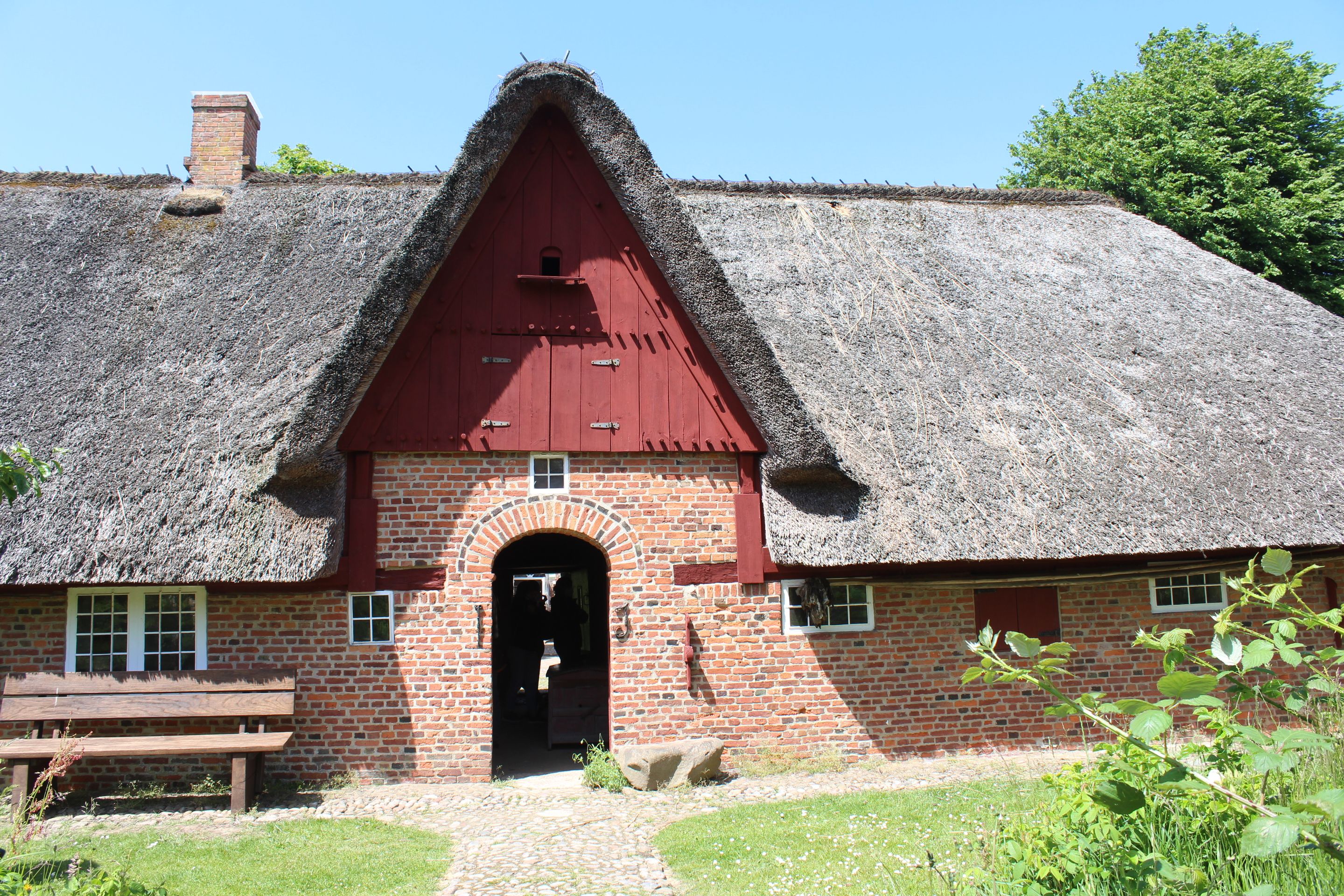
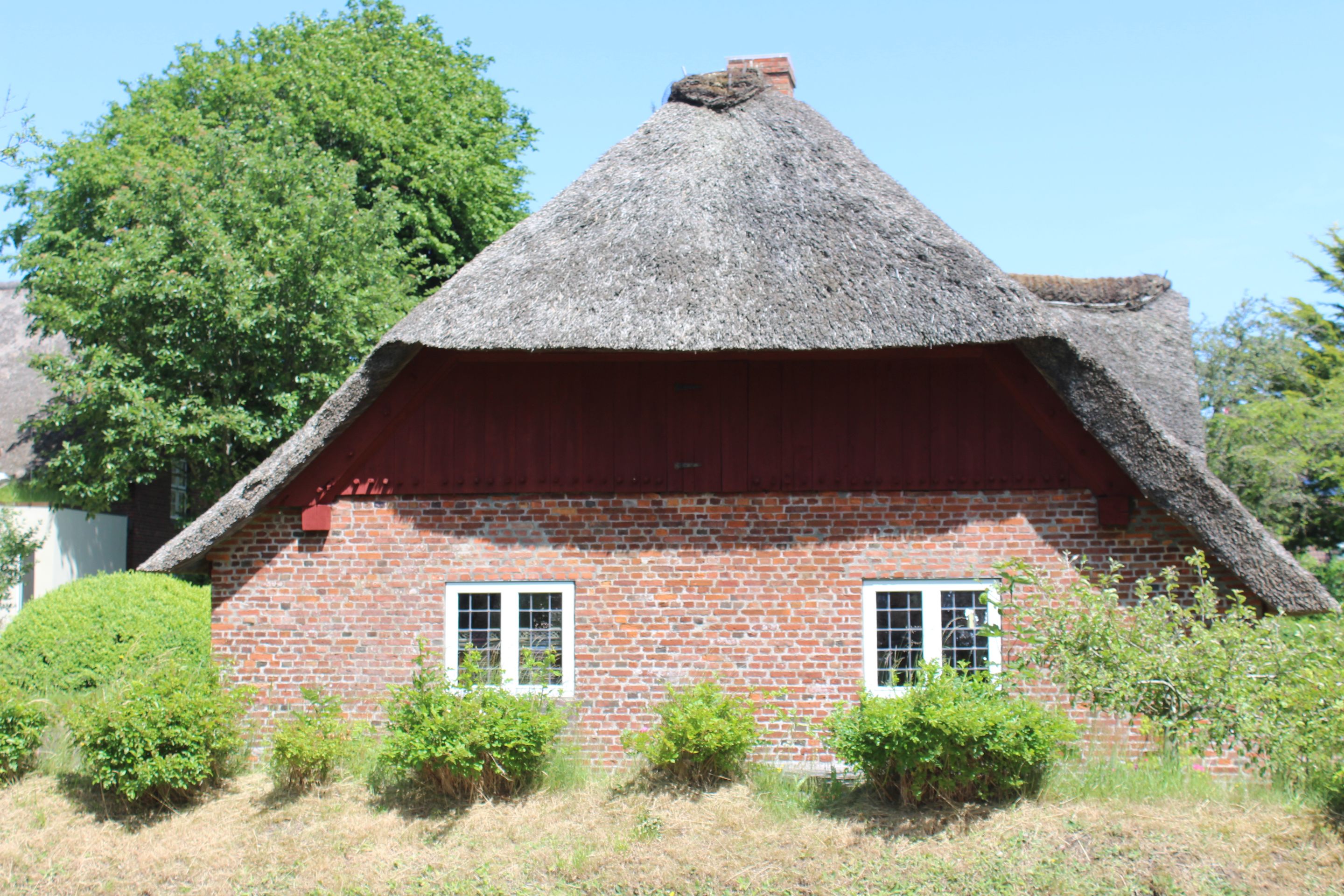
Since there was no construction timber on the island, whale bones were used. The little wood was used for shipbuilding. The villages were characterized by small, hunched reed-thatch houses and reflected the poverty and limited resources of the island's inhabitants. People and animals lived under one roof.
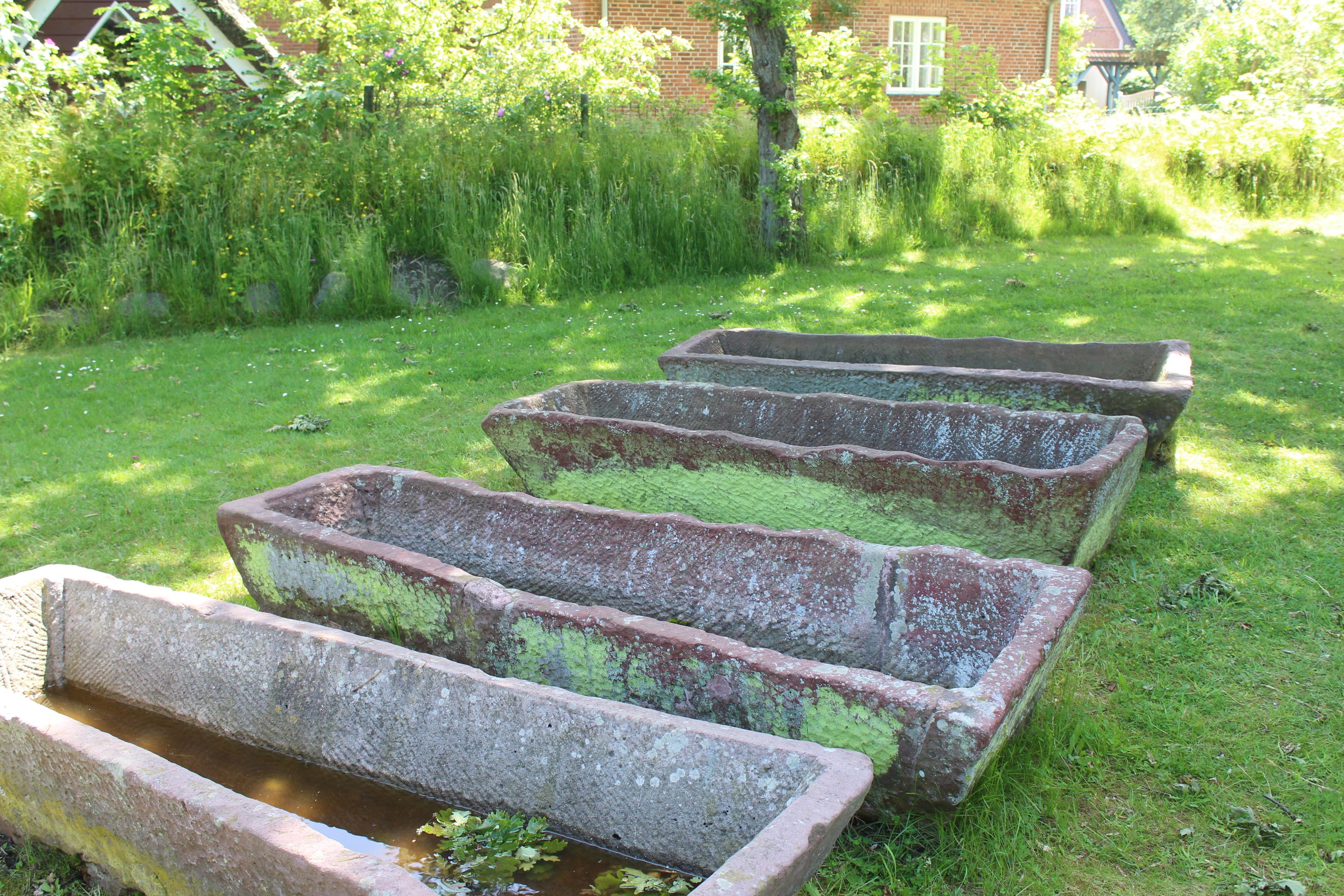
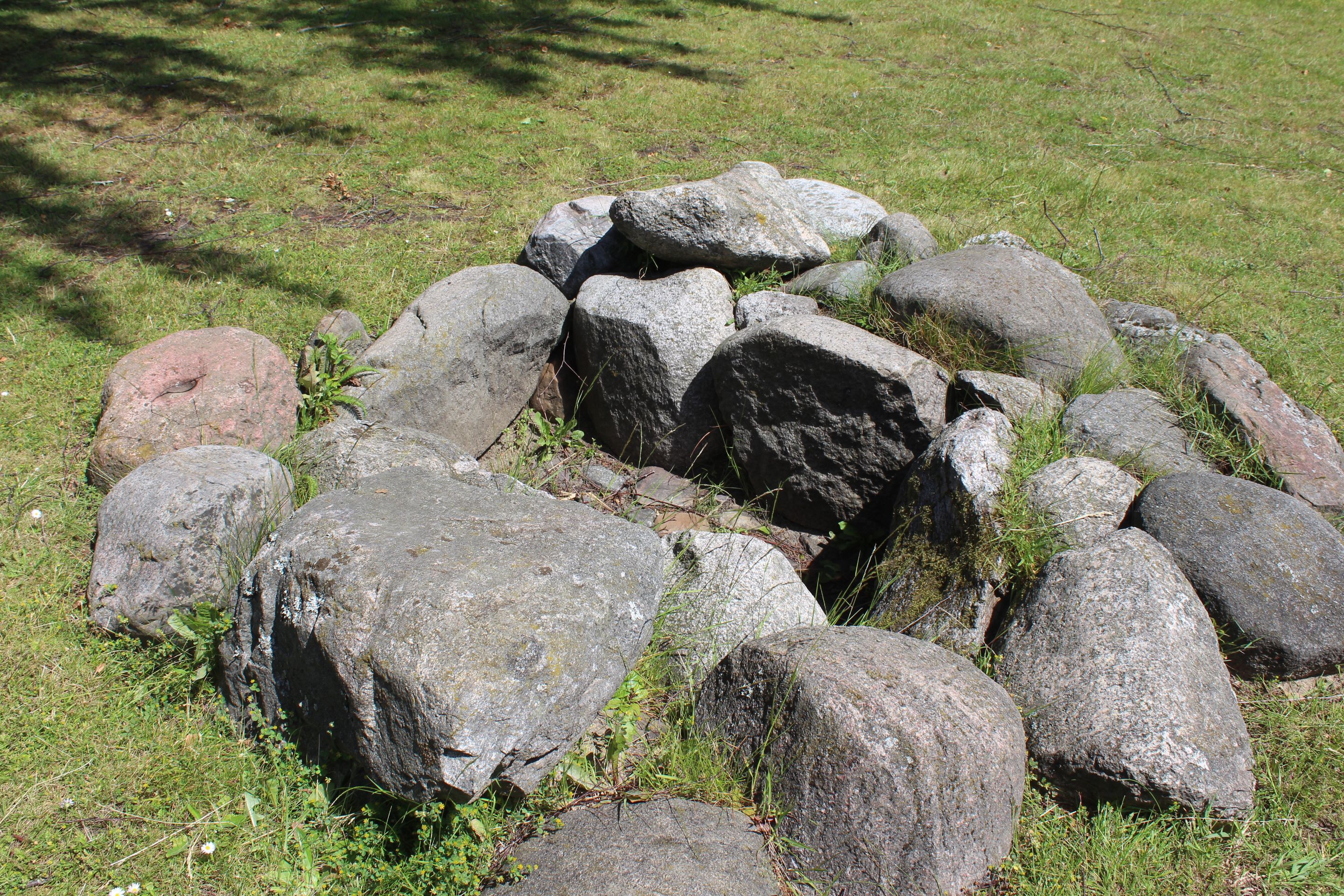
We were able to see this in the Olesen House (1617), which was moved to the museum grounds in 1927. Outside, there were also stone coffins that were later used as animal feeders, and a grave from the Bronze Age, in which the ashes of a deceased person were interred because at that time, the deceased were cremated.
Of course, the exhibition also covered geology, wildlife, plants, and prehistory, but I'll spare you the details here.
After shopping for the weekend, we returned to our tea room and what did Gabi and I eat? The world's best cheesecake, and Gisela was delighted with her waffle with ice cream, whipped cream, and fresh strawberries.
Now the two of them are sitting in the sun, and I'm going to join them now and wait to see what the day brings.
We had our usual reading session, chatted, and played Skippo. Then we fell into bed around midnight.