Thursday 23.5.2024
Our first day of vacation begins with a leisurely breakfast. Then we went to the car, although I made a mistake yesterday. It's not 19 minutes, but only 10. On the way there, I...

Published: 24.05.2024
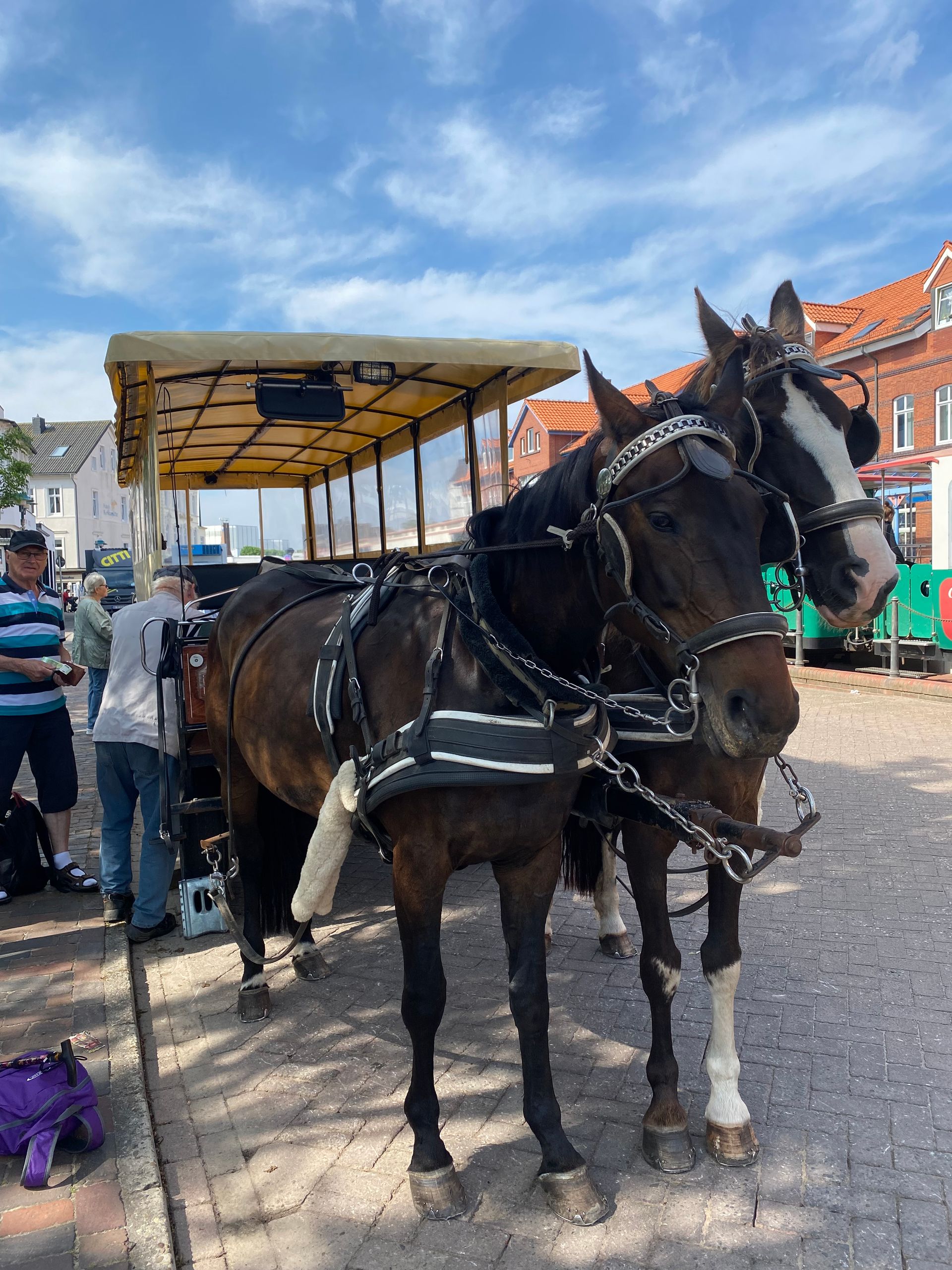
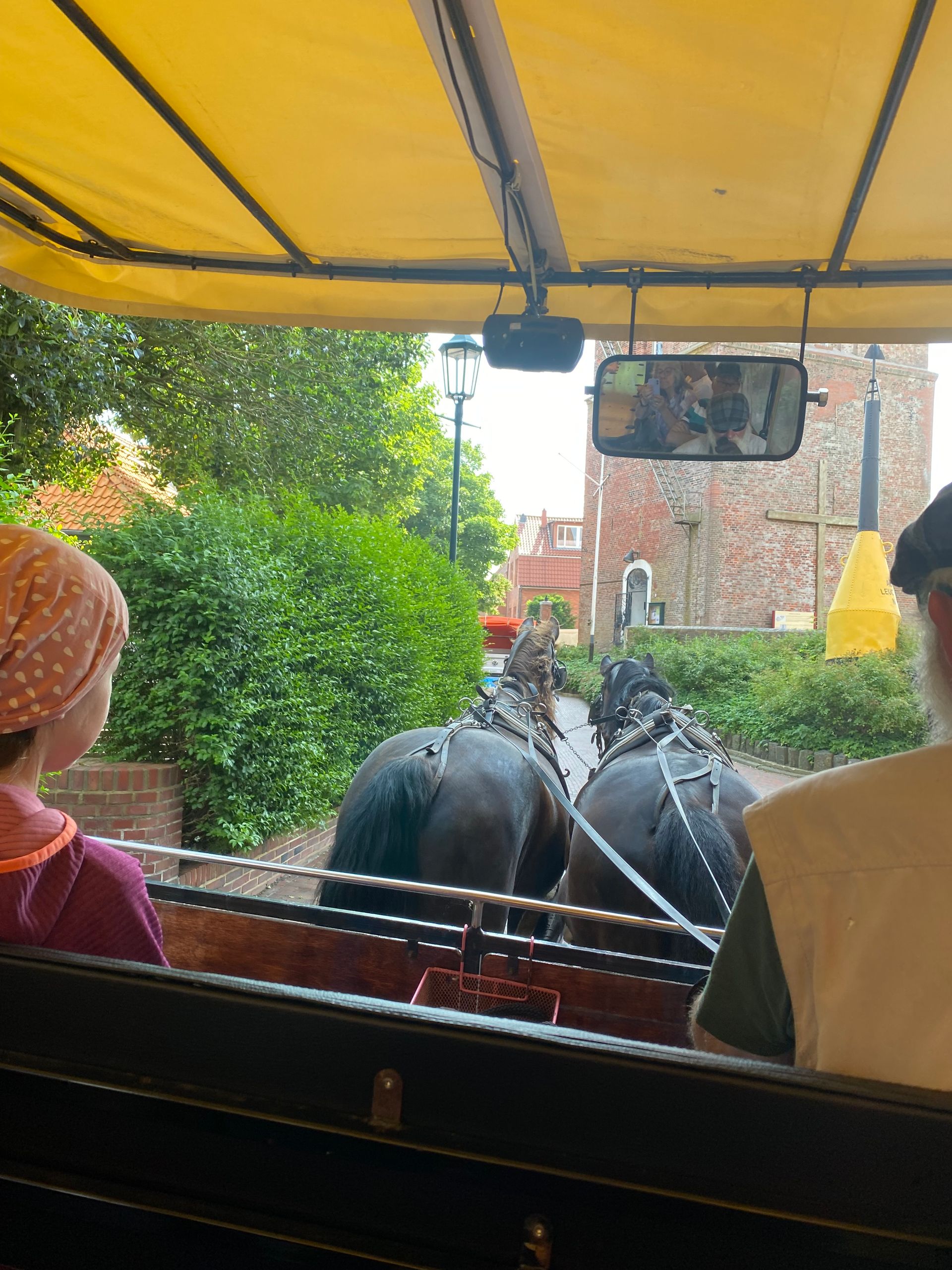
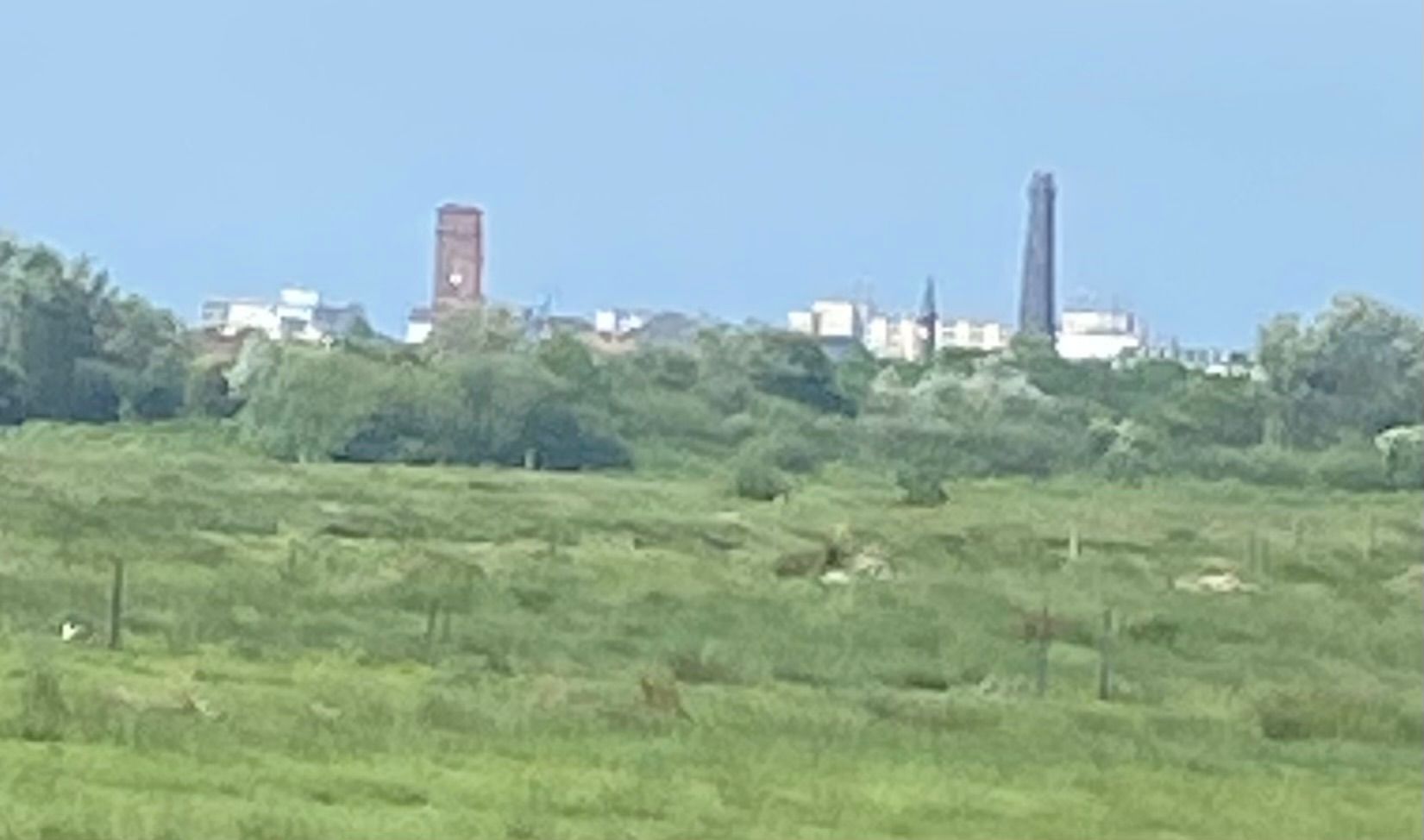
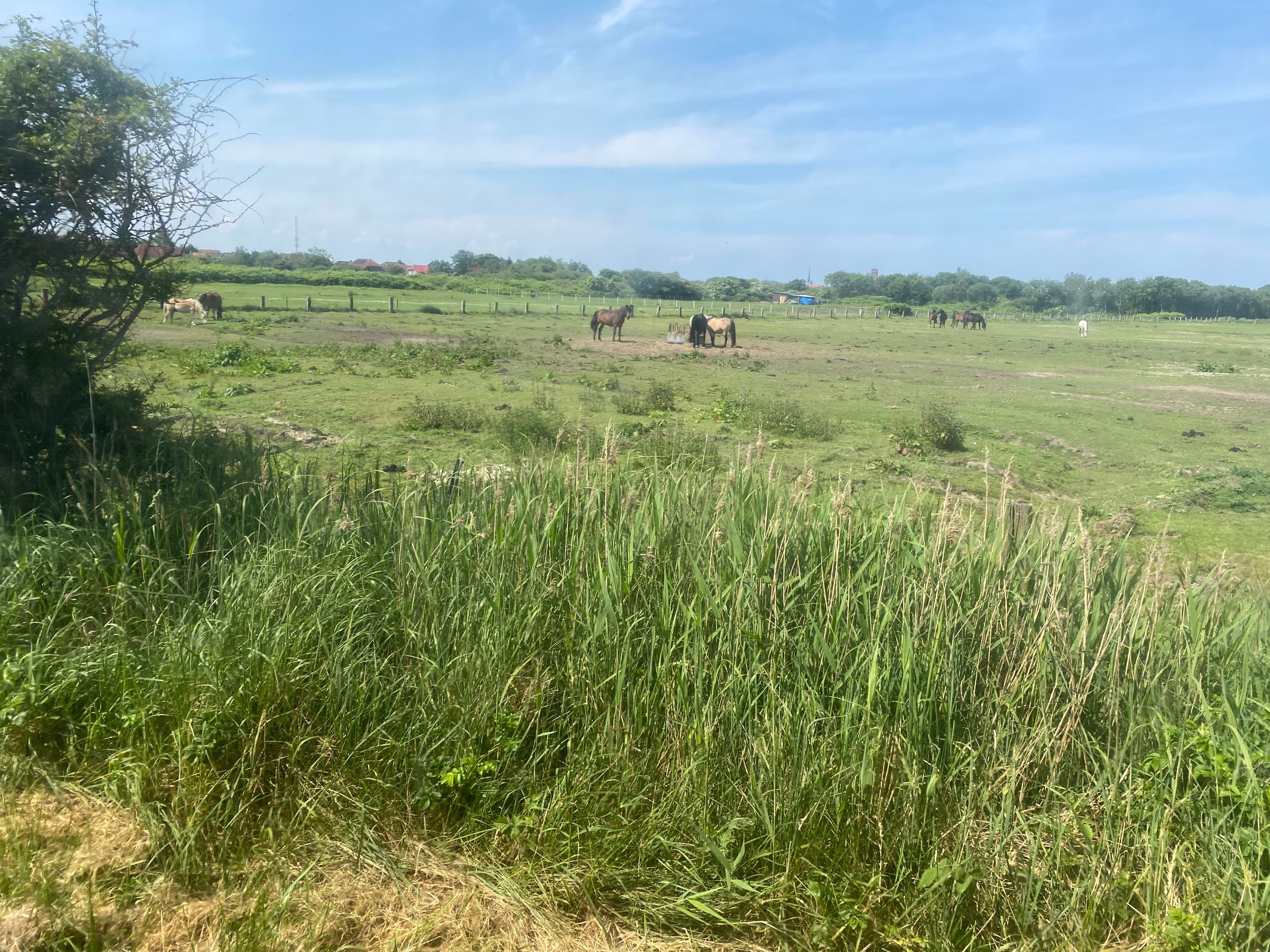
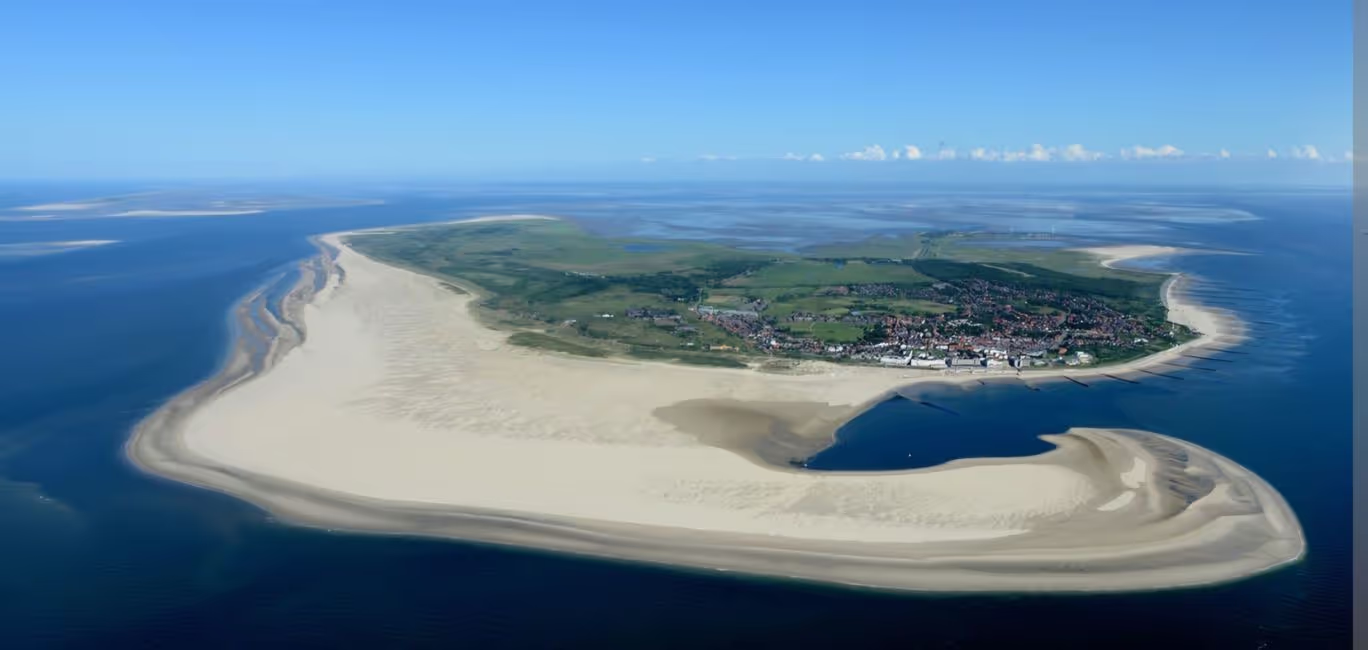
This morning I cycled back to the bike rental shop without any accidents, extended the parking time for our car and then we walked into the center. We left Henry at home because the planned carriage ride wasn't his thing. Two almost black horses, Lady and Meta, pulled the heavy carriage up and after a while we set off. We cycled through the wide, flat landscape and learned that the island wasn't even together until 1854. The two parts were separated by Prile and then put together by throwing the Prile together.
The 30 sq km island now has about 300 km of hiking trails and 100 km of cycling paths.
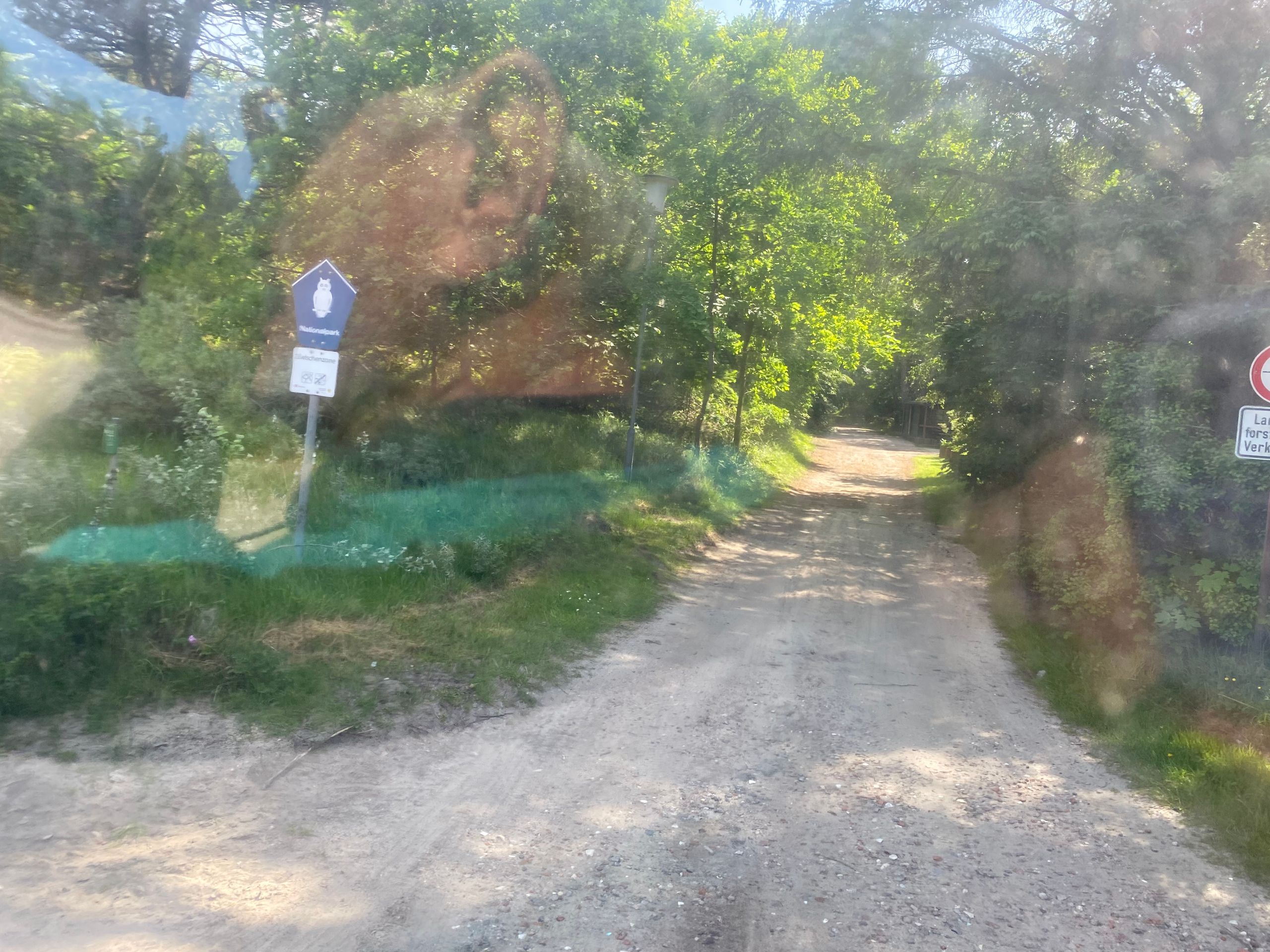
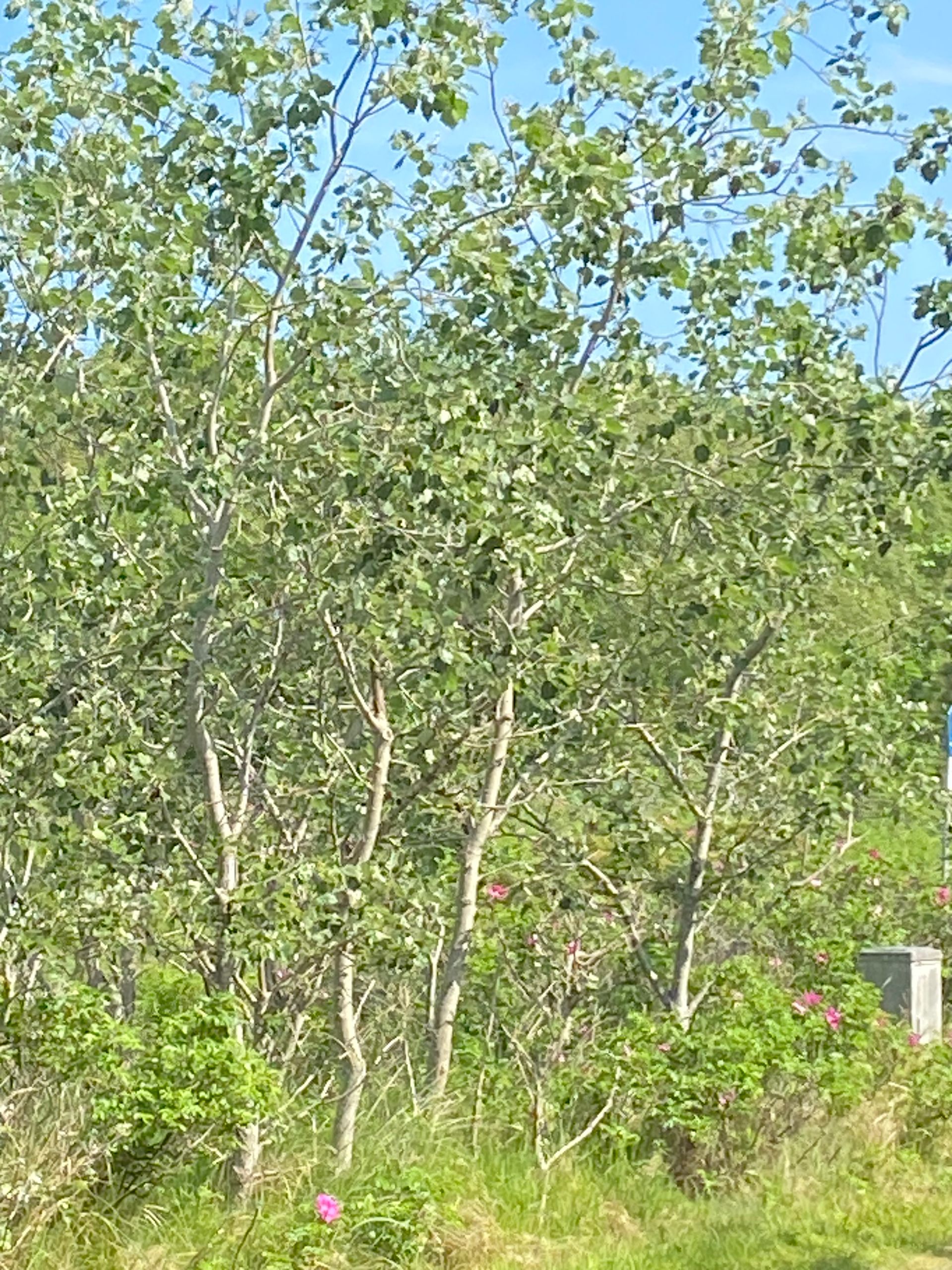
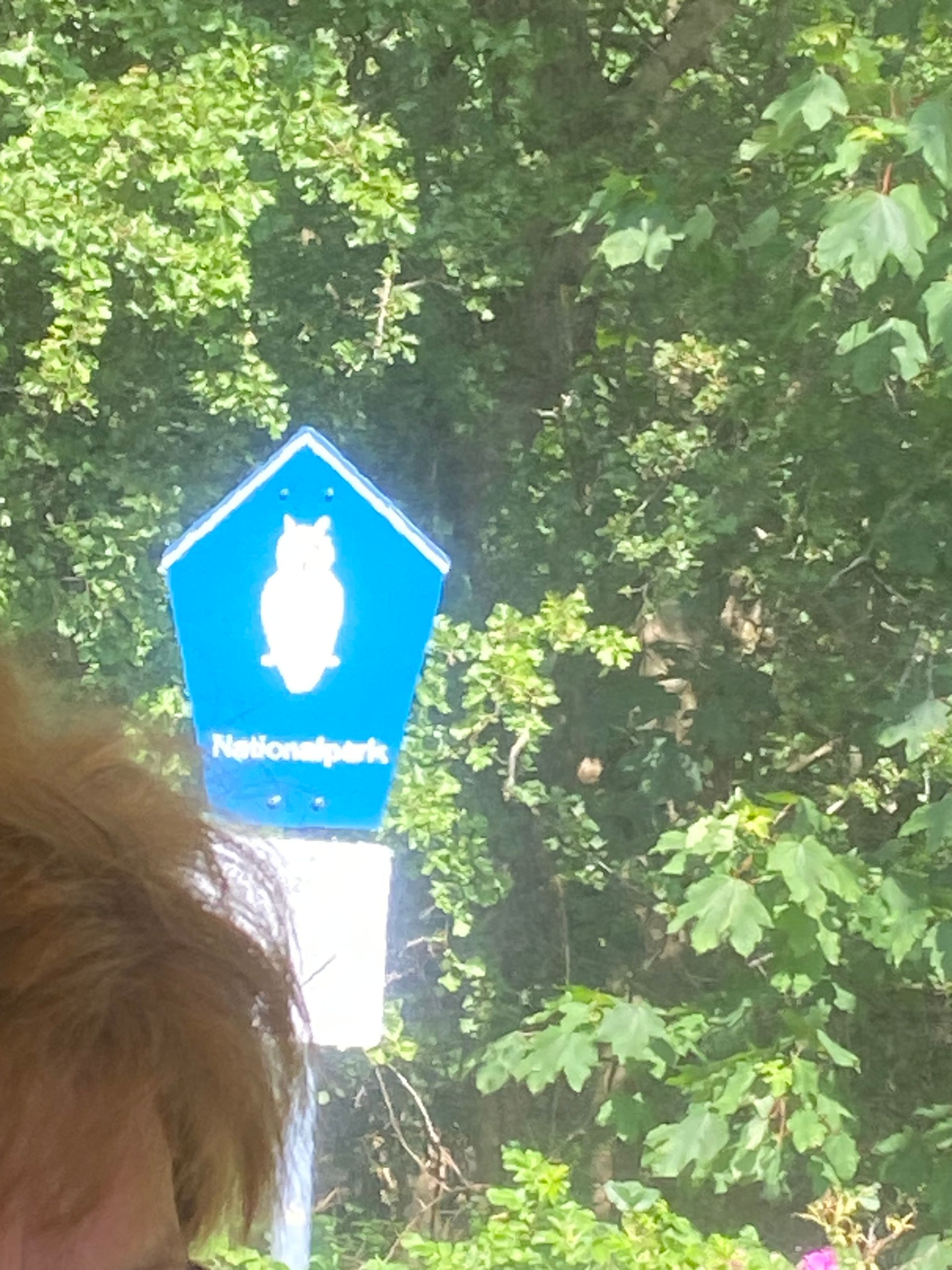
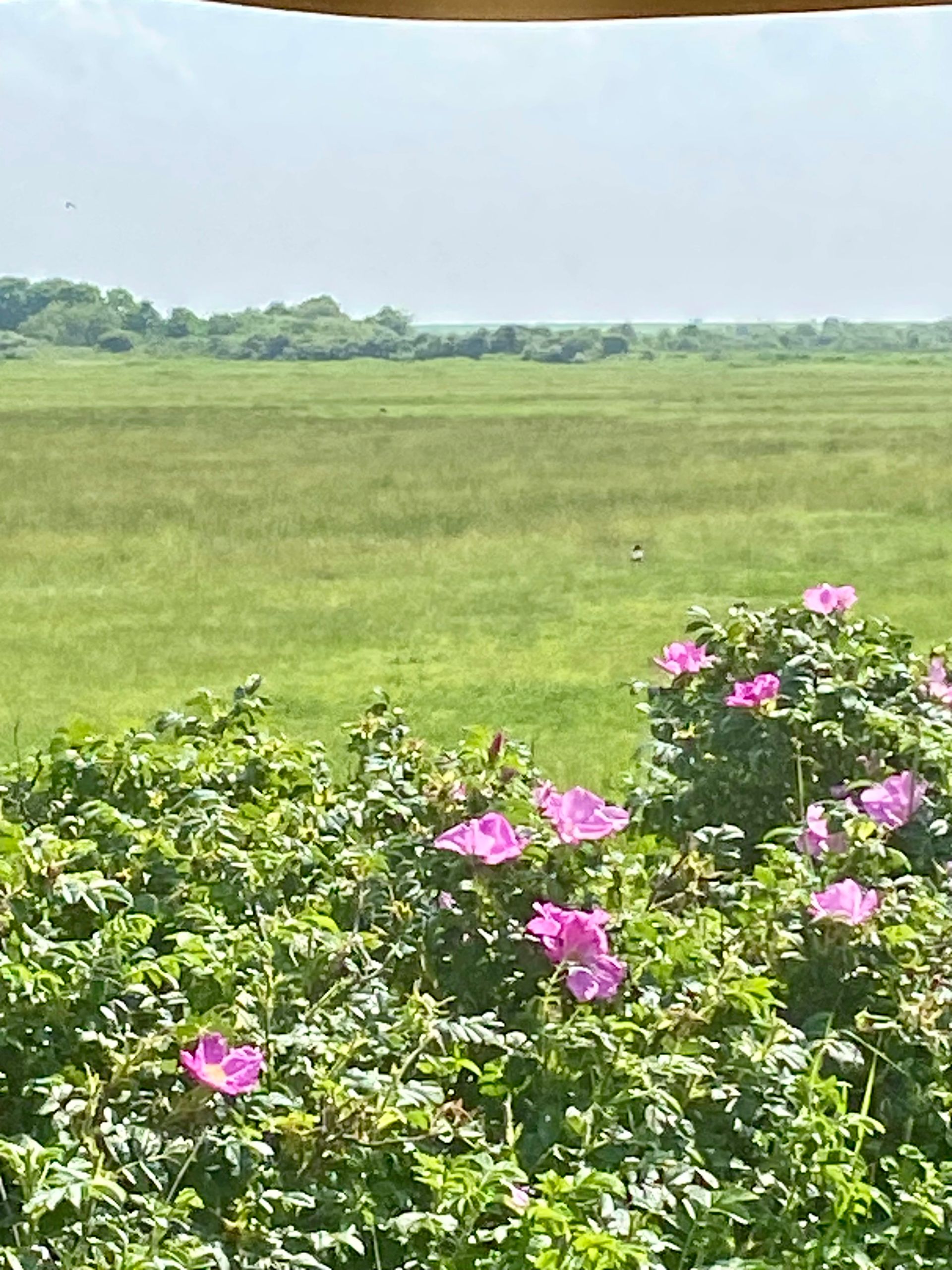
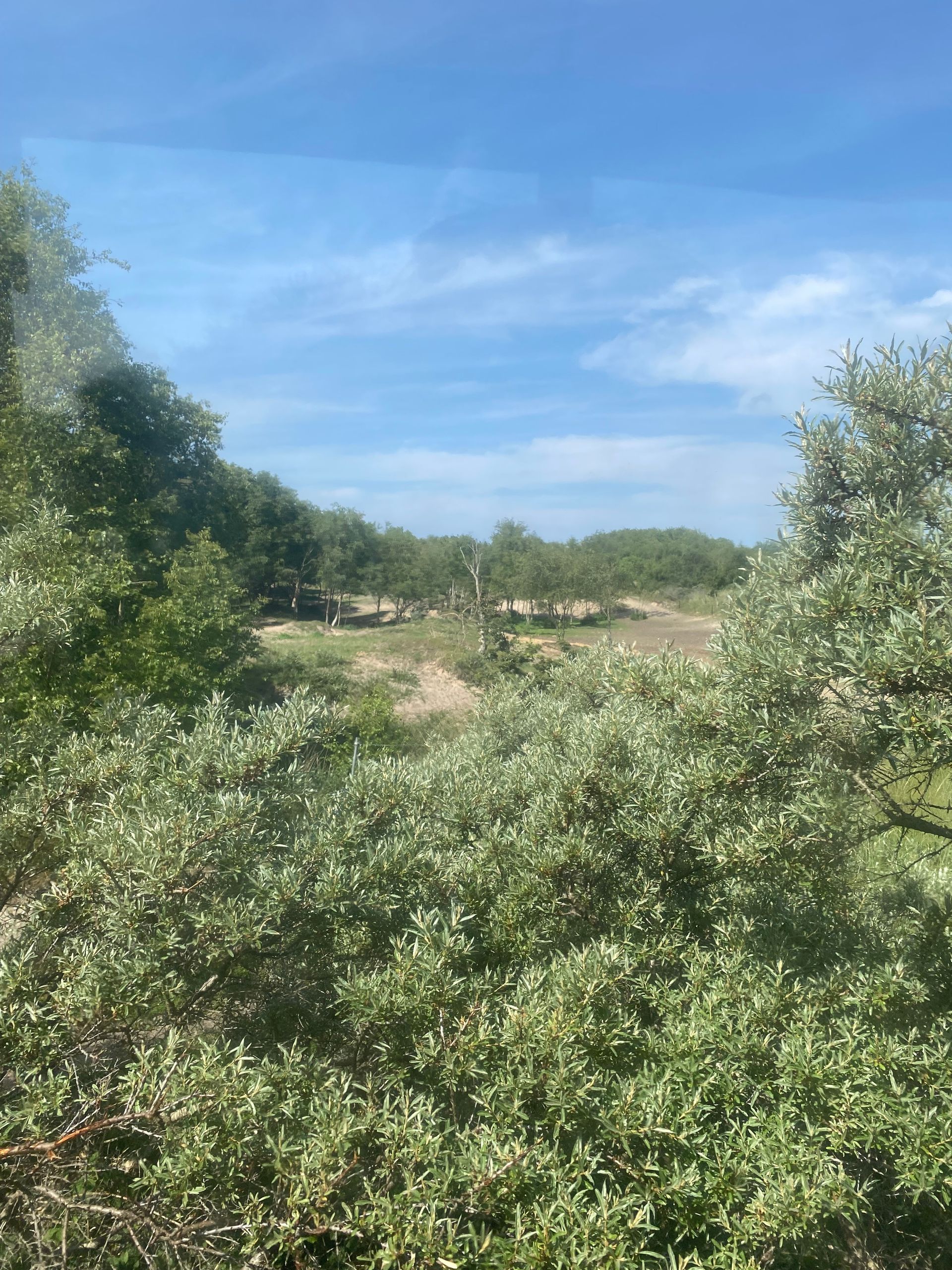
We drove through a large forest area that was created 100 years ago as a water project. It is called de Greene Stee, or green spot. It is a 60 hectare wetland biotope and is criss-crossed with hiking trails. The natural forest lies in a dune landscape and downy birch, black alder, pine and willow species grow there. Seabirds and shovelers breed here. I would love to go for a walk here, but my stupid hip doesn't really want that. The coachman called the road here the A1, because the concrete slabs had been used for military transport in World War II. Borkum was a naval base and 450 men were stationed on Borkum and lived in 40 bunkers. There are still many bunkers hidden under the dunes today.
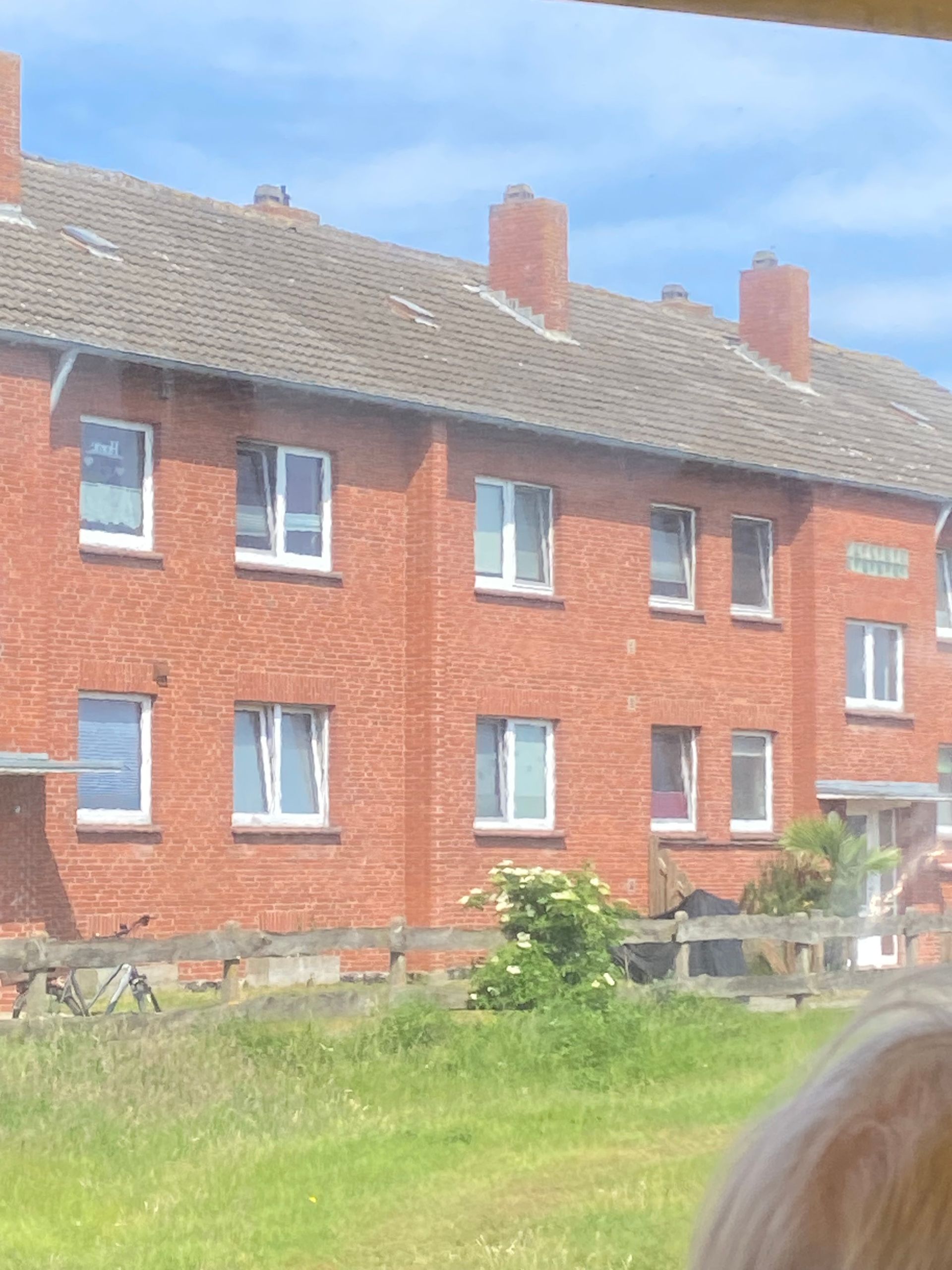
We drove past houses that were built for the German army. It was obviously a bit of a joke that the soldiers left the island two years later. The houses were sold and rented out. But there is still an aviation home here today where pilots are trained.
In 1963 the island was flooded. The east coast now has a new dyke which is 21 m high; as material was taken from the surrounding area, a new lake was created, which we did not see. We stopped off at a former farm and had a bite to eat. Then we went back to the centre and heard that there were various convalescent homes for children here. From 1921 to 1996 there were around 90,000 children on the island. There are horrifying reports about the conditions, for example in the Adilfinenheim. The methods of discipline included beatings, eating vomit, physical and psychological violence, stripping naked and being locked out at night were among the methods. The children were brought here in special trains to convalesce and Anja Röhl, an author, has since become very involved in helping many of those affected to come to terms with their past.
So we have heard and read a lot.
Afterwards we had cocoa and coffee in a café and then we walked home. I had a walking stick, but I managed it! Then I took a long nap and we made spaghetti with minced meat sauce as we were self-sufficient. Now it is evening and a glass of wine will do us good.
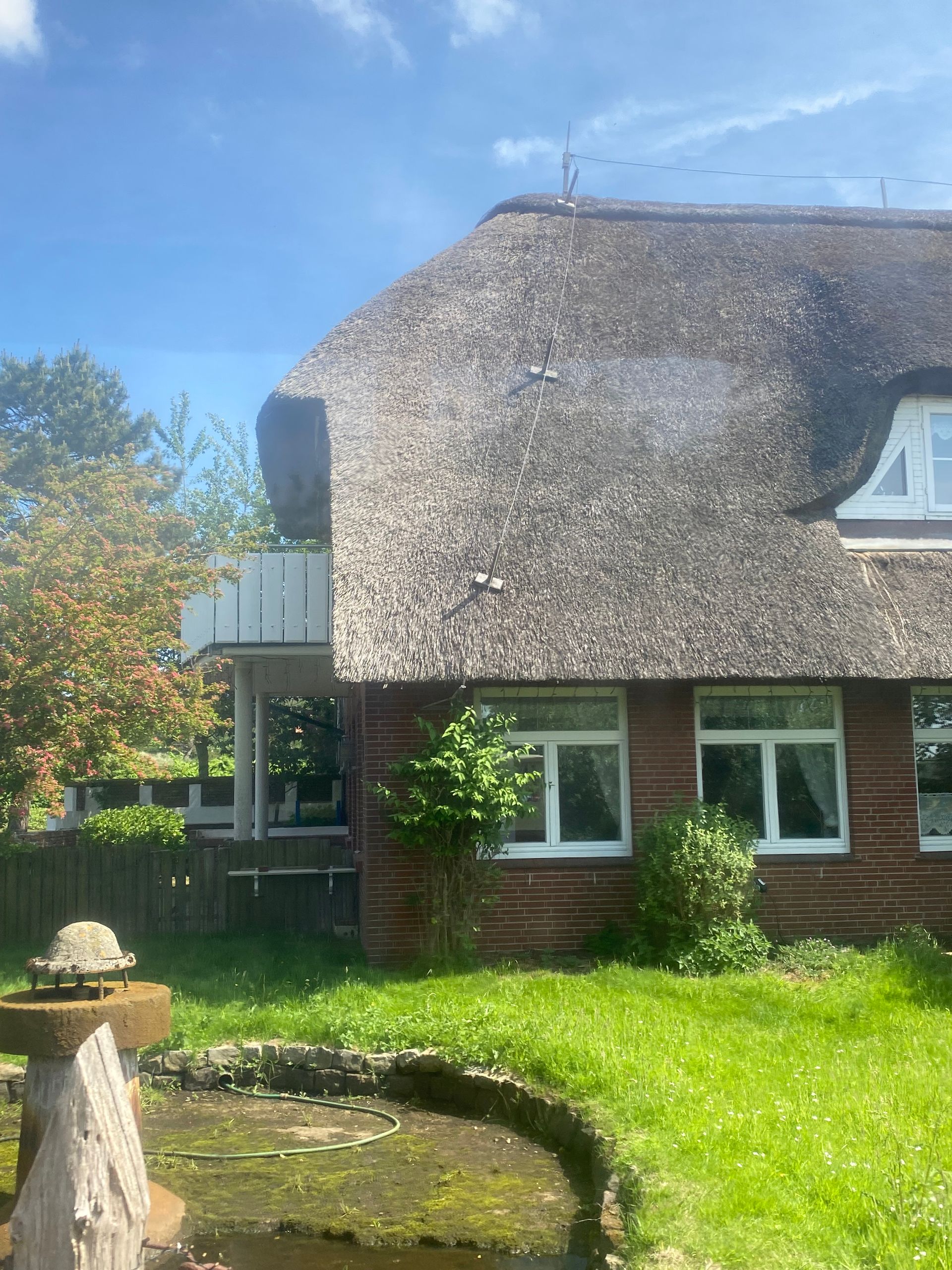
By the way, the two jackdaws on the roof seem to have made peace and are now pecking at each other. 👍