Delhi and the Red Fort
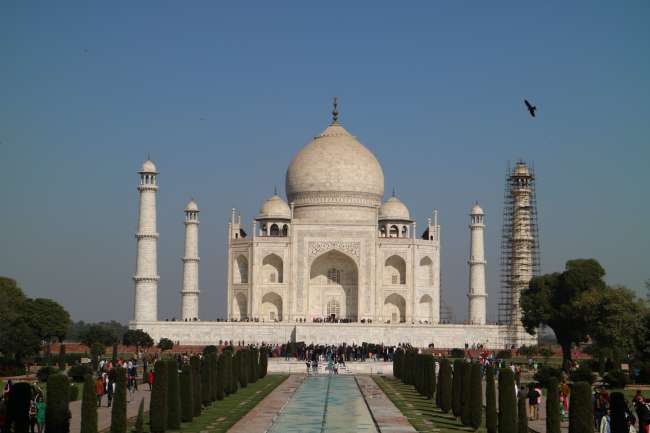
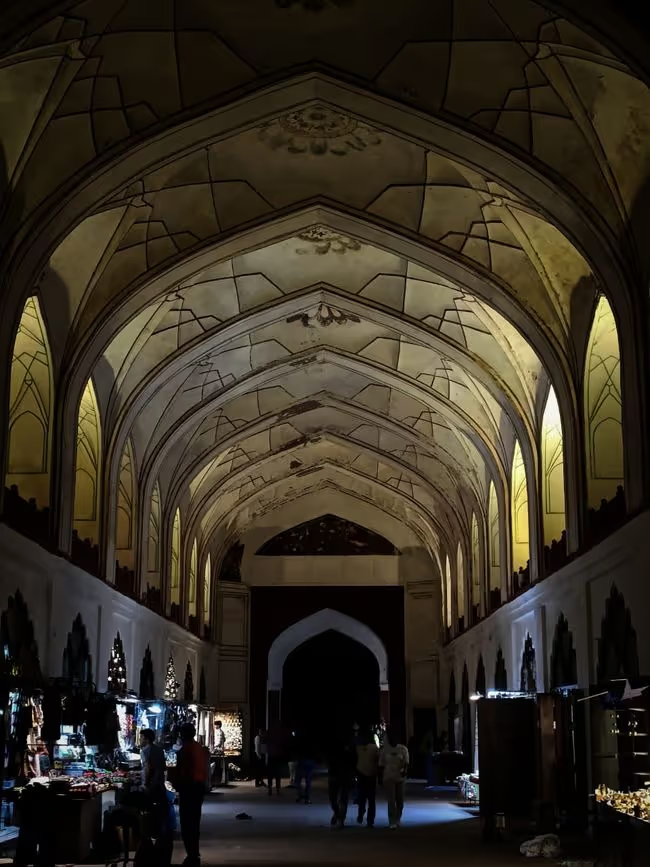
On November 5, we went to visit the Red Fort in Delhi. The king of the Muslim empire moved from Agra to Delhi in the 17th century and built this fort. The fort is like a small...

Published: 30.11.2024
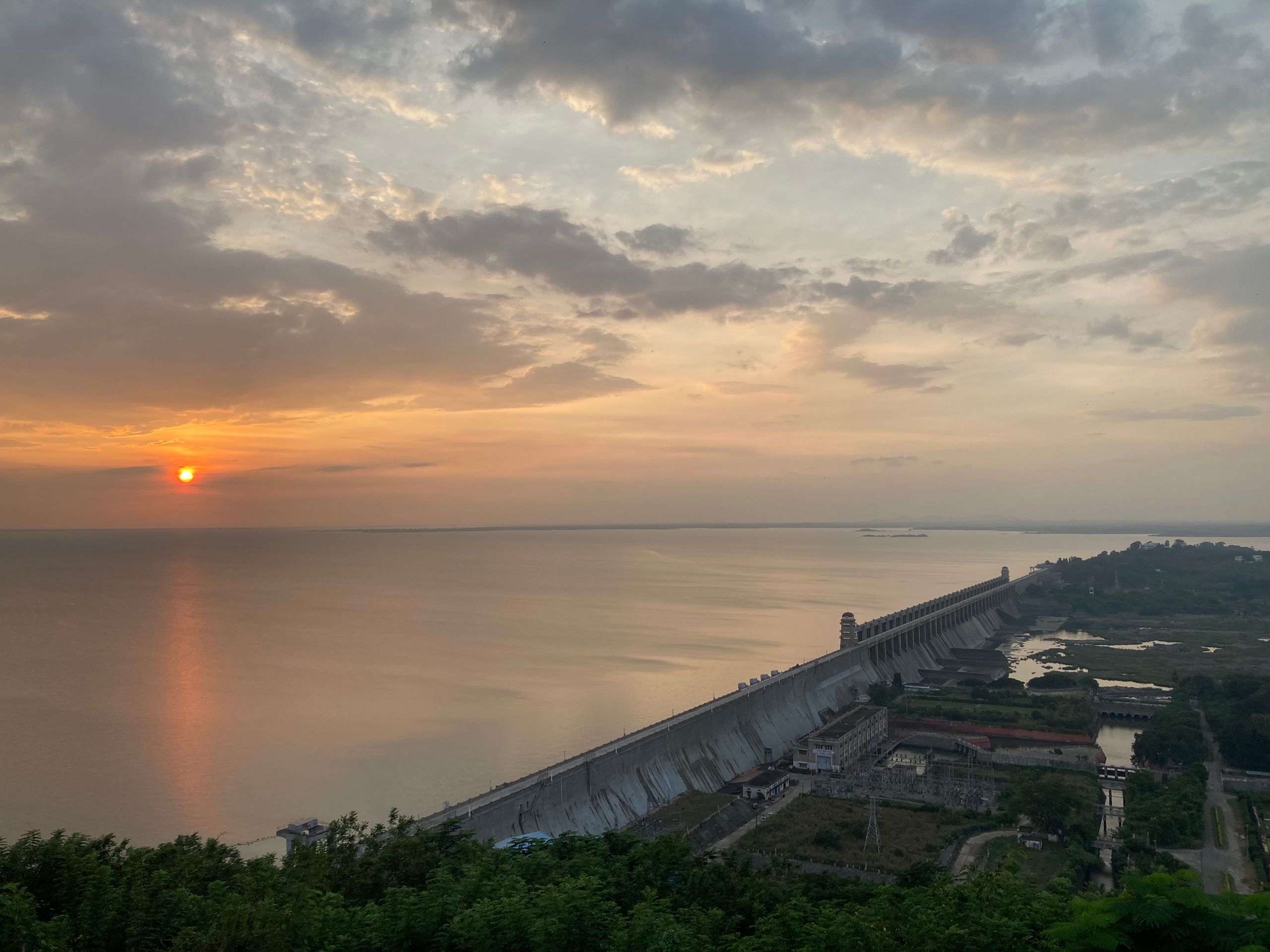
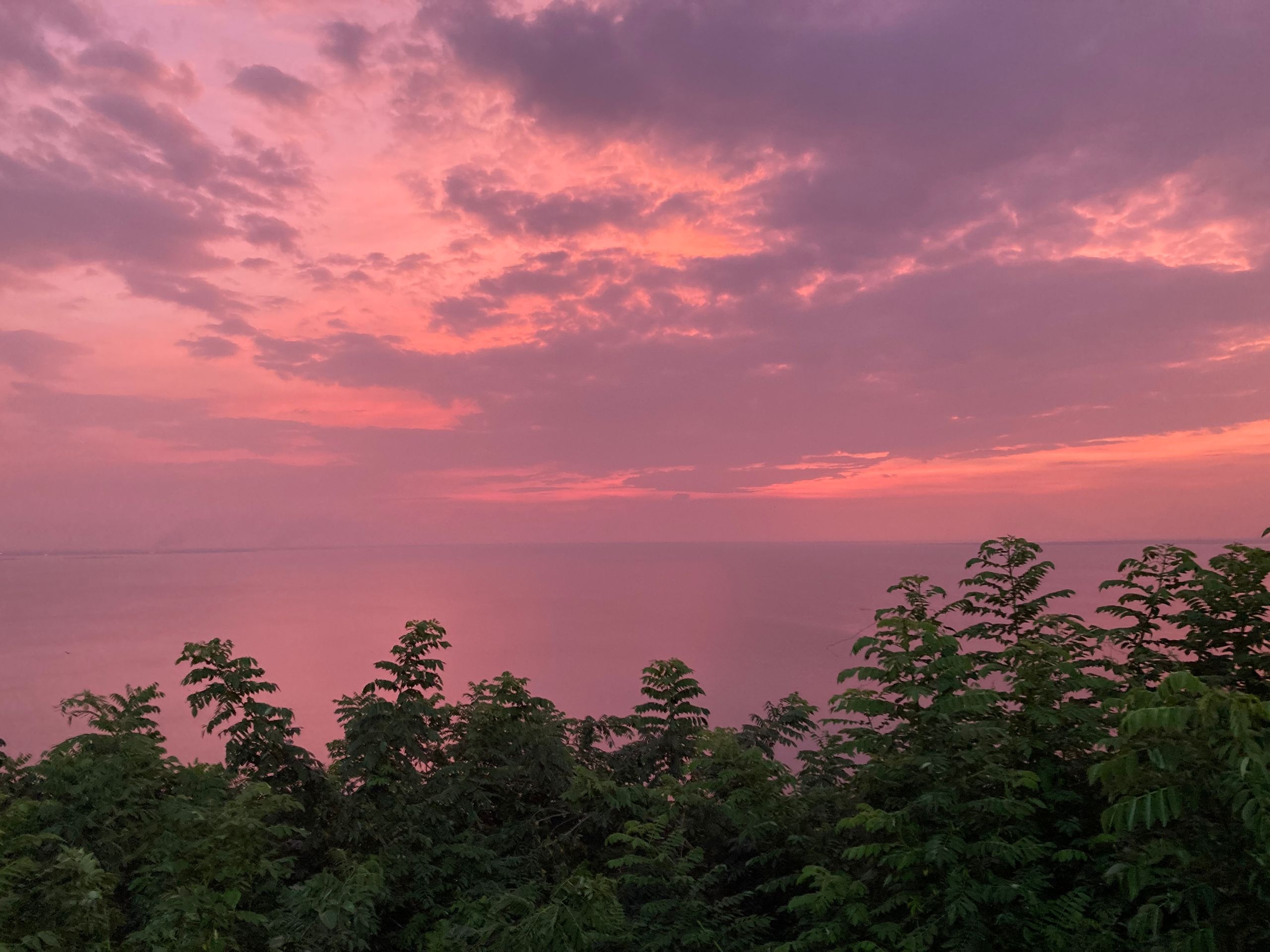
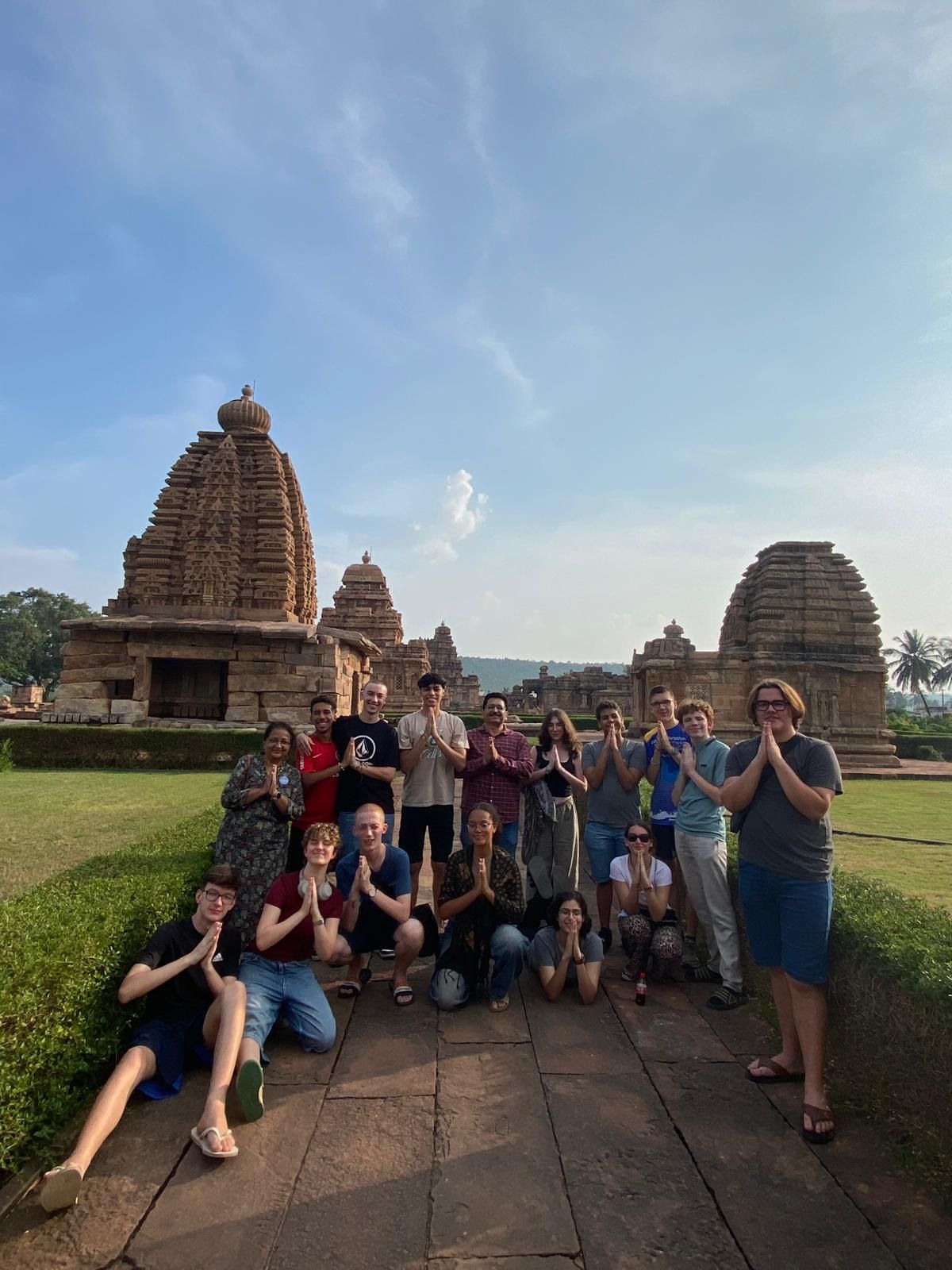
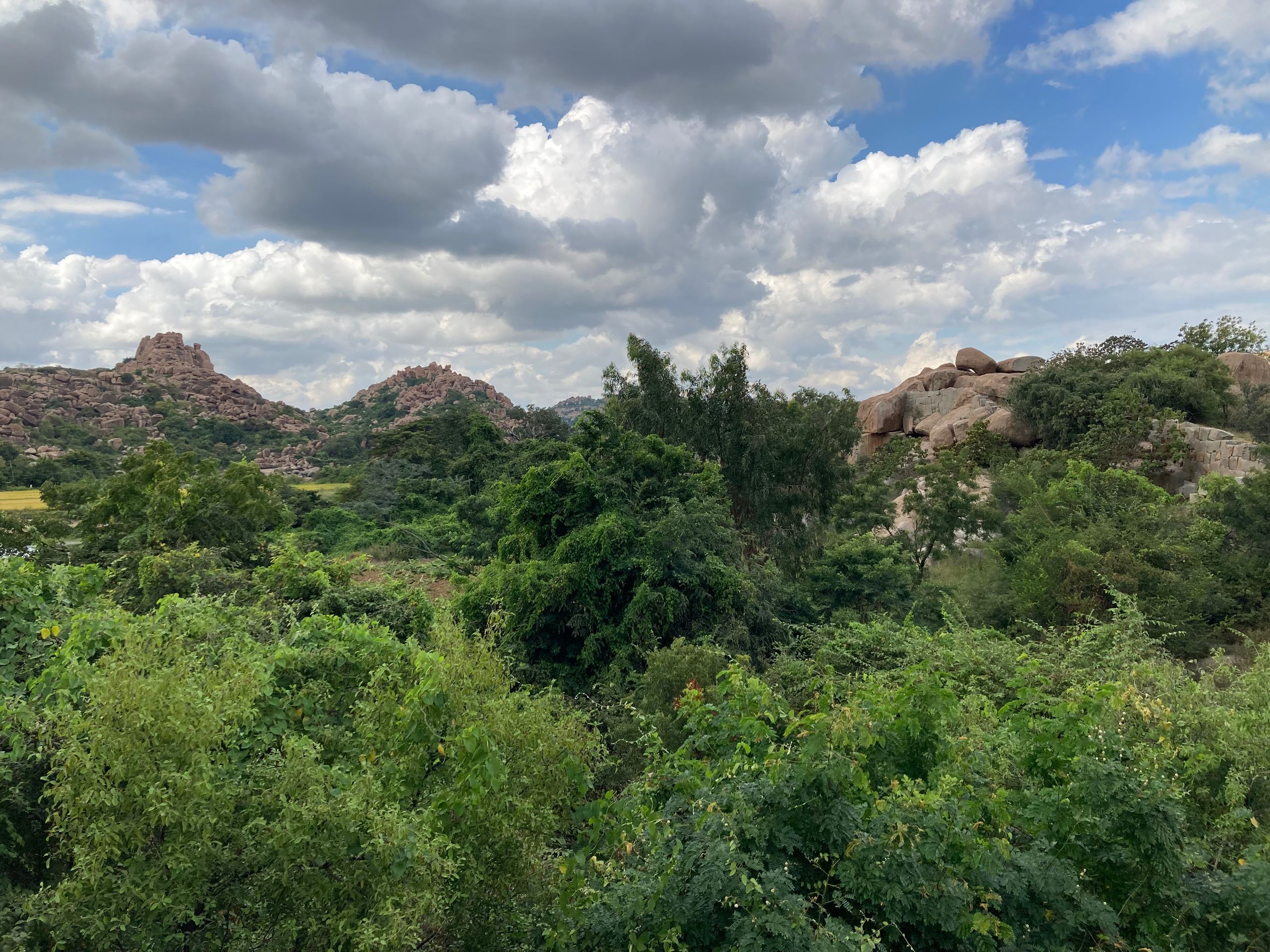
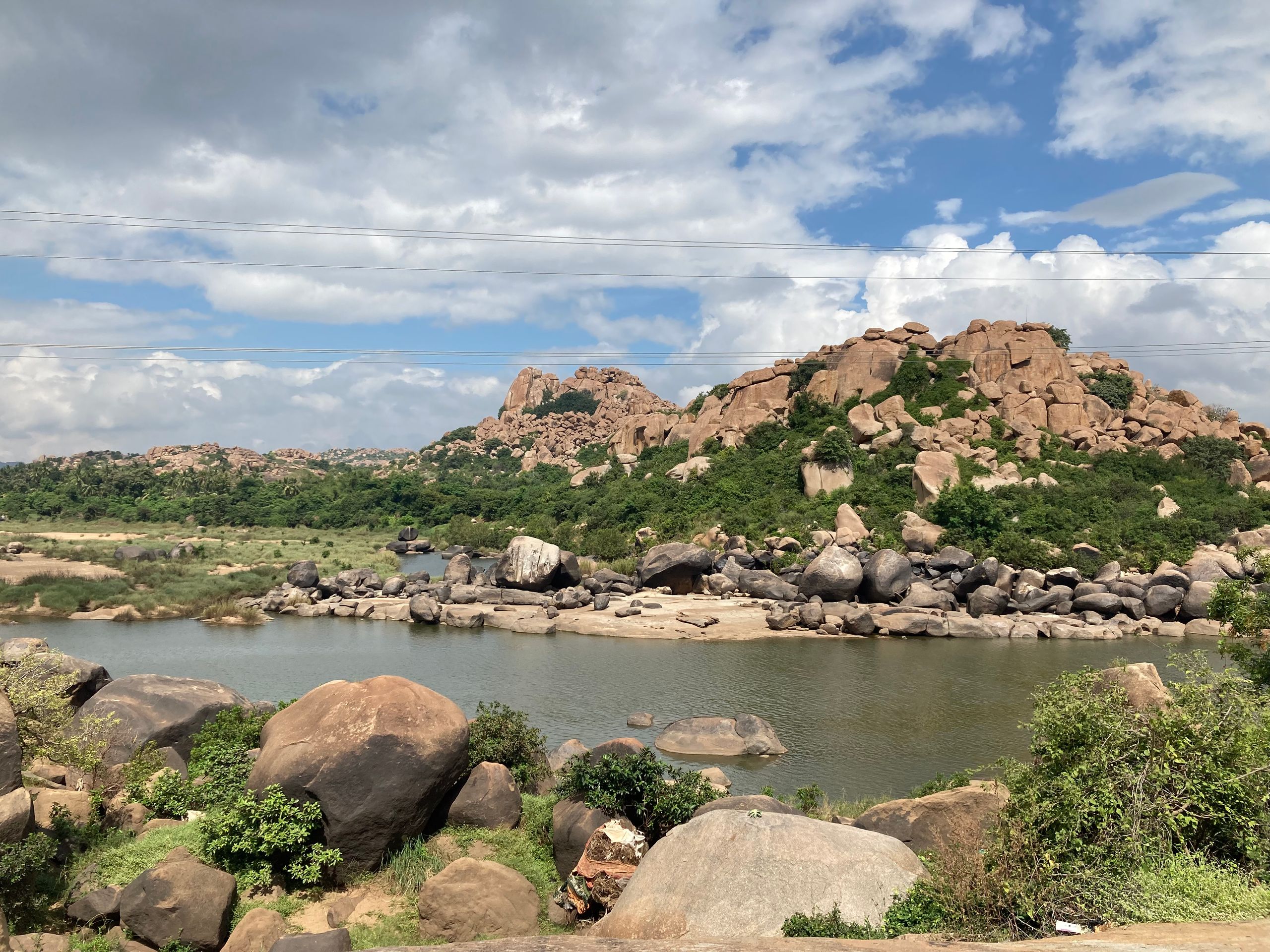
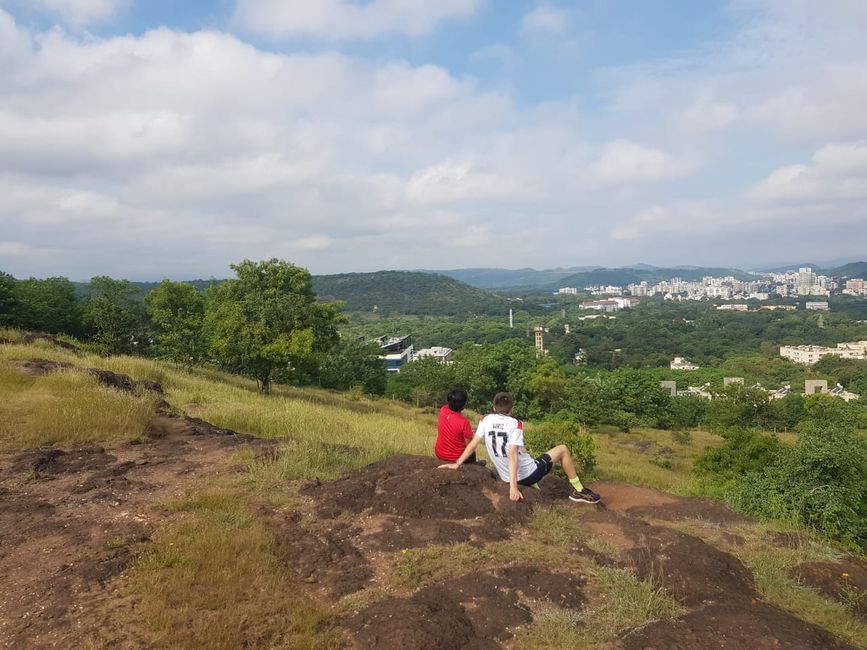
Now the 2-week South India trip begins. First, the 16 exchange students met at Pune railway station to travel to Hospate and start a new journey. The train ride was in a third-class sleeper carriage, making it an exotic train experience. Upon arrival in Hospate, we boarded our bus. The trip is a booked tourist journey. After checking into the hotel, we visited a dam in Hospate and a beautiful viewpoint of the region. The group of exchange students is very interesting. There are 6 French, 5 Brazilians, 2 Germans, 2 Belgians, and 1 Argentine. You can immediately tell where the young people come from. The Brazilians are always walking around with good music and are in a good mood. The Europeans are more interested in sights and animals, and the Argentine is a cool guy with a great love for rugby. Most of the French have a very strong accent when speaking English. I get along very well with the other German and notice how many things we have in common. Many things we think the same way about. People behave differently when they converse in German instead of English. There is also a strong group formation by nations. What I find very surprising is that Spanish and French are very similar and have many identical terms. The Argentine can speak Spanish with the Brazilians, and they respond in Portuguese. The Brazilians do not recognize the current president, Lula, and do not answer the question of who won the election. It seems there are huge divides between the left and right factions in Brazil. In their opinion, the left faction is too corrupt. By the way, politics is not discussed in the family.
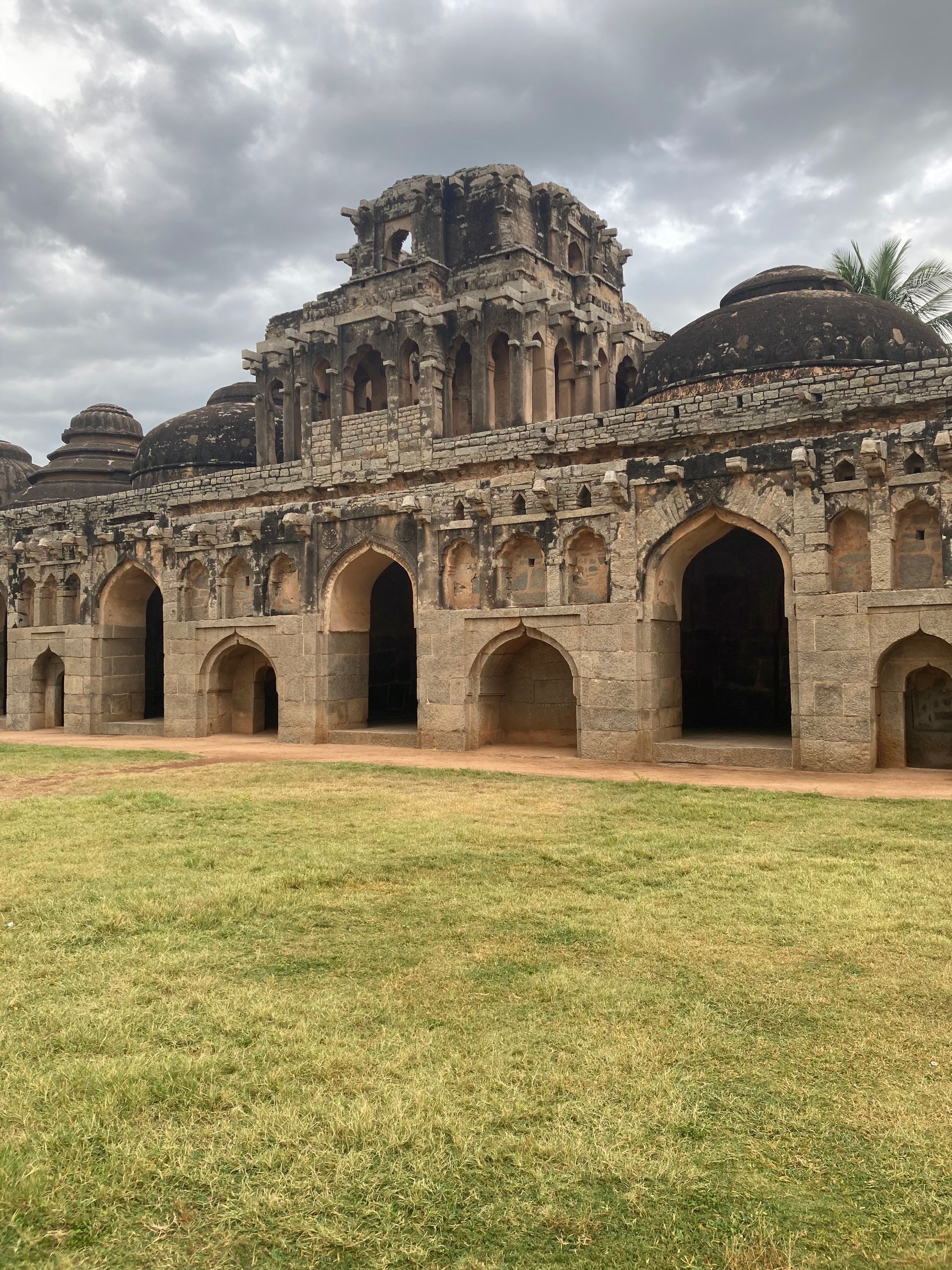
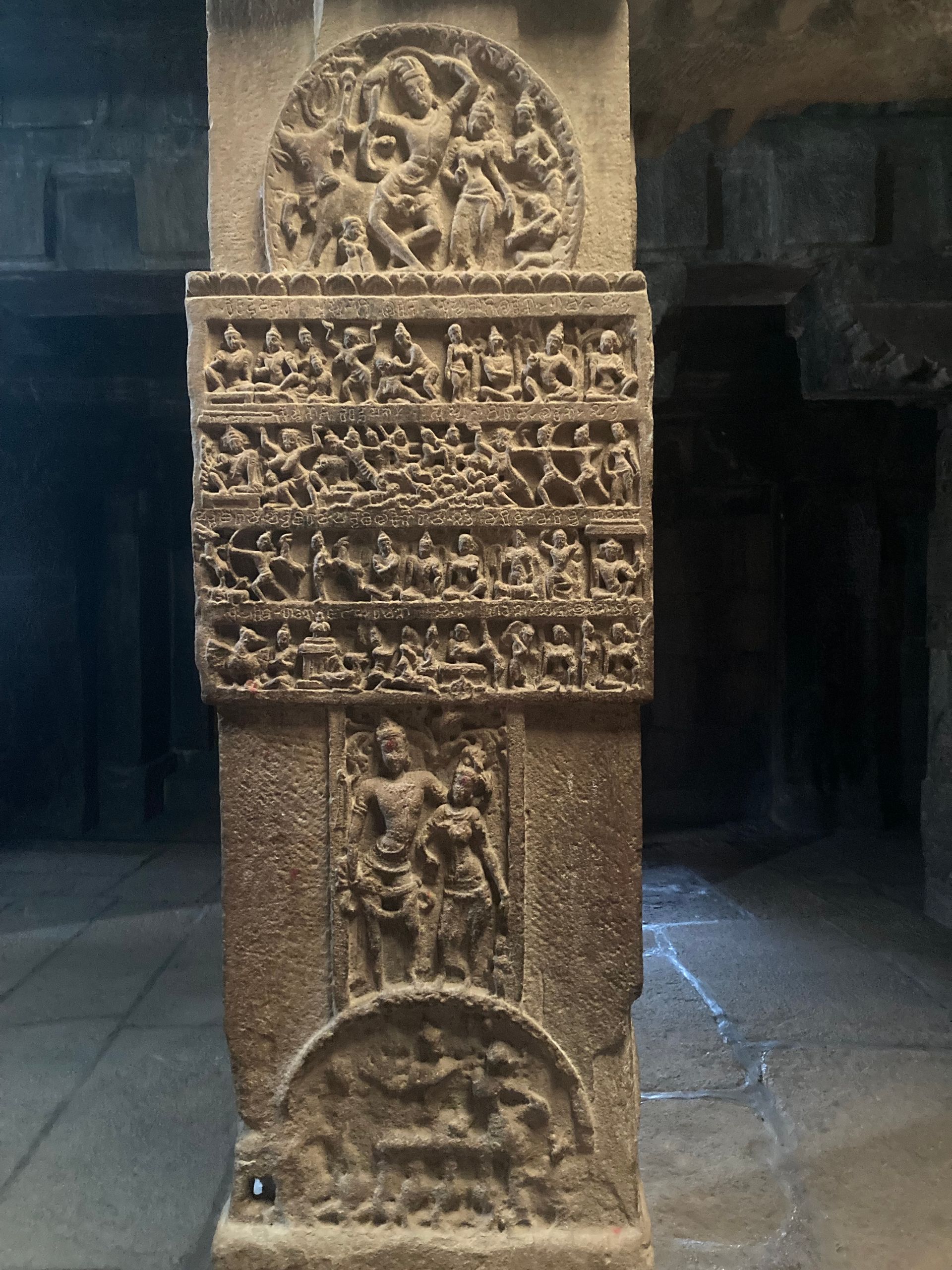
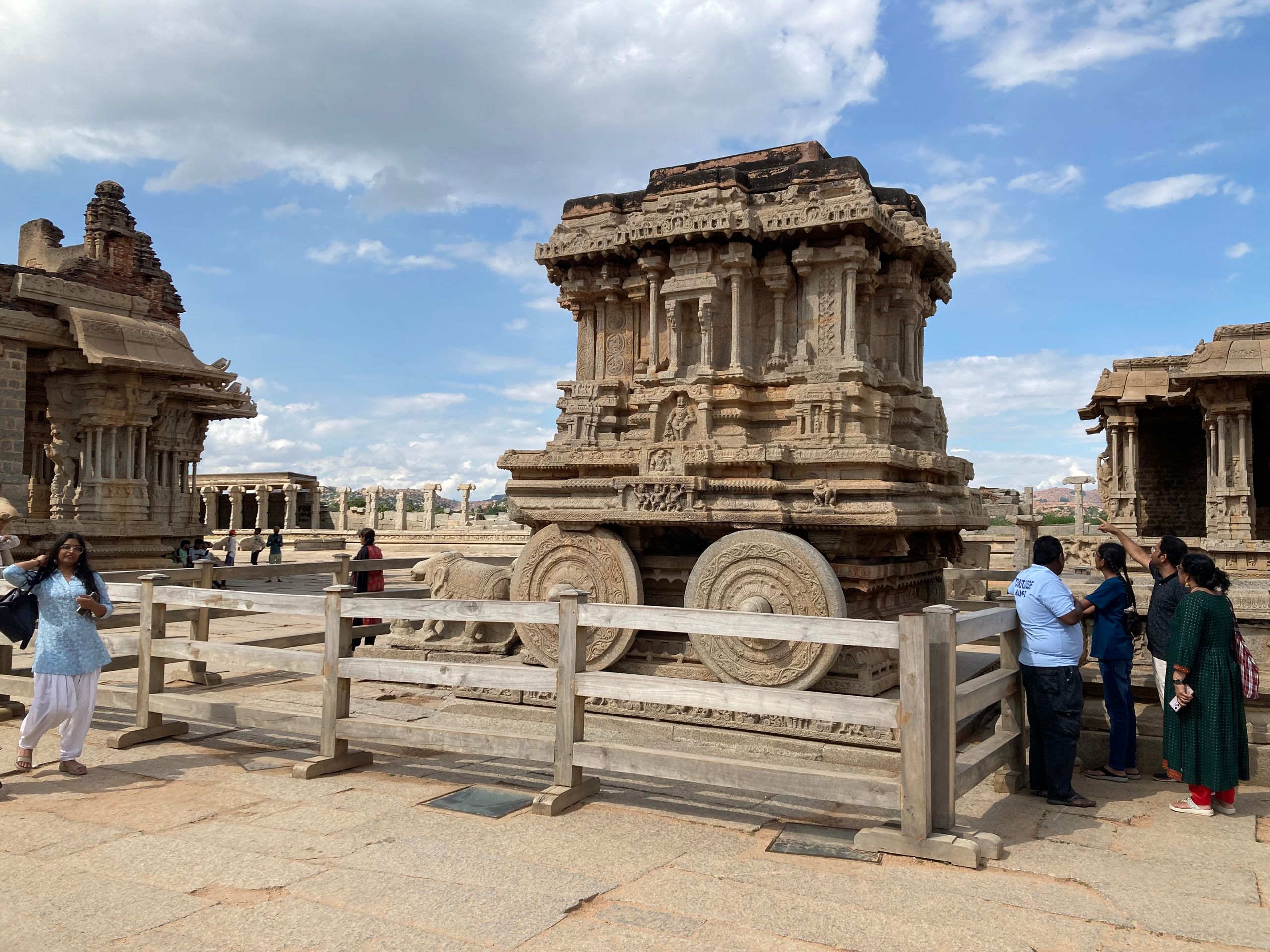
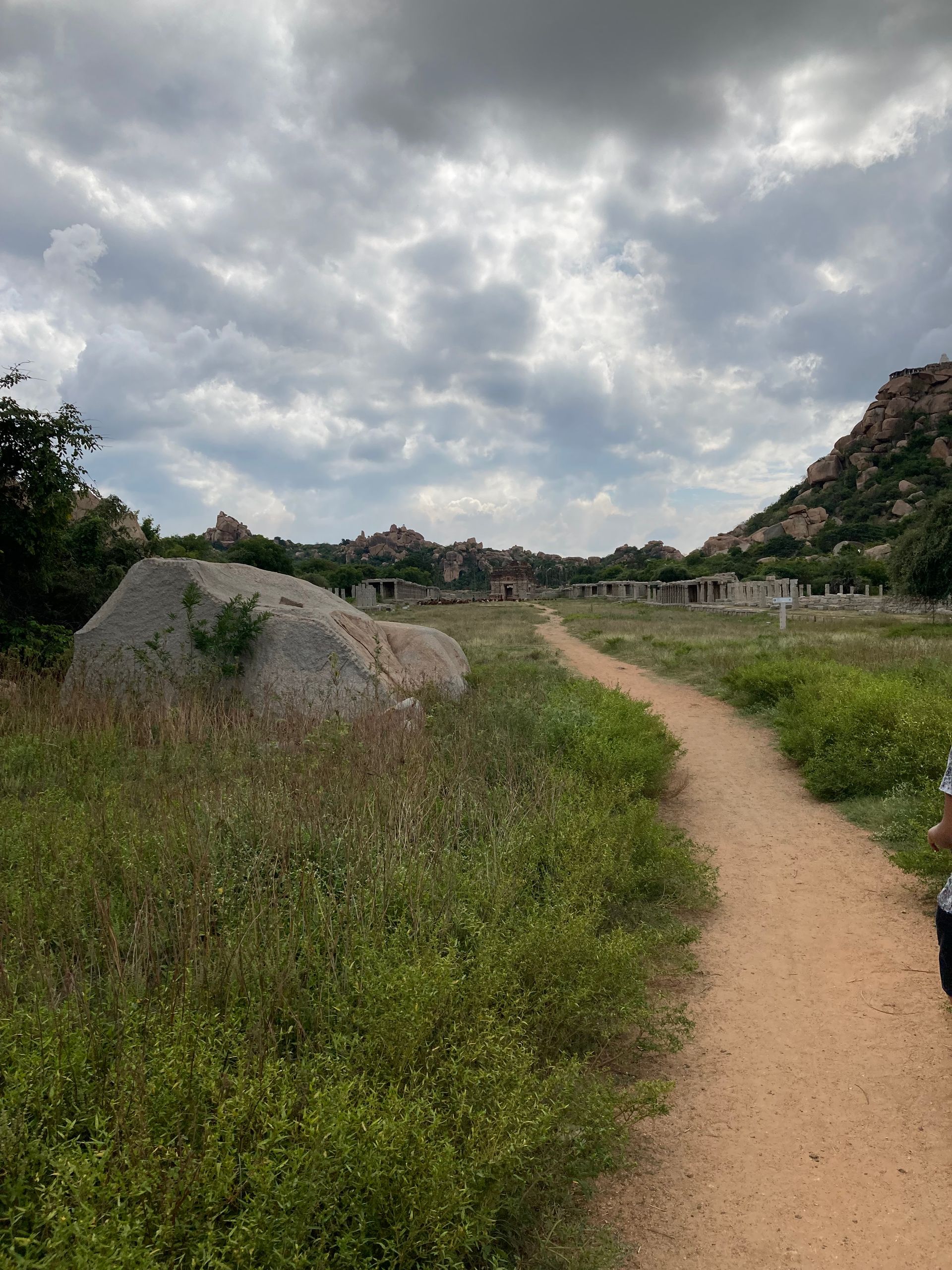
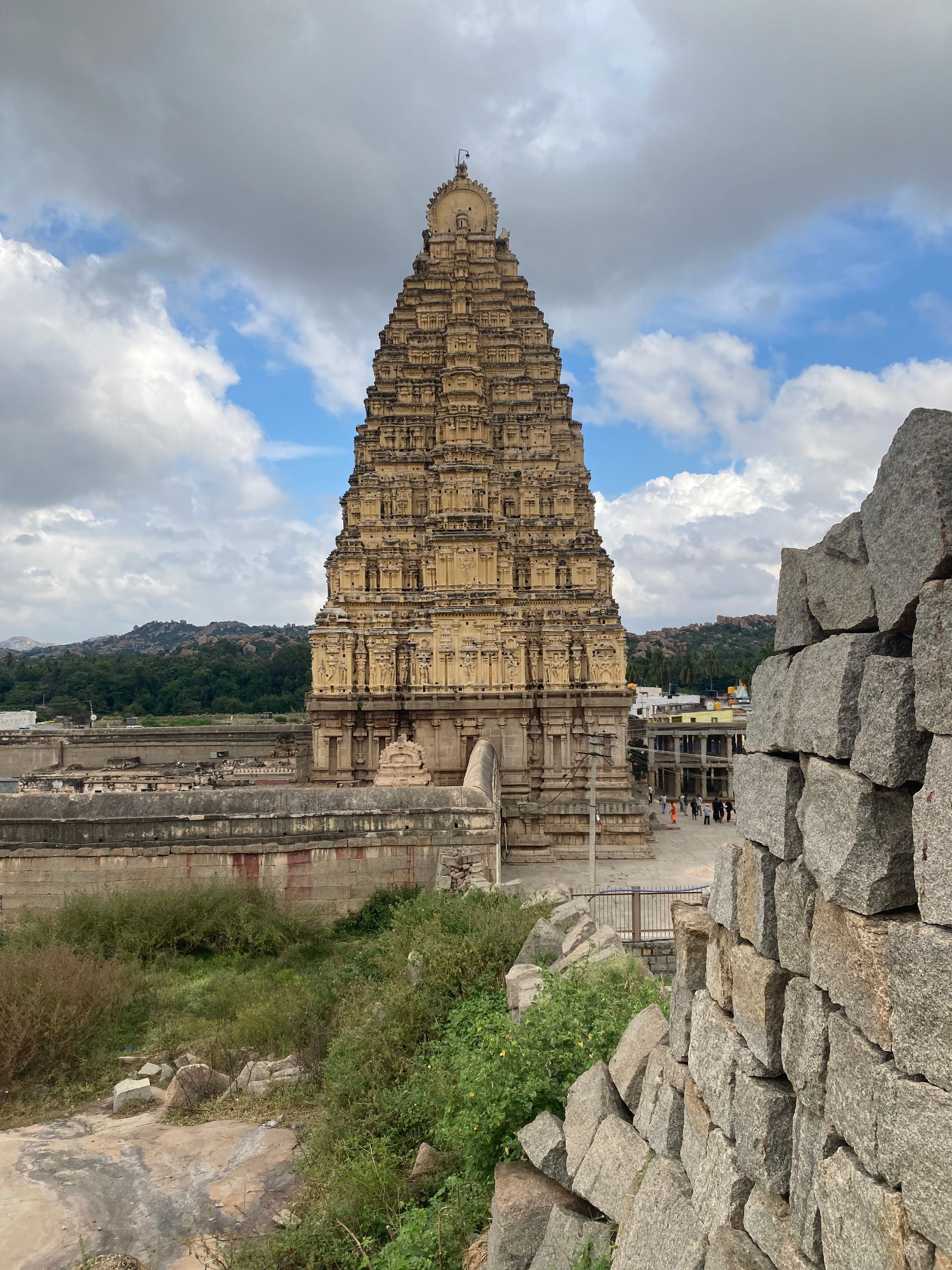
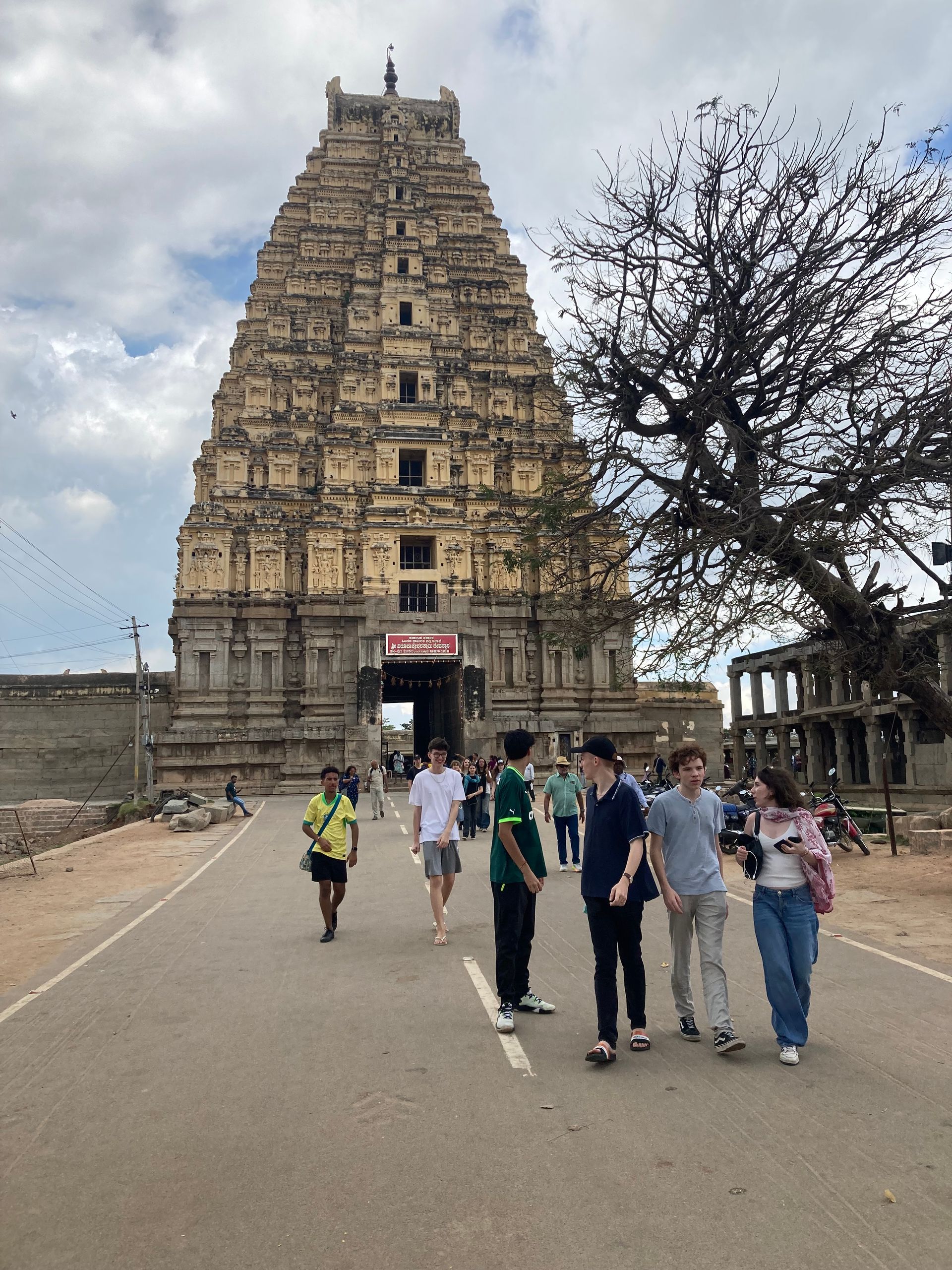
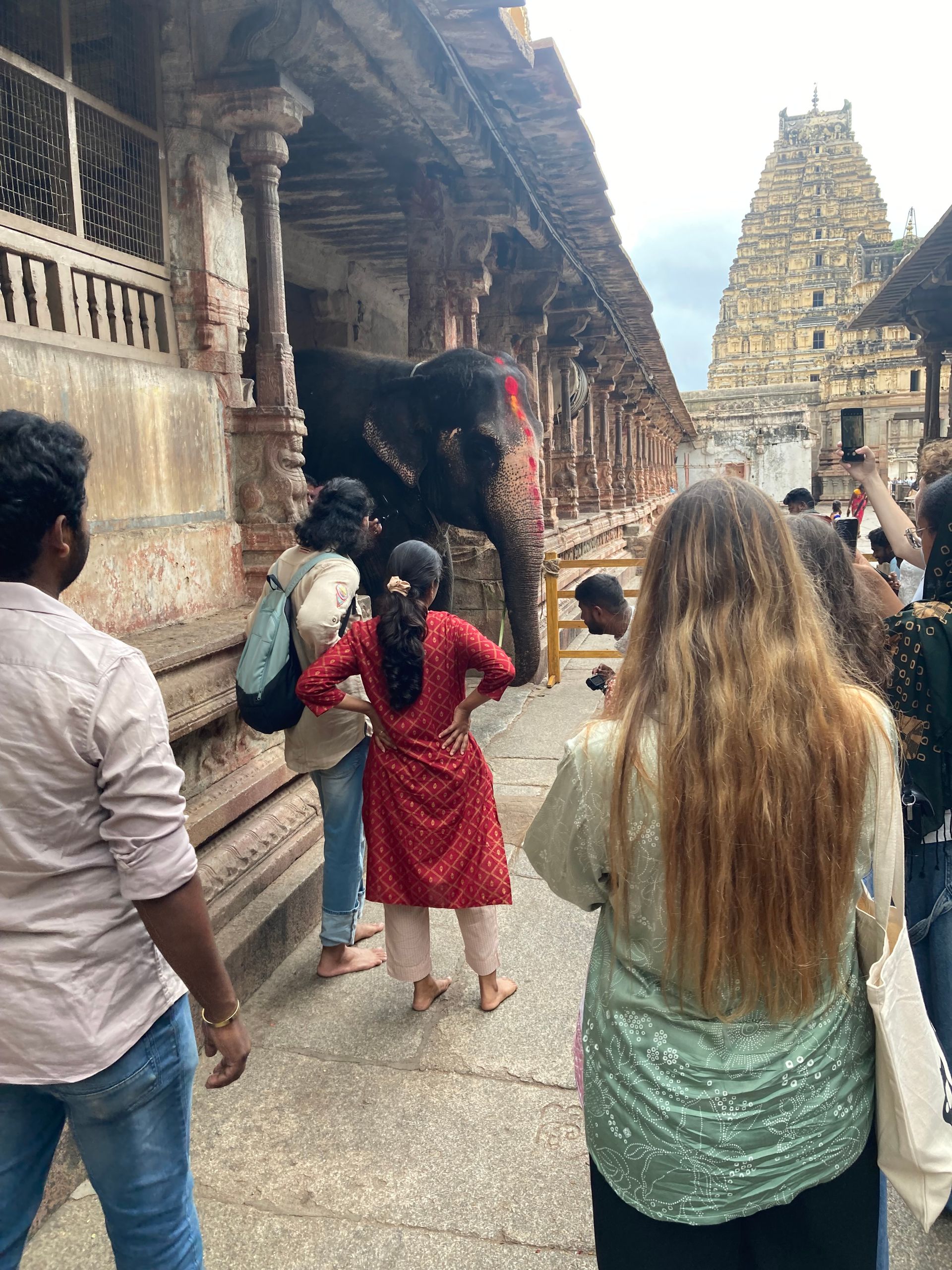
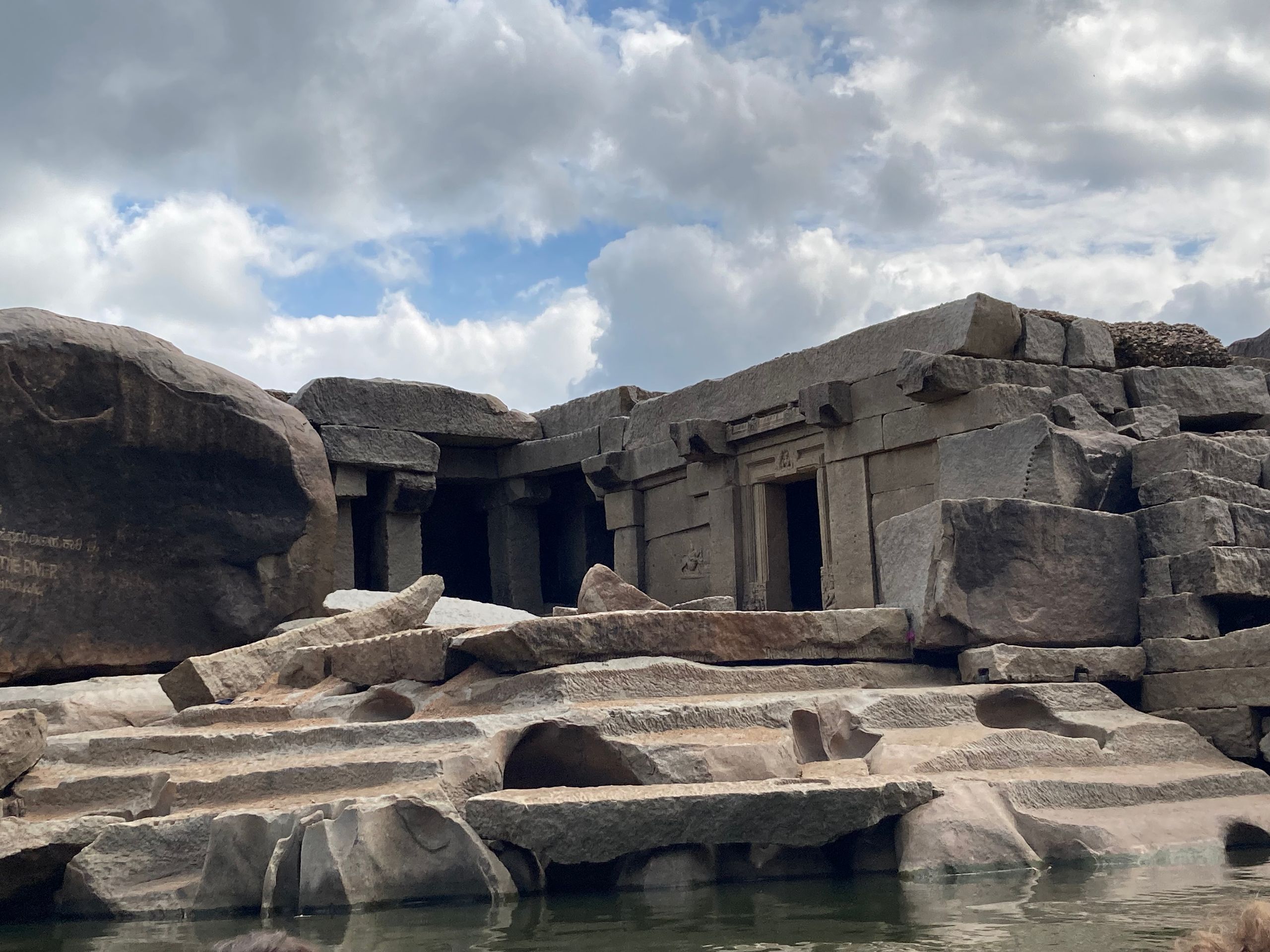
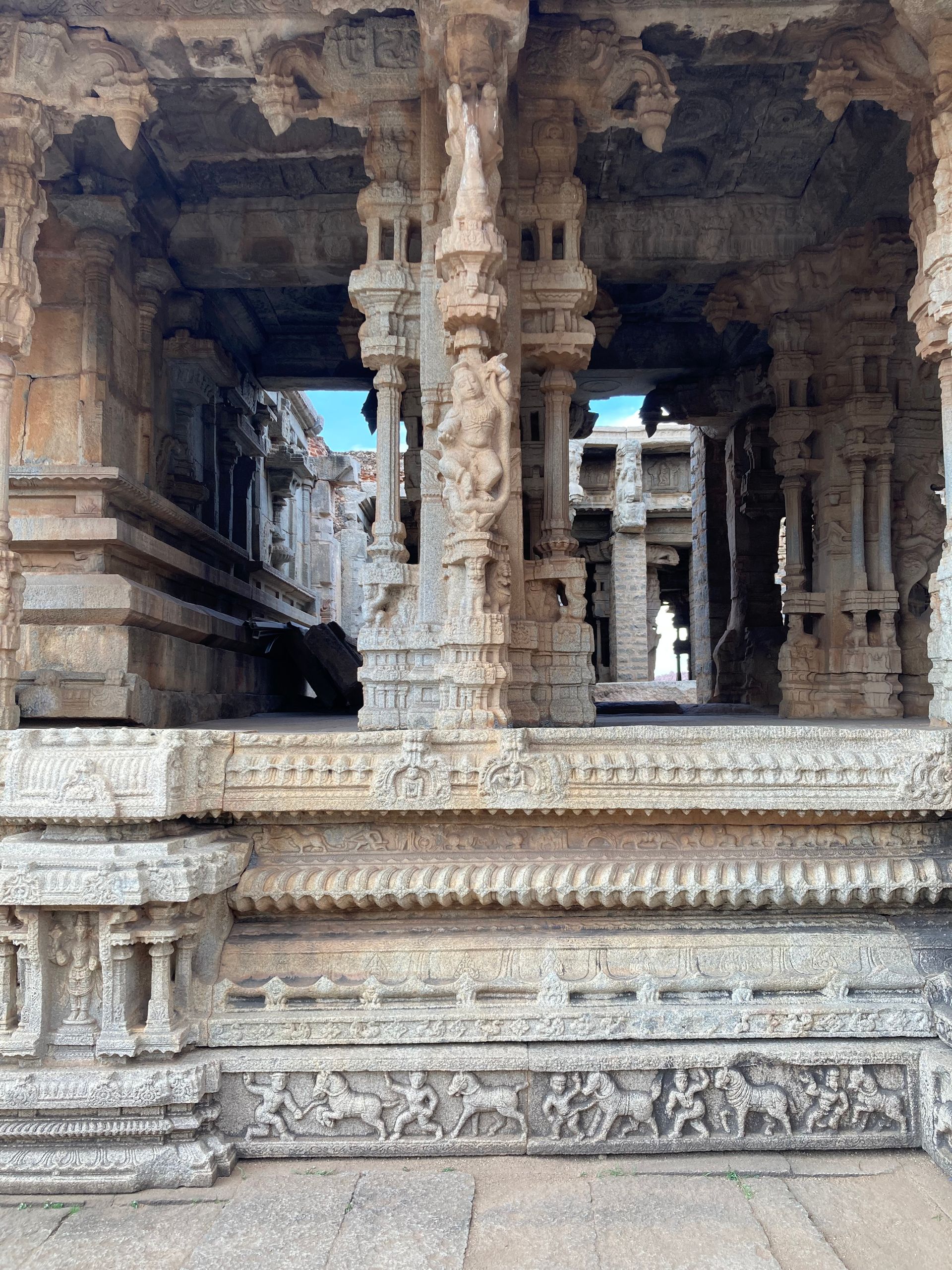
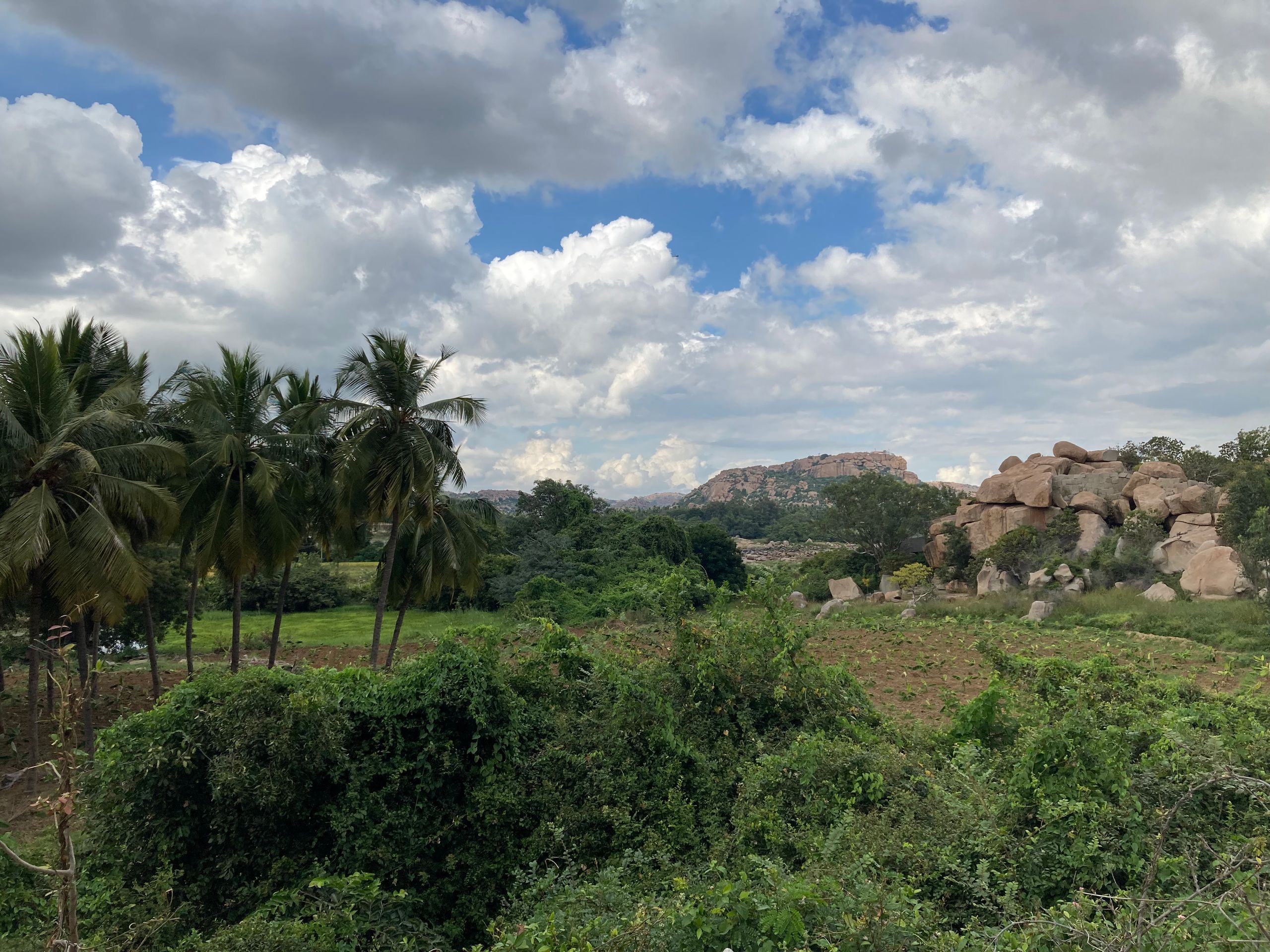
Now back to the trip. The next day we went to visit Hampi, which was once one of the richest cities in the 14th century. Hampi has many beautiful temples and a palace. The style is very unique and reminiscent of Southeast Asia. Gold and silver were traded in Hampi. Hampi was partially destroyed by Muslim conquerors. The city is a UNESCO World Heritage site and very beautiful to explore on foot.
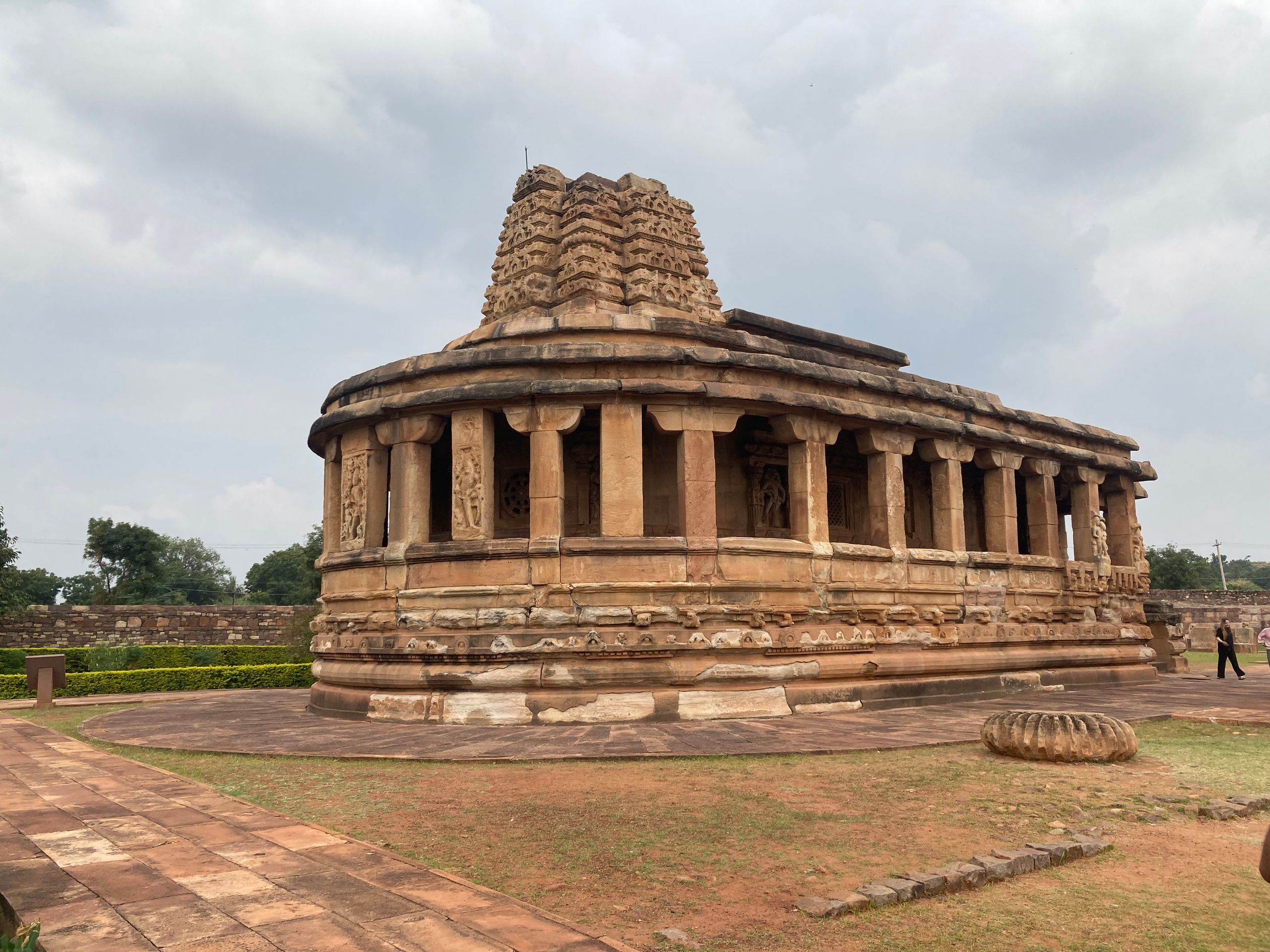
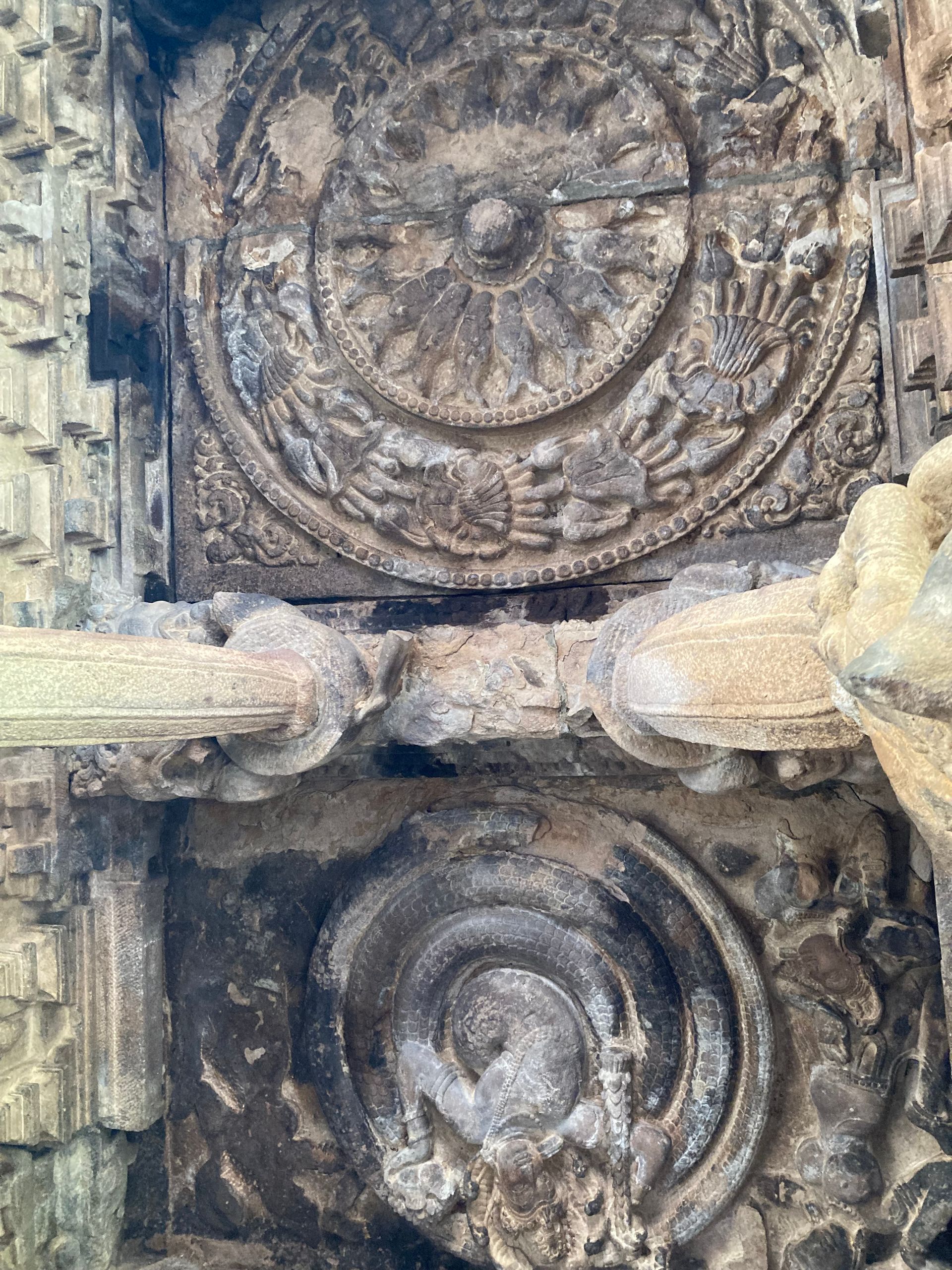
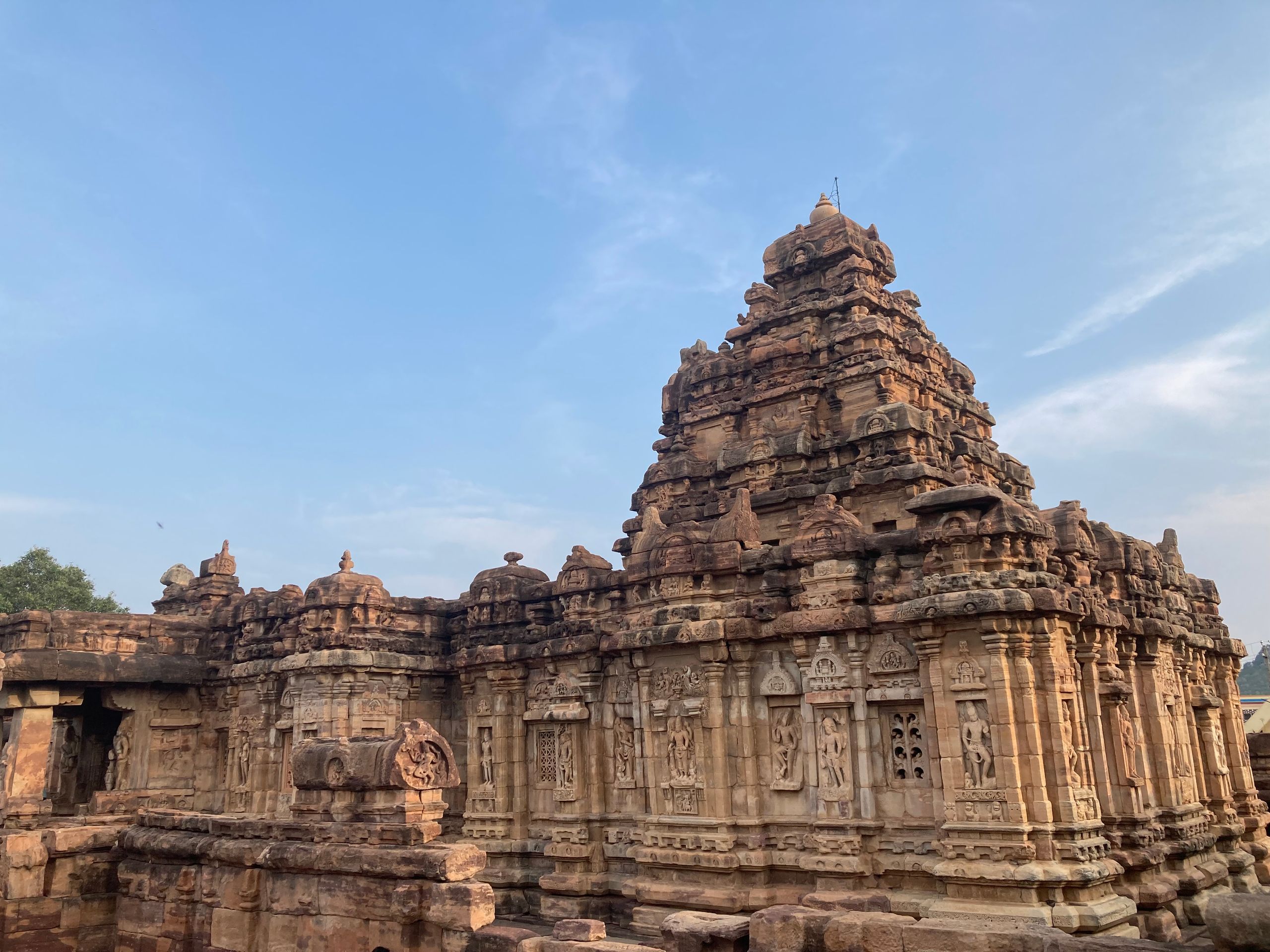
The following day we visited the Durga Temple. The temples, mostly made of sandstone, are adorned with beautiful decorations that tell stories from Hinduism. Next, we went to the Shiva temples. Temples were built there for the god Shiva. Kings and wealthy individuals built temples to showcase their riches. The entrance doors of the temples are beautifully decorated to display their wealth.
In villages in South India, the wealthiest farmer has the most ornately decorated door frame. Gold is very important in South India and can be found in many households.
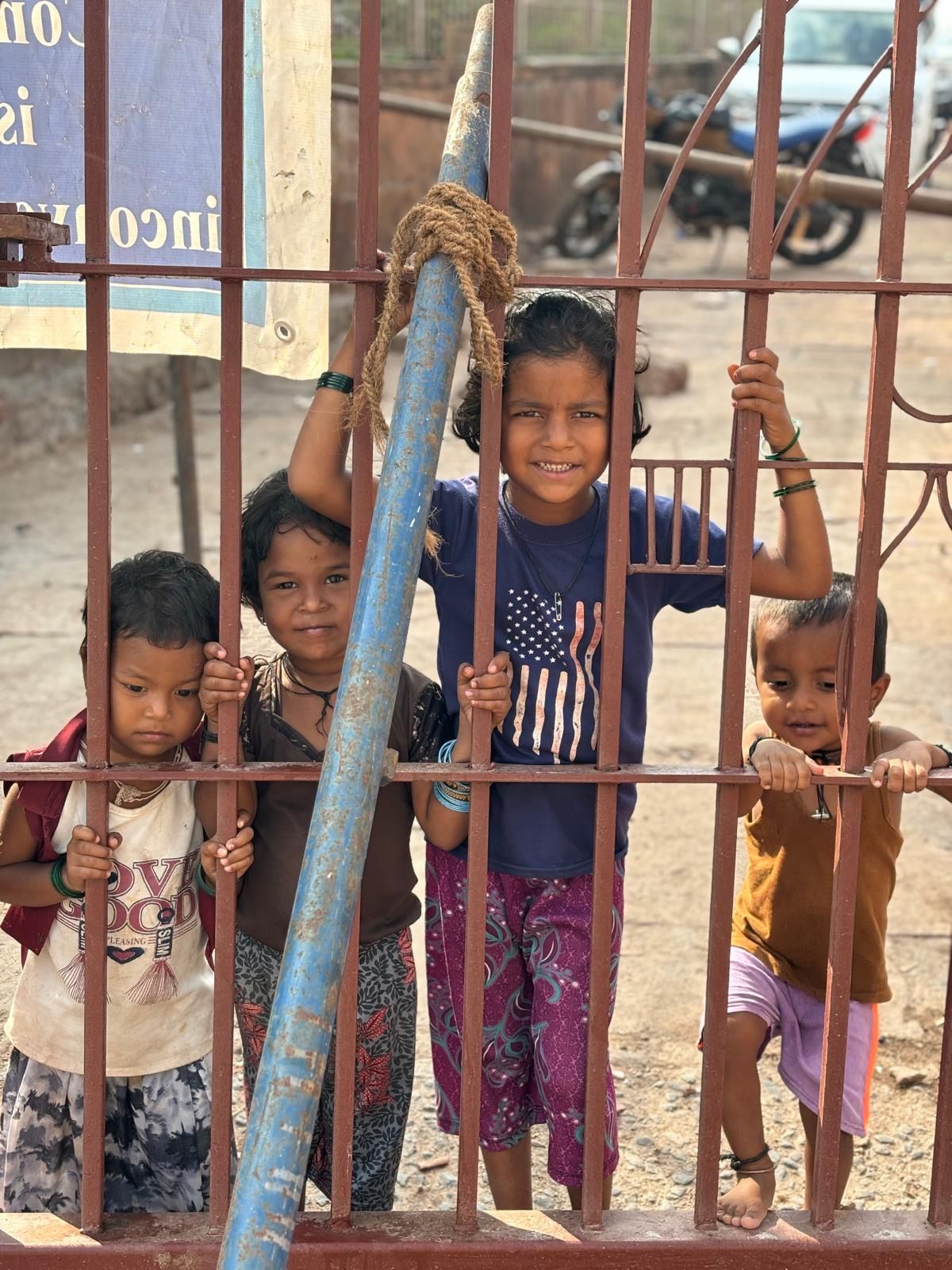
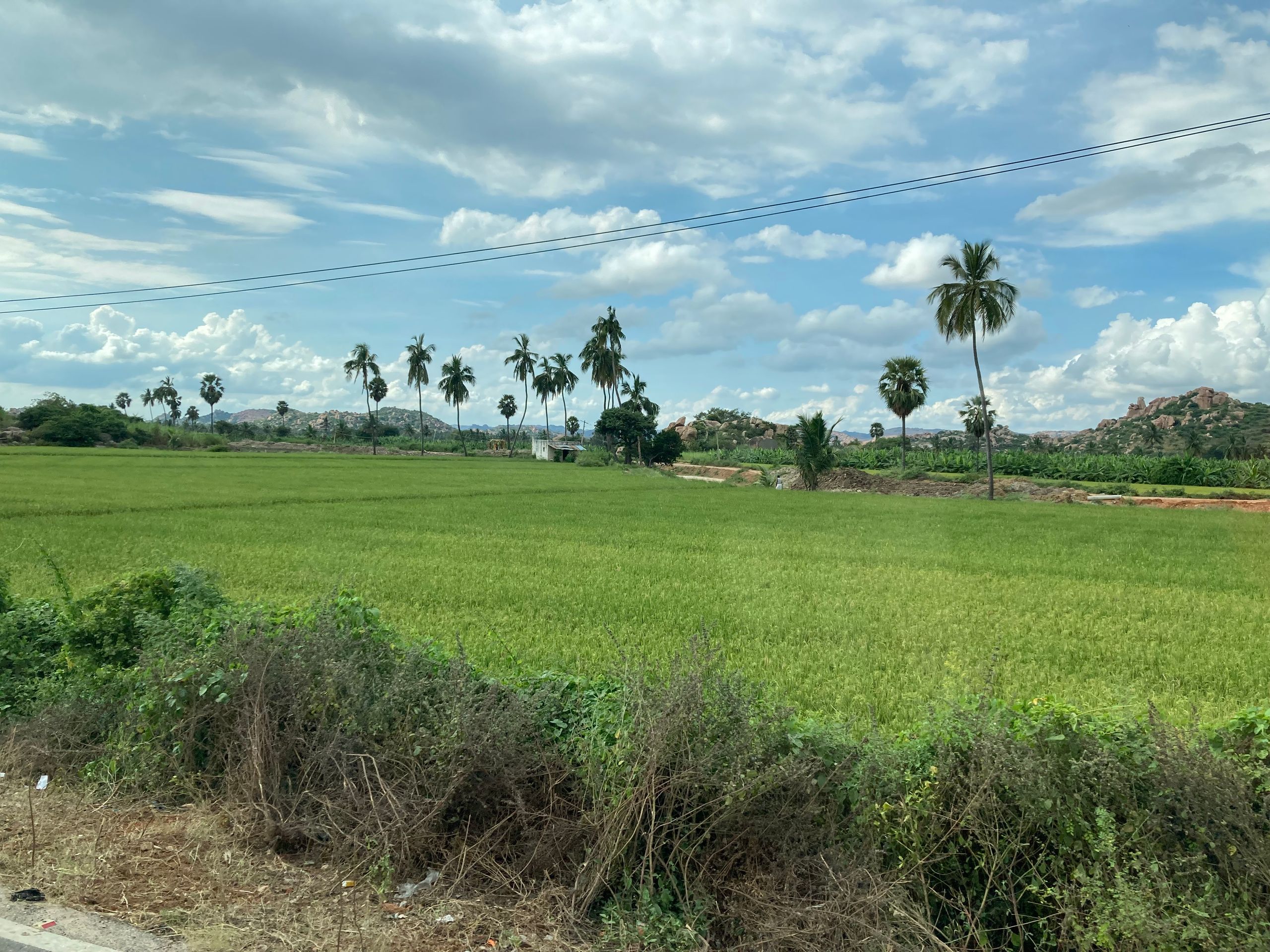
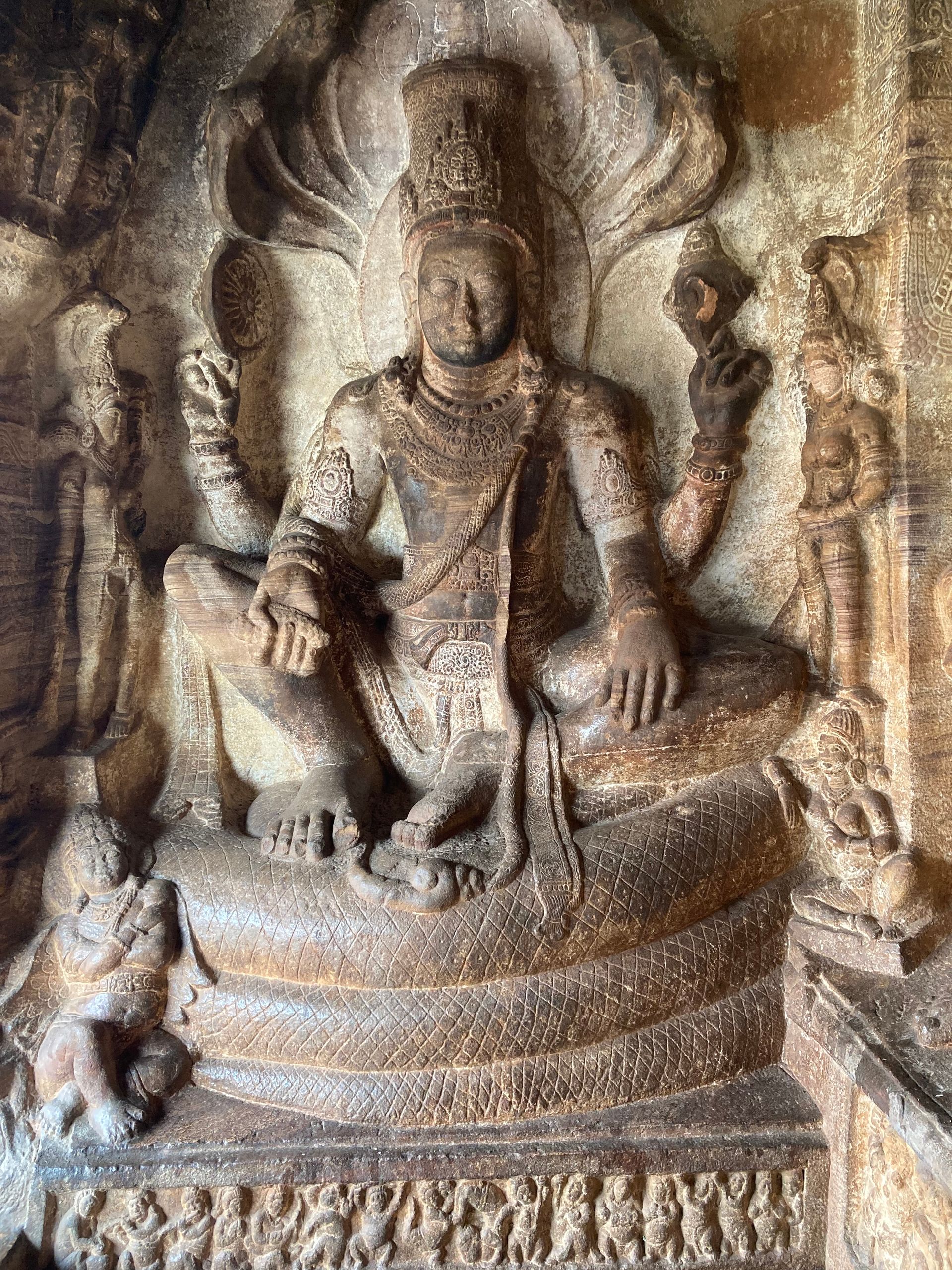
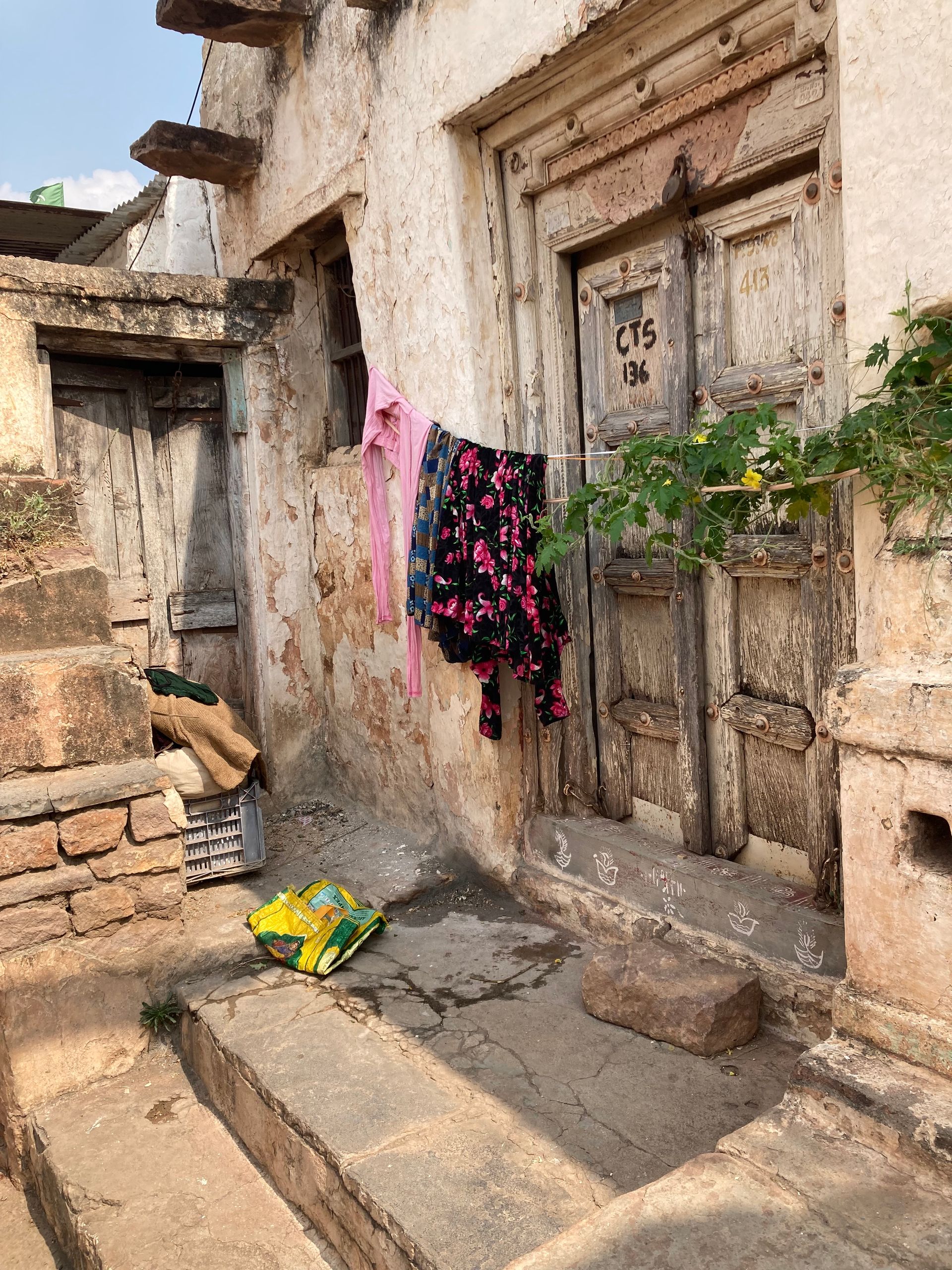
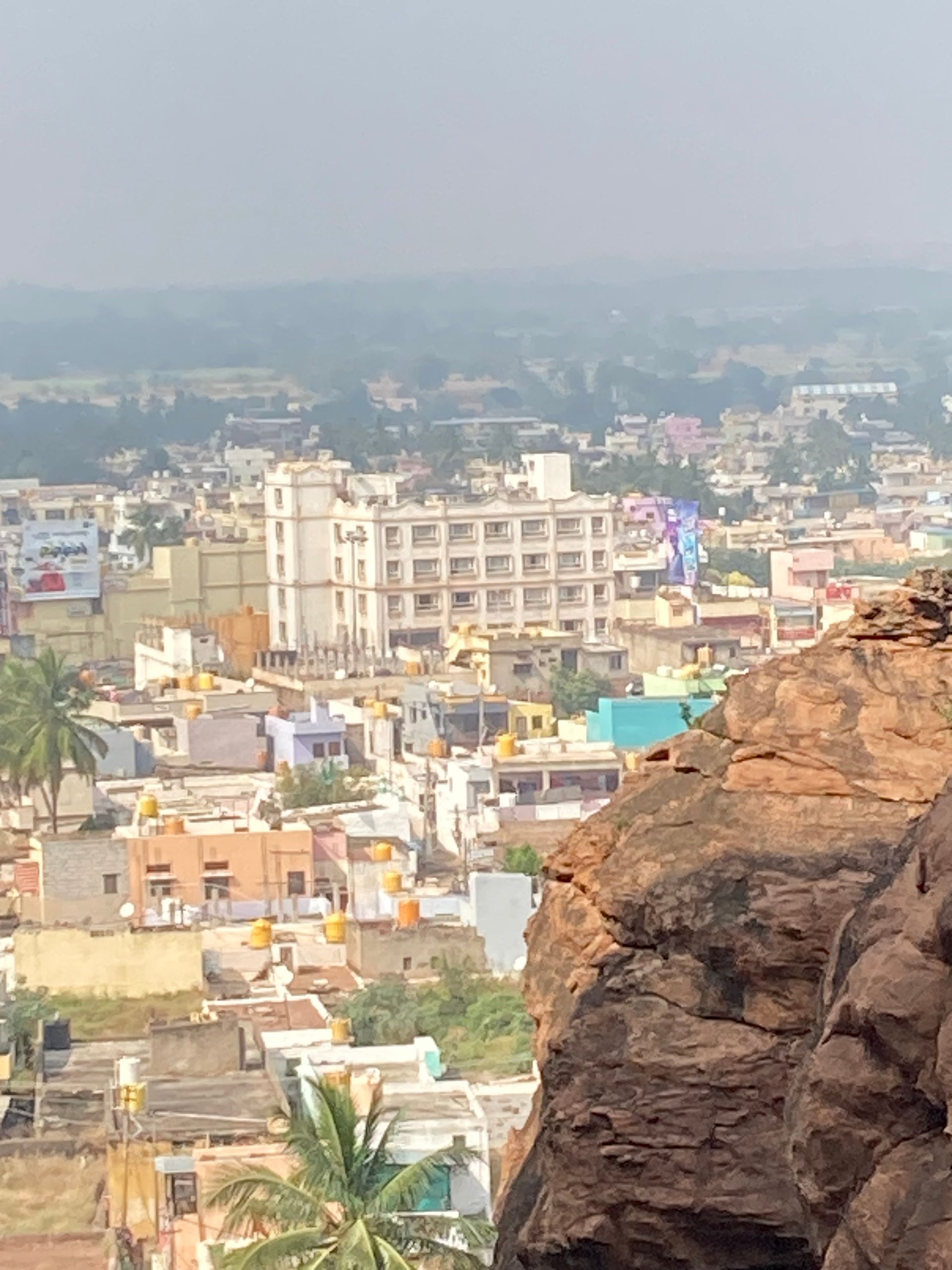
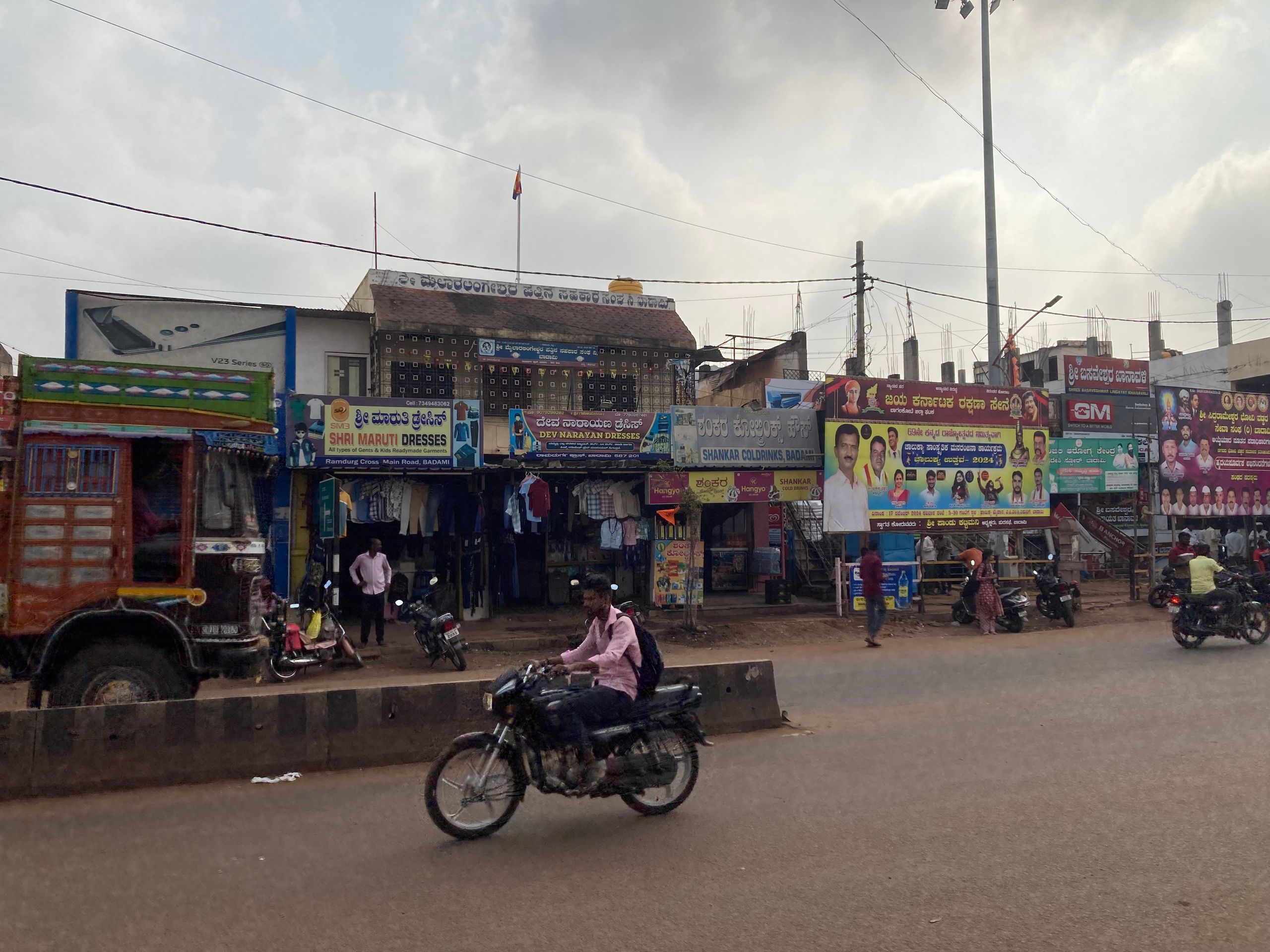
The following day we went to visit temples. This time, however, we went to the cave temples in Badami. To get to the temples, we had to walk through the alleys of the houses. The people seemed very friendly to me but live in poverty. You often see trash around and women hanging and washing laundry. The south seems more rural and traditional to me. All houses have flat roofs. When looking outside on the street, I noticed that very few women are visible. Women mostly ride on motorcycles in women's seats and are otherwise rarely seen on the main street.
When you venture away from the very large cities in South India and end up in somewhat smaller towns, the hotels are always very quirky. Sometimes there is no hot water, or the electricity goes out. Often, the hotel is in the center of the town.
After visiting Badami, we took the night train to Mysore.