Prolog III
After 24 hours, I reached the Greek mainland in Patras. The crossing was okay. I shared my cabin with an older Greek man who was very nice but also slept very loudly. Cou

Published: 08.09.2026
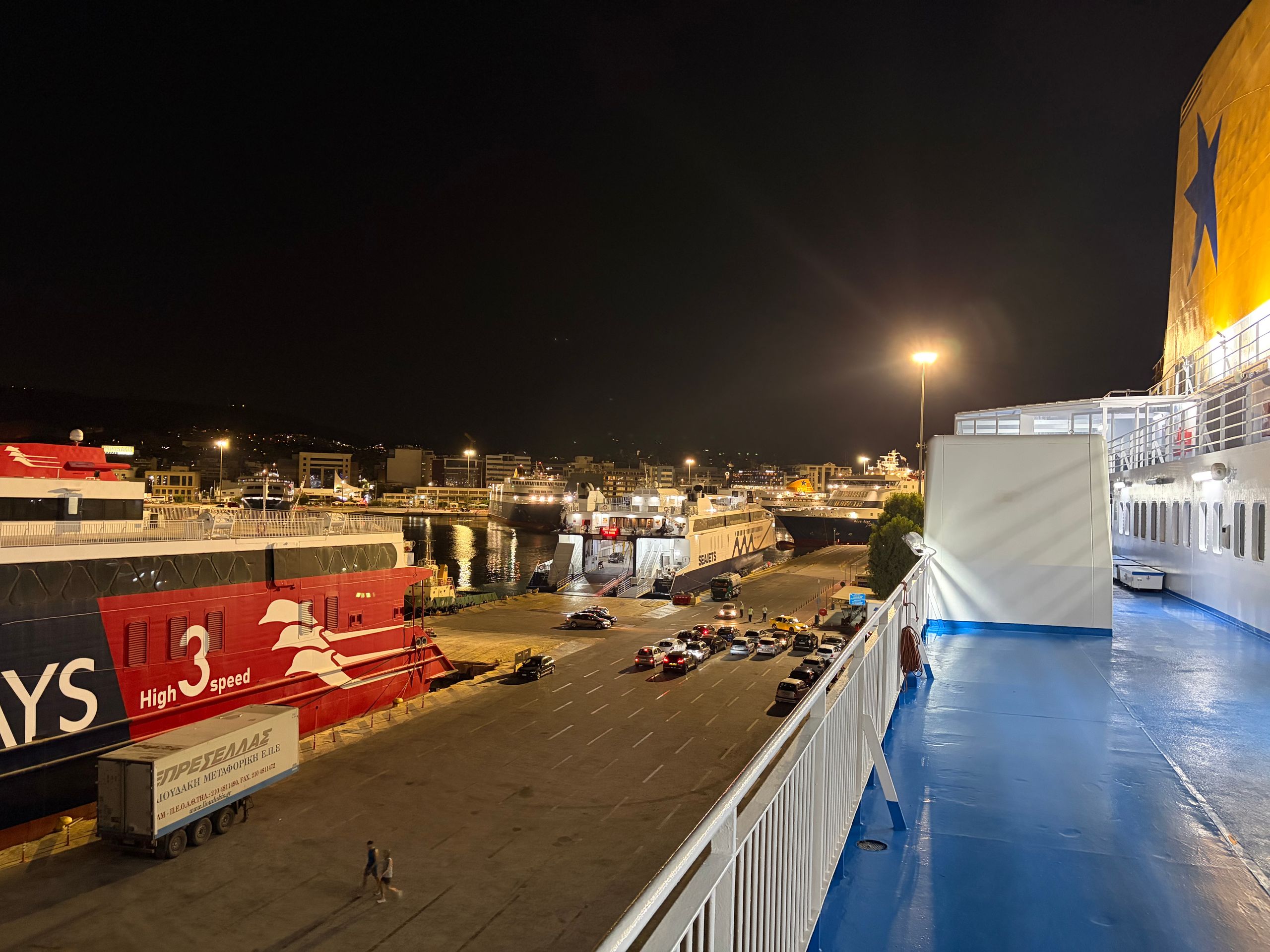
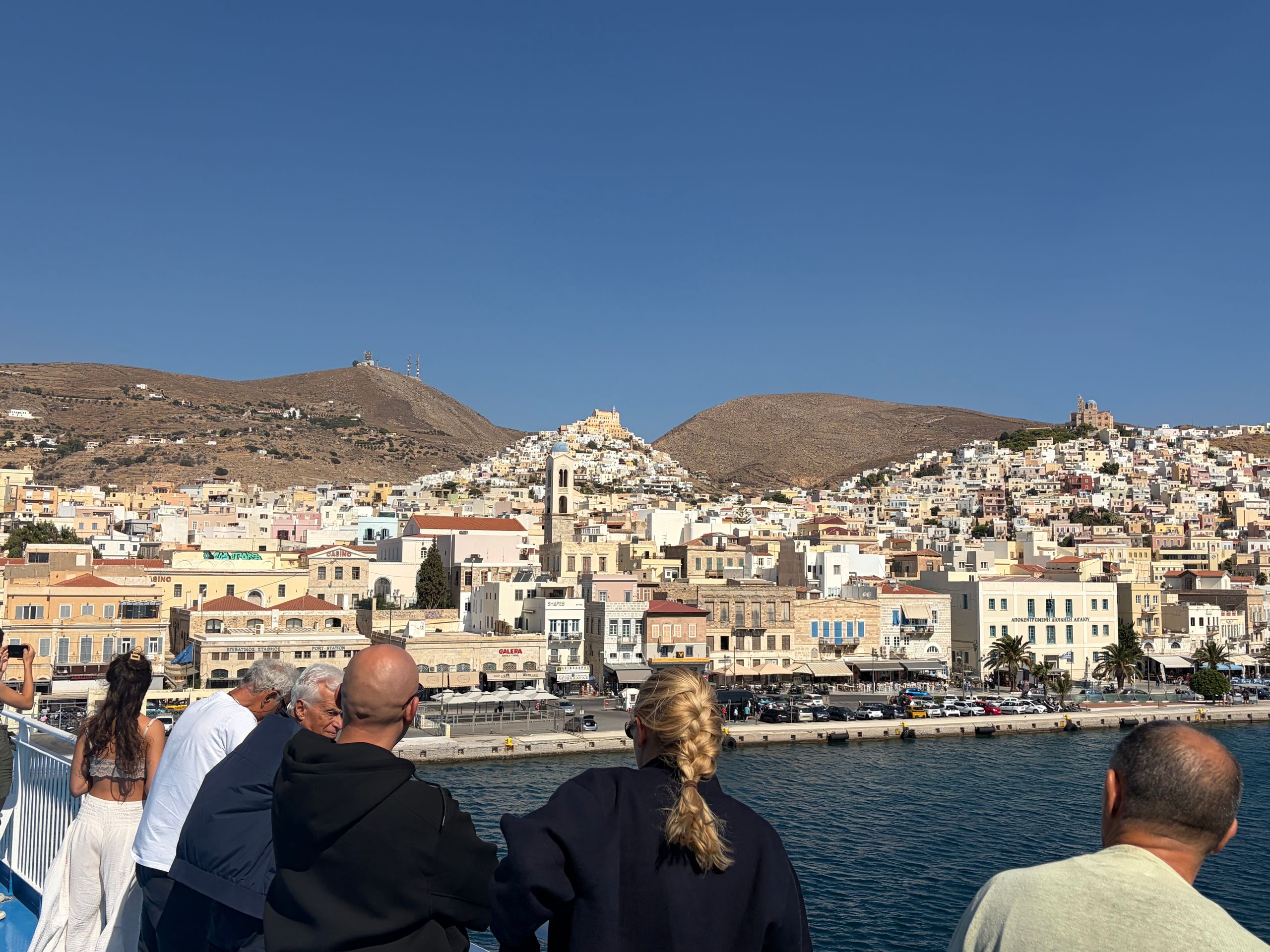
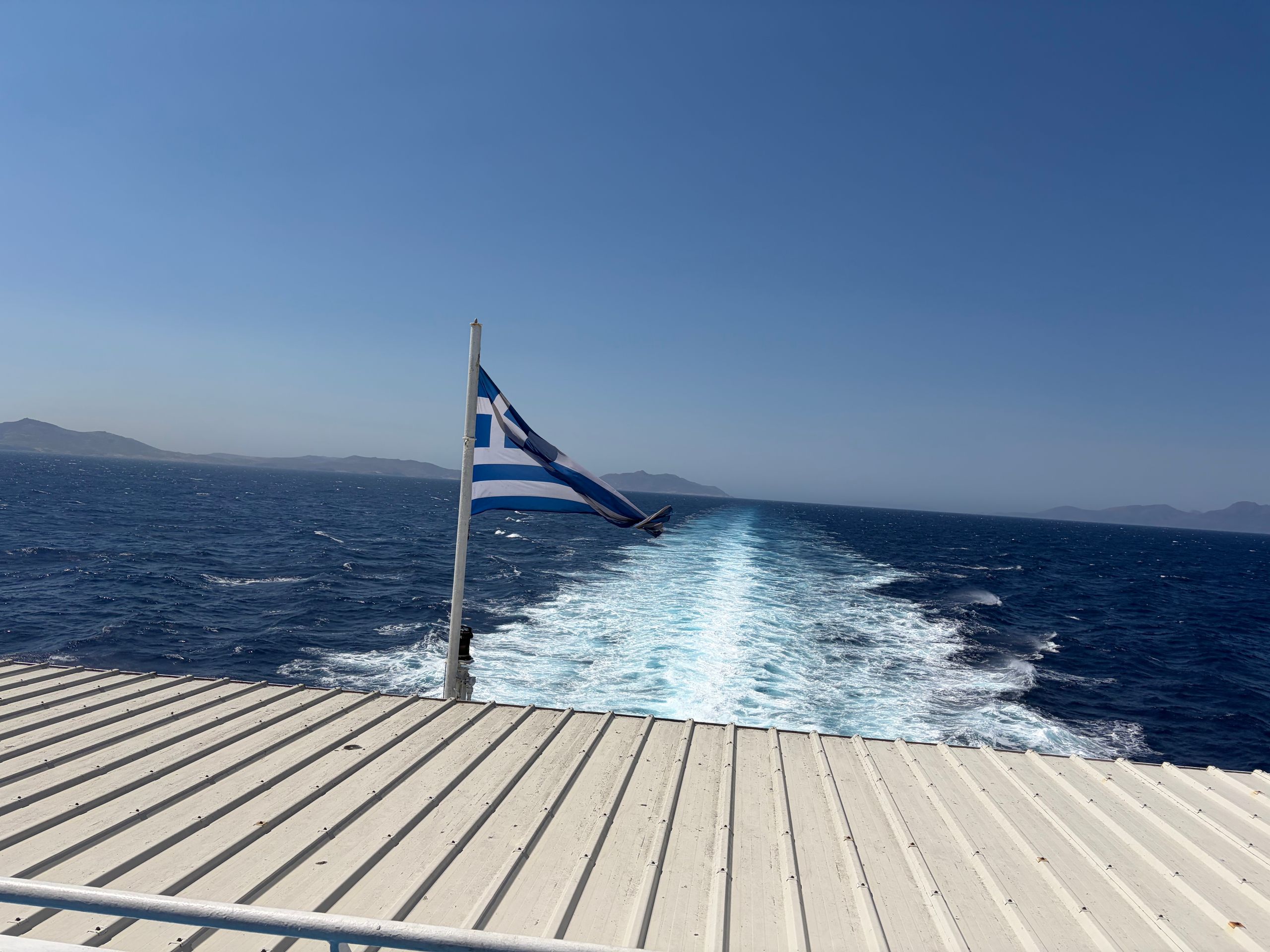
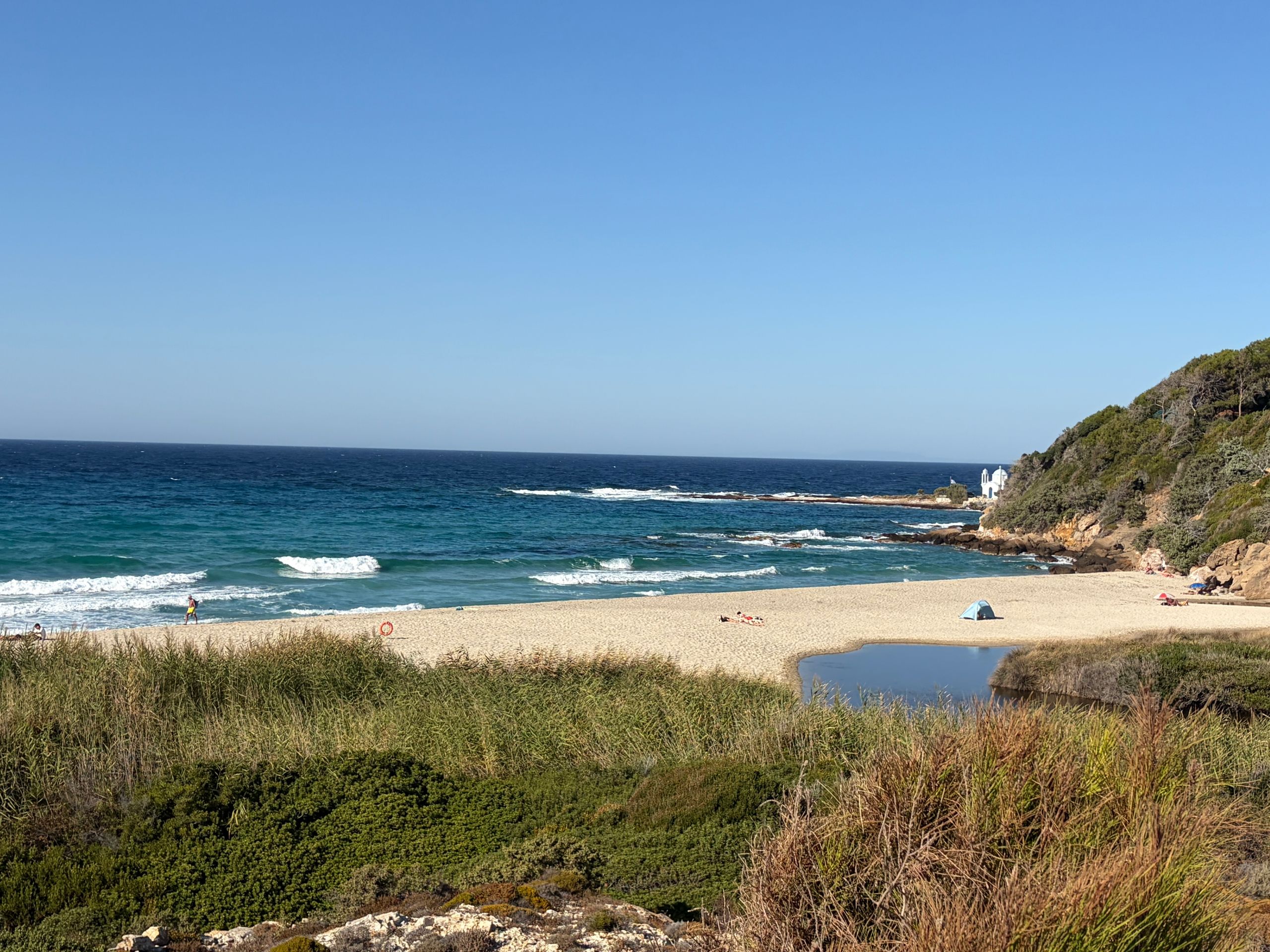
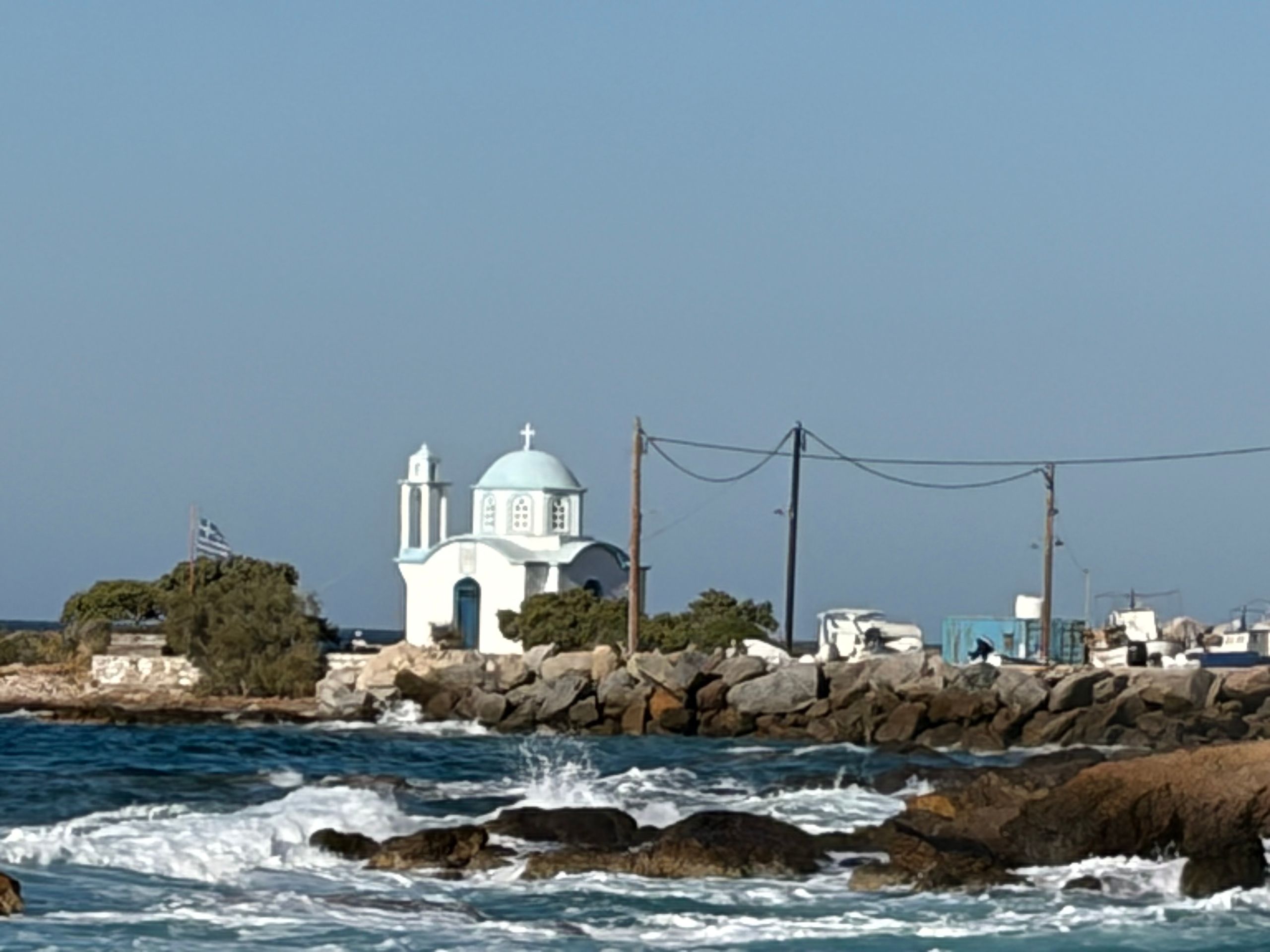
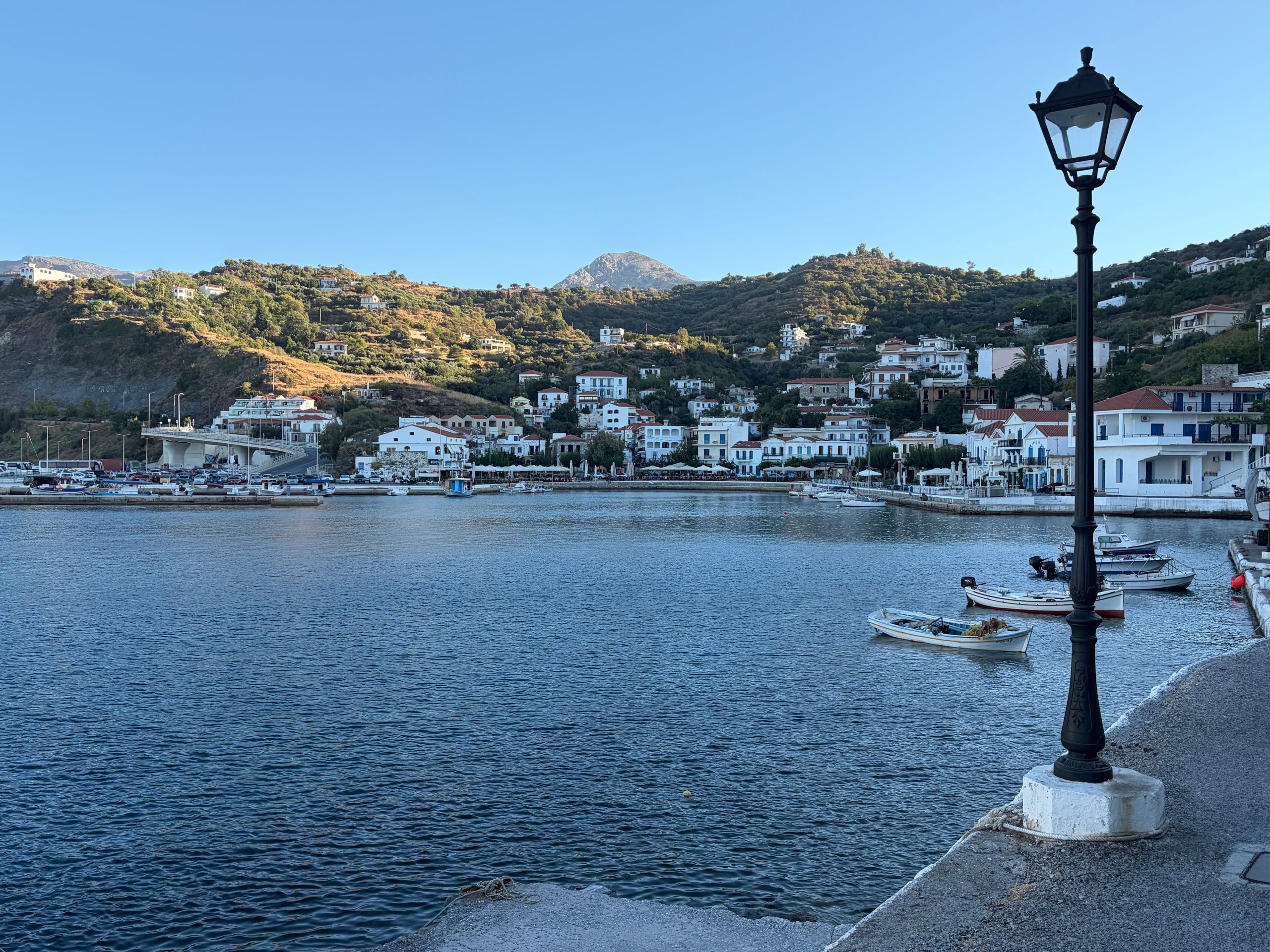
At 4:30 AM, the alarm rings and I switch sides of the street to board the ferry. The crossing goes absolutely smoothly, but unfortunately it's too windy to stay on the sun deck for long. After brief stops at Siros and Mykonos, Ikaria can already be seen on the horizon, and for the last half hour, I brave the Aegean winds, standing at the railing with a smile that won't leave my face. It's been over 16 years since I first (and until yesterday, the only) visited this island. From the ship, I can see Armenistis, Gialiskari, and the two dream beaches in between. I haven't been this positively excited in a long time.
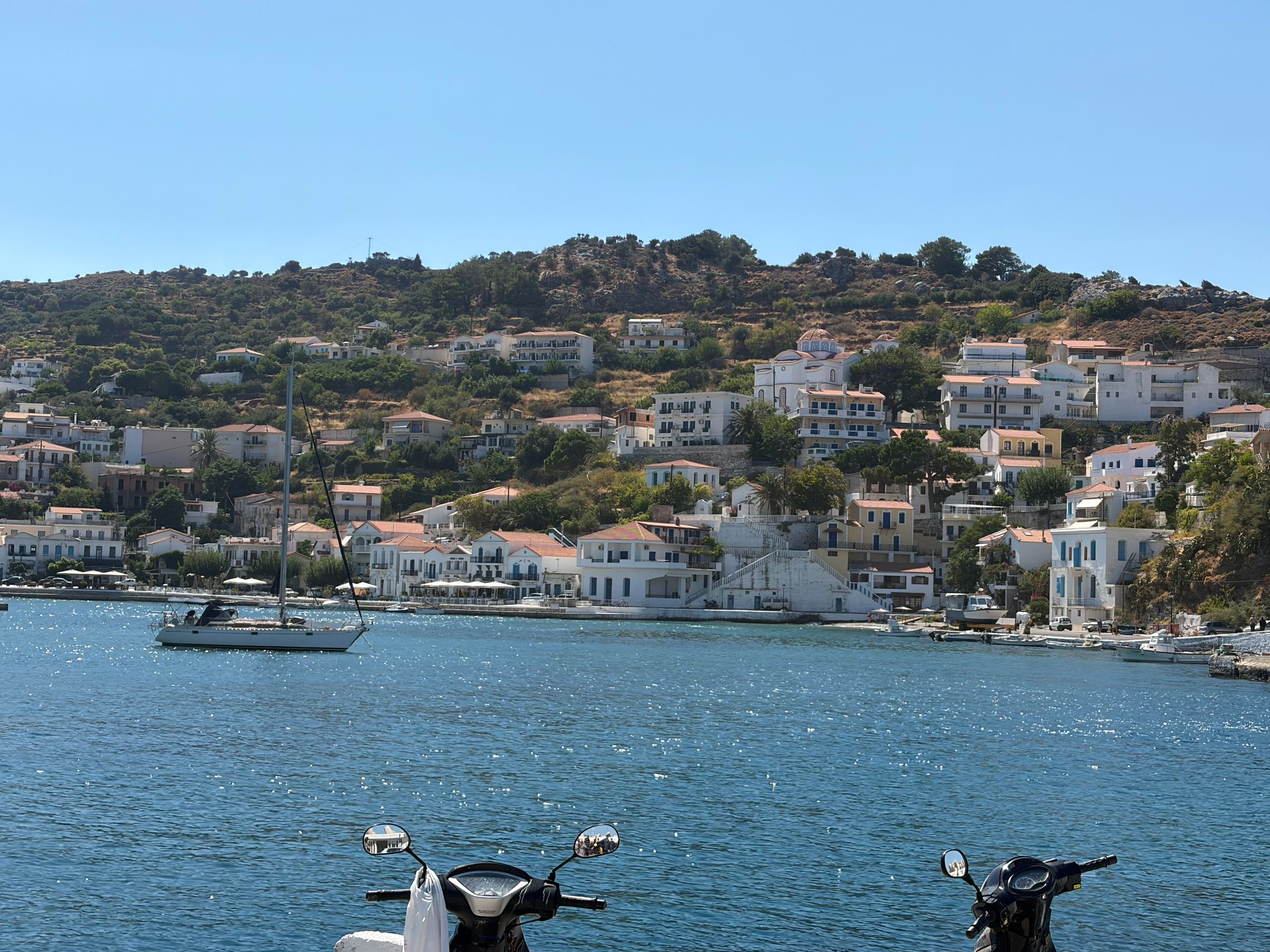
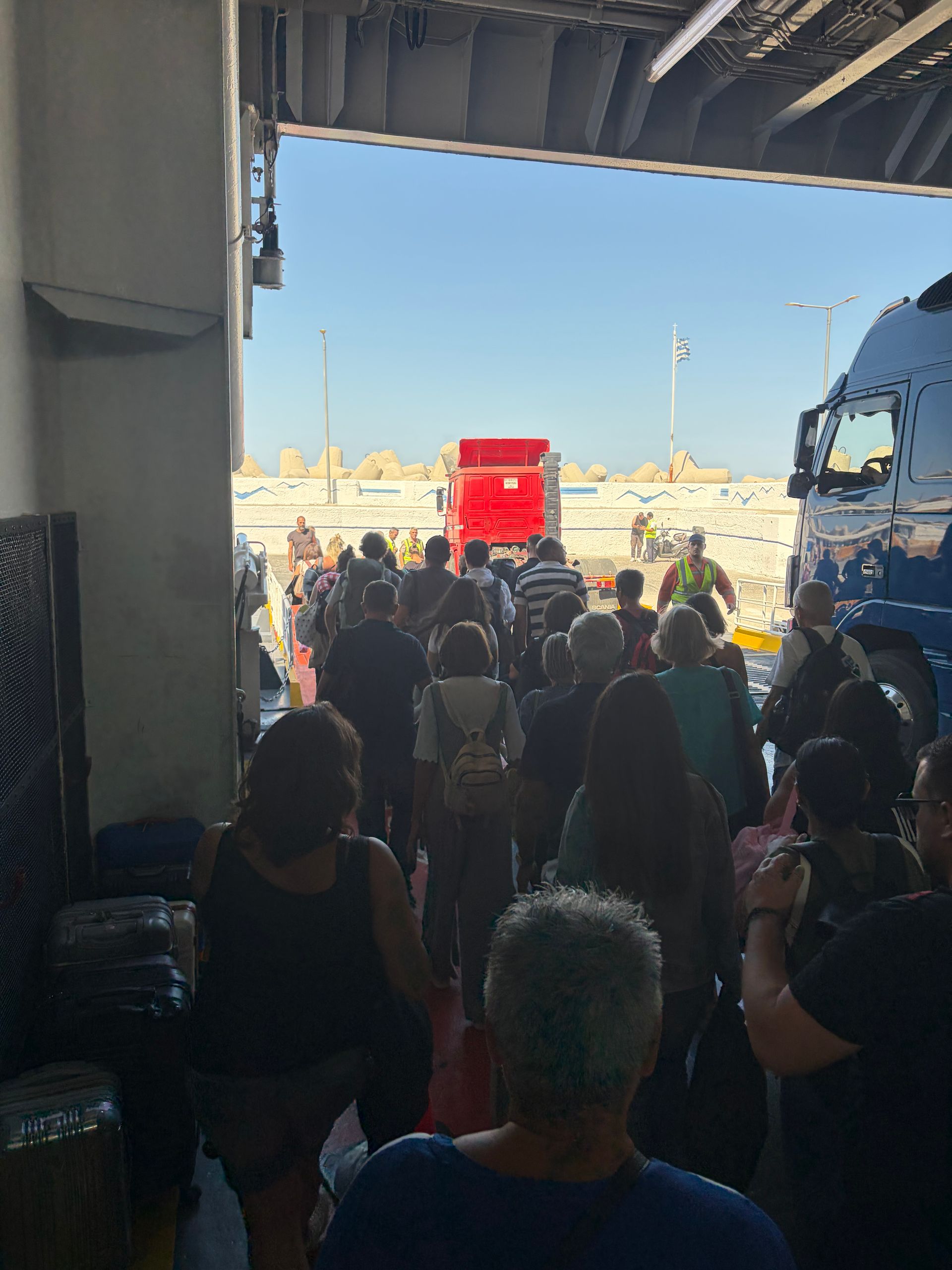
In Evdilos, everything goes smoothly again. 20 minutes after arriving, I pick up my rental car, and another 20 minutes later, I reach my vacation apartment in Droutsoulas in the mountains.
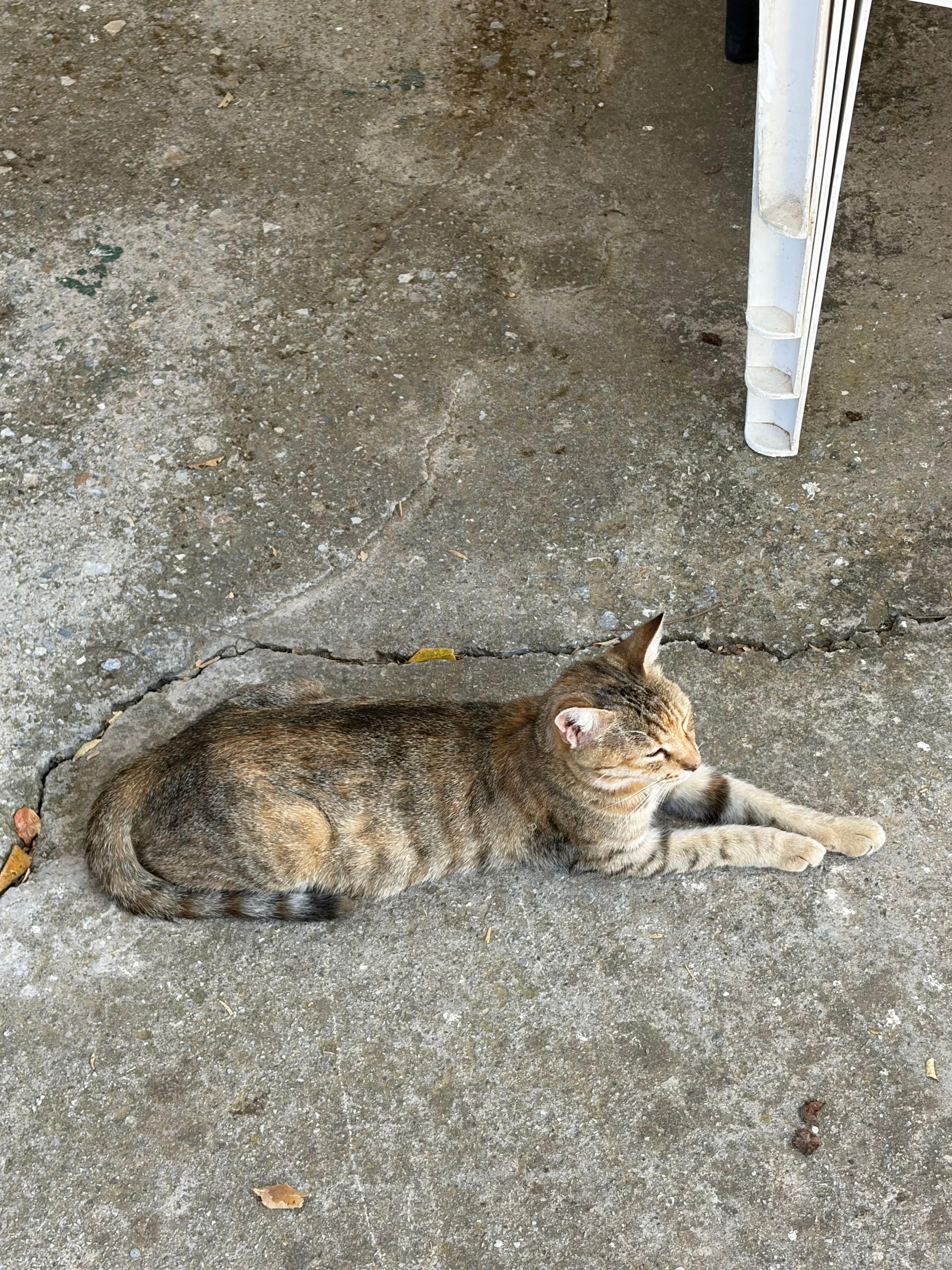
My landlord Maria greets me warmly, though we are lost in translation for the first quarter hour or so. With my few broken Greek words and gestures, it ultimately works out. I also meet my temporary roommate and learn that she just had four babies. I haven't spotted them yet.
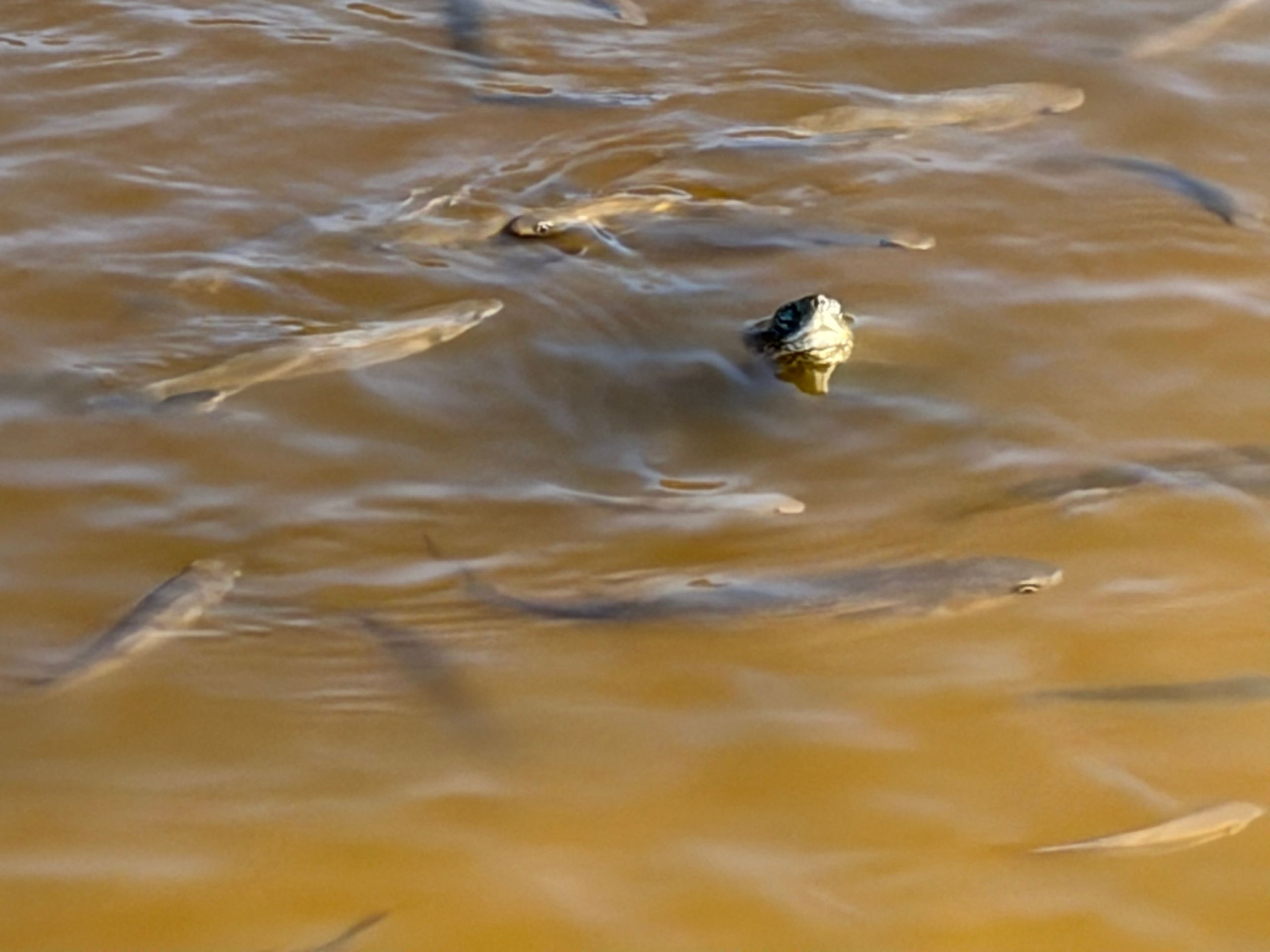
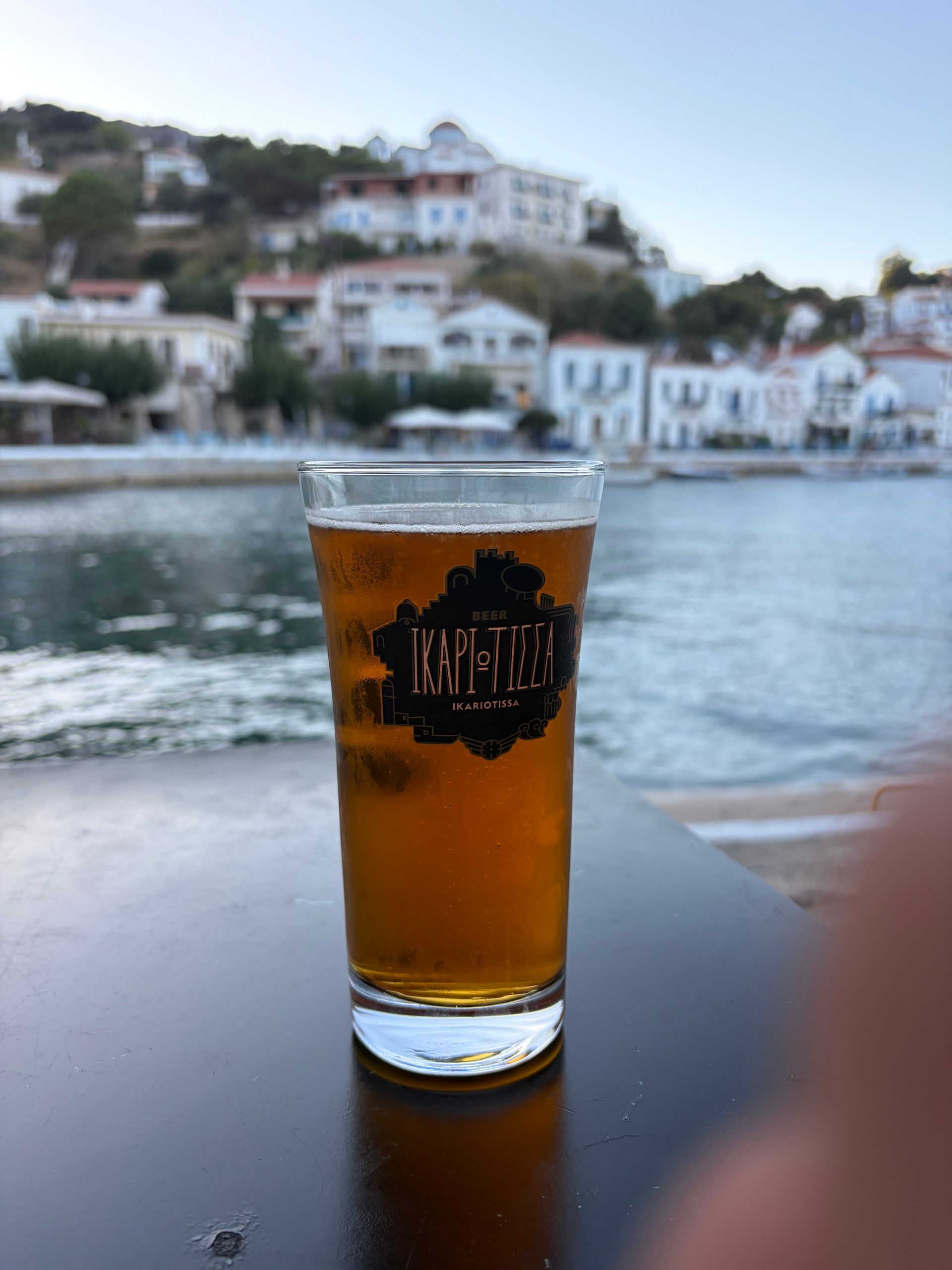
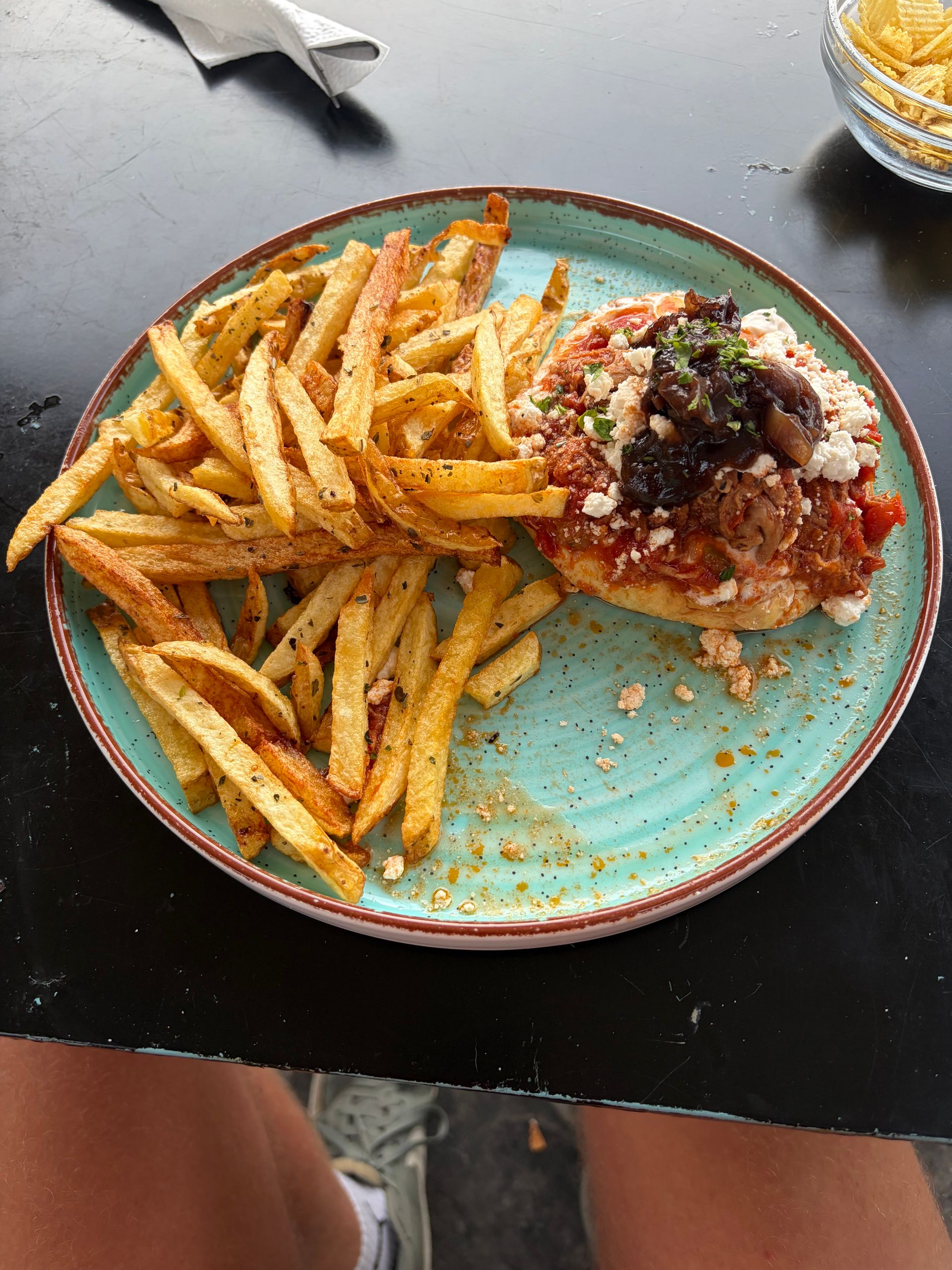
After I quickly settle in, I head back toward the coast. My plan: a short drive around the village towards Gialiskari, take a quick dip in the sea, and then go eat something at the harbor in Evdilos. That’s exactly what I do. At the beach in Gialiskari, I also visit the turtles that live in a small natural pond at the end of a river. For dinner, there's “Goat on a Boat,” goat meat stewed in tomato sauce on a brioche with local goat cheese and a yogurt sauce.
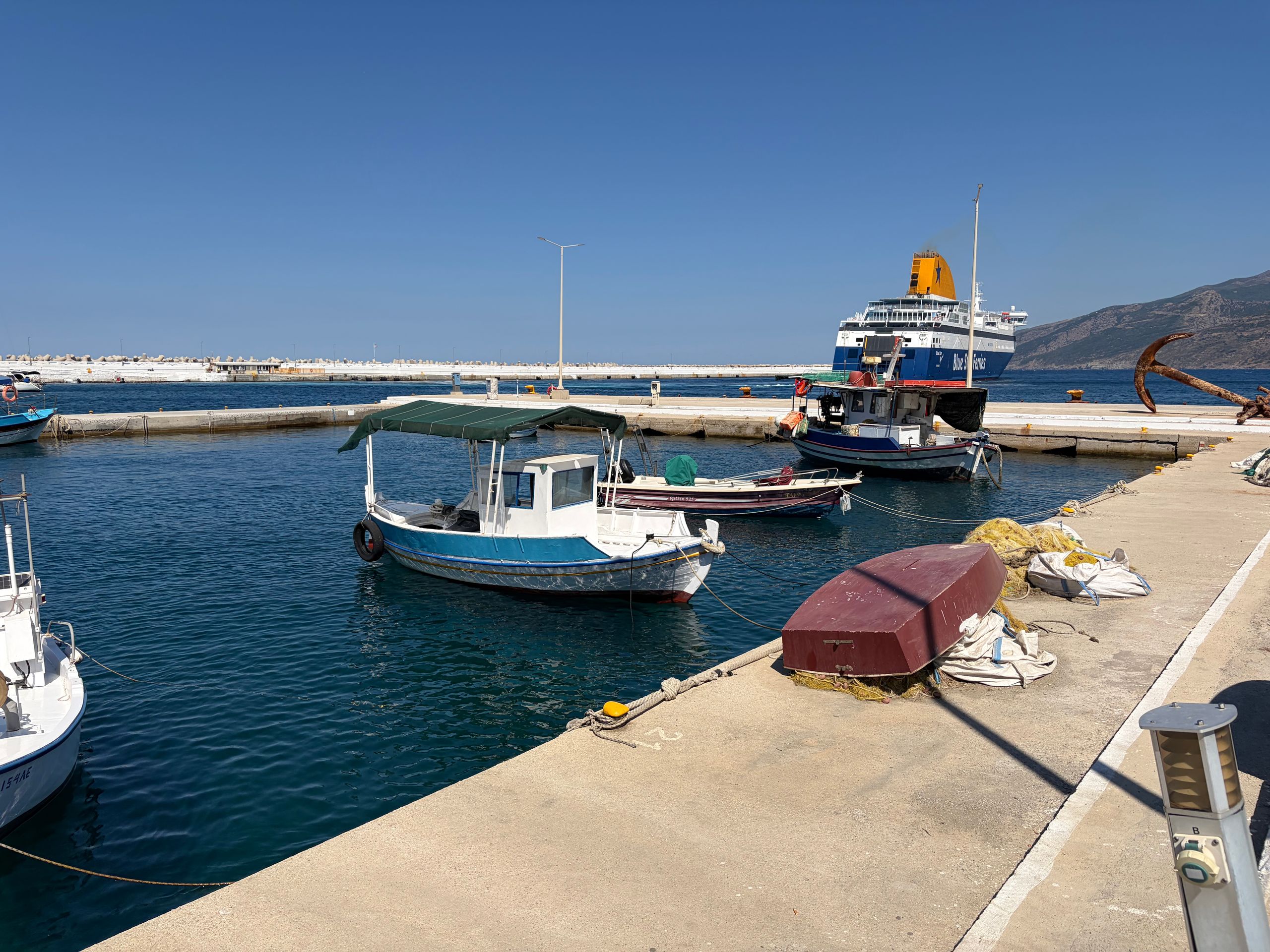
Goat is very popular here. This is because Ikaria has no natural harbor, and the sea can be very rough. There were many pirates here in the past. Thus, unlike most other Greek islands, fishing hasn’t been heavily practiced. The people mainly lived in the mountains and fed on self-grown vegetables. The goat became a part of their lives as it is the ideal livestock for this landscape.
This way of eating likely contributes to Ikaria being one of five known “Blue Zones” in the world, where people live much longer than average, and where there are statistically impossible numbers of over 100-year-olds.
After dinner and picking up some supplies at the mini-market, I spend the evening winding down on my terrace. Next door, my neighbors are sitting together, and I try to catch a few familiar words. One house over, three men are pressing olives with a small hand press (hard work), and I actually muster the courage to ask if I can watch them for a bit. I hear goats bleating, the wind whistling through the olive trees, and I soon fall asleep, exhausted from the last three days, yet full of anticipation for the next 20 days.