
Huacachina
Take on Me

Published: 24.12.2024
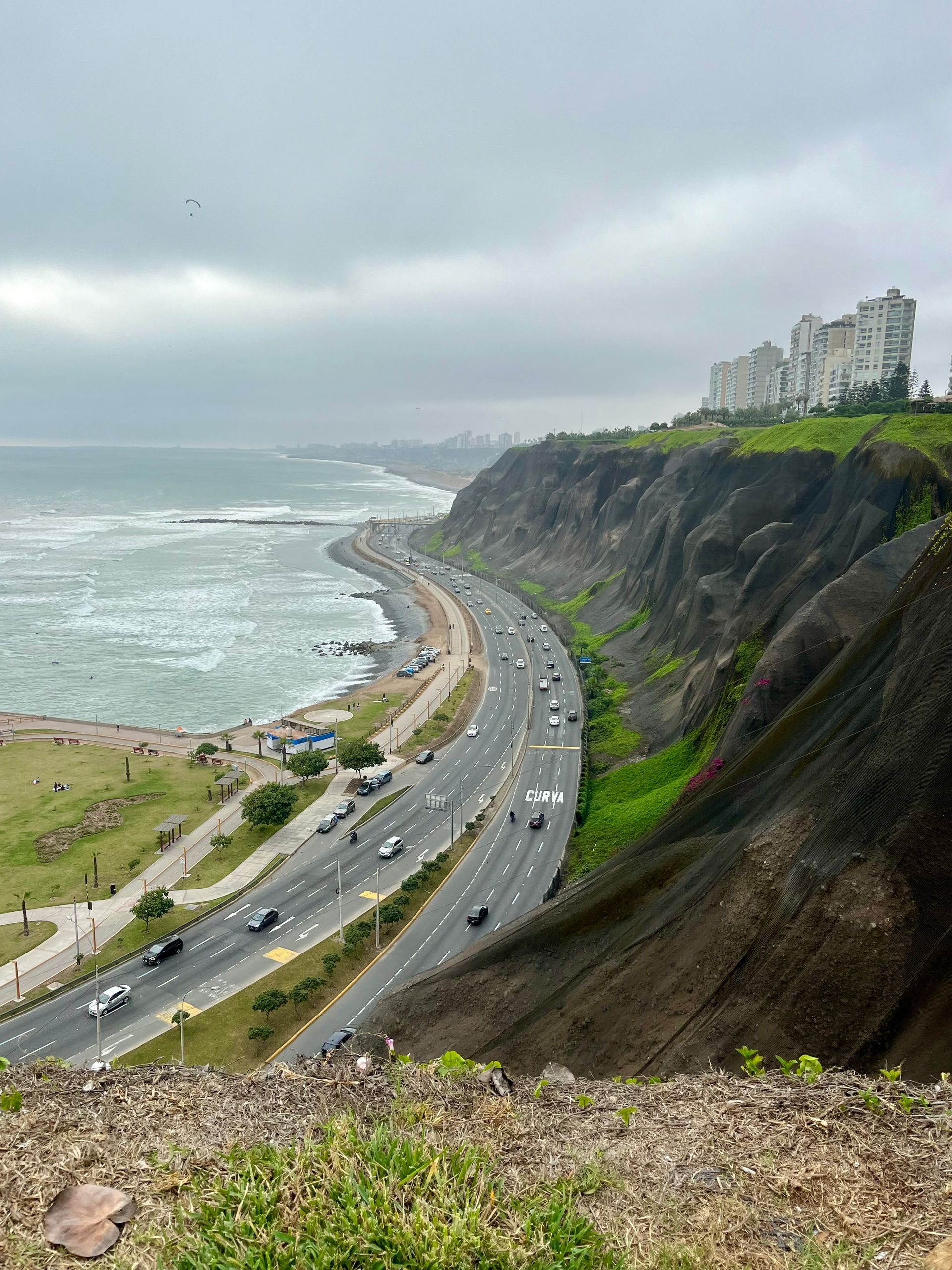
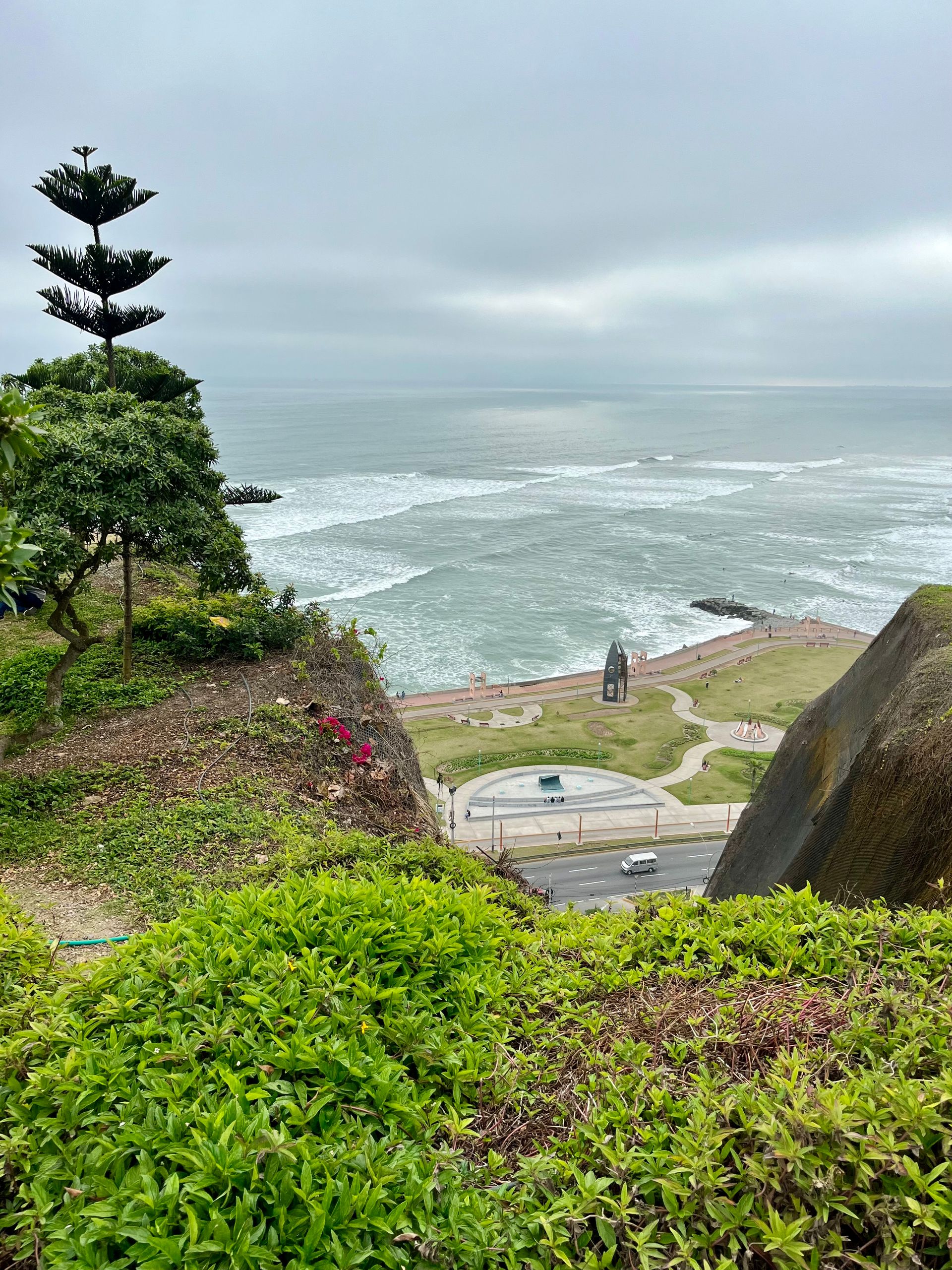
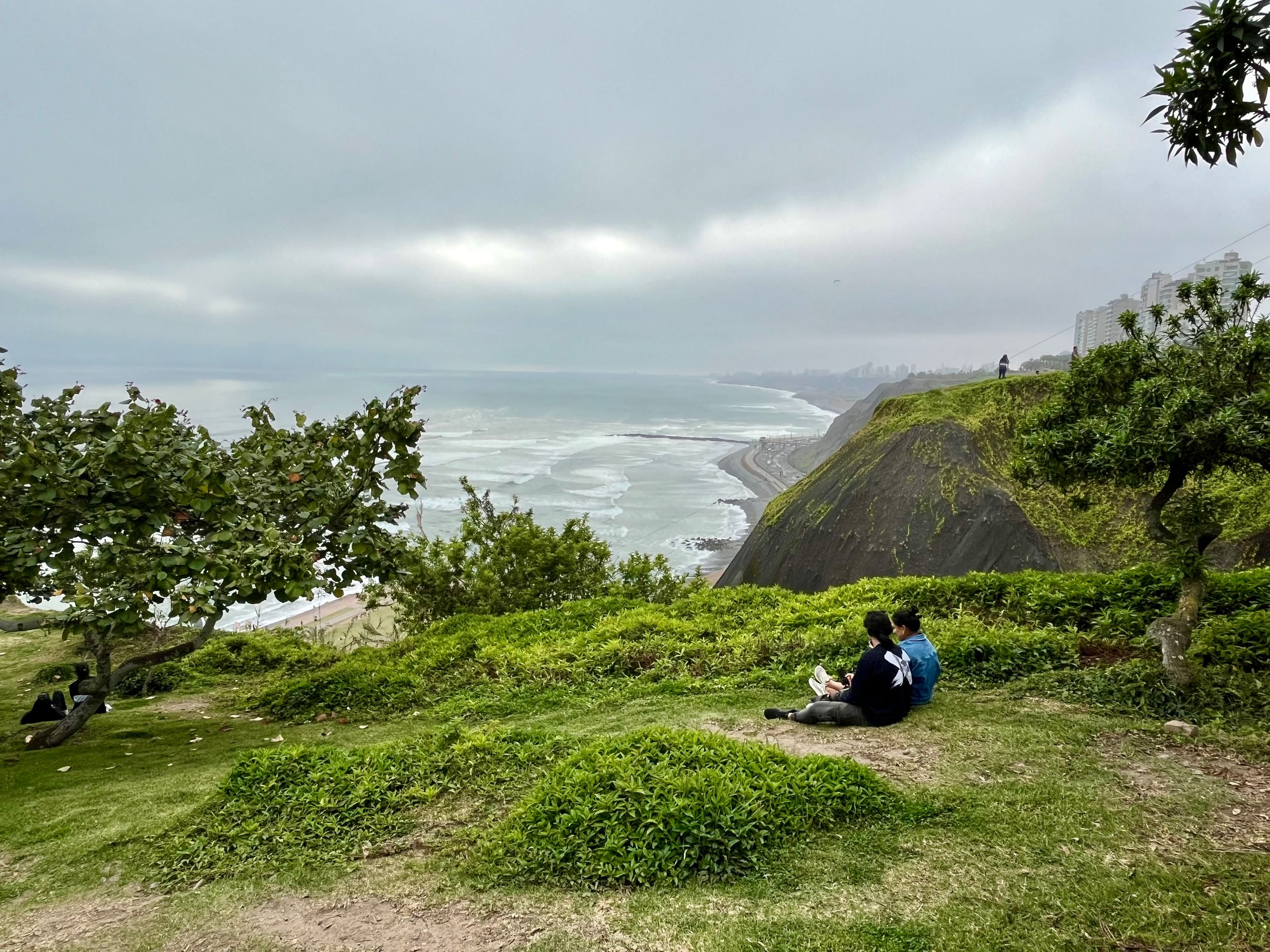
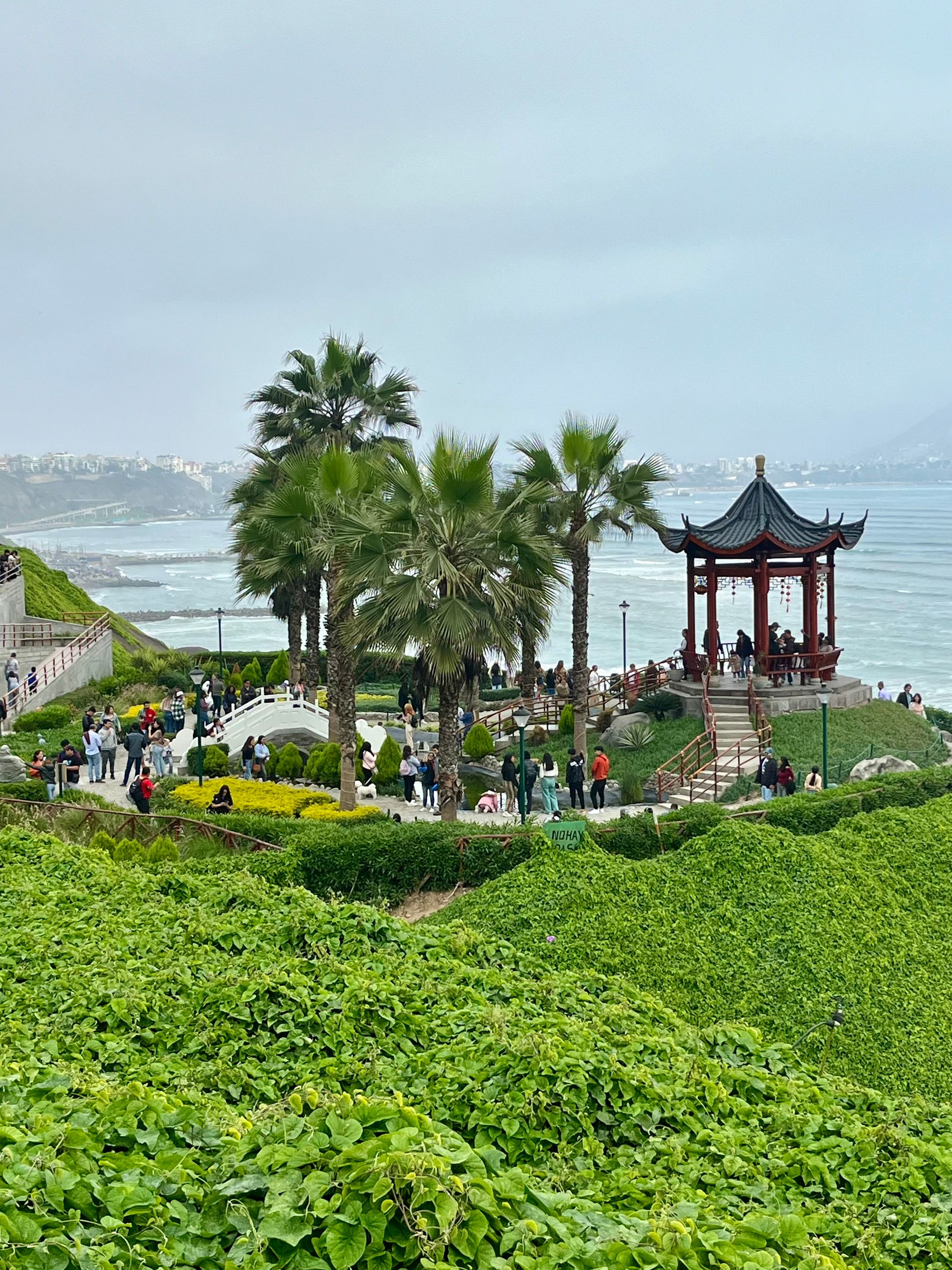
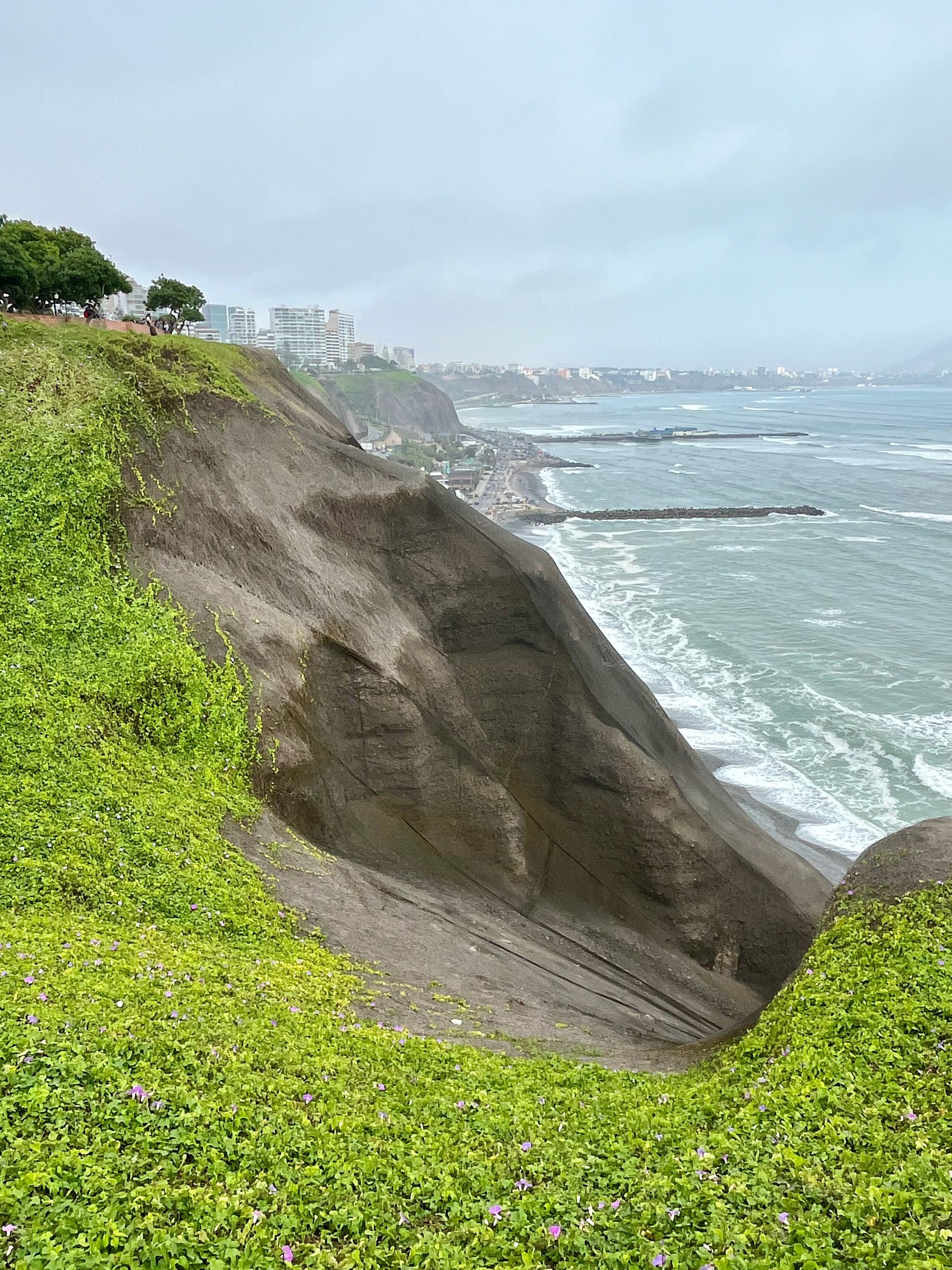
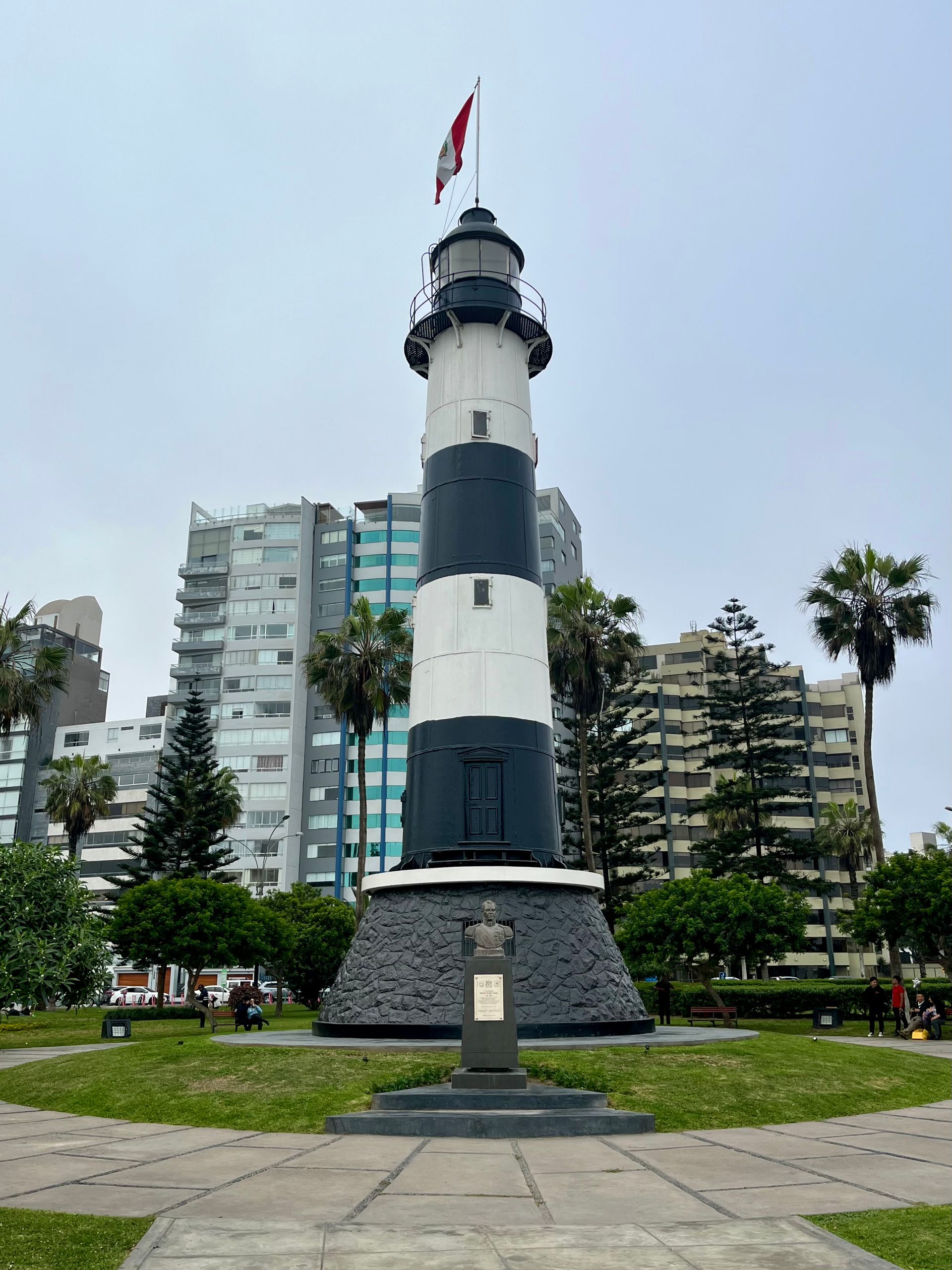
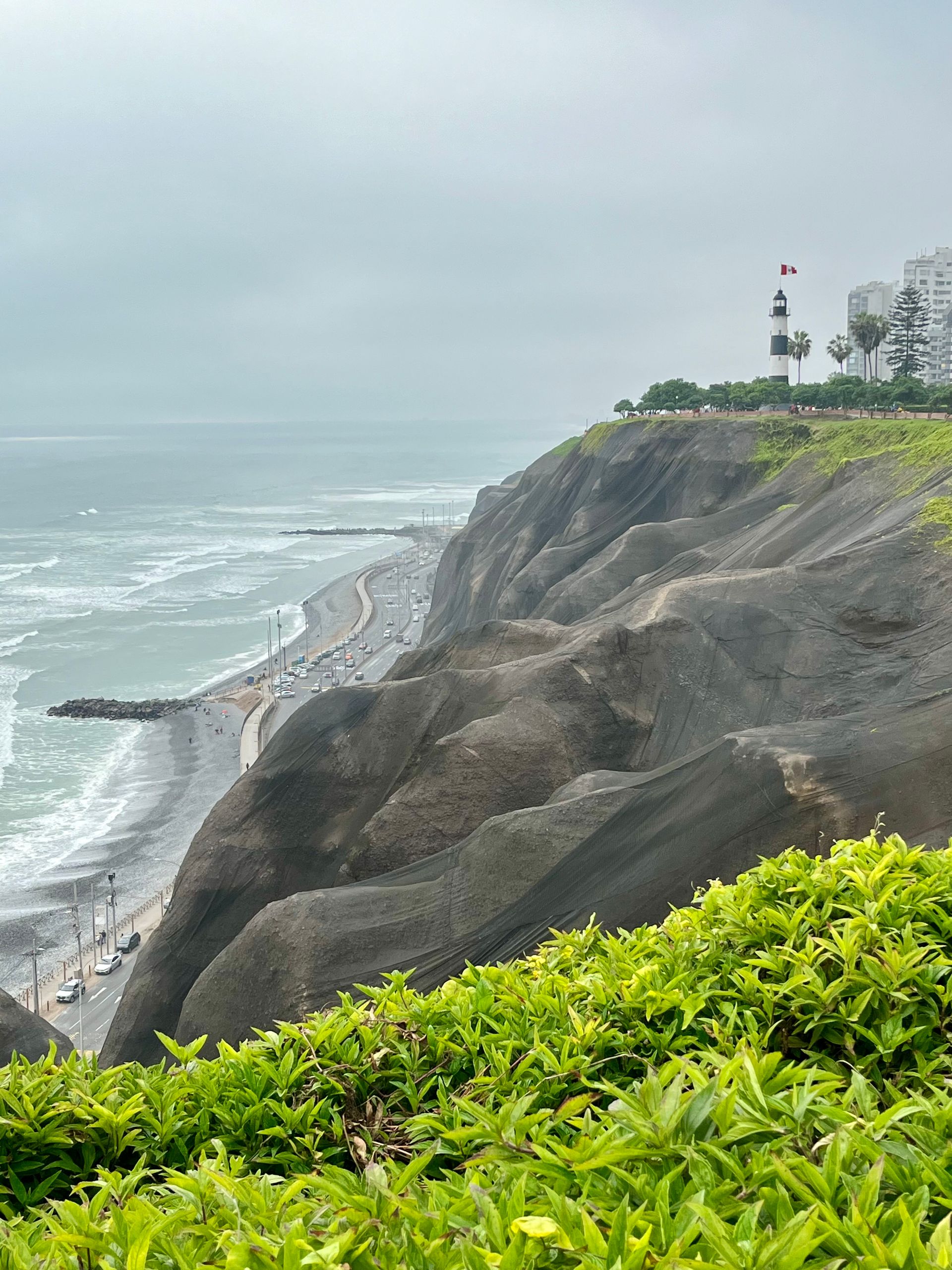
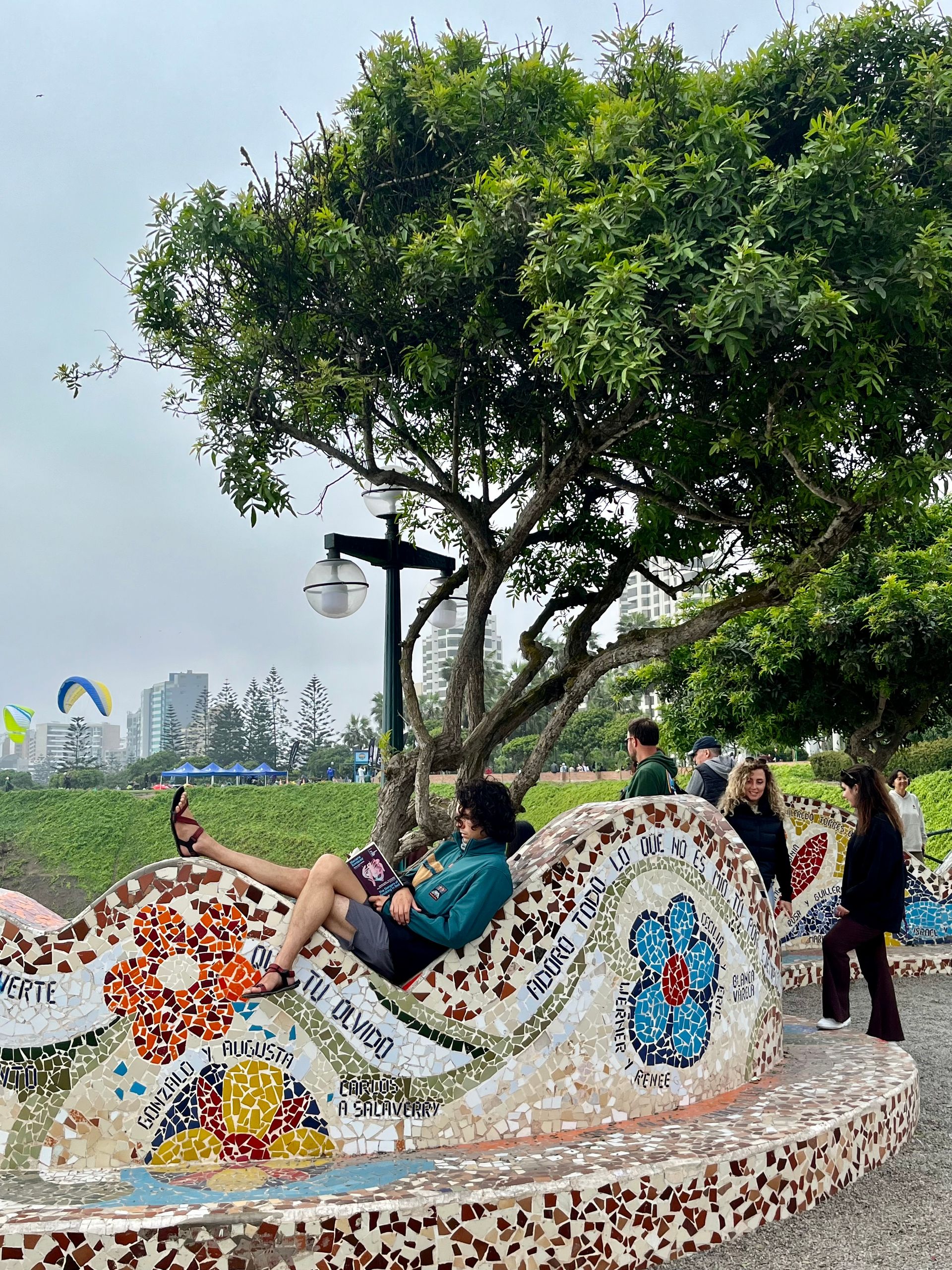
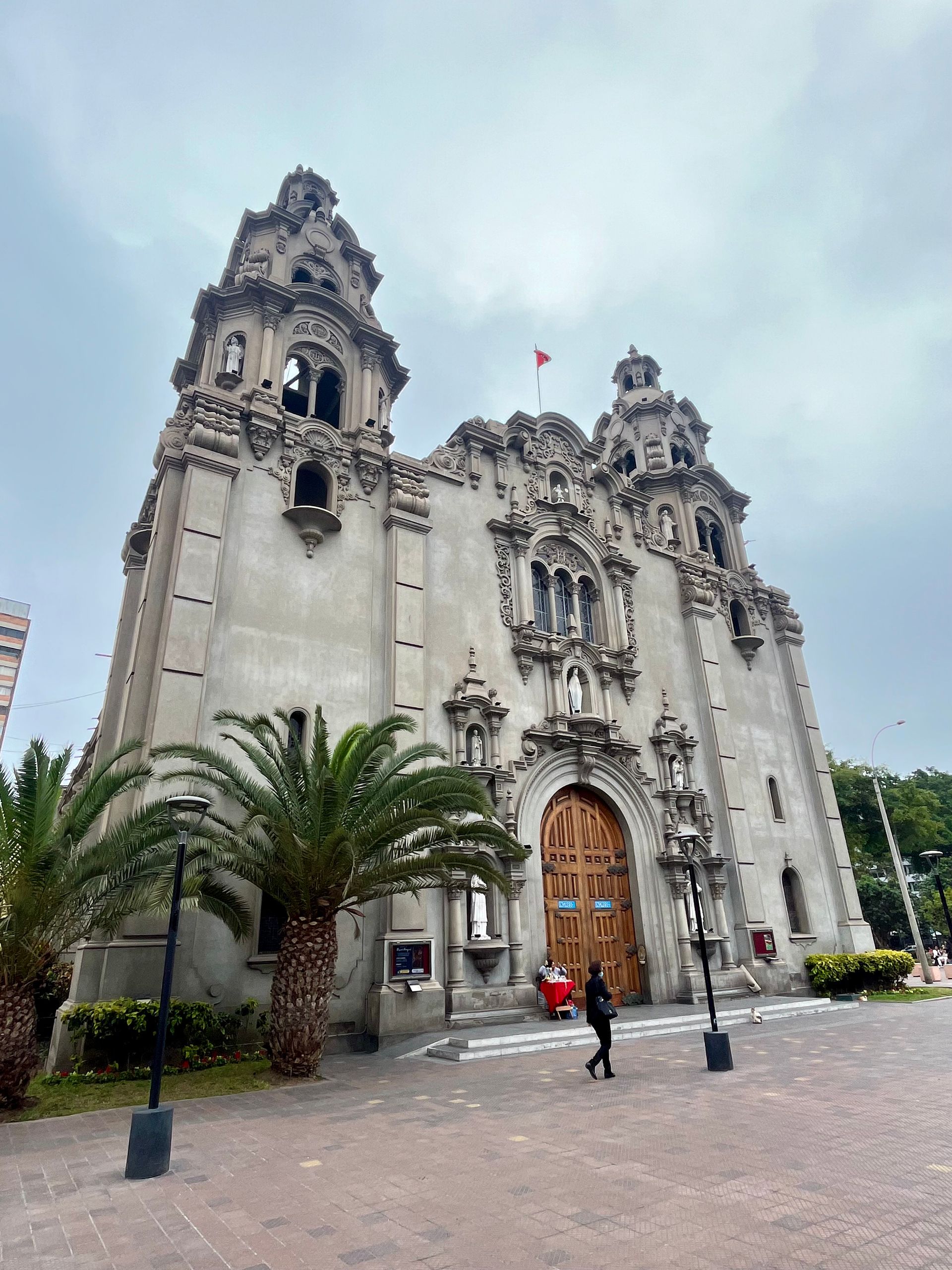
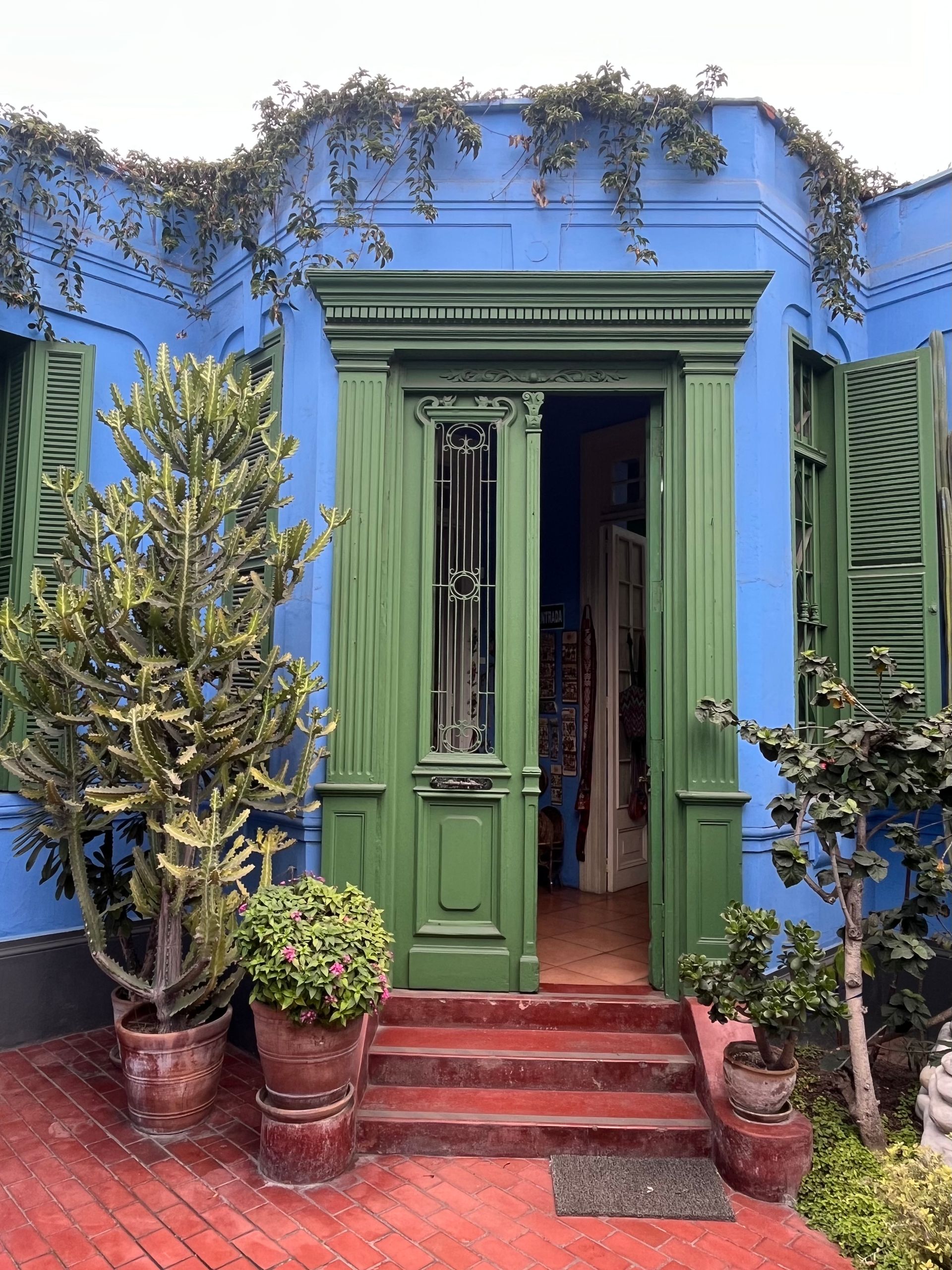
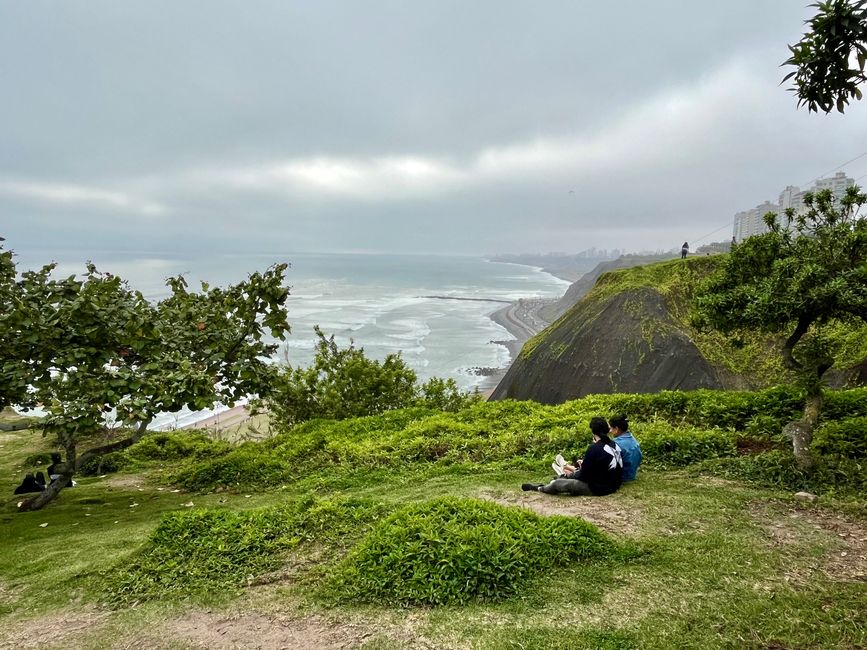
Cramped with too many other people and luggage in a minibus, the 300 kilometers to Lima were a struggle - no room to move. The journey takes about 5 hours. At least until the outskirts of the metropolis. If luck is not on your side, it can take just as long again in the giant city, as traffic during peak times is a disaster. Fortunately, after 2 hours of navigating the city, the journey ended and I waited in the pre-booked apartment for my Swedish colleague, who was still stuck somewhere between Paracas and Lima with a hangover. For a week, we were to stay here in the southwest of the city, in the Miraflores district, right by the Pacific Ocean. Miraflores has a distinctly European flair and, with its numerous bars and restaurants, as well as a higher price level, is a popular spot for many tourists. If one overlooks this fact as a disadvantage, it is actually quite nice and pleasant here. Not far from our accommodation, there extends a green belt along the steep cliffs to the sea with numerous parks. Parque Chino, Parque Salazar, Parque Letonia, and Parque del Amor (just to name a few) flow into one another and invite you to stroll and linger. A very relaxed atmosphere prevails here; one has a wonderful view and does not even feel like being in a city with 10 million inhabitants. The local recreational offerings are also actively used by the urban dwellers; amidst numerous sports activities, one can relax at coffee stands or simply sit by the Pacific and read a book while a refreshing breeze blows over the hills.
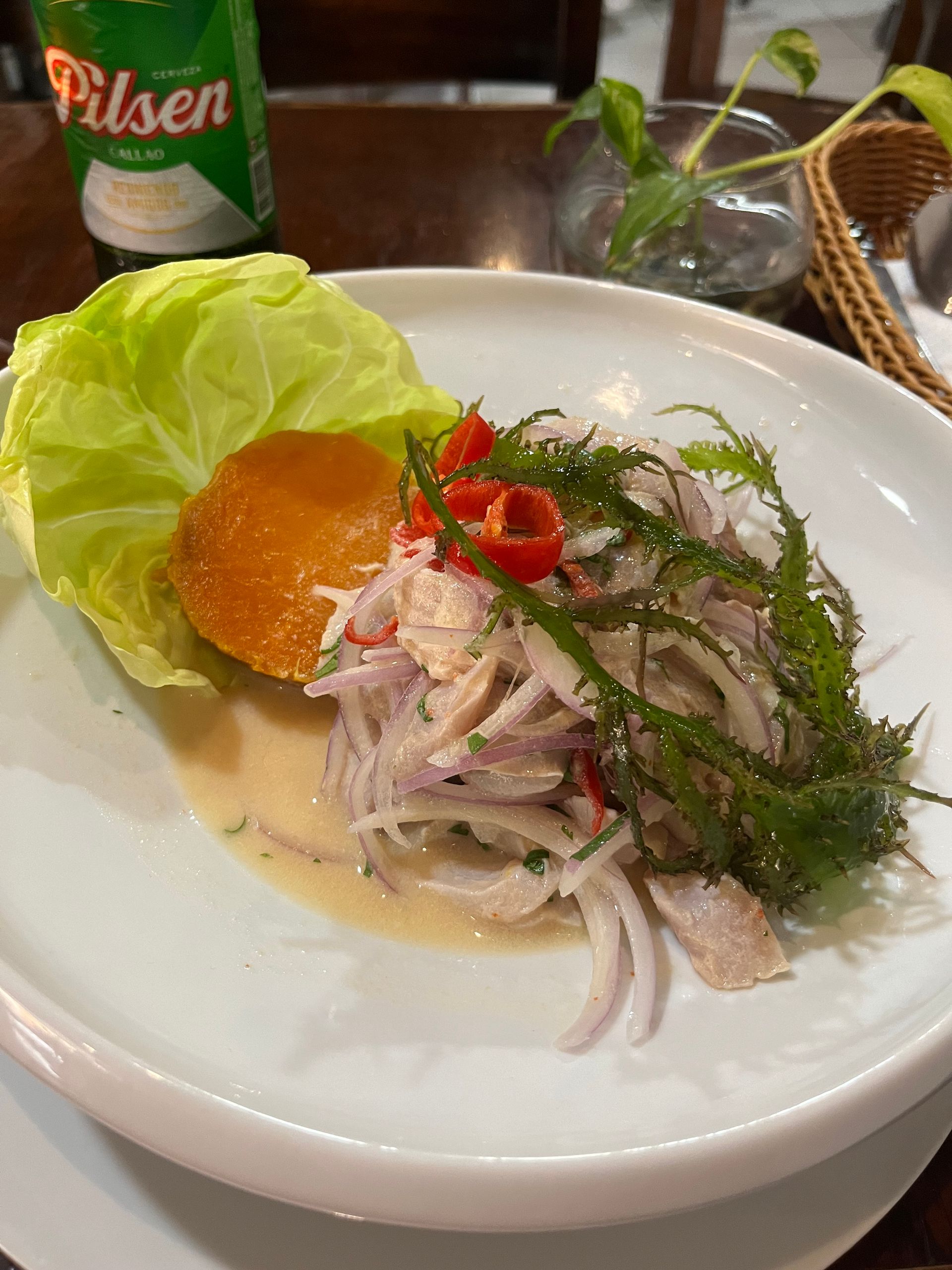
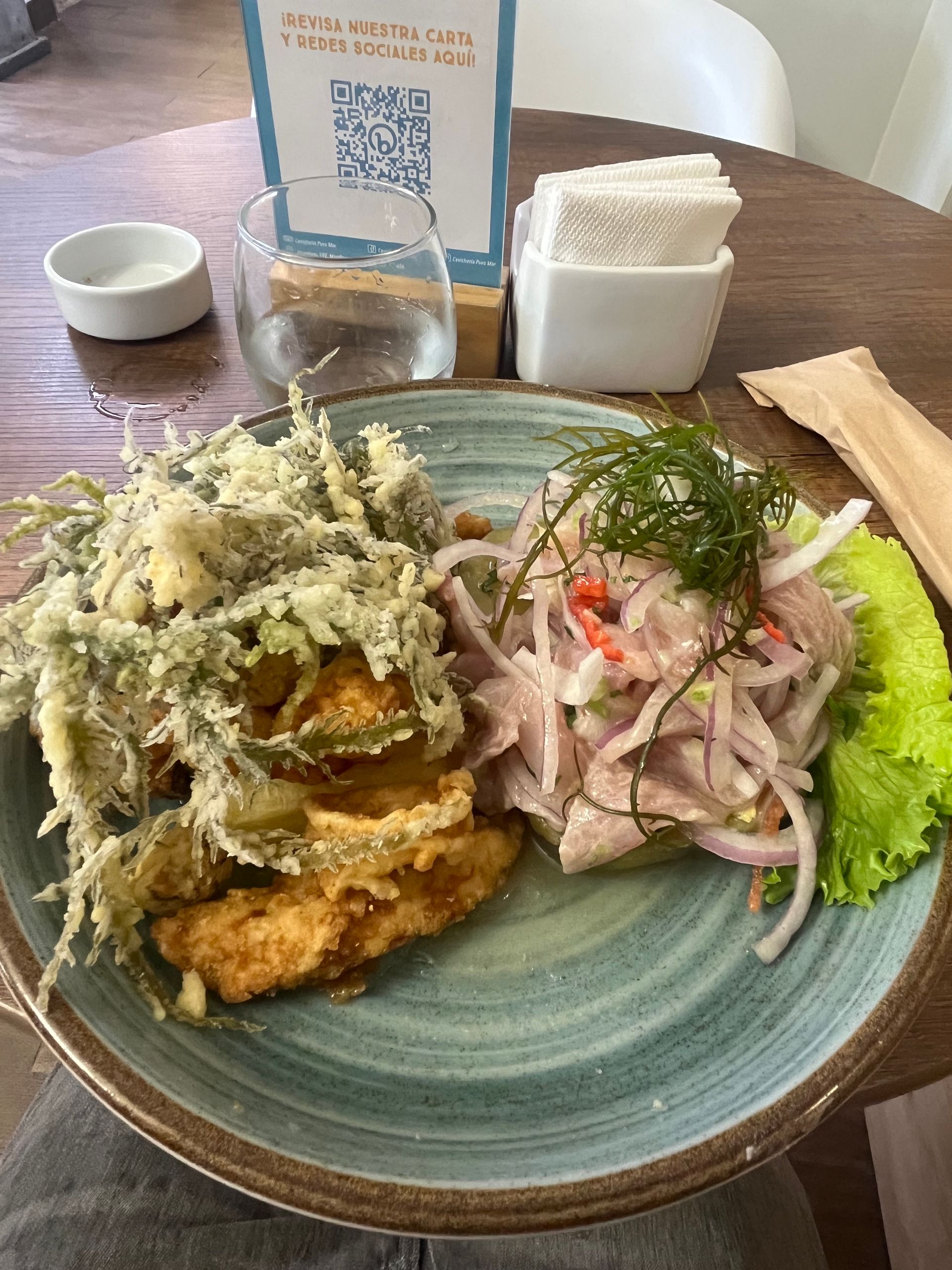
In the numerous restaurants in Miraflores (and Lima in general), you can find arguably the best ceviche in the country. For me, it is the best ceviche I have ever eaten. And not limited to a specific restaurant in Lima but seemingly widespread. No matter where in the metropolis you order the dish made from raw fish, it is always an absolute delight. I am generally not a huge fan of seafood, but this Peruvian specialty has truly captivated me, and during my days in the city, I devoured larger portions of it almost every day. I had already mentioned that the culinary offerings in Peru are very special and good, but the ceviche in Lima is definitely the icing on the cake of delicious experiences and an absolute treat.
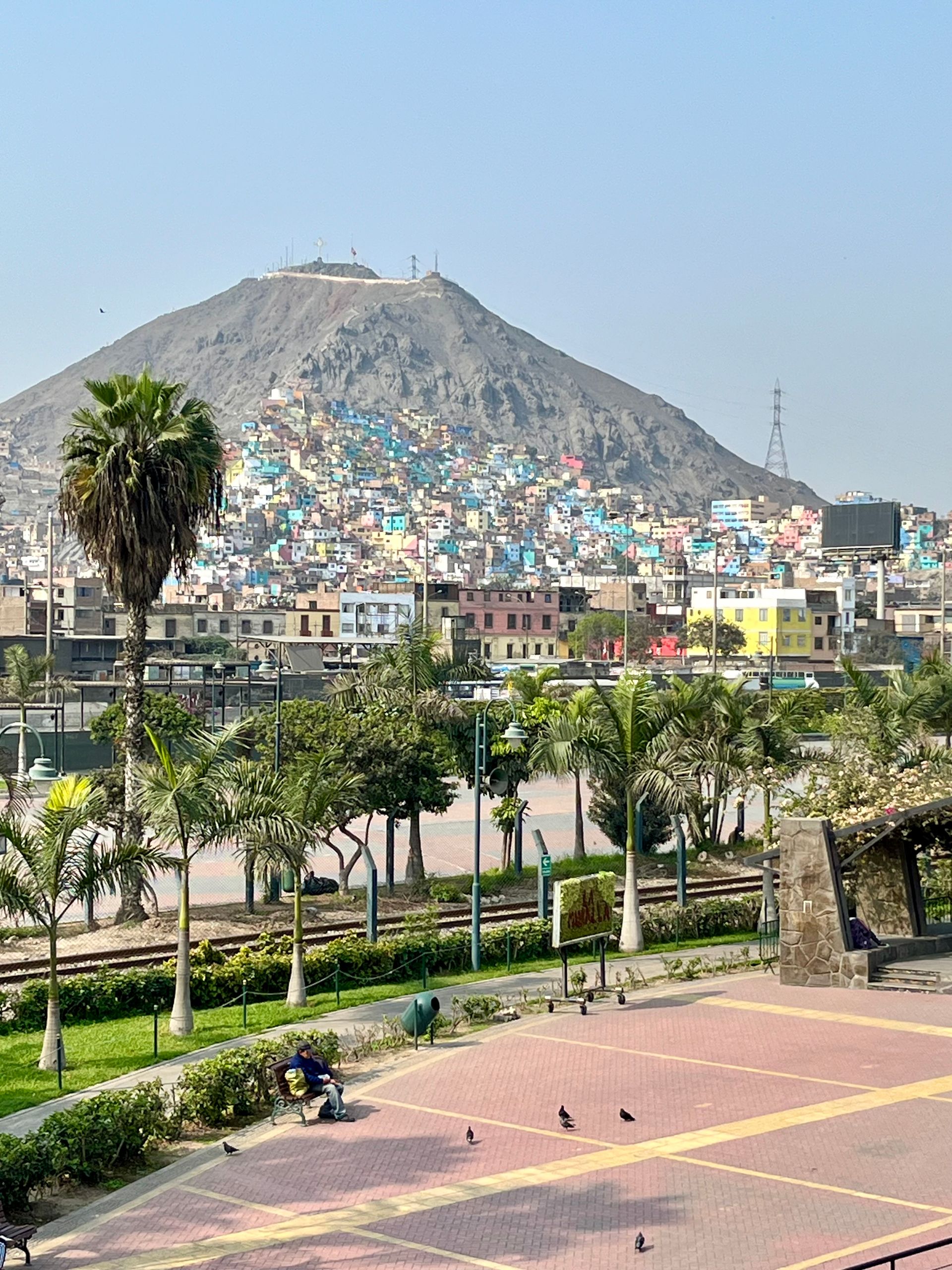
For me, Lima is similar to Sao Paulo. Initially somewhat disturbed by the size of this urban settlement, one gradually discovers the true beauty, as Lima has many interesting and livable corners that pop up step by step during strolls. Of course, one can only discover a fraction of the city in a week, and our excursions mainly took us to the surrounding neighborhoods and the historic center of Lima. With my Swedish travel companion, the time passed relatively quickly, and I also met Christian from Buenos Aires again for 3 days, who was preparing for a tour with a travel group in Peru and Bolivia. Strolling through the city with Christian has a completely different character, as every walk feels like a guided tour thanks to his extensive knowledge of Latin American history.
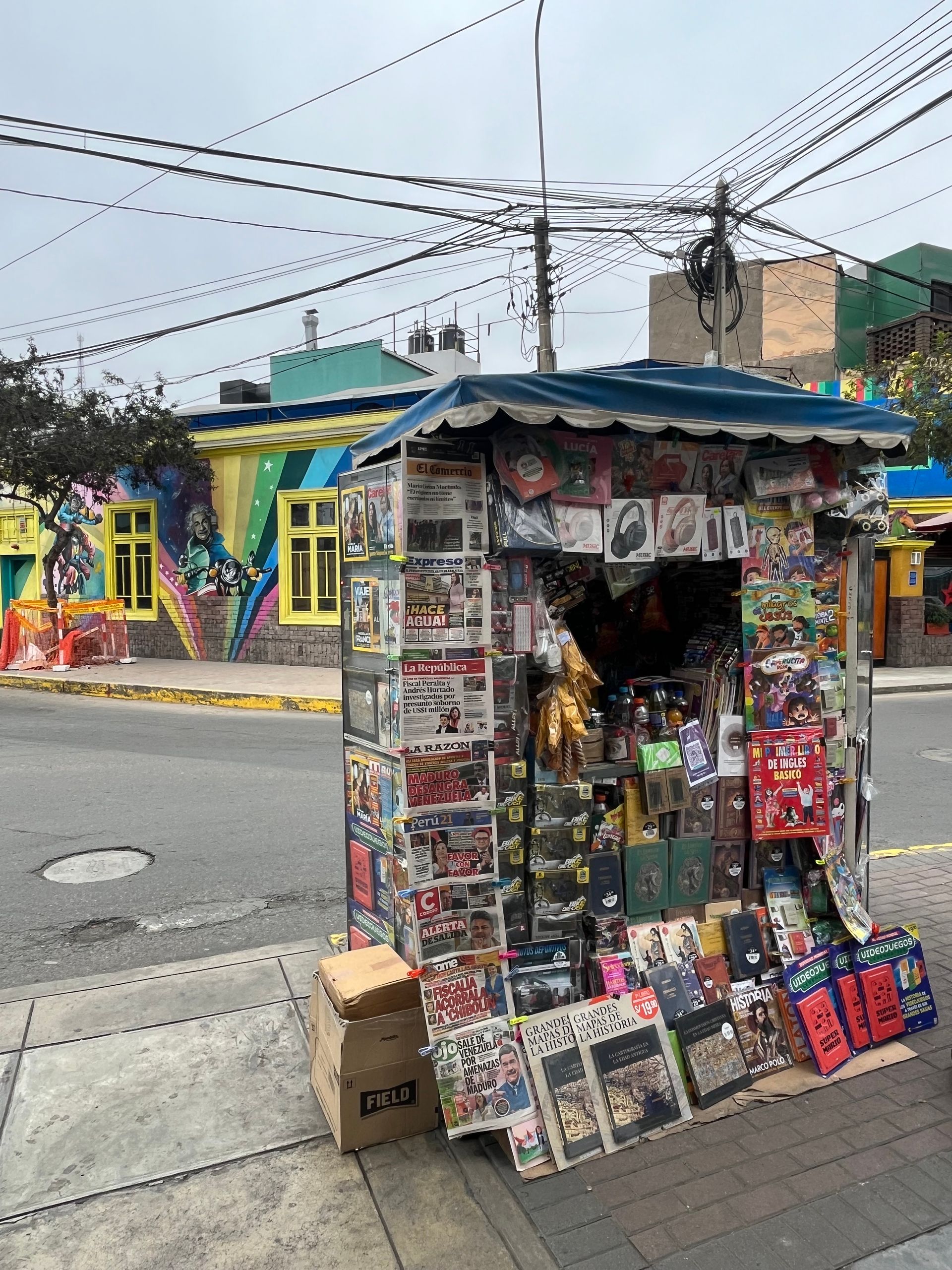
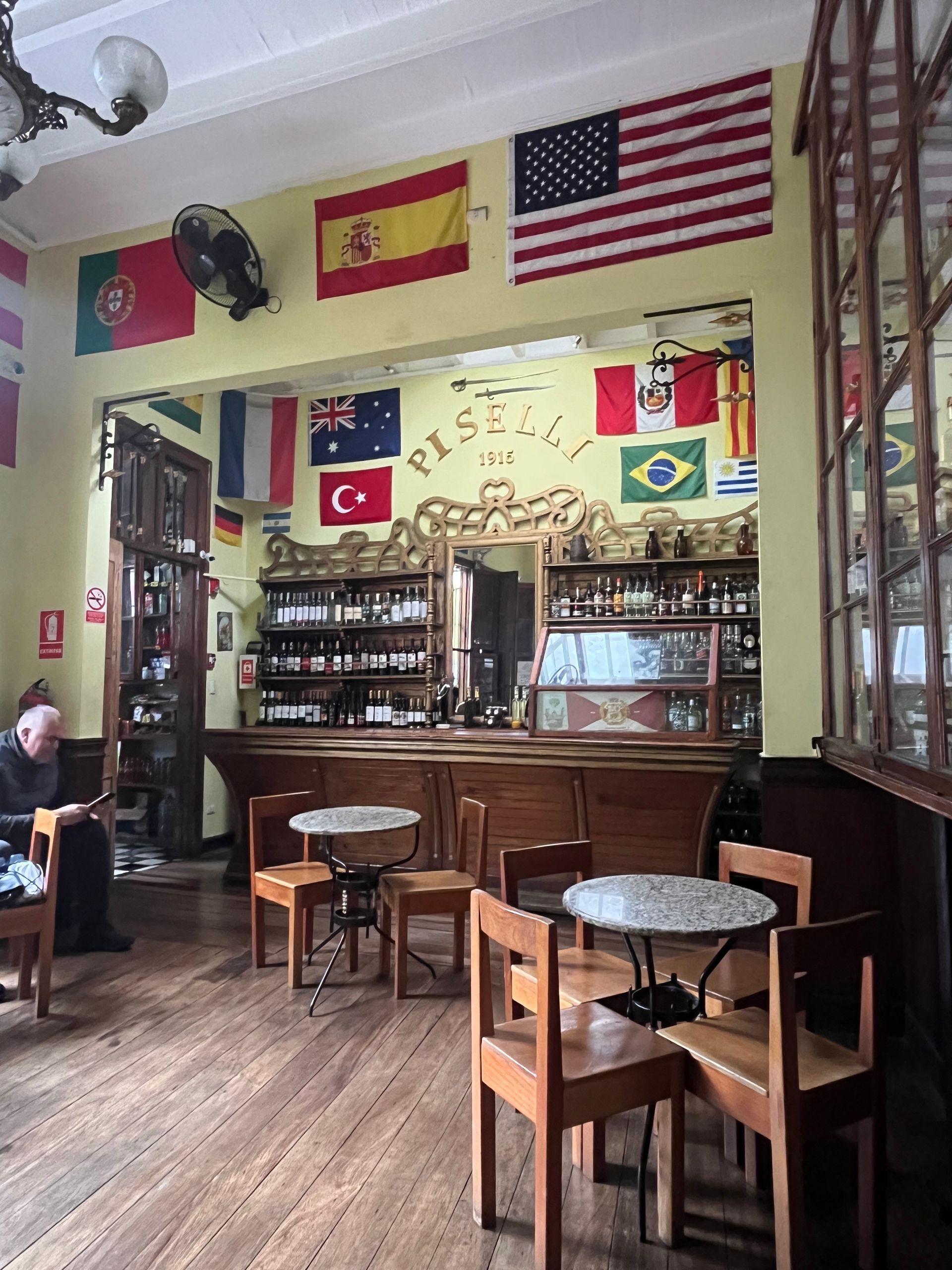
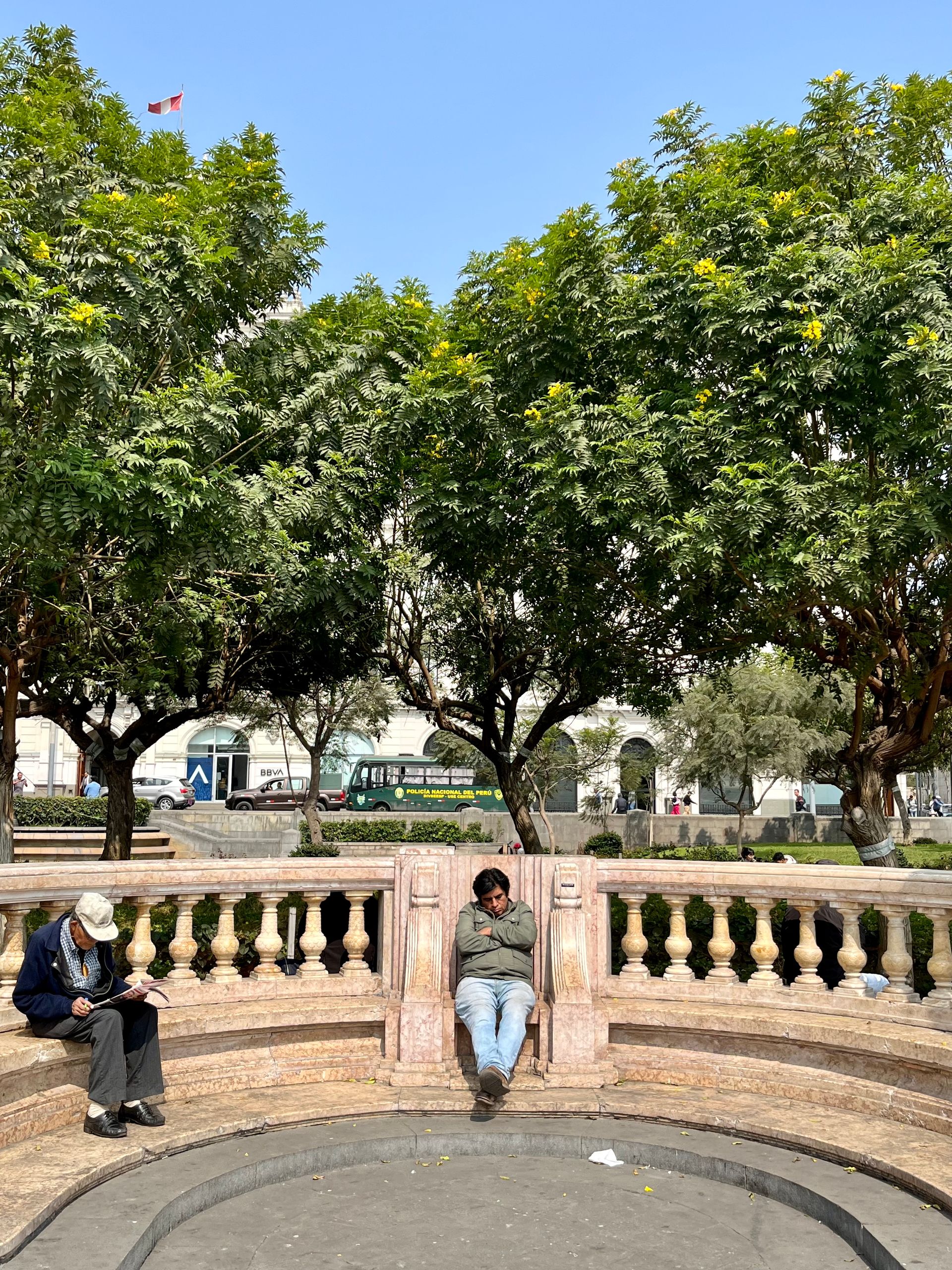
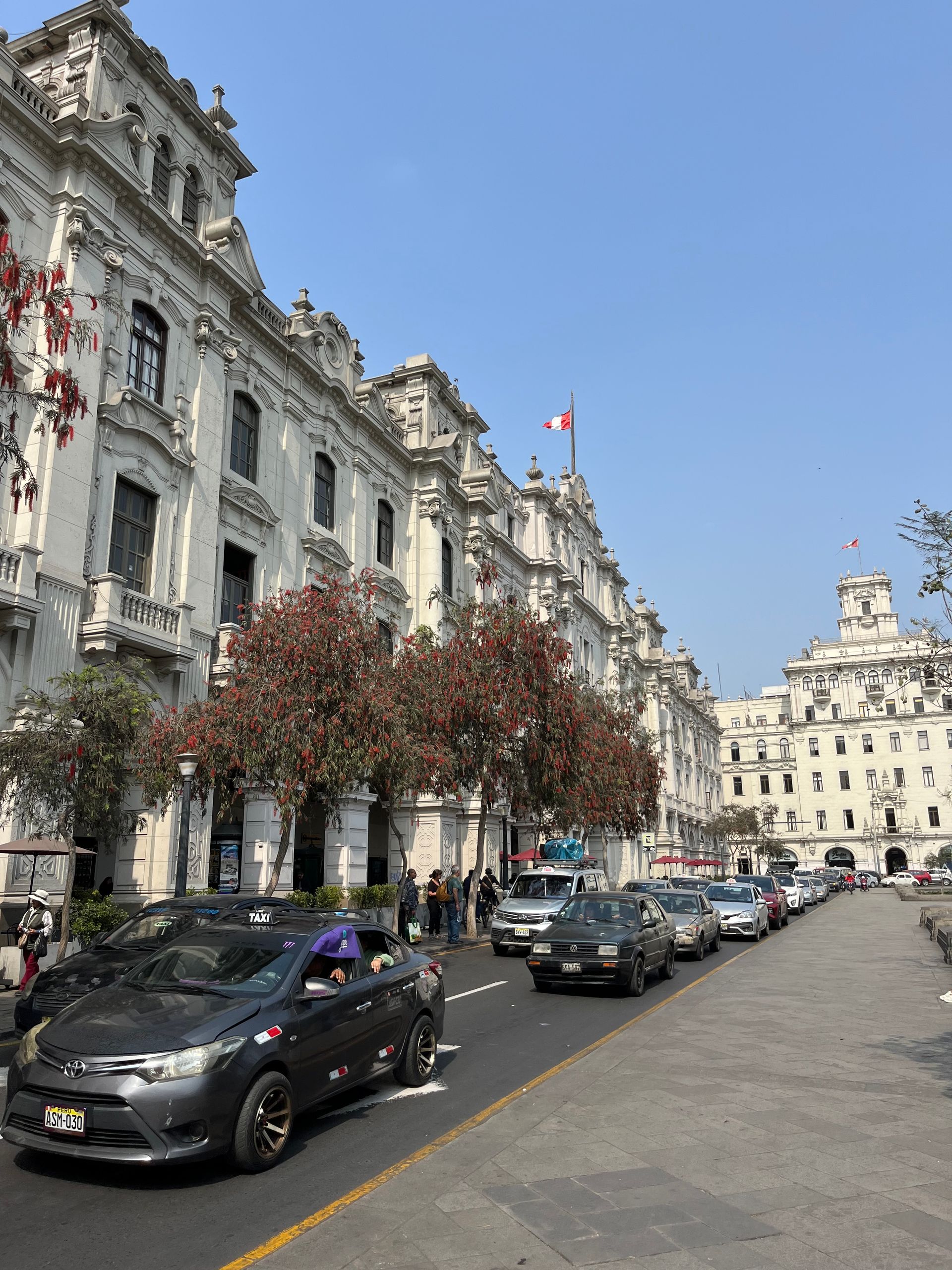
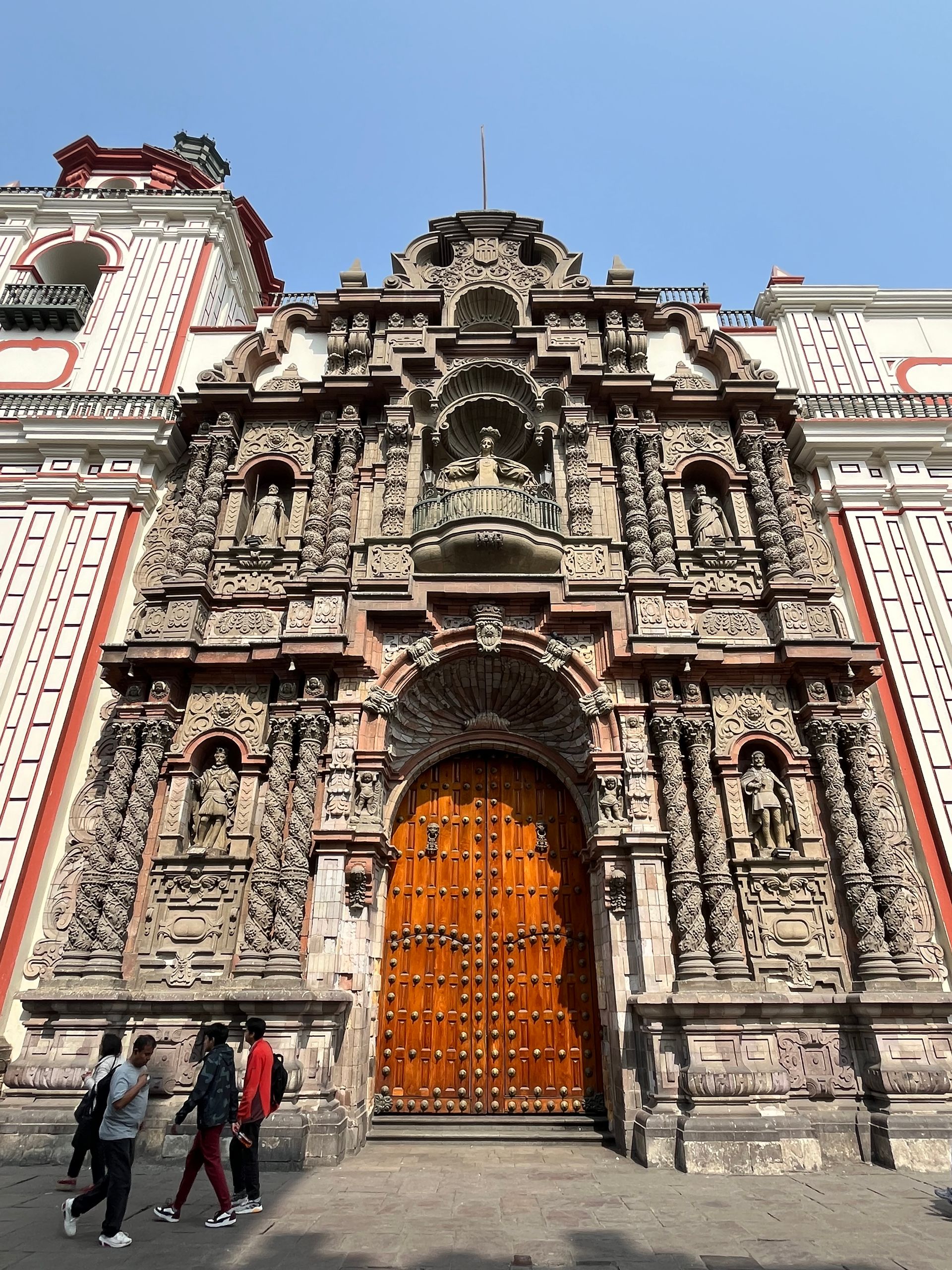
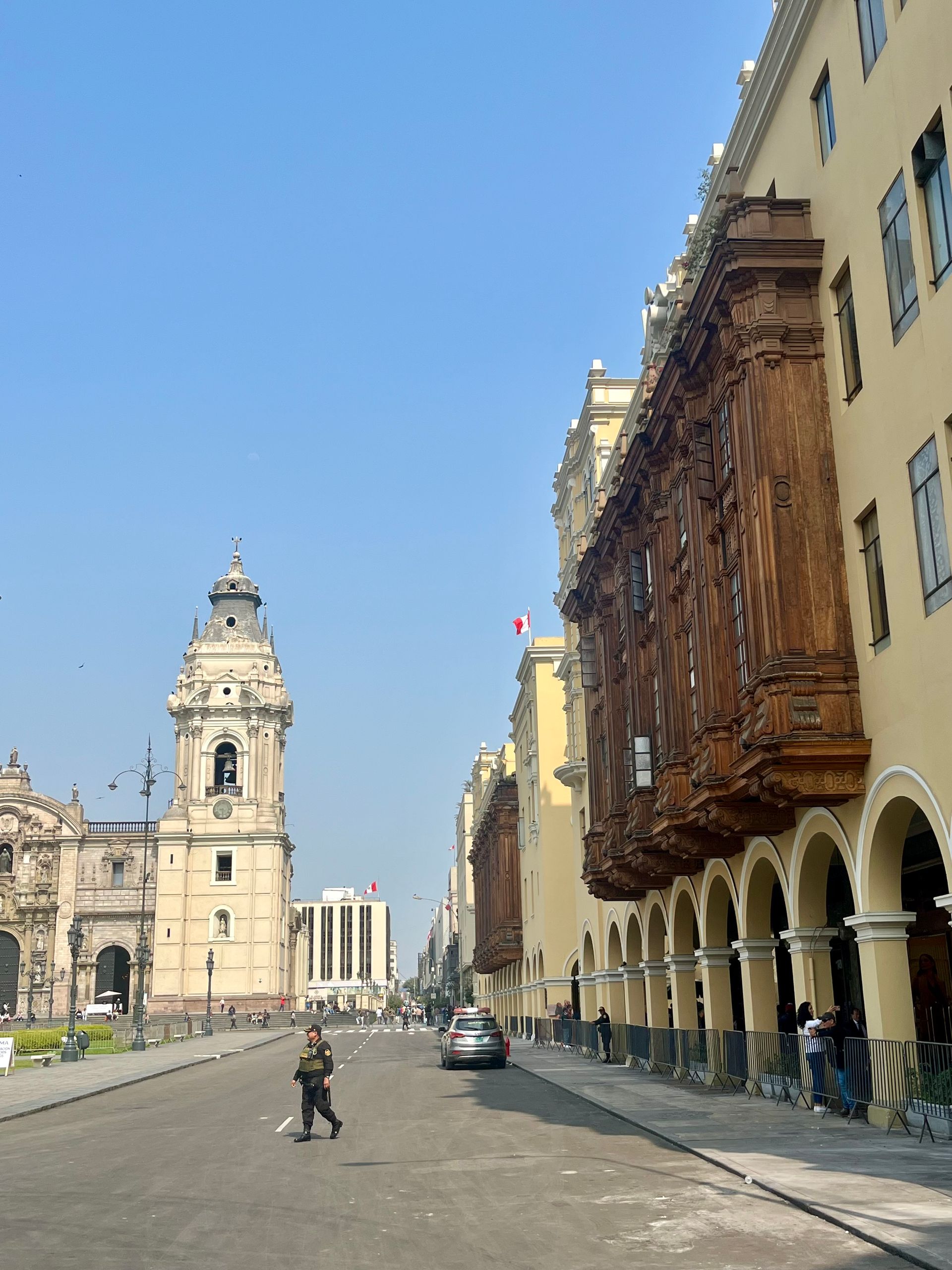
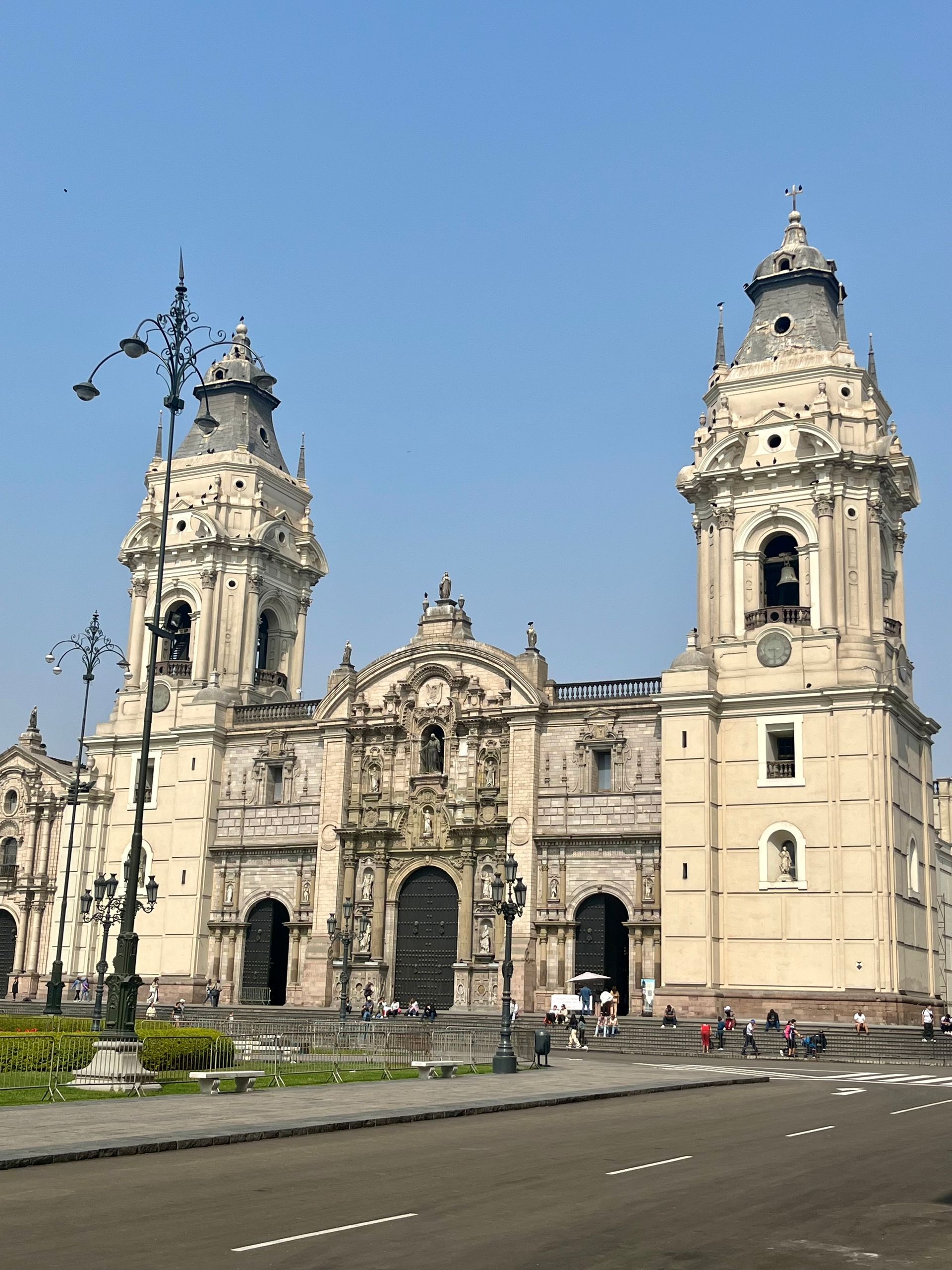
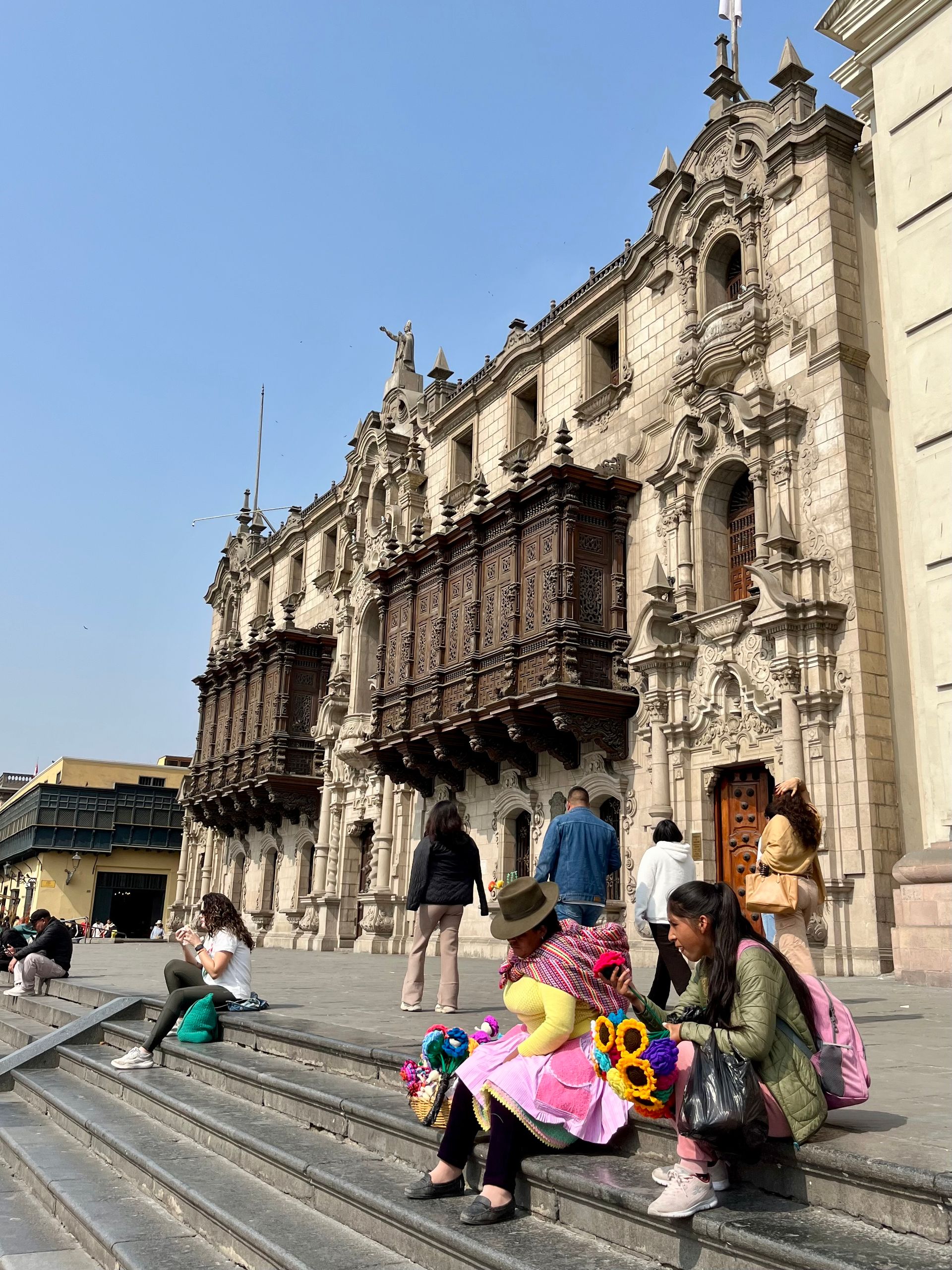
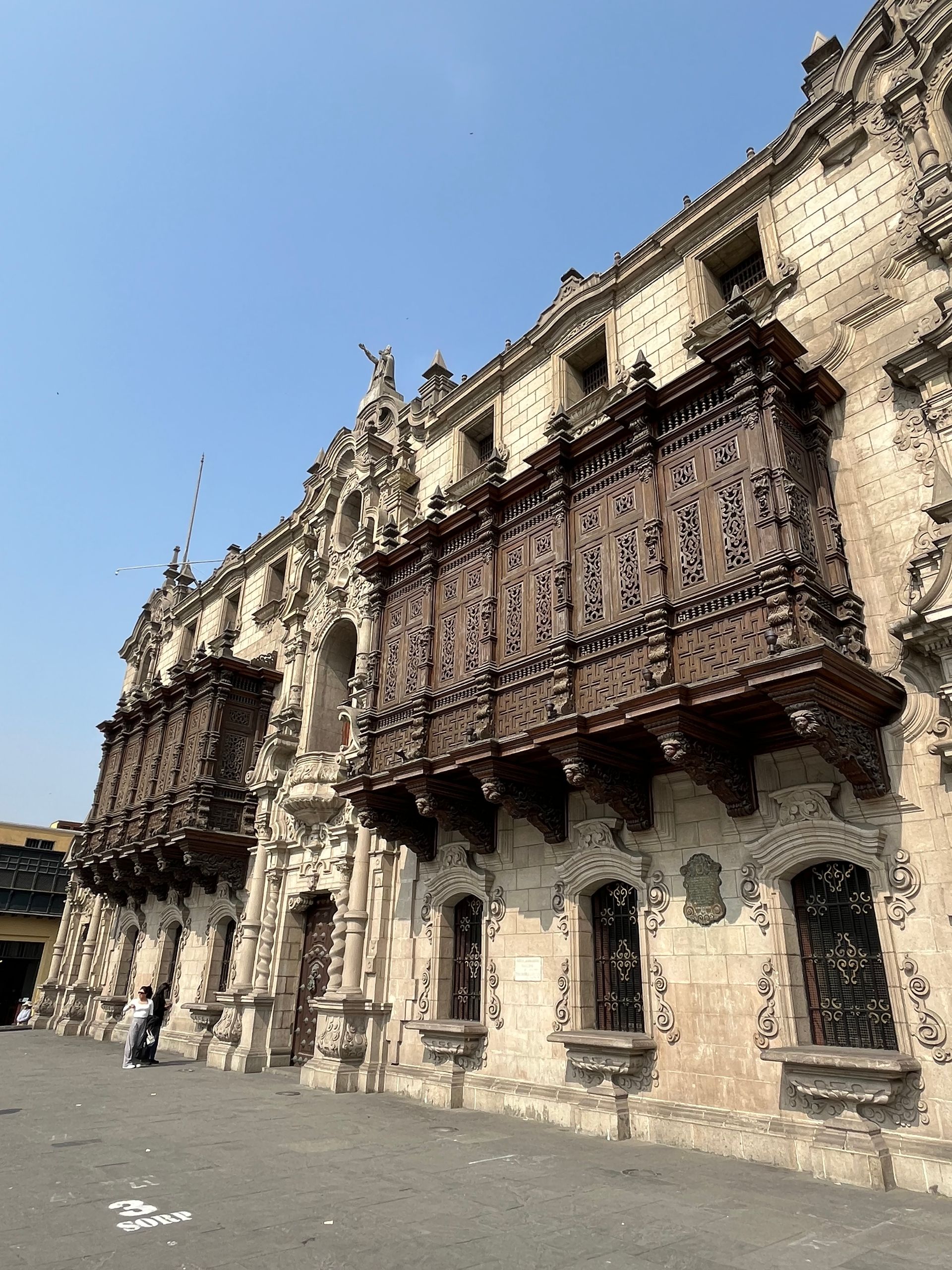
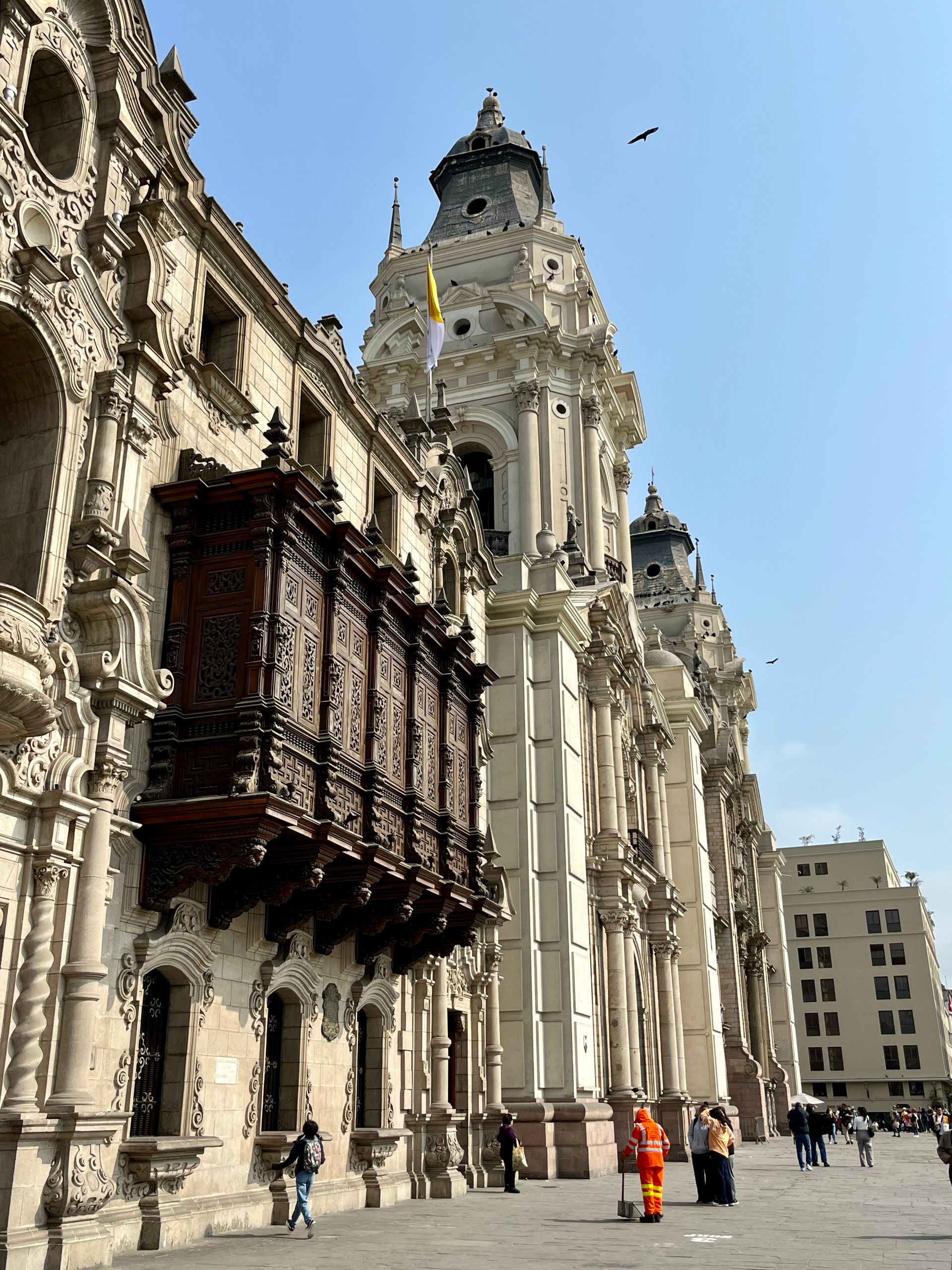
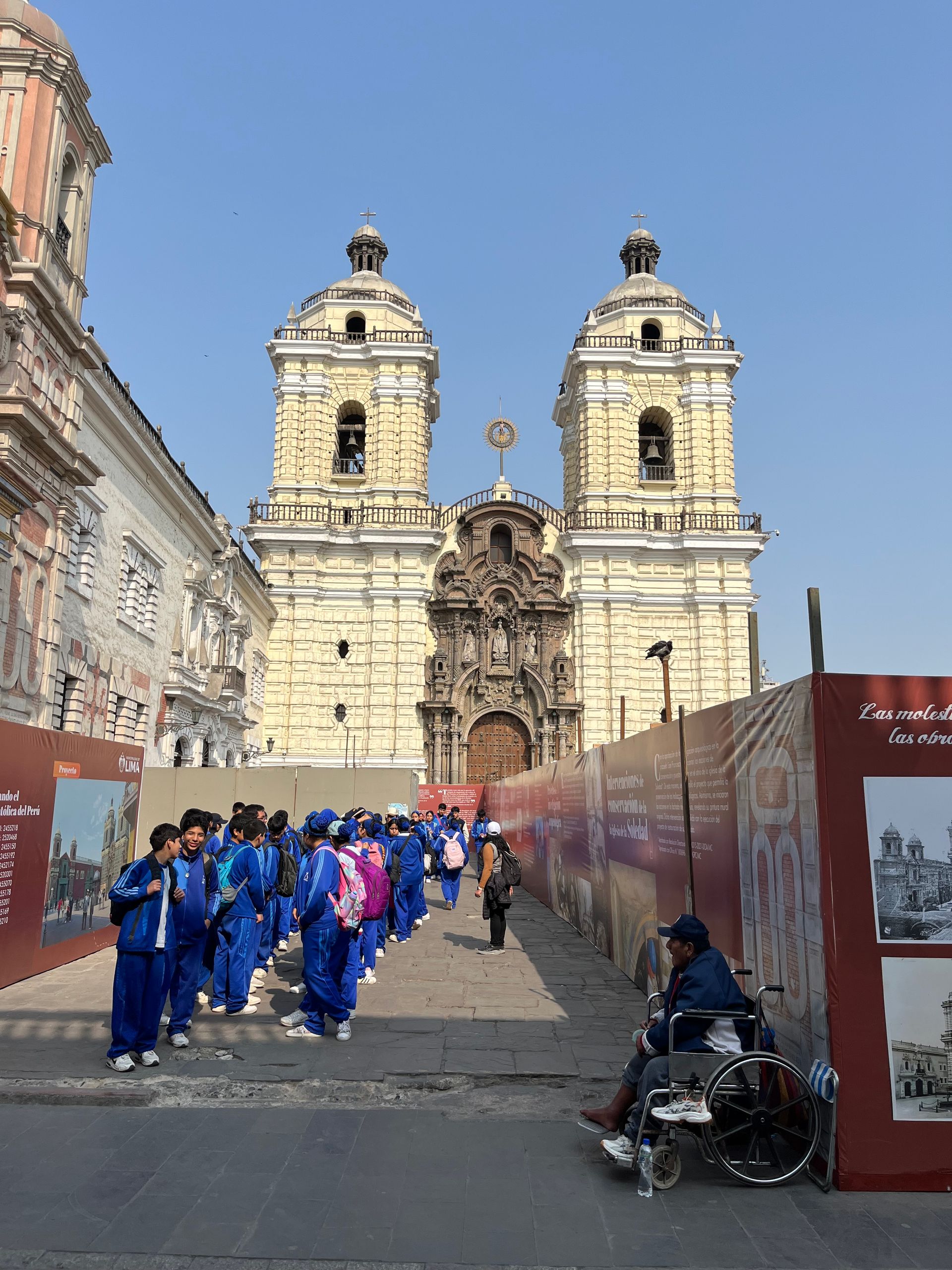
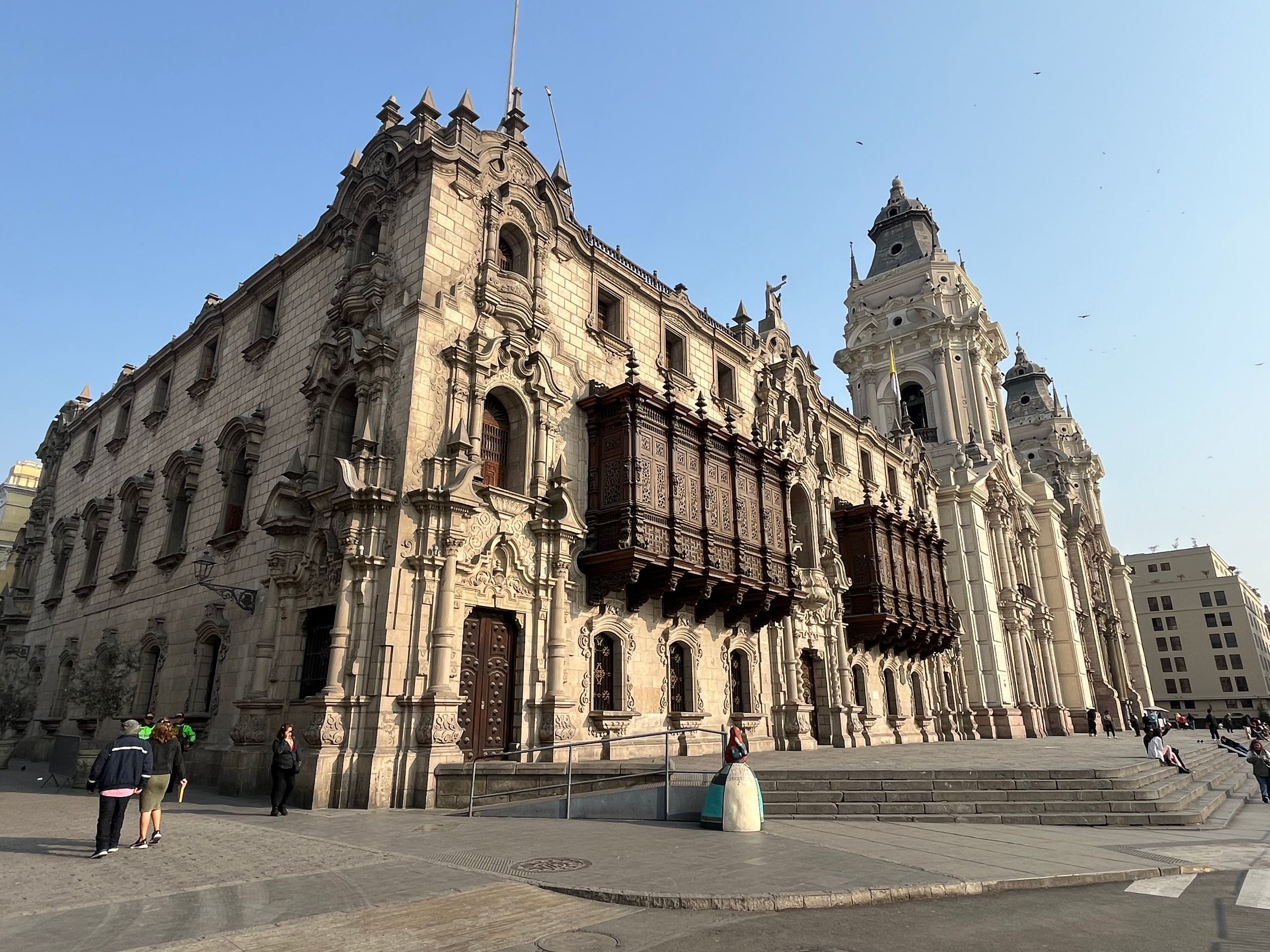
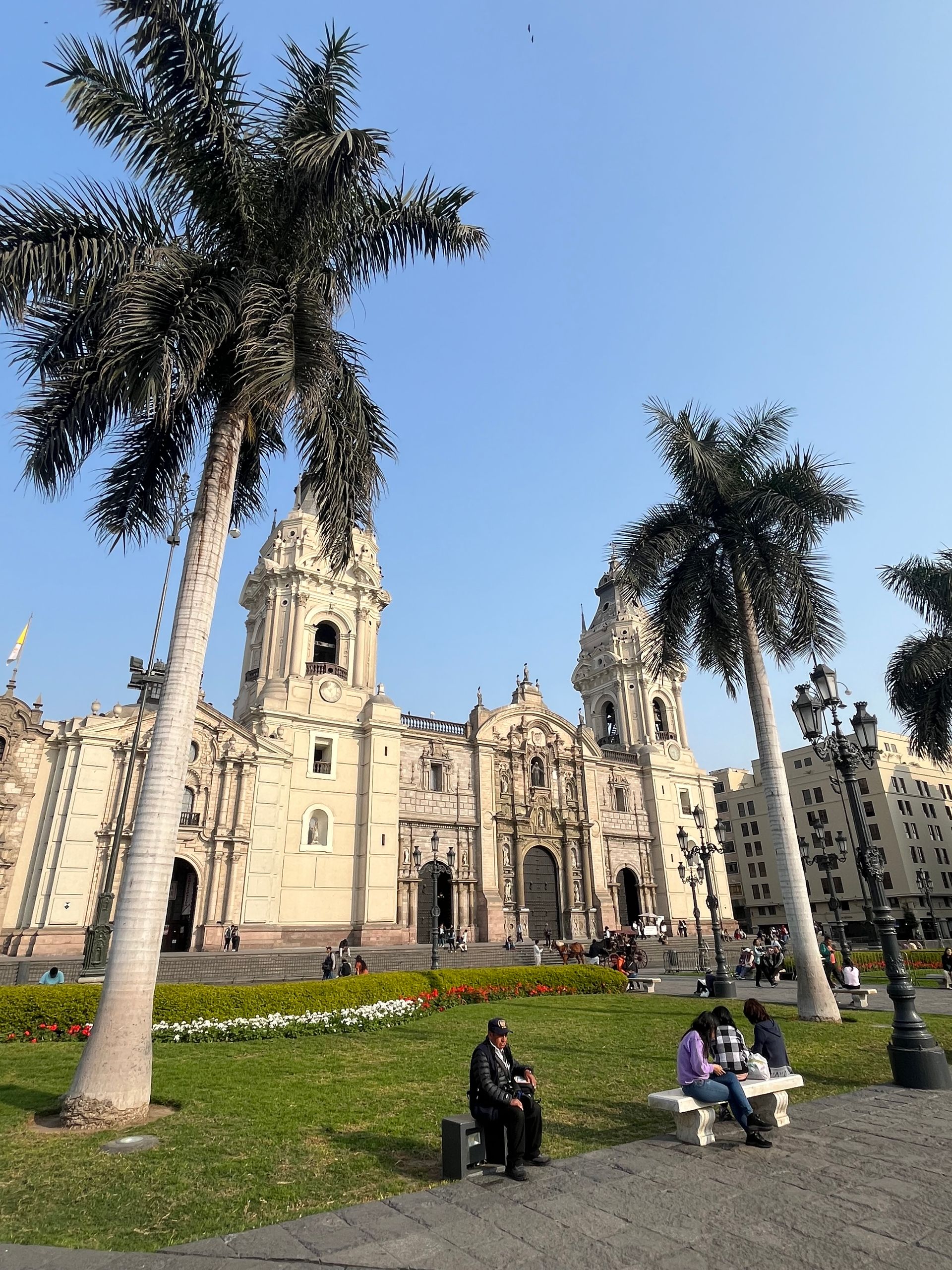
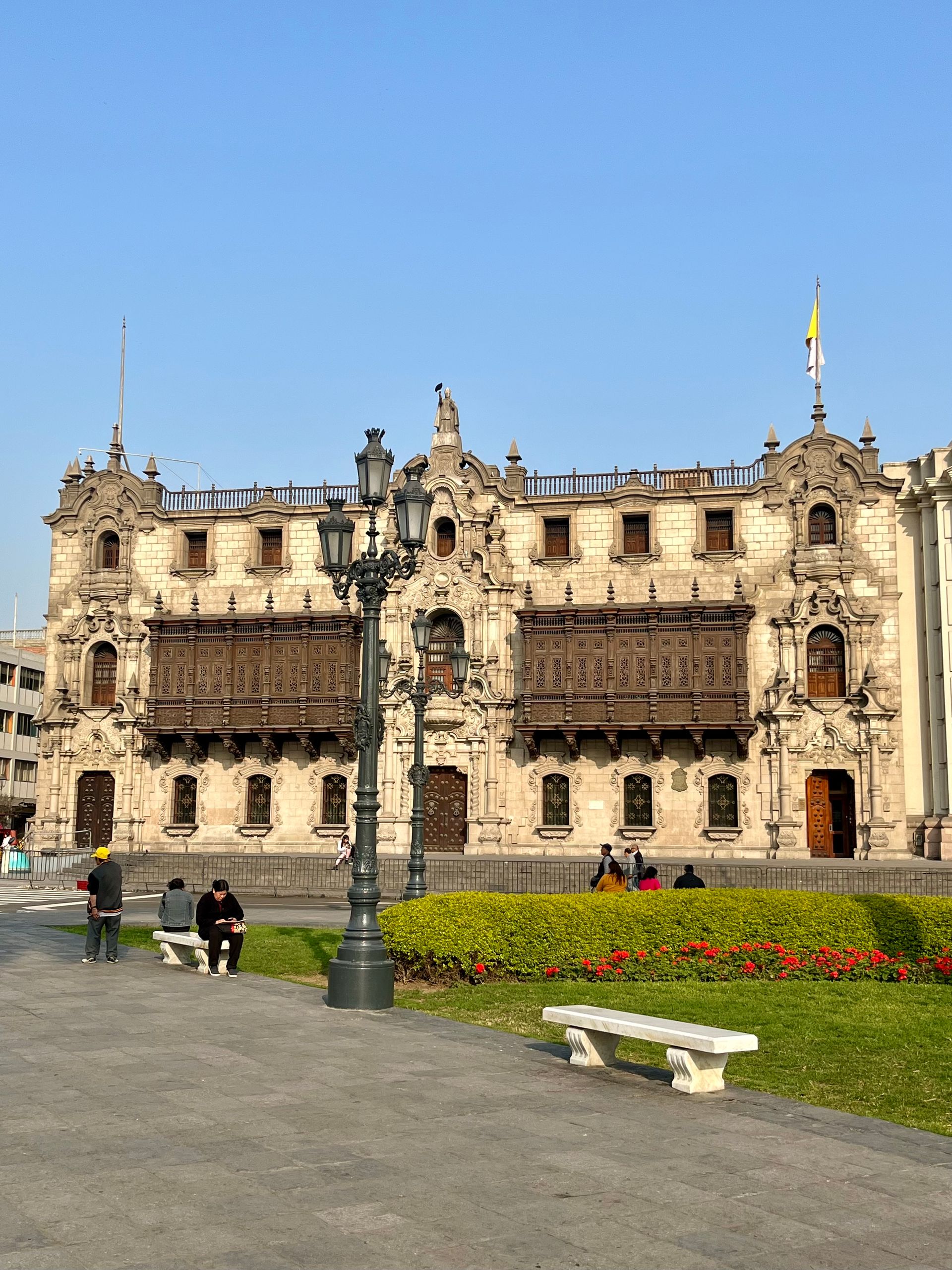
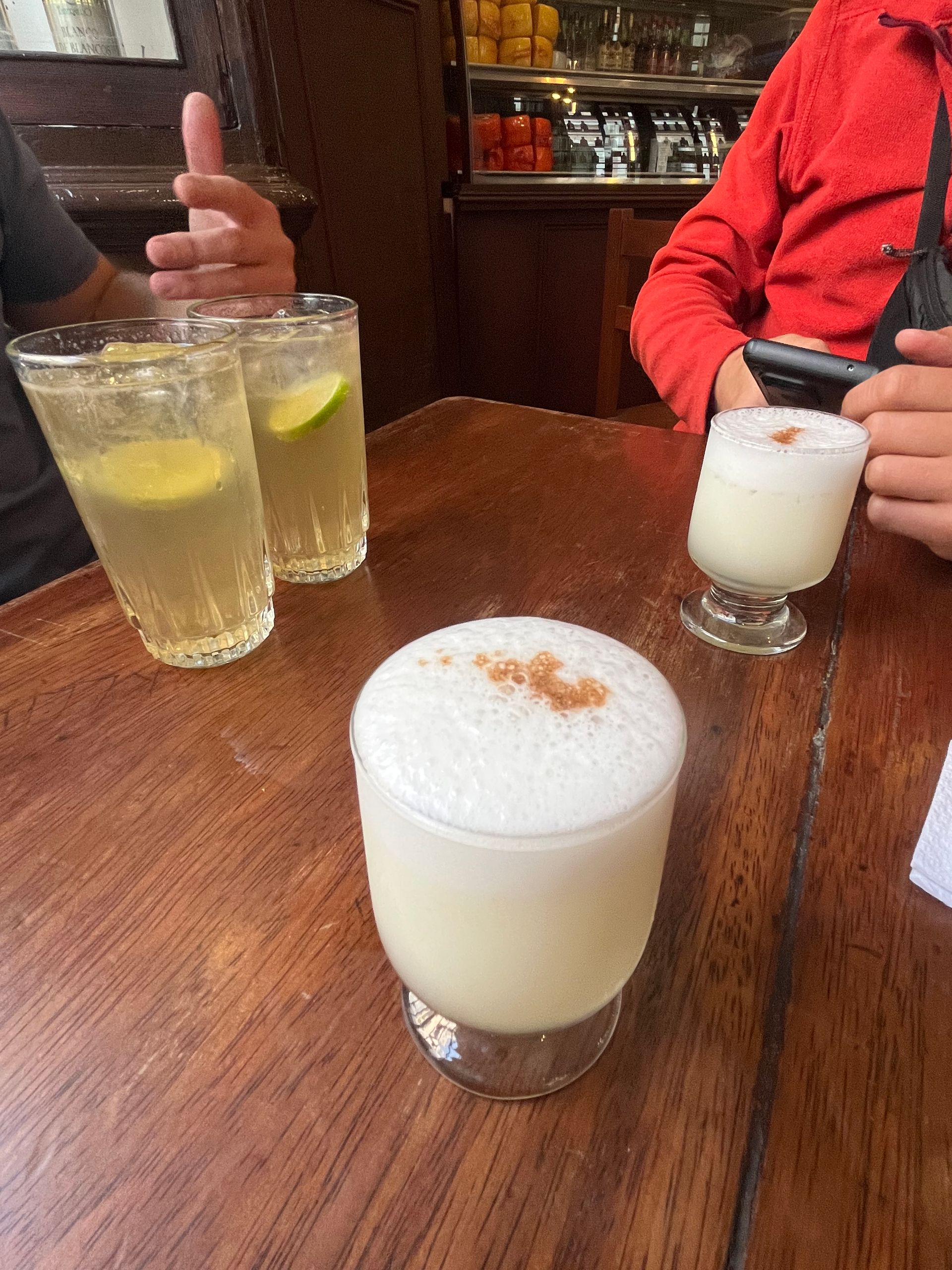
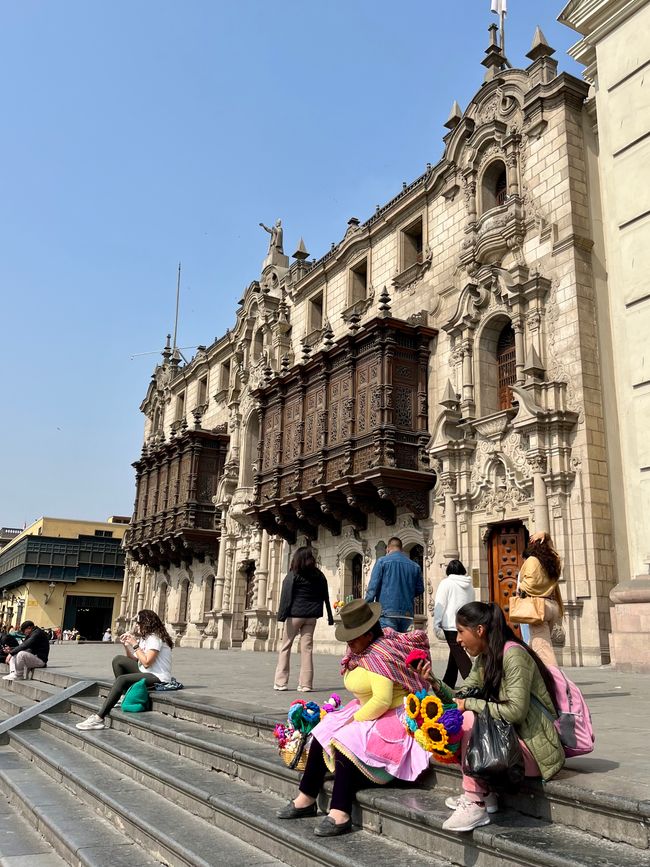
While wandering through the historic center of Lima (a UNESCO World Heritage Site since 1988), known as the City of Kings, one gets a good impression of the colonial past and the vibrant present of the city. The centerpiece is the Plaza Mayor, surrounded by splendid buildings such as the presidential palace, the cathedral, and the town hall. What stands out here are the colossal wooden balconies adorned with all the opulent details of baroque architecture. More than 1,600 of these lattice balconies have been preserved from the colonial era and shape the image of the historic center. Less colossal but no less impressive is the adjacent pedestrian zone, Jiron de la Union, which also exudes colonial flair and features numerous cafes, shops, and various street performers. In one of the cafes, the three of us settle down and enjoy a Pisco Sour, the classic and well-known alcoholic drink from Peru. Although I have already tasted some Pisco during my travels in this country, it has been rare around noon. Here in Lima, one can stylishly indulge in it, as the city is regarded as the birthplace of Pisco. And it tastes quite good even during the day. Moving further away from the Centro Historico, the contrast could not be greater, as the surrounding streets are a wild tangle of far too many people, clogged streets, and countless shops selling just about everything, even the most ridiculous items. It is absolute chaos and not a place to relax. At one corner, we found a bookstore that, however, did not sell real books, only copies of them. So not even in a proper binding or anything, but really haphazardly copied and somewhat cobbled together for sale. It was truly a funny sight, and even Christian couldn’t explain if there was a deeper background to it.
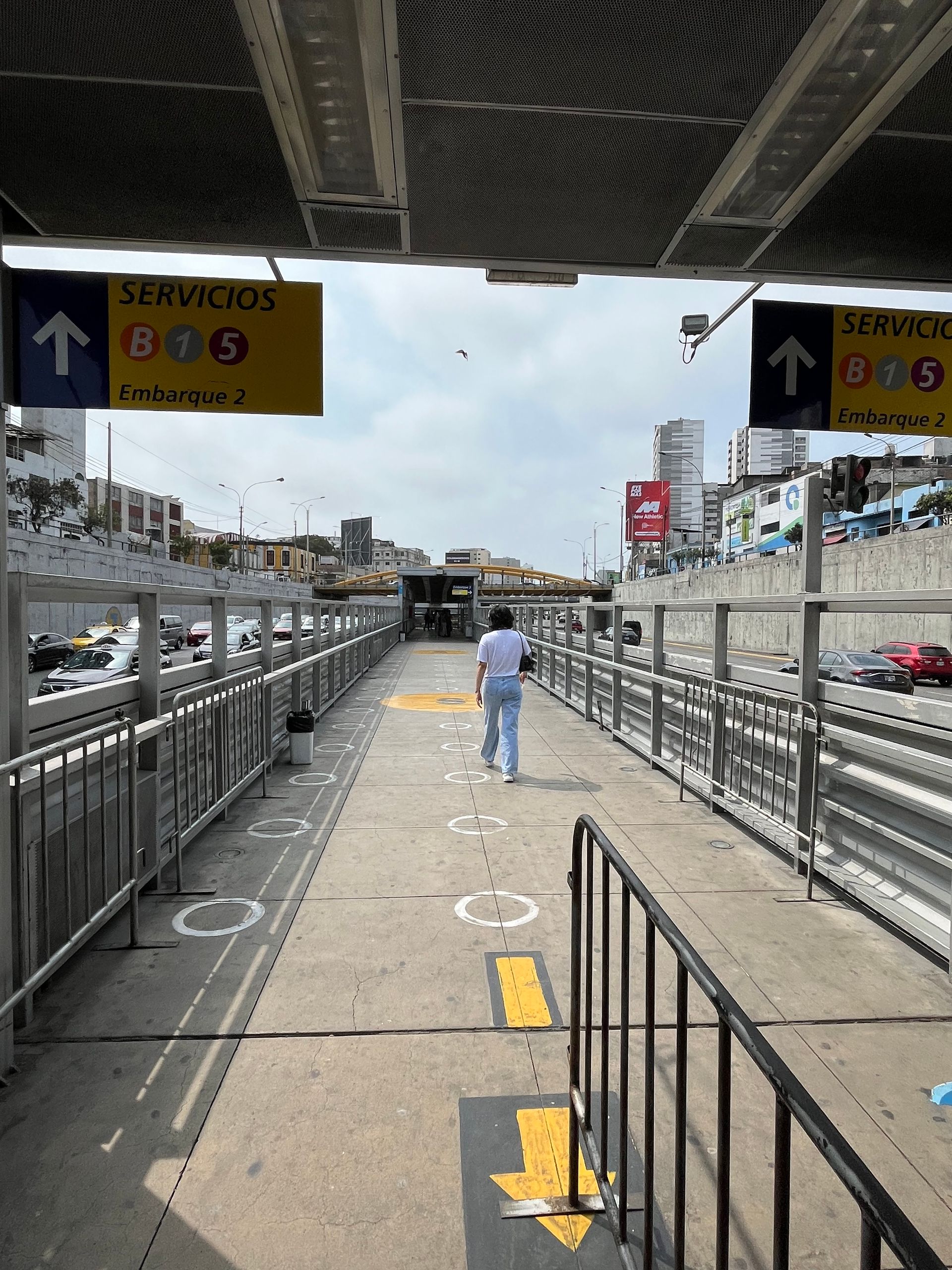
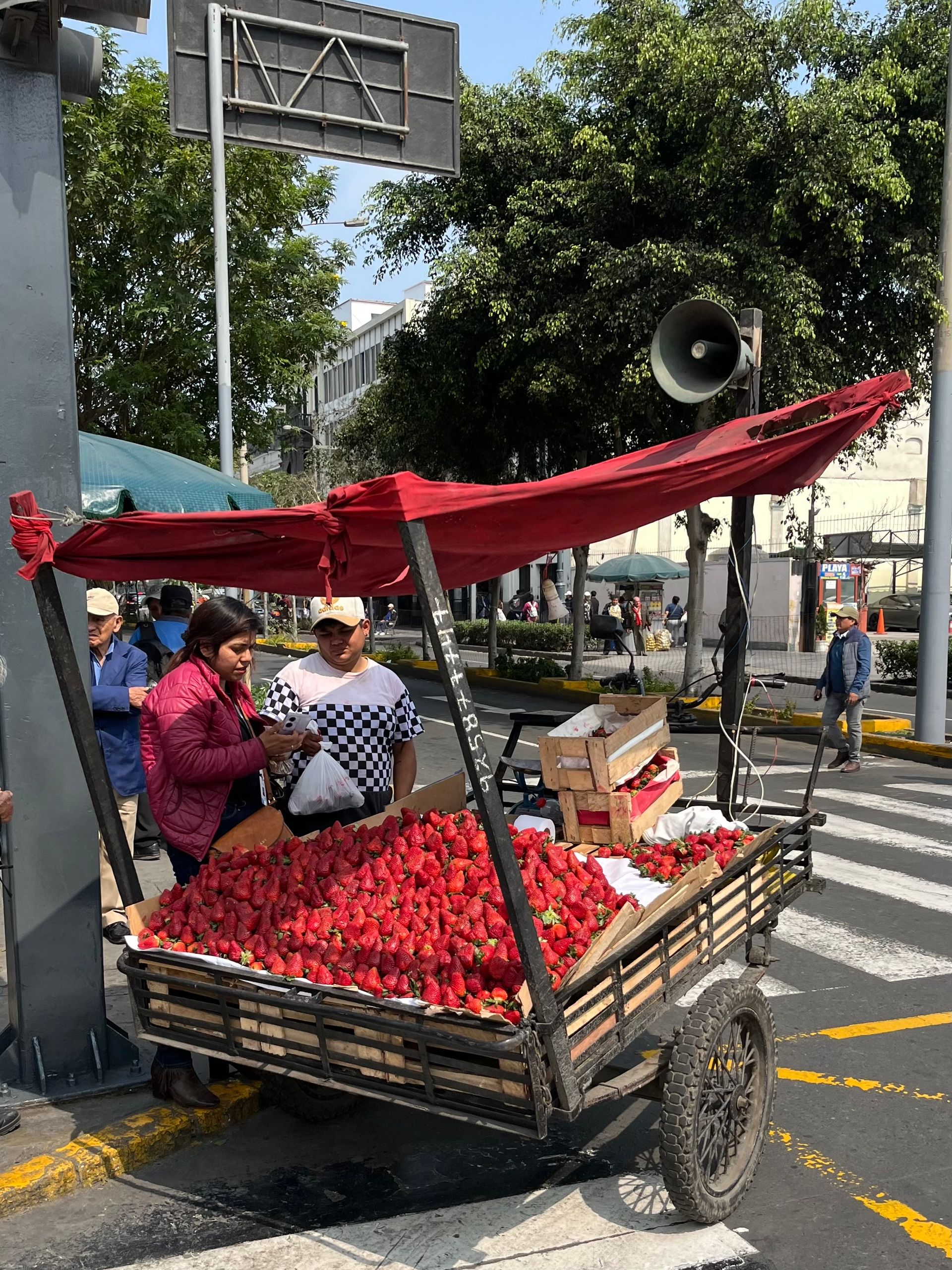
As you move back about 10 kilometers from the Centro to Miraflores, you can get a wonderful impression of the traffic chaos, as the north-south connection is one of the main arteries of the city and is regularly completely clogged during rush hour. The better alternative is the Metro bus; it takes the same route but on a separate lane designated for buses that cars cannot use. This way, one can travel cheaply and quickly from A to B, although it requires some tolerance for body contact and the stuffy air in the fairly crowded vehicles. Plans to equip the city with a subway have been abandoned, as the subsoil is simply too unstable and sandy, so this traffic chaos is likely to persist for quite some time. Besides buses or cars, cycling remains the only alternative, even if there is no direct infrastructure for that.
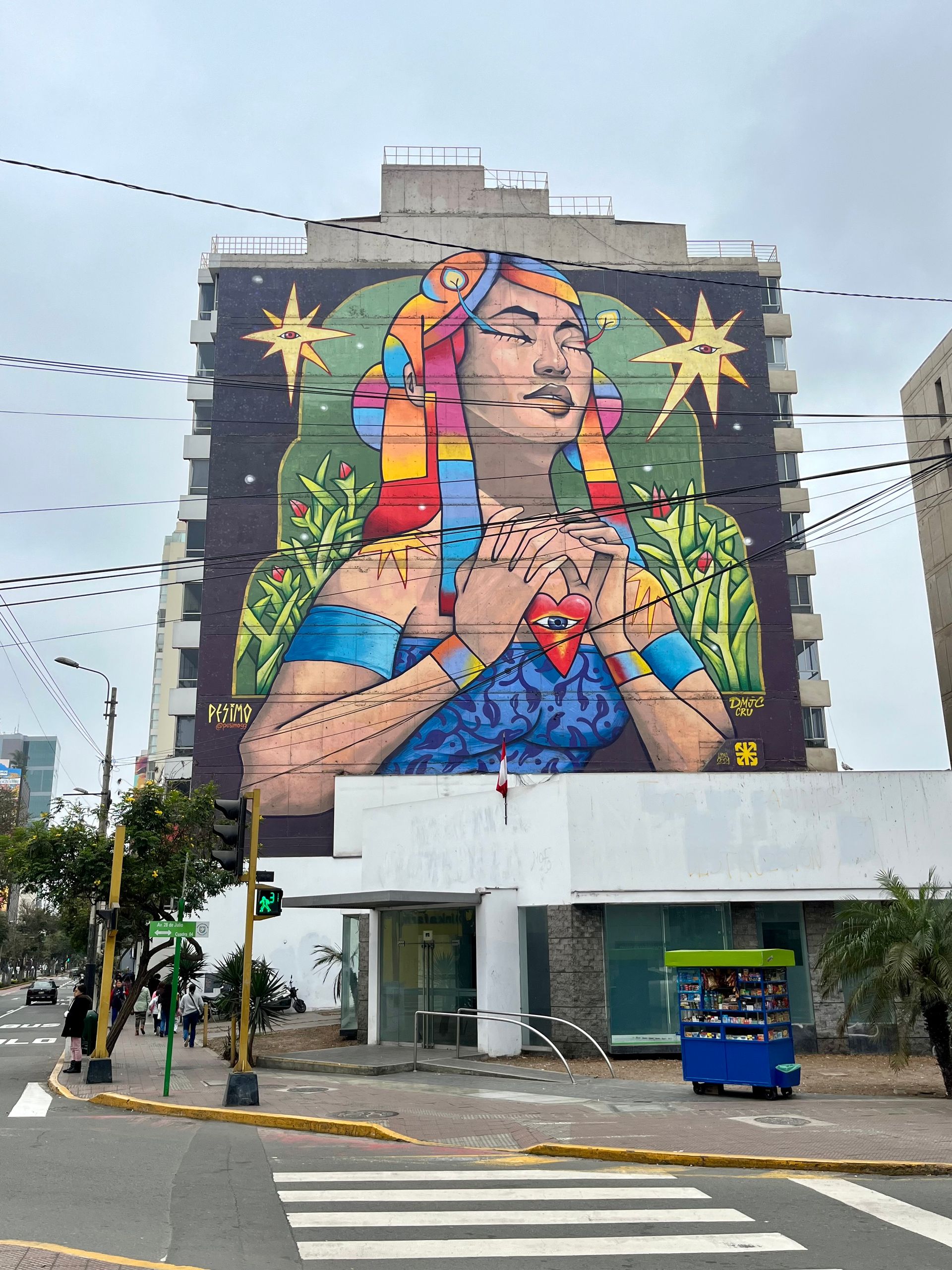
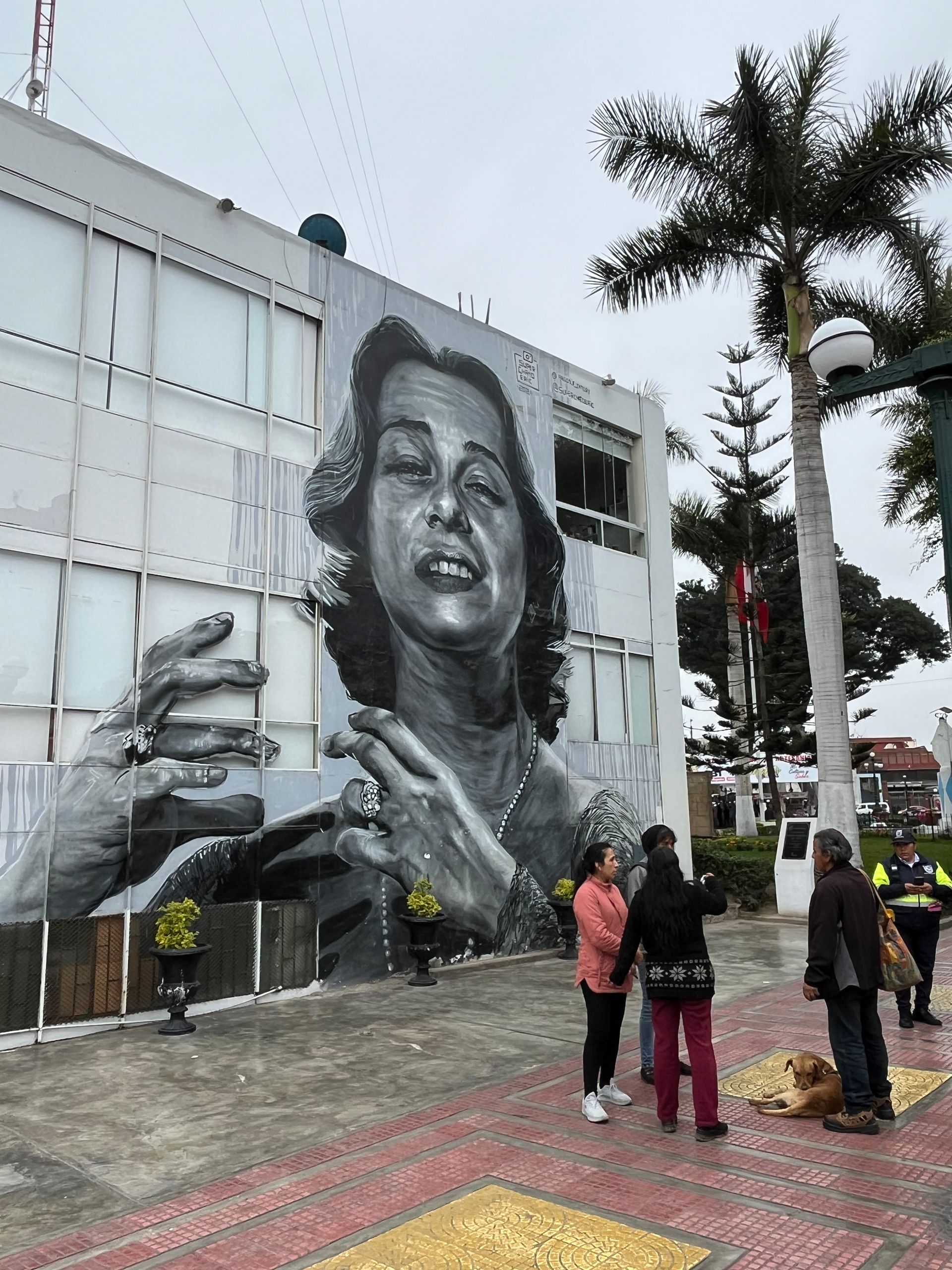
With Christian, I also took an extensive walk through Barranco, a neighborhood adjacent to Miraflores - but not quite as trendy and upscale. The artists' district is known for its bohemian atmosphere and, with its numerous street art and small bars, is very relaxed and perfect for strolling around. In Barranco, there is also the Puente de los Suspiros (Bridge of Sighs) - a legend says that a wish will come true if you cross the bridge without breathing. Unfortunately, I could not try this out, as this information was only conveyed to me afterwards.
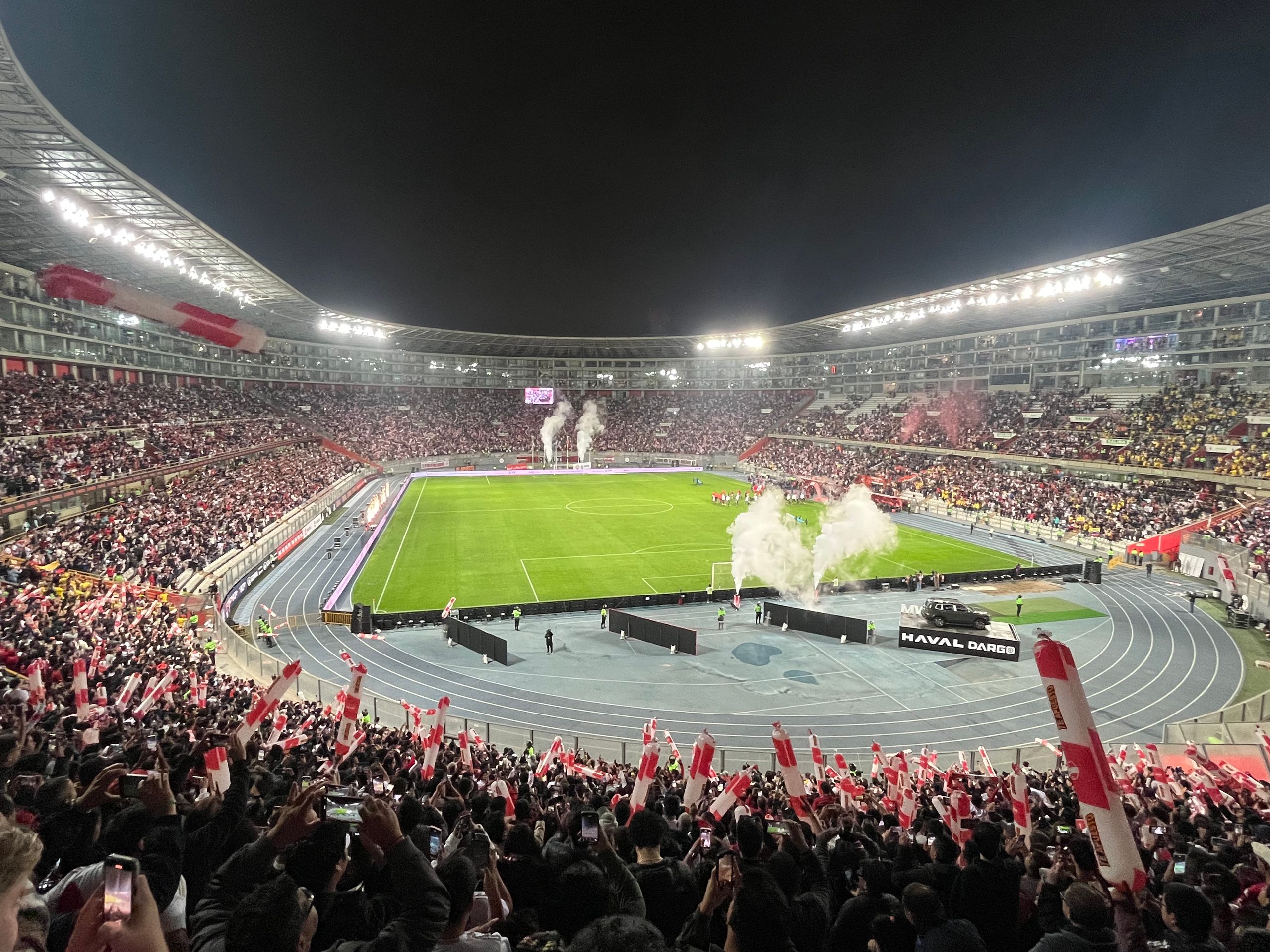
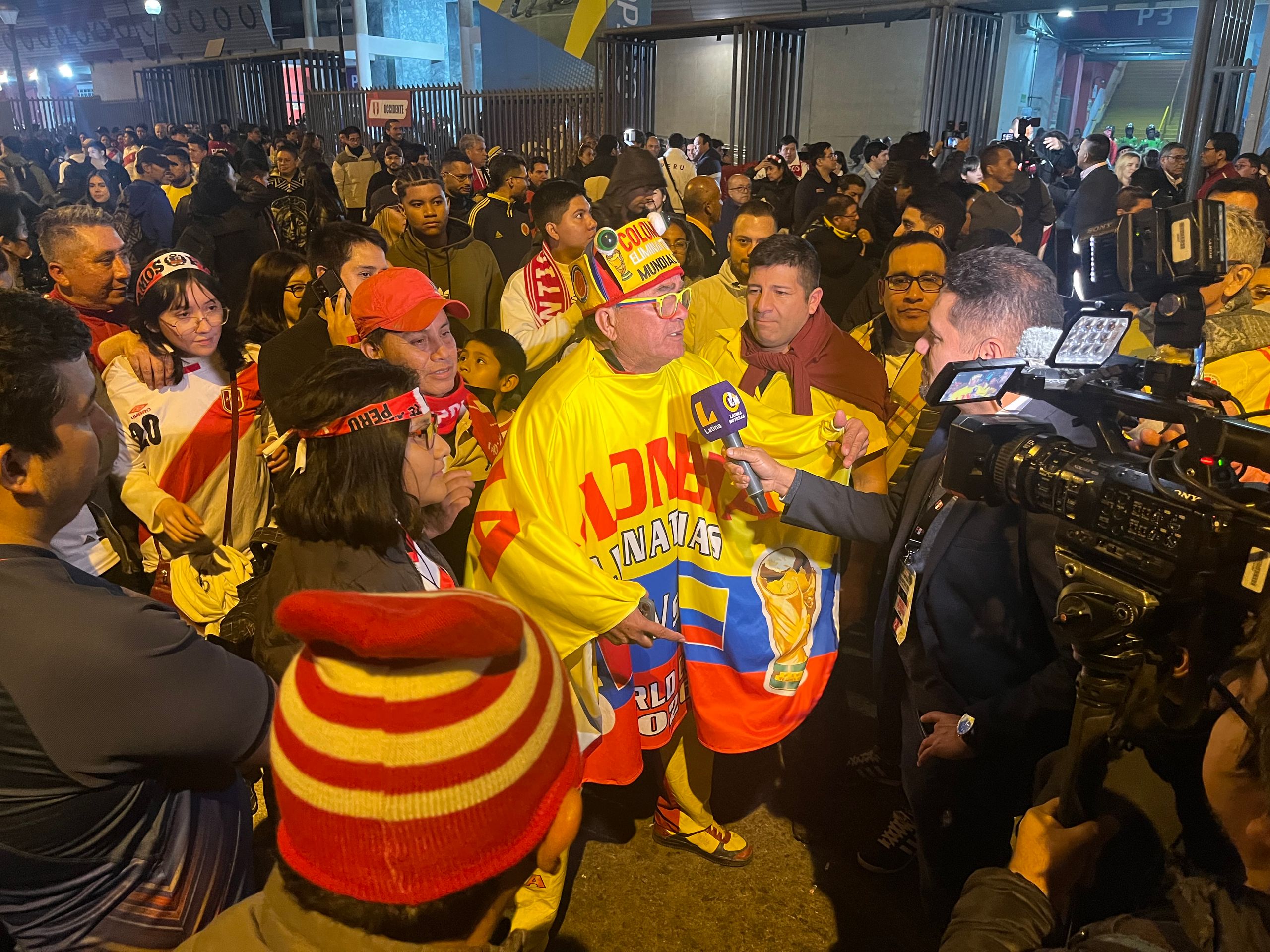
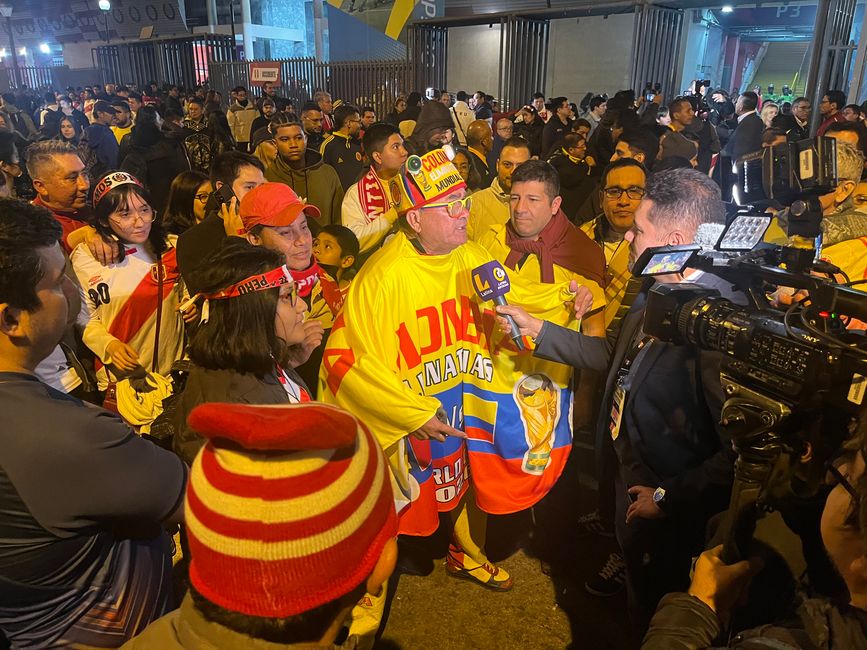
Football was, of course, also watched in Lima, among other things, the qualifying match for the next World Cup, Peru against Bolivia with William. And although Peru is currently sitting at the bottom of the table of the South American football association CONMEBOL, they played remarkably well against the favorites Colombia and drew 1:1. The atmosphere was also good; the only complaint was about the prices in the stadium, where 4 euros for a cold and terrible burger certainly do not do justice to Peruvian cuisine.
Lima certainly offers much more than it seems at first glance; the mixture of all the urban hustle and bustle, colonial buildings, and cultural richness makes the stay here quite entertaining, and I fondly remember the days spent here.