
Northern Ireland
Wild rhododendrons are blooming!

Published: 20.06.2025
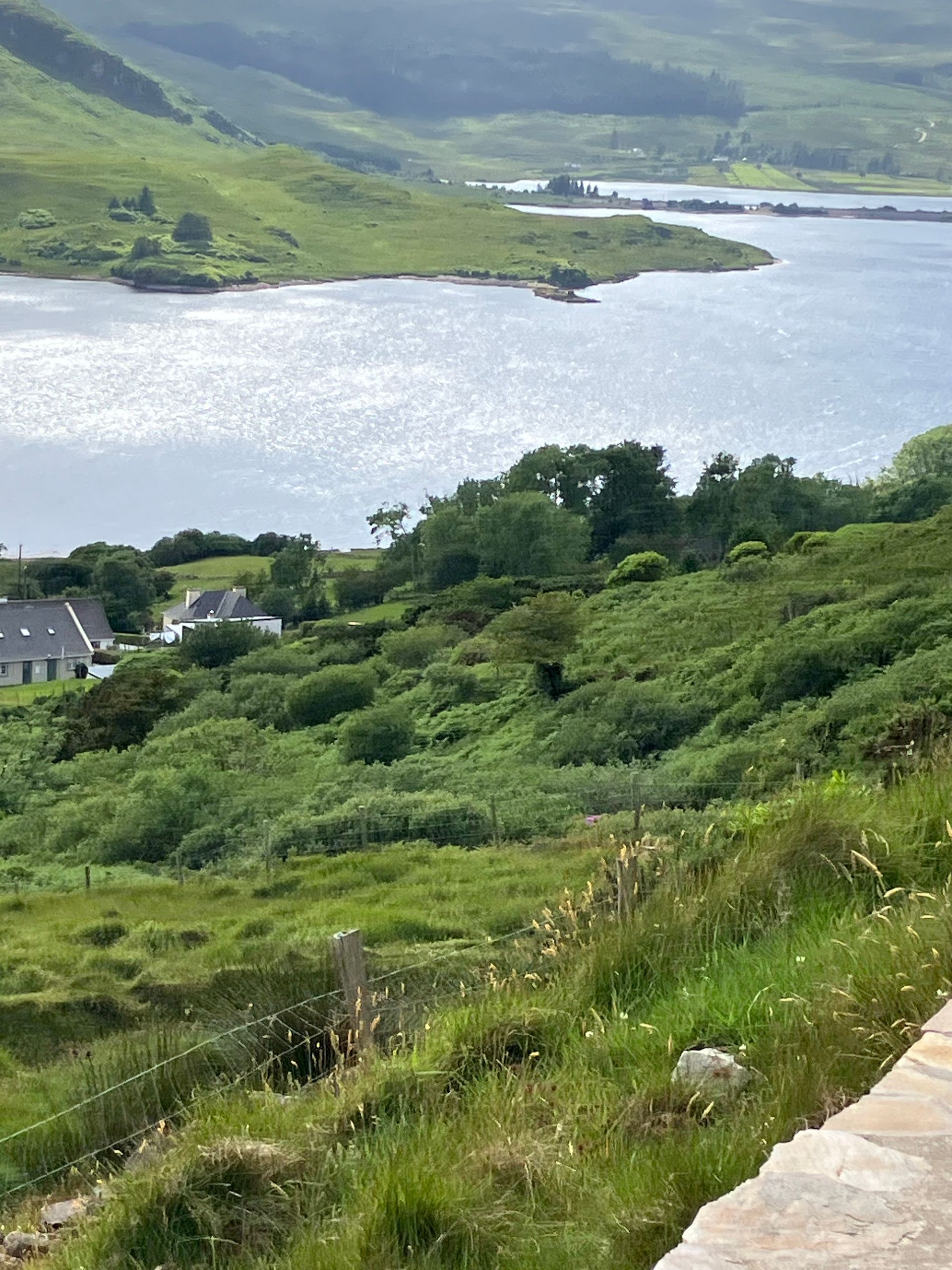
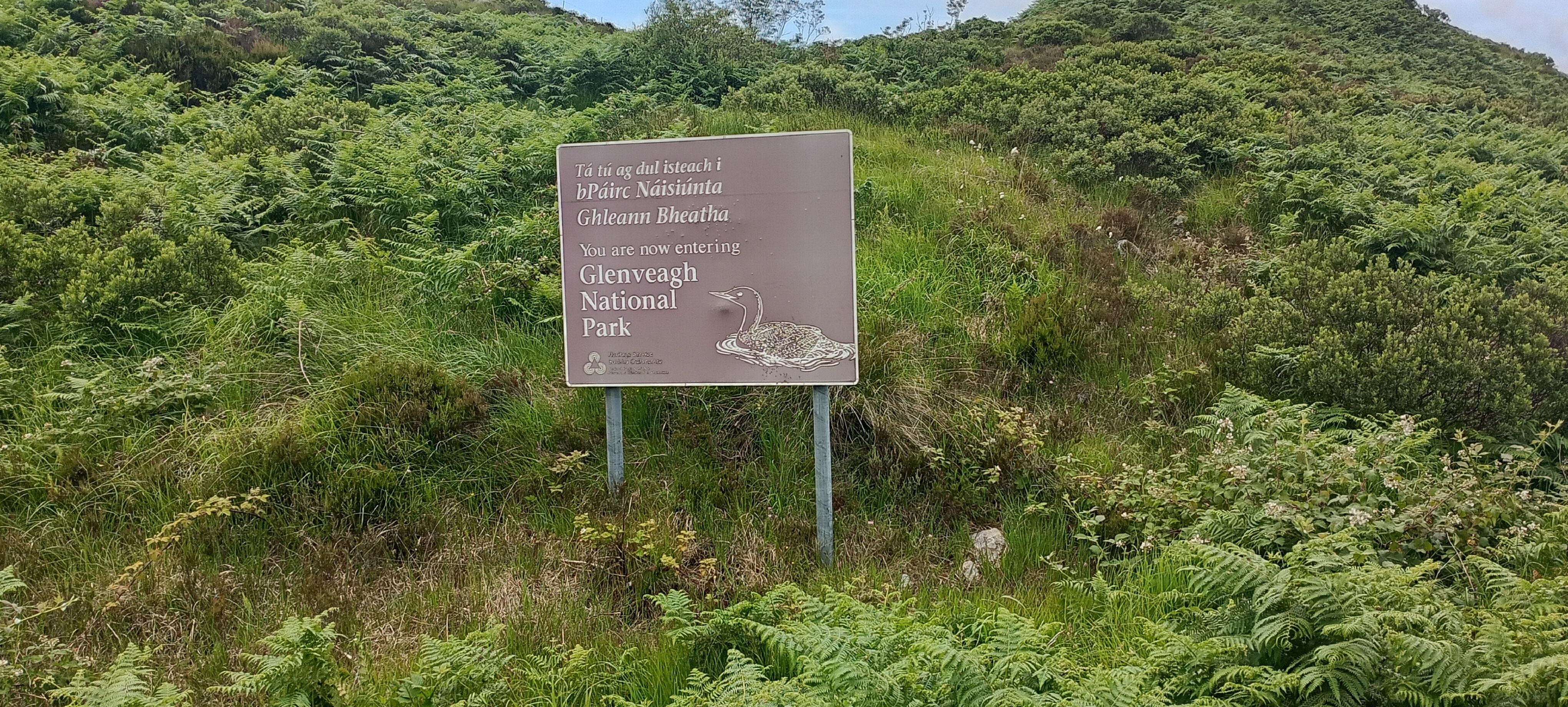
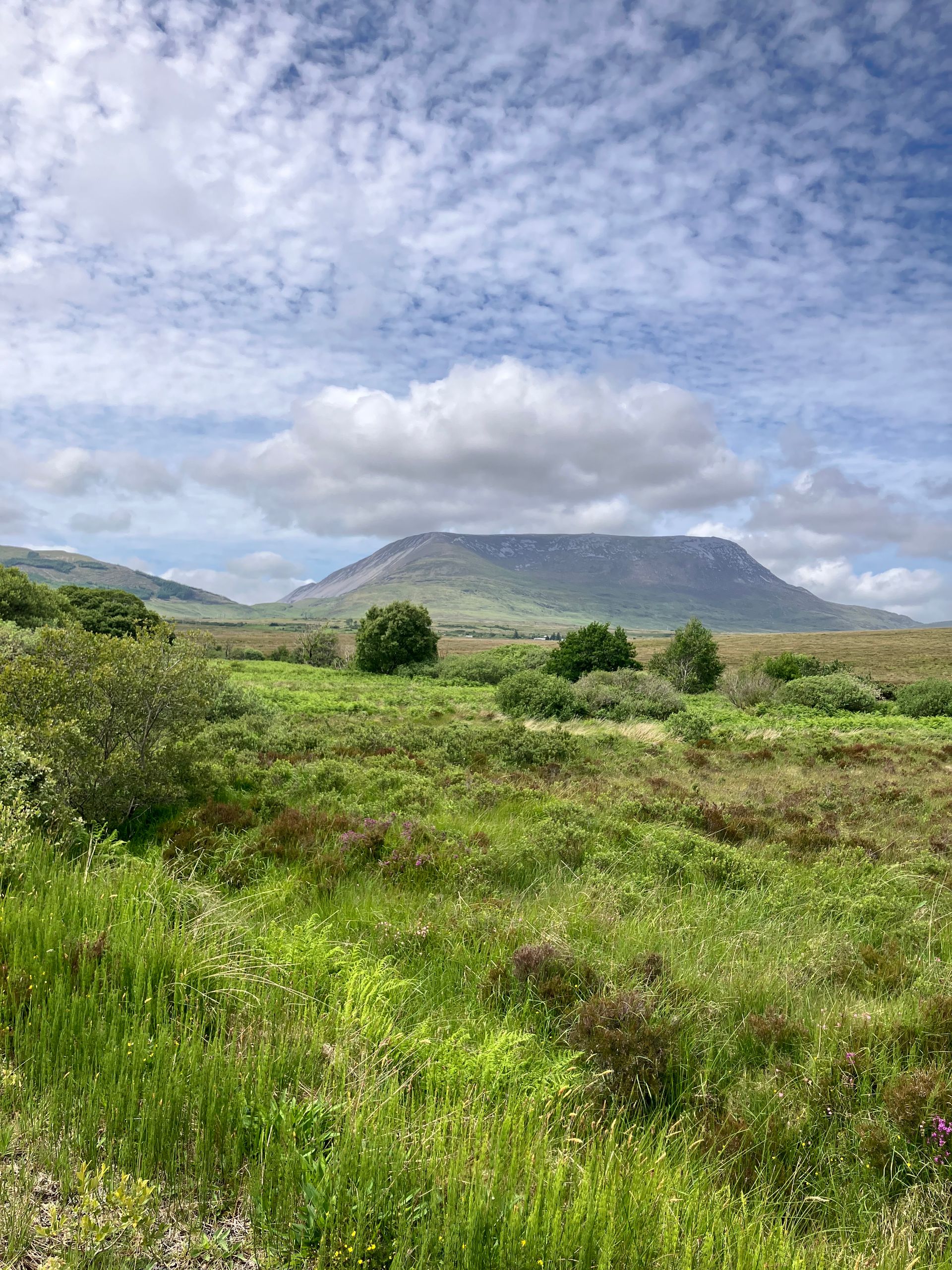
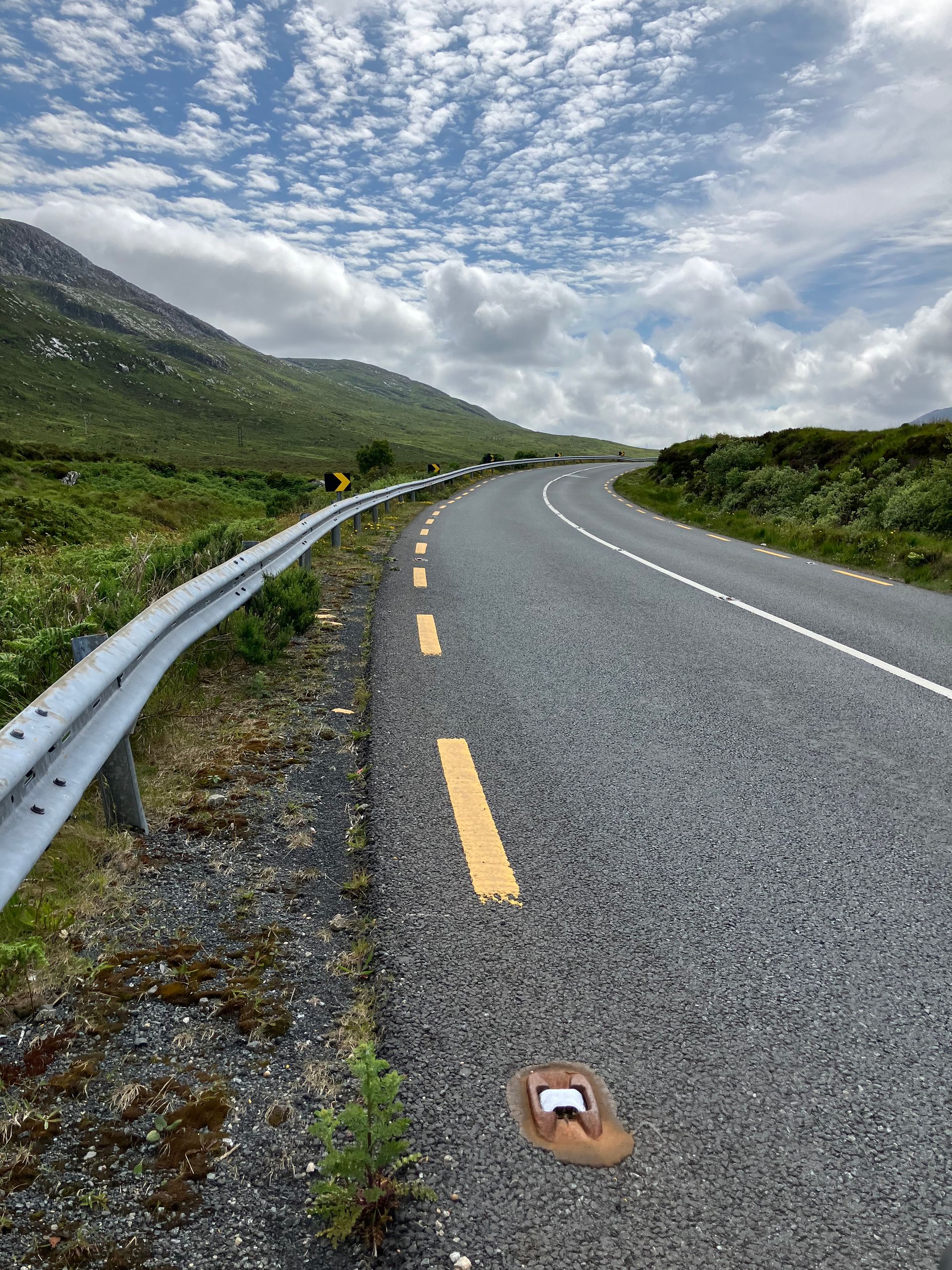
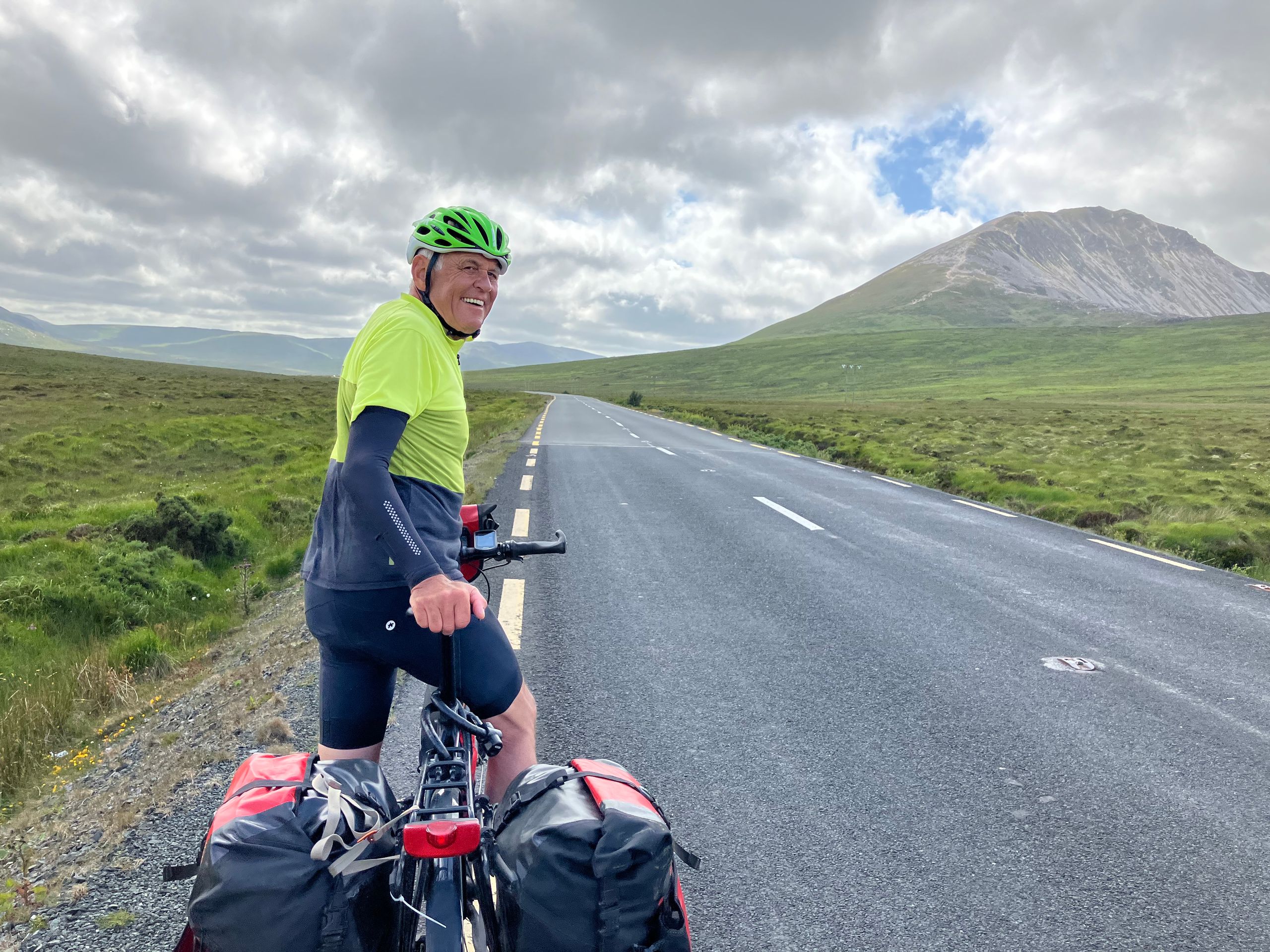
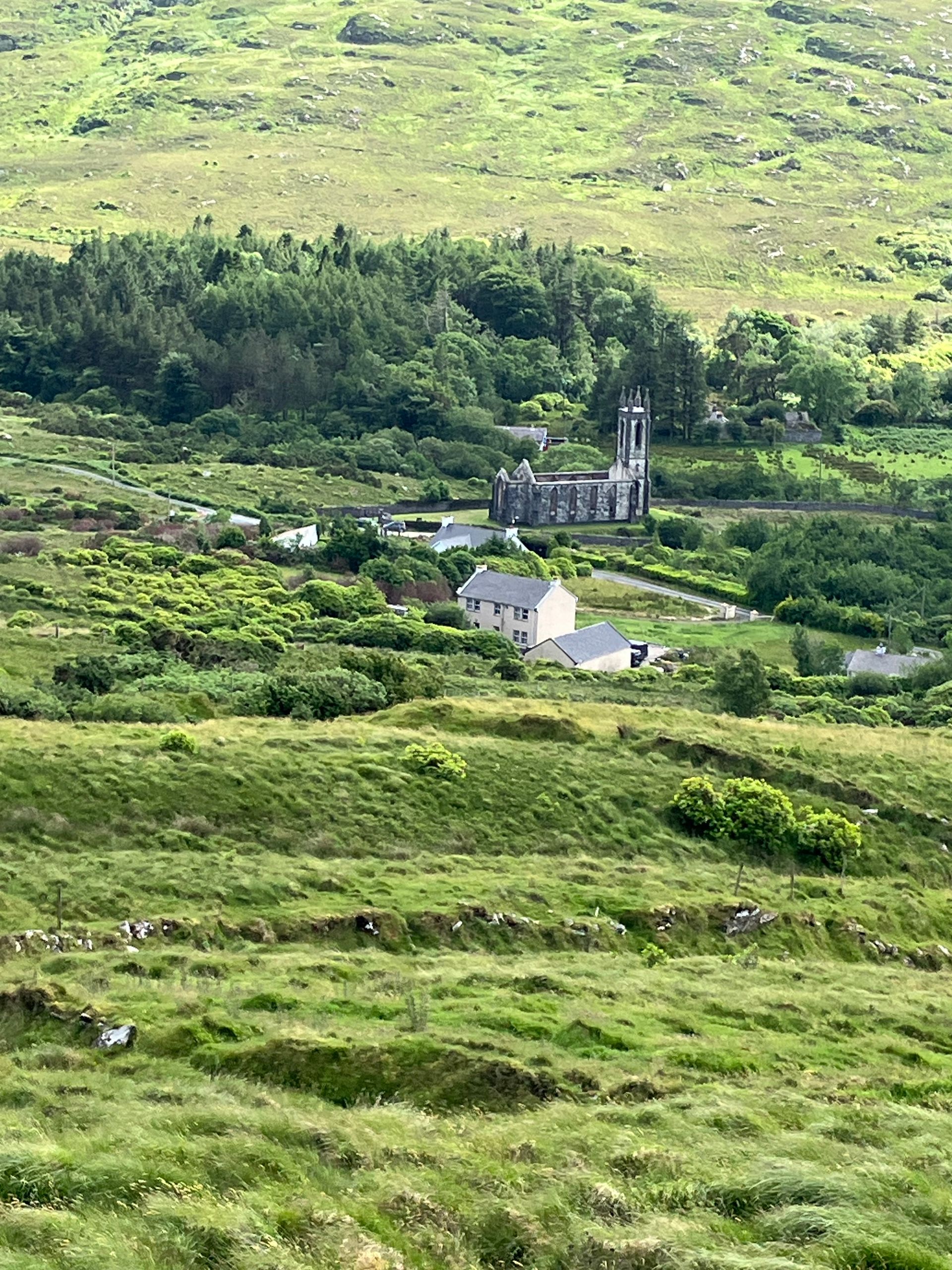
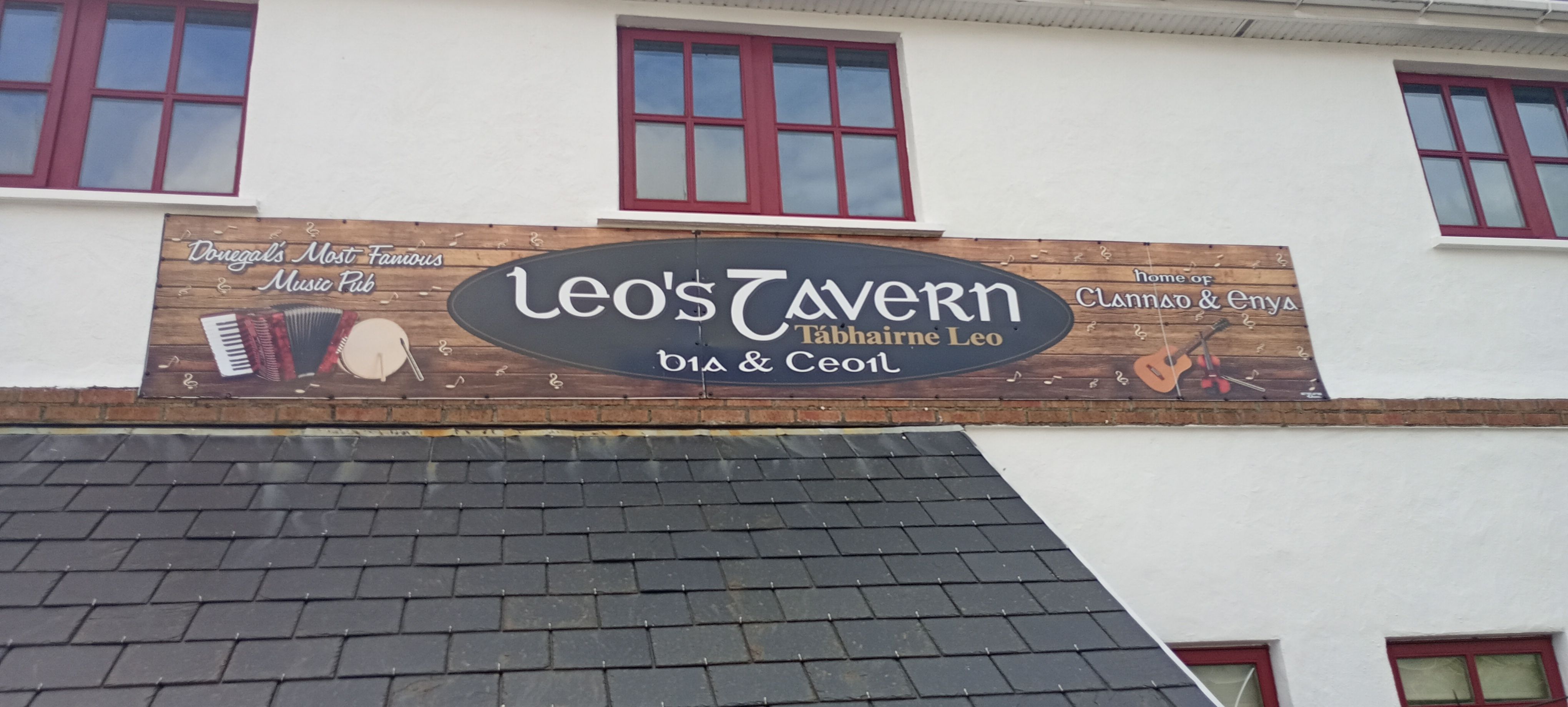
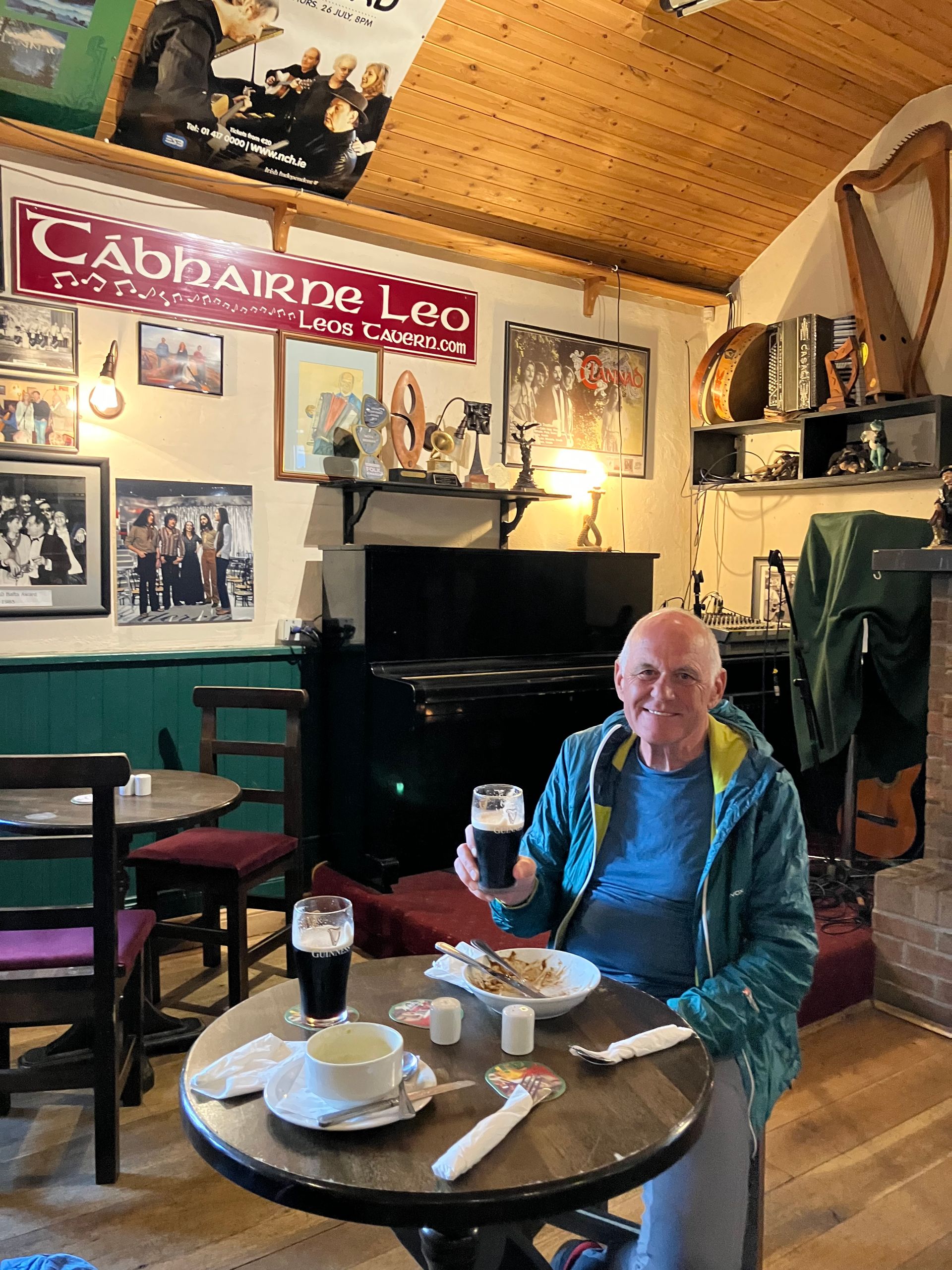
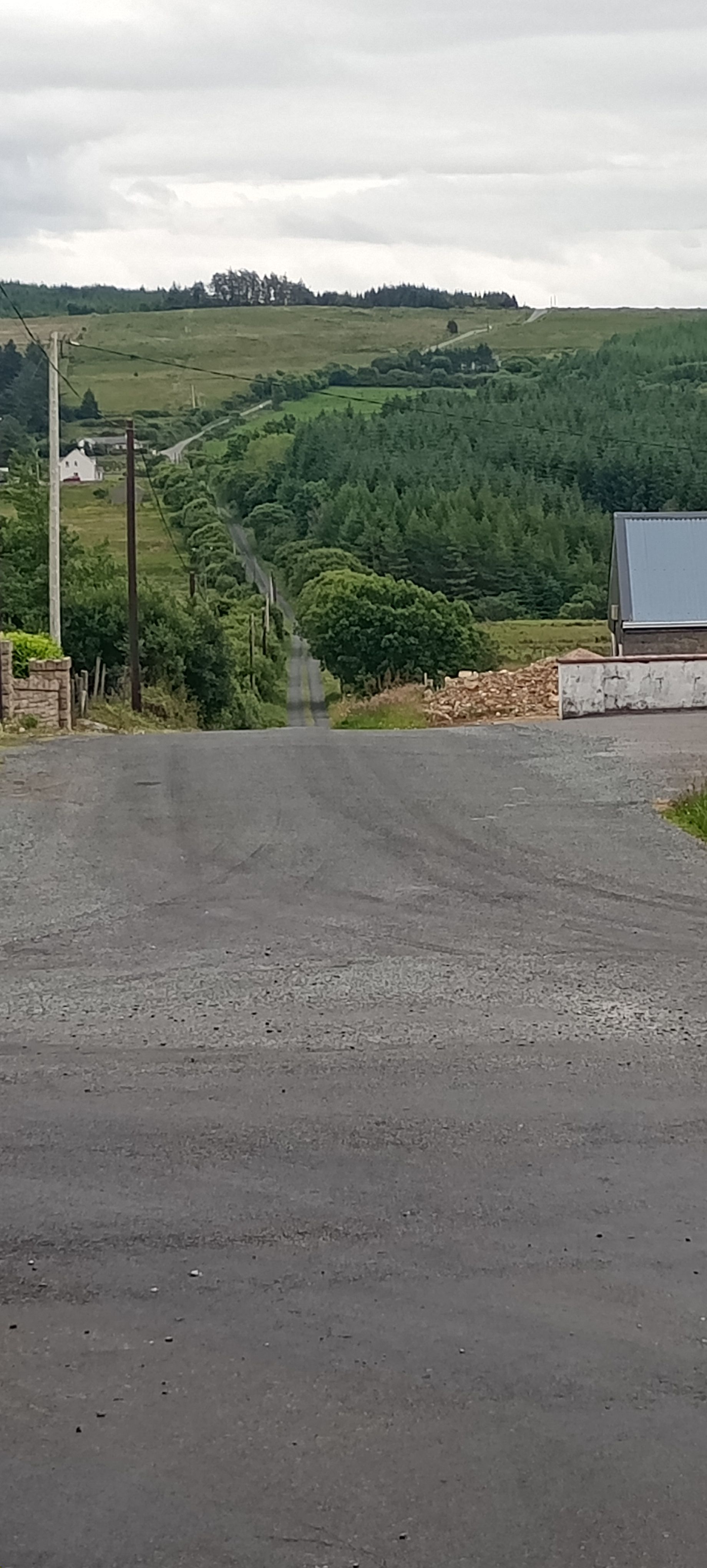
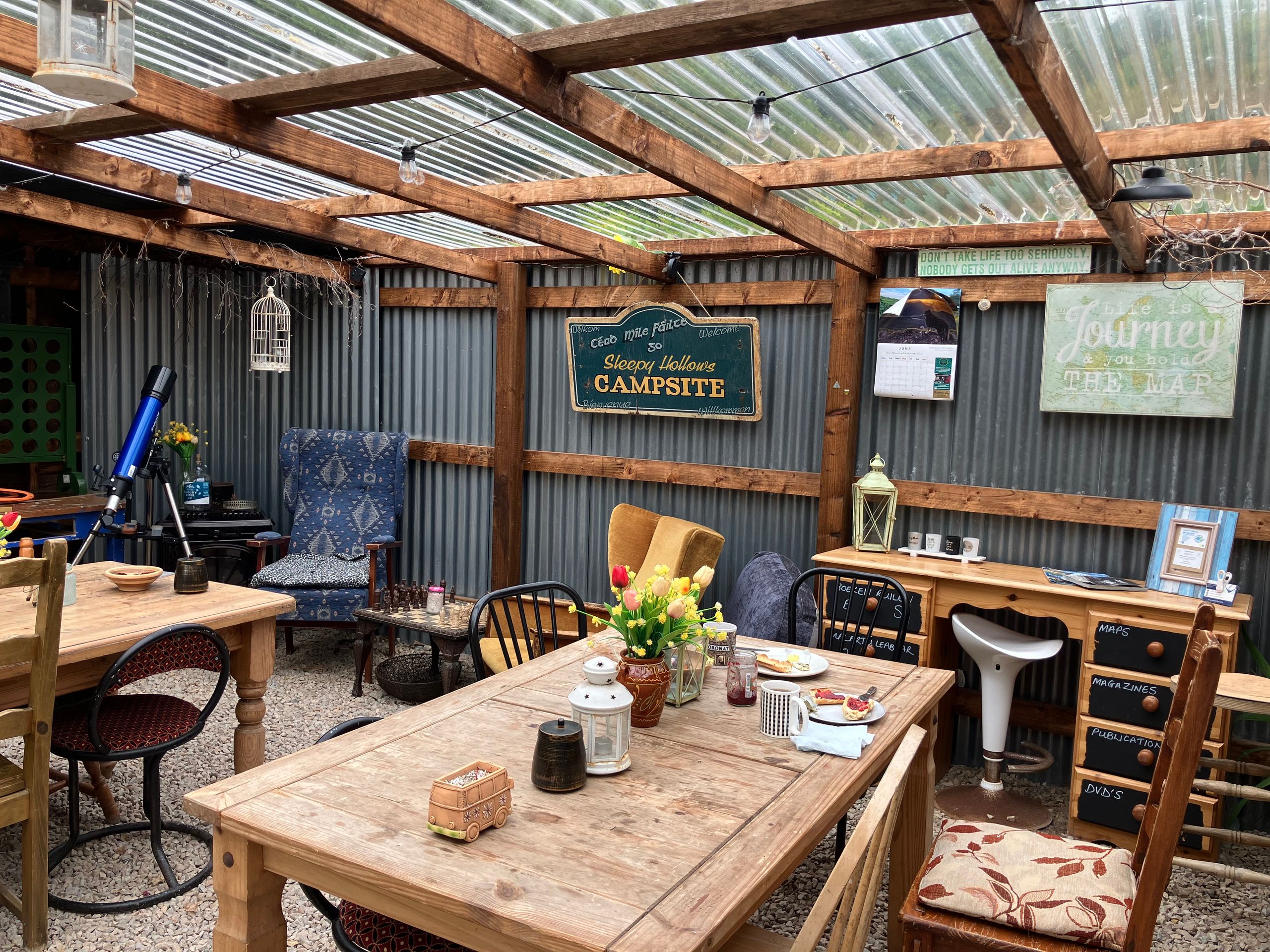
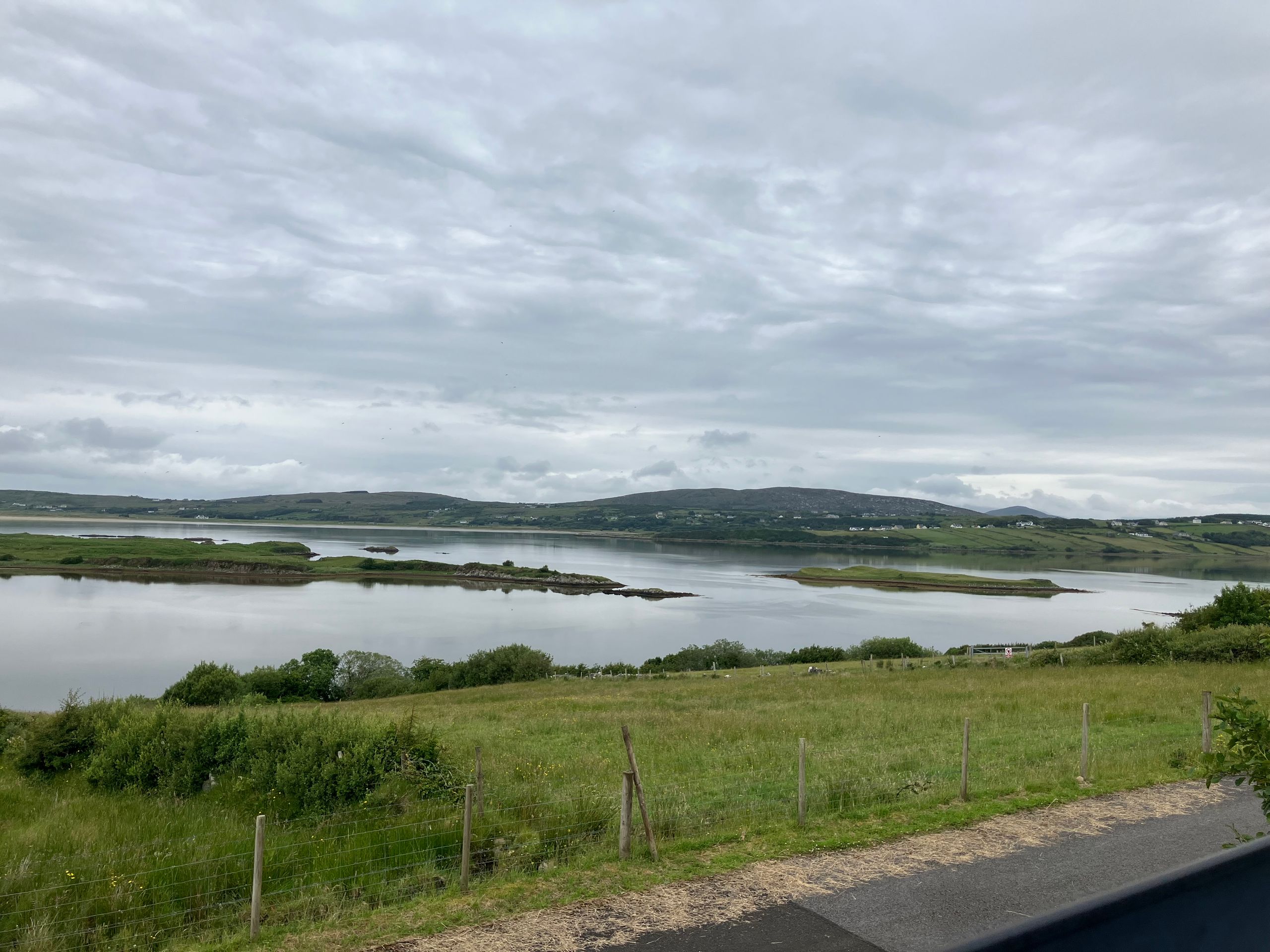
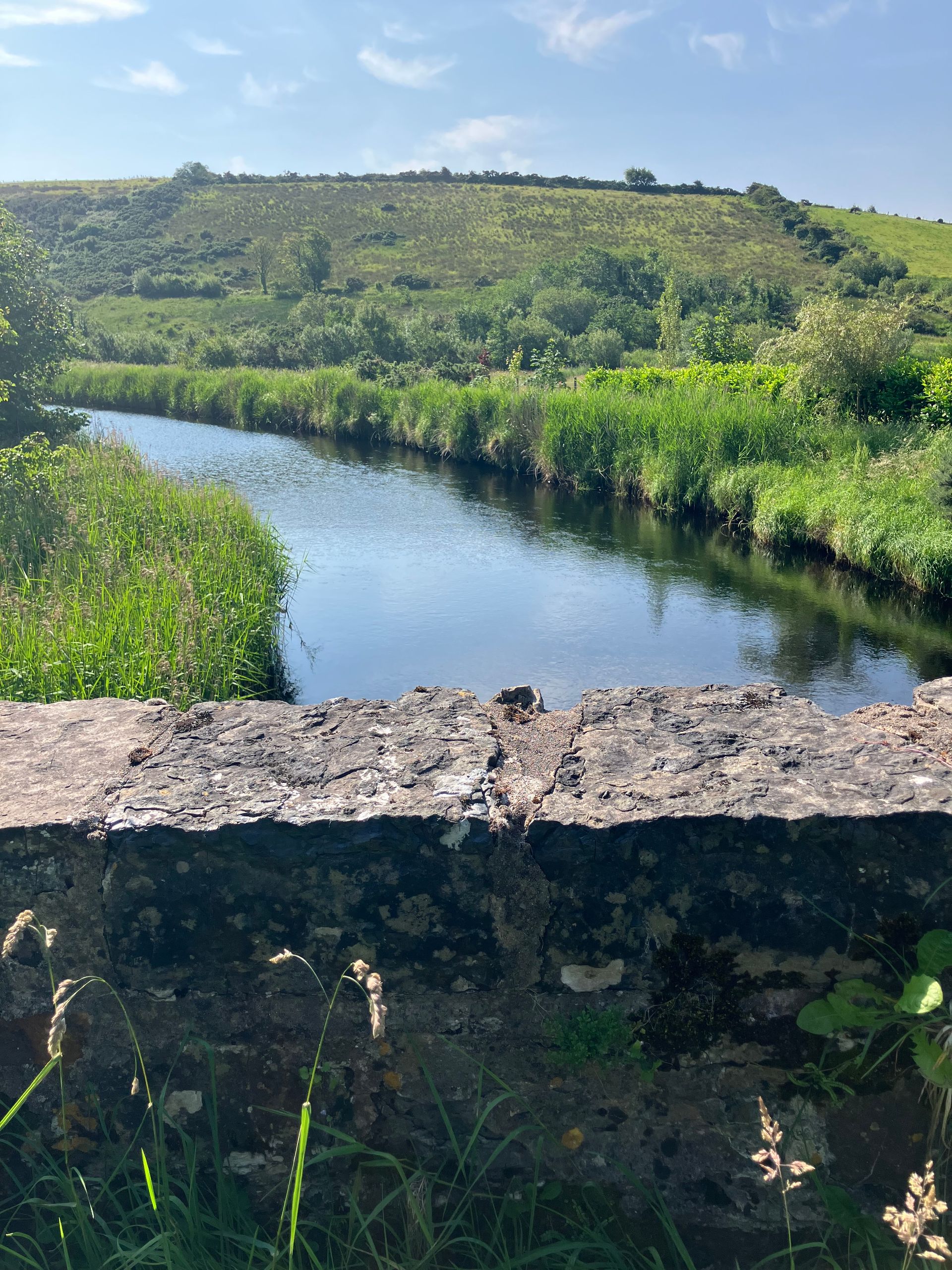
We cycle the first 10 km along the River Foyle and then leave the UK for the Republic of Ireland without anyone noticing. According to the Good Friday Agreement, there are to be no border controls between the Republic and Northern Ireland, which has caused significant issues as a result of Brexit. Until Newton Cannemore, we take back roads with the usual inclines. Then we have to ride for 8.5 km on a shoulder next to the heavily trafficked main road; the noise, along with the inclines, poses another challenge. After that, we can follow the marked EV1 to Letterkenney. The town is significantly larger than planned, and there is a lot of traffic. Thankfully, we can navigate the incline out of the city on the sidewalk. Once we reach the top, it's immediately downhill again, and then we continue another 15 km on the main road heading north. Although we are on the EV1, we often have to share the N56 with vehicle traffic. Even after turning onto a regional road, the traffic feels hardly reduced. But the scenery is more beautiful and varied, as we are now in Glenveagh National Park. The park is a significant nature reserve. From the partially densely wooded valleys with its lakes to the peaks, various levels of vegetation can be found with rare plants and animals. Here also stands the prominent Mount Errigal, at 750 m the highest elevation in northern County Donegal. We only need to crank up to nearly 300 m, which still demands all our energy, as a strong headwind is blowing along with the incline. After just under an hour, we've managed the 10 km! The reward for our efforts is a stunning view of the mountains and Dunlewey Lough. It's not far now to the campground Sleepy Hollow, what a name! Along the way, we break the 1000 km mark - about 1000 km of Ireland's roads and paths still lie ahead, dotted with many challenging climbs. Right around the corner from the campground is Leo's Tavern, the home of Clannad. I (Harald) am as happy as Harry 😀 as I used to enthusiastically listen to Clannad and attend their concerts in my youth. So out come the old records, or I check them out on YouTube, Spotify! In the pub, posters, photos, and gold records hang – to remember and to enjoy. While writing the blog, the midges attack, prompting me to quickly retreat to the tent with Dominique.
In the morning it starts to drizzle, so we quickly take down the tent. Dominique does this quickly and perfectly. The first kilometers reflect typical Irish weather - drizzle. And the midges accompany us, attacking when we stop to put on or take off rain gear. We also grapple with the topographical challenges; it goes steeply up for a short bit and then back down again. 600 m of elevation gain over 40 km takes everything out of us. It feels like we are only going uphill and downhill. There is no opportunity for a coffee break. That somewhat diminishes the beauty of the landscape! Instead, the stop after 47 km is well-timed, at a nice café with a large selection of cakes. Strengthened by that, we tackle Glengesh Pass. We find ourselves now in a beautiful heather-like landscape with great views of the sea. Today's route is continuously marked with EV1 signs and paved. During a climb of more than 15%, we have to push, but immediately after that, we descend rapidly into the valley. We keep wondering how the people in the simple houses along the way make their livelihood. It is well-known that the northwest of Ireland was very poor for many years and depended on support from the Central Government in Dublin. Now, tourism is supposed to help. We see some tourists in Donegal, our destination for the day. There seem to be a few Americans tracing the steps of their ancestors. In the pub we visit, an American woman sings a song about Donegal in memory of her father and uncles. A touching moment. The Irish suffered greatly under British oppression, and from 1820 to 1930, 4.5 million Irish people came to the USA, most after the Great Famine in Ireland from 1845 to 1852. Many of them moved to the rapidly growing Irish neighborhoods in American cities. The famine affected Irish men and women equally, especially the poorest and landless, and whole families left their homeland. The population of Ireland fell from 8.2 million (1841) to 4.7 million (1891). Today, about 40 million so-called Irish Americans live in the USA.
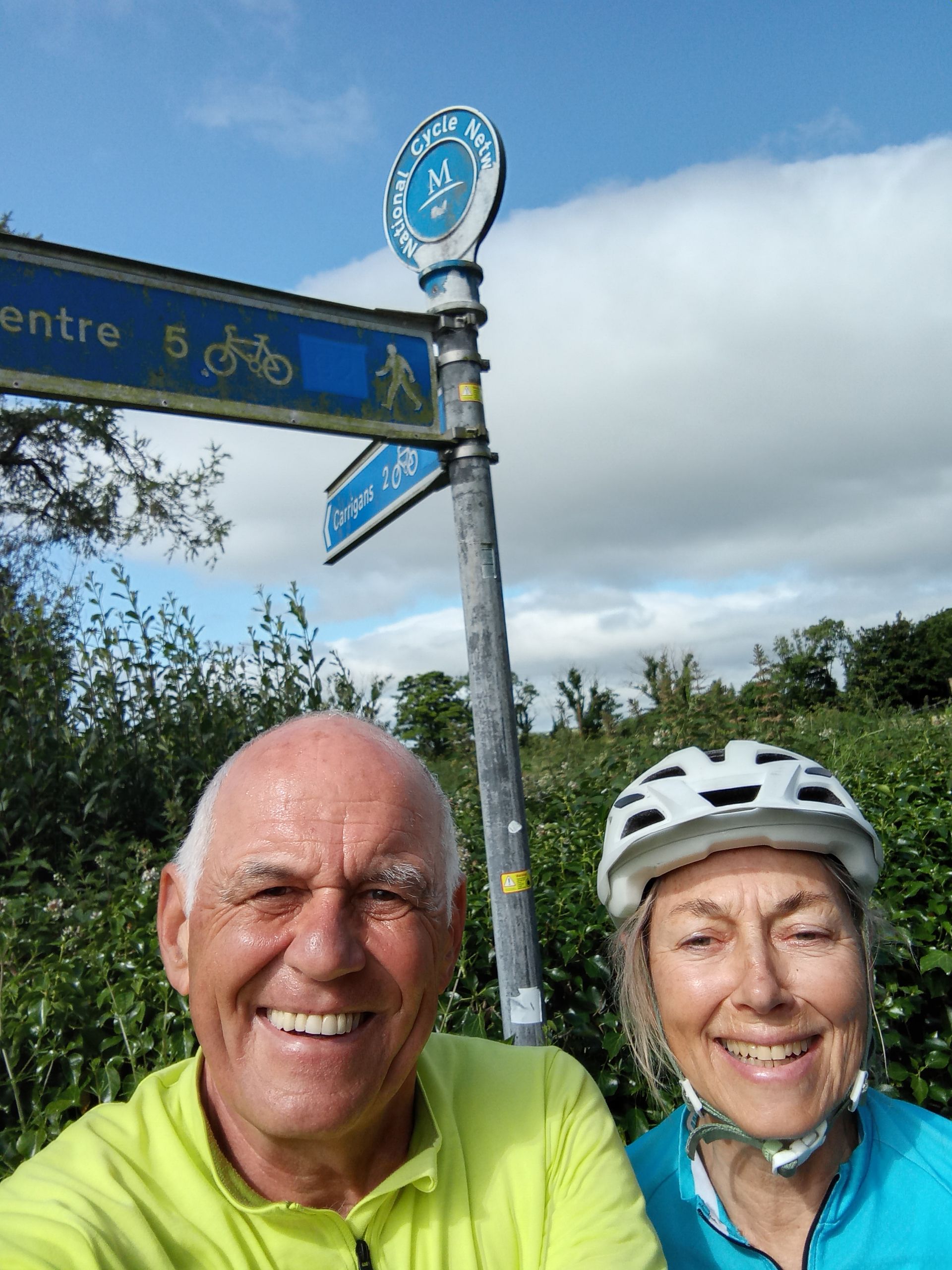
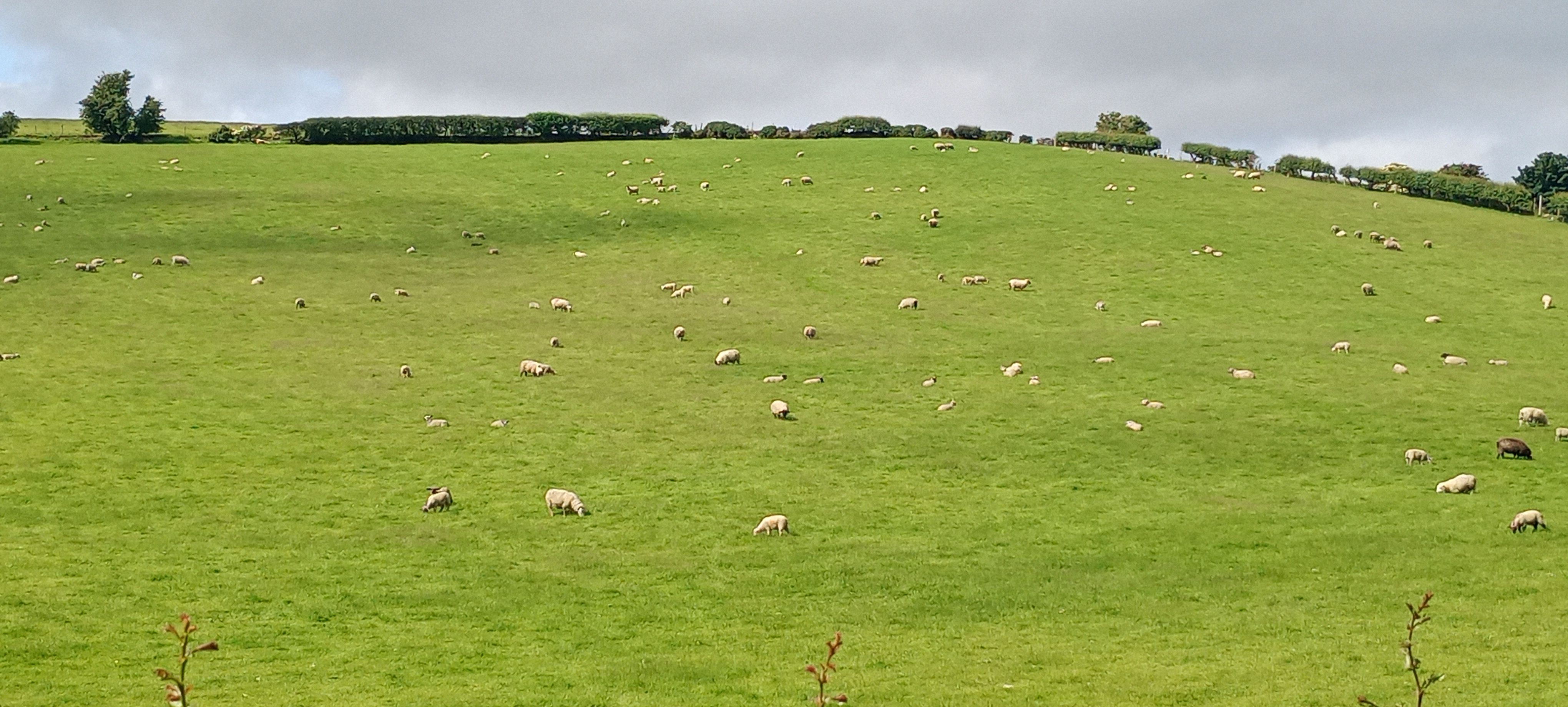
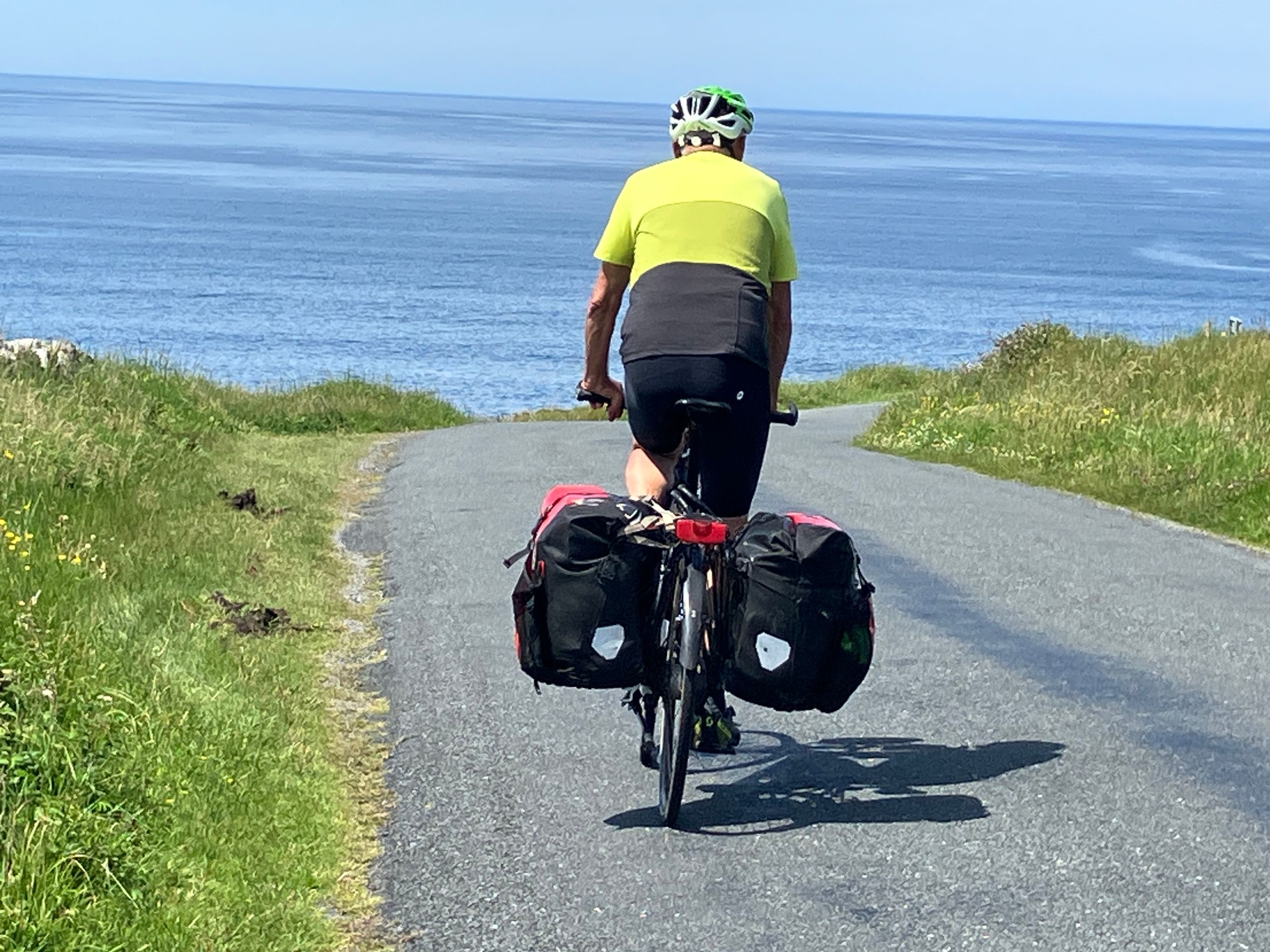
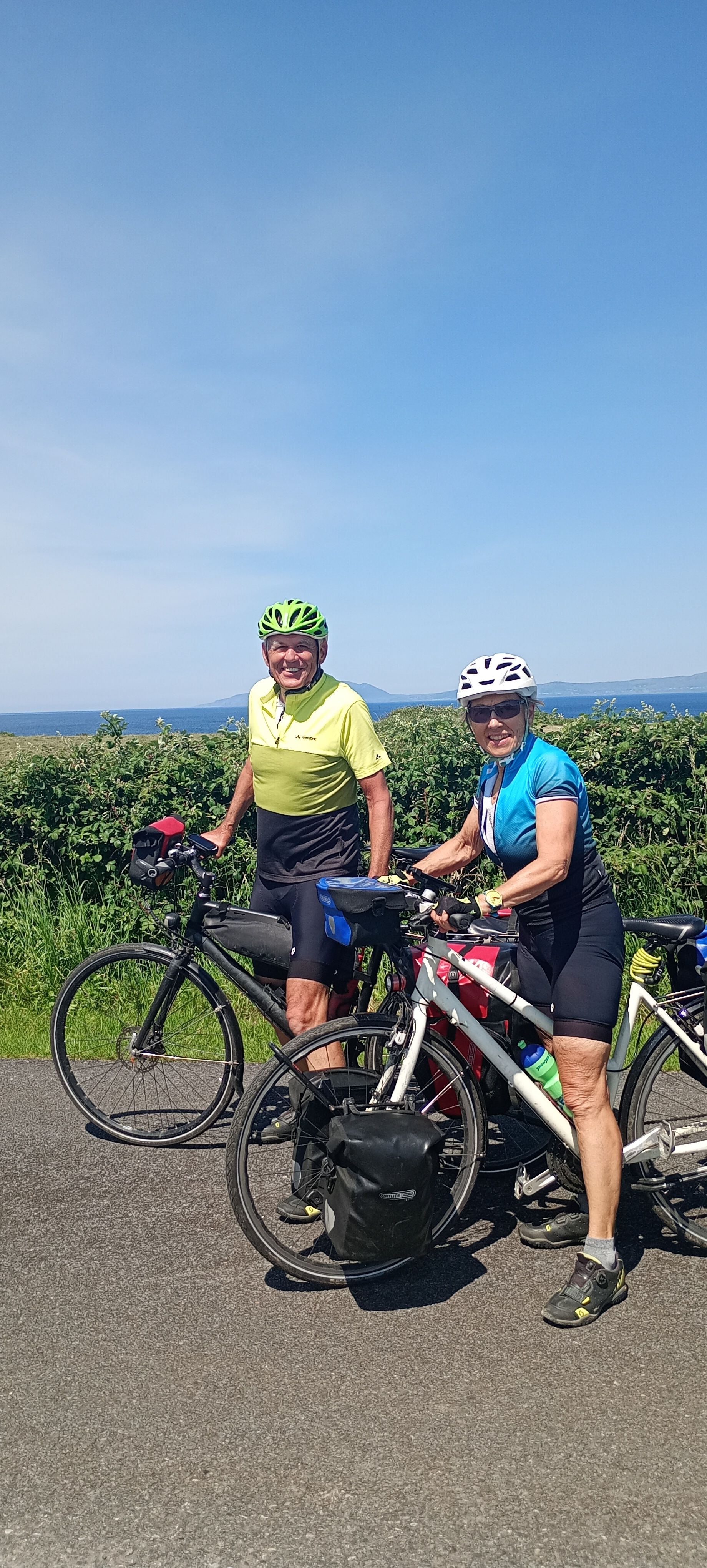
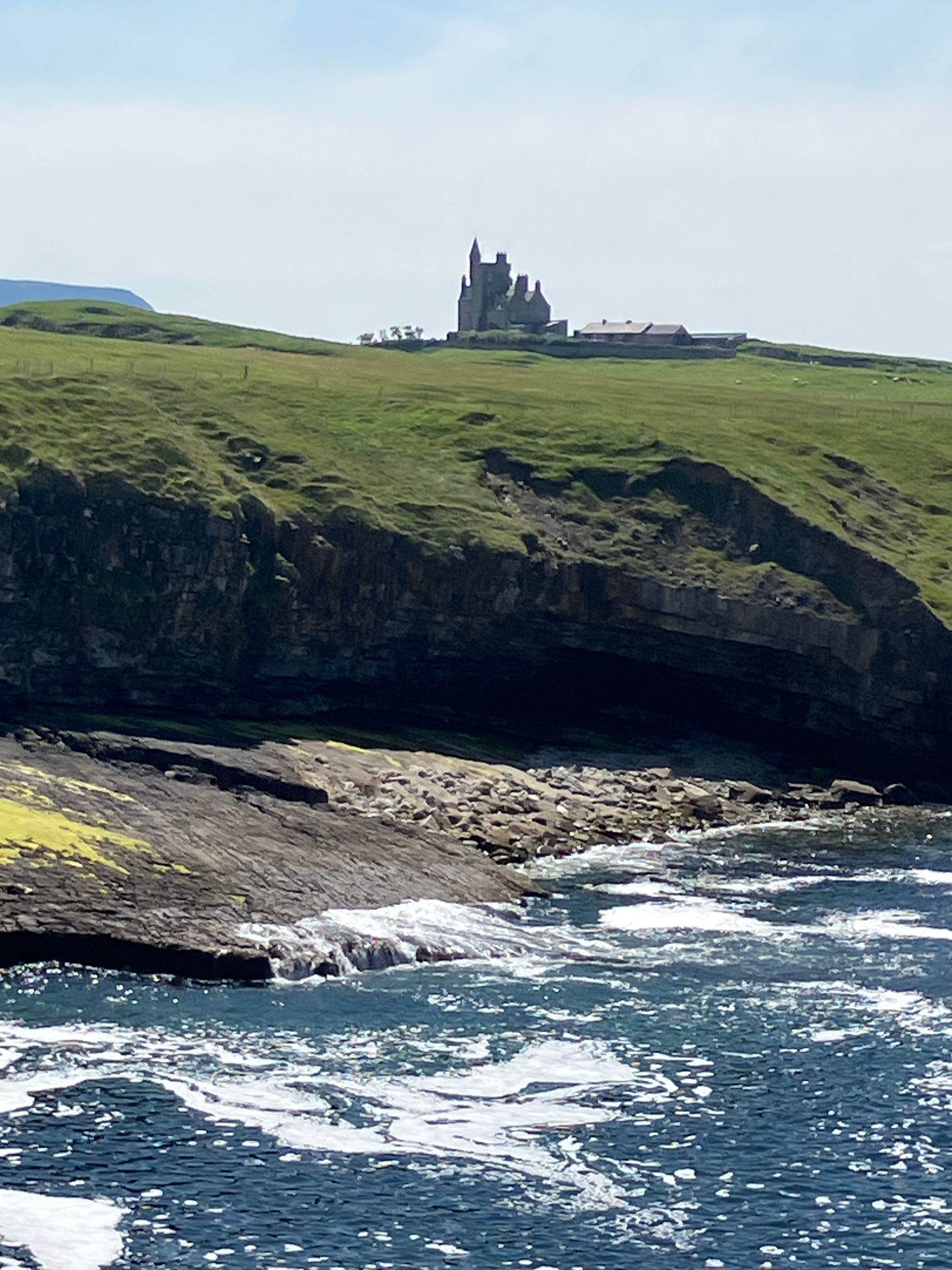
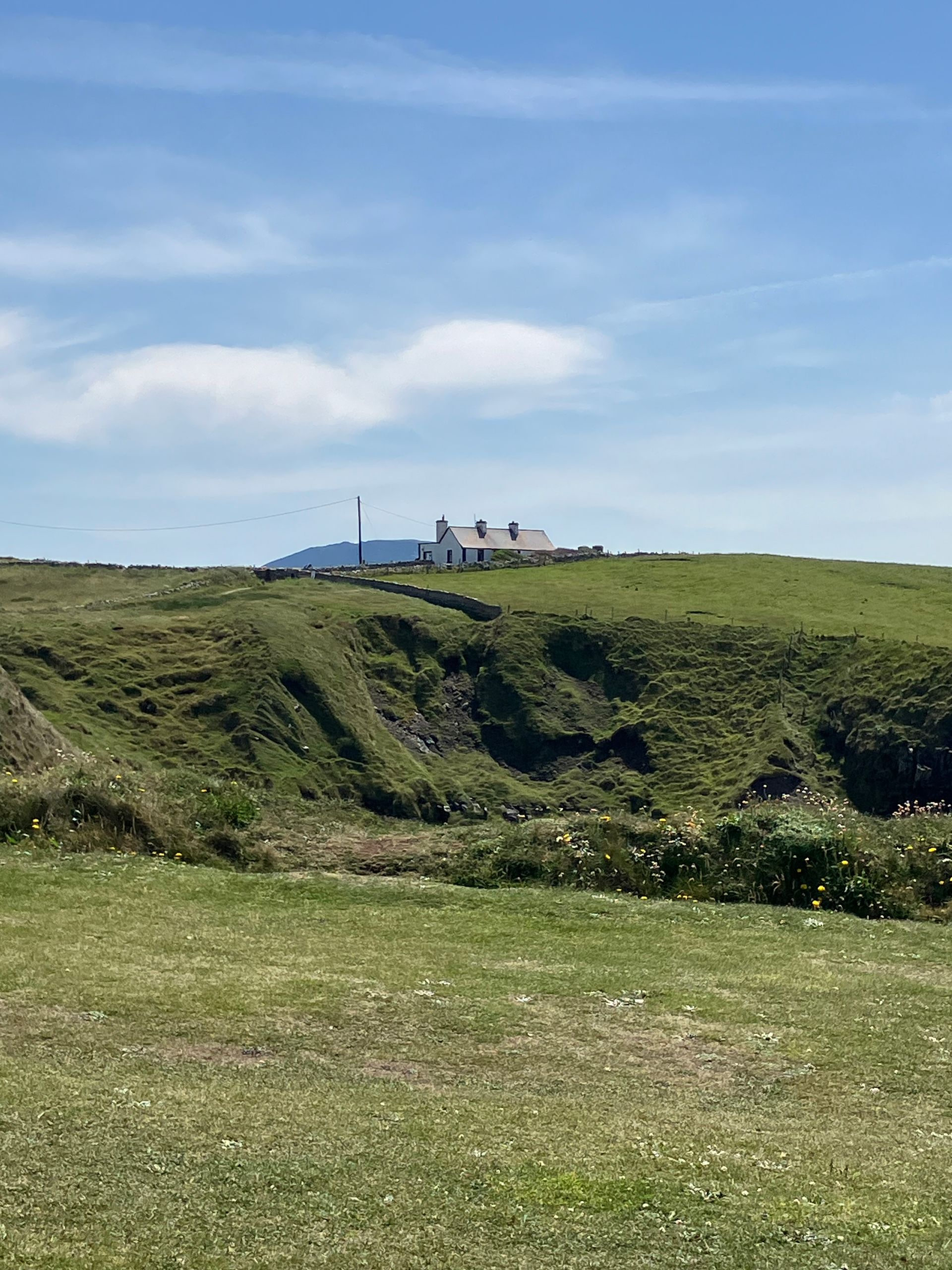
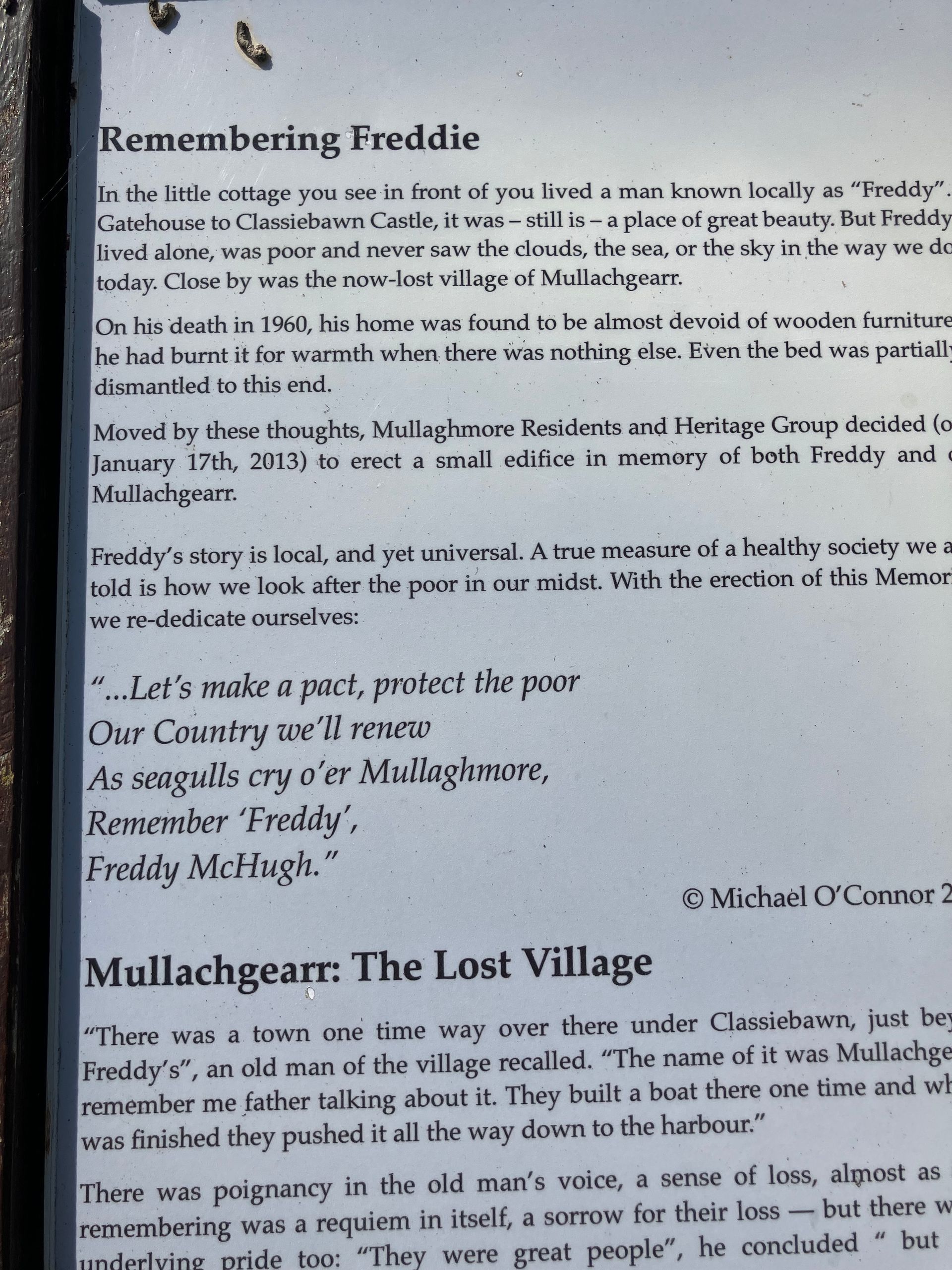
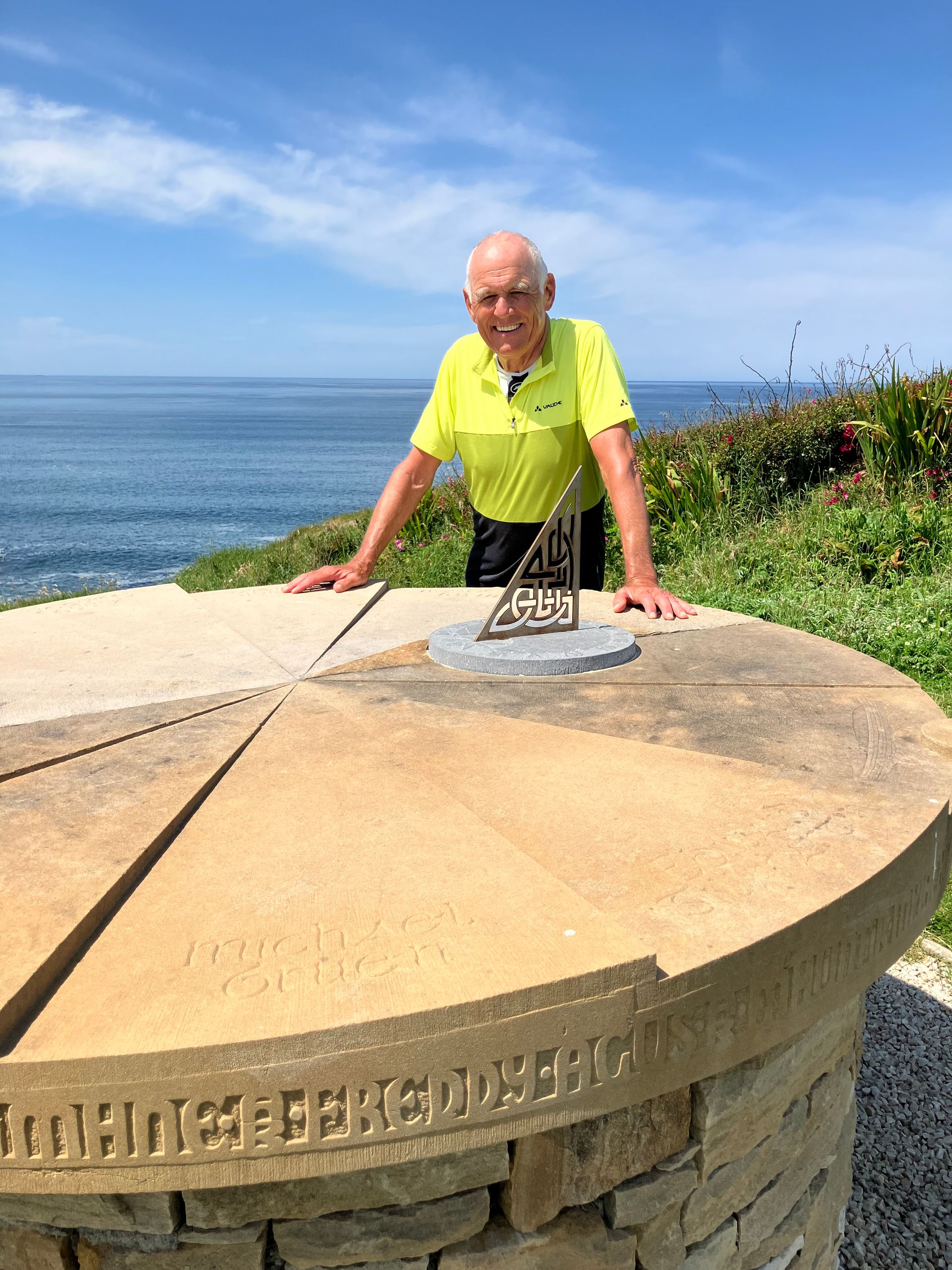
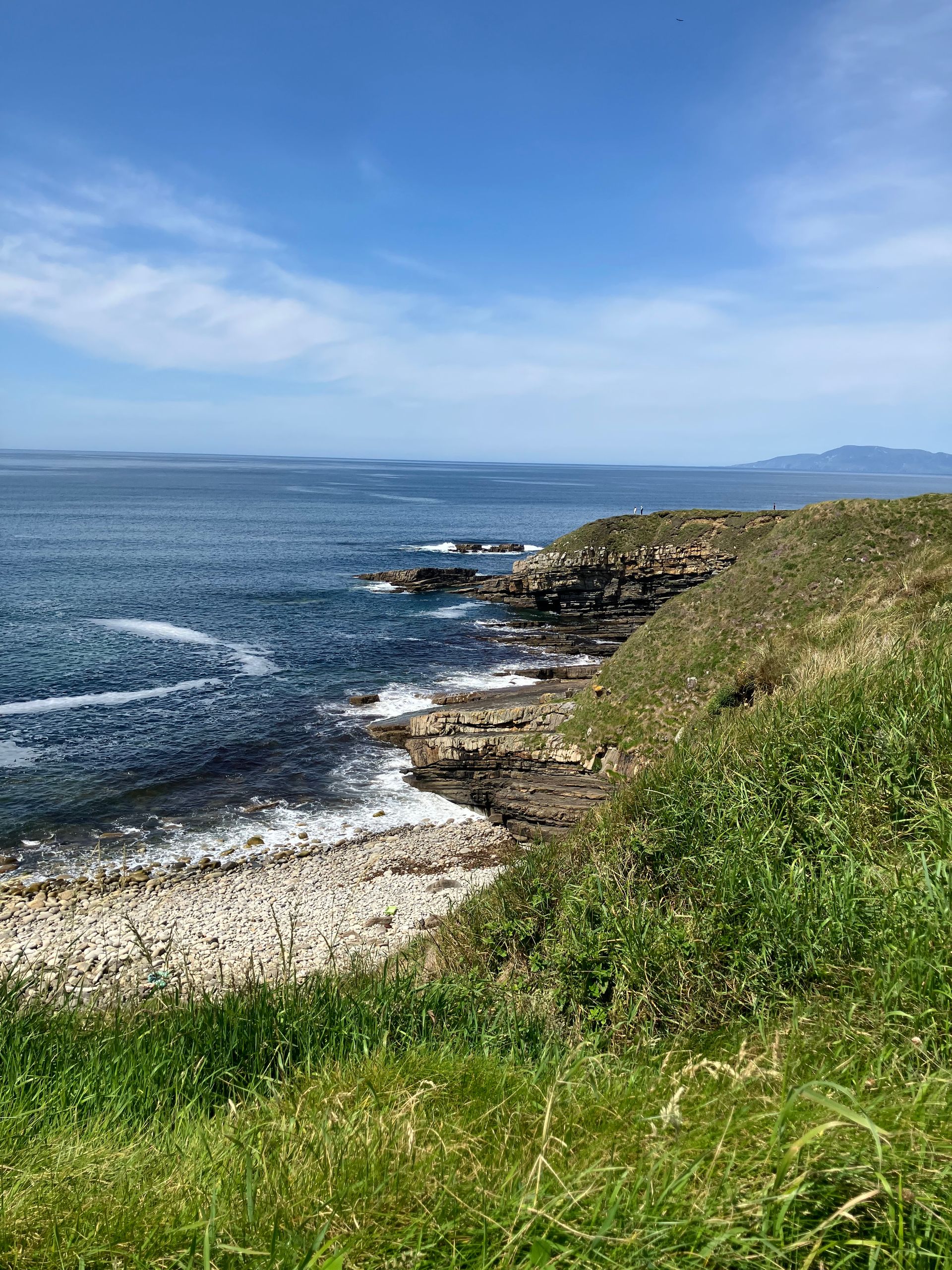
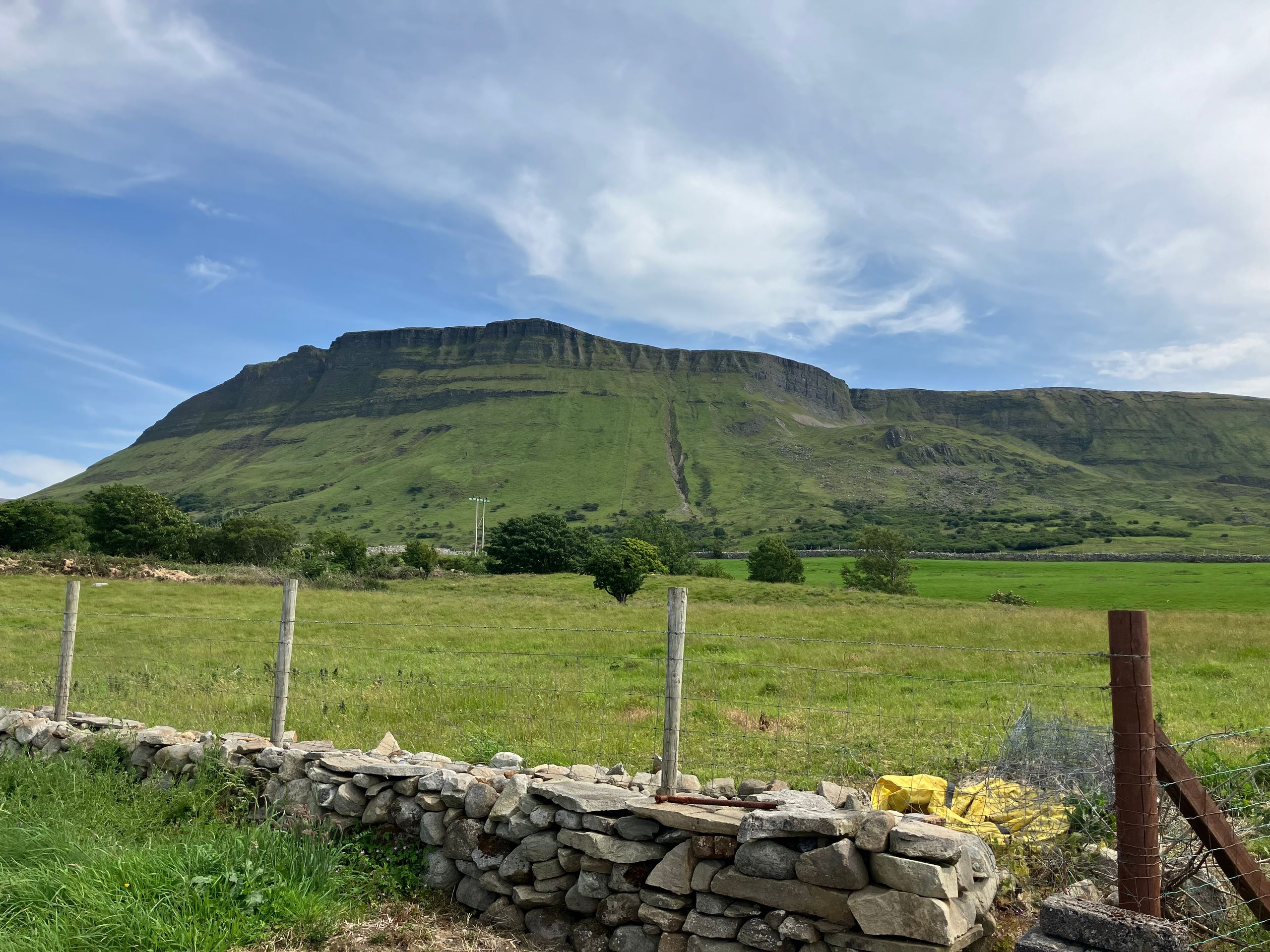
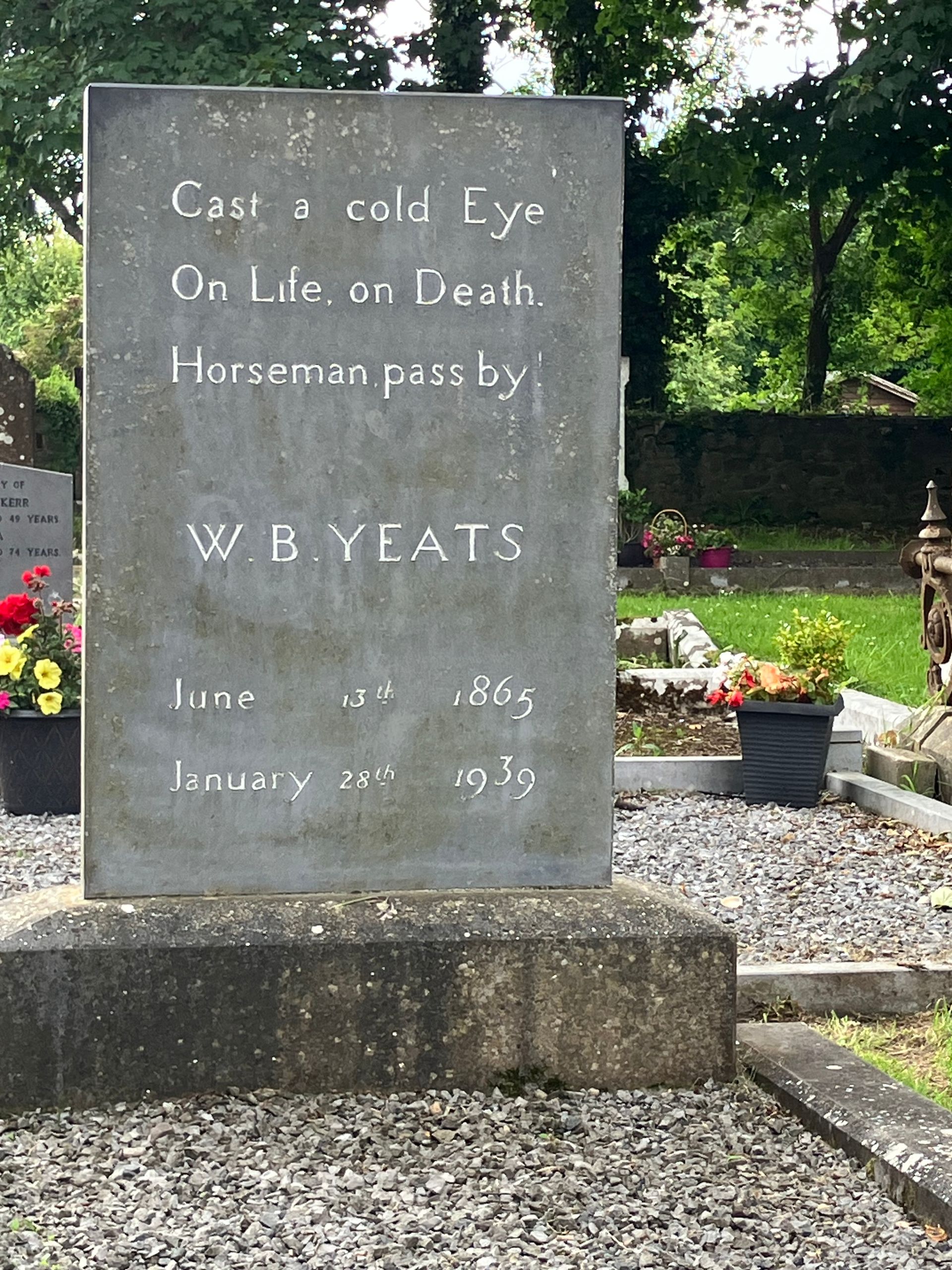
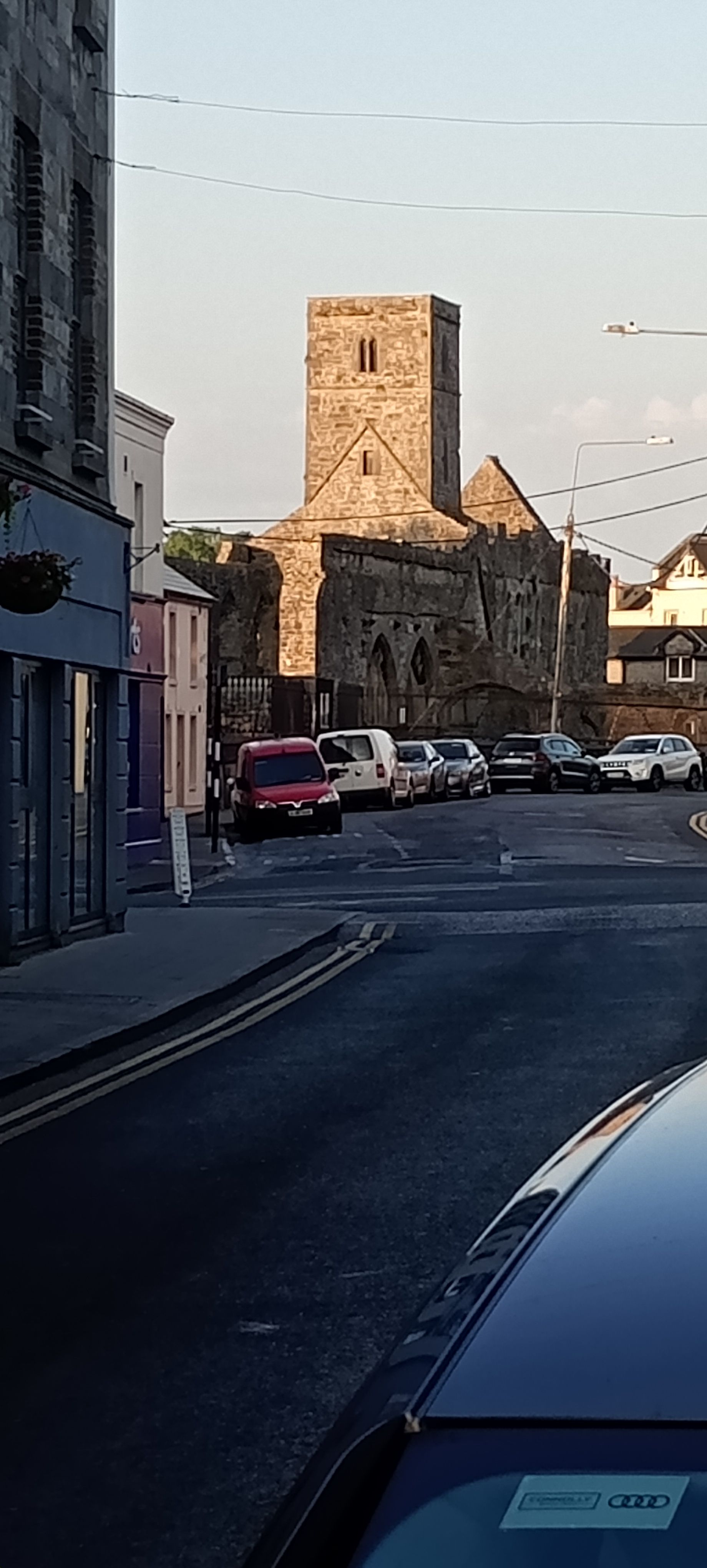
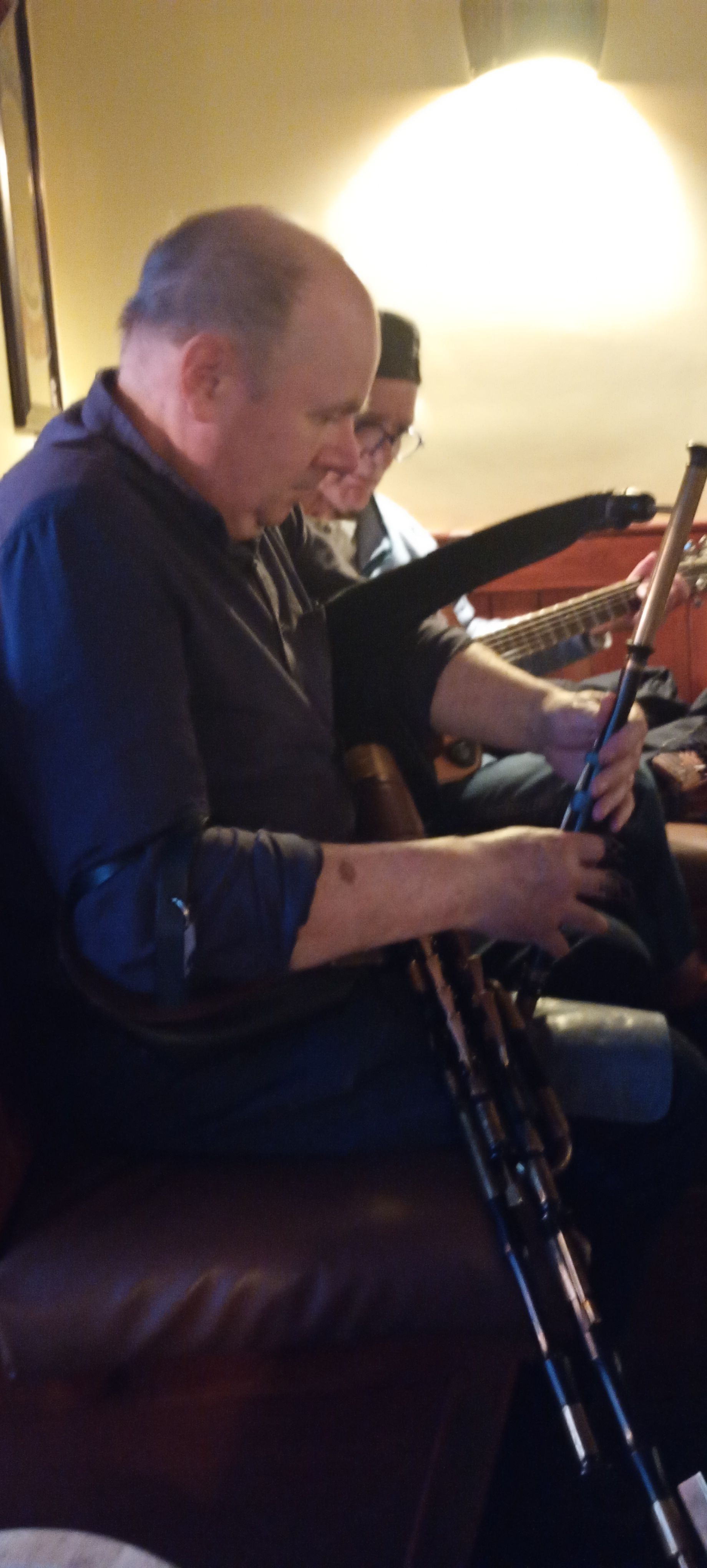
In the morning the sun shines, with not a cloud in the sky. Dream weather, everything is perfect for a perfect cycling day. We start full of energy and don't have to climb much right away. On small back roads, we pedal past little farms, cottages, vacation homes, and sheep pastures through the lush green north of Ireland. The only notable incident is that Dominique feels unwell and lays her bike down in the ditch - without cause and without consequences. From the hills, there’s a beautiful view of the northern side of Donegal Bay with the cliffs of Slieve League at the western point. The steep cliffs fall dramatically into the sea and at 601 meters high are among the highest cliffs in Europe. After 25 km we arrive in Ballyshannon, the birthplace of guitar legend Rory Gallagher. In his honor, there is a large festival held there every year. Definitely need to listen to his music again! 6 km further along, in the touristy surf town of Bundoran, we grab coffee and cake. Shortly after, we ask two walkers for a photo (see title image). The photographer recommends that we visit the small peninsula of Mullaghmore. Briefly deciding, we change our route, which proves to be extremely worthwhile. You can cycle directly to the cliffs; on the left is Classiebawn Castle, the former residence of Lord Mountbatten, the last Viceroy of India and the first Governor-General of India after Partition, who was killed in 1972 by the IRA in a bombing on his boat in the bay in front of the castle. There are many mystical stories around the castle, documented on a sign. We continue along the plateau Ben Bulben, which rises to 527 m and is one of the most famous mountains in Ireland. We don't have to go up there, but as with every day, we tackle a few more challenging climbs until we reach our destination, Sligo. Along the way, we visit the grave of W.B. Yeats, the second most famous Irish writer of the 20th century beside James Joyce and a Nobel Prize laureate in Literature (not recommended for reading). On the recommendation of our host, we visit Mc Loughlin's in Sligo in the evening, where we get to experience a typical Irish pub night. Twelve people with different instruments play Irish music together - wonderful. As we walk back to the hotel at 11 PM, it is still not dark. Unusually, I have trouble falling asleep tonight; the attacks of the midges have left their mark.