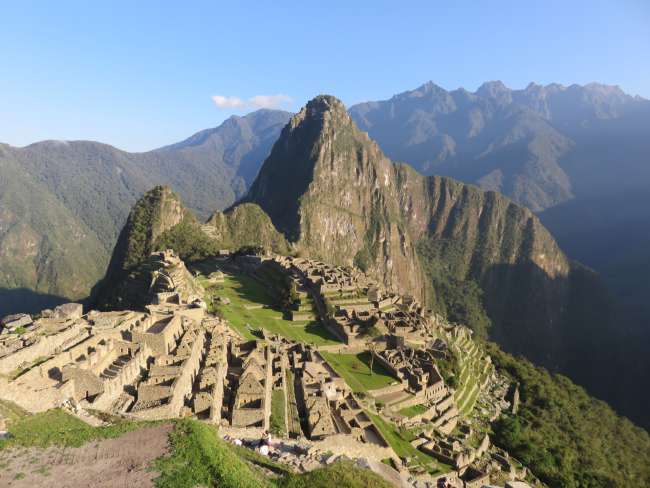

The Inca Jungle Trail to Machu Picchu
We set off head over heels the next morning for a four-day action tour through the lower jungle to the world-famous Inca ruins "Machu Picchu." There are several trail options to...

Published: 09.01.2025
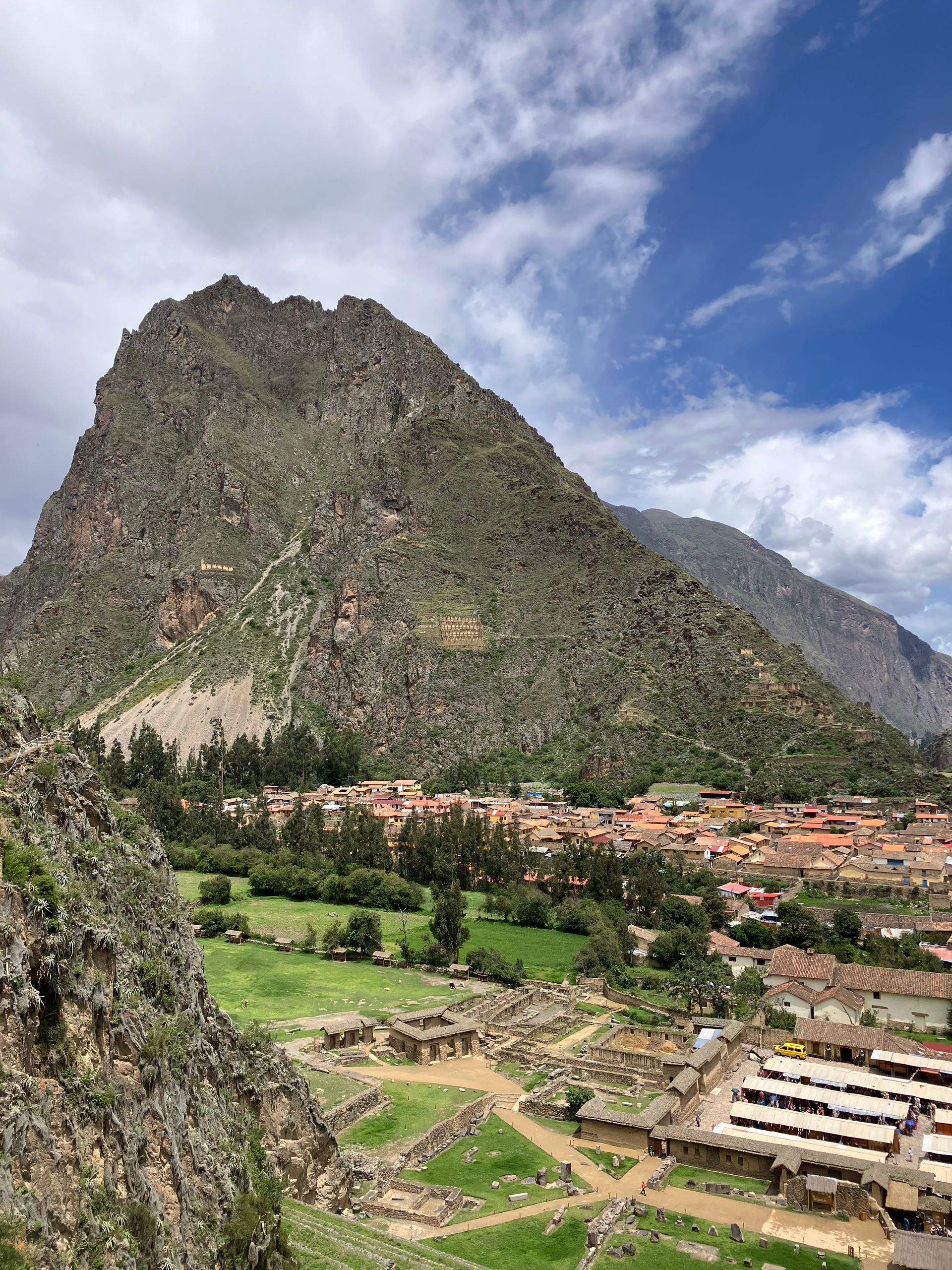
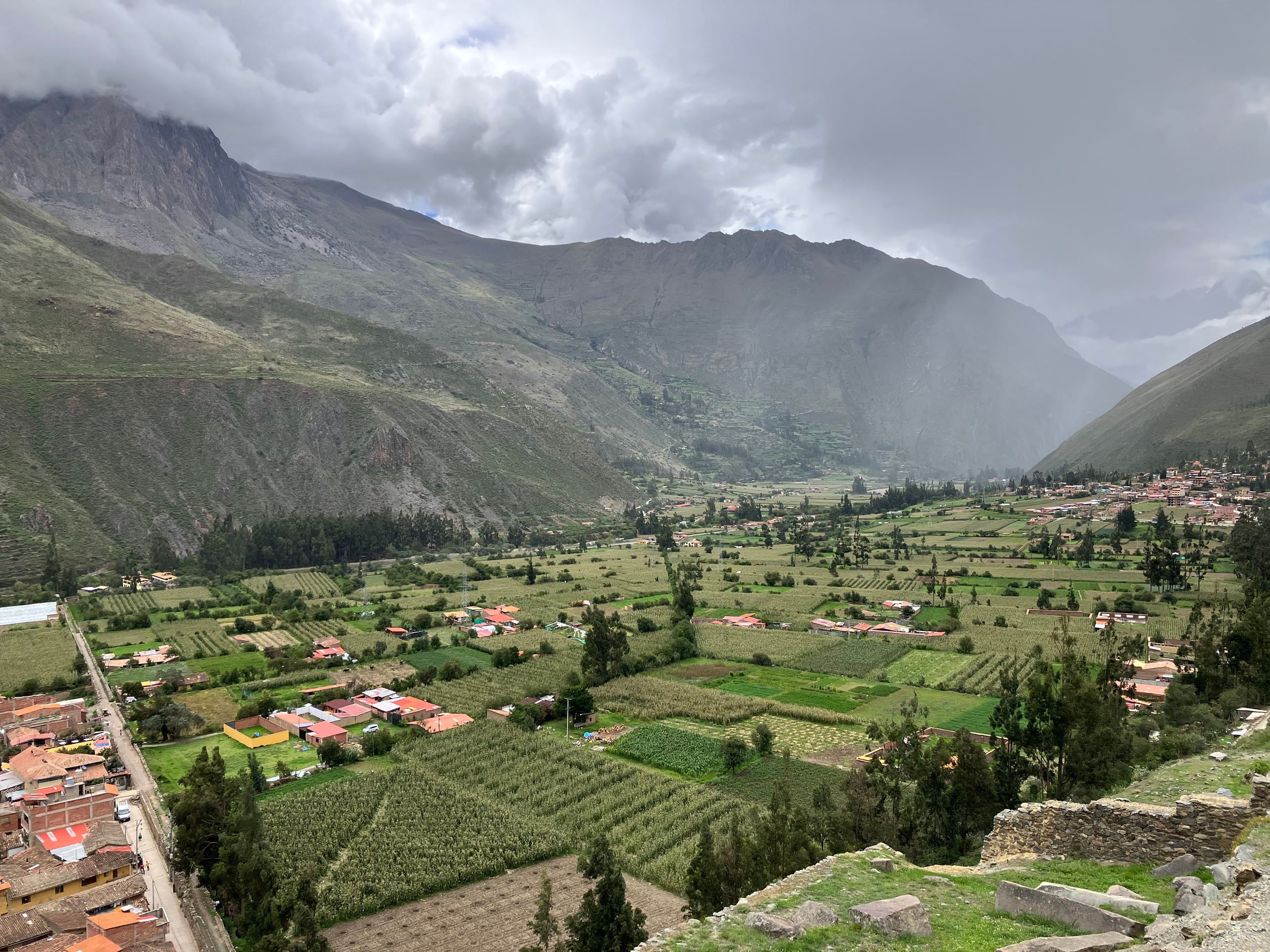
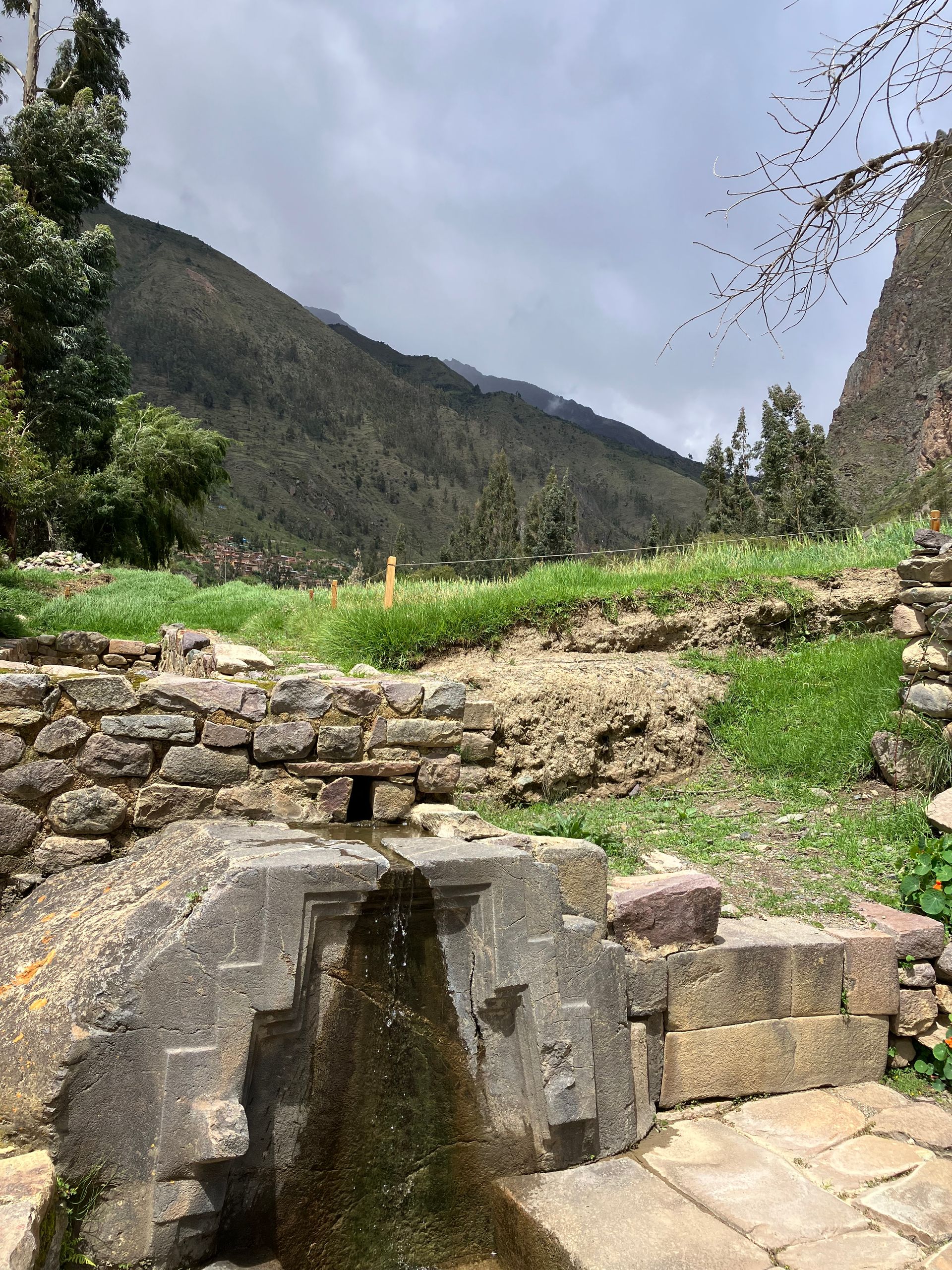

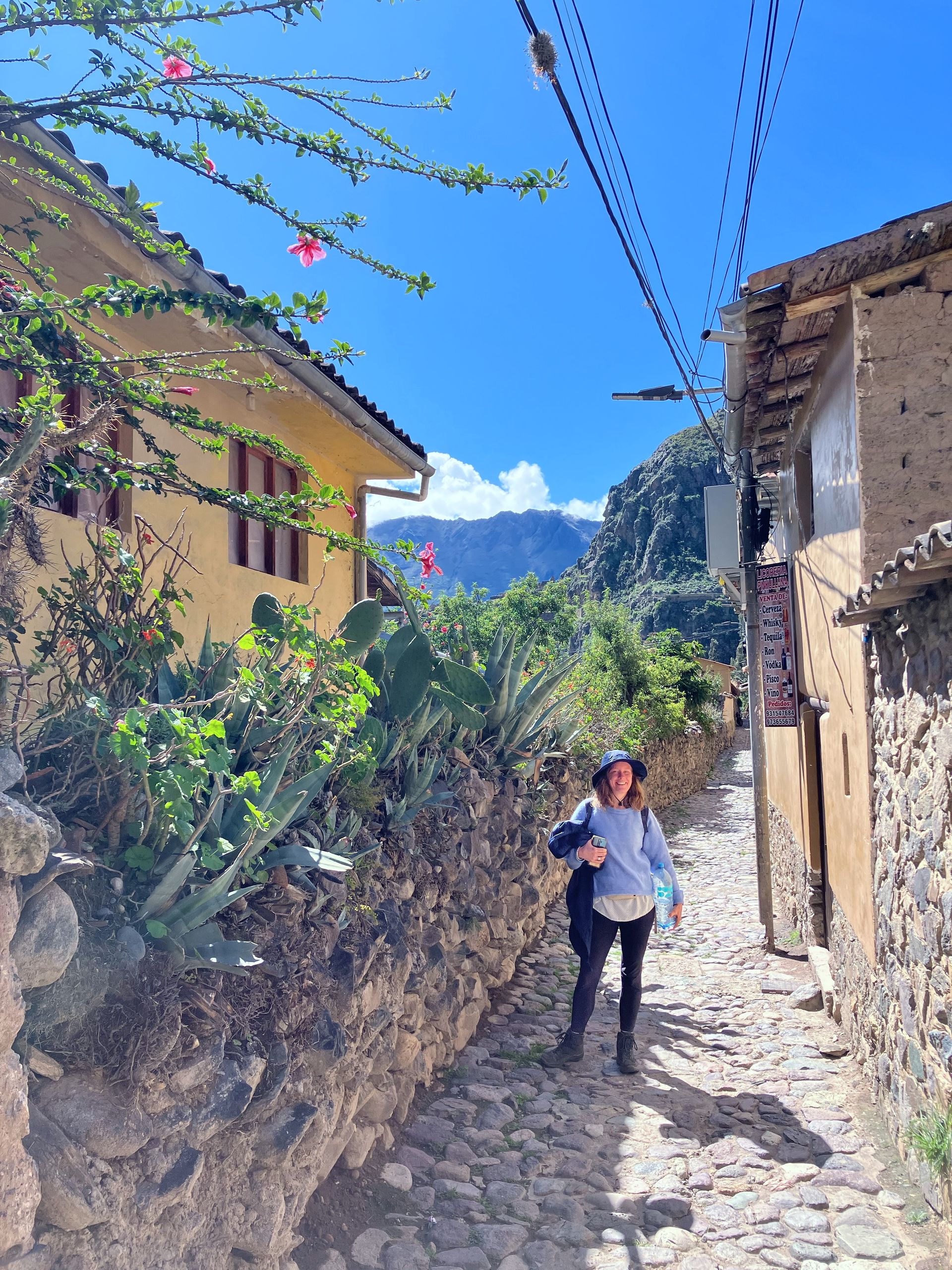
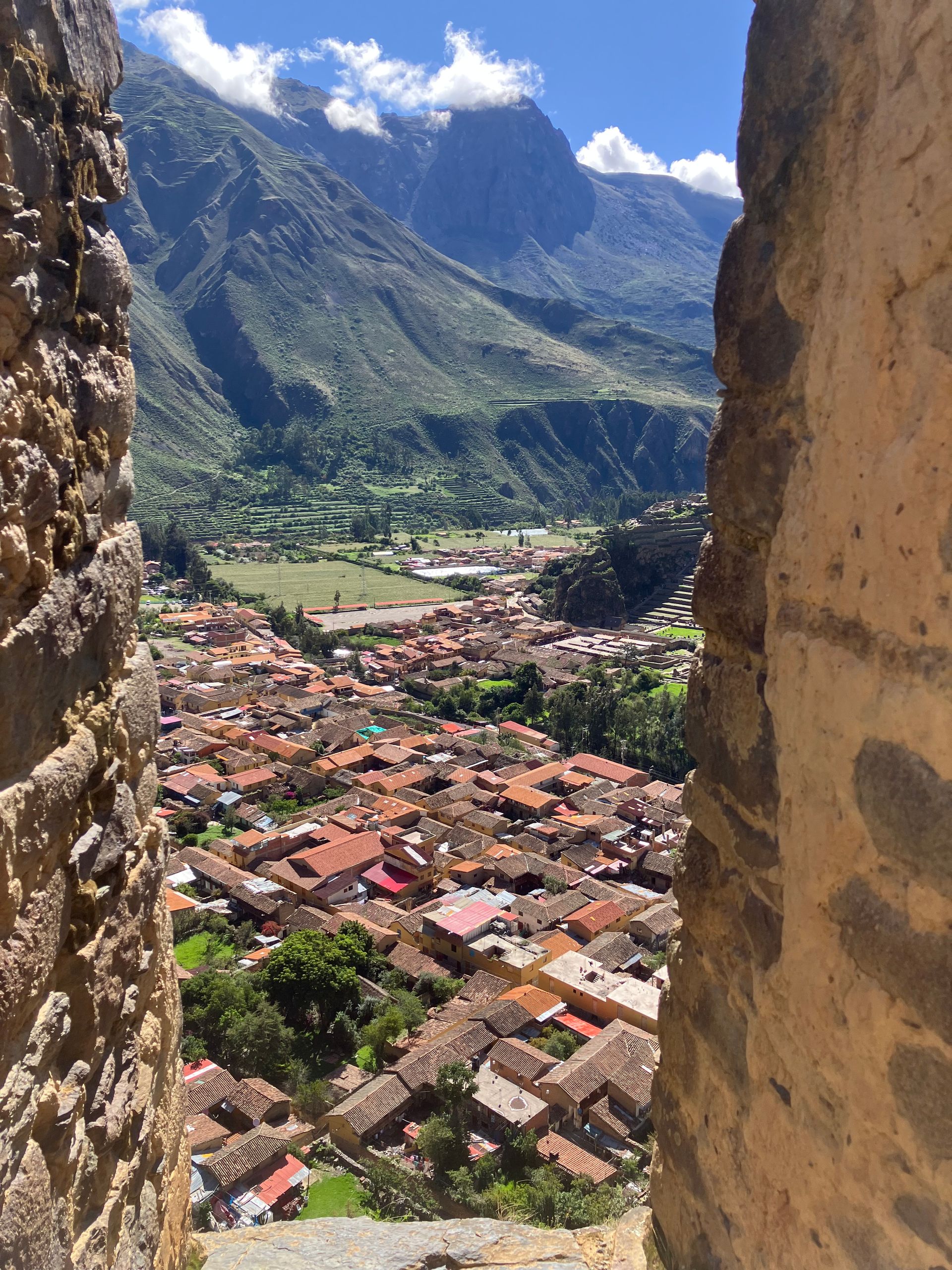

Ollantaytambo nestles into the narrow valley, and the small alleys remain relatively untouched — they follow the original layout from Inca times. Although it is a tourist spot, the place feels idyllic and has its own charm.
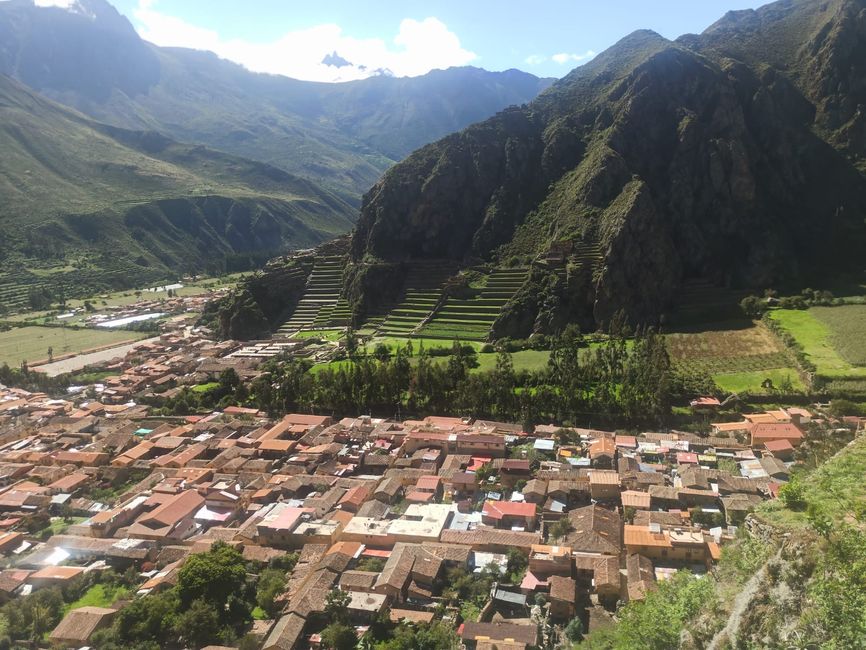
Surrounding Ollantaytambo, there are many large temple complexes on the slopes. The main complex consists of terraces at the bottom, used for growing corn, potatoes, etc. At the upper part, there is the Sun Temple made from huge, heavy stone blocks.
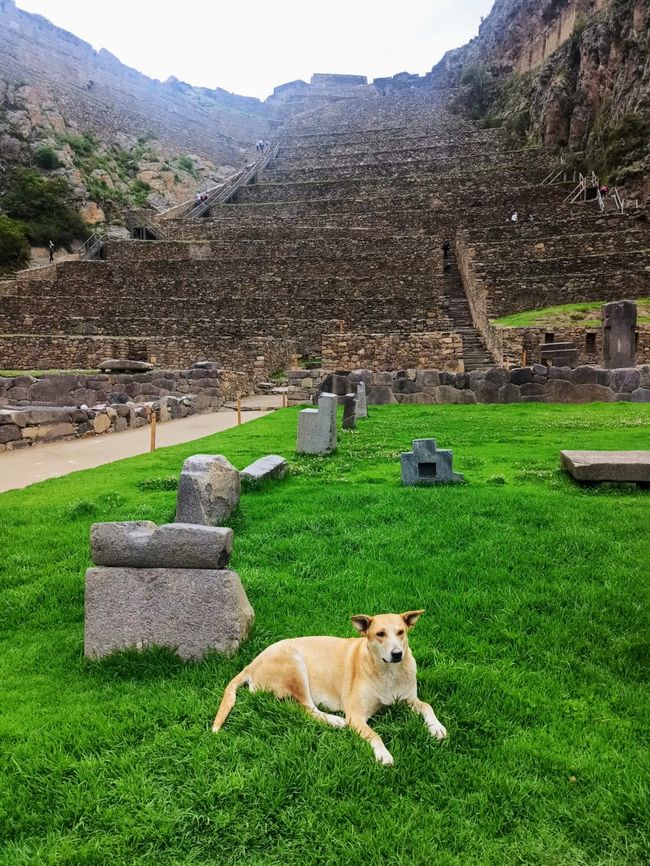
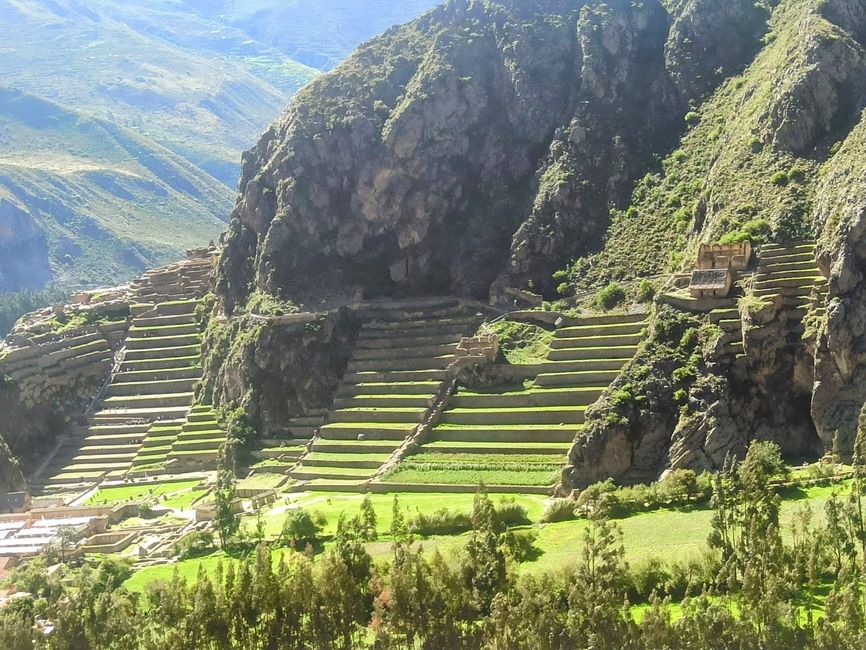
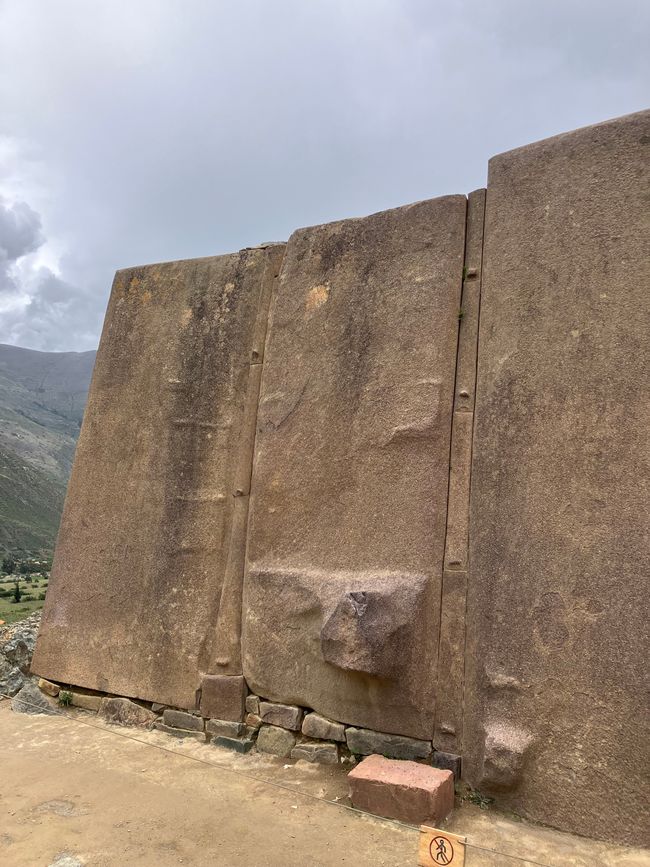
The Incas adapted their constructions to the natural surroundings and oriented them according to specific constellations.
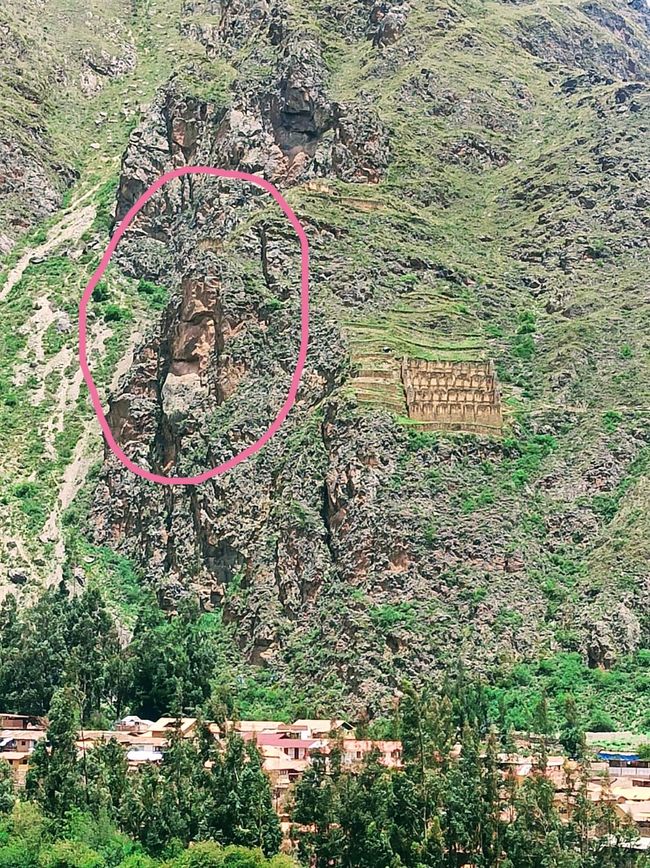
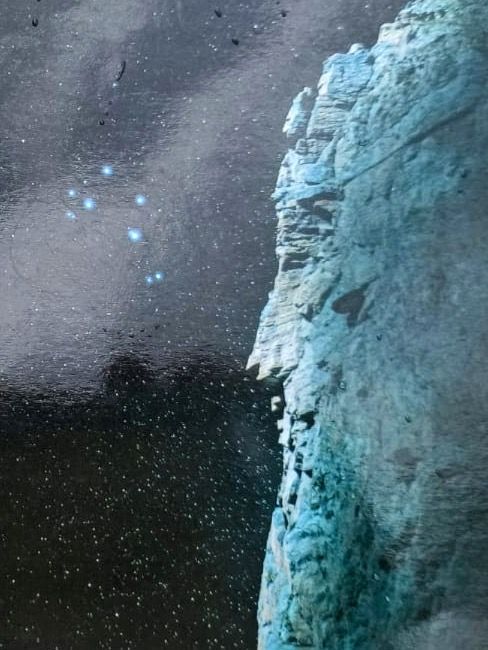
Above Ollantaytambo, there is a massive face silhouette in a steep cliff above the town. This is no coincidence: It has been proven that the rock was worked on to achieve the facial features of the Inca god Viracocha. In the photo (mid left), the male face with a beard is clearly visible. At the beginning of the winter solstice, a star constellation (Pleiades) is right at the level of the head!

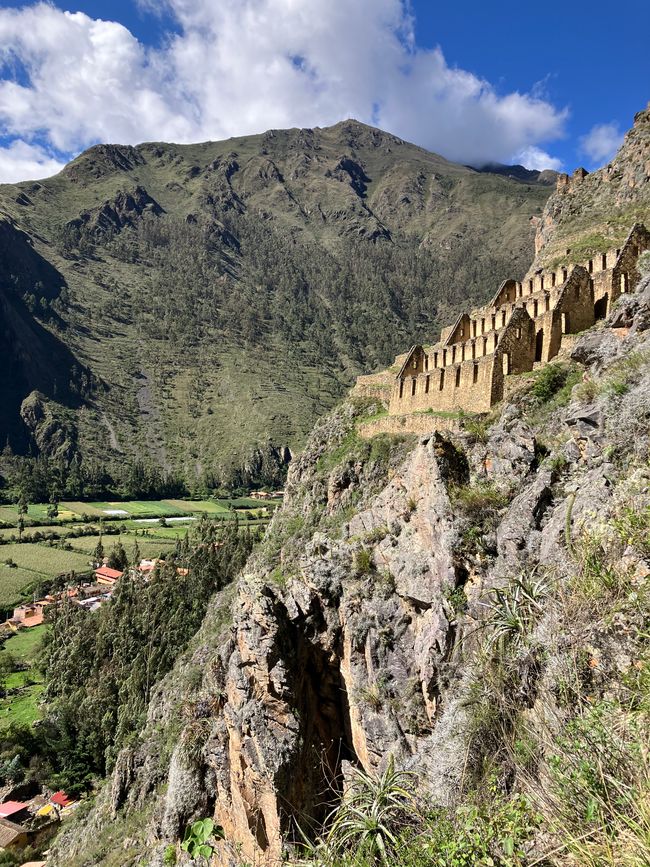
On the outskirts of the town, we climb up the slopes. Various plants were cultivated on numerous terraces. The view of the valley and the historical sites is magnificent.
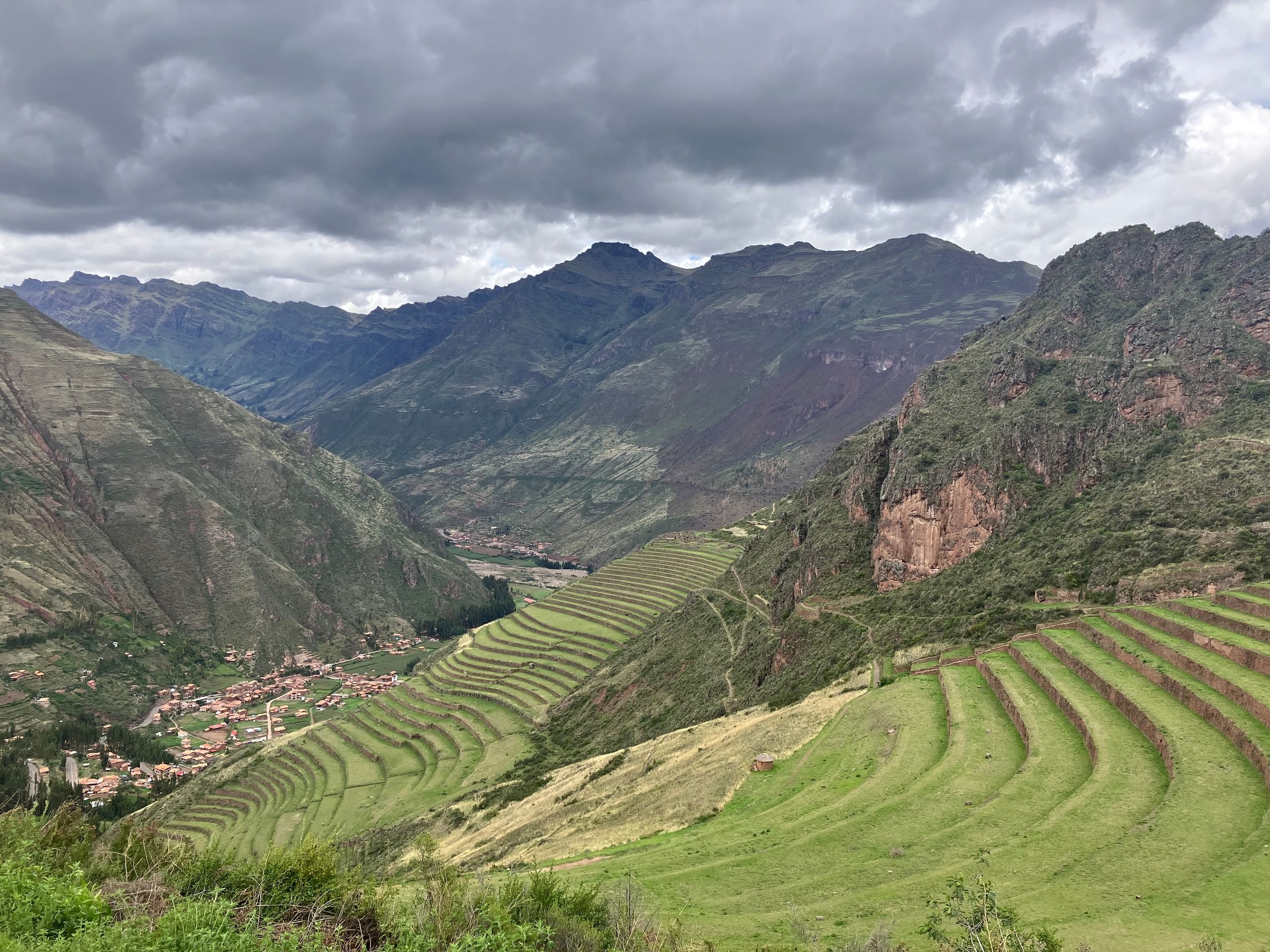
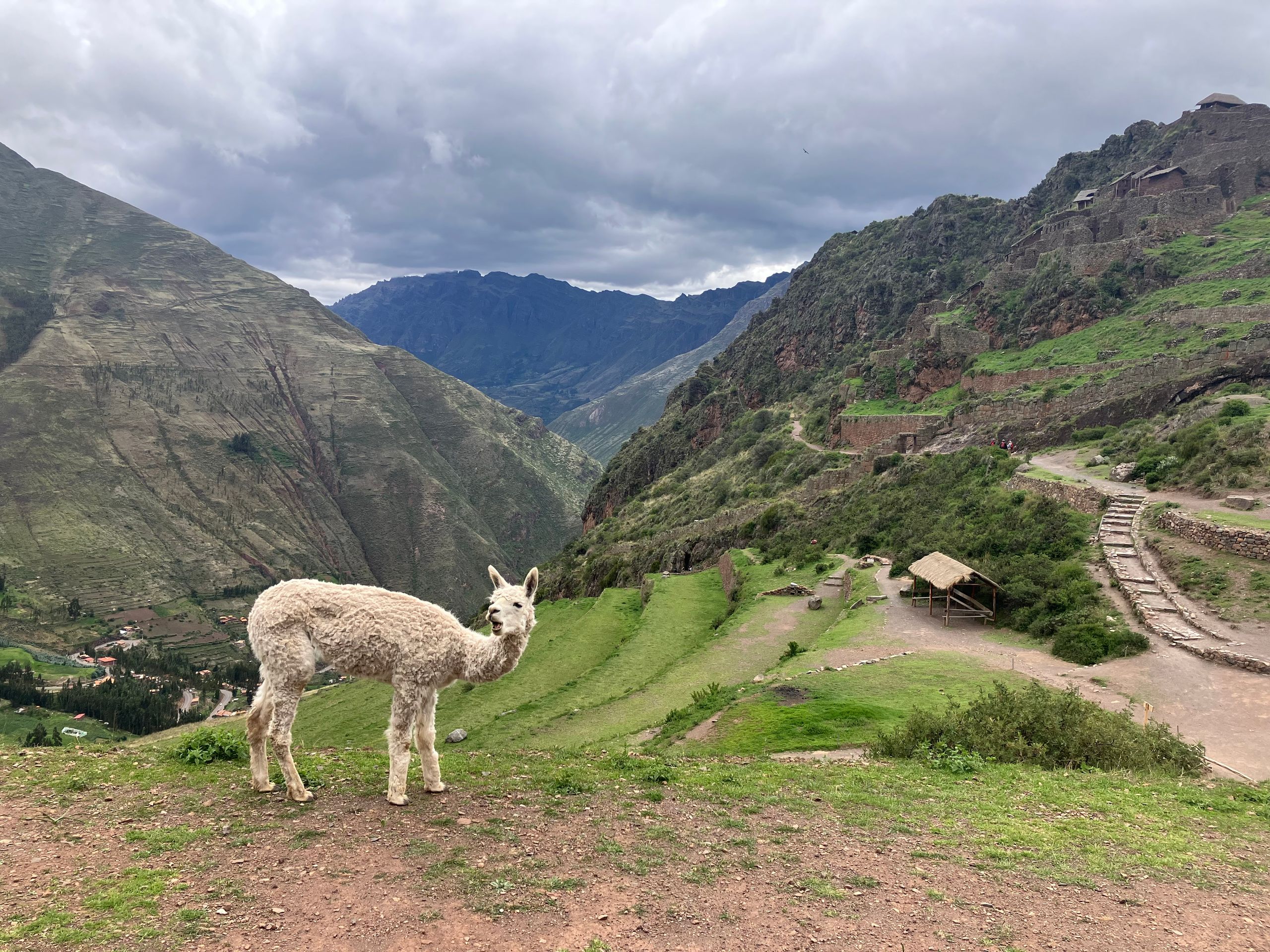
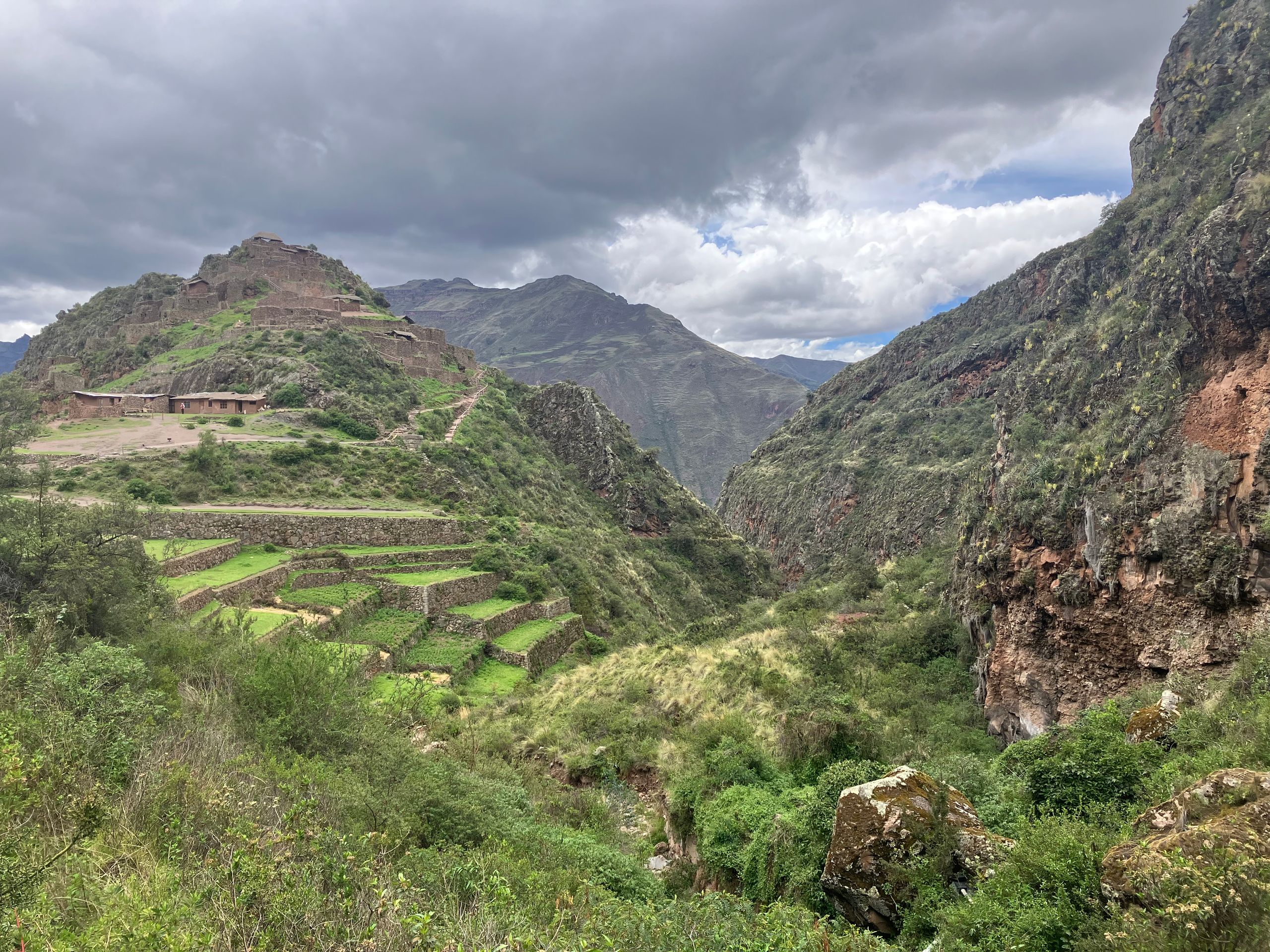
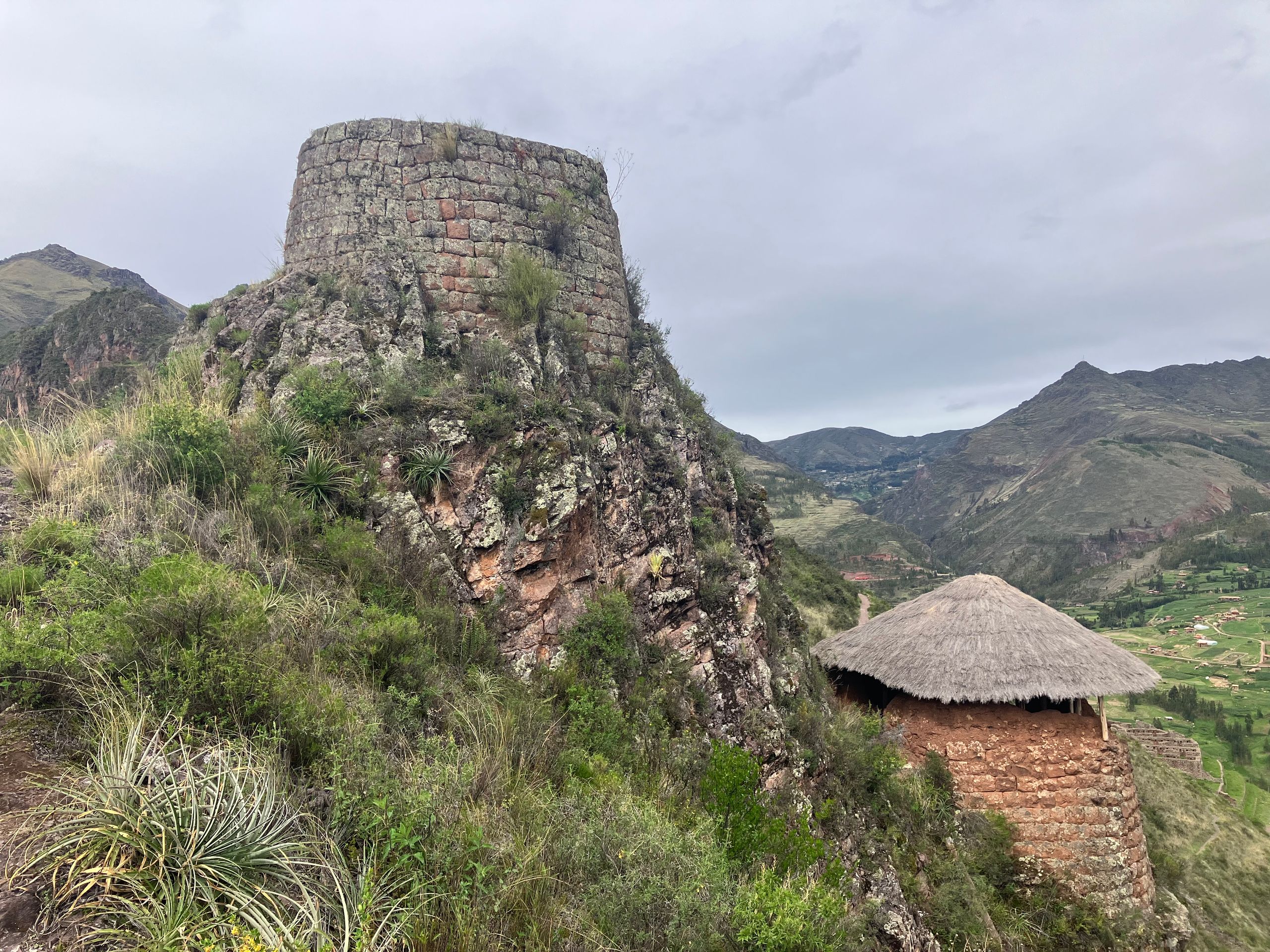
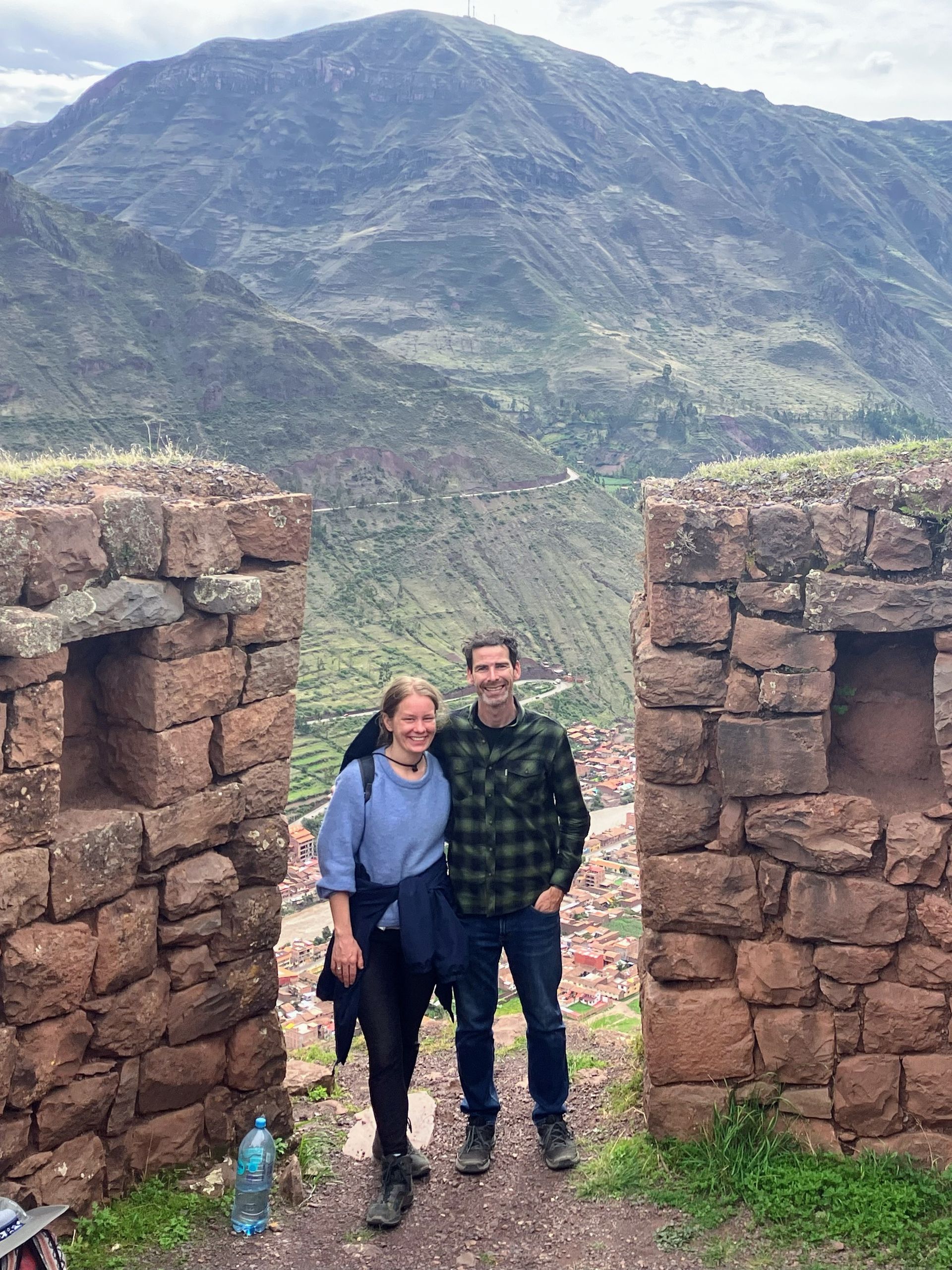
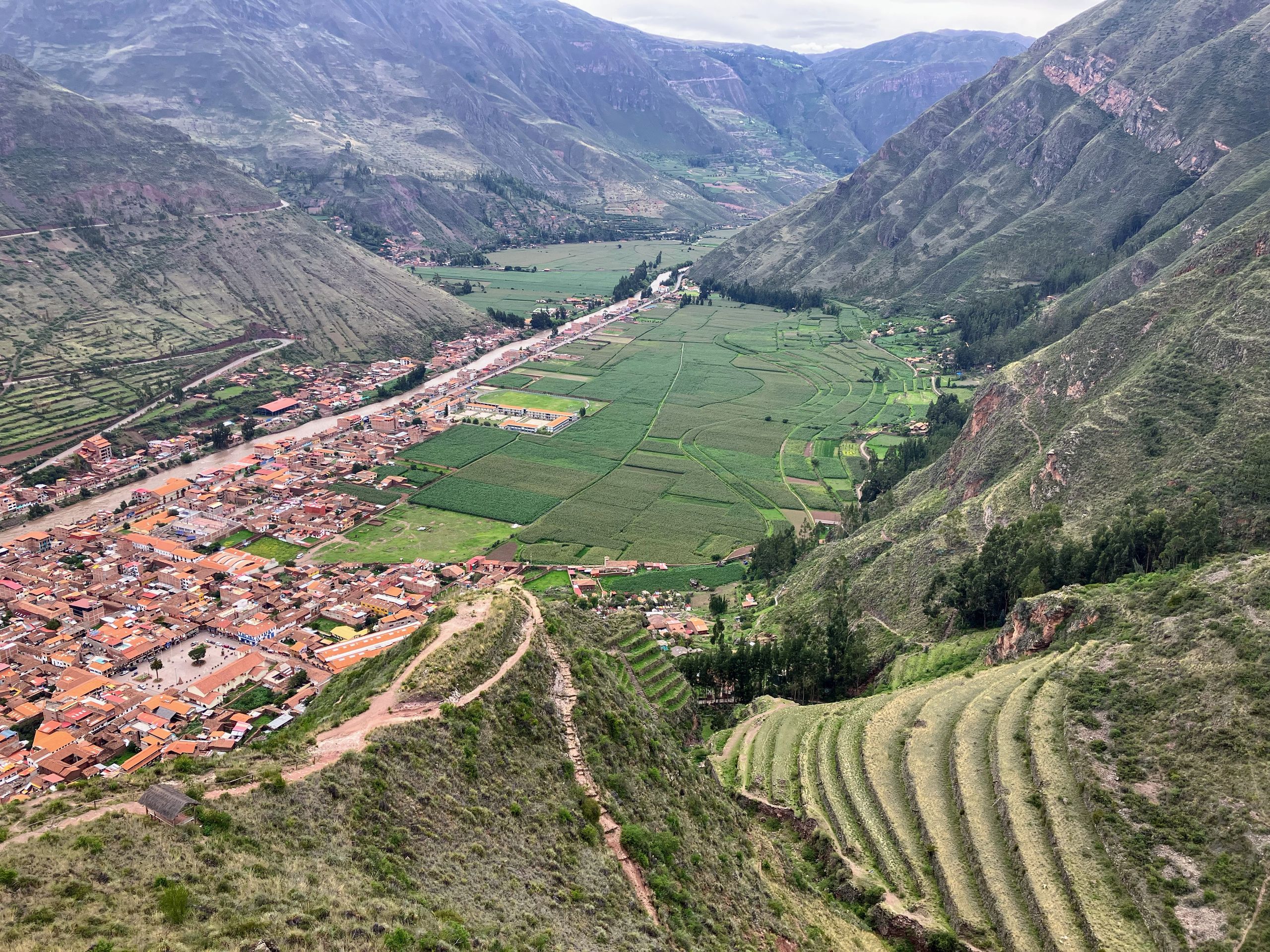
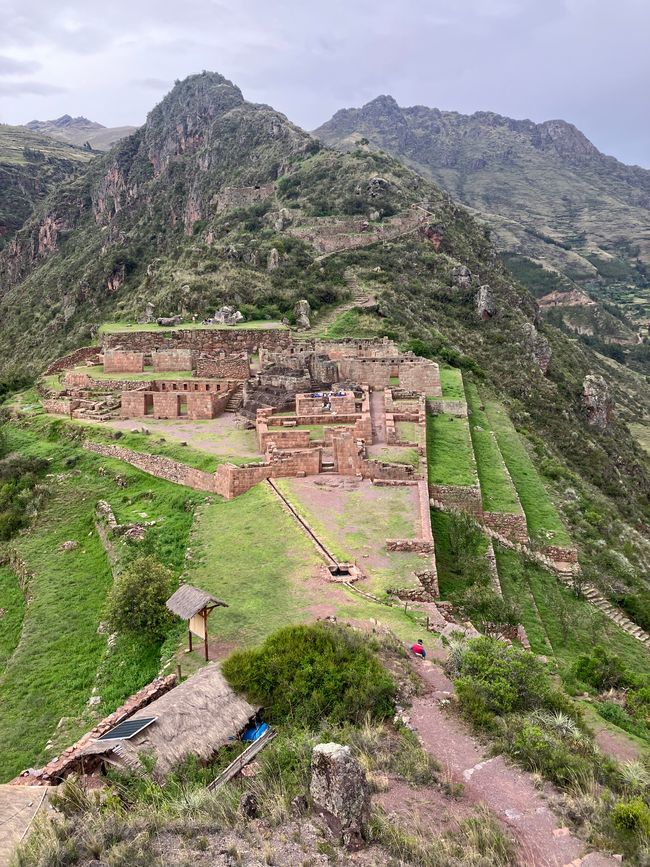
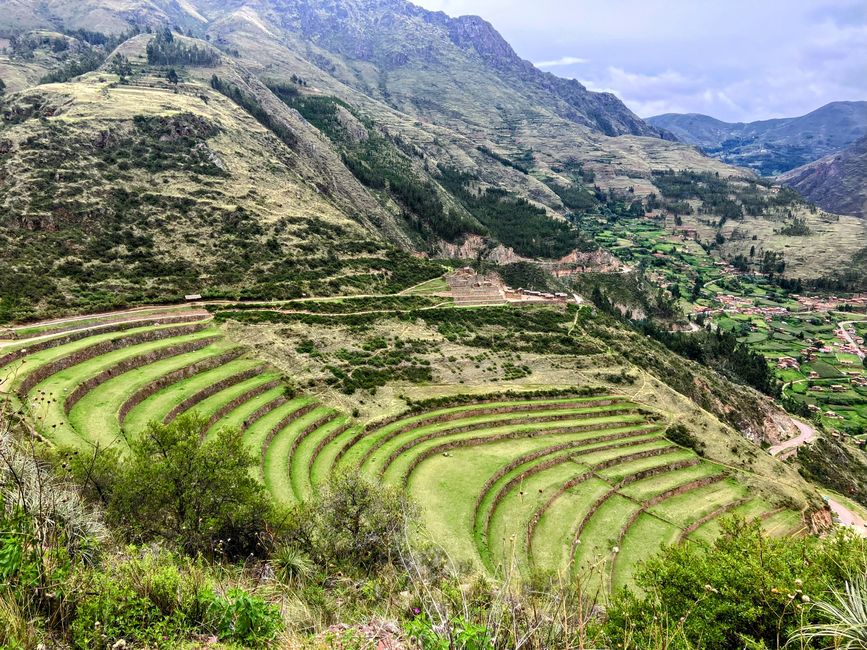
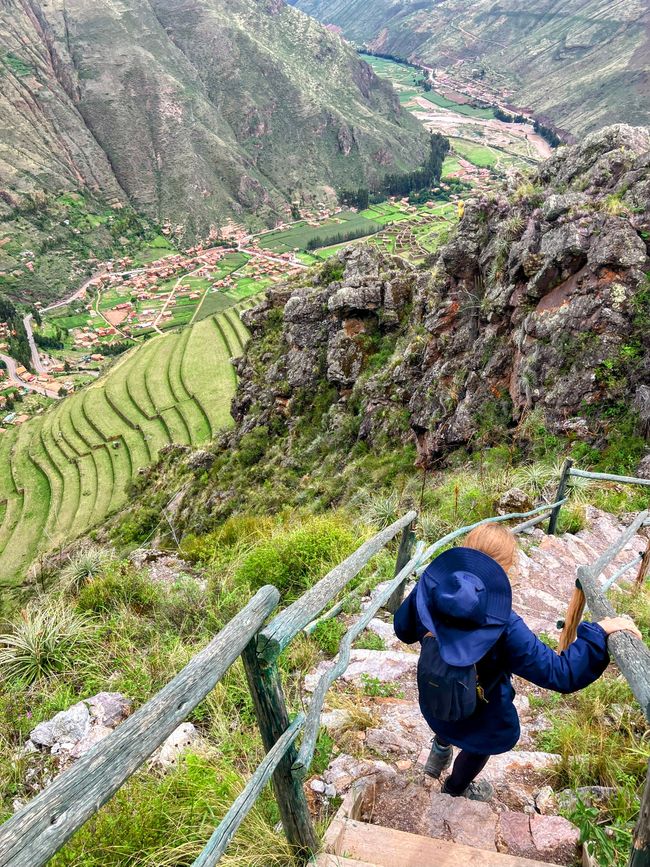
We continue our journey through the Urubamba Valley to Pisac, our second stop! Above the peaceful little town, extensive structures from the Inca era climb up into the mountains. Especially impressive are the huge terraces that were created for agriculture. The area around Pisac was the granary for the nearby Inca capital, Cusco, as the climate in this valley is very mild. We take a tuk-tuk up to the citadel at the upper part and then walk back down for several hours. Here, we do not encounter the crowds like at Machu Picchu; we hardly meet other visitors and enjoy the tranquil panorama!
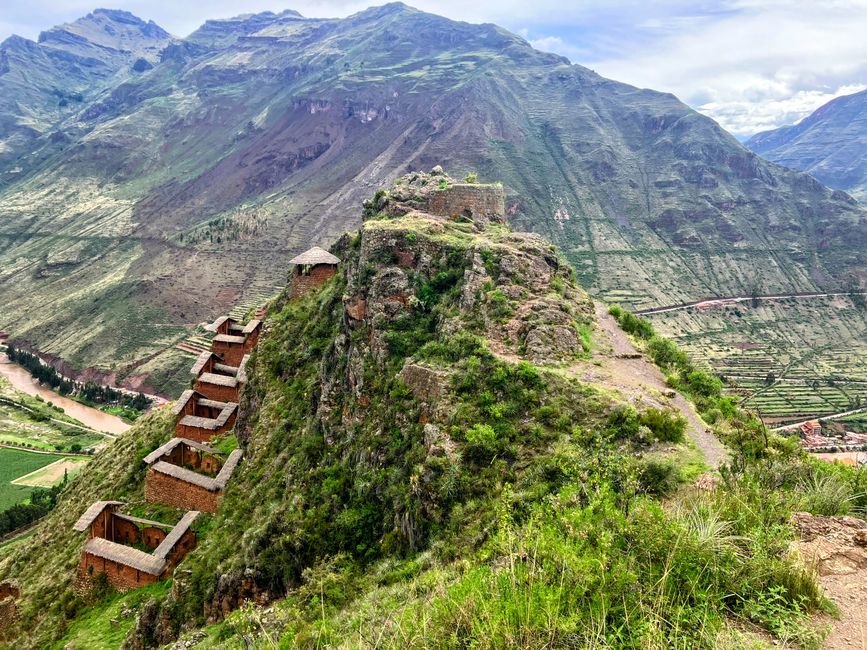
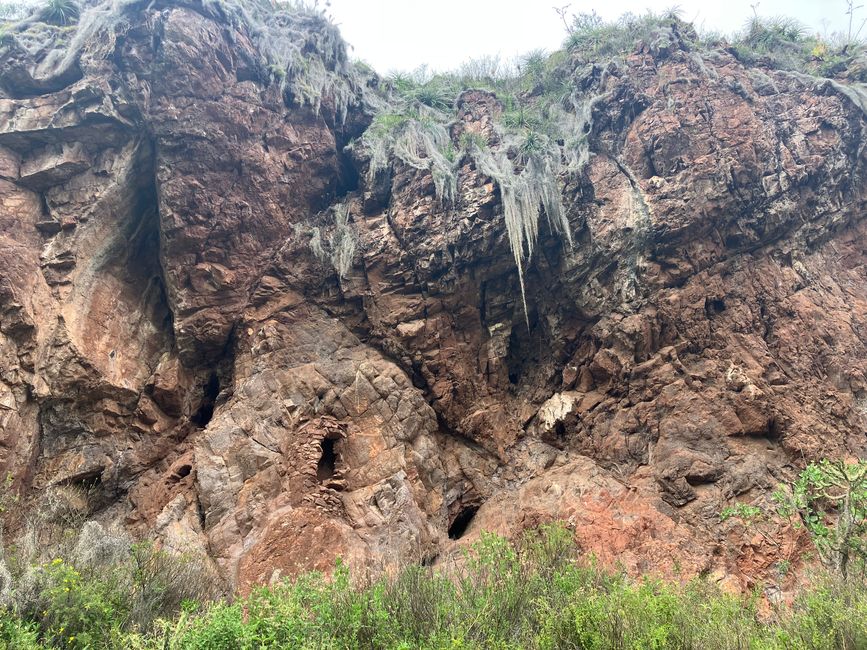
We can recognize numerous rock tombs in a steep slope. During the Inca era, mummified relatives were laid to rest there. Many grave goods and mummies were plundered, but there are still individual mummies in the mountains today that are protected.
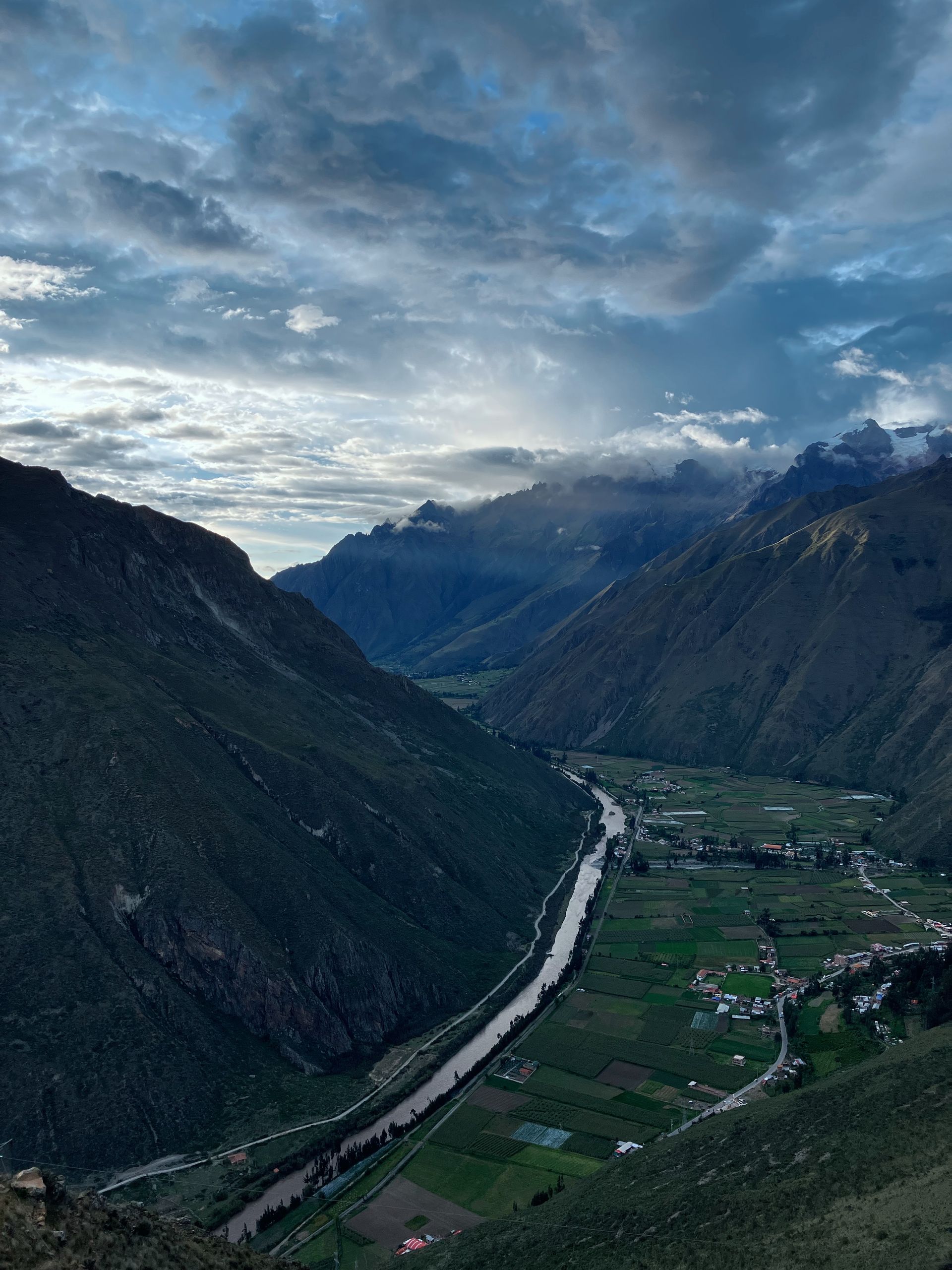
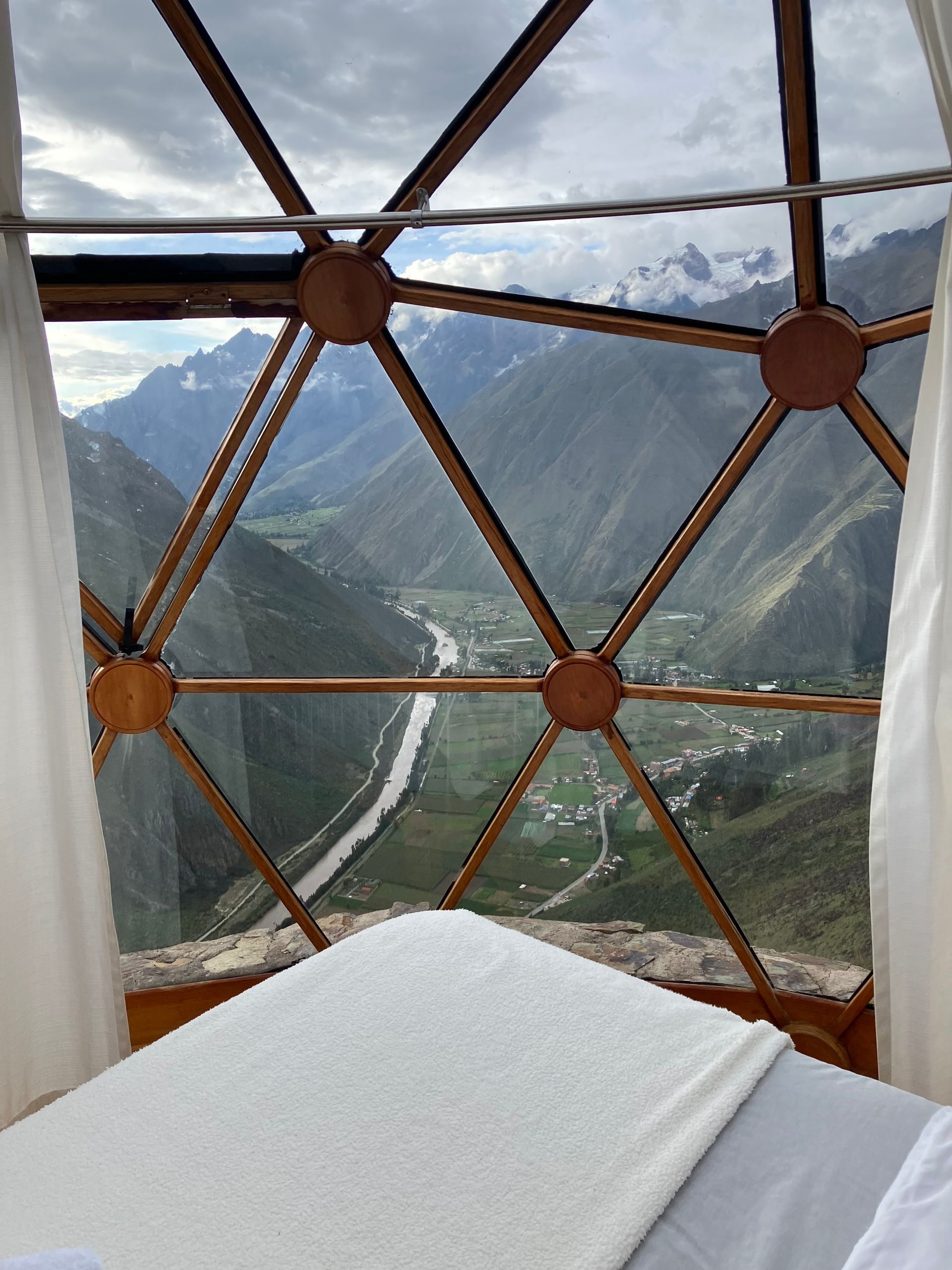
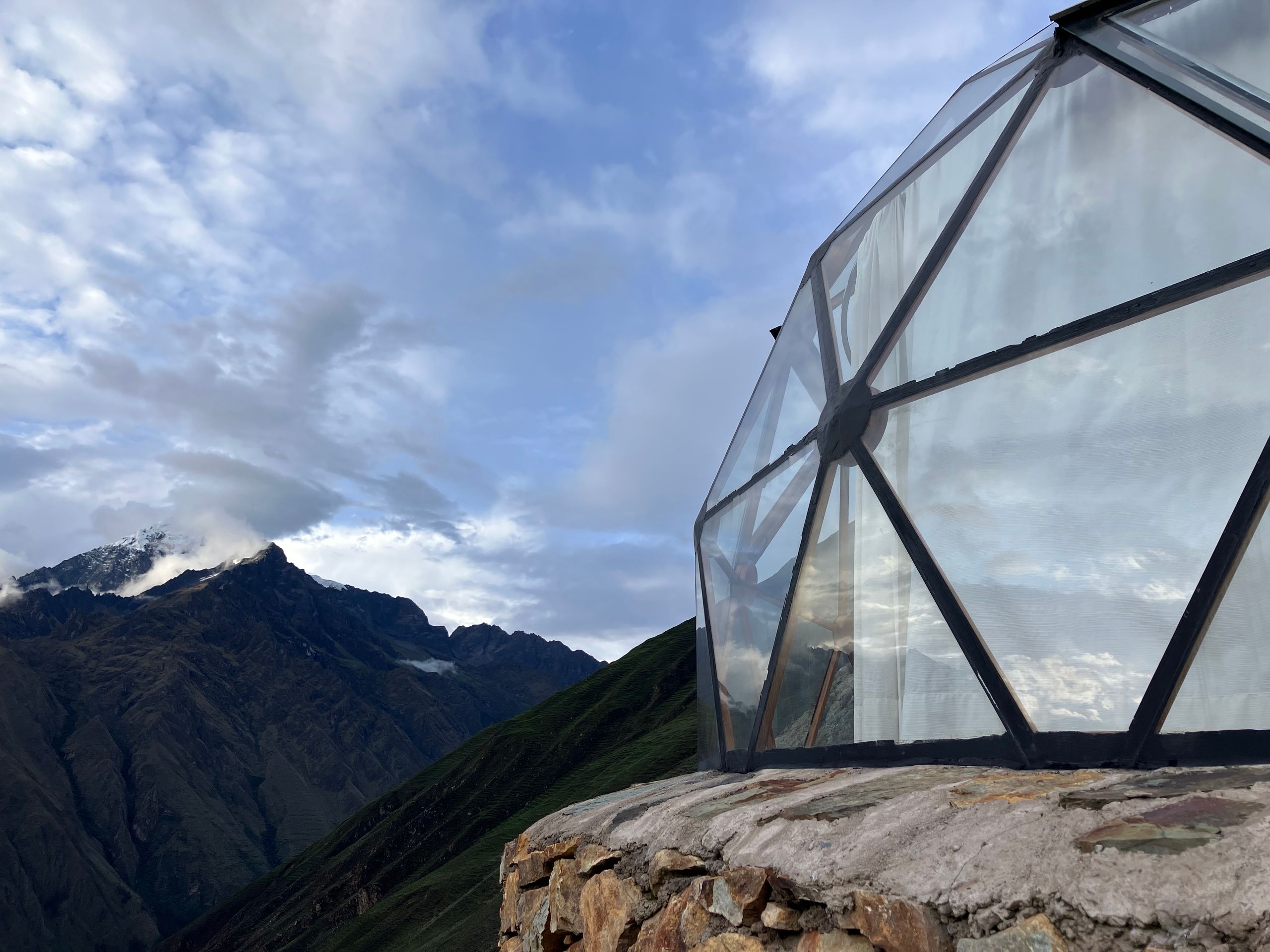
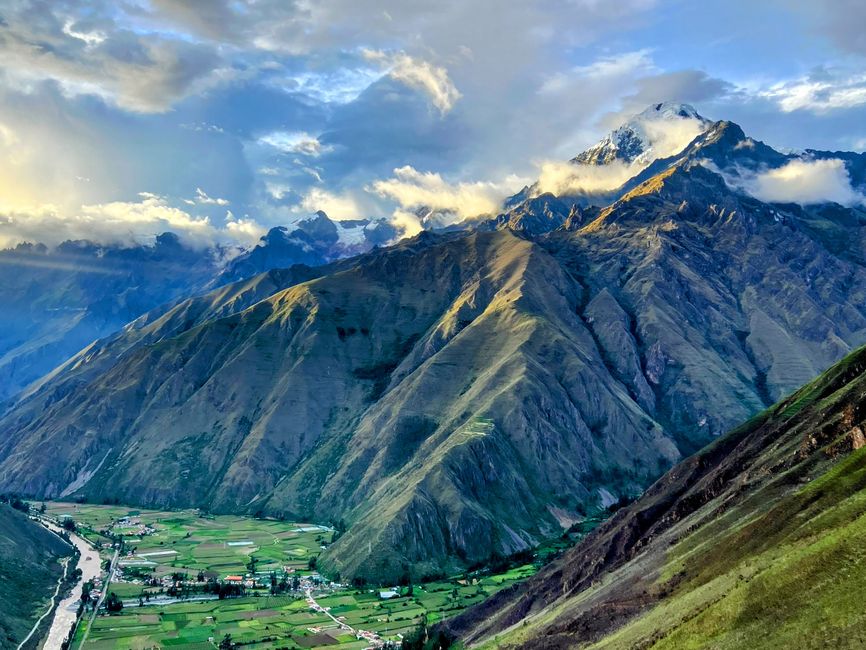
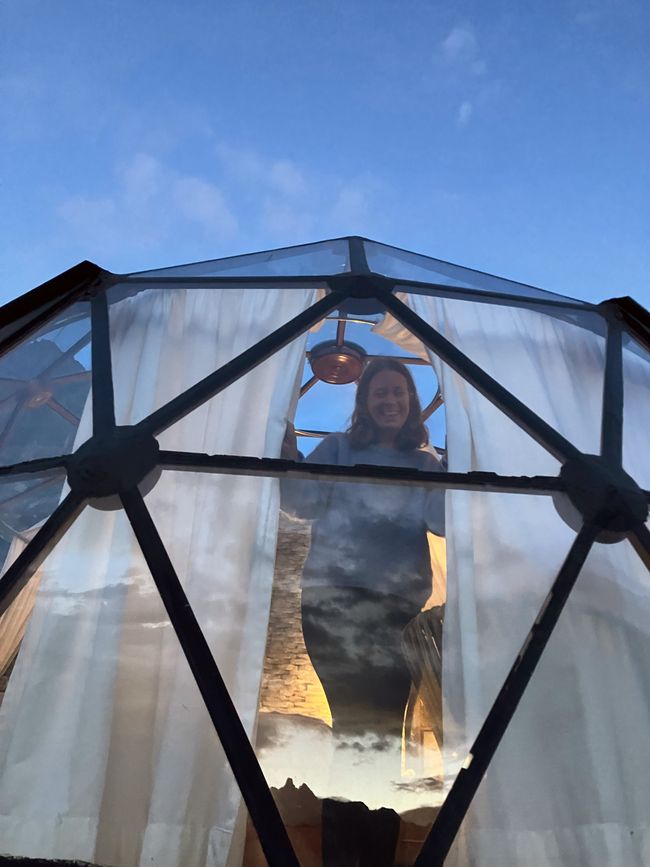
In addition to visiting the two Inca sites, we have arranged to be taken to the Mountain Hotel: The facility sits high on the mountain above the valley. Besides a terrace with a restaurant, there are accommodations in glass domes or in smaller capsules that hang directly in a cliff. We choose a glass dome - it is a bit cheaper, larger, and has its own bathroom. The overnight stay costs us quite a few dollars, but with the unique view of Mount Veronica and its glacial ice, it's absolutely worth it!

After returning to Cusco, we can finally continue our journey; during the holidays and into January, we will be on the Caribbean islands of San Andres and Providencia.