
Kilimanjaro and the Arusha National Park
to own lane

Published: 10.08.2025
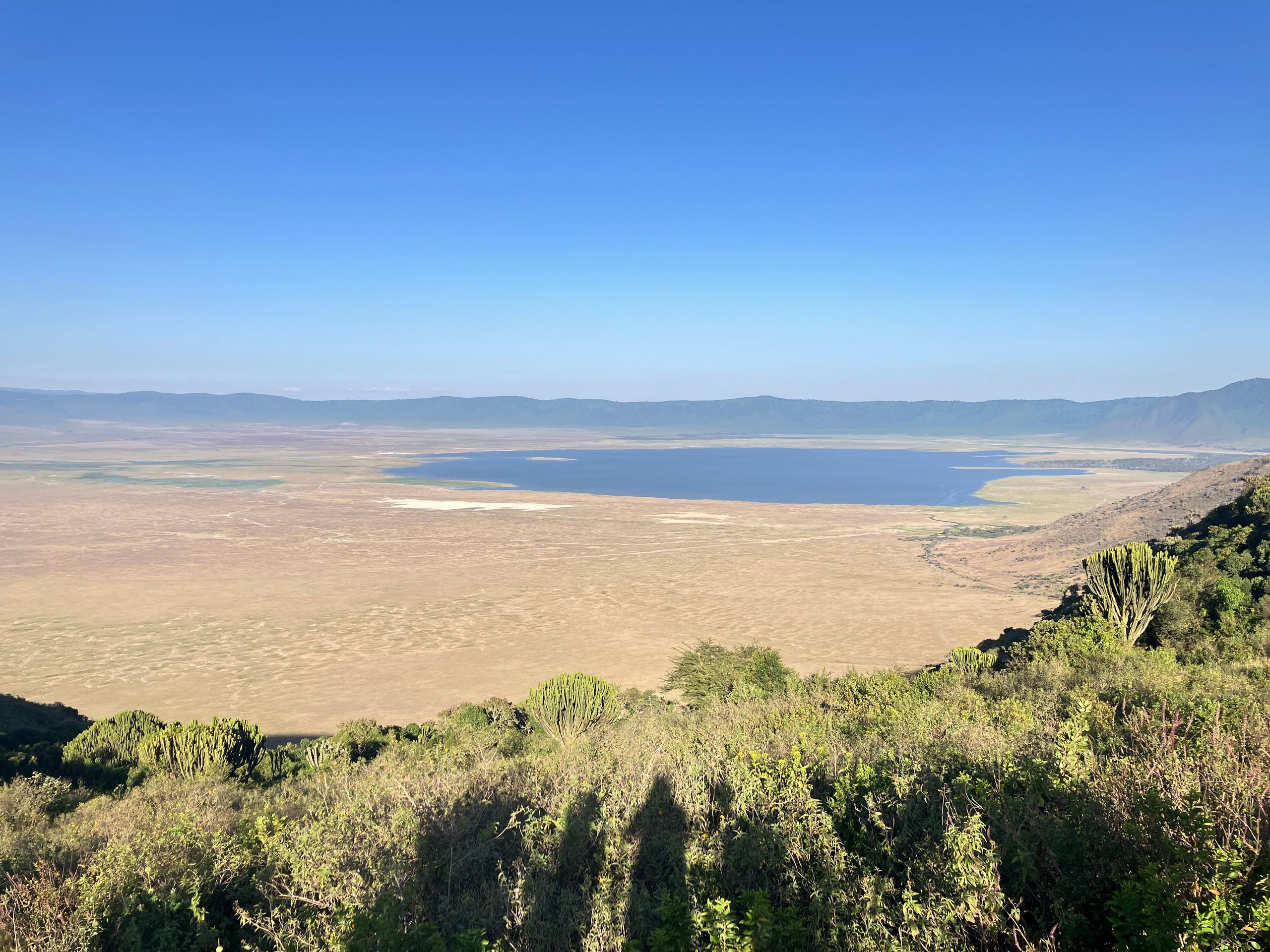
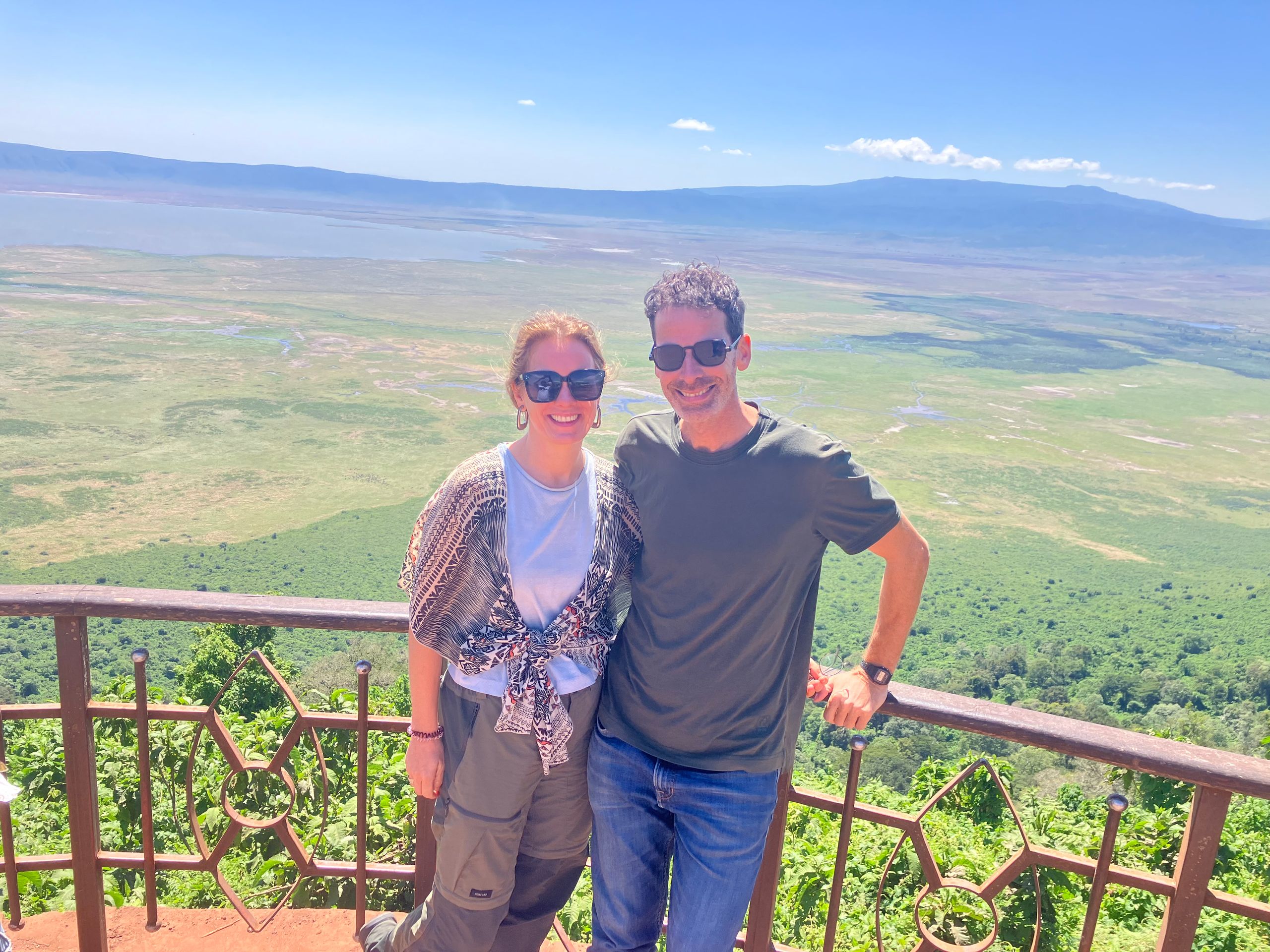
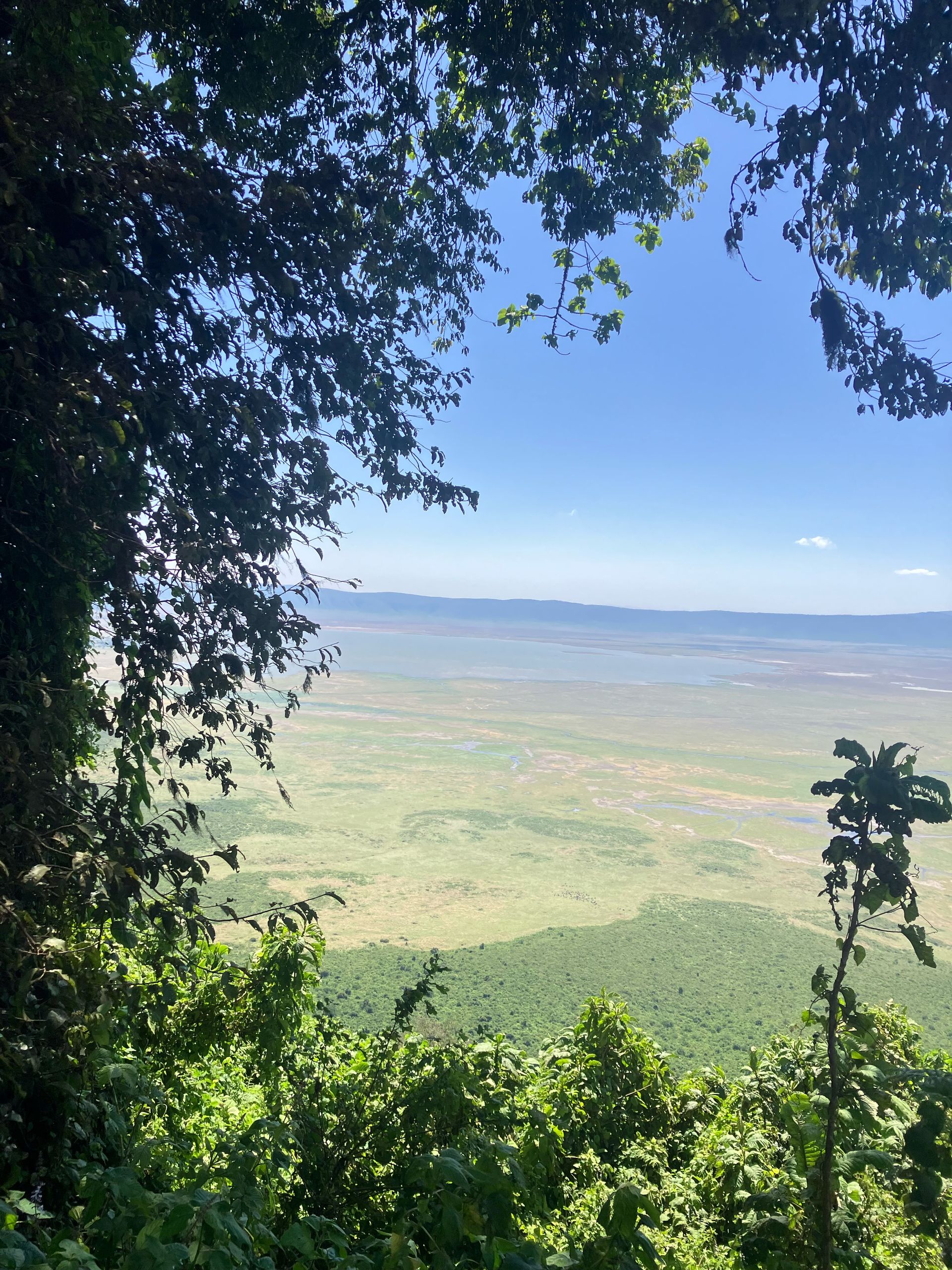
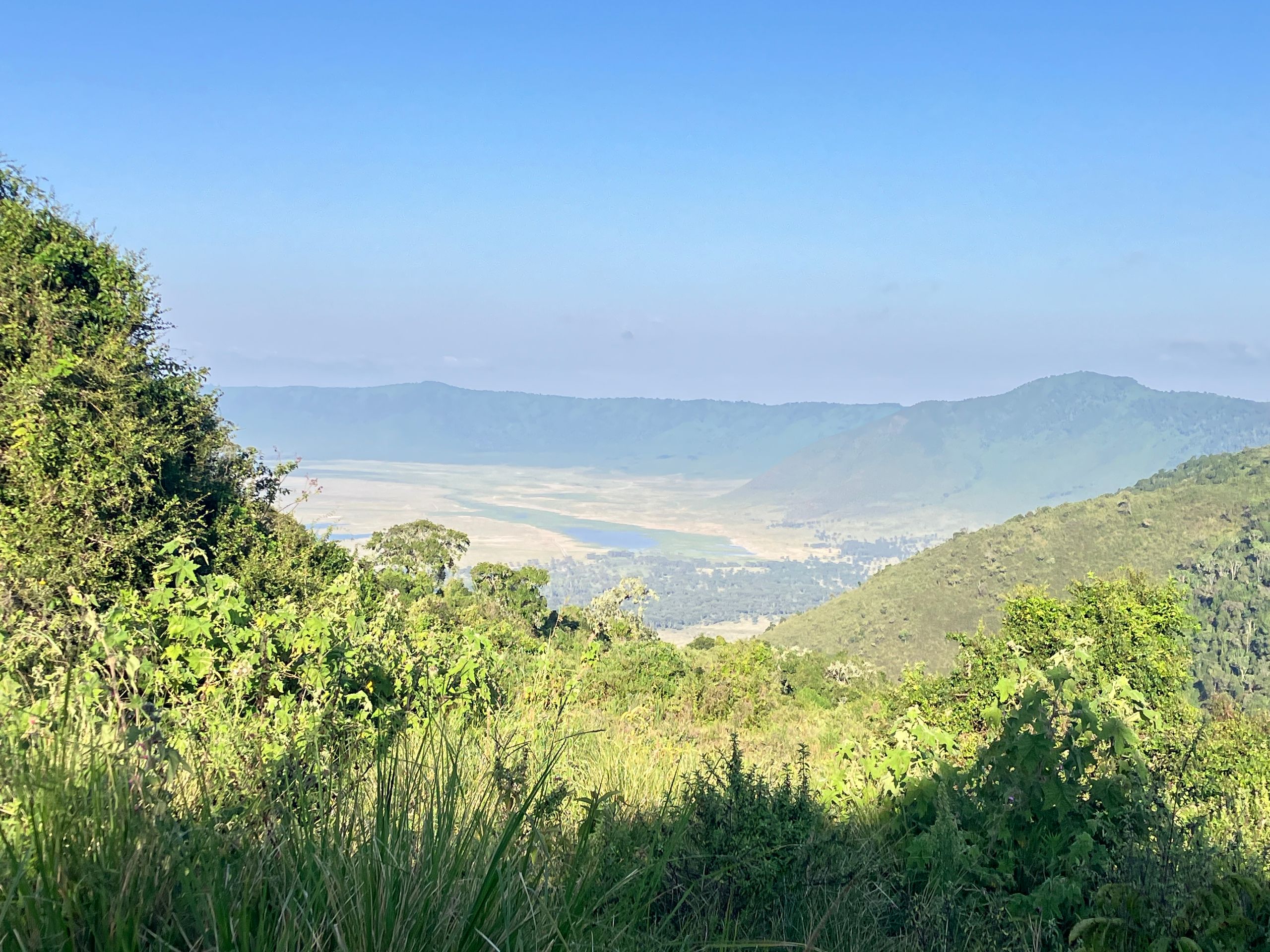
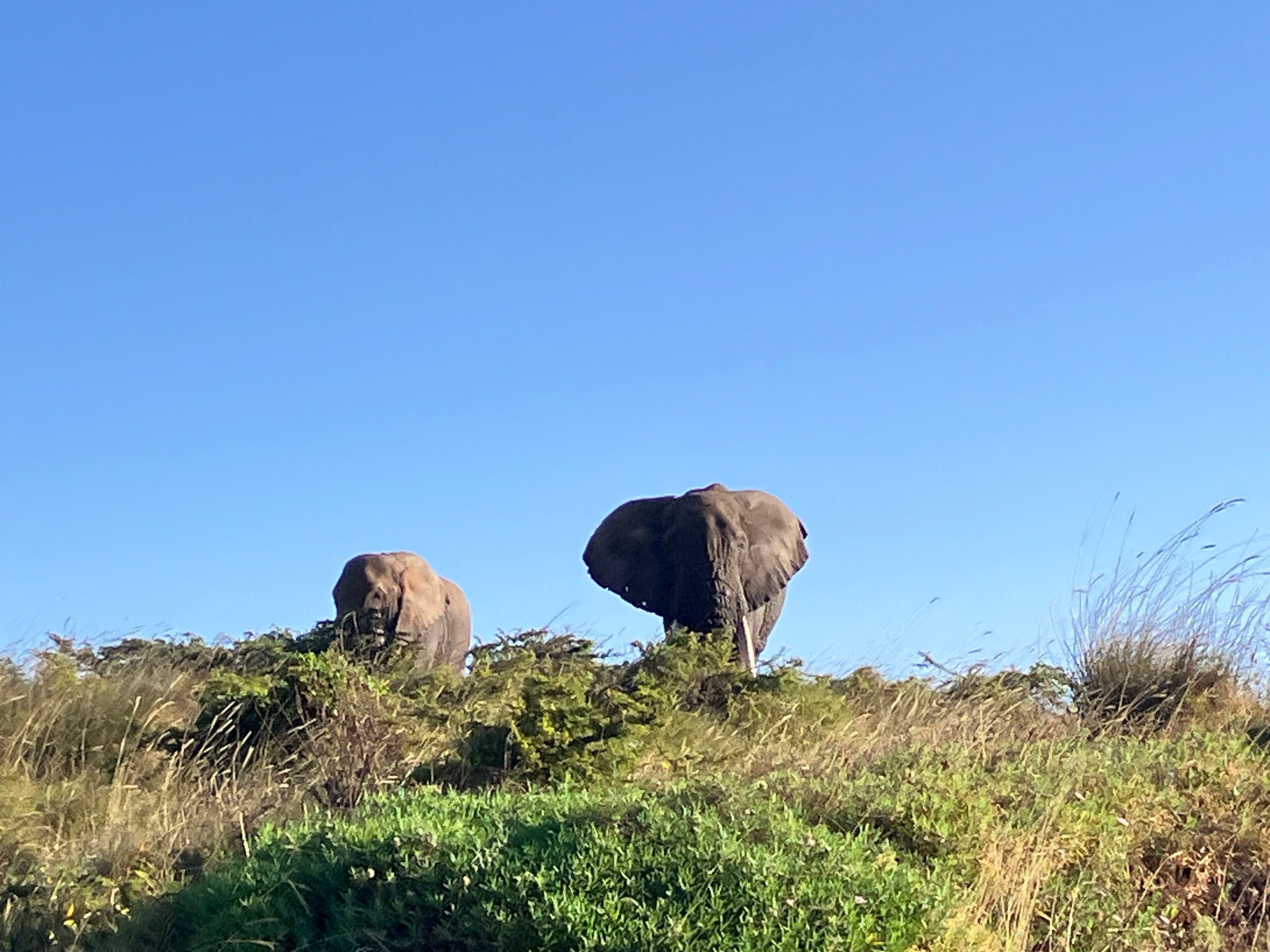
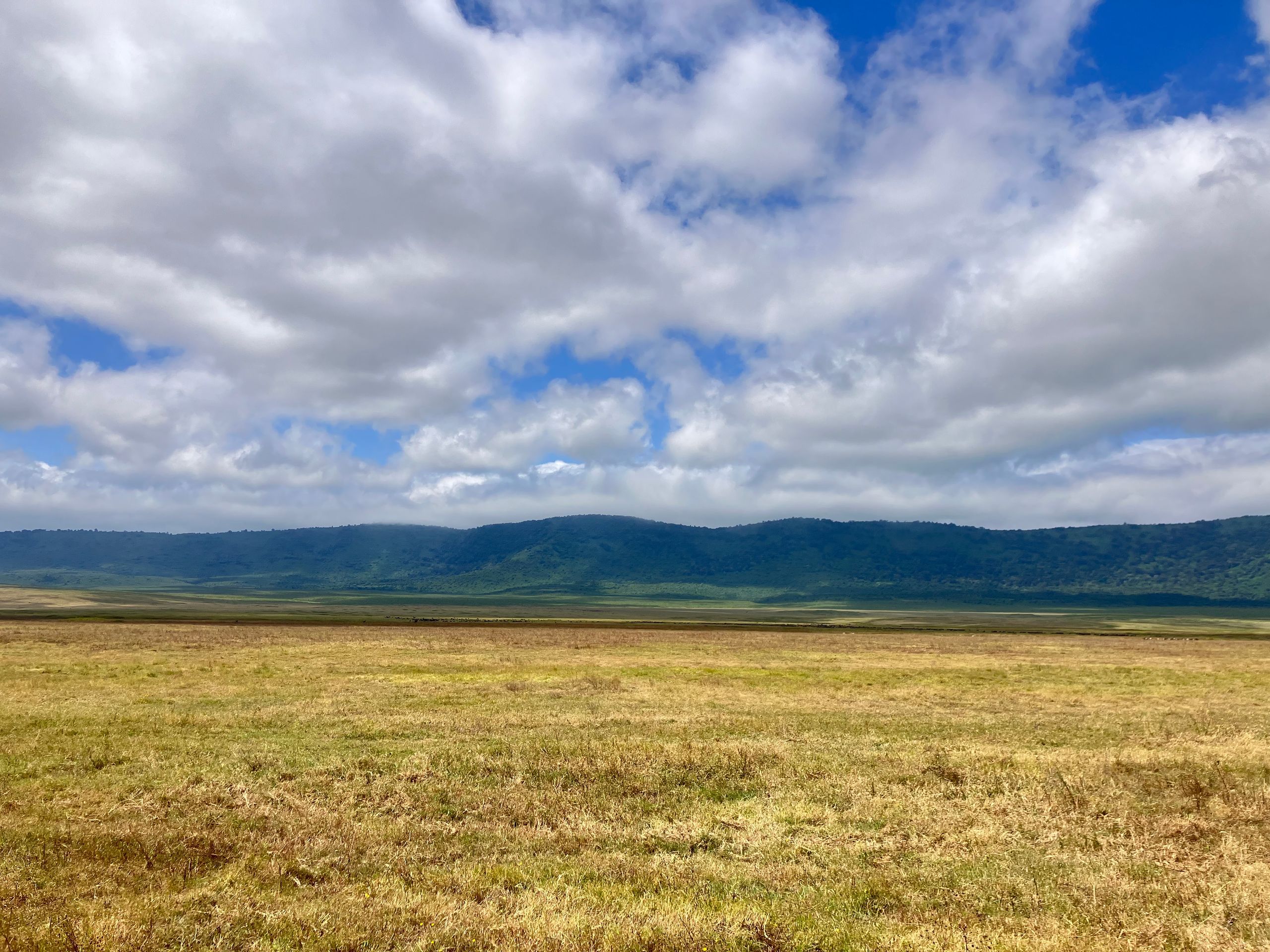
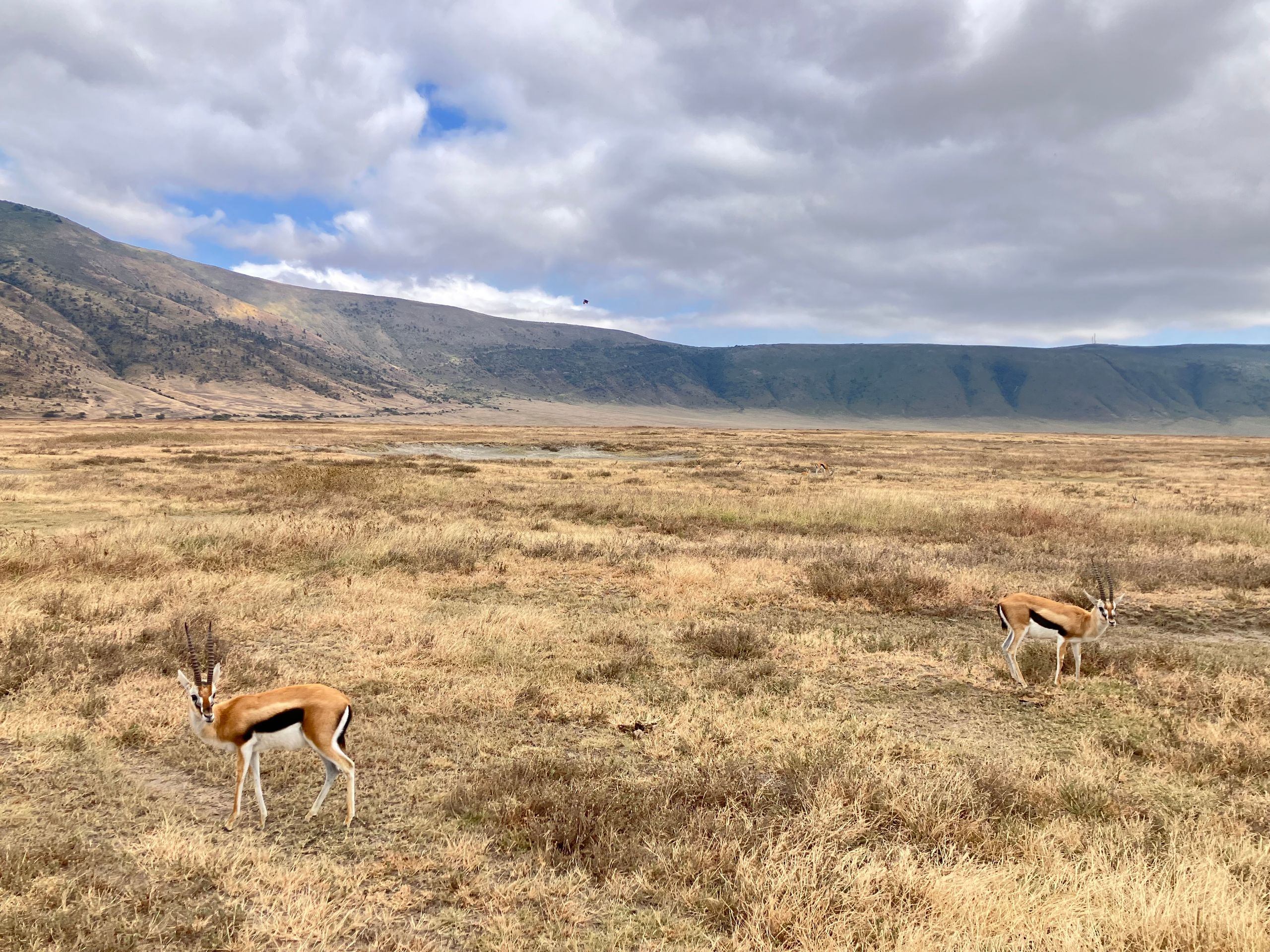
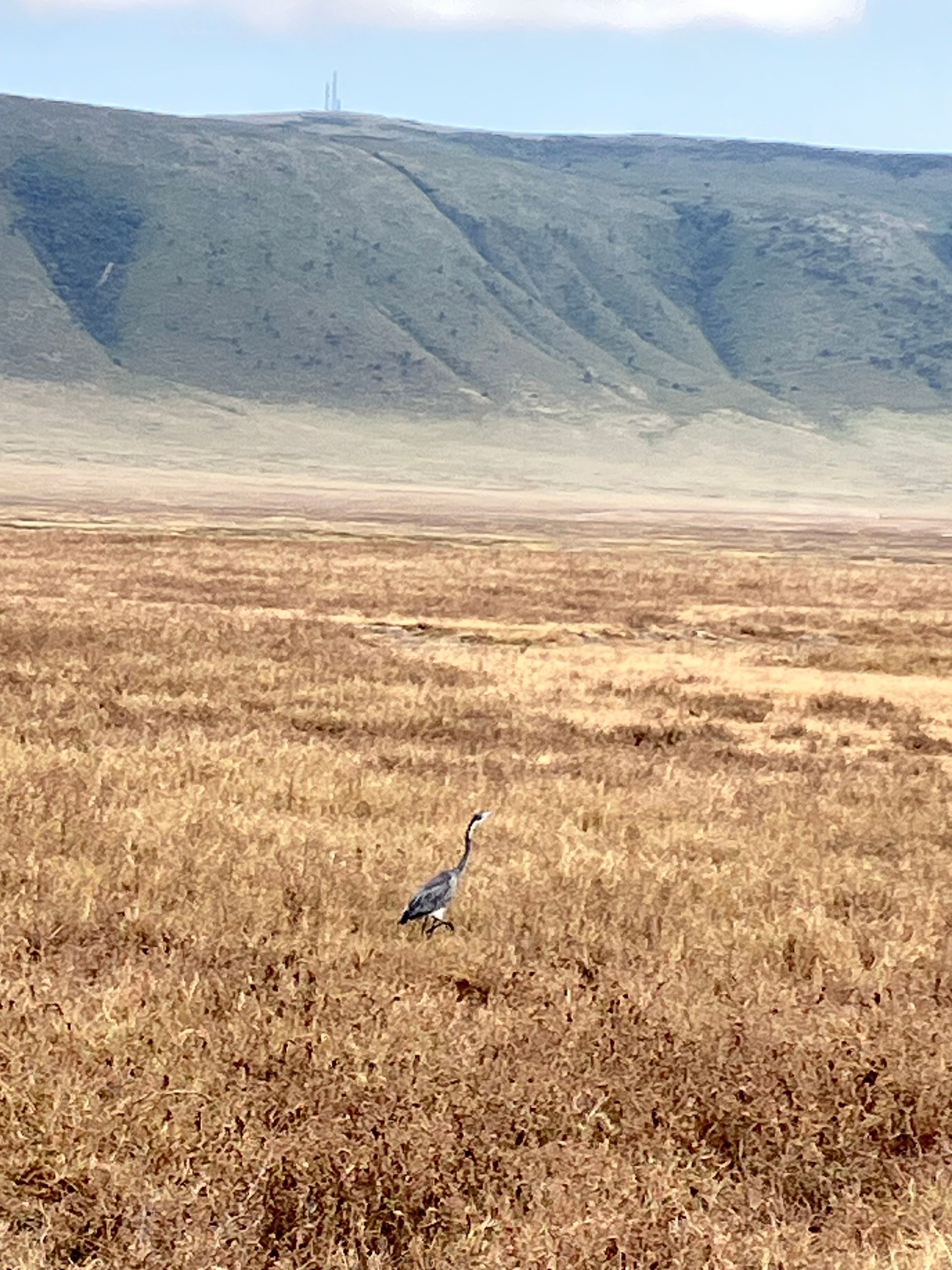
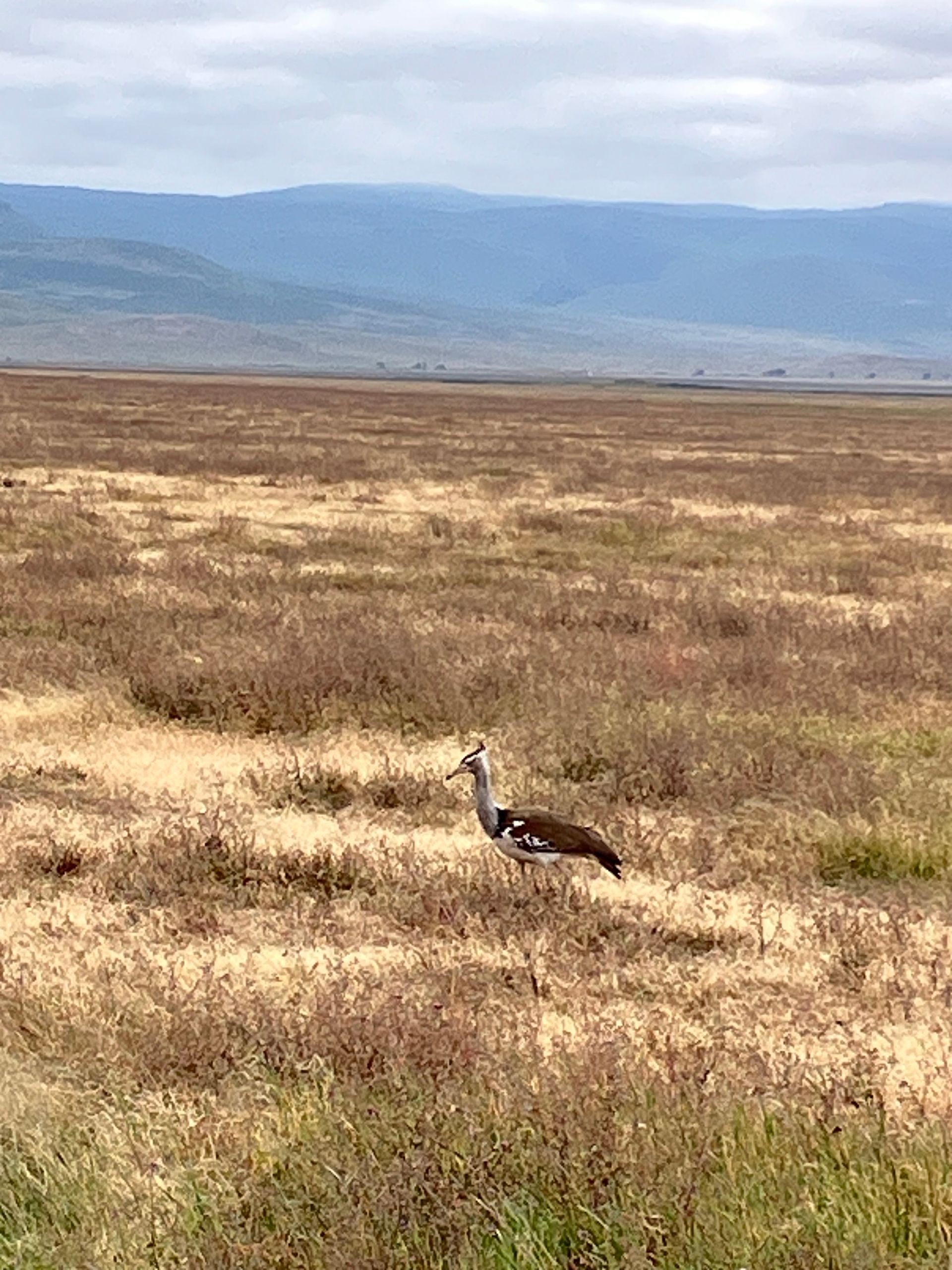
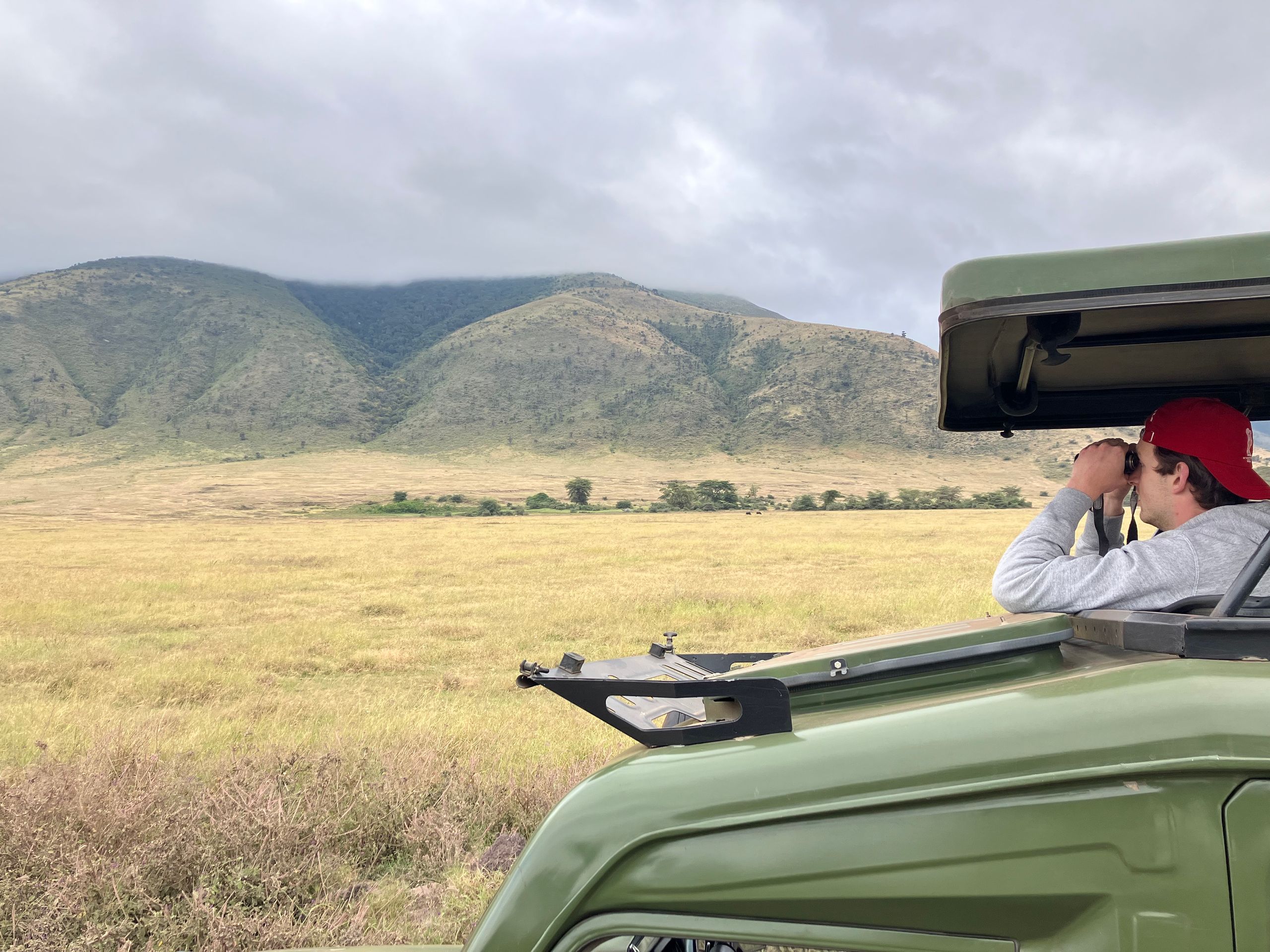
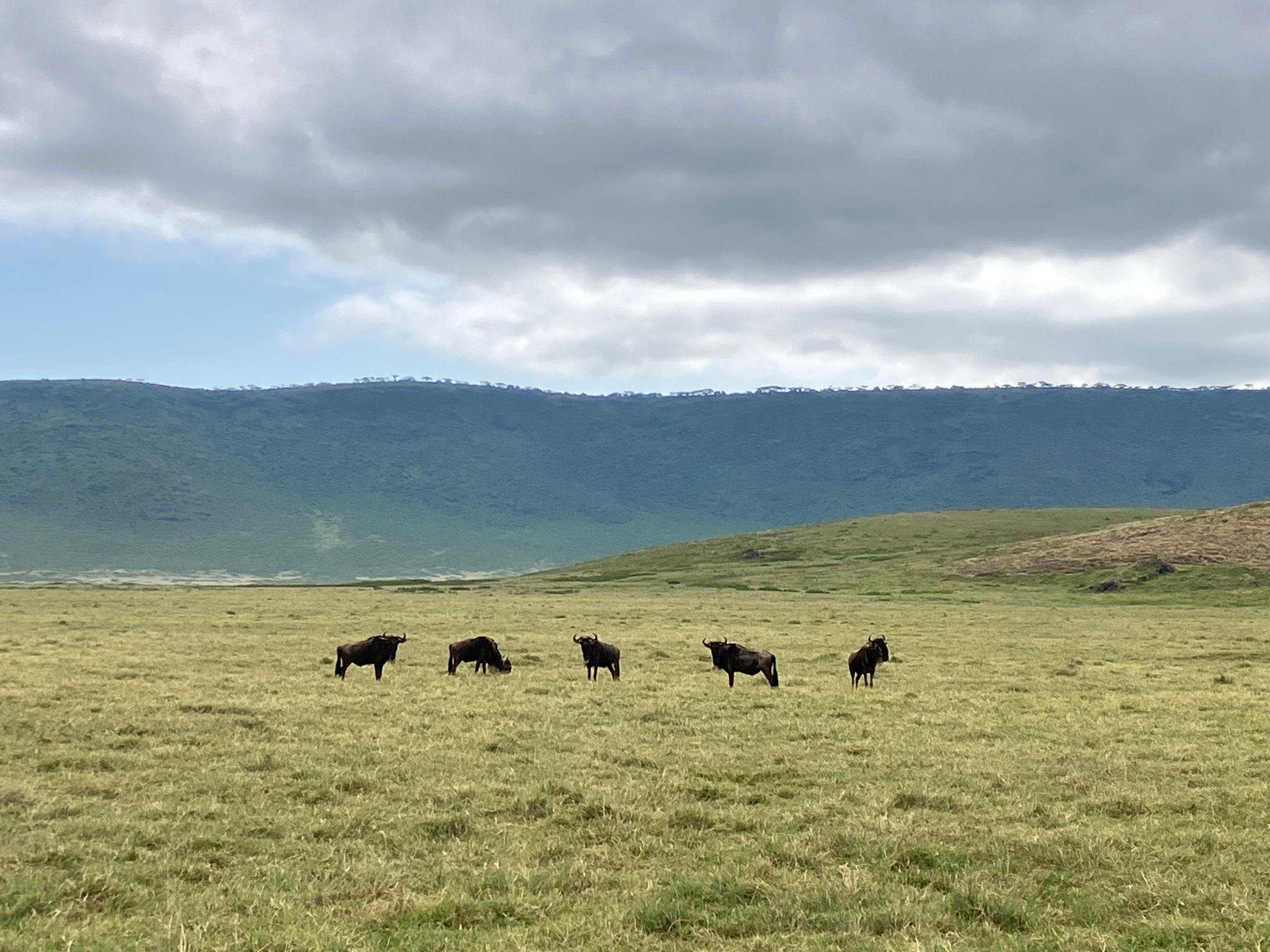
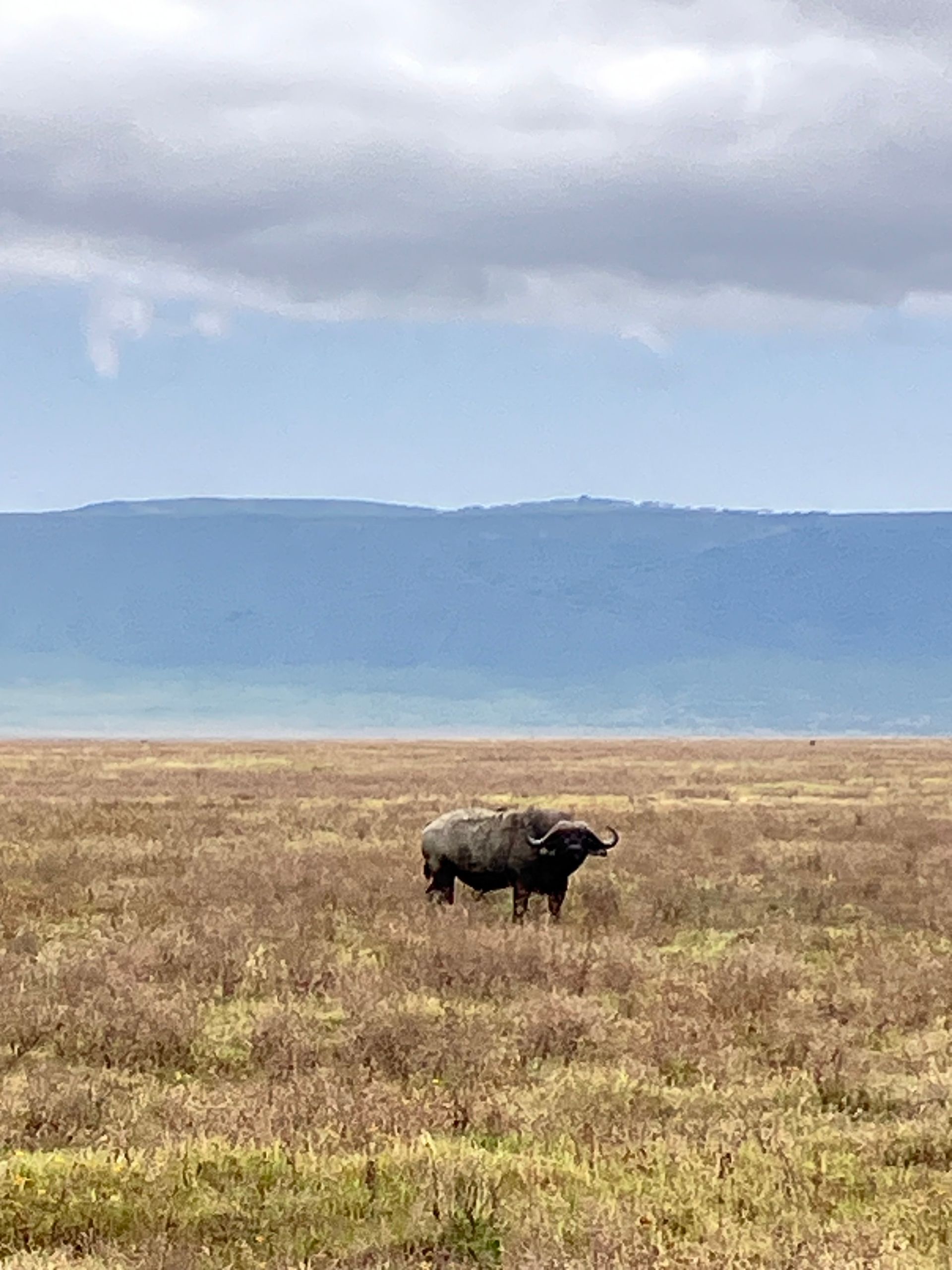
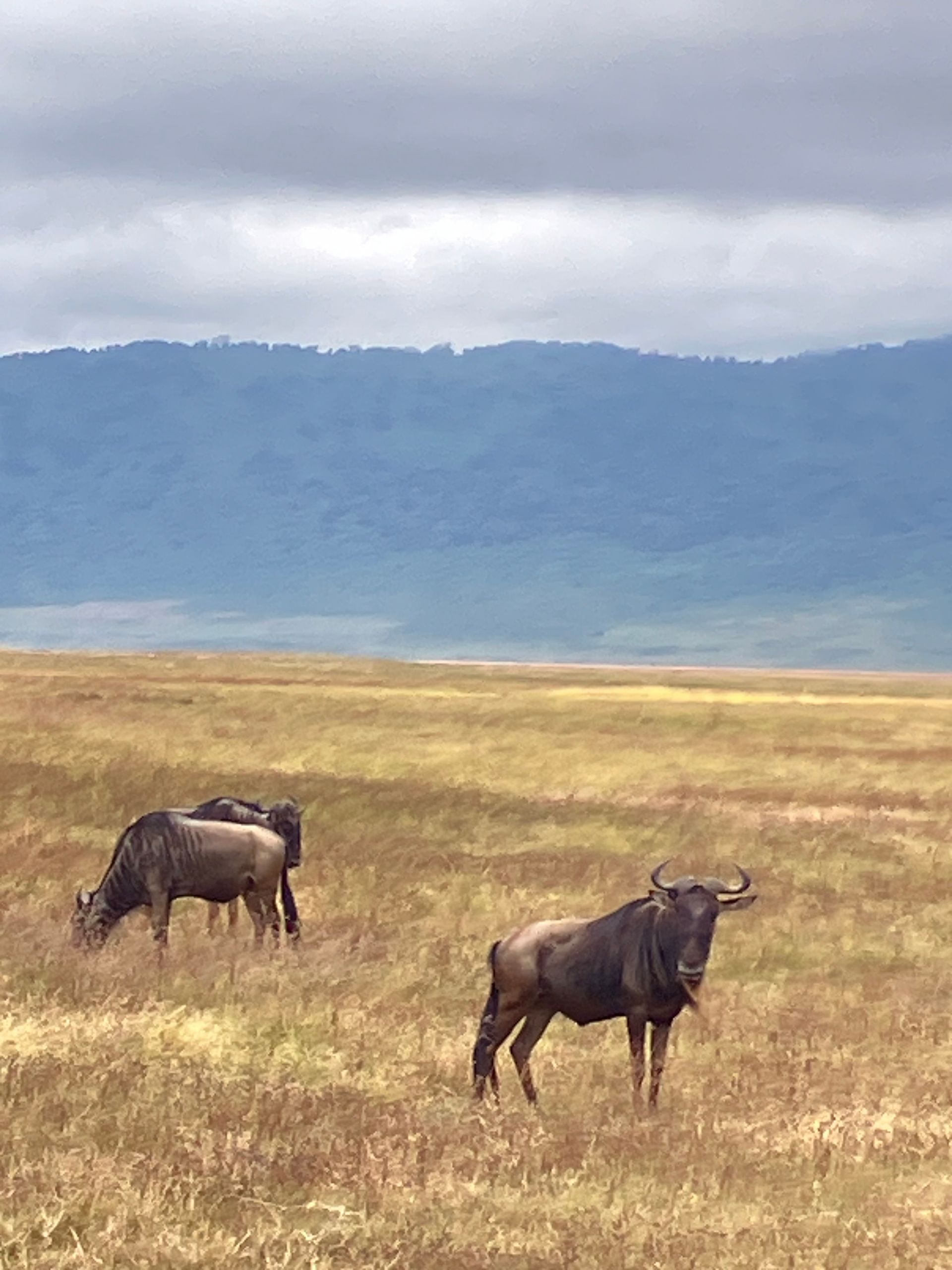
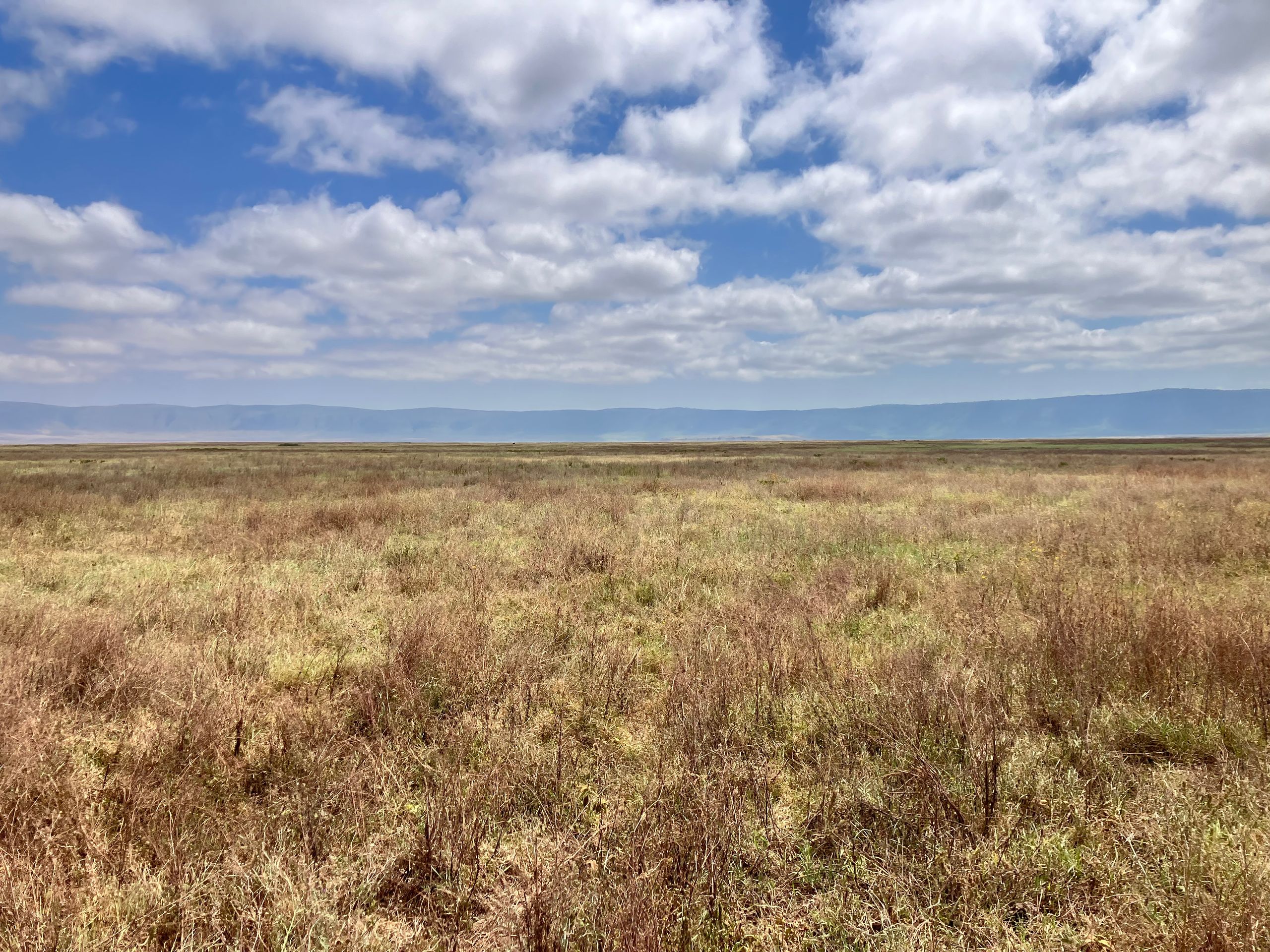
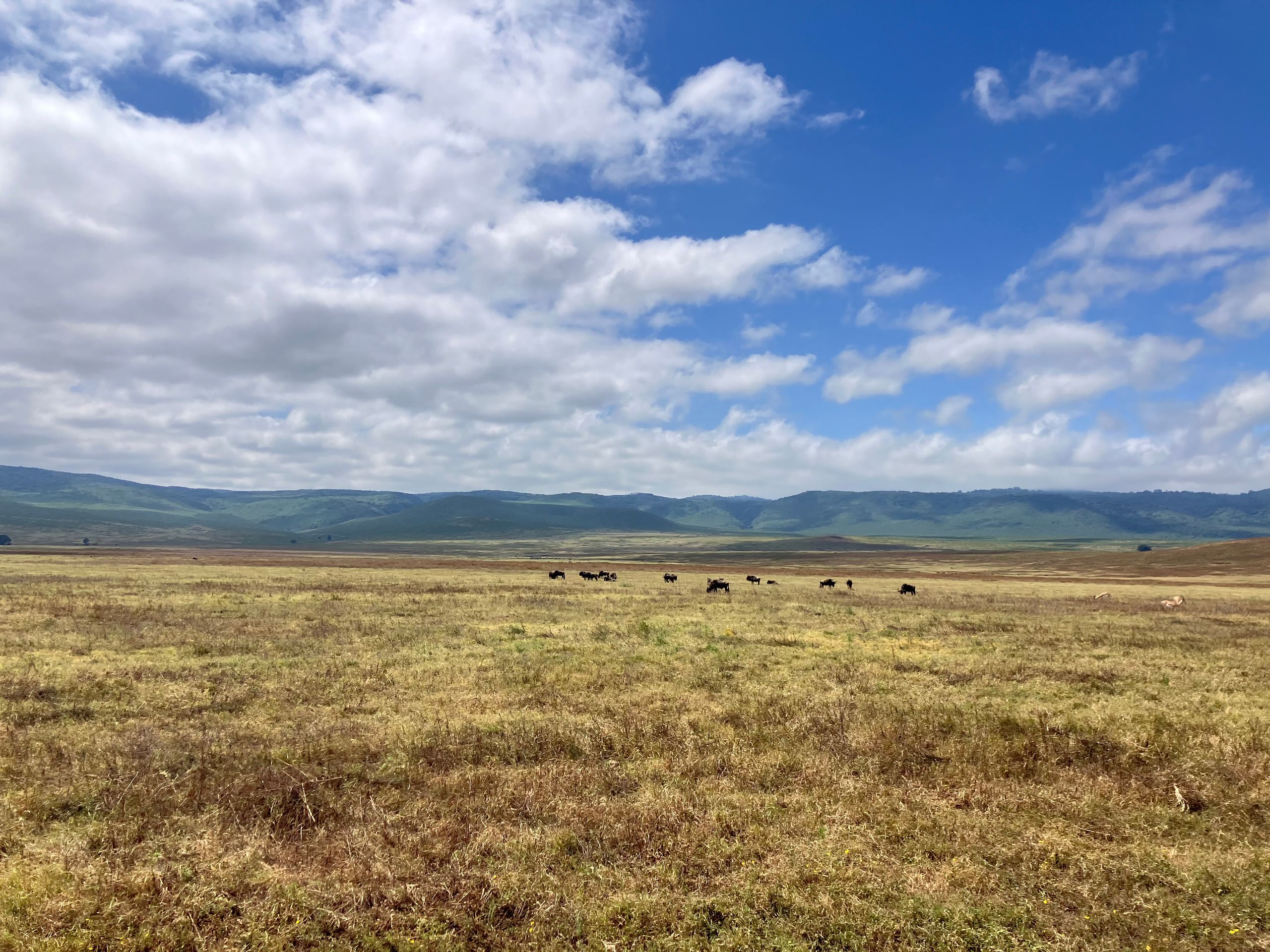
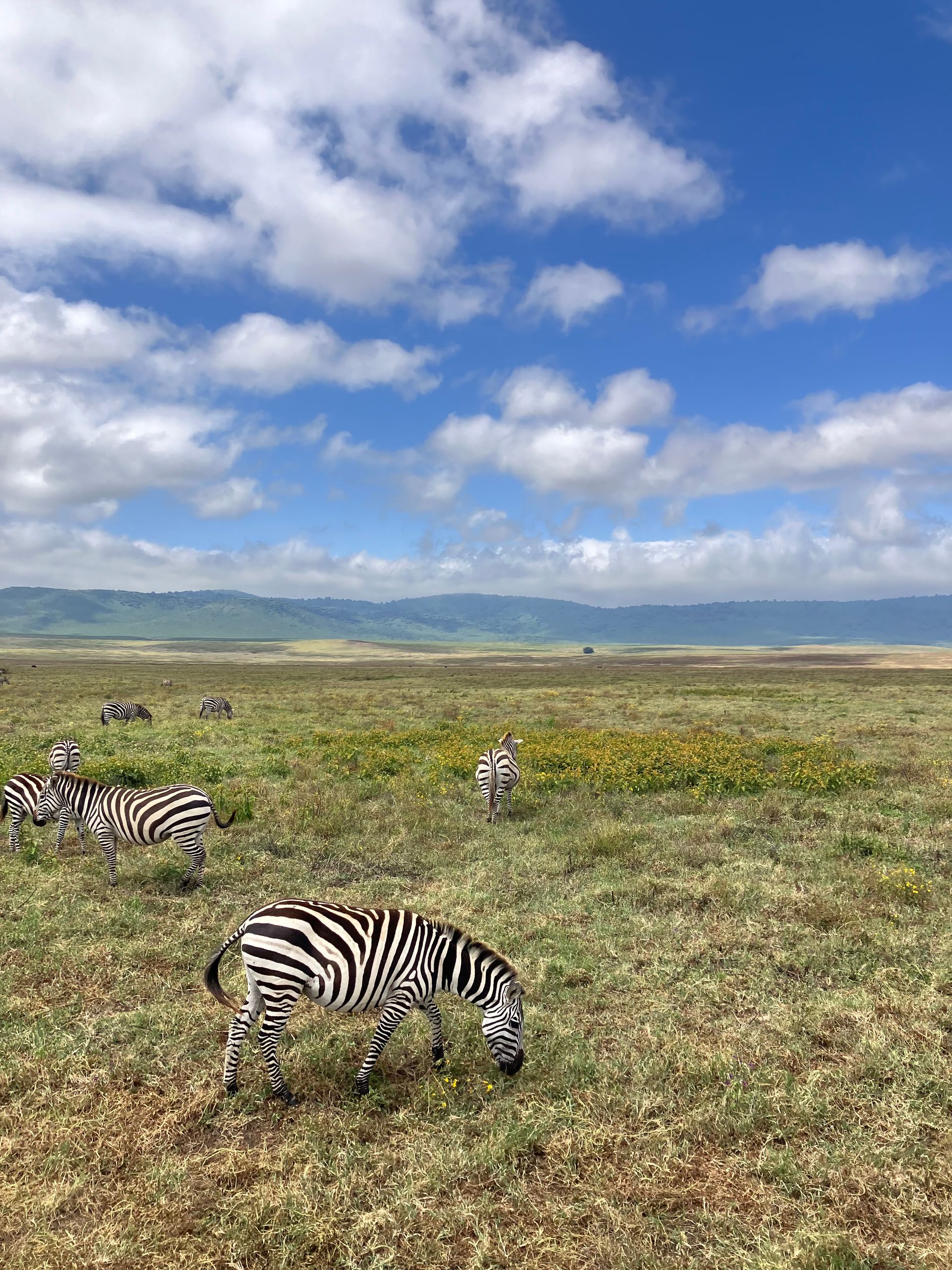
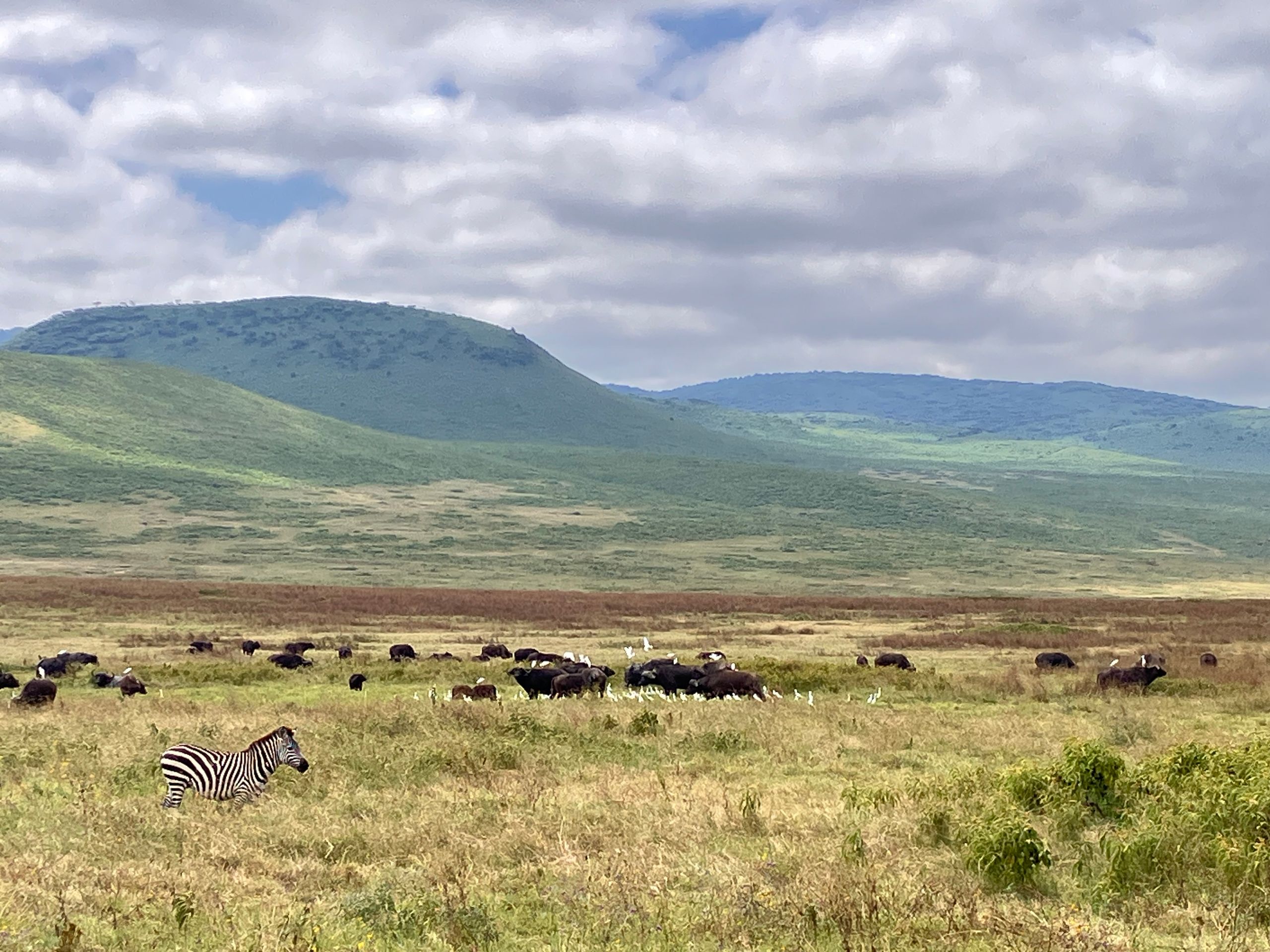
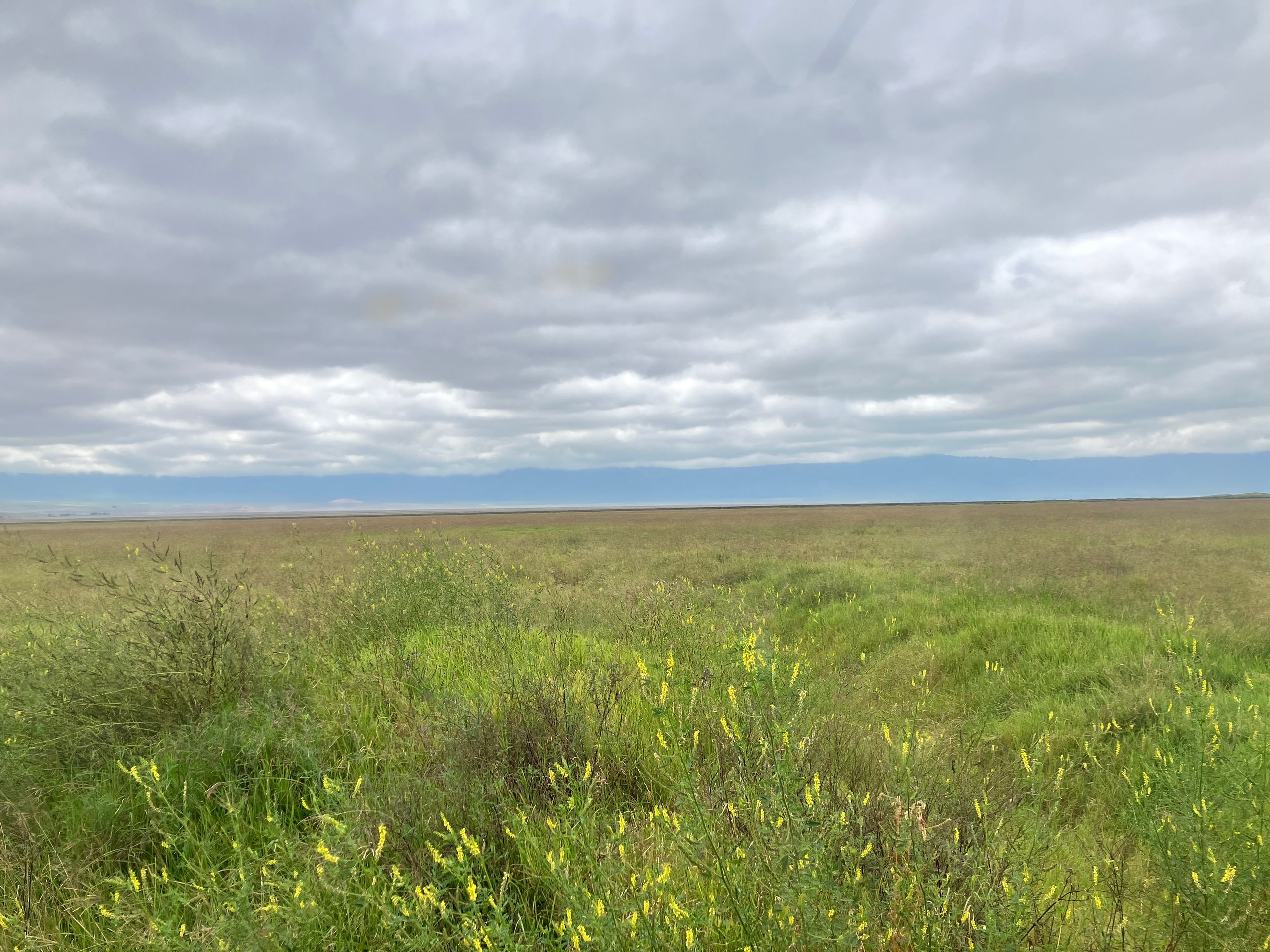
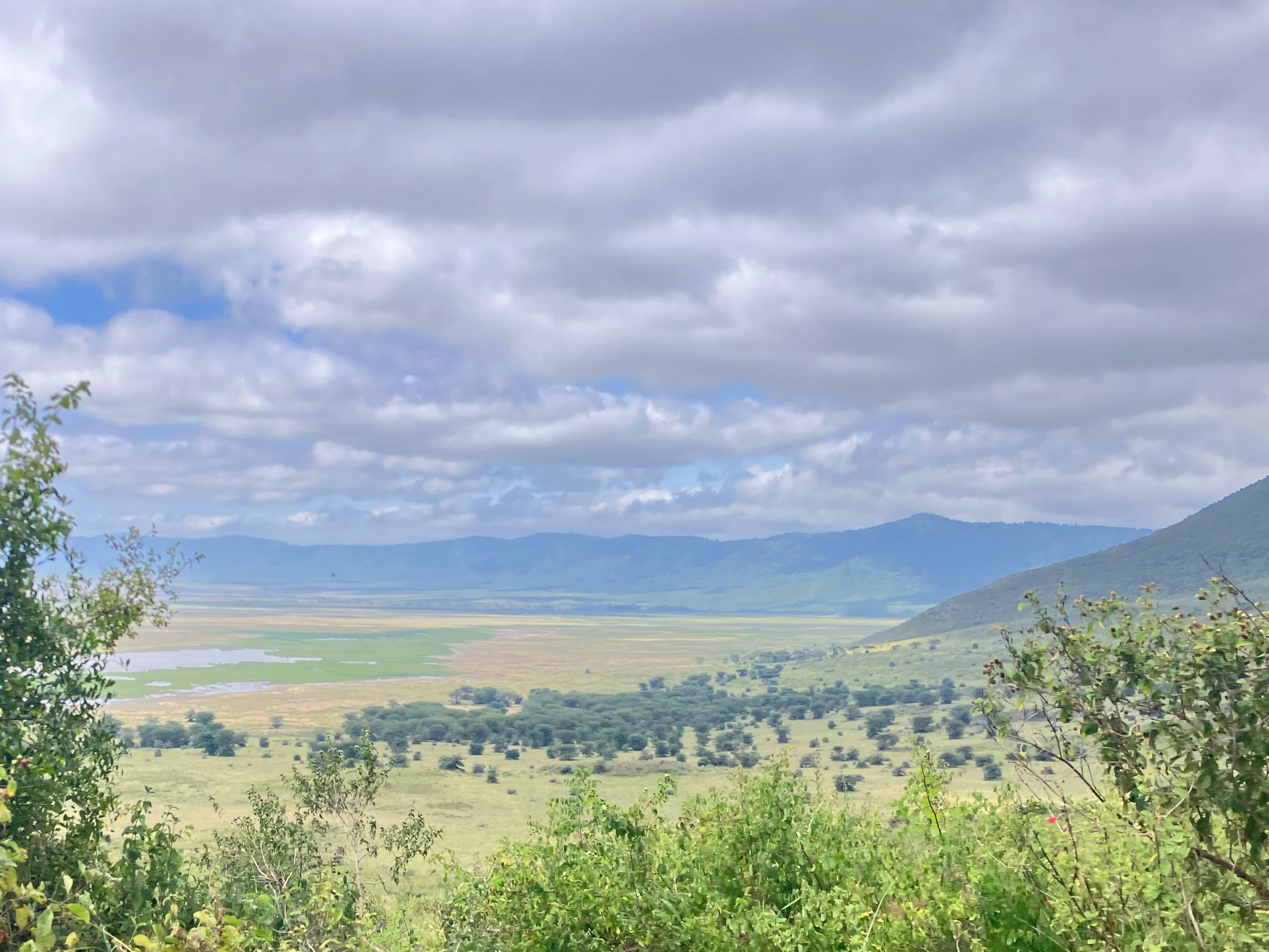
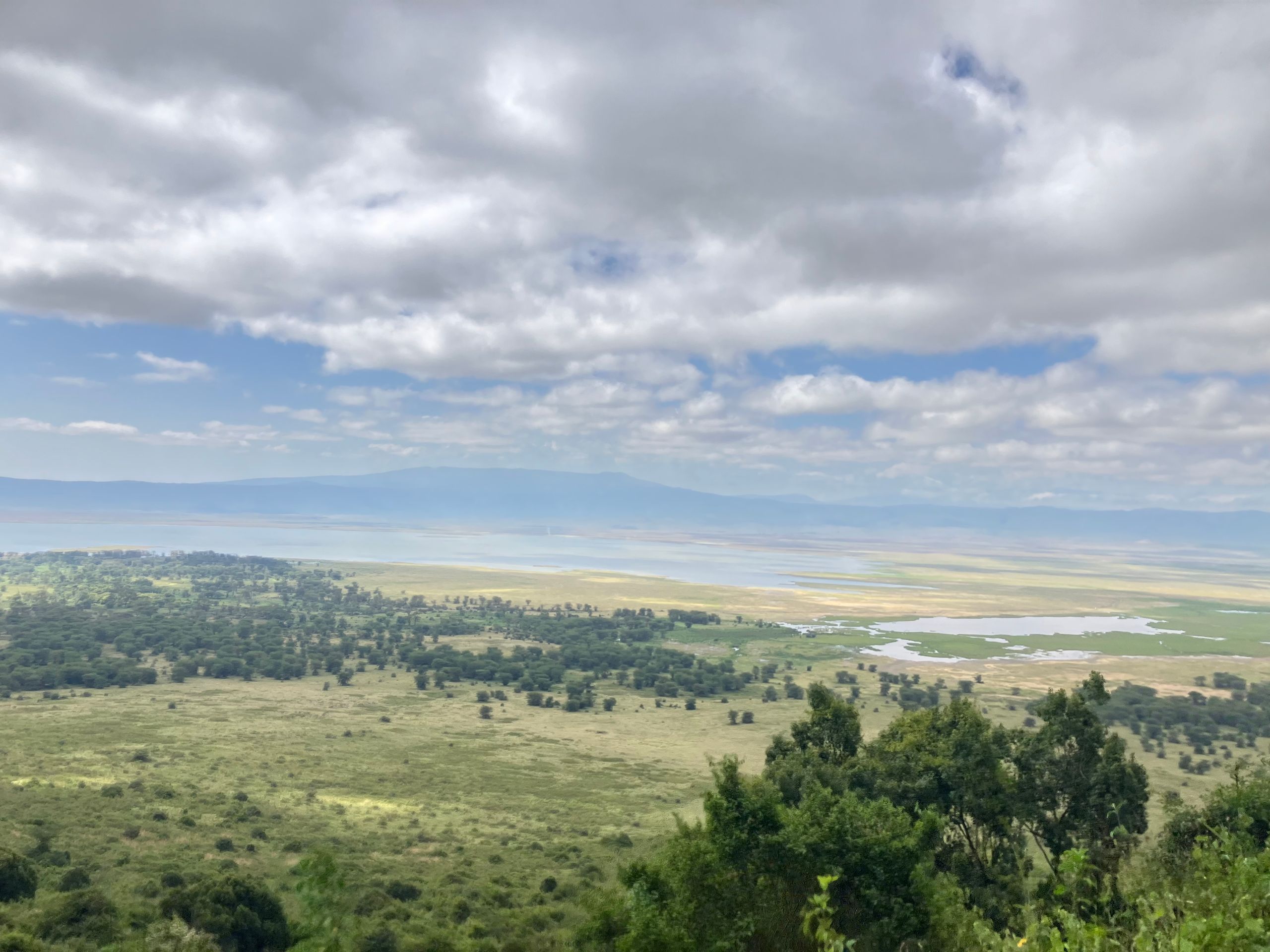
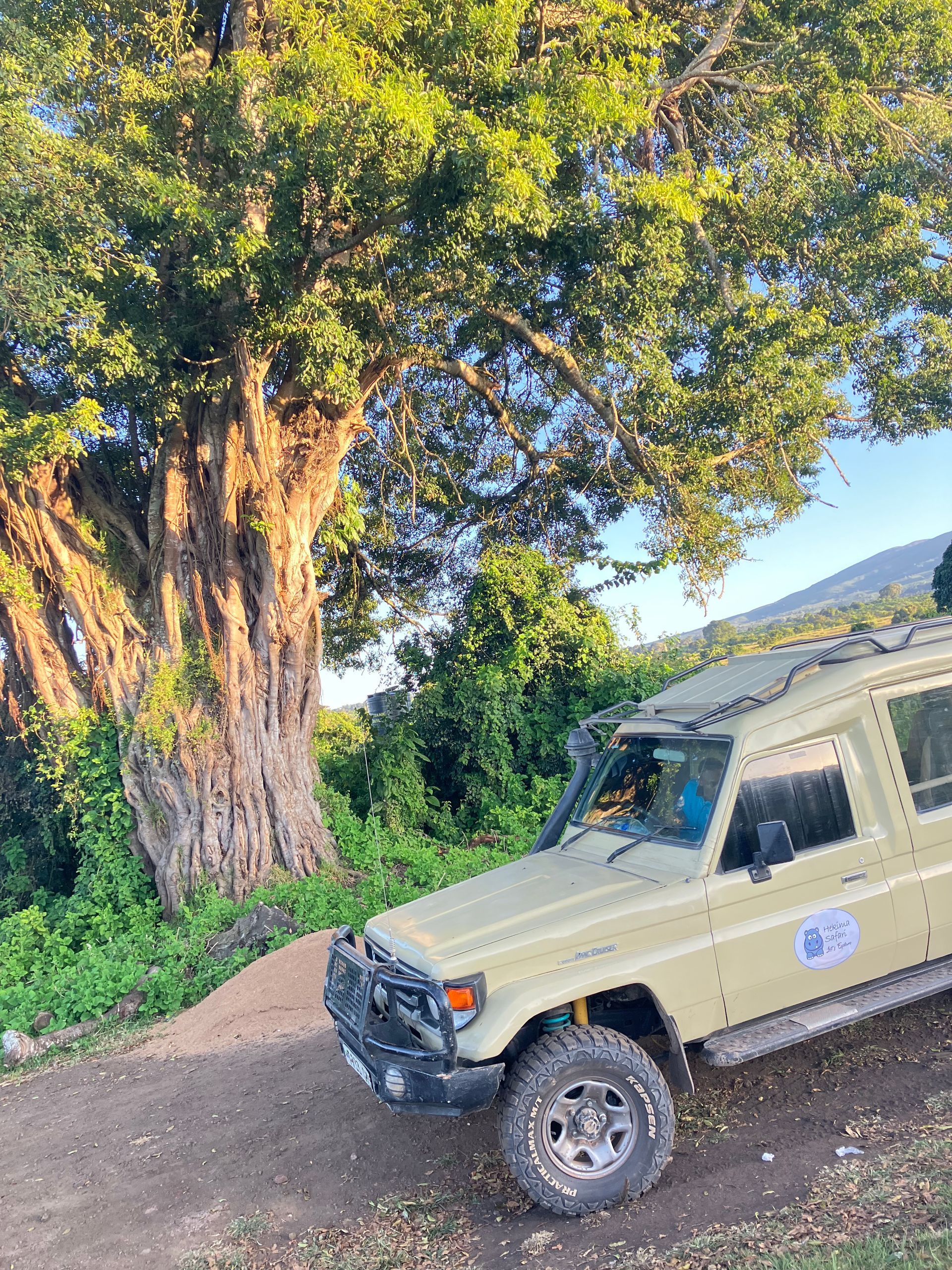
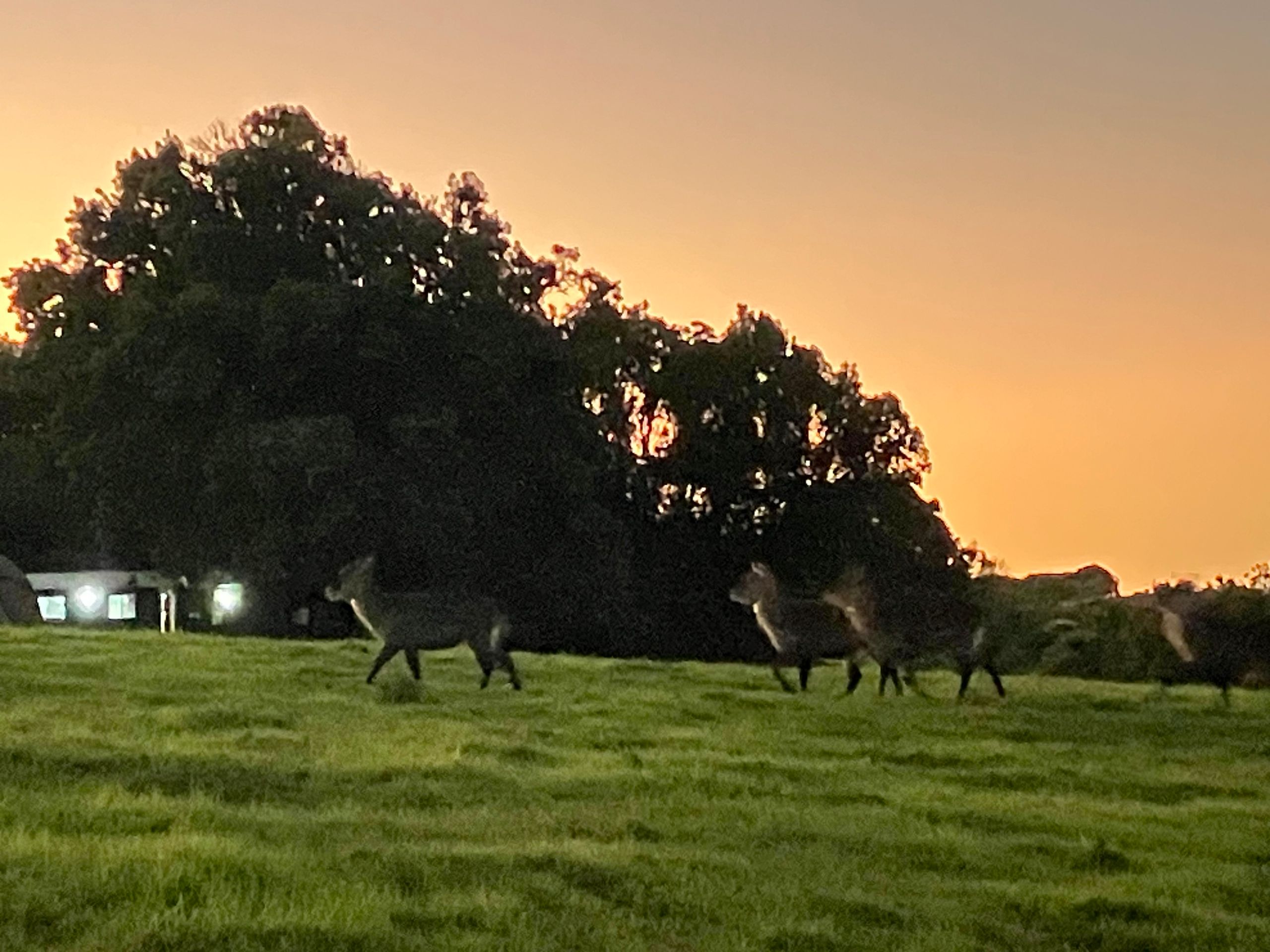
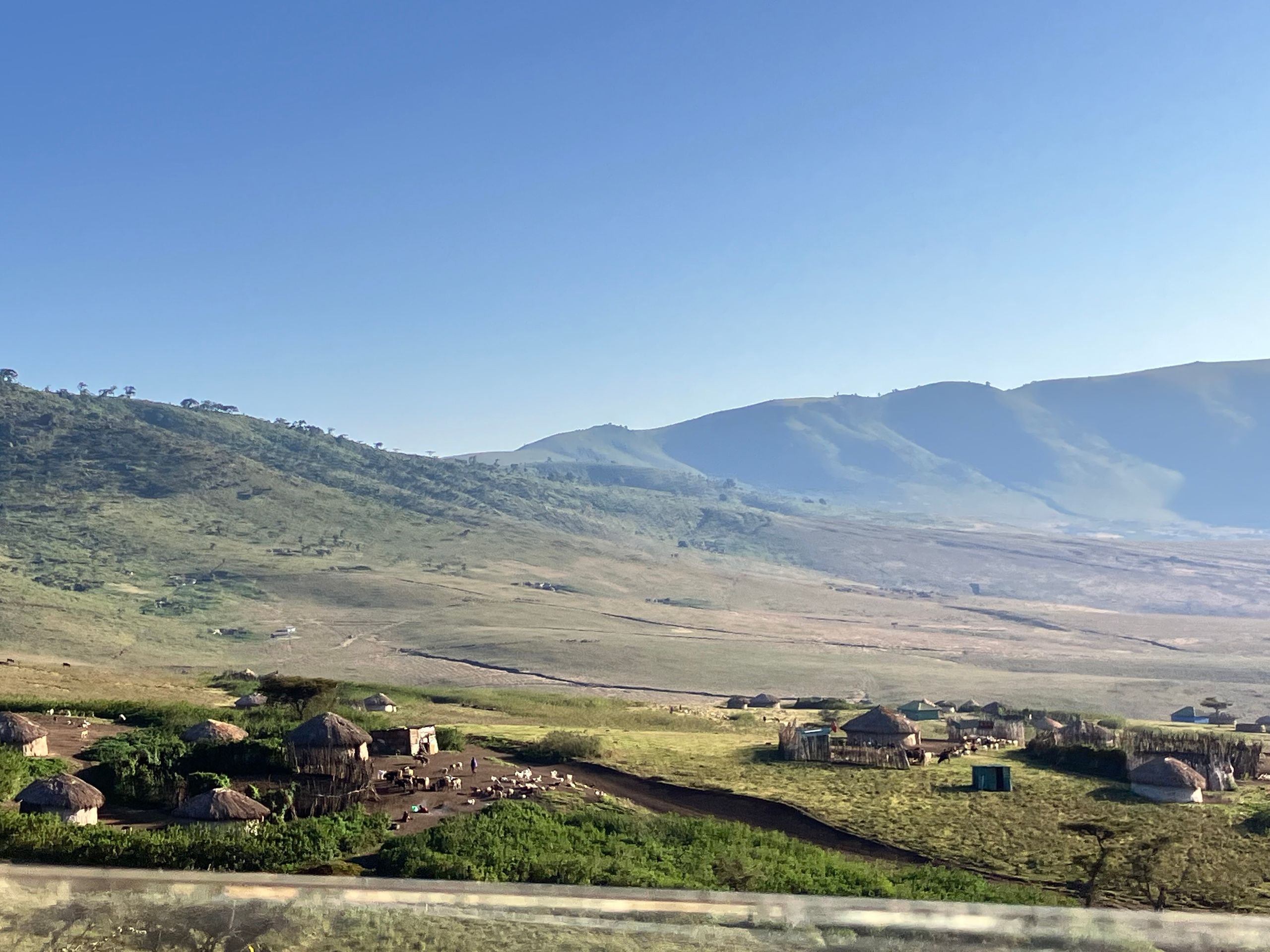
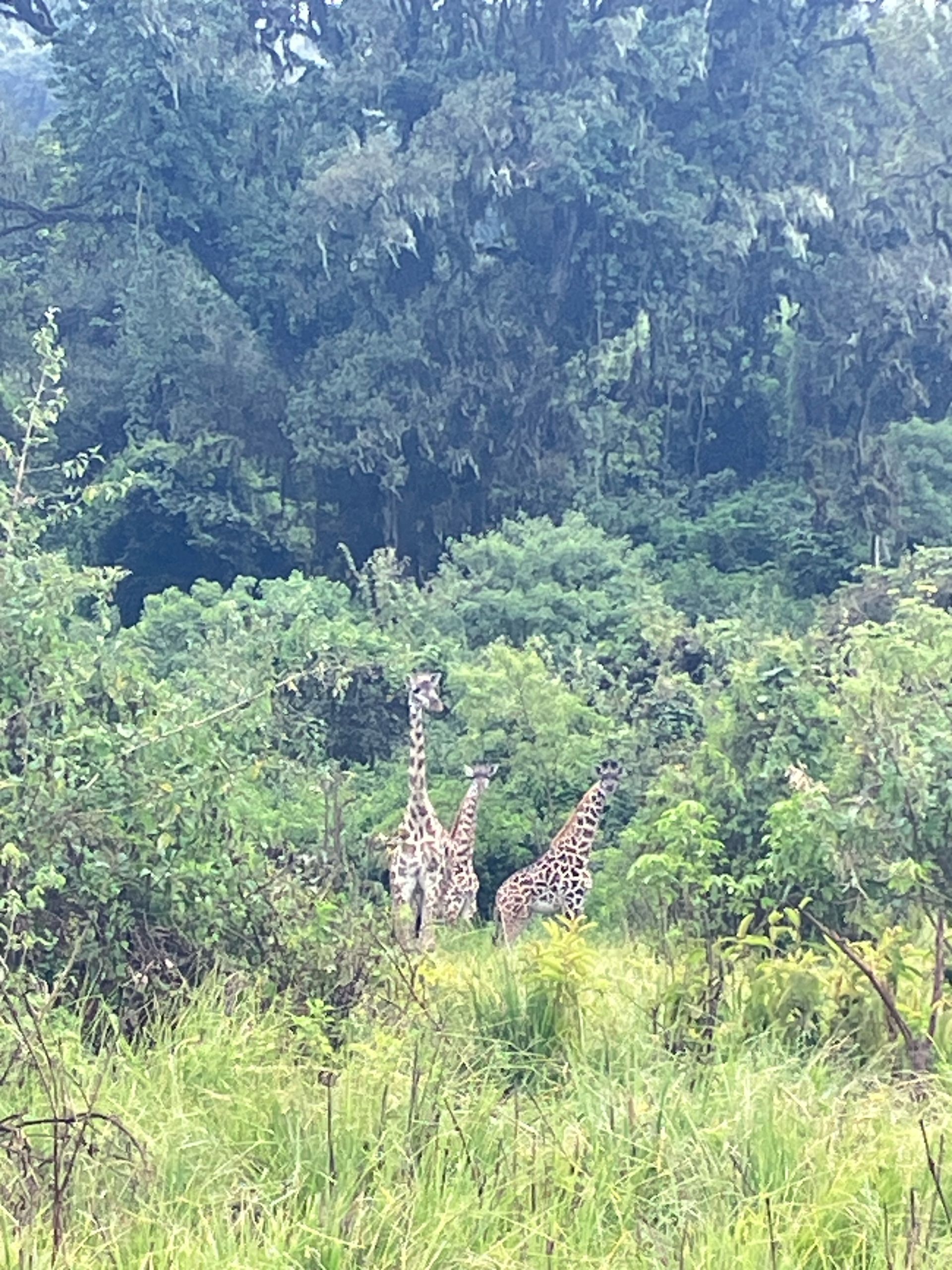
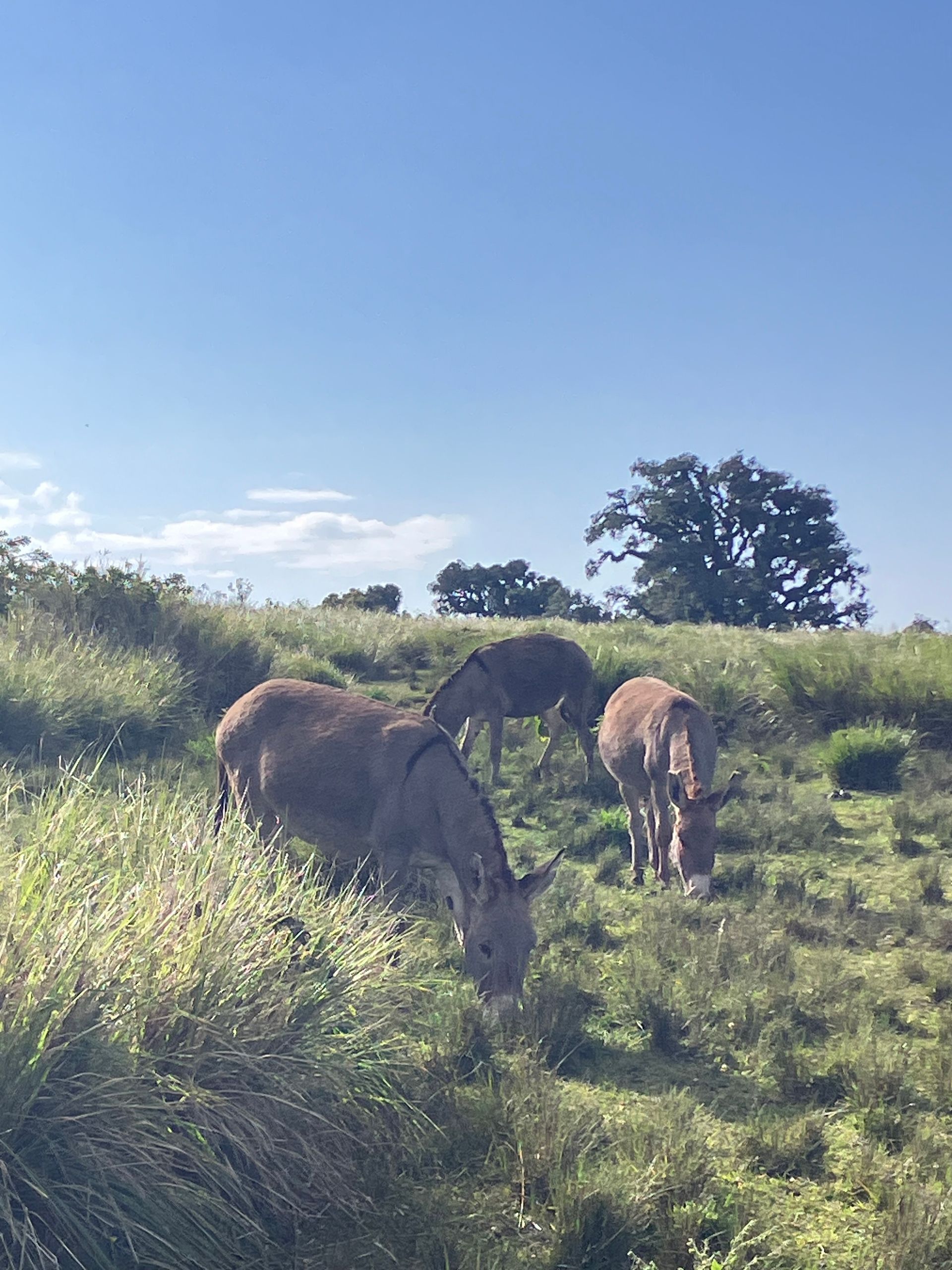
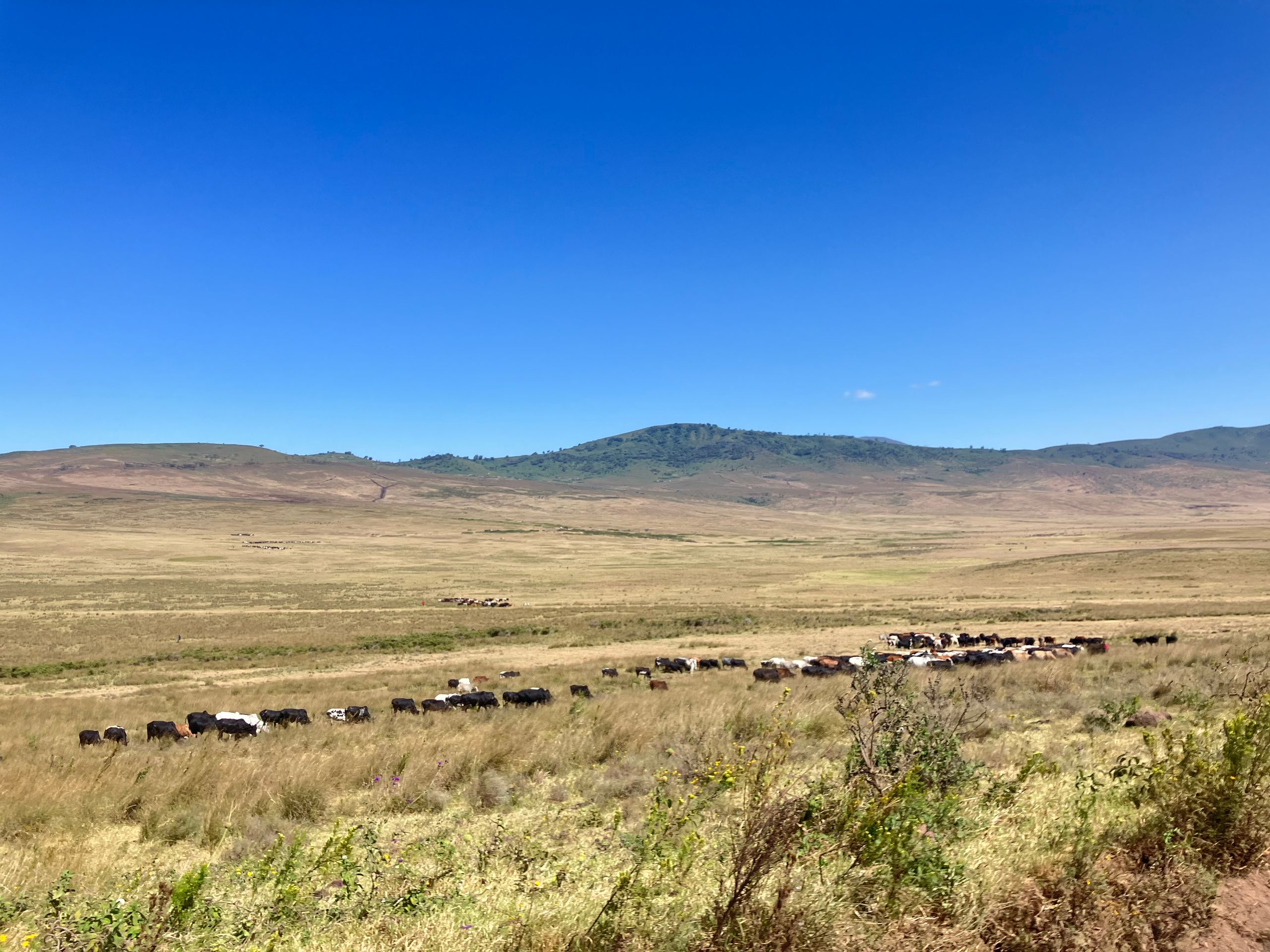
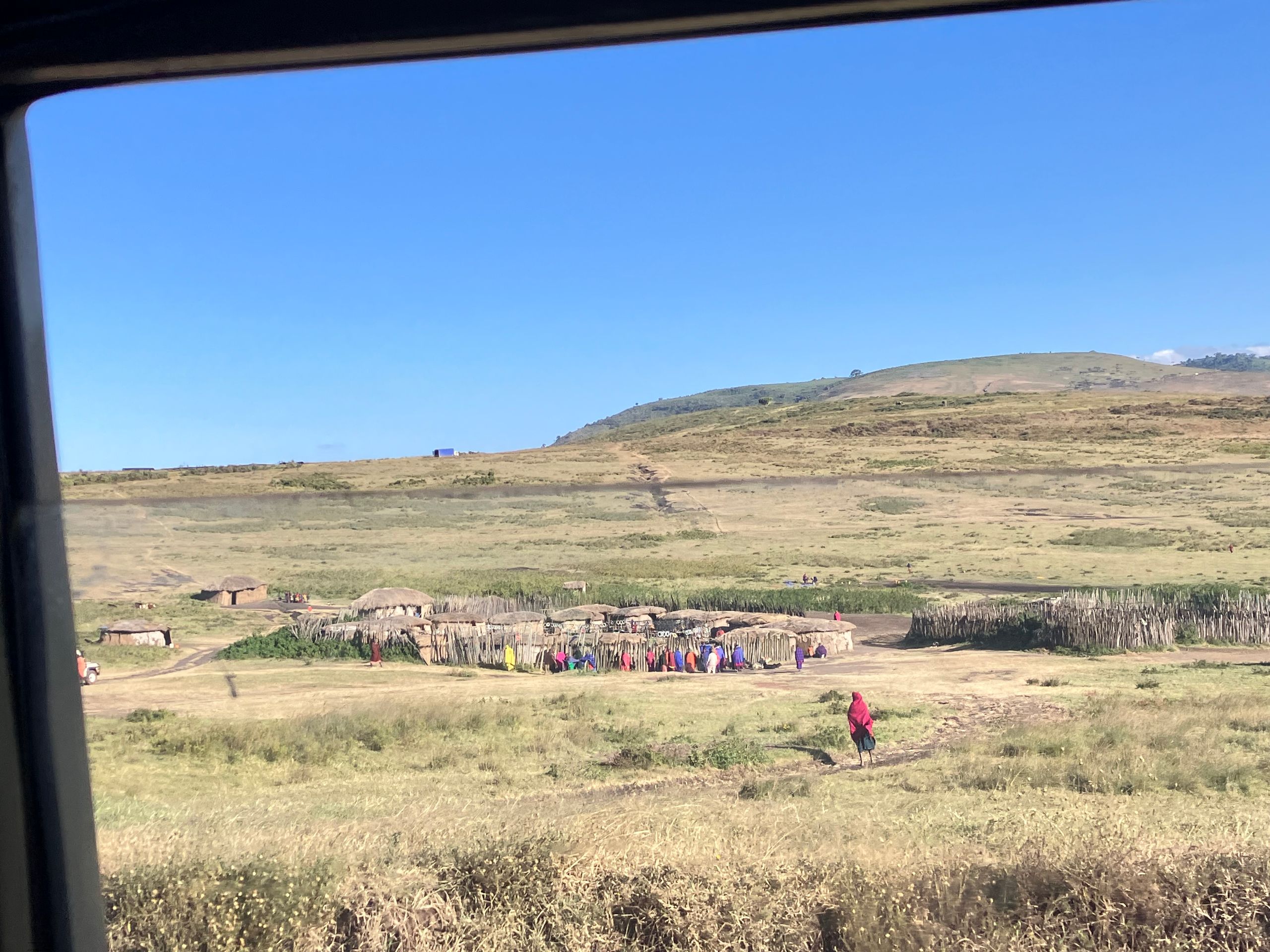
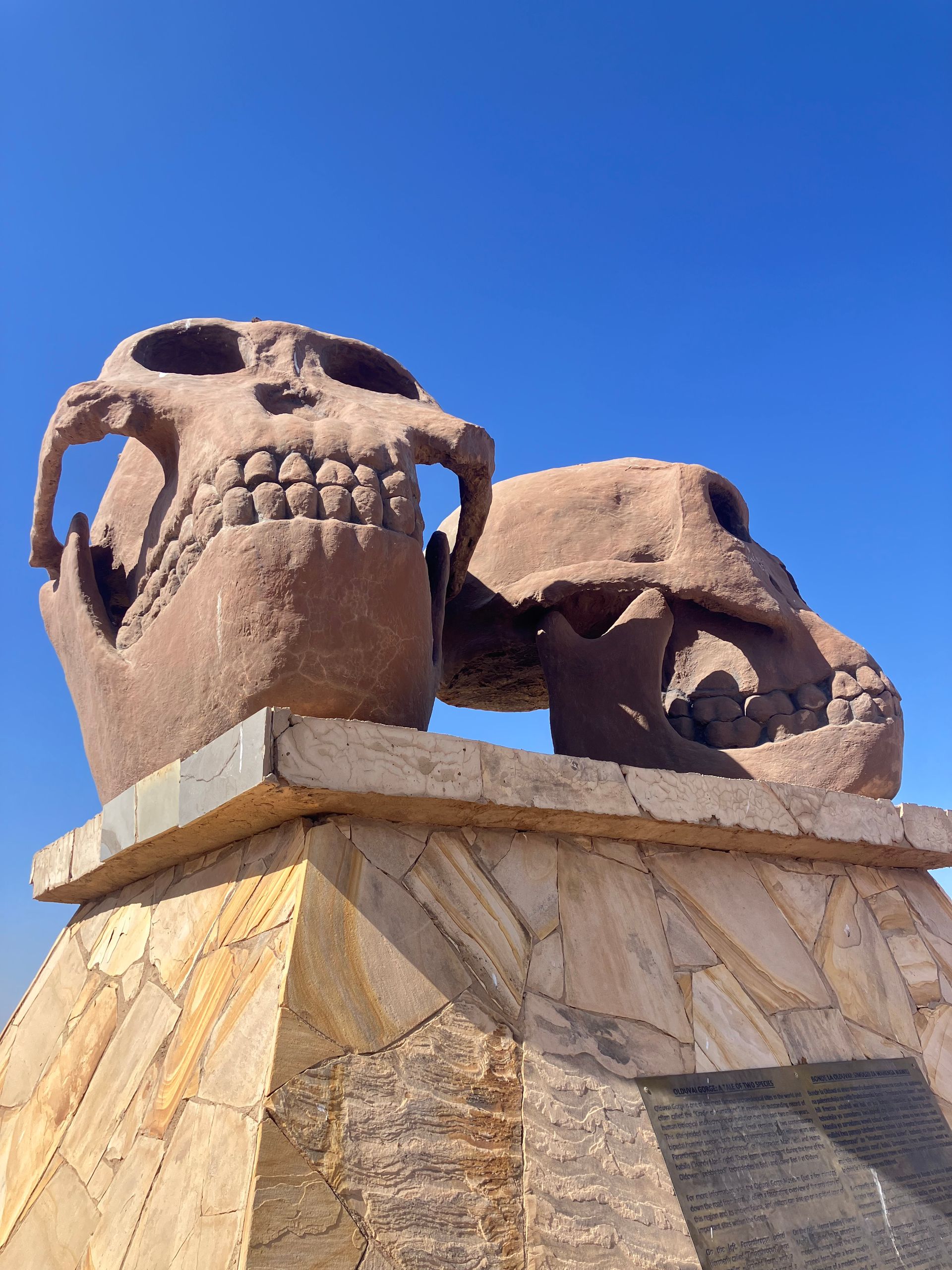
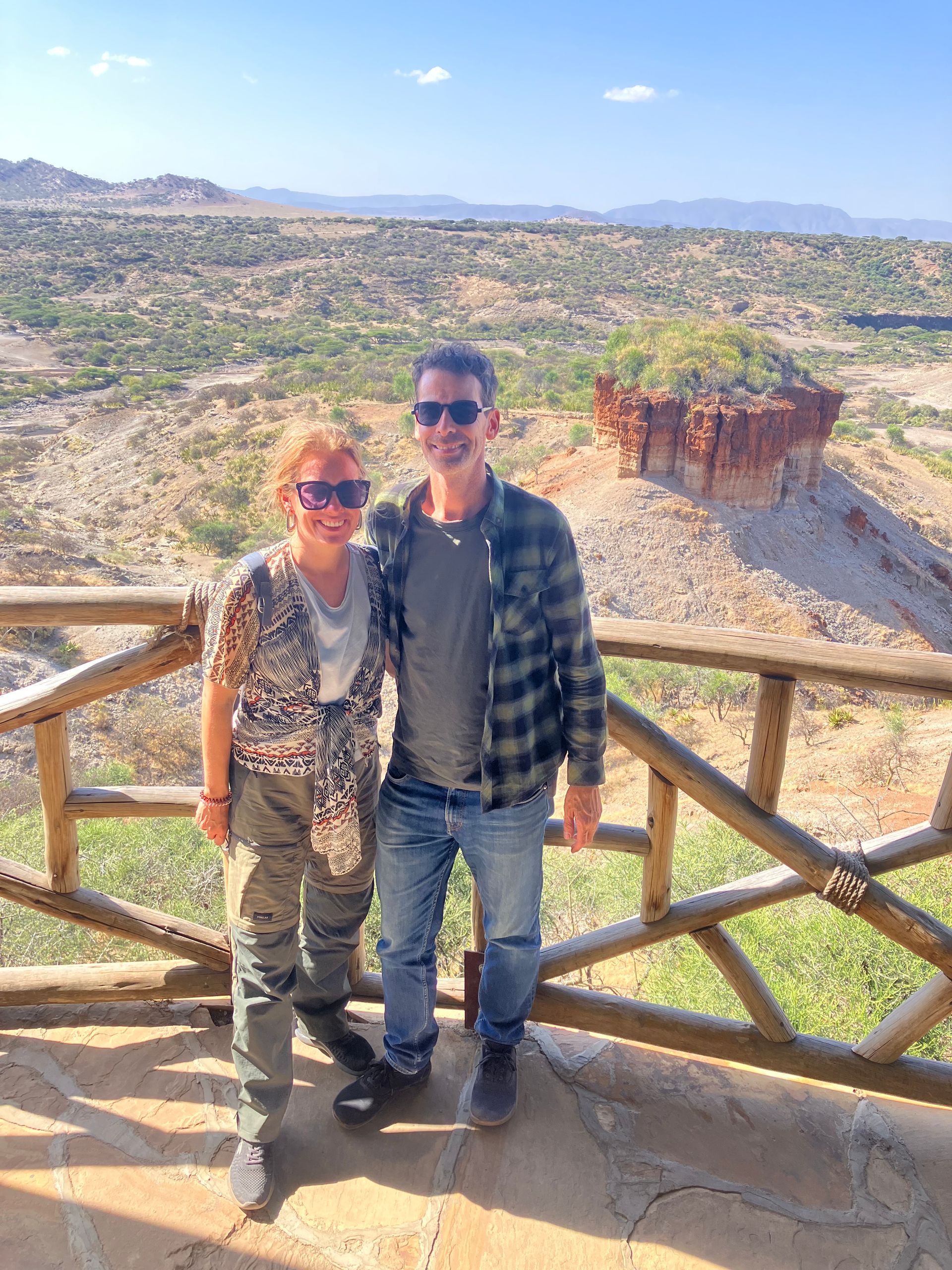
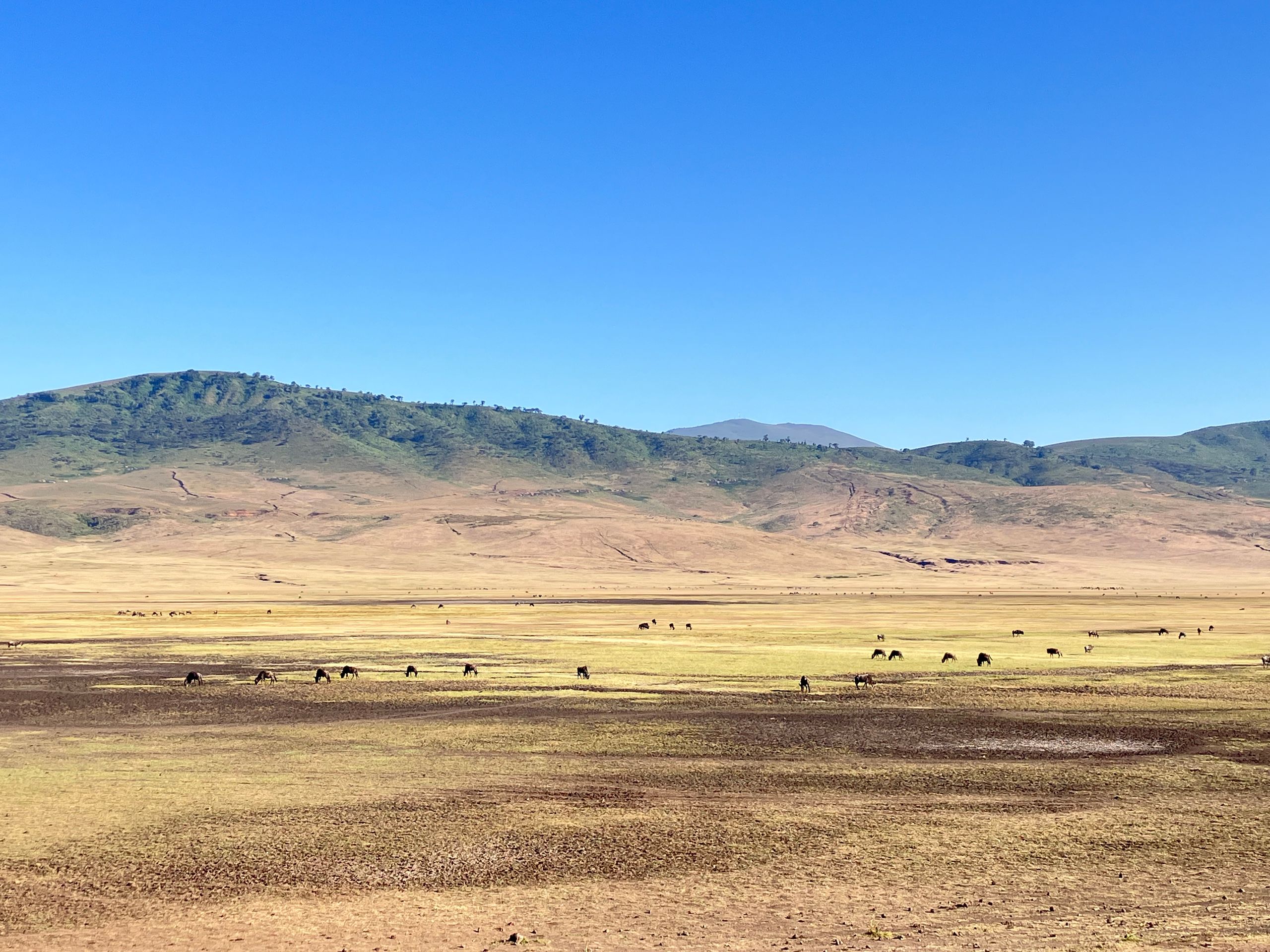
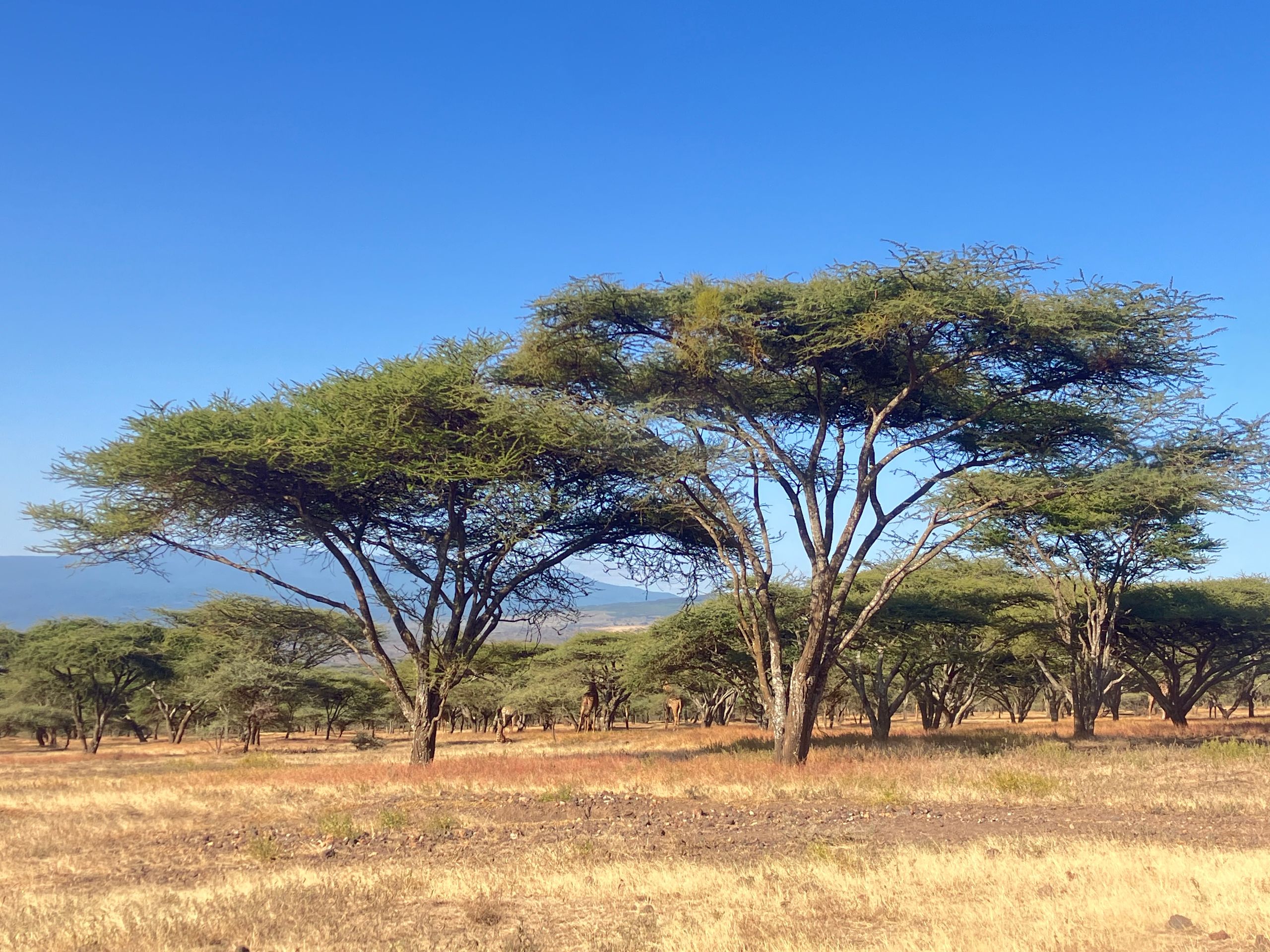
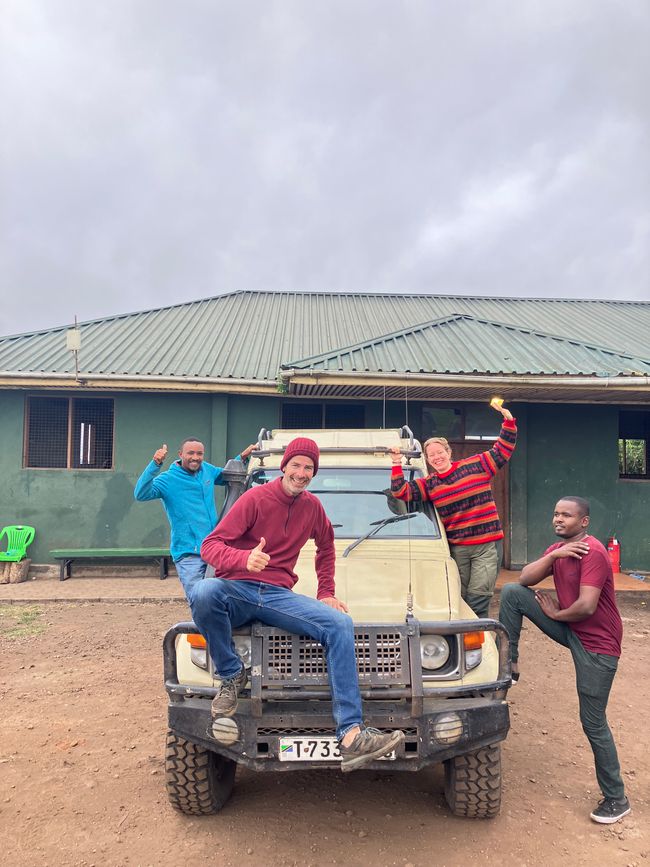
Initially, we considered traveling as self-drivers with a rental car, but due to high fees, this wouldn't have been significantly cheaper. Therefore, it makes more sense to have experienced people by our side who are familiar with the vast area, which is larger than the federal state of Hesse.
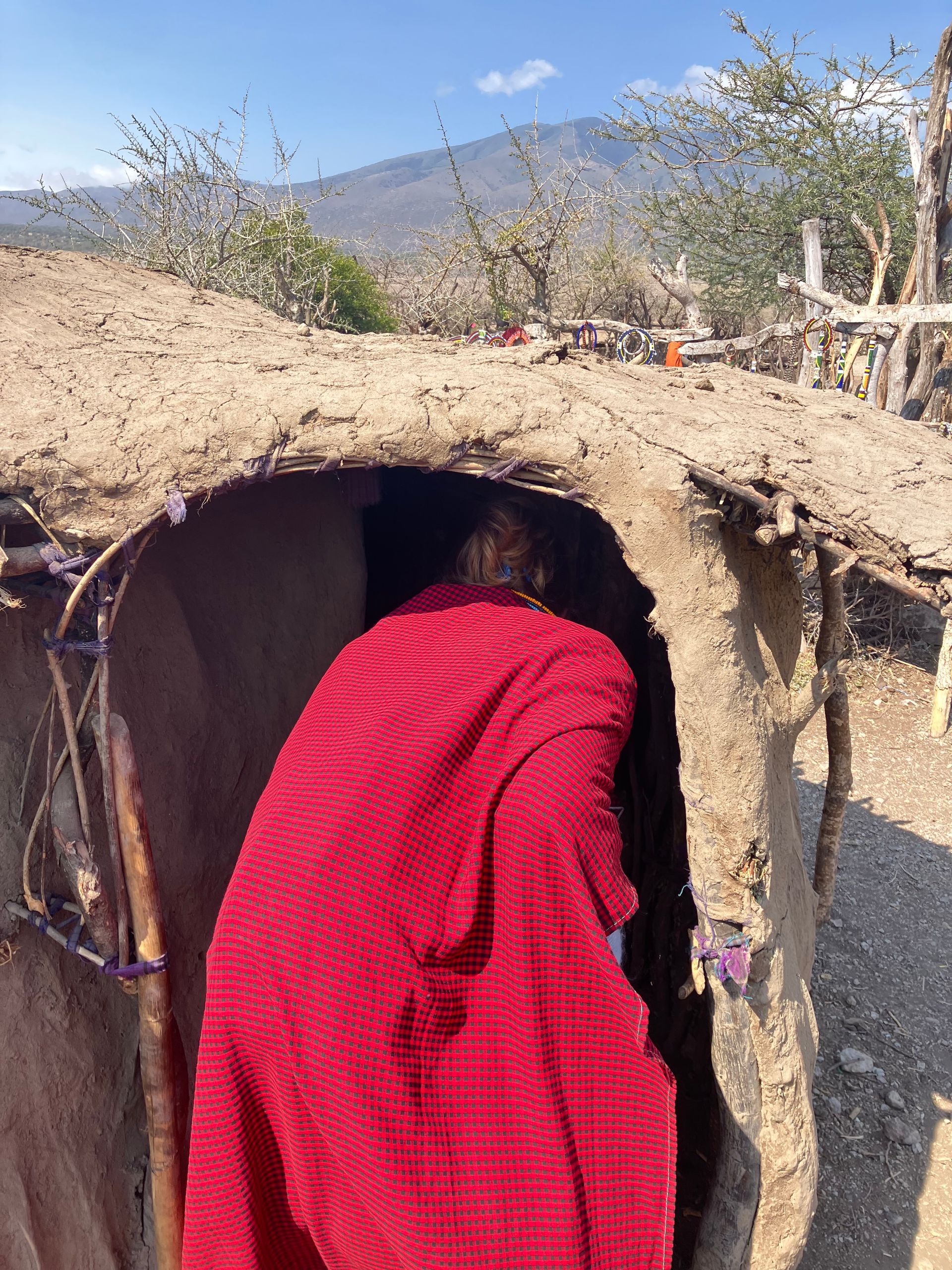
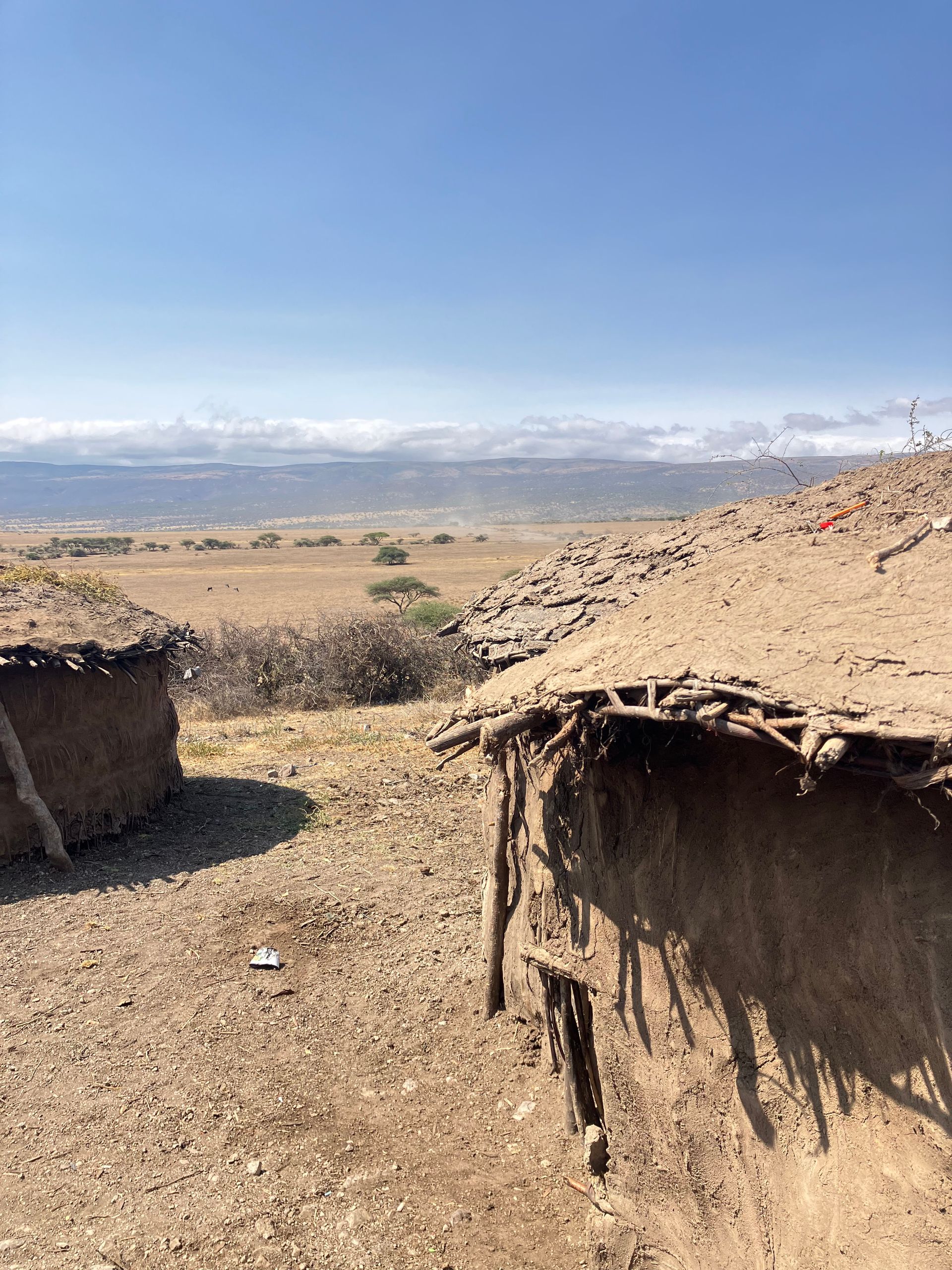
First, we will visit the Ngorongoro-Conservation Area for two days! There is so much to see: We want to drive into the crater, go on a walking safari, learn more about the Maasai culture, and visit the archaeological site 'Olduvai Gorge'.
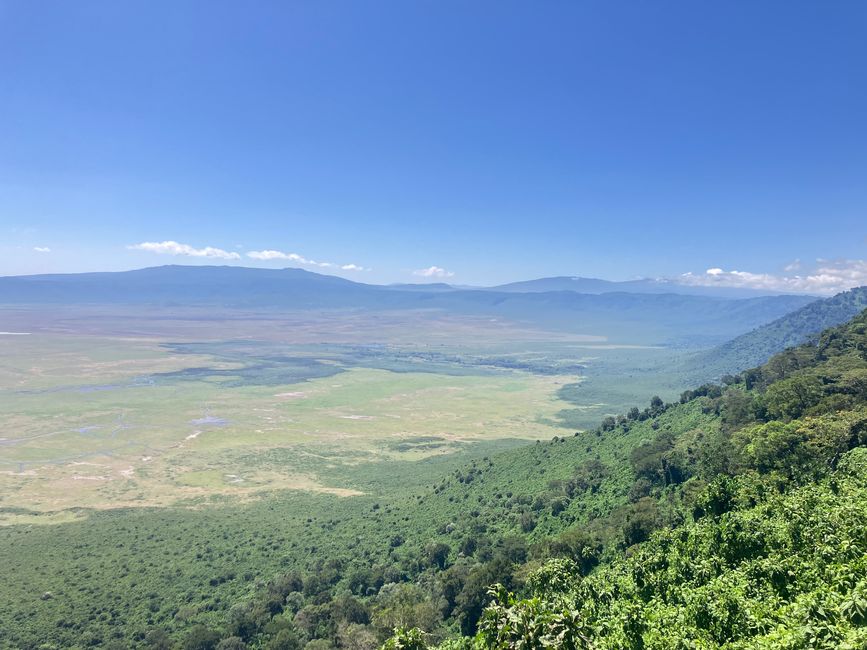
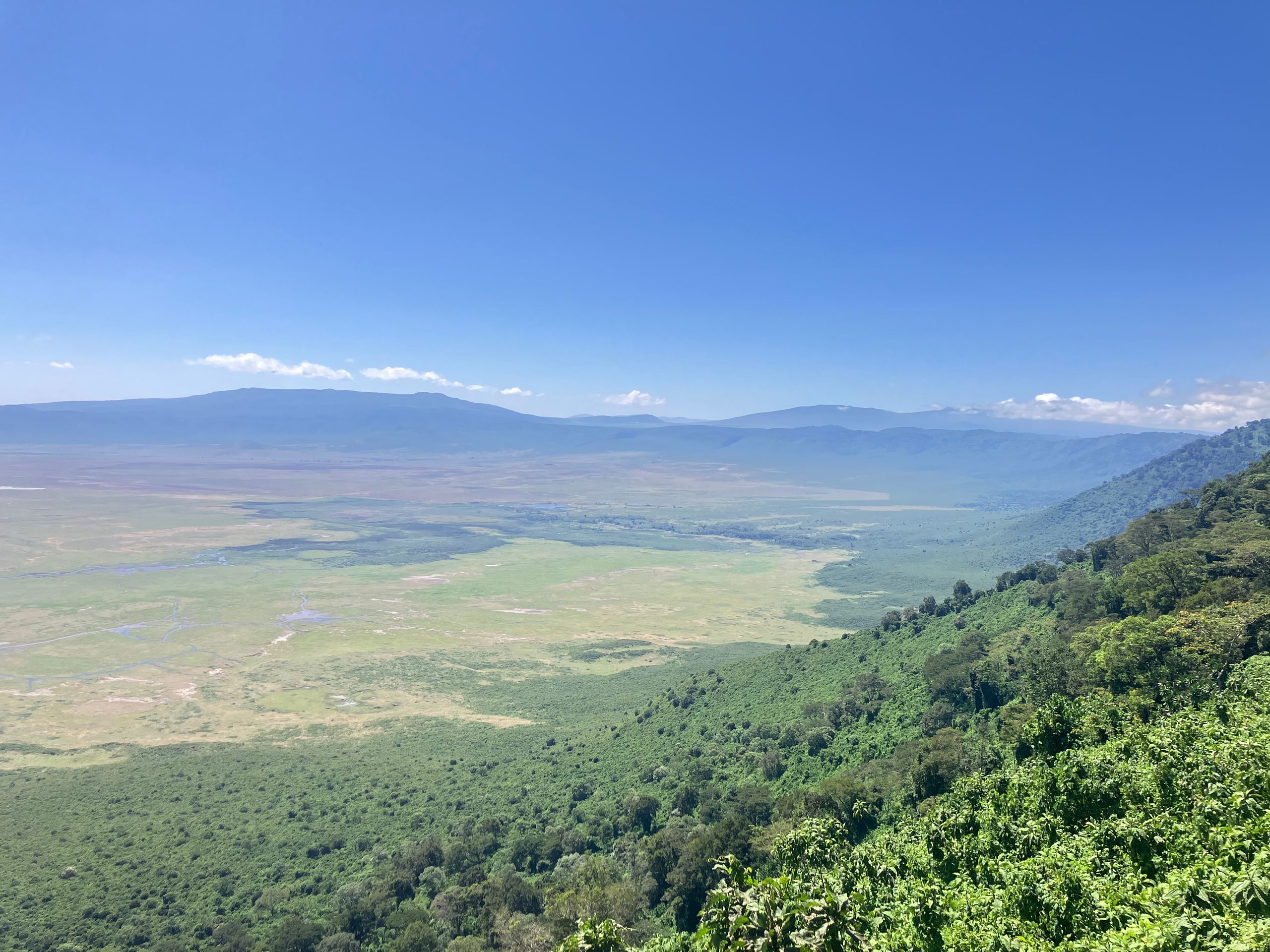
The epic-wide Ngorongoro Crater was formed millions of years ago by the collapse of a volcano. This created the world's largest intact caldera with a diameter of 19 km and a depth of 600 m. The flat crater floor is teeming with an incredible number of wild animals.
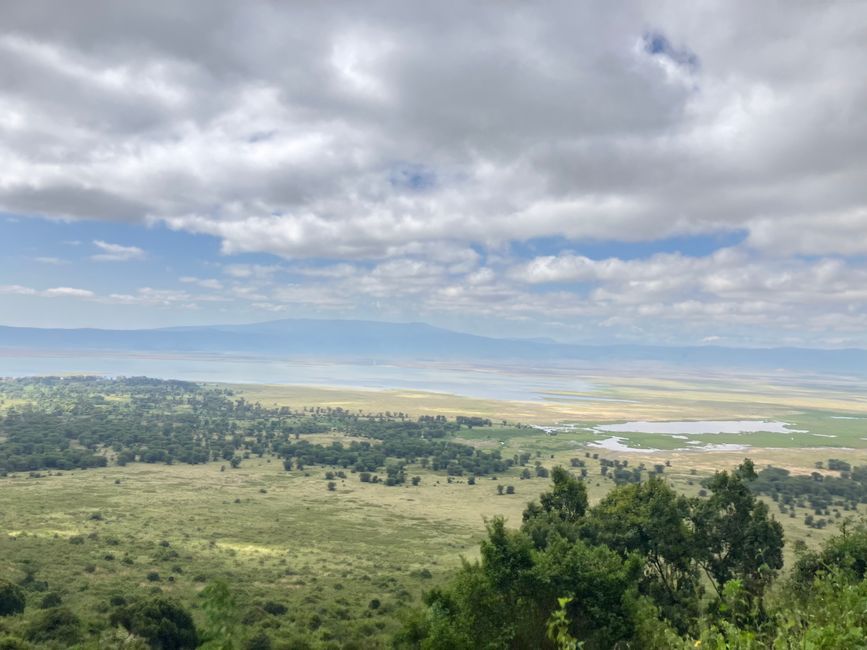
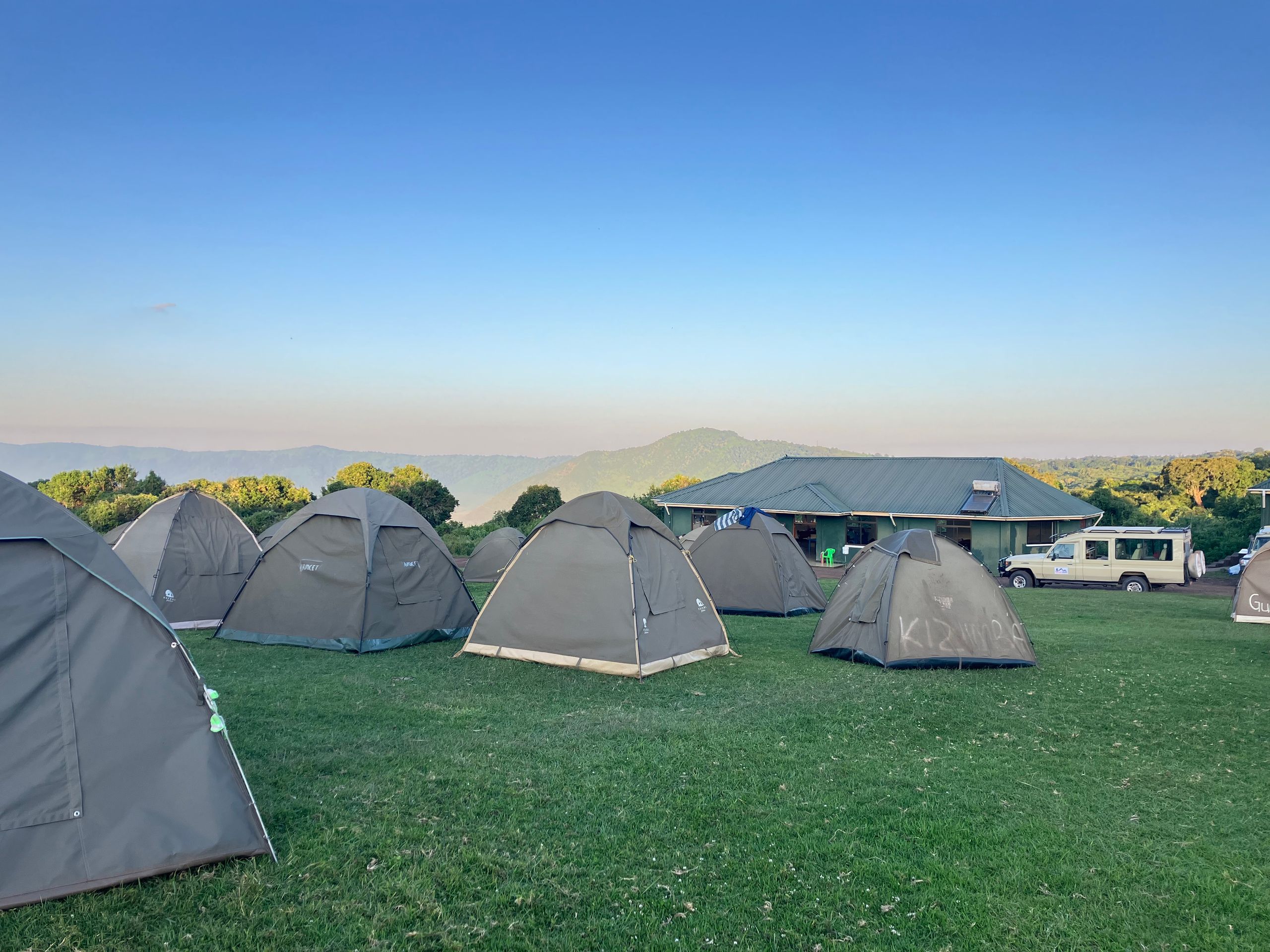
Above the crater rim, we will spend our first two nights!
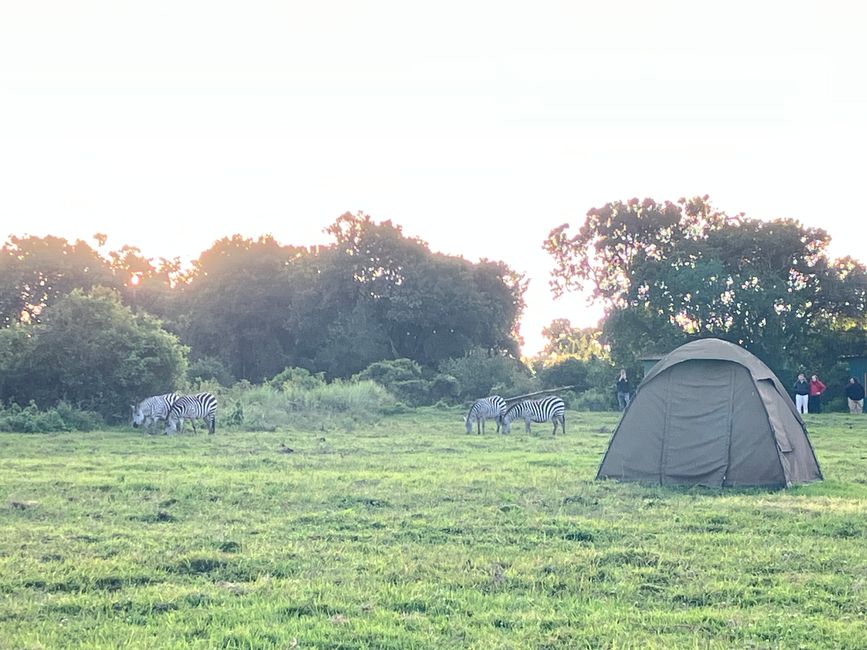
In the open camp, buffalos and zebras graze. The barking and howling of hyenas can also be heard at night, providing a slight thrill... especially when Chris encounters a hyena in the dark on his way to the toilet. Fortunately, it quickly escapes; the beam of the flashlight scares it away. From now on, the motto is: Better to shine the flashlight one more time and listen carefully to what’s going on outside. 😆
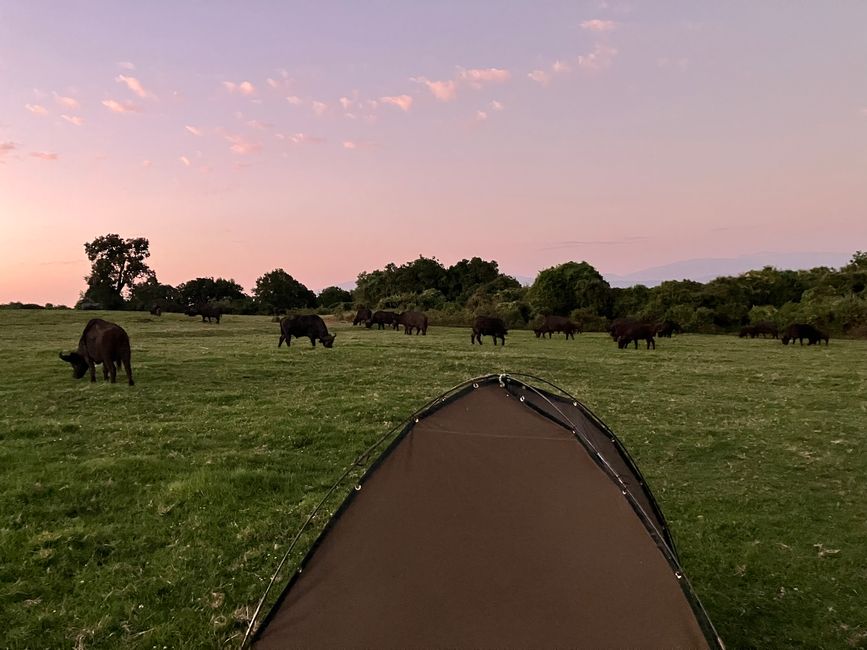
The next morning, we start our game drive into the crater!
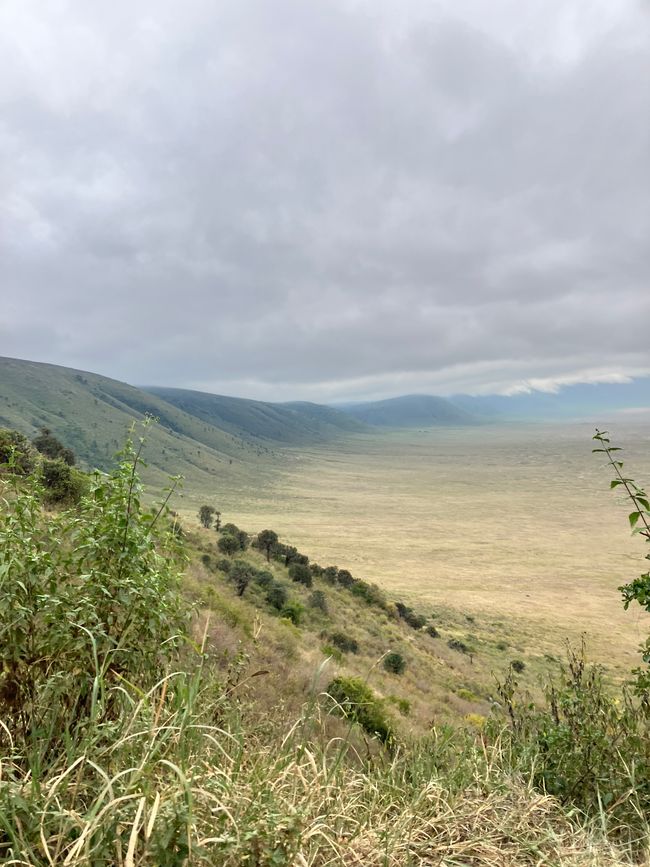
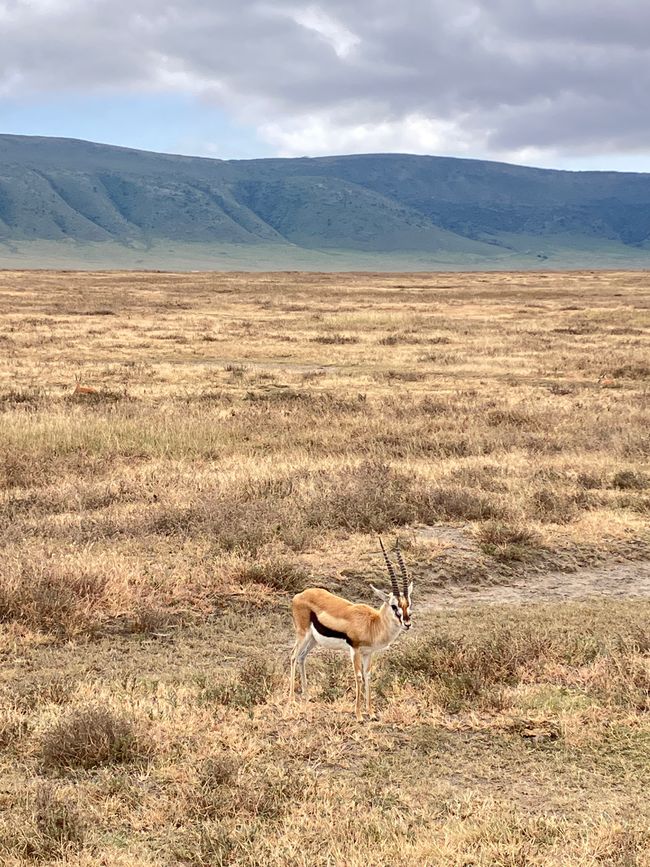
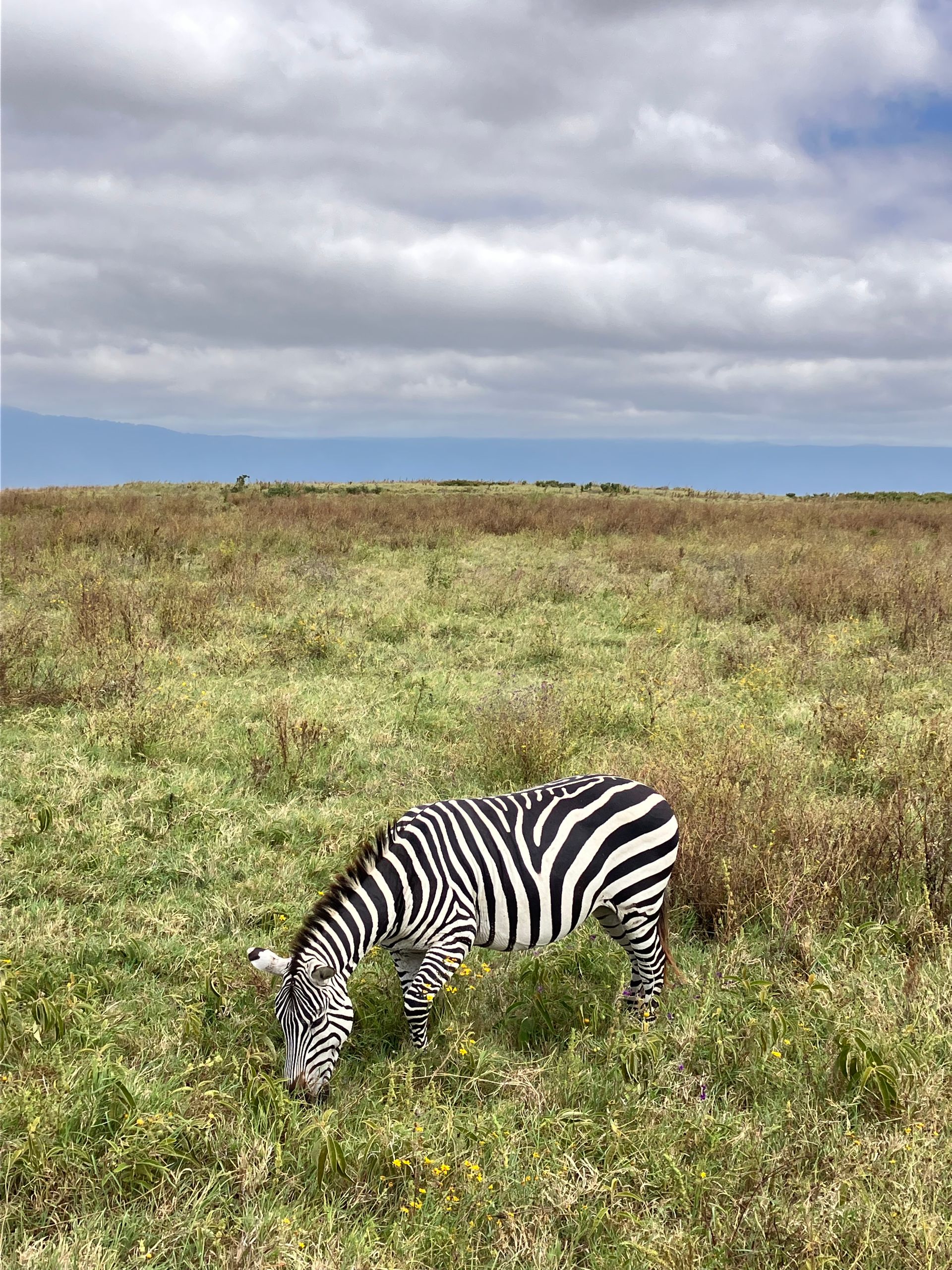
We see Thompson's gazelles, buffaloes, herds of wildebeest, and zebras, and we are completely amazed!
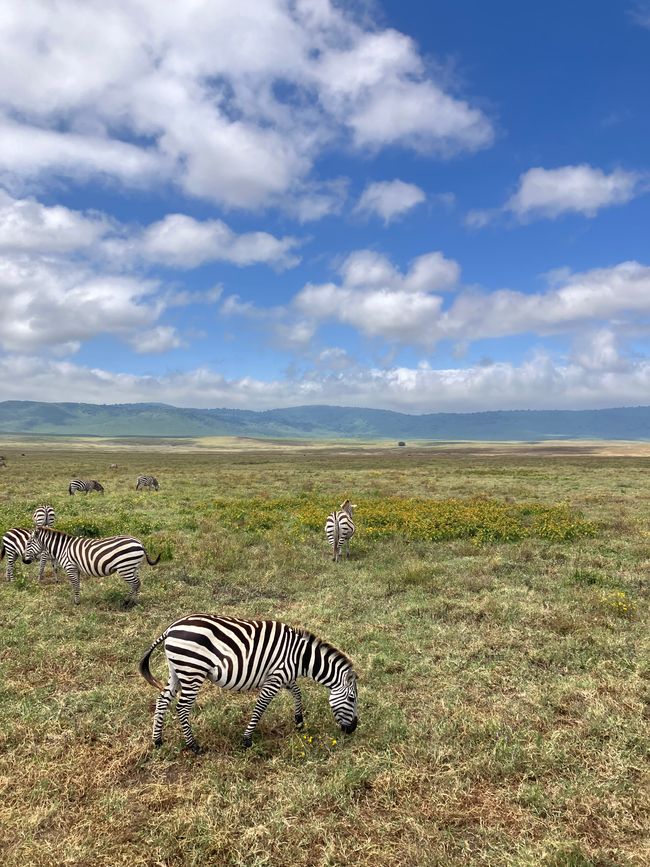
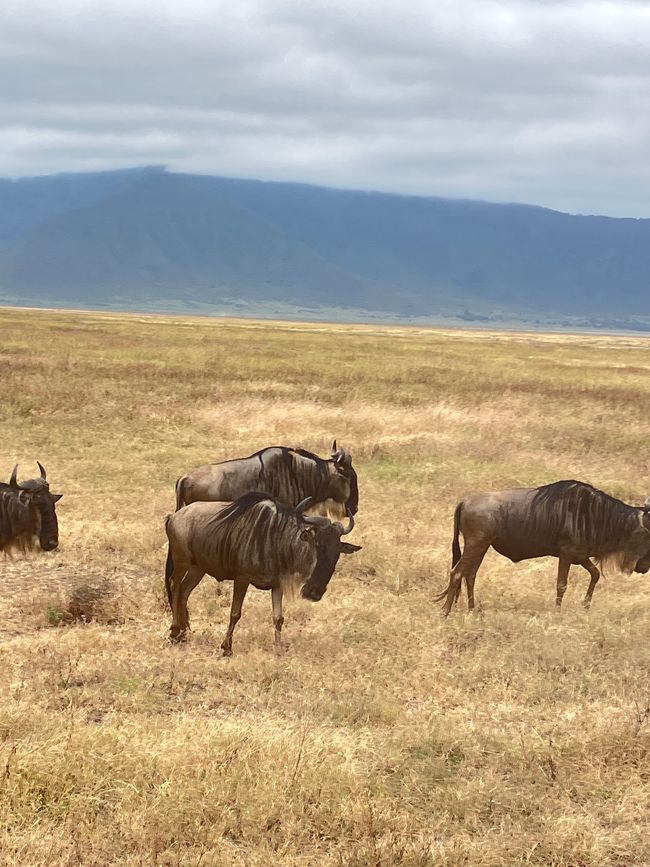
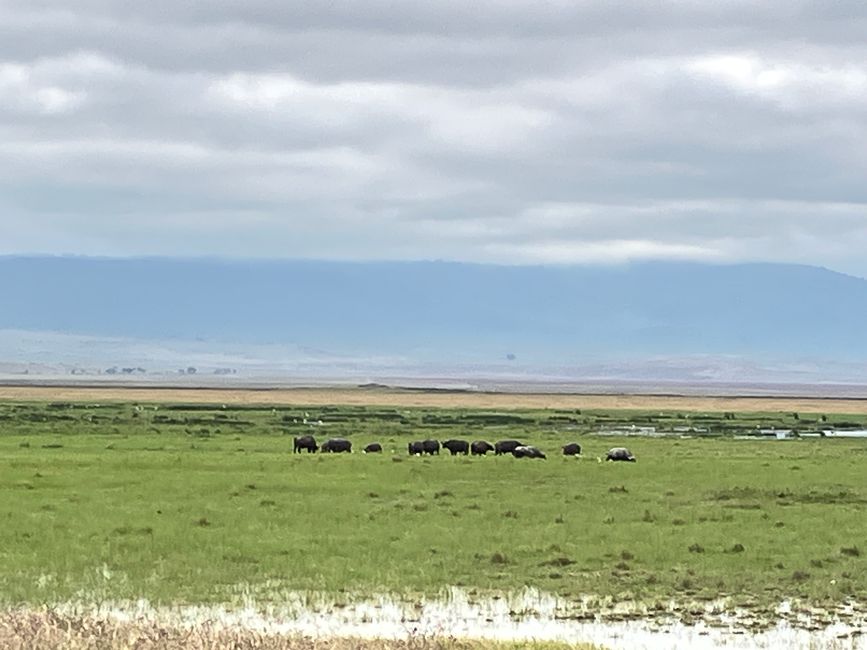
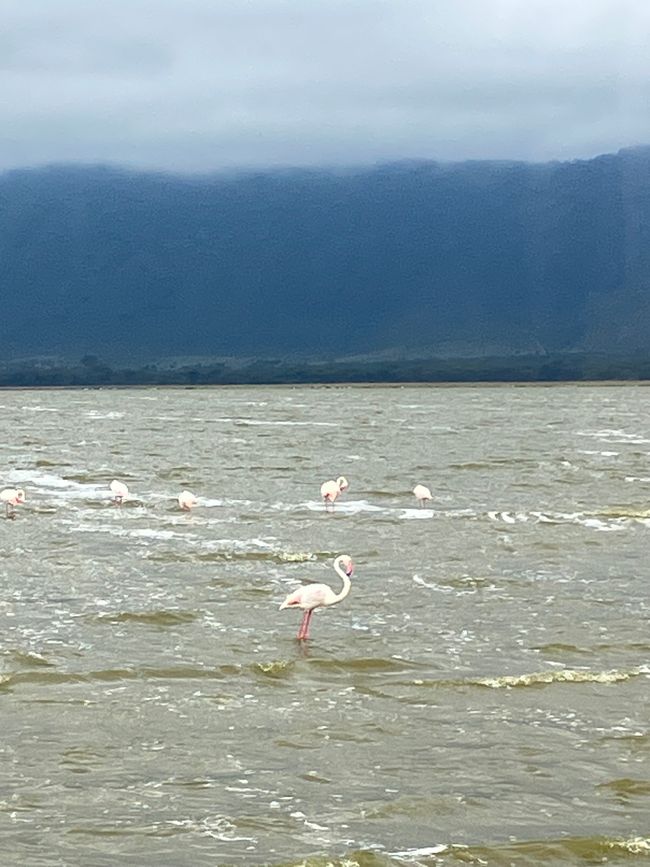
In addition to further savannas, there is also a mineral-rich salt lake in the middle—many waterbirds, like flamingos, can be seen here!
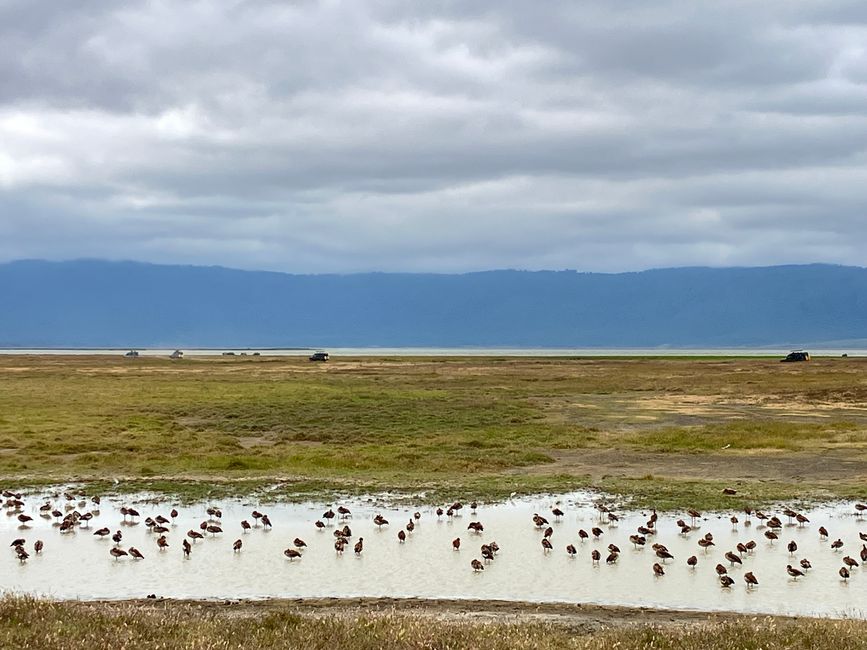
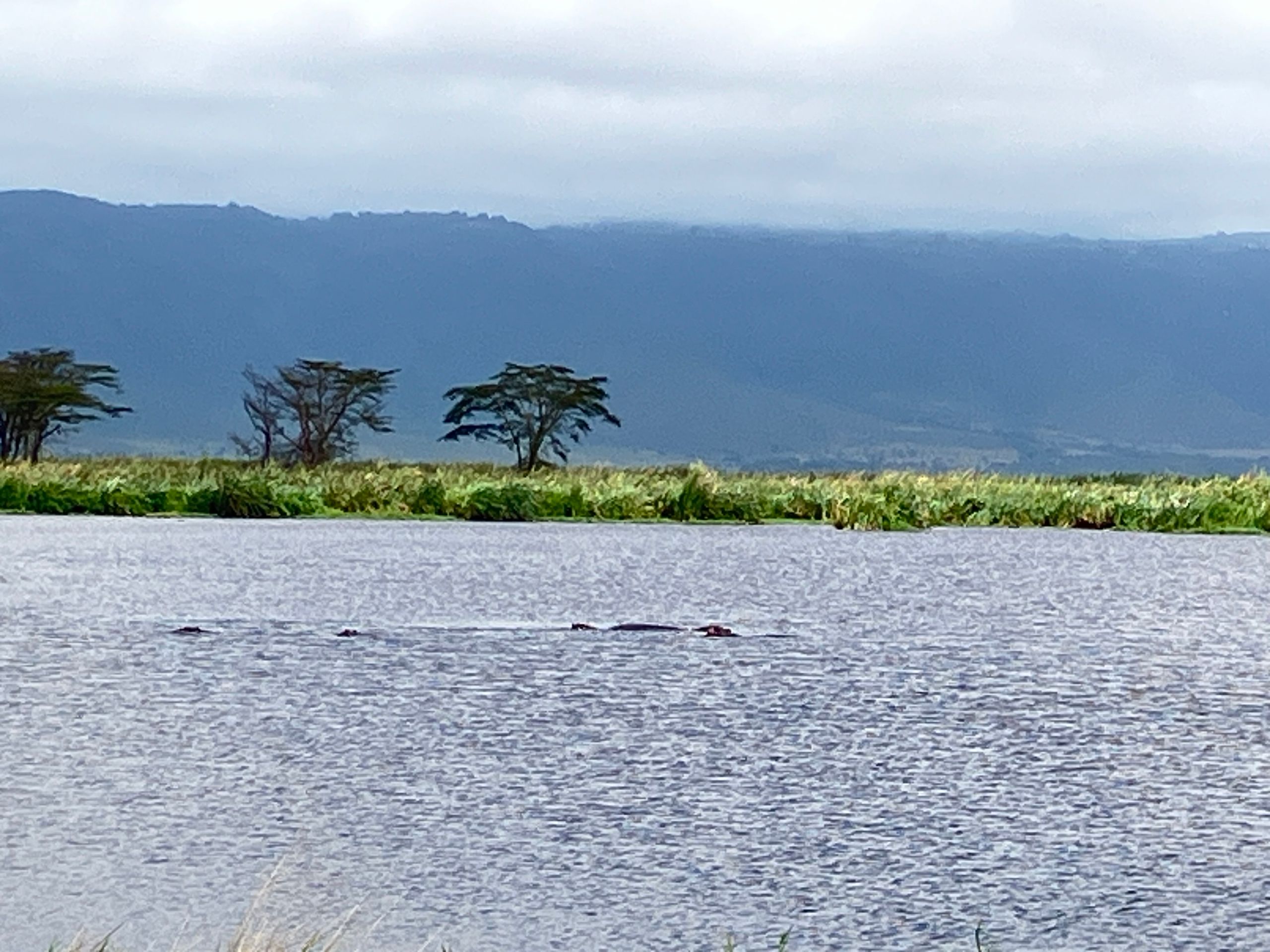
In the distance, individual hippos jump out of the water! Too far for our mobile cameras, but well observed with binoculars 👀 Several specimens are lounging in the water at the so-called hippo pool.
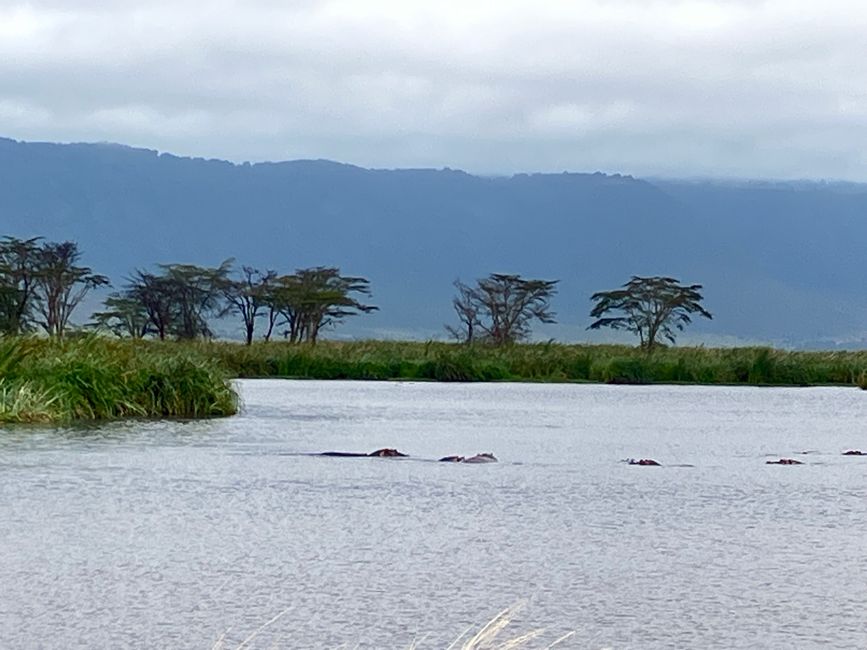
Hippos do not swim but walk along the bottom of the water. During the day, they cool their sensitive skin from the sun and graze on the grasses in the surrounding area at night.
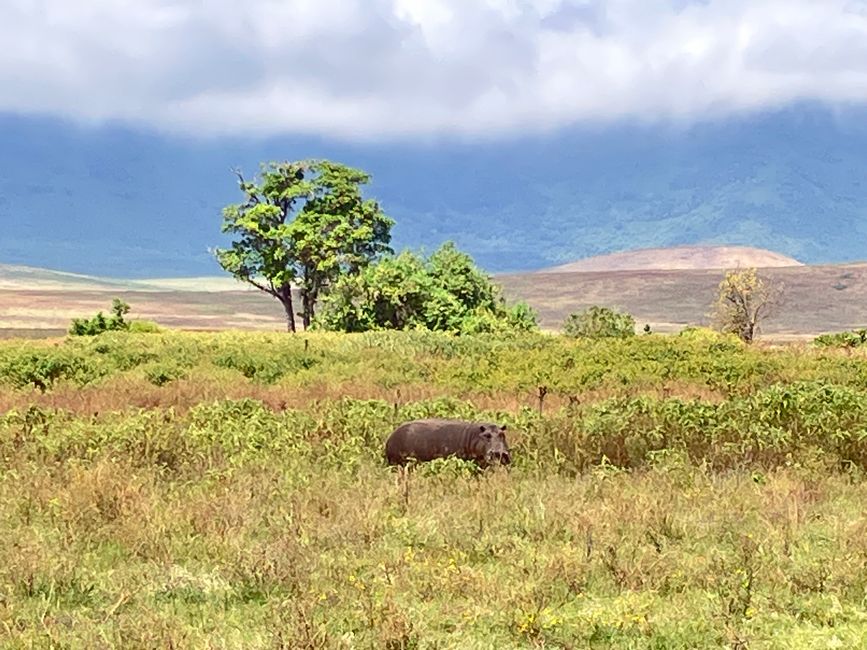
On the way, a hippo comes directly towards us but quickly runs into the bush. Hippos can become very dangerous. If they panic, they simply trample everything in their path. With 2-3 tons and speeds of 30 km/h, this does not always end well!
In the Ngorongoro Crater, about 20 of the rare black rhinos still live. They are hardly observable in the wild and are critically endangered.
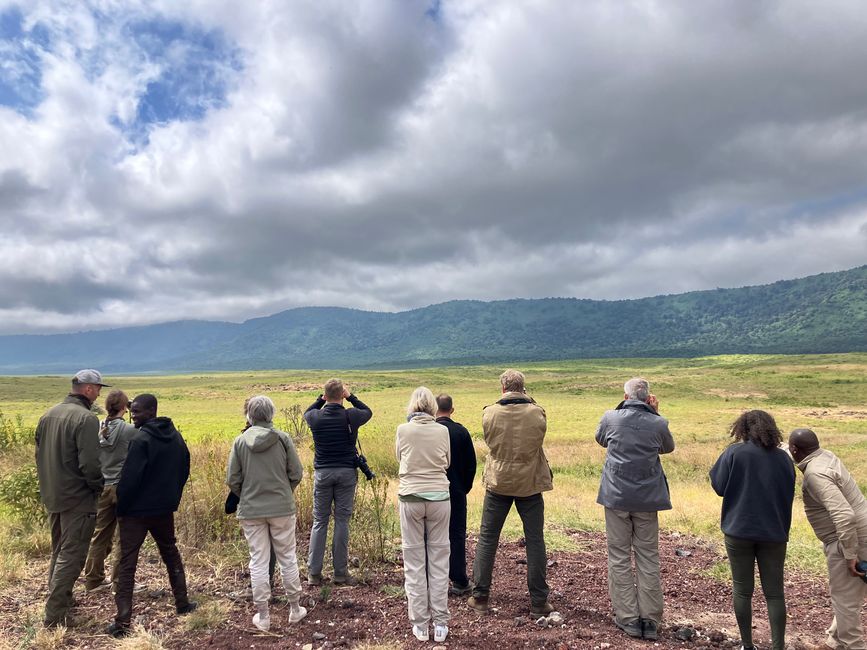
From a distance, we can spot a rhino with binoculars if we are lucky. Unfortunately, it is too far for a photo. Rhinos are very shy and sensitive to noise. In any case, we are not alone in observing the solitary rhino.😆
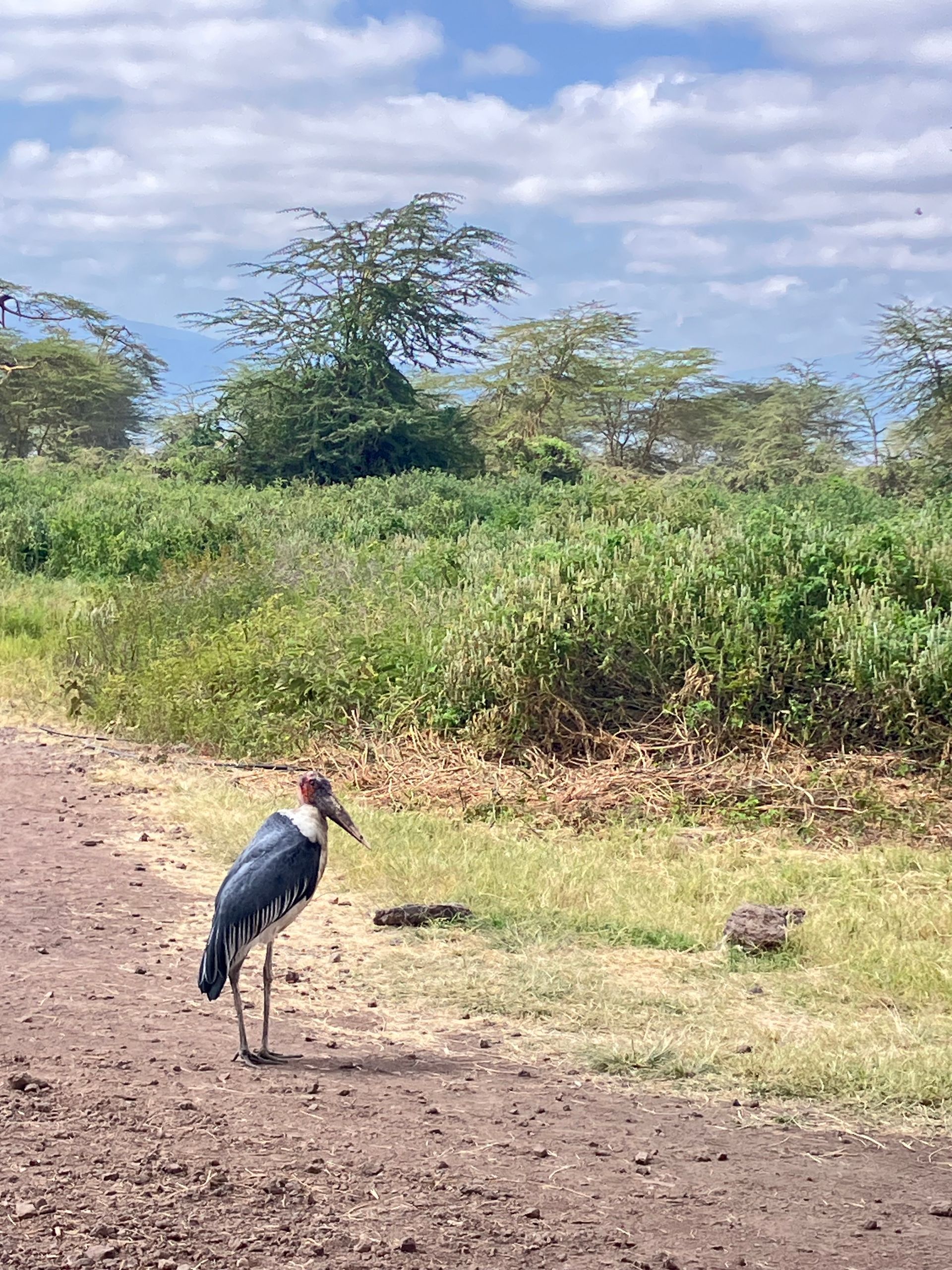
At the picnic area, we encounter a marabou in the afternoon! He is often present where there is something to eat.
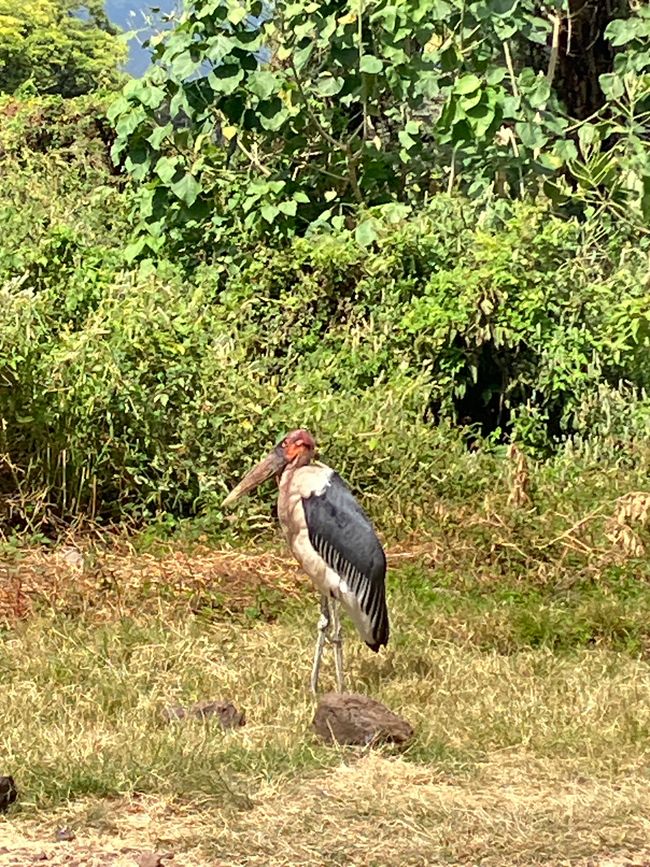
Similar to vultures, the marabou mainly feeds on carrion. He is classified as a