
May 18, 2026
Last night, a strong storm blew over the bay. We were glad to be accommodated in a solid house. The noise alone made it difficult for us to fall asleep. In the morning, it was...

Published: 19.05.2026
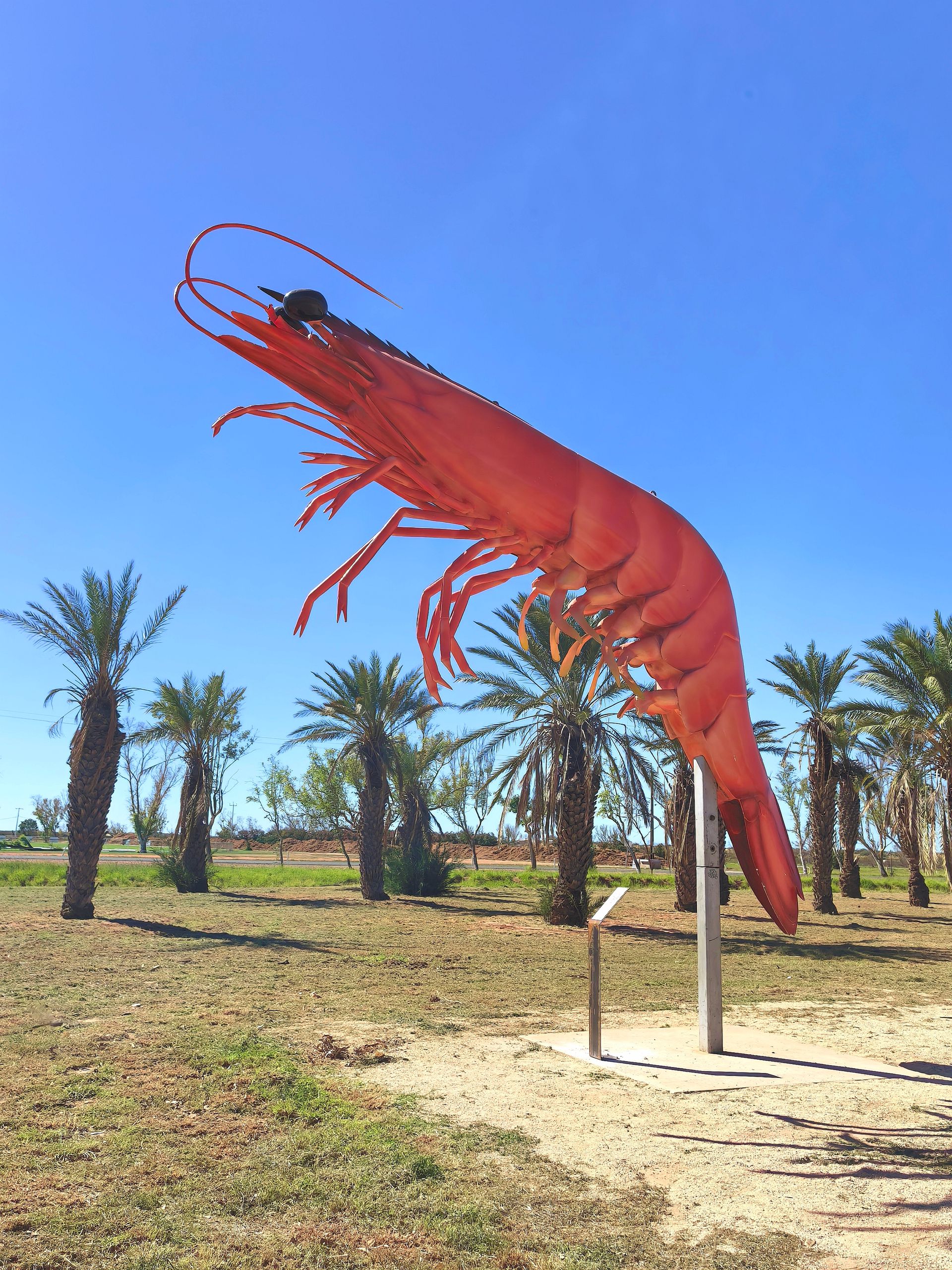
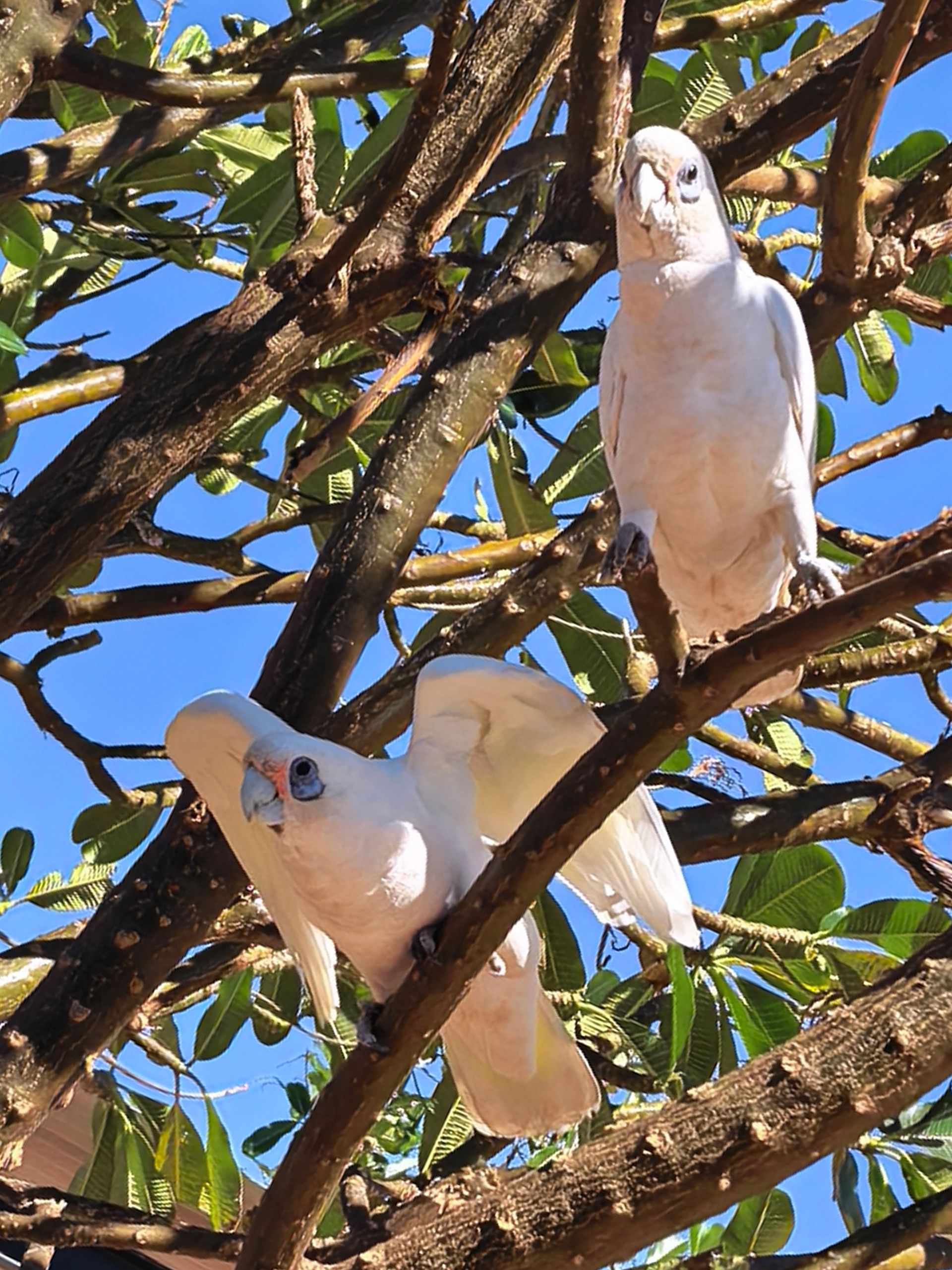
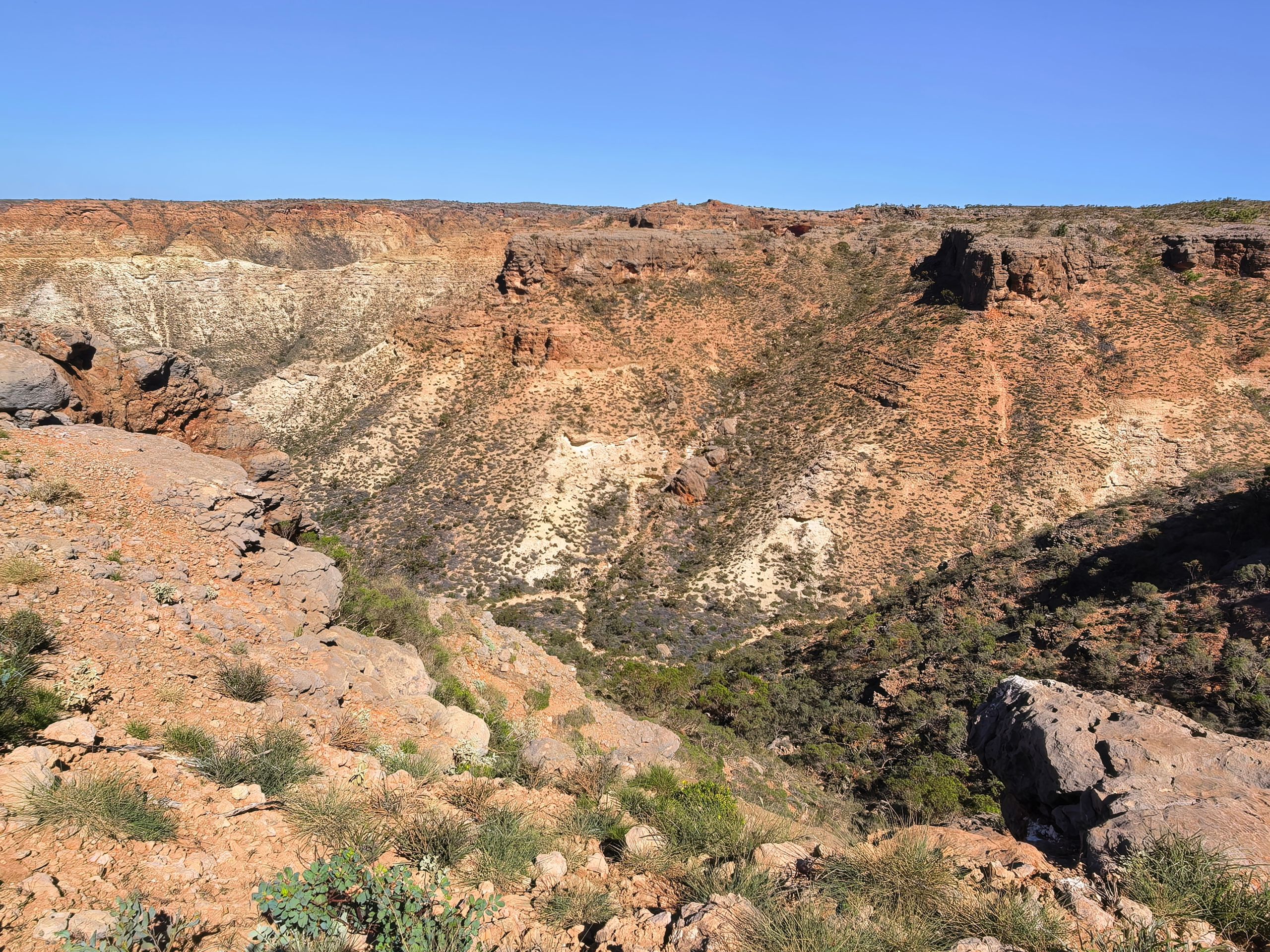
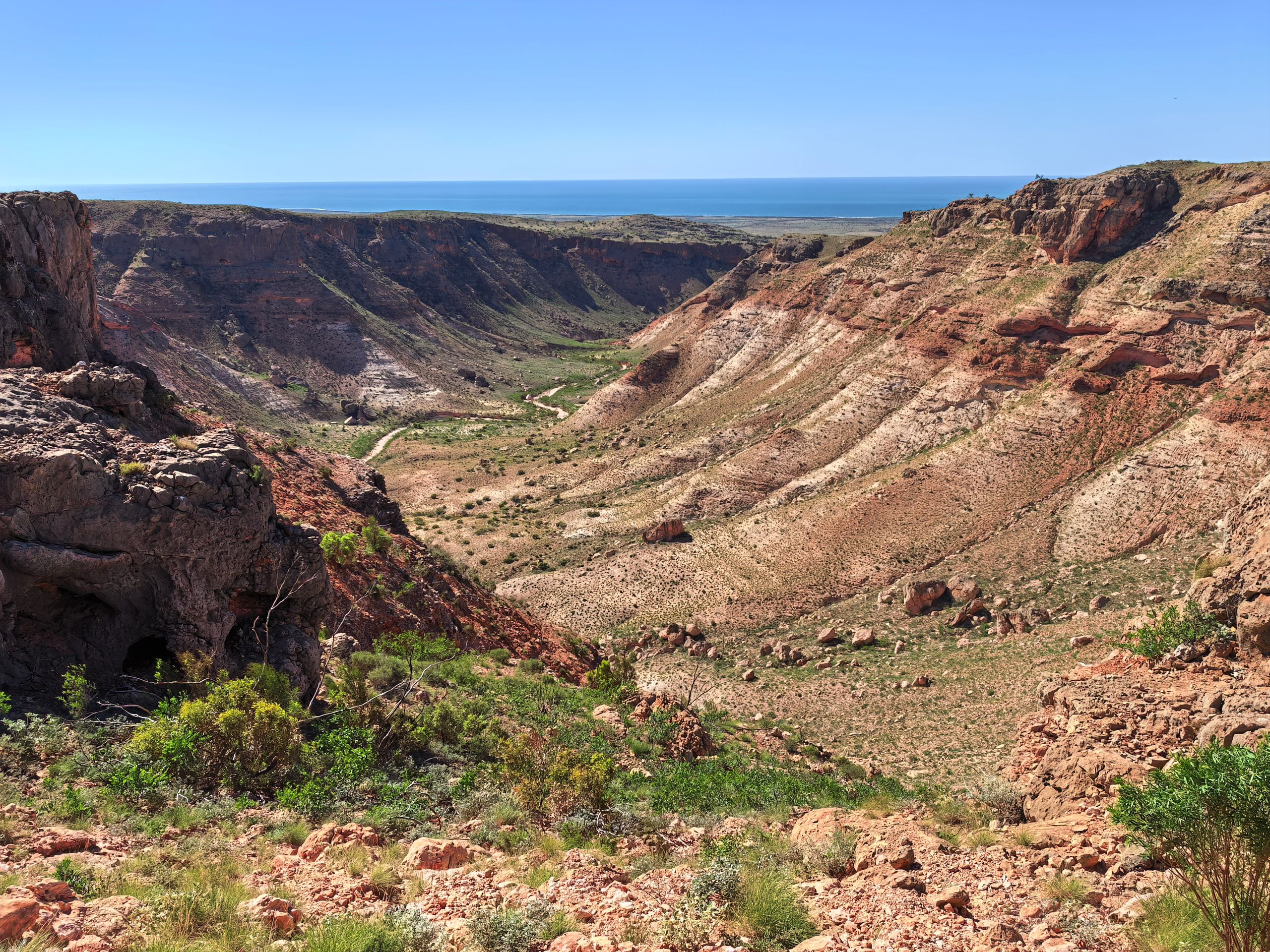
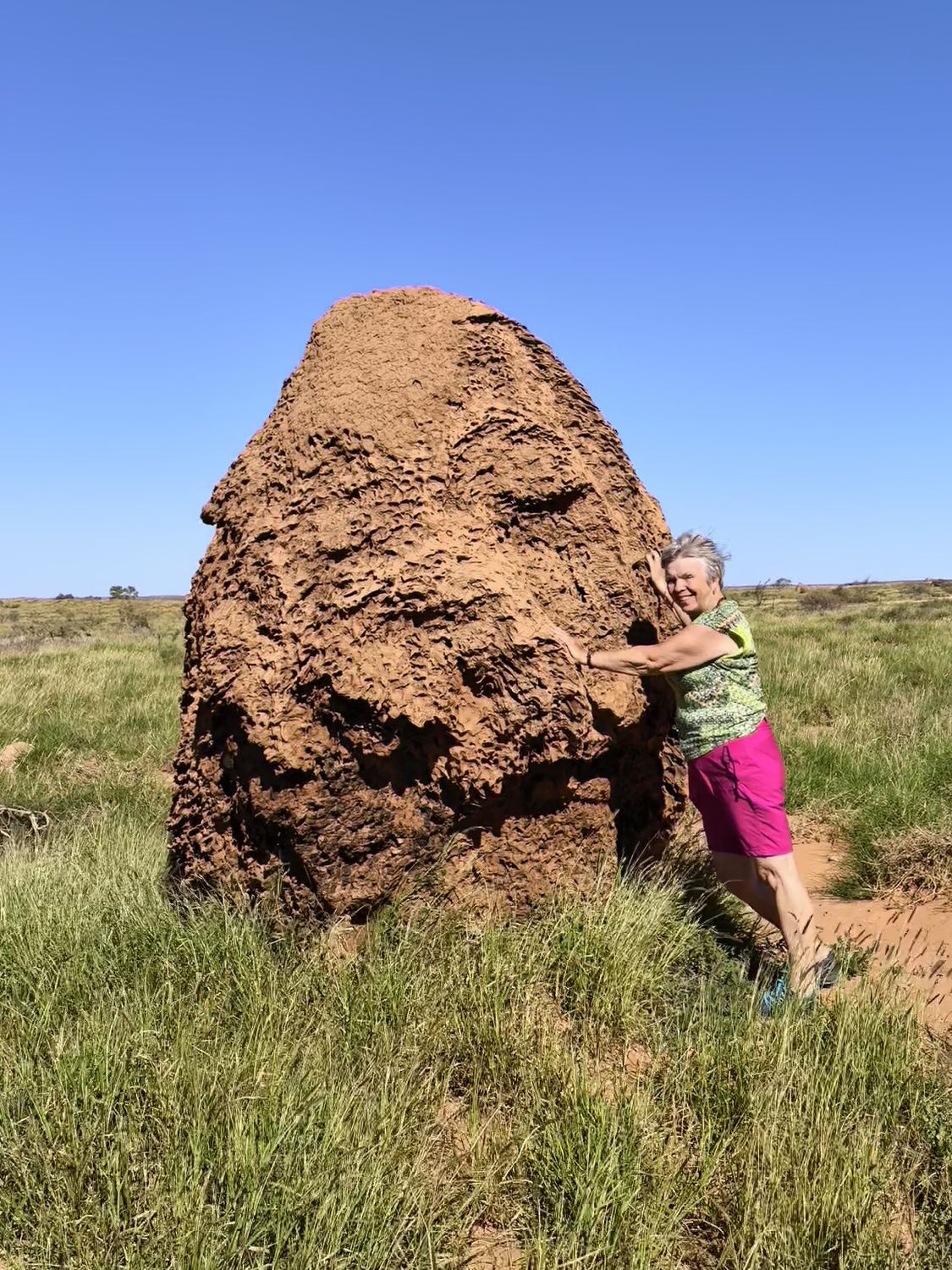
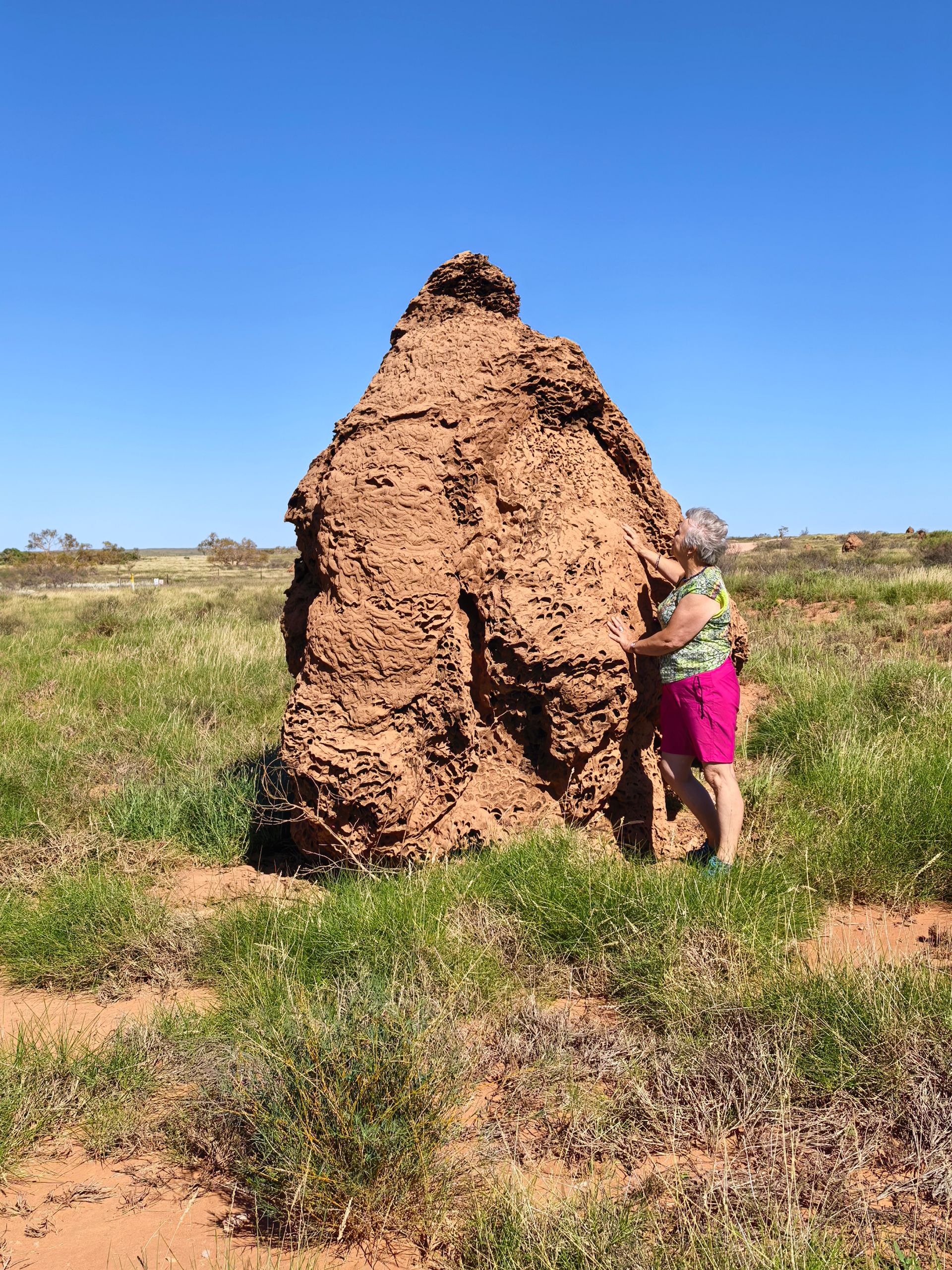
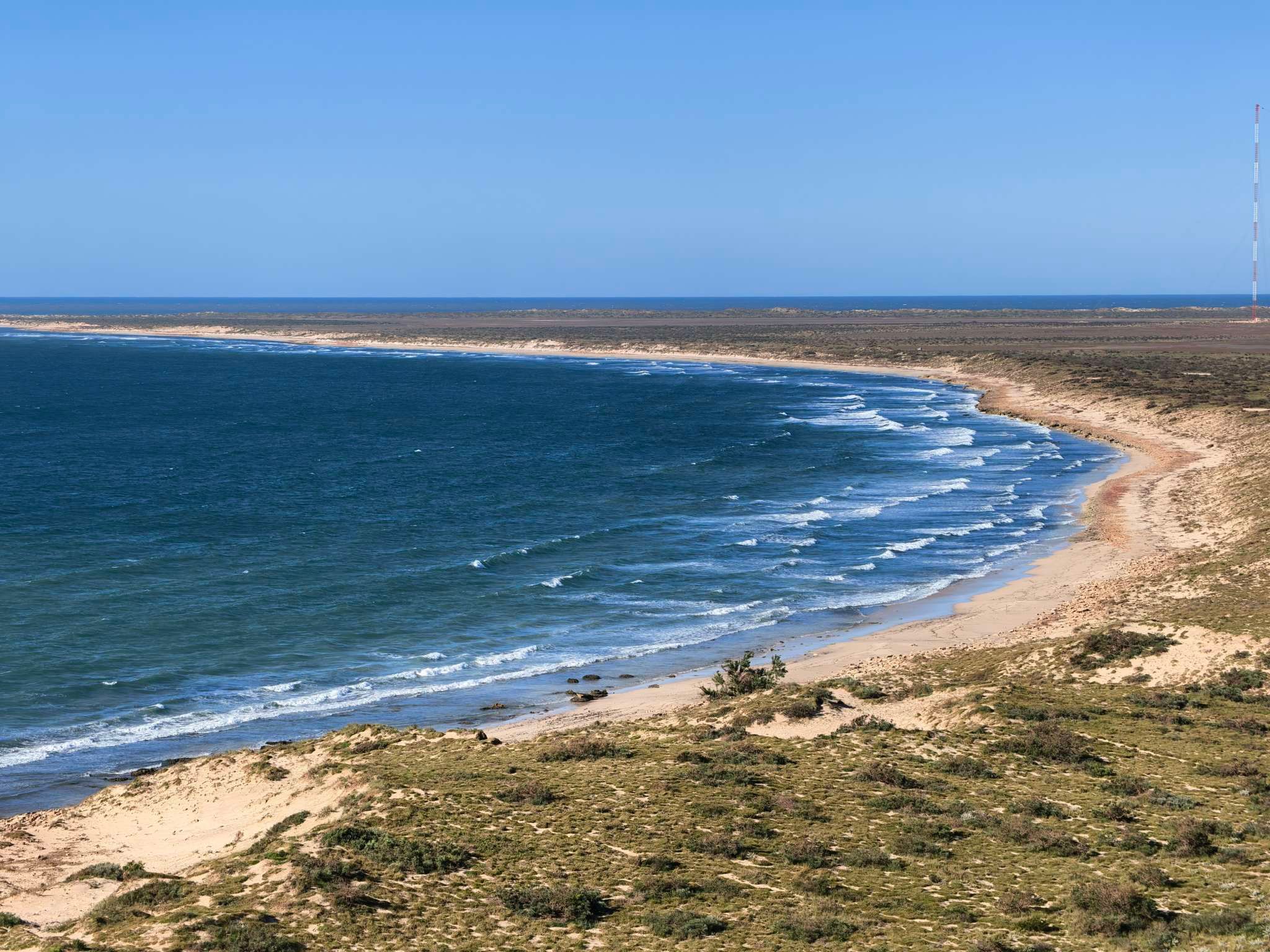
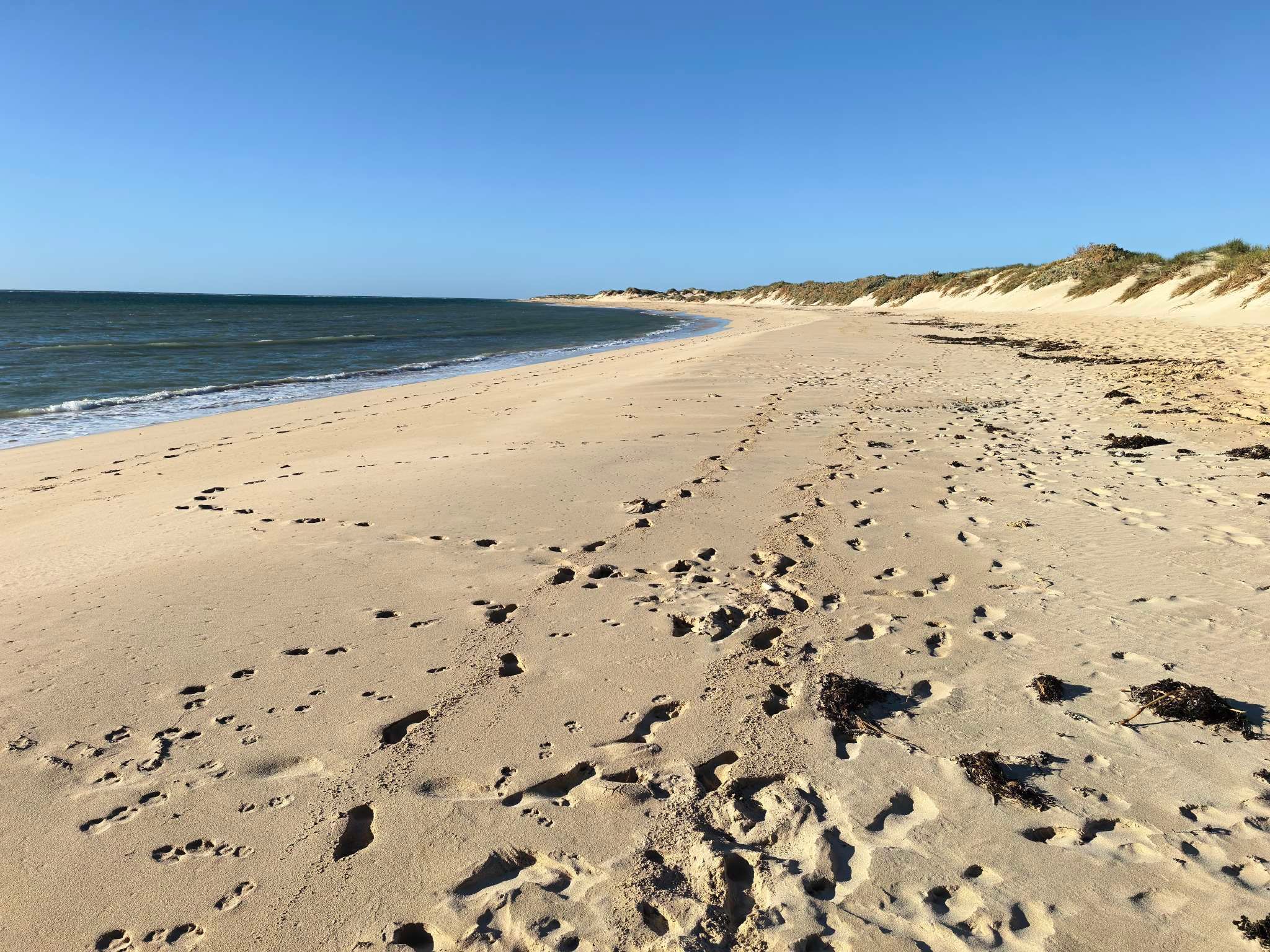
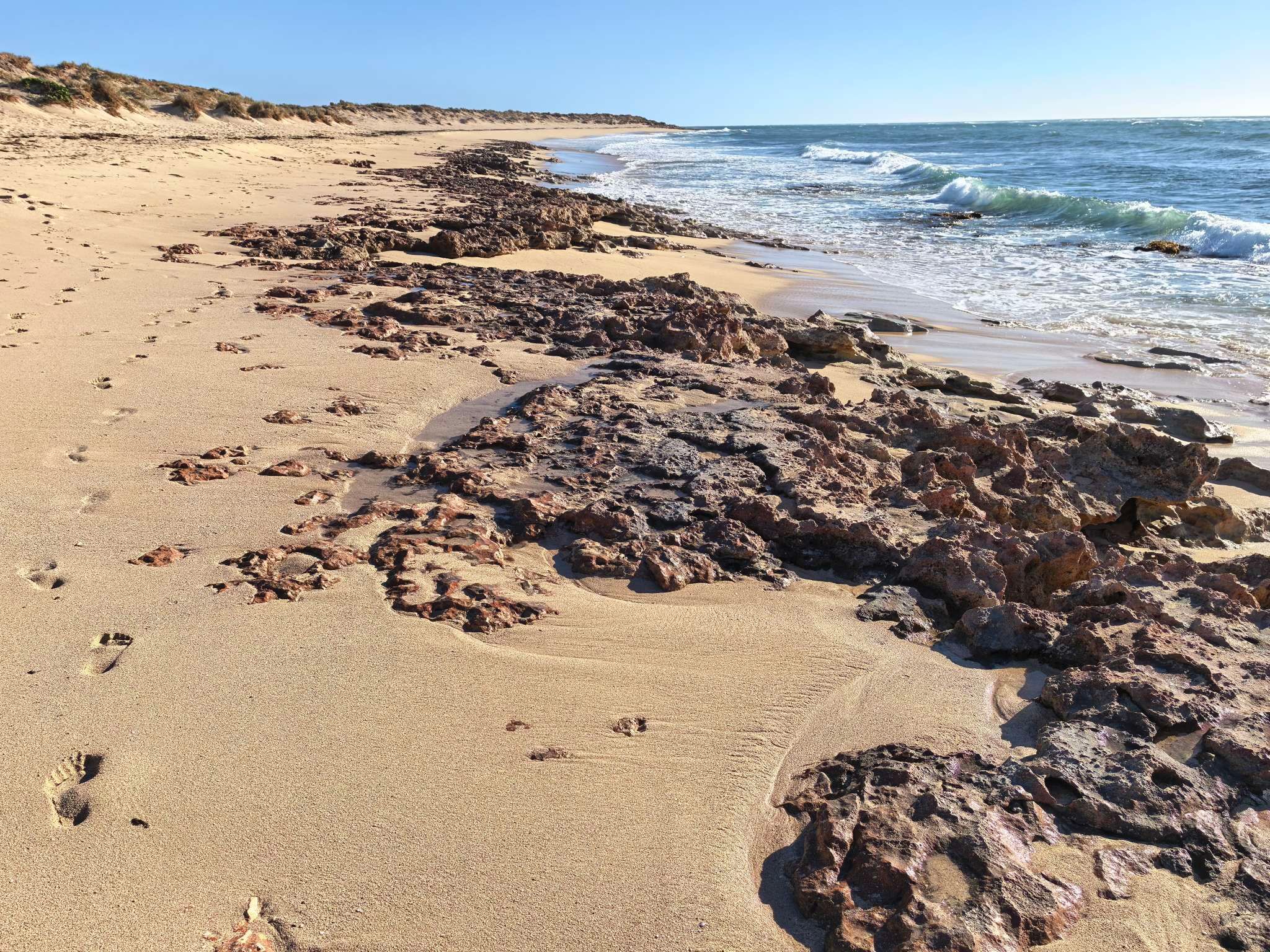
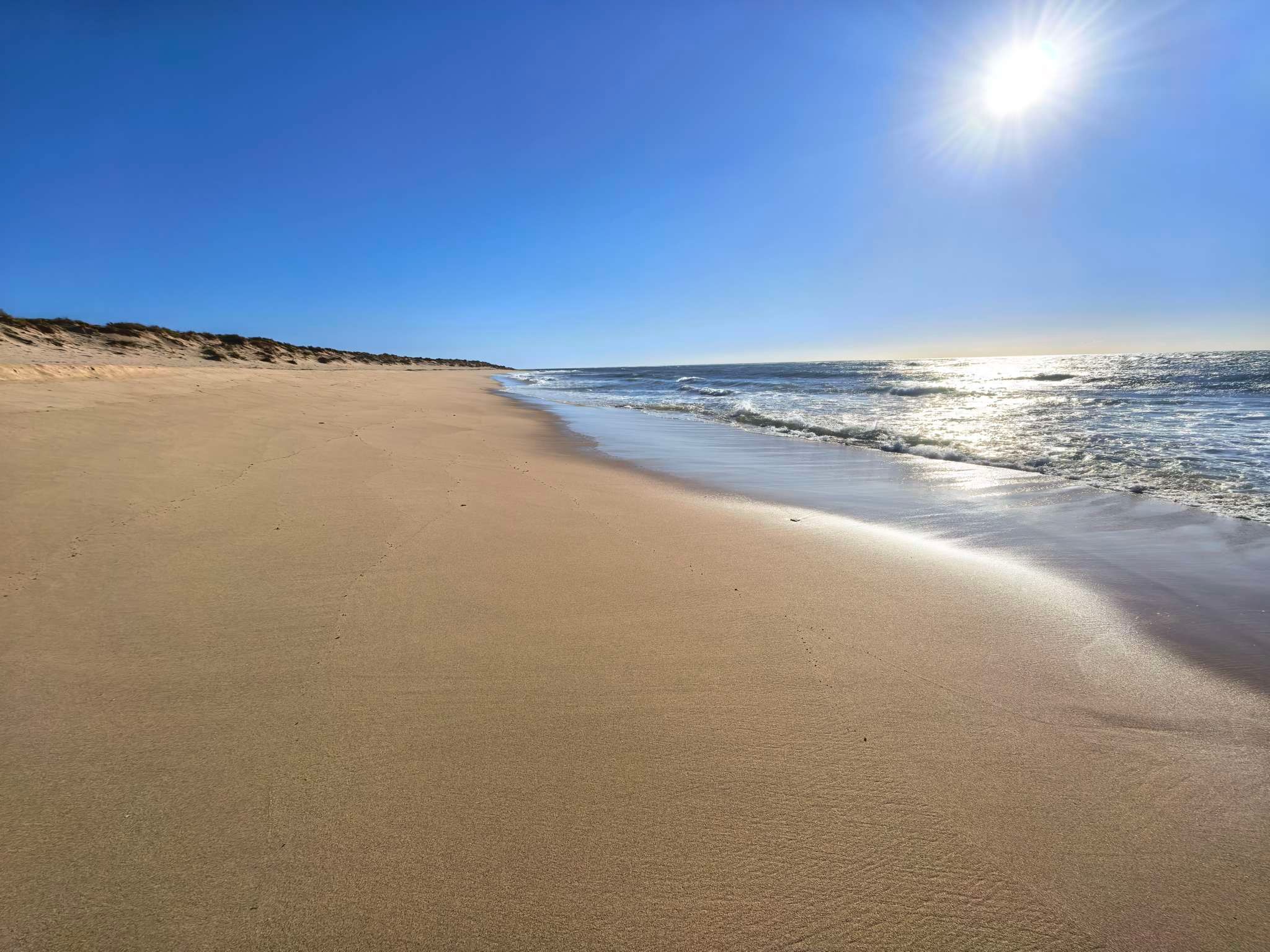
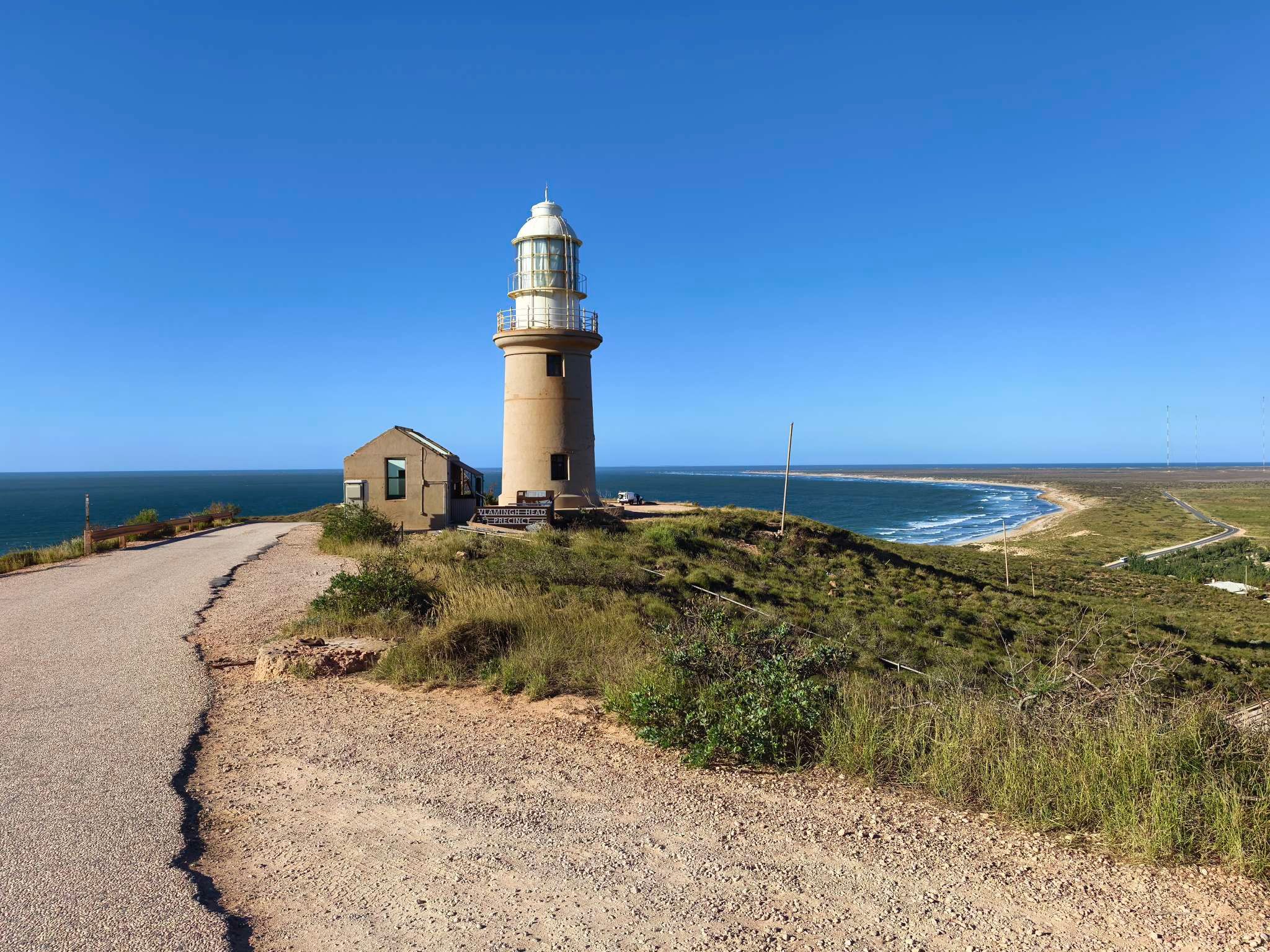
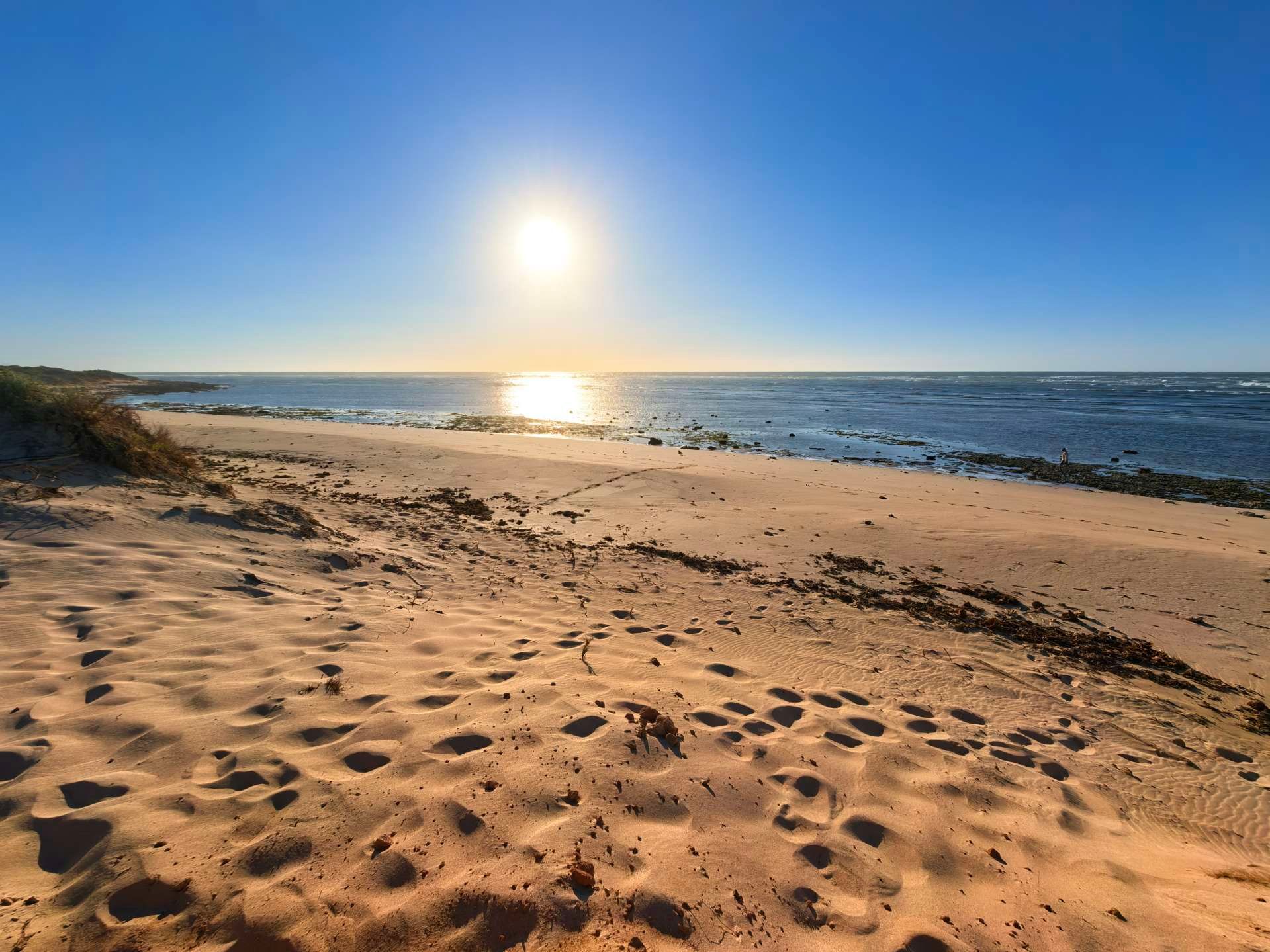
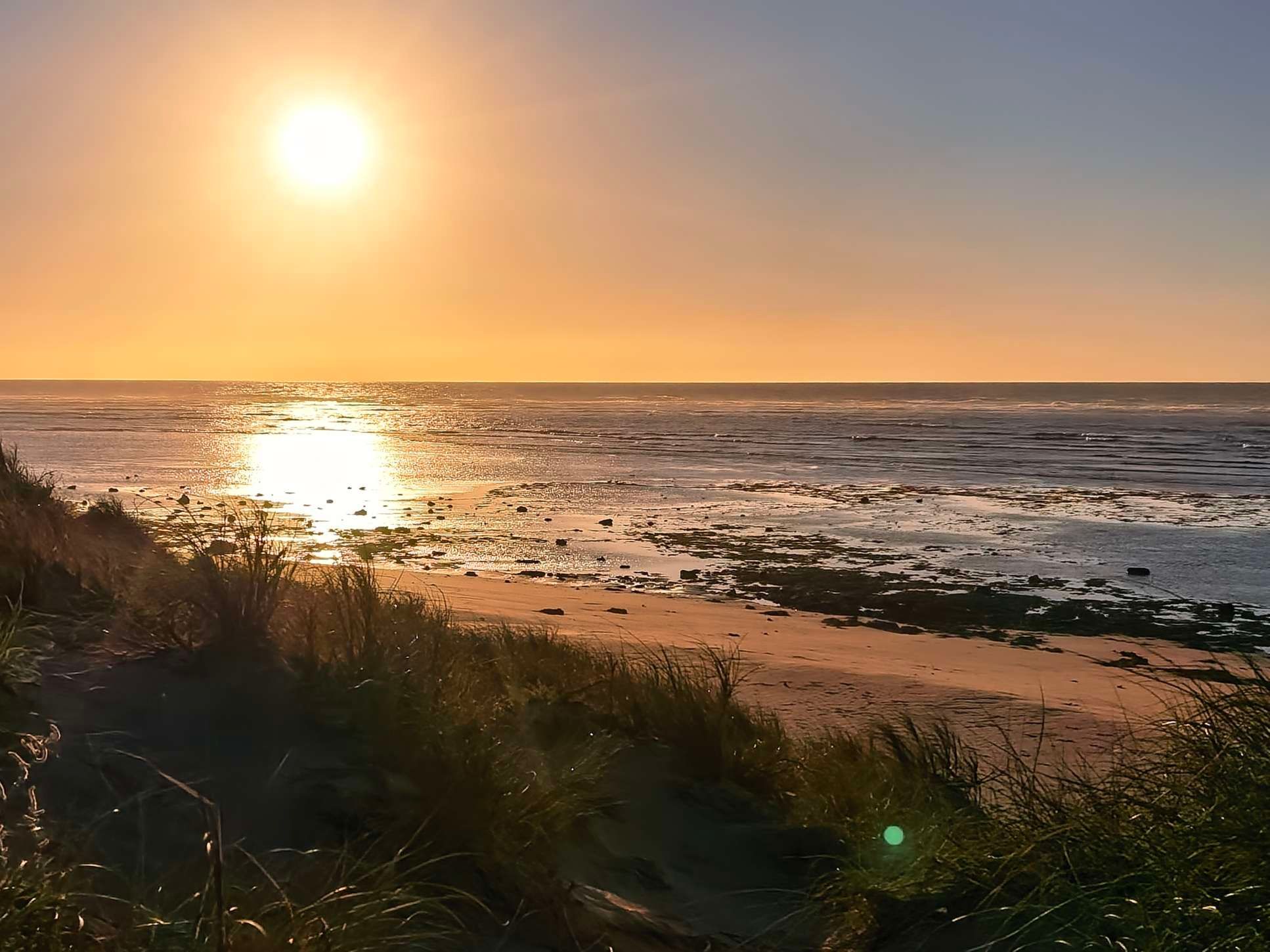
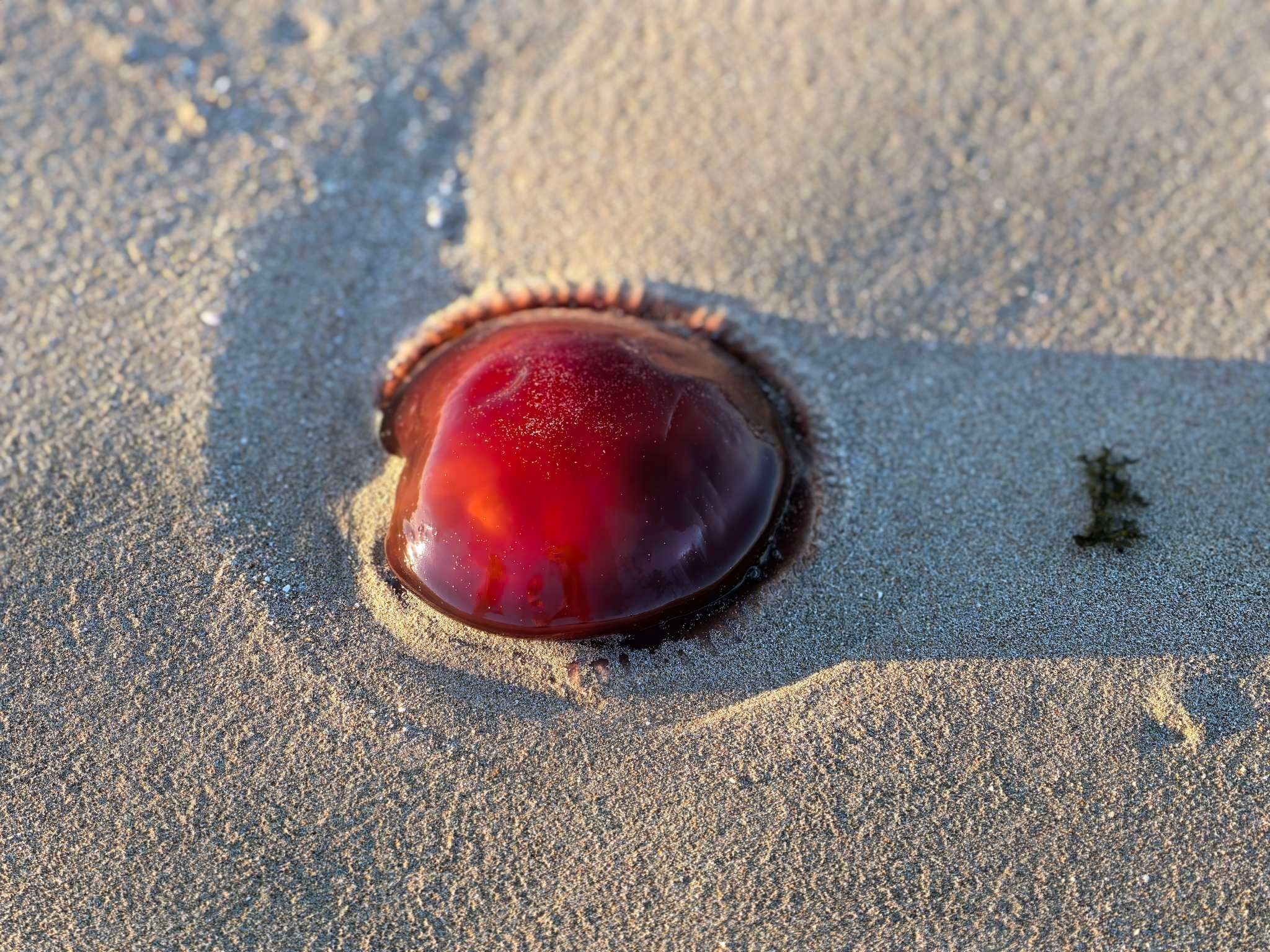
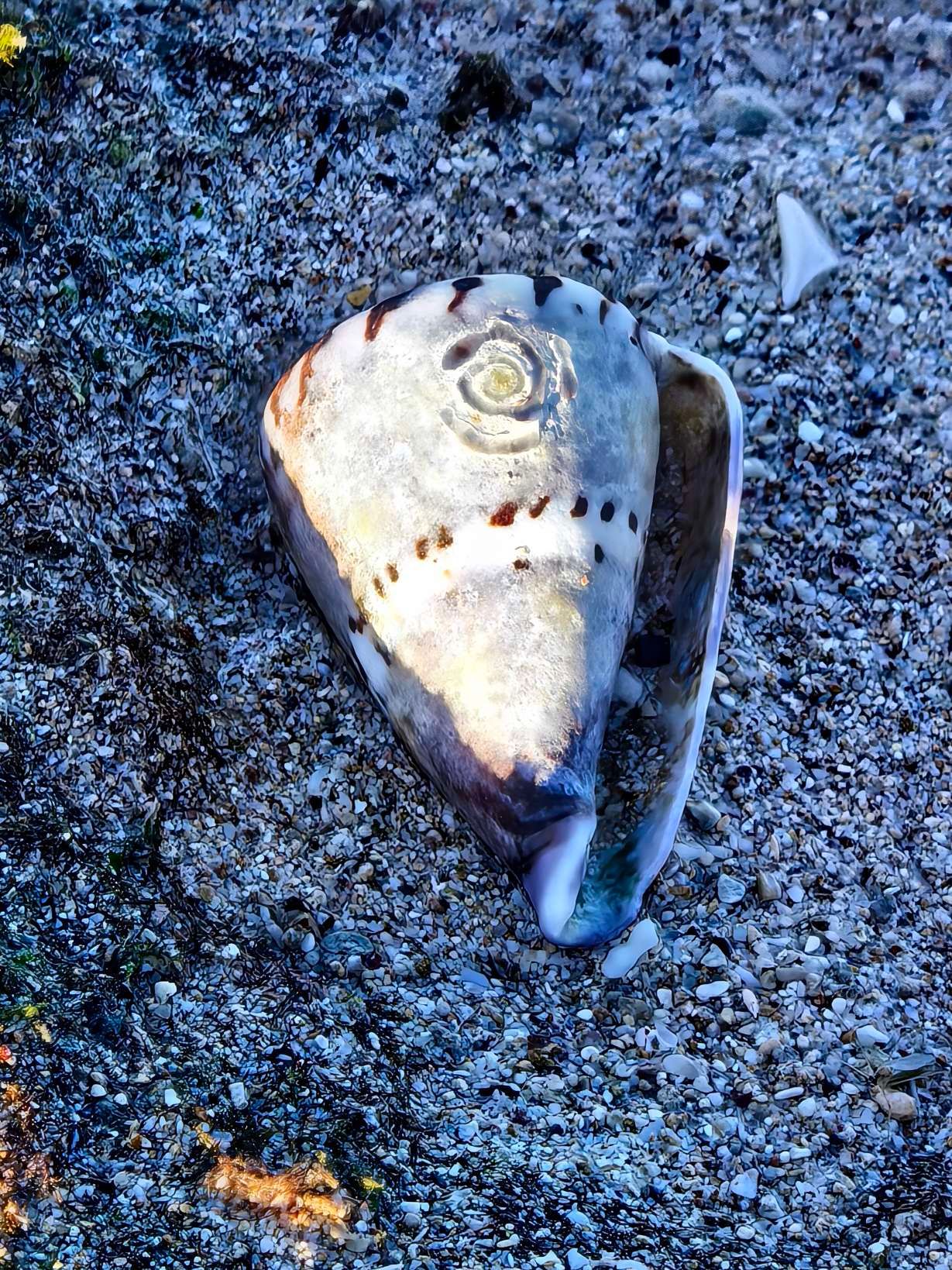
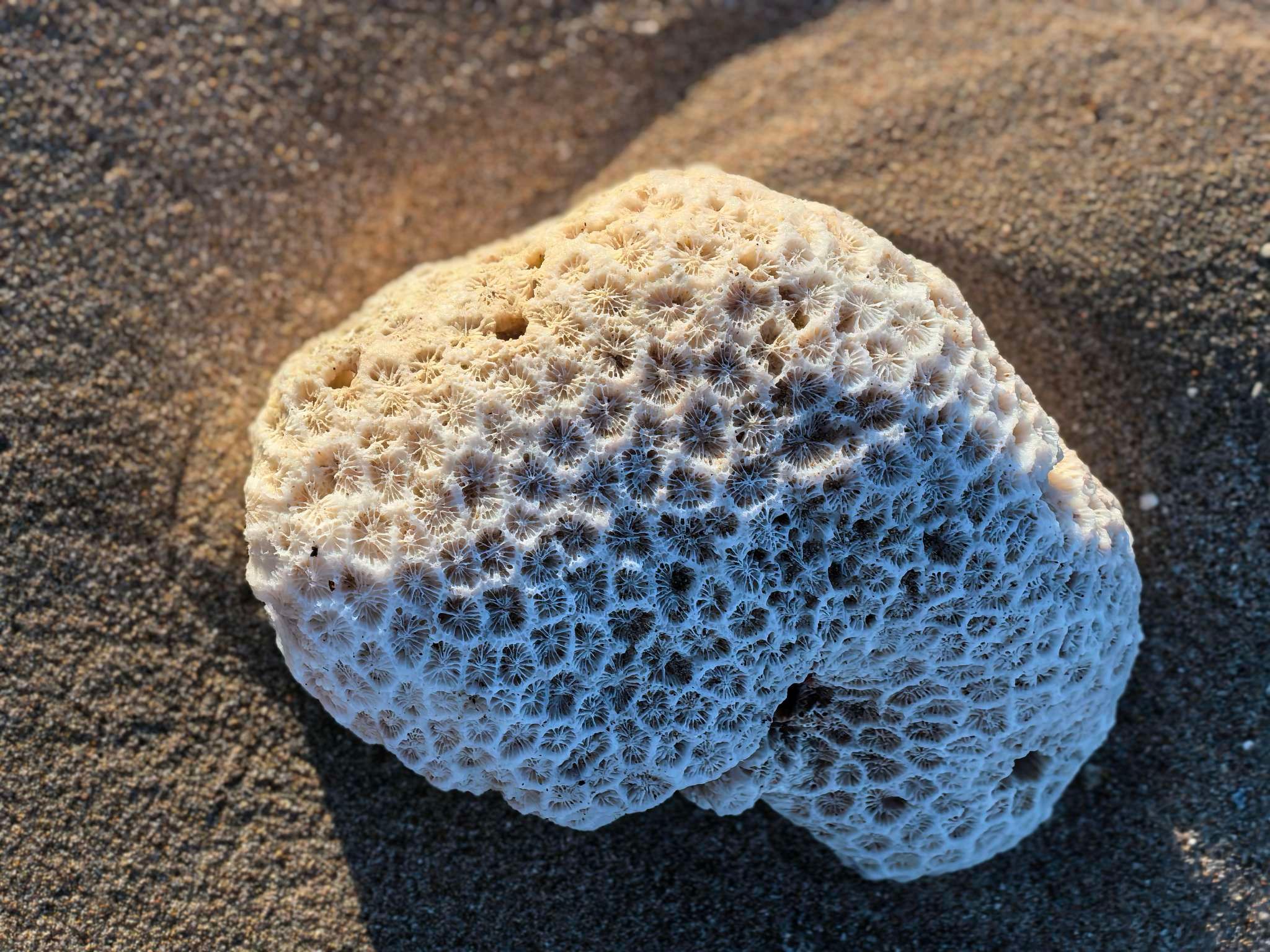
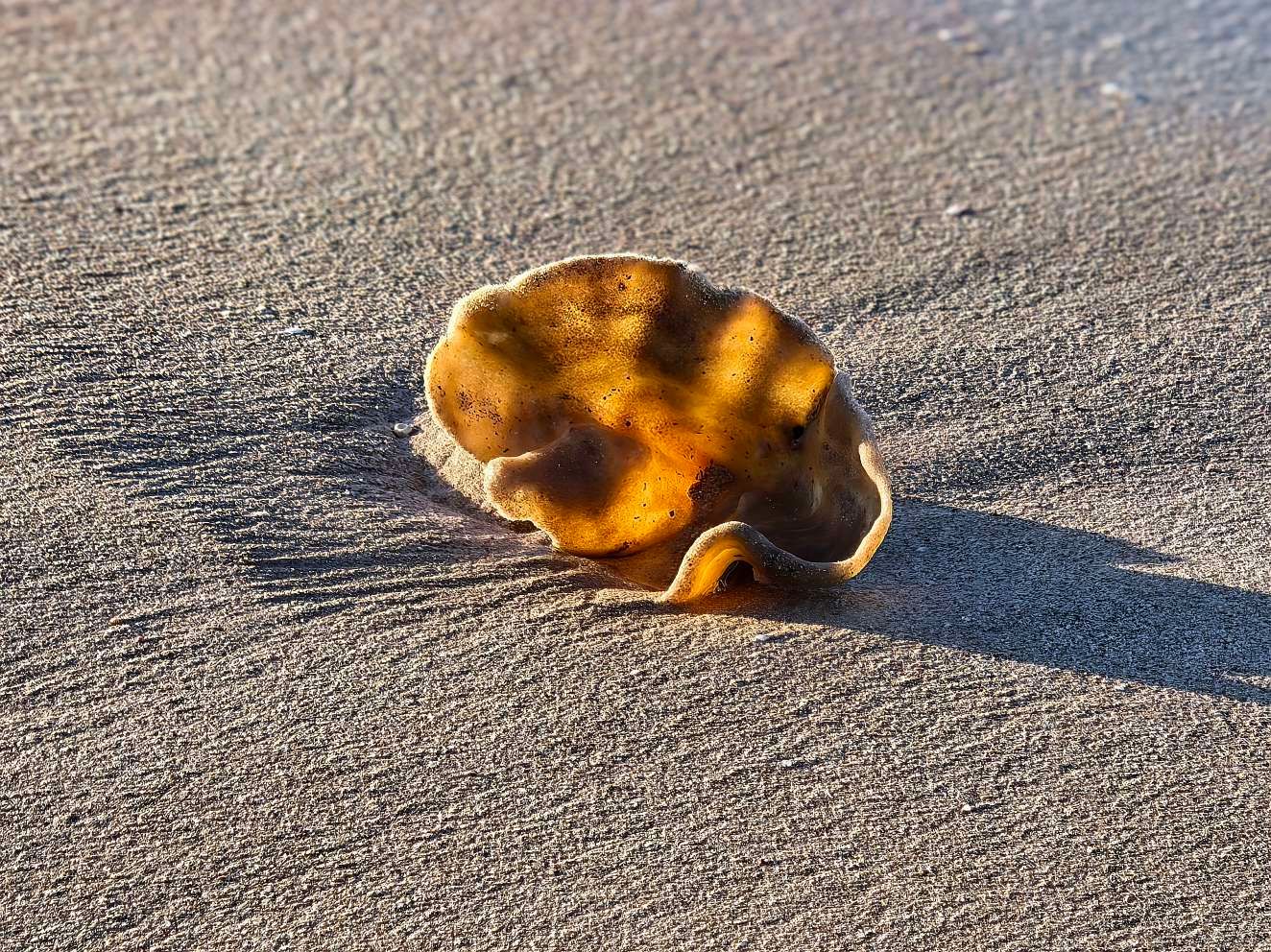
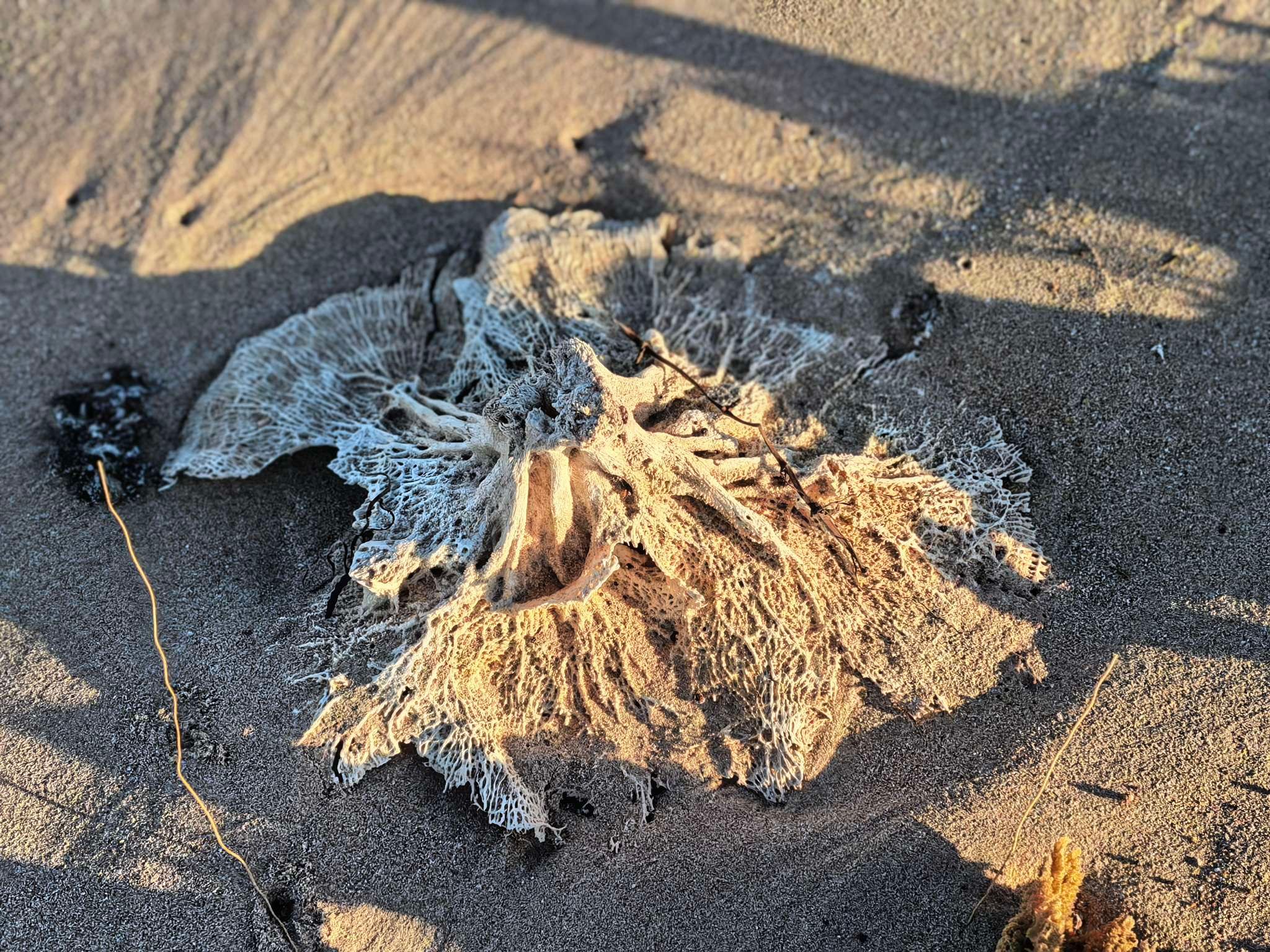
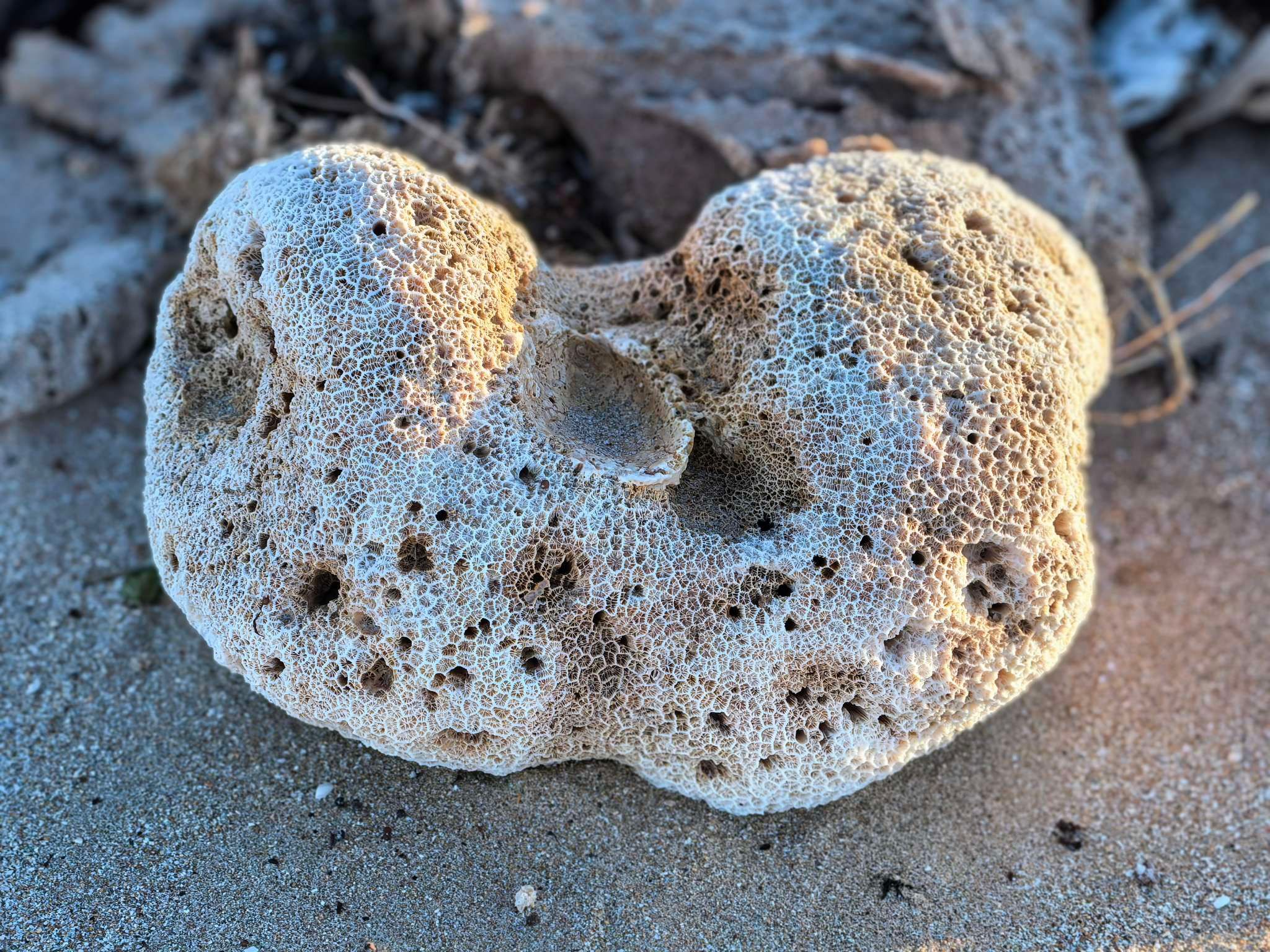
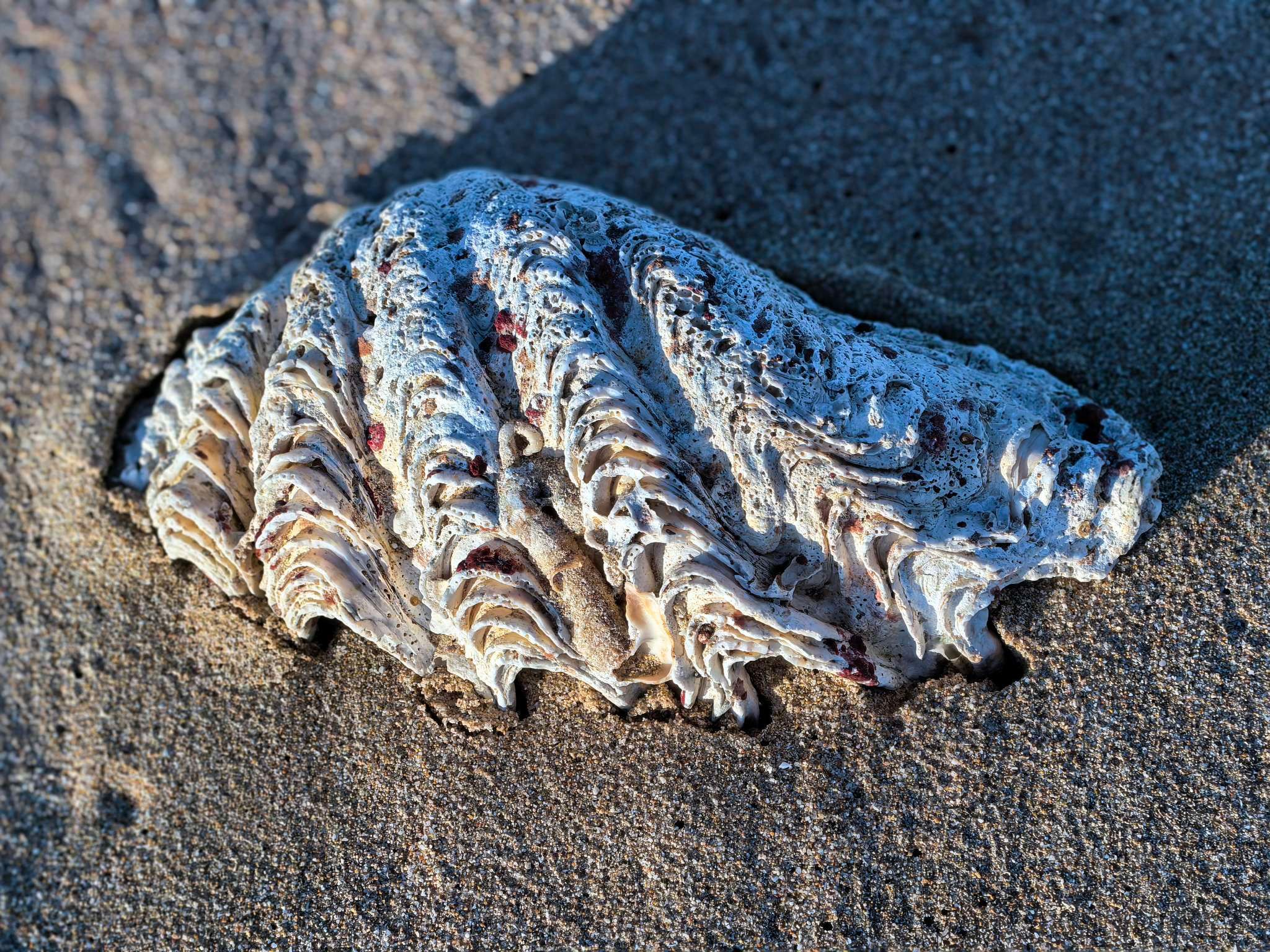
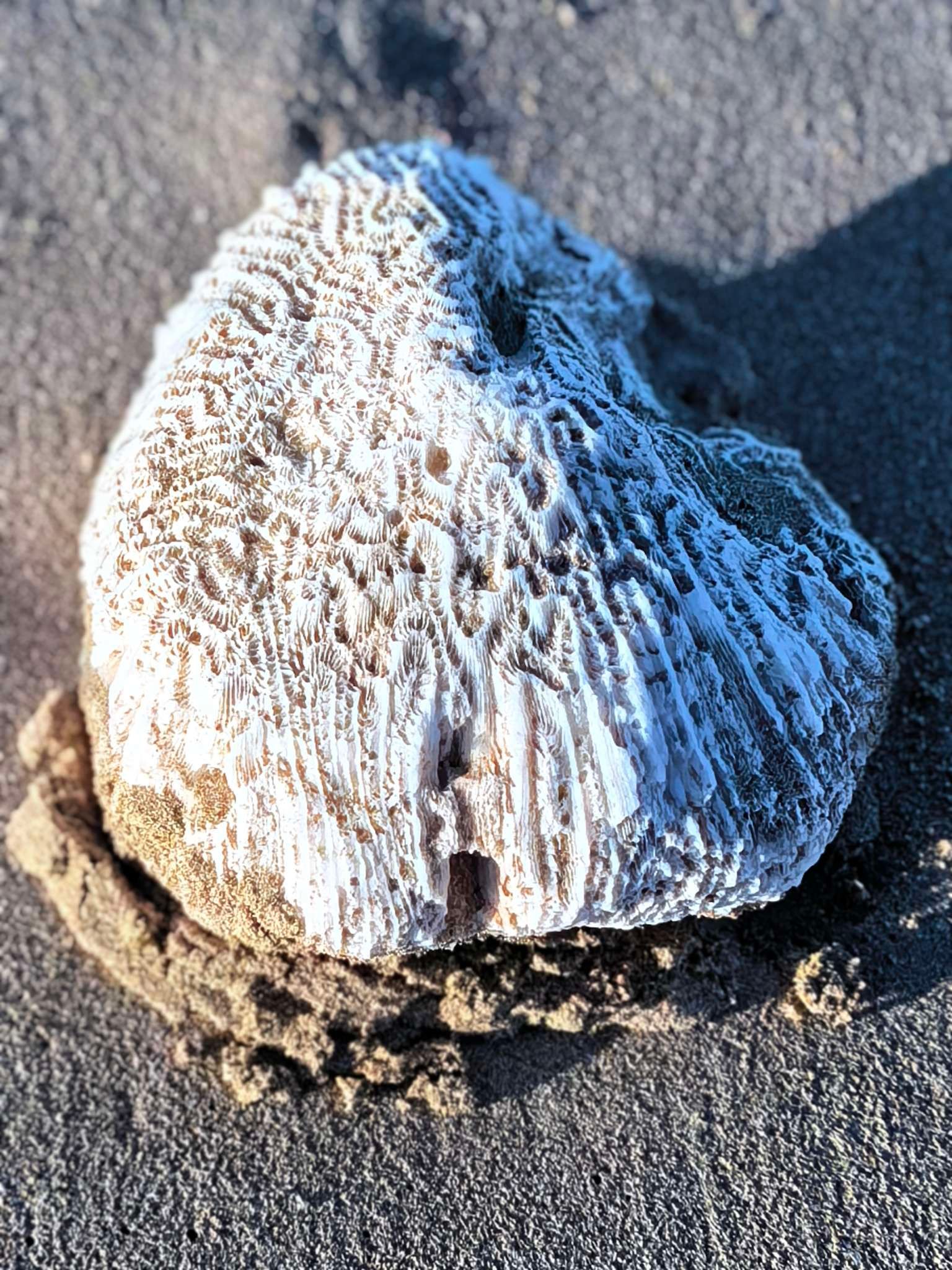
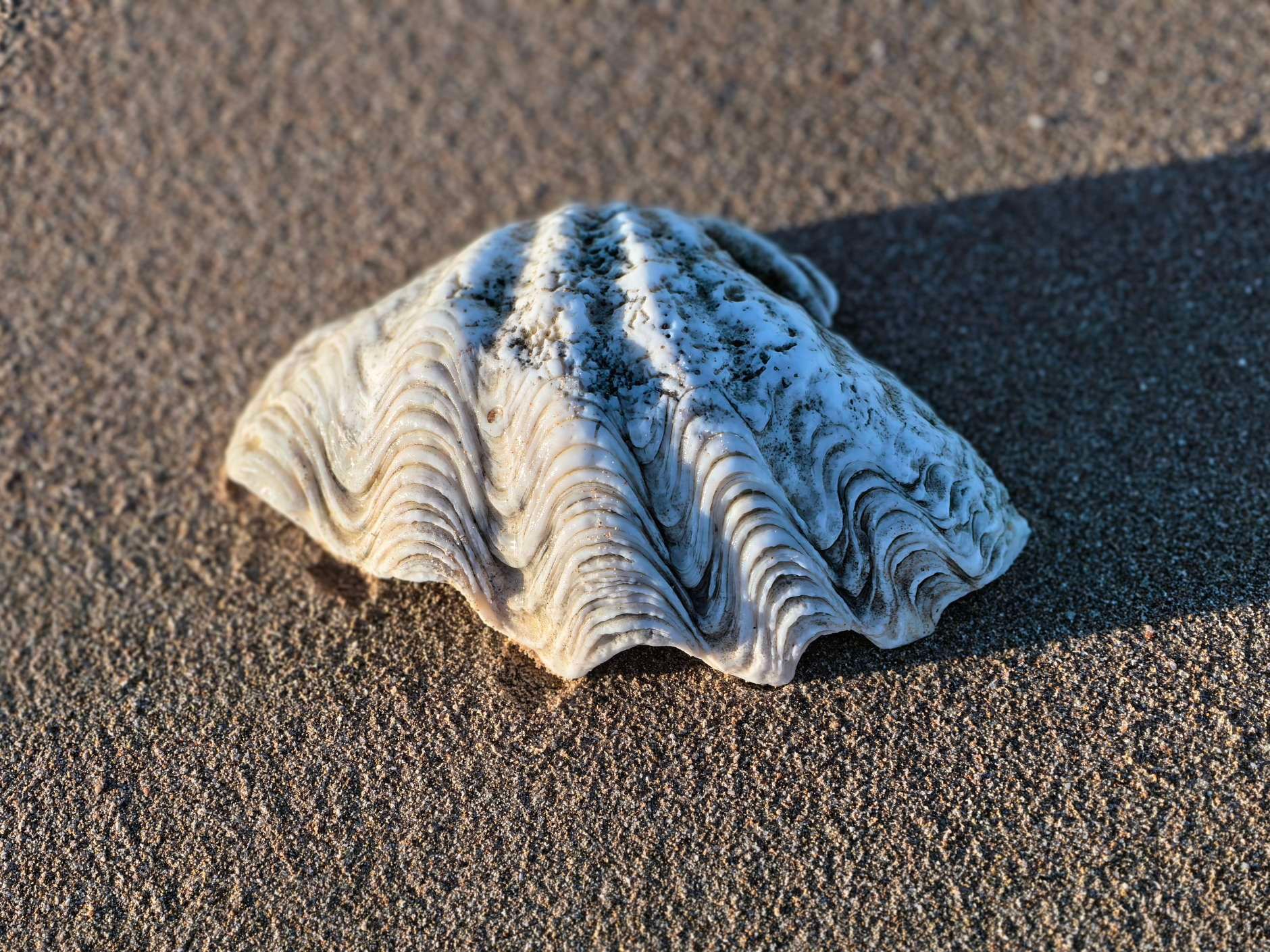
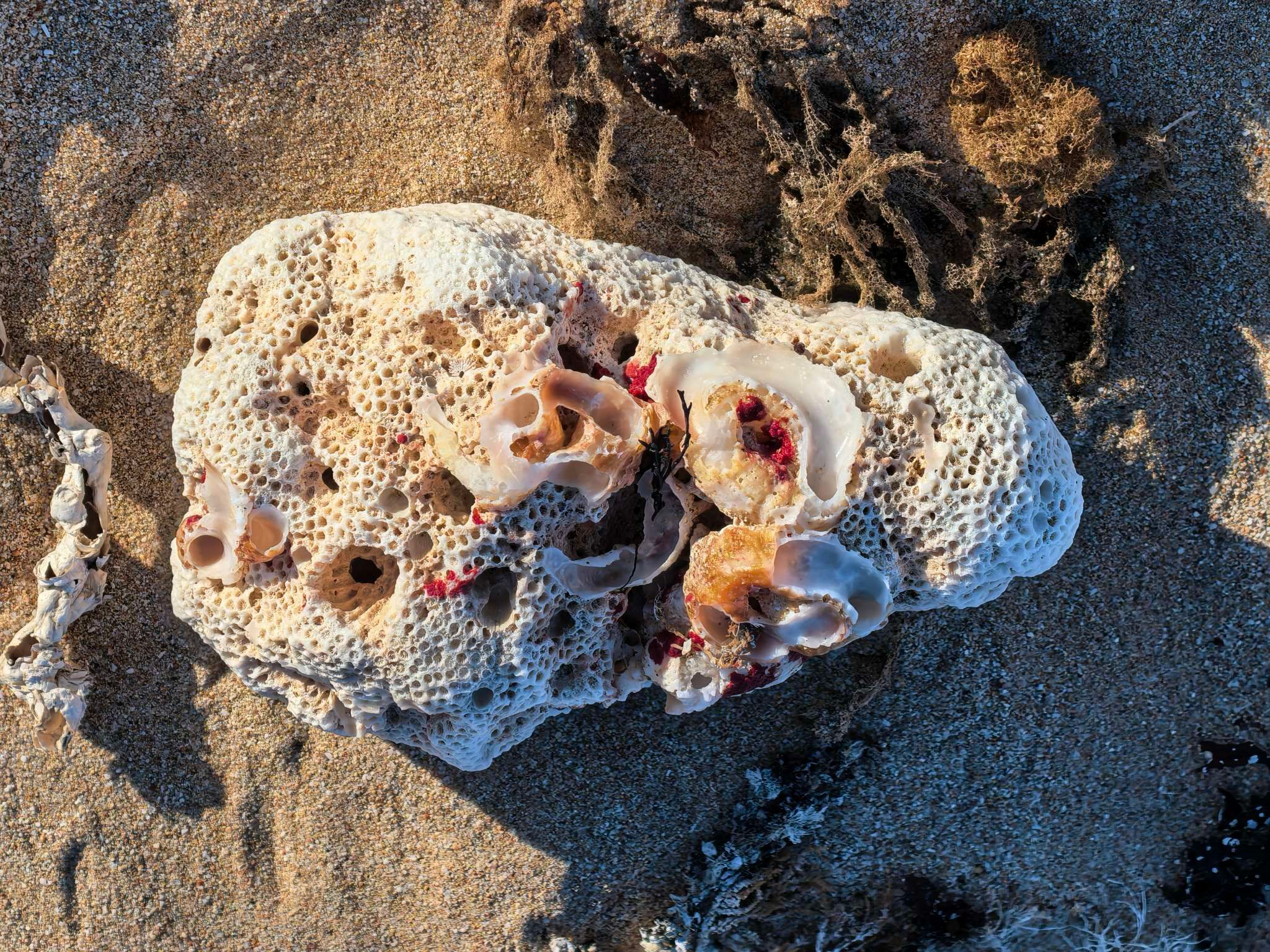
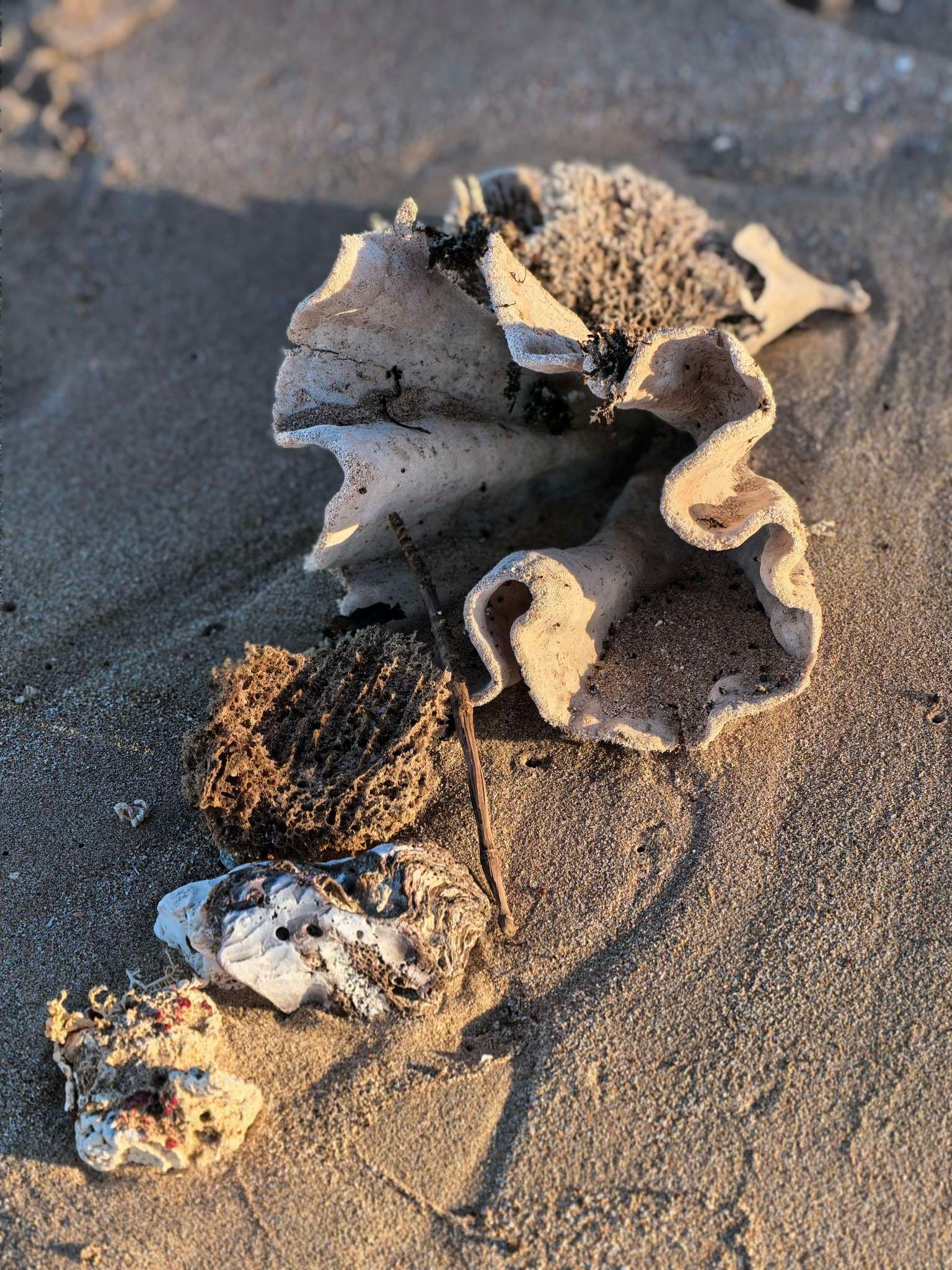
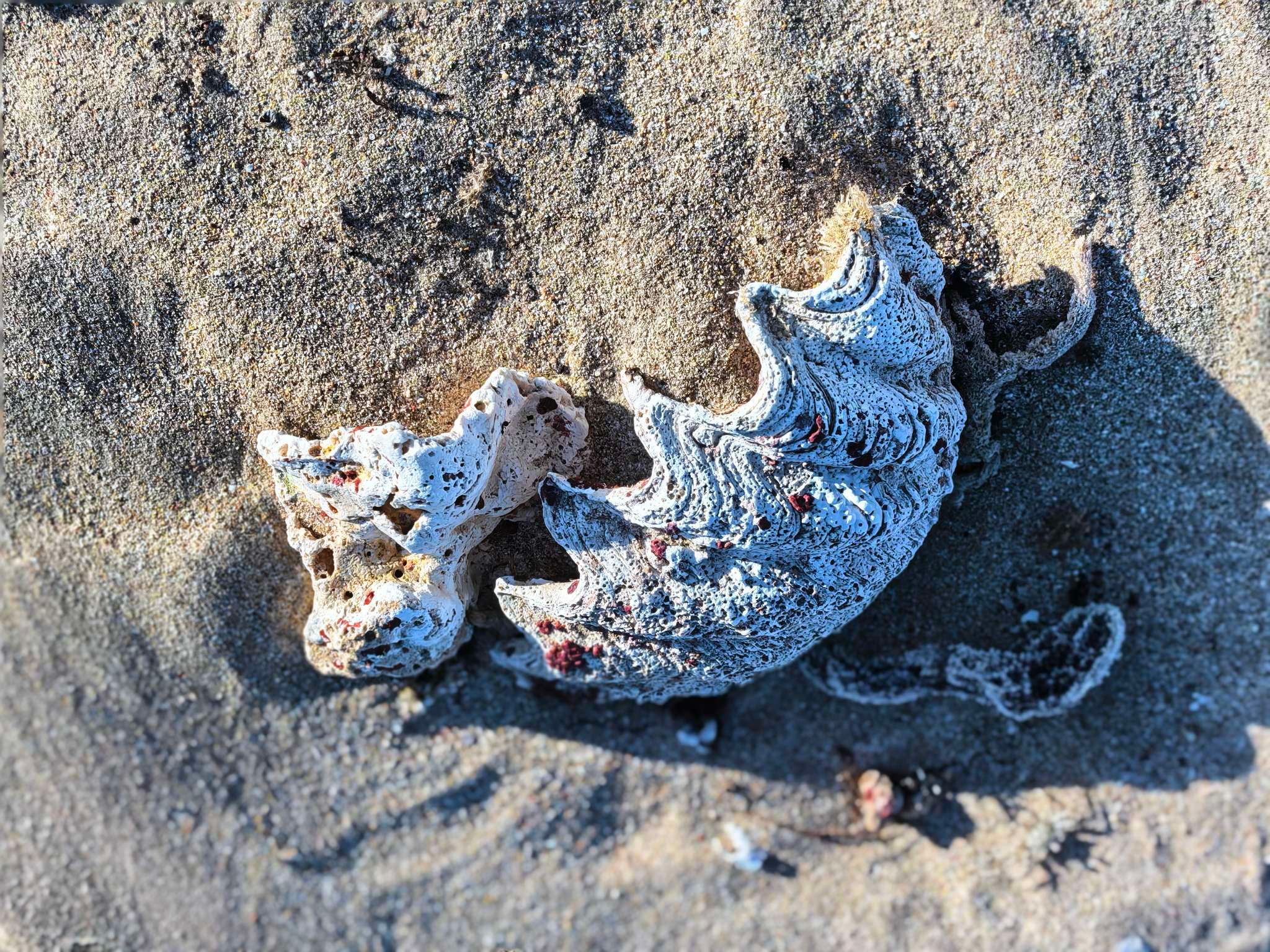
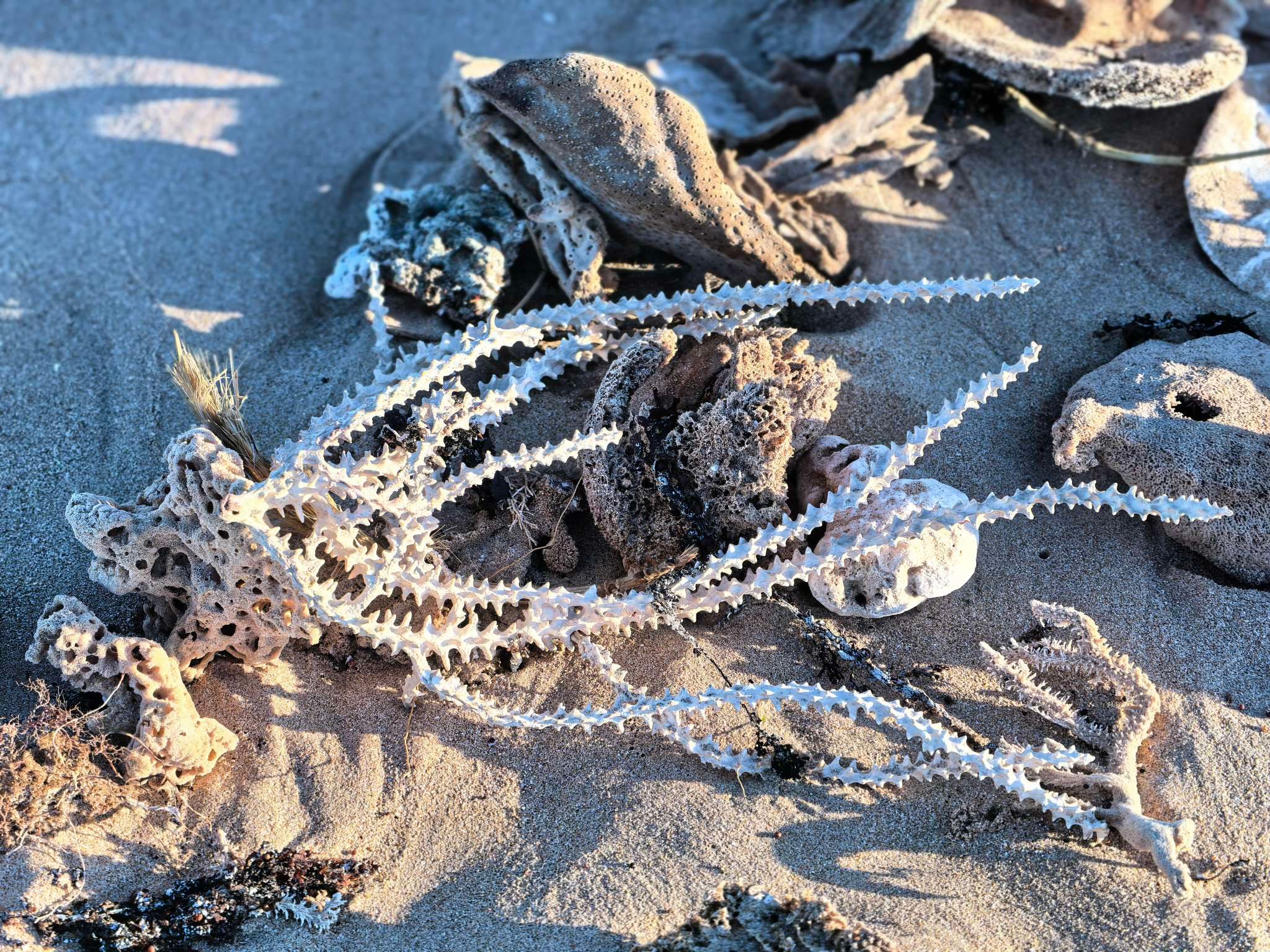
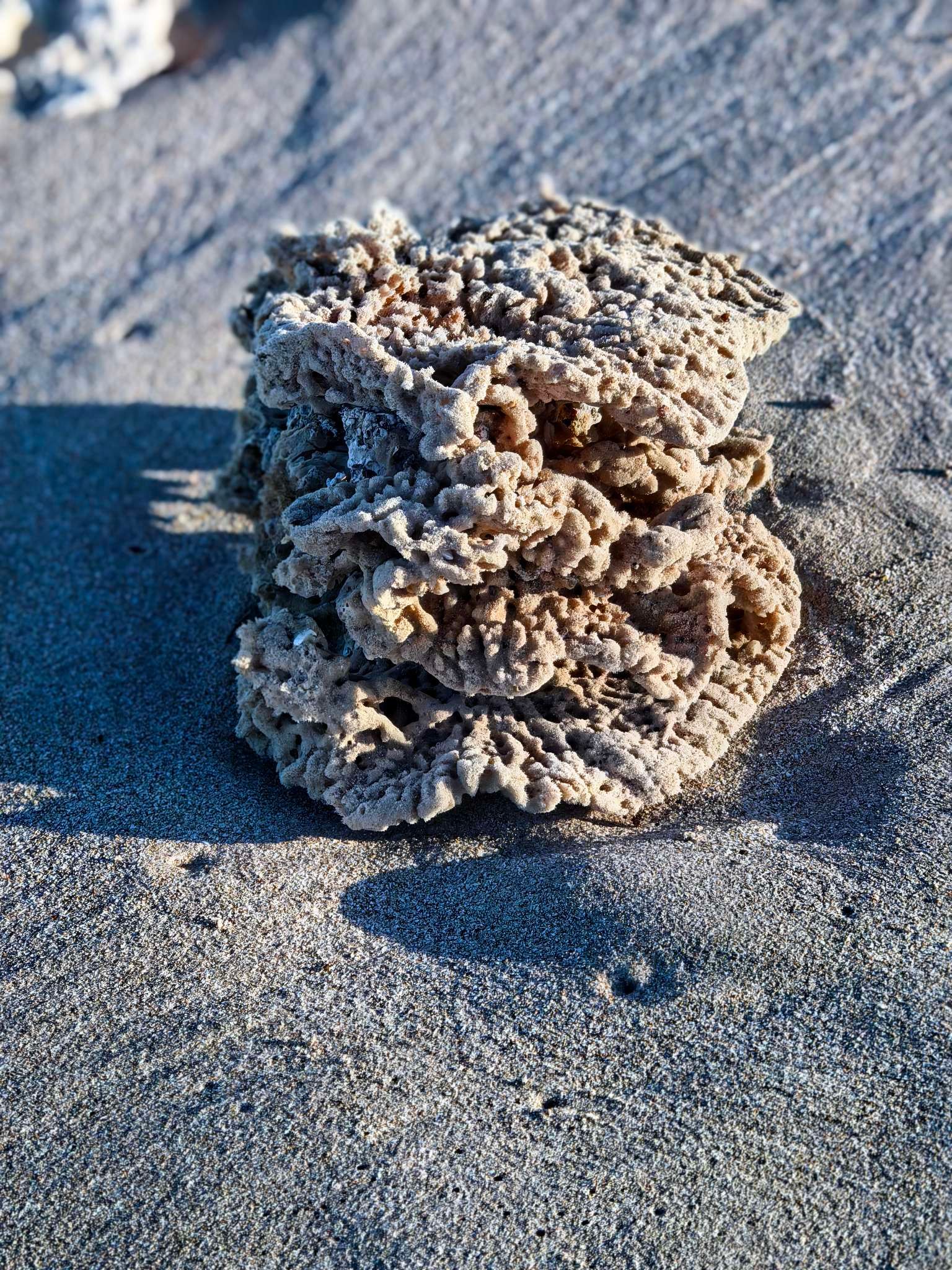
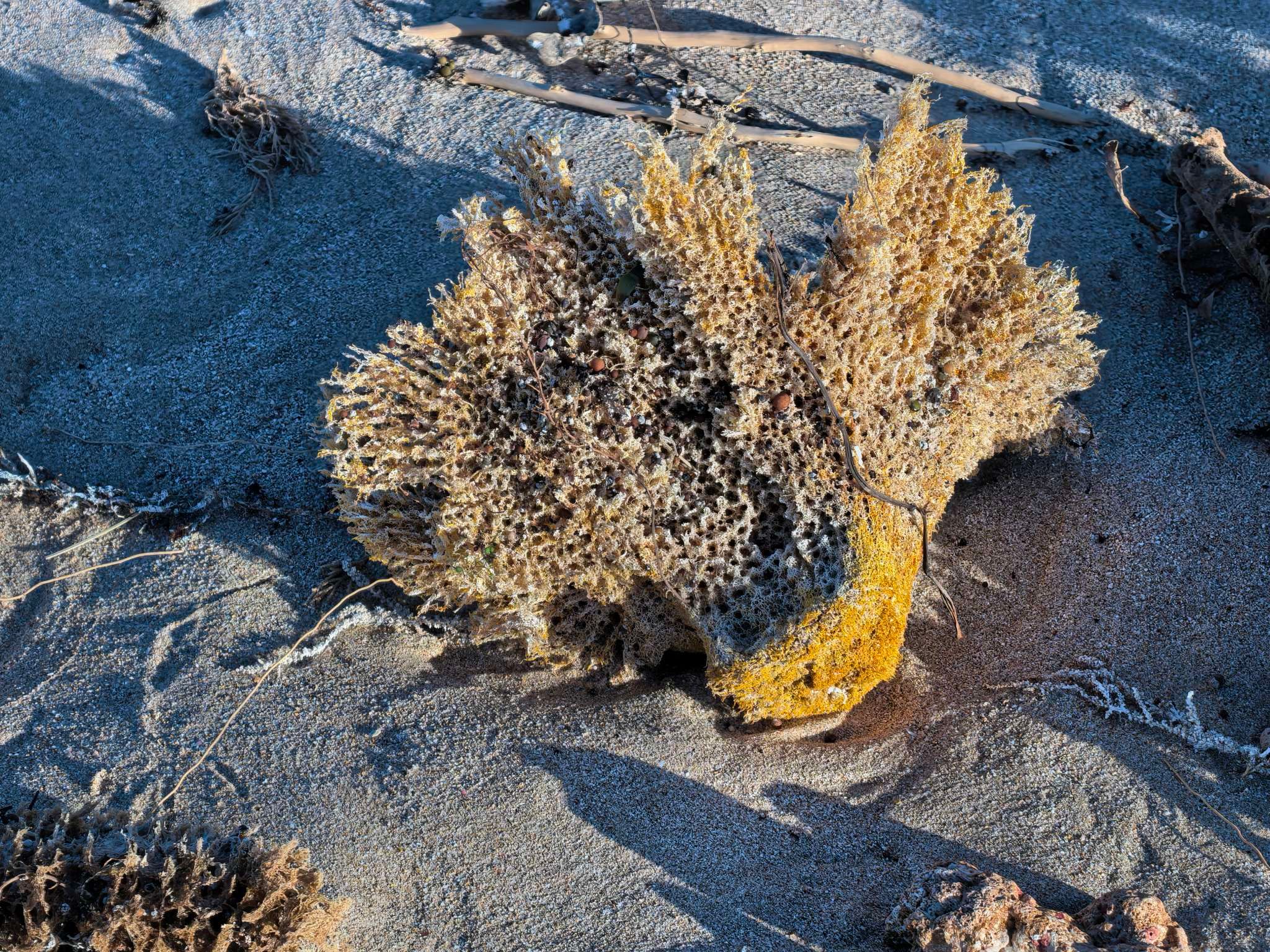
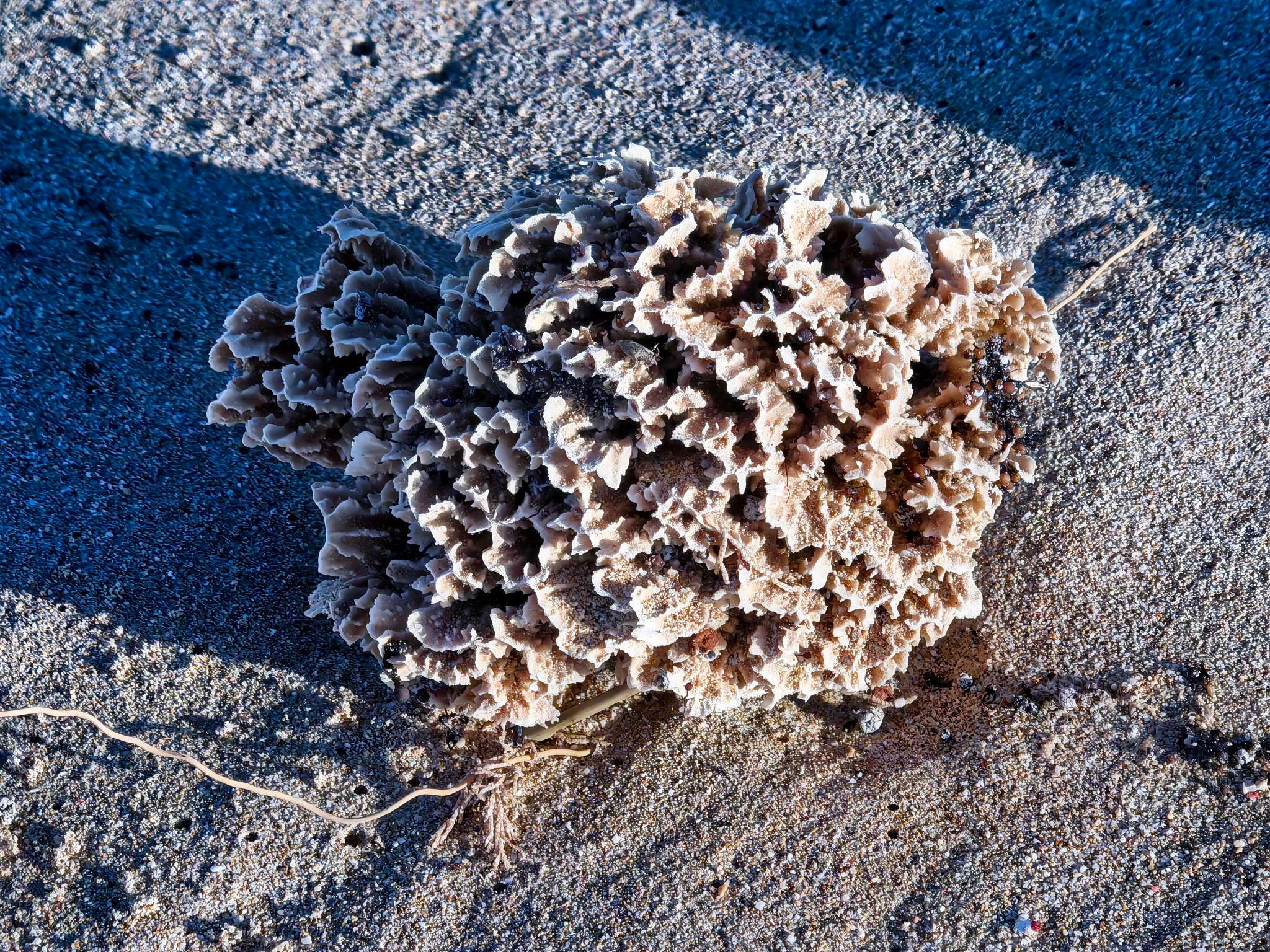
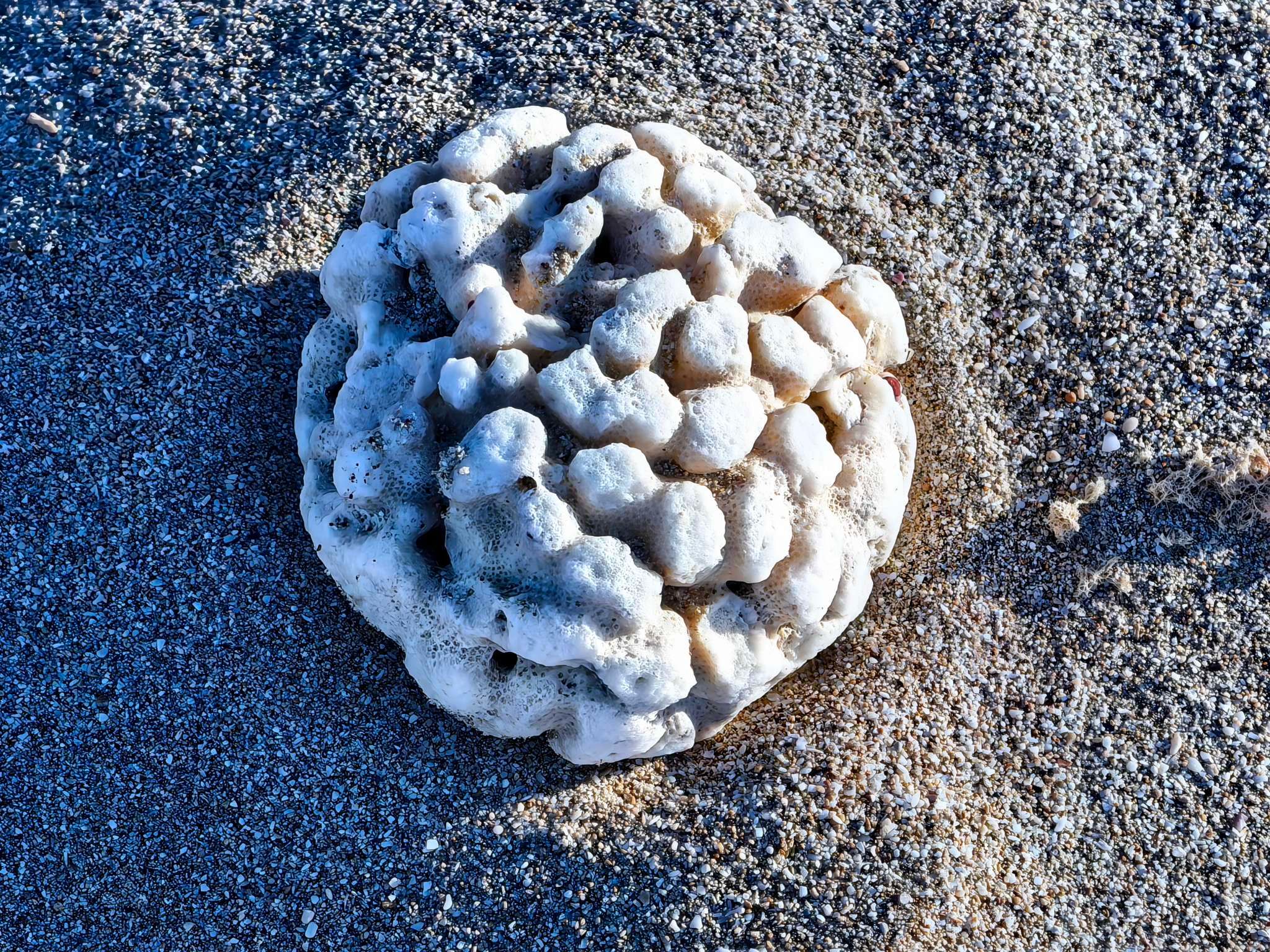
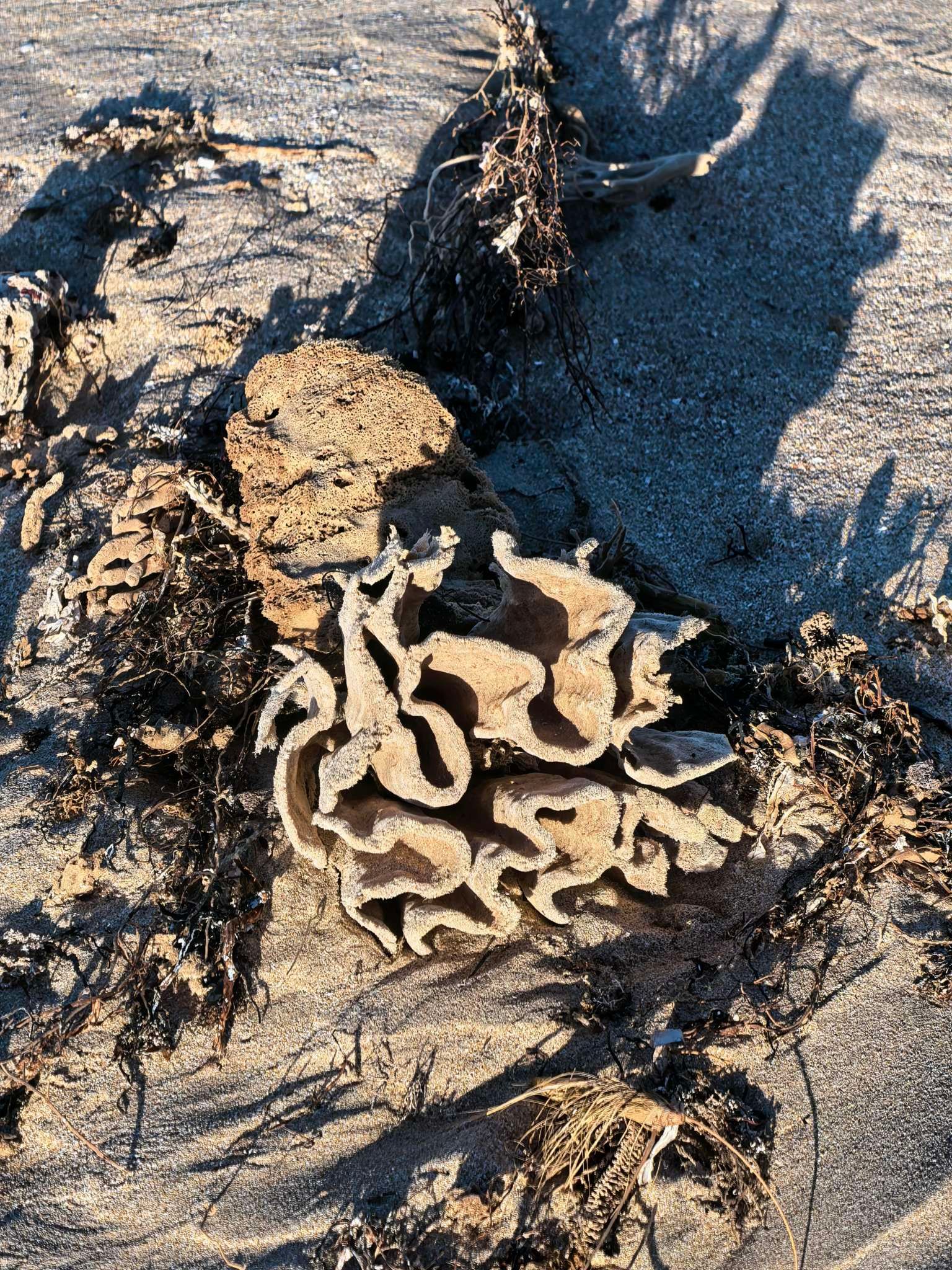
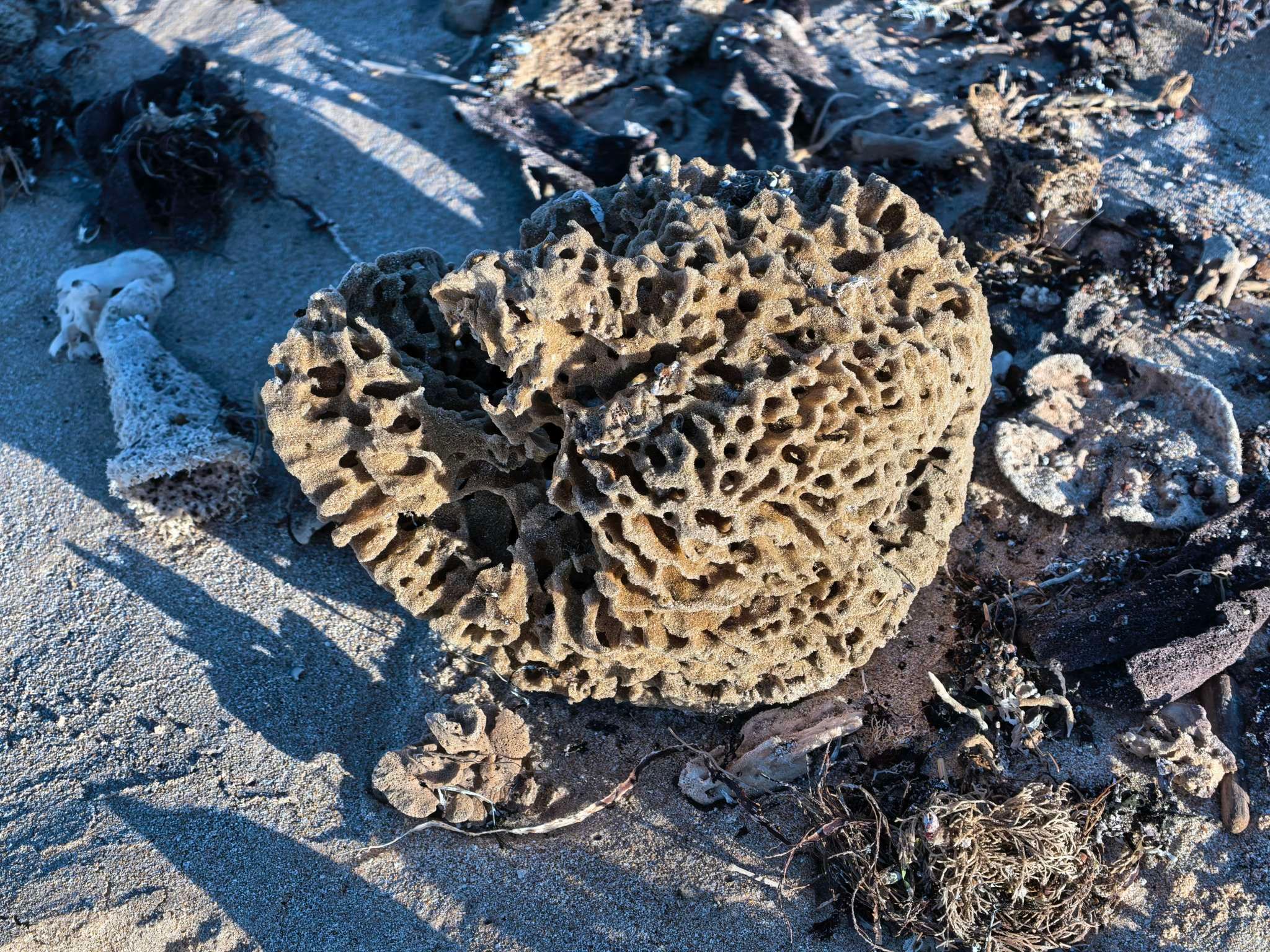
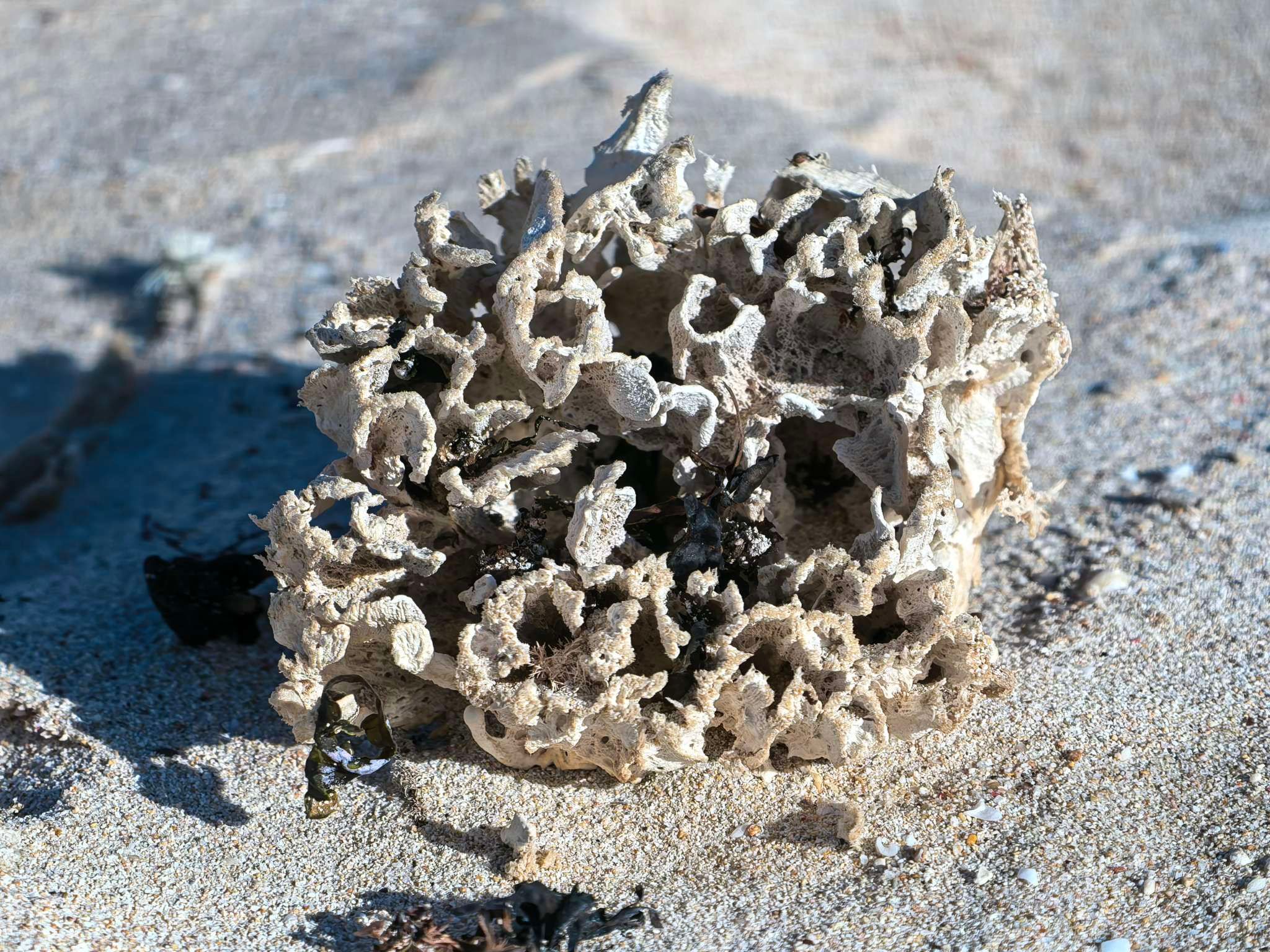
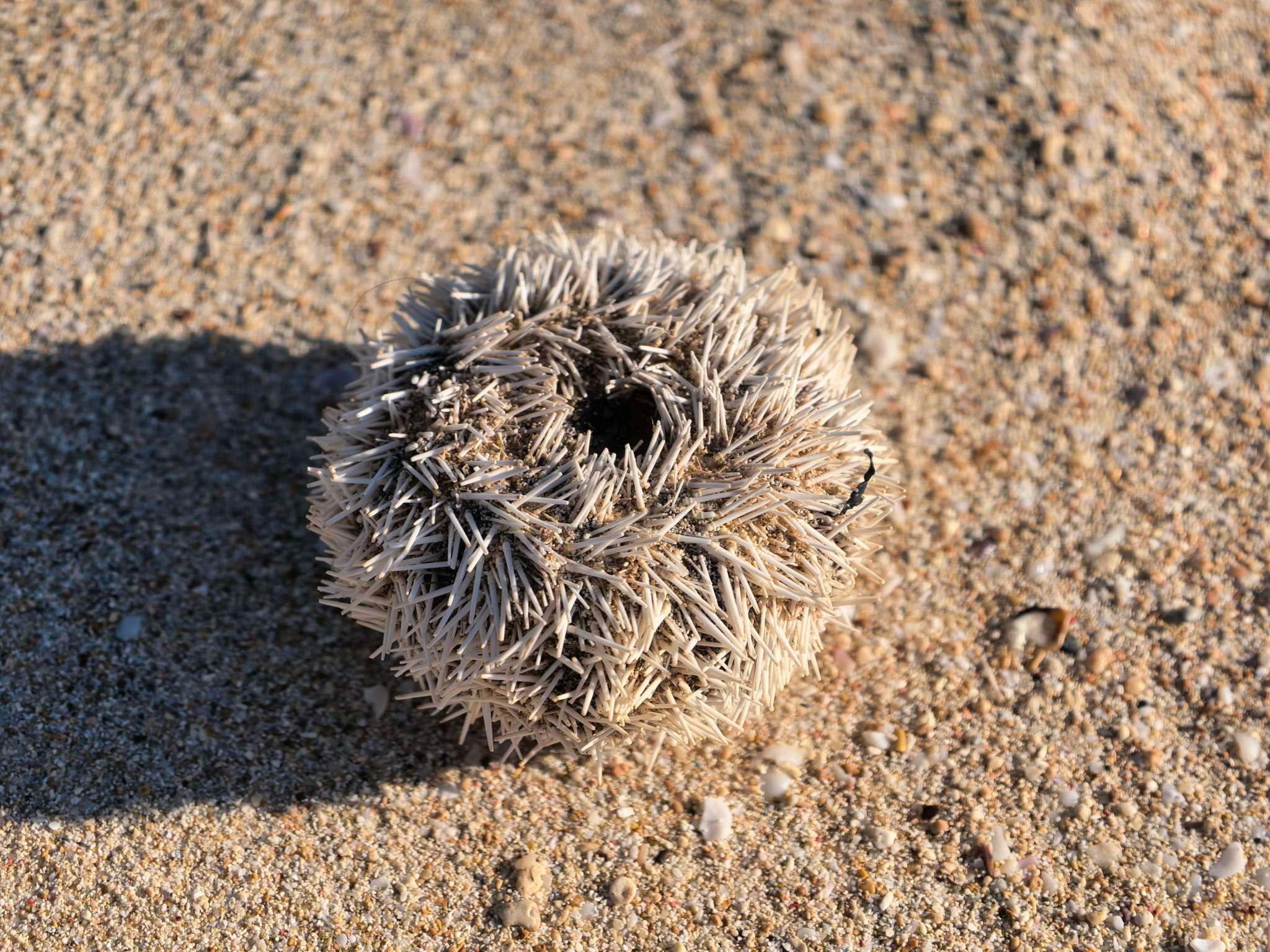
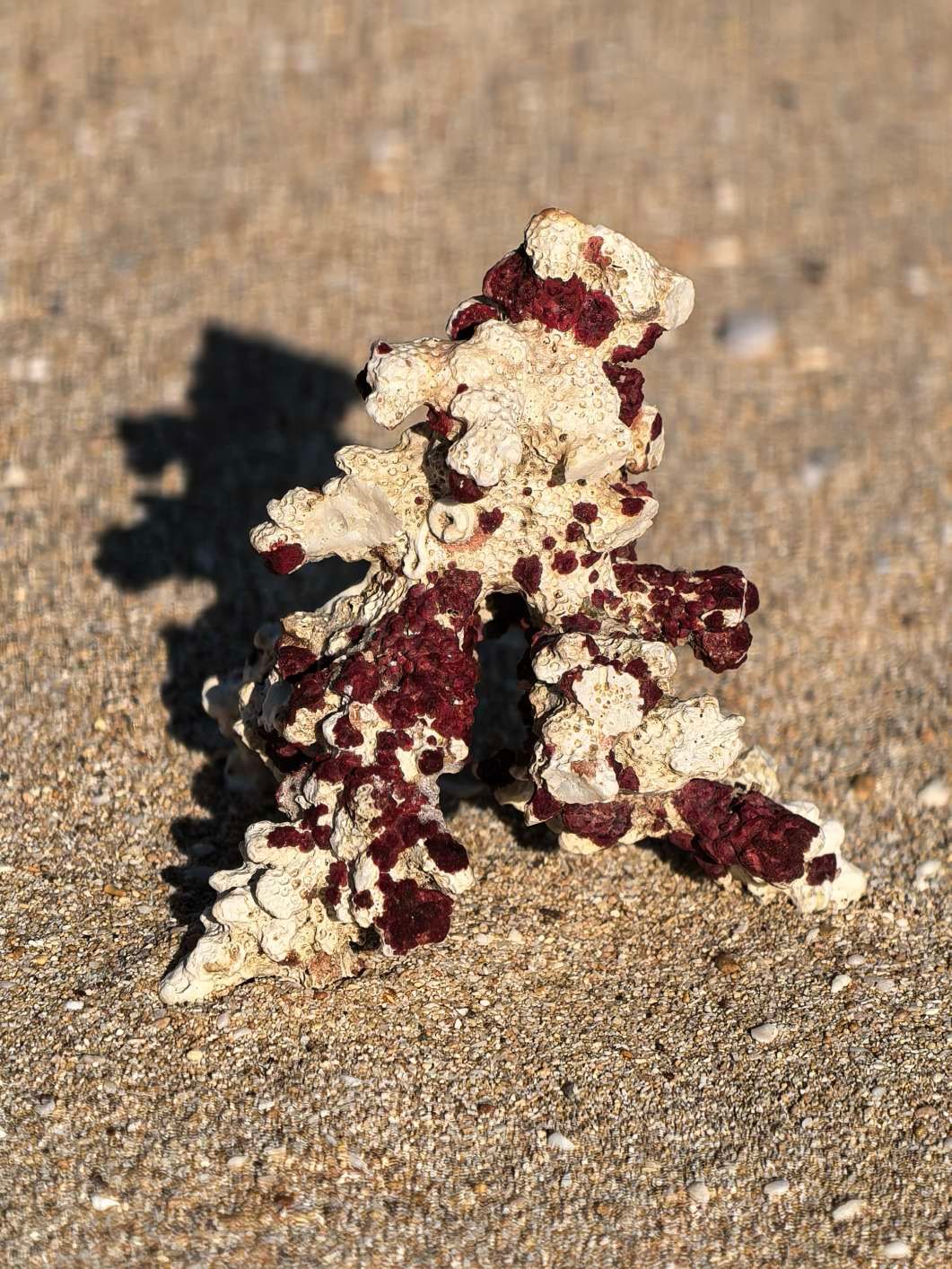
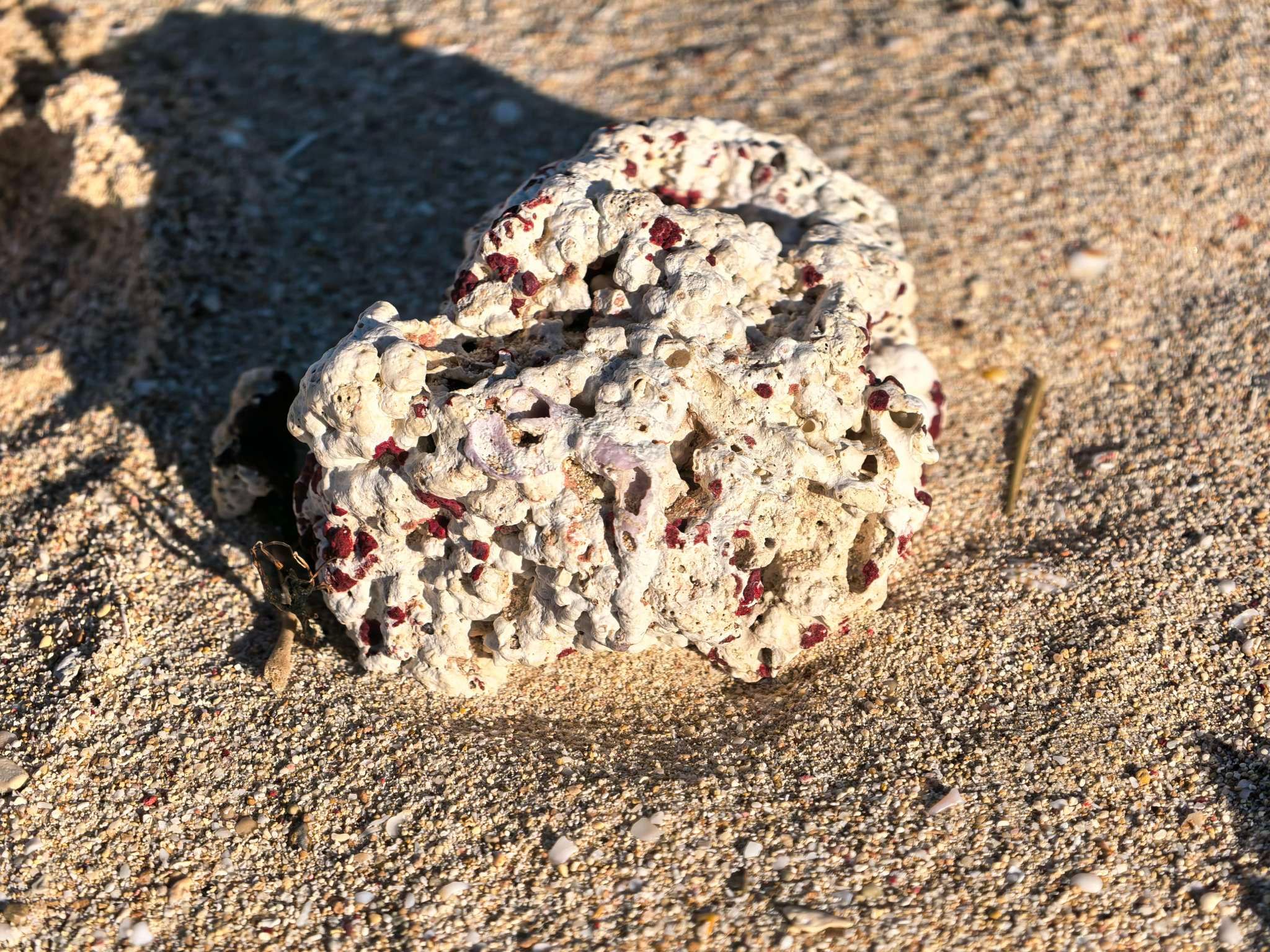
We continued north, along the 'Ningaloo Reef' and the Coral Coast. From what I can tell, there are only tourists traveling through and locals in the 'places' taking care of their well-being. The landscape remains barren; this time, we encountered more termite mounds along the way. To give an idea of their size, one stands 1.57 m tall. The 150 km to Exmouth was covered quickly. We planned to visit the 'Cape Range National Park,' but we could only drive to the first parking lot to peek into the canyon. The rest of the park is still closed due to a cyclone that swept through here in March with gusts of wind reaching up to 250 km/h and 350mm of rain. In the meantime, all the rivers have long since dried up, and the wind blew strongly again today. The road here is in good condition, and most of what we saw in Exmouth is back to normal. The 'place' primarily consists of accommodations for tourists of varying budgets. Everything else has settled here due to the guests. The golf course and tennis courts are back in operation too. People come to fish and to observe the unique animals that can be seen here at certain times in and near the reef; it’s not just about colorful fish and corals. Currently, the whale sharks can be seen alongside the manta rays. Yesterday, we also saw fishermen at the cleaning station in our resort while they were filleting. The size of these animals starts at 50 cm in length! We prefer the white cockatoos, which are native here. We don't associate Australia with kangaroos, but with the many white cockatoos on the east and west coasts. In the afternoon, we took a beach tour - again, there were hardly any people swimming, only sunbathers. In the absence of further highlights, we looked at what the tide and the cyclone had washed ashore. The cyclone severely affected the local part of the reef. The reddish-brown 'clump,' about 20 cm in diameter, is a jellyfish; otherwise, there are remnants of sea urchins, many fossilized shells, coral remnants ...