
15.05.2026
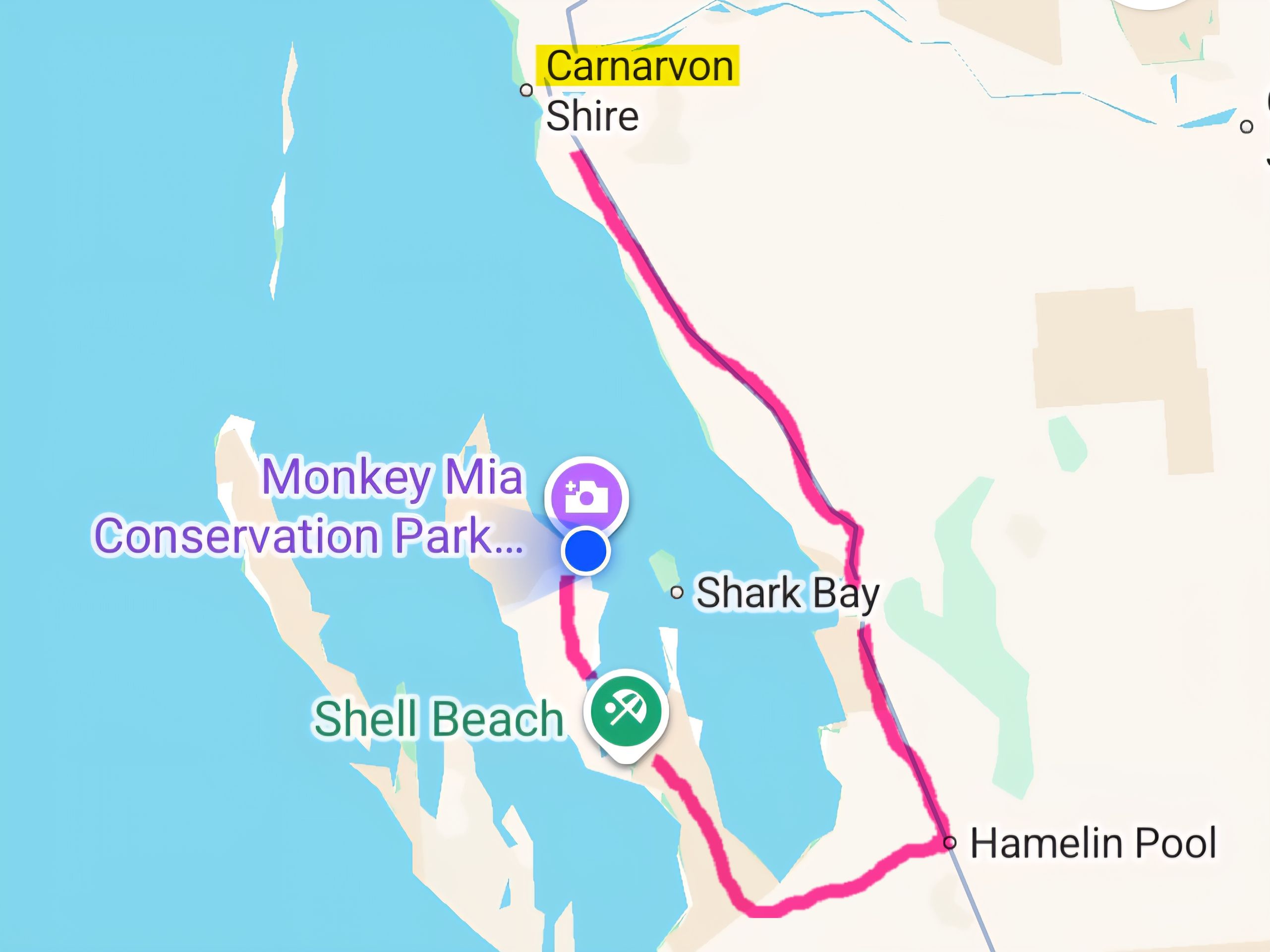
'Dirk Hartog Island' - this was our destination for the day. The island is named after its discoverer, who first set foot on it in 1616. So in the morning, we traveled 25 km to...

Published: 16.05.2026
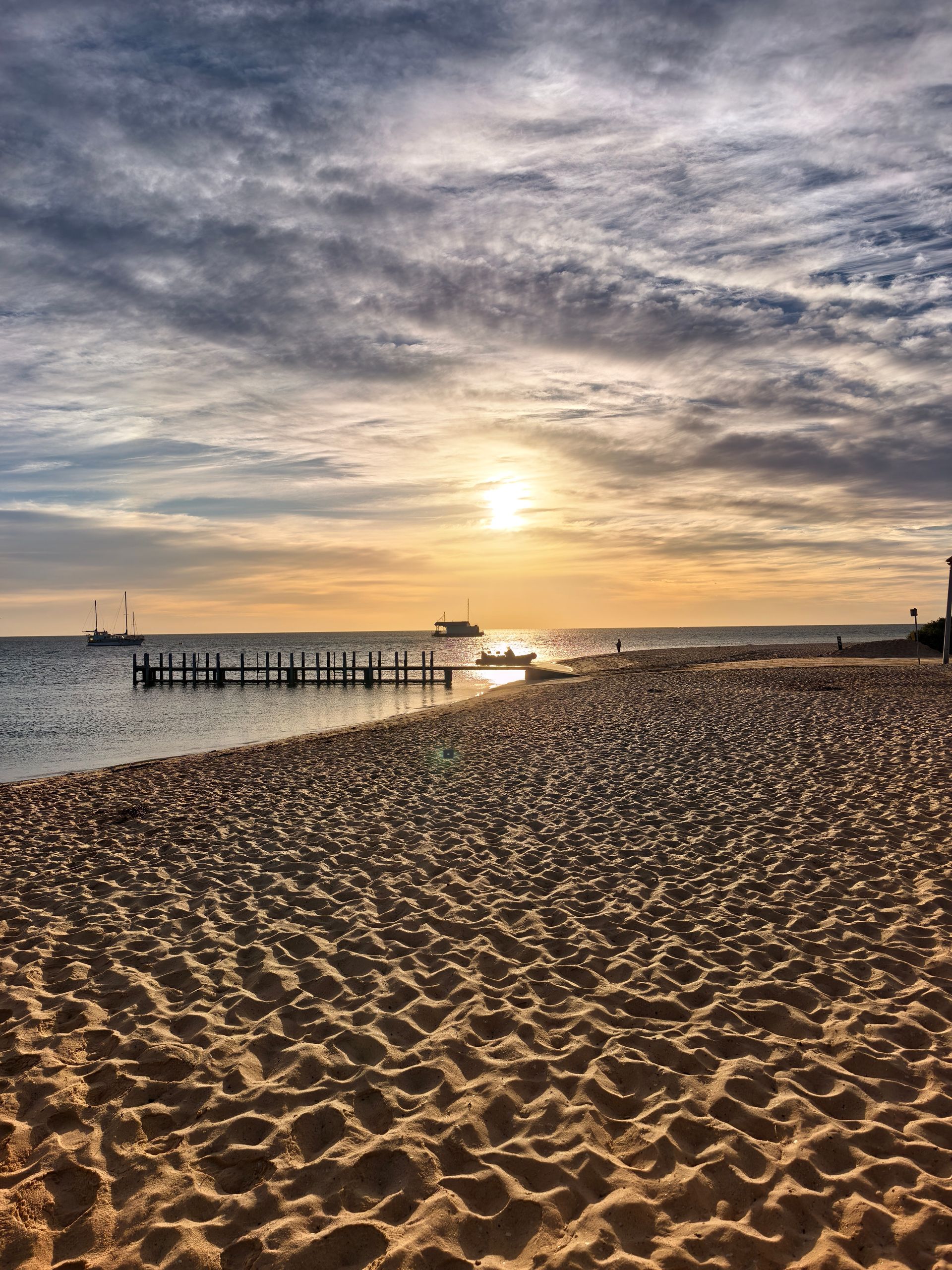
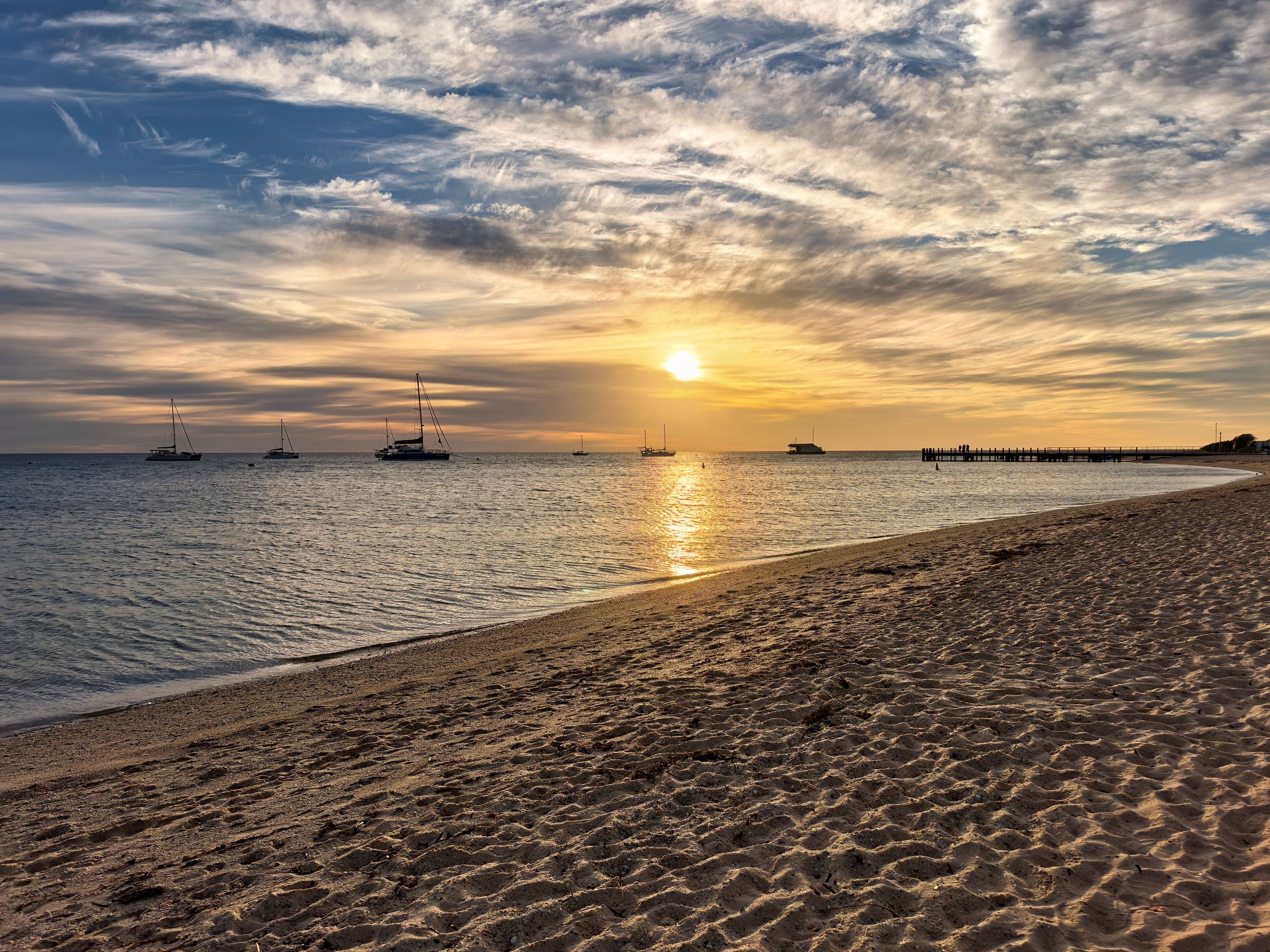
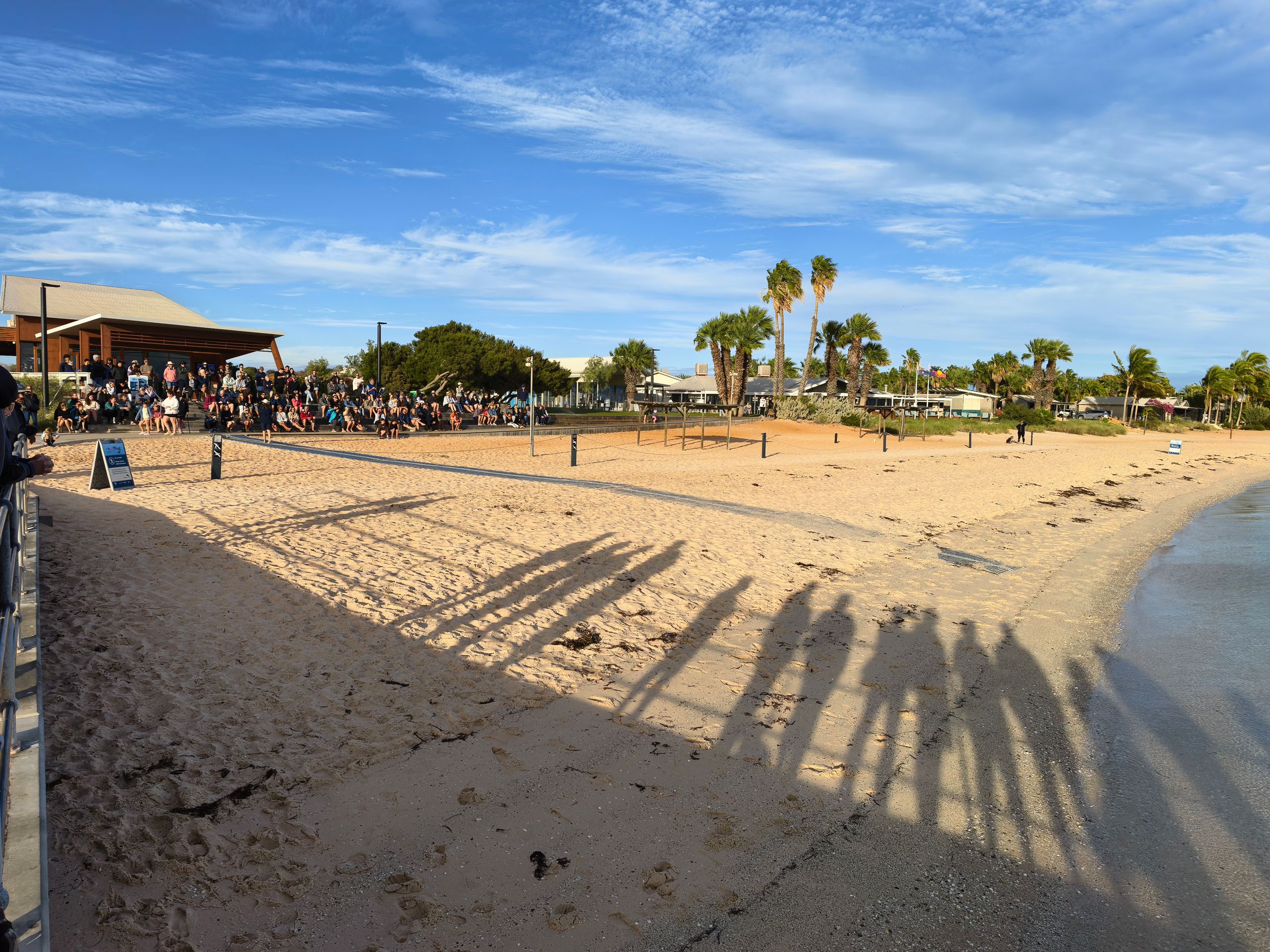
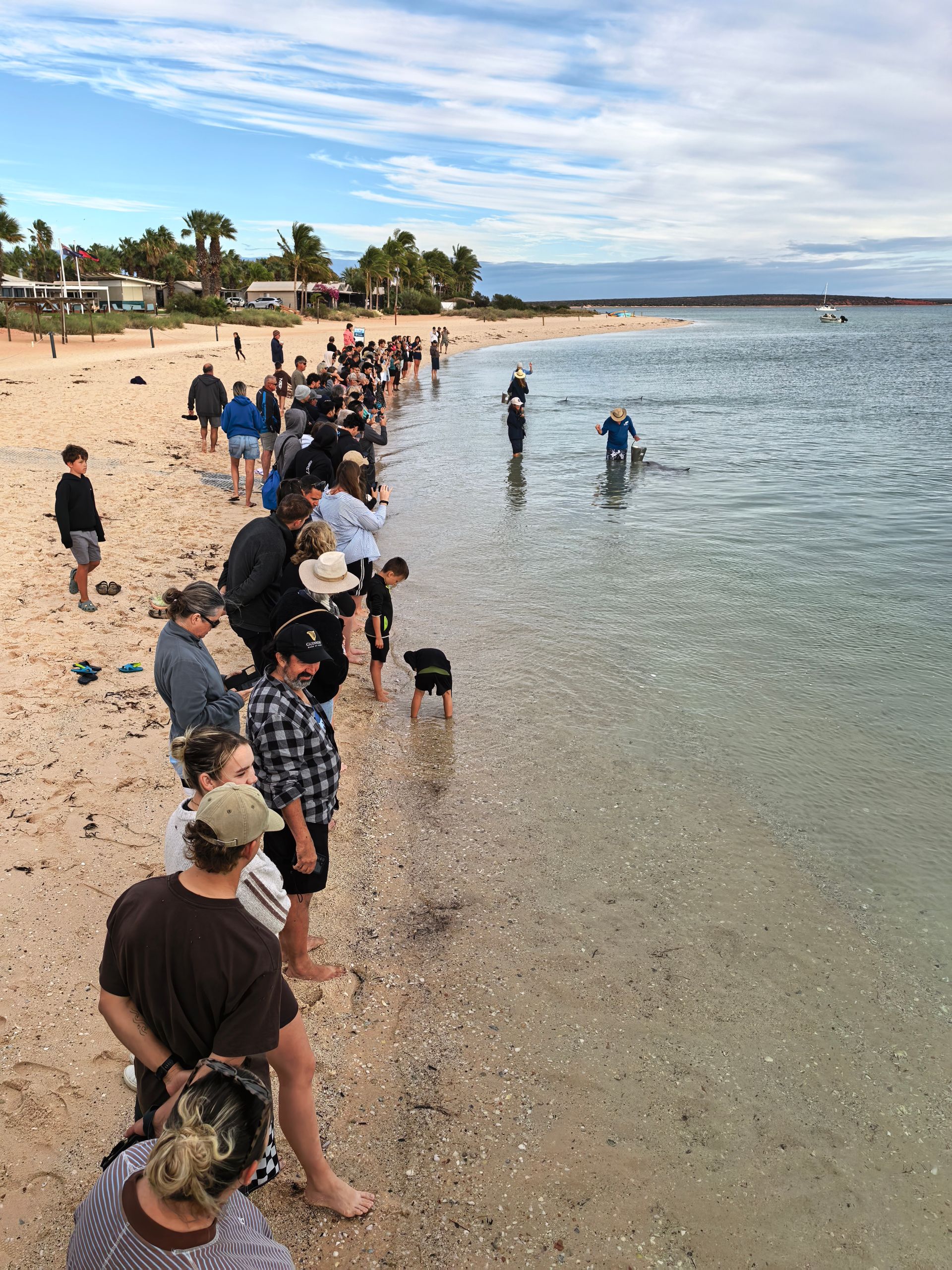
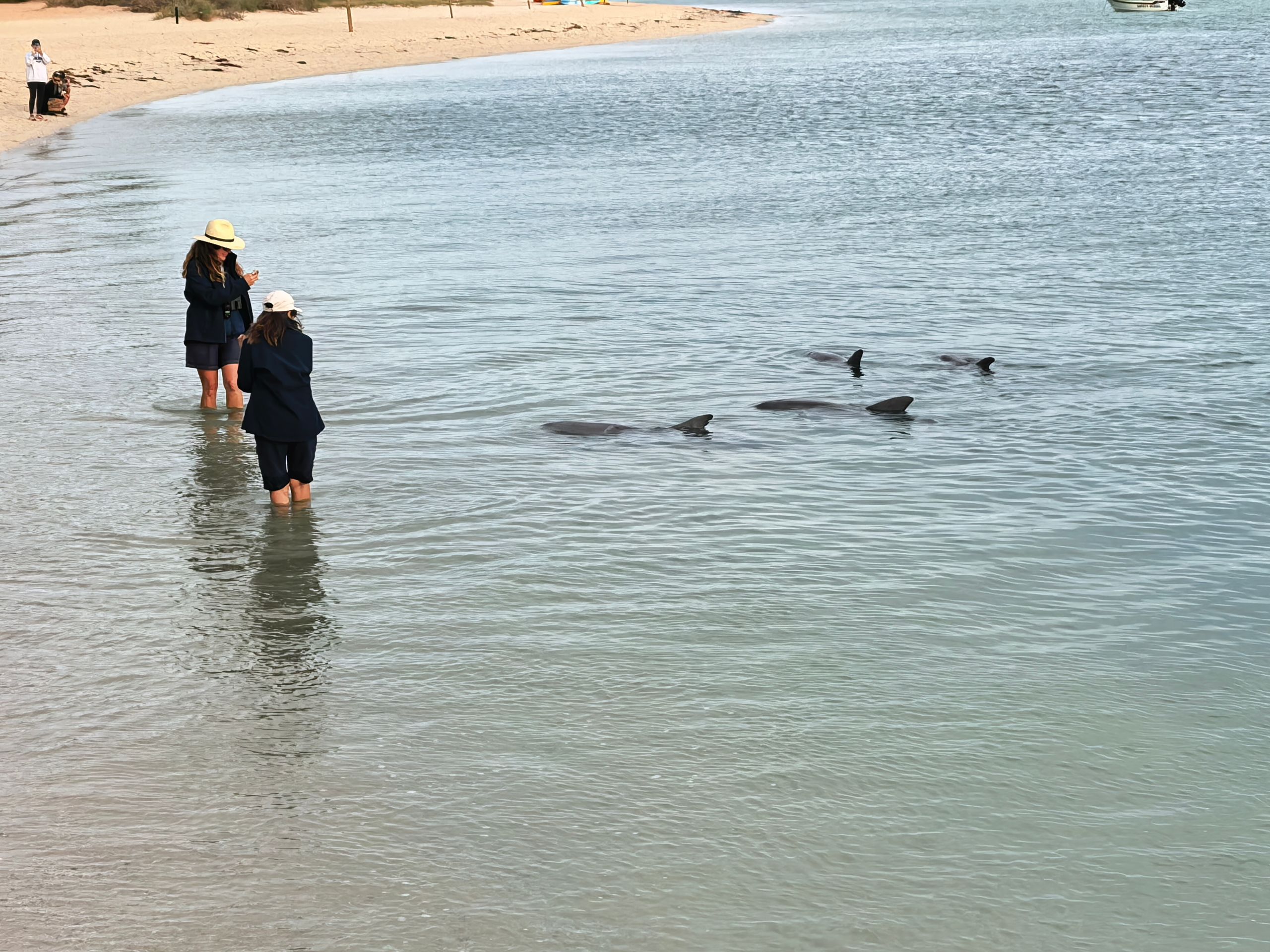
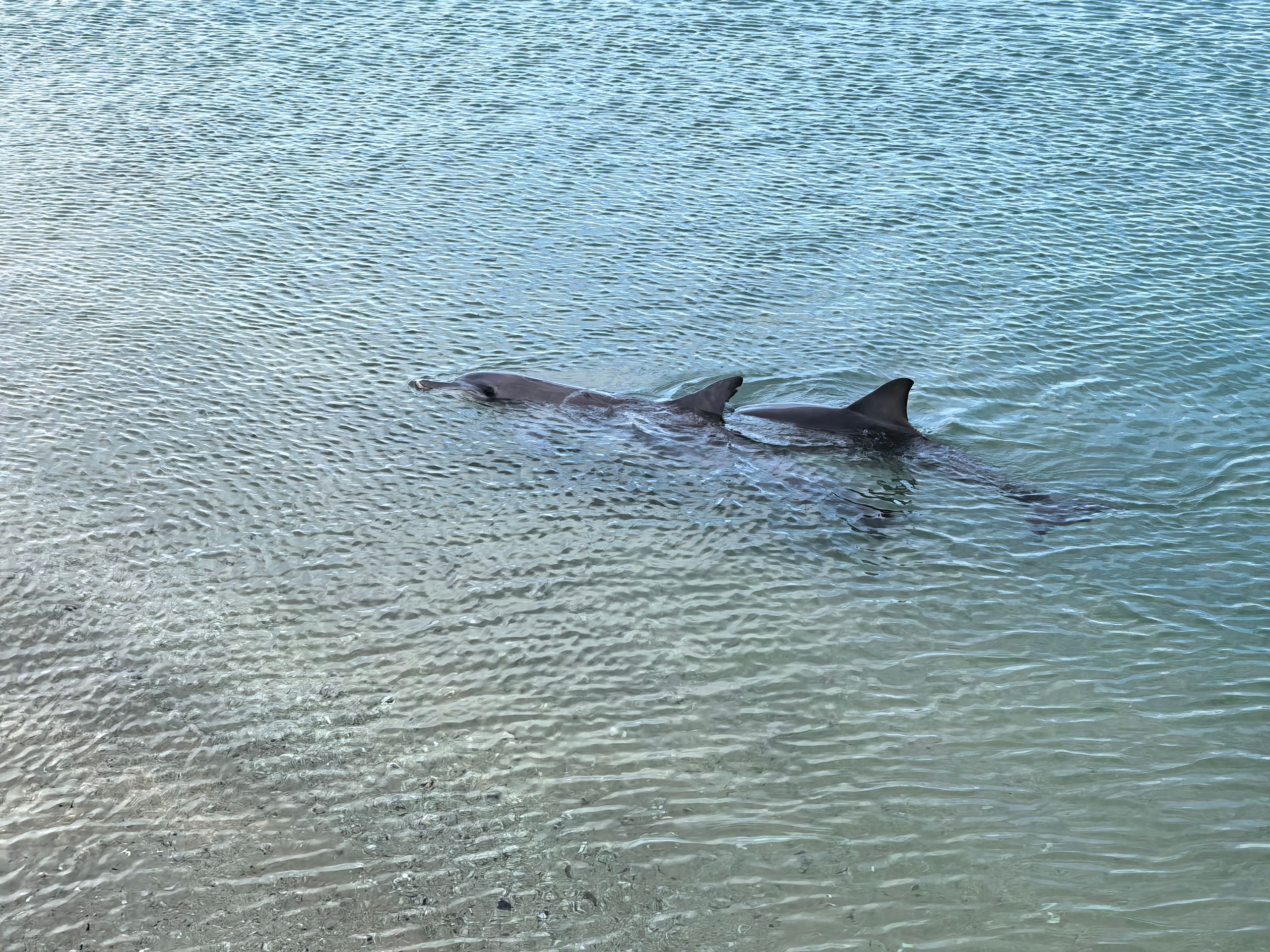
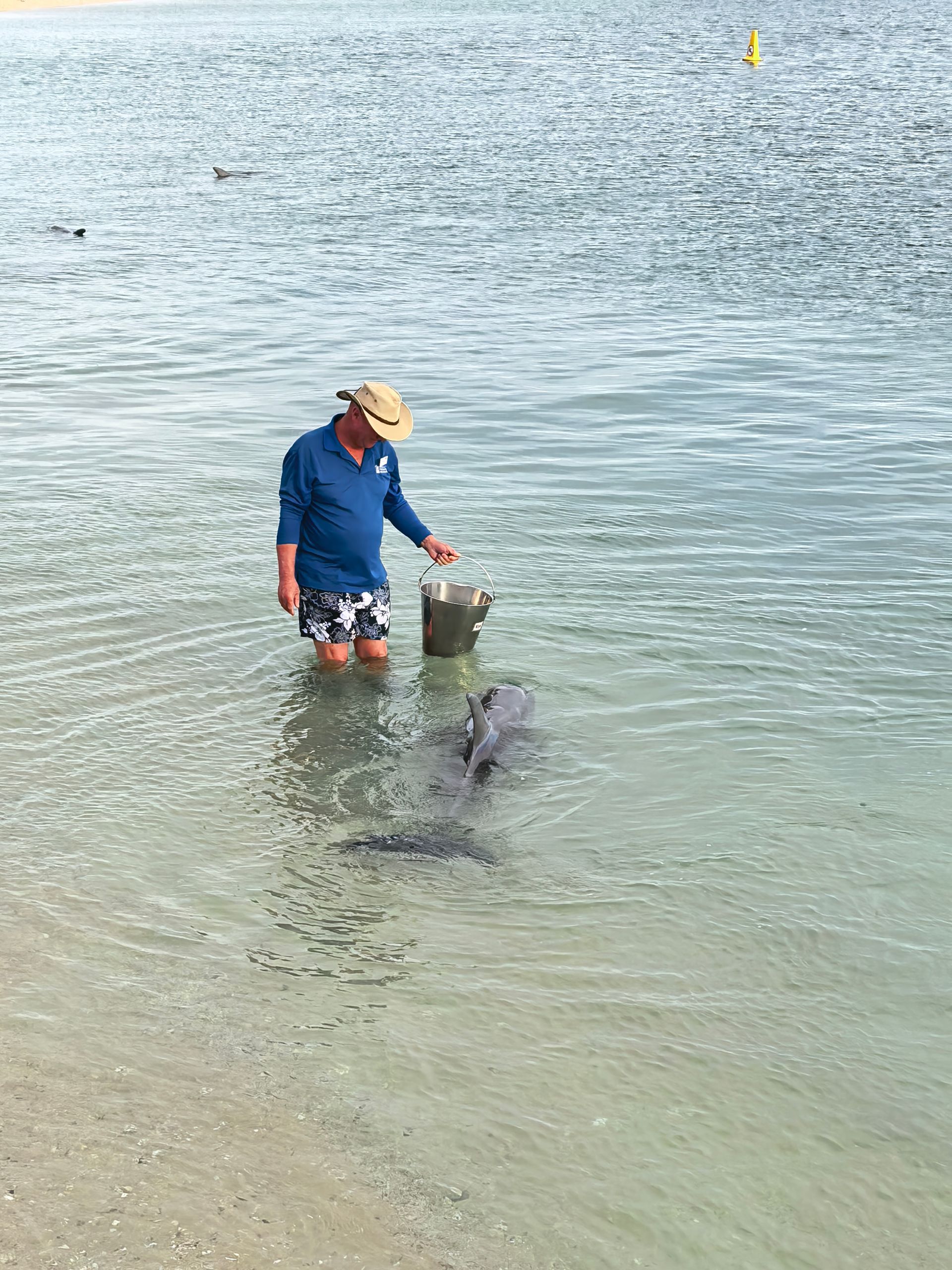
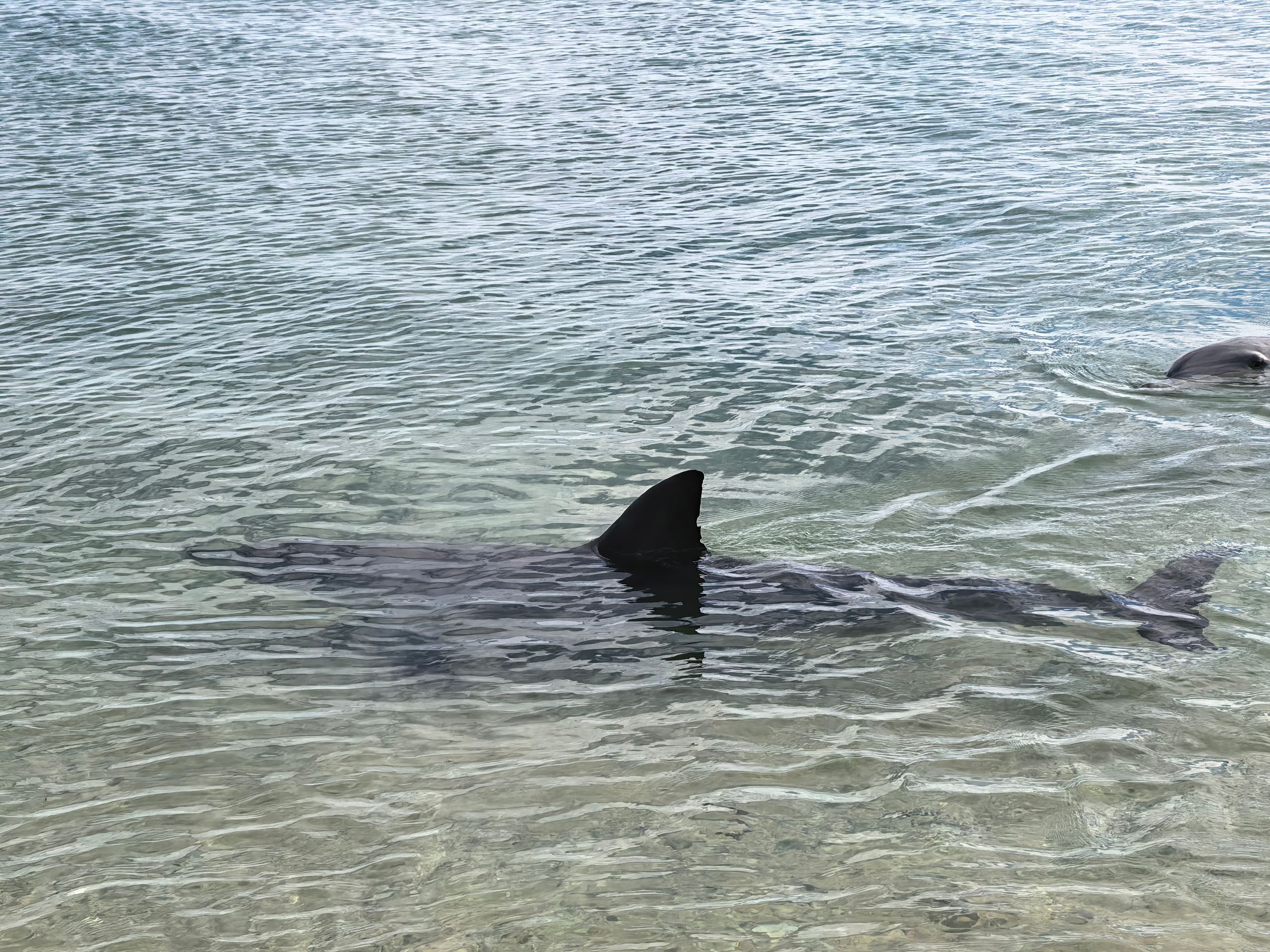
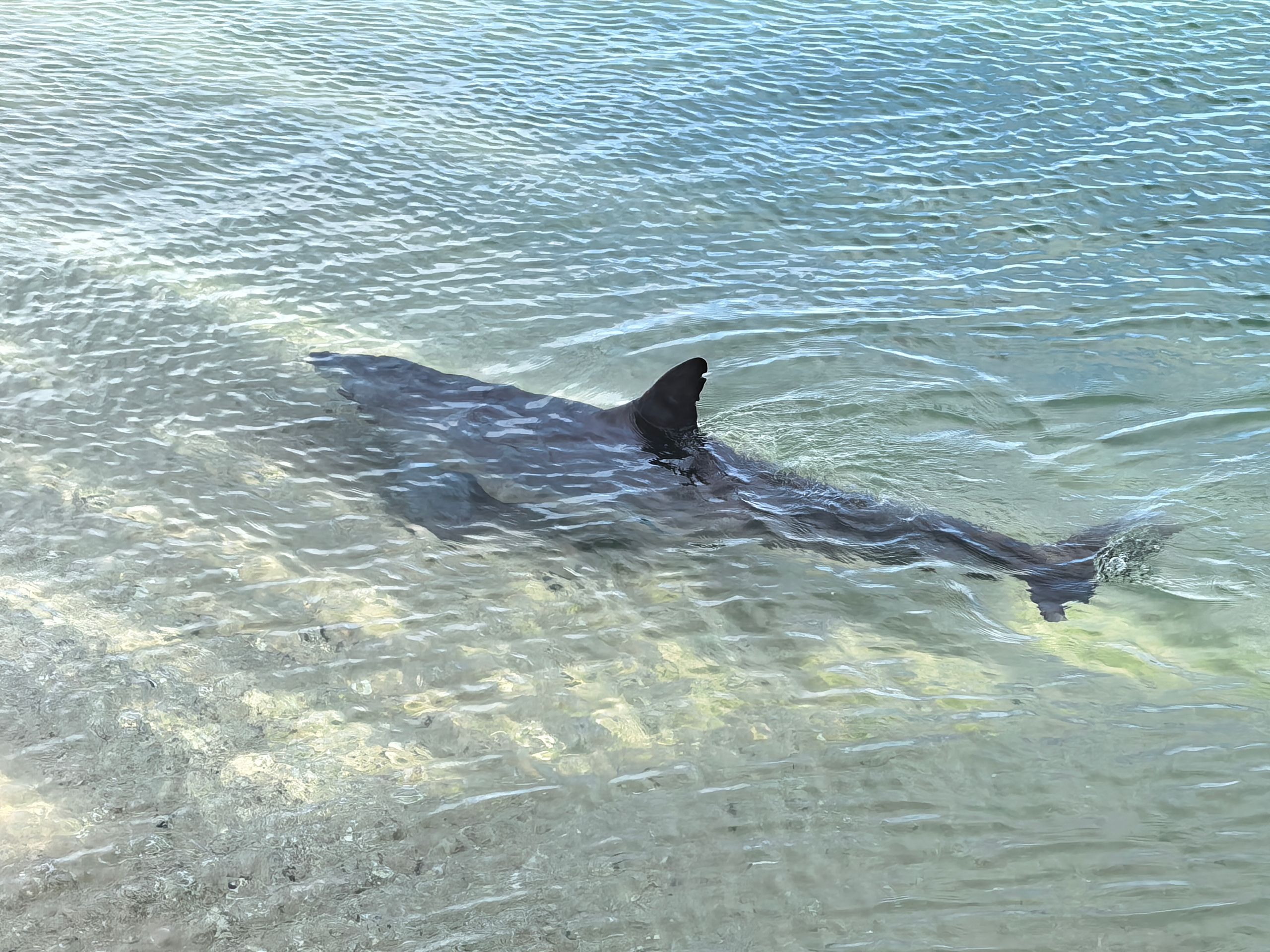
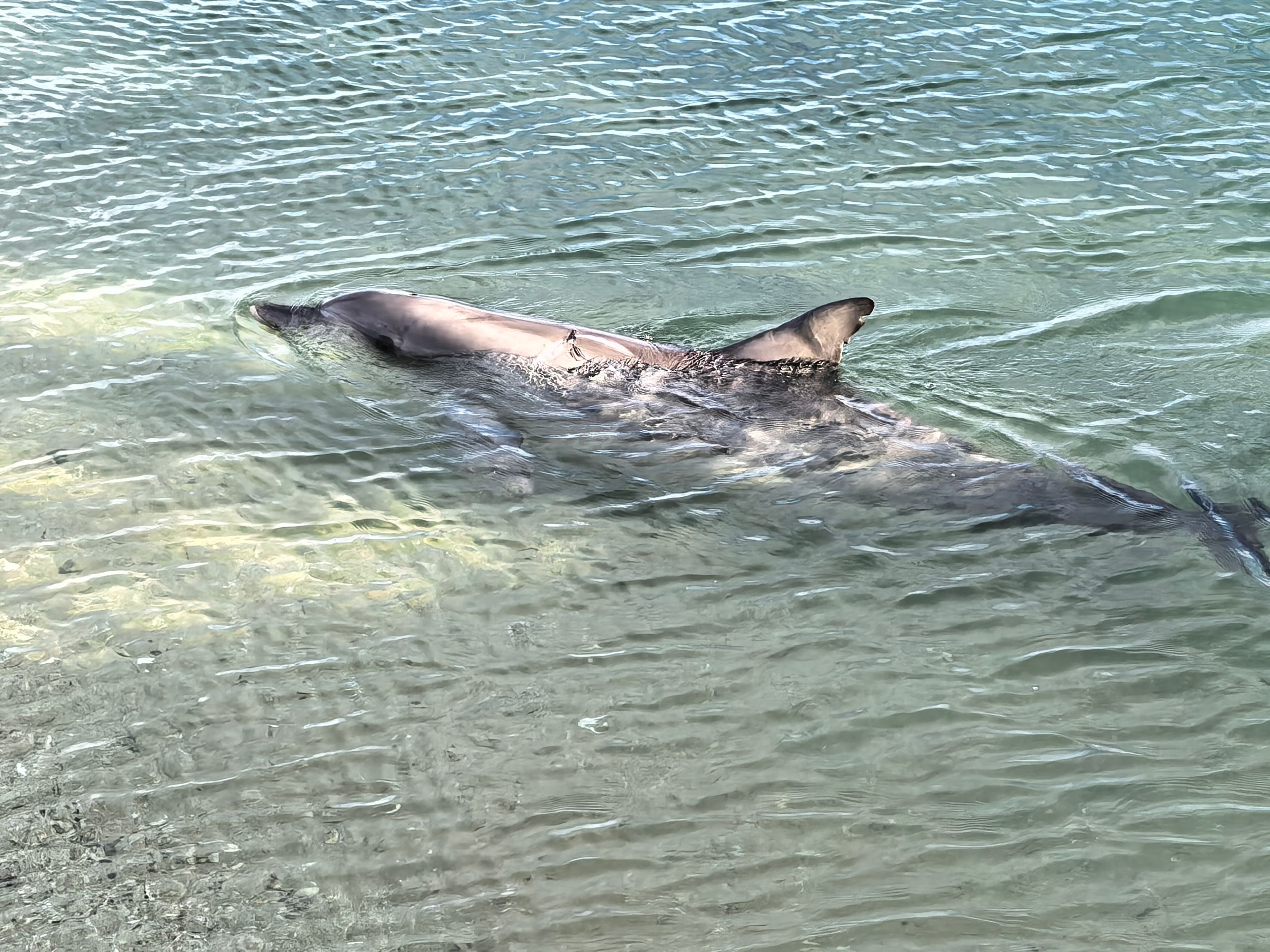
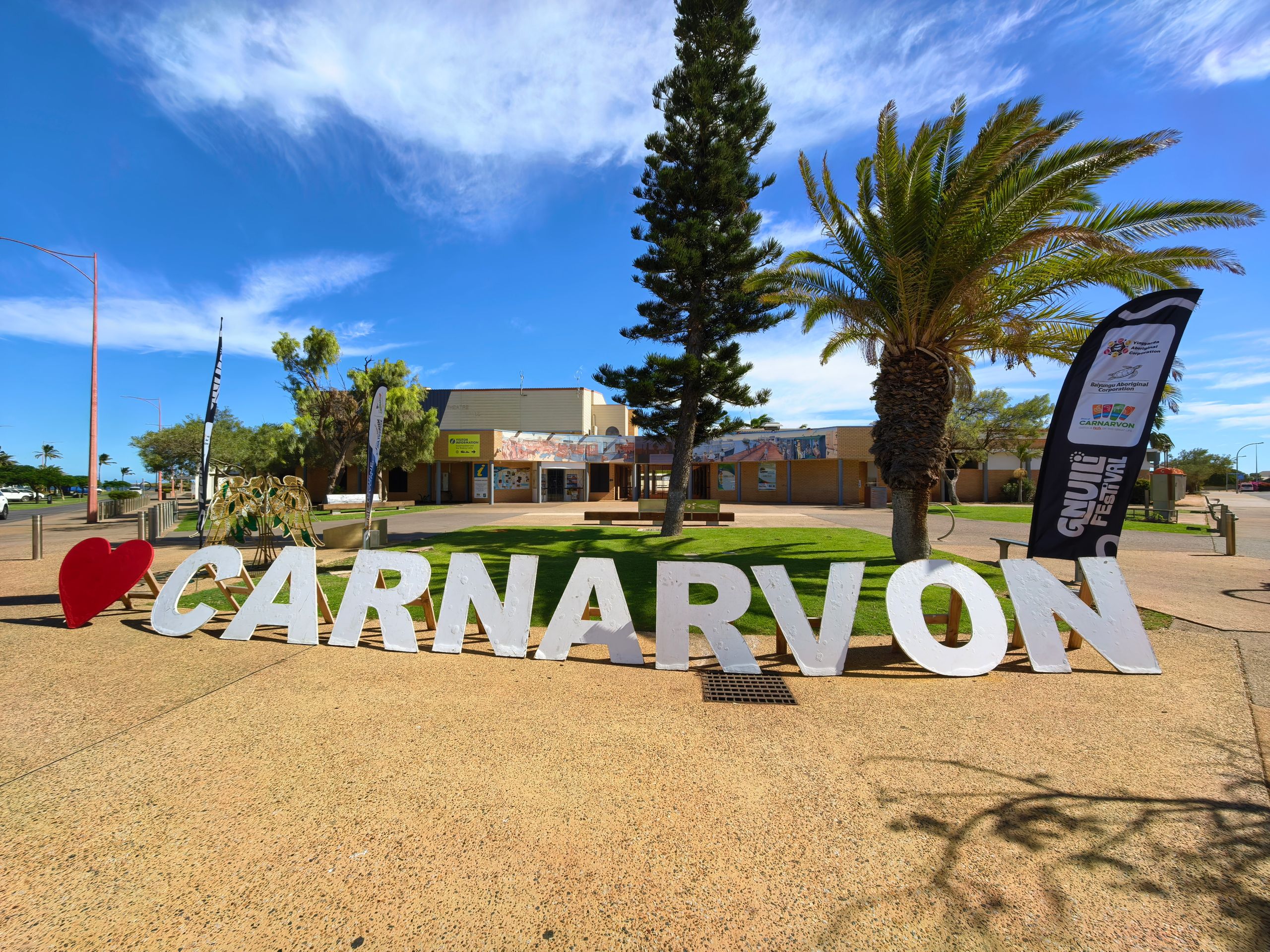
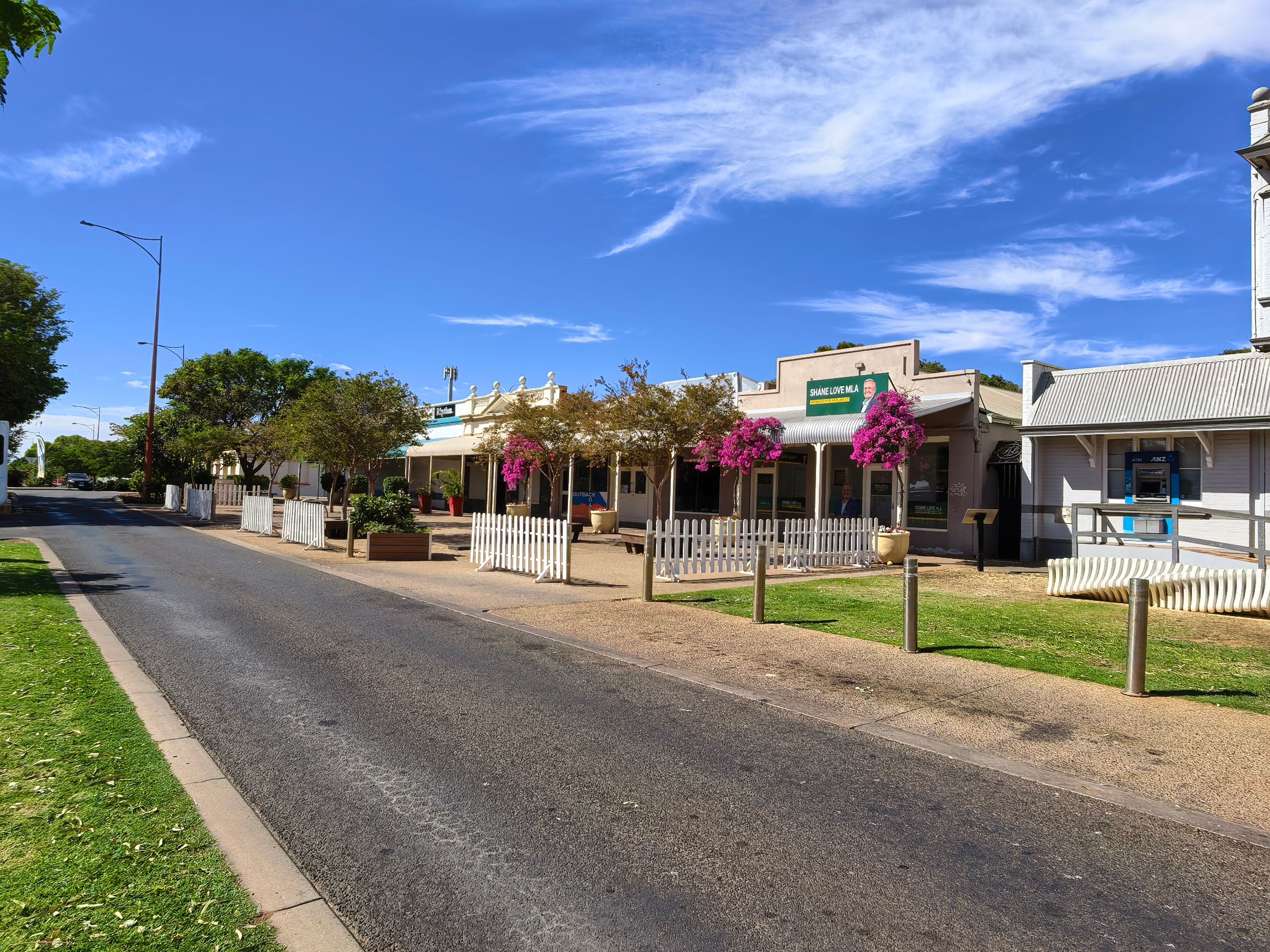
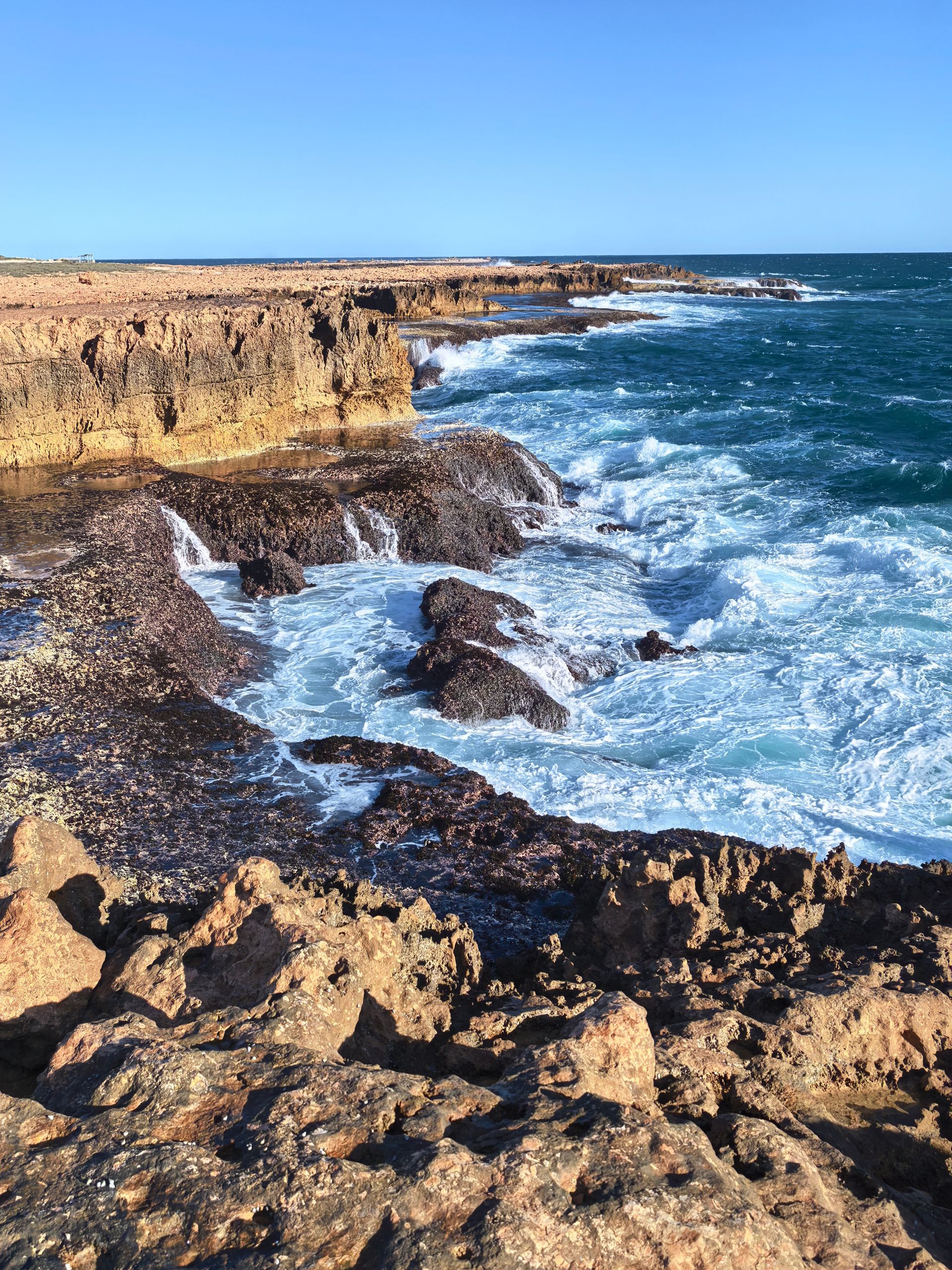
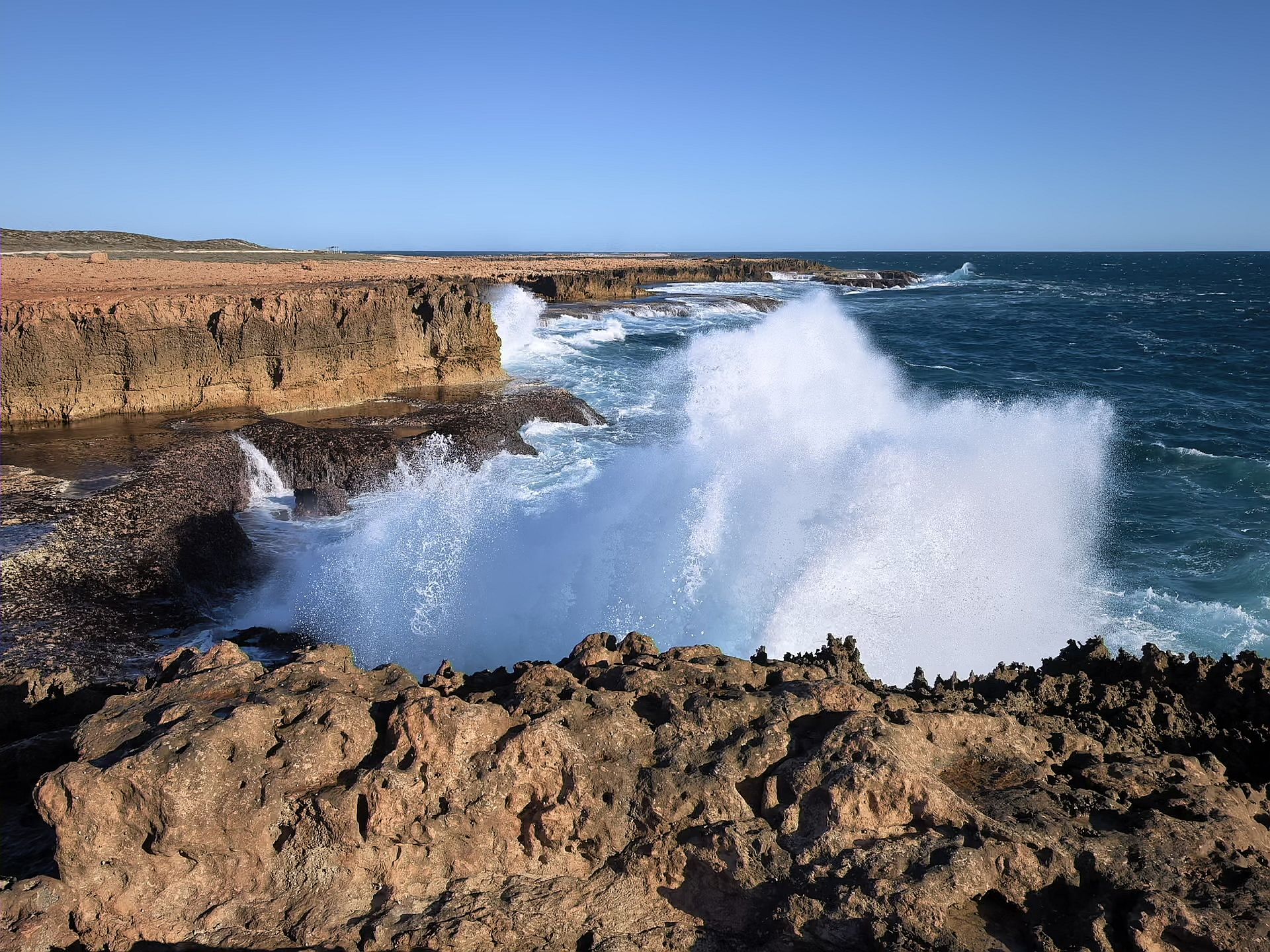
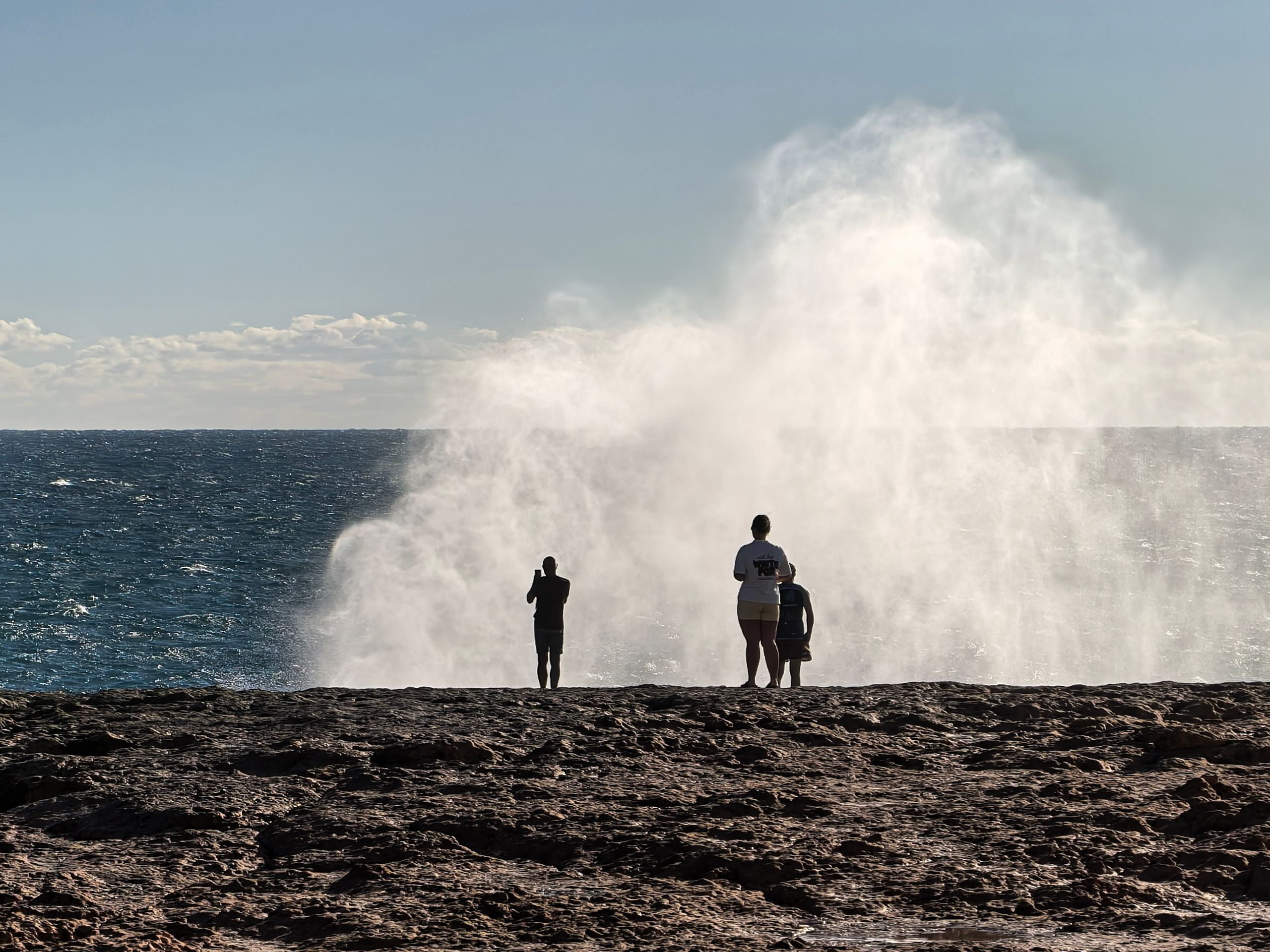
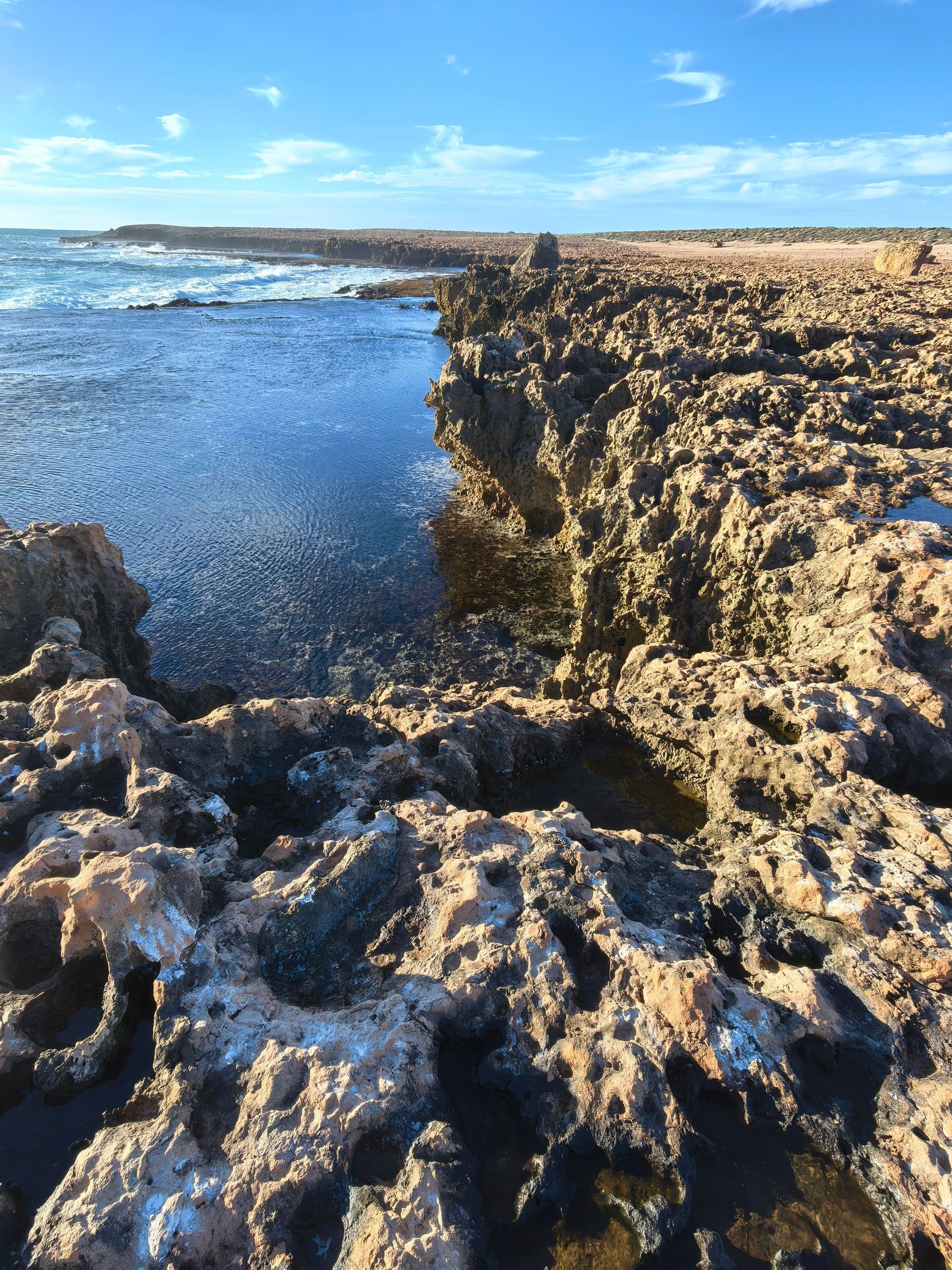
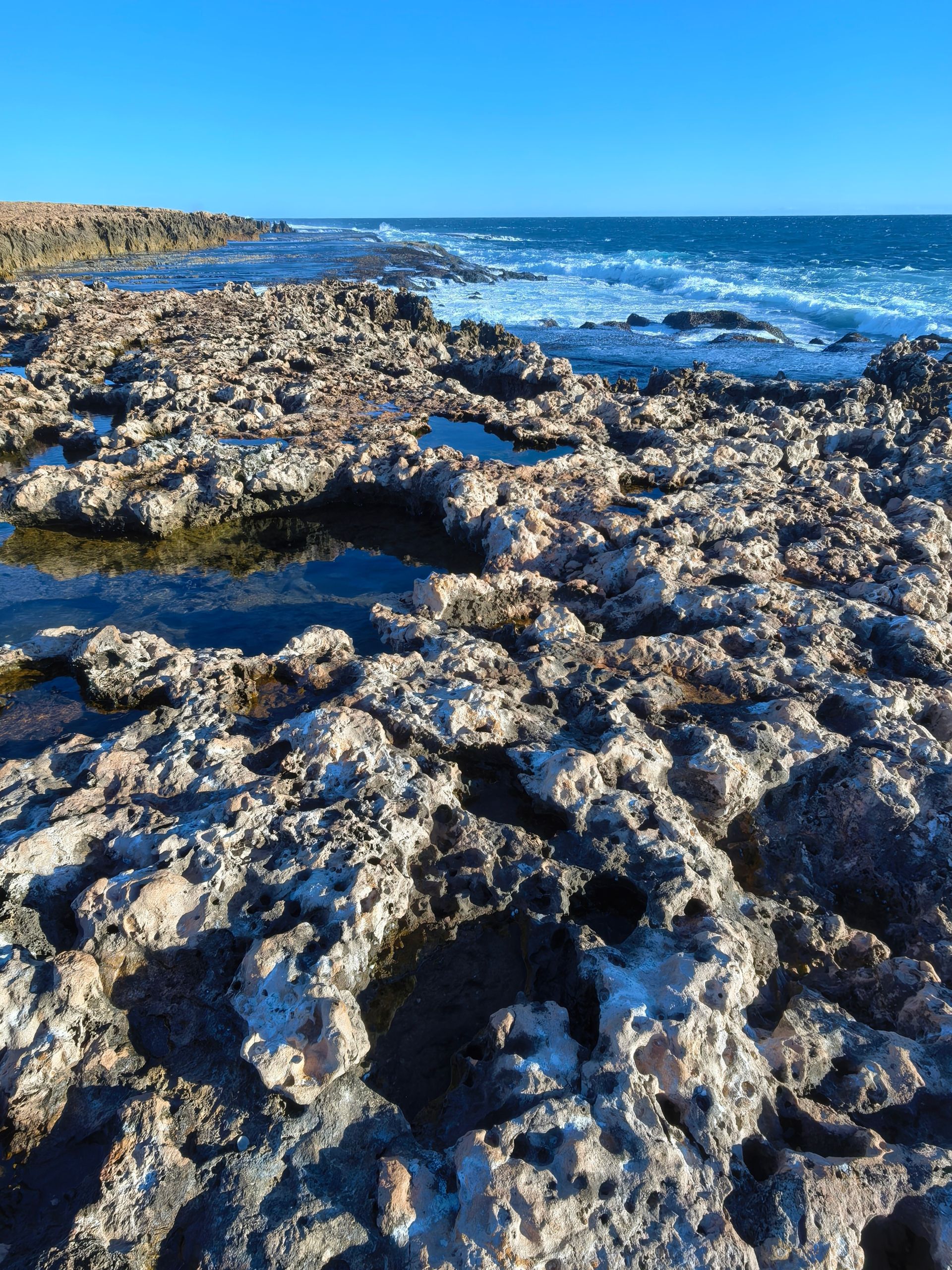
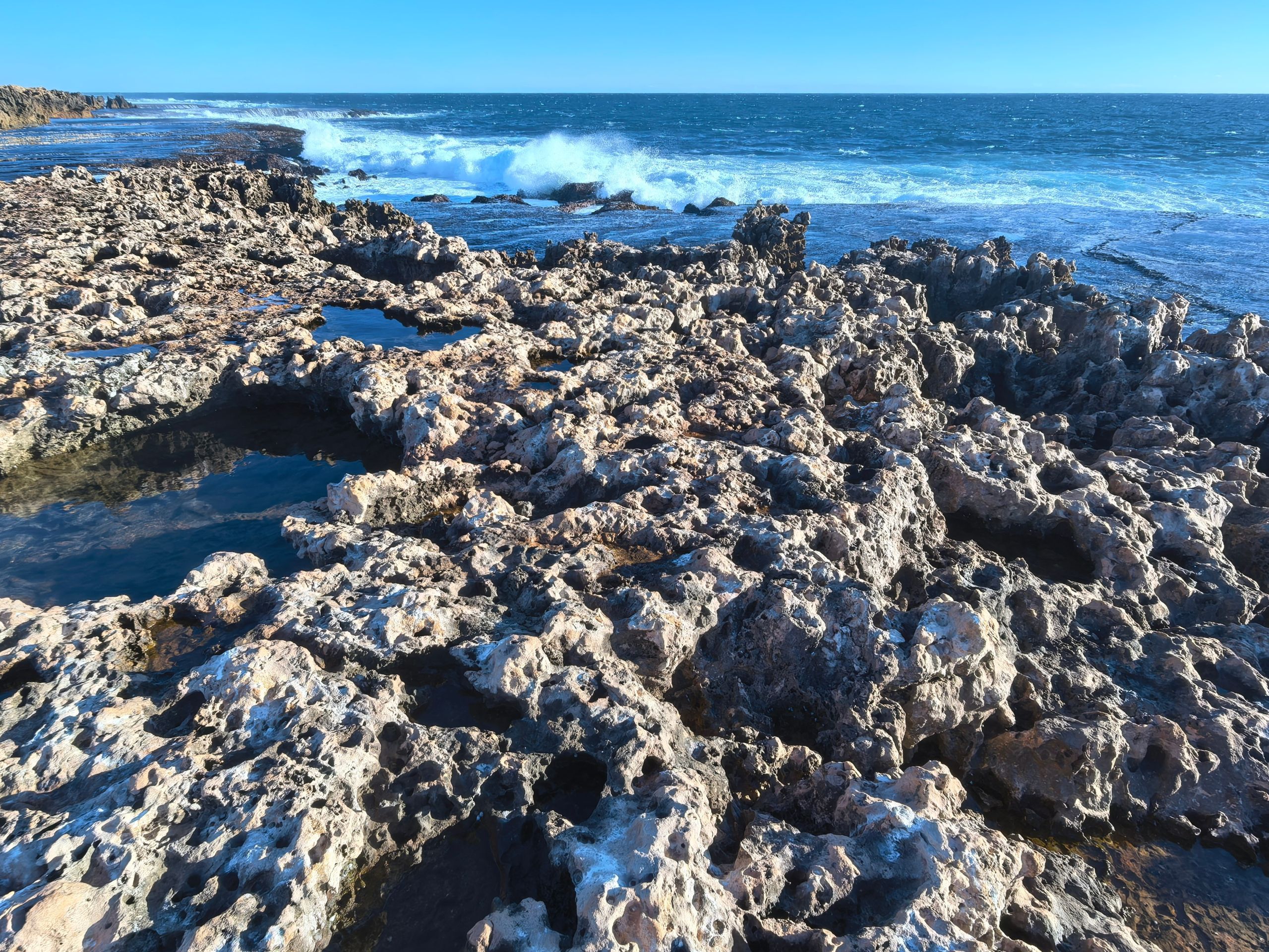
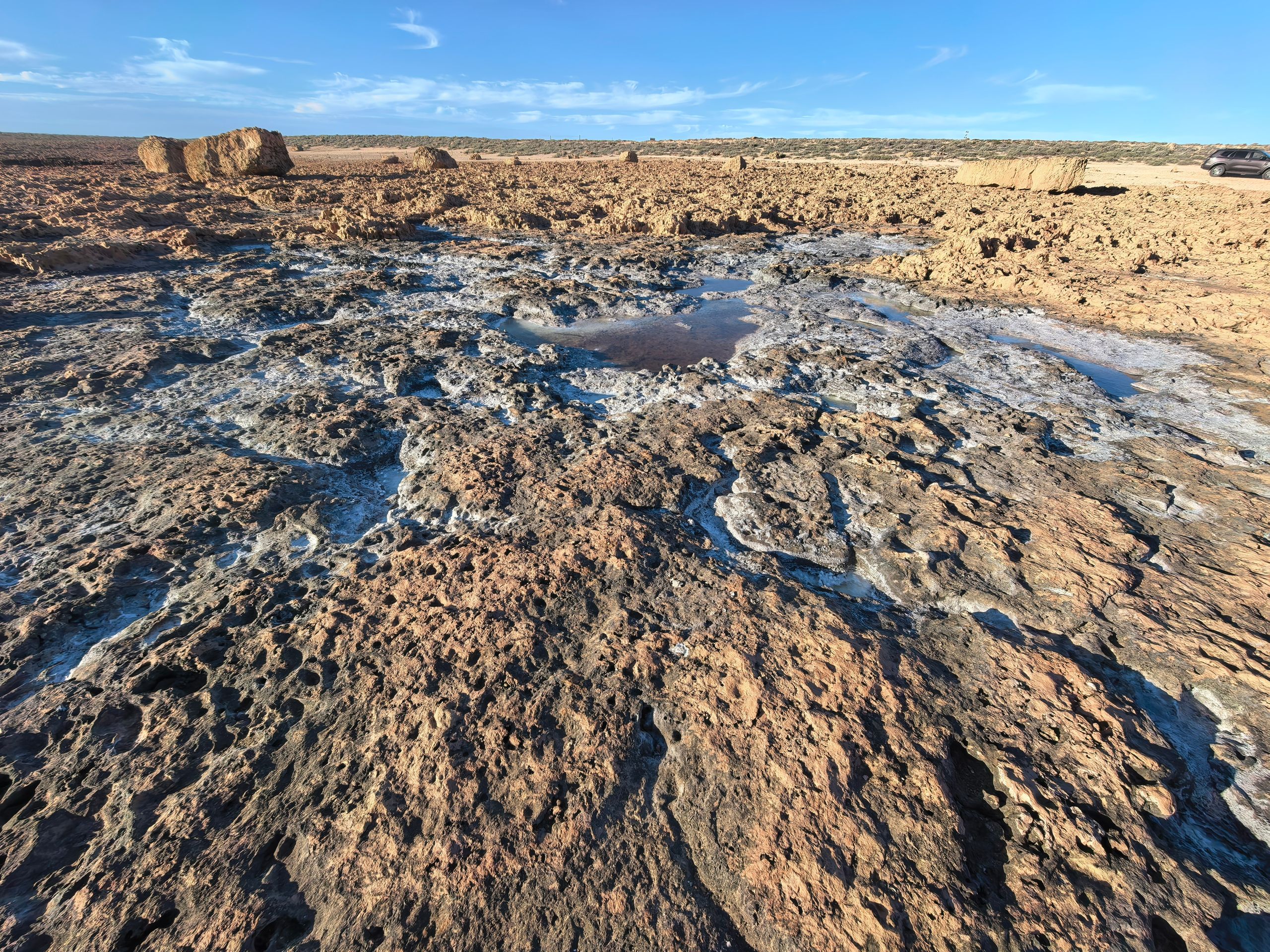
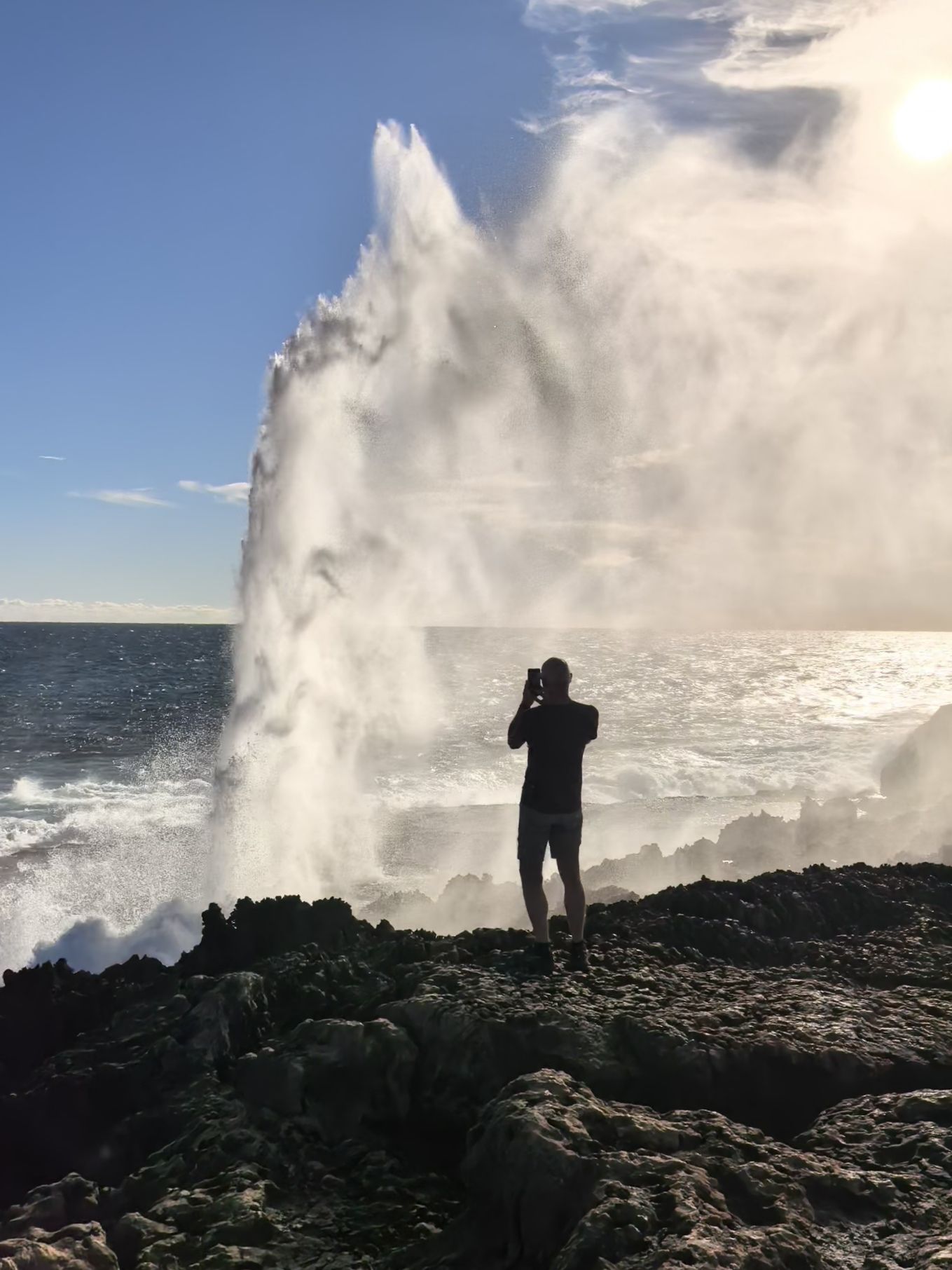
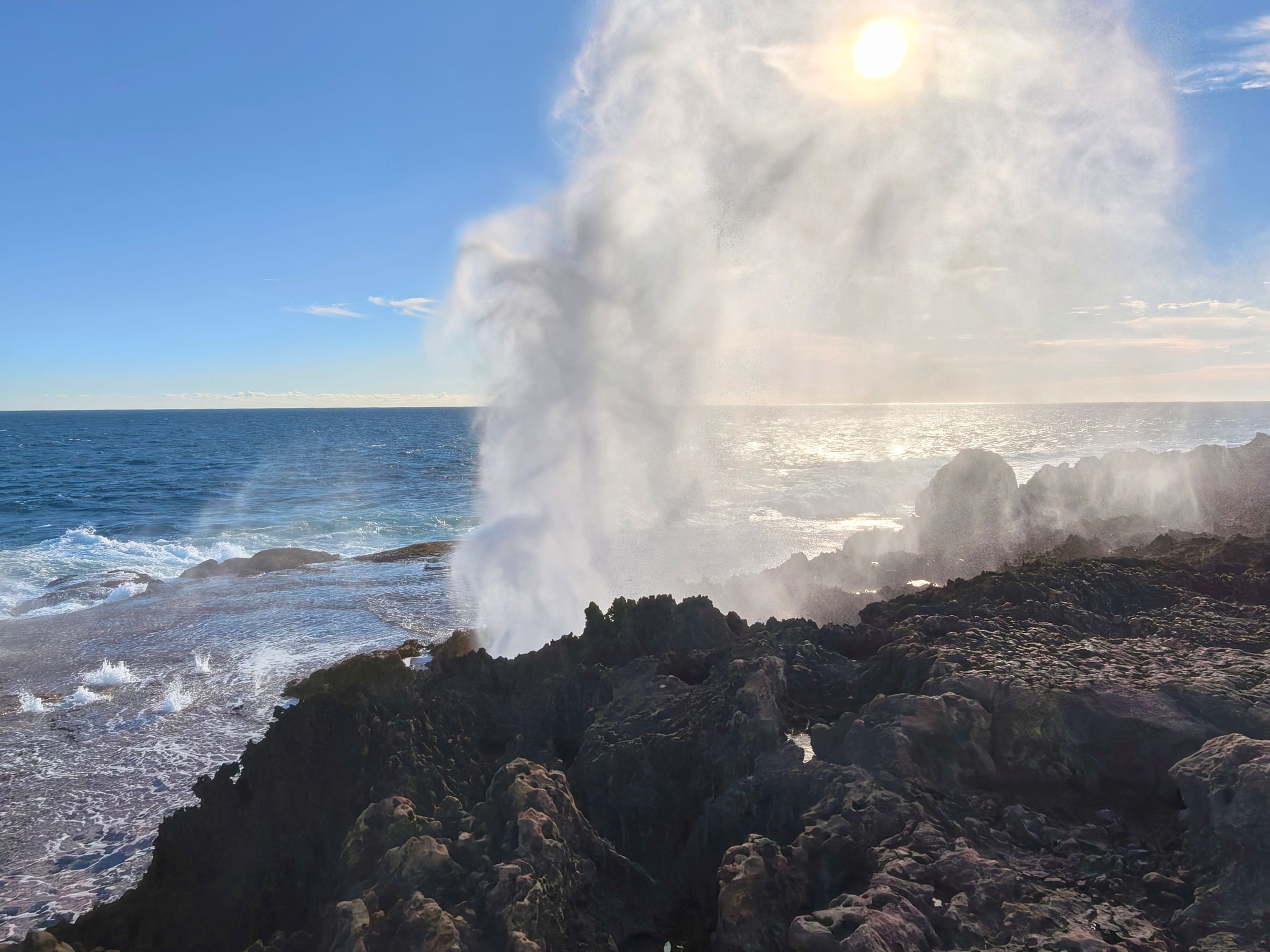
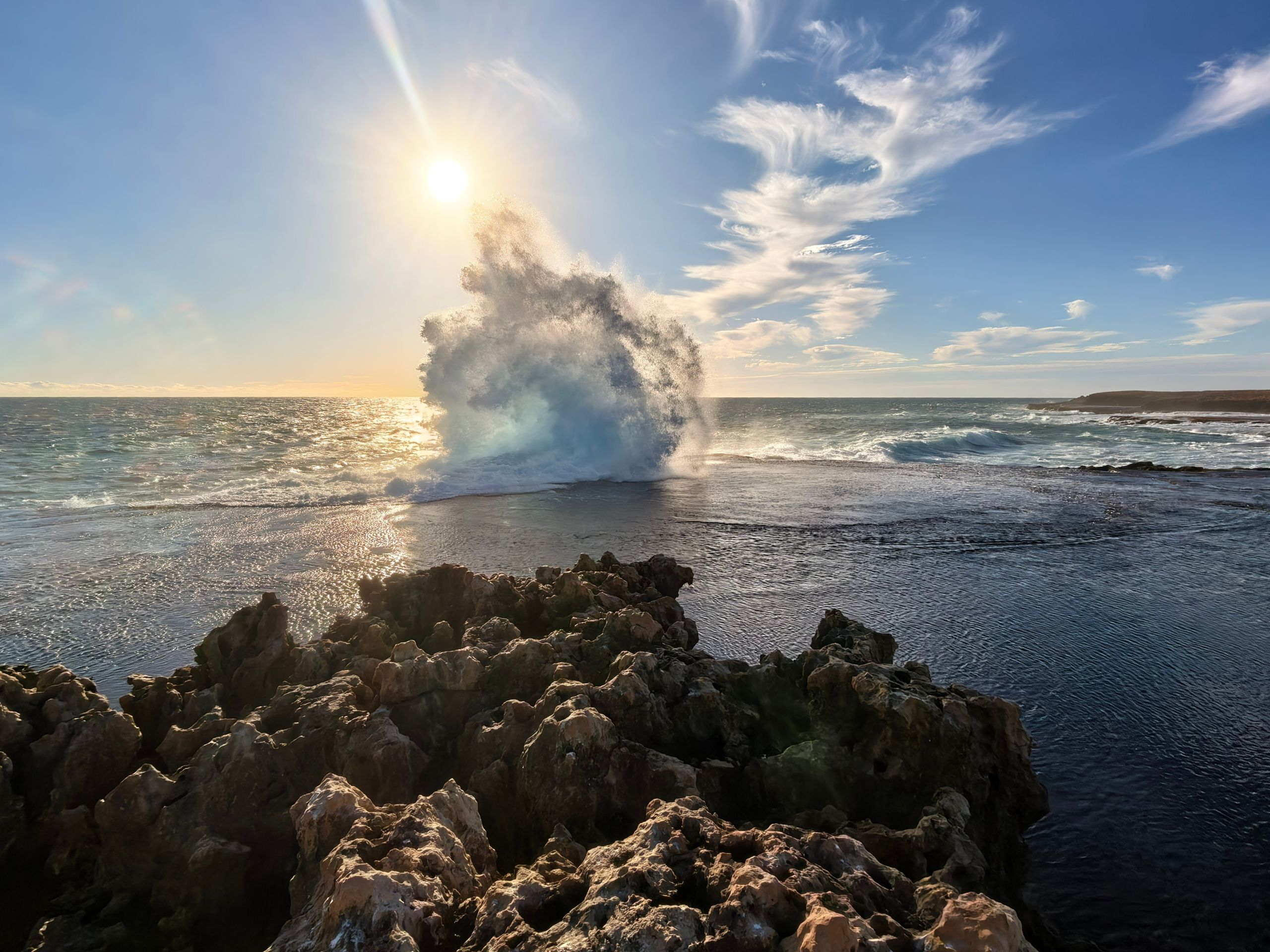
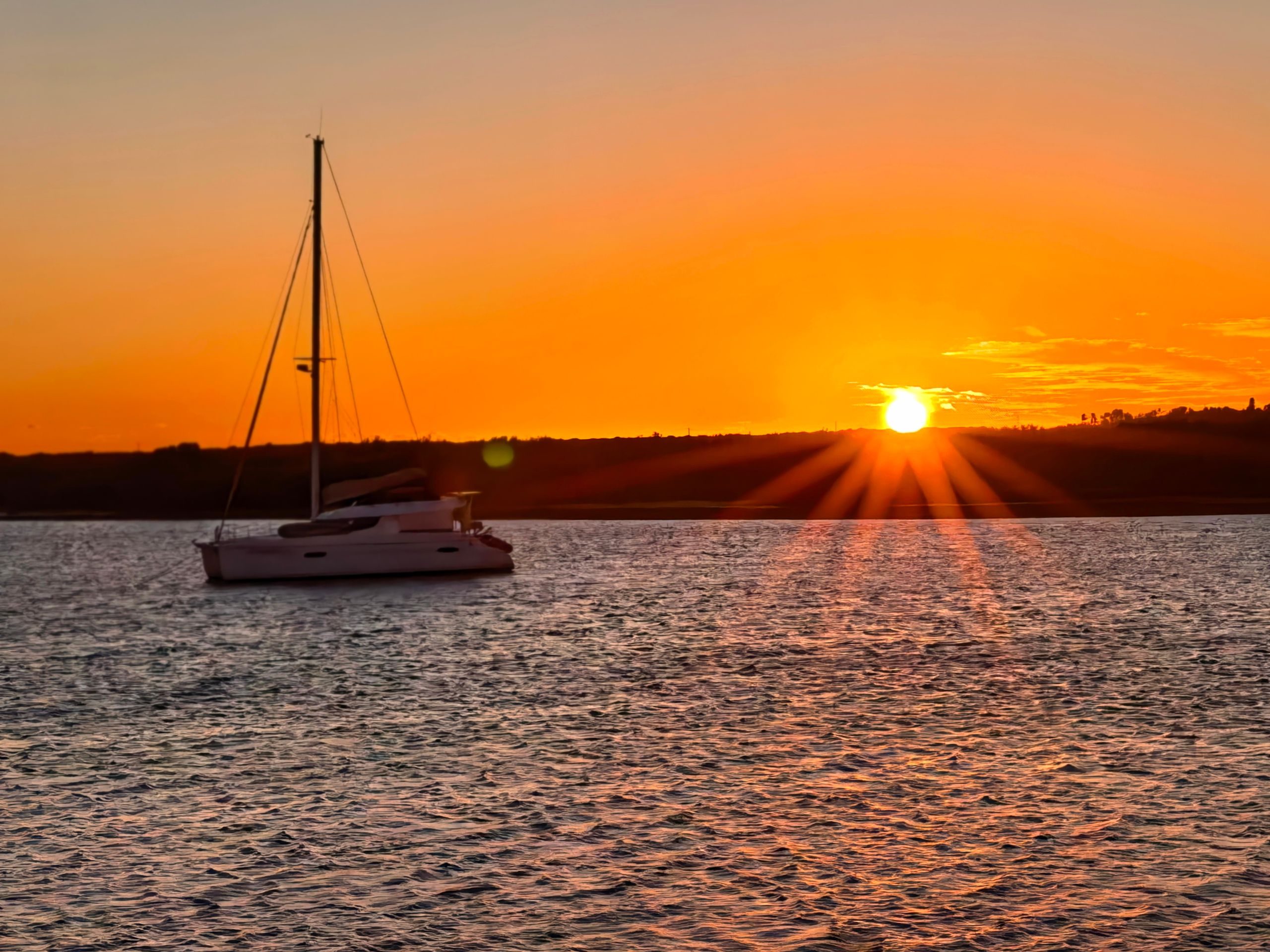
Our day started early again, so there are even a few pictures of the sunrise. After breakfast and packing up the car, we went to the beach for the 'official dolphin breakfast.' For decades, the dolphins have been passing by the same times at the beach, the numbers vary. In this area, you are authorized by the conservation authority to offer them some food. You pay fees at the entrance of the resort, which then go to the authorities for nature projects. Then it's time to wait. The six 'boys' that came today were a bit late. Now all the spectators were allowed at the beach. Both rangers made sure that a respectful distance was maintained. Since small fish also have their natural home in the shallow water, the dolphins came as close as 5m to 'have breakfast.' Fascinating! Three volunteers distributed a few extra fish. After 30 minutes, the animals moved away again. Around noon, there will be some there again. It's amazing how well the animals keep time! There is accurate record-keeping in the visitor center about when and how many animals were there. In this bay, there are supposed to be 300 of them. A truly unforgettable experience! Just two days ago, we were fortunate to see several up close in the evening. Today we had to drive the 150 km back to the highway from the peninsula, with a quick stop in the town where the island tour started yesterday - for refueling! Only one gas station was announced along the way before we reached a larger town after a total of 350 very long kilometers, which was just a stop for us. The cruise control was set to 110 km/h and it needed to be interrupted only 3 times, once for a turn and twice for overtaking. On the way, we saw a few goats, otherwise only bushes growing in the sand. We didn't spot any farmhouses, even though some of the land was fenced. Carnarvon - the name of the town was very beautifully staged. But the place is only suitable for 'migratory birds', as it was already difficult to find a snack around lunchtime. The supermarket was quite busy, and what the travelers were loading into their carts far surpassed our weekend shopping. We were a bit more modest because we now often have breakfast with us and there is always drinking water available in the accommodations. Here, the camping spots are often very urban, and those traveling by boat take everything with them. It’s a different kind of travel here! Since the museum and cactus farm were closed, we decided around 3 PM to head out for another natural event. We went to the 'blowholes,' which, for Australian standards, are just around the corner, so 75 km there and back. The cliffs in this beach section have offshore platforms with holes of various sizes that are hollow underneath. The waves hit against and beneath these, shooting through the holes like geysers many meters up. Incredible! The spectators get a light 'mist shower' with the rise and fall, and salt crystals settle on the porous rock above. The wind whistled around our ears there, which had the advantage that the bush flies were not in sight. Let’s see what surprises the Coral Coast still has in store for us? In any case, there was also a beautiful sunset - almost right at the 'front door'!