
Whangamatā - Mount Paku - Hot Water Beach
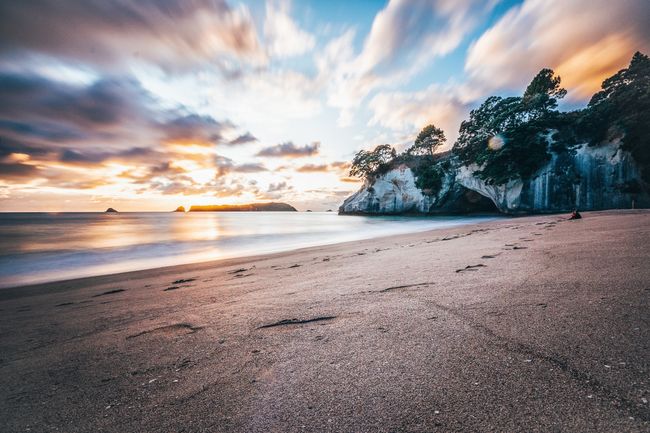
In Whangamatā, I of course visited the 4km long Ocean Beach, which was voted the best beach in the country in 2018. Although only by the readers of the New Zealand Herald, but...

Published: 04.12.2024
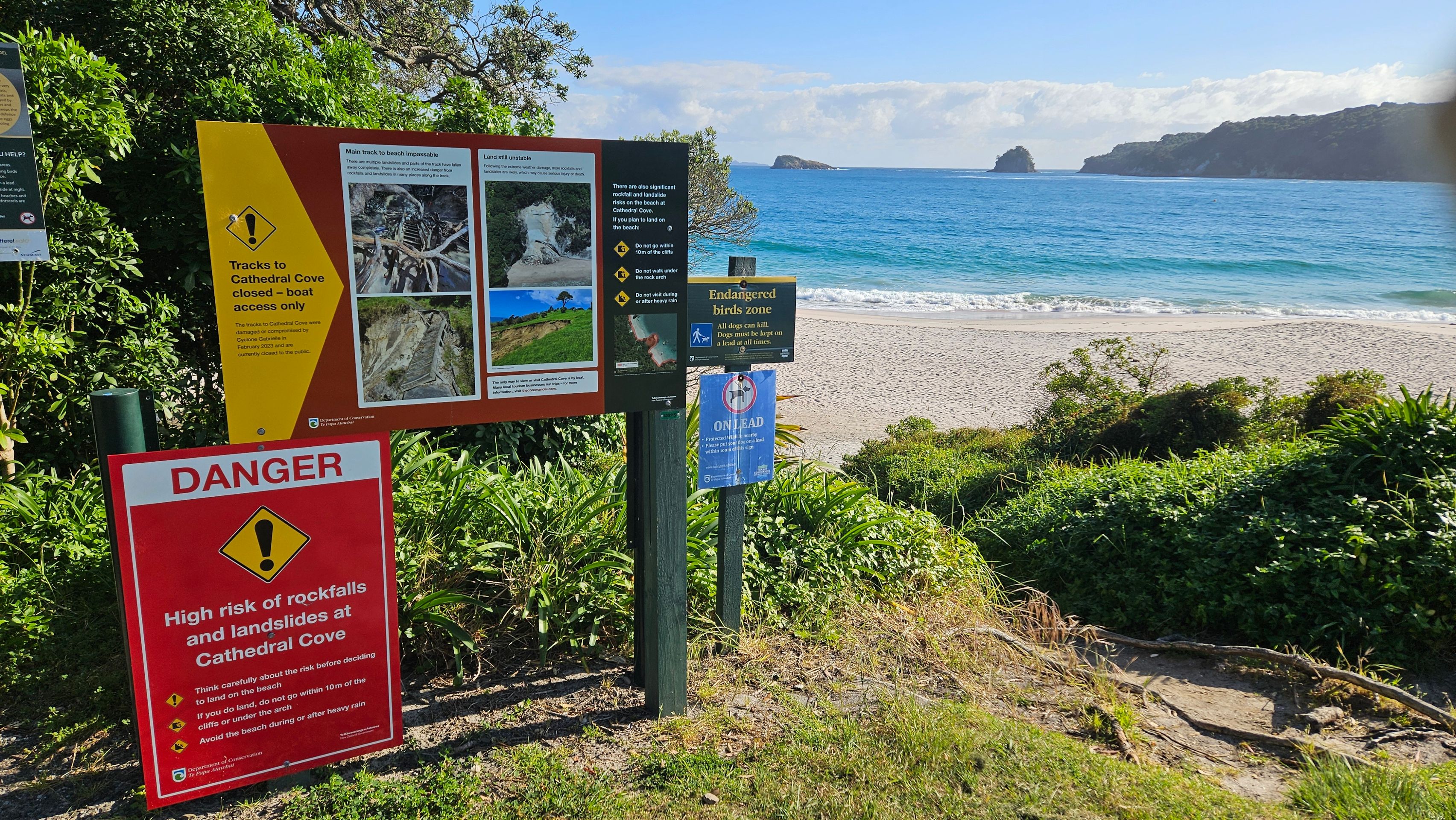
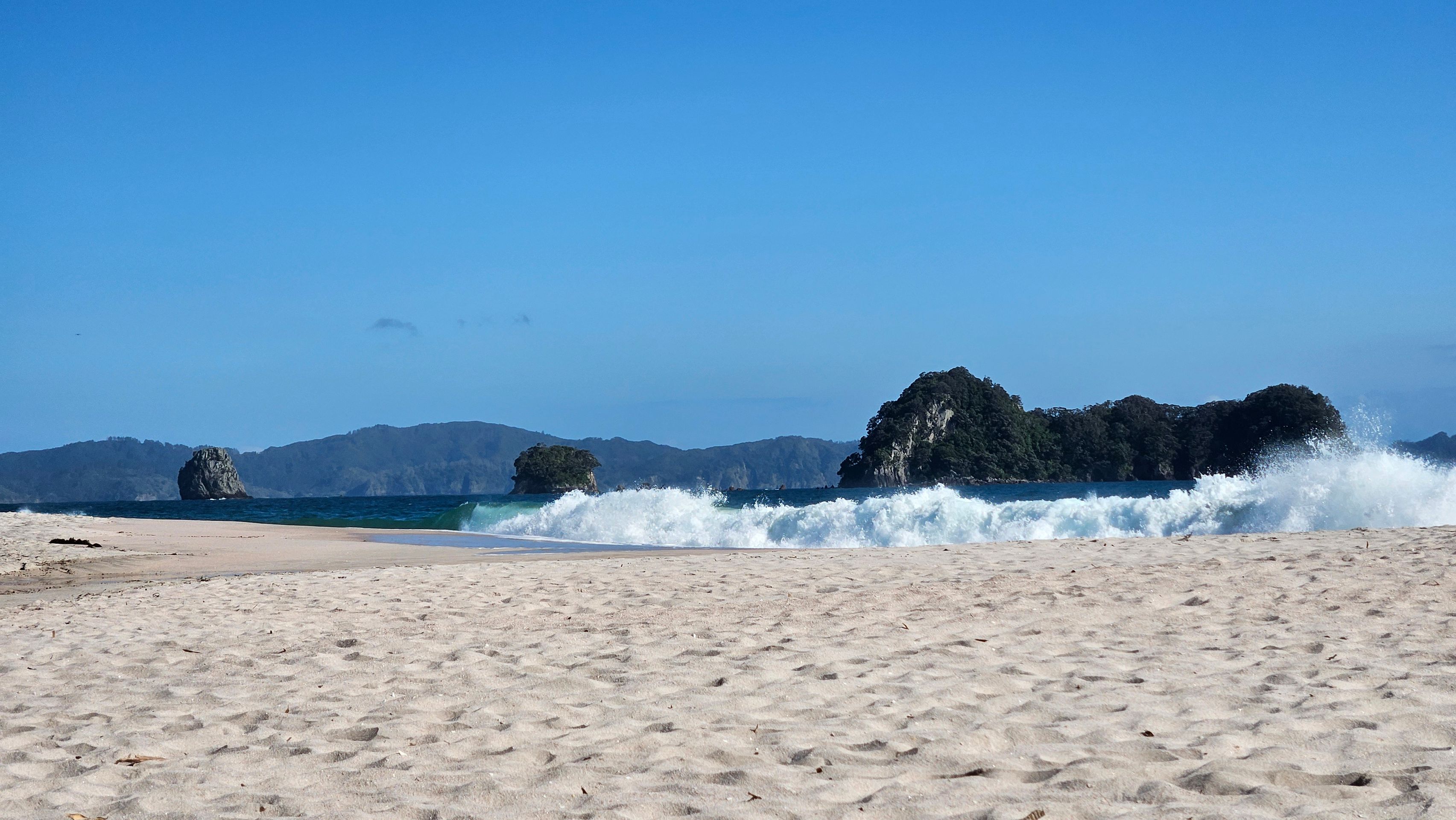
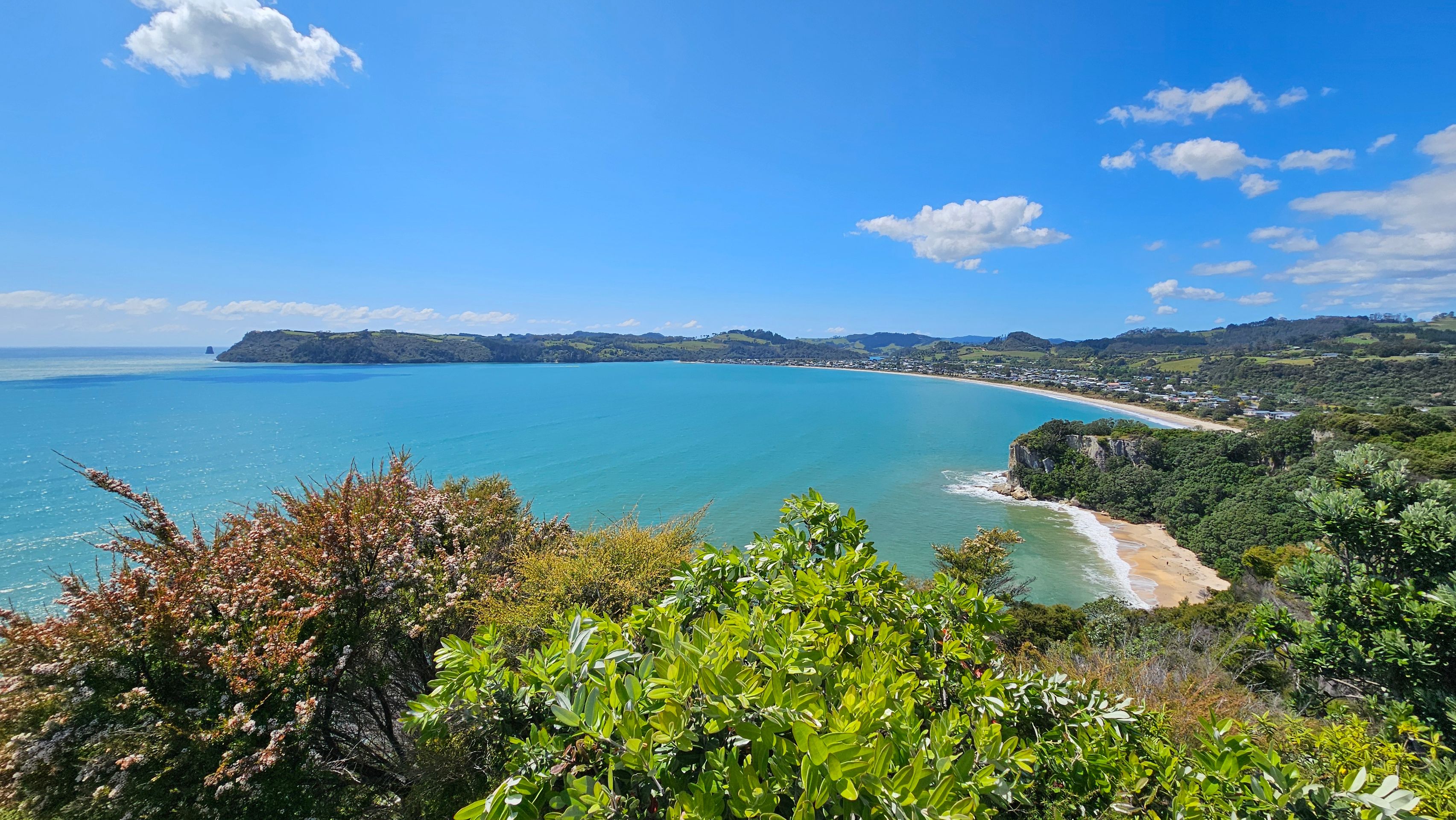
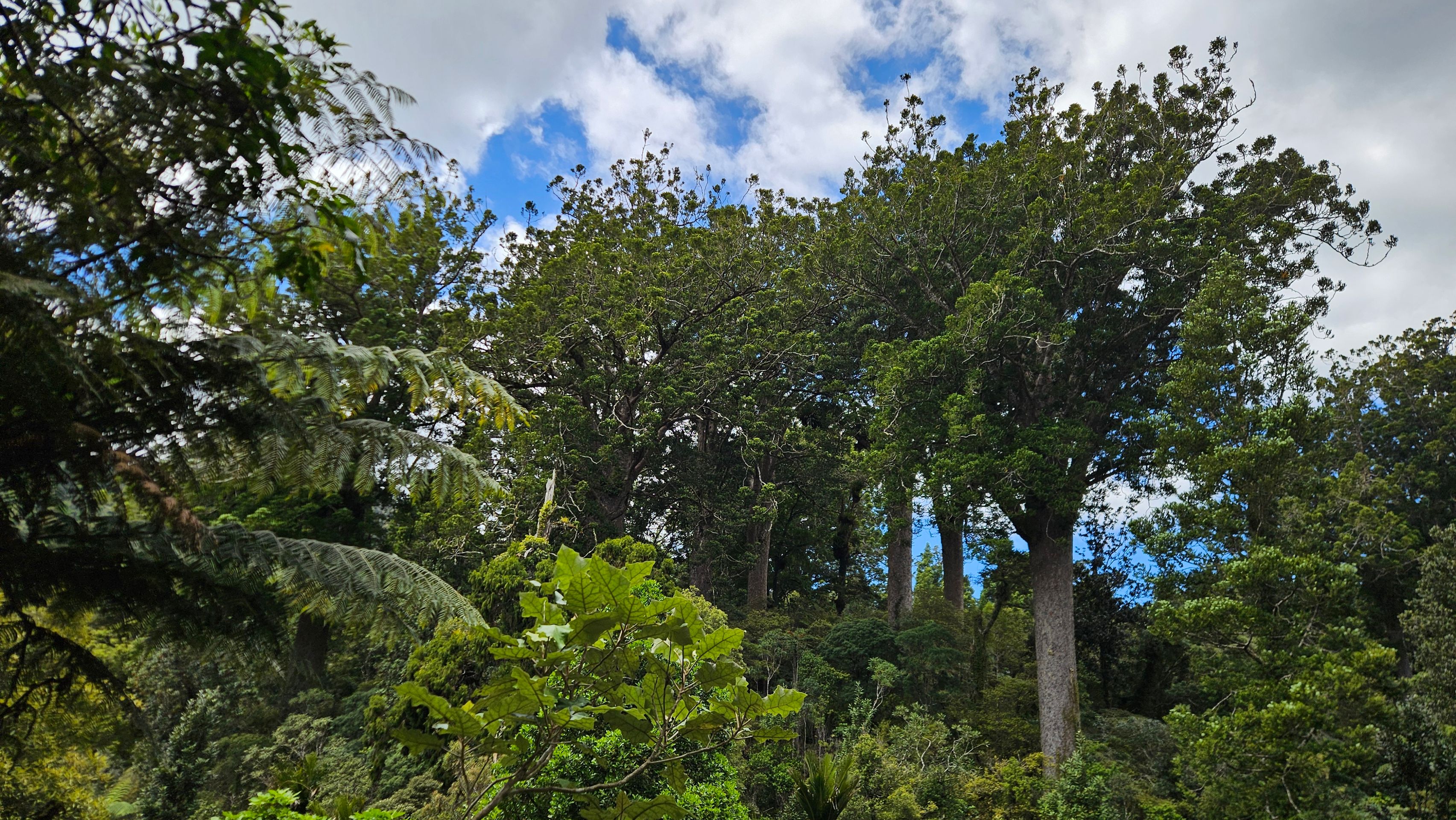
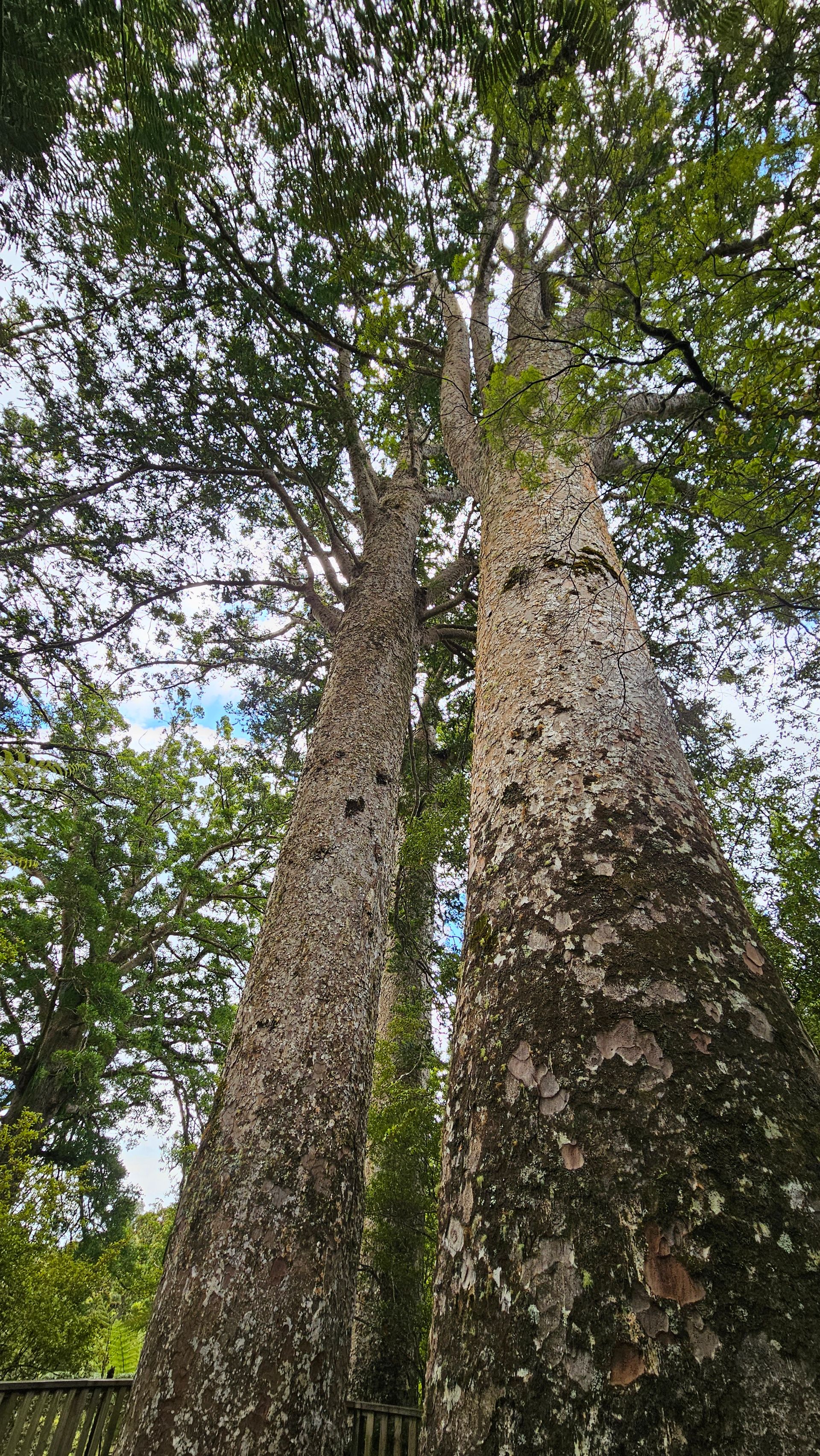
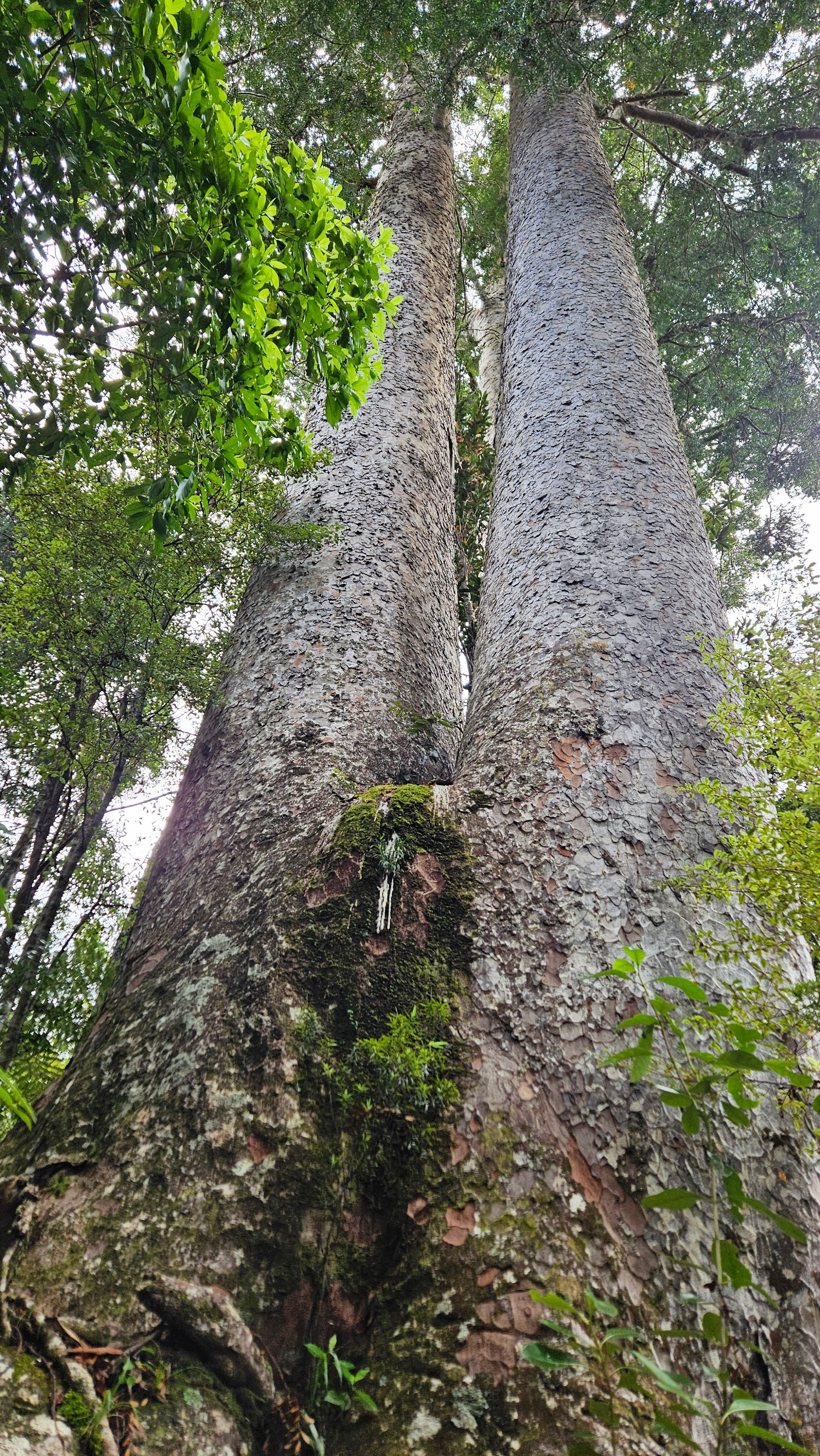
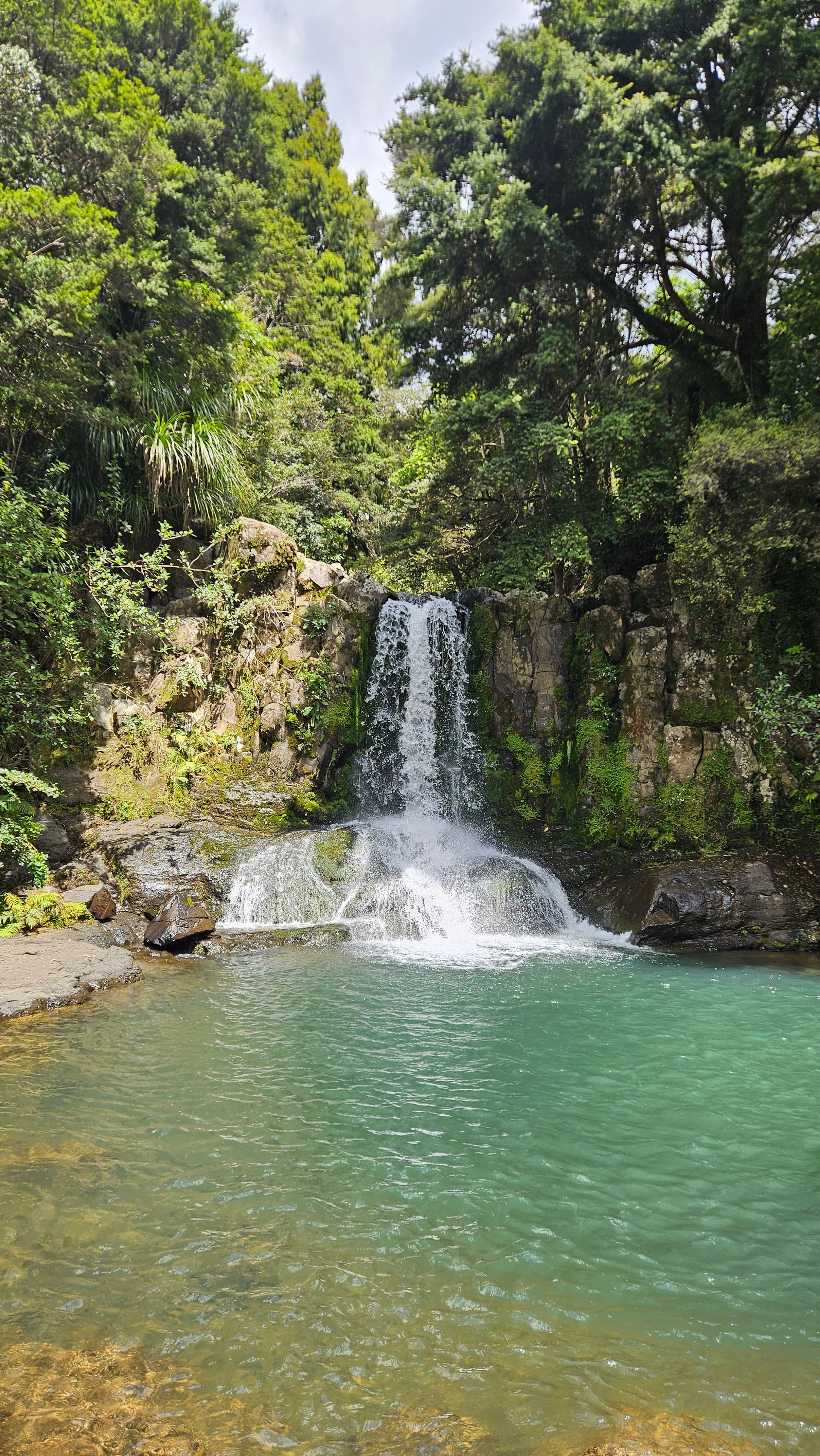
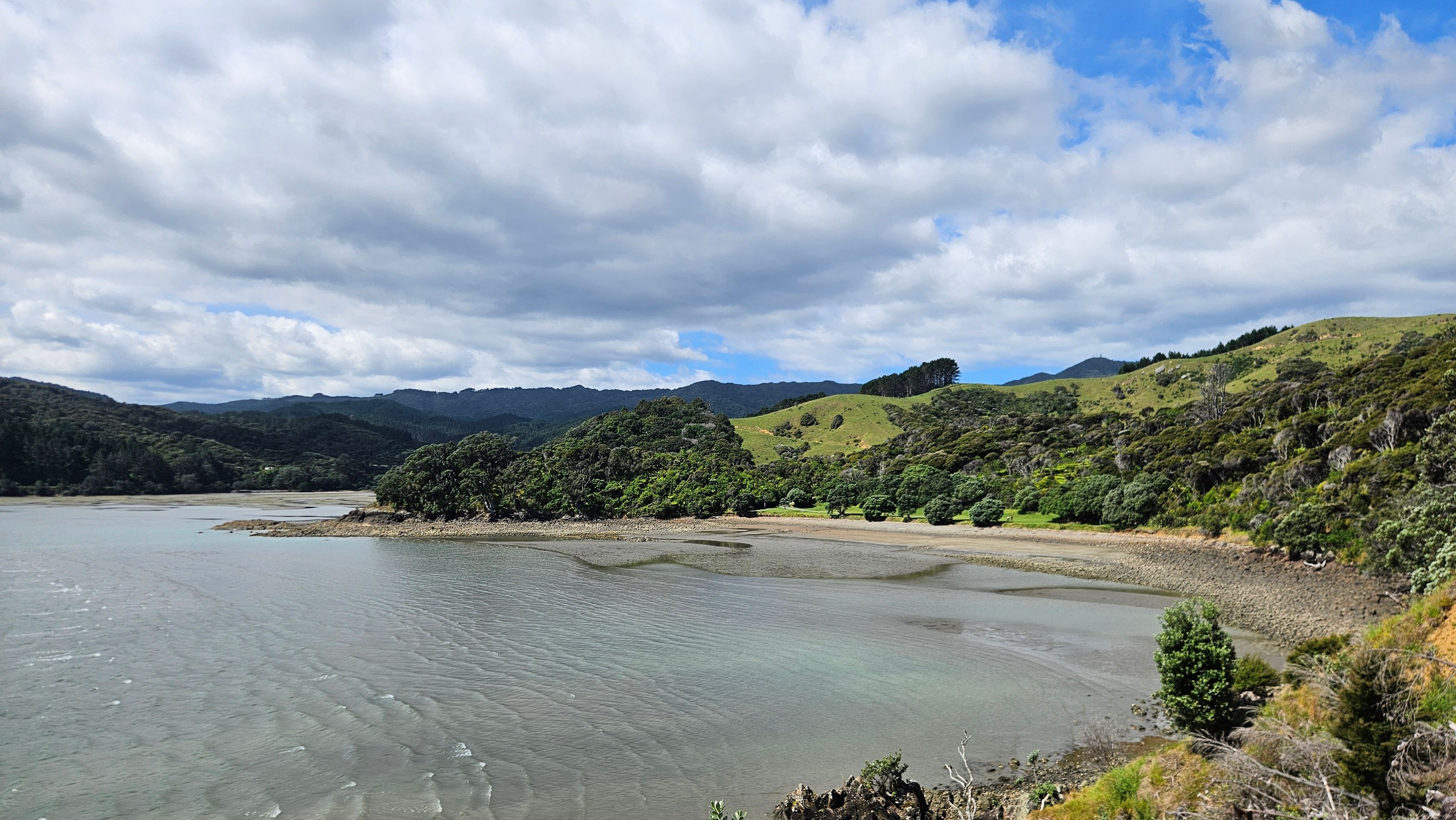
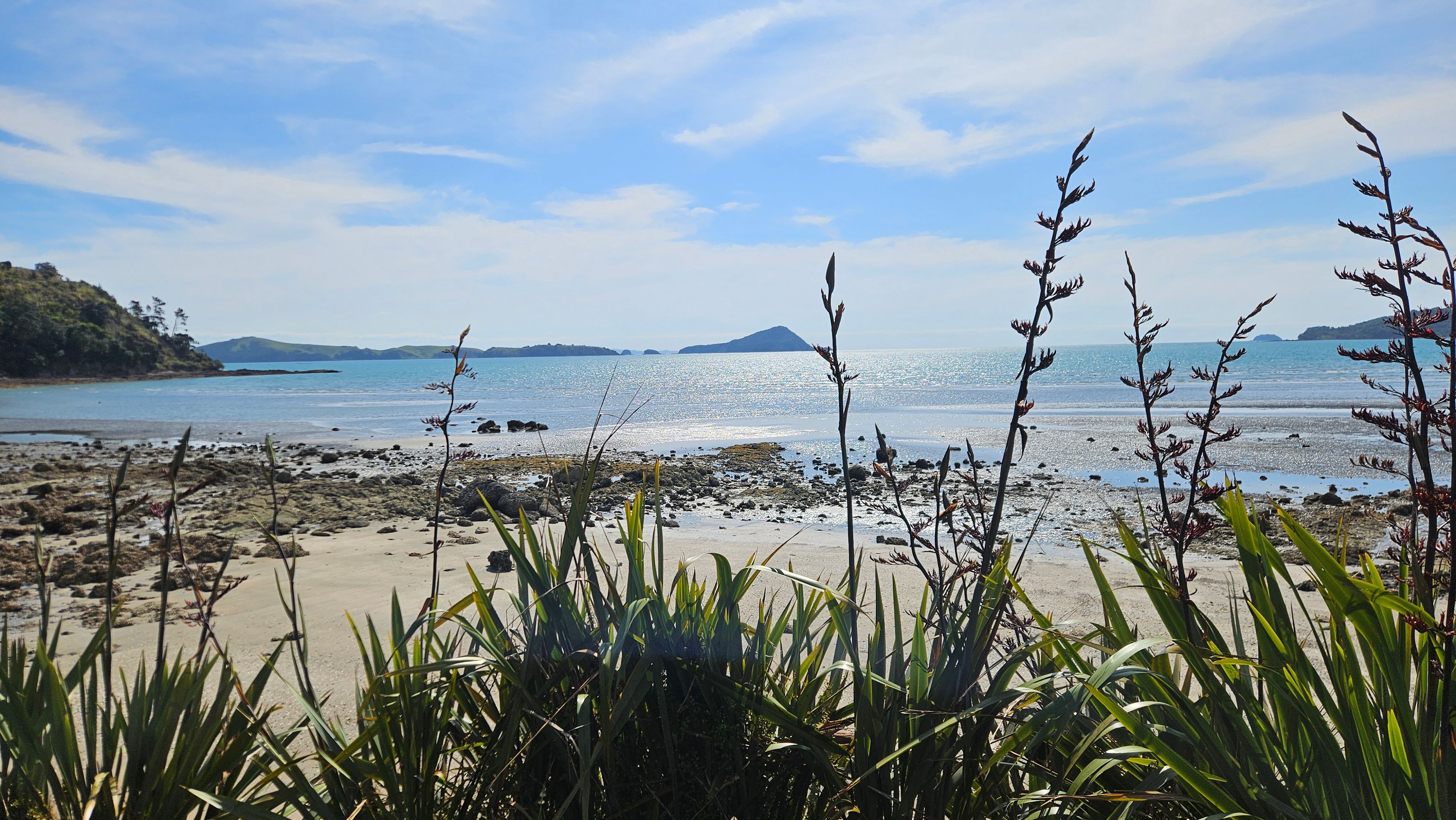
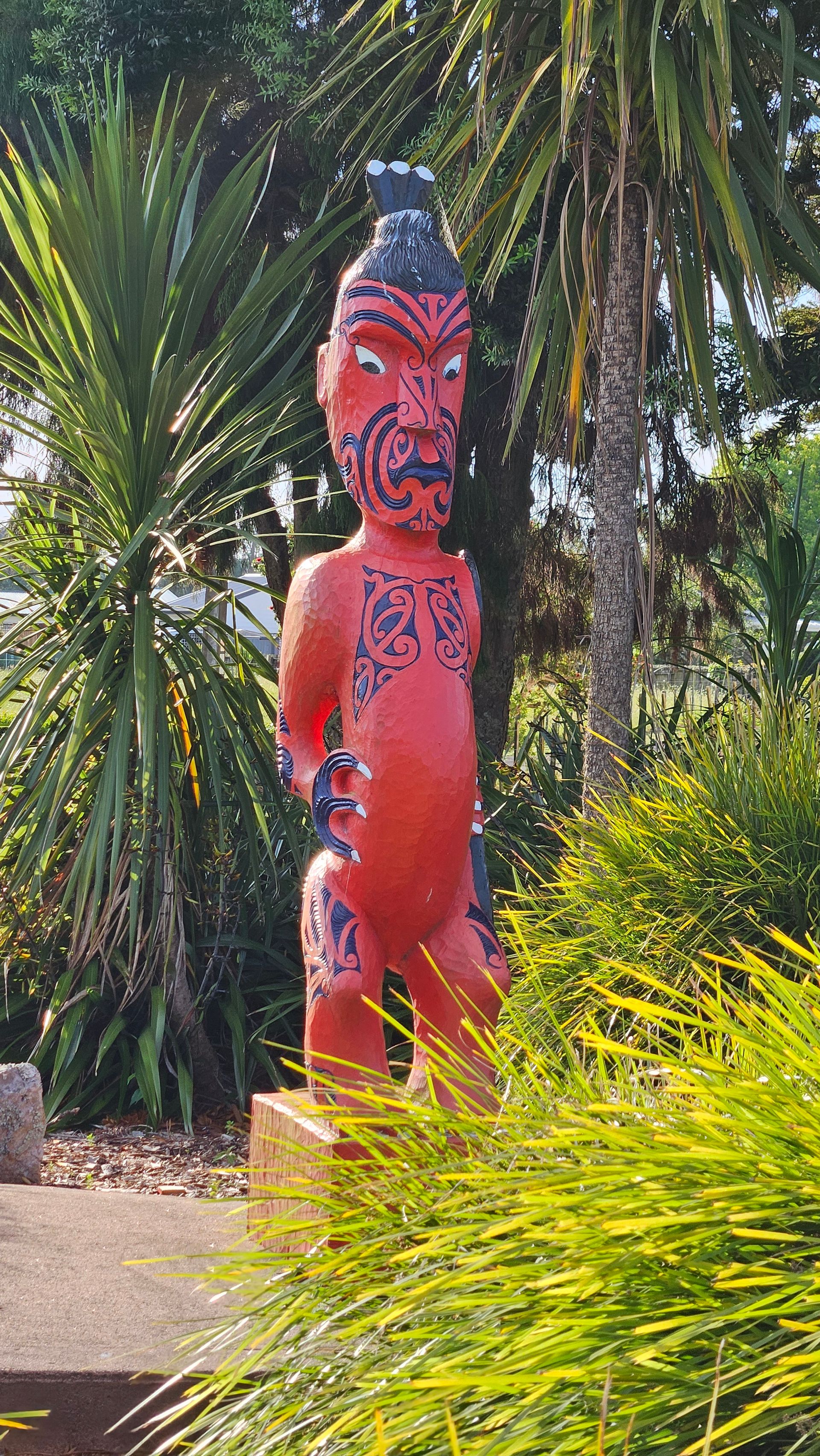
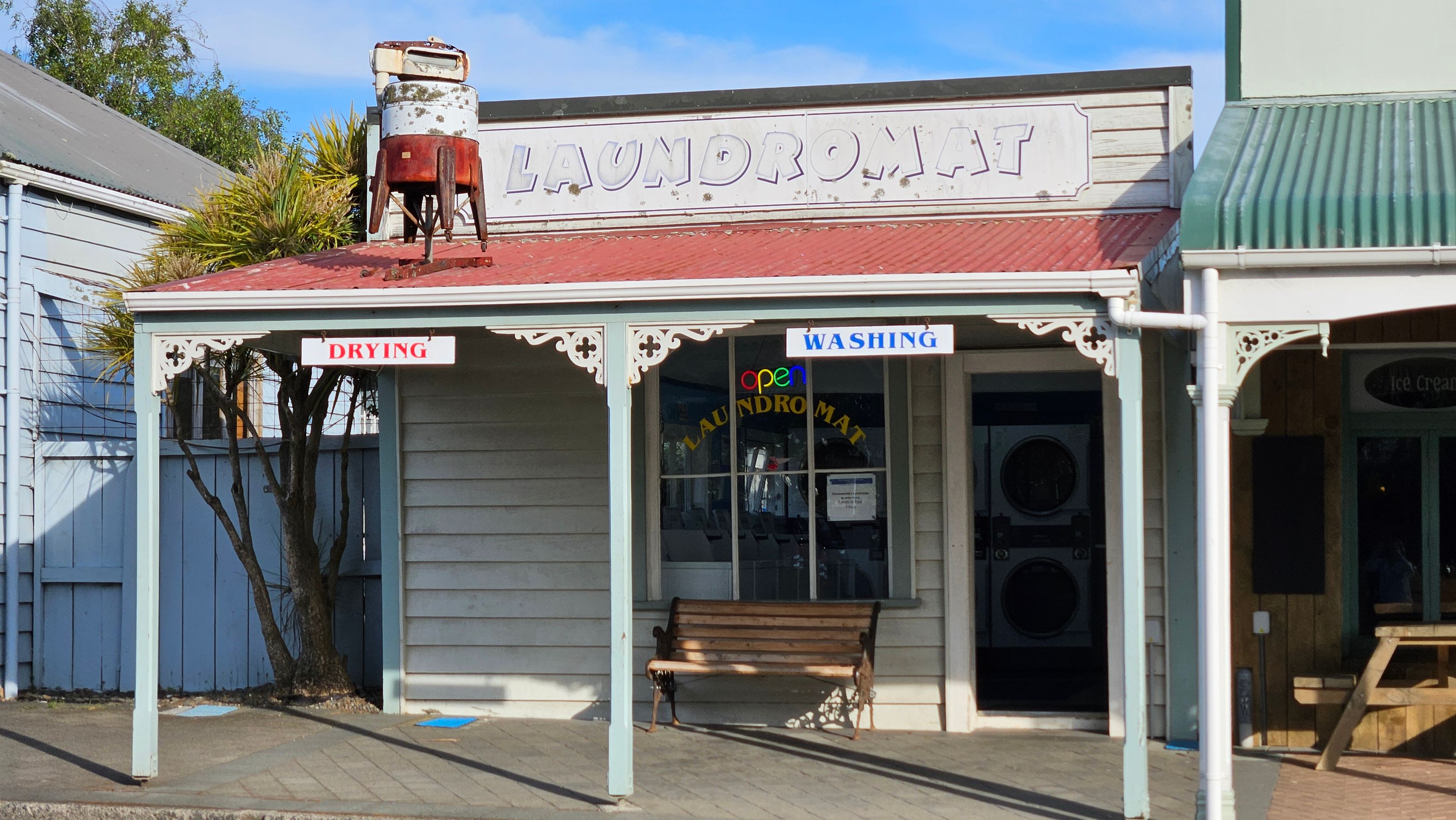
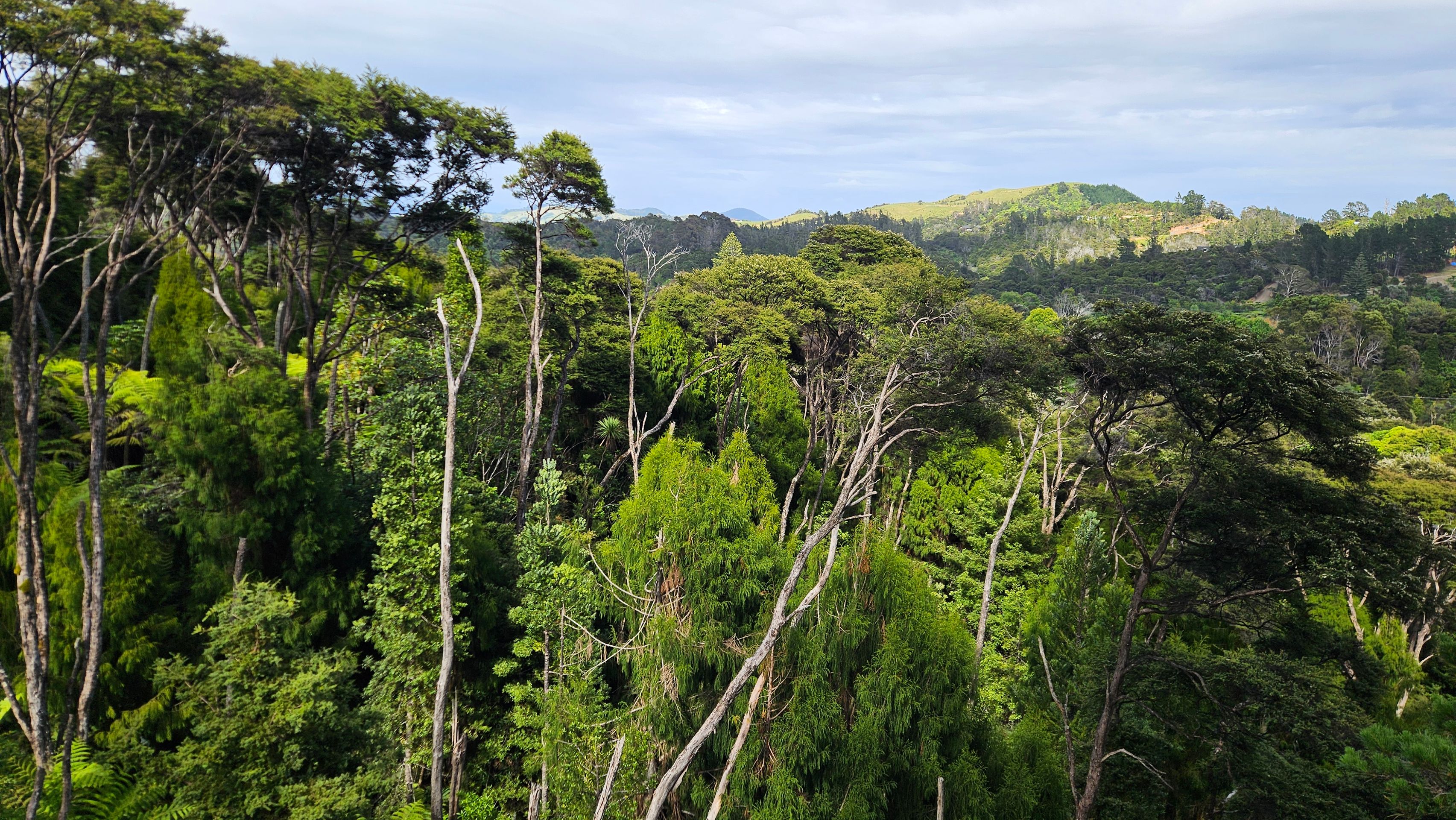
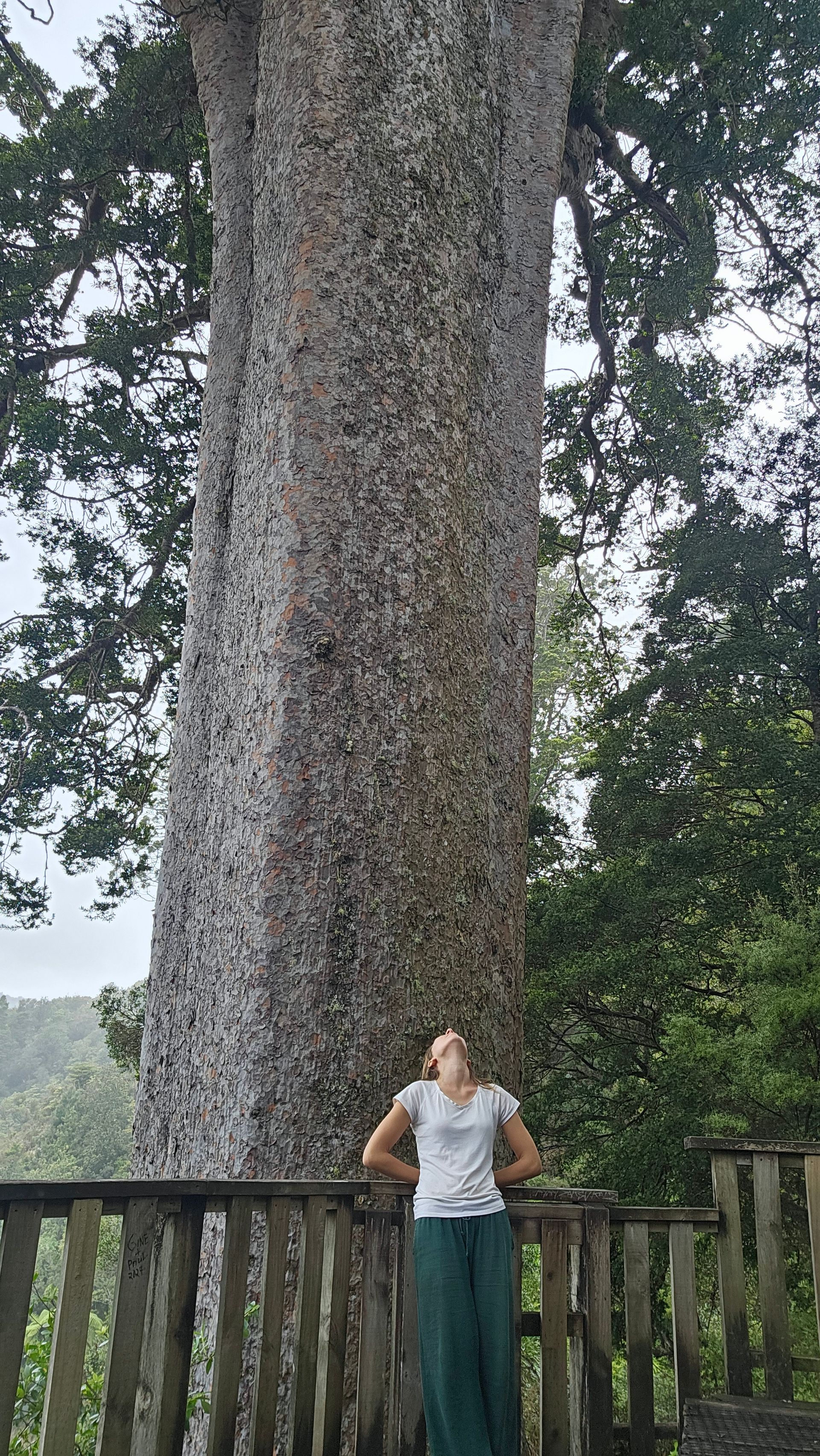
On the gravel road 'The 309 Road', I traversed the Coromandel Peninsula from east to west towards the town of Coromandel, visiting Waiau Falls and some ancient Kauri trees along the way. I found the Siamese Kauris particularly interesting, two Kauri trees that, although sprouted from different seeds, have grown together over time due to space reasons.
Before the first settlers arrived, there were 1.2 million hectares of Kauri trees here, but they were quickly logged for timber. Since the trunks of Kauri trees become incredibly thick, making them heavy and difficult to transport, some were simply thrown into a river, allowing them to float down to the port. Despite losses of up to 80%, this practice was deemed worthwhile. By the time logging ceased, only about 80,000 hectares—less than 10%—of Kauri trees remained.
When I woke up in Coromandel the next morning, I saw someone from the district checking whether all campervans had a Self-Contained-Camper sticker. Luckily, everyone had the sticker and was parked in the designated Freedom Camping area. If you don't have a sticker or are not in the Freedom Camping area, you can be fined $400 immediately. Just the night before, there had been an issue with two 19-year-old girls who were parked in the Freedom Camping area but didn't have the sticker. A Spanish woman became quite upset because she couldn't find a place in the designated area with her huge motorhome. In the end, nothing happened, and I believe that the girls would have made space if the Spanish woman had been a bit more diplomatic and hadn't immediately resorted to Spanish insults and threats of calling the police.
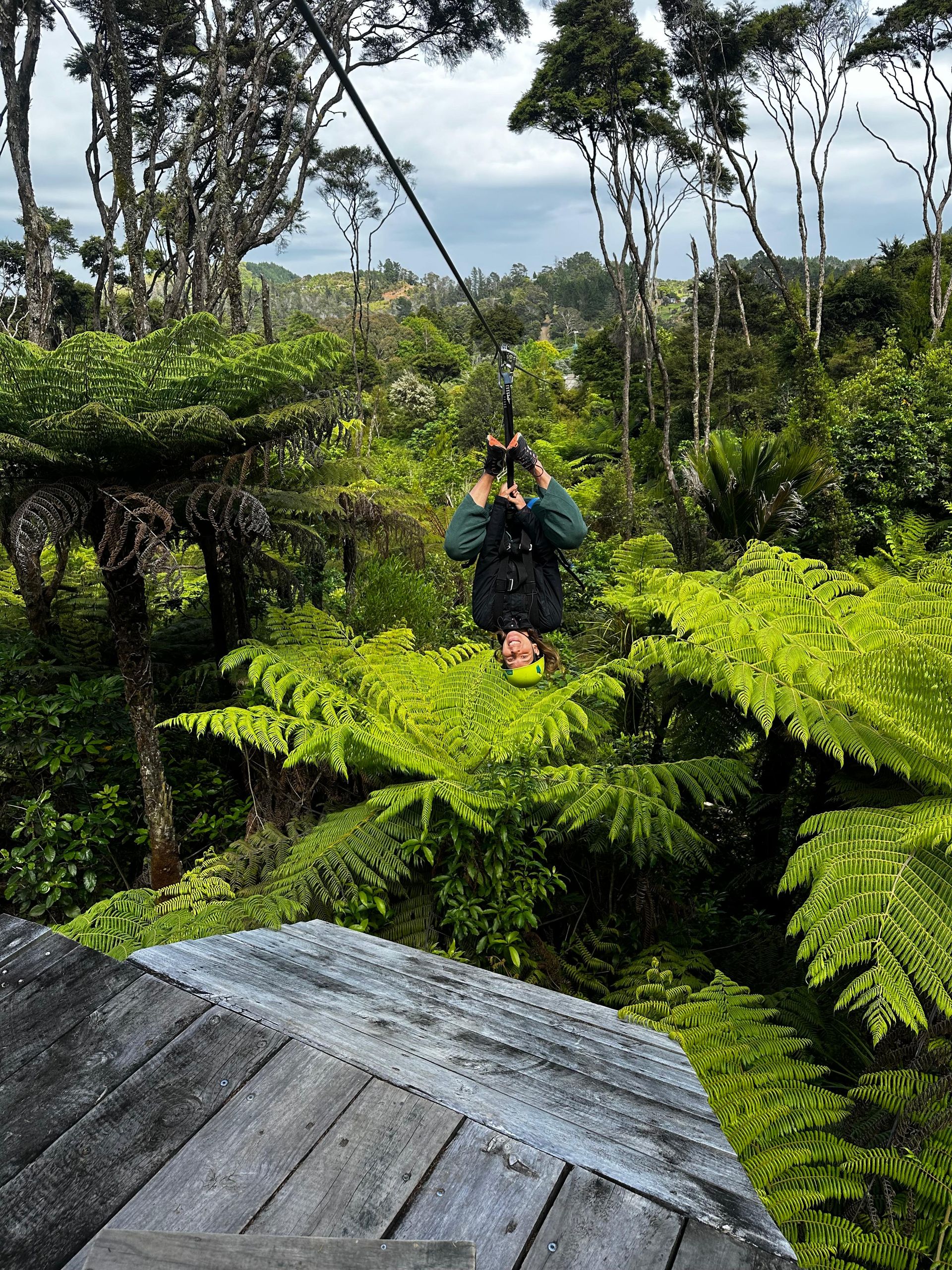
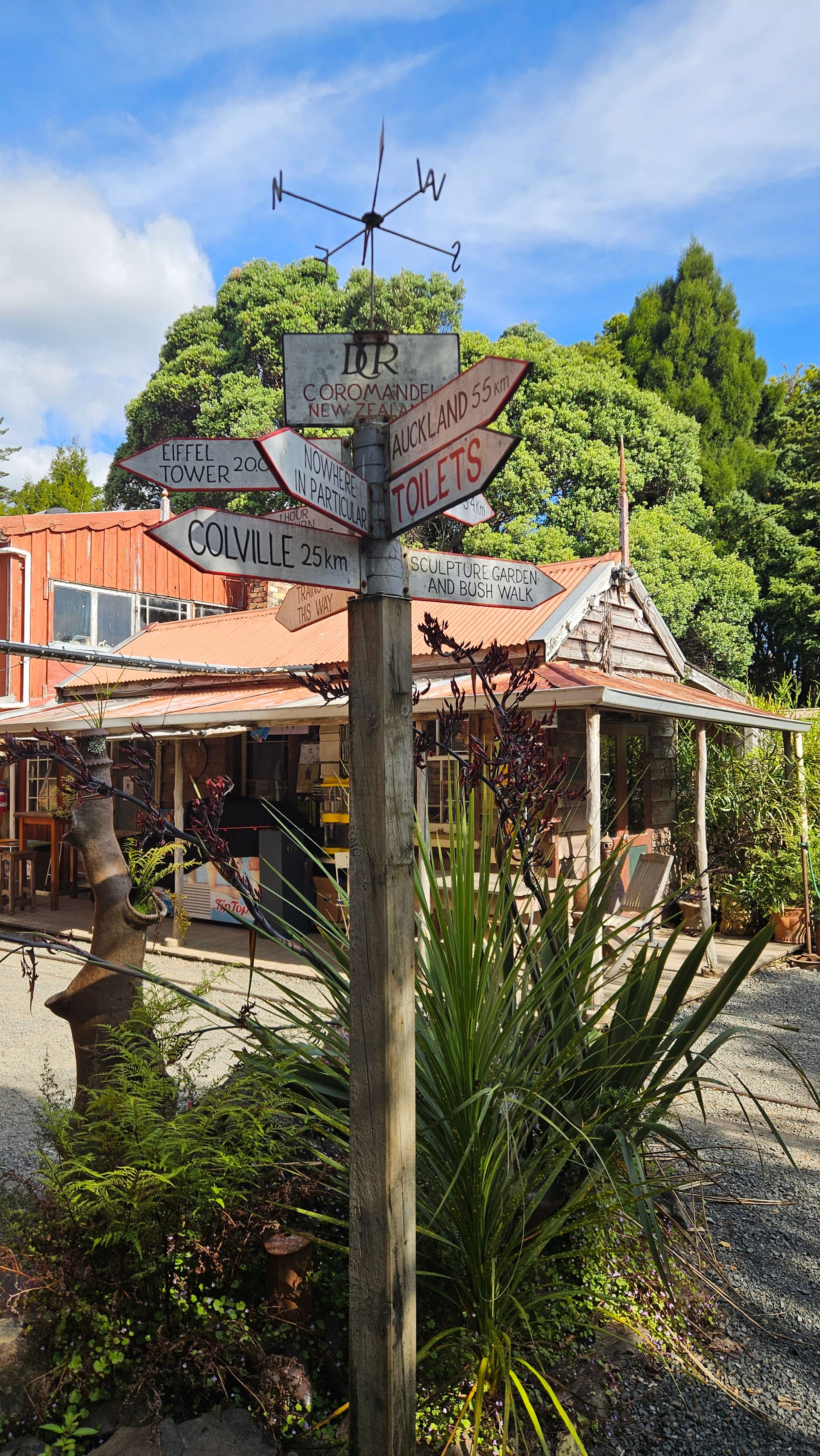
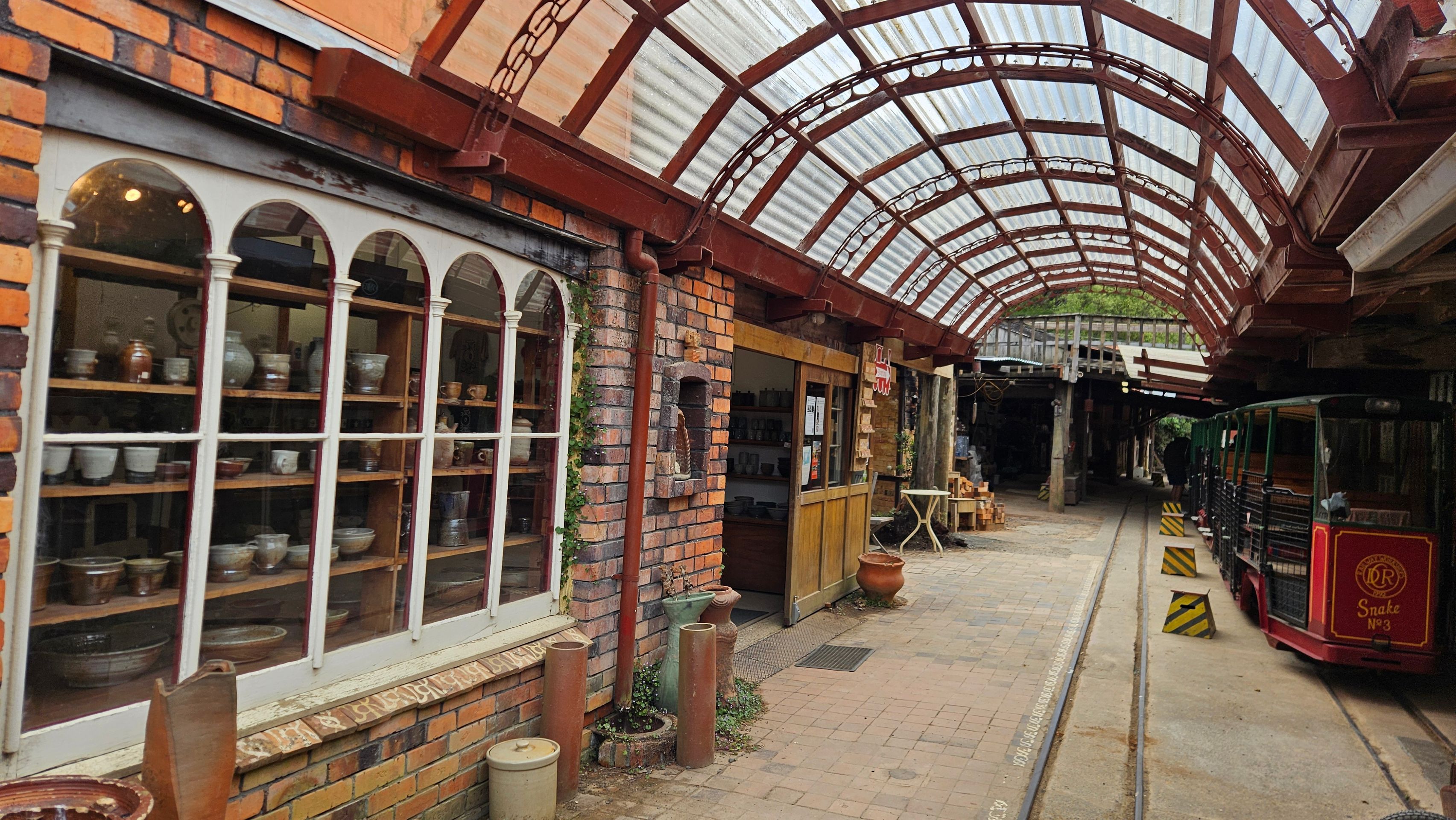
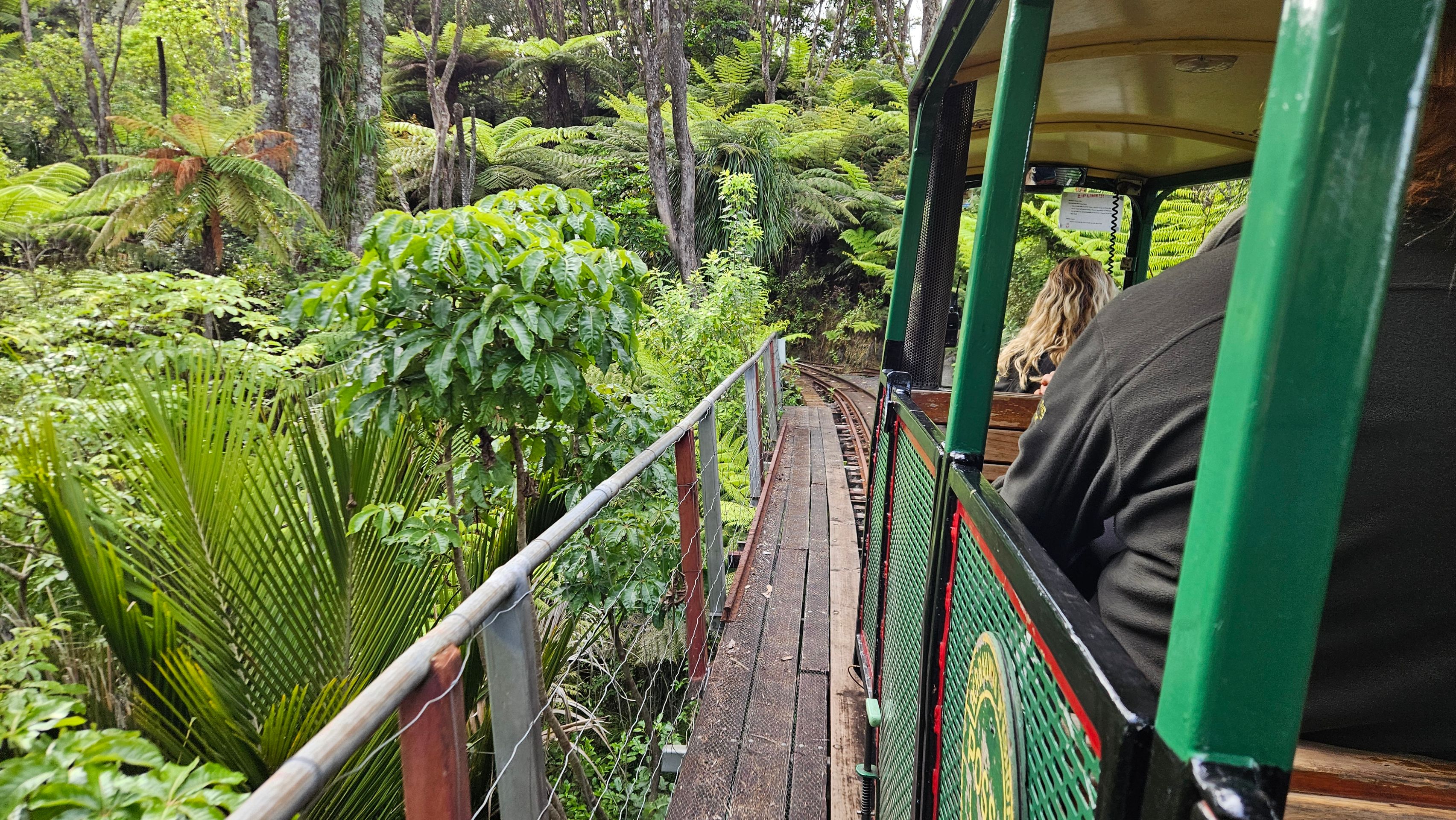
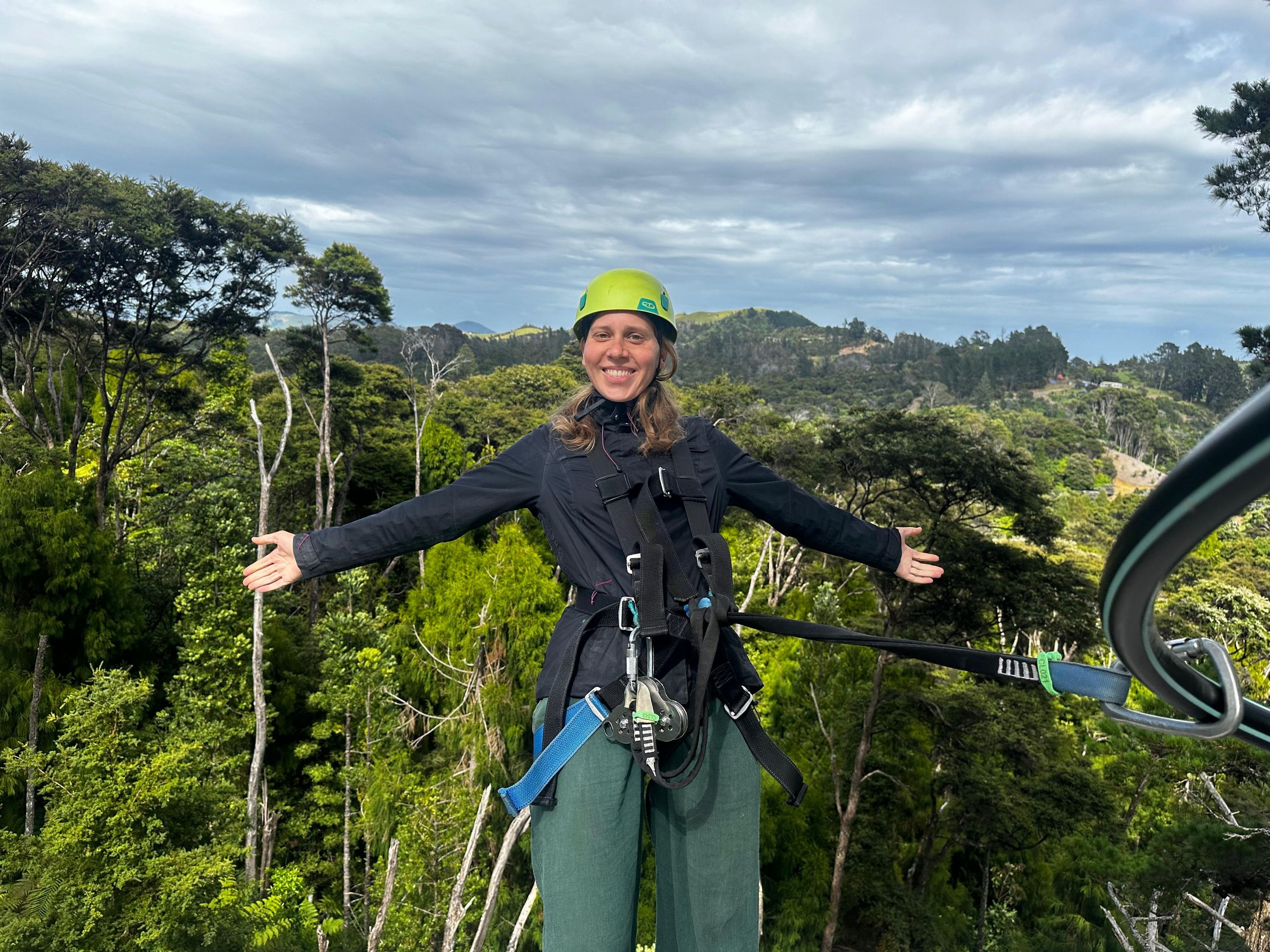
After breakfast, I visited the Driving Creek Railway. This was built by Barry Brickell, the first Kiwi to work full-time as a potter. He bought the mountain in 1961 because it had excellent clay and built the railway to transport clay from the mountain to his pottery workshop. Even today, you can participate in pottery workshops there, ride the train up and down, or take the train up and then the zip-line on the way down. I chose the latter and had a great time with a South African couple who have been living in Auckland for several years!
As the weather forecast for the Tongariro Alpine Crossing looked good for Friday and Saturday, I set off towards Tongariro National Park after the zip-lining. Along the way, I wanted to see some ancient Kauri trees and, 7km from the nearest town on a gravel road, I saw a man and a woman standing by the roadside looking quite disheveled, waving for me to stop. Through the open window, they told me that they had been wandering in the forest for four days and had nothing to eat or drink. I gave them some of my provisions and took them to the next town on my return trip; during this, they told me how they got lost. It wasn't until I told Markus the story that evening that I realized just how absurd it really was. If there were no drugs involved, I don't know...