
Stirling Sunriser
Most people take a boat tour in Milford Sound to see the fjords. However, Kate recommended I go on a kayaking tour instead. She had done the 'Stirling Sunriser' tour, which...


Published: 04.02.2025
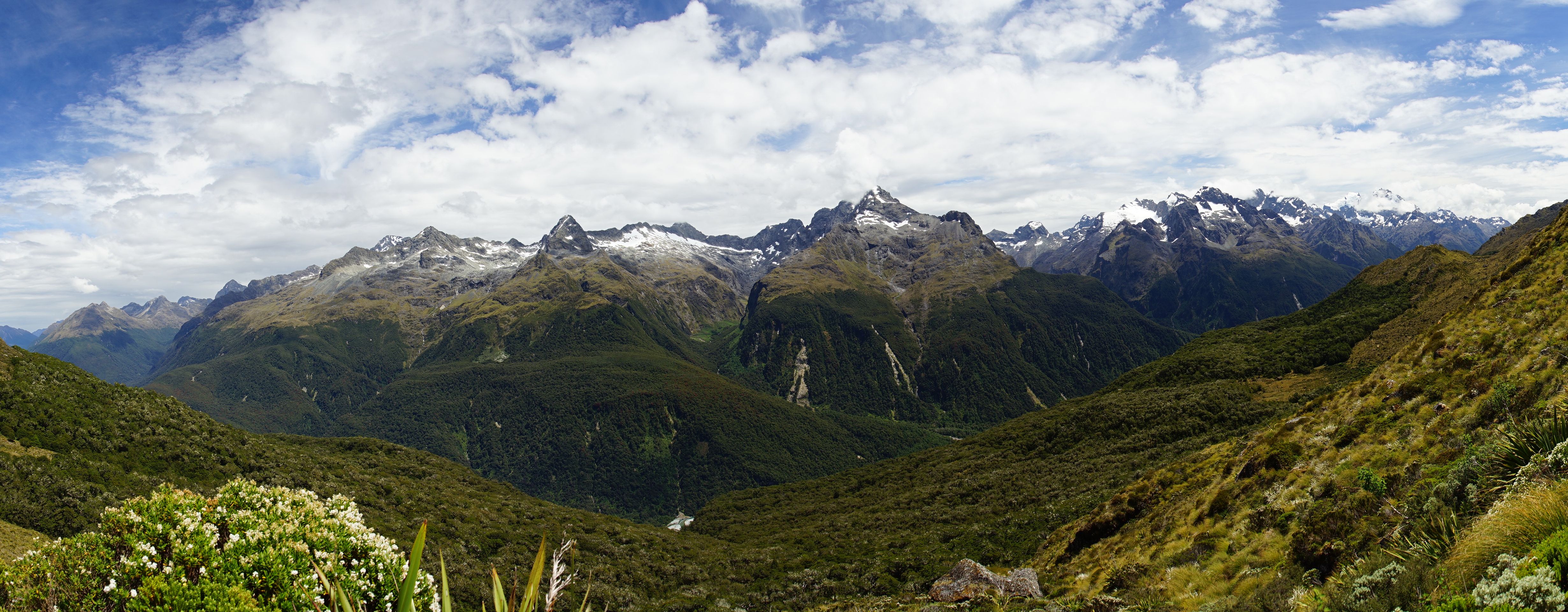
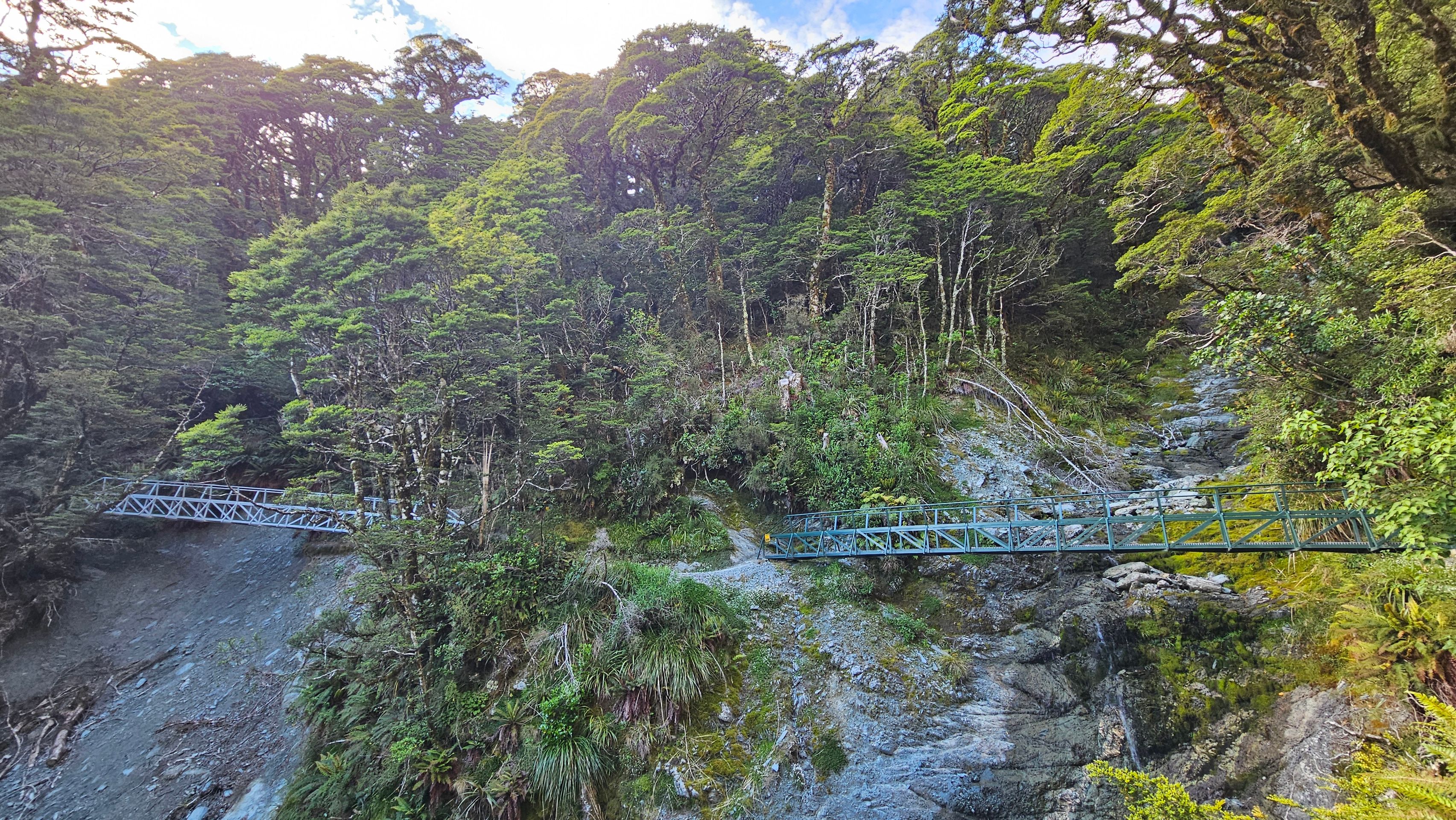
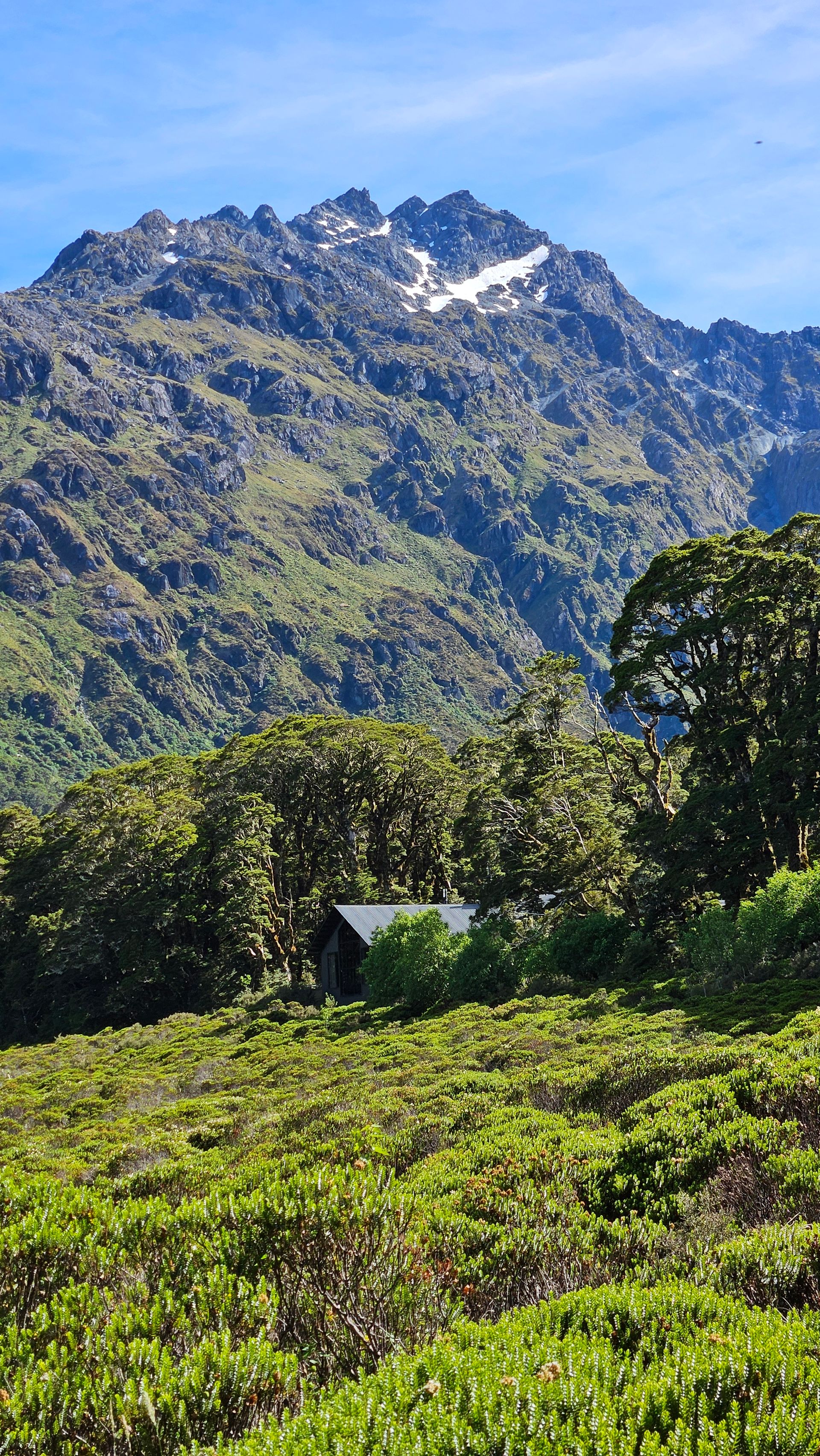

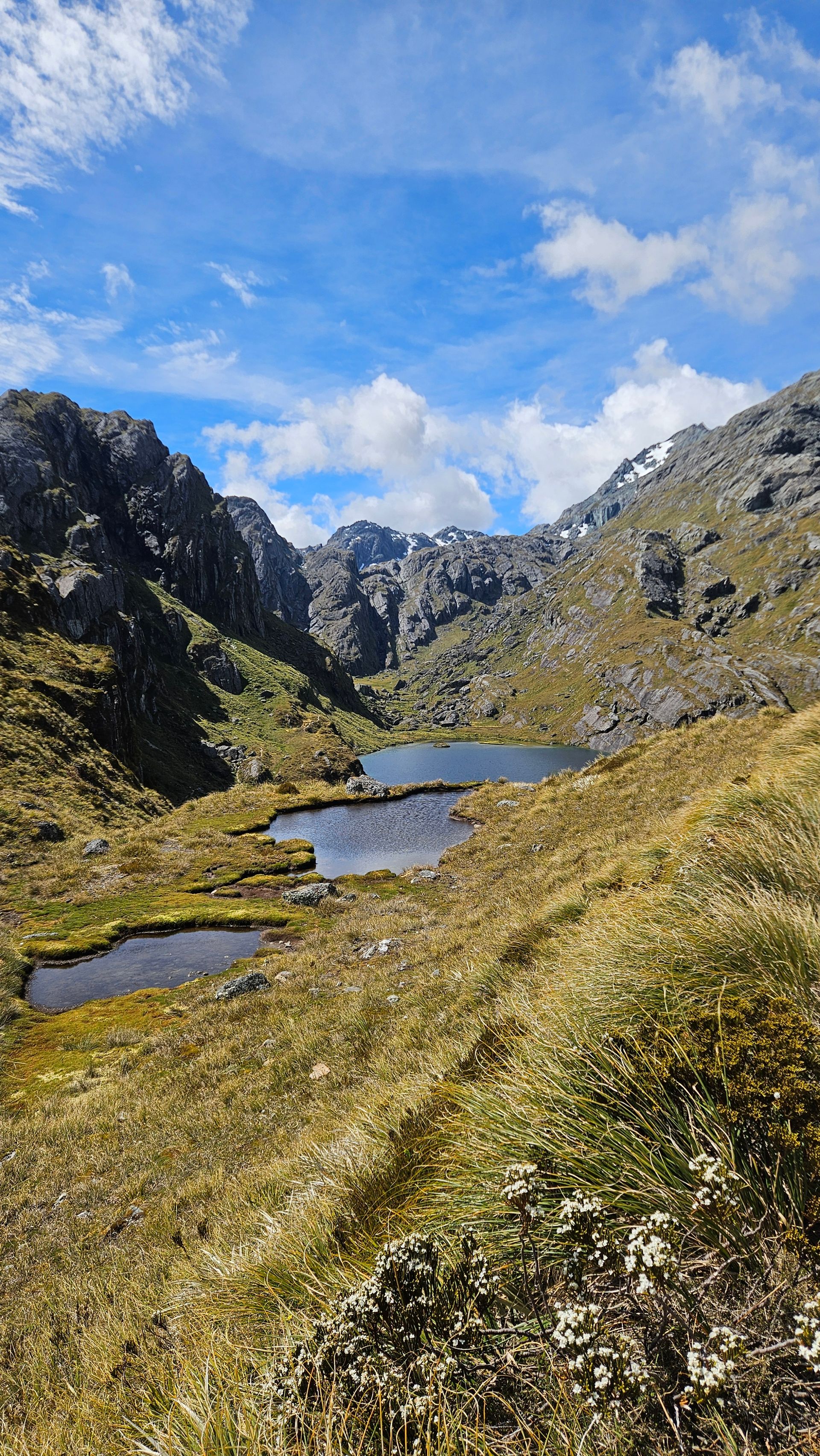
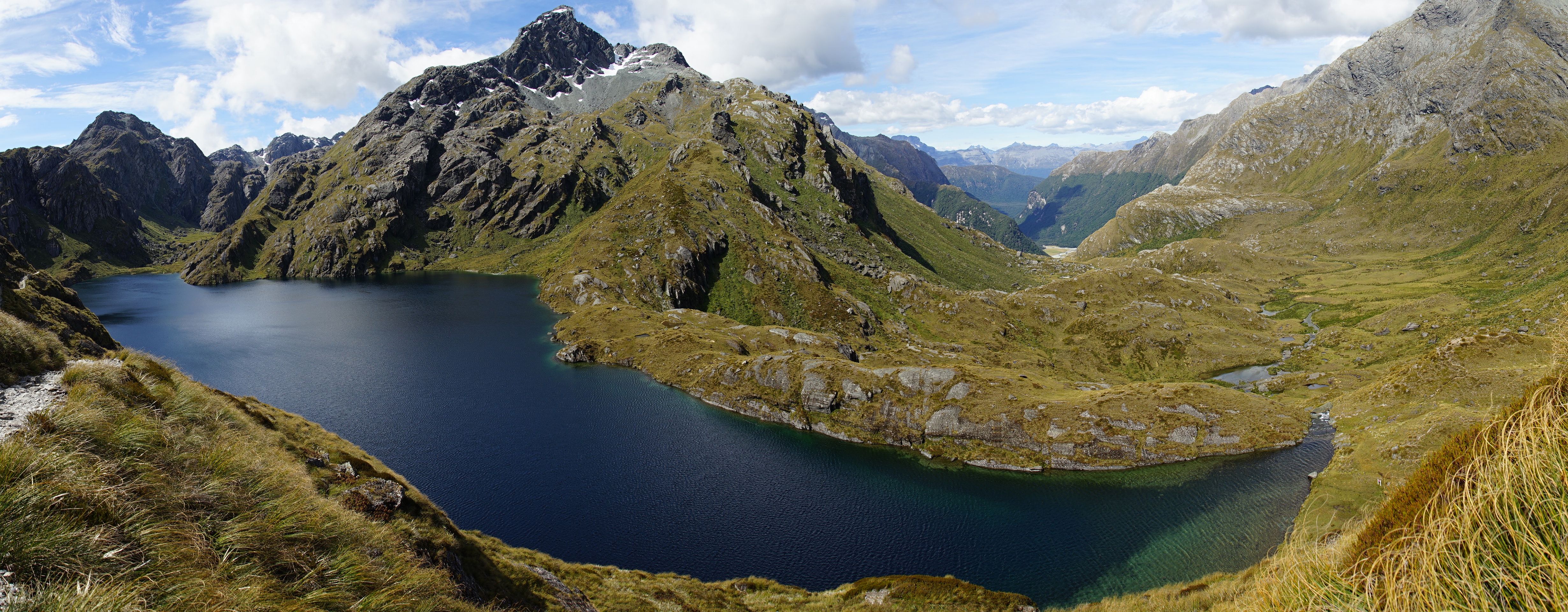
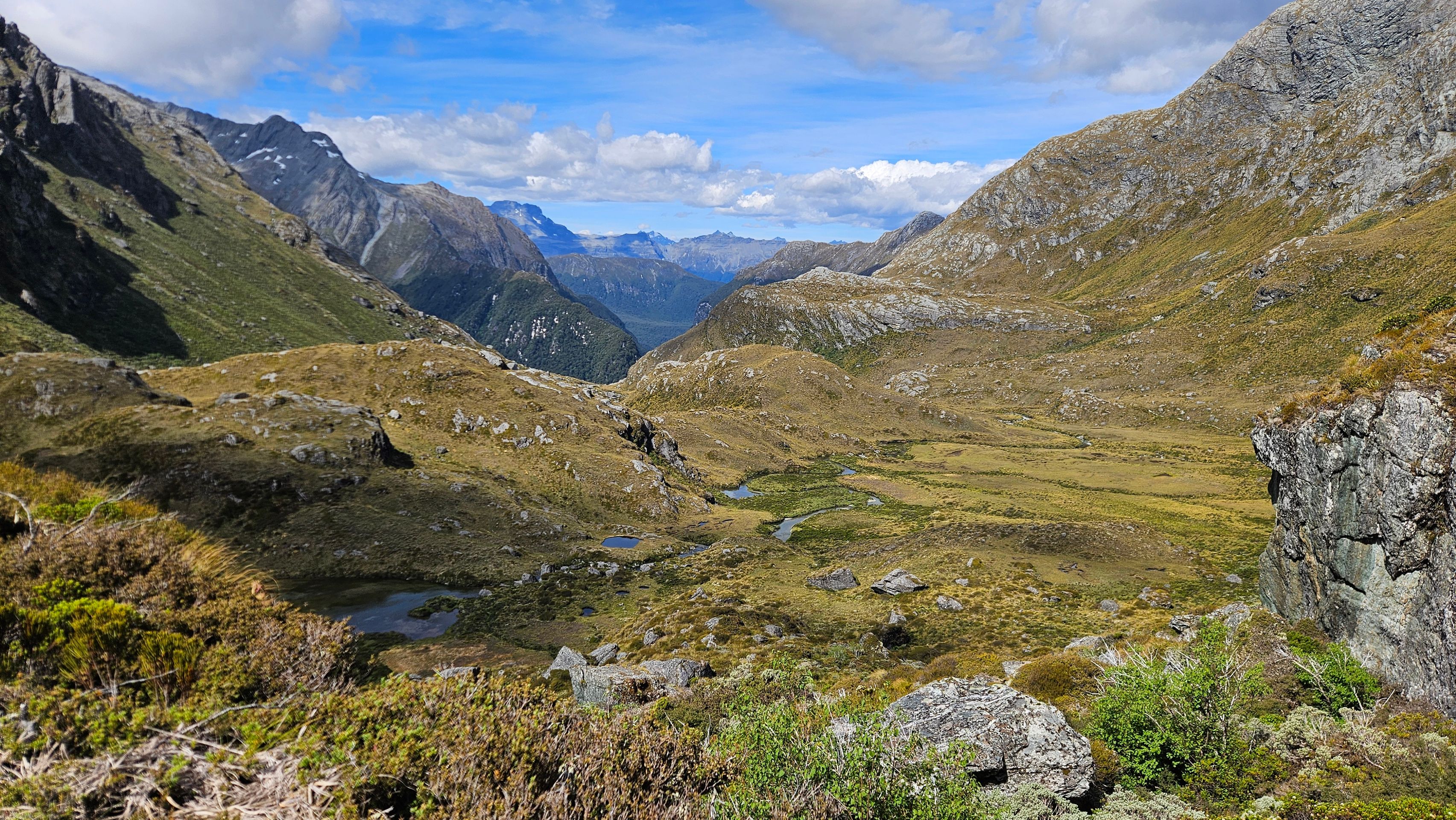
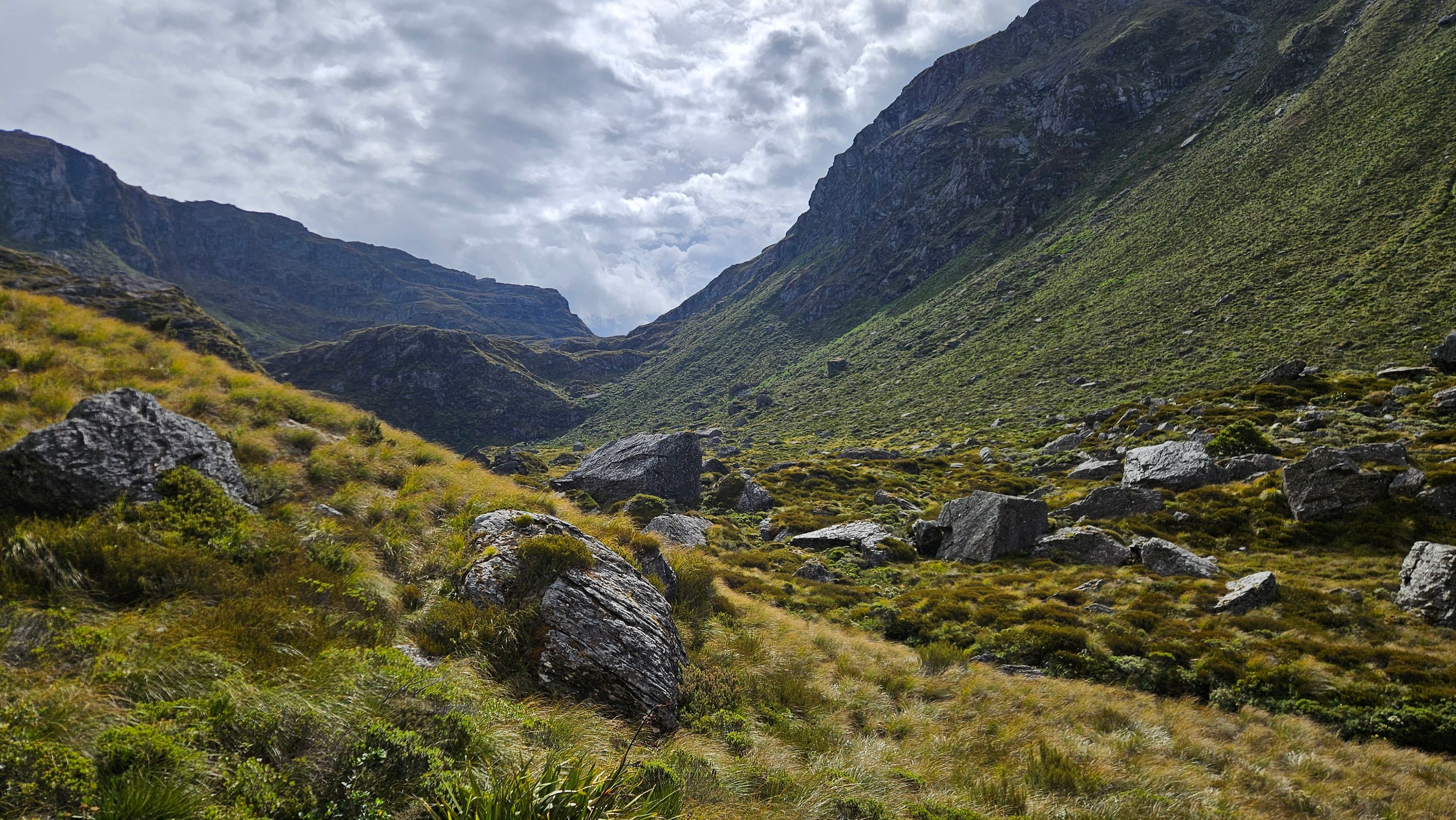
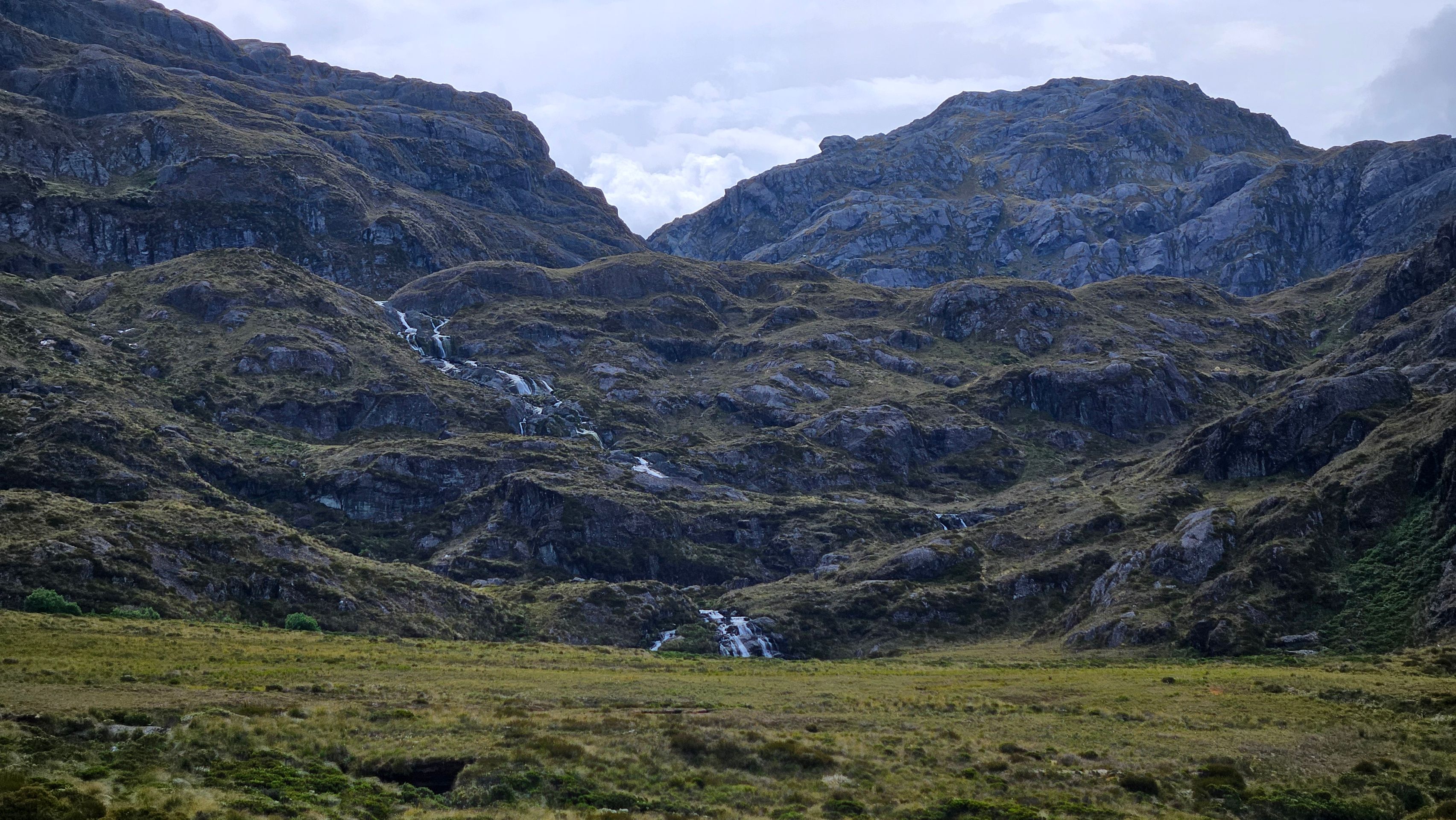
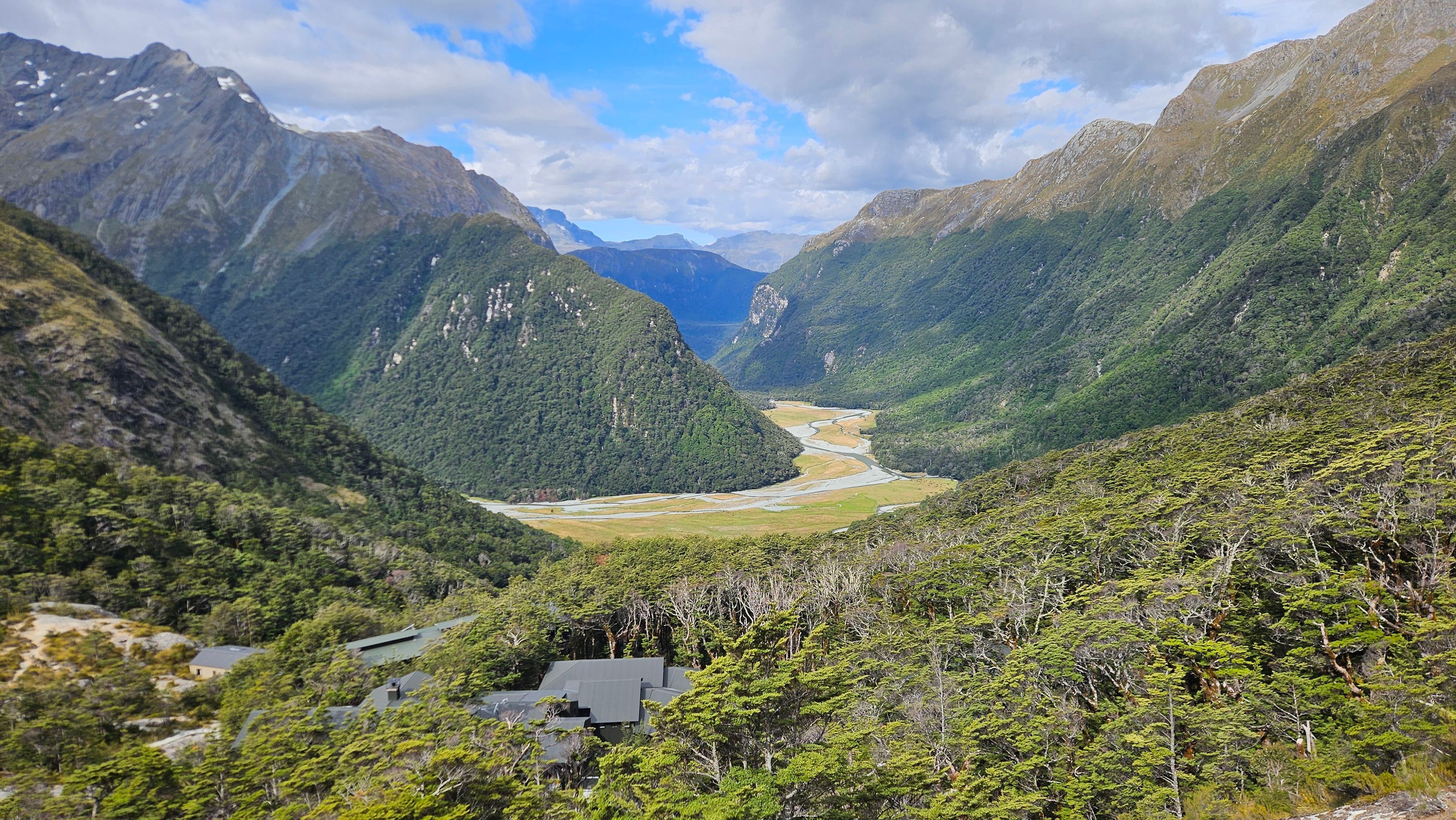
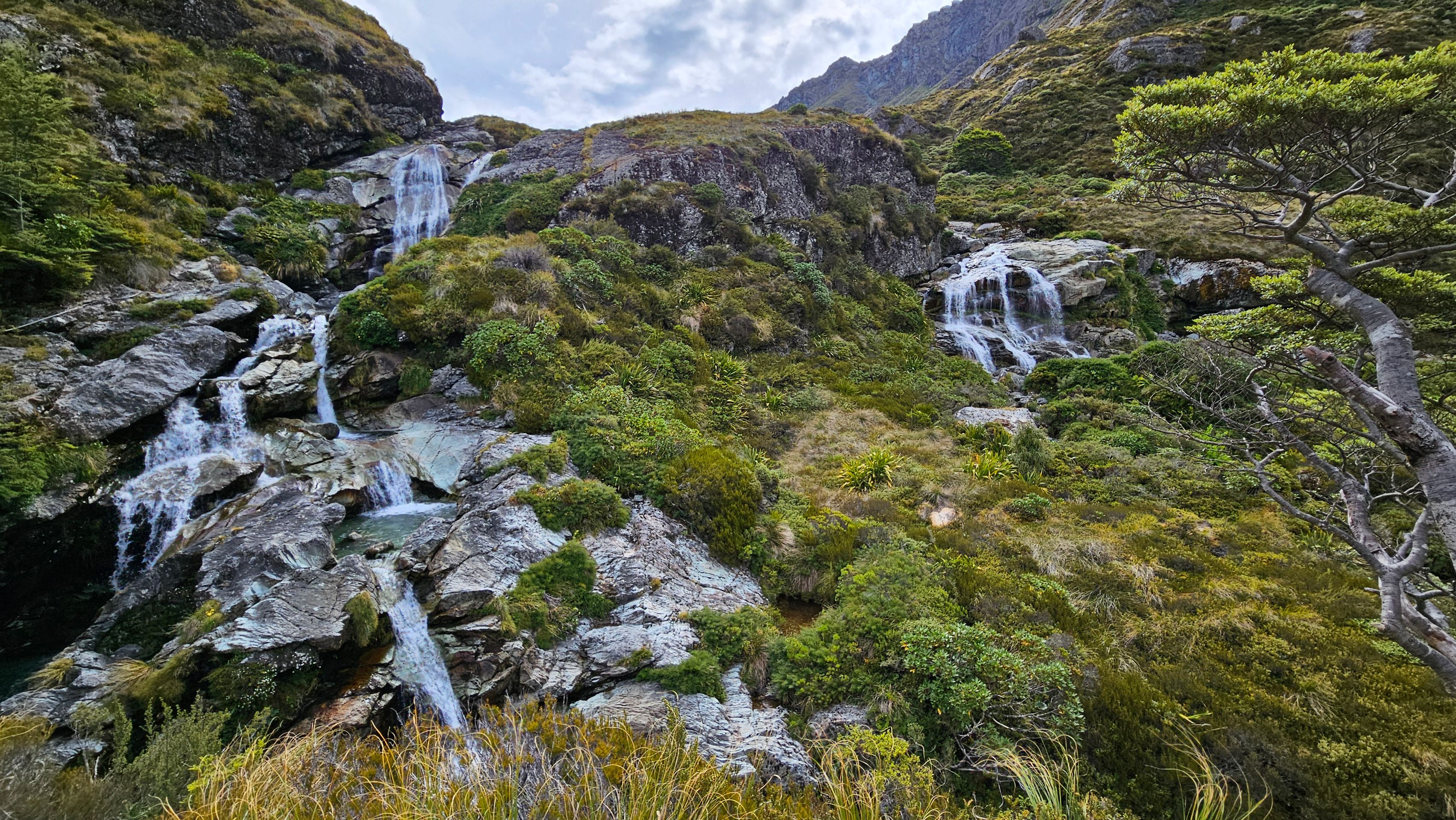
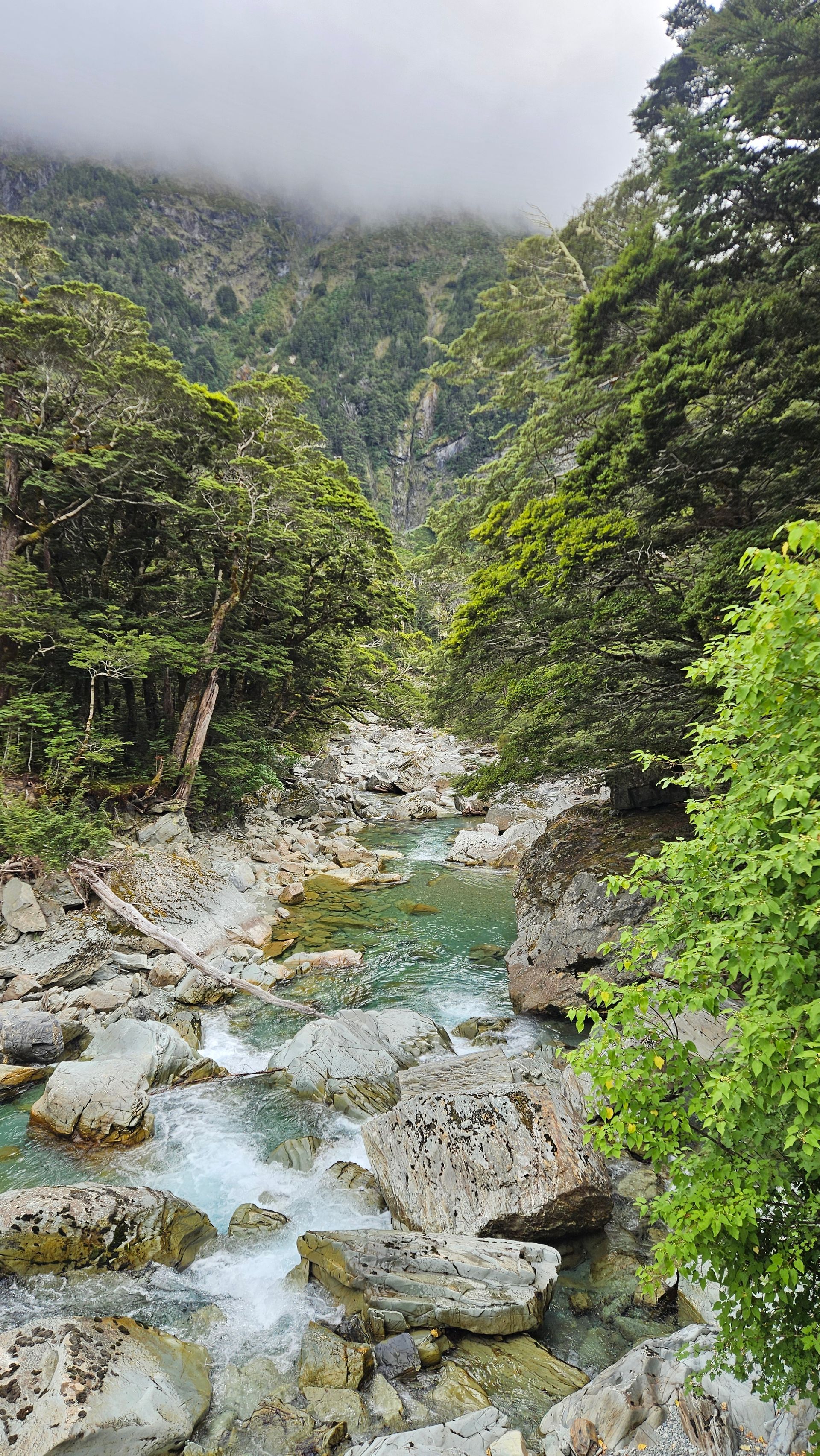
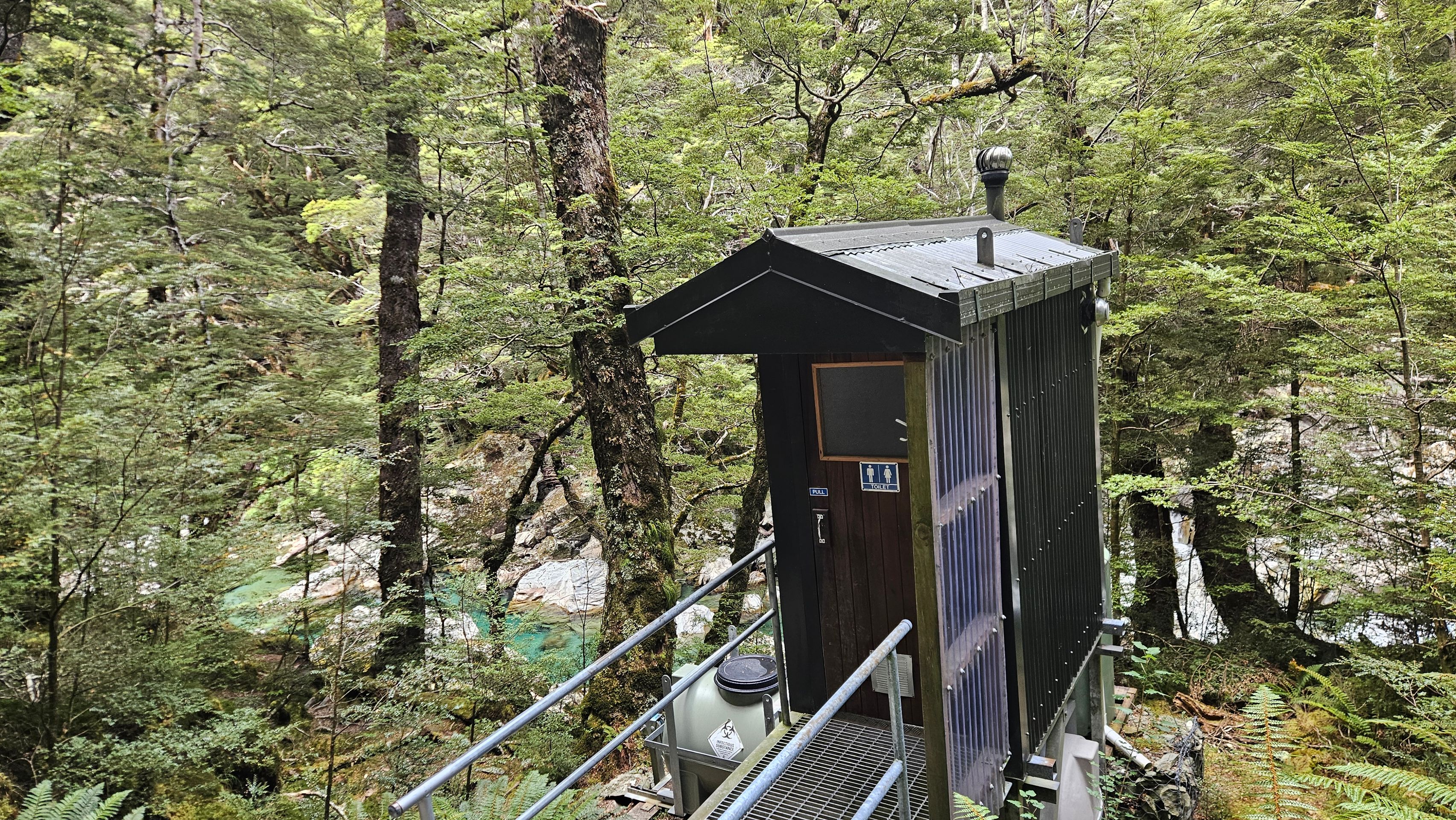
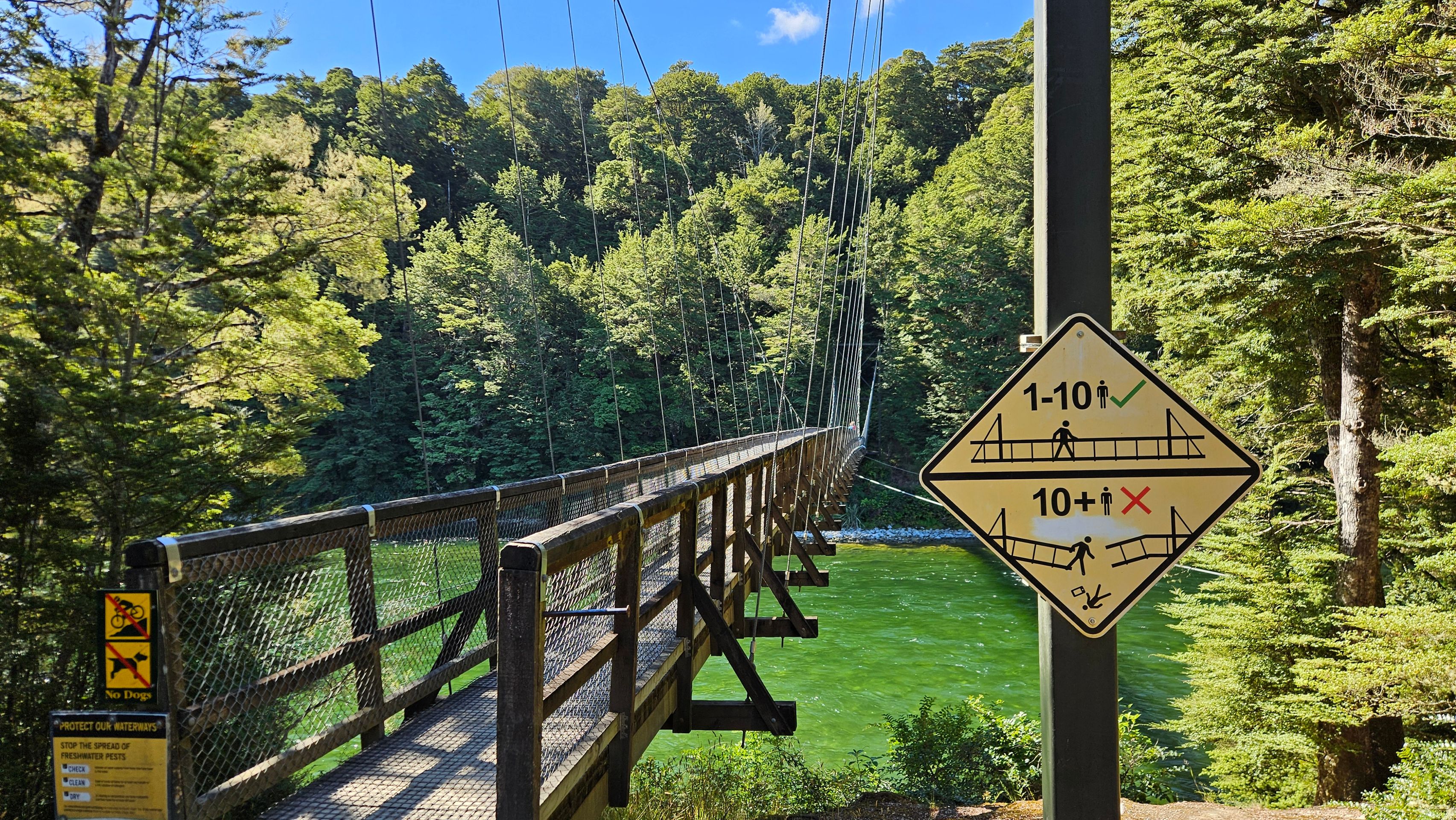
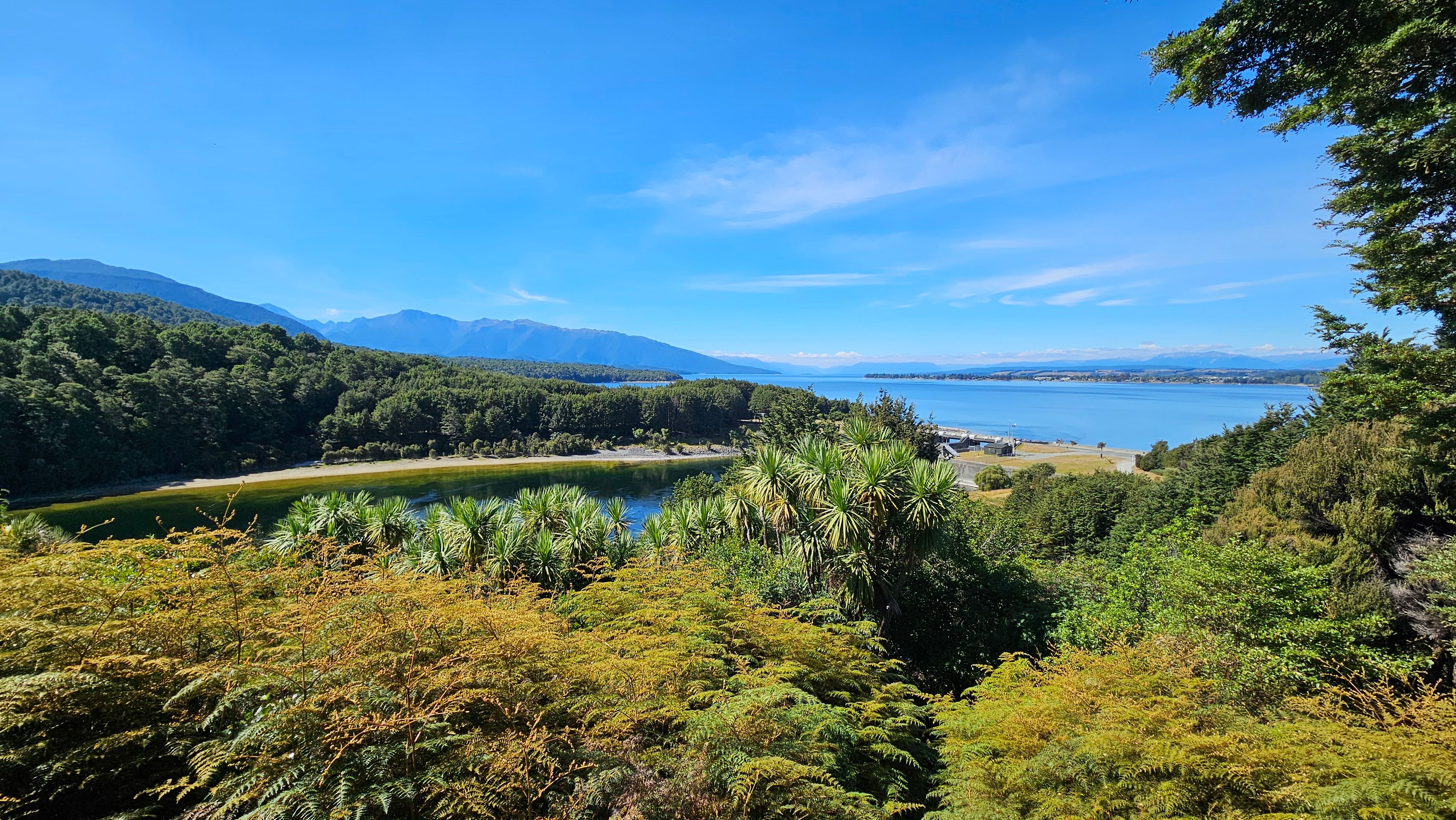
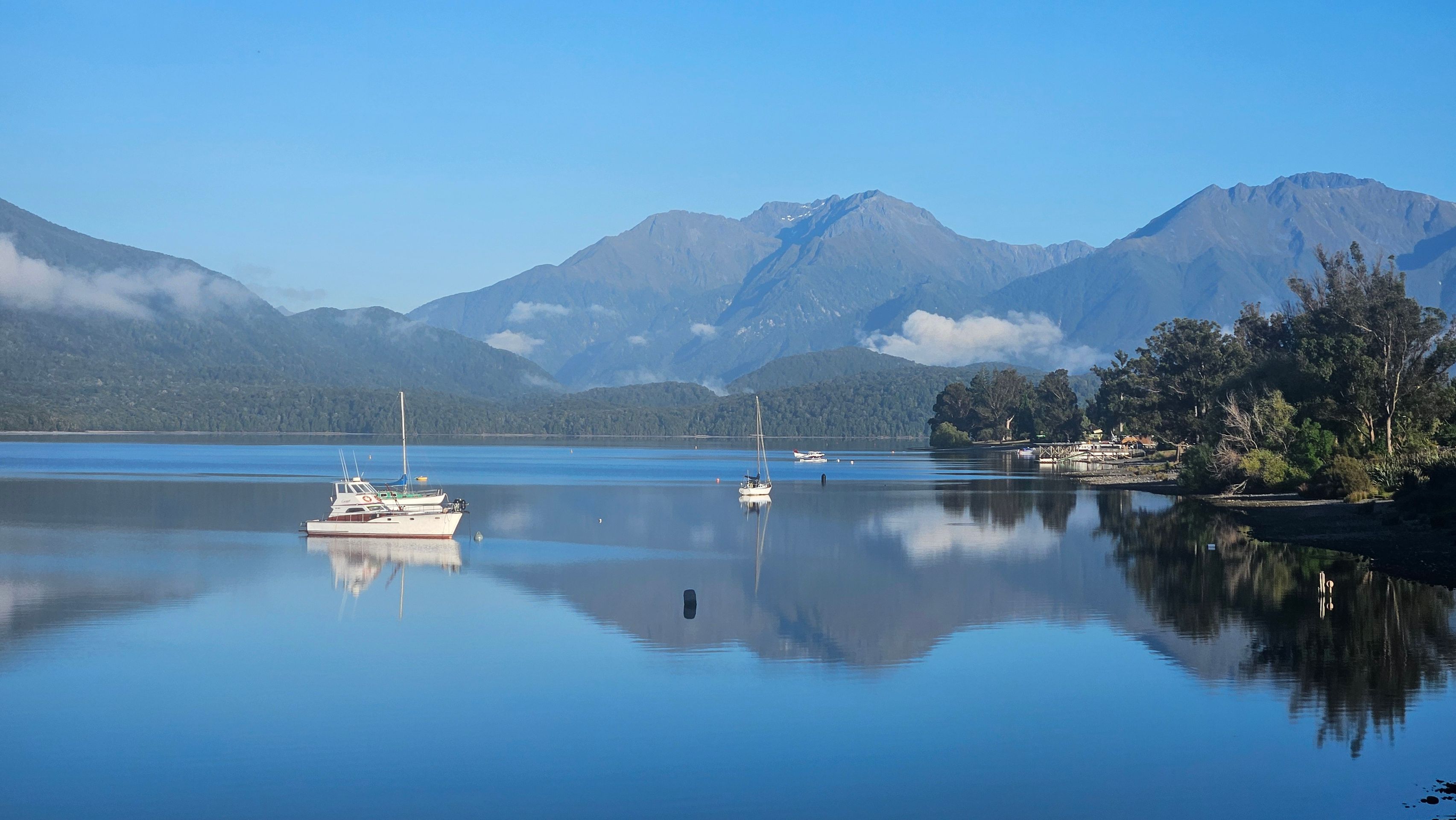
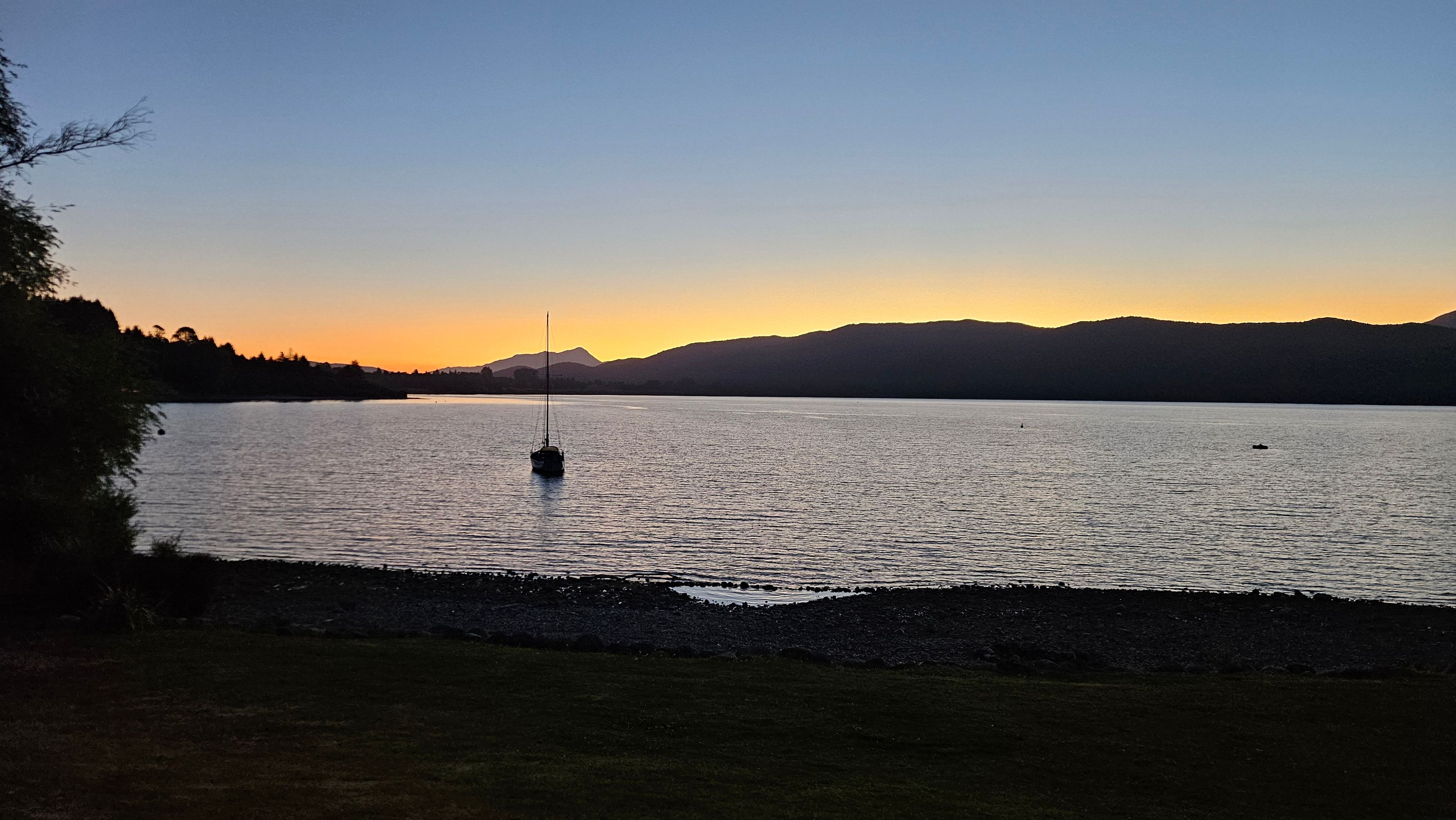
From the side road in Milford Sound, two of the ten Great Walks begin: the Milford Track and the Routeburn Track. The Milford Track is by far the most well-known and popular Great Walk, and it’s so heavily booked that spots are fully reserved within minutes for several months ahead once new openings are released. For example, I looked for available spots in November, but every single night was booked until the end of April. To help manage the influx of visitors, it is required that you book all three huts along the Milford Track for exactly one night each; there are no camping spots. Thus, the daily stages are set, unlike the other Great Walks where you can skip a hut or campground or stay more than one night at the same hut if you like it there.
Since you have to book the Milford Track so far in advance, there are always cancellations, and I eventually had the opportunity to book it for a timeframe that actually fit my schedule. However, during the booking process, I noticed how overpriced this track is overall - especially for tourists who have to pay a tourist surcharge on the Great Walks.
In the end, I booked the Routeburn Track instead of the Milford Track. It is not as well-known, and therefore not as heavily booked as the Milford Track, but at least three Kiwis recommended it to me over the Milford Track - they even found the Routeburn Track prettier than the Milford Track. I was further confirmed in this when I helped a French couple at the parking lot from which the ferry crosses to the start of the Milford Track. The couple had just returned from the Milford Track and said they were almost a little disappointed because their expectations were just so high.
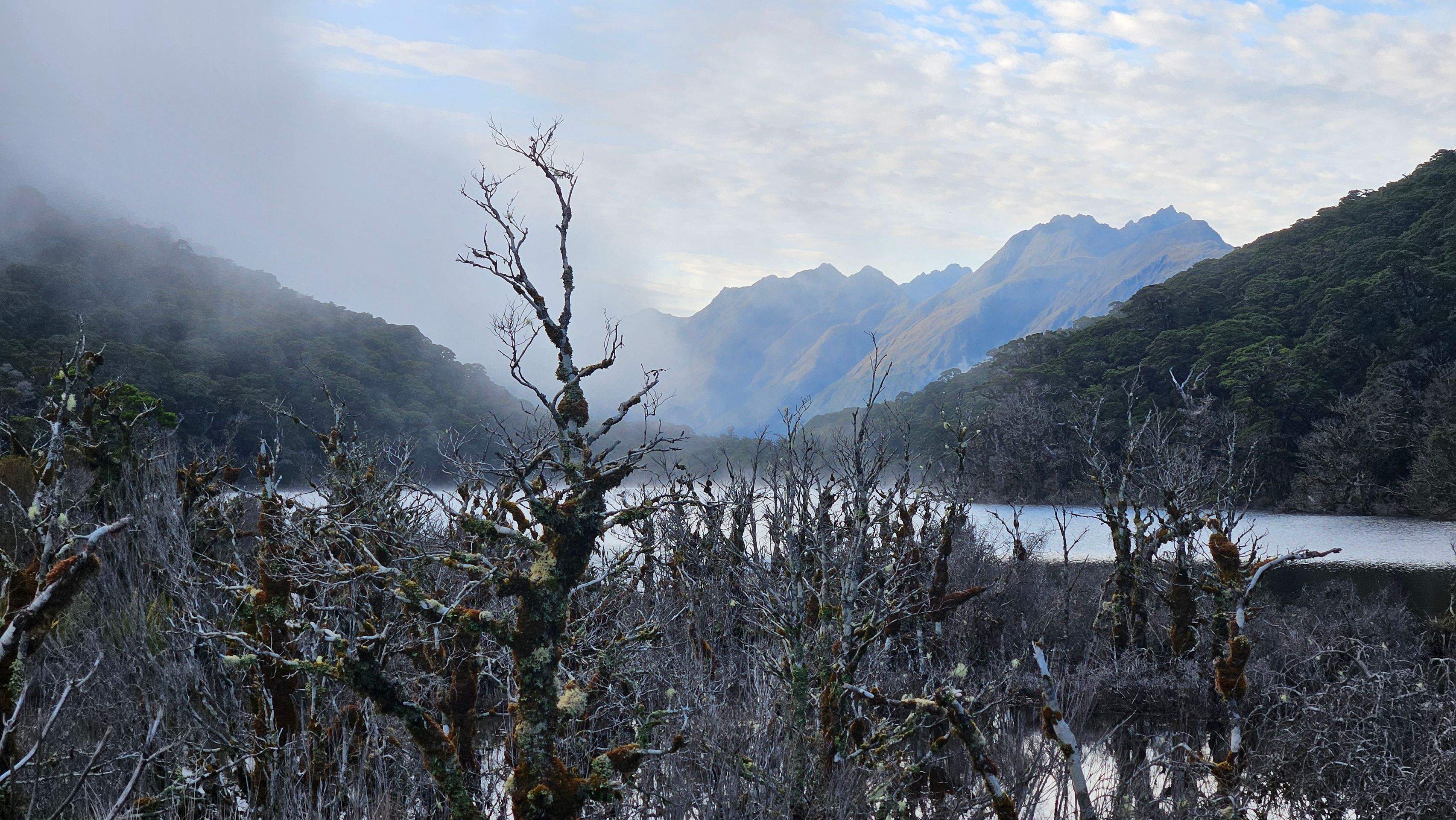
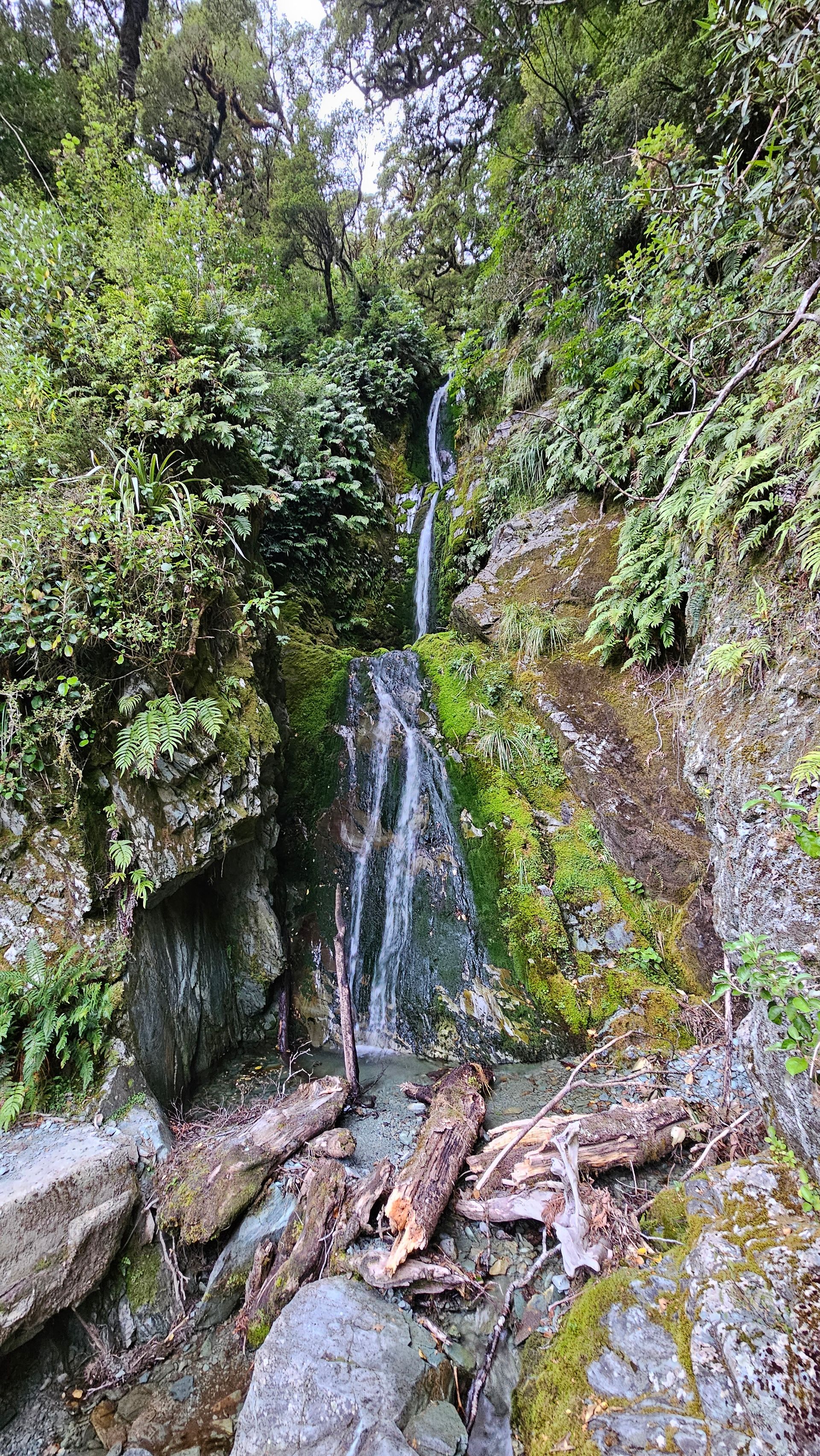
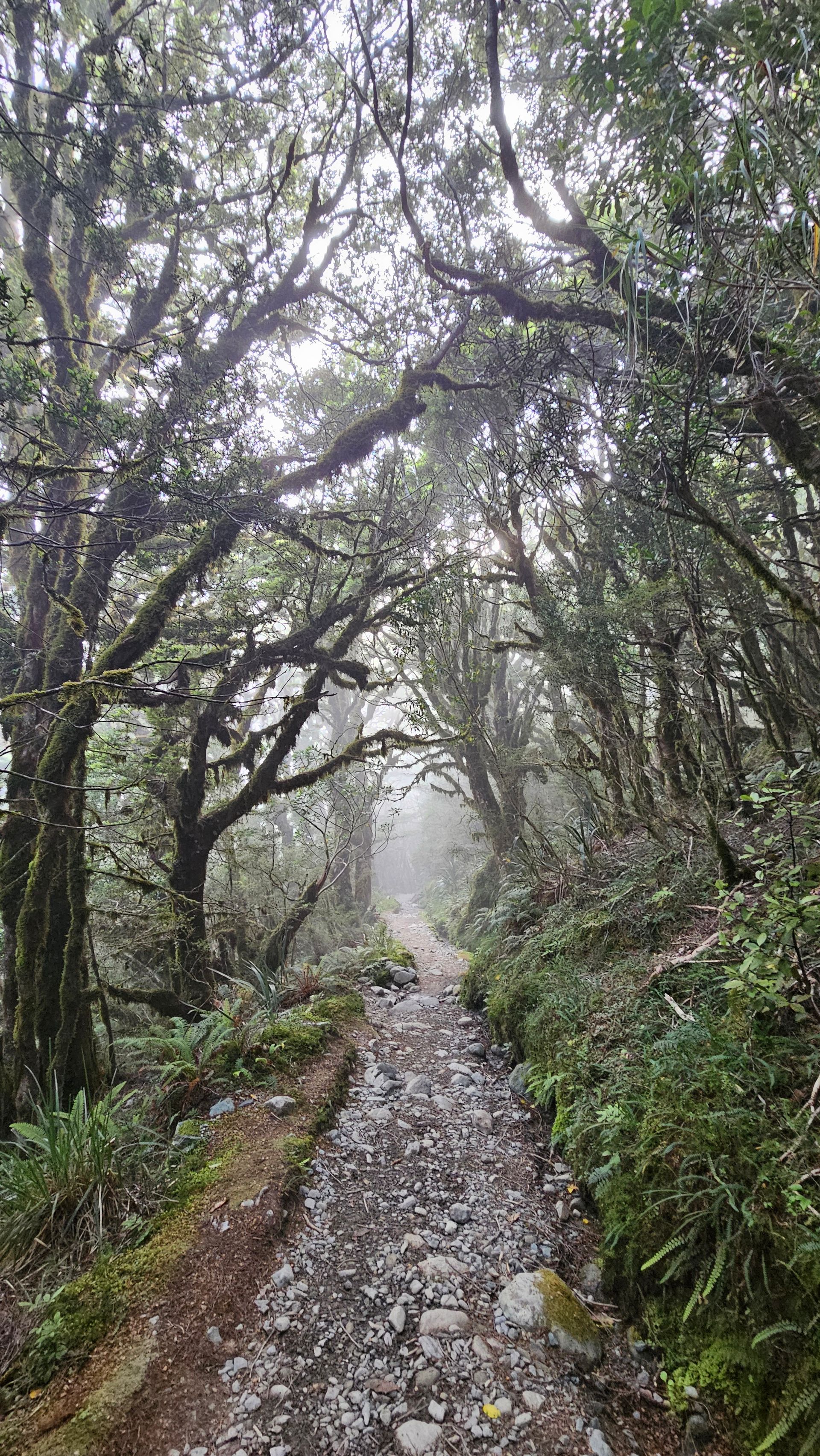
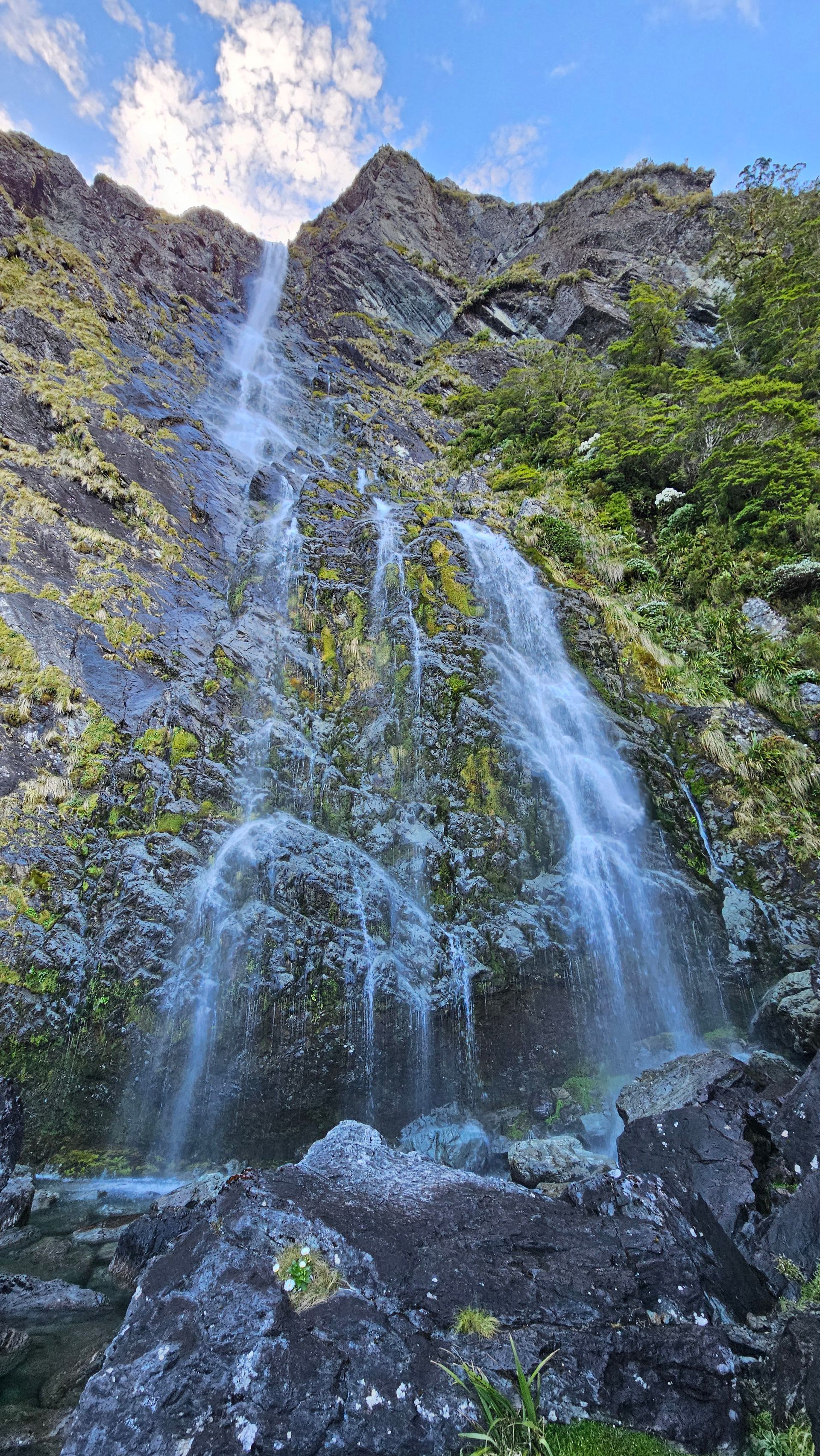
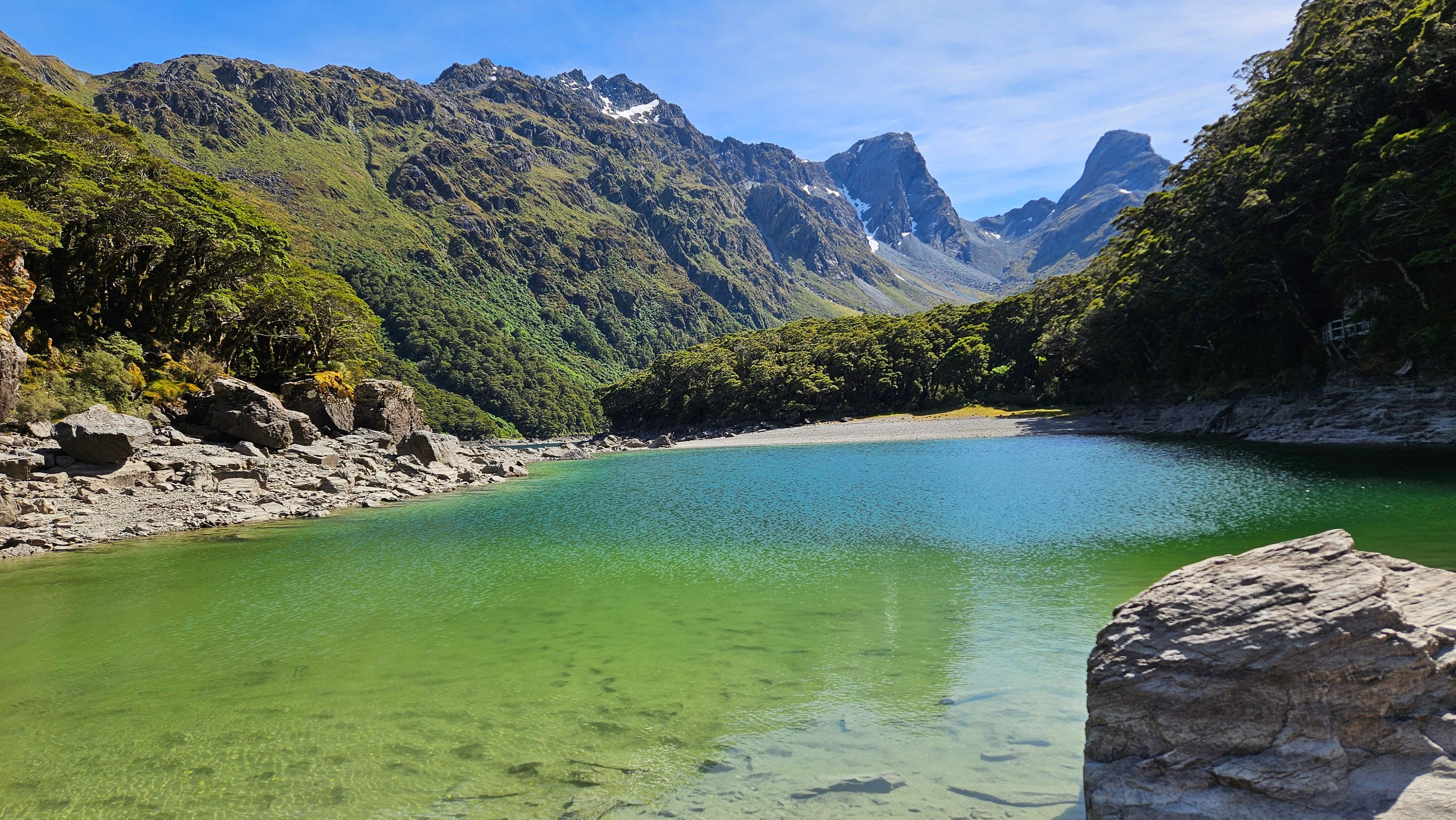
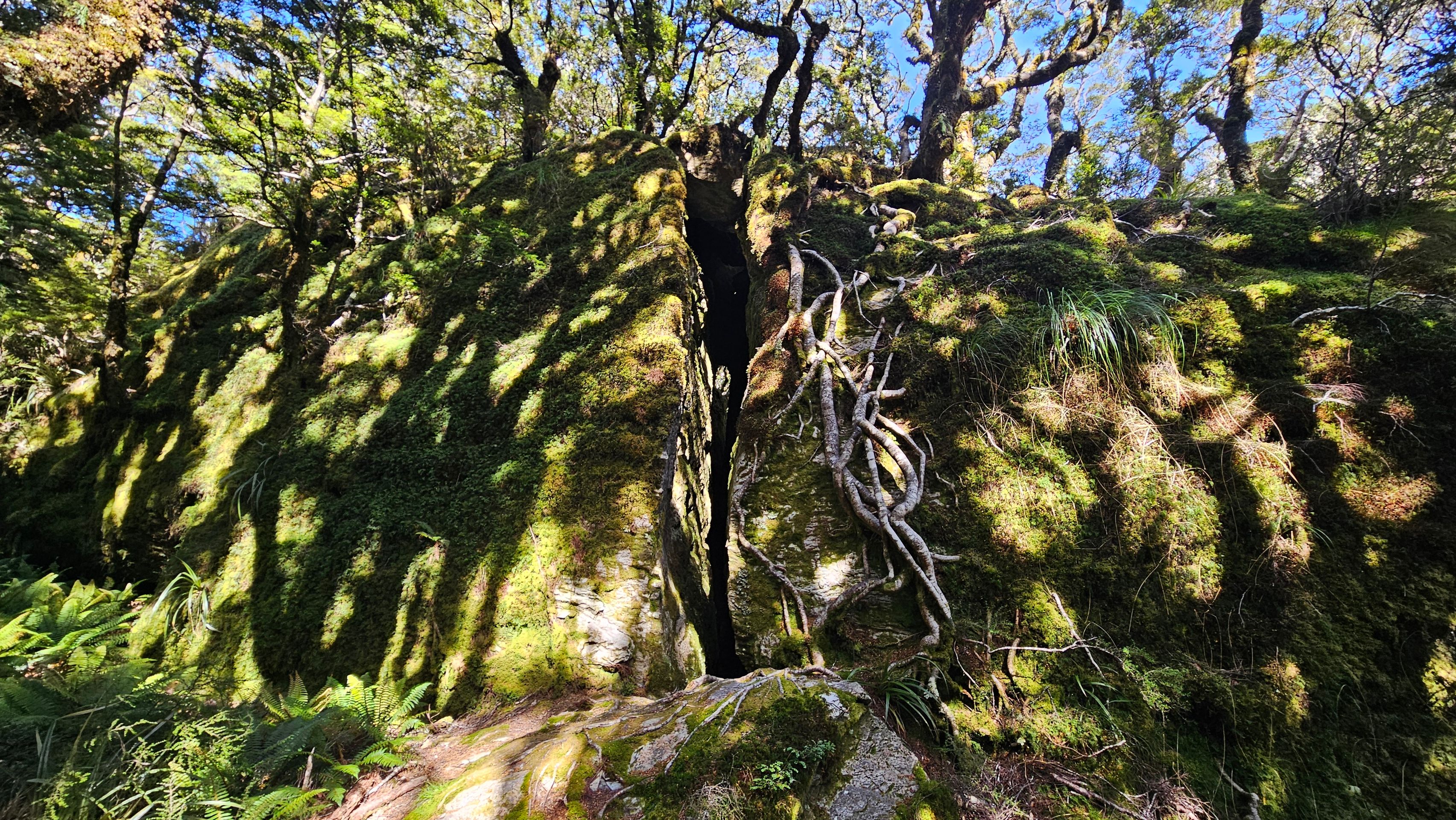
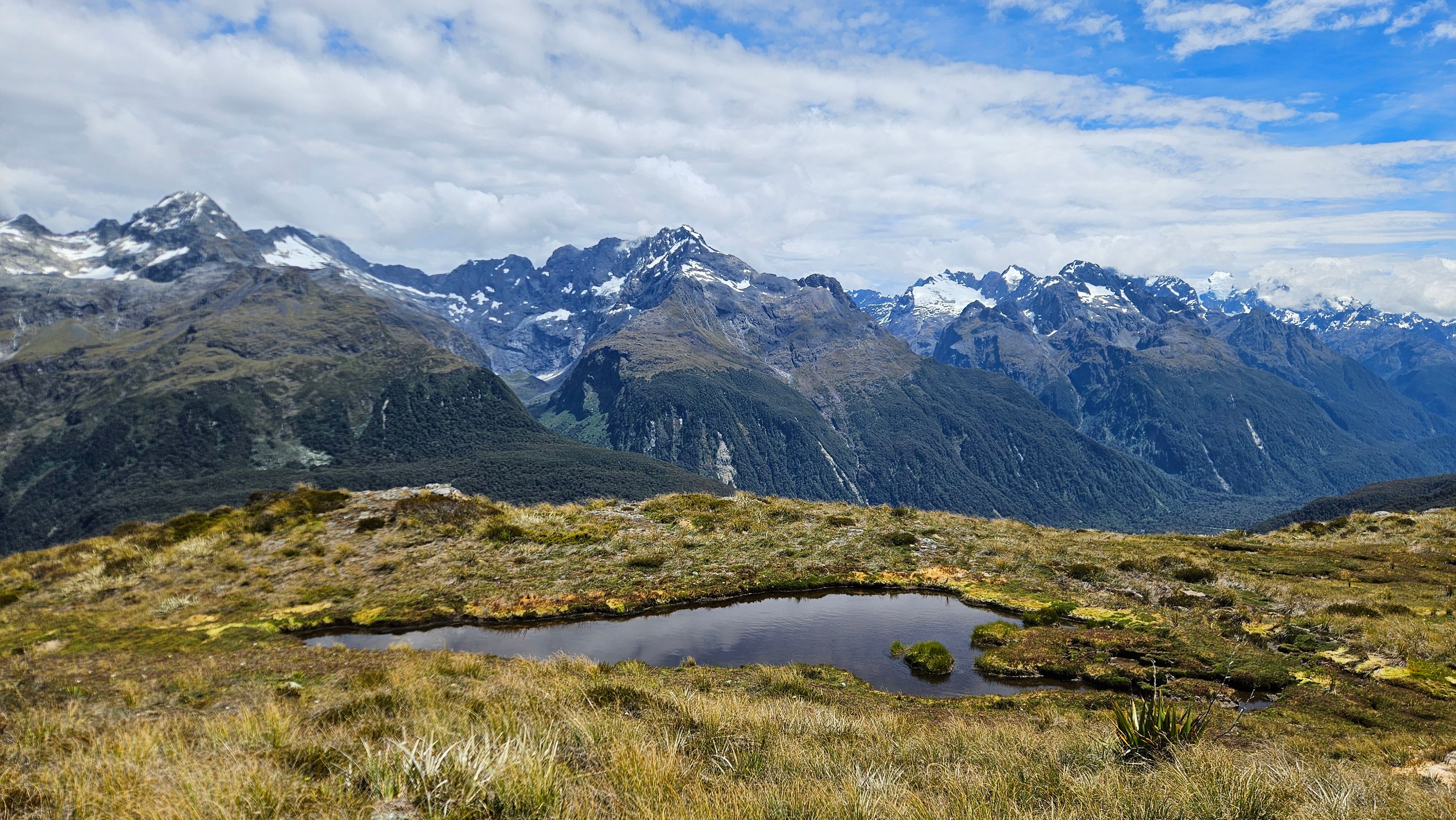
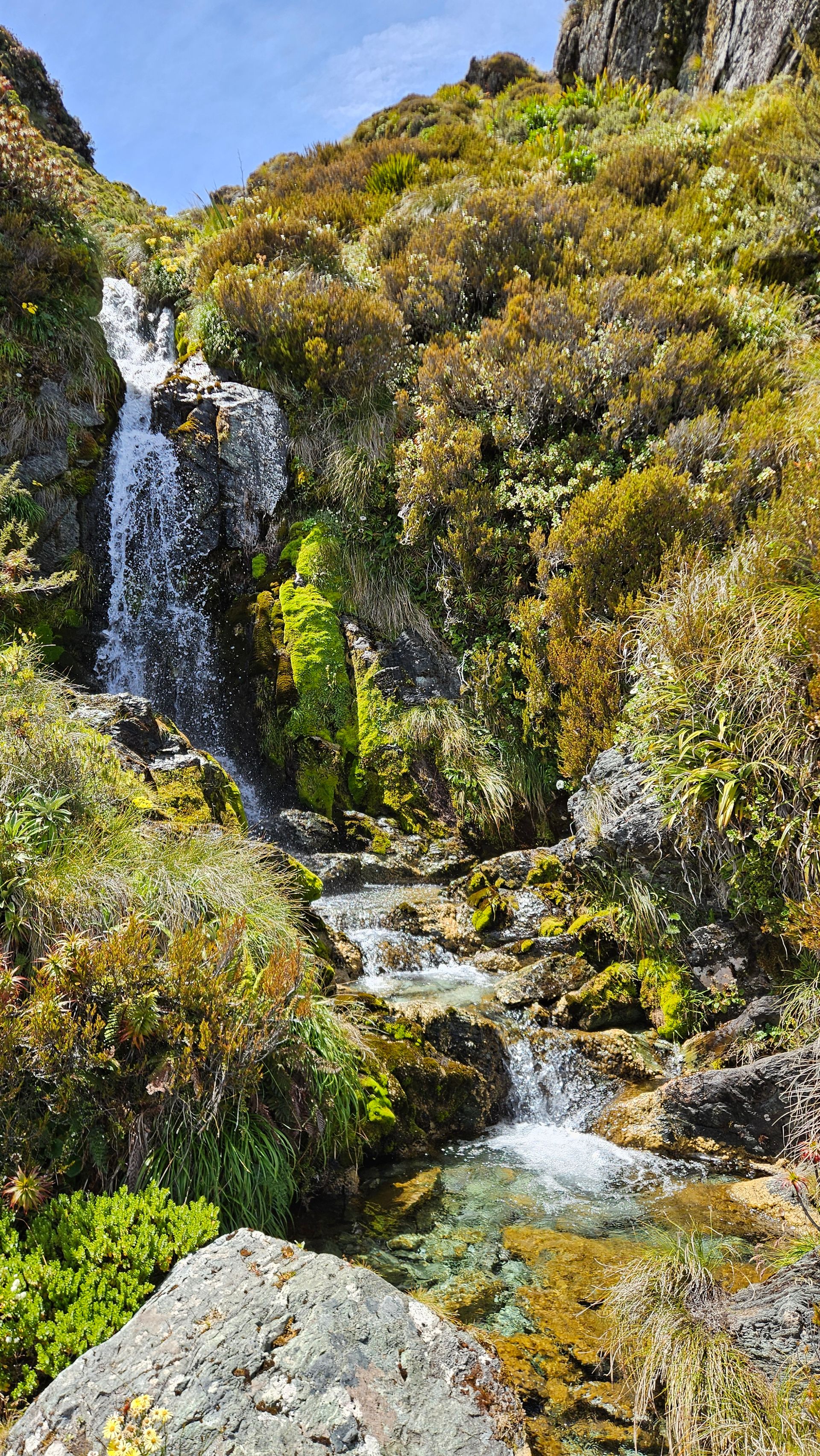
On Day 1 of the Routeburn Track, I had a pretty long journey ahead of me, with about 23 km in length and 2,000 meters of elevation. I started hiking just before 7 am and shortly after reached the junction to Key Summit, where you can take a roughly one-hour detour. From there, you should have an excellent view of the Hollyford, Eglinton, and Greenstone valleys, the Humboldt and Darren mountains, as well as on Lake Marian, where I had swum. Unfortunately, it was quite foggy, so I decided against the detour. Just two hours later, I passed the Earland Falls and reached the Lake Mackenzie Hut, and by then, the fog and clouds had cleared. There, I took a short break, visited the Split Rock - a huge, split boulder - and met Ugur. He is from France, has been hitchhiking in New Zealand for two months, and is doing the Routeburn Track all in one day to save the cost of an overnight stay.
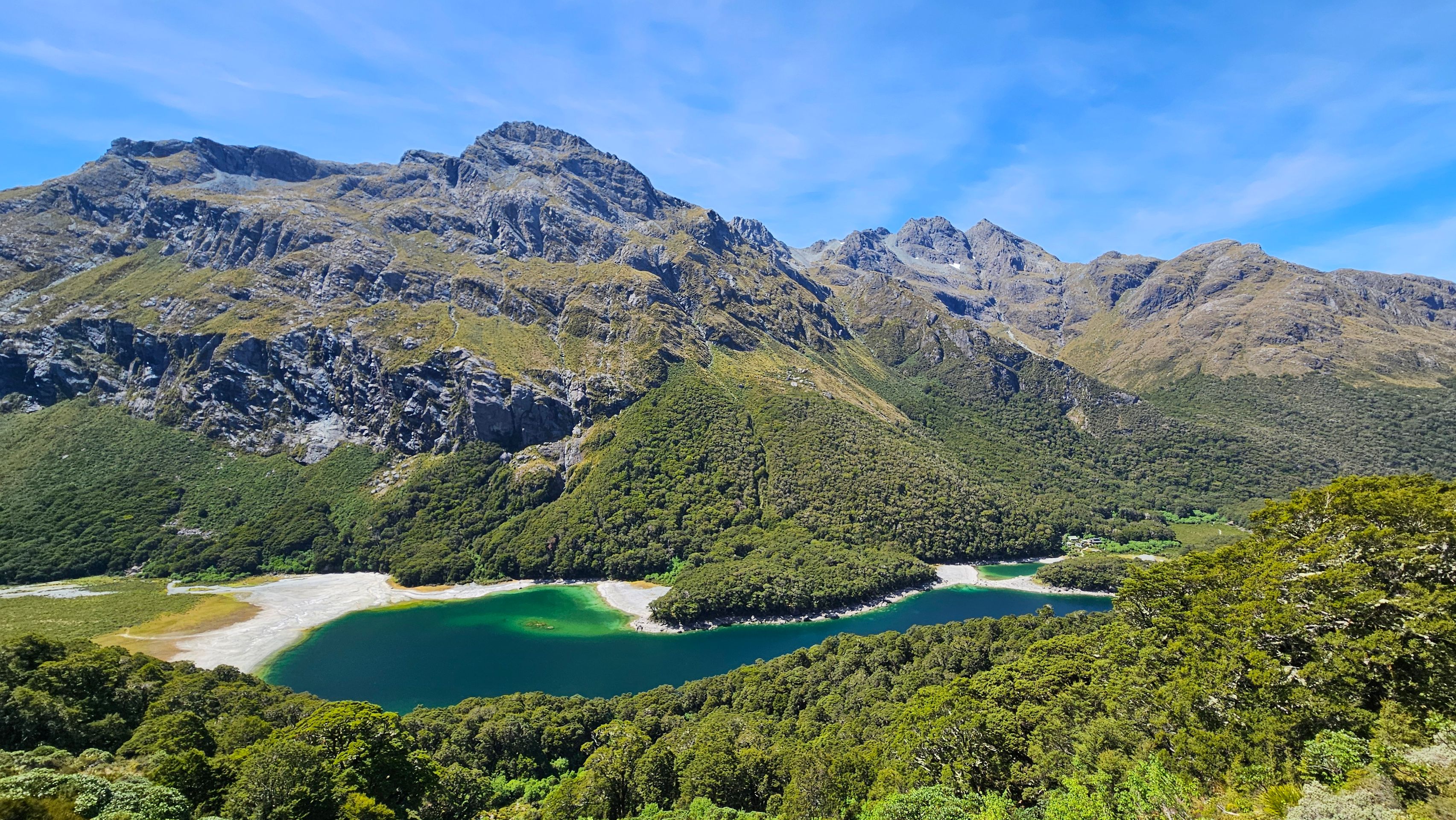
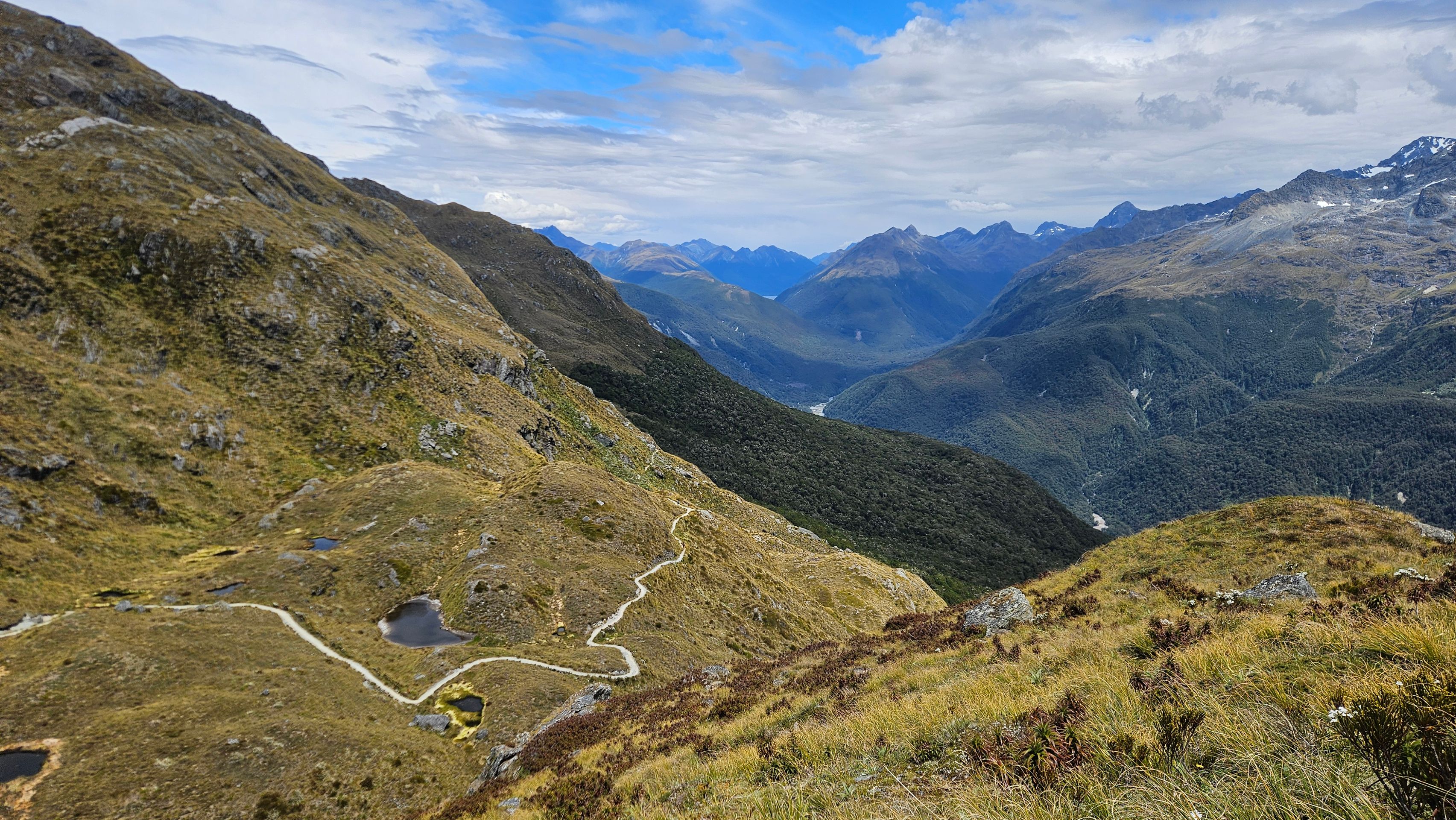
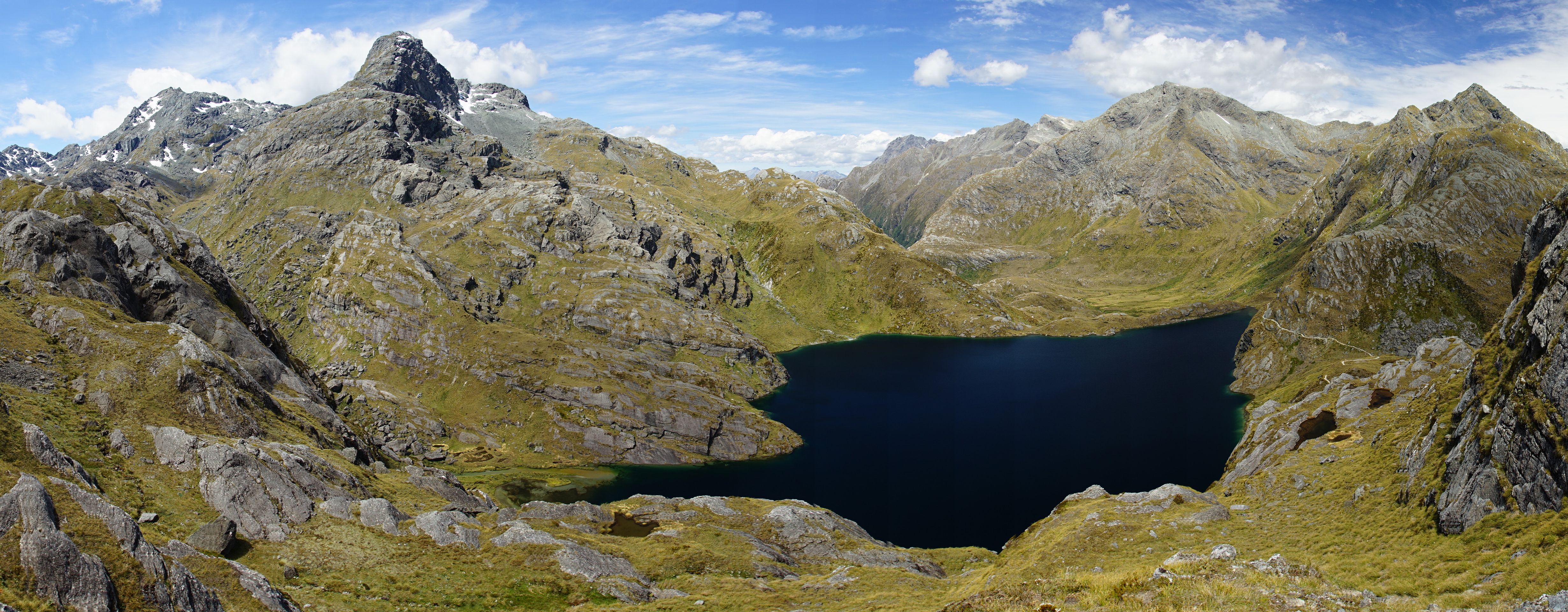
Ugur and I covered a good part of the ascent known as the Deadman Track up to the Harris Saddle together. Initially, we were able to look back at Lake Mackenzie until we could see into the Hollyford Valley. At some point, Ugur, who still had a significantly larger distance ahead of him but was only armed with a daypack, wanted to pick up the pace, and we separated to continue hiking.
At the Harris Saddle, I met Ken. Ken had also started the Routeburn Track last year at the parking lot 'The Divide' in Milford Sound, but after one night at the Routeburn Falls Hut, he was surprised by a storm that flooded the trails. Therefore, he couldn’t finish the track and had to turn back. When I booked the hike, Ken suggested starting from the other end of the trail, only hiking the section to the Routeburn Falls Hut that he still needed, and then bringing me back to my car in Milford Sound.
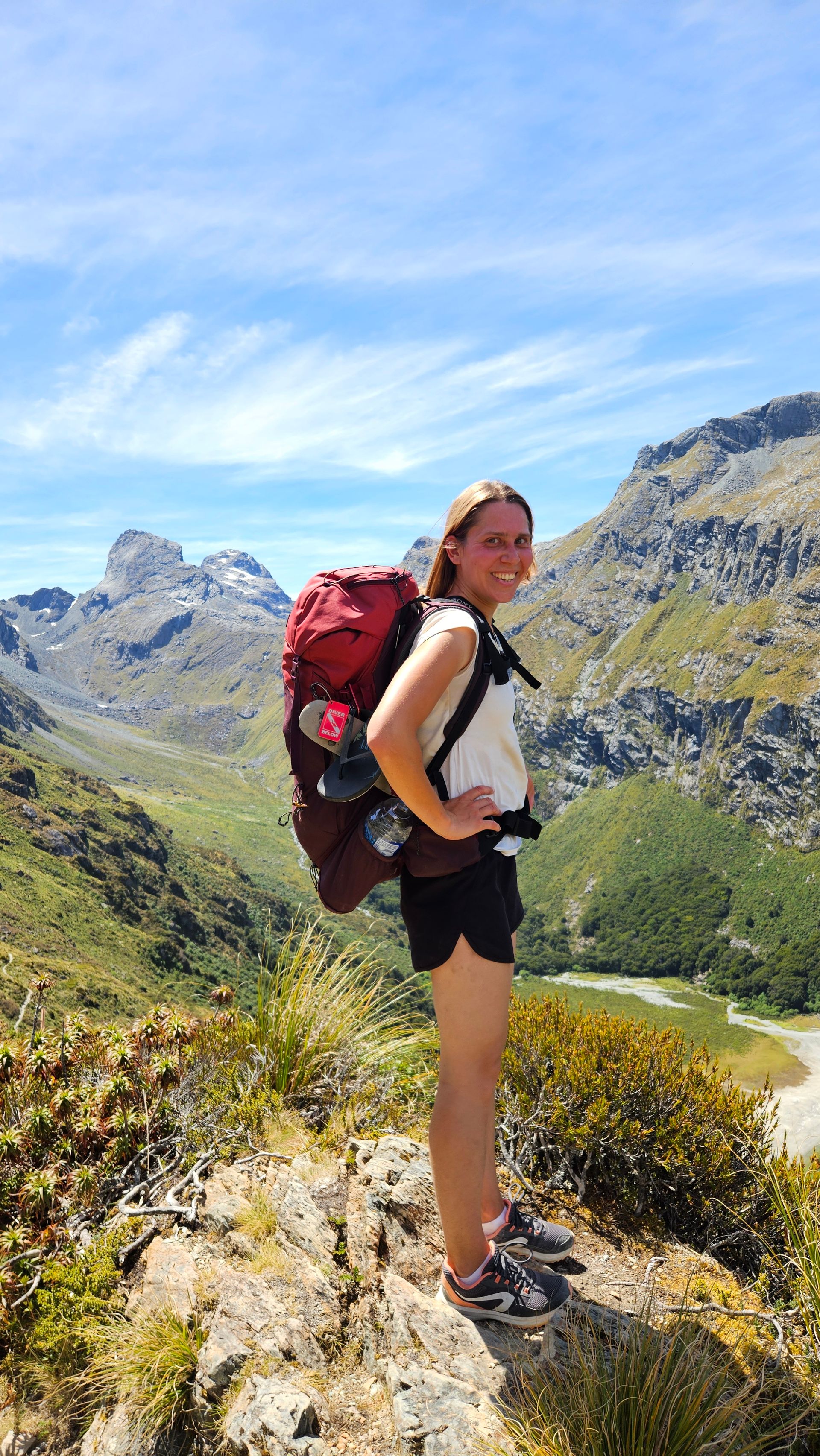
From Harris Saddle, we took a detour to Conical Hill, from which we could see the Hollyford Valley, Lake McKerrow, Martin’s Bay, and even the Tasman Sea. Together with Johanna, a German and Math teacher from Hesse, who is currently taking a half sabbatical year (which is still (yet) permitted!), we then tackled the last section to the Routeburn Falls Hut. Along the way, we came across small streams with signs warning about the algae Didymo. While it poses no health risks, its excessive growth disrupts the ecosystem and the fish food sources. Didymo is already thriving in some rivers and streams along the Routeburn Track, and since it can be transported in a single drop of water from one water body to another, you should avoid any contact with the water from those rivers and streams where Didymo has already been identified.
You can get rid of Didymo by treating 'infected' items with 60°C hot water, 2% bleach solution, 5% salt solution, disinfectant, or detergent for at least one minute. This is easy for water bottles, swimming gear, etc., but quite complicated for humans, animals, streams, and rivers. Just 48 hours of drying out is sufficient, making living beings relatively quickly 'harmless', which still doesn’t help with streams and rivers. In other words: once a water body is 'infected' with Didymo, you cannot remove the algae from there.
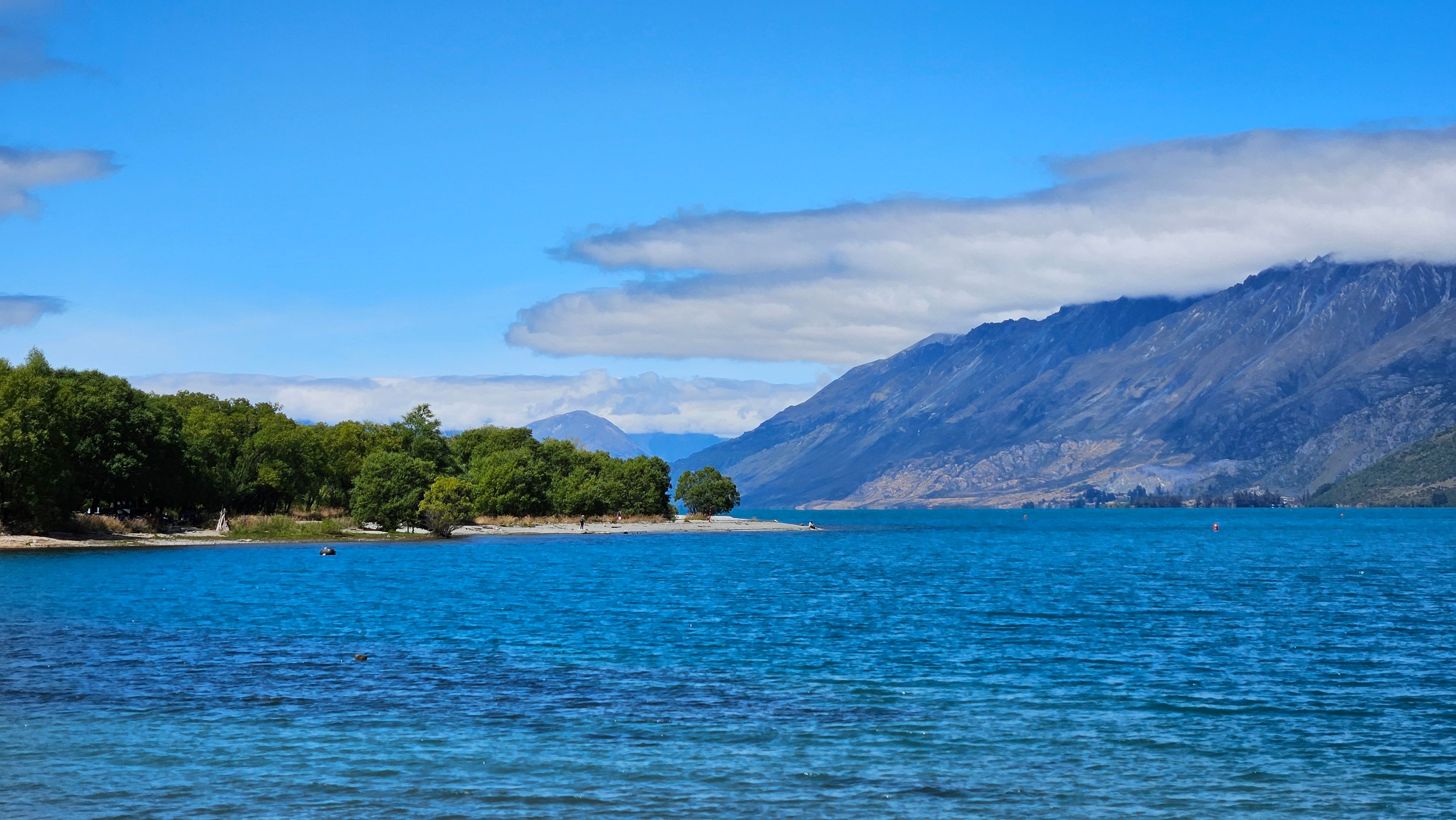
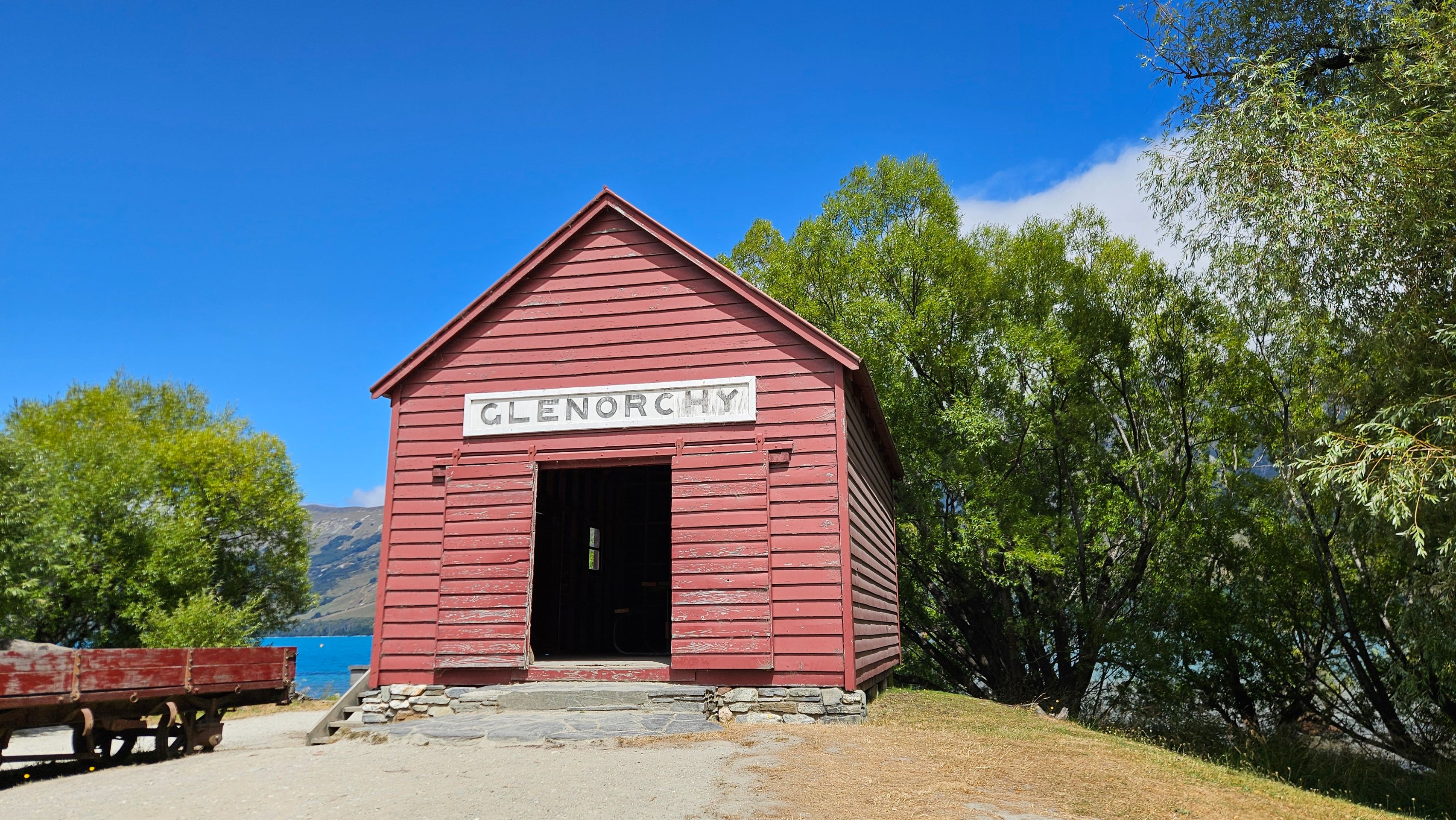
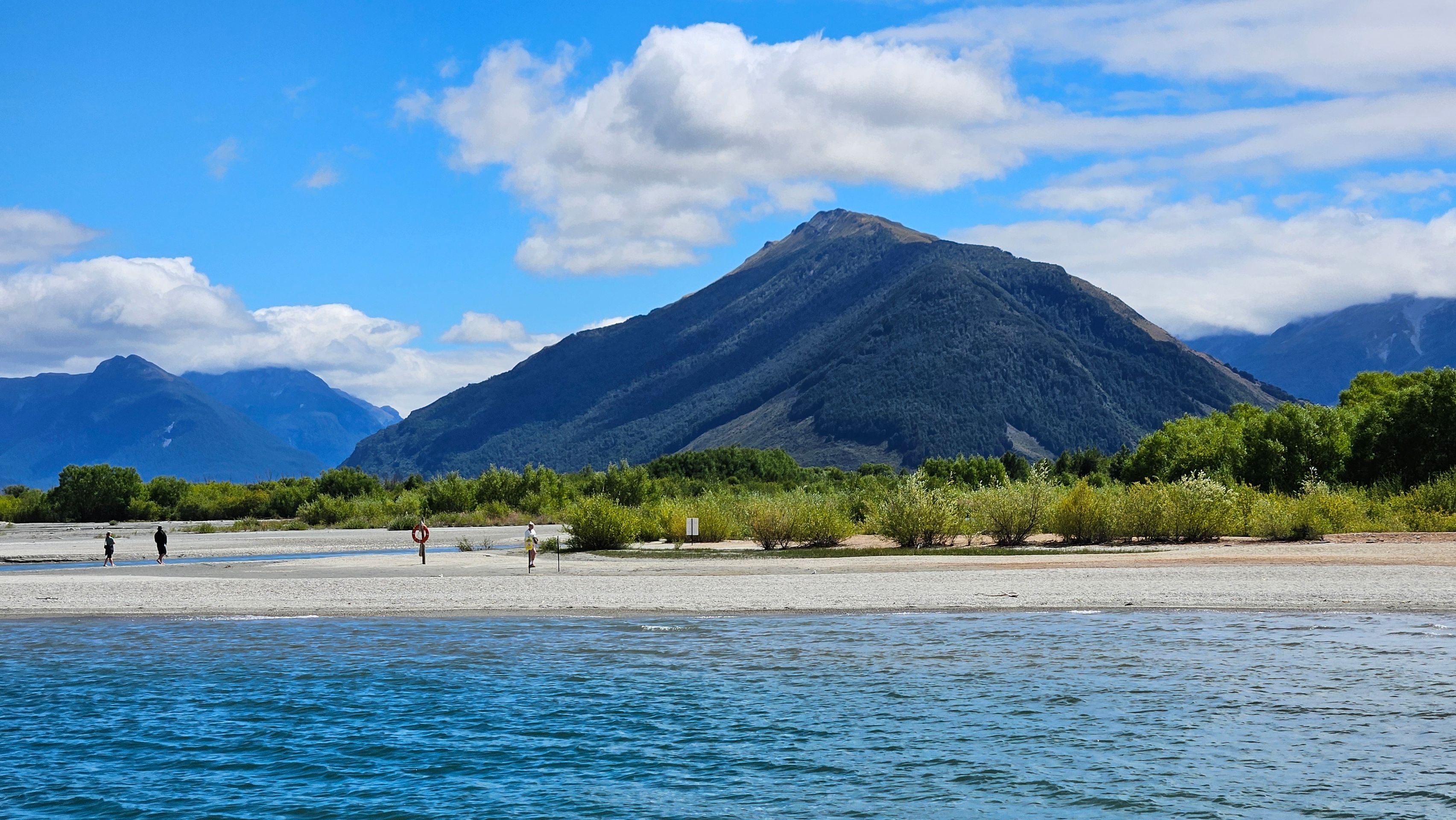
Day 2 was then a very simple hike, where we only had to hike downhill for another three hours back to the Routeburn Shelter parking lot, where Ken's car was already waiting for us. On the over 300 km journey around Lake Wakatipu back to my car, we made a stop in Glenorchy, where we had ice cream and admired New Zealand's probably most photographed shelter. Near Te Anau, we also visited the bridge from which you can start the Kepler Track, another Great Walk, and then we were ready for a nap.