Nelson - Motueka
After the hike, it's known that before the next hike there is a break, and I was already eyeing the next multi-day hike: the Abel Tasman Coastal Track. Before that, I wanted to...

Published: 17.12.2024
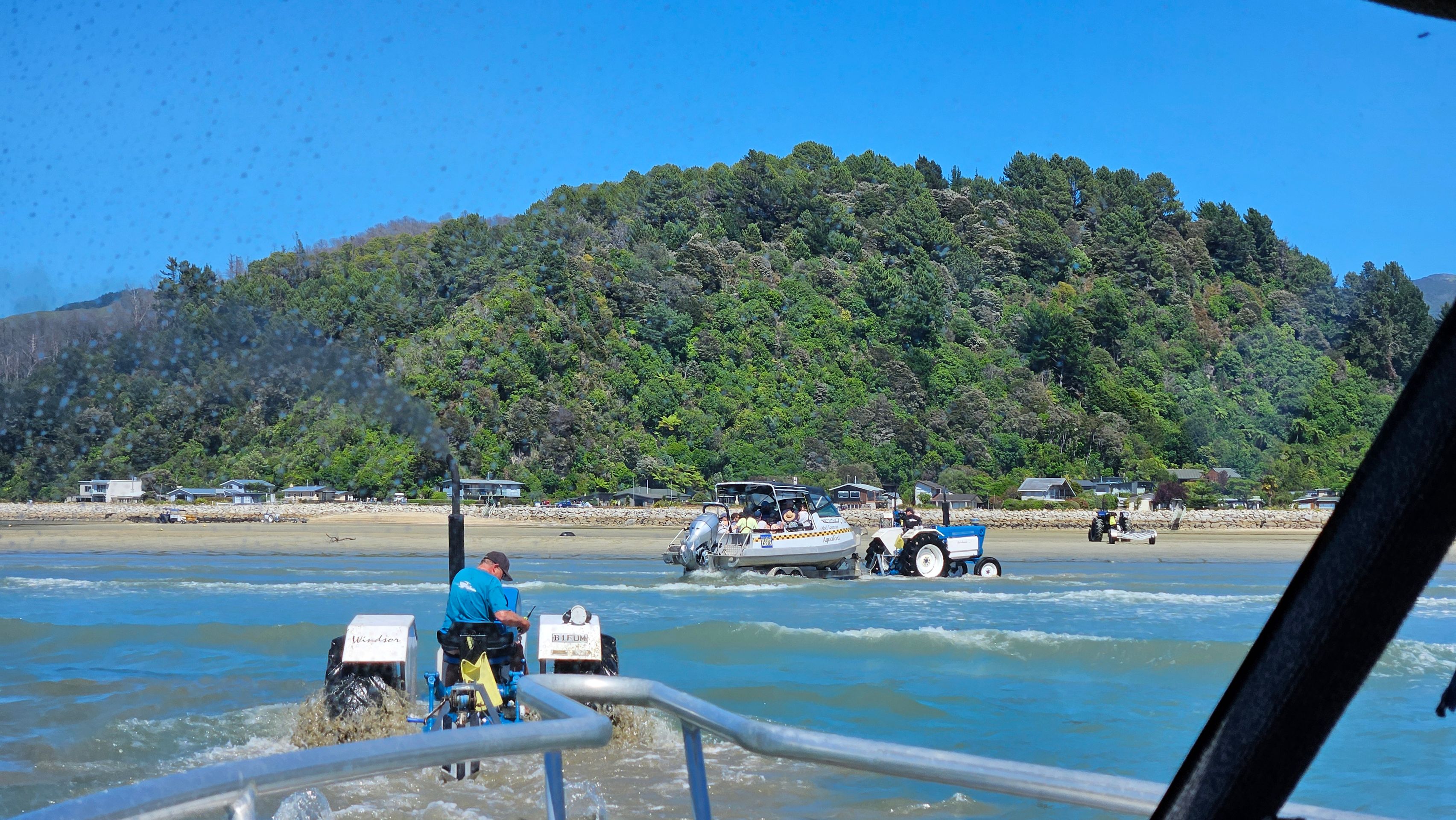
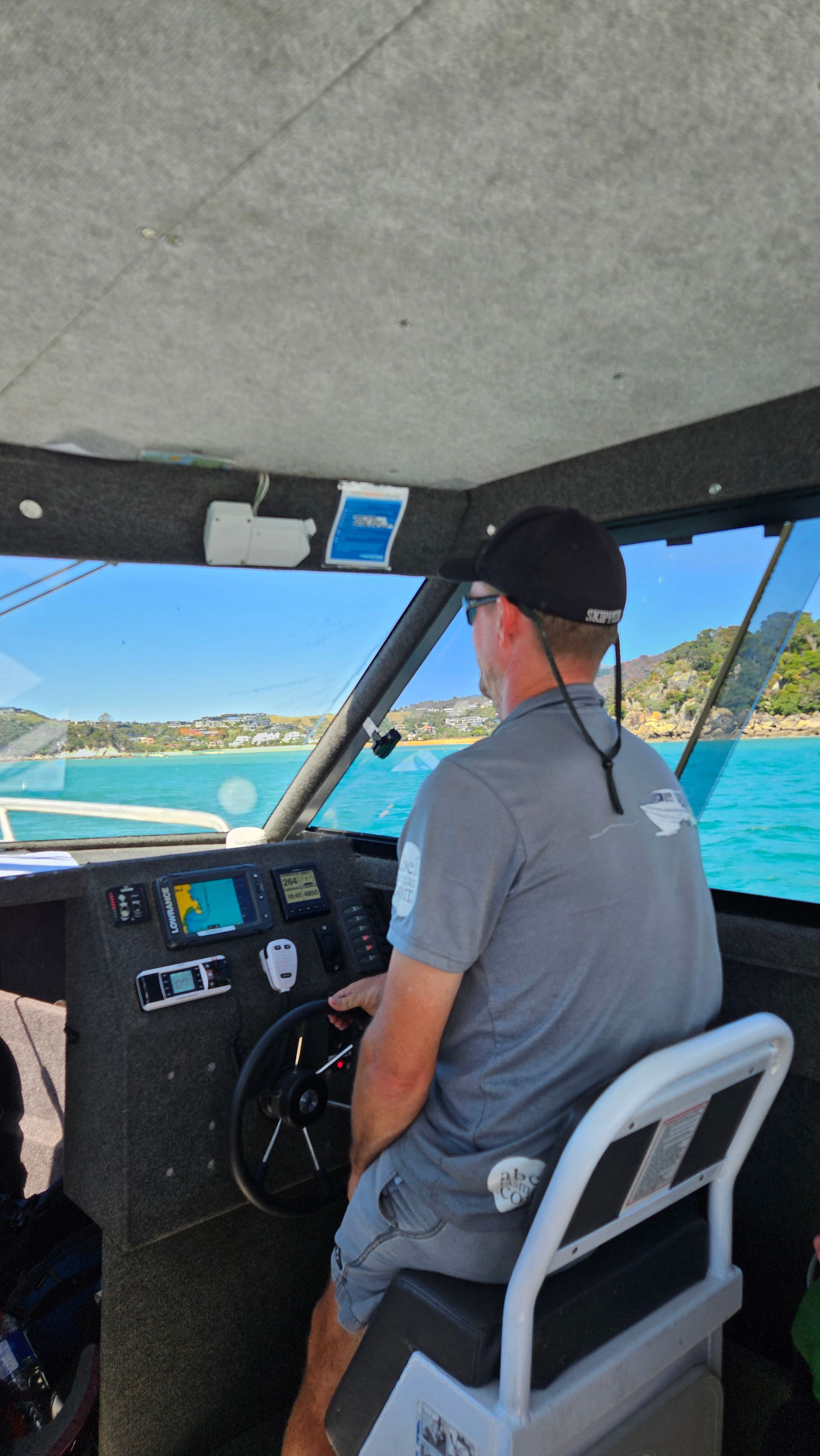
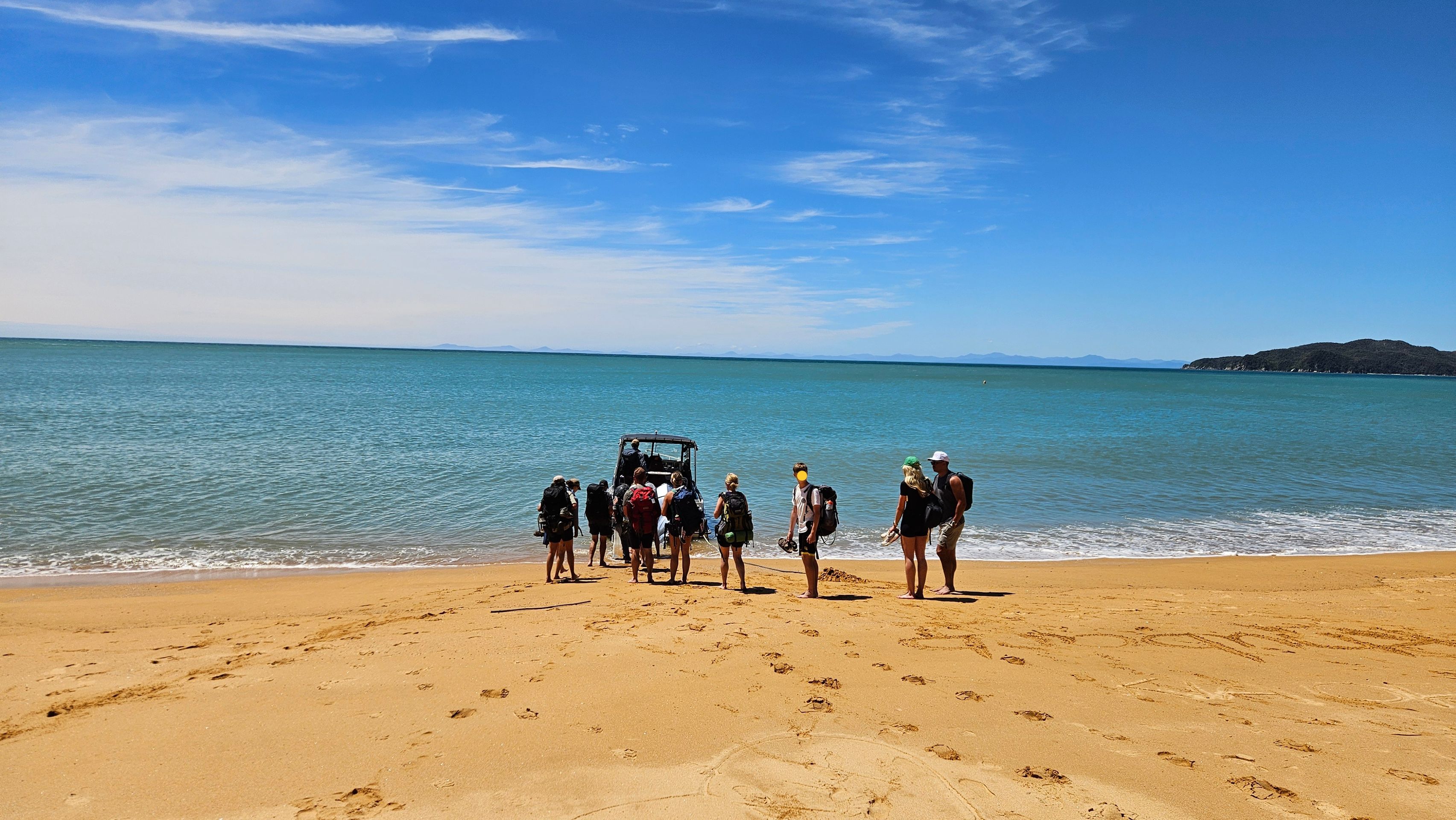
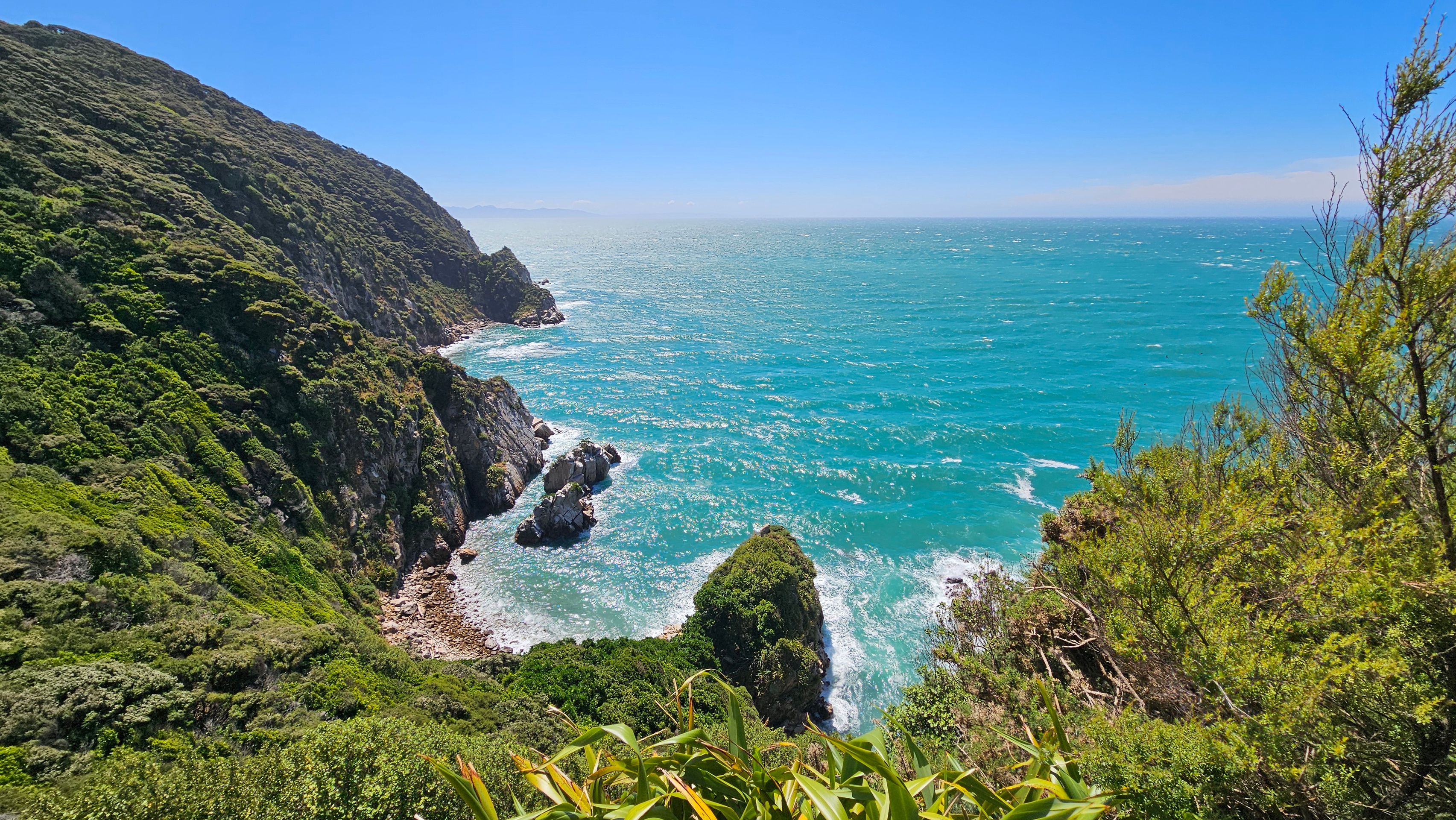
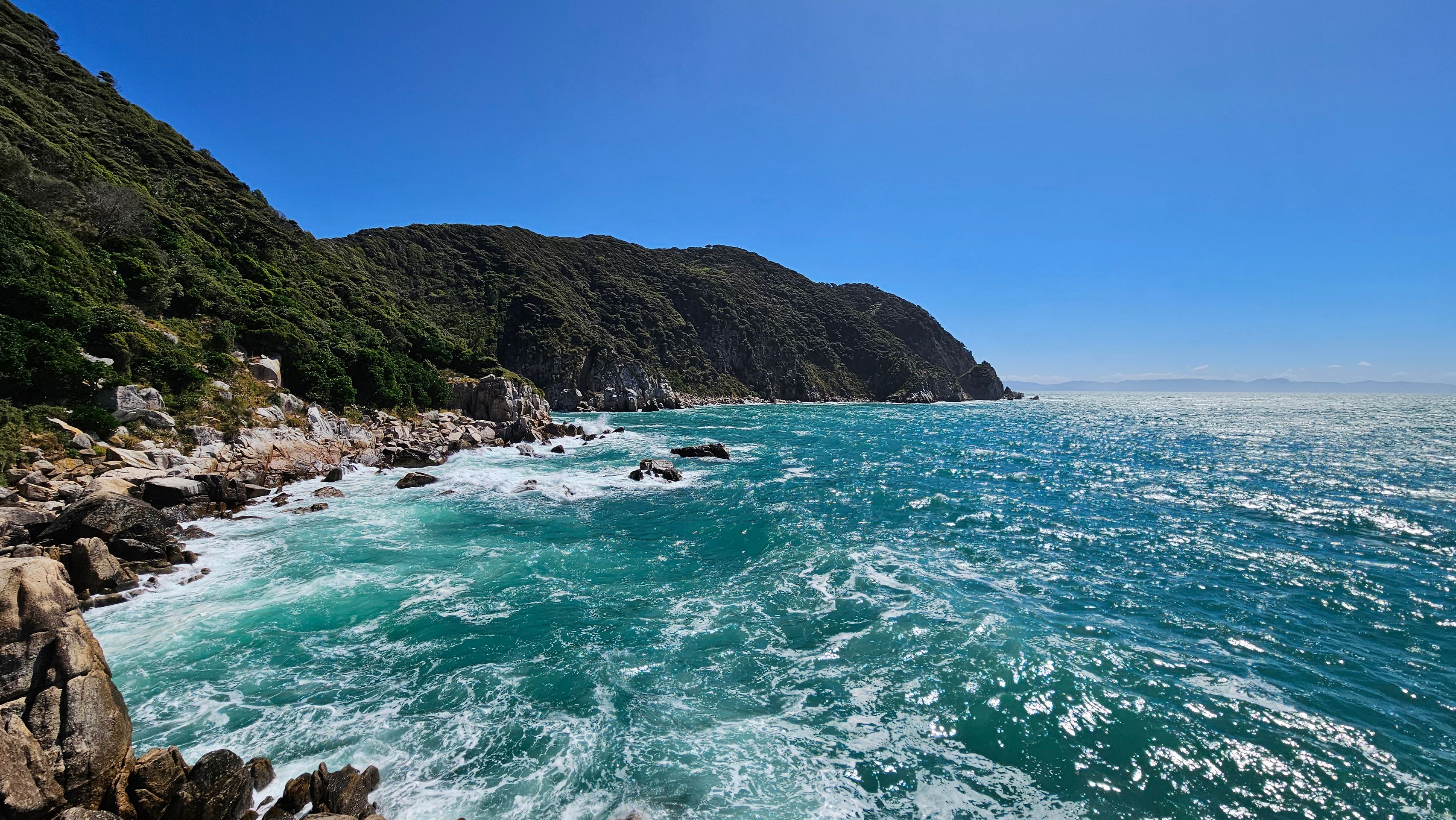
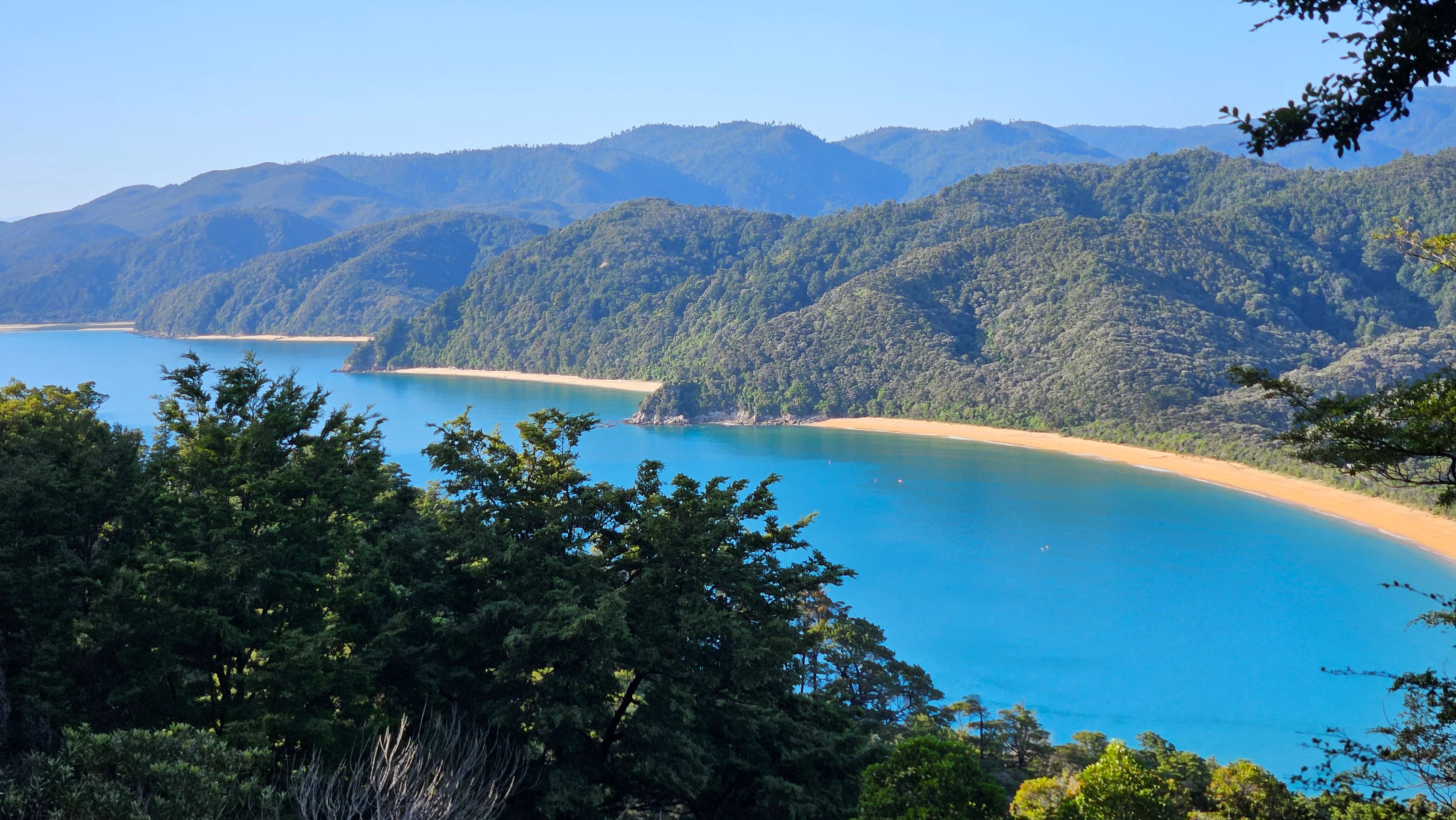
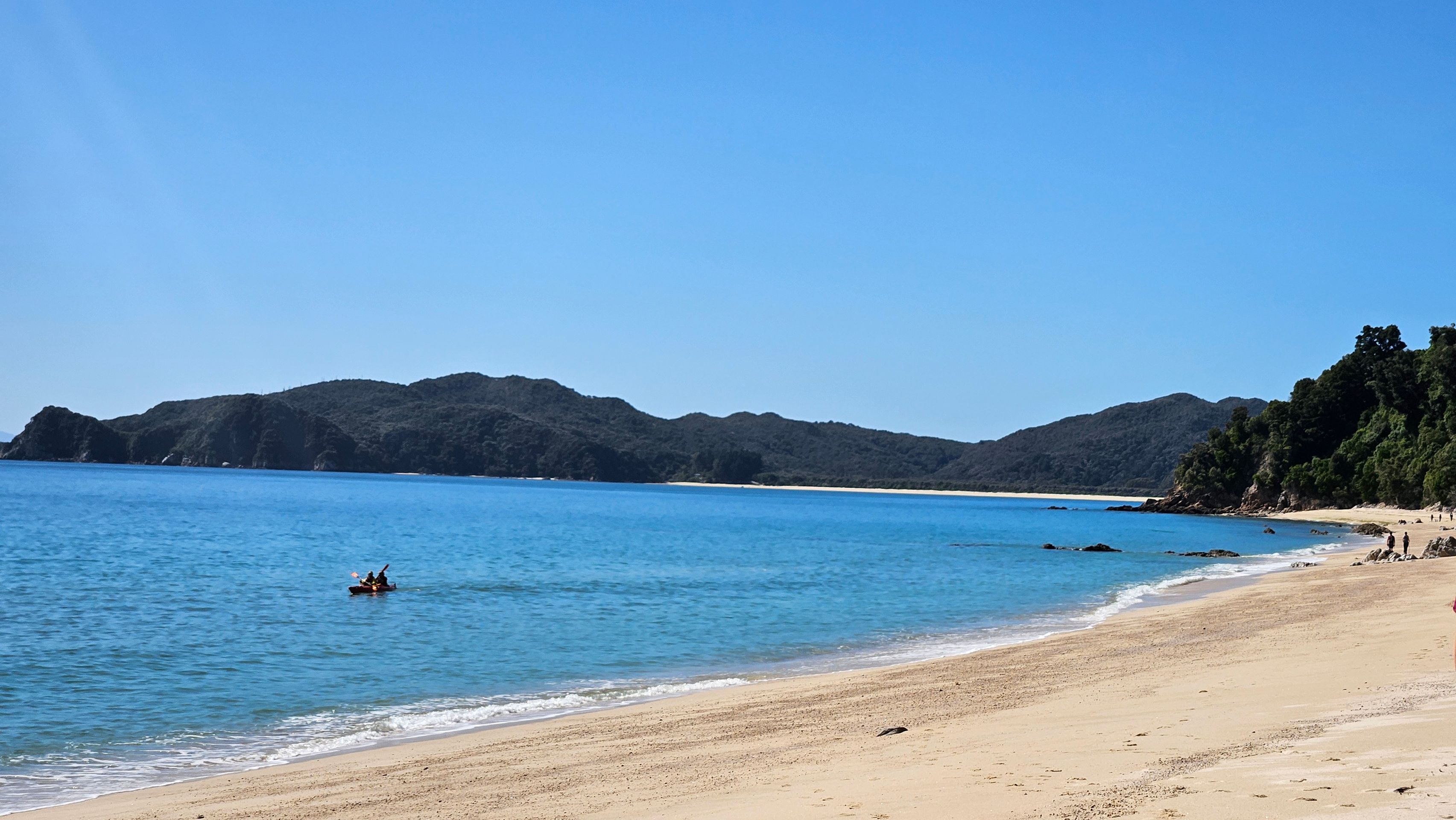
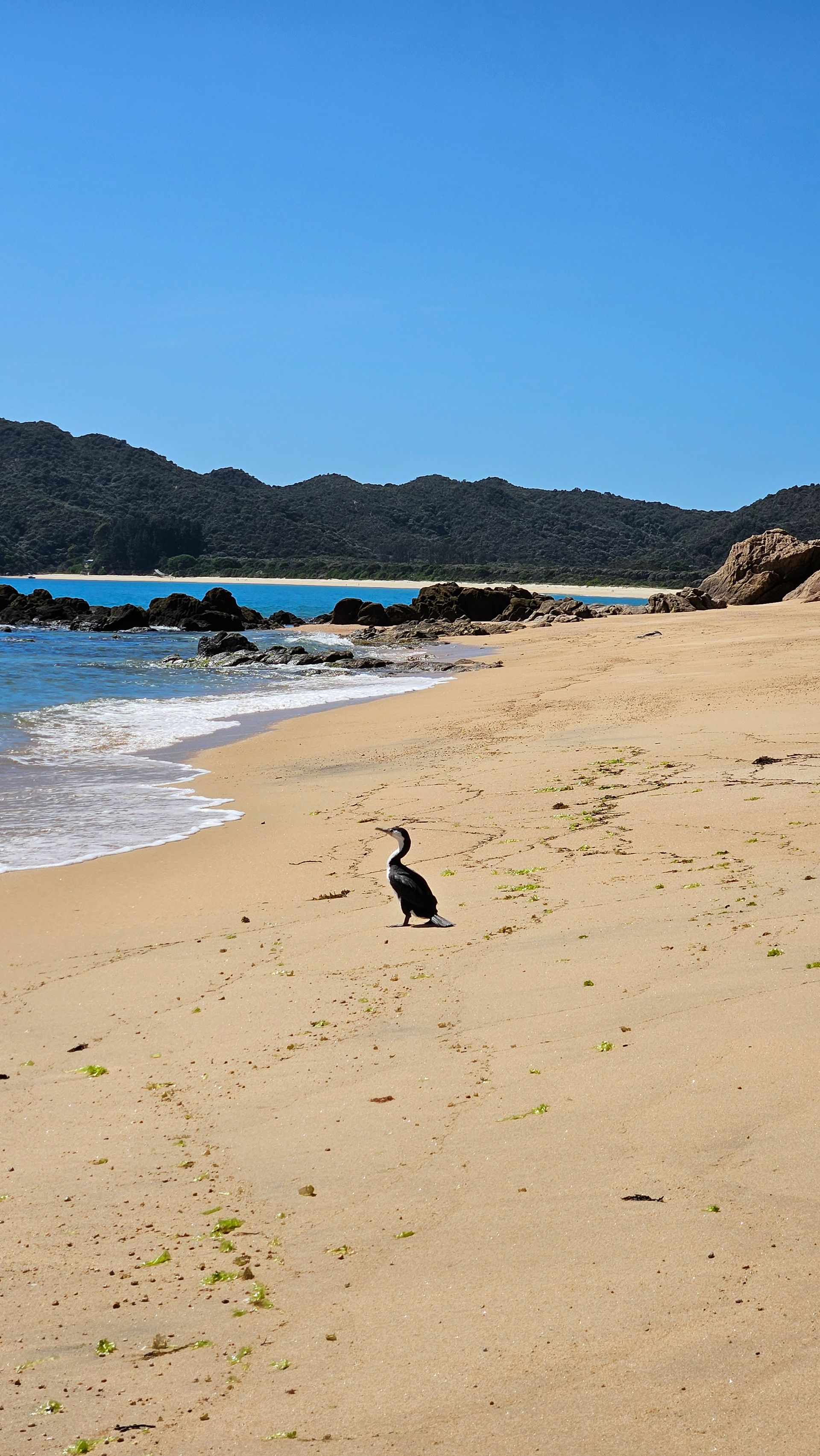
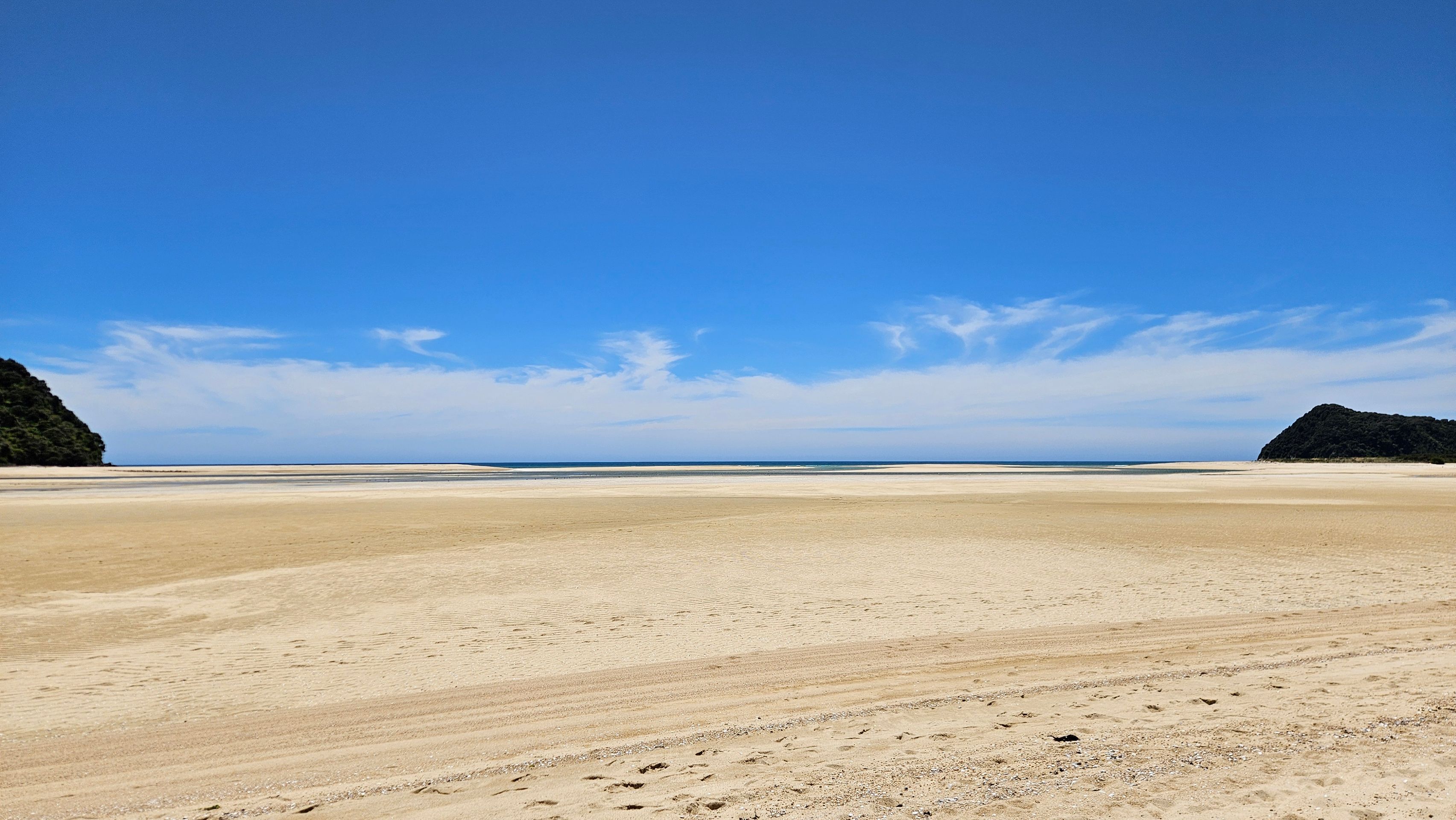
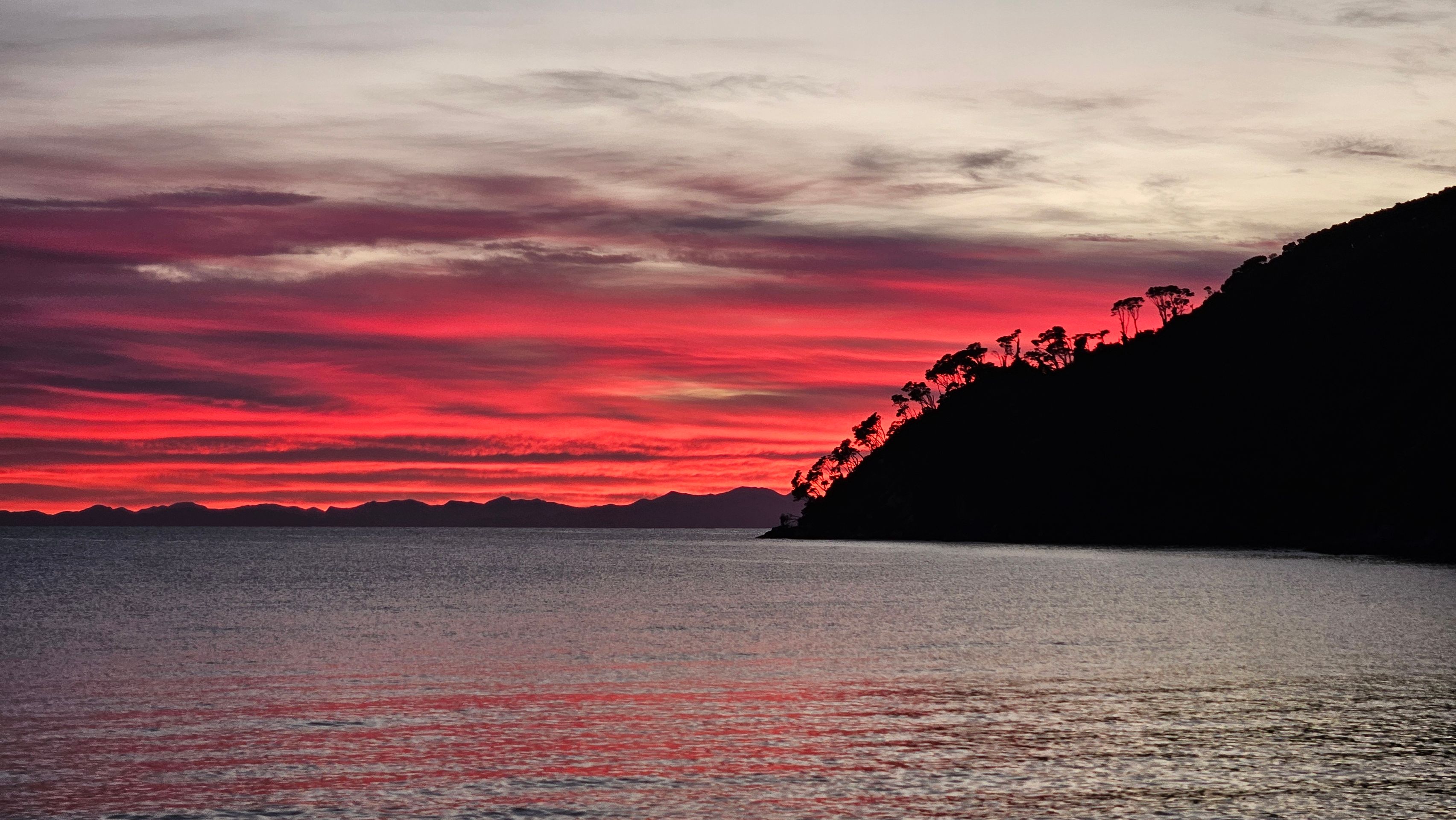
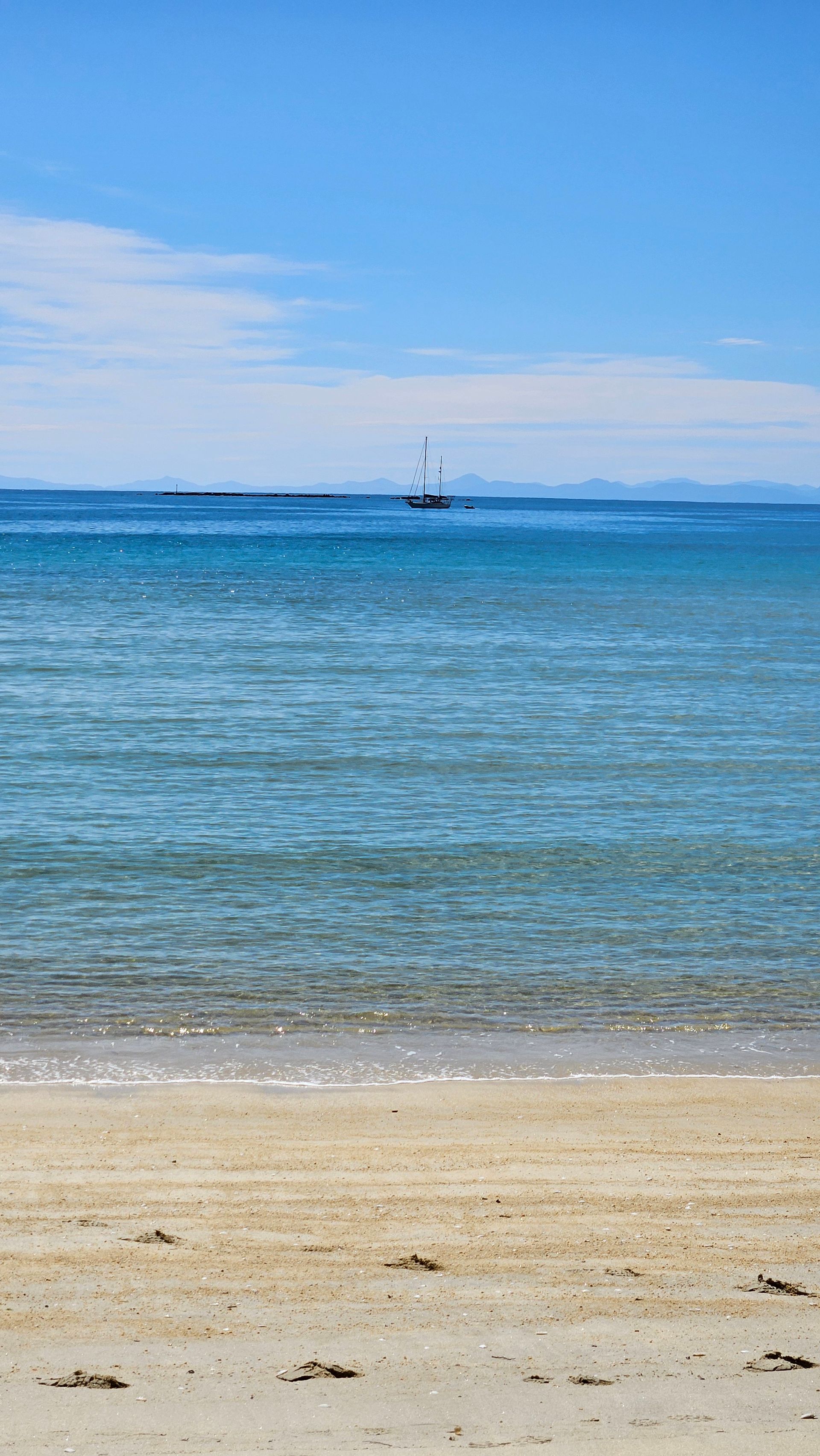
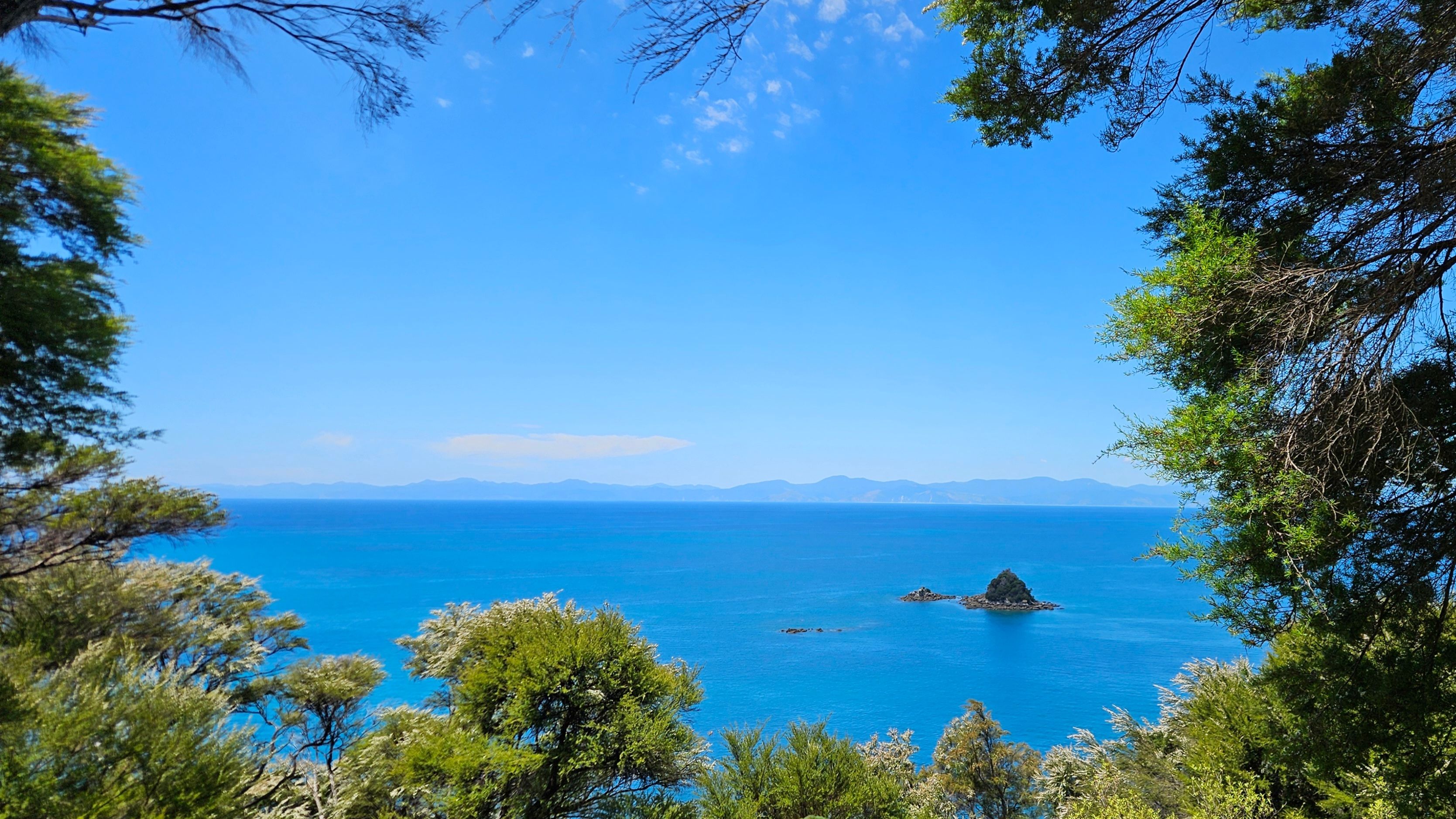
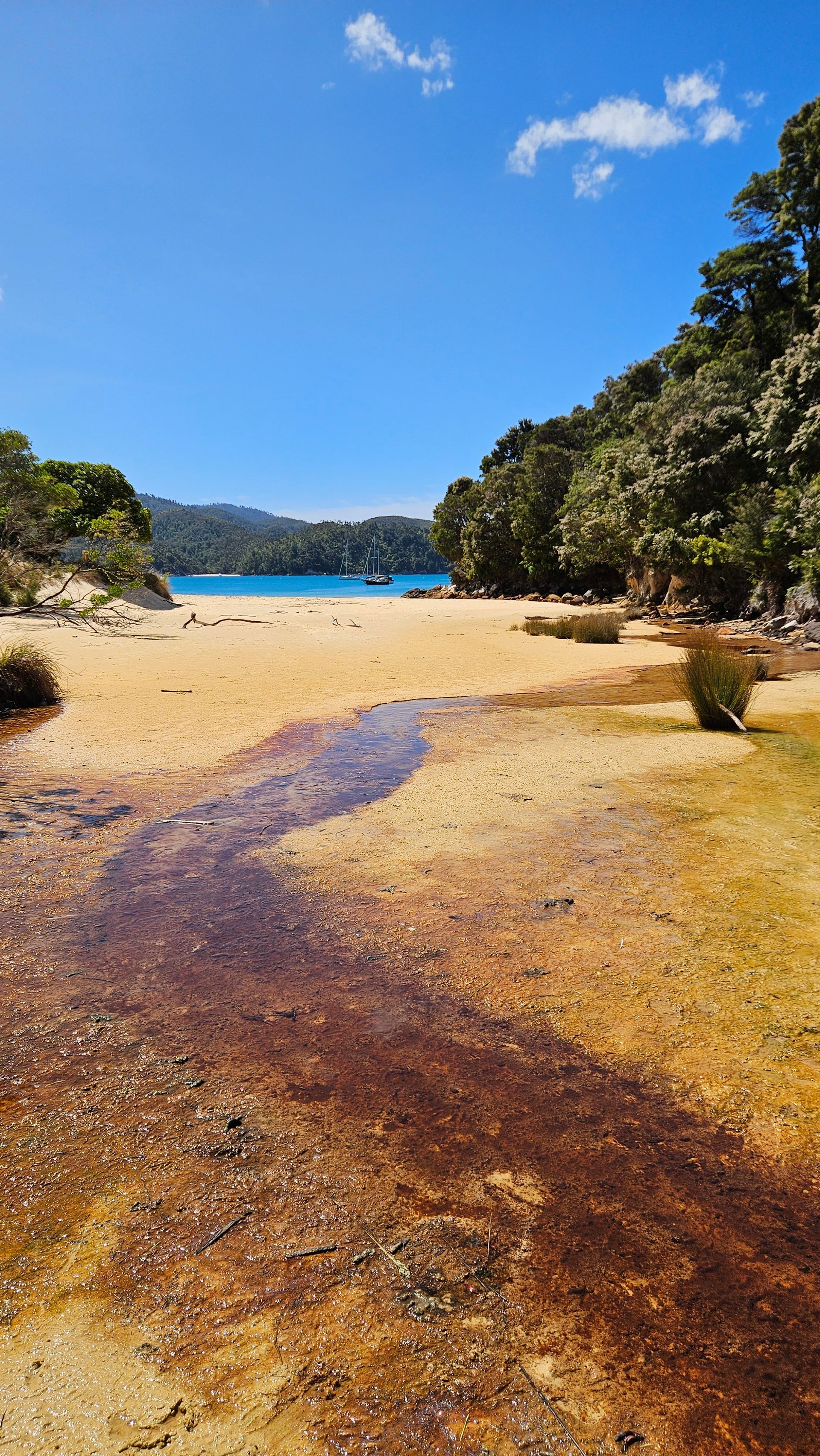
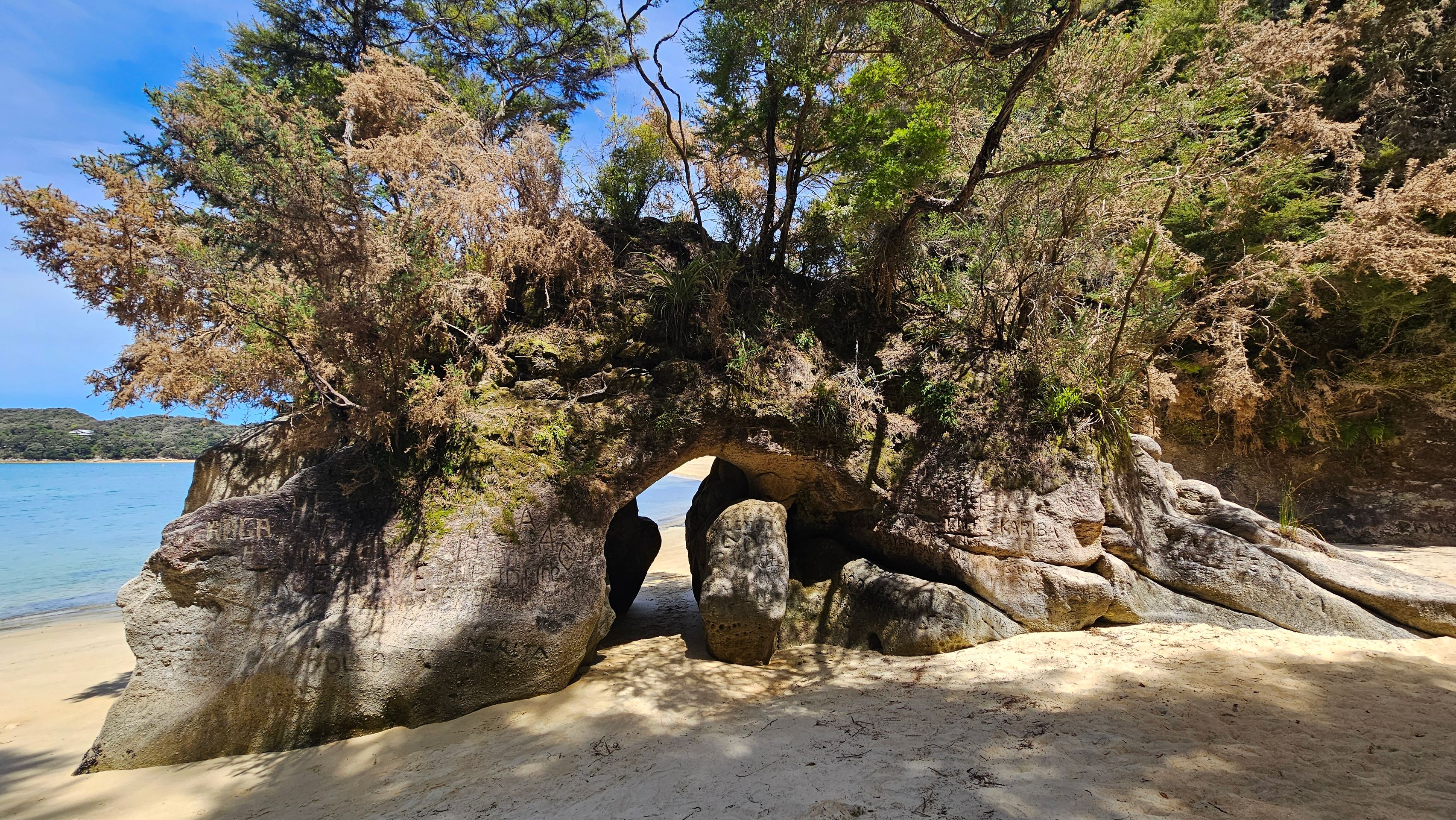
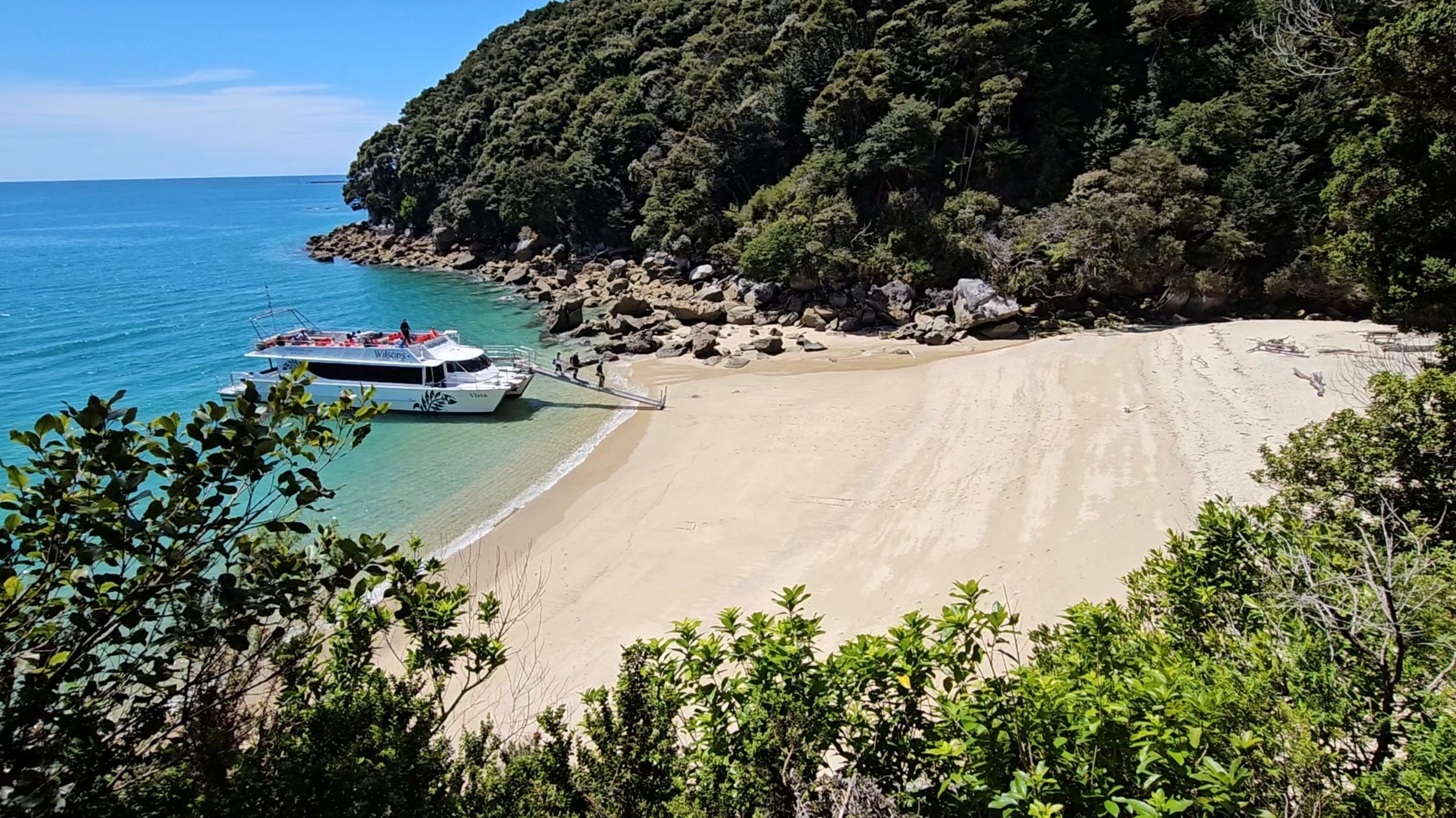
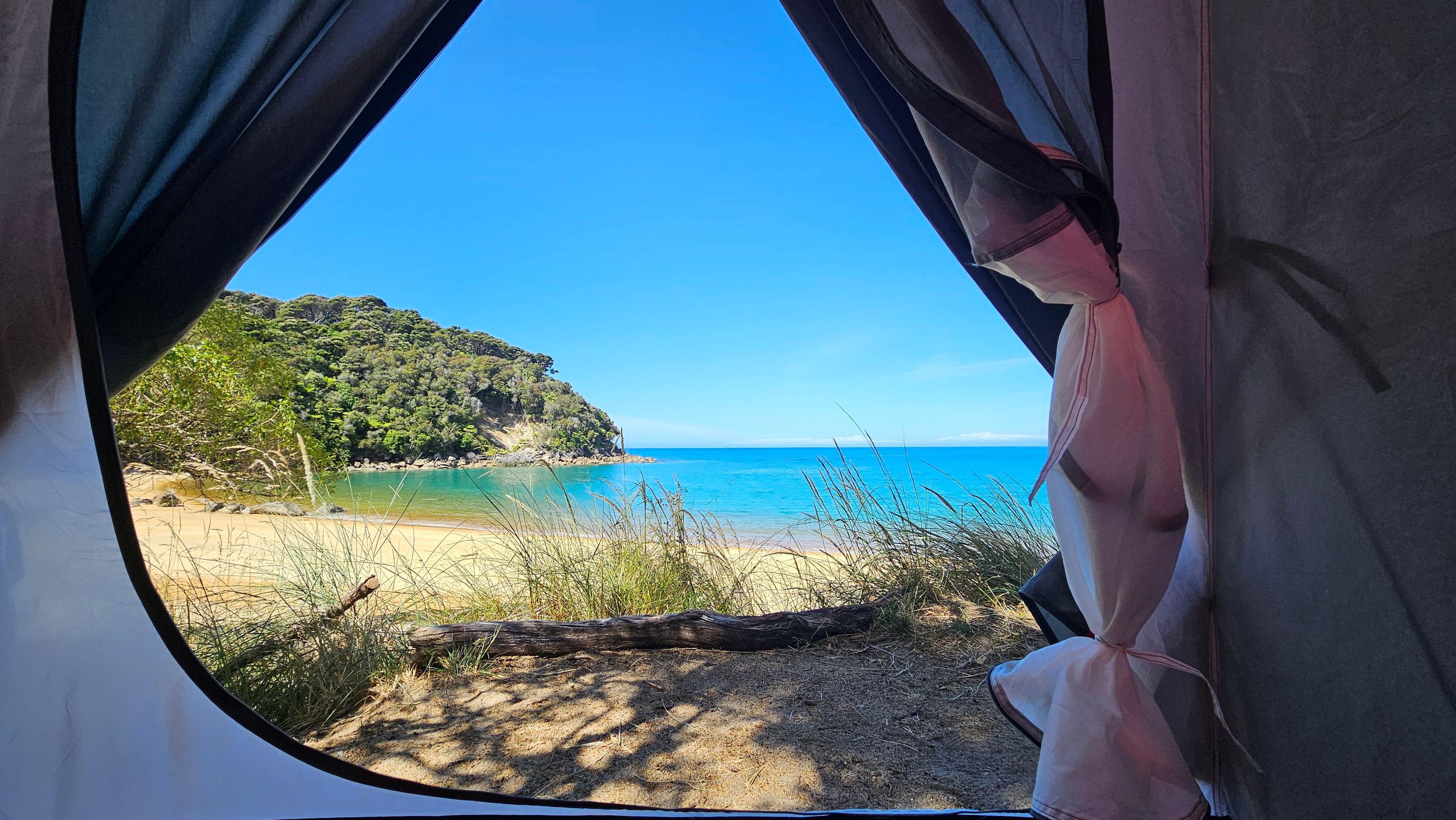
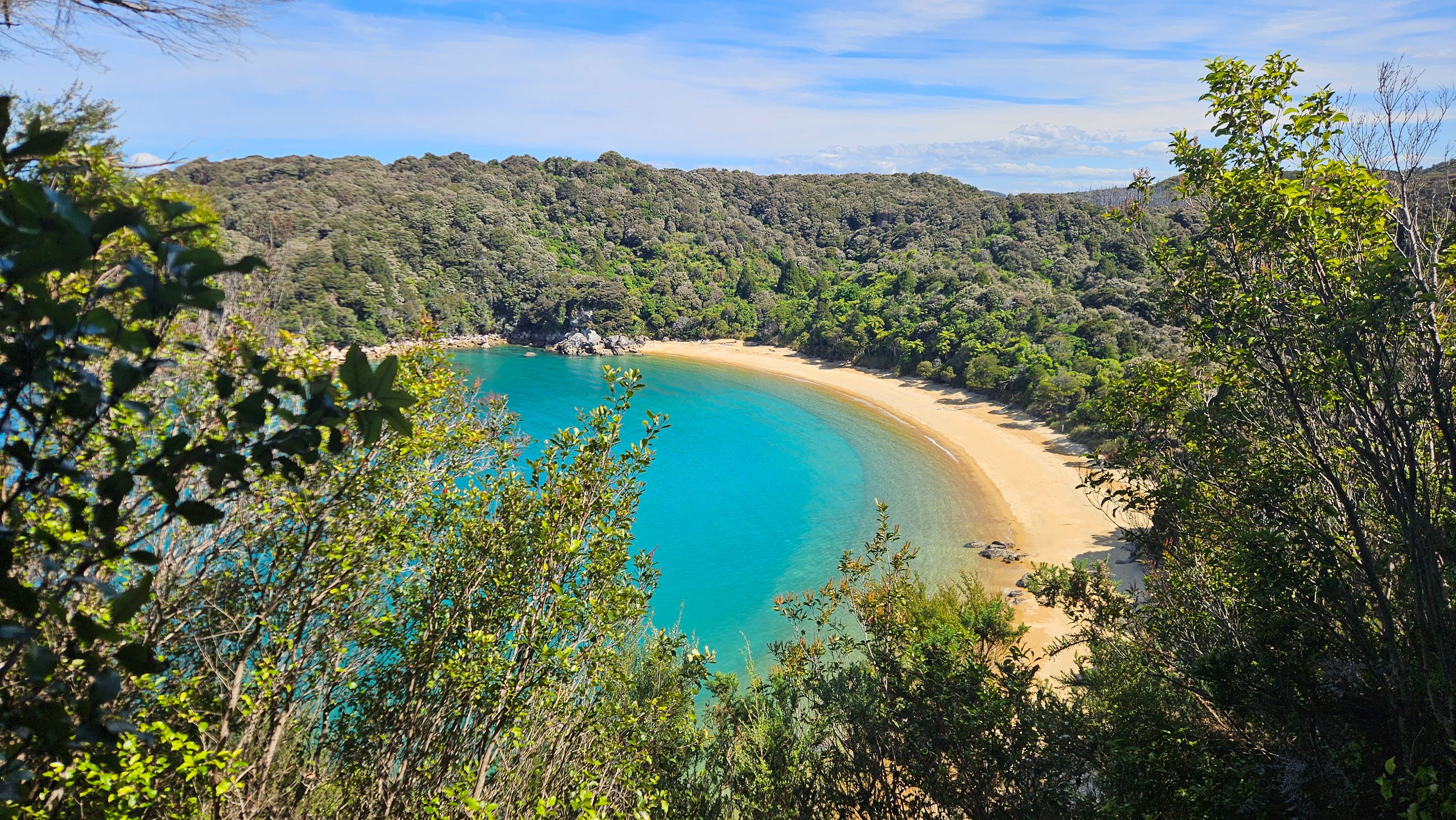
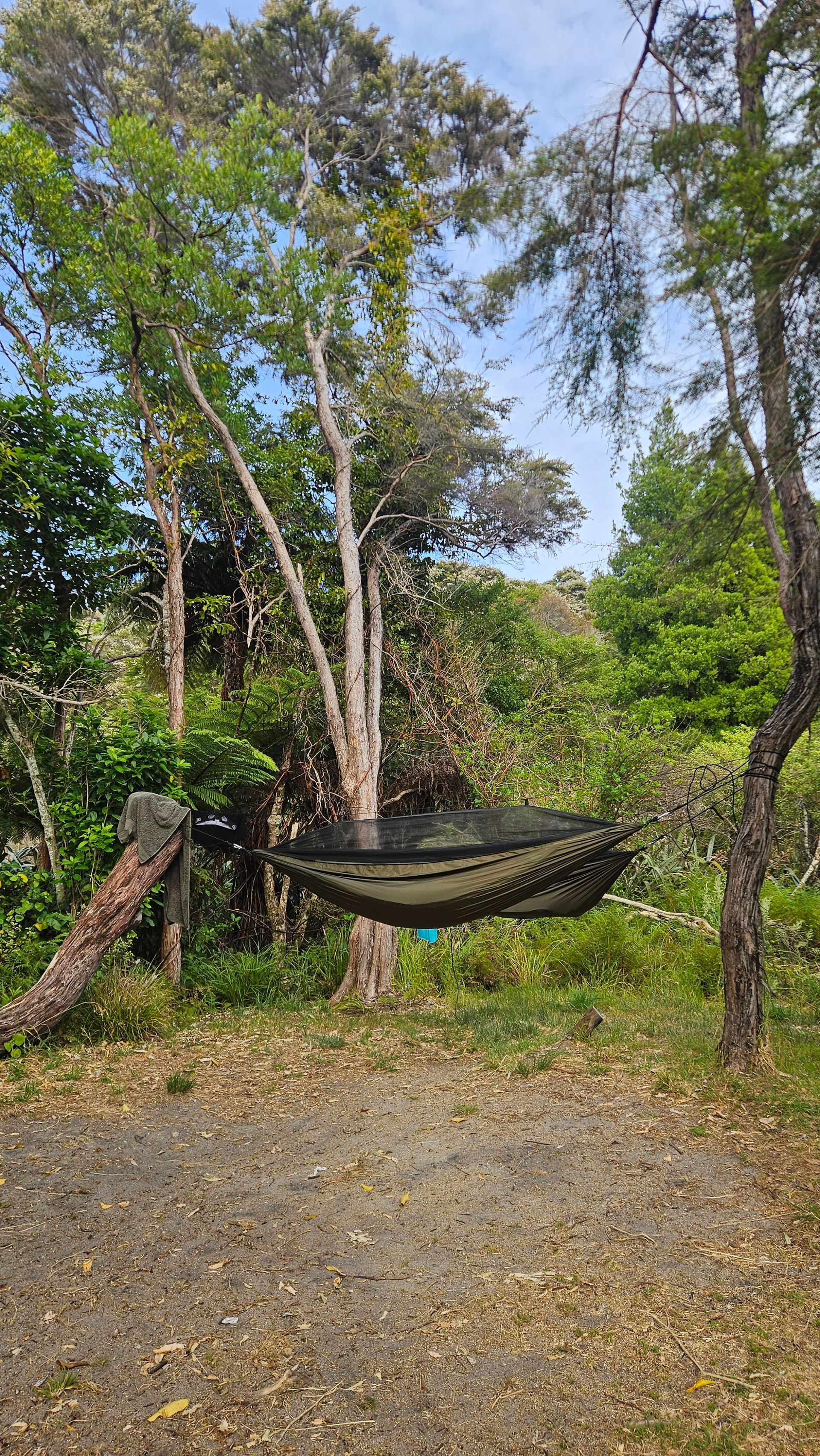
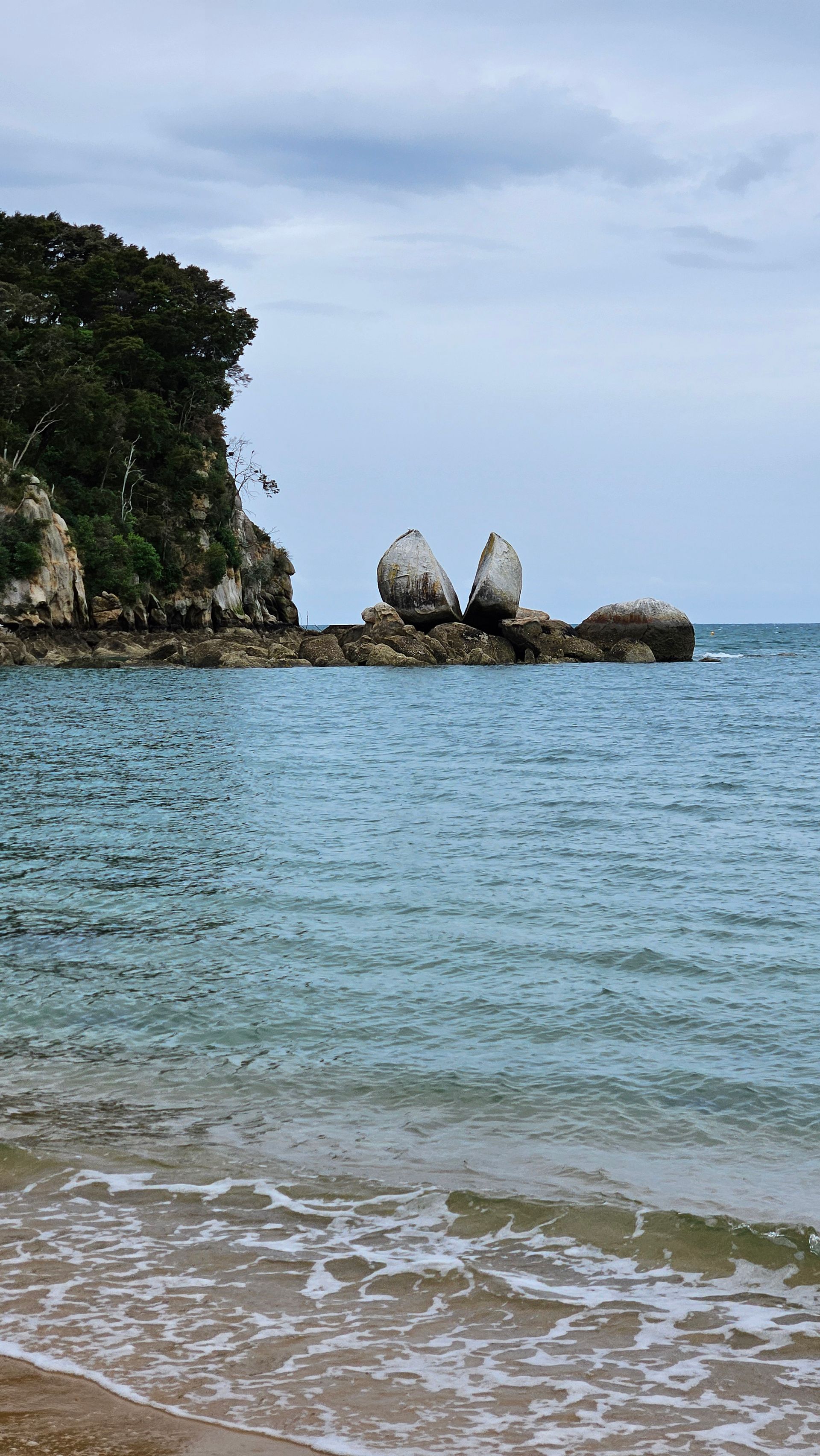
Day 1: I parked my car at the Abel Tasman Aqua Taxi parking lot in Mārahau and then wondered why we were meeting about 1km away from the harbor and how we would get there before departure. Shortly after, my question was answered when four men drove up with tractors, each towing a boat. We boarded the boats, sailed to the harbor, and were let into the water. That was already quite spectacular! Just like the journey to the different beaches where passengers were dropped off and picked up. The waves were quite large at times, so we hopped from wave to wave.
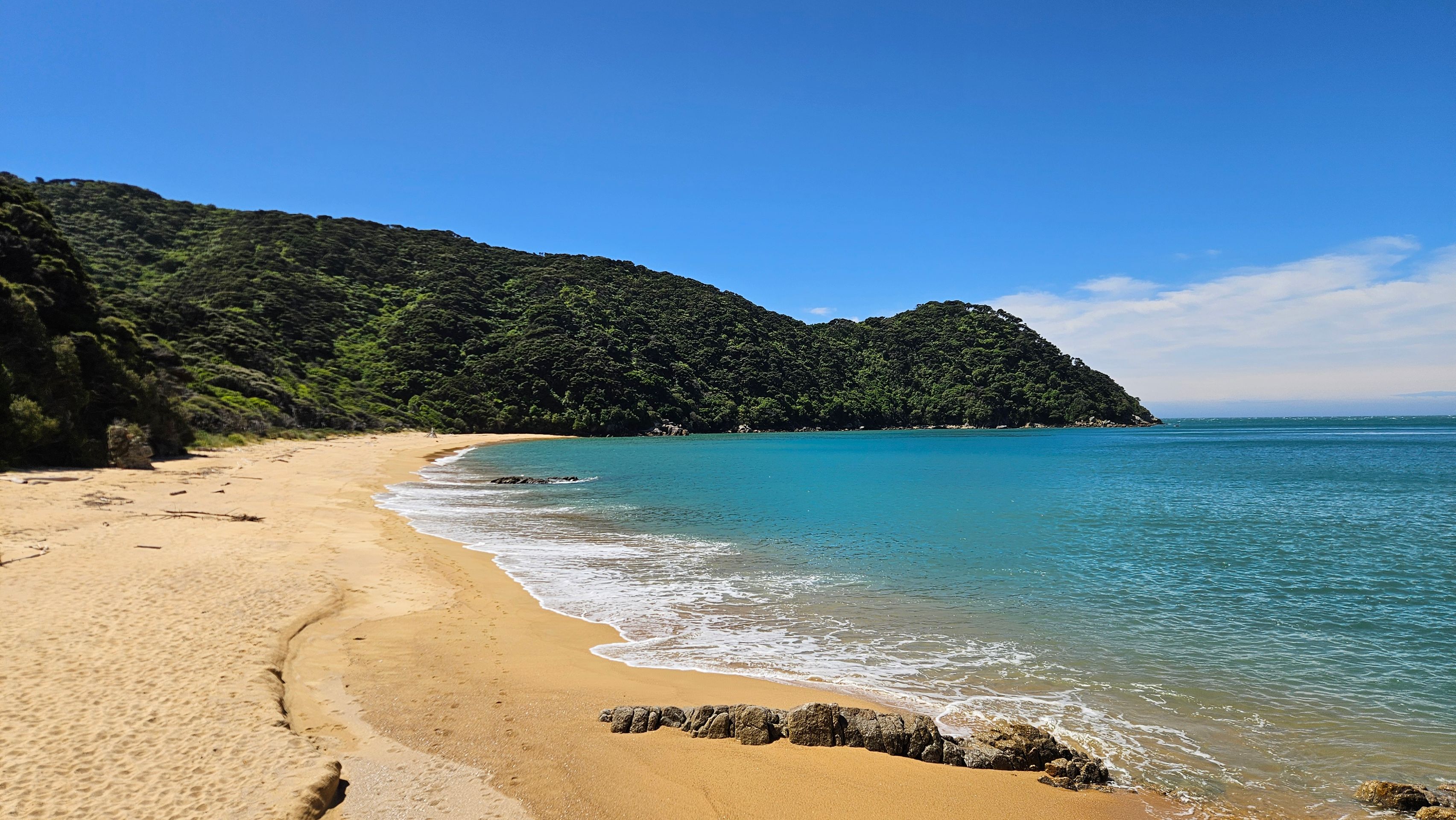
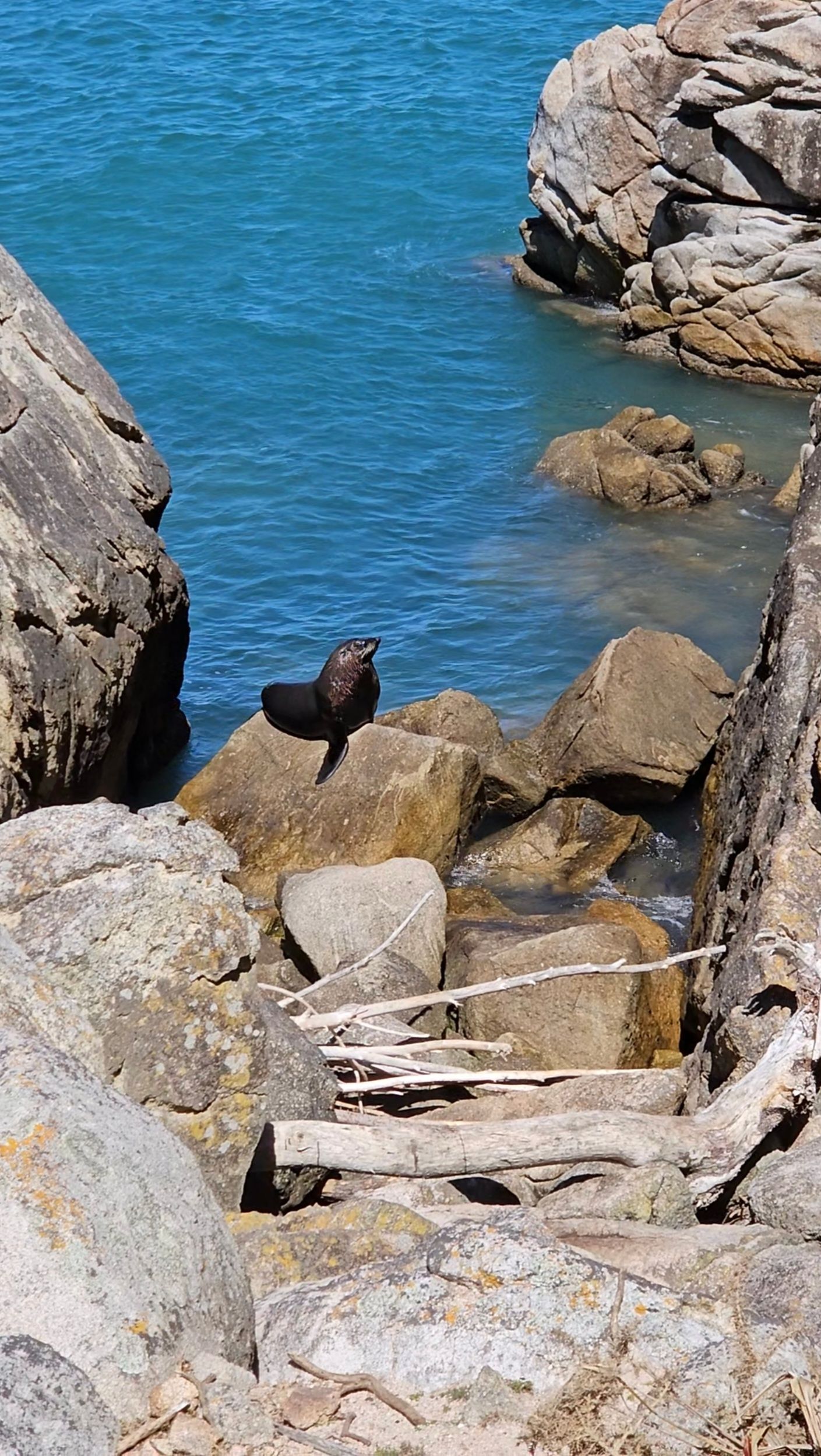
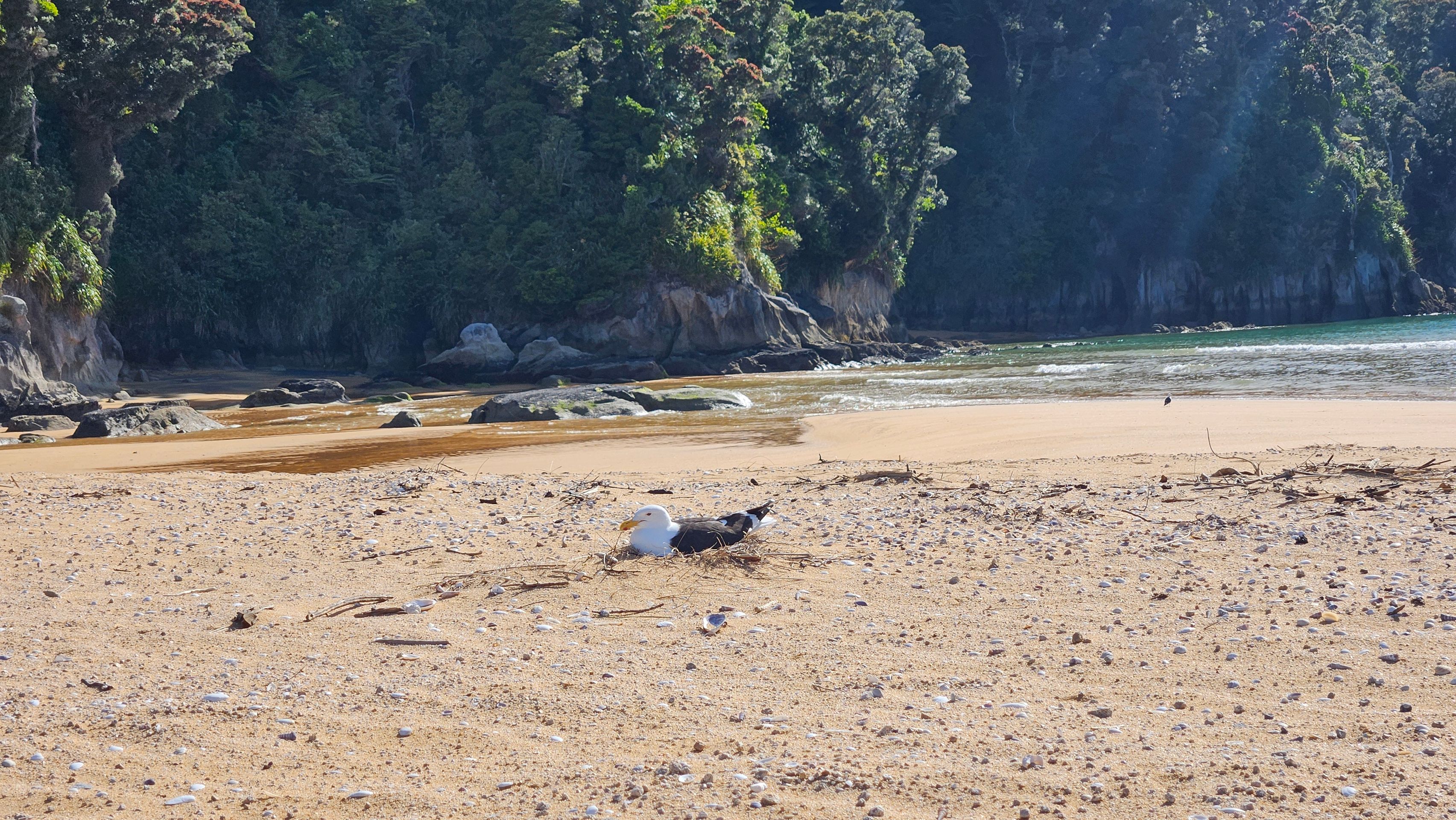
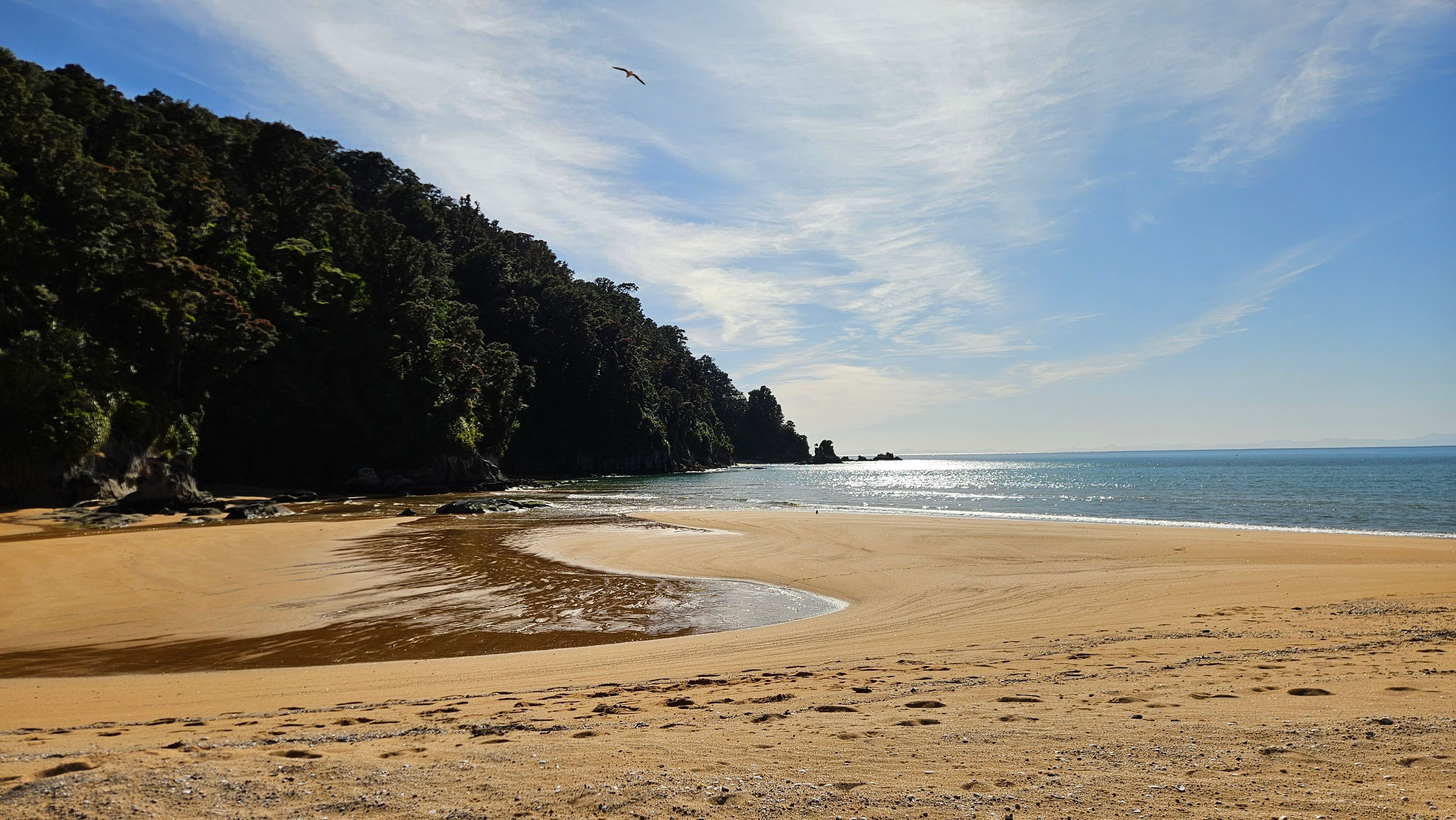
I was taken to Tōtaranui, not the northernmost point of the track, but the northernmost point that the water taxis are allowed to reach. From there, I hiked about 1 hour north to Anapai Bay, set up my tent, and left my backpack there before hiking without luggage to Separation Point, the northeasternmost point of the national park. There, I observed a few seals and on the way back, I took a refreshing dip in the sea at Mutton Cove.
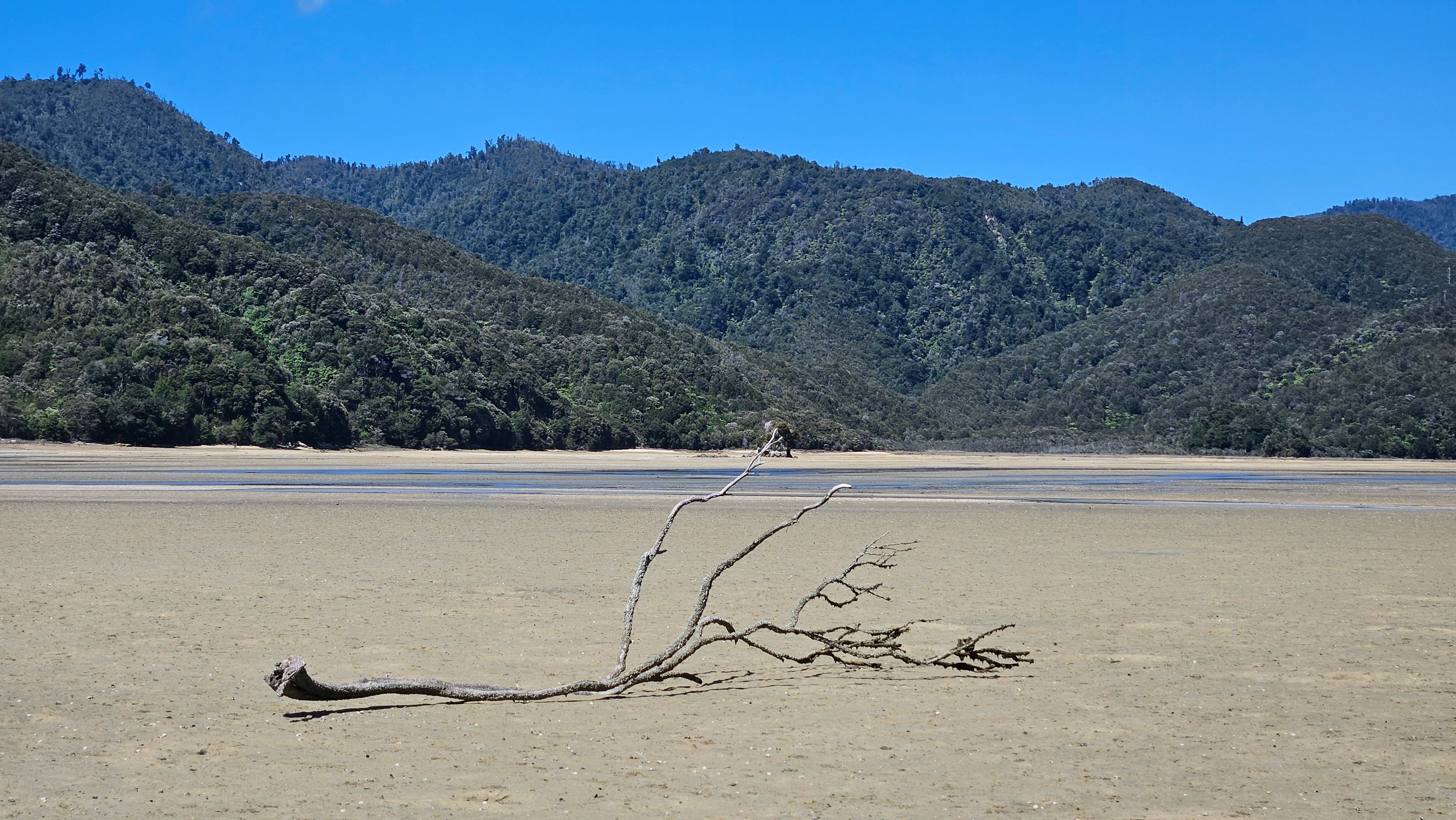
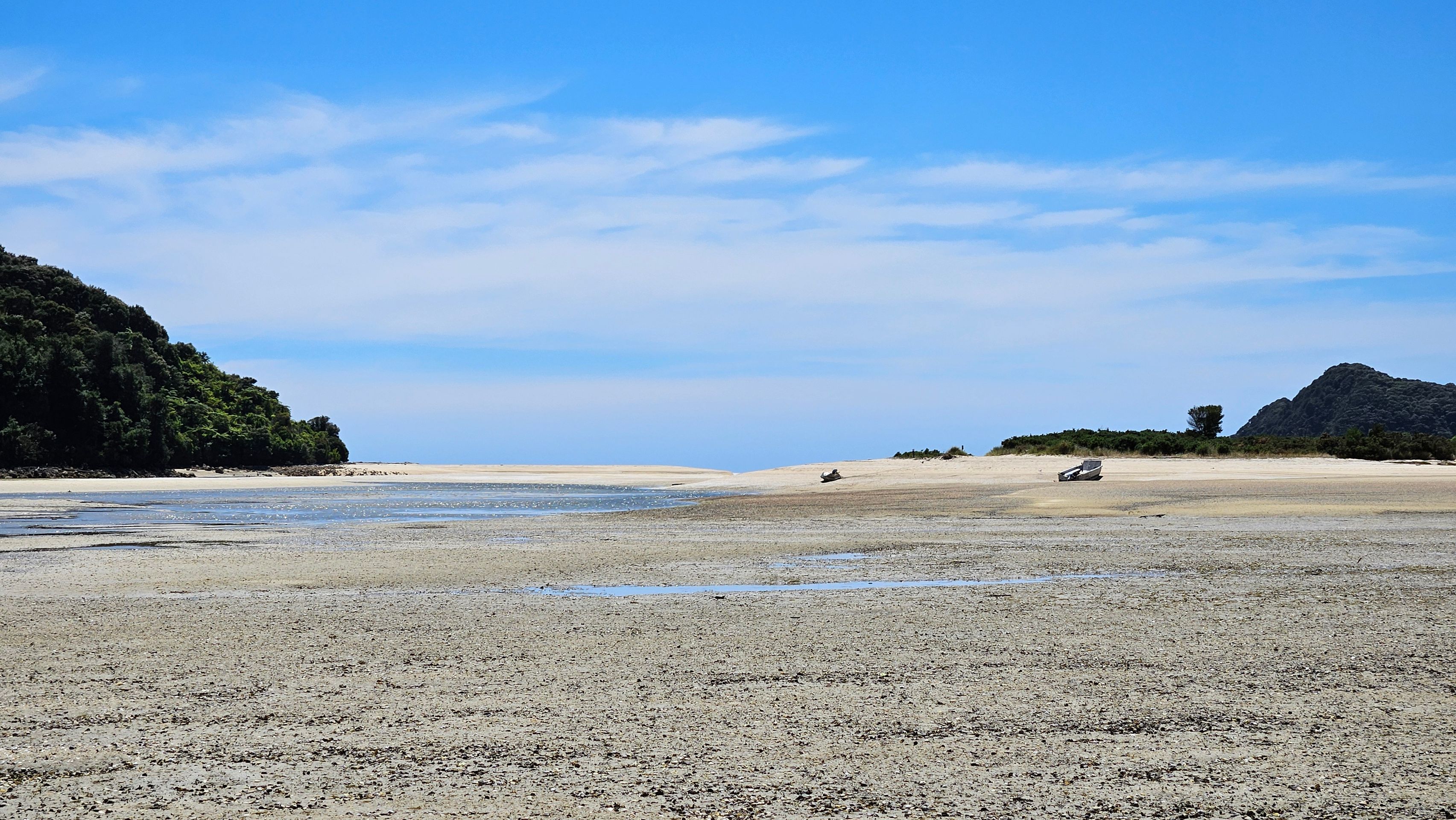
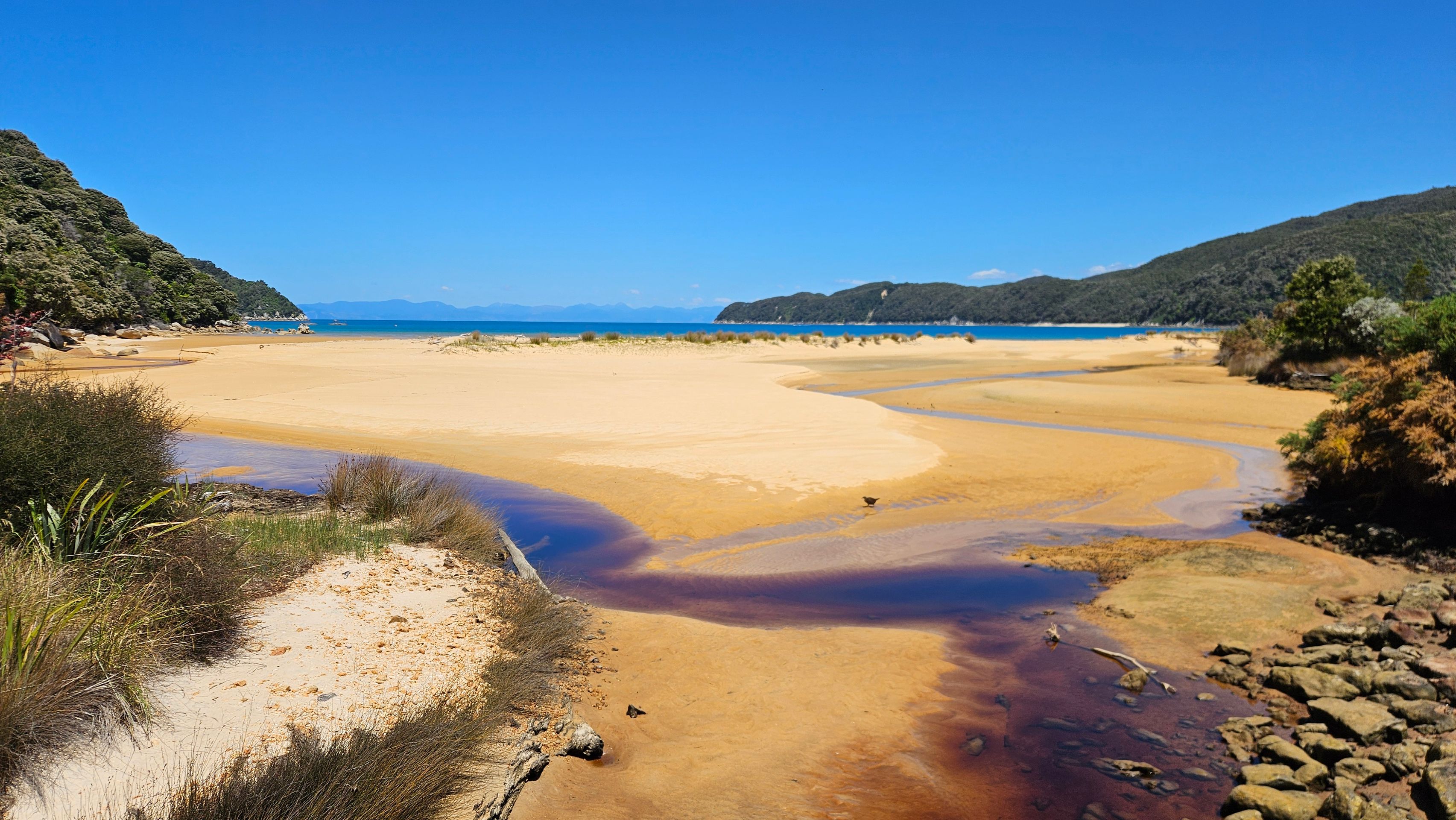
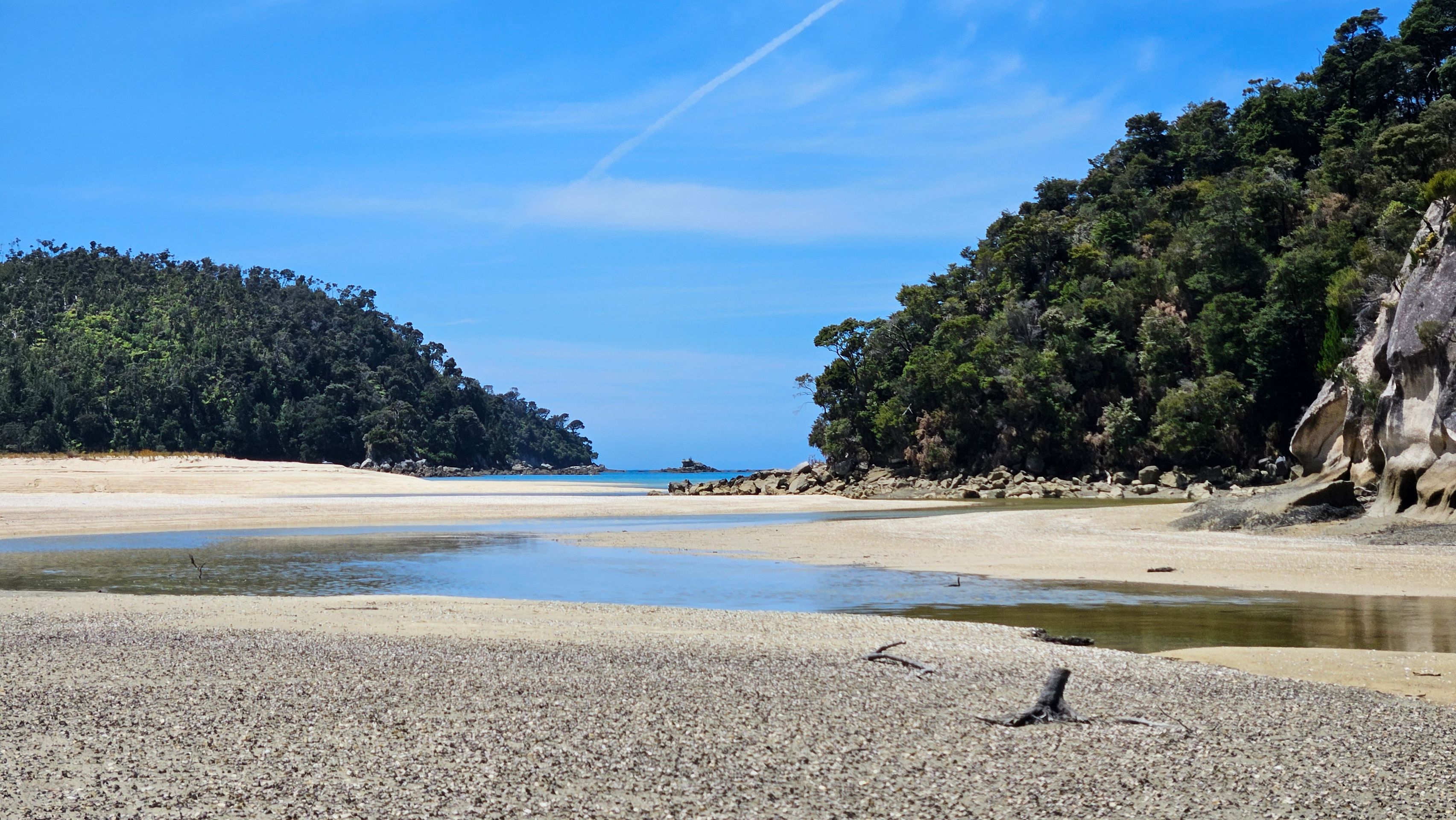
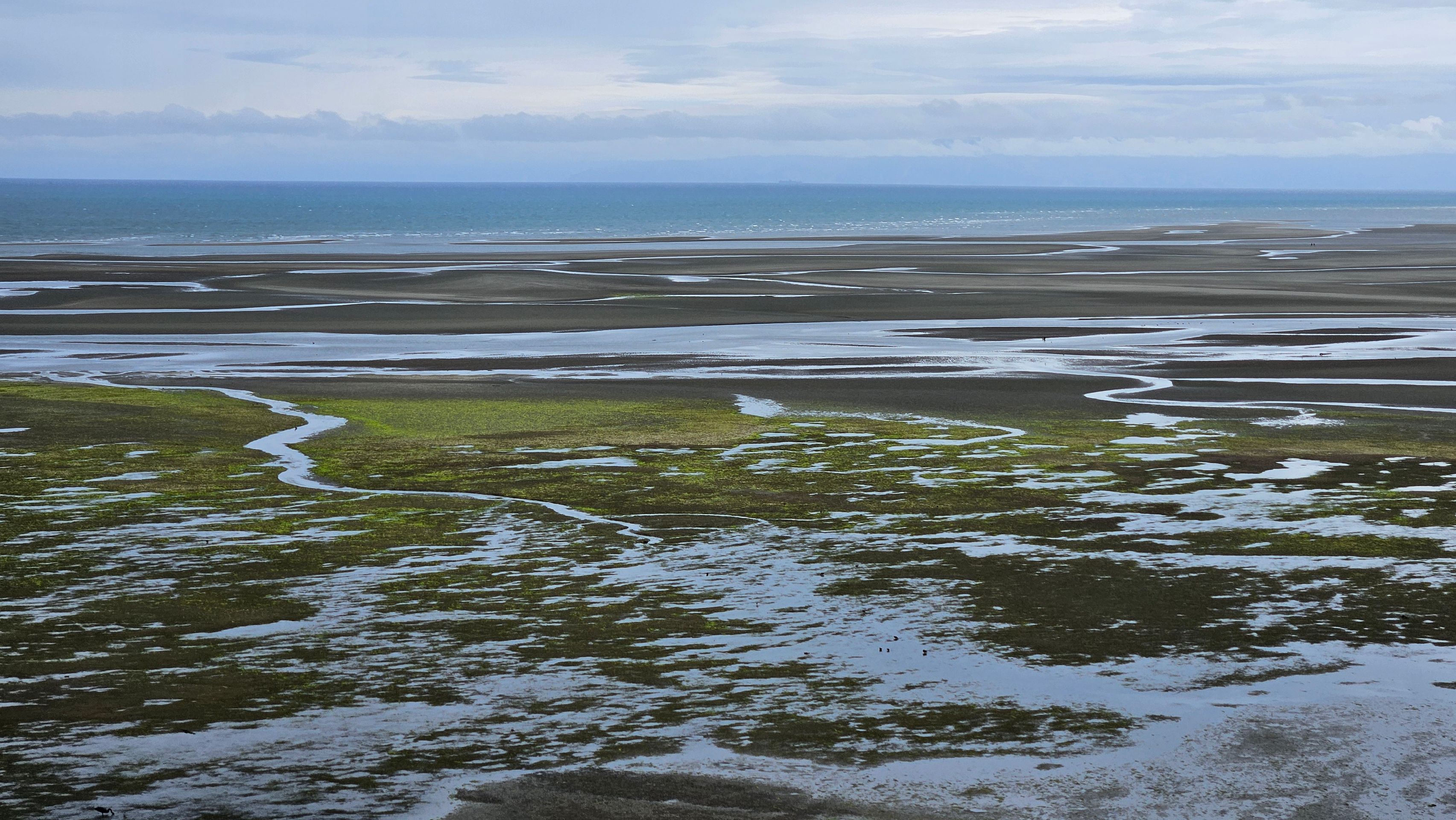
Day 2: There were about 20km and 7 hiking hours between Anapai Bay and Bark Bay, where I planned to spend the night. The critical point was the Awaroa Inlet, which can only be crossed 2 hours before and 2 hours after low tide, and it is the only inlet that has no path around it. Low tide was at 11:35 am, so I had to be there by 1 pm at the latest to have half an hour for the crossing. And I needed to plan about 3 hours from Anapai Bay to the Awaroa Inlet.
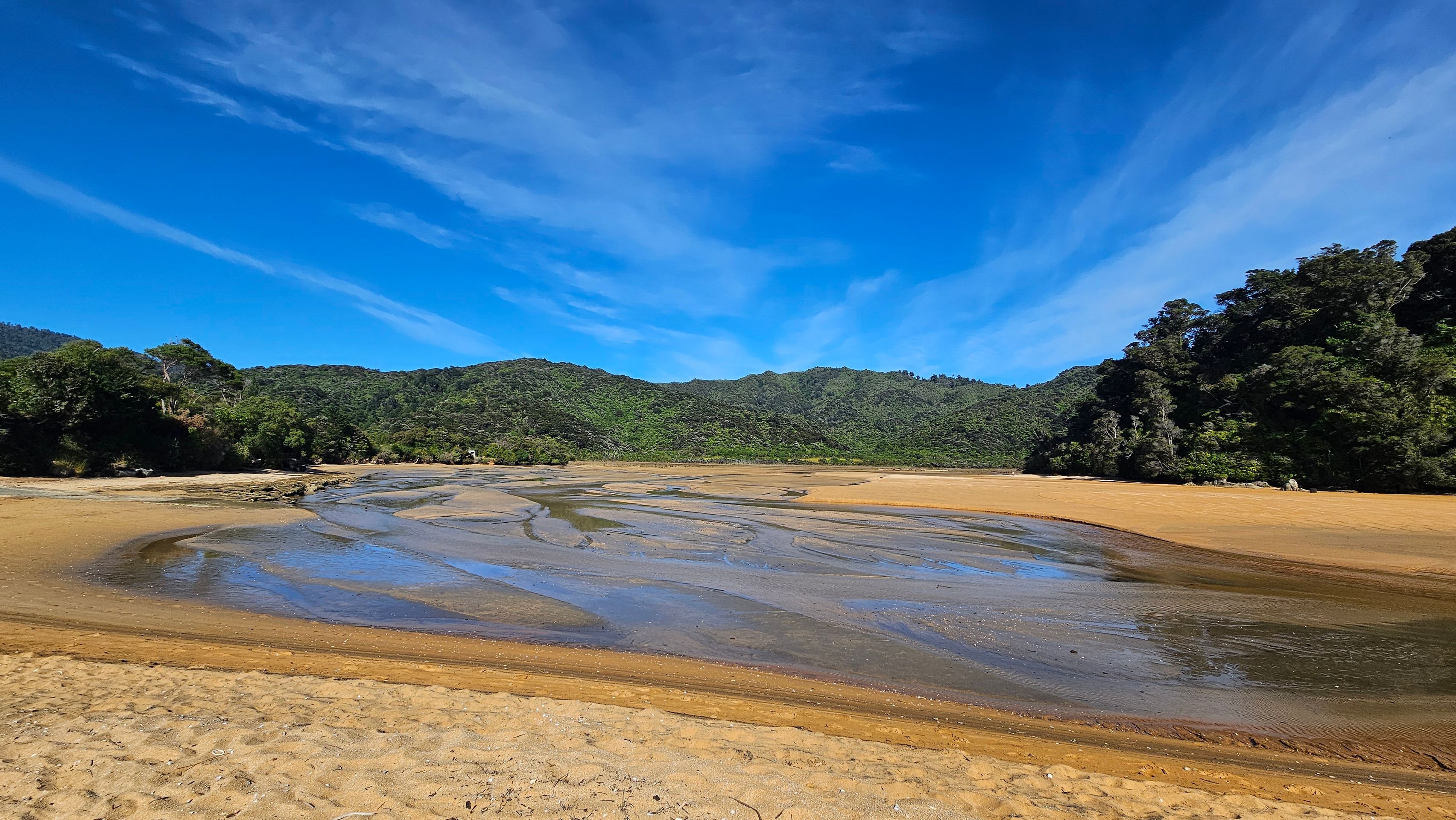
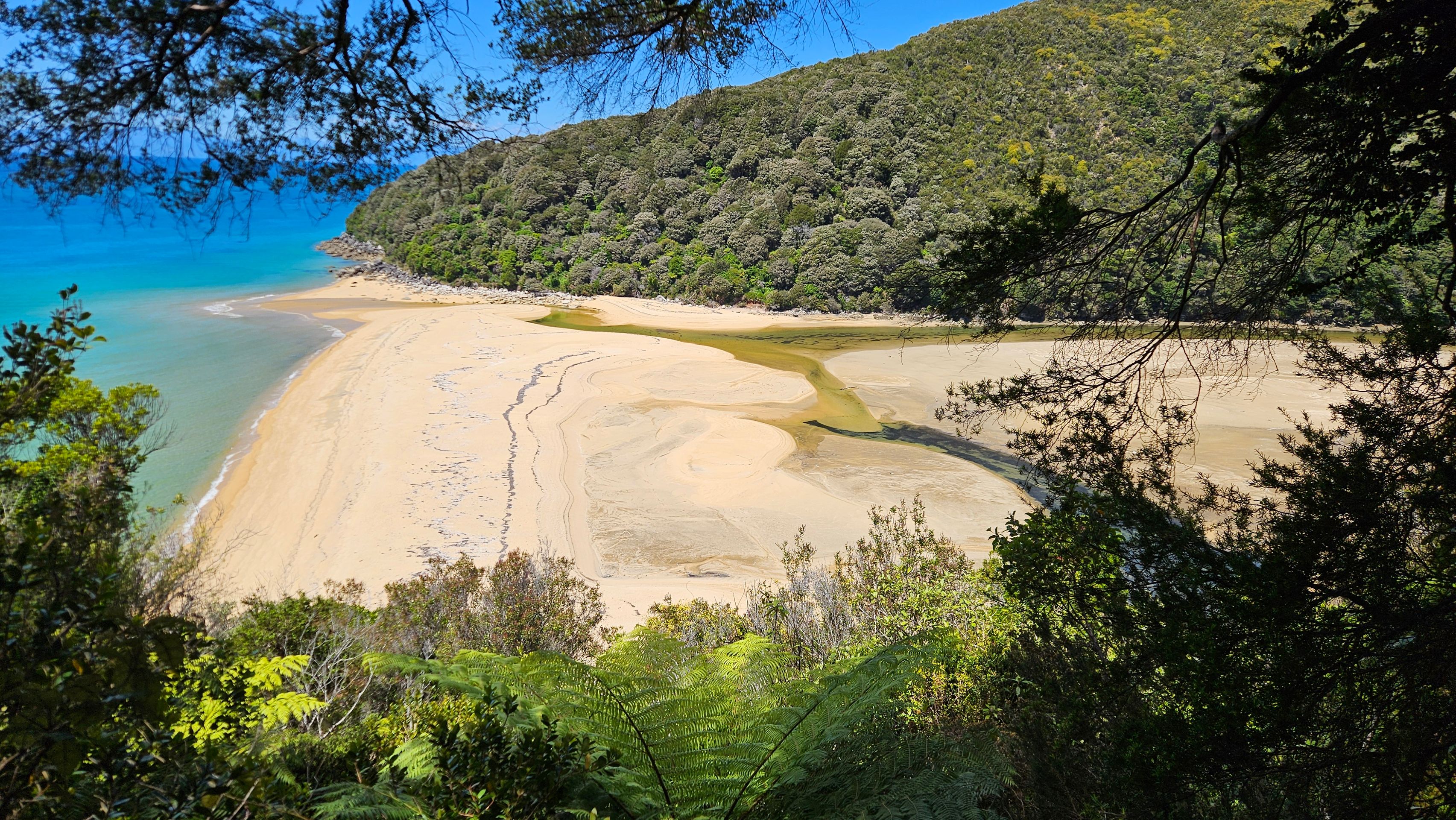
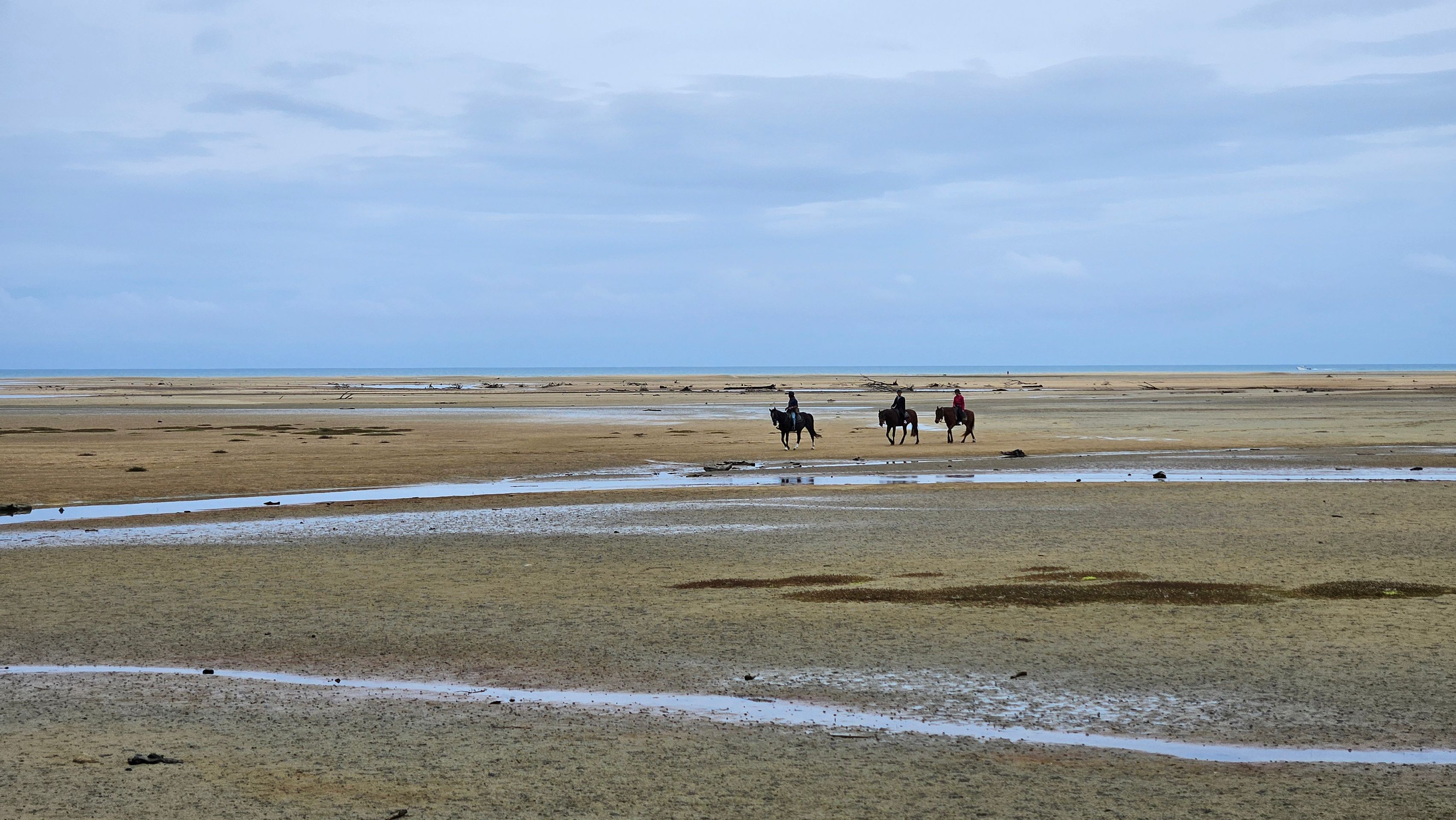
It was practical that I could save 1.5km on the way from Anapai Bay to Tōtaranui. I arrived at the tidal arm of Tōtaranui within the two hours before low tide and didn’t need to walk around at that point. I also reached the Awaroa Inlet quite on time and found the tidal crossing really exciting! On one hand, the time pressure was gone, and on the other hand, you walk through mud for 30 minutes, over fields with shells, and through several smaller river arms, the sun was shining, and everything looked just beautiful!
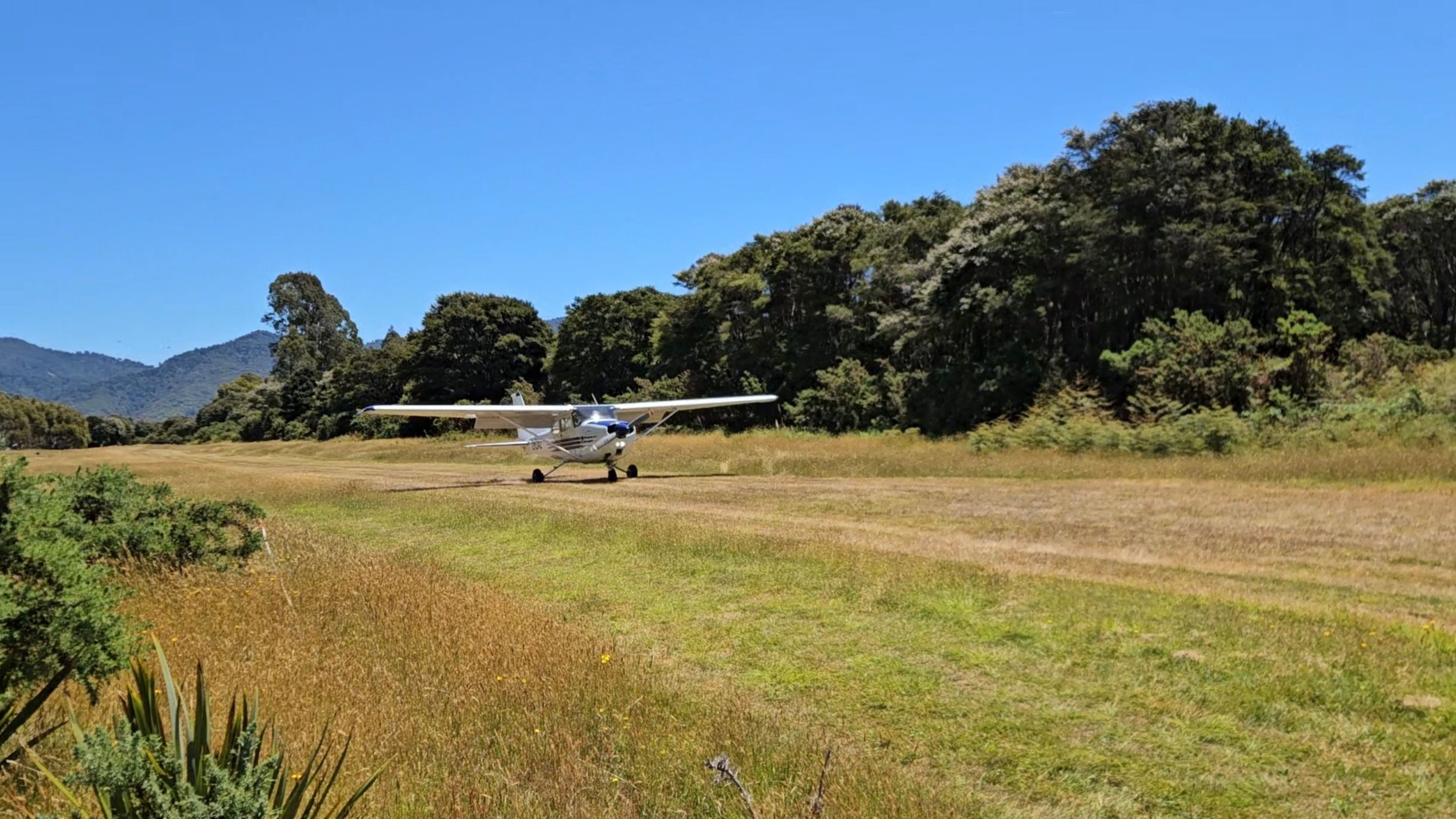
At another point, I was able to cross the Awaroa Inlet at low tide, saving me another kilometer of the route. Additionally, I passed by a runway and coincidentally got to watch a plane land.
Unfortunately, I was late for the crossing at Bark Bay and had to take a 1.5km detour. But in total, I still saved 1km, and the campsite even had a shower, which was fantastic!
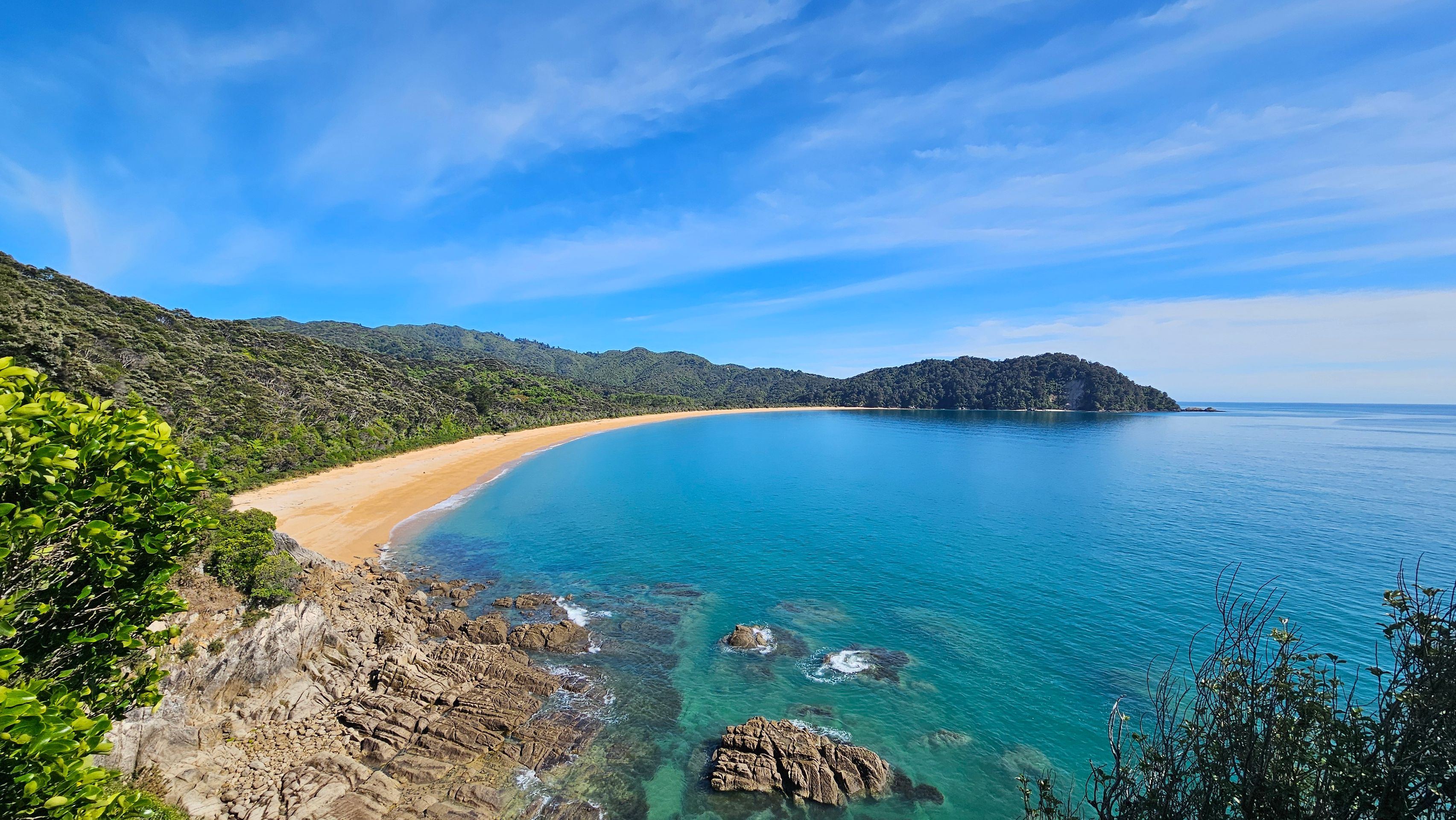
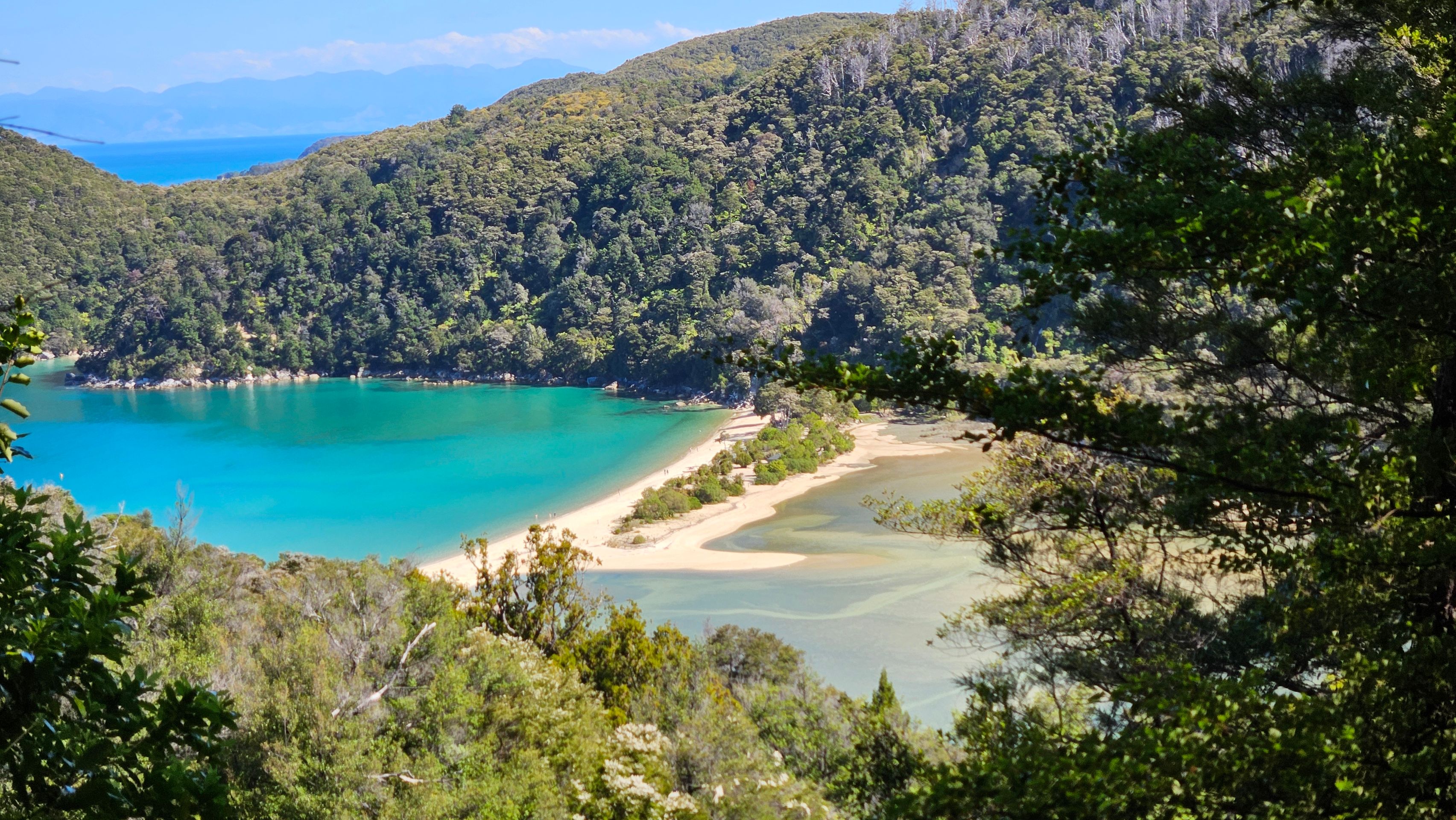
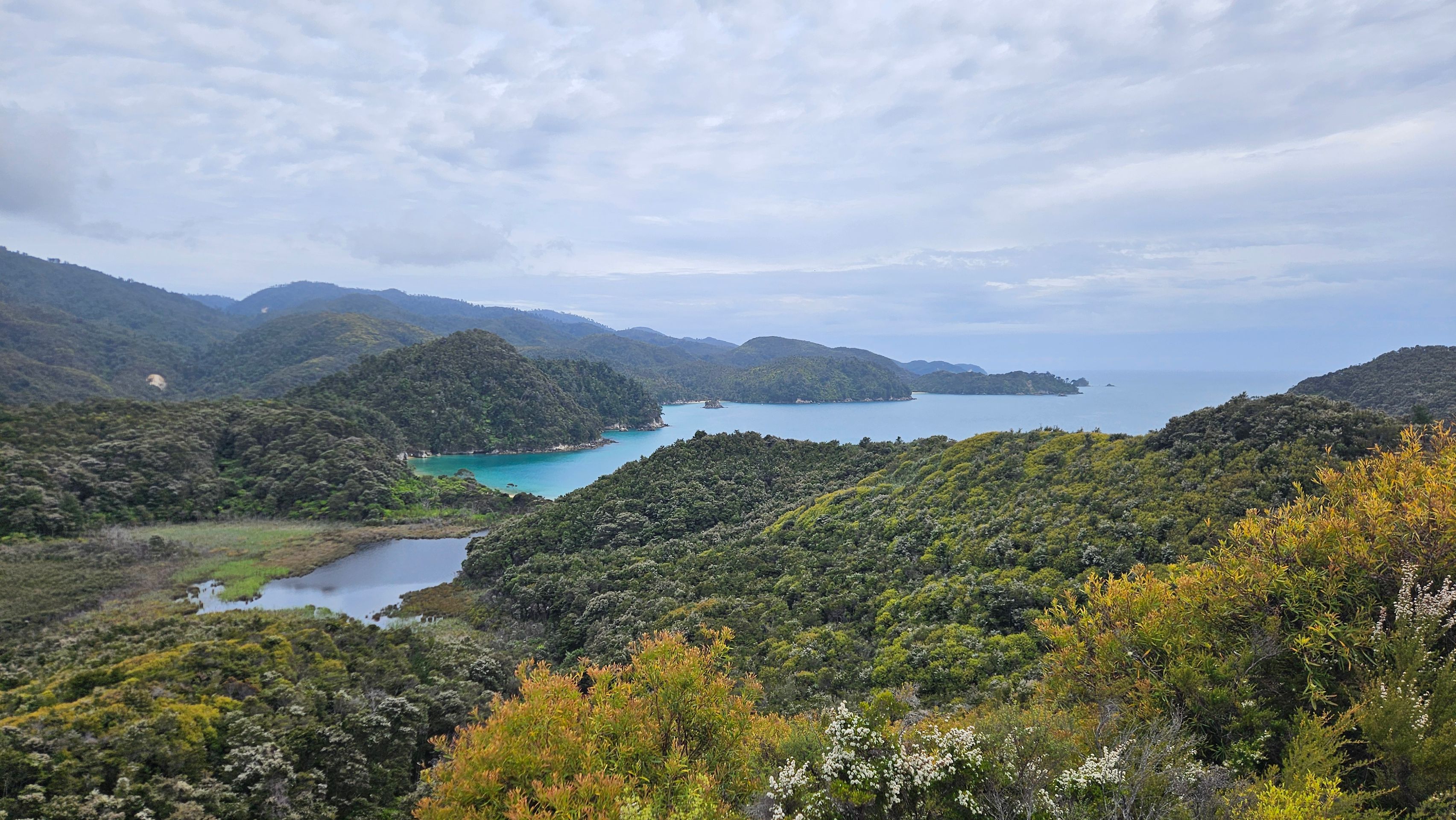
Day 3: With 10km ahead of me, it was a relatively short stage, and I took my time to visit several additional viewpoints. Since I could save 3.5km due to the tidal crossing shortly before reaching Torrent Bay, I arrived quite early at the campsite in Te Pukatea Bay, set up my tent and left my backpack there, and was still able to hike the Pitt Head Loop in wonderful sunshine. This circular trail offers a great view of Torrent Bay on one side and Te Pukatea Bay on the other. The latter is incredibly beautiful, quite deserted (there were only 6 camping spots), because you have to take a detour from the Abel Tasman Track to get there, and it is often depicted in brochures, postcards, etc.
Day 4: The last day started on a bit of a downer, at least for my German neighbors. At the compost toilets, there was a sign warning that there are rats and mice at the campsite, so food should not be stored in tents. While I overlooked the sign and kept my food in my backpack in the tent as usual, the German couple decided to hang their provisions in garbage bags up in a tree. Nothing happened to me, but the garbage bags were all torn open the next morning and breakfast was stolen. At least it was also their last day...
Unfortunately, it was a bit cloudy and even drizzled a little. However, I didn’t get cold and took another swimming break at Akersten Bay. The 14km stage passed in no time, and after picking up my car, I still had enough time to visit the Split Apple Rock at Mārahau before continuing on to Tākaka.