
Pirates of the Sweets
mild

Published: 06.03.2025
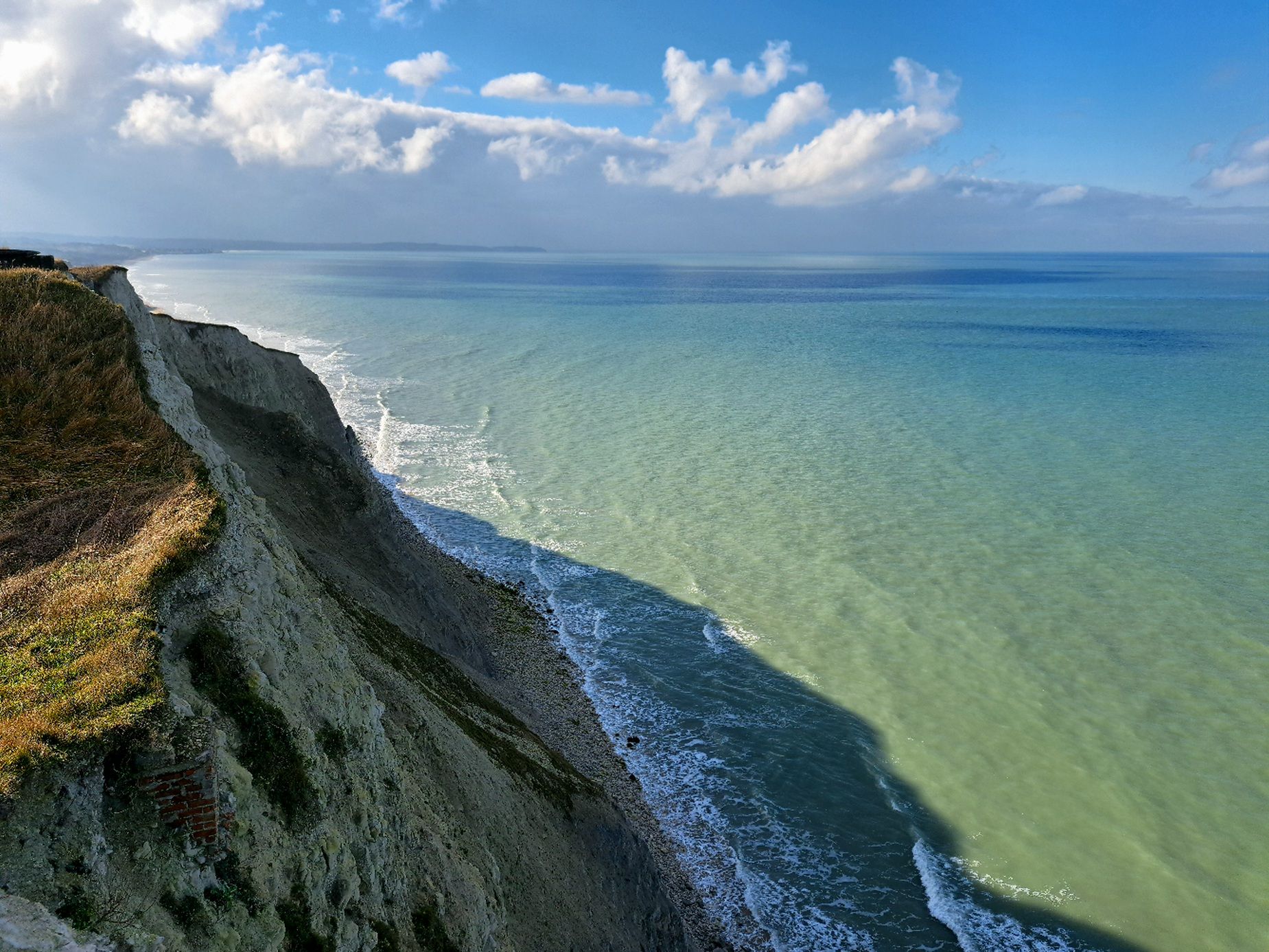
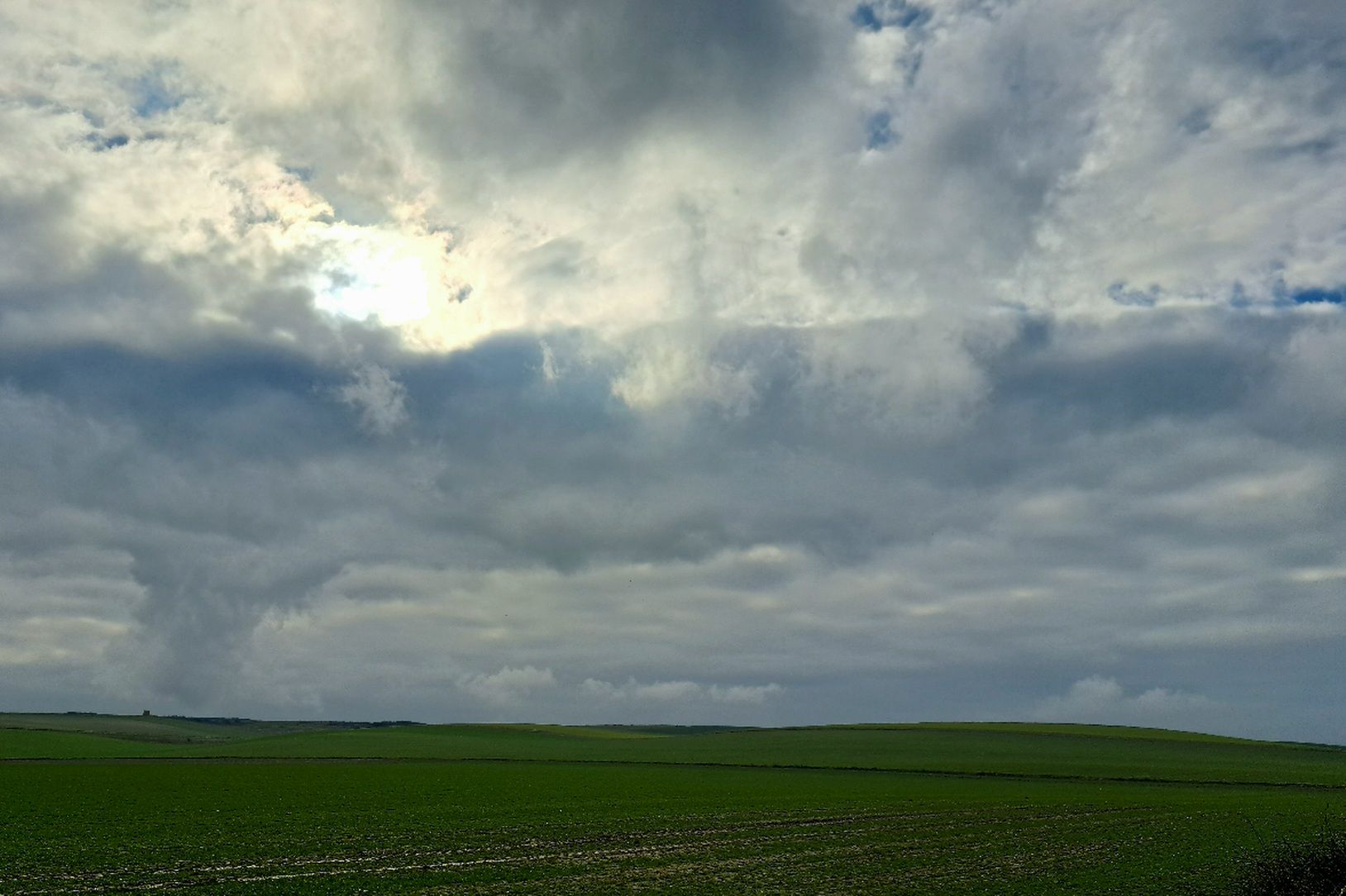
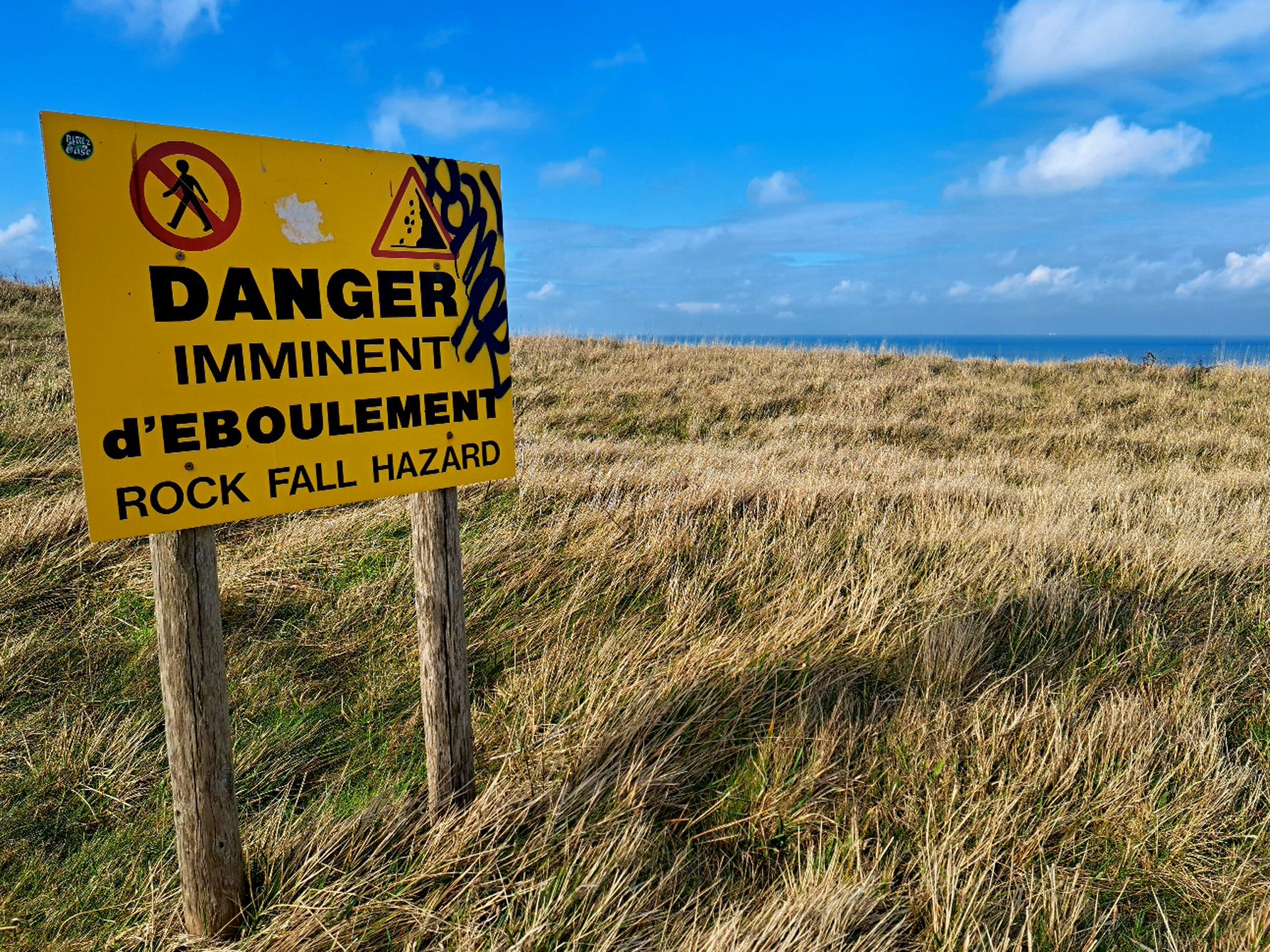
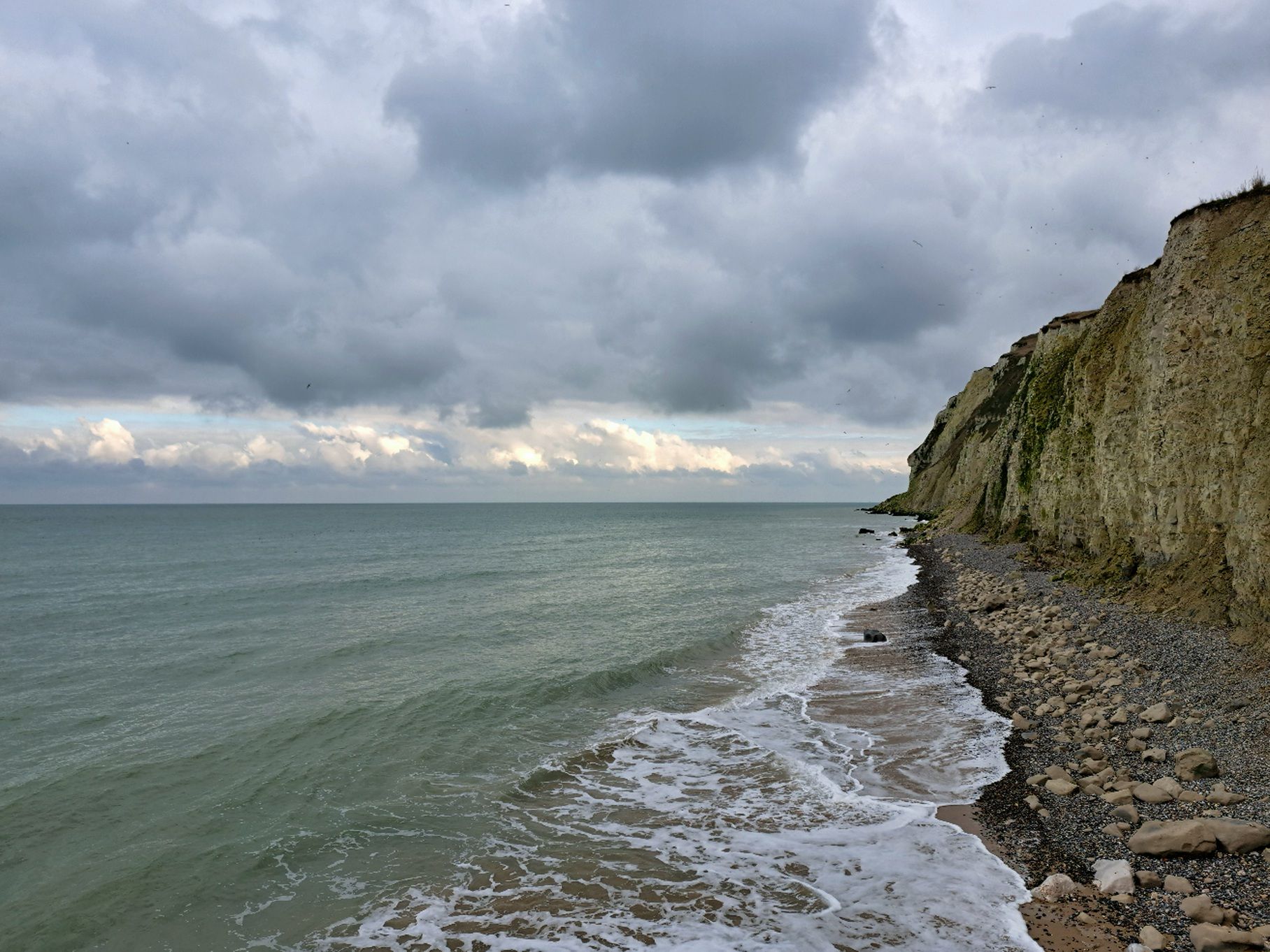
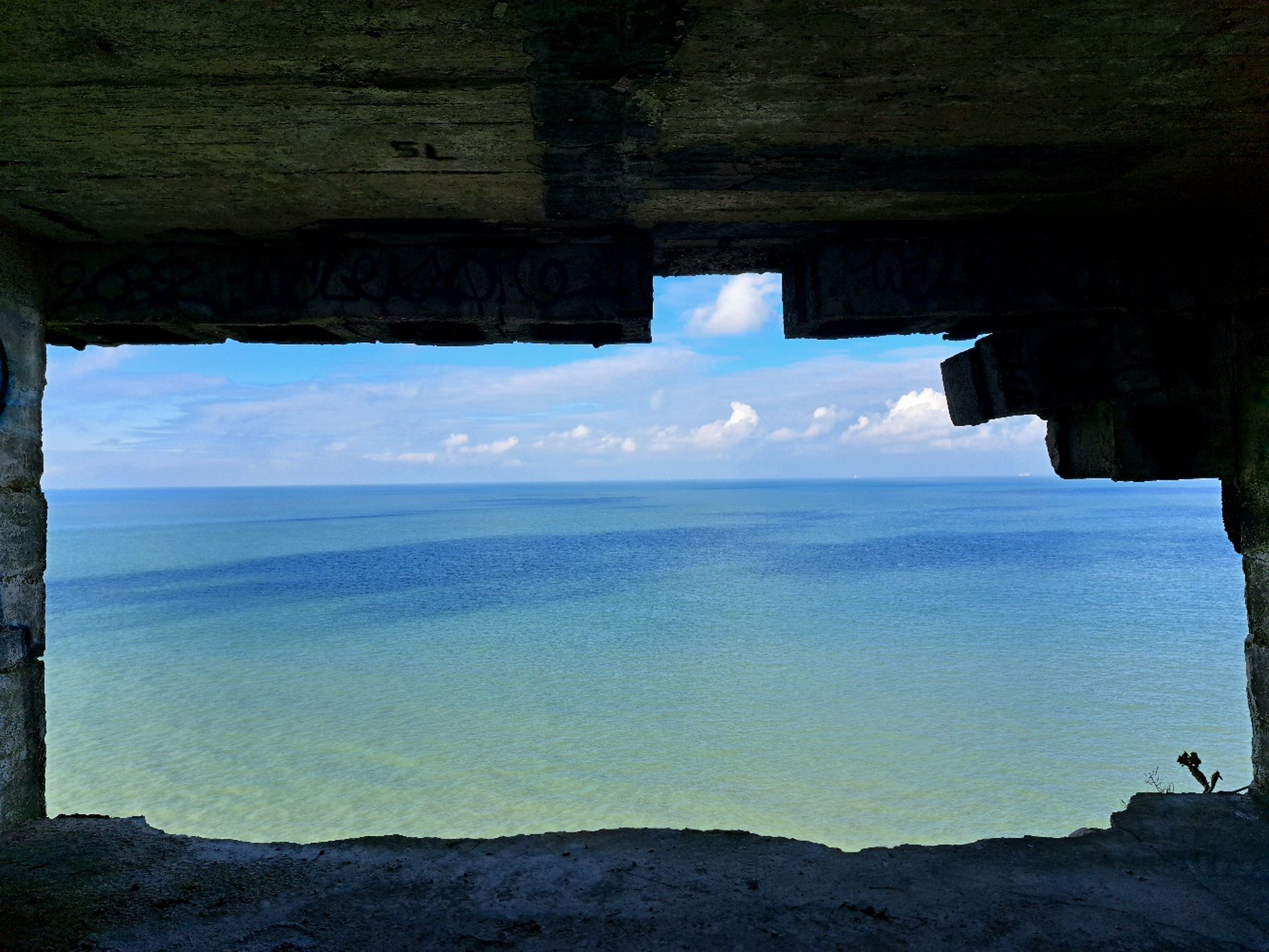
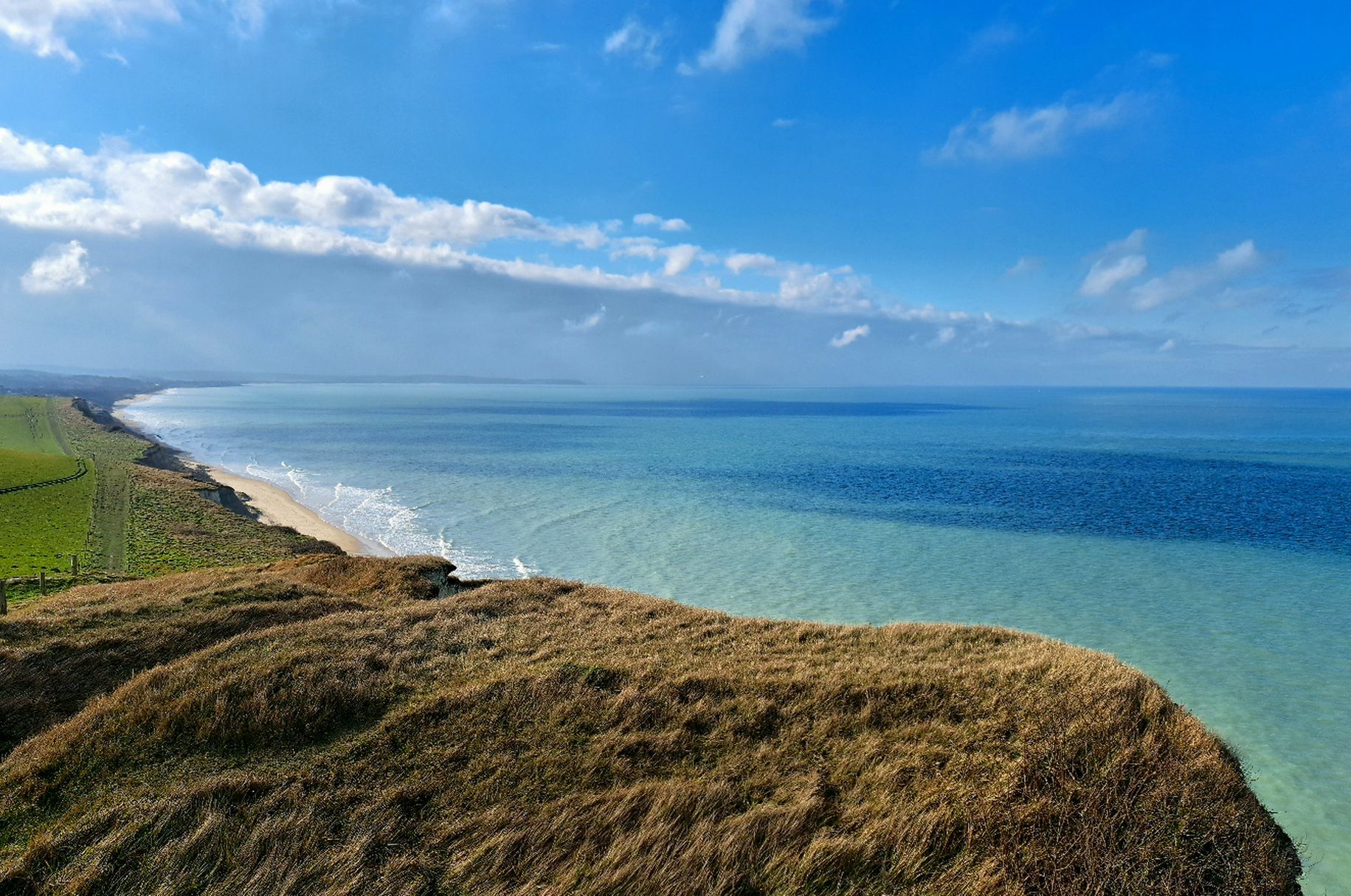

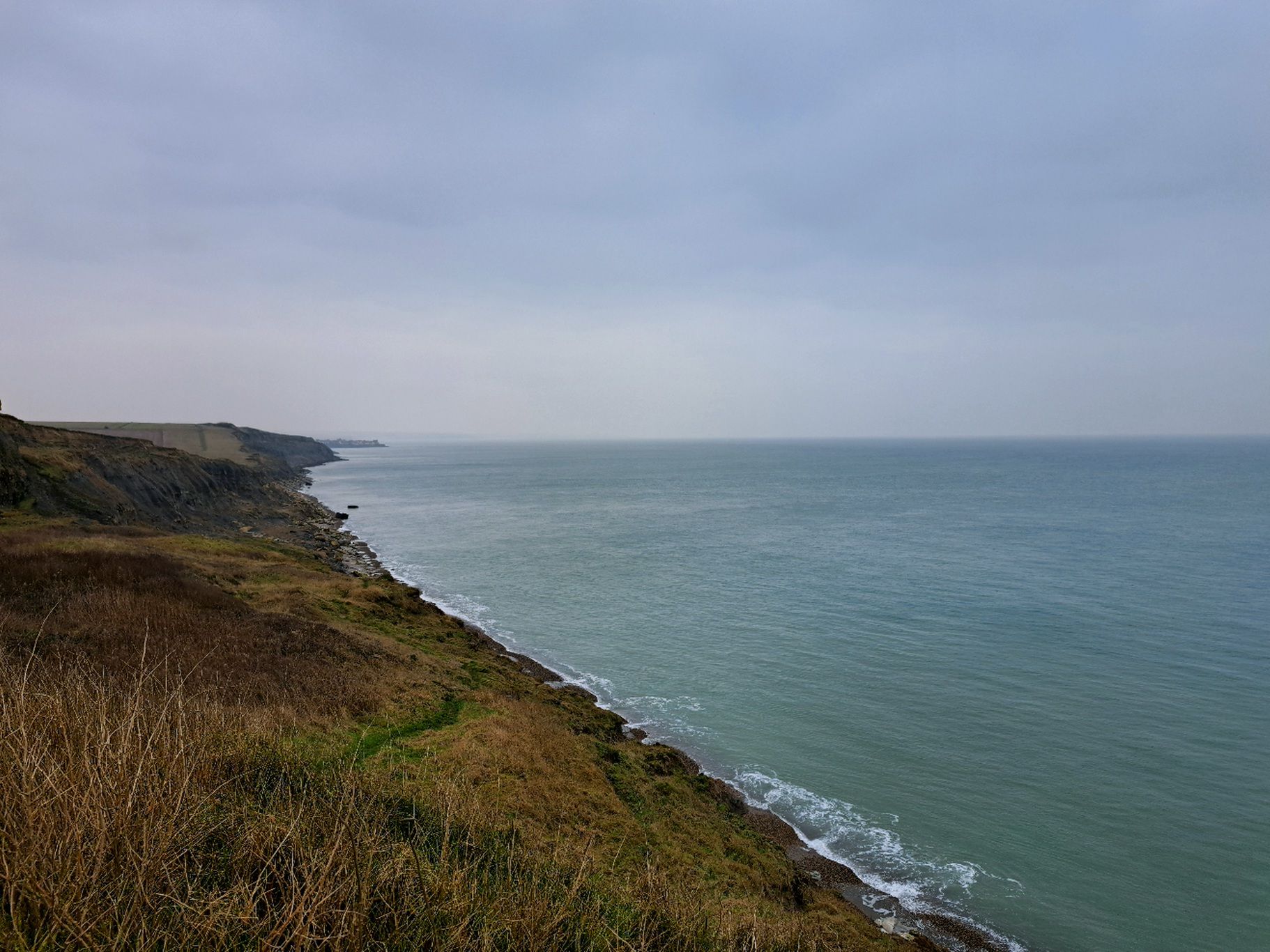
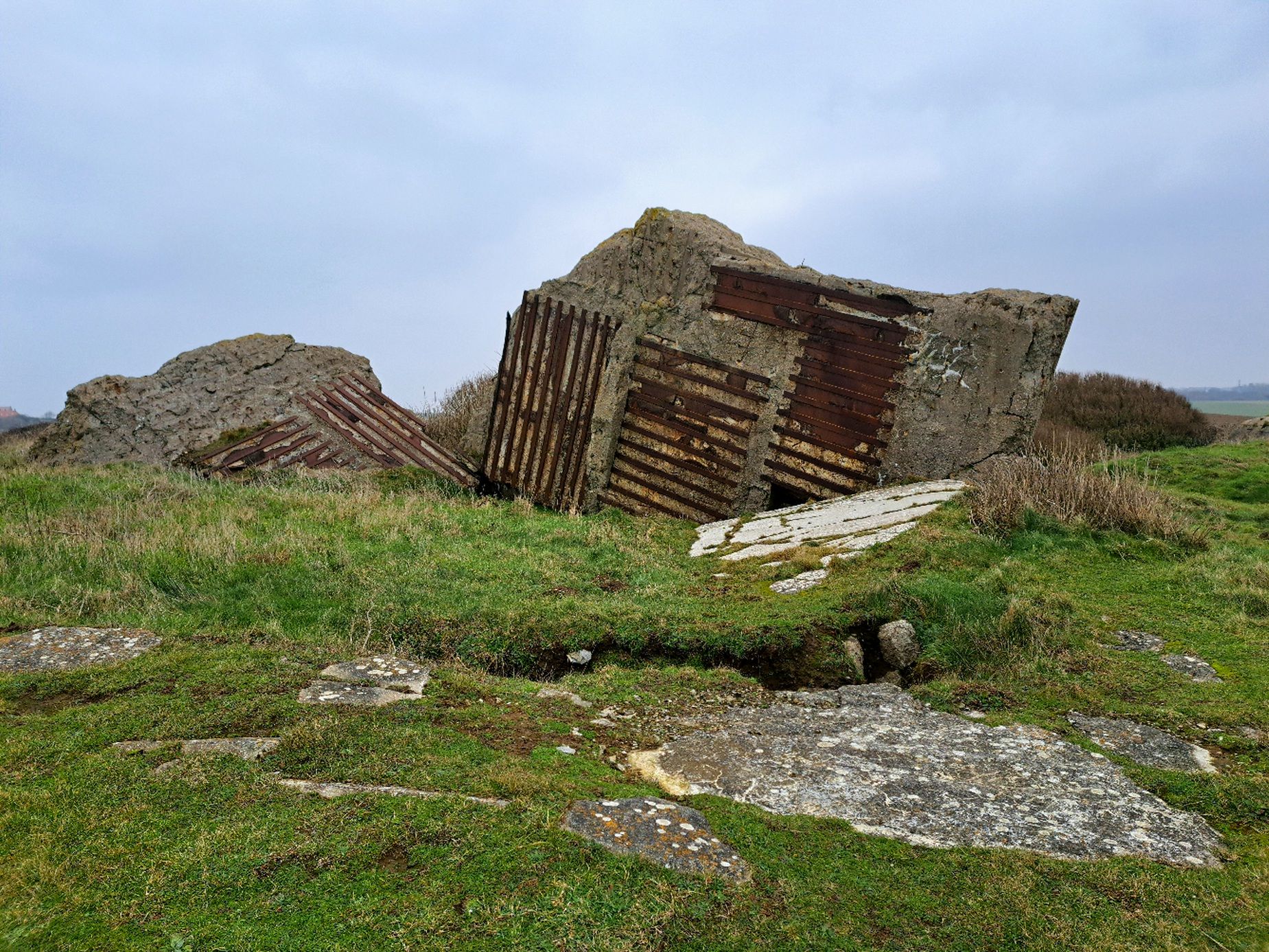

Thursday afternoon on the Côte d'Opale west of Calais.
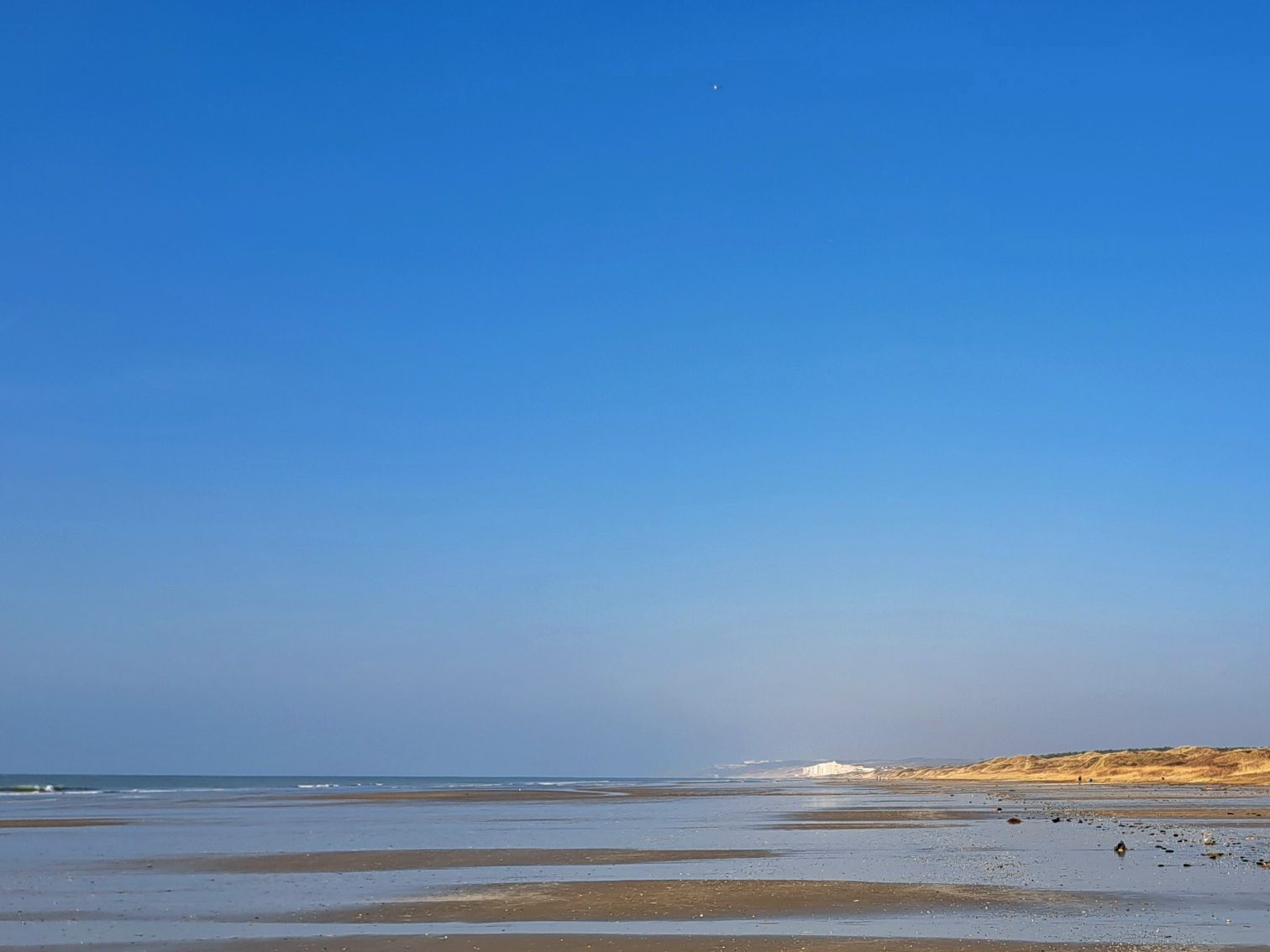
We look contentedly at the sunlit sea.
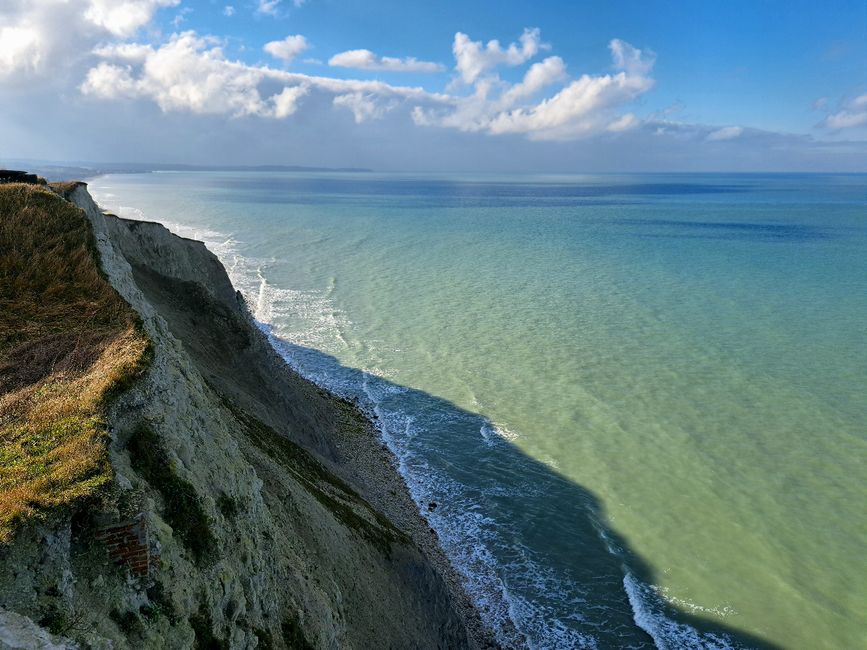
Côte d'Opale! It promises turquoise waters, azure seas, and pearl-white waves.
And precisely this is presented to us in full beauty under radiant sunshine and a marine blue sky. A spectacle in indescribable colors against a backdrop of emerald green hills and cream-colored chalk cliffs that seem to reflect brightly across the English coast in Dover.
The land along the English Channel contrasts picturesque with the flat and somewhat monotonous agricultural landscape of Flanders that we have crossed in recent days through rain and cold east winds.
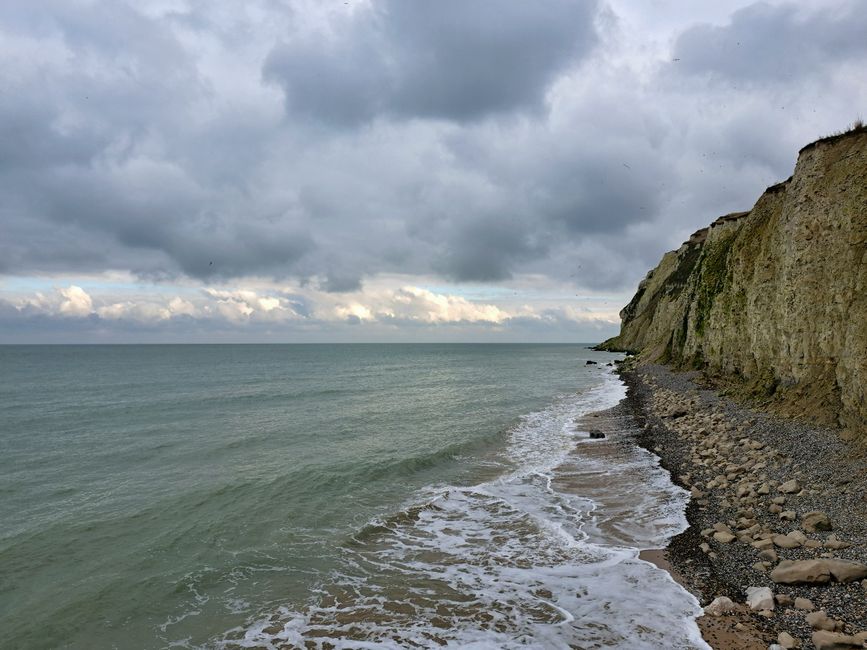
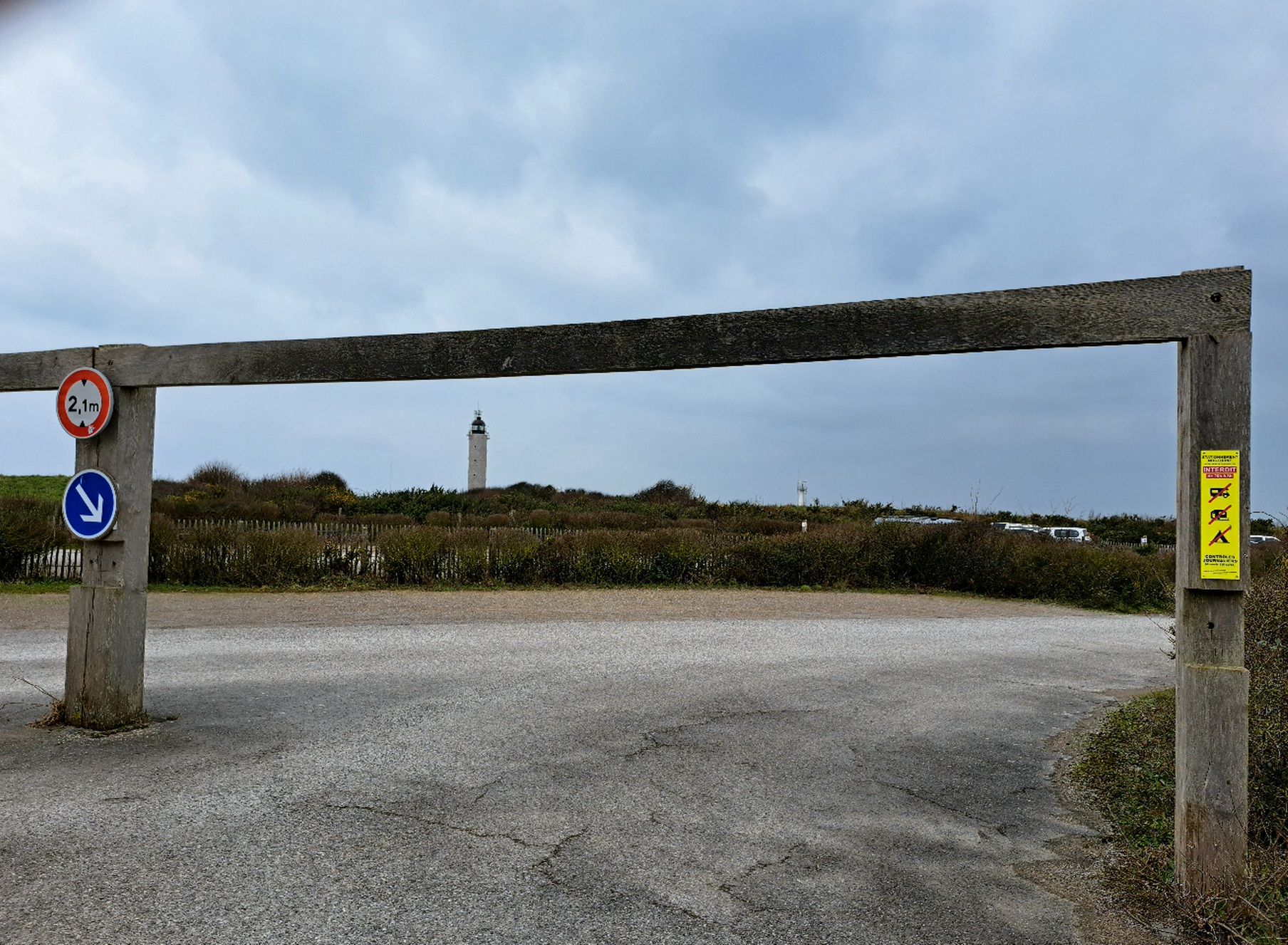
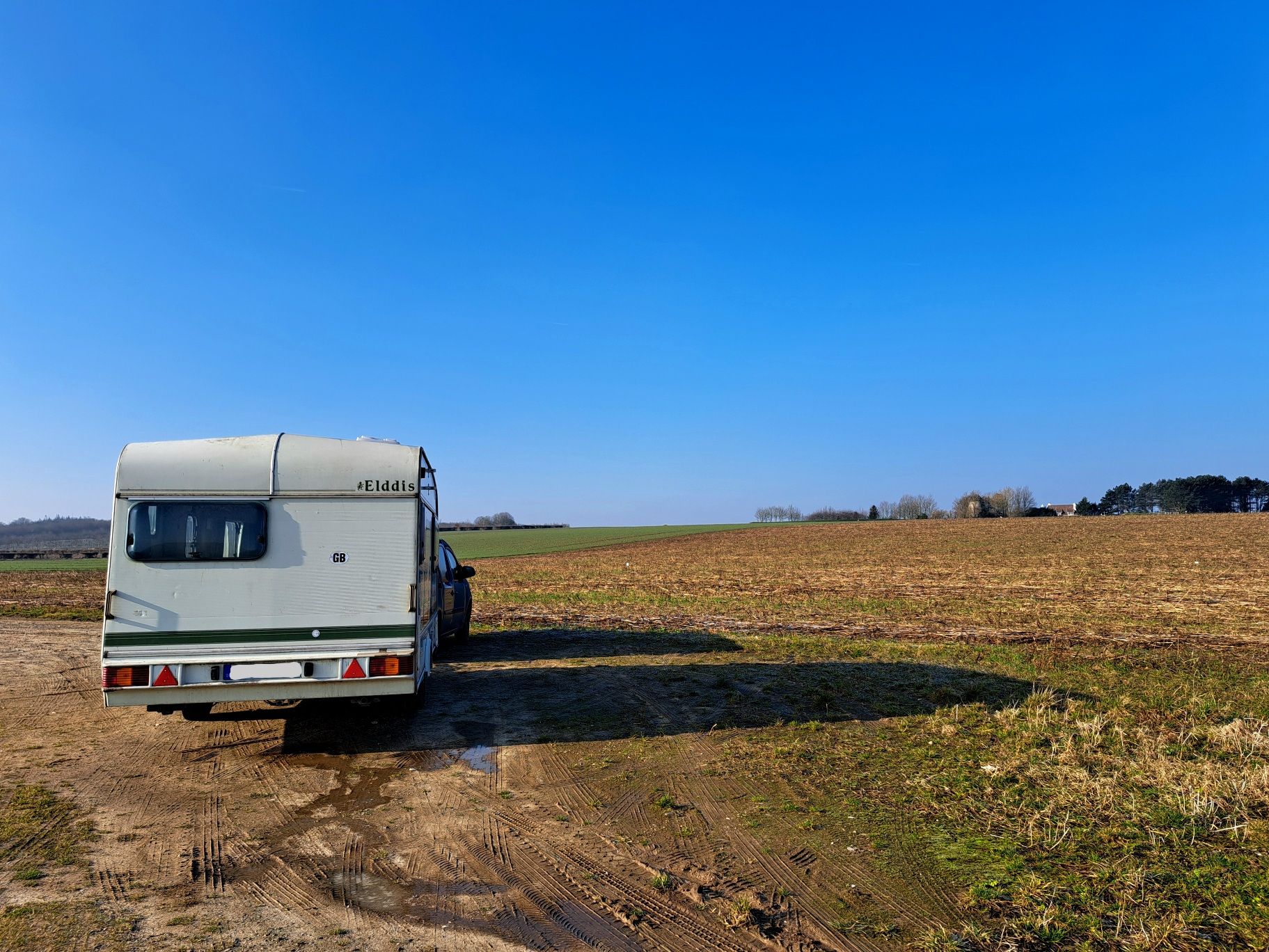
More than two years ago we began our nine-week summer tour along the Atlantic coast all the way to Spain. Now we realize that traveling with the little cave without a trailer is considerably more relaxing, at least when it comes to finding places to sleep. We certainly cannot recall that the parking lots in the far north of France are almost all equipped with height regulations with canopies.
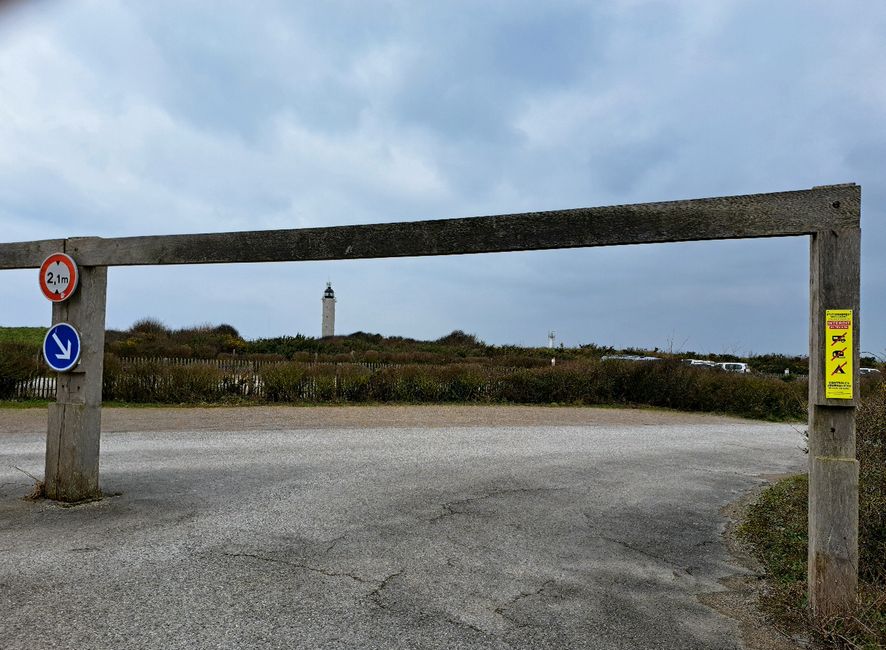
Well, with the Mistral in tow, we are already happy to find a way to take a walk along the truly enchanting coast.
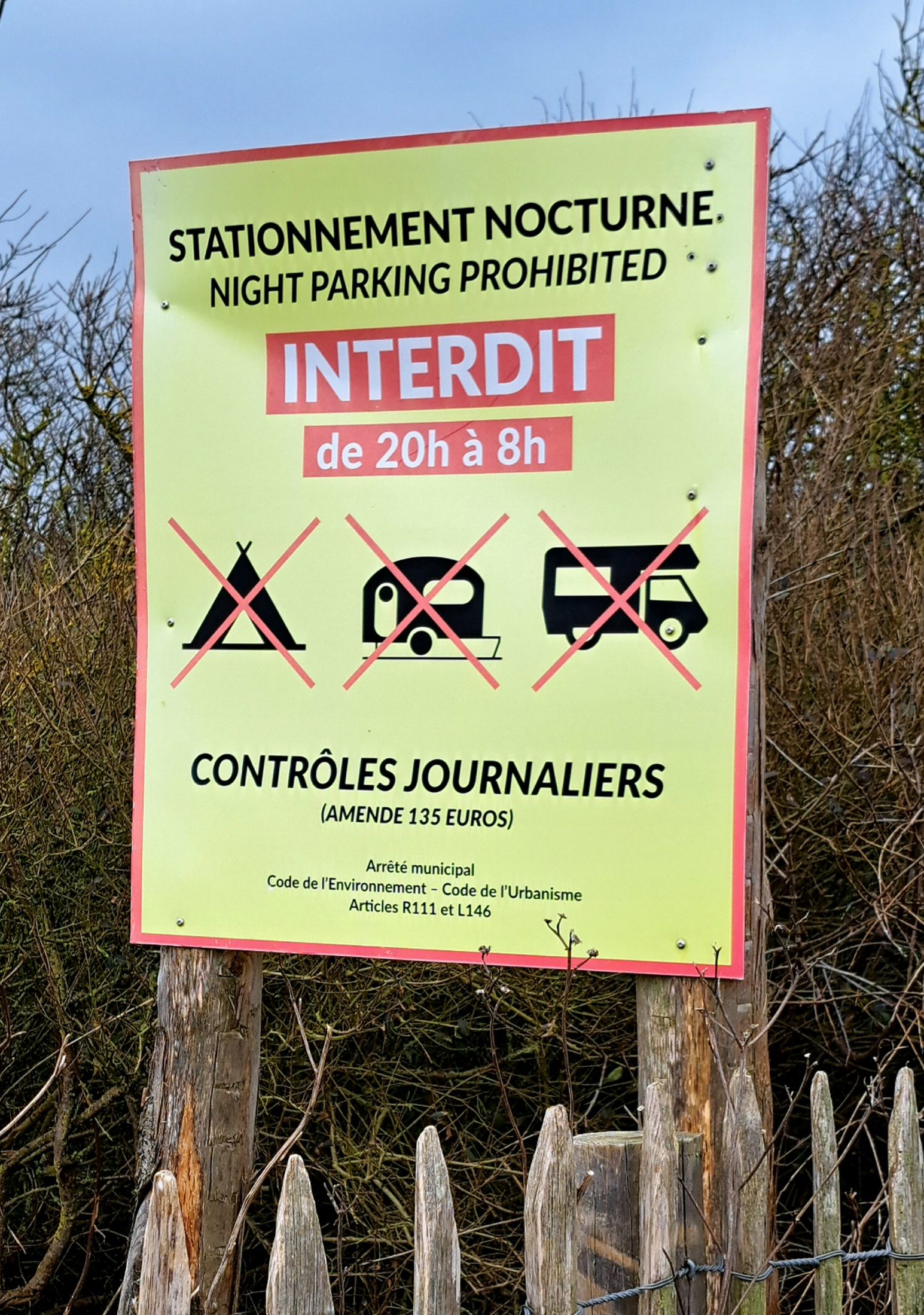
Everything is strictly regulated, and if a space for vehicles higher than 2.10m is accessible, clear and unmistakable signs indicate that overnight stays are PROHIBITED!
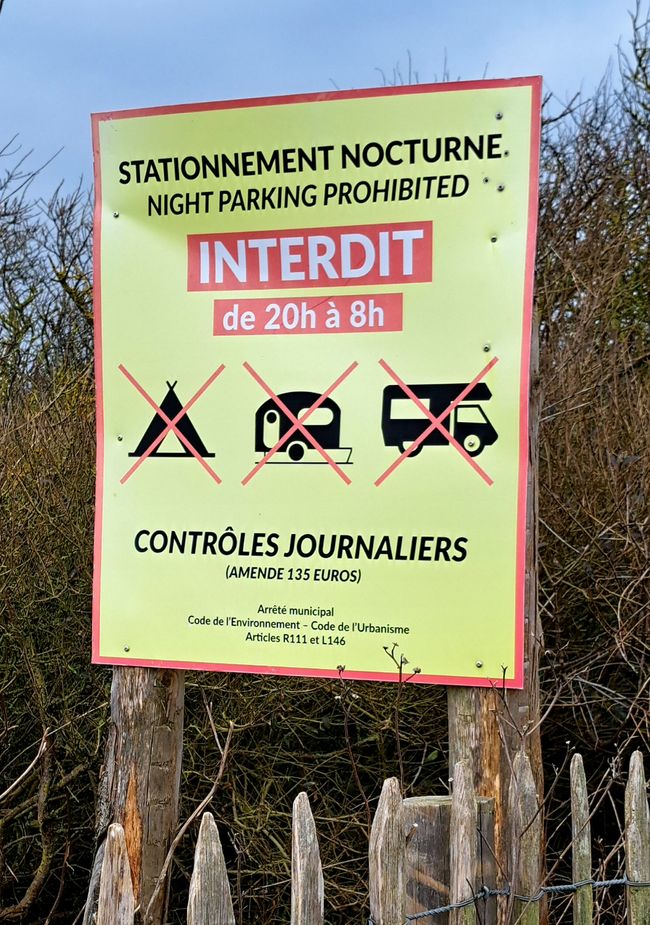
We remember this region differently and photos online prove that this has not been the case for long and - as we suspect - is due to the curse and blessing of the internet. I can only keep saying, let go of the nonsense with Park4Night!
Although, by now there is hardly a little spot that hasn't been attached to the big internet community bell...
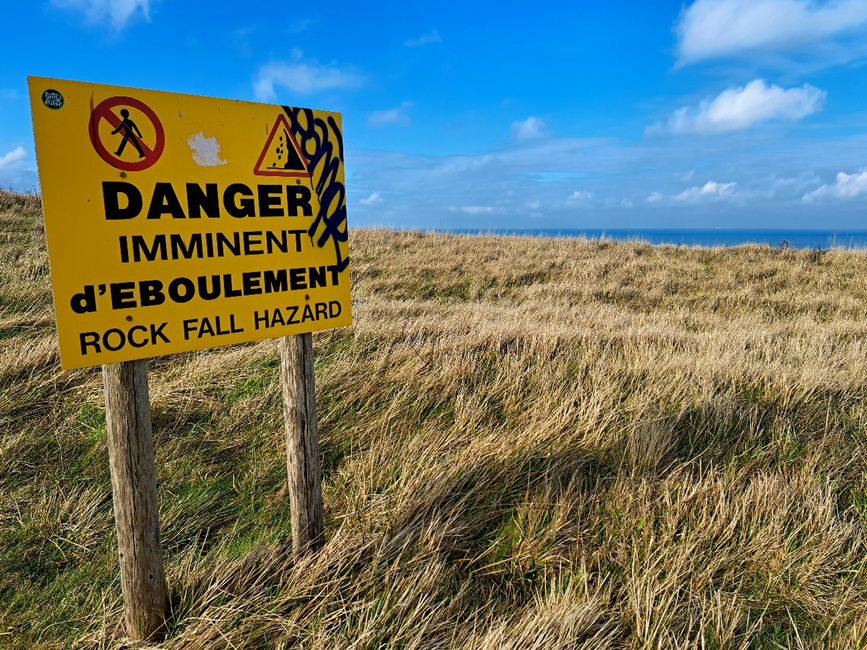
We do not want to test whether the local authorities are still in their pre-season winter slumber and currently see their sole duty in combing the dunes and steep cliffs for displaced refugees from home, and instead maybe one early morning check the parking lot with the canopies currently open.
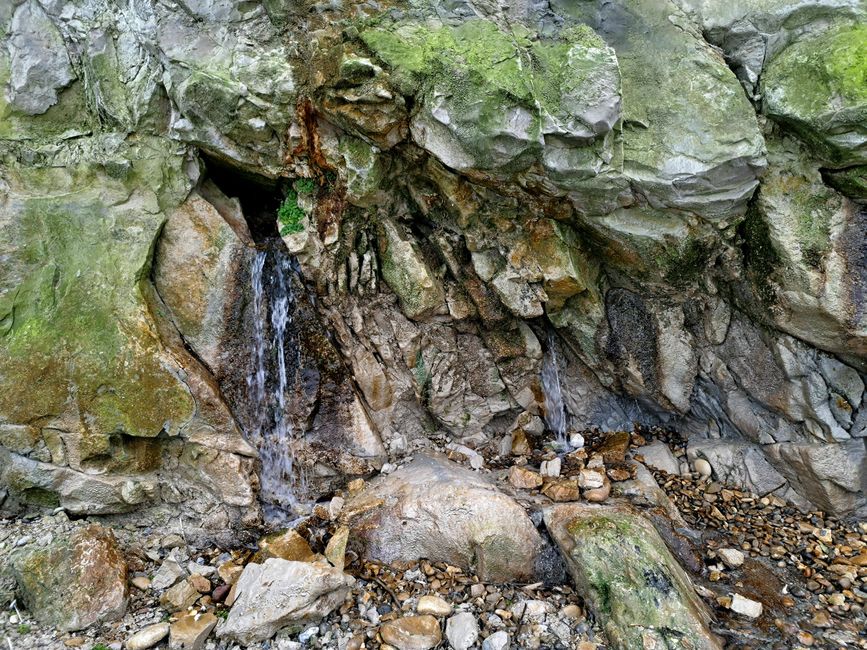
Therefore, we drive a few kilometers inland at dusk and sleep a few icy cold nights very comfortably near the TGV tunnel route and gigantic chalk open-pit mines.
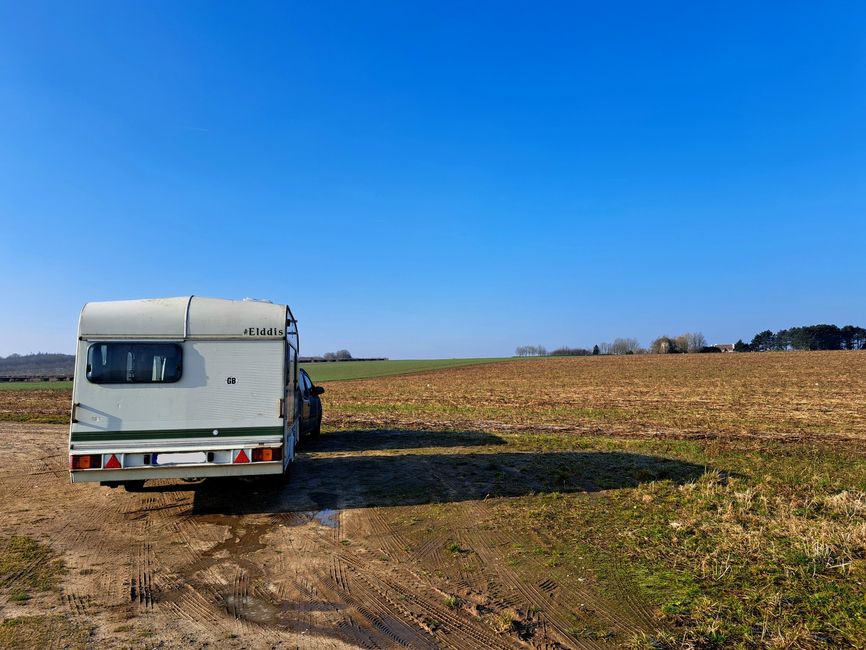
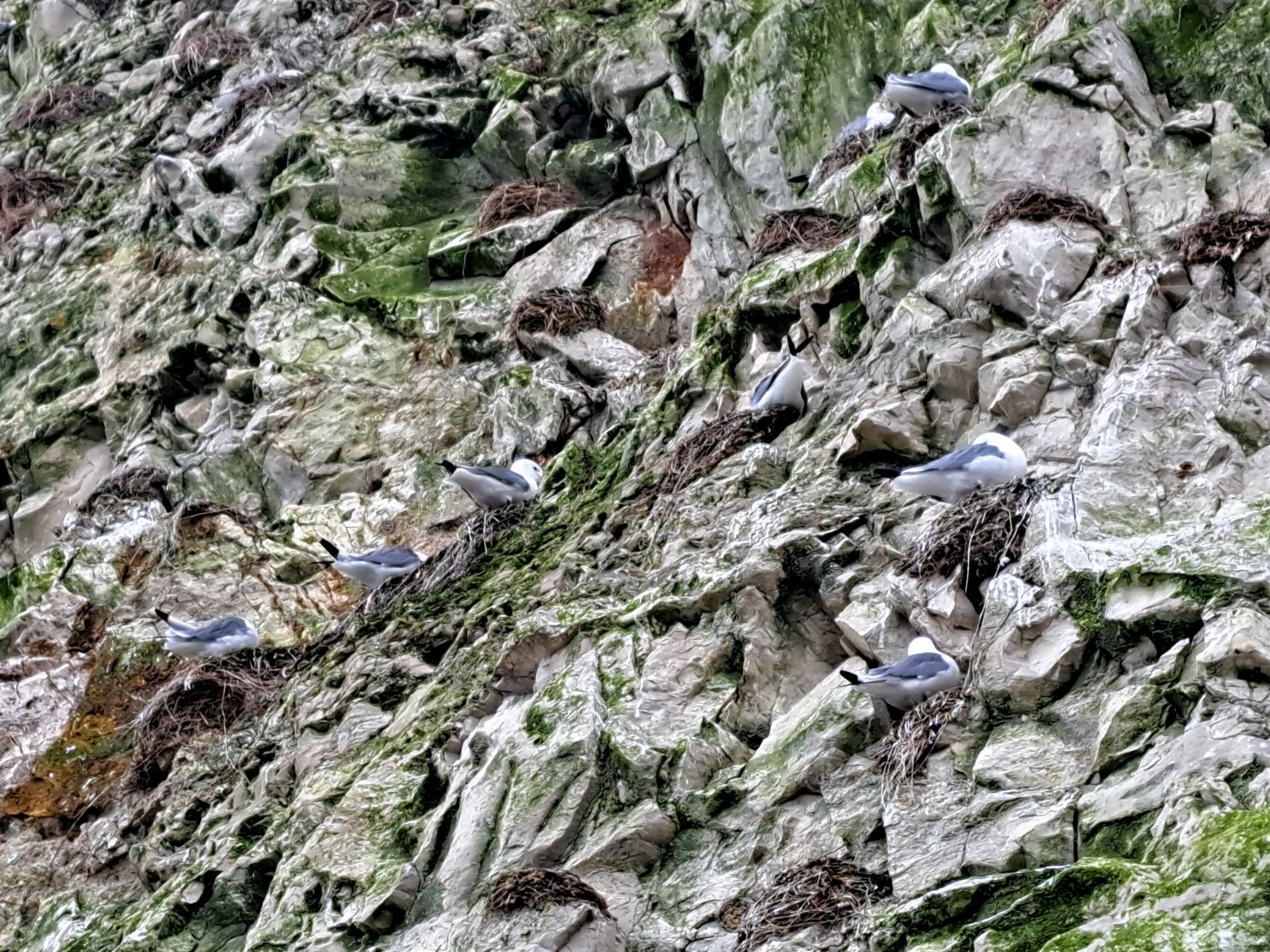
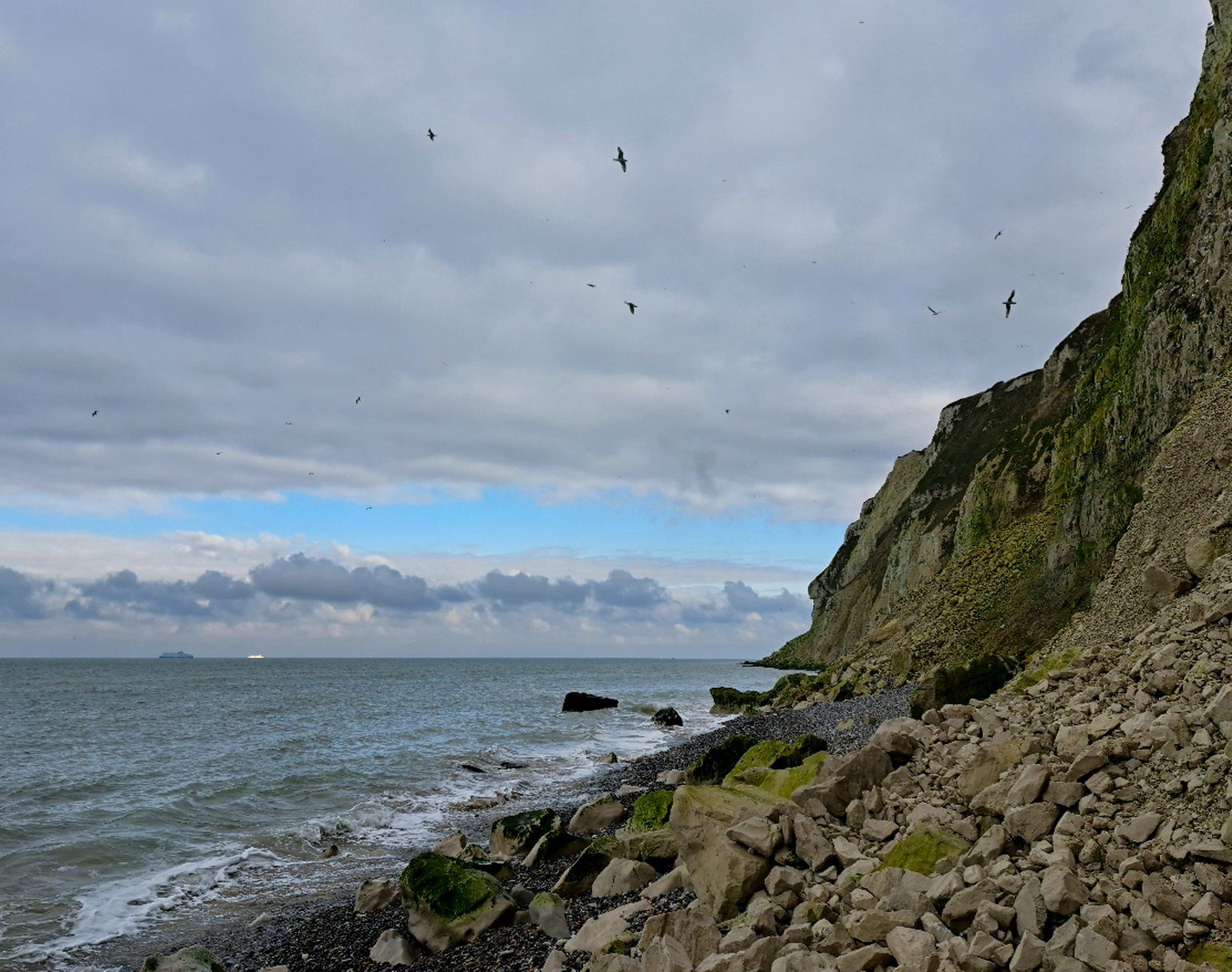
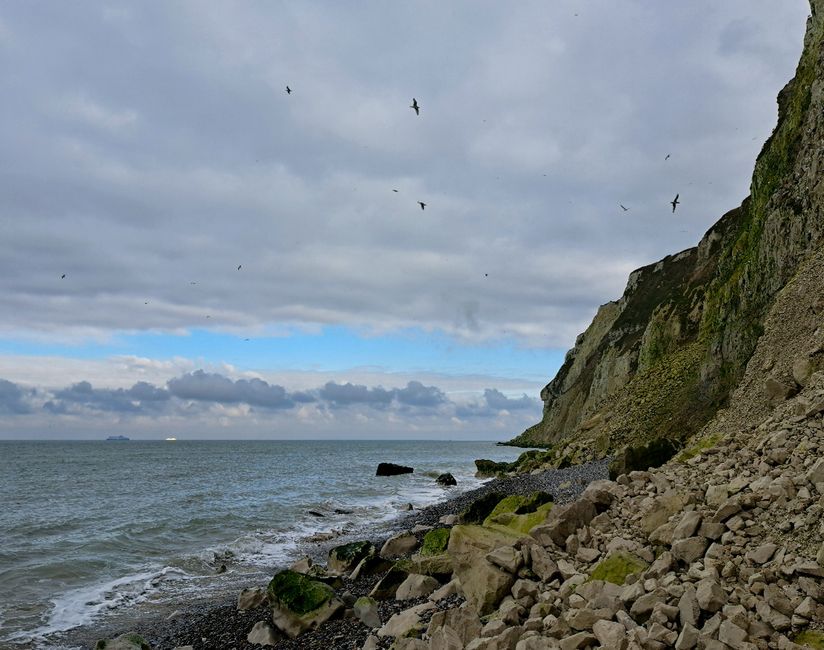
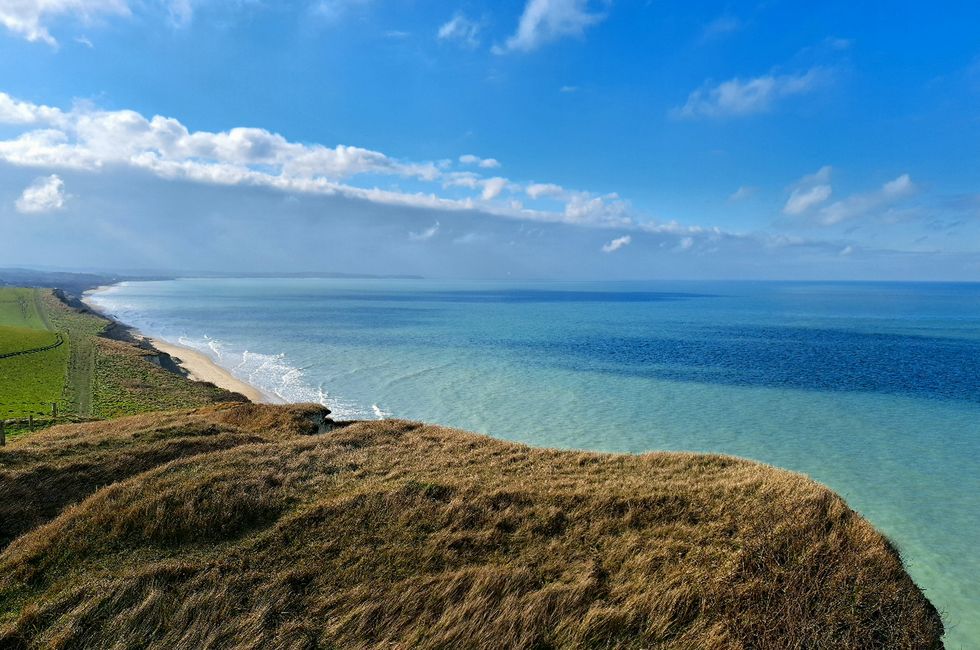
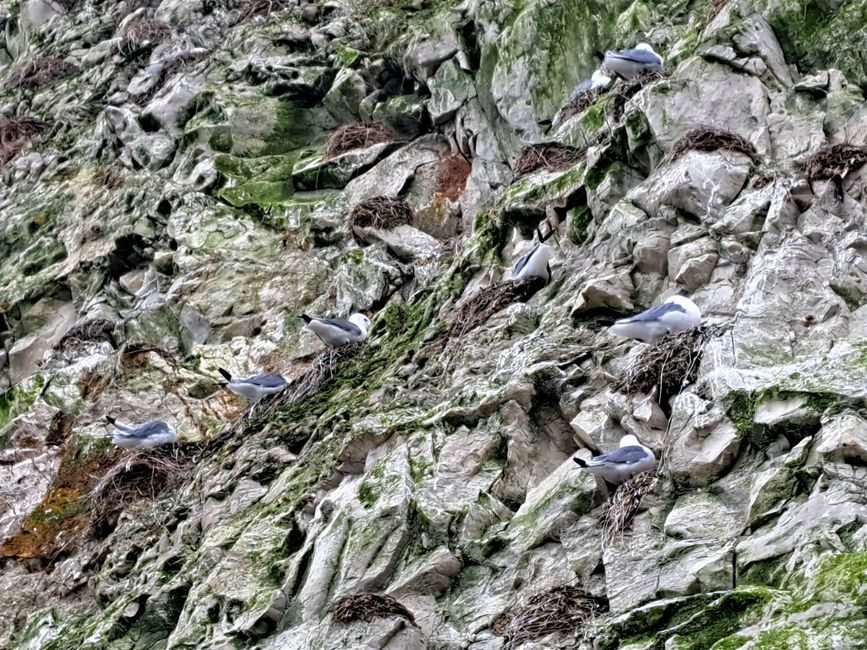
Finally, the weather plays along and invites us to explore this highly varied coastal stretch. Long sandy beaches, steep cliffs inhabited by seagulls, spectacular views, and the Caps Blanc Nez and Gris Nez, which are among the most famous sights in France, are just some of the reasons to stop by here.
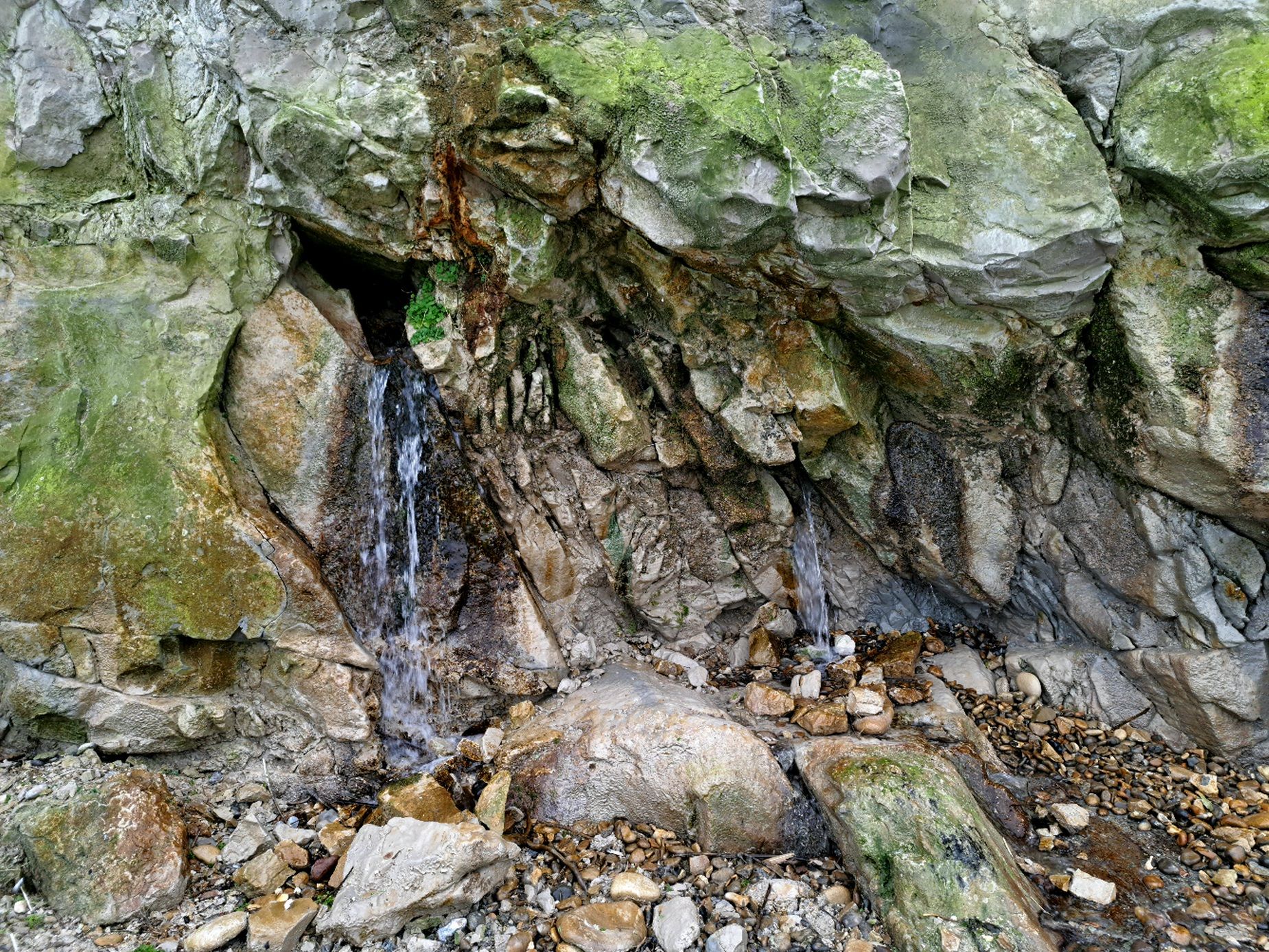
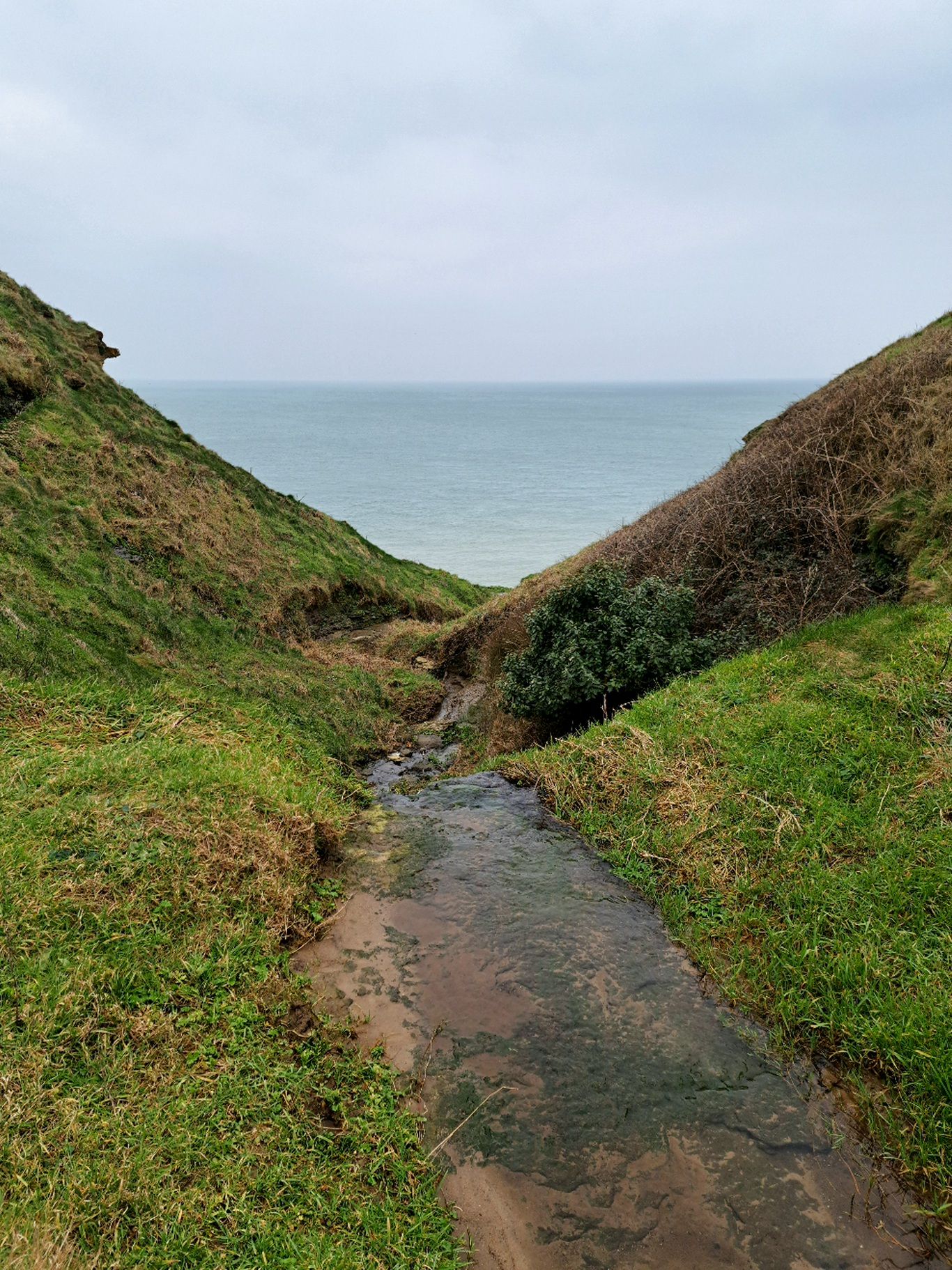
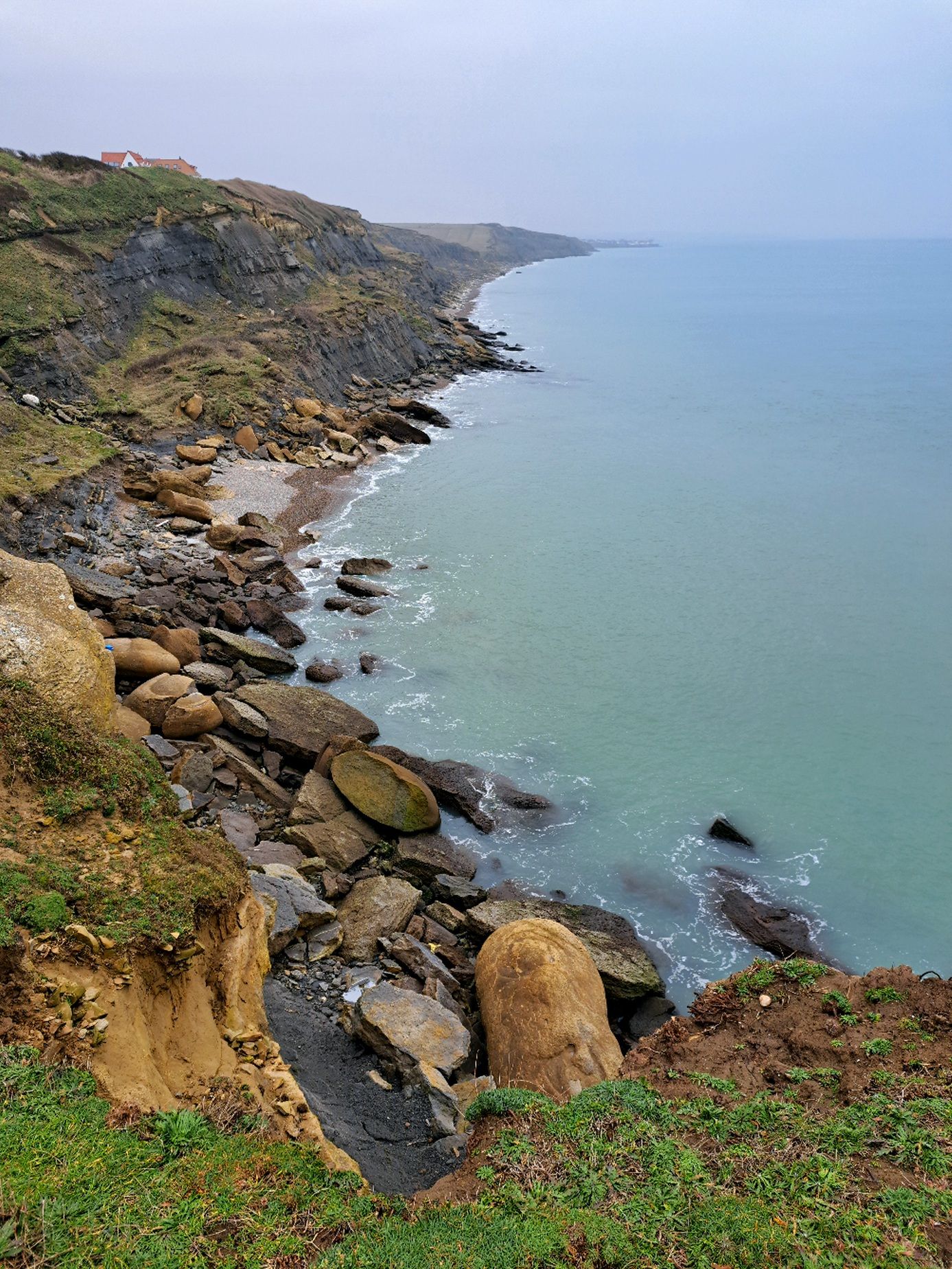
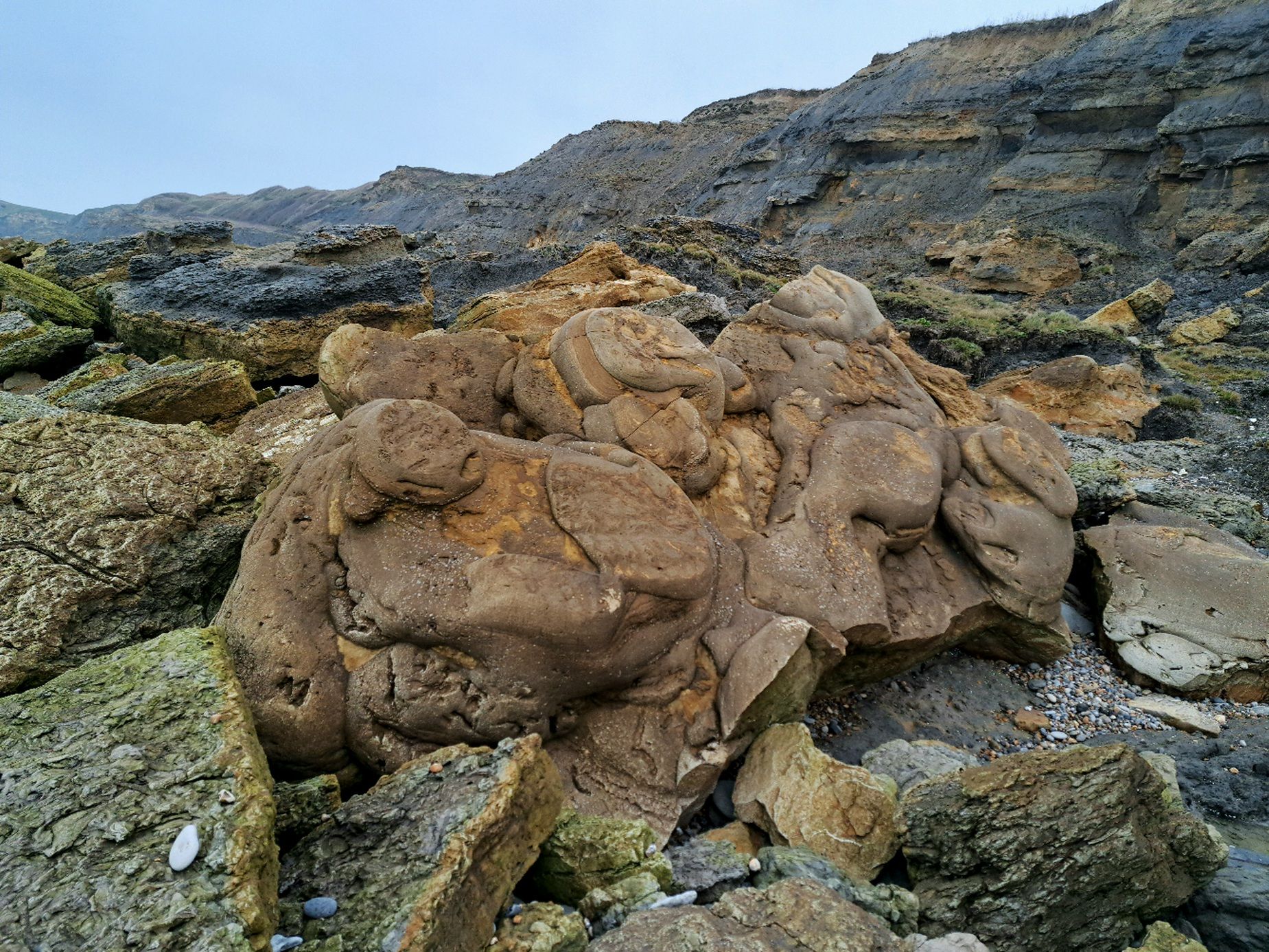
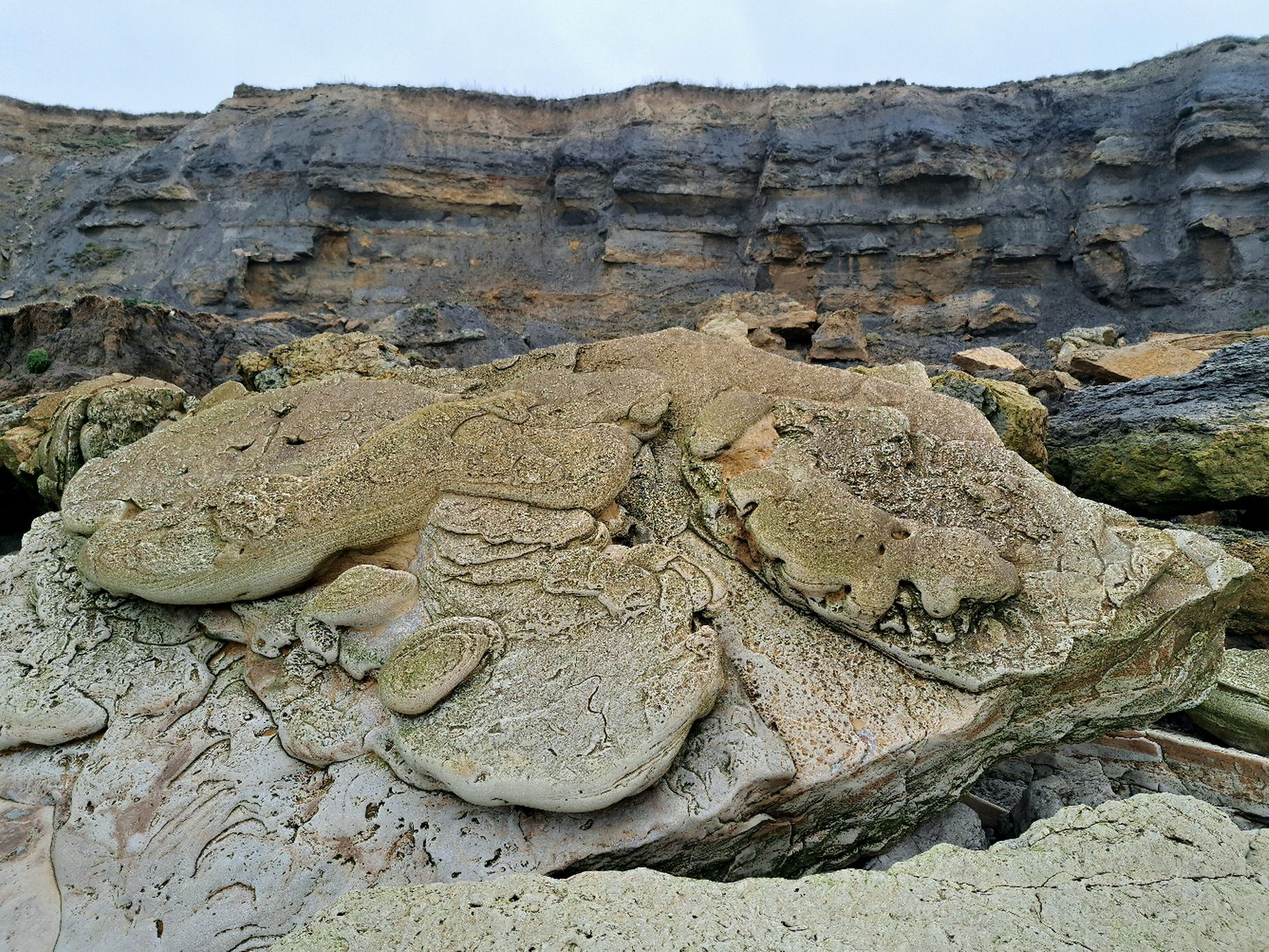
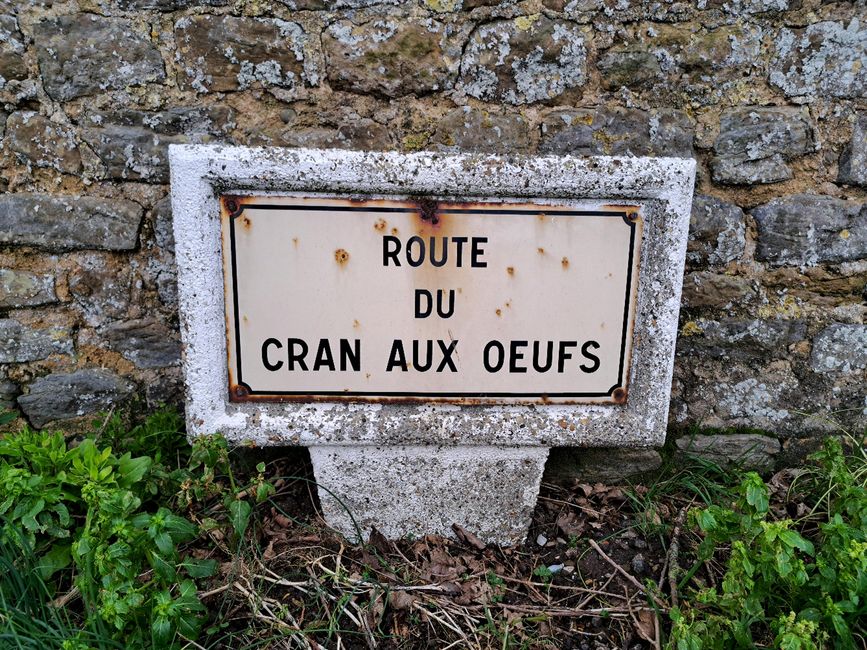
We are drawn to Cran aux Oeufs, not only for its charming name but also because we want to discover the eponymous eggs. A cran refers to cuts and crevices eroded into the cliffs, where spring and rainwater finds its way to the sea.
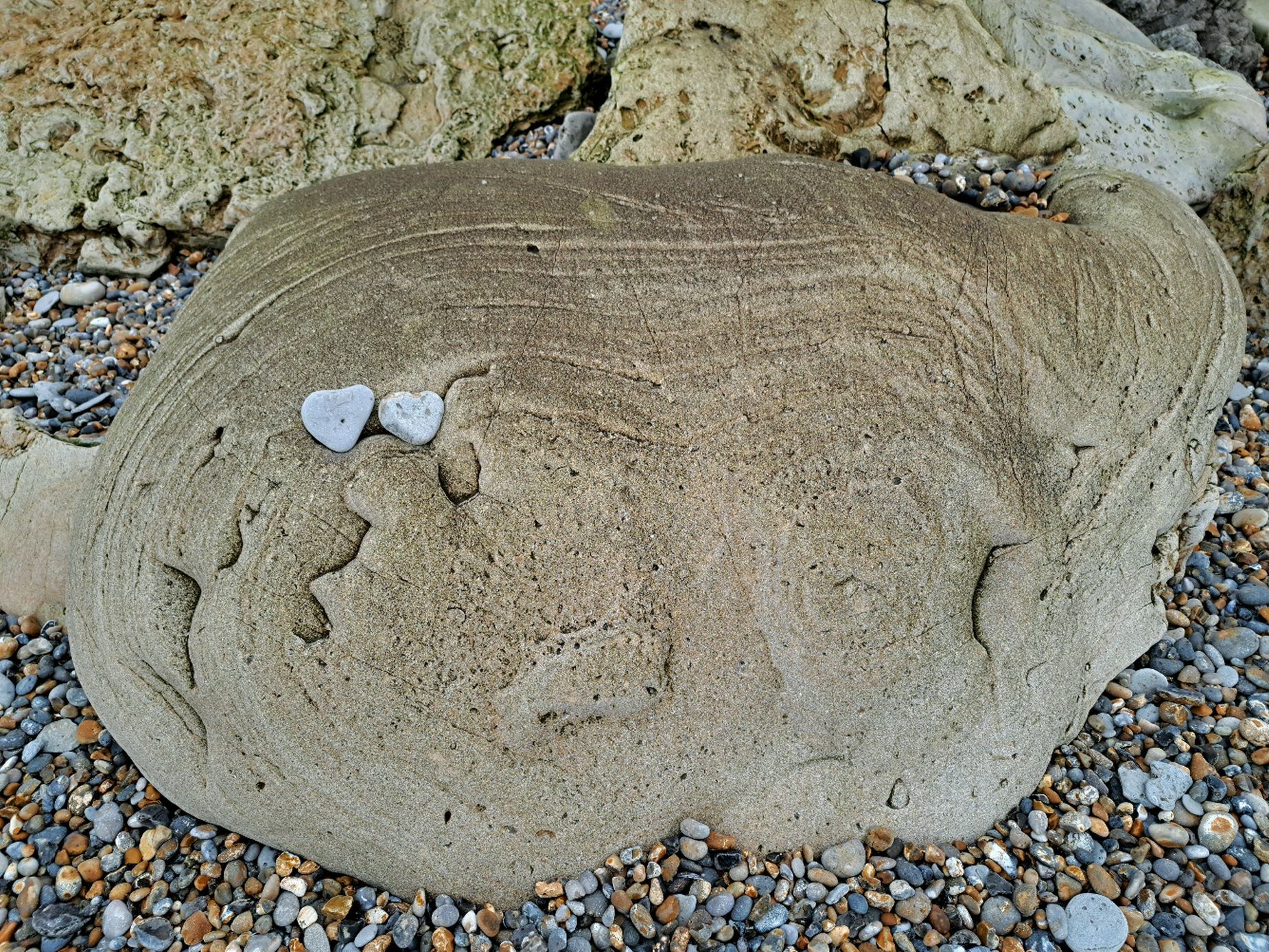
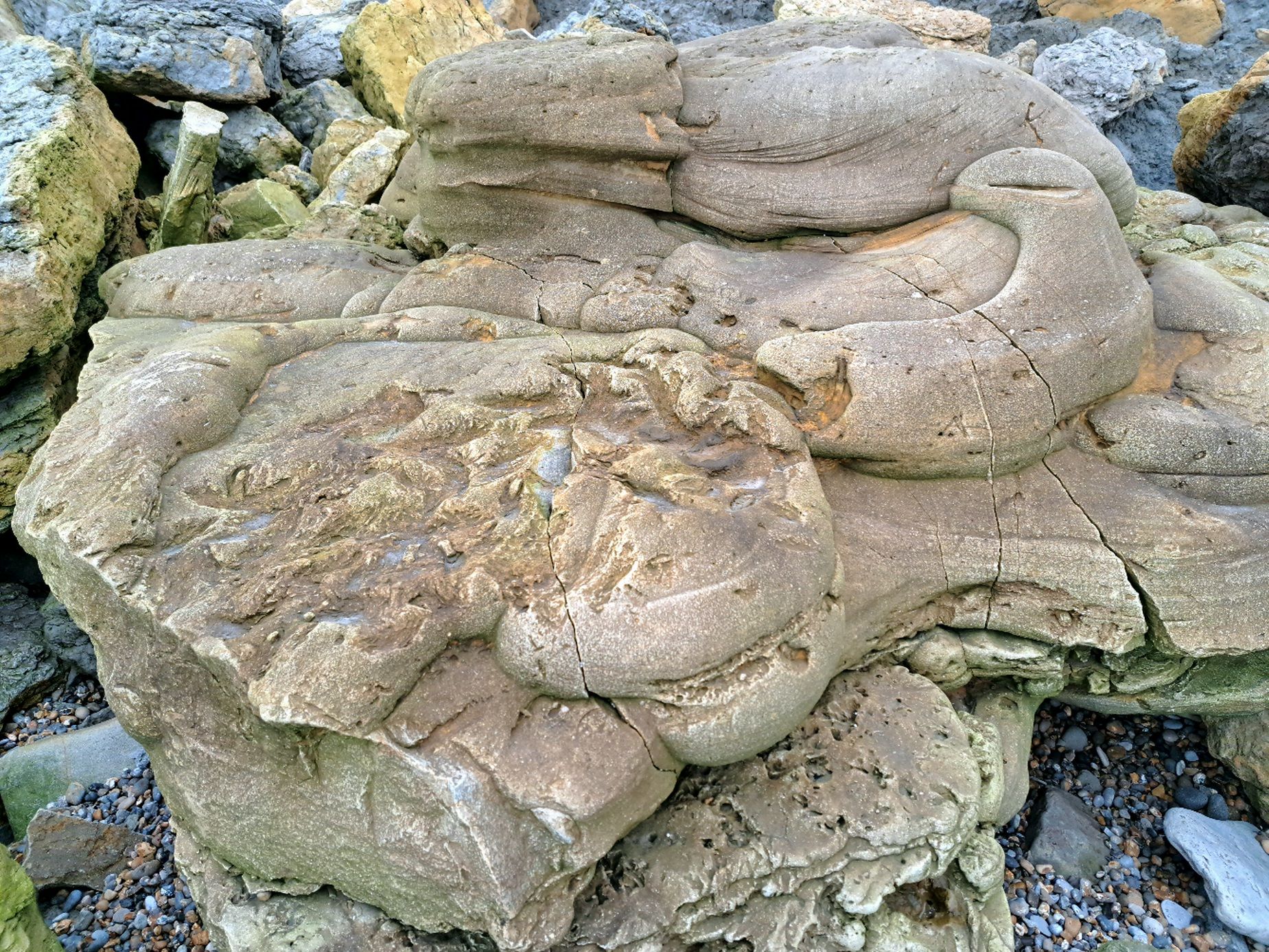
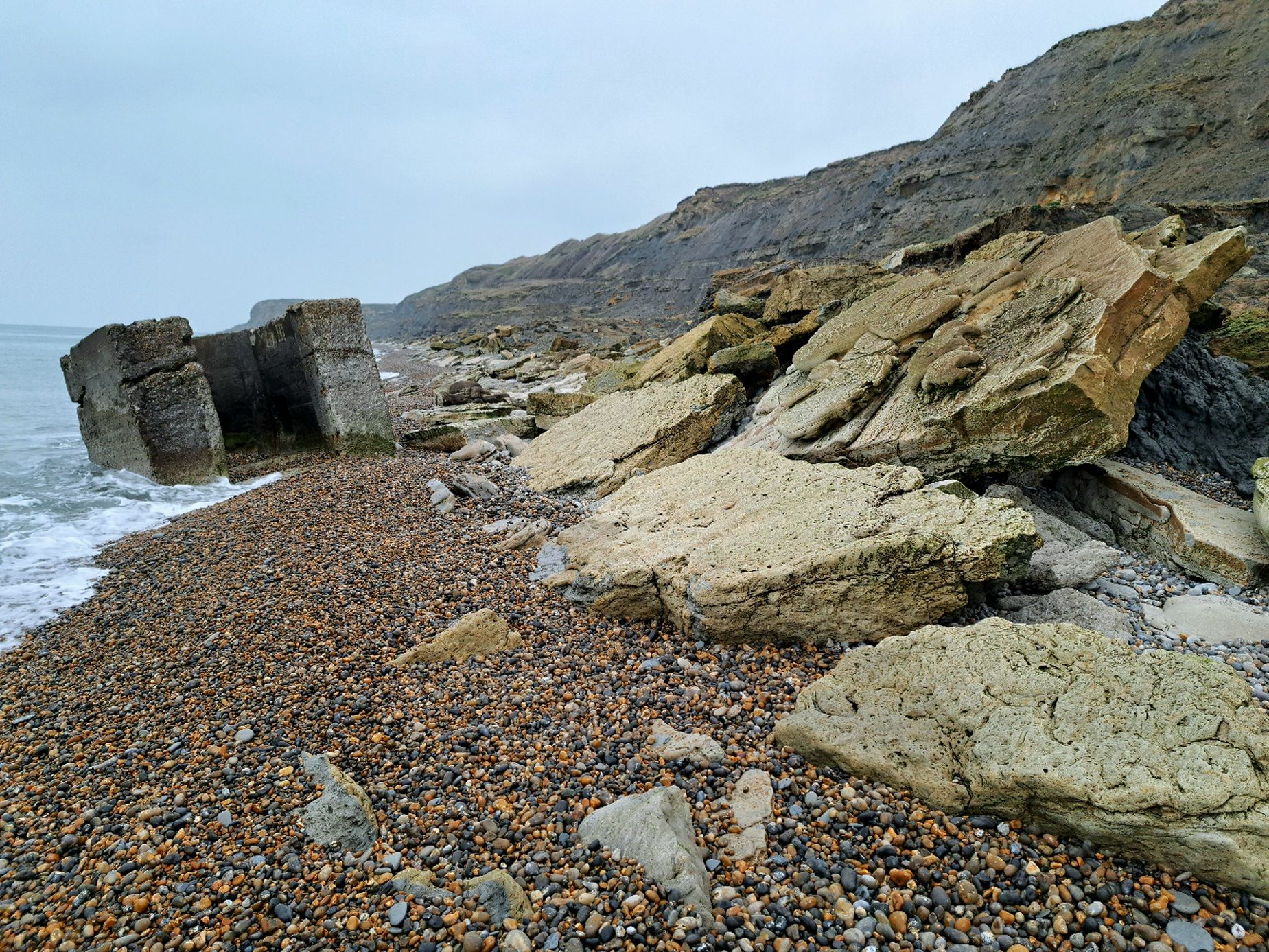
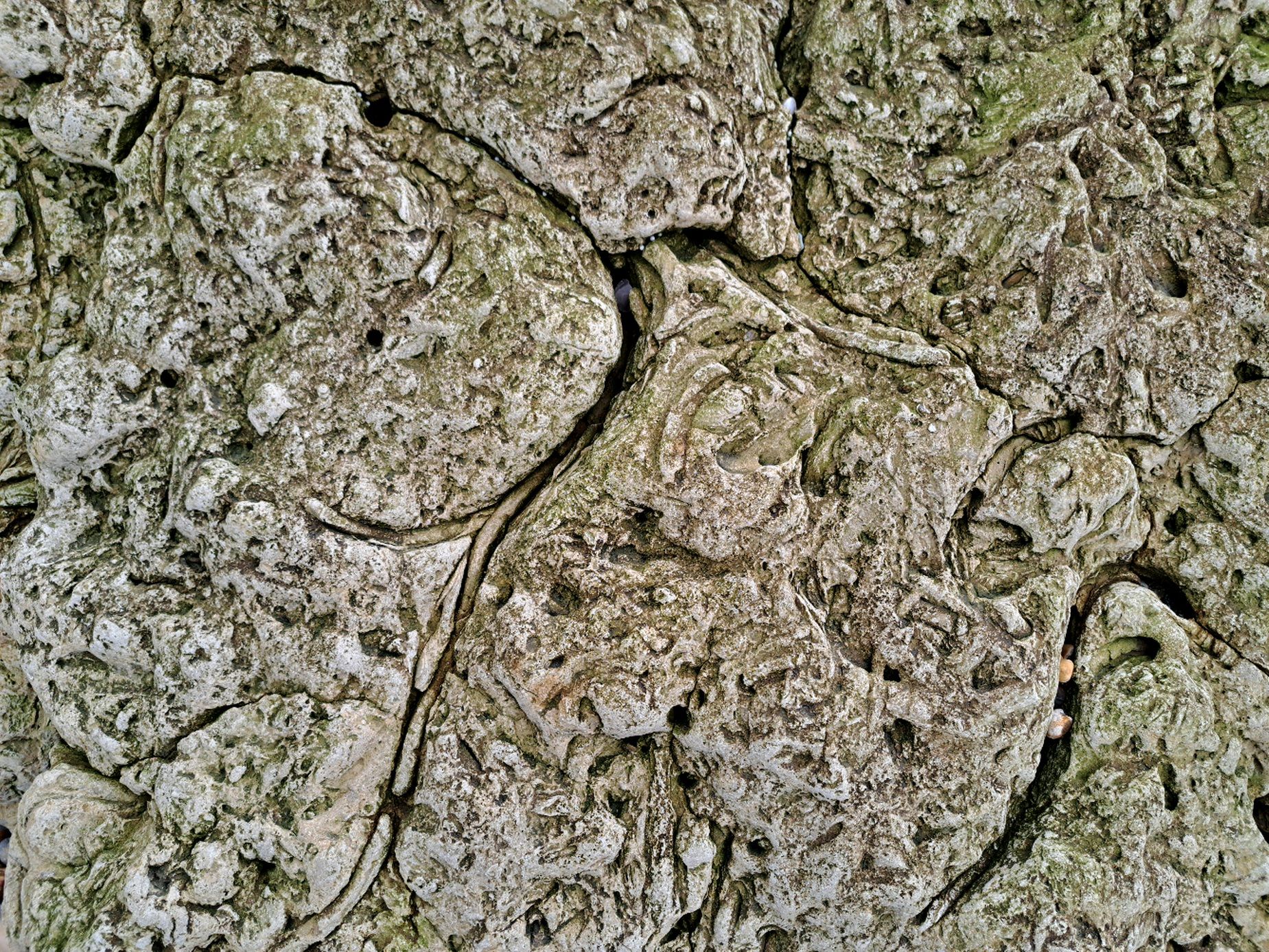
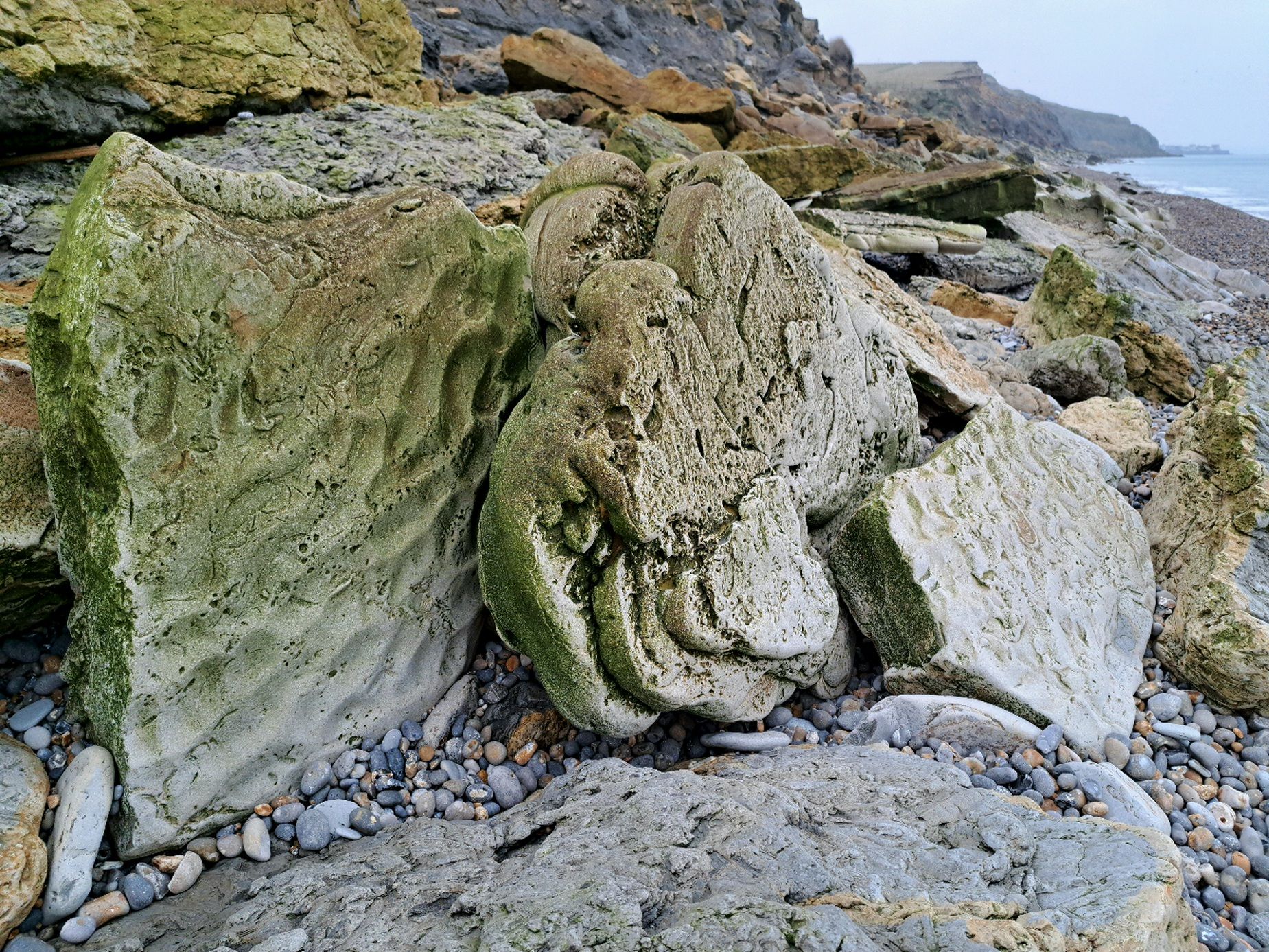
Unfortunately, we are not well prepared, so we can only admire the rocks shaped into gigantic eggs by surf, wind, and weathering from a great height. They are being lapped by the tide and are inaccessible on foot.
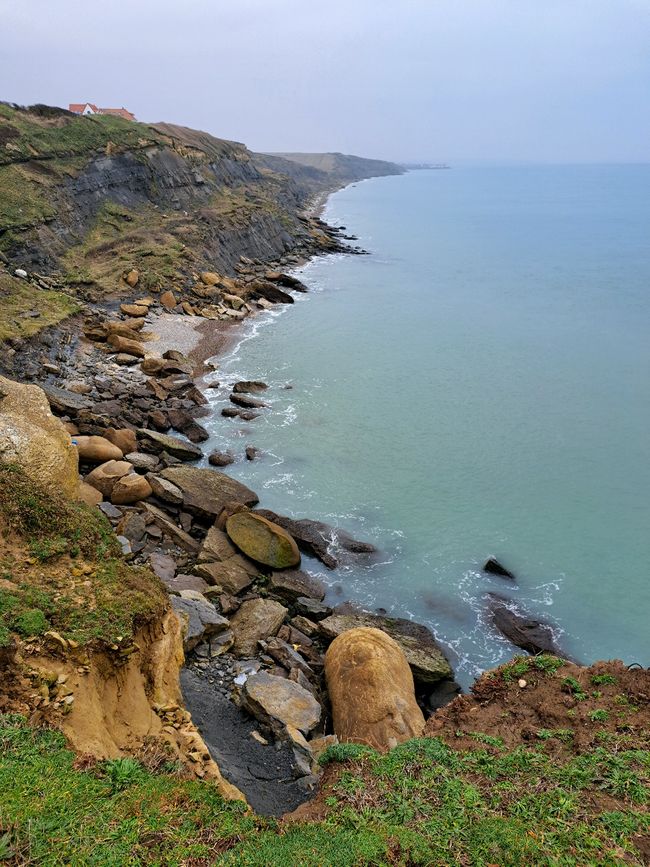
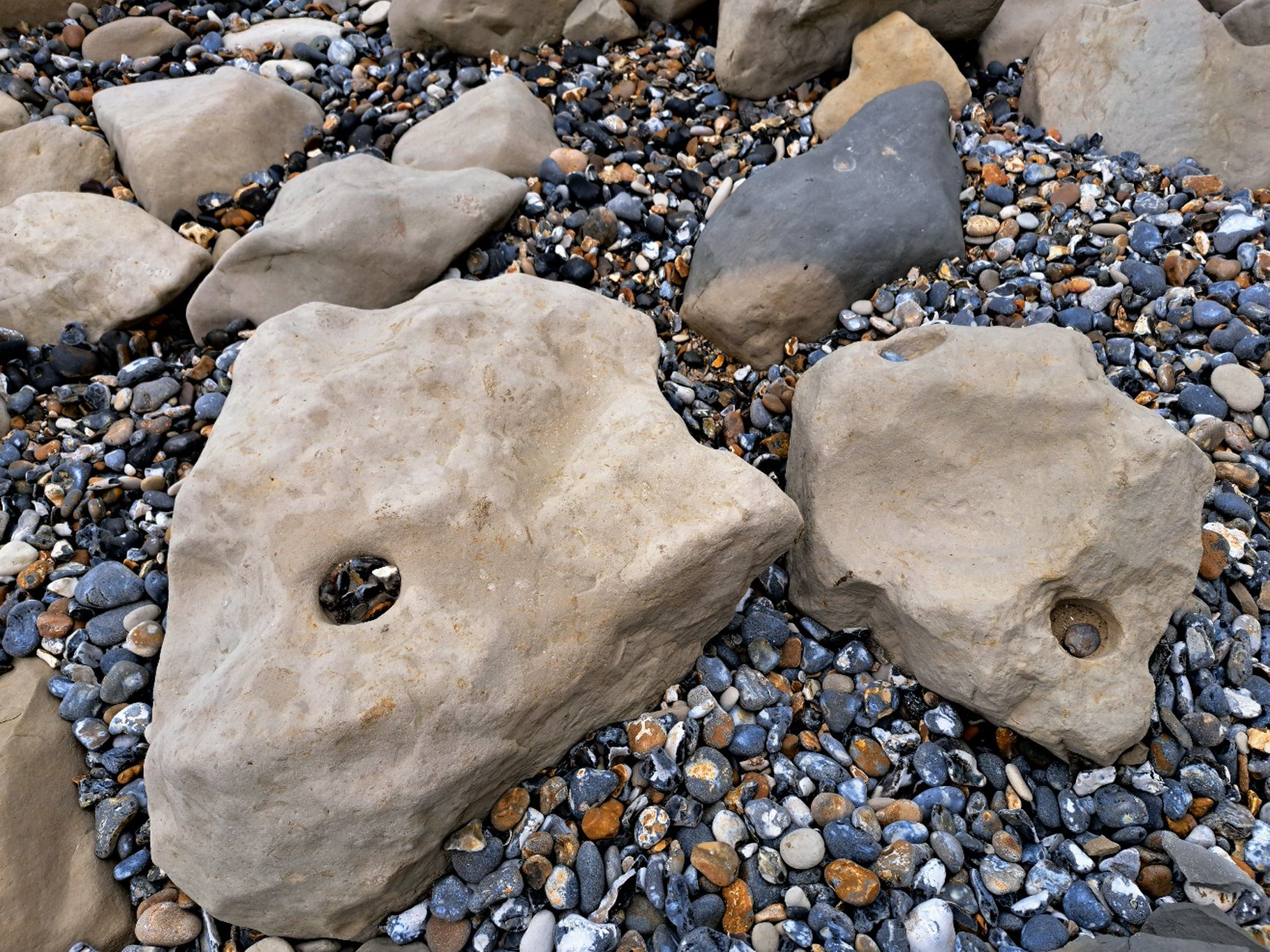
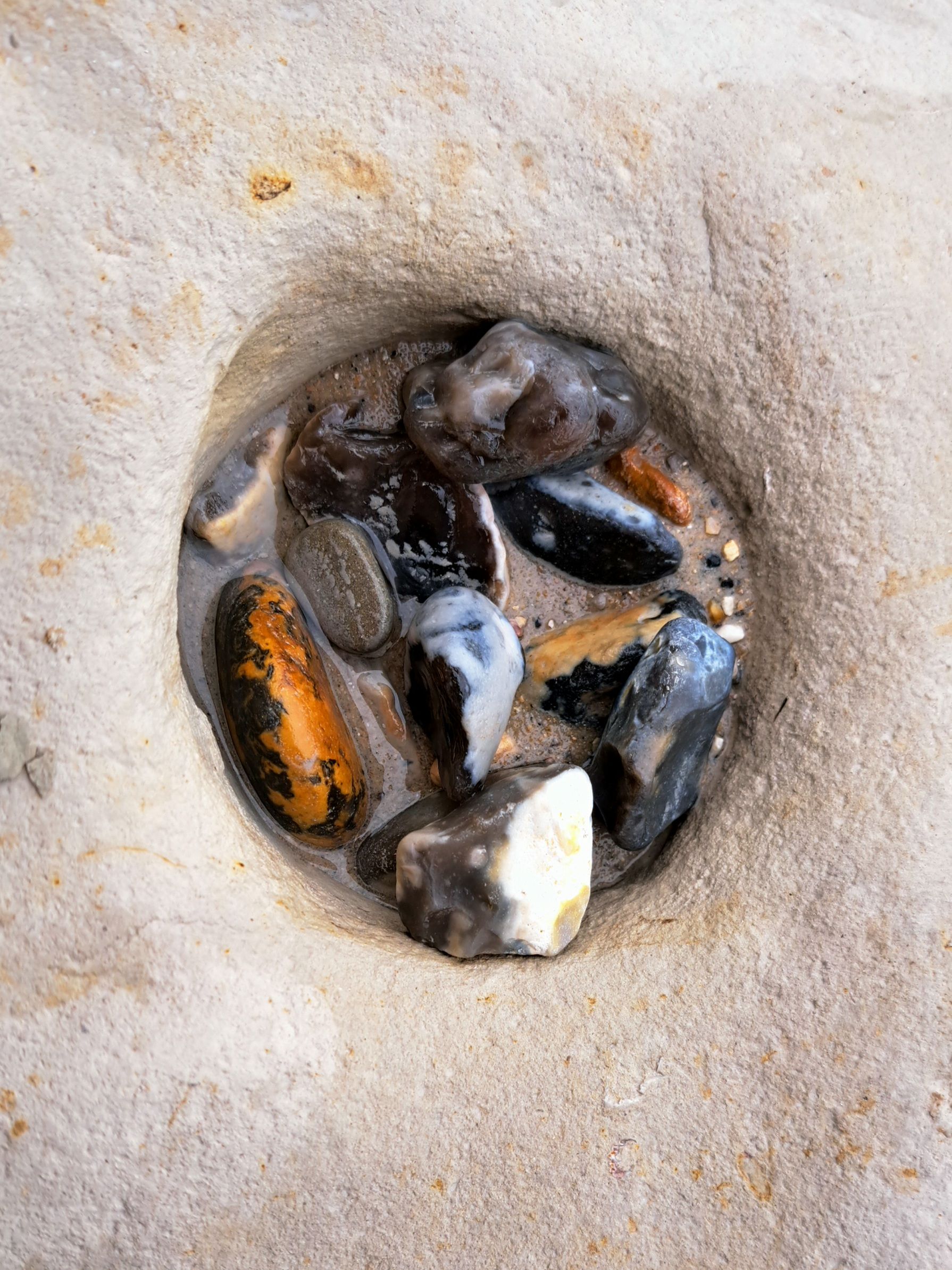
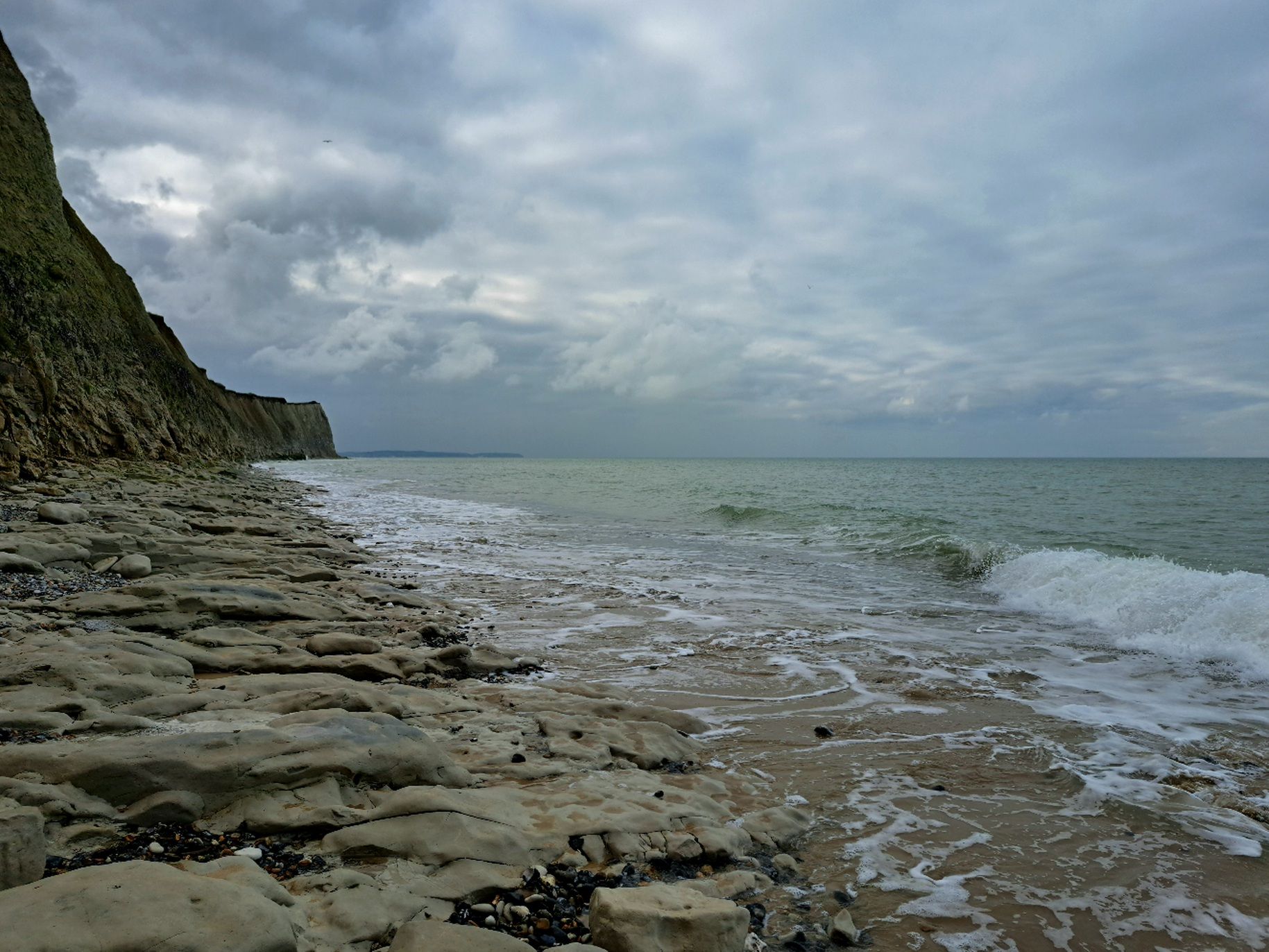
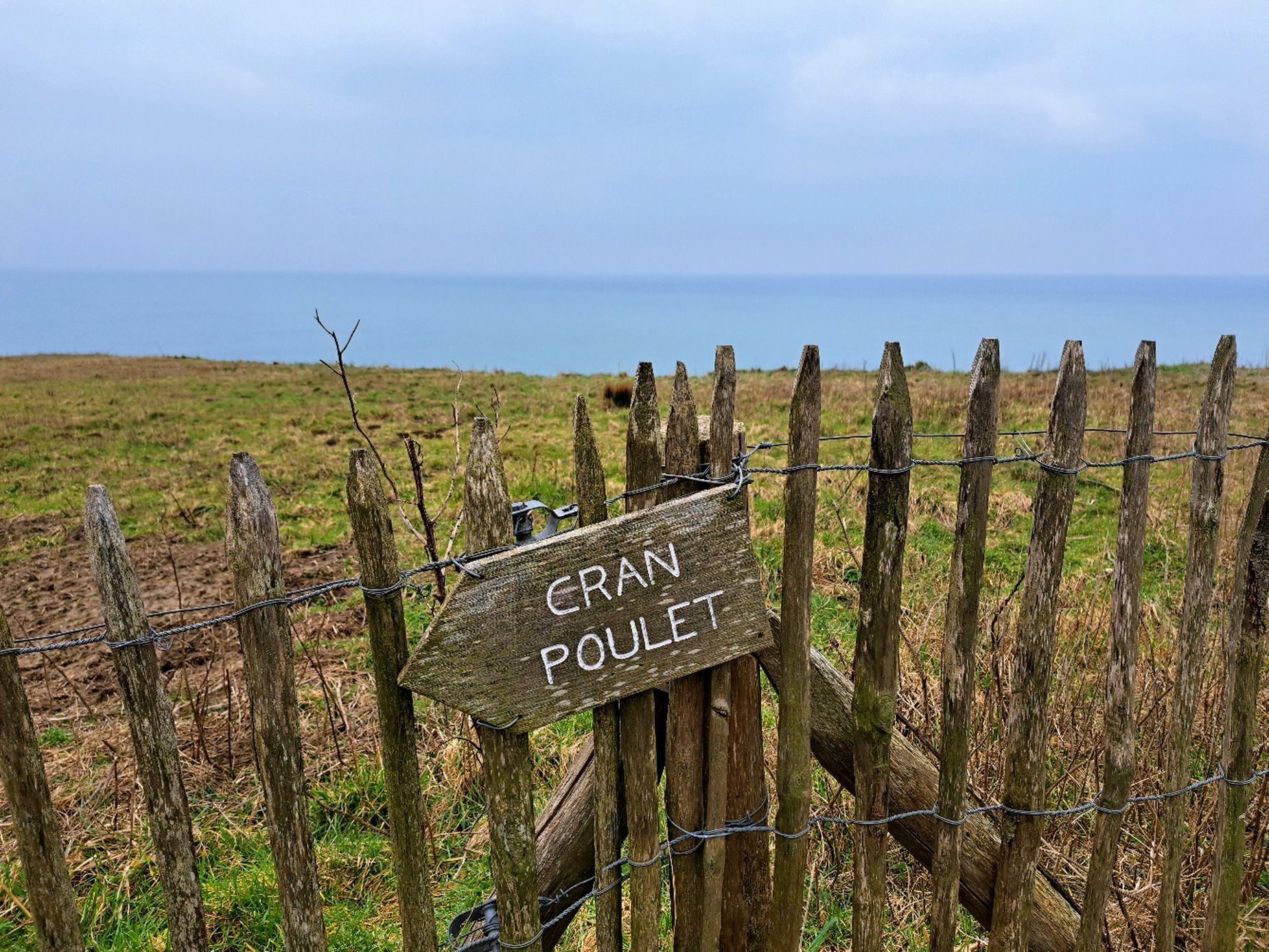
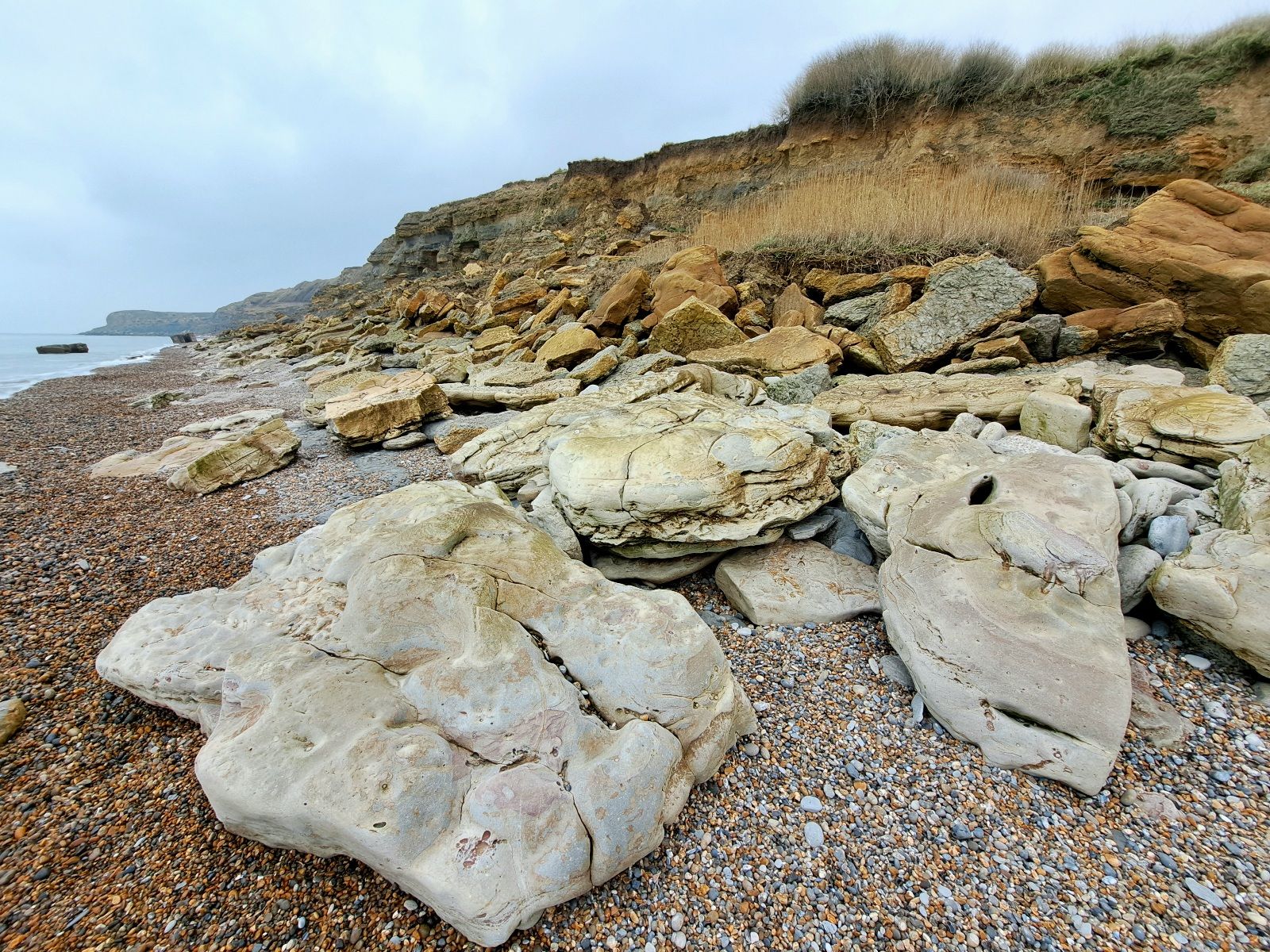
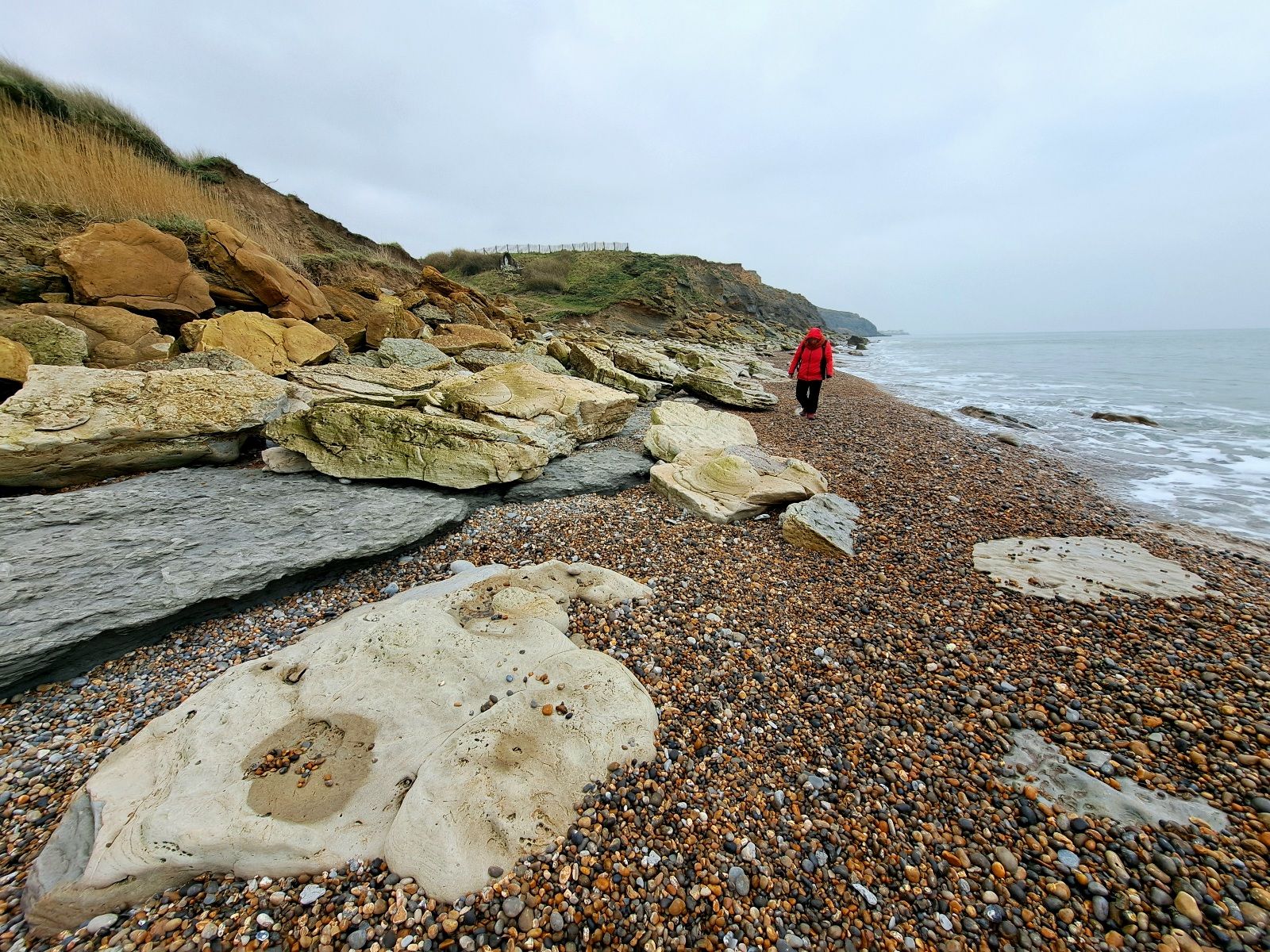
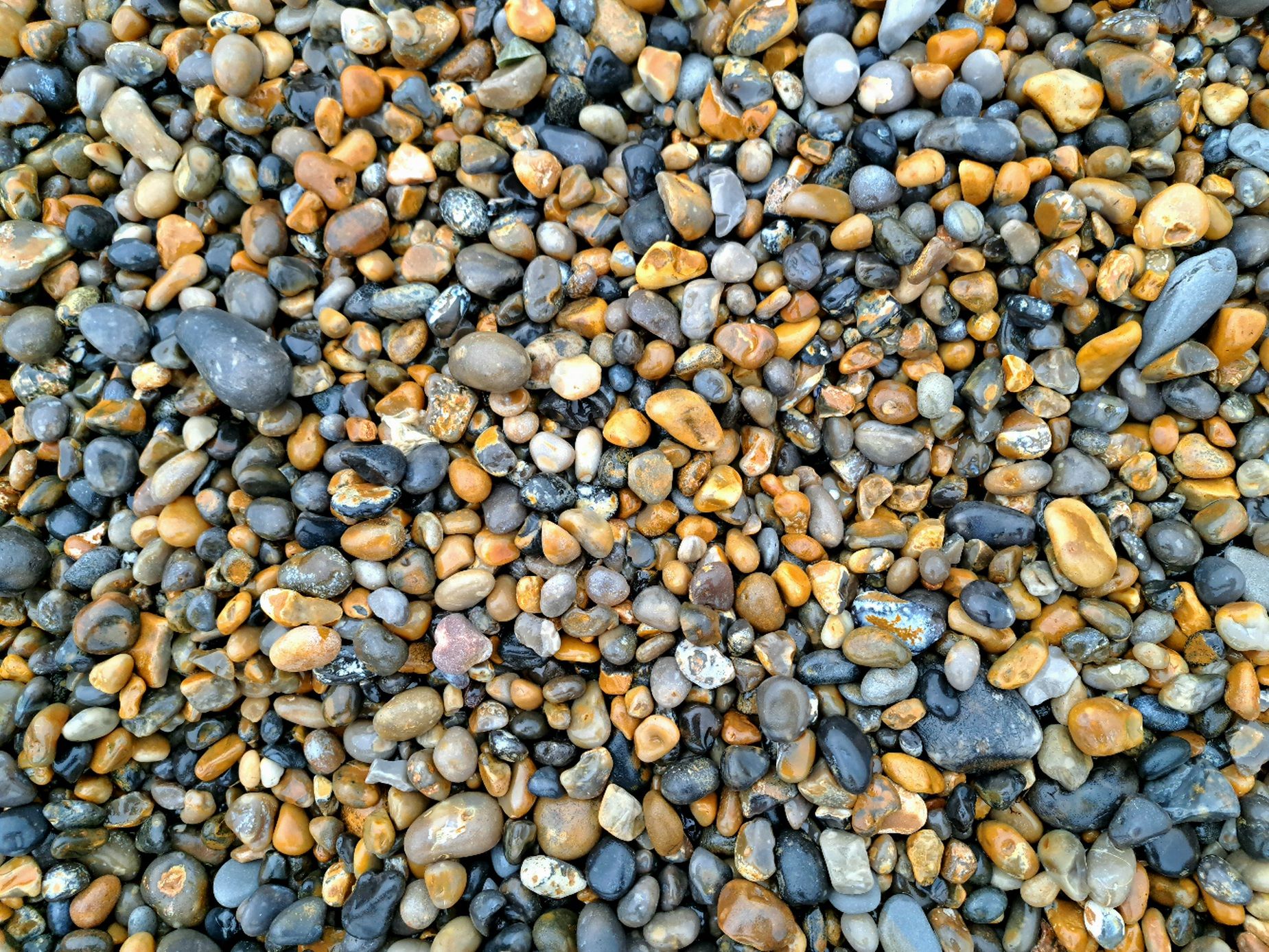
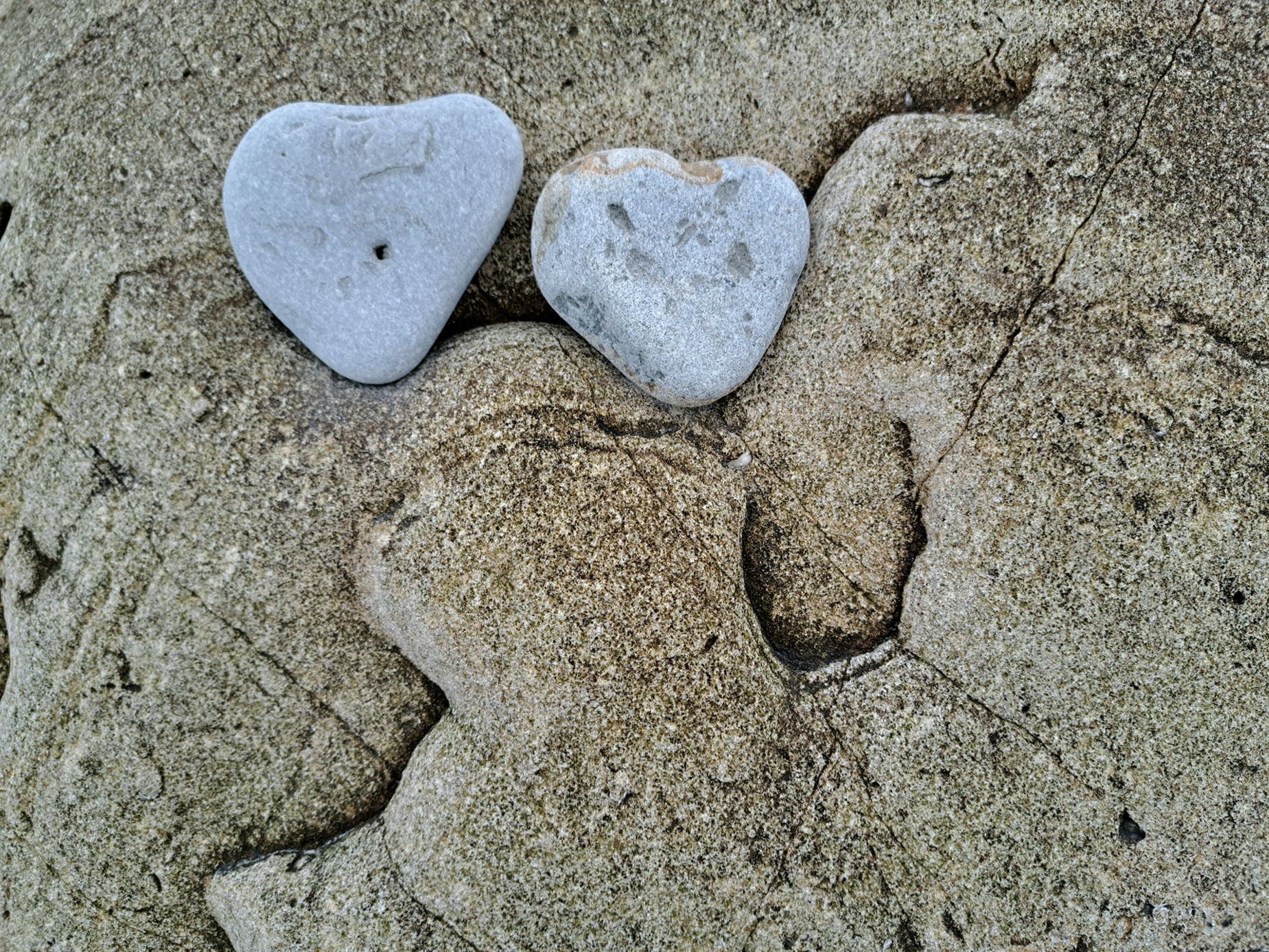
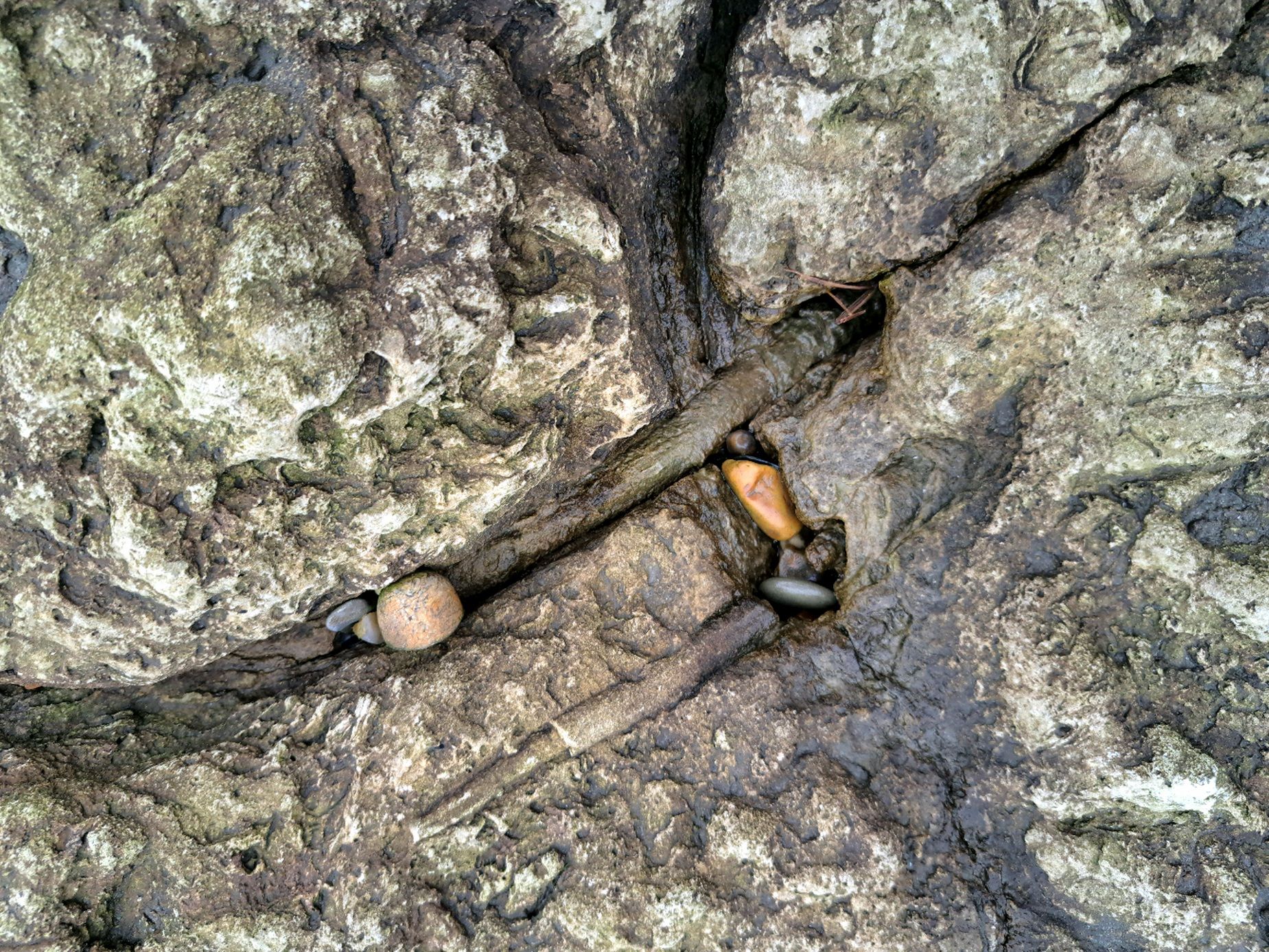
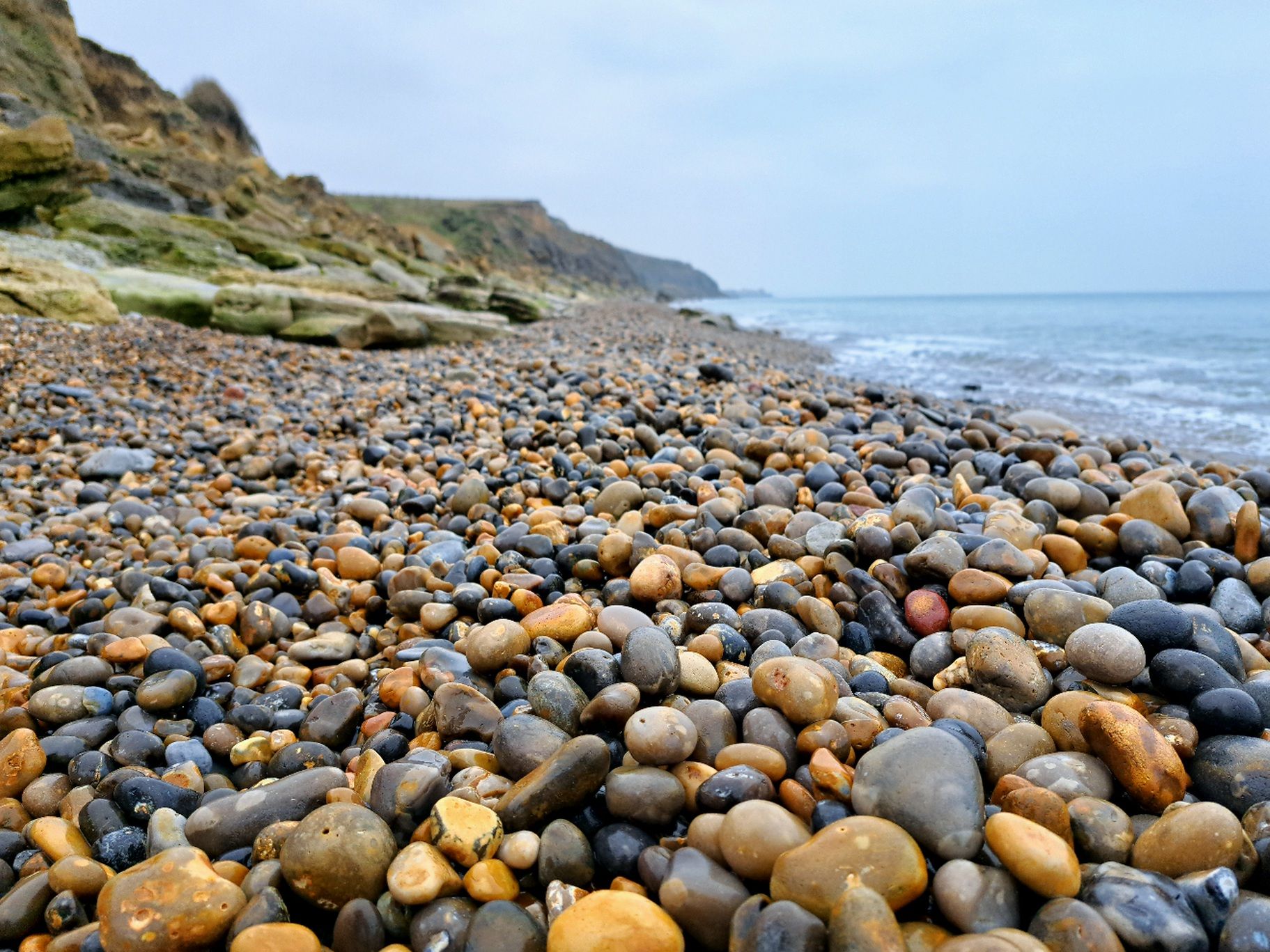
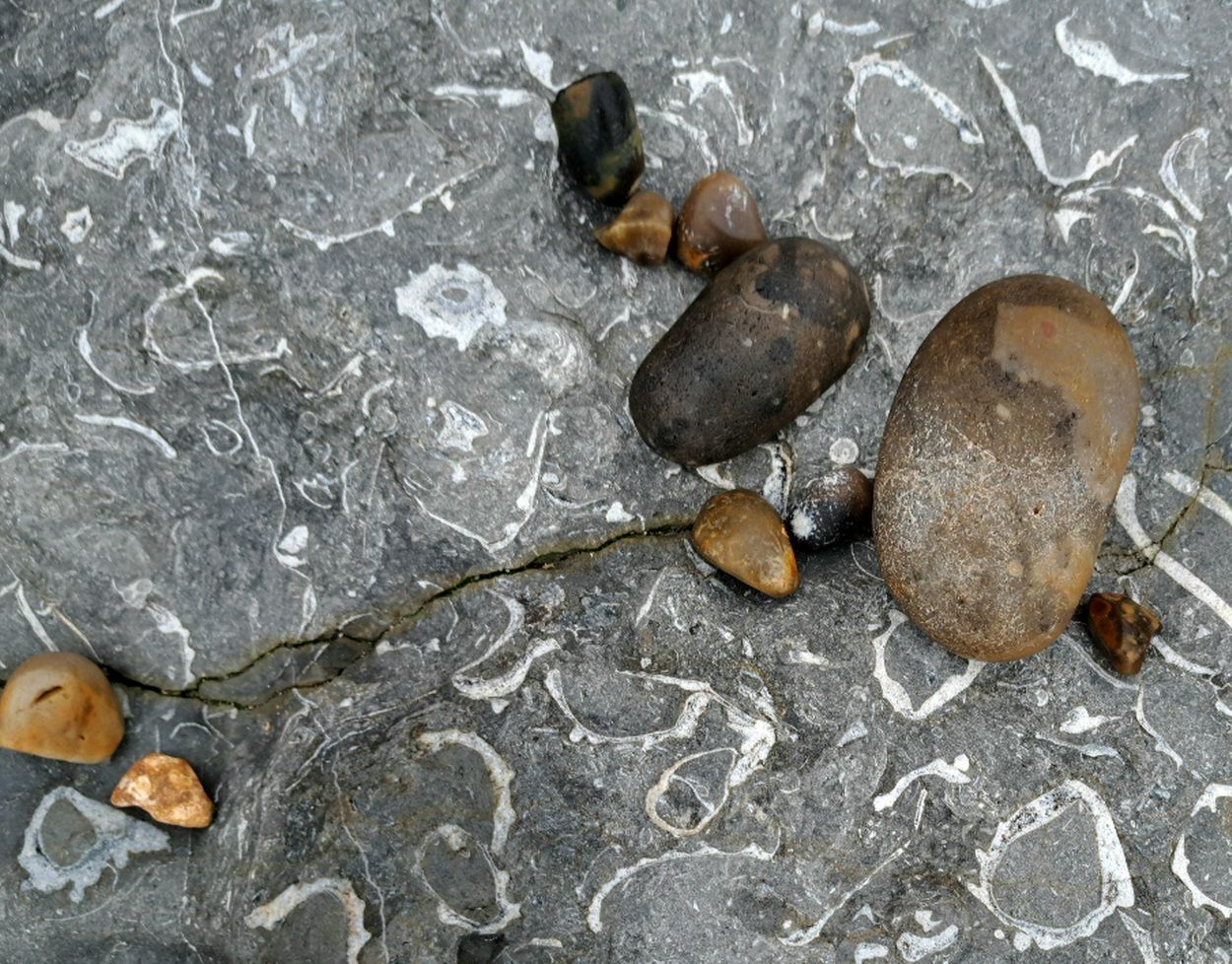
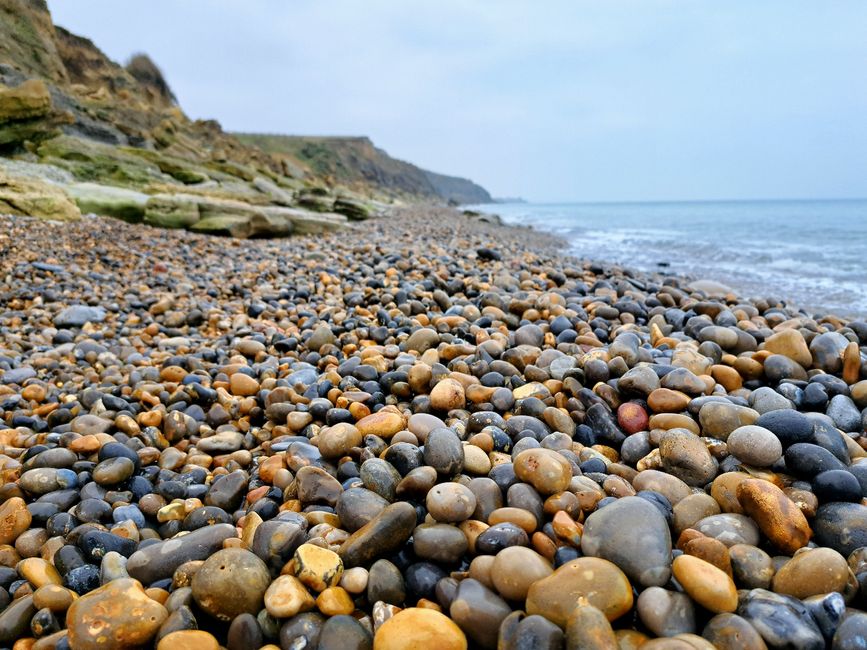
We continue our hike to the Chicken Crevice. Here, the sea still leaves us enough space to walk along the rocky beach and admire countless pebbles shaped like little eggs. In countless different shades, from ochre and beige to umber and mustard colors to saffron and terracotta. I can't get enough and would love to take them all home, but we are in a nature reserve where collecting and carrying away is PROHIBITED. And that is a good thing too. Otherwise, the Kangoo would have several more kilos to transport.
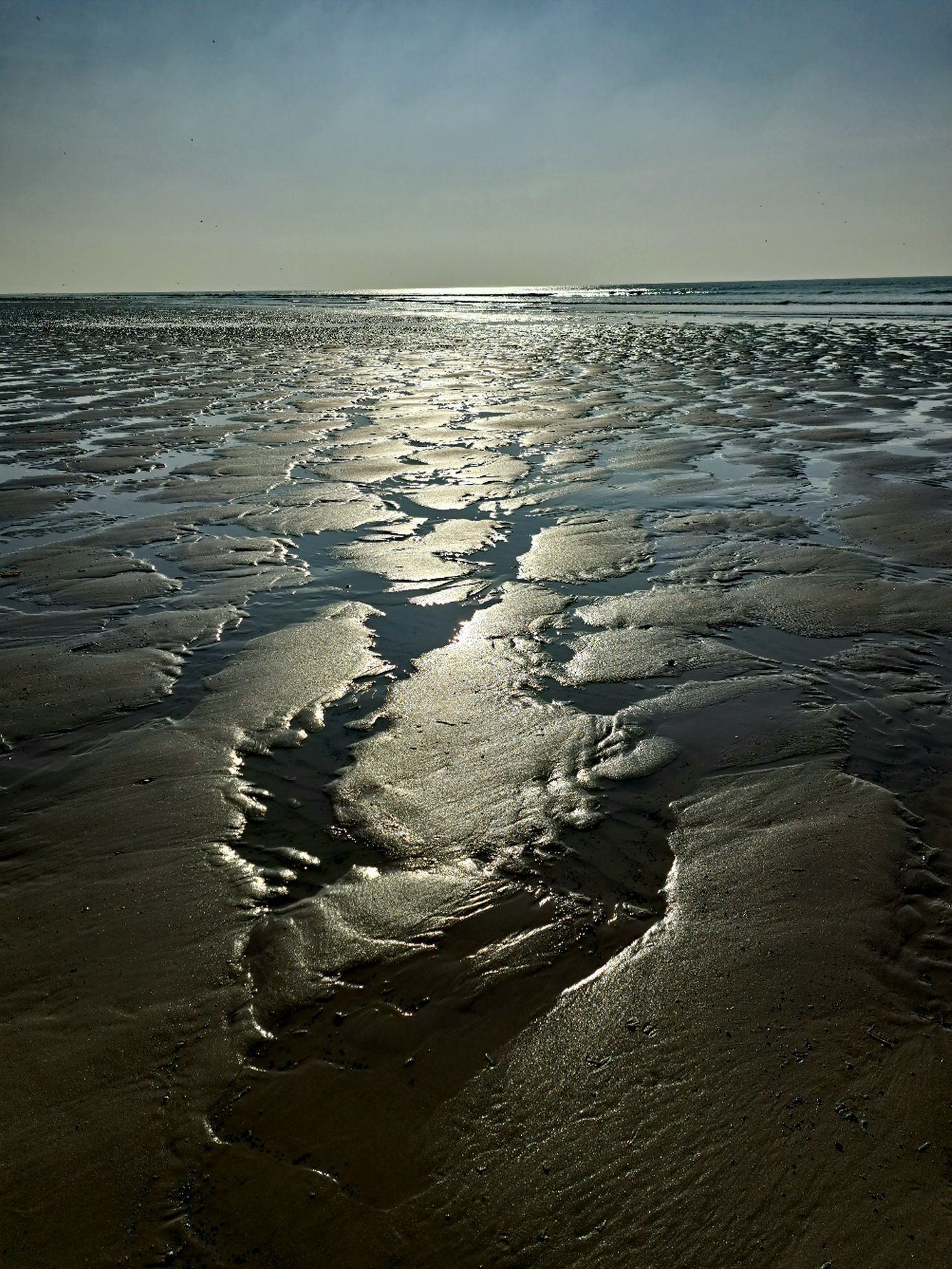
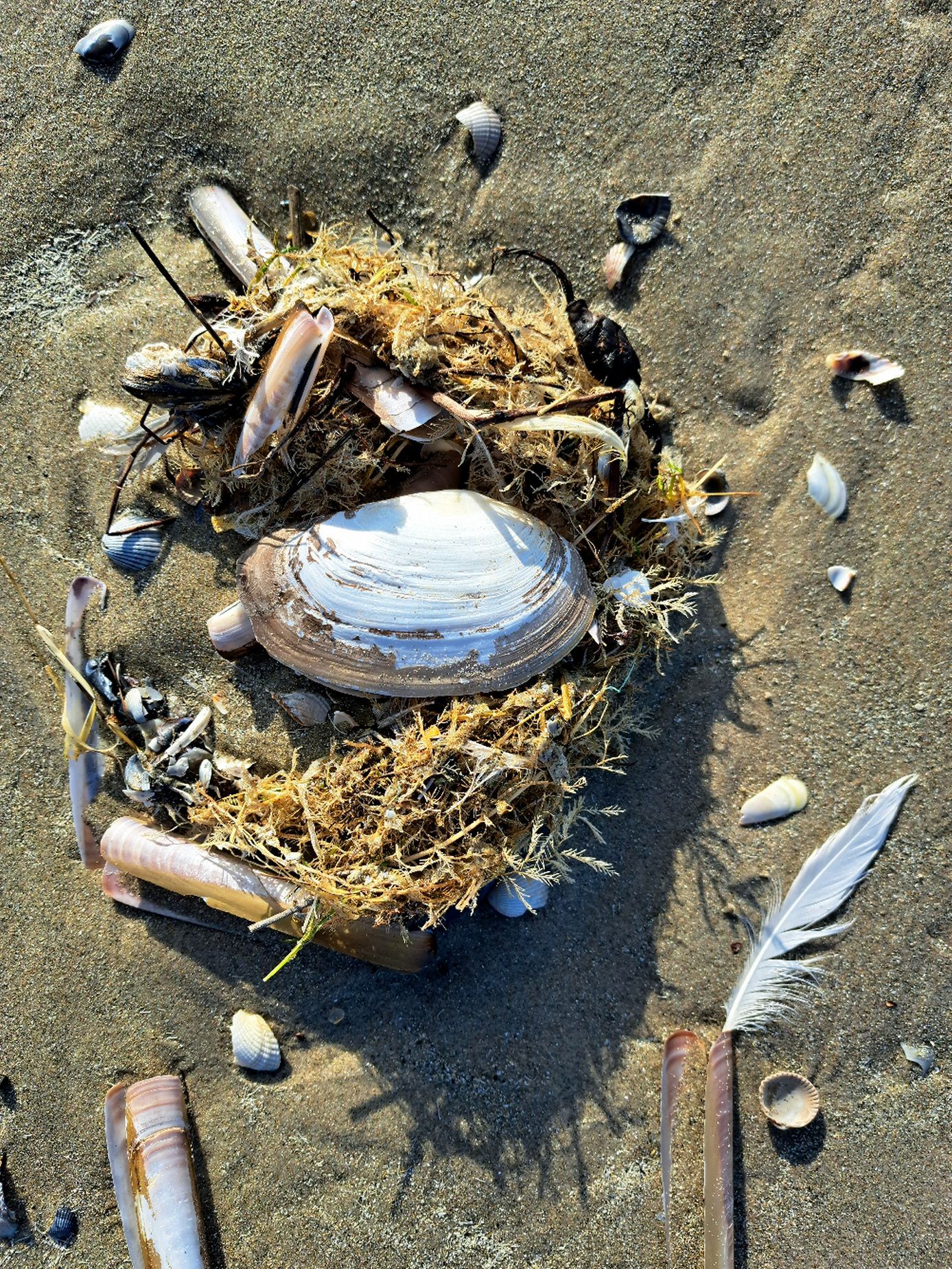
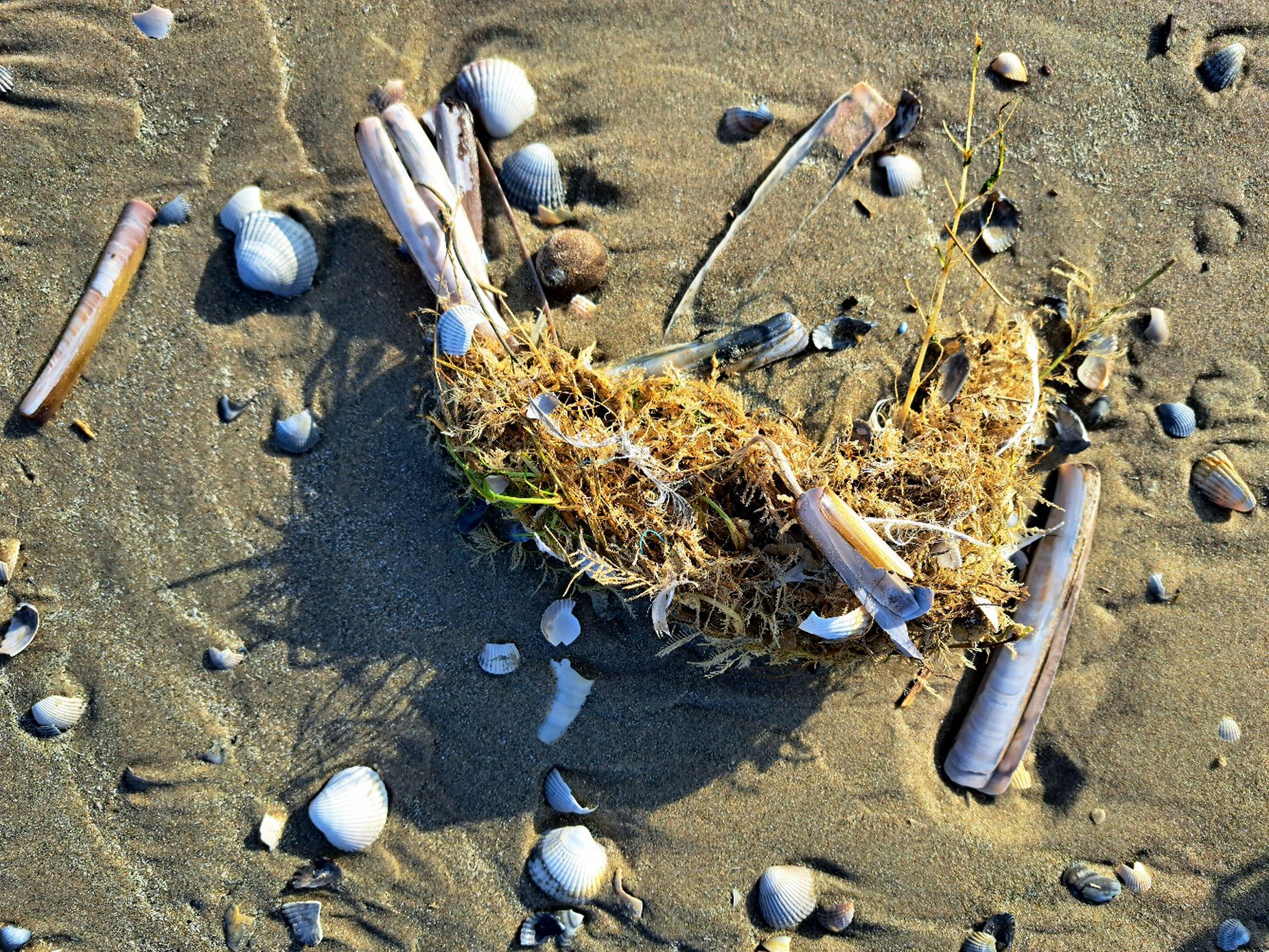
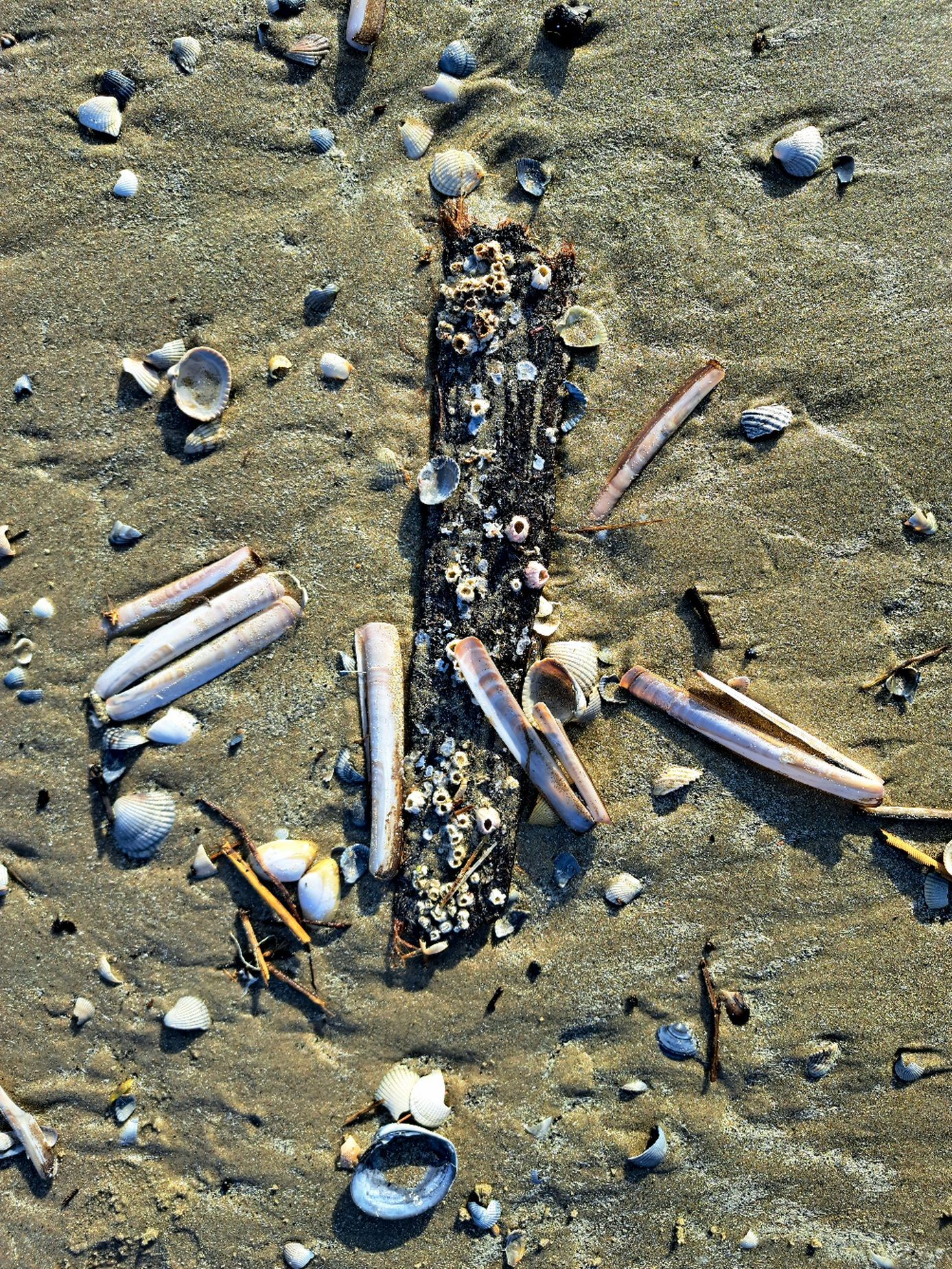
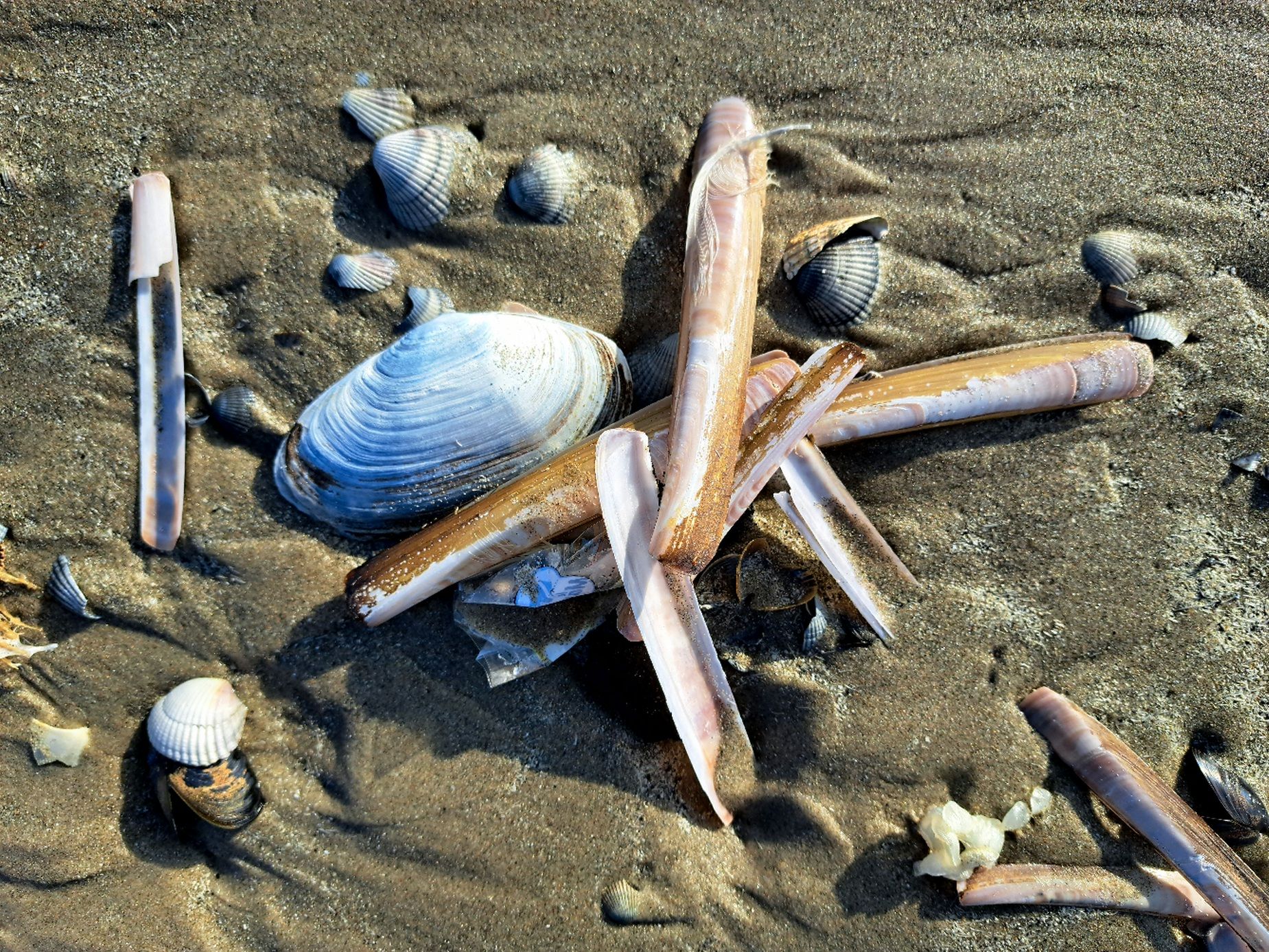
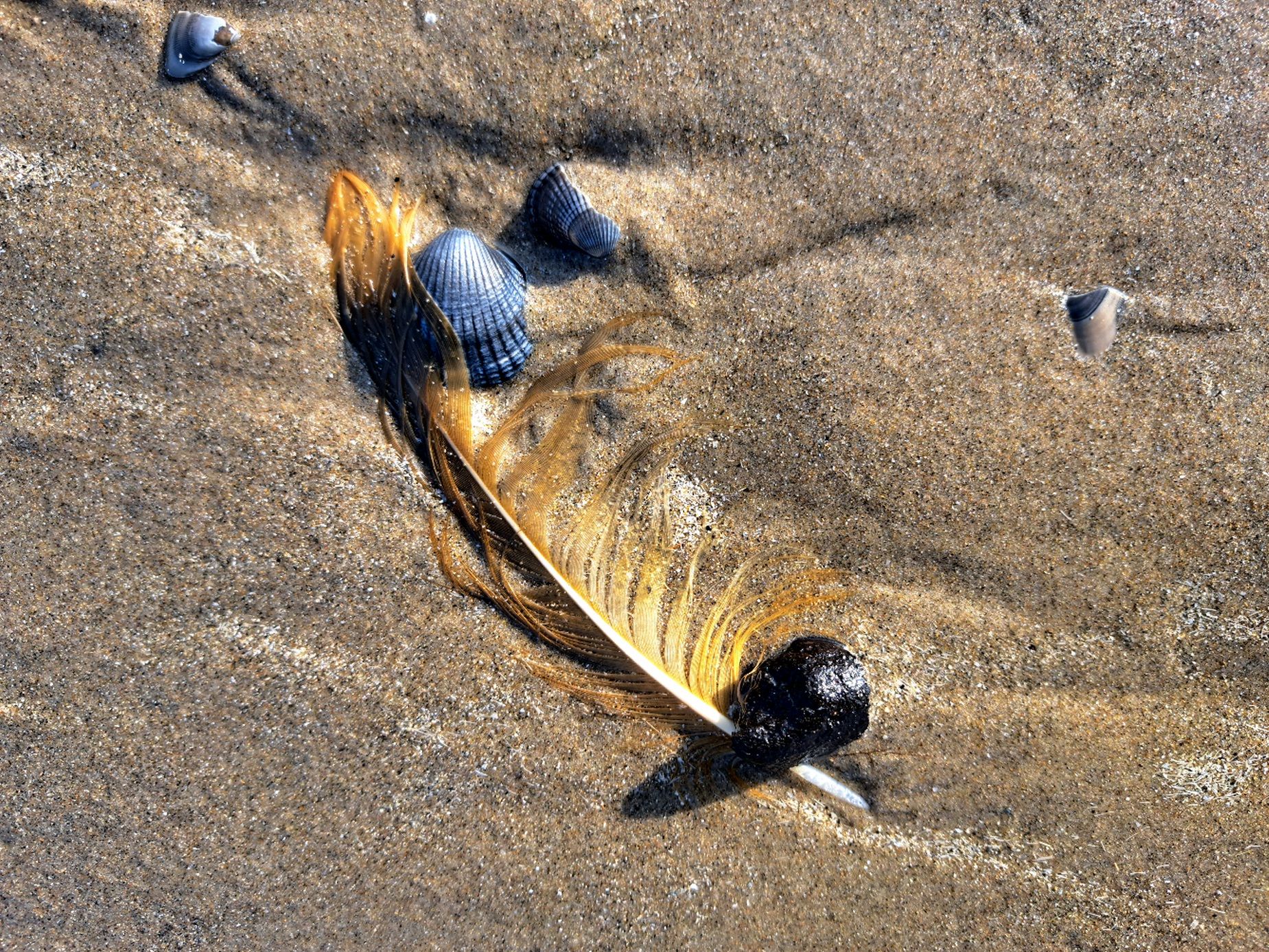
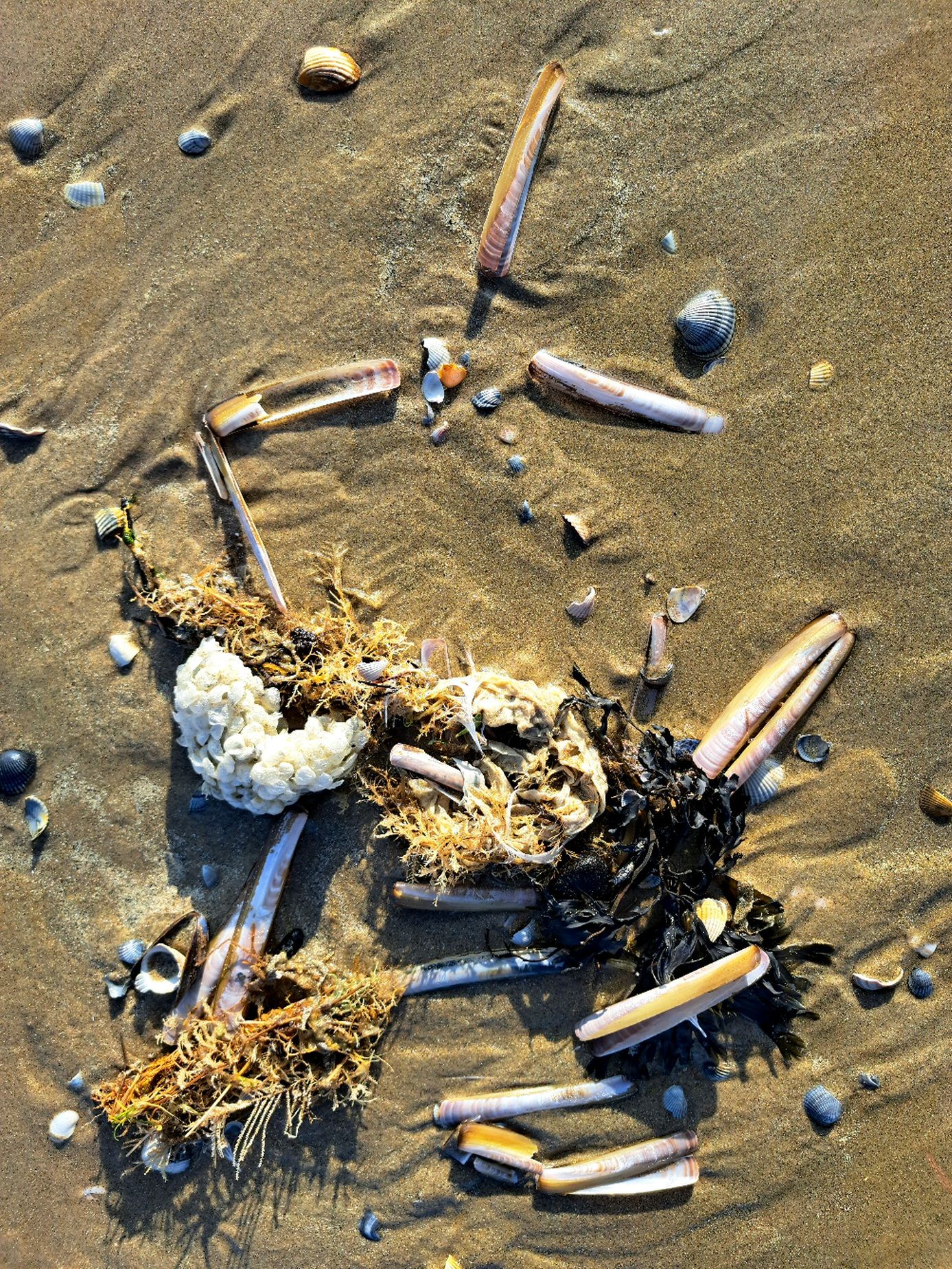
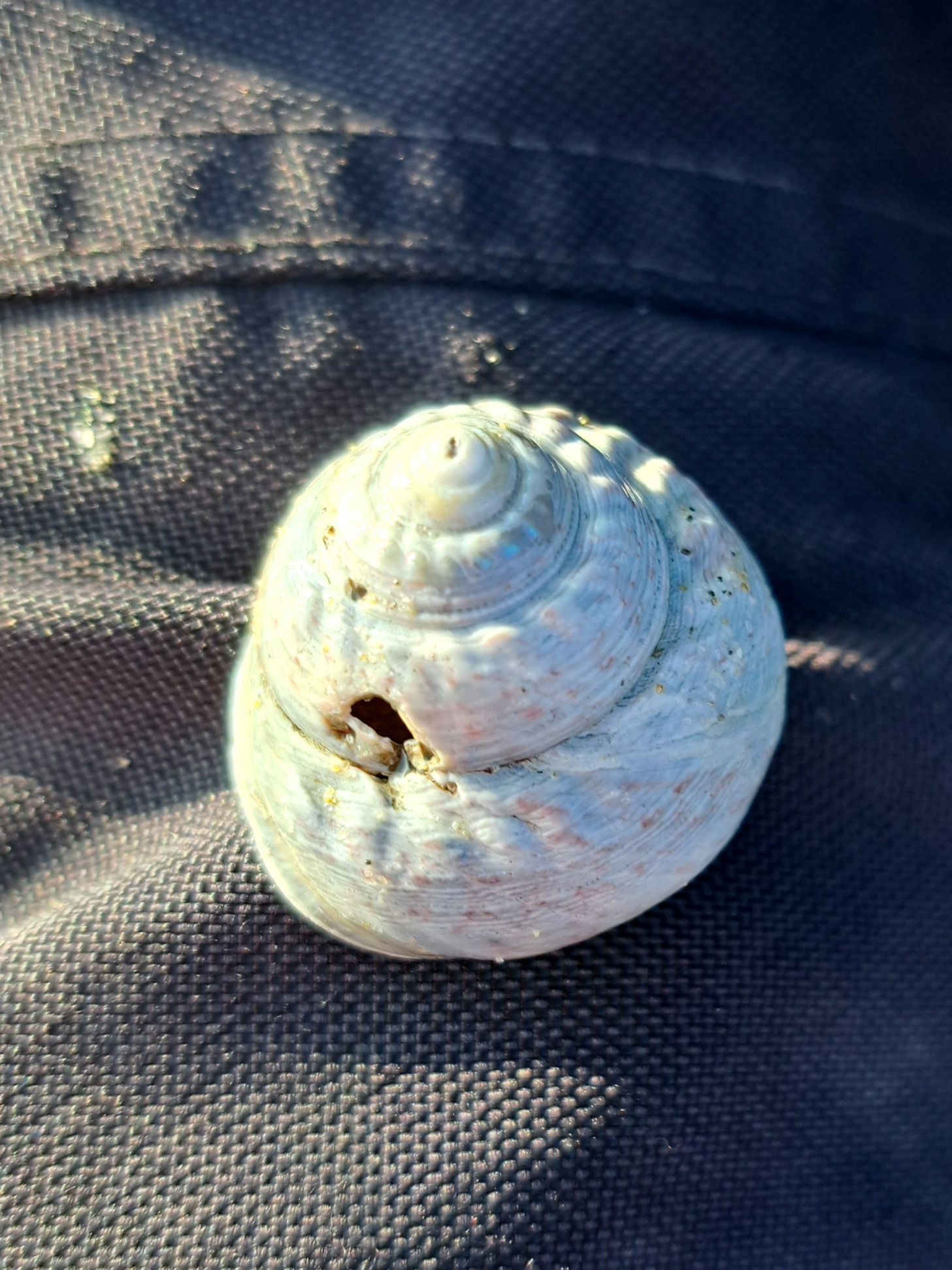
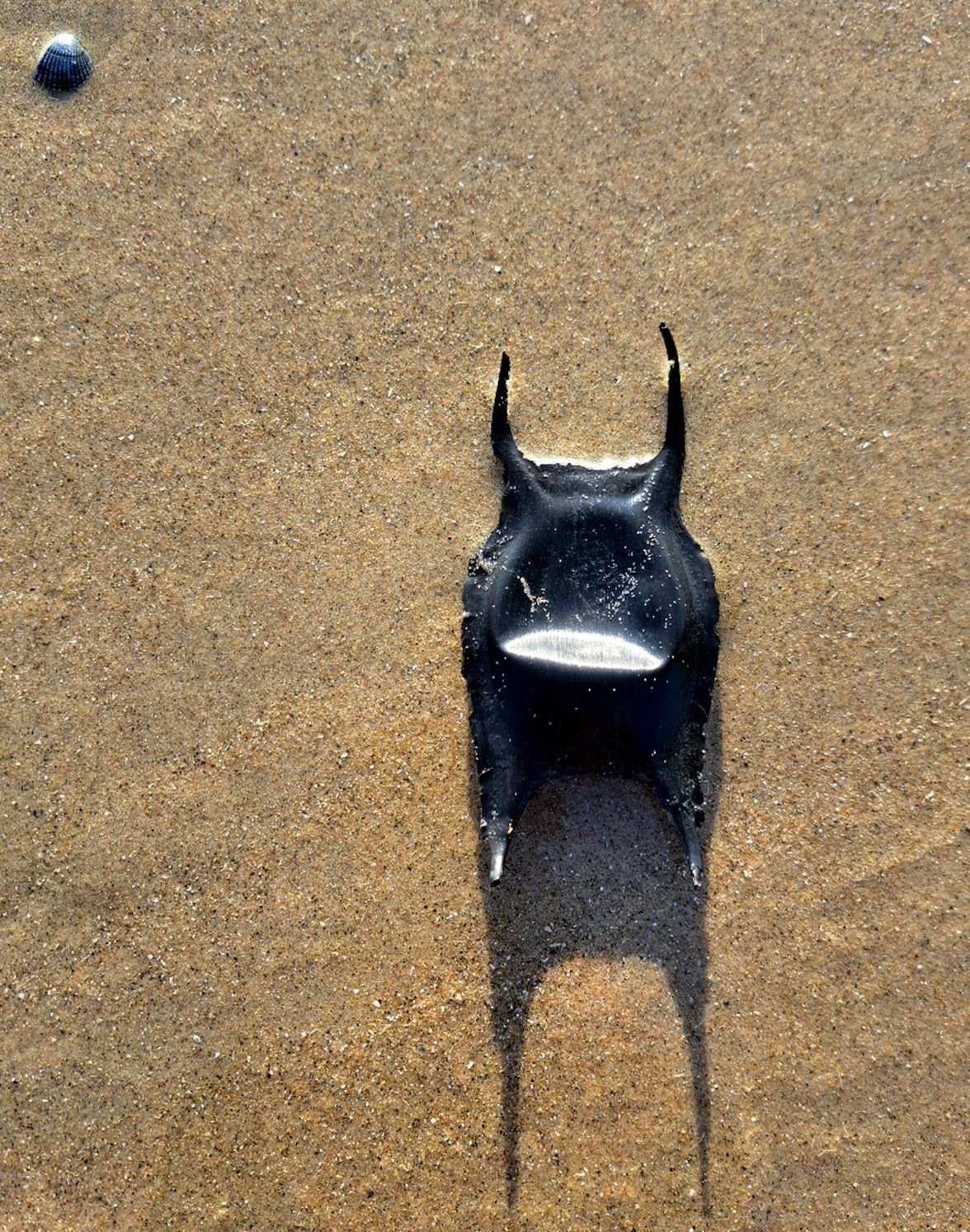
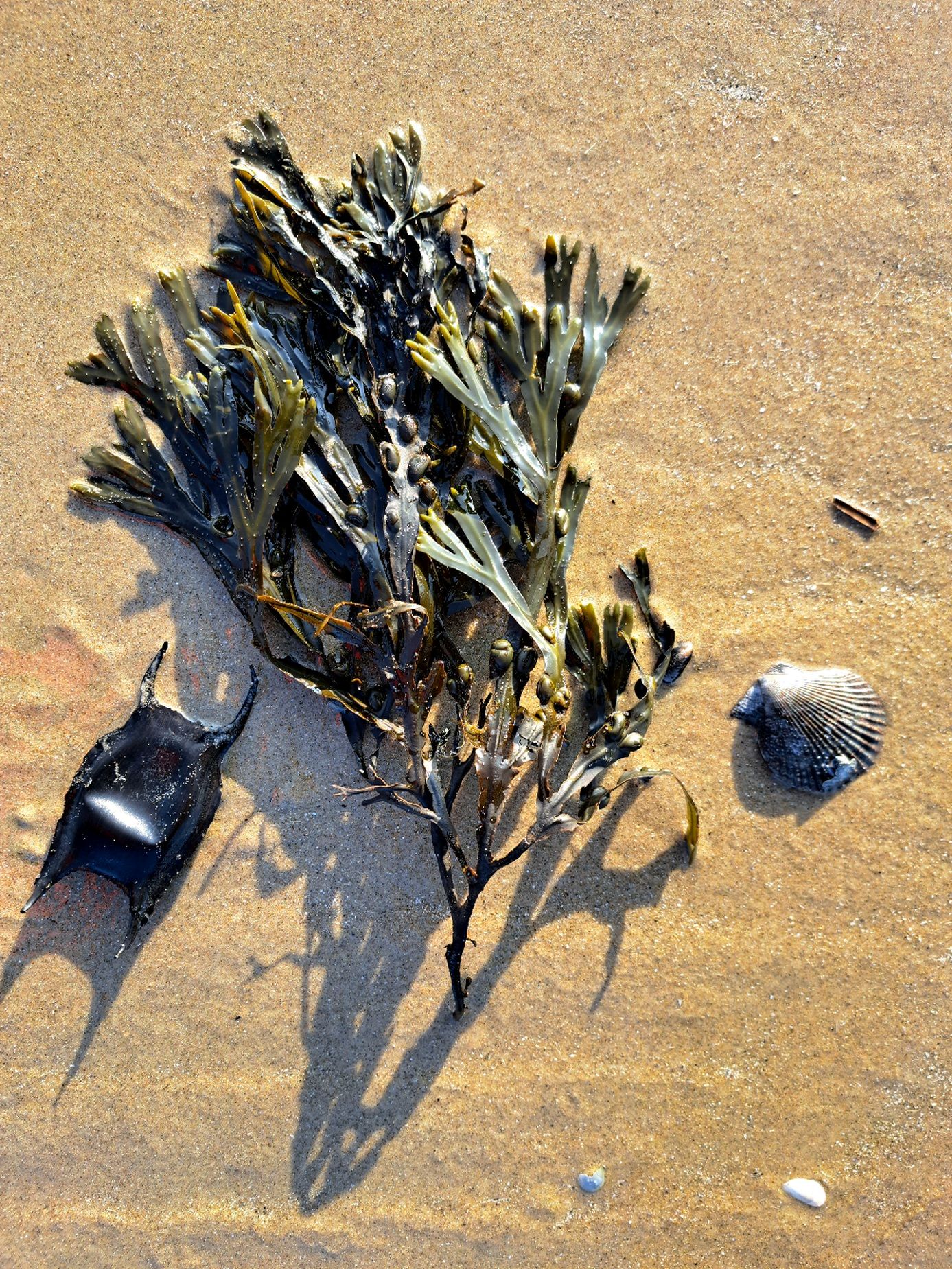
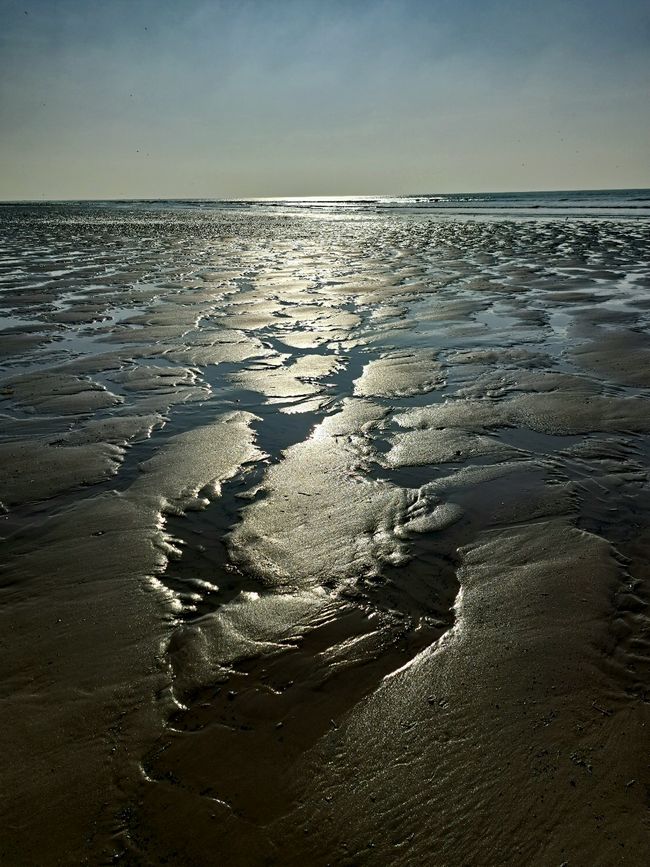
There wouldn't be any space left for the many shells from the beach of Dannes, where we marvel at the tide range of a full seven meters the next day during the full moon ebb.
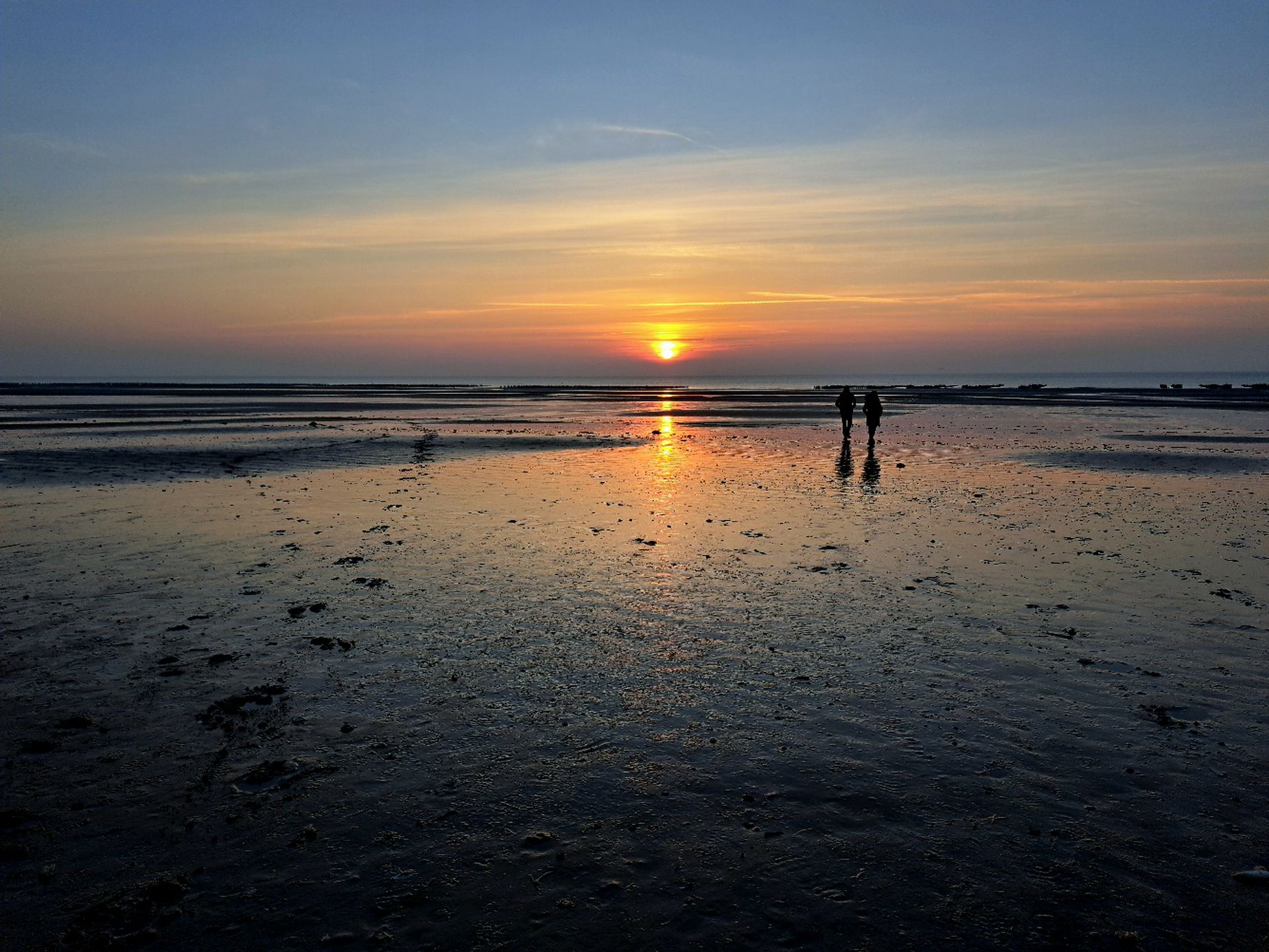
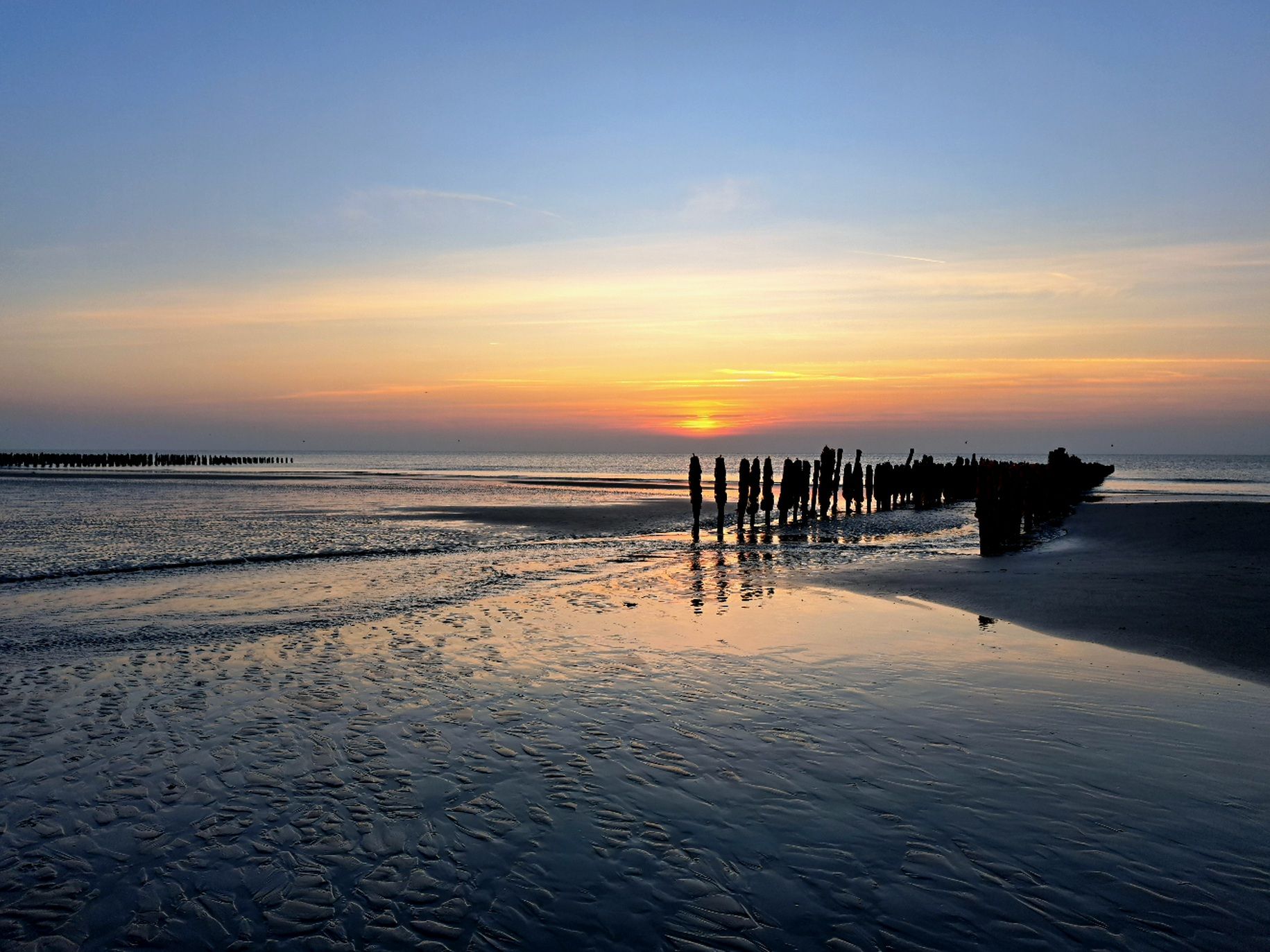
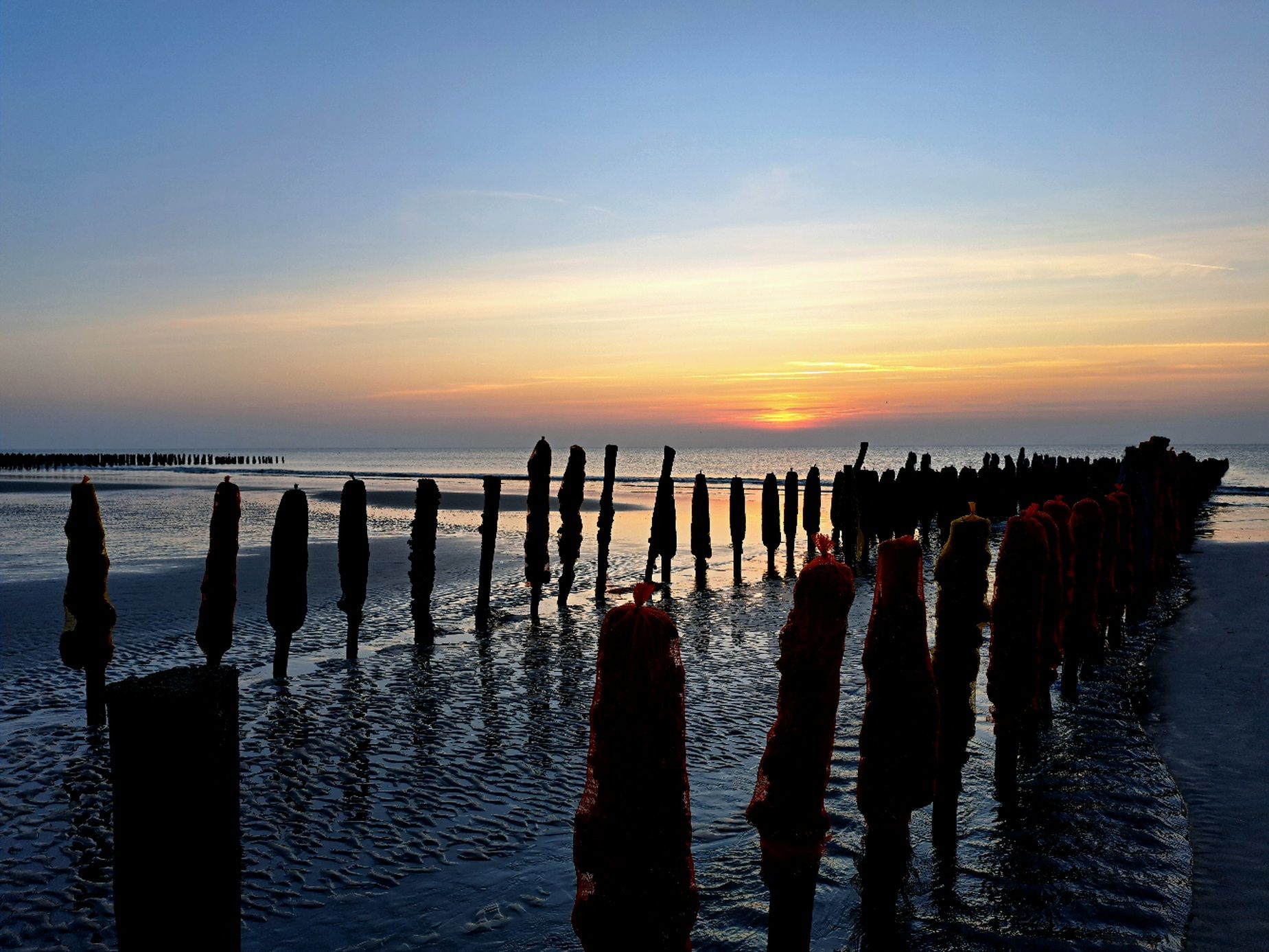
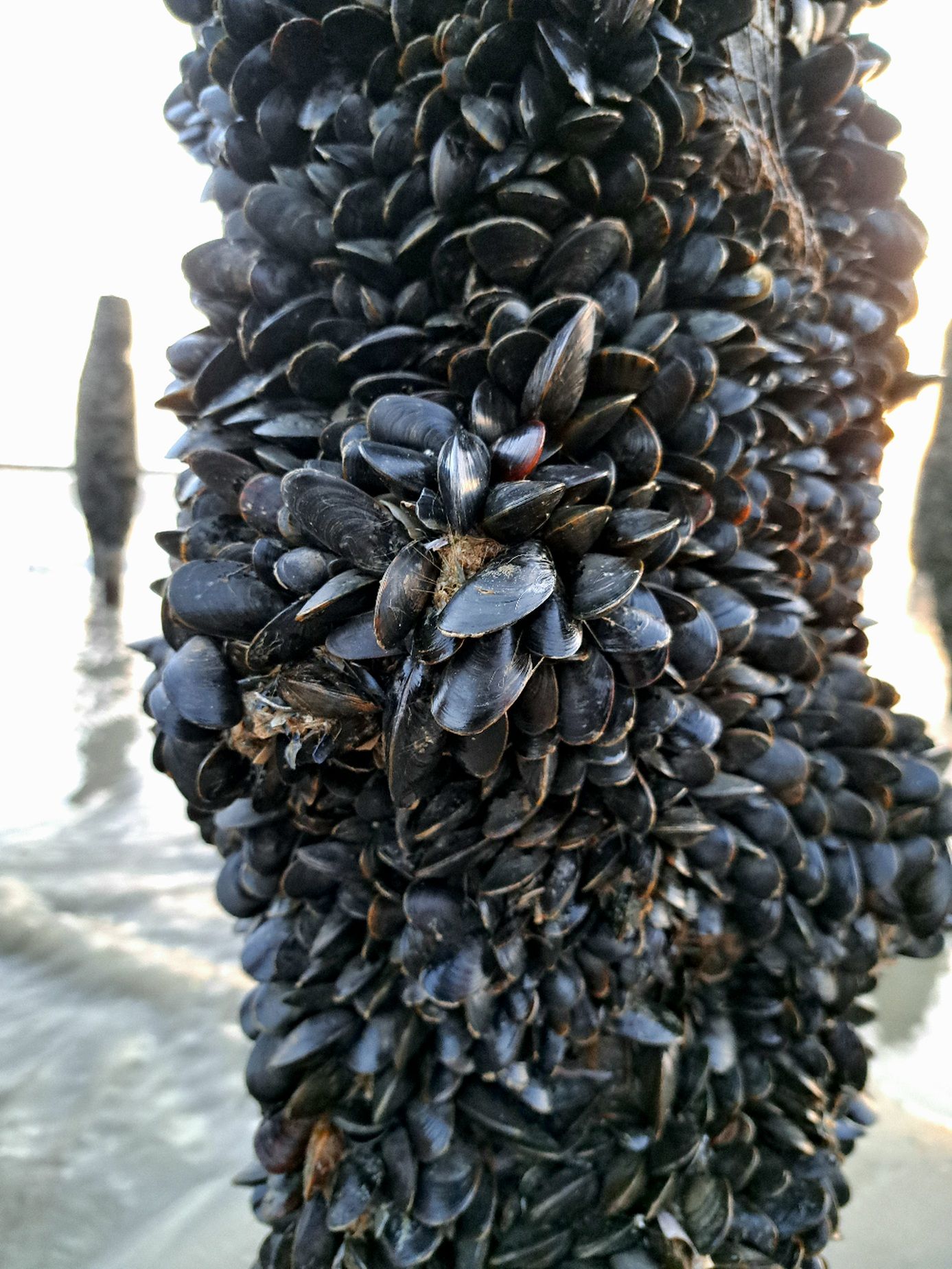
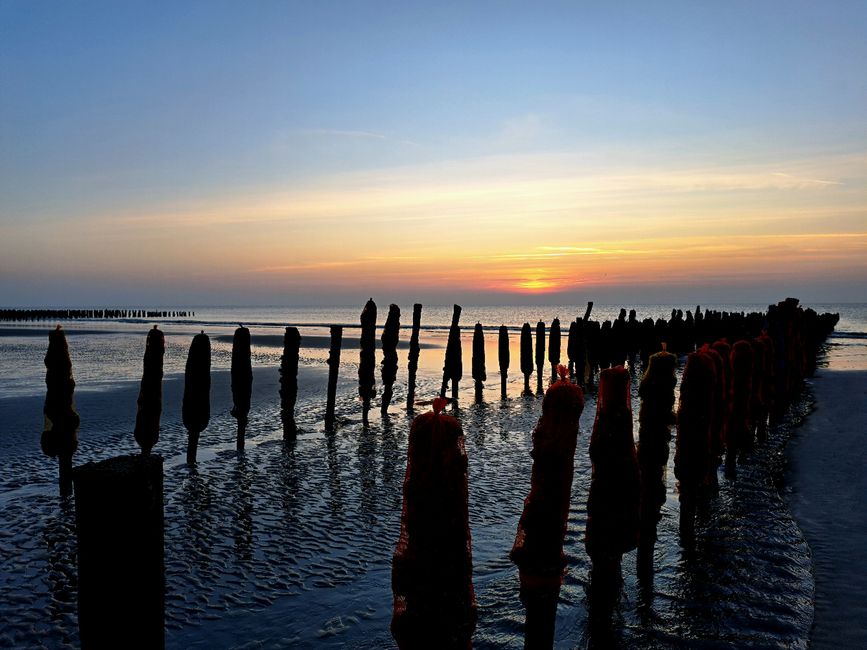
The sea does not seem to want to stop receding, and suddenly, at a colorful sunset, mussel banks become visible in the distance. For a tasty mussel soup with red wine, however, the mollusks are still too small; we leave them at their wooden poles and refrain from committing a sneaky theft.
As the final highlight of our little, unintentional trip to France, we want to admire the fish market in Calais on Saturday morning.
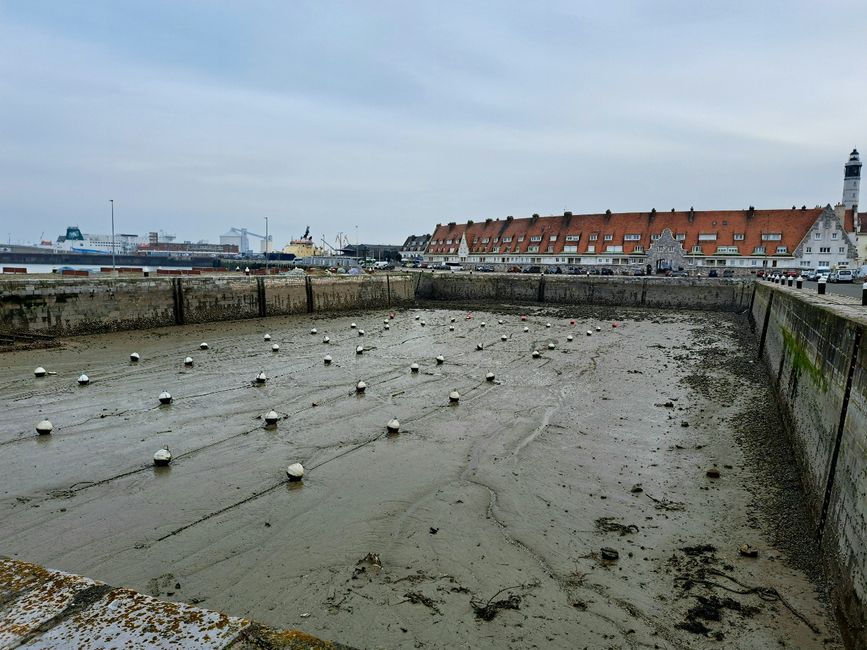
We even quickly find a suitably long and even free parking spot for the trailer and caravan and stroll through the city at the Eurotunnel.
Unfortunately, the market currently consists of only three stalls, and they are almost sold out.
The fish auction hall stands empty.
Under its awning, refugees from Africa sleep in thin tents and wait, bundled up in thick winter coats, for their big break.
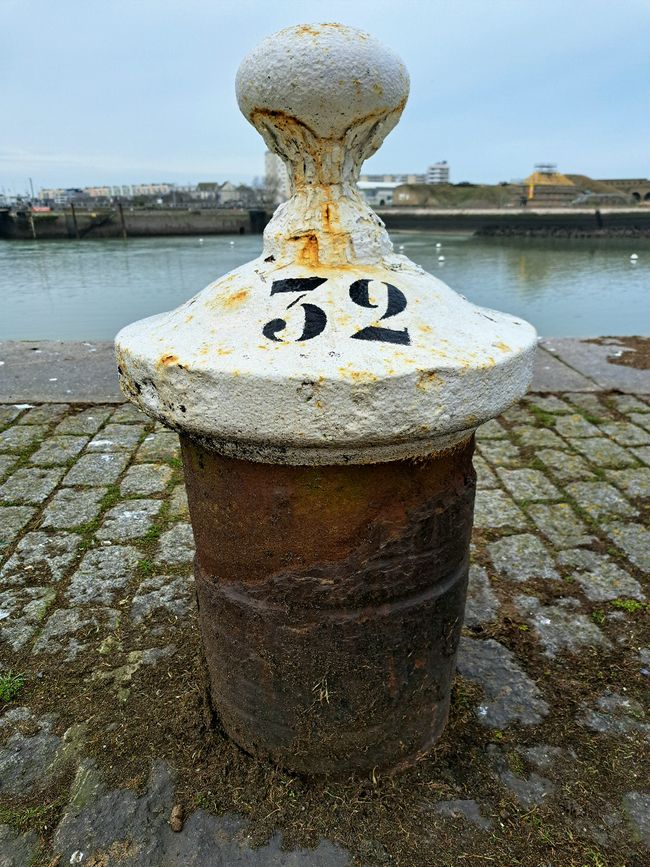
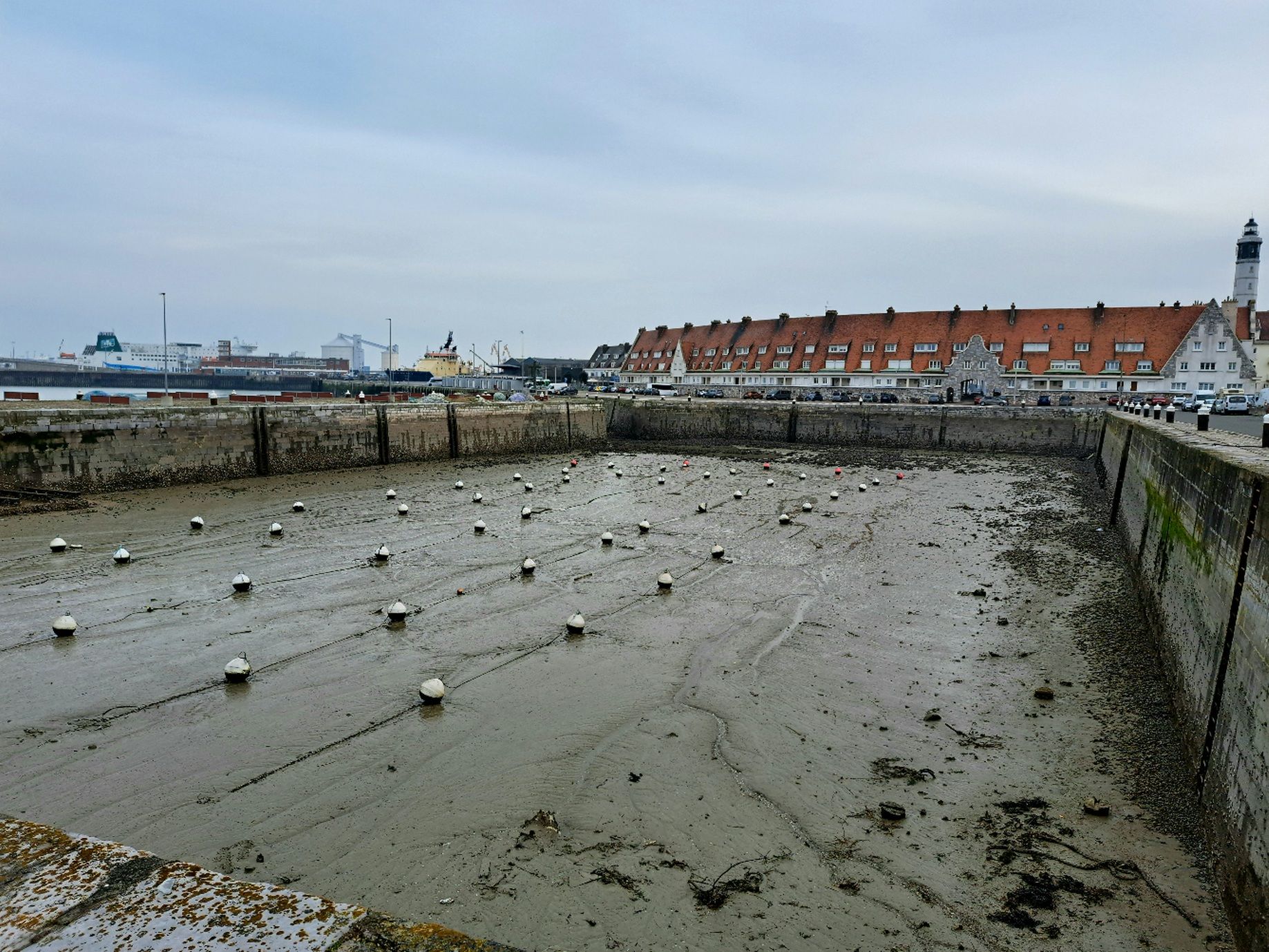
While strolling past a small harbor basin, into which the tide is just forcefully pushing back the water, we want to write off Calais as unattractive.
On Wikipedia, I read that the town was accidentally bombed by British planes in February 1945, which were actually supposed to hit the still-German-occupied Dunkirk, and the town center was hardly rebuilt afterward.
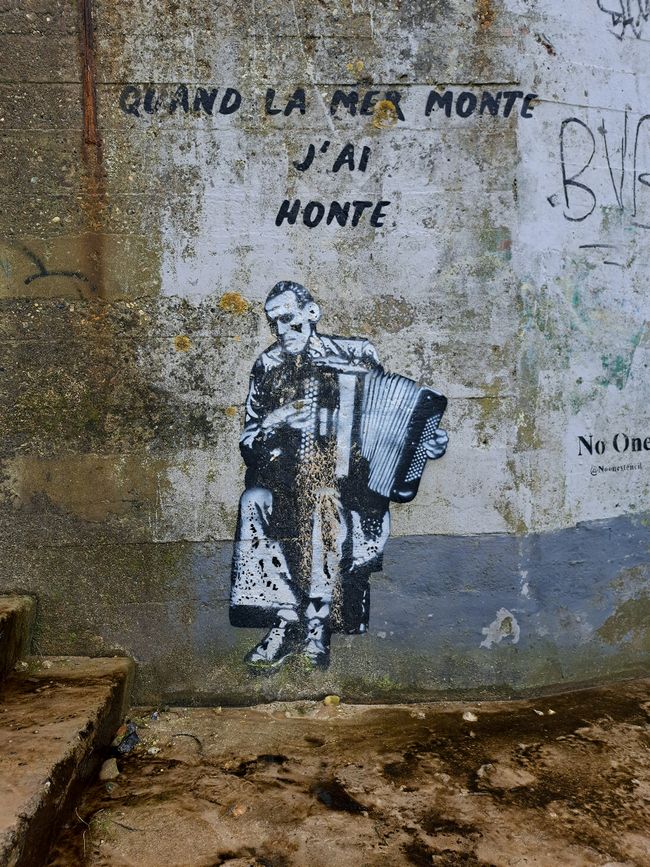
When suddenly a huge shadow blocks our way to the caravan.
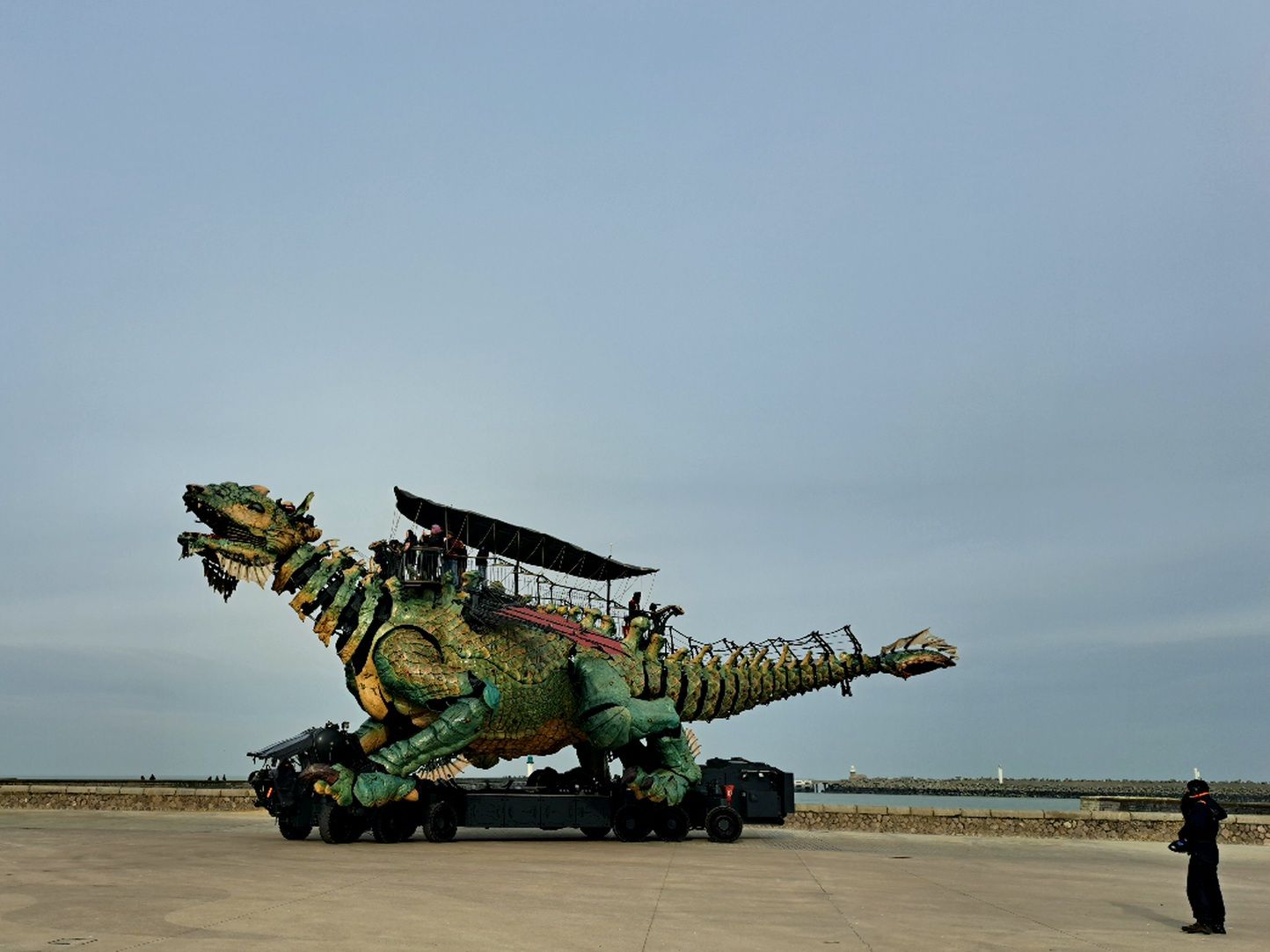
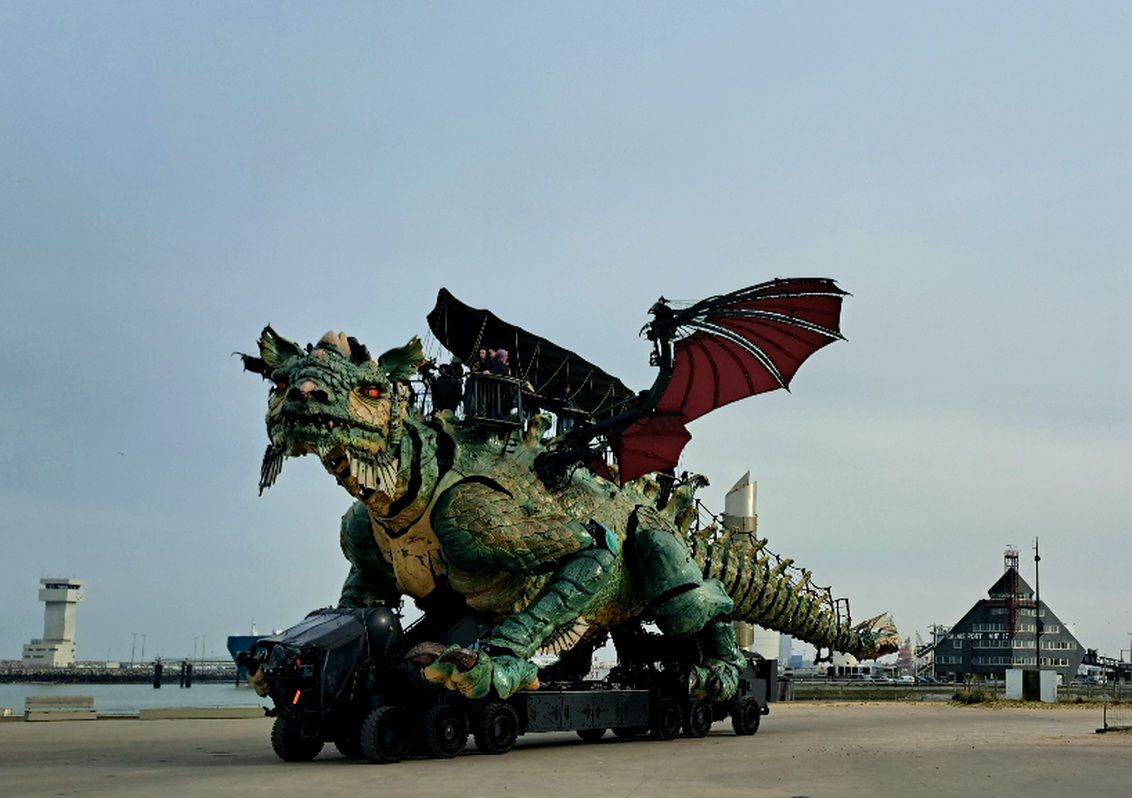
I look up and see glowing, fearsome, monstrous reptilian eyes!
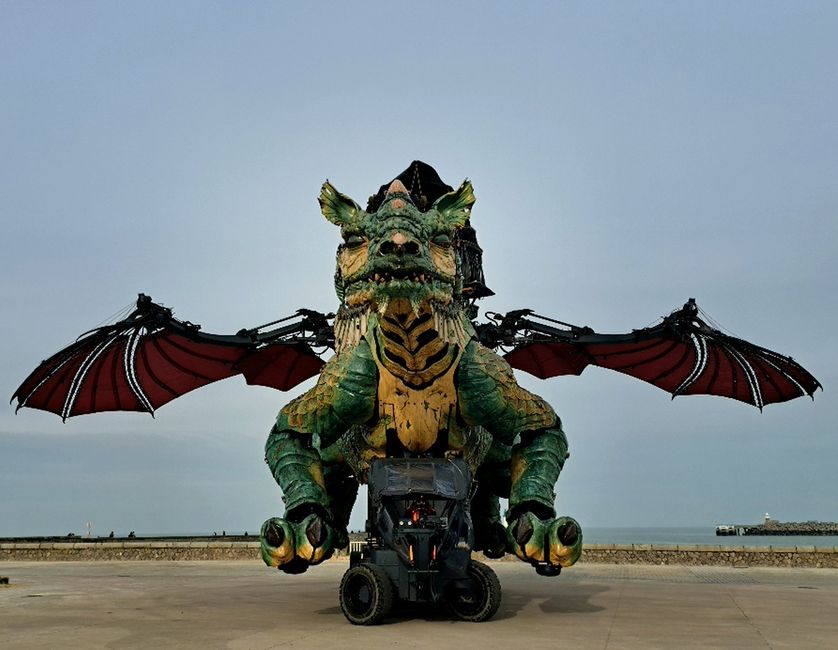
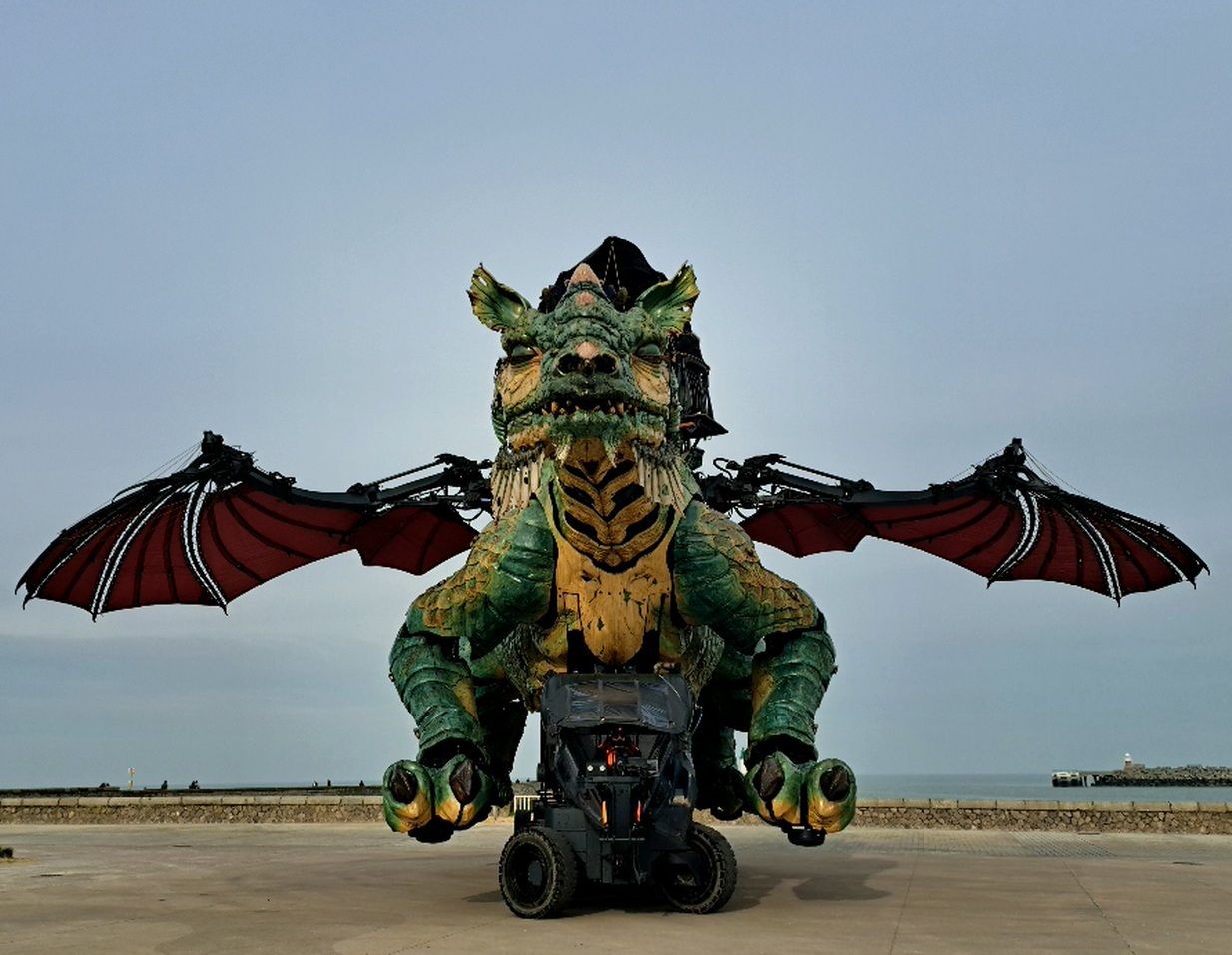
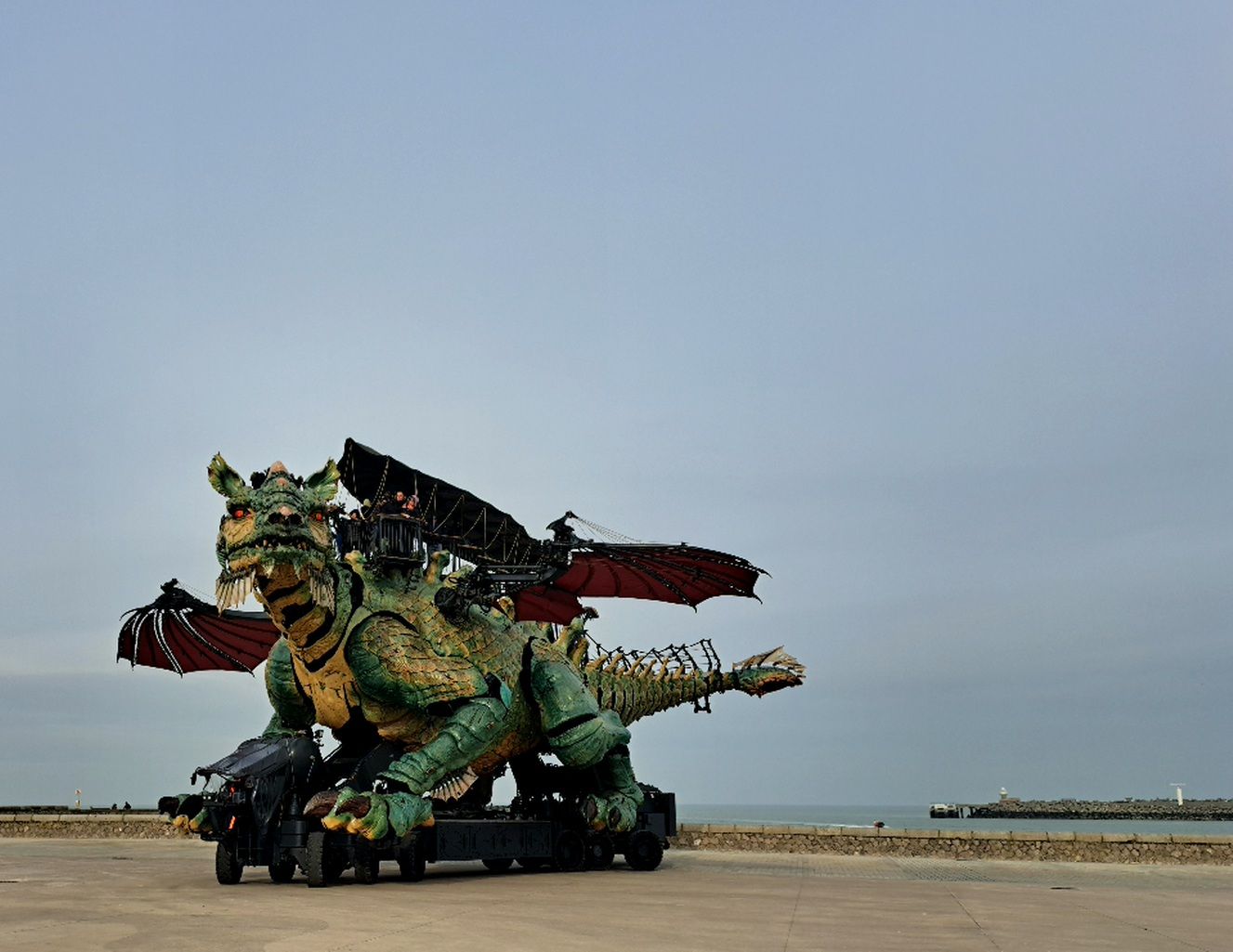
Before us stands a dreadful mythical creature of monumental size: green shimmering, enormous scales, powerful, razor-sharp claws, colossal wings, an outrageously gigantic maw with needle-sharp teeth and nostrils from which thick dark clouds of smoke waft.
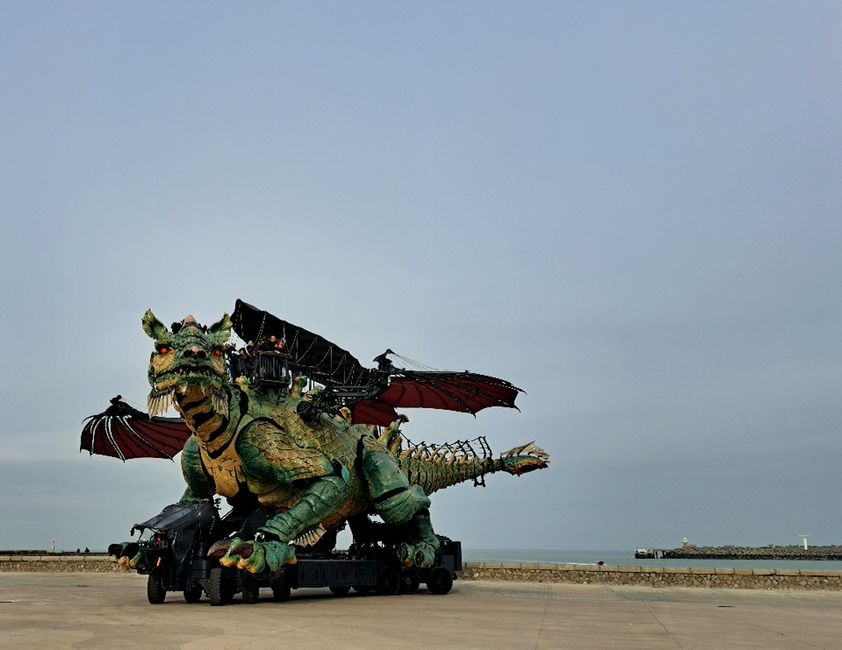
Oh dear! Are these the new French law enforcement officers who spot wild campers, illegal parkers, and nighttime dwellers, roast them with their mobile homes on the spot, and throw the pitiful remains to wild animals for fun?
No - no - no!
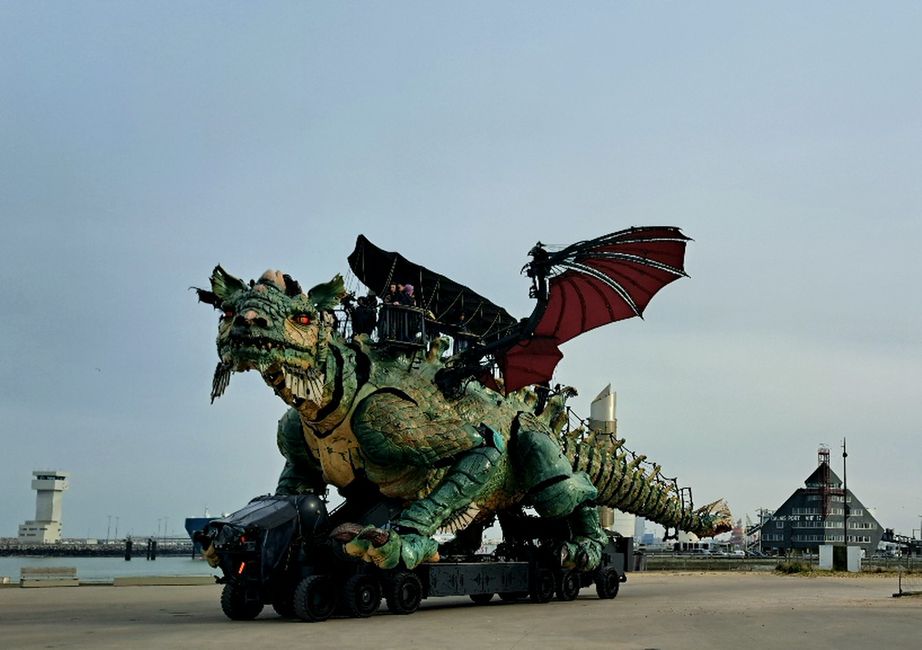
The hero immediately readies himself to defend his traveling companions while I feverishly think about how I can protect his valuable heels and shoulders. For, from history, we know that even invincible titans with superhuman strength, courage, and bravery as dragon slayers are only almost invulnerable and have an Achilles heel.
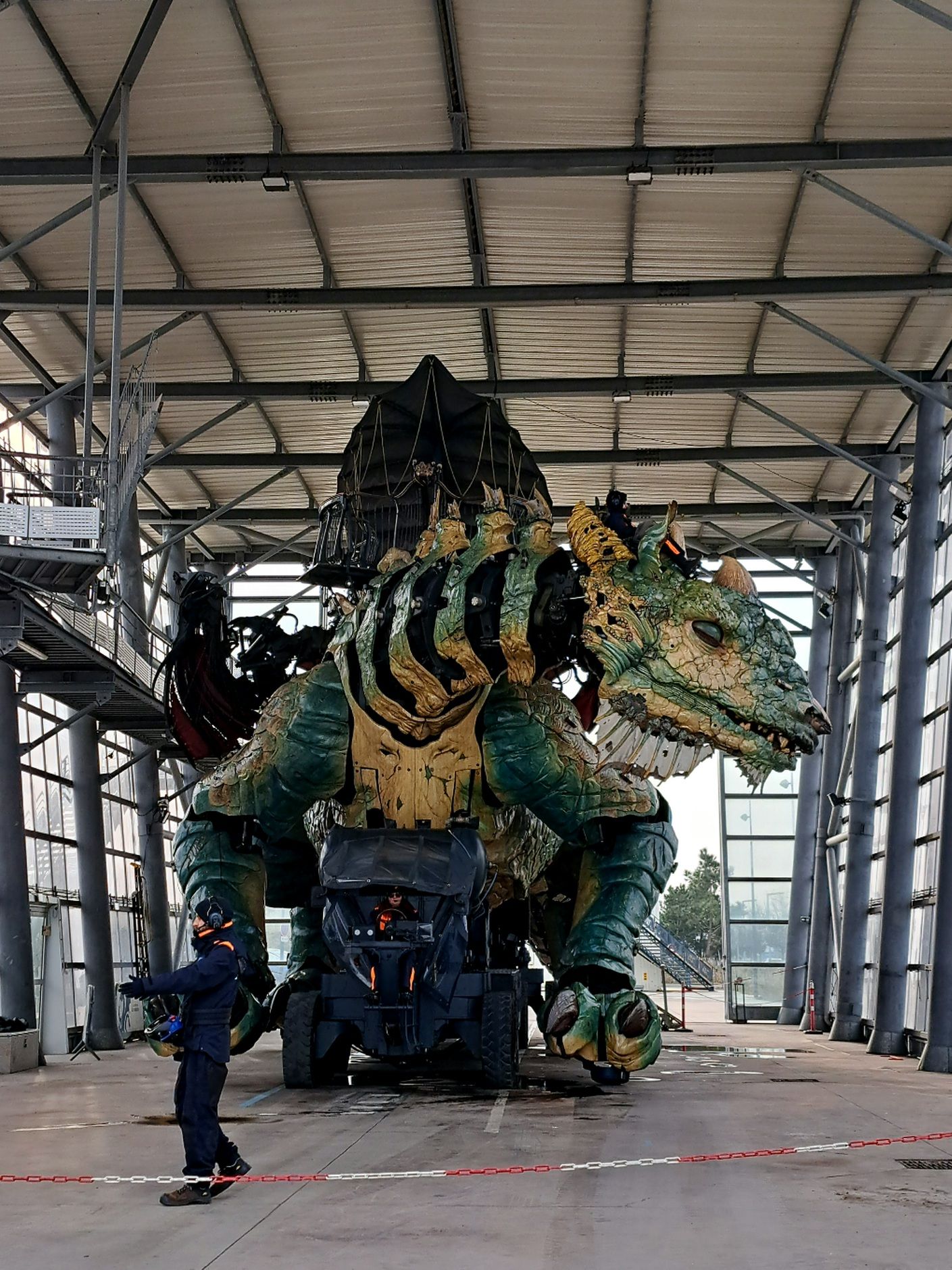
But before it can come to the worst, a black man next to the colossus turns out to be a dragon tamer. He directs the creature's movements together with a woman at the controls in its belly using a joystick and headset.
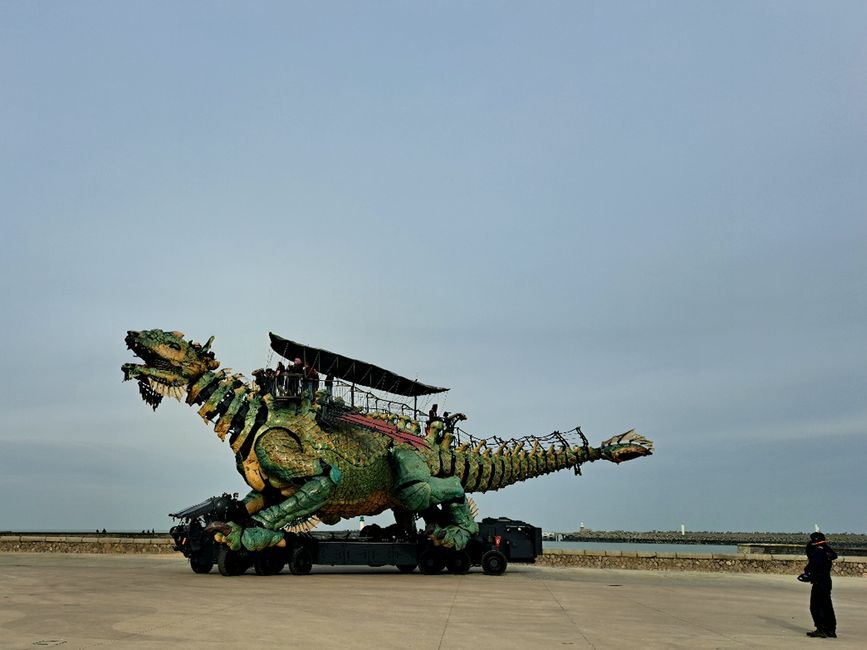
No, the Dragon of Calais does not control any law violations; the Dragon of Calais is theatre!
The idea of Francois Delaroziere, infused with countless hydraulic cylinders, 10 meters high and 25 meters long, aims to transform the boardwalk into an open-air stage where all participants interact: passersby, audiences, spectators, observers, dragon riders.
And yes, it works. We also spend a considerable amount of time captivated by the spectacle on the boulevard, accompanying the creature on its slow march and waiting for the fire breath.
Our tip: save your money for the ride on the dragon; much more exciting and thrilling is the show from below!
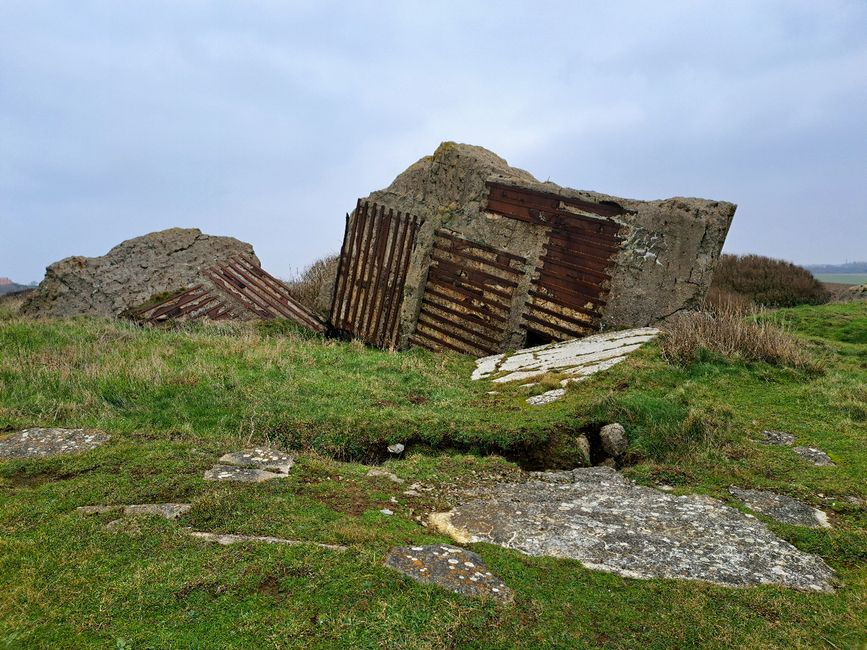
We now have to make our way home, but we do not want to miss the detour to Bergues.
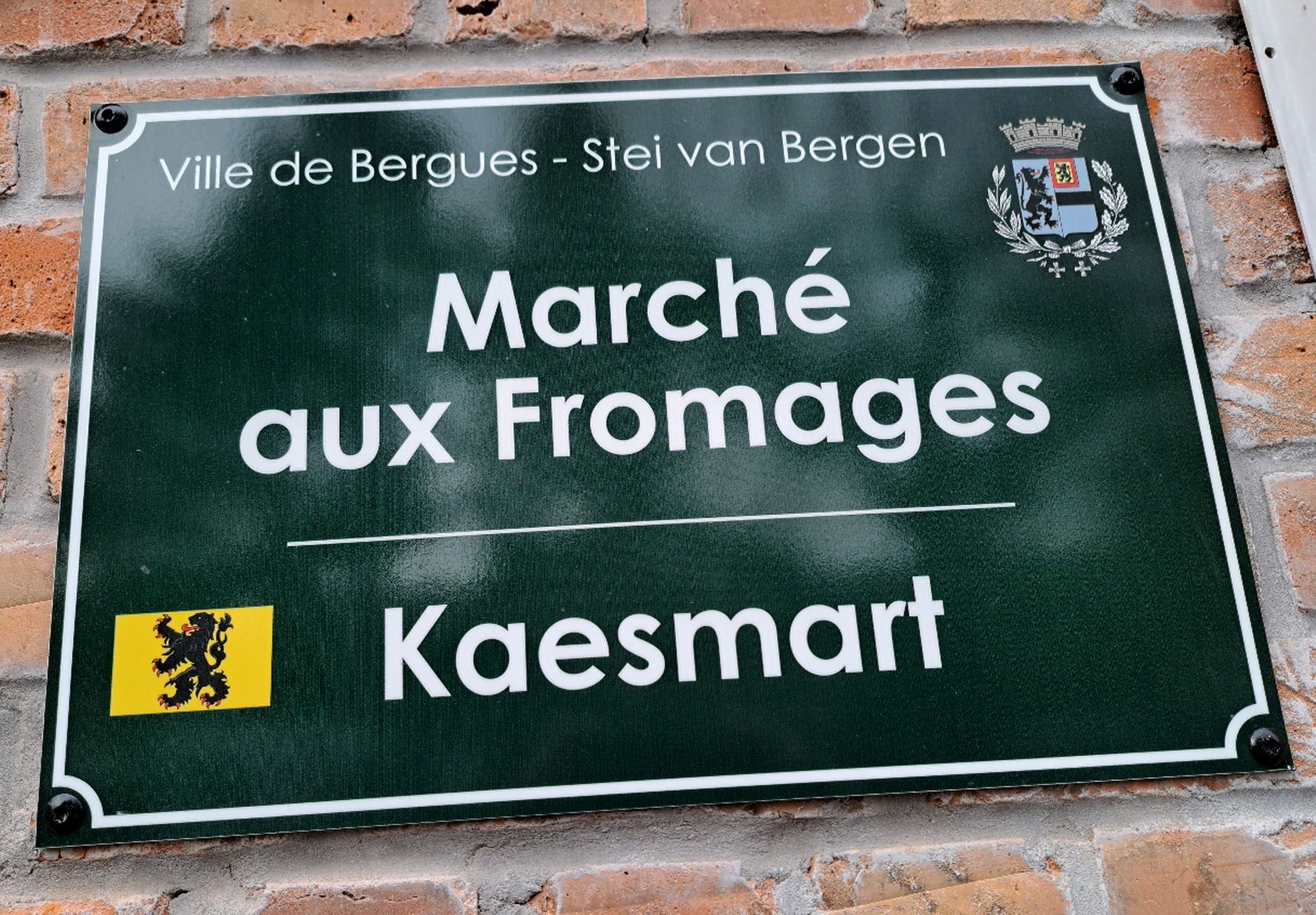
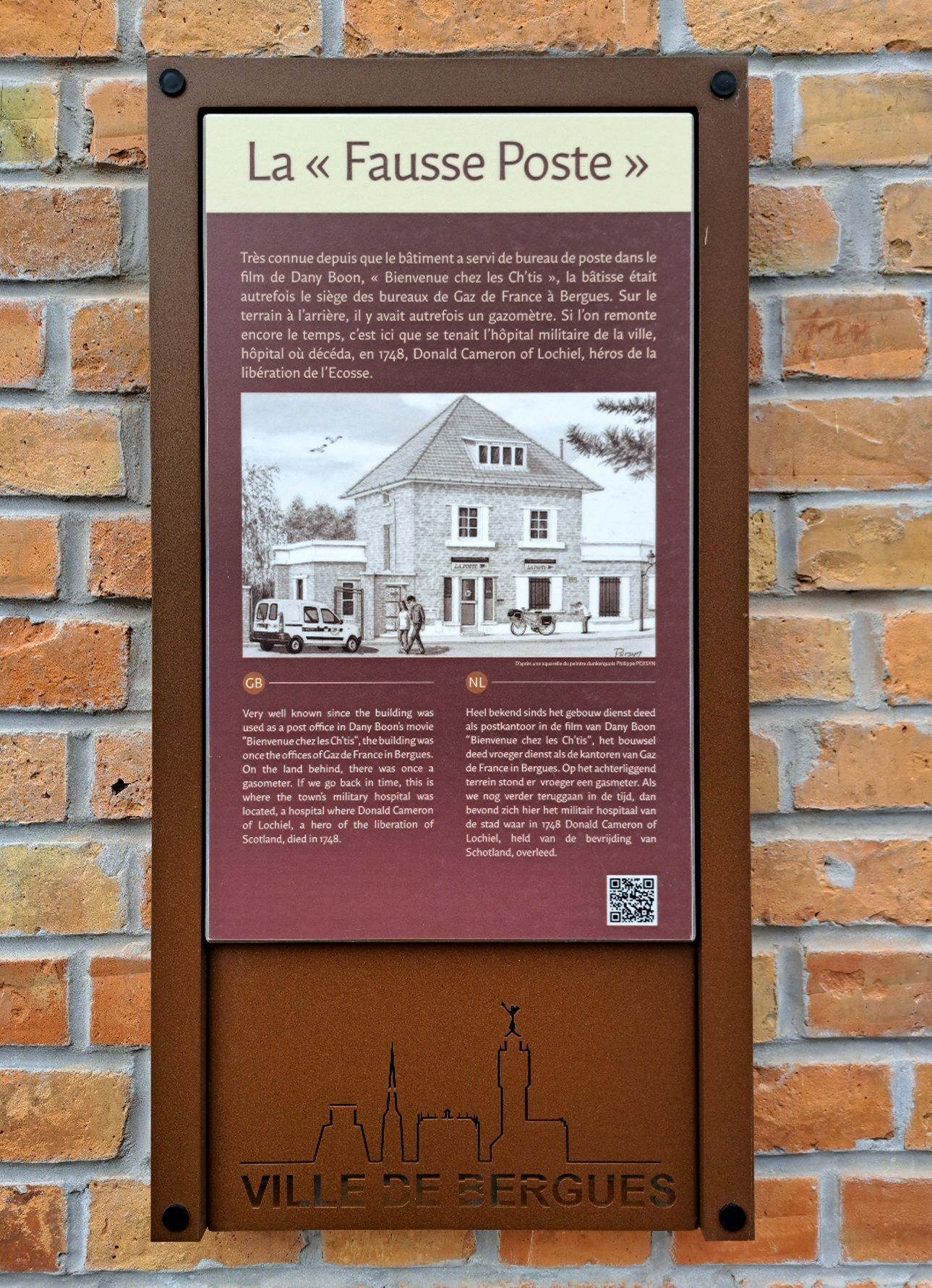
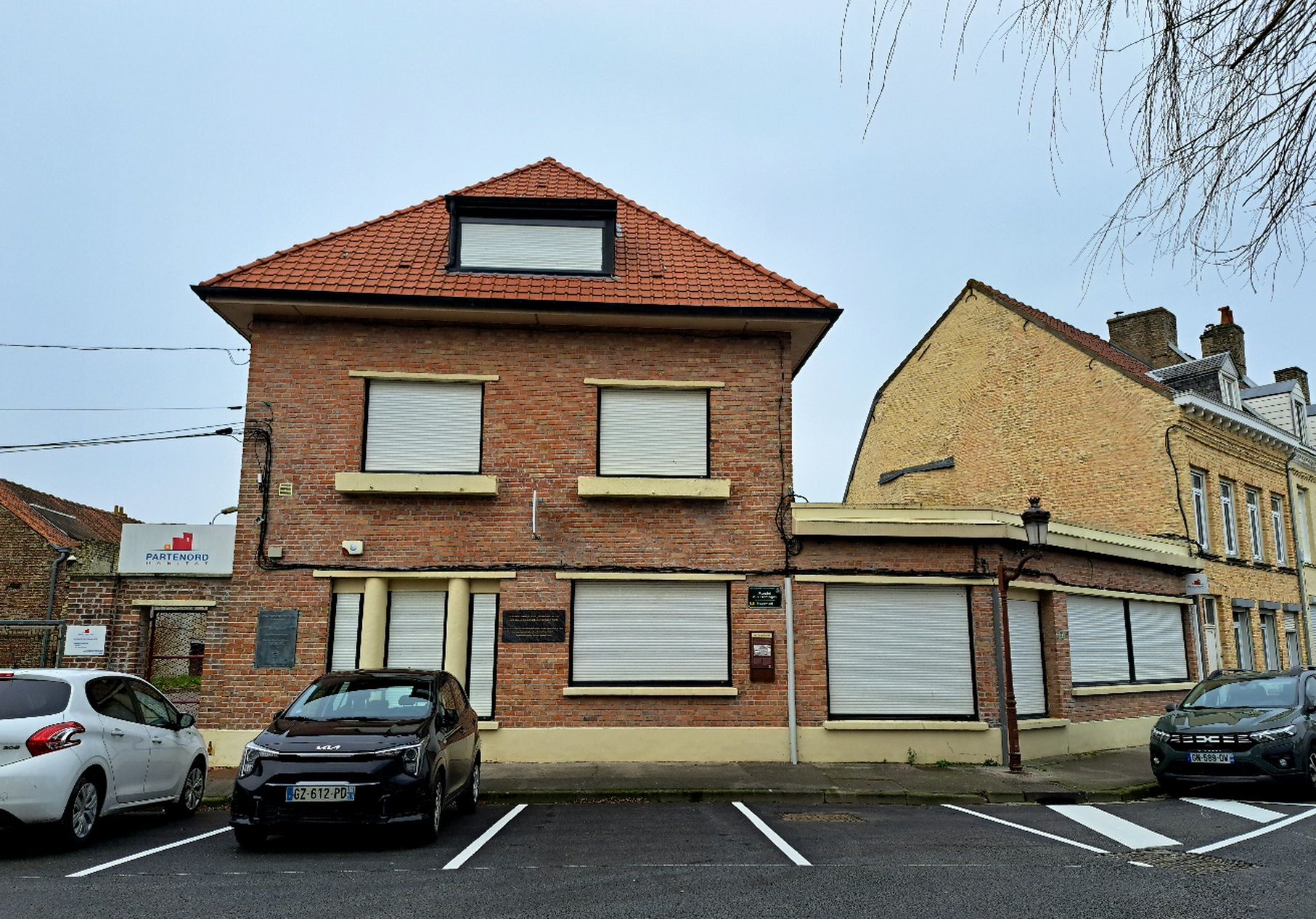
The small town in the French part of Flanders gained fame only through the box office hit “Welcome to the Sch’tis”. Director Dany Boon is from the area, has set the story around the penalized Southerner here, and filmed parts of the movie in Bergues.
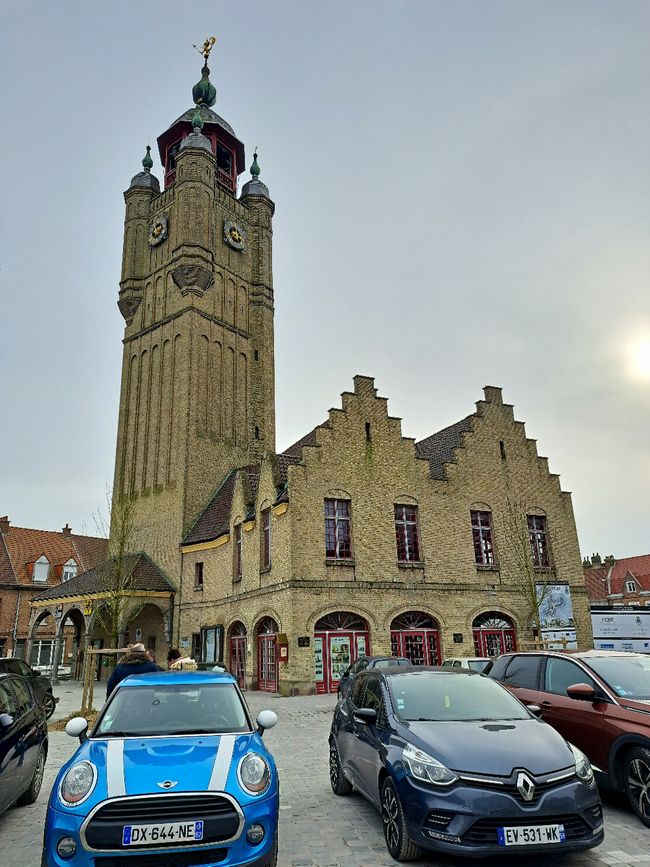
And as a confirmation of the story about the warmth of the natives, we are greeted – we can hardly believe it - by a free motorhome parking space where even overnight stays are NOT PROHIBITED.
The copious rainfalls of the past cold air drops have nicely softened the ground and the traces in the mud indicate several fights of heavy vehicles trying to free themselves from the depths of the mire.
However, nothing stands in the way of a relaxed visit to the sights and filming locations.
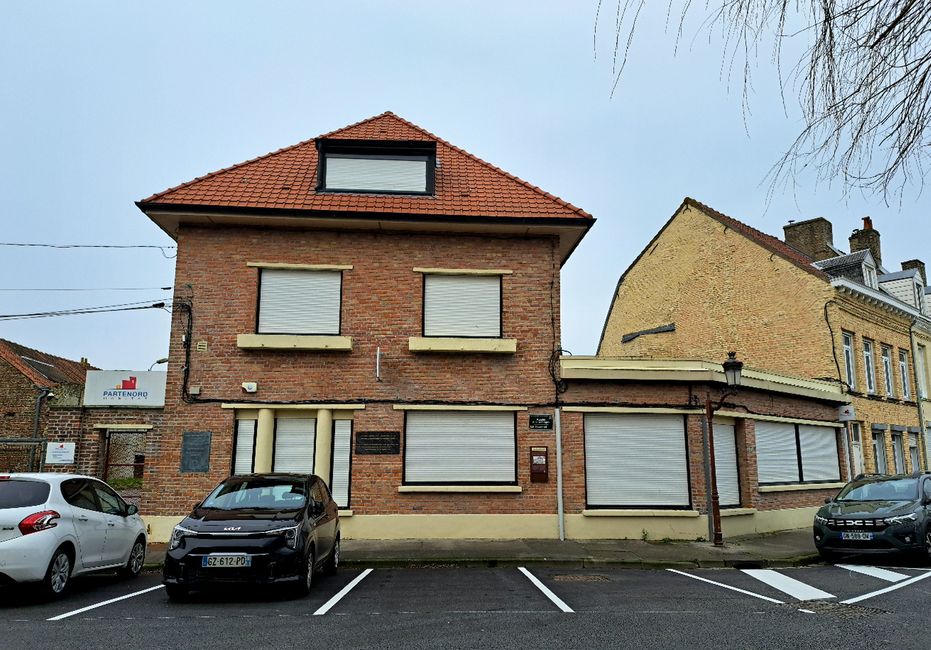
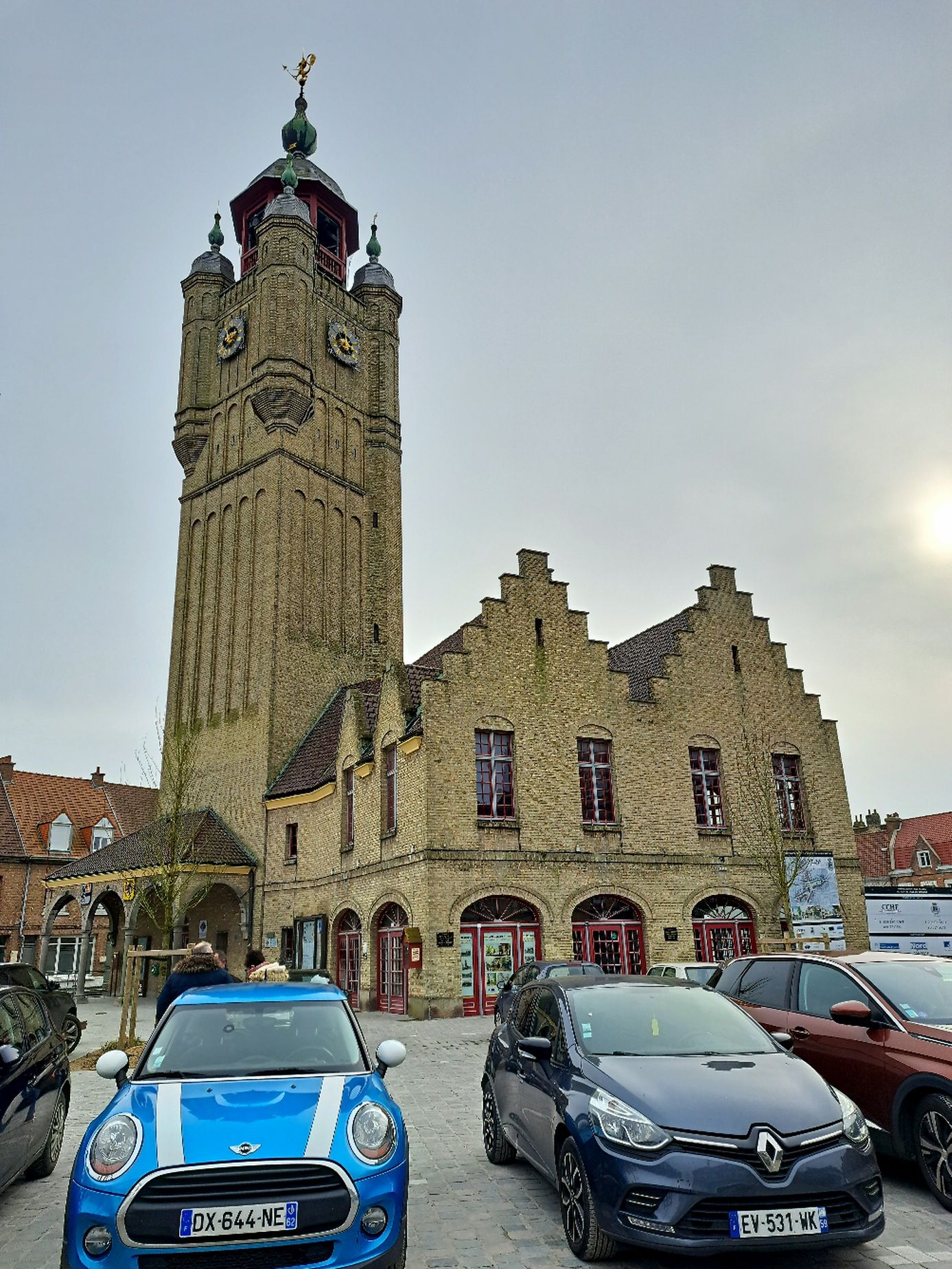
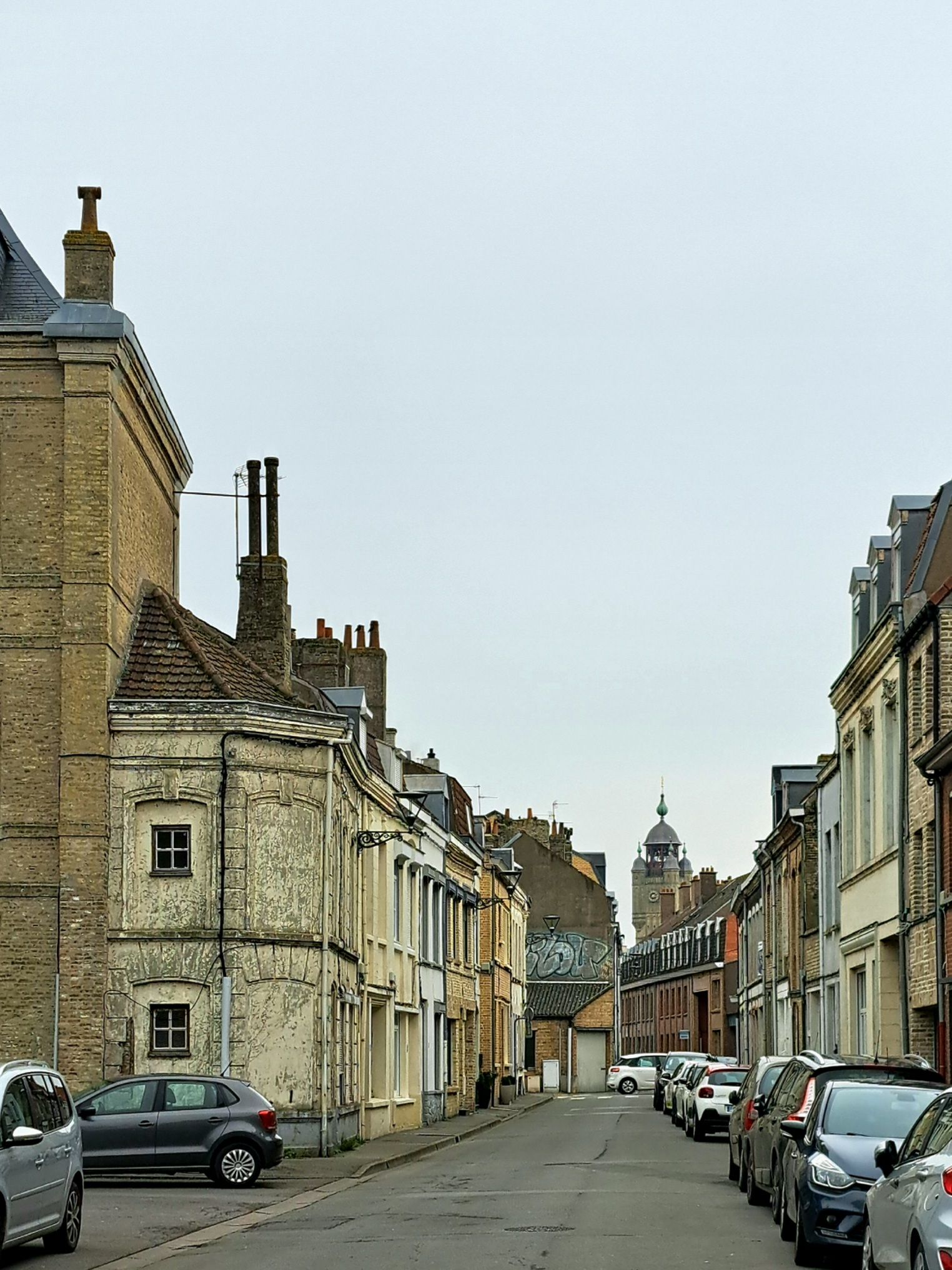
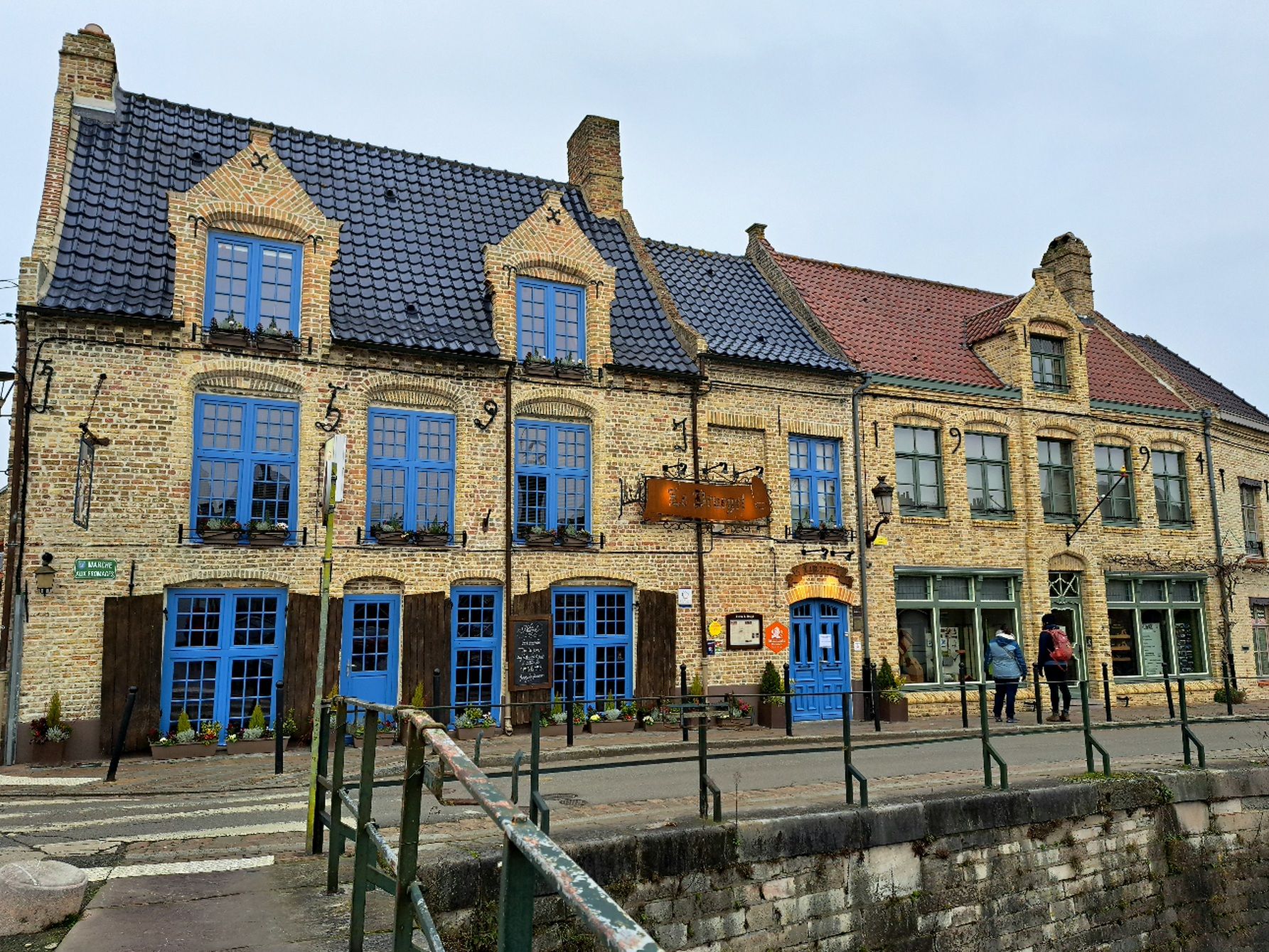
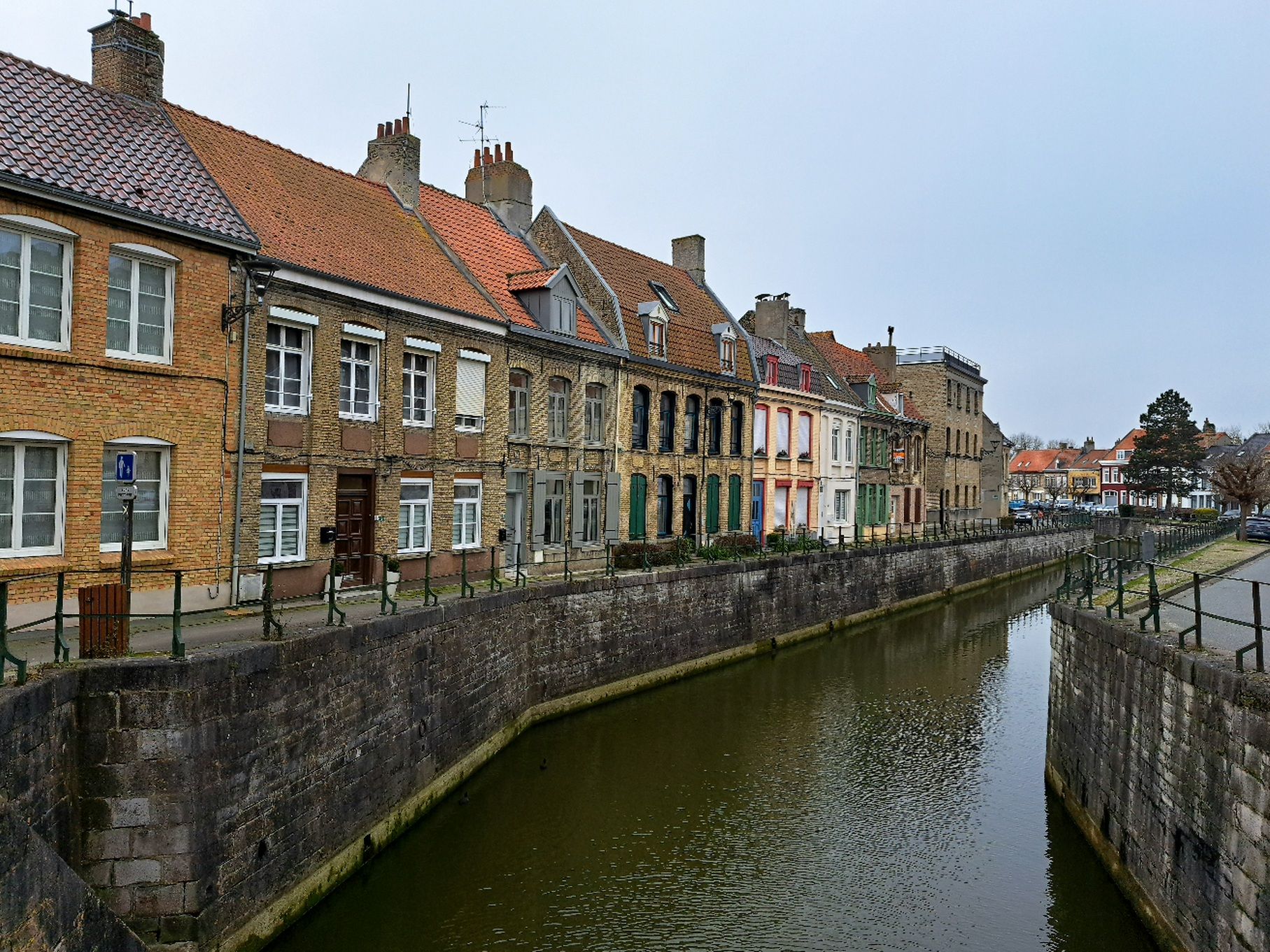
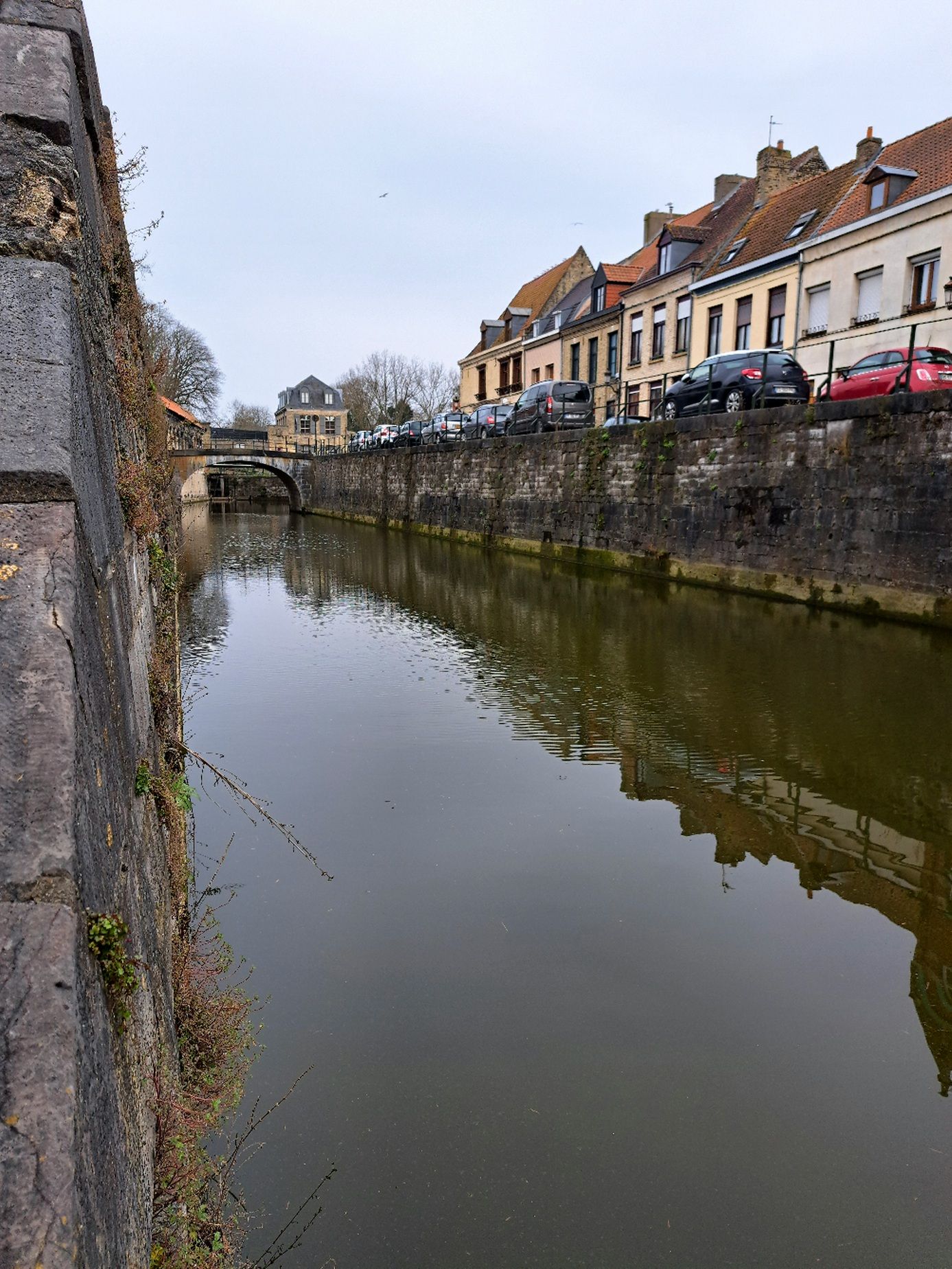
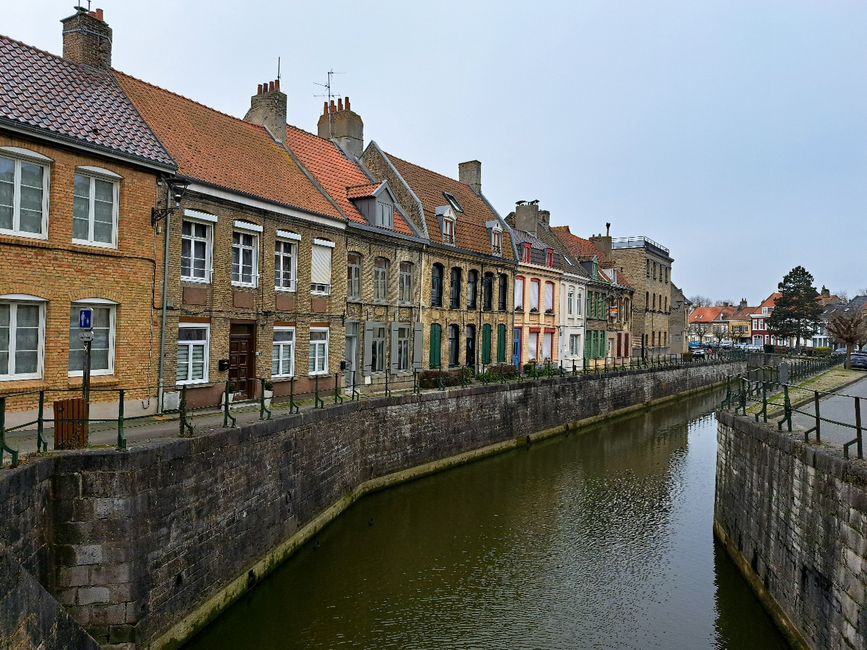
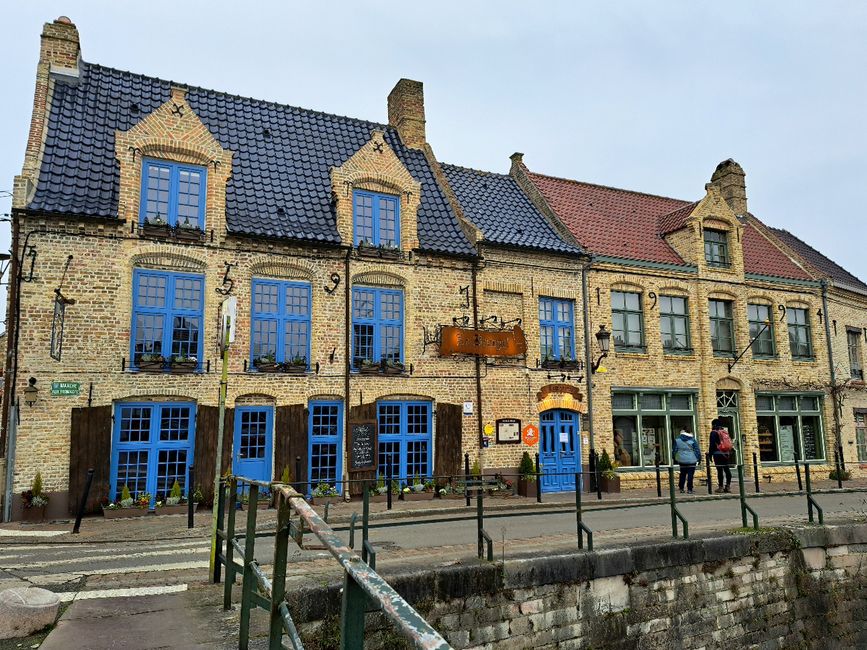
Bergues offers not only the post office and the bell tower from the blockbuster but also a medieval city wall, five city gates, many small houses in Flemish style with typical chimneys, and a canal that connects the town with the port of Dunkirk. A detour is definitely worth it if you are in the area.
After all, Bergues is classified as one of the “Les plus beaux détours de France” – what would France be without its labels?
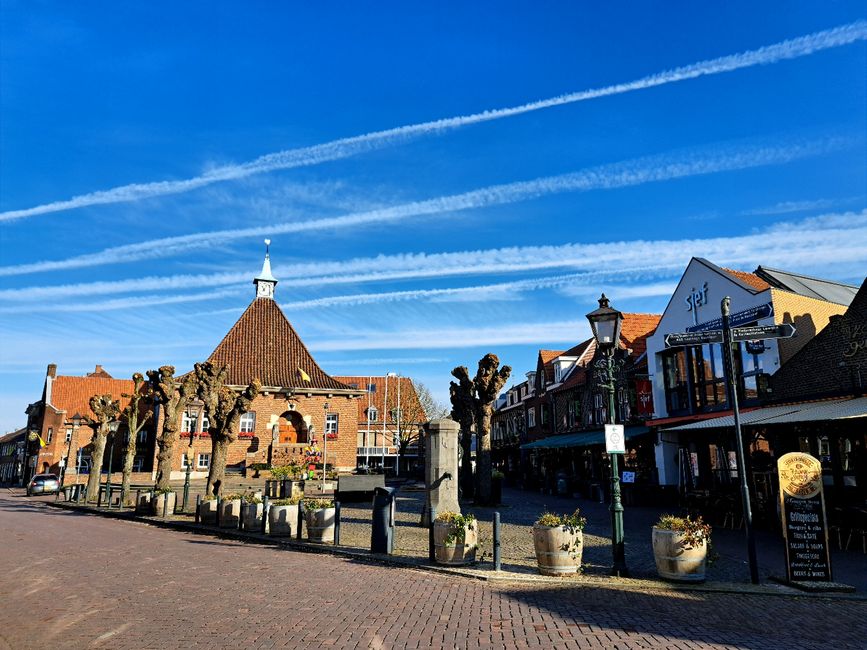
Now we are finally heading east, taking a walk along the Maas, not without a Sunday shopping trip to stock up on Dutch “Engelse Drops”.
And then the home terrace plants must finally be saved from Siberian cold.