
First, diverse impressions
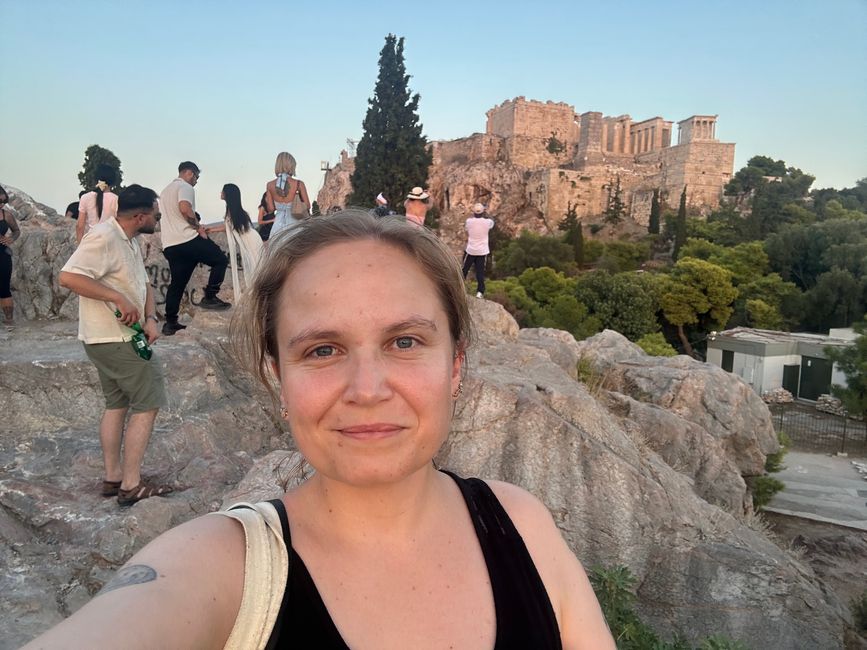
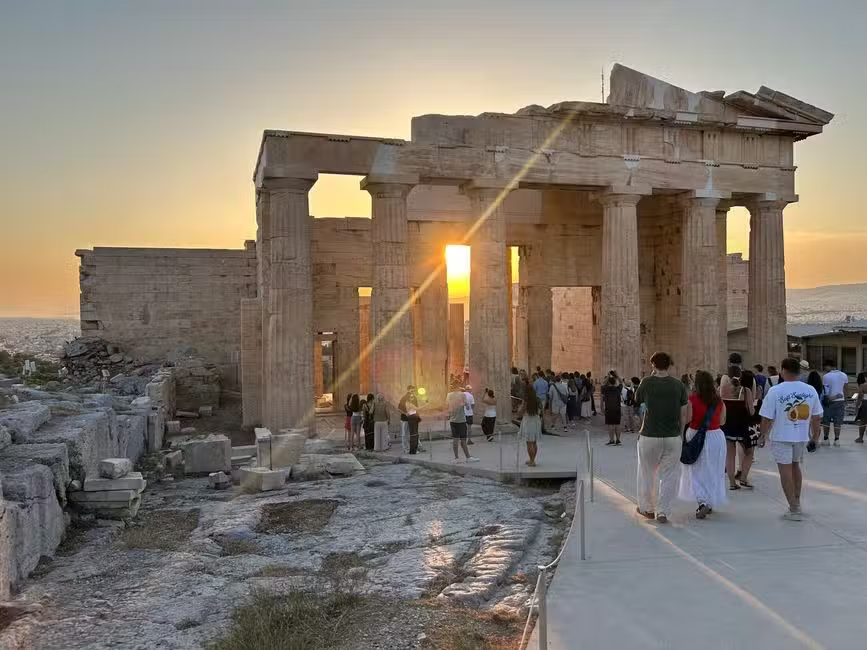
Athens is a fascinating blend of ancient and modern, tradition and innovation. My first tour of the city was quite spontaneous, and as often happens, especially interesting places...

Published: 26.08.2026
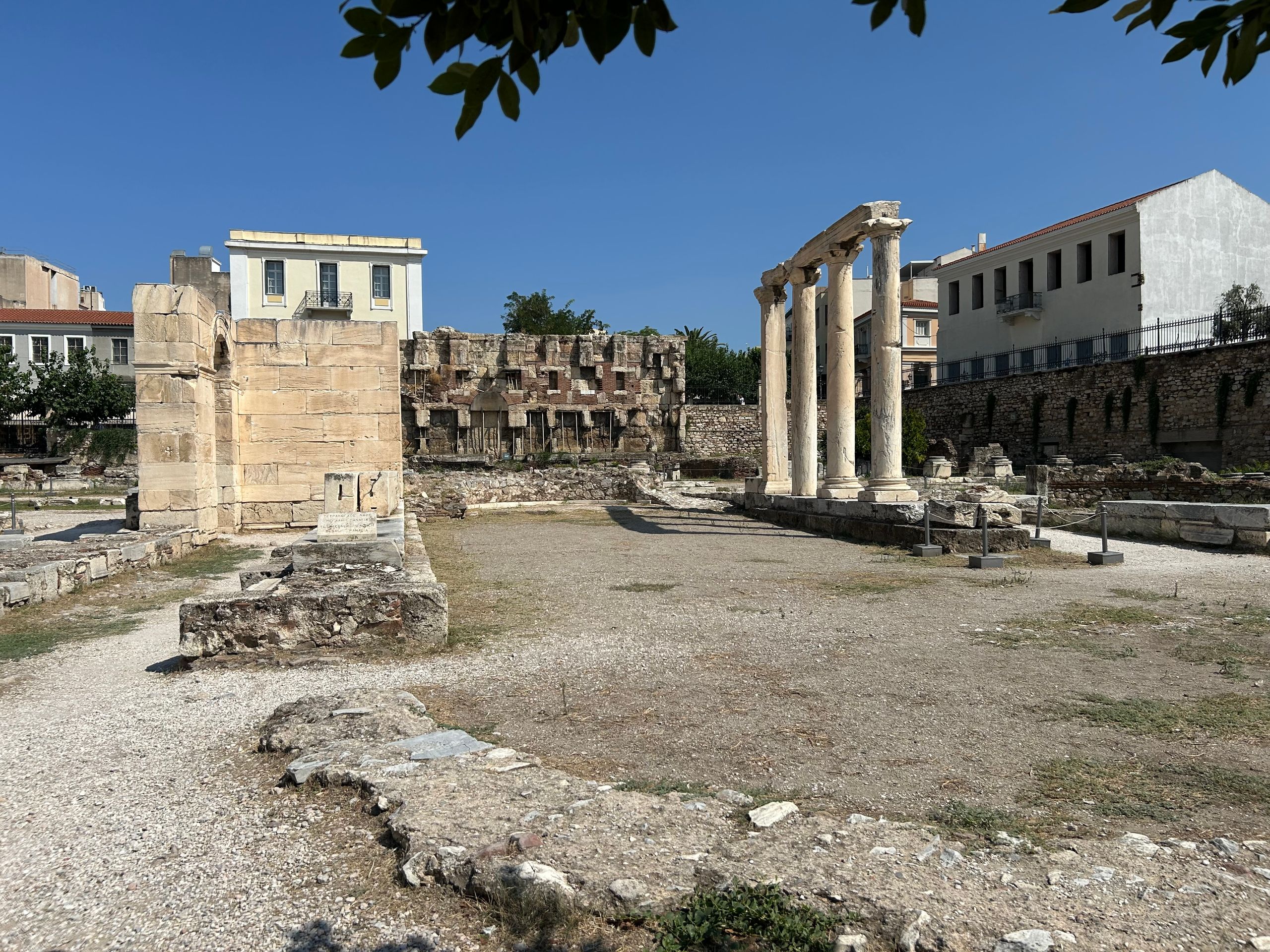
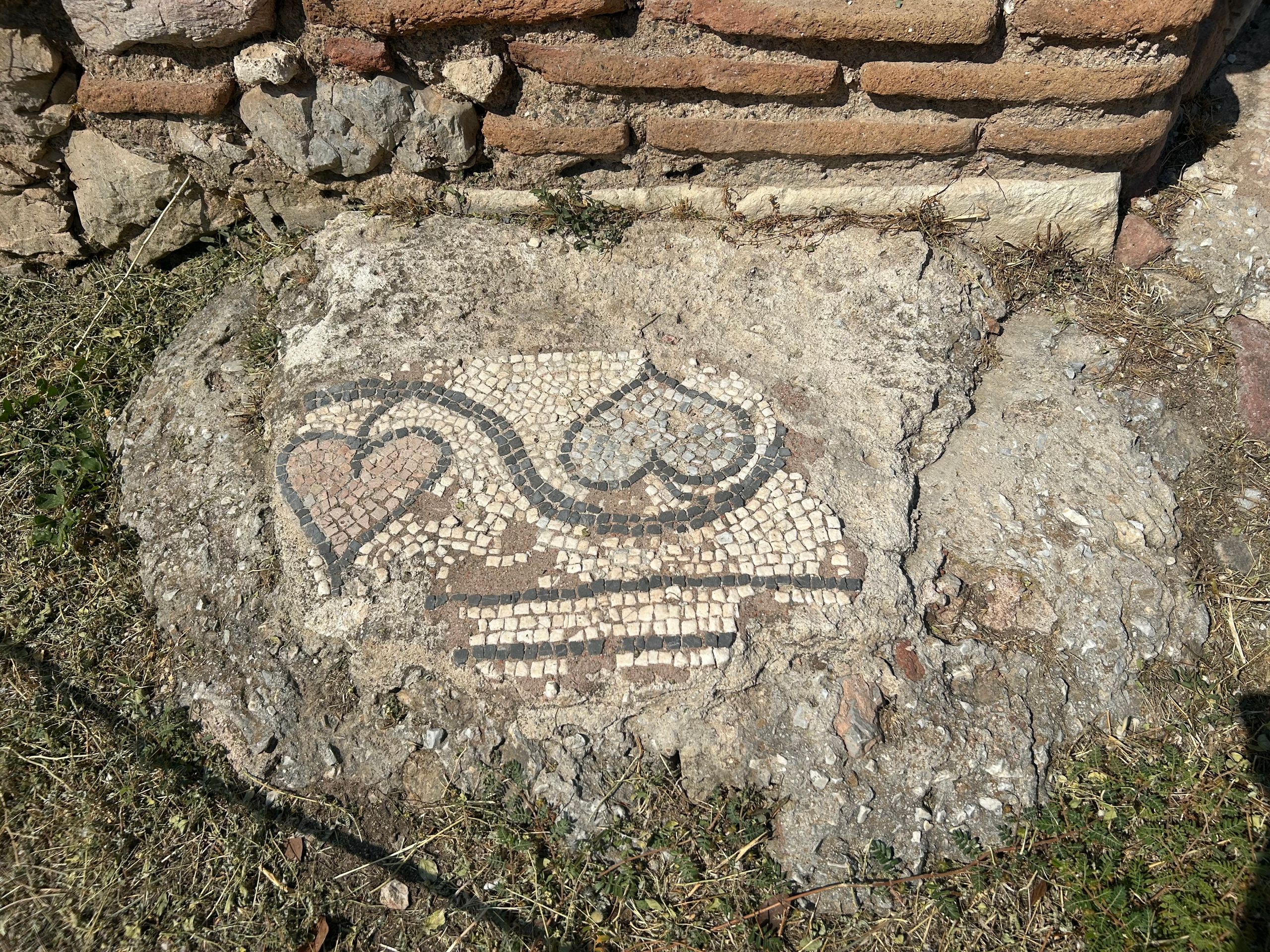
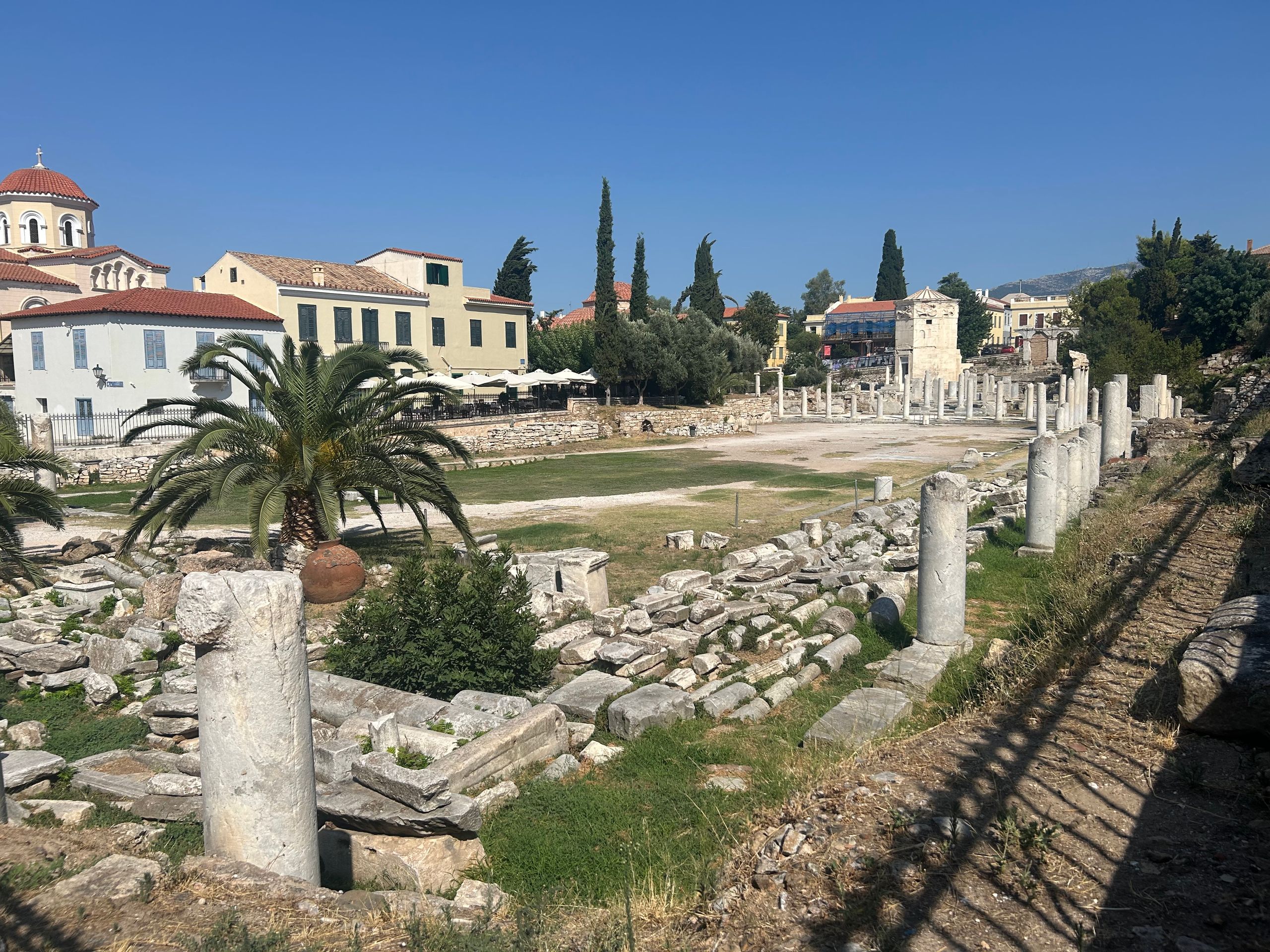
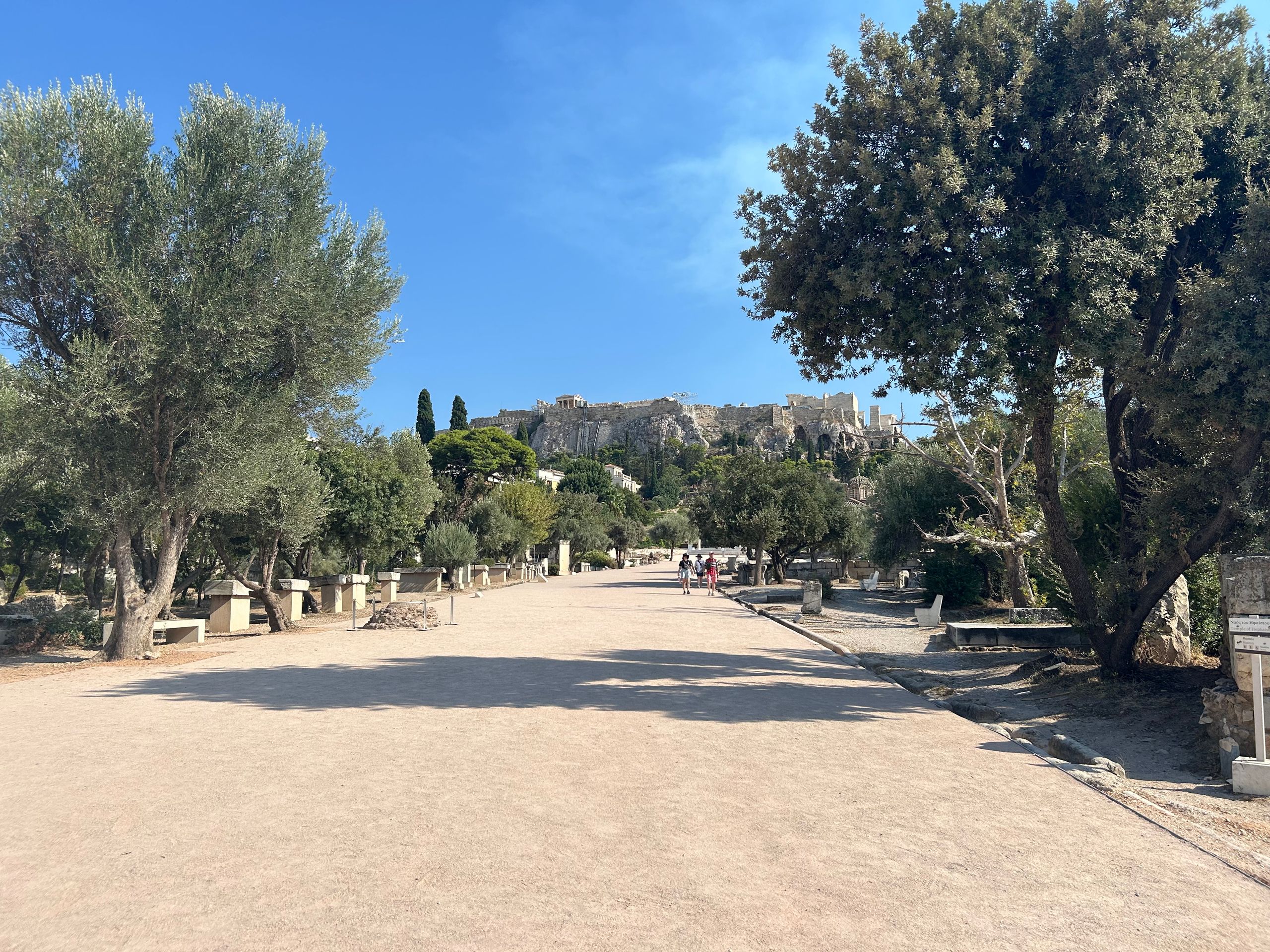
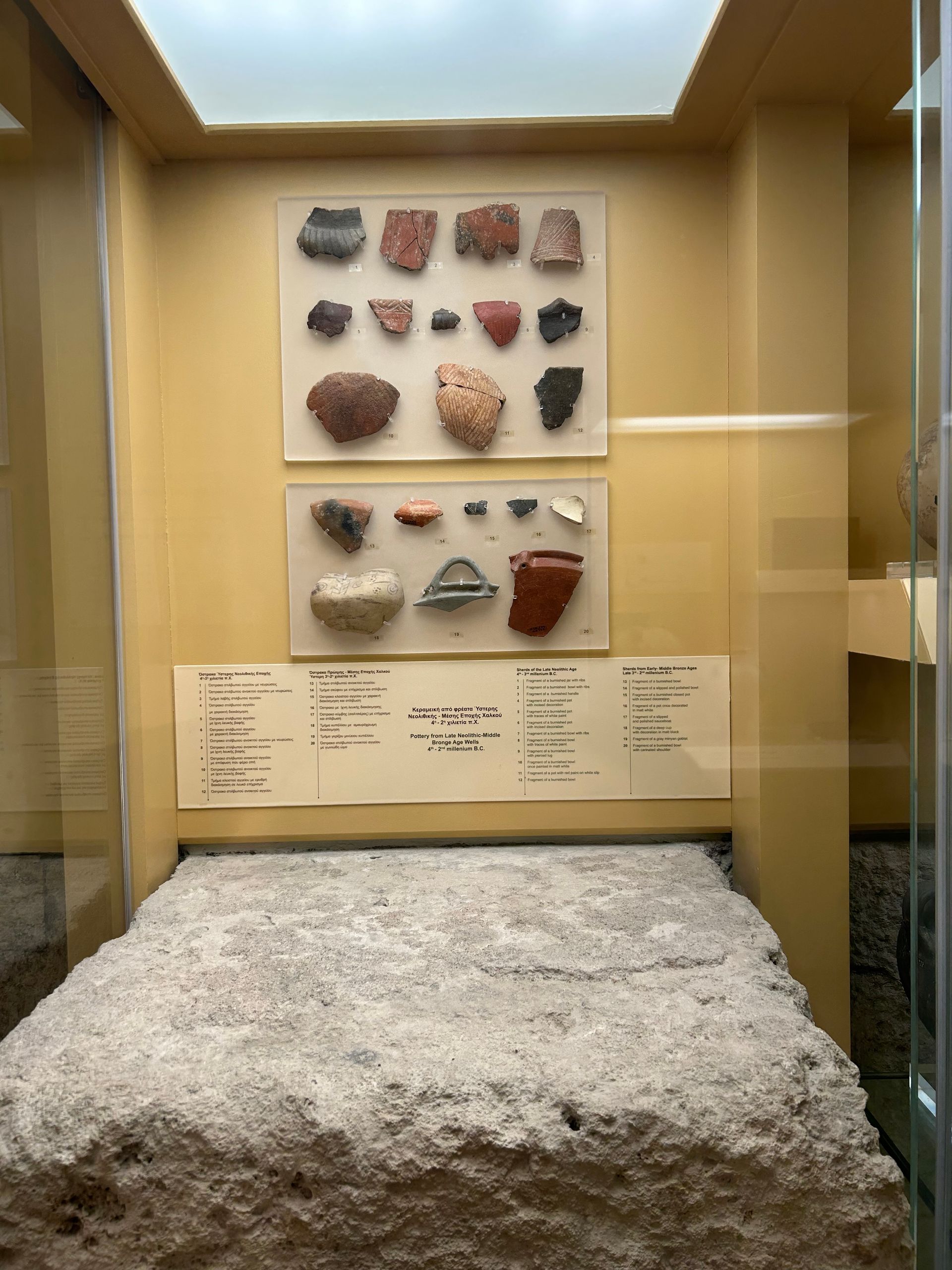
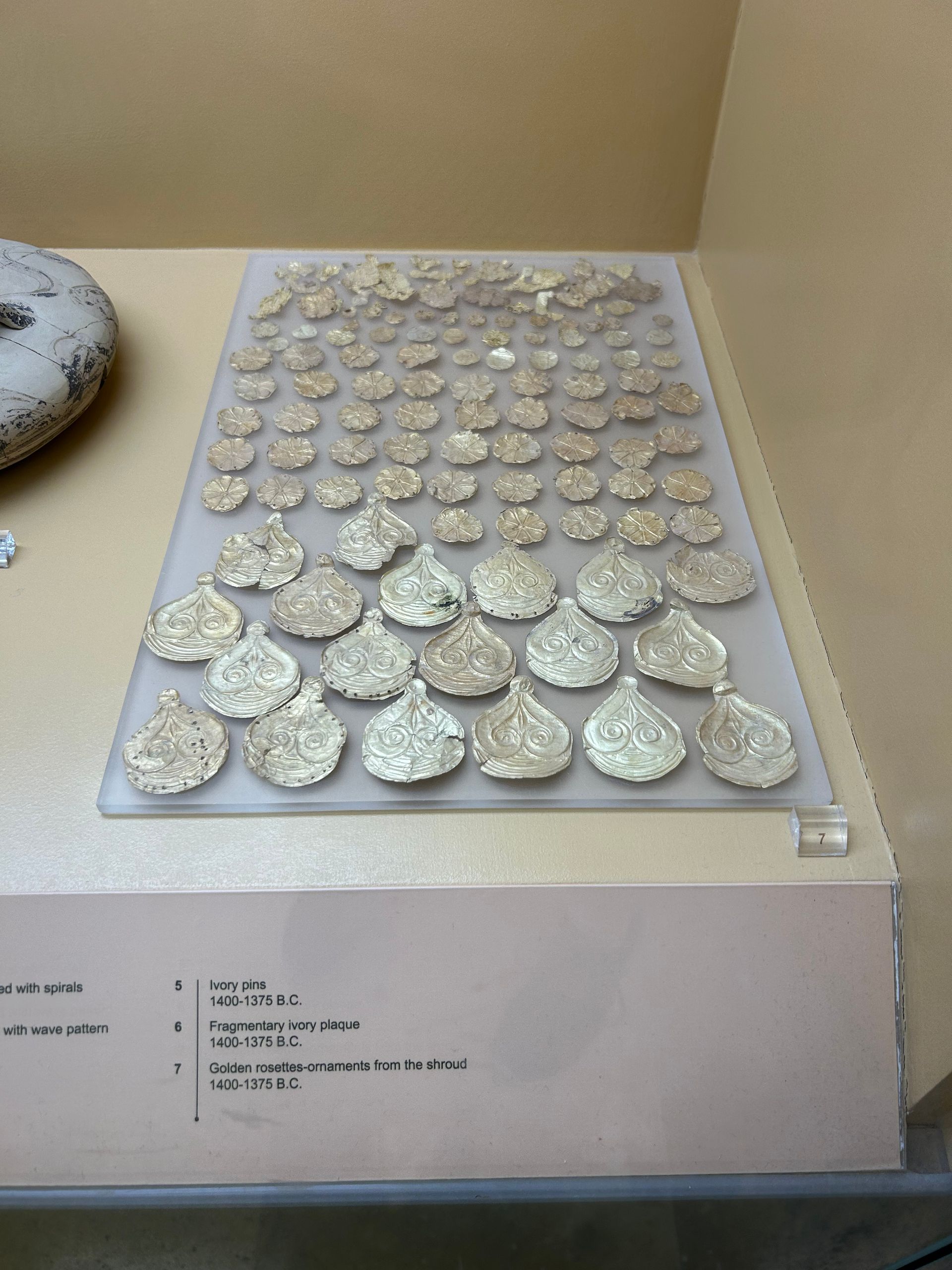
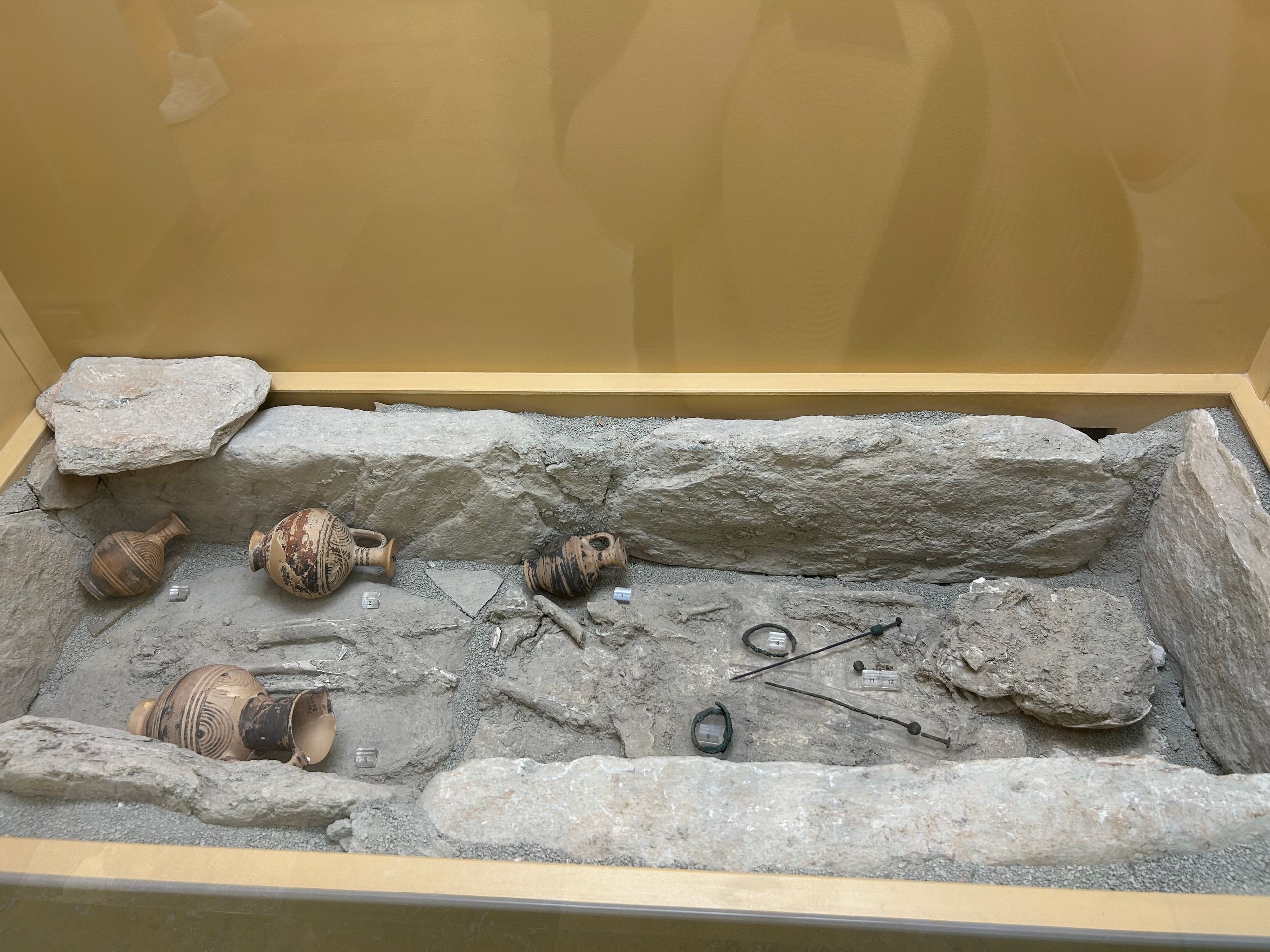
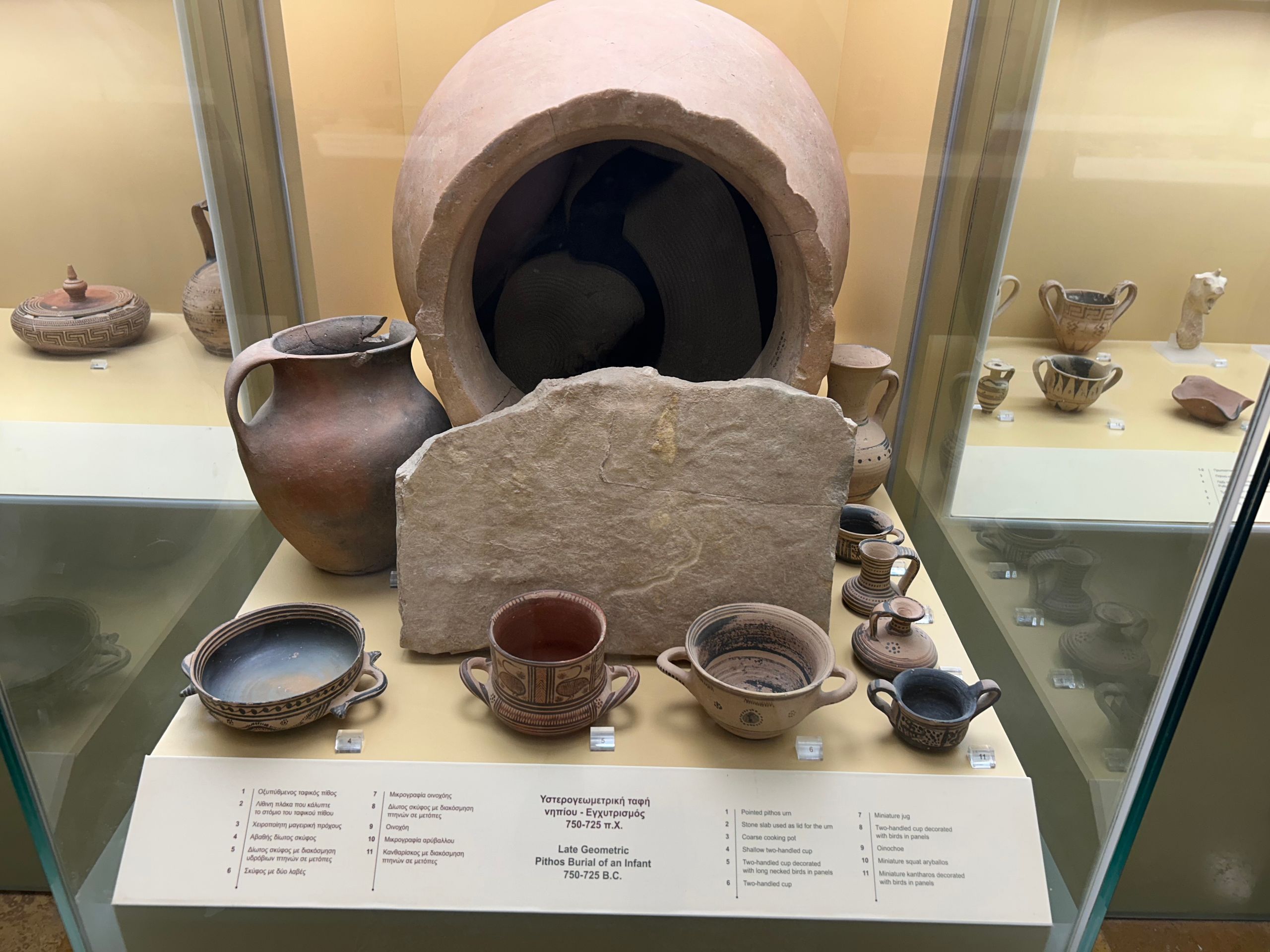
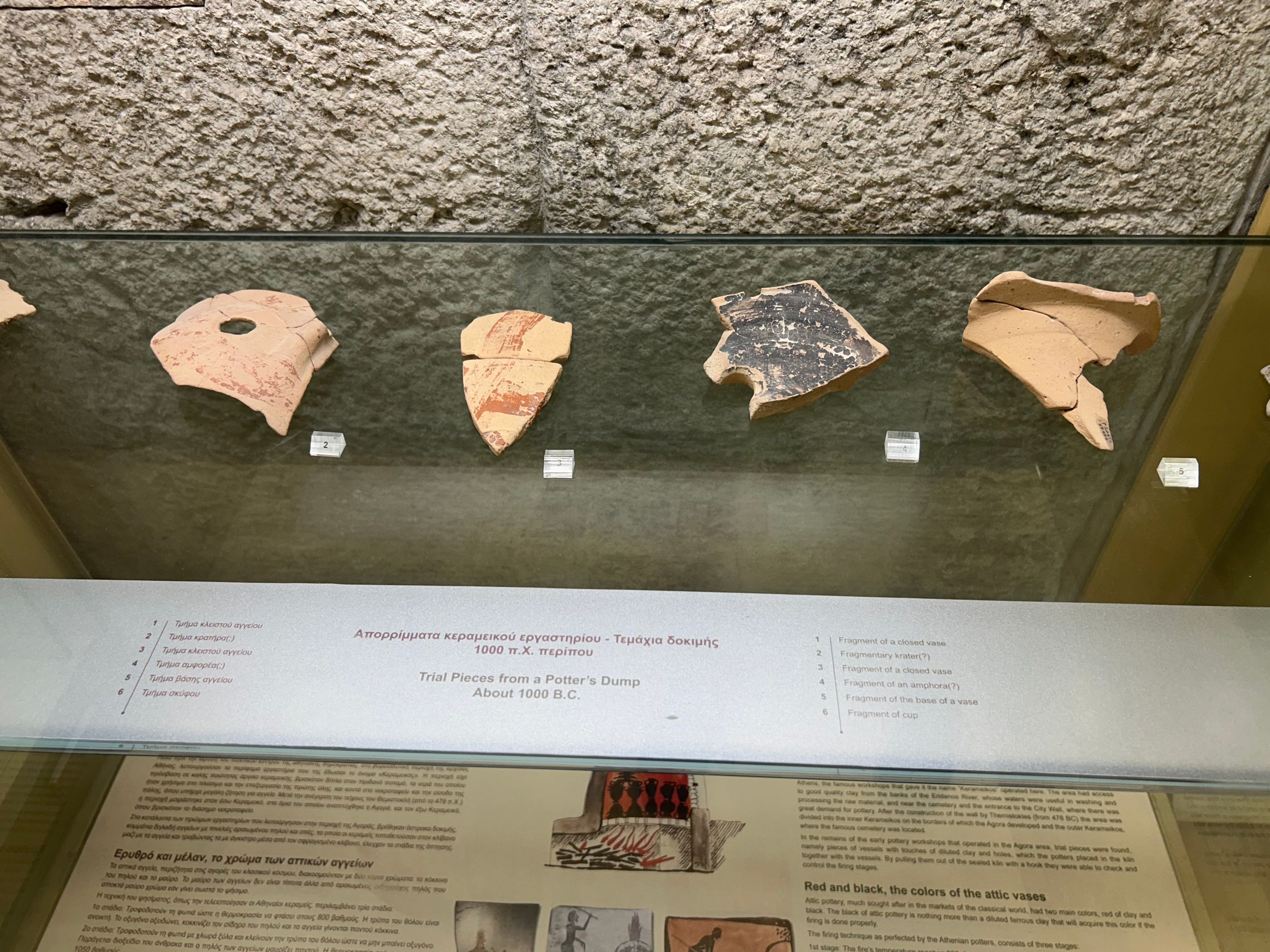
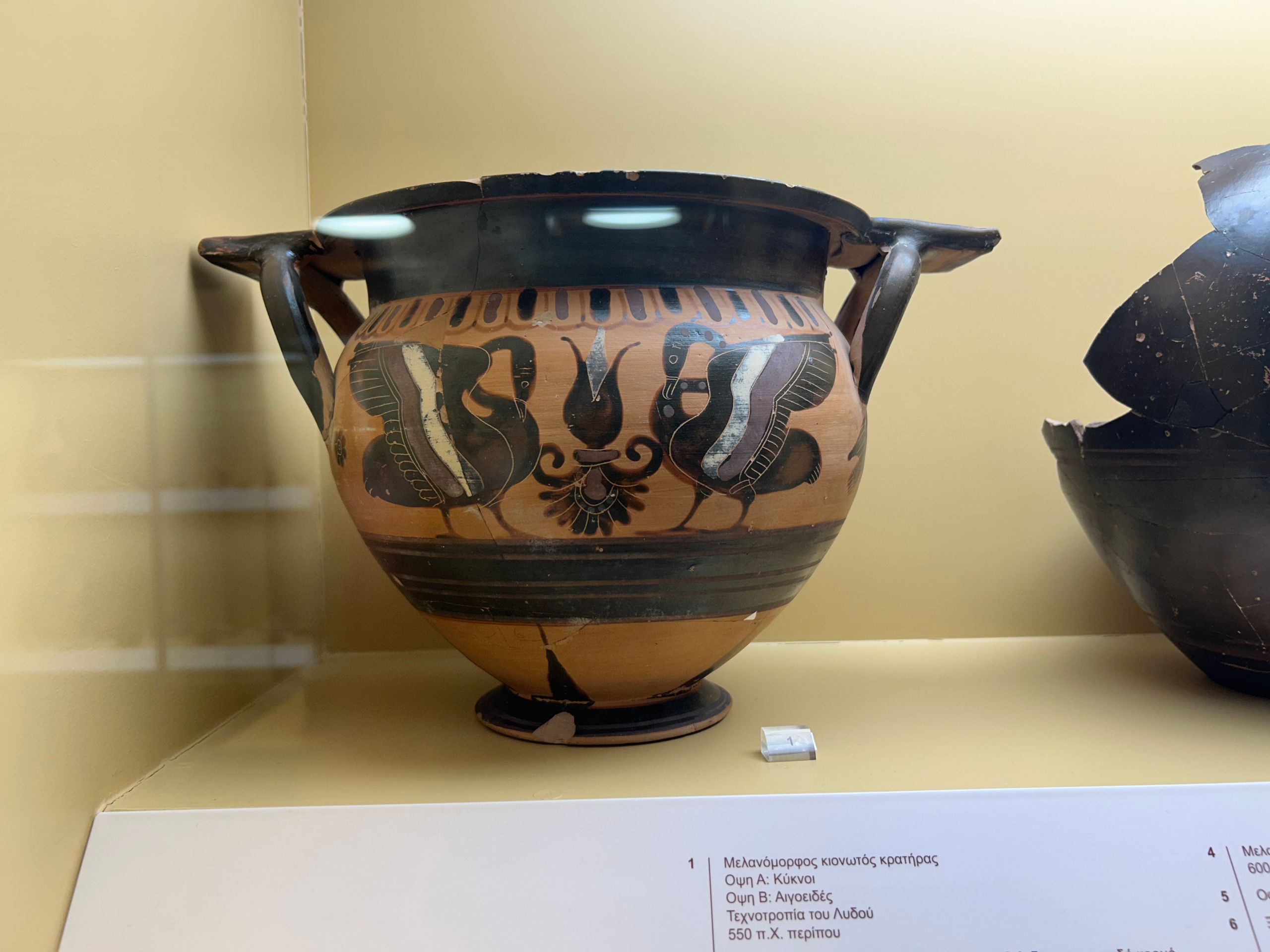
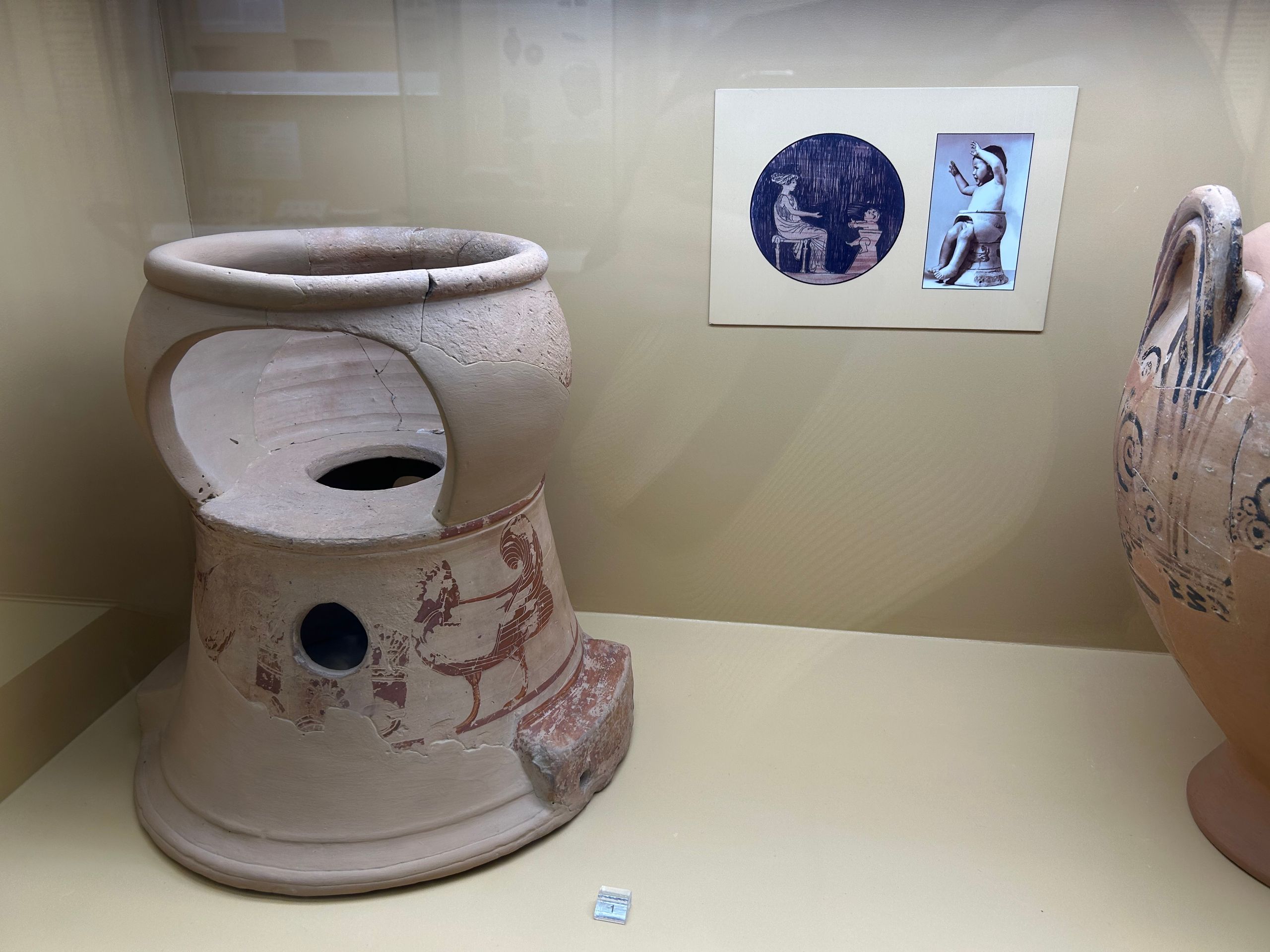
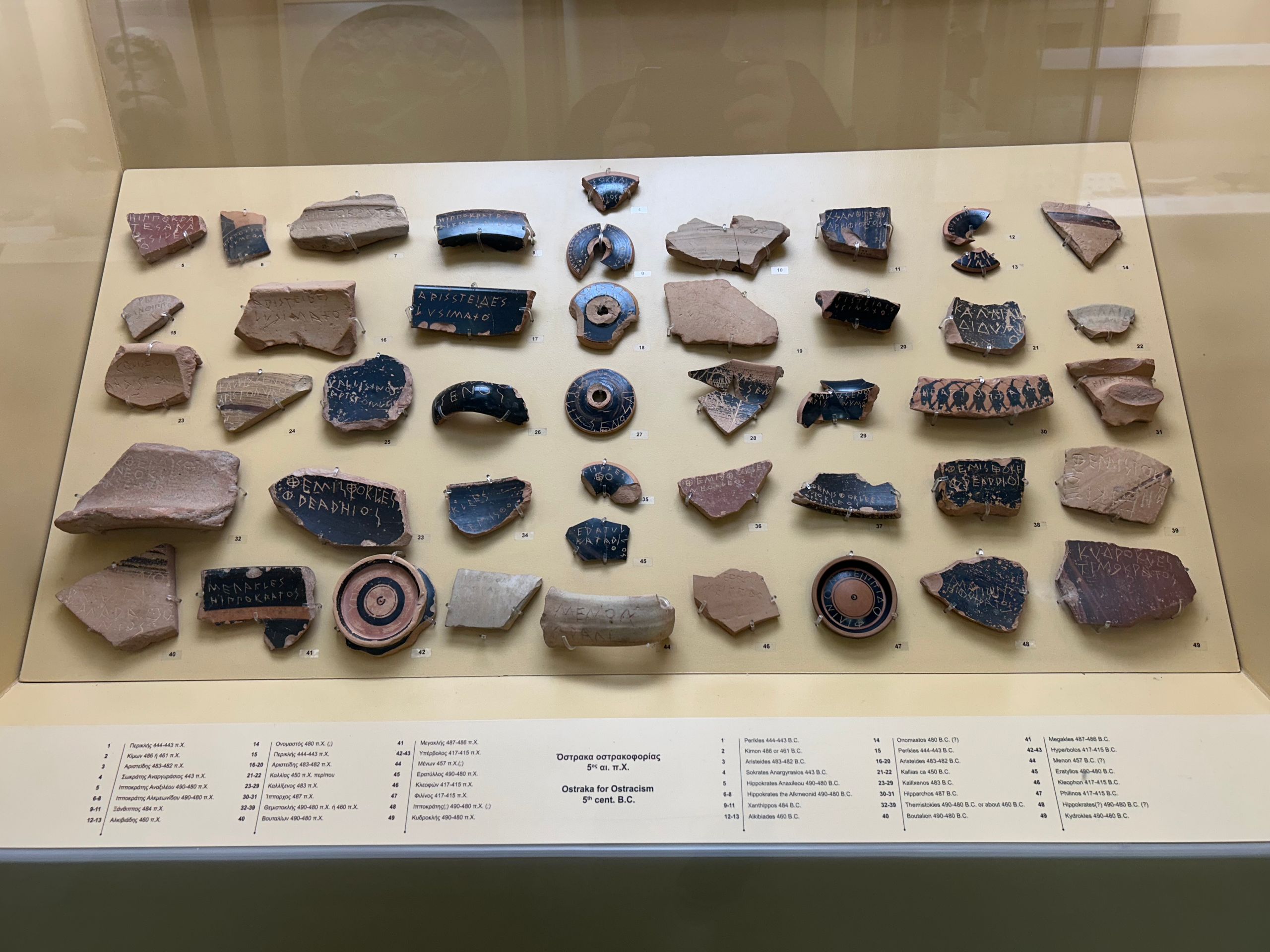
Today we finally delve into archaeology 😊
After spending the morning on preparations for EAA2026, the afternoon was free for Ancient Greece.
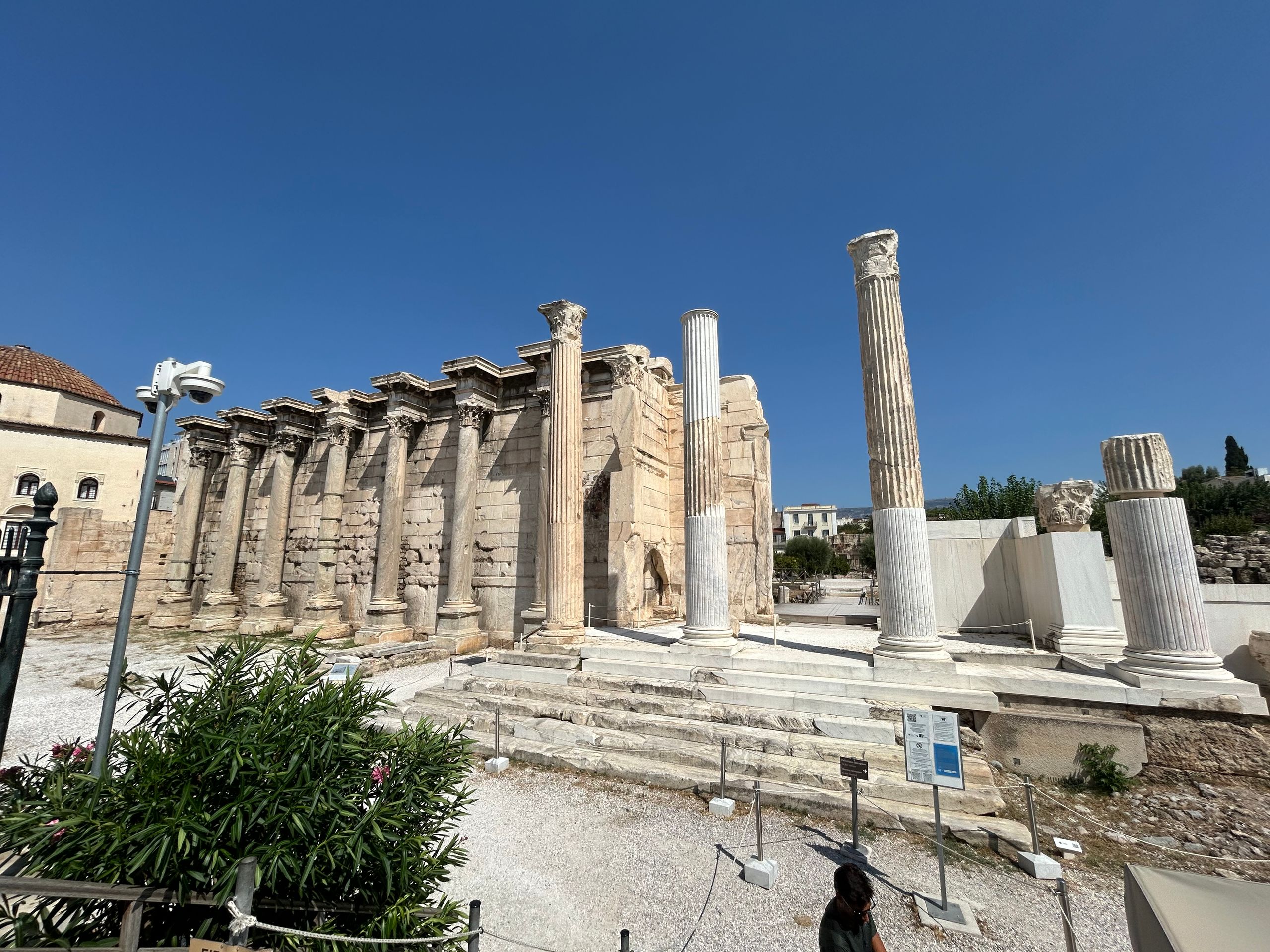
First, I visited the ruins of the Library of Hadrian, which was sponsored by the Roman Emperor Hadrian. A reminder of the period when Athens was under Roman rule. The former grandeur of the library can now only be imagined through the ruins of its foundations.
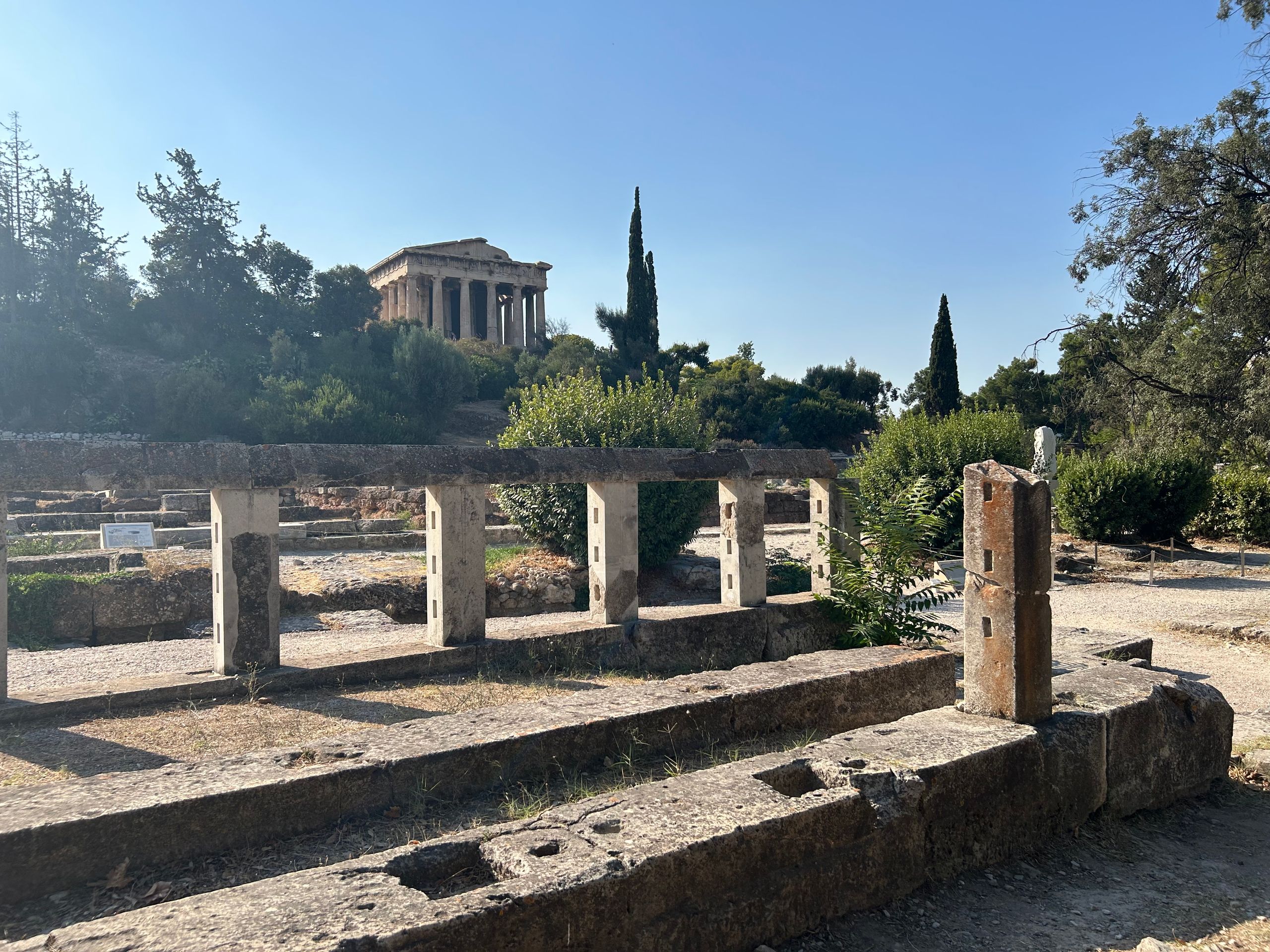
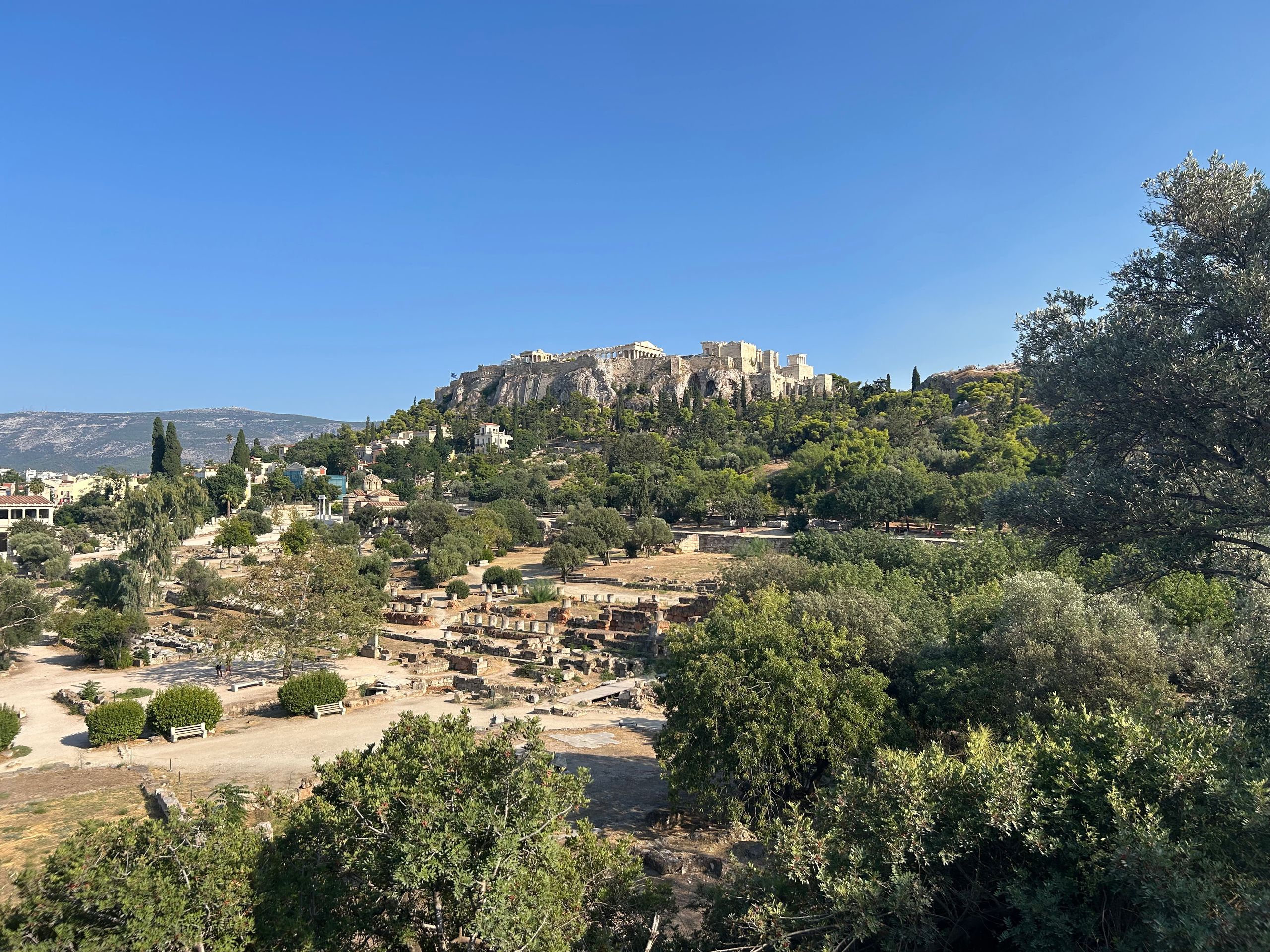
Next, I visited the Ancient Agora, the ancient assembly and marketplace of Athens. The history of the Agora dates back to the Neolithic period (evidenced by pottery shards) and it served many functions over time.
In prehistoric times, the later Agora was predominantly used as a cemetery. It wasn't until the 5th century BC that the space gradually evolved into a public square.
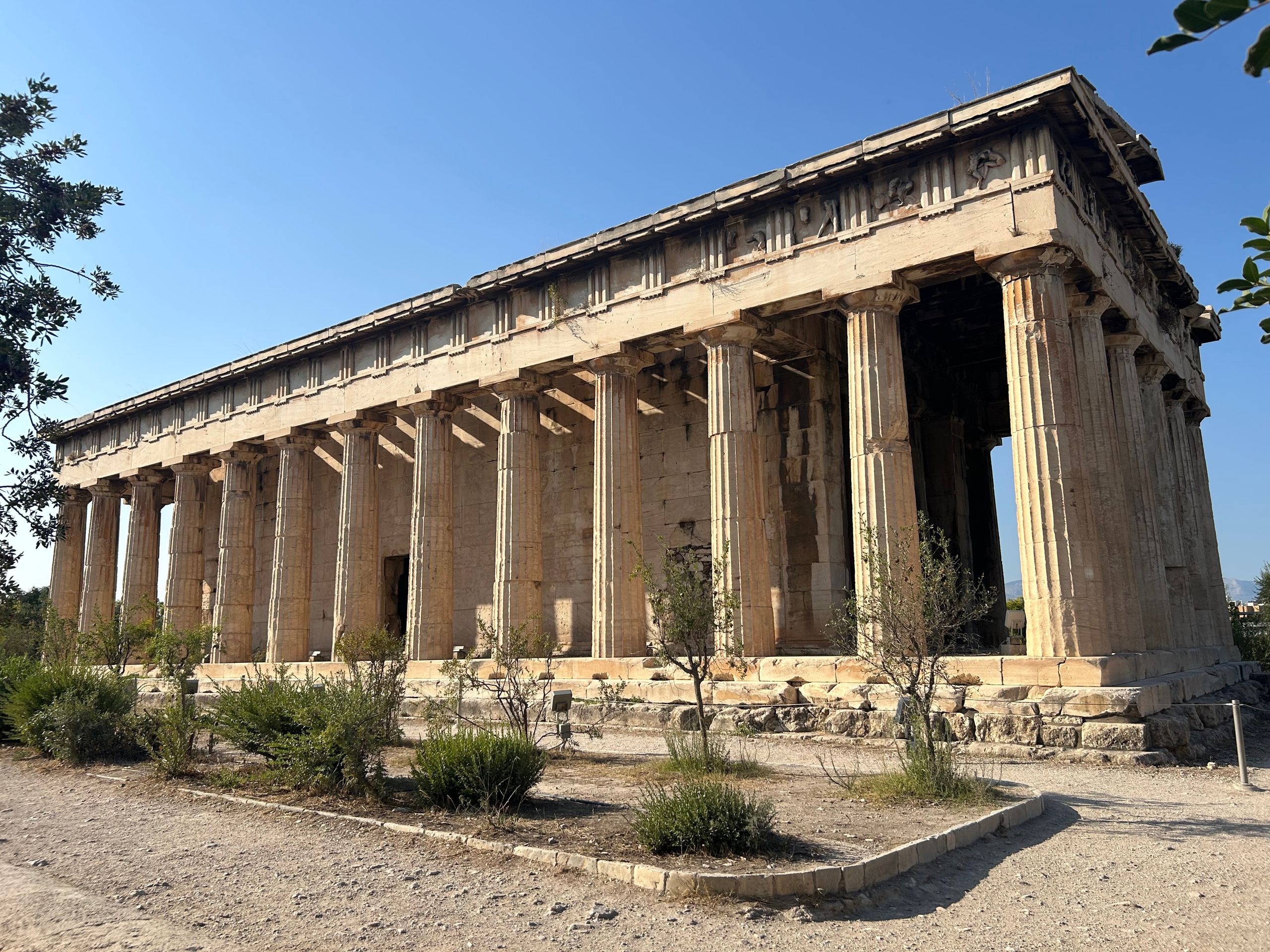
With some interruptions and destructions due to wars and conquests, the impressive Temple of Hephaistion was among the structures established in the following centuries. Today, it is one of the best-preserved temples from antiquity across Greece.
Through the emergence of various administration buildings, along with temples and commercial structures, the Agora became the political, religious, and social center. Election events and political debates made it the democratic focal point of the city.
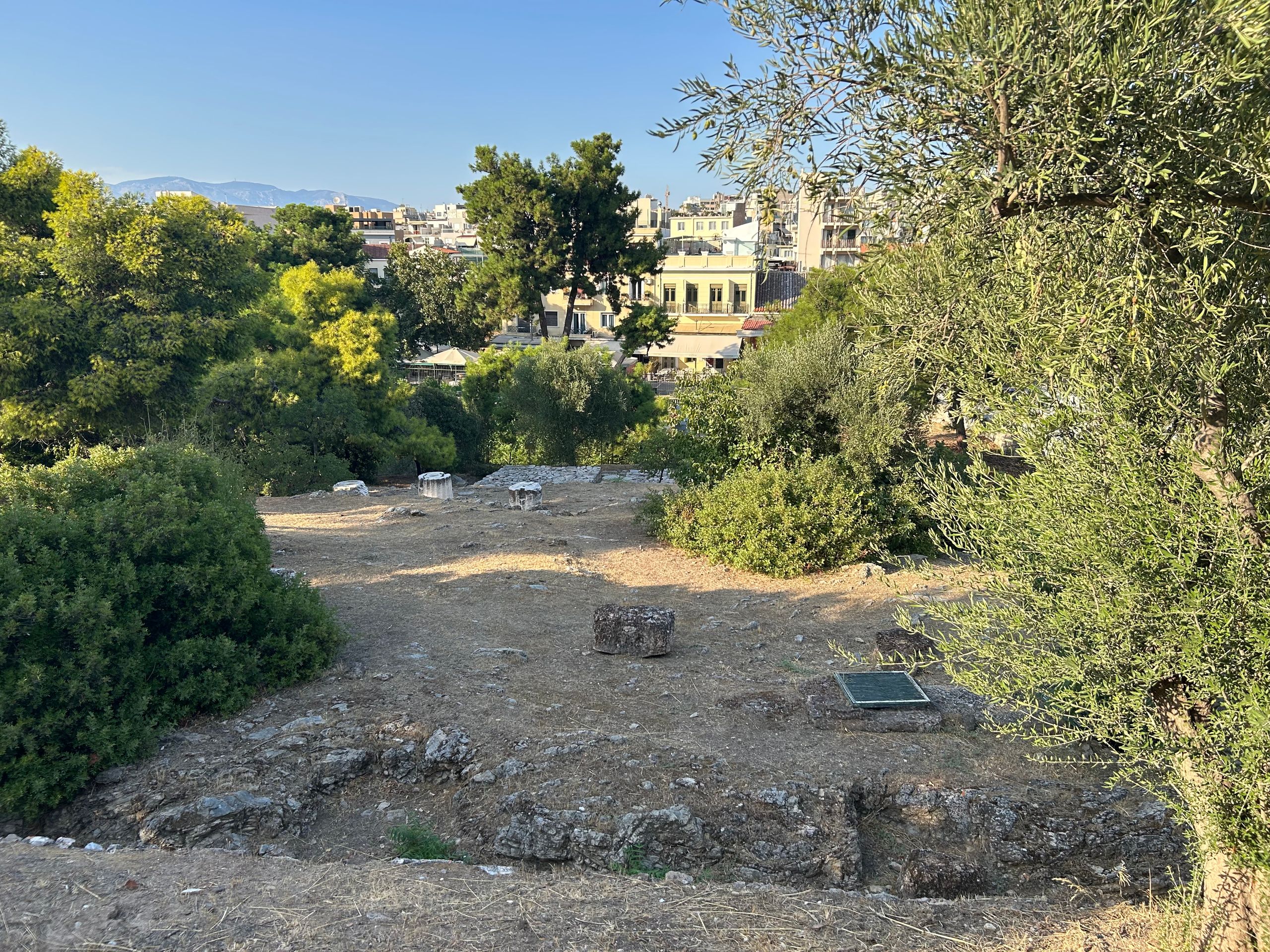
A somber testimony to everyday life is the Agora Bone Well. In this well, which at least dates back to the 2nd century BC, the remains of at least 450 infants and young children were found, as well as some dogs. Current researchers believe that the children ended up in the well over a long period and did not die due to a major event (e.g., a plague). Infant mortality was high at that time, and it was not uncommon for such young children to receive no proper burial. However, this does not mean that there were no grieving parents behind each child. Rather, this should be seen as a behavior that adapted to the worldviews and social influences of that time.
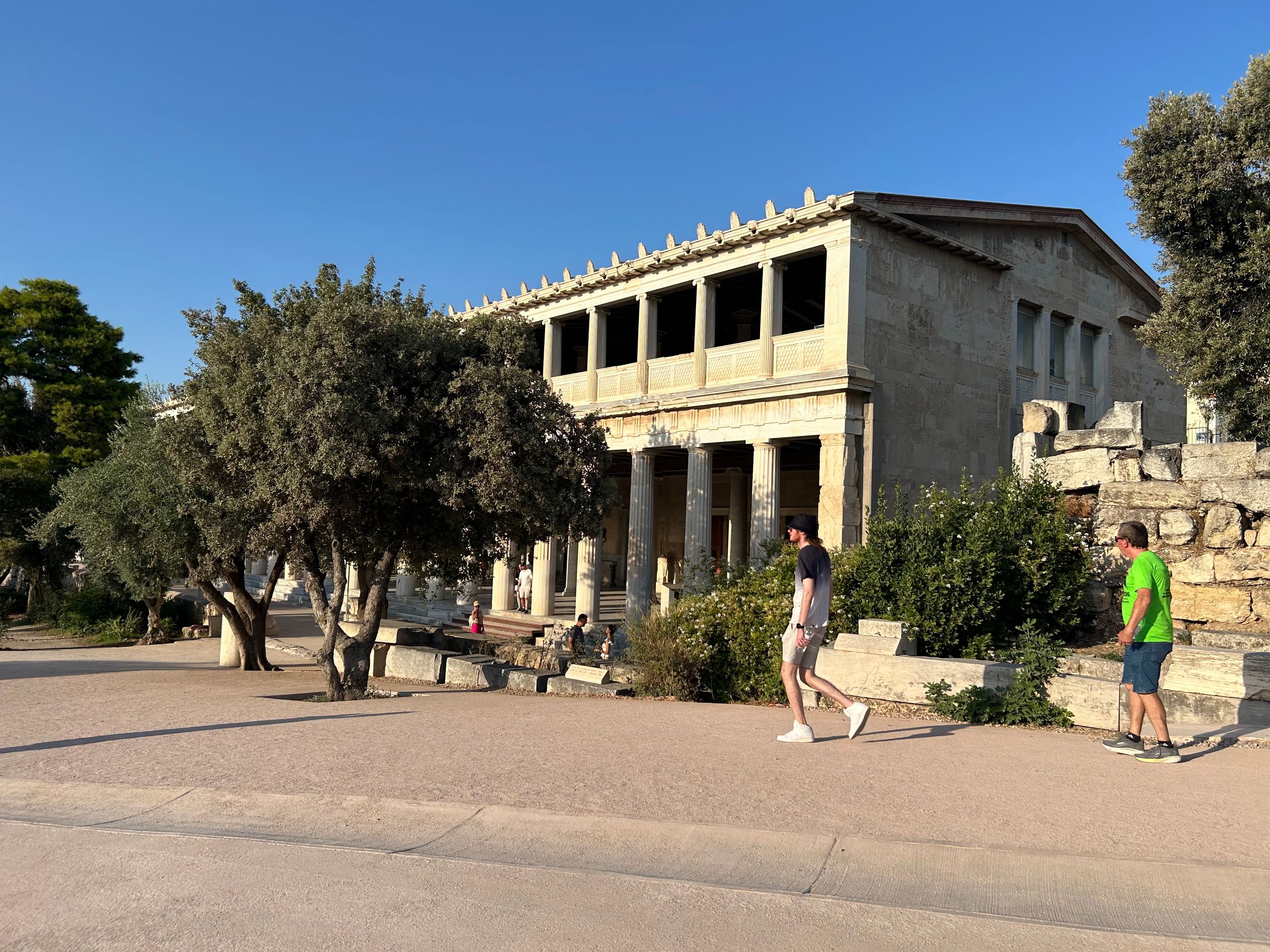
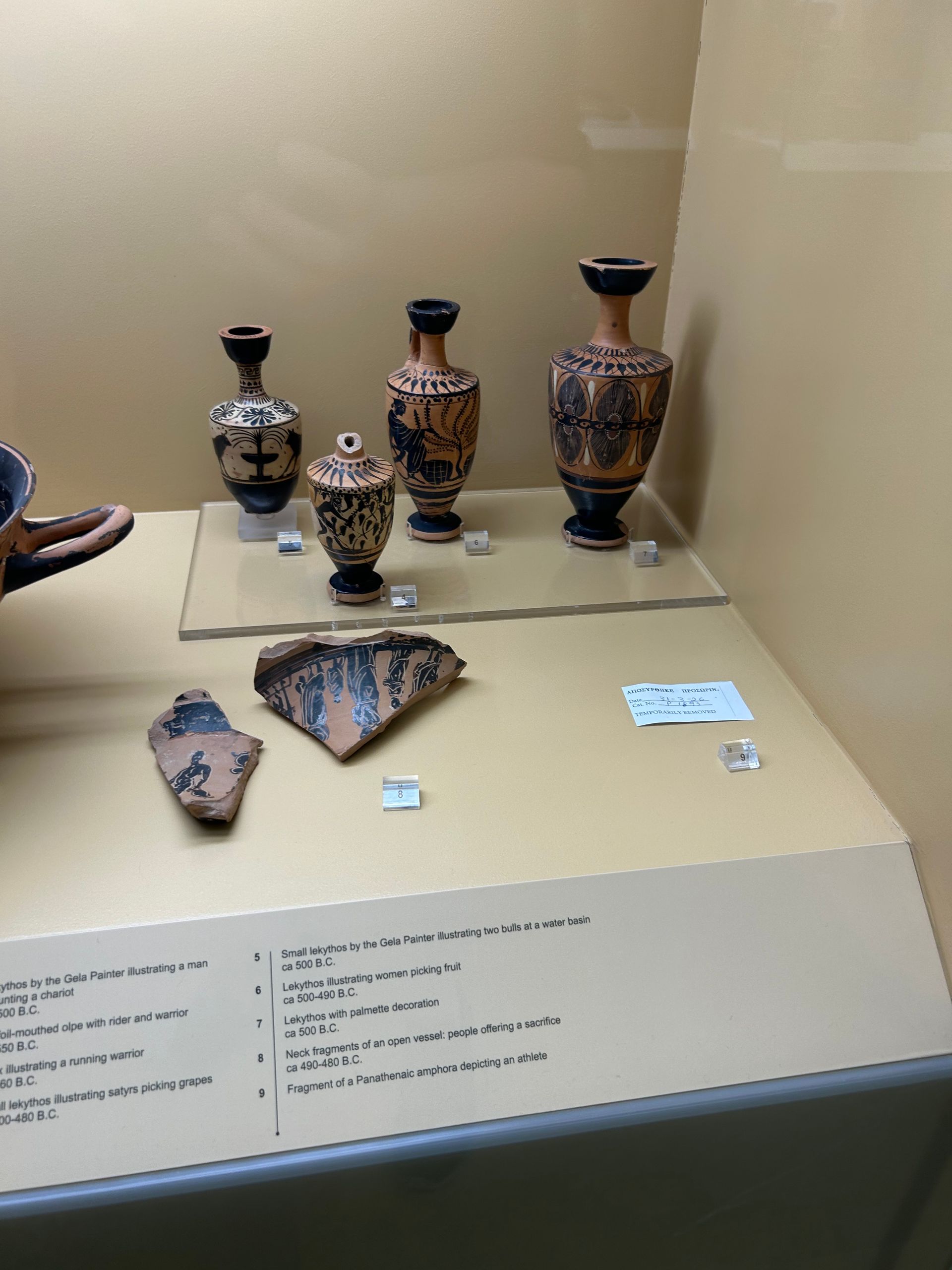
From there, I proceeded through the rest of the Agora to today's museum. There, alongside many, many ceramics (😅), there were also two child burials displayed. Of course, the famous Attic pottery was there, as well as the ceramics shards known as ostraka. These are simply fragments that served as writing materials for e.g., shopping lists since papyrus or parchment was not affordable for everyone.
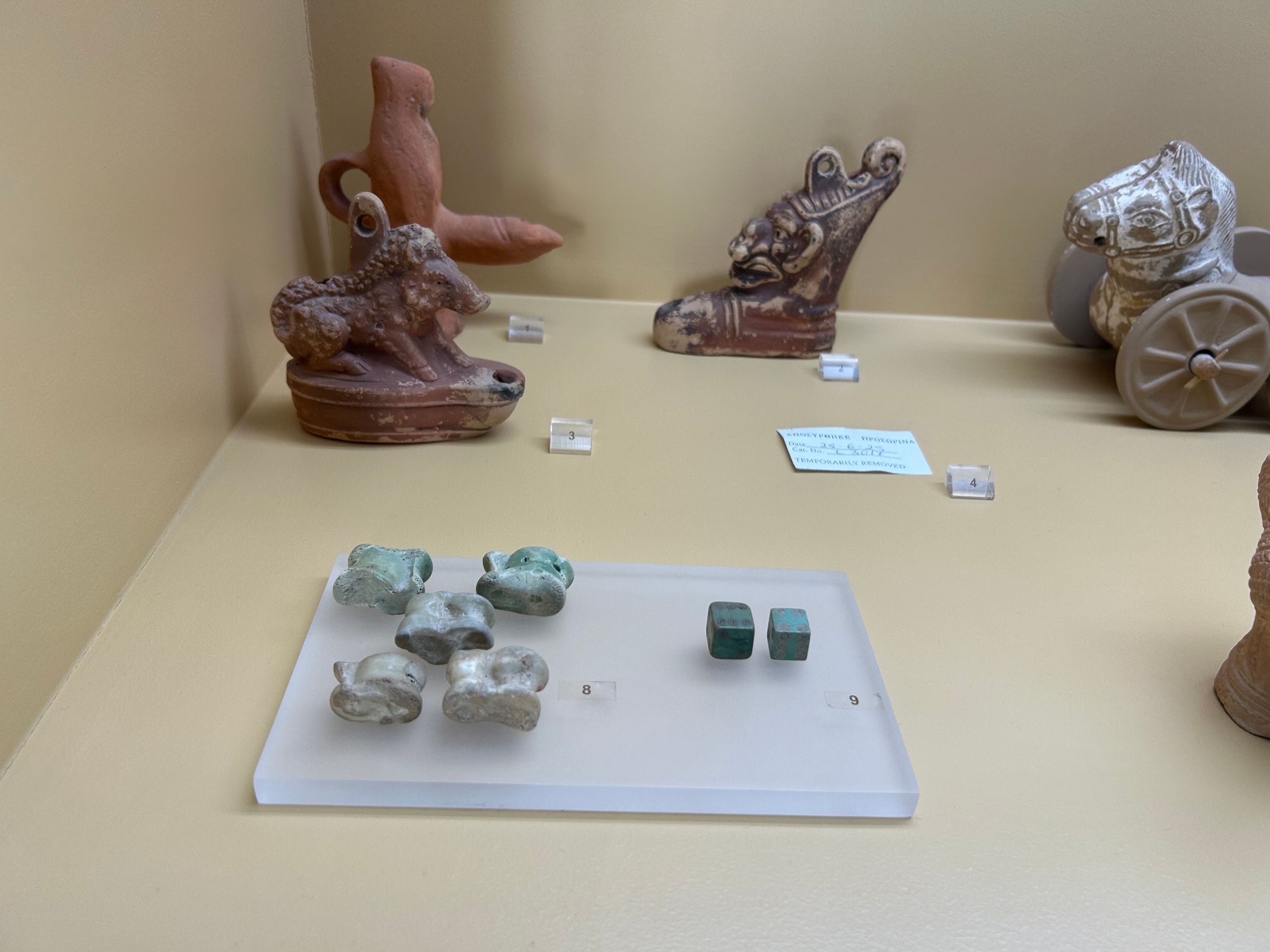
Something interesting from my field wrapped up the visit. The ankle bones, in the last image, were used as popular dice for gaming. High stakes on the outcomes led to more than a few financial ruins 😬 By the way, people still play and roll with ankle bones 😉
That was quite a long text 😅 But archaeology is worth it!