
With penguins at the end of the world
How enchanting are they? And how fascinating! 🐧 On land, with their somewhat clumsy waddling gait, they seem as if evolution hadn't bothered with their locomotion...

Published: 22.08.2026
This morning, we take an Uber taxi to the Waterfront. Our driver Shammy is from Zimbabwe – yet another person who has left their home country for economic reasons and is trying their luck in South Africa.
He comments that actually "everyone" from Zimbabwe is here. It's easy to enter the country; you just need a passport, and the prospects are promising. He initially had a shop and employed locals. However, he had bad experiences with them: they were unreliable, often didn’t show up for work, and never came in on weekends. His explanation for this is rather sweeping: they were not socialized in a proper manner and weren’t ready to work. That is why no one wants to hire them.
Still, he is convinced that everyone has a chance here. He hasn’t lost hope for Zimbabwe either. He believes that the situation there will change someday; he just might not live to see it.
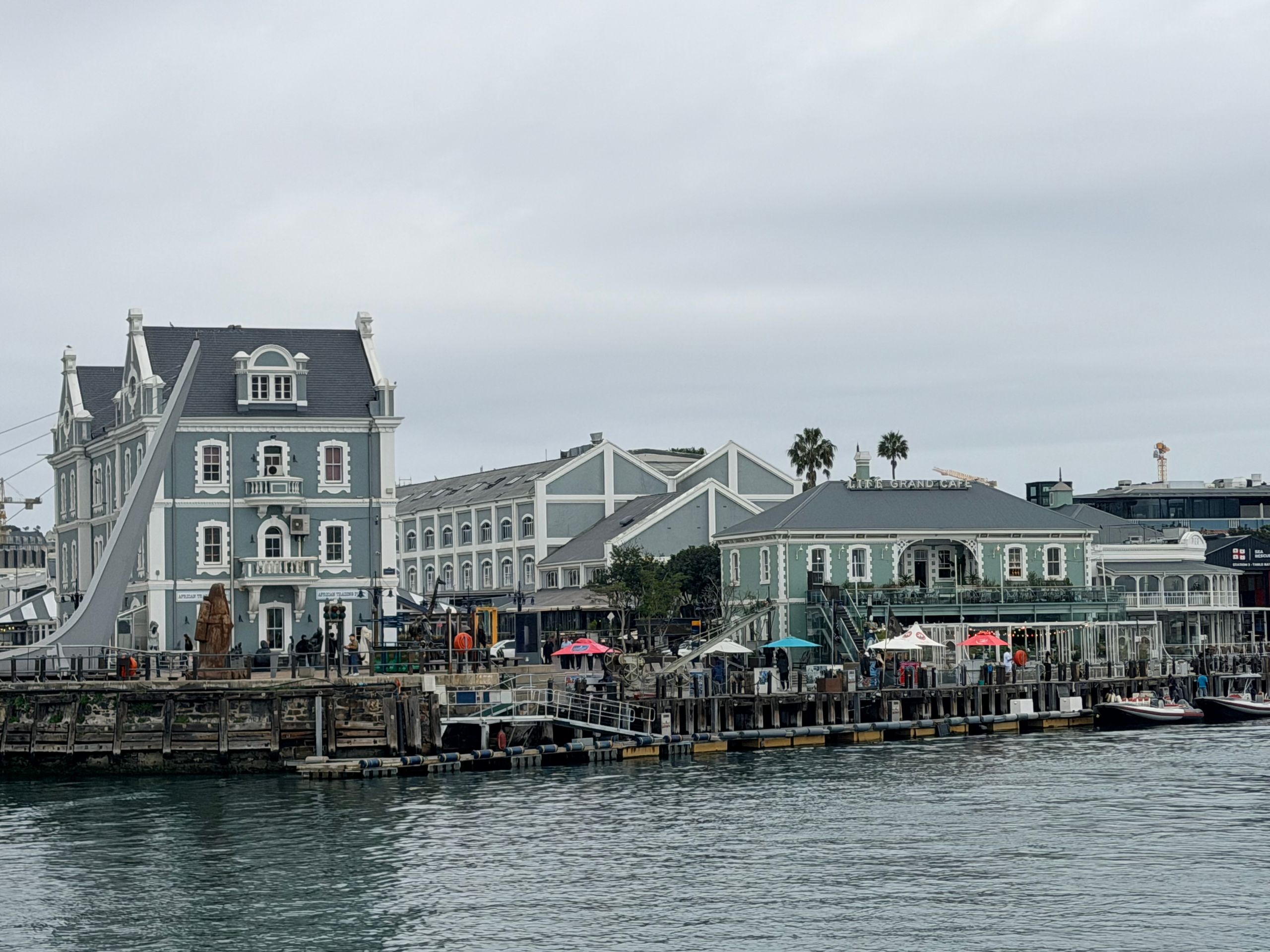
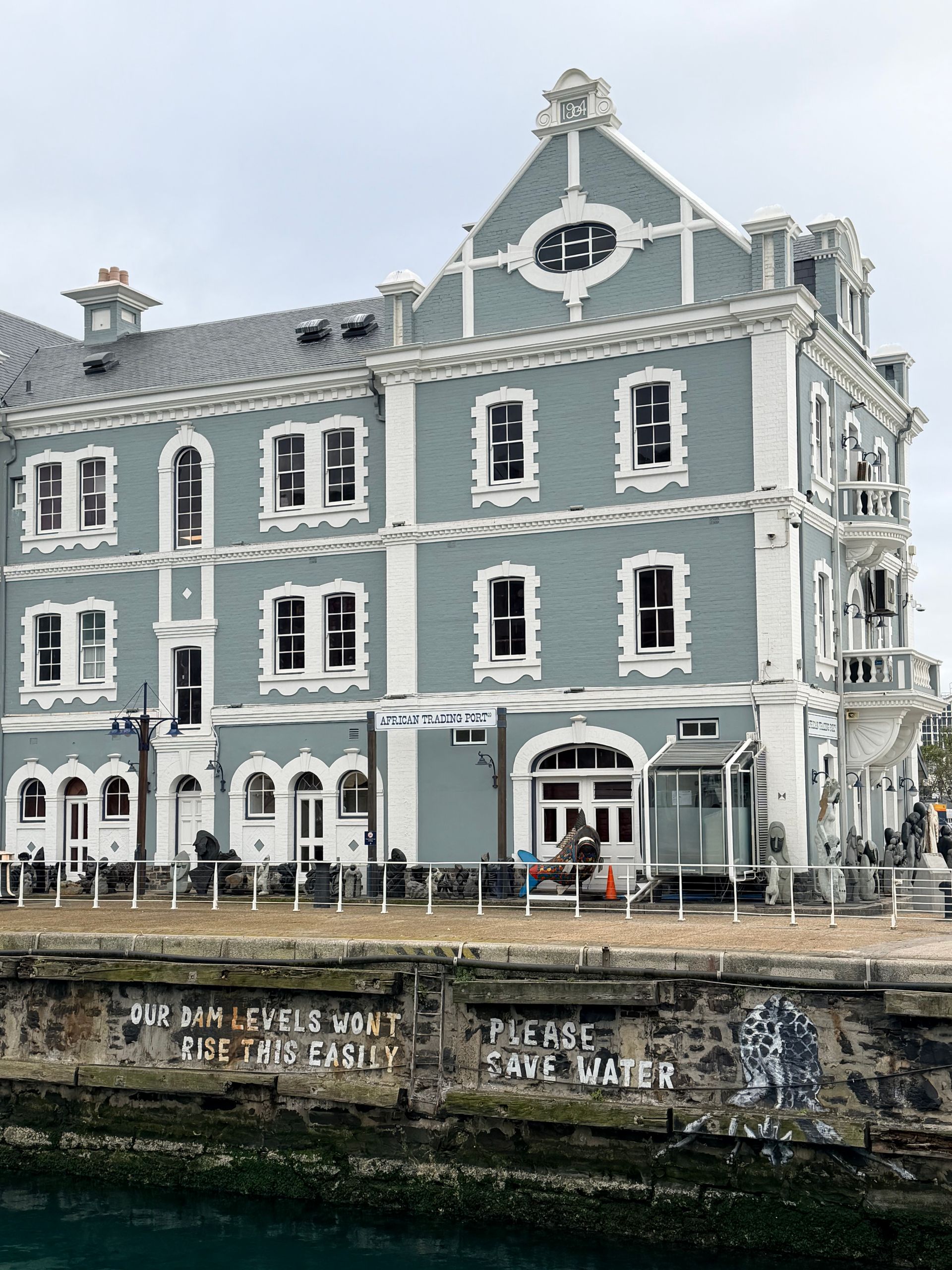
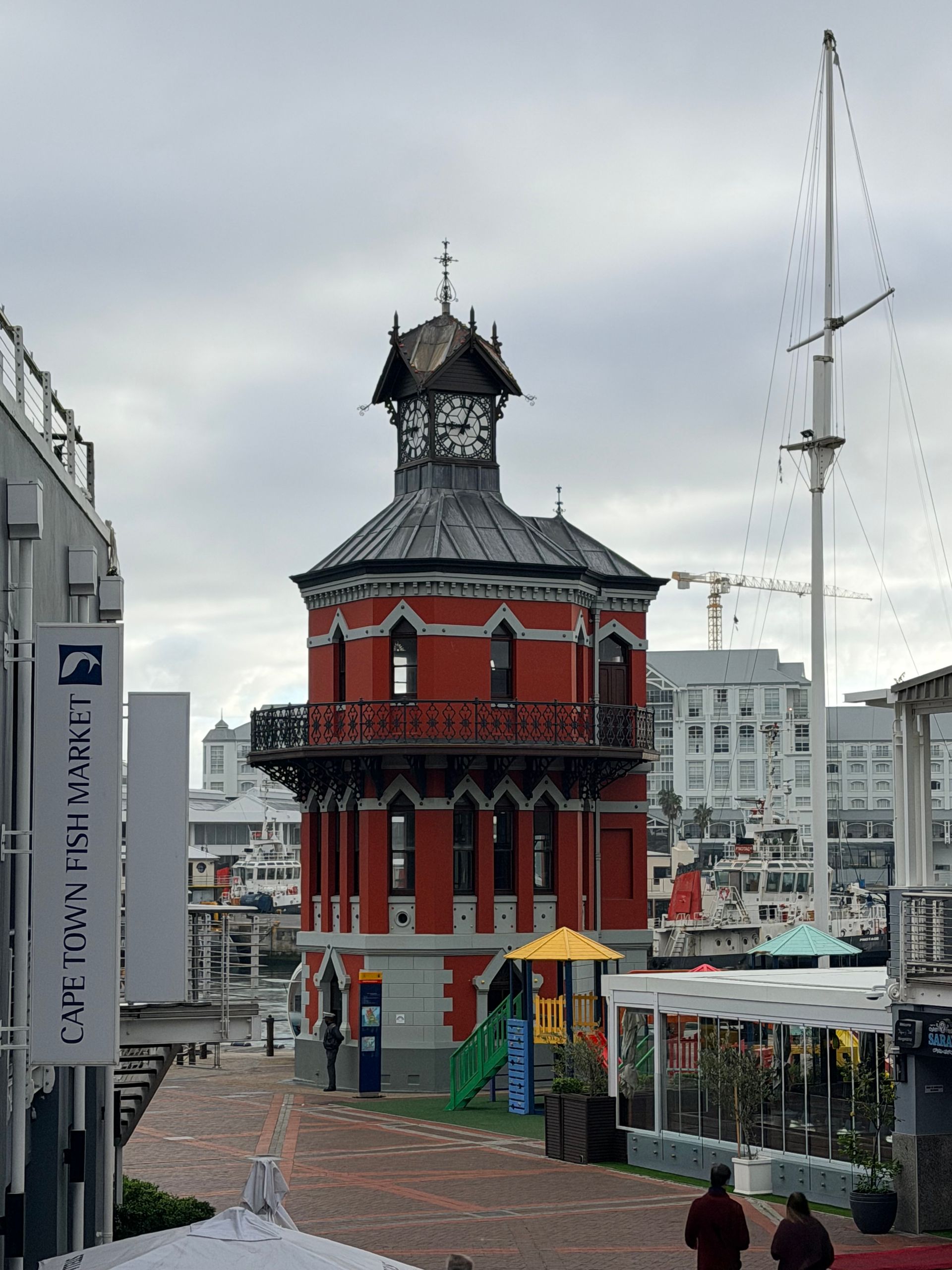
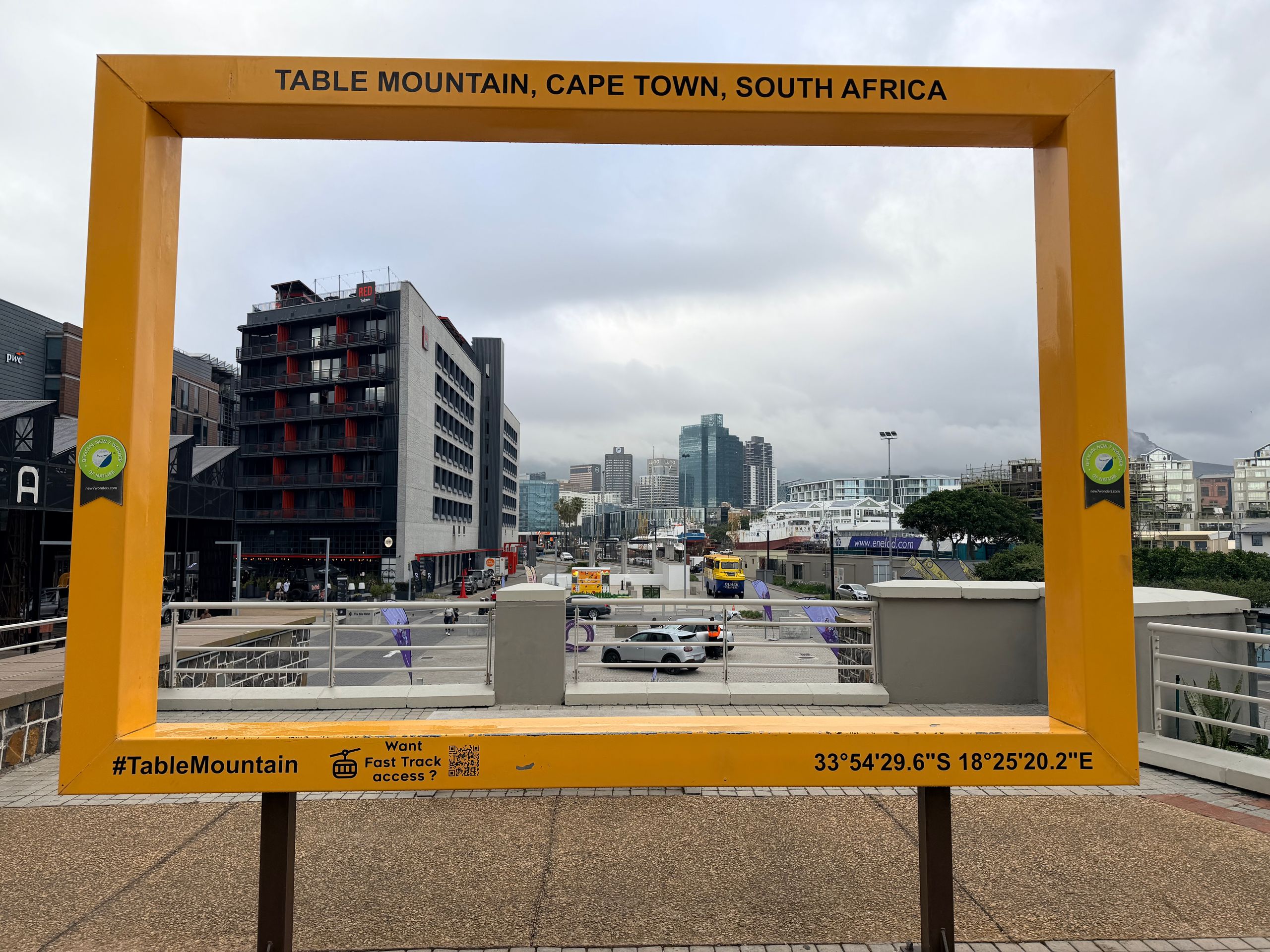
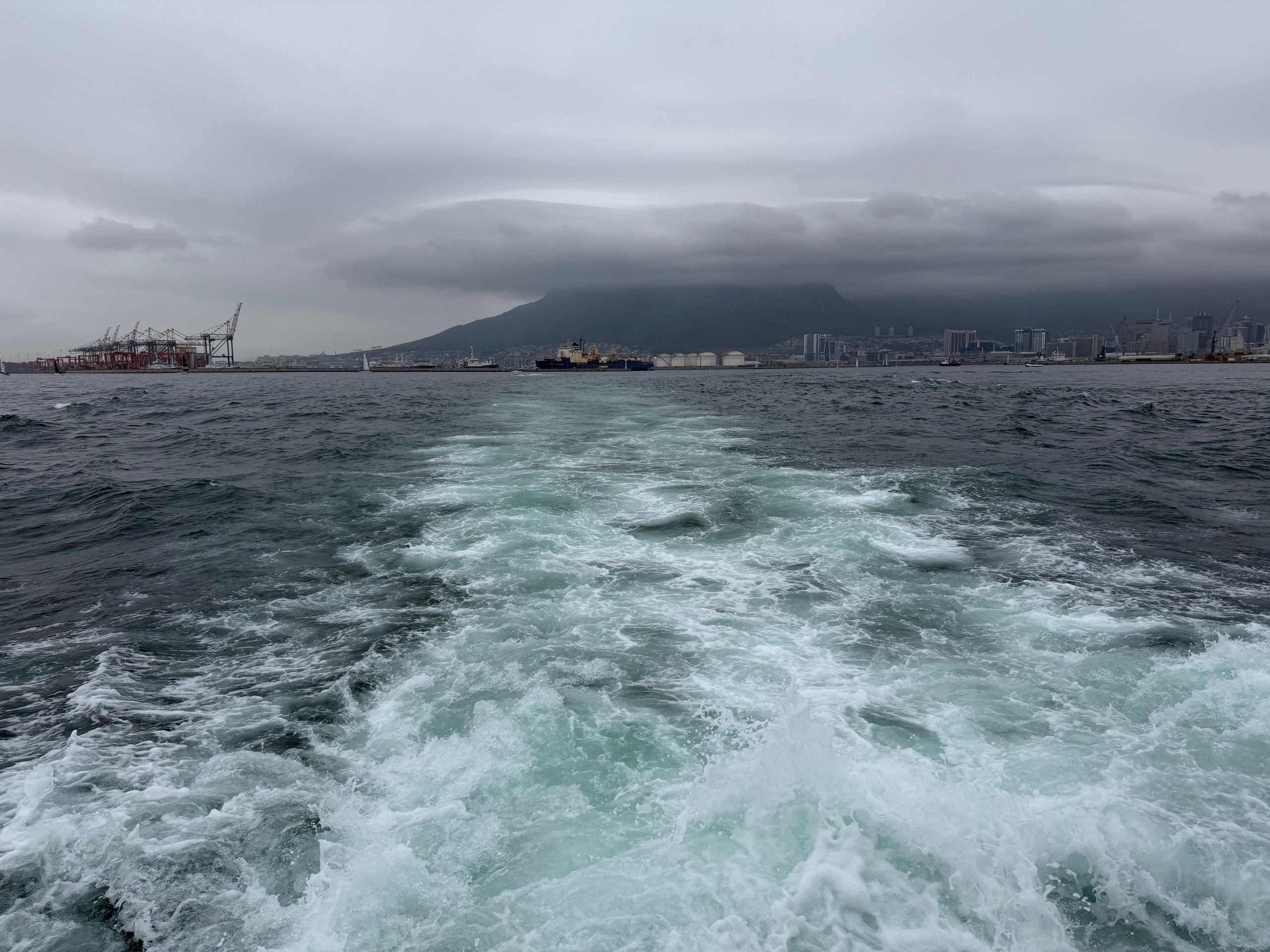
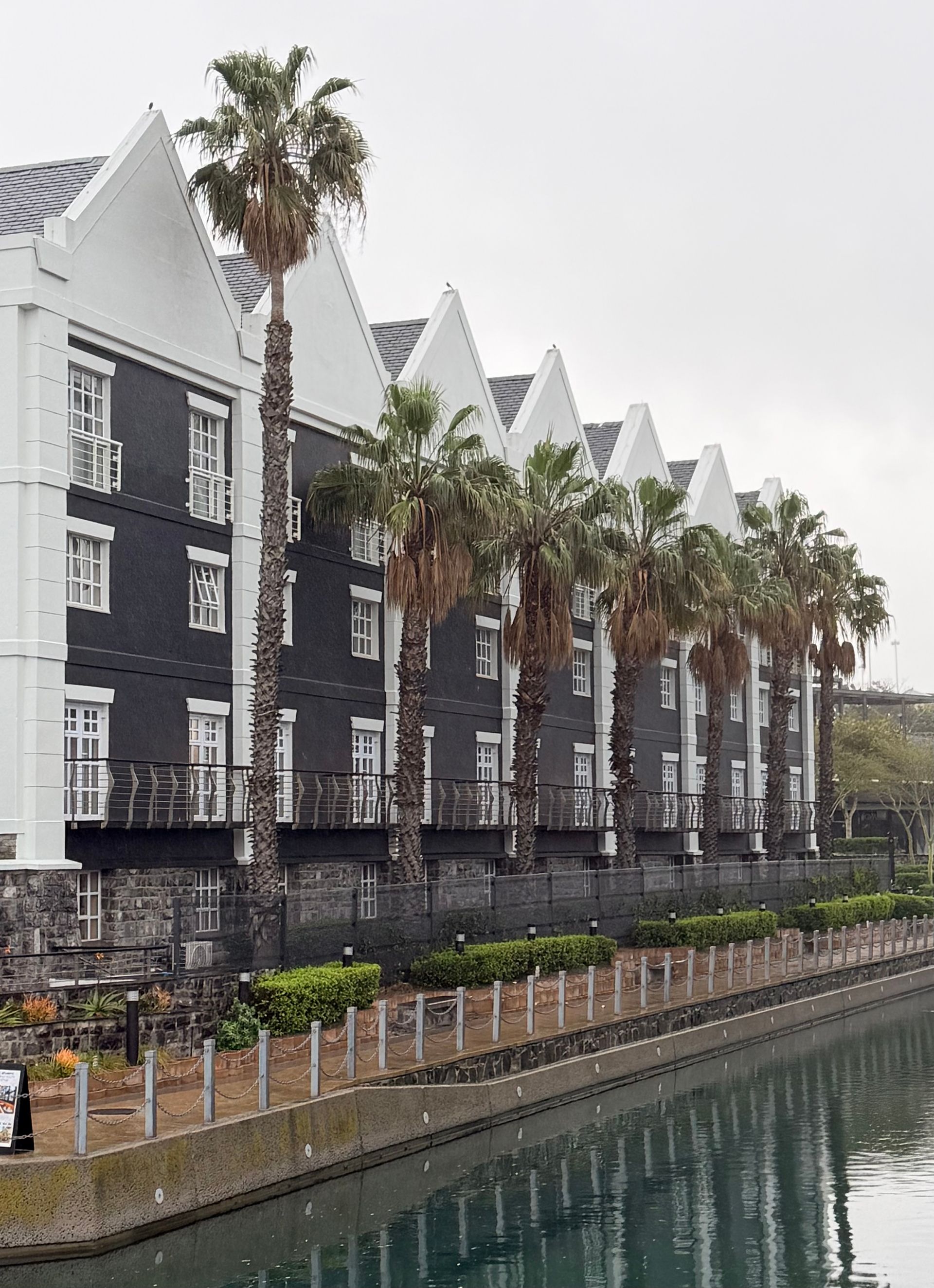
Upon reaching the Waterfront, Cape Town looks completely different again. It is lovely here and even on a winter day with drizzle, it’s quite busy. However, due to the weather, we can’t see Table Mountain. We wander around for a while before heading to the ferry terminal for Robben Island.
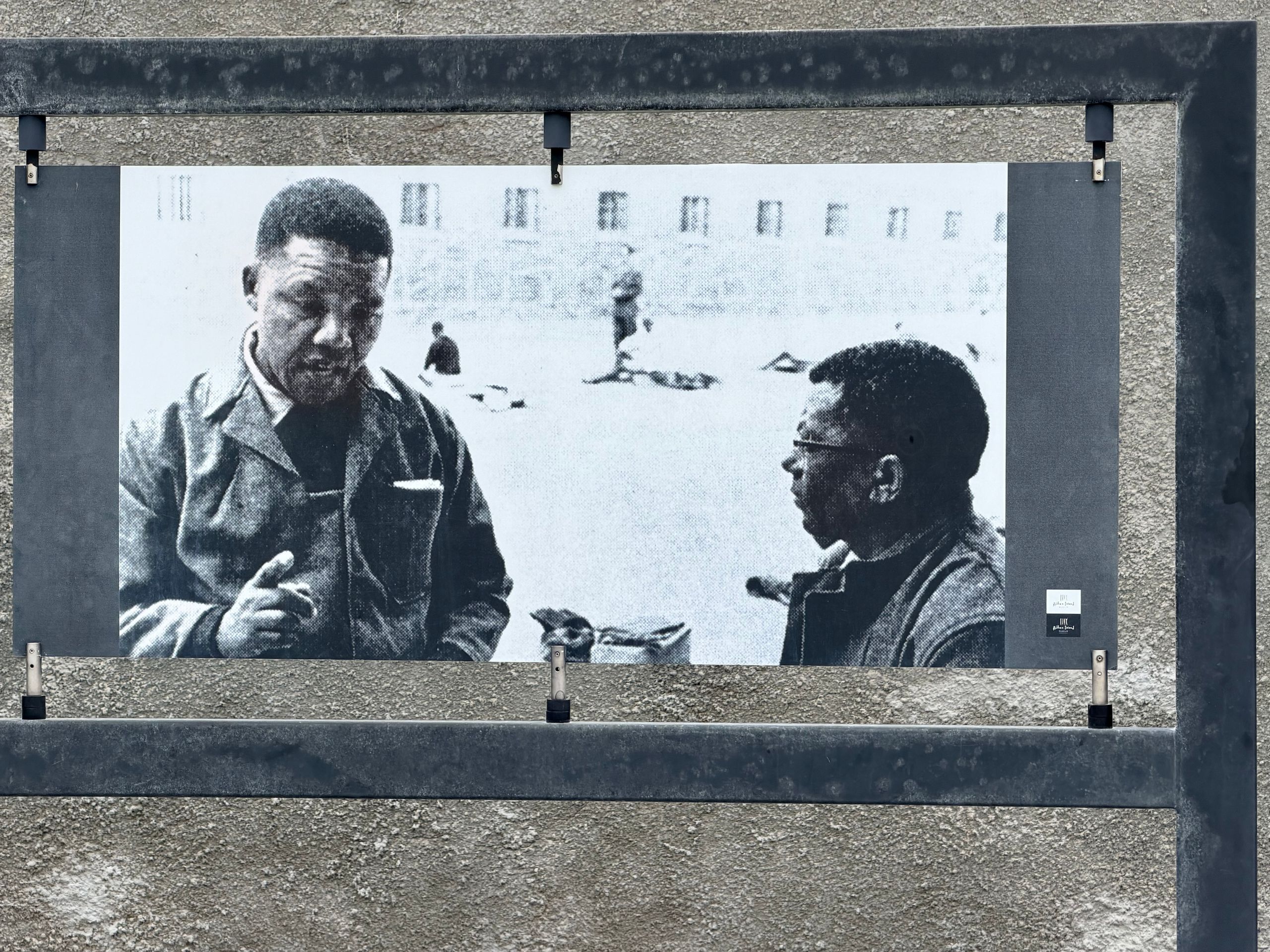
It’s been nearly 40 years since “Free Mandela!” was written on my tote bag and I boycotted South African grapes. Such gestures suddenly seem so small compared to what symbolically happened on Robben Island.
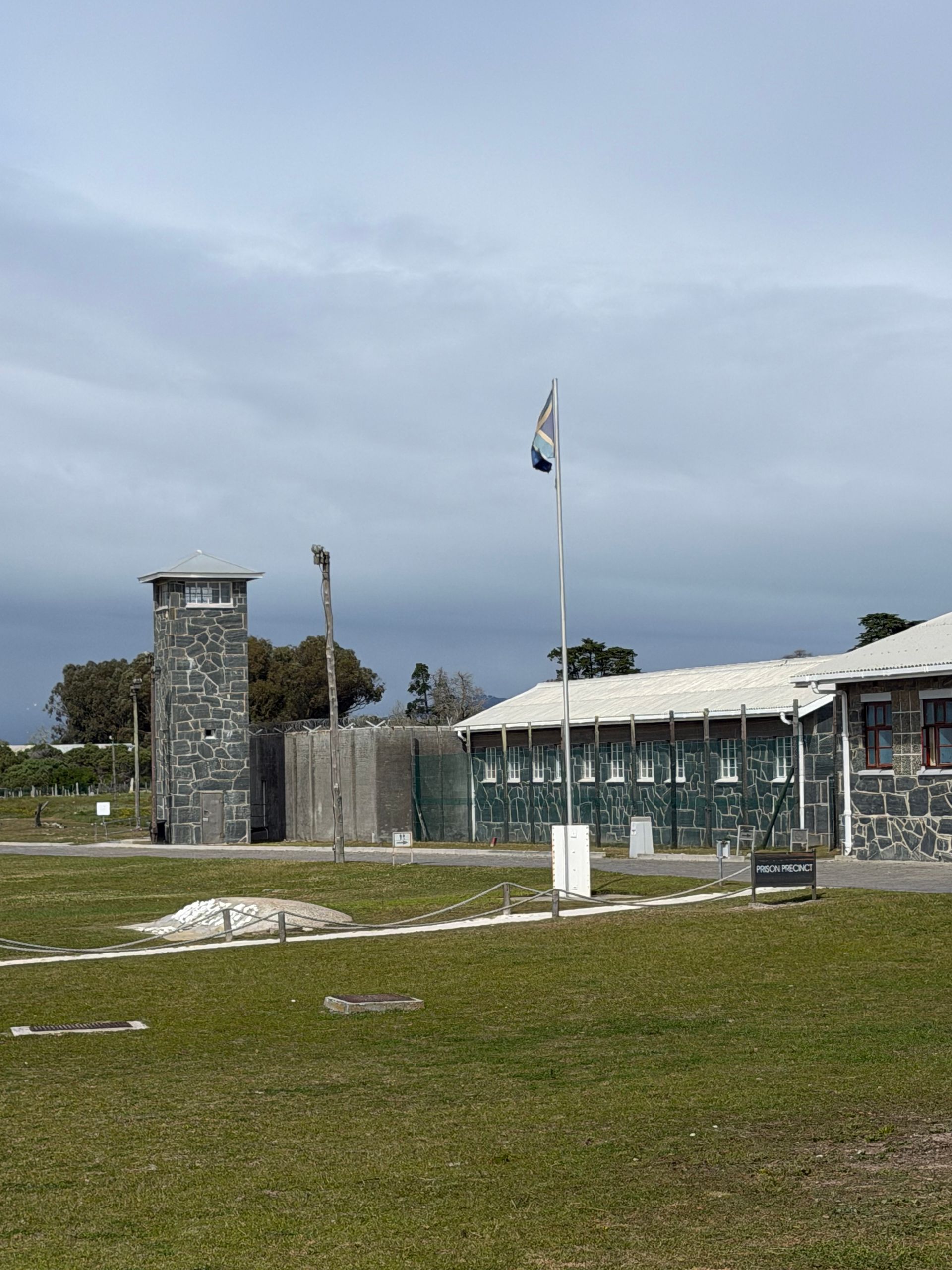
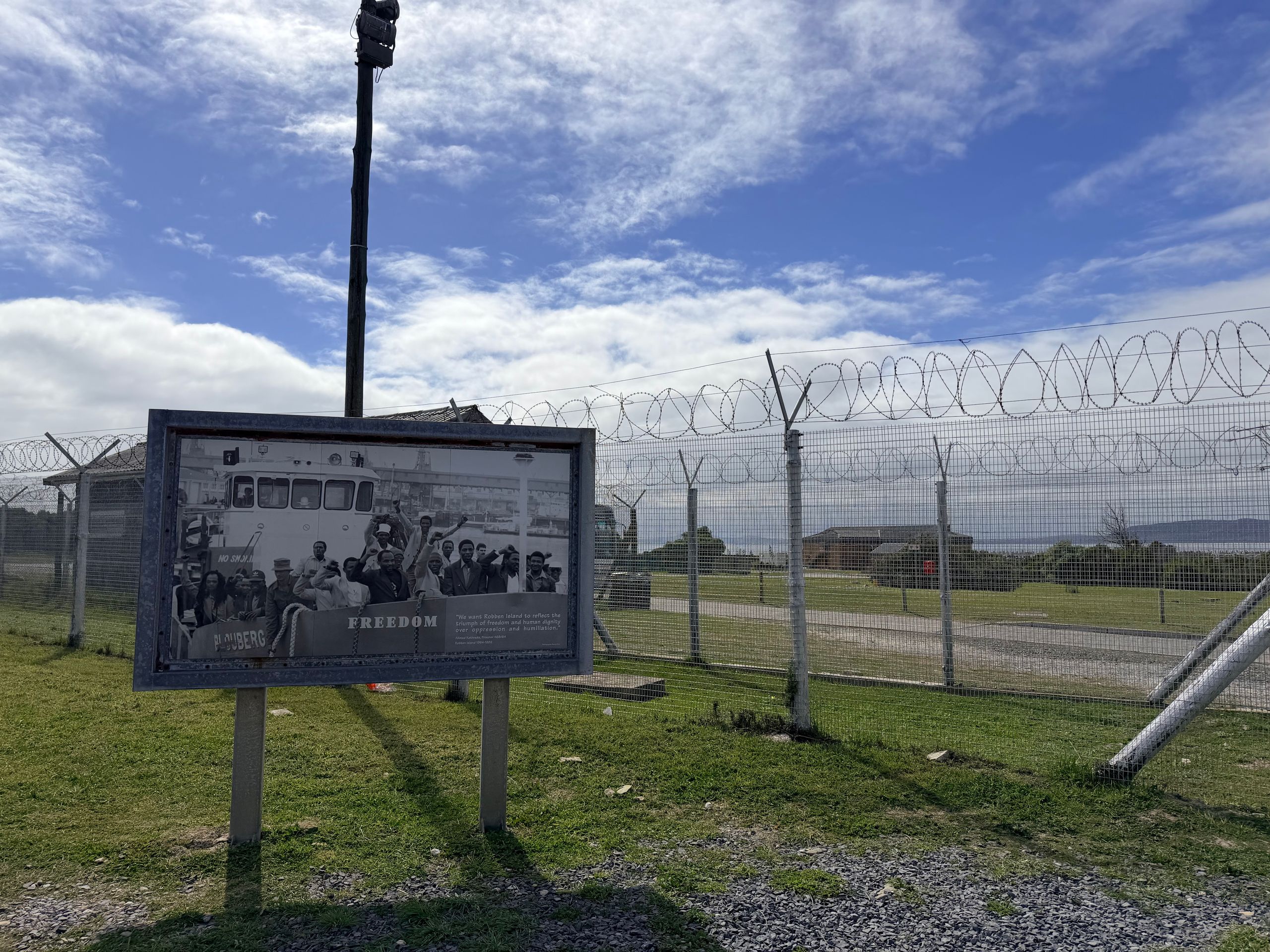
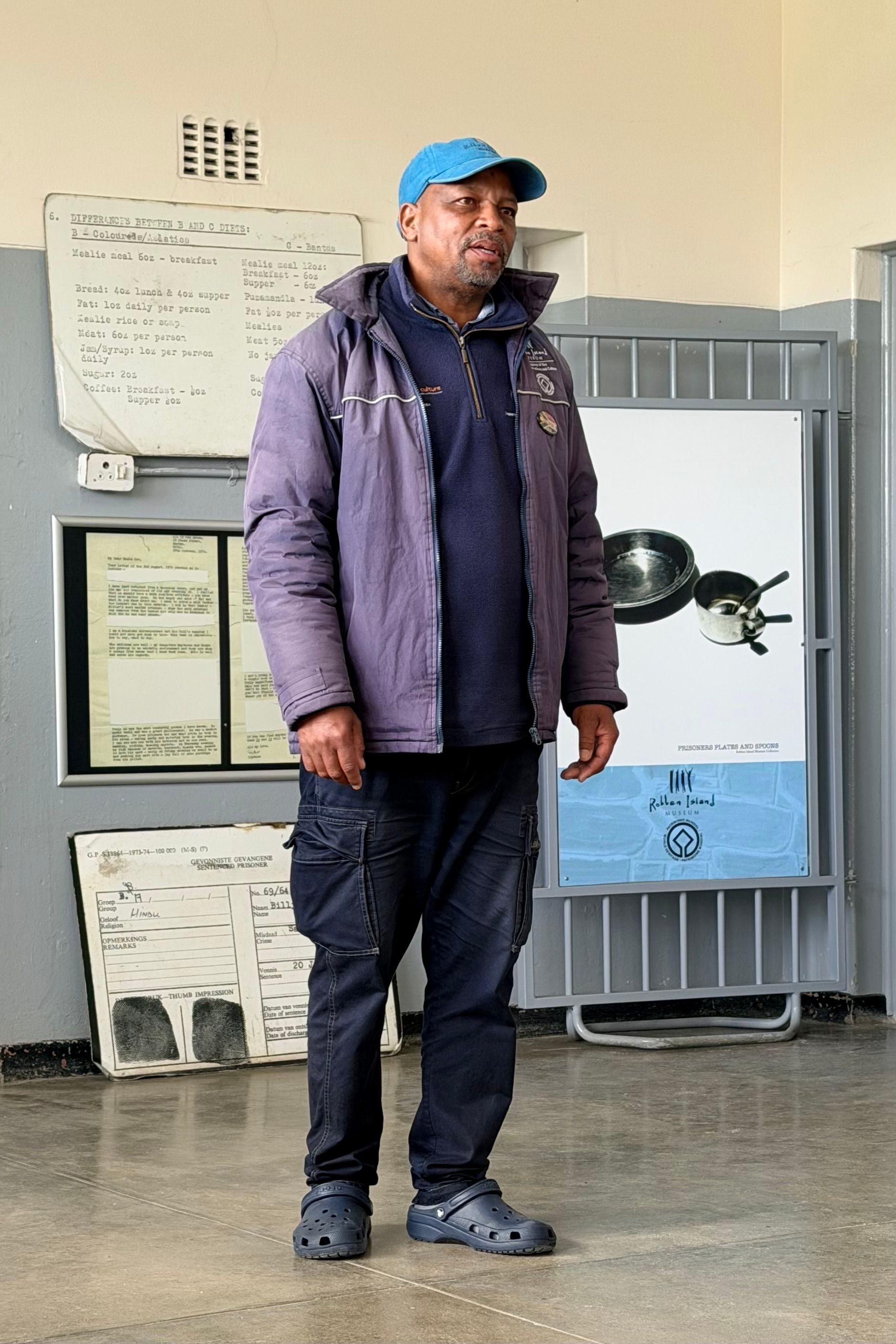
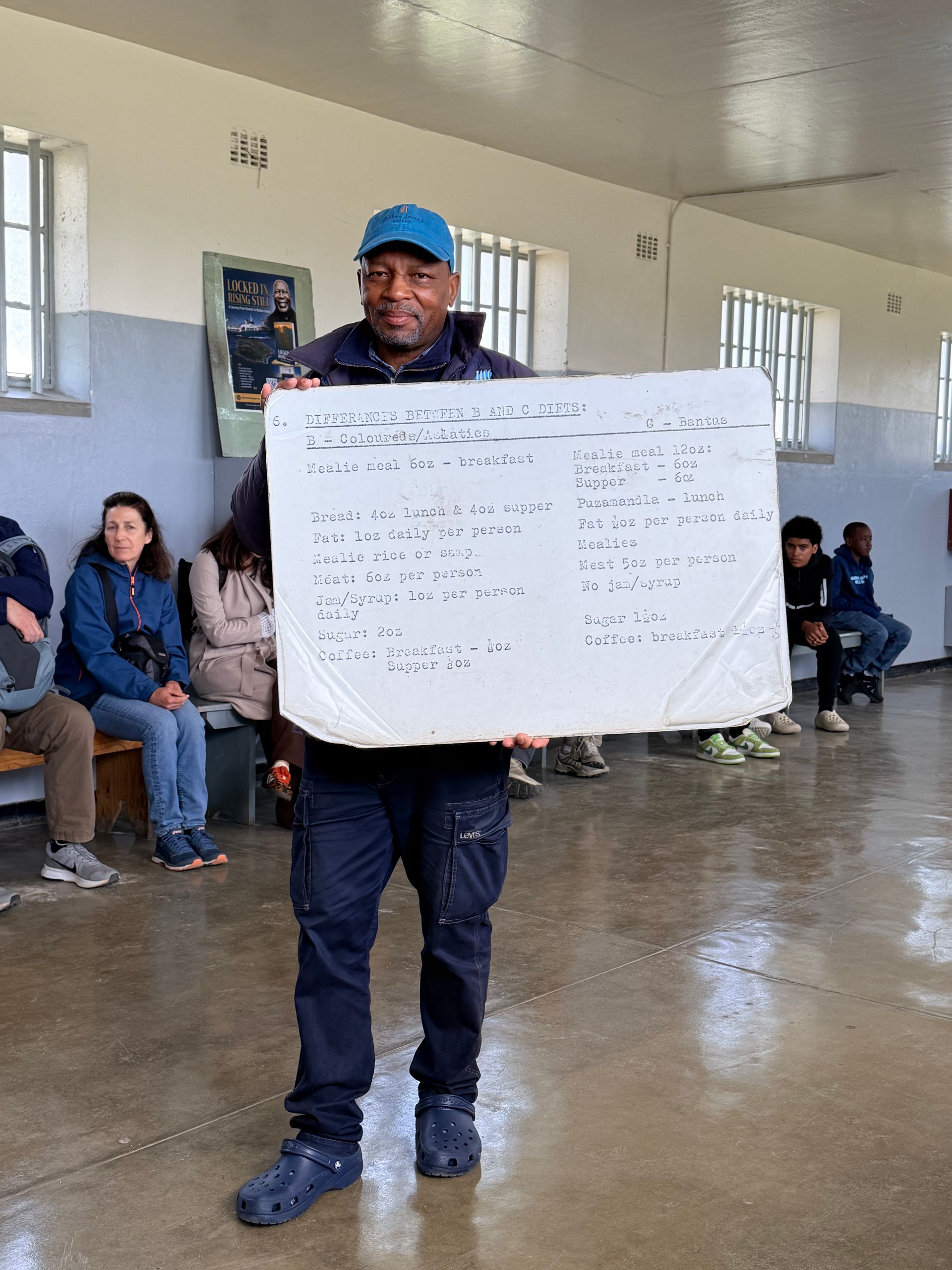
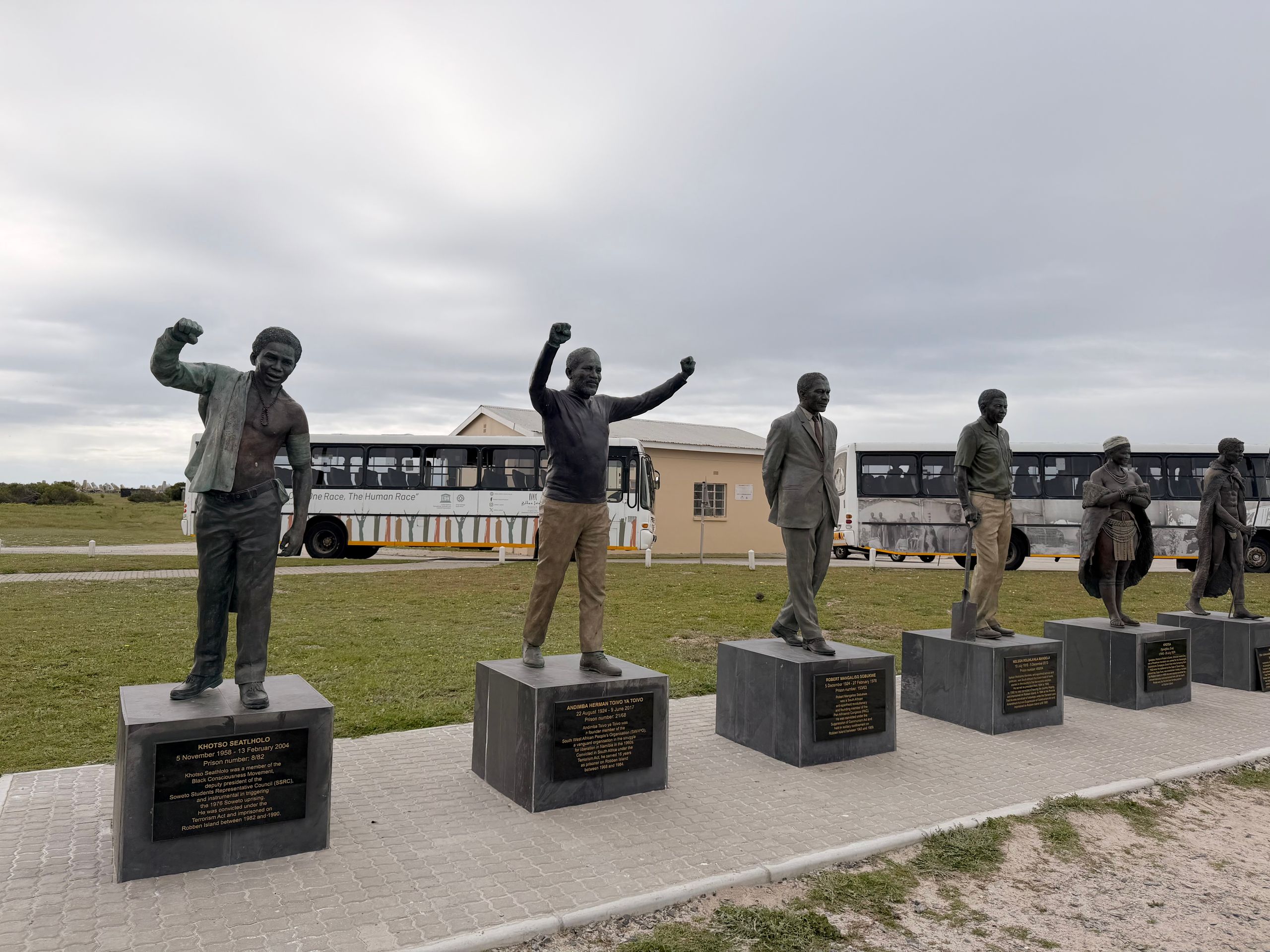
We walk through the former prison, past the double fences. Then our guide begins to speak – and it quickly becomes clear that this is not just a story he learned at some point.
He was incarcerated here in 1986 at the age of 19.
He recounts the conditions in the prison and how the incarceration conditions for political prisoners gradually improved.
While he holds up a board listing the food rations, which clearly shows that black inmates received even less than the other prisoners, he allows us to take his picture, even encouraging it.
They tried to stay physically and mentally healthy. They knew what they were there for: for a great cause, for the liberation of black South Africans in their own country.
“Freedom is essential for the human psyche.”
When outer freedom is taken away, one must strive to remain free internally. They supported each other and learned from one another – among them were teachers, lawyers, doctors, and people with a host of different experiences from across the country. The prison bizarrely became a place for exchanging knowledge and experiences. This also helped them to stay mentally healthy.
I ask him when he decided to return to this place and do exactly what he is doing today.
He hesitates.
He was very young when he went to prison and in his mid-twenties when he was released. For a short time, they received some support, but never real compensation. He didn’t even have money for a tube of toothpaste.
The job here in the former prison was very difficult for him at first. Even today, there are days when it’s not easy for him to be here.
But he knows why he does it.
He wants to tell stories. To as many people as possible. So that we listen and carry the messages forward.
Because actually, he states, it’s not just about having no separate facilities for black and white people. It’s about something much more fundamental: about meeting each other with humanity.
What educated and intelligent people do to one another, wild animals would never do.
I recall our animal encounters from the past few days and am so moved that a few tears silently run down my cheeks.
Sometimes his explanations sound almost like those of a preacher – not in a pompous way, but because they so evidently come from the heart. Time and again, it all comes down to the same thing:
Humanity.
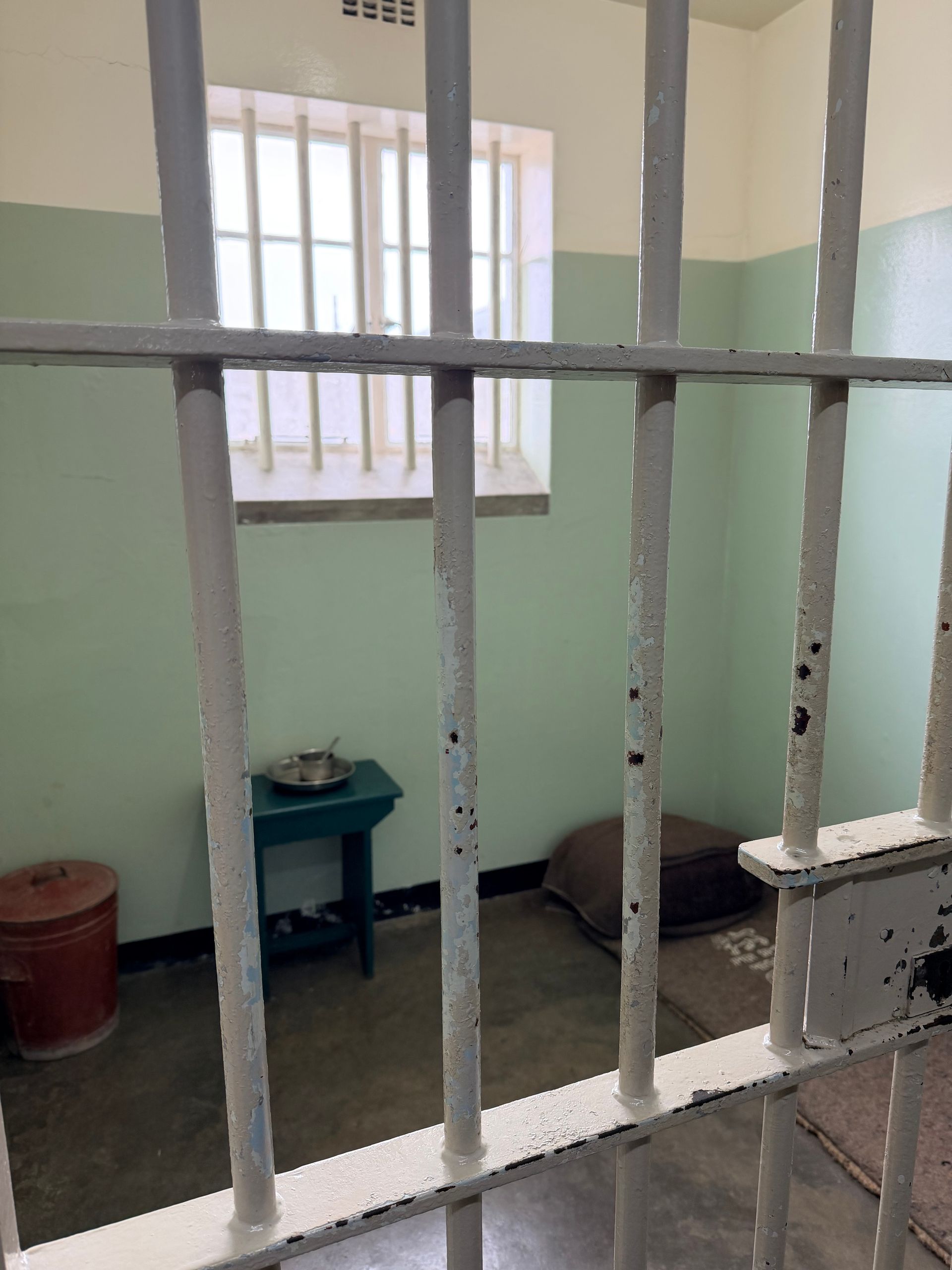
The tour ends with a view of the prison yard and the cell where Nelson Mandela spent 18 years. It is suffocating.
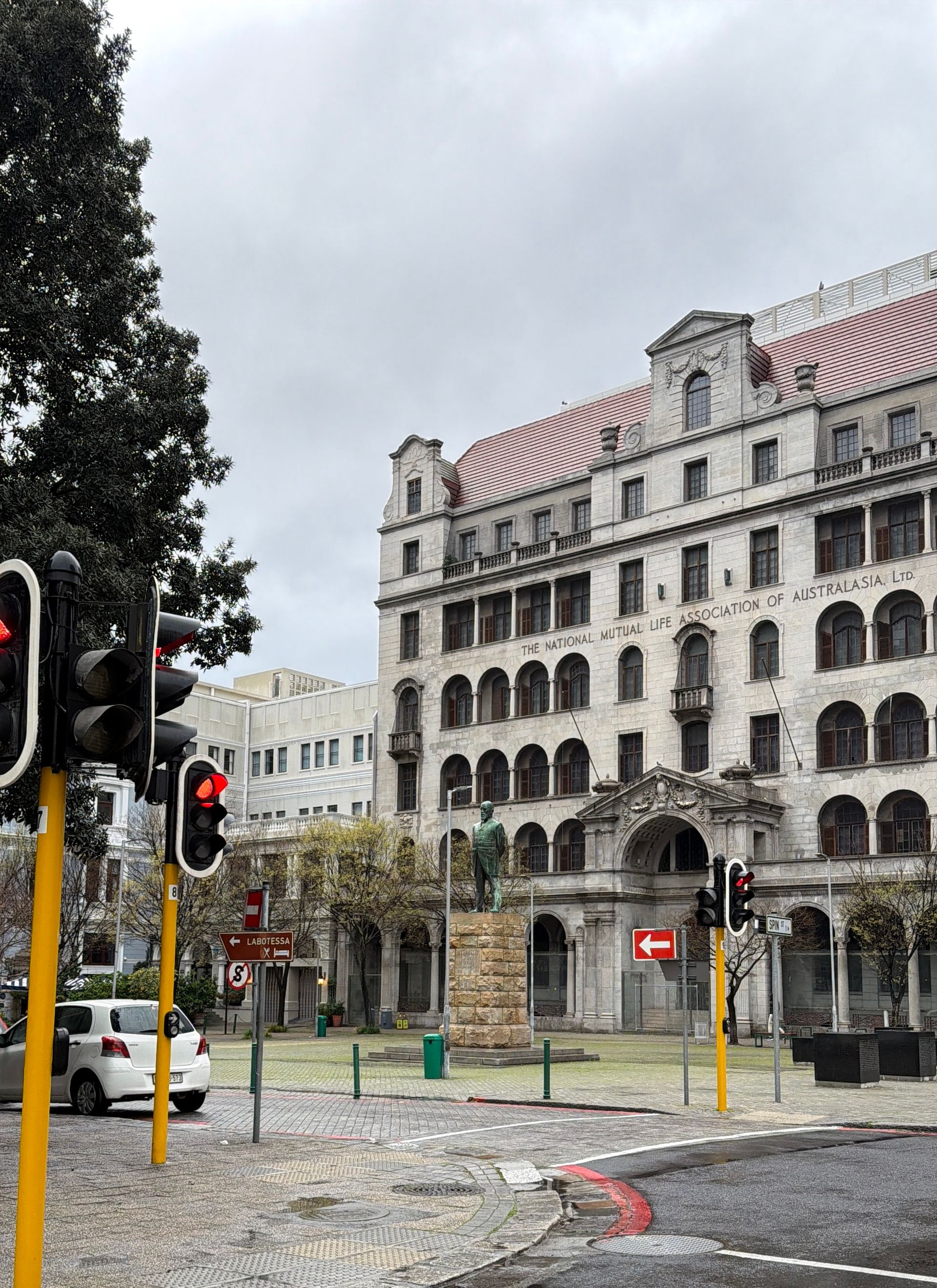
Back on the mainland, we want to see a little more of Cape Town and walk through the rain towards the city center. Passing by the financial district, the way to our first destination, Bo-Kaap, seems endless.
The noticeable amount of security is striking. Men and women in yellow vests seem to be everywhere. Eventually, we ask one of them for the best way and learn that the security personnel are not actually responsible for the buildings they stand in front of.
“For the public,” he explains. “To prevent crime.”
We encountered some signs labeled “Crime Hotspot” during our journey yesterday.
It’s still raining, and it’s getting dark. So we give up our city tour on foot and call for a taxi again. This time, a young Kenyan drives us past the main attractions in the city center as per our request. He, too, has left his home country. Although he has been here for ten years, he only knows three other Kenyans.
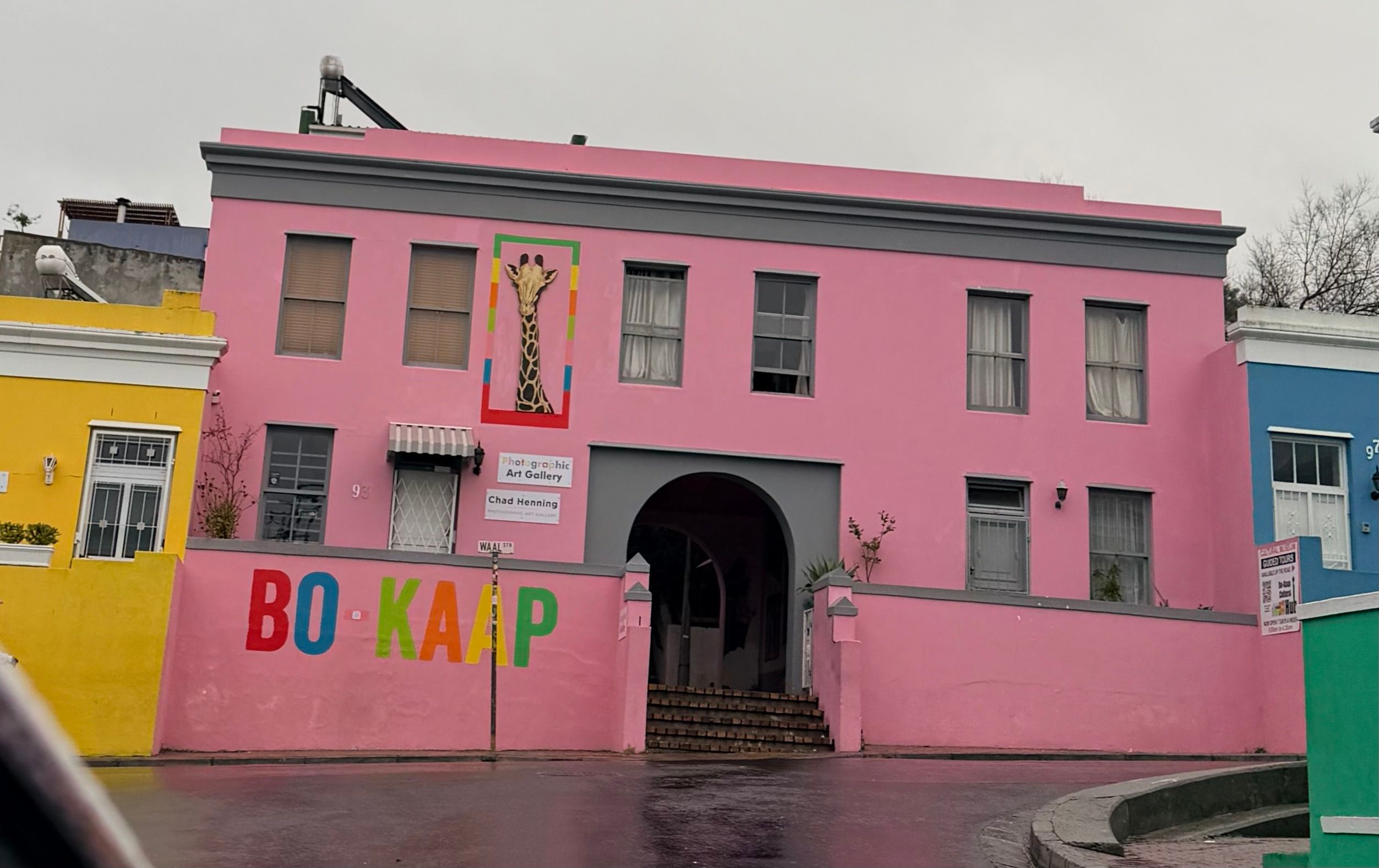
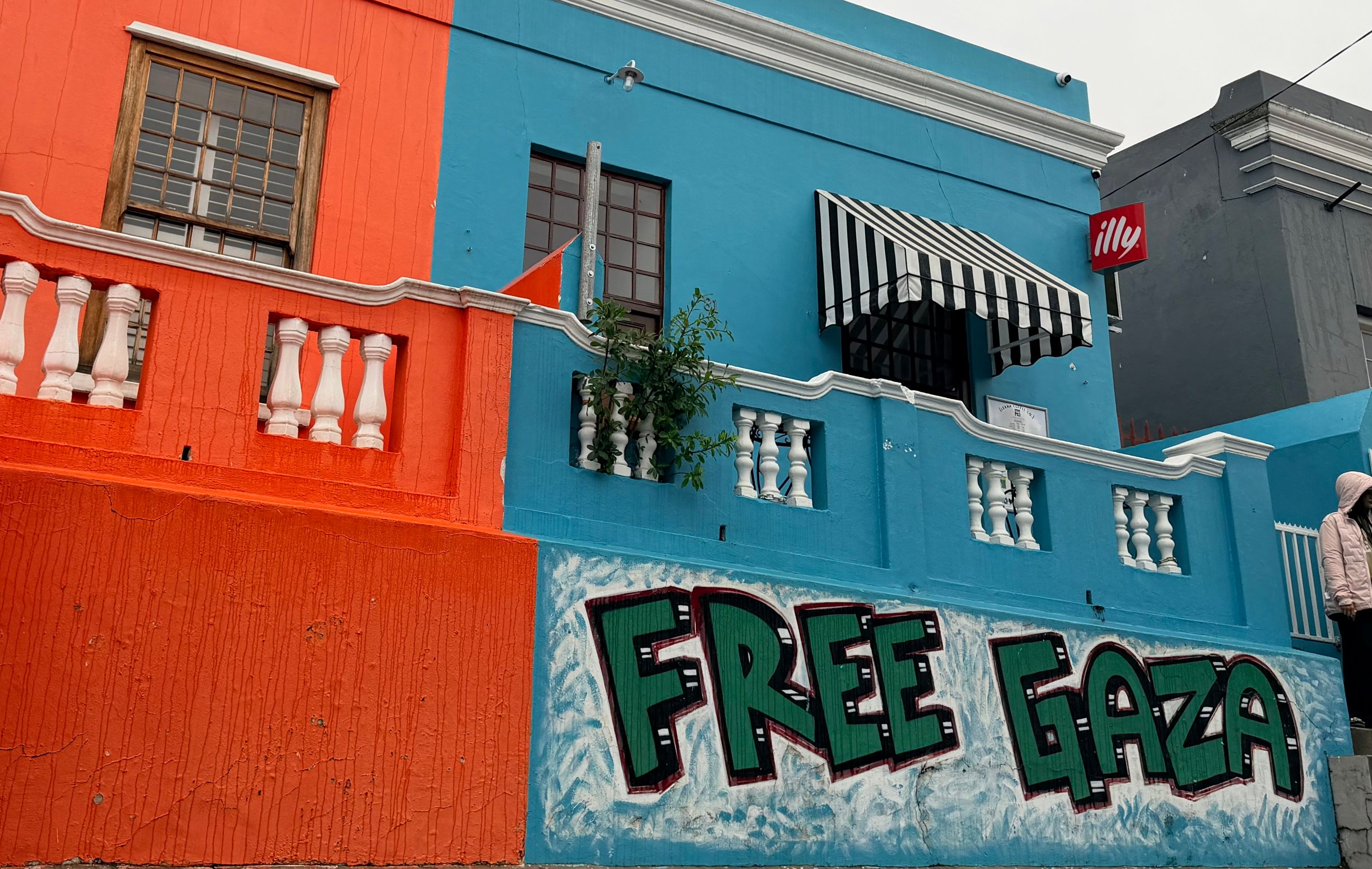
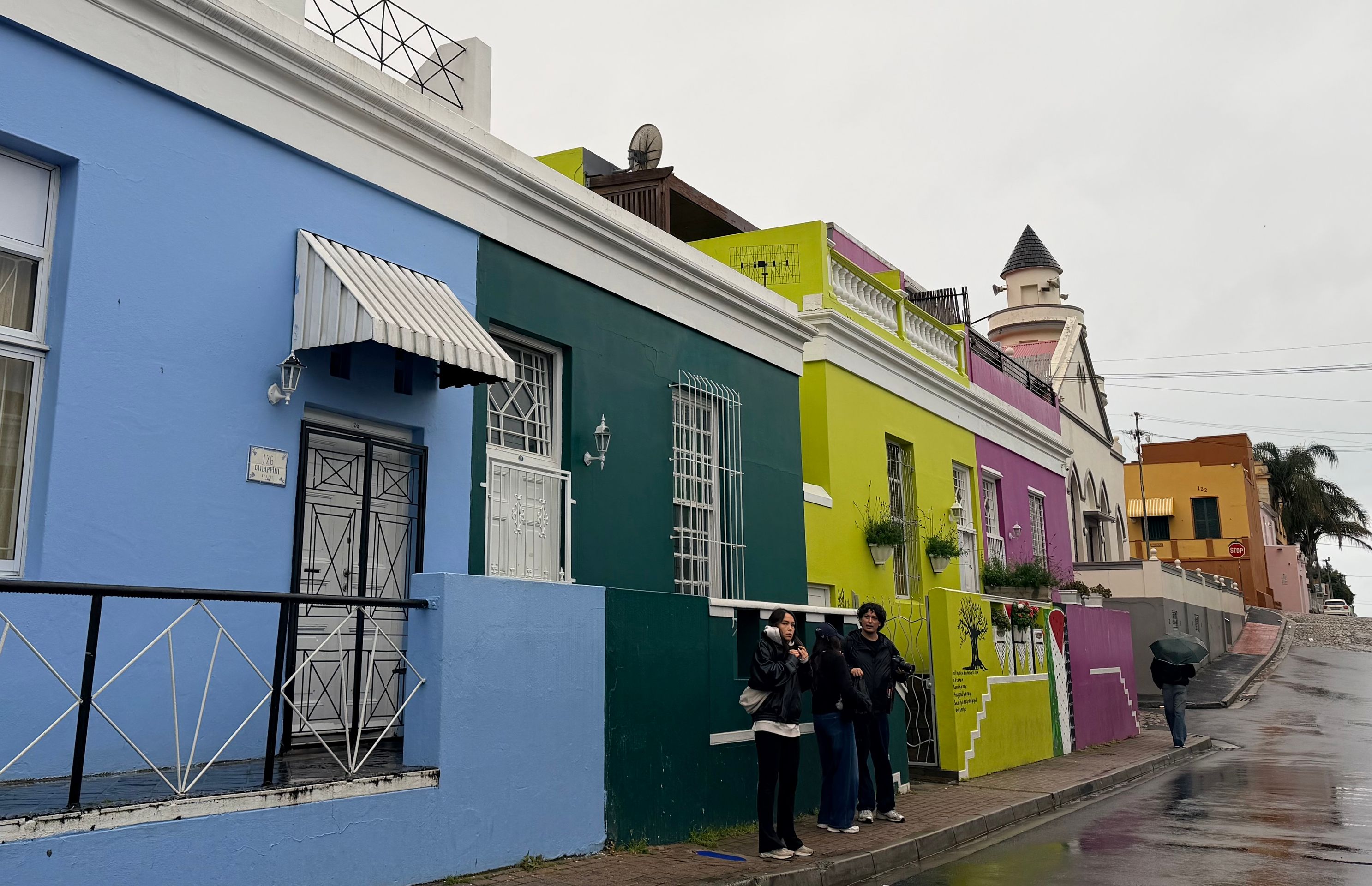
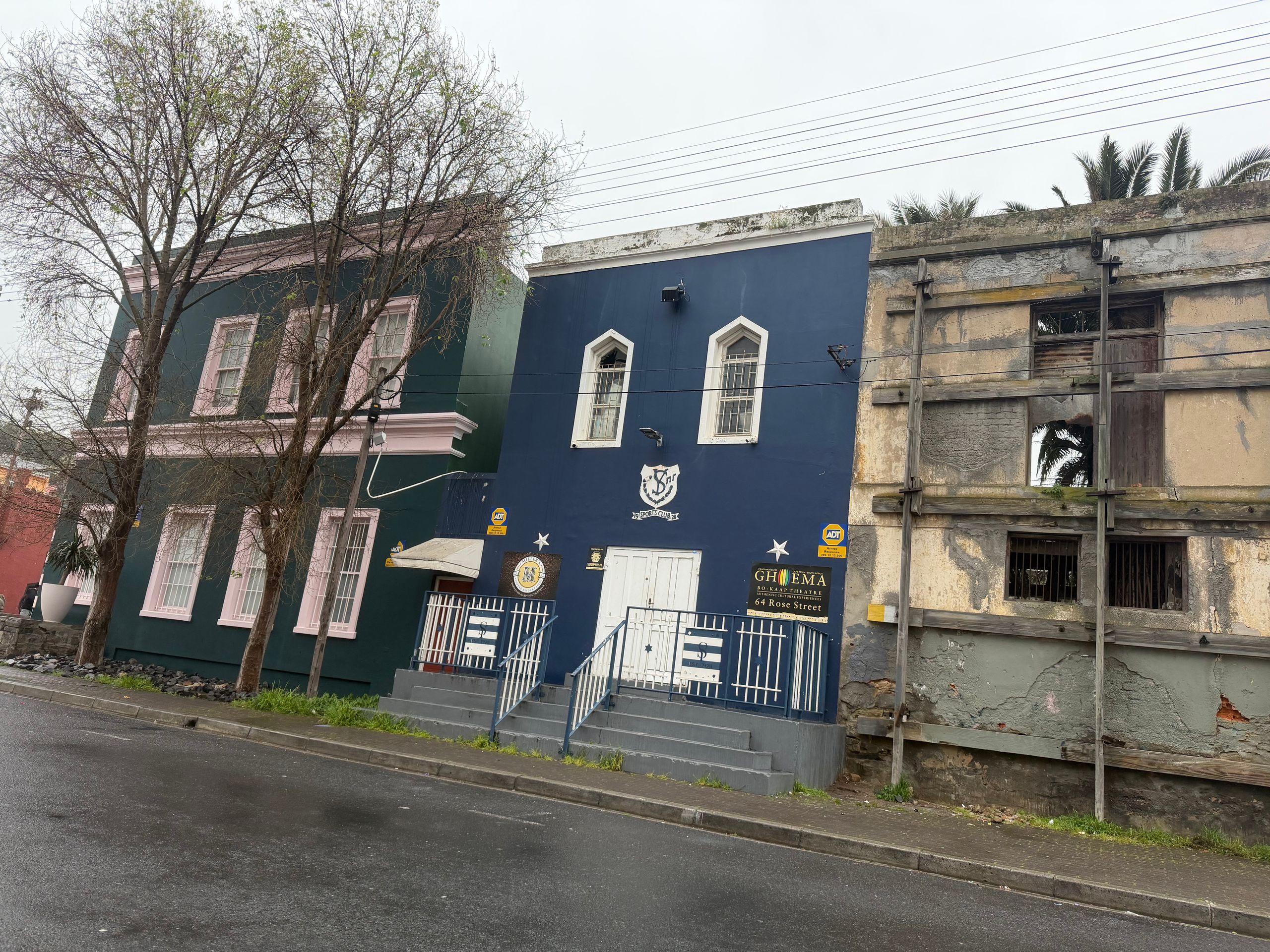
Bo-Kaap is as colorful as in the postcards, but surprisingly lifeless – despite the many parked and passing cars. Perhaps it feels different in summer. We can only take photos through a narrow gap in the car window. “For security reasons.” 😬
Between modern buildings, beautiful historical structures occasionally appear, but we do not discover a center that we’d like to wander through for hours right now.
Perhaps that’s not even necessary today.
Our strongest impression of Cape Town on this day is not a building or a sight.
It’s the people and their stories.
And tomorrow, we will leave the city again and head to the Winelands – another accommodation and likely another entirely different side of South Africa.