
Cape Town between yesterday and today
This morning, we take an Uber taxi to the Waterfront. Our driver Shammy is from Zimbabwe – yet another person who has left their home country for economic reasons and is trying...

Published: 23.08.2026

Today we are heading to the Winelands.
The drive out of Cape Town this morning feels oppressive again in parts. We pass by densely built, very impoverished-looking neighborhoods for kilometers. We feel almost relieved when the city is behind us and the landscape becomes more rural. Somehow, we expect to leave the visible poverty and stark contrasts behind as well.
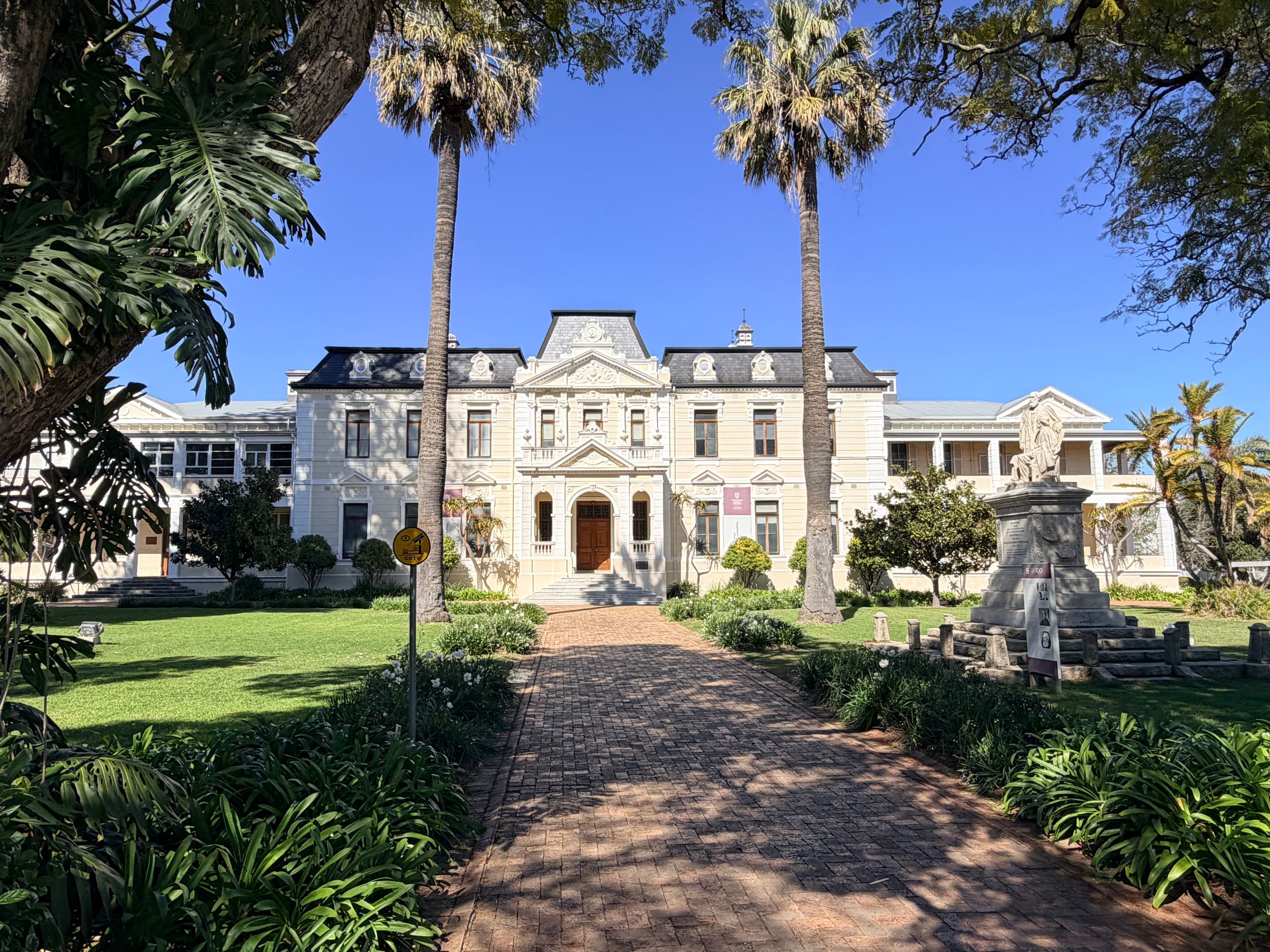
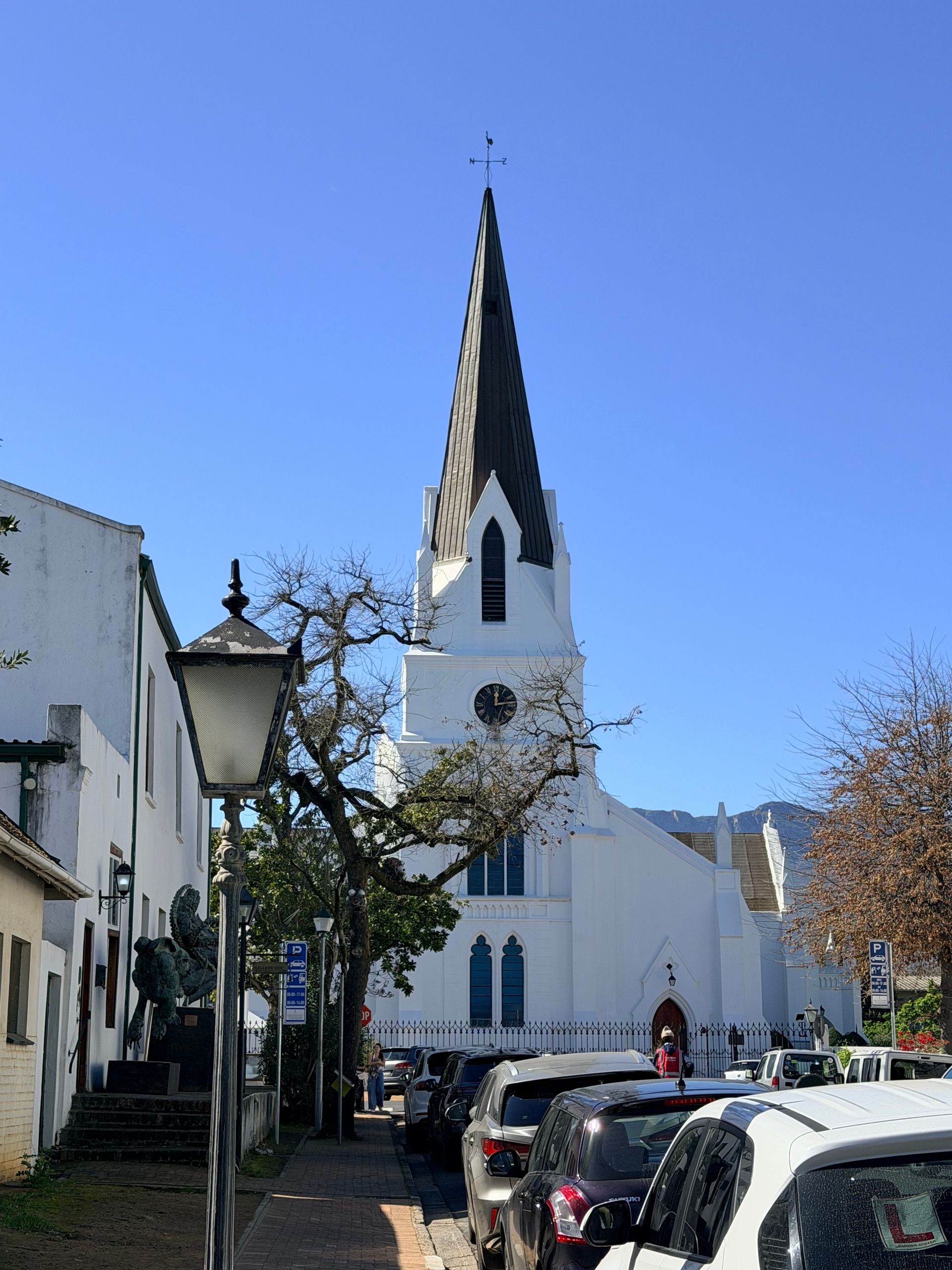
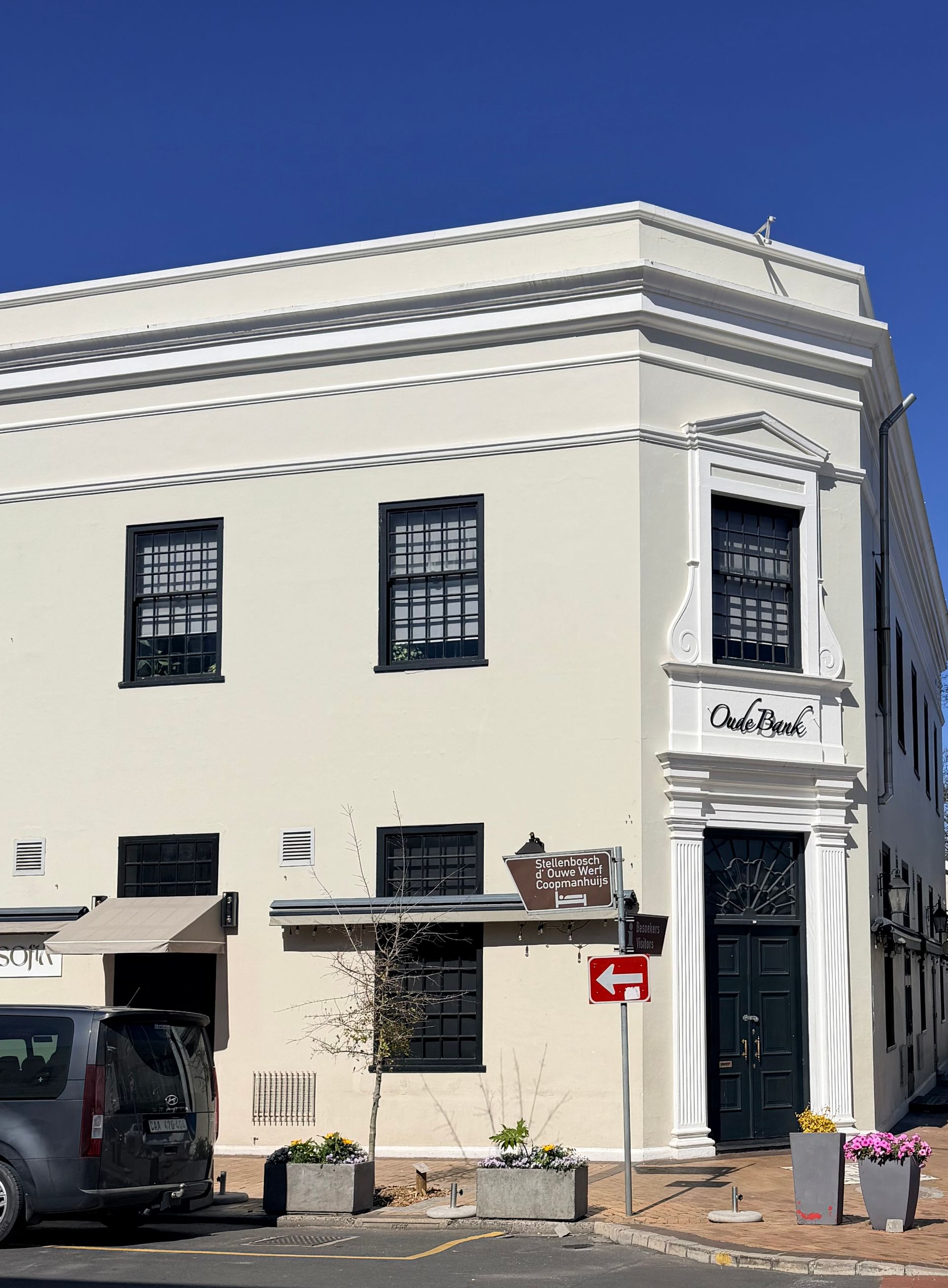
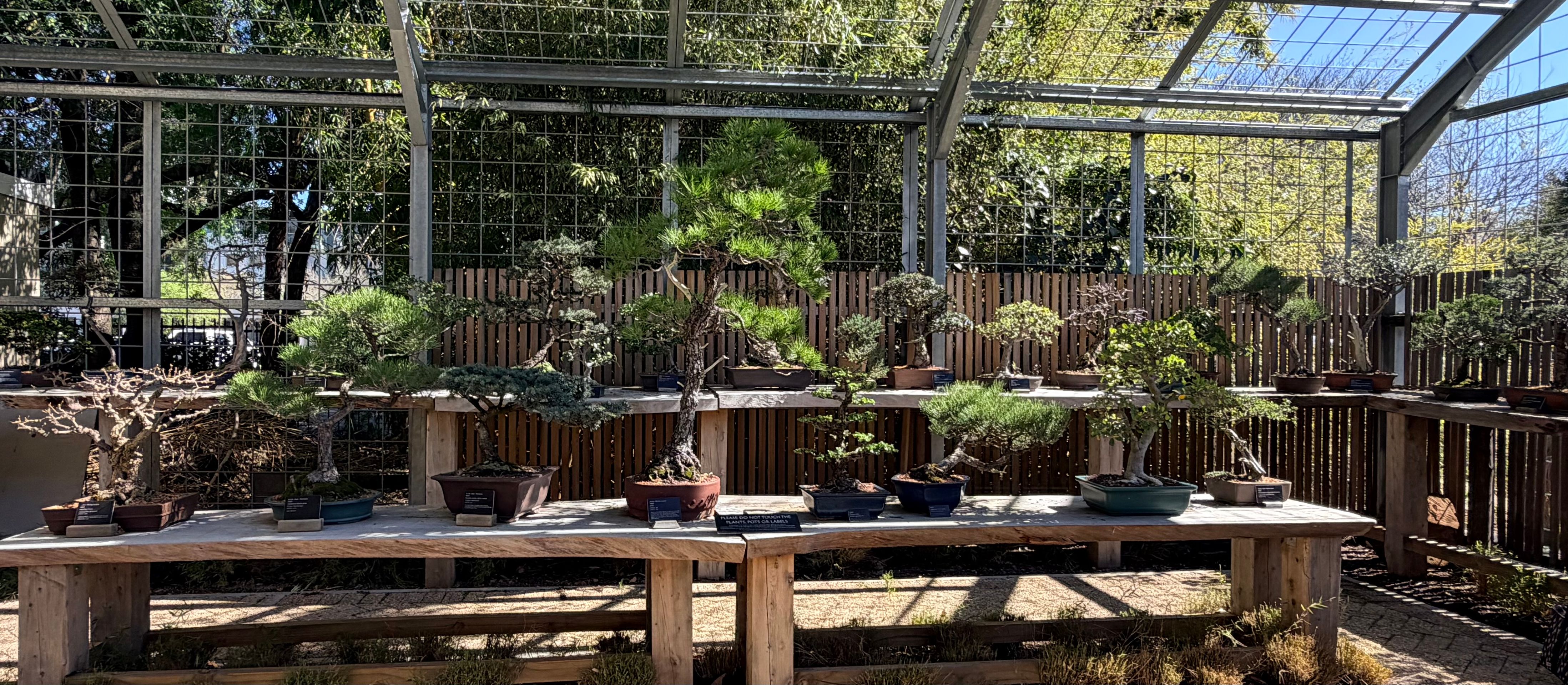
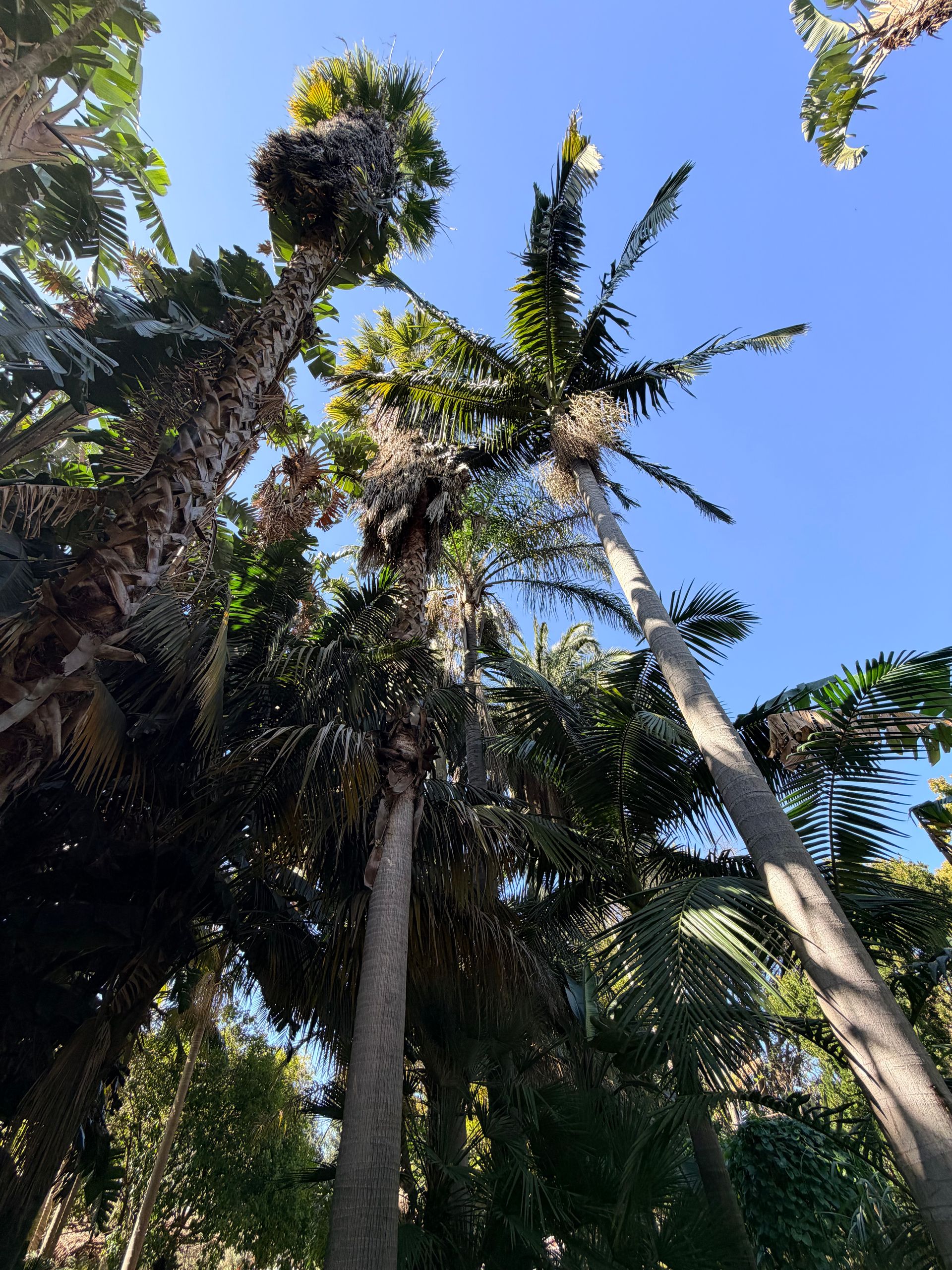
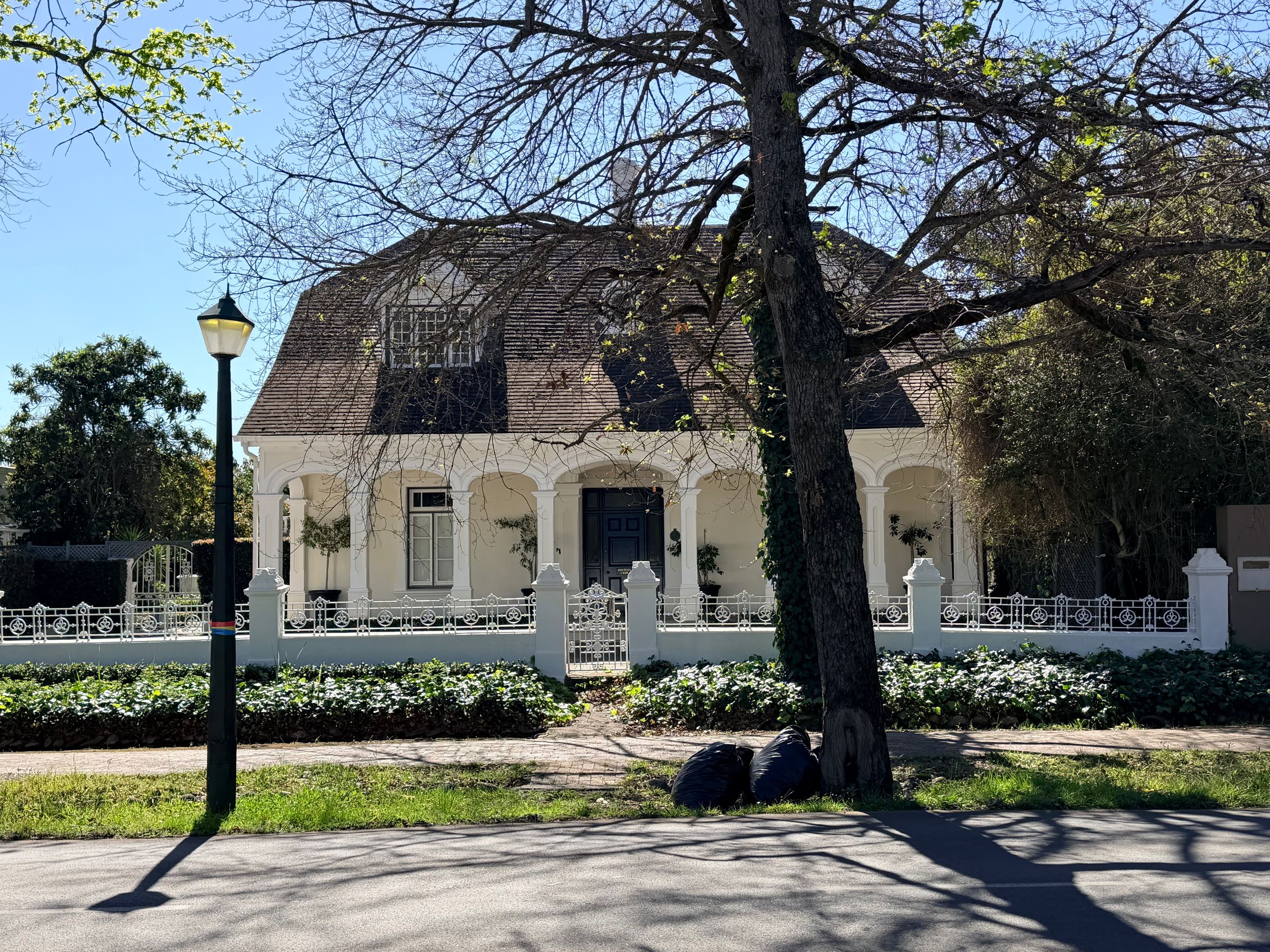
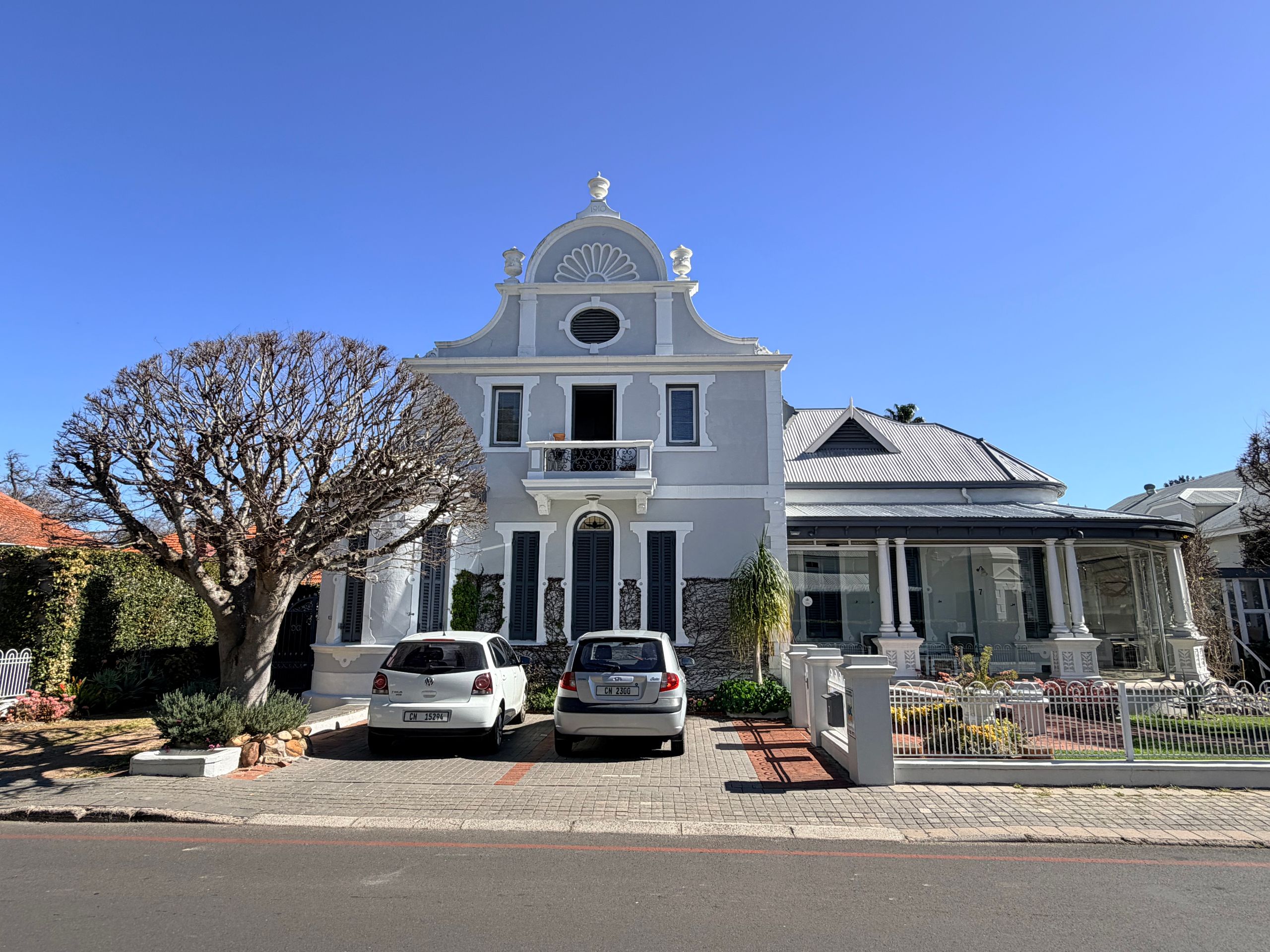
Stellenbosch appeals to us immediately. A small, vibrant university town with cafés and restaurants, old trees, and beautiful, well-maintained houses. The university's botanical garden is small but remarkably pleasant, featuring tall palm trees and small bonsais, each labeled with its respective creator's name. And the theological faculty is a dream of a building.
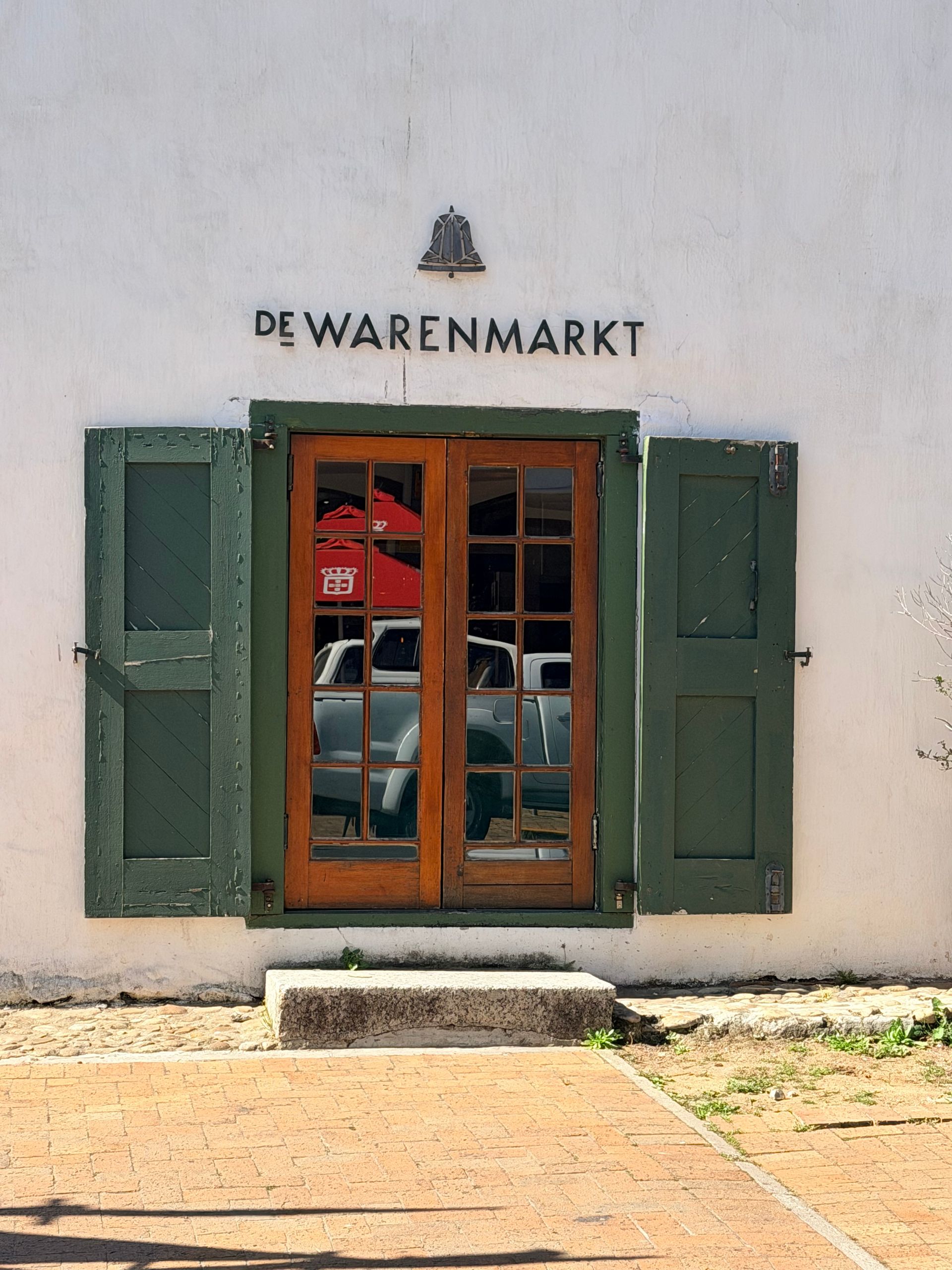
Overall, Stellenbosch surprisingly feels very European. The architecture, the old houses, and the Dutch-sounding names – some could just as well be found somewhere in the Netherlands or Northern Germany.
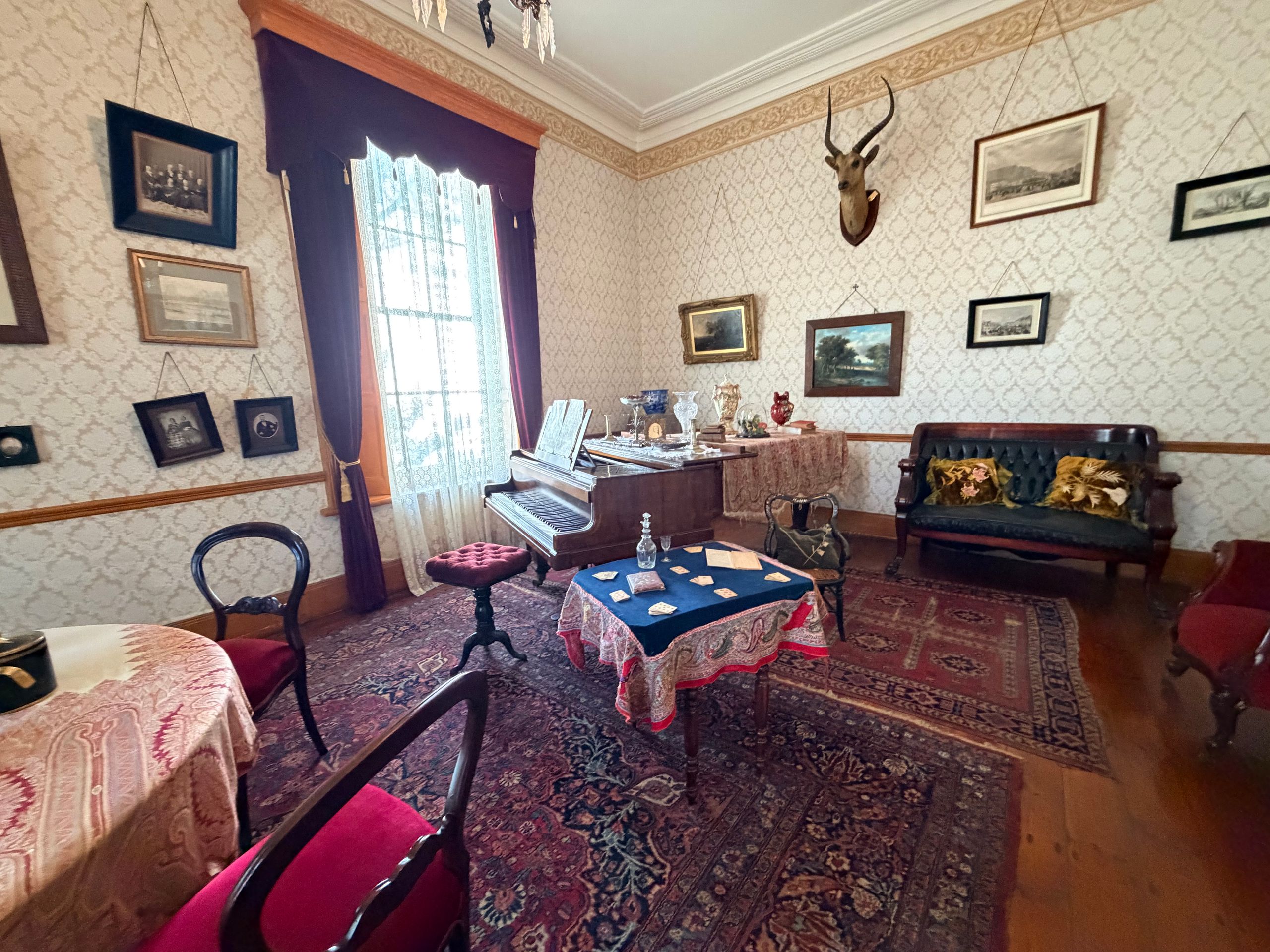
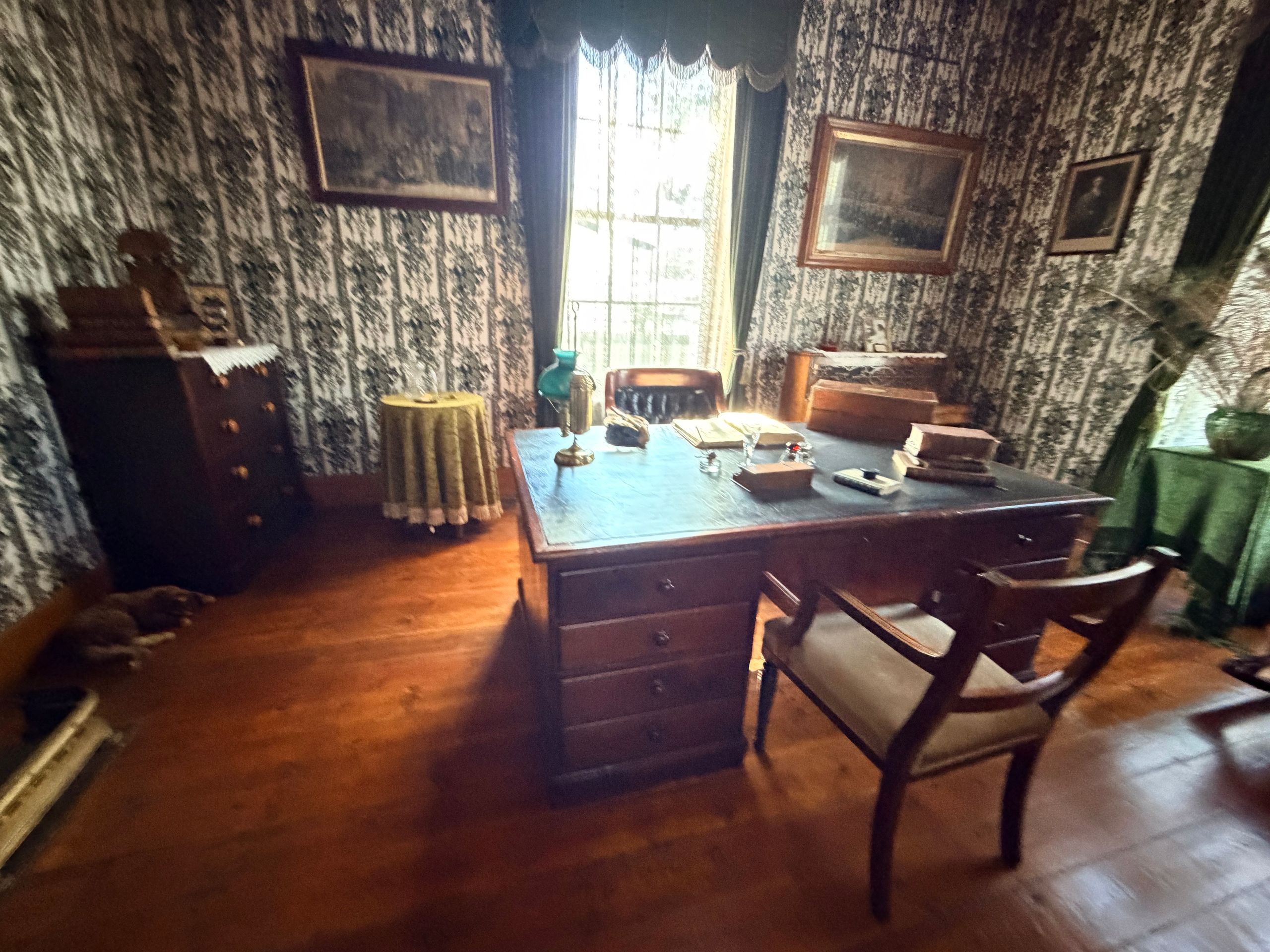
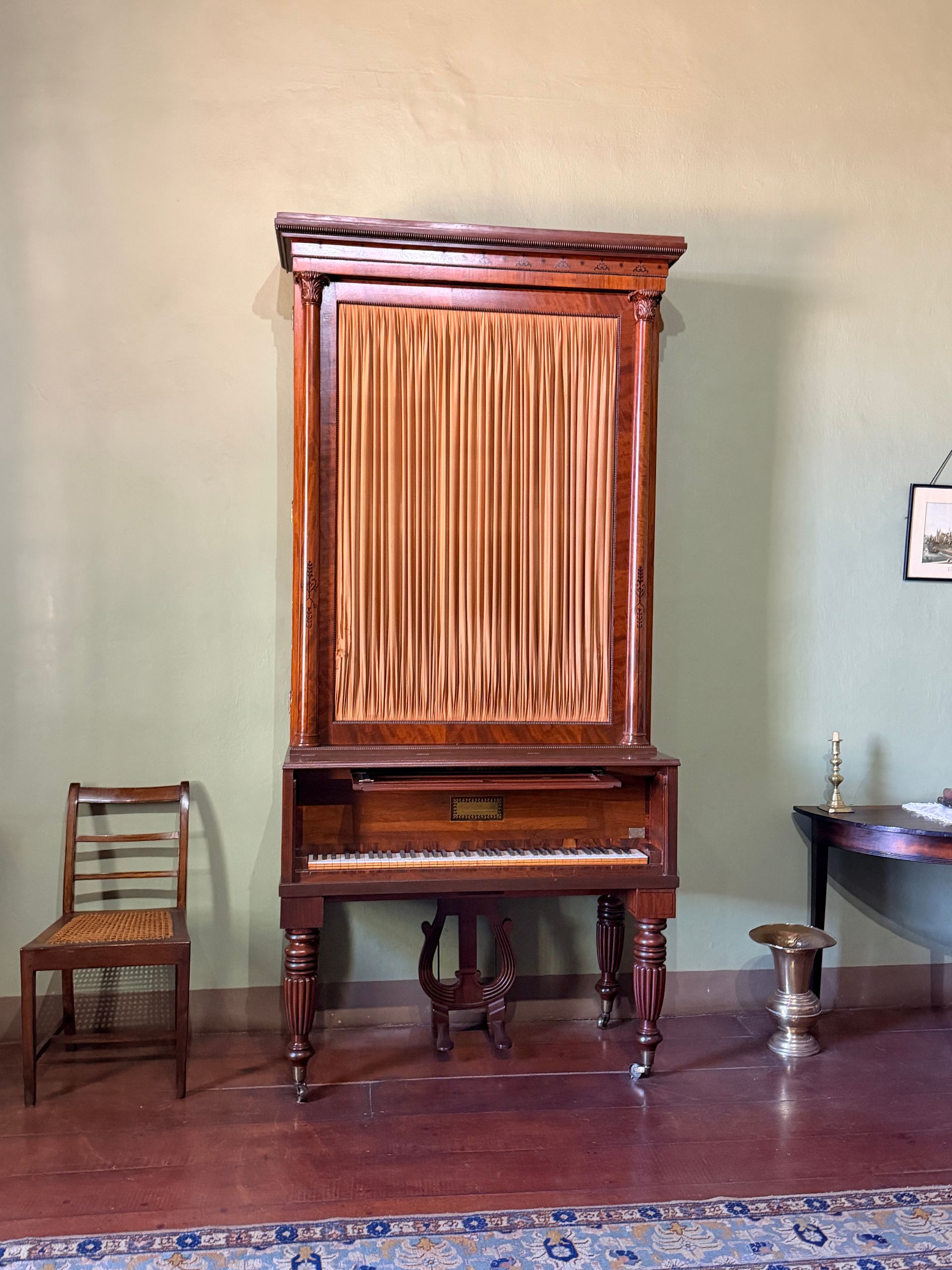
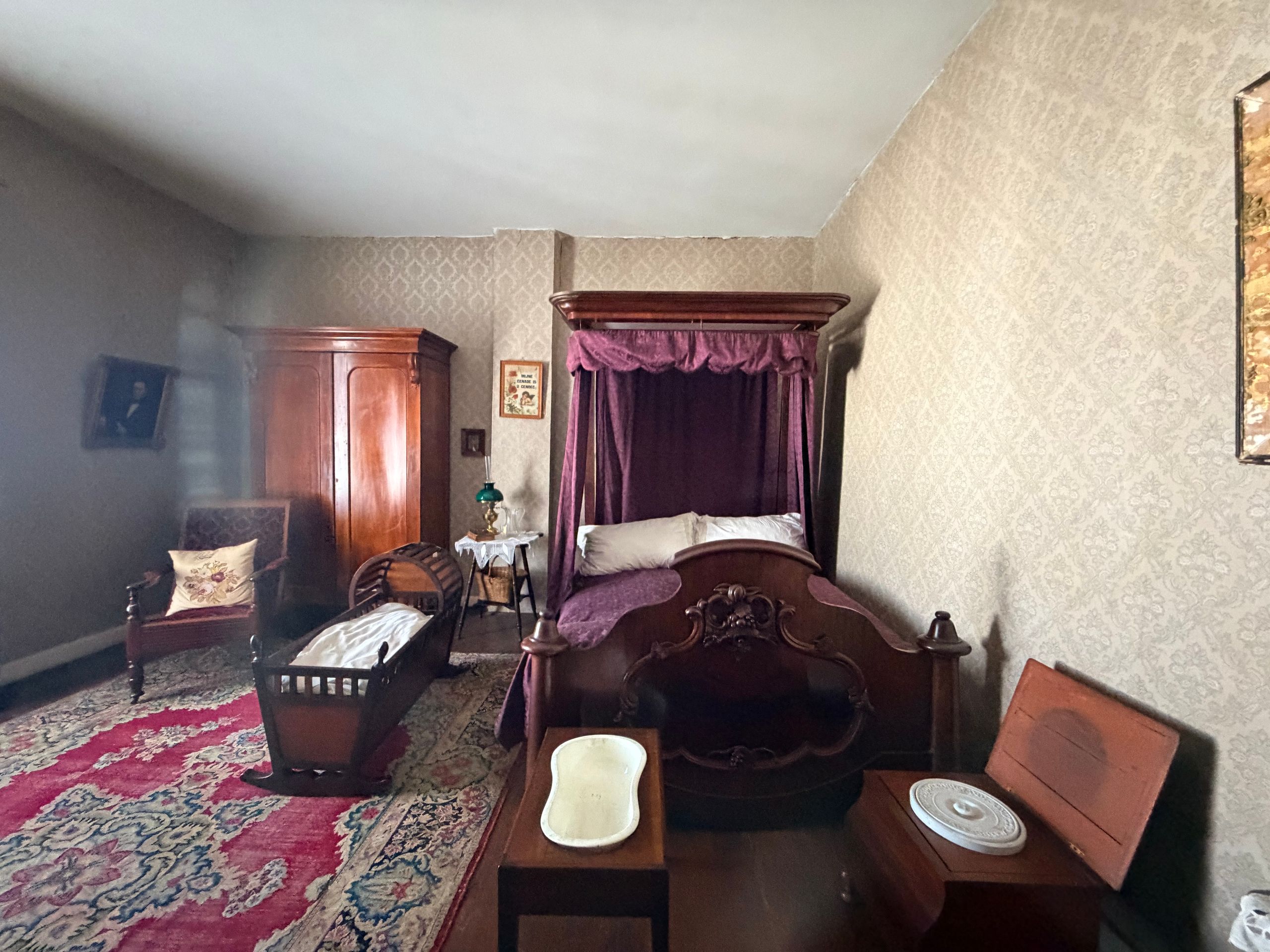
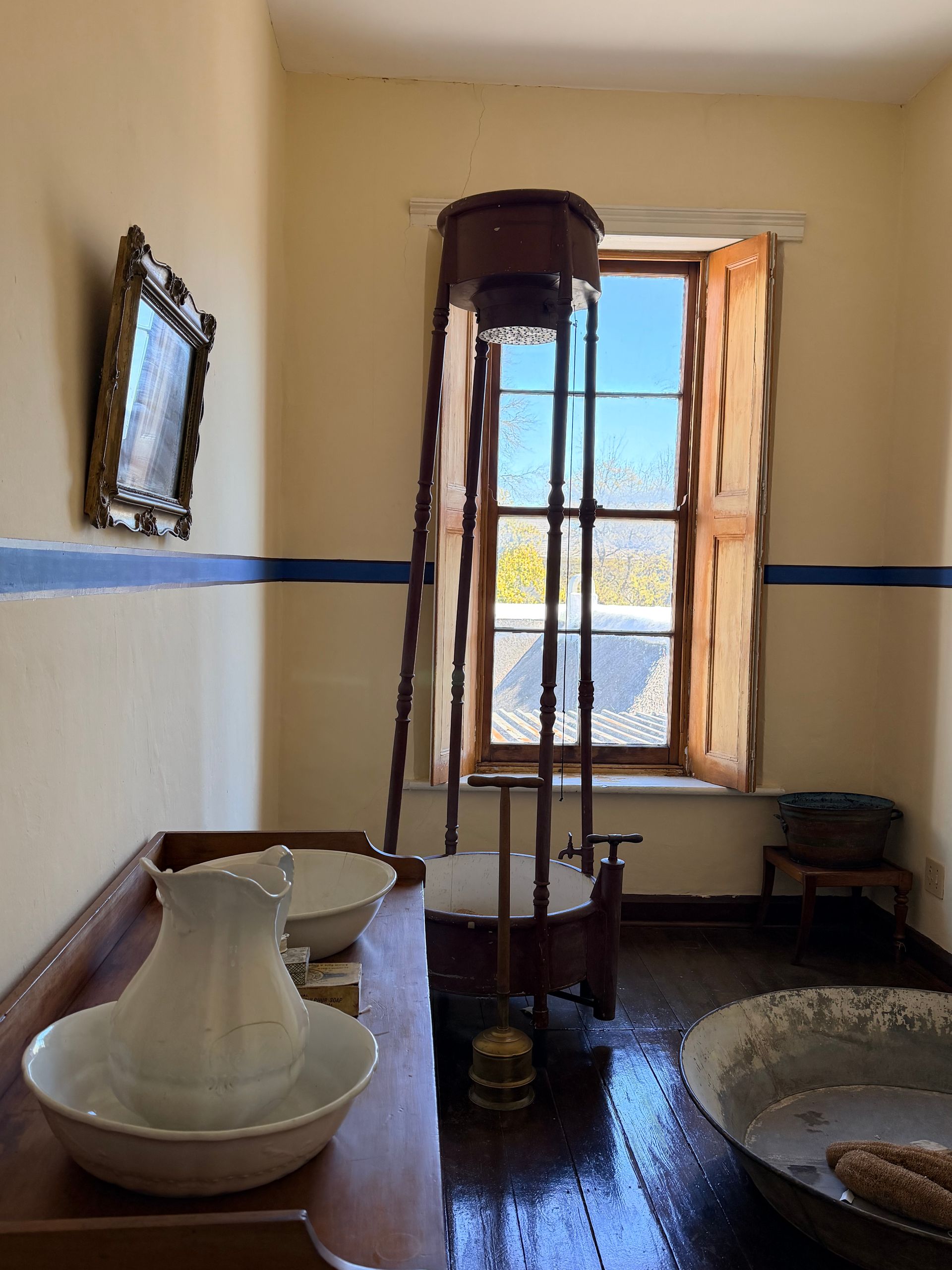
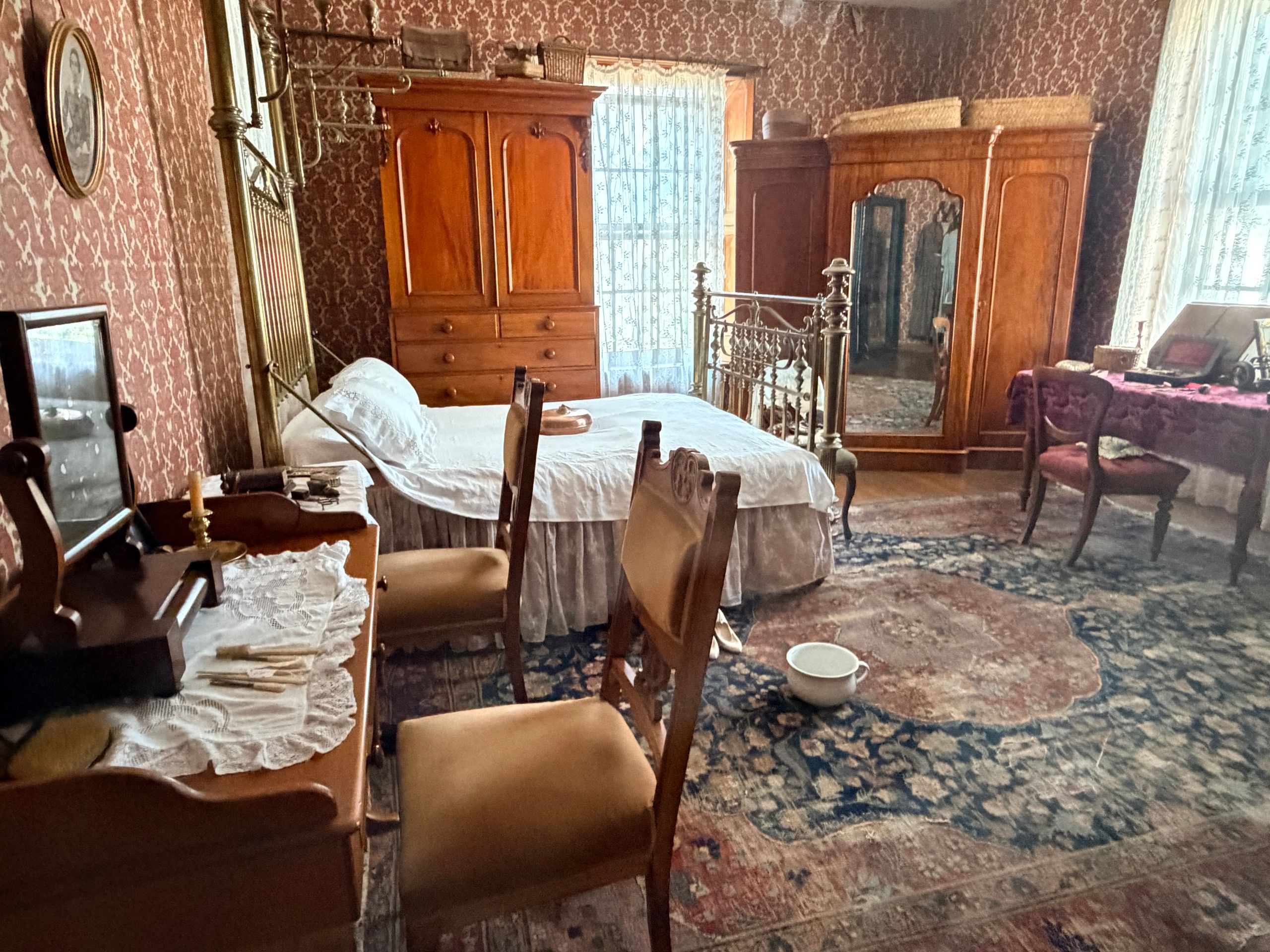
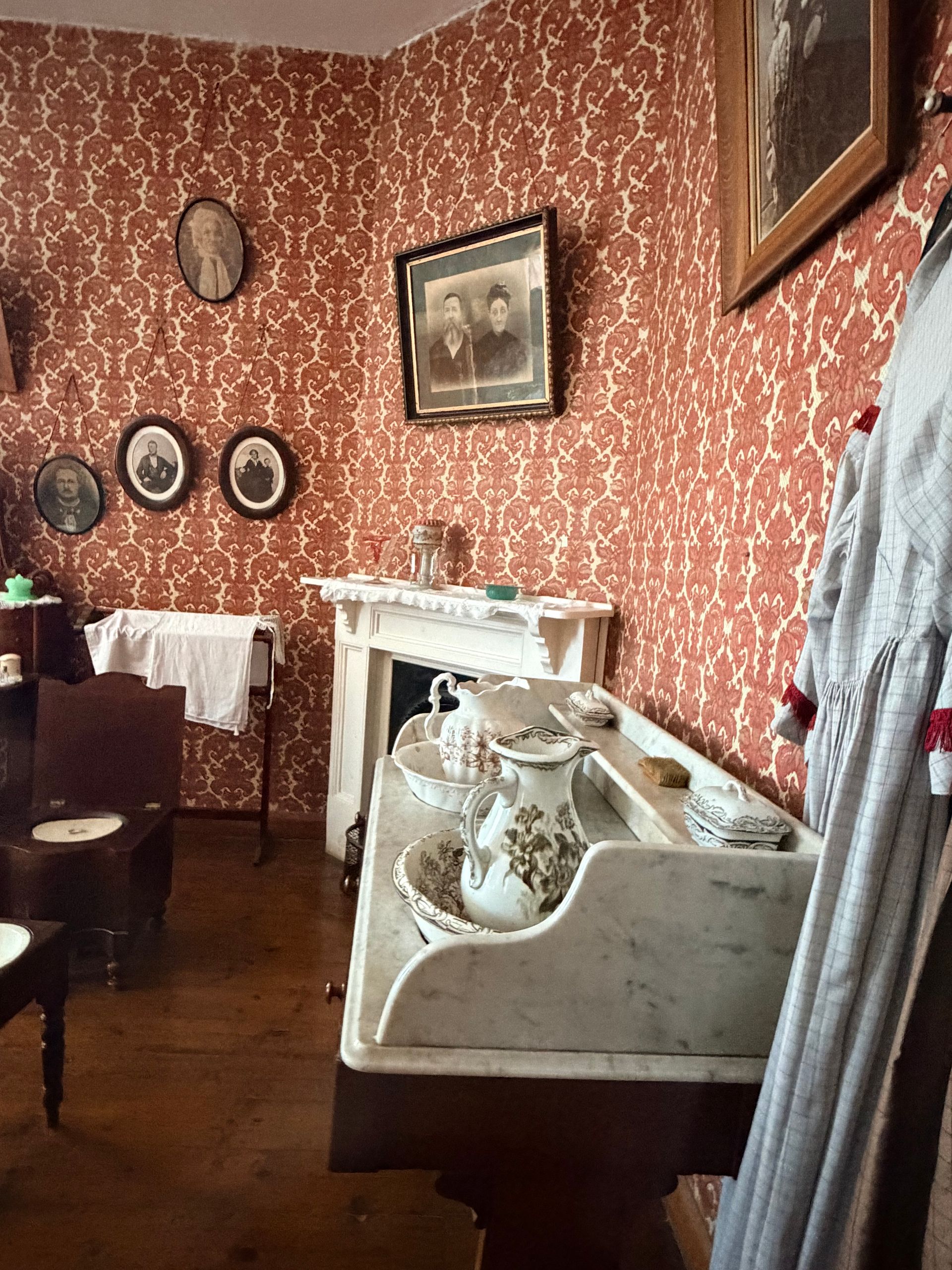
In the local museum, we visit four houses from different periods of the 18th and 19th centuries. They were inhabited by wealthy Dutch and German families who held important positions in the city. The furniture, tableware, and decor differ little from what we know from European local museums or the cabinets of our grandparents and great-grandparents. In one of the houses, we see an upright piano, of which our guide claims only six exist in the world. In another room, there is a surprisingly modern shower by the standards of the time.
At the door of each house, we are greeted by a woman dressed as a domestic servant of that time, who leads us through the rooms. All are black South African women from Stellenbosch.
Something about it feels strange to me. We, white European tourists, are being shown the houses of the then white European upper class – by black women in the role of domestic staff.
One of them speaks English with an accent that I assume to be Dutch. I ask her if she is from the Netherlands. She looks at me in surprise. No, from Stellenbosch. I probably hear the influence of Afrikaans. The European history of this city clearly doesn't just reside in its houses.
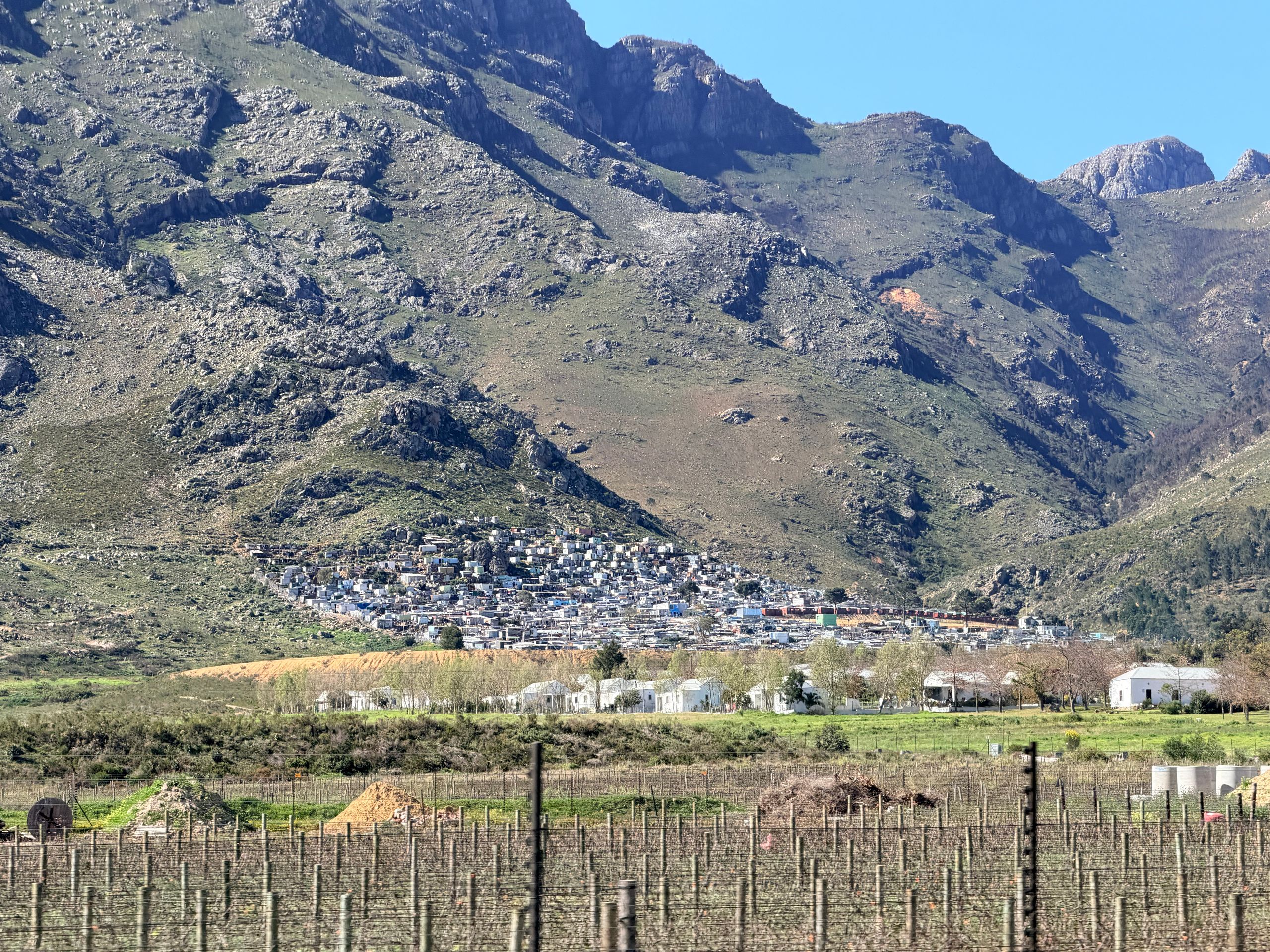
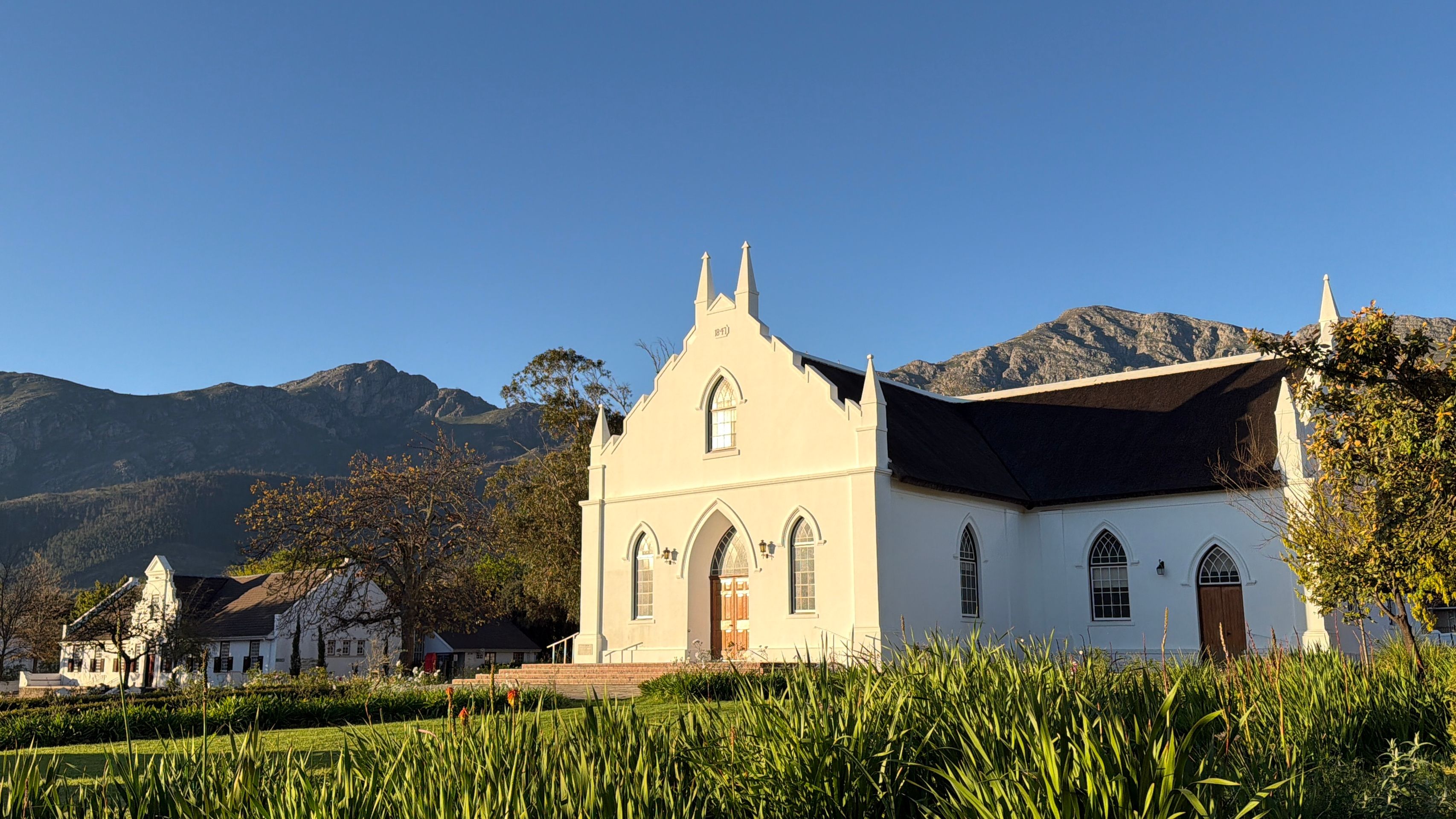
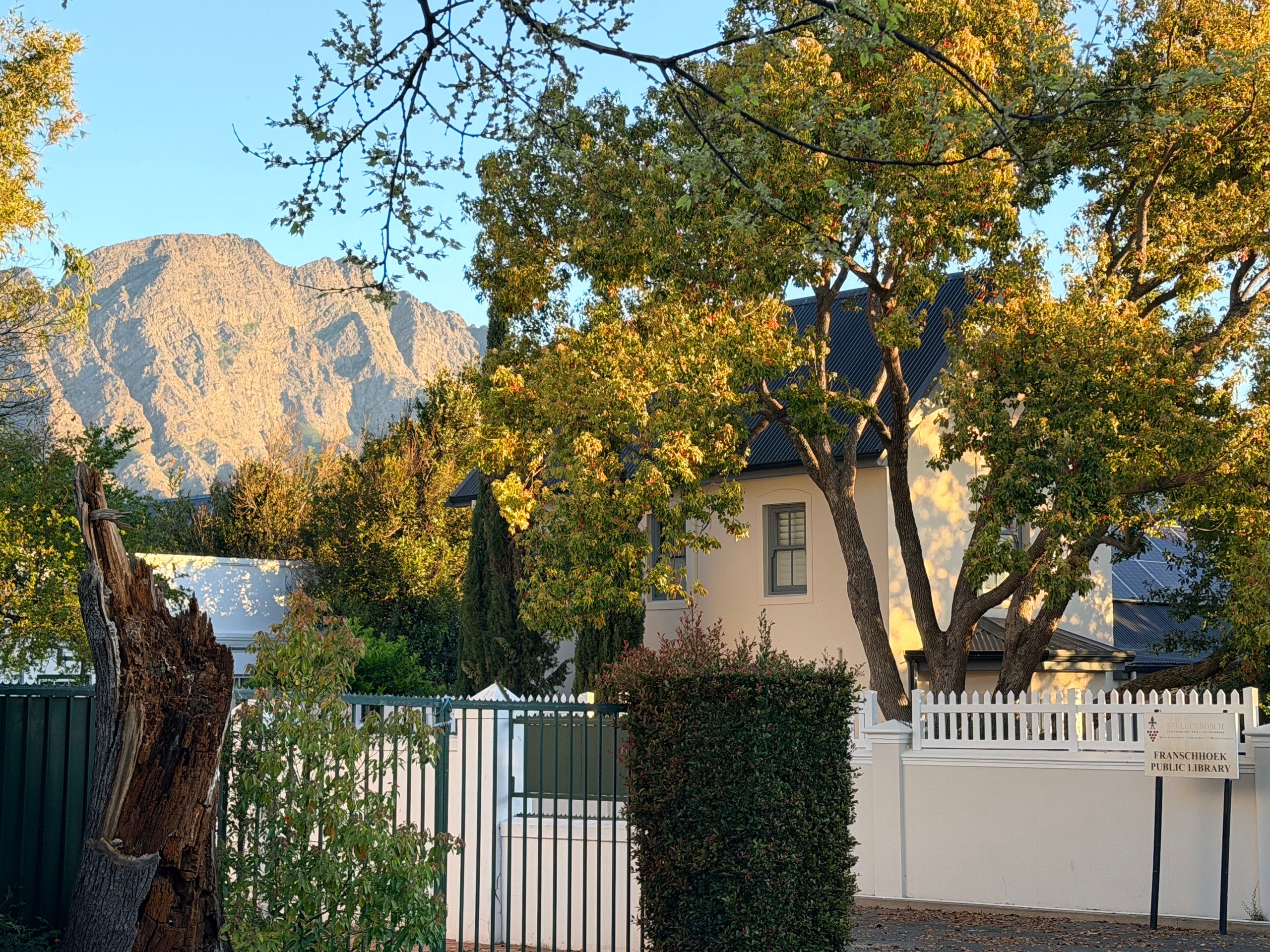
When we later arrive in Franschhoek, we first see closely packed small houses on the mountainside that appear to be sliding down the slope from a distance. Then comes the Franschhoek from the travel guide: wineries, restaurants, galleries, well-kept historic houses, and guesthouses in front of a spectacular mountain backdrop.
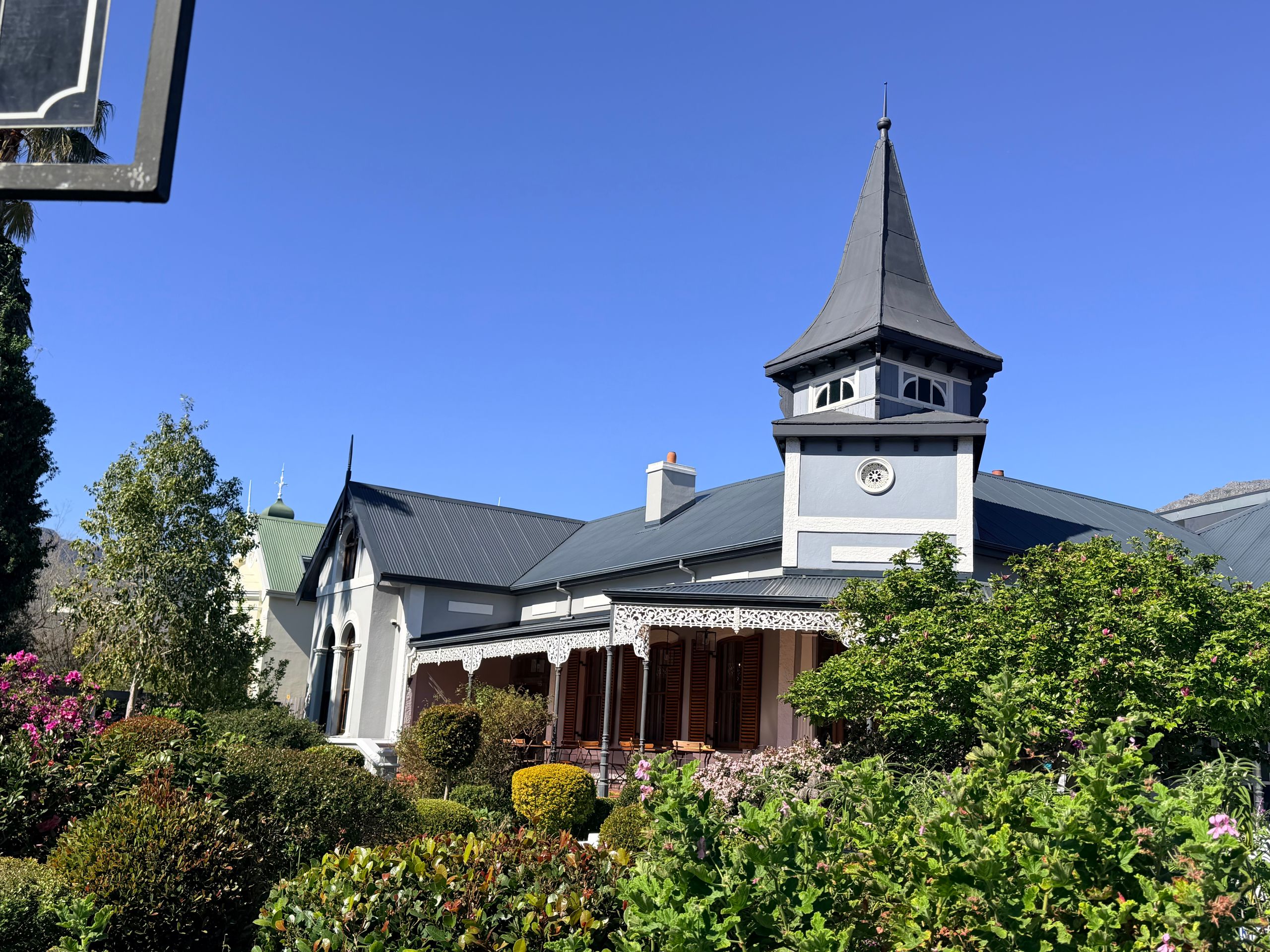
Our guesthouse is also beautiful: an old, lovingly furnished house with a garden, complemented by a new building part that fits very well. We are delighted.
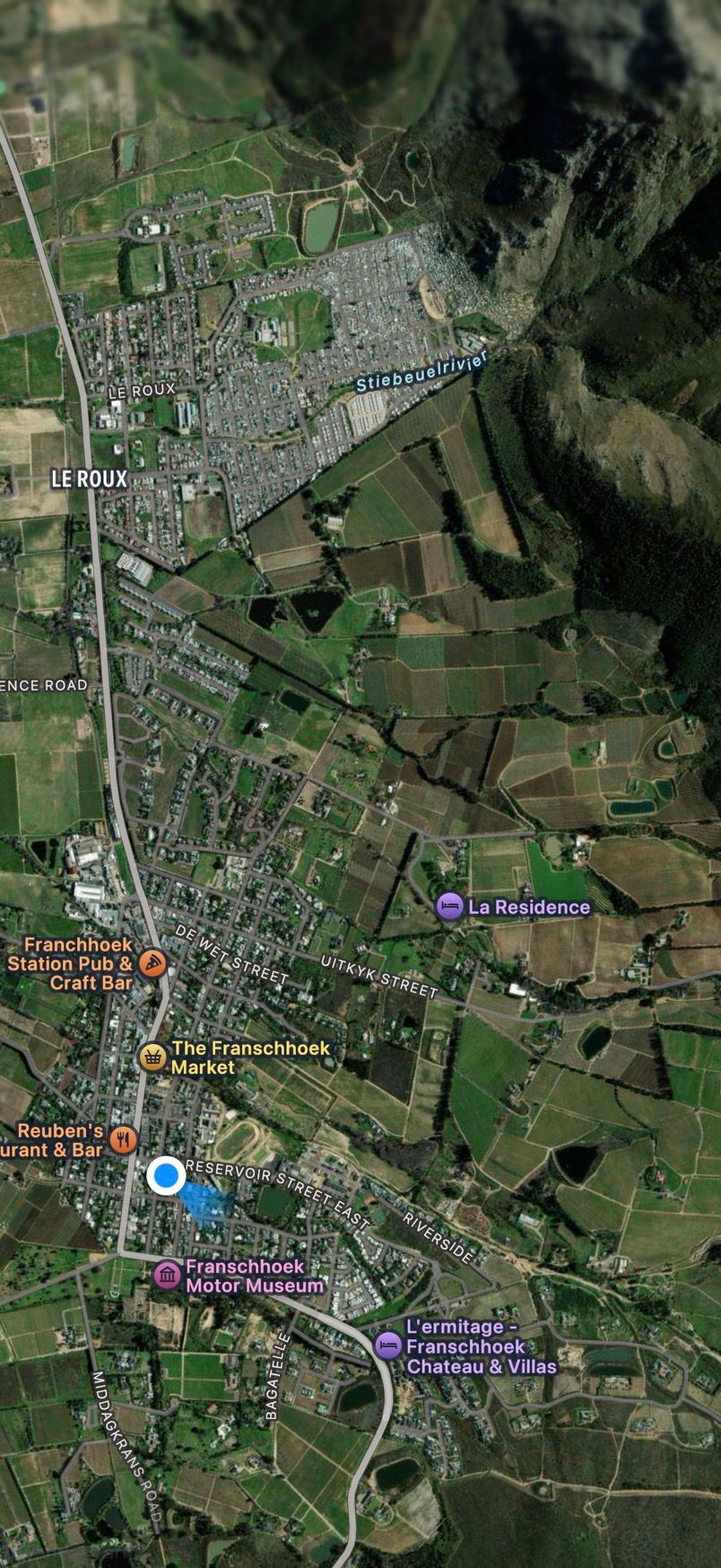
Later, I look at the place on the satellite image. And only now do I realize what we didn’t understand from the ground.
Franschhoek seems to consist of different worlds: generous properties and lots of greenery on one side, extremely densely built areas on the other. The “sliding down” houses from the entrance of the village are partly simple houses and informal dwellings, partly uniform small houses in more orderly structures that look like subsidized housing. Next to it lies the wealthy wine and tourist town, with some cultivation areas in between.
Clearly, we fell victim to a misconception this morning. What troubled us during the drive through Cape Town is not a phenomenon of the big city. Even smaller towns are divided into very different living environments – we hardly noticed that in the pretty center of Stellenbosch.
I start to read up on it. The numbers make the satellite image even clearer: In the last detailed census, around 17,500 people lived in the Franschhoek area – about 12,600 of them alone in the densely built-up settlement on the outskirts.
And as so often in South Africa, one quickly comes back to apartheid and its consequences. The former spatial segregation by skin color still shapes the cities today. The laws have been gone for more than 30 years, but their effects remain.
In the densely built areas, mostly black and Coloured South Africans live. Many work in agriculture, at the wineries, in restaurants, hotels, and guesthouses, or in private households – thus also in that world that makes Franschhoek so beautiful for visitors.
Tourism creates jobs and income, but also makes housing more desirable and expensive. Houses become guesthouses and vacation properties, while living in the attractive areas is hardly affordable for people with low and sometimes even middle incomes.
And suddenly I think of a meeting from the morning.
When we began our visit in Stellenbosch at Aunt Sophie’s café, the staff asked us if we were here for the first time and where we were going next.
“Franschhoek.”
“That’s far,” she said. Then she looked at us: “You are rich guys.”
We were taken aback. Franschhoek is over 30 kilometers away. For us, a short drive. But she didn’t say it jokingly. It sounded heavy.
Maybe she meant something entirely different than kilometers.
Some distances apparently cannot be measured in kilometers.
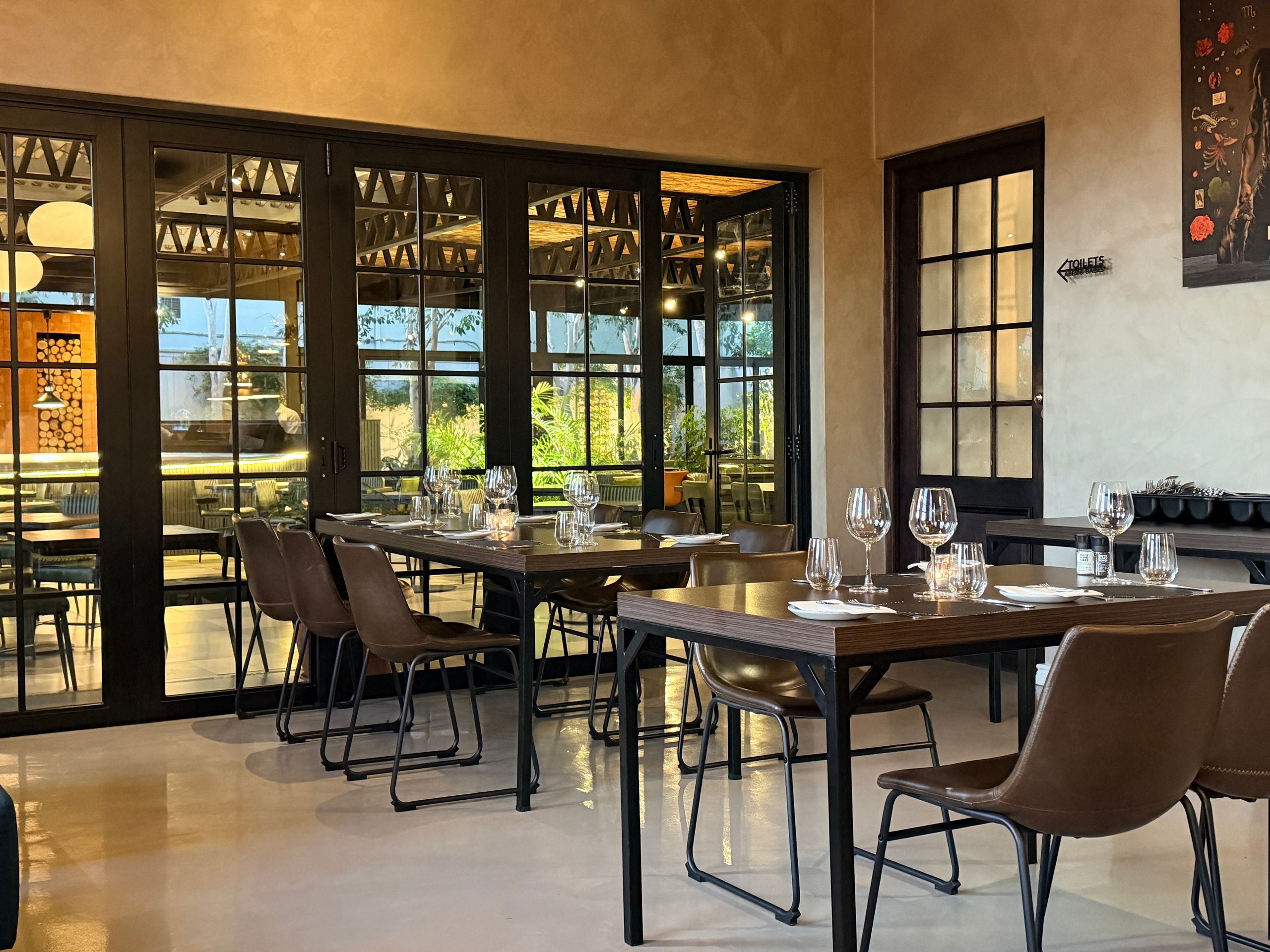
And while I’m still pondering this and getting a bit lost in thought, it’s time for dinner.
They have a “Winter Special” from May to August. With a snowflake. ❄️😂
You can’t understand everything in one afternoon. 🙈