Tag 3, 27. April: Jumping Crocodiles!
Florence Falls is said to be home to a rare species of rock-wallaby that's relatively easy to spot once the crowds have gone. Well, we saw them last night...

Published: 30.04.2026
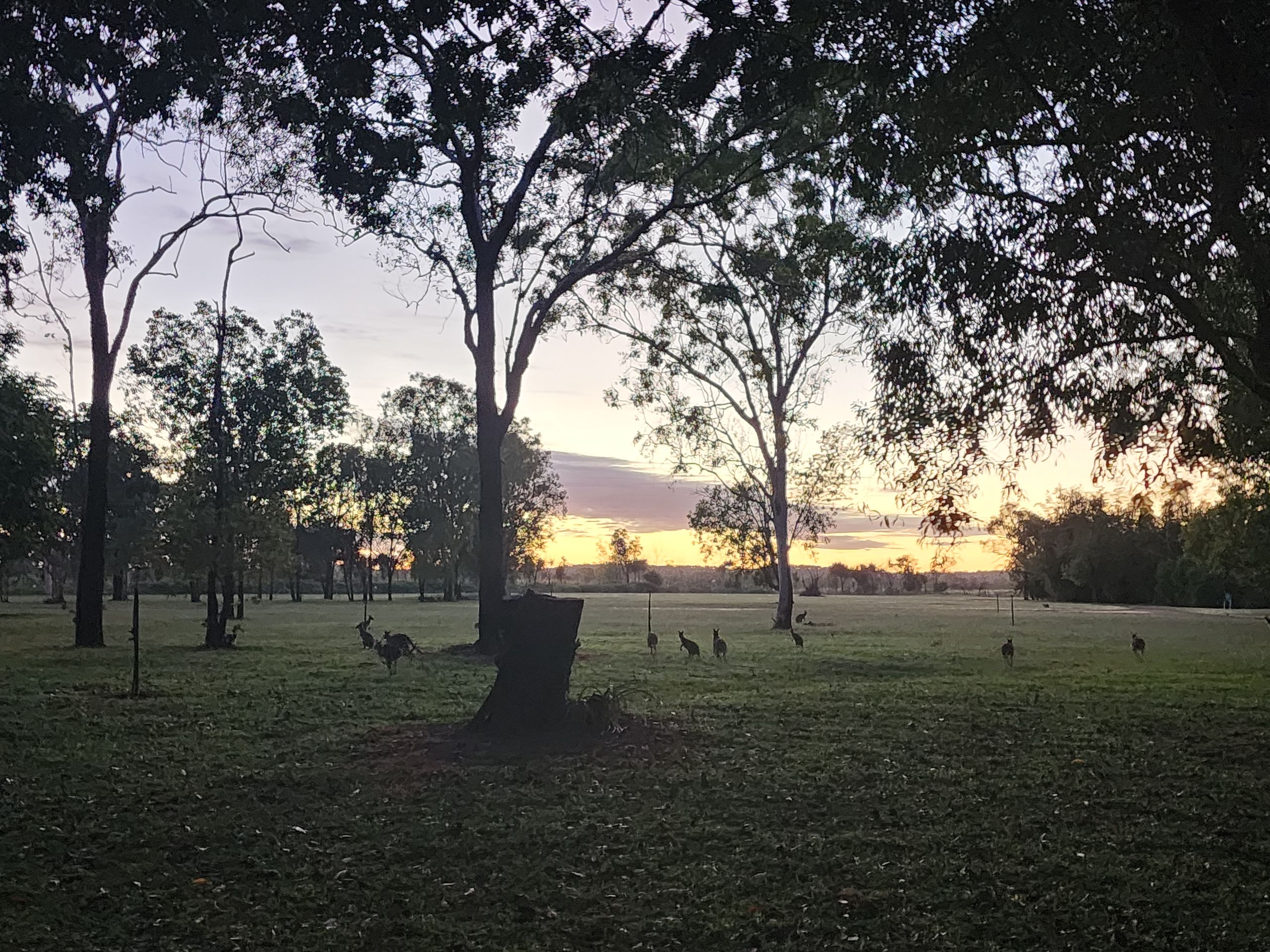
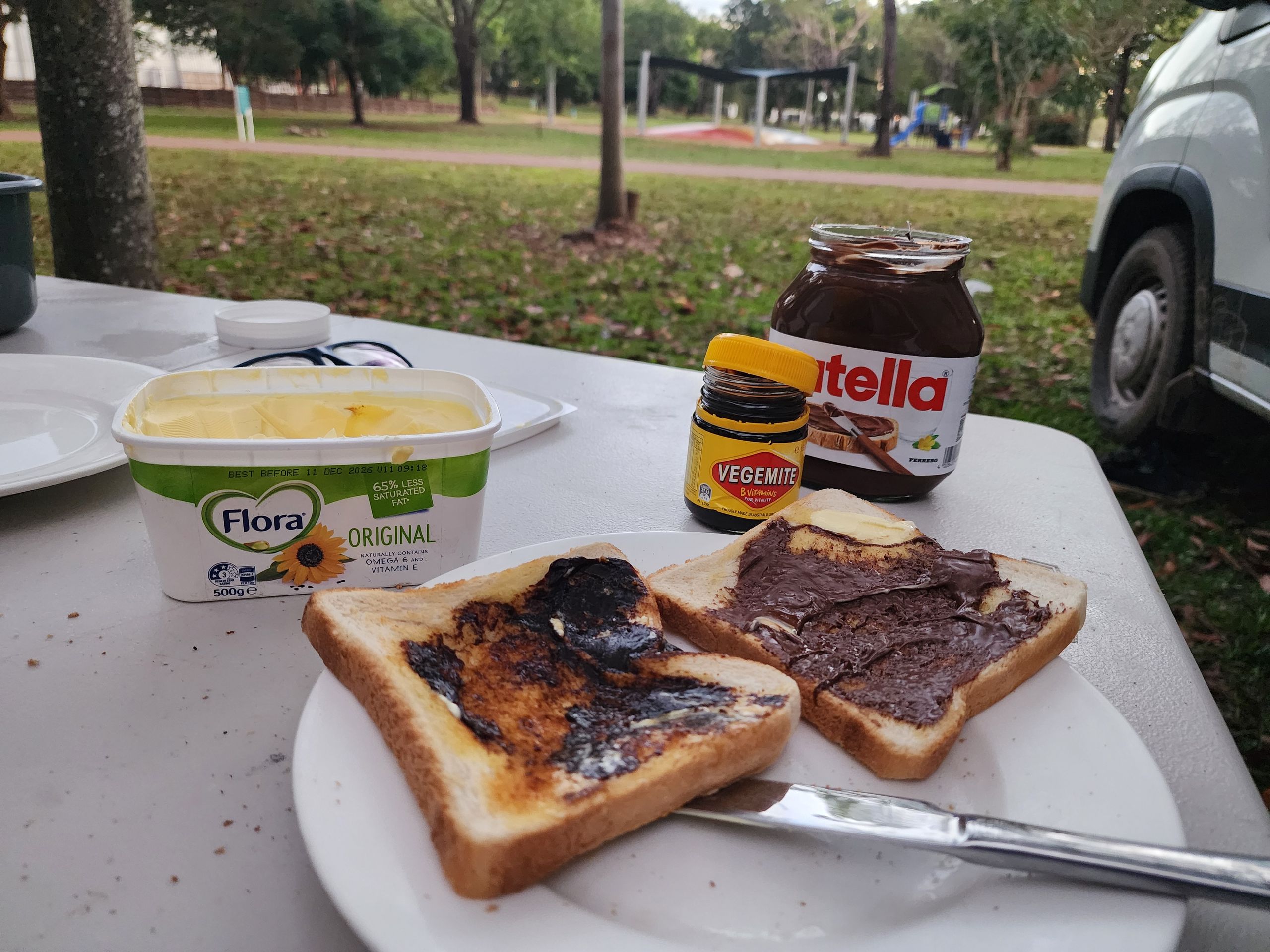
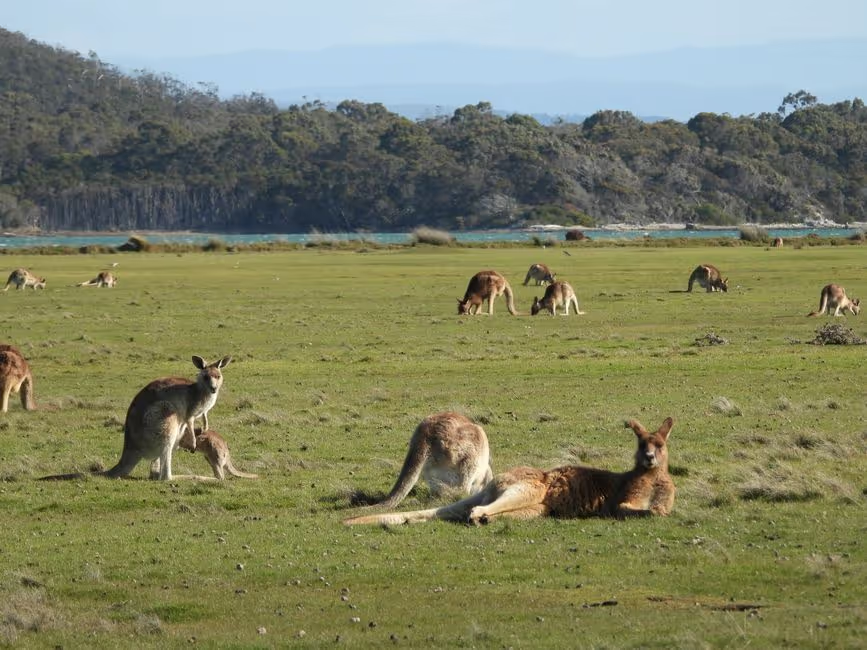
In the morning, the agile wallabies were wonderfully scattered across the campground meadow at sunrise, certainly more than 50 of them. I was already awake before sunrise and did some morning exercises with the app. Then we had a leisurely breakfast. Some cockatoos flew over us towards the nearby river, not 200 meters away. There, I could capture beautiful shots of the yellow-crested cockatoos in the morning sun; however, only mobile phone pictures are visible in this blog.
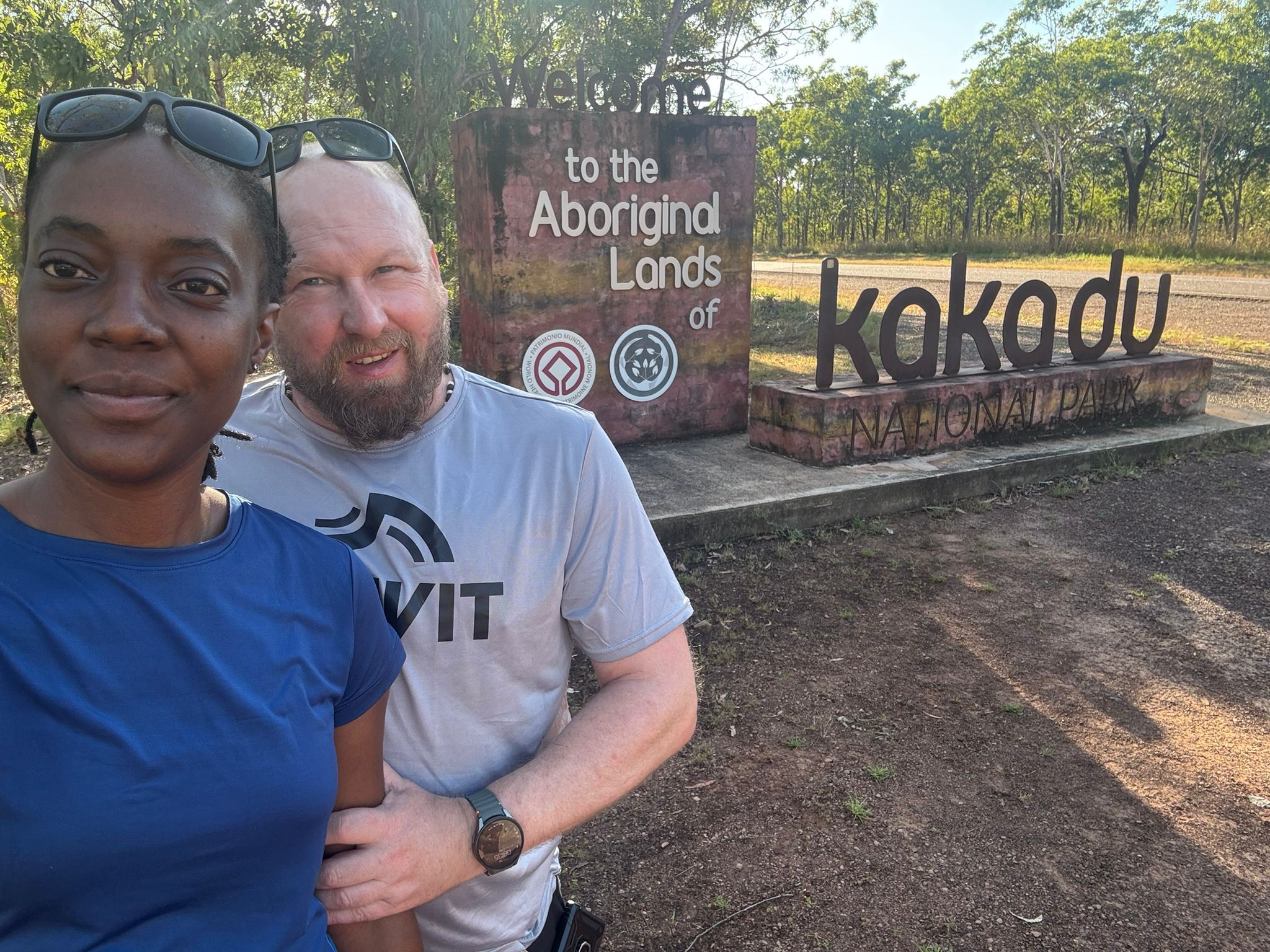
Today, we went to the famous Kakadu National Park, which, at 20,000 square kilometers, is the largest national park in Australia (aside from the Great Barrier Reef), a UNESCO World Heritage site, with great biodiversity, fascinating landscapes, and thousands of years old rock paintings.
In short: Kakadu National Park was a big disappointment!
It can in no way compare to the great national parks of Africa. The paved roads are better, but everyone races through at 100 km/h. Stopping to see wildlife? Not really appropriate. There aren't any large mammals, the birds are shy, and if you stop for them, you fear causing a traffic accident.
However, at least there were hardly any people around, not many were out and about.
It was the beginning of the dry season. However, since the last rainy season was extreme, and there were still floods in March, many roads and paths in the national park were closed.
What hurt me the most was that we couldn't reach the rock paintings at Ubirr because the road there was still 1.5 meters underwater. The rock paintings there are up to 20,000 years old, including the drawing of a thylacine, which went extinct on the mainland around 4,000 years ago. In the nearby Arnhem Land, rock paintings of the giant kangaroo, which went extinct over 20,000 years ago, have even been found.
Well, I’ve seen these rock paintings in books, but unfortunately, it wasn't possible to see them live at that time. Fortunately, I hadn't booked any campsites for Kakadu, as my whole plan for this place got thrown into disarray.
There are also many walks ranging from 1 to 4 km that you can do here, and hikes from 5 to 12 km. However, most were also closed due to flooding (of which we saw nothing, aside from the mosquitoes). The 12 km hike at Nourlangie with wonderful views was unfortunately also canceled; the Aborigines had closed the trail due to cultural-religious concerns.
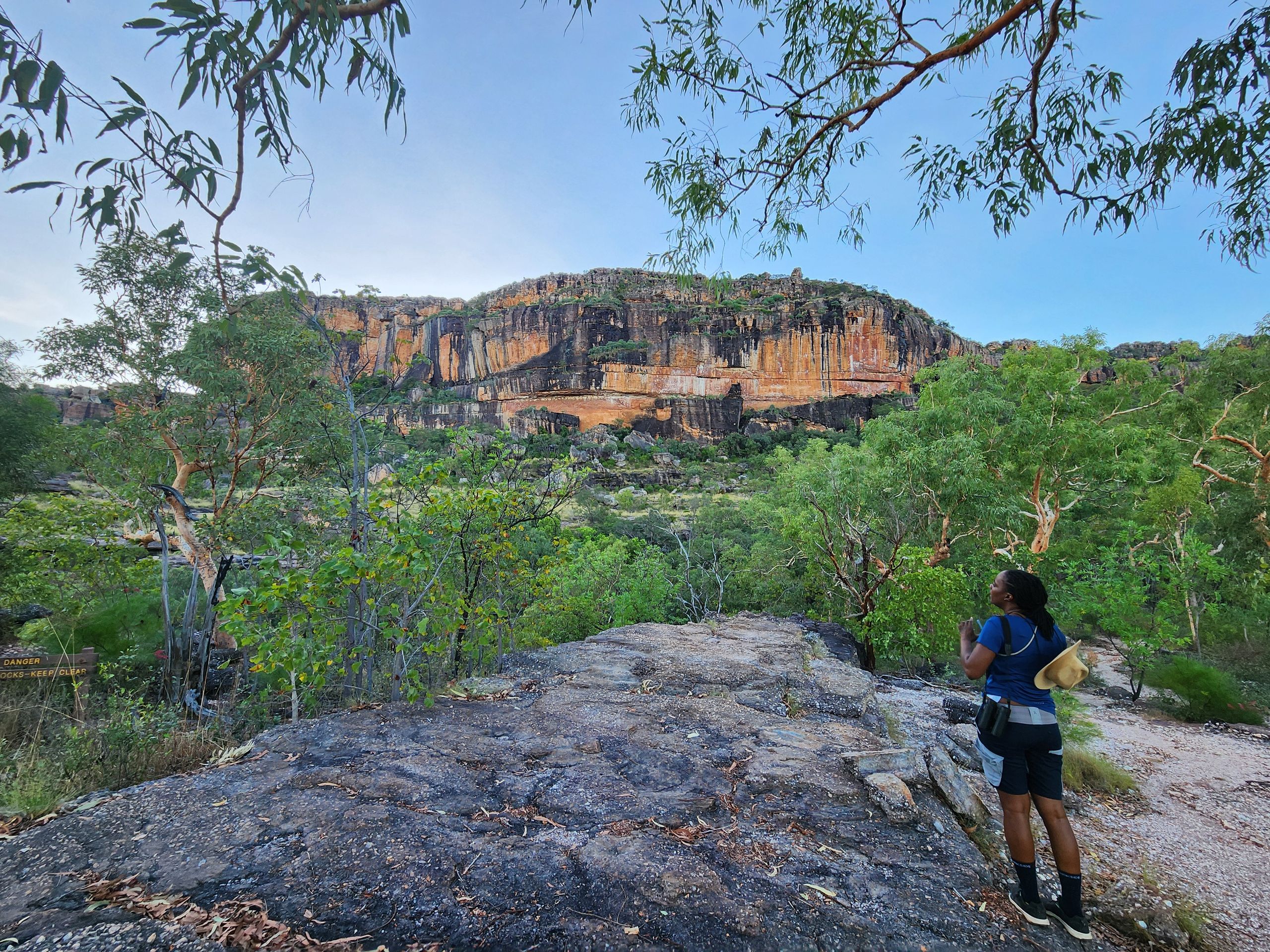
Kakadu is primarily flat land with tropical tree savannah that gets denser the further north you go. To the east lies Arnhem Land, a 300-meter high sandstone mountain range that supplies waterfalls and rivers to the Kakadu. So it's quite similar to Litchfield National Park. Arnhem Land is under the complete control of the Aborigines and has thousands of sites with rock paintings that are important for their culture and religion.
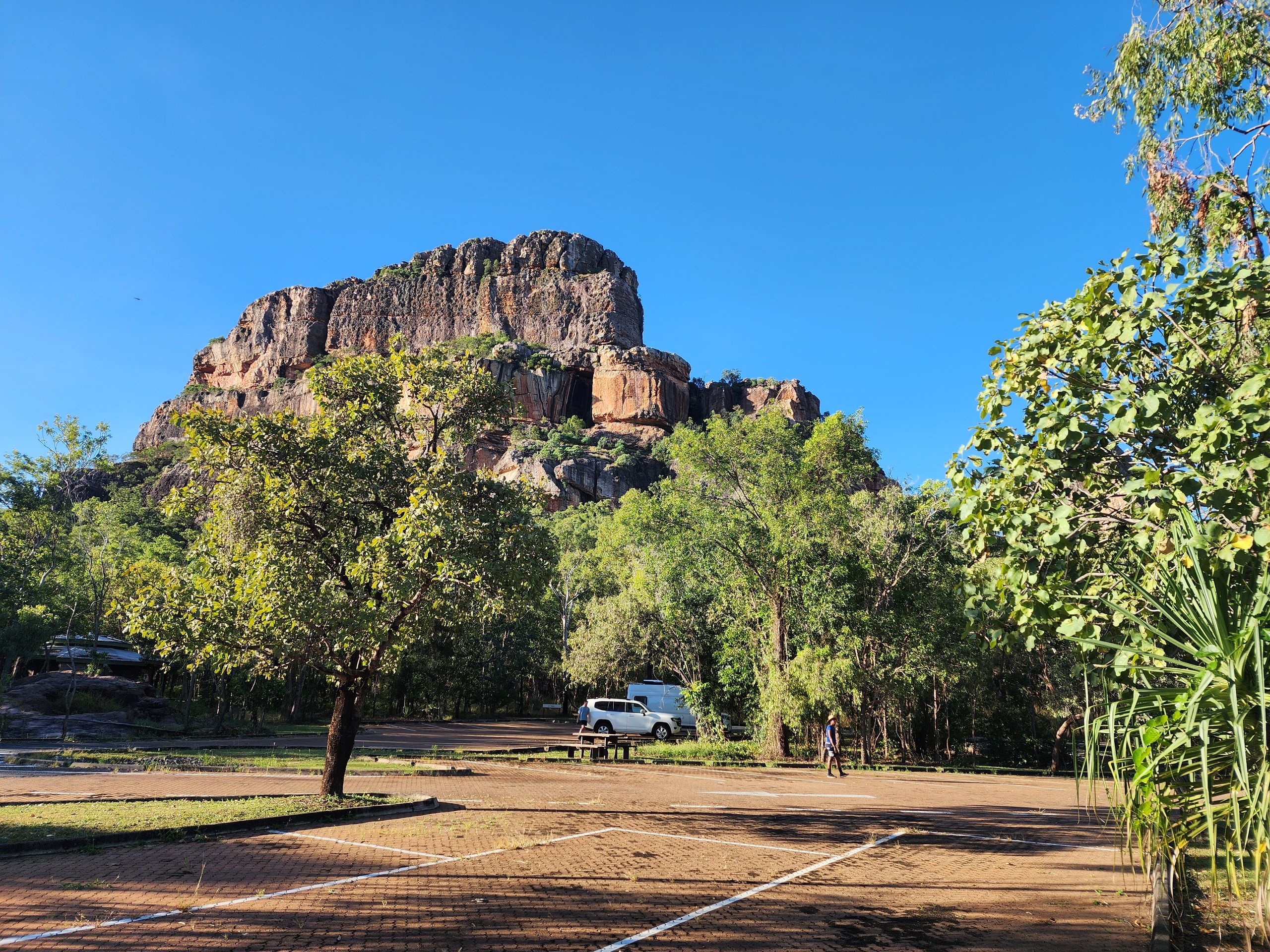
Ubirr and Nourlangie are remains of the sandstone mountain range that are preserved in Kakadu, where there are also important rock paintings.
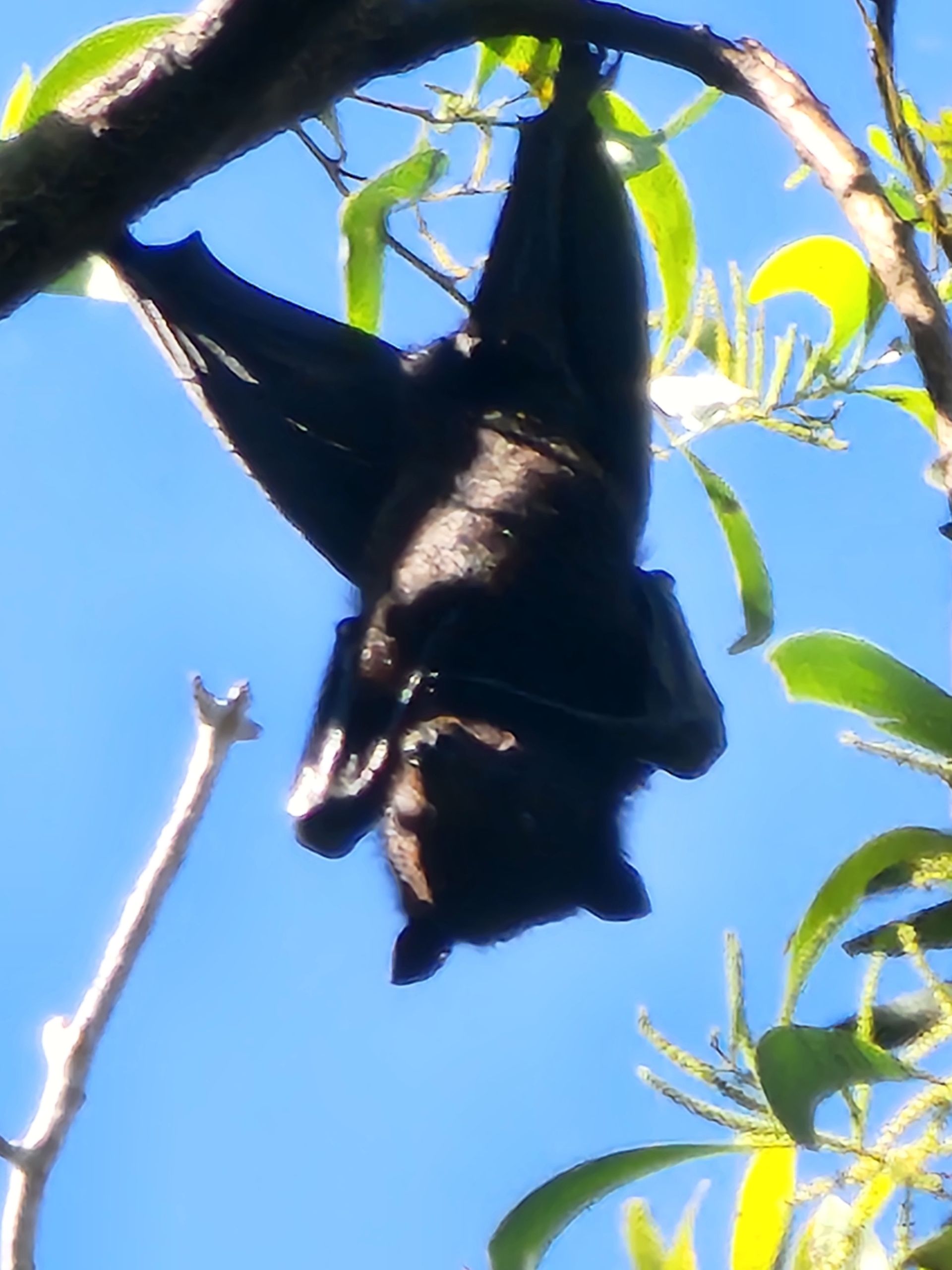
There is also a small town in Kakadu, Jabiru, where many Aborigines but also white people live. We headed there now because I had read that there is a large colony of black flying foxes in the trees, as well as one of the small red flying foxes. We found the black flying foxes right in the town center, especially in the trees around the school and the local sports fields. We also saw some cockatoos here.
Then we drove 50 km further to the Cooinda Lodge, where we camped. Pleasant grassy area and electricity for the air conditioner and refrigerator.
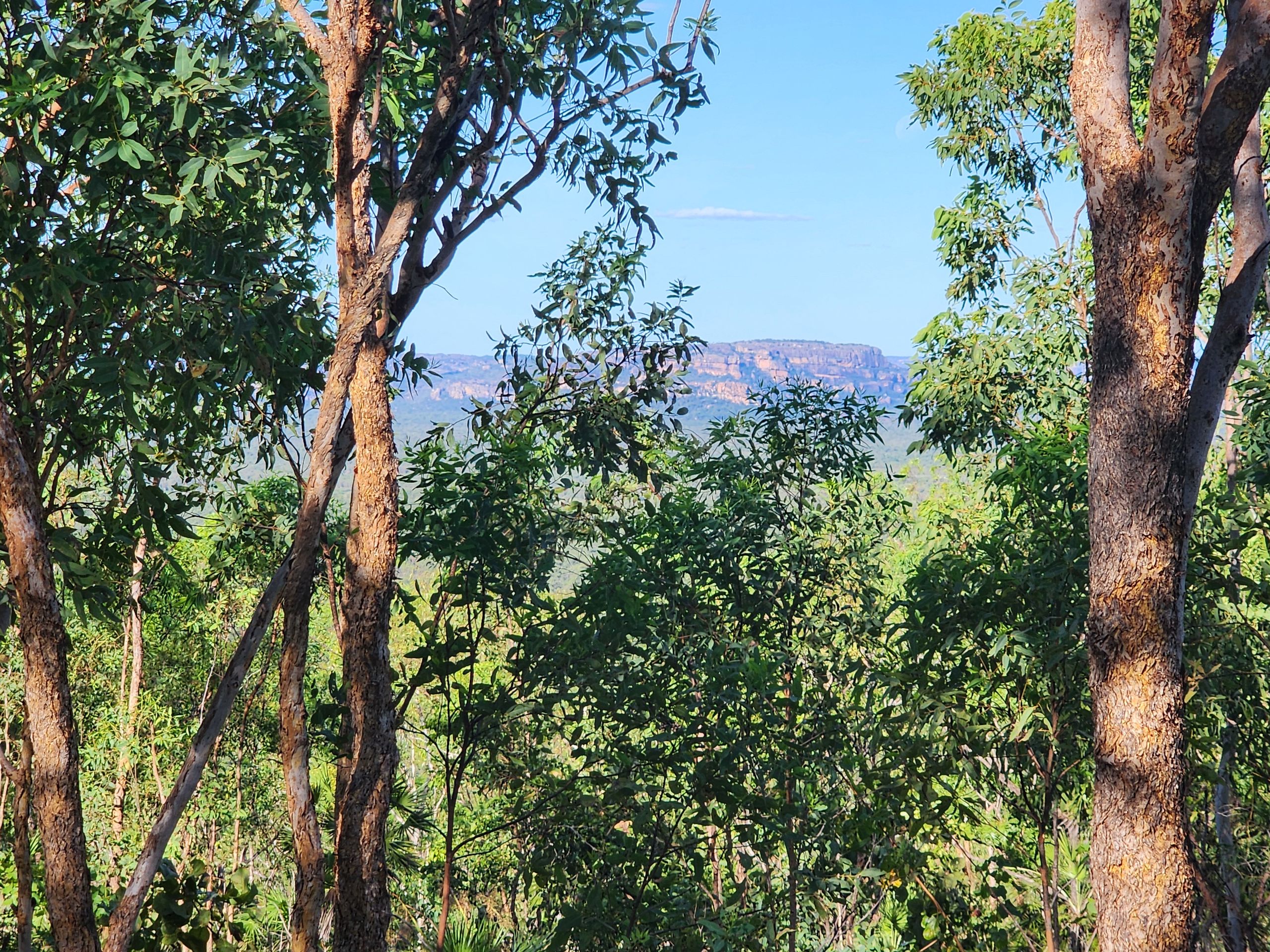
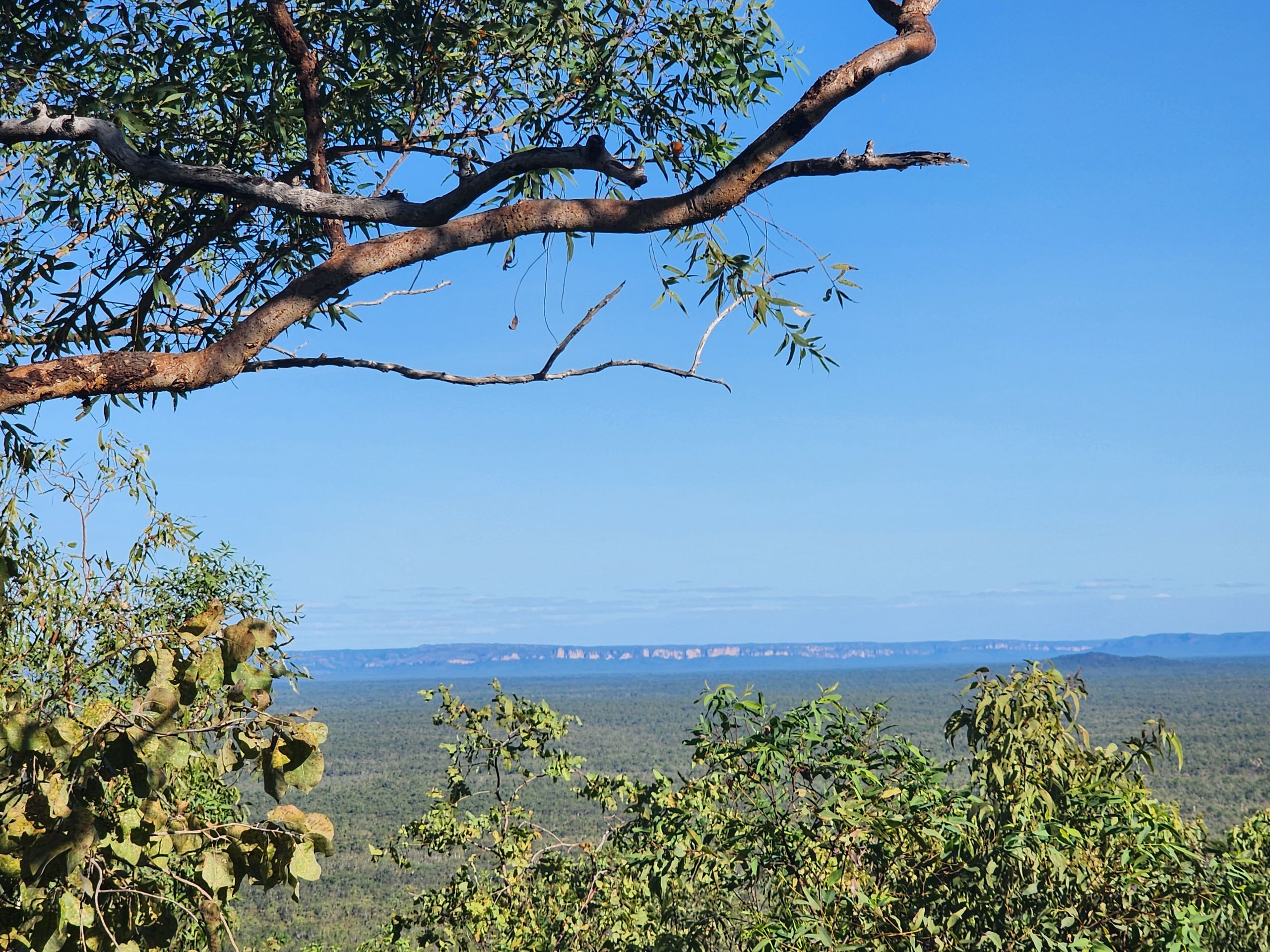
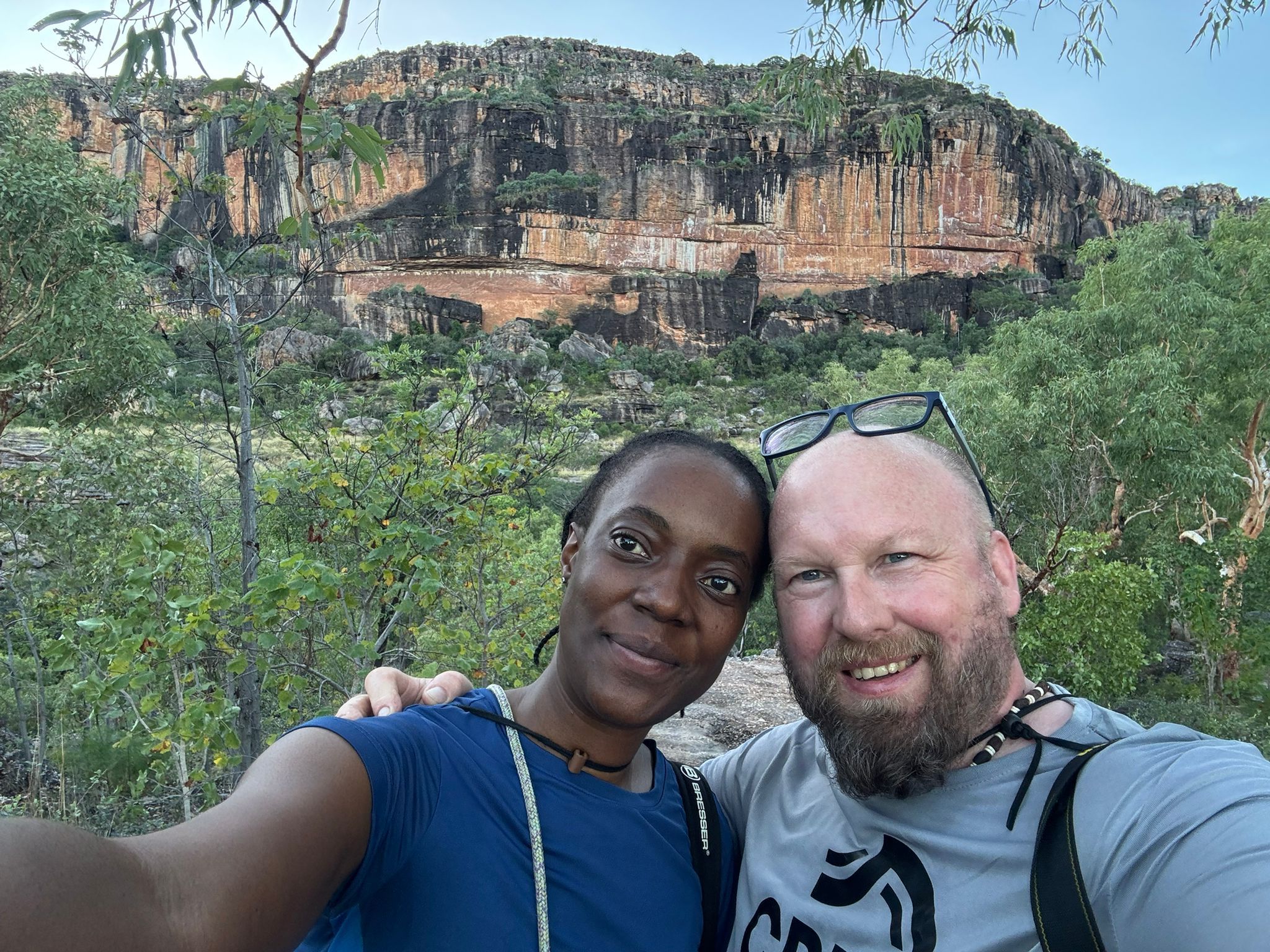
In the afternoon, shortly before 4:00 PM, we drove back along the road, first for a short hike up to the Mirray Lookout, a hill. At least from here, one could see the cliffs of the Arnhem Land sandstone mountain range.
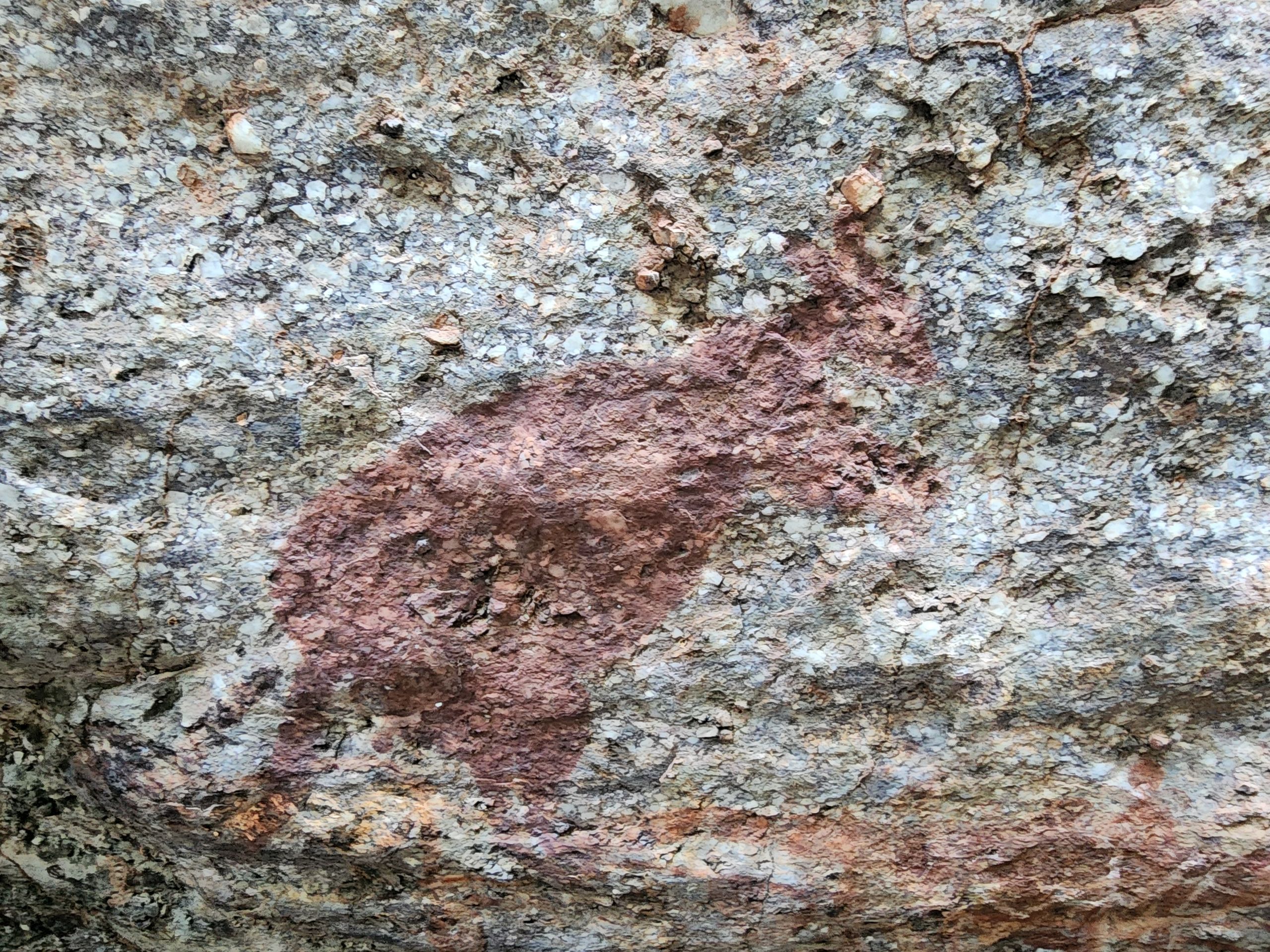
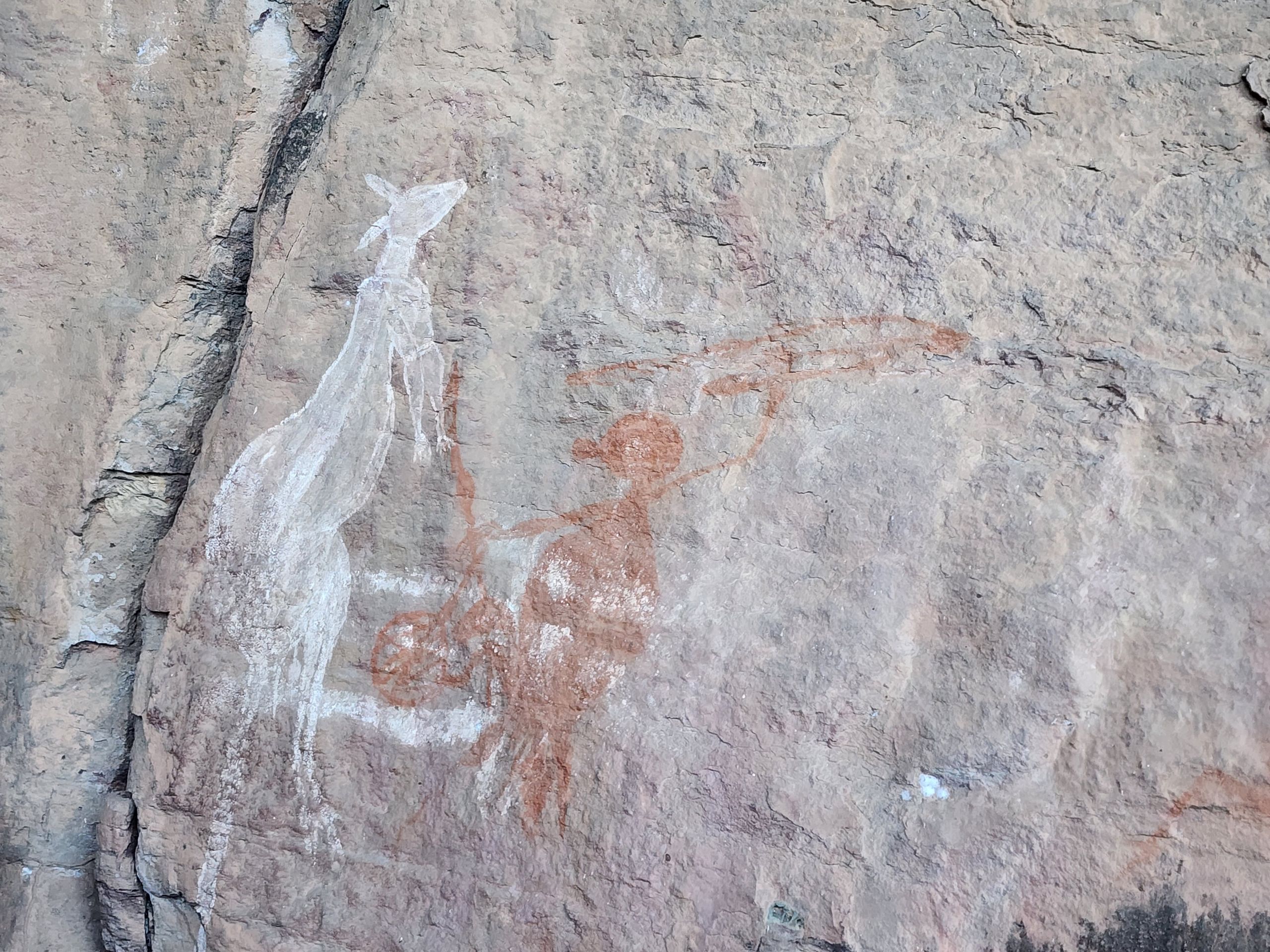
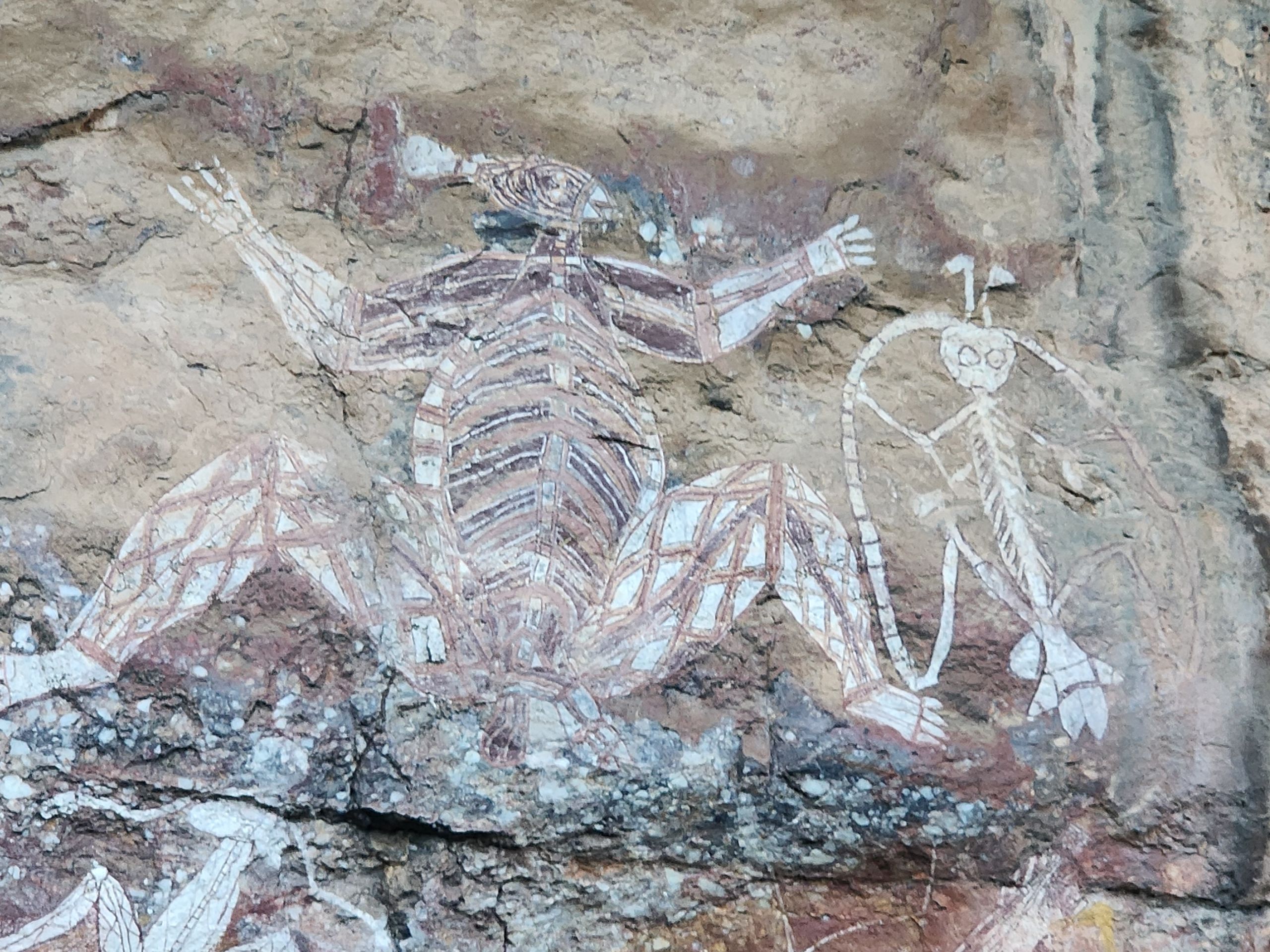
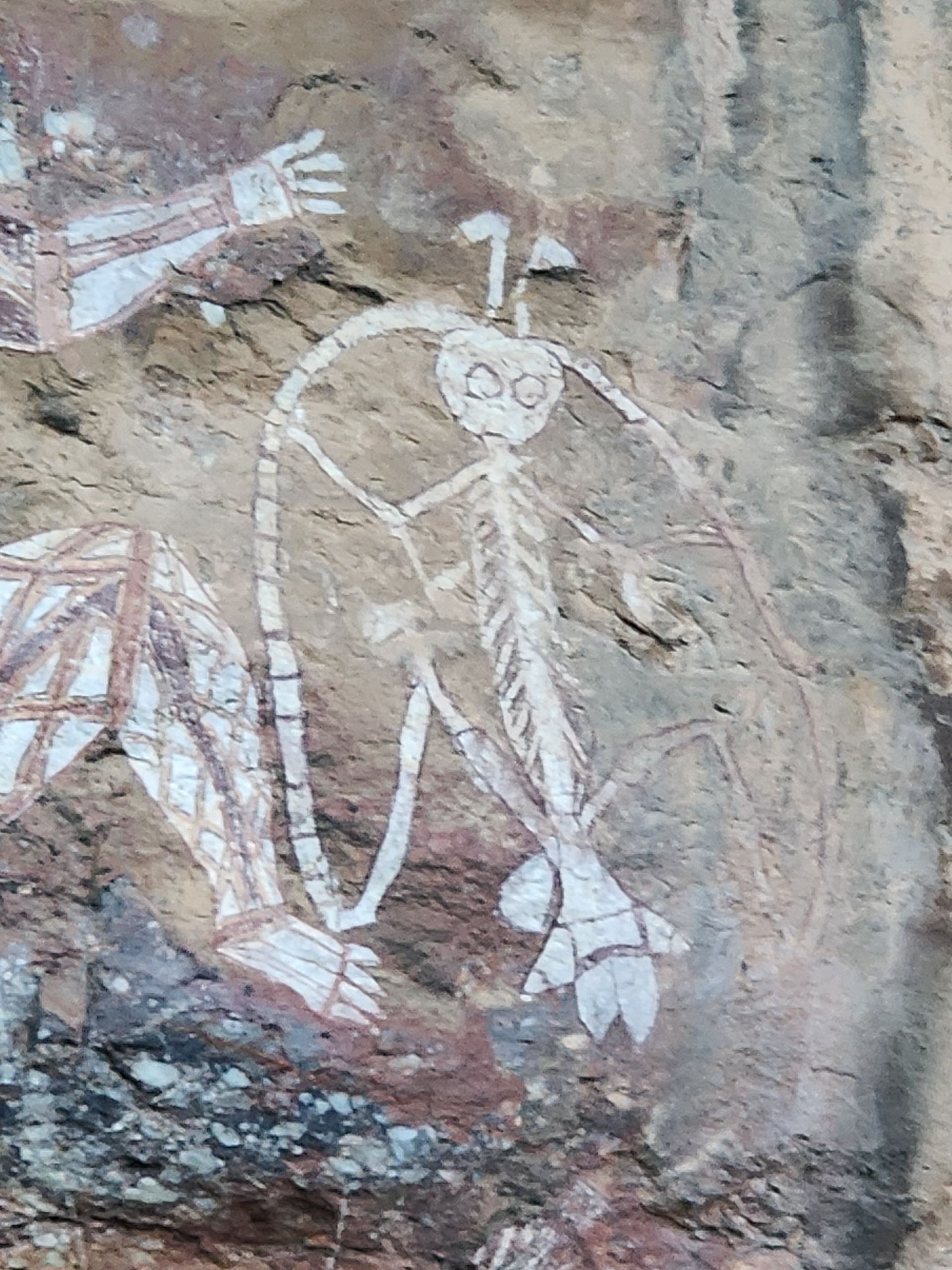
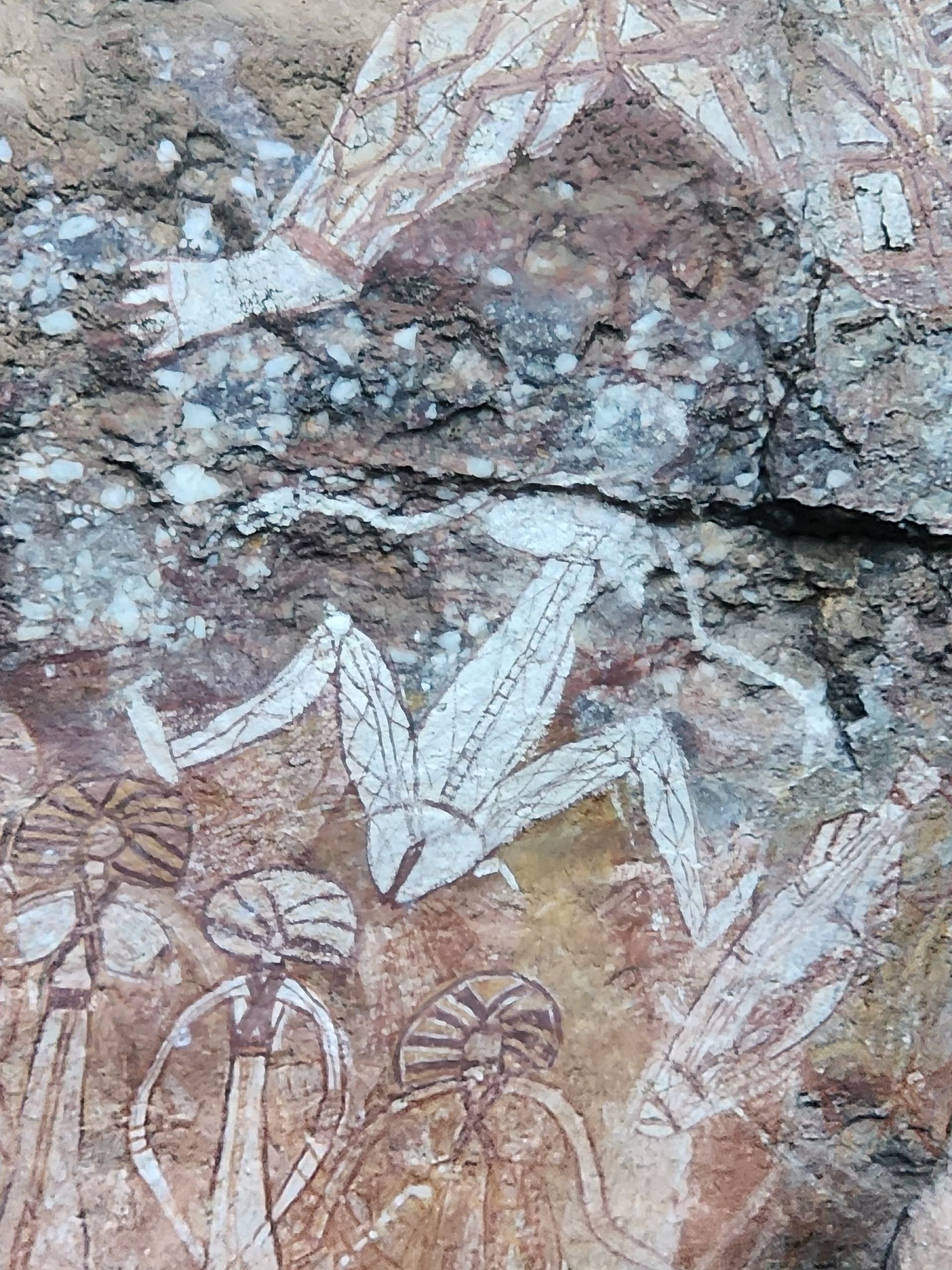
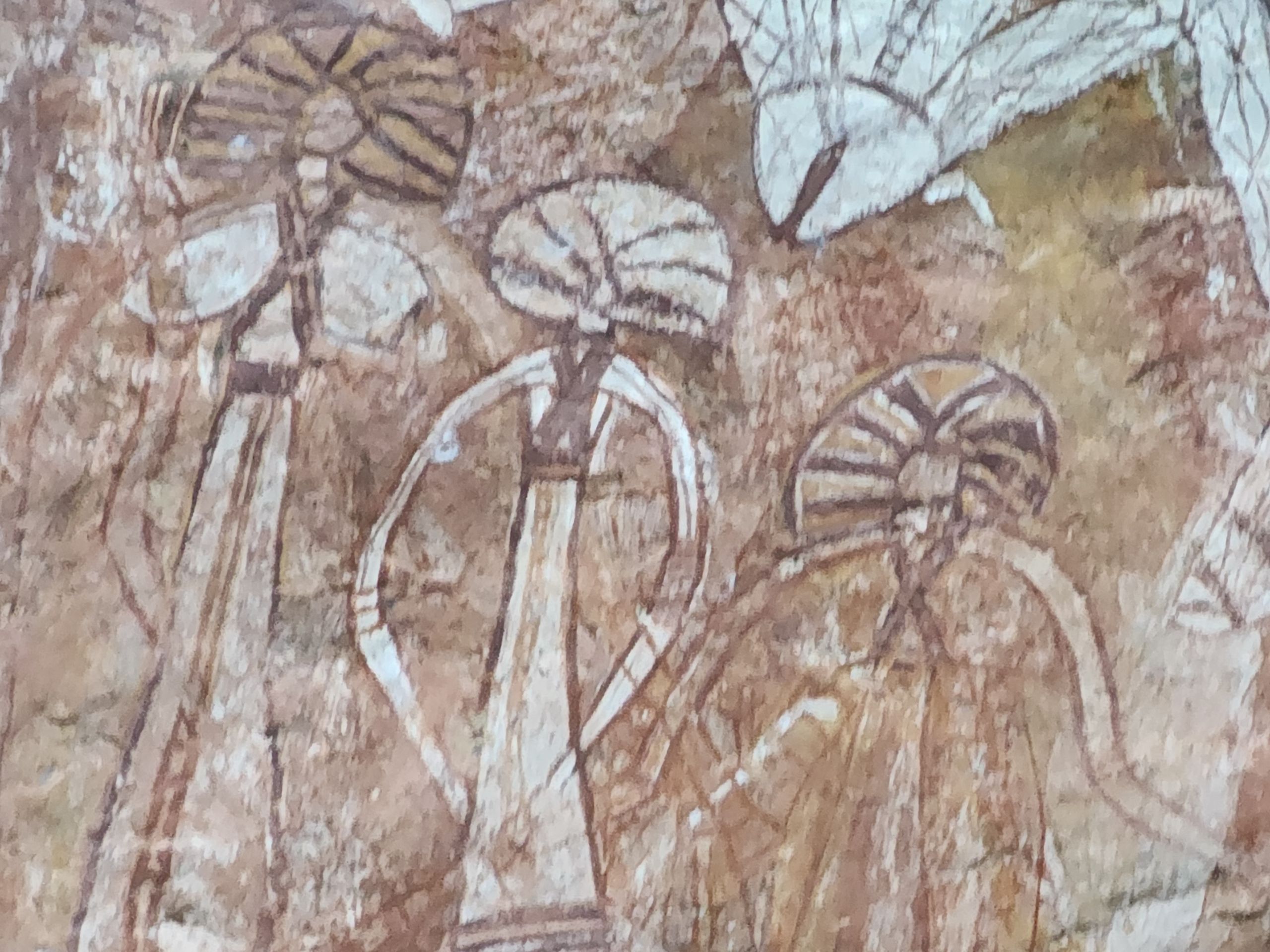
Onward to Jabiru, where we saw impressive rock paintings of the Aborigines: kangaroos, a gun from the Europeans, the lightning man with his wife and child, a grasshopper, people and ghosts or medicine men.
Particularly impressive were the red-tailed black cockatoos that we saw in this area.
At dusk, we returned to the camp, where we arrived around 7:00 PM after the quickly setting darkness.