
Tag 21, 15. Mai, Cape Hillsborough Nationalpark
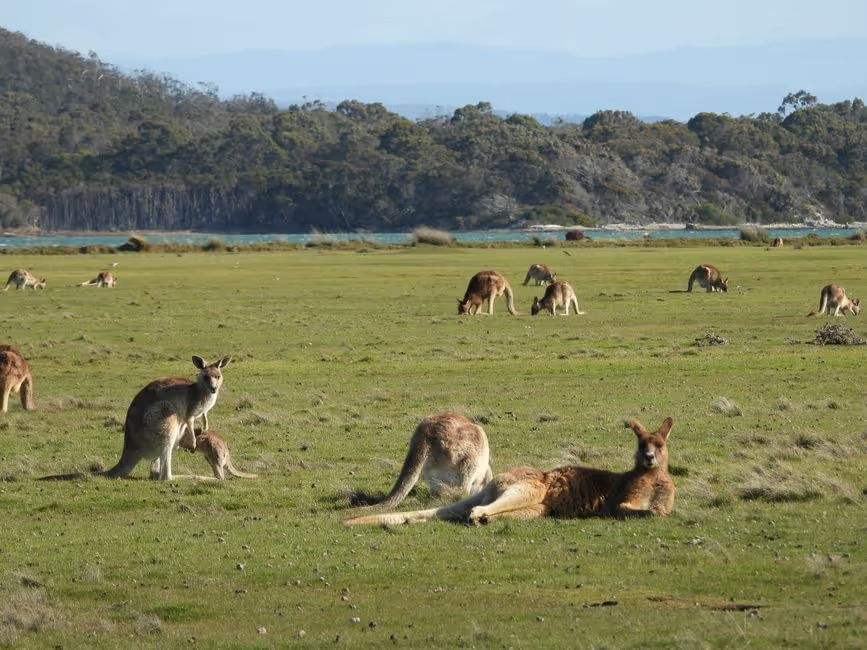
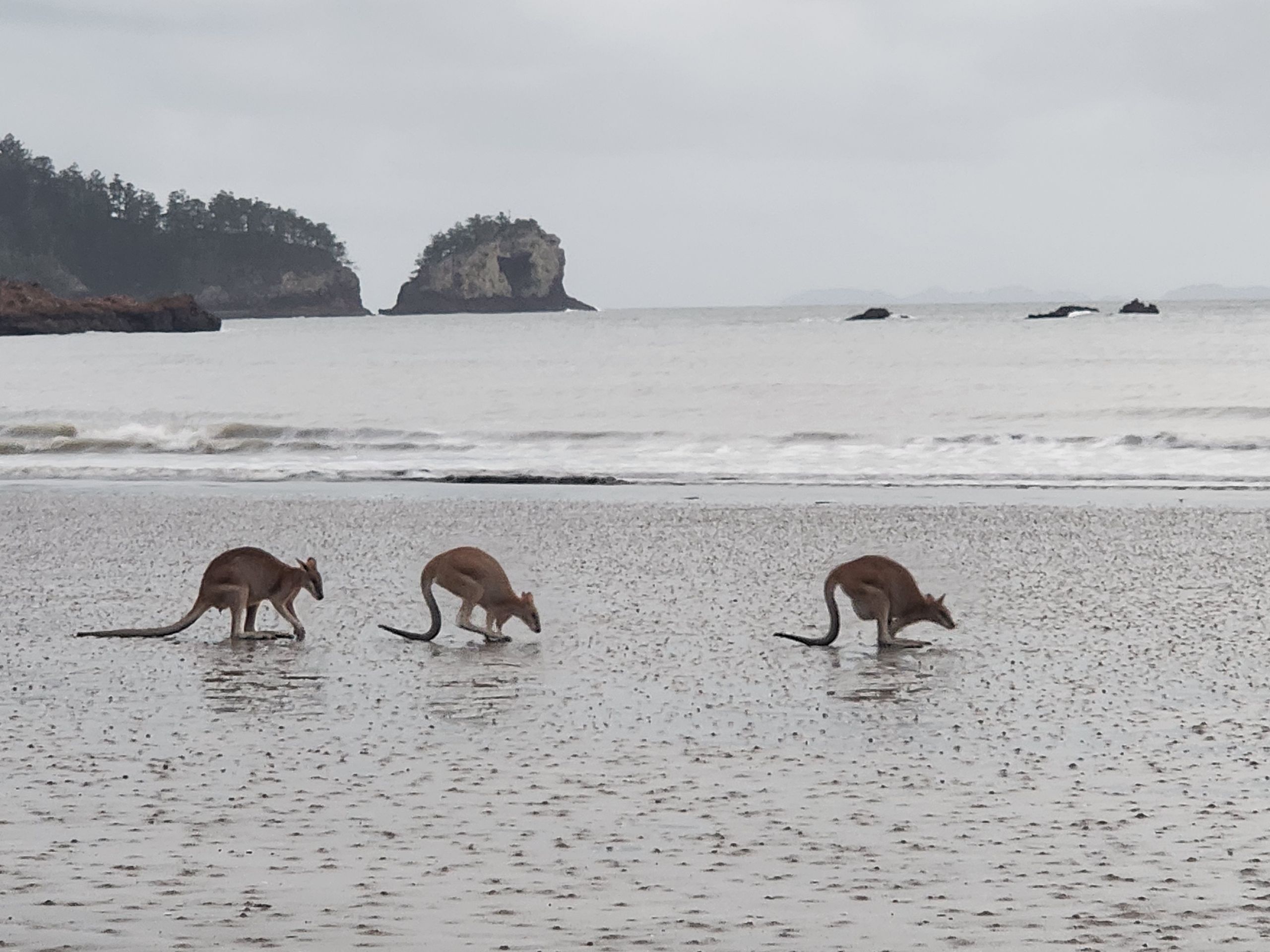
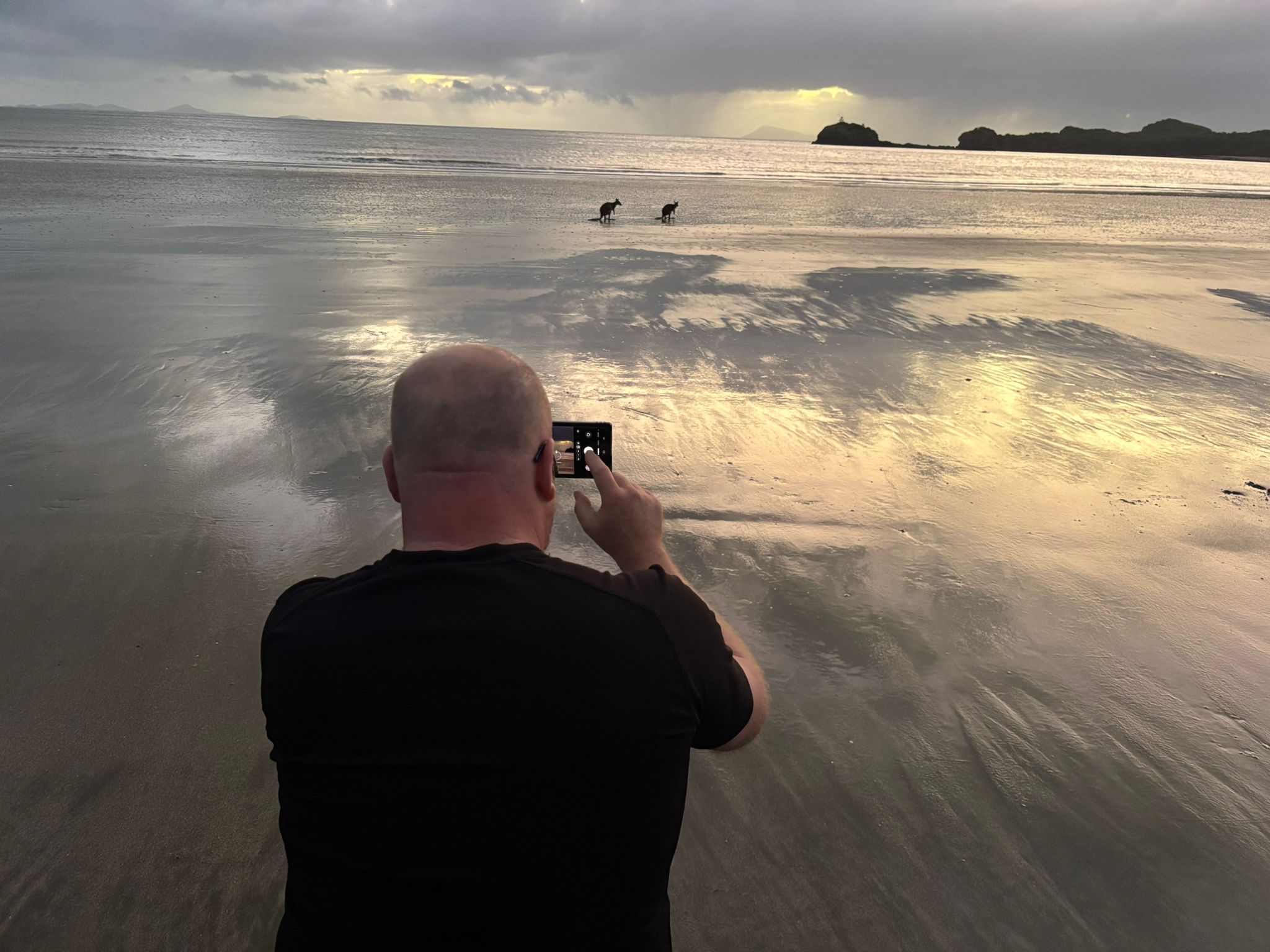
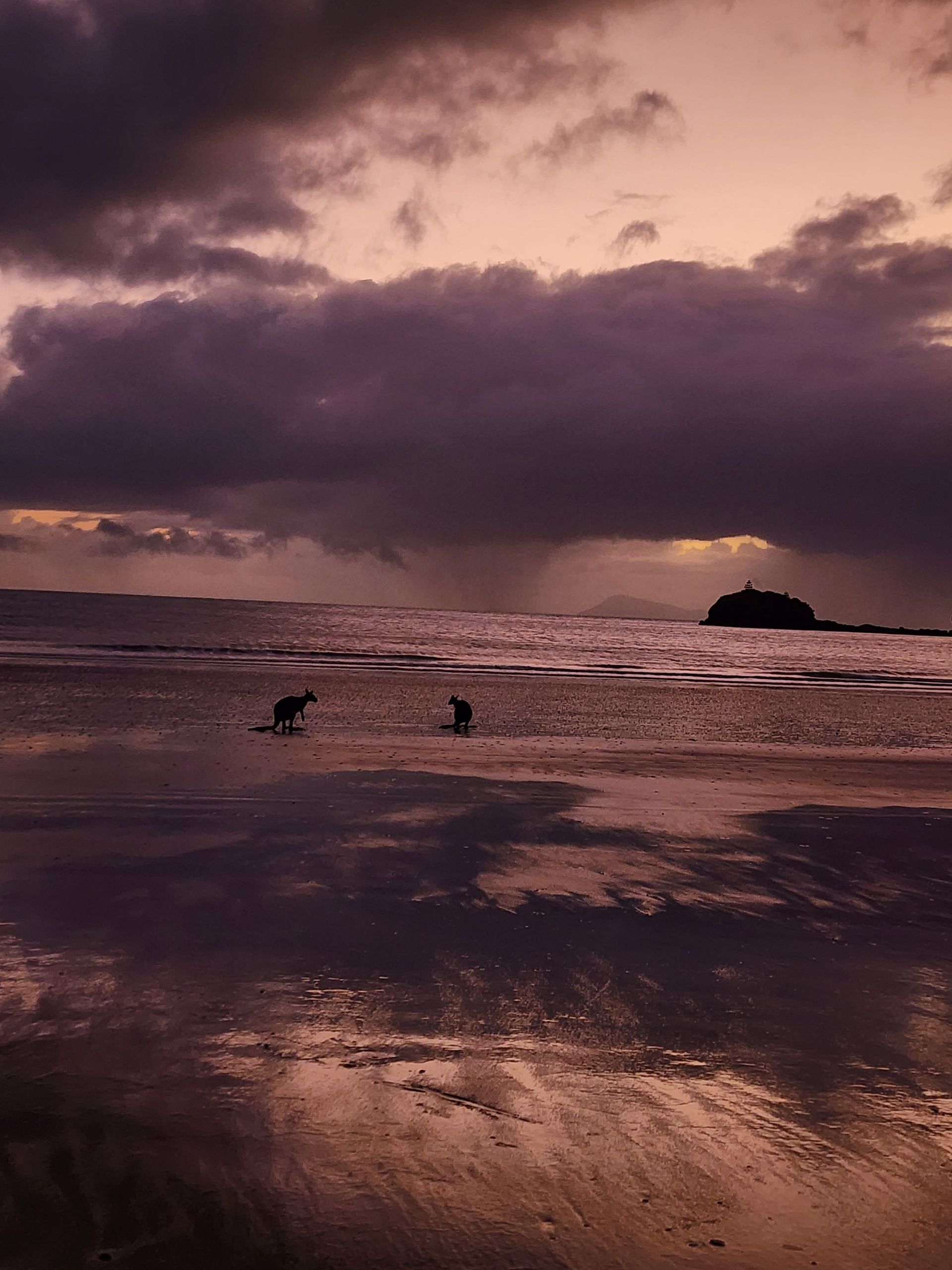
The attraction of Cape Hillsborough National Park is the wallabies and kangaroos that come to the beach in the morning to eat flowers and shoots of the mangroves...

Published: 17.05.2026
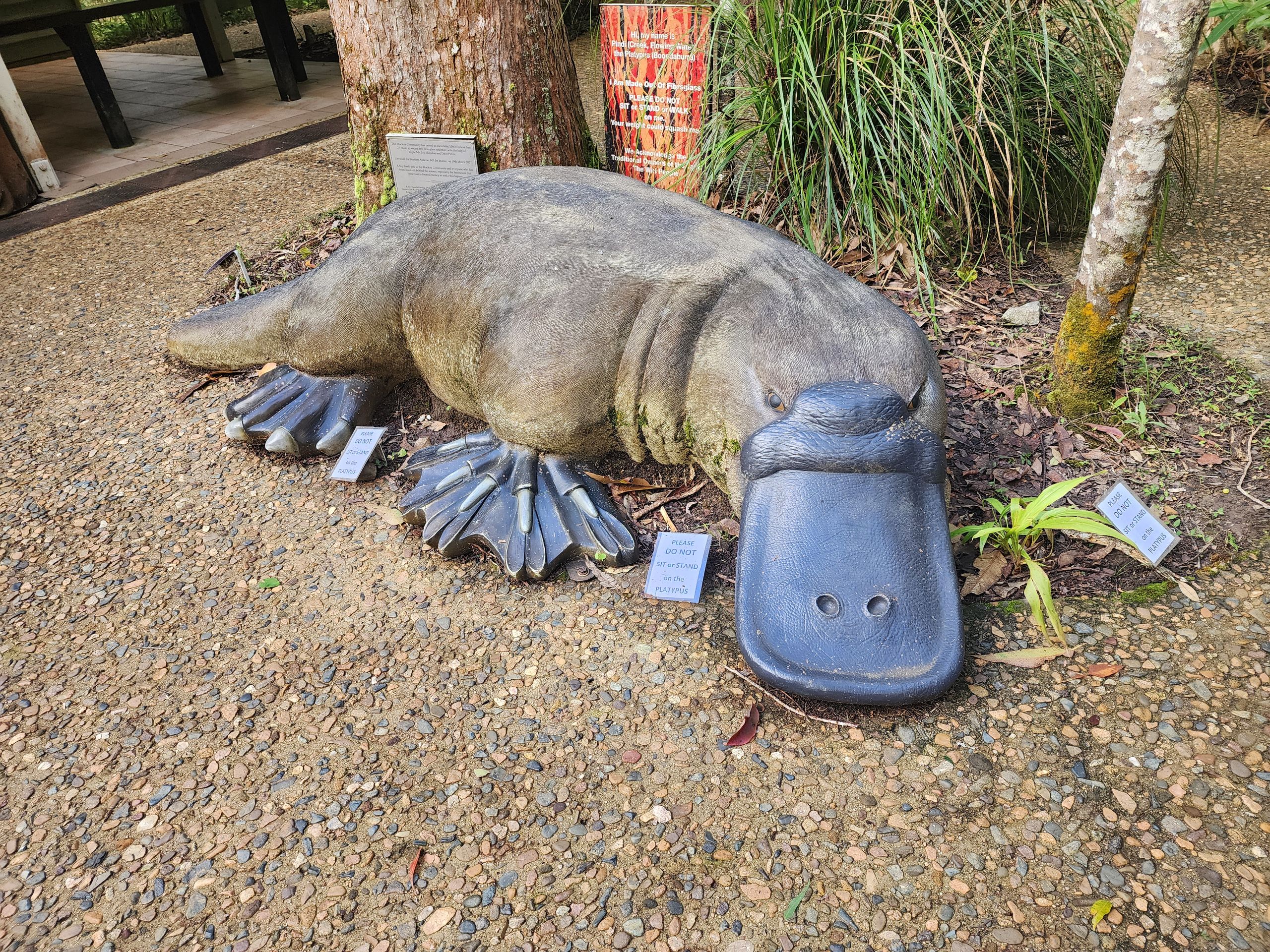
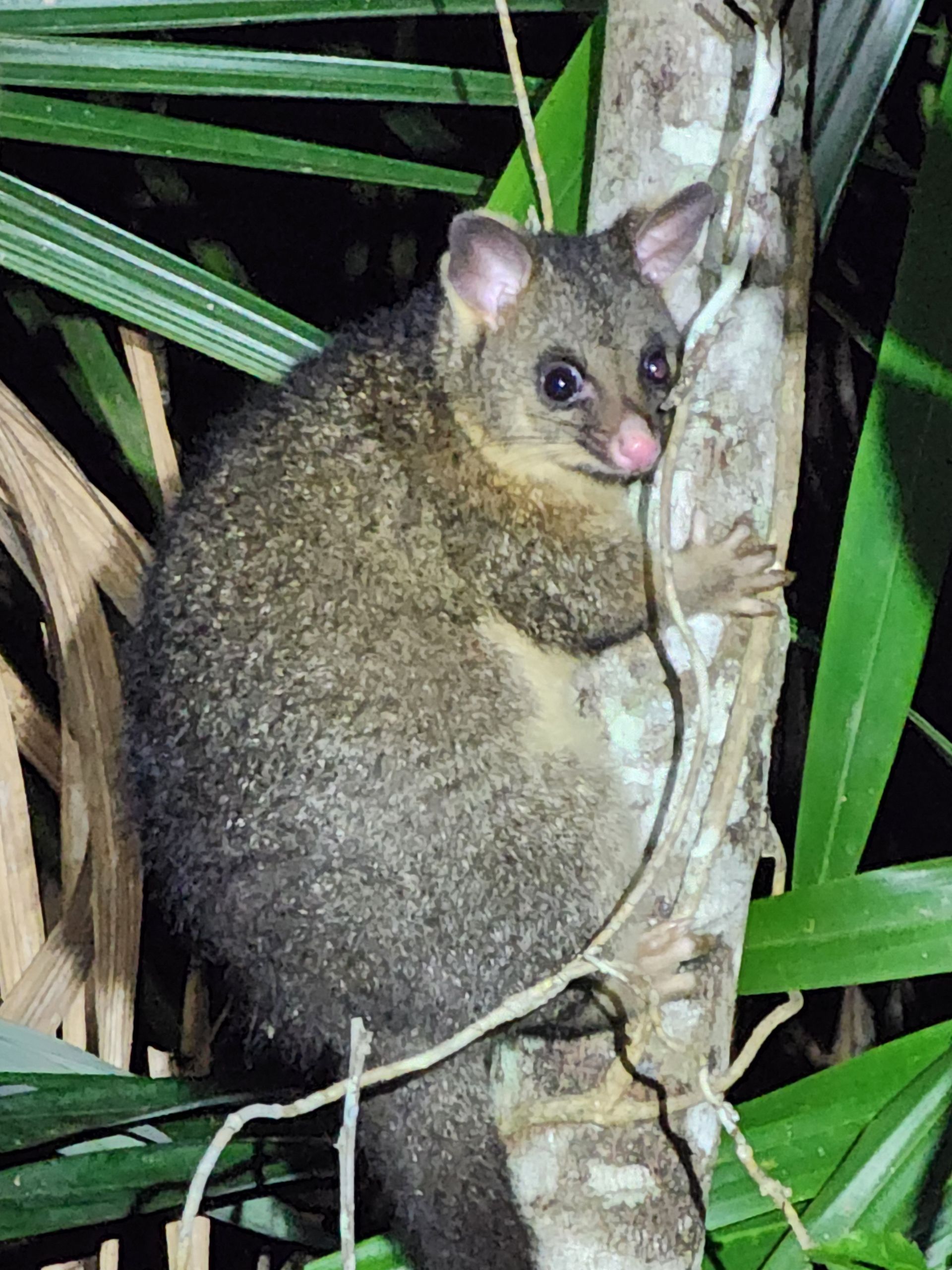
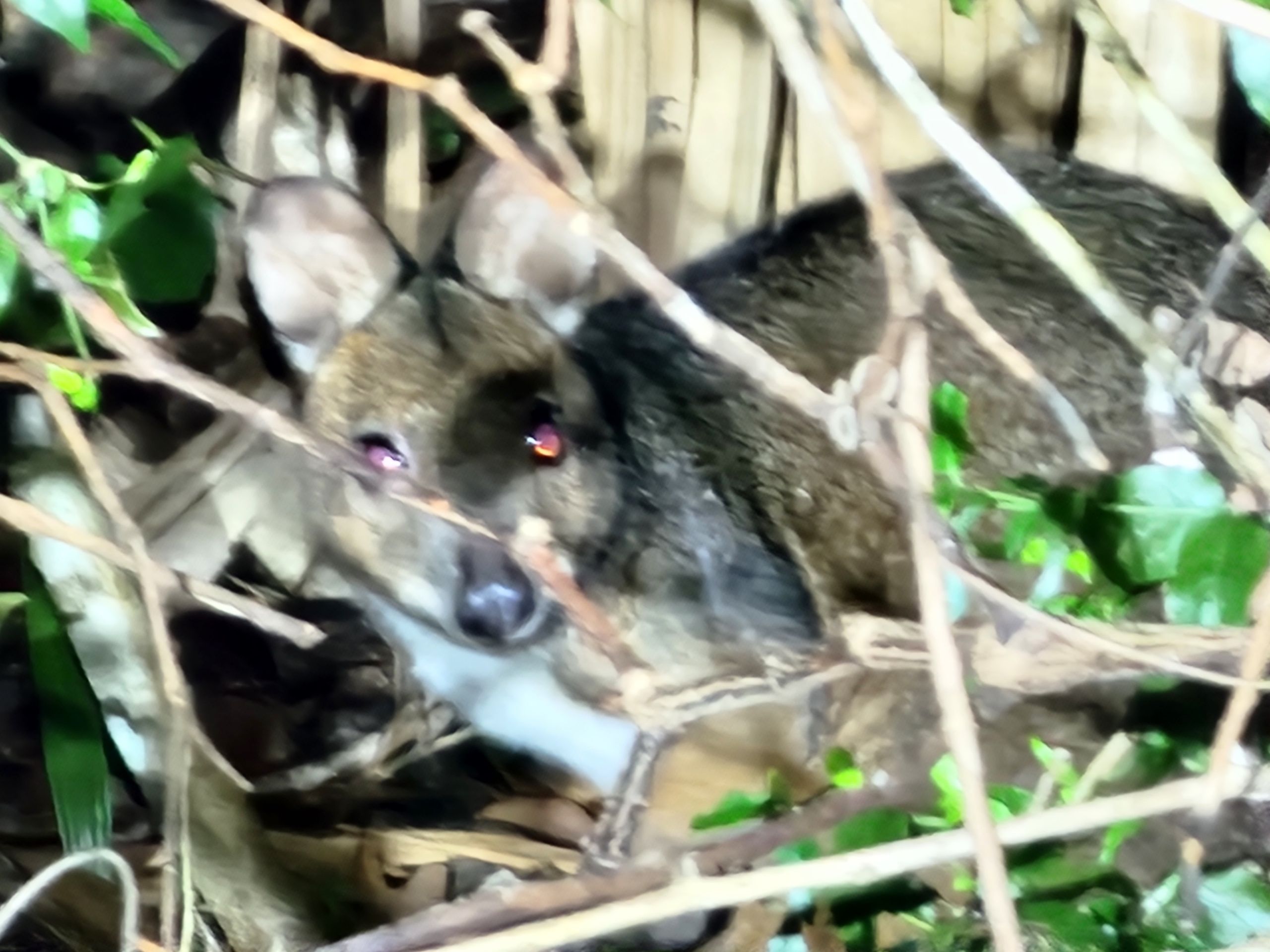
Today was supposed to be the best day of the trip in terms of wildlife sightings: Three species of kangaroos, flying foxes, sugar gliders, the colorful ‘fruit dove’, and many many platypuses.
We started at 6:00 with the Agile wallabies and the Grey Kangaroo at the beach. There were even more tourists than yesterday, but all were ‘well behaved’, and 8 instead of 9 macropods present. Unfortunately, the weather was no better than yesterday, with no special colors at sunrise. But at least we knew that the animals would soon hop along to the right on the beach, which helped us position ourselves better for photography.
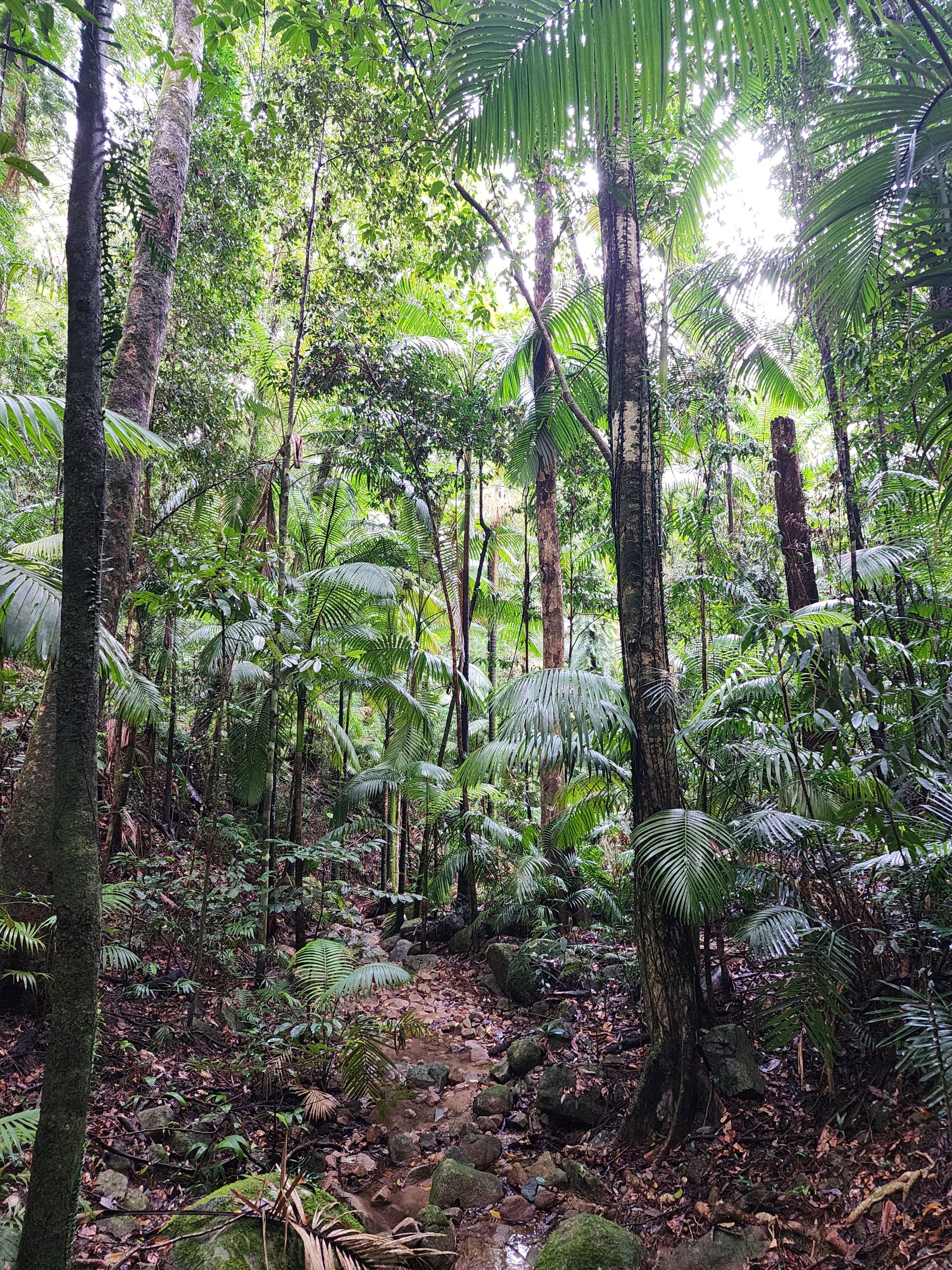
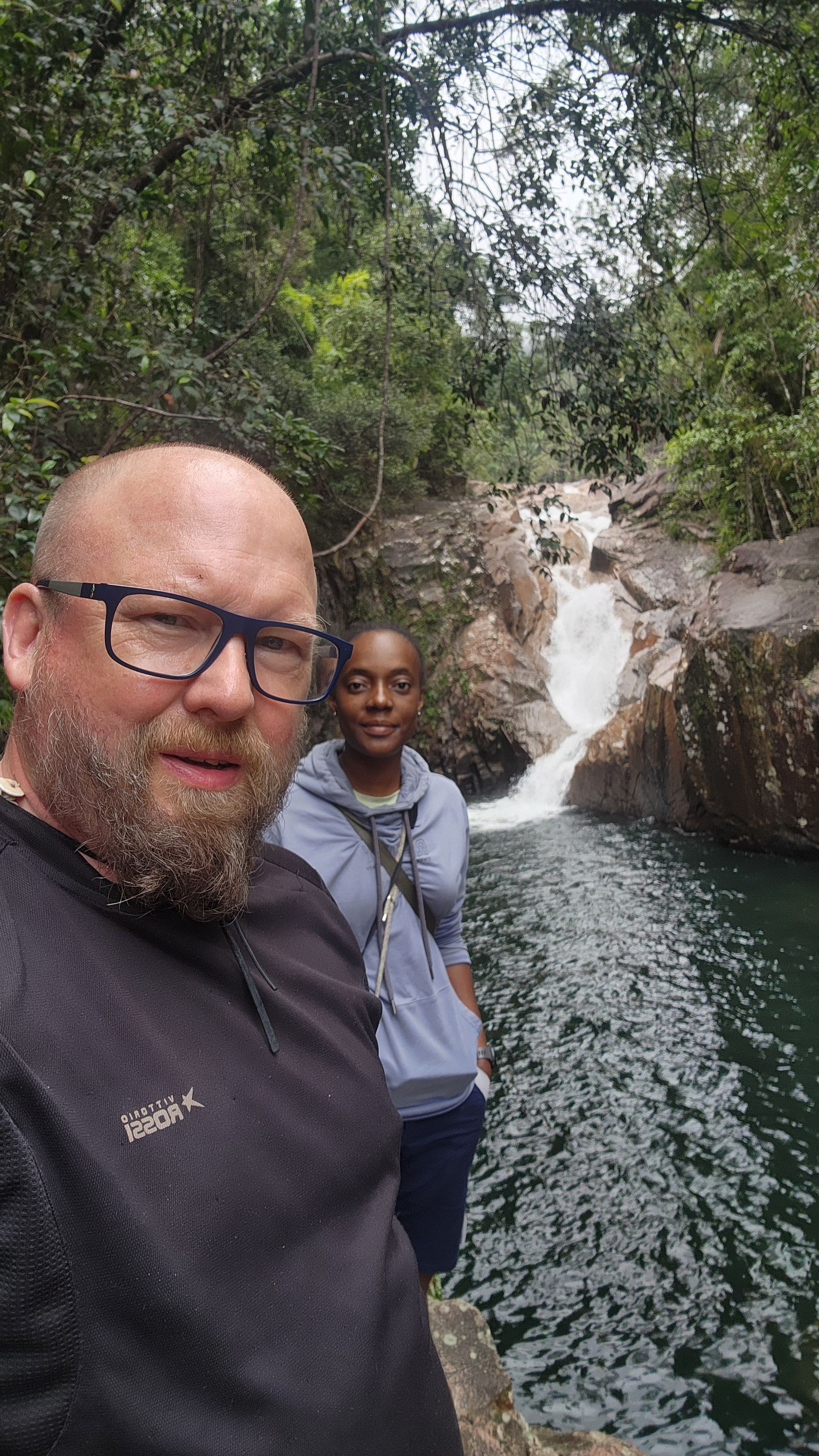
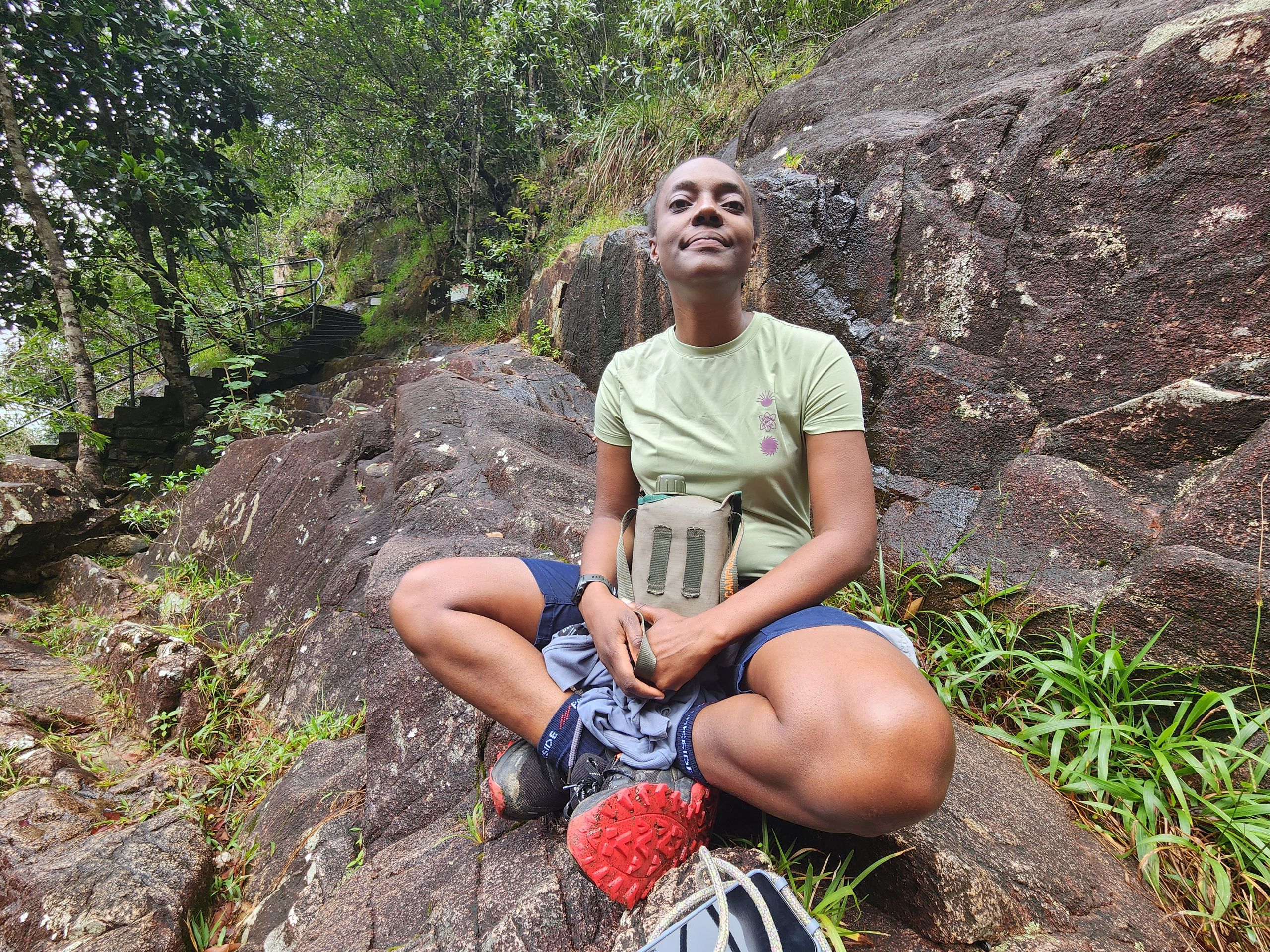
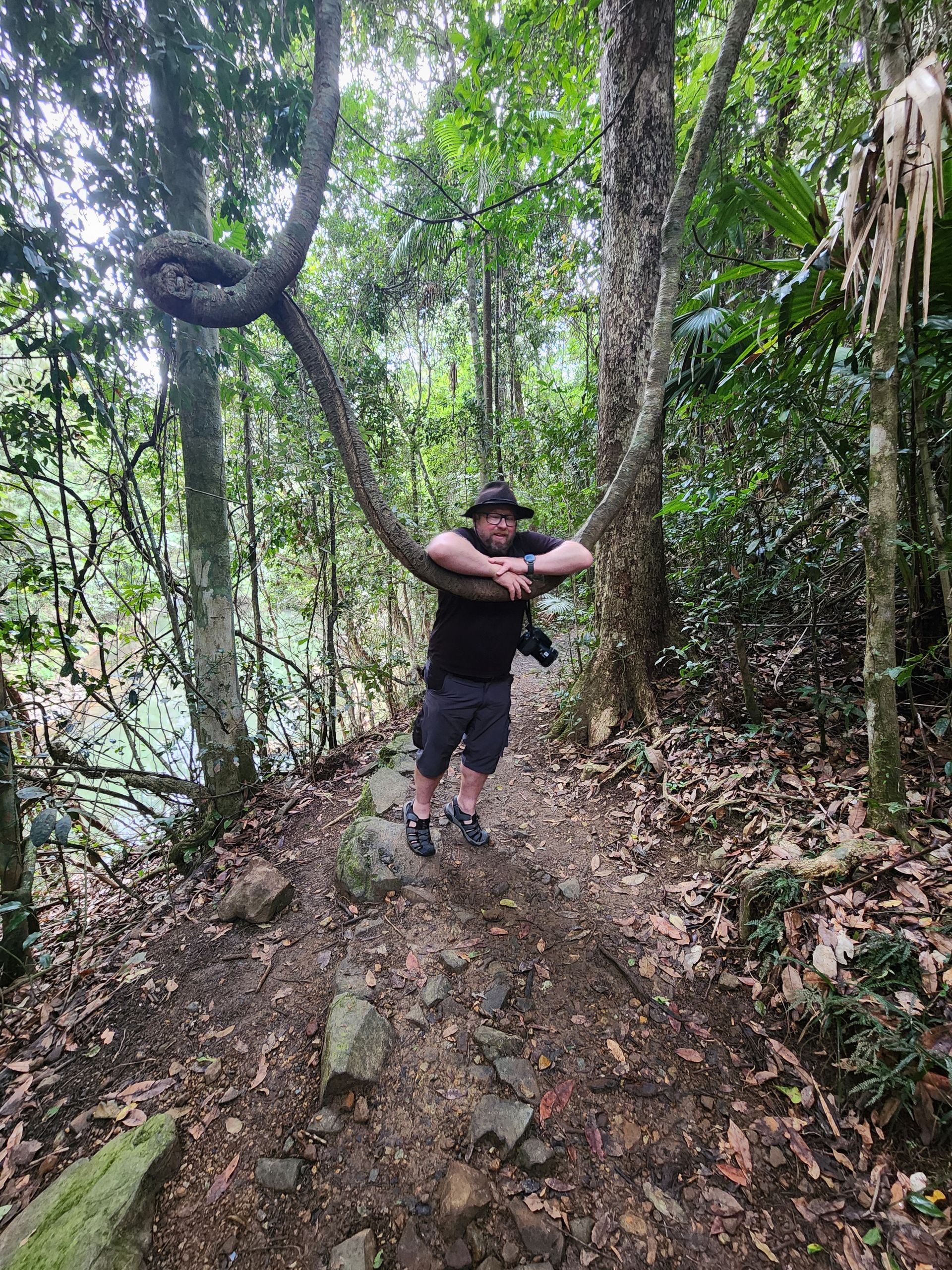
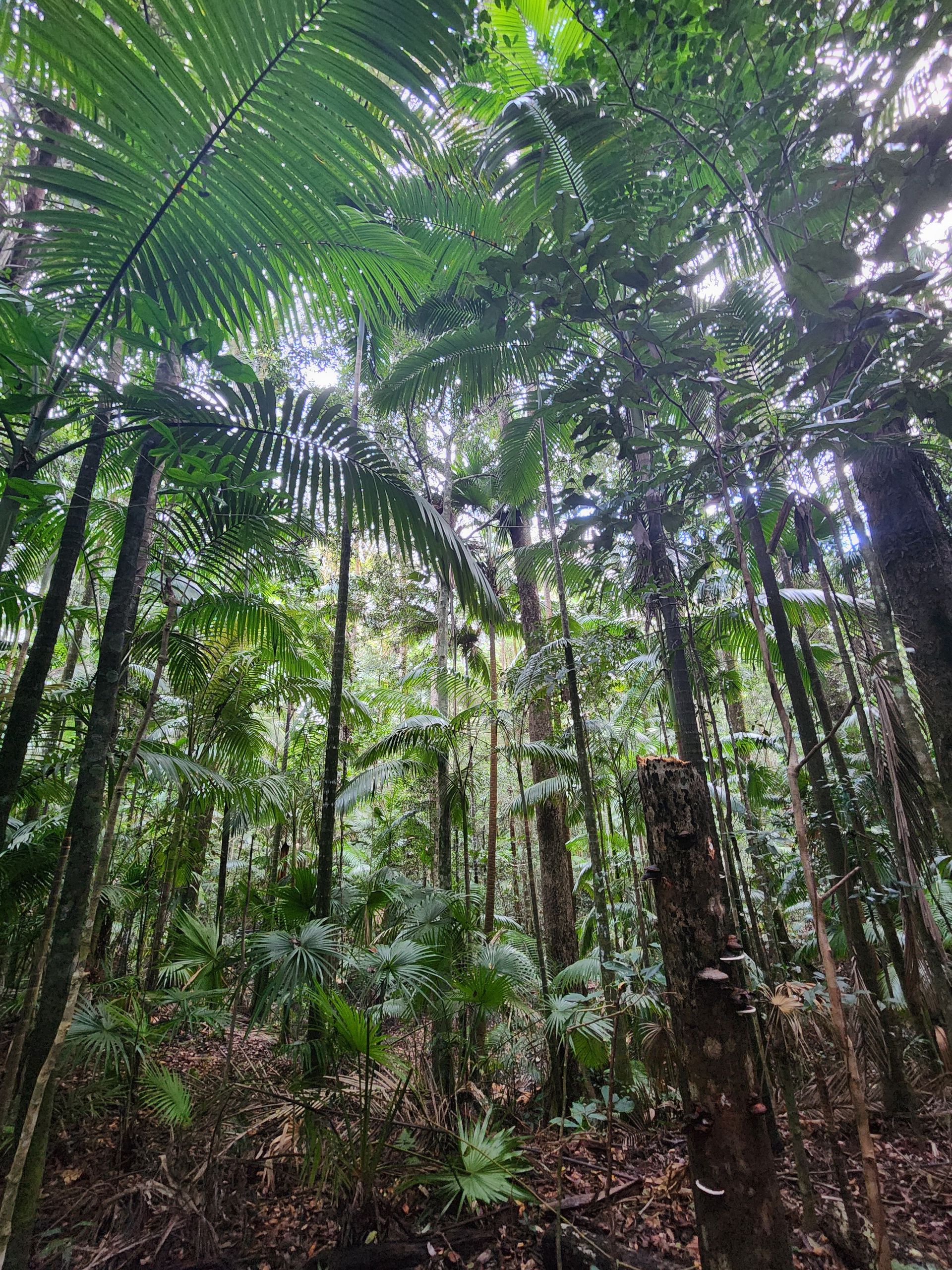
After breakfast, we set out around 7:30 to the nearby Eungella National Park, less than 2 hours away by car. First, we drove to Hatton Gorge and completed the nearly 5 km hike to the Wheel of Fire, a swimming hole, through wonderfully green tropical rainforest, with tree ferns, beautiful palms, vines, climbing plants, and giant epiphytes. Although it wasn’t hot, the high humidity made it challenging for me towards the end when we had to climb stairs, and I was soaked. We had just forded a cold river.
Even though the diversity of plants was impressive: there were no animals to see here.
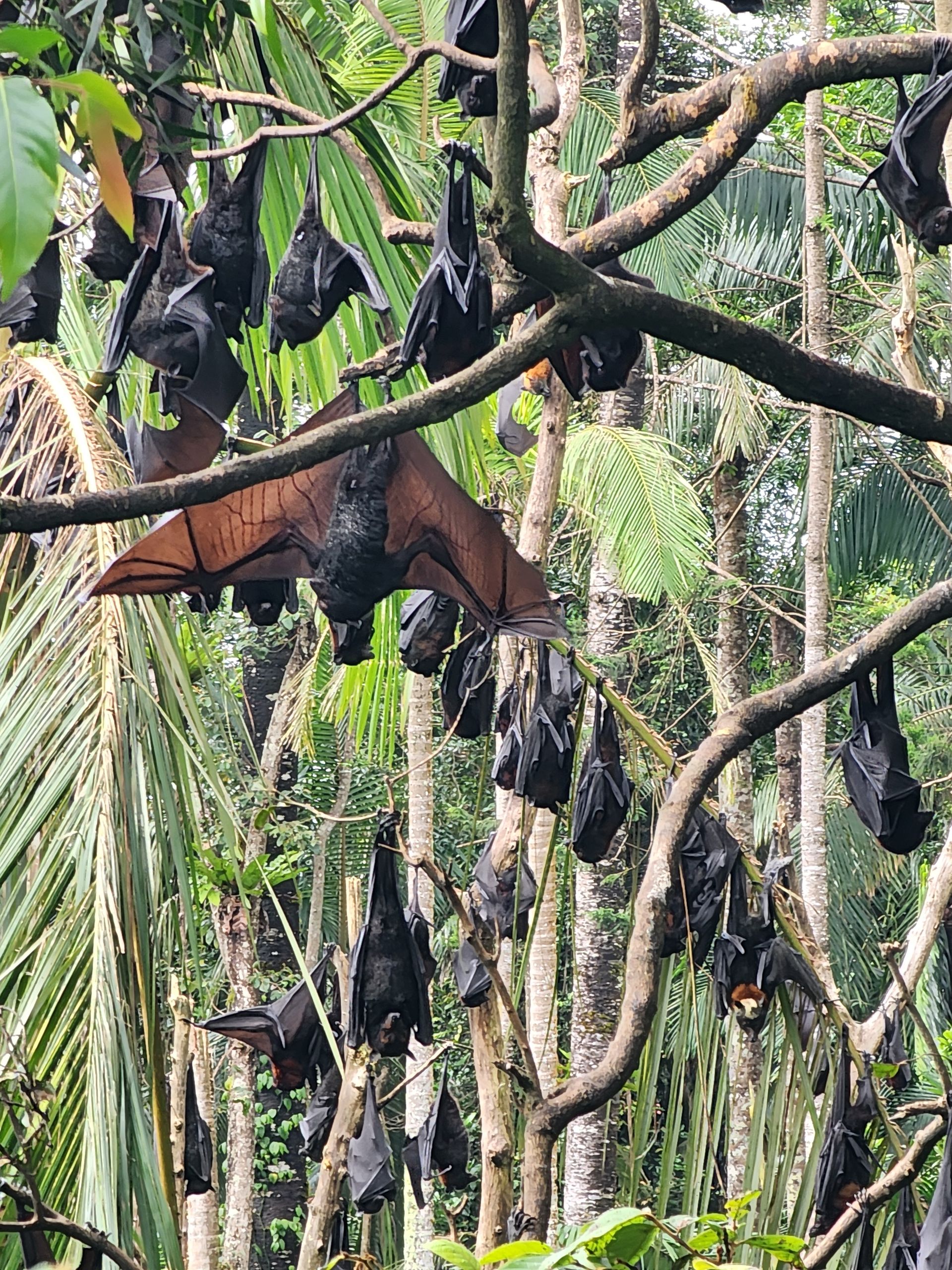
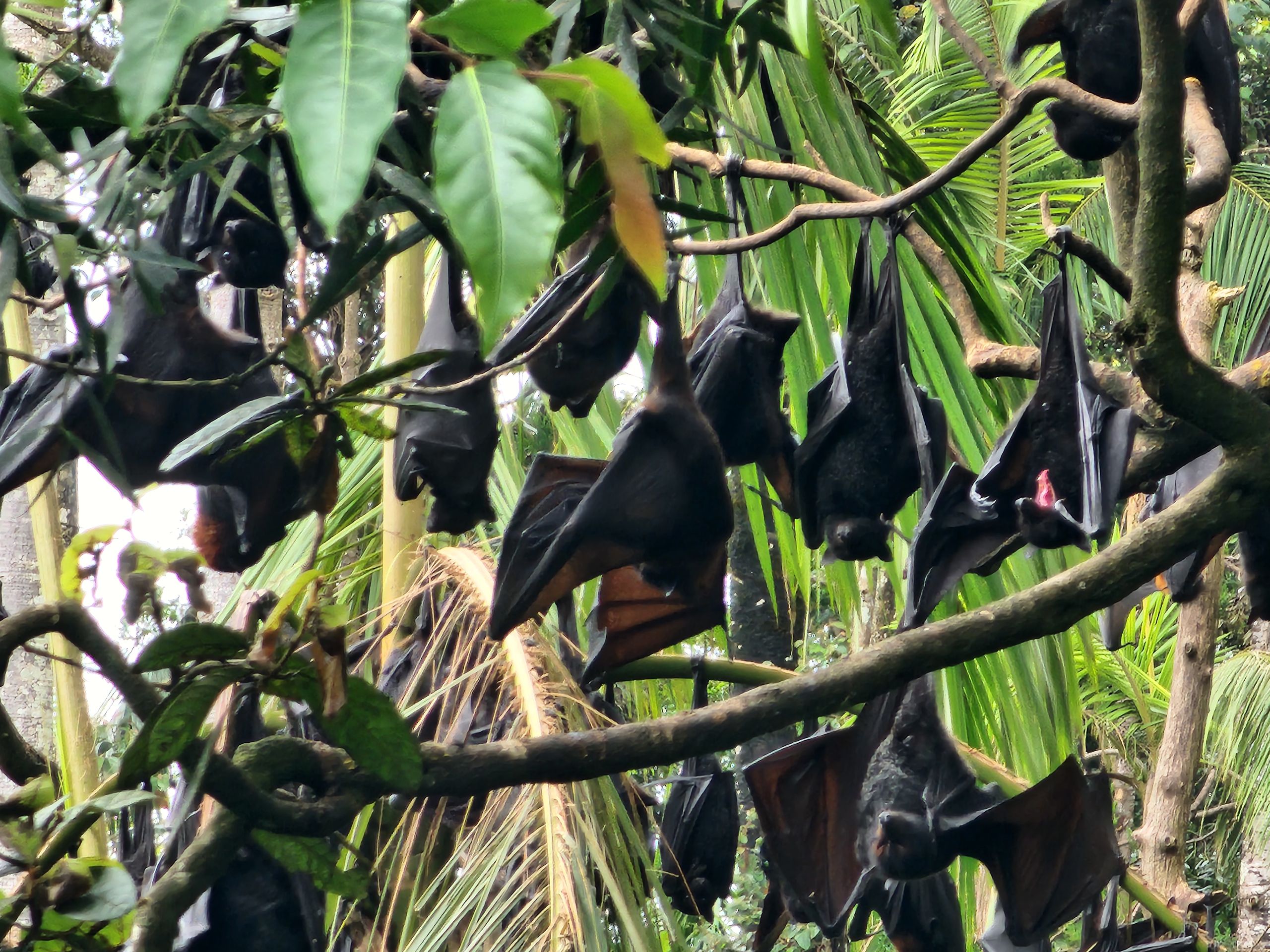
Back to the car, out of the valley, and then a partly steep mountain road up through green tropical forest to the little town of Eungella. Here, at the information boards, we admired a large colony of Black Flying Foxes; the trees were full of these screeching and quarrelsome black fellows, who hung lower in the trees than in previous colonies in the Northern Territory.
From here, we went onto a sort of plateau through evergreen rainforest, a small walk at the Sky Window opened a view into the valley, and then we were already at the Broken River Campground, where we were initially the only ones, although in the evening the site was almost completely filled with 8 motorhomes.
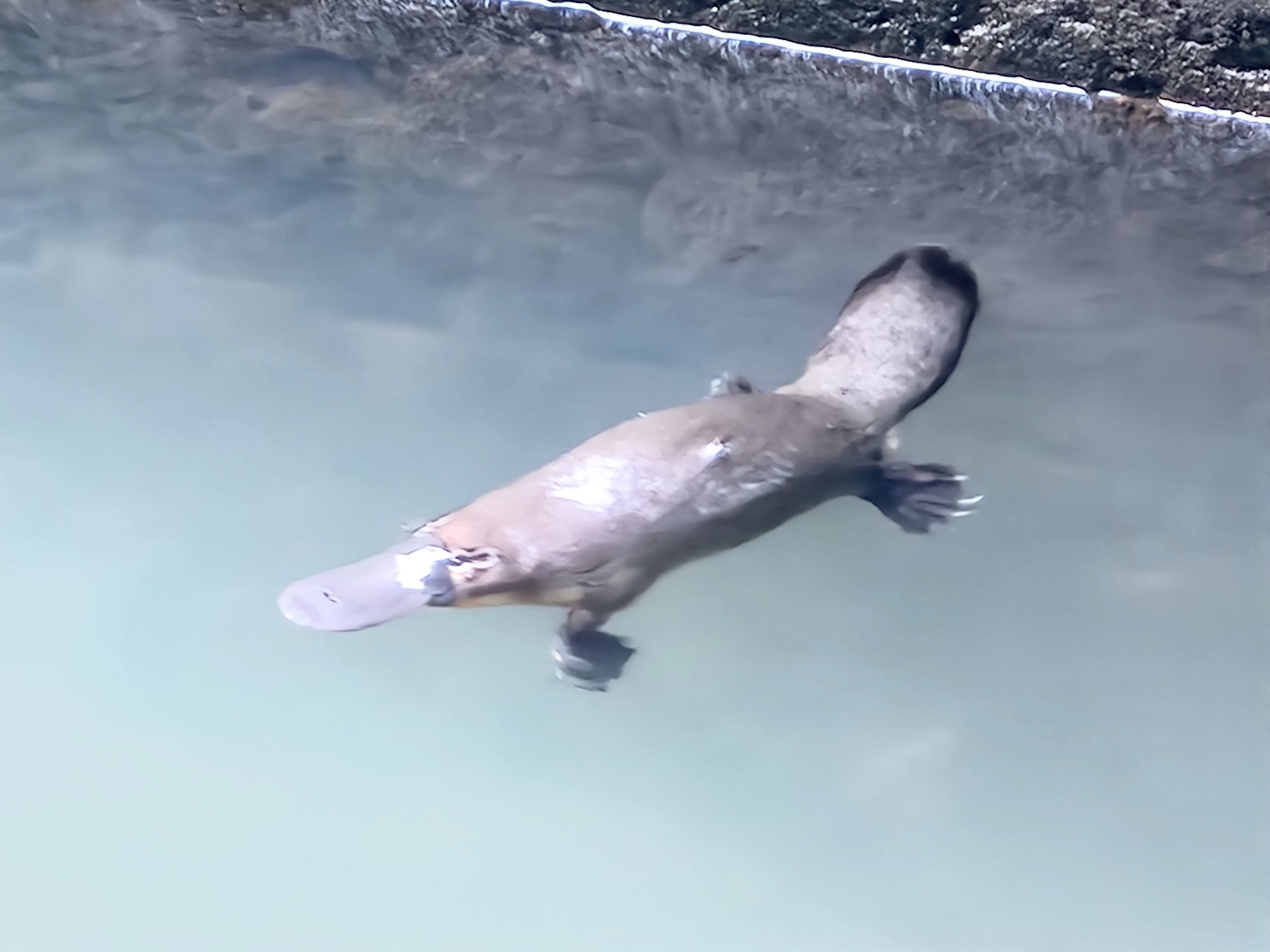
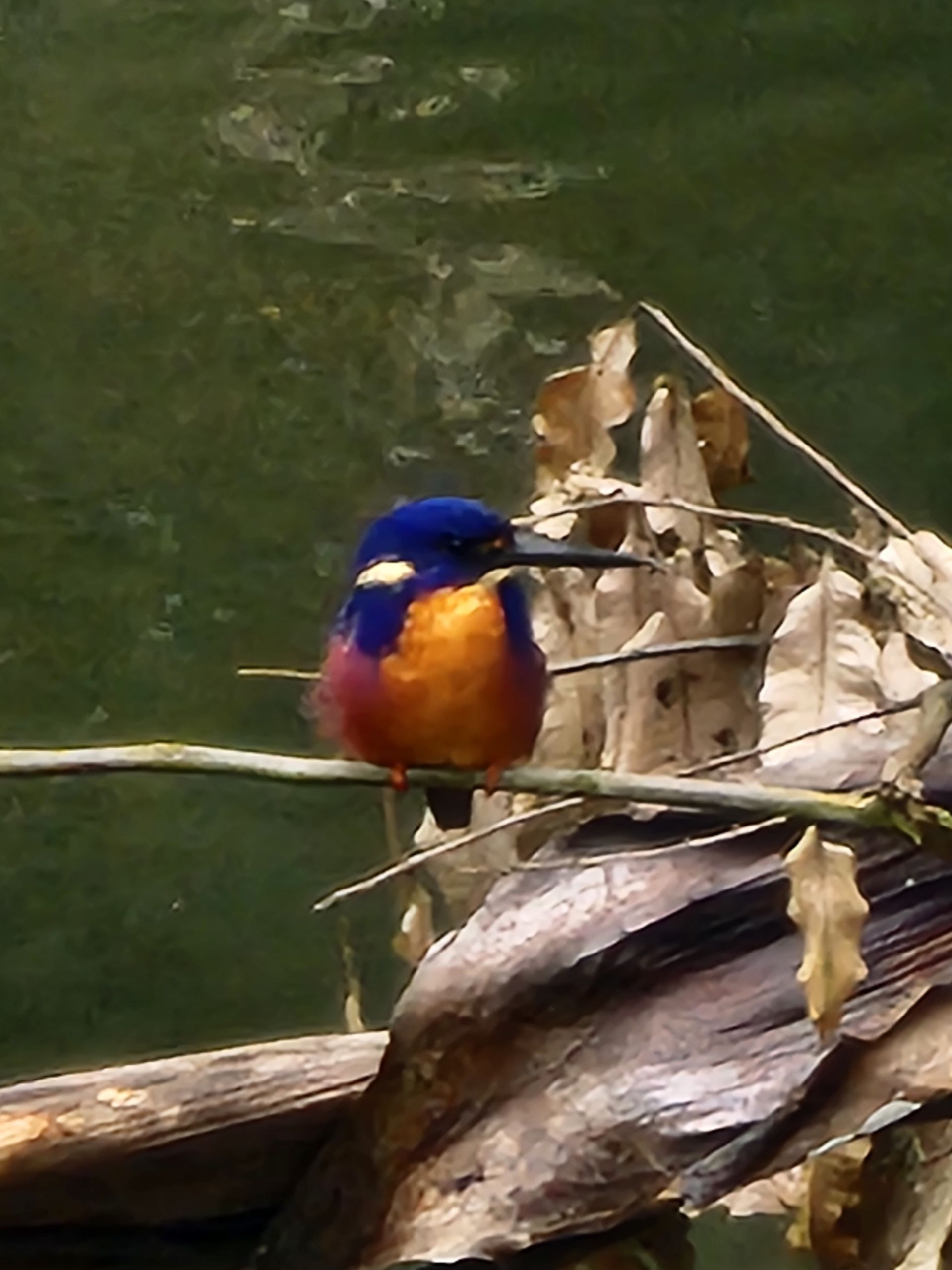
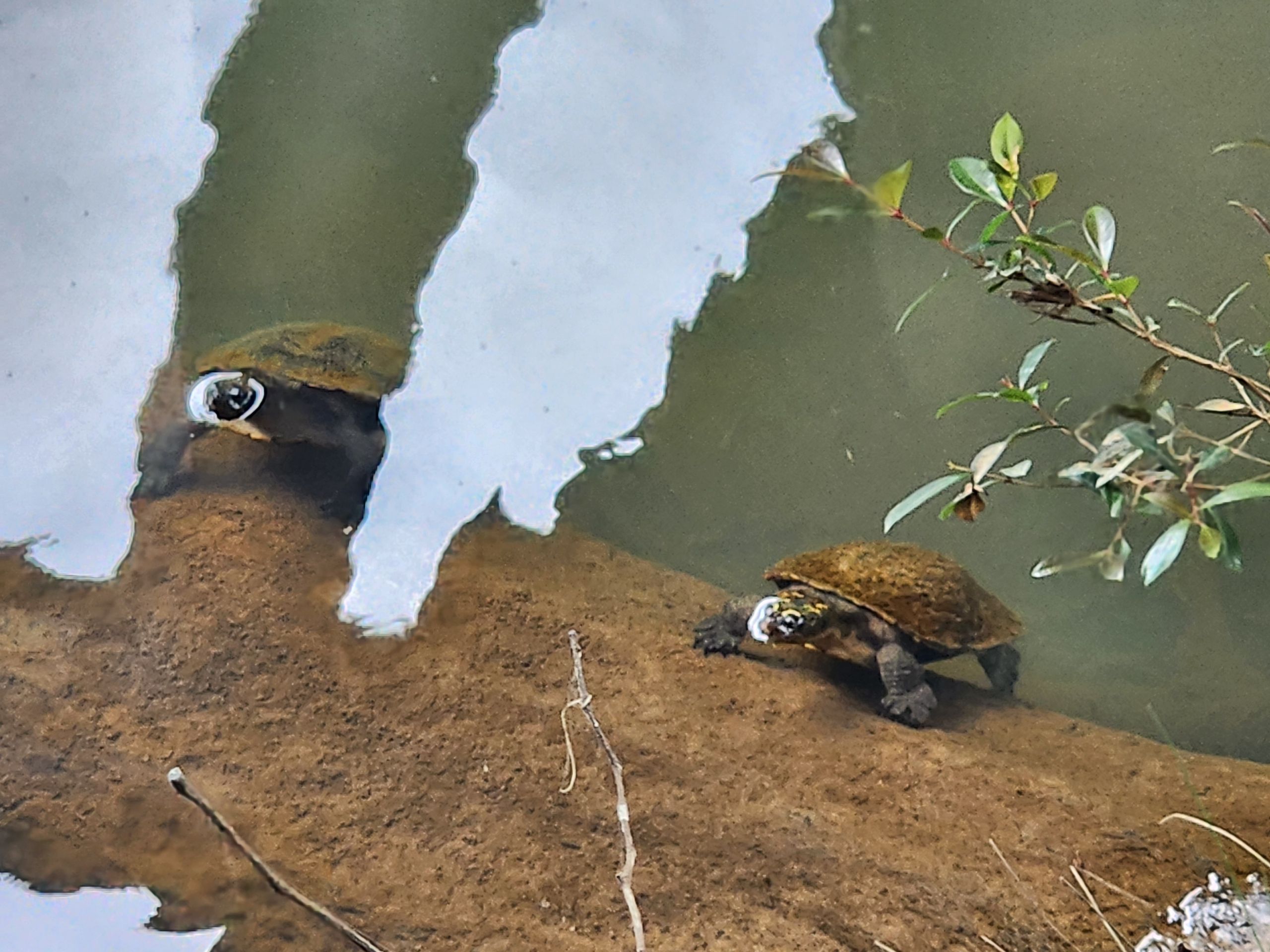
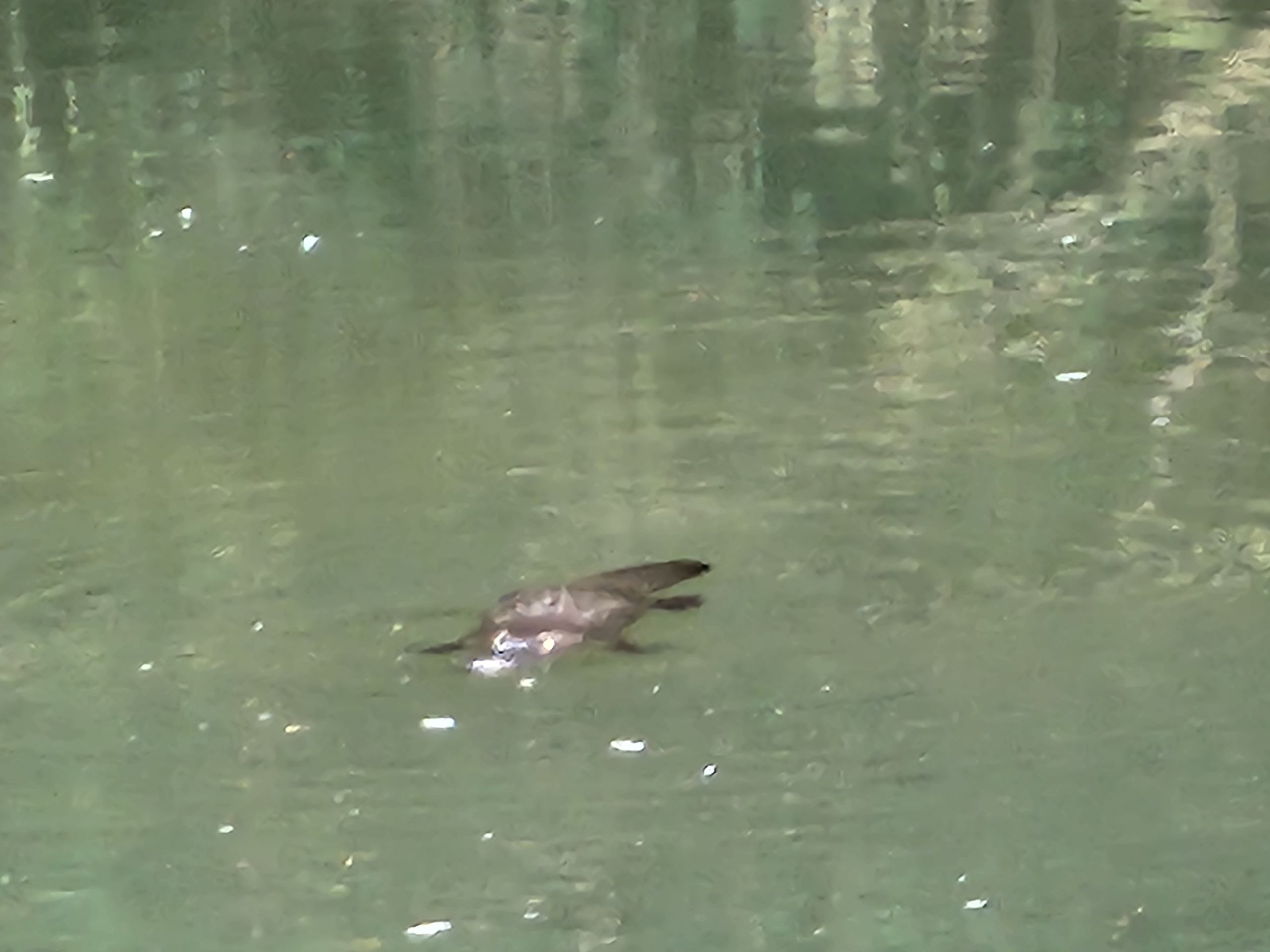
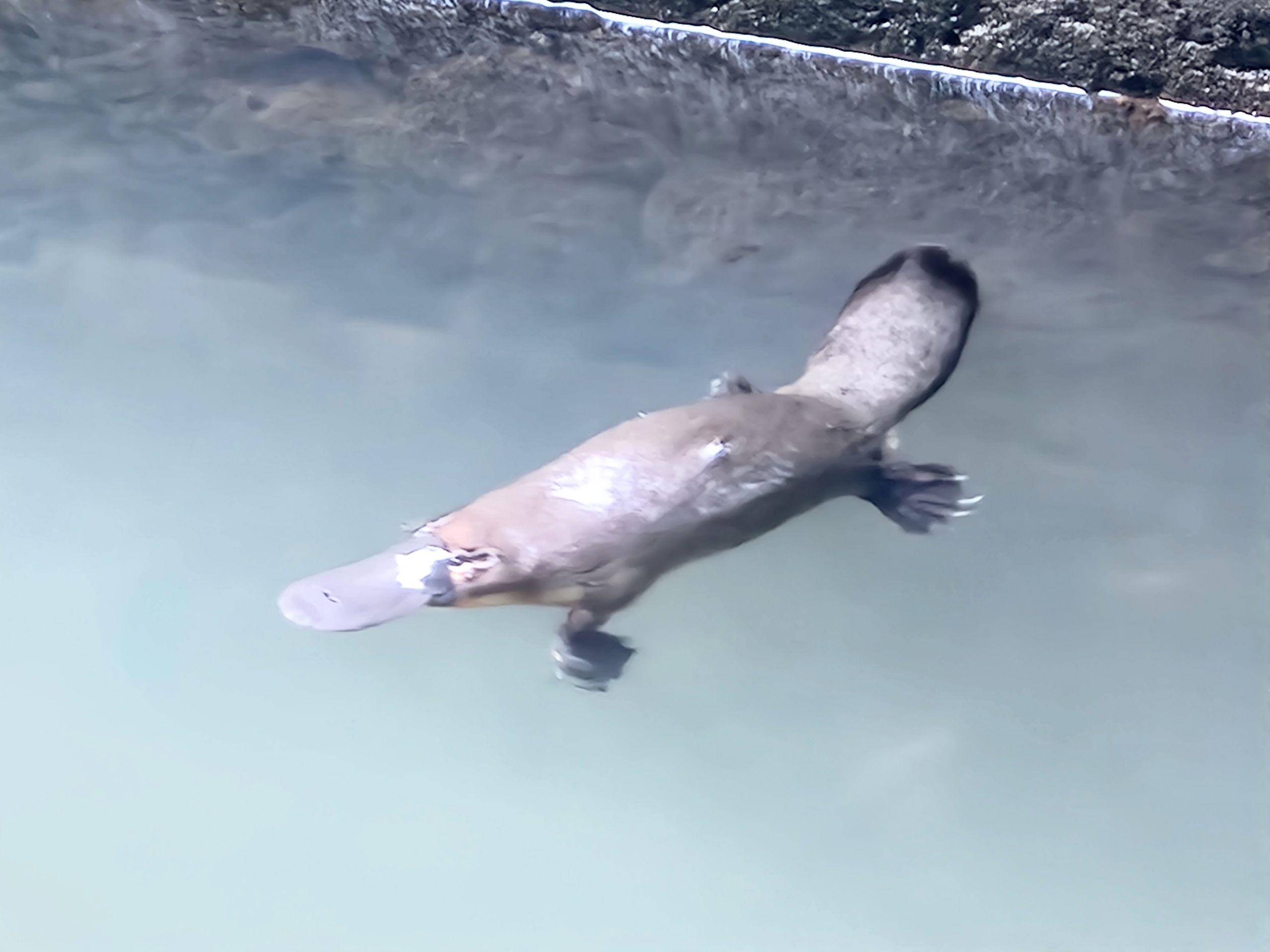
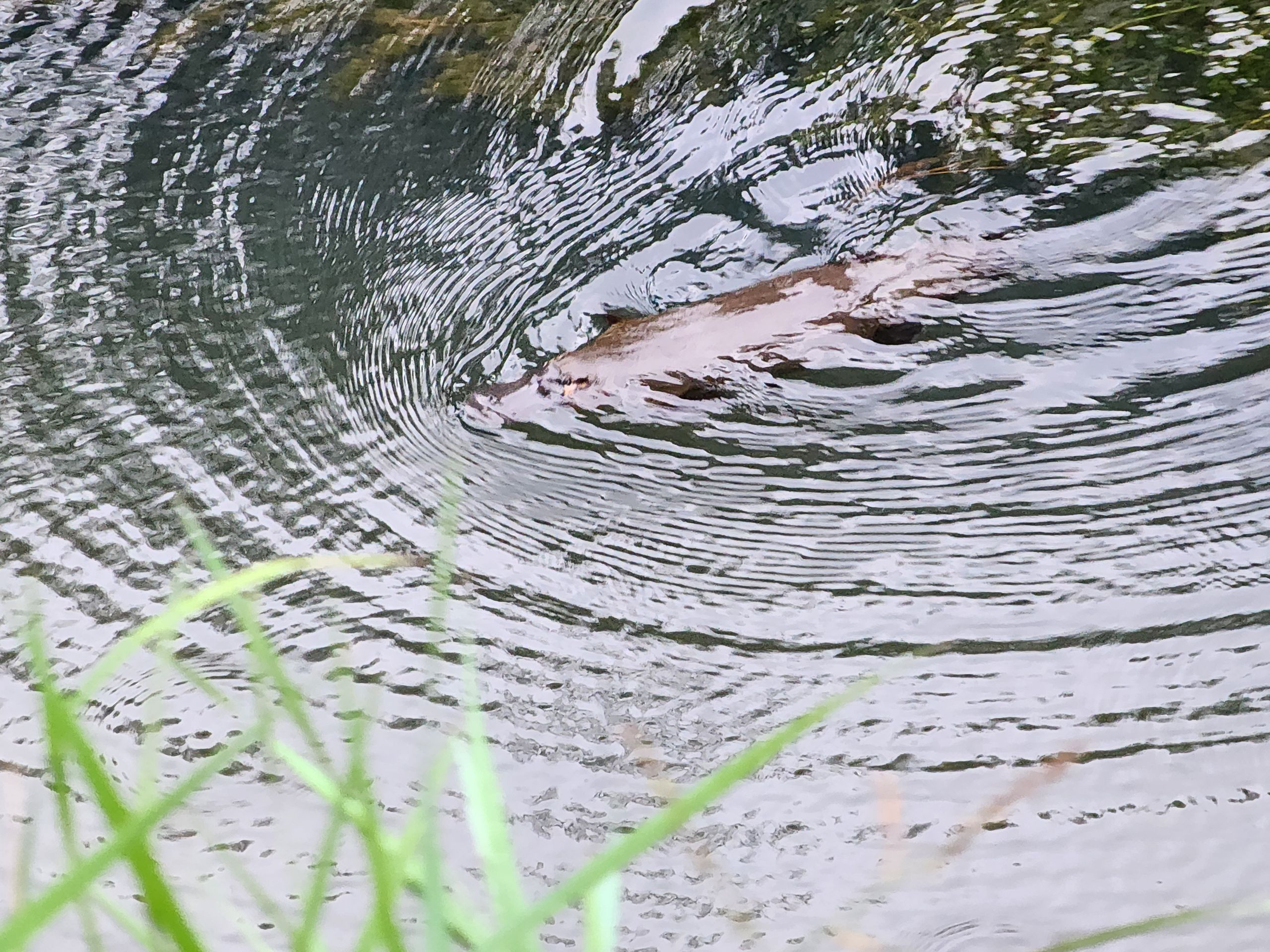
The Broken River, a rocky mountain river, flowed right next to the campground, and we could see it from our car. The Broken River is said to be the best place in Australia to observe platypuses. In fact, we saw them from the nearby bridge (a 2-minute walk) and directly from the camp. Very well and partly very close, foraging, swimming around, one scratching itself. Unfortunately, the light wasn’t very good because the sky was quite overcast. Then we also admired the small Azure Kingfisher, beautifully blue-orange shimmering, and the colorful green Wompoo fruit dove. However, on a 3 km long tour through the rainforest, we saw nothing.
After dinner, we went again 1 km through the rainforest, equipped with a strong headlamp and IR search device. And finally, the night walk paid off. At the picnic area at the edge of the forest, we saw several Pademelons, these gray primitive kangaroos with round ears and red hind legs. We also admired two sugar gliders who were chasing each other, presumably as part of their mating behavior.
In the rainforest, we finally discovered a small gray mouse on a fallen branch, with a white belly and a fruit in its mouth. It didn’t move, froze, which didn’t make it invisible to the IR camera. We suspect it was a mosaic-tailed rat, known as a good climber in the rainforest. Later, with the IR camera, we found a second mouse of the same species crossing a stream on a fallen tree. Back at the picnic area, we could admire Pademelons again, and at the camp, we saw another sugar glider.