
Day 20, May 14, Cape Hillsborough National Park
In the morning, we took a short 4km hike along the creek. After all, we saw some nectar birds, the hummingbirds of Australia. Had breakfast in “peace” with the intrusive...

Published: 15.05.2026
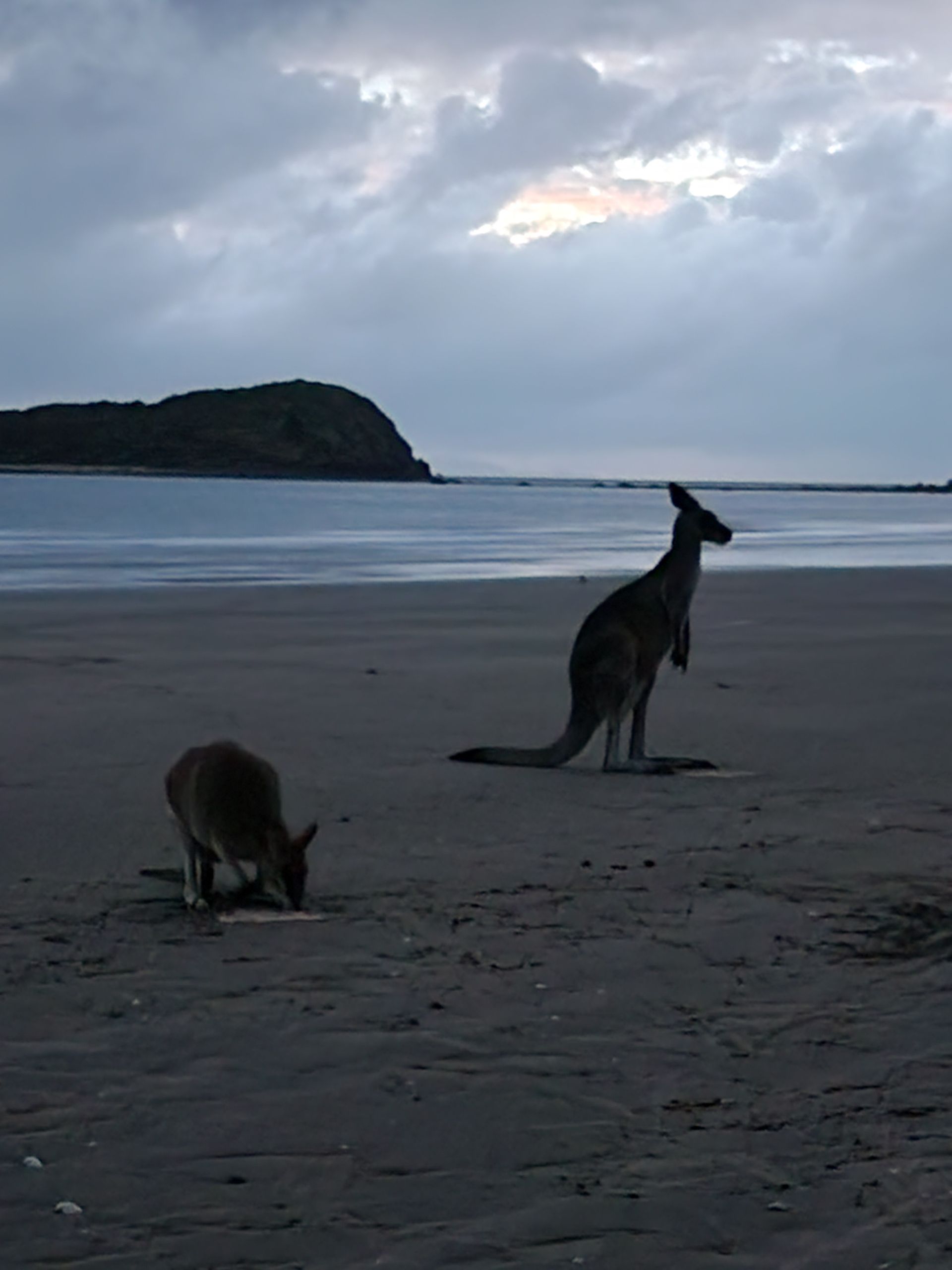
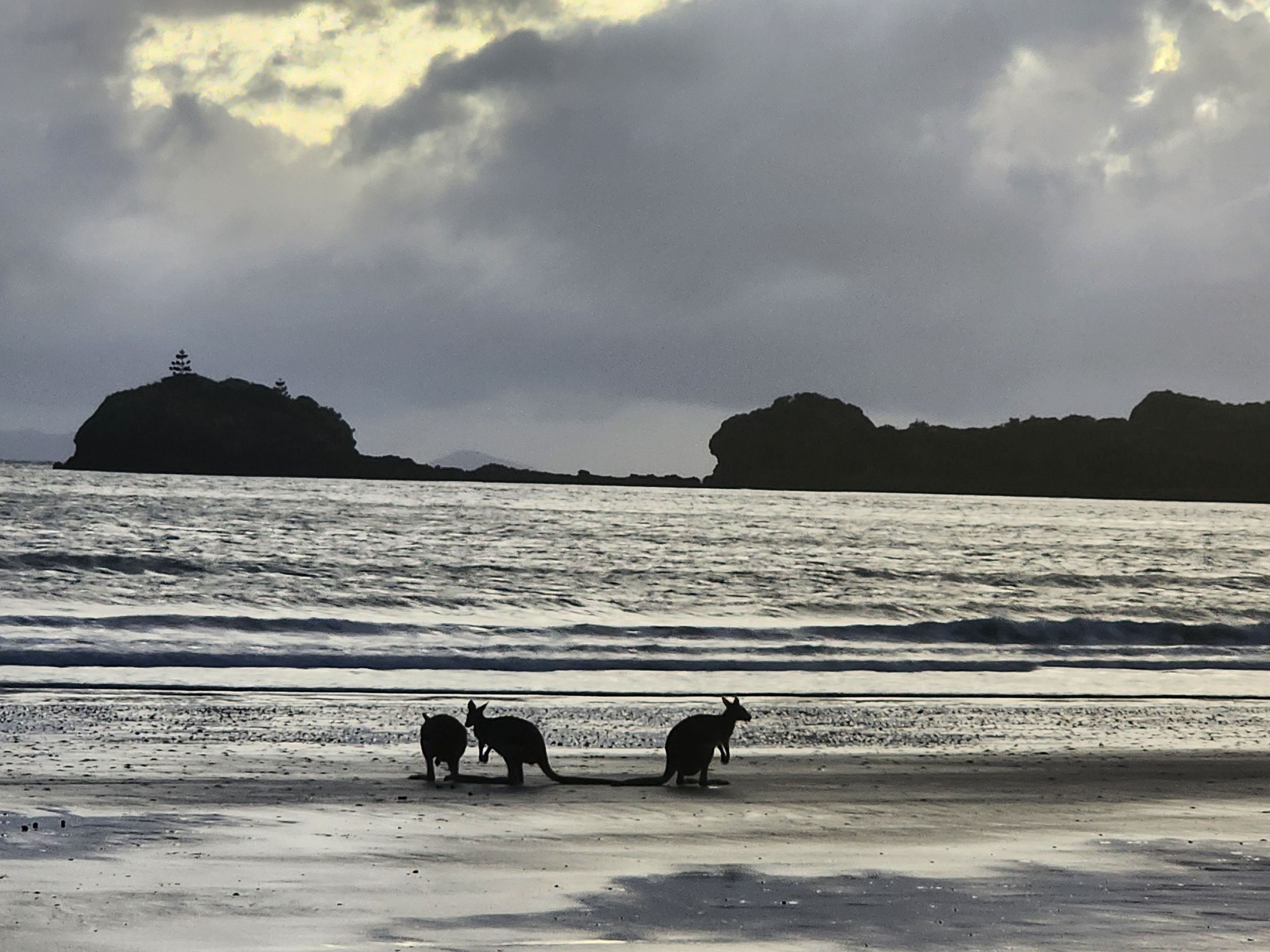
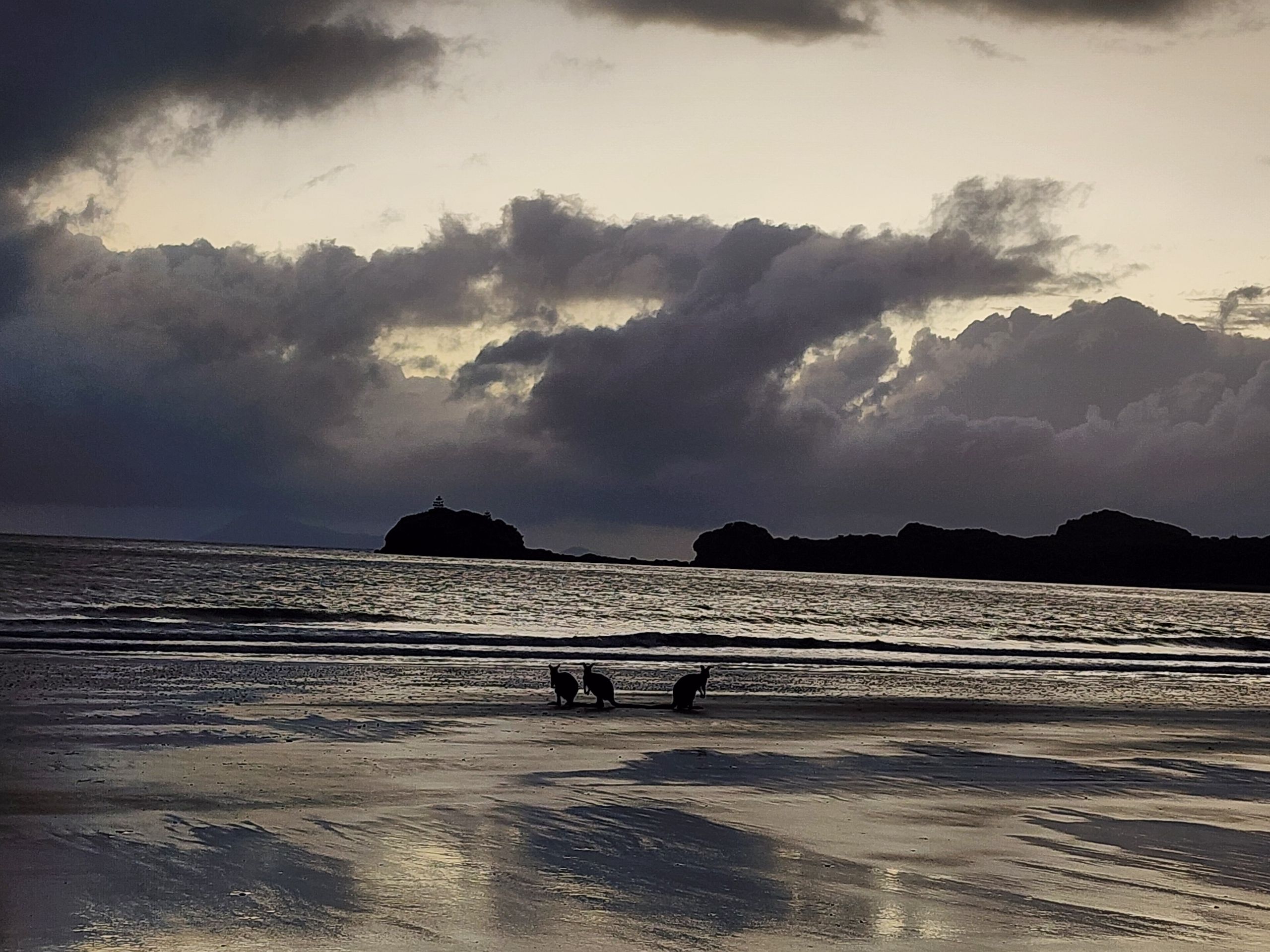
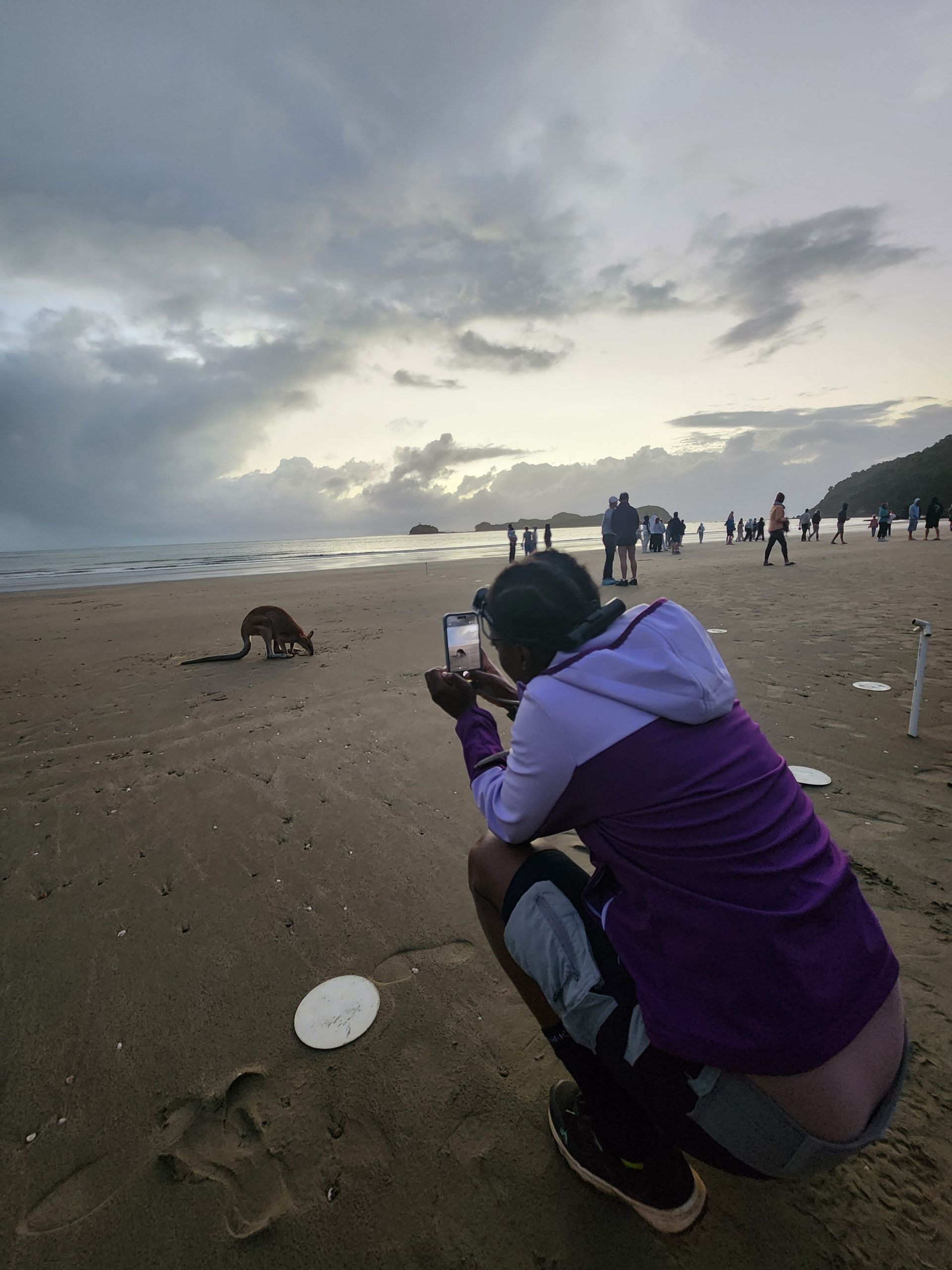
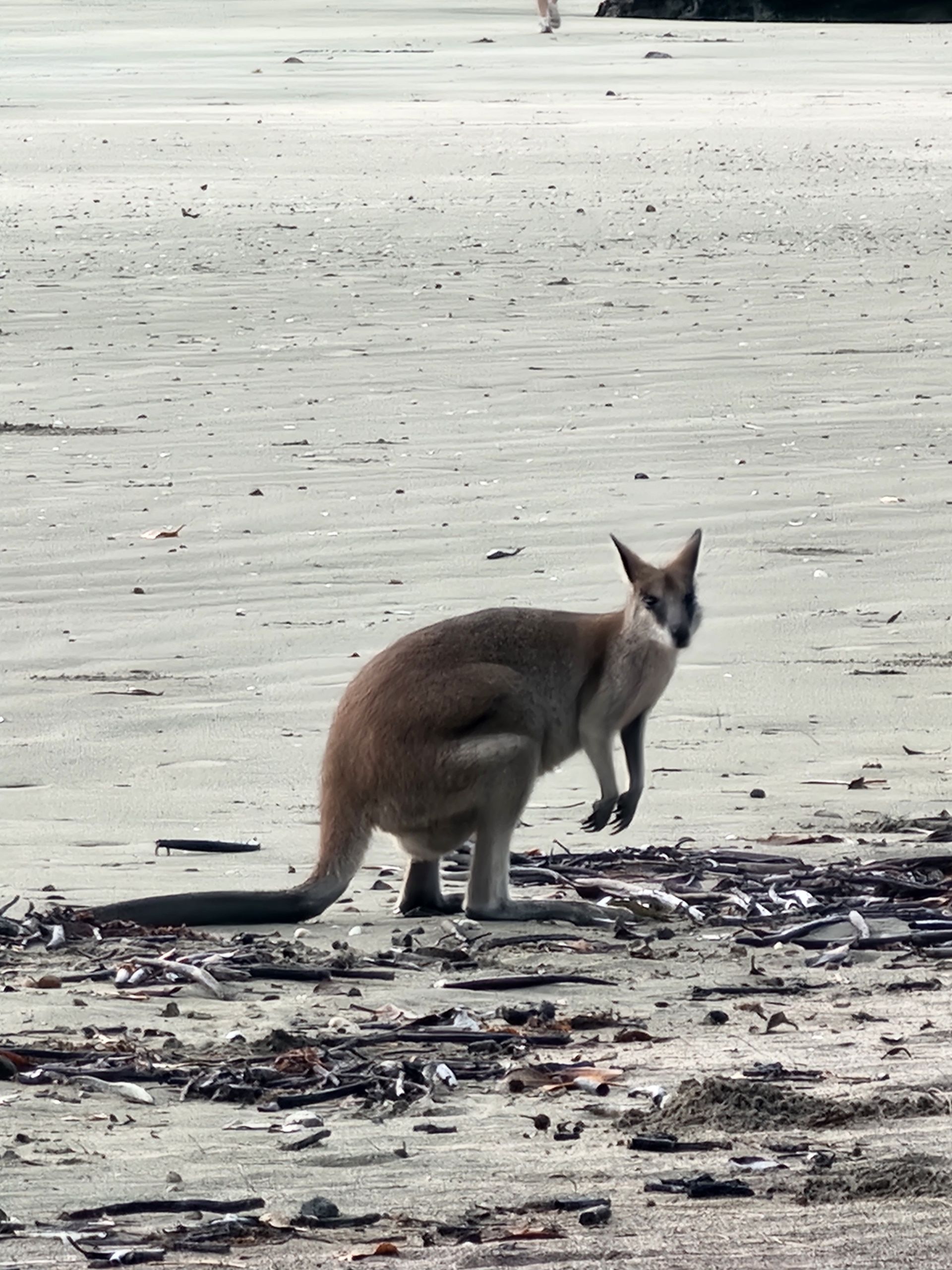
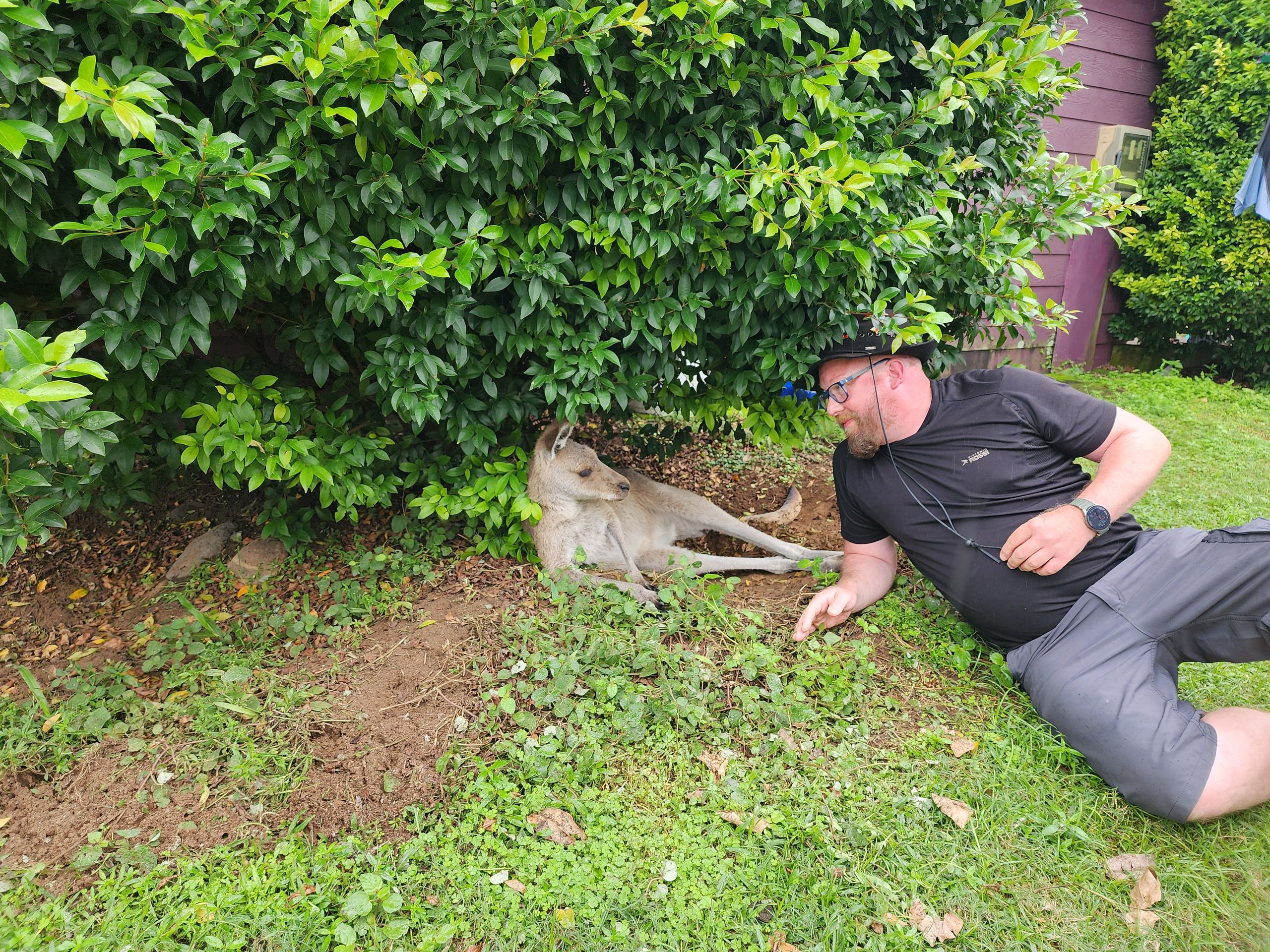
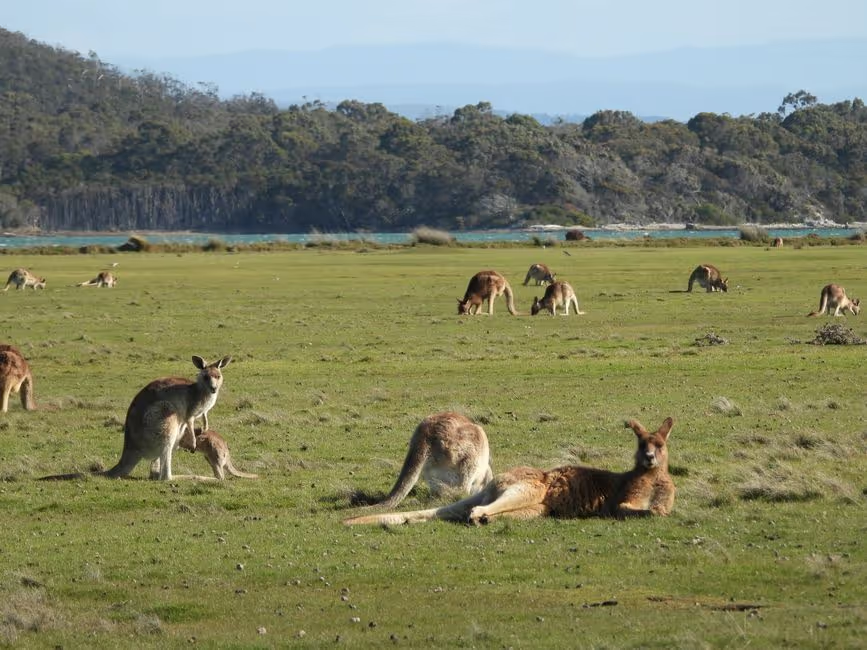
The attraction of Cape Hillsborough National Park is the wallabies and kangaroos that come to the beach in the morning to eat flowers and shoots of the mangroves washed ashore by the tide. Kangaroos at sunrise on the beach are images every influencer wants, pictures that will be a hit on social media.
7:00 was sunrise, and we went to the beach at 5:30. We were told no bright flashlights, so we kept our headlamps on the minimum setting. The first thing we heard was someone shouting to turn off the lamps. At the beach, there was a lady from the local animal protection group. She had marked with cones how close one could approach the animals, which ended up being just a few meters, as the animals did not care about the tourists. There was a gray giant kangaroo, 8 years old and hand-raised because its mother was a roadkill, and 8 agile wallabies, including two large males and a female with a joey in her pouch that was wriggling but did not peek out. And about 50 tourists behaved themselves properly. So about 5 tourists per kangaroo. By the way, they were being fed with special kangaroo pellets.
The sky was overcast, the sunrise was not particularly beautiful, but one could still take nice photos. And the crowd was not overwhelming; the atmosphere was pleasant. At 6:00 it slowly got lighter, at 6:30 it was good for photographing, and by around 7:00 most kangaroos hopped into the forest to the right. Two stragglers then received the most attention, but by that time most tourists were already gone.
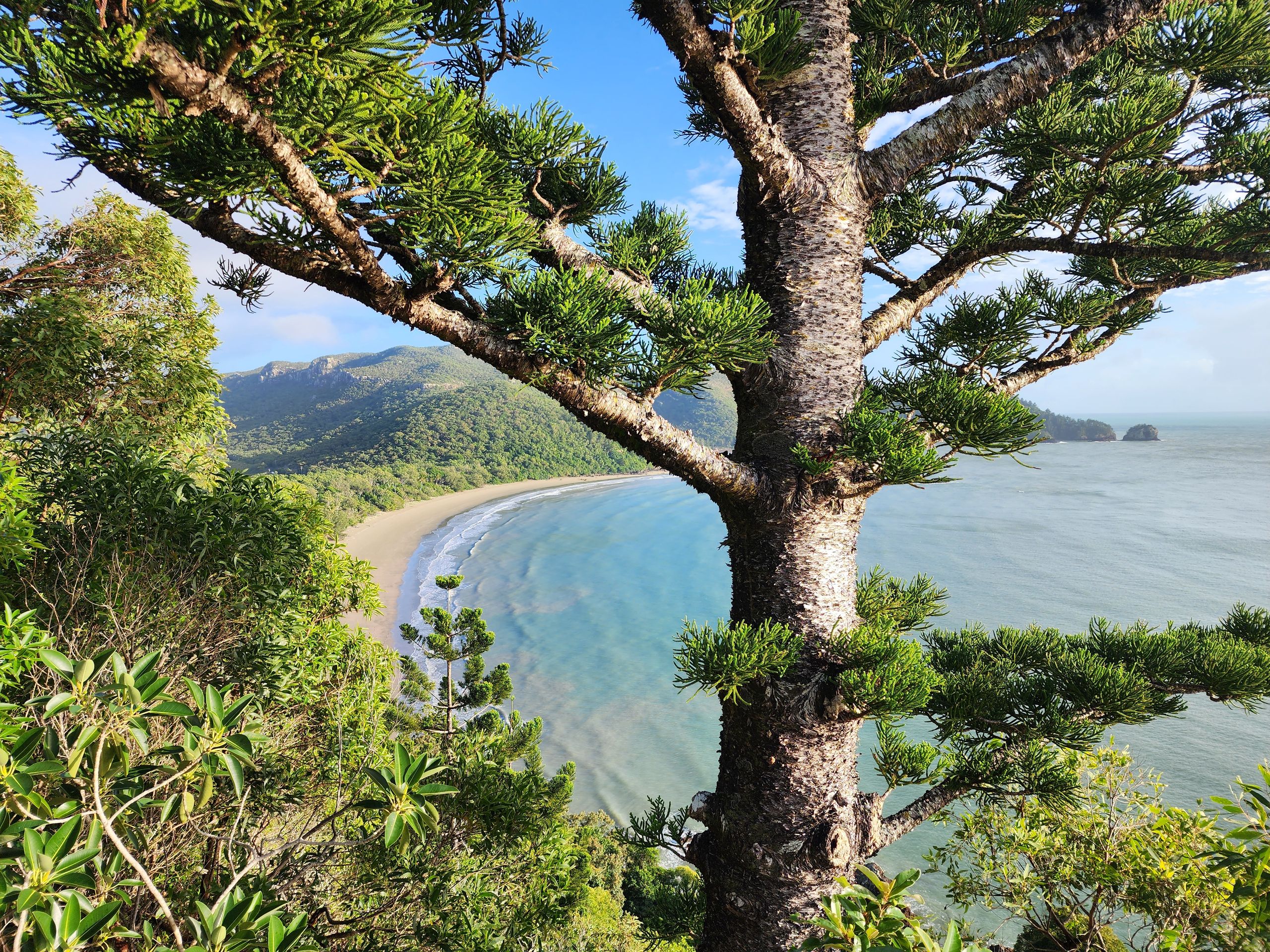
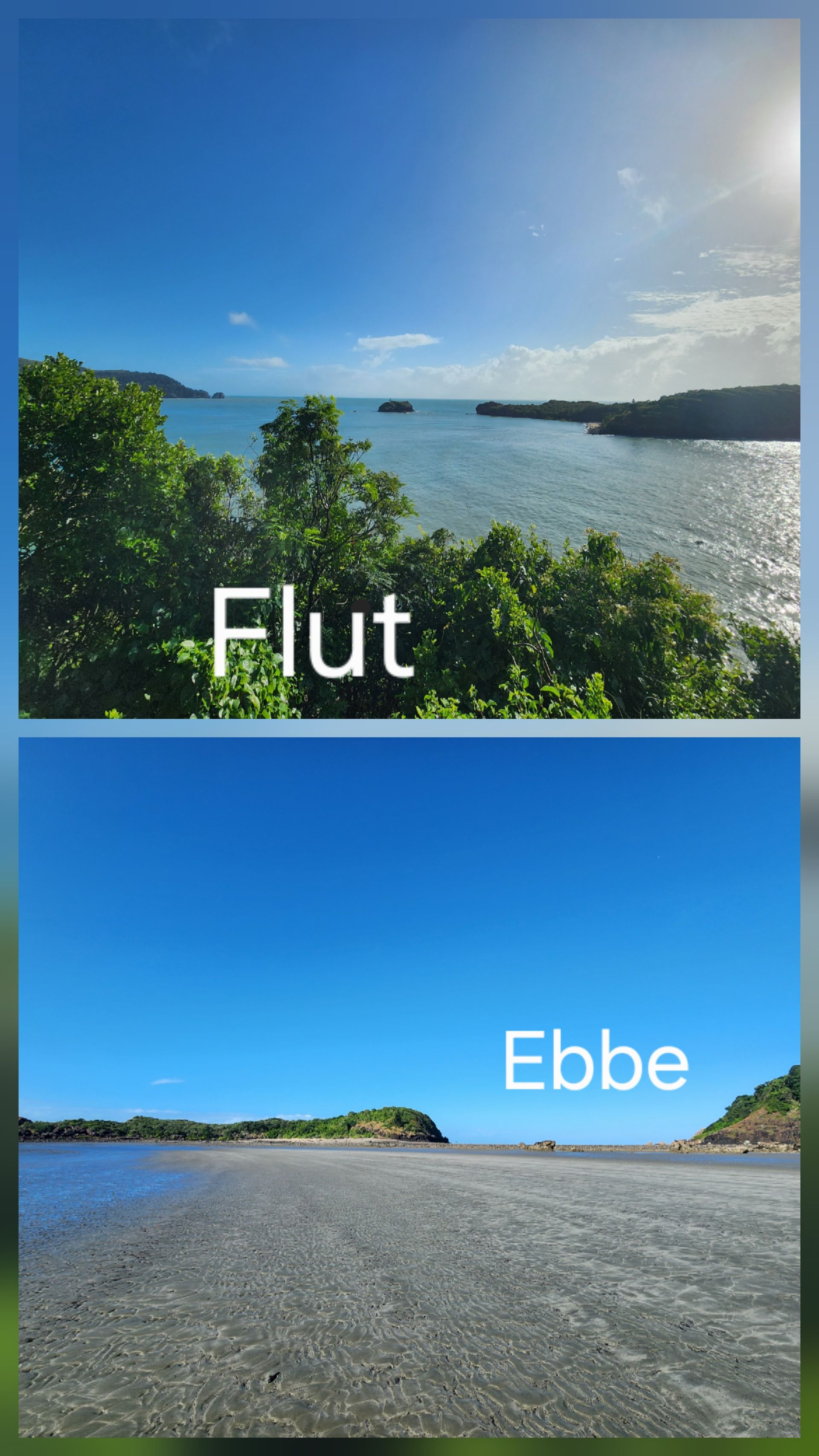
Had a leisurely breakfast. Since we had electricity here, even with a toaster, which is in the camper. Then, before 8:00, we went for a nice hike into the forest with a view of the Pacific, such as at Andrews Point. The path ended at the southeastern end of the bay. At low tide, you can walk back to the camp in 20 minutes. But since the tide was high, we had to make our way back through the forest for over 2 km.
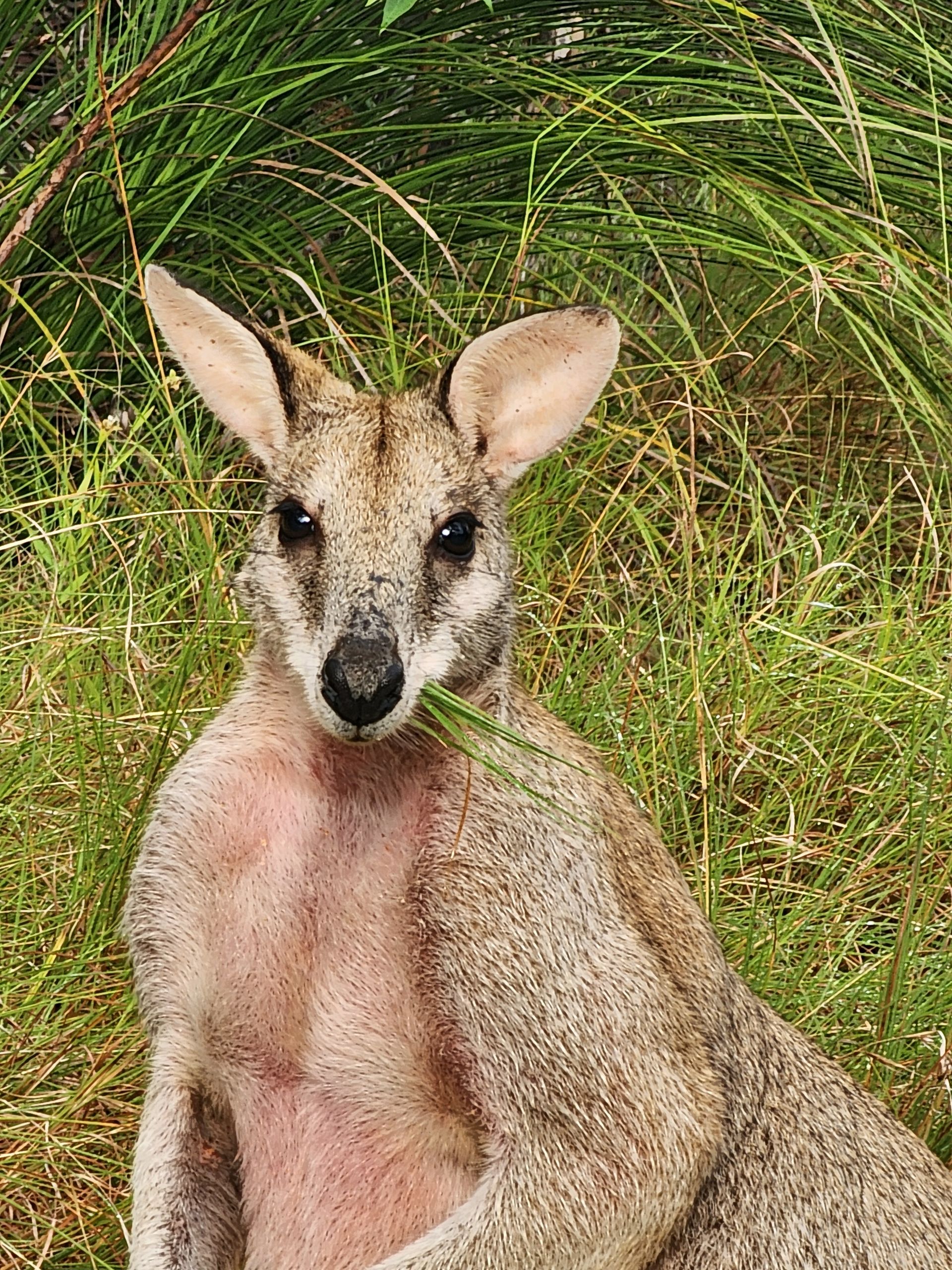
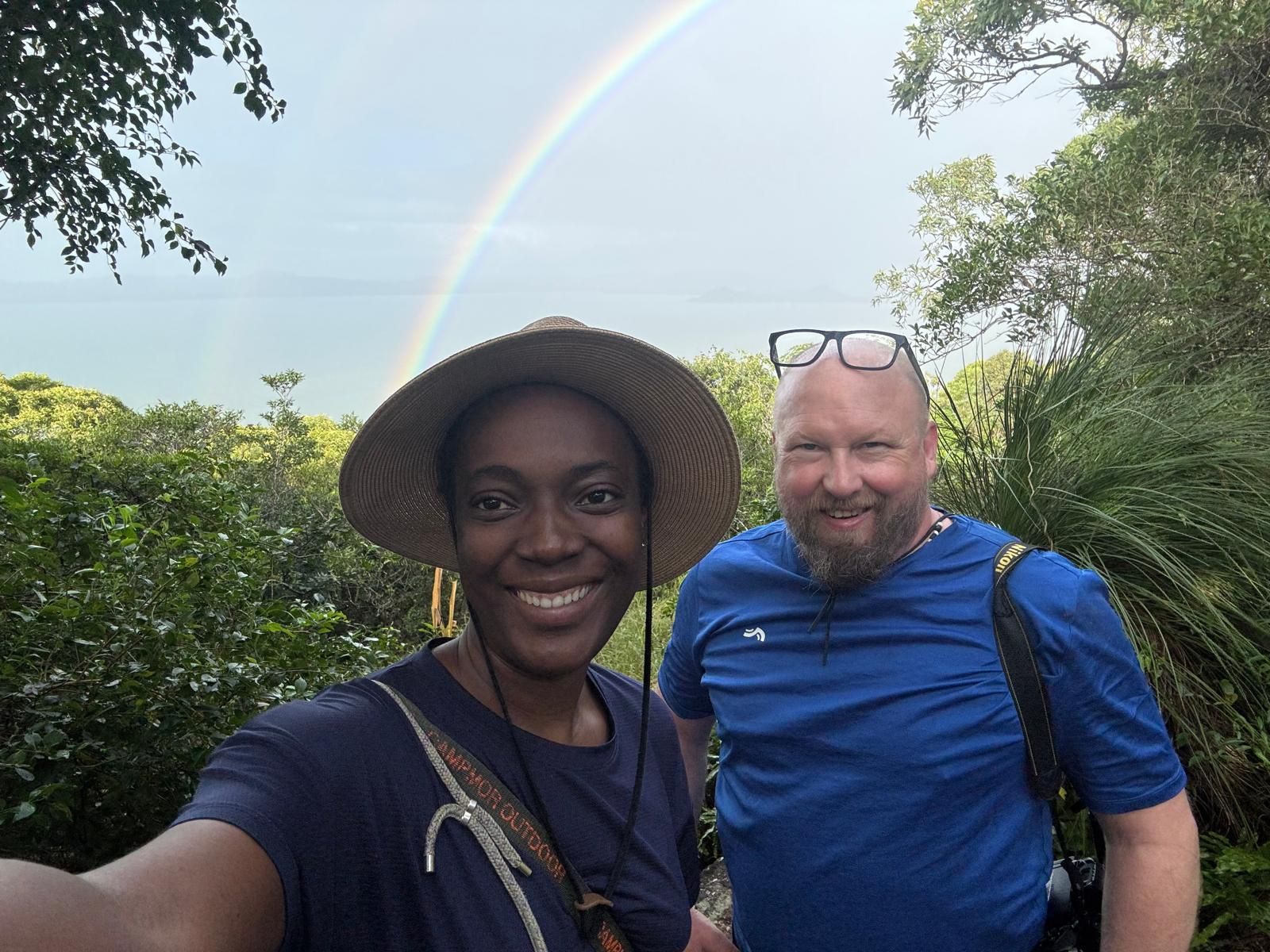
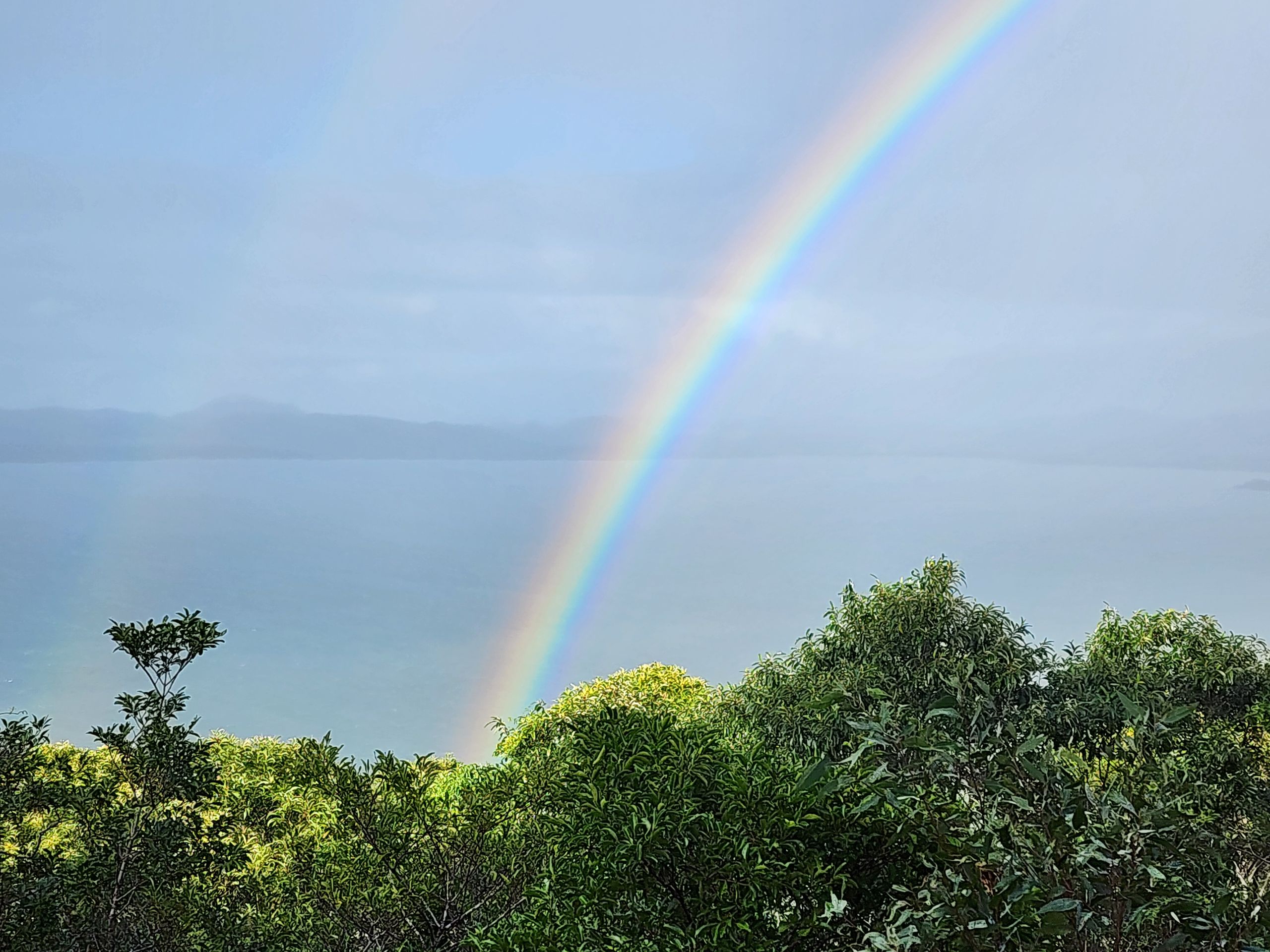
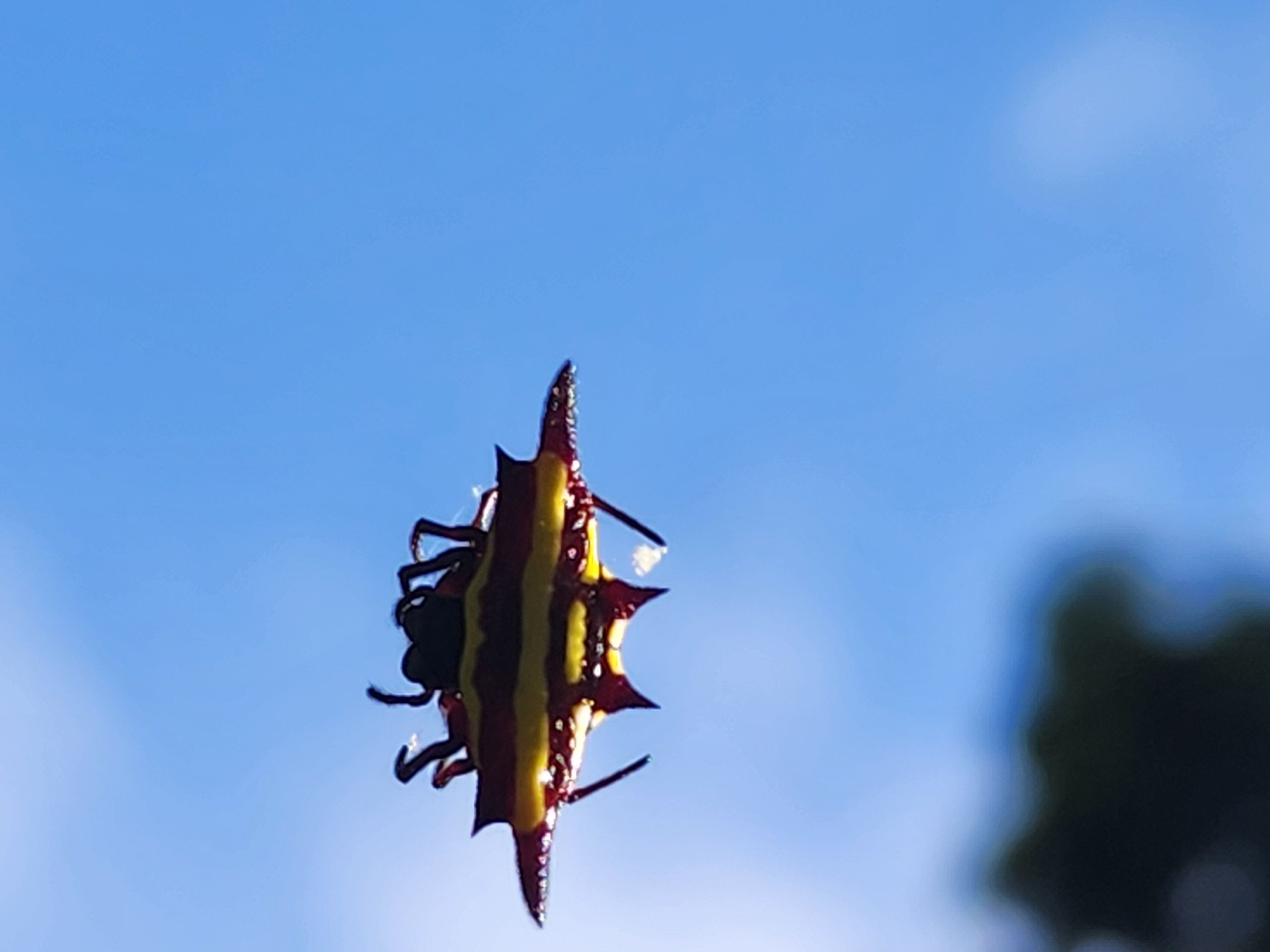
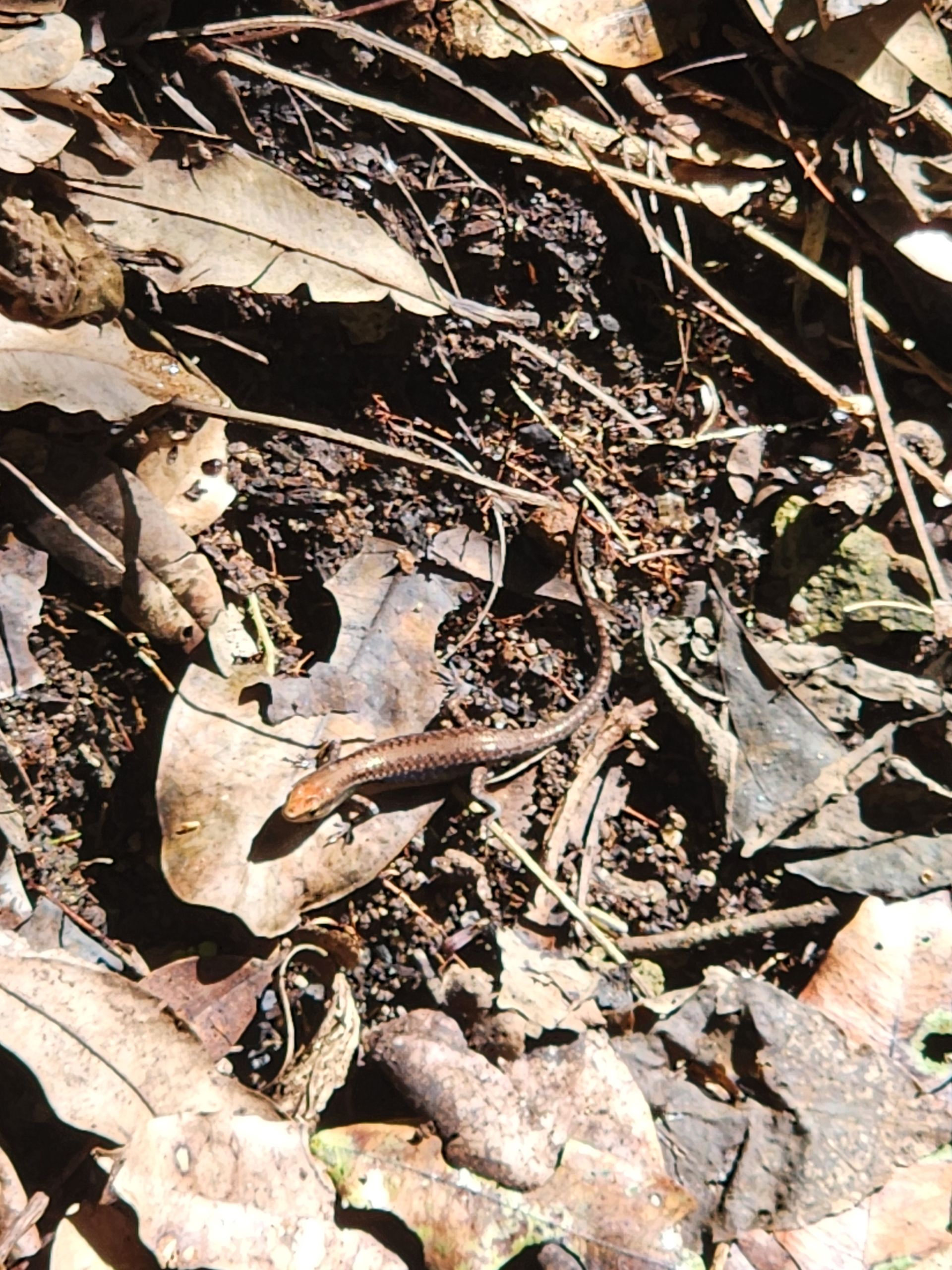
There was a lot to see, especially impressive spiders, small brown skinks with orange heads that seemed to live in groups, a very large monitor lizard, agile wallabies including a large male with a very orange chest, and a rainbow.
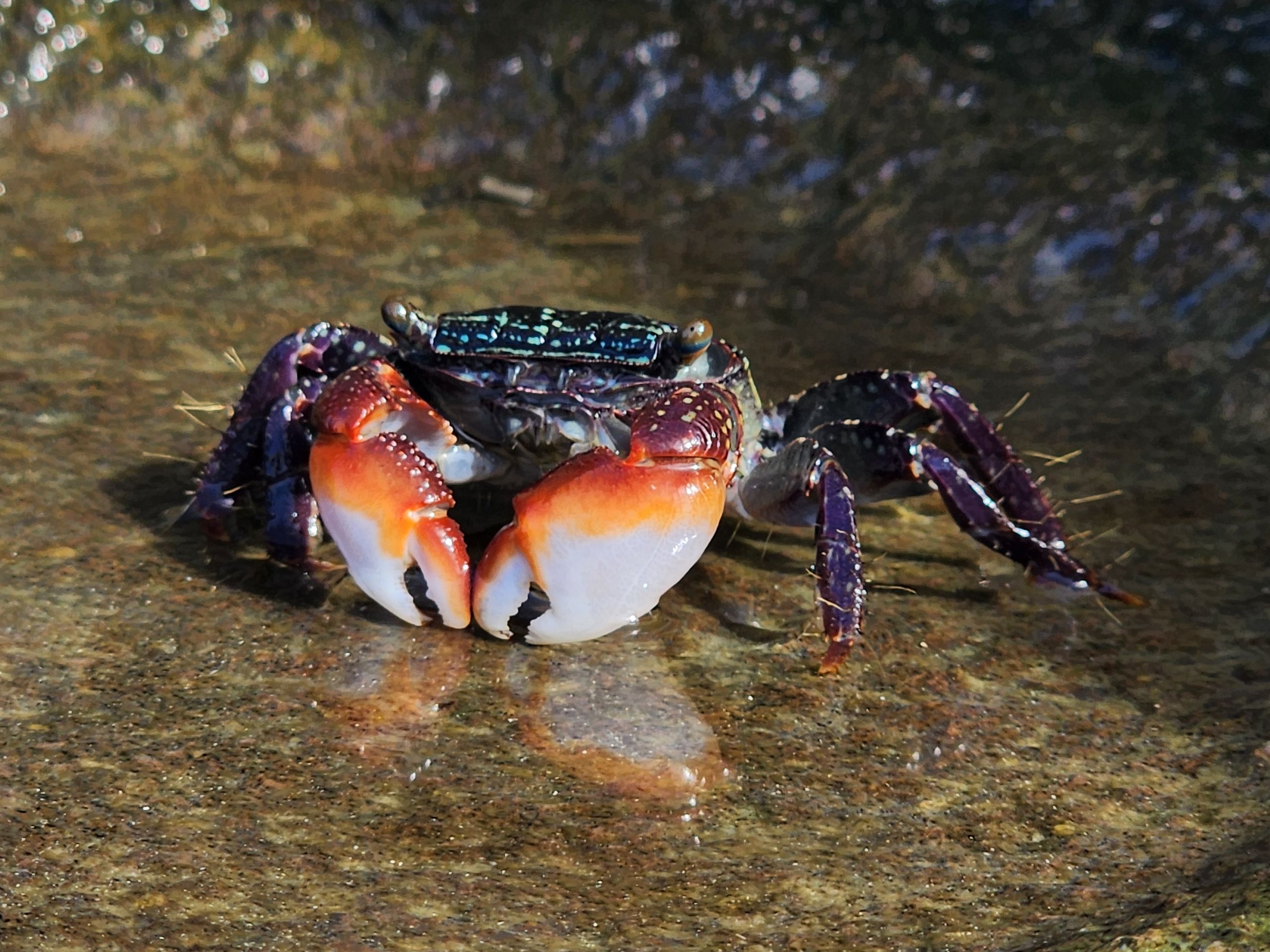
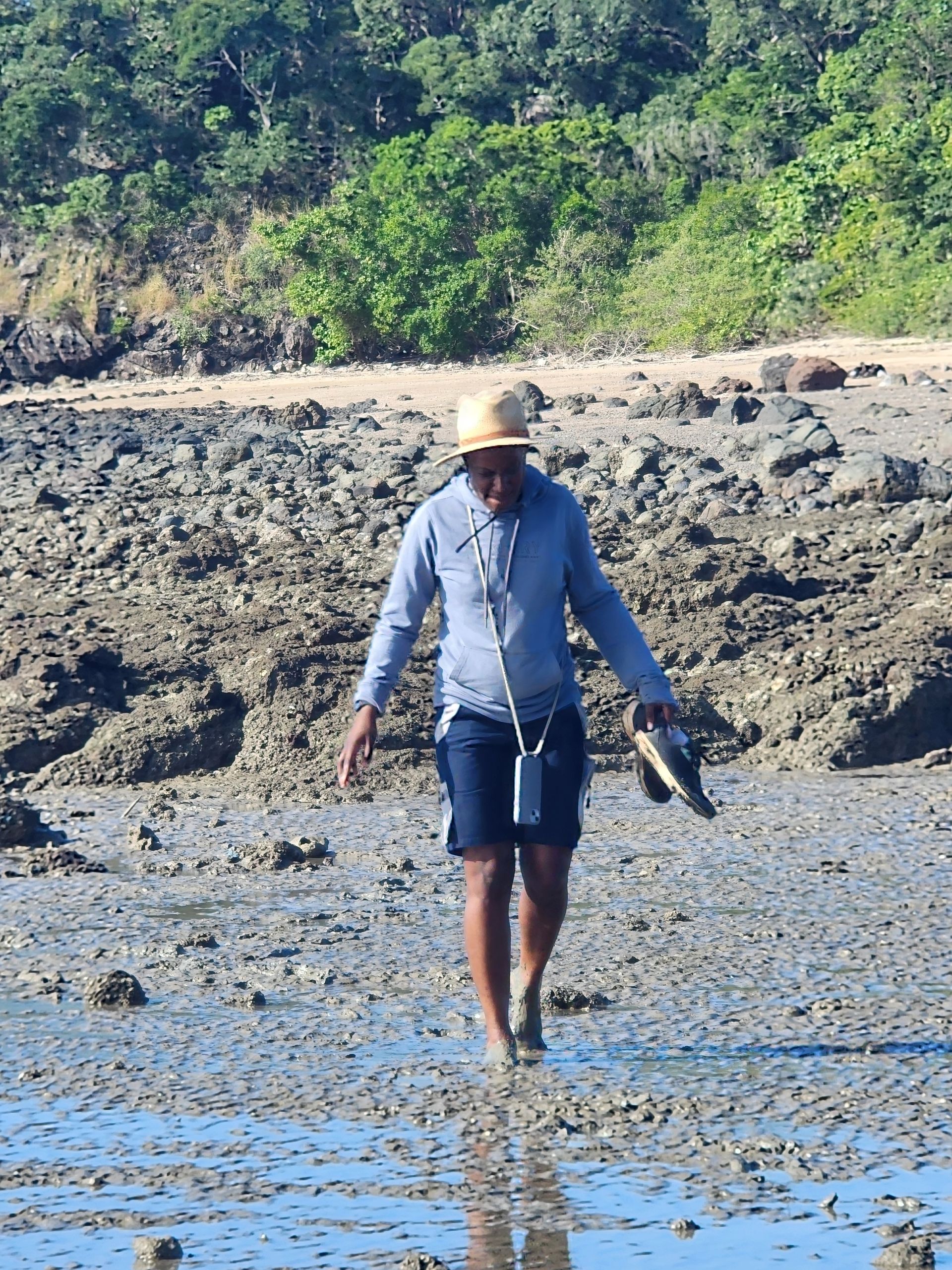
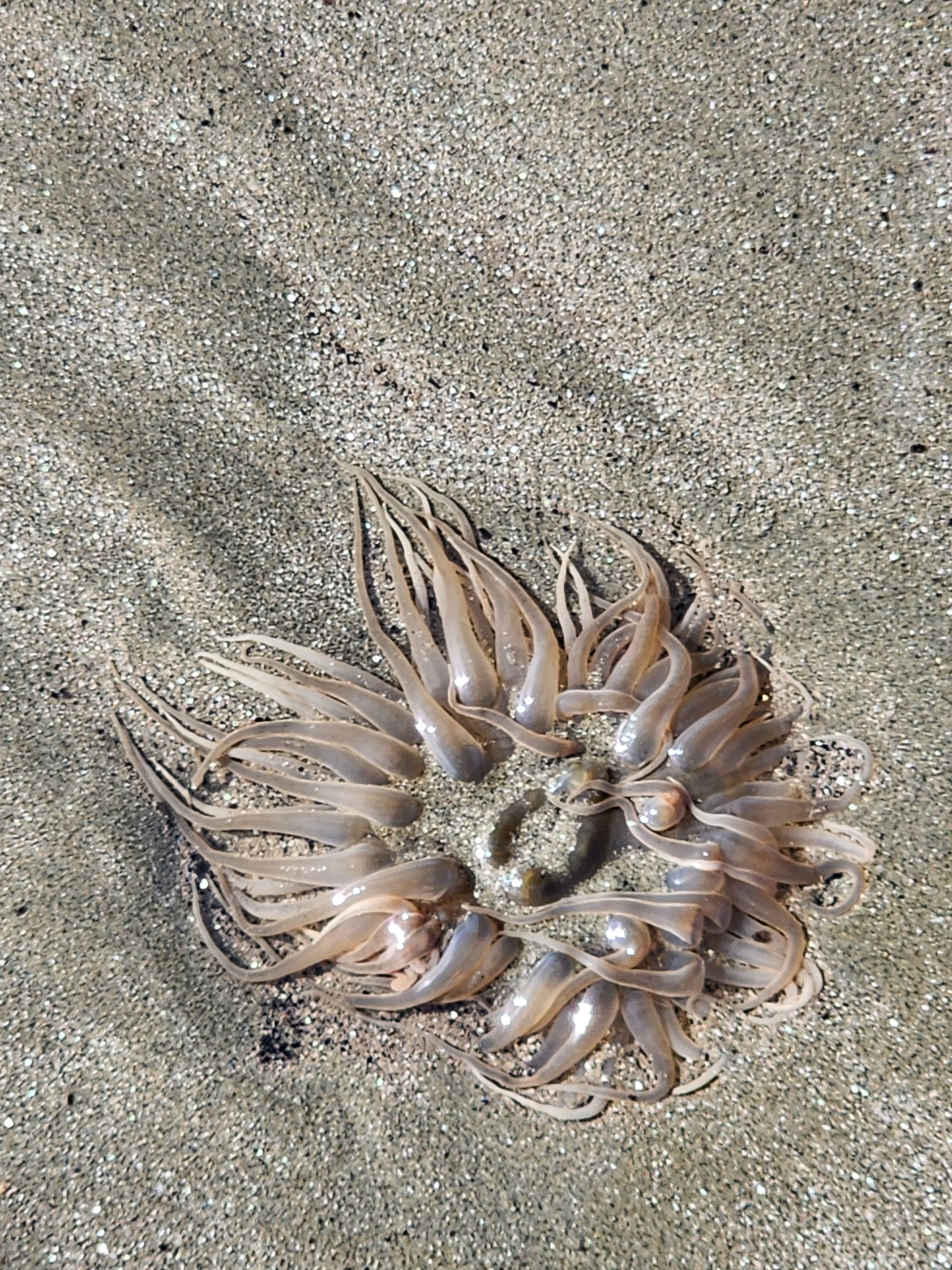
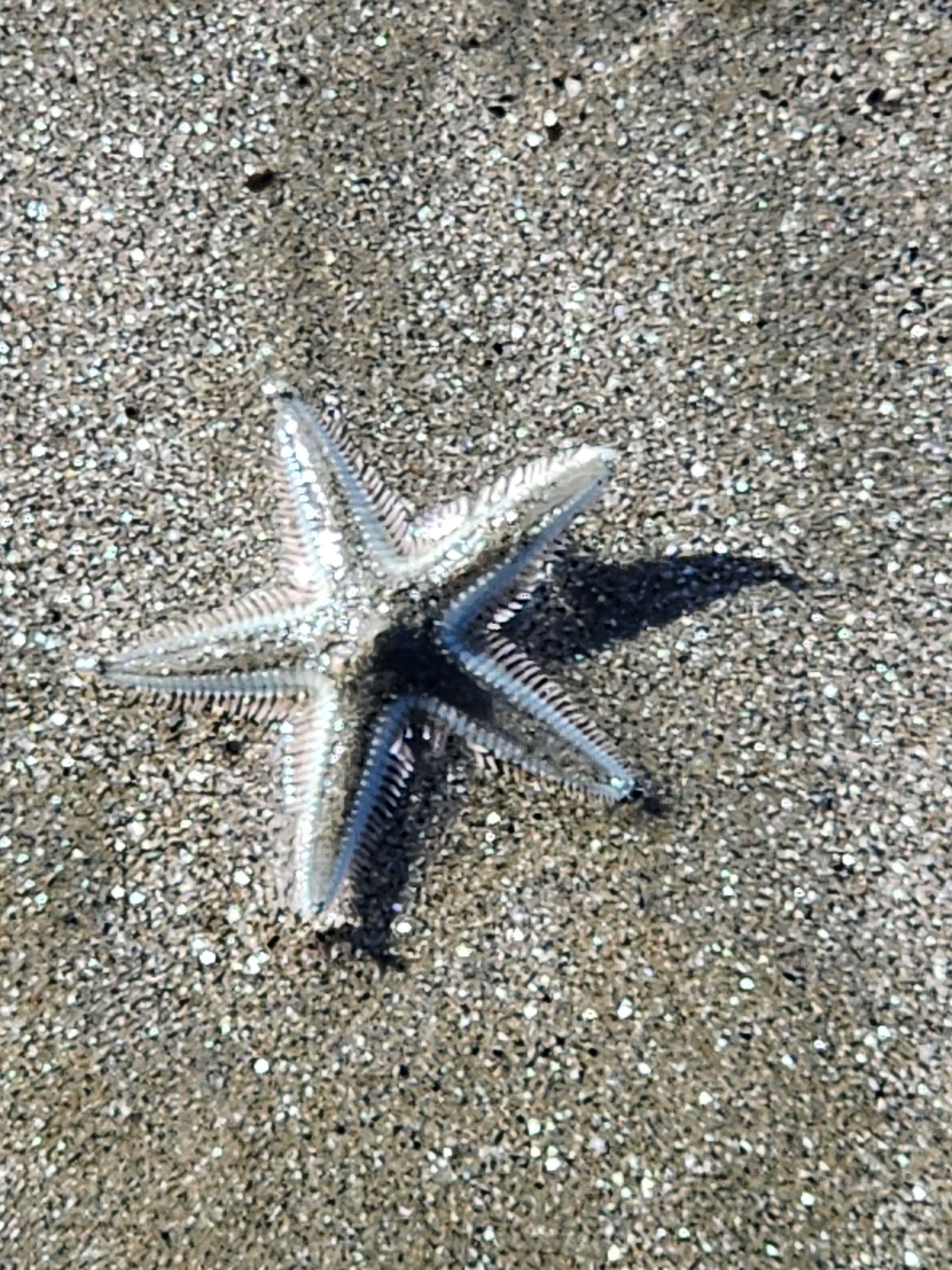
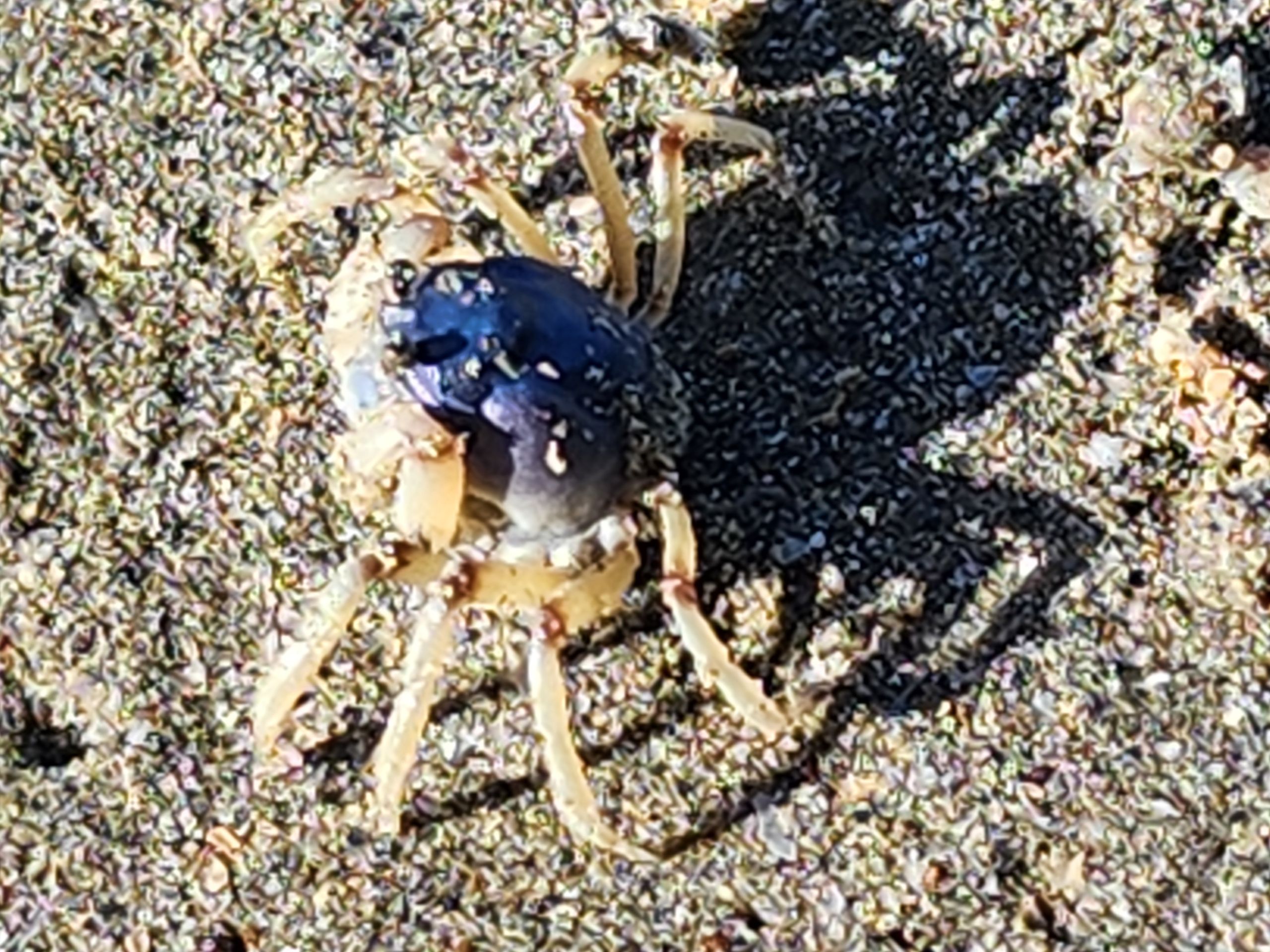
Back at the camp before 10:00, we spent the day there relaxing, reading, sleeping, and washing clothes for the last time. At 14:00 the tide was low, and we made a 3 km mudflat walk to the island of Wedge Island, which was cut off during high tide. There were many crabs to see, sand dollars, and starfish.
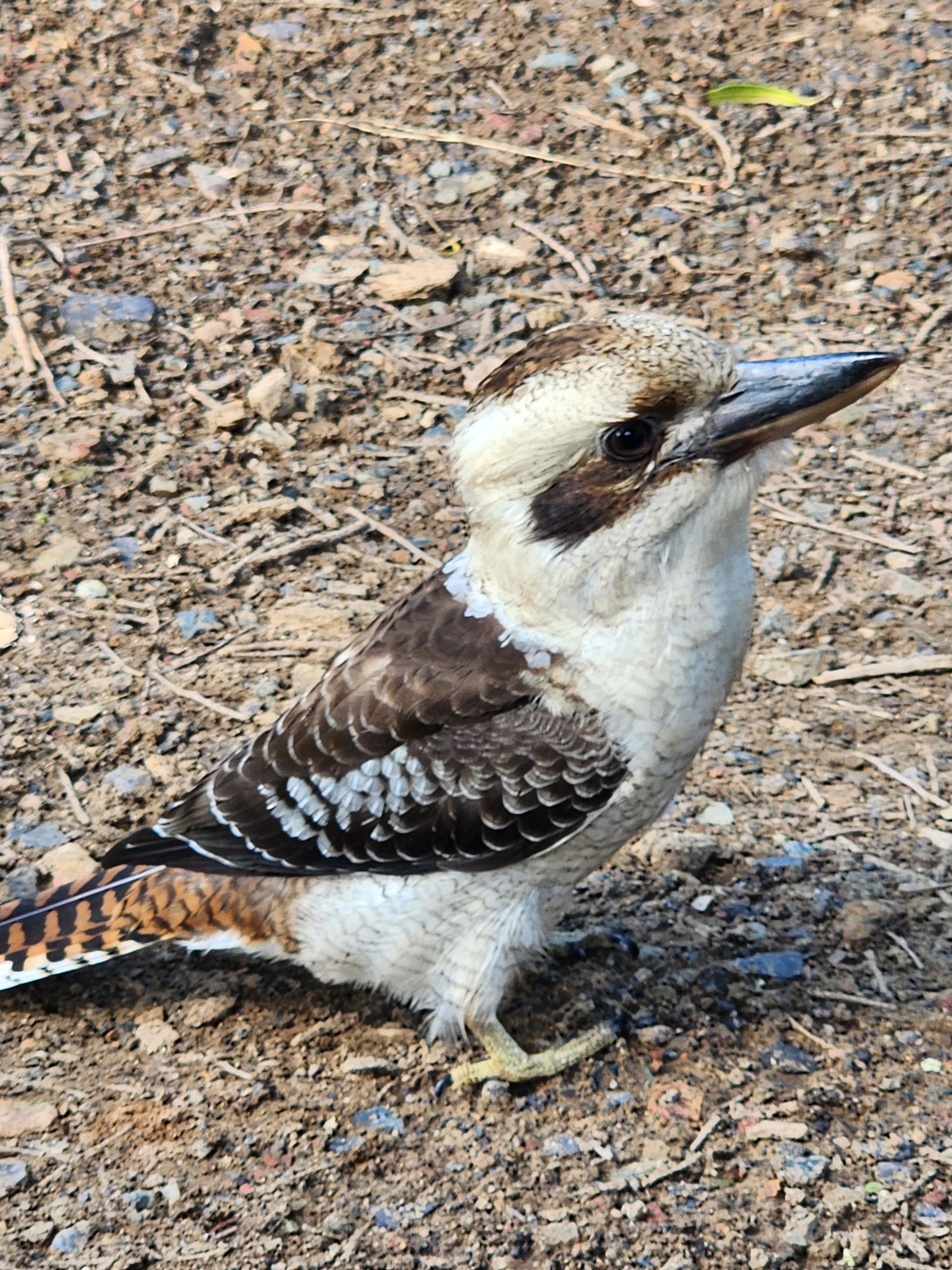
Then the star of the afternoon was a kingfisher, a laughing kookaburra, that came very close to our camp. It ate grapes and cookies, even from the hand, landed on the table next to me, and looked at me with big eyes.
At 17:00 we went for another walk on the beach for sunset, after dinner another walk along the Day Visitor Area inland and back along the beach, with infrared search devices and headlamps, but without any highlights.