
智利南行:安托法加斯塔
我们计划从晚上10点30分开始乘坐卧铺大巴,进行长达10小时的继续行程,虽然有些延误。 不过,我们从当地人身上能学到不少关于从容不迫的事情,这一点后面还会体现出来。大约1.5小时的行程中,我们的巴士因发动机故障停在了沙漠中,还是在夜间! 司机通过手机获取了问题解决的指示,同时也得到了几位乘客的积极协助。...
已发布: 30.01.2017


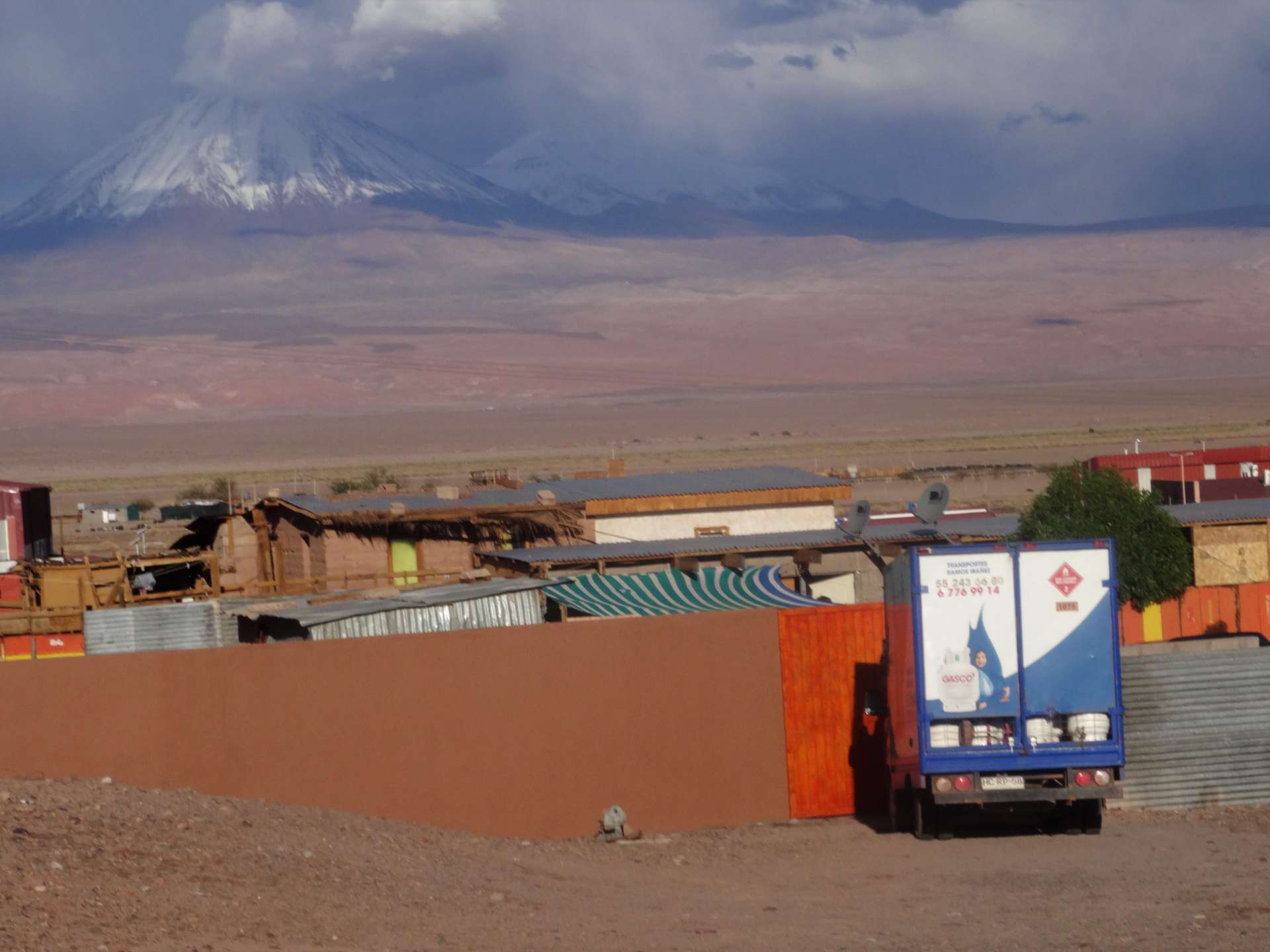











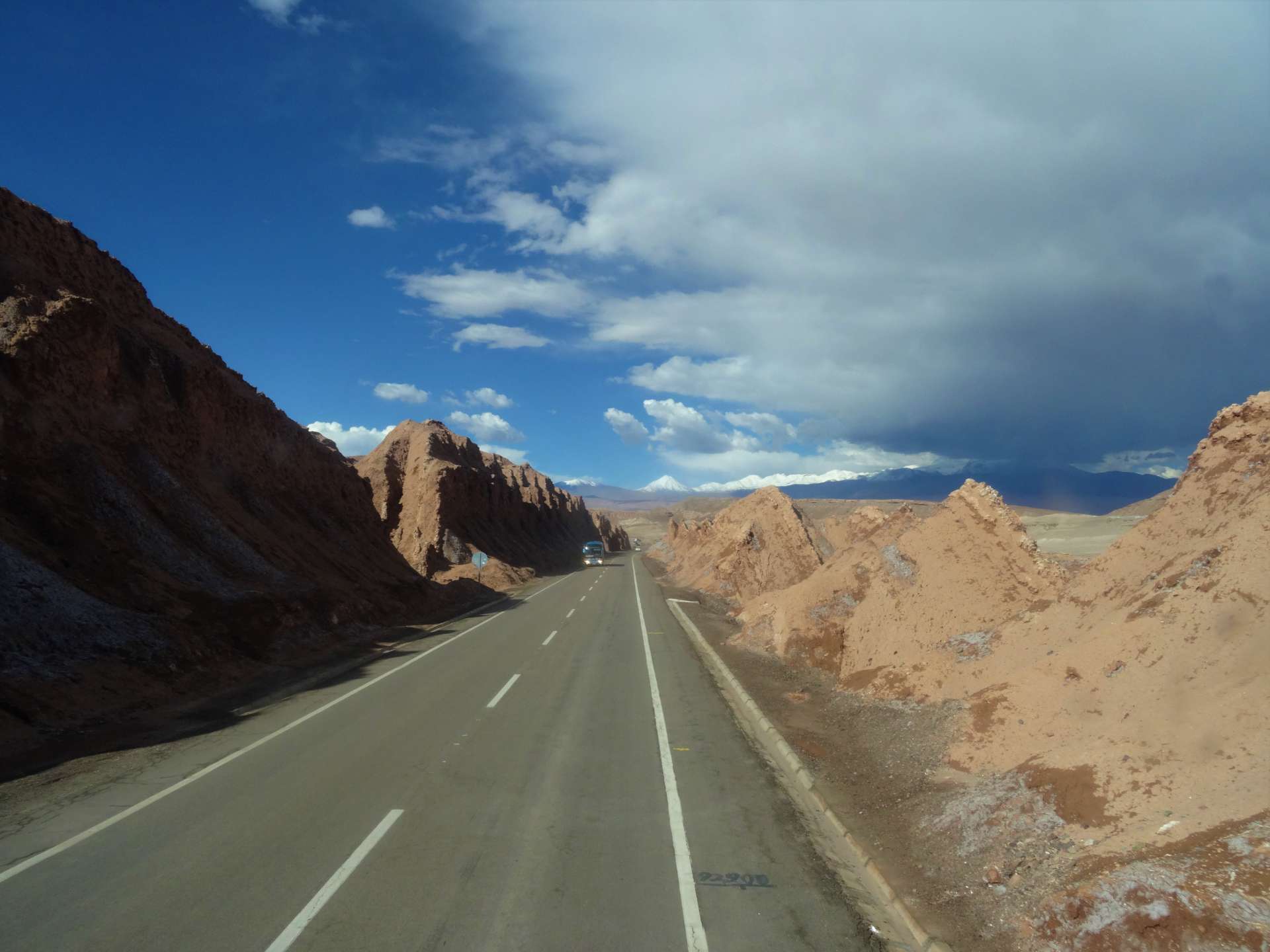




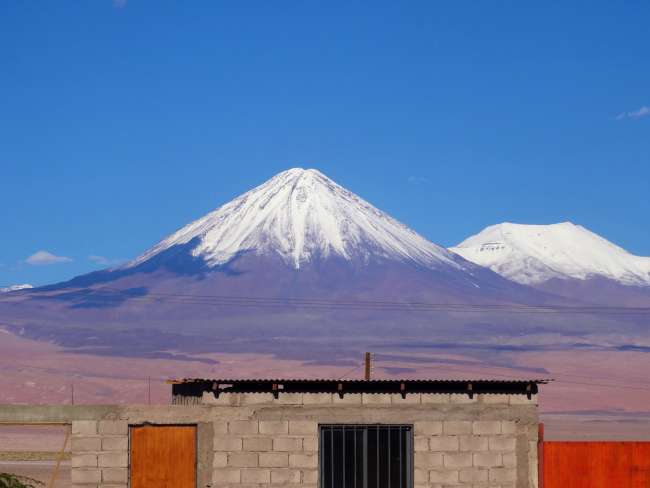
Our next destination was San Pedro de Atacama, located at an altitude of 2400m in the middle of the Atacama Desert.
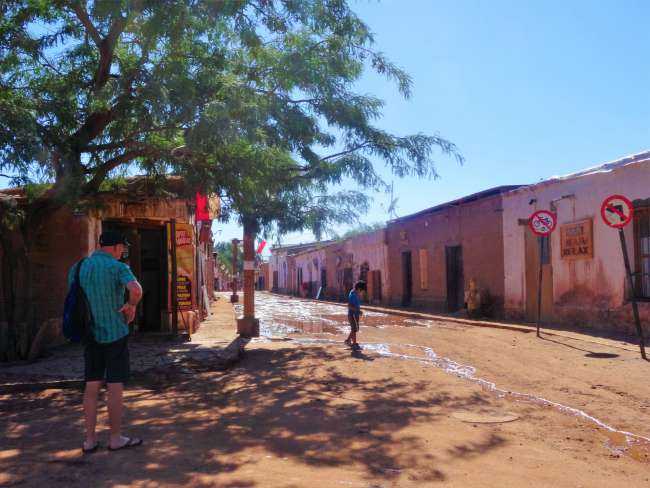
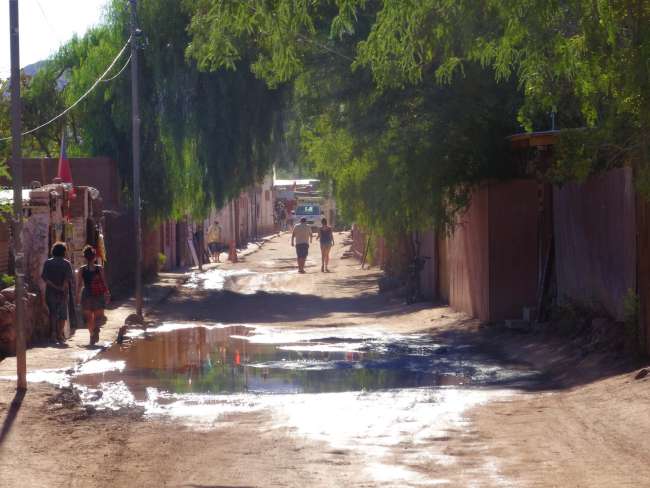
The day before our arrival, there had been a considerable storm, which resulted in the largely unpaved streets becoming muddy and filled with puddles of water, making them difficult to walk on.
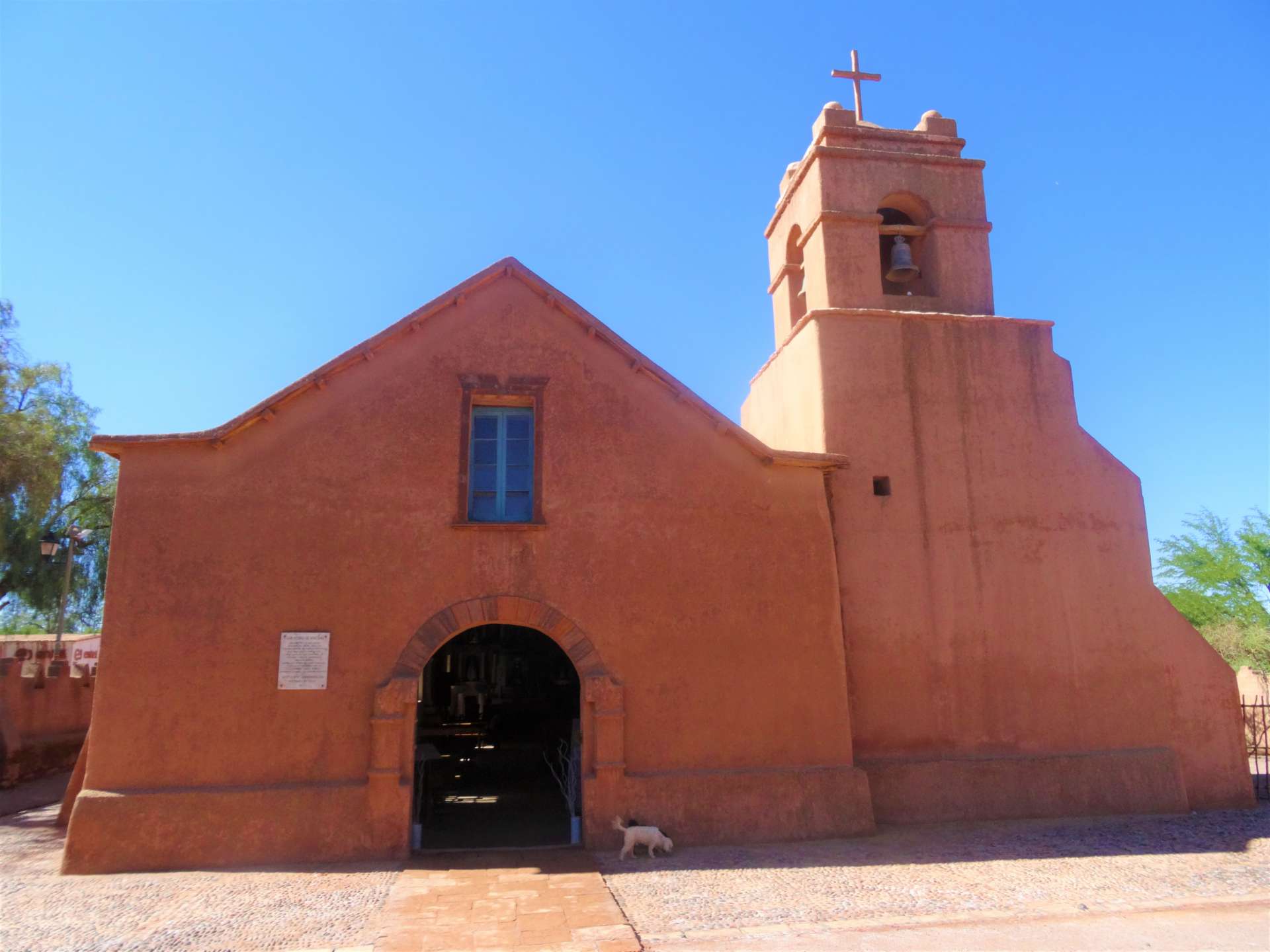
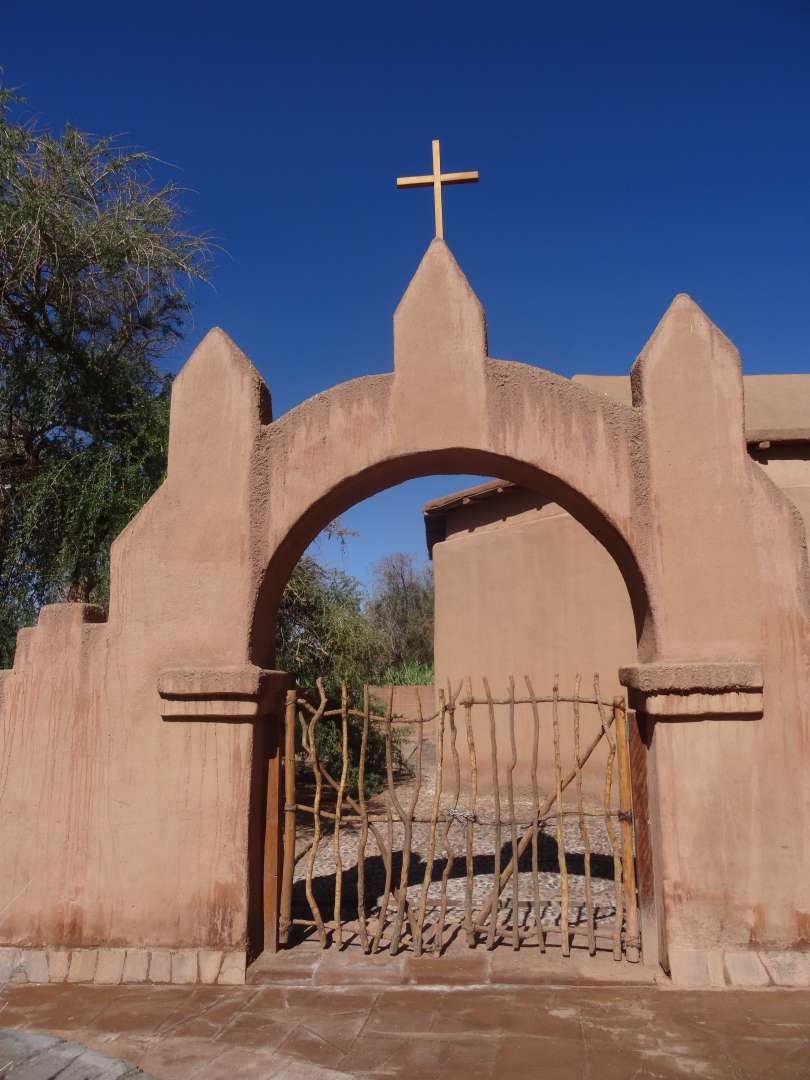
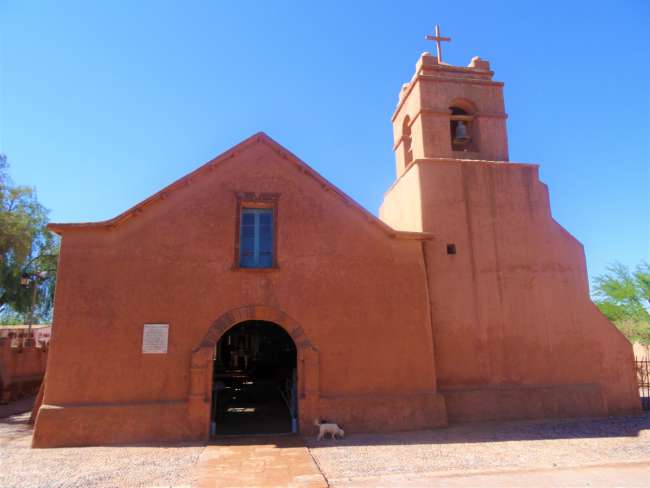
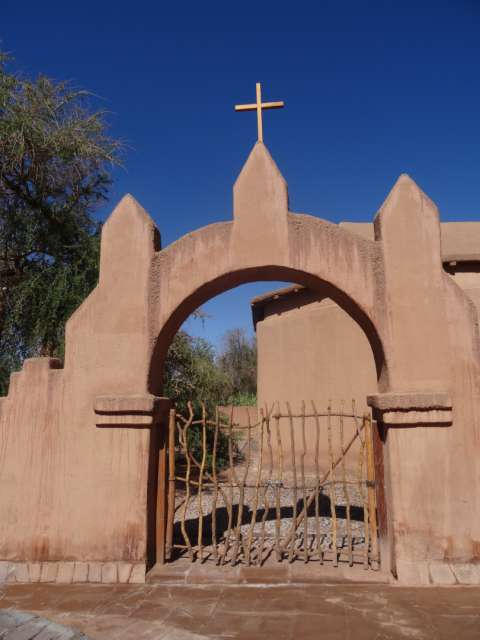
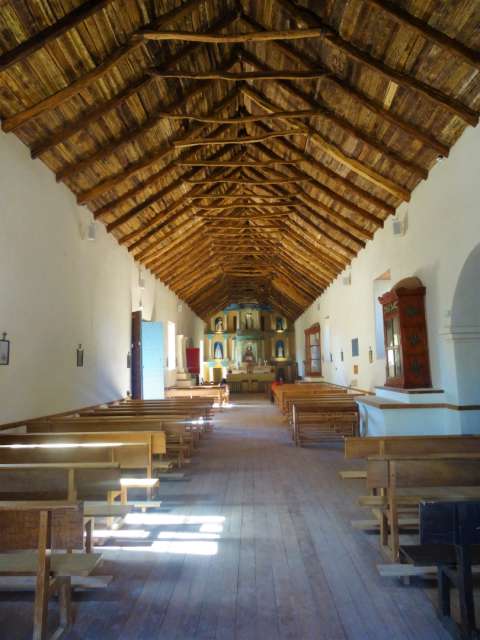
One of the sights is the small church of San Pedro, built with adobe and a cactus wood roof. Adobe refers to dried mud bricks, which provide good insulation against the desert heat during the day and slowly release the stored heat during the cool nights.
This oasis town is internationally known for ALMA, the nearby largest radio telescope station in the world.
This place practically lives off tourism, as countless exciting tours into the desert are offered from here.
We decided to do a full-day tour, including a visit to the Miscanti and Miňiques lagoons and the Piedras Rojas (red rocks made of volcanic rock), and we were not disappointed!
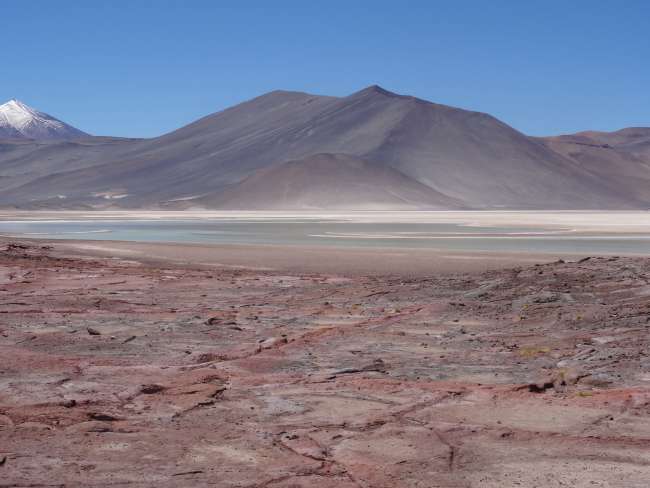
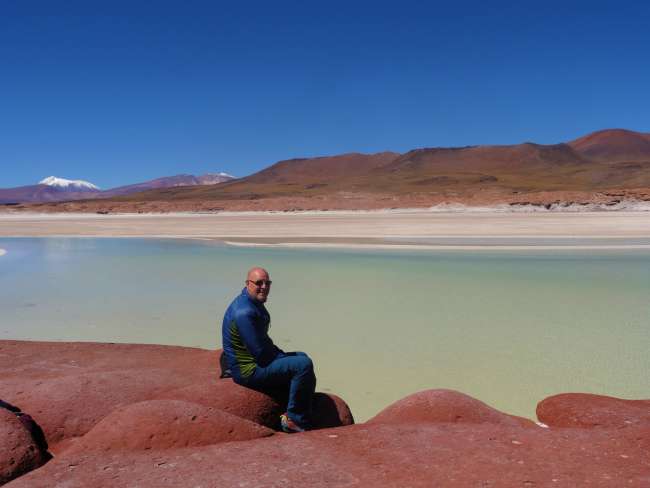
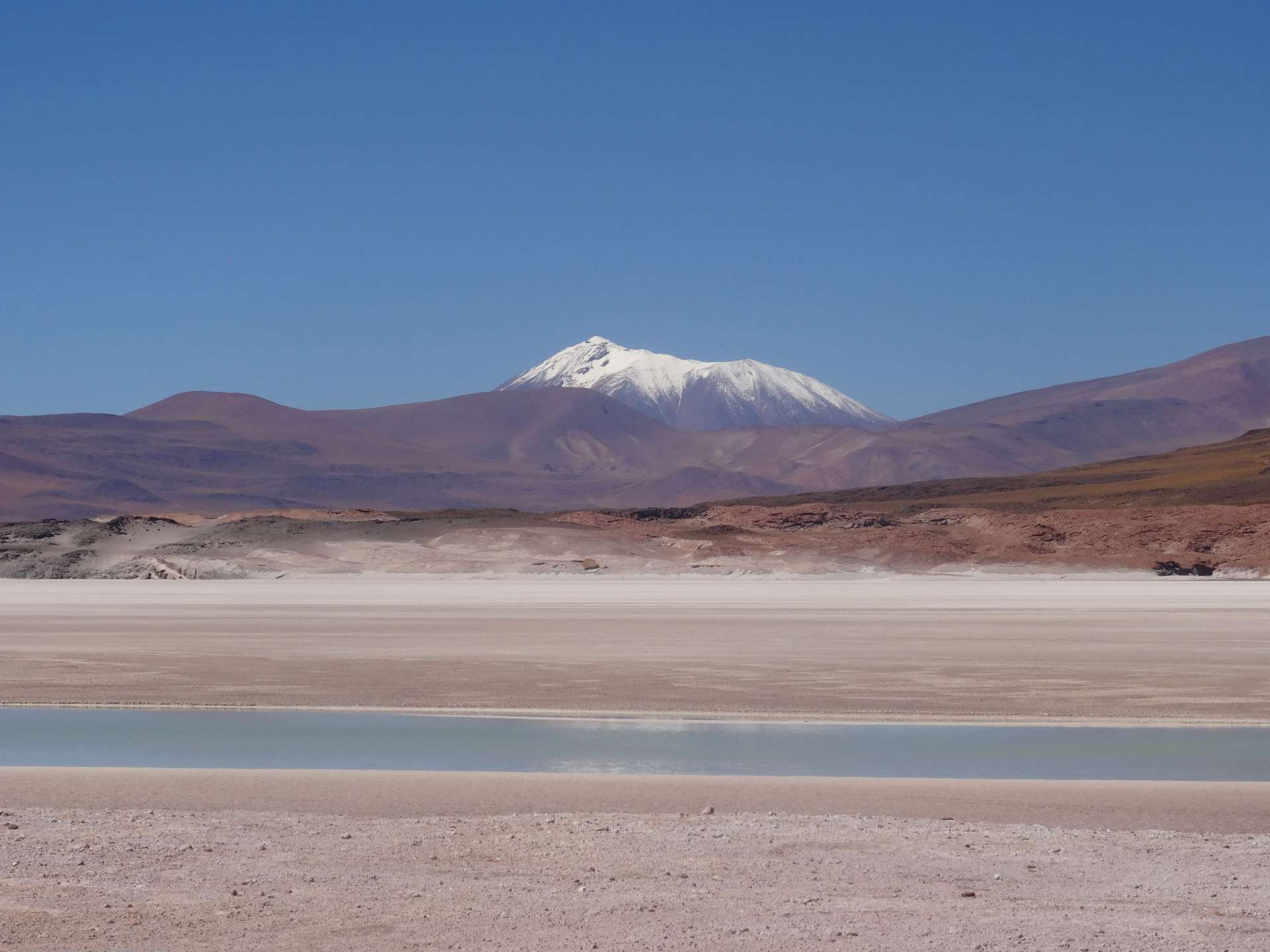
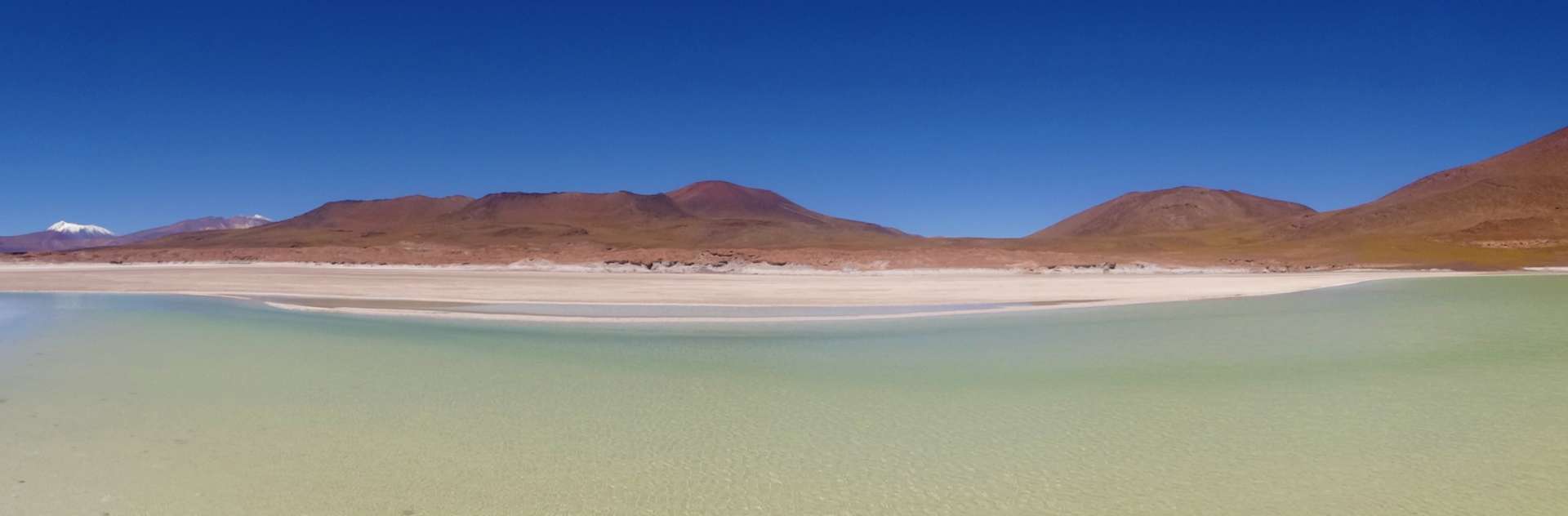
We reached an altitude of 4200m again, to admire a colorful lagoon surrounded by red rocks between the Miniques and Miscanti volcanoes.
The incredible beauty of nature cannot truly be captured in photos.
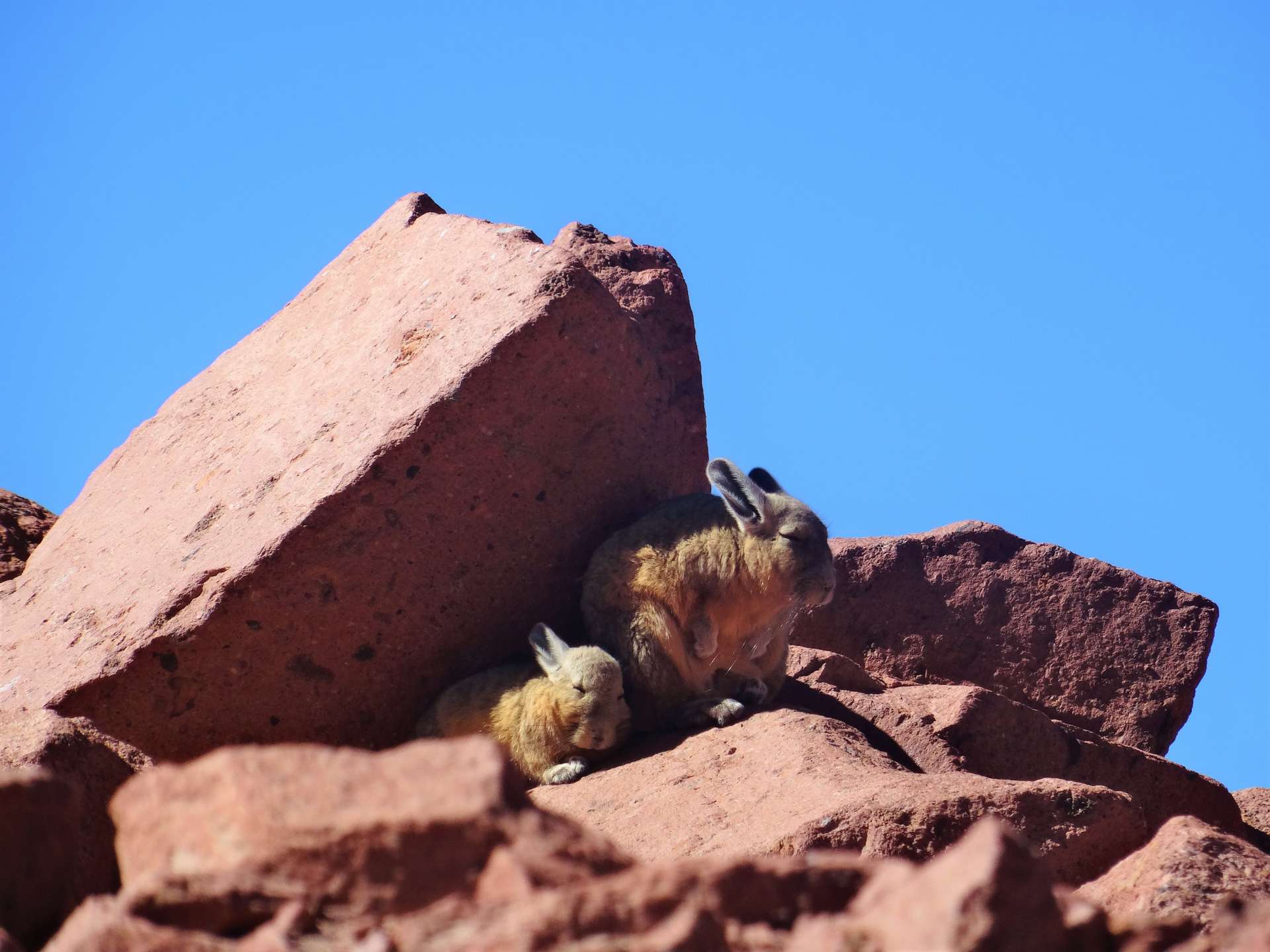
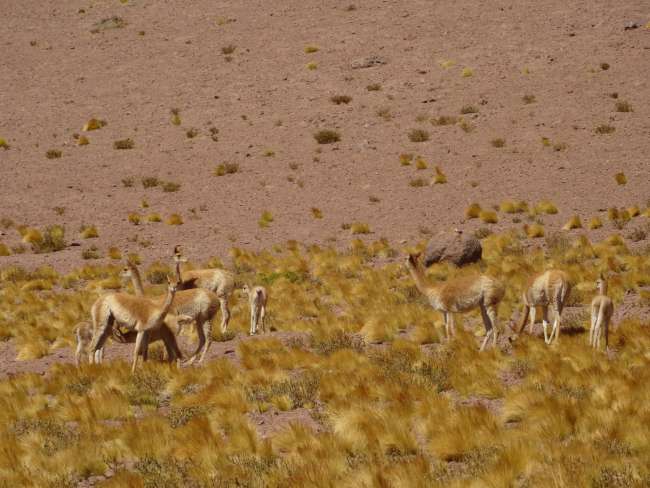
This area, part of the Los Flamencos National Reserve, is also known for its variety of fauna. We encountered Vicuñas, which resemble llamas and are well adapted to the high-altitude conditions.
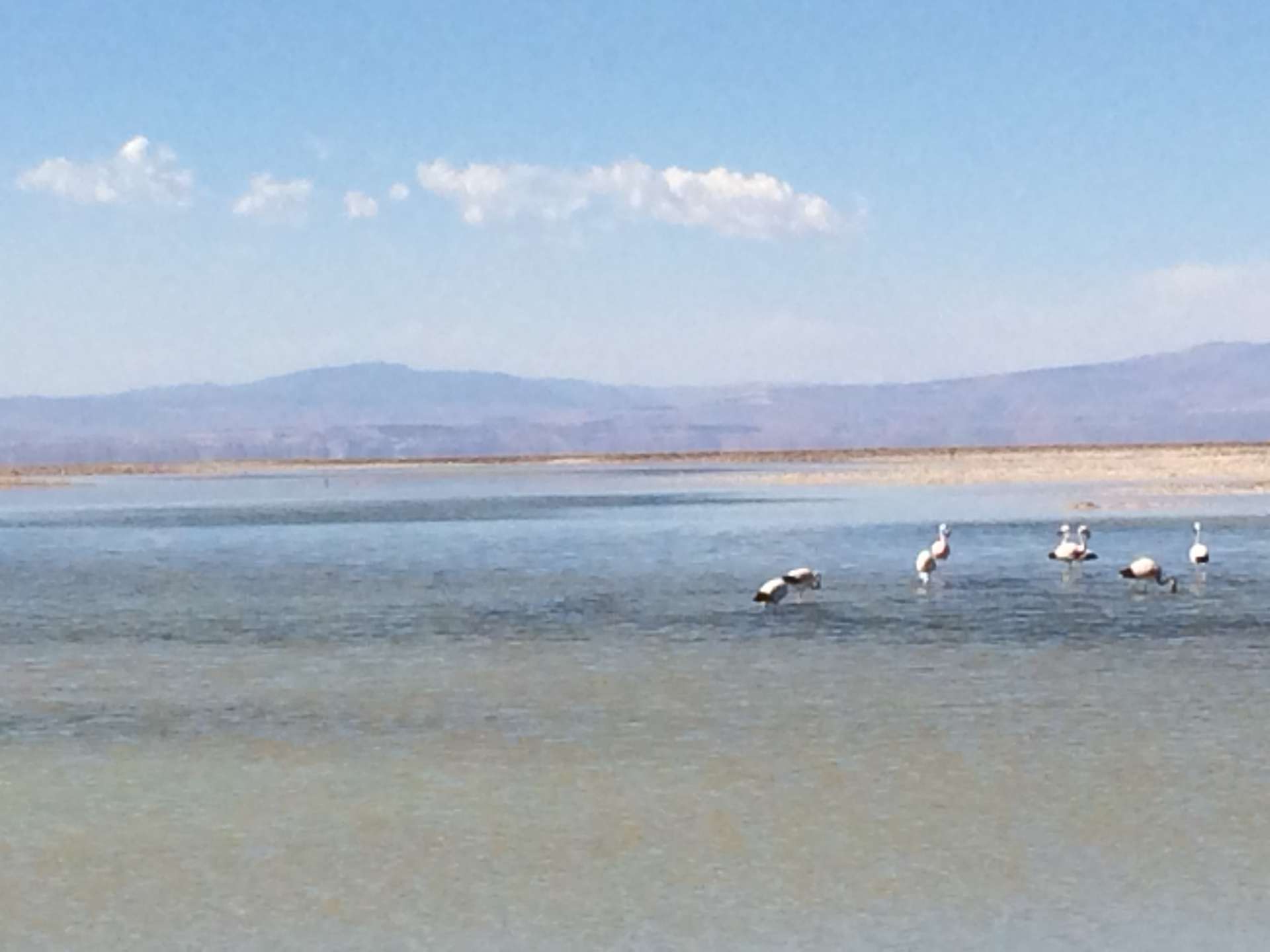
Finally, we arrived at a salt flat, the Laguna de Chaxa, where various species of flamingos live.
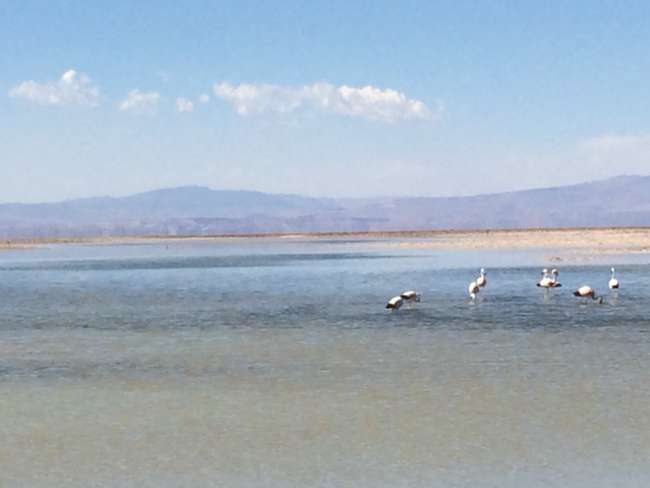
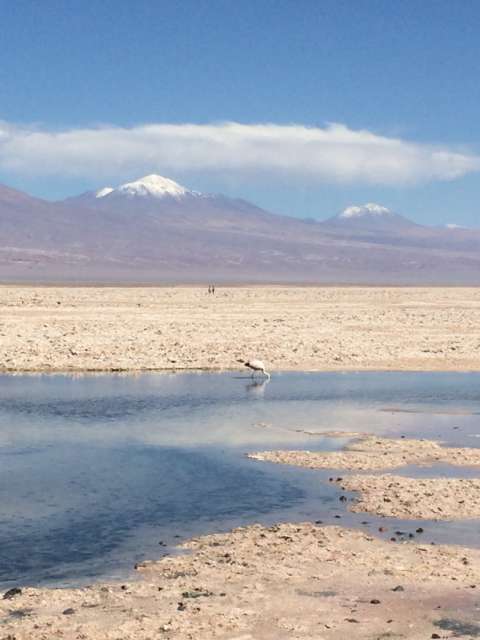
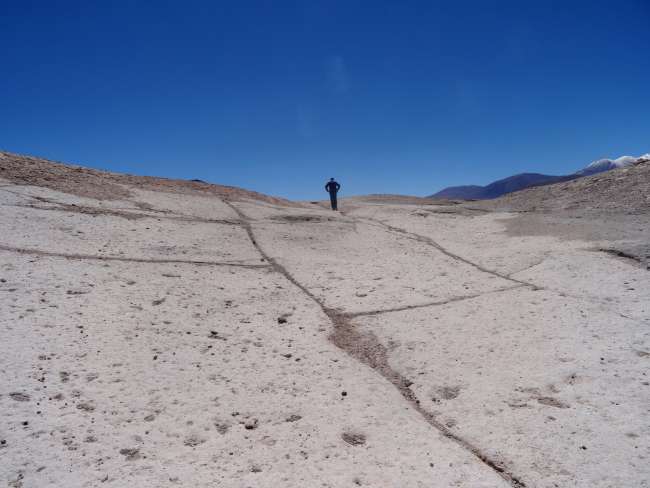
One particularly beautiful aspect of traveling for us is also meeting people from all over the world and exchanging experiences. It often leads to interesting encounters and conversations.
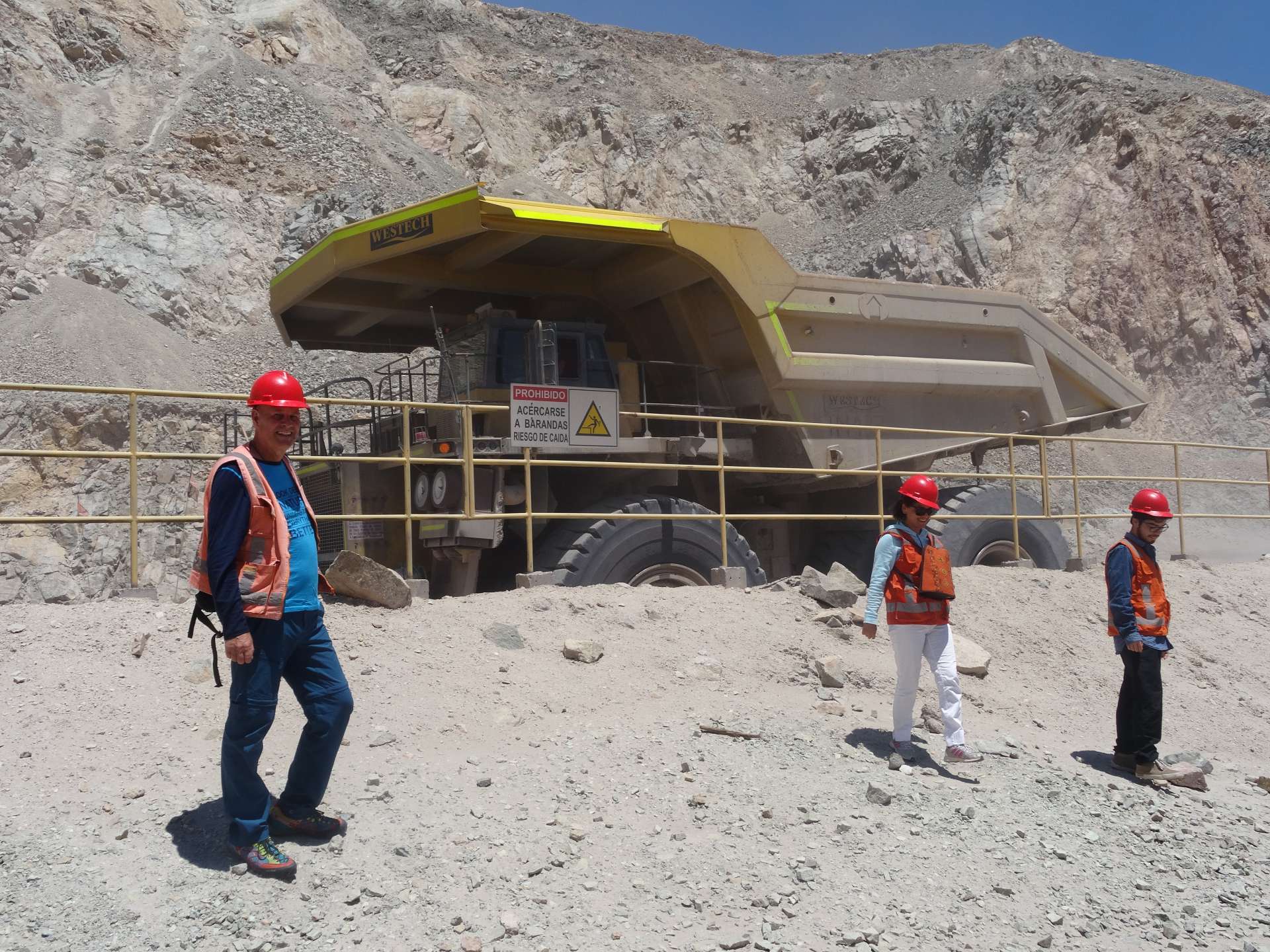
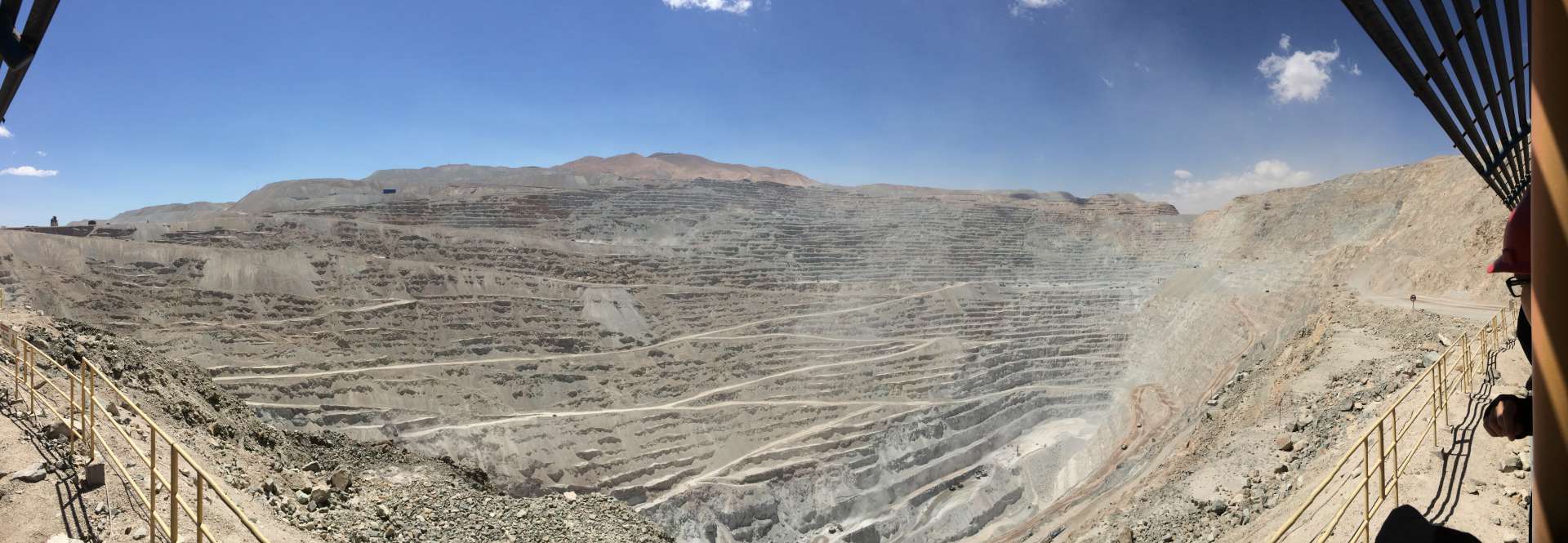
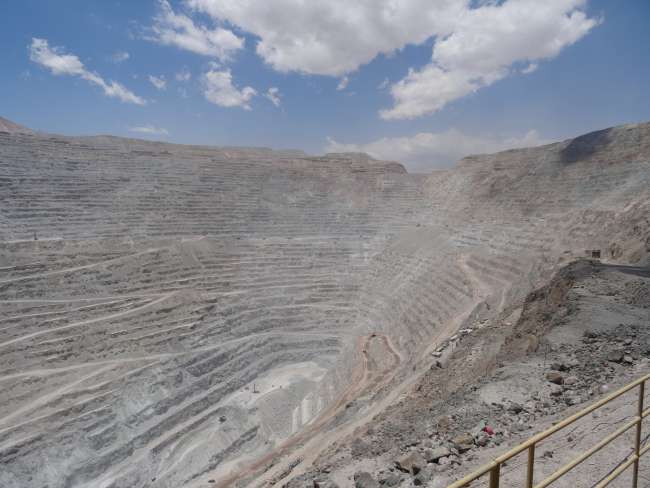
The next day, we continued to Calama, about 100km away from San Pedro, to visit Chuquicamata - the largest copper mine in the world, which has been in operation as an open pit mine for 100 years. Originally, Chuquicamata was a small town whose residents were relocated to Calama in 2004 due to copper mining.
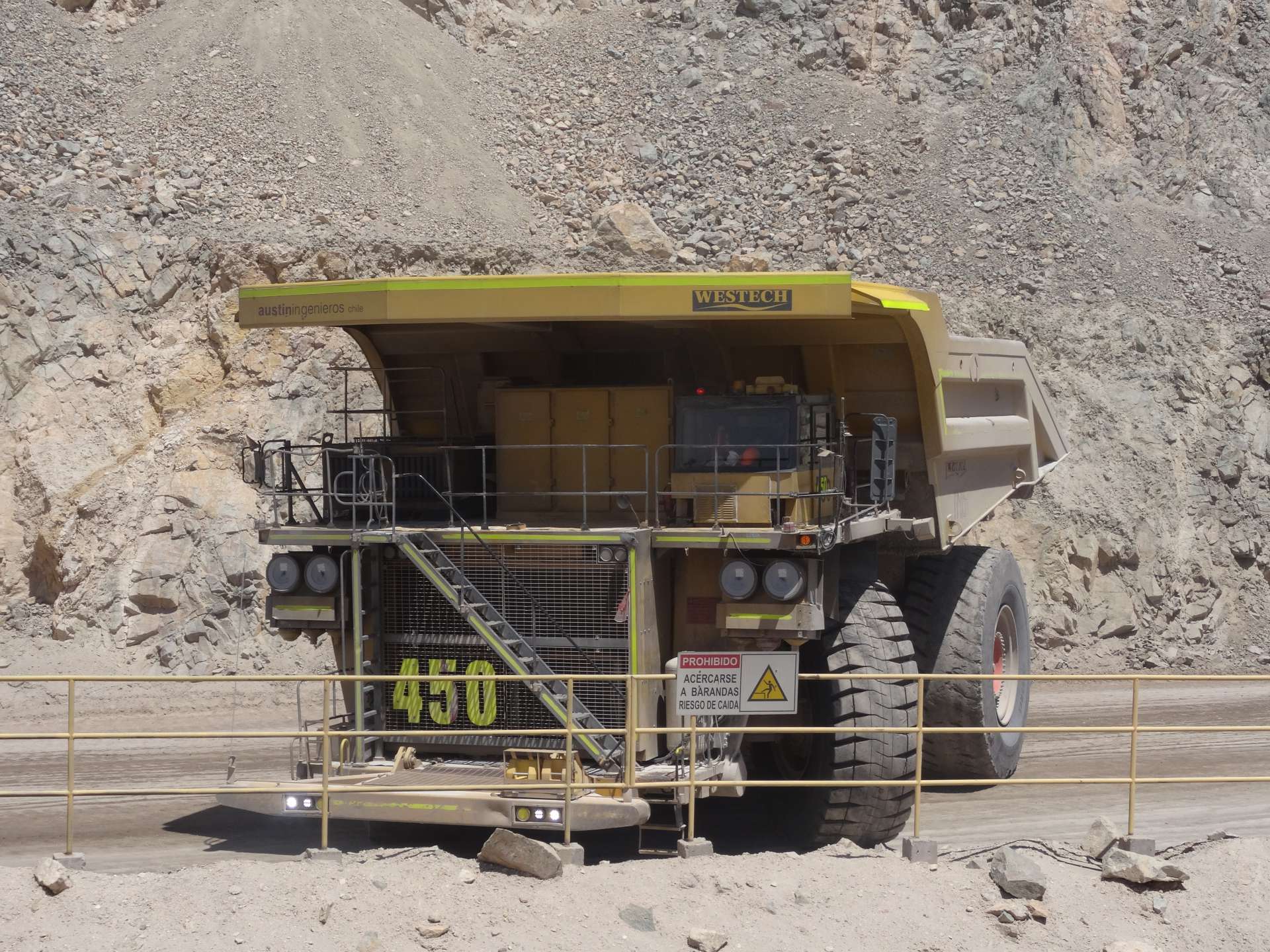
The mine is more than 1km deep, 4km long, and 3km wide. About 2500 tons of high-grade copper are extracted daily from approximately 180,000 tons of rock. According to our guide Sandra, they are planning to go further another kilometer deep.
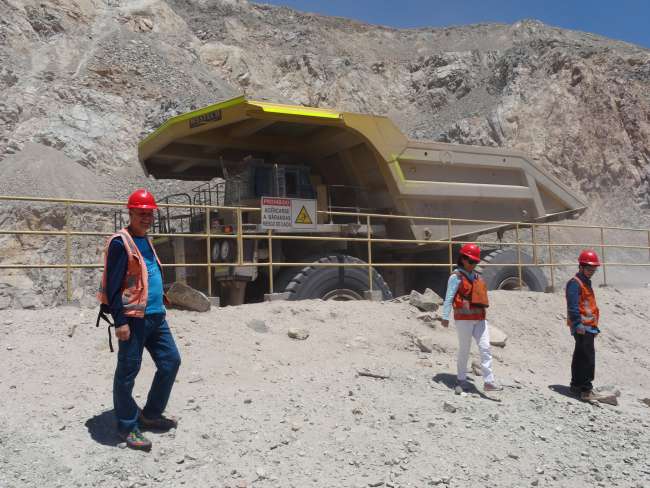
The vehicles operating there have wheels with a diameter of 4m. They consume 3 liters of gasoline per minute (!).
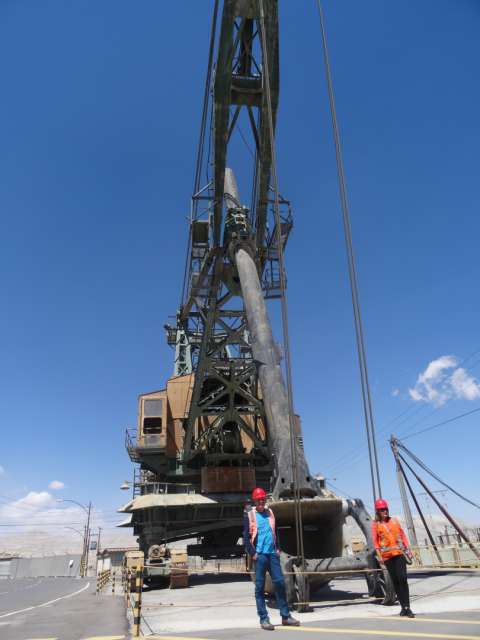
The tour impressed Peter, especially with all the technical details. However, there is a slightly bitter aftertaste. It is somewhat alarming to see how the earth looks after extracting natural resources....