
2024 - 三月 - 维苏威火山
维苏威火山毫无疑问是世界上最著名的火山之一,这主要与公元79年它的毁灭性喷发有关,届时包括庞贝市在内的多个地区都被它的火山灰所掩埋。 即使在今天,位于大城市那不勒斯附近的这座仍在活动的火山,随时可能引发灾难。从统计学的角度来看,下次喷发甚至已经超过了预期。然而在它的附近仍住着数十万的人,旅游者每年成千上万地前来。...
已发布: 24.03.2024
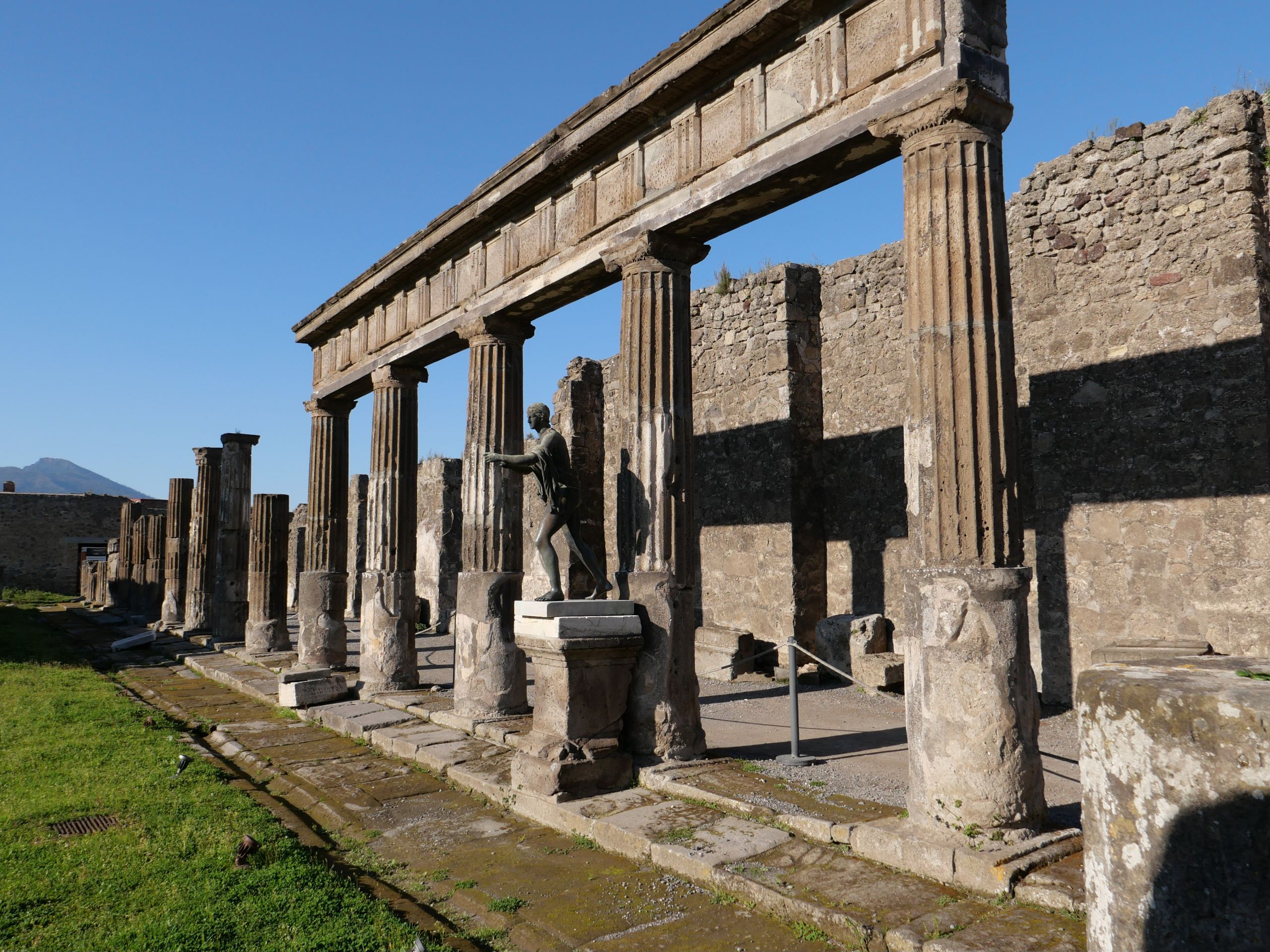
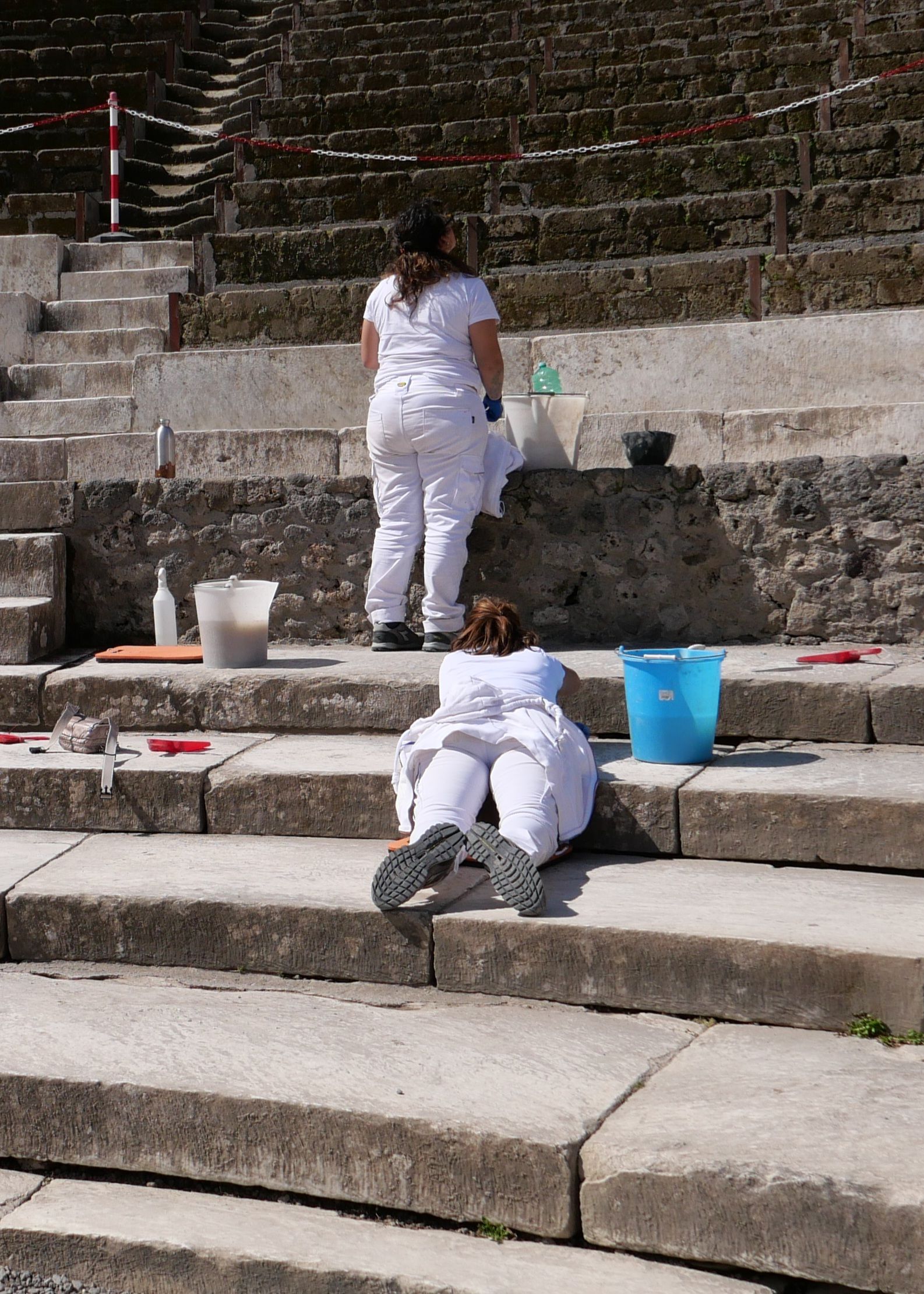
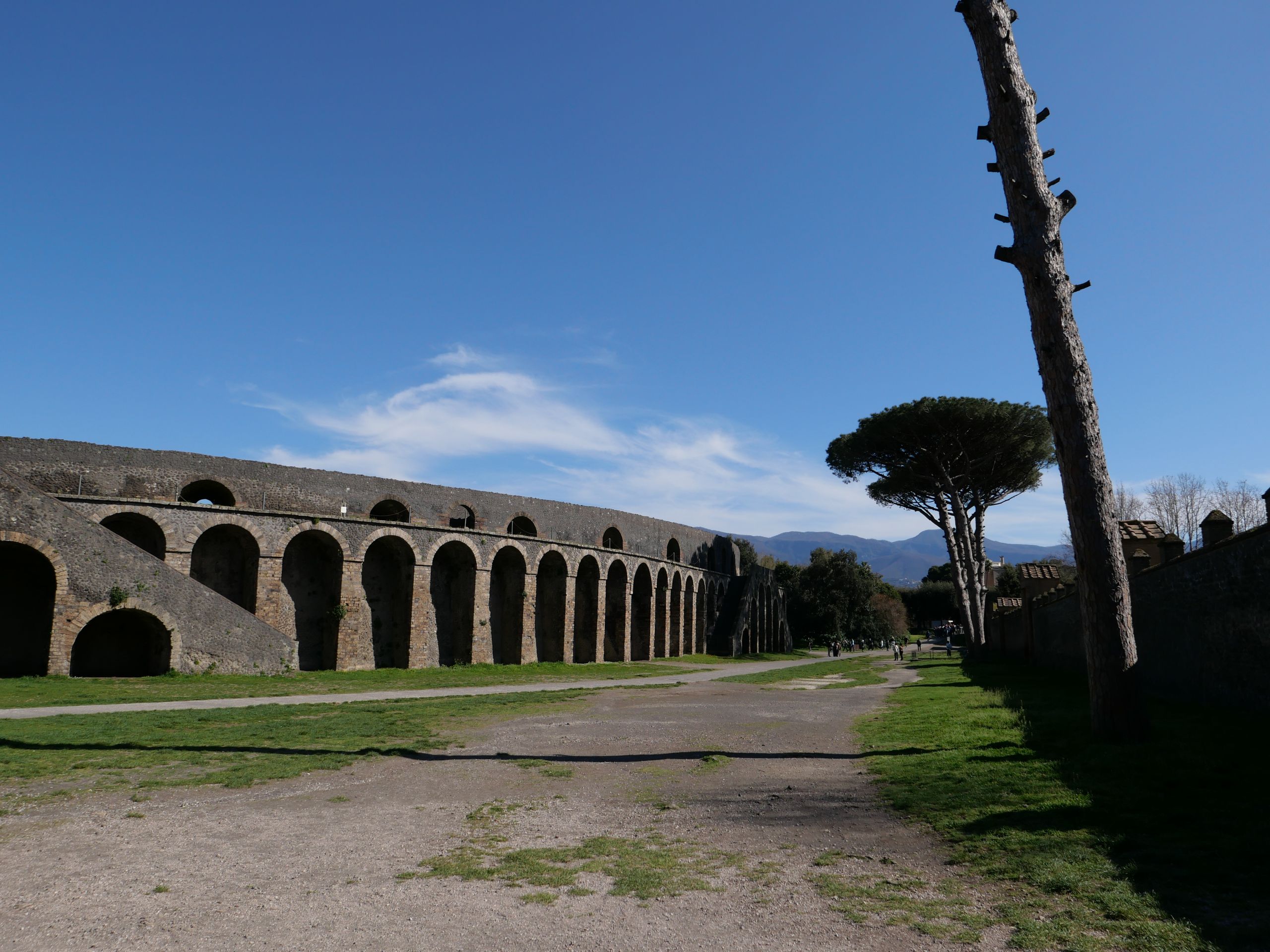
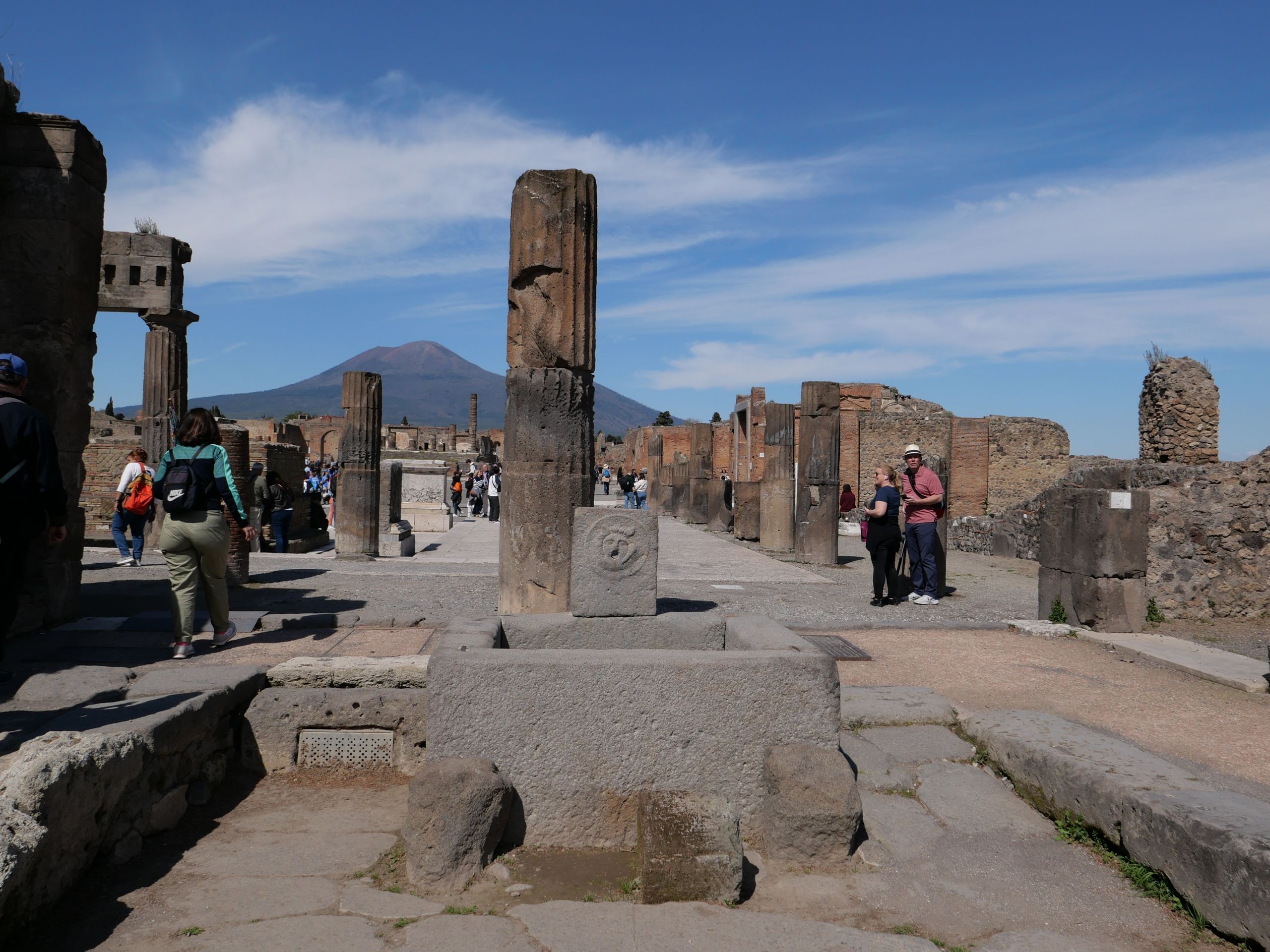
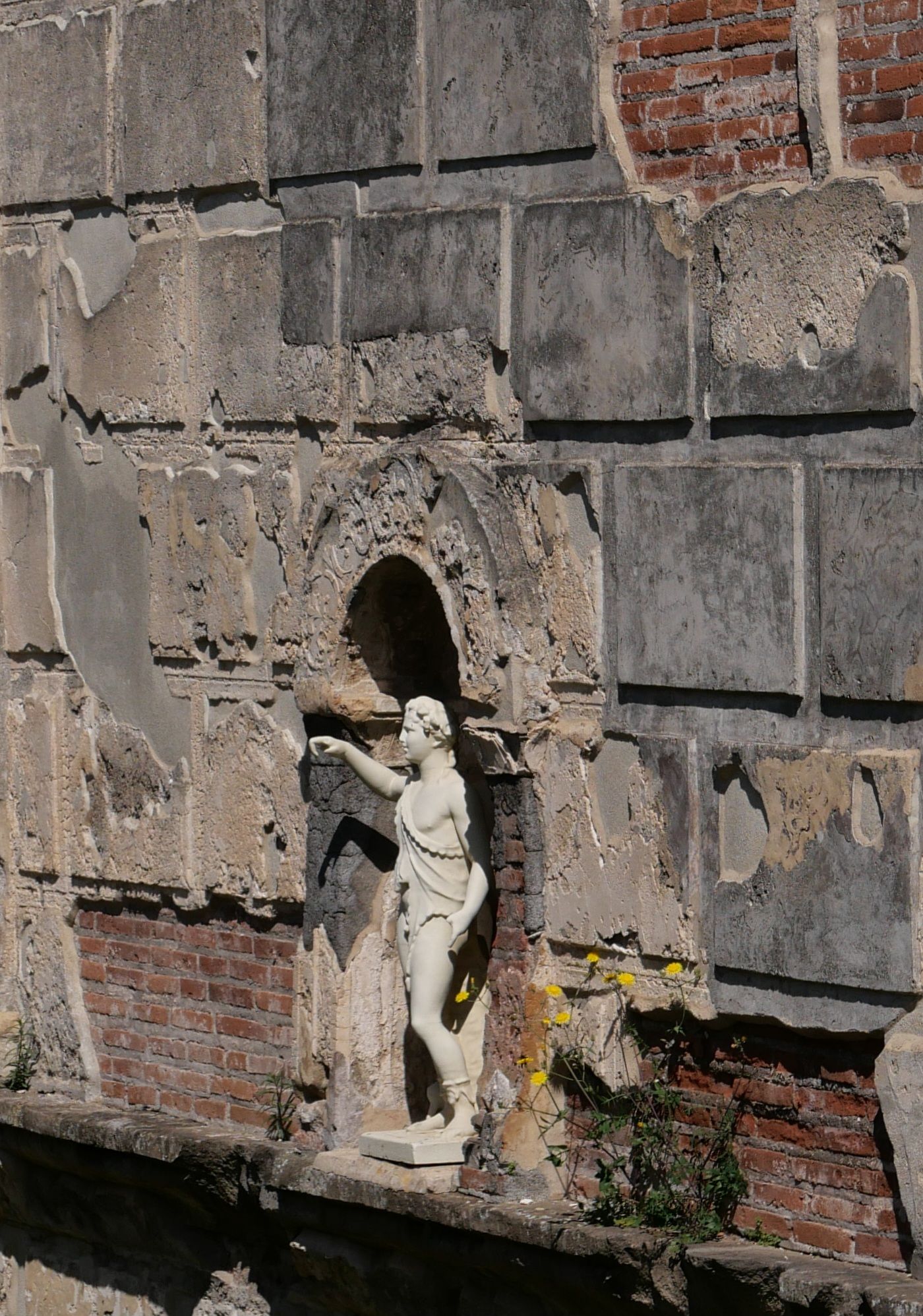
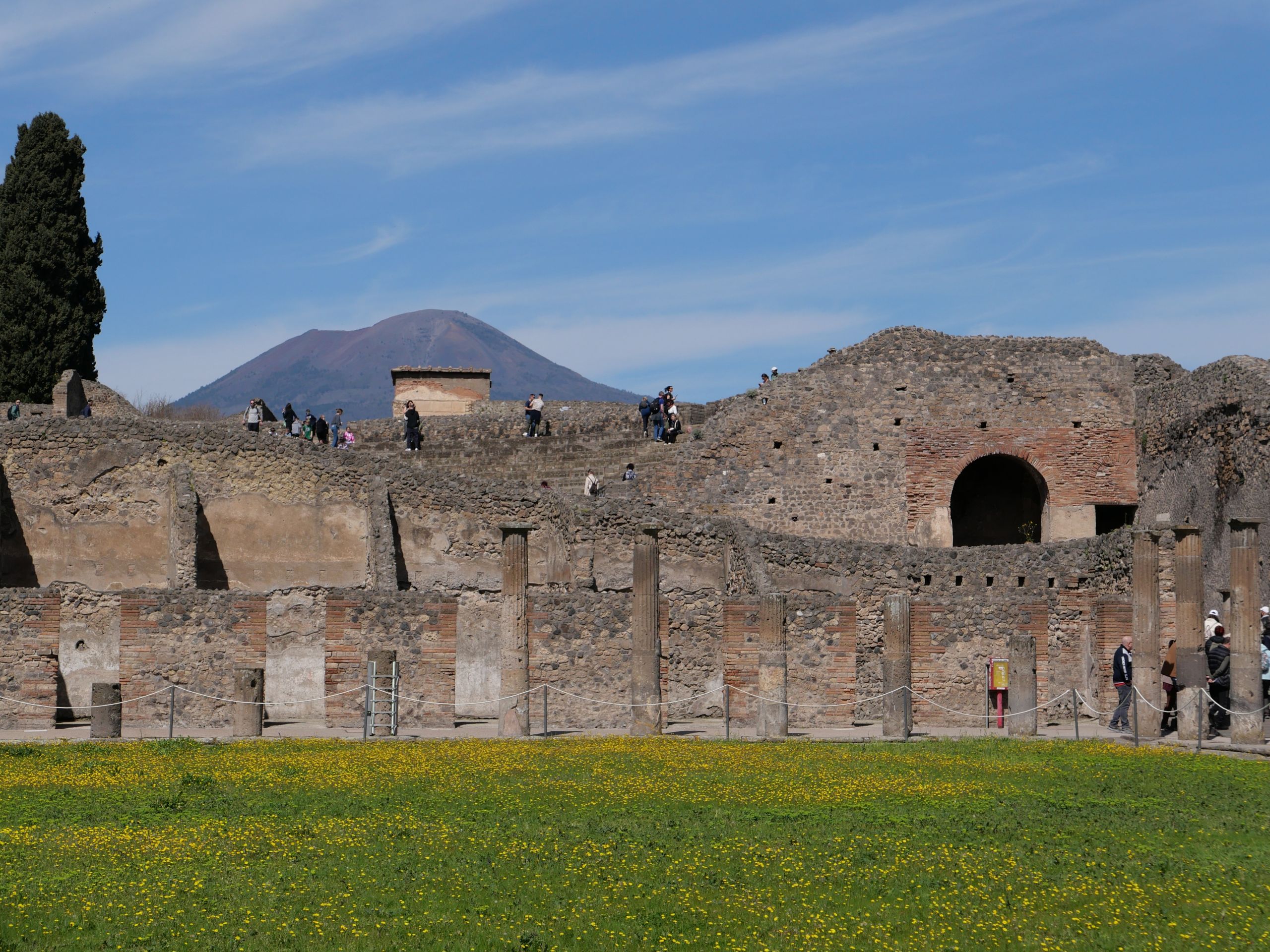
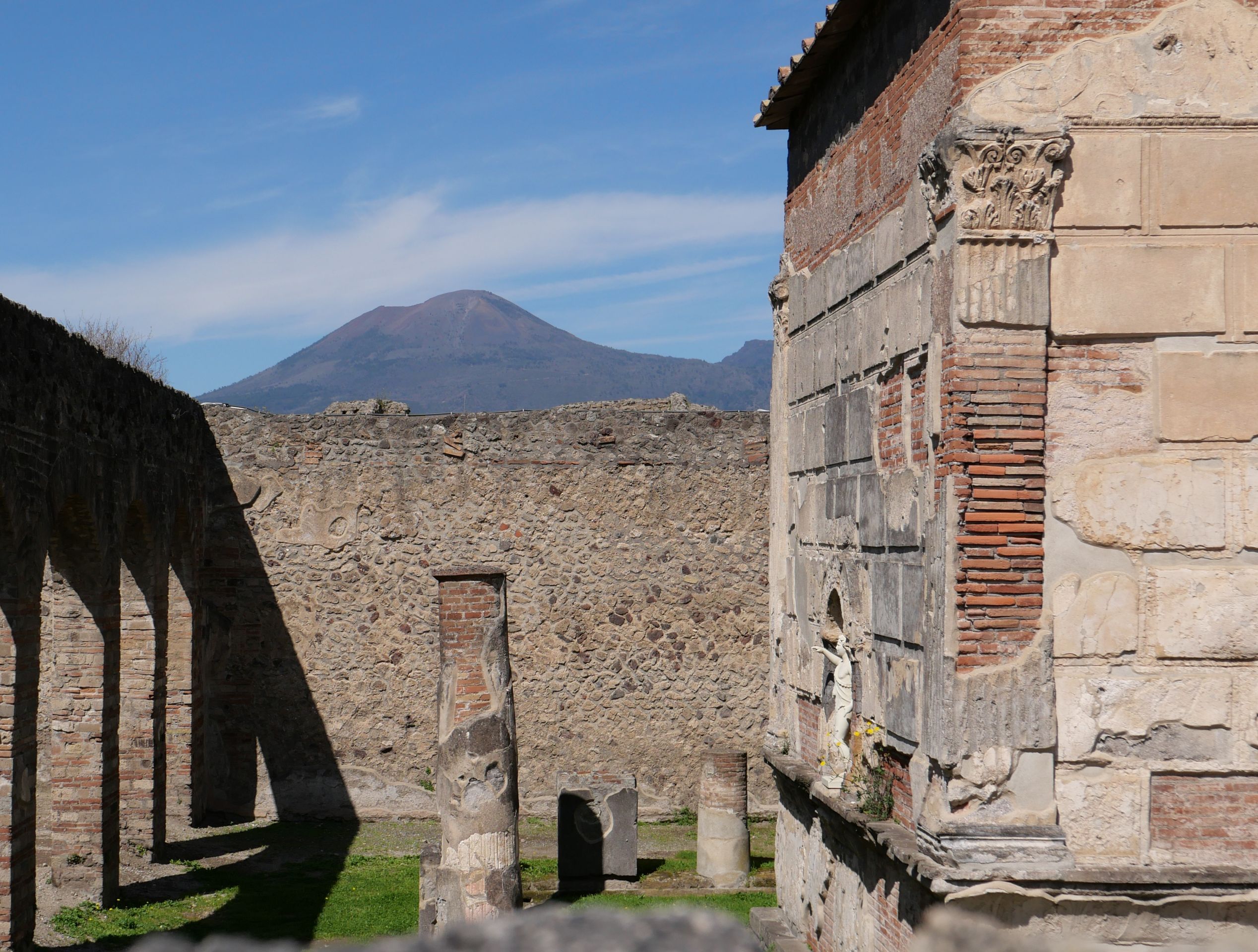
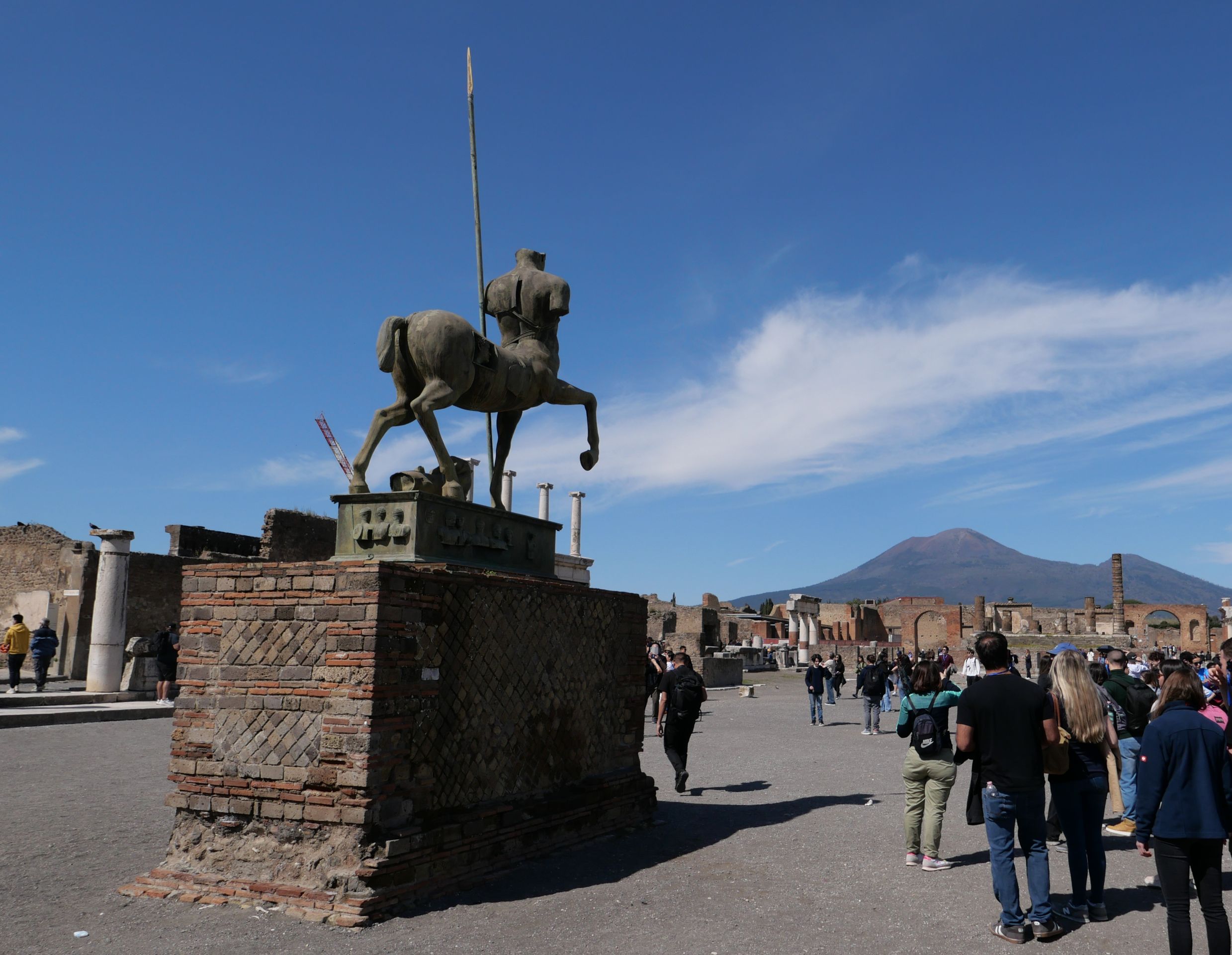
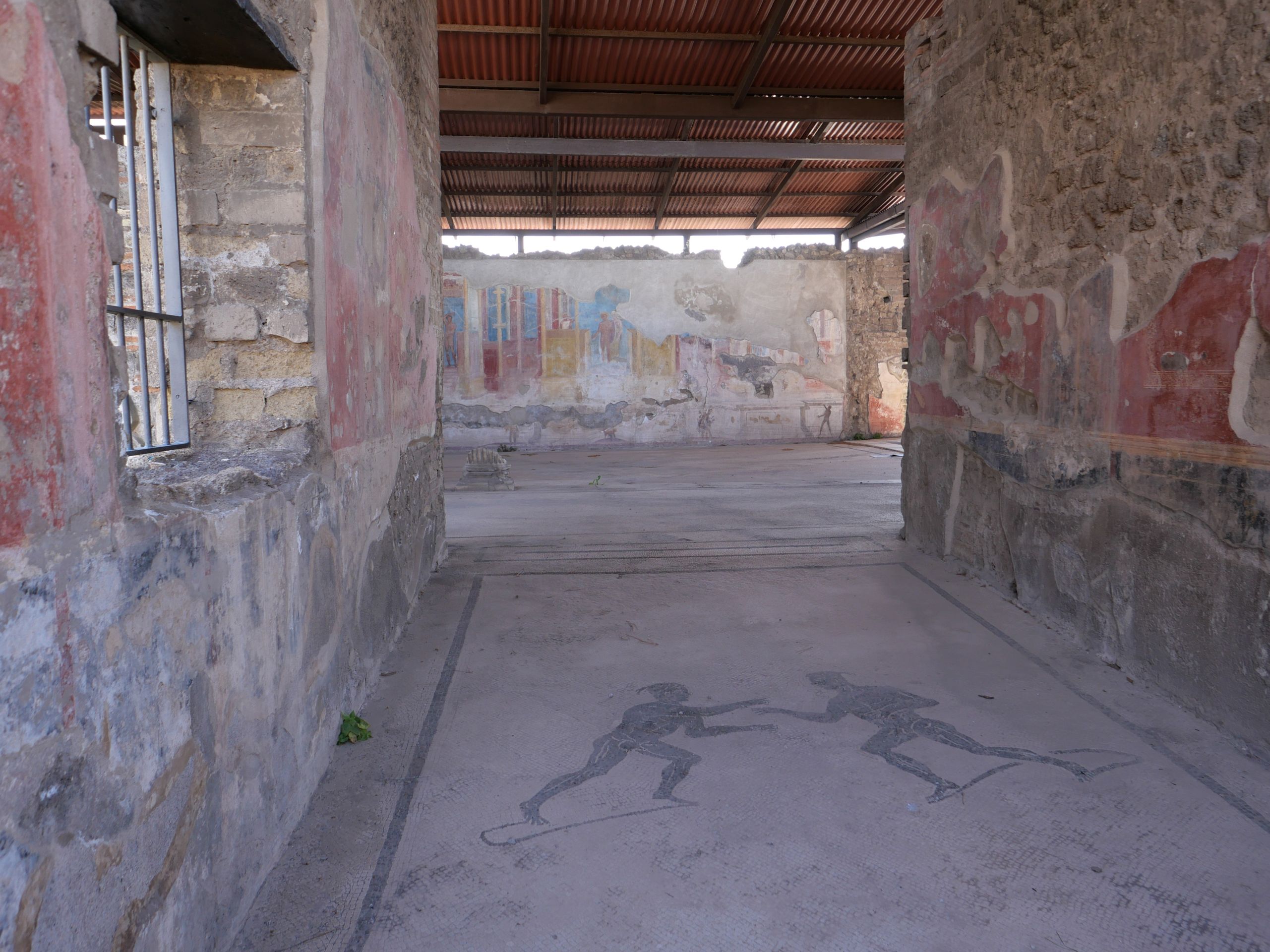
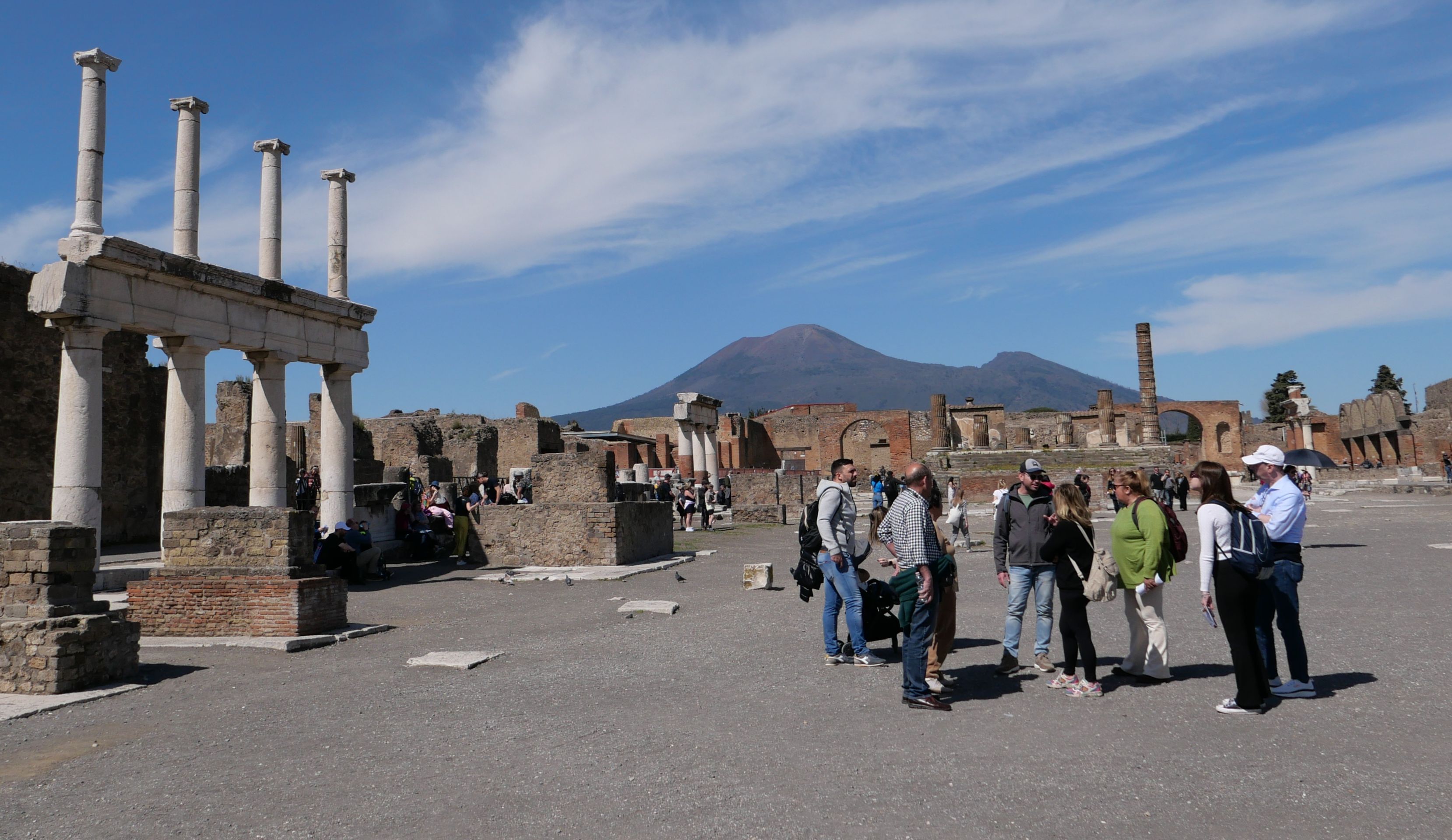
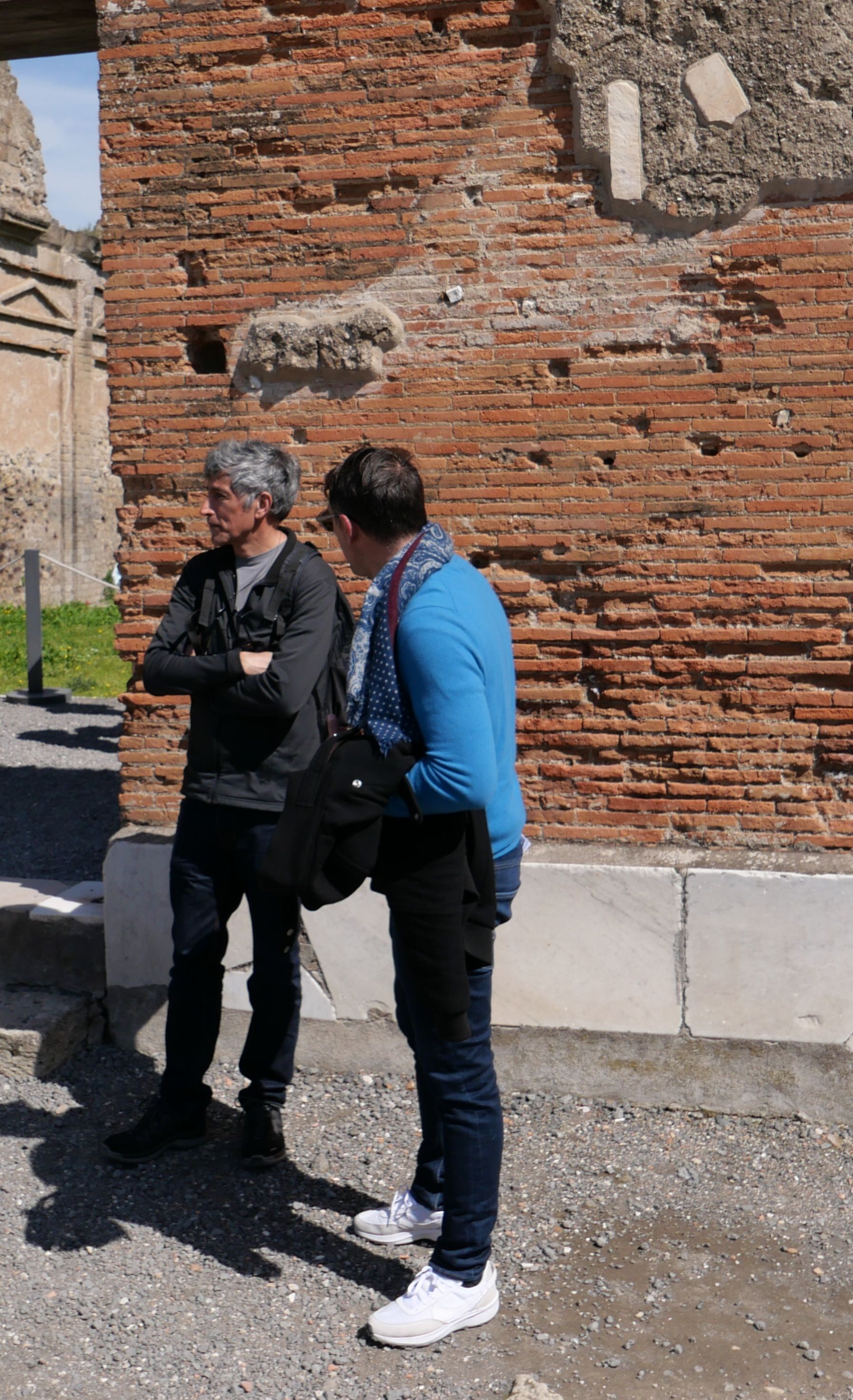
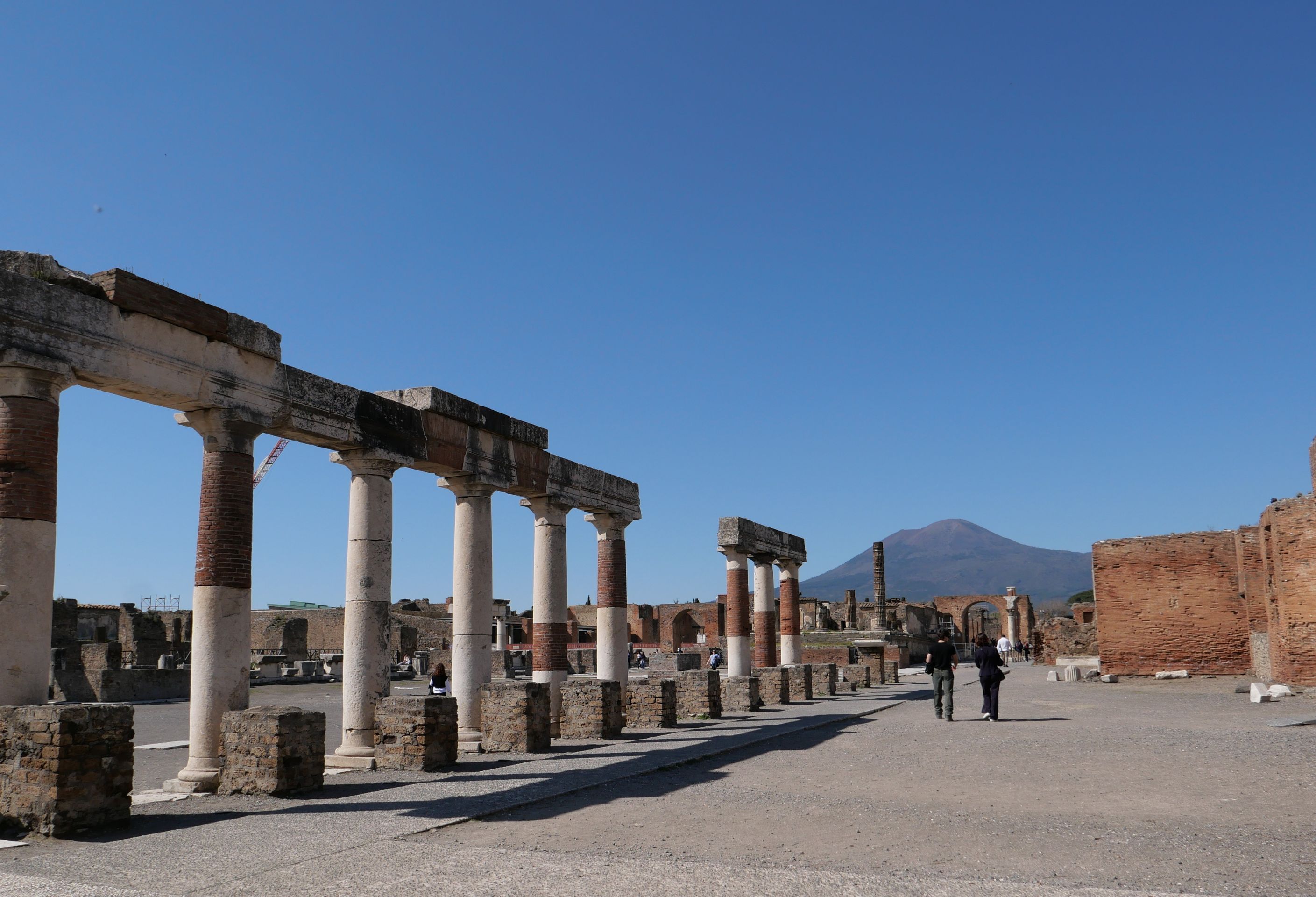
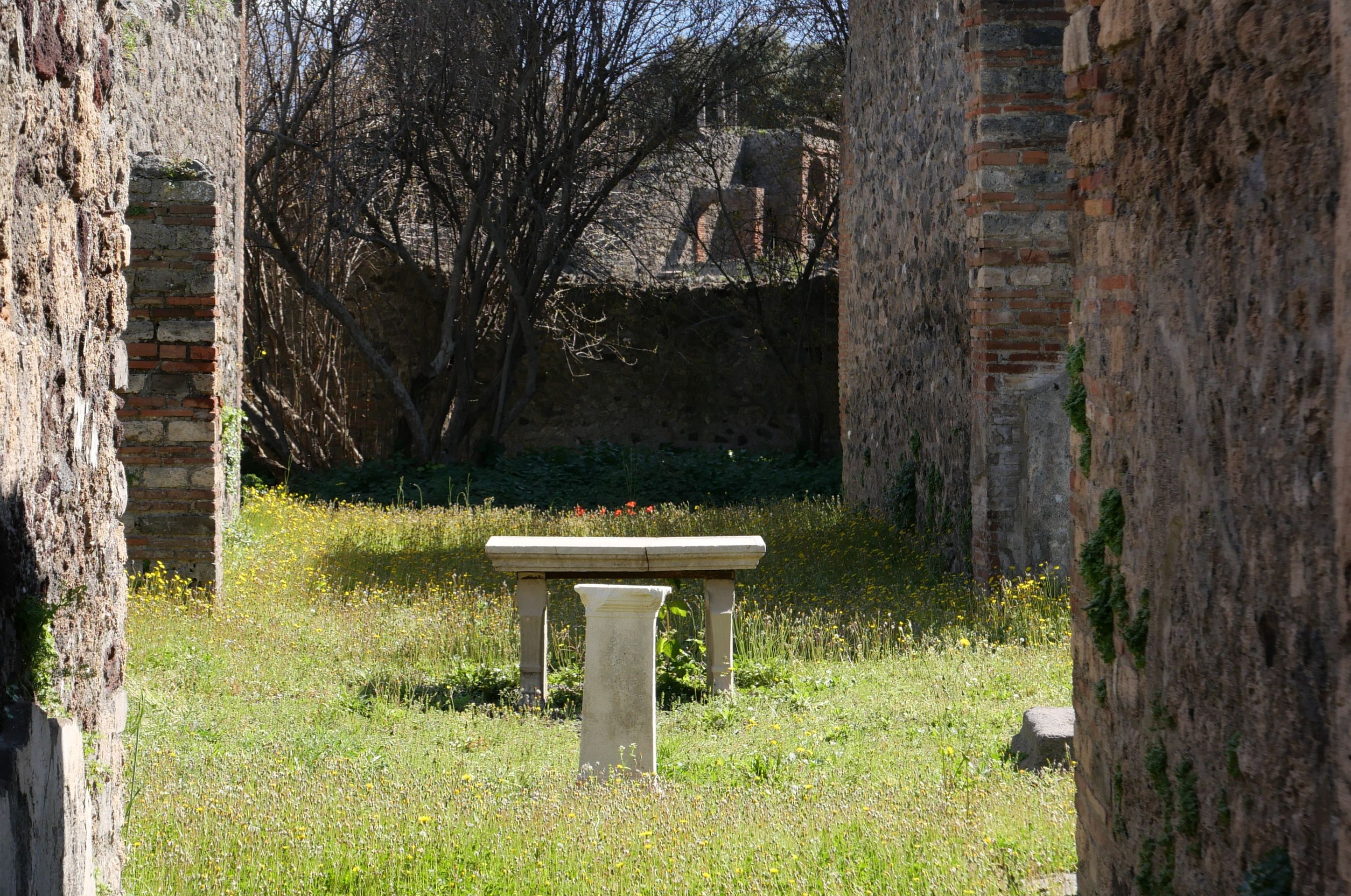
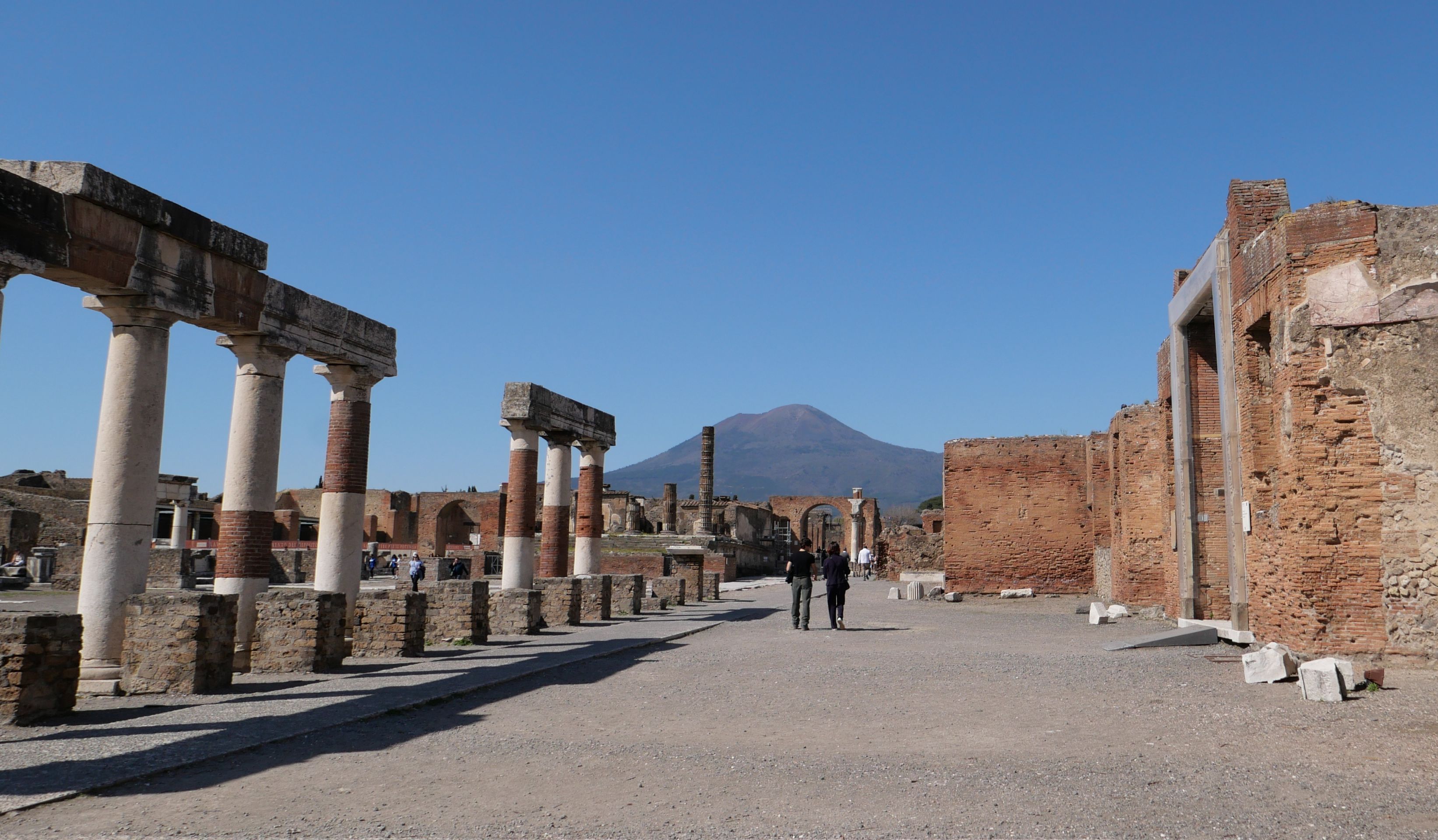
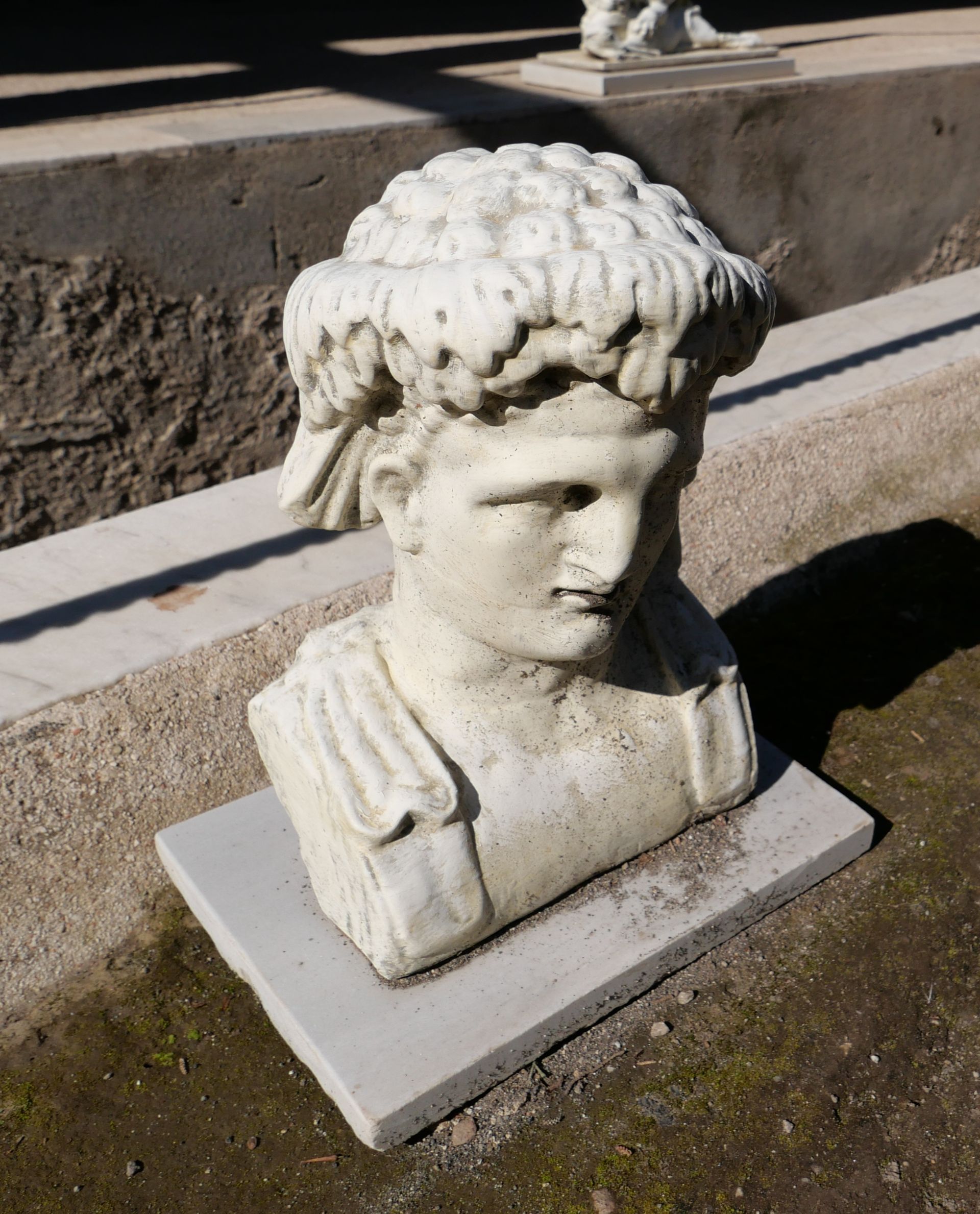
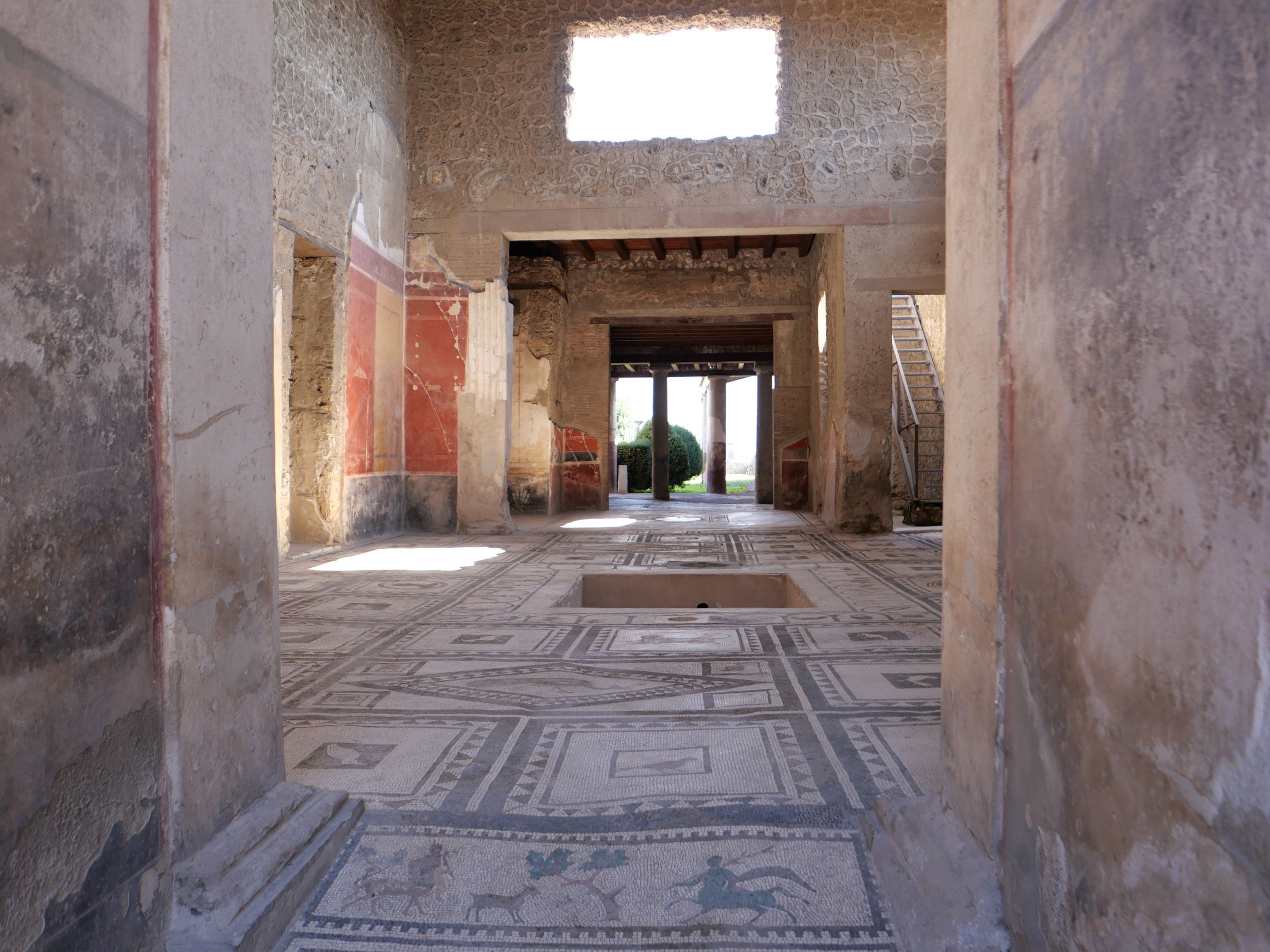
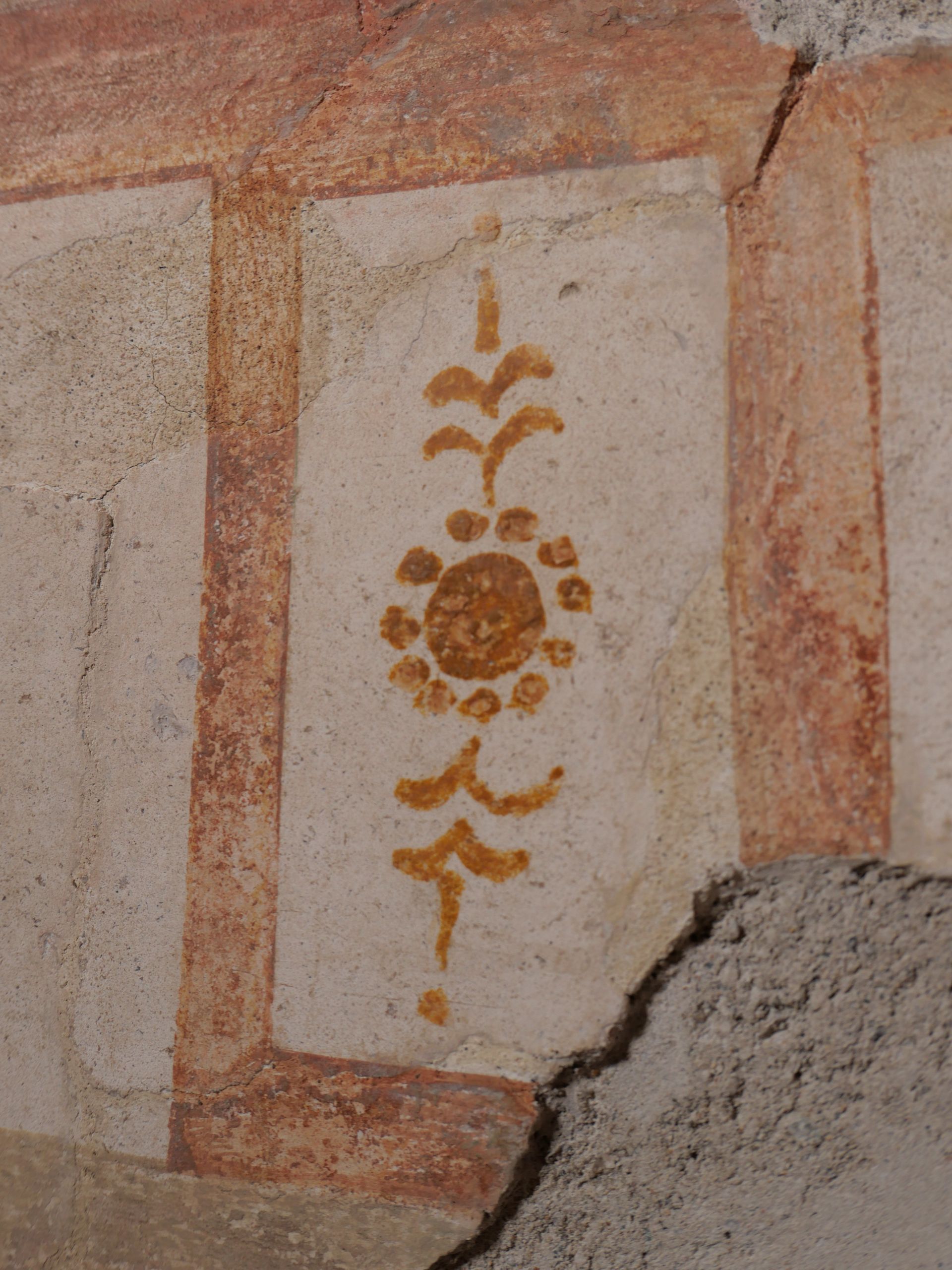
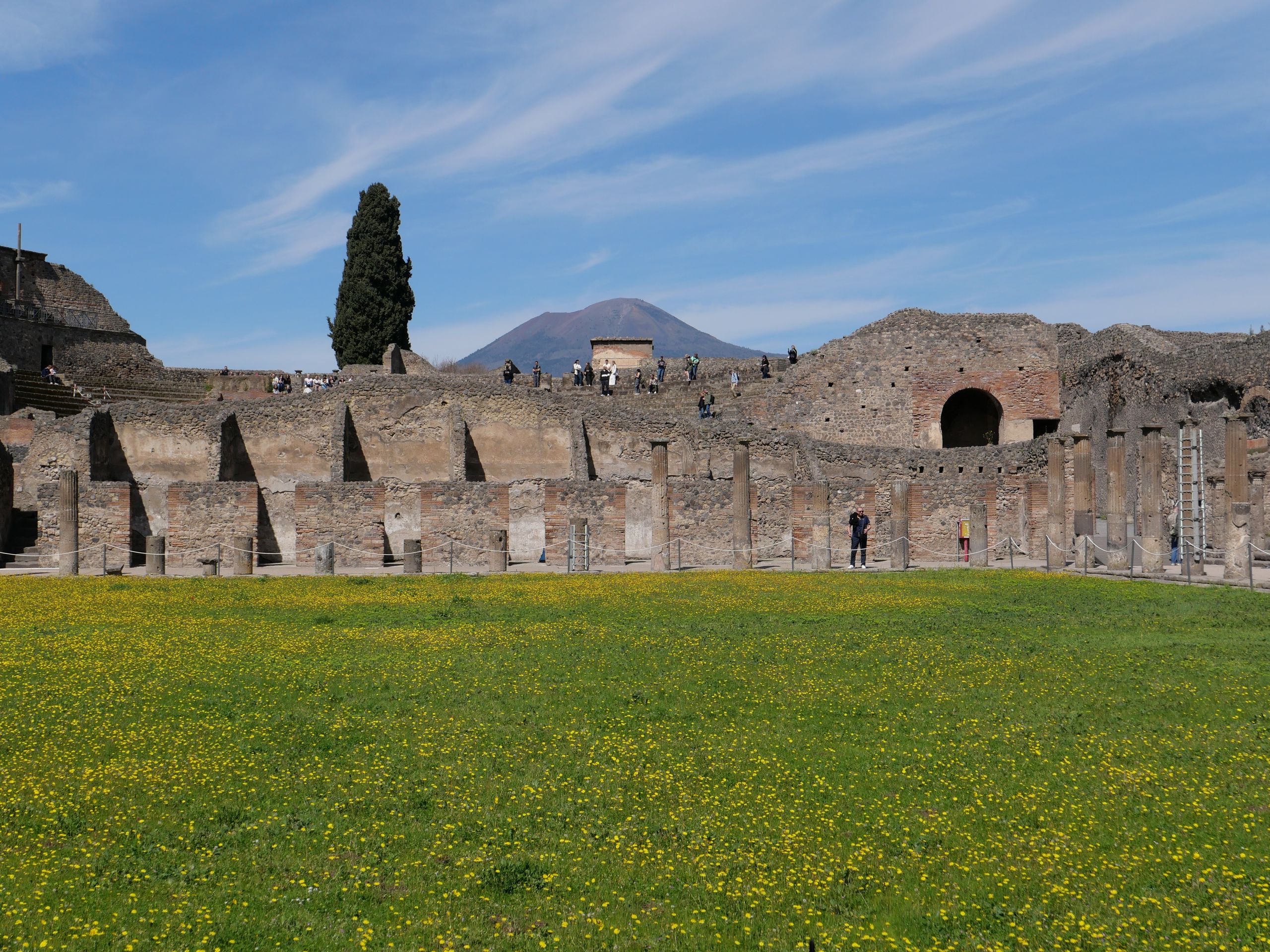
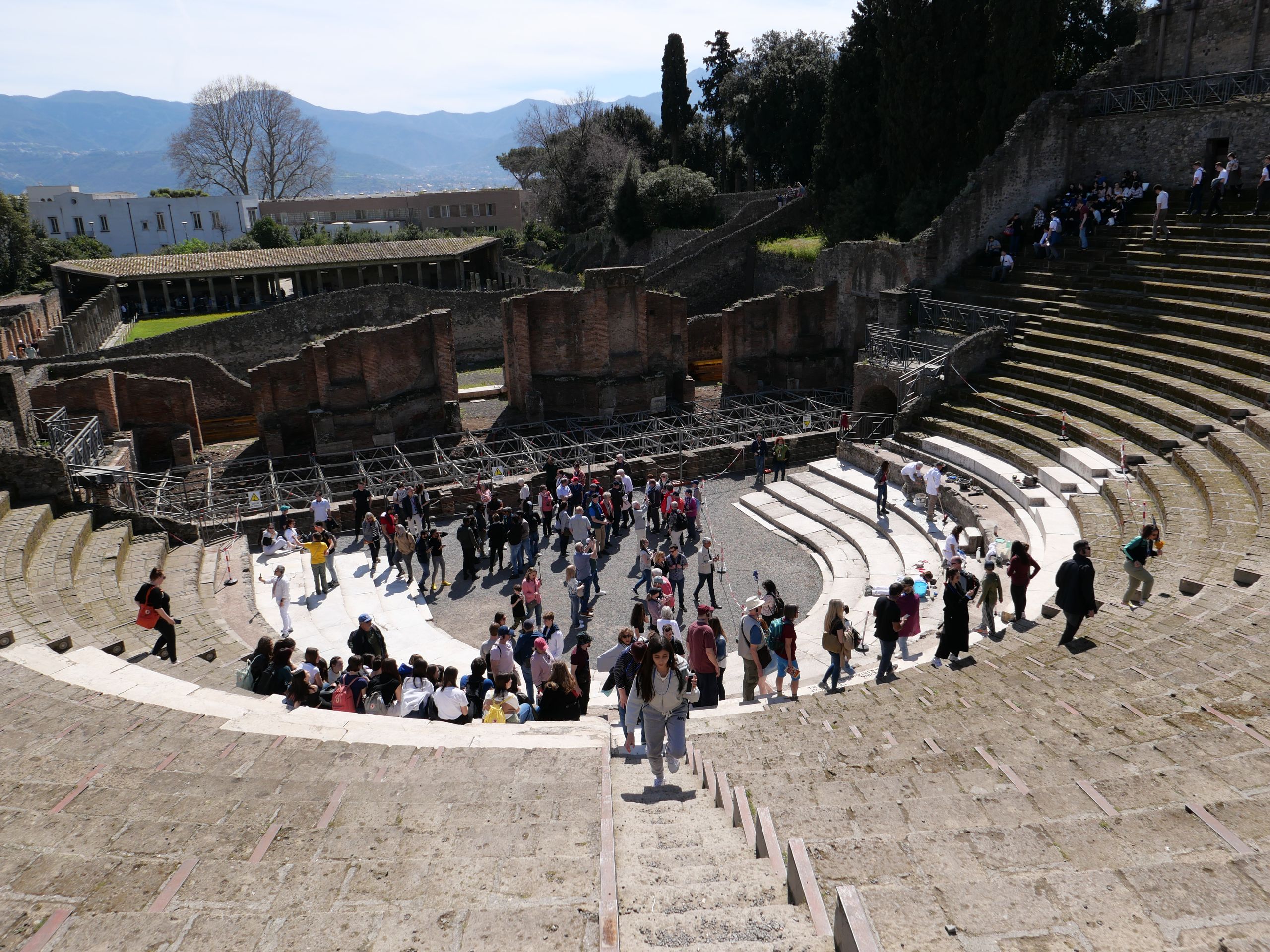
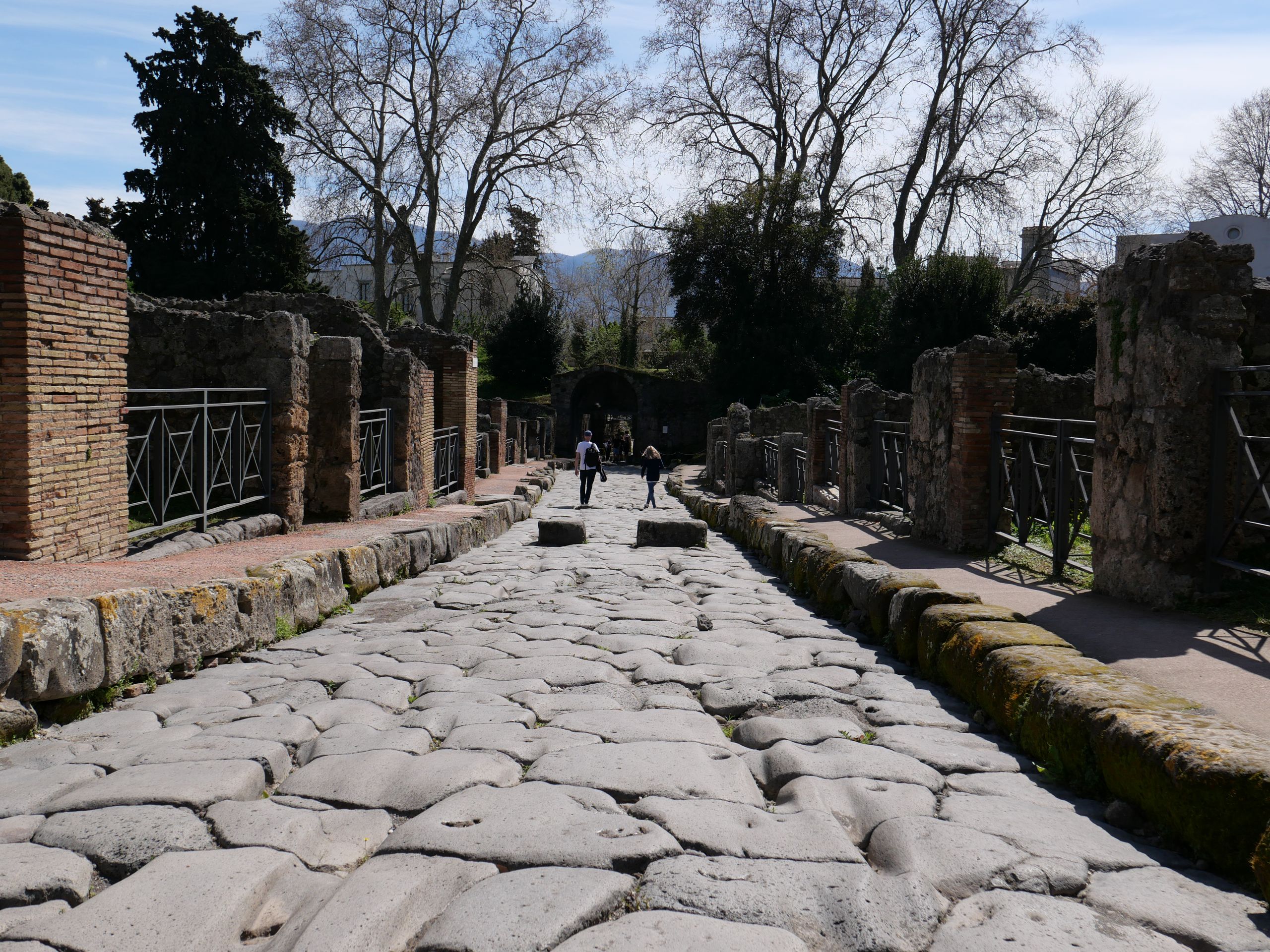
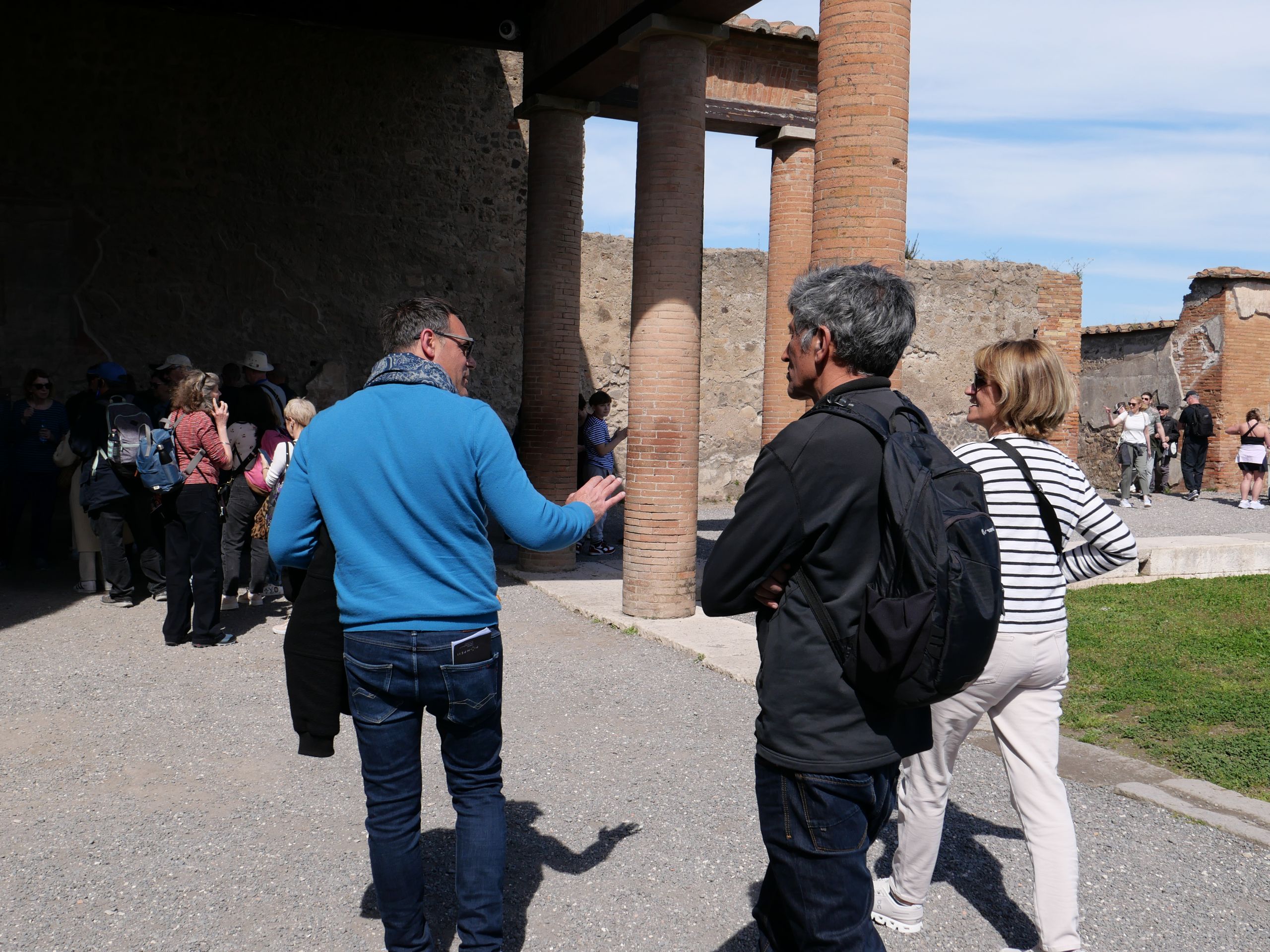
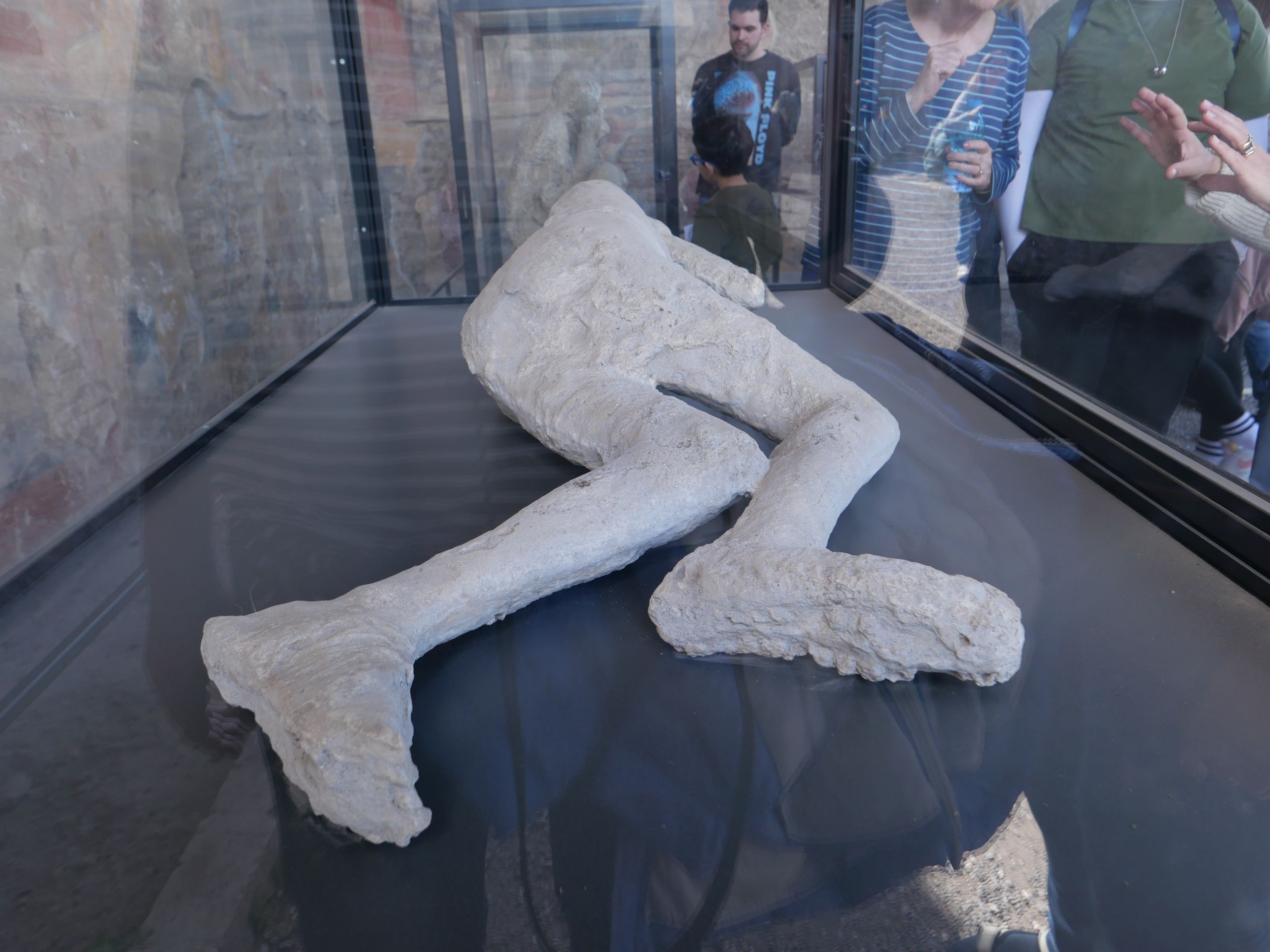
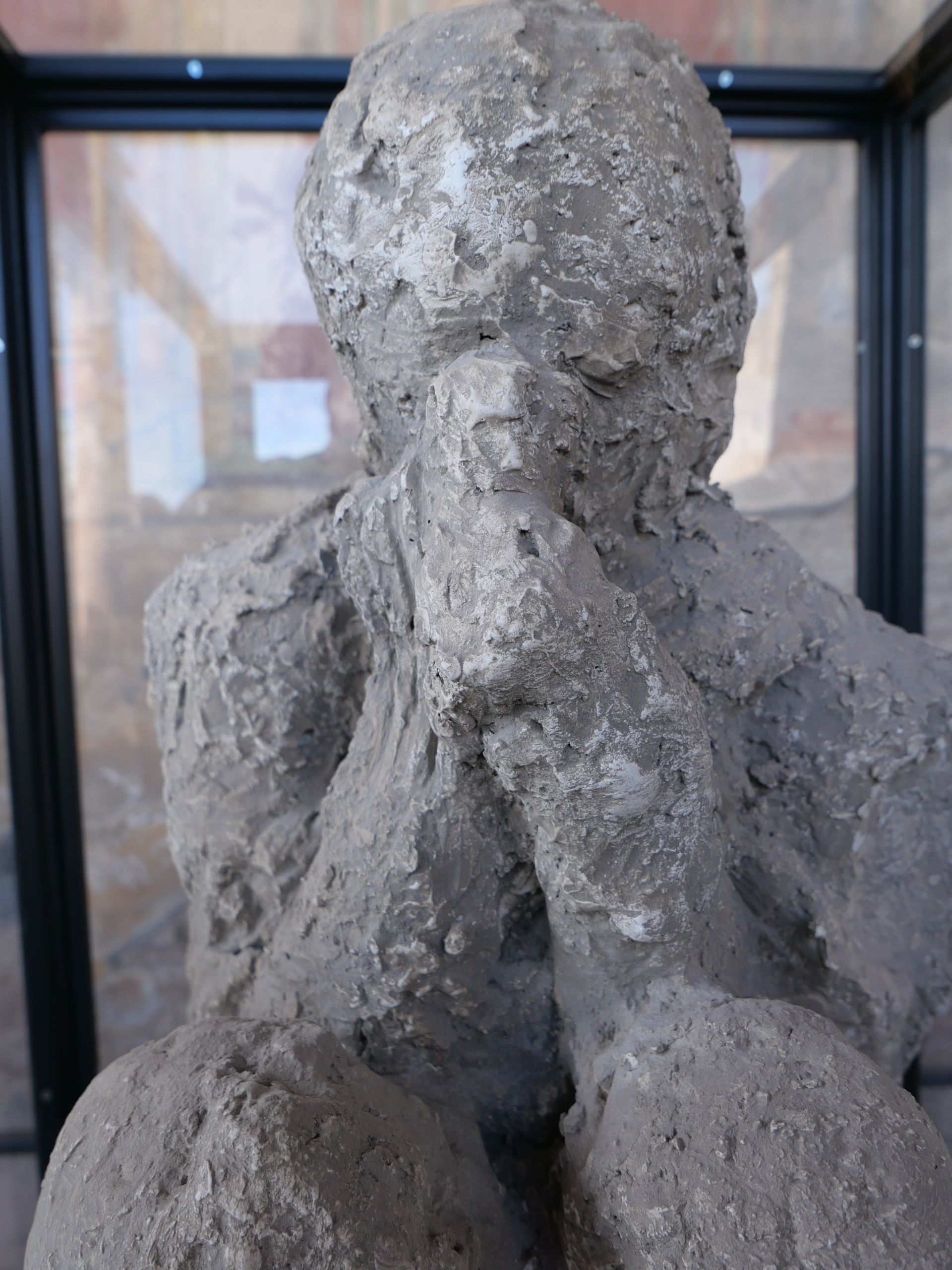
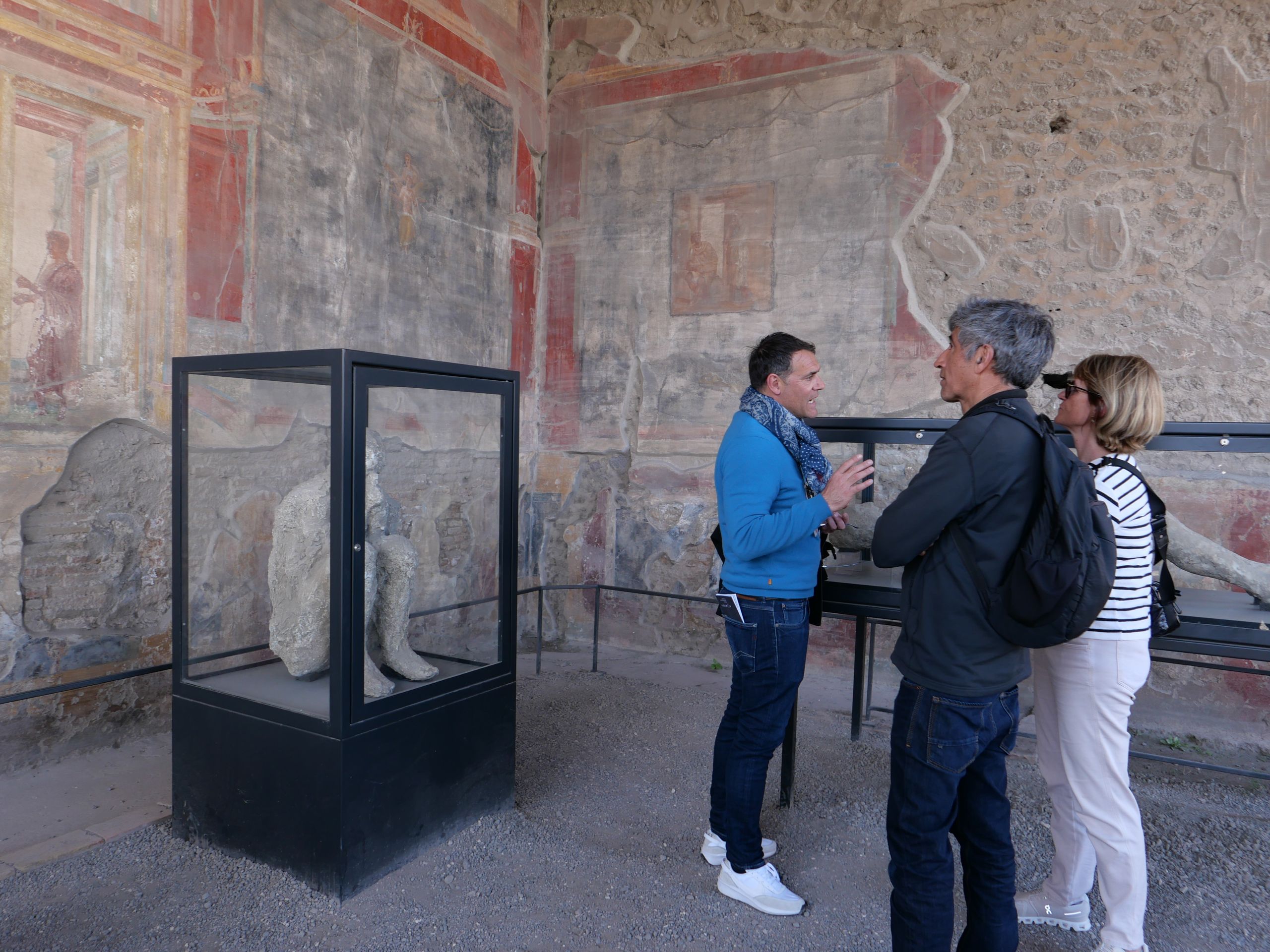
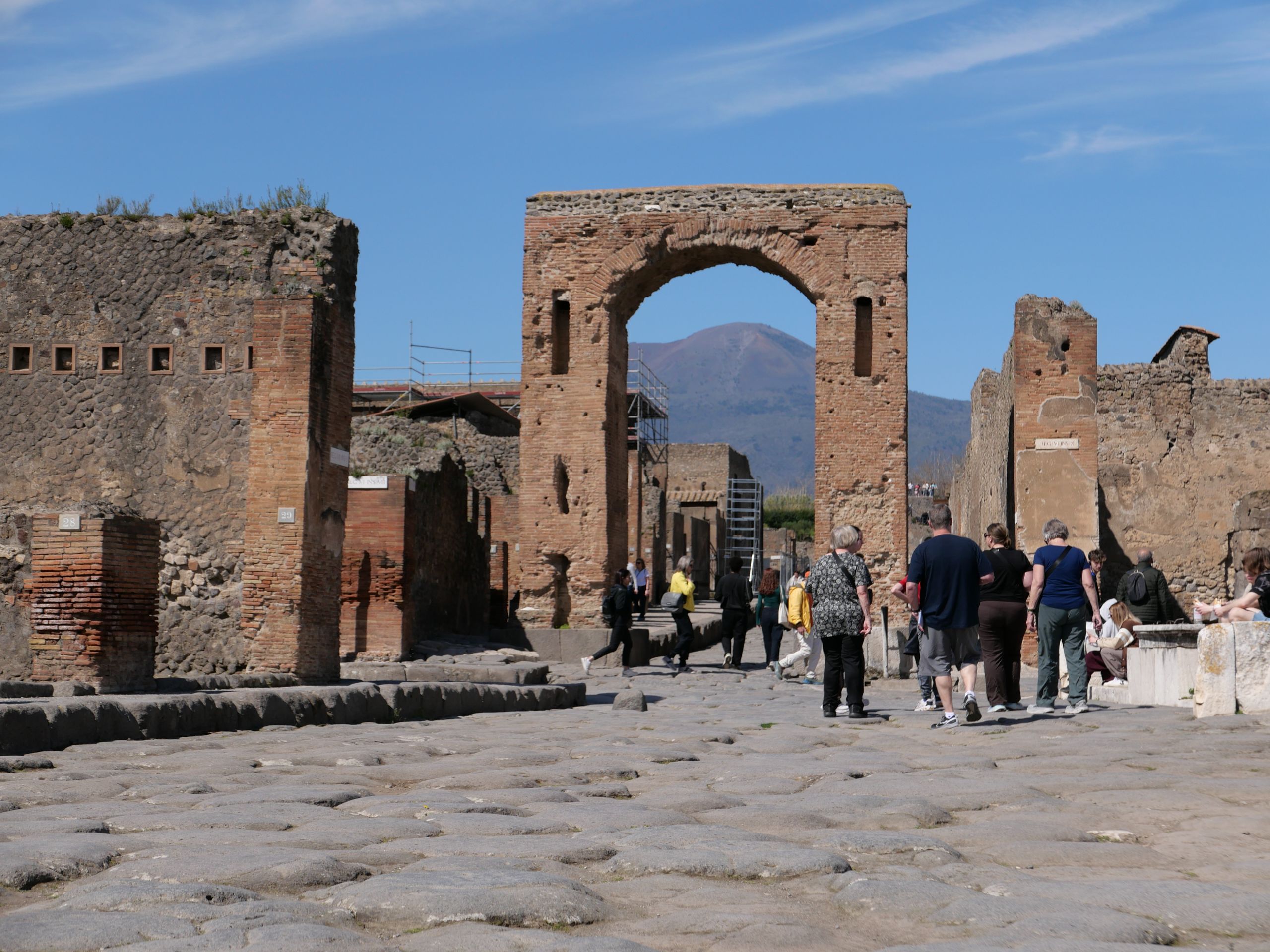
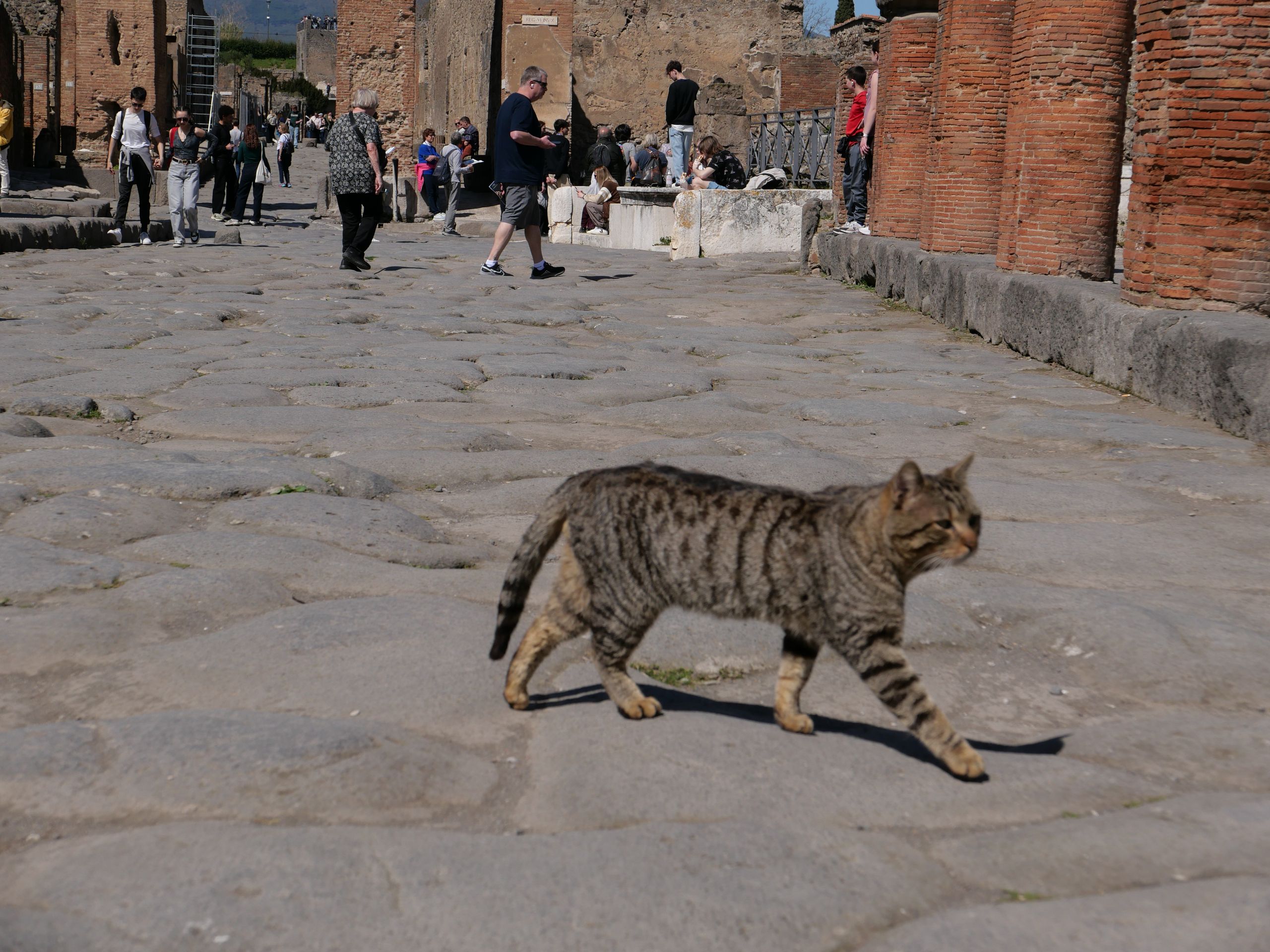
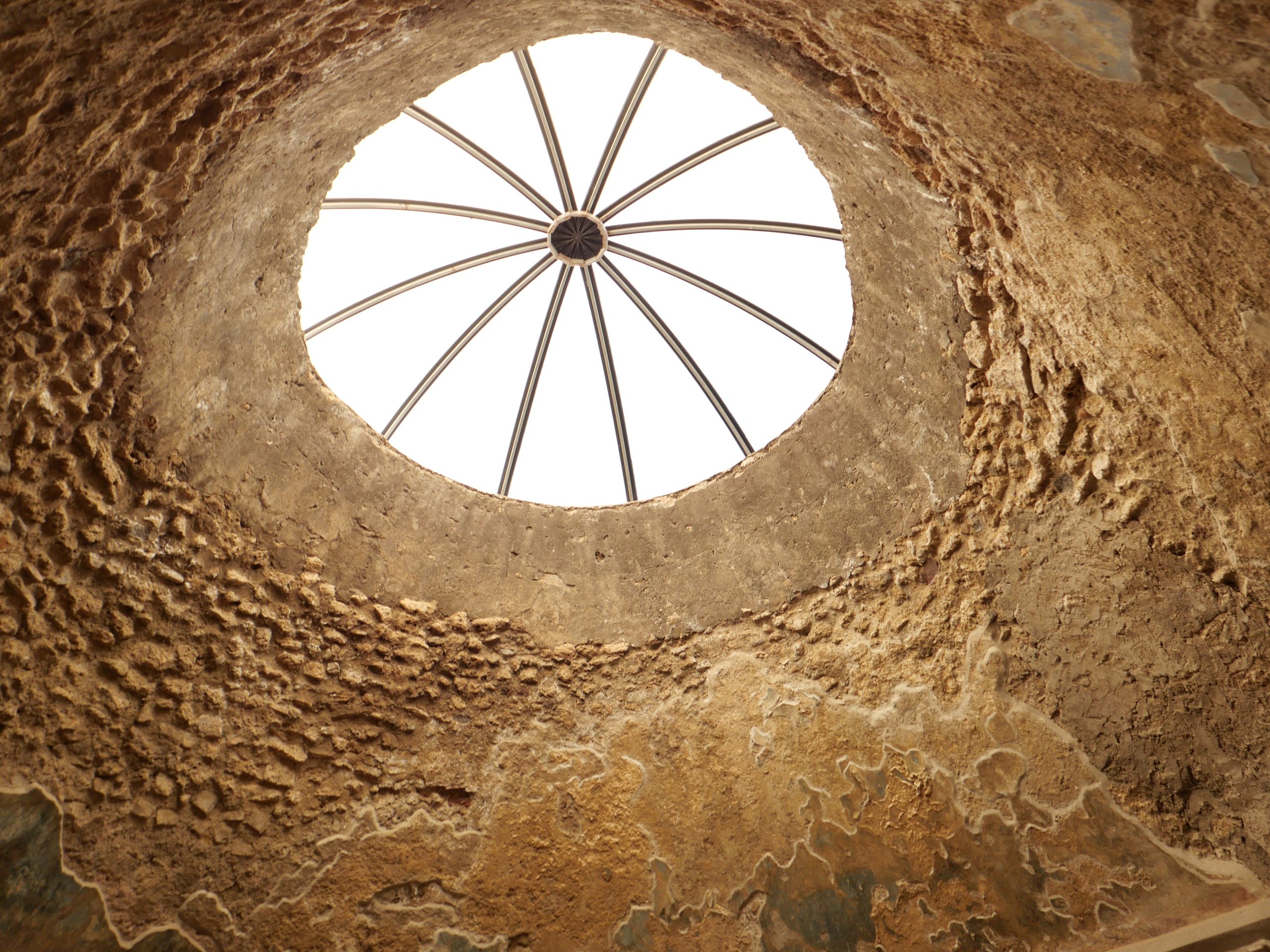
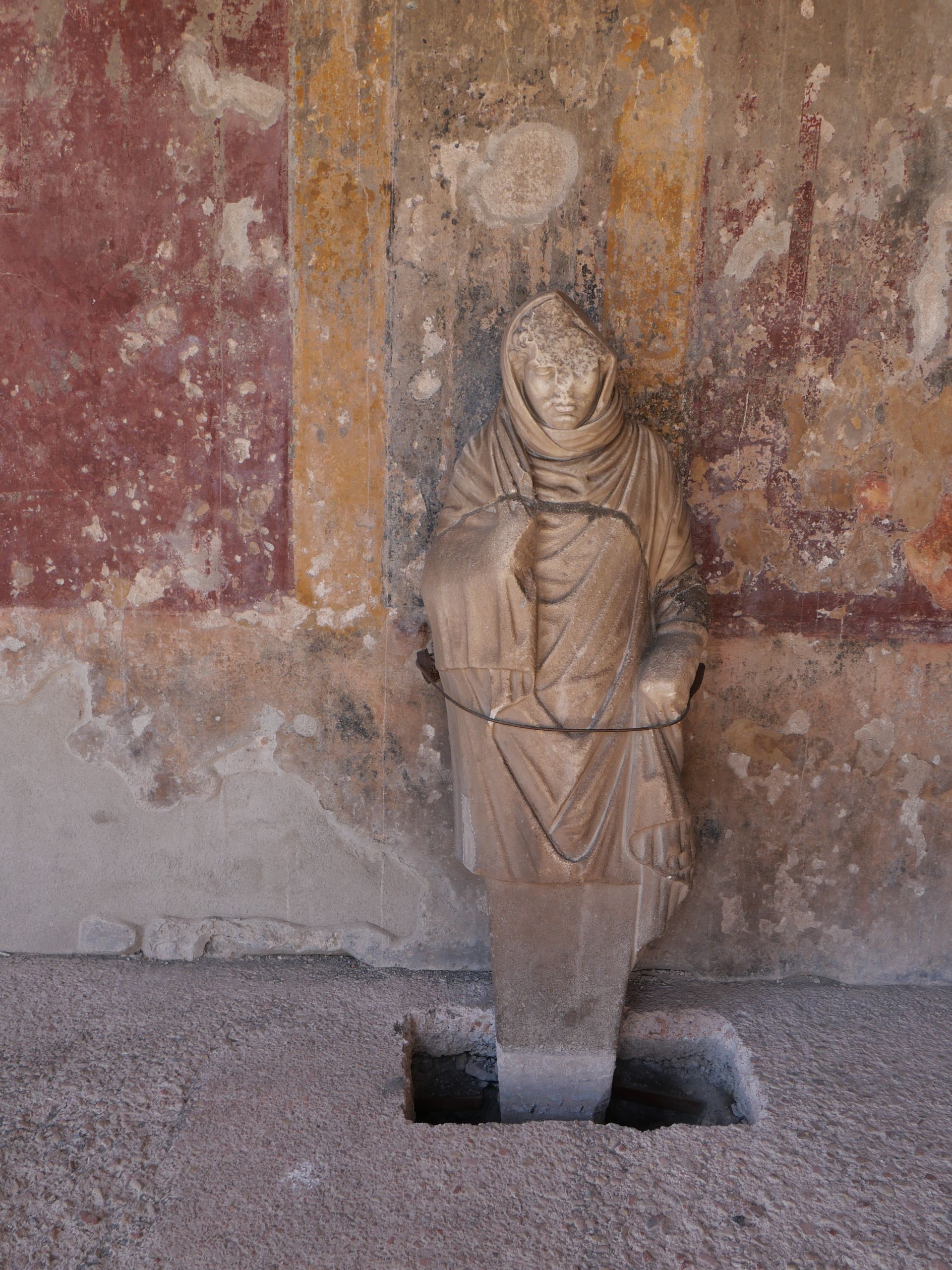
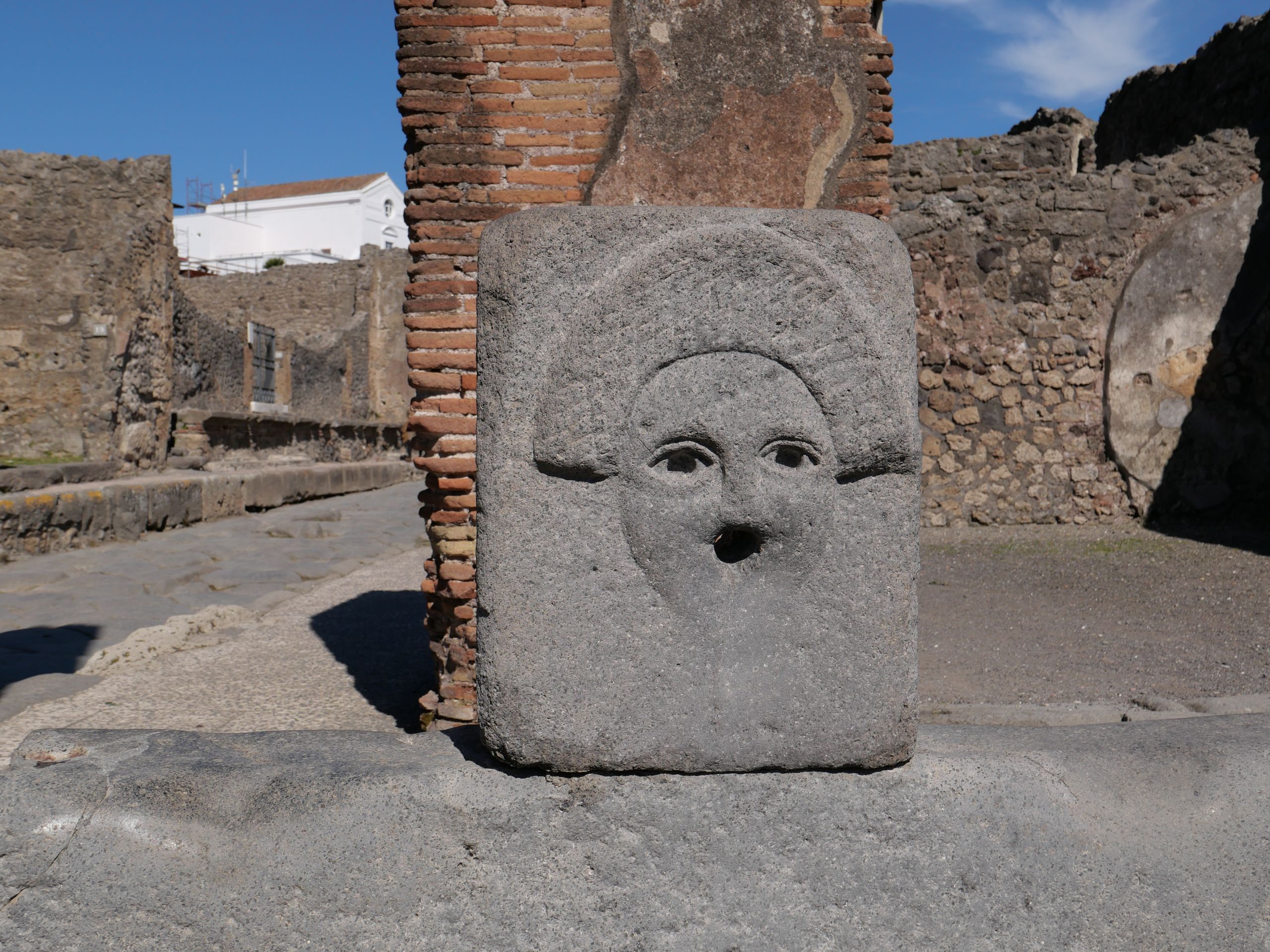
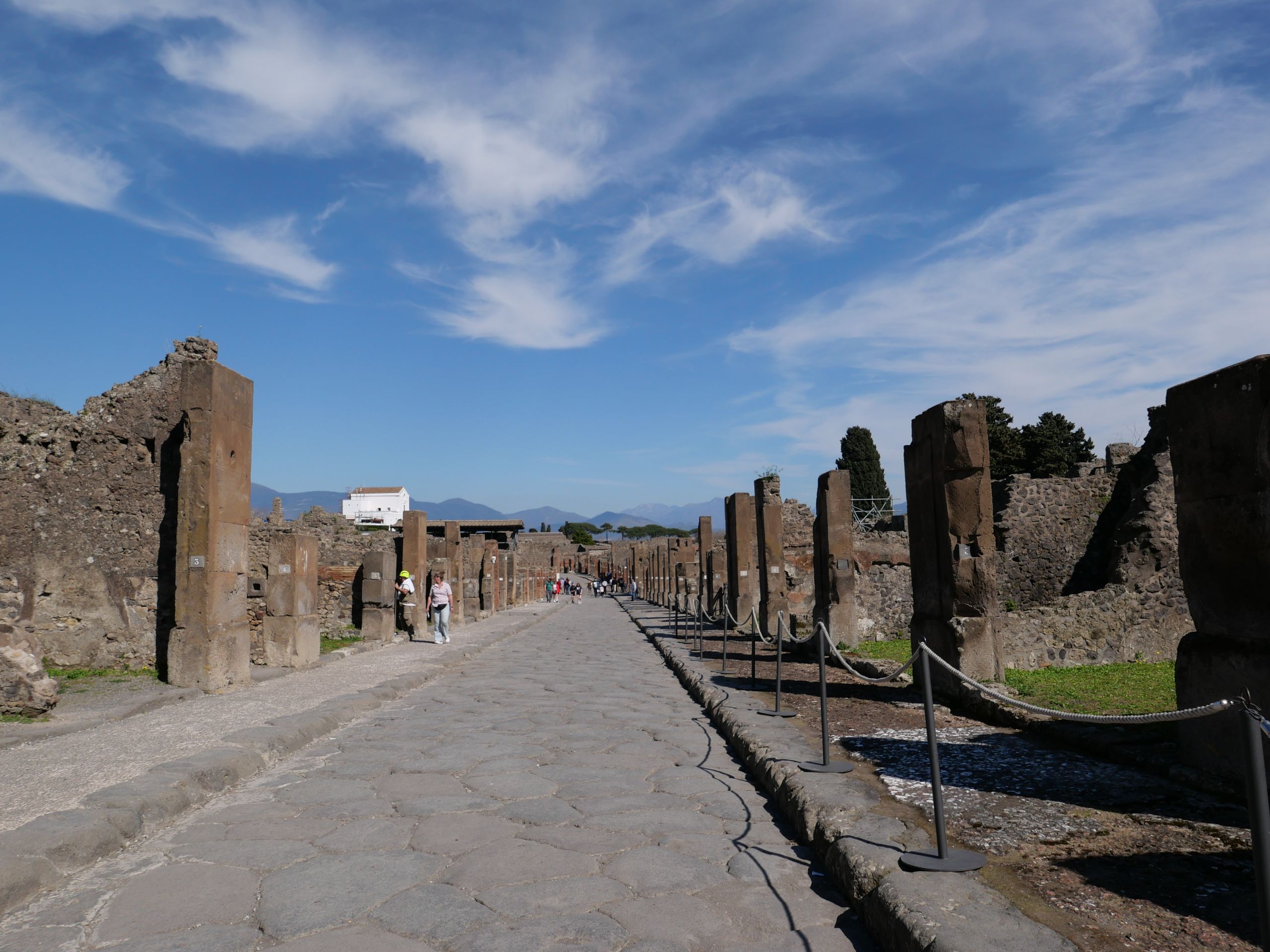
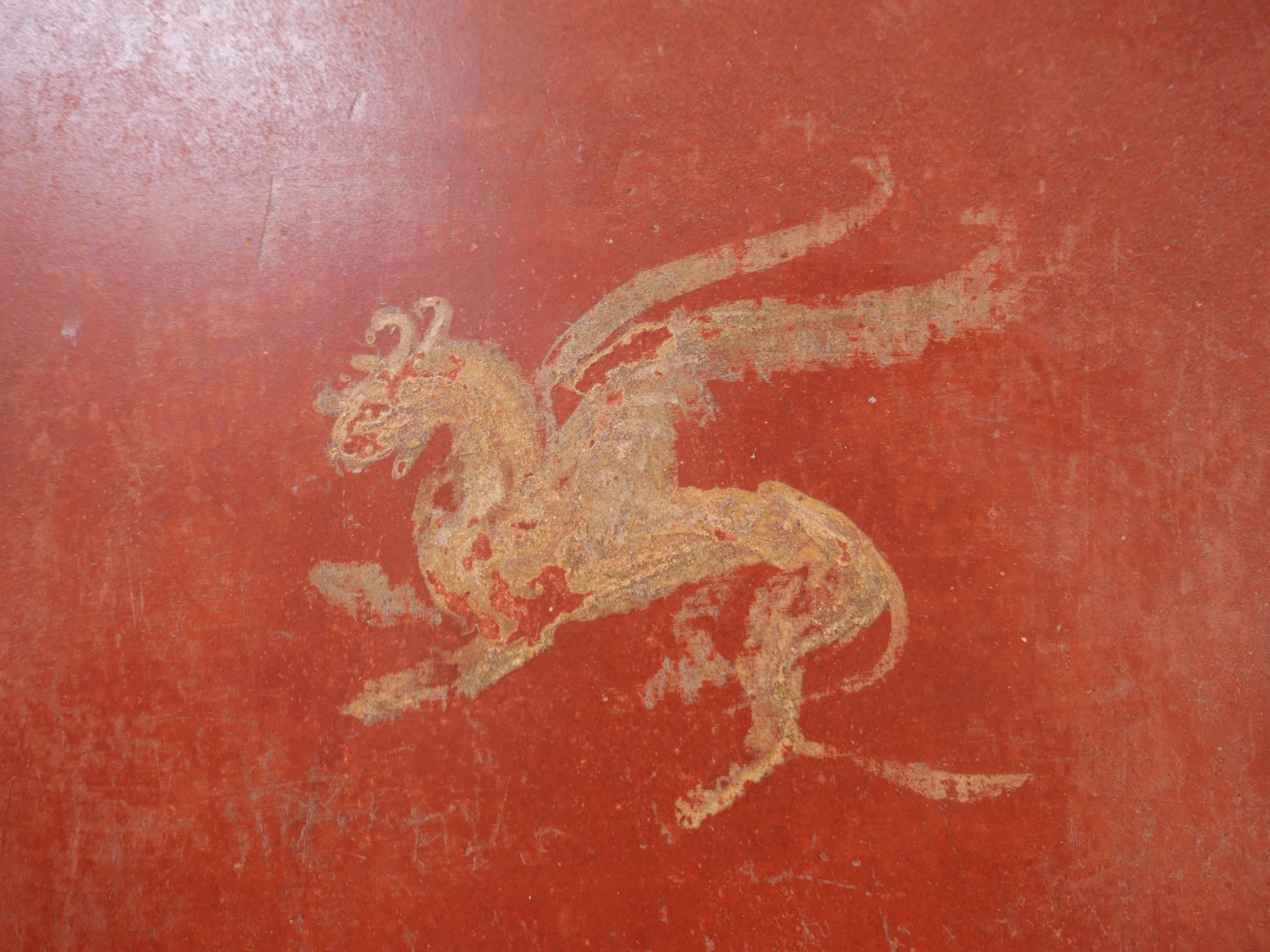
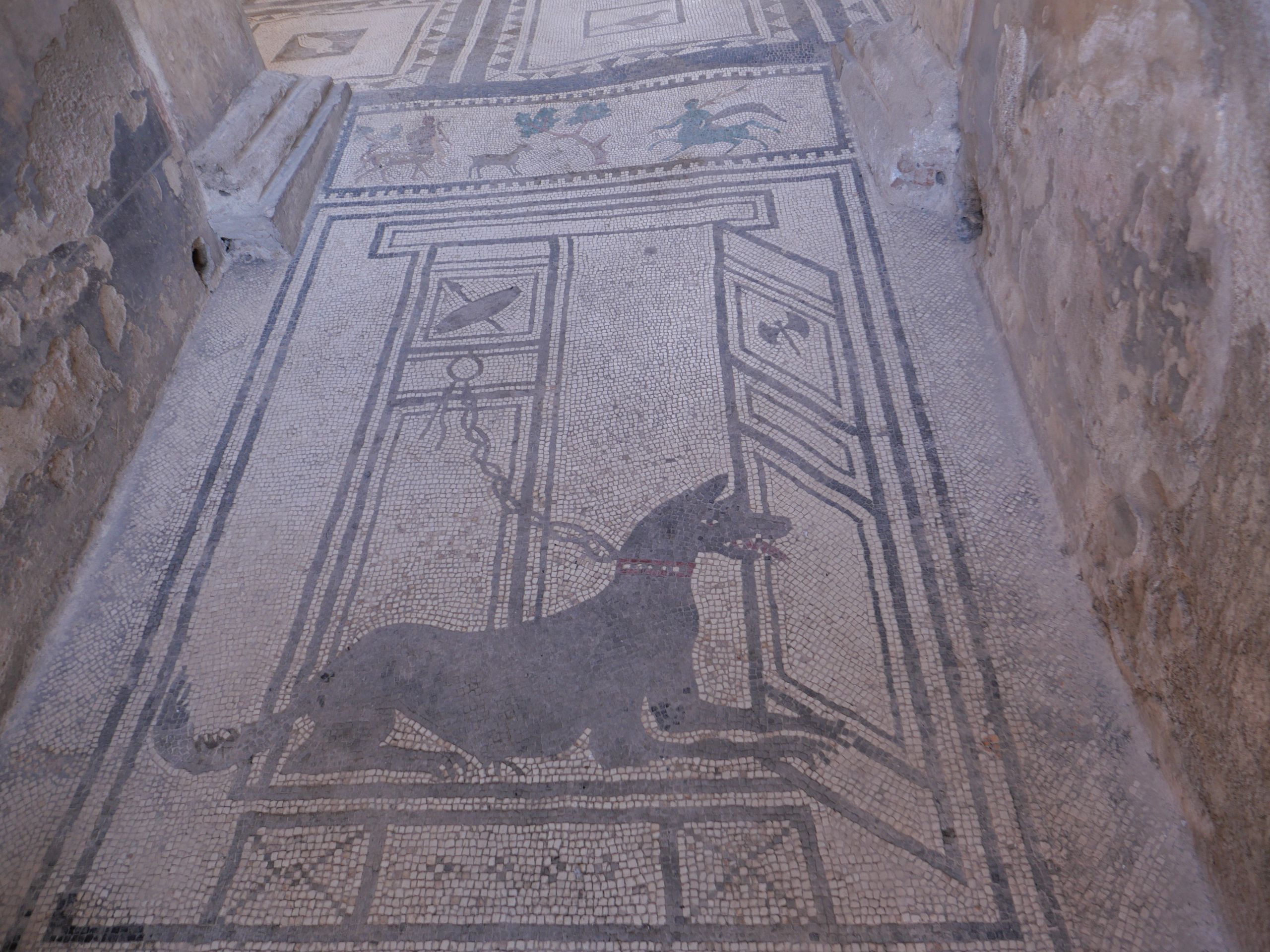
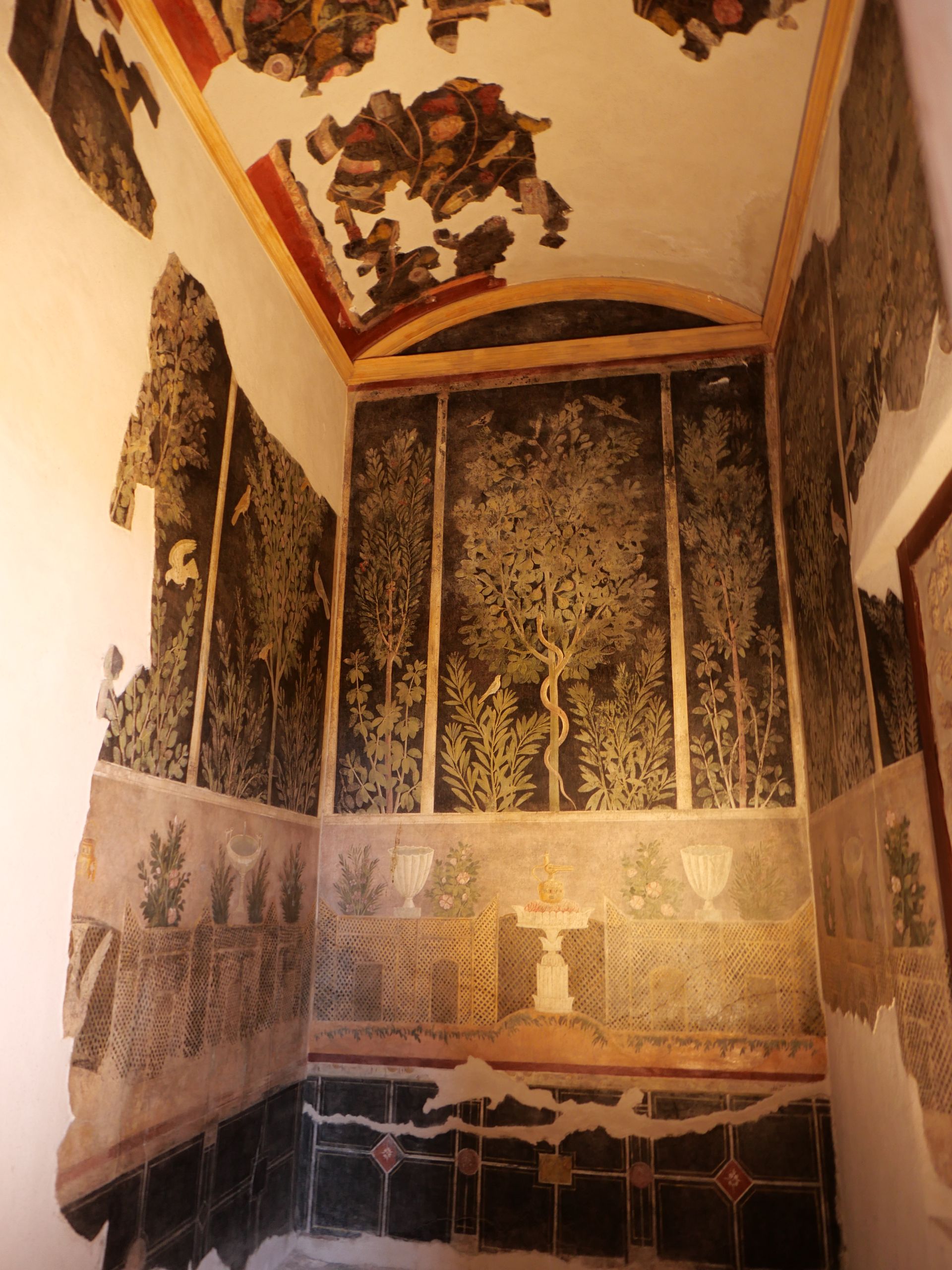
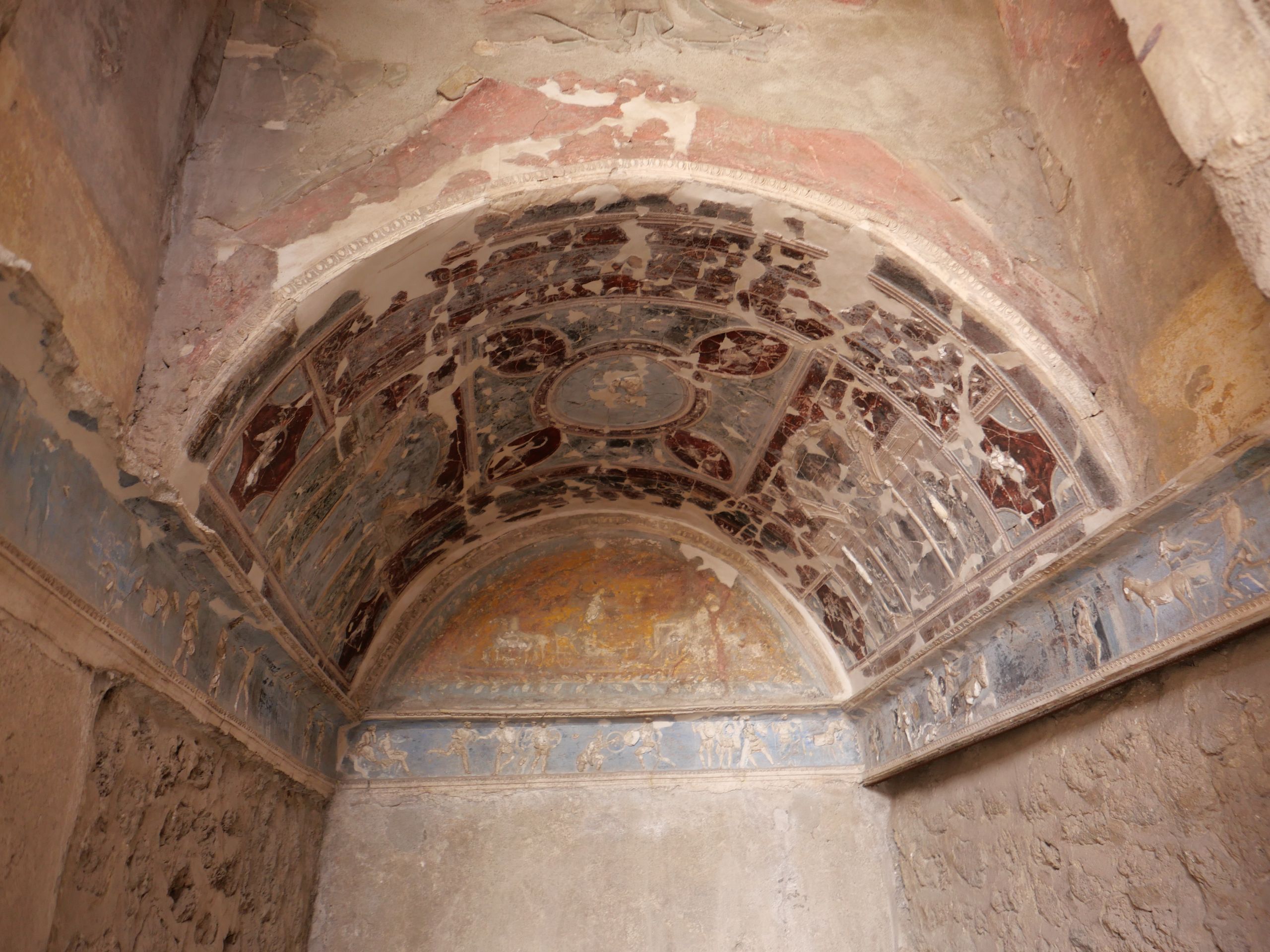
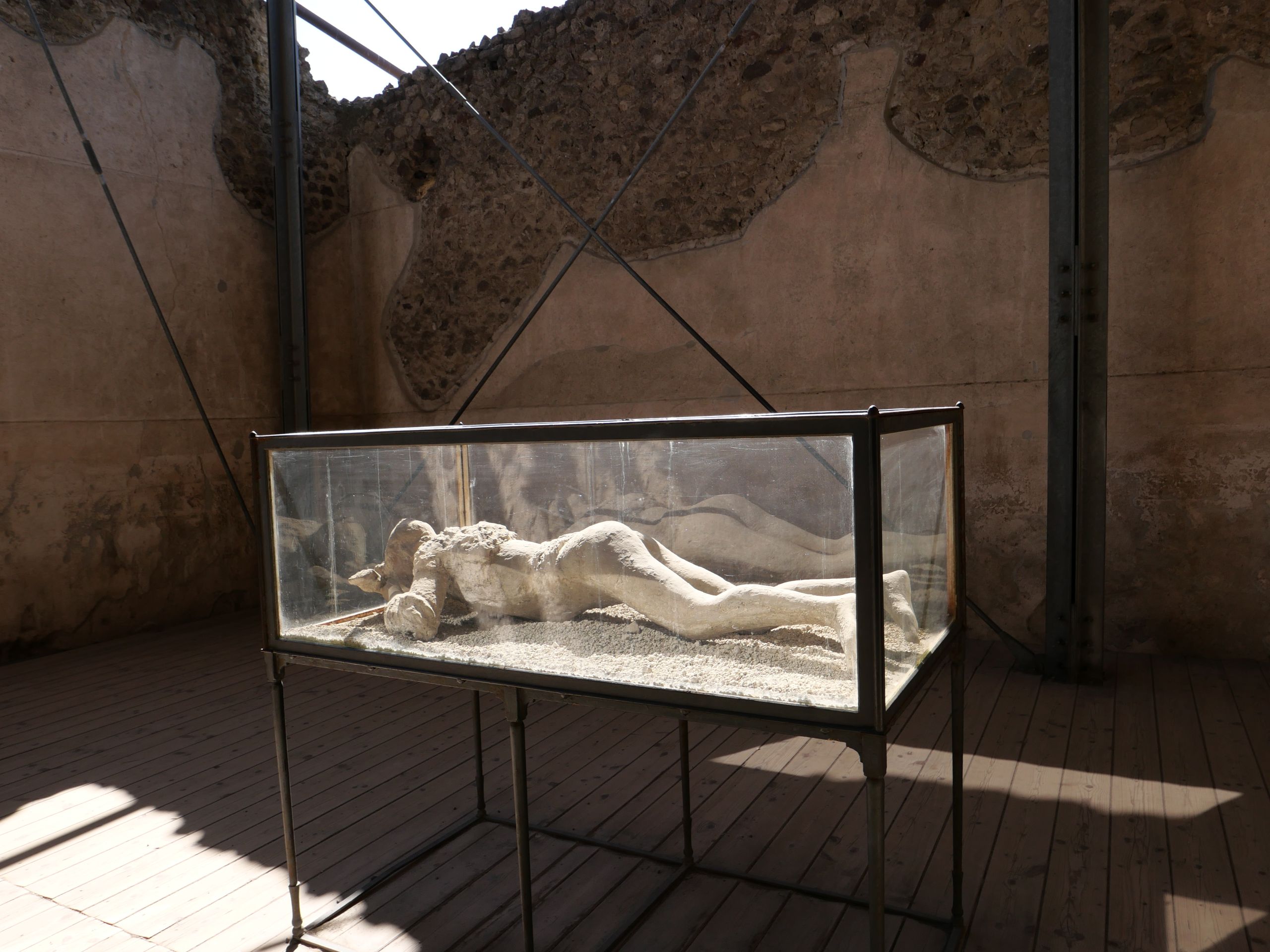
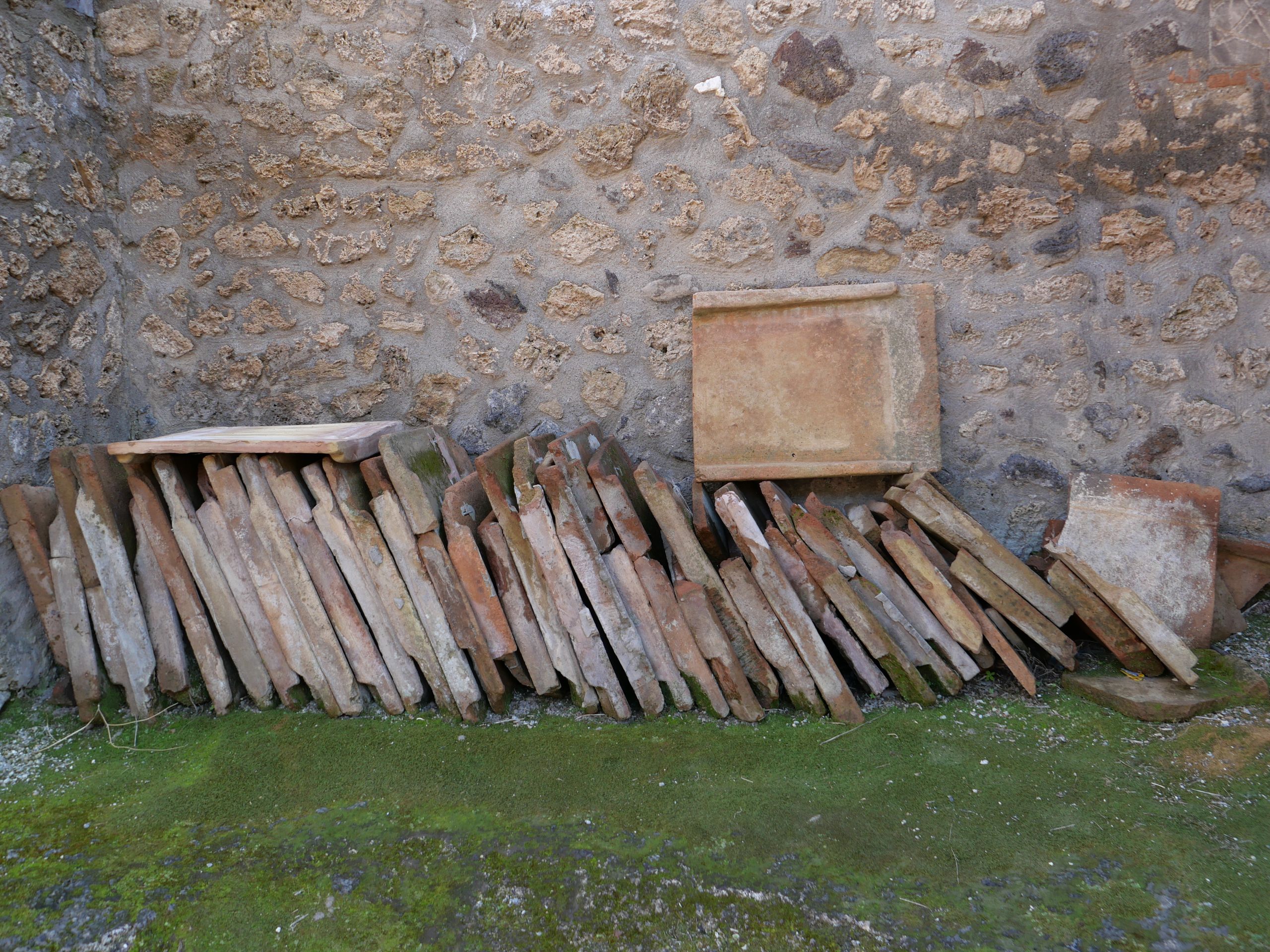
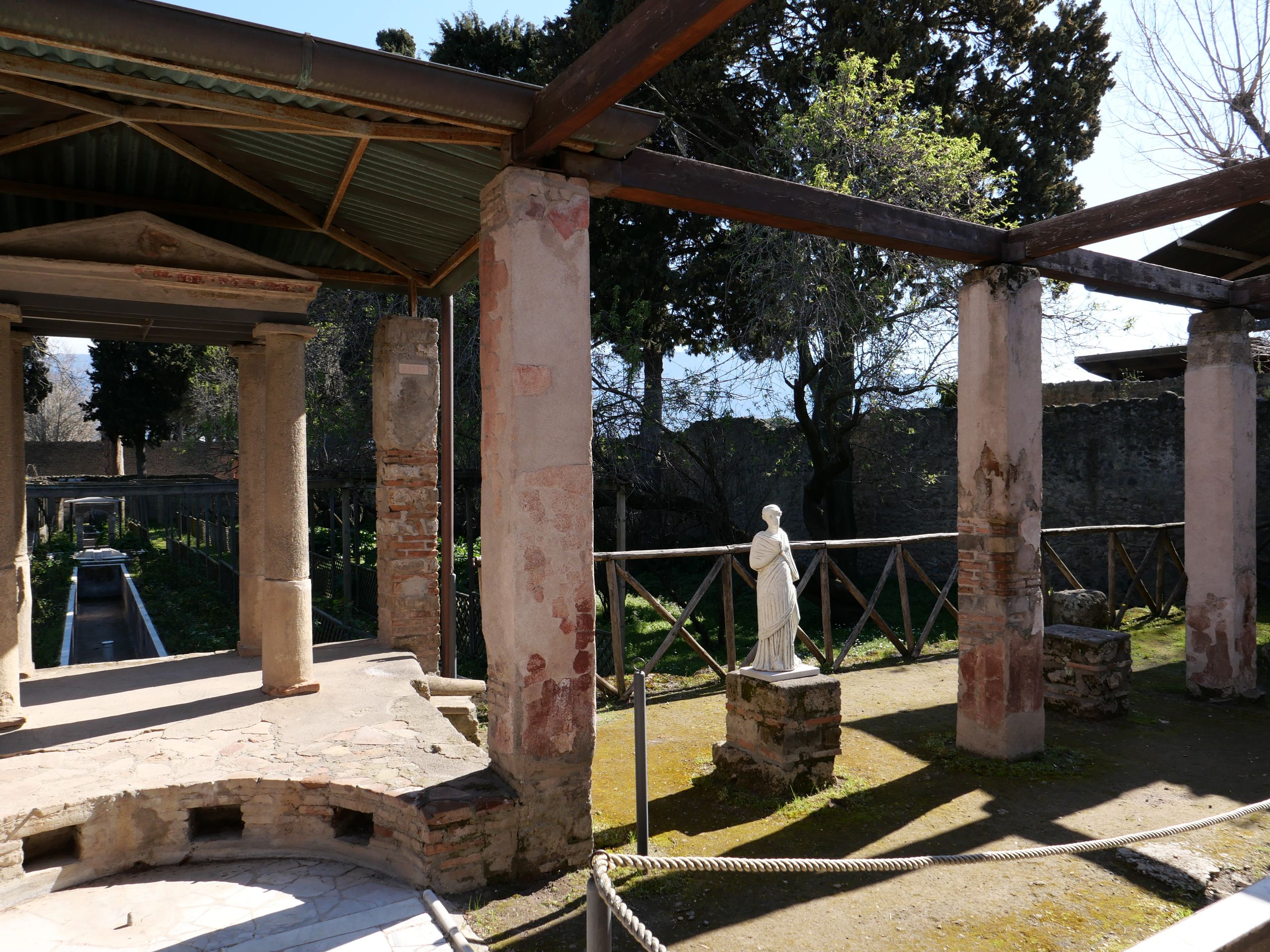
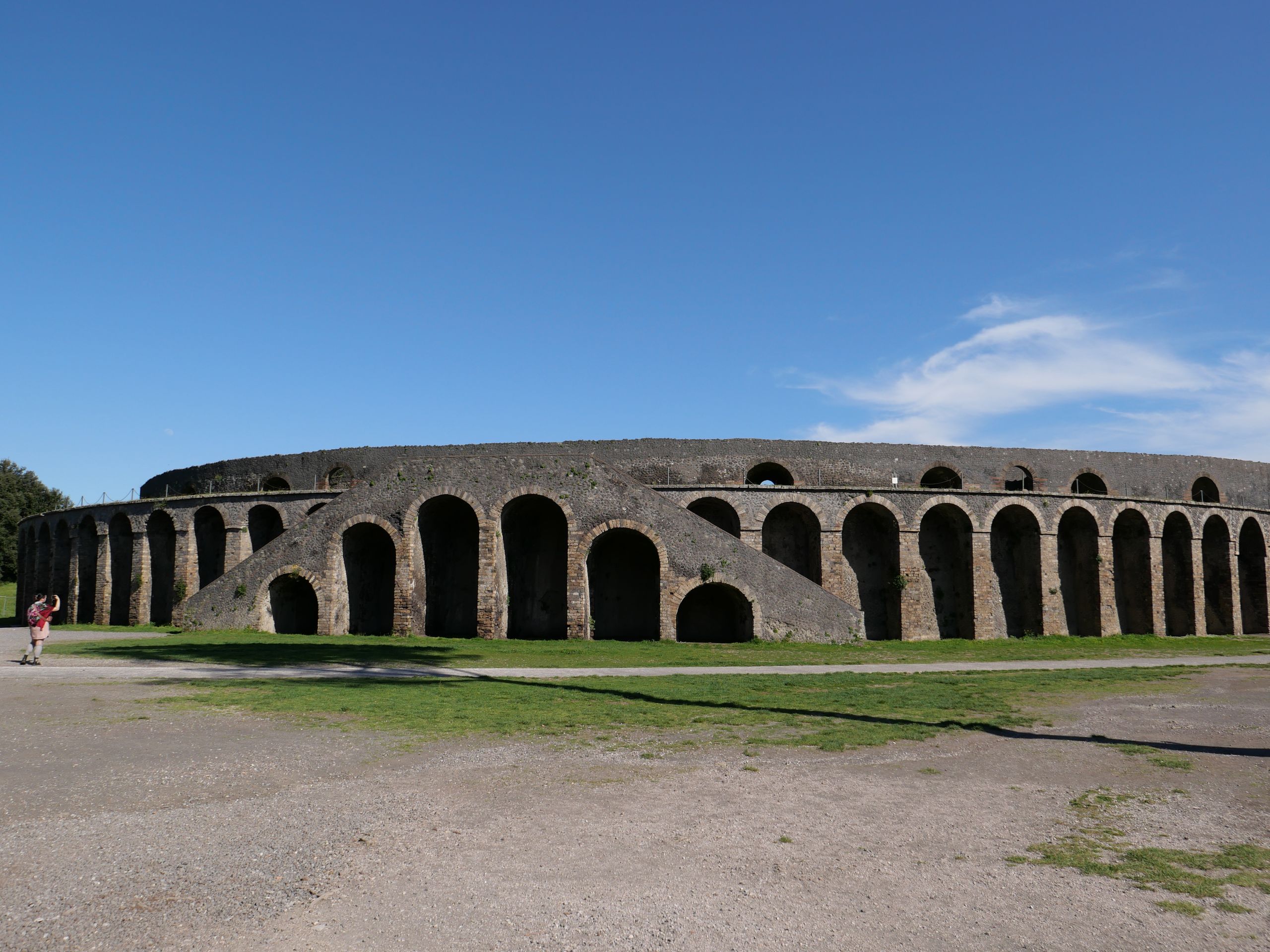
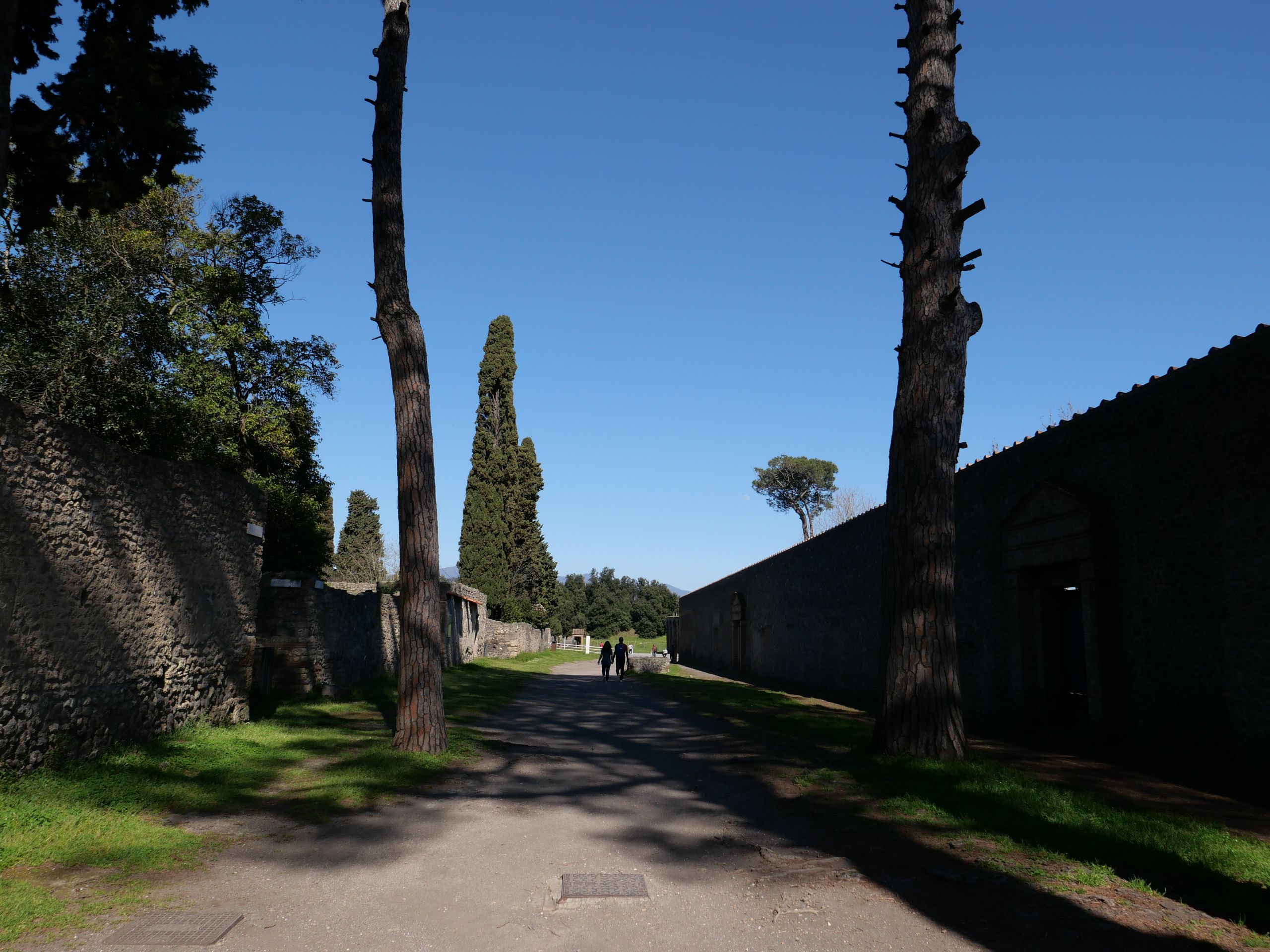
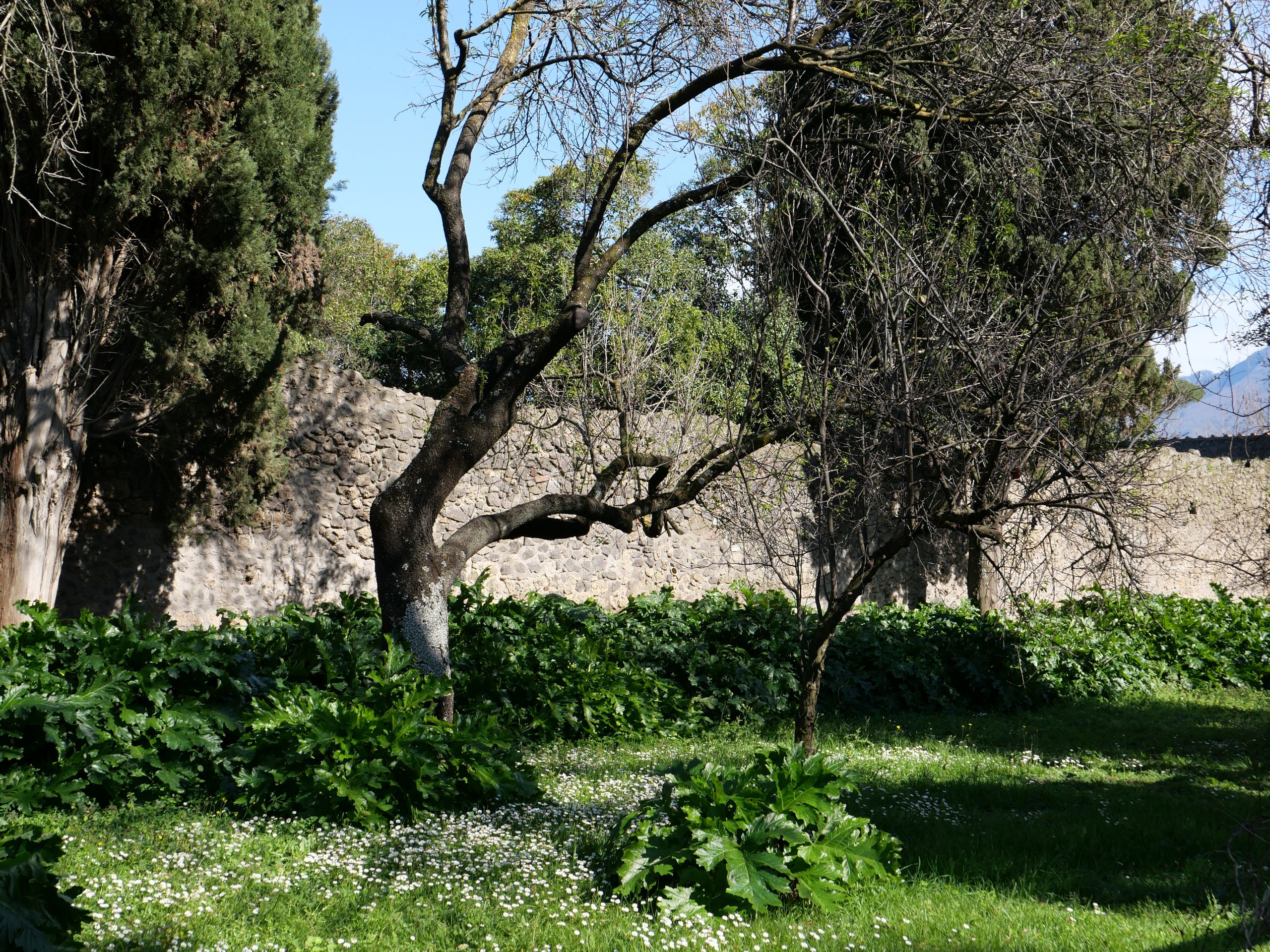
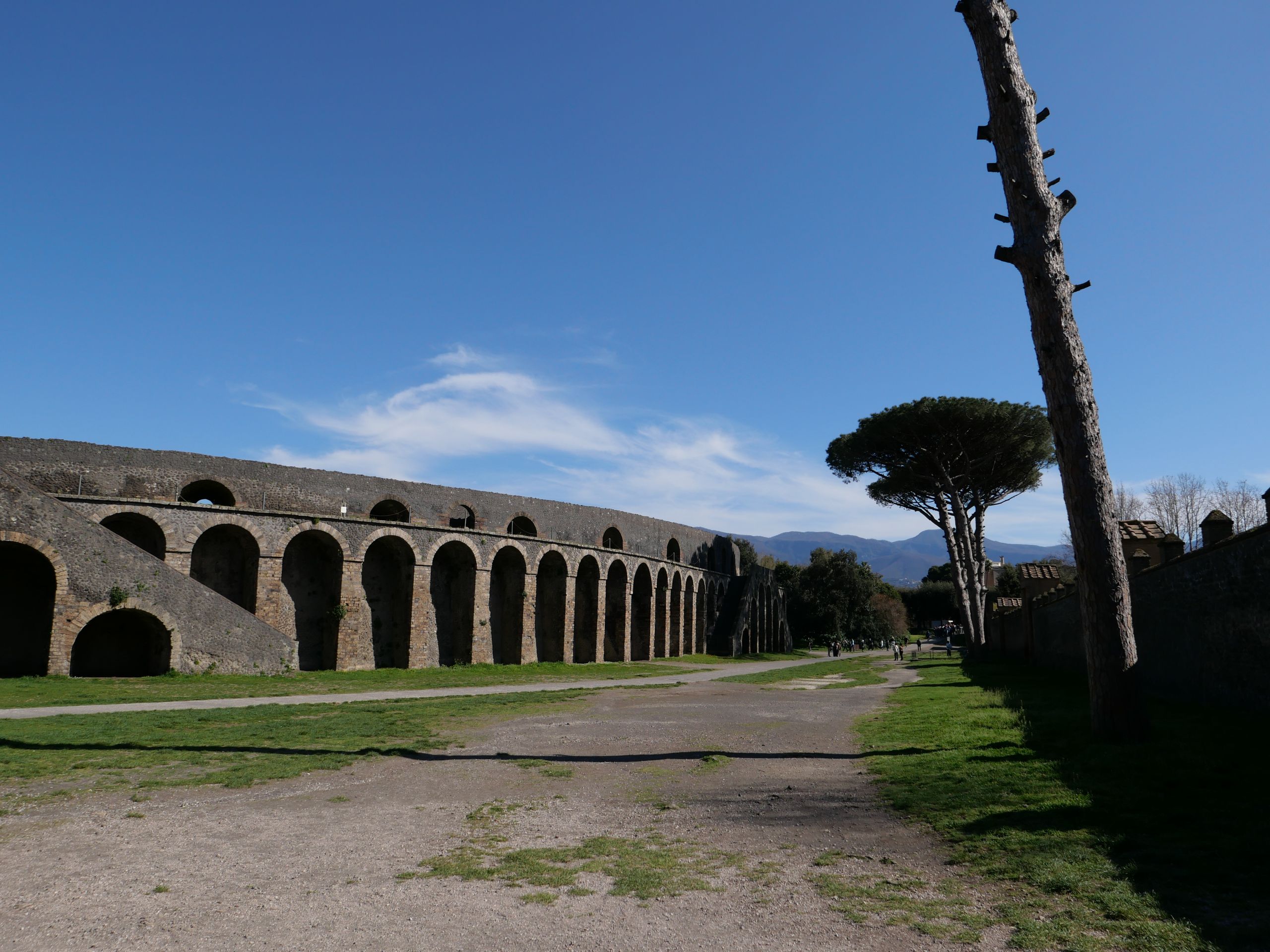
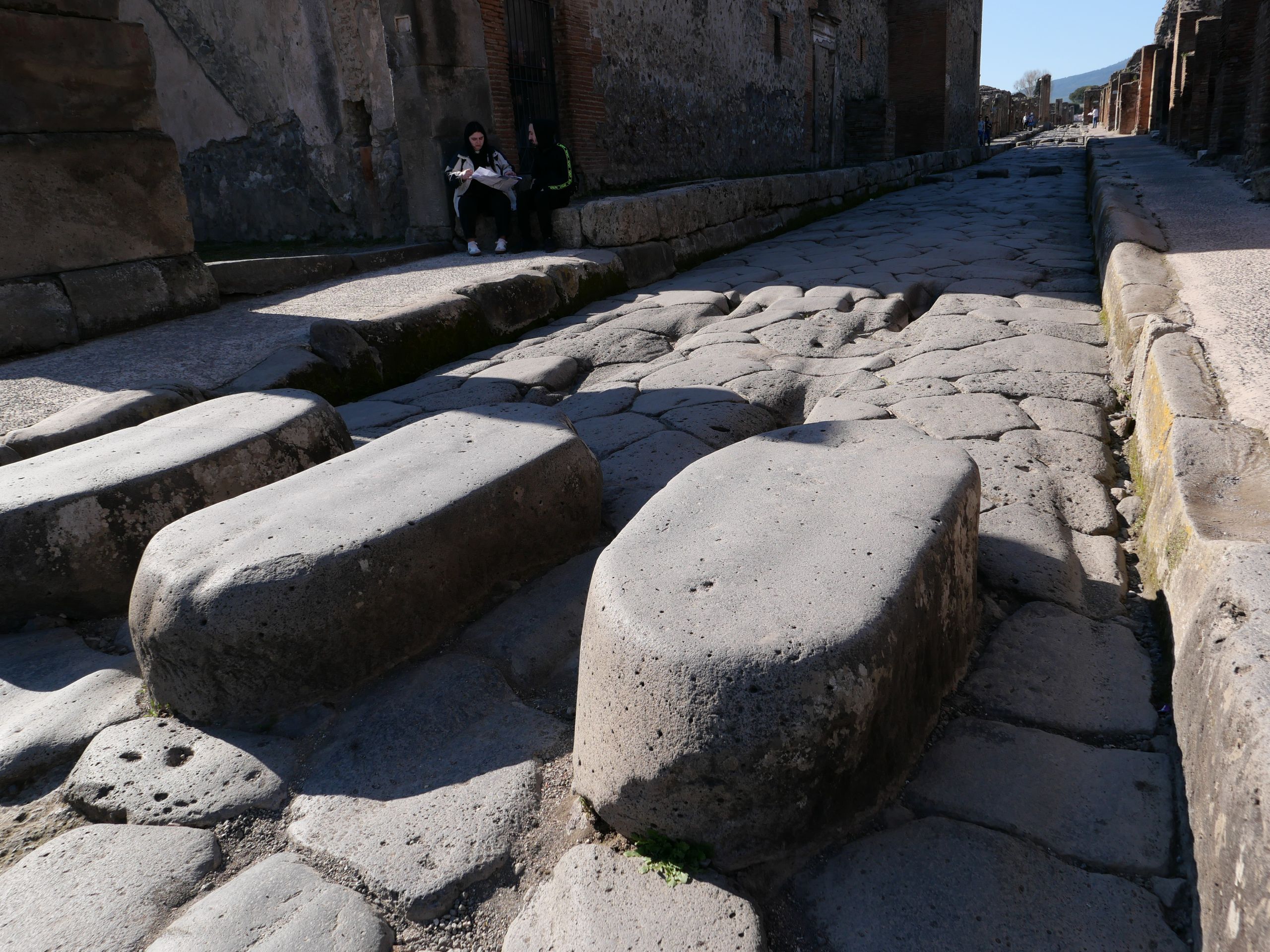
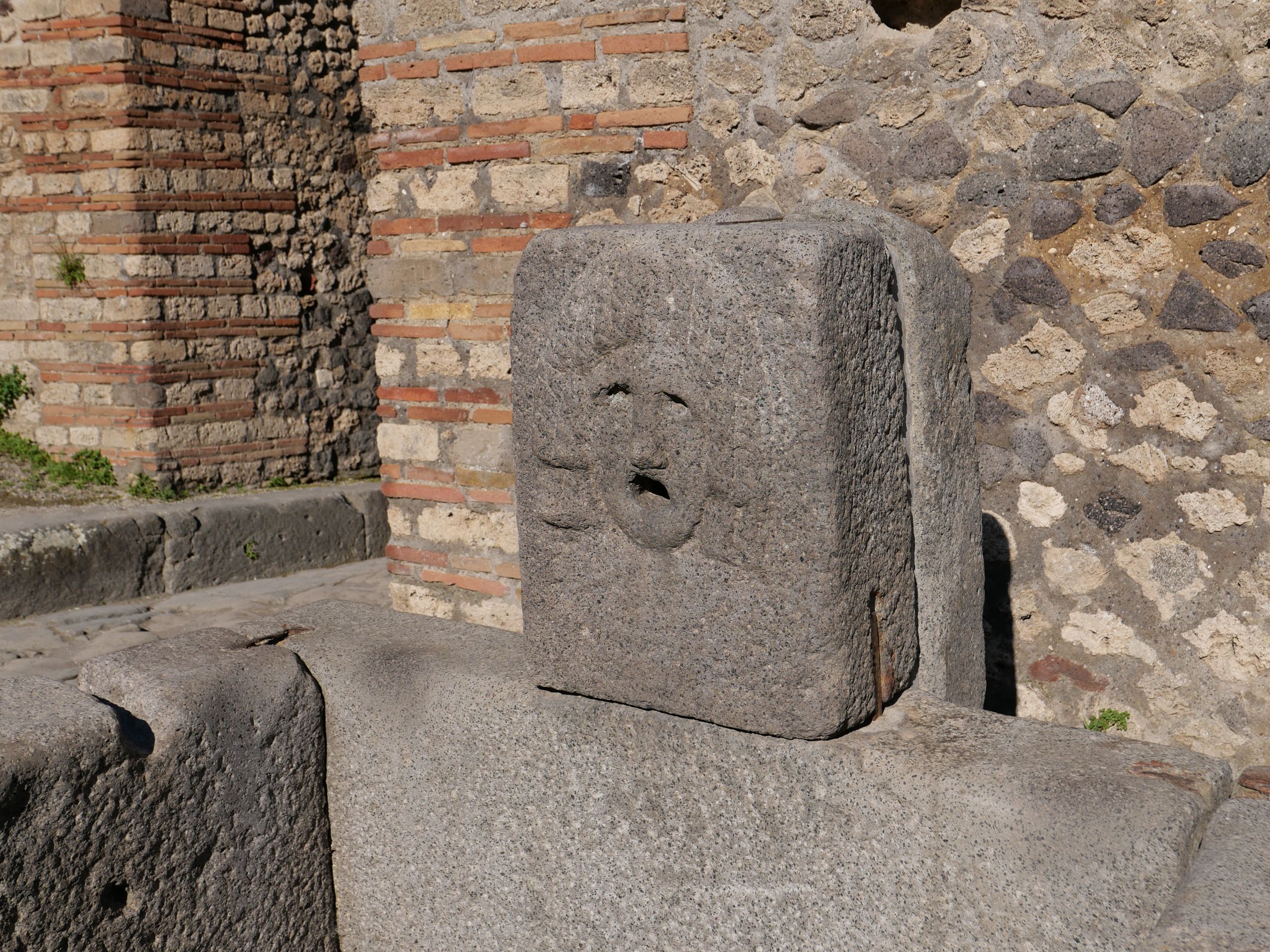
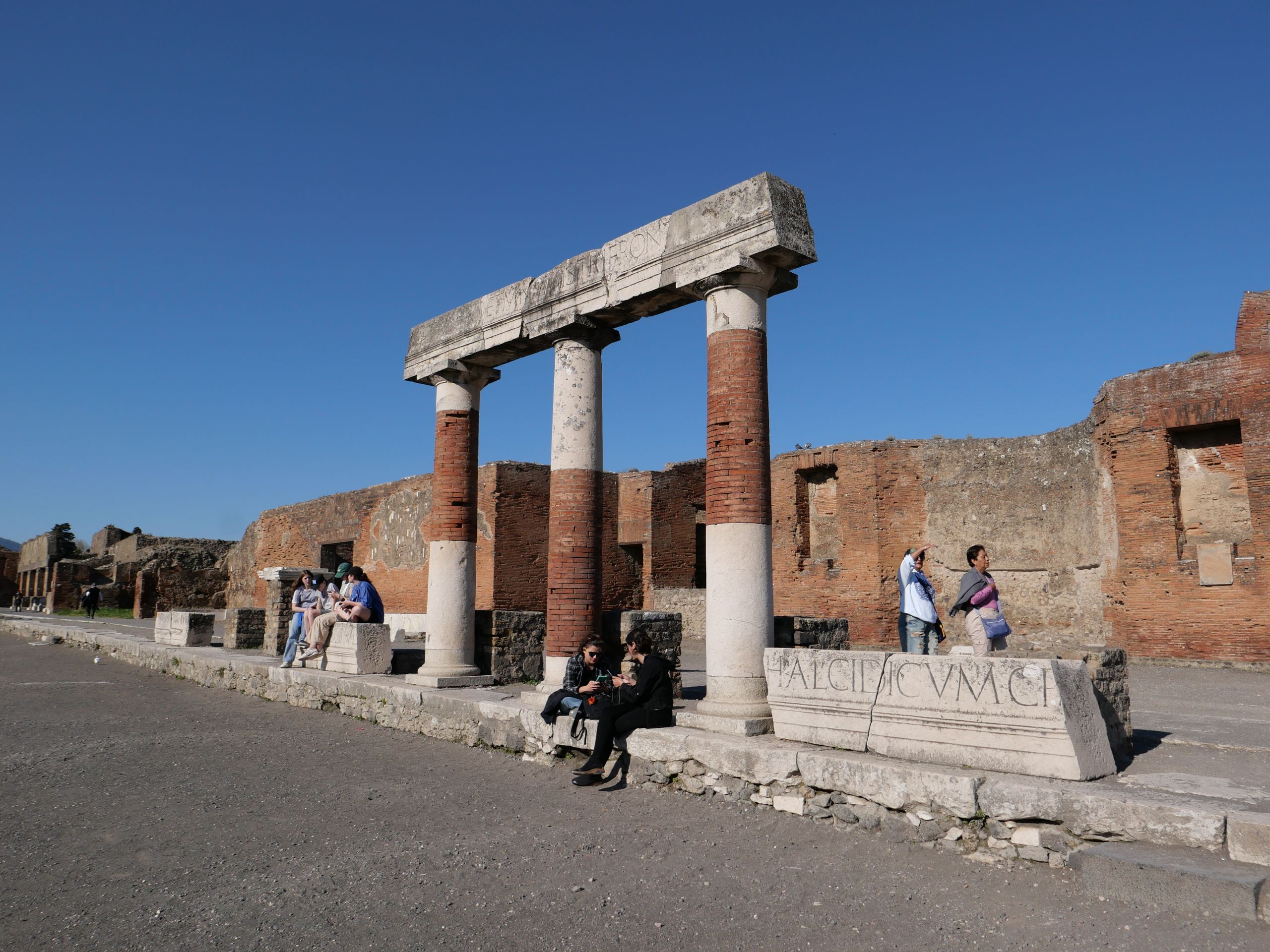
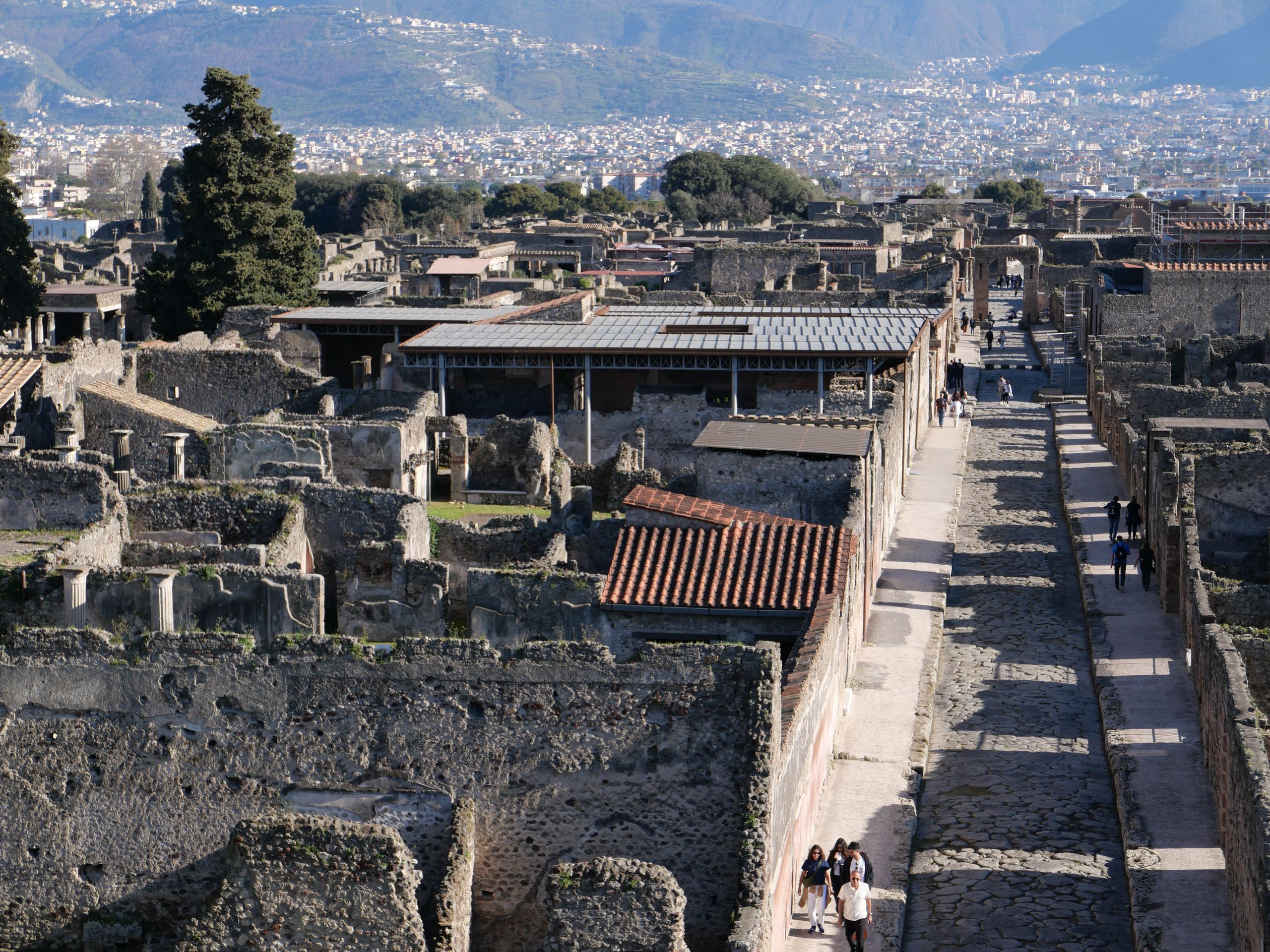
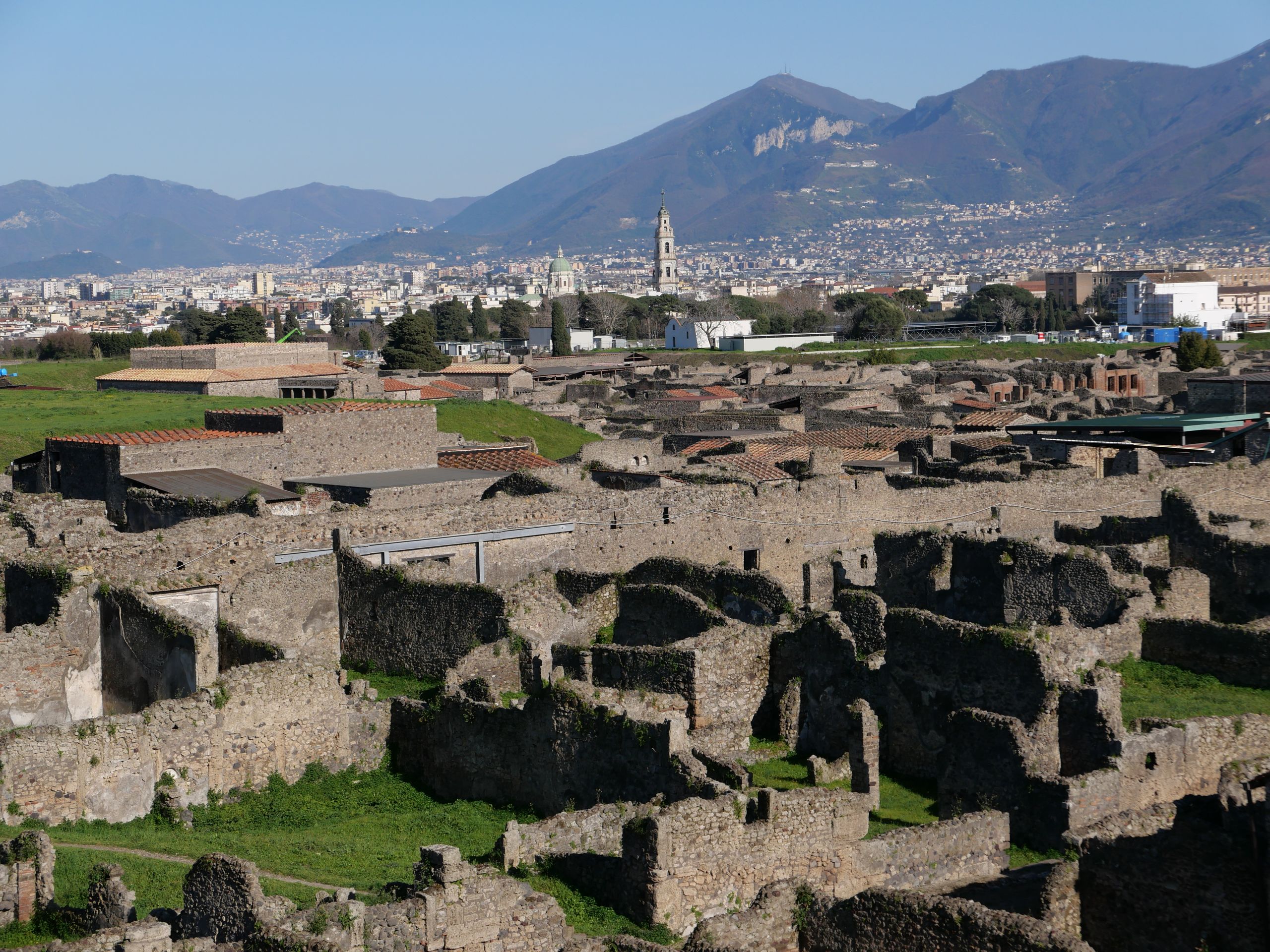
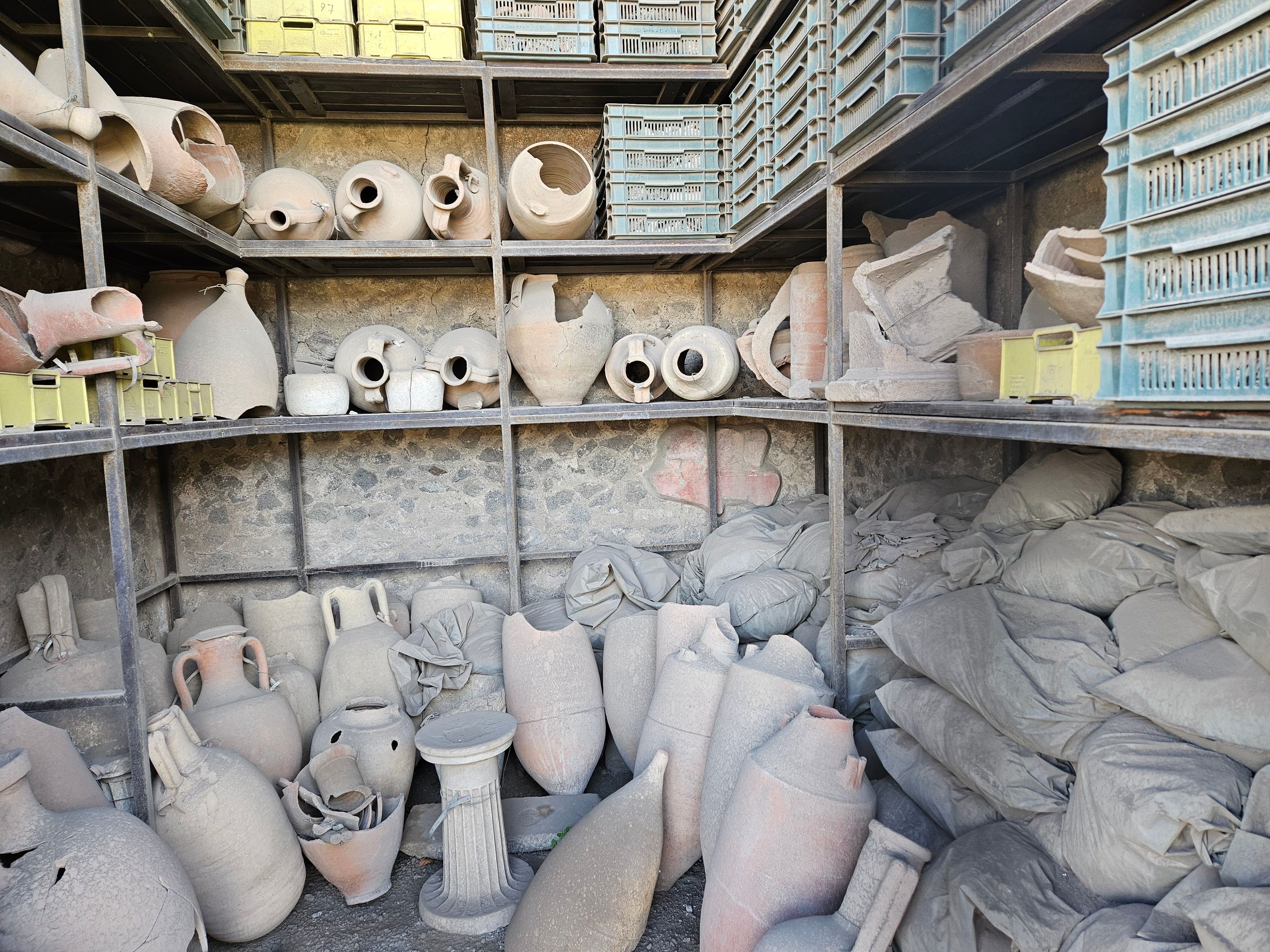
From today's perspective, the catastrophe of Pompeii is a (macabre) stroke of luck. We can see life almost 2,000 years ago in its purest form and also admire the achievements that existed in ancient times. Pompeii is therefore not just any archaeological site, but rather THE archaeological site.
The fact that the history of this city is so familiar to all of us is due, on the one hand, to its state of preservation and, on the other, to its sheer size. And, of course, the fate of Pompeii is also a very special one.
The year is 79 AD. It is late summer and the Roman trading city is full of life, as it is every day. There are food stalls that operate like a kind of snack stand, there are bakeries, ordinary houses, villas, arenas and of course brothels. For years, the Roman inhabitants of the city and their slaves have lived with the many earthquakes. They even designed their houses to take this into account. What they did not know is that their local mountain is a ticking time bomb and that the earthquakes are harbingers of an eruption.
When the volcano we now know as Vesuvius exploded, black smoke rose and chunks of pumice flew around, many people managed to escape. Those who hid in their houses died at the latest during the second and stronger eruption the next day. Poisonous gases, ash and the intense heat meant that no one could escape. Since Pompeii was about 10 km from the volcano, clouds of up to 300°C "only" reached here.
The towns of Herculaneum and Oplontis, which are closer to the volcano, were hit even harder. Temperatures of up to 600°C are said to have arrived here in waves. This is the conclusion drawn from the finds on site. Skulls are said to have exploded, bodily fluids boiled and DNA was completely decomposed.
While Pompeii was eventually preserved by a 10-meter-high layer of ash and pumice, other places sank into the mud. Entire settlements disappeared and were forgotten.
Of course, all of this happened without television cameras and only eyewitnesses could report on it. Pliny the Elder was probably a contemporary witness. His story was finally written down years later by Pliny the Younger. In far-away Rome, however, there was little interest in the disaster.
It was only with the interest in antiquity that emerged during the Renaissance that finds from more easily accessible ruins became interesting again, and the report of Pliny the Younger also helped to find the correct excavation site.
The first scientific excavations began in 1748. At first, however, the pieces recovered were mostly transported away and valuables such as statues and wall paintings were sold or given away to other royal families. There were even prominent visitors such as Goethe and Mozart who visited the excavation site. However, when no great treasures were found, interest in Pompeii slowly waned.
It was only when the French occupied the area around Naples in 1799 that the excavations continued on a large scale with up to 700 workers. Later, back in Italian hands, the work continued in different waves and continues virtually to this day.
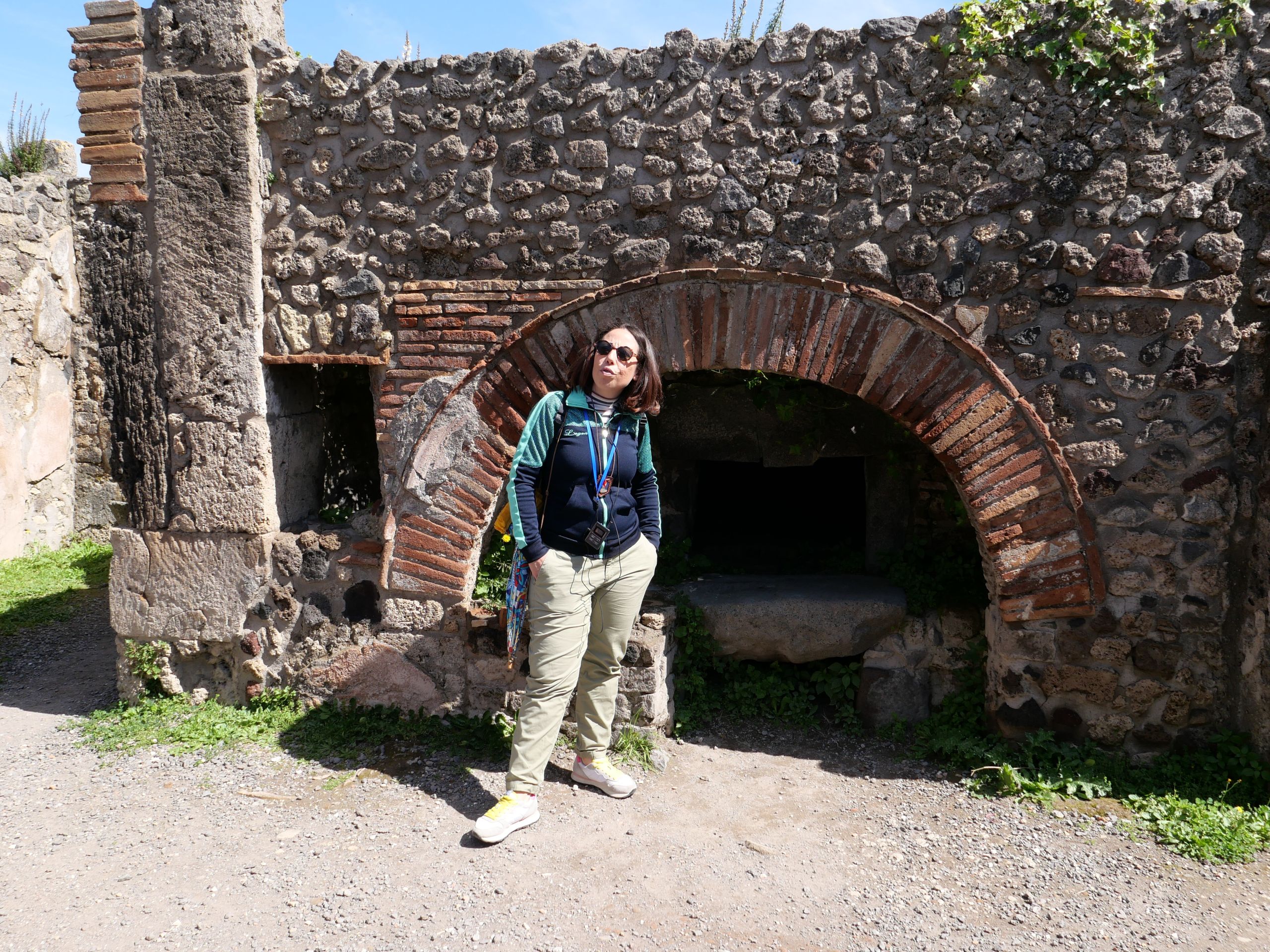
For us as visitors, it is now easy to spend many interesting hours here. And although I like to explore places on my own, I thought a guided tour was really appropriate this time. During this you learn about history and are also introduced to the most important sites in the huge area.
You can book these tours online or conveniently from one of the many vendors at Pompeii train station. They include the entrance ticket, so you don't have to queue at the ticket office.
However, I strongly recommend that you come in the off-season, as it is far too hot and crowded here in summer.
By the way, the trips to Pompeii and Vesuvius can be easily combined. However, we planned a whole day for each of them individually so that we could see everything without any time pressure.