

柬埔寨 - 暹粒
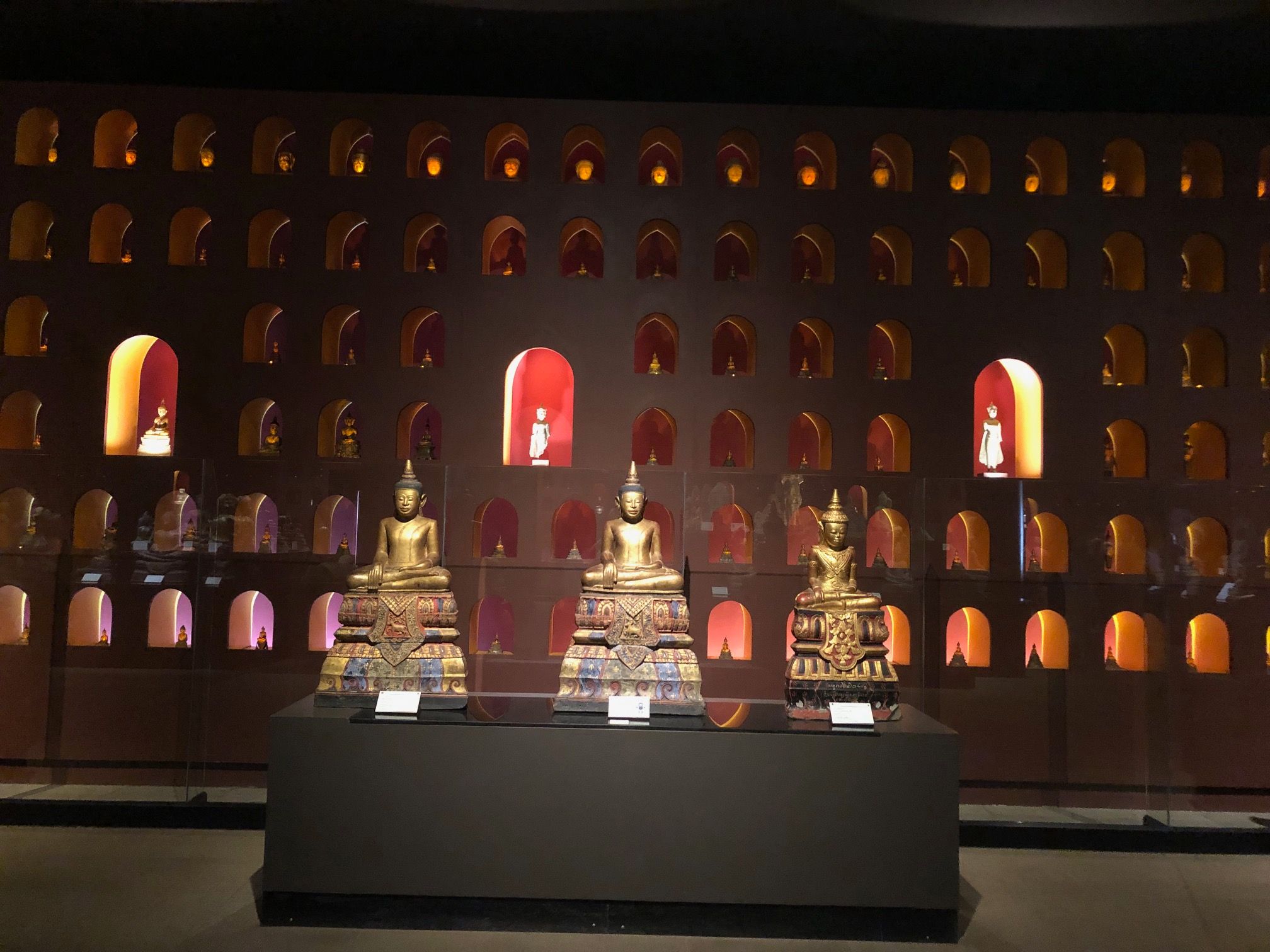
2024年11月底至12月初 大多数游客会来暹粒待2到3天,以便参观吴哥。其实这里还有很多精彩的活动。不然我们在这里待了两个星期,真的享受了这段时间。 我们对暹粒的建议: 当然是吴哥,包括吴哥通、吴哥窟和众多寺庙。吴哥国家博物馆是一个很好的入门 - 见另文 去高脚屋村Kampong Phluk和洞里萨湖的日间旅行会带你进入一个全然不同的世界...
已发布: 29.12.2024
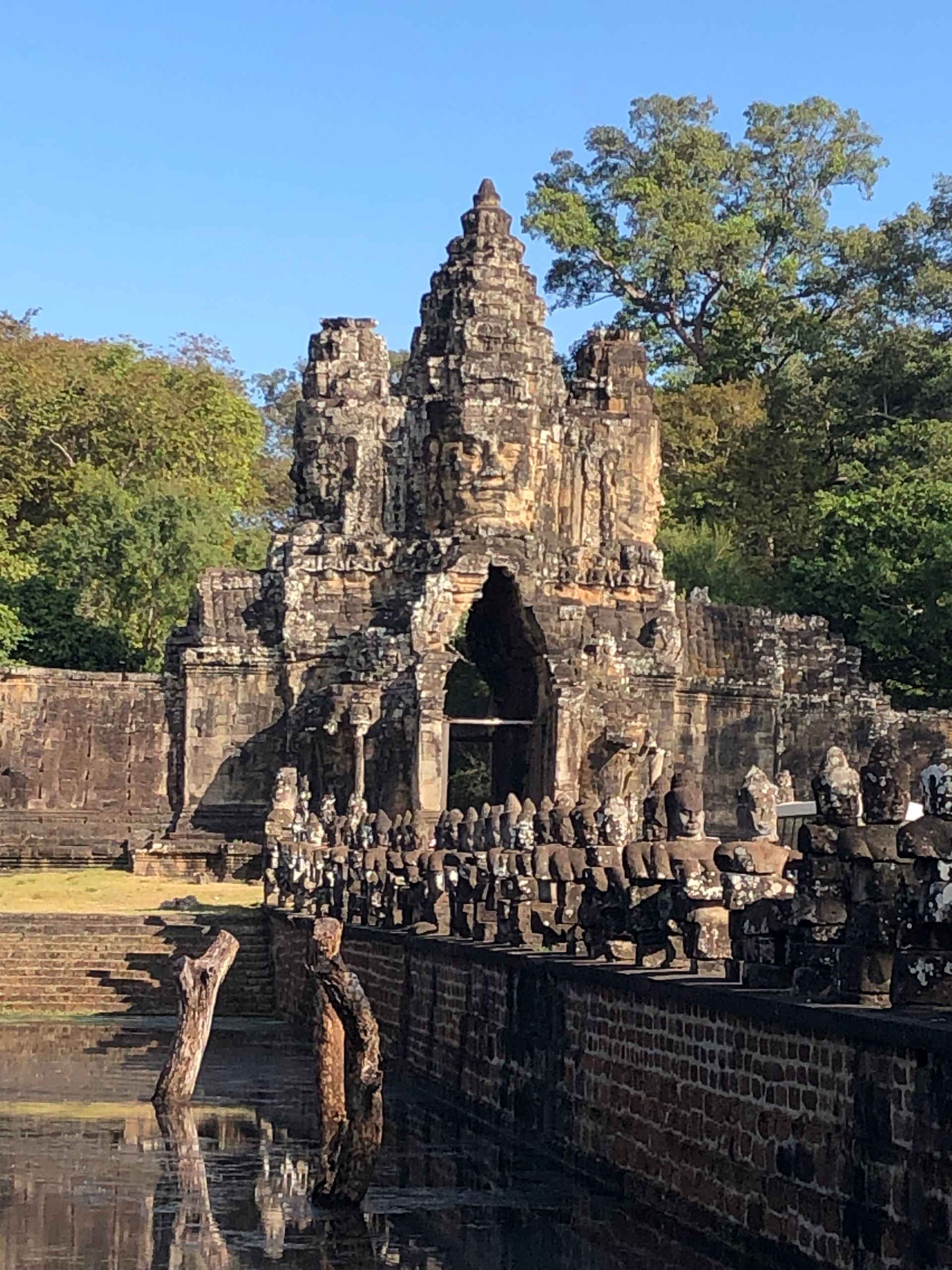
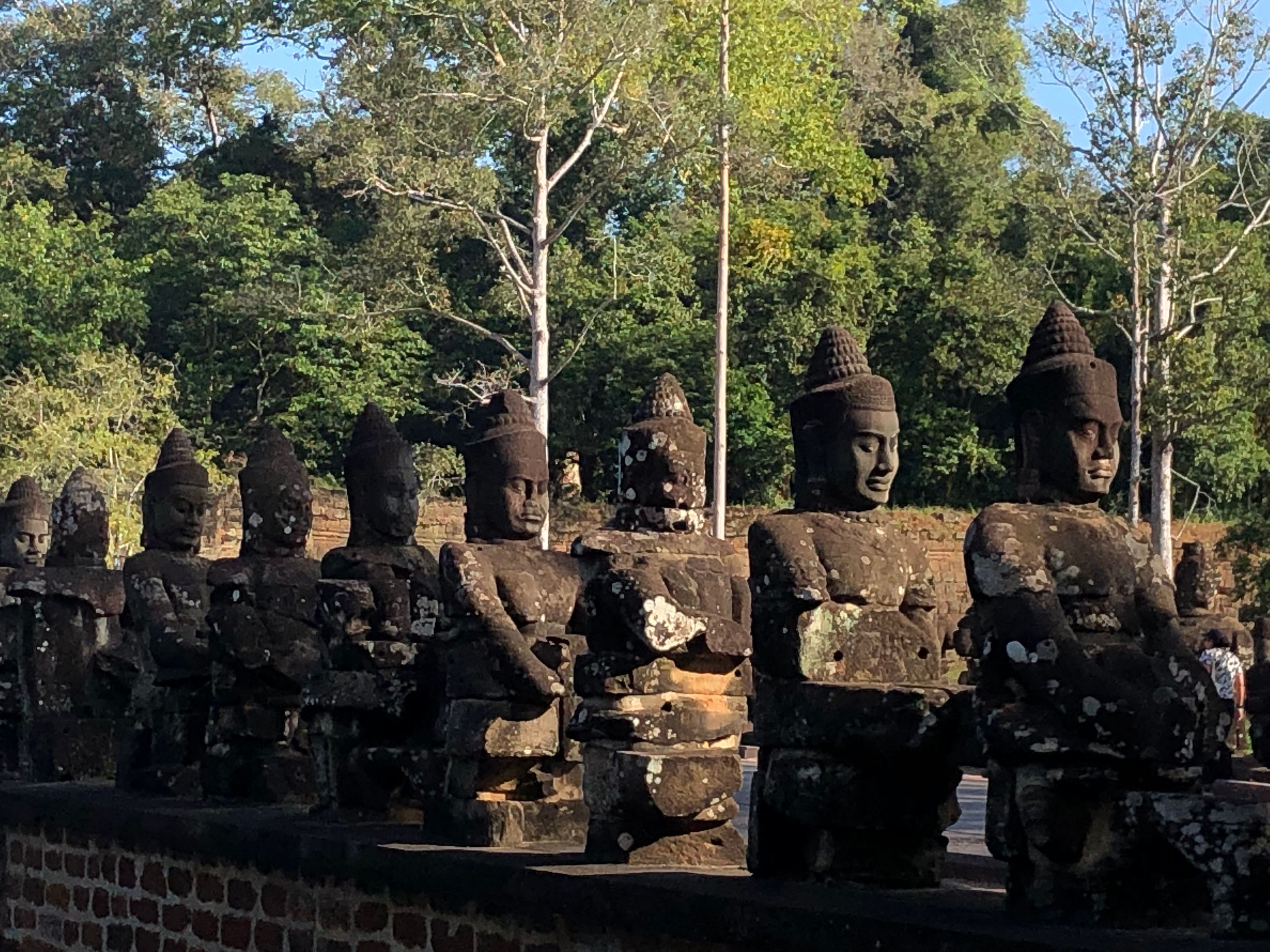
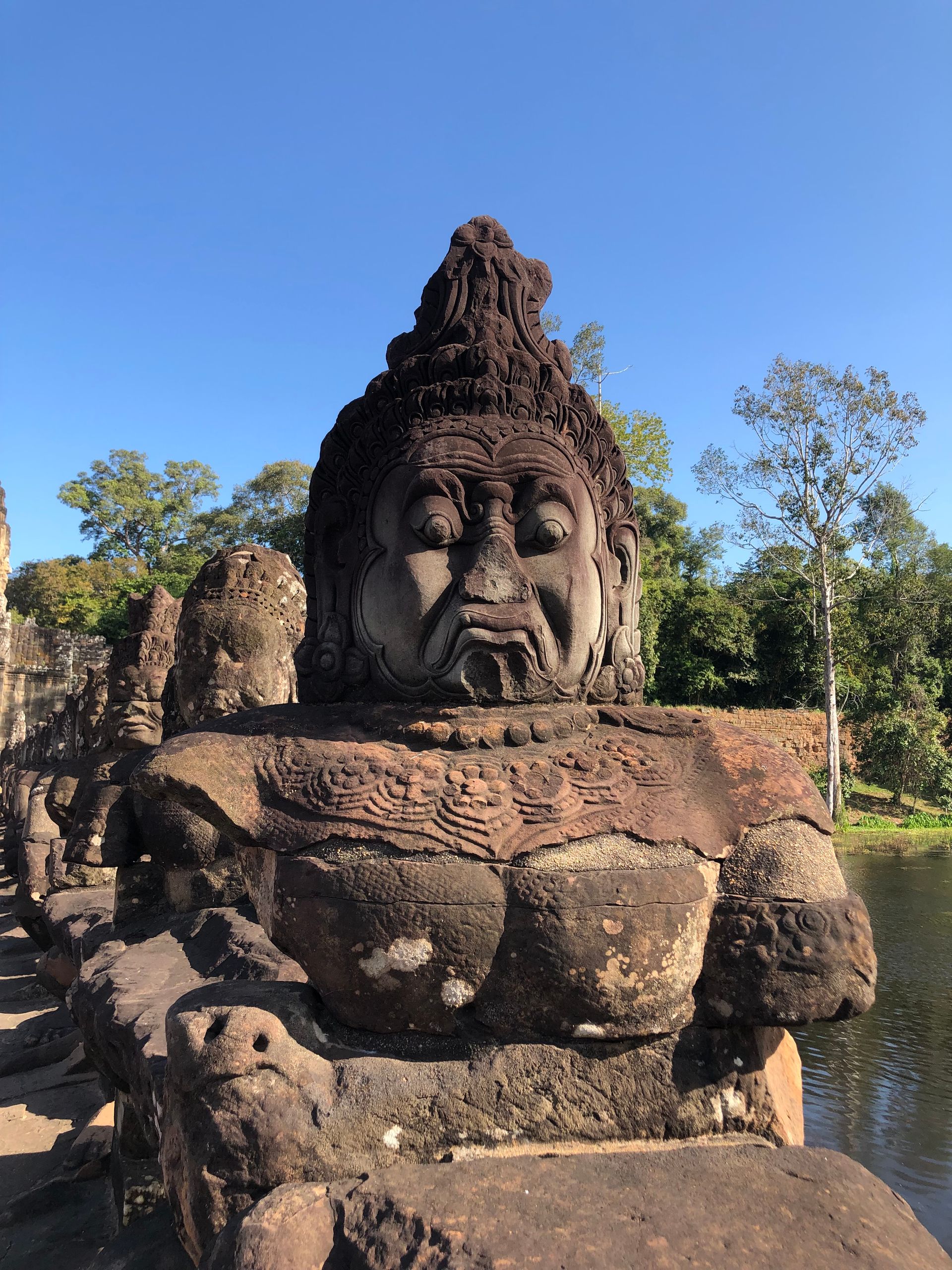
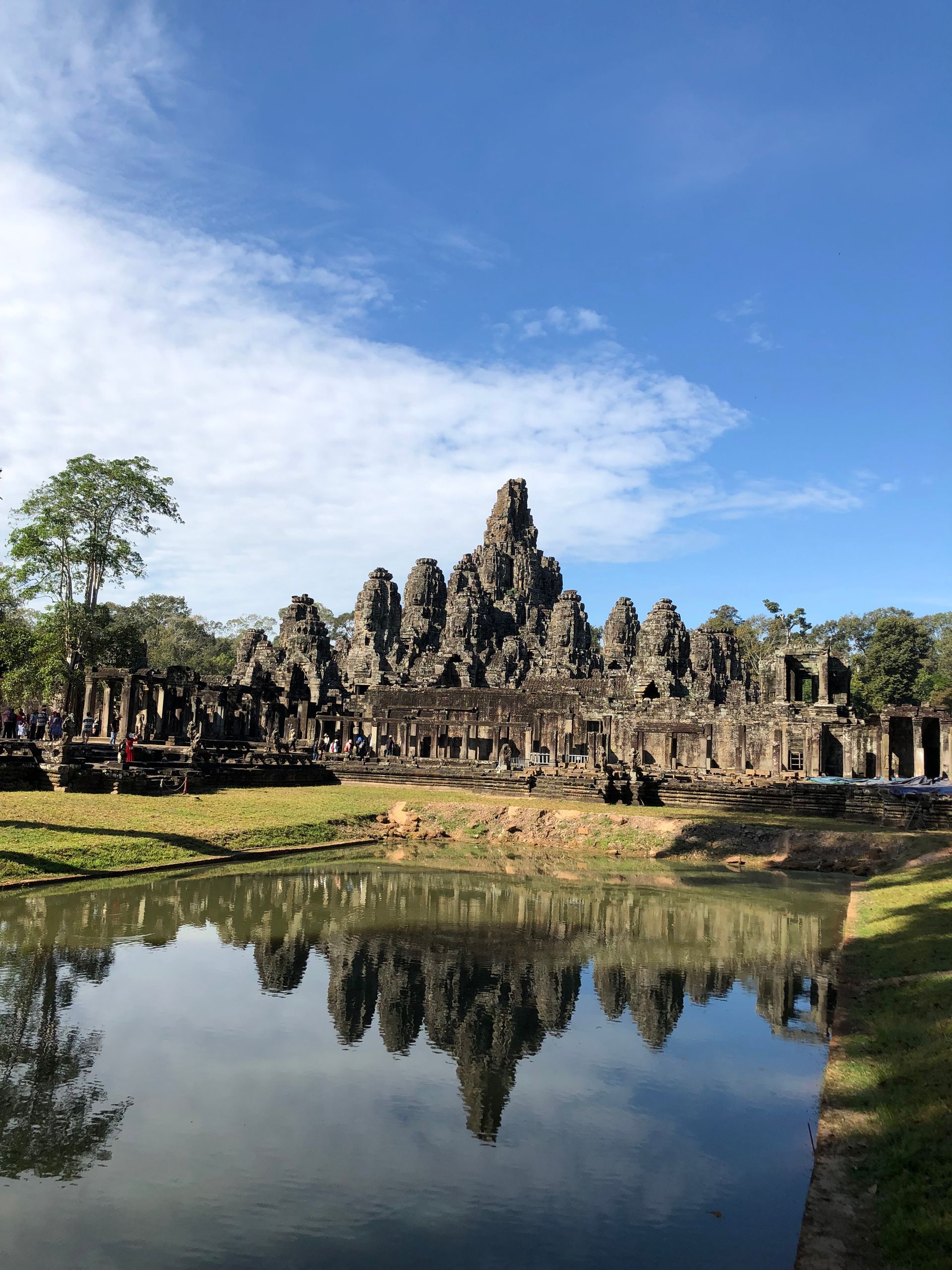
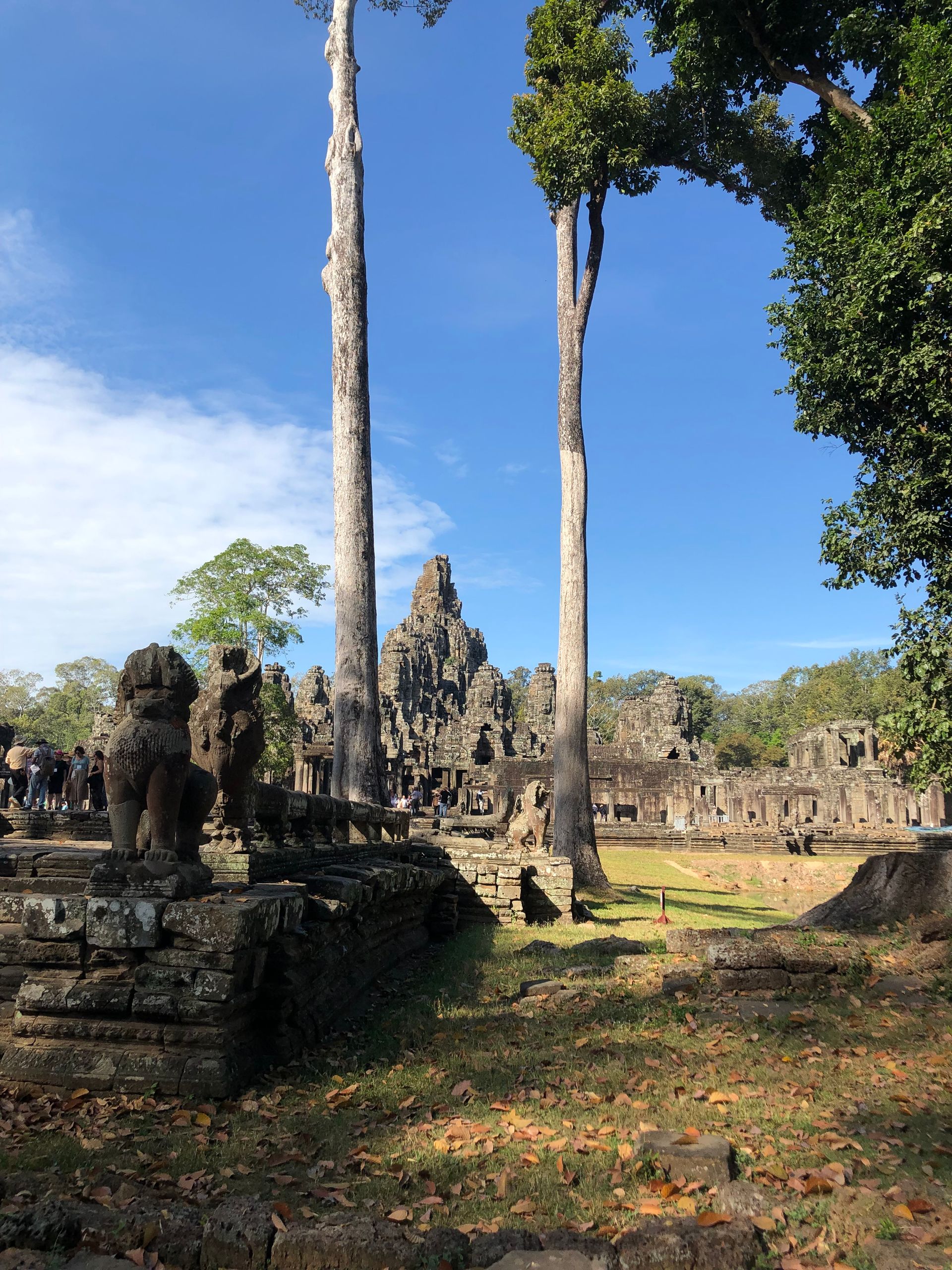
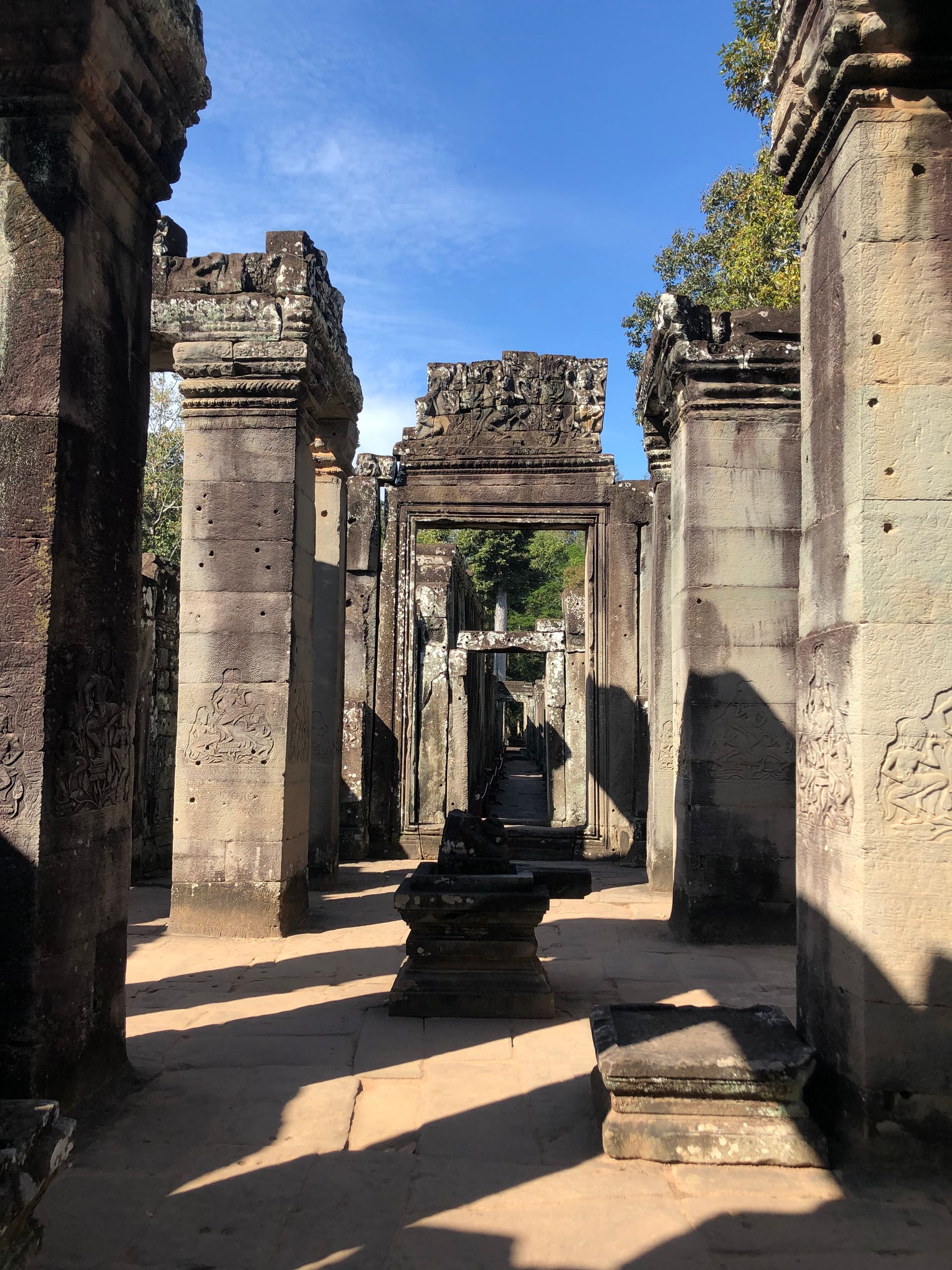
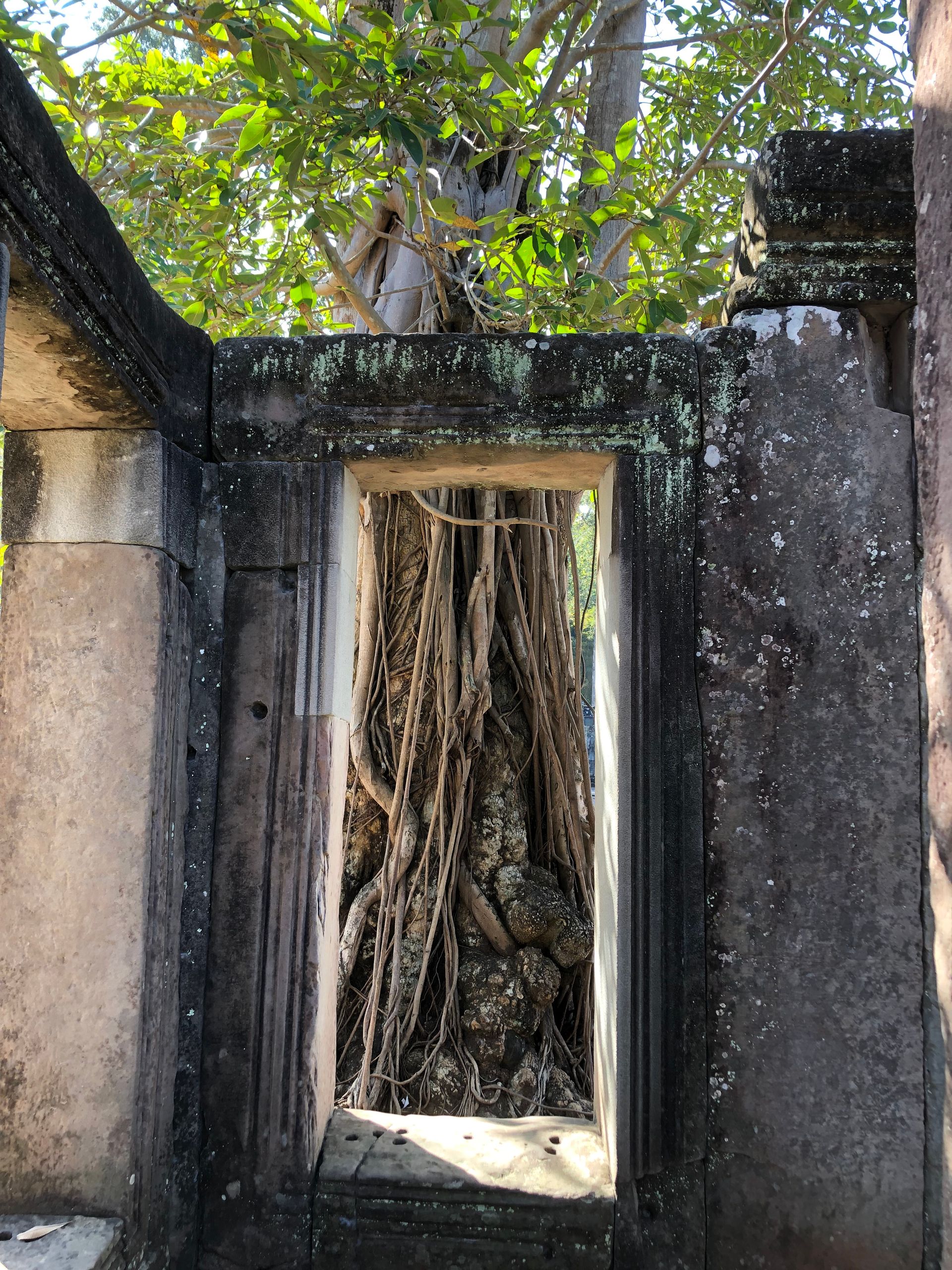
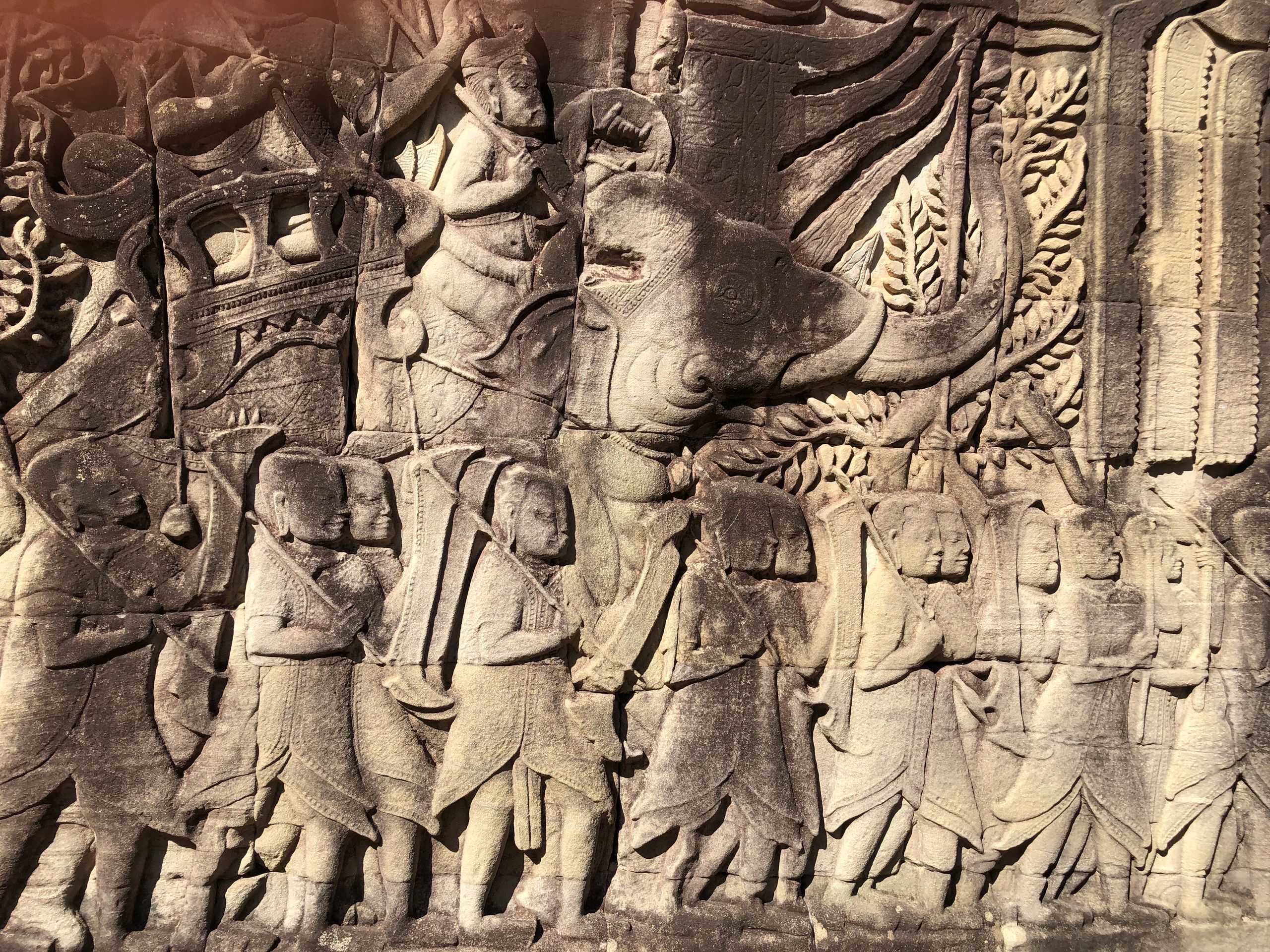
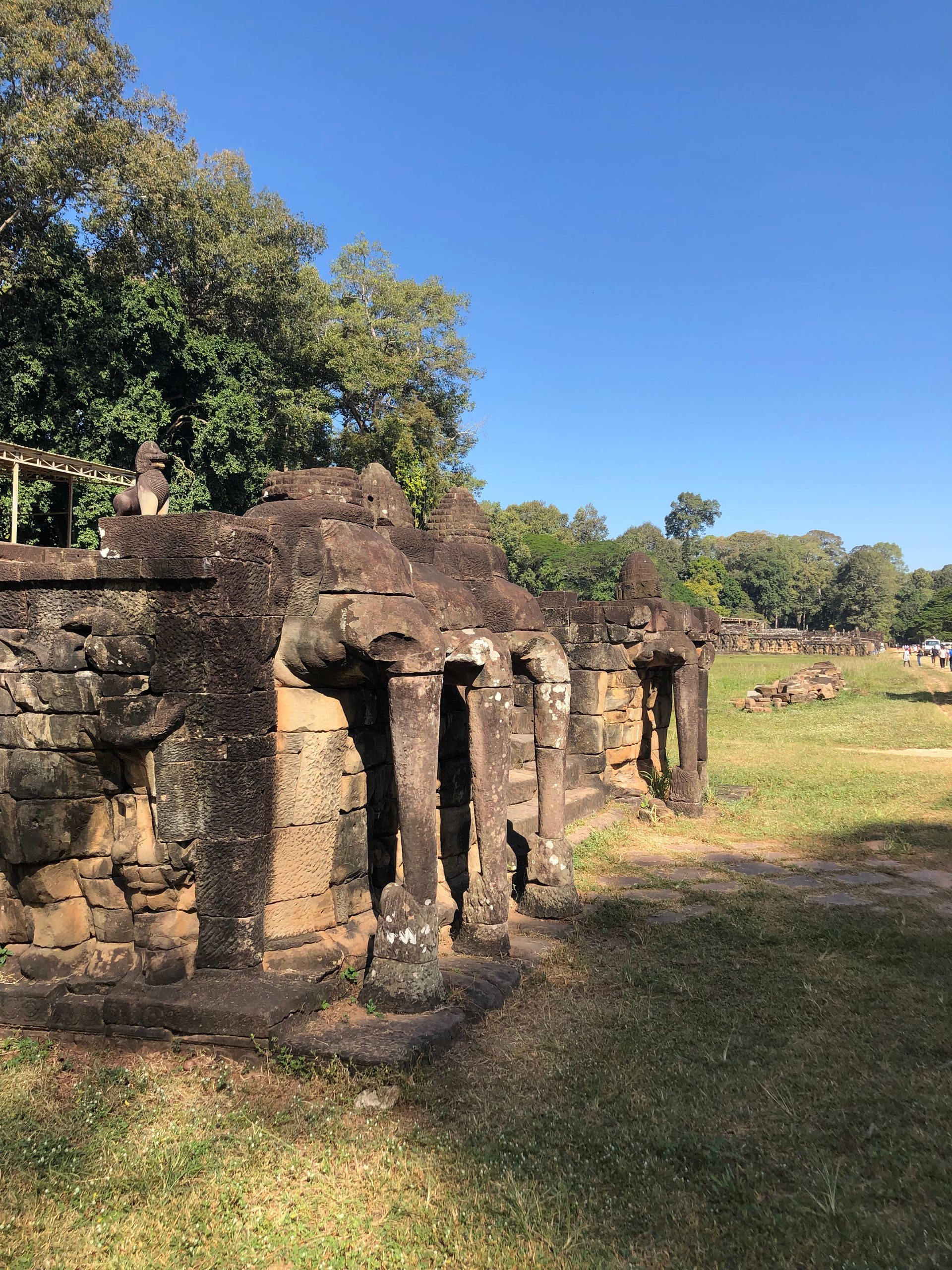
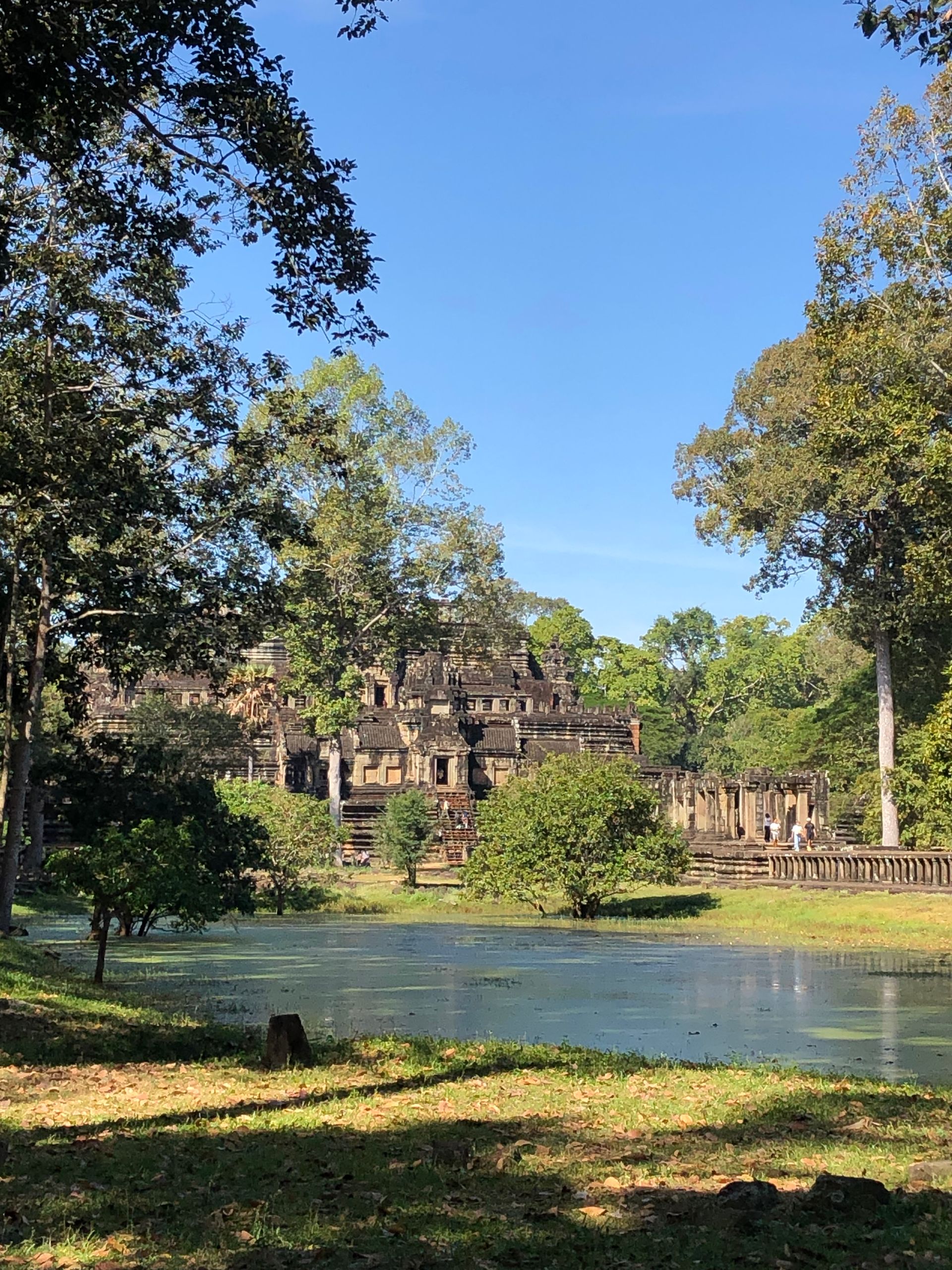
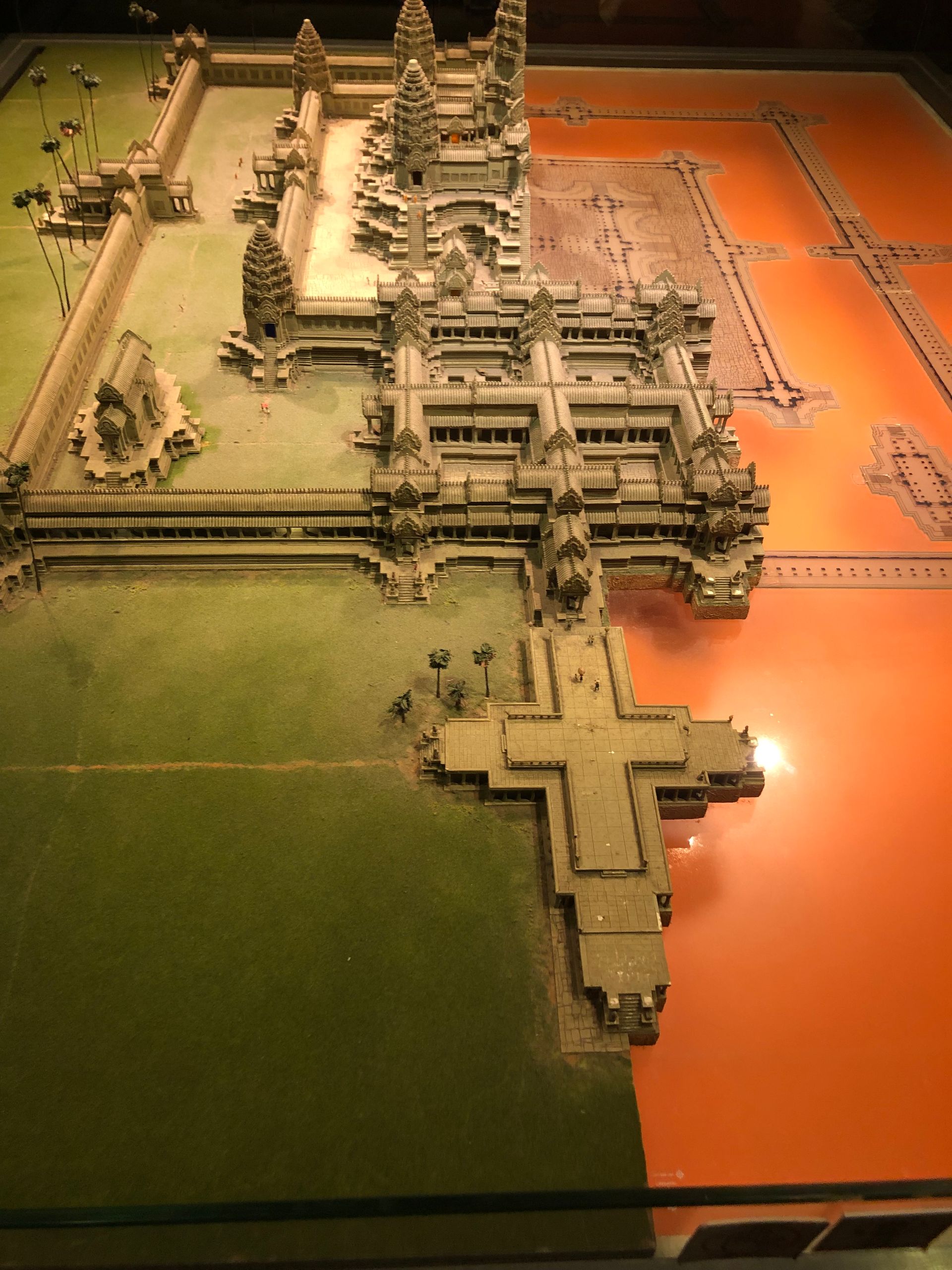
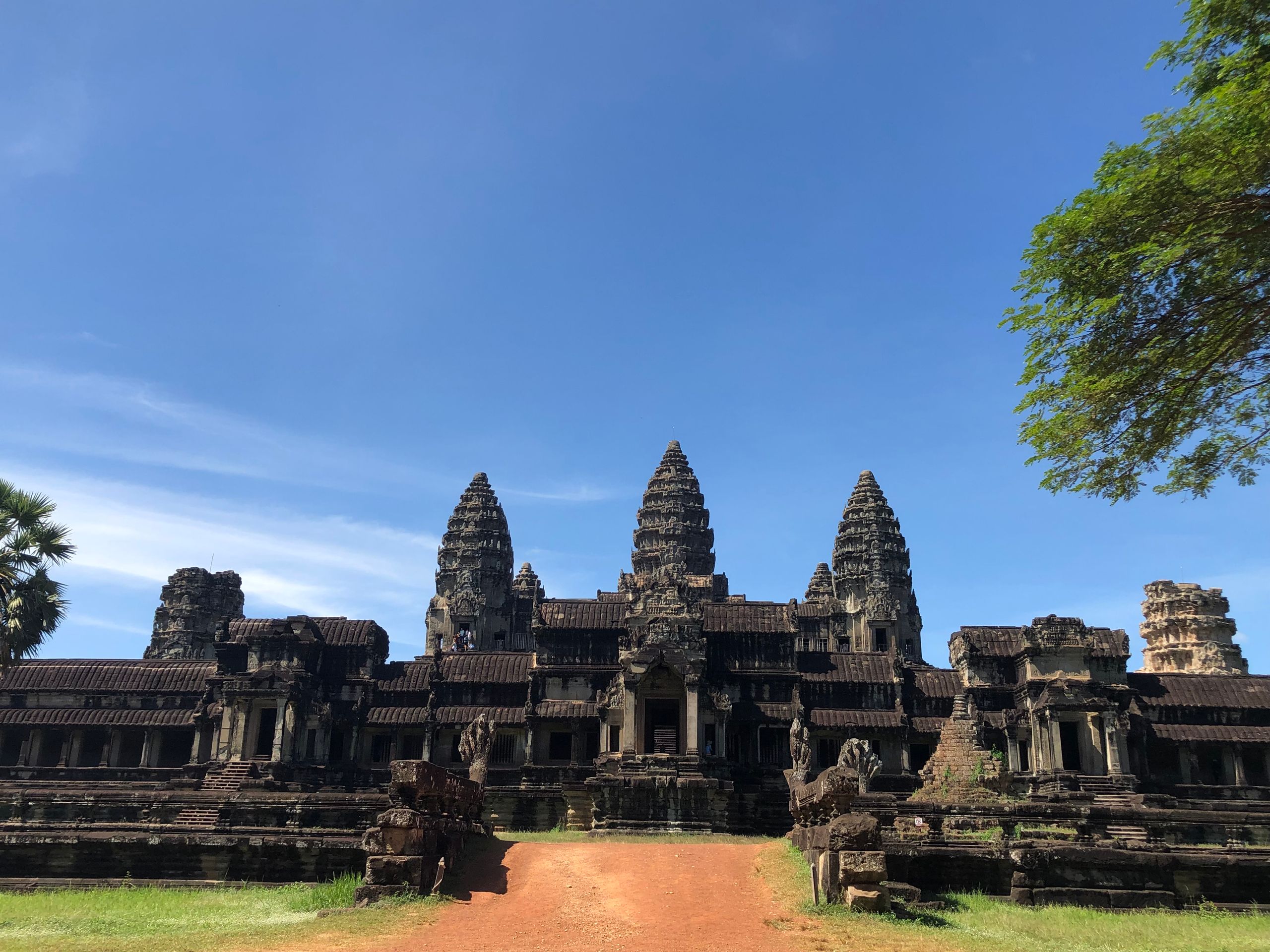
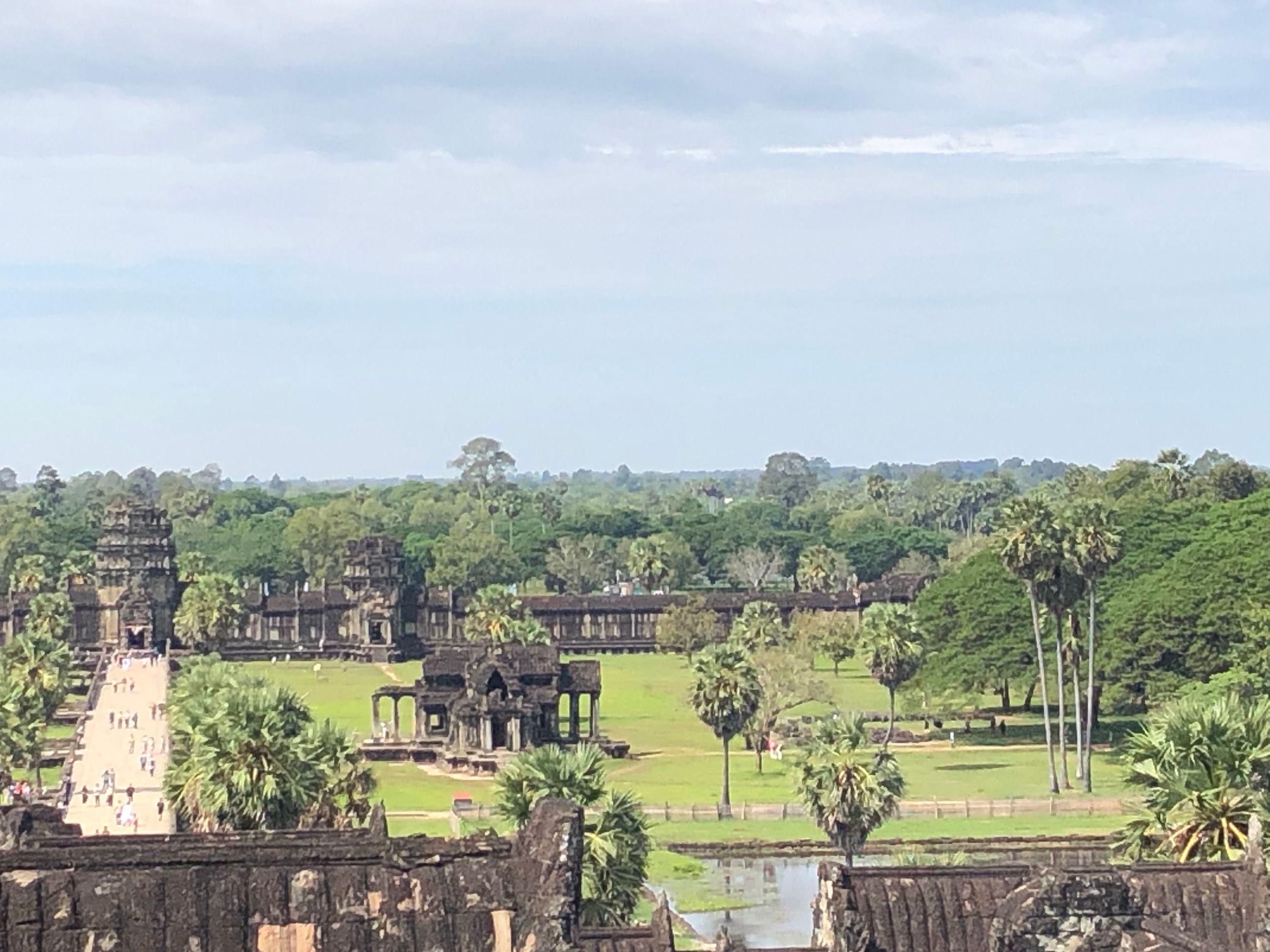
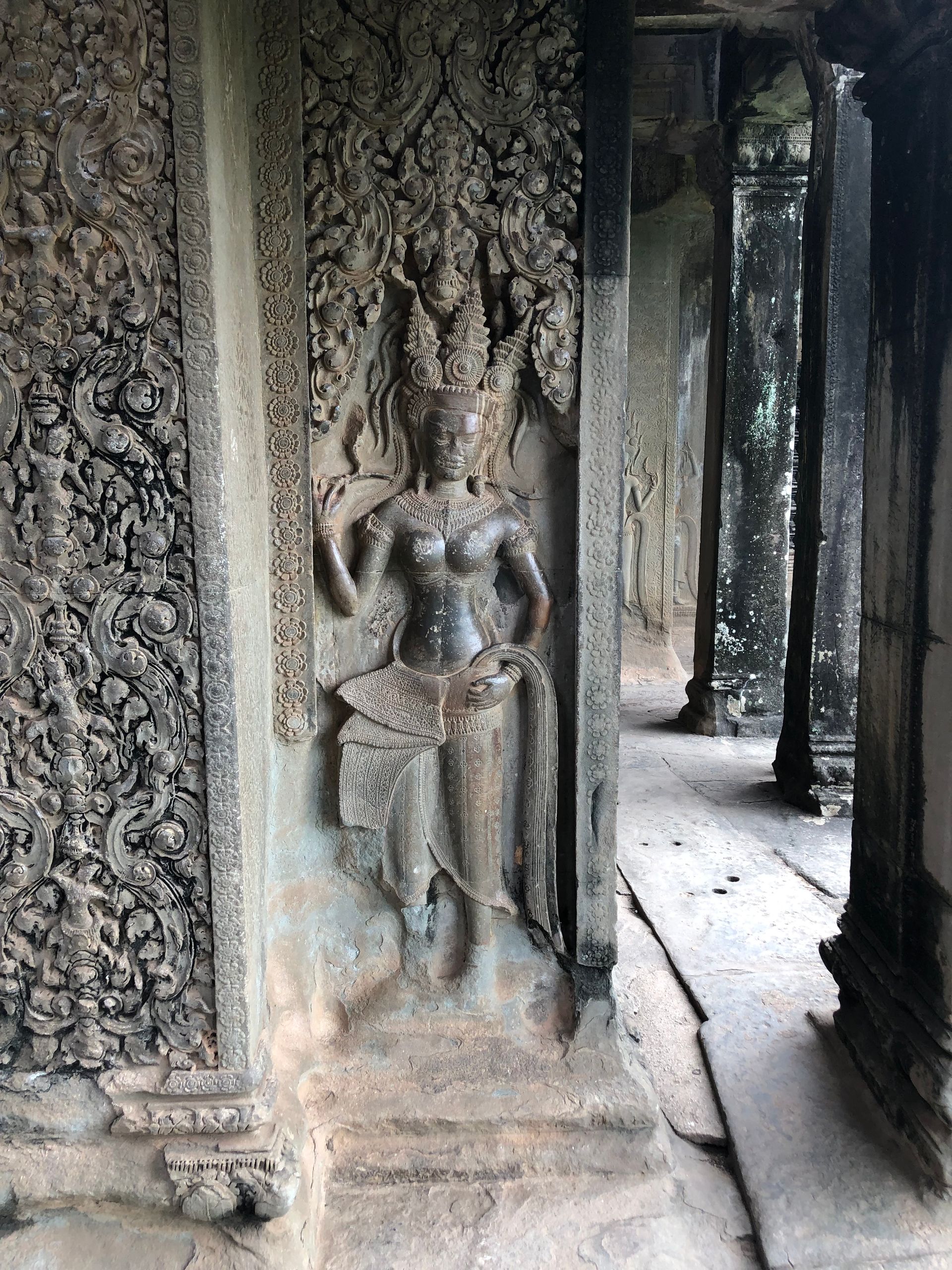
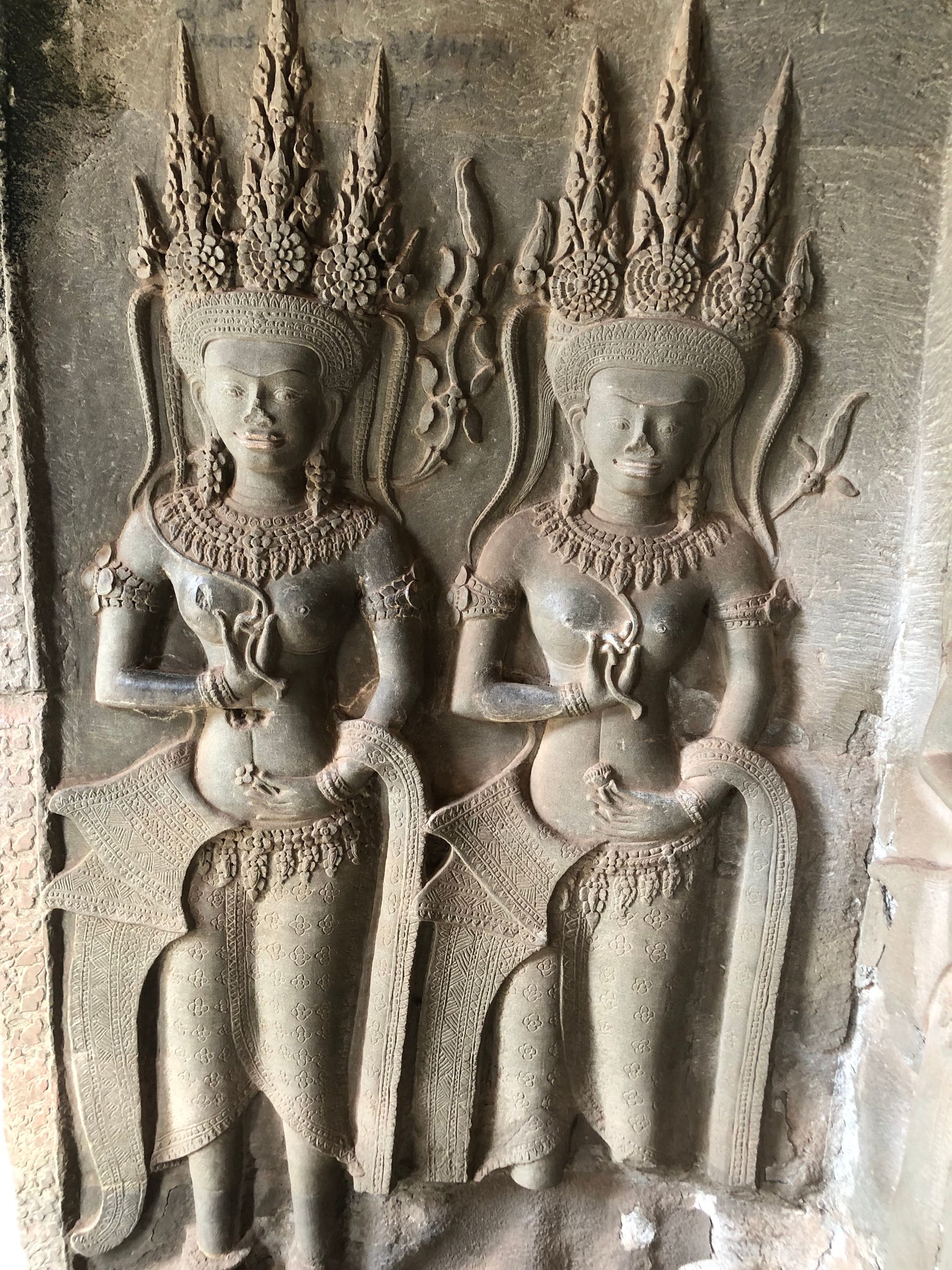
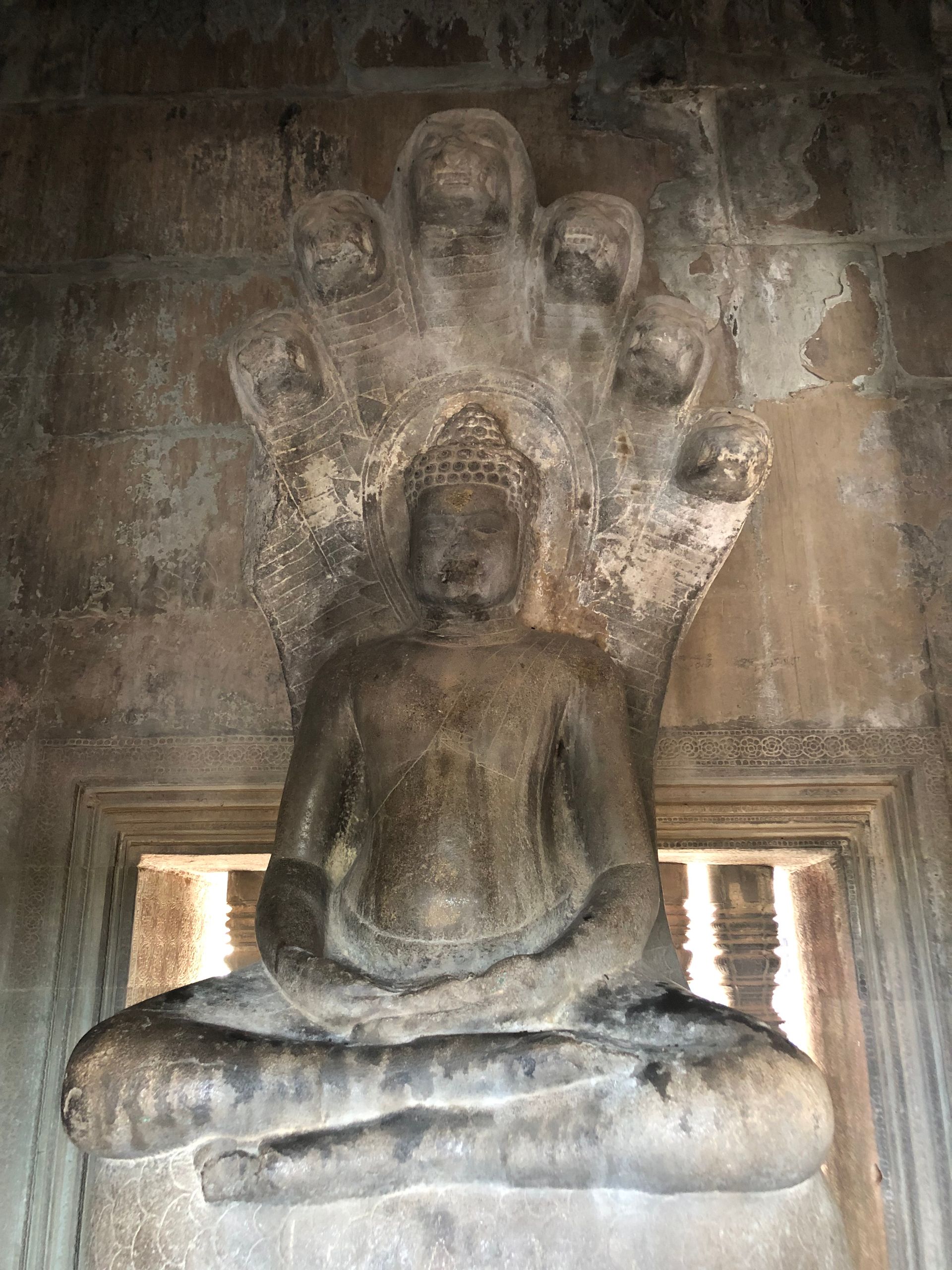
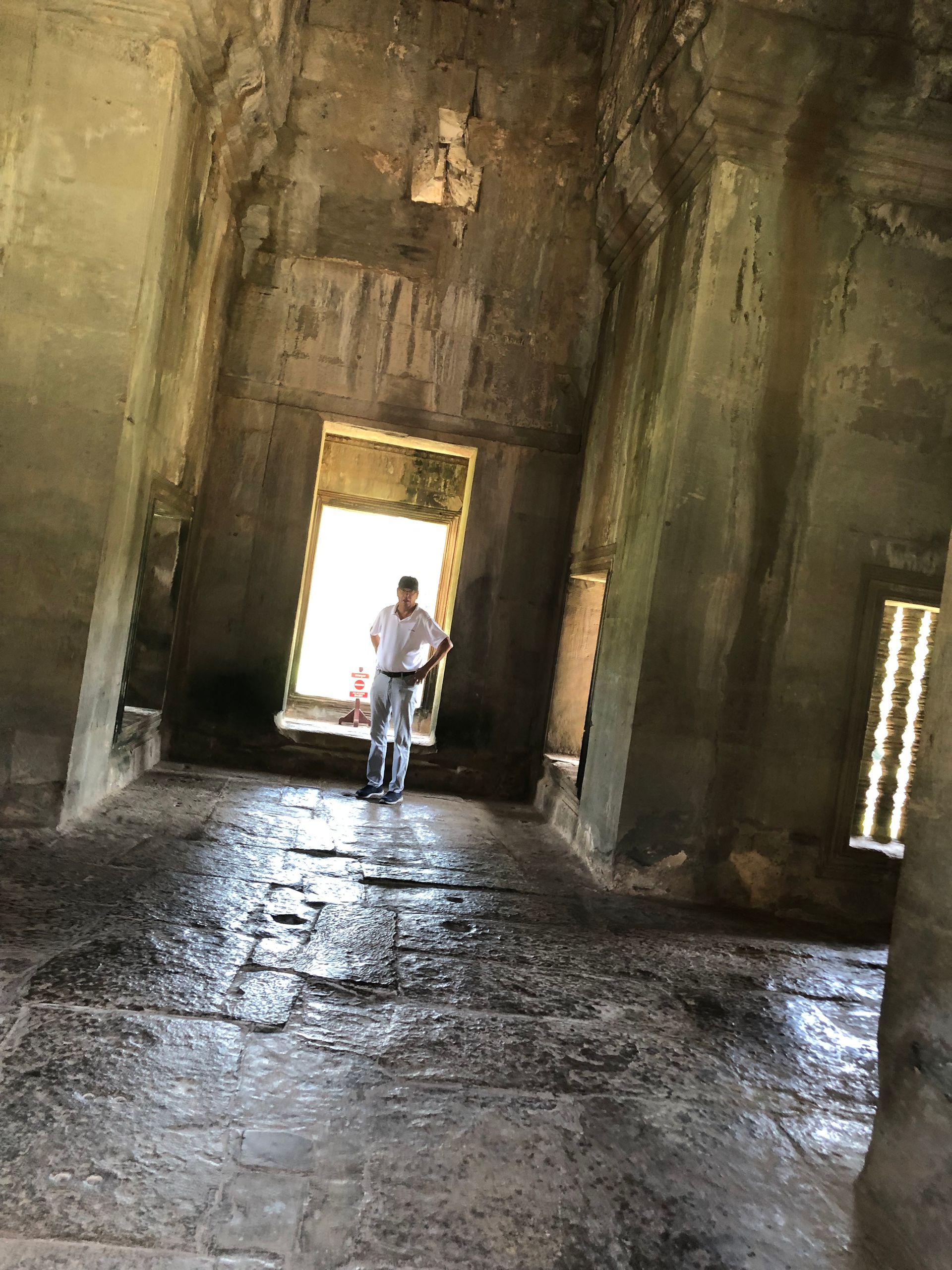
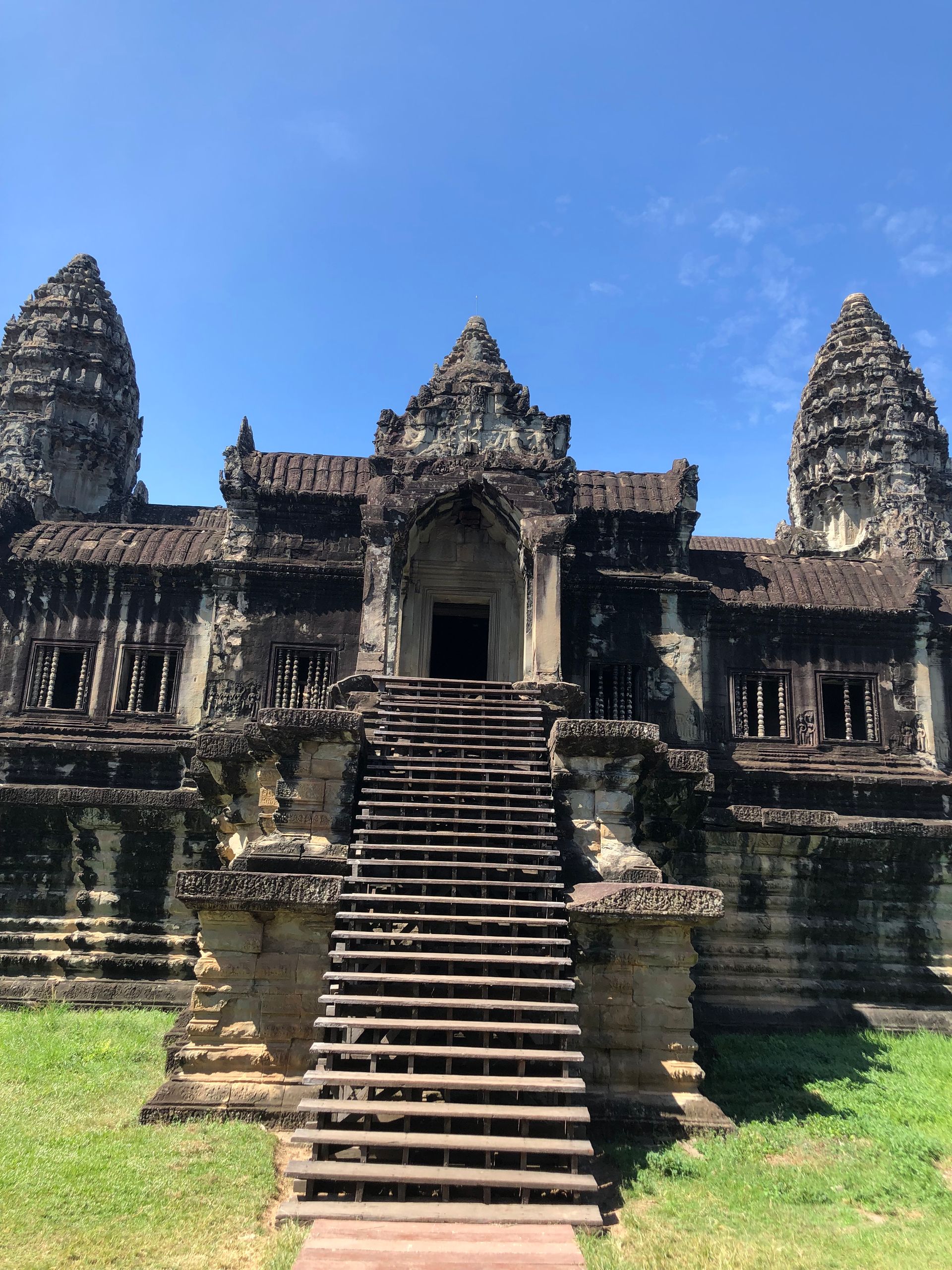
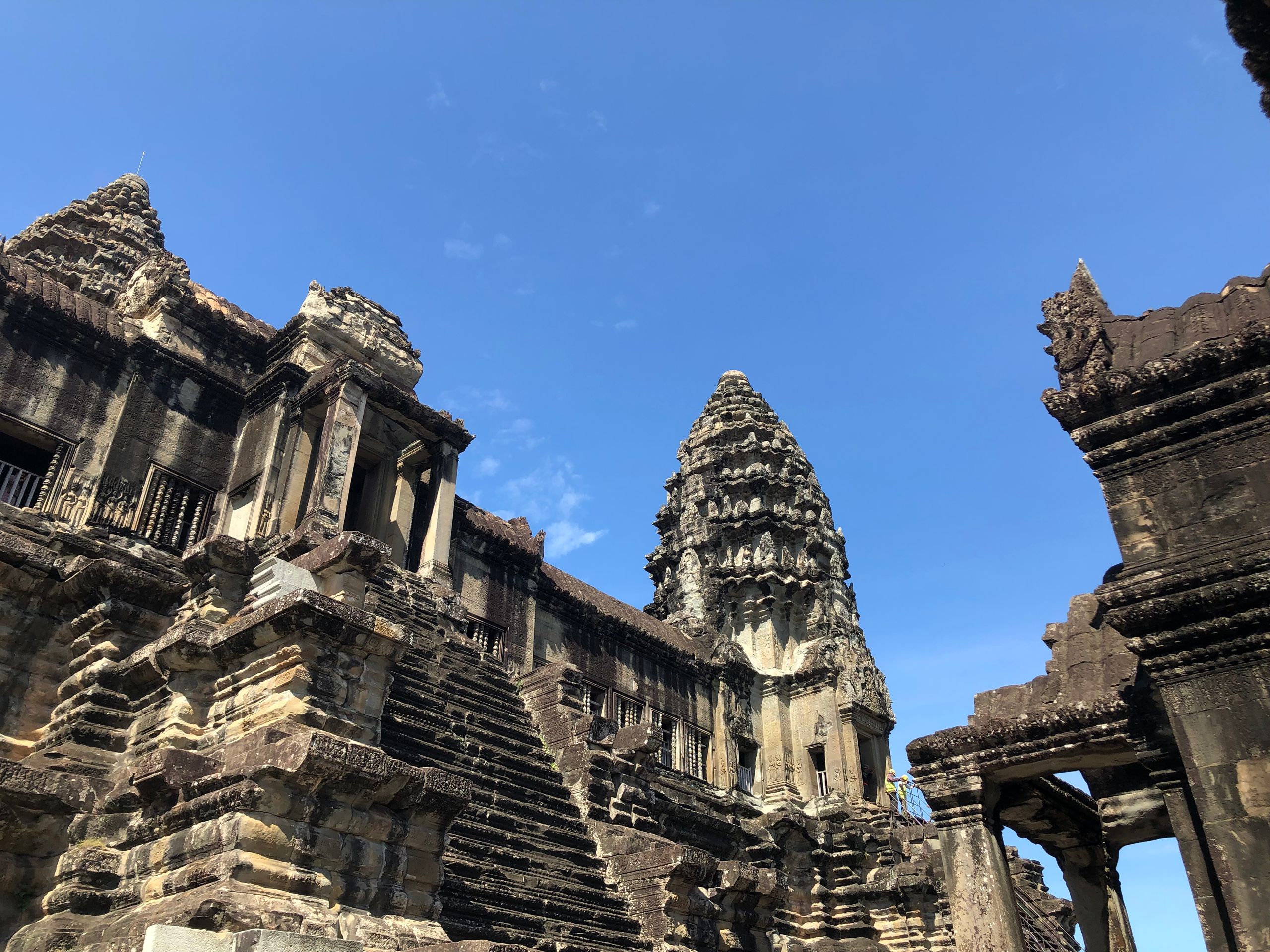
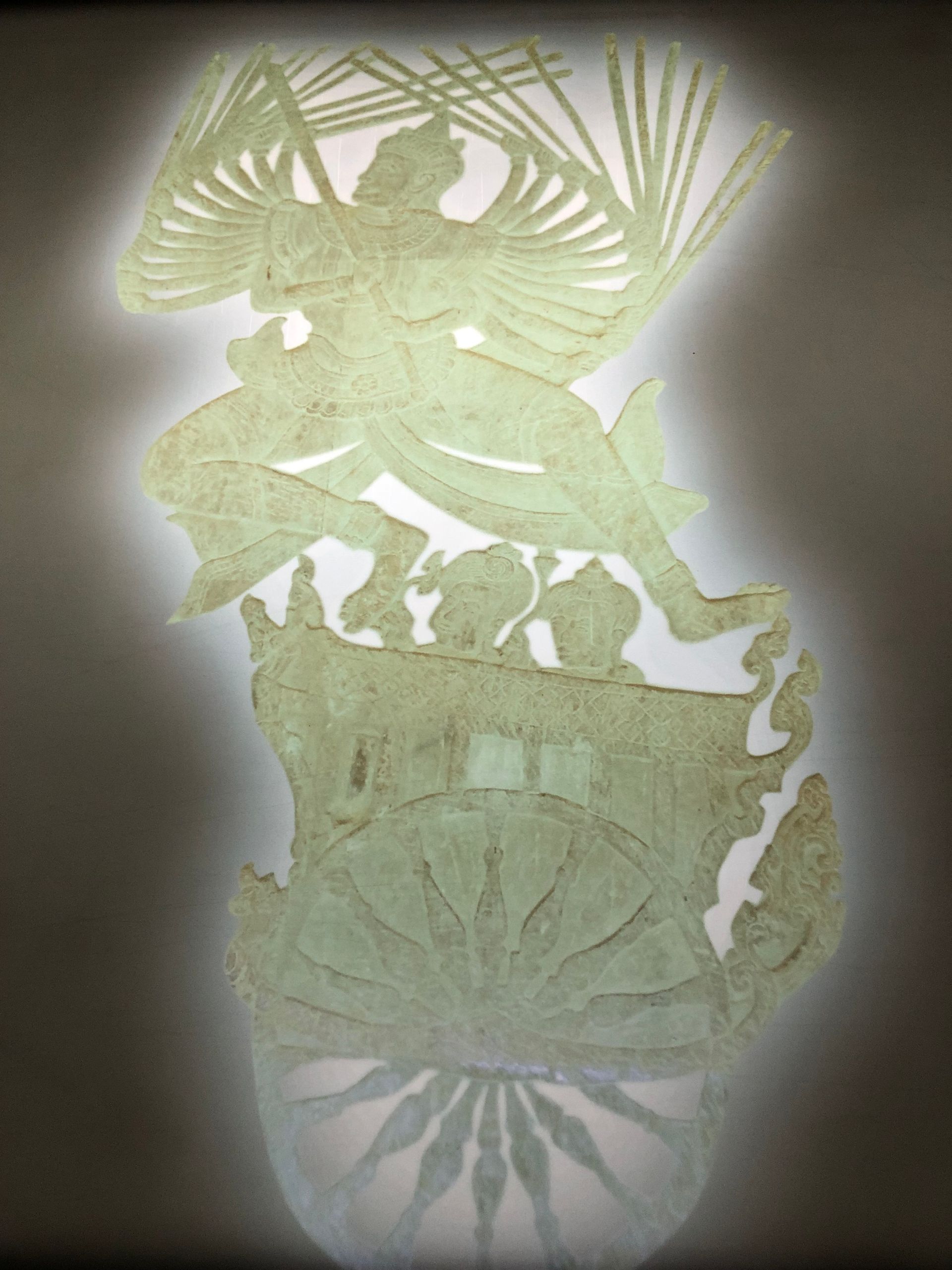
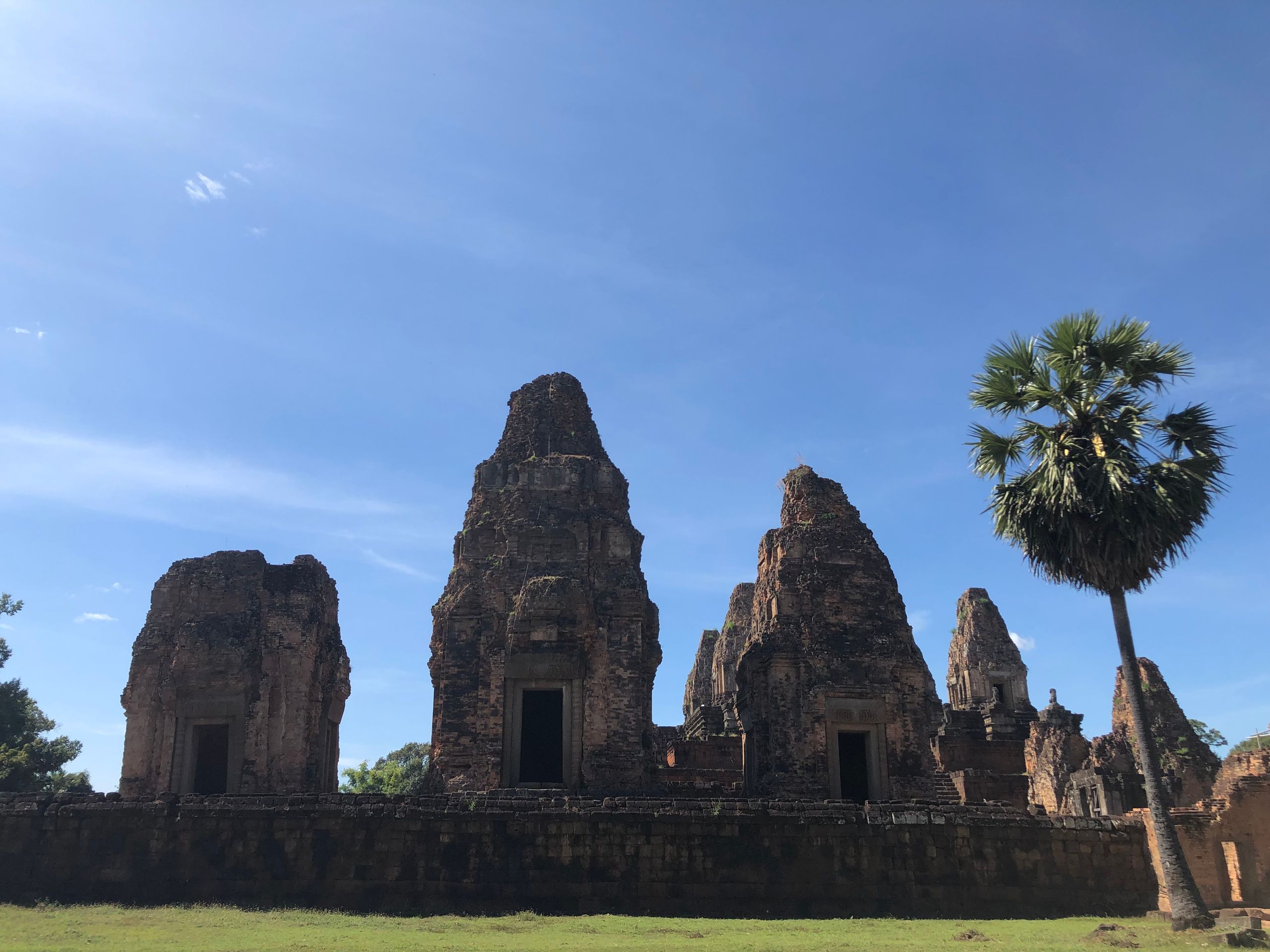
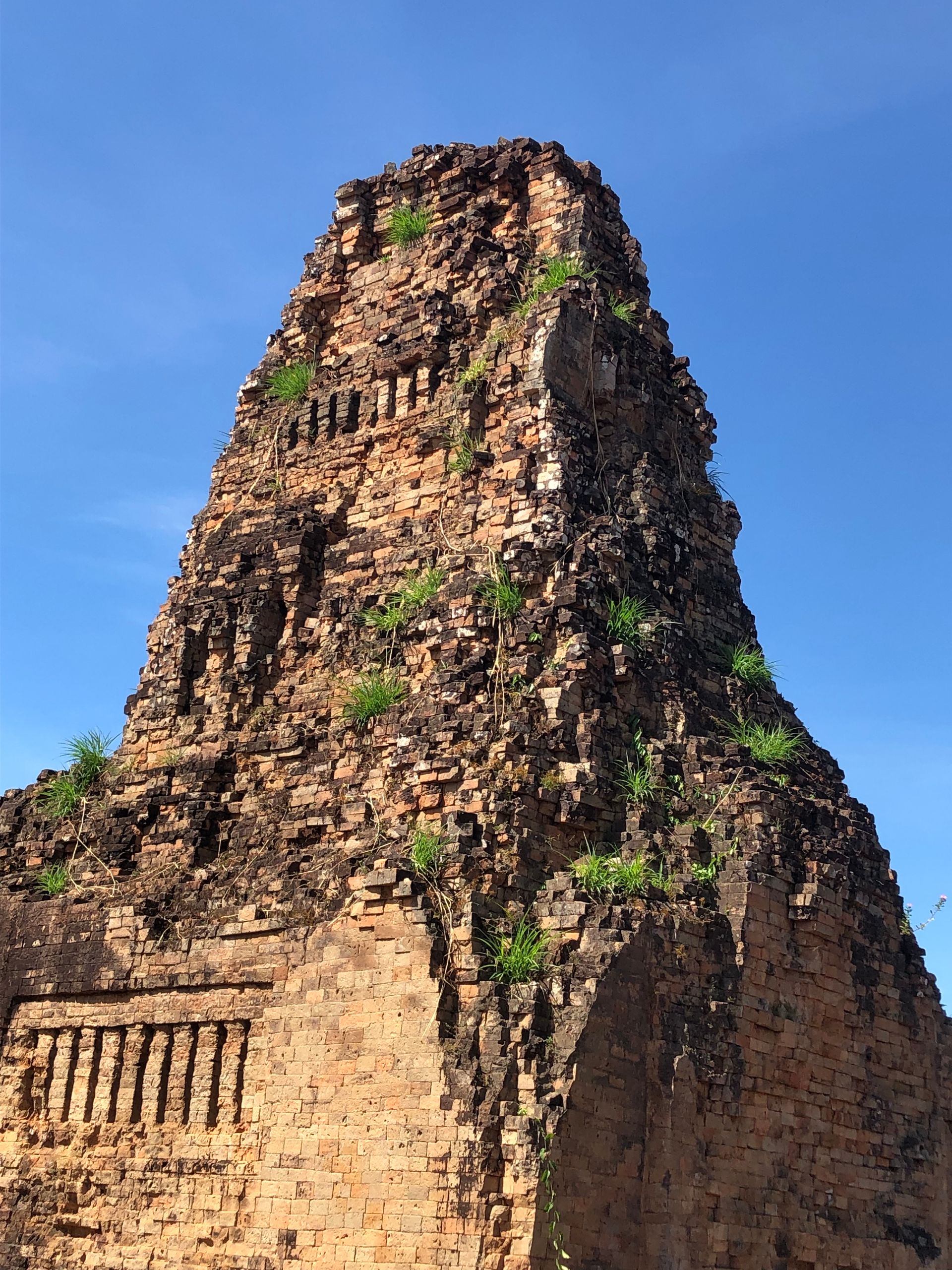
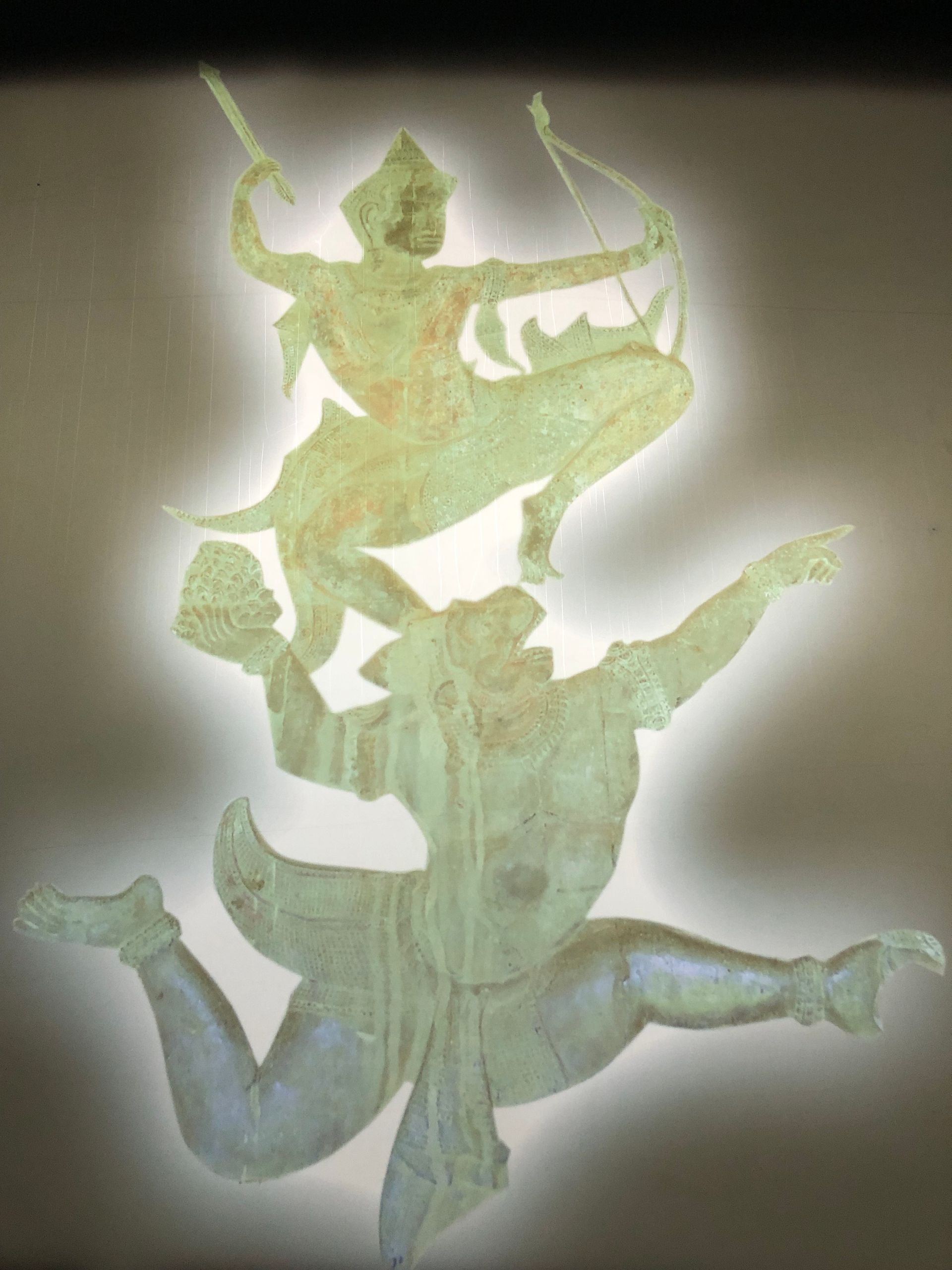
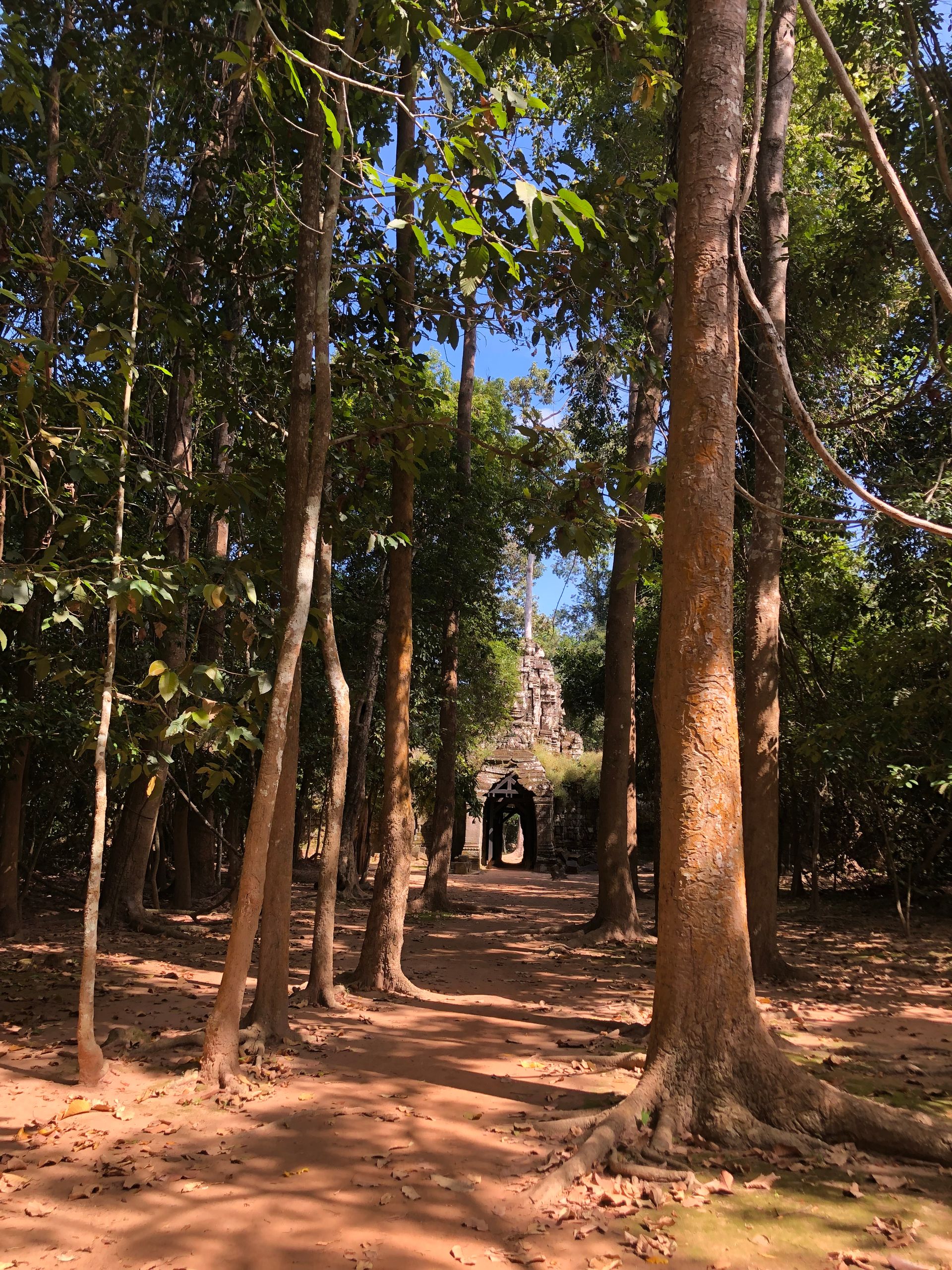
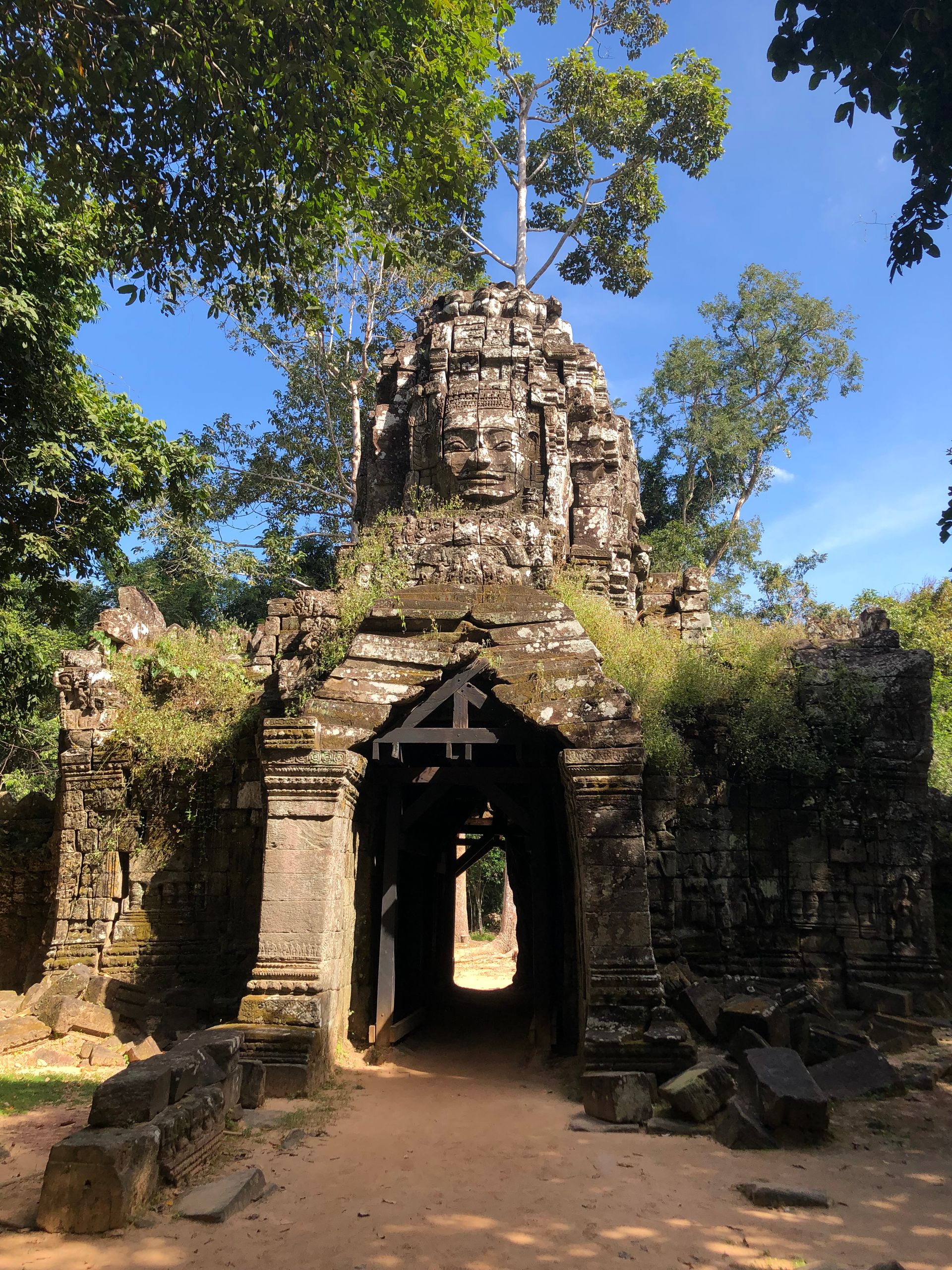
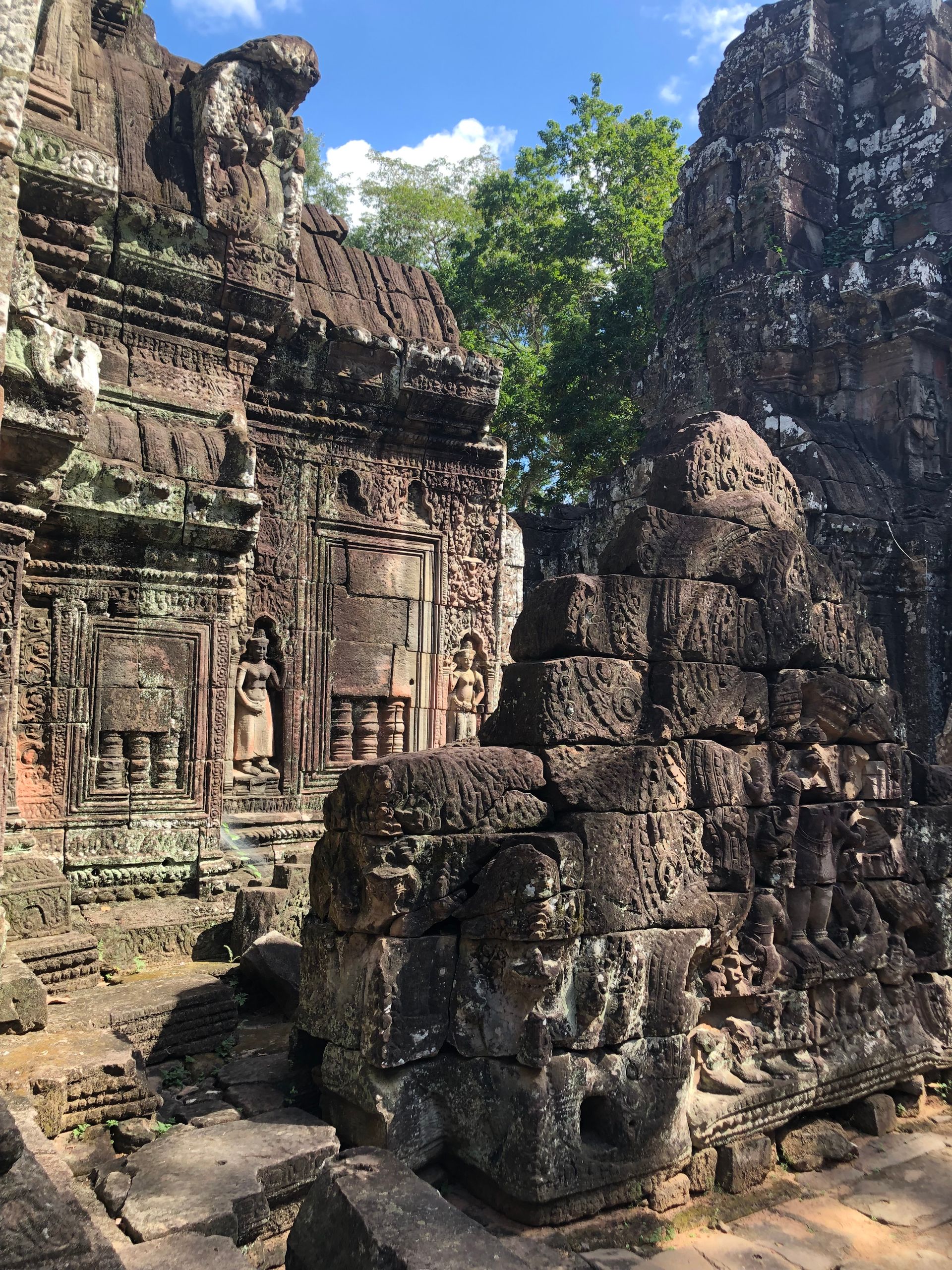
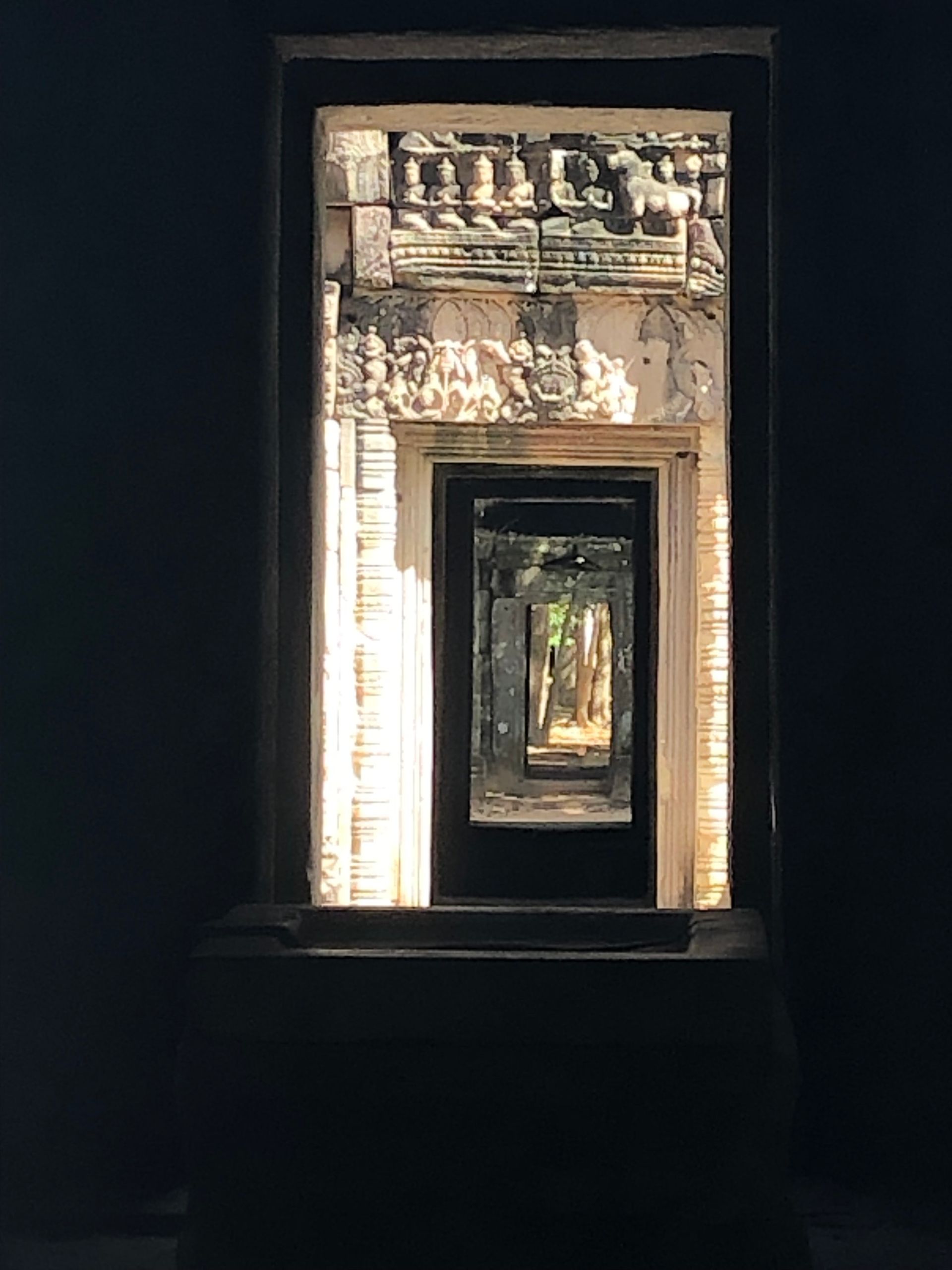
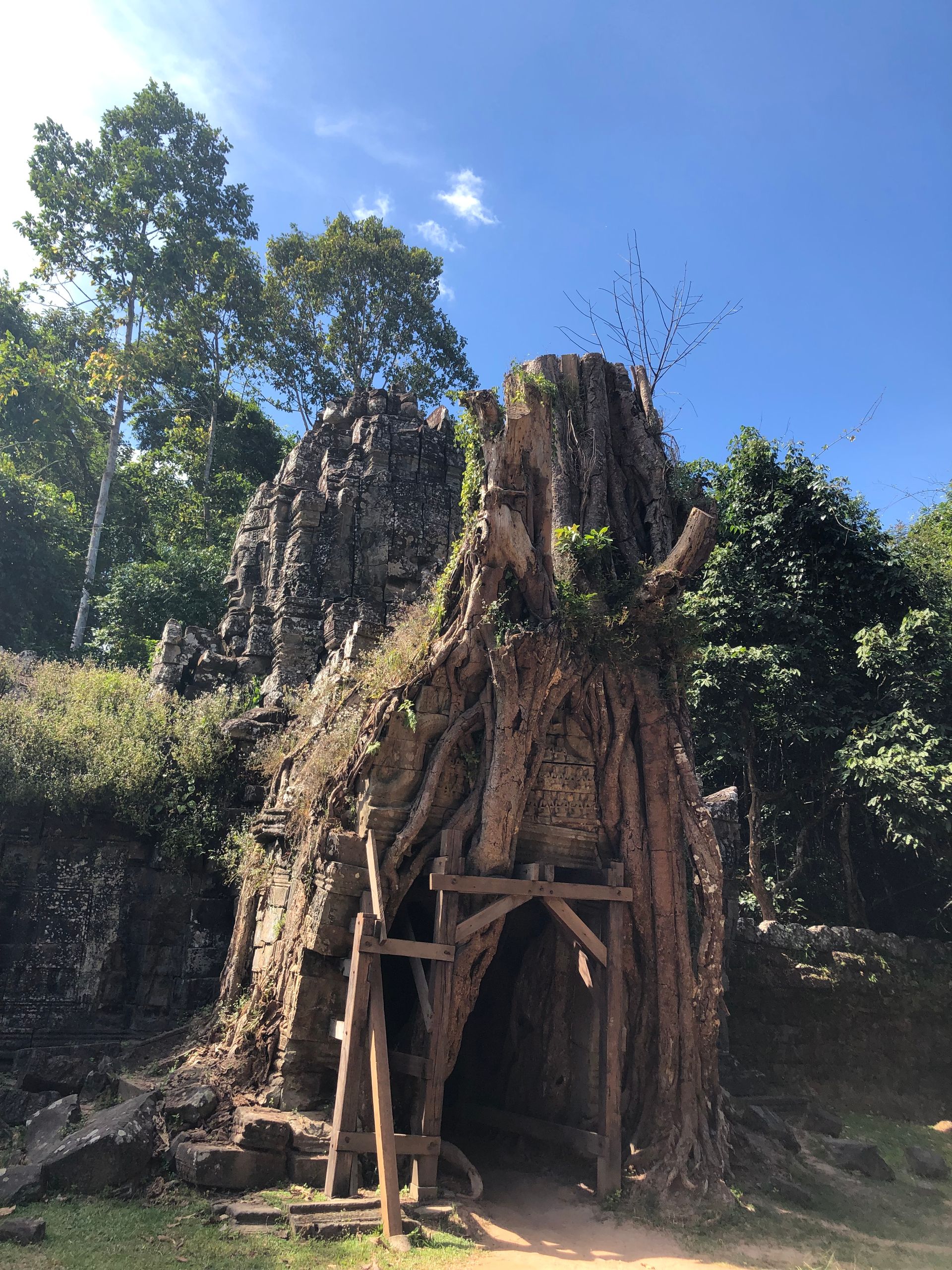
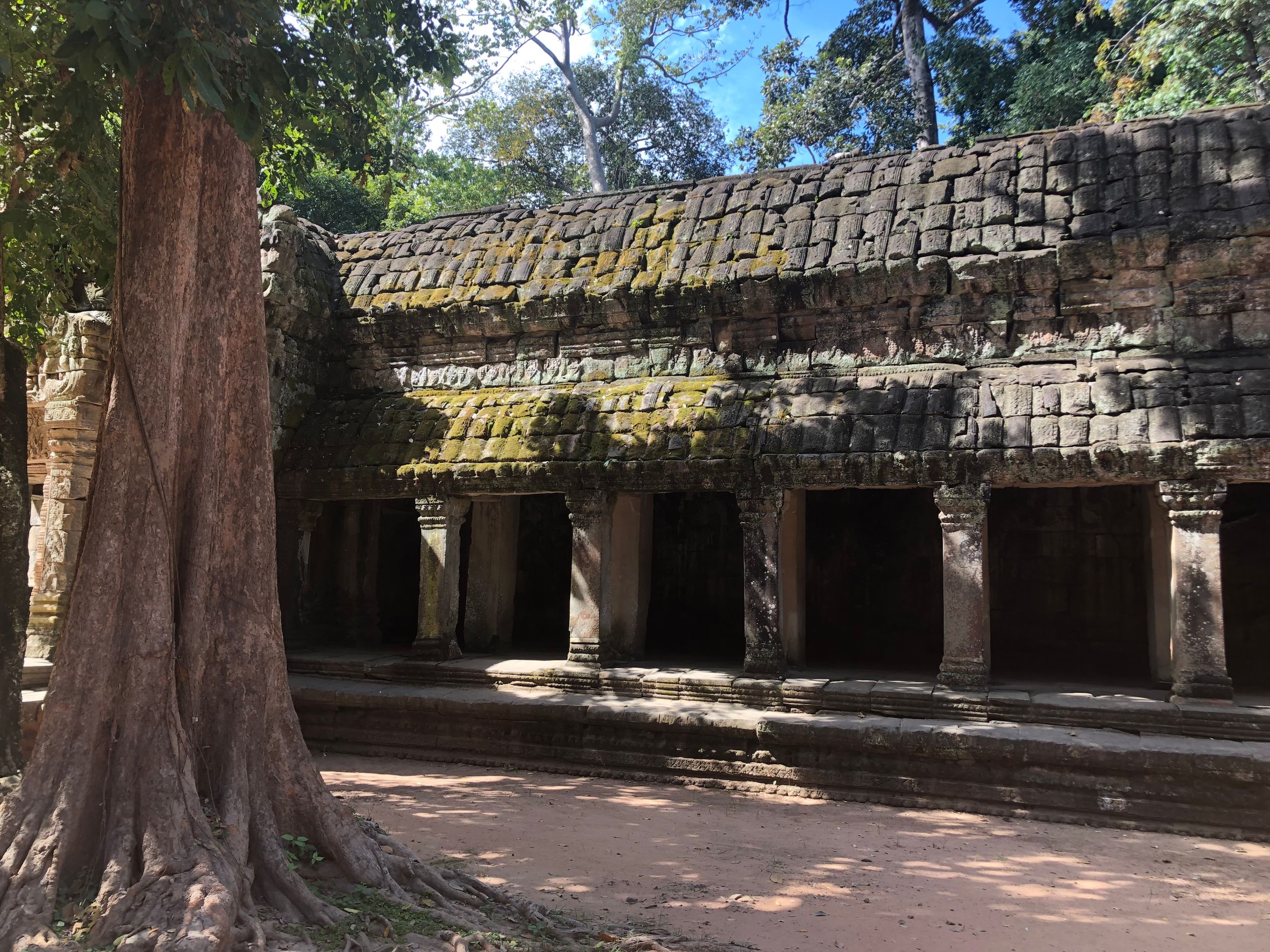
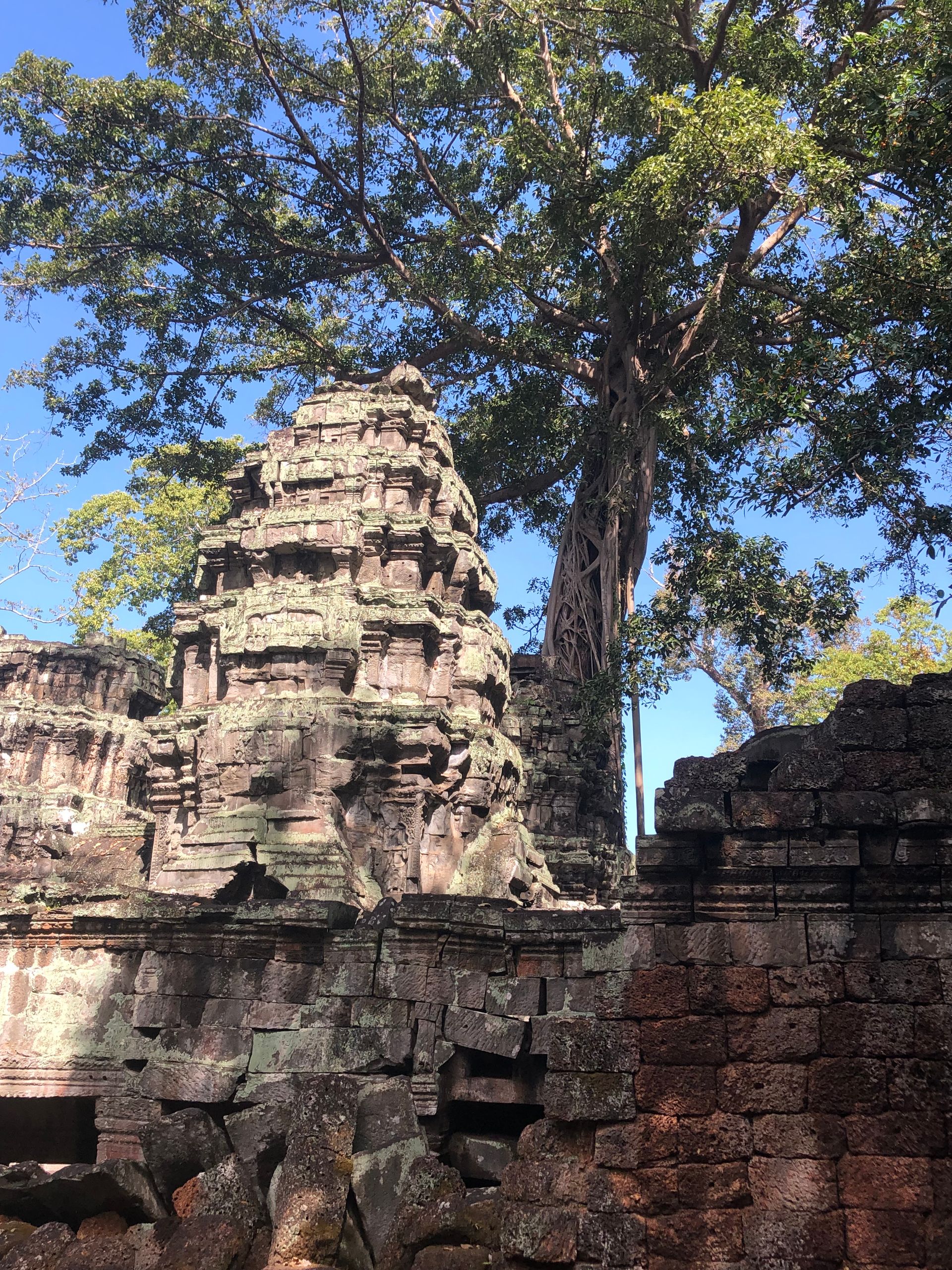
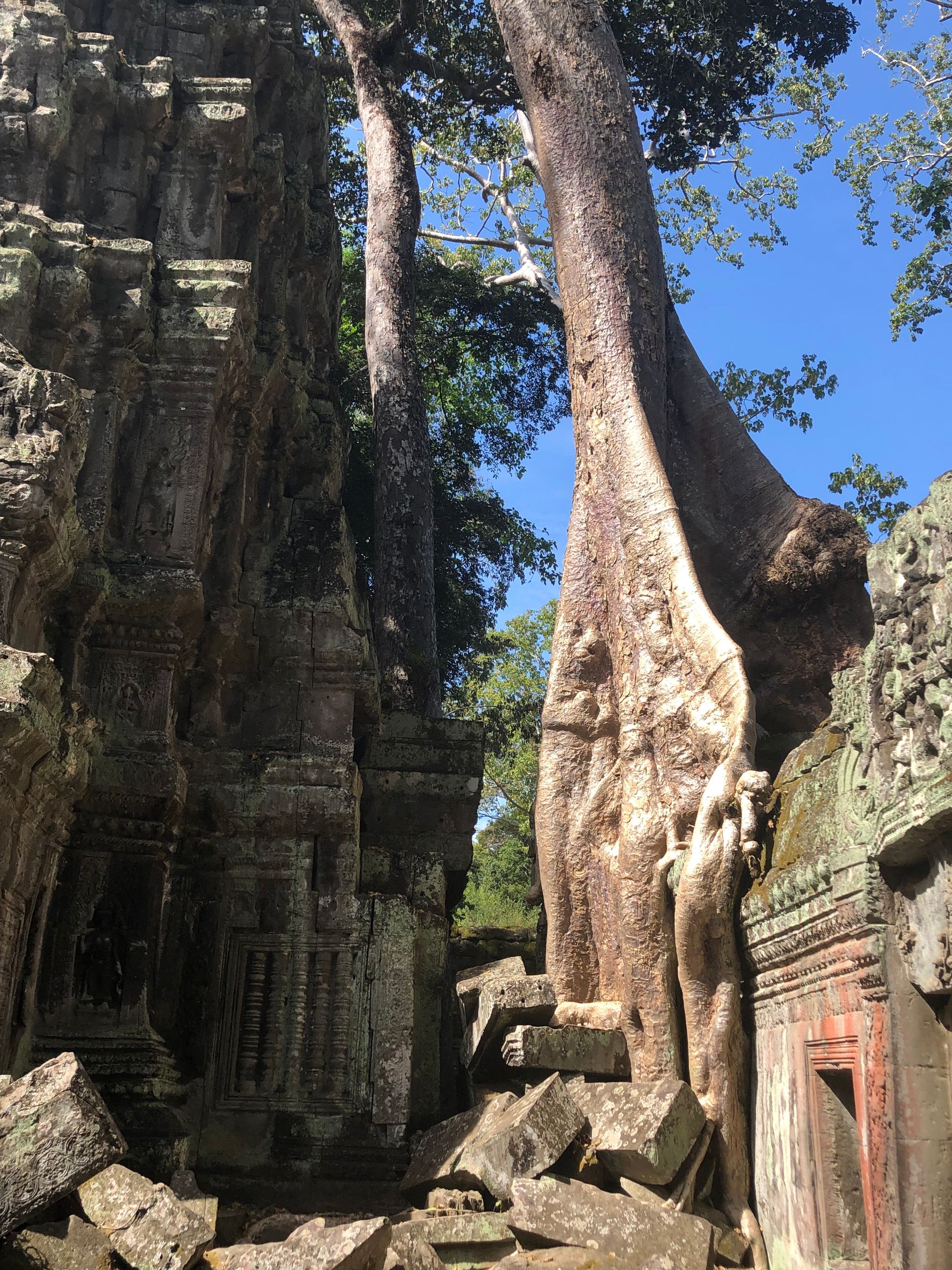
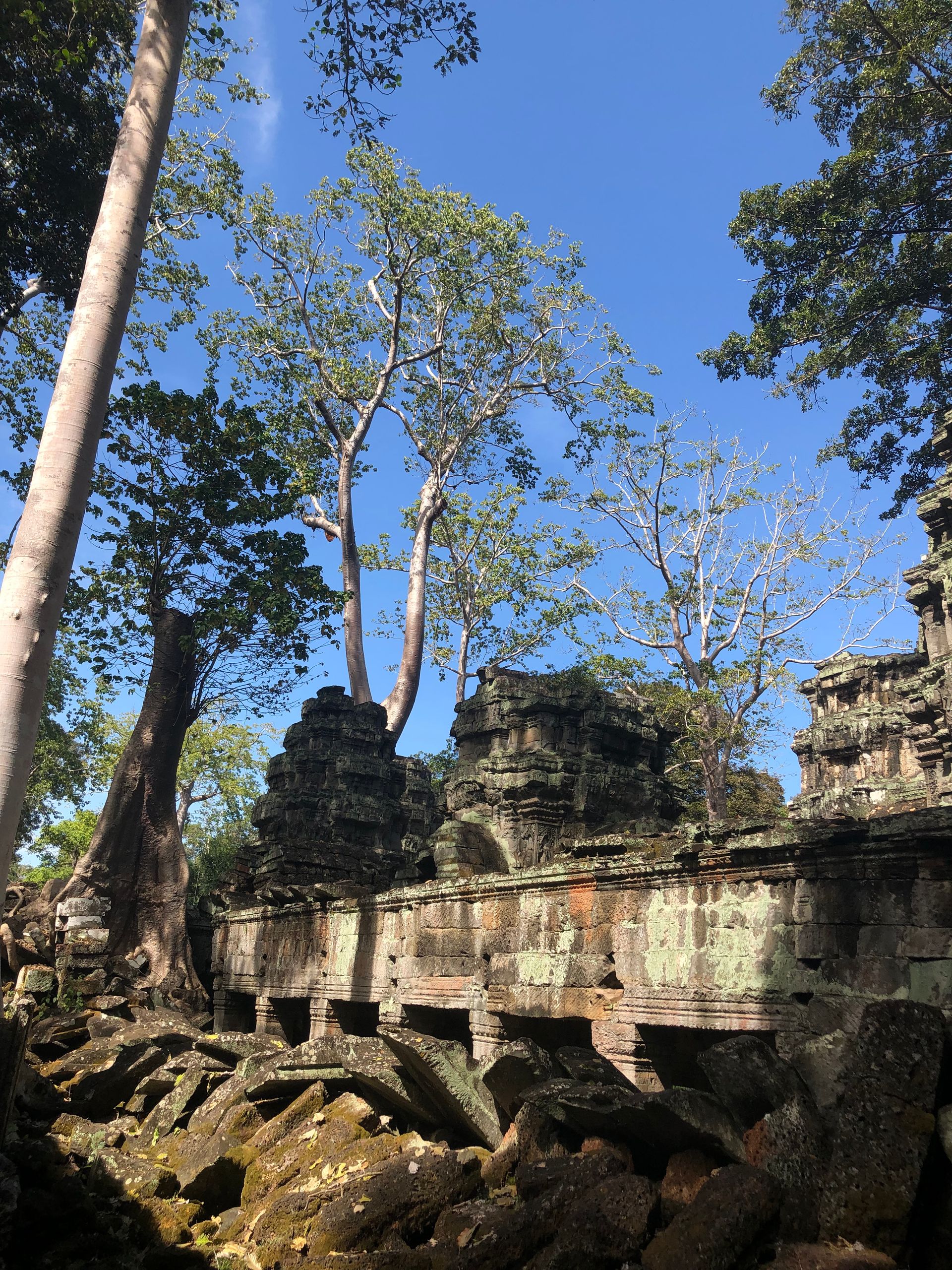
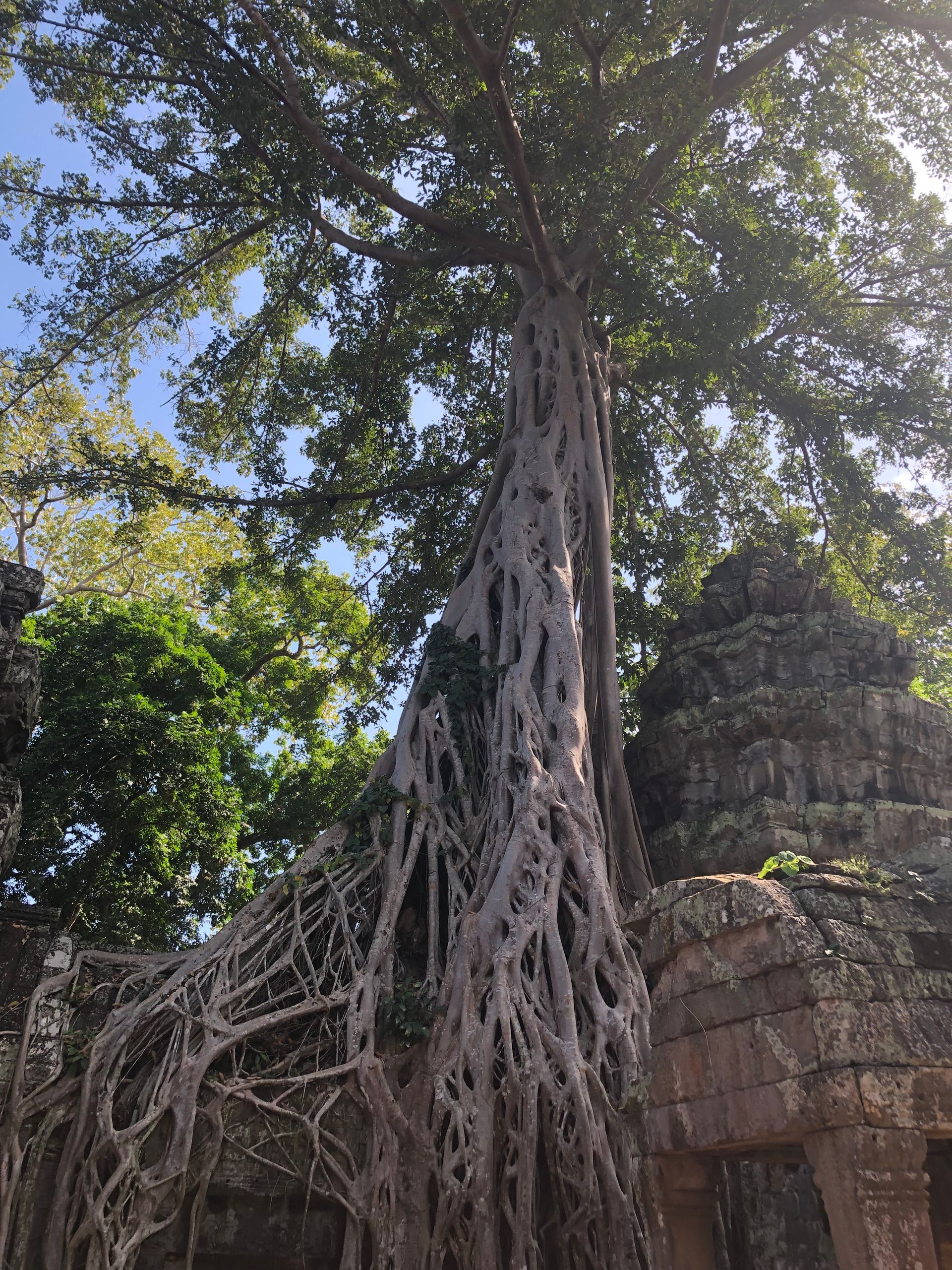
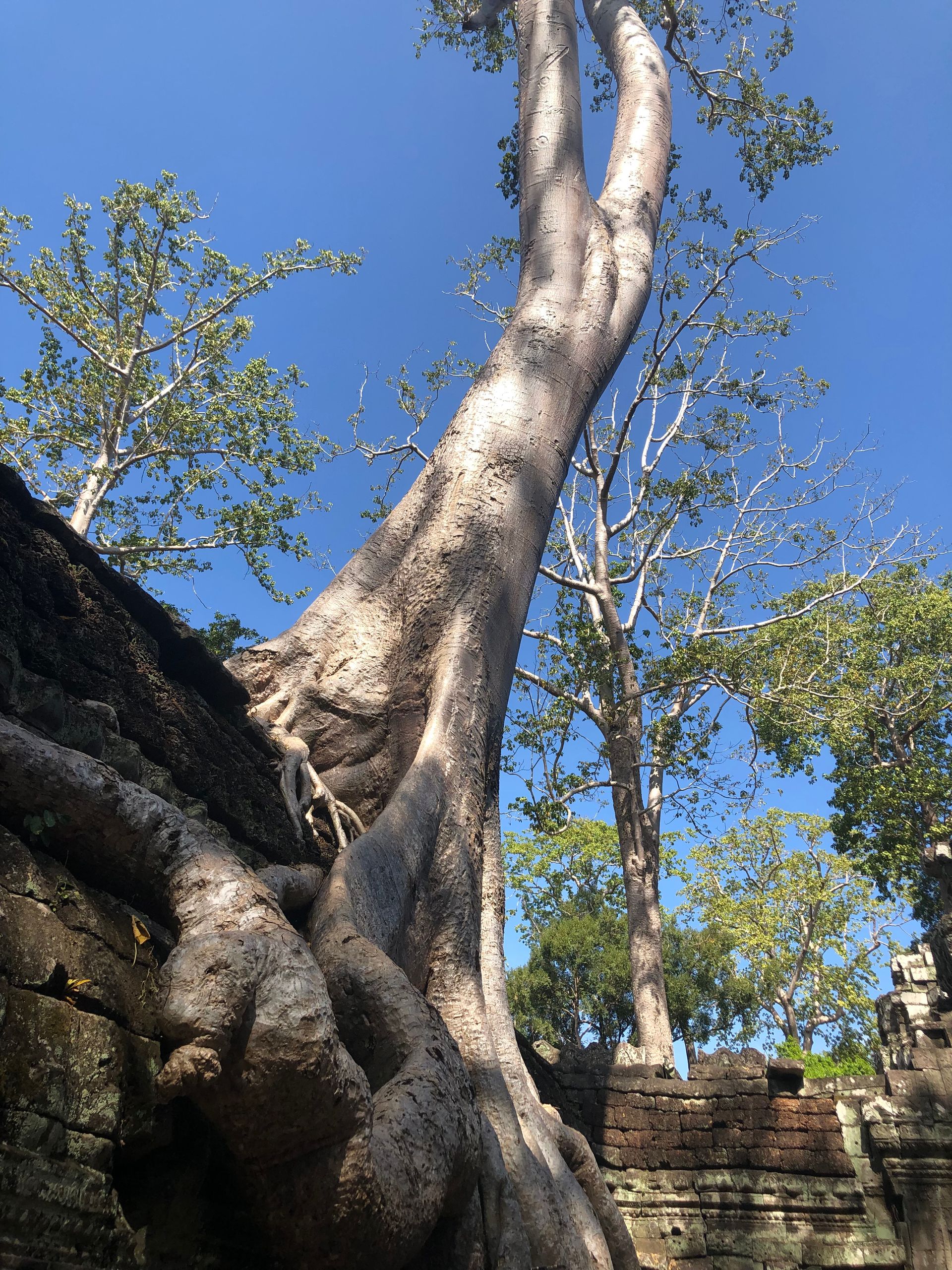
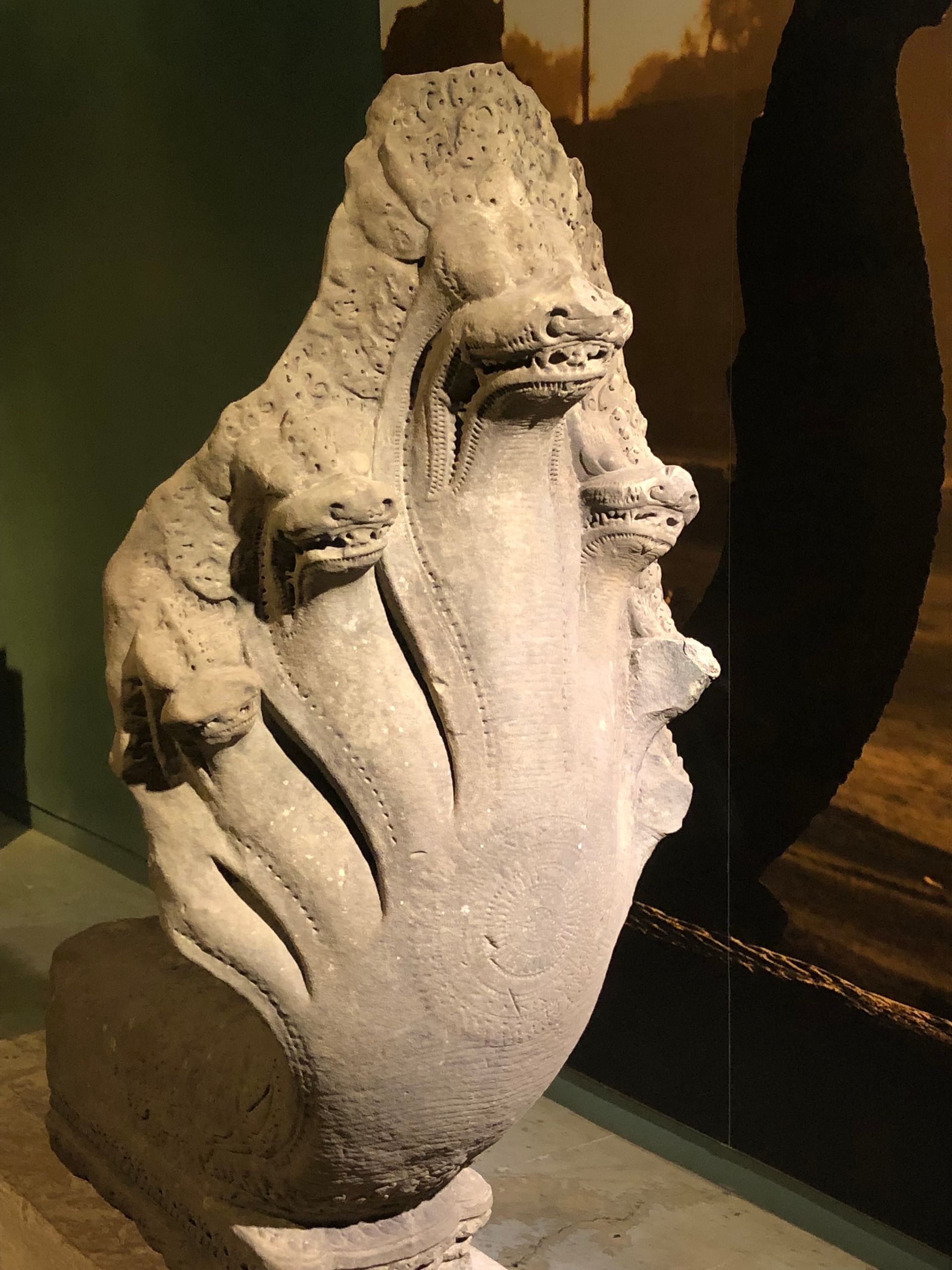
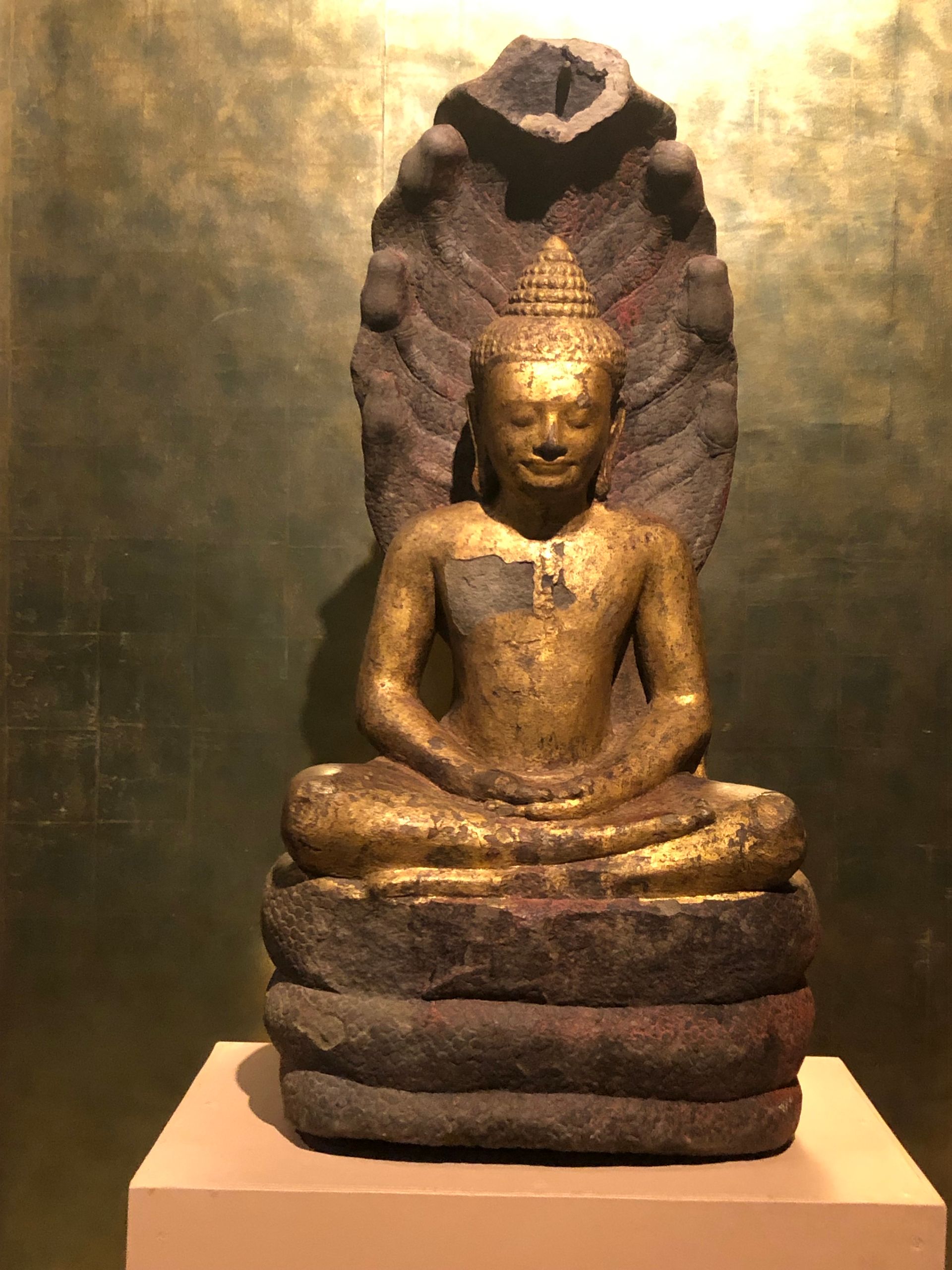
Angkor Archaeological Park
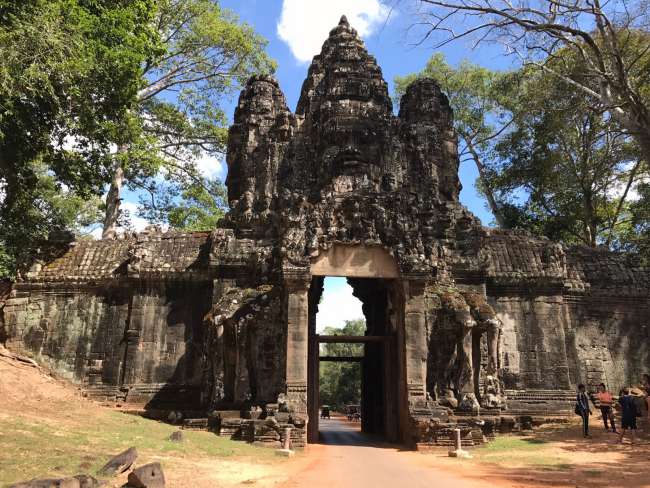
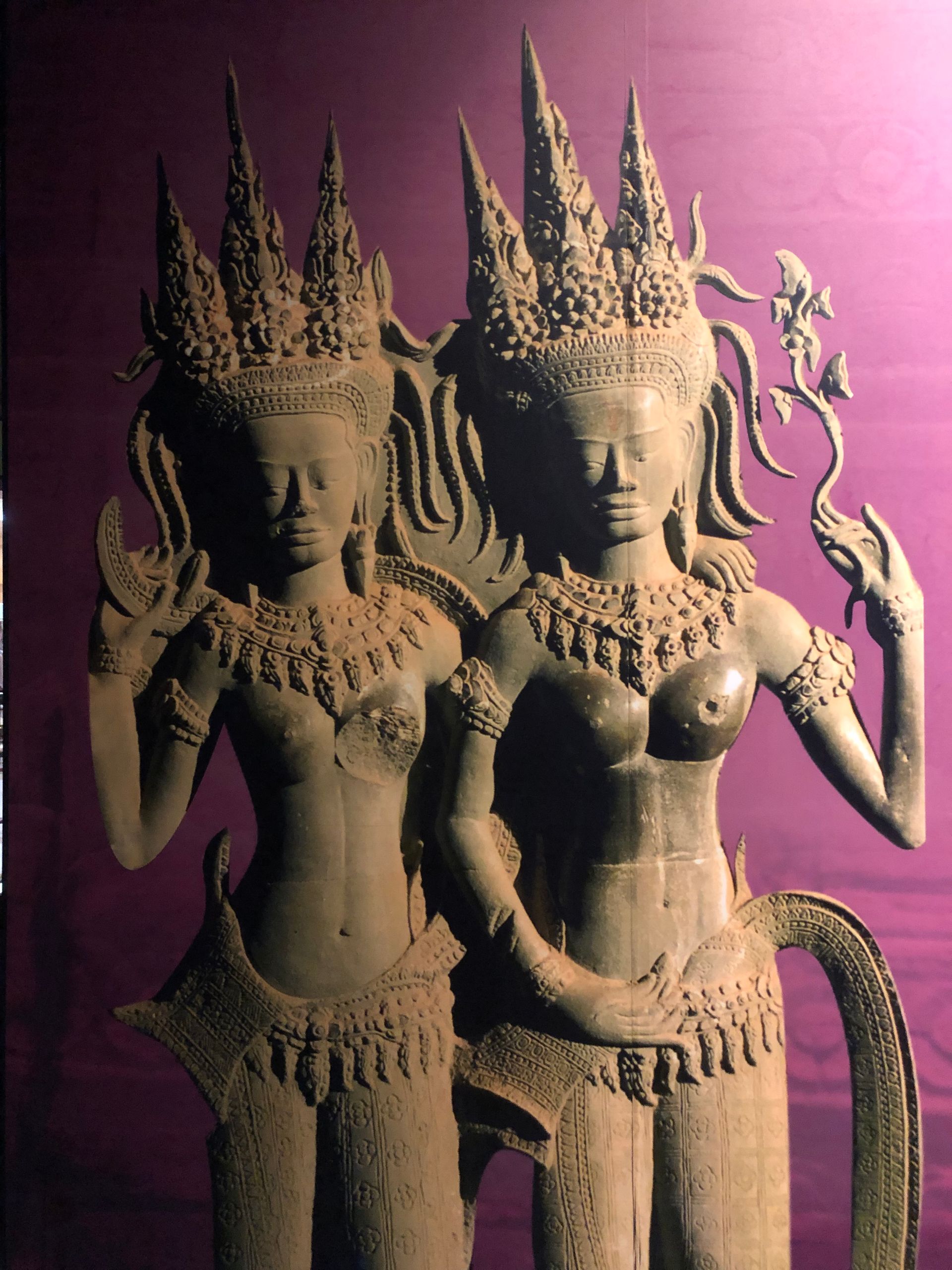
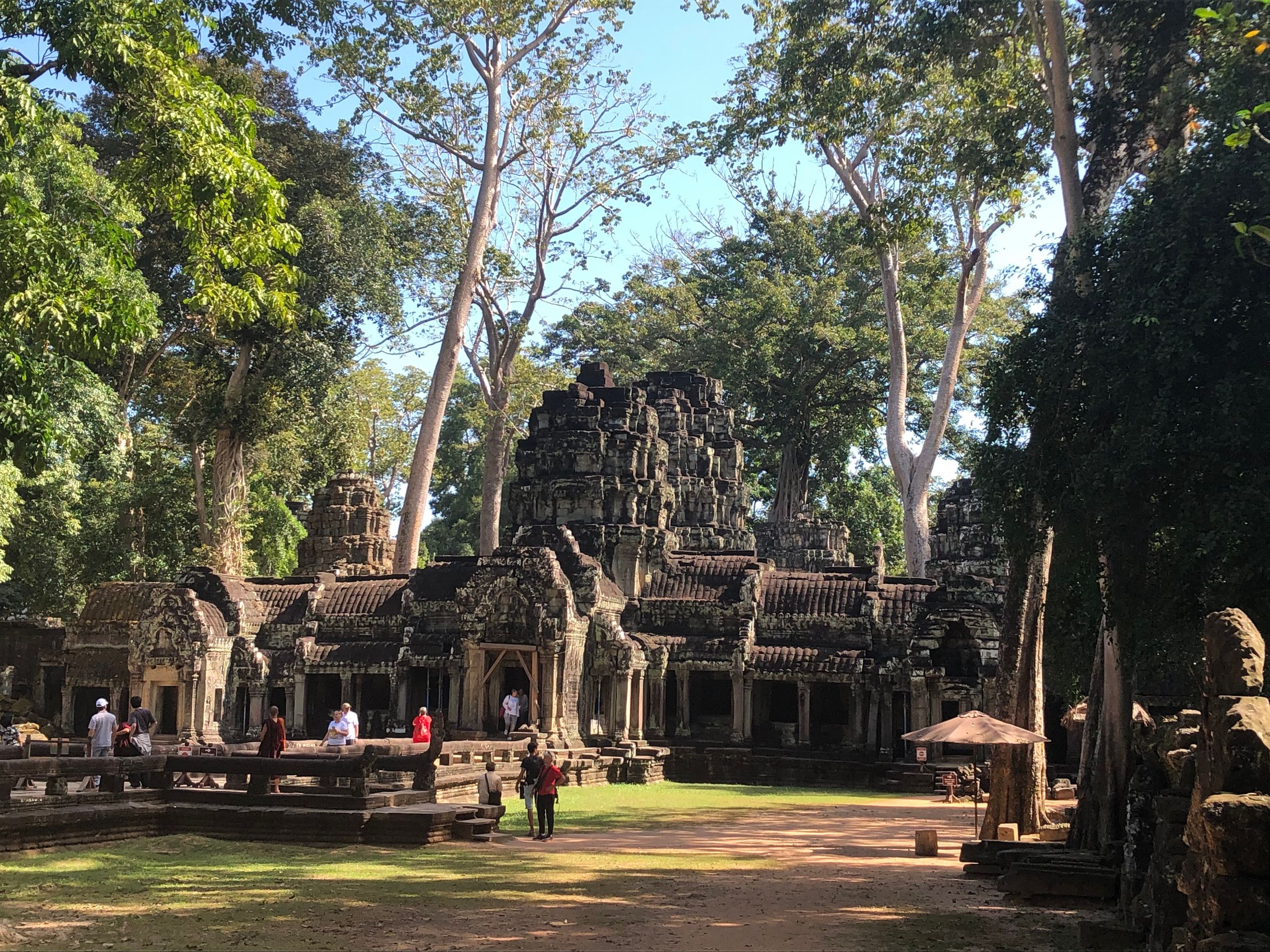
This includes the city of Angkor Thom, the world's largest temple complex Angkor Wat, and the many Hindu and Buddhist temples that are spread throughout the area - absolutely unique and impressive.
It is worth buying a ticket for three days – you won't be back here quickly. We had a taxi take us to the structures of our choice for two days and enjoyed a German-speaking guide for one day.
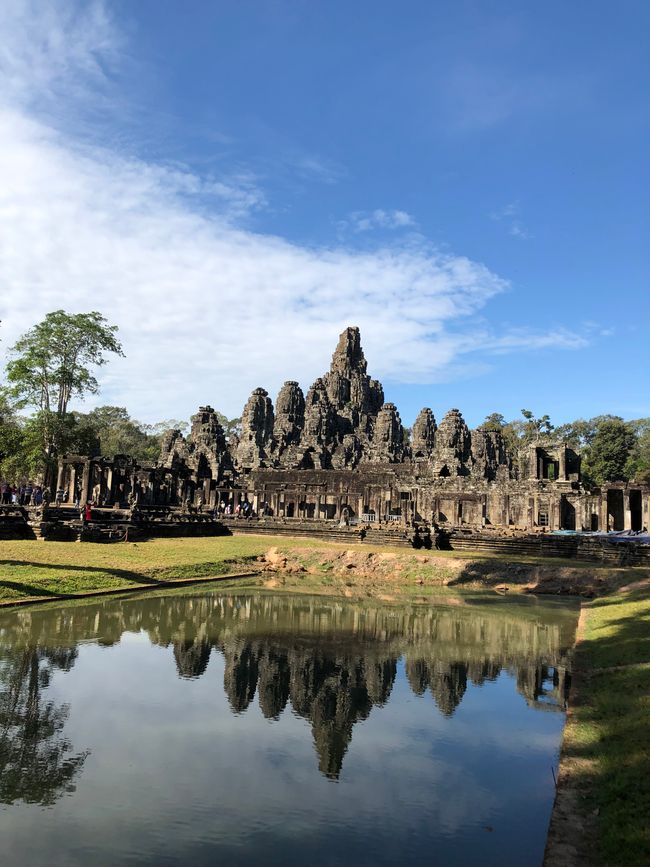
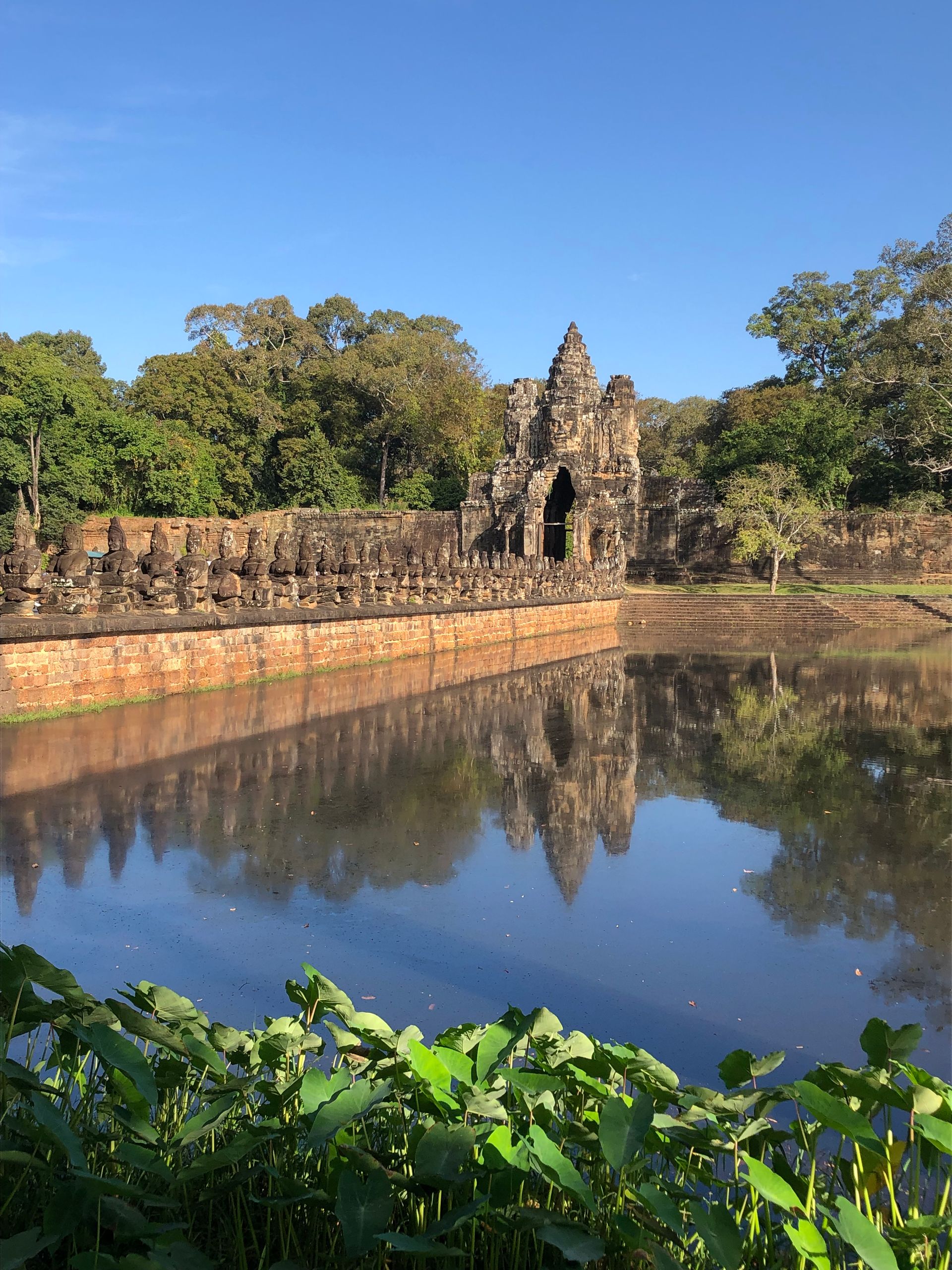
The best photos of Angkor Thom can be taken in the morning. The structures reflect beautifully on the water surfaces. For Angkor Wat, the lighting conditions are ideal in the afternoon.
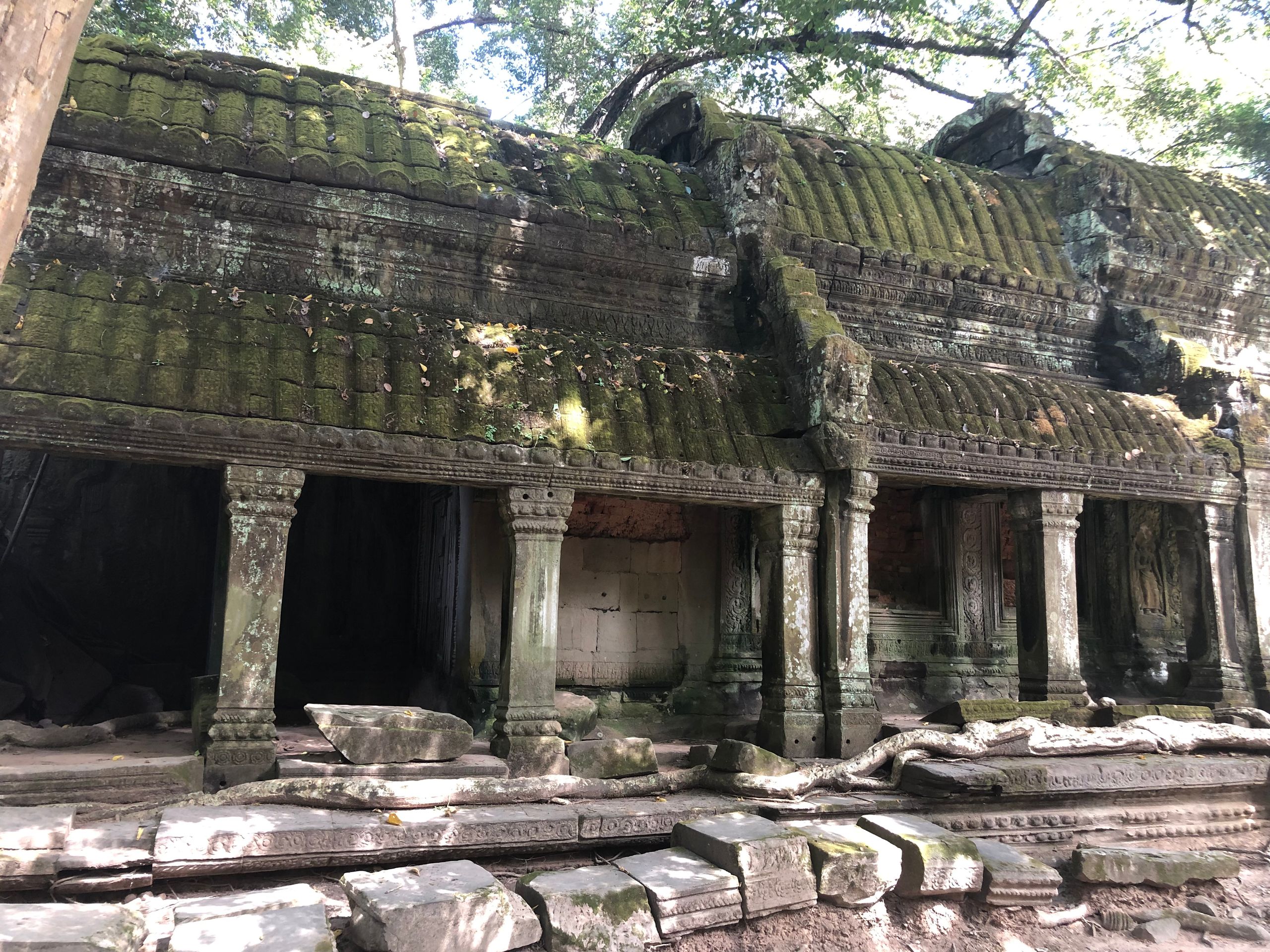
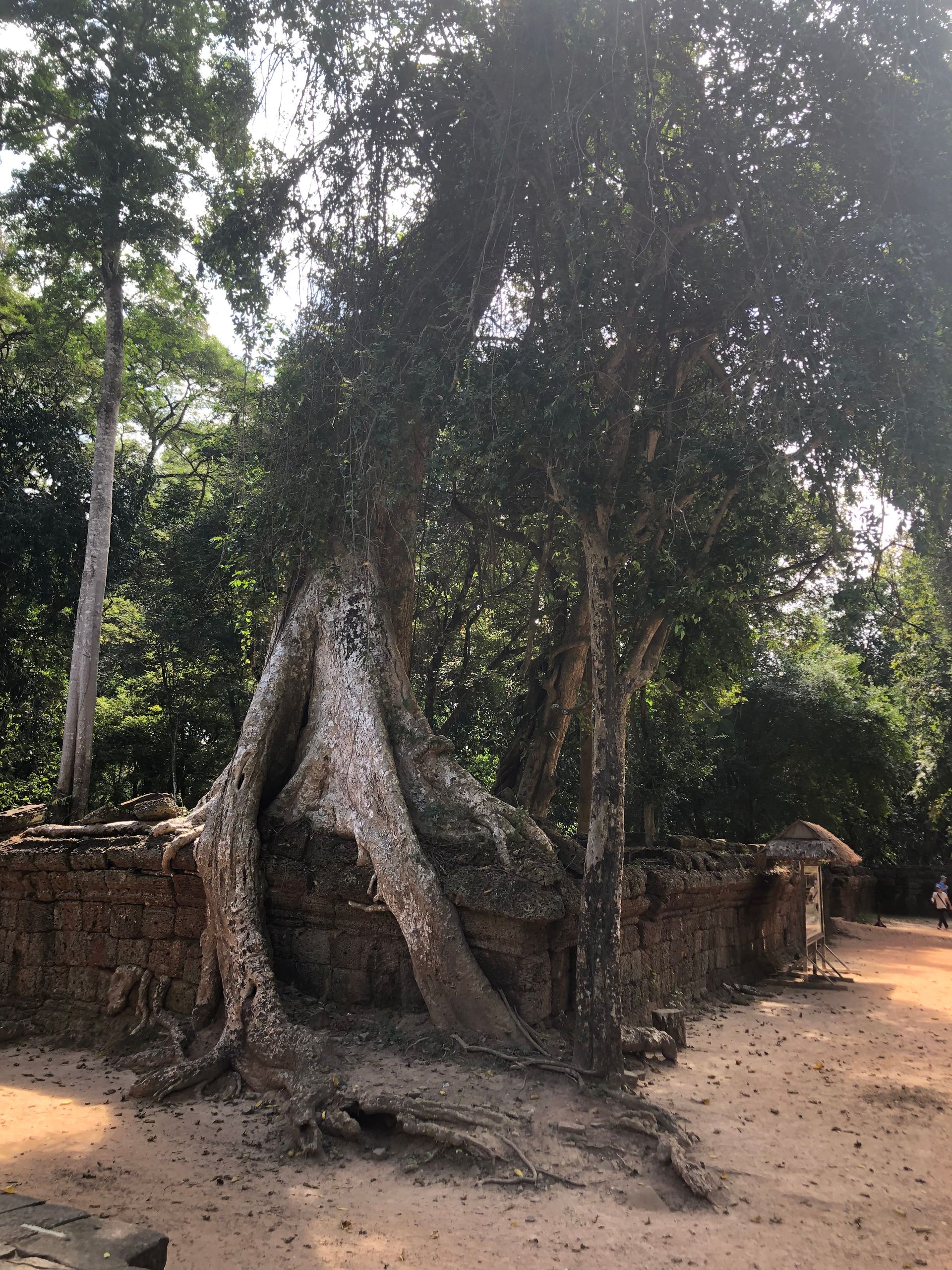
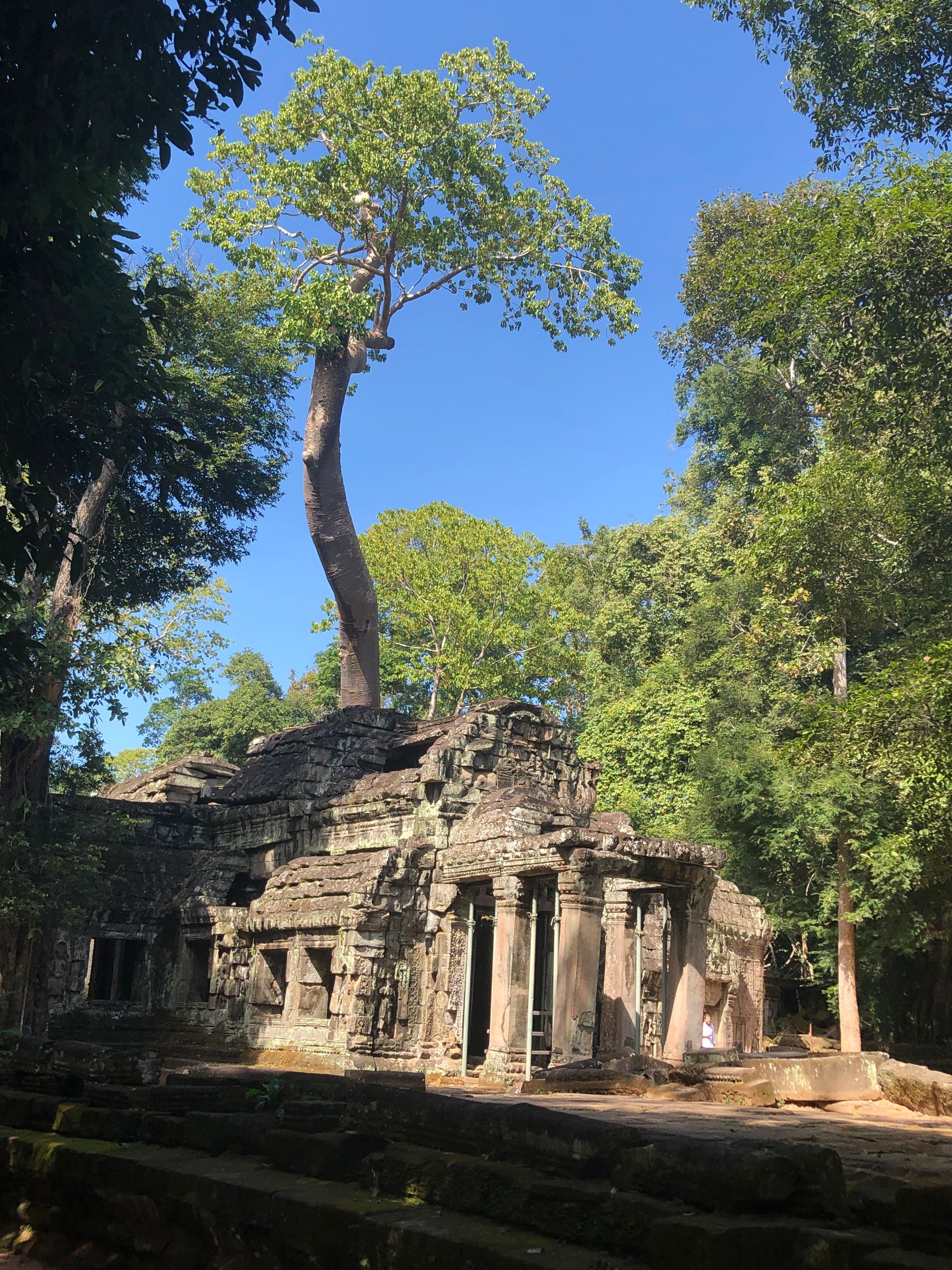
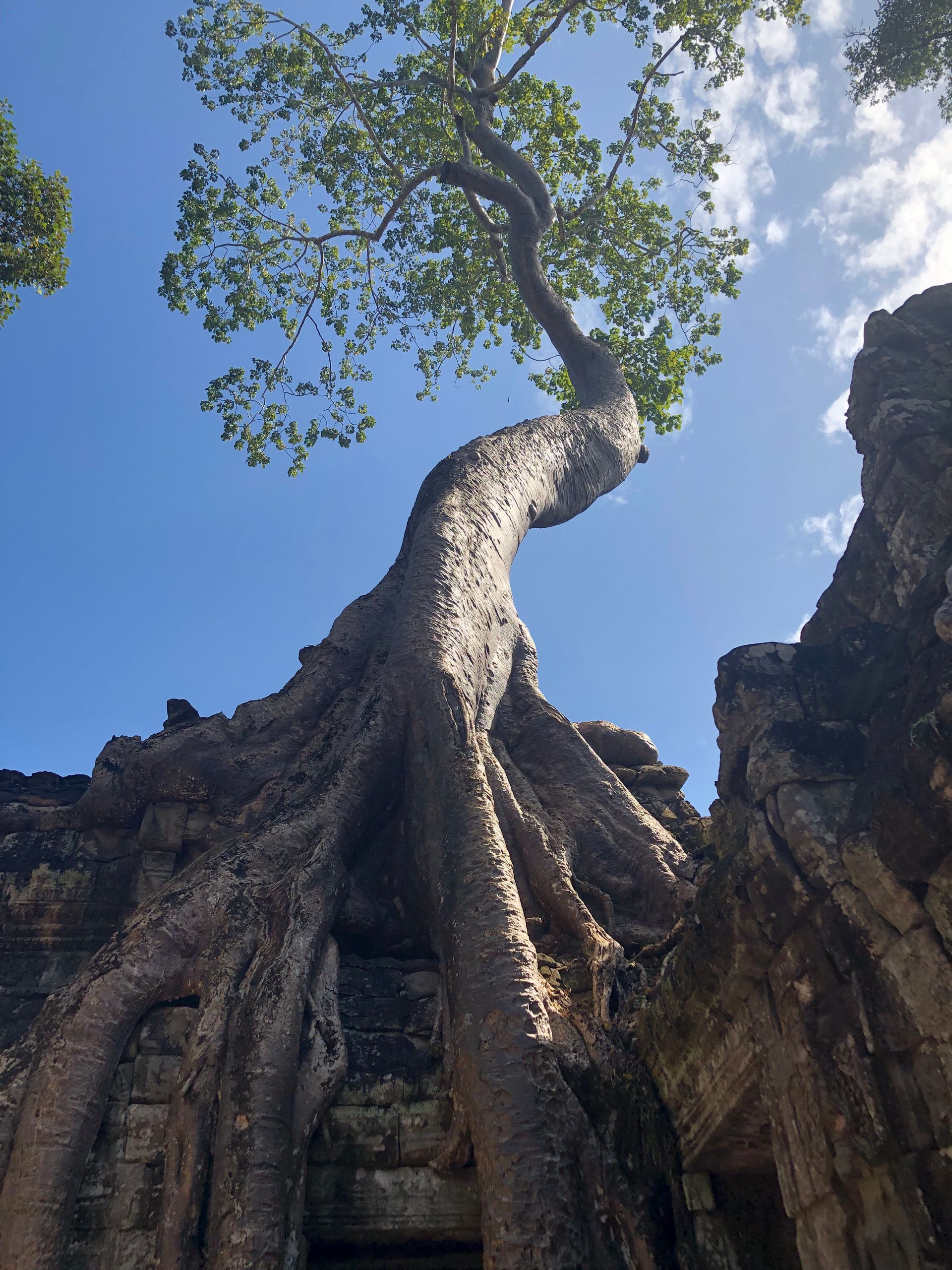
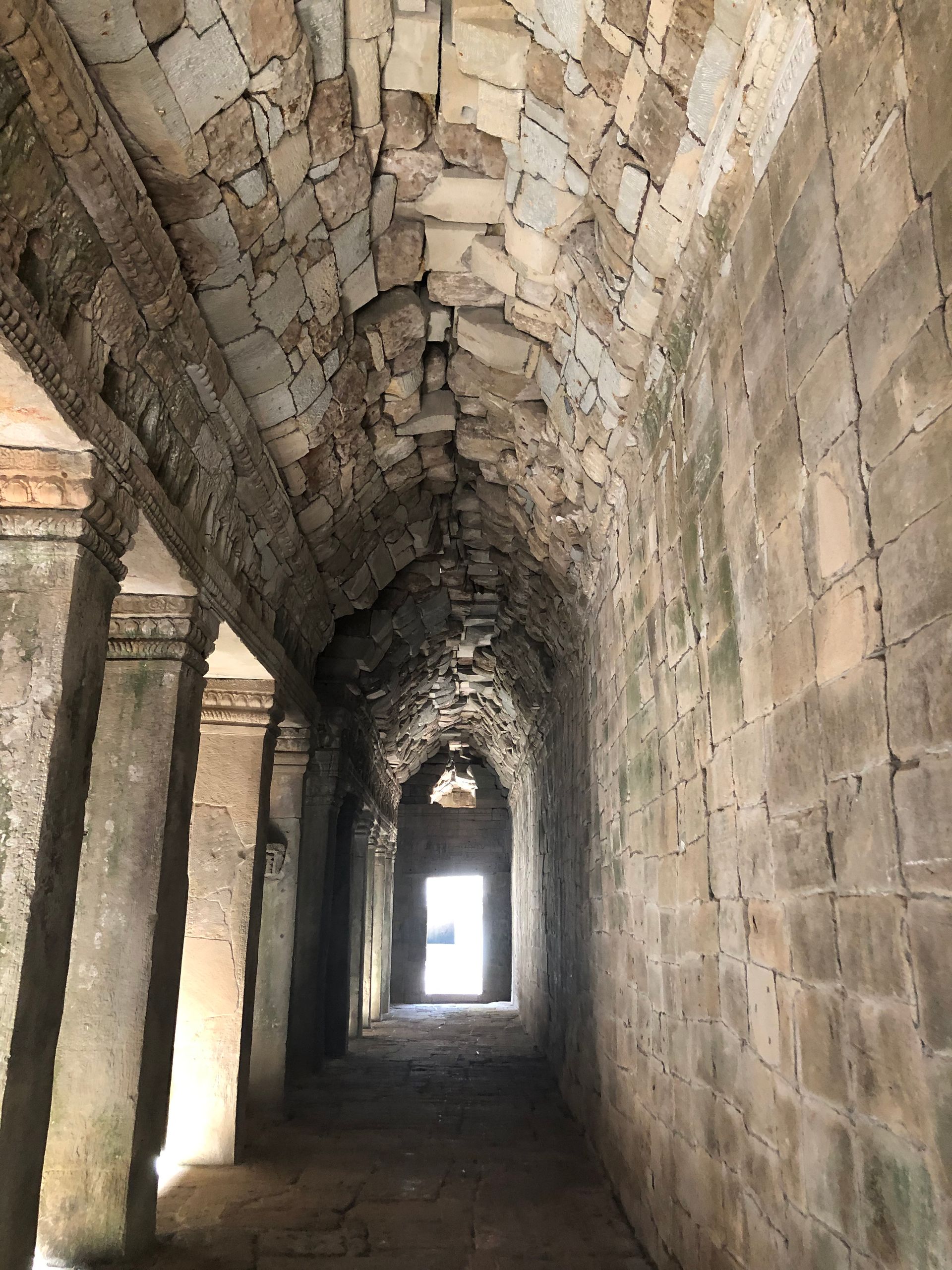
The Ta Prohm Temple is one of the highlights of Angkor. This is where Tomb Raider with Angelina Jolie was filmed. Very little has been restored; it has been left to the jungle. The temple is almost in the same condition as when the French explorers found it. Fallen stones blocking paths, collapsed corridors, and walls entwined with roots – if you want to take stunning photos – this is the place!
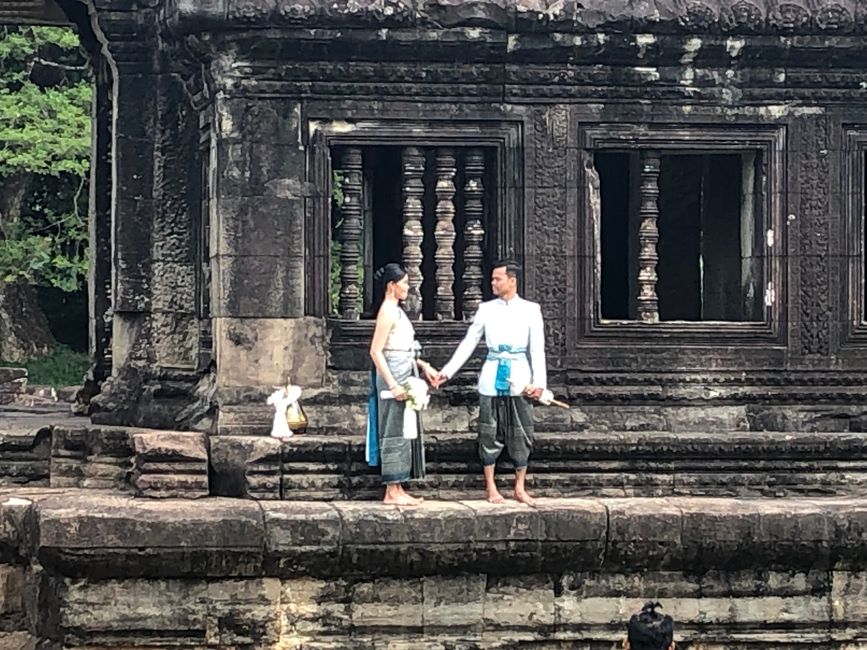
Those wanting to see a Kmer wedding couple in traditional attire will surely find one at the entrance of Angkor Wat. Many couples choose to be photographed in front of the impressive backdrop.
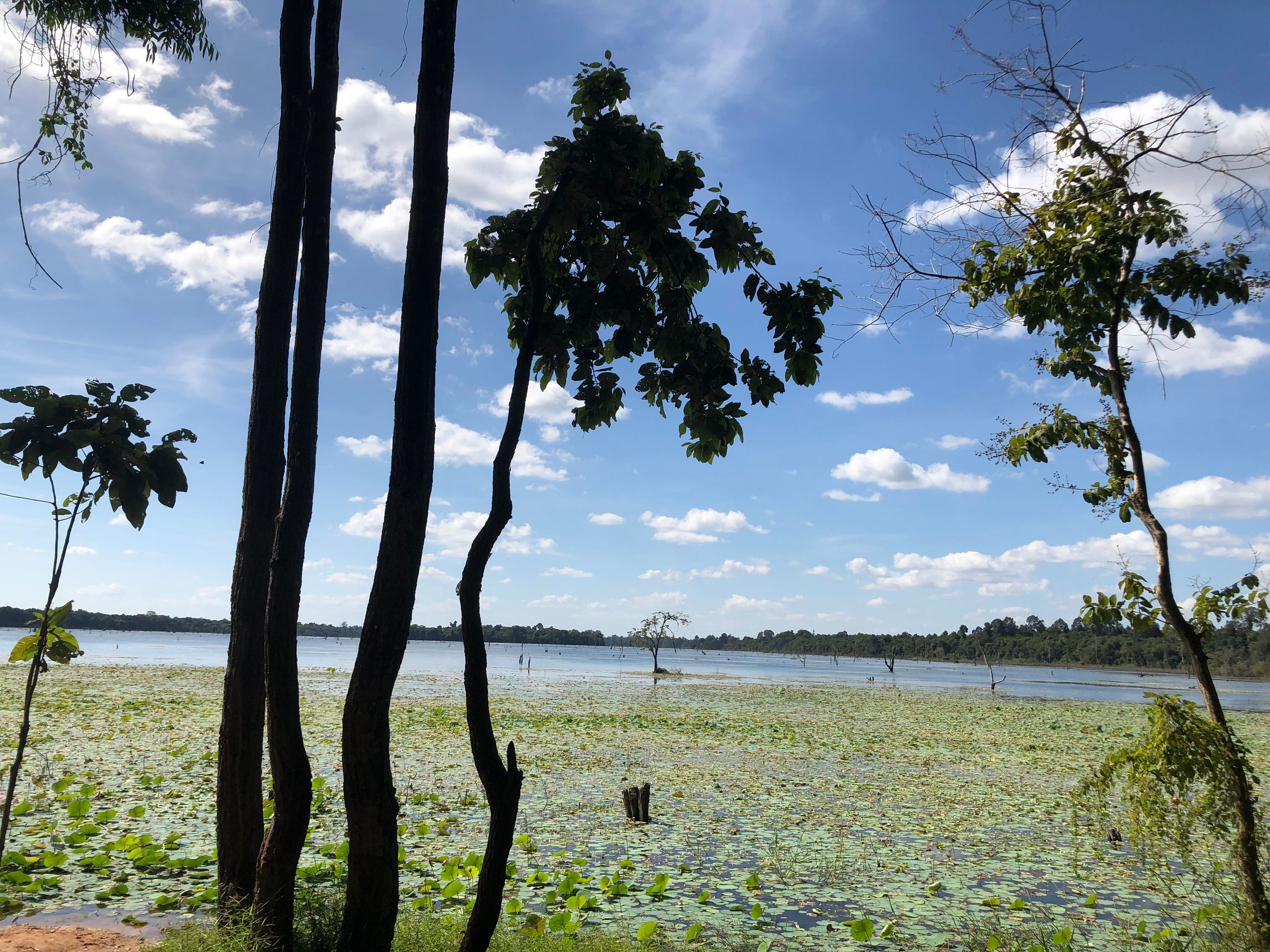
In the 10th century, numerous irrigation systems and reservoirs were established in the current Angkor area, allowing for rice harvests multiple times a year. This rice surplus brought immense wealth, and the Khmer kings were able to build large cities and vast temple complexes.
Only the city walls and temple complexes were built from large sandstone blocks; the royal buildings and settlements around the temple complexes were made of wood. The construction phase of the Khmer kings lasted until the 15th century when the kingdom collapsed, and the temple complexes were left to nature. Weather influences, tropical vegetation, wars, looting, and art thefts over the centuries have severely impacted Angkor, and the massive structures show significant damage. Restoration work has been ongoing intermittently since 1908 and continues to this day, a gigantic challenge.
As a cultural asset of Cambodia, Angkor Wat is depicted on the Cambodian flag and has been a UNESCO World Heritage Site since 1992.