

利马
我们在小巴上挤着太多其他人和行李,驱车经过300公里抵达利马——几乎没有活动空间。大约需要5小时走完这段路程。至少到达大城市的外围。如果运气不好,在这座巨型都市中可能还要耗费同样长的时间,尤其是高峰期的交通状况简直是一场灾难。幸运的是,在市区游荡了2小时后,旅程结束了,我在提前预定的公寓里等着我的瑞典同事,他还在Paracas和利马之间头疼。我们应在这座城市...
已发布: 25.12.2024
The story begins again with the Swedish-German connection. But this time, the paths part for a longer while. While my next destination would be Trujillo, William's journey was set for Huaraz, the starting point for what is said to be one of the most beautiful trekking routes in the world. Six days of trekking in the wilderness of Peru, with gigantic mountain panoramas and all of it without a guide. Sounds exciting and absolutely impressive, but I had had enough of trekking for the moment and therefore sent my Swedish friend off on the bus towards the Peruvian wilderness. A brief farewell at the bus station and an arrangement to meet again in a few weeks in Colombia. Whether that all worked out, there will be more on that later in the Colombian part of the travel reports. Personally, I wanted to spend a few days by the sea in northern Peru before moving on to Ecuador with two short stops. Routinely, I boarded the night bus once again. The unusual part unfolded in the morning hours. Once it became bright, my Peruvian seat neighbor, who had spent the entire trip beside me, leaned over to me and with a loud “HI!” initiated a longer question-and-answer session. After answering her questions, I was asked to participate in a short photo session, and I had to make myself available for numerous selfies. So far, so good – however, the whole affair attracted the attention of other passengers, and gradually several Peruvians came to our seats to take pictures with me. I know such photo sessions from Asia, but they’re not so common here in South America, so I can't quite say what made a photo with me so special. However, since everyone was very friendly, I gladly posed briefly for the interested locals before the bus entered the big city of Trujillo. From there, it was another 15 kilometers to the coastal town of Huanchaco. This place is regarded as a hotspot for surfers from all over the world because the waves here are said to break particularly consistently and perfectly. I just wanted to switch off for a few days before moving on to a new country and a new culture.
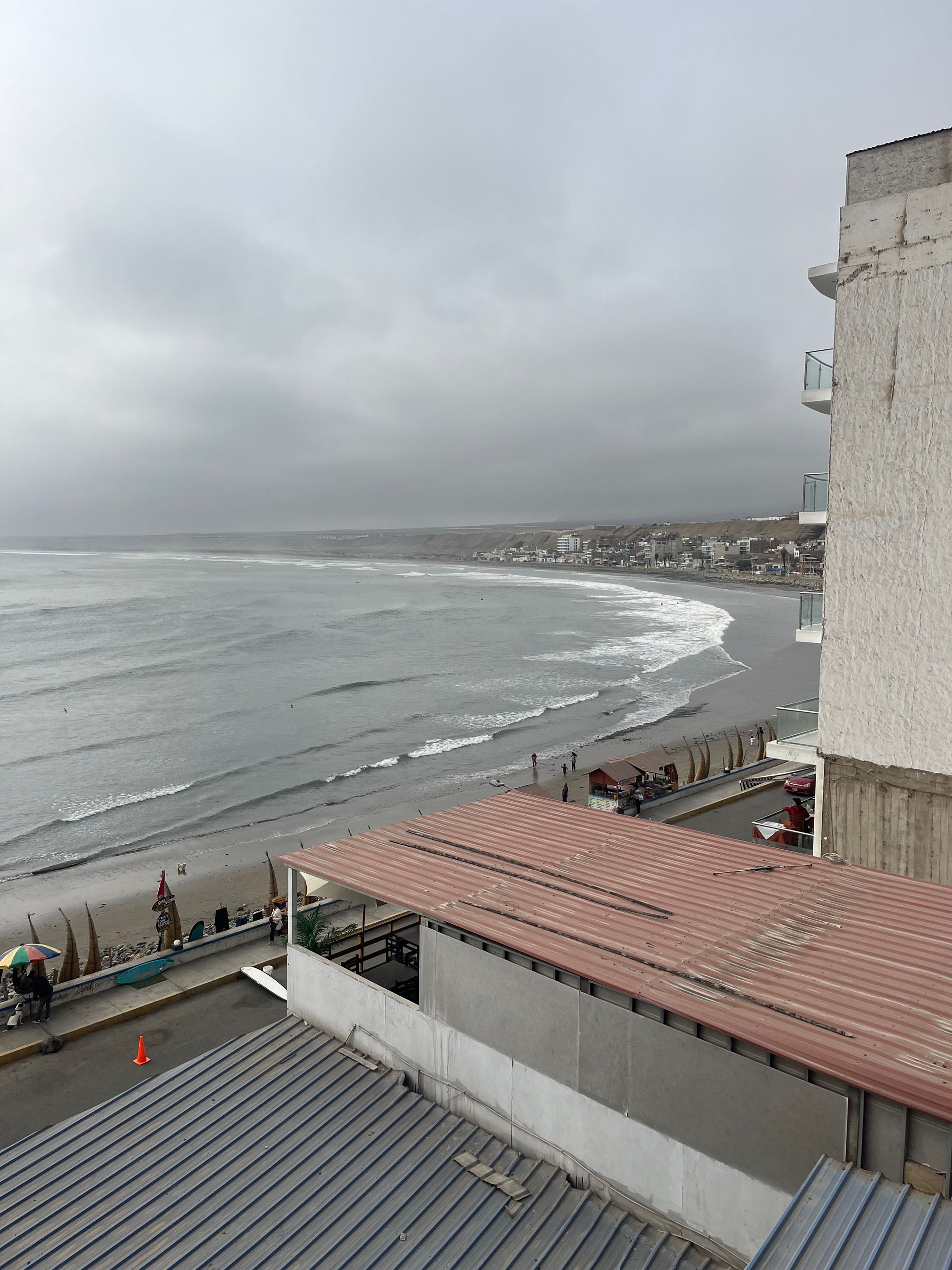
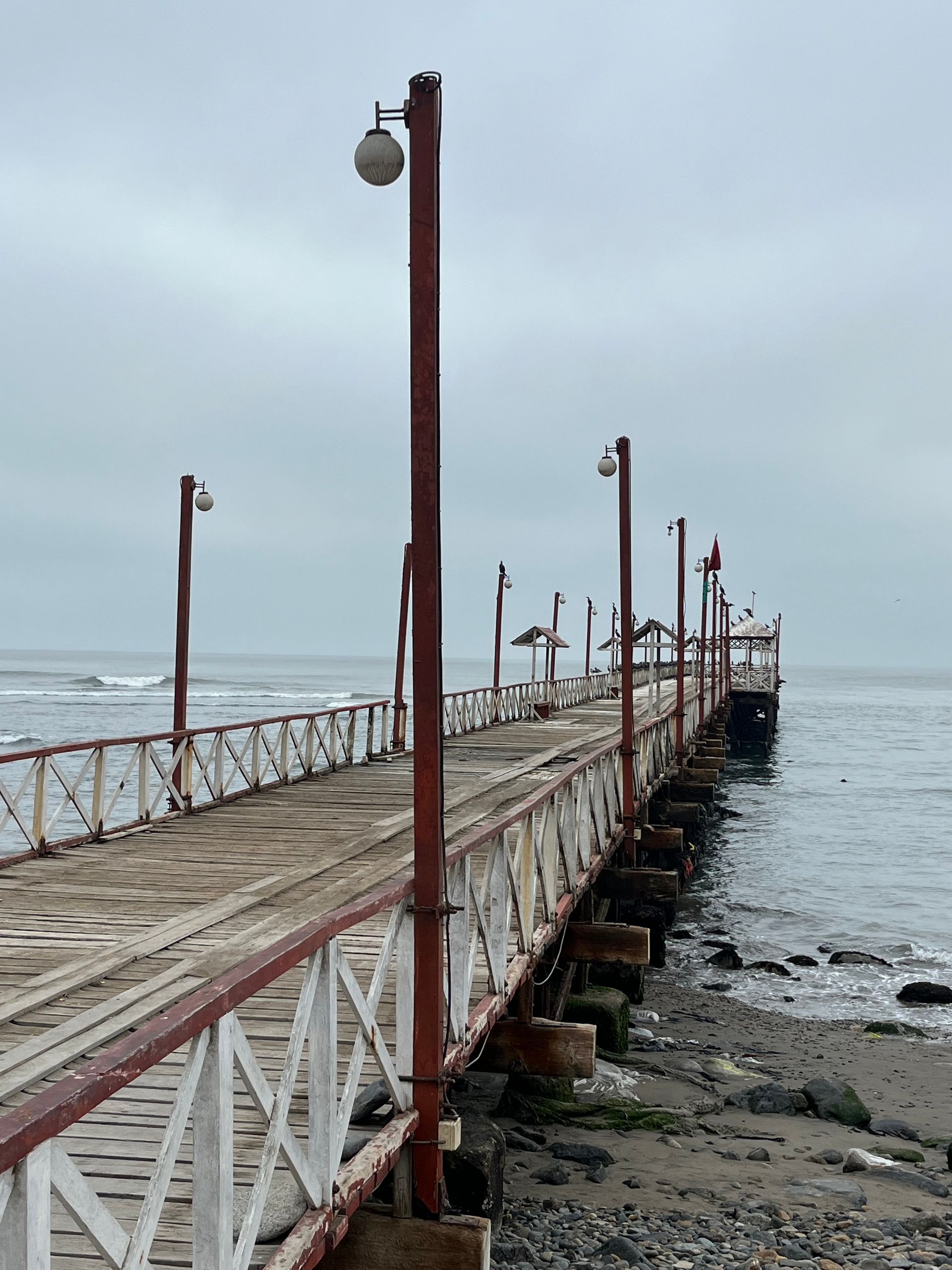
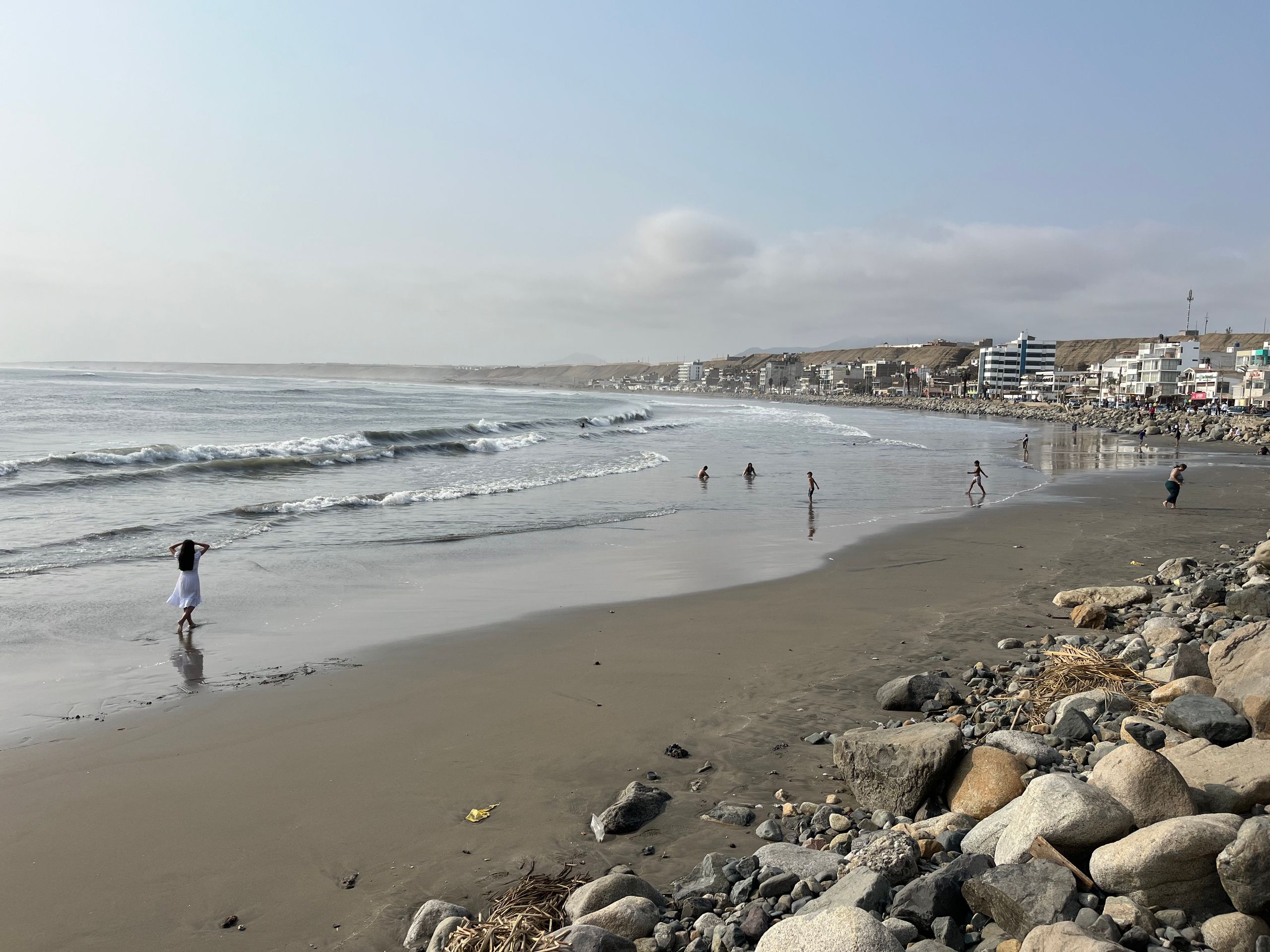
After my arrival early in the morning, the place was quite empty, and that wouldn’t change during my stay. While Huanchaco is a rather popular destination for the residents of the nearby big city of Trujillo, the influx is limited, and in general, it’s quiet and relaxed. One could also say that Huanchaco is a small village by the sea, where not much really happens. Ideal for unwinding. The air here is also quite clear, and you can clearly notice the difference to the stuffy Lima. The only downside is that the beach isn’t particularly nice, with dust and stones predominating, along with plenty of trash. It's not the most pleasant sight, and several locals seem to have little interest in a tidy town and dispose of their garbage near the sea. Sadly, but also nothing new on my journey through South America. The locals often have other problems and lack awareness of environmental protection.
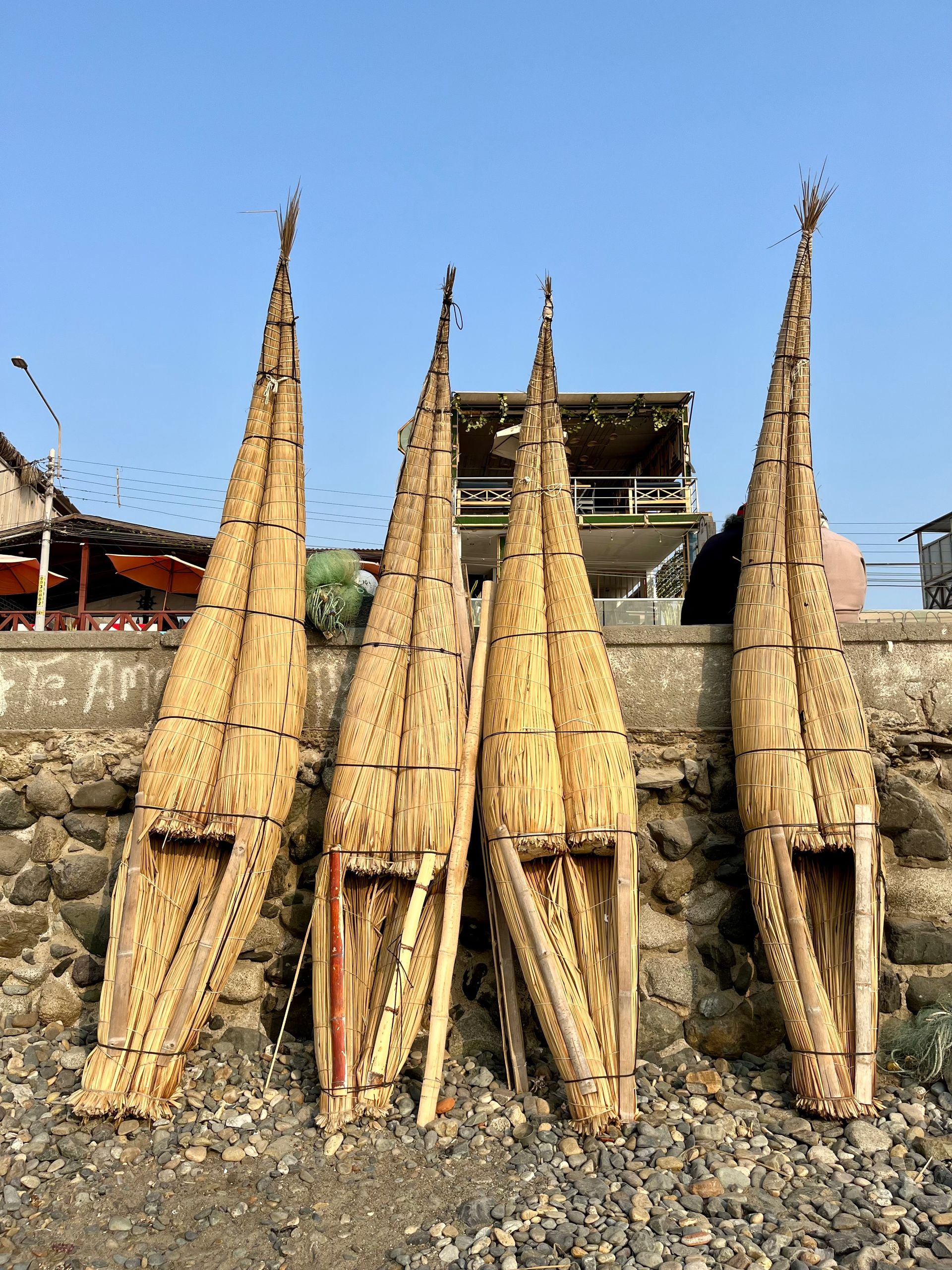
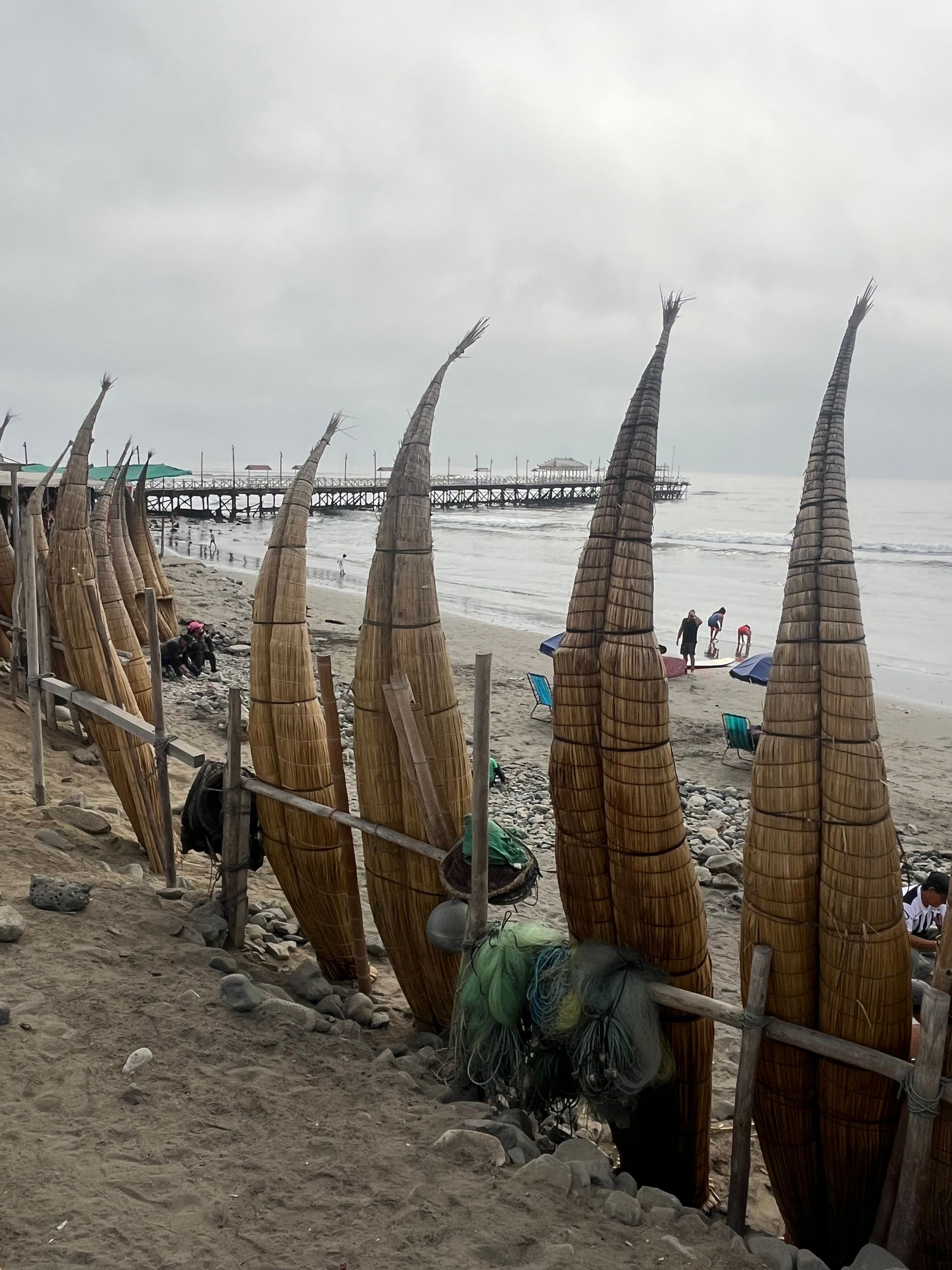
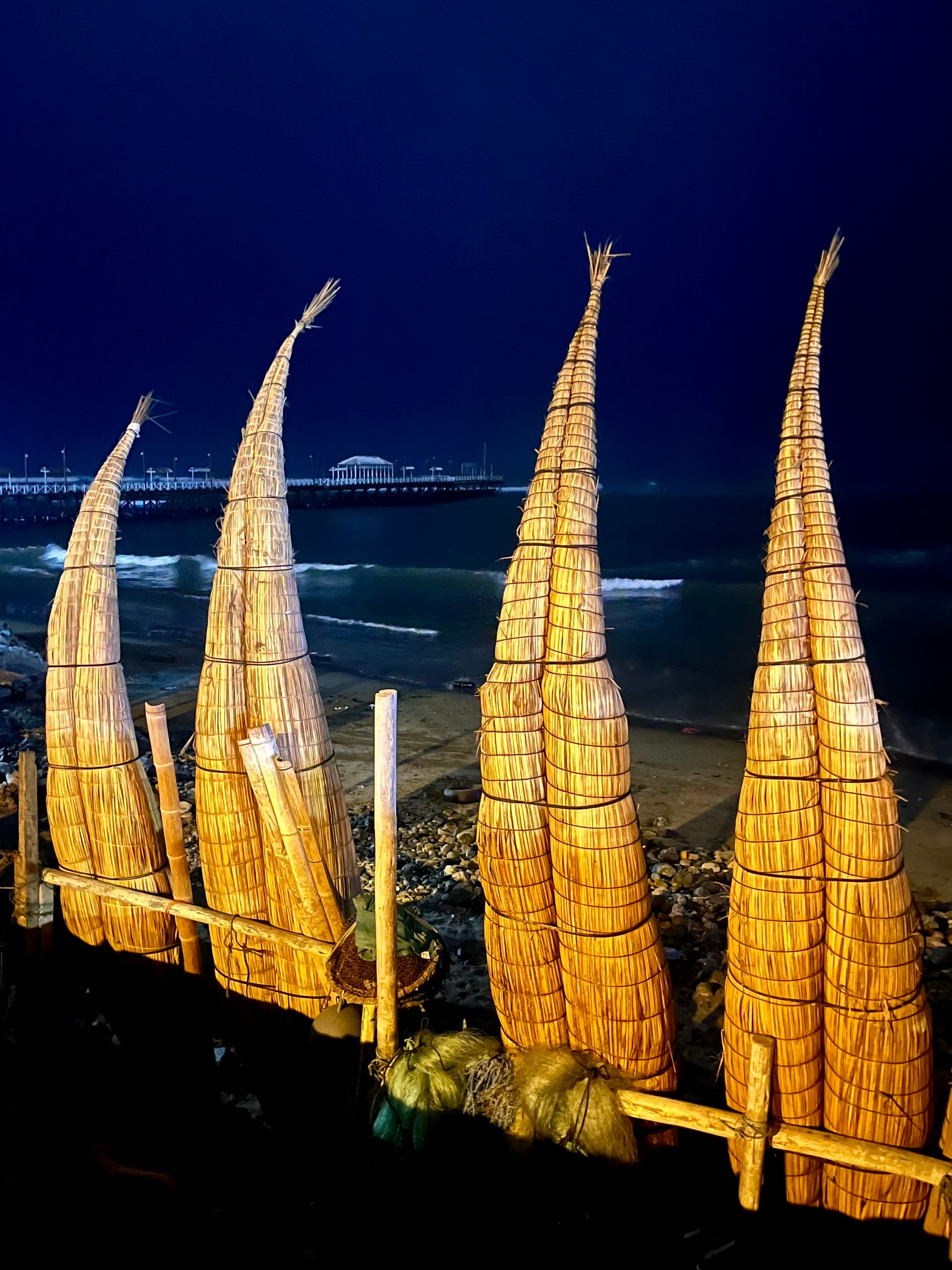
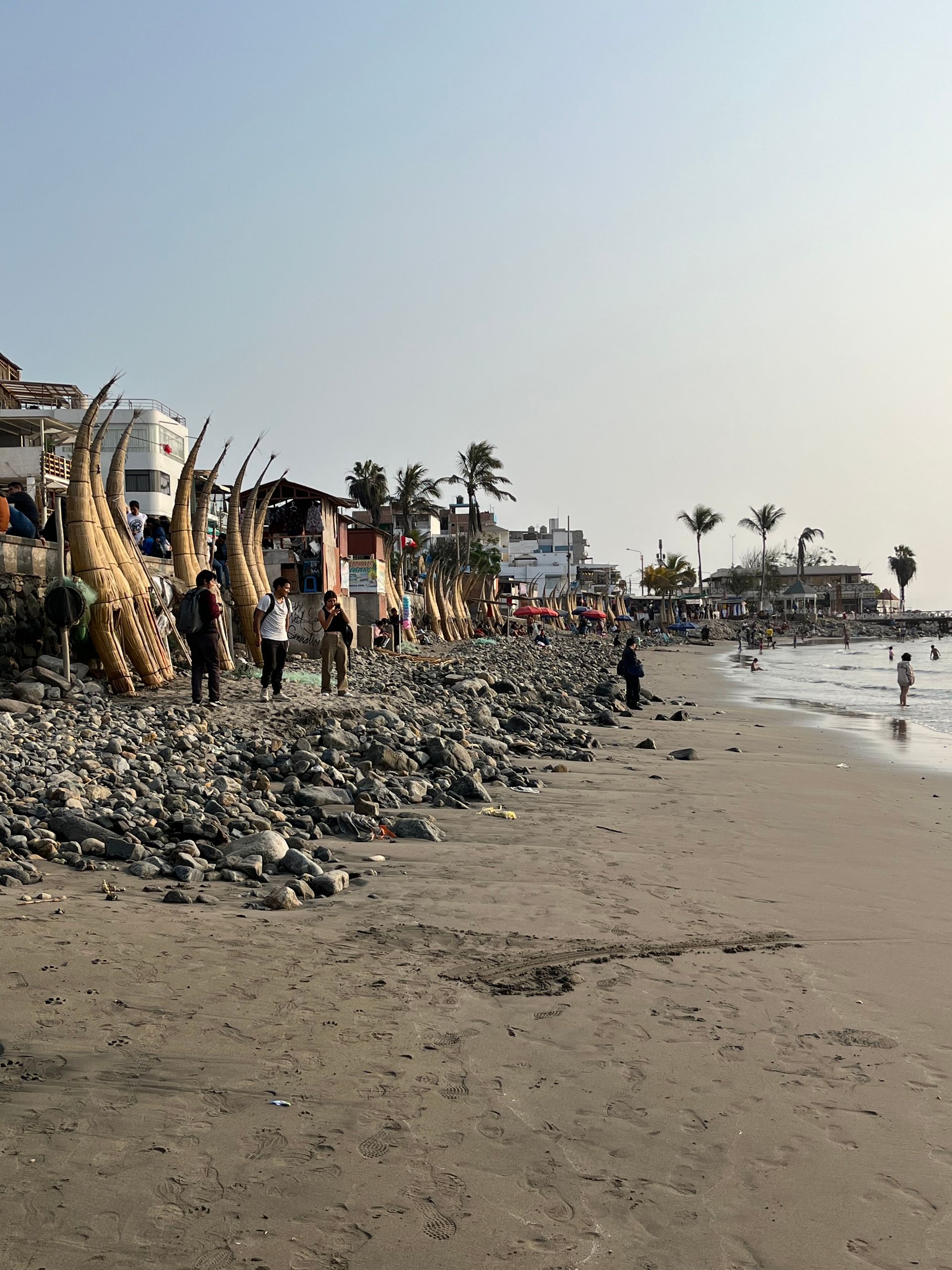
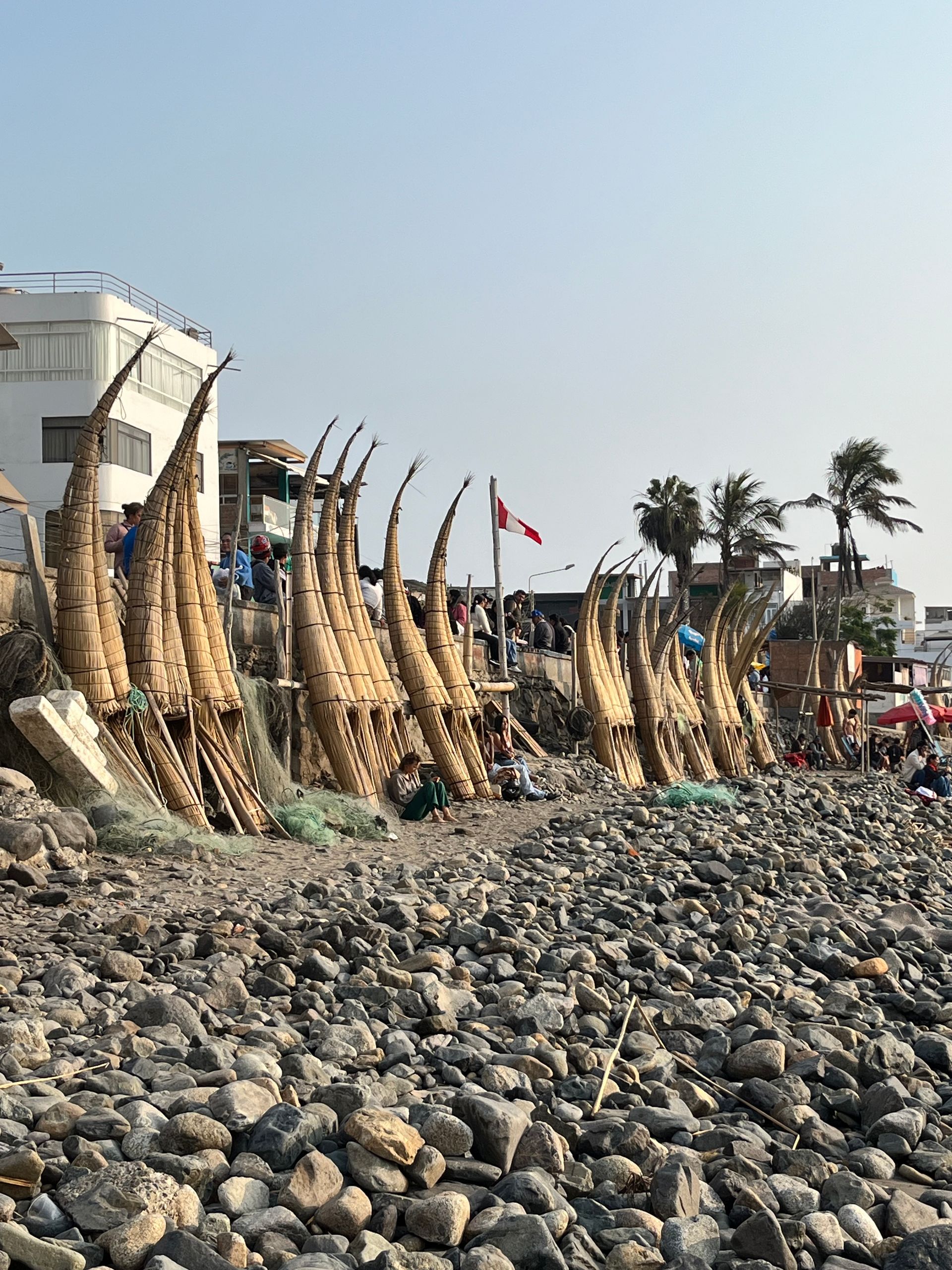
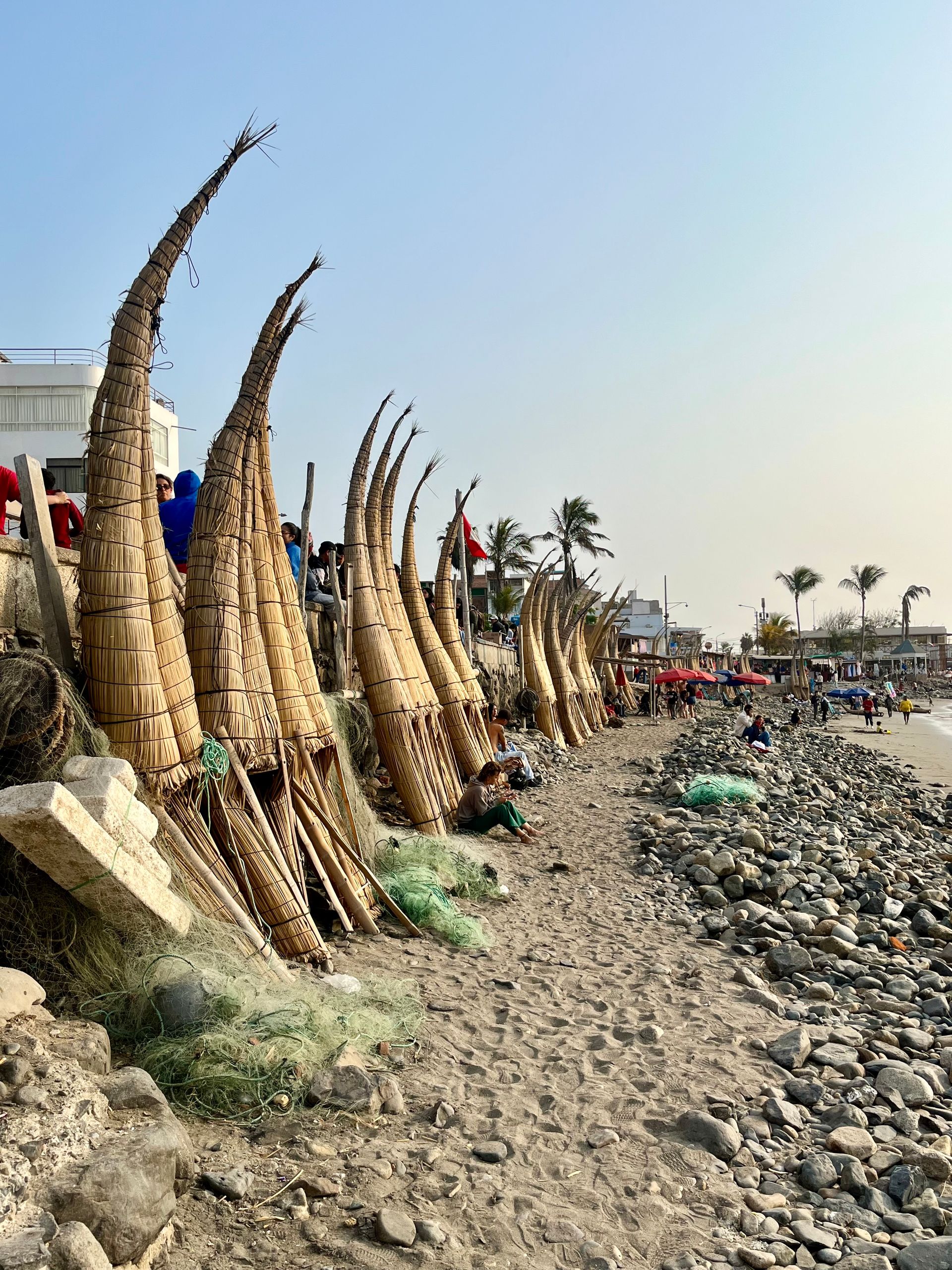
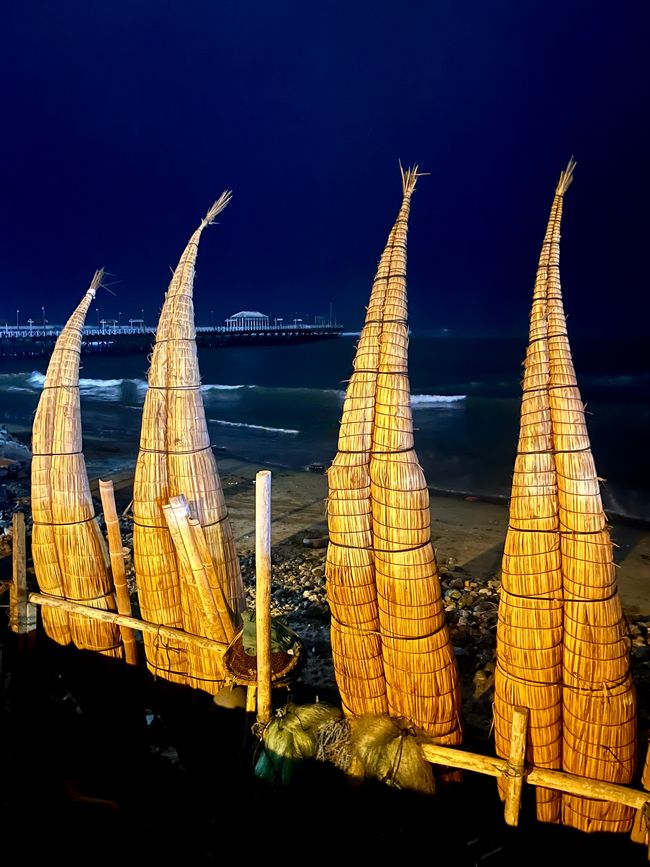
What is definitely fascinating in Huanchaco are the “Caballitos de Totora,” traditional reed boats that have been used in their current form for 3000 years. The so-called reed horses are shaped like a pod and are woven. Measuring up to 5 meters in length, the boat can carry a load of up to 250 kilograms, making it ideal for transporting a person, fishing equipment, and the catch. The boat is propelled by paddling and thus only by human muscle power; no engine is involved with the Caballitos. Walking along the promenade, the boats are lined up, offering an interesting and unique sight. I had not seen such a type of craft until now.
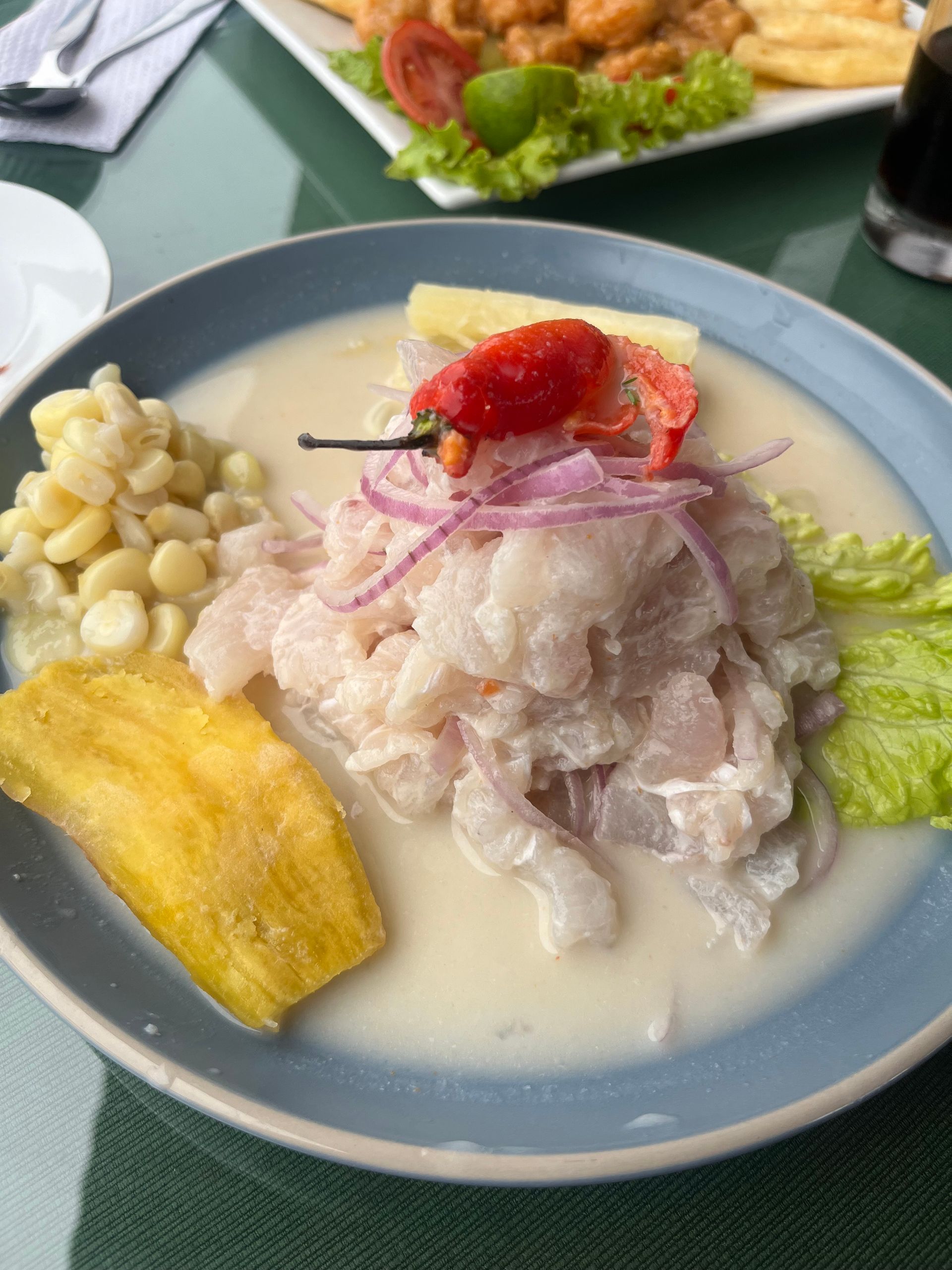
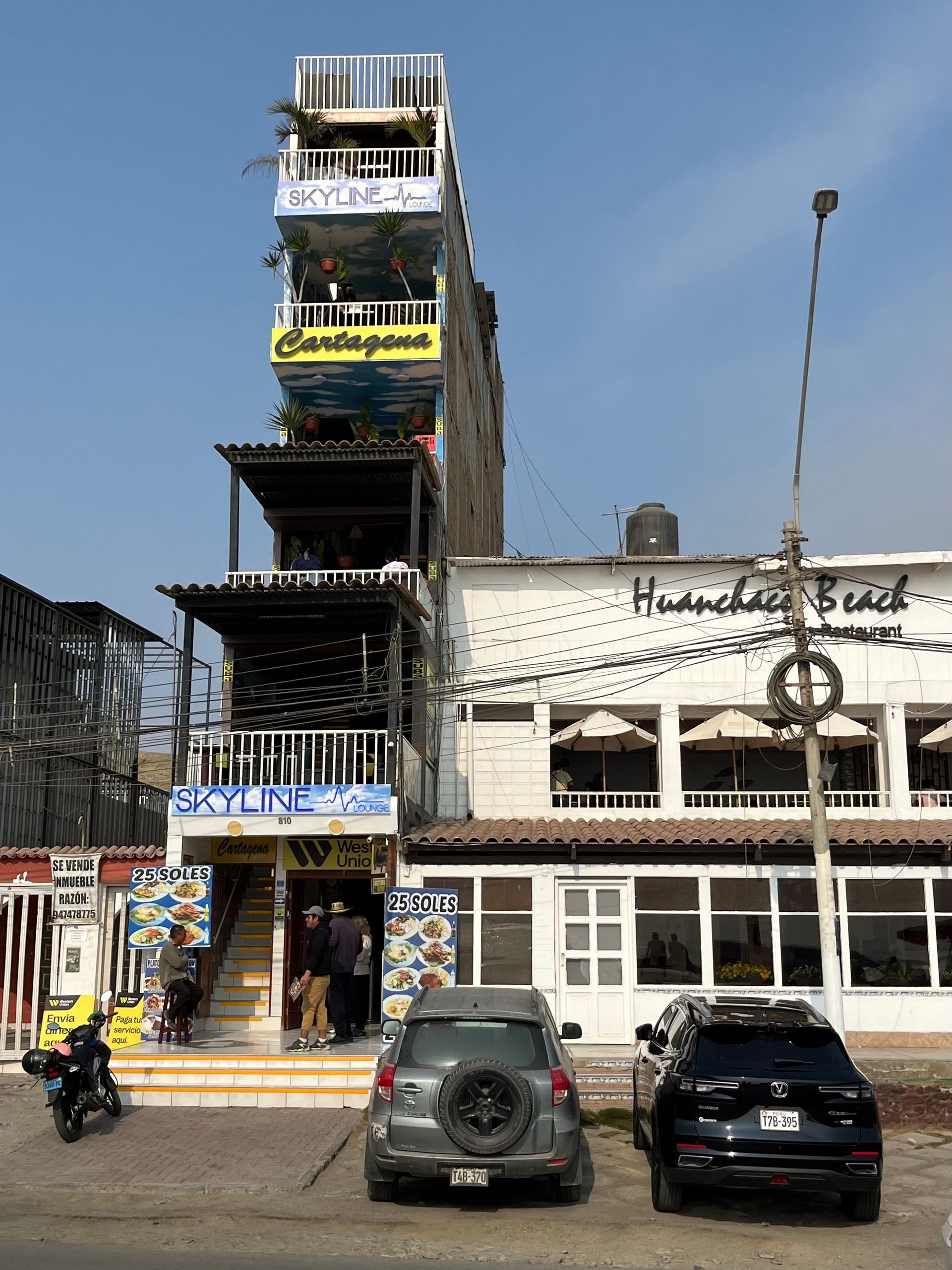
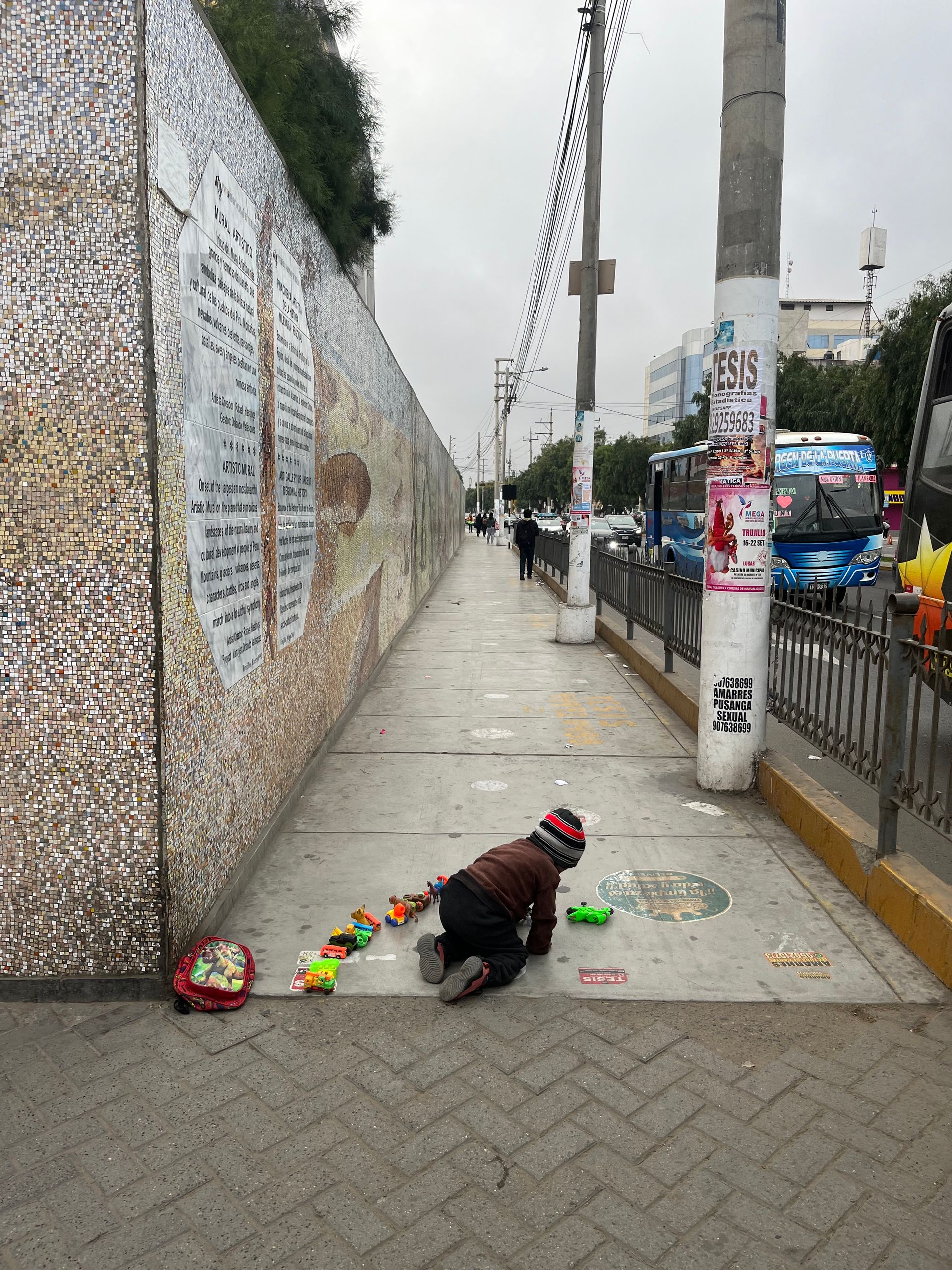
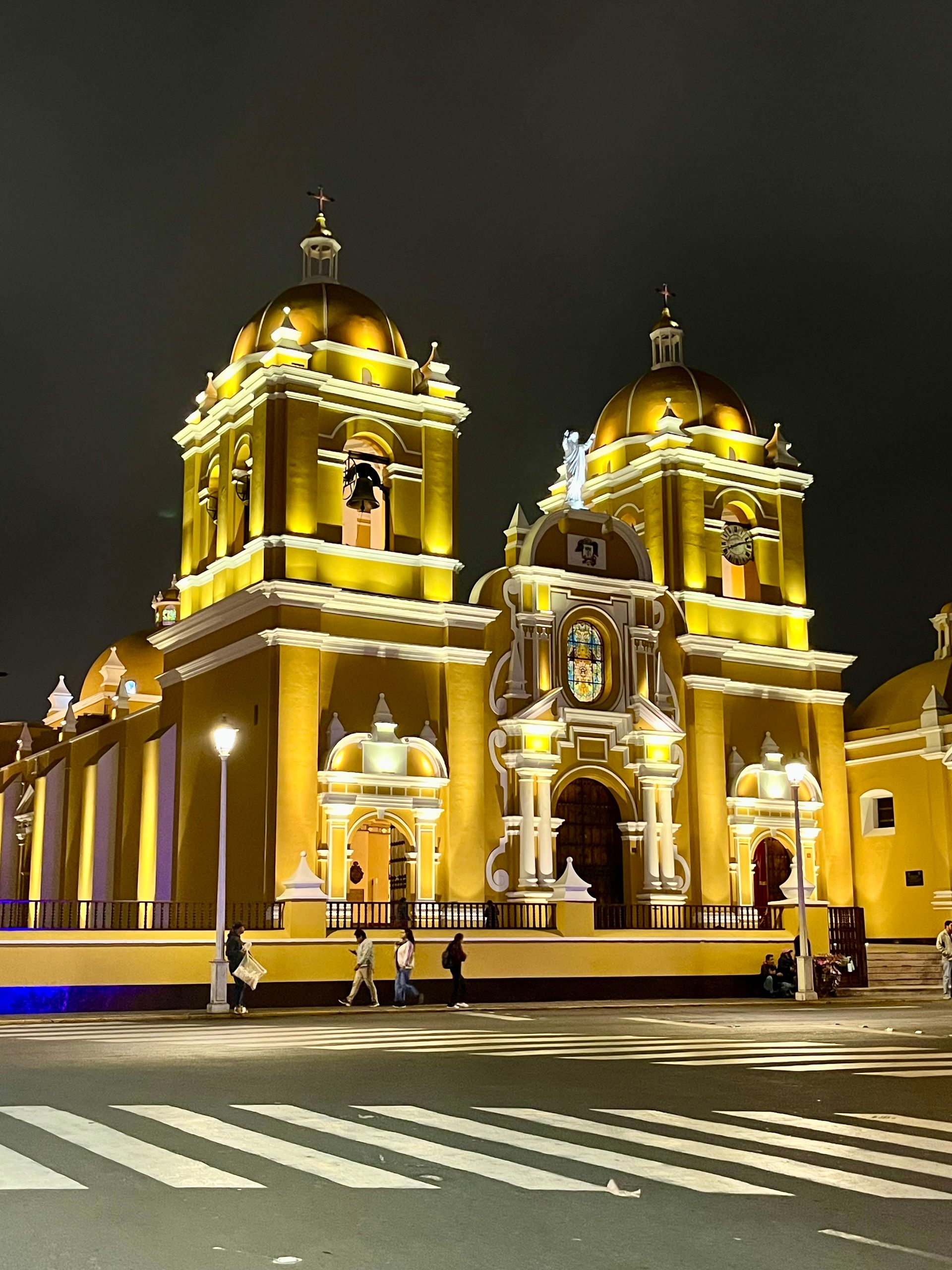
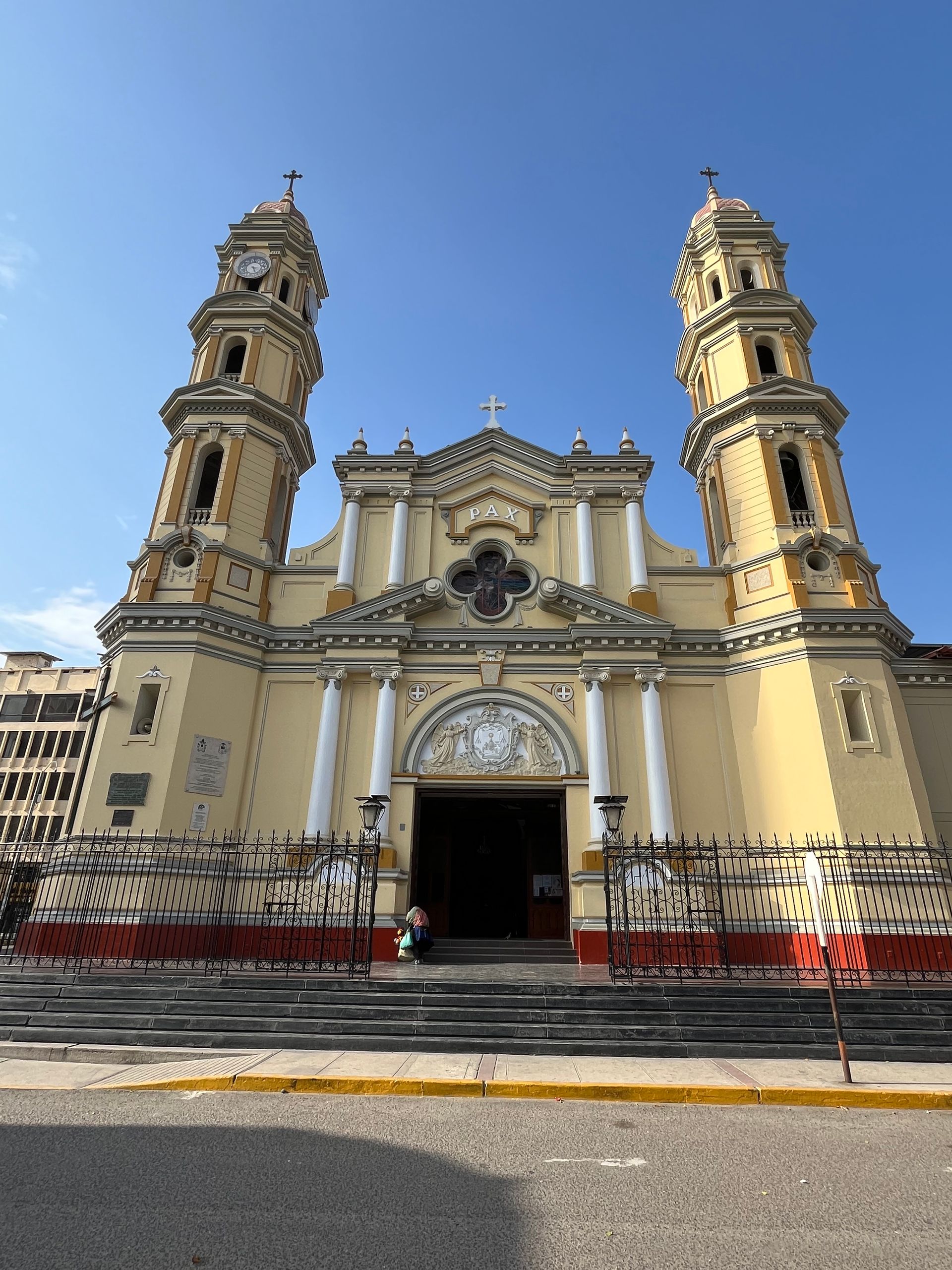
There’s really not much more to say about my stay in Huanchaco; it was indeed rather dull, but that was intentional. Aside from watching the sea and the surrounding area, and enjoying affordable food, I didn’t do much. Between the rather expensive restaurants, there are local venues where you can get a main dish and ceviche plus a drink for under 5 euros. Plus, there’s plenty of street food available for a small price as well. On the way back, I paid a visit to Trujillo; the big city doesn’t have much to offer aside from the Plaza de Armas. The churches around the square are quite worth seeing, and they are beautifully lit at night. Moreover, the density of tourists dramatically decreases here, and you are regarded more often as an unusual visitor, although this is not perceived as unpleasant or intrusive.
During my further travels to Piura, heading towards the Ecuadorian border, I encountered an oversight, or at least I bore partial blame. When purchasing the bus ticket a few days earlier, the lady mentioned something about shortly after 20:30, but I only picked up on this in passing, and since the bus ticket stated a departure at 21:15, I set off for the bus station on the day of departure, arriving shortly before 21:00. As the bus company's counter was not staffed at that moment, I waited briefly and then saw in the distance two ladies waving in my direction at the departure point of the buses. I walked over, and my name was already well known. Excitedly, I was directed past the queue for the bus station tax and bemusedly showed one of the ladies my ticket with the printed time of 21:15. Indeed, this was a mistake by the bus company that the lady had drawn my attention to while selling it. However, since attention was likely rather one-sided at that moment, I did not notice it and ended up arriving half an hour late at the bus station. The bus had already been waiting to depart with its engine running, and one of the drivers directly took my backpack. My multiple apologies for the unintended delay were met with a smile and a loud “Tranquillo.” No stress at all because here, the clocks tick a little differently. After the luggage was loaded, I got on the bus, which was completely filled except for one seat, and just before I could settle in properly, the vehicle took off. They actually waited half an hour for me, even though the bus was completely full. Incredible and quite embarrassing. The German must still stand out negatively. The people didn’t seem to mind, as everyone was relaxed and no one said a word. Sorrrrrrrrrryy!
After this time only half a night on the bus, we arrived in the middle of the night in Piura, and I wandered through the deserted city looking for accommodation for the day, as I would head to Ecuador in the evening. I didn’t want to spend the whole day somewhere in the city dragging my backpack around. I turned down the first accommodation due to what struck me as an outrageous price, but then made a good deal a few hundred meters further and lay down for a few more hours.
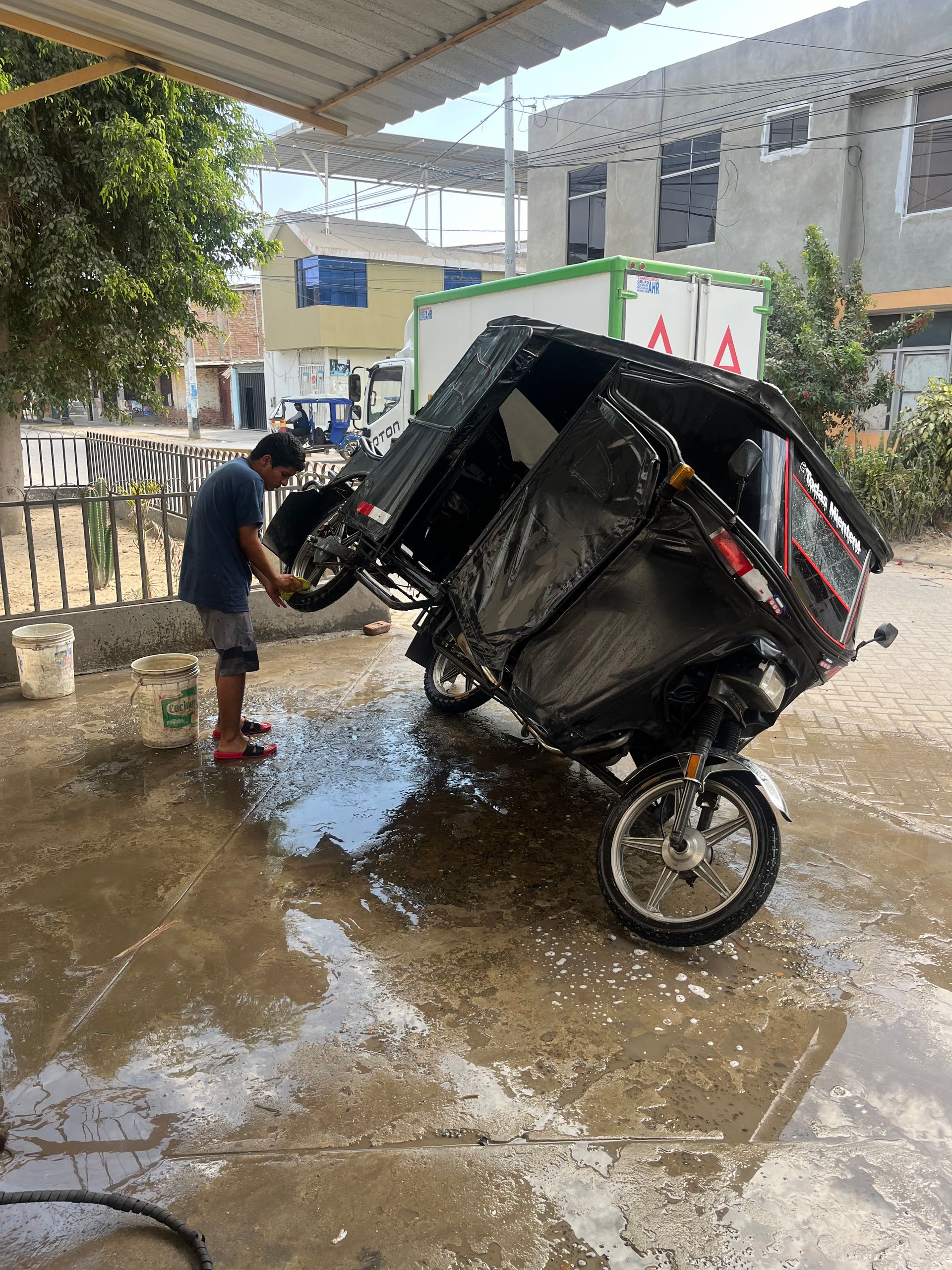
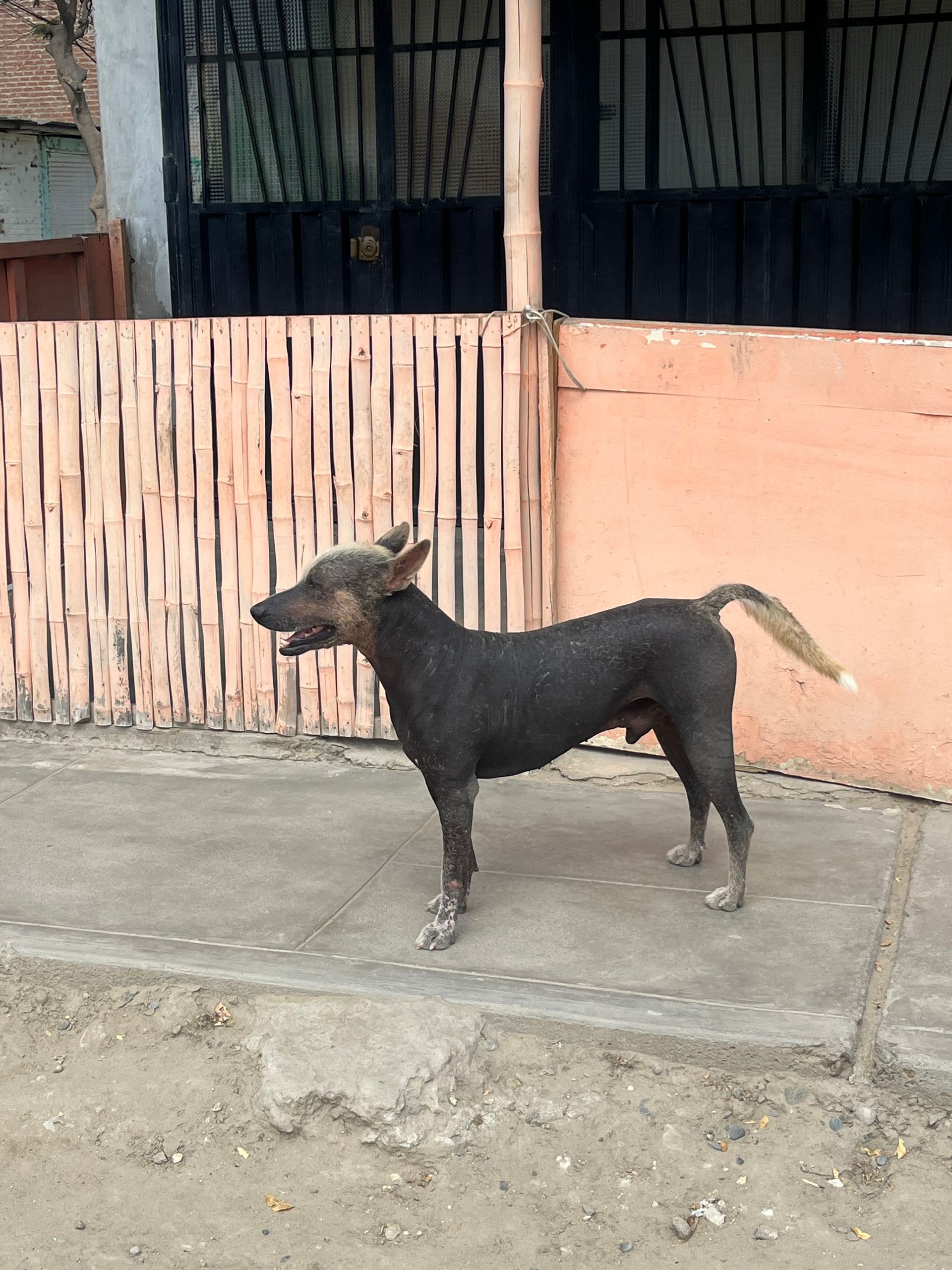
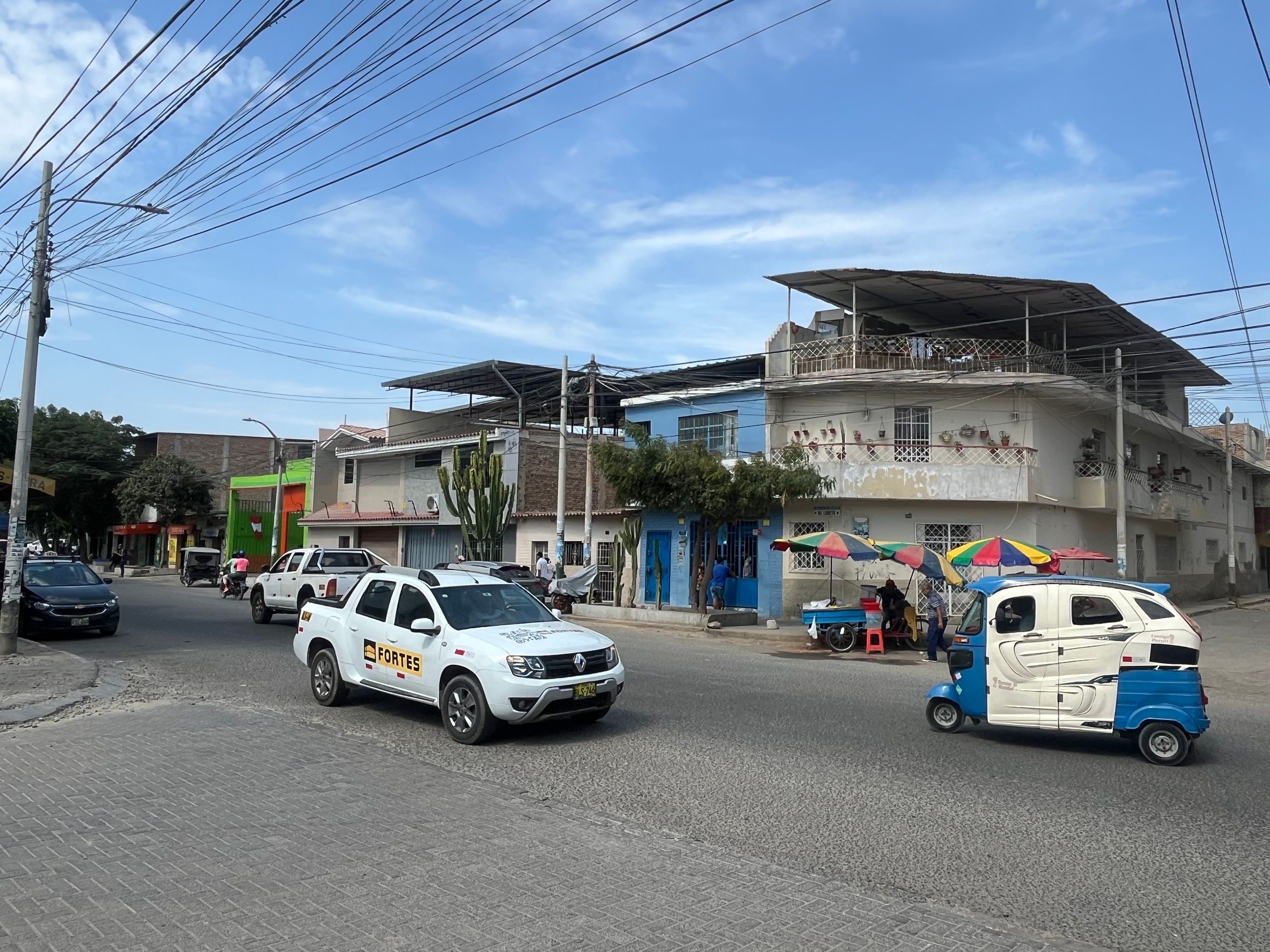
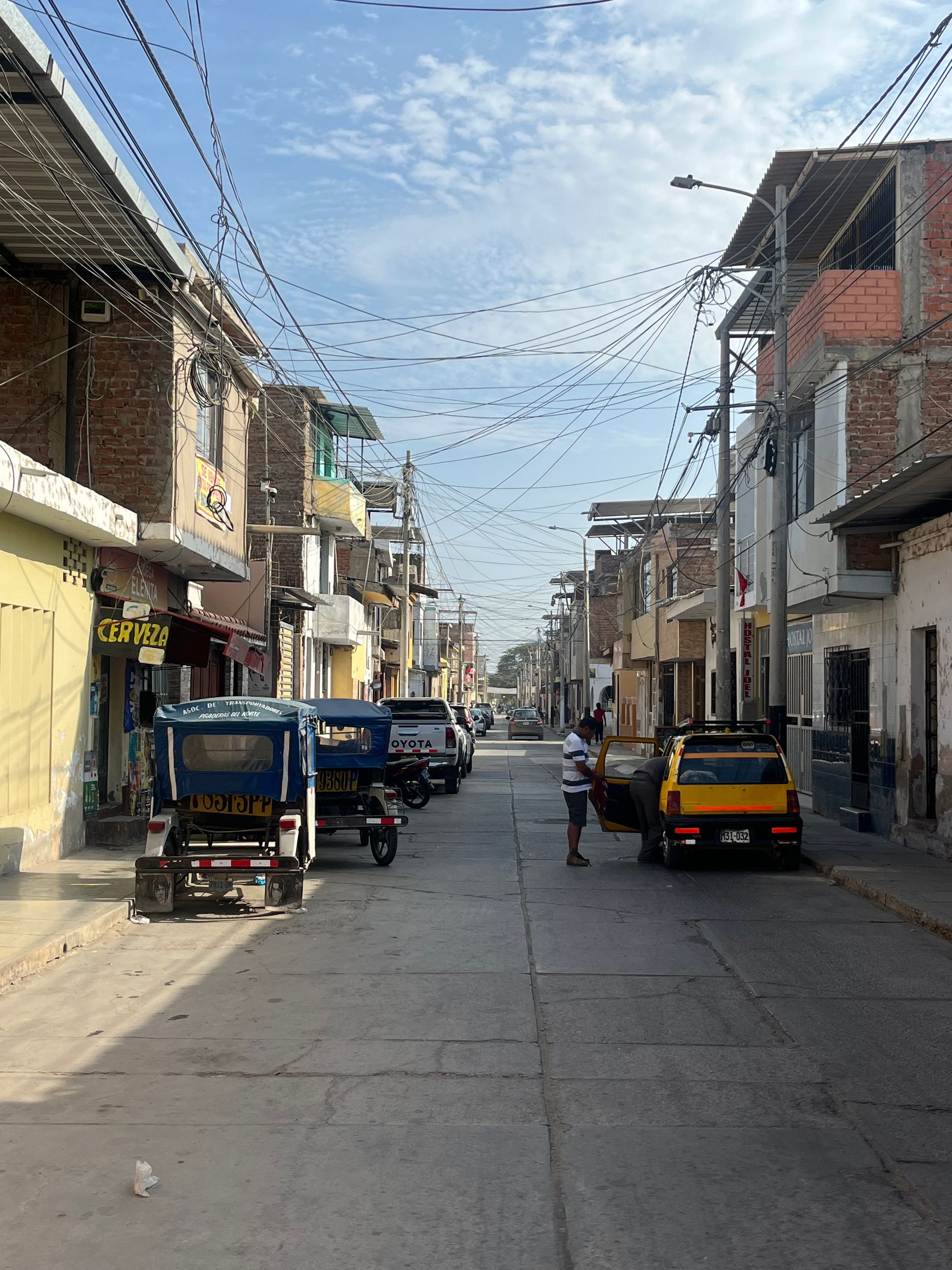
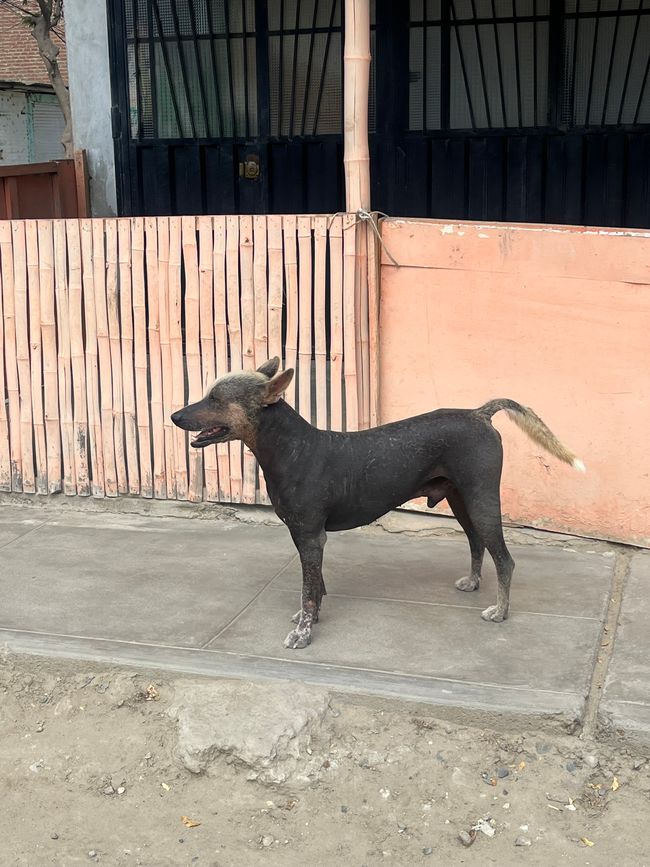
In the morning, I walked a little through the city; there isn’t much to see here. However, there are hardly any foreigners around anymore, and you get quite a good impression of this rather authentic, rough, and untouched corner of Peru, even if the sights here are quite rare. And yes, Piura isn’t really a beauty, but you can easily spend a day here. Notable here is the much higher density of Tuk-Tuks running everywhere in Peruvian cities and the Peruvian hairless dogs I had previously seen scattered in Arequipa and Aquas Calientes. The so-called Viringos have apparently been around for 1000 years, at least the skeleton finds suggest that. The naked creatures are rather peculiar; only the head and the tail have hair remnants, and even though I like dogs, I avoid close contact since the appearance and aura of these animals somehow communicate: Leave me alone! Don't touch me!
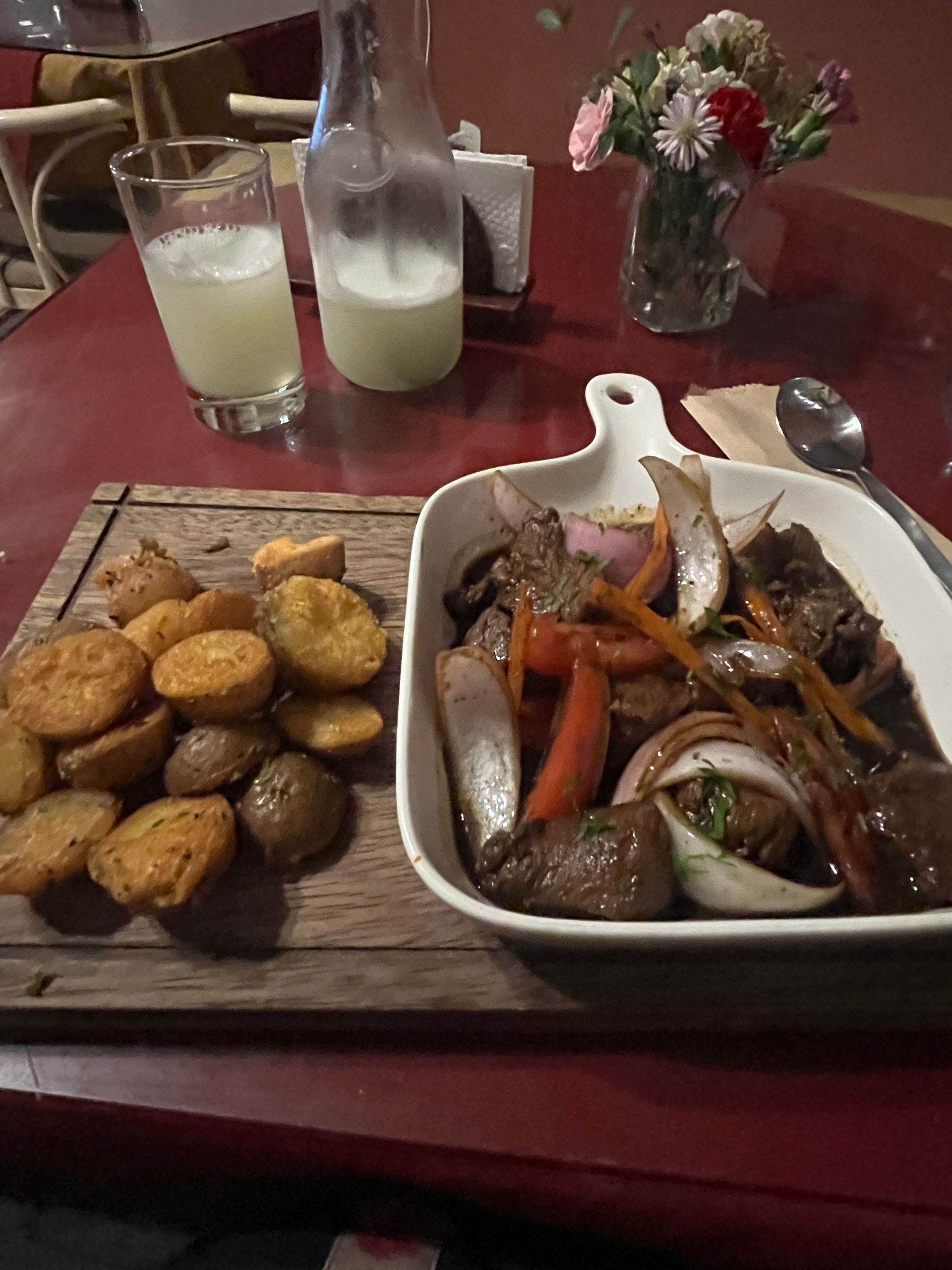
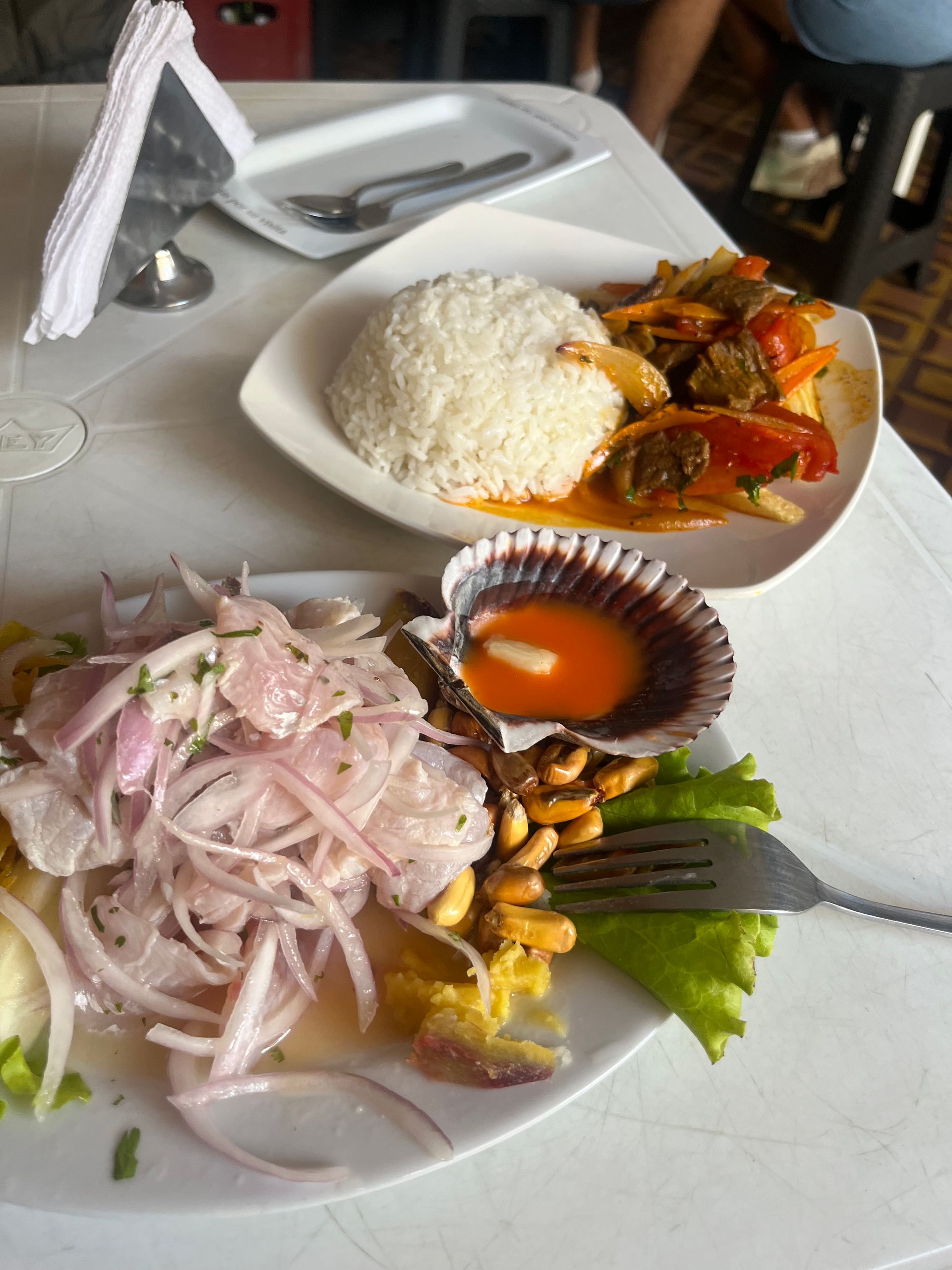
For lunch, I stop at a place where a few people are already playing cards with beer and loud music in a fun, lively atmosphere. An absolutely excellent Lomo Saltado and a super tasty ceviche in a huge portion find their way into my hungry stomach for not even 5 euros, and I particularly enjoy the fish dish, as this is likely to be the last time I get to enjoy such a delicacy in the Peruvian version for a while.
The rest of the day, I sorted my things and prepared myself mentally for the bus ride – Ecuador, here I come!
Adios then Peru. It was exciting and thrilling. Through the cultural stronghold of Cusco, the relaxed Arequipa, the majestic Inca constructions (most notably Machu Picchu), and the breathtaking landscapes. The Andes, the desert, and also the coastal region are beautiful and impressive. However, I am also leaving Peru with mixed feelings. Tourism is omnipresent, especially at the highlights. Sometimes it all seemed too perfectly staged and tailored to visitors for my taste. I often missed the authenticity that I loved so much in Bolivia. Peru is organized perfectly in many ways for the mass of visitors, and it is certain that the streams of tourists have changed a lot – positively, of course, for the people, but in my opinion, some places could have been a bit calmer. Of course, one could say that this is whining at a very high level, and I can certainly recommend a visit to this country unreservedly. However, I personally sometimes missed the genuine and raw version of a place, a quality I learned to appreciate in Bolivia. And although my journey through Peru enriched me in many ways, it also made me think. Perhaps this is the price a country pays for having so incredibly much to offer. All in all, I am very grateful for all the experiences and moments I was able to gather here – and maybe I'll come back to discover a few more of the lesser-known corners of the country.