

罗西尼亚贫民窟
在我们独自探访了圣玛尔塔贫民窟之后,我们在里约的时间快要结束时,决定参加一次导览游,前往罗西尼亚贫民窟。罗西尼亚被认为是拉丁美洲最大的贫民窟,非官方数据显示这里居住着多达25万人。理论上,人们也可以在没有导游的情况下进入贫民窟,但由于其巨大规模,建议参加导览游,因为在错综复杂的小巷和道路中,很容易迷失方向。...
已发布: 13.03.2024
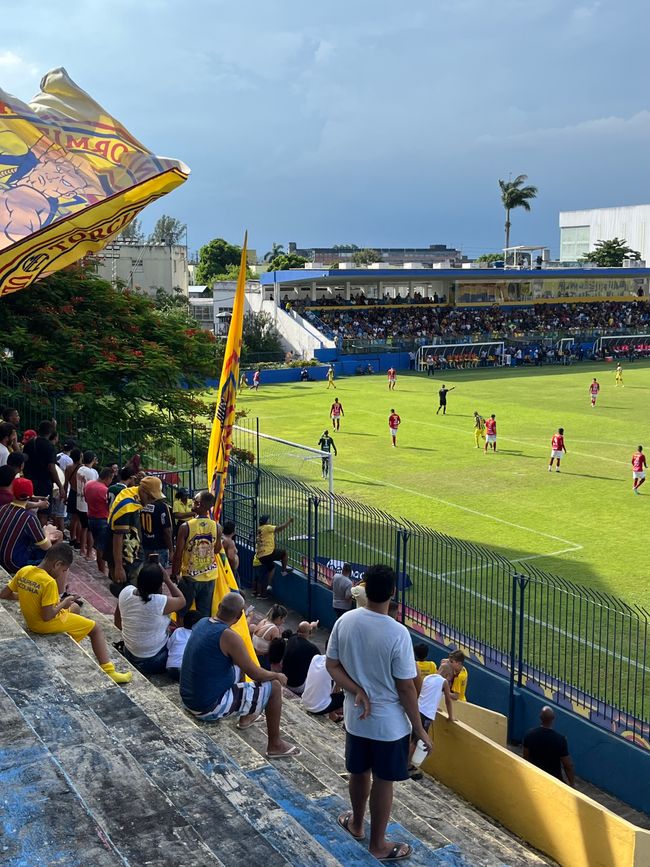
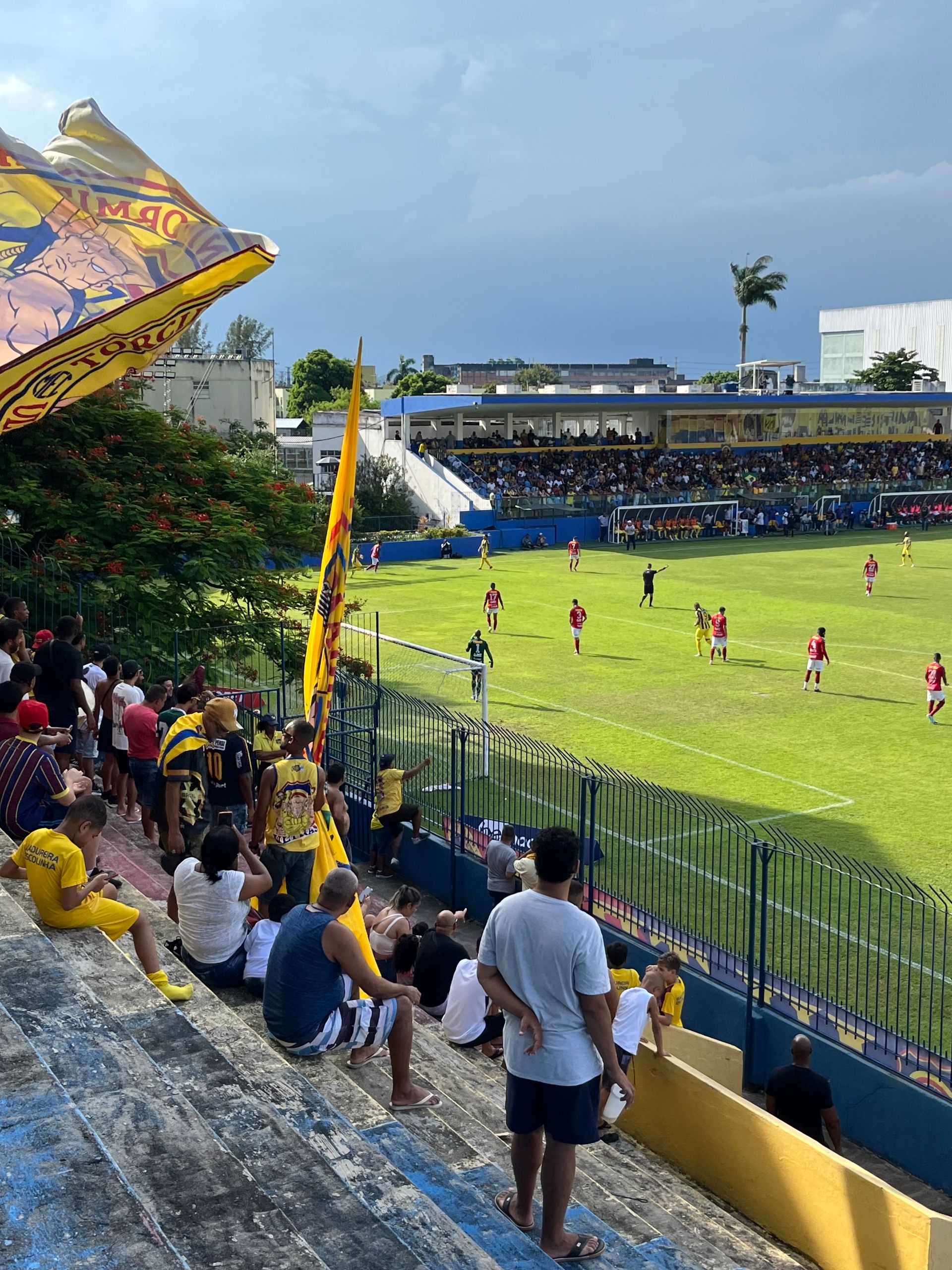
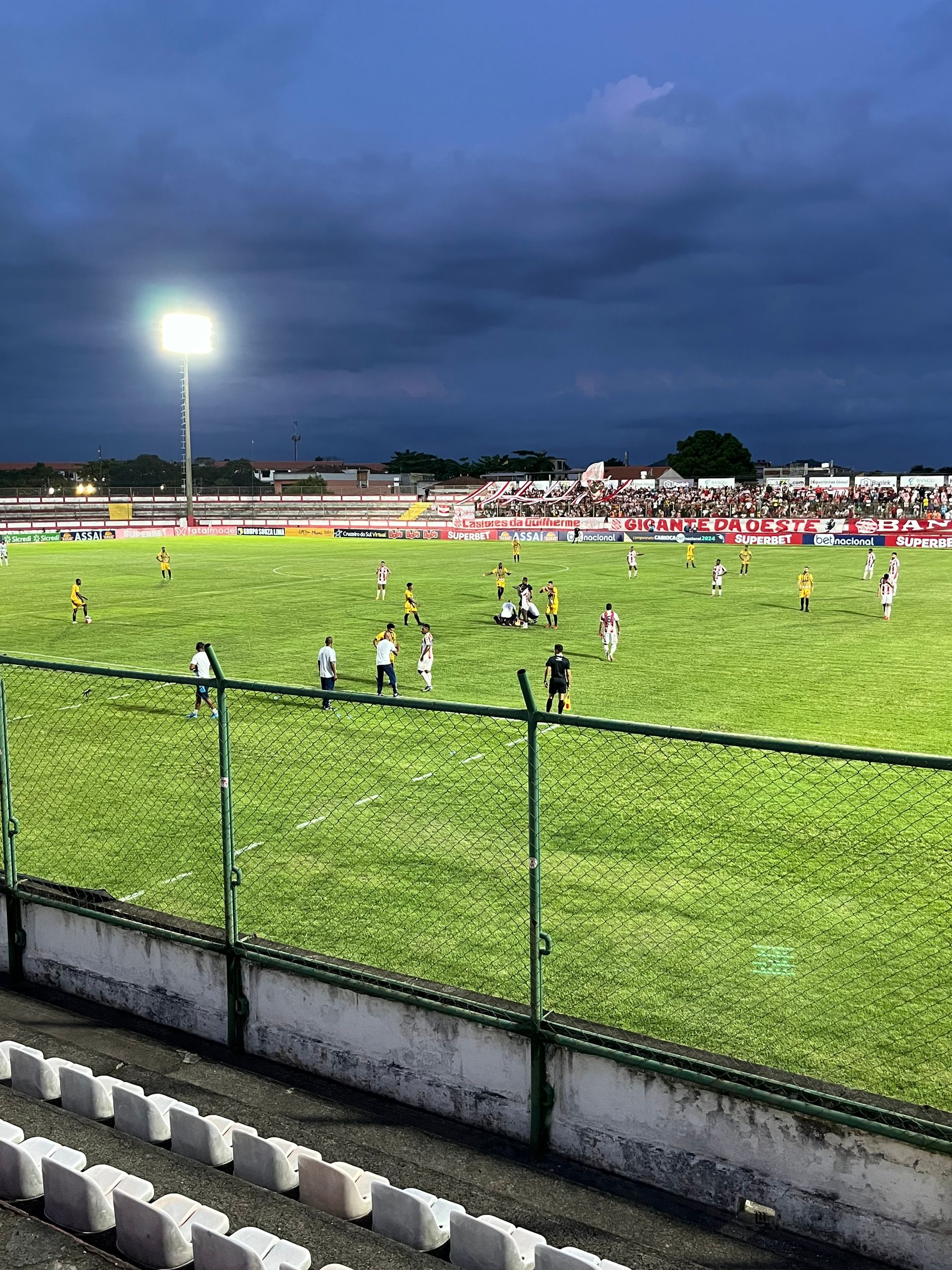
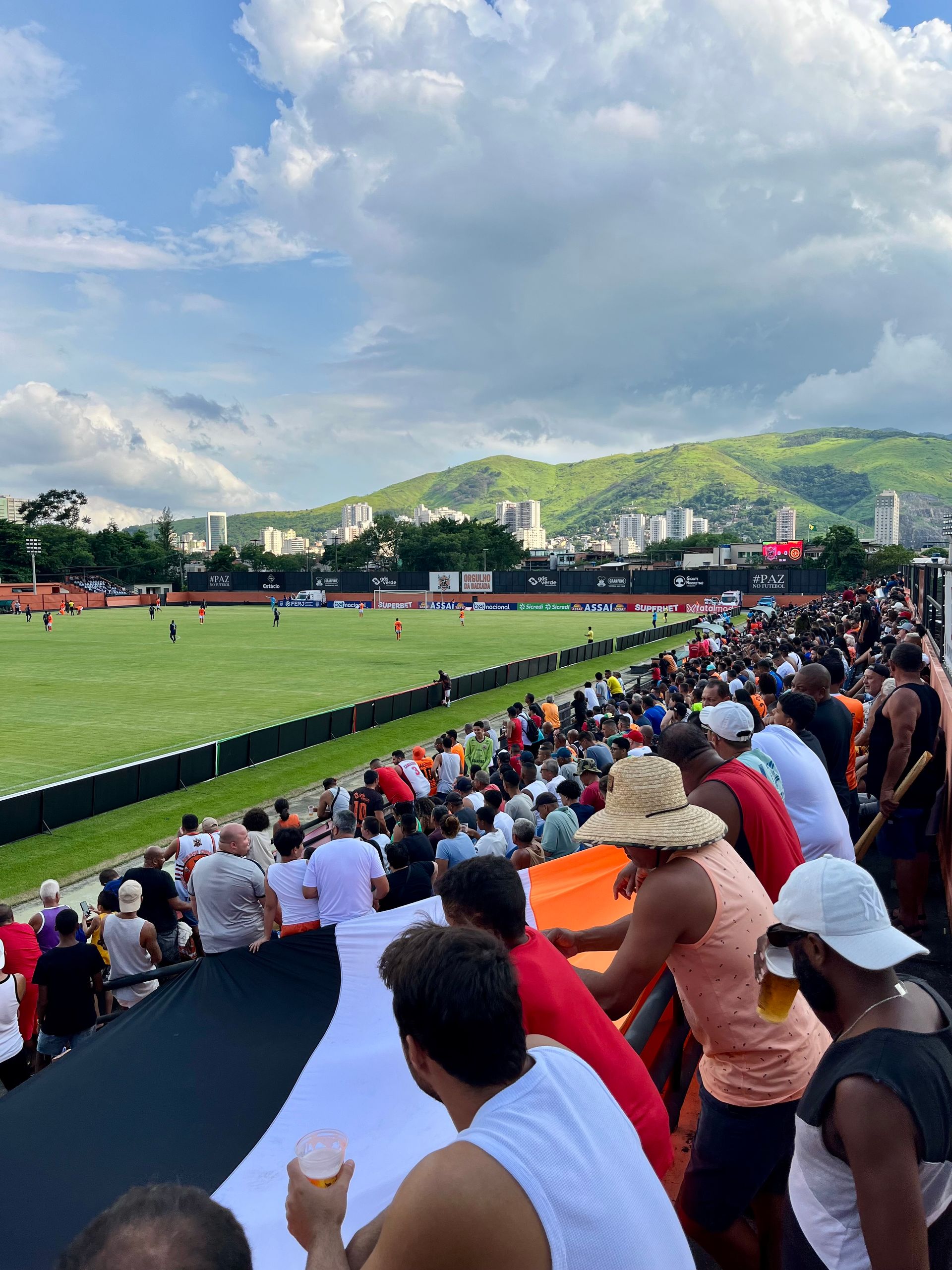
Of course, football couldn't be missed in Rio and a total of 7 games were attended in and outside the city.
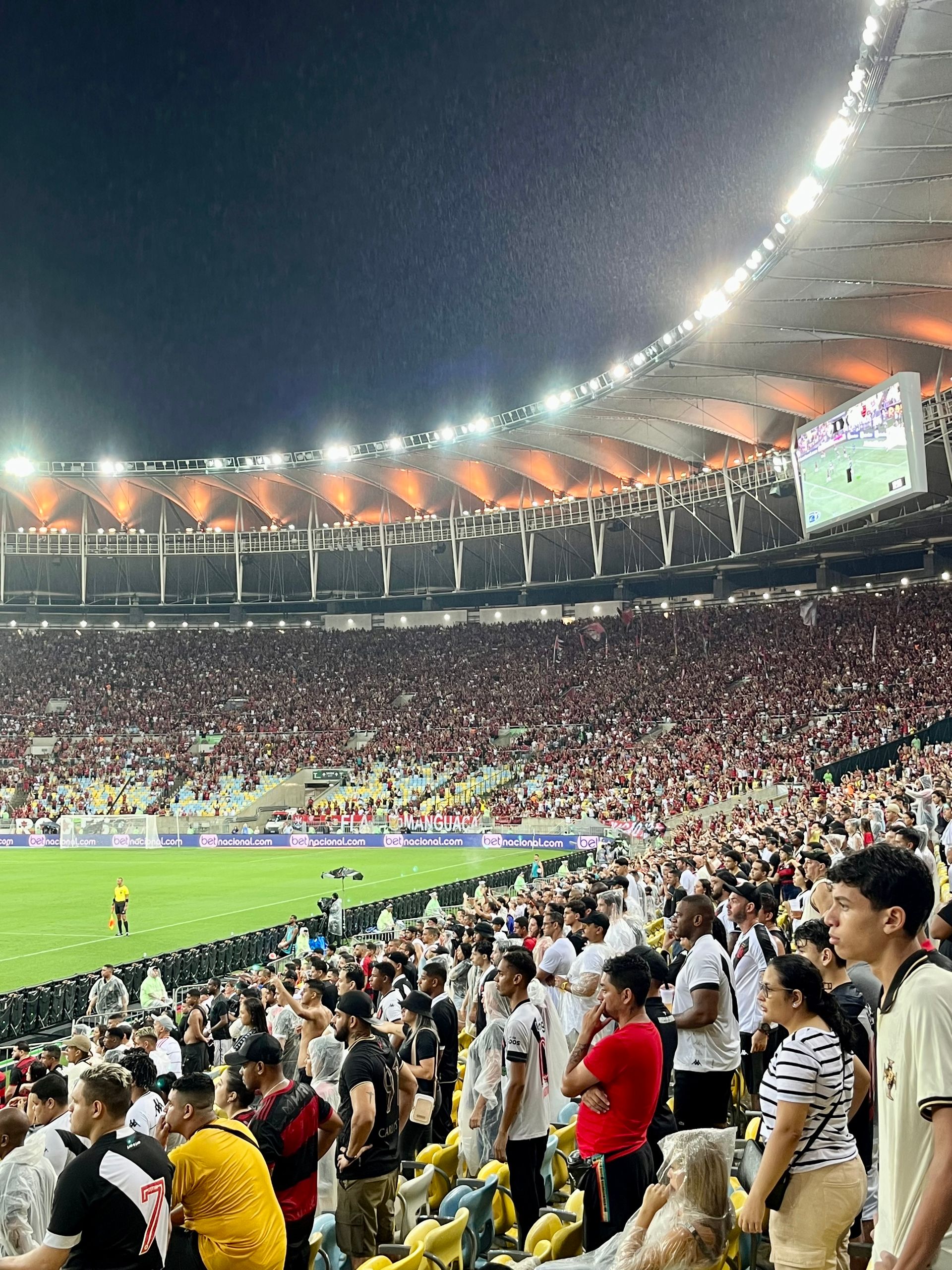
One of the big derbies should be watched on the third day: Flamengo Rio, probably the most successful, largest and most popular club in the country against Vasco Da Gama, a club of ordinary people that has its origins in the favela around the iconic São Januário stadium . Vasco was the first club in the country to ignore the strict regulations of the Brazilian Association in the 1920s and use both colored players and illiterate players in its team. A measure that gave the club an enormous reputation among people in the lower social classes and which meant an enormous affront to the ranks of those in power at the time.
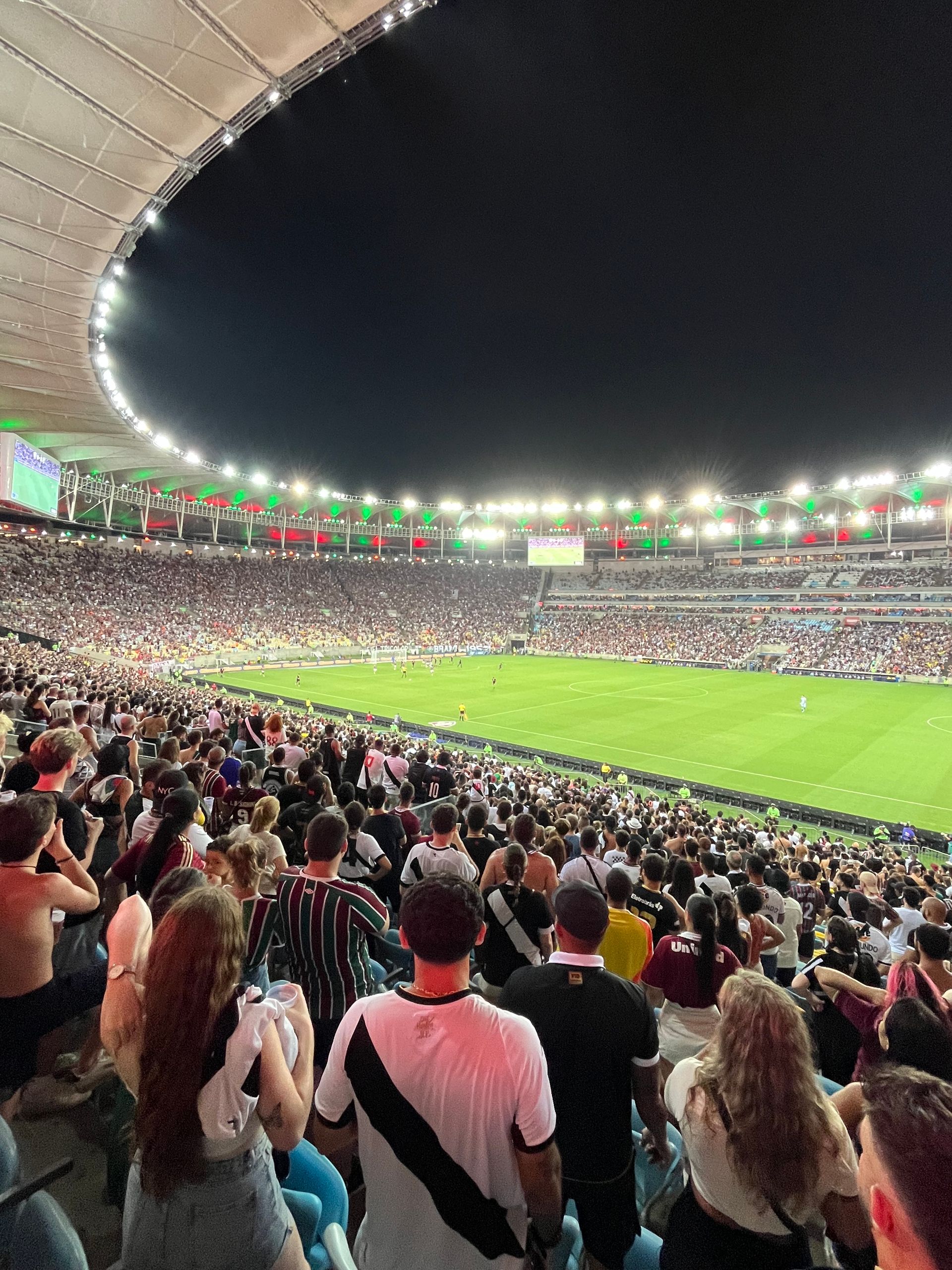
The biggest derbies usually take place in the Estádio Maracana and so the name of this myth already meant a certain anticipation: 75 years of history, over 200,000 spectators at peak times, 2 World Cup finals and of course the final stadium of the place where the German national team played in a magical 2014 Night against Argentina won the 4th World Cup title.
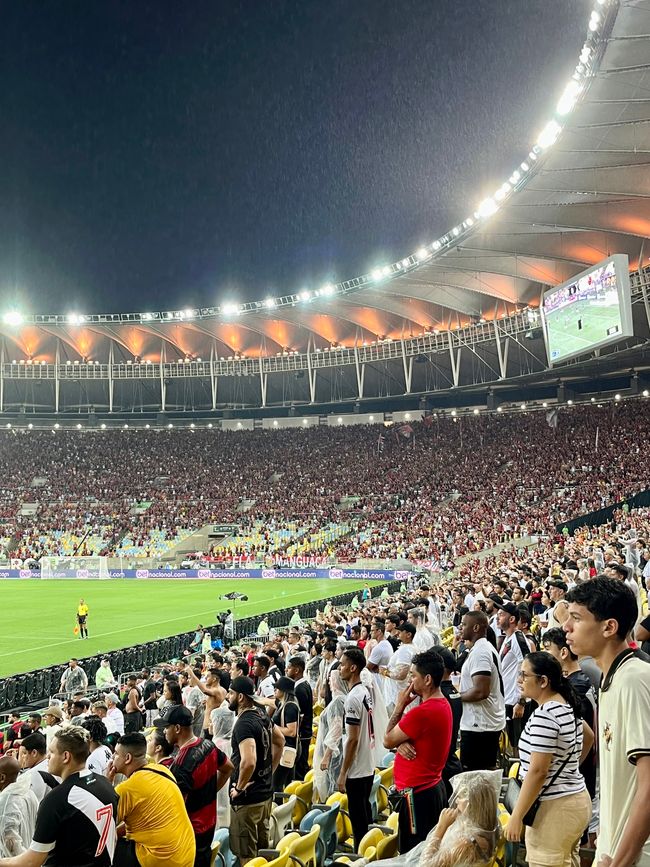
Accompanied by a Brazilian couple, we made our way to Maracana. Unfortunately, shortly before we arrived at the stadium, the heavens opened up and we left the taxi in an incredible downpour that I have rarely experienced before. I ran directly under an underpass and was amazed at our companions, who were strolling calmly through the water. However, I quickly realized that with this amount of water coming from above, it made no sense at all to rush from shelter to shelter, as you would be completely soaked within a very short time and I resigned myself to my fate. In the heat of the moment, I accidentally switched sides of the street, briefly got caught between two rival groups of fans and inhaled a good pinch of pepper spray, which was actually intended to separate the two groups from each other again. Well, it's no use, with your hand over your eyes and no real view at least of the other side of the street, you briefly rinse your eyes with a good look at the sky and wait until the evil of pain, shortness of breath and watery visual organs finally disappears subsided.
Fortunately, the rest of the journey was less exciting and the game was also quite relaxed. In the stands, the supporters of both clubs impressed with their enormous volume, although I personally perceived the Vasco fans as being a bit louder, more crazy and more enthusiastic.
Very impressive and also a good overall package of what happens on the pitch and stands in this special stadium, although outside of the myth described, the architecture seems quite boring. The game ended 0-0.
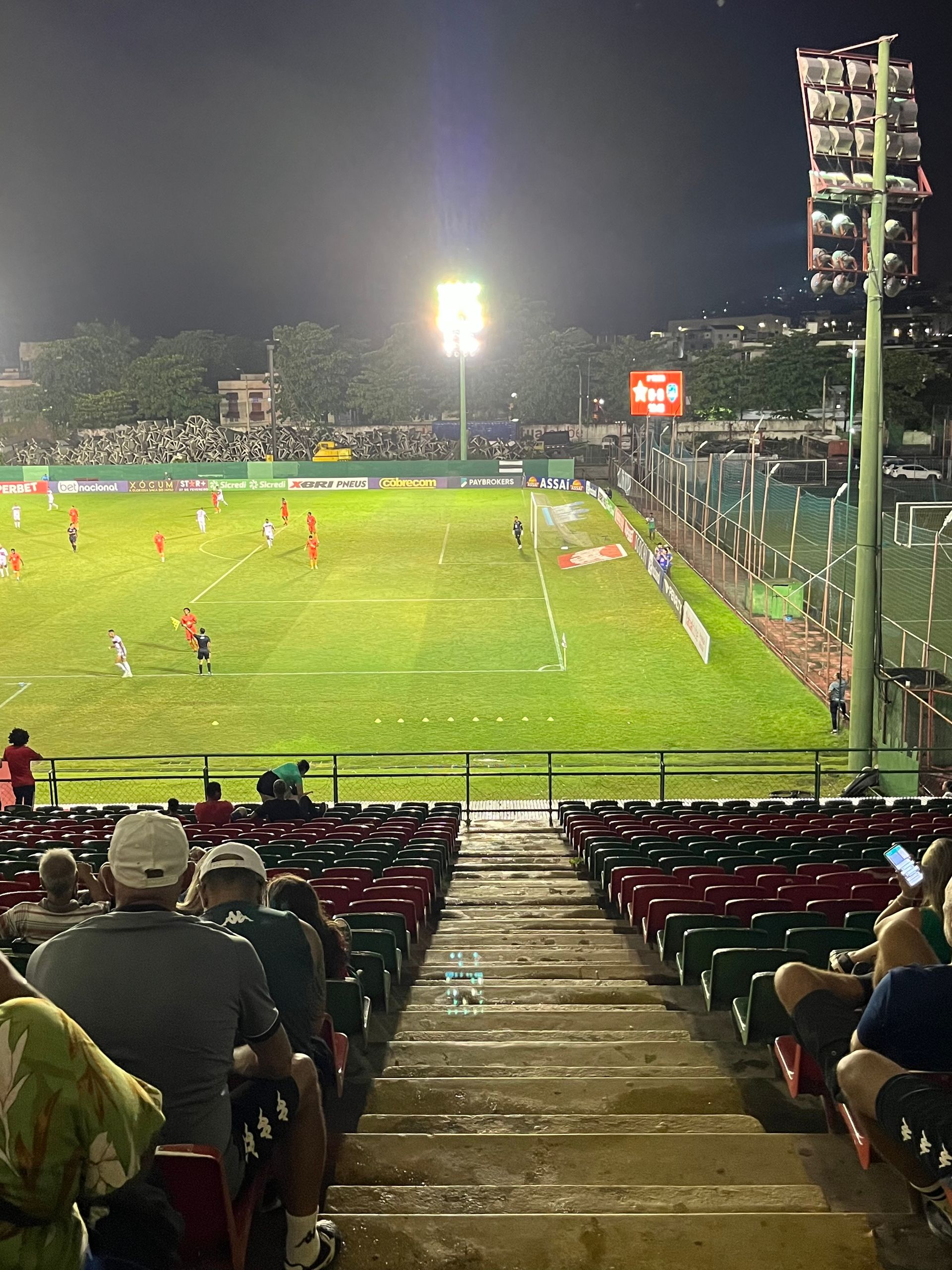
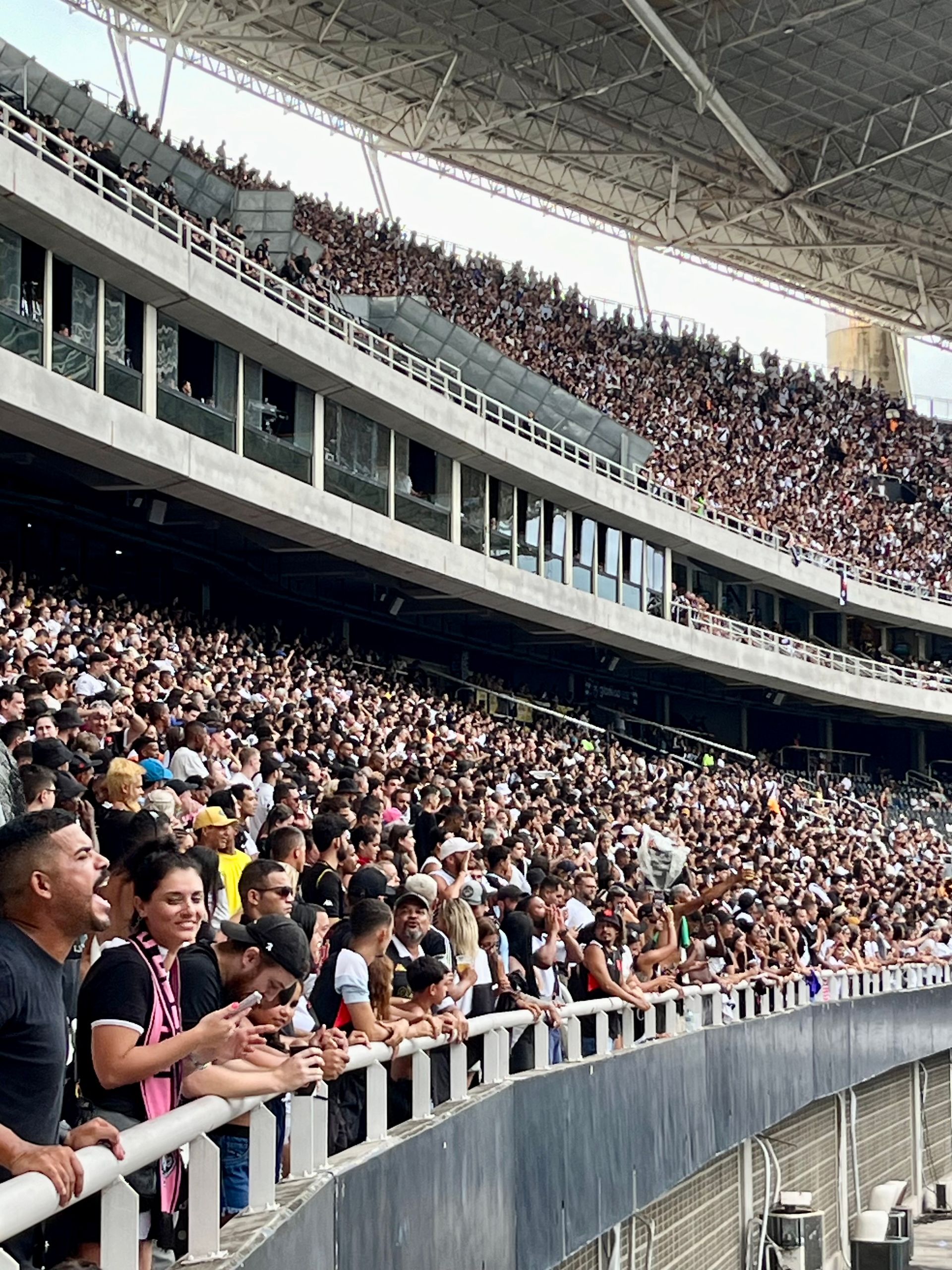
In addition to this personal highlight, we also visited the other two big clubs in the city, Fluminense and Botafogo (both in the Classico against Vasco) and a few smaller clubs and stadiums were also on the list.
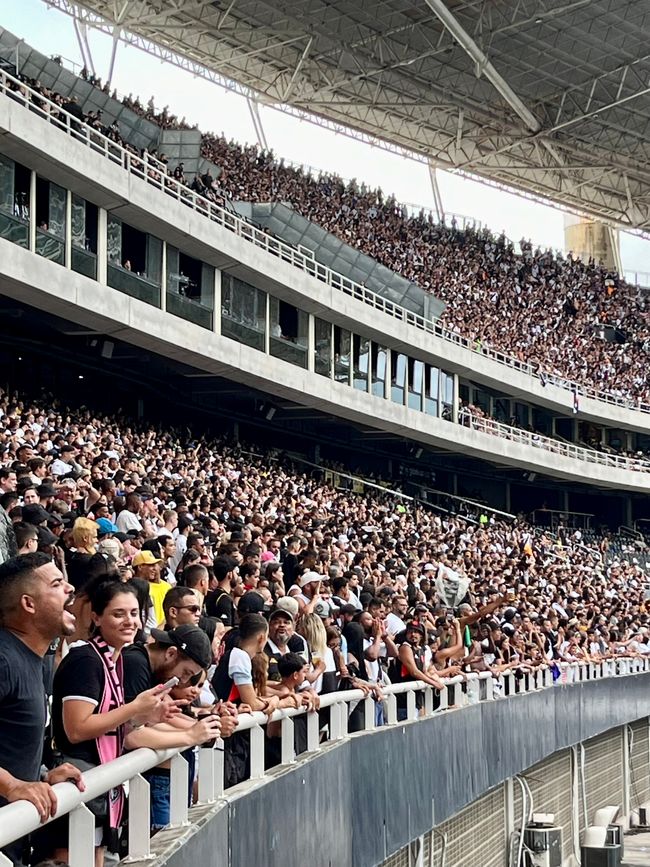
Especially Madueira, with its tiny but nice stadium, in the middle of a very simple housing estate, and Bangu, with its fanatical fans, the “Castores de Guilherme” (The Beavers of Guilherme), who played the entire game against the opponents, were particularly pleased Volta Redonda created a great atmosphere.