
Arequipa & Colca Canyon
Courtyard of Still Life
已发布: 24.12.2024
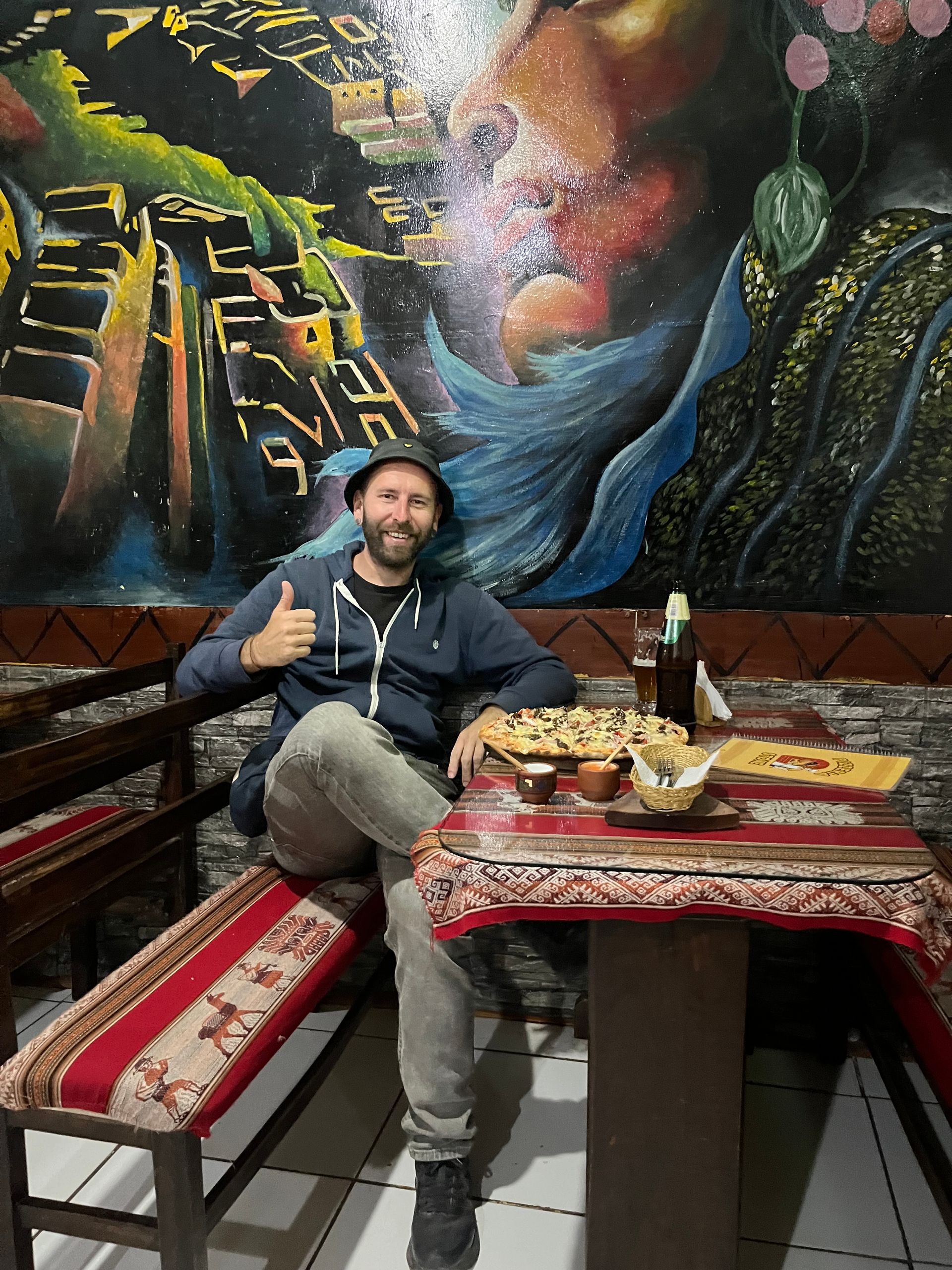
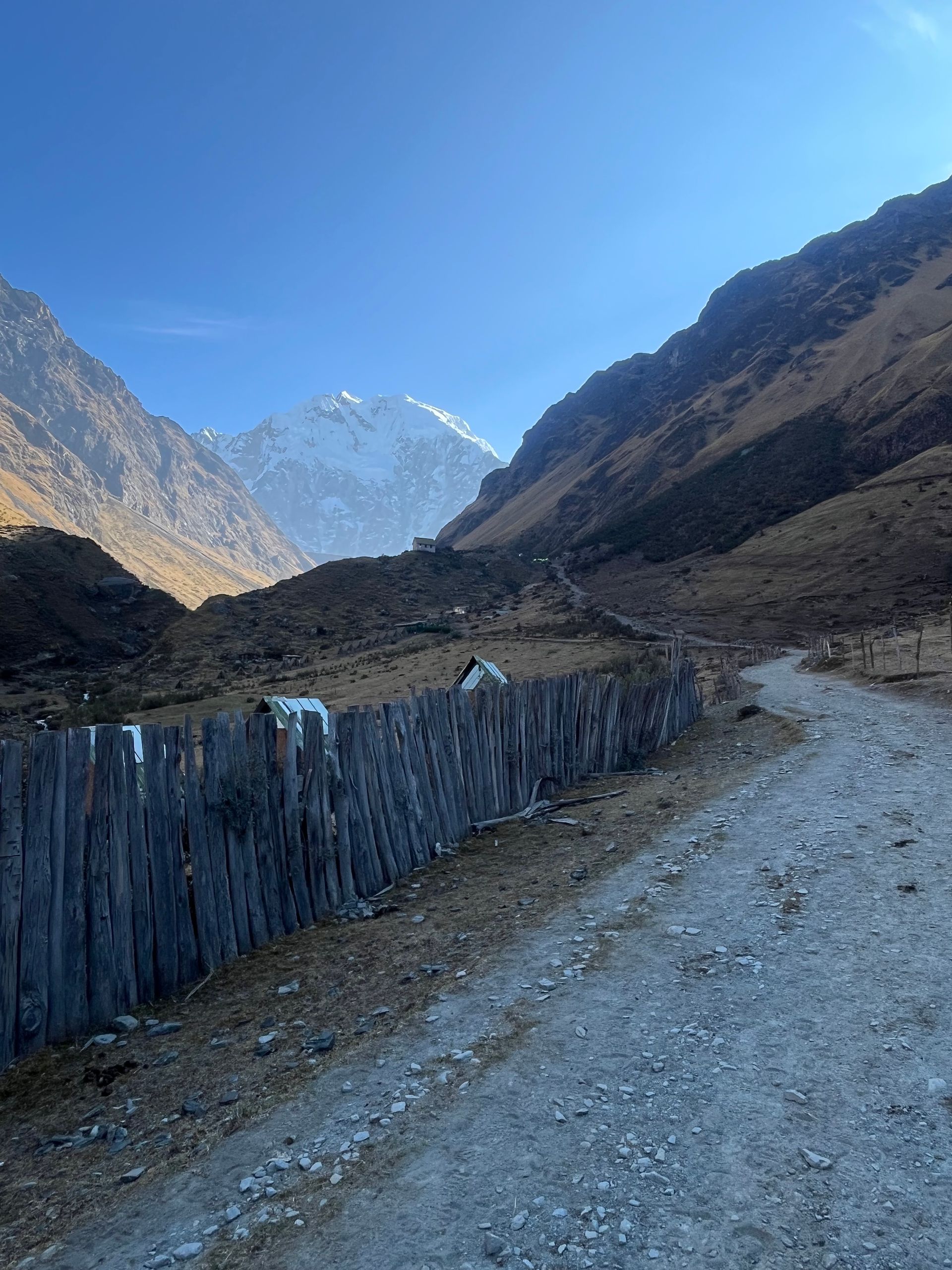
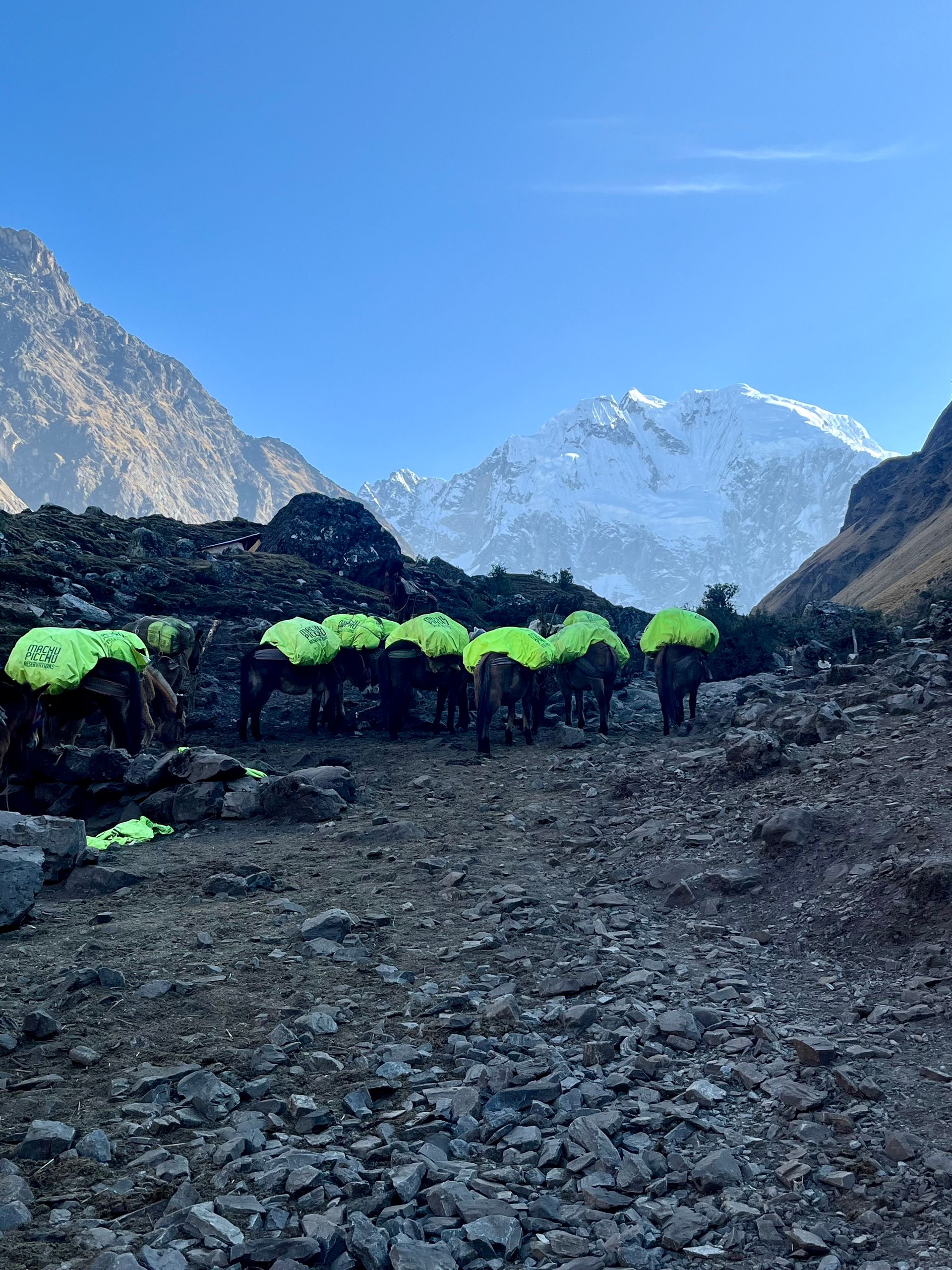
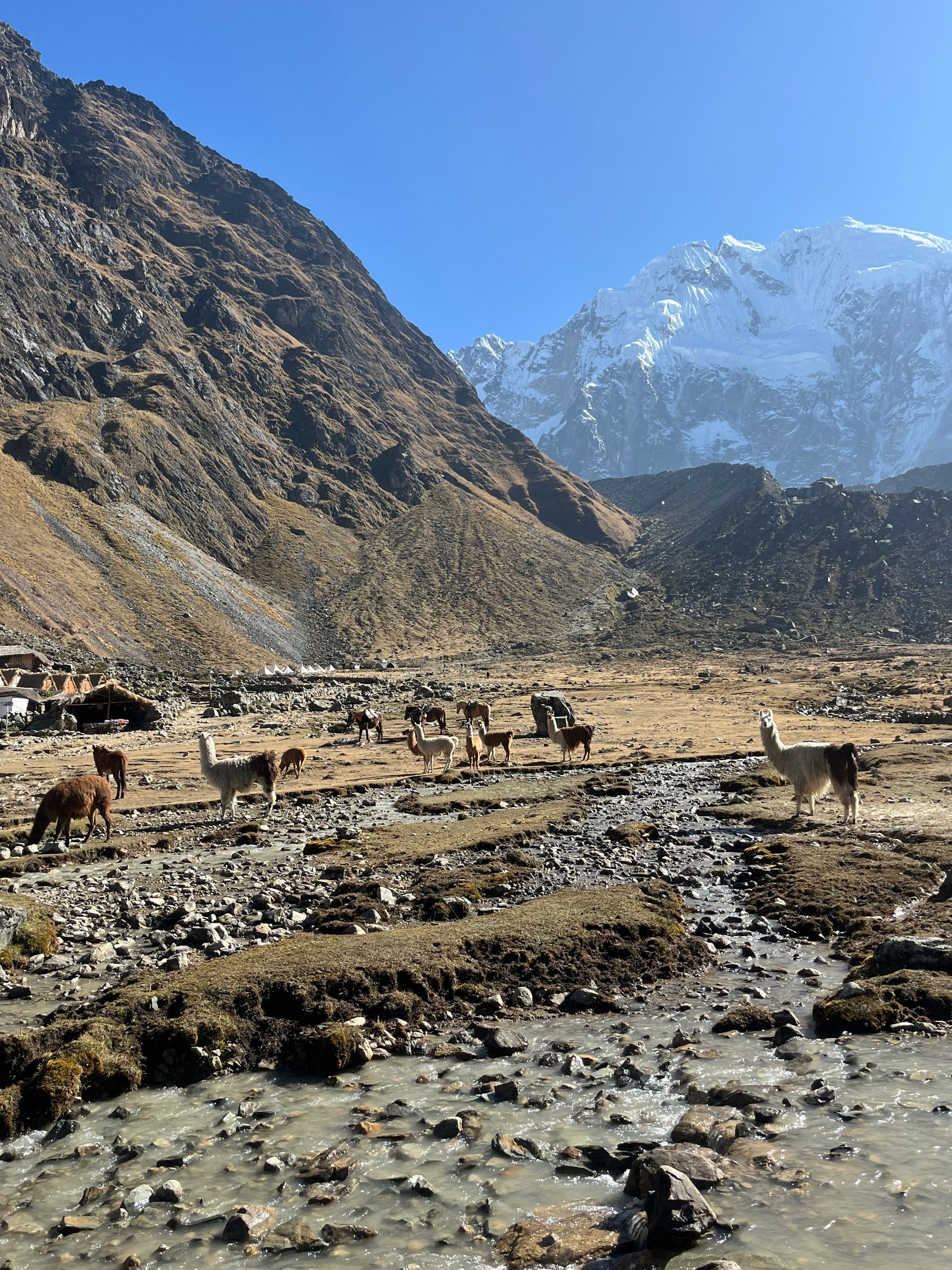
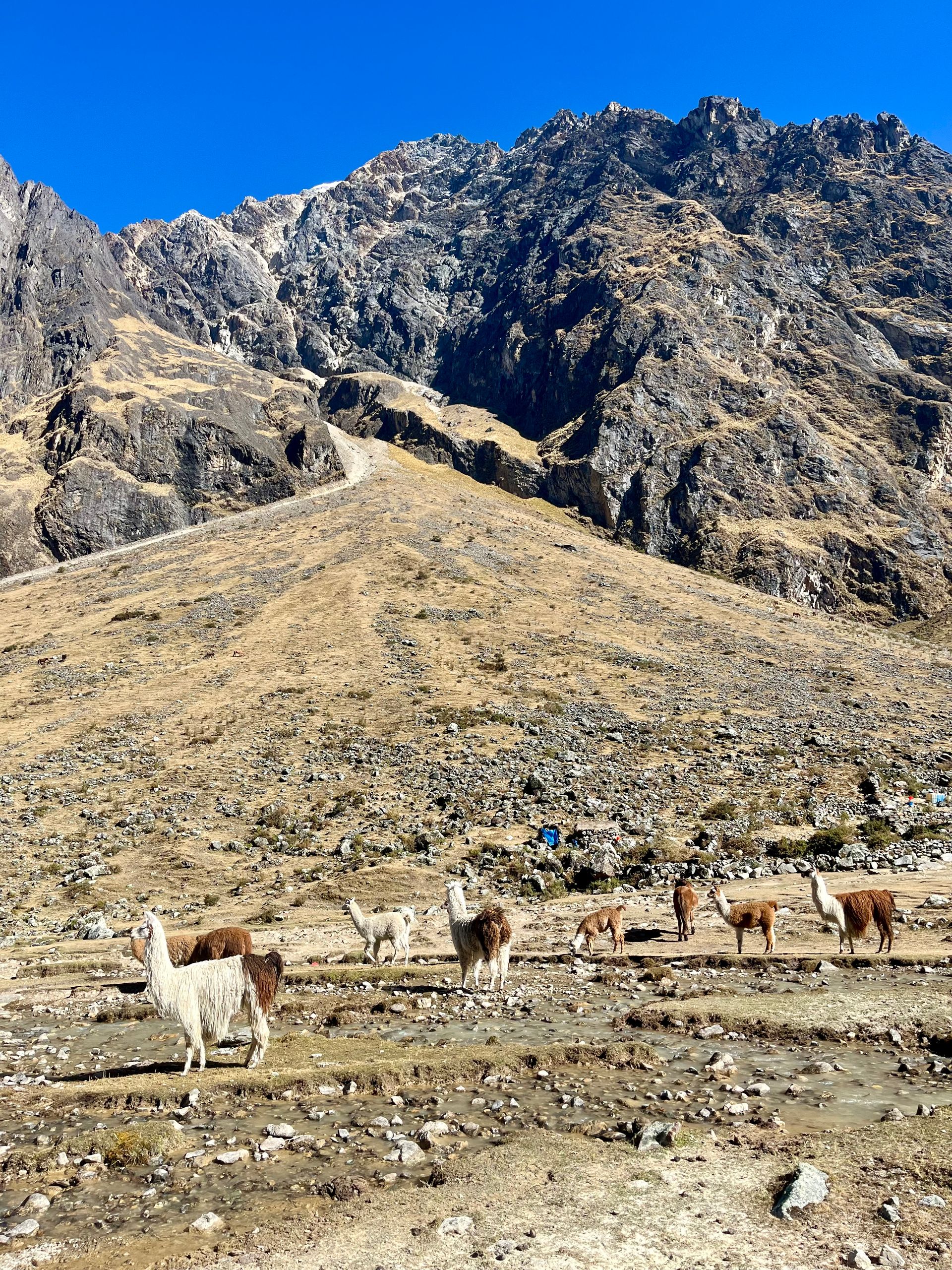
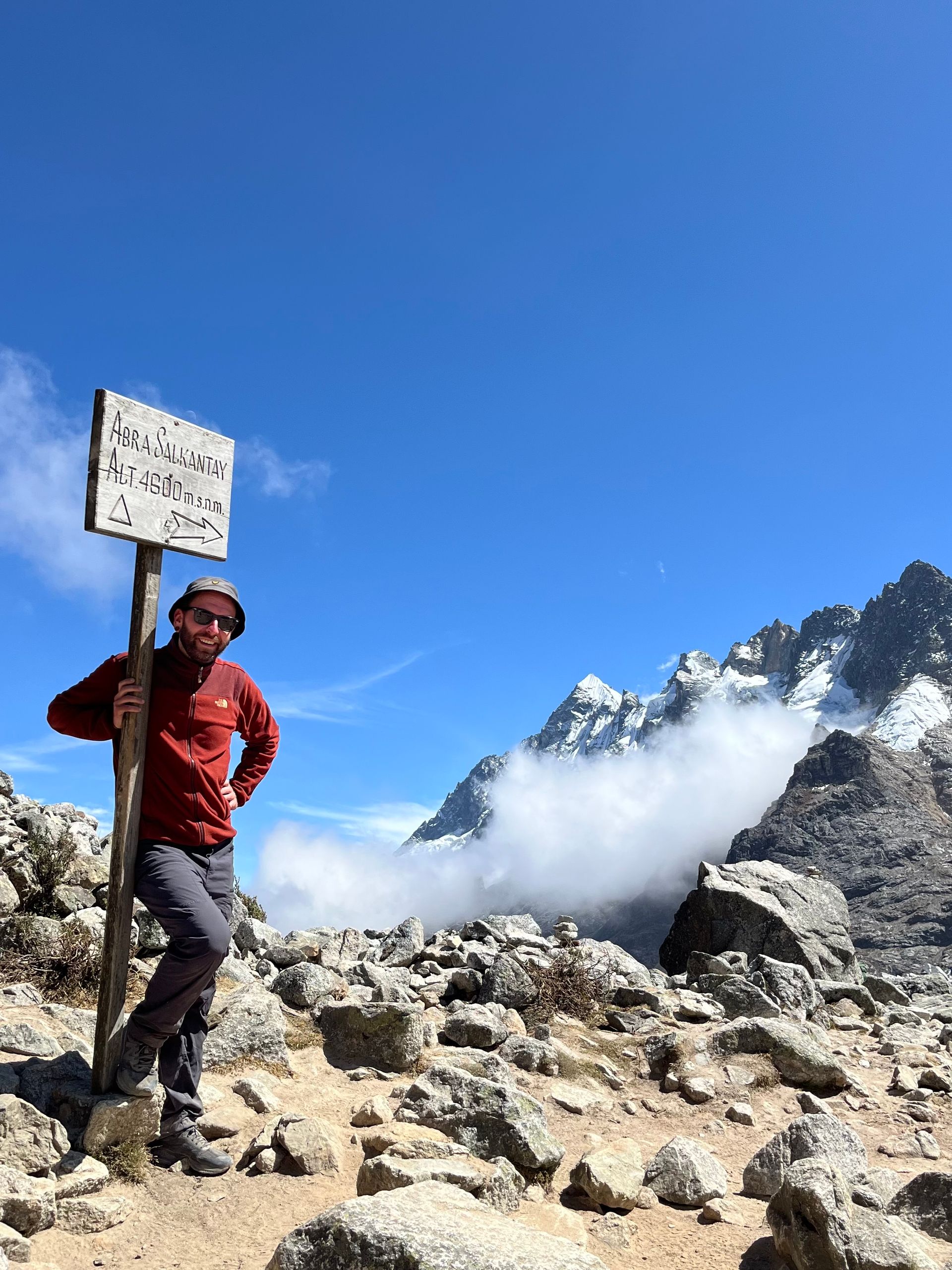
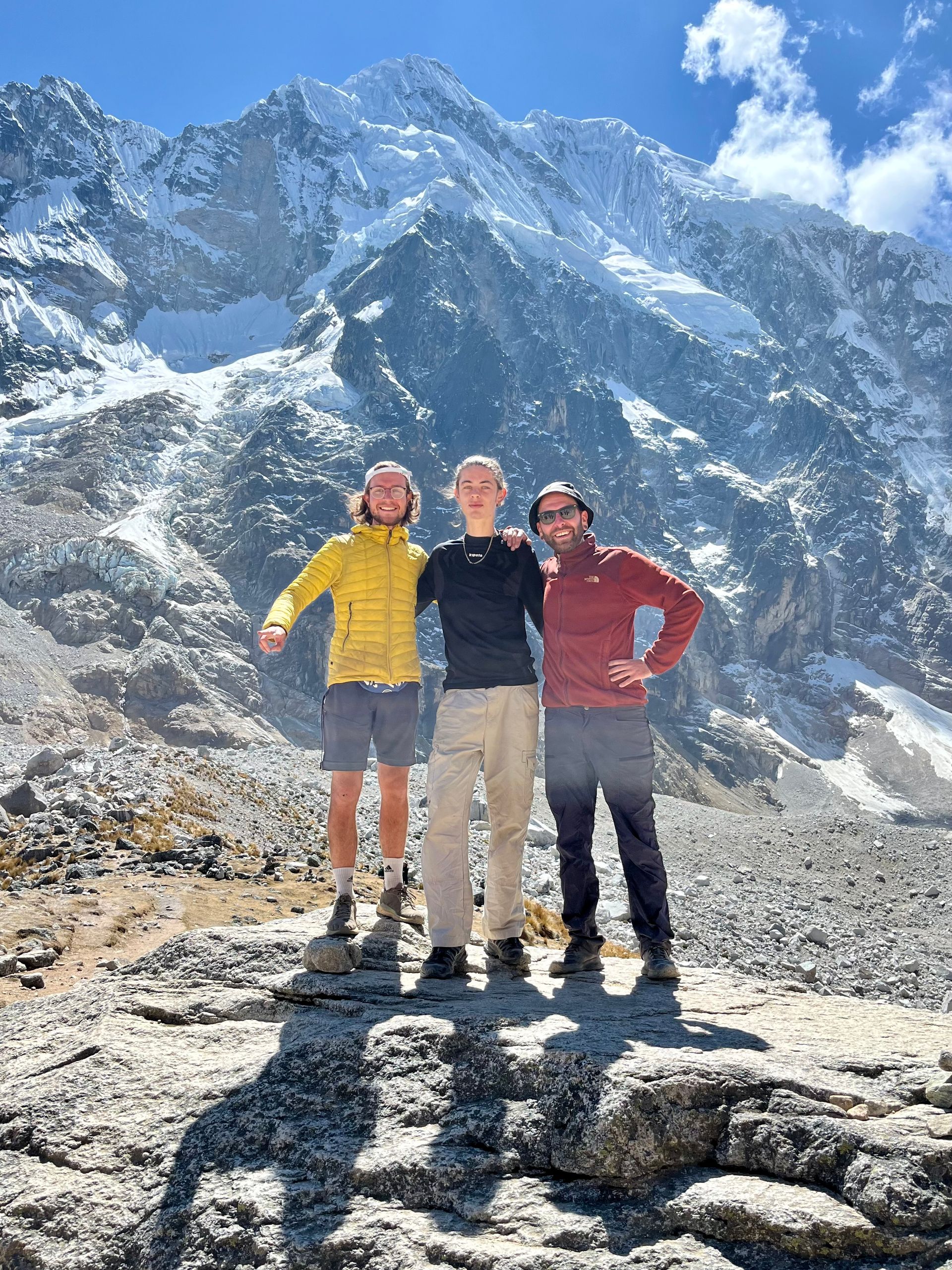
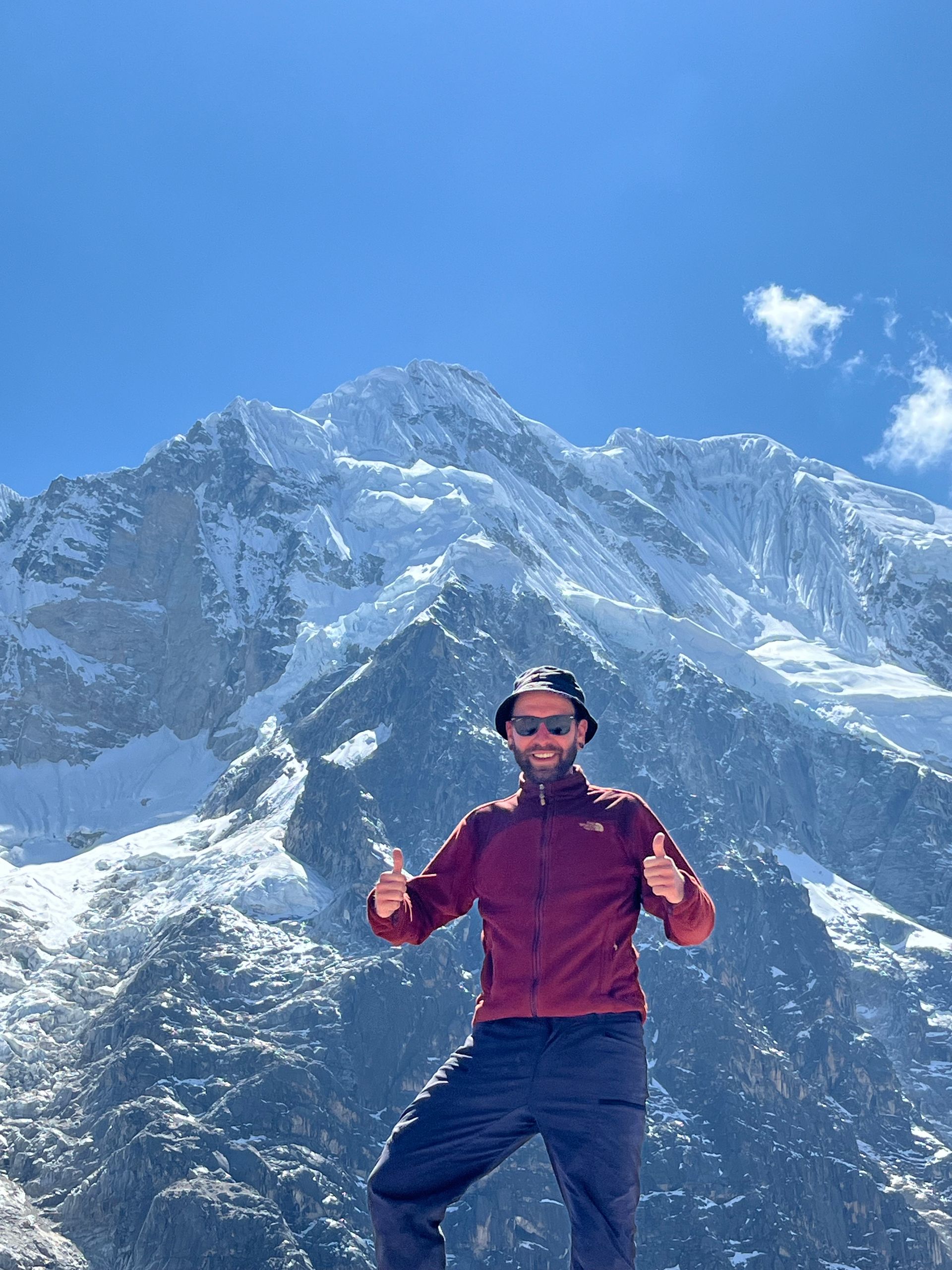
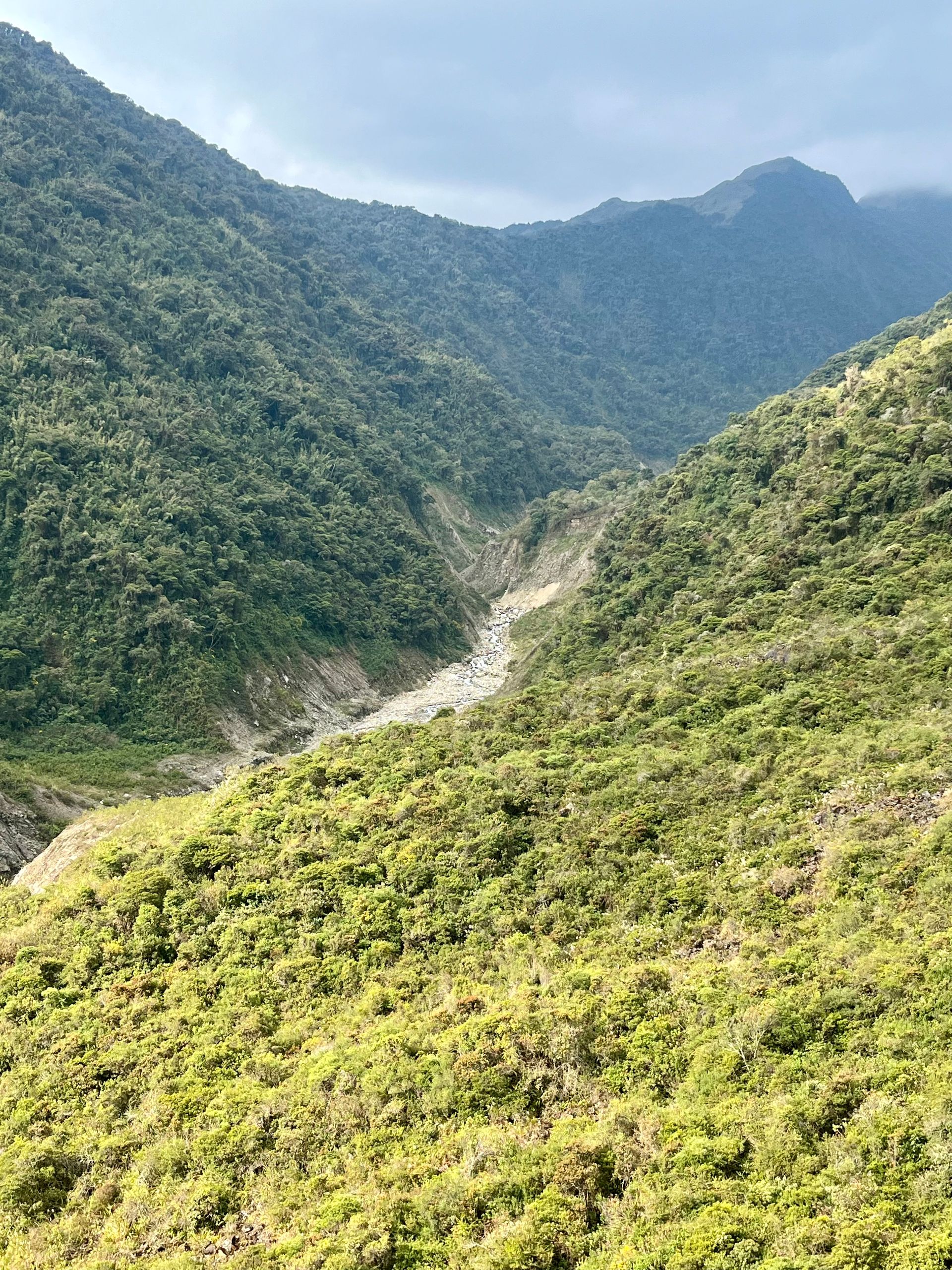
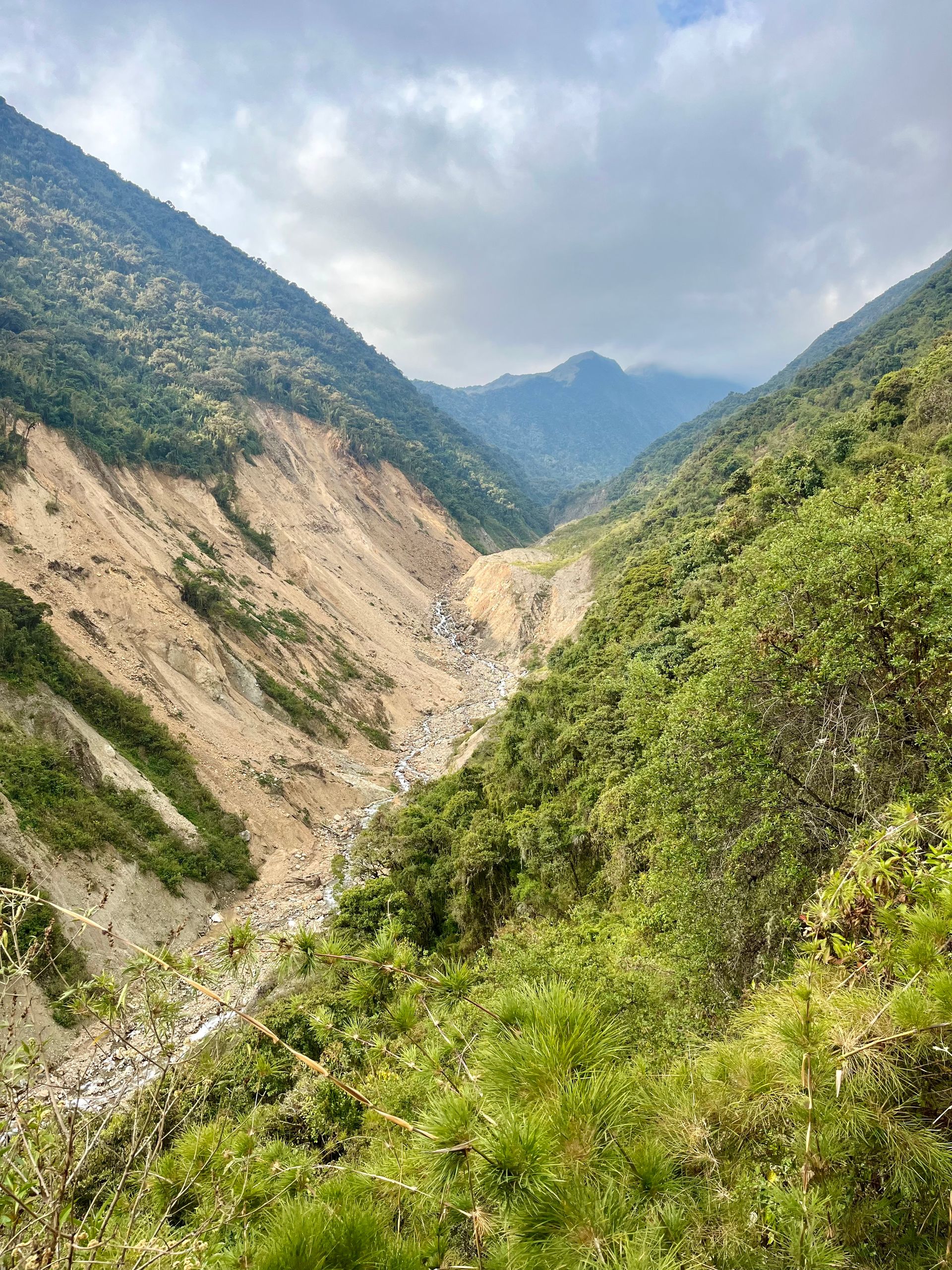
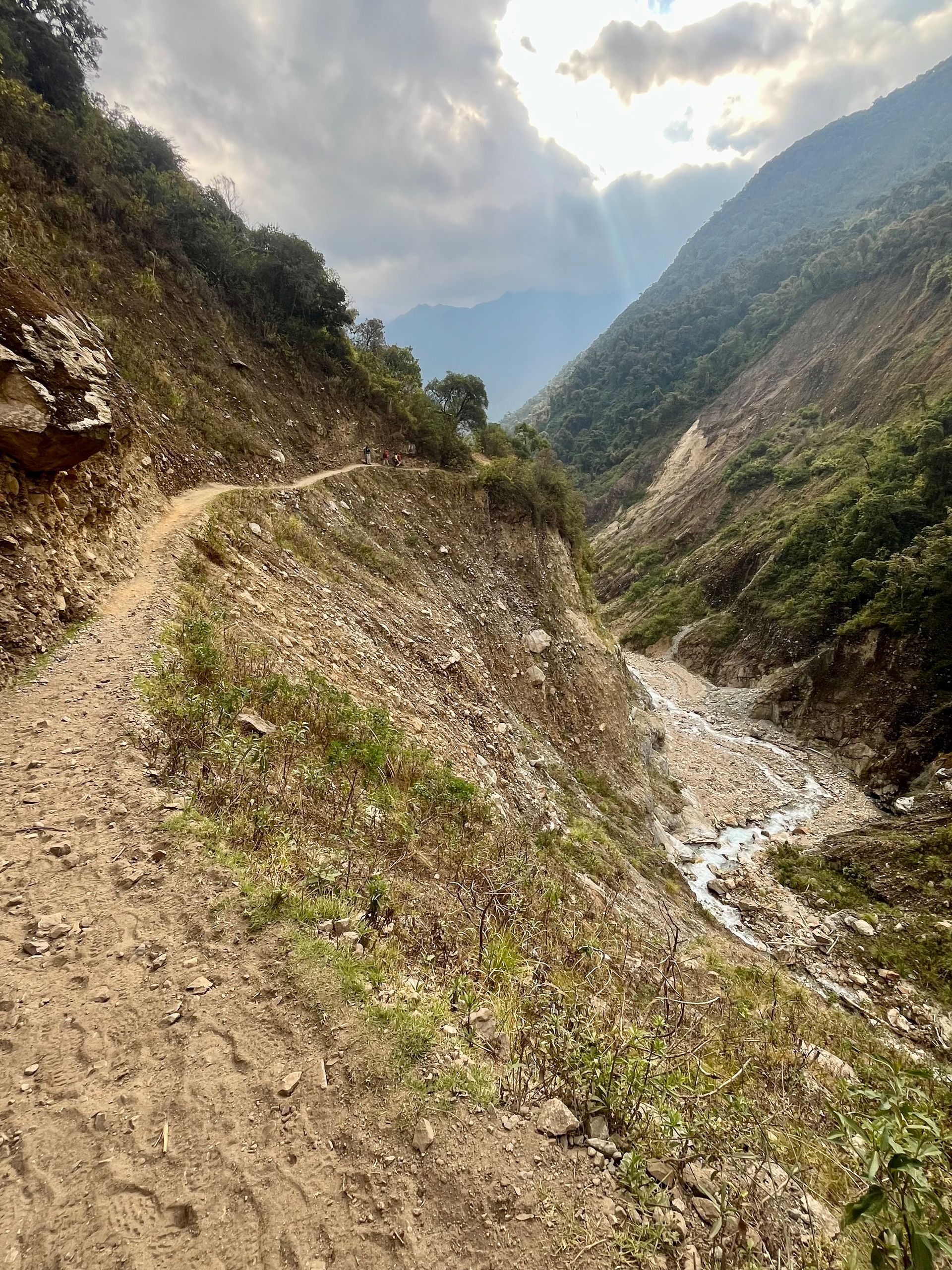
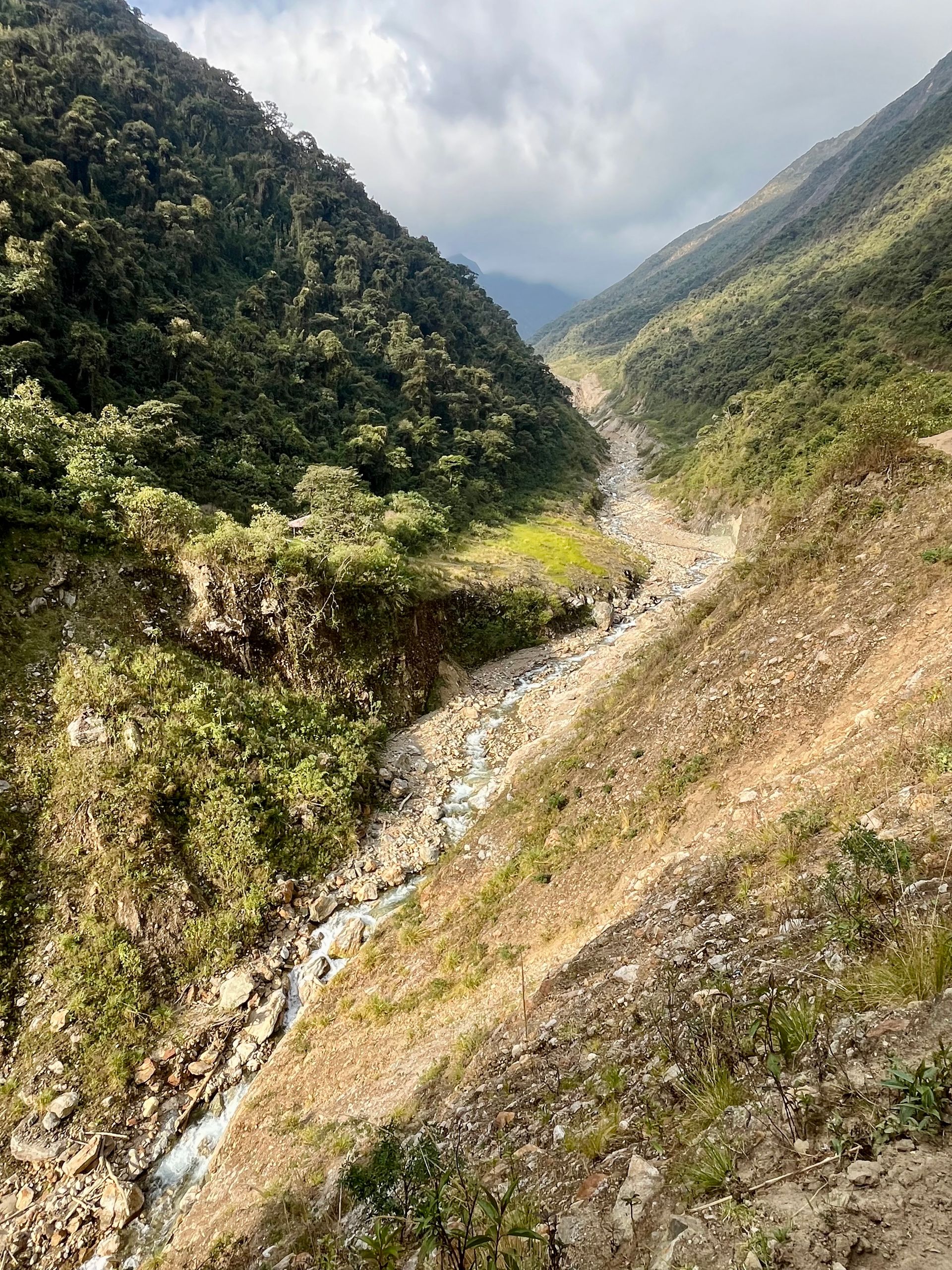
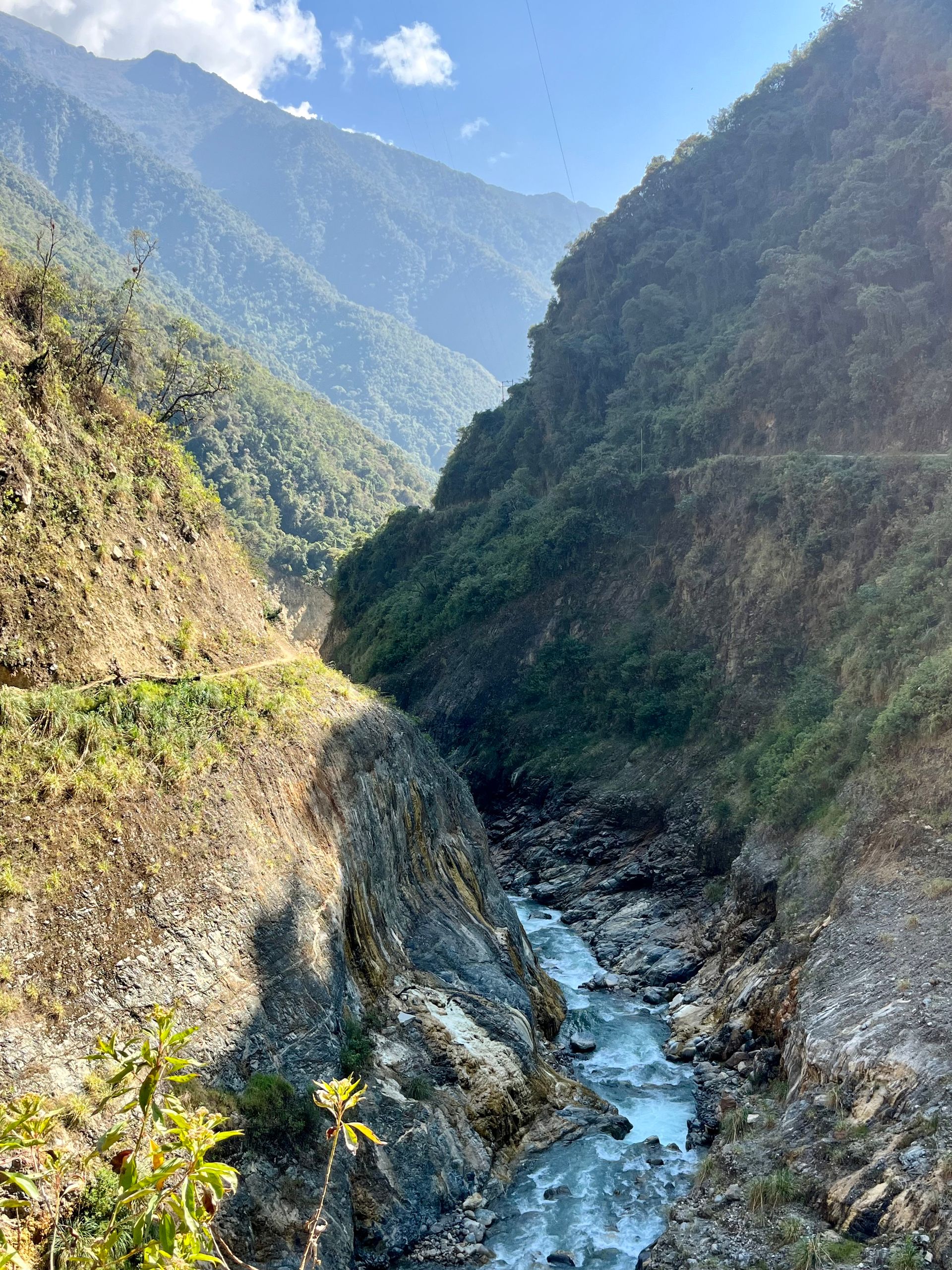
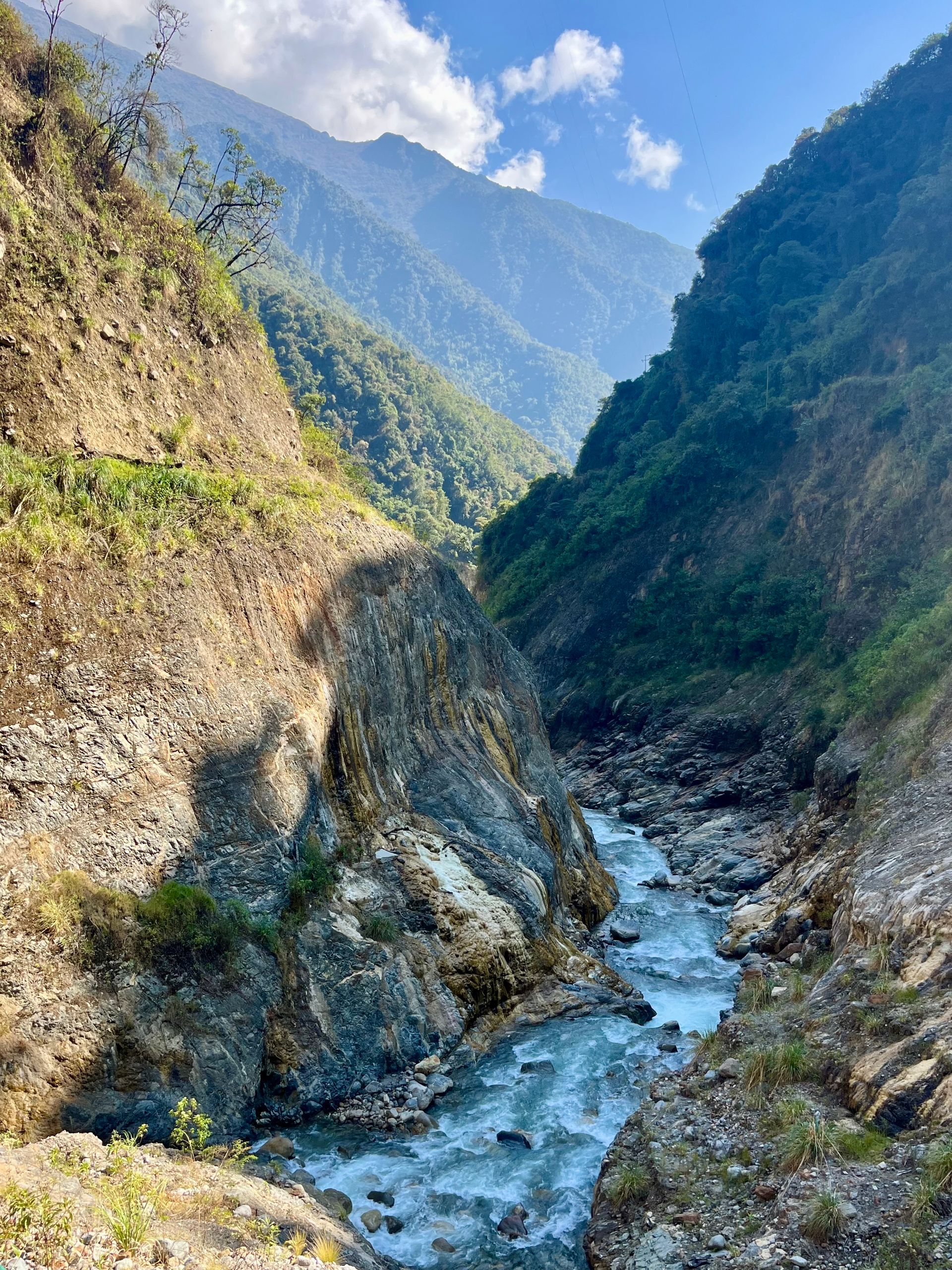
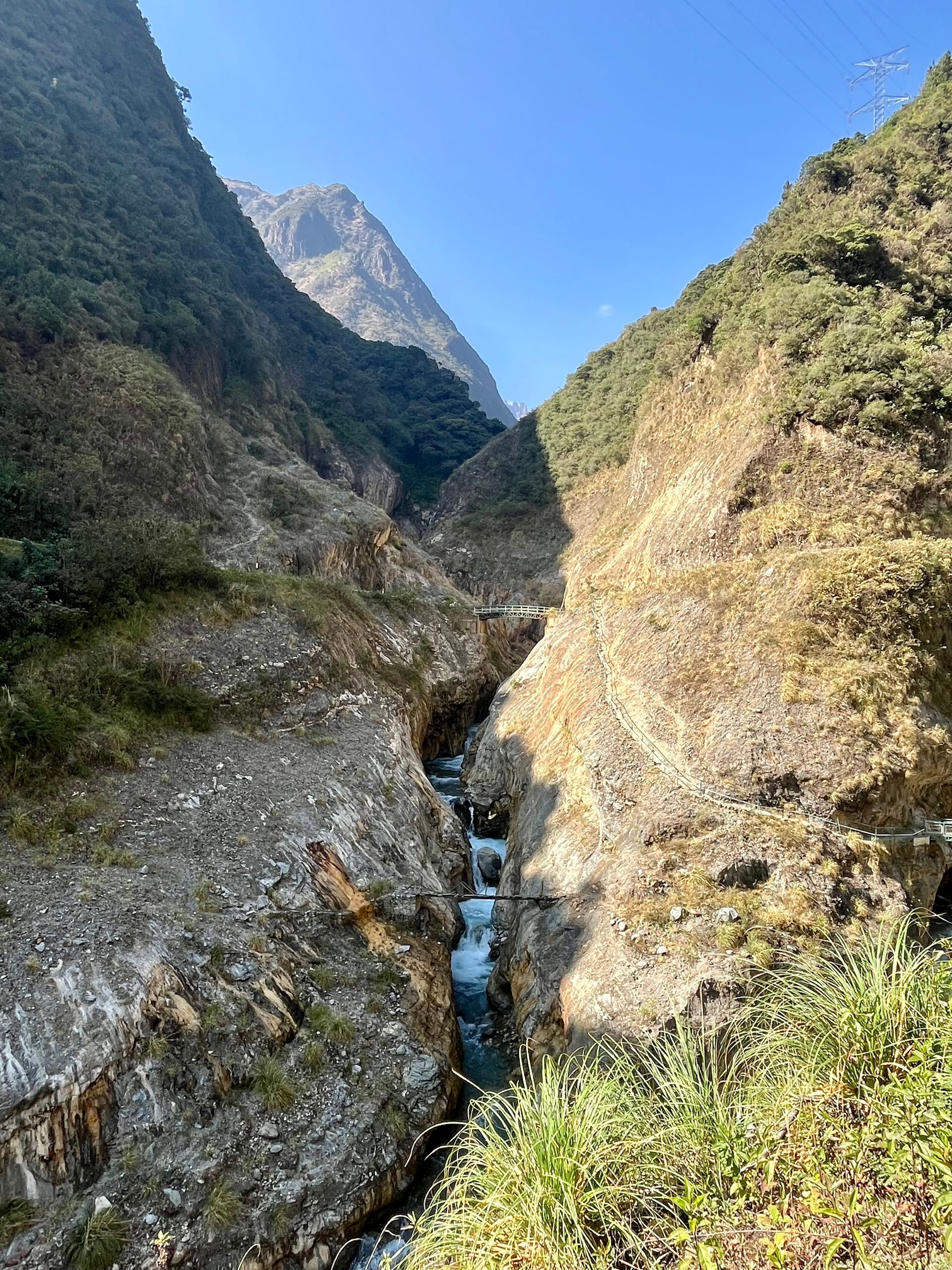
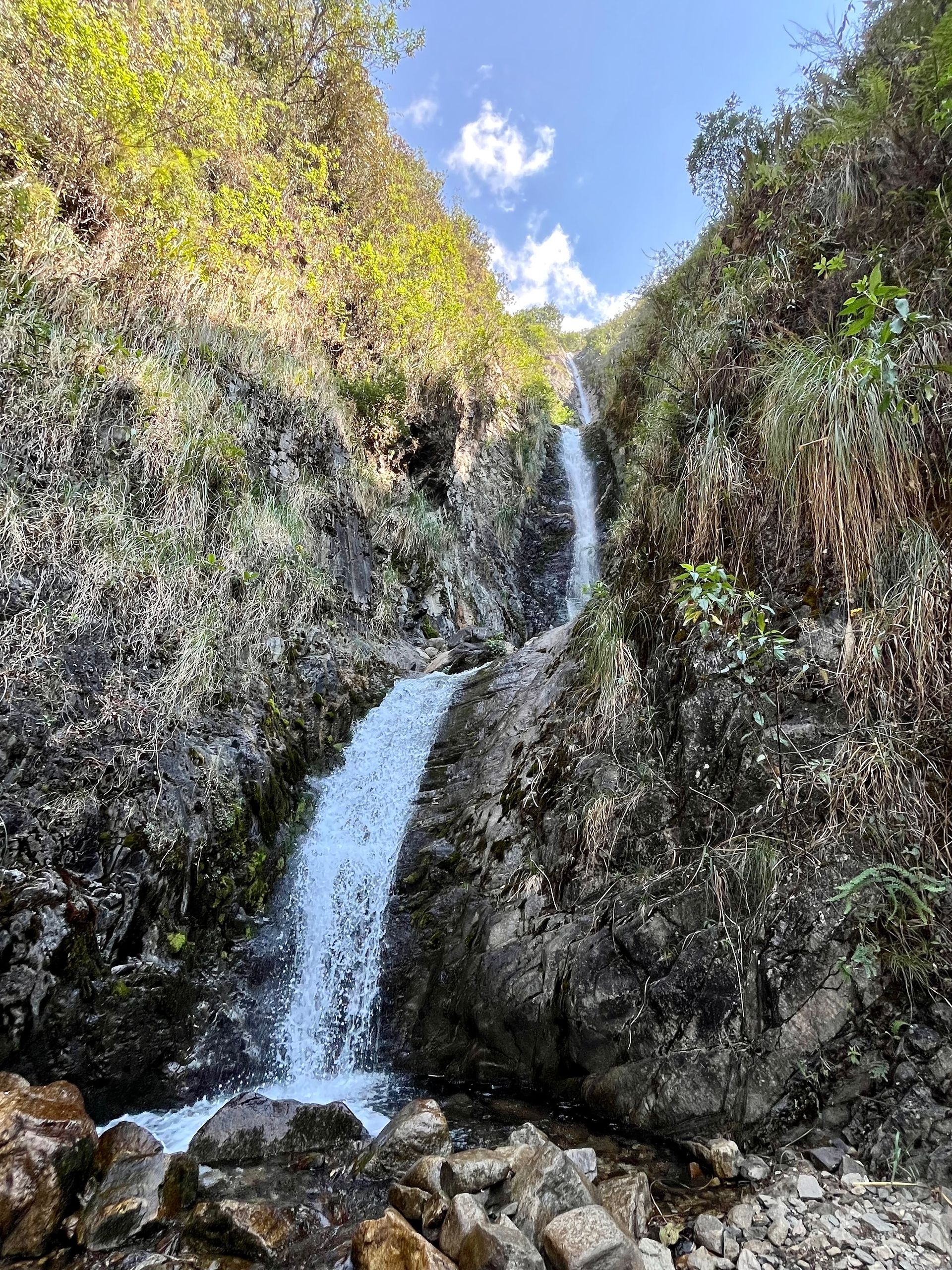
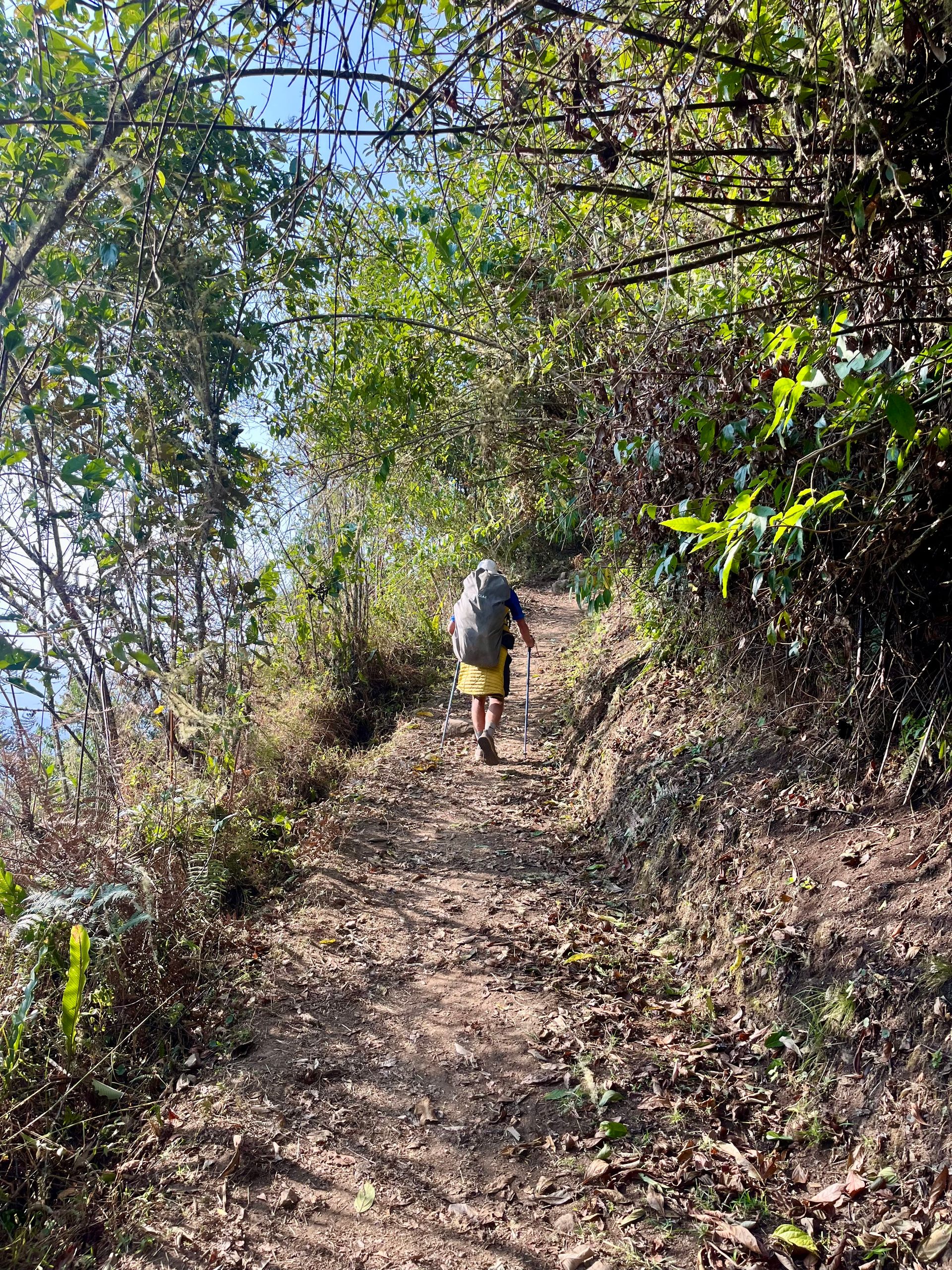
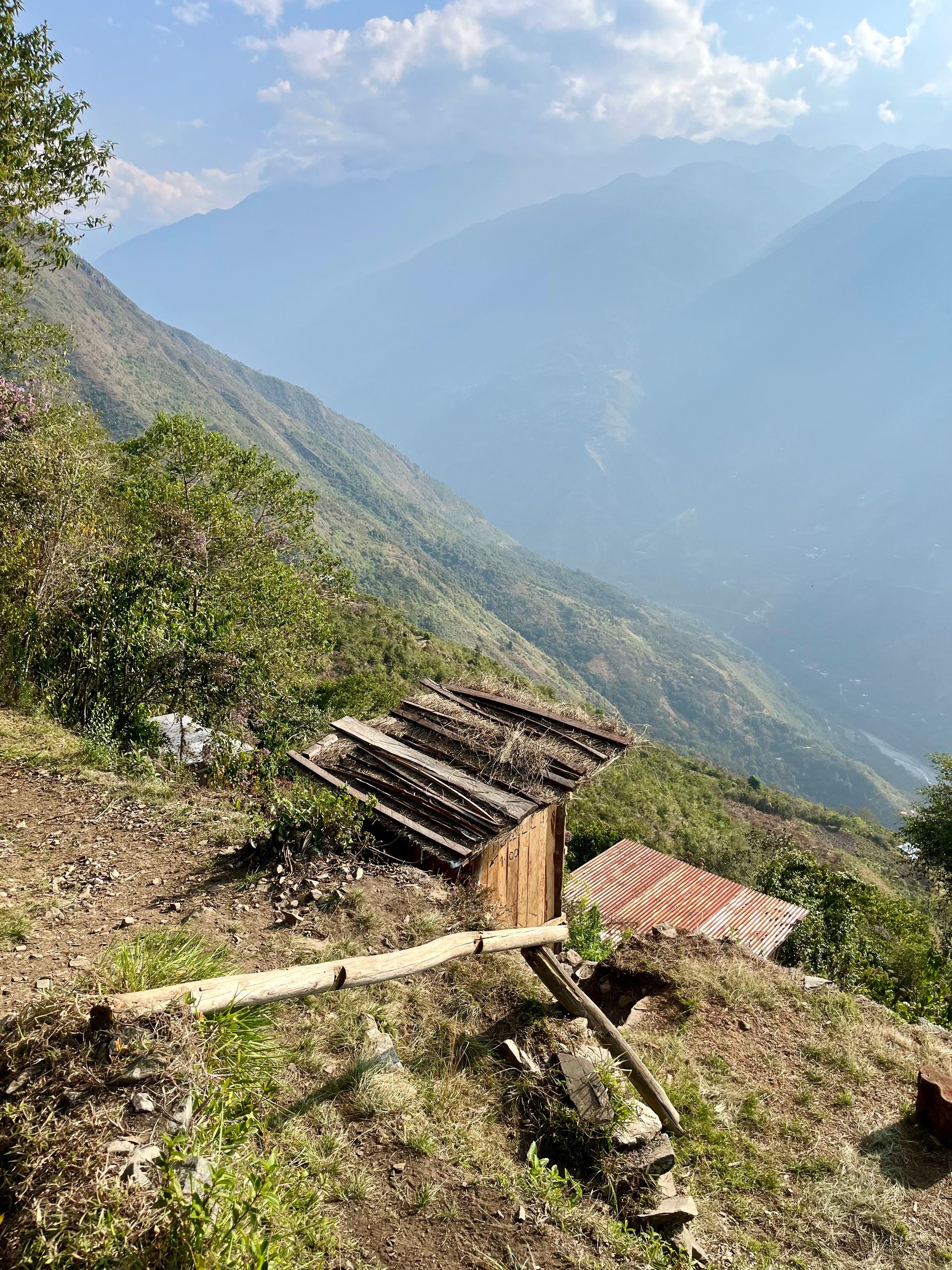
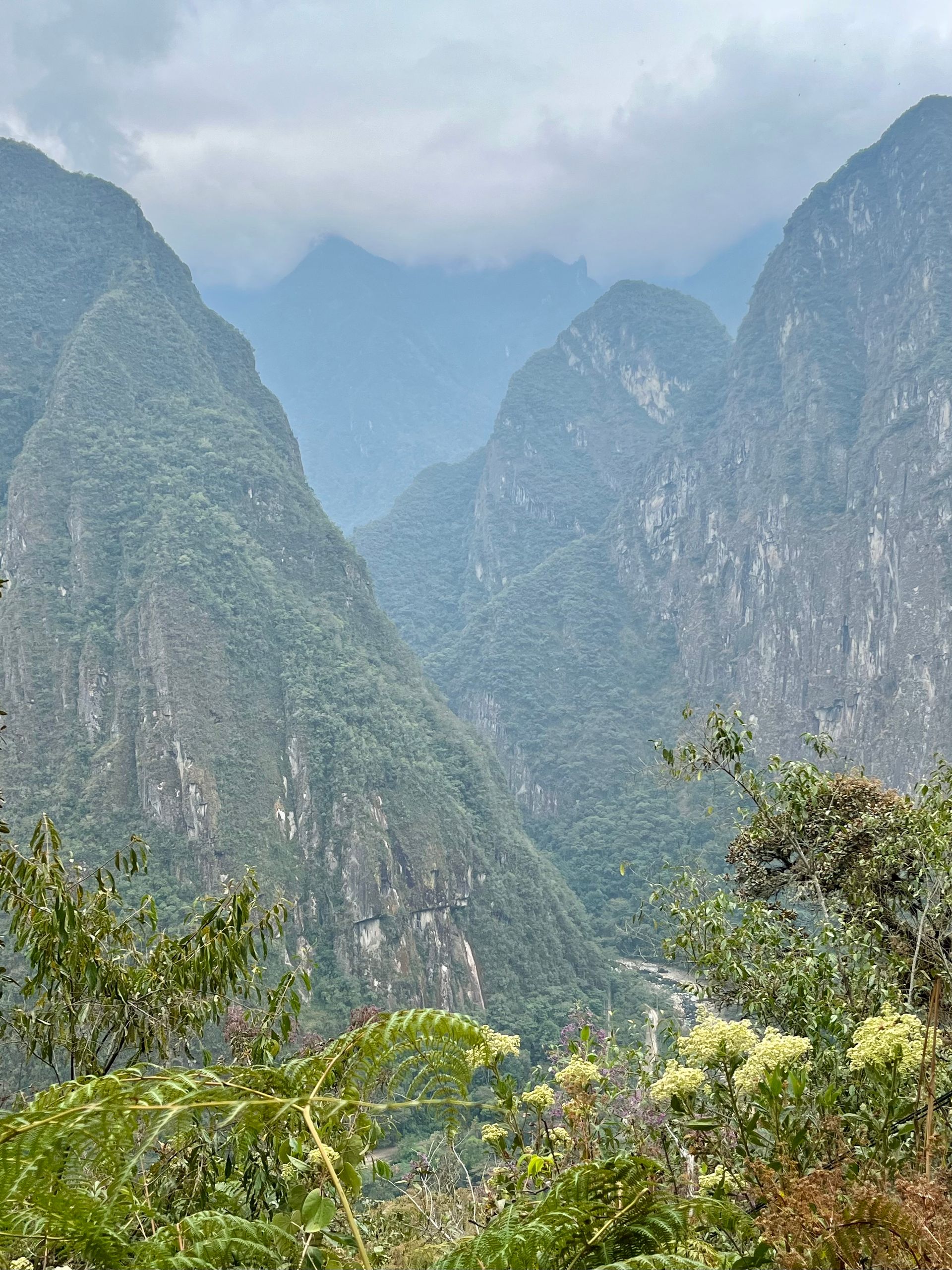
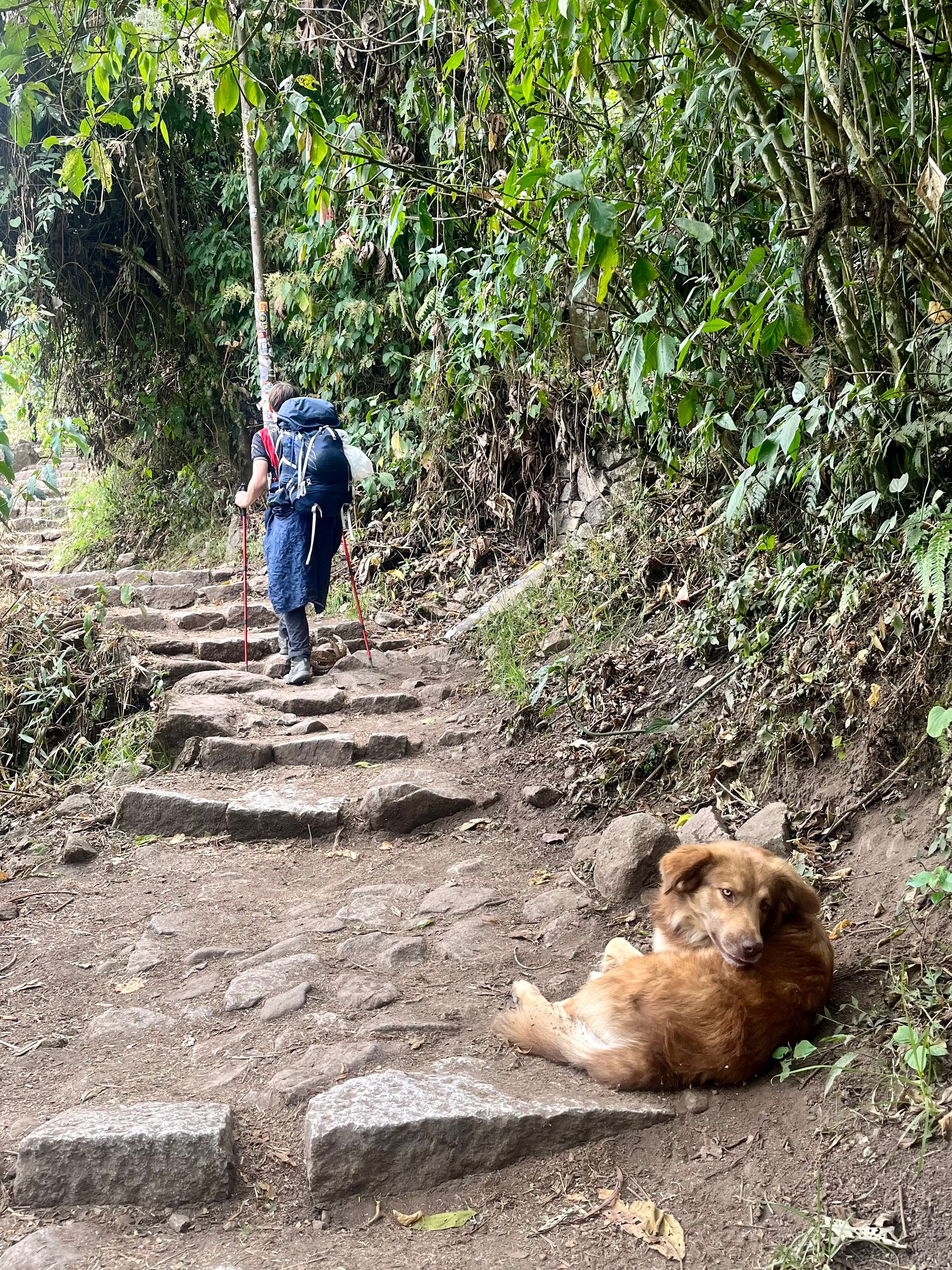
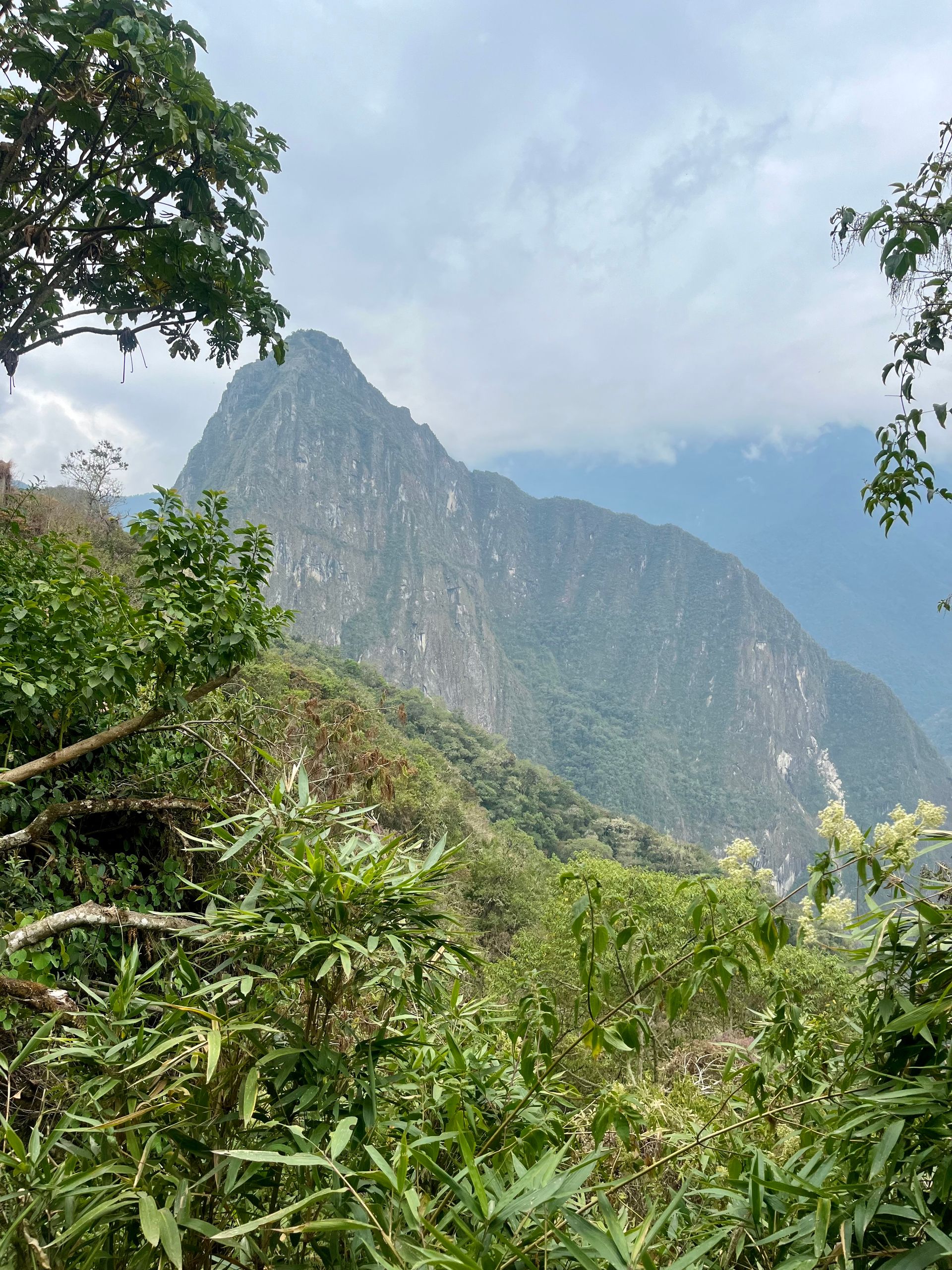
For a few weeks now, I have been in Peru and have absorbed all sorts of cultural background of this country steeped in Inca culture. Only the highlight of Peru and the most famous spot in South America was still to come: Machu Picchu and of course the journey there. Early in my travels, I had met various travelers who had previously visited this sacred site and I frequently gathered information from them. It quickly became clear to me that a comfortable train journey was not an option for me, and that the journey should take place on one of the two well-known routes. Since the Inca Trail is only accessible with a guide at a high cost, I decided to take the Salkantay Trek instead. A total of 5 days and on my own accord. Most travelers who choose this trek book a guided tour. That’s perfectly fine, but it was not an option for me. Since Nim and Colin, who had accompanied me for a longer time in Bolivia, had already traveled a bit further and had already ticked off their visit to Machu Picchu, it was my turn to organize a few things in Cusco after returning from Potosí and then embark on the way to this well-known and mystical site. I checked into a hostel for one night the day before, bought a few snacks for the first day (bread, avocados, bananas, water, and a few bars), packed my things for the next few days into my small backpack, treated myself to a gigantic pizza in the city, and went to bed a bit excited.
Day 1:
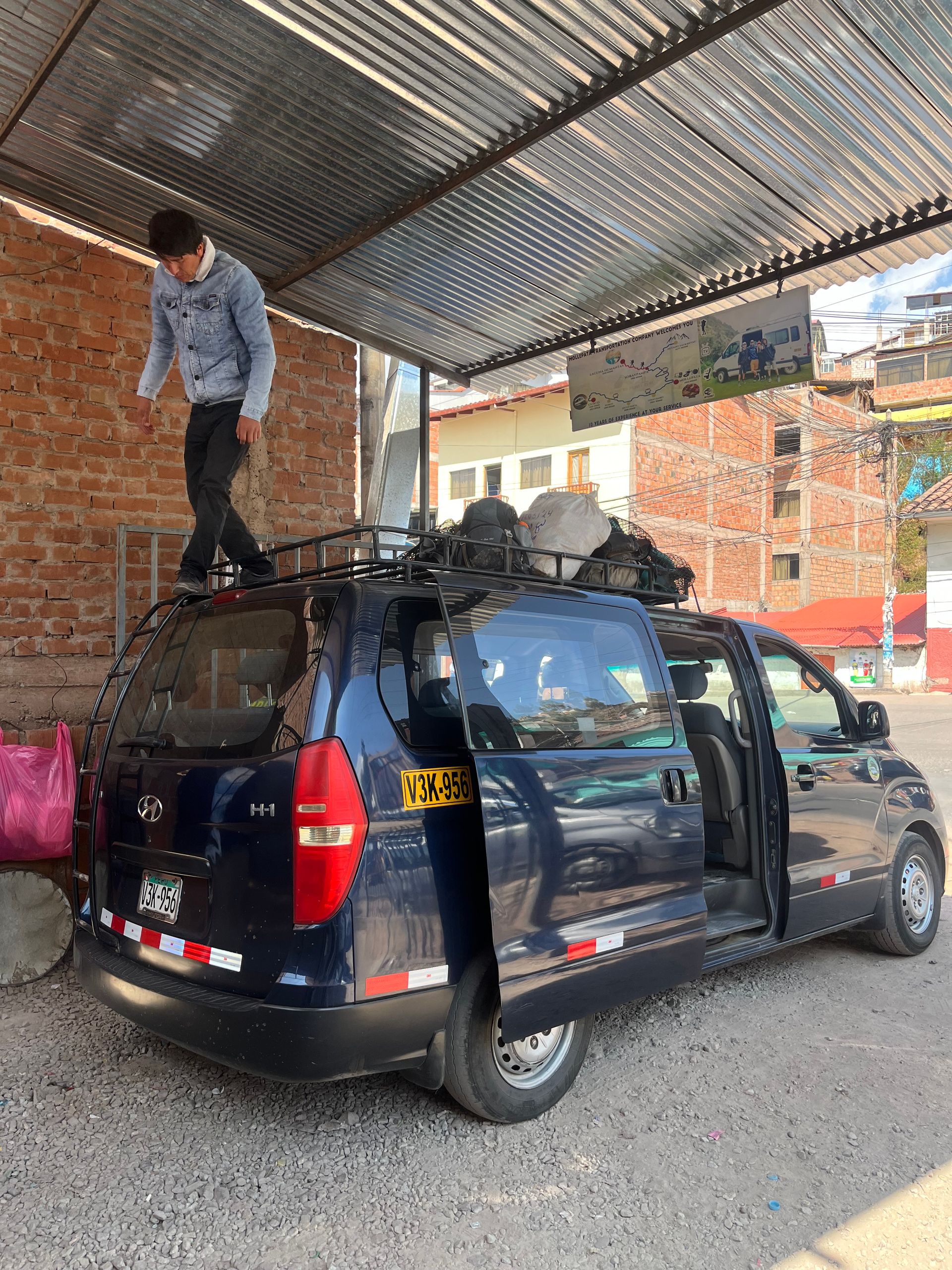
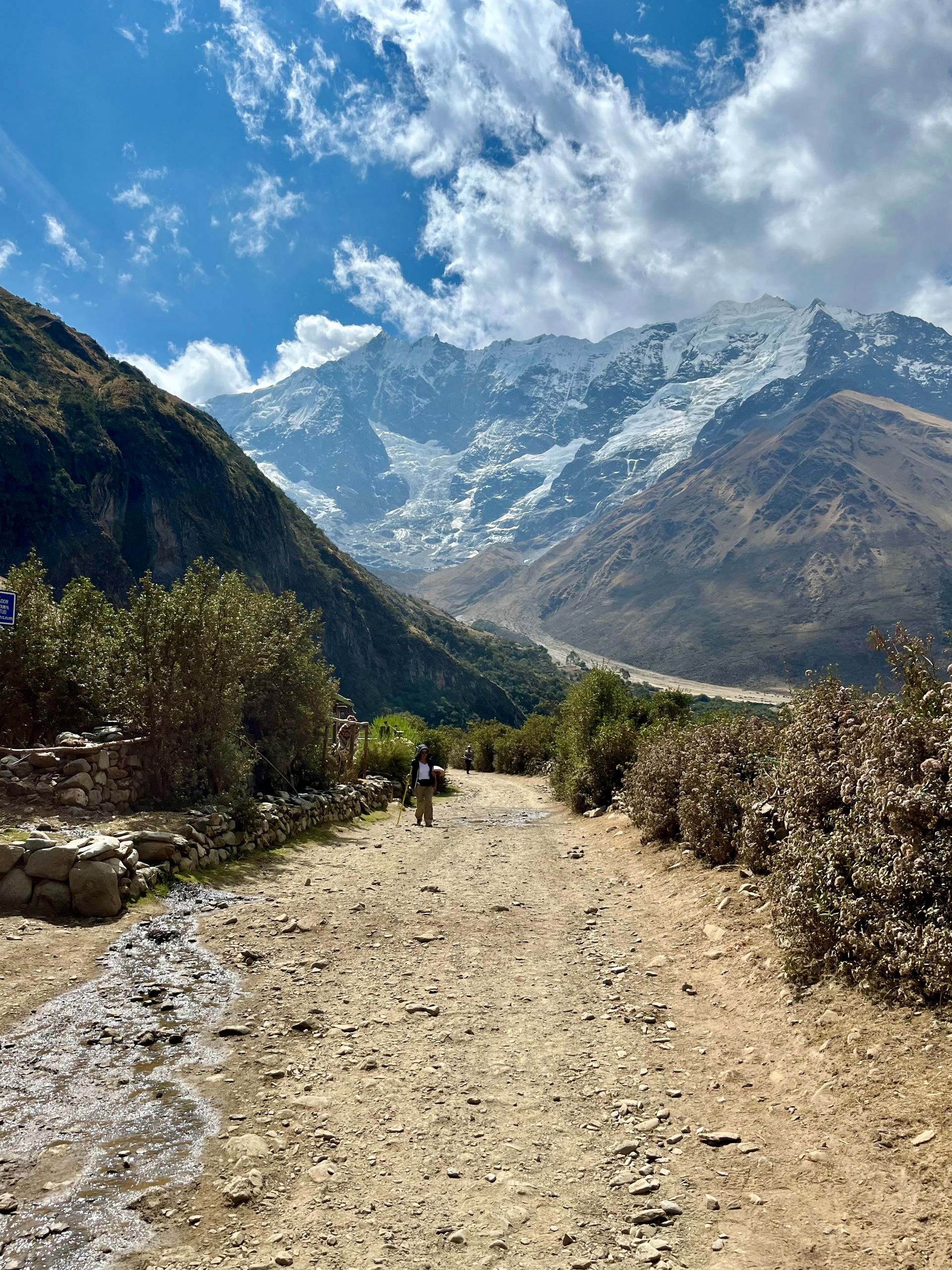
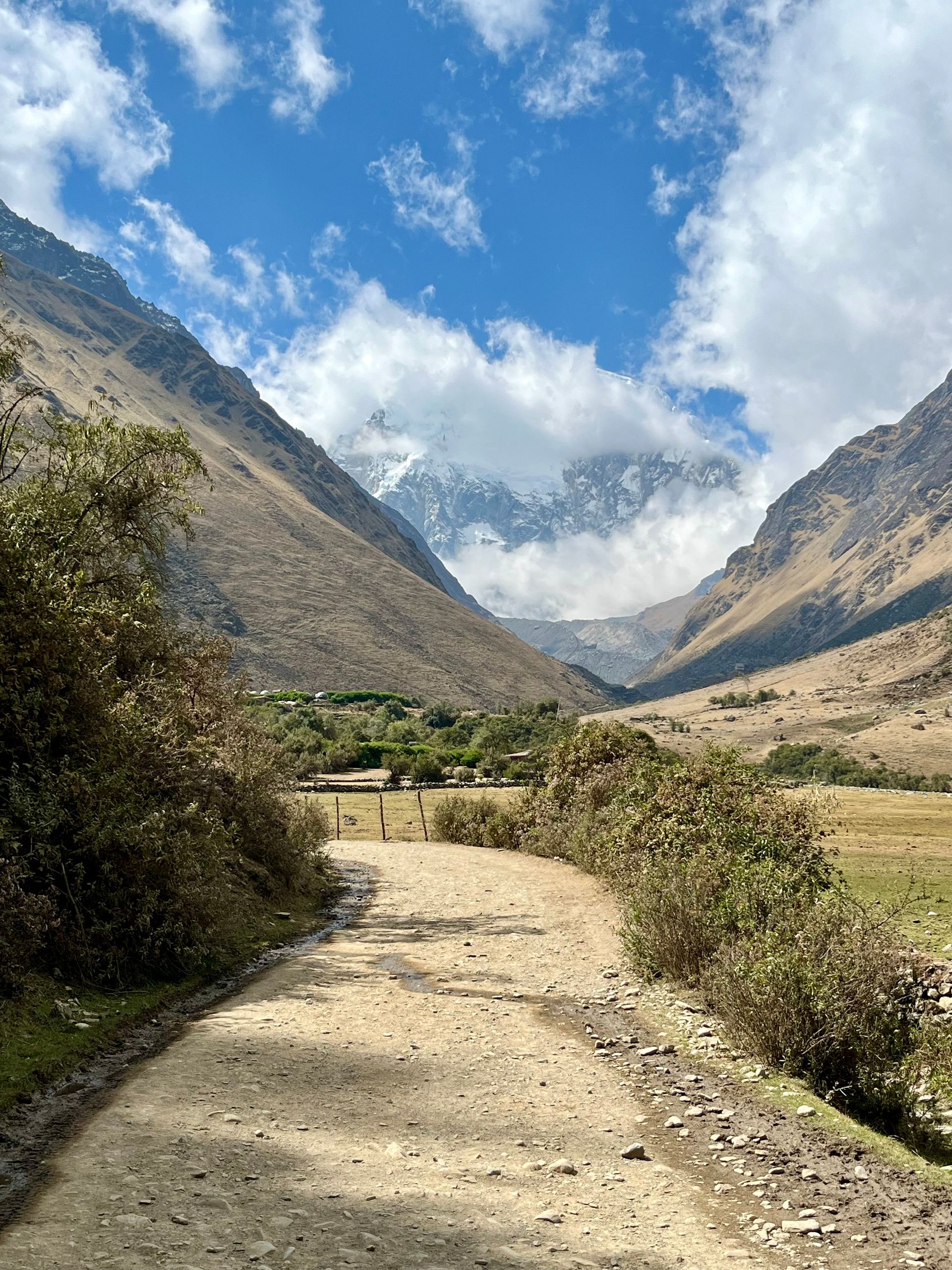
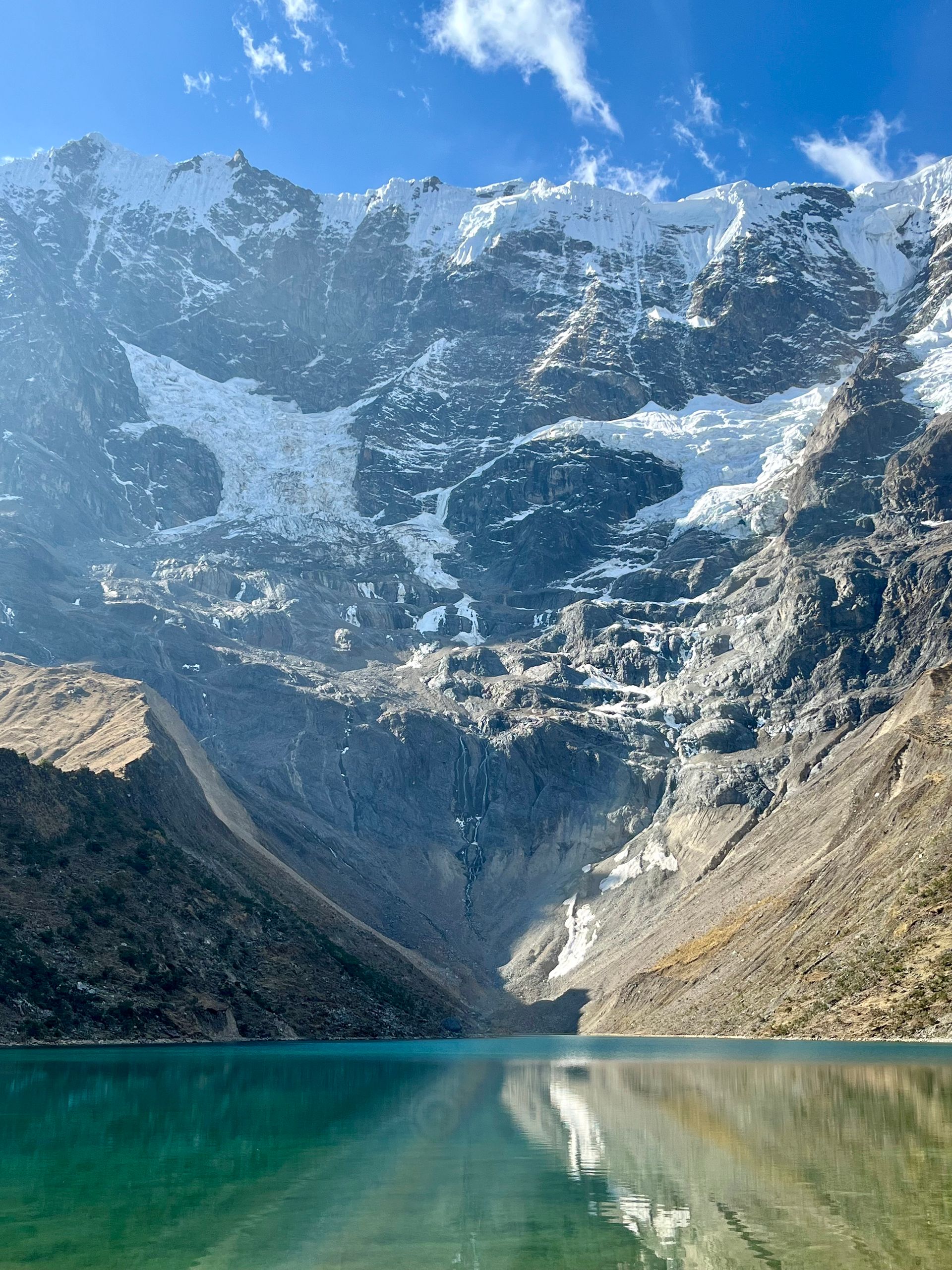
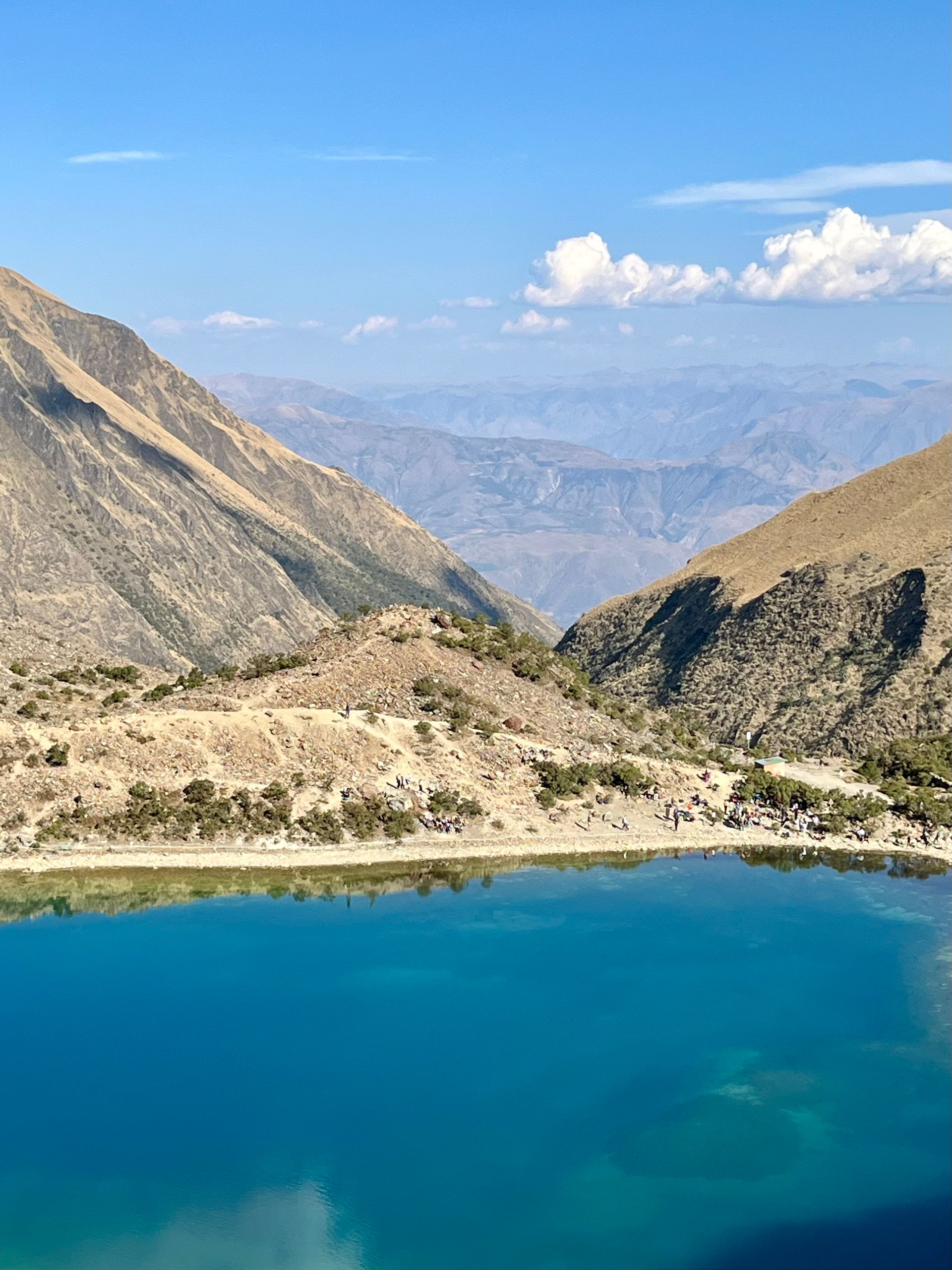
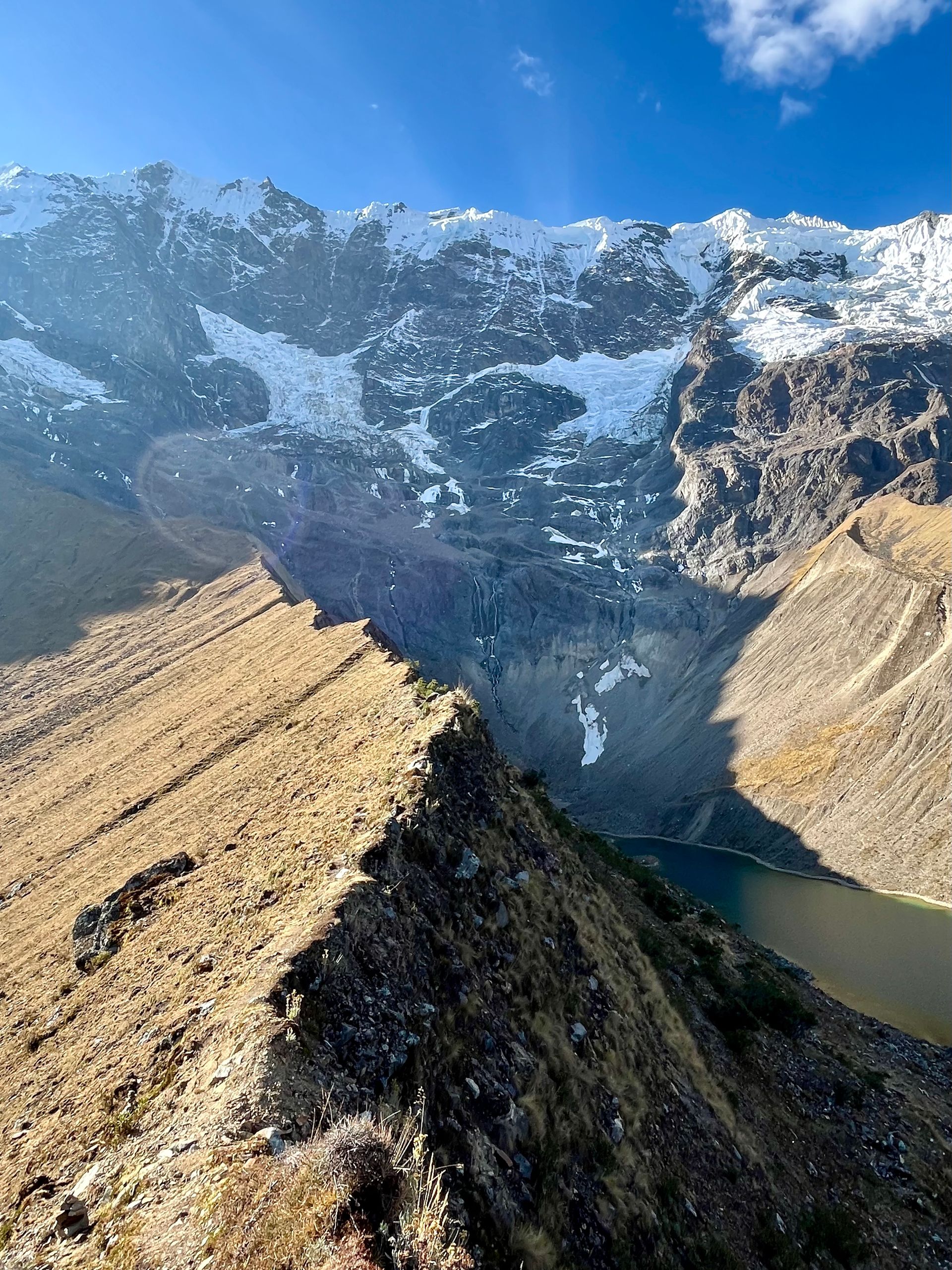
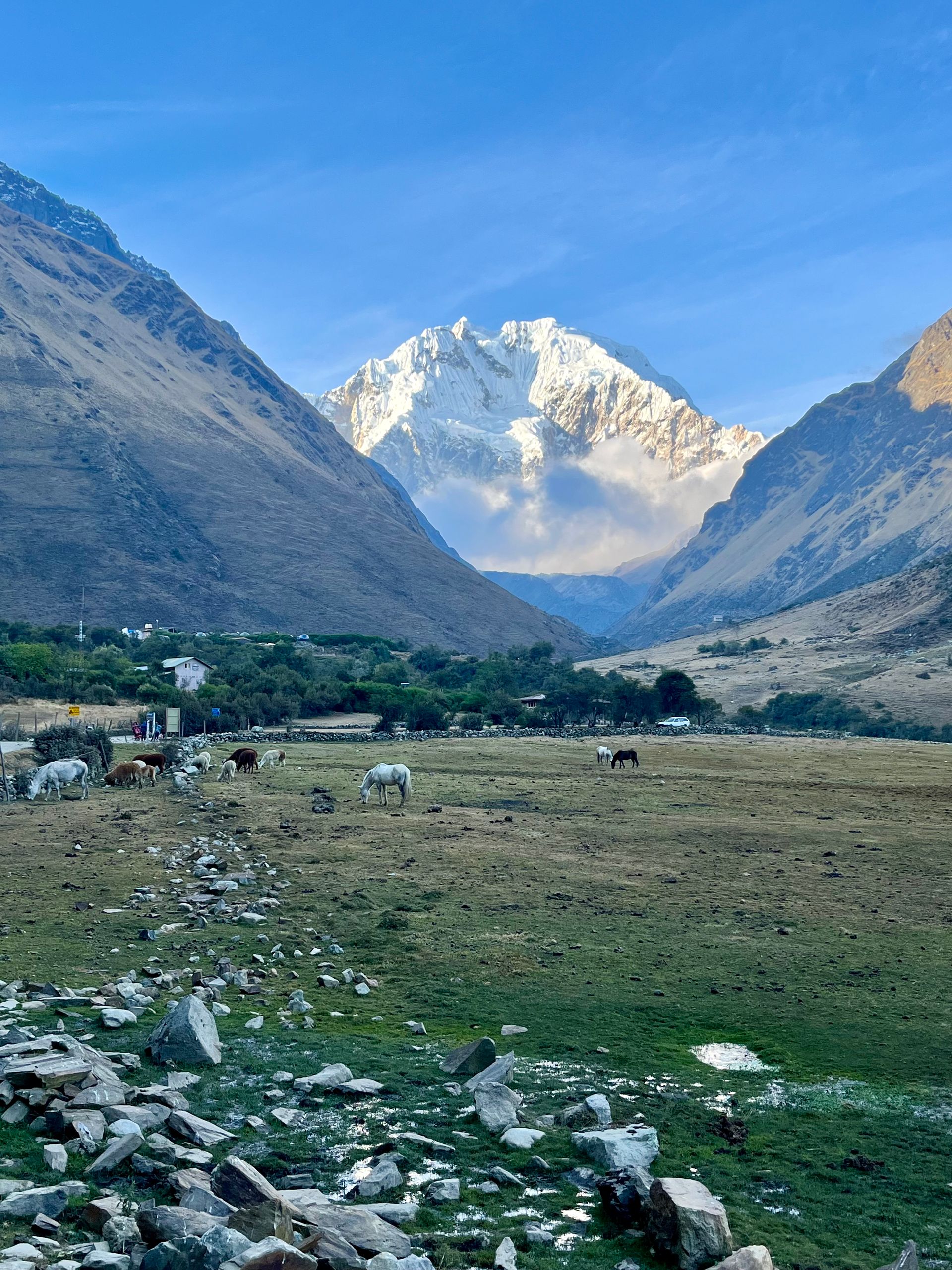
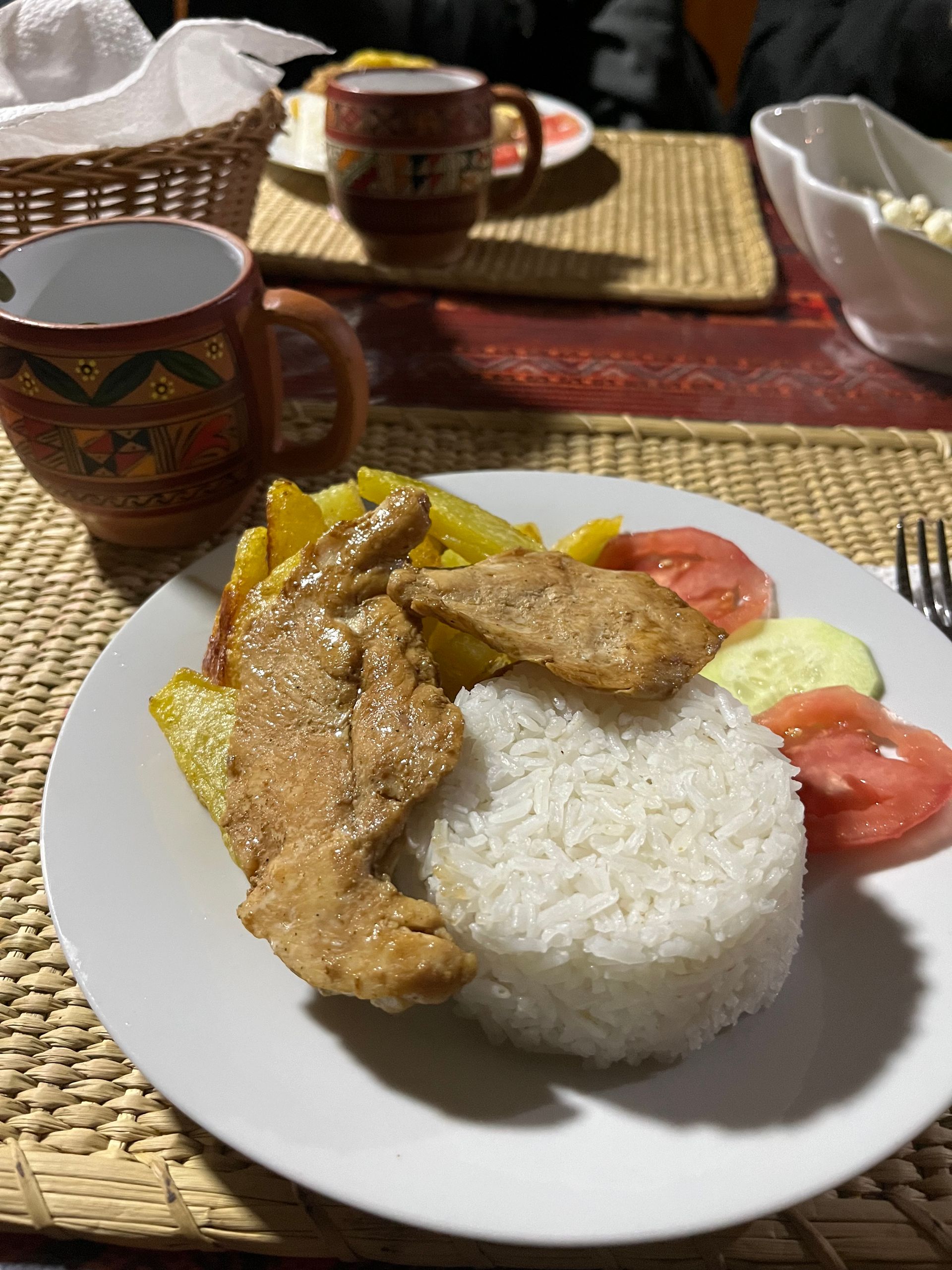
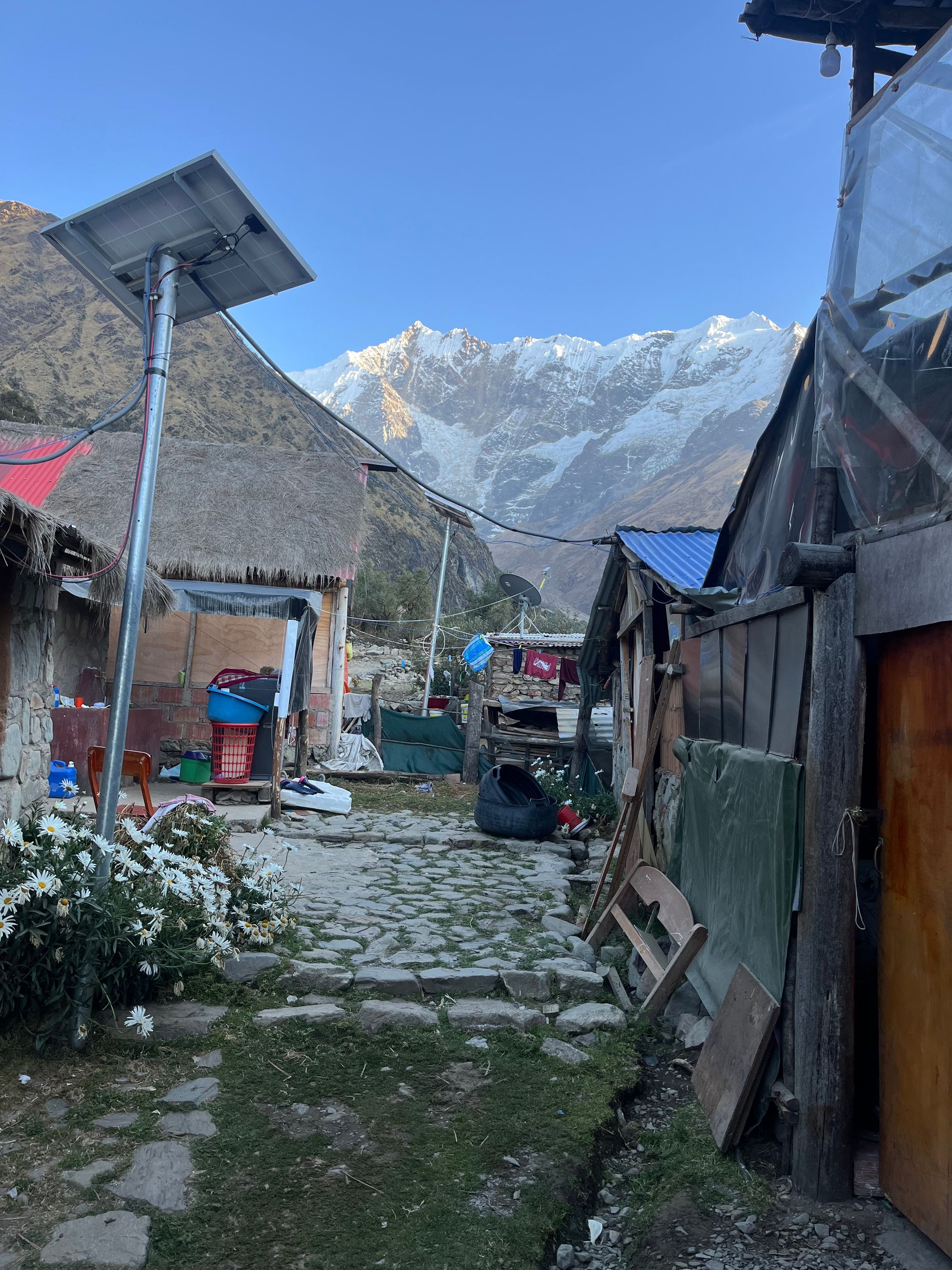
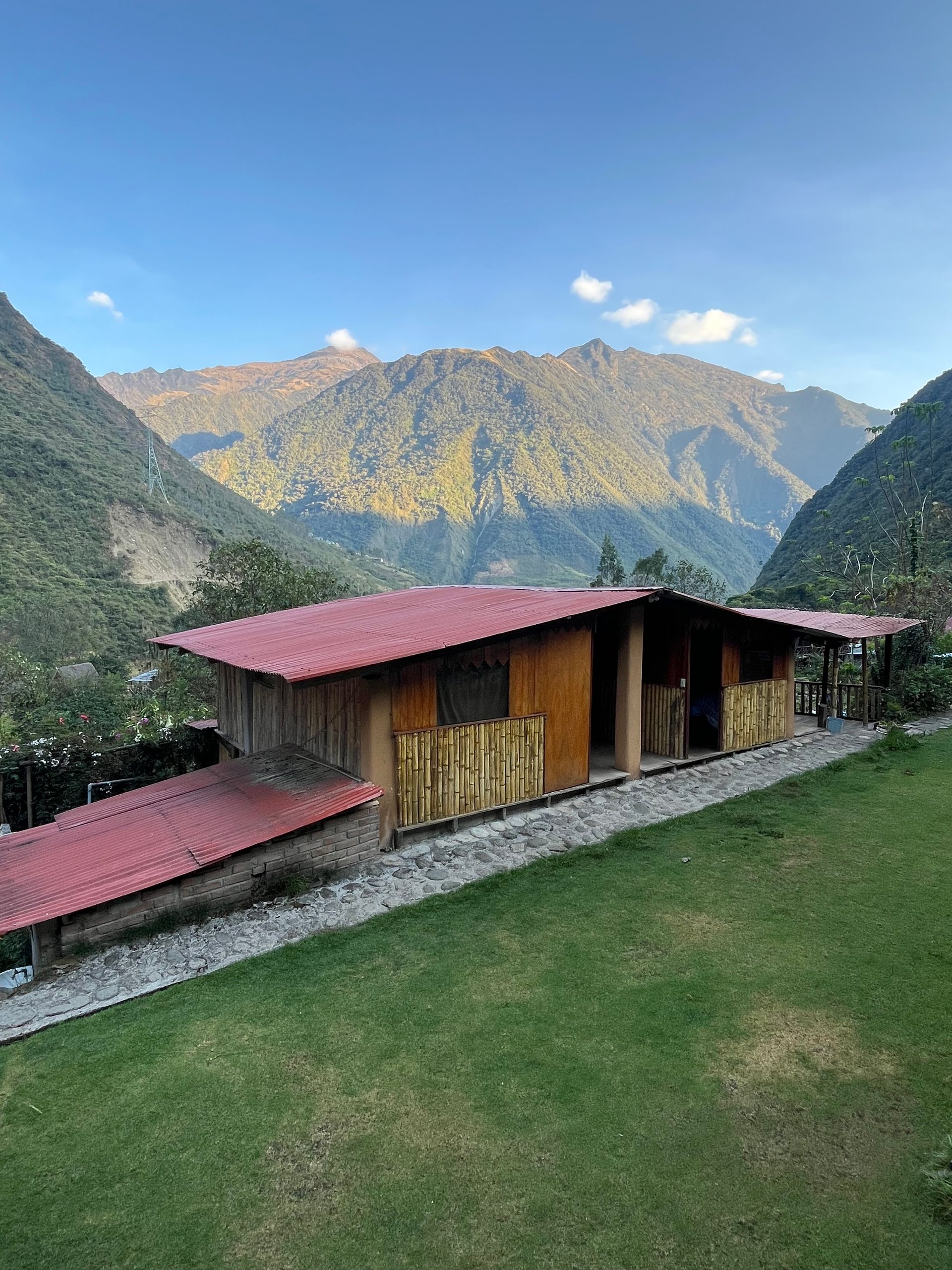
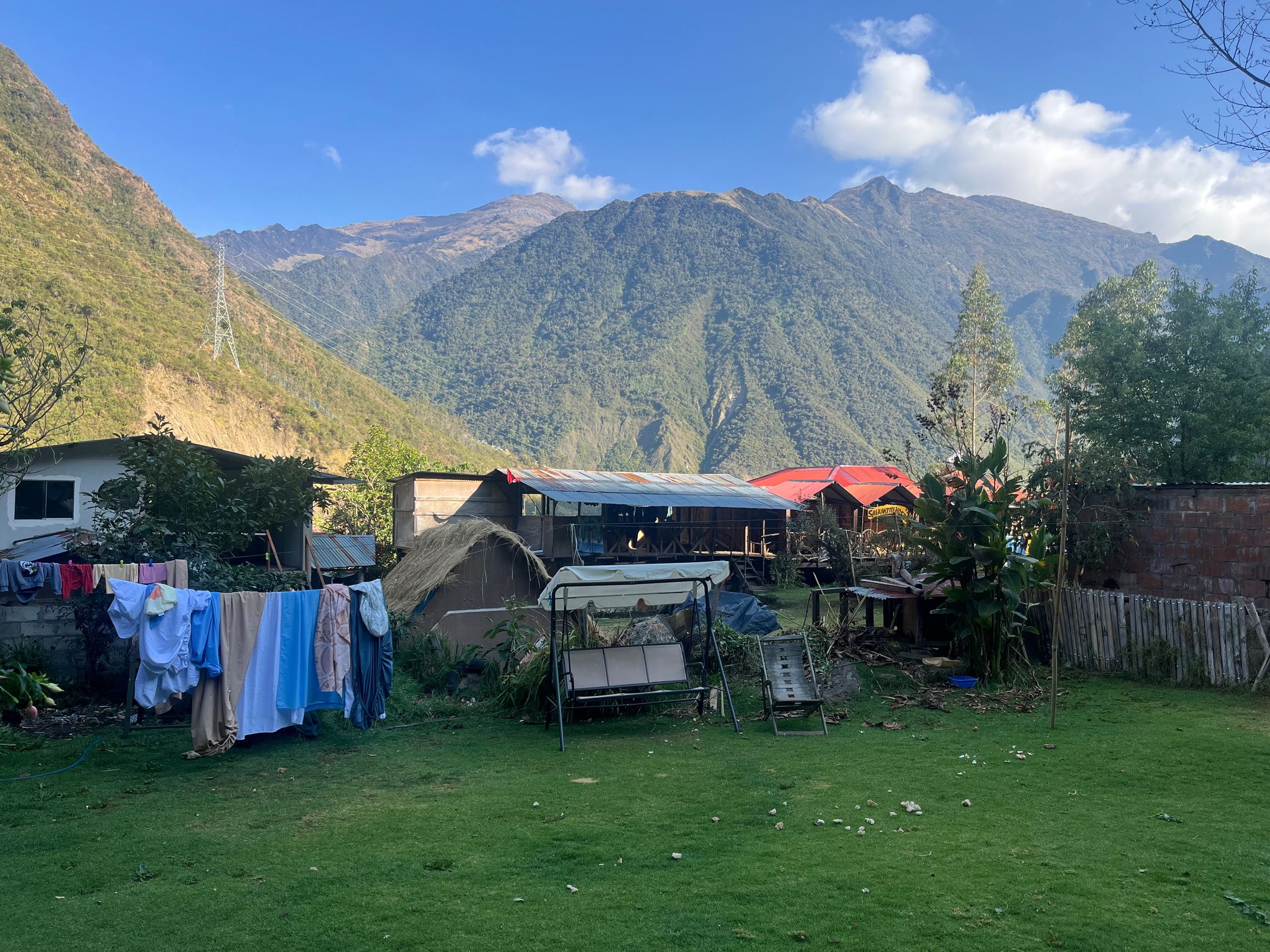
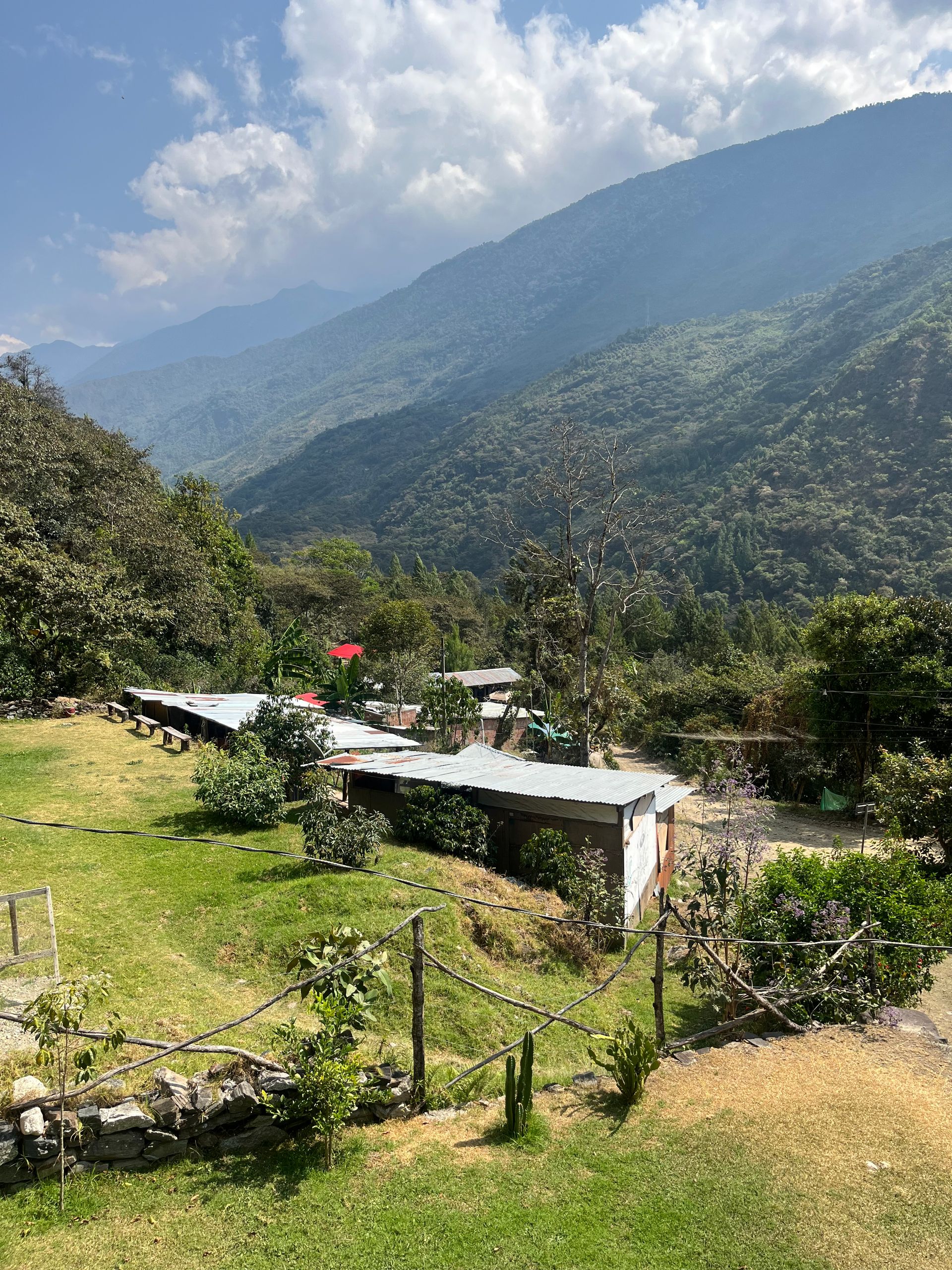
The next morning, I headed around 9:00 AM to a type of terminal for Colectivos, which I had previously looked up, and from there the journey out of the big city was to begin. For 25 Soles (about 5 Euros), my backpack was placed on the roof, and the vehicle drove packed to Mollepata, a small village about 2.5 hours from Cusco, which was the starting point for the journey to Machu Picchu. In the vehicle, I made the acquaintance of two French men, Viktor and Felix, who had a similar plan to mine, and the journey was very enjoyable due to interesting conversations. Everything was quite relaxed until shortly before we arrived at our destination. The truly 'interesting' part of the trip occurred right at the very end of our journey: a very narrow and dusty road snaked along a gorge, and our driver was forced by constant oncoming traffic to deftly maneuver the minibus past other vehicles. In principle, this isn’t a problem, if it weren’t for the nearly vertical steep drop on our right side toward the gravel path. My window seat on the slanted side was both a curse and a blessing. Though I could track the driver's precise maneuvers, I also had several moments of sheer panic, as the metallic exterior of our minibus and the edge falling away beneath us aligned perfectly. Memories of the Death Road in Bolivia came flooding back, except that you weren’t comfortably cycling down the road but were a passenger in a Colectivo with no control over the distance to the abyss. After what felt like an eternity due to the heightened adrenaline levels and a looming sense of insecurity, we finally arrived at a small settlement and set off. It was already shortly after noon, we followed a dirt road, and in the distance, one could already see the massive peaks that would form the backdrop of the trek for the first two days. In the late afternoon, we reached the end of the dirt road, and from here, it was a steep ascent to Humantay Lake, from whose shores we wanted to catch breathtaking views of the mountain of the same name. Prior to that, we sought out a small property with several huts, as this place was to be our first base camp. The grumpy owner very tersely confirmed our inquiry about a sleeping possibility and simultaneously informed us that we would have to vacate our beds at 05:30 AM to disappear directly after the breakfast included in the price. Because the three of us had agreed in advance to avoid the rush hour on the trek by starting later, Viktor inquired whether it would be possible to sleep a little longer without breakfast and then set off around 07:30 AM. Like a tarantula bitten, the ill-tempered owner quickly went to the already prepared book for our names and passport numbers for registration, took it for himself, and signaled us that we should kindly get lost. What a freak. We looked at each other in disbelief, calmed the impulsive Peruvian, confirmed the early check-out he desired, dutifully signed into the book, and paid the 60 Soles for the night. Then came part 2 of the freak show: The man showed us our sleeping quarters. A plywood makeshift hut with about 15 beds, each having one somewhat larger bed below and one far too small bed above. He indicated that the lower bed (about 1.20 m wide) was meant for two persons and assigned one to the two French men. I was assigned one of the upper beds, and everything seemed fine. At least, that’s what I thought. After I had stored my belongings and left the hut, the man rushed over and asked me to clear my bed again. I was to move to one of the lower beds and spend the night with a newly arrived unknown male individual. Hmm, okay. In principle, for one night it wasn't a problem, but I was already a bit annoyed by the previous performance and immediately shifted into discussion mode. When I inquired about the reason for reassigning me, the man ran off wildly gesturing and soon returned with my already completed cash payment, threw the money onto the bed, and loudly cursed at the door. Now my patience was also at its limit, and I joined in the cursing. A loud conversation of insults filled the room, and I made it unmistakably clear to the irate man, who was obviously spoiled by tourist money, what I thought of his entire performance here. What a complete idiot and the absolute exception among all the nice people one meets daily. But nevertheless, the door to this inn had now closed for me, and that was just as well. I had absolutely no desire to support this clown in any way and made my exit, even though this meant a considerable extra effort for me since this was the only accommodation in the immediate vicinity. Well, whatever, I strapped the backpack back on and set off towards the lagoon. The ascent over relatively solid ground took about an hour to 4,300 m and from here one had a wonderful view of the valley behind us and the 5,473 m high Humantay rising from the lagoon. It was grand how the rock of the giant directly transitioned into the crystal clear water of the lagoon. We trudged a little around the lake, lingered, enjoyed the view, and the anticipation of the next few days. Only a small group of hikers lined the shores of the lake, making for a super relaxed conclusion to the first day. However, I still had the search for new accommodation ahead of me, and just before sunset, we made our way back. Upon arriving at the madman's lodge, I parted ways with my two French buddies and we agreed to convene at the same spot to start the trek at 7:45 AM the next day. For me, it meant going back down the valley a bit, about 2 km away was another small settlement, and I wanted to explore the possibility of accommodation there. After about 25 minutes, I spotted a type of yard by the side of the road and inquired about asylum. Uncomplicated, my request was confirmed with a nod, and for 60 Soles, I could secure dinner, bed, breakfast, and a hot shower. A fair deal and extremely nice owners. A few other individual hikers had already made themselves comfortable in the rustic building, and I joined them. In the kitchen, something was already sizzling, and after all house guests took a seat at a large table, dinner was served: a hearty soup as a starter and chicken with rice as the main course. Delicious, and a completely reconciliatory end to the day. Along with an absolutely kind and warm family, who ensured satisfied hikers in their home. After dinner, there was a little chit-chat, and the hostess served some kind of remedy against altitude sickness. An absolute feel-good atmosphere, and I was very satisfied with my choice of accommodation. After a hot shower, I headed to the sleeping quarters (a large room with 12 beds) and soon fell asleep.
Day 2:
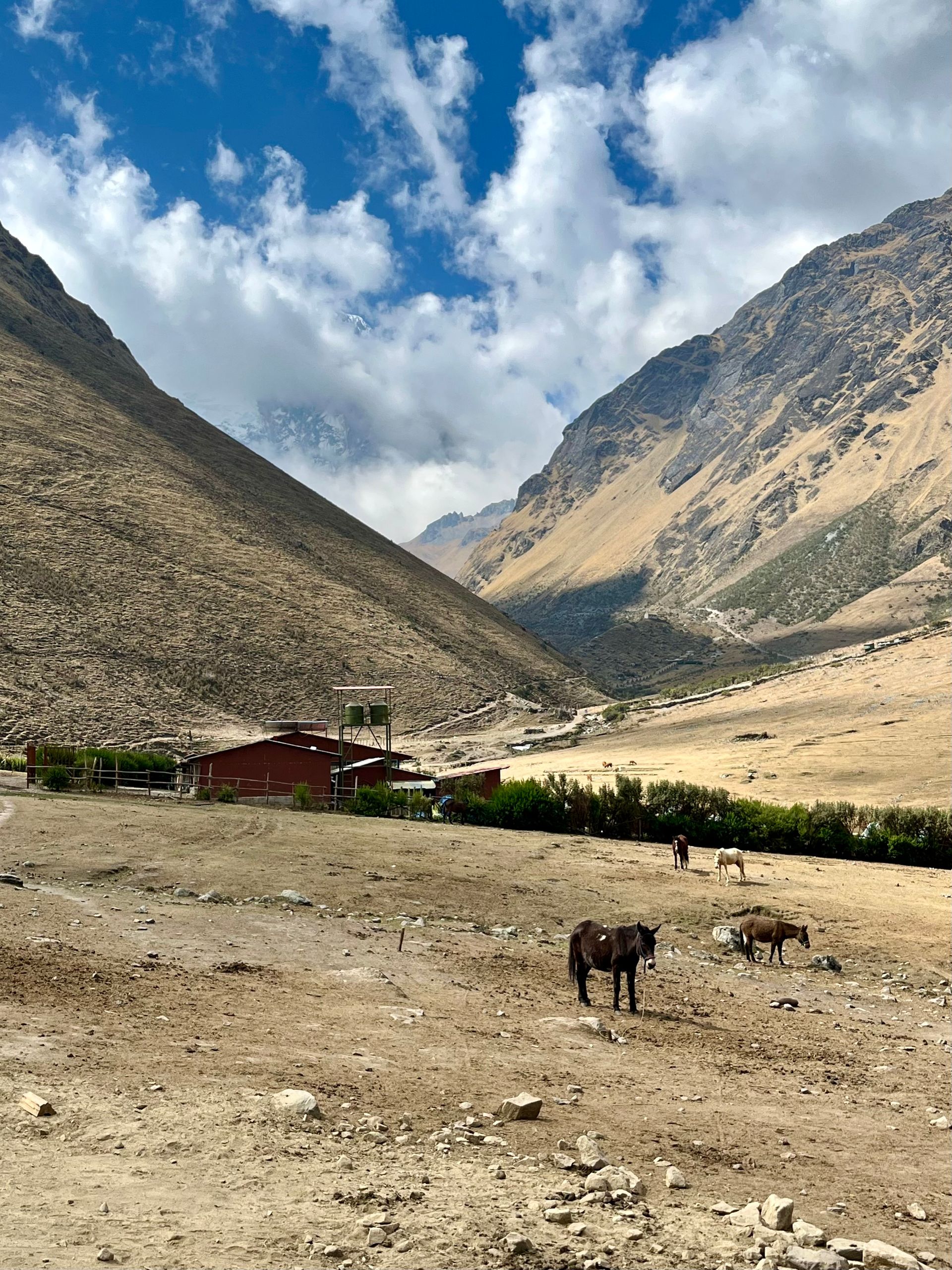
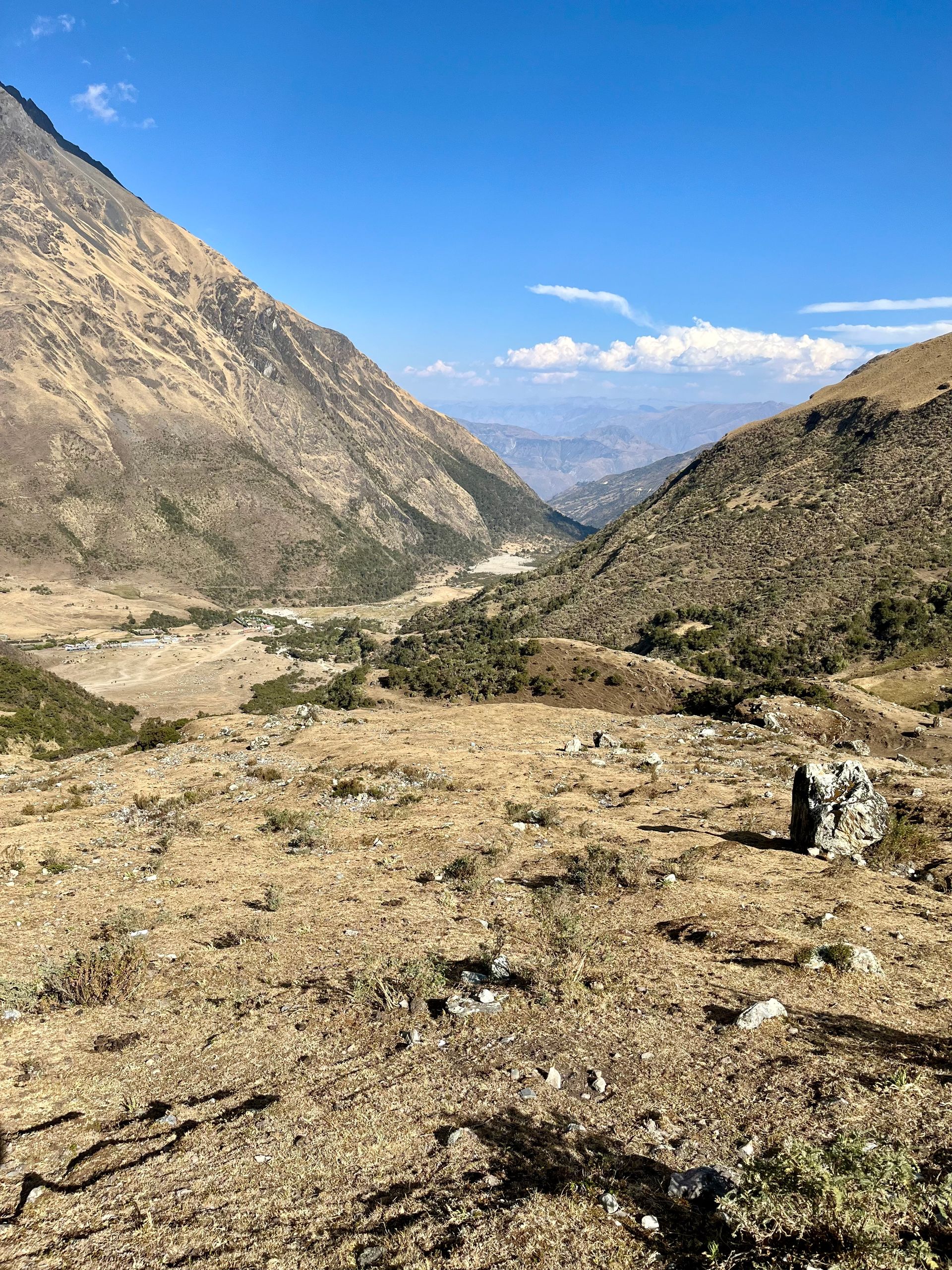
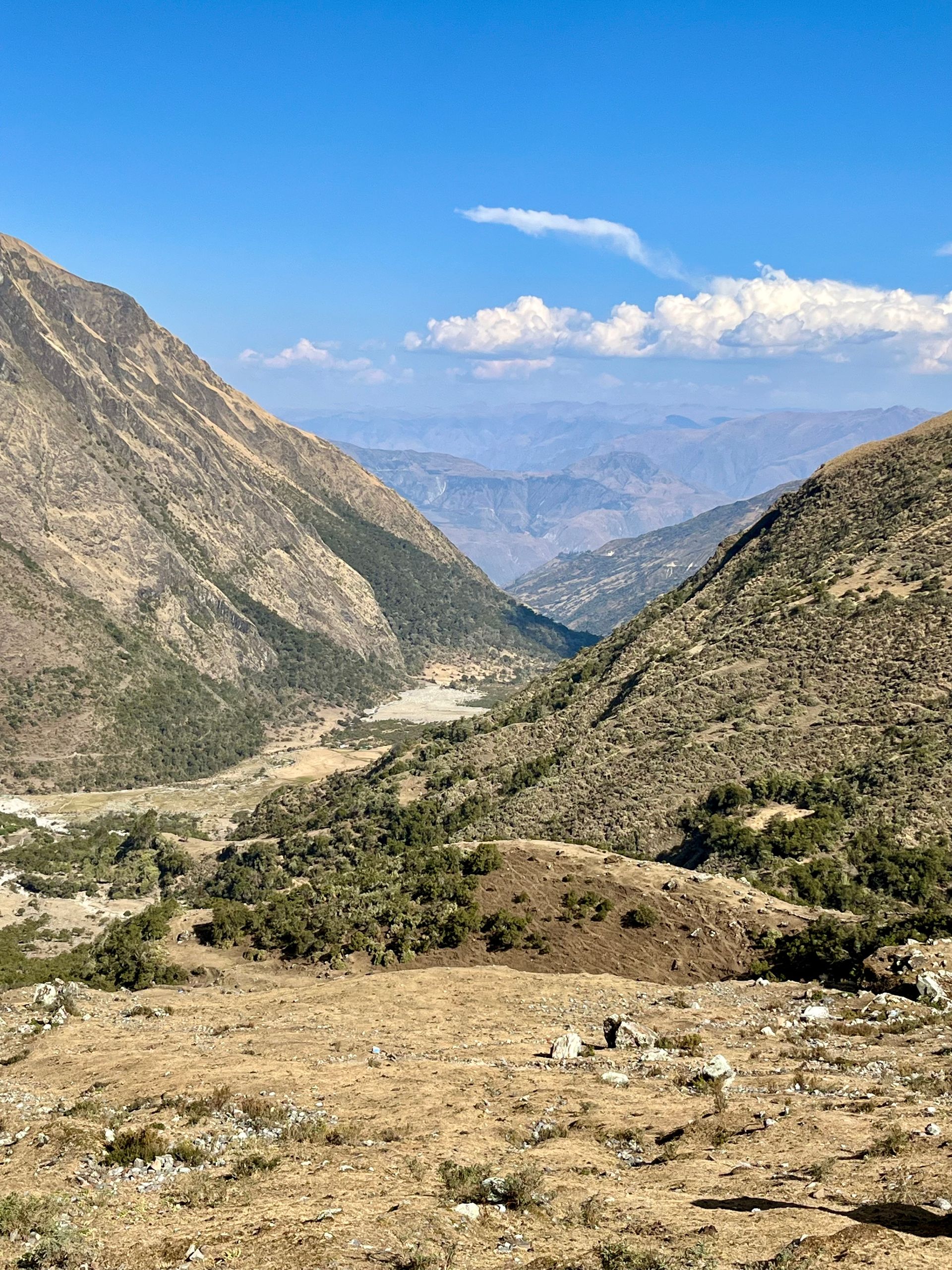
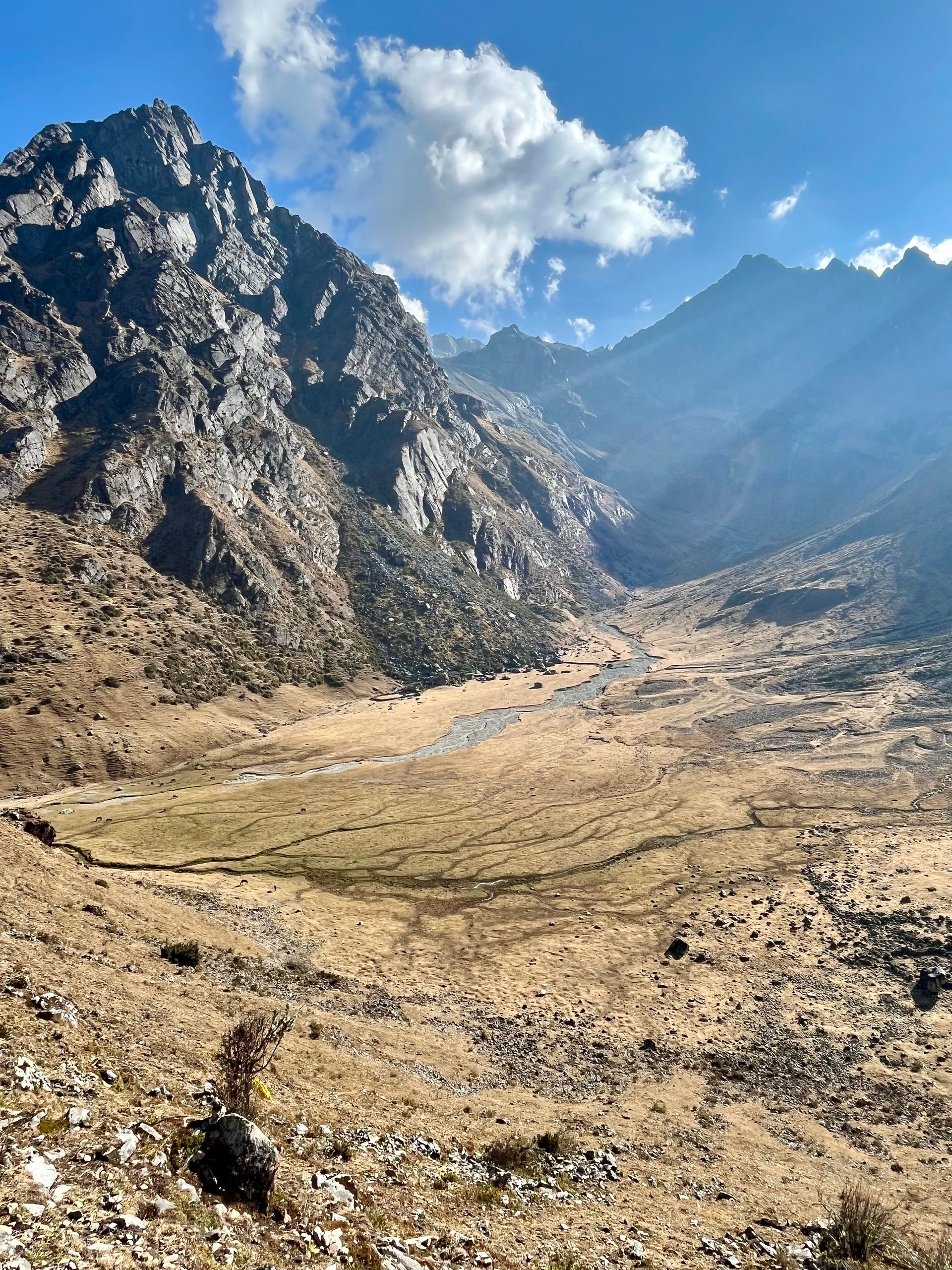
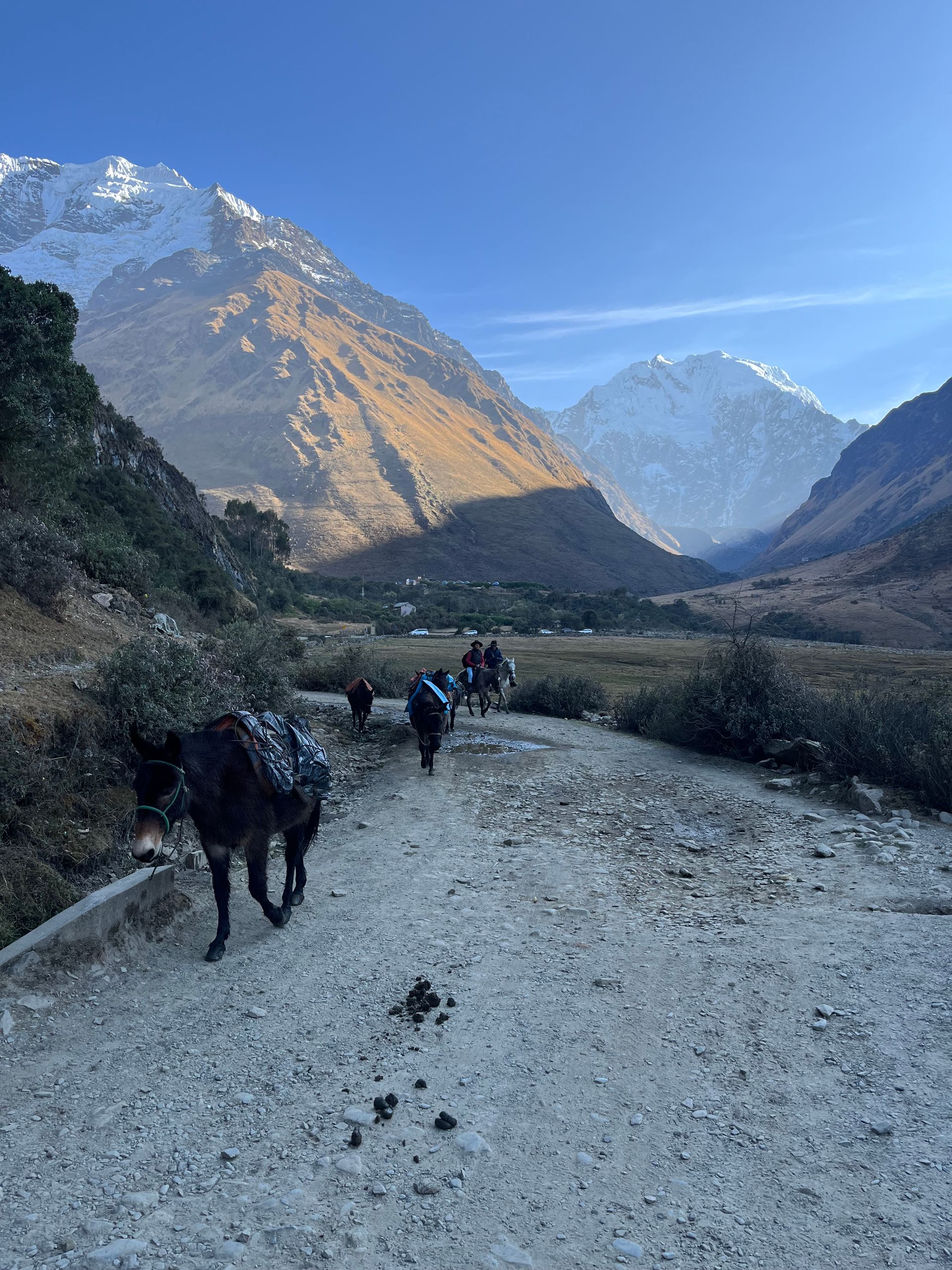
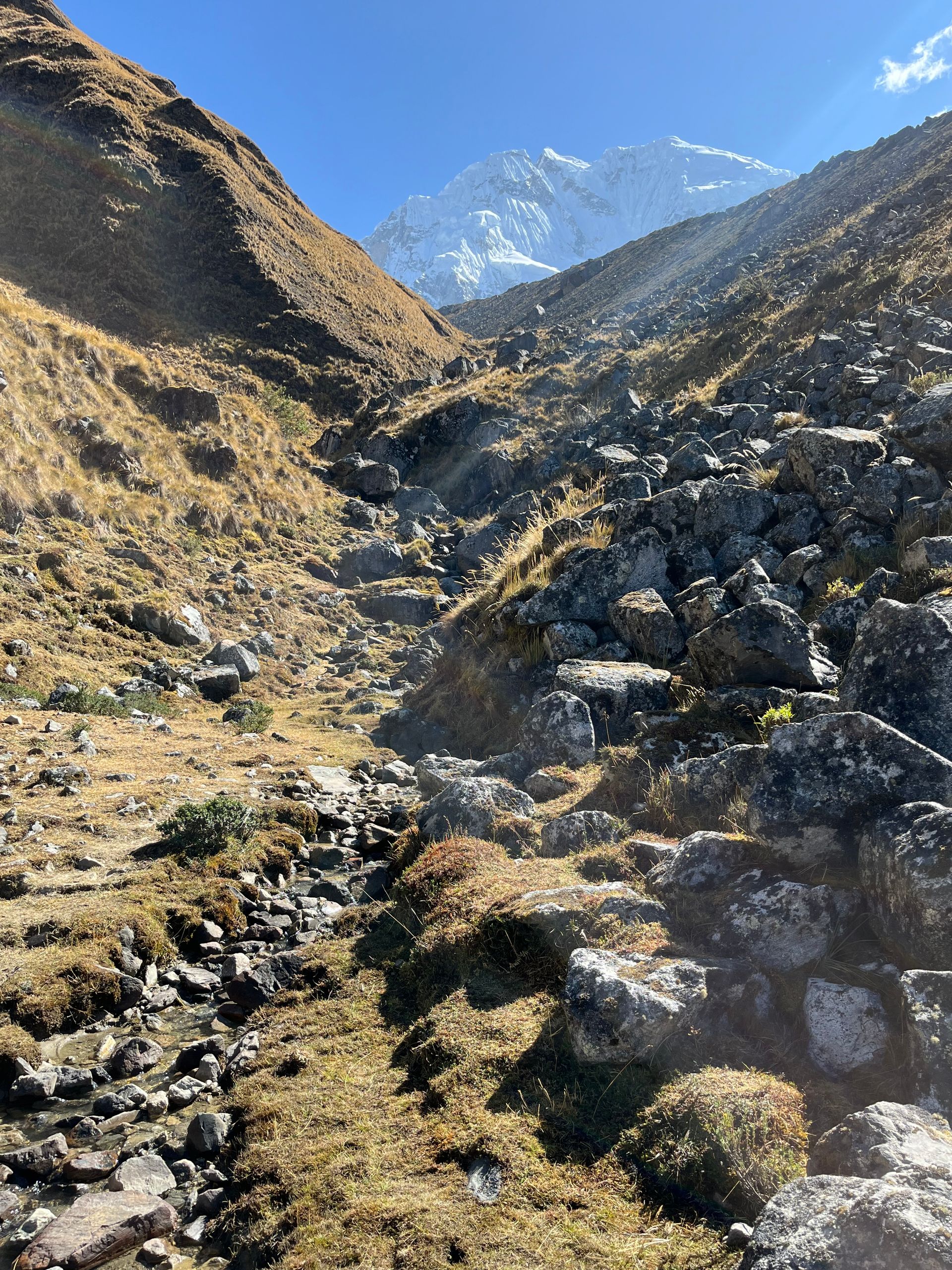
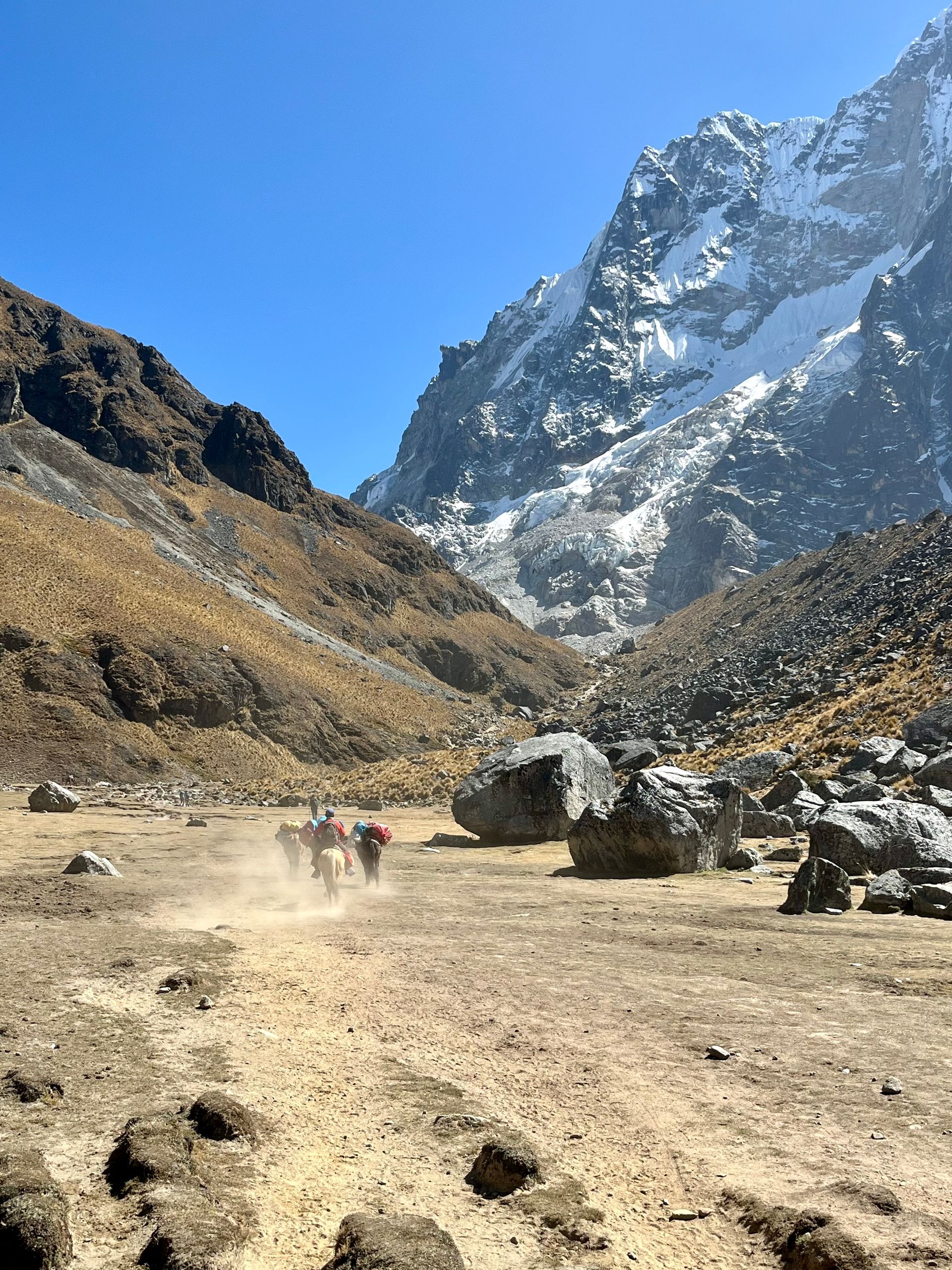
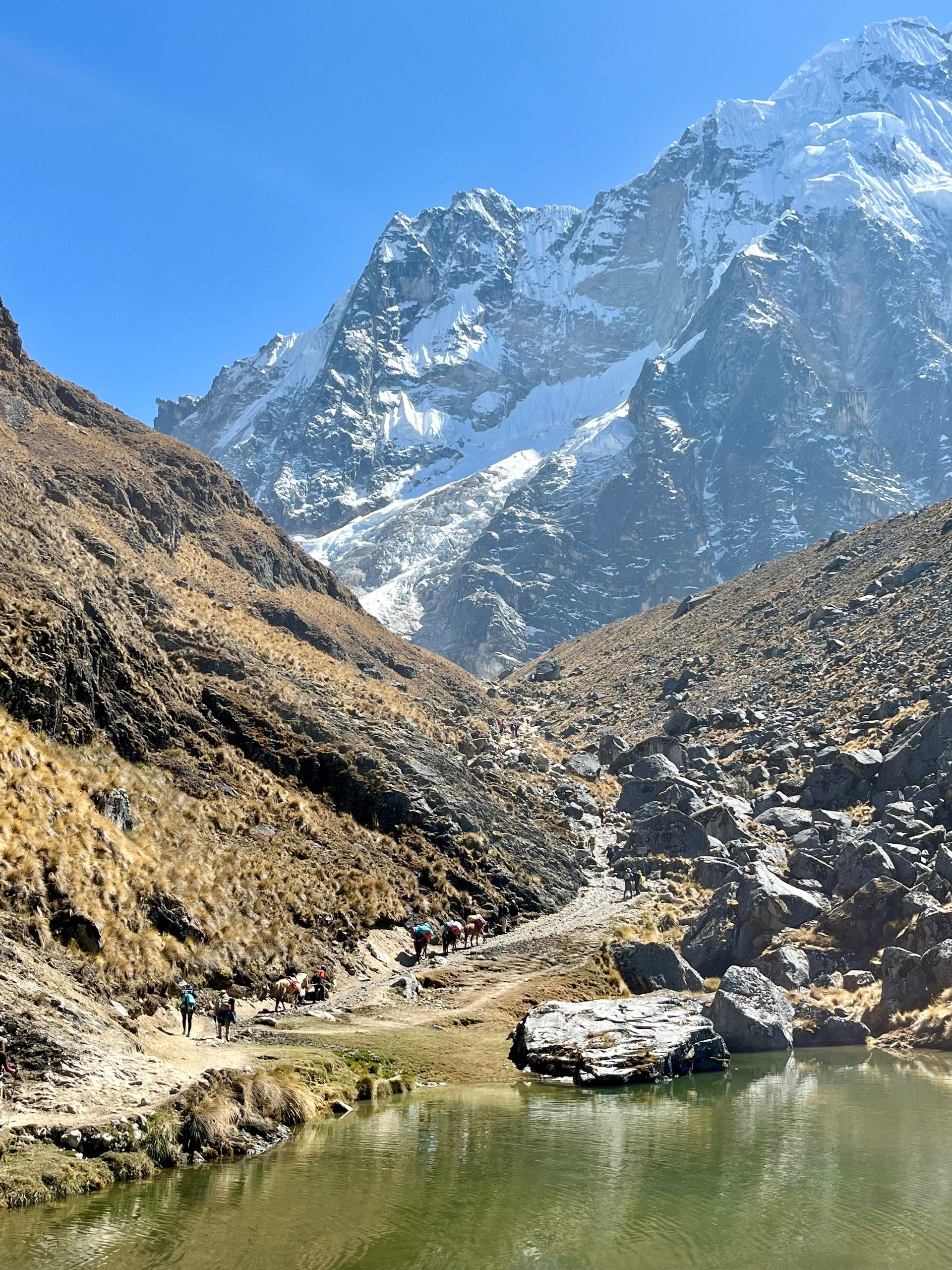
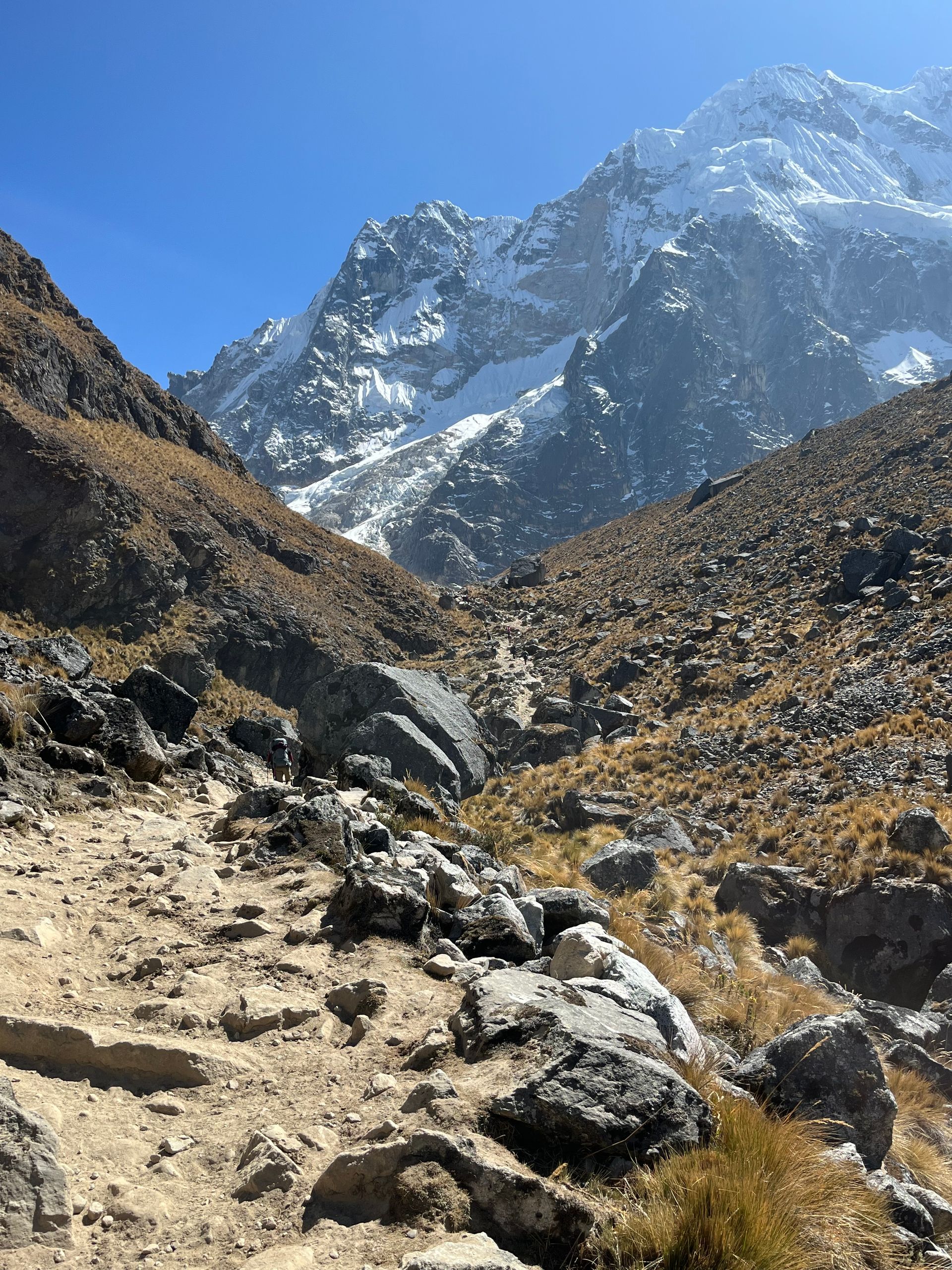
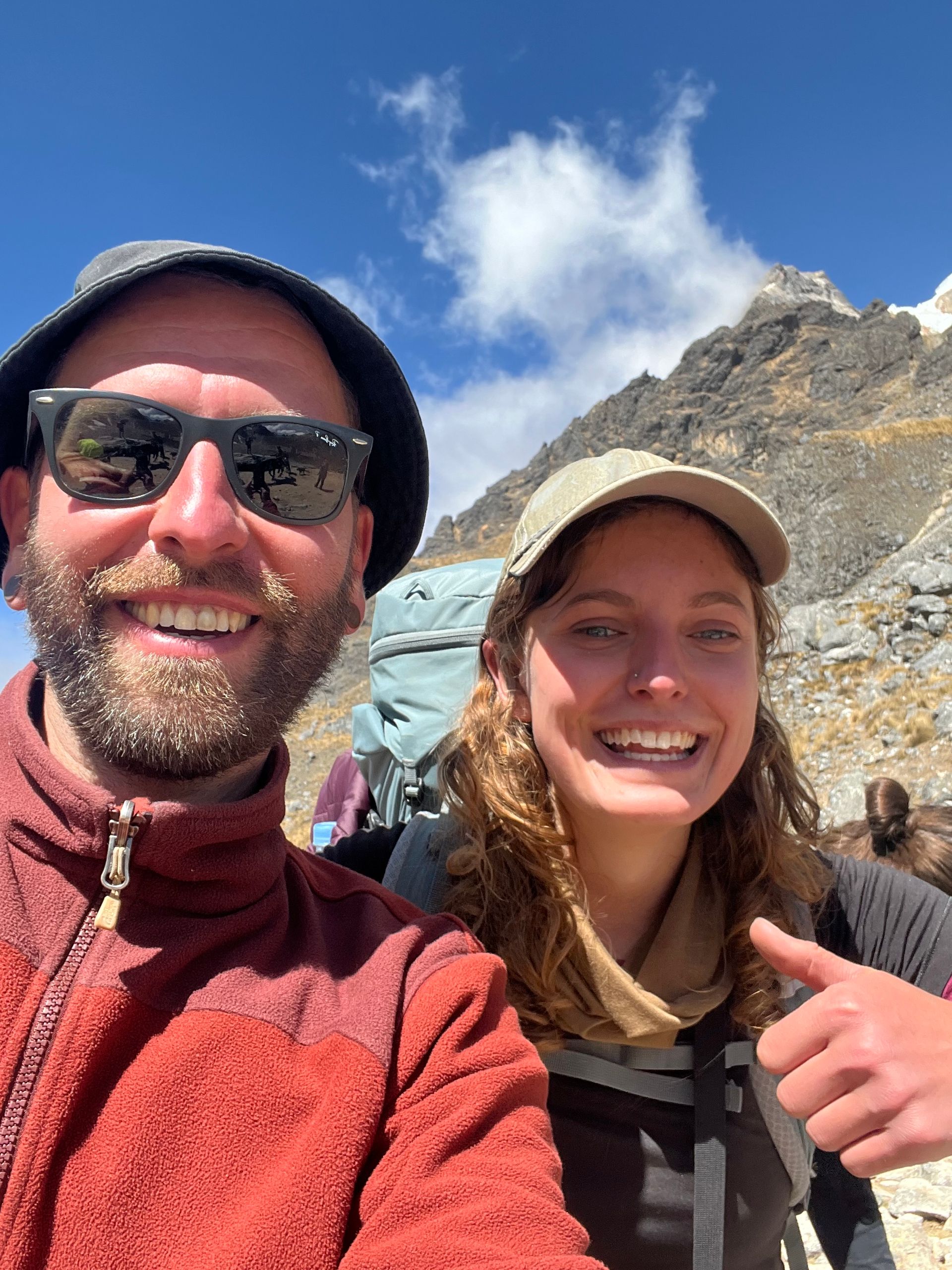
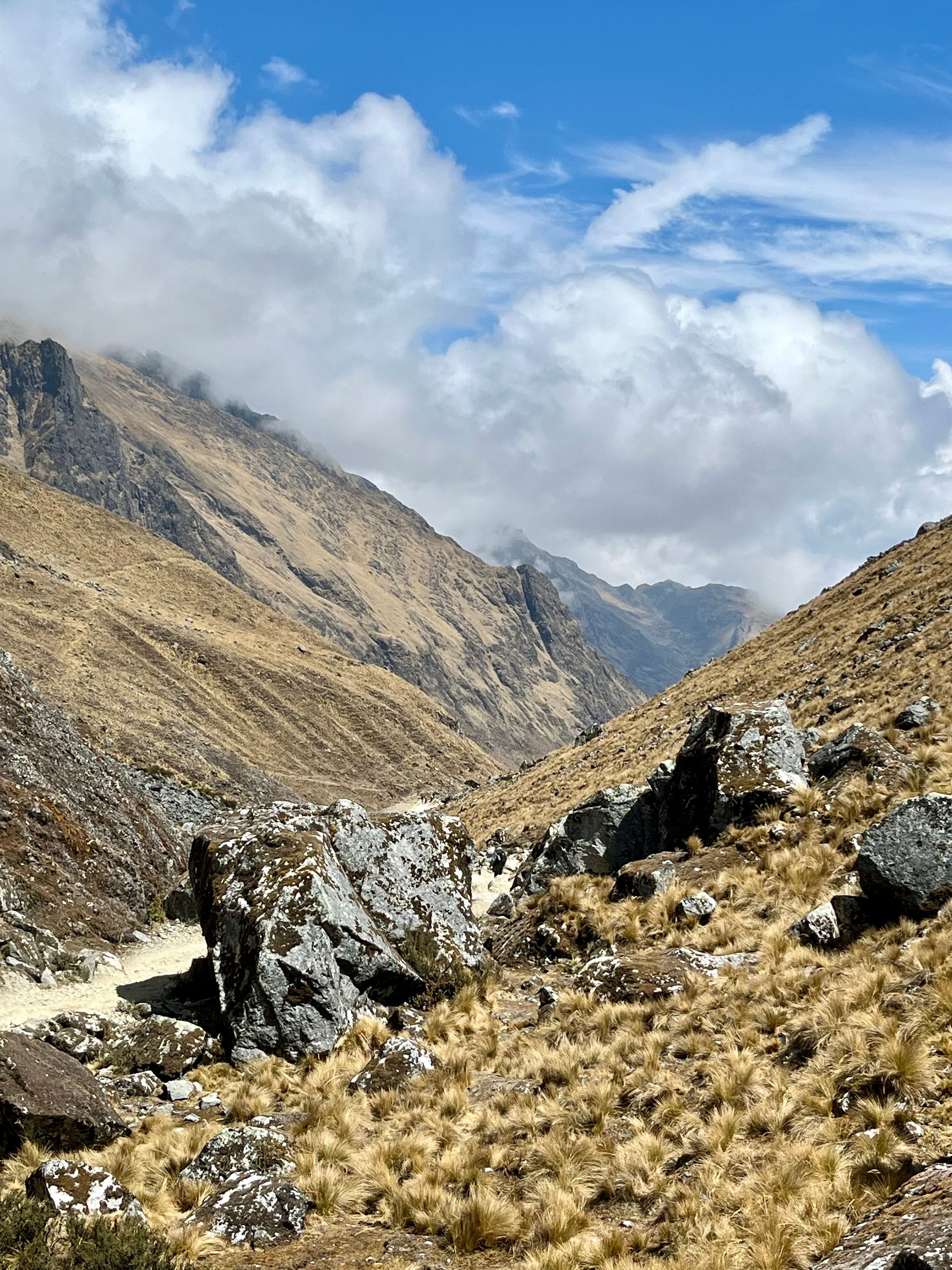
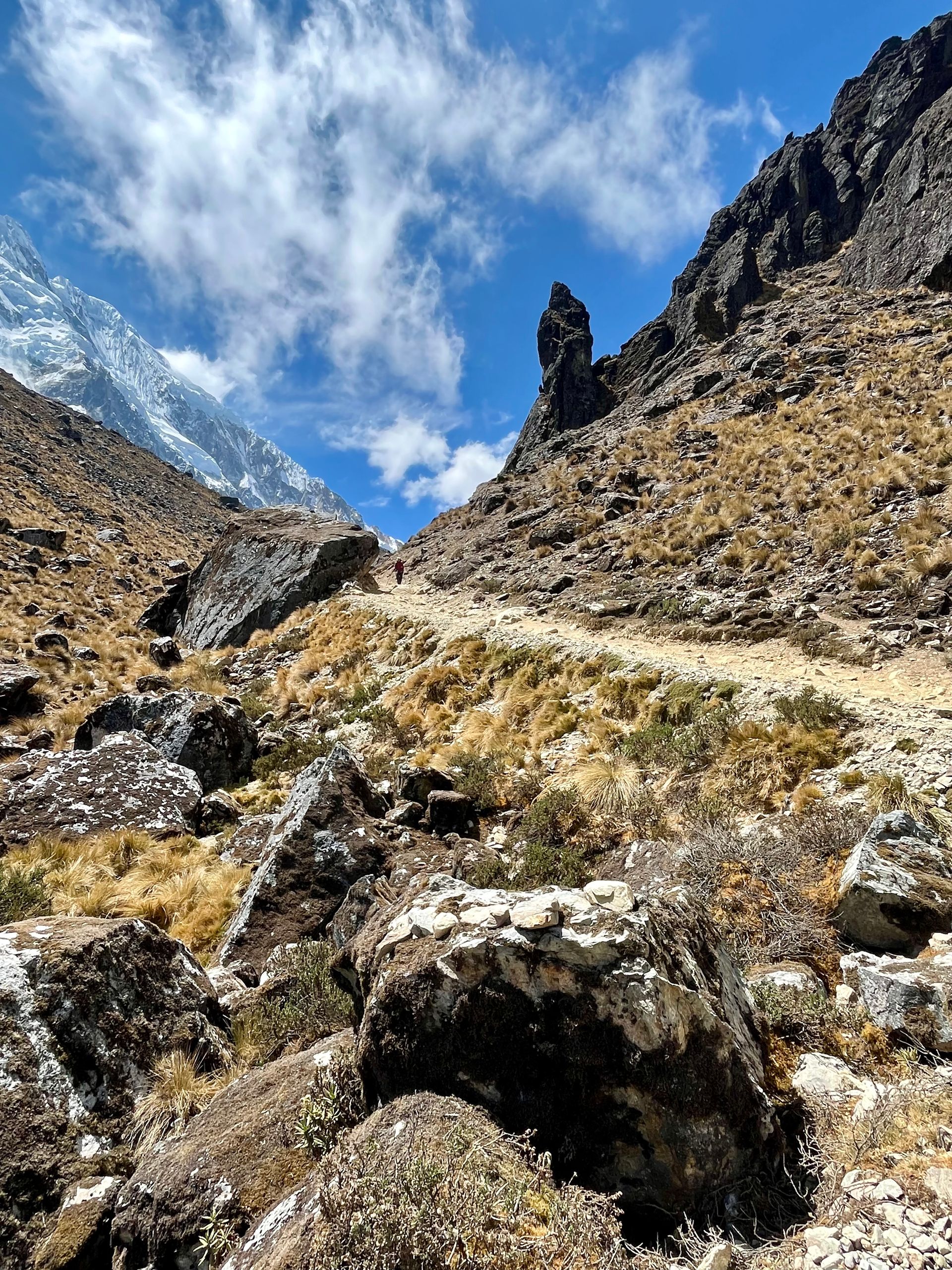
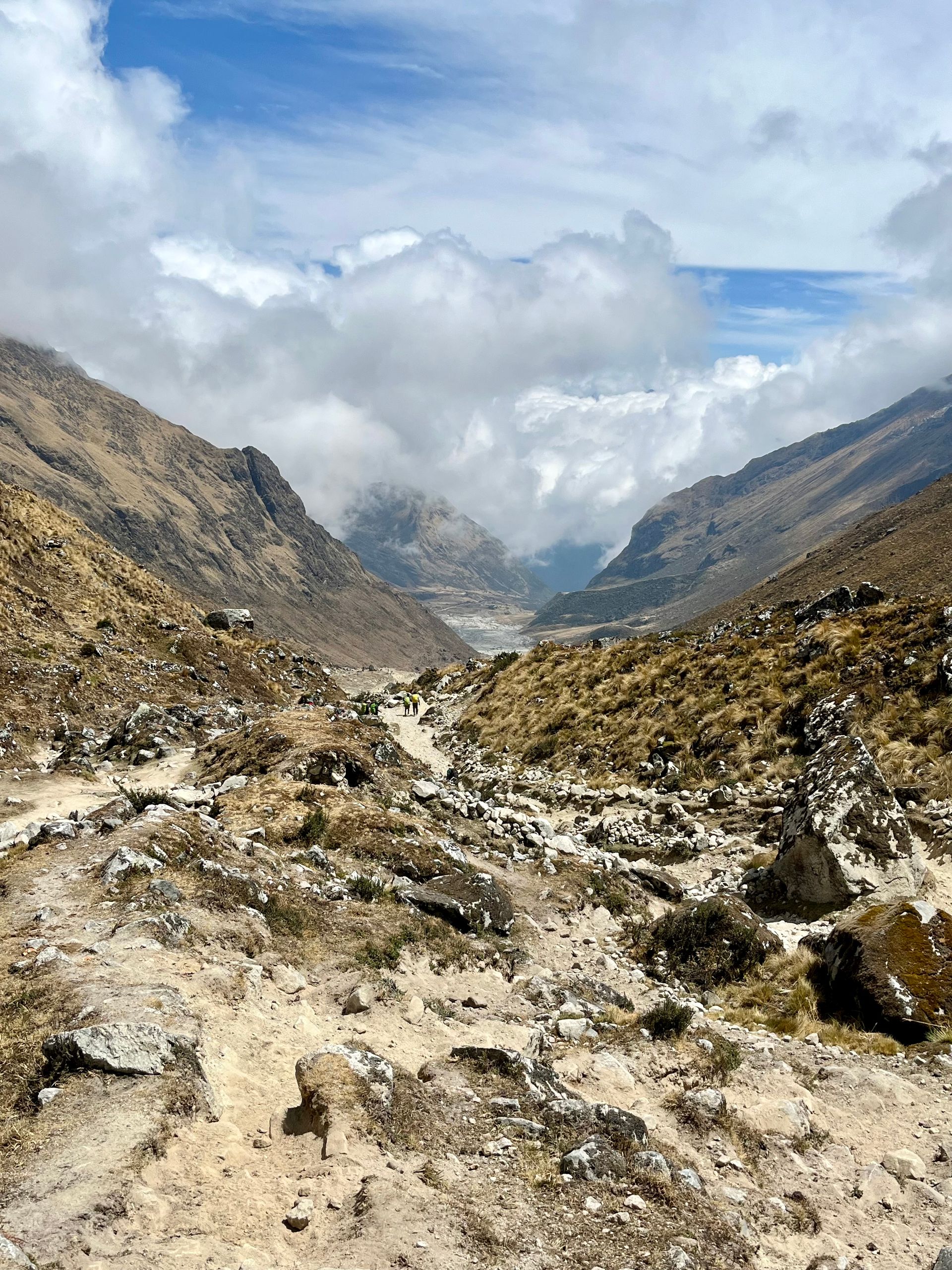
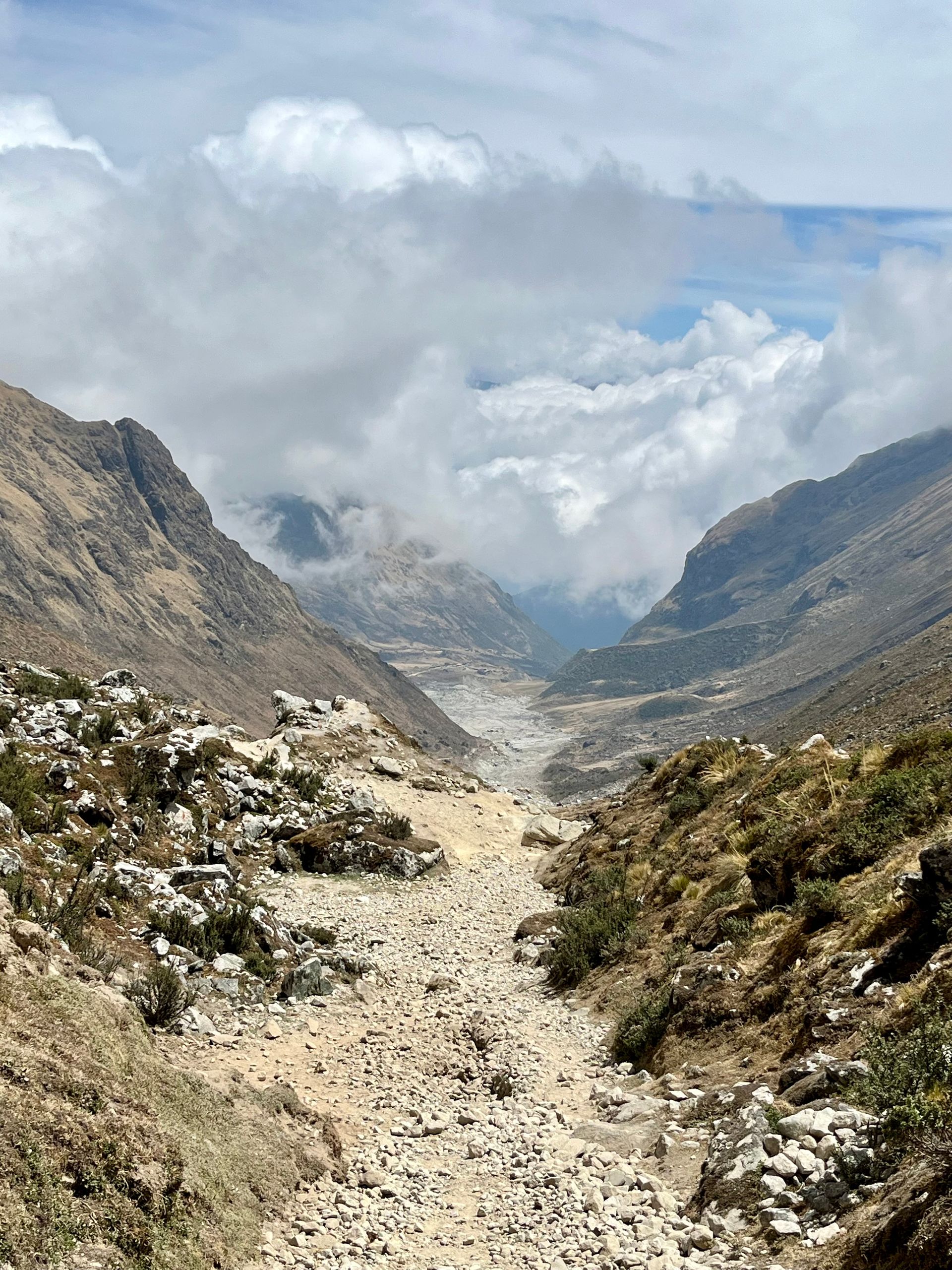
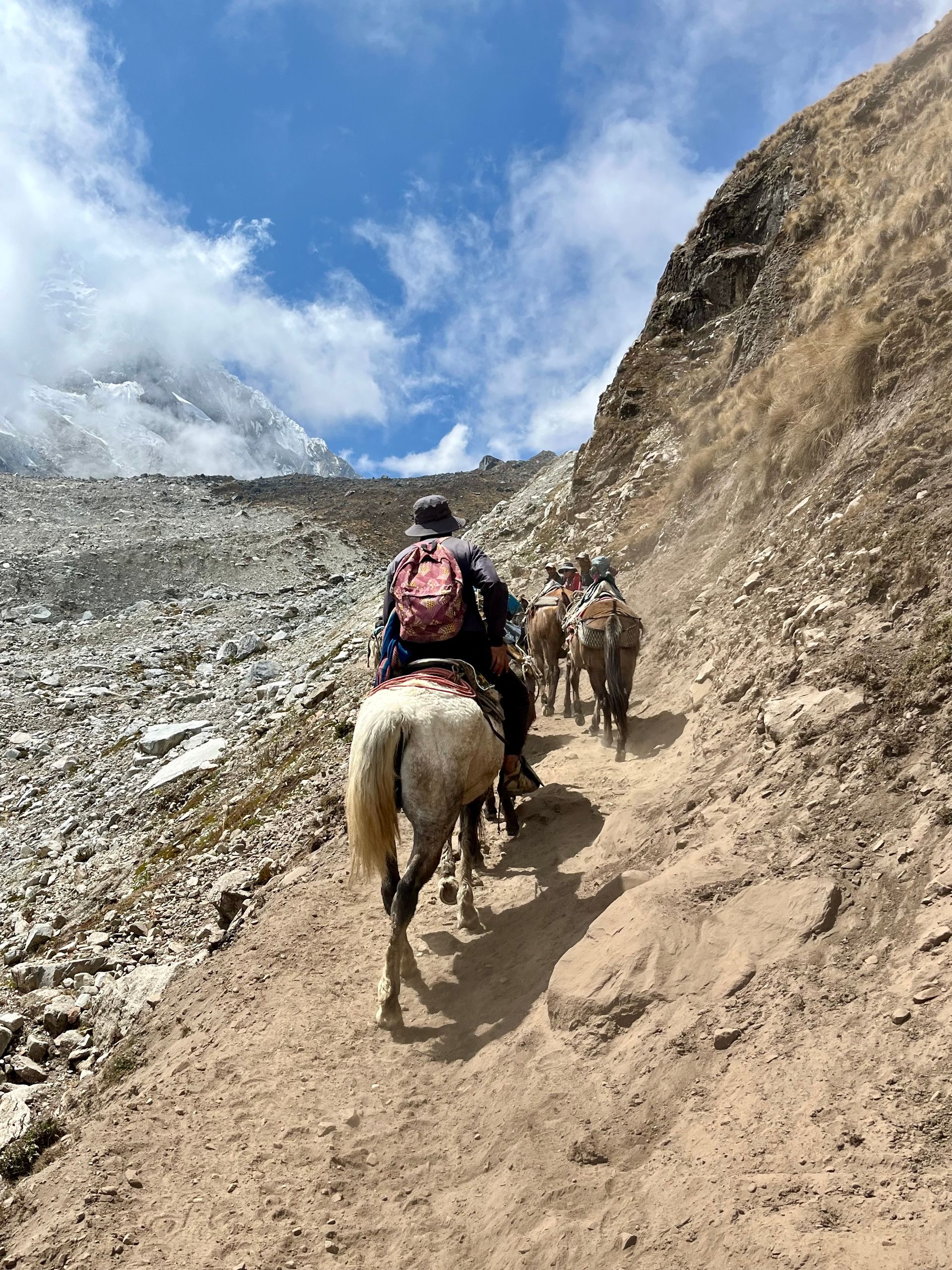
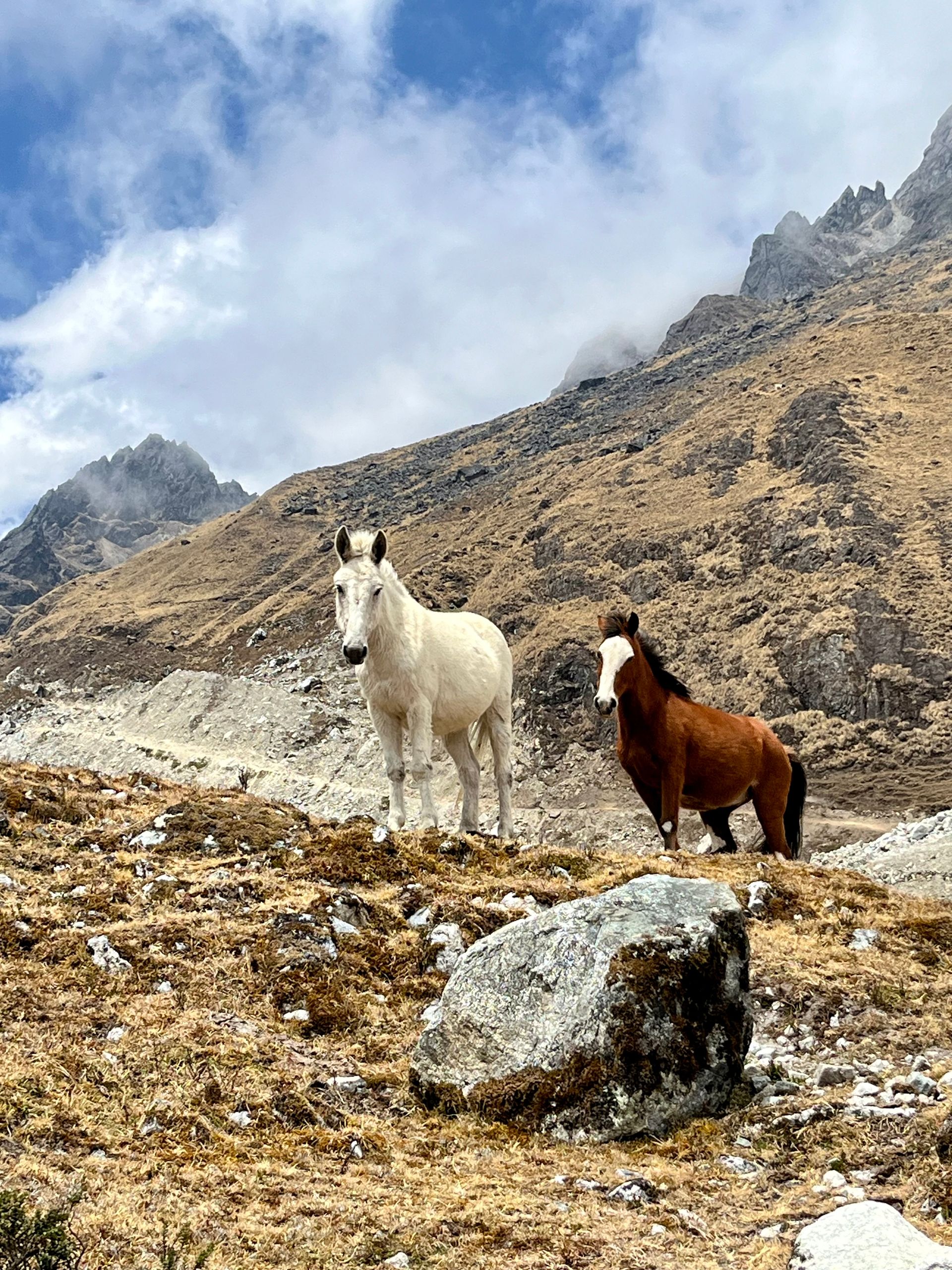
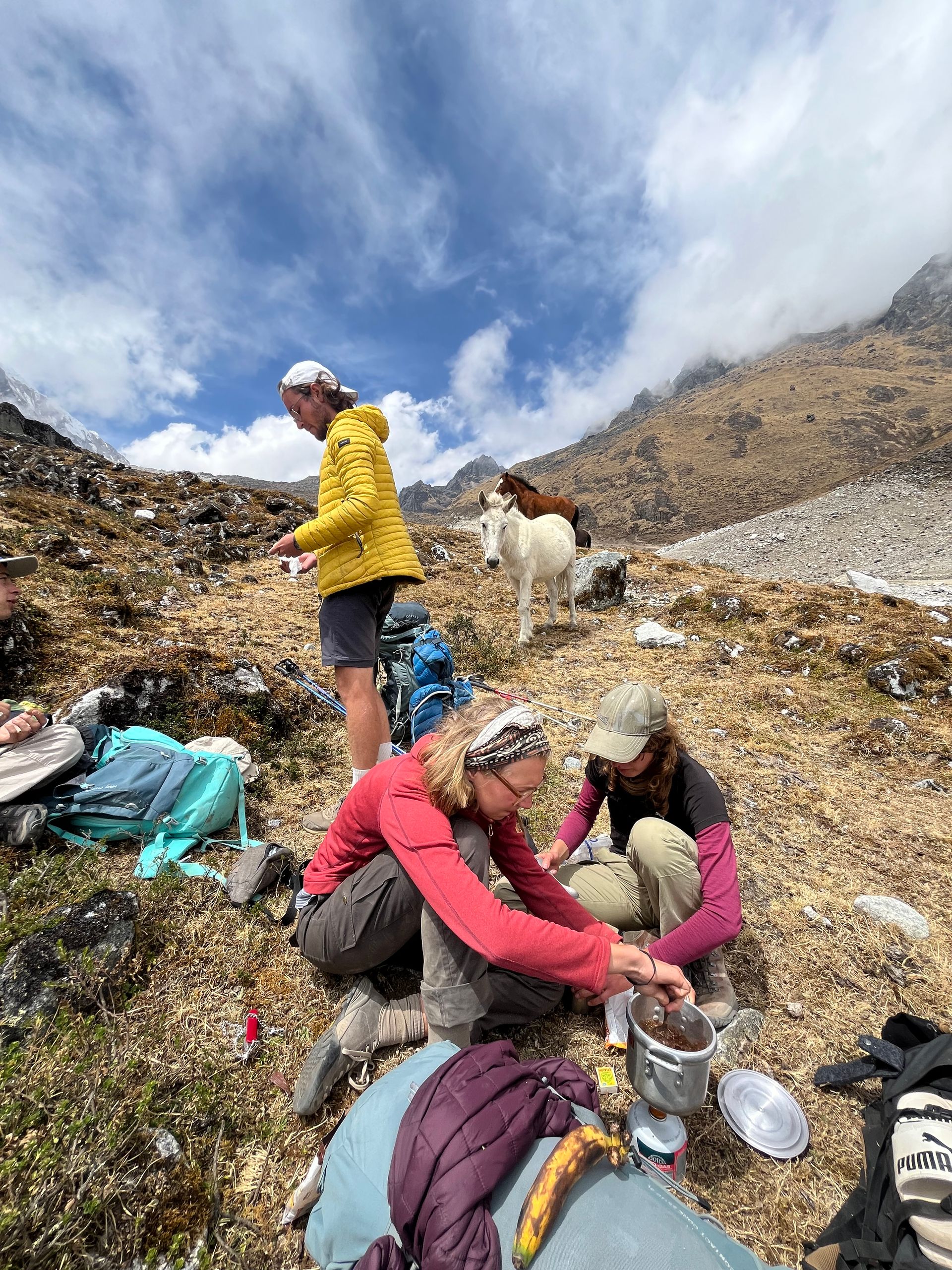
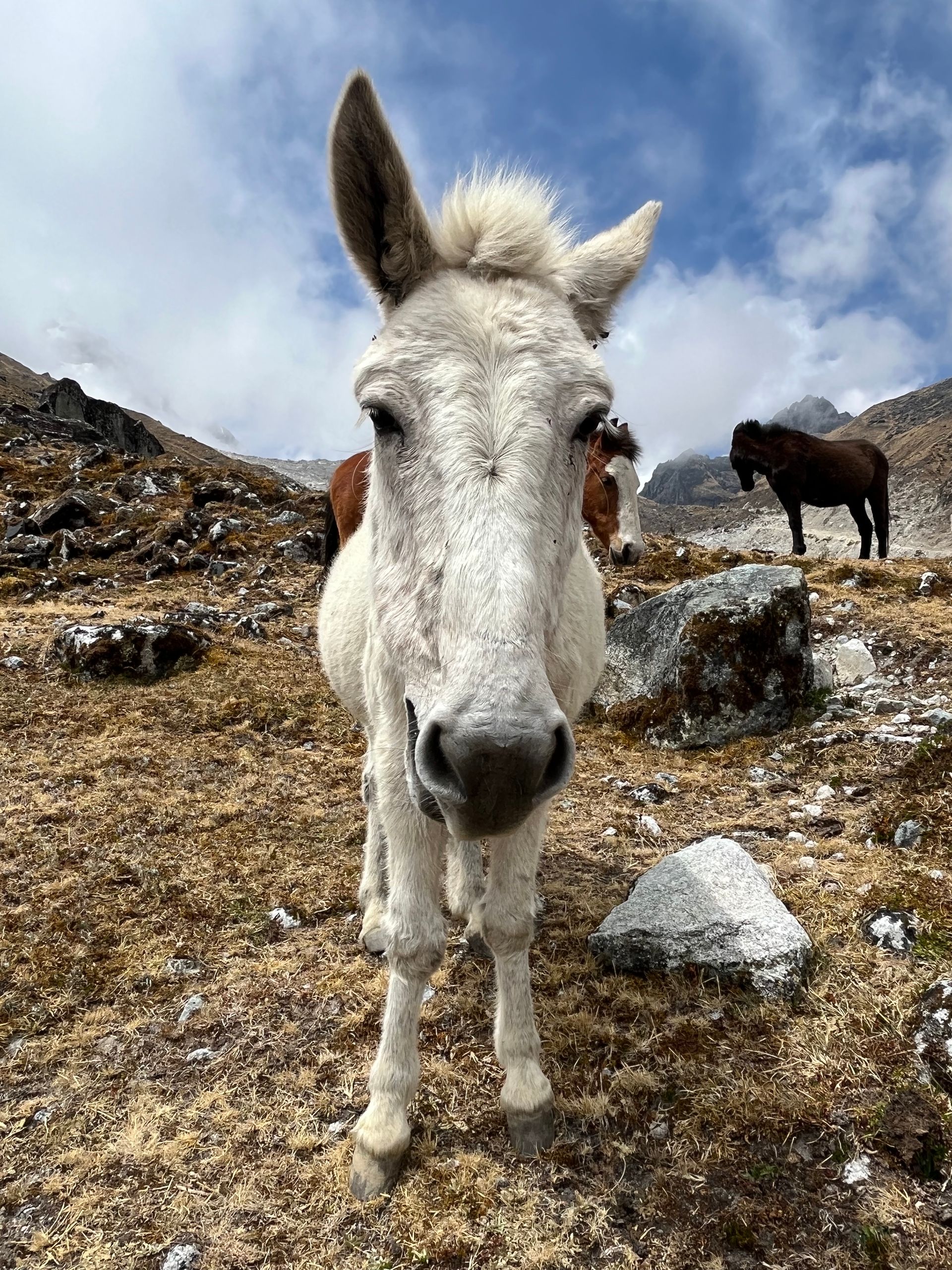
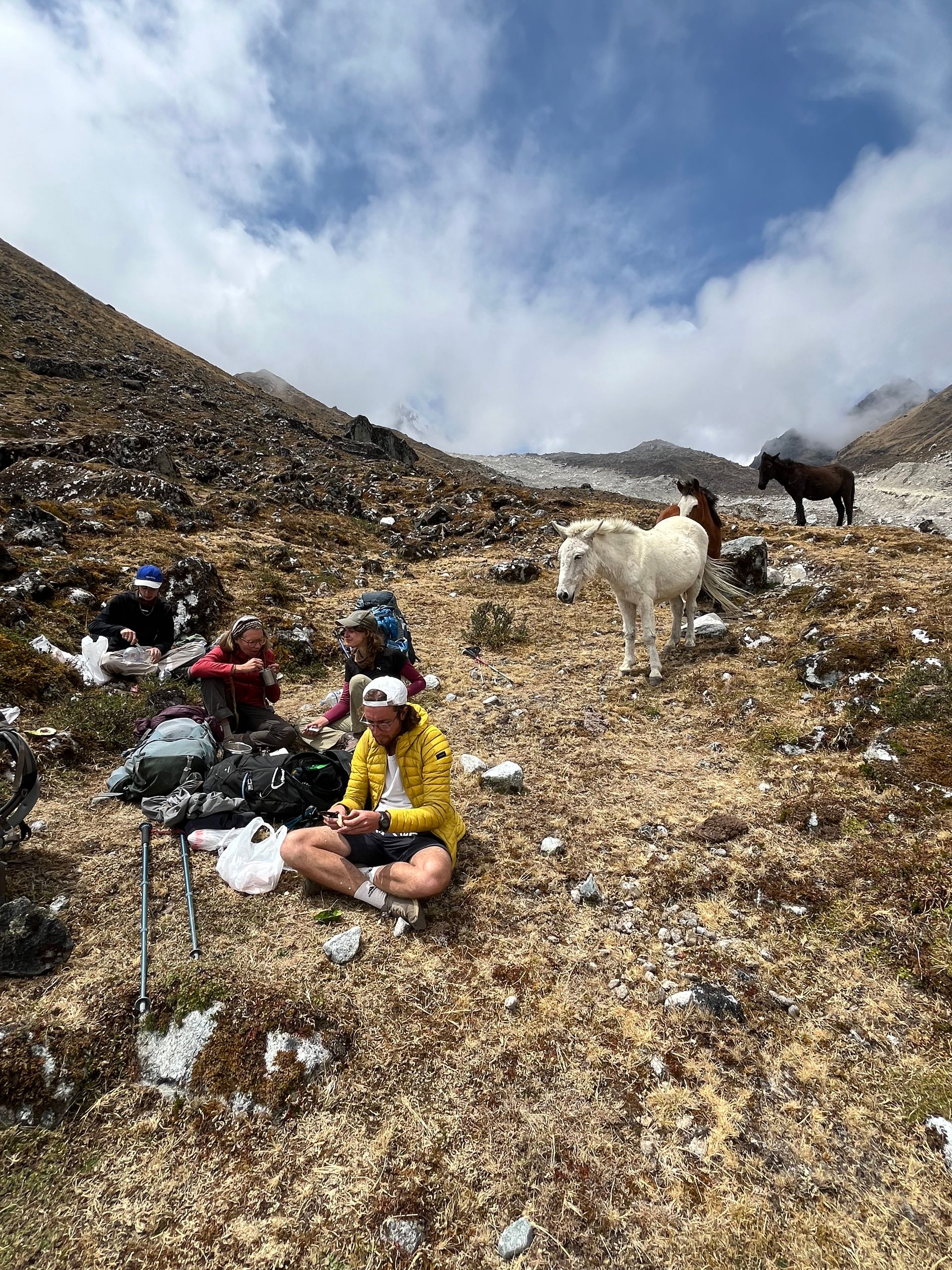
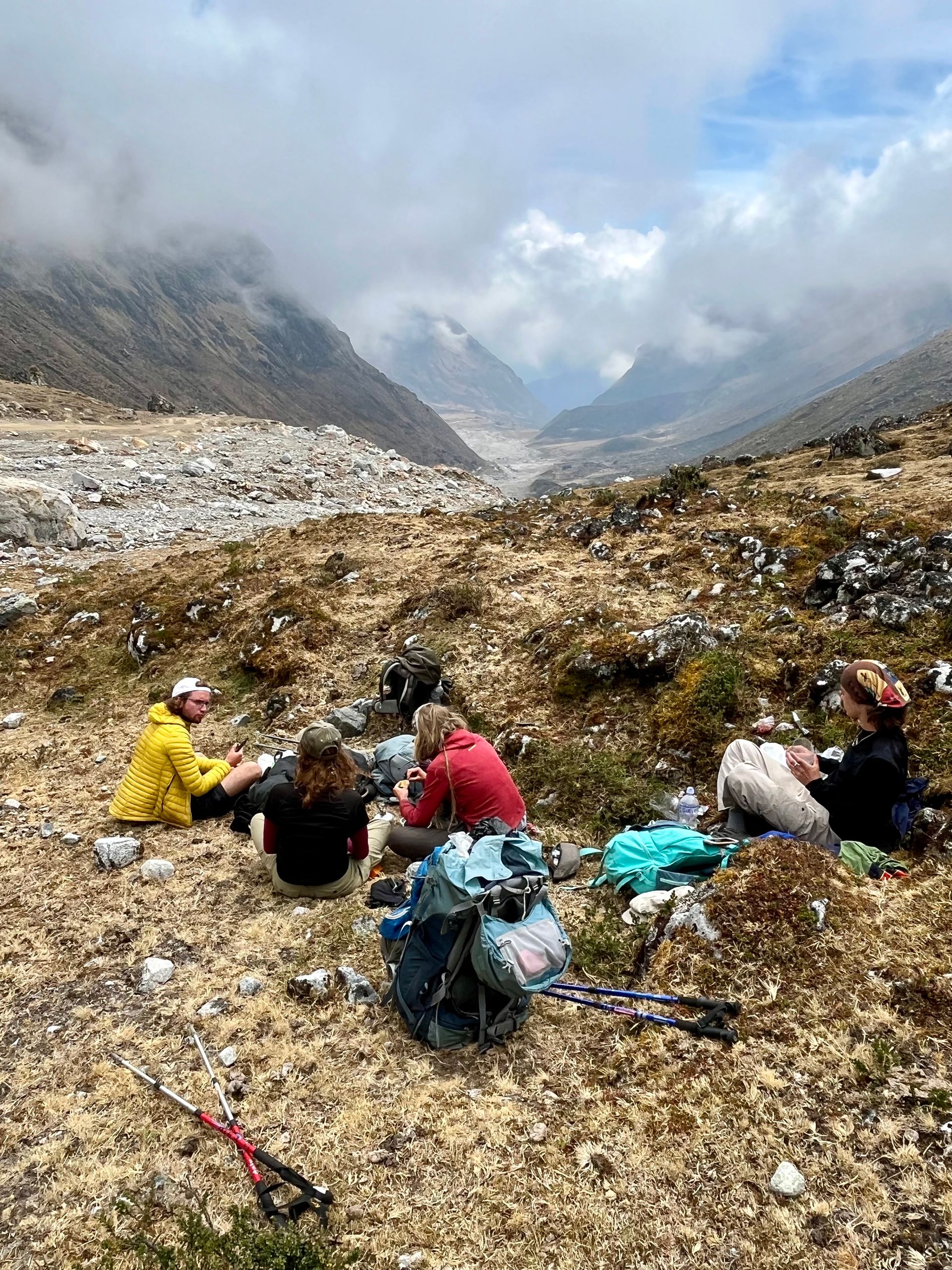
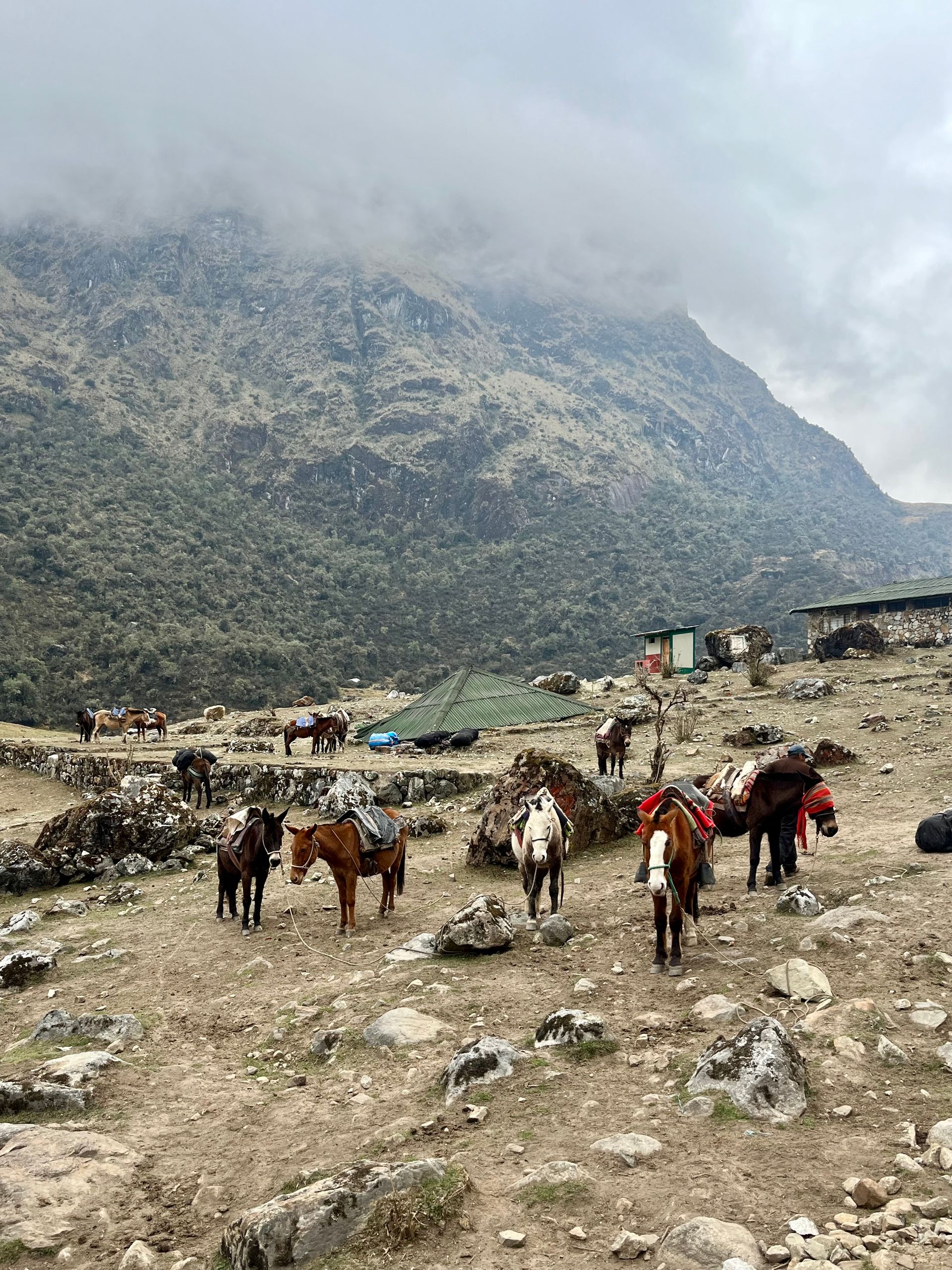
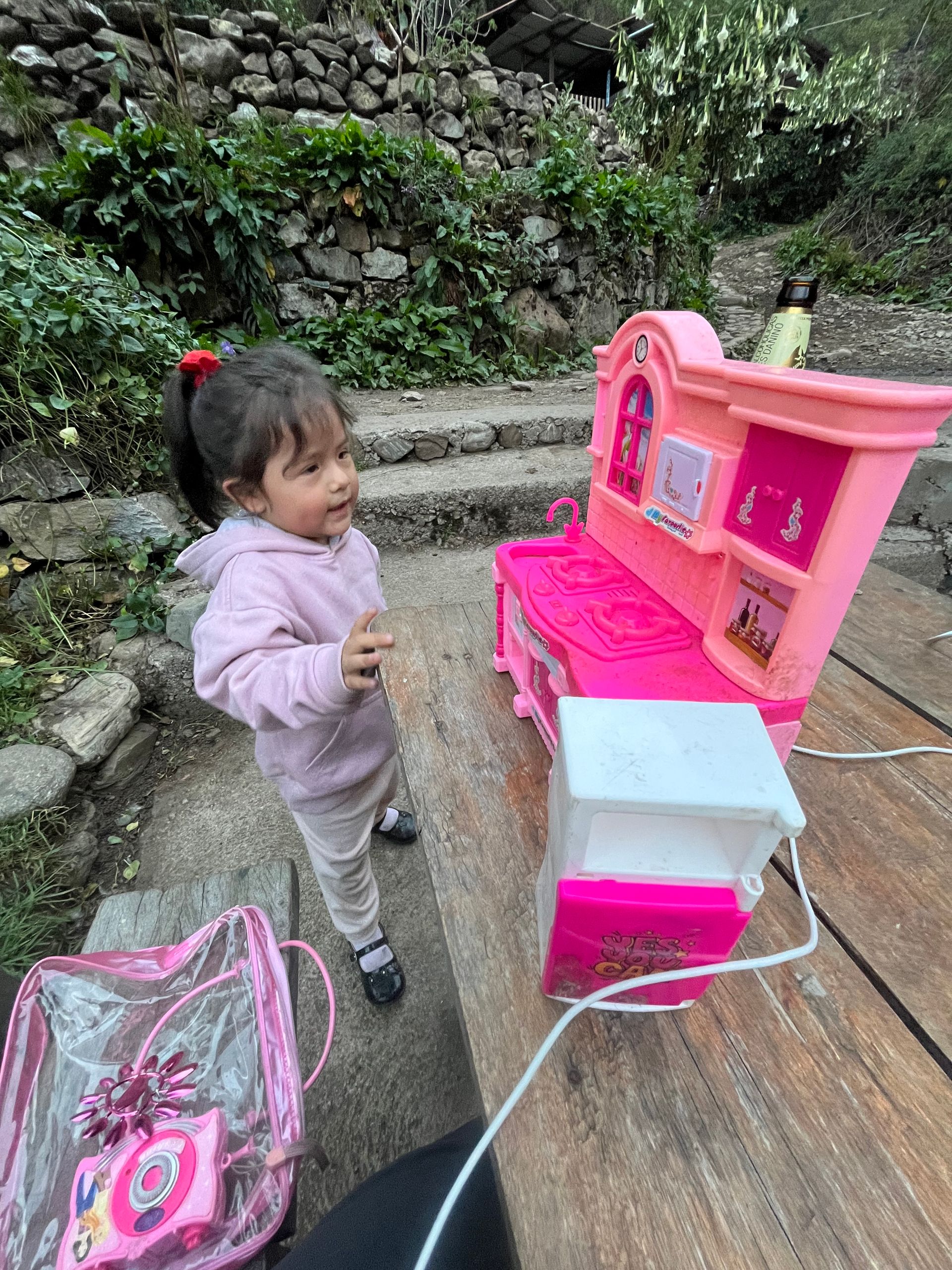
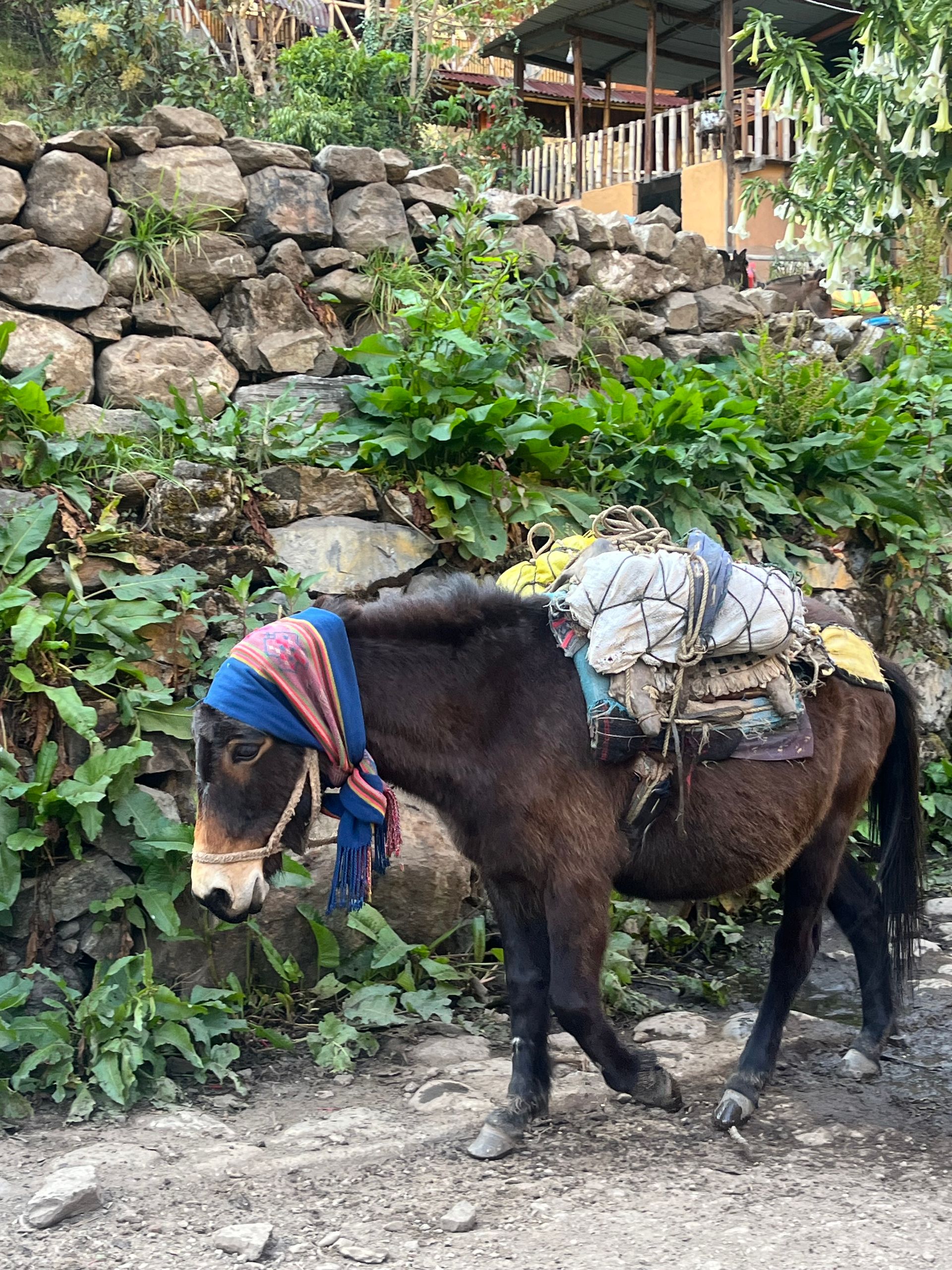
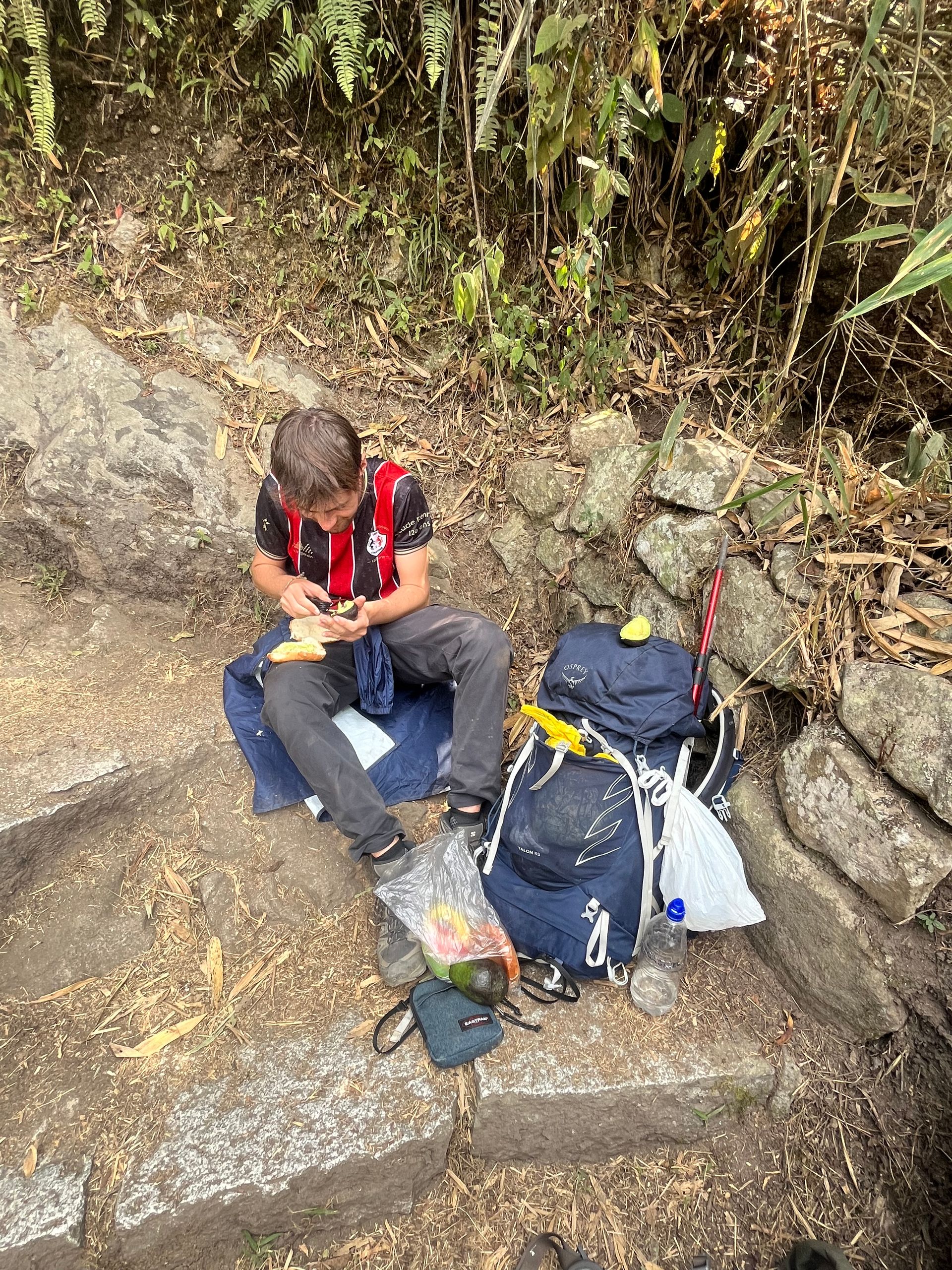
At 6:30 AM, the alarm rang, it was bitterly cold, and I peeled myself out of bed, armed with a hat, scarf, and jacket. I had no breakfast (that had been planned) and after a brief orientation, I set off around 7 AM to meet up with Viktor and Felix. The day before, we had already procured avocados and bread for the day at a small farm, so we should start well 'armed.' Exactly at the agreed time, I met the two French guys, and we set off slowly. The first section would be quite a challenge, from 3,900 m we would have to climb to 4,600 m up to the Salkantay Pass, and it was quite steep. A real banger to start with. Due to the relatively late start, we were the only people on the trek during the ascent, and we slowly but steadily made our way up the steep path. After an hour, we reached a plateau where various alpacas, horses, donkeys, and mules joined us, and from here, one had a breathtaking view back into the valley and on the narrow and rocky path leading up to the pass ahead of us. In the background loomed Salkantay with its 6,264 m, and one could really get a good feel for the kind of high territory we were wandering in. Just before entering the pass, I saw two girls sitting on a rock, and after brief eye contact, I could hardly believe my eyes. Loud laughter broke out—one of the girls was Aneli, a German I had already met in Santa Cruz and La Paz and who was part of the very pleasant community in Bolivia. The world is indeed a village, and after a brief cheer and much joy over the unexpected reunion, we made our way up to the pass. The next 45 minutes would really test us. You could already feel a significant difference in altitude, and the small caravan slowly climbed the pass, taking plenty of short breaks. A consistently fast pace was no longer possible; the difficulty level at this point was definitely quite high, and a combination of exhaustion and bliss filled each step. Upon reaching the apex of the pass, we encountered our first larger group of people who were taking breaks and taking pictures. Due to the late start, we were able to quite easily avoid the larger groups along the way, and up to this point, we hardly realized that many other hikers were on the path. After a short rest at almost 4,700 m and a light snack, we headed down the other side into the valley. The previously clear sky was beginning to fill up with clouds, and there was a brief sensation that the weather might change. However, it turned out to be merely a momentary occurrence, and we marched down into the valley on dry feet. We had to stop several times as various donkeys and mules crossed our path. It was impressively smooth how the hoofed animals moved effortlessly in this terrain. As humans, we definitely fell short in these respects, if only due to endurance. Halfway down the valley, the German-French travel group decided to stop for lunch, and we settled down wind-sheltered in a small meadow among some rocks. The brief stop ultimately turned into a longer break, as after a short time, several wild horses joined us to inspect our food offerings. One of the companions dared to step almost directly into our midst and was rewarded with avocado peels and bread crumbs. A wonderful sight as our leftovers were loudly slurped down by our hoofed friends. At some point, we realized that we had probably been enjoying our food for much too long and set off again, as a significant march still lay ahead of us. At the other end of the valley floor around 3,800 m, we waited until the entire travel group, separated by different speeds, had reunited and we continued. The vegetation shifted completely; rocks and rubble in the inhospitable mountain zone slowly and steadily transformed into lush forest and green meadows. We repeatedly stopped for oncoming groups of hoofed animals, and around 5 PM we reached a small town, which was to be the destination of our exhausting daily march. The village offered various accommodations, and we chose the first option—a small family-run property offering dinner, bed, and breakfast for 60 Soles (about 15 euros) as we had before. I treated myself to a beer with Felix and Viktor and waited for dinner, while the family’s 2-year-old daughter set up her entire dollhouse at the table in front of me, clearly enjoying being entertained by the foreign guest. A lovely form of cultural exchange, even though everything ended in tears just before dinner, as the little girl’s mother interrupted. The meal was simple but delicious, and the table was shared with a few hikers we had already met at the hostel the previous day before it was off to bed after a tiring but satisfying 23 kilometers for the day.
Day 3:
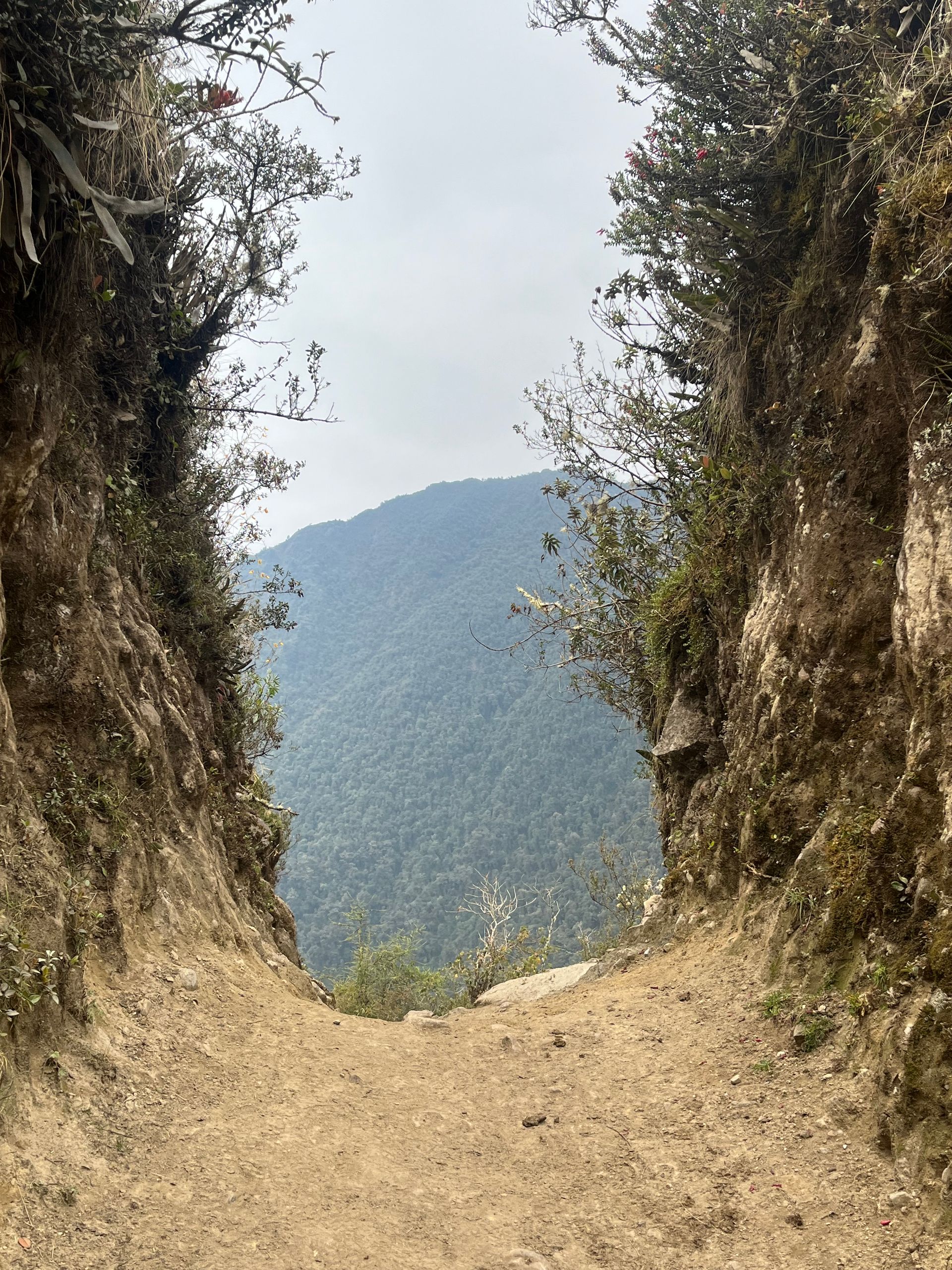
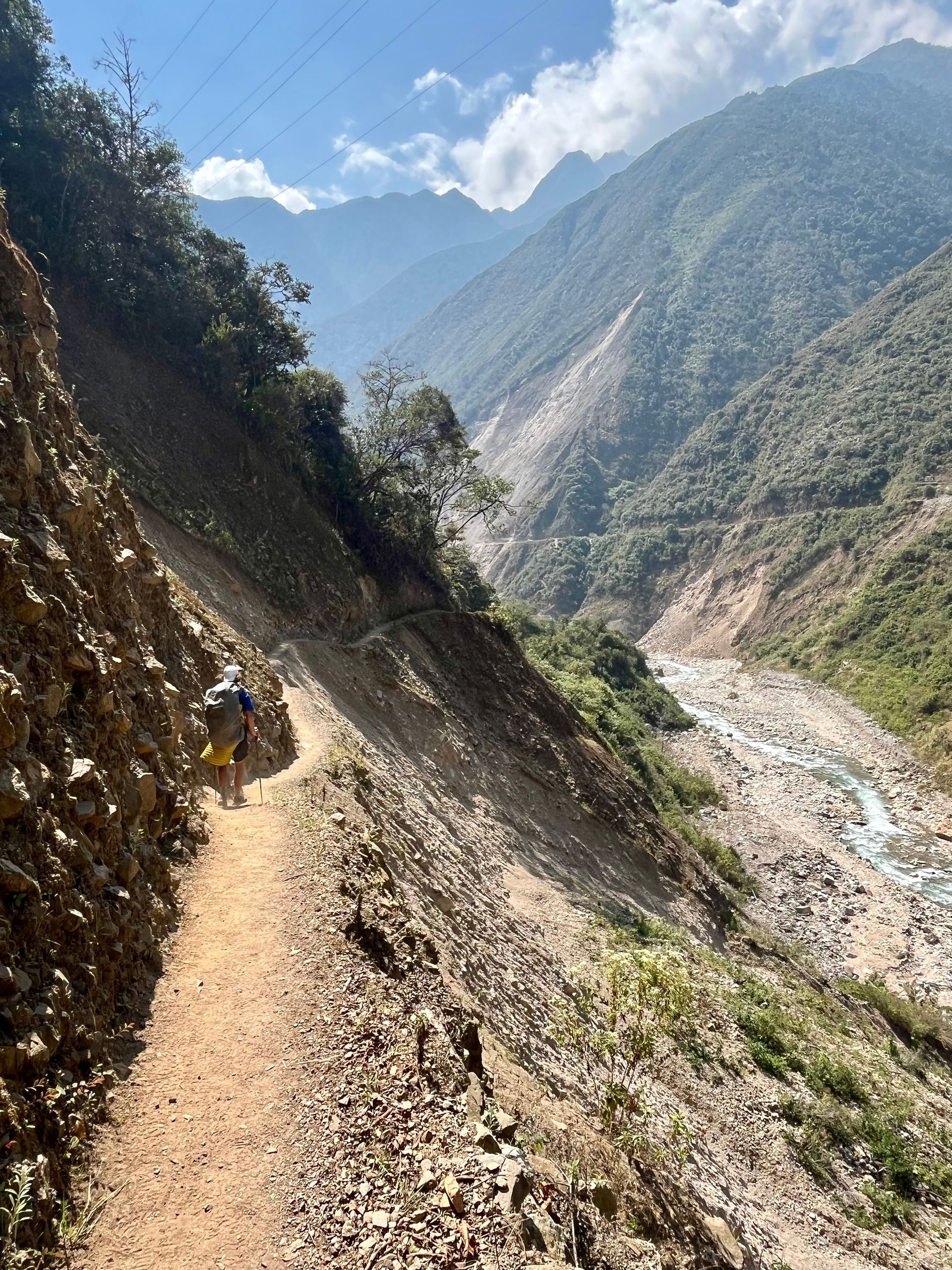
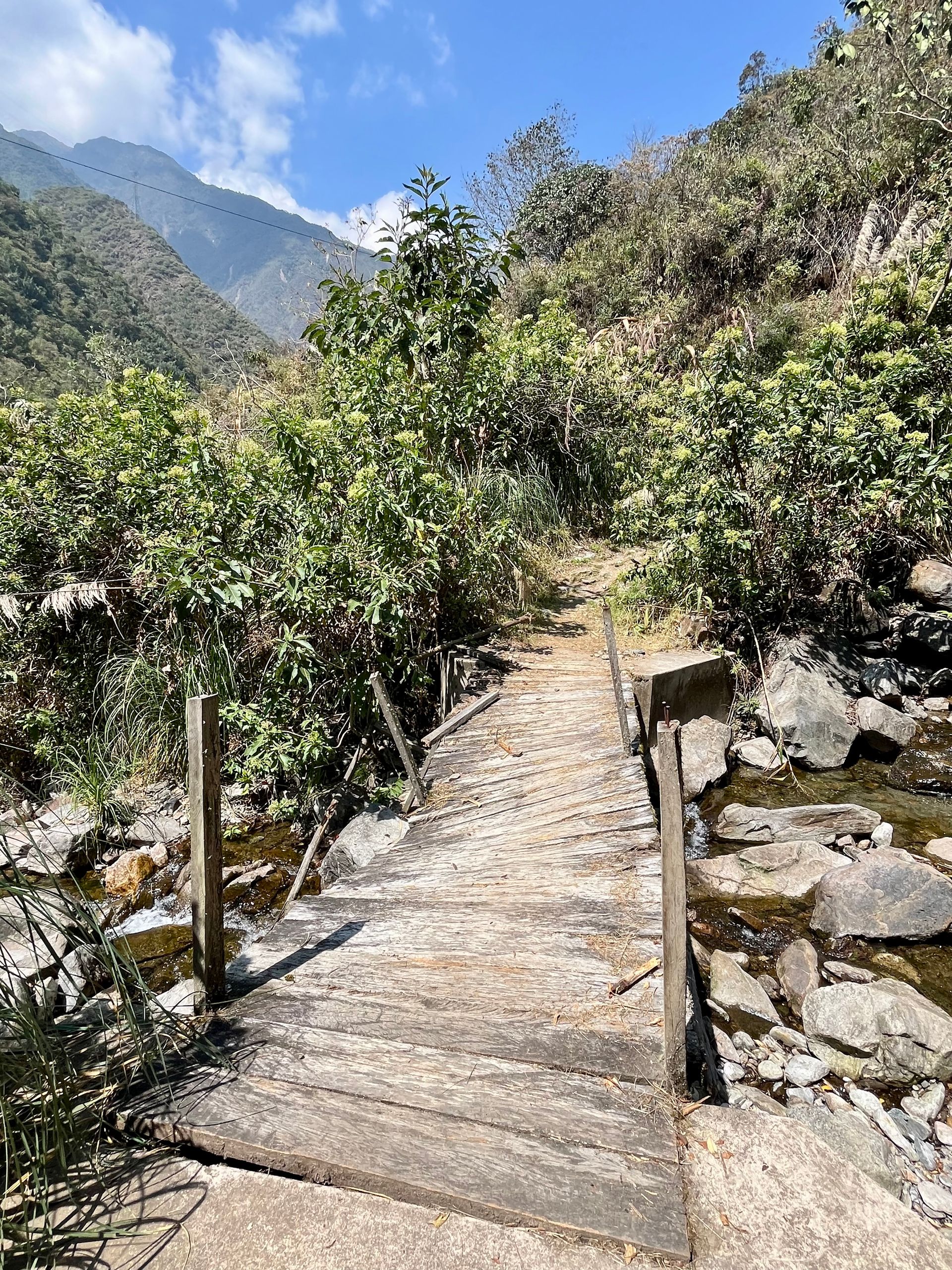
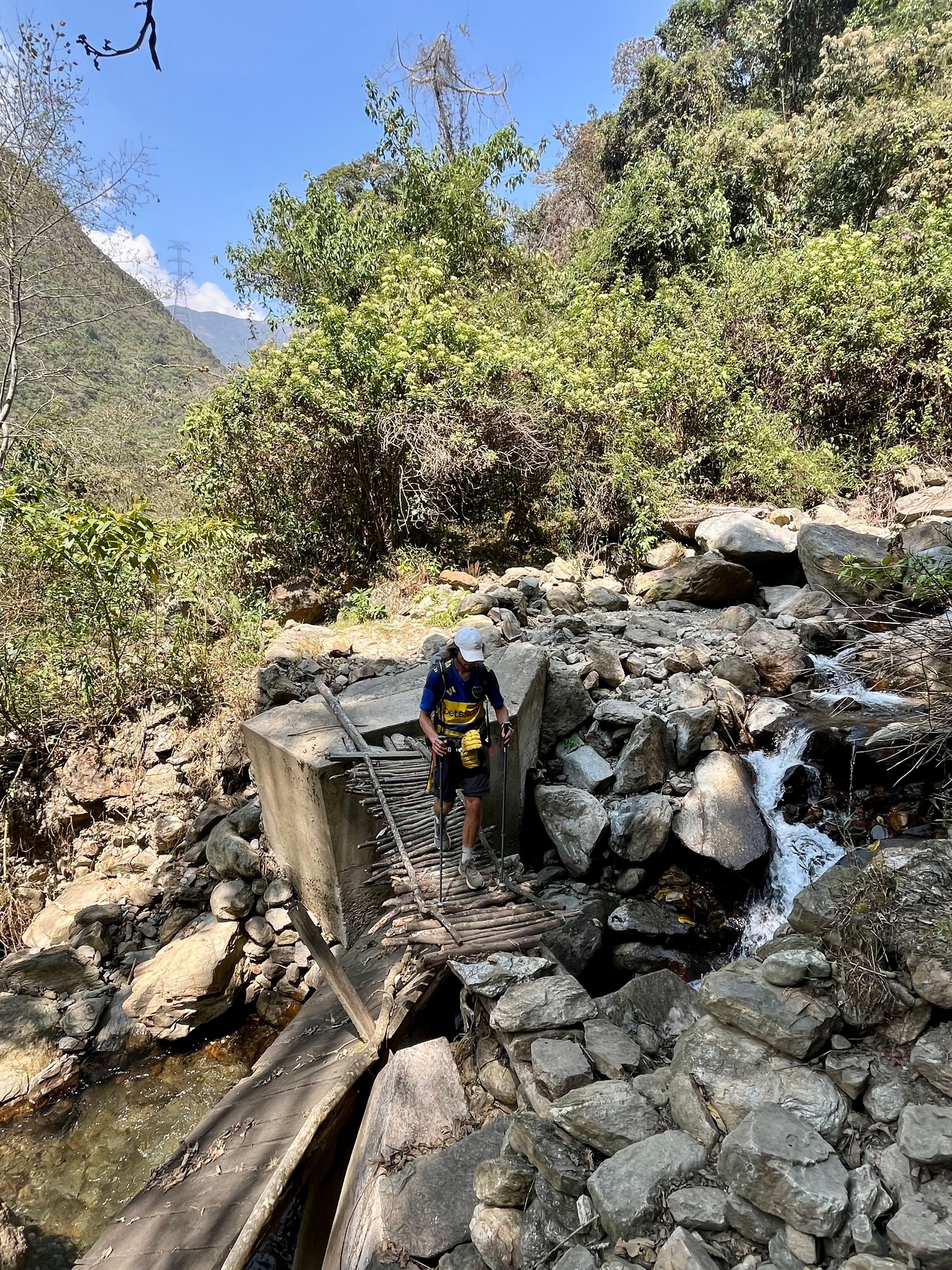
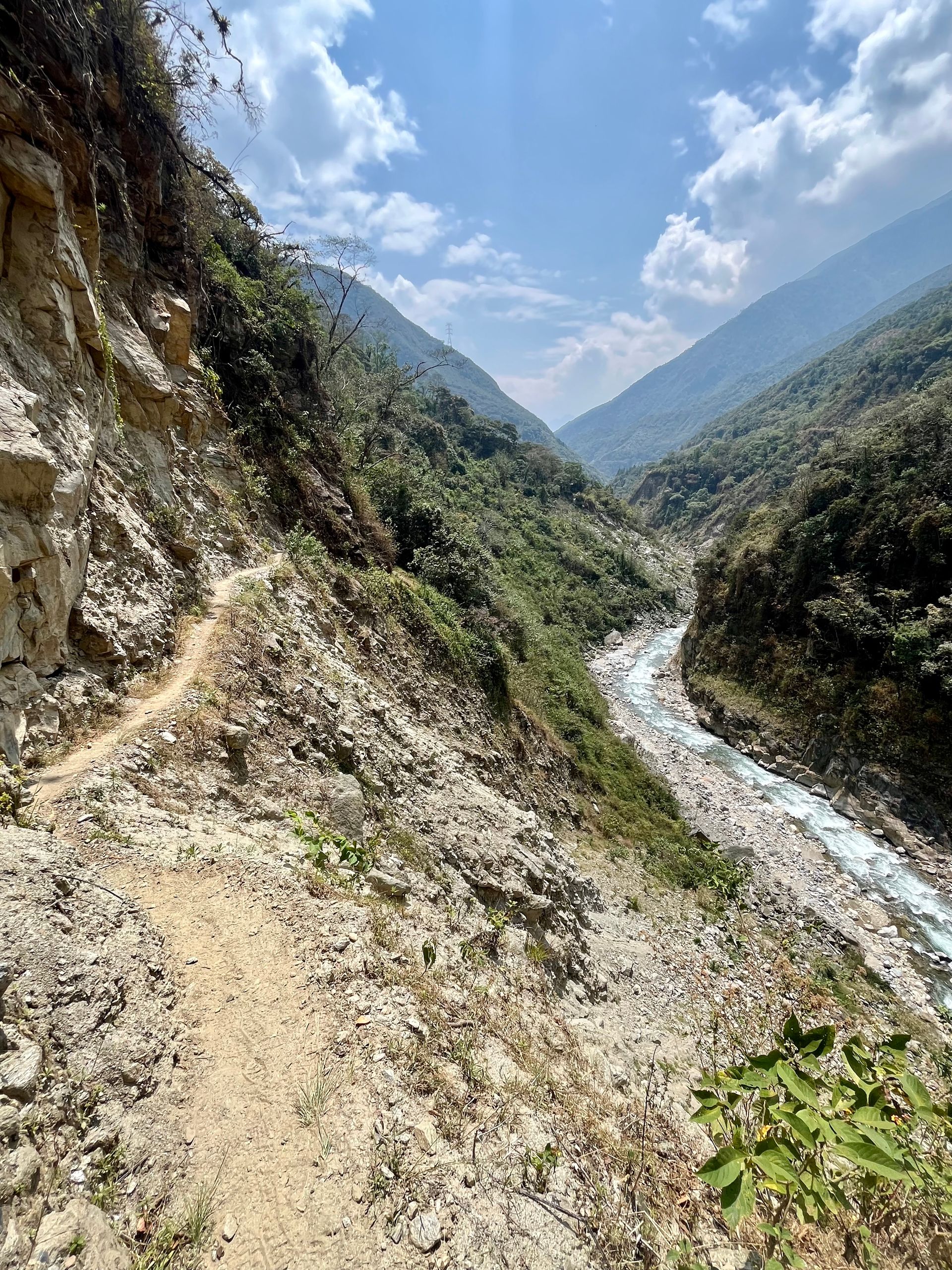
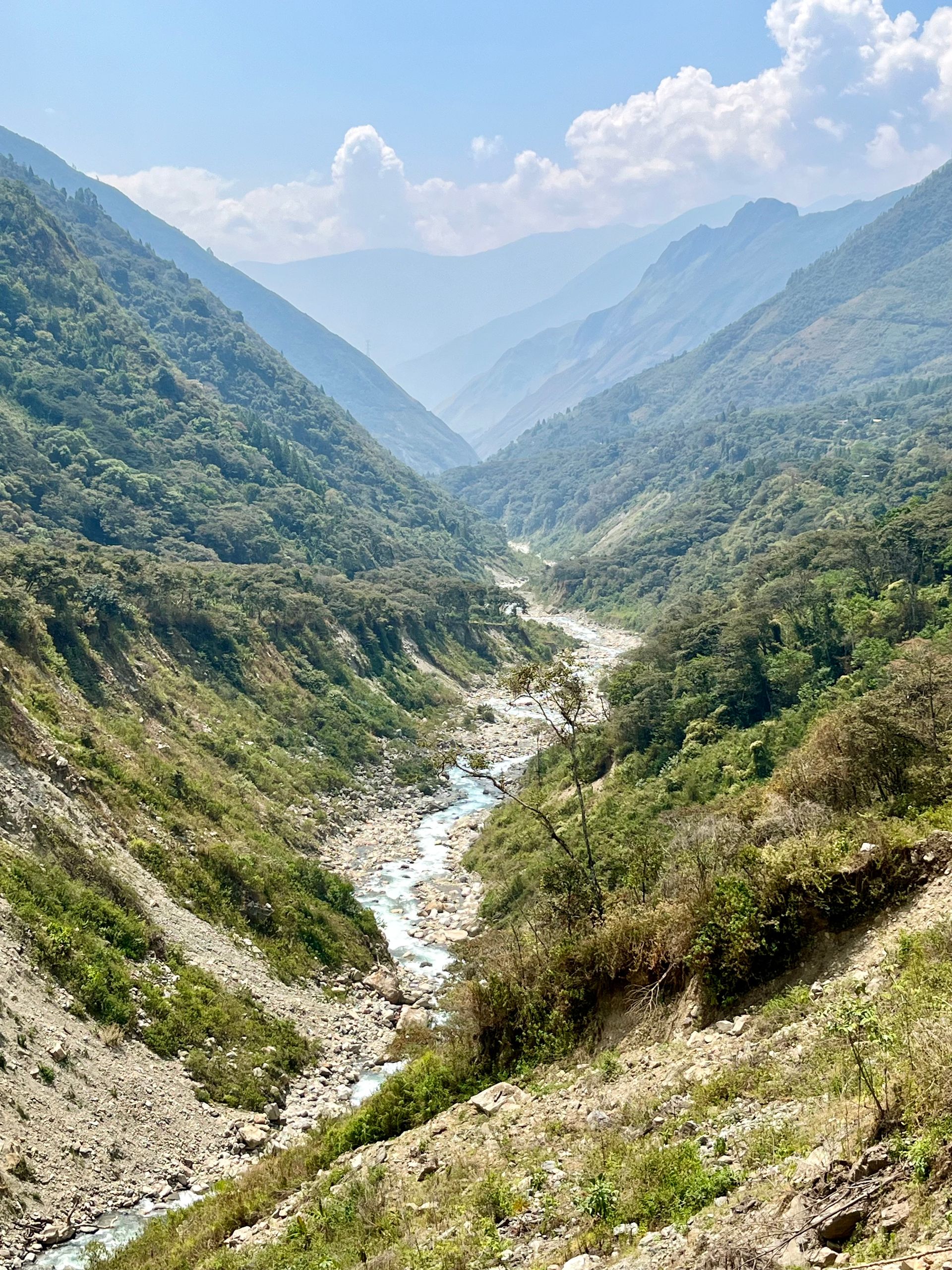
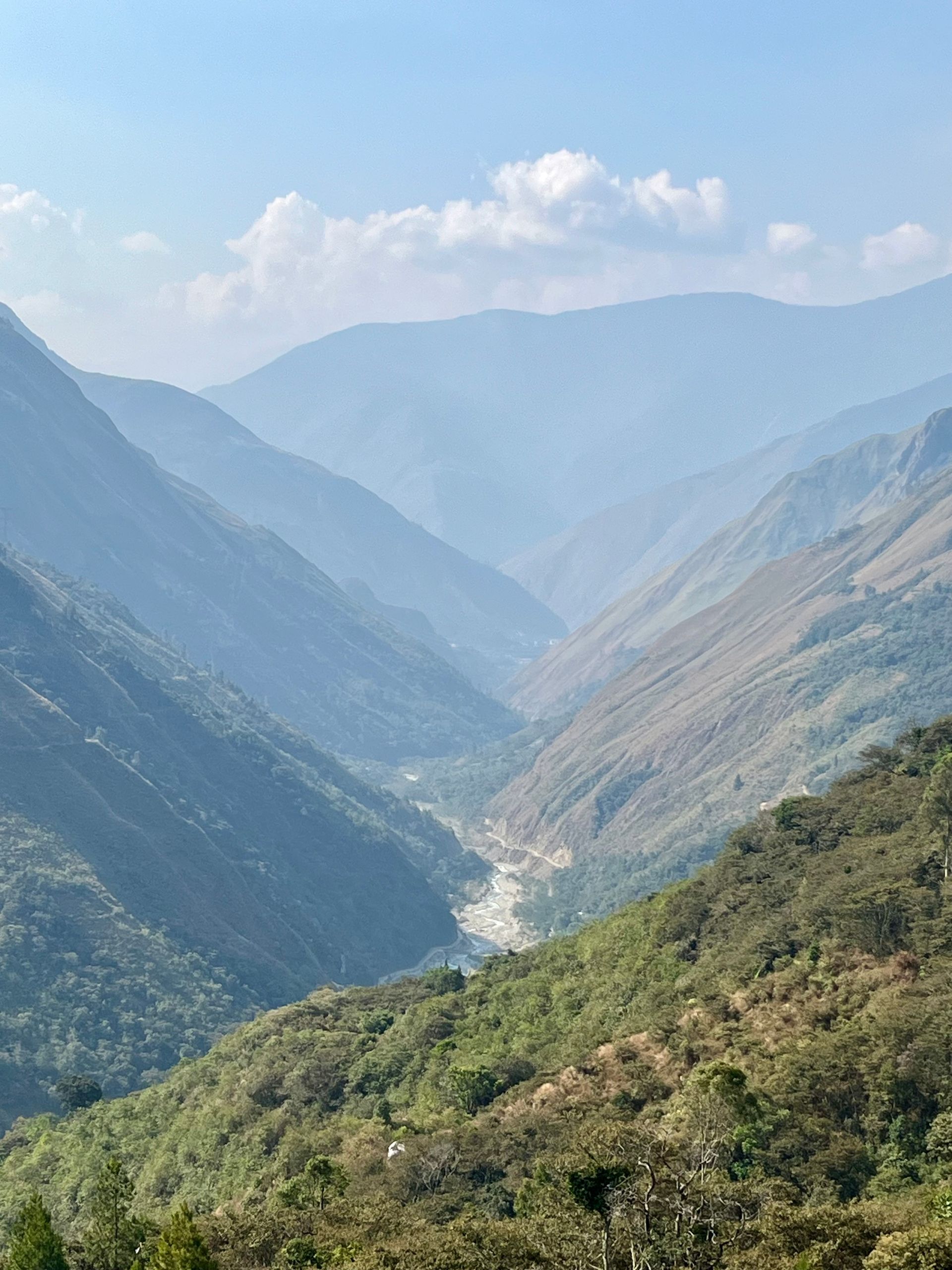
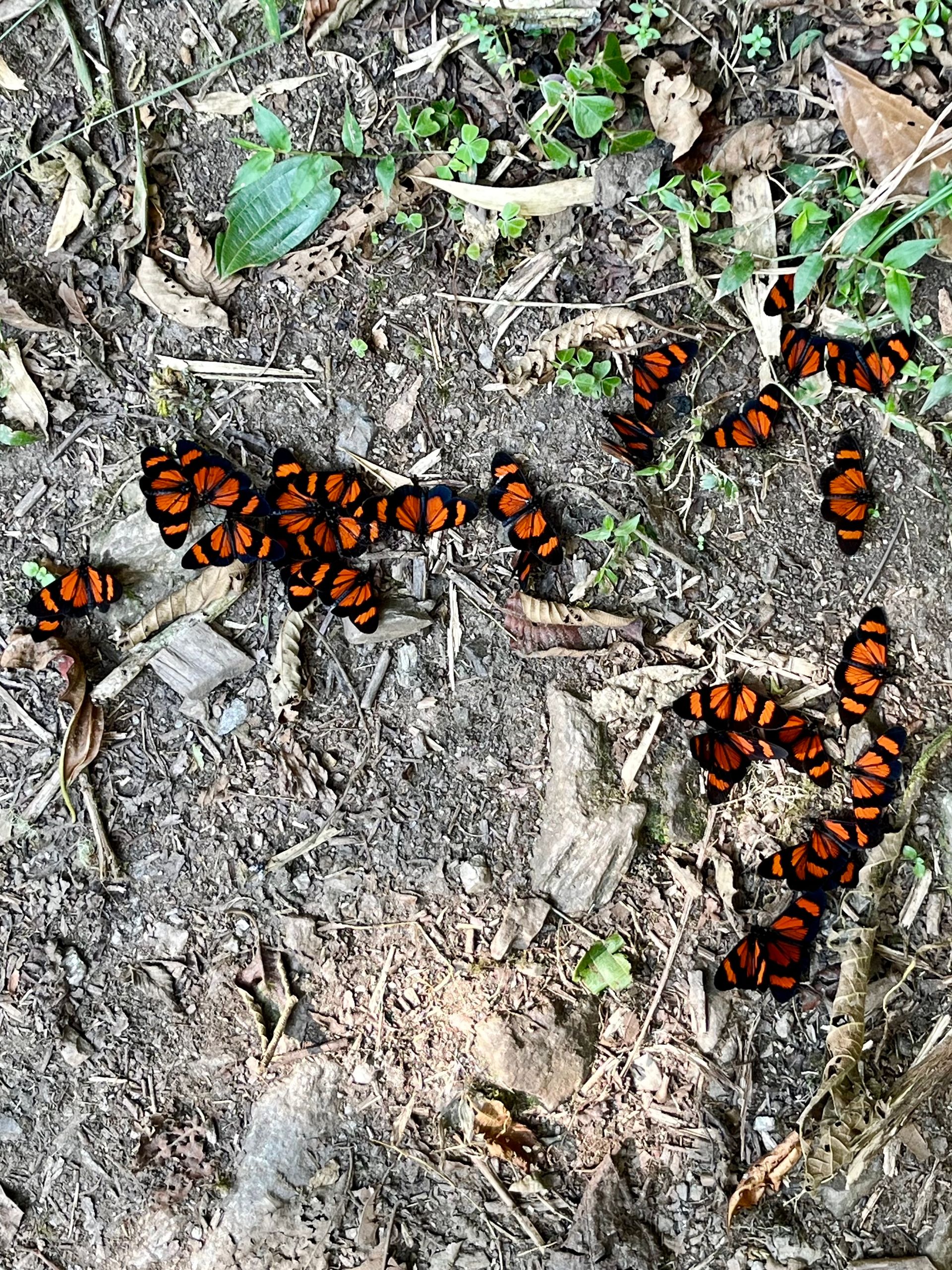
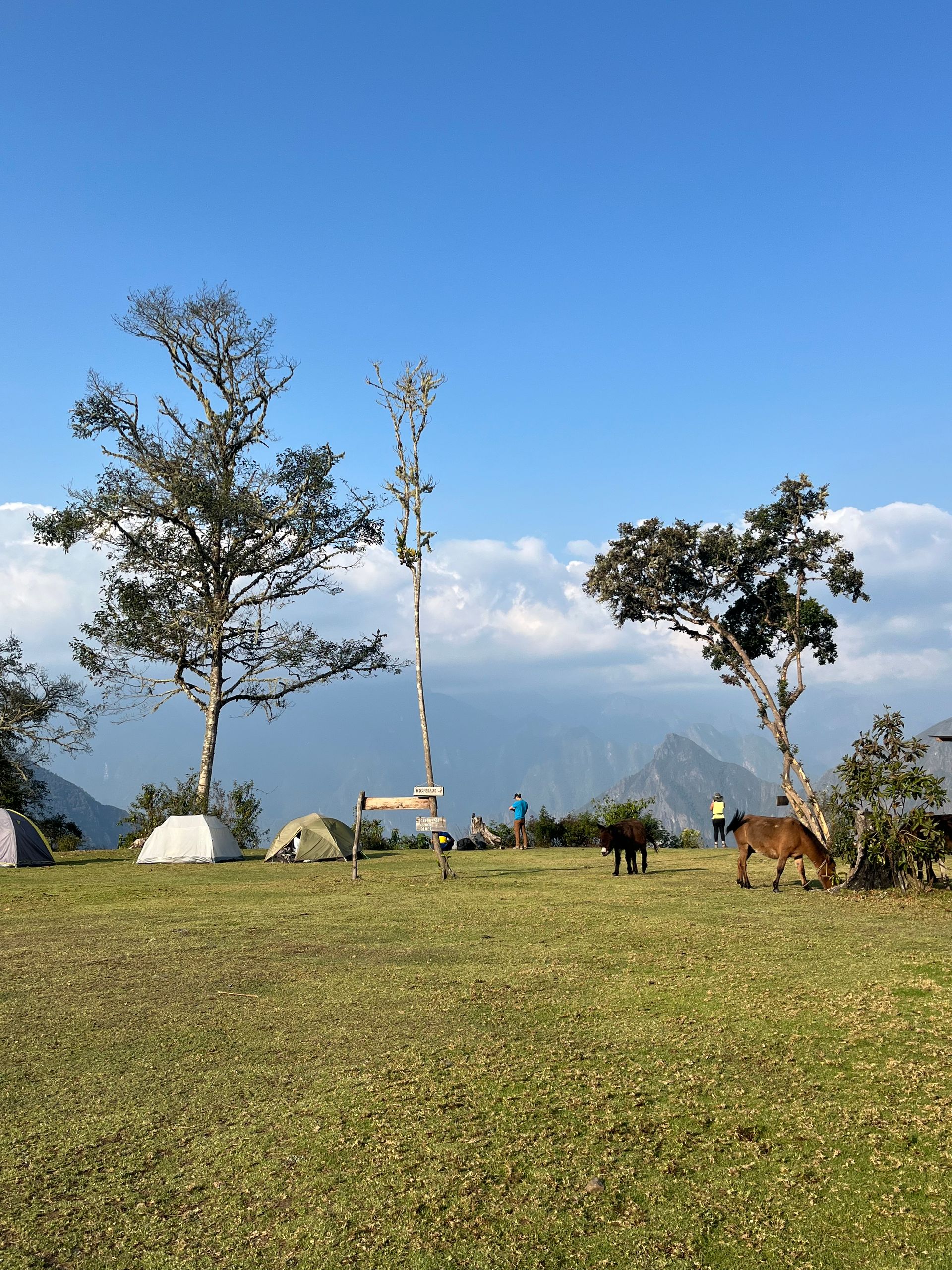
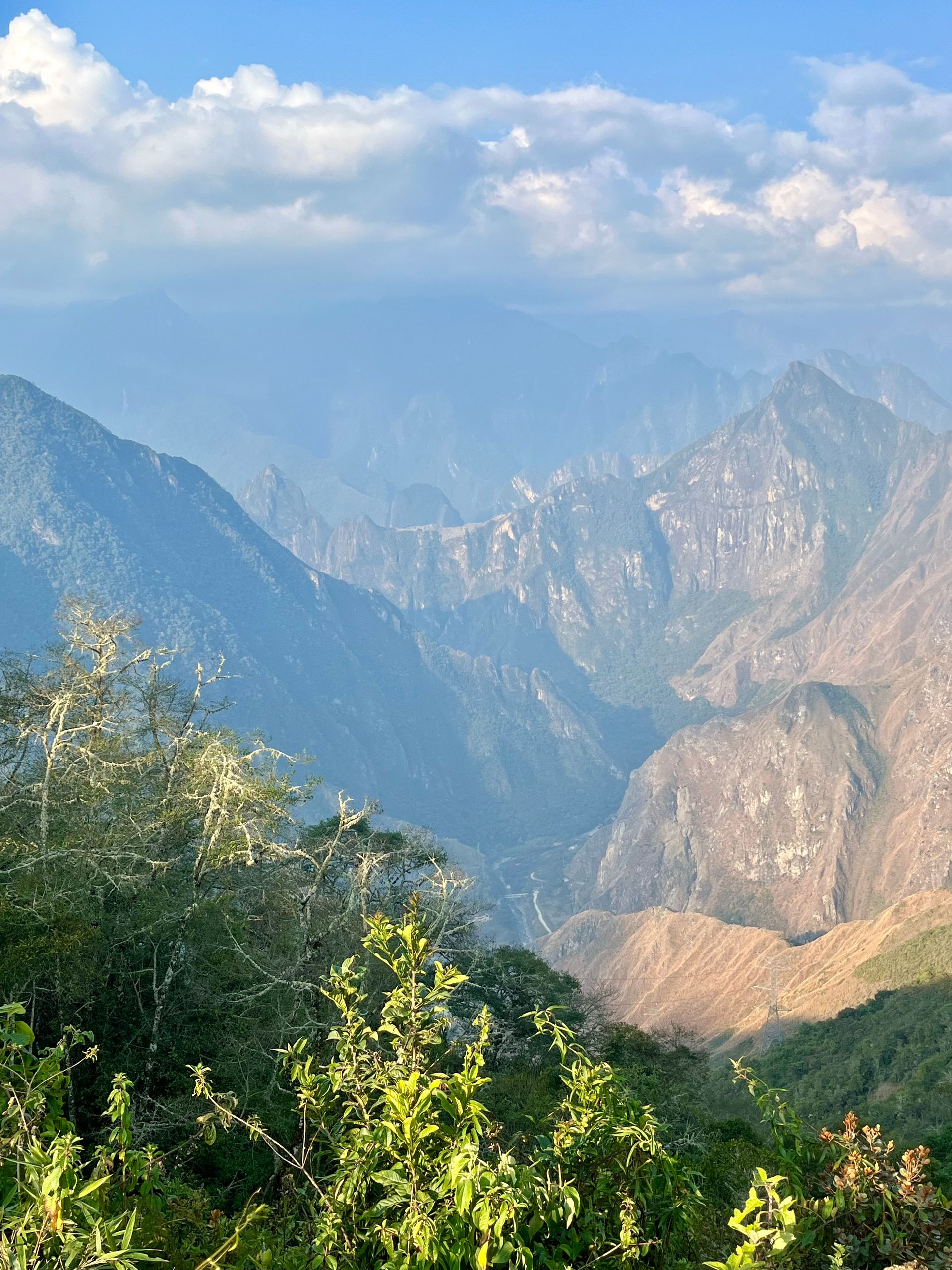
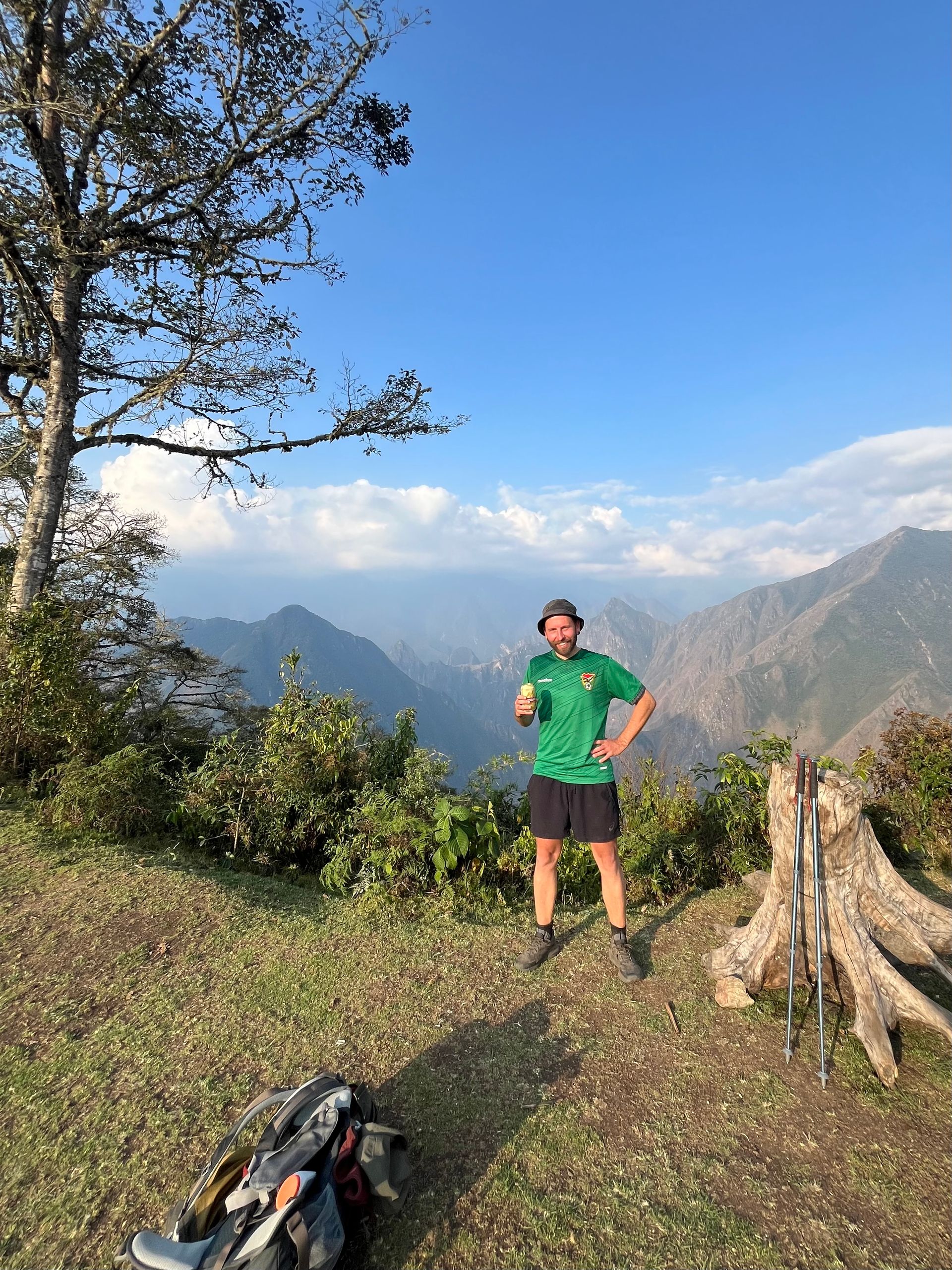
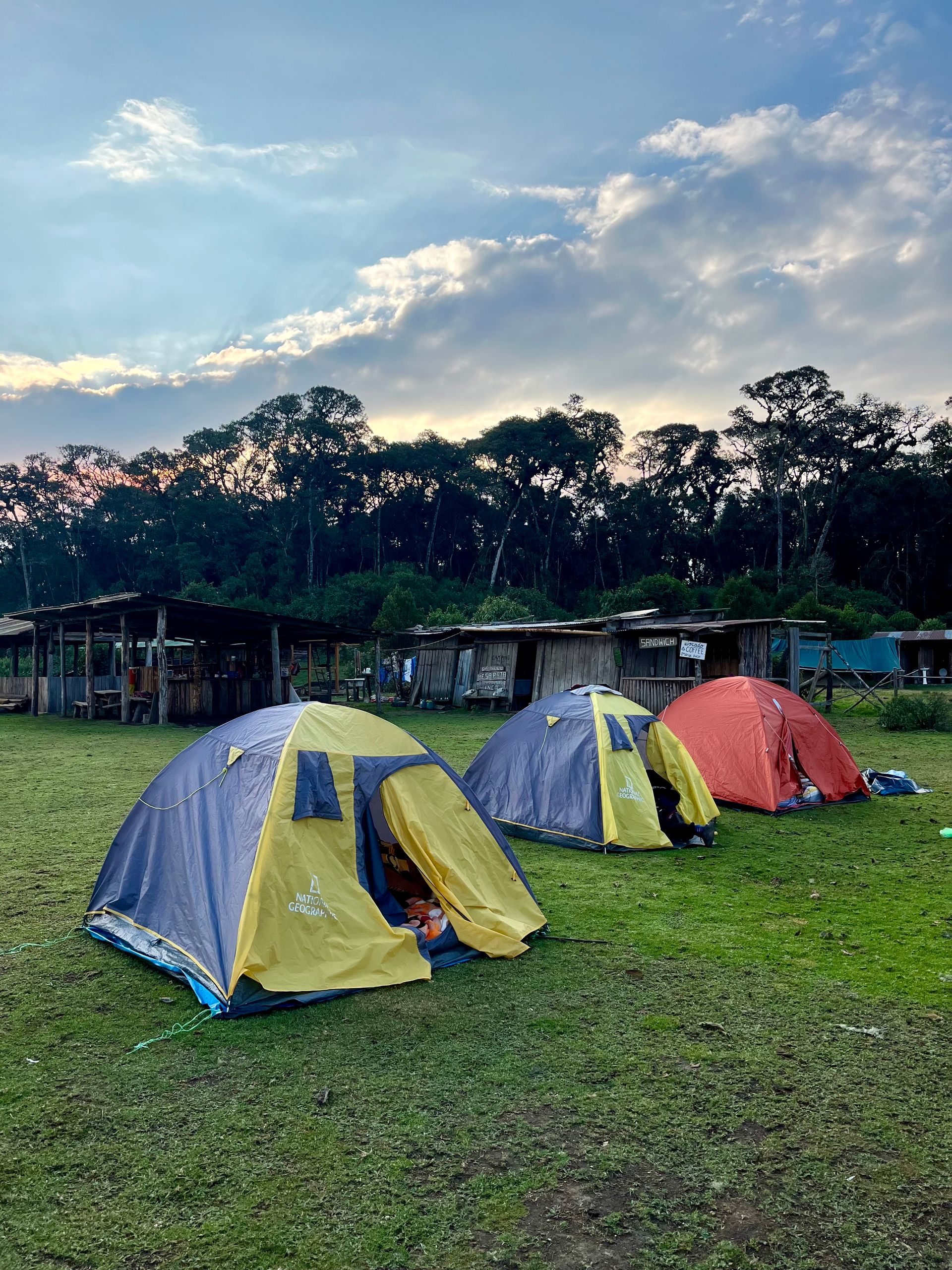
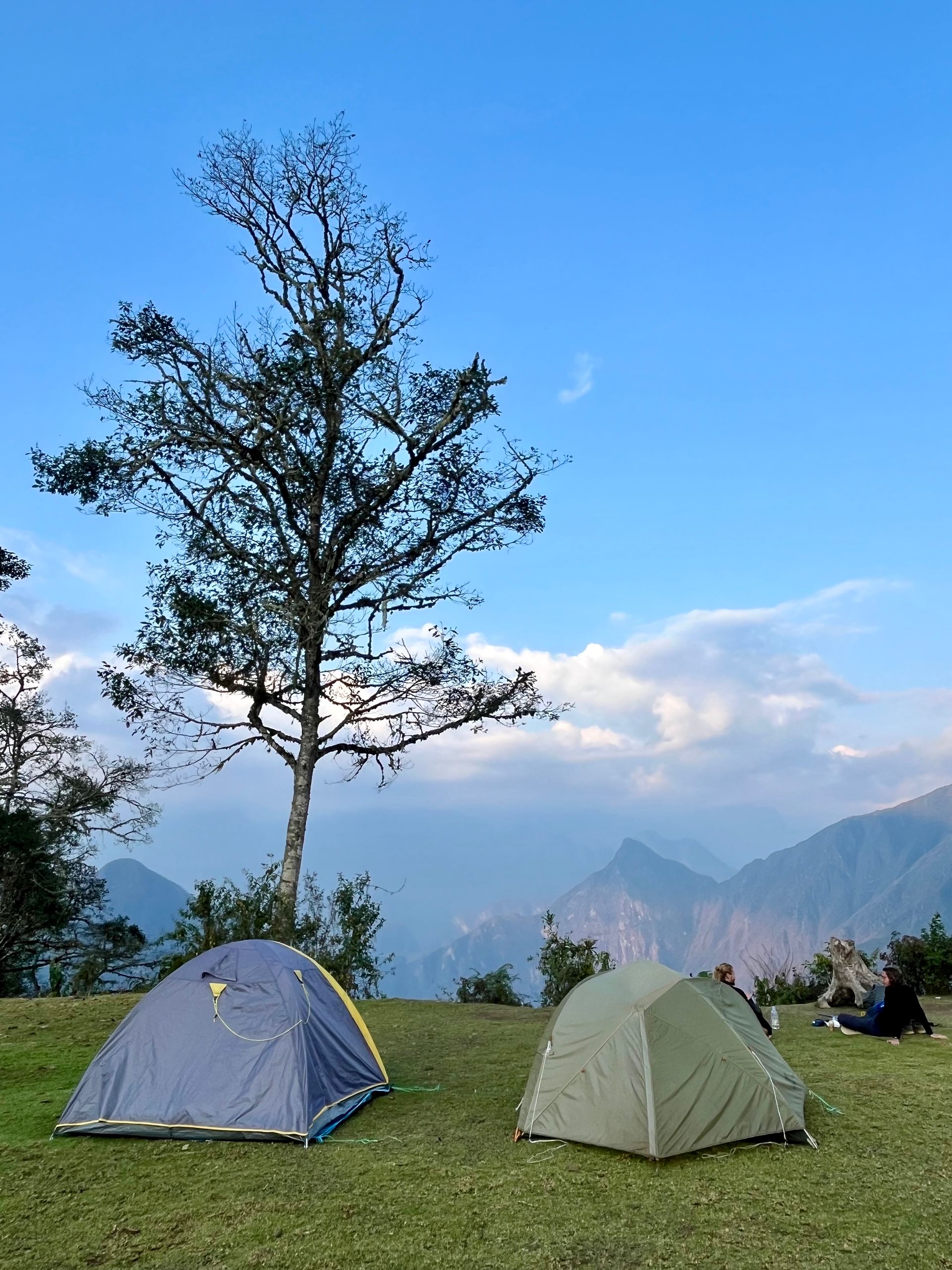
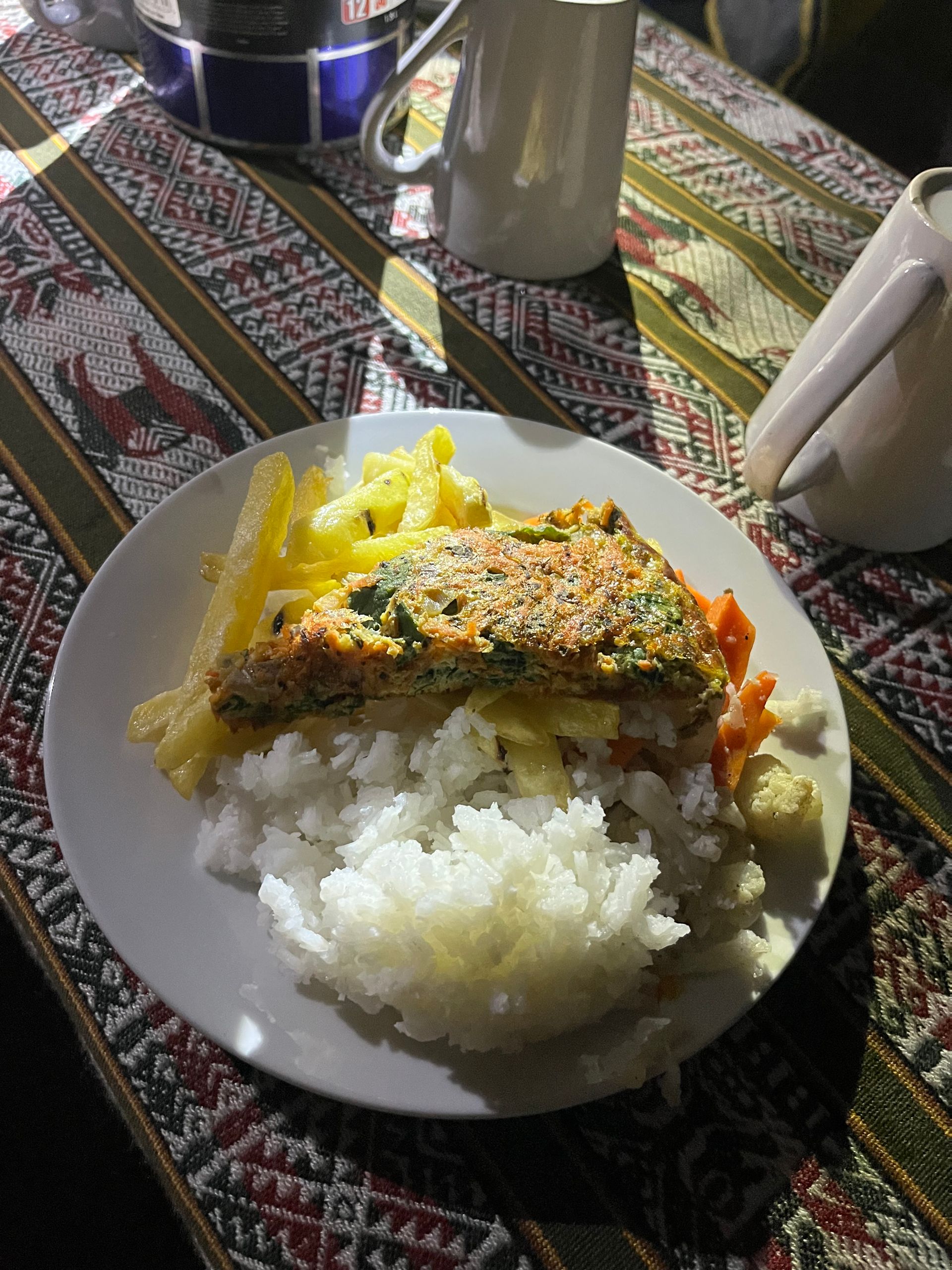
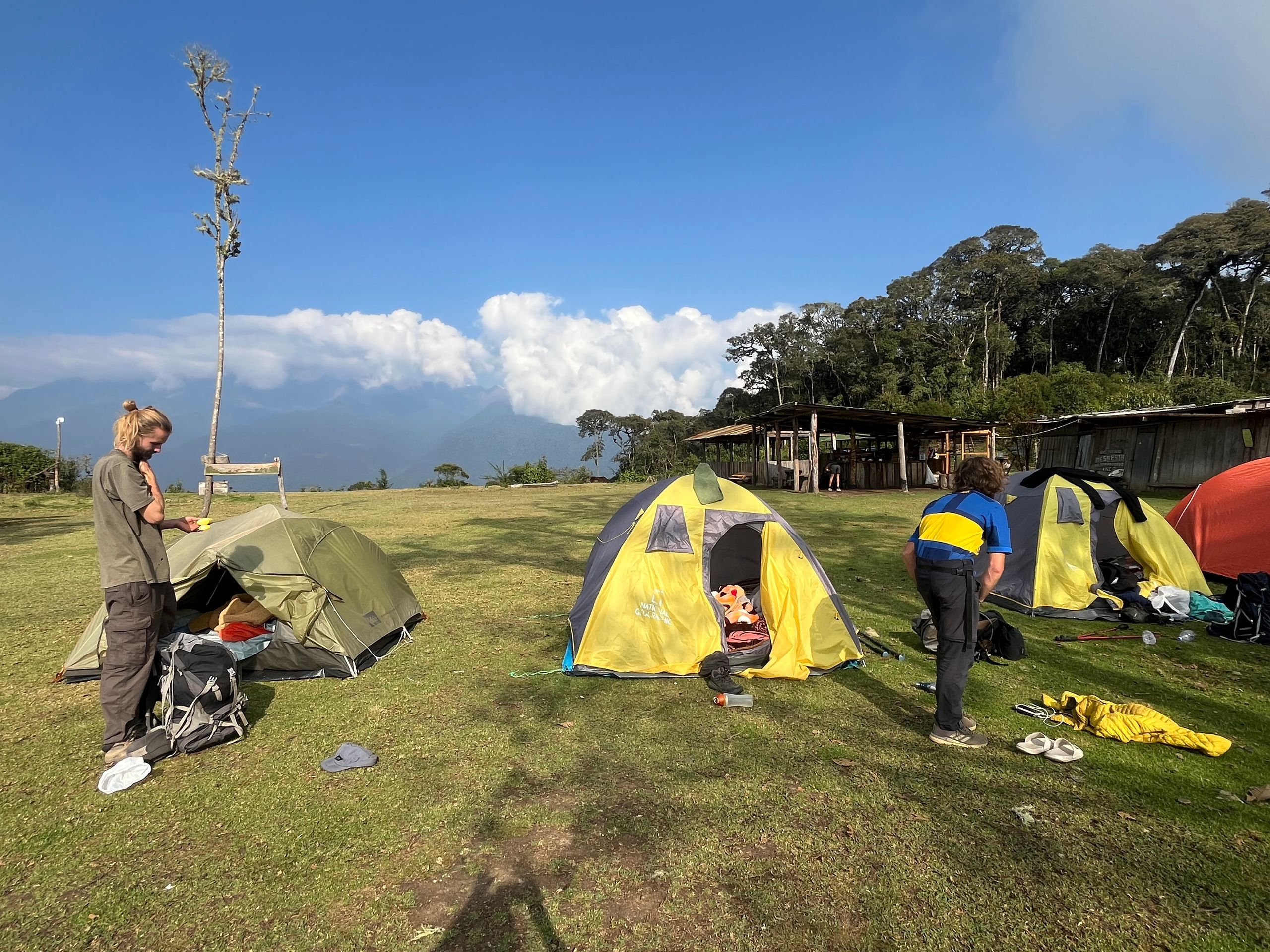
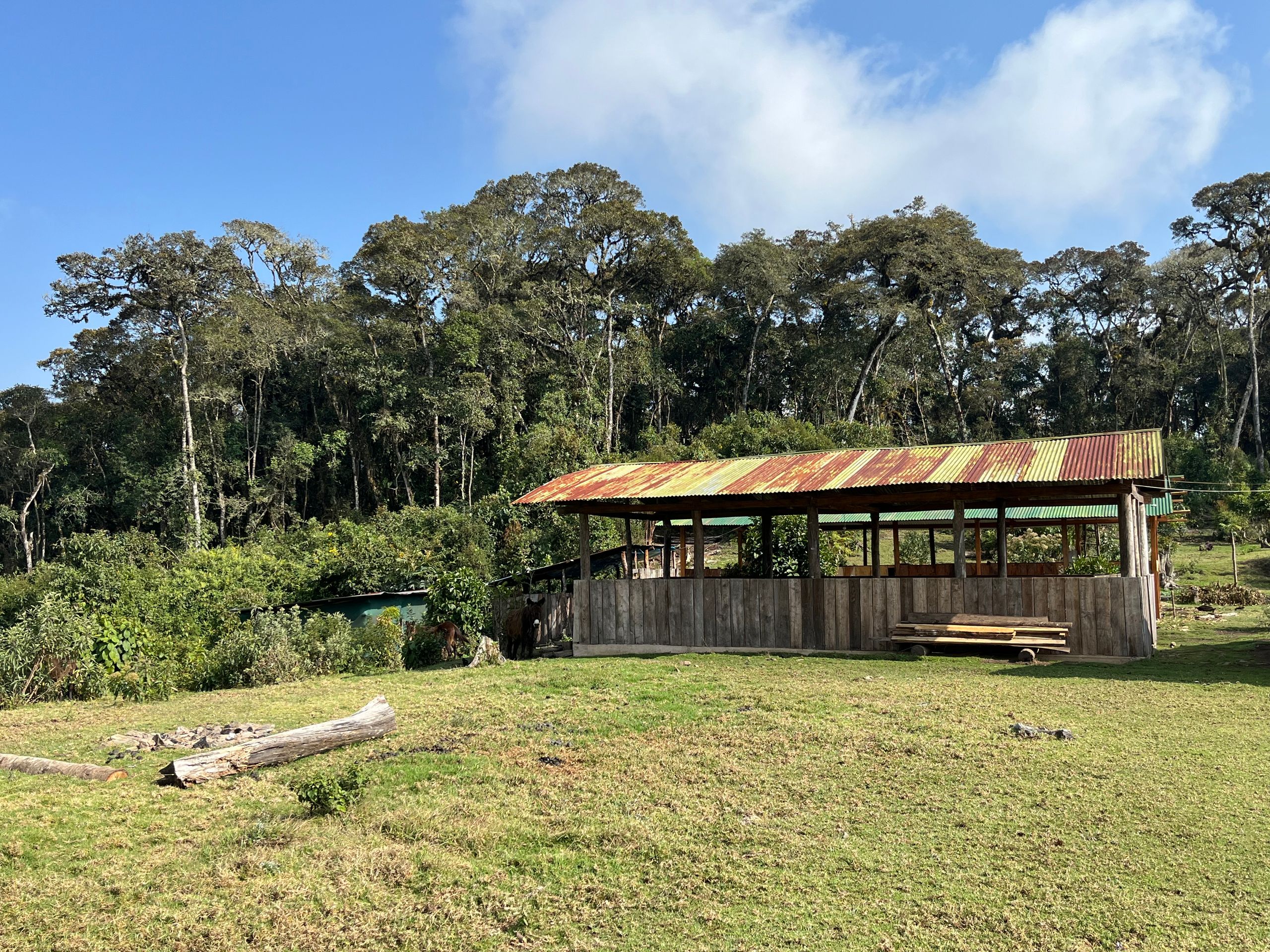
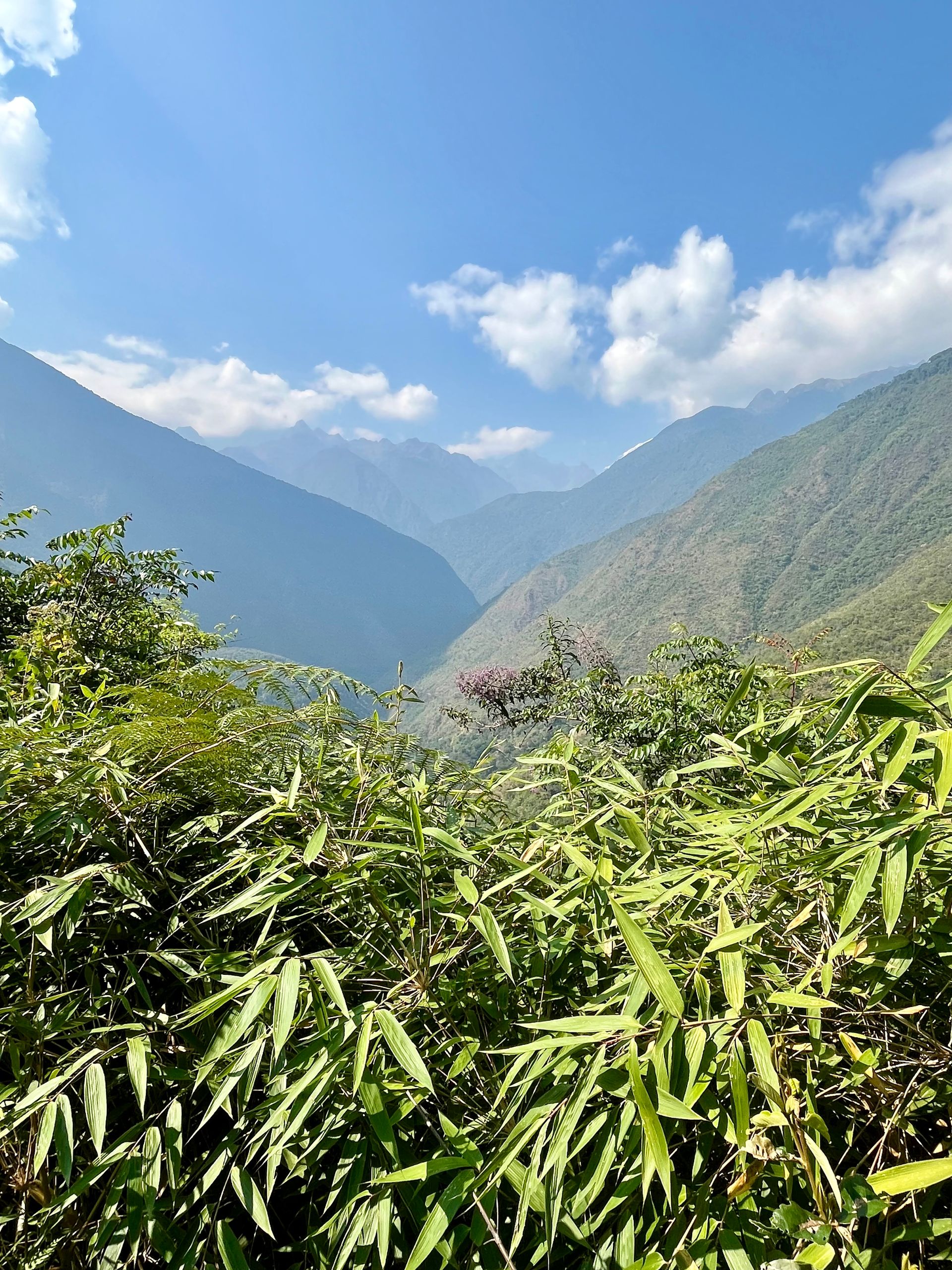
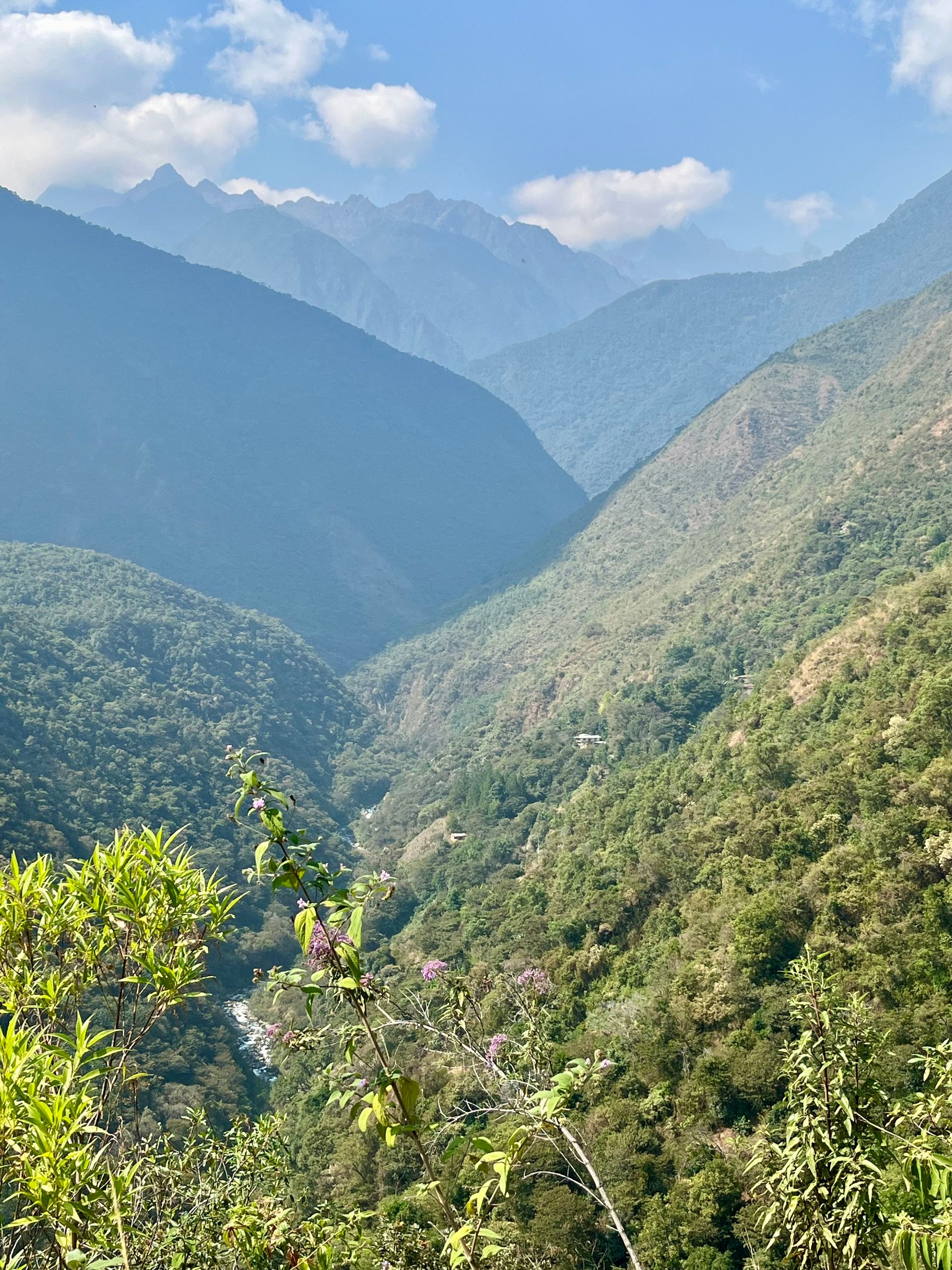
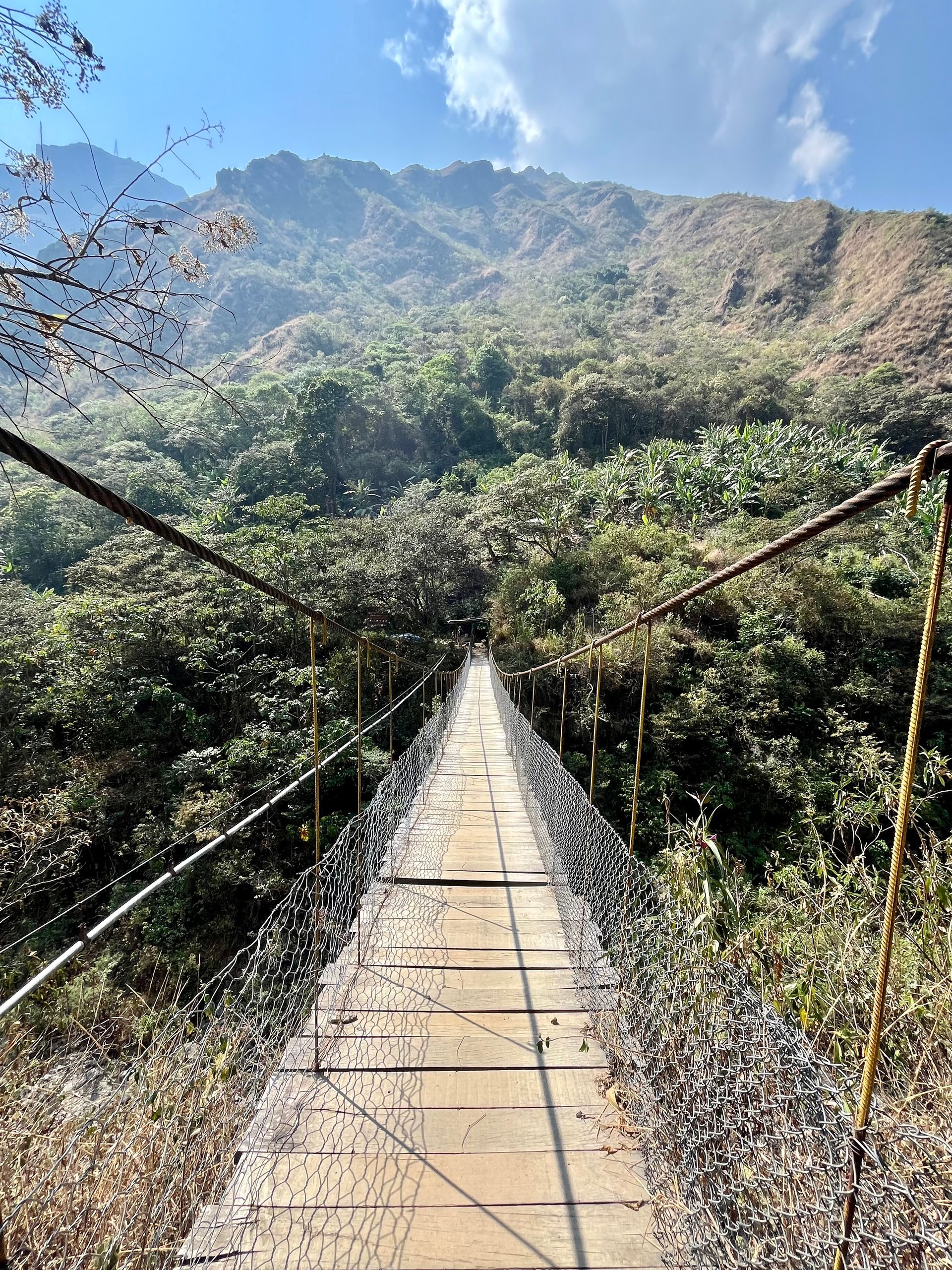
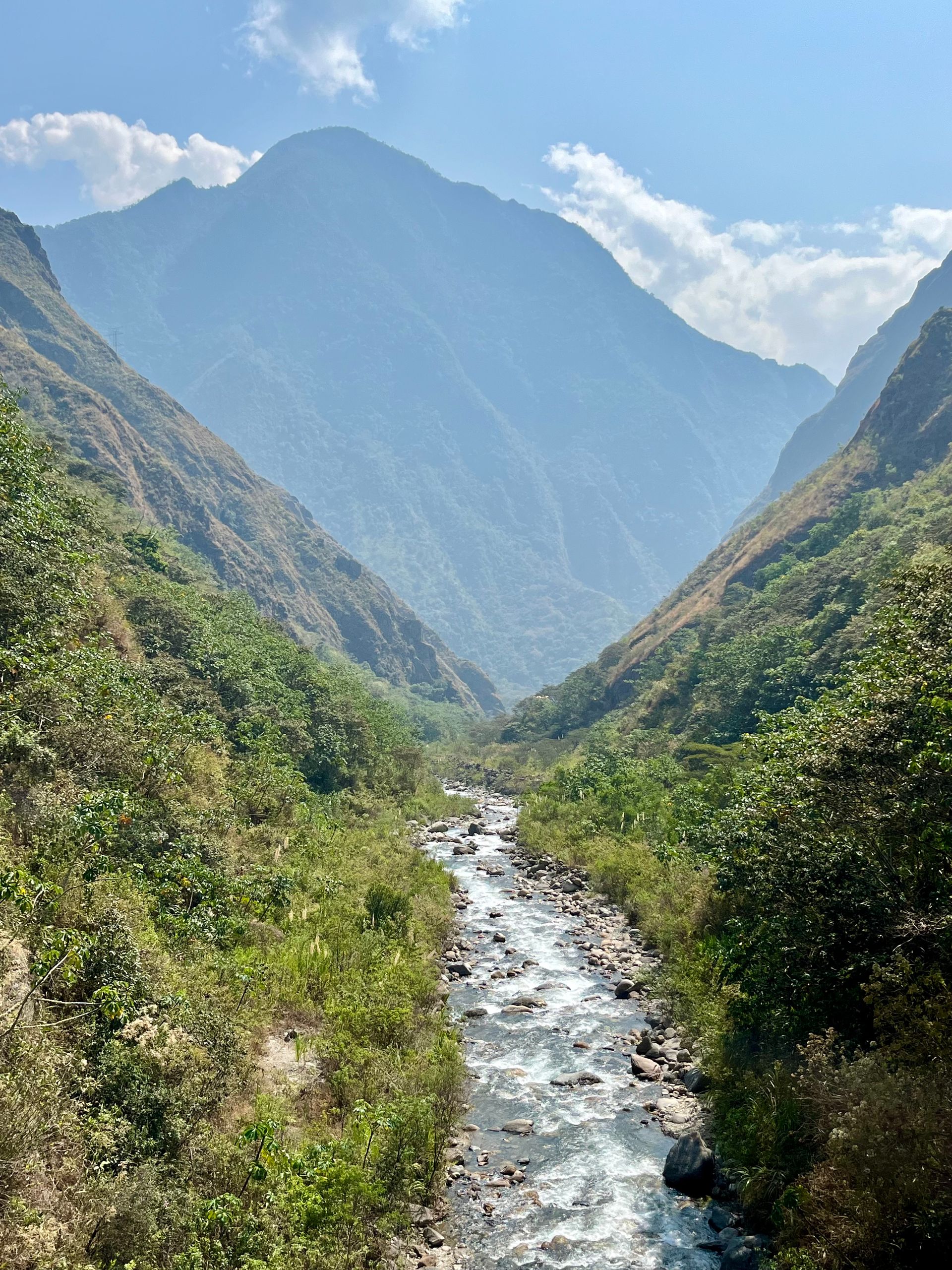
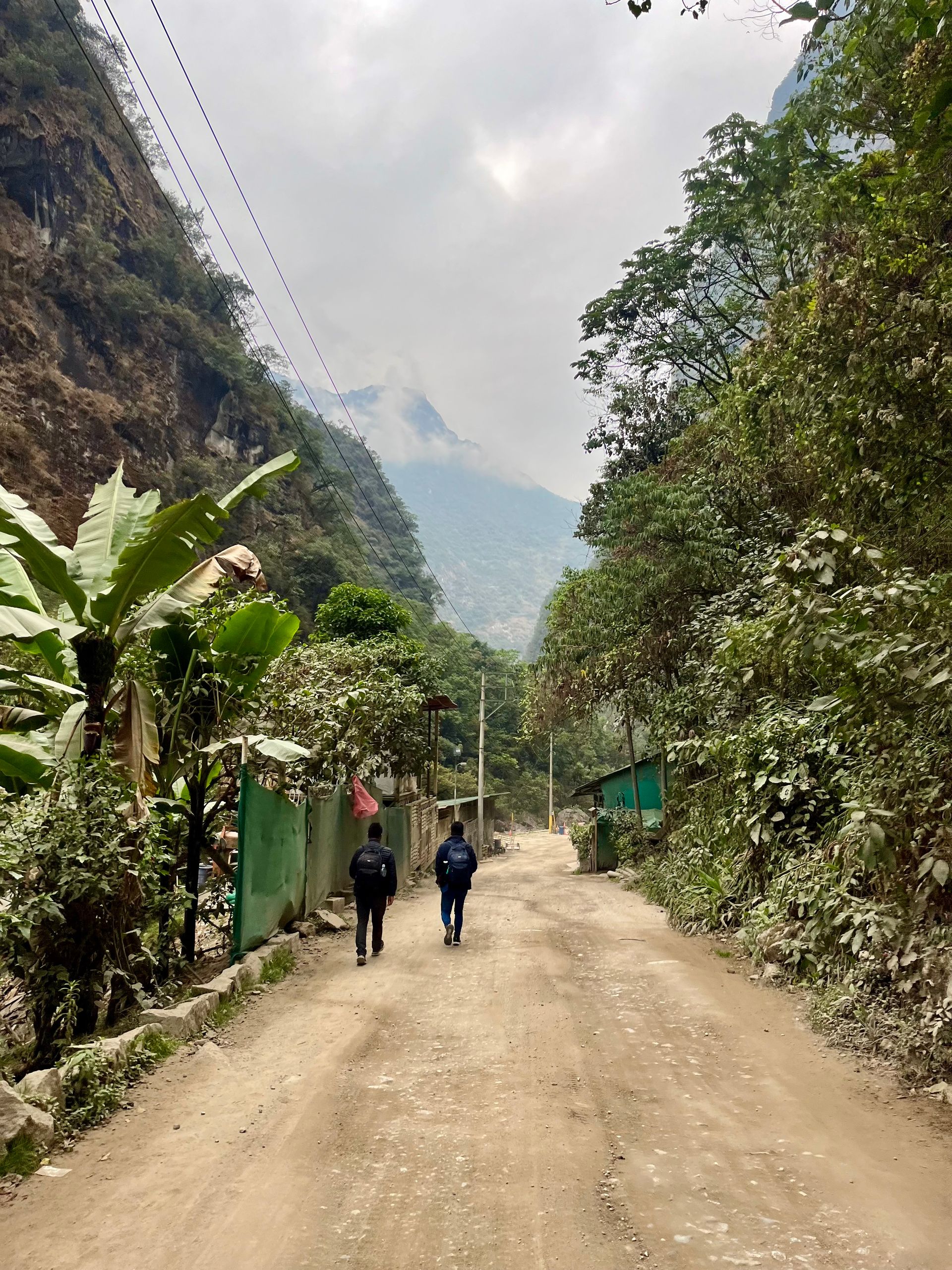
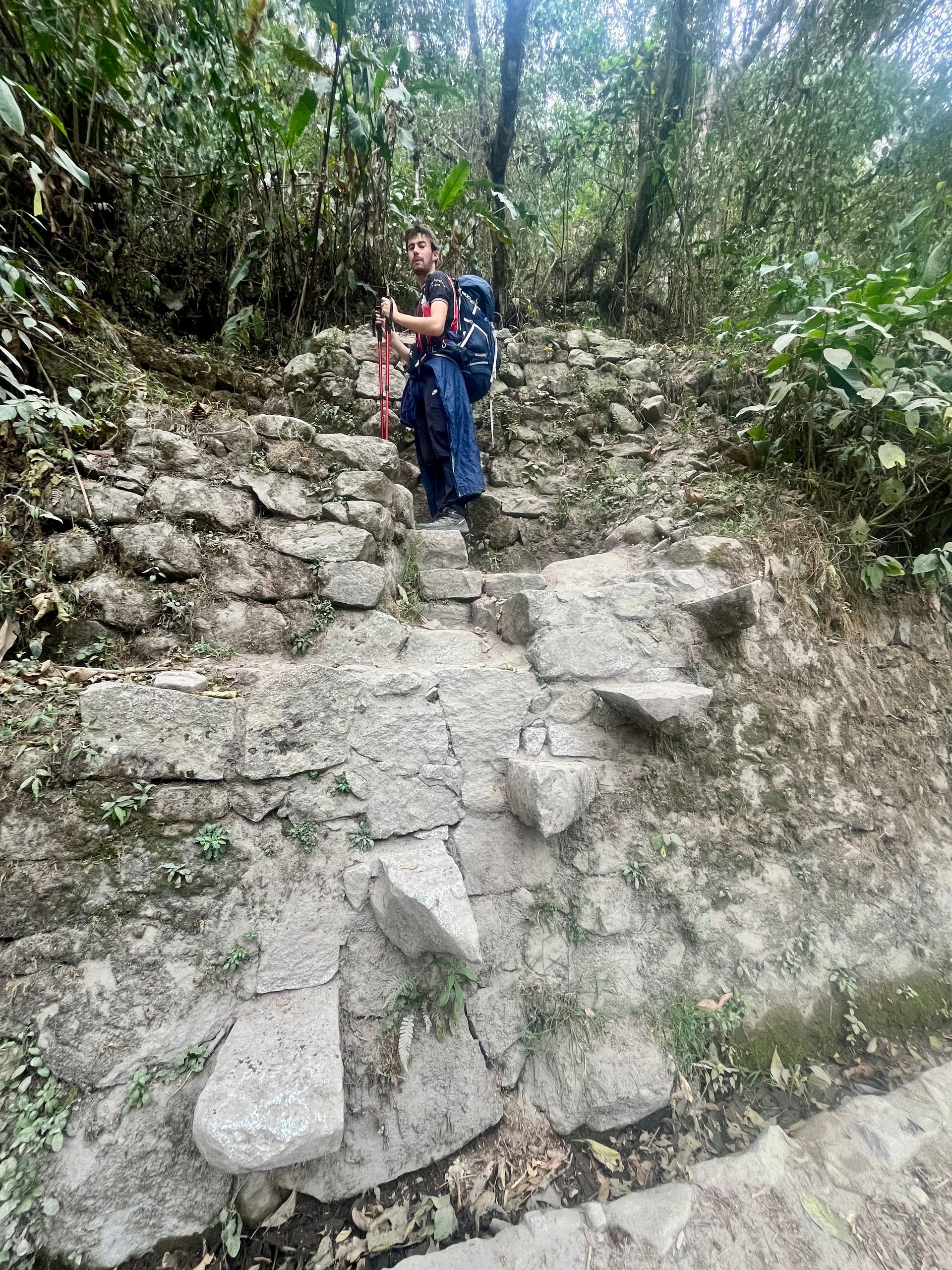
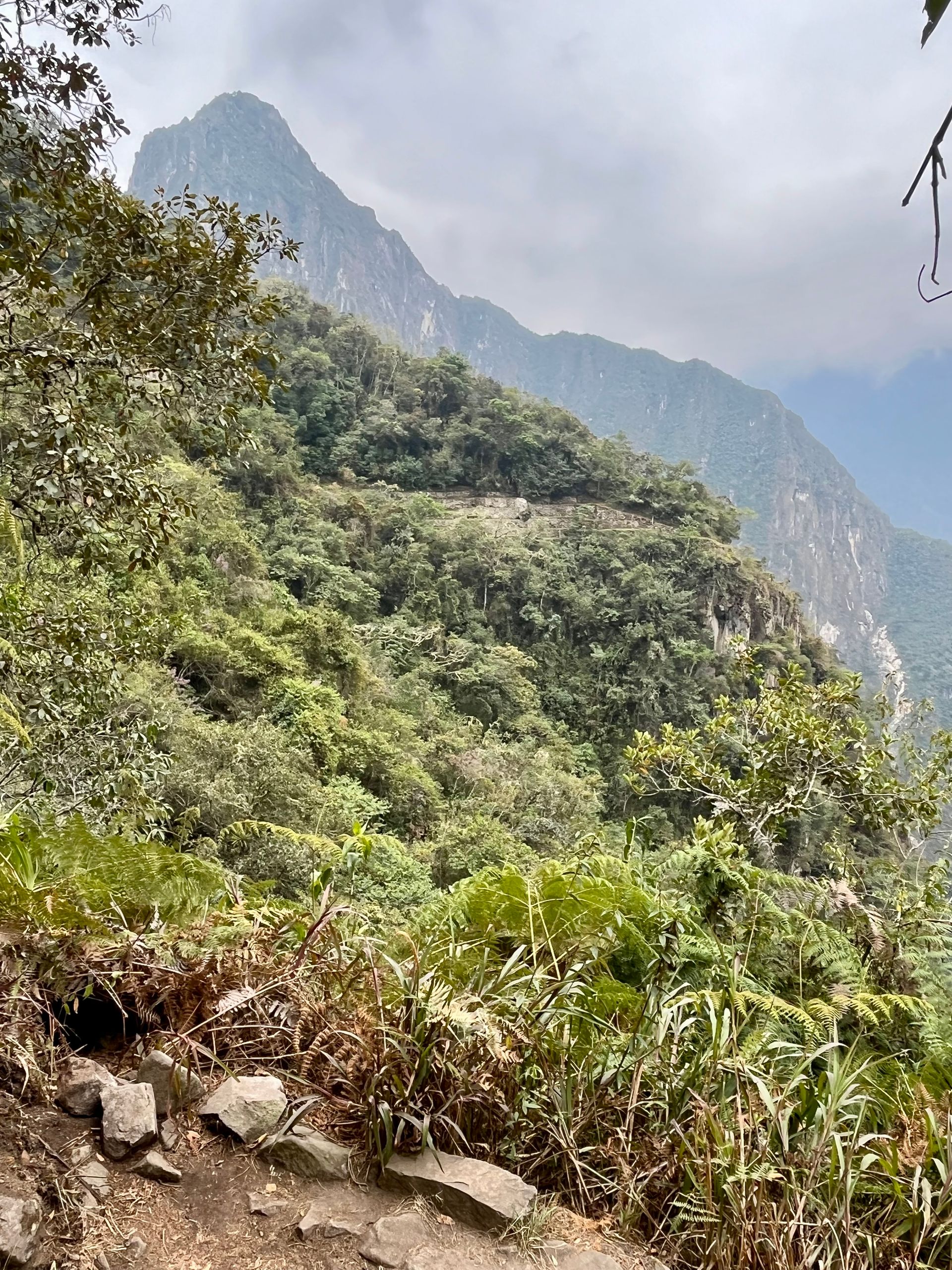
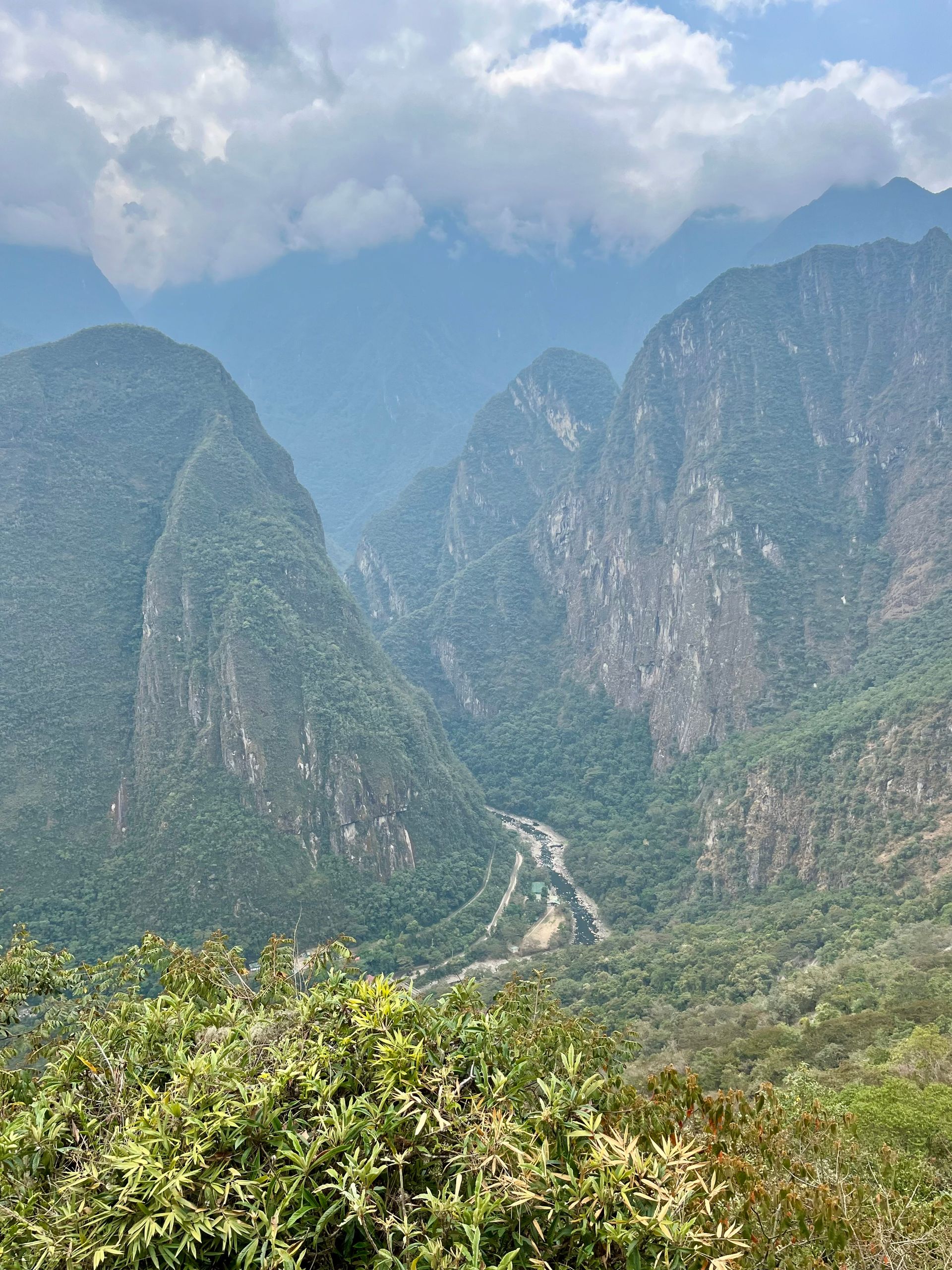
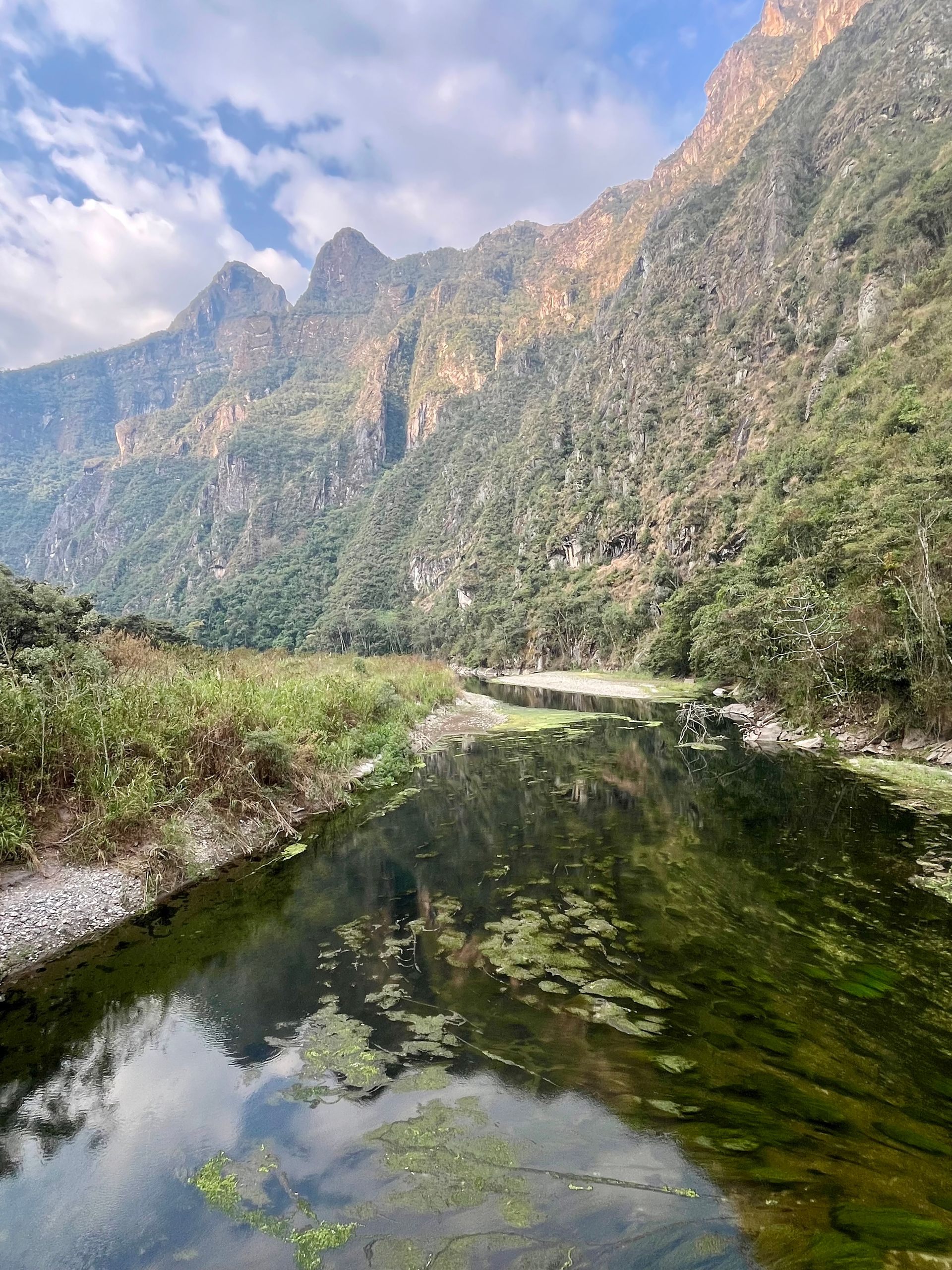
Similar situation on the third day: the alarm went off at 6:30 AM, and after a simple but tasty breakfast, the day’s provisions were purchased. While I waited for the others, I watched one of the locals pack a piglet into a cloth bag, fastening it with various ropes to one of the horses. The little pig didn’t seem too thrilled with the whole affair but had to submit to its fate while grunting. The day was set to reveal its difficulties at the very end, as the first 20 kilometers would predominantly be flat, following the canyon of the Rio Santa Teresa, before the last 5 km with a very steep ascent to a plateau would represent the real challenge. In the first section, numerous old Inca bridges, half-decayed, spanned the river. Very interesting to see how the structures had largely remained intact over the years and adapted to the landscape. A third Frenchman joined our travel group—Malo, a friend of Felix and Viktor, had also stayed in the same accommodation and was now part of our six-person expedition. The path, with a few small climbs, followed the river, and we saw numerous wild waterfalls accompanied by a parade of orange-black butterflies (probably monarch butterflies) that joined us in smaller and larger groups for almost the entire day. Due to the different pace, the group began to separate gradually, and Viktor and I moved forward, constantly enjoying the stunning view of the green valley ahead. Slowly, one could also start to feel the weight of even a small backpack as our shoulders began to bear the load, which, while not heavy, was starting to hurt. After following the valley for 4.5 hours, we reached the small settlement Lucmabamba, having logged over 23 kilometers. The difficulty of the trek so far had been relatively easy-going, and we decided to take a short lunch break in the village before the difficulty level would rise again significantly. For a modest fee, we devoured the classic chicken with rice and took an extensive rest while waiting for the rest of the traveling group. When after 1.5 hours still no familiar faces were visible, Viktor and I decided to set off alone and wait for the others at the day's destination. The path led out of the village up the mountain, and we hiked entirely on the sunny side. It was incredibly hot, and there was hardly an opportunity to escape the blazing sun, which, combined with the steep climb, presented an additional challenge. While we hiked up the first part of the final section at a pretty good pace as a duo, it increasingly became steeper over the last 5 kilometers, and we had to take breaks with increasing frequency. The sun was blazing, the incline was taking a toll on our already weary legs, and at some point, we were panting like locomotives. Although the view from the mountainside was extremely stunning, the path eventually transformed into utterly steep and already well-eroded steps, and one could only partially enjoy the surrounding view. With a remarkable 25 kilometers for the day in our legs, we just wanted to reach the destination. On the final kilometers, I felt like I stopped a hundred times, constantly glancing at the distance marker while sweating like a pig. At some point, it felt like I was moving upwards in slow motion, and I was immensely relieved when the terrain leveled out a bit, and the destination was just a stone's throw away. Difficulty level here was clearly HIGH, and the combination of the distance we had already covered, the baggage, the condition and steepness of the route, and the heat were making their presence felt. After about 2 hours, we reached the plateau and embraced each other happily but exhausted. To our surprise, there were hardly any other people up here; the actual Salkantay trek continues along the mountain before ascending to this location, and most hikers likely chose the direct route without additional exertion. It’s a pity, really, because after a brief breather, I realized the magic of this place: on a manageable plateau with a beautiful green meadow, one had an absolutely breathtaking view of the entire surrounding mountainous landscape, and as a highlight, one could see Machu Picchu in the distance. What an incredible sight! I was utterly impressed, and I was certain that this view made the rocky ascent worth every bit of effort. In addition, there was also infrastructure for accommodation in this place, and a friendly Peruvian operated a campsite with tents, provisions, and cold beer. Even though the French have a preference for wine, Viktor and I treated ourselves to two ice-cold beers in cans and enjoyed the spectacular view. If happiness reflects a situation, then it was definitely the one we were in. Everything was perfect, and the level of exhaustion perfectly complemented the feeling in our bodies. Nearly 30 kilometers were covered this day, and every single one was worth the scenery we witnessed. After what felt like an eternity, the other two Frenchmen joined us with a similar feeling; everyone up here was absolutely happy. The two girls decided to stay in the valley and tackle the ascent the next day, which was a completely understandable decision given the circumstances. After extensively enjoying and celebrating the achievement of our day’s goal, we set up two tents. As with the previous days, the price for the campsite and provisions was again 60 Soles. The friendly gentleman managed the entire business up here personally, acting as both innkeeper and bartender, as well as cook, and we set up our tents as pairs before our host set about preparing a very tasty dinner. The tents were equipped with comfortable mattresses, and overall, with us, there were another two couples from Germany and the Netherlands, as well as a guy from England at the plateau. A very peaceful and chill group in this exclusive location, and otherwise no other soul around. Simply wonderful. After nightfall, dinner was served: a kind of Peruvian quiche with rice and fries, plus homemade stuffed pancakes. My goodness, what a fantastic meal! 10 out of 10 stars for this incredibly cool guy who managed everything here so effortlessly. There was complete silence during the meal; everyone enjoyed that moment and this delicious and unexpected meal. The only noise you could hear now and then was the light smacking from the exhausted hikers' mouths. Shortly after 9 PM, we retired to our tents, enjoyed the night’s stillness, and fell asleep exhausted. An exhausting, exciting, and wonderfully memorable day came to an end.
Day 4:
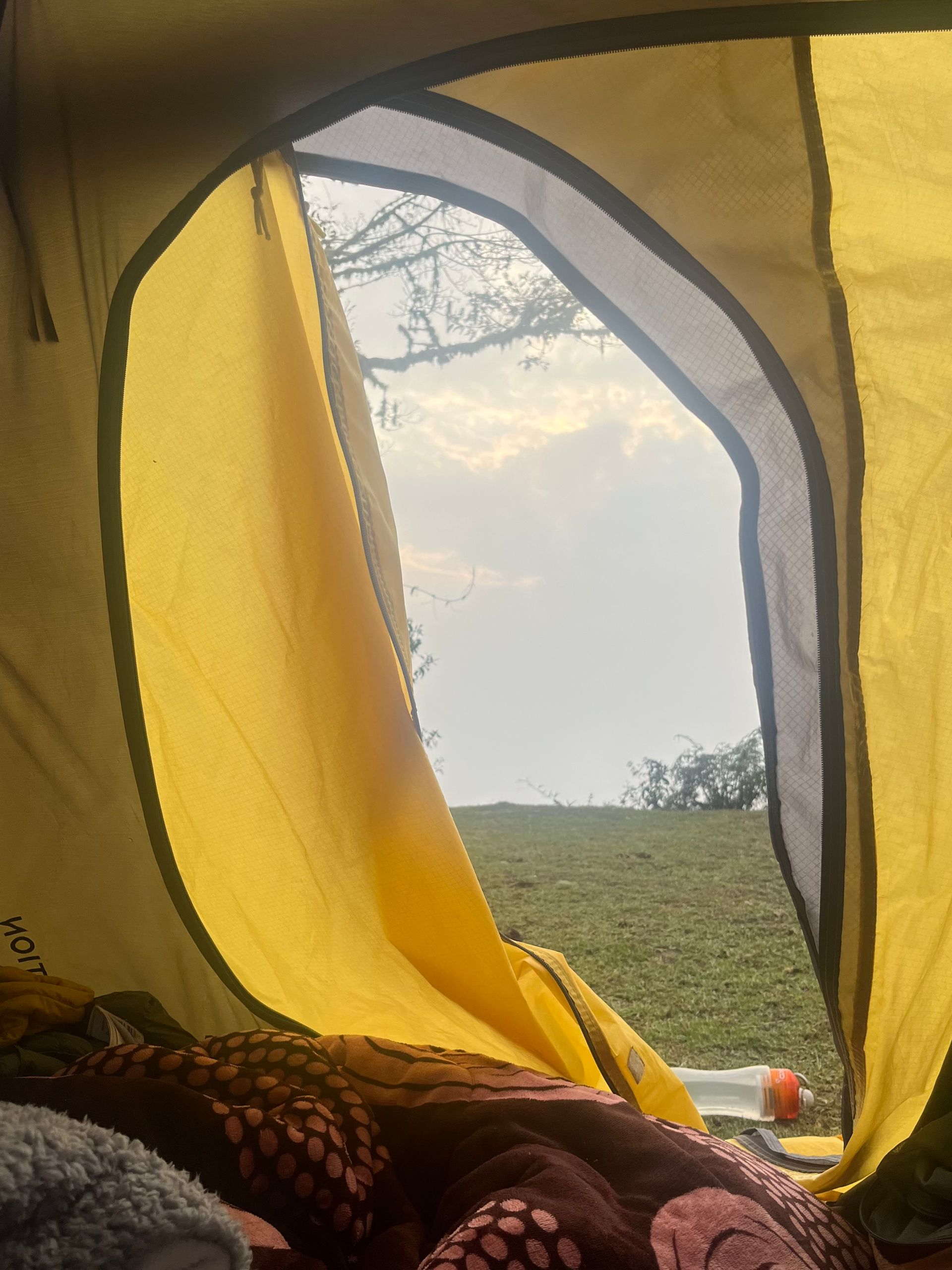
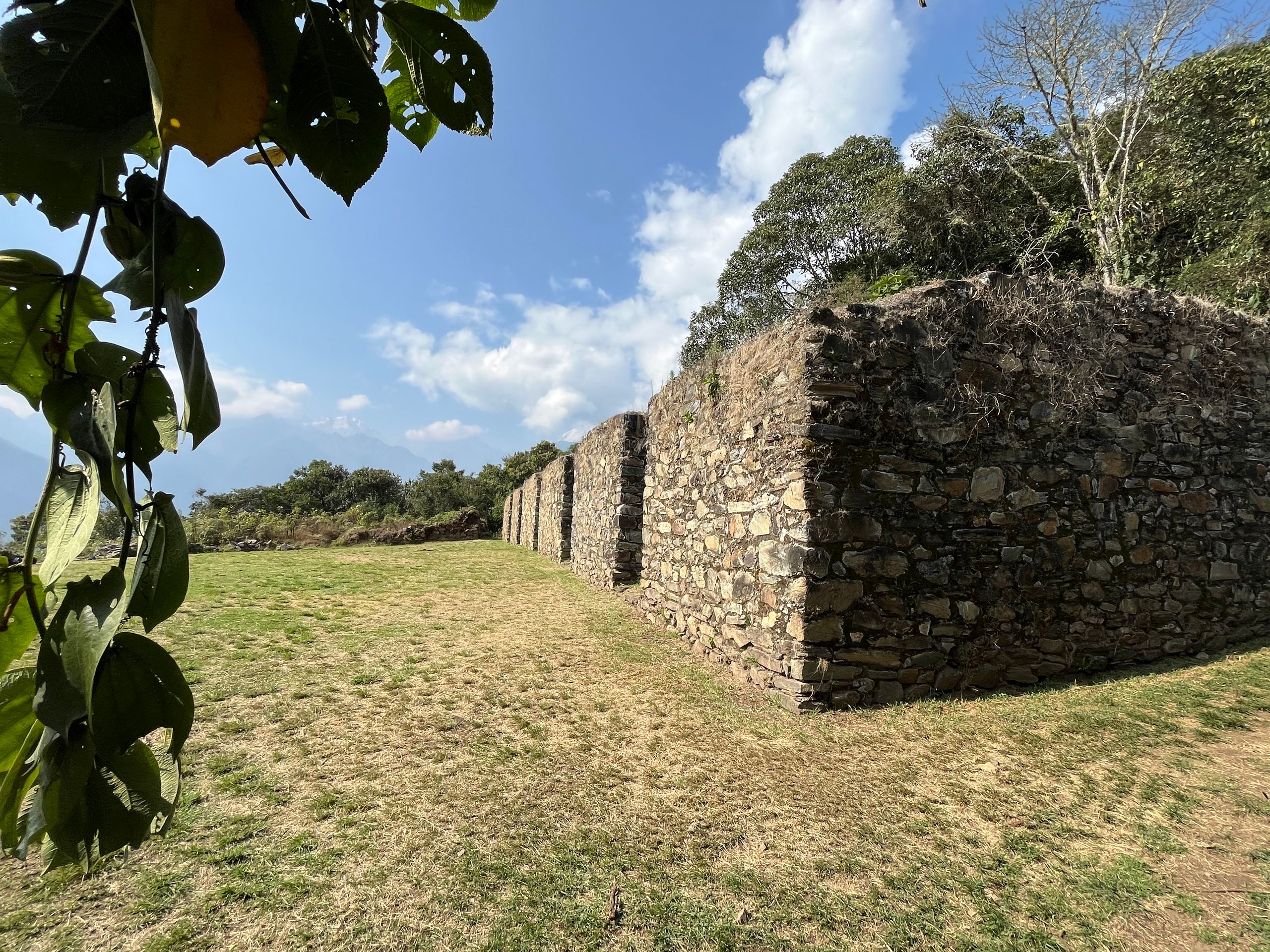
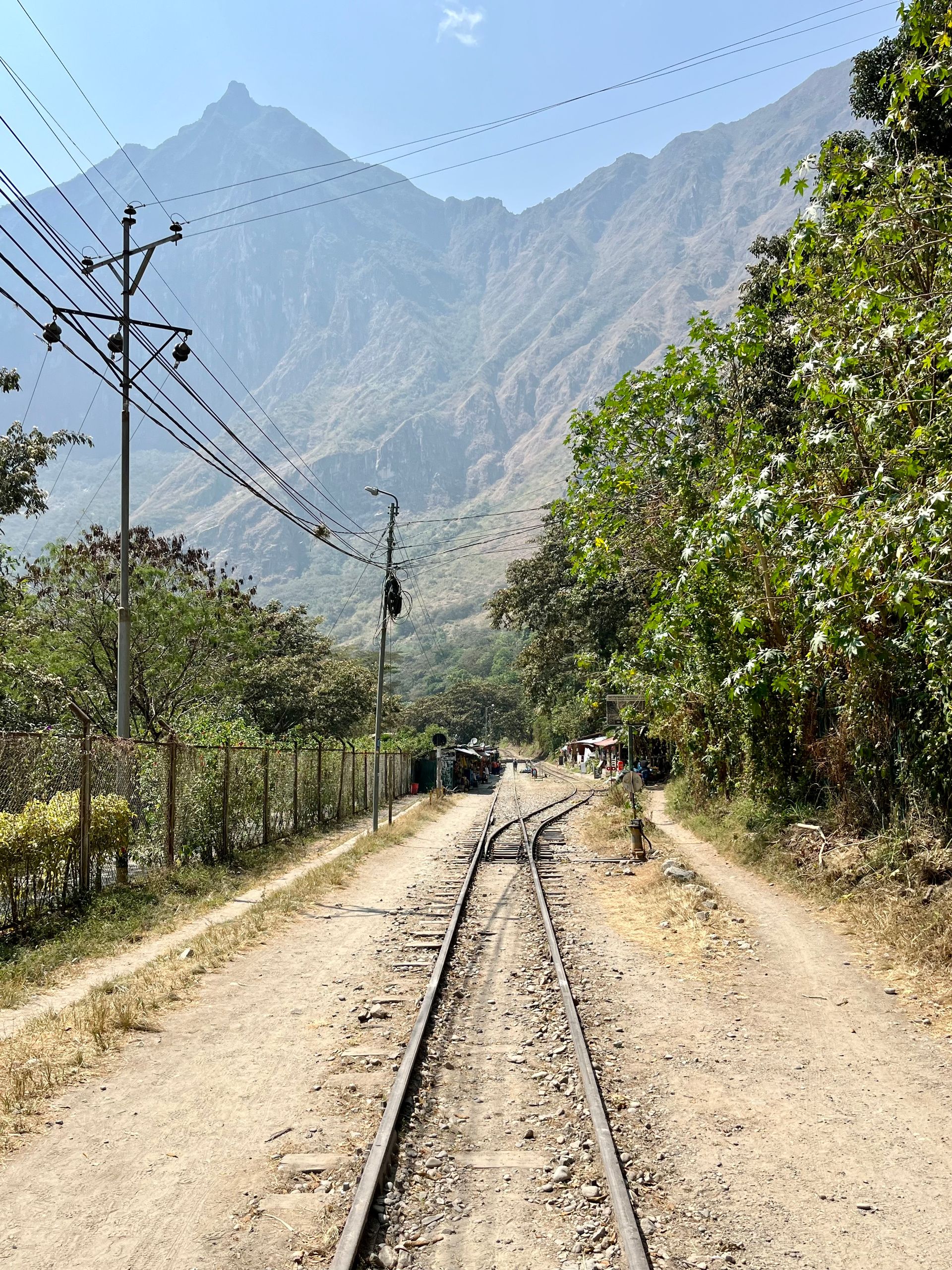
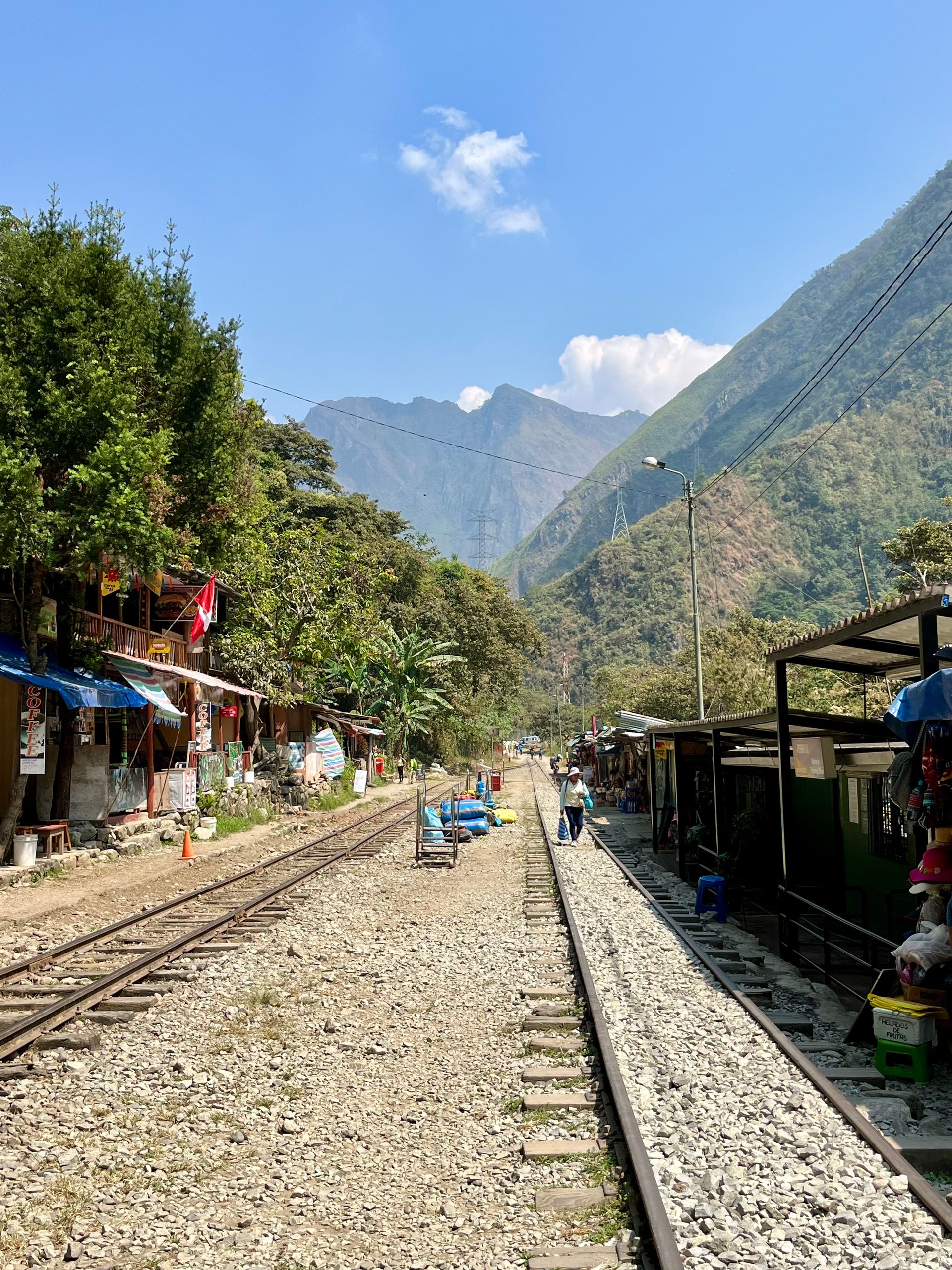
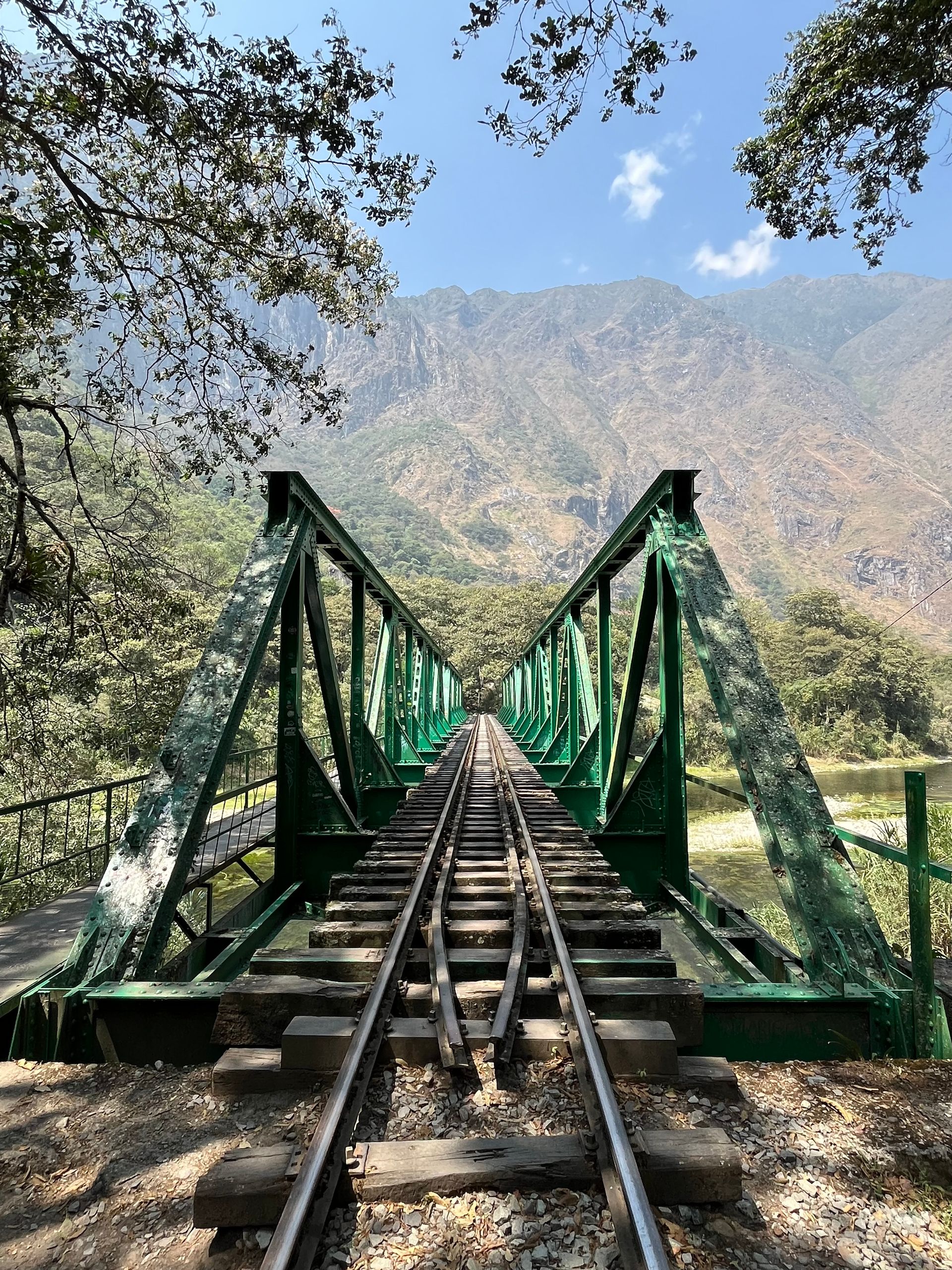
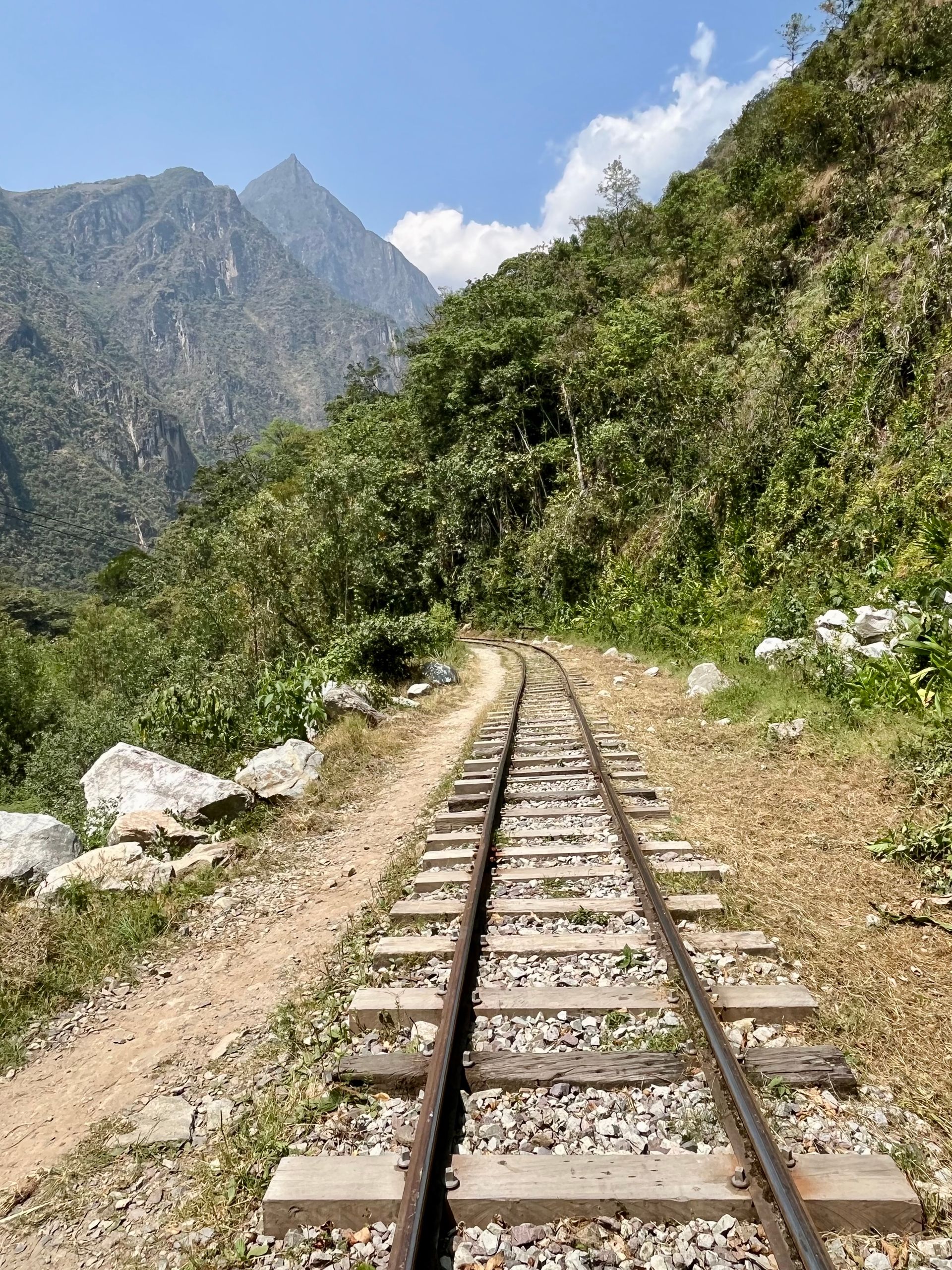
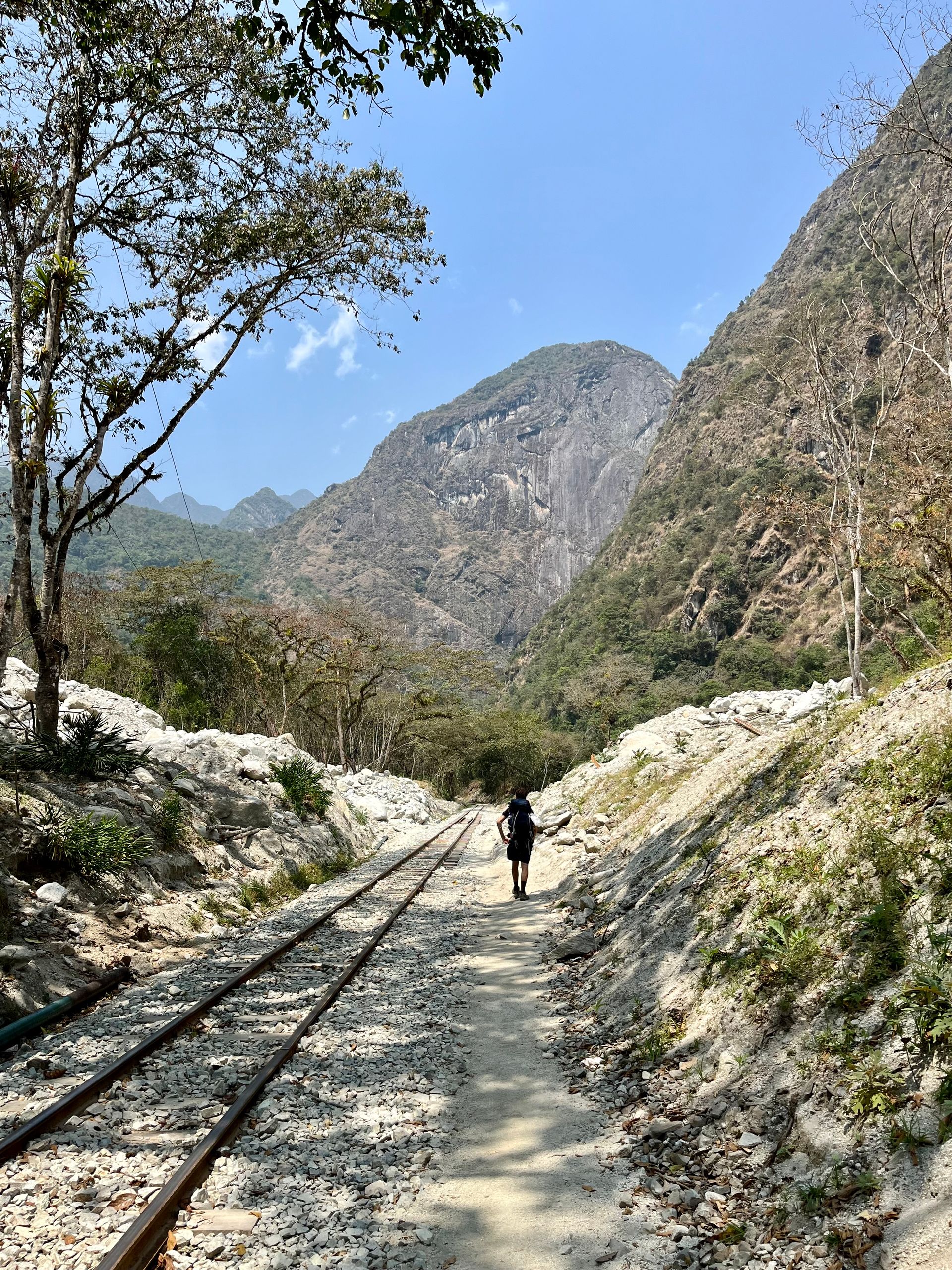
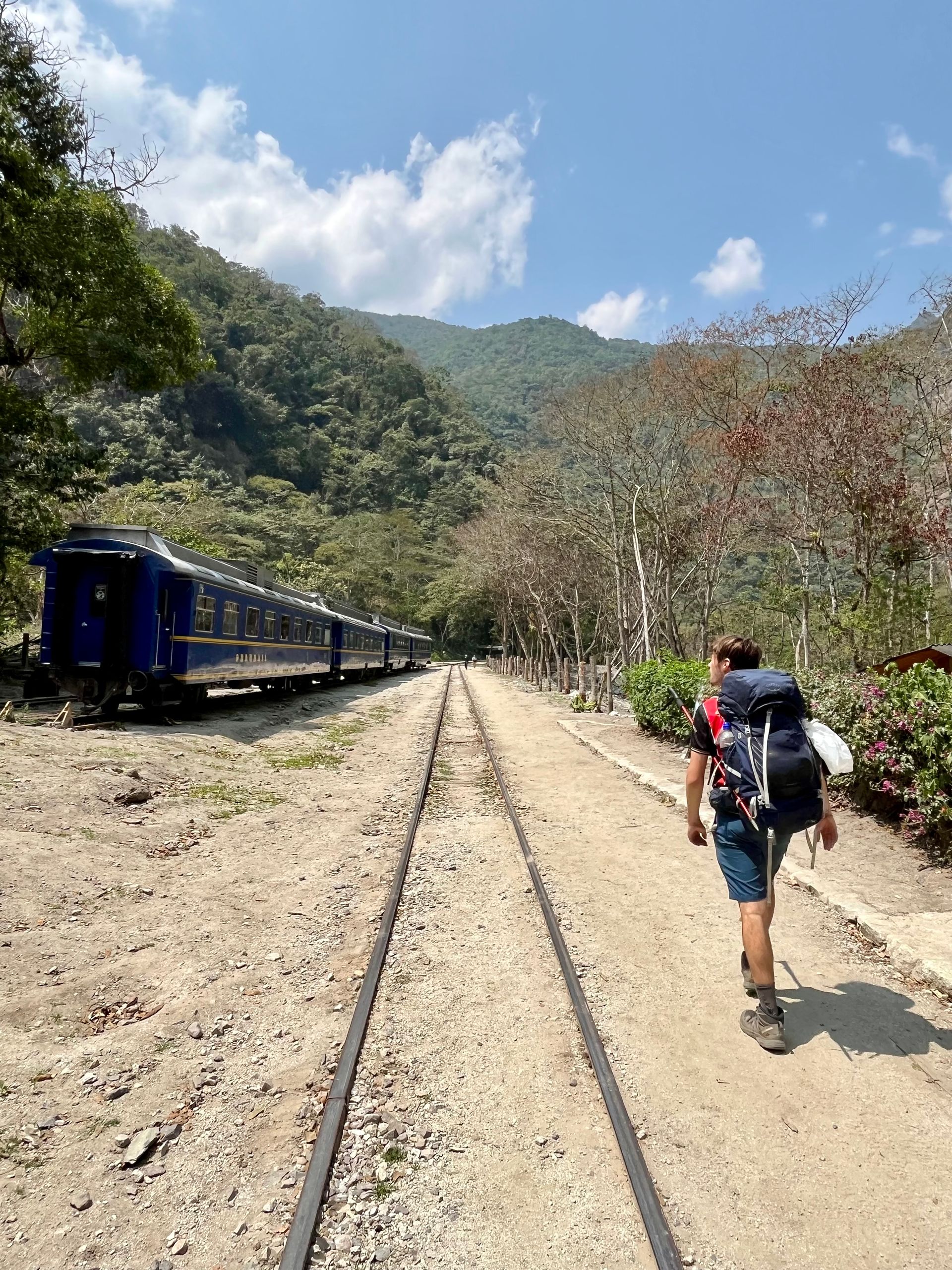
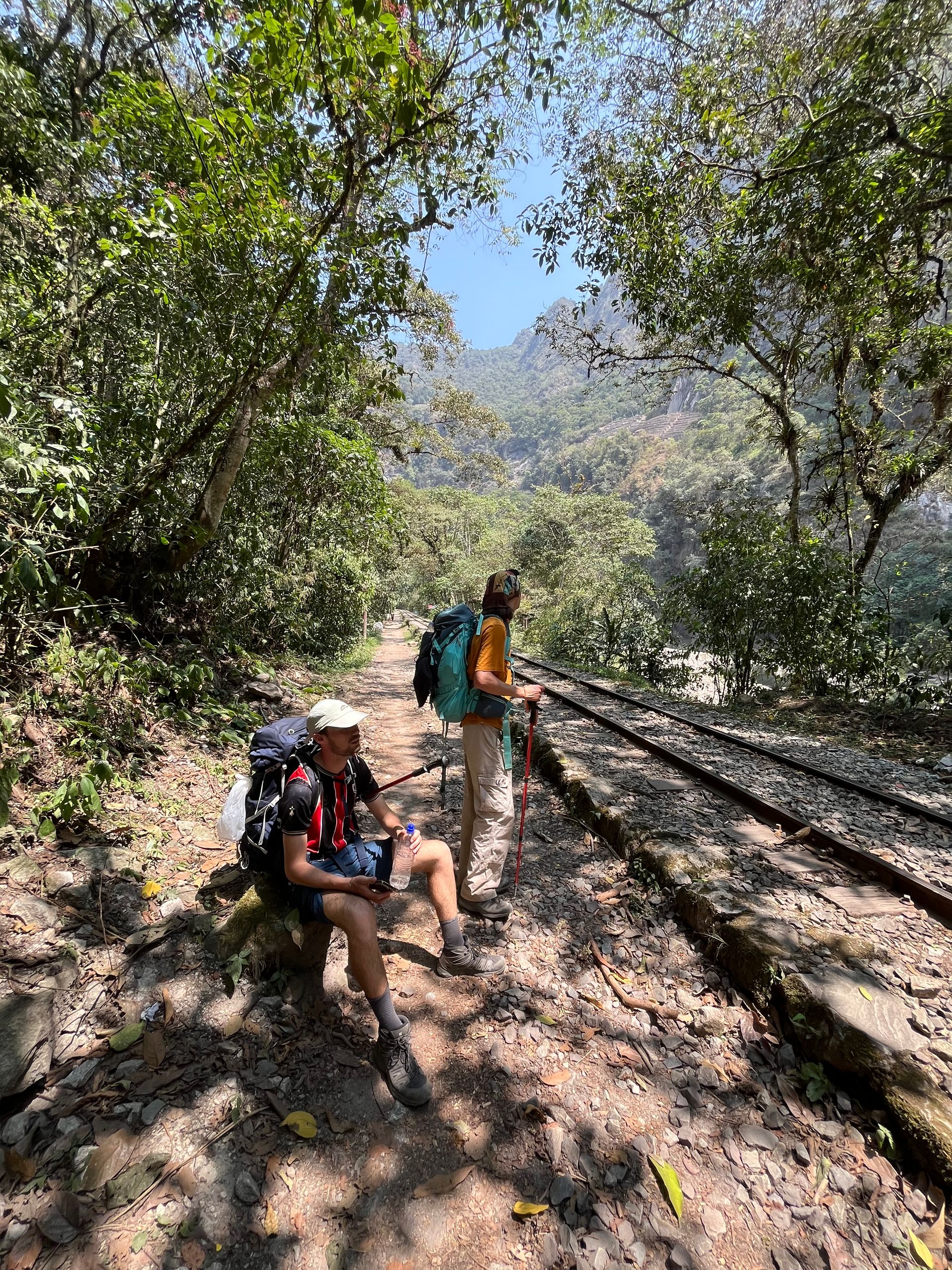
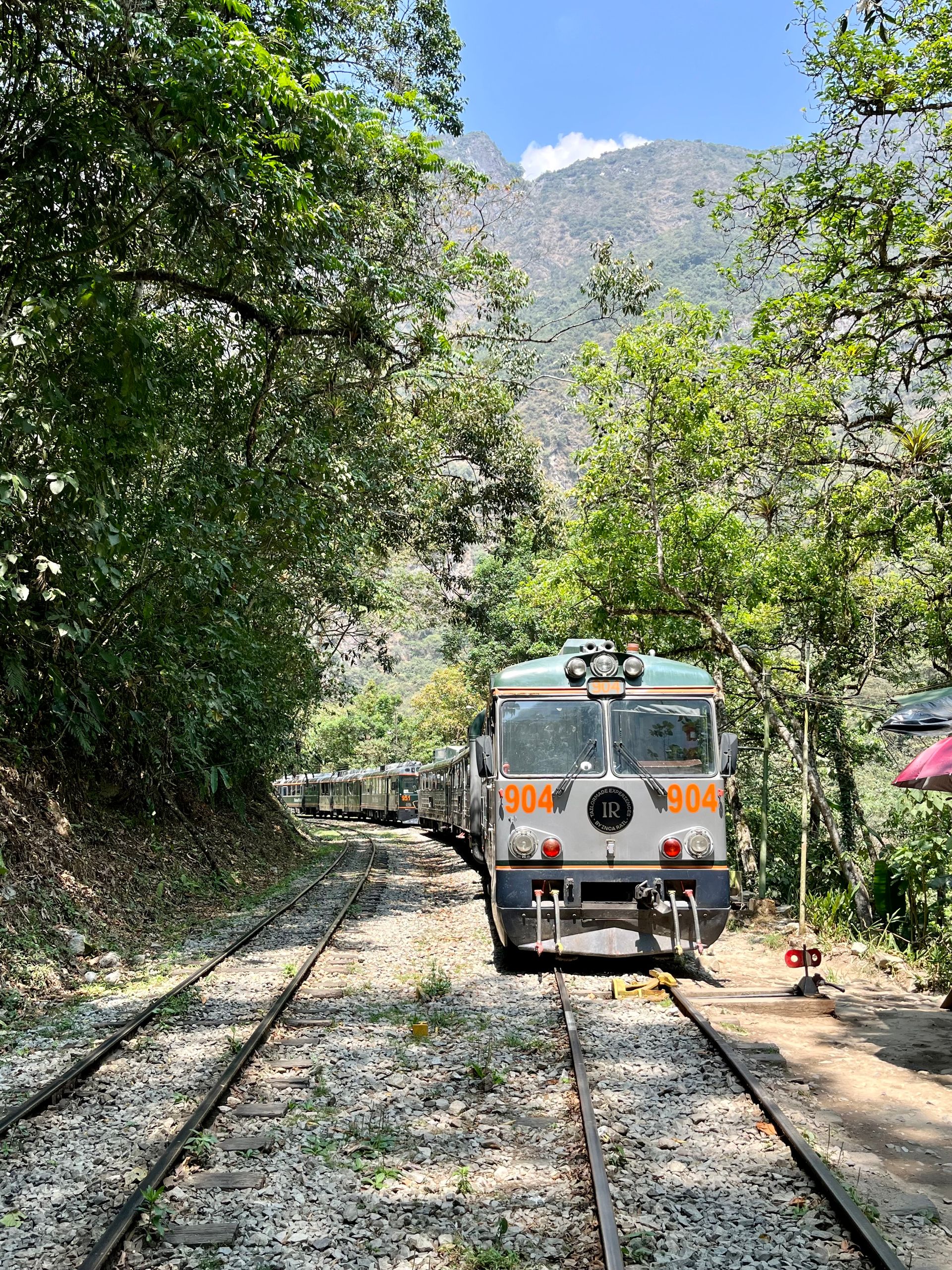
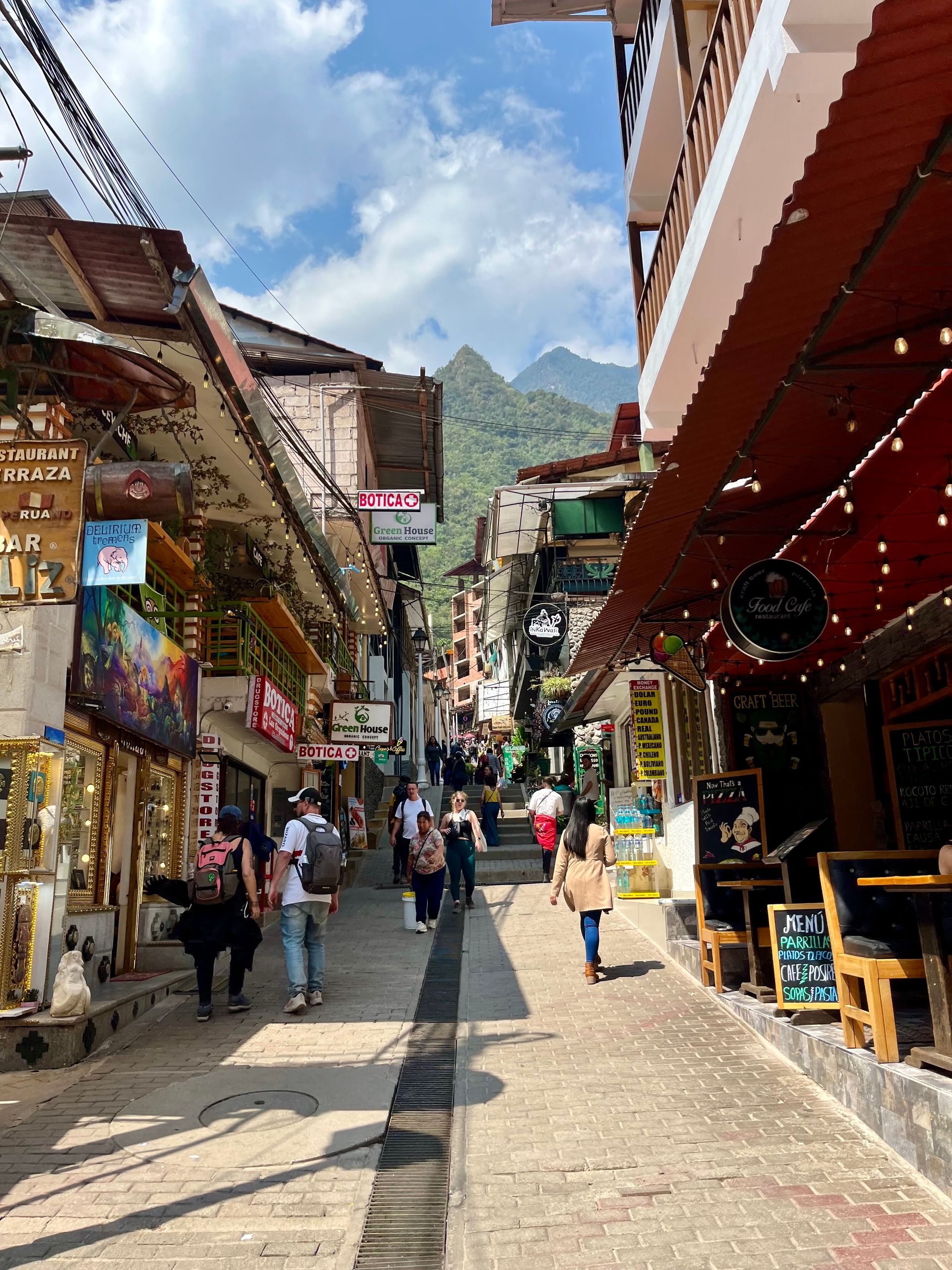
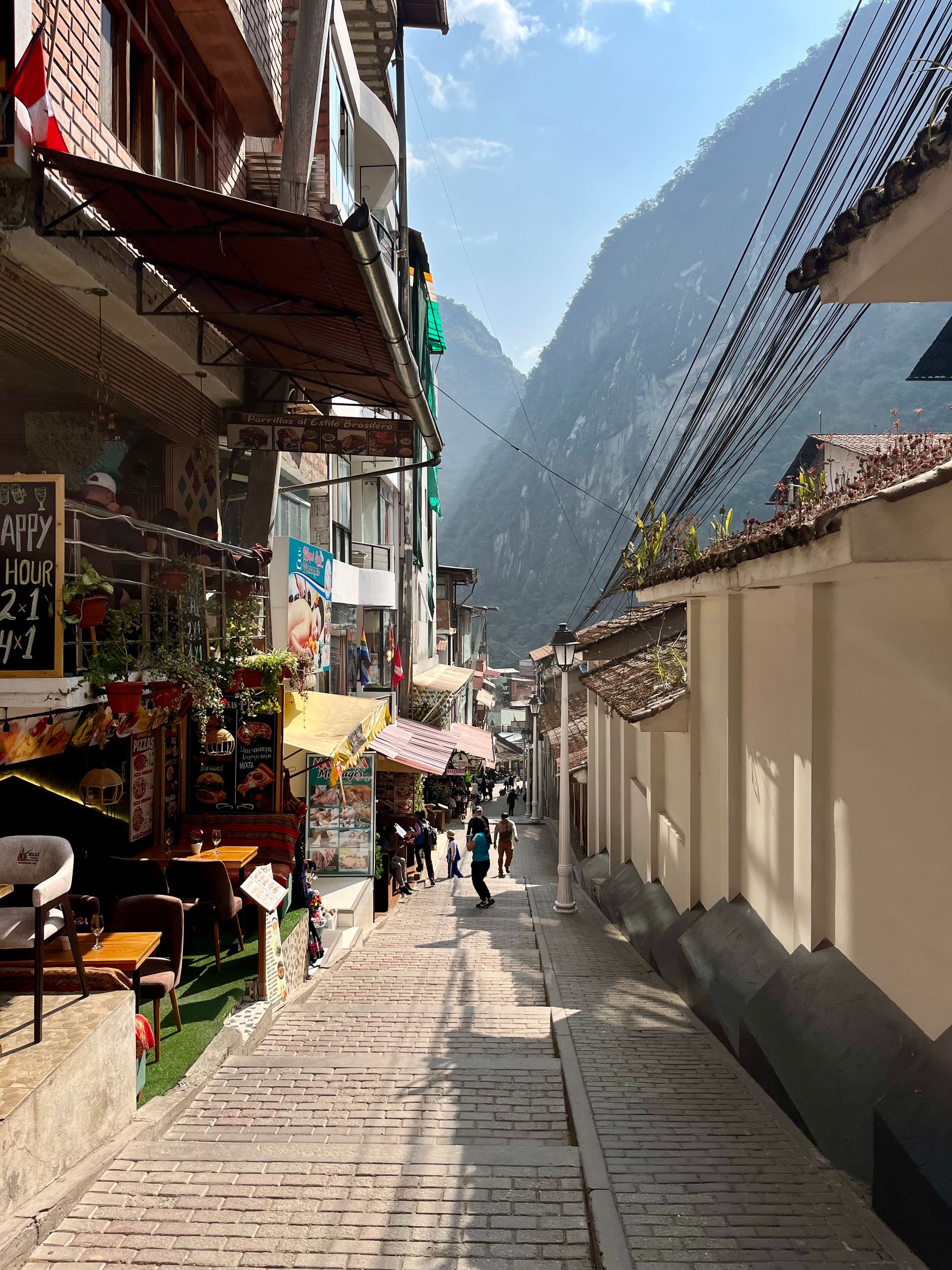
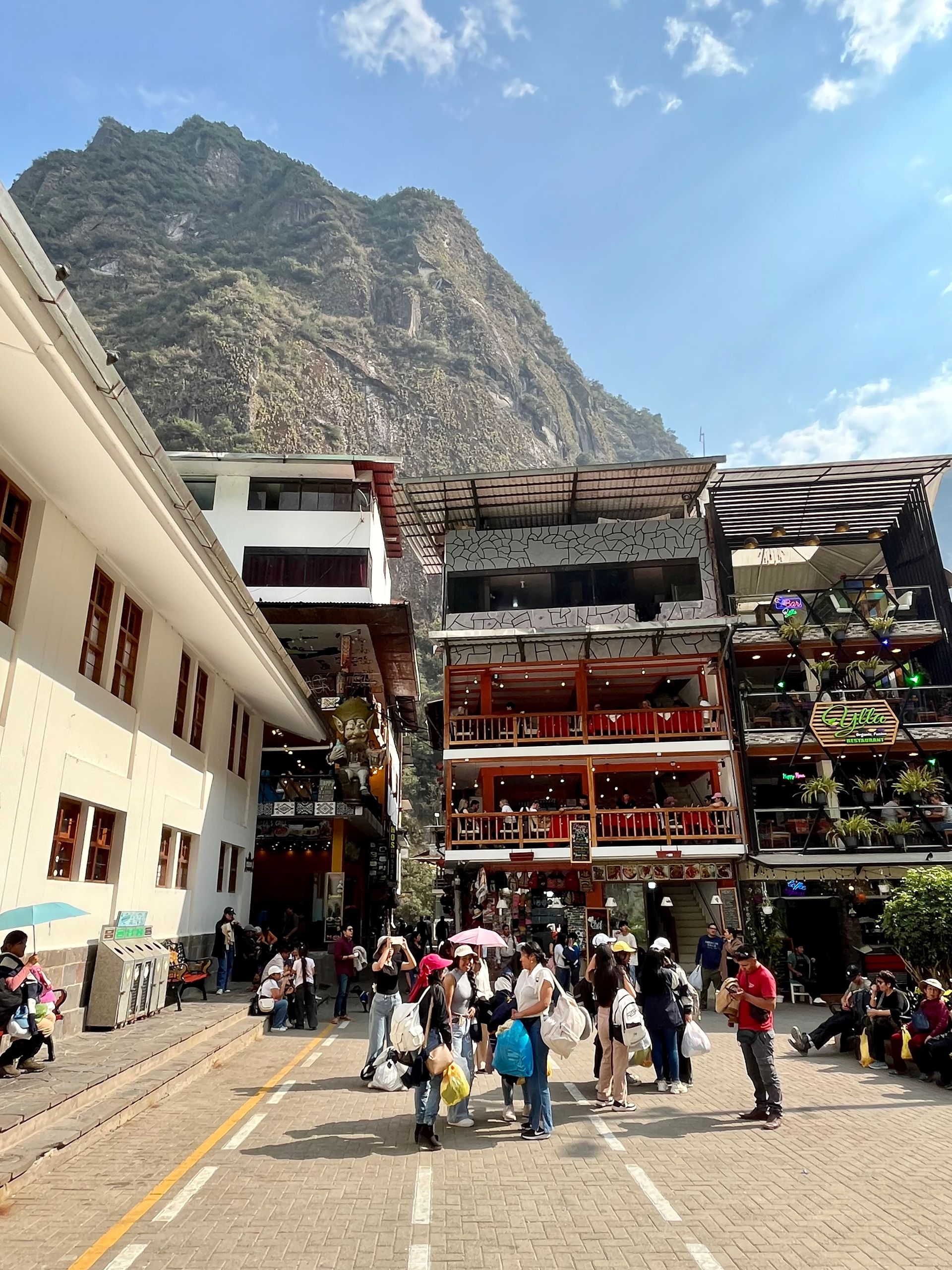
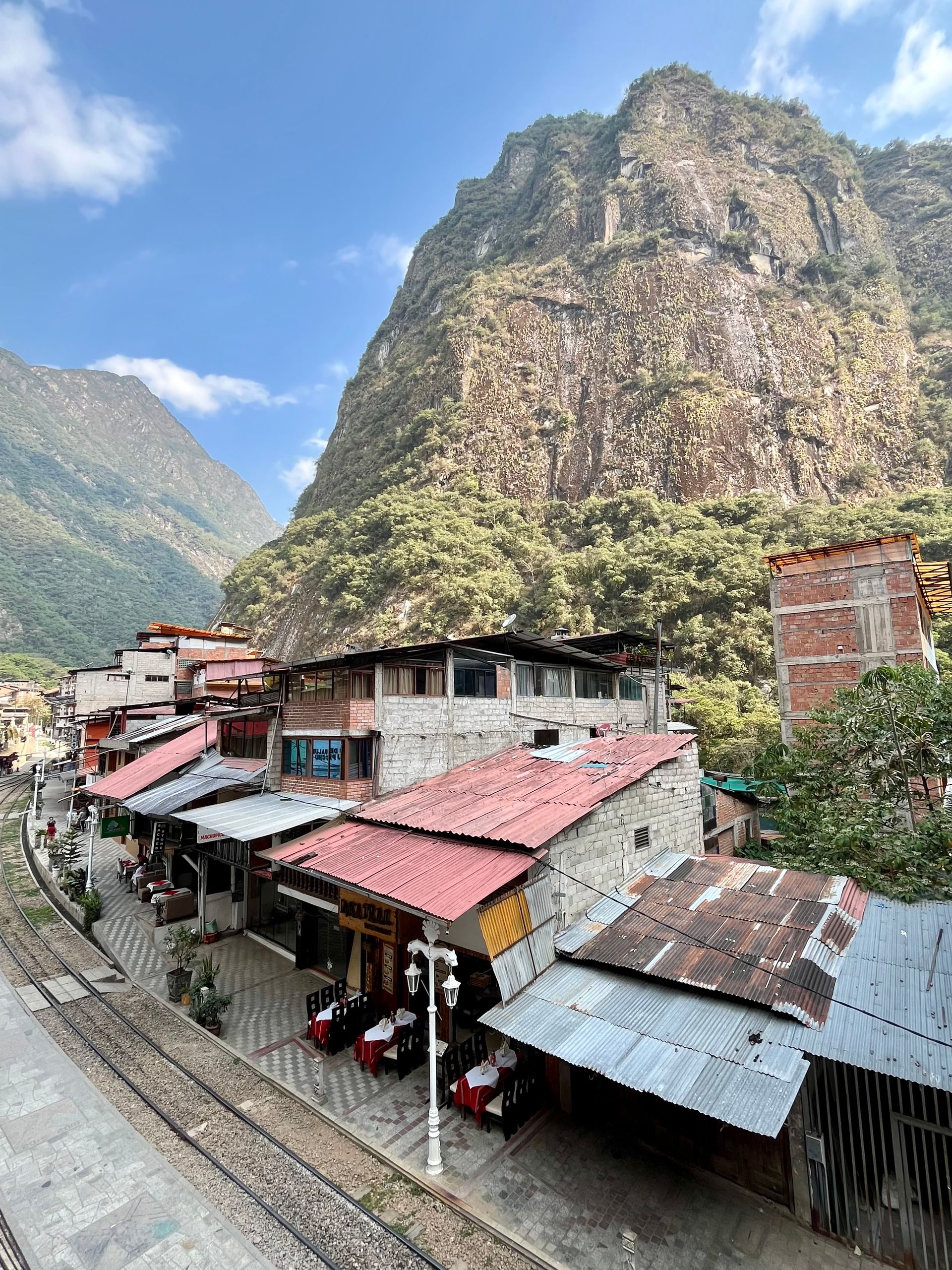
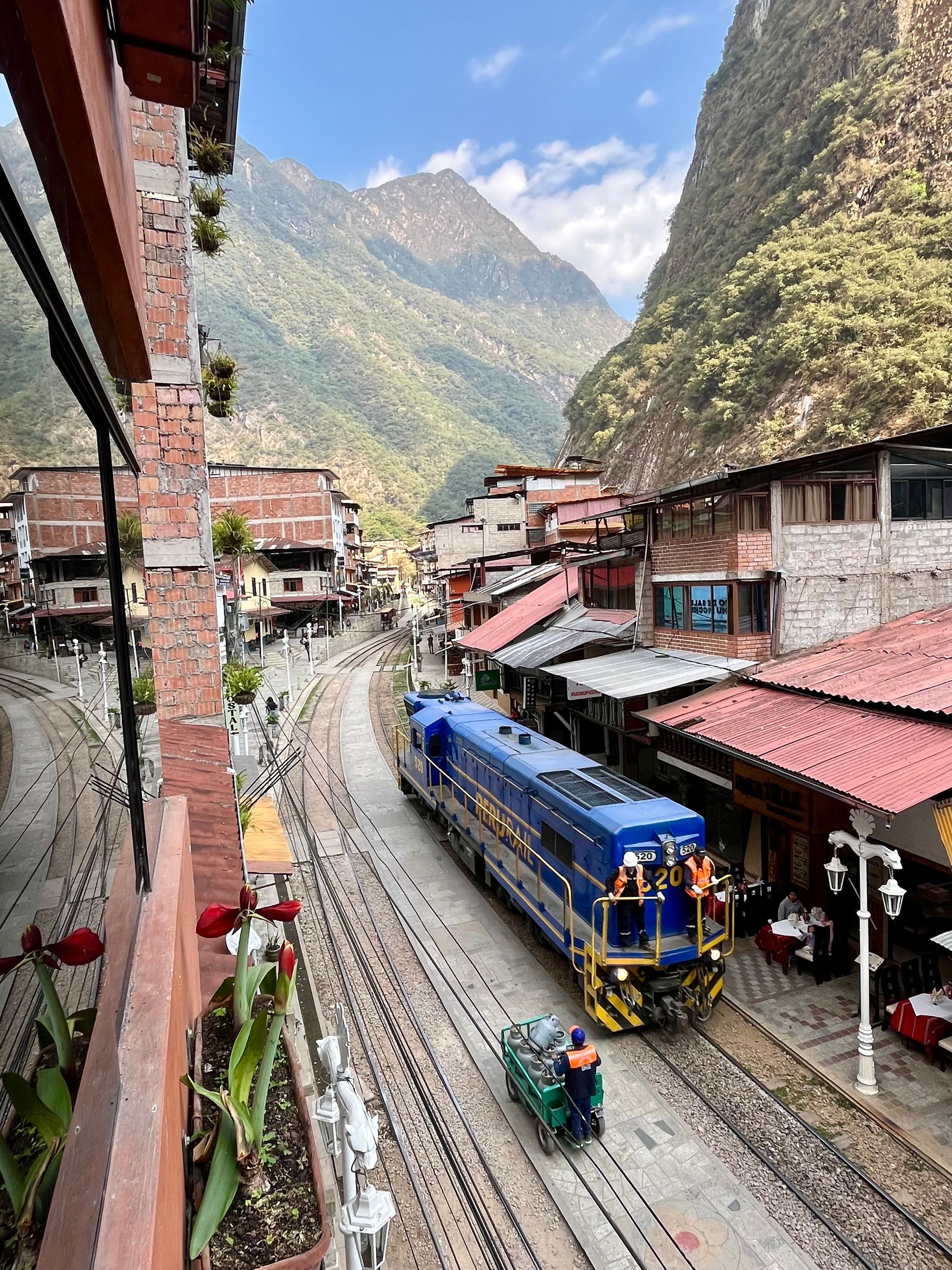
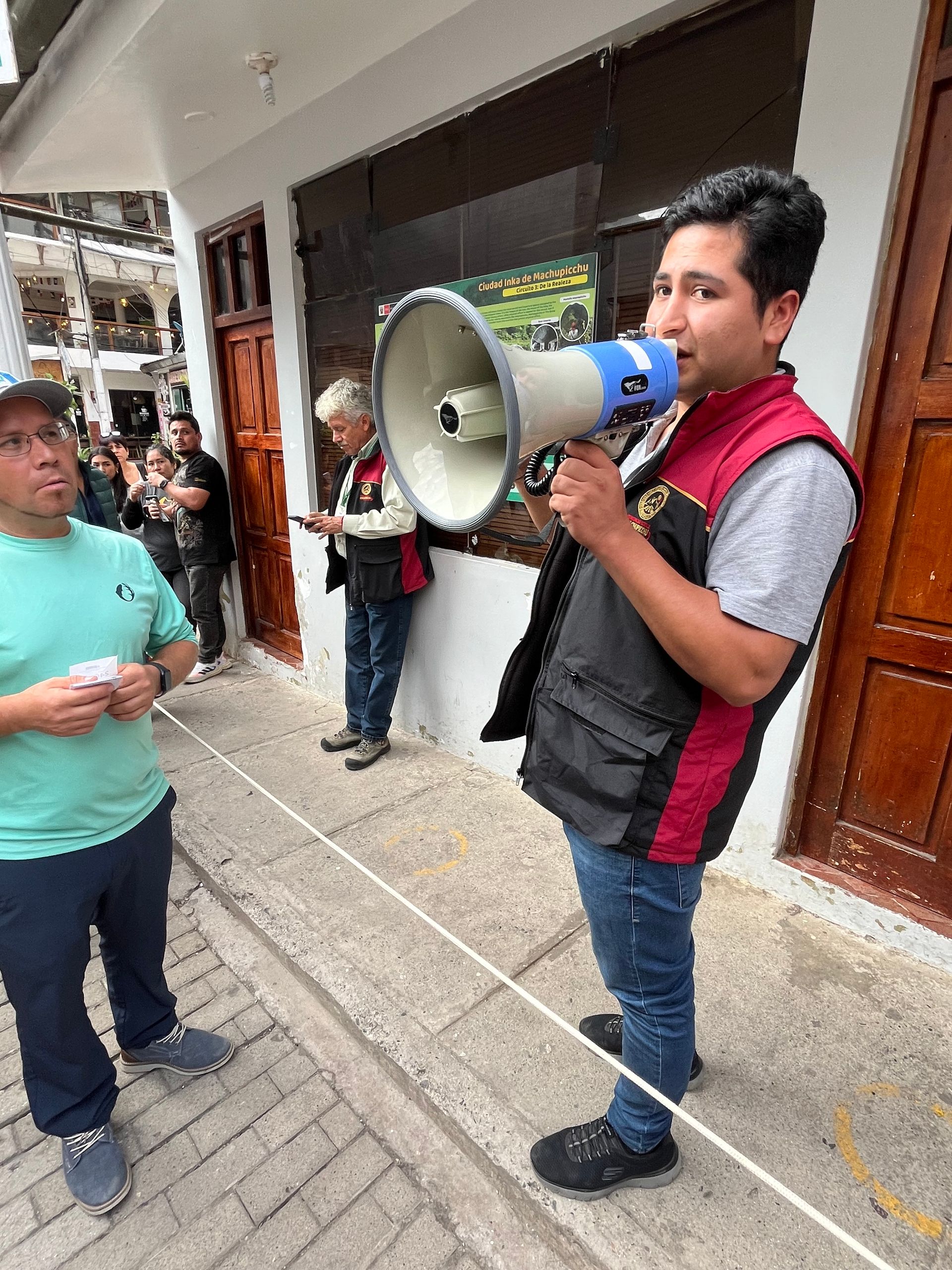
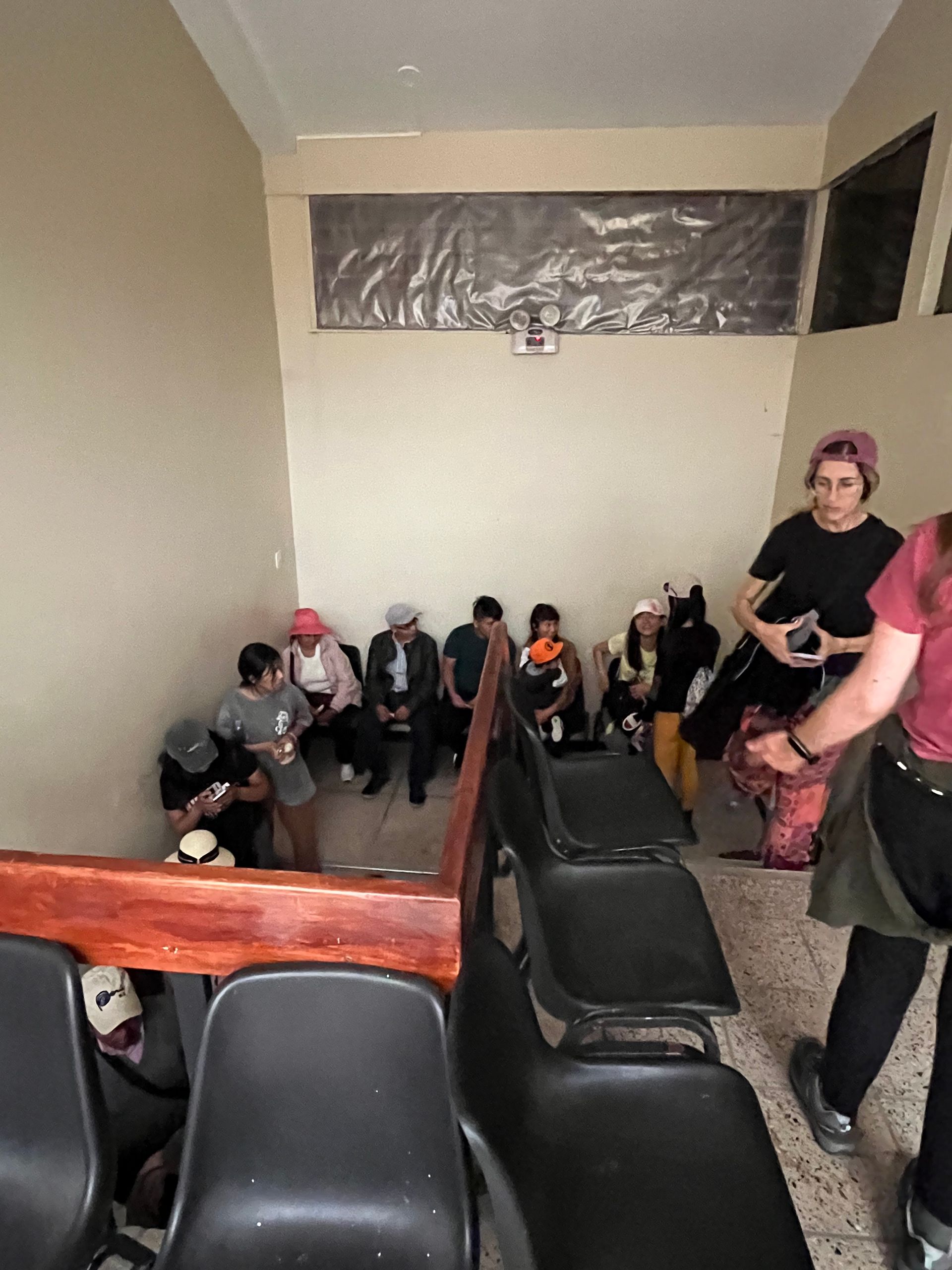
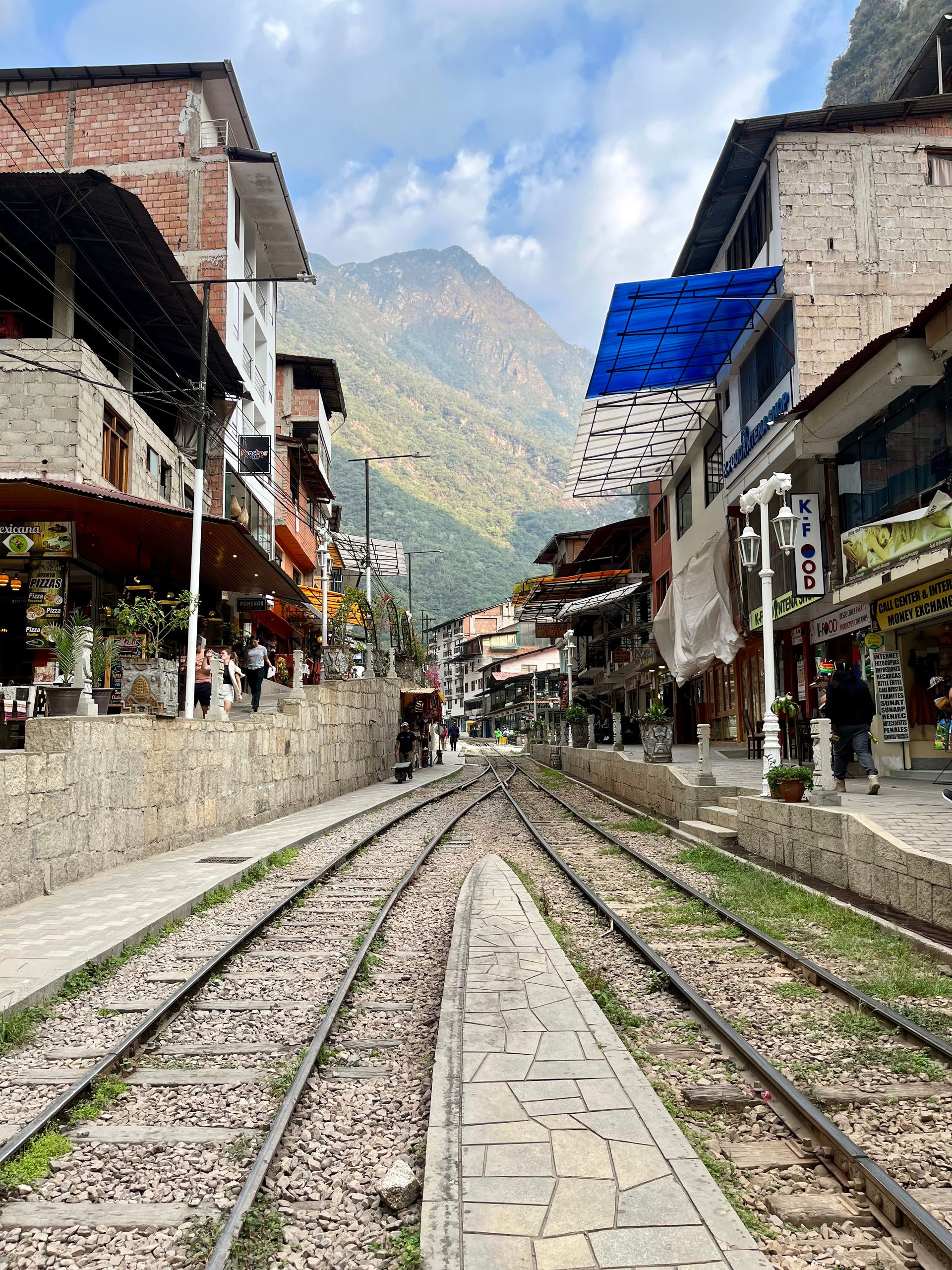
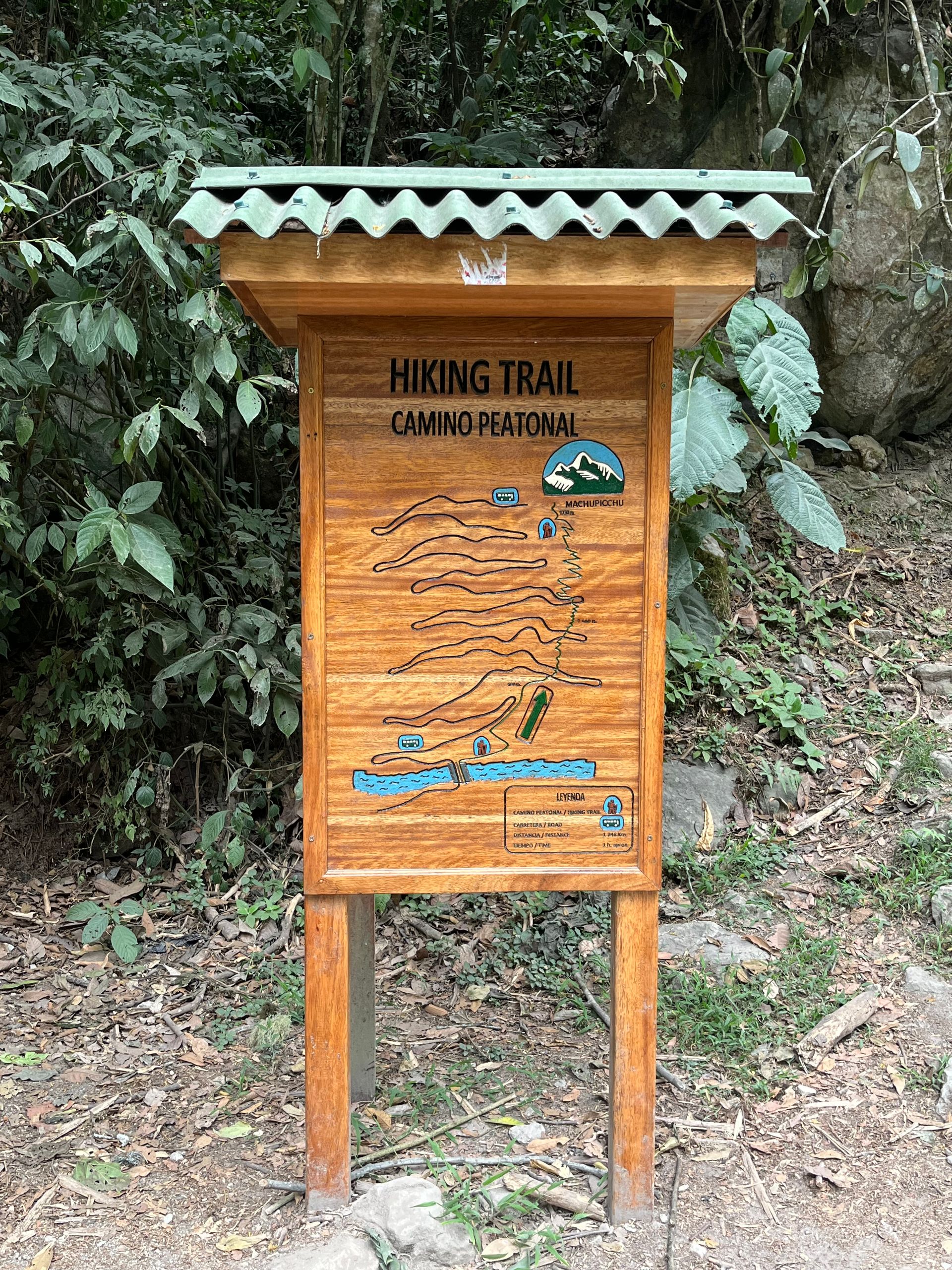
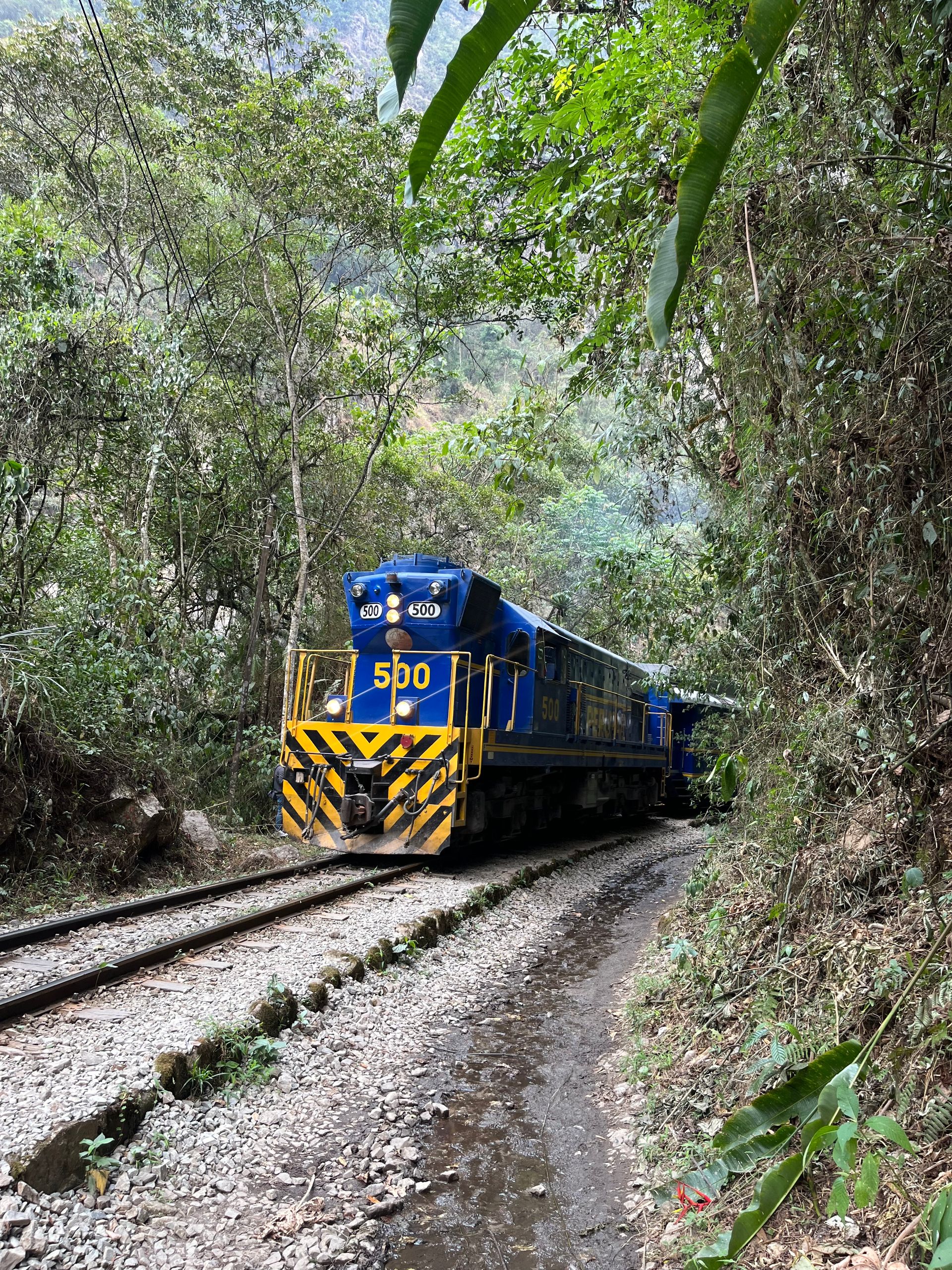
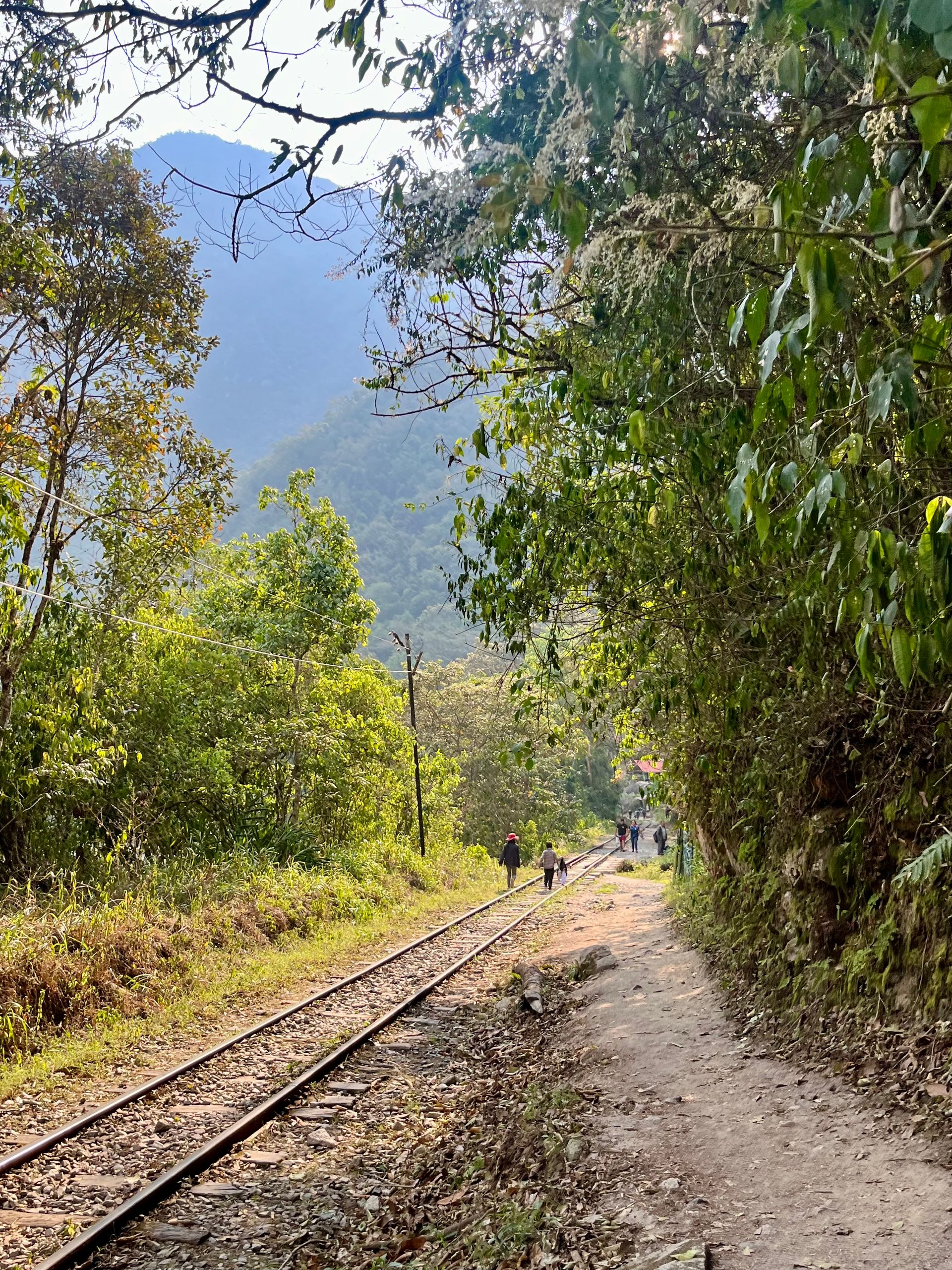
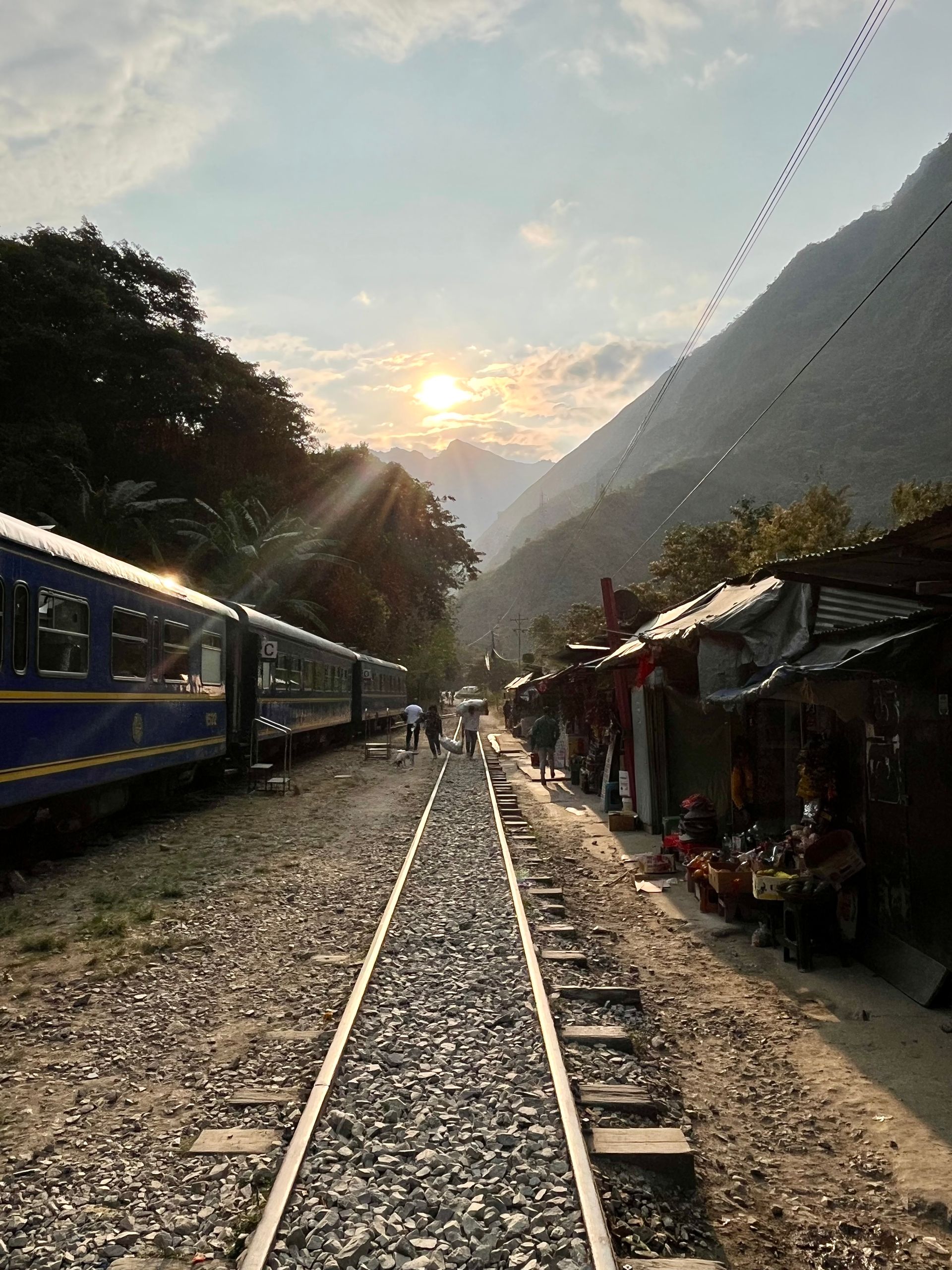
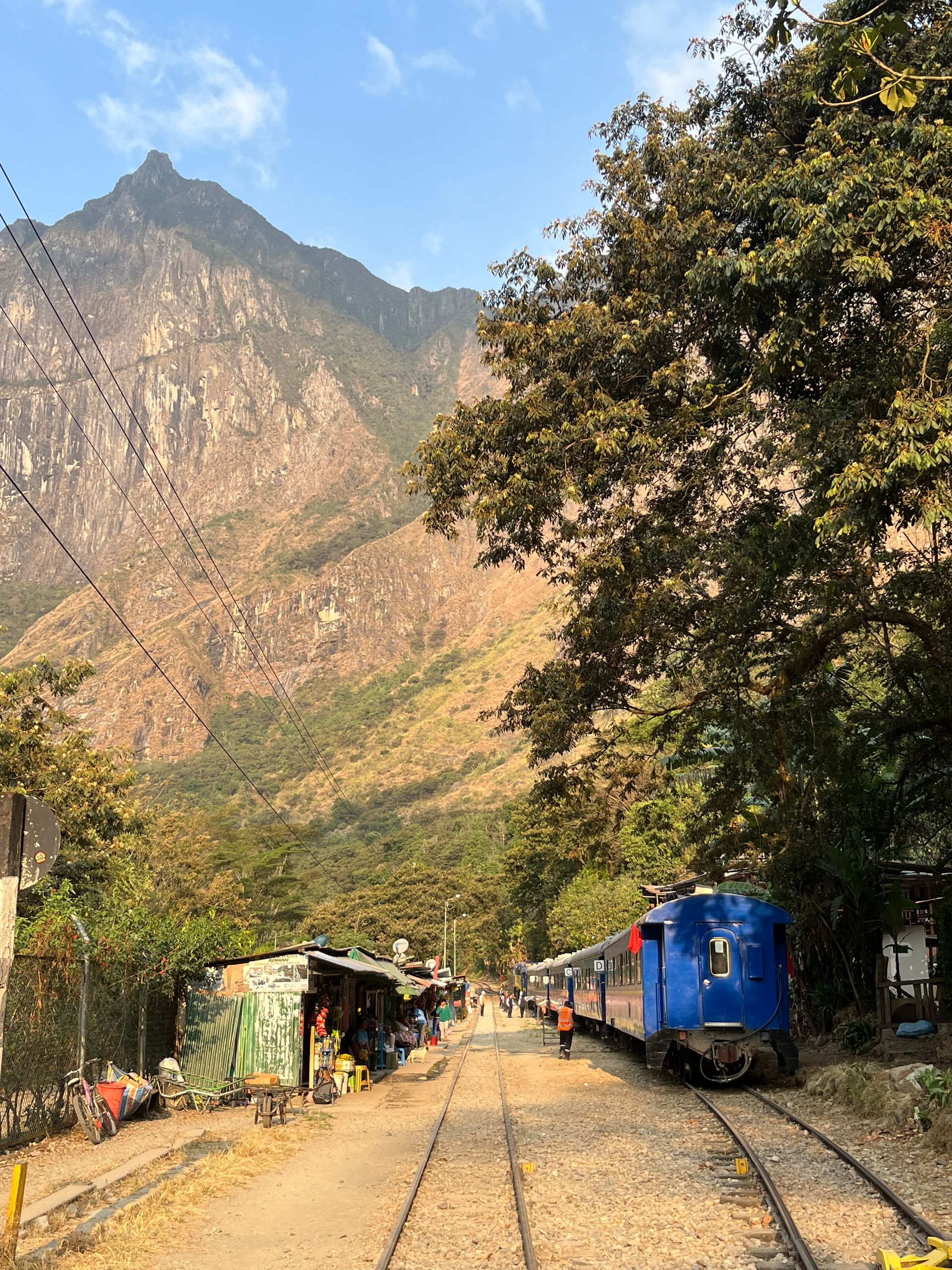
At just after 6:30 AM, I opened the zipper of the tent and peered outside. Fog enveloped the entire valley, silence surrounded the plateau, and our host had already whipped up breakfast. We gathered at the table to fortify ourselves for the day. Shortly after 8, the fog lifted, revealing our travel destination once more. So close, yet still so far, Machu Picchu presented itself to us, and it was time to set off. A long way lay ahead, and just before a multitude of other hiking groups arrived at the plateau to join us, we made our way down into the valley on the opposite side of the high plateau. Passing an ancient Inca settlement, we descended steadily; the vegetation was lush, and it was hot. This jungle-like panorama presented a stark contrast to the rocky peaks from the first days of the trek. After 2 hours in the jungle, we reached Hidroelectrica, the last place before Machu Picchu that can be reached by car. From here, there is no more road; the only way to continue, if you aren’t hiking, is by train. It would probably be quite easy to build a road from here to Aguas Calientes, the village where one starts the ascent to Machu Picchu, but then the revenues from the thousands of tourists who pay for the quite expensive train ride from Hidroelectrica or directly from Cusco would likely vanish. But that is just a guess regarding the reasoning behind the absence of a road. The fact remains that from here, you can only continue on foot or by train. After nearly 4 days of walking and all the exertions, the question about other means of transport didn’t even need asking, as the only option is the human foot. At the train station in Hidroelectrica, there are numerous food stalls, and we stocked up on provisions for the last 12 kilometers which would then take us along the tracks to Aguas Calientes. The trek took another 2.5 hours; the path became more touristic, and we encountered many other hikers who opted for the route along the tracks. However, it remained relatively relaxed as we only met smaller groups, with most of them on their way back from Aguas Calientes. However, after the last few days, the burden on our shoulders was especially noticeable, and at every rest, we tried to get rid of our backpacks as quickly as possible, as our backs and shoulders ached, even though we were carrying the lightest possible load. Another problem today was the condition of the ground. The loose stones of the railway bed we walked on relentlessly dug into the soles of our already sensitive feet from the last days of hiking. At times, it felt like we were walking barefoot over the stones, every step was a painful ordeal, and the attempt to walk consistently on the rails failed due to the varying distances. A uniform step was impossible. Although the route here was flat, it remained quite exhausting. In the early afternoon, we arrived in Aguas Calientes, completely soaked with sweat, battered, and dirty, and for the first time, we encountered a numerous amount of tourists who had comfortably arrived by train. It was quite a comical sight to arrive at this place in a completely disheveled state while various middle-aged tourists in pink polo shirts, looking completely revitalized and energized, passed by to explore the area. But that’s part of the game. Alongside many hostels and backpacker accommodations, Aguas Calientes also has 5-star hotels, providing something for every type of traveler. The place appears to primarily exist due to Machu Picchu. Certainly, there are also locals living here, but the infrastructure and pretty much everything is fully dedicated to tourism and in all its facets. Quite a stark contrast after the previous trek and a complete re-entry into civilization. Amid various souvenir stalls and restaurants, loud pop music echoed from the bars, confronting the well-off visitors with European prices. We disregarded the tourist madness and entered a local restaurant where you can get an excellent lunch with a drink for not even 4 euros. Yes, you can find this here; there’s something for every taste, in a way. As we of course still did not have any entrance tickets to the sacred site and everything was sold out online for months, we went to the tourist information after lunch. Apparently, they issue a thousand tickets per day in addition to advance sales. Whether one gets one of those depends on the season and the volume of tourists in town on the desired visit day. At the tourism office, we received a number after showing our passports and were asked to return at 4 PM to the ticket sales office. Okay, that was promising. Arriving shortly before the arranged time, a massive crowd already gathered in front of the building. We had numbers beyond 200—let’s see how the procedure worked here. Shortly after 4, two guys stepped forward from the masses. One was in charge of entry, and the other began shouting out the numbers into the crowd via a megaphone. He started with 150, and anyone who heard their number was allowed to enter the building and approach the ticket counter. It felt like a bazaar. However, many of the numbers called were unfortunately not redeemed, and shortly thereafter, it was our turn to enter. So far, it had been quite simple; now it only remained to be seen whether we would get our desired circuit. There are a total of four circuits through Machu Picchu (divided into A and B), meaning there are 8 options in total. Each circuit takes a different path through the Inca site, and not every circuit allows access to the city ruins. According to my research, Circuit 2 is probably the 'best,' providing the well-known view over the site several times and allowing one to wander completely through the city's ruins. At the ticket counter, we were asked about our desired circuit. Number two was still available. However, since you also have to choose a time slot beforehand, it may occur that along with the circuit, a specific time is assigned during such short-term ticket purchase as well. But again, we were lucky (I was with Malo) and could choose Circuit 2 at our preferred time of 10 AM the next day. Jackpot! Everything until now had been perfect, and for 35 euros, the ticket changed hands. I have no idea what caused our good fortune, but I've also heard of other people who had to wait several days to get a ticket spontaneously. Okay, duty done; now all we need is the weather to cooperate. Rain is forecasted for tomorrow, and a certain tension set in. After four days to get here, it would be a terrible thought to not see Machu Picchu due to fog, rain, and clouds the next day—definitely an unattractive scenario, but also everything within the realm of possibility. I met a few people on my travels who experienced this (luckily) uncontrollable situation. Bad luck, I suppose—so fingers crossed for tomorrow. There’s really nothing we can do to change it anyhow. For the rest of the day, we explored Aguas Calientes a bit more, ate affordably in local eateries, or took care of our feet. My soles were covered with several large blisters, and there are definitely more pleasant activities than wandering around with battered feet at random.
Day 5:
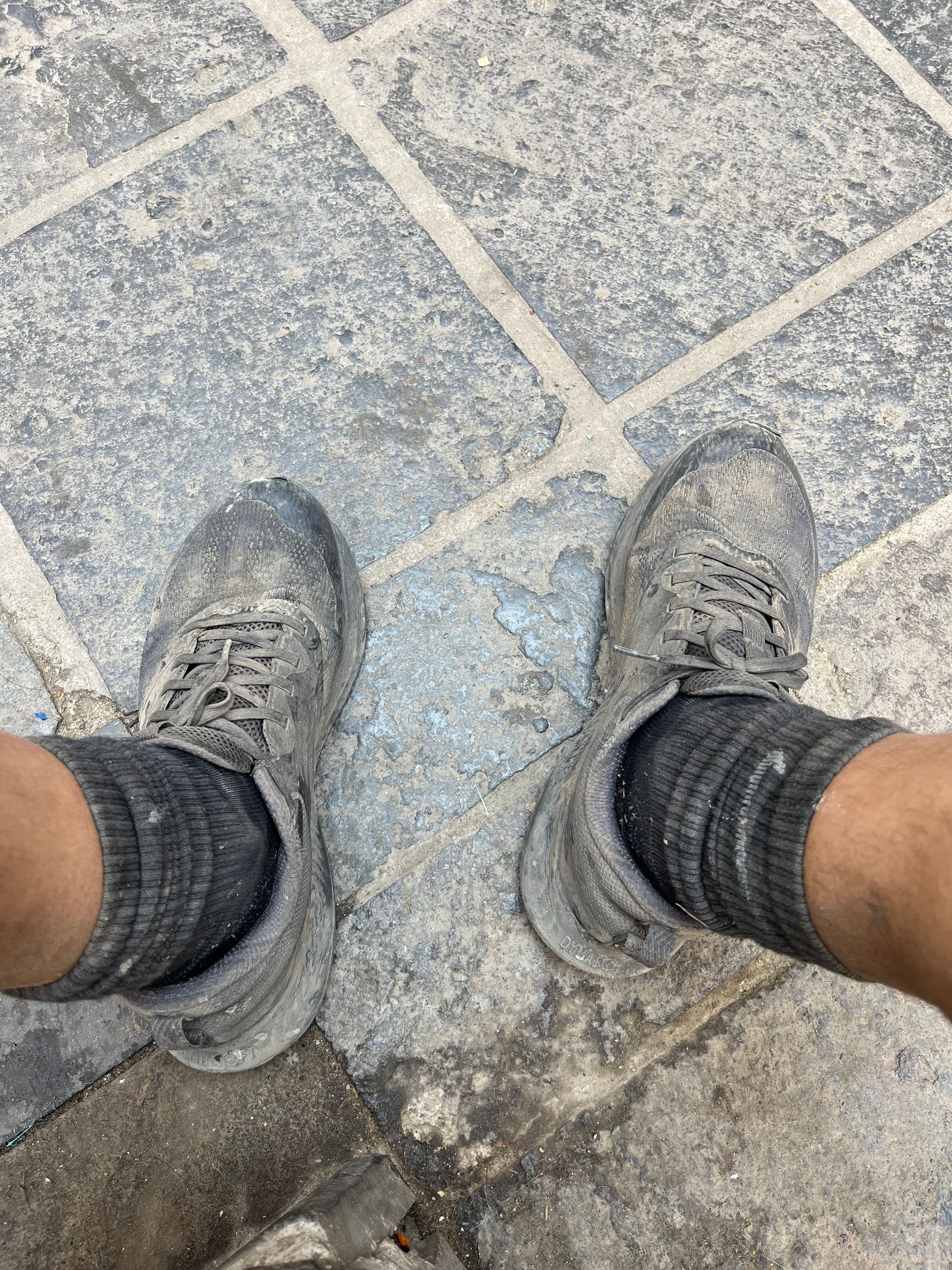
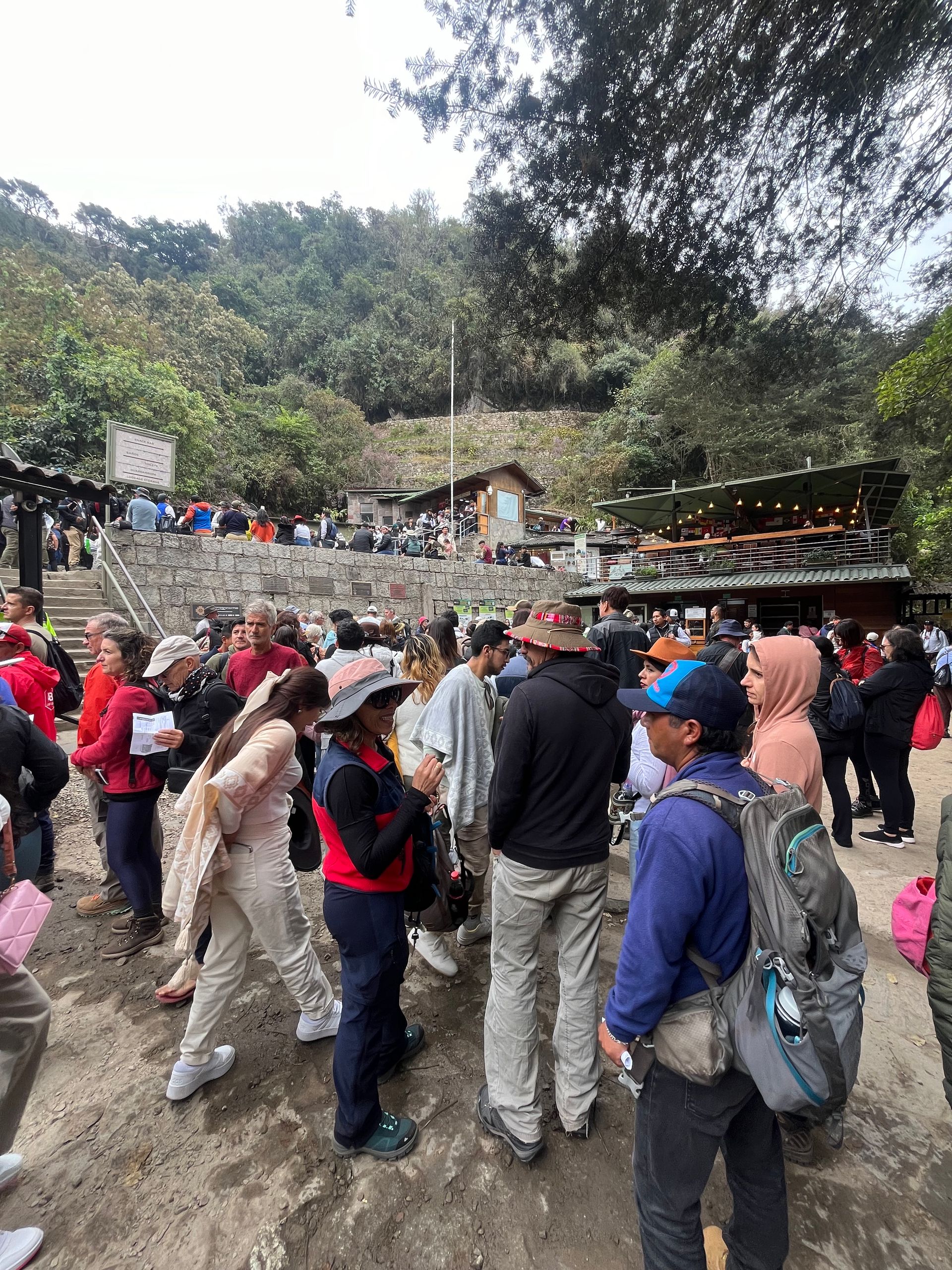
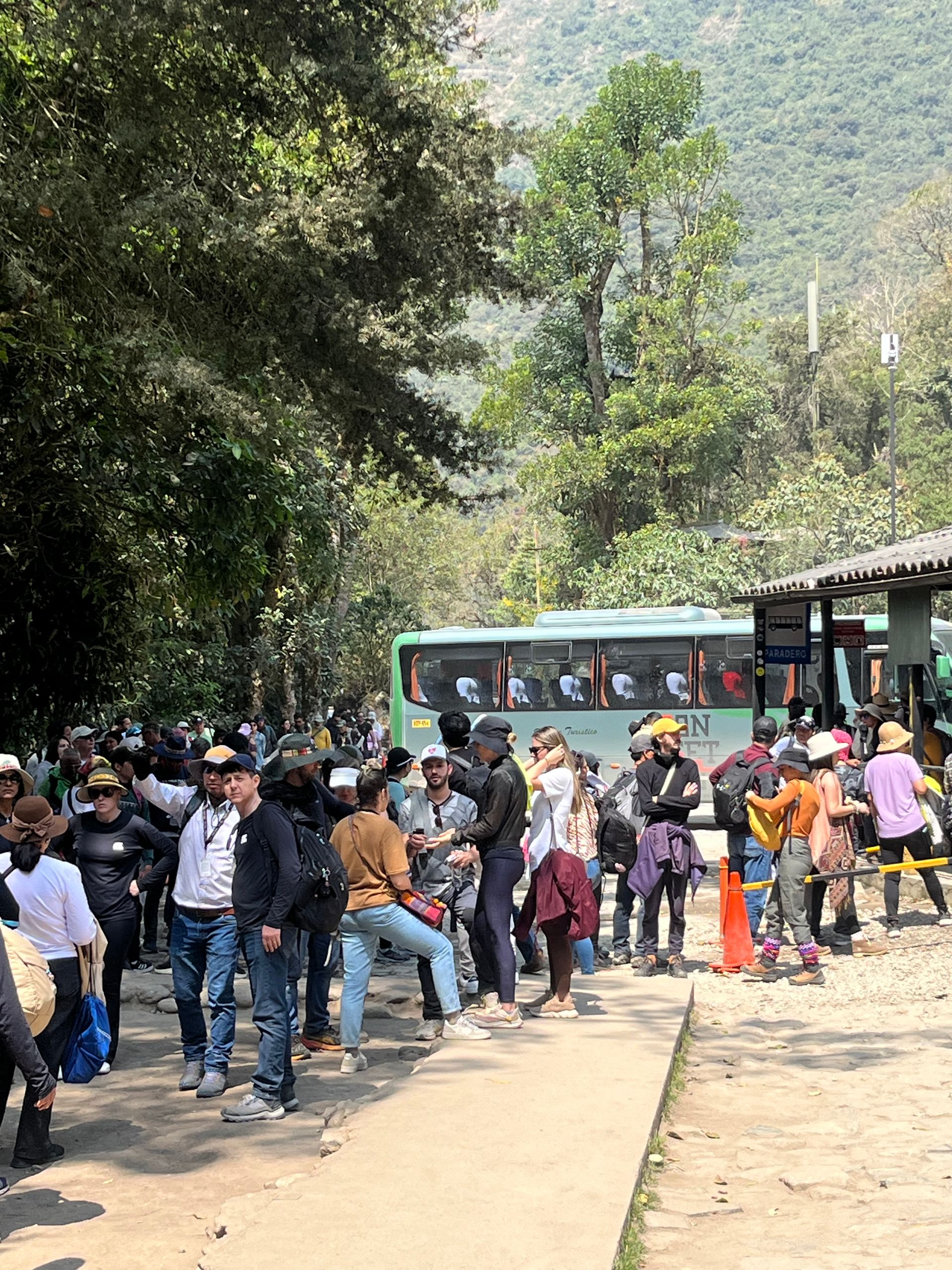
At 8 AM the alarm rang, and after a quick breakfast, Malo and I set out. The other two Frenchmen had chosen an earlier slot, and we agreed to meet for lunch at the mountain's exit. We took our backpacks with us, as we intended to head directly back to Hidroelectrica after the highlight of the trip without detouring through the town. Passing the masses of tourists waiting in staggered lines to board the constantly ascending buses up the mountain, we made our way to the foot of the stairs leading to the entrance of the site. According to our information, you can pay a small fee here to leave your luggage behind for the ascent unencumbered. Unfortunately, the restaurant for luggage storage was closed, so we had to tackle the steep path with our backpacks strapped on. Well, after the last few days, the final push with or without backpacks doesn’t make much difference but it's still challenging to climb those steep steps with aching shoulders, especially as you constantly cross paths with relaxed-looking faces from the buses peering at the weary hikers. Almost exactly one hour later, we arrived at the entrance of Machu Picchu at nearly 10 AM. Here we needed a moment to collect ourselves. A huge crowd of people was milling about, and it was quite a spectacle: while we arrived feeling completely exhausted and worn out from the last few days, we were surrounded by all sorts of illustrious figures who had been arriving First Class in high-end trains and then whisked here by bus express, showcasing their exclusive outdoor attire, complete with mountaineering boots worth several hundred euros, which of course remained in pristine condition. What a stark contrast, and a glance at our own, completely filthy footwear made me chuckle. Such a fascinating and grotesque sight, but yes, everyone to their own! :)
After dropping off our backpacks at the entrance, the holy site opened shortly after 10 AM. We stepped inside, excited about what awaited us and whether after all the strenuous, eventful hiking days this would indeed be the cherry on top.
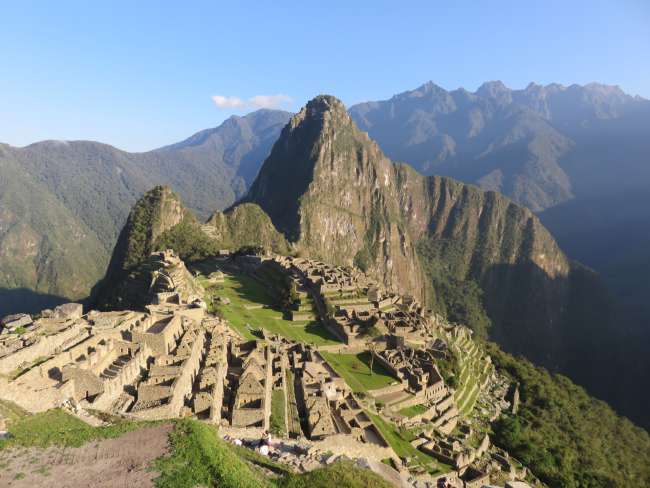
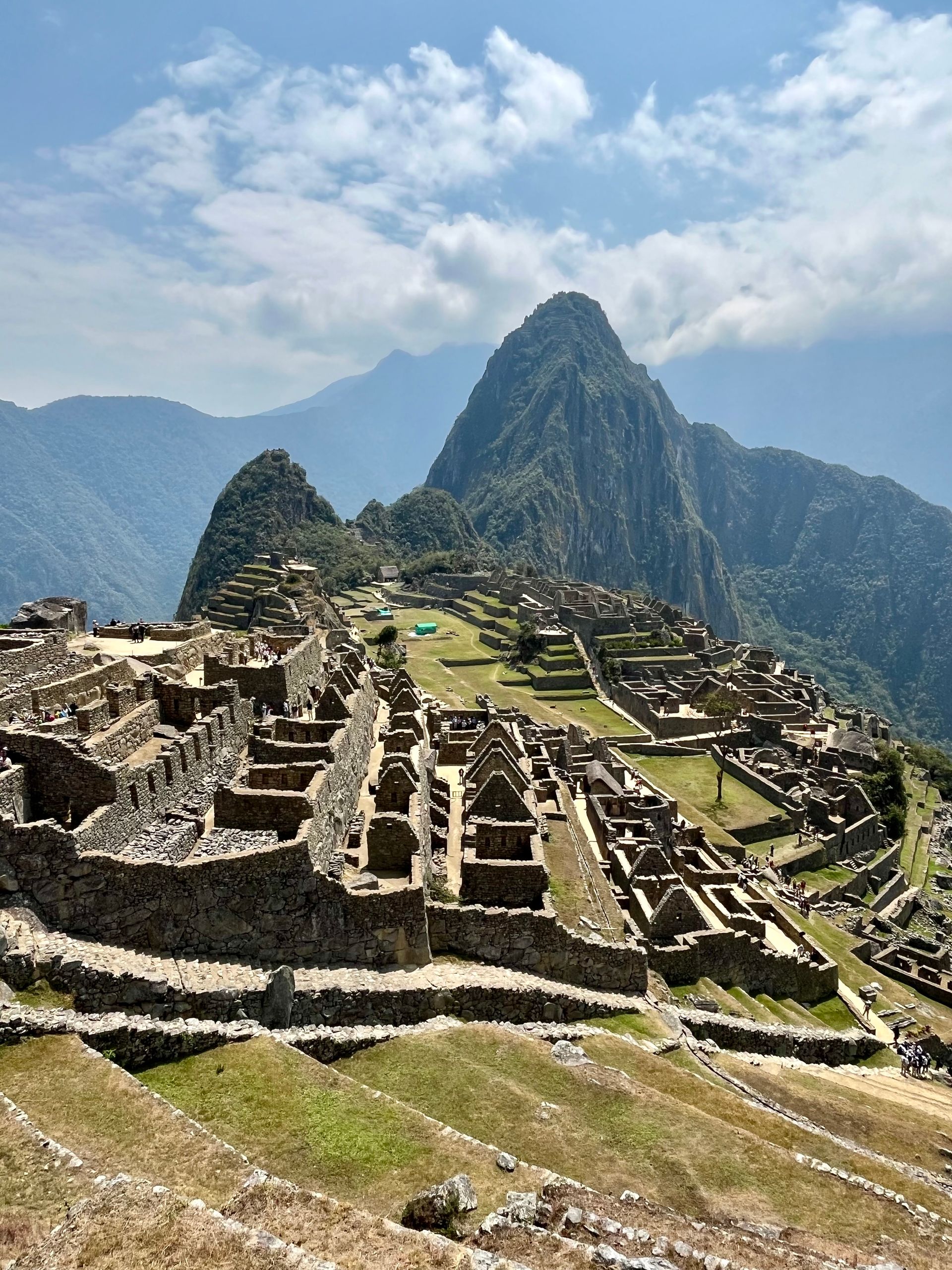
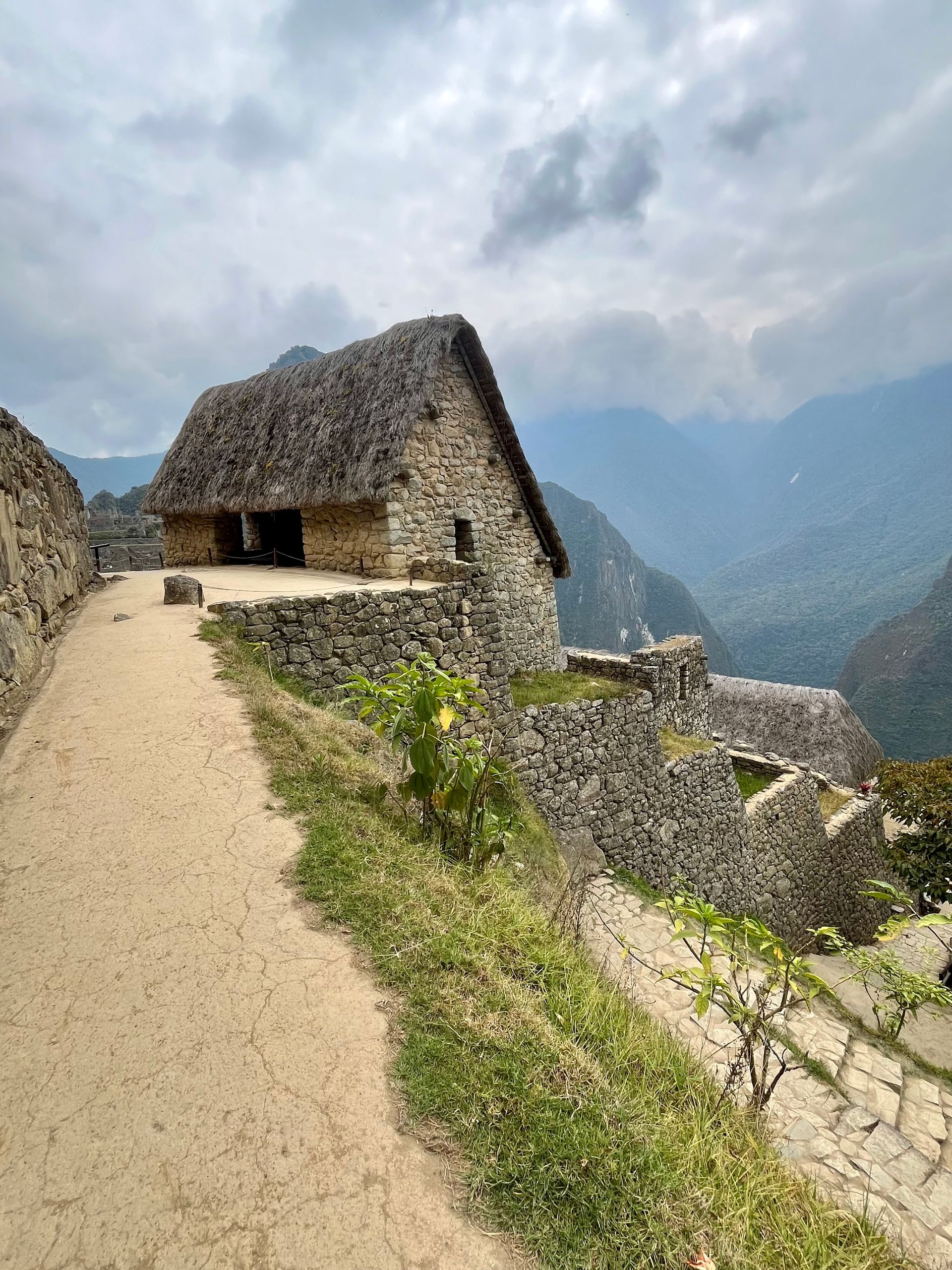
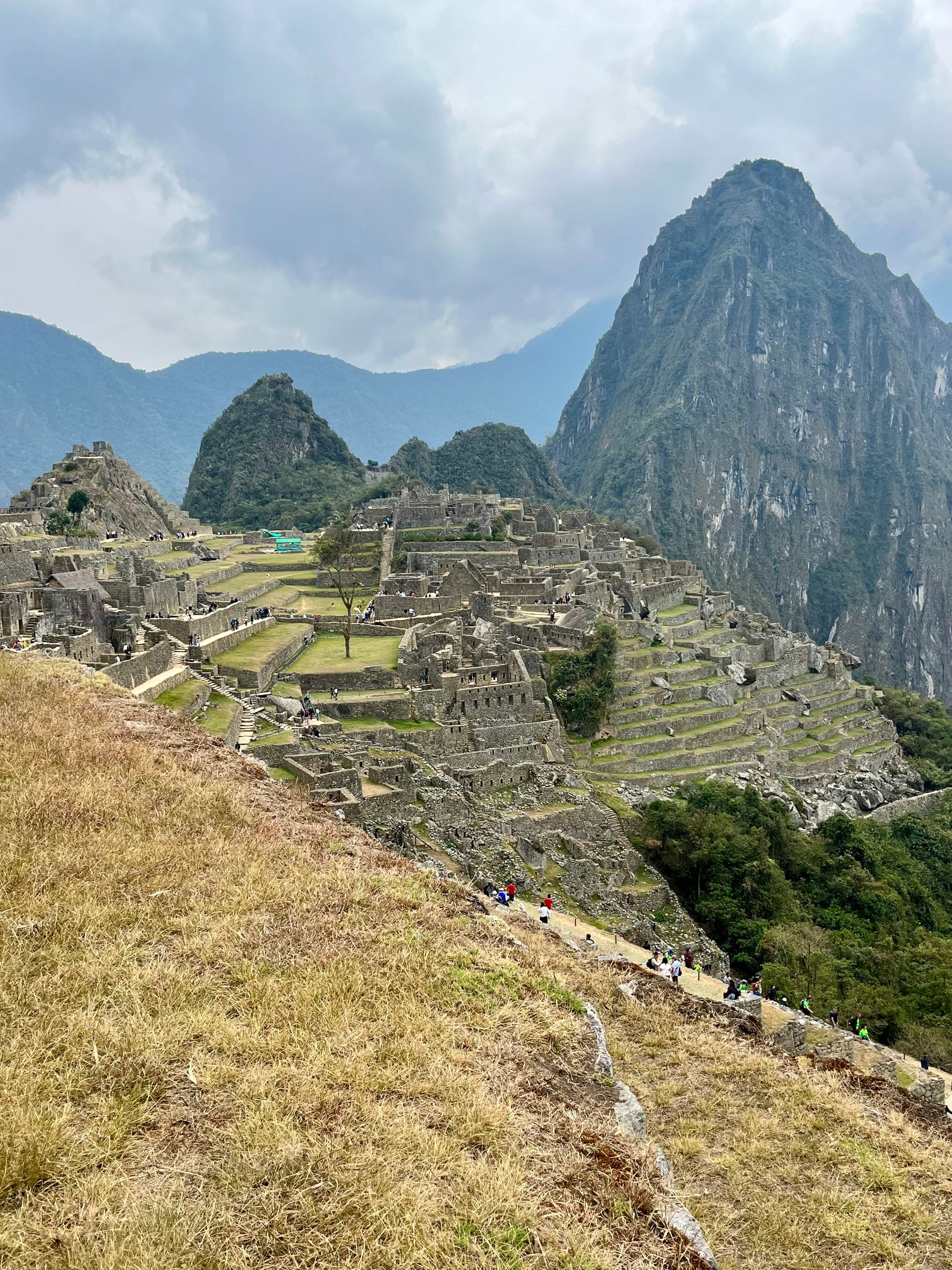
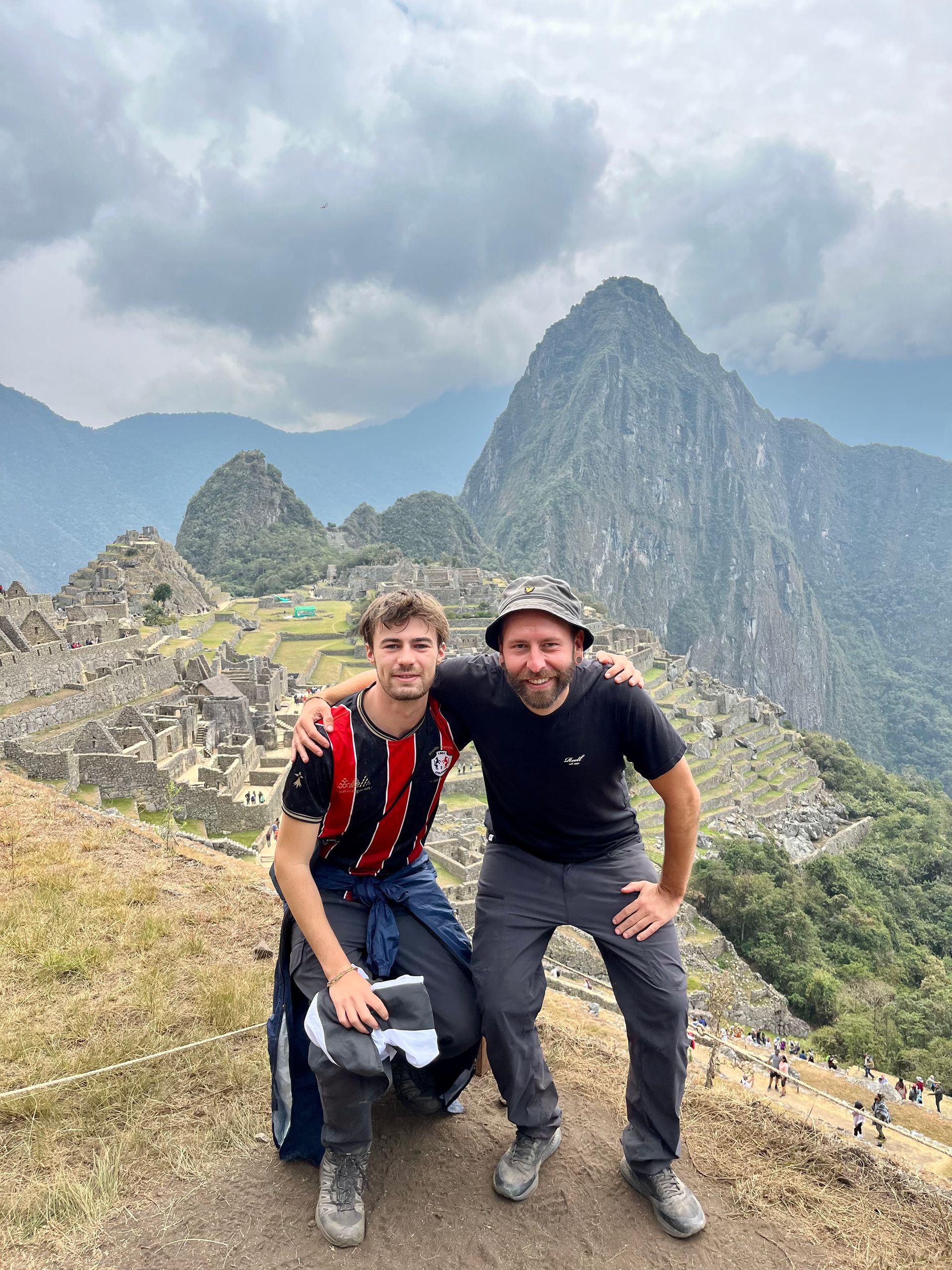
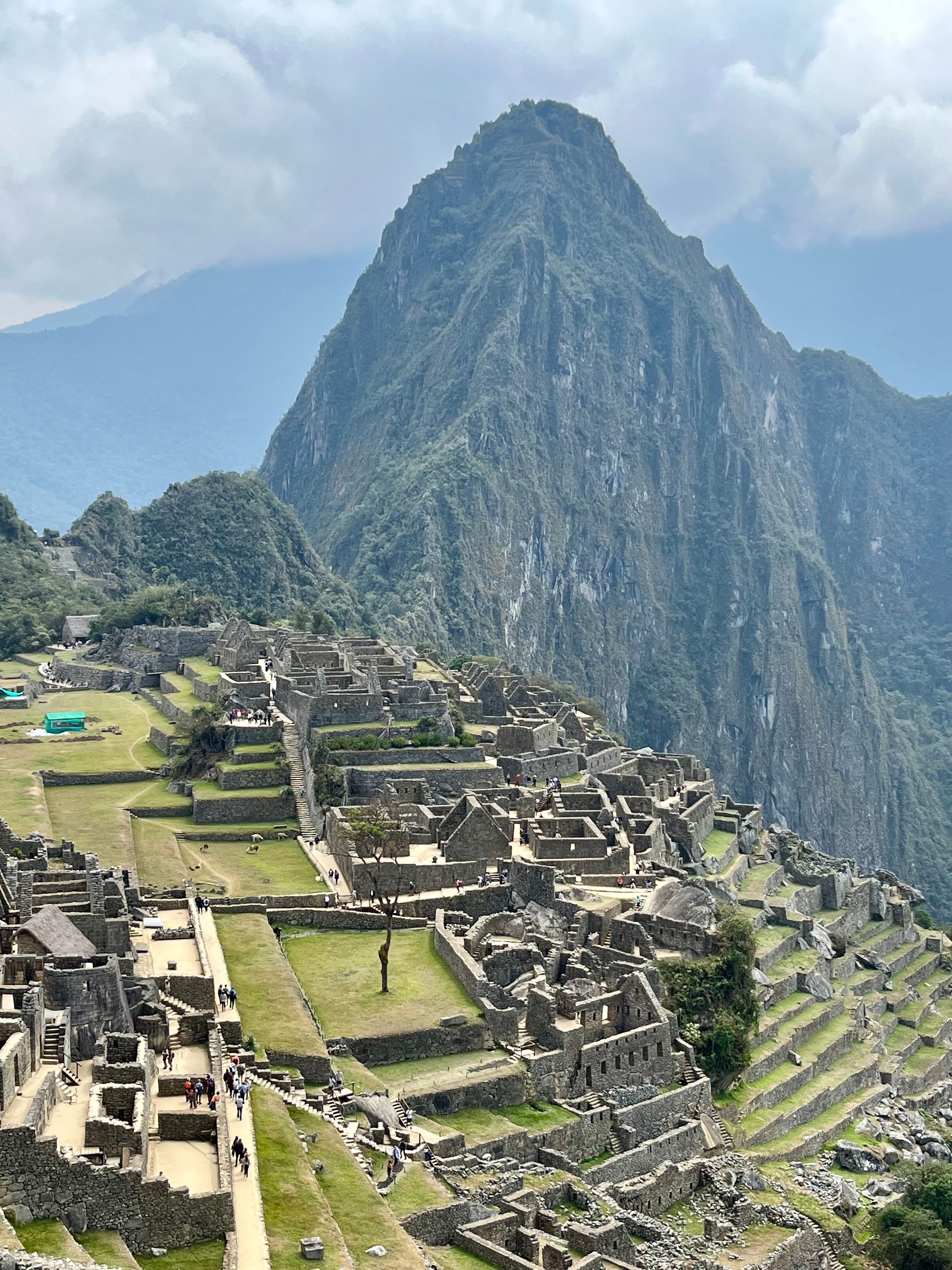
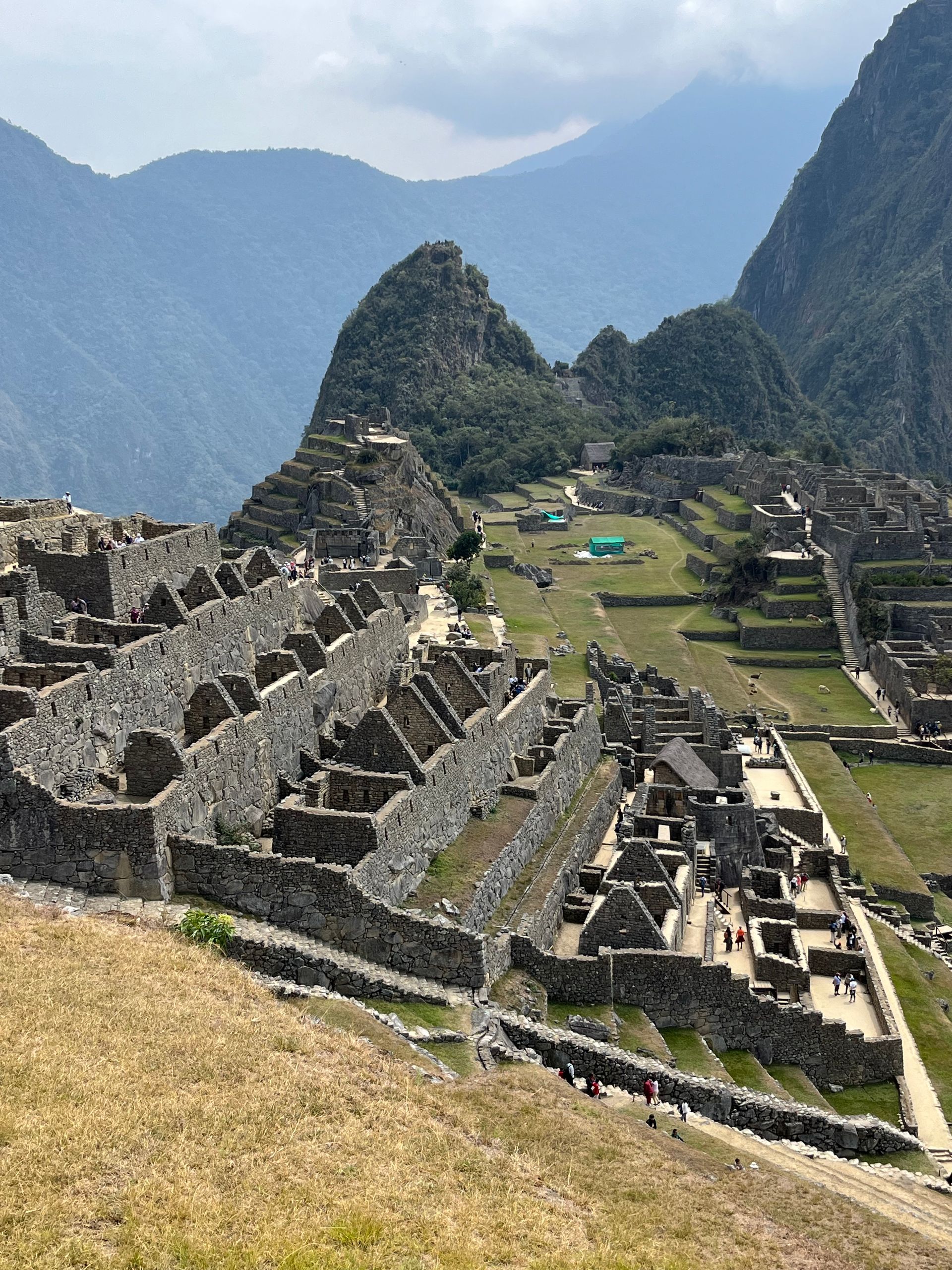
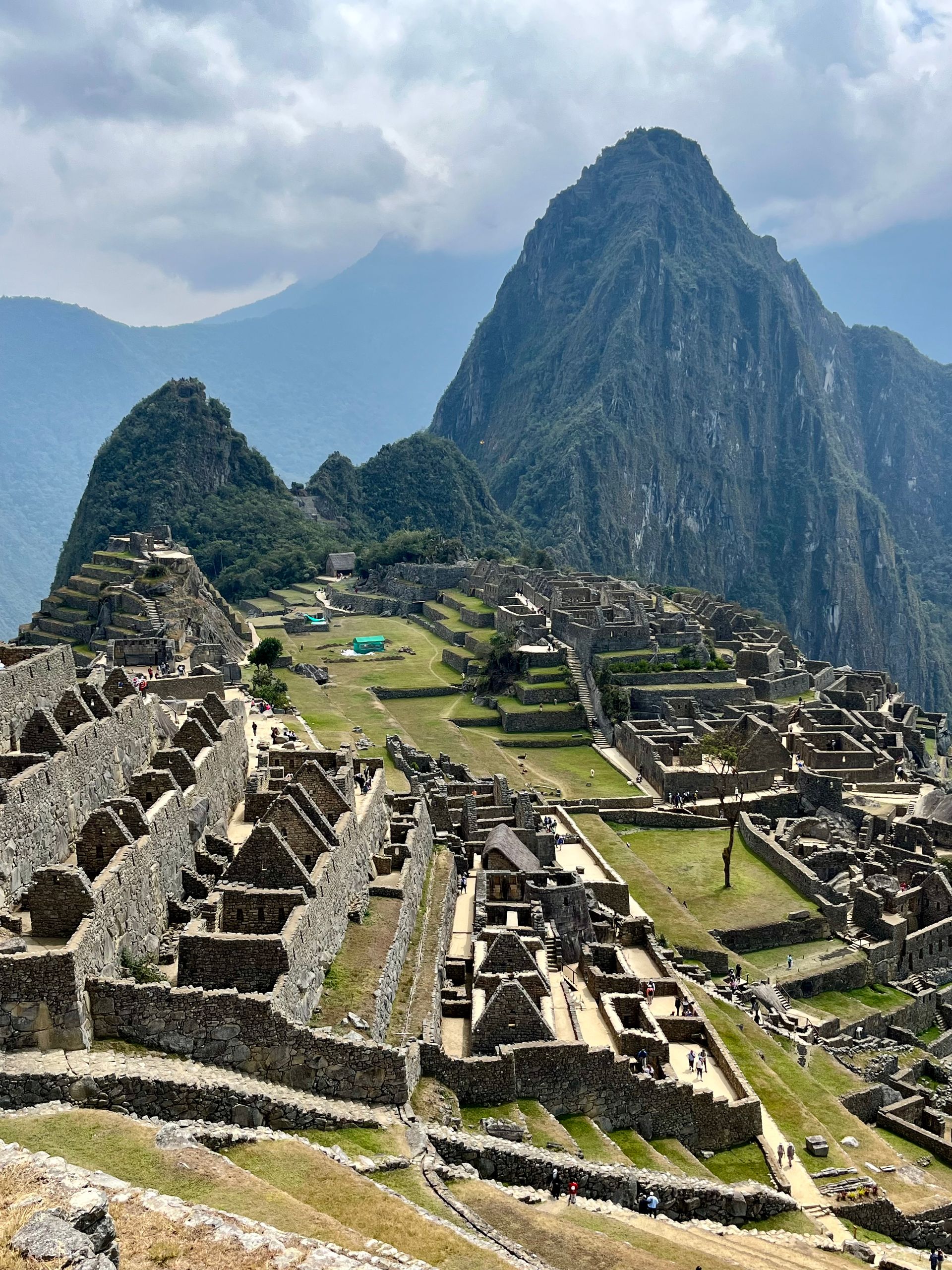
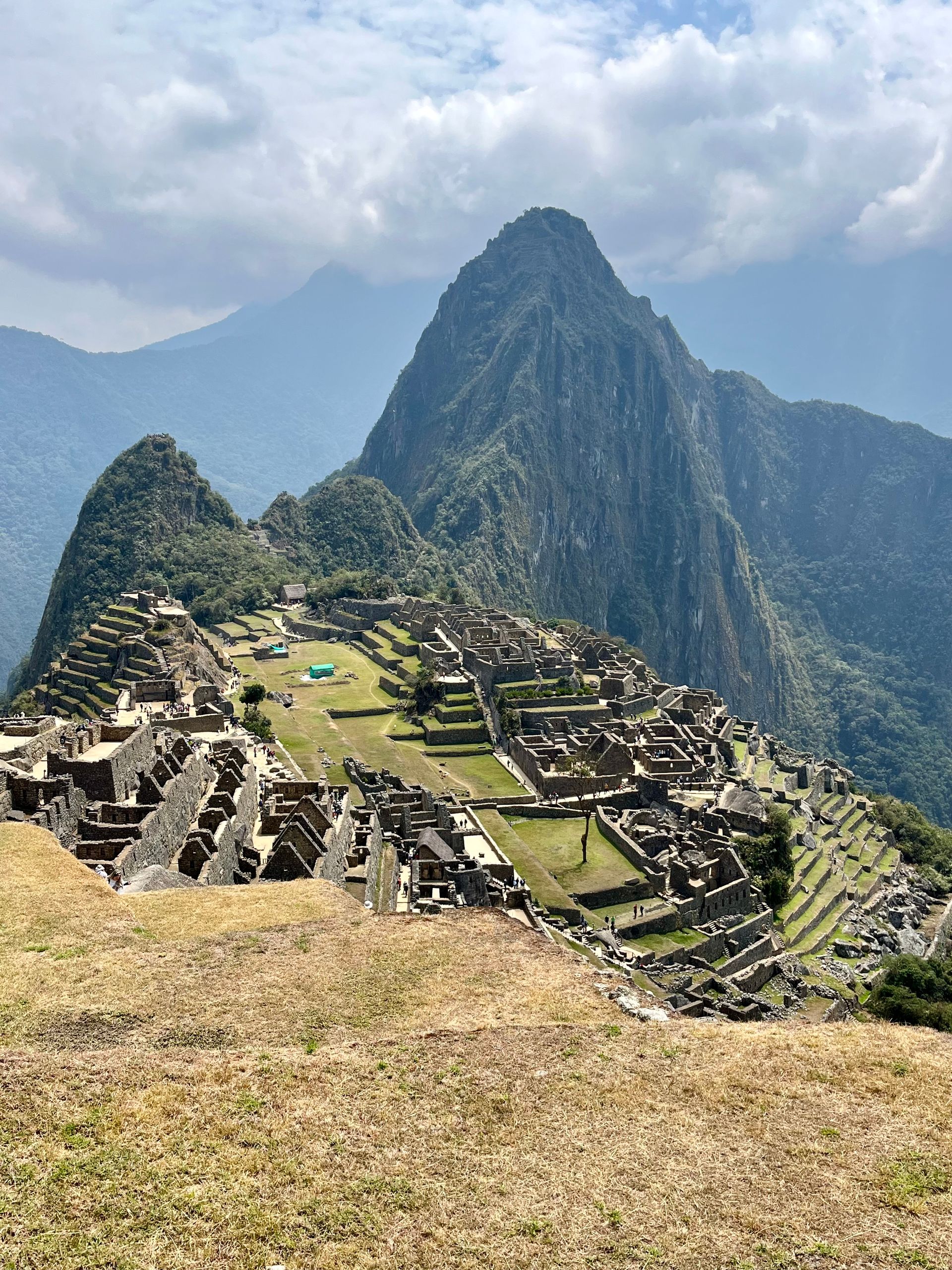
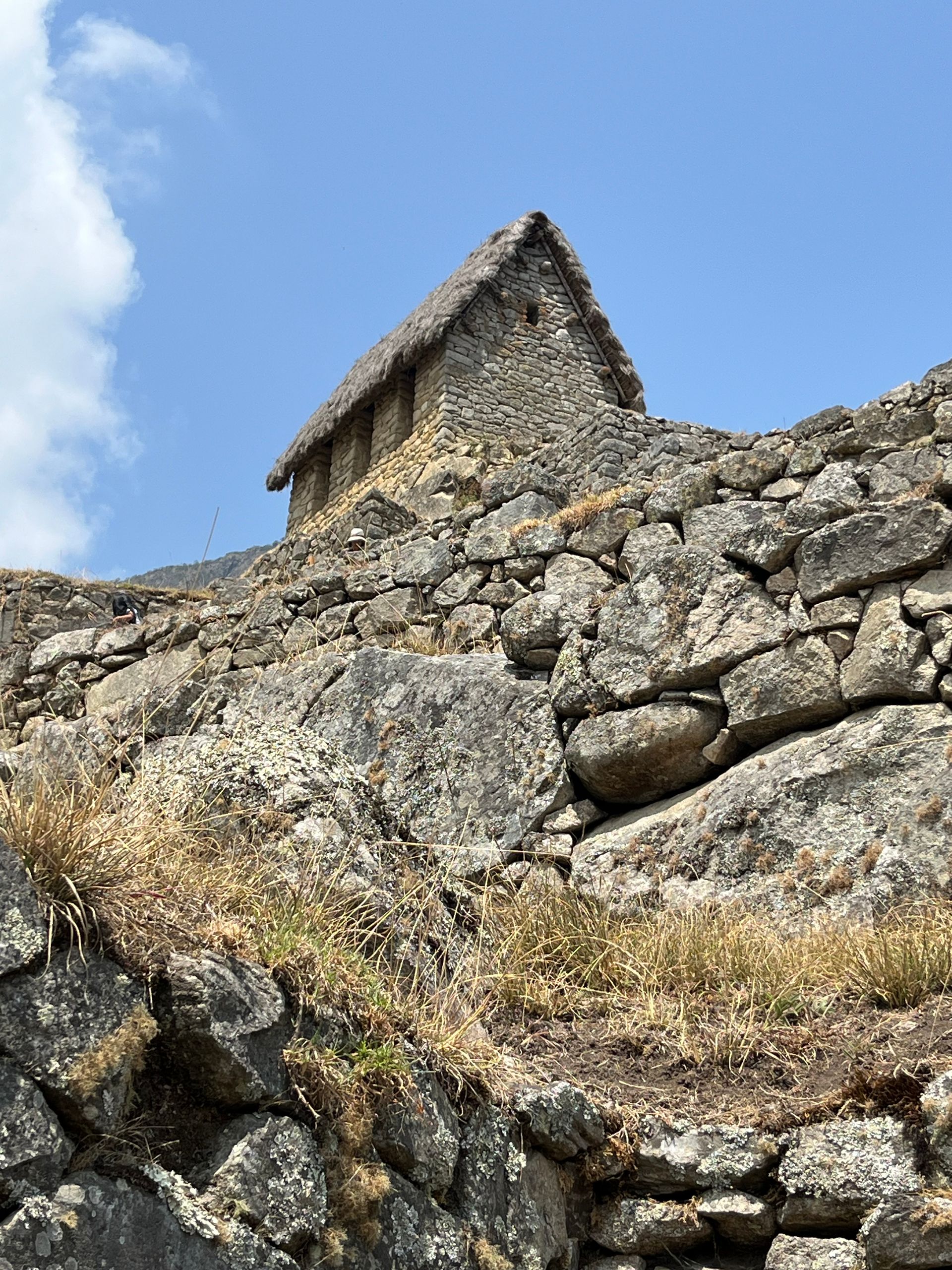
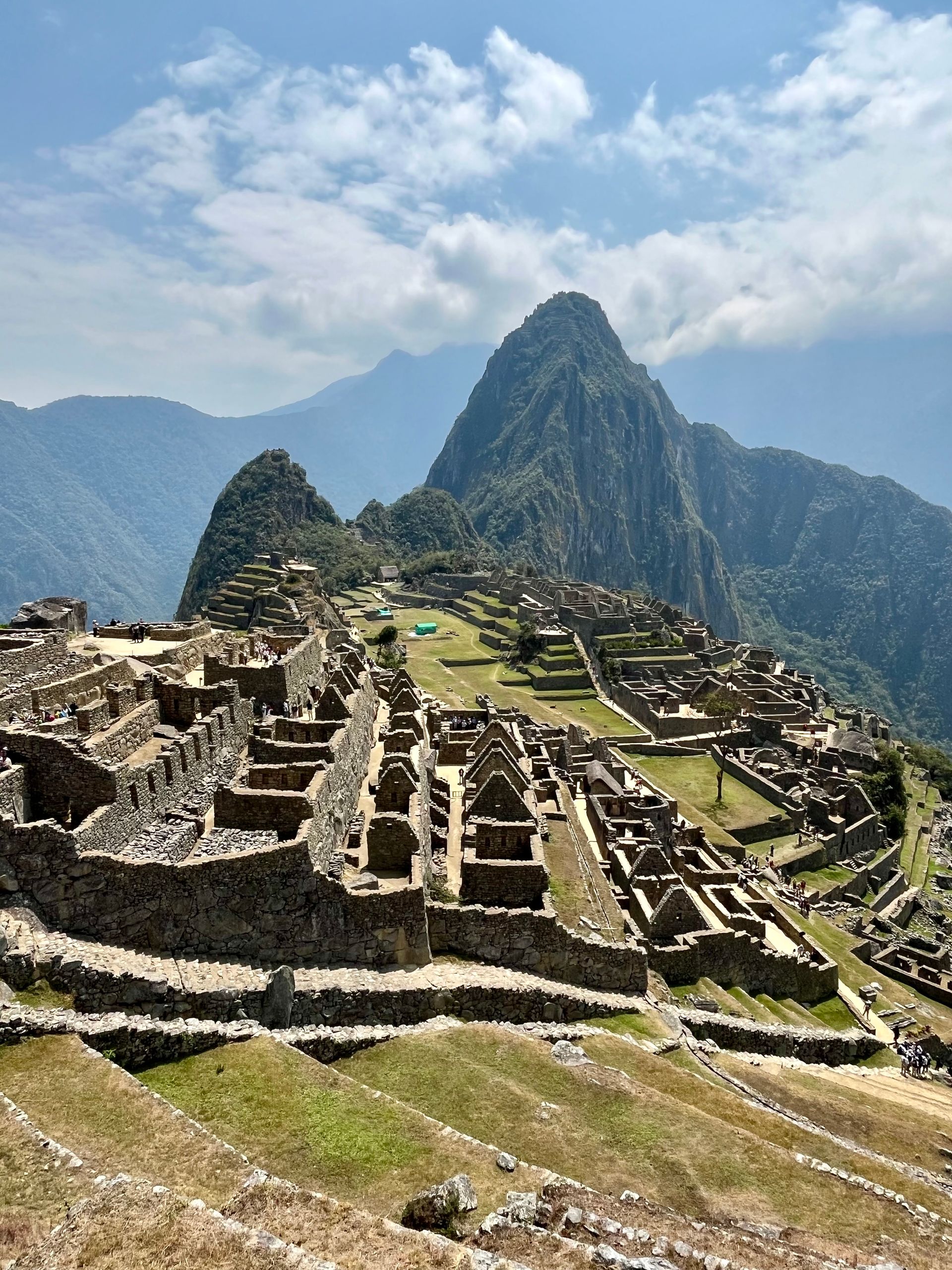
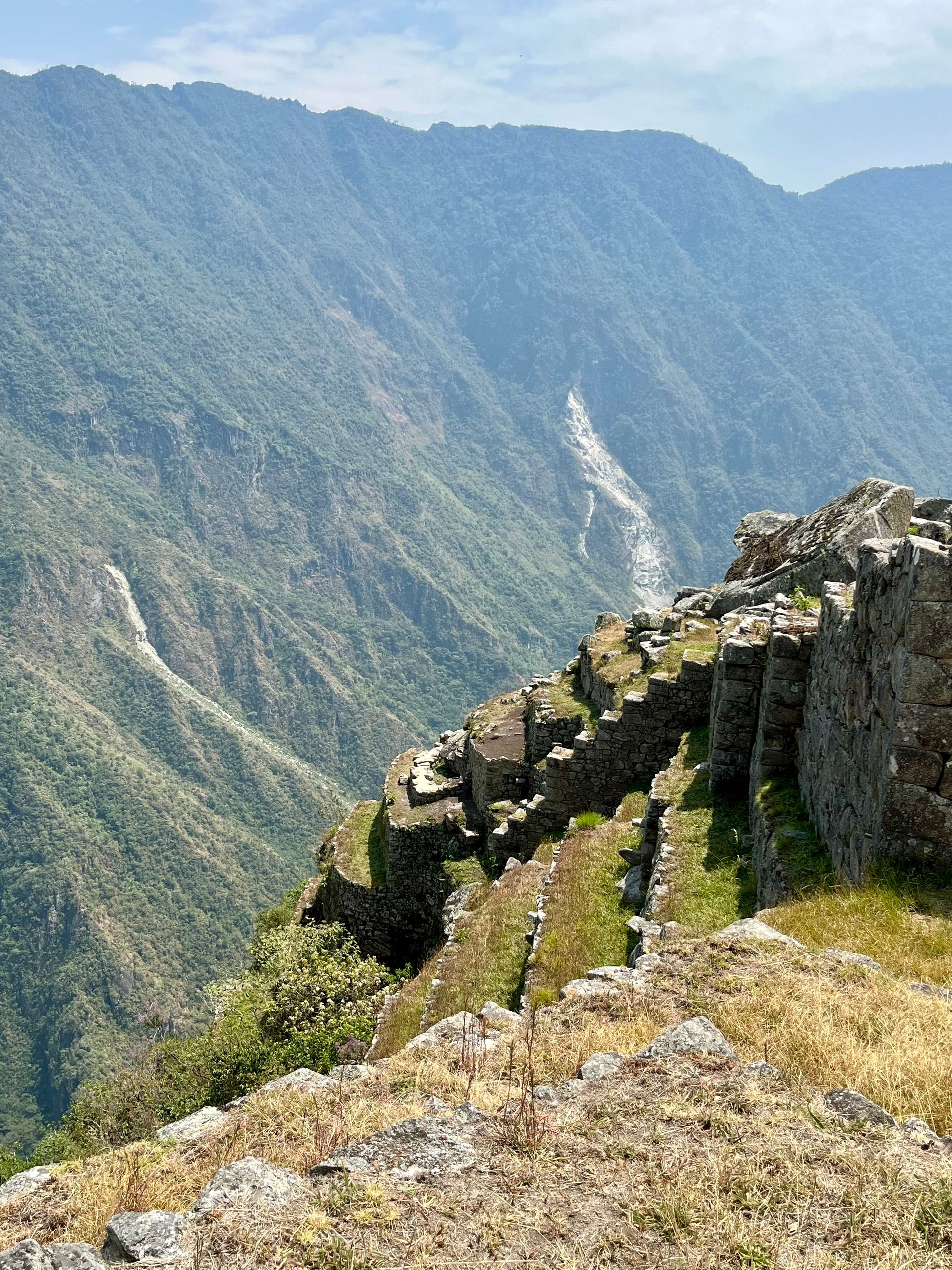
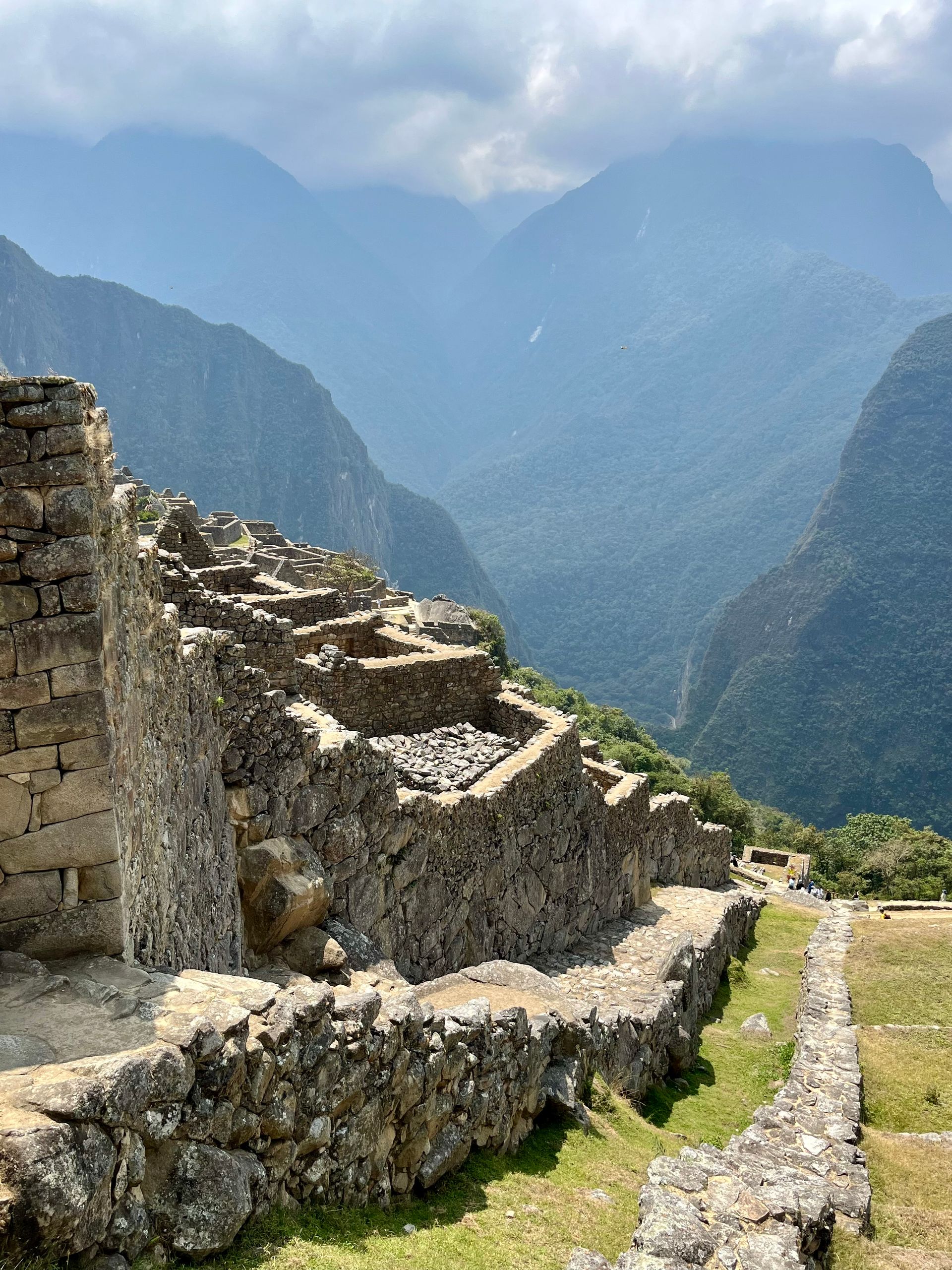
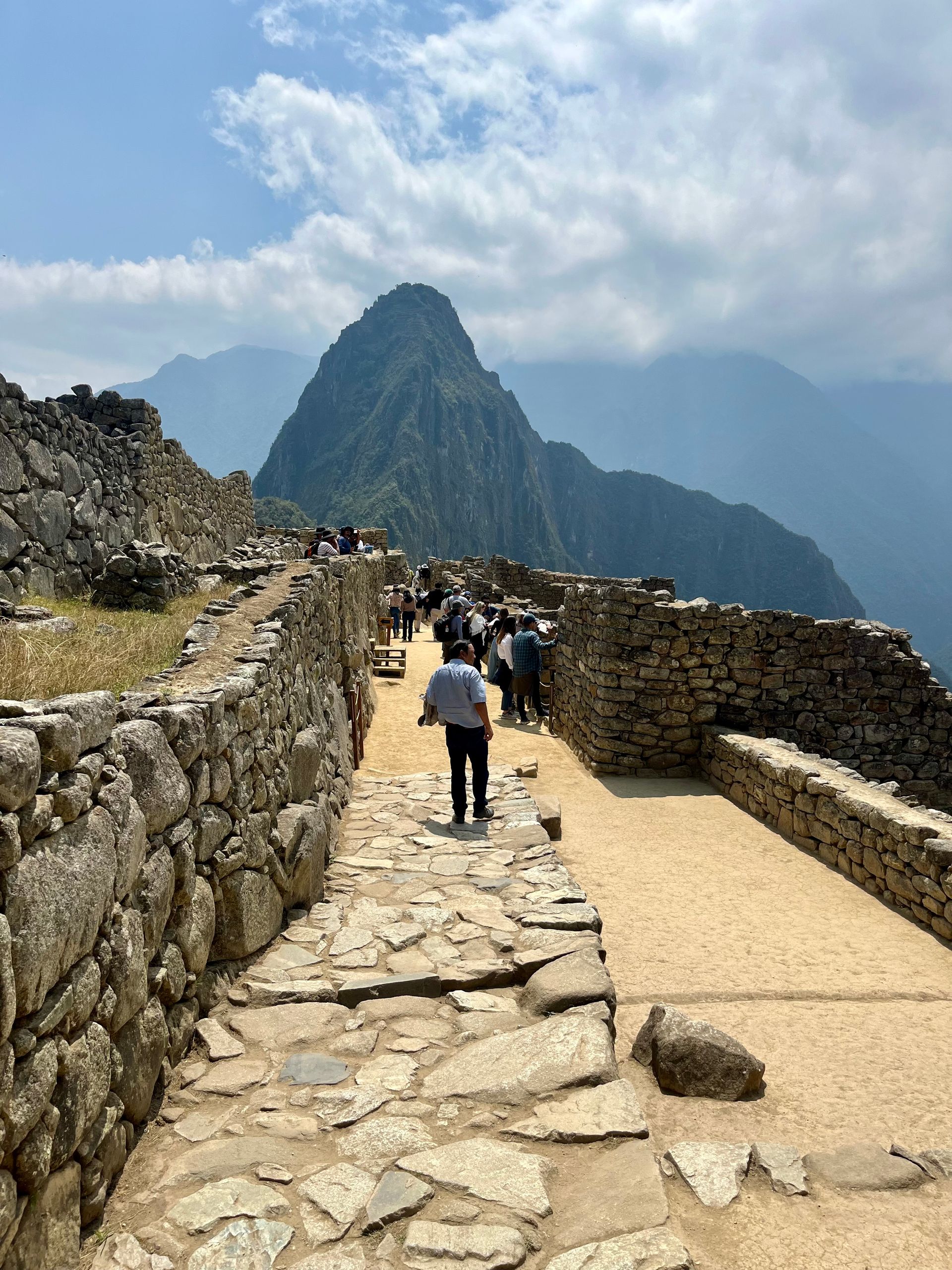
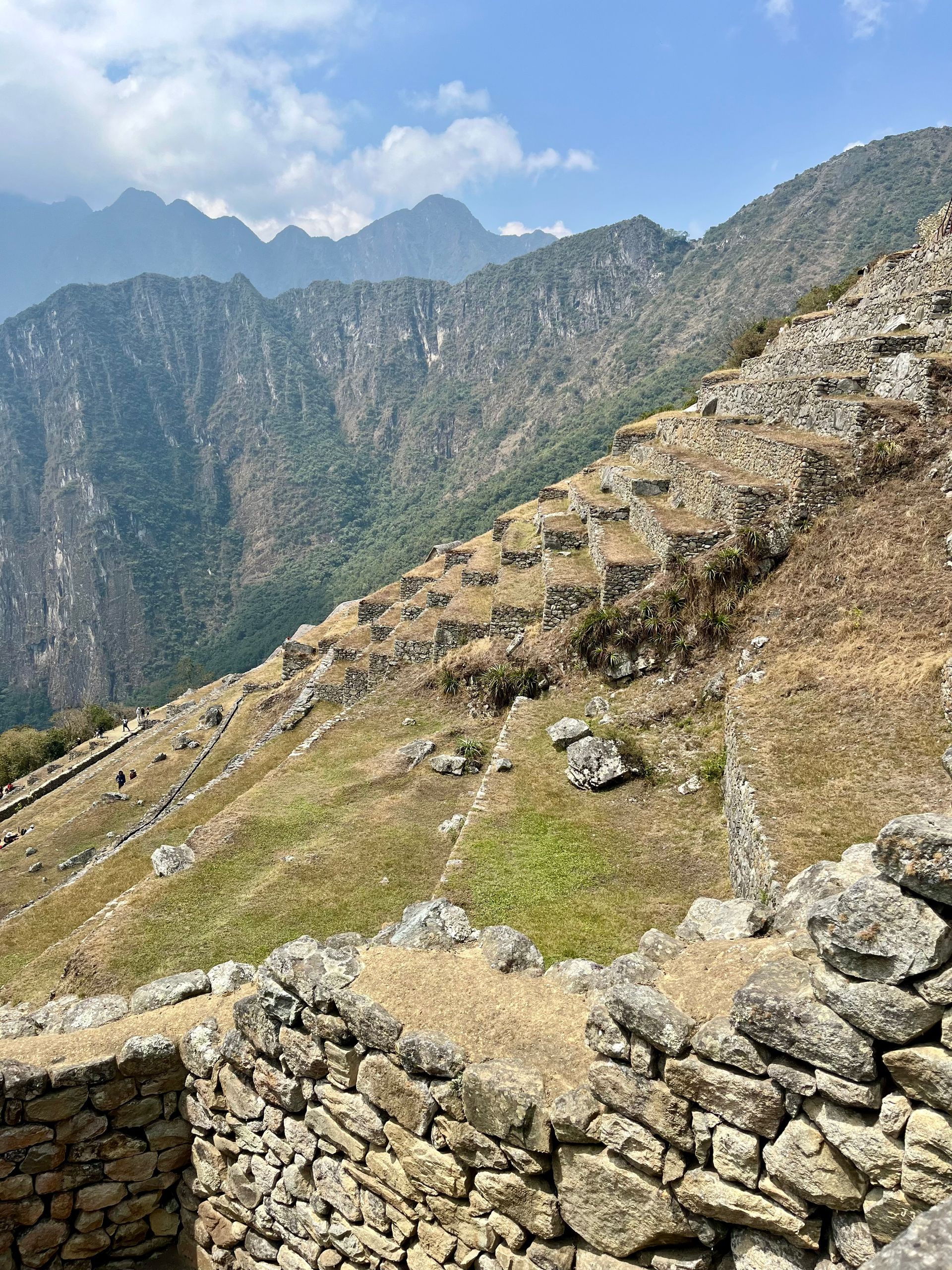
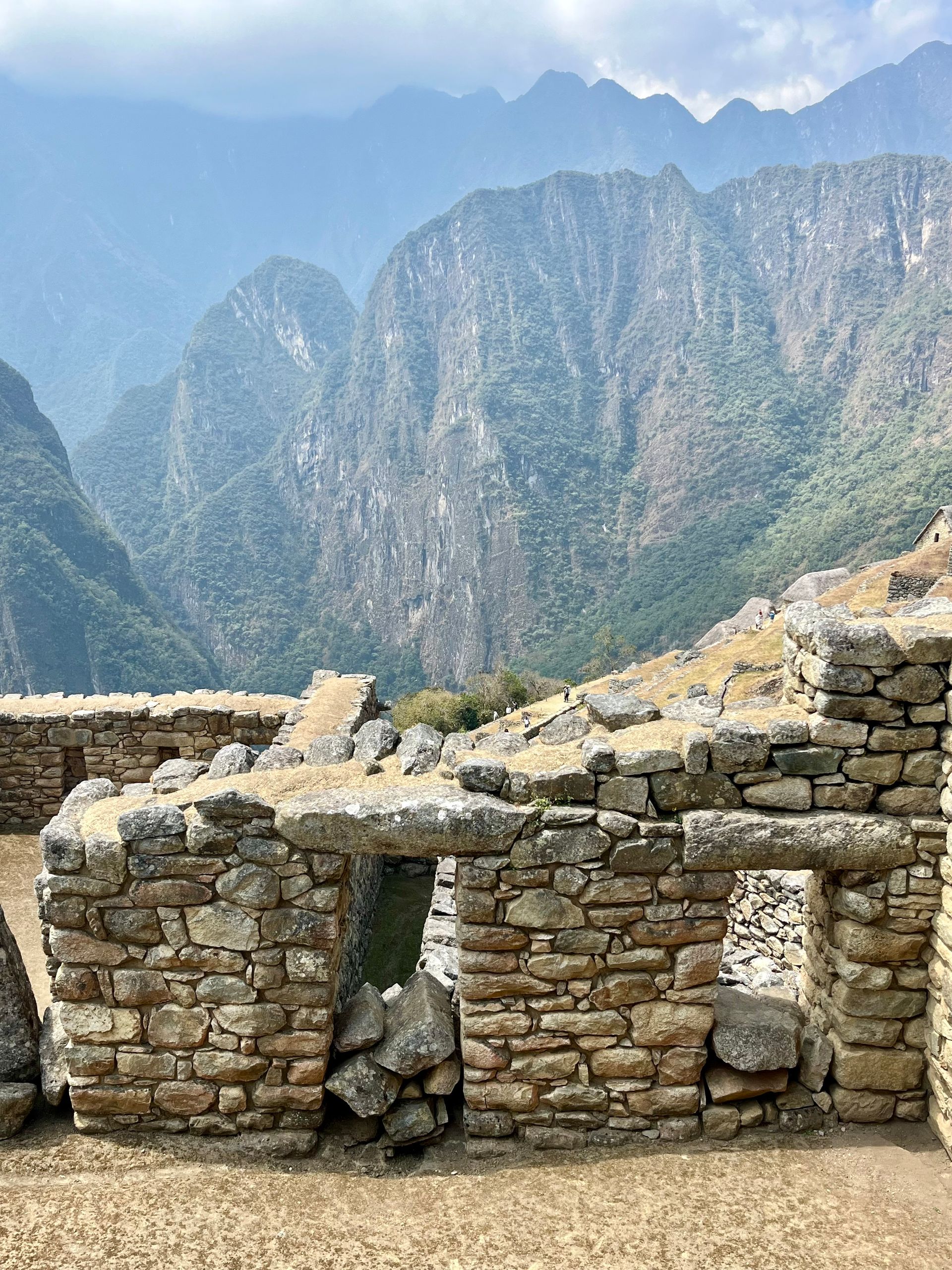
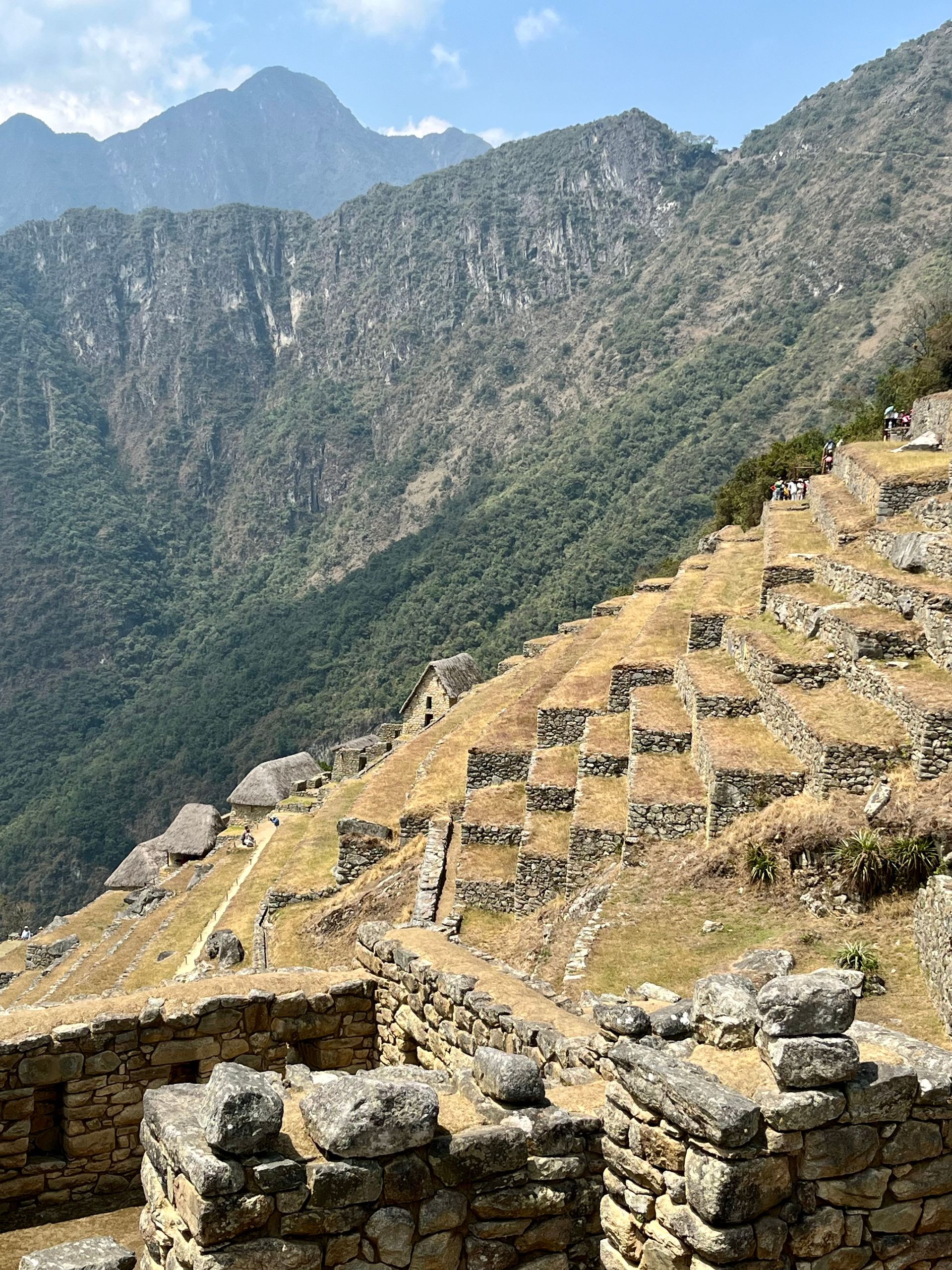
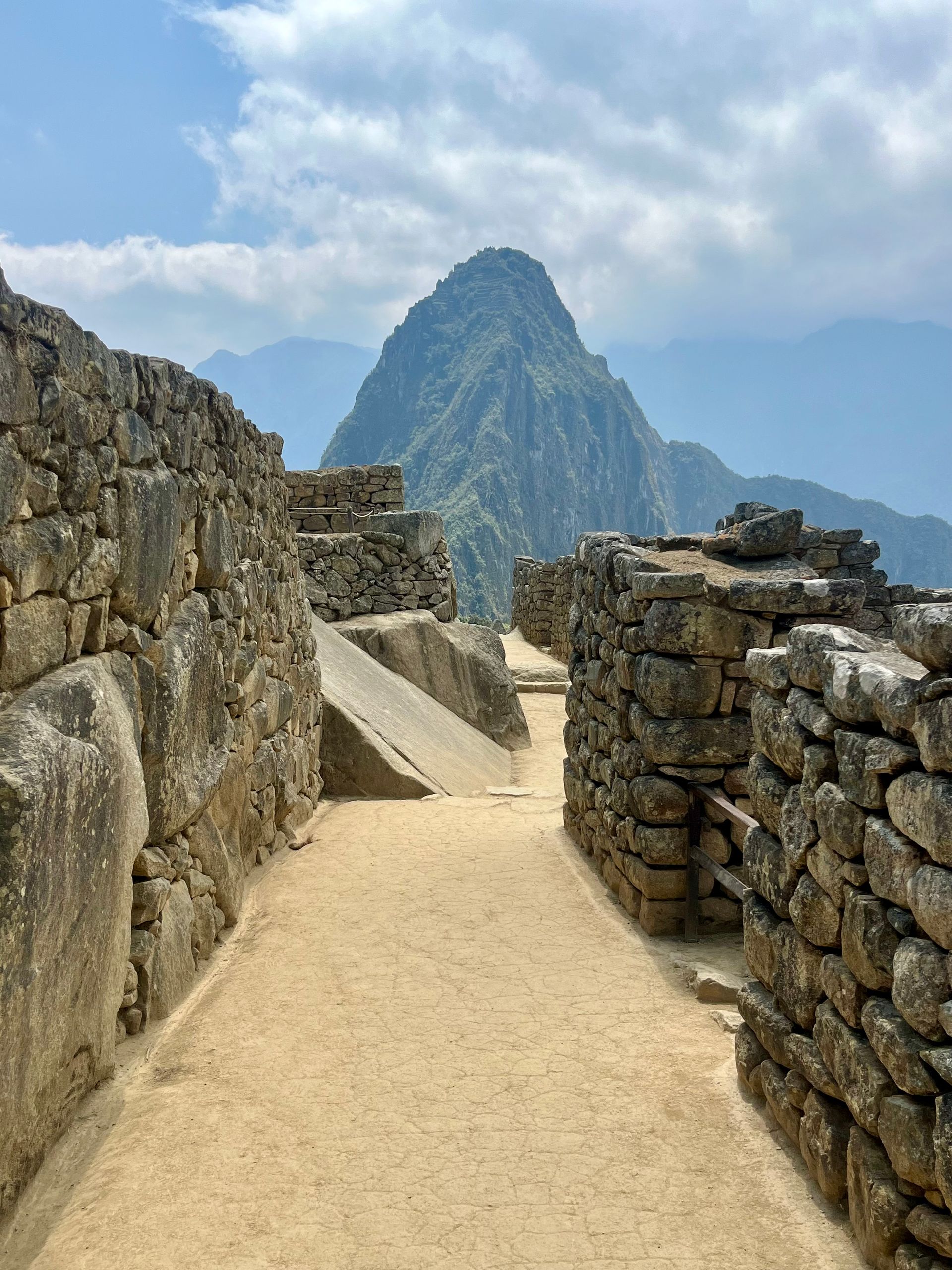
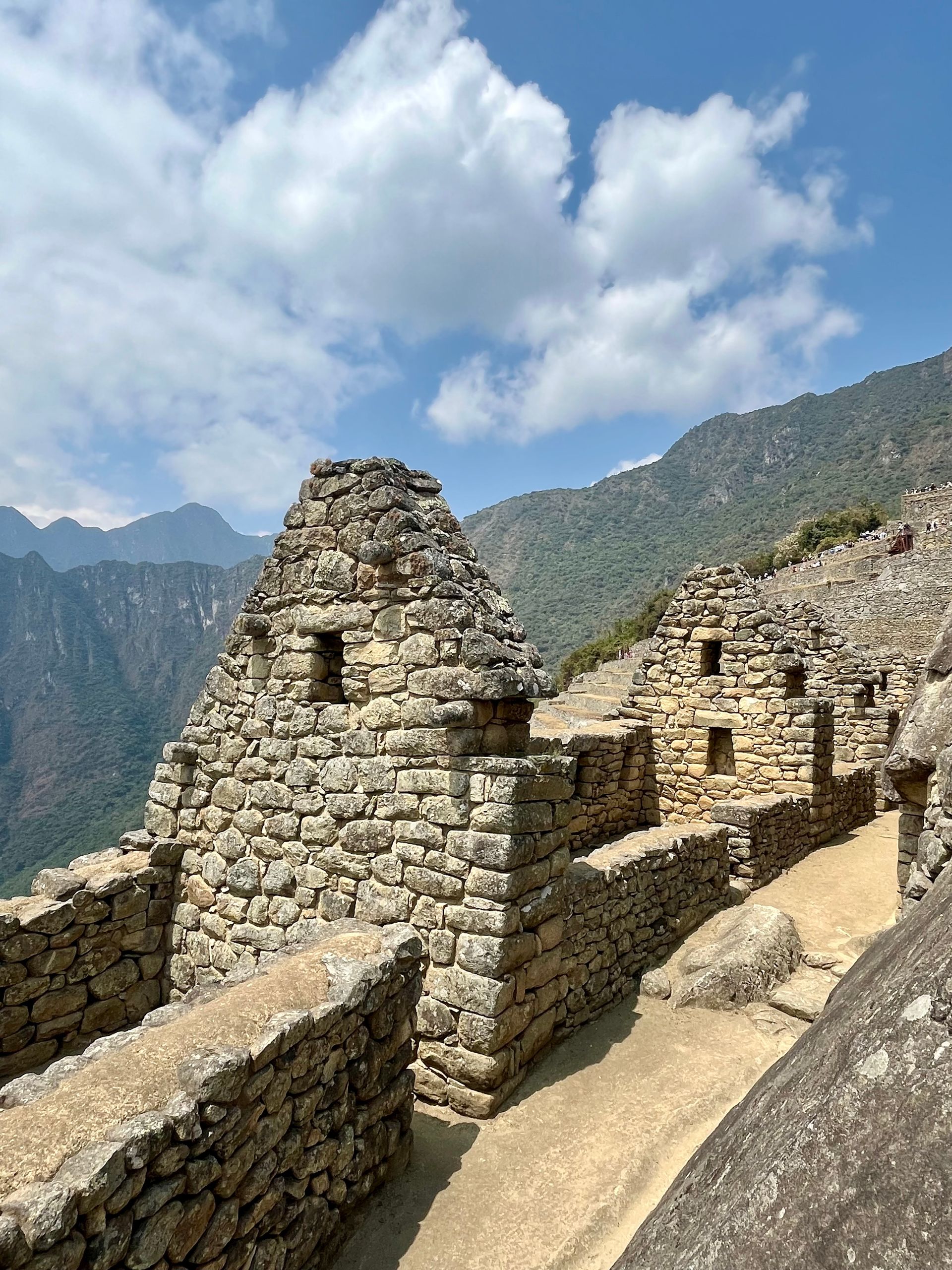
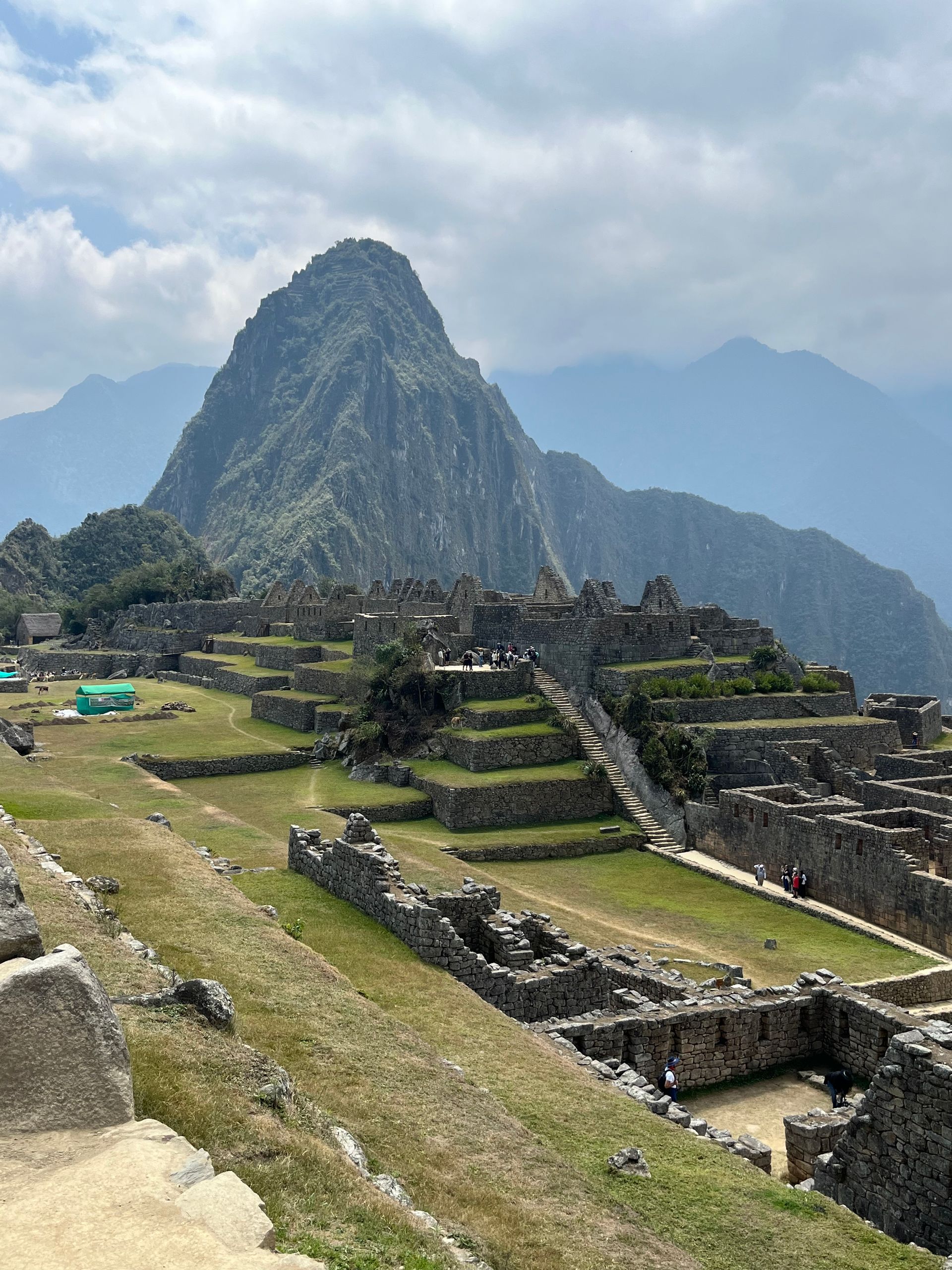
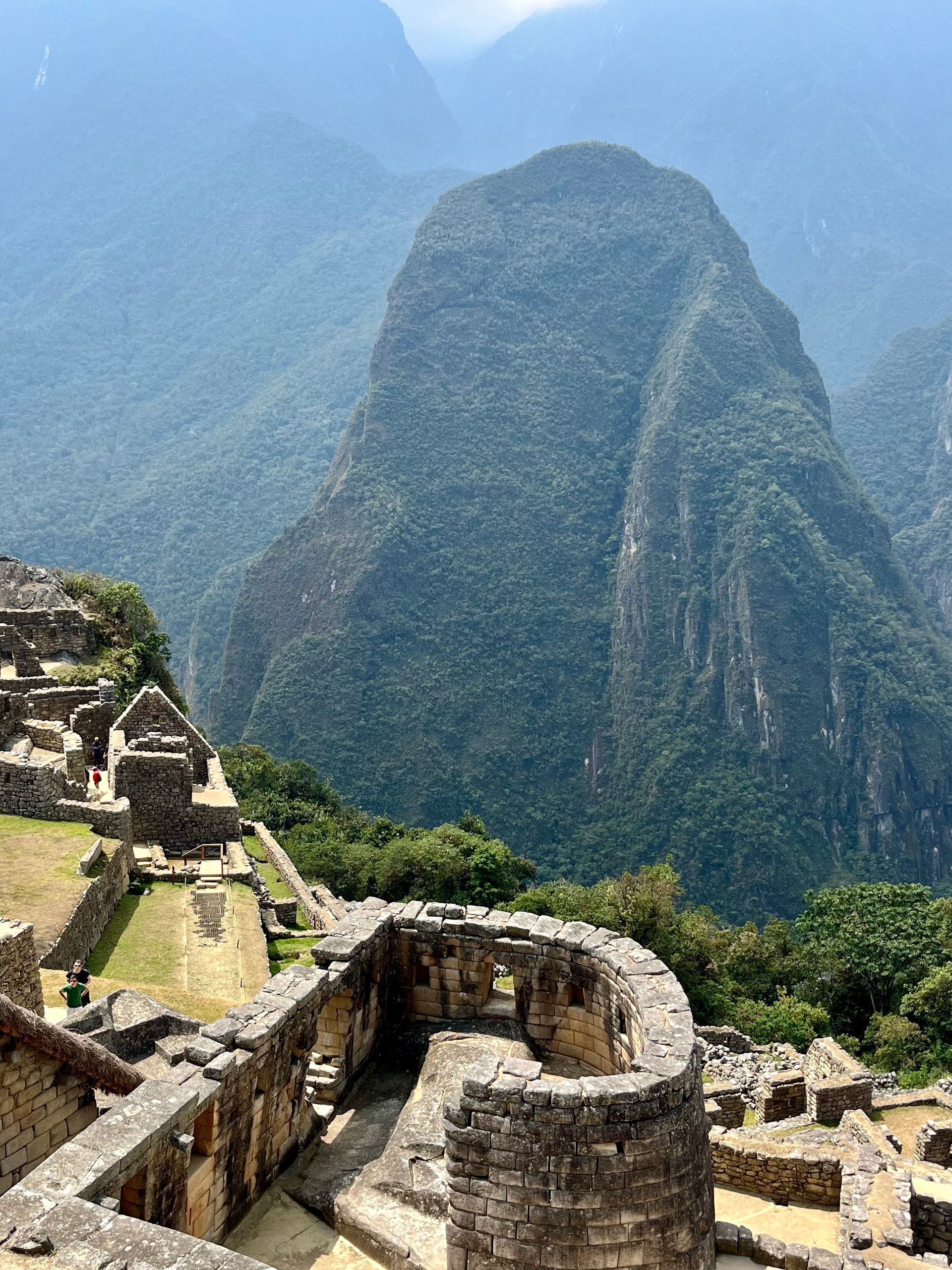
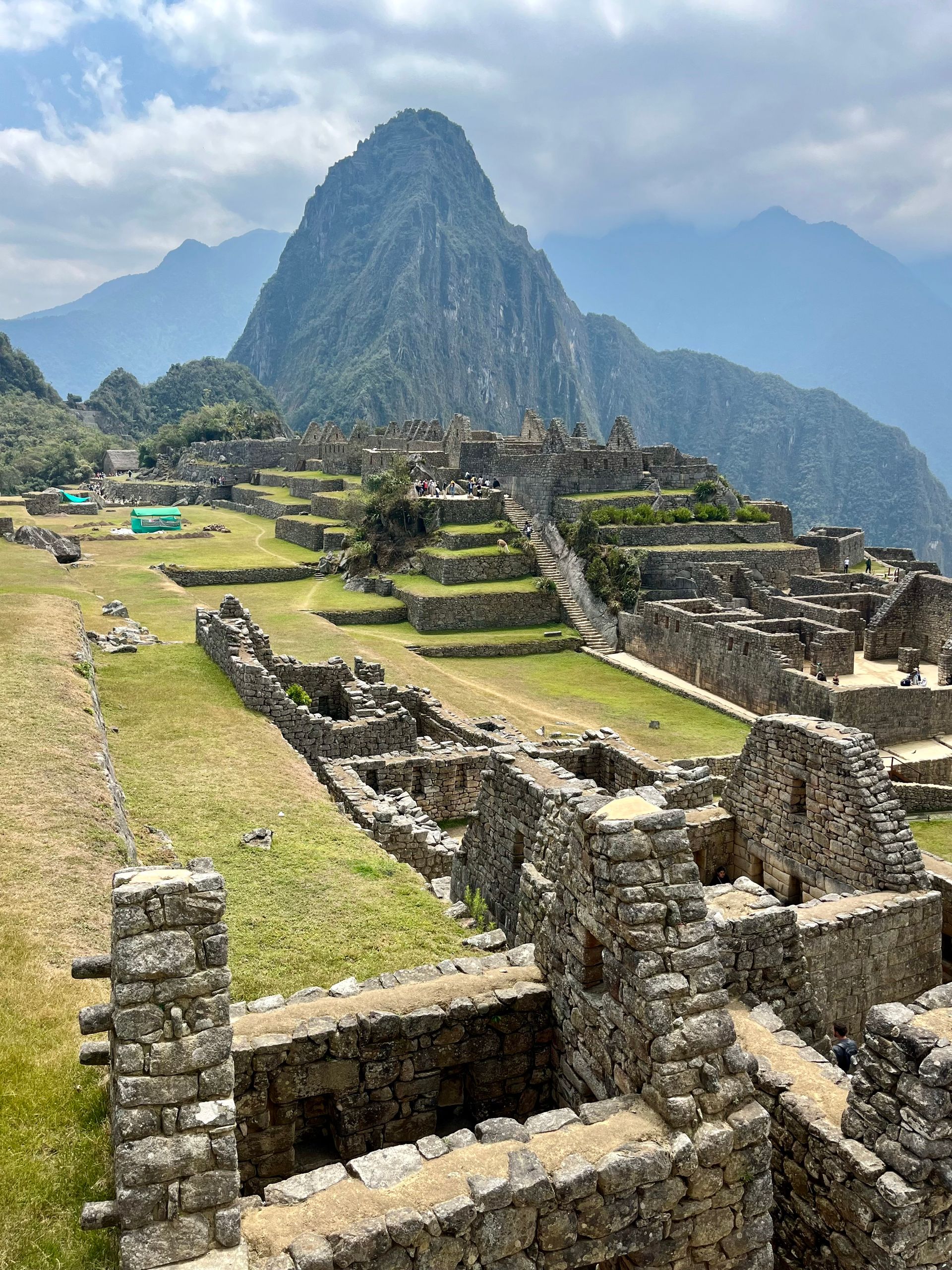
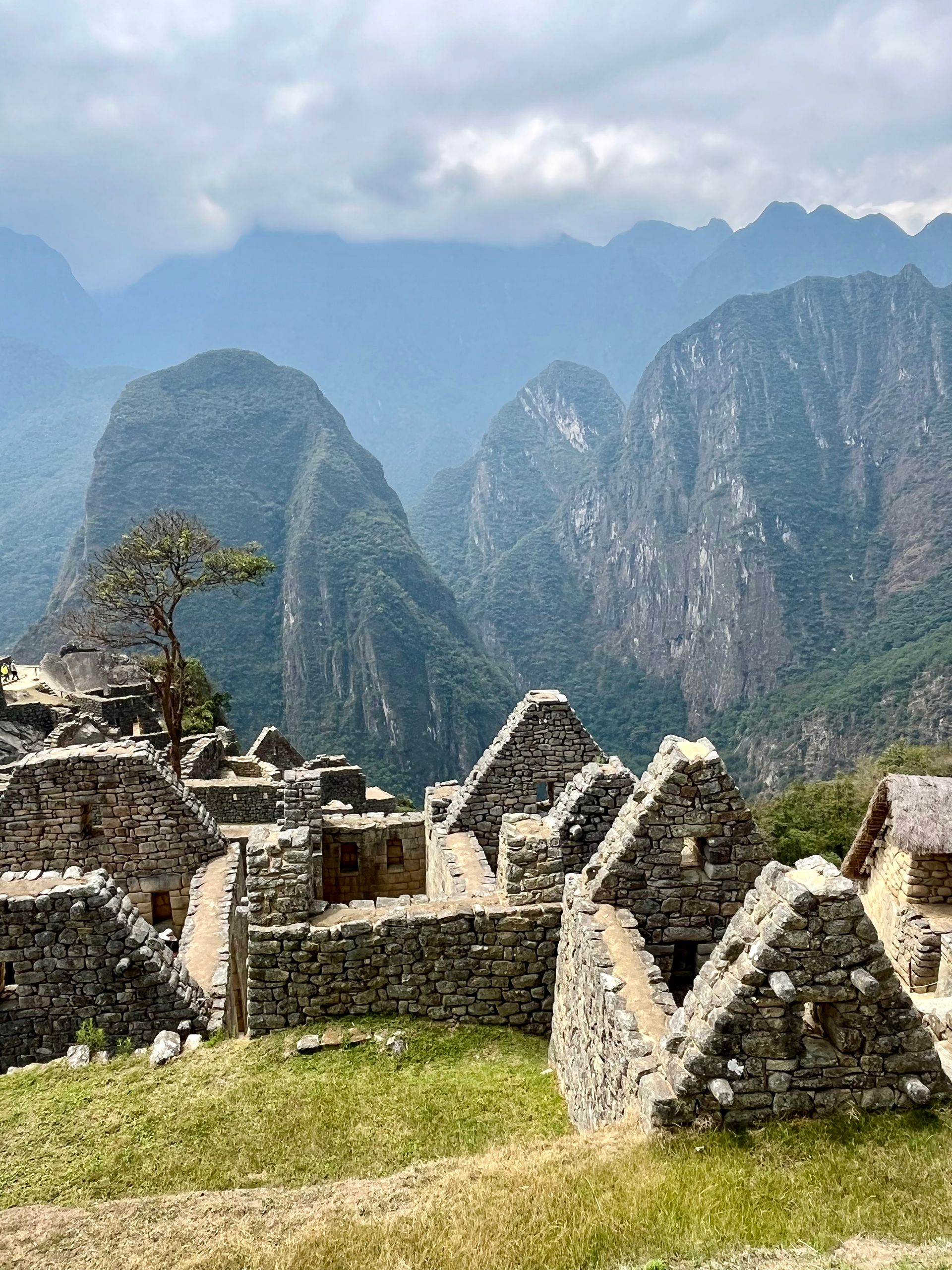
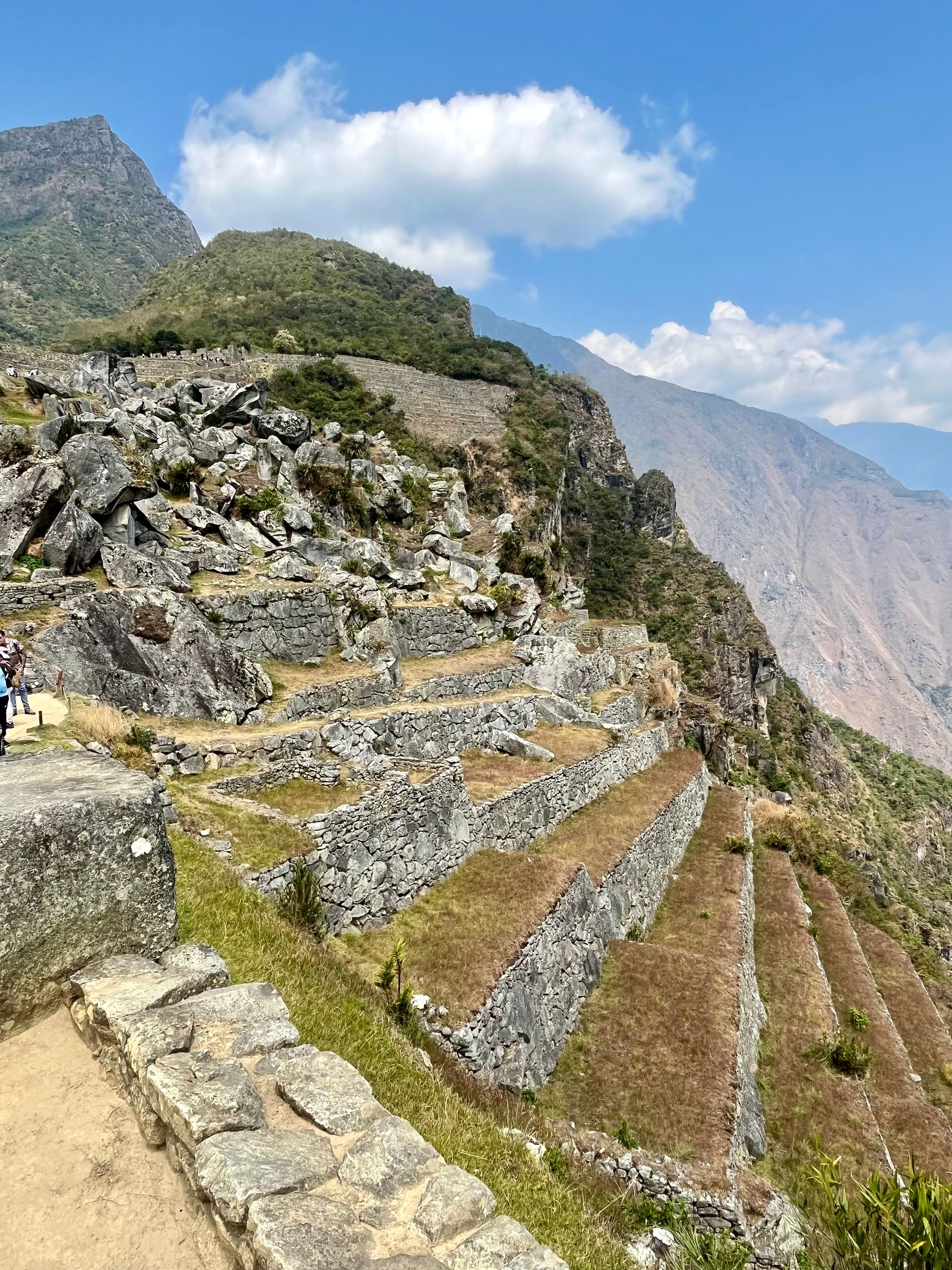
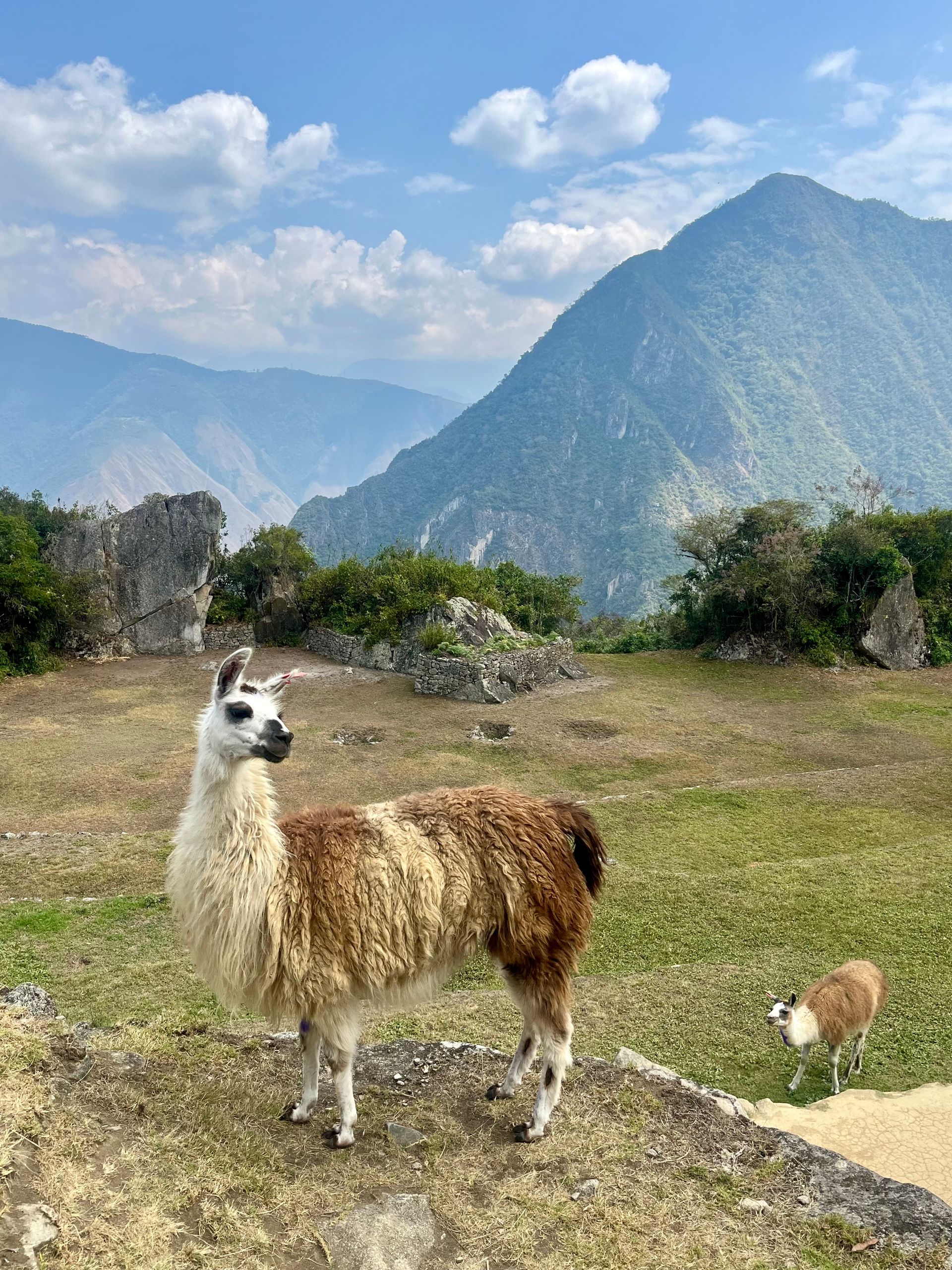
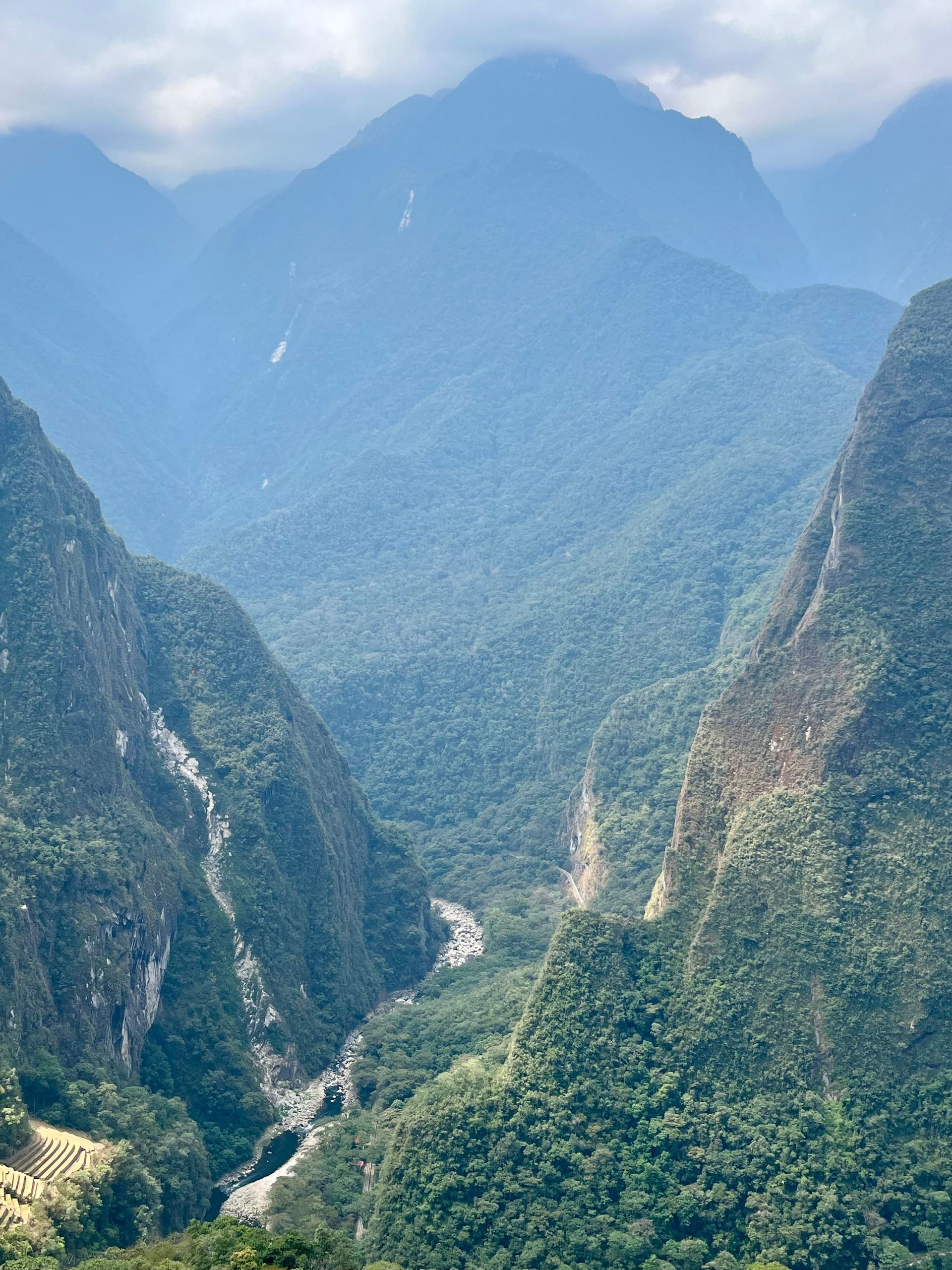
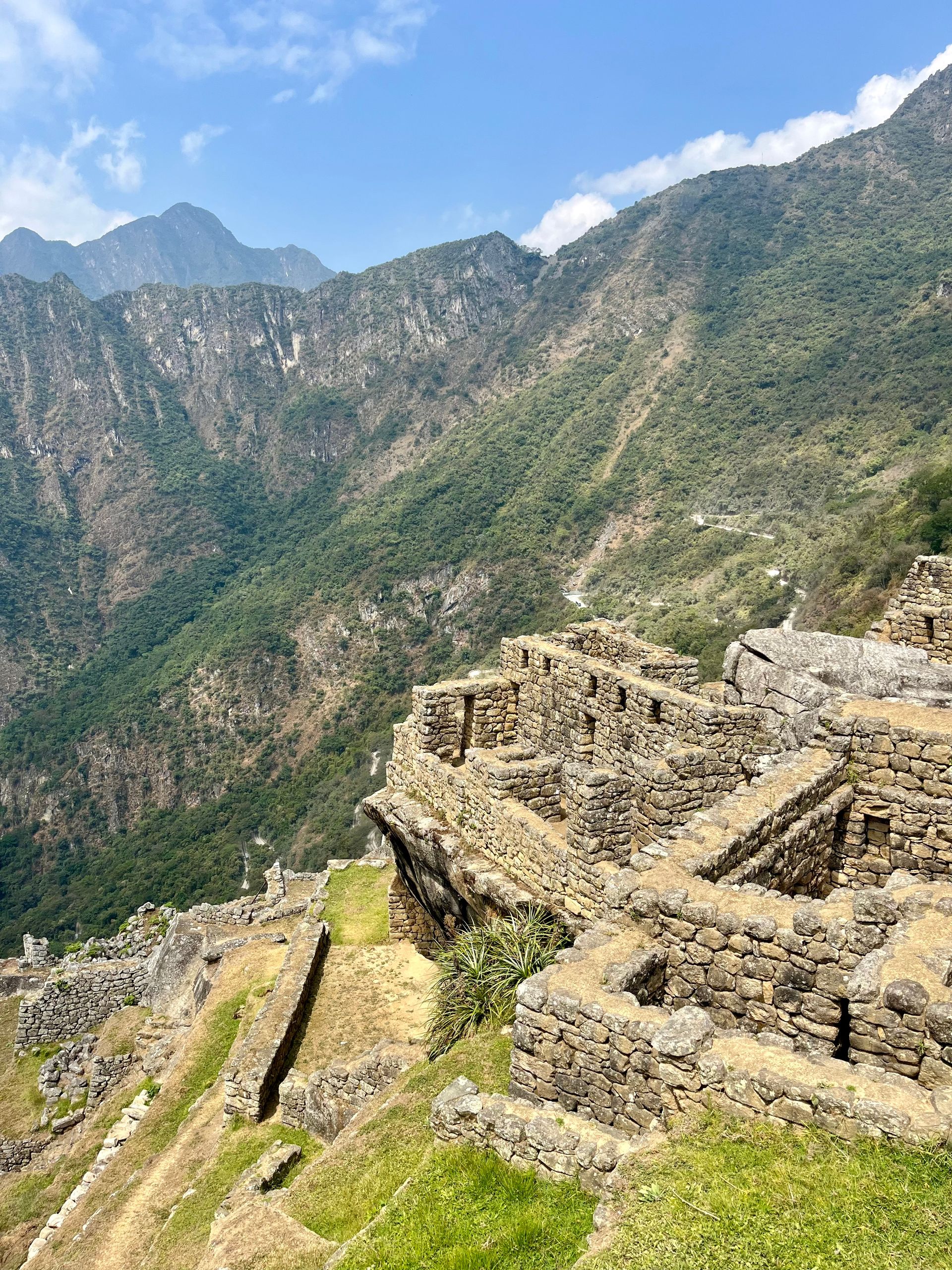
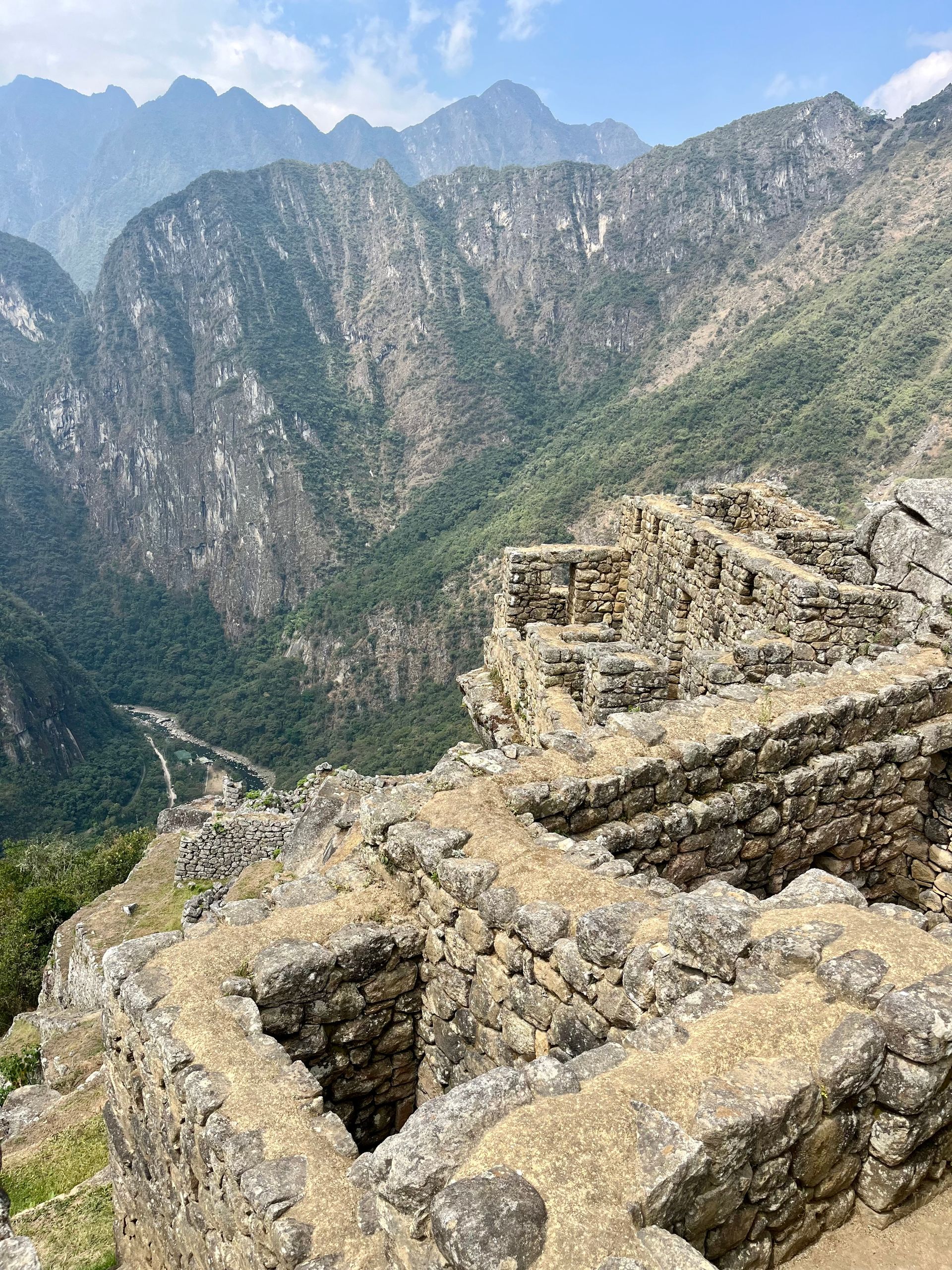
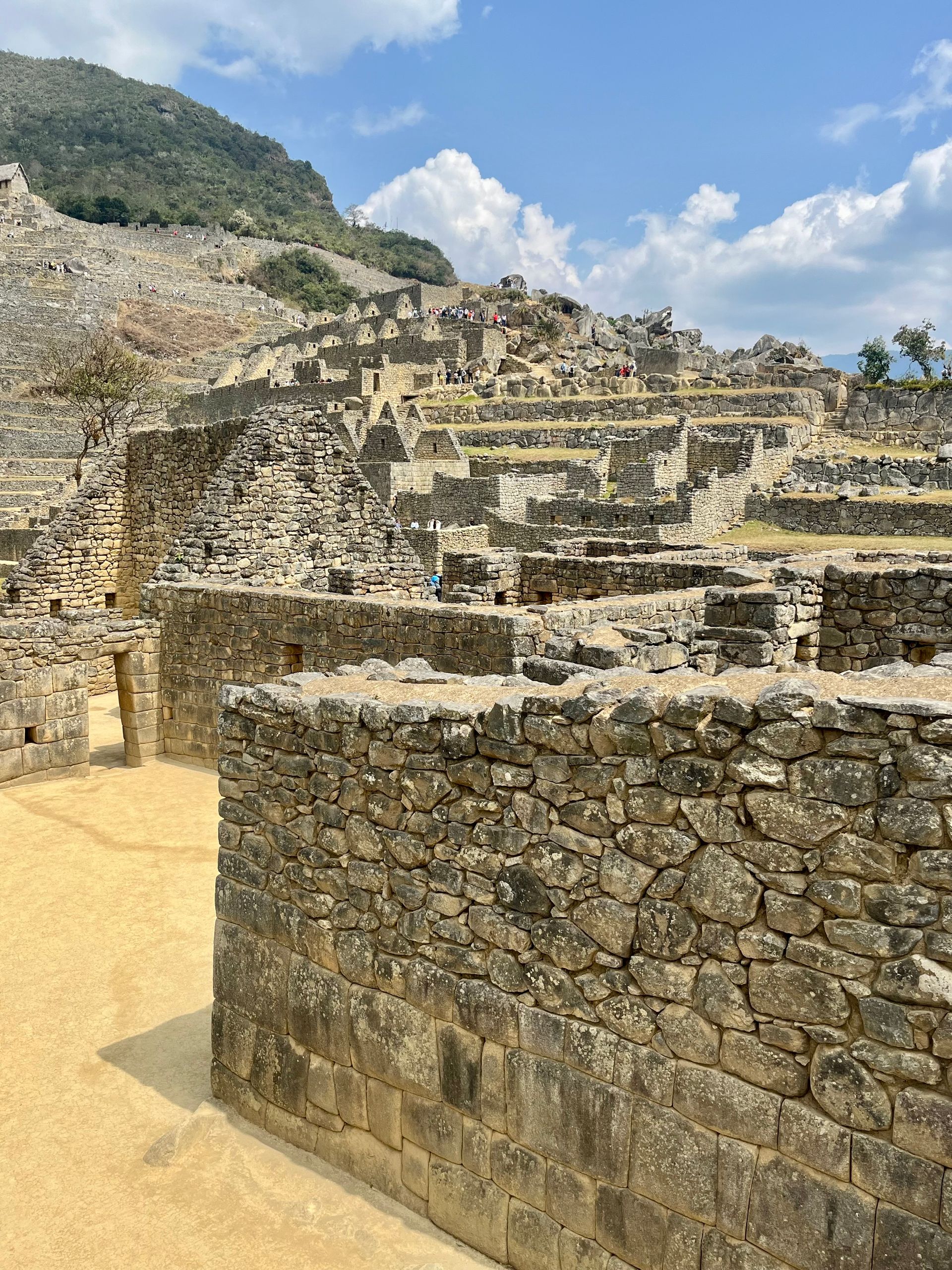
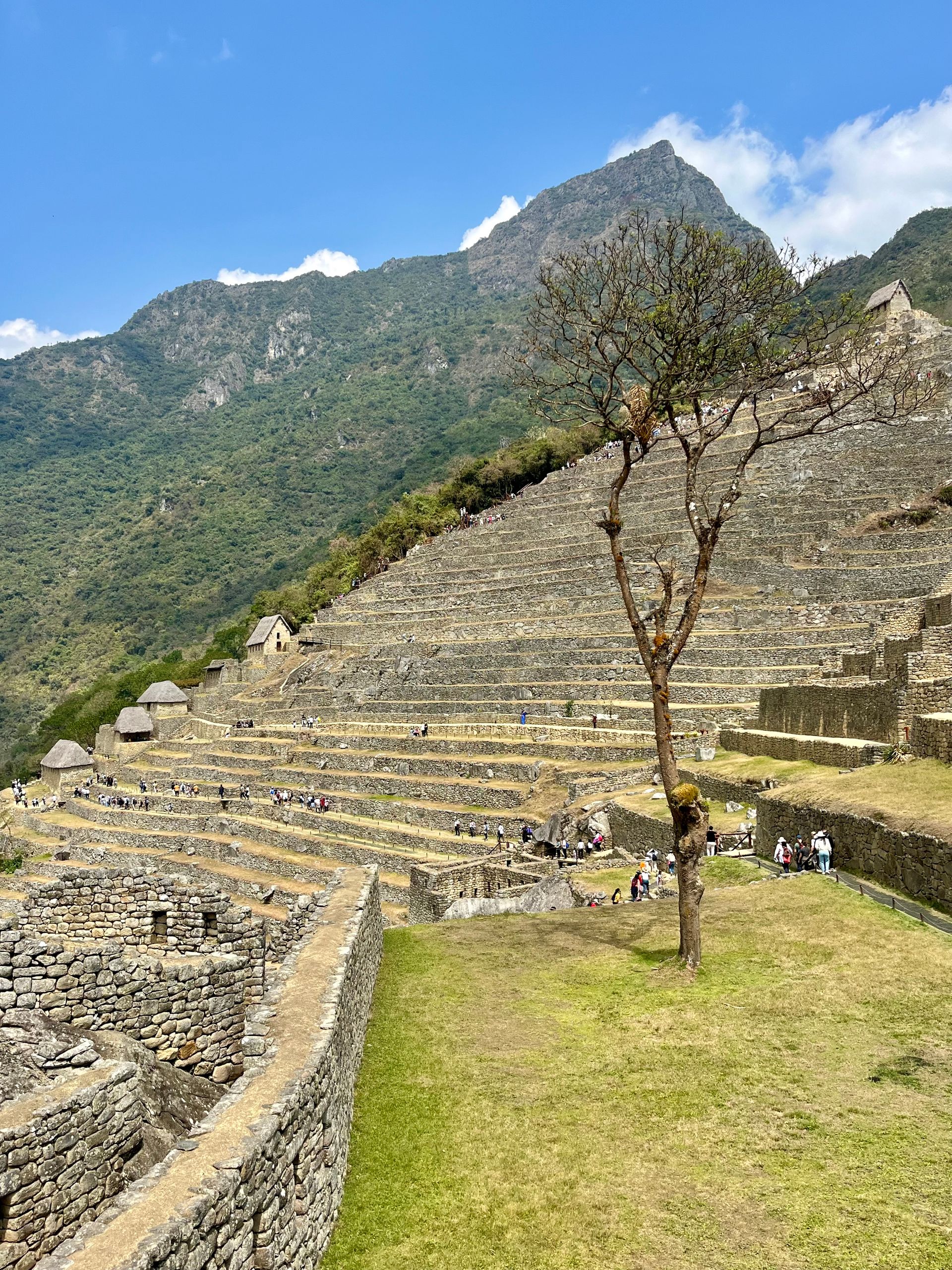
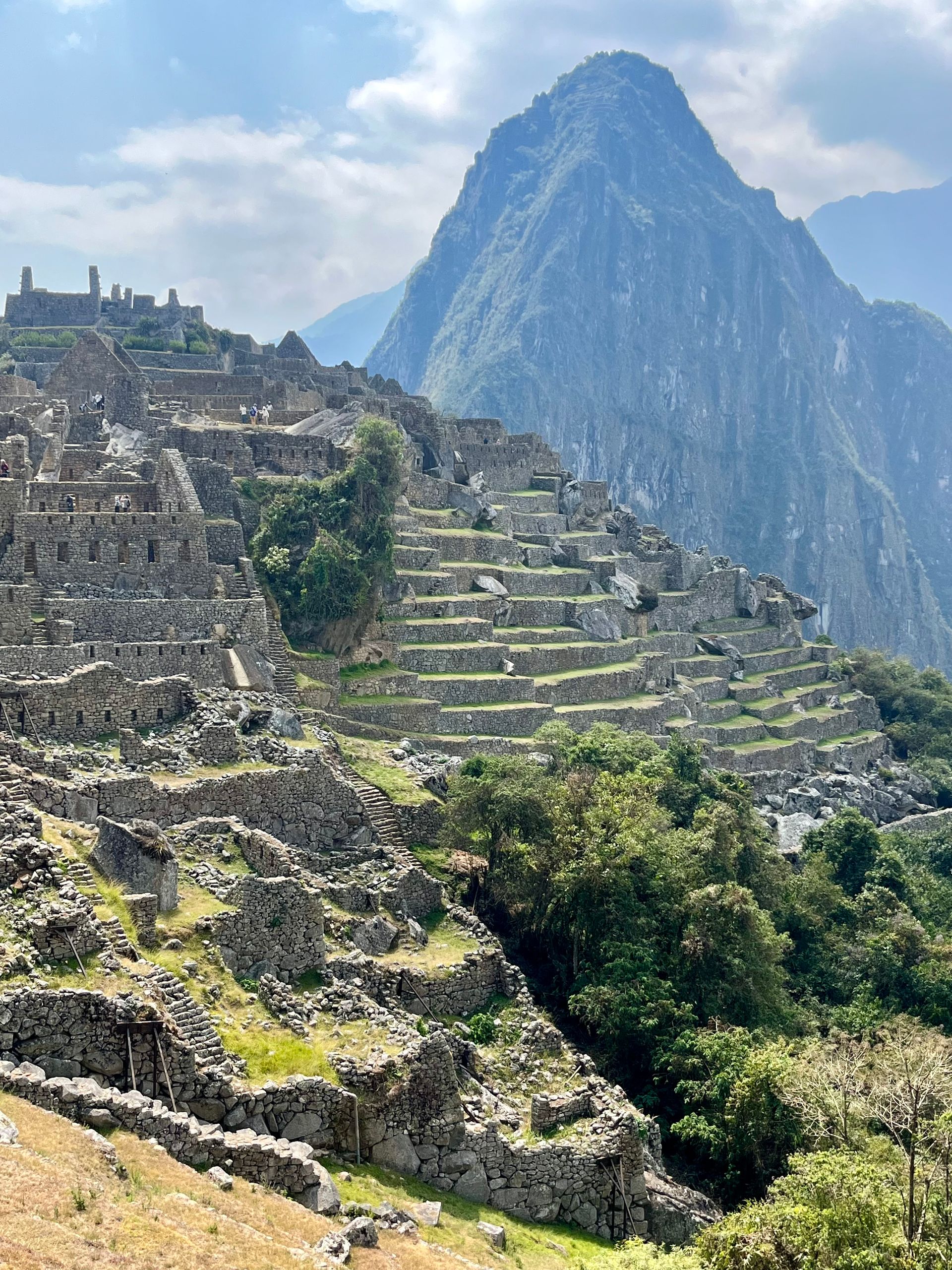
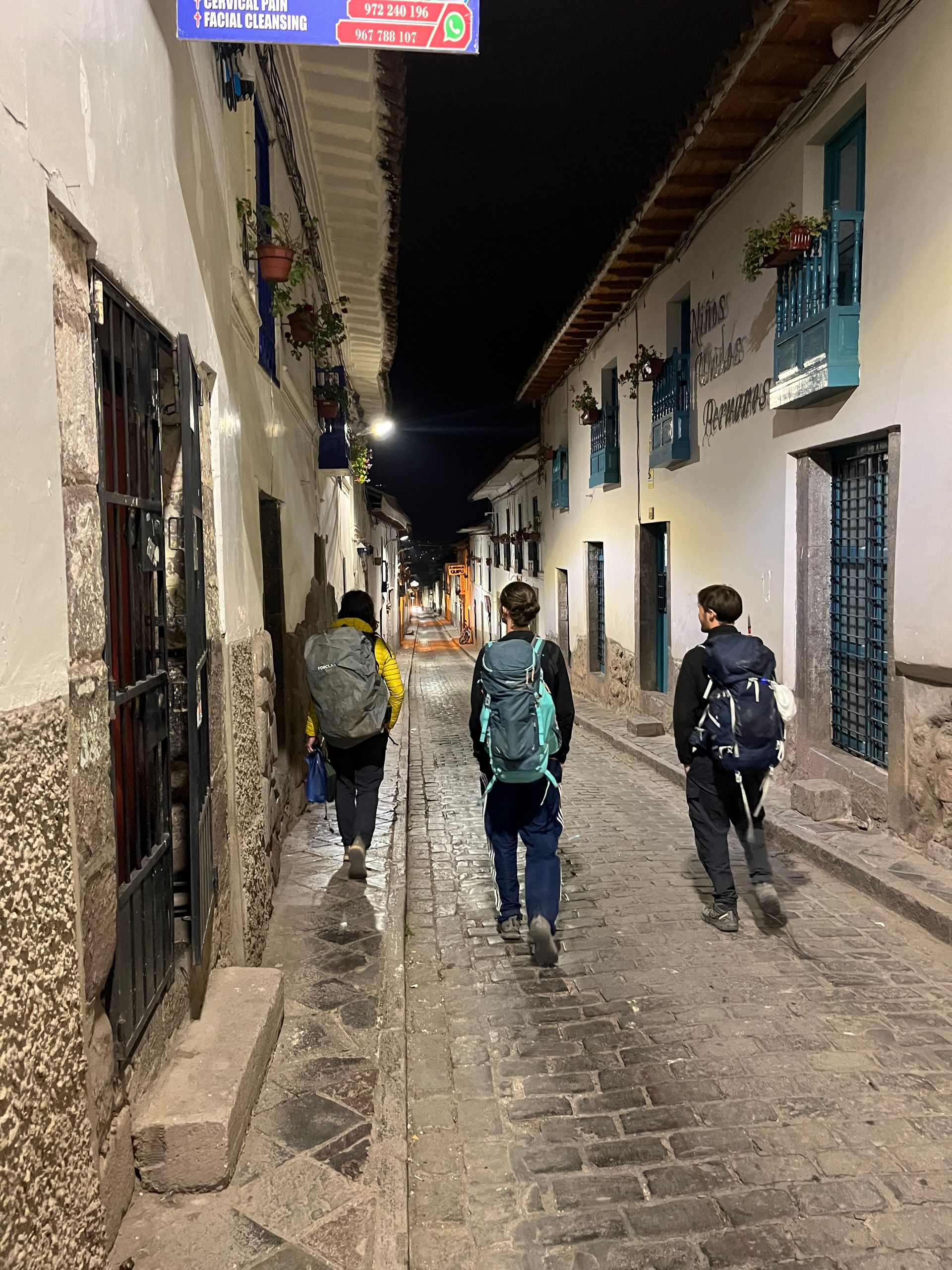
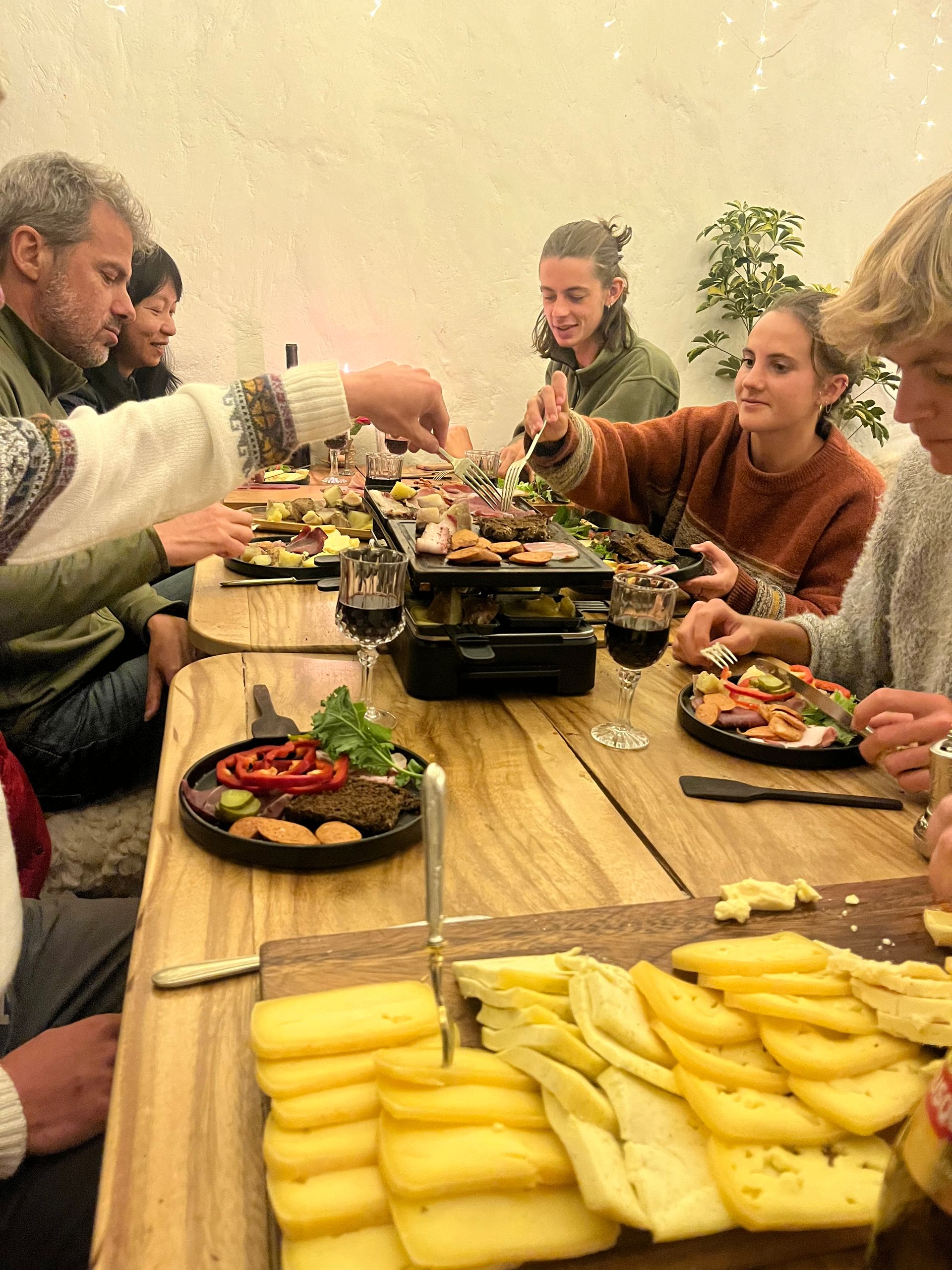
Directly at the beginning, we were surrounded by numerous travel groups and guides conducting tourists through the site. After a short time, when we caught our first glimpse of the world-famous ruins, I was genuinely stunned. It was unbelievably impressive and breathtaking; it was truly one of those places that you have seen a thousand times in pictures and documentaries, and when you finally stand here and see it live with your own eyes, you feel overwhelmed. What a sight and what a view. I was completely taken aback and had to sit down for a moment. It was stunning—much better than all that I had seen numerous times before. Wow, what a feeling it was to finally be standing here and witnessing everything live. I just stood there for minutes, gawking and marveling. World-class. You can either let your gaze drift directly over the well-known attraction or delight in the breathtaking scenery. The surrounding mountain peaks are at least as impressive as the main attraction itself, and the weather god was again gracious to me. It was cloudy, but the clouds gradually dispersed, granting us a wonderful and unobstructed view over this masterpiece of Inca culture. At the entrance to Circuit 2, we were each given a red bracelet, which allowed us to proceed to the world-renowned main photo spot—the view from above of the lost city, which has been seen thousands of times. After that, we promptly returned the bracelets and continued on our way. This system seems to ensure that individuals from other circuits do not switch paths at this point, which is reasonable and strictly monitored. However, after this, shifting within the circuits is quite uncomplicated. Although there are guardians everywhere, the individual circuits are well-connected, and sometimes one might accidentally switch circuits. This is no problem at all; the guards with their whistles are all quite amiable. What was all that I had read in advance: one is not allowed to stop and cannot go back, it is all strictly controlled and monitored. Nonsense. Sure, there are a few rules to follow while visiting the site, which is completely understandable, but no one will scold you for taking a few steps back or accidentally switching to another circuit. Everything is very relaxed. Even though the city is naturally quite frequented (which is also entirely logical given its status as South America’s top sight), one can effectively avoid the tourist masses and enjoy one's own experience. The city is enormous, and it scales off the crowds quite well. And if you do end up in a group, you can effortlessly absorb some interesting information from the guides. It is incredibly impressive here, and one continuously shifts attention between the ruins and the surrounding landscape. Both are distinctly remarkable and worth every step here. Overall, it feels a thousand times more valuable, given the journey we took to get here. For me, this is definitely a 10 out of 10 as a complete package, and I don’t know if I’d feel as overwhelmed if I had arrived comfortably by train. The journey as the goal and the destination serving as the endpoint of this impressive hike create an indescribable sense of fulfillment. Simply beautiful. We wandered through the city for a total of 4 hours. I won’t delve into background information about Machu Picchu here; there are countless articles online about it. The whole story is definitely impressive, and it feels very special to walk through these renowned ruins at least once in a lifetime. Stereotypically, llamas eventually joined the already impressive scenery, and we had fully arrived at Machu Picchu, the 'old peak', the most important site of the Inca civilization. After an extensive inspection and incredulous wonder over the Inca's architectural skills, we left this magical place and began our journey back. At the foot of the steps, we met Viktor and Felix, who also showed signs of the fascination that this site had instilled in them. Since there is no way back from here except for the expensive train to Cusco, we must walk the entire distance along the tracks back to Hidroelectrica. On our way back, we met all the people who were yet to experience the site, some looking utterly exhausted with enormous backpacks. Phew, that’s a tough endeavor. Especially considering how difficult it was for us, even with a small backpack. If you should opt to hike over several days, I strongly recommend light pack only—anything else is misery and quite unnecessary. Around 4:30 PM, after 20 kilometers on the day, we reached Hidroelectrica. Two Colectivos waited at the end of the train line, and we boarded one of the vehicles, utterly spent yet satisfied, as four. After endless jostling over the winding roads and one transfer, we arrived in Cusco just before midnight. The driver dropped us near the old town, and we collectively checked into a hostel, where we fell into bed completely exhausted but absolutely happy and overwhelmed. In total, including our return trip to Hidroelectrica, we covered a little over 110 kilometers in 5 days. This journey has been one of the most demanding (especially due to the distance) but also one of the most impressive hikes I have ever undertaken. Thanks also to my French friends for their absolutely fantastic and entertaining companionship. The next day, after a decent sleep, we went together to a restaurant where we indulged ourselves in Raclette. A great way to conclude an eventful 5 days before our paths parted again. Bon Voyage Amigos – it was an honor!