Day 12 Osaka -> Day 1 Seoul
Dear travel fans, As I write this, we are already on the flight to Seoul/Incheon. That means everything went smoothly this morning – and I must say, having an overnight stay...

Pubblicato: 16.06.2025
Hello dear Kimchi fans,
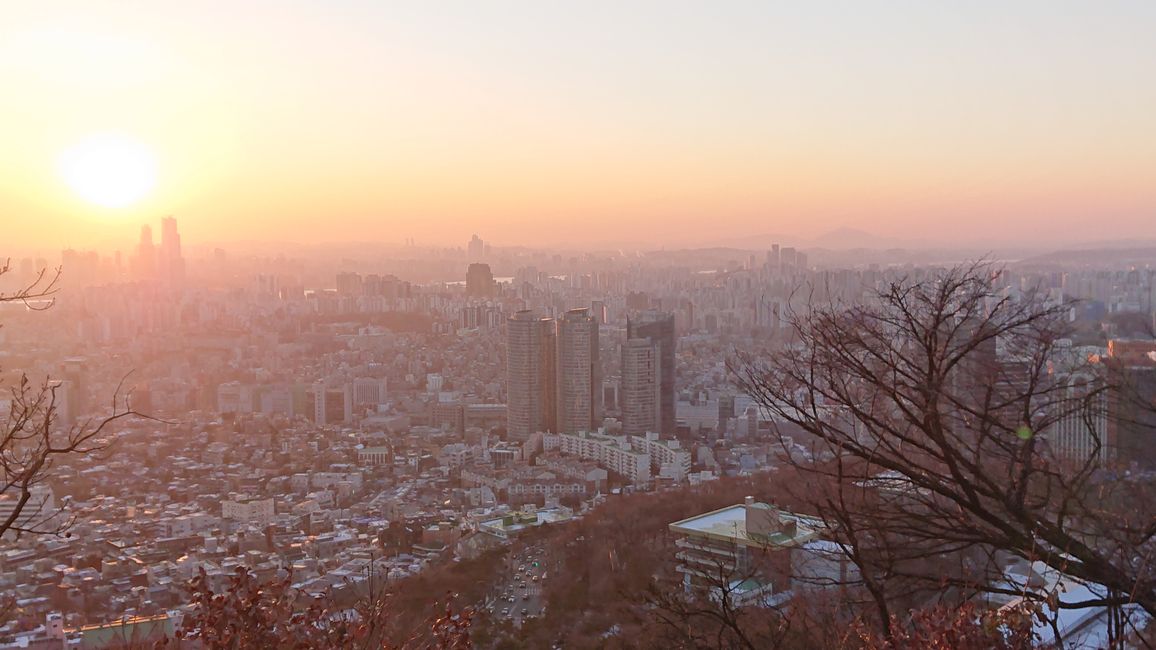
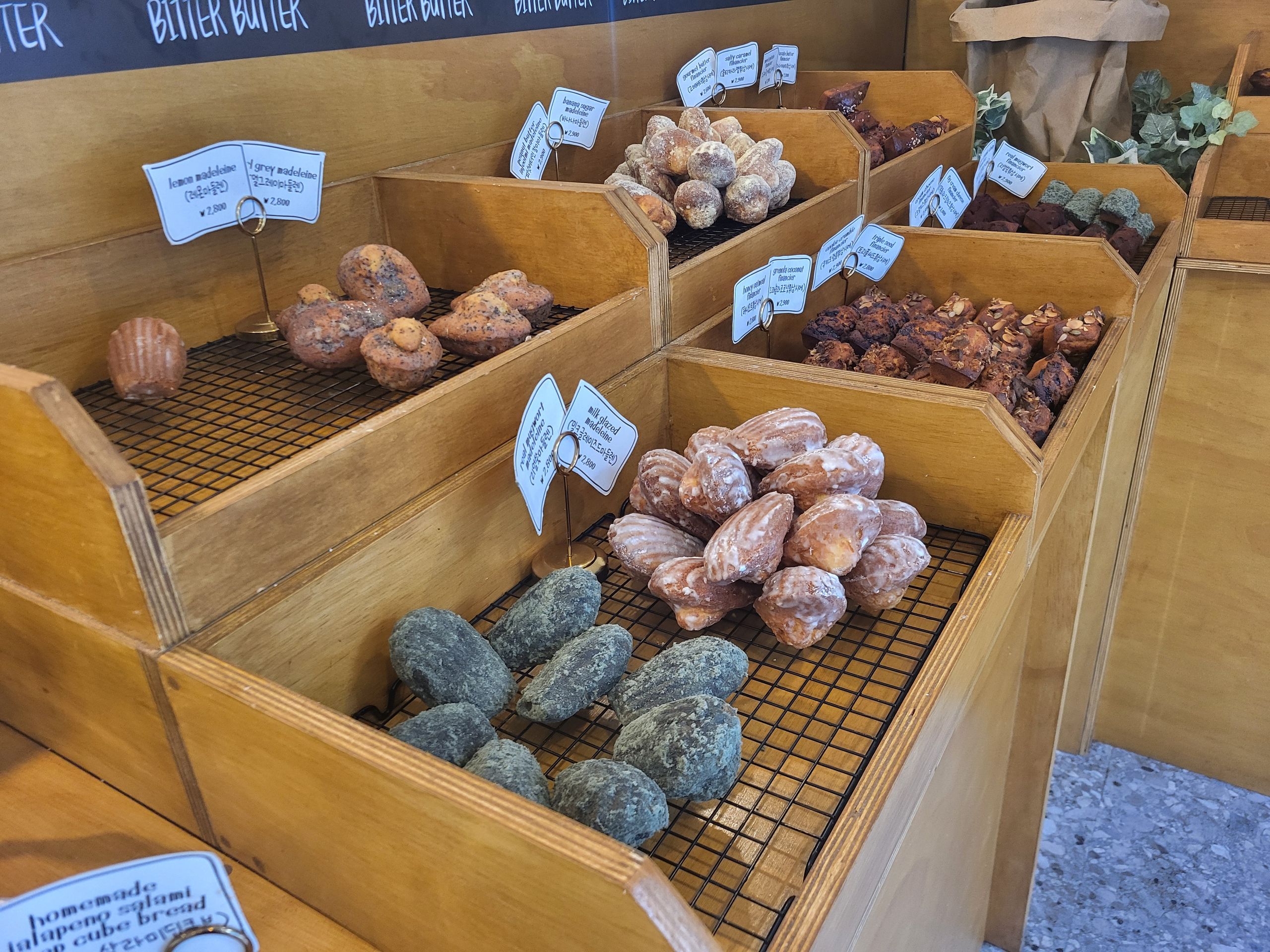
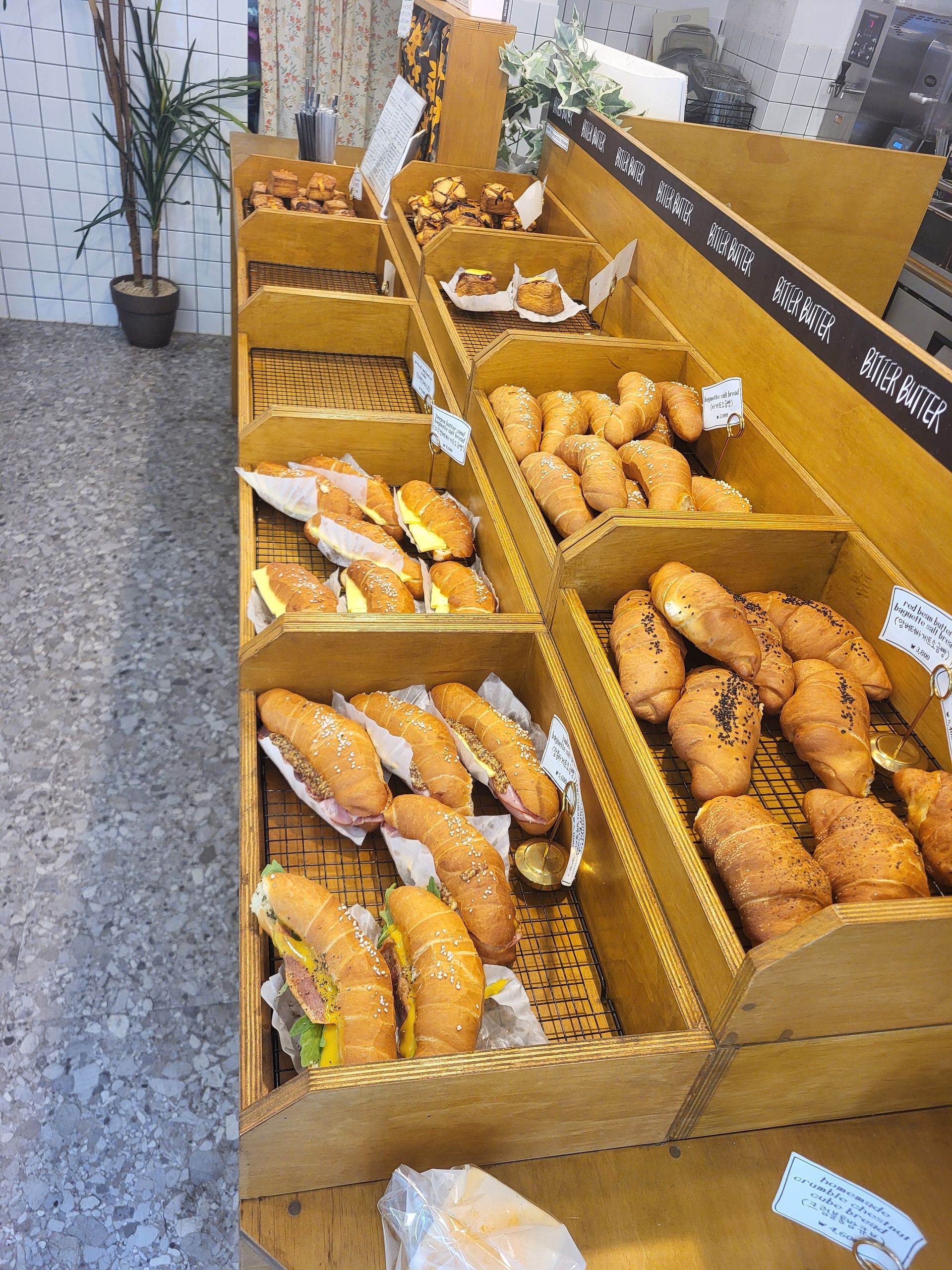
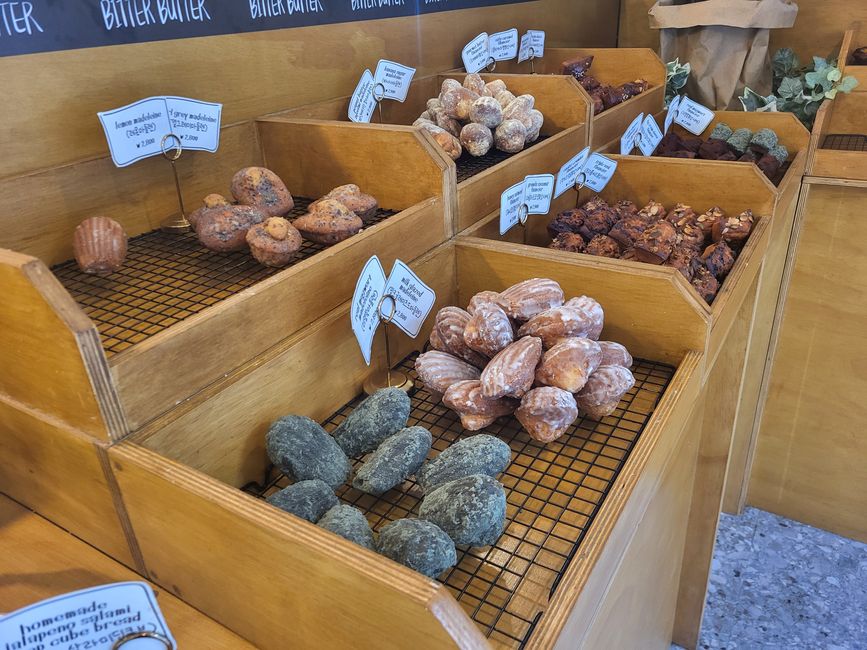
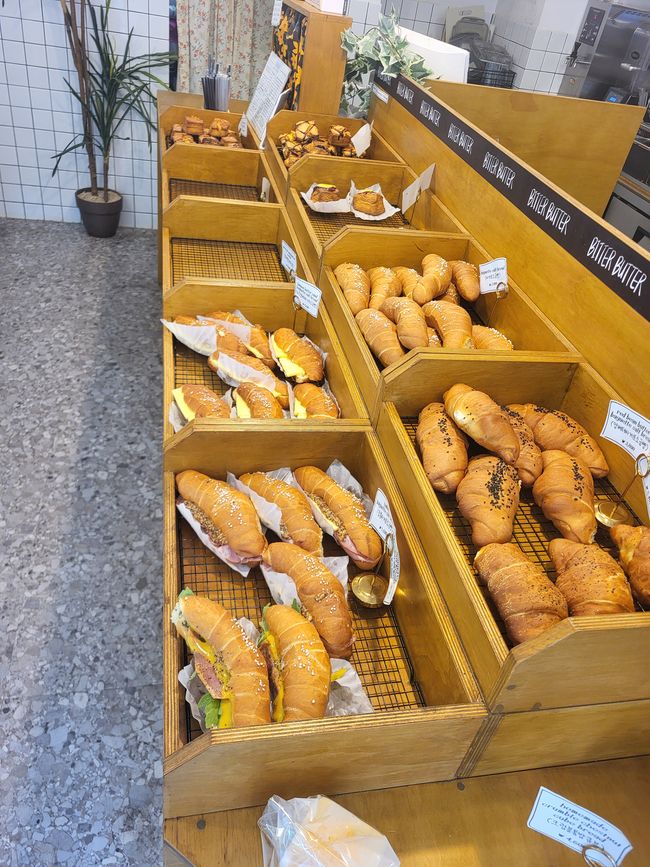
The first night in Seoul went smoothly – we slept wonderfully and were rewarded in the morning with a breathtaking view of the slowly waking city. The view from the 17th floor is stunning. We took our time in the morning and went out around 10 AM – of course with the goal of finding something for breakfast. Even before the trip, we had heard several times that breakfast in South Korea… let's say… is special. And yes, that’s true: classic breakfast dishes such as muesli, croissants, or rolls with jam are basically absent from Korean cuisine. Instead, breakfast often consists of what is served for lunch or dinner – kimchi, rice, soup. However, Western breakfast habits have taken hold in Seoul. There are now quite a few cafés and bakeries – and we found just such a place. They had scones, croissants, madeleines, and baguette rolls.
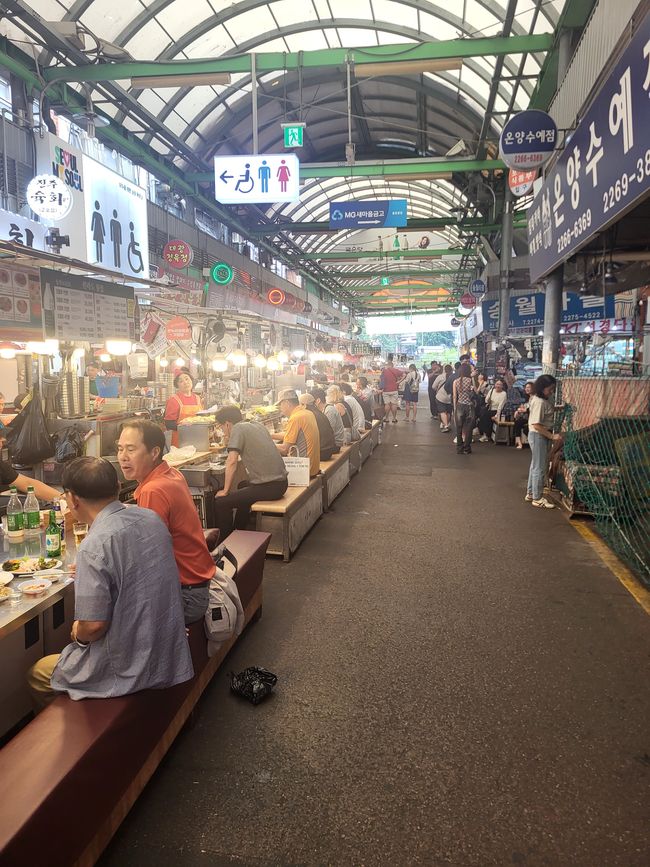
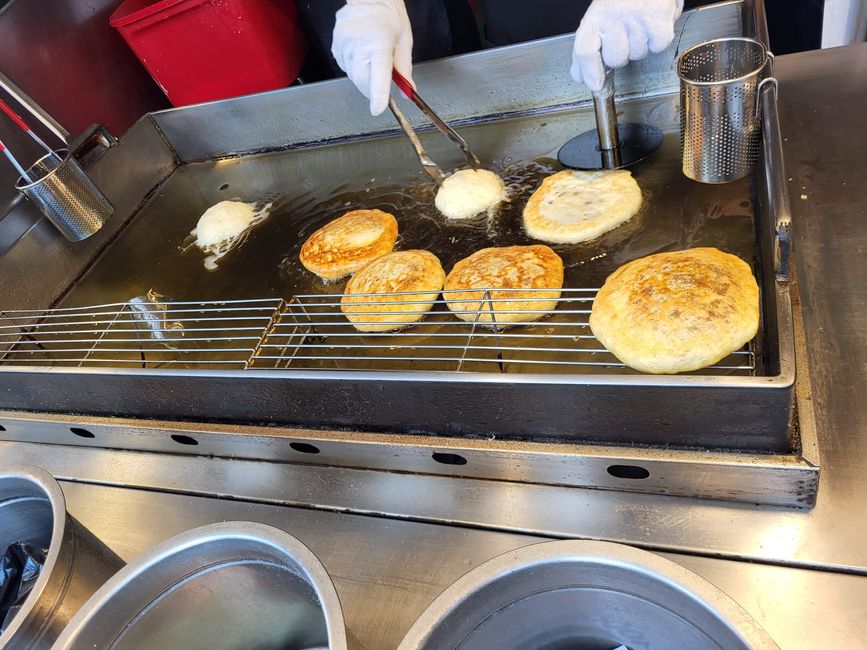
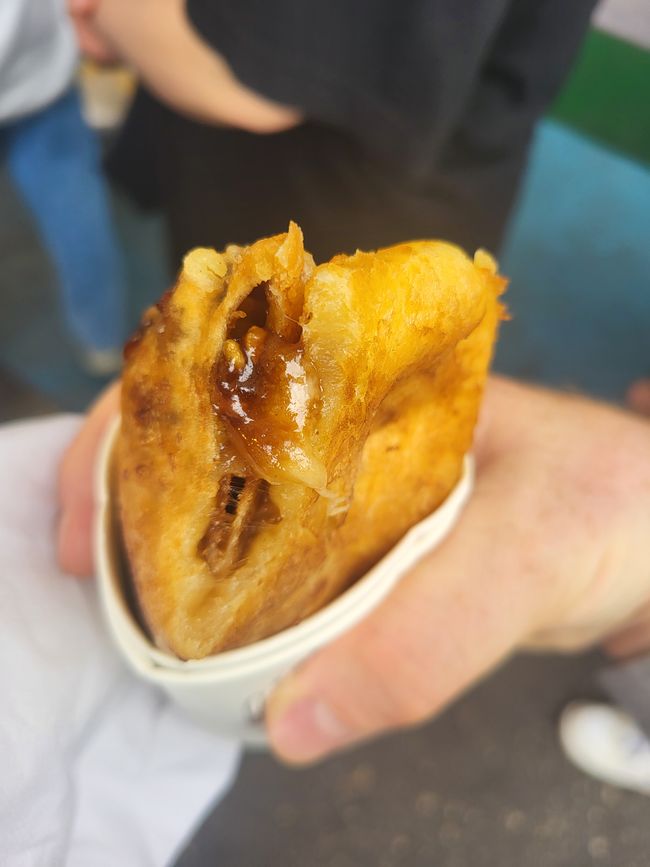
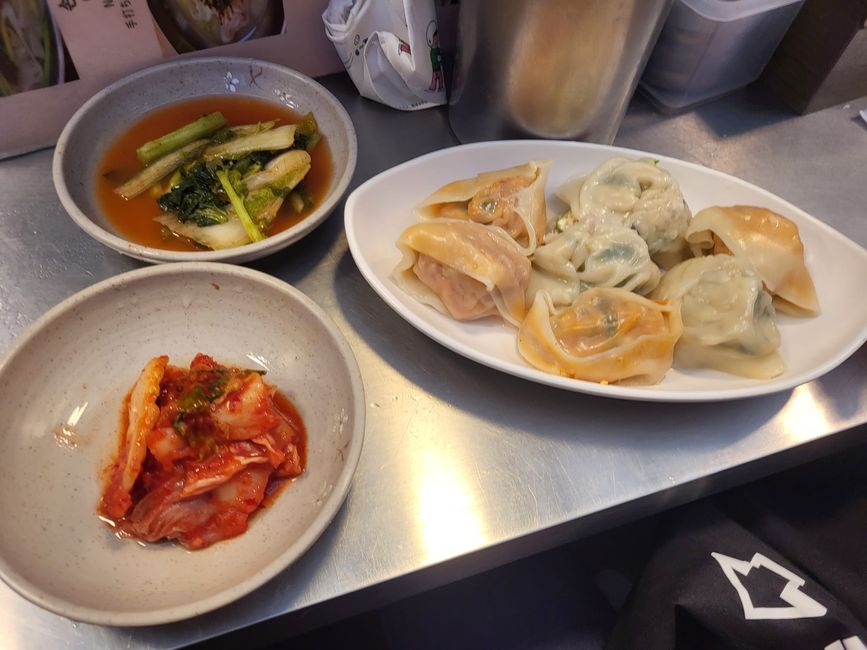
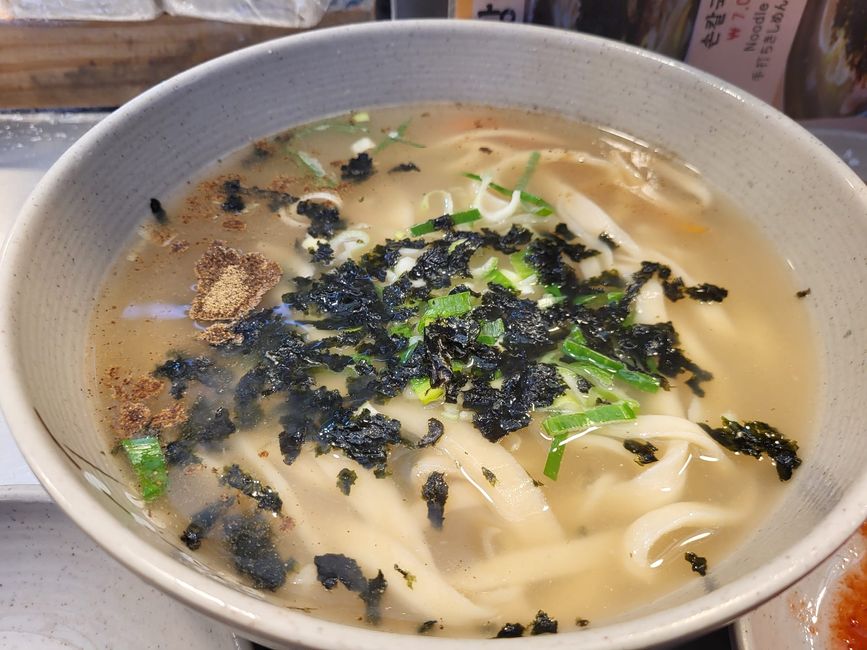
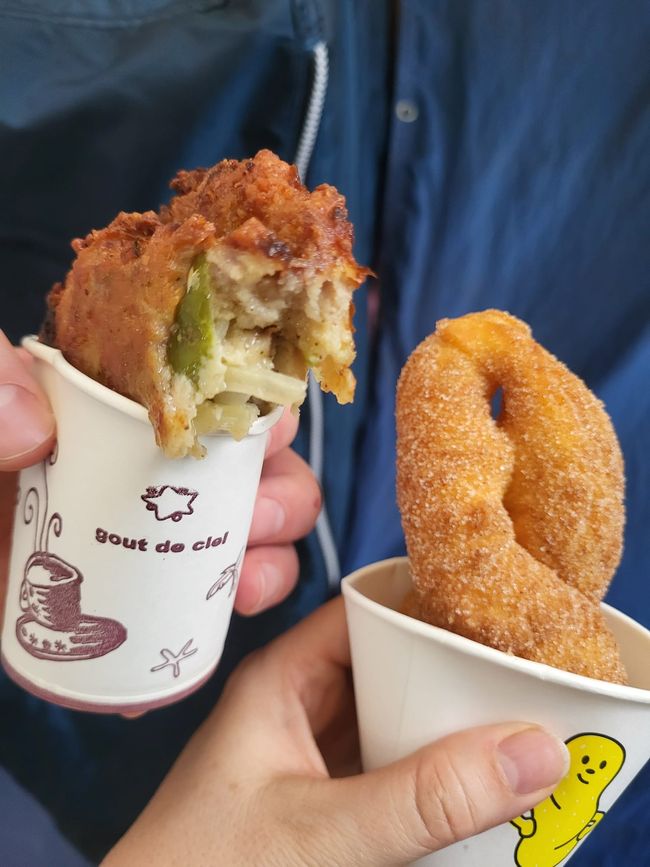
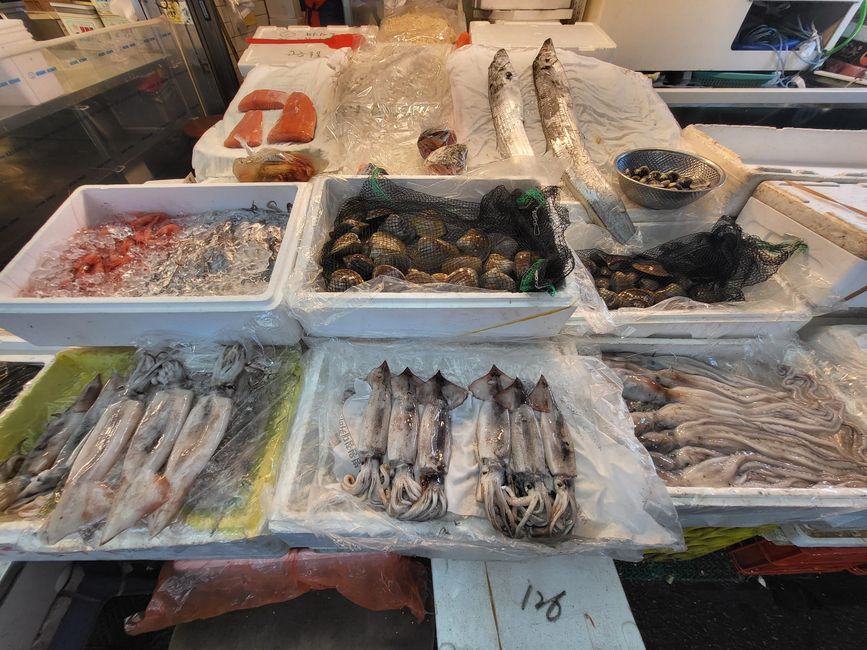
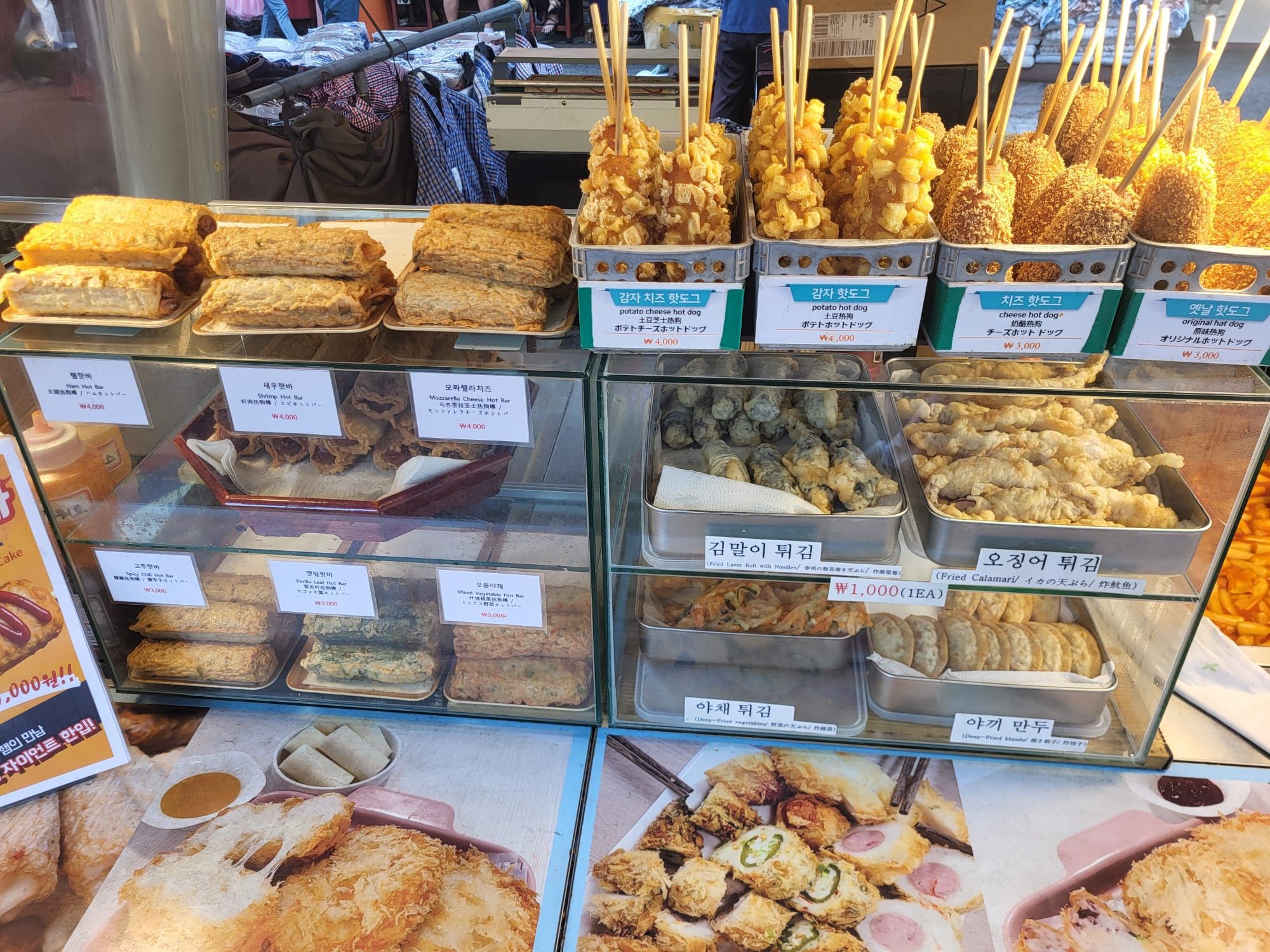
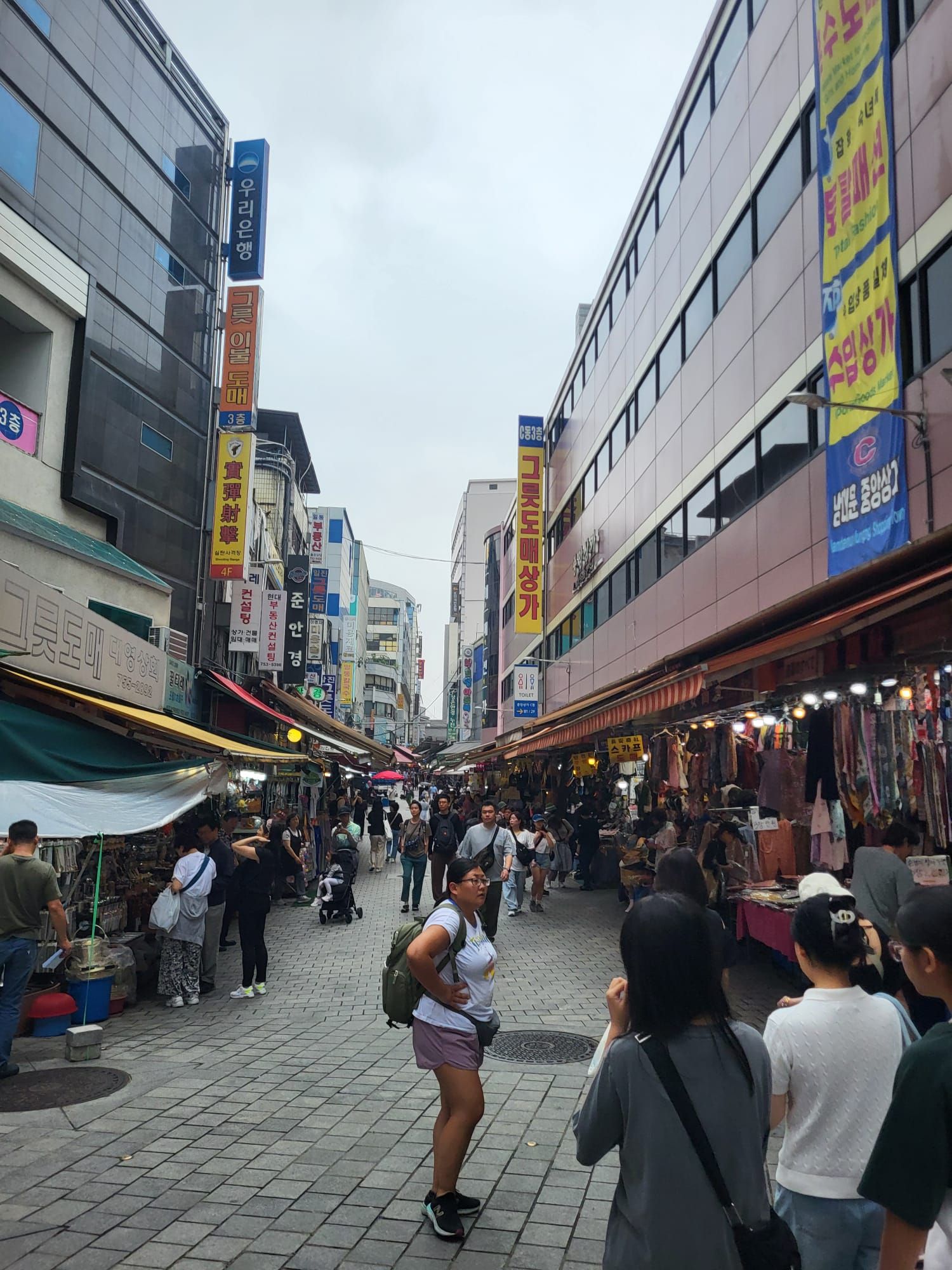
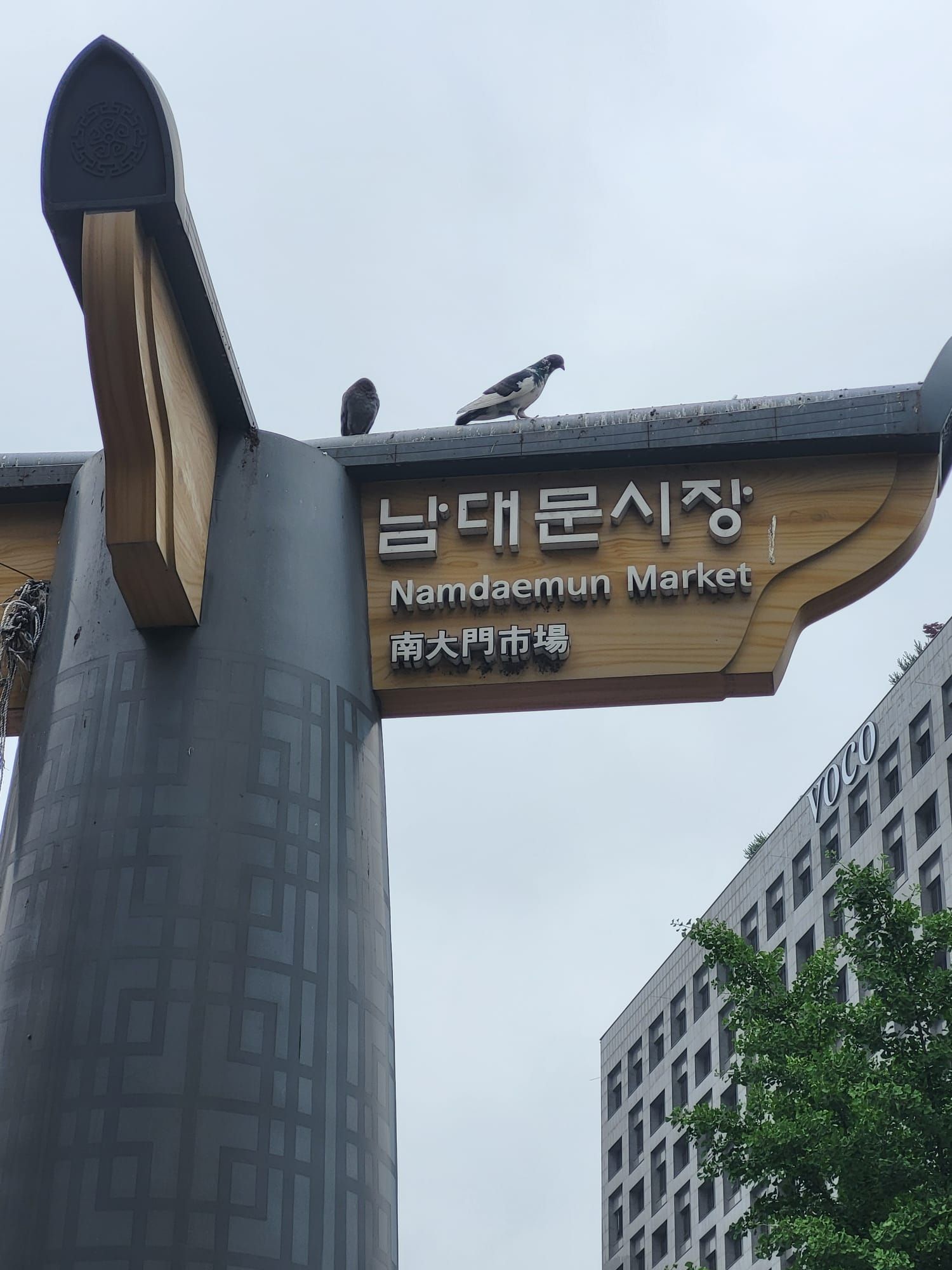
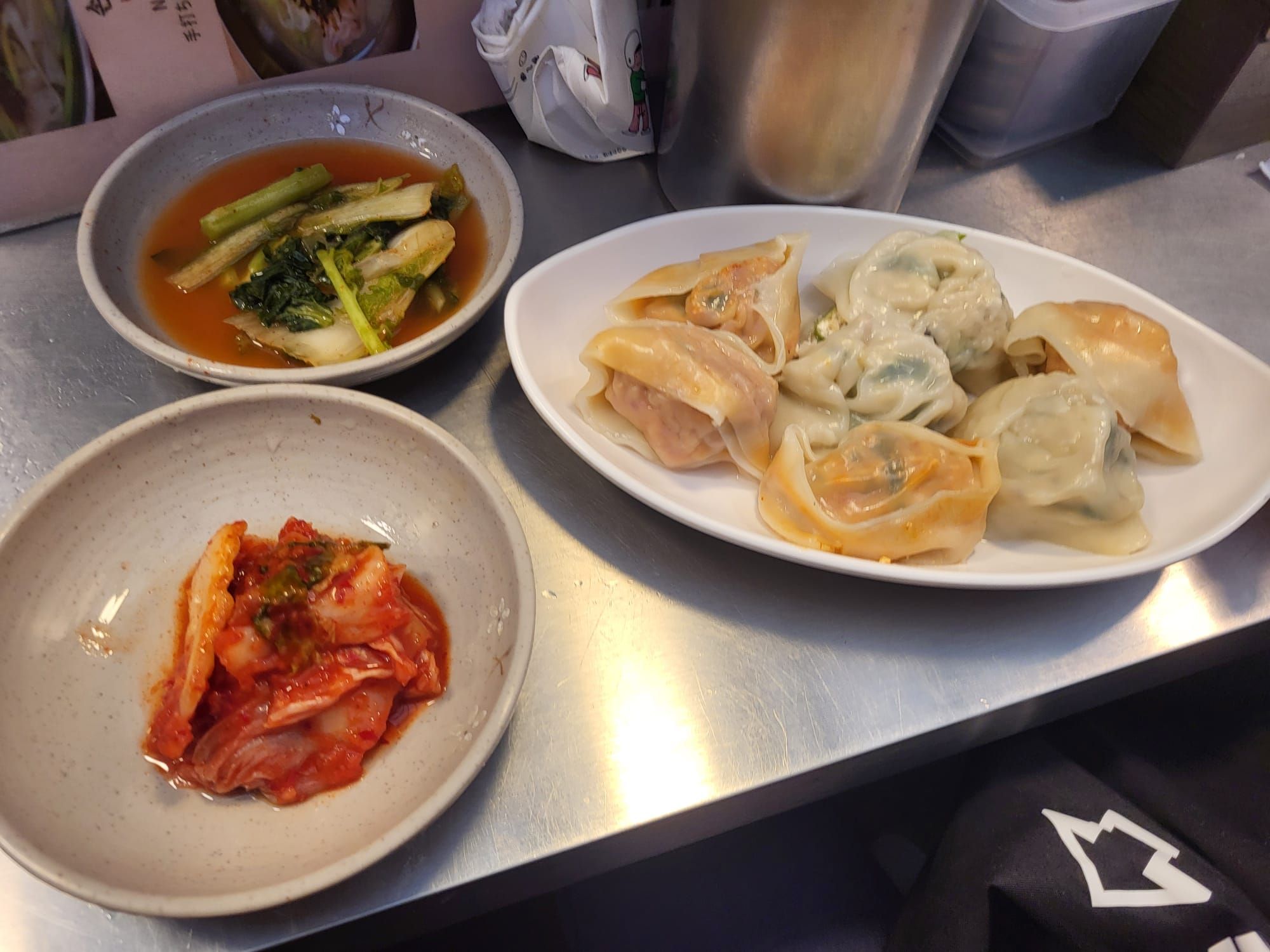
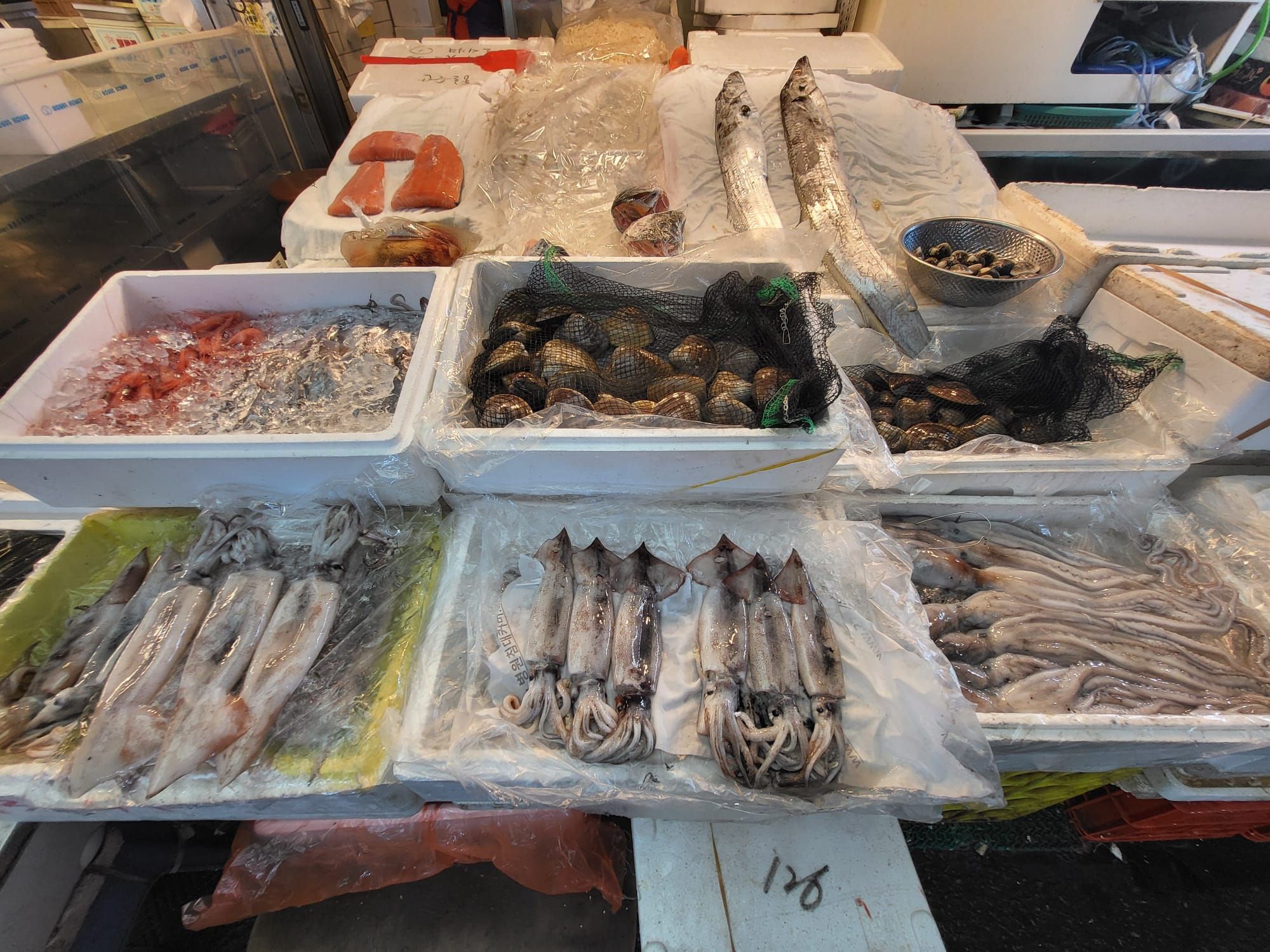
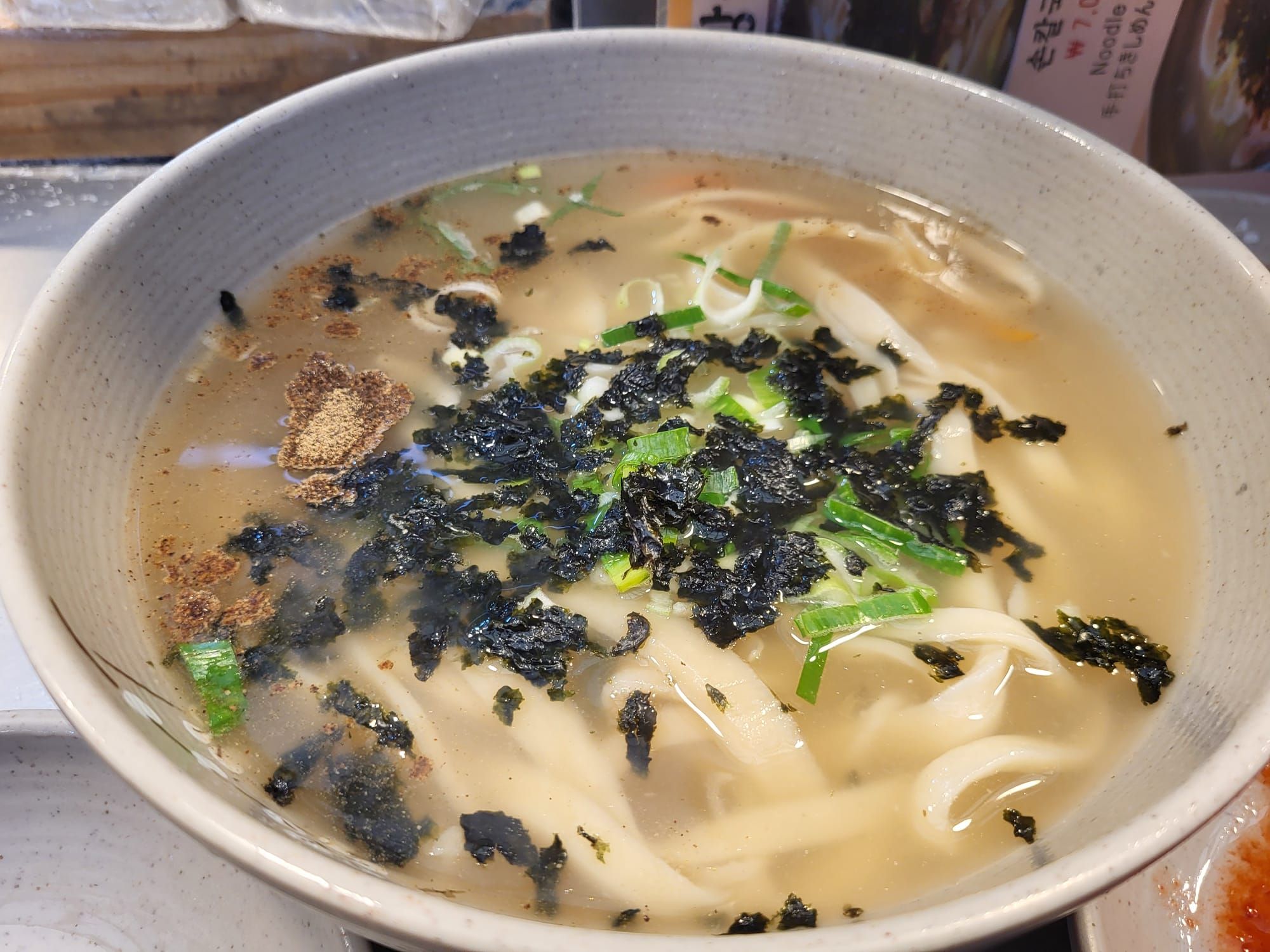
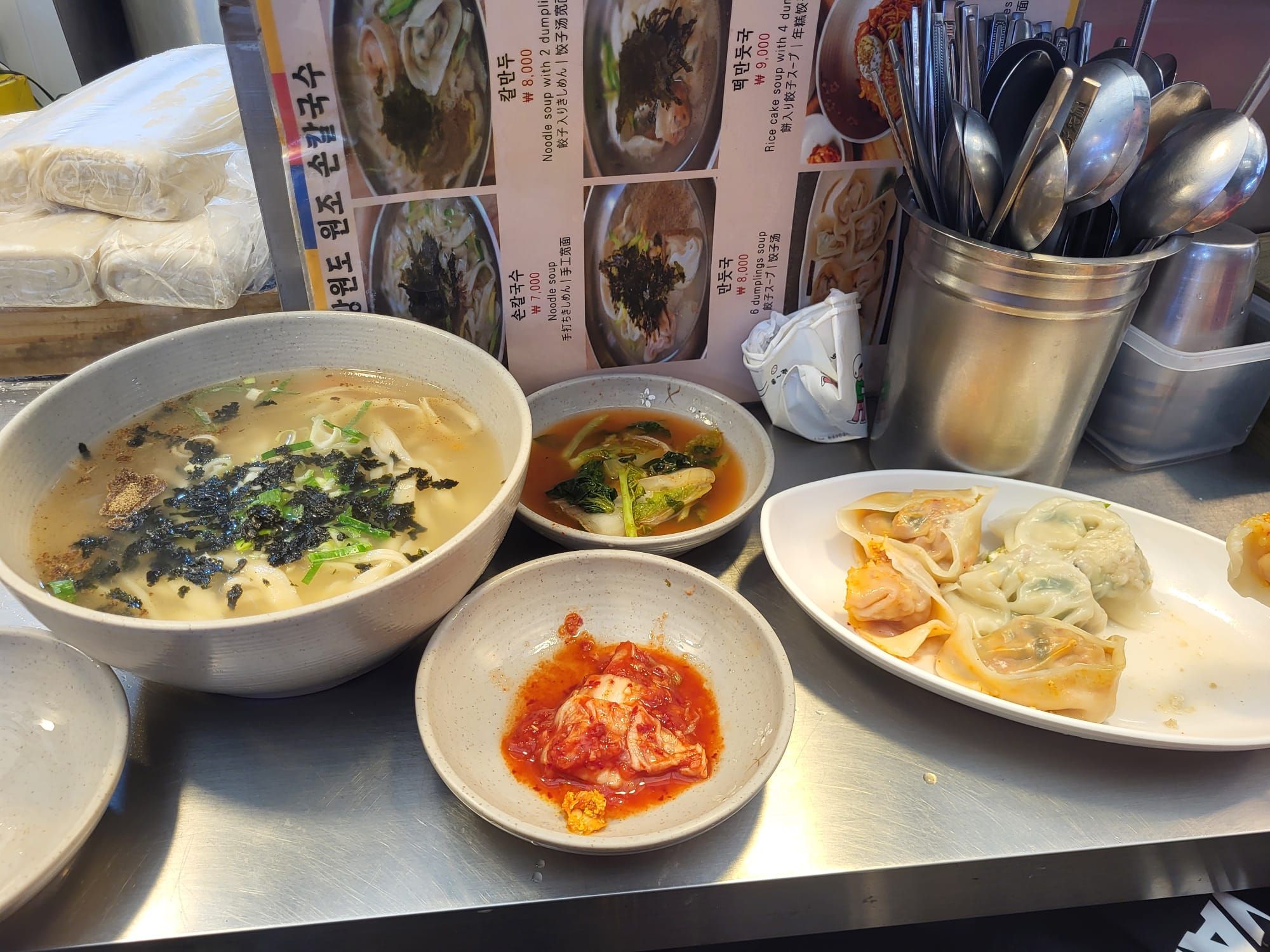
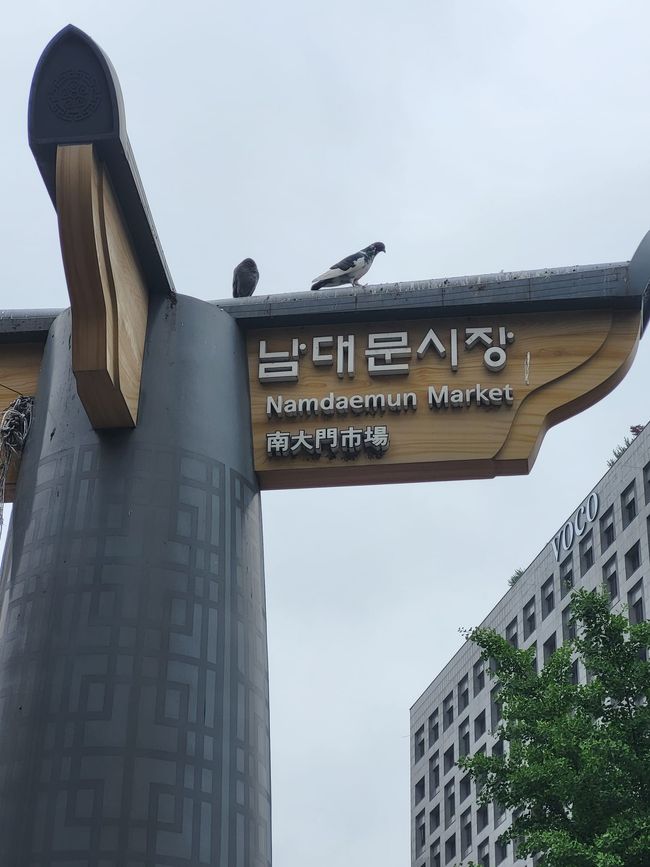
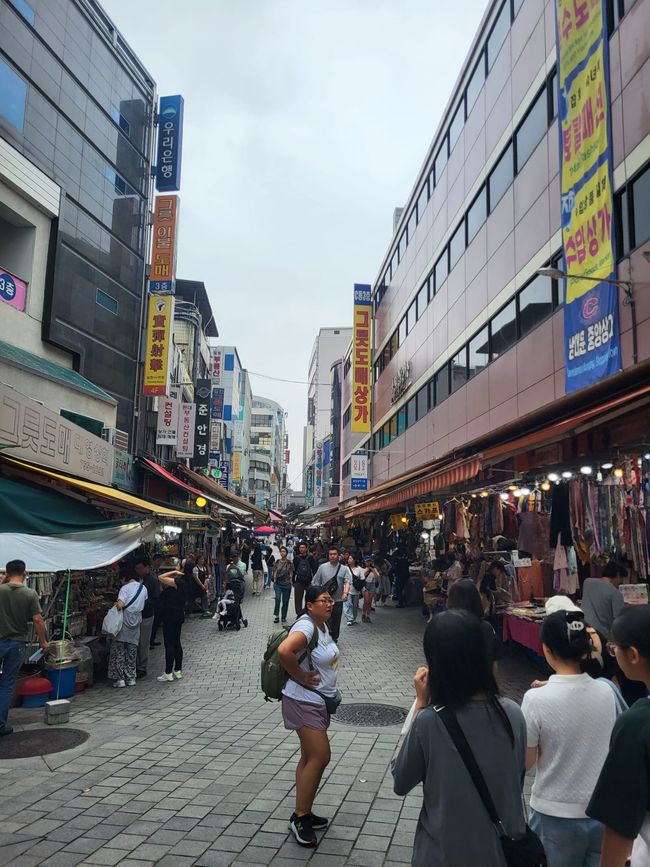
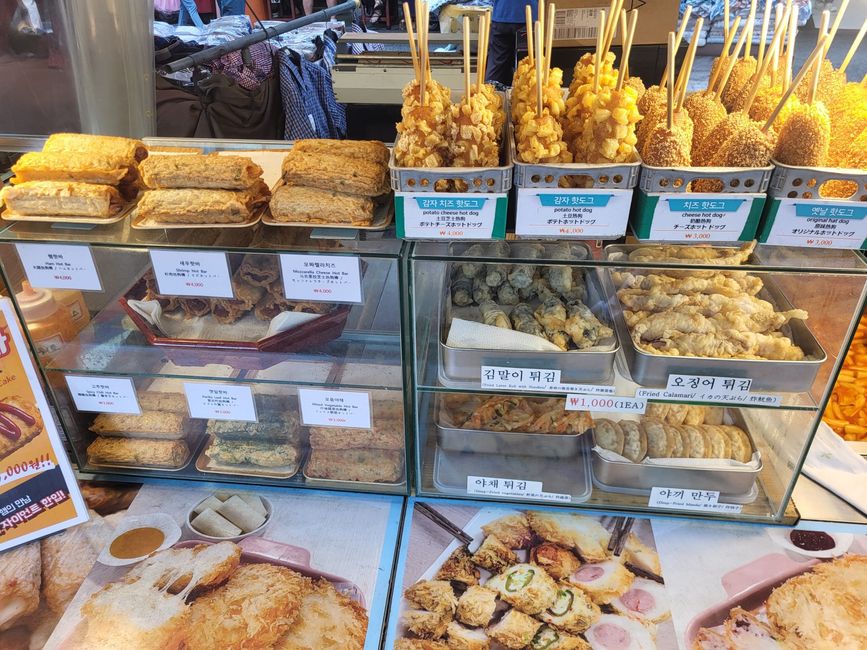
Afterwards, we went straight to Namdaemun Market – one of the most traditional and oldest markets in all of Seoul. And here you can find: clothing, bags, shoes, household goods, toys – practically everything. And of course, the famous Korean street food cannot be missed: Kalguksu, Hotteok, Mandu, Gimbap, Tteokbokki, Sundae... (but more on that later – we definitely indulged today 😄, although we were still quite full from breakfast during our visit to the market).
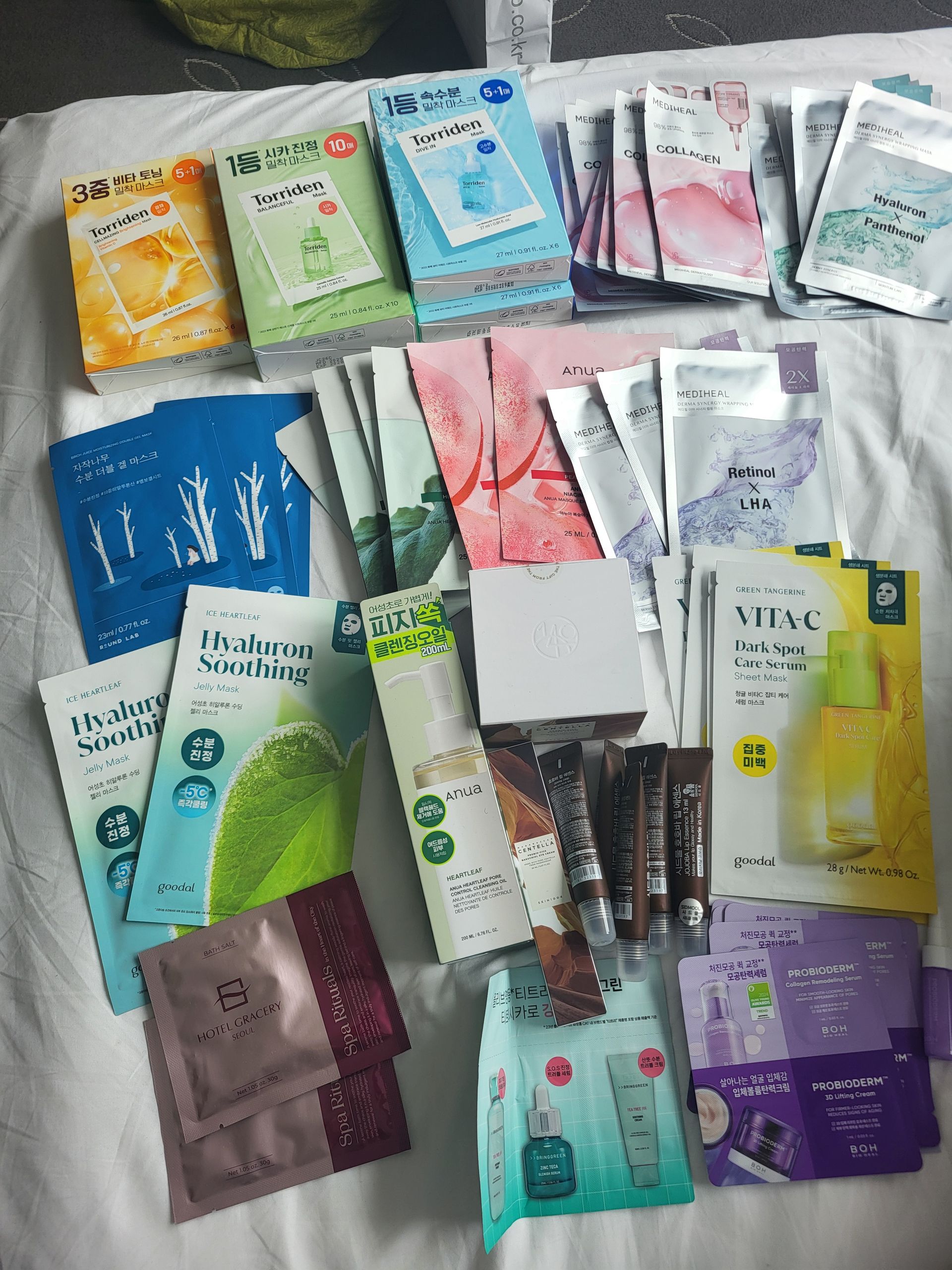
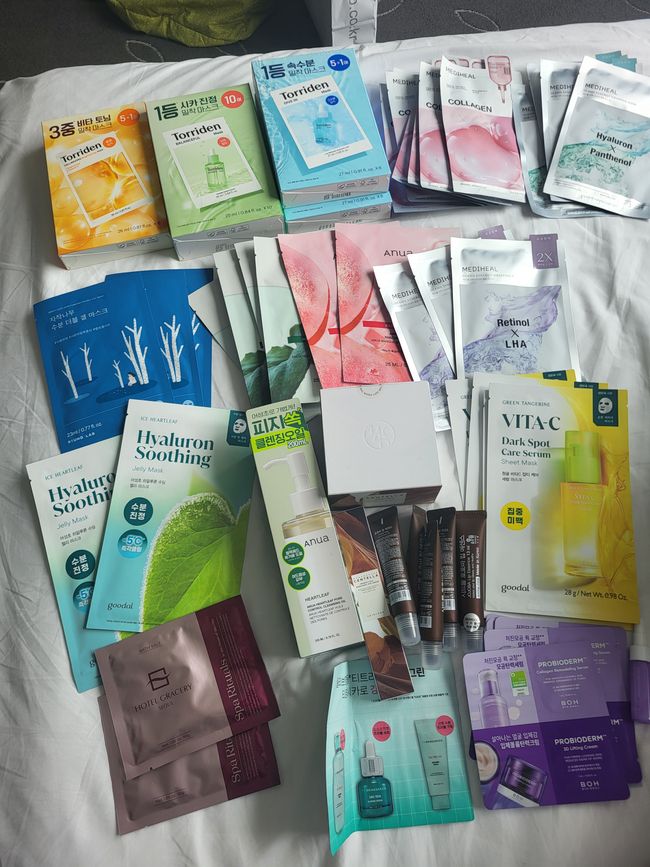
At Namdaemun Market, we also picked up a small suitcase - of course for the products we stocked up on afterwards, or rather, for Ramona. In South Korea, there is an extremely popular drugstore and beauty chain called Olive Young. And thanks to various Netflix K-dramas, Ramona had long planned to buy all sorts of beauty products there. But we didn't just go to any branch – no, we made a pilgrimage to the Olive Young flagship store. We spent a whole hour and a half there and came out €100 poorer. For me personally, it was rather a nightmare, whereas for Ramona, it was the purest paradise and a place of sheer euphoria.
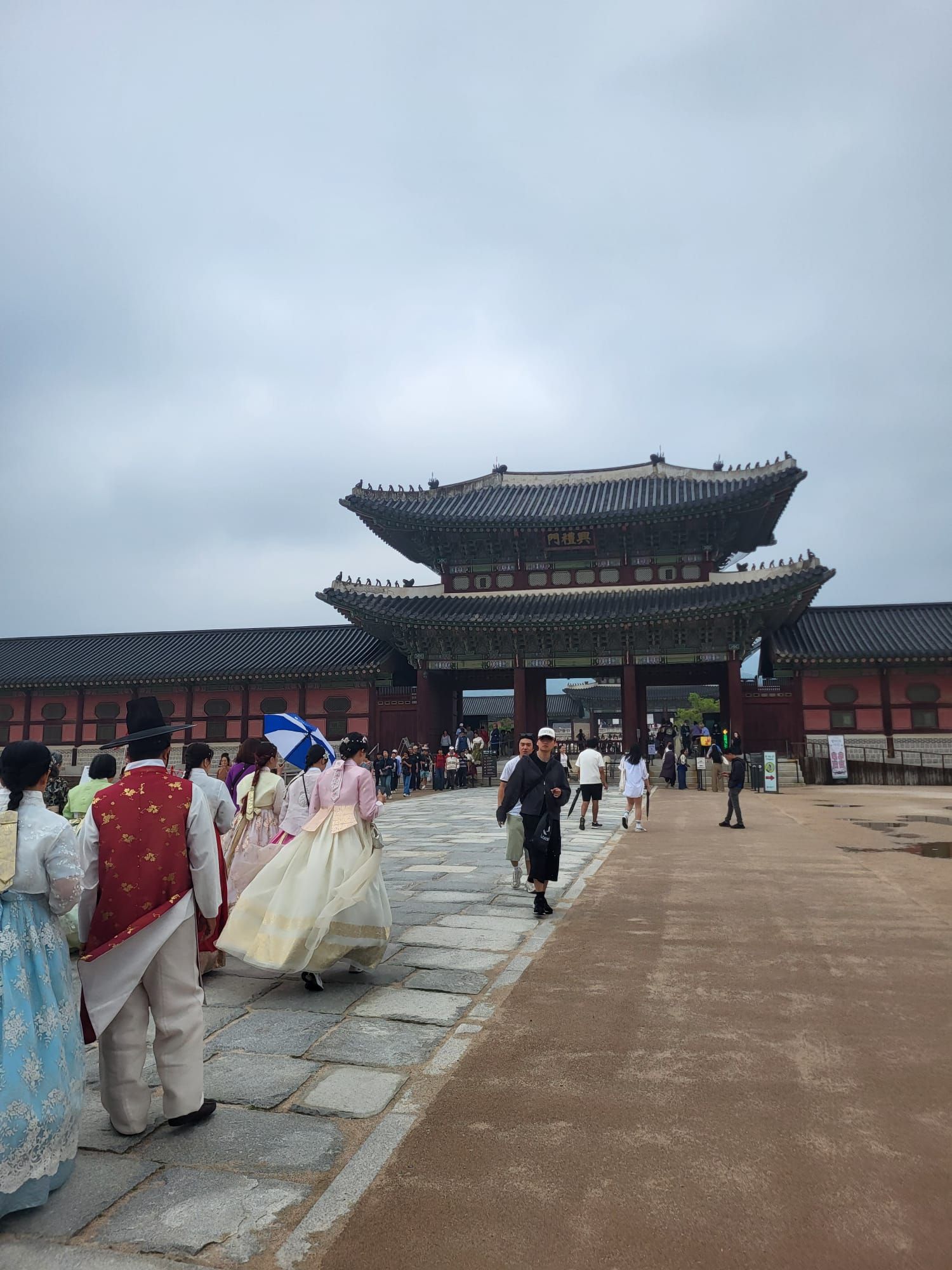
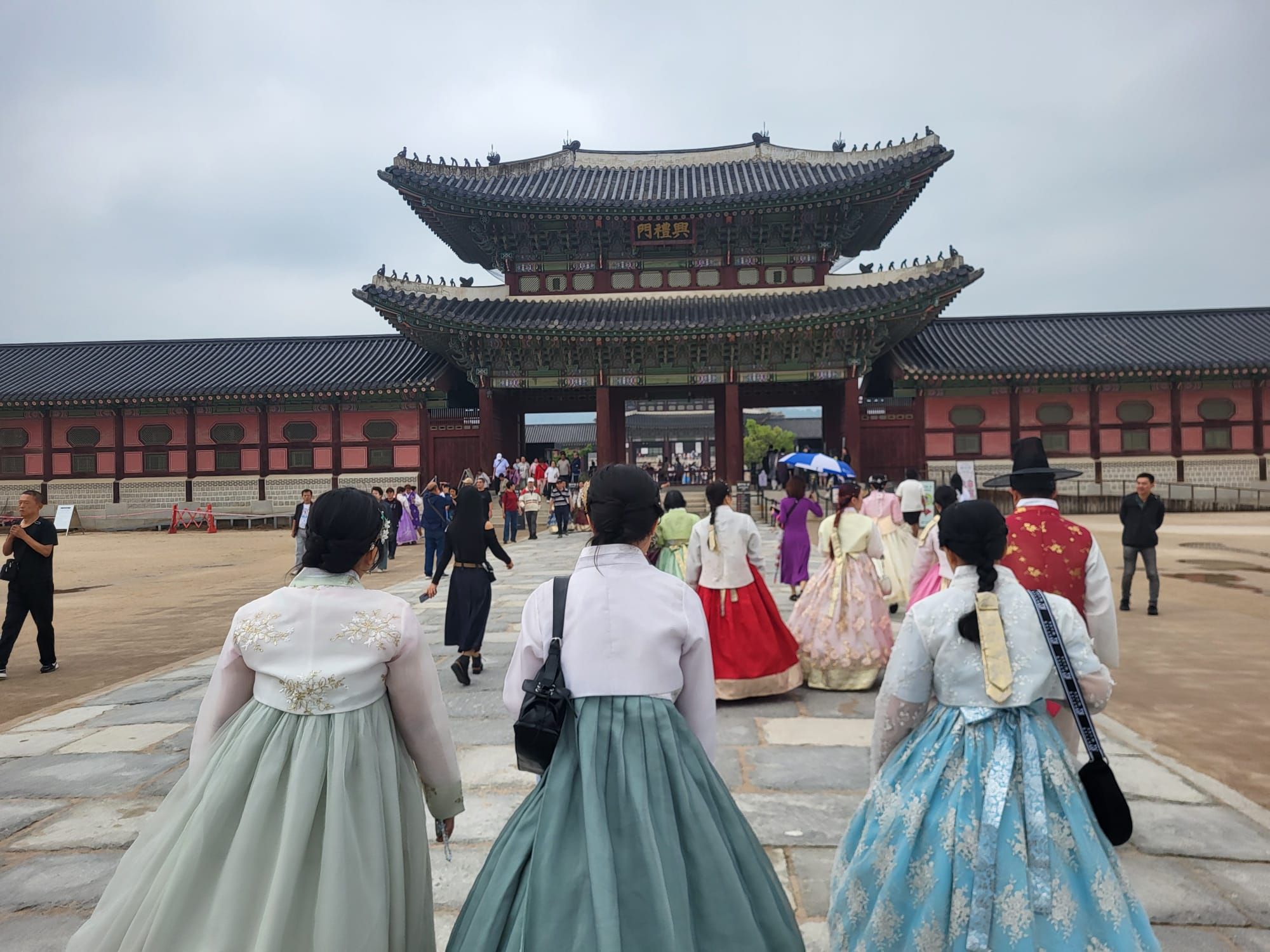
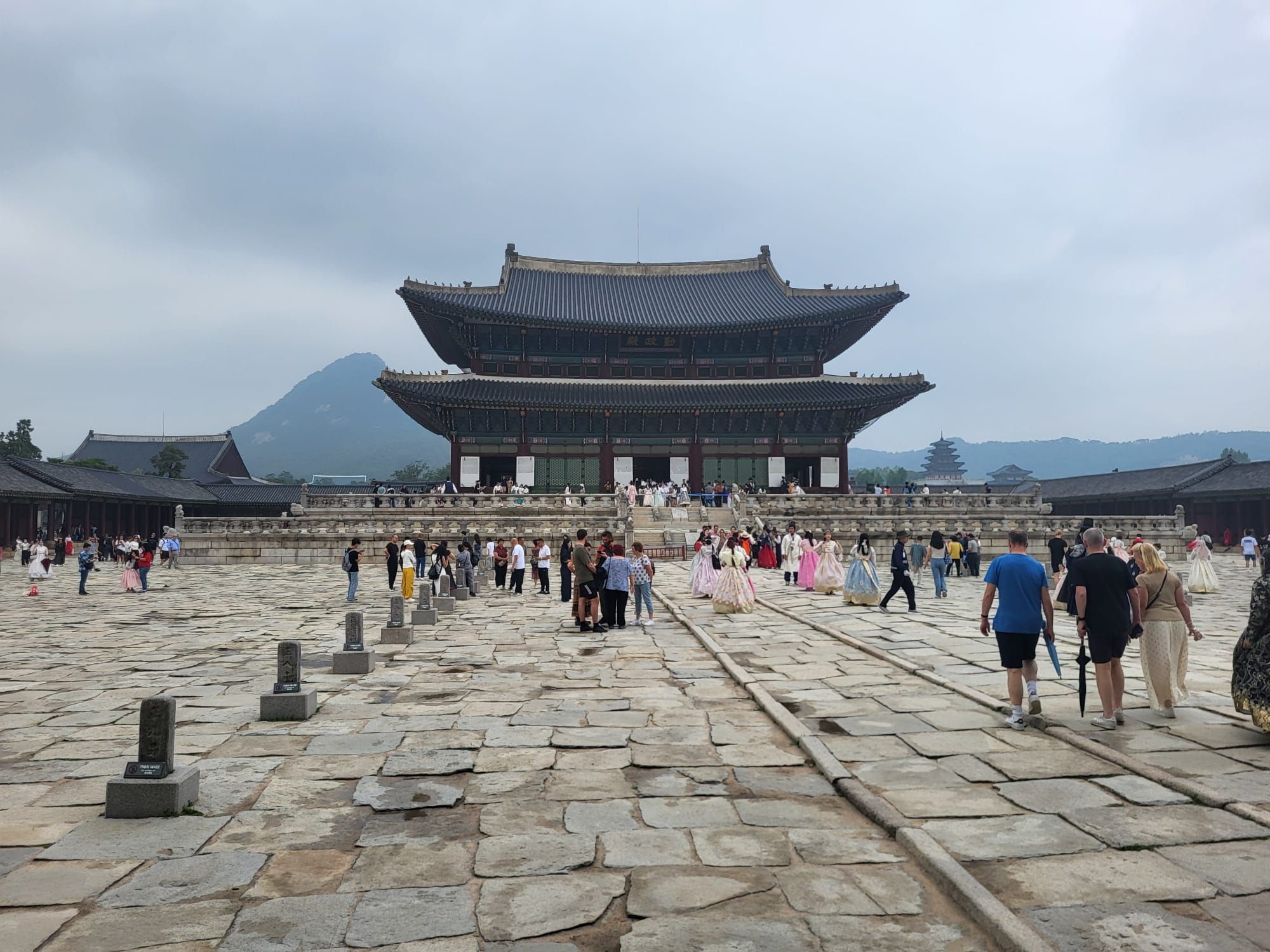
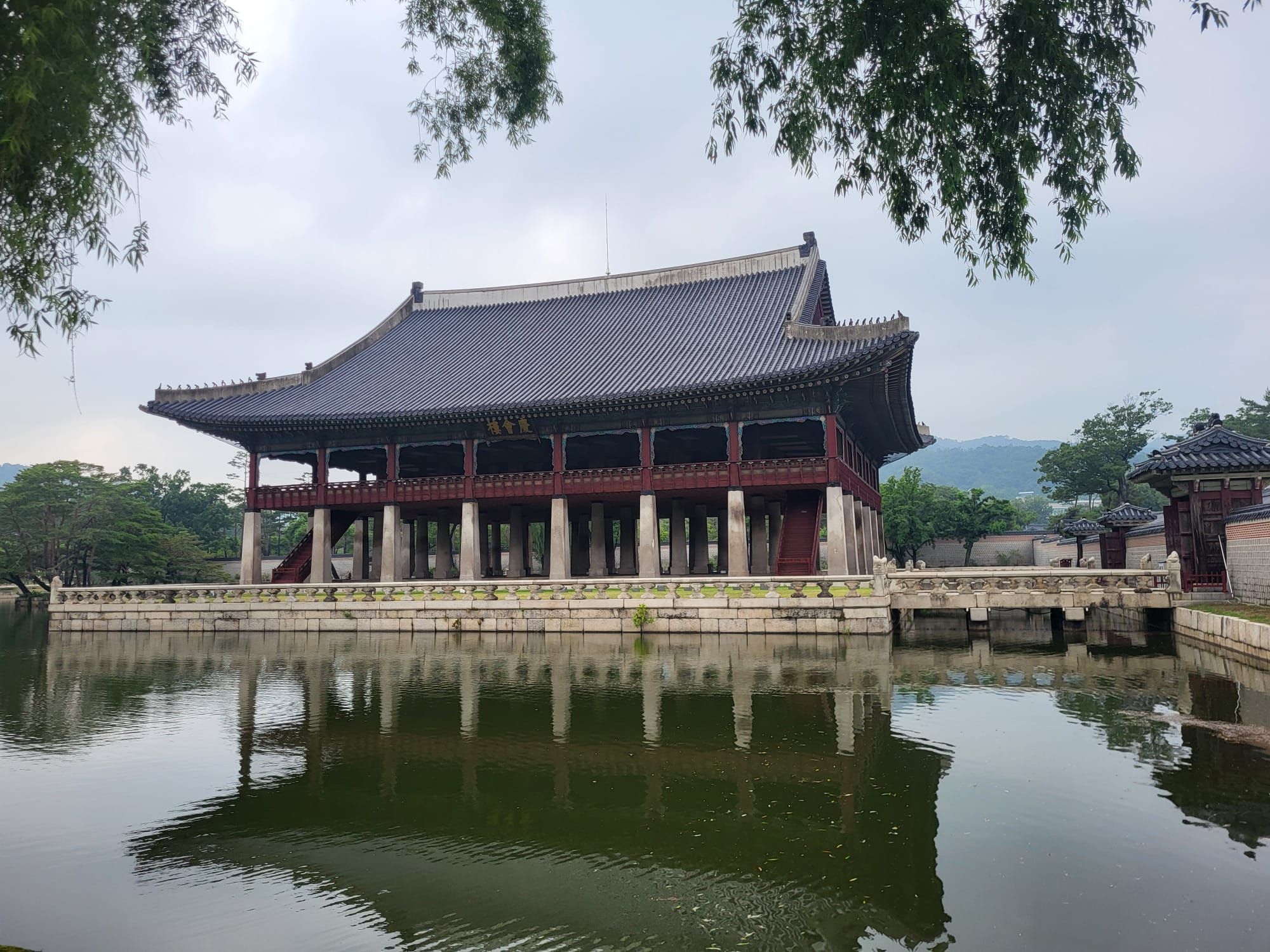
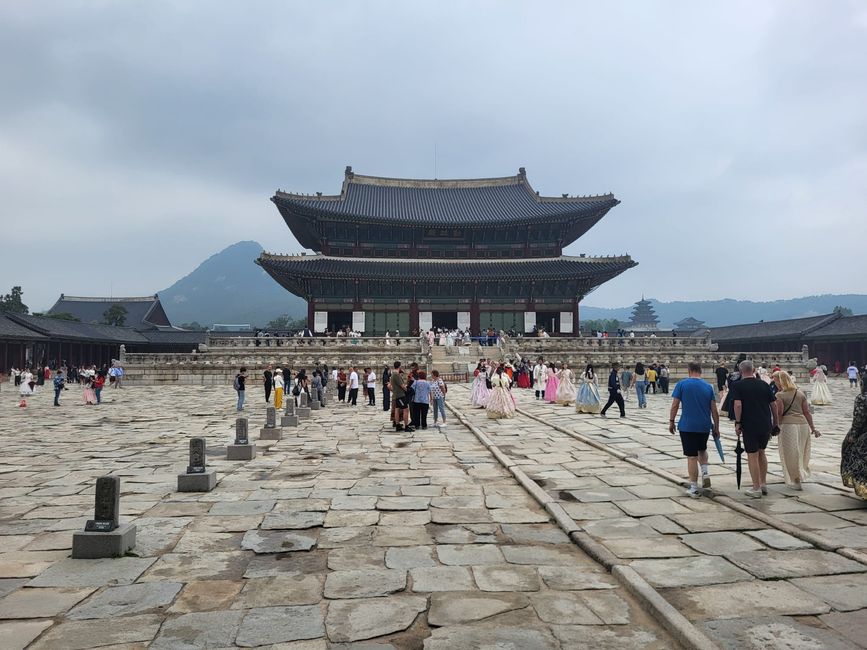
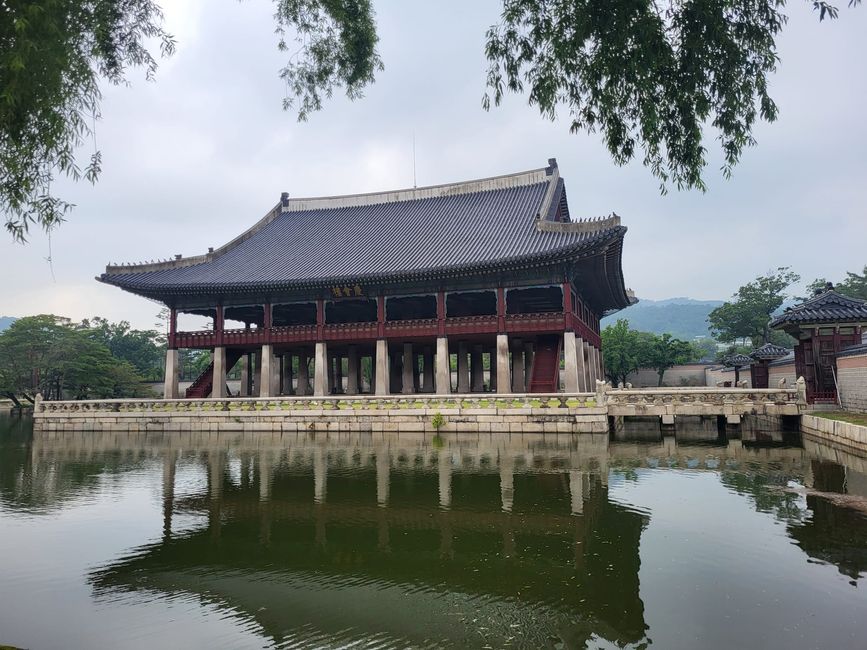
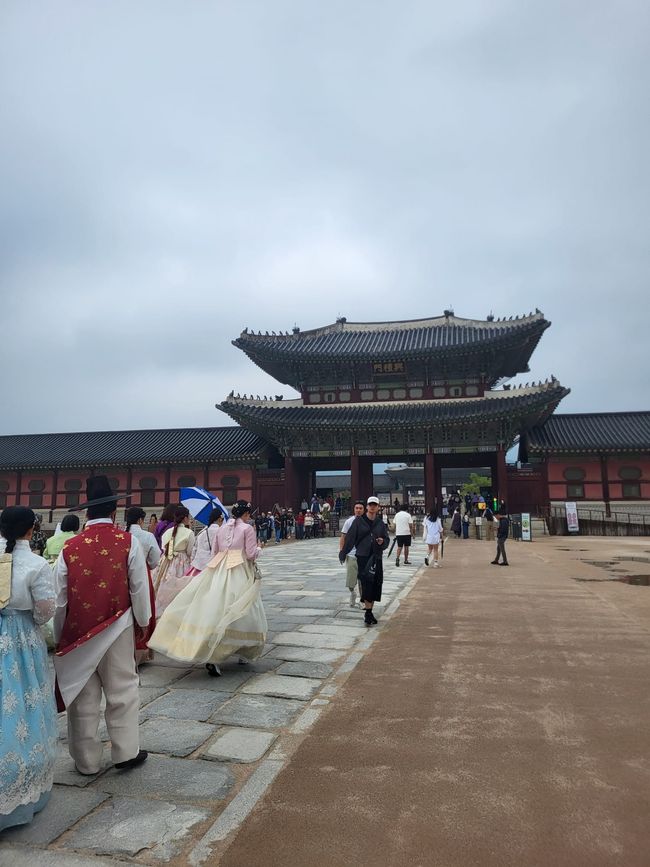
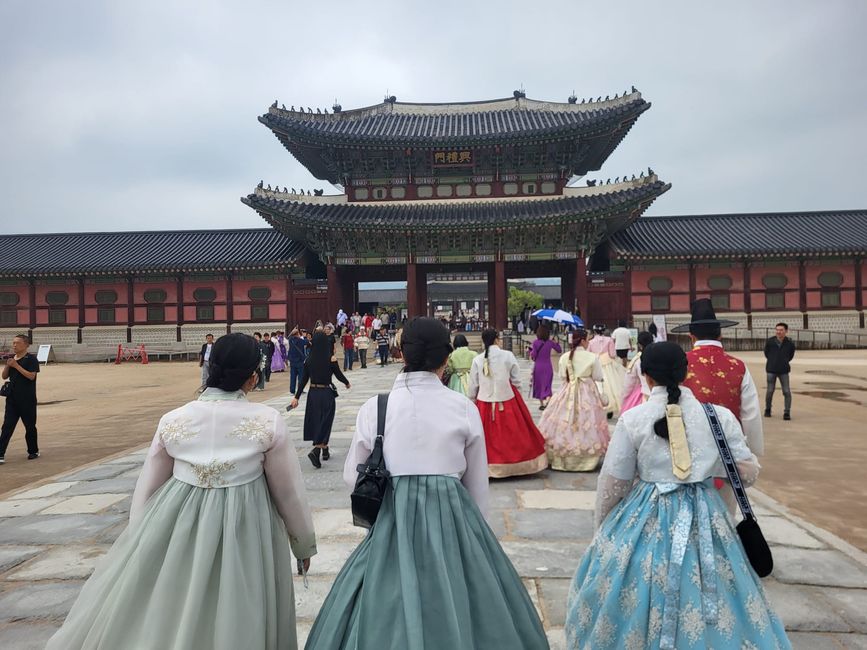
After a short stop at the hotel to drop off our purchases, a bit of culture was on the agenda again. The target was the Kimchi Museum – but unfortunately, it was closed on Mondays. I still can’t quite wrap my head around the opening times 😅 Fortunately, the museum is not far from Gyeongbokgung – the “Palace of Radiant Bliss” and one of South Korea's most significant historical sites. The palace is regarded as one of Seoul's central landmarks. And although it is so symbolic, it is not part of the UNESCO World Heritage Site. The reason is simple: The palace has been destroyed and rebuilt several times throughout history, losing a large part of its historical authenticity in the process. The entrance fee to the palace grounds costs just around 2 euros – a real bargain that we couldn’t miss. Anyone dressing in traditional Hanbok attire gets in for free. And indeed, you see many people in these colorful garments there – not only locals but also numerous tourists who rent hanboks on-site. I honestly don’t believe it’s just because of the free entry – the outfits look very festive, and some of them remind me of wedding attire 😅
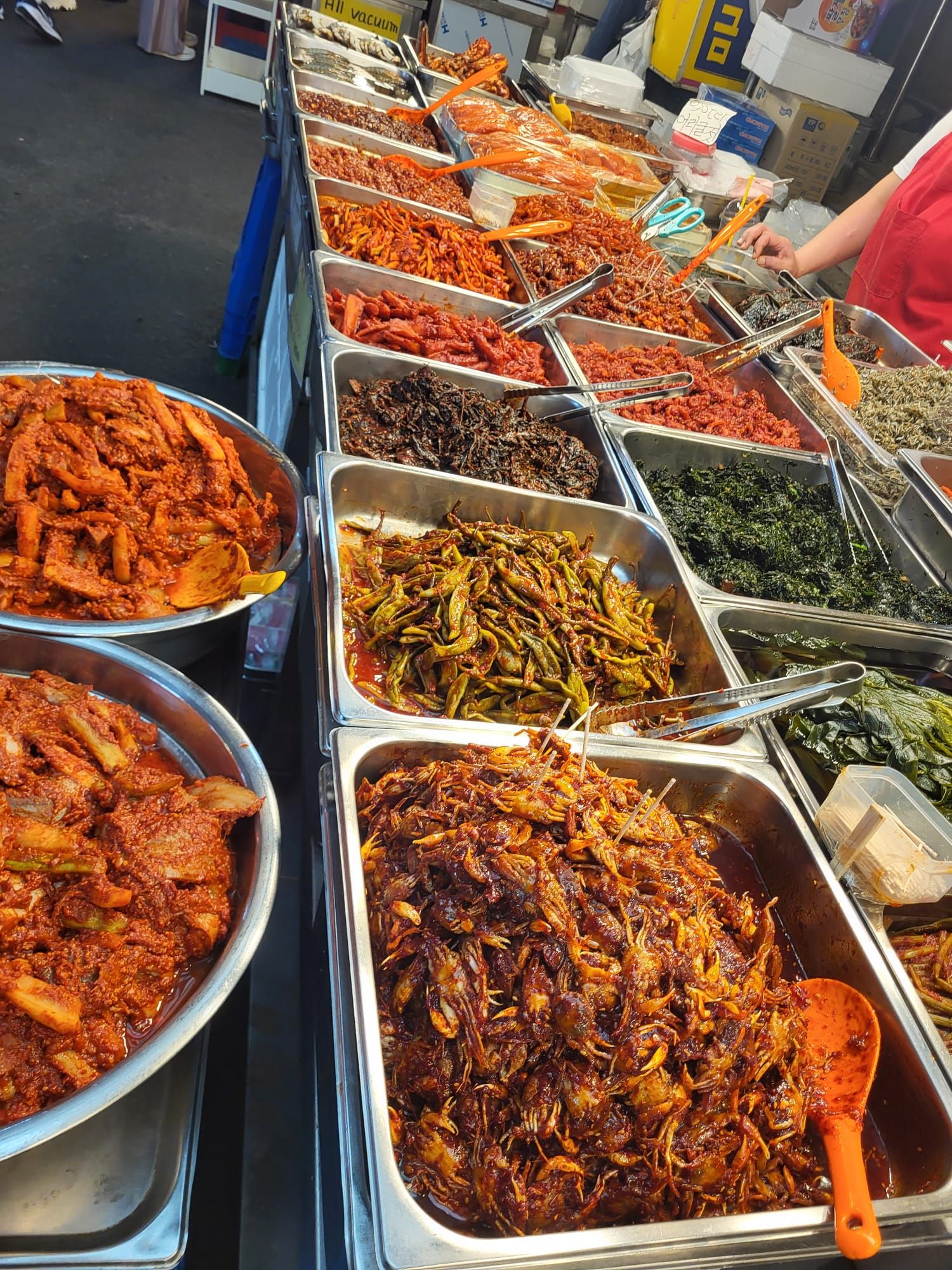
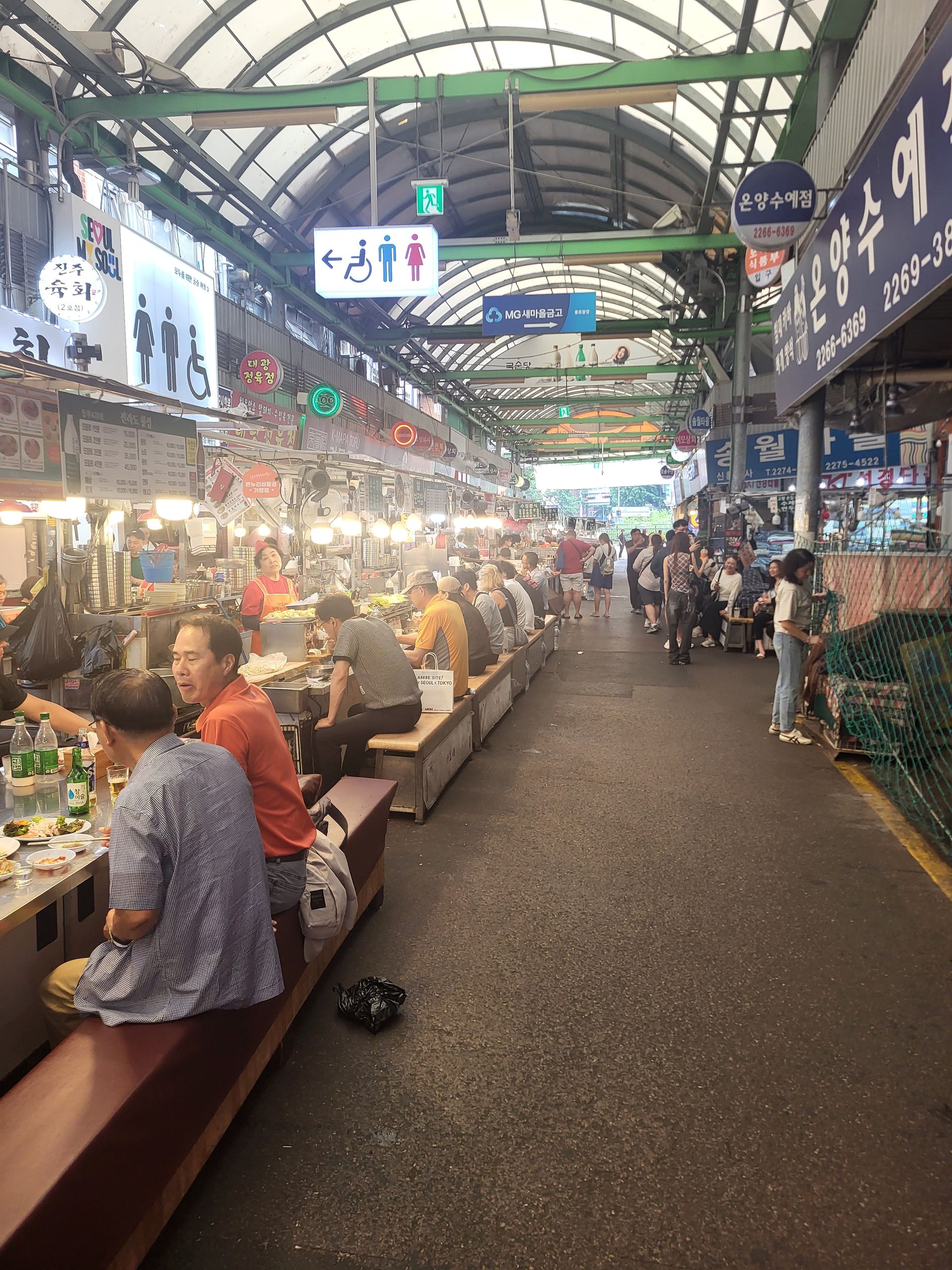
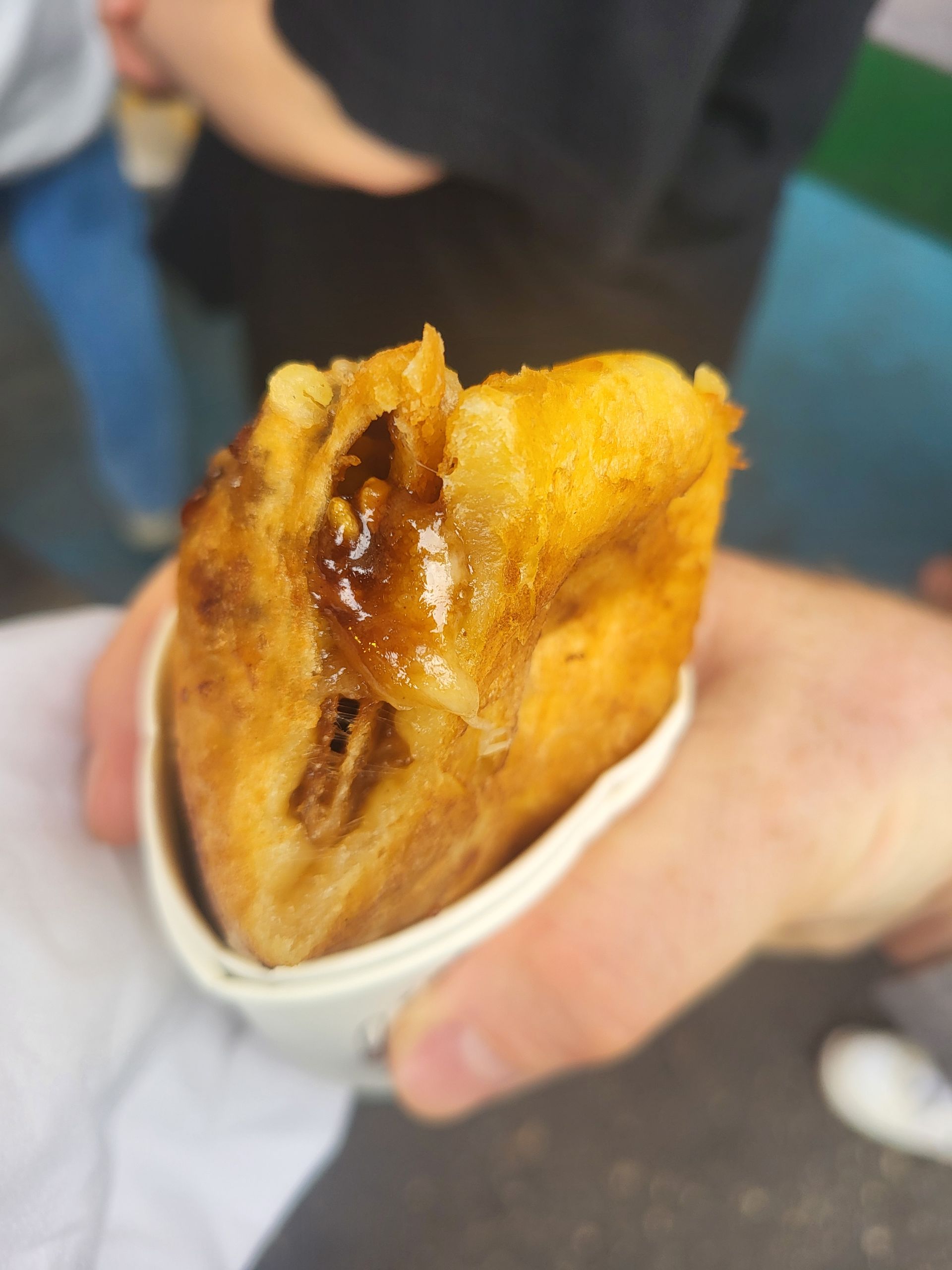
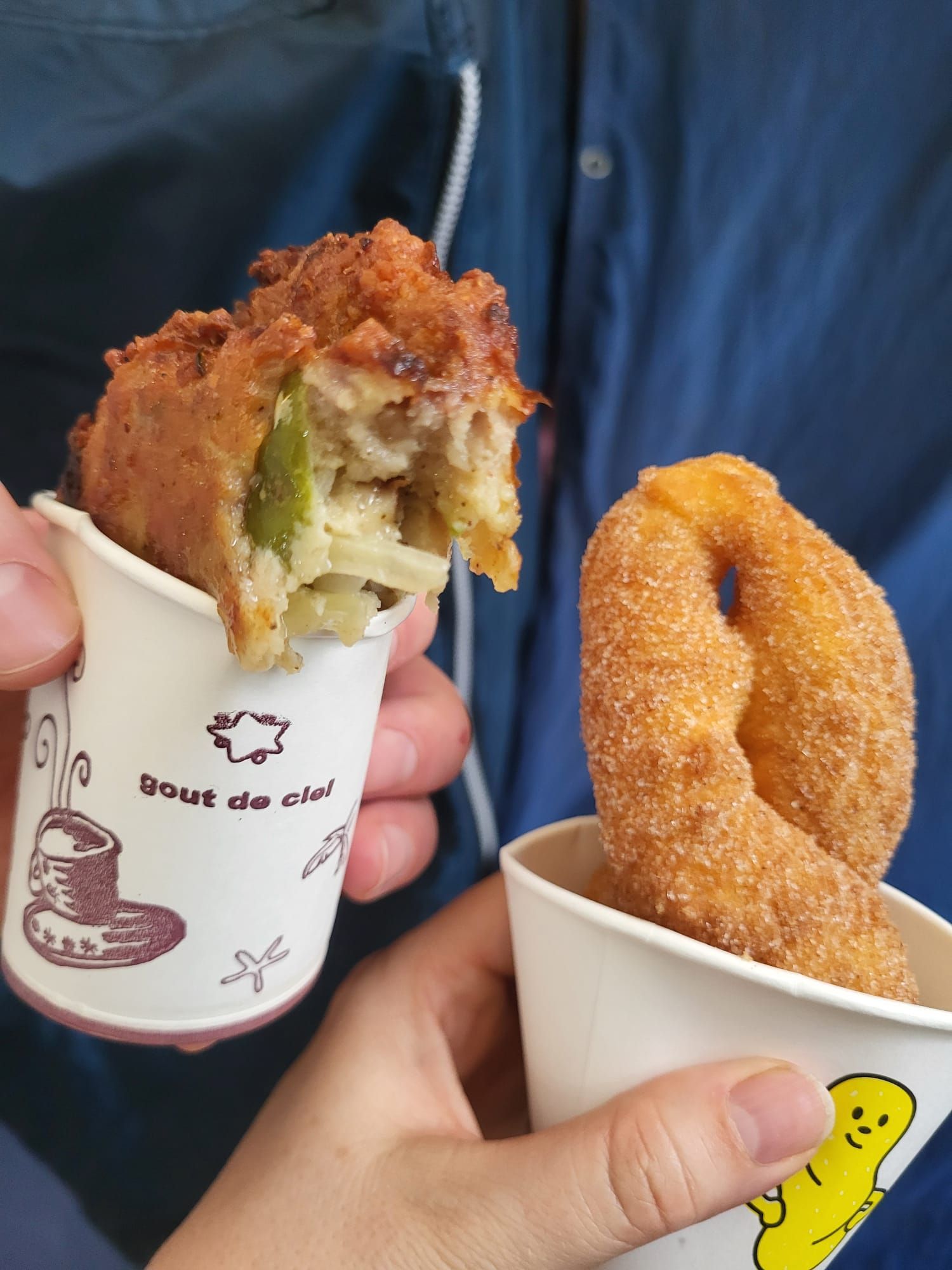
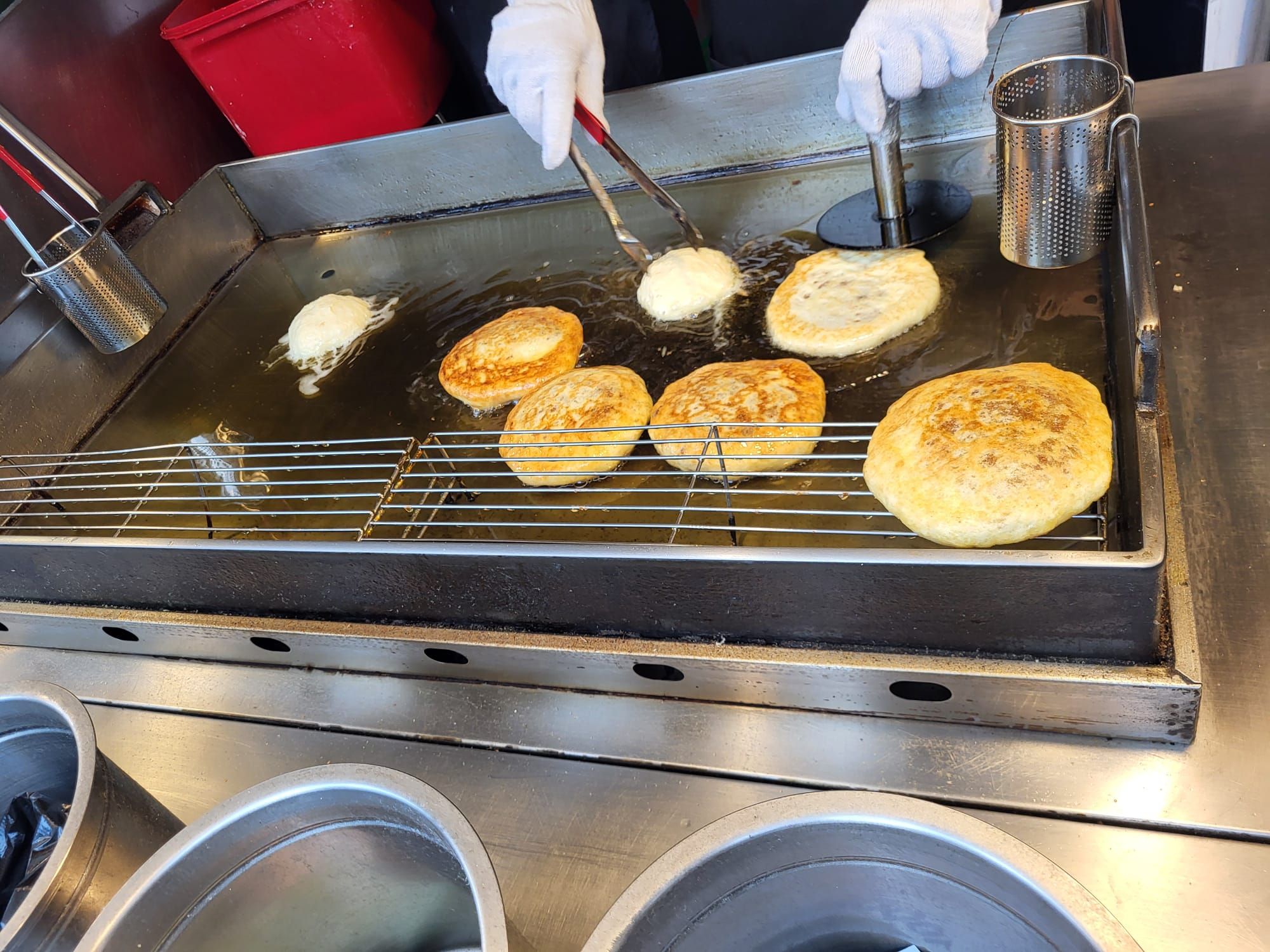
After all these experiences, our most loyal travel companion made its presence known: hunger. And where better to satisfy it than at the legendary Gwangjang Market? A paradise for street food enthusiasts – not for nothing has this place been featured in Netflix documentaries (including in Street Food Asia) and Deliziös was here (following the trails of Deliziös III). So off we went – and what can I say? We completely lost control. One stall after another, one delicacy chasing the next. We feasted our way across the market – see for yourself! 😄